















When a lift chair stops working, it's more than an inconvenience-for many families it's a genuine safety problem. These chairs do something a regular recliner never has to: they help a person who can't stand on their own get safely to their feet. So when the chair won't lift, won't recline, or freezes mid-motion, the person who depends on it can be left stuck or stranded. The good news is that most lift chair faults come from a short list of causes-power, the hand control, the transformer, the motor, or the backup battery-and many of them you can diagnose and fix at home in a few minutes. This guide walks through the most common lift chair problems, how to tell them apart, and exactly what to do for each one, with safety front and center.
What Is a Lift Chair and How Does It Work
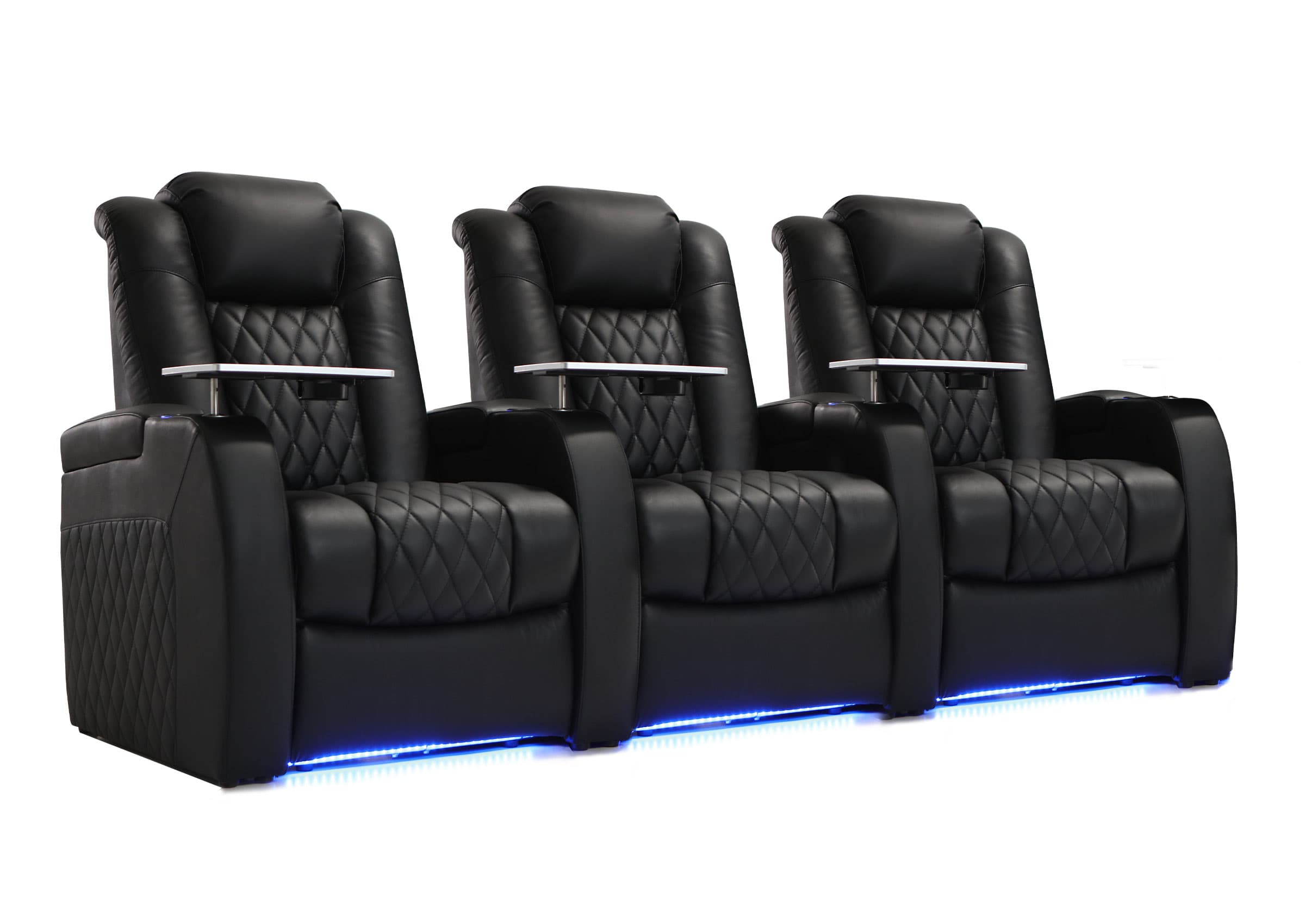
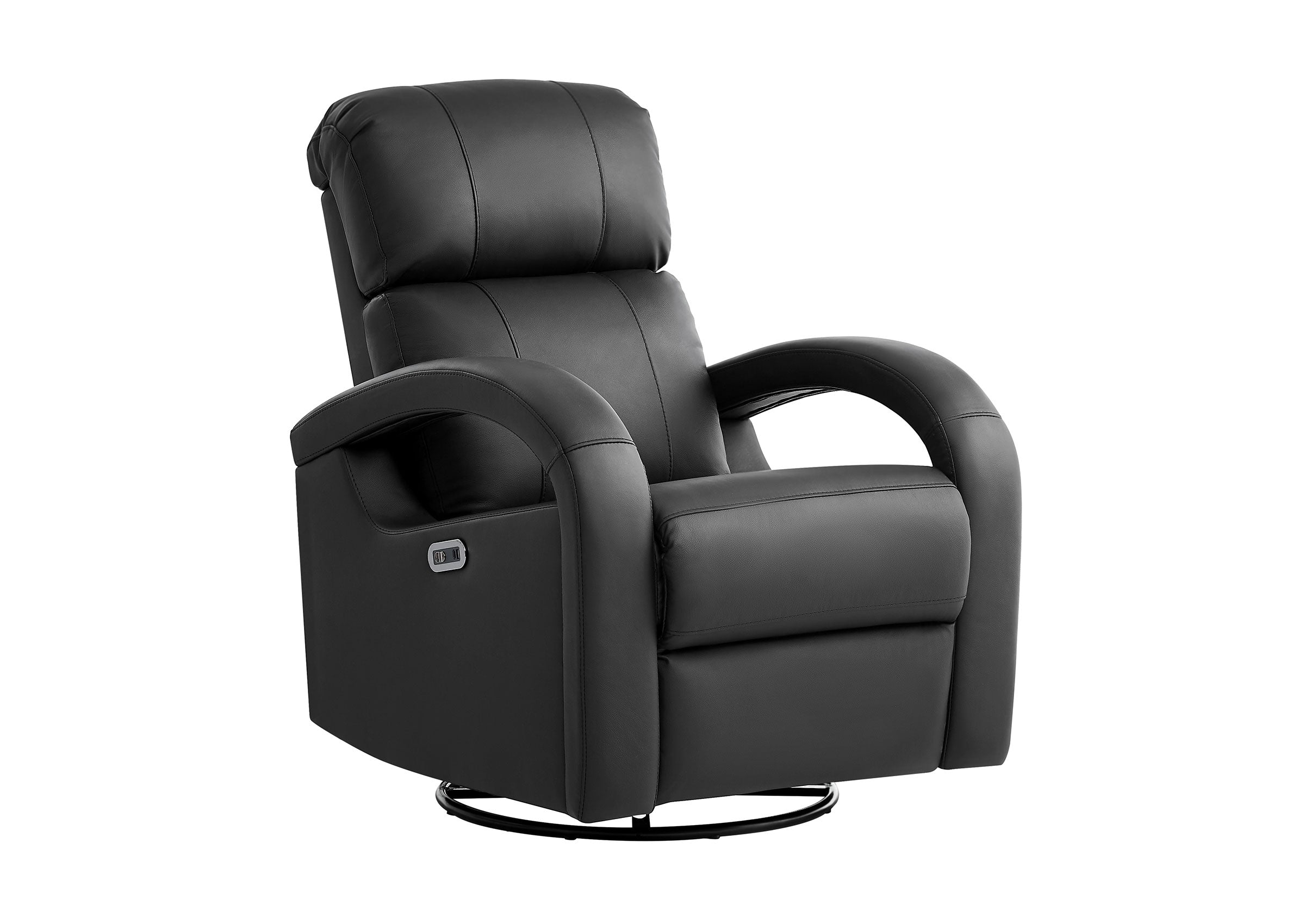
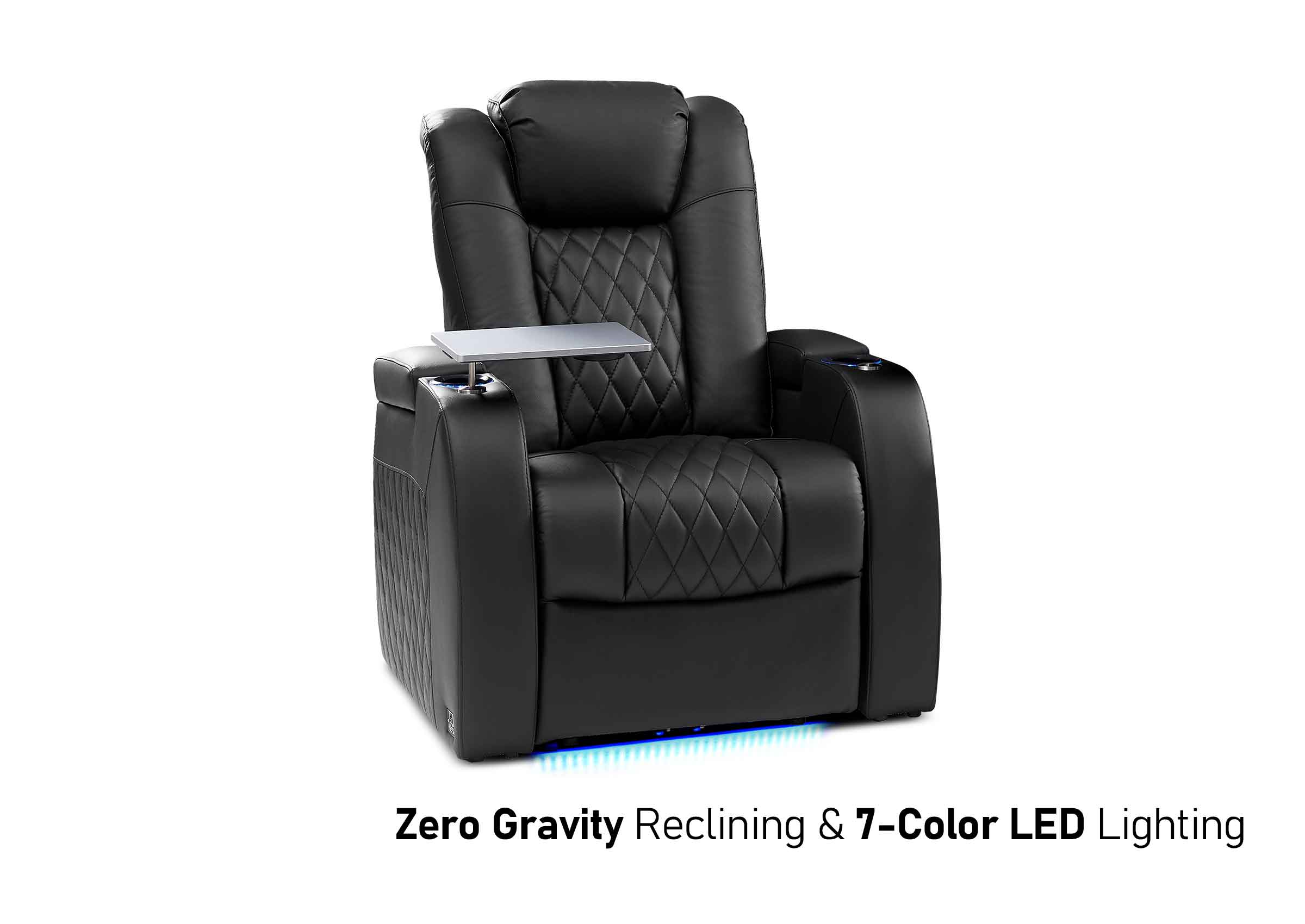
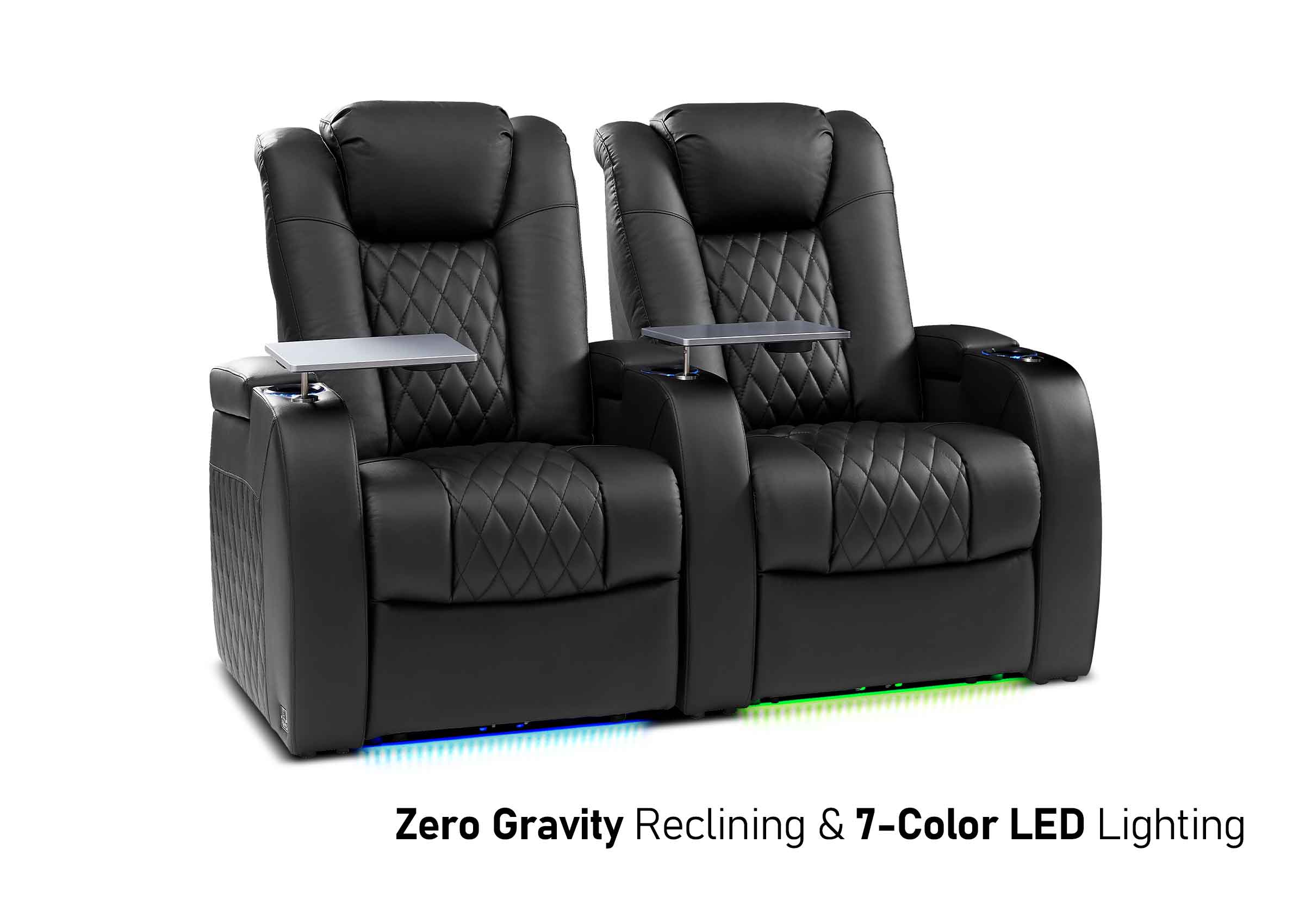
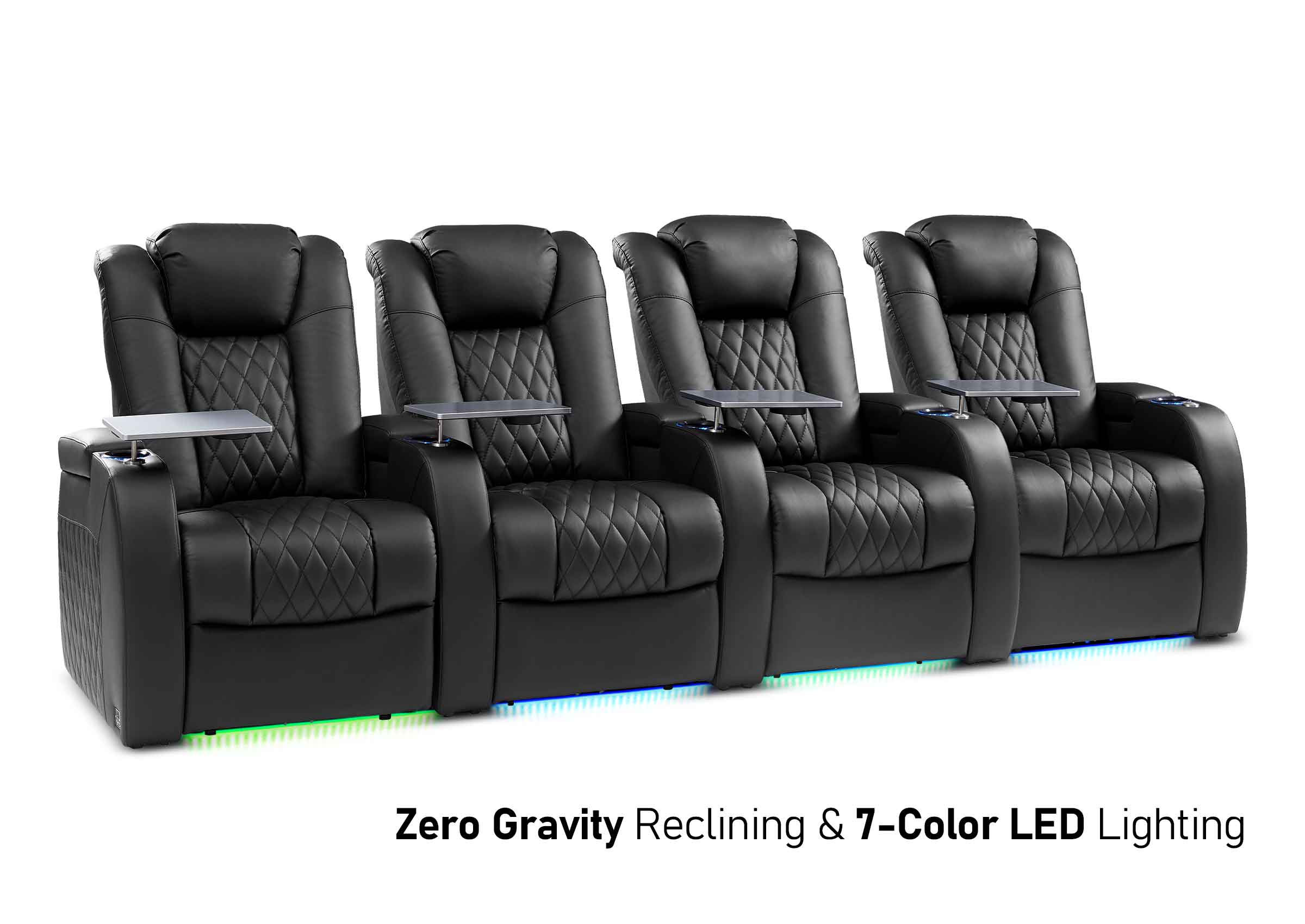
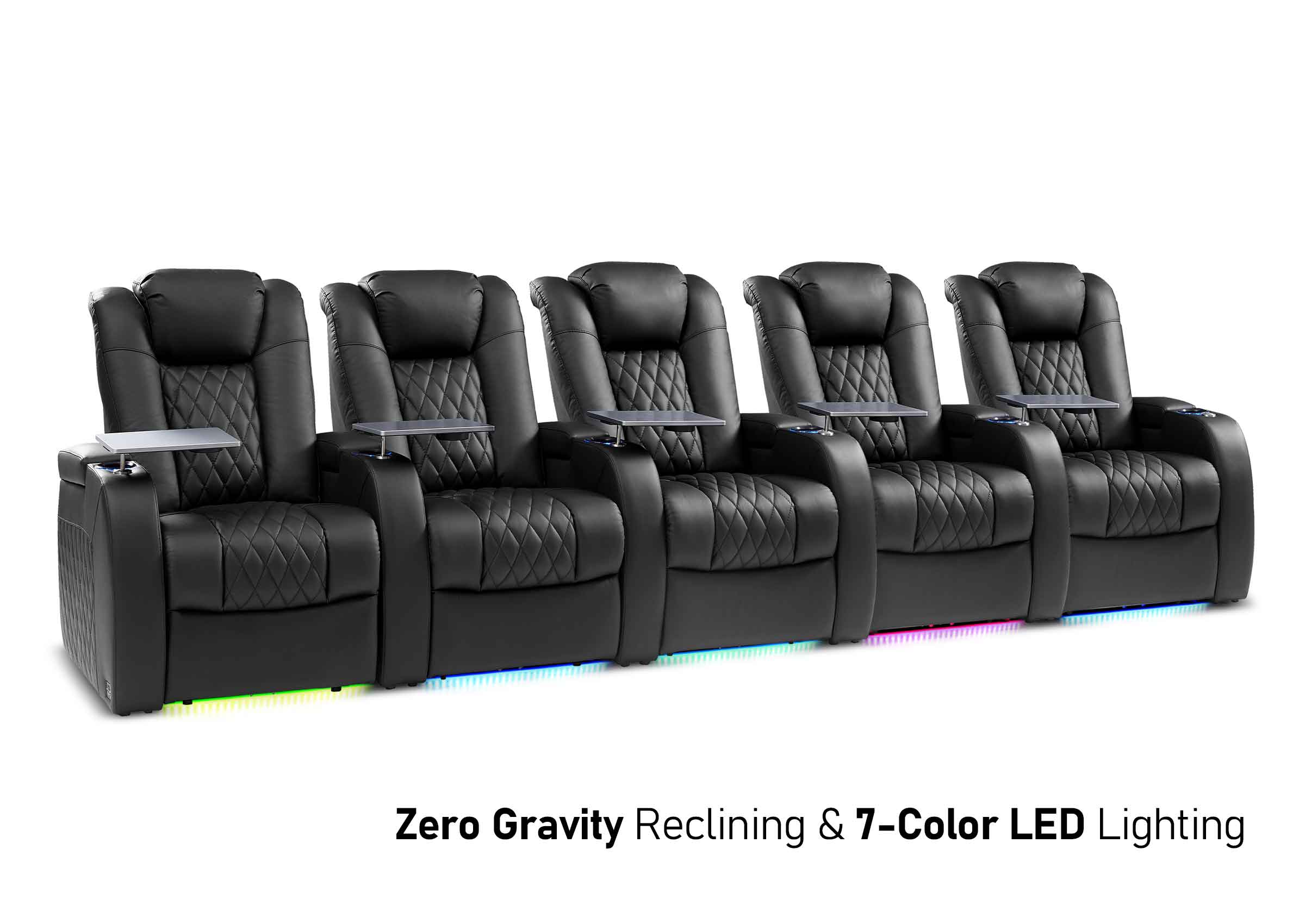
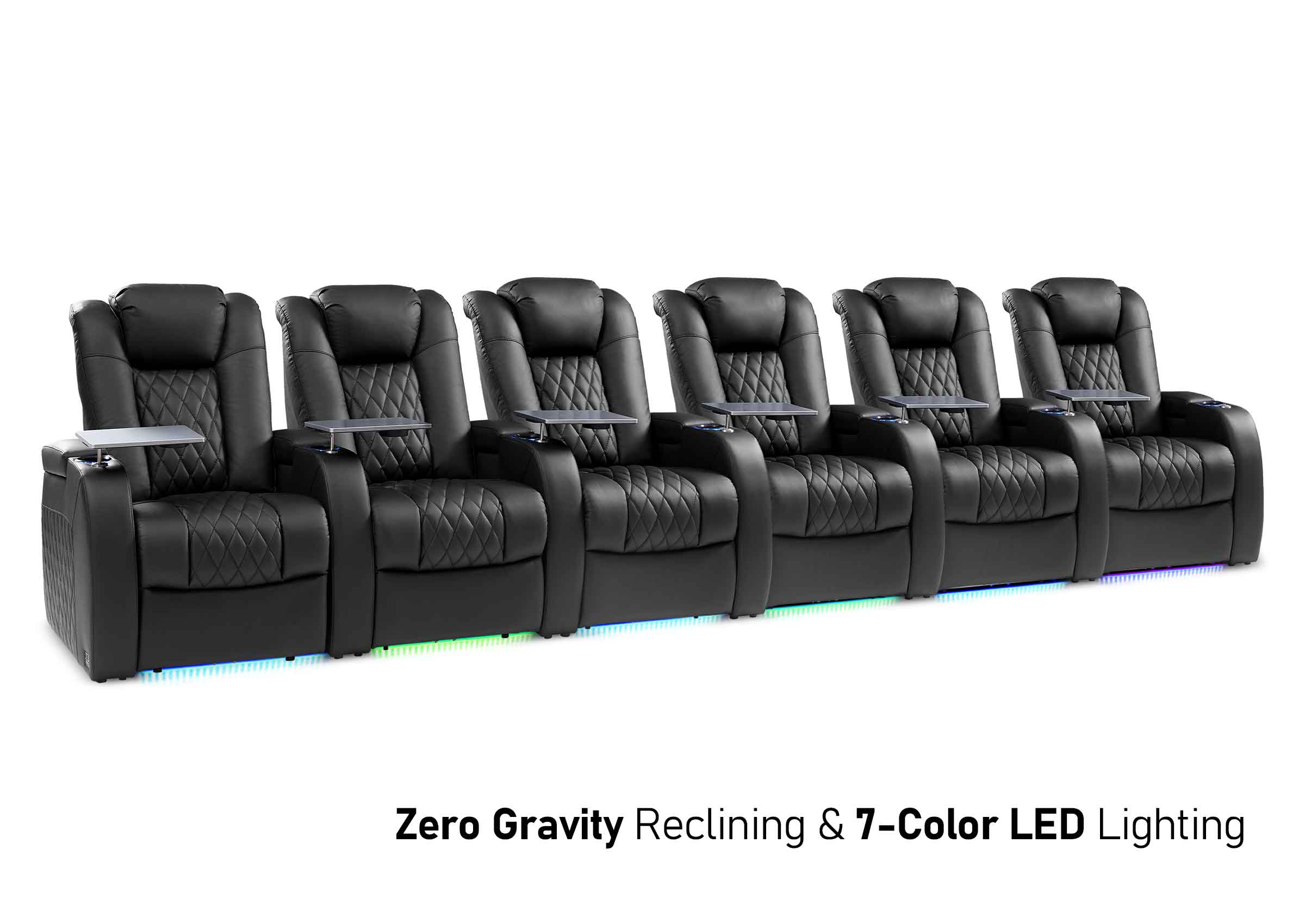
A lift chair (also called a power lift recliner or seat-lift chair) is a motorized recliner that tilts forward to gently raise the seated person toward a standing position, then reclines back like a normal recliner. Understanding the parts makes troubleshooting far easier, because almost every failure traces back to one specific component.
Here are the core parts working together inside the chair:
- Lift motor / actuator: An electric motor with a long screw rod (the actuator) that physically pushes the chair frame up and down. Most lift chairs have one actuator; some heavy-duty or infinite-position models have two.
- Hand control (remote): The wired handset with up/down buttons. It sends low-voltage signals to the motor and is the single most common point of failure.
- Transformer / power supply: A black box on the power cord that converts wall current (110V) down to the low voltage (usually 24–29V DC) the motor and remote actually use. The chair plugs into the transformer, not directly into the wall.
- Battery backup: A small pack (usually two 9V batteries) that lets the chair return to a safe, seated position during a power outage. It is only for emergencies-it cannot run the chair day to day.
If you understand this chain-wall outlet → transformer → hand control → motor/actuator → chair moves-you can usually pinpoint a fault by working along it one link at a time. This is the same logic behind diagnosing any powered recliner, covered in our general recliner repair guide.

Before You Start
A few minutes of preparation keeps the repair safe and saves a lot of guesswork.
1. Safety First
Lift chairs combine electrical components with heavy lifting mechanisms, so caution matters more than with a manual recliner. Unplug the transformer from the wall before reaching underneath or handling any wiring. Keep fingers and clothing clear of the scissor mechanism and actuator-it has enough force to cause serious injury. If the person who uses the chair is in it when it fails, help them out gently before you start working, and never crawl under a chair that's holding weight.
2. Find Your Model and Warranty Status
Look for a label on the underside of the chair or on the motor housing listing the brand, model, and the actuator/transformer specs. Note the voltage rating-you'll need it if you order a replacement part. Check whether the chair is still under warranty: many lift chairs carry multi-year coverage on the motor and frame, and opening sealed parts yourself can void that warranty.
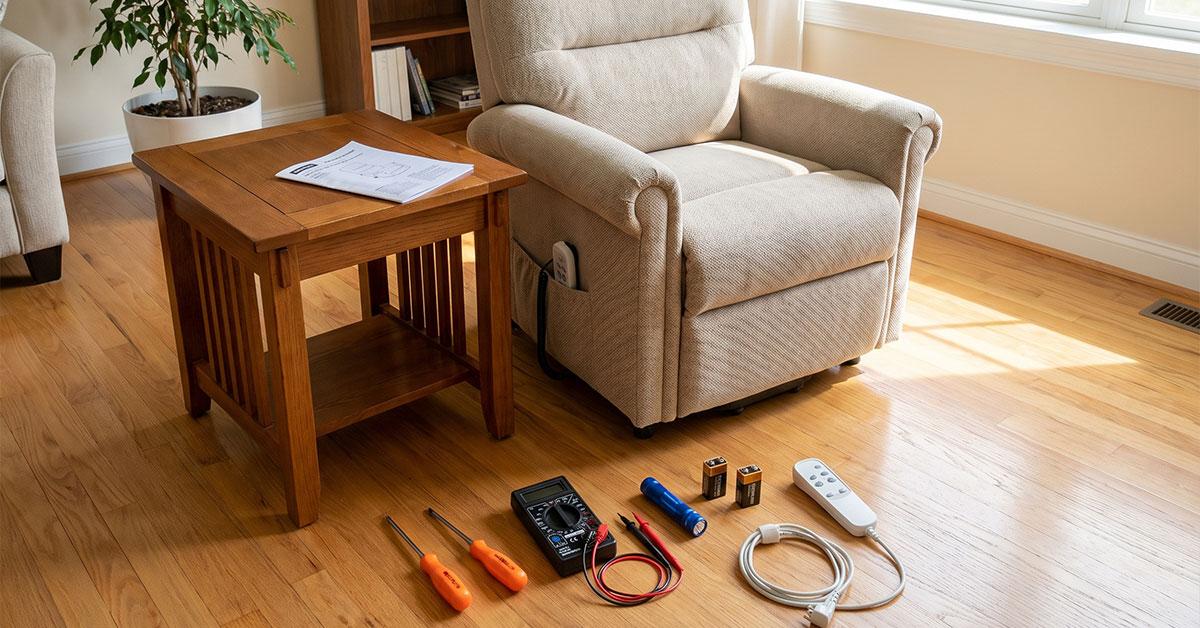
3. Gather Basic Tools
- Phillips and flathead screwdrivers
- A flashlight (you'll be looking under the chair)
- Fresh 9V batteries (for the backup pack test)
- A multimeter, if you want to test the transformer's output voltage
- Work gloves
Common Lift Chair Problems and How to Fix Them
Work through these in order. Each section starts with a quick answer so you can jump straight to the likely cause, then expands into the steps.

Lift Chair Won't Go Up / Won't Lift
Quick answer: A lift chair that won't go up is most often a power problem, not a broken motor. Check that the transformer is plugged firmly into both the wall and the chair, confirm the outlet works, and reseat the hand-control plug. If you hear the motor hum but the chair doesn't move, the actuator may be failing; if you hear nothing, suspect the power supply or remote.
Start at the wall. Make sure the transformer is plugged into a working outlet-test the outlet with a lamp or phone charger, since a tripped switch or dead socket is a surprisingly common culprit. Then follow the cord to where it joins the chair and the hand control, and firmly reseat every connector; these plugs vibrate loose over time. Unplug the transformer for five minutes, then reconnect-this resets minor electrical glitches.
Now listen. Press the "up" button and pay attention to the sound. A humming or grinding noise with no movement means power is reaching the motor but the actuator is jammed or worn-skip to the motor section below. Total silence points upstream to the transformer, the remote, or a loose connection. If only the lift function fails while reclining still works on a single-motor chair, the issue is usually the actuator or its mounting, not the electronics.

Lift Chair Won't Recline or Come Back Down
Quick answer: If the chair lifts but won't recline or won't come back down, the "down" side of the hand control or motor is the prime suspect. Check that nothing is physically blocking the mechanism, reseat the remote, and test with a spare hand control if you have one. On dual-motor chairs, one actuator can fail while the other still works.
First rule out a physical obstruction: a wall too close behind the chair, a rug bunched under the base, or an object caught in the mechanism can all stop the recline. Pull the chair at least a foot from the wall and clear the area underneath. If the frame moves freely by feel but still won't recline on command, the problem is electrical.
Because the up and down directions use separate contacts in the hand control, it's common for one direction to fail while the other works-this strongly points to a faulty remote (see the next section). On infinite-position or dual-motor chairs, the back and the footrest run on separate actuators, so a failure in just one part of the motion usually means a single actuator or its wiring, not the whole system.

Remote / Hand Control Not Working
Quick answer: The hand control is the most failure-prone part of a lift chair. If buttons feel unresponsive, mushy, or only work in one direction, first reseat the remote's plug at the motor, then inspect the cord for damage. A worn handset is inexpensive and is the single most common lift chair repair.
Unplug and firmly reconnect the hand control's connector where it joins the motor or control box under the chair-a partially seated plug mimics a total failure. Run your hand along the entire cord looking for kinks, crush points (a recliner wheel or chair leg rolling over it), or chew marks from pets. A pinched wire inside an intact-looking jacket will cause intermittent or one-direction faults.
If the cord is sound but the buttons are dead or sticky, the handset itself has worn out. Replacement hand controls are widely available and usually cost between $20 and $60-just match the brand, connector type, and number of buttons (a basic two-button up/down handset versus a multi-function model with heat/massage). This is the cheapest and most frequent fix, so it's worth ruling out before you assume the motor is bad.

Motor or Actuator Problems (Including Grinding or Noise)
Quick answer: If the chair hums, clicks, or grinds but moves slowly, jerkily, or not at all-while power and the remote check out-the lift motor or actuator is failing. Light grinding can sometimes be eased with lubrication on the screw rod, but a motor that strains or stalls under normal weight usually needs replacement.
The actuator does the heavy lifting, so it wears with use. Telltale signs of motor trouble are a chair that moves much slower than it used to, hesitates or jerks partway through travel, or makes a louder grinding/clunking noise than normal. First confirm it isn't a power issue: if you've verified the transformer output and remote and the motor still struggles, the actuator is the likely cause.
For a mild grinding or squeak from the screw rod, a small amount of white lithium grease on the exposed threads (with the chair unplugged) can quiet it and smooth the motion-wipe away excess so it doesn't drip on upholstery. But do not open the sealed motor housing. If the actuator stalls under normal body weight, runs only intermittently, or has visibly bent its rod, it needs to be replaced. Actuator replacements run roughly $100–$250 in parts and are a common service call; on a single-motor chair the swap is straightforward for a confident DIYer, but matching the exact stroke length and mounting brackets is critical.

Transformer / Power Supply Failure
Quick answer: If the chair is completely dead-no hum, no movement, no response from the remote-and the outlet is confirmed live, the transformer (power supply box) is the most likely failed part. A multimeter reading far below its rated output (e.g. 24–29V) confirms it. Replacement transformers are inexpensive and easy to swap.
The transformer is the black box inline on the power cord that steps wall voltage down for the chair. They fail more often than the motor because they handle the conversion load. With the chair plugged into a known-good outlet, set a multimeter to DC volts and probe the transformer's output connector: a healthy unit should read close to the voltage printed on its label (commonly 24V, 28V, or 29V). A reading near zero, or a transformer that's hot to the touch and smells burnt, confirms it's dead.
Replacing it is one of the easier fixes: unplug from the wall, disconnect the old transformer at both ends, and plug in a matching unit. Match the voltage, amperage, and connector type to your model. If you don't have a multimeter, a dead transformer is still the prime suspect whenever the chair shows zero signs of life despite a working outlet and a reseated remote.

Battery Backup Not Working
Quick answer: If the chair runs on wall power but won't move during a power outage, the backup batteries are dead. Replace the two 9V batteries in the small backup box under the chair. Remember the backup is for emergencies only-it can't power the chair day to day, and a chair "only working sometimes" usually points to the remote or transformer instead.
Locate the battery backup box-a small black case clipped under the chair, near the transformer connection. Open it and replace the batteries (almost always two standard 9V batteries) with fresh ones, watching the polarity. The backup system exists so that if the power goes out while someone is reclined, they can bring the chair upright and get out safely; it provides only a few cycles, not continuous use.
A common misunderstanding: if the chair runs fine on wall power but the backup never seems to work, that's expected unless the power is actually out-the chair draws from the transformer first. But if the chair works only intermittently while plugged in, don't blame the batteries-that pattern points to a loose connection, a failing remote, or a dying transformer.

Chair Stuck in One Position
Quick answer: A lift chair stuck in the reclined position is usually an electrical fault on the "down/return" path-a failed remote, transformer, or actuator. To get someone out safely first, use the battery backup to return the chair upright, or if there's no power at all, carefully help them stand while the chair is supported.
The immediate priority is freeing the person, not fixing the chair. If the chair is stuck reclined and there's a power outage, the battery backup is exactly for this-press the up/return button and it should bring the chair forward for a few cycles. If the backup is dead too, support the seated person and help them out without forcing the mechanism.
Once everyone is safe, diagnose the stuck direction. If the chair will lift but won't return down, or vice versa, the fault is almost always in that direction's contacts-test a spare hand control first, then the transformer, then the actuator, following the same chain described above. A chair frozen completely in place with no power signs points back to the transformer or a loose main connection. Never try to force the frame by hand-the actuator's screw drive can be damaged by manual override.
Lift Chair Repair vs Replacement
Many lift chair problems are cheap, quick fixes-a worn hand control or a failed transformer can be sorted for well under $60 and a few minutes' work, and there's no reason to replace a perfectly good chair over them. The decision gets harder once you're into motor or frame repairs.
A useful guideline is the 50% rule: if a repair costs more than half the price of a comparable new chair, replacement is usually the smarter choice-especially on an older chair where one failing part often signals others are near the end of their life. A new actuator plus a service call can climb past that threshold quickly. The same framework applies across powered recliners; we break it down in detail in when to repair vs replace a power recliner.
Past the 50% mark, or tired of repeat repairs? If the frame is worn or the chair no longer fits the user's needs, a new model is the safer call. Browse our recliners to compare current options.
When to Call a Professional
Plenty of lift chair repairs are well within reach for a careful DIYer-swapping a hand control, replacing a transformer, changing backup batteries, or even a single-actuator swap on a basic model. But some situations call for a professional or the manufacturer:
- Any sign of burning smell, scorched wiring, or sparks-stop, unplug, and call a technician.
- Repairs that require opening sealed motor or control housings.
- Dual-motor or infinite-position chairs, where the wiring and synchronization are more complex.
- Any chair still under warranty-let the manufacturer handle it so you don't void coverage.
- Whenever the person who relies on the chair could be left without a safe way to stand-don't risk a long DIY downtime.
Frequently Asked Questions
How much does lift chair repair cost?
It depends entirely on the part. The most common fixes are inexpensive: a replacement hand control runs about $20–$60 and a transformer is often $30–$80. Motor or actuator replacement is the costly one, typically $100–$250 in parts plus labor if you hire a technician. Because the cheap parts fail most often, many lift chair repairs end up being quick and affordable.
Who repairs lift chairs?
For simple part swaps, you or a handy family member can usually handle it. For more involved work, contact the chair's manufacturer (especially under warranty), a local furniture or medical-equipment repair service, or a mobility-equipment dealer. Many manufacturers also sell replacement remotes, transformers, and actuators directly, so you can do the swap yourself.
How long do lift chairs last?
A quality lift chair frame typically lasts 10 years or more, but the electrical components have a shorter life-hand controls and transformers are usually the first to go, often within a few years of heavy daily use. Treat those as routine wear items rather than signs the whole chair is failing.
Why does my lift chair only work sometimes?
Intermittent operation almost always points to a loose or damaged connection rather than a fully failed part. Reseat the hand-control plug and the transformer connectors, and inspect the remote cord for crush damage. A frayed wire inside an intact jacket, or a handset on its way out, is the usual cause of a chair that works one moment and not the next.
Can I fix a lift chair myself?
For the common faults-yes. Replacing a hand control, transformer, or backup batteries is straightforward and safe as long as you unplug the chair first and match the replacement parts to your model. Leave sealed motor housings, suspected wiring shorts, and dual-motor systems to a professional, and never work under a chair that's holding someone's weight.