



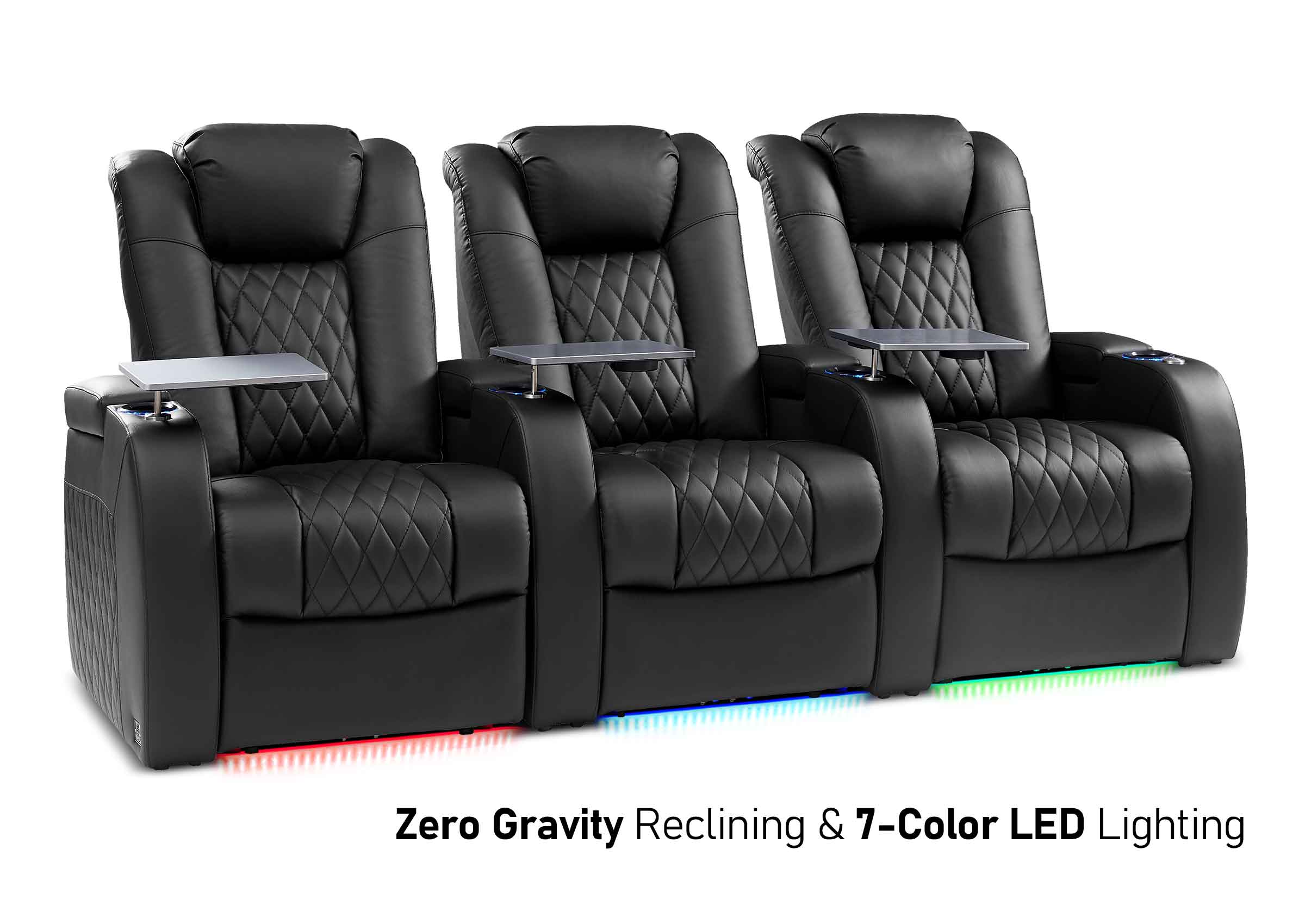
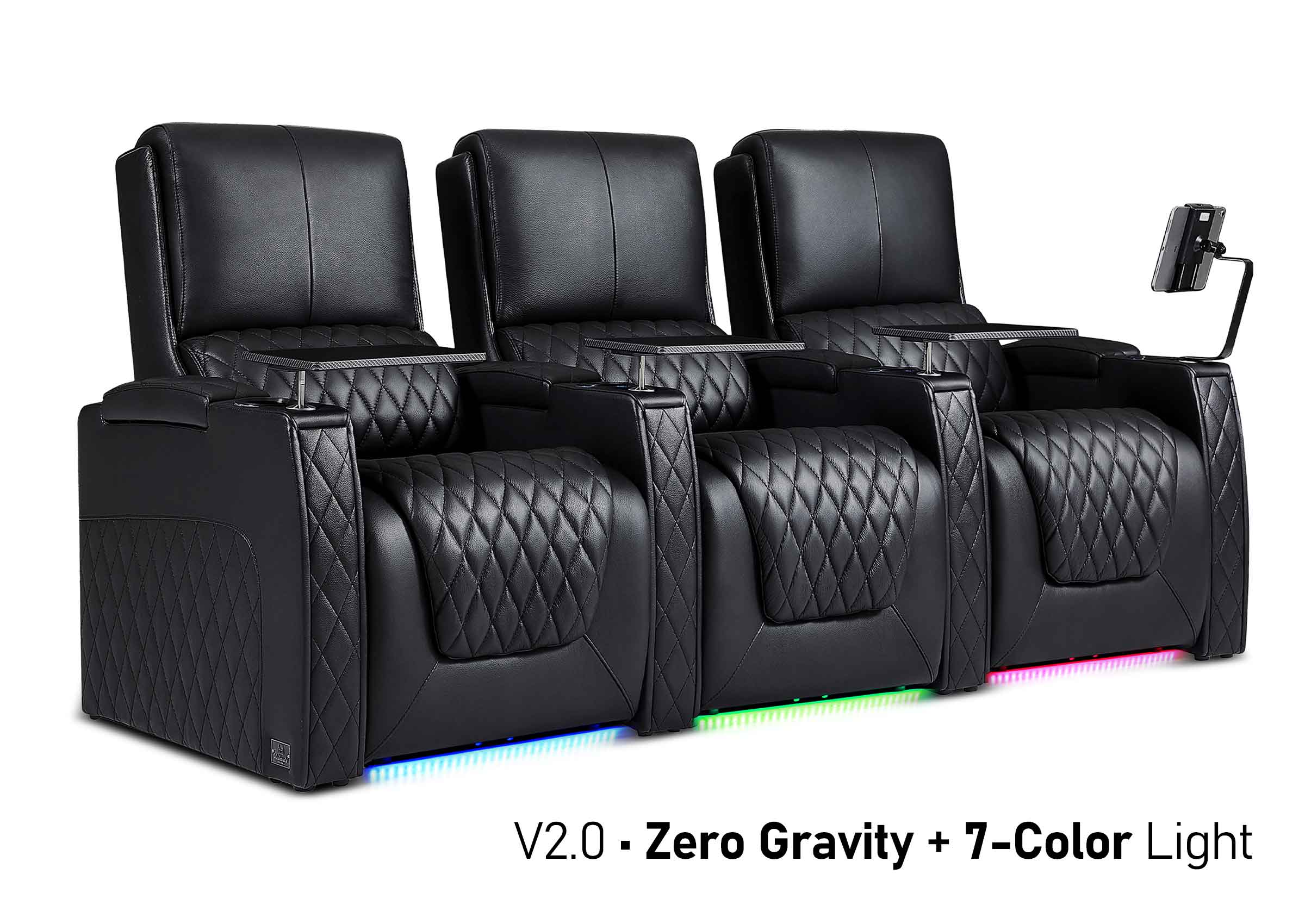
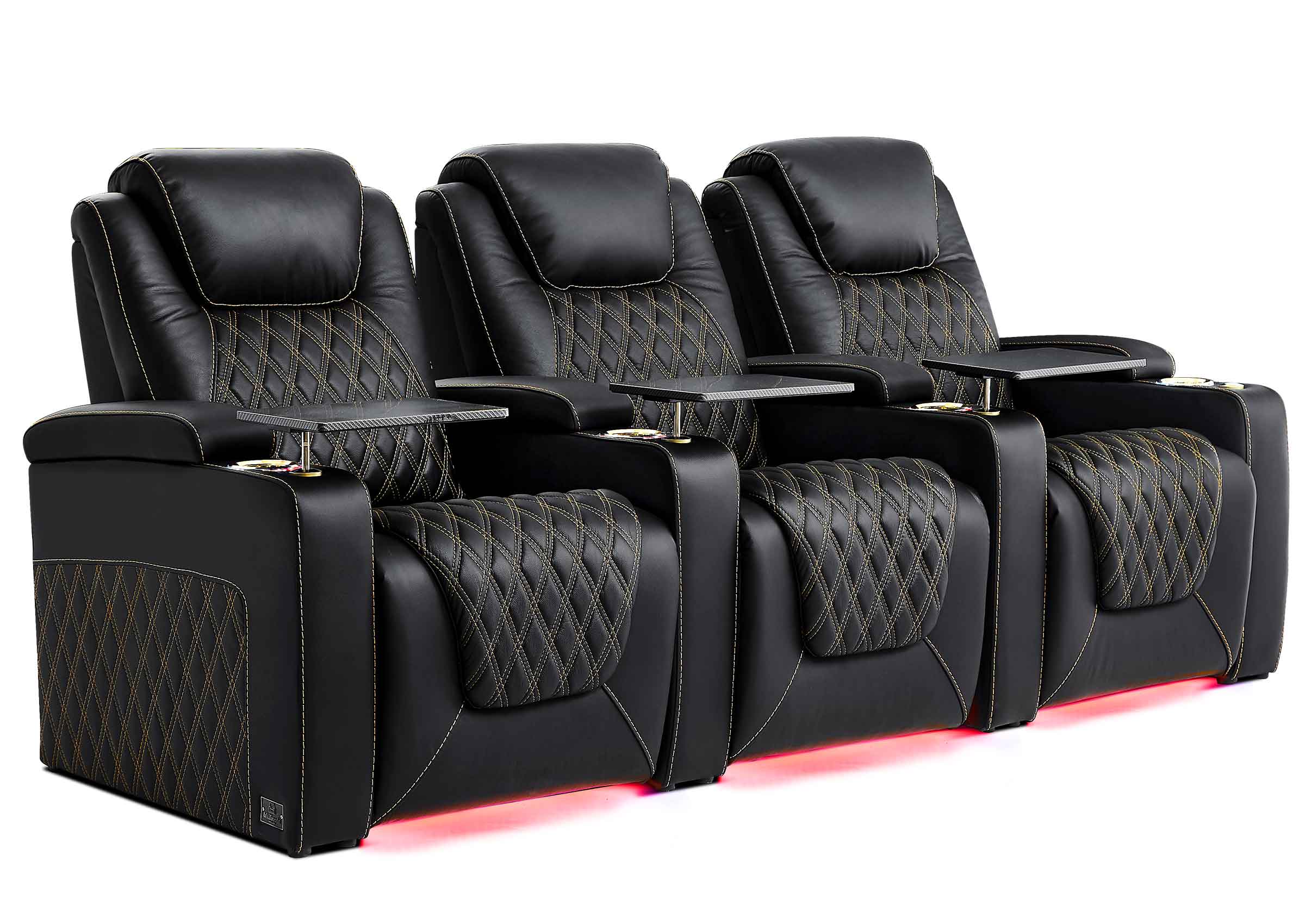
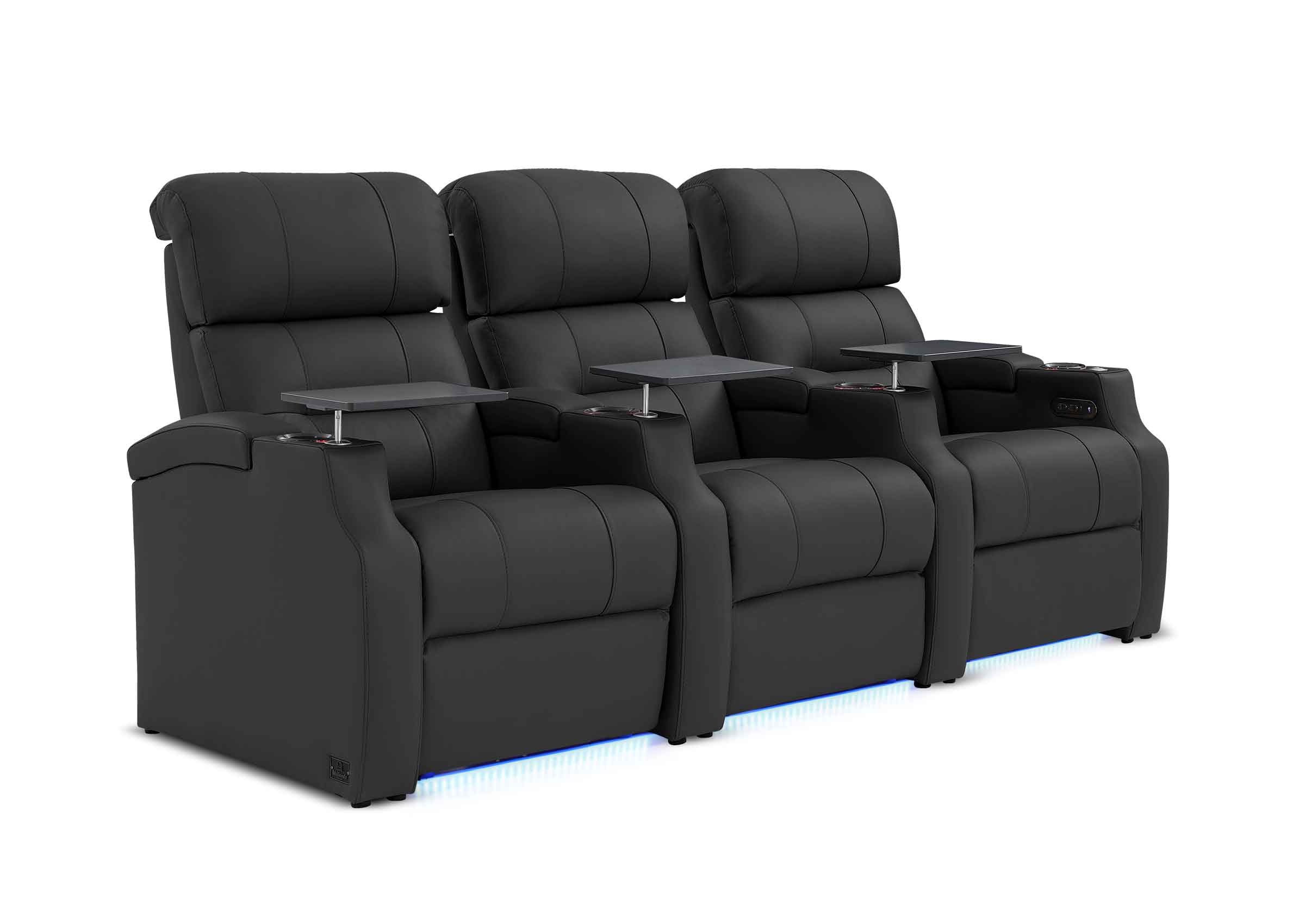
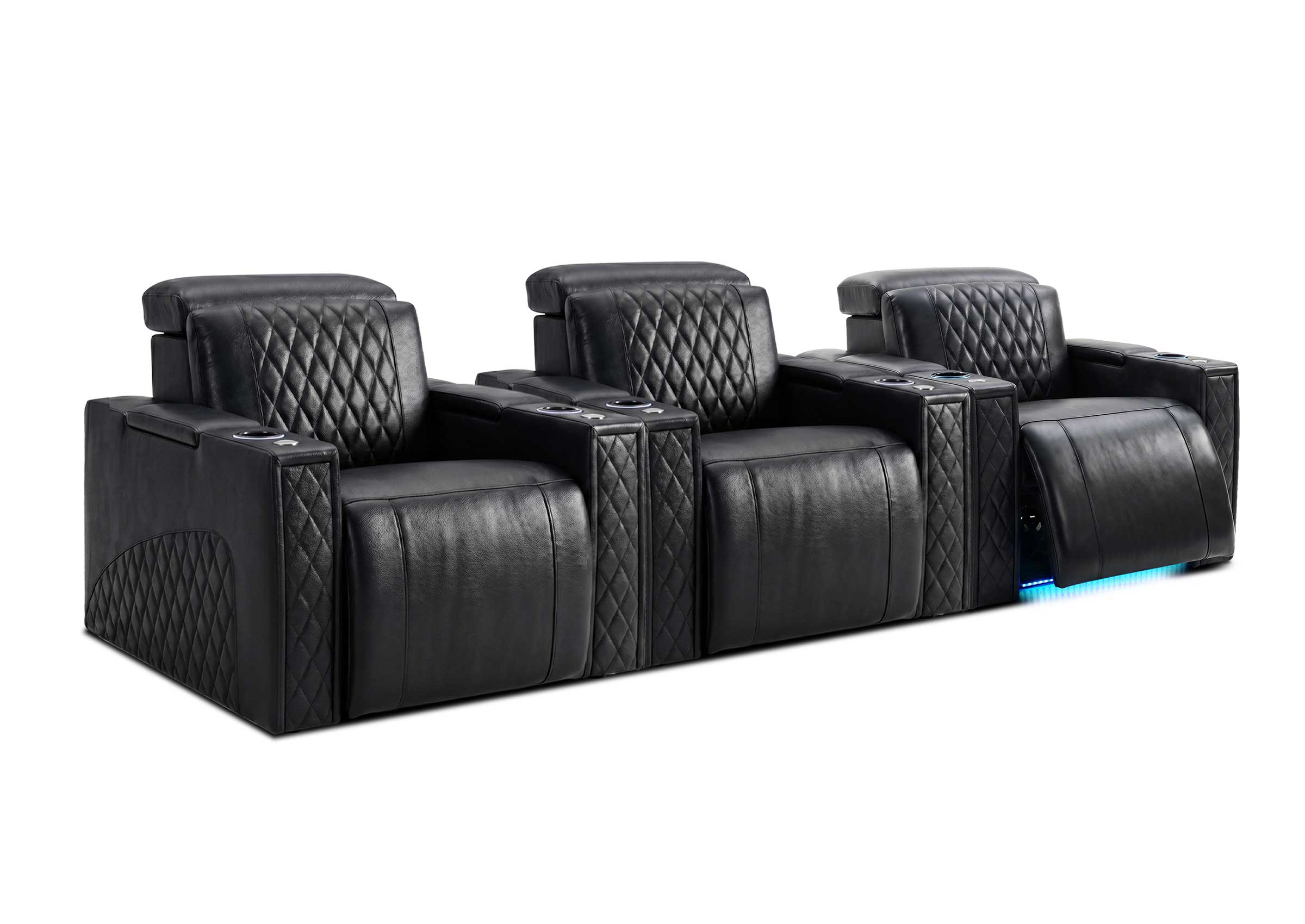

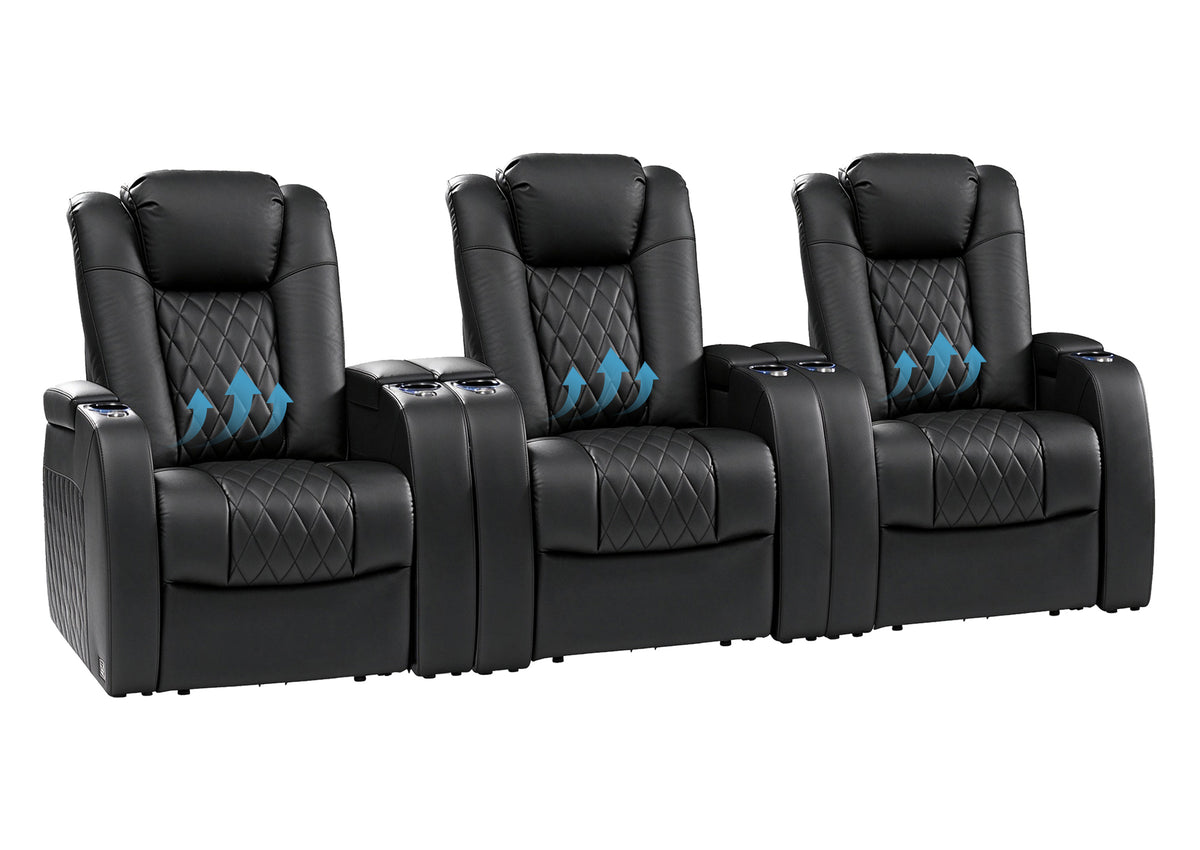
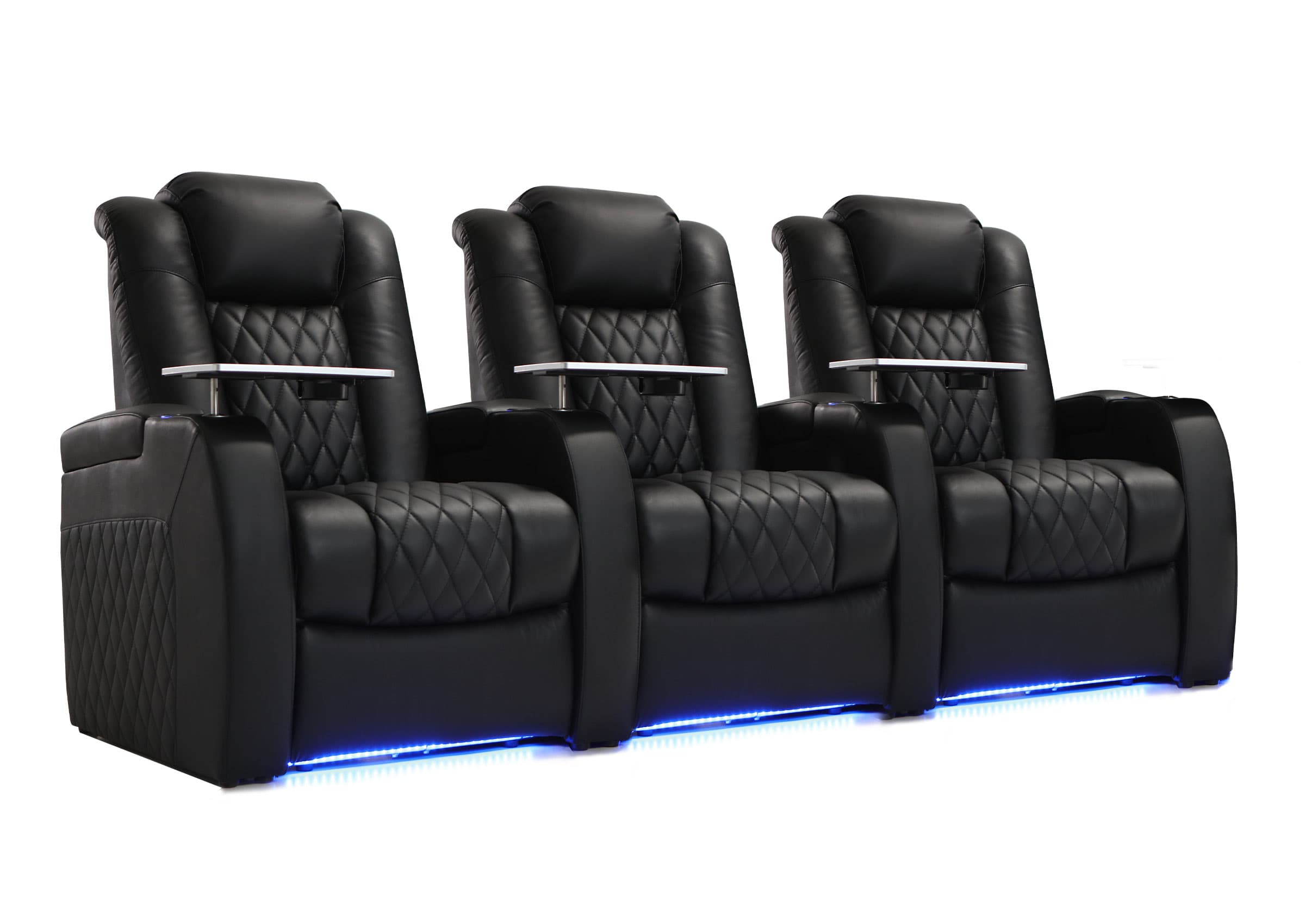
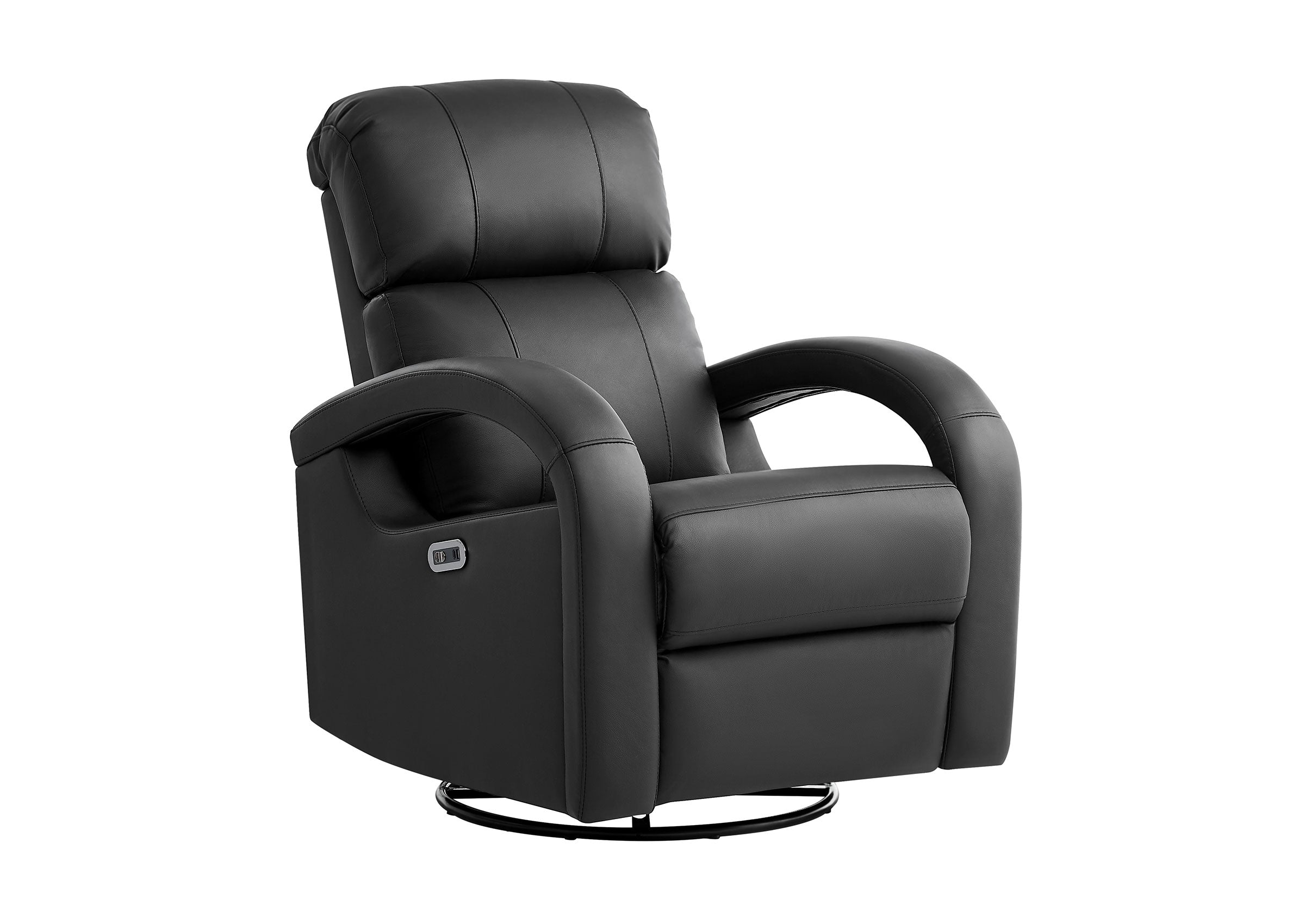
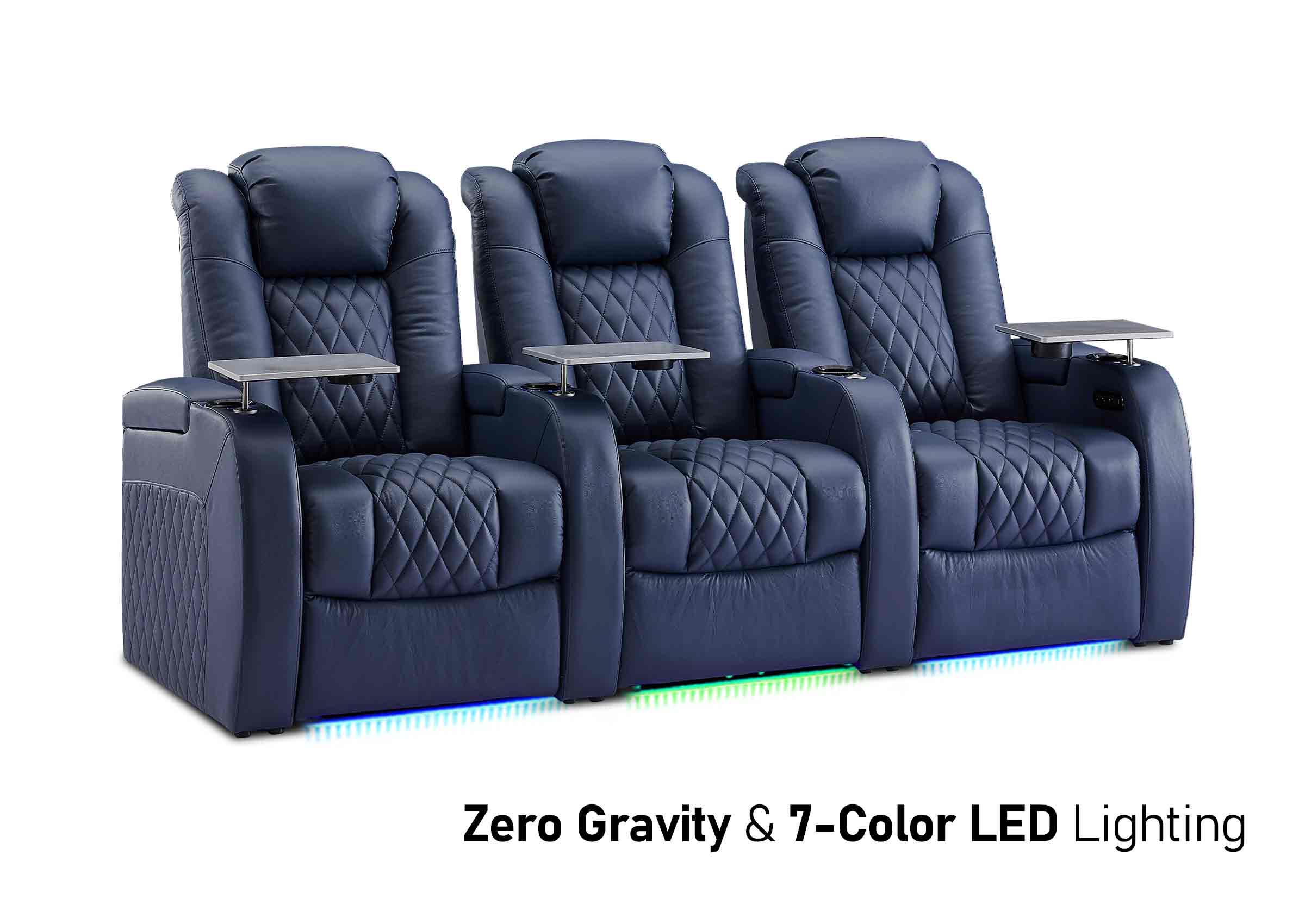
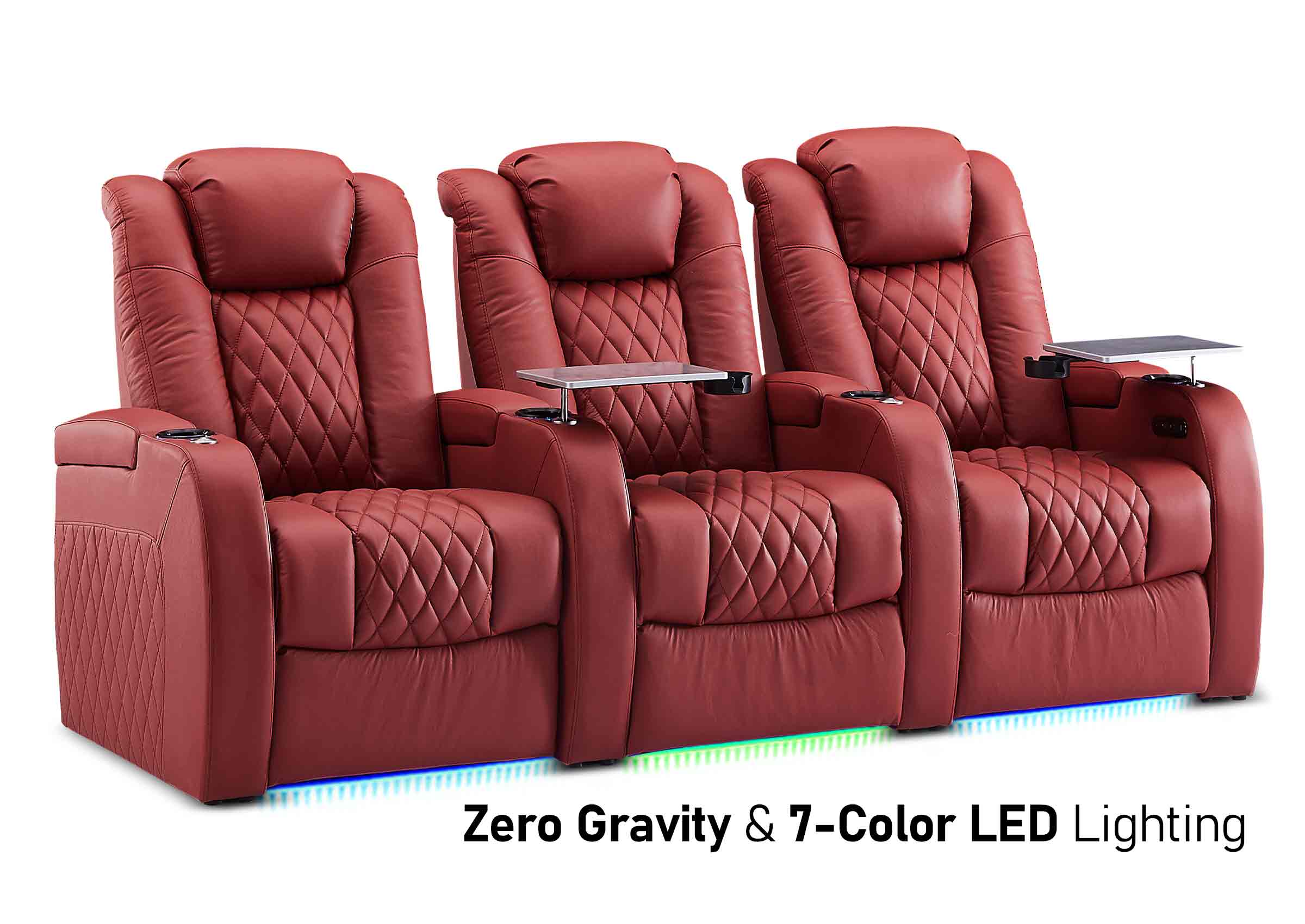
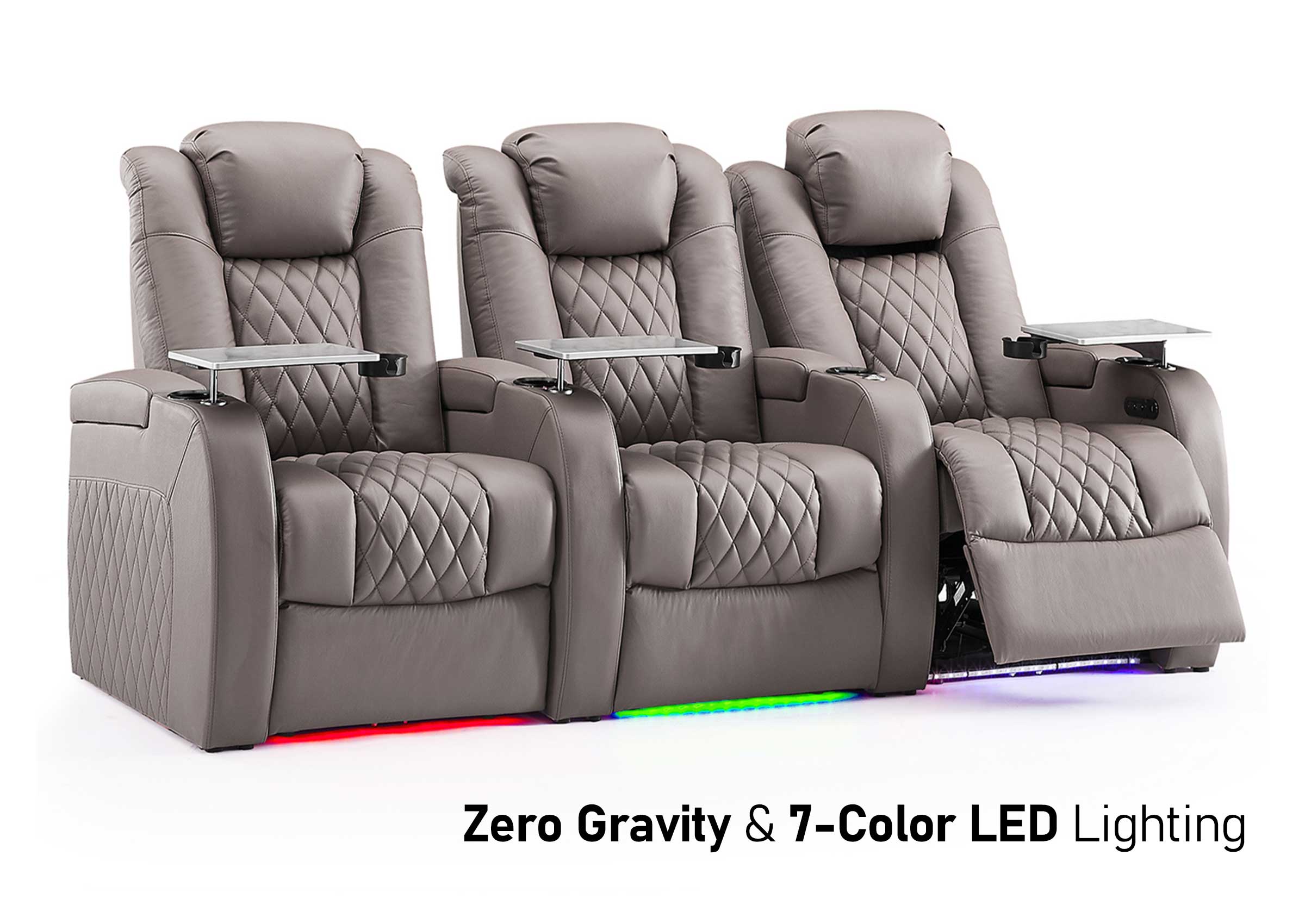
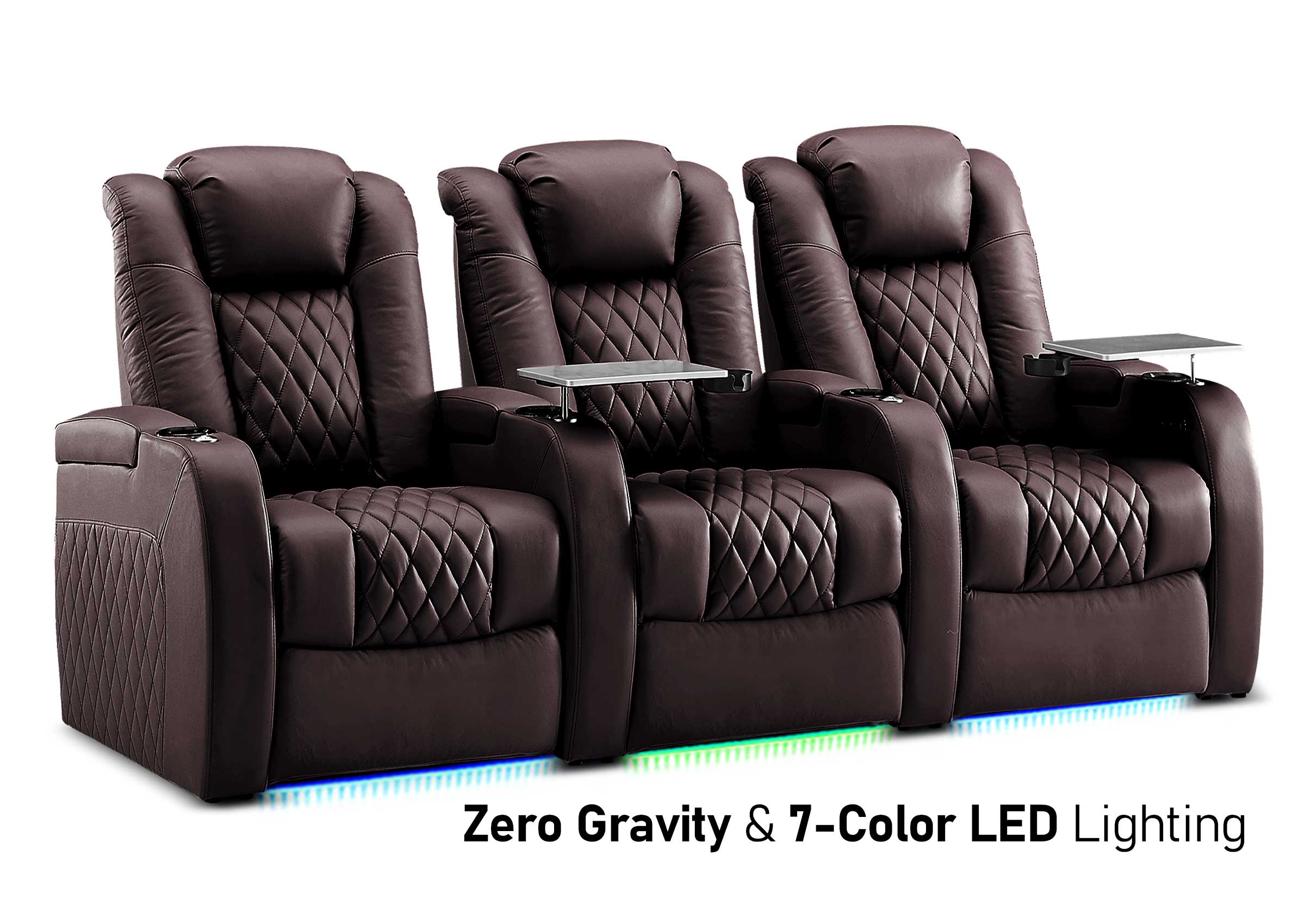



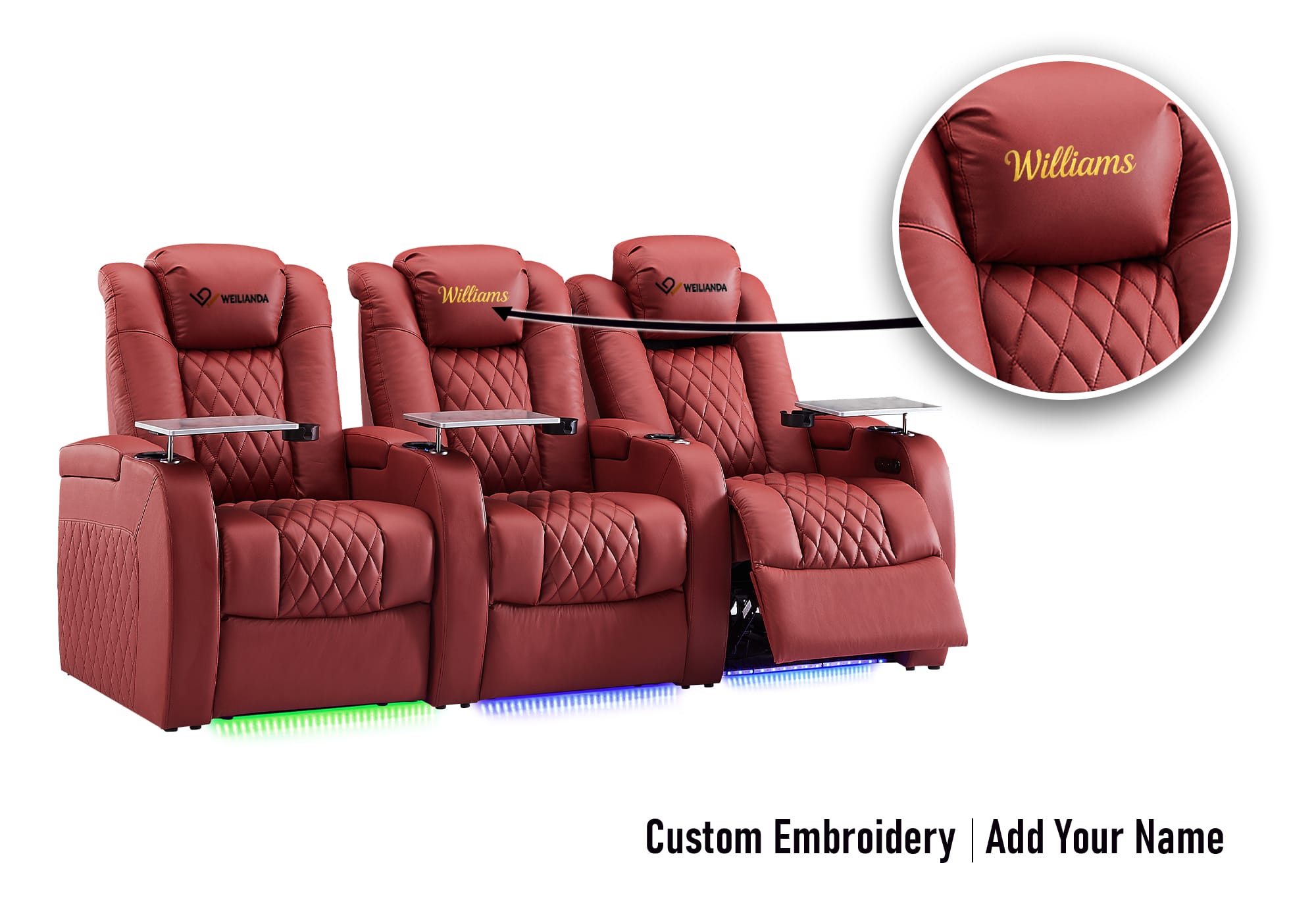

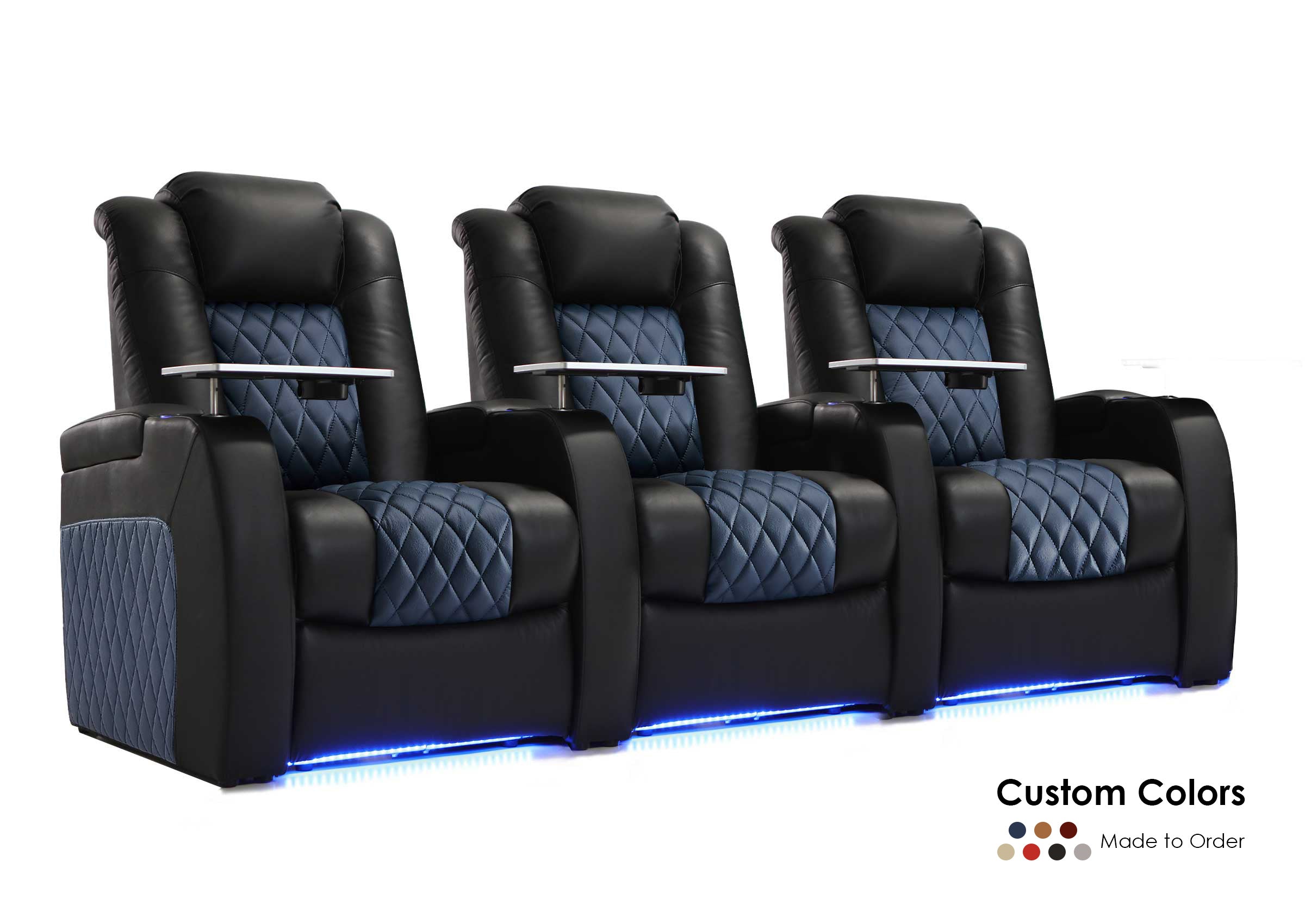

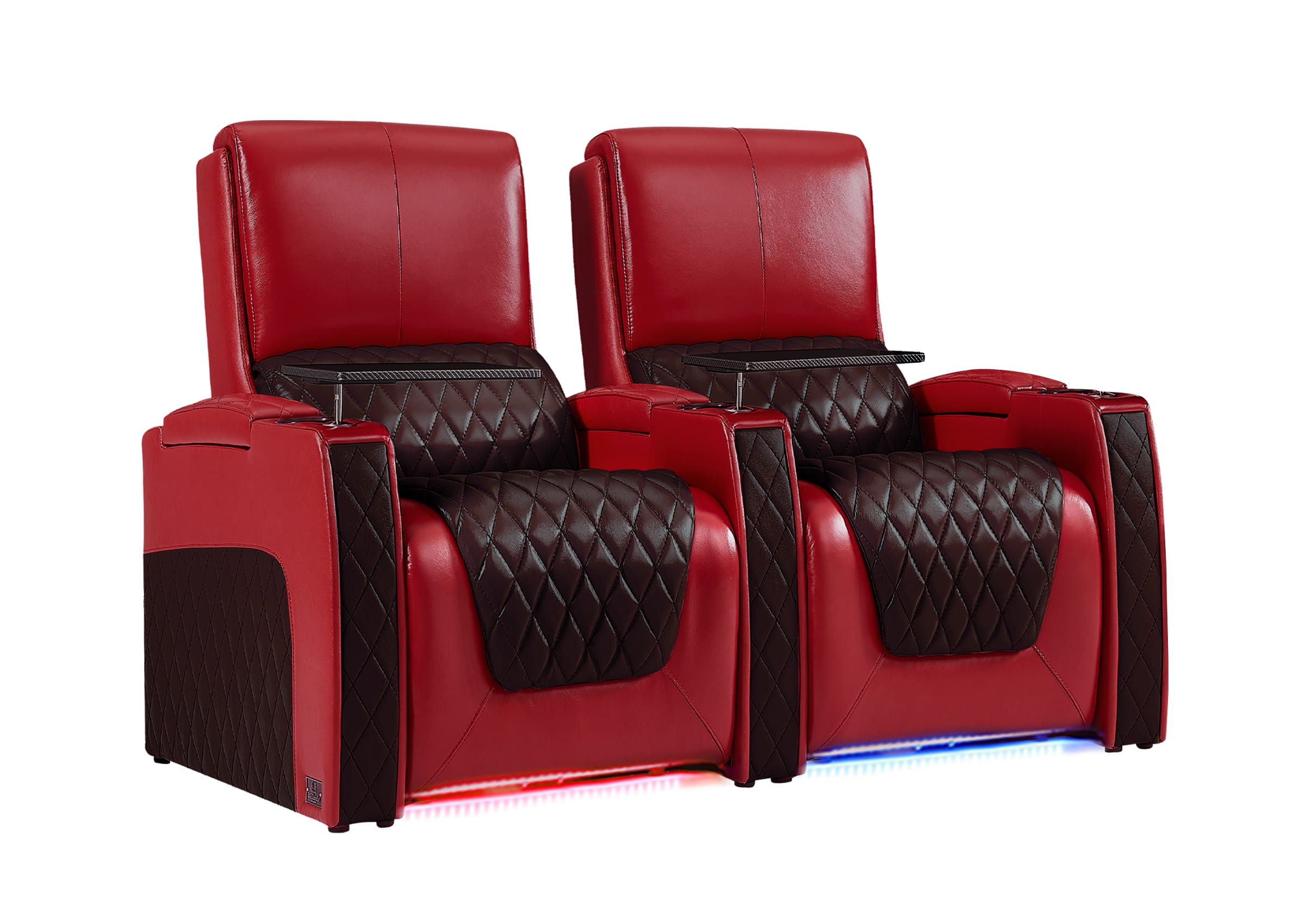
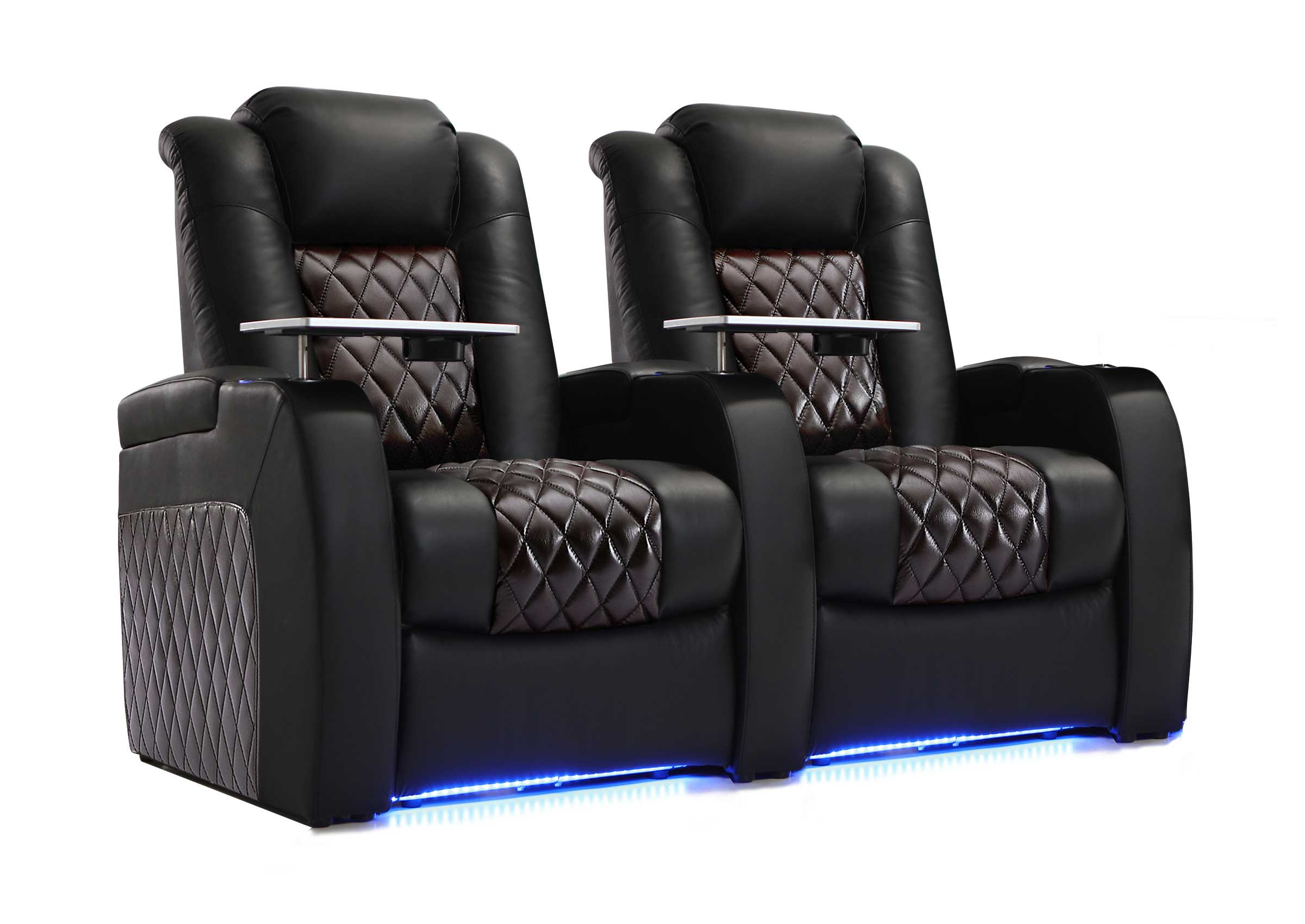
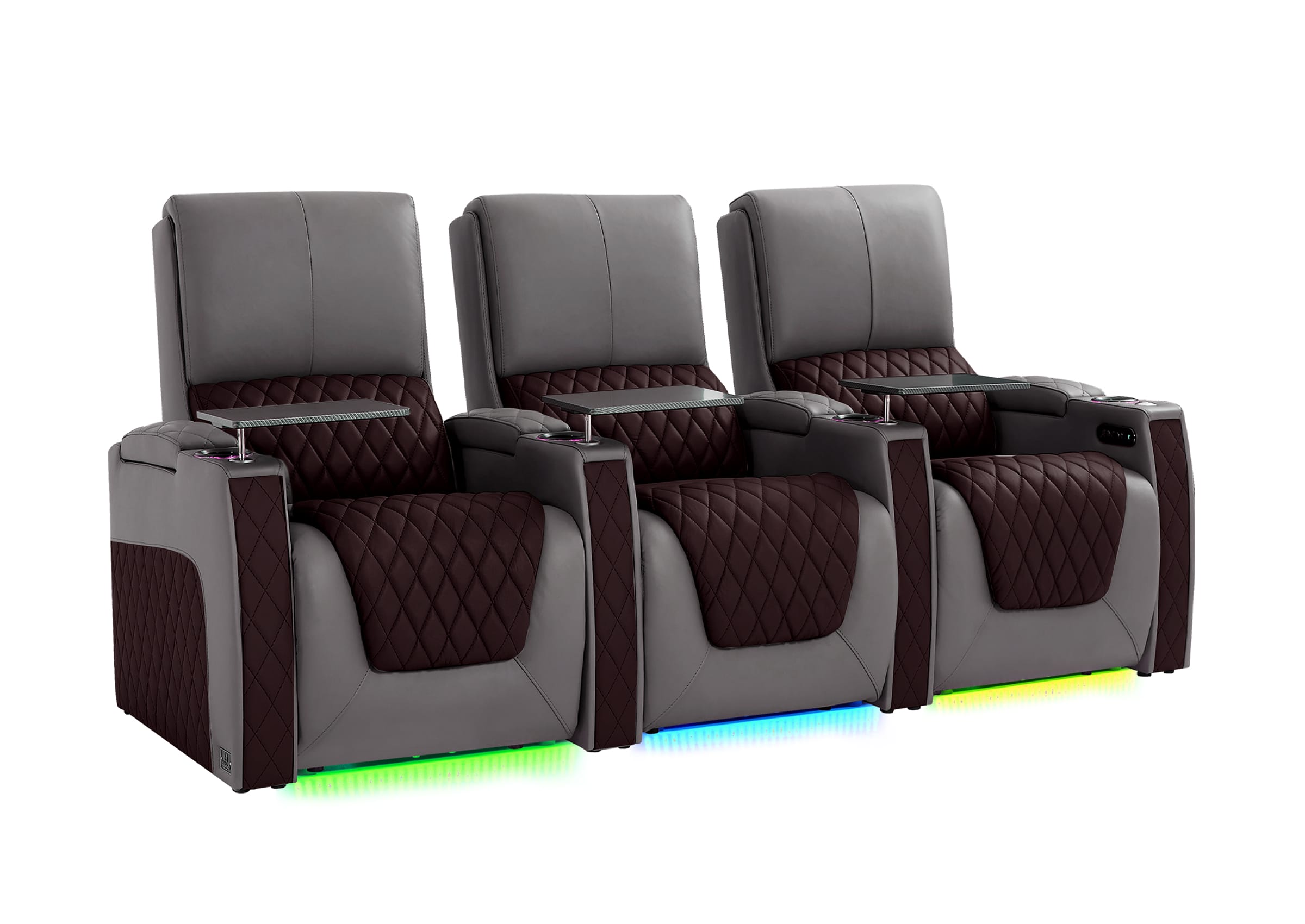
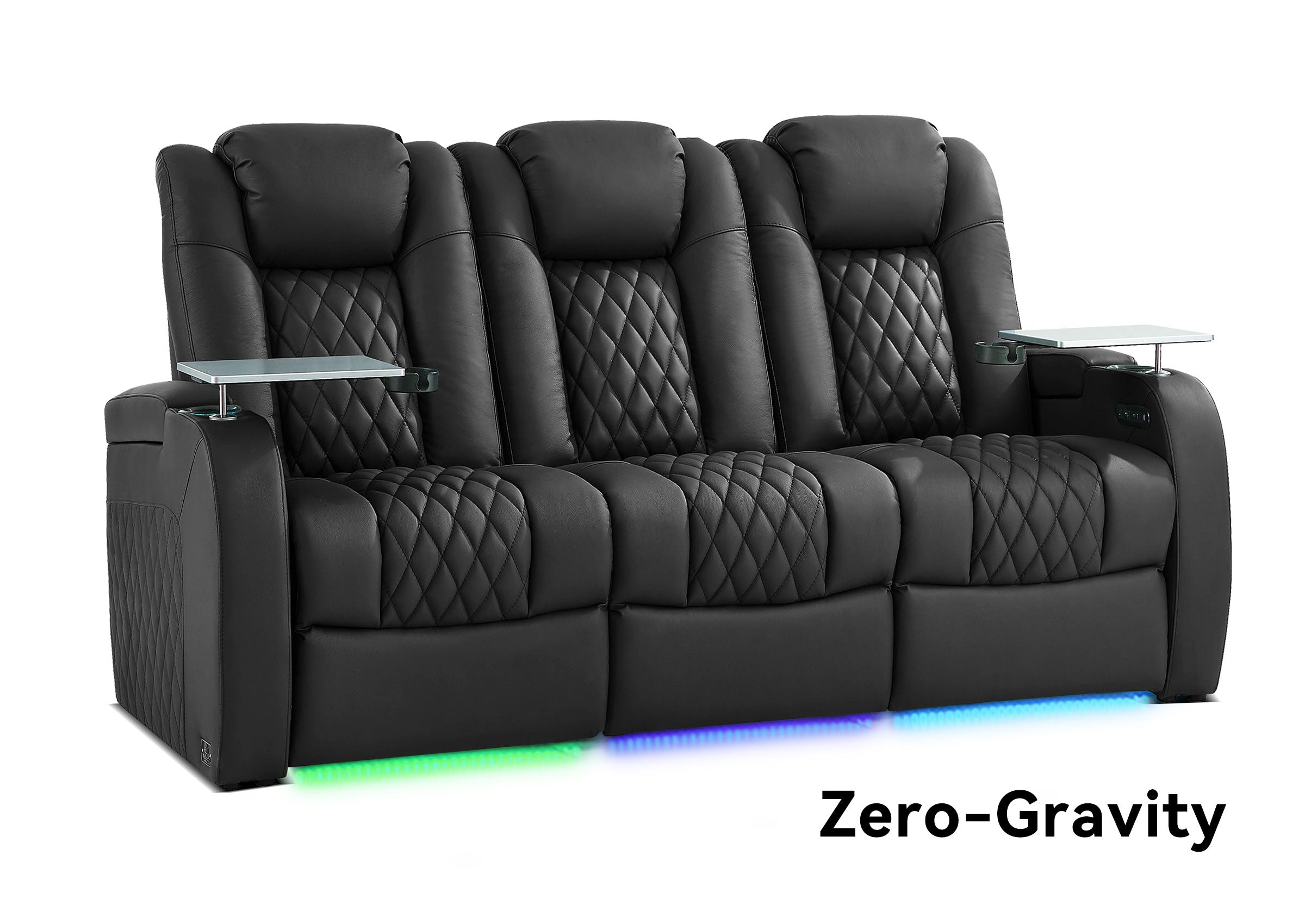


Leather stands apart in the world of upholstery. It brings a unique combination of texture, longevity, and visual appeal that synthetic and natural fabric alternatives struggle to match. When you sit on a leather piece, you experience something fundamentally different. The material responds to your body temperature, develops character over years of use, and requires a distinct approach to care.
Leather Seating vs. Other Upholstery Materials
Leather seating refers to furniture covered with processed animal hide. The material comes from cattle hides that go through tanning and finishing to become furniture-grade upholstery. Each piece maintains natural characteristics like grain patterns and subtle texture variations.
Other upholstery materials span a wide range. Natural fabrics include cotton, linen, and wool. Synthetic options cover polyester, microfiber, and nylon. Vinyl and faux leather try to replicate leather's look using synthetic compounds.
Each category performs differently. Your choice affects comfort, durability, and how much time you'll spend on maintenance.

Quick Comparison Table
| Feature | Leather Seating | Fabric Upholstery | Synthetic Alternatives |
| Initial feel | Cool, smooth | Soft, often warm | Varies widely |
| Breathability | Moderate | High (natural) to low (synthetic) | Generally low |
| Durability | High with proper care | Varies by material | Moderate |
| Cleaning | Wipe clean, periodic conditioning | Vacuuming, spot treatments | Usually wipe clean |
| Aging appearance | Develops patina | May fade or pill | Can crack or peel |
| Pet-friendliness | Shows scratches, resists hair | Traps hair and debris | Varies by quality |
| Temperature response | Adjusts to body heat | Stays closer to room temperature | Often retains heat |
| Cost range | Higher upfront | Wide range | Budget to mid-range |
What Leather Upholstery Is and How It Is Made
From Hide to Furniture
Leather starts as animal hide, typically from cattle. Tanneries transform these raw materials into furniture-grade material through multiple processing stages.
The tanning process stabilizes the hide. It prevents decomposition while maintaining flexibility. This step determines many of the final characteristics you'll experience.
Different Tanning Methods
Chrome tanning creates soft, supple leather with consistent color. The process works faster and produces material that resists water better.
Vegetable tanning uses natural compounds from tree bark. It takes longer but produces firmer leather with a distinctive patina that develops over time.
Grain Types and Quality Levels
Full-grain leather keeps the original hide surface intact. You'll see natural marks and variations. This type tends to be the most durable and develops the richest patina.
Top-grain leather gets light sanding to remove imperfections. It offers more uniform appearance while maintaining good quality.
Corrected-grain leather undergoes more processing. Manufacturers sand away imperfections and apply embossed patterns. This creates consistent texture and color across the entire surface.
The center back section of the hide typically offers the best quality. Edges and belly areas contain more variation in thickness and texture.

Key Differences Between Leather and Common Fabric Upholstery

Structure and Construction
Fabric upholstery relies on woven or knitted fibers. Leather is a single piece of processed hide. This fundamental difference affects everything about how the material performs.
Fabrics trap air between fibers. This makes them feel warmer initially. Leather is dense and solid. It starts cool to the touch but warms quickly from body heat.
How Breathability Works
Natural fabrics like cotton and linen allow significant air circulation. Polyester and microfiber trap more heat.
Leather falls somewhere in between. The level of breathability depends on the finish applied during manufacturing. Heavy protective coatings reduce air flow.
The Way Materials Age
Quality fabrics may pill or fade but generally maintain their basic texture. Some develop thin spots in high-use areas.
Leather develops a patina. It darkens where you sit most often. The material softens with repeated use. It takes on the marks of daily life in ways that many people find appealing.
Weight Considerations
Leather adds substantial heft to furniture frames. A leather sofa typically weighs more than the same frame covered in fabric.
Some people appreciate the solid, substantial feel. Others find the weight makes rearranging furniture more difficult. Shipping costs run higher too. Moving leather pieces usually requires more effort or an extra person.
Comfort and Feel of Leather in Everyday Seating
Initial Contact
Leather feels cool when you first sit down. This can be refreshing in warm weather. In winter, it might feel surprisingly cold.
The material adjusts to body temperature within minutes. This creates a different experience than fabric that starts closer to room temperature.
Surface Texture and Shape Retention
The surface stays smooth. You won't find permanent seat impressions forming as quickly as they do with some fabrics.
Fabric can develop wrinkles or become misshapen after extended sitting. Leather returns to its original form more readily.

Personal Comfort Factors
Comfort perception varies by person. Some find leather can feel sticky in humid conditions or when wearing shorts.
Others appreciate that leather doesn't snag on clothing. It won't pull at fabrics the way textured upholstery sometimes does. Your personal preference matters more than objective measurements here.
Seasonal Adjustments
Temperature sensitivity matters more with leather. Hot summer days can make leather uncomfortably warm if furniture sits in direct sunlight. Cold winter nights create a chilly first impression.
Throws and cushions offer easy solutions. Many owners add fabric elements seasonally to manage temperature comfort.
Durability and Aging of Leather in High-Use Home Seating
Long-Term Wear Patterns
Leather can last decades when properly maintained. The hide structure resists tears and punctures better than woven fabrics.
High-traffic areas develop a worn appearance that many consider attractive. Arm rests and seat cushions darken and soften first. This aging process adds character.

How Damage Appears
Scratches and scuffs are present in all upholstery materials. However, the appearance of scratches and scuffs on leather differs.
Scuff marks can easily be camouflaged within the patina. Deep scratches are more noticeable. But a trained restorer may be able to repair leathers in a fashion that is impossible to achieve on fabrics.
Living with Pets
Pet owners need to consider both advantages and drawbacks.
The challenges:
- Cat claws can damage leather surfaces
- Dogs with sharp nails leave visible marks
- Scratches from pets are more visible on smooth leather than on patterned fabric
The advantages:
- Pet hair doesn't embed as deeply as it does in fabric weaves
- The solid surface makes hair removal much easier
- A quick wipe removes most pet hair rather than requiring deep vacuuming
Repair vs. Replacement
Fabric tears can often necessitate the need for complete reupholstering. It can cost nearly as much as purchasing new furniture
Damaged leather can sometimes be repaired by filling in the damaged areas and matching the color with the help of experts. Expert repair work significantly enhances the lifetime of leather-based sofas and other furniture.
Cleaning and Maintenance Compared with Other Materials
Daily Care Requirements
Taking care of pieces made of leather is very easy. A moist cloth is all that is needed for removing dust or a spill mark from it.
In the case of fabric upholstery, vacuum cleaning is required to remove dust that accumulates between the fabrics. Fabric doesn't require the same conditioning process as leather.

Handling Spills
The effect of the spill varies depending on how the leather has been finished. The protected leathers will not absorb liquids at first.
If the leather is not finished or only partially finished, it has a tendency to absorb stain easily. Removing stains quickly is essential in such cases.
Fabric also varies significantly. Some fabrics resist liquids. Others absorb them readily.
Deep Cleaning Approaches
Unlike routine wiping, deep cleaning leather requires specialized ph-balanced cleaners to preserve the material's integrity. While fabric often benefits from steam cleaning or hot water extraction, these methods can be detrimental to leather. For persistent issues, such as deep-set grime, professional leather restoration services are recommended. It is vital to remember that common household or fabric detergents should never be applied to leather surfaces.
Stain Removal Challenges
Oil-based stains pose bigger problems for leather than water-based ones. Grease soaks into the hide structure. Complete removal can be difficult.
Ink presents challenges for both materials. Ballpoint pen marks on leather may require professional treatment. Standard fabric cleaning products won't work on leather surfaces.
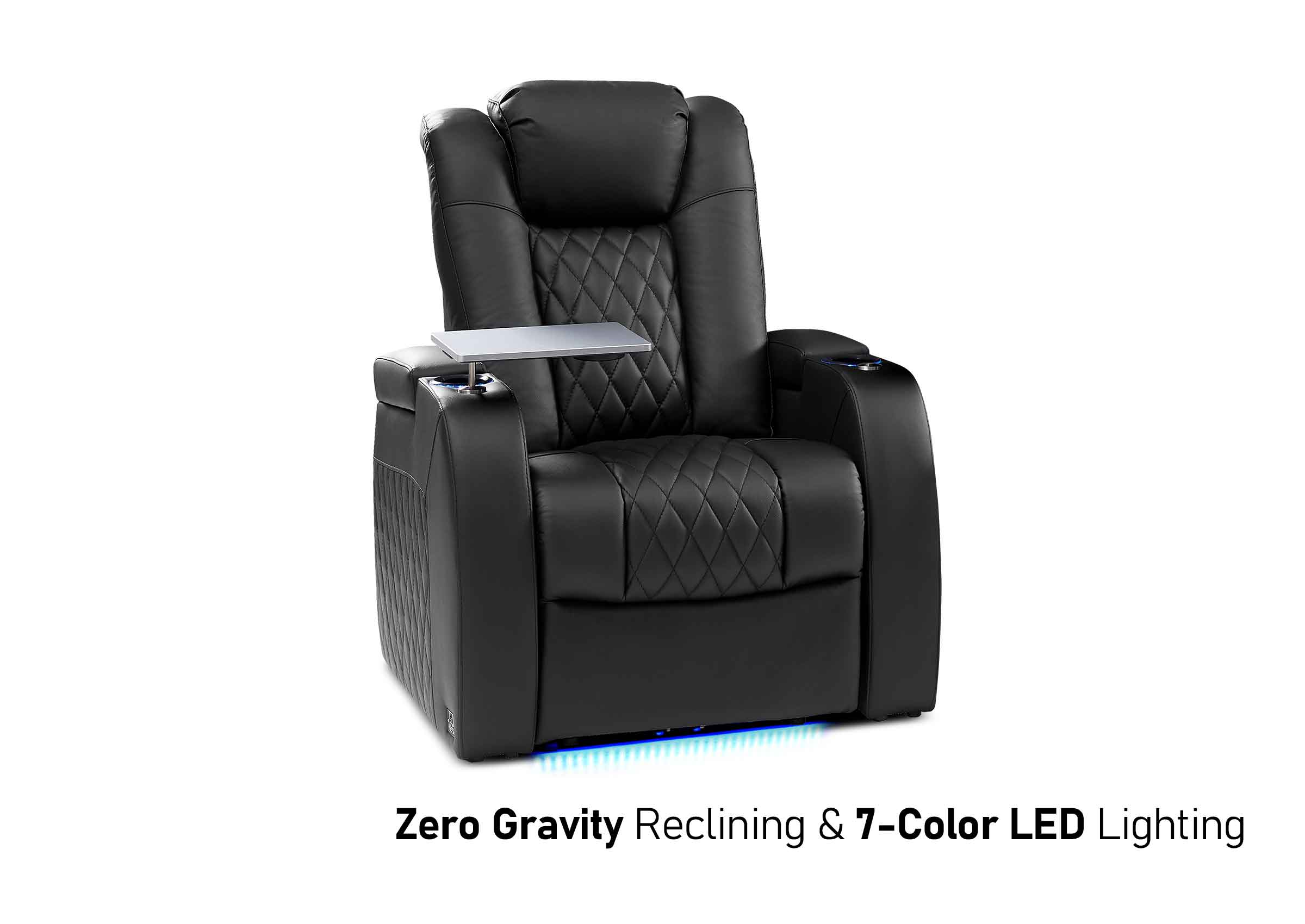
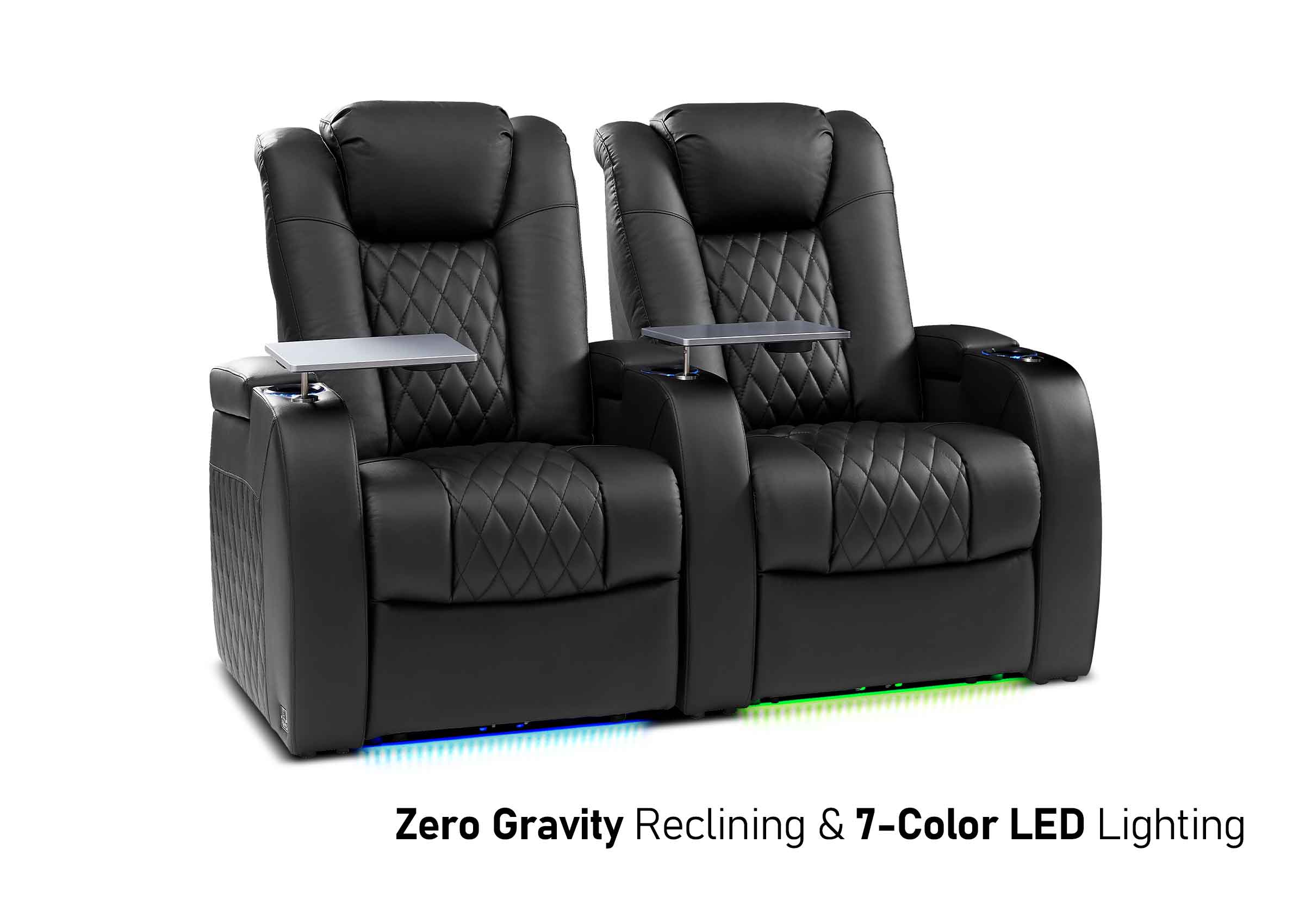
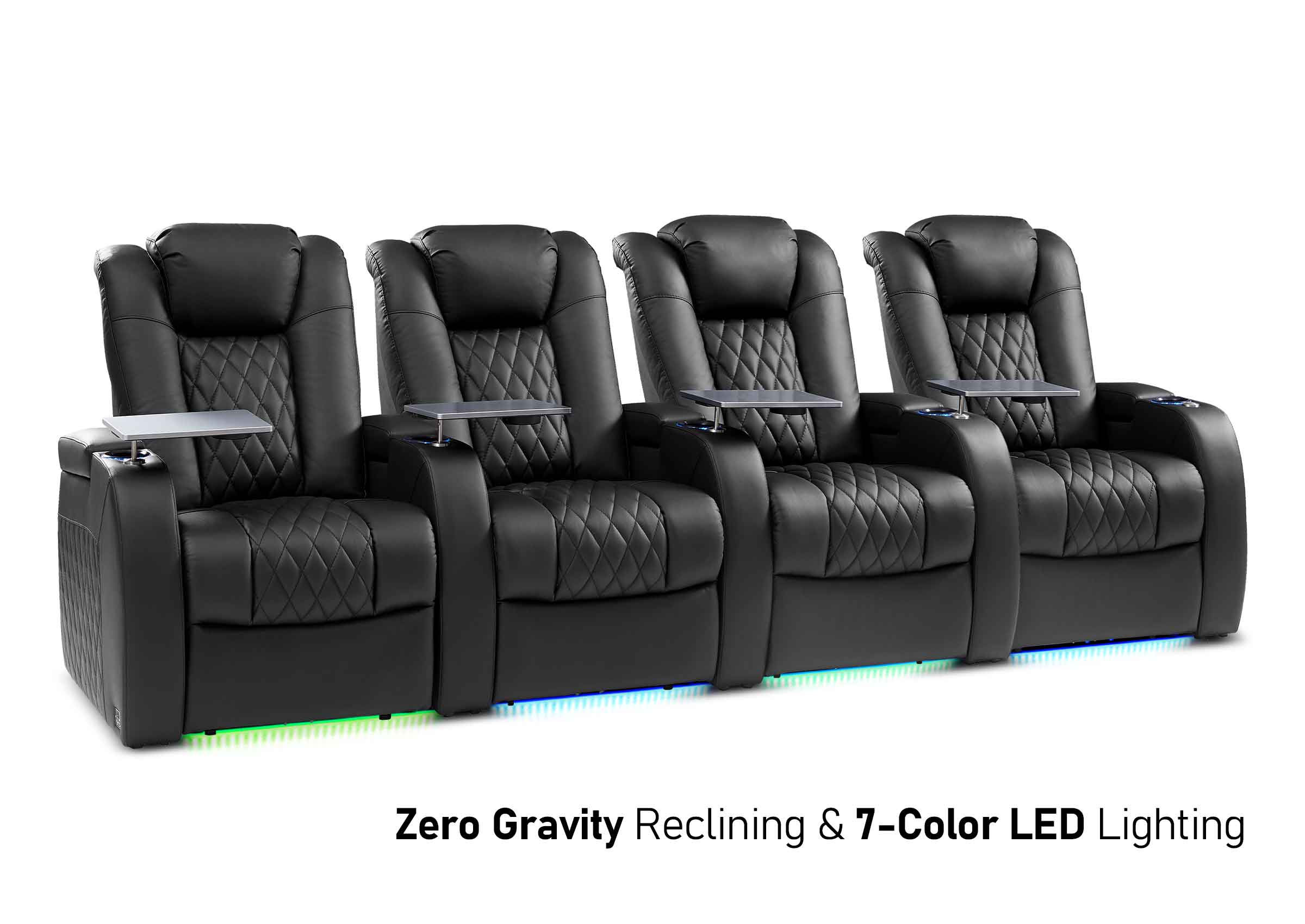
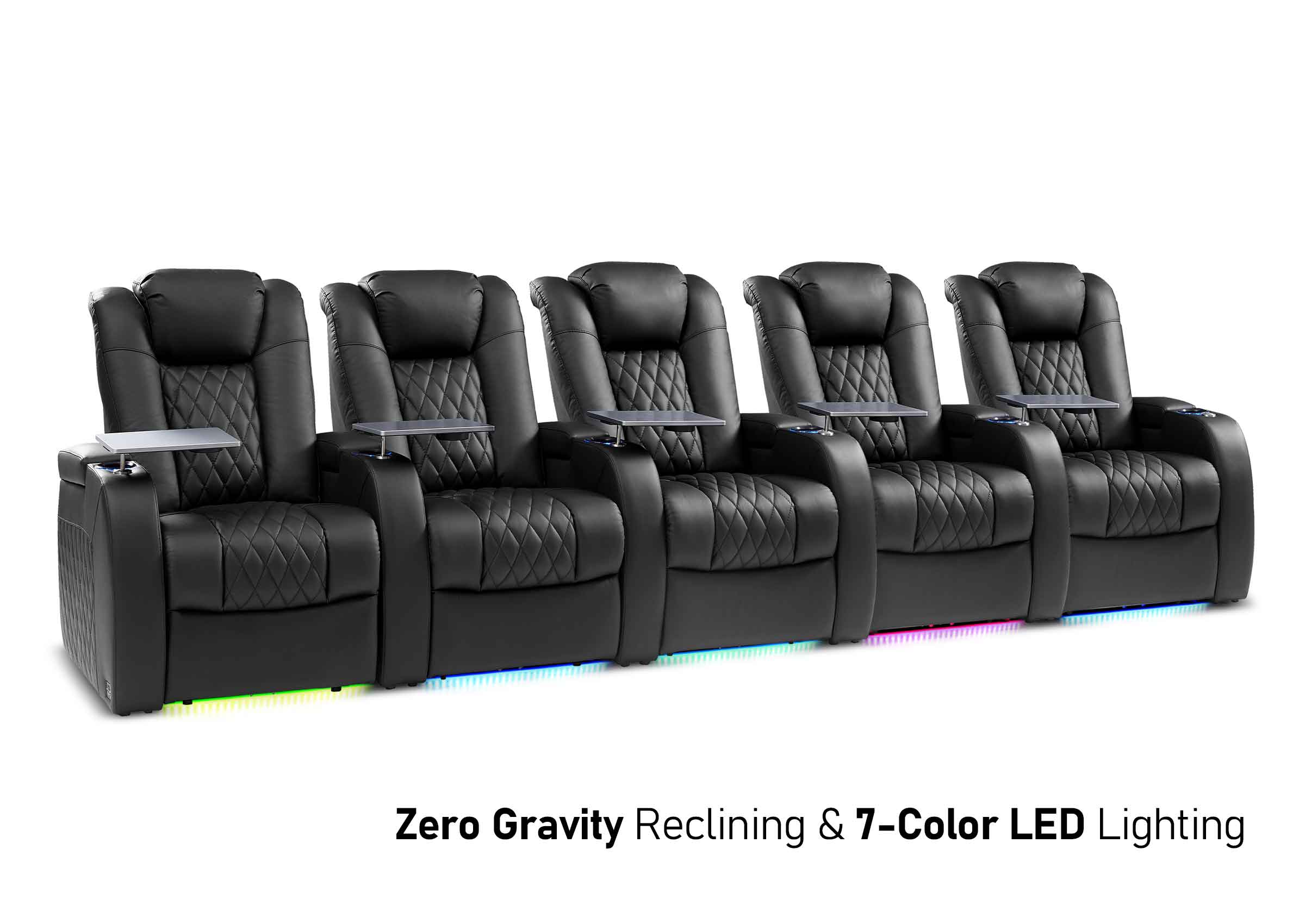
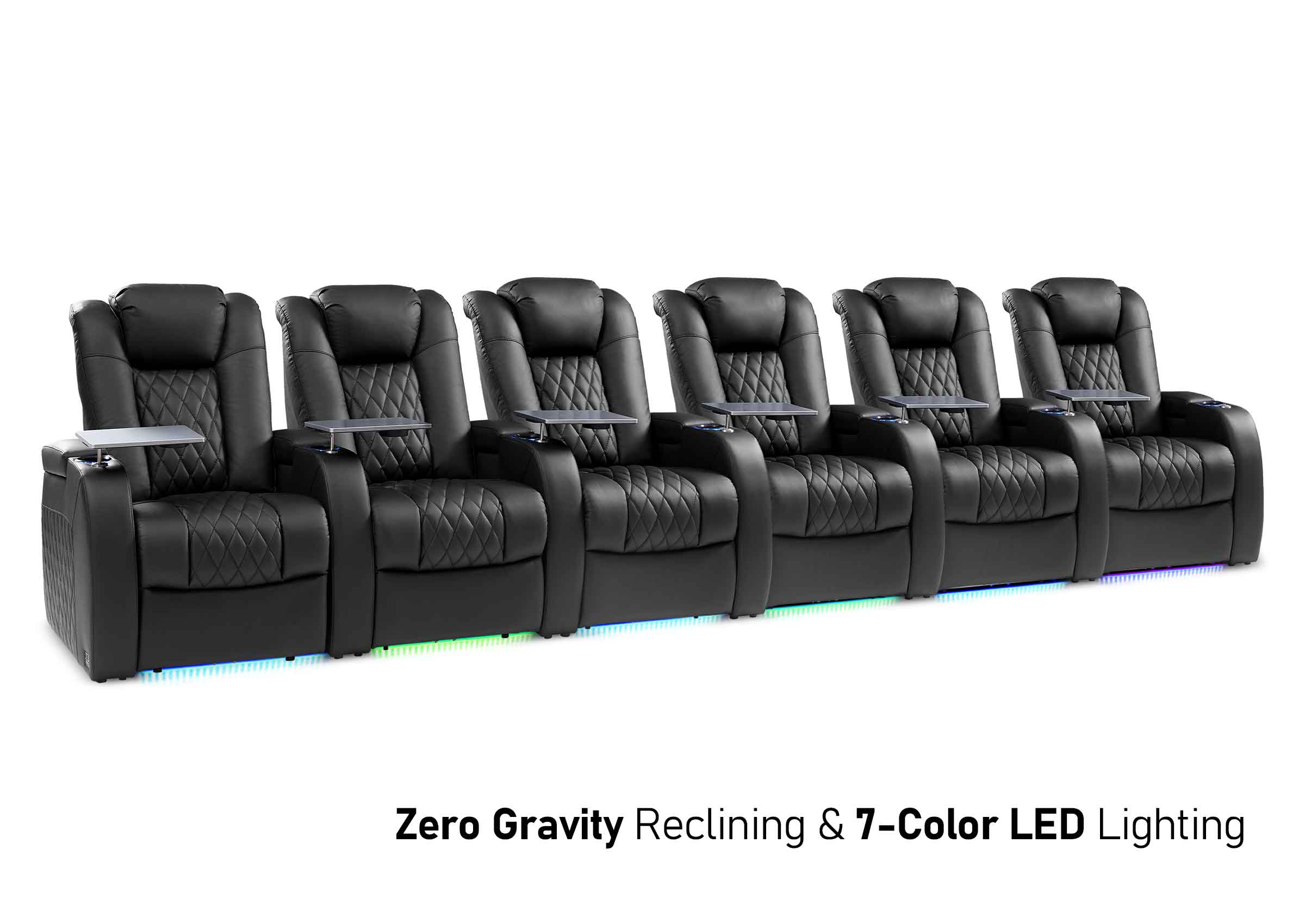
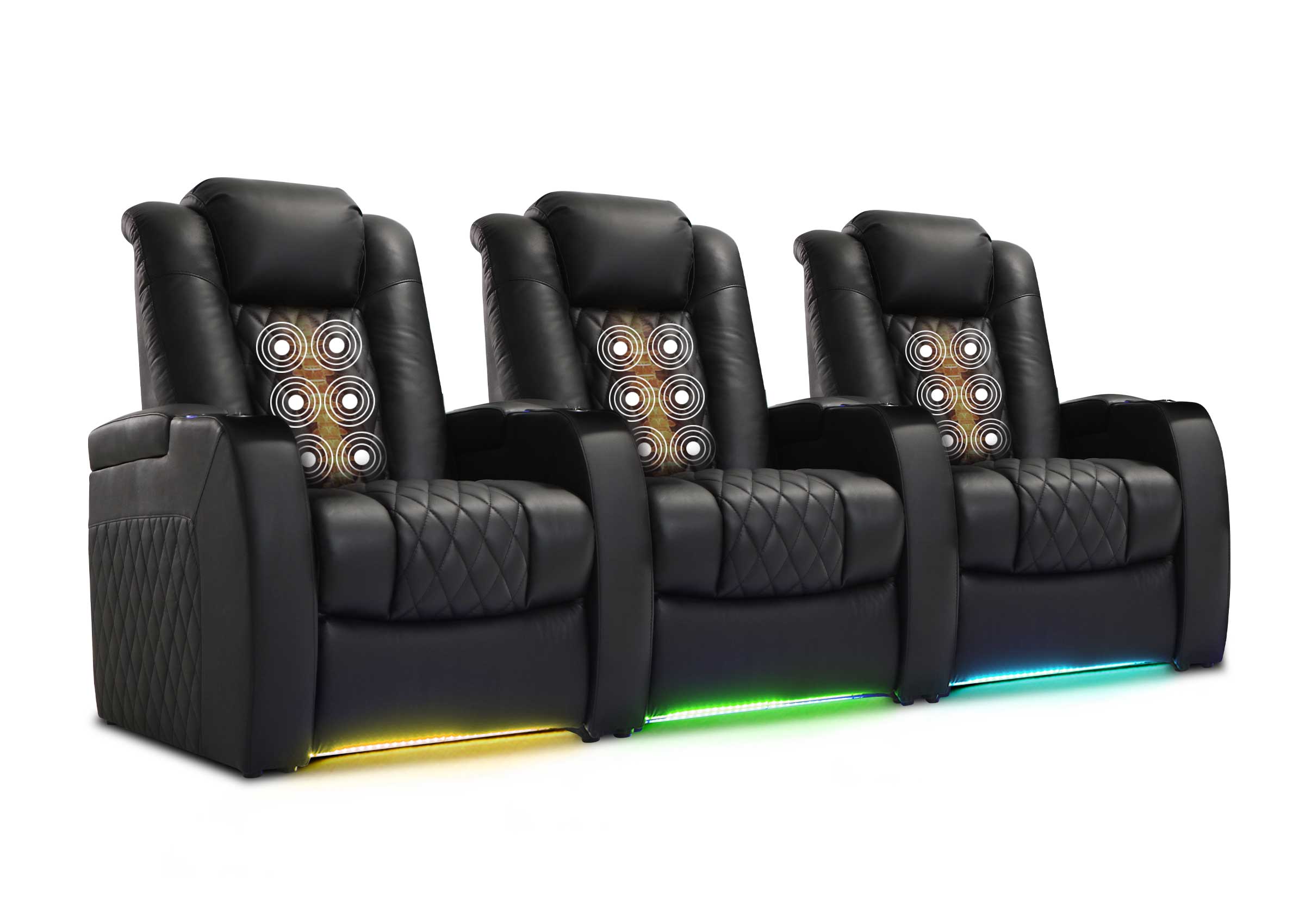
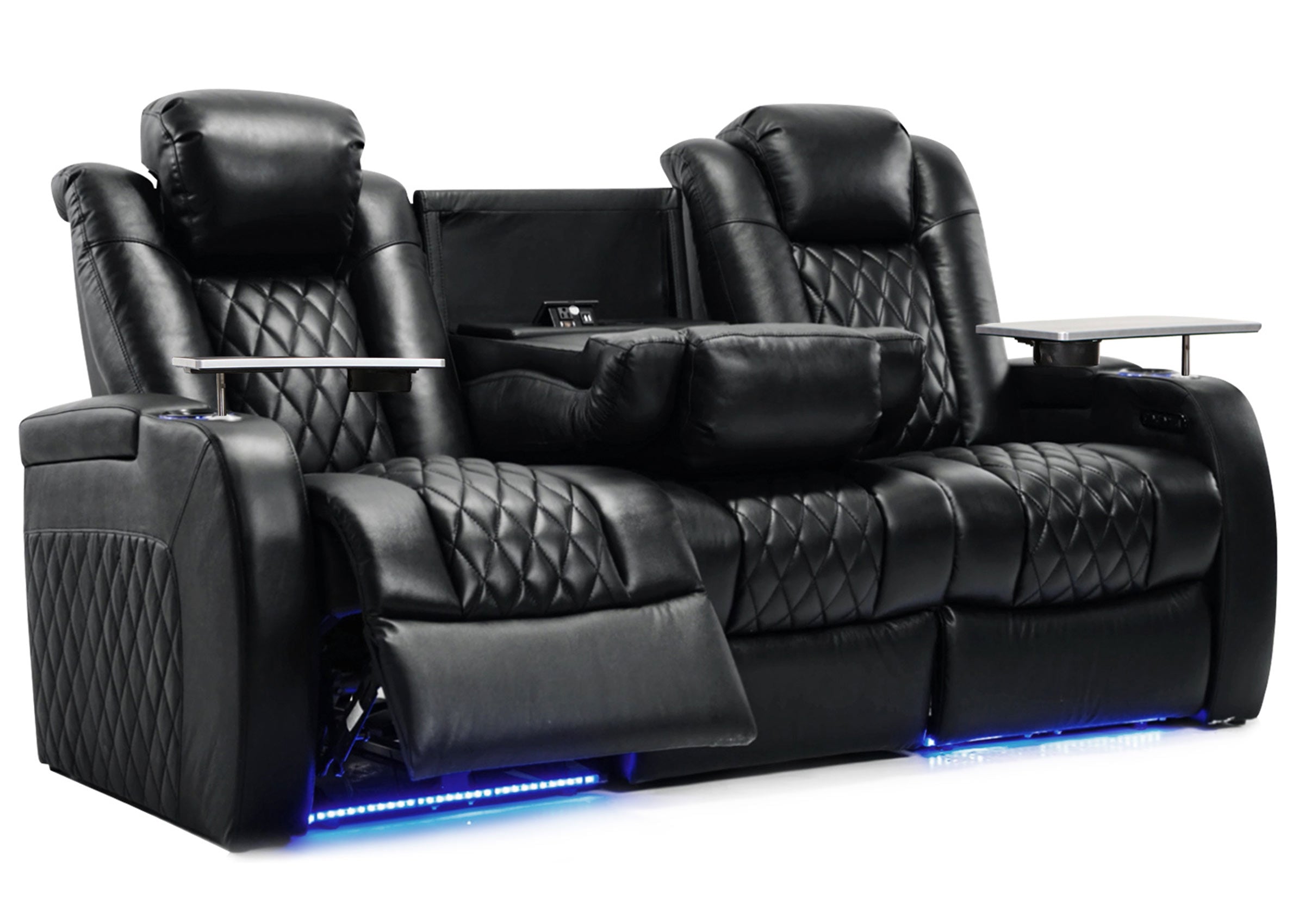
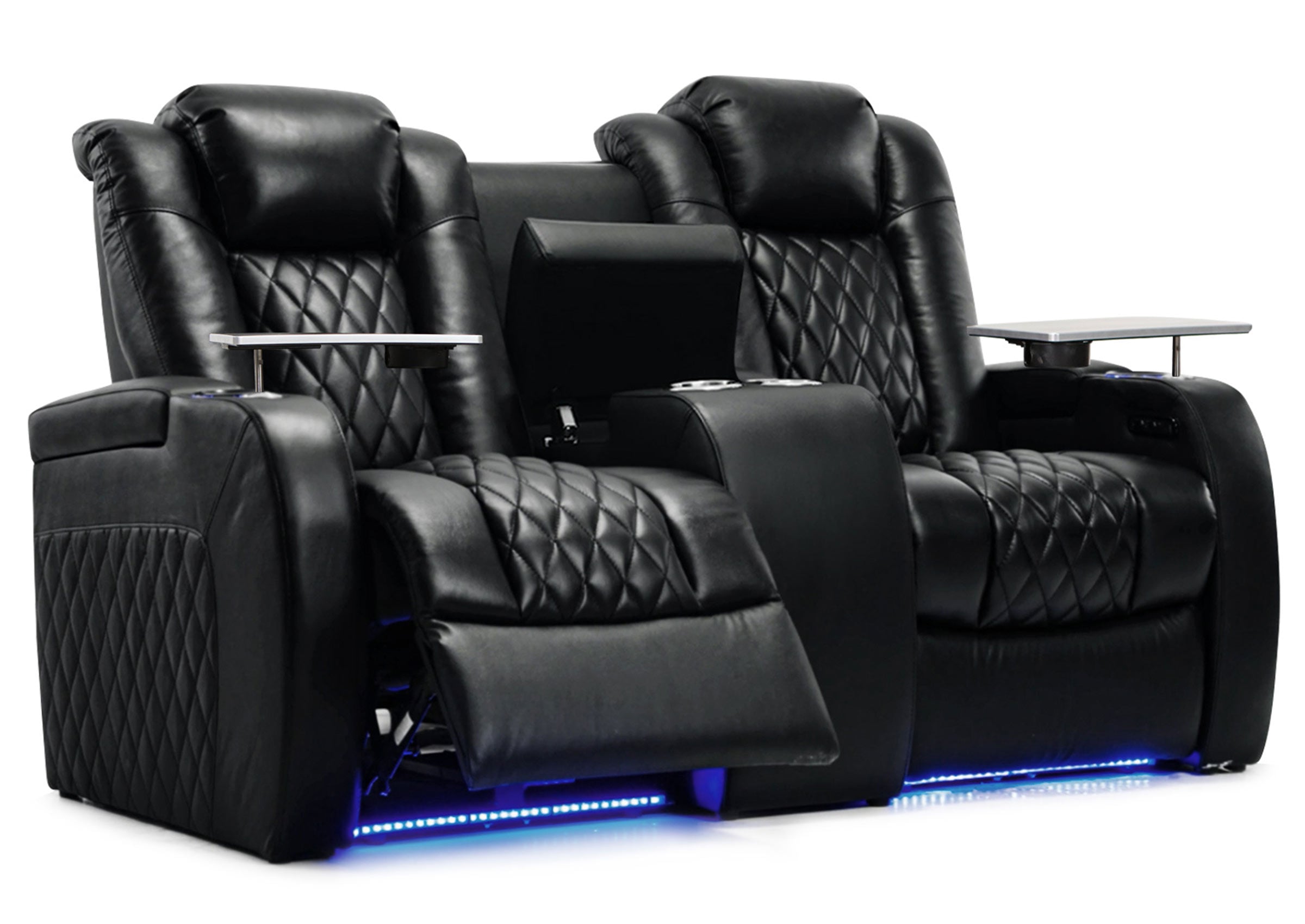
Why Leather Is Ideal for Home Theater Recliners
Heavy Use Performance
Home theater seating sees intense use. People spend hours in these chairs watching movies or gaming. The furniture needs to remain comfortable during extended sessions.
Leather handles repeated reclining motions well. The material doesn't bunch at stress points. Armrests and headrests maintain their shape after thousands of adjustment cycles.
Practical Benefits in Media Rooms
The smooth surface offers advantages in darkened rooms:
- You don't catch clothing on texture when shifting position
- Crumbs and snack debris don't disappear into fabric crevices
- A quick wipe between movie sessions keeps seating fresh
- Spilled drinks can be addressed immediately

Temperature During Long Sessions
Temperature regulation matters during extended viewing. Leather's heat response means you can settle in and reach comfortable equilibrium.
You won't overheat as easily as you might with plush, insulating fabrics. The material breathes enough to prevent excessive heat buildup.
Aesthetic Longevity
Home theater rooms often aim for a refined look. Leather maintains that polished appearance better than fabrics that show wear patterns.
The aging process tends to look intentional. Fabric wear can appear shabby. Leather wear creates character.
Acoustic Properties
Sound absorption characteristics differ between materials. Leather creates a slightly different acoustic environment than heavily textured fabrics.
Some theater enthusiasts prefer this quality. The smooth surface reflects sound differently than fabrics that absorb more frequencies.
Make the Right Choice for Your Space
Leather brings specific benefits that other upholstery materials can't fully replicate. The durability appeals to many furniture buyers. So does the distinctive aging process and straightforward maintenance routine.
The trade-offs matter though. The initial cool touch takes adjustment. Higher cost requires budget consideration. Regular conditioning adds a maintenance task.
Your lifestyle determines whether leather makes sense. Active households with pets face different considerations than couples with quiet living rooms. Climate plays a role too. Leather performs differently in humid versus dry environments.
Frequently Asked Questions
Q1: Does Leather Furniture Always Cost More Than Fabric Options?
Leather usually is more expensive because of the materials and processing involved. However, the quality of leather is quite variable. Luxury fabrics are possibly even more expensive than budget leather. The long life span of good leather will eventually justify the cost difference.
Q2: Can You Repair Scratches and Scuffs on Leather Seating?
The scratches may fade away as a natural patina of the leather. However, deep scratches may require the attention of a professional who can fill the scratches using color-matched fillers or compounds depending on the polish being used.
Q3: How Often Should You Condition Leather Furniture?
Most leather should be conditioned every 6 to 12 months, depending upon conditions of use and exposure. In dry climates, conditioning can be done more frequently. Conditioning prevents drying or cracking.
Q4: Does Leather Upholstery Trigger Allergies More Than Fabric?
The leather does not provide a habitat for dust mites and allergens, like fabrics. A person with certain leather sensitizations might have a reaction to the chemicals used during leather production.
Q5: What Temperature Conditions Work Best for Leather Furniture?
Leather works optimally in a temperature range of 60 to 75 °F (15 to 24 °C) with a level of relative humidity set between 40 and 60 percent. Higher temperatures than 80 °F could, with the passage of time, end up drying and cracking the material. Humidity higher than 70 percent could, in untreated leathers, act as a catalyst for growth of molds. Do not put your leathers close to strong heaters such as radiators, fireplaces, or heating vents.