



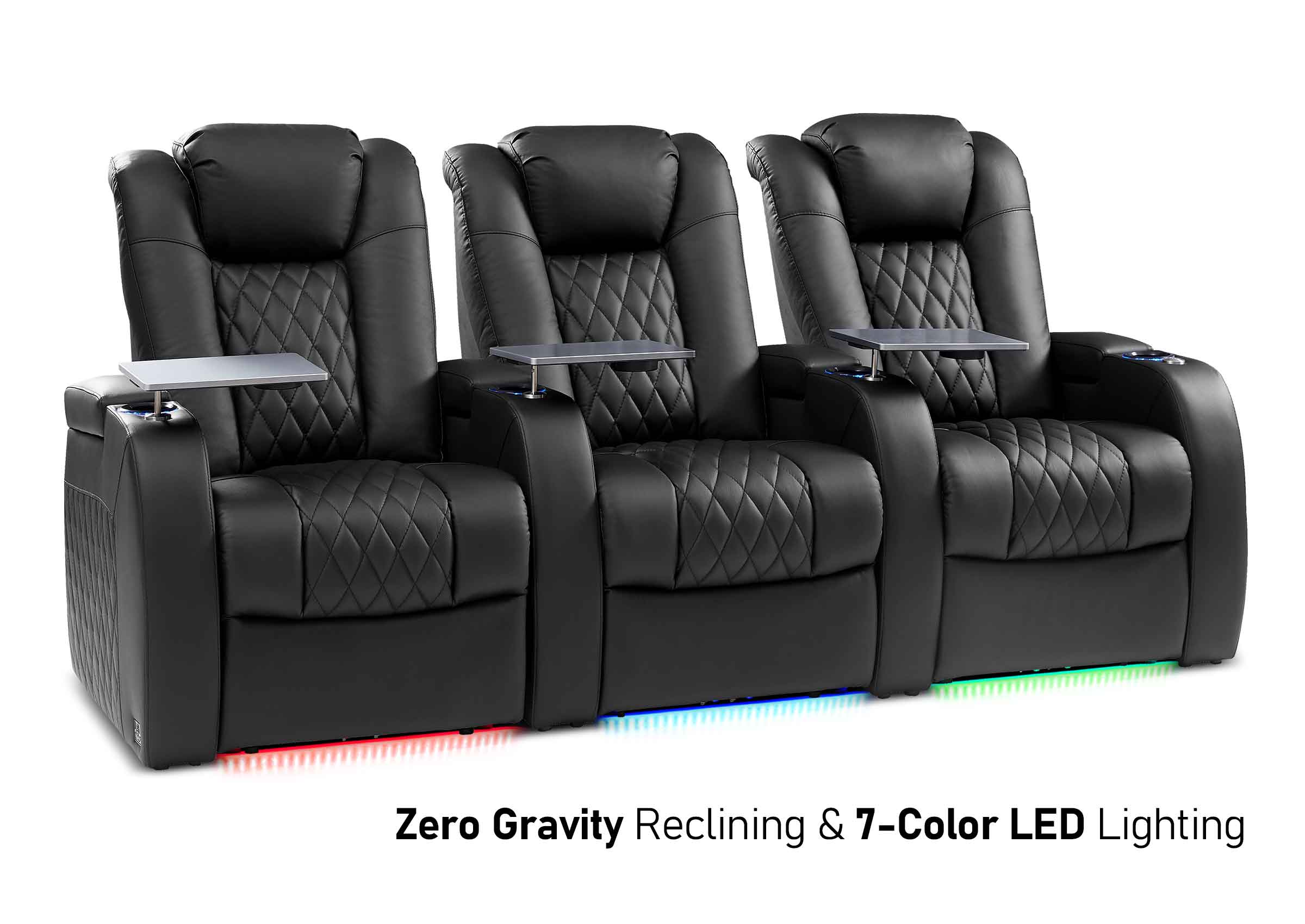
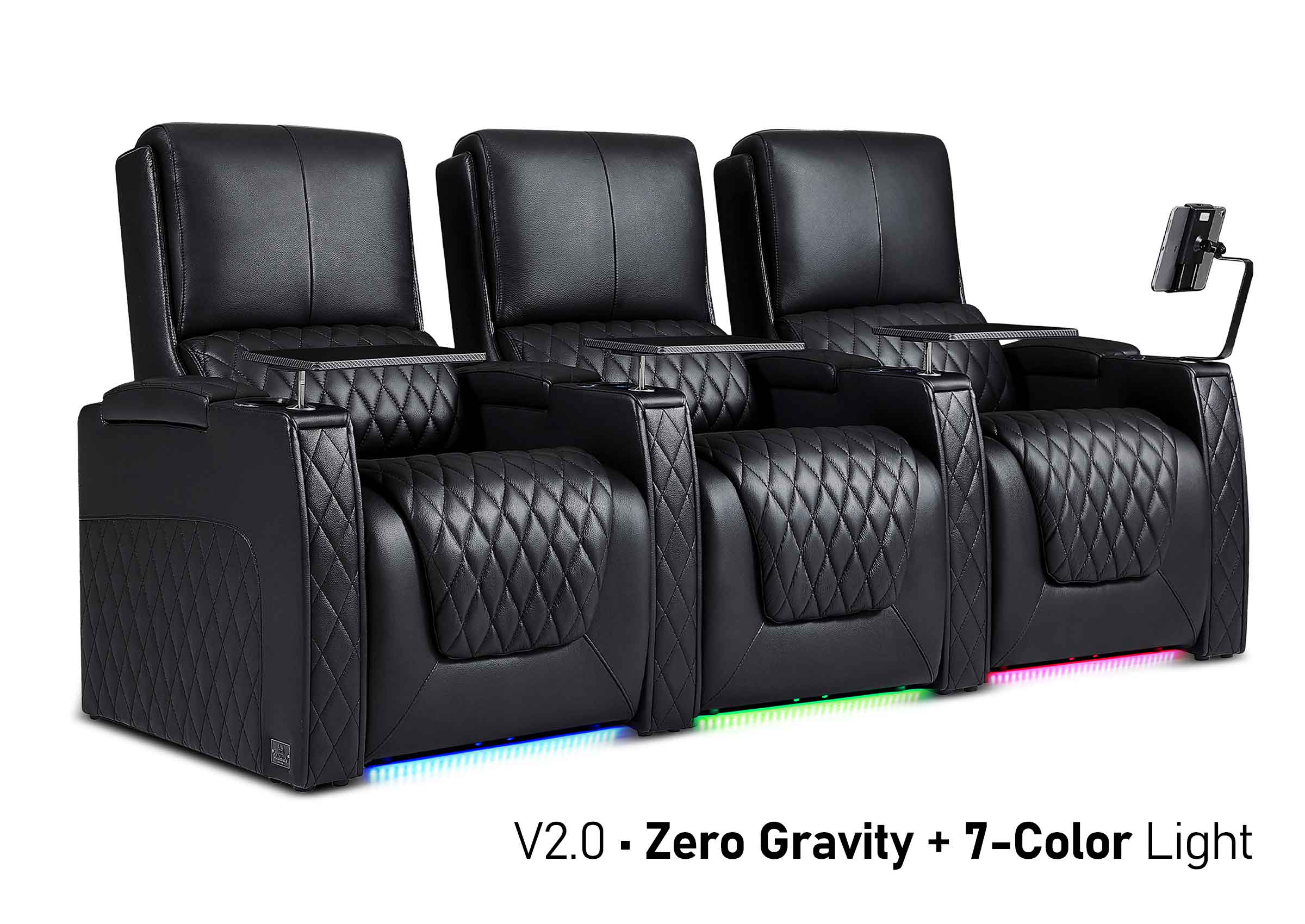
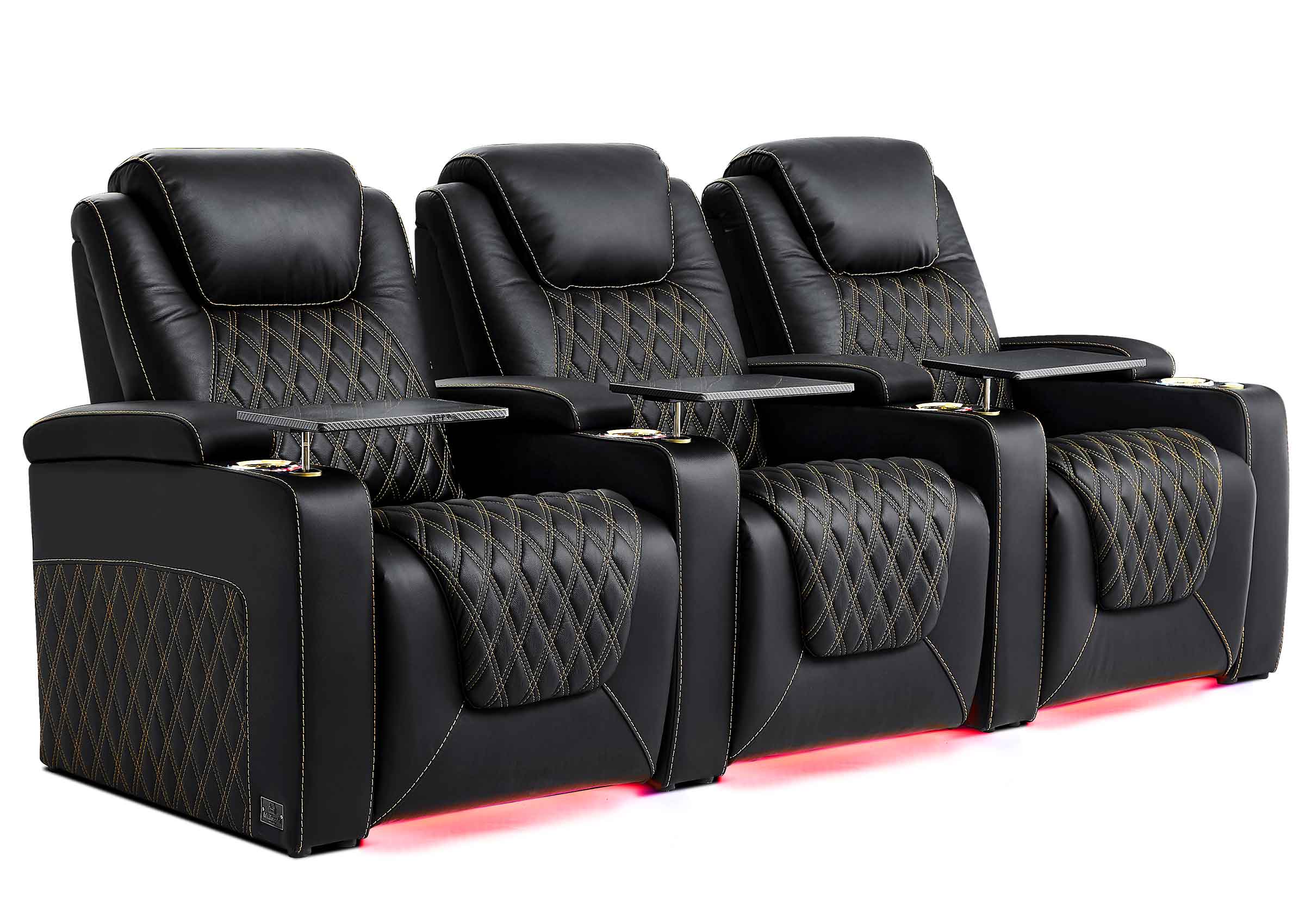
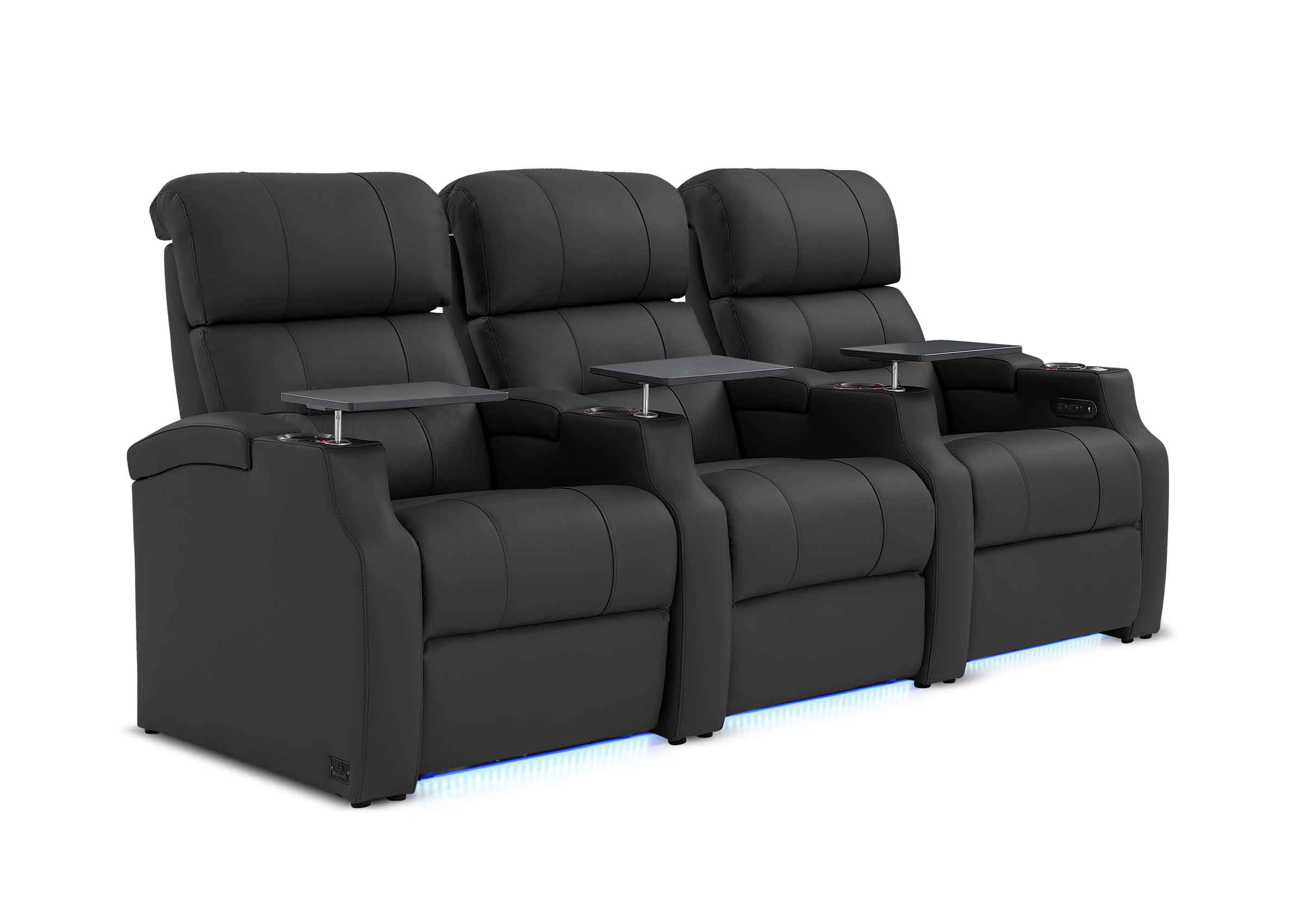
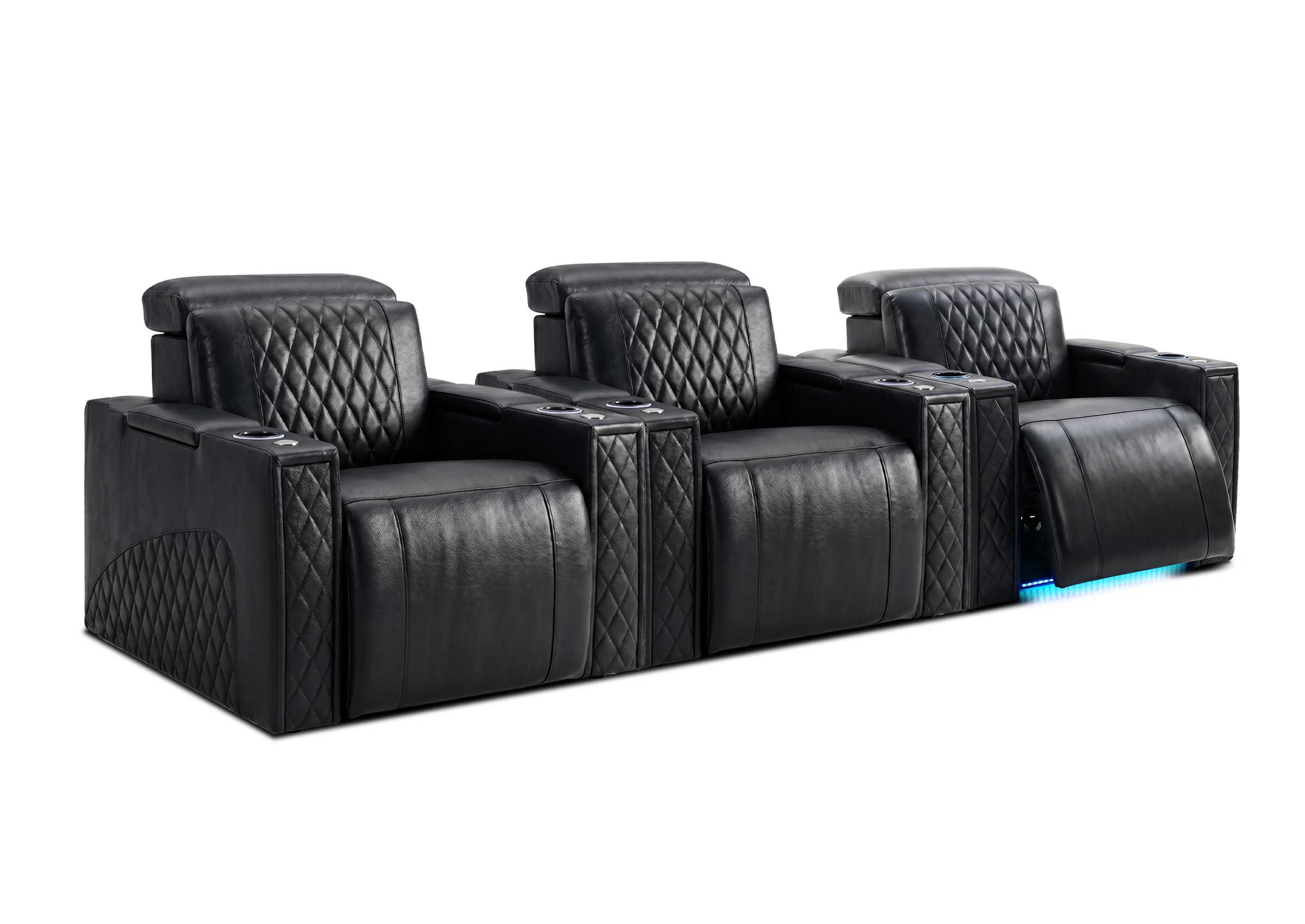

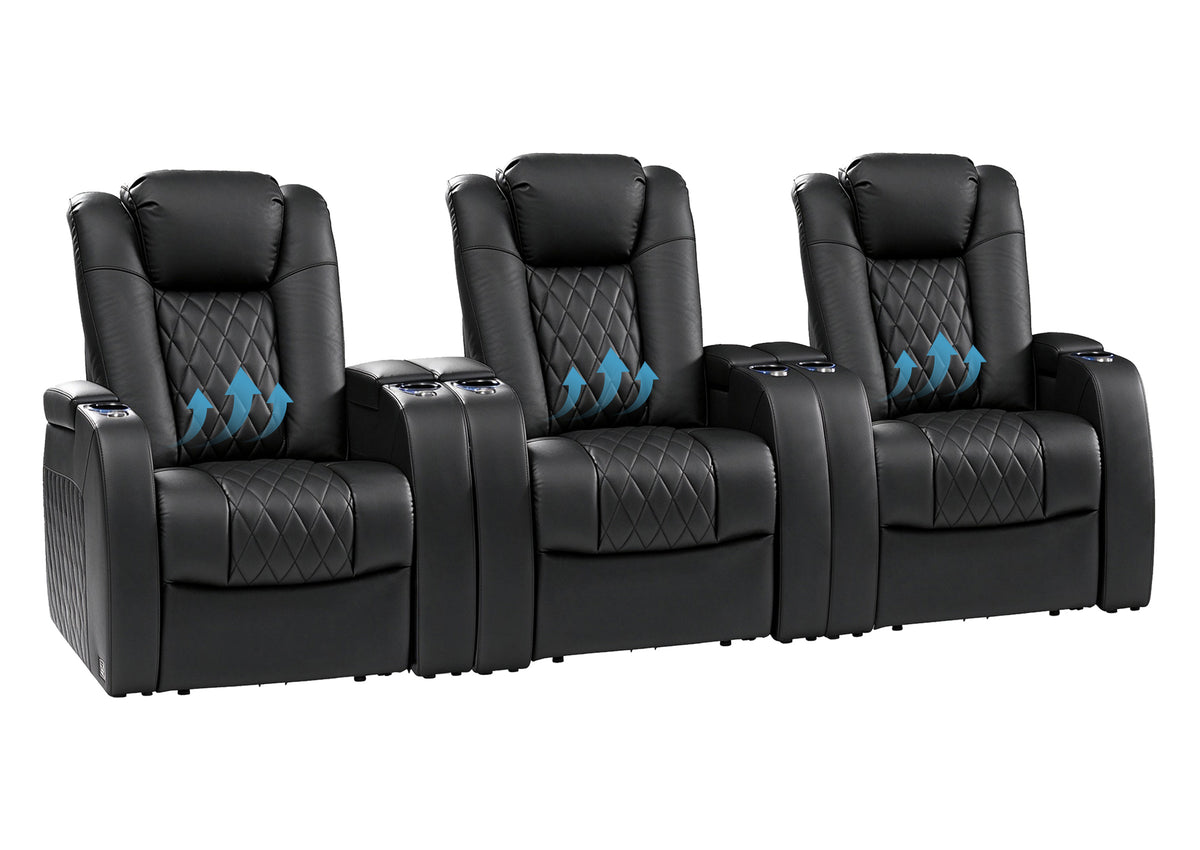
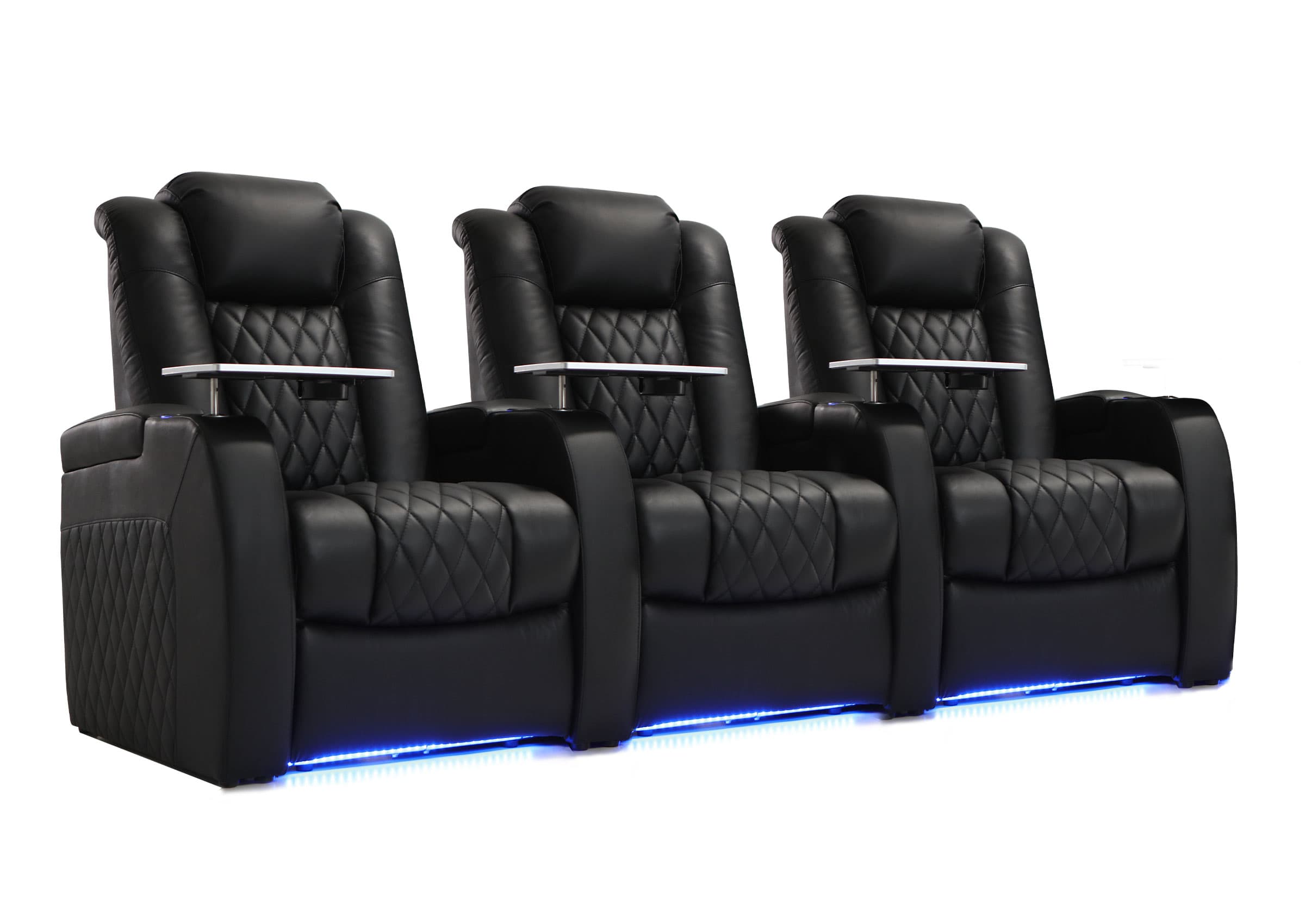
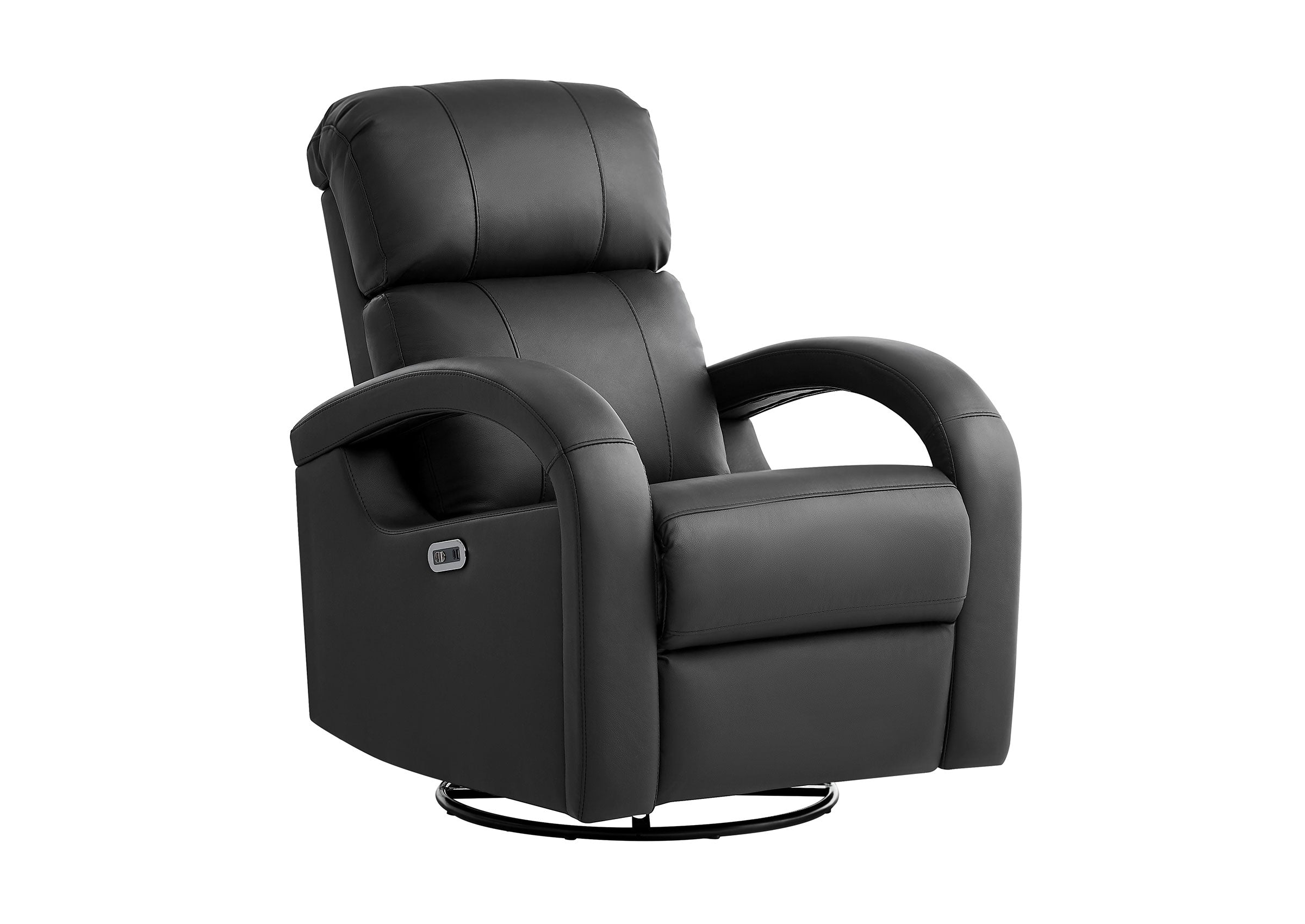

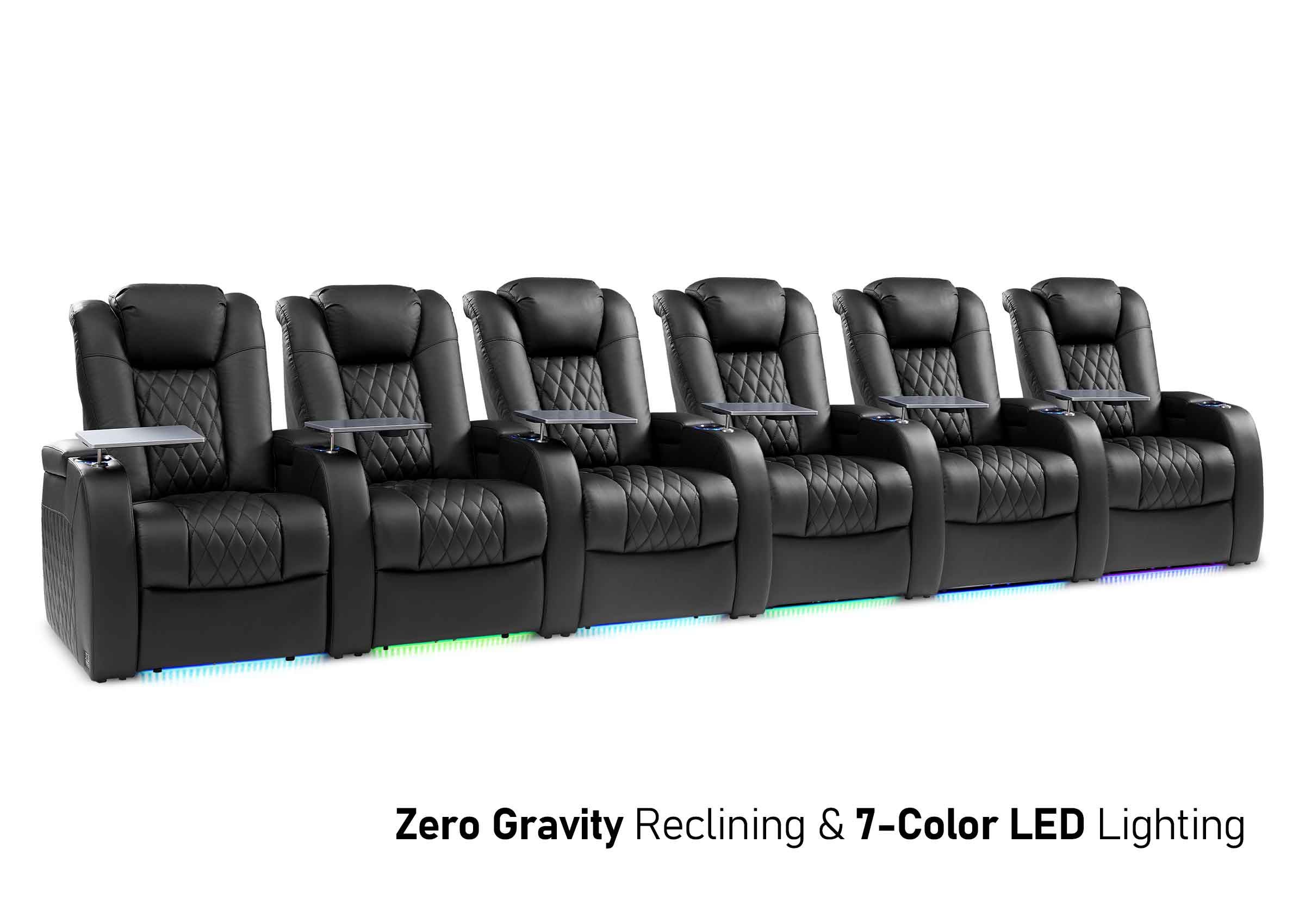
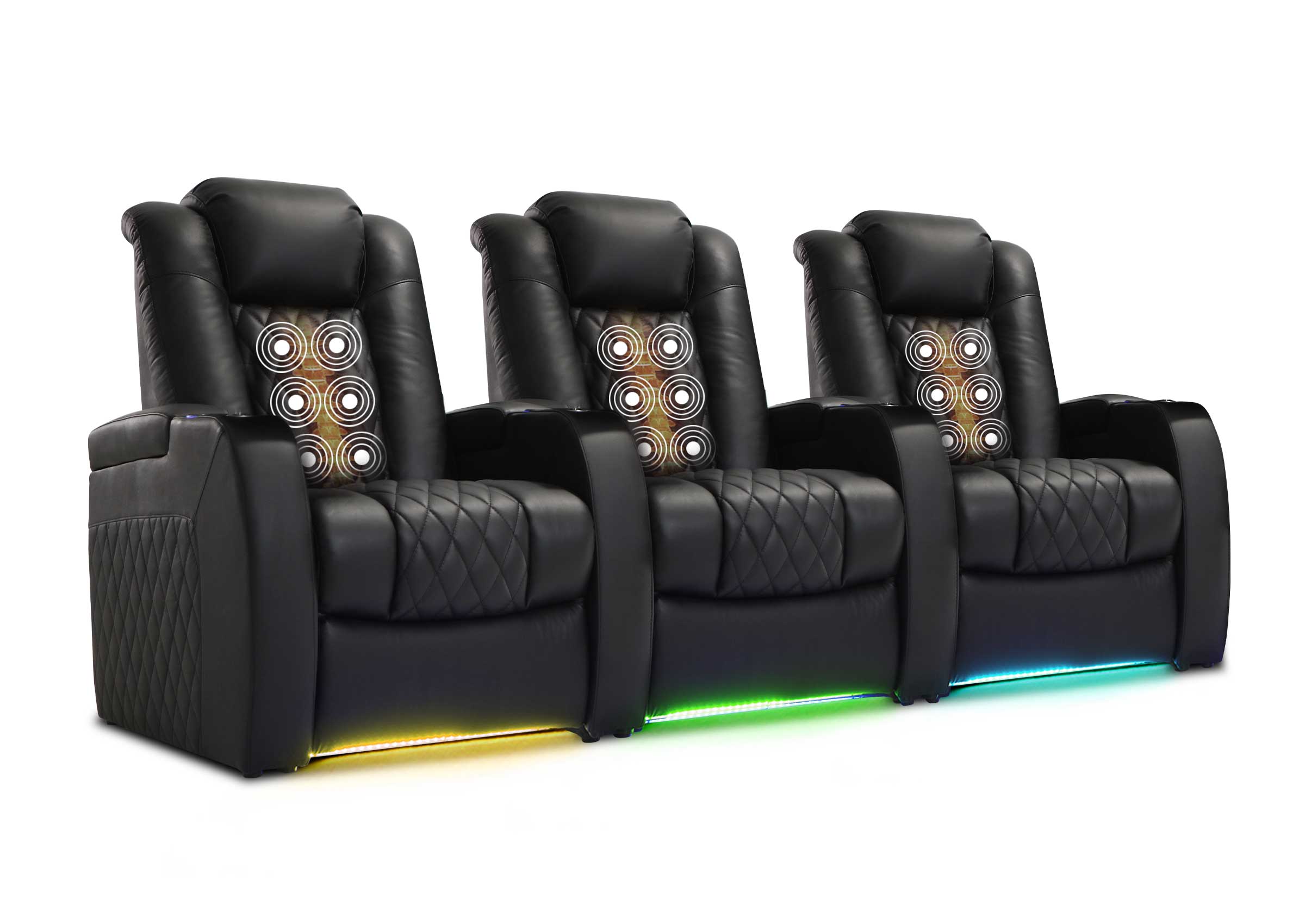
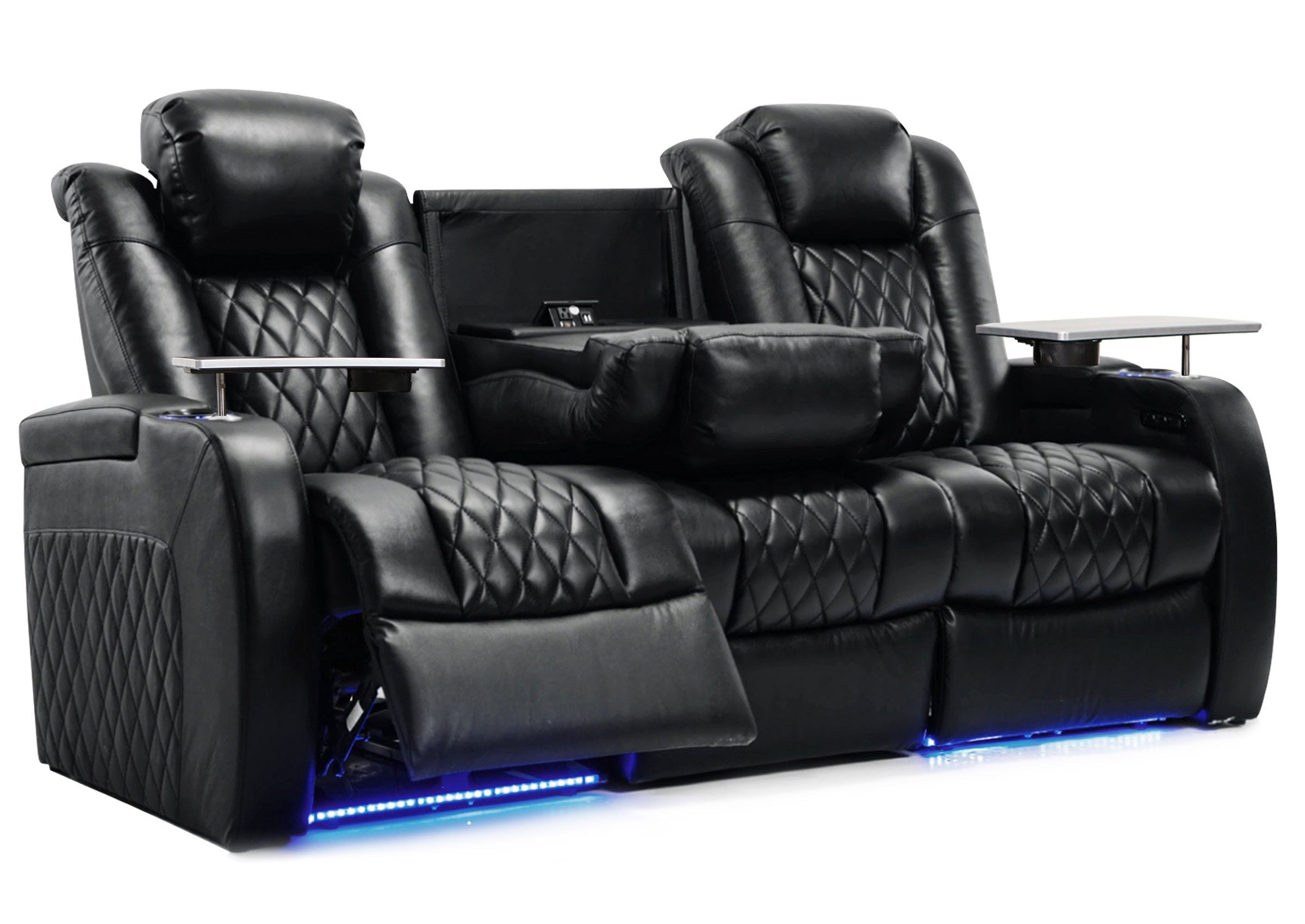
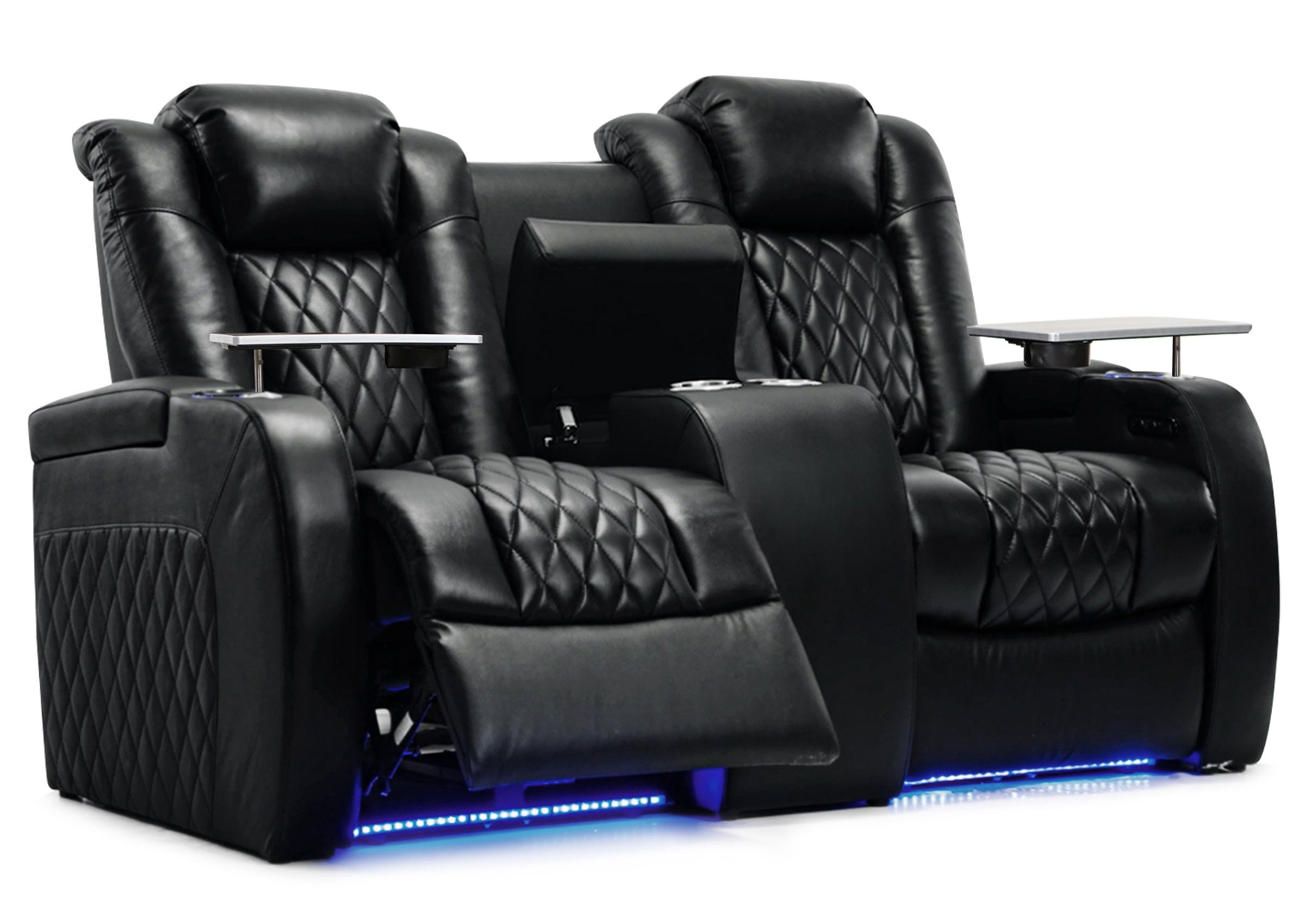


A sofa with storage is worth considering when it solves a specific storage problem without making the sofa less comfortable or harder to use. It is a weaker choice when you are paying for space you cannot easily reach, buying a larger sofa than your room needs, or replacing a comfortable sofa when an ottoman or cabinet would do the job.
The useful question is not simply how much the sofa holds. It is whether your belongings fit, whether the person using the compartment can operate it comfortably, and whether you can put everything away again without disrupting the room.
Start With What You Want to Store
Before comparing sofas, gather the items you want to put inside one. A folded guest comforter, a stack of board games, and three remote controls create very different storage needs.
Match the opening routine to how often you need the item. A compartment that takes several steps to open might work well for occasional guest bedding. The same arrangement can become frustrating for a blanket you retrieve every evening. An easily reached drawer may suit frequent access, provided the room has space to pull it out.
Write down the actual problem you are solving: “Give the guest bedding a permanent home” is more useful than “Get more storage.” It helps you reject a compartment that looks generous but does not hold the right things.
Also consider who will use it. If accessing the space requires moving cushions or lifting a removable top, that effort belongs in the buying decision. A mechanism described as easy to open is not proof that everyone in your household will find it easy.
Storage becomes valuable when it replaces a real inconvenience. If everything already has an accessible home, treat the feature as a bonus rather than a reason to accept a less suitable sofa.
Compare How the Compartment Opens
“Storage sofa” covers several arrangements. Check the exact model and configuration, rather than assuming that two sofas with similar outlines work the same way.
| Storage format | What to check | When it can make sense |
|---|---|---|
| Lift-up chaise or hinged seat | Which part moves, whether cushions stay in place, and how the lid is supported during access | Bulky textiles, when the opening and lifting routine suit the person using it |
| Removable seat cushion and storage cover | The number of pieces to move, their weight, and where they go while the compartment is open | Items you need less often, if removing and replacing the top is manageable |
| Pull-out drawer | Internal drawer dimensions, handle access, and the clear floor space needed to open it | More frequent retrieval, when the drawer can open without rearranging the room |
| Console or armrest compartment | The actual usable shape and whether nearby controls or cupholders limit the space | Small items needed while seated, rather than a substitute for blanket storage |
A lift mechanism does not automatically mean hands-free access, and a removable top is not automatically inconvenient. What matters is the particular design and your routine.
Ask to see the compartment operated from a fully set-up sofa: cushions in position, tables nearby, and the seating arranged as you would use it. A photo of an empty, already-open compartment leaves out much of that process.
Measure Usable Space, Not Just the Advertised Capacity
External sofa dimensions tell you whether the furniture may fit the room. They do not tell you whether a duvet fits inside it. A capacity figure in liters is useful context, but it cannot describe every opening, divider, or narrow section.
For the compartment itself, check the usable length, width, and height with the lid closed. Note any hinges, supports, lining, or internal partitions that reduce those dimensions. Then check the opening through which the item must pass. A box can fit inside a space on paper yet be awkward or impossible to get through its opening.
Here is an illustrative example, not a product specification: a rectangular compartment measuring 30 by 20 by 6 inches contains about 59 liters of space. A folded bedding bundle measuring 28 by 18 by 8 inches still would not fit within that six-inch height in its current form. The total volume does not fix the height mismatch.
You might be able to fold the bedding differently. Test that with the actual bedding, then measure the new bundle. Do not count on forcing it down with the lid or letting fabric protrude into the mechanism.

For an irregular compartment, use the smallest clear dimensions along the path the item needs. Measure each divided section separately. Two small compartments do not necessarily replace one long space for a wide board-game box or a folded topper. If a seller supplies only a total capacity, request the dimensions of each section before treating that number as usable space for your belongings.
If you cannot try your belongings in person, ask for an interior measurement photo and a video showing the opening. Tell the seller the dimensions of your folded items. “Will it hold bedding?” is too broad to settle the question.
Keep Comfort in the Buying Decision
Storage does not prove that a sofa will feel firmer, softer, or less supportive. Nor does a statement that storage has “no effect on comfort” establish that every version will feel the same to you.
Compare the exact sofas you are considering. Seat cushions, support construction, seat depth, back shape, and upholstery can differ along with the storage feature. A comfortable non-storage model is not a reliable stand-in for a different storage model.
Sit as you normally would: feet supported when sitting upright, back against the cushion if that is your usual position, or legs up if you spend evenings lounging. Check whether you can get up comfortably as well as settle into the seat.
If two versions are available, try both rather than assuming storage is the only difference between them. Ask which construction details change, then decide whether the difference matters to your posture and preferences.
A useful rule is to choose from sofas you would be happy to sit on even without the storage. Hidden space should help break a close decision, not excuse a seat you already dislike.
Compare the Whole Room With an Ottoman or Cabinet
Built-in storage uses space within the sofa's footprint, but accessing it may still need room above, beside, or in front of the seat. A drawer behind a coffee table is not useful if you must move the table every time.
An ottoman has its own footprint, yet it may already be part of your plan as a footrest or coffee-table alternative. A cabinet can provide a home for small items without opening the sofa. Neither option is automatically a waste of floor space.
Compare complete arrangements: the sofa, tables, ottoman if needed, walking routes, and all opening paths. Do not compare a closed storage sofa with a separate cabinet while ignoring that the sofa still needs somewhere to put drinks.
For occasional guest bedding, a usable compartment near the sleeping area may be convenient. For remotes and controllers, a nearby console, drawer, or cabinet may offer a simpler routine. If your existing sofa works well, adding a suitable piece of storage furniture is worth pricing before replacing the sofa.
If the sofa also becomes a bed, check access in both positions. Can you retrieve the bedding before converting it, and where will you put it while setting up? Follow the model's intended sequence; a useful compartment can still be awkward if you need to partly undo the bed to reach something you forgot.
PLAN YOUR STORAGE
Planning Storage for a Media Room?
In a media room, the next step is deciding which small items need to stay within reach and which can live farther away. Our guide to built-in seating storage walks through that placement decision, including consoles, armrests, and separate storage.
Look Beyond the Purchase Price
There is no universal price premium that makes a storage sofa good value. Compare the actual alternatives available to you, including delivery, assembly where needed, and any separate furniture you would otherwise buy.
The comparison changes depending on whether you already need a new sofa. If you do, storage may be one feature among several similarly priced options. If your current sofa is comfortable and in good condition, replacing the whole piece creates a much larger decision than adding a place for blankets.
Ask about the parts that make the storage work. Can a damaged cover, hinge, handle, or lifting component be serviced? Which parts are available for the exact model, and what access is needed to replace them? A general warranty statement does not answer every parts or service question.
Moving also deserves a thought. Check how the sofa separates for transport, whether the storage unit changes the handling instructions, and where you will keep removable parts. Empty the compartment before moving it unless the manufacturer expressly instructs otherwise.
Avoid choosing a sofa on the assumption that its mechanism will last a particular number of years. Construction, use, maintenance, and repair options vary. A clear answer about the actual mechanism is more useful than a generic promise of durability.
Run These Five Checks Before You Buy
Use these checks with the person who will actually access the storage. In a store, ask permission before operating the mechanism or placing your belongings inside. For an online purchase, use the same points to request a useful demonstration rather than another beauty shot.
- Prove the fit. Compare your folded items with the interior dimensions, opening, and permitted compartment load. Check that the lid closes normally without pressing on the contents or trapping fabric.
- Try the opening routine. Begin with the cushions in their normal positions. Notice the grip, reach, lifting effort, and whether another person has to leave the seat. Find a clear place for every cushion or removable cover; do not balance one where it can fall or block your route.
- Check the room around it. Account for tables, a wall, a rug, walking routes, and anything that could obstruct a drawer or moving section.
- Take an item out and put it back. Use something representative of what you will store, rather than judging an empty compartment alone. Confirm how the lid is meant to be supported during retrieval. If the routine requires help that will not normally be available, it does not meet your everyday access needs.
- Sit down again. Confirm that everything returns to its proper position, the sofa feels suitable, and the storage routine is one you would willingly repeat.
Close moving parts carefully and keep fingers out of gaps. Castlery's AGNES assembly and care manual specifically includes those precautions and warns against allowing children inside its storage compartment. Follow the operating instructions for the sofa you are considering; do not assume another model has the same supports or opening action.
If a crucial part of the demonstration is missing, keep that question open. An unverified compartment is not a reason to assume the sofa is unsuitable, but it is not a solved storage problem either.
Storage Sofa FAQs
Can a sofa have storage without being a sofa bed?
Yes. Storage and a sleeping mechanism are separate features. A sofa may have a storage seat or chaise without converting into a bed, while a sleeper sofa may have no built-in compartment at all. Koala's storage sleeper-sofa guide describes model-specific differences, including a sleeper without integrated storage.
Check the exact configuration on your order, not just the name of the range. An ottoman sold alongside a sofa may provide the storage instead of the sofa itself.
Can I store books or other heavy items inside?
Only within the compartment's own stated load limit and intended use. A sofa's seating capacity is not automatically the capacity of its storage floor, drawer, or removable cover.
Books can create a concentrated load in a small area. Give the manufacturer or seller the intended contents and ask for the compartment limit, rather than relying on a maximum weight listed for the seat. If no storage limit is available, choose a storage product with suitable specifications for those items.
Is a storage sofa a good place for children's toys?
It can be an adult-managed place to put suitable toys away, provided the product instructions allow that use and the compartment can be operated safely. It should not become a space children climb into or a lid they are expected to lift and hold.
Think through the daily routine. If a young child needs independent access to toys, a different storage arrangement may suit that task better. Do not treat a slow-moving or assisted lid as proof that a compartment is child-safe.
Will vacuum bags help bedding fit?
They may reduce the size of suitable bedding, but check its care instructions before compressing it. Measure the packed bag, including its valve and any rigid edges, rather than using an advertised compression ratio to estimate the fit.
The bag must pass through the opening and leave the lid and mechanism clear. Vacuum packing does not make an oversized bundle acceptable to force into the compartment. It also does not turn sofa storage into a temperature- or moisture-controlled space.
How do I keep the compartment clean and fresh?
Store clean, fully dry items and follow the product's instructions for the compartment materials. When cleaning is needed, empty it so you can reach the corners without leaning into a moving mechanism. Use only the cleaning method permitted for the lining and structure, and let any cleaned surfaces dry before refilling.
Do not assume the compartment is sealed against dust or moisture. If an odor or damp patch keeps returning, find and address the source before putting bedding back; covering it with fragrance does not solve the underlying problem.
Can I add storage to a sofa I already own?
Sometimes, if the exact furniture system offers a compatible storage component or an approved conversion. Similar dimensions or a matching fabric name do not establish compatibility with the frame and connectors.
For an ordinary sofa without an approved option, compare a separate ottoman or cabinet. Cutting into the frame or adding an improvised lifting mechanism can change support and create problems the original sofa was not designed to handle.
What if the storage lid will not stay open?
First establish how that model is designed to operate. Not every cover is intended to hold itself open. Do not let go of a lid to test a support you have not identified, and do not reach underneath a cover that is unstable.
If the behavior has changed, the lid drops unexpectedly, or the mechanism binds, stop using the compartment and contact the seller or manufacturer. Provide the model, a description of what changed, and photos taken without holding yourself in the closing path. Do not substitute a stronger gas strut or improvise a prop as a repair.
Choose Storage You Will Actually Use
A worthwhile storage sofa gives the right belongings a home, opens in a way you can manage, and remains a sofa you enjoy sitting on. If comfort, access, or the room layout fails the test, consider keeping those jobs separate.
Before deciding, note your folded item dimensions, the opening routine you can comfortably manage, and the space available around the sofa. If you are considering Weilianda seating, use our Support page or email leon@weiliandahome.com to check which available options, dimensions, and storage arrangements match that brief.