







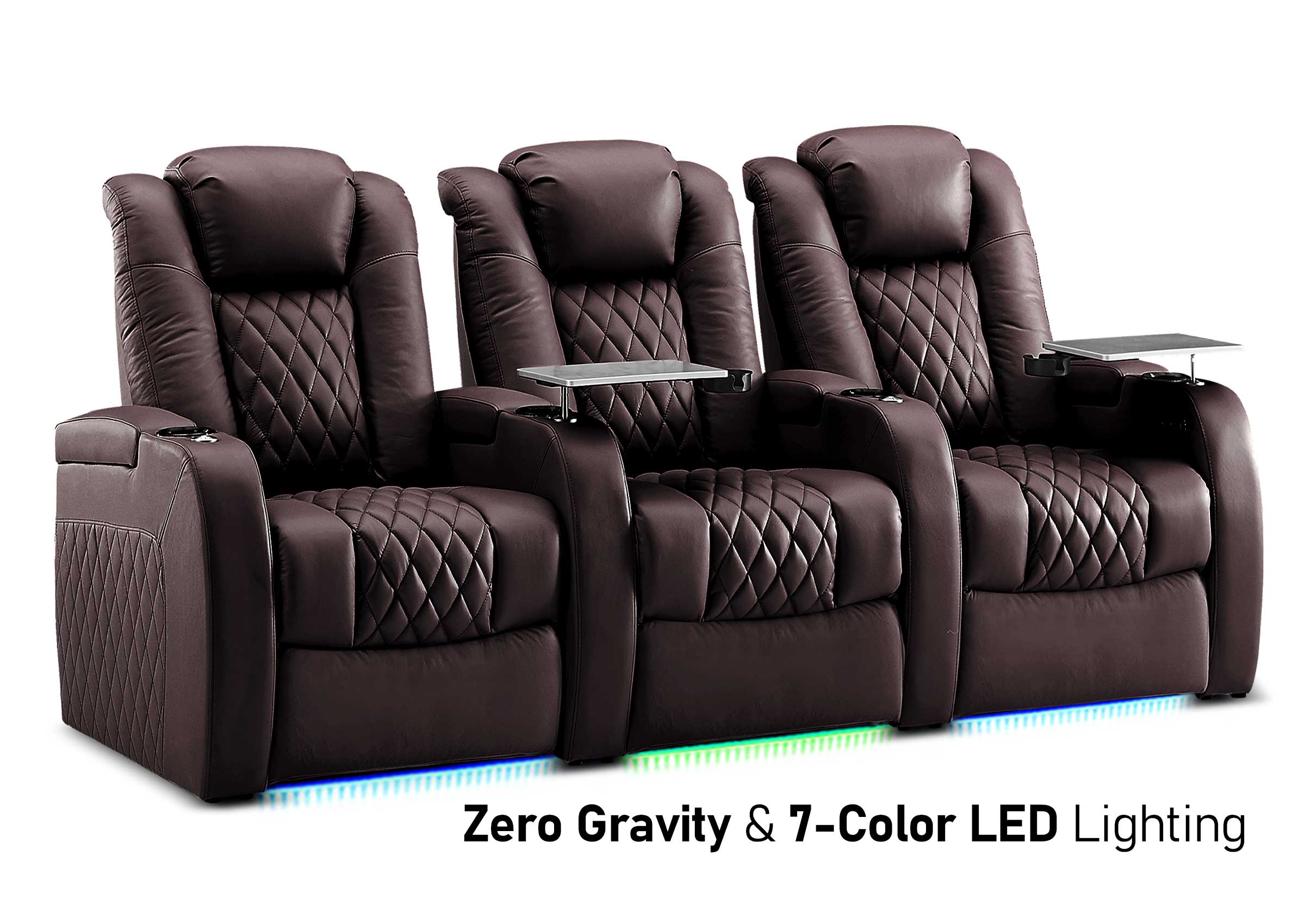

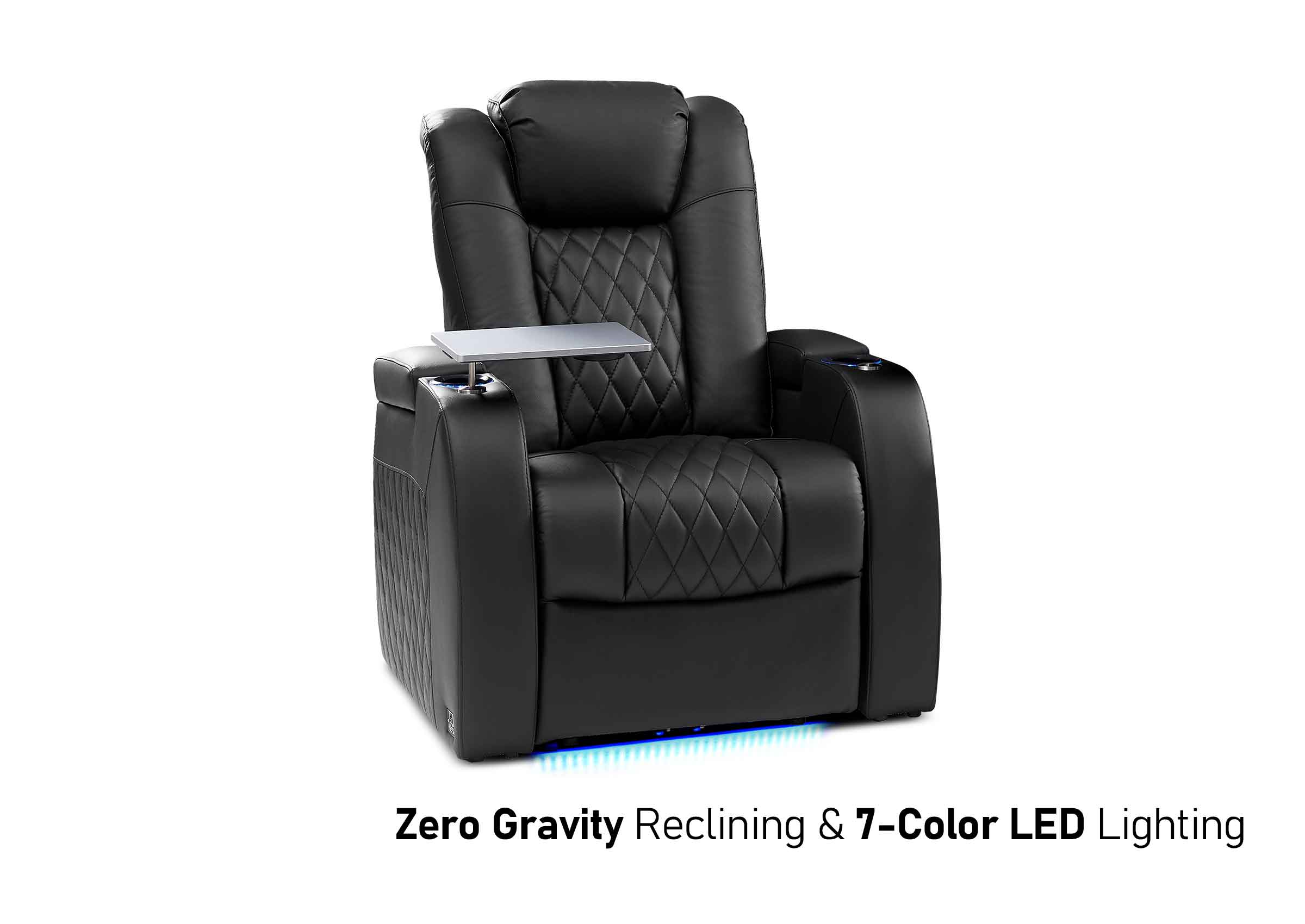
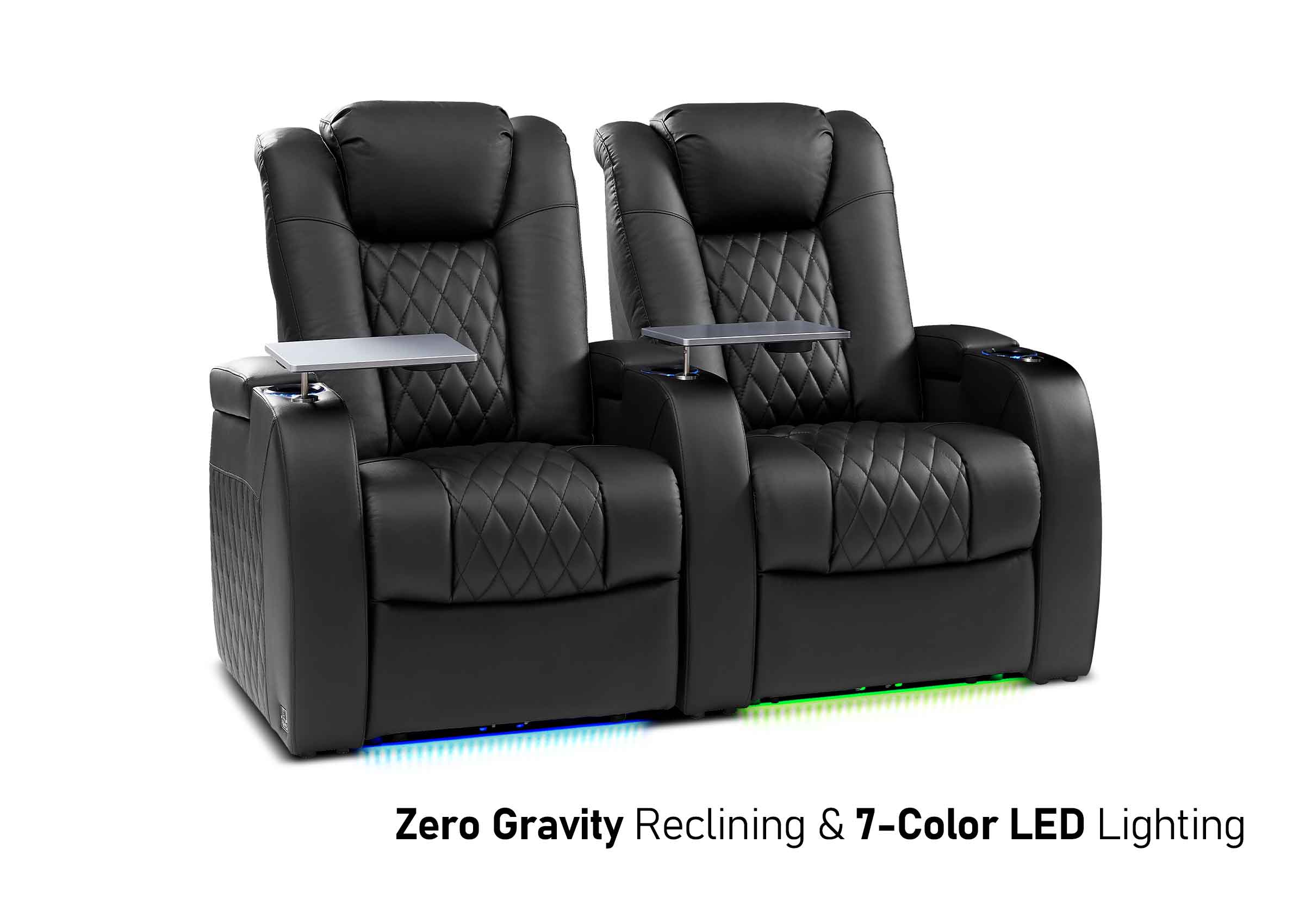
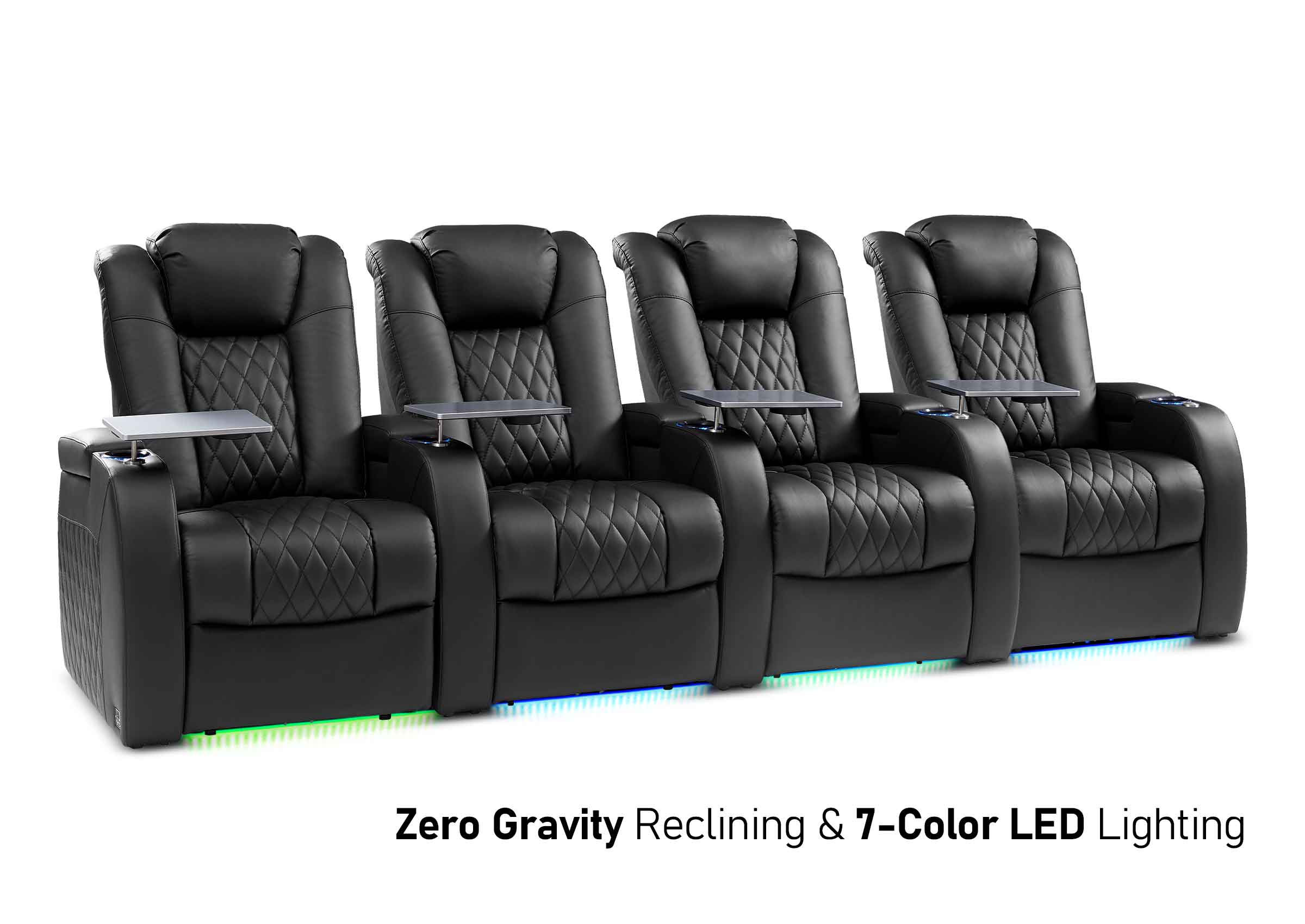
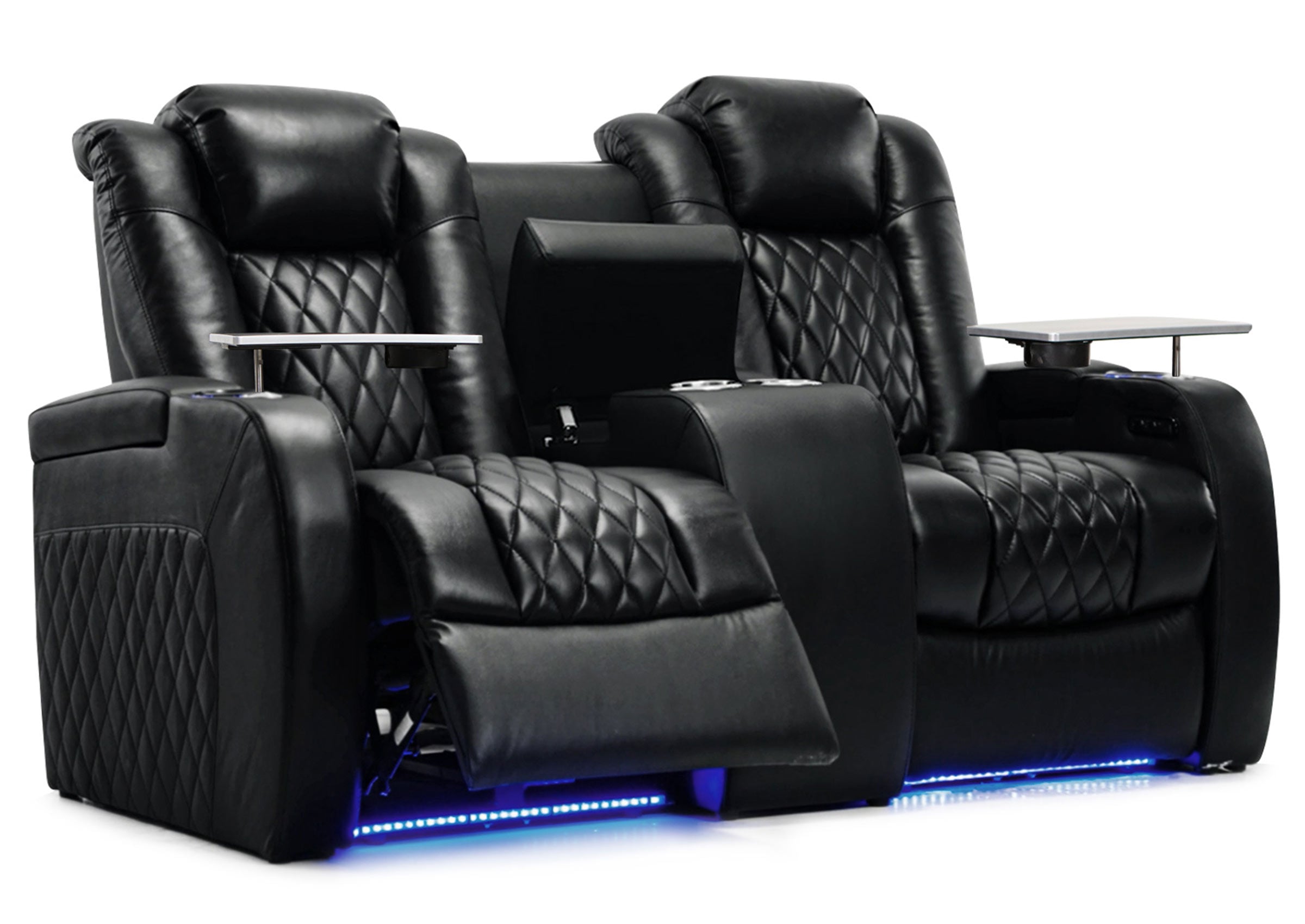


Hosting a movie marathon at home takes more than adding several films to a normal movie night.
The first movie can feel effortless. By the third, the room may be warmer, the table may be covered in cups and wrappers, someone wants a bathroom break, another person wants to change seats, and nobody is quite as excited about the final movie as they were when the night started.
That is why a good movie marathon needs a different kind of planning.
Instead of treating the event as one very long viewing session, plan it as several movies connected by short resets:
Watch → break → move → refill → reset → next movie
The goal is not to stay planted in one seat for as long as possible. It is to make the entire marathon easy enough that the last movie is still enjoyable.
Plan the Total Runtime Before You Decide How Many Movies to Watch
One of the easiest mistakes is deciding that a marathon needs three, four, or five movies before checking how long those movies actually are.
Three 90-minute movies and three three-hour movies are completely different events.
Some movie-marathon guides suggest a fixed number of films, but that should be treated as a planning reference rather than a universal rule.
A better rule is:
Plan by total runtime, not movie count.
Add together:
- the runtime of every movie;
- short breaks between films;
- any meal break;
- setup time before the first movie;
- extra time if the group tends to pause, talk, or arrive late.
A lineup that looks reasonable on a list can become much longer once real life is included.
If the total already feels exhausting before you press play, removing one movie will usually improve the marathon more than trying to eliminate every break.

Choose a Lineup People Can Actually Finish
A marathon needs some kind of connection between the movies, but that connection does not have to be complicated.
It could be:
- one franchise;
- one director;
- one actor;
- one genre;
- a trilogy;
- a theme;
- several movies everyone has wanted to see;
- familiar favorites mixed with something new.
For a solo marathon, the choice is simple.
For a group, however, the best lineup is not necessarily the one with the strongest theme. It is the one people are still willing to watch several hours later.
Before the day starts, settle the main lineup. Do not wait until the credits roll to open five streaming apps and begin negotiating the next film.
That transition is where momentum often disappears.
If your bigger problem is choosing specific movies rather than planning the marathon itself, keep that as a separate task. A marathon-planning page should help you organize the viewing session, not become another long movie recommendation list.
Put the Movies in an Order That Matches the People Watching
Chronological order is obvious for some franchises.
For everything else, movie order deserves more thought than it usually gets.
A film that demands the most concentration may work better before everyone is tired. A familiar comedy or faster movie may work better later. A long, slow film that everyone genuinely wants to see may deserve the middle of the marathon rather than the final slot at midnight.
The useful principle is:
Film order should account for attention, not just chronology.
There are exceptions.
If understanding the story depends on release or narrative order, preserving continuity may matter more. A horror marathon may intentionally build toward the most intense movie. A family marathon may need to put the movie younger viewers care about first.
The point is not to create a perfect formula.
It is to stop treating the order as irrelevant.
Leave the Last Movie Optional
This is one of the easiest ways to make a marathon feel less like an endurance test.
Instead of planning:
Movie 1 → Movie 2 → Movie 3 → Movie 4, no matter what
try:
Movie 1 → Movie 2 → meal/reset → Movie 3 → optional Movie 4
The final decision can depend on:
- the time;
- how tired everyone is;
- whether people are still engaged;
- whether anyone has to leave;
- whether the next movie is genuinely wanted.
A movie marathon is entertainment, not a completion target.
Stopping while everyone still wants more can be a better marathon than finishing the list after everyone has mentally checked out.
Build Breaks Into the Marathon Instead of Treating Them as Interruptions
If every person is trying not to be the one who pauses the movie, small needs start accumulating.
Someone needs the bathroom. Someone wants water. Plates stay on the table. A blanket ends up on the floor. The room gets warm. People stay in the same position longer than they would normally choose.
The credits give you a natural reset point.
Between movies, take enough time to:
- stand up;
- use the bathroom;
- refill water;
- clear dishes and wrappers;
- adjust the room temperature;
- change sitting position;
- check whether anyone needs to leave;
- prepare the next food stage;
- decide whether the planned next movie still makes sense.
You do not need an arbitrary rule such as “everyone must stand every 30 minutes.”
General physical-activity guidance encourages adults to move more and sit less, but there is no special official break interval for a movie marathon.
For a marathon, the simplest approach is to use the natural gaps between films instead of turning the evening into another schedule to follow.
Set Up the Seats for Hour Five, Not Just Minute Five
A seat that feels comfortable when the opening logo appears can become much less appealing several hours later.
Long-session comfort depends partly on being able to change position.
That might mean:
- sitting upright during one movie and reclining during another;
- changing leg position;
- adjusting head or lower-back support;
- removing a blanket once the room gets warmer;
- standing and resetting between films.
The longer the marathon lasts, the less useful it is to search for one “perfect” position and stay there.
Long-session comfort depends on the ability to reset, not just how soft the seat feels at the beginning.
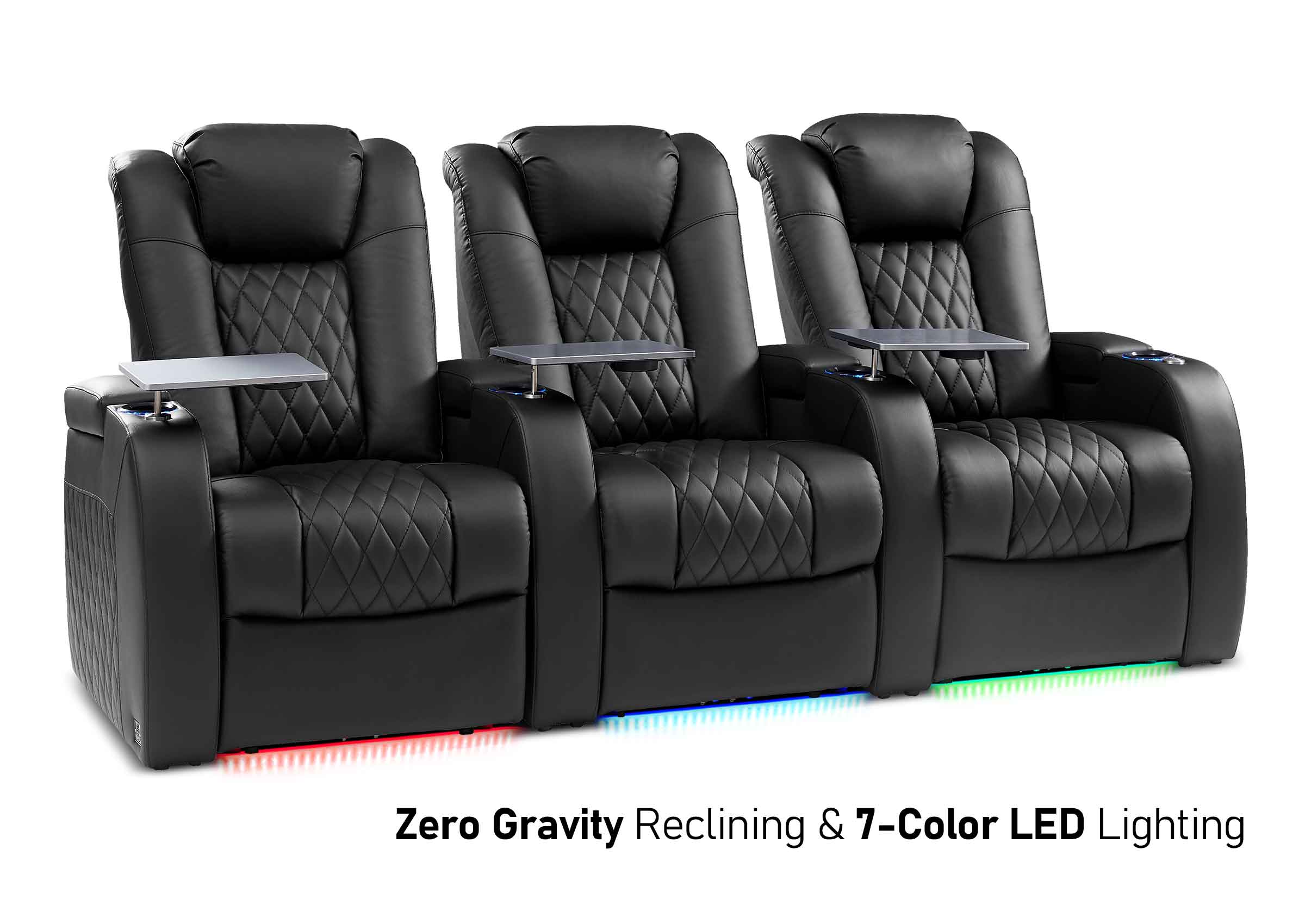
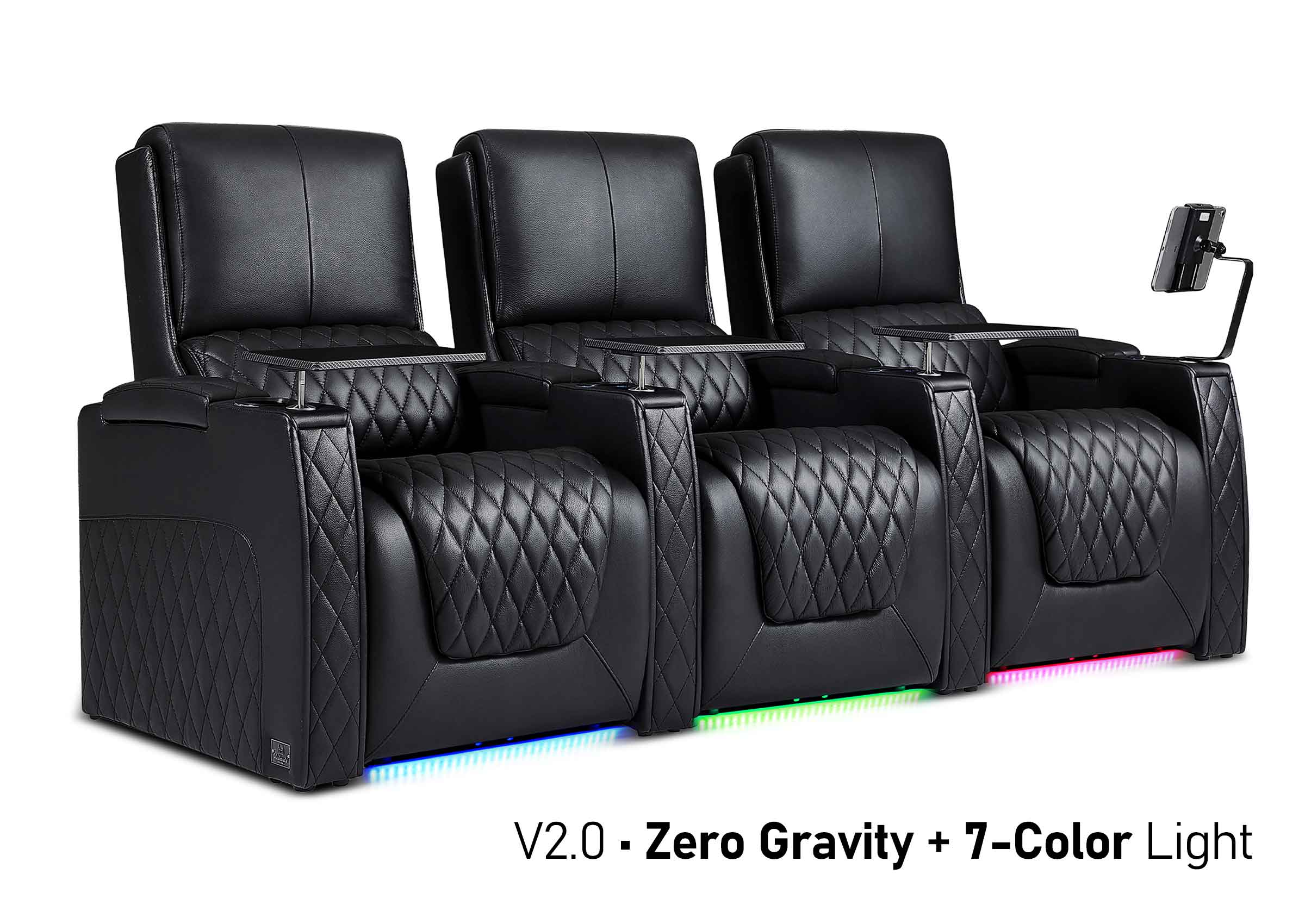
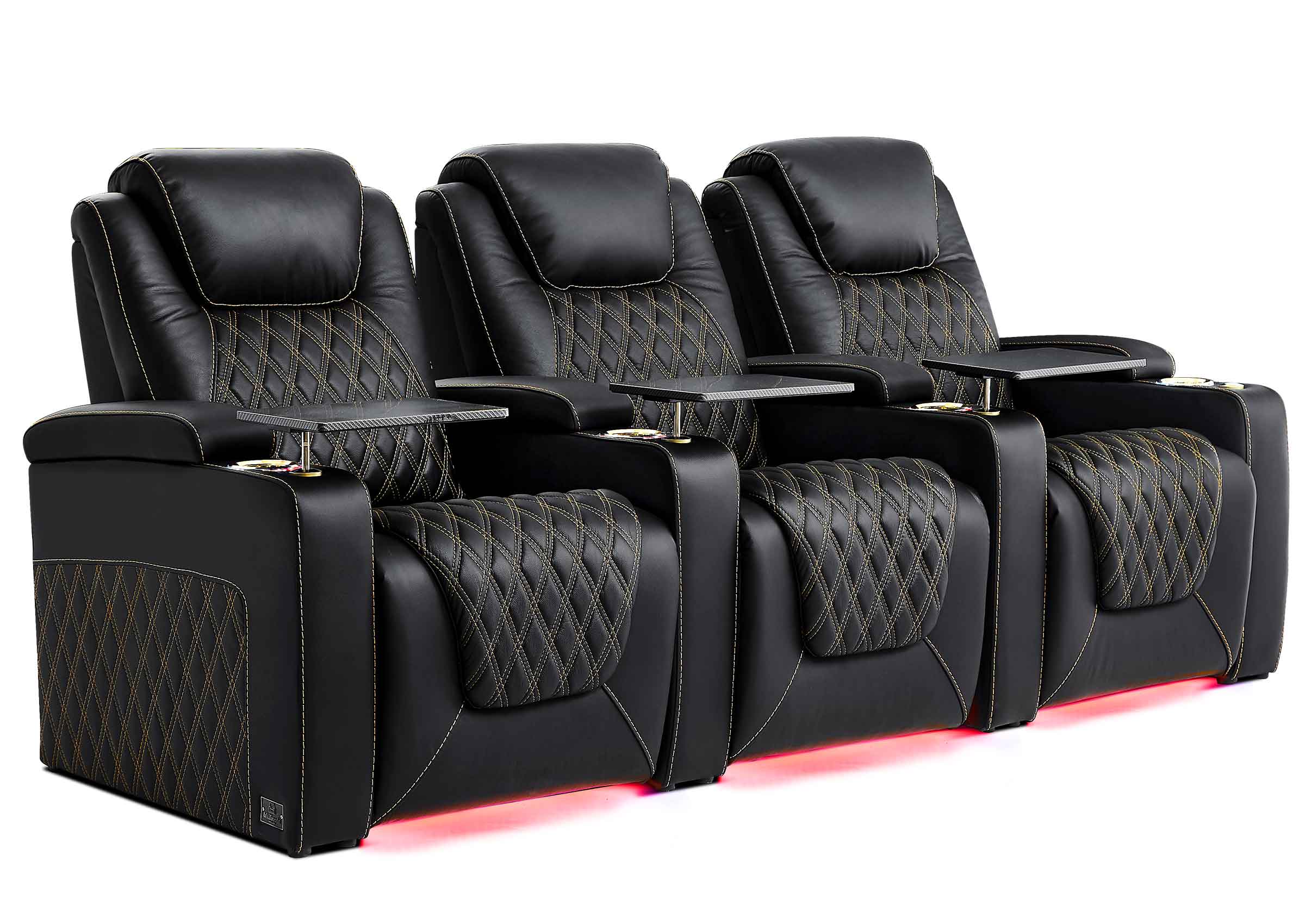
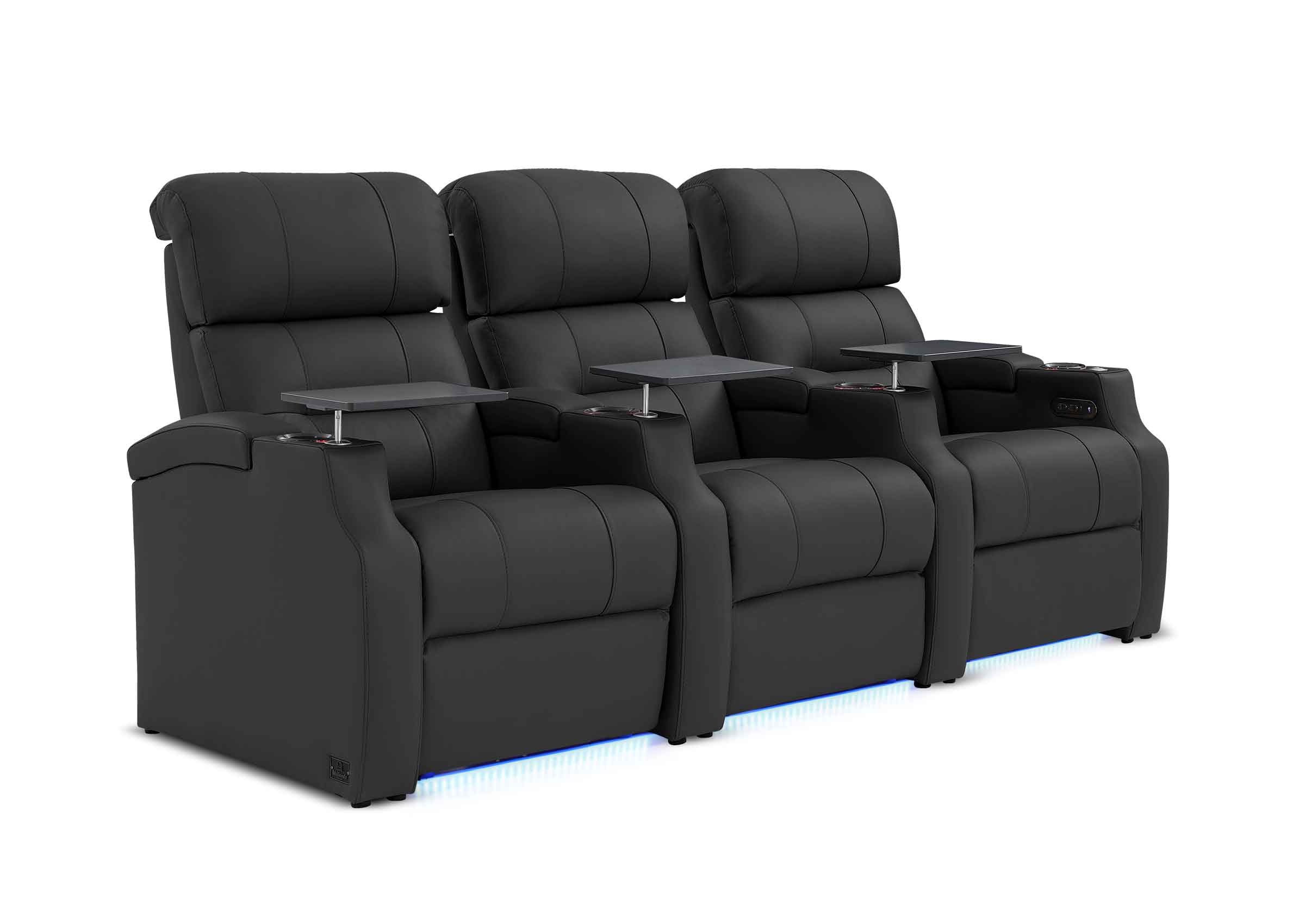
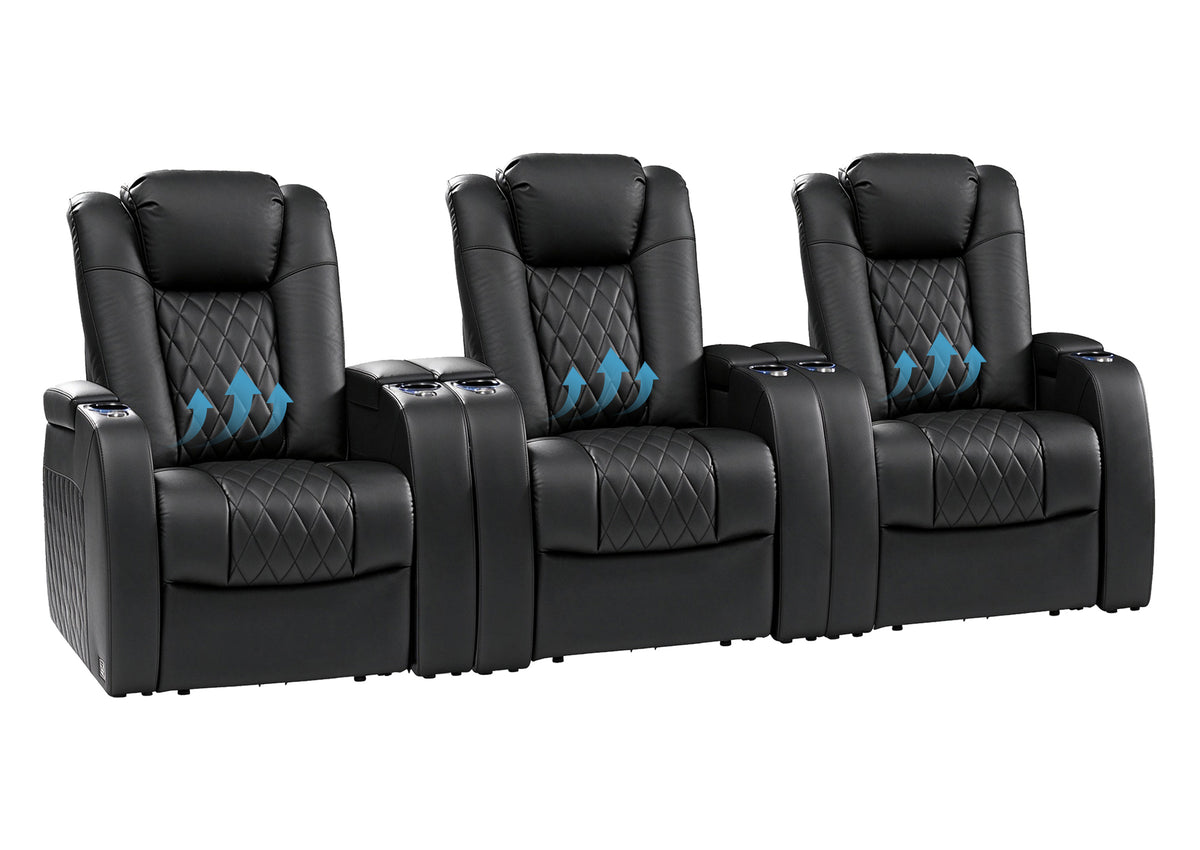
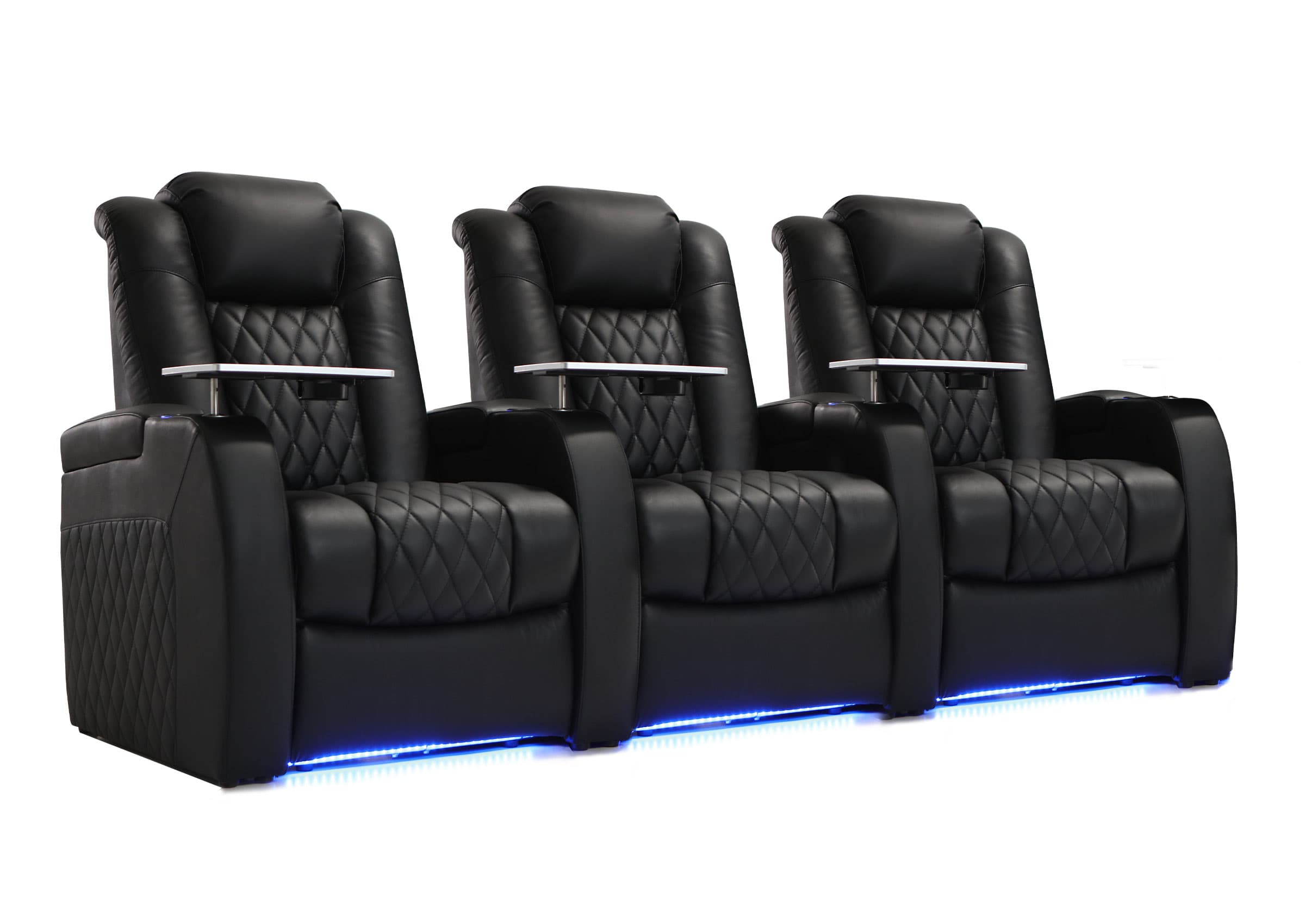
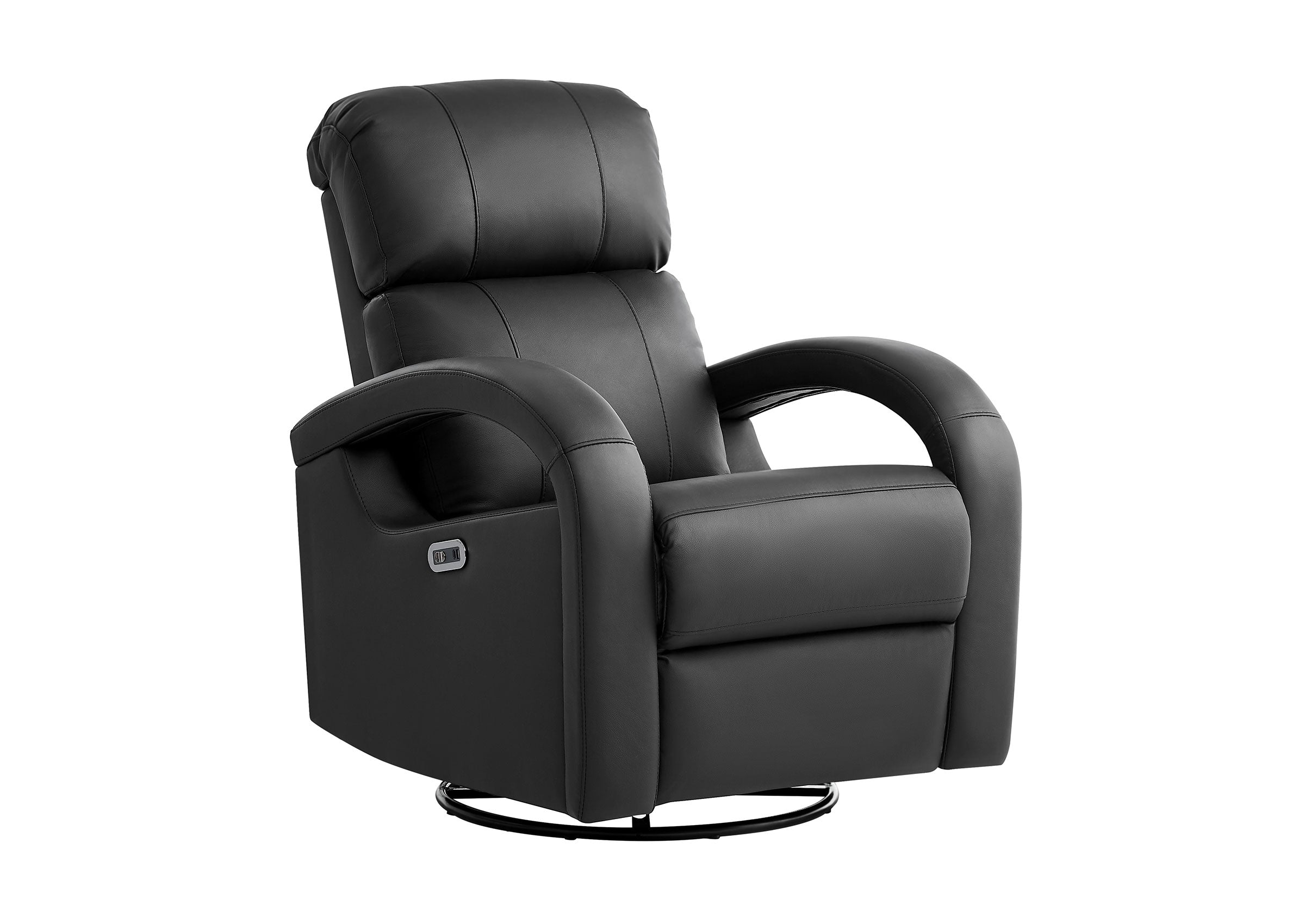
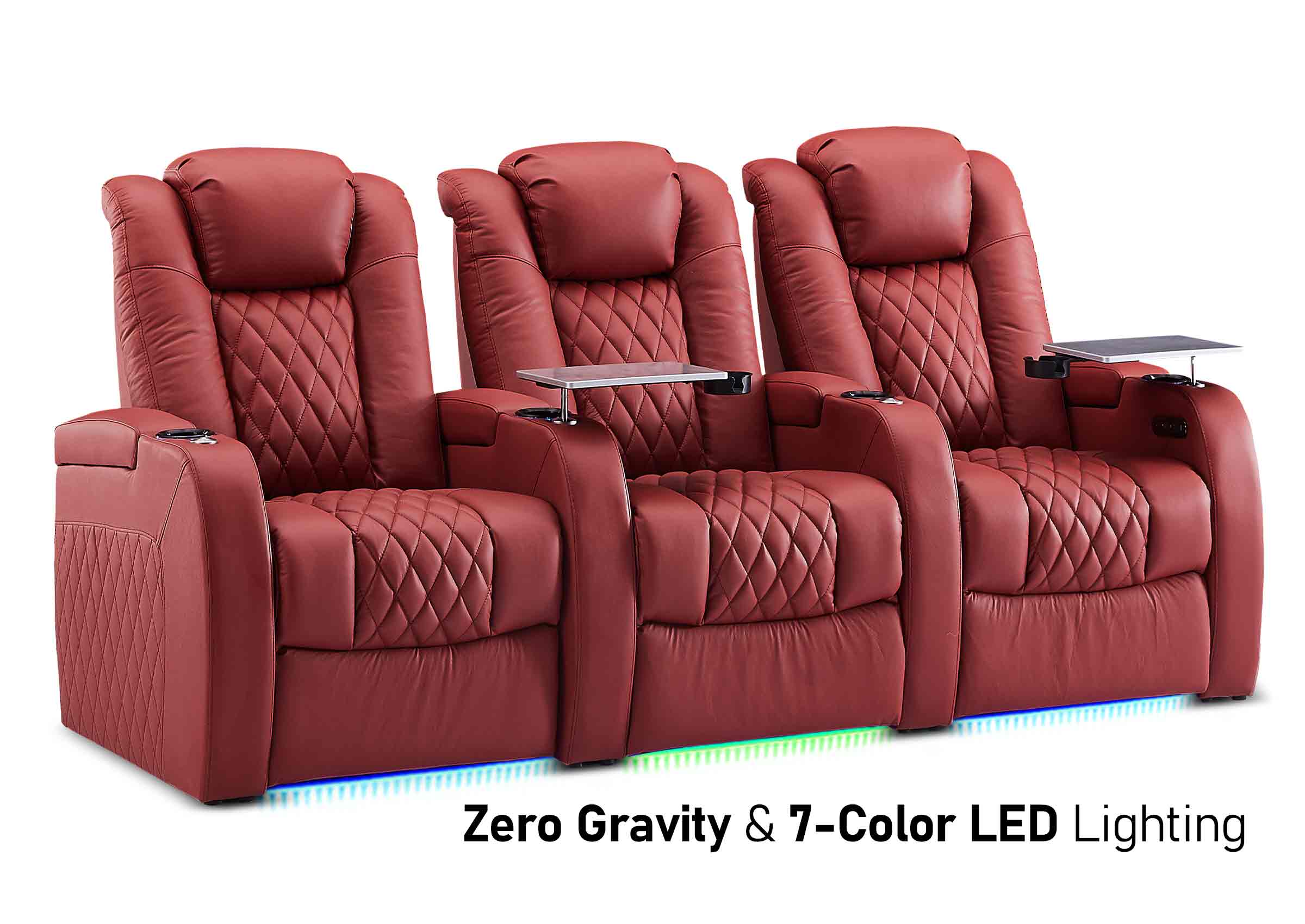
If the seat itself becomes uncomfortable during normal two- or three-hour movies, that is a different problem from marathon planning. Our guide to comfortable home theater chairs for long movies goes deeper into seat fit, support, recline, and long-session comfort.
Give the People Who Get Up Most the Easier Seats
For one movie, the “best seat” might mean the strongest view or the most centered audio position.
For a six- or eight-hour group marathon, access begins to matter more.
Consider who is most likely to:
- refill snacks;
- use the bathroom;
- help children;
- answer the door;
- prepare food;
- leave before everyone else.
If that person is buried in the hardest seat to exit, every trip becomes a small disruption.
This leads to a different definition of good seating:
For a movie marathon, the best seat is not always the seat with the best view. Sometimes it is the seat that lets the right person get in and out without making everyone else move.
That matters even more with reclining seating.
Do not let an open footrest block the only practical walking route, and keep bags, trays, blankets, and charging cables away from the path people will use between movies.

COMFORT SHOULD LAST PAST THE FIRST MOVIE
Is the Seat Itself Making Long Movies Harder?
If discomfort starts during a single long film—not only after several movies—the problem may be seat fit, support, recline, or your ability to change position rather than the marathon schedule itself.
Check What Matters for Long-Movie ComfortPlan the Snacks in Stages
A marathon snack plan should not mean putting every food item for the next eight hours on the coffee table before Movie 1.
That creates clutter quickly, and some food should not remain at room temperature for the entire event.
Instead, think in stages.
Early in the Marathon
Start with simple snacks and drinks that do not require a major interruption.
Around the Middle
If the marathon crosses a normal meal time, make that break longer and eat something more substantial away from the main viewing rhythm if practical.
Later in the Session
Bring out smaller, easier portions rather than continuing to add heavy food to an already crowded table.
You can keep the specific menu flexible.
If you need actual food ideas, use our movie night food ideas. The marathon-specific question is not simply what tastes good. It is when to serve it and how to keep the room manageable for several hours.

Do Not Forget the Clock on Perishable Food
Long movie marathons create one food-safety problem that short movie nights can hide: food can sit out much longer than you realize.
The FDA advises that foods requiring refrigeration generally should not remain at room temperature for more than two hours, or more than one hour when the temperature is above 90°F. See the FDA's food-storage guidance.
That matters for things such as:
- dairy-based dips;
- meat;
- poultry;
- seafood;
- eggs;
- cut produce that requires refrigeration;
- some prepared foods and leftovers.
You do not need to turn the marathon into a food-safety lecture.
Just avoid putting the entire night's refrigerated food out at the beginning.
Serve in stages, and return food that needs refrigeration to the refrigerator instead of letting Movie 1 become Movie 4 while the same tray stays on the table.
Create a Small “Do Not Interrupt the Movie” Zone
A surprising number of interruptions have nothing to do with the movie.
Someone cannot find the remote. A phone is almost dead. Nobody knows where the napkins are. A drink spills and everyone starts looking for paper towels.
Before the first film, put the small things that will actually be used close to the viewing area:
- remotes;
- water;
- napkins;
- coasters;
- chargers;
- a small trash container;
- tissues;
- any regularly used controller or streaming remote.
Keep it small.
The goal is not to move an entire pantry and electronics drawer into the theater.
The best marathon setup keeps frequently used items reachable without turning every armrest and table into storage.
If your media room is difficult to reset even after an ordinary evening, our media room organization guide goes deeper into remotes, charging, cables, storage, traffic flow, and everyday organization.
Reset the Room Between Movies
A five-minute reset can make Movie 3 feel much closer to Movie 1.
During the break:
- Remove empty plates and wrappers.
- Return refrigerated food.
- Refill water.
- Put remotes back in one known place.
- Clear the walking path.
- Adjust the room temperature if needed.
- Let people change seats or recline positions.
- Set up only what the next movie needs.
This prevents clutter from becoming cumulative.
The same principle applies to comfort.
Do not wait until someone is uncomfortable enough to complain. The break is the moment to move, change position, adjust a pillow, swap seats, or stop using a blanket.
A marathon stays comfortable partly because you repeatedly return the room to a usable state.

Keep Lighting Practical During the Breaks
You do not need to redesign the room's atmosphere for every movie.
During playback, use whatever low-light environment normally works for your screen and room.
During breaks, however, people need to:
- walk safely;
- find food;
- clear dishes;
- see cables or steps;
- get back to their seats.
So the lighting strategy for a marathon should have at least two useful states:
viewing mode and break mode.
That is more practical than keeping the room extremely dark for six straight hours.
If your goal is specifically to create a cozy atmosphere with lighting, blankets, decor, and mood, our cozy movie night guide owns that task. For a marathon, lighting is mainly about making transitions between films easy.
Use a Sample Timeline as a Reality Check
You do not need to follow an exact schedule, but writing one down quickly reveals whether the lineup is realistic.
| Stage | Approximate time |
|---|---|
| Setup and settle in | 15 min |
| Movie 1 | 1 hr 50 min |
| Short reset | 10–15 min |
| Movie 2 | 2 hr 10 min |
| Meal / longer break | 30–45 min |
| Movie 3 | 1 hr 45 min |
| Reset and group decision | 10 min |
| Movie 4 | Optional |
This example is not a recommended “perfect” marathon.
Its purpose is to show that three movies totaling less than six hours can easily become a seven-hour event once food, breaks, and normal human behavior are included.
That is why total runtime matters more than simply saying, “We're watching four movies.”
Use This Checklist Before You Press Play
You do not need an elaborate event plan.
A simple check is enough:
- Main movie lineup confirmed
- Total runtime checked
- Streaming or disc availability confirmed
- Movie order decided
- Optional final movie identified
- Water ready
- First snack stage prepared
- Perishable food still refrigerated until needed
- Meal timing decided if necessary
- Seats and footrests clear
- Main walking route open
- Remotes easy to find
- Chargers available
- Napkins and trash nearby
- Room temperature comfortable
- Break lighting easy to switch on
If those things are ready, most of the small interruptions that make a long movie session feel chaotic disappear before the marathon begins.
Know When the Marathon Is Finished
A good marathon does not need to prove anything.
If the group is still engaged after the third movie, continue.
If people are scrolling on their phones, falling asleep, repeatedly asking how much time is left, or staying only because a fourth film was written on the schedule, the event has probably reached its natural ending.
The easiest way to ruin a good marathon is to treat stopping as failure.
The better measure is:
Did people enjoy the movies they actually watched?
Planning gives the event enough structure to reduce friction.
It should not remove the option to change your mind.
FAQ
How many movies make a movie marathon?
There is no useful universal number. Two very long movies can take more time than four short ones. Plan around total runtime, breaks, available time, and the people watching rather than trying to reach a specific movie count.
How long should a movie marathon last?
It should fit the time and attention your group actually has. Add the movie runtimes, realistic breaks, and meal time before deciding whether the schedule is comfortable. Leaving the last movie optional is often better than committing everyone to an unnecessarily long session.
How long should breaks be between movies?
There is no required movie-marathon interval. A short break should be long enough for people to stand, use the bathroom, refill drinks, clear food, and reset the room without making the next movie feel like a separate event. A meal break will naturally be longer.
What are the best snacks for a movie marathon?
Choose foods that are easy to portion and serve in stages rather than leaving the whole menu out for hours. Mix lighter snacks with a real meal if the marathon crosses a normal mealtime, and refrigerate perishable foods when they are not being served.
How do you stay comfortable during a long movie marathon?
Change position between and during movies, stand during breaks, keep water available, adjust blankets and room temperature, and make sure people can leave their seats without navigating around open recliners, bags, or tables.
How should I plan a movie marathon with friends?
Confirm the main lineup before everyone arrives, consider who may leave early, give frequent movers easier access to the aisle, schedule a longer meal break if necessary, and leave at least one part of the plan flexible.
What order should I watch the movies in?
Use story or release order when continuity matters. Otherwise, consider attention and energy: avoid saving the movie that requires the most concentration for a point when everyone is already tired.
Should I plan every movie in advance?
Plan the main lineup, but consider making the final movie optional. That keeps the night organized without forcing the group to continue after the fun has already peaked.
Make the Next Marathon Easier, Not Just Longer
If the night works until the seats become uncomfortable, the next thing to investigate is not the snack table. Review what actually matters for long-movie seating comfort, including support, recline, fit, and the ability to change position over time.
If the bigger problem is that remotes, chargers, food, blankets, and walking paths become harder to manage as the marathon continues, use our media room organization guide to simplify the room before the next one.
The best movie marathon setup is not the one with the most snacks, movies, or accessories. It is the one that still feels easy when you are several hours in.