



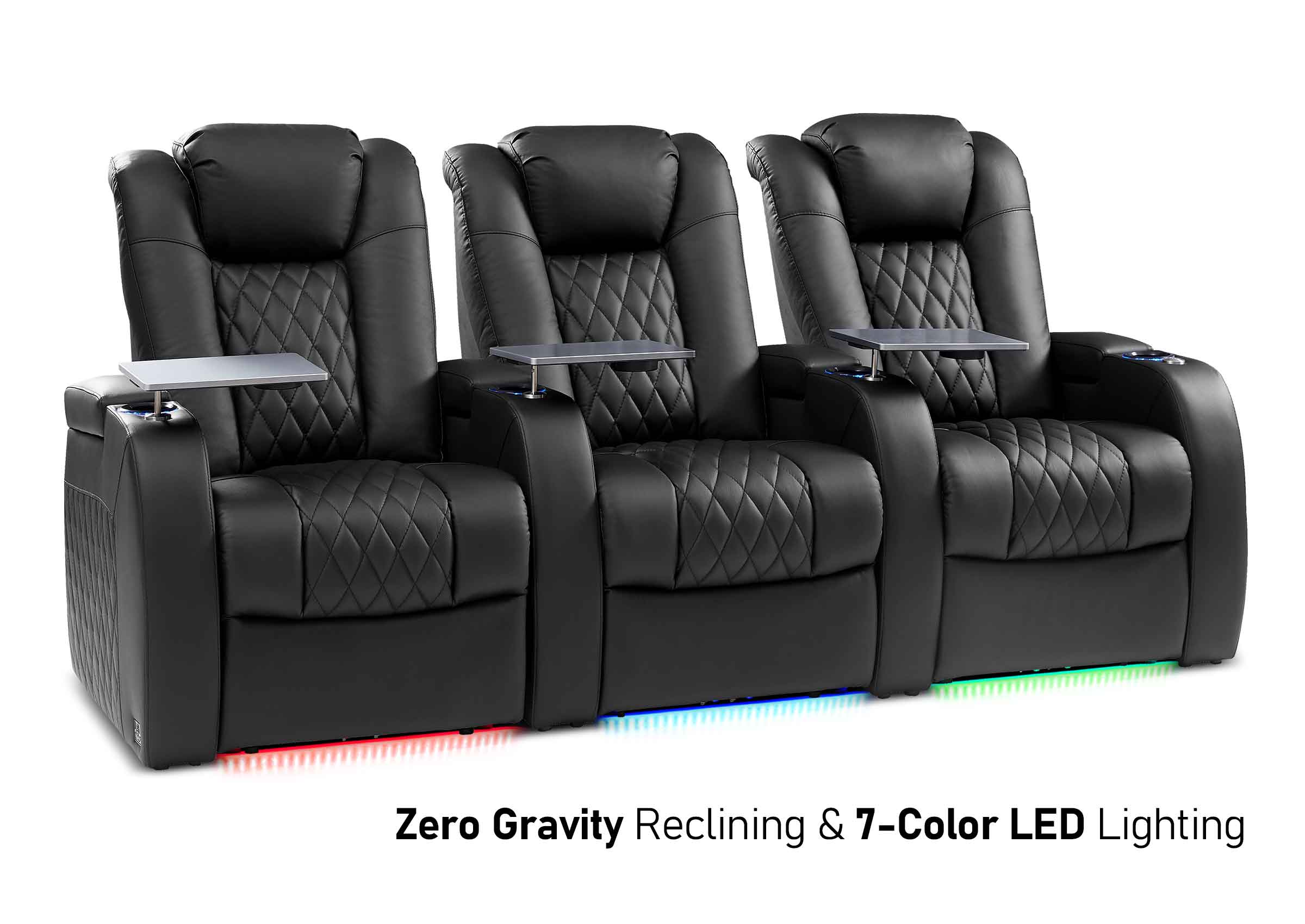

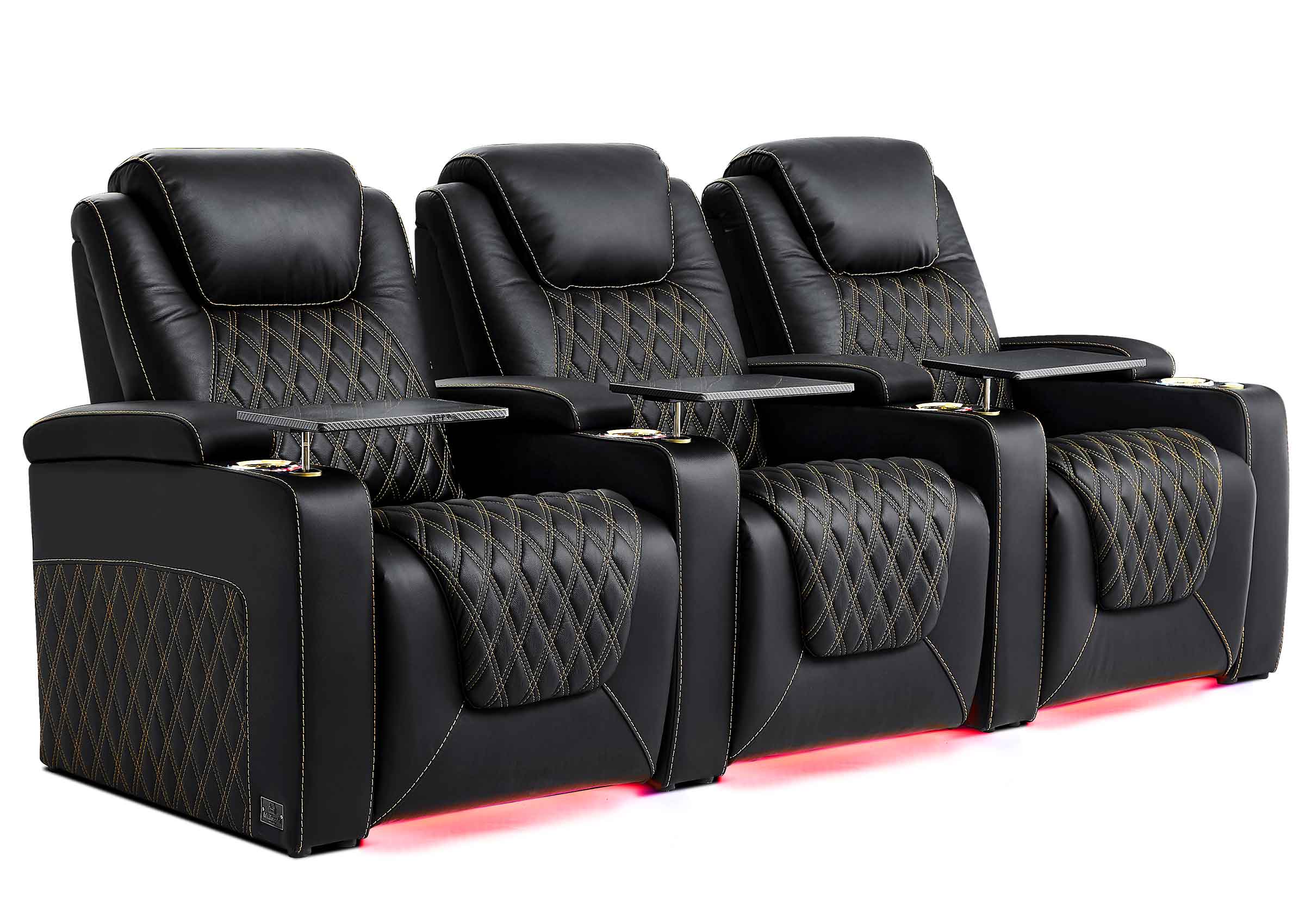
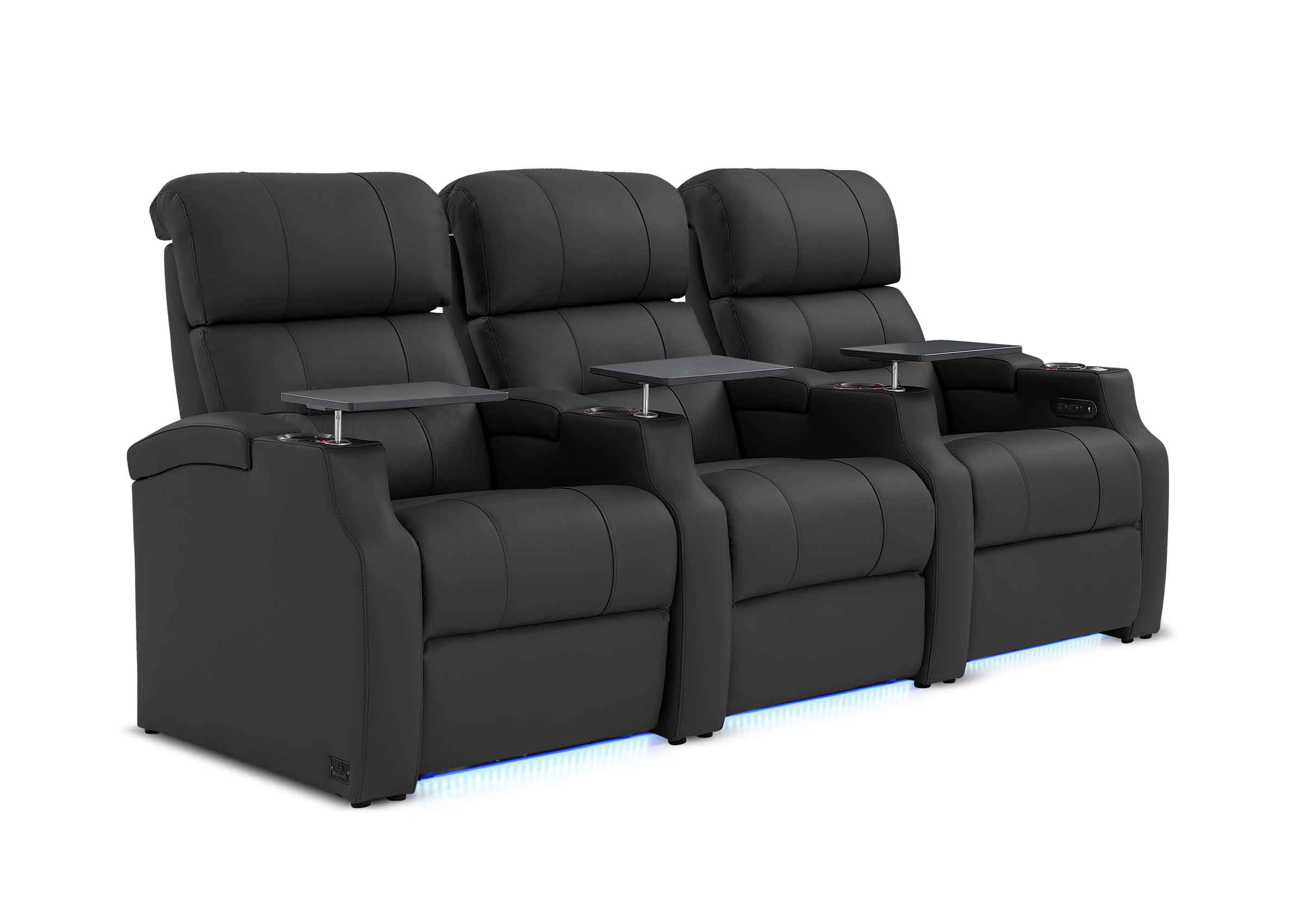
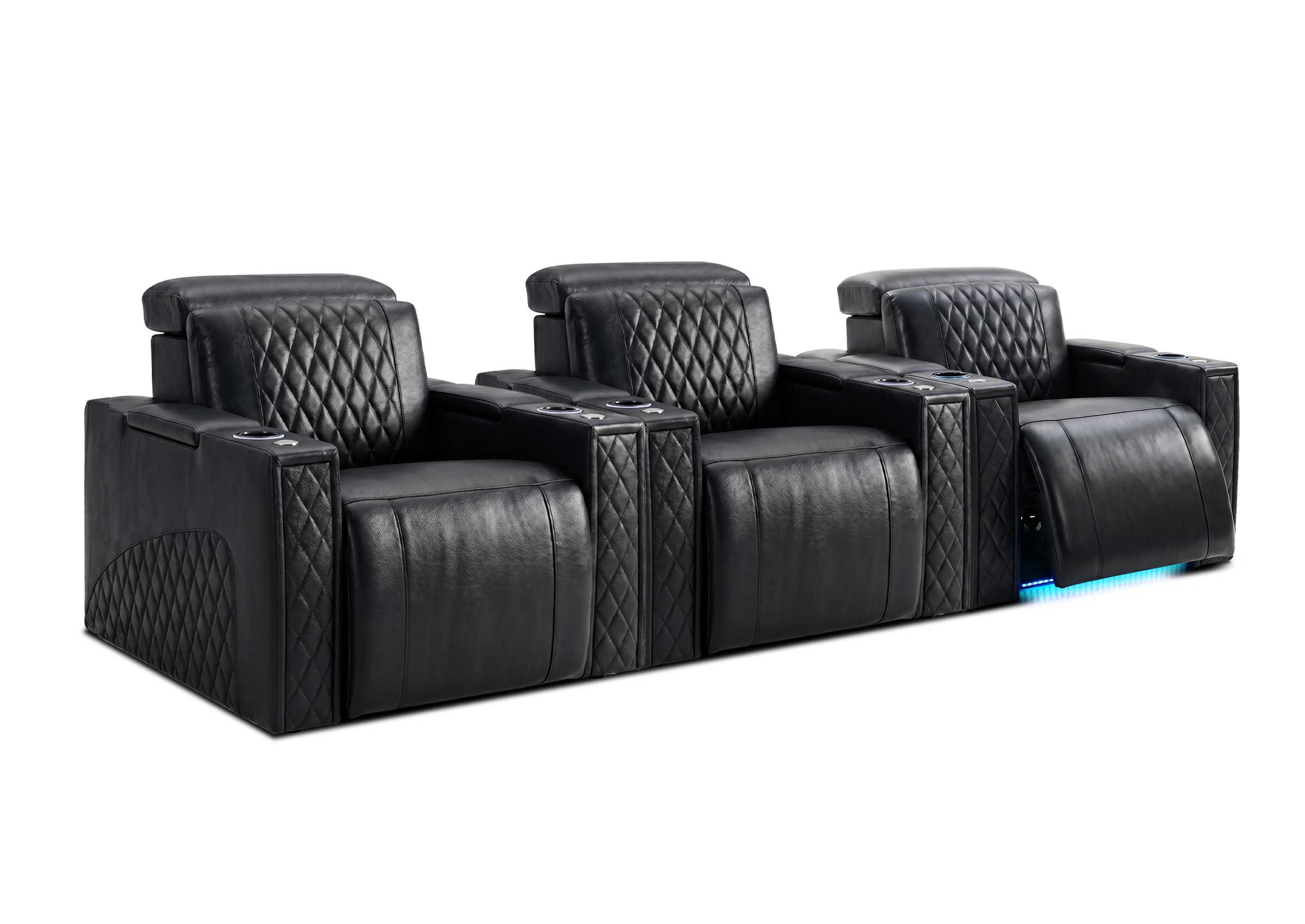

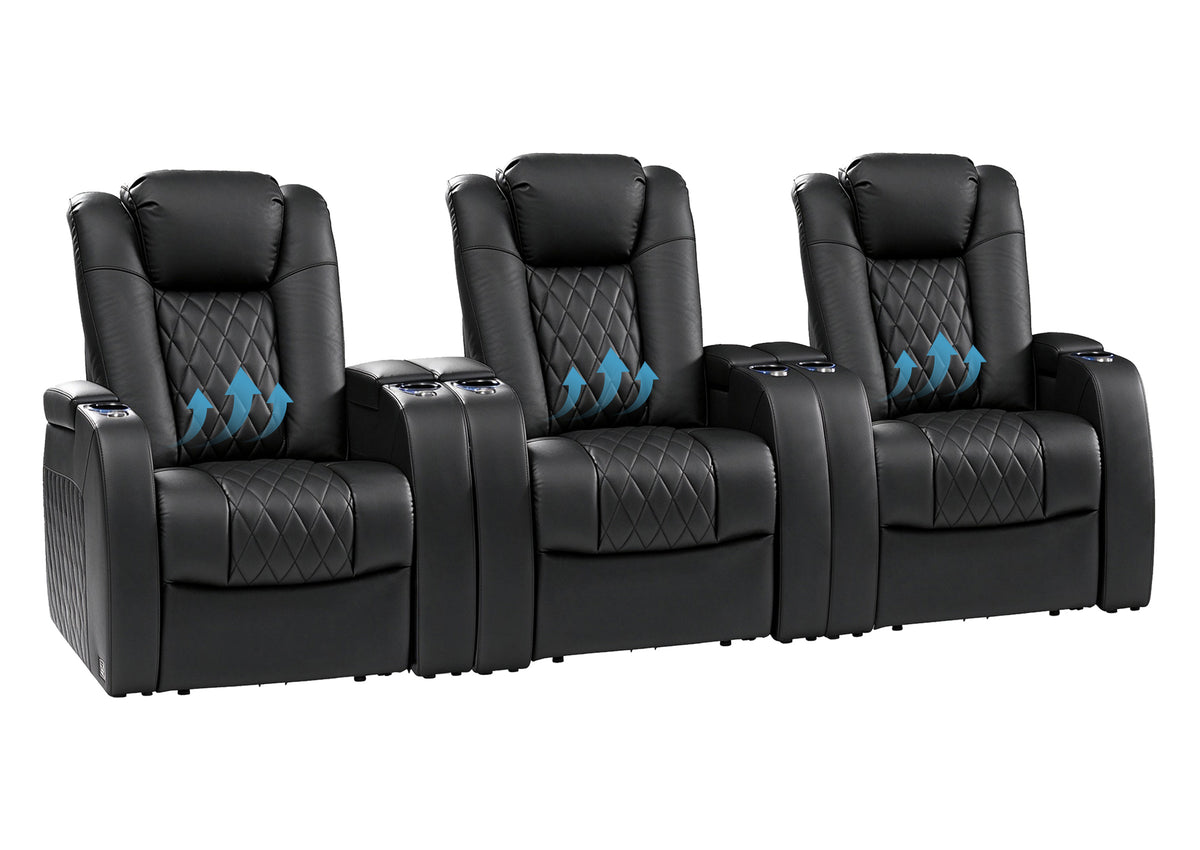
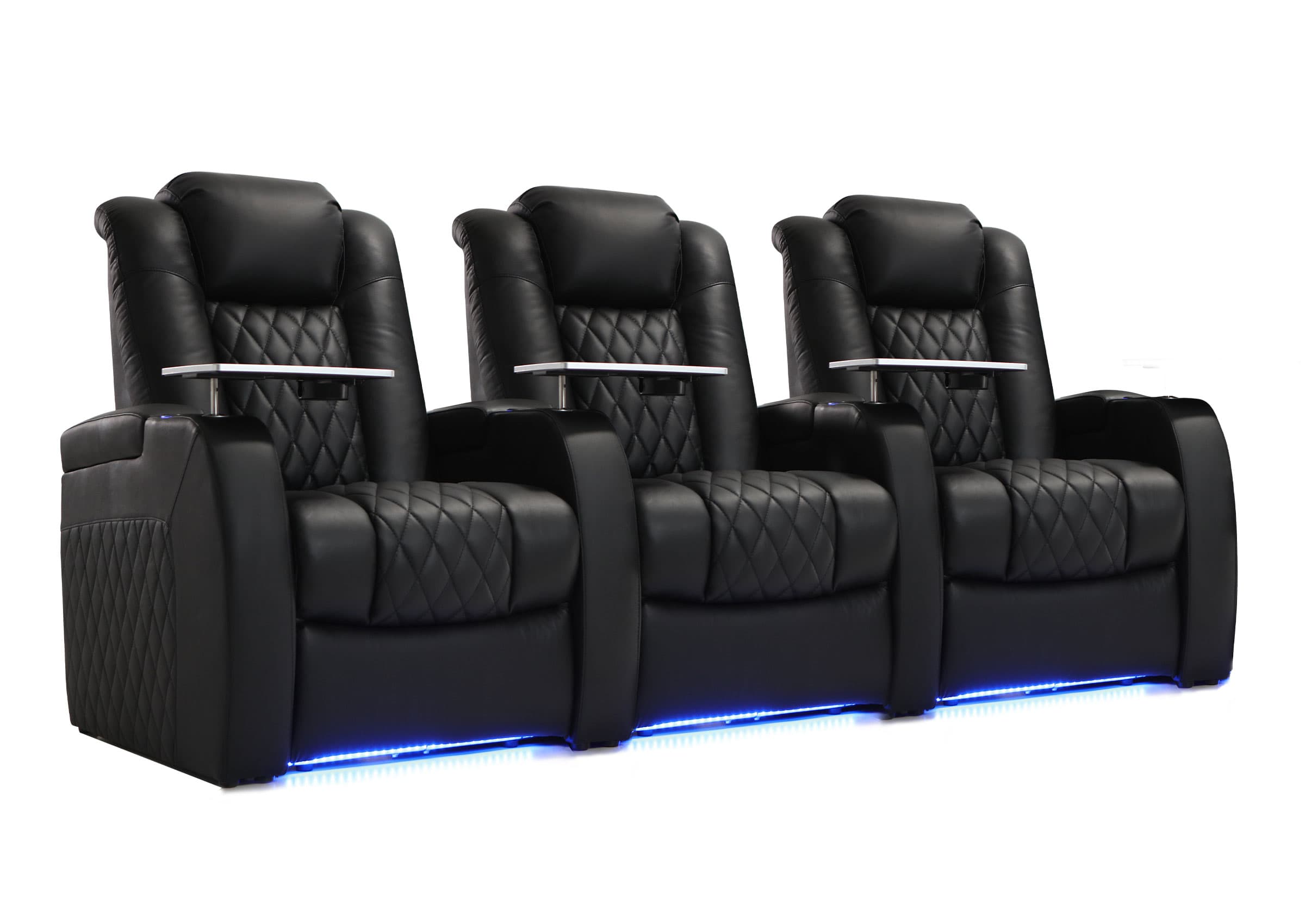

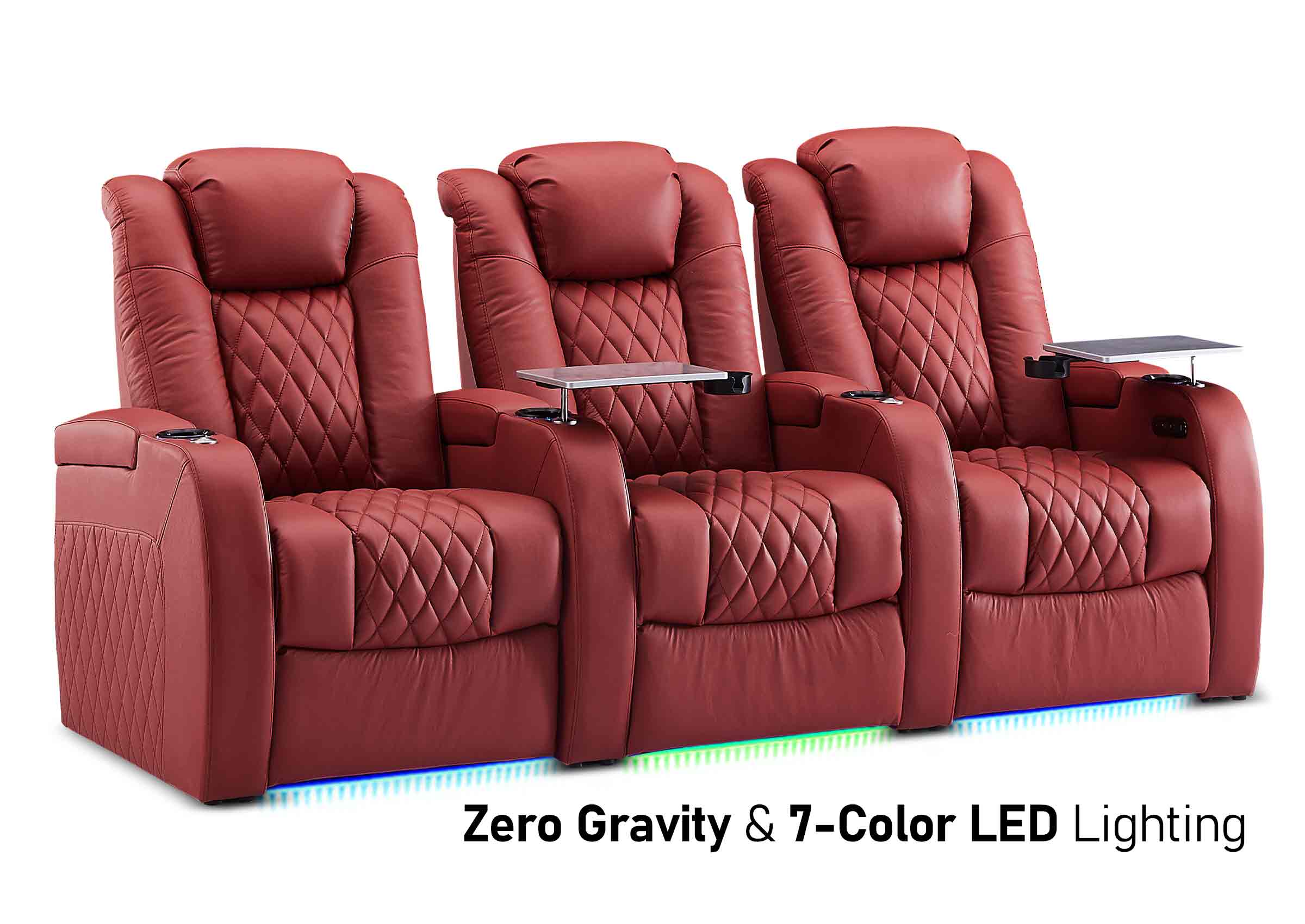

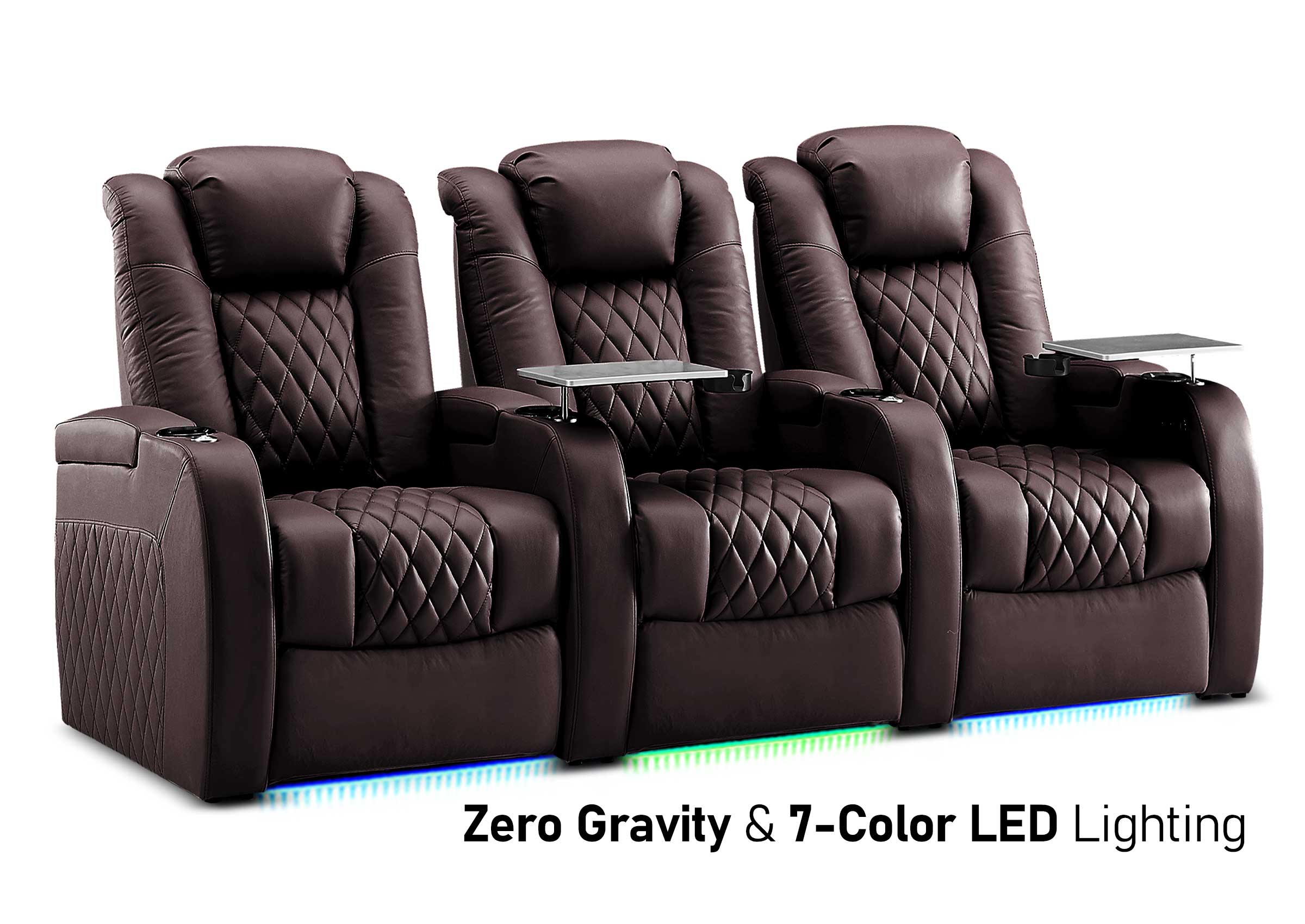

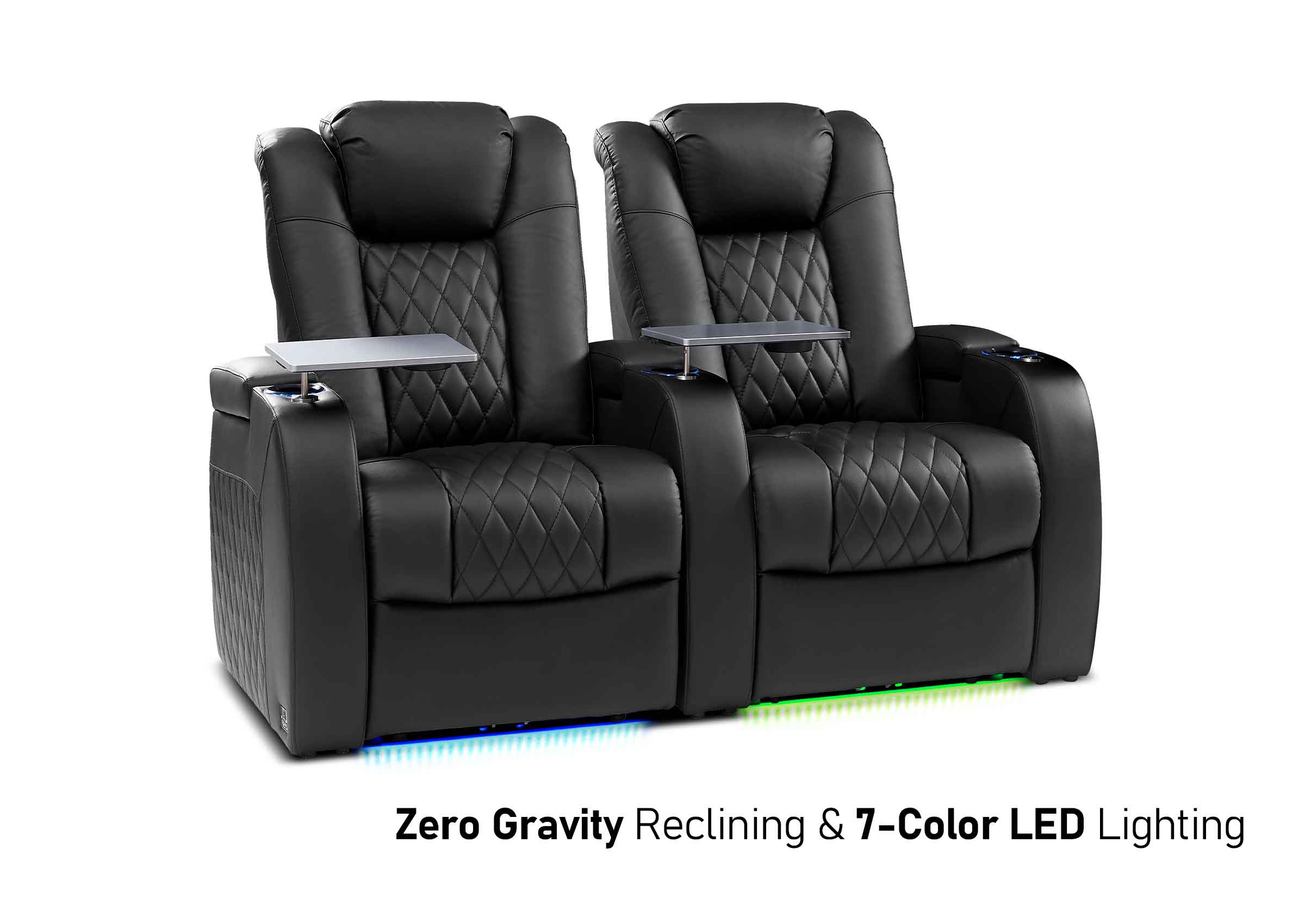
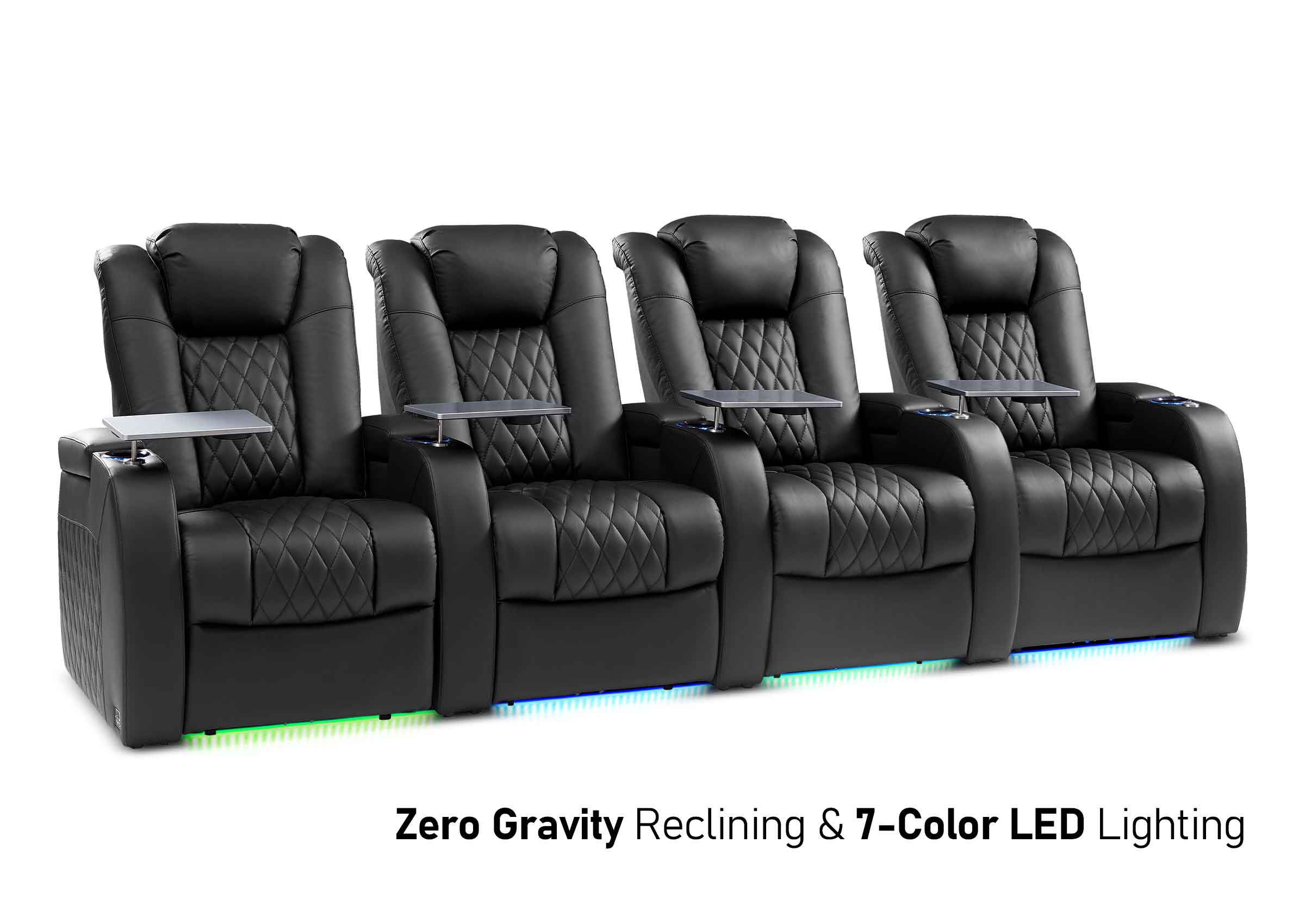
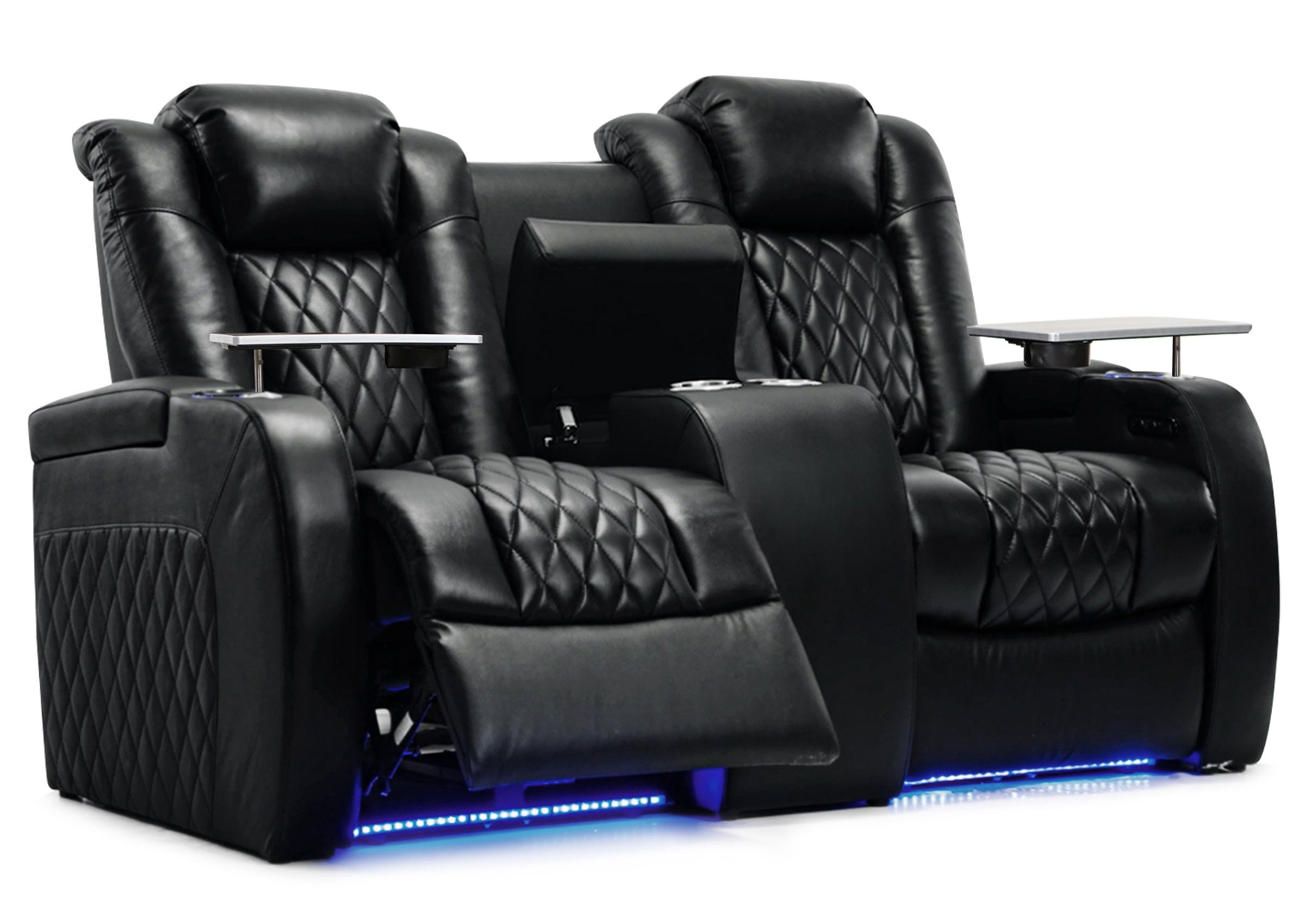


A sectional couch that keeps separating can be frustrating, especially when the pieces slide apart every time someone sits down, stretches out, or gets up. The right fix depends on what is actually moving: the connection between two sections, the entire sofa across the floor, or the cushions on top.
Before buying new connectors or adding non-slip pads, identify why the sectional is separating. Some sofas have hidden locking hardware, some use removable connectors, and others are designed to function as independent modules. Using the wrong solution can waste money or damage the furniture.
This guide explains how to identify the cause, reconnect sectional pieces correctly, choose suitable connectors, and prevent the problem from returning.
First, Identify Why Your Sectional Couch Keeps Separating
The most important step is determining exactly where the movement occurs. A gap between two sofa sections does not always mean the connectors are broken.
Start by observing what happens during normal use. Does one section move away from another, does the entire sofa slide across the floor, or do the cushions shift while the frames remain in place?
These problems can look similar but require different solutions.
| What You Notice | Possible Cause | What to Check First |
|---|---|---|
| Two sections gradually move apart | Loose or disengaged connectors | Connection hardware |
| One section slides farther than the others | Uneven floor contact or insufficient grip | Sofa legs and flooring |
| The same joint repeatedly opens | Damaged or incompatible connectors | Locking mechanism |
| A gap appears between cushions only | Cushion movement or poor alignment | Cushion attachments |
| One section feels loose or unstable | Damaged frame or mounting point | Frame and support structure |

If the Gap Appears Between Two Sections
When the sofa frames remain stable but the gap between two sections increases, the connection hardware should be your first concern.
The connectors may not be fully engaged, the sections may be misaligned, or the original hardware may have become loose or damaged.
Pay particular attention to the joint that separates most frequently. If the same connection keeps opening while the others remain secure, there may be a localized problem rather than a general lack of friction.
If the Entire Section Slides Across the Floor
Sometimes the connectors are working correctly, but the whole sofa moves whenever someone sits down or gets up.
This is a different problem.
Smooth flooring, uneven contact between sofa legs and the floor, or a rug positioned beneath only part of the sectional can contribute to movement.
In this situation, replacing the sectional connectors may accomplish very little. You need to address how the sofa contacts the floor.
If Only the Cushions Move
If the sofa frame stays in place but the seat cushions gradually shift, inspect the cushion attachment system.
Some cushions use hook-and-loop fasteners, non-slip backing, or other retention methods. Others are designed to rest freely on the seat.
Adding metal sectional connectors will not solve a cushion-retention problem.
The key is to fix the part that moves, not simply the part that looks separated.
Check Whether Your Sectional Sofa Is Designed to Connect
Before trying to secure two sections together, check whether the manufacturer intended them to be connected in the first place.
Not every sectional or modular sofa uses the same construction.
Traditional Sectional Sofas
Traditional sectional sofas commonly use connecting hardware to hold individual pieces in their intended arrangement.
Depending on the design, these connectors may be attached underneath the frame or positioned along the lower sides of adjacent sections.
Their purpose is to keep the pieces aligned during normal use.
If your sofa originally came with connectors, check whether they are still present, correctly positioned, and fully engaged.
Modular Sectional Sofas
Modular sofas are designed around individual components that can be arranged in different configurations.
Some use hidden connectors to keep modules together, while others allow certain pieces to stand independently.
For example, a modular sofa may include a corner unit, armless seat, and chaise that can be rearranged according to the available space.
A modular section that moves independently is not necessarily defective if its design does not require a permanent connection.
Before adding aftermarket brackets, check the product specifications and assembly instructions. A connector that works with one modular system may not fit another.
If you are unfamiliar with modular furniture construction, our modular sofa guide explains how individual sofa components work together and how different configurations are designed.
You can also explore the differences between modular sofas and sectional sofas to better understand why their connection systems may differ.
Check the Original Assembly Instructions
Look for:
- Whether the sofa is supposed to have connecting hardware.
- The location and orientation of each connector.
- Whether the connectors are removable or permanently mounted.
- Whether the pieces are designed to lock together or simply align.
- Any restrictions on moving the sofa while connected.
If the original hardware is missing, identifying the correct replacement is usually safer than improvising a new attachment system.
Inspect the Sectional Sofa Connectors
If your sectional is designed to connect, inspect the hardware before attempting repairs.
Different sofas use different connector designs. Recognizing the type helps you understand how the pieces should fit together and what replacement options may be suitable.
Alligator Clips and Peg Connectors
Some sectional sofas use a metal clip on one section and a corresponding peg or receiving component on the adjacent section.
The two pieces must align correctly before they can engage.
If the clip sits too high, too low, or at an angle, the connection may not lock properly.
Look for:
- Bent metal clips.
- Loose mounting screws.
- Missing pegs.
- Damaged attachment points.
- Debris or obstructions around the connection.
Do not force the sections together if the hardware does not align.
Hook-and-Bracket Connectors
Another common design uses metal hooks and receiving brackets.
One section has a hook or projecting component, while the other has a corresponding bracket.
These connectors hold the sections in position once properly engaged.
If the connection repeatedly comes loose, check whether the hook is bent, the bracket is loose, or the mounting area has shifted.
Pin-and-Cup Connectors
Some sectional designs use a pin that fits into a corresponding cup or receiving opening.
The pin and receiver must line up correctly.
If the sections are uneven or the connection is partially engaged, the pieces may separate during use.
Built-In Modular Connectors
Modern modular furniture may use concealed locking mechanisms or manufacturer-specific hardware.
These systems can look simple from the outside, but their installation and release methods may differ considerably.
Do not assume that a connector can be replaced with a standard bracket simply because the two pieces appear similar.

A connector must match the sofa's original attachment design, not just its approximate size.
How to Reconnect Sectional Couch Pieces Correctly
If the connectors are intact but the sections have come apart, reconnecting them properly may solve the problem without purchasing additional hardware.
The exact movement depends on the connector design, so use the manufacturer's assembly instructions whenever available.
Step 1: Clear the Area Around the Sofa
Remove cushions, blankets, and other objects that may obstruct the connection.
Make sure there is enough room to move the sections without dragging them across the floor.
If the sectional has power-reclining components, disconnect the power supply before accessing areas where wiring or moving mechanisms may be present, following the manufacturer's instructions.
Step 2: Inspect Both Connection Points
Look underneath or along the lower edges of the adjoining sections.
Check that the connectors are present and that neither side appears bent, cracked, or loose.
Also inspect the surrounding frame. A connector may appear damaged because the wood or mounting surface holding it has shifted.
If you find a cracked frame, stripped mounting point, or damaged mechanism, stop and seek appropriate repair support rather than forcing the connection.
Step 3: Align the Sections
Move the two pieces into their intended positions.
Pay attention to the height and angle of both sections.
If one piece is slightly higher or tilted, the connectors may not meet correctly.
Check that:
- The seat fronts are aligned.
- The backrests are at a similar height.
- Both sections sit evenly on the floor.
- The connectors face the correct direction.
Step 4: Engage the Original Connectors
Follow the manufacturer's specified locking method.
Some systems require lifting one section slightly before lowering it into the receiving bracket. Others use sliding or rotating movements.
Do not assume every connector works by simply pushing the sofa pieces together.
If the sections do not engage with reasonable alignment and movement, stop and check the hardware again.
Step 5: Check the Connection
Once the sections are connected, inspect the joint from the side and underneath if accessible.
The pieces should sit in their intended positions without an obvious gap or unstable connection.
Apply gentle pressure to check whether the sections remain aligned.
Avoid sitting heavily on one edge to test the connection.

Step 6: Reposition the Sofa Carefully
Once the connection is secure, make sure the sectional sits on a reasonably level surface.
If you need to reposition the furniture, follow the manufacturer's moving instructions. Many sectional connectors are intended to hold pieces together during normal use, not to support the weight of the entire sofa during lifting or transportation.
If you need additional guidance on furniture assembly, see our guide on how to assemble a sofa.
What If Your Sectional Still Slides Apart?
If the connectors are intact and properly engaged, investigate the floor and the way the sofa is supported.
Check the Flooring
Different flooring materials create different levels of friction.
A sectional placed on smooth hardwood, laminate, tile, or polished surfaces may move more easily than one placed on a suitable carpeted surface.
However, adding a non-slip pad is not automatically the right solution for every floor.
Consider the following:
- Whether the sofa legs have suitable floor-contact surfaces.
- Whether all legs sit evenly.
- Whether a rug creates an uneven transition.
- Whether the floor has a slope or uneven area.
- Whether the selected furniture pad is compatible with the flooring material.
For hardwood floors, prioritize products specifically designed to protect the finish while providing suitable grip.
For vinyl flooring, check the flooring manufacturer's recommendations before using rubber-backed or latex-containing products. Some materials can cause permanent discoloration.
Check Whether All Sofa Legs Touch the Floor
An uneven sofa can place more movement pressure on certain sections.
For example, if one module has a leg that does not sit firmly on the floor, the adjacent section may shift whenever someone sits down.
Inspect the legs and support points on each module.
Look for:
- Loose legs.
- Missing or damaged glides.
- Uneven contact with the floor.
- Bent support components.
- Visible frame movement.
Do not use improvised wedges or excessive tightening to compensate for a damaged frame.
Consider the Rug Position
A rug can sometimes contribute to sectional movement if it sits beneath only part of the furniture.
For example, one module may rest entirely on the rug while another sits directly on smooth flooring.
This creates different contact conditions between sections.
If possible, arrange the rug so the sectional has consistent support across its intended footprint.
The rug should also be suitable for the floor underneath it and should not introduce an unstable edge beneath the sofa.

Sectional Connectors, Straps, or Non-Slip Pads: Which Fix Should You Choose?
Different solutions address different types of movement. Choosing the right one depends on whether the problem occurs at the joint or underneath the sofa.
| Solution | Best Suited For | Main Limitation |
|---|---|---|
| Original sectional connectors | Disengaged original connections | Must match the original hardware |
| Replacement brackets | Missing or damaged connectors | Compatibility must be verified |
| Furniture straps | Certain temporary or alternative securing arrangements | Attachment points and strap design matter |
| Non-slip furniture pads | Sofa movement across the floor | Do not reconnect separated modules |
| Professional repair | Damaged frames or mounting points | Requires an assessment of the damage |
When Should You Replace the Original Connectors?
If a connector is bent, broken, missing, or no longer engages properly, replacing it may be the most appropriate solution.
However, confirm the original connector type before purchasing anything.
Check:
- Mounting hole spacing.
- Connector shape.
- Attachment orientation.
- Material and thickness.
- Whether the receiving component is included.
- Whether the replacement is approved for your sofa model.
A product advertised as a universal sectional connector is not necessarily compatible with every sectional.
Are Furniture Straps a Good Alternative?
Furniture straps may be useful for certain sofa designs, especially when the original structure does not provide conventional metal connectors.
However, they are not a universal replacement for factory-installed locking hardware.
Before using straps, consider whether the sofa frame has suitable attachment points and whether the strap can remain secure without interfering with upholstery, reclining mechanisms, or other moving components.
Avoid attaching straps to thin decorative panels or unsupported sections of the frame.
Do Non-Slip Pads Keep Sectional Pieces Together?
Non-slip pads can help reduce movement between furniture legs and the floor.
They are useful when the entire sofa moves across a smooth surface.
However, they do not replace sectional connectors.
If two sections are separating because their locking hardware is disengaged, floor grippers alone will not correct the connection.
Use connectors to address separation at the joint and suitable floor grippers to address movement across the floor.
When Should You Contact the Furniture Manufacturer?
Not every sectional separation problem should be handled with a DIY repair.
Contact the manufacturer or retailer if you notice:
- Missing original connecting hardware.
- Repeatedly disengaging connectors.
- Bent or broken metal brackets.
- Stripped mounting holes.
- Cracked or unstable frame components.
- Movement around a reclining or electrical mechanism.
- A new sectional that does not align correctly after assembly.
Before contacting customer support, prepare a few details:
- The sofa model or product name.
- Purchase information, if available.
- Clear photographs of both connecting components.
- A photograph showing the separated sections.
- A short description of when the problem occurs.
These details can help the manufacturer identify whether the issue involves missing hardware, incorrect assembly, incompatible components, or structural damage.
If the sofa is still covered by a warranty, check the warranty terms before drilling, modifying the frame, or installing aftermarket hardware. Unauthorized modifications may affect available warranty support.
WE'RE HERE TO HELP
Need Help With Your Sectional Sofa?
If your Weilianda sofa has a loose or disconnected section, contact our customer service team with your product details and photos of the connection points. We're here to help with your after-sales questions.
Contact Our Support TeamHow to Prevent Your Sectional Couch From Separating Again
Once the immediate problem is fixed, a few simple habits can help reduce the chance of the same issue returning.
- Check the connectors periodically: Look for loose screws, bent brackets, and partially disengaged hardware.
- Avoid pushing sections from one end: Moving a sectional by pushing one module can place uneven pressure on the connecting points.
- Do not drag connected sections across the floor: Disconnect them according to the manufacturer's instructions before moving or transporting the furniture.
- Keep the sofa on a stable surface: Uneven support can contribute to repeated movement.
- Use compatible floor protection: Choose furniture glides or pads that suit the specific flooring material.
- Address small problems early: A slightly loose connector is easier to inspect before it damages its mounting point.
For households with children, frequent guests, or regular movie nights, periodic inspection is particularly useful because repeated sitting, standing, and shifting can place additional movement pressure on the sectional.
Frequently Asked Questions
Why does my sectional couch keep separating?
A sectional couch may keep separating because its connectors are not fully engaged, the hardware is damaged, the modules are misaligned, or the entire sofa is sliding across the floor. Some modular sofas are also designed to function as independent pieces. Identify which part is moving before choosing a repair. Replacing connectors will not solve a problem caused by loose sofa legs or incompatible floor pads.
Do all sectional sofas have connectors?
No. Many traditional sectionals use metal clips, hooks, brackets, or other connecting hardware, but not every modular sofa requires a permanent connection. Some designs allow individual modules to stand independently. Check the original assembly instructions or product specifications before purchasing aftermarket connectors or modifying the frame.
How do you connect sectional sofa pieces?
The correct method depends on the original connector design. Generally, you should clear the area, inspect both attachment points, align the sections, and engage the connectors according to the manufacturer's instructions. Some systems require lifting and lowering, while others use sliding or rotating movements. Never force two sections together if the hardware does not align correctly.
Can I use universal sectional couch connectors?
Possibly, but universal connectors are not guaranteed to fit every sectional. Connector shape, mounting dimensions, frame construction, and attachment orientation all matter. Before purchasing, compare the replacement hardware with the original components and check whether the sofa manufacturer approves the alternative. Avoid drilling into the frame without confirming that the location is safe and structurally suitable.
Do non-slip pads stop a sectional from separating?
Non-slip pads can reduce movement between sofa legs and the floor, especially on smooth surfaces. However, they do not replace locking connectors between sectional modules. If the sections are physically disengaging, the original connection system needs attention. If the entire sofa moves together, suitable floor grippers may help address the problem.
Can I use zip ties or straps to hold a sectional together?
Straps may work for certain furniture designs if there are appropriate attachment points, but zip ties and improvised fasteners should not automatically be treated as permanent sectional connectors. They may interfere with the frame, upholstery, or moving mechanisms. Follow the manufacturer's recommendations and avoid attaching restraints to unsupported decorative panels.
Can you move a sectional sofa without disconnecting it?
For most connected sectional sofas, disconnecting the modules before moving them is the safer approach. Sectional connectors are generally intended to maintain alignment during normal use, not support the weight of the entire sofa during lifting or transportation. Follow the manufacturer's moving instructions, protect the floor, and avoid pulling the furniture by its arms or backrest.
Keep Your Sectional Together Without Damaging It
A sectional couch that keeps separating does not always need new hardware. Sometimes the original connectors simply need to be aligned correctly. In other cases, the problem comes from floor movement, uneven support, or a damaged mounting point.
Start by identifying what is moving, check how your sectional was designed to connect, and choose a solution that matches the actual problem.
If the original hardware is damaged or the frame feels unstable, contacting the manufacturer is generally a better decision than experimenting with replacement brackets or drilling new holes.
A properly connected sectional should stay aligned during everyday use without requiring constant adjustment. The goal is not simply to hold the pieces together, but to restore the stability the furniture was designed to provide.