



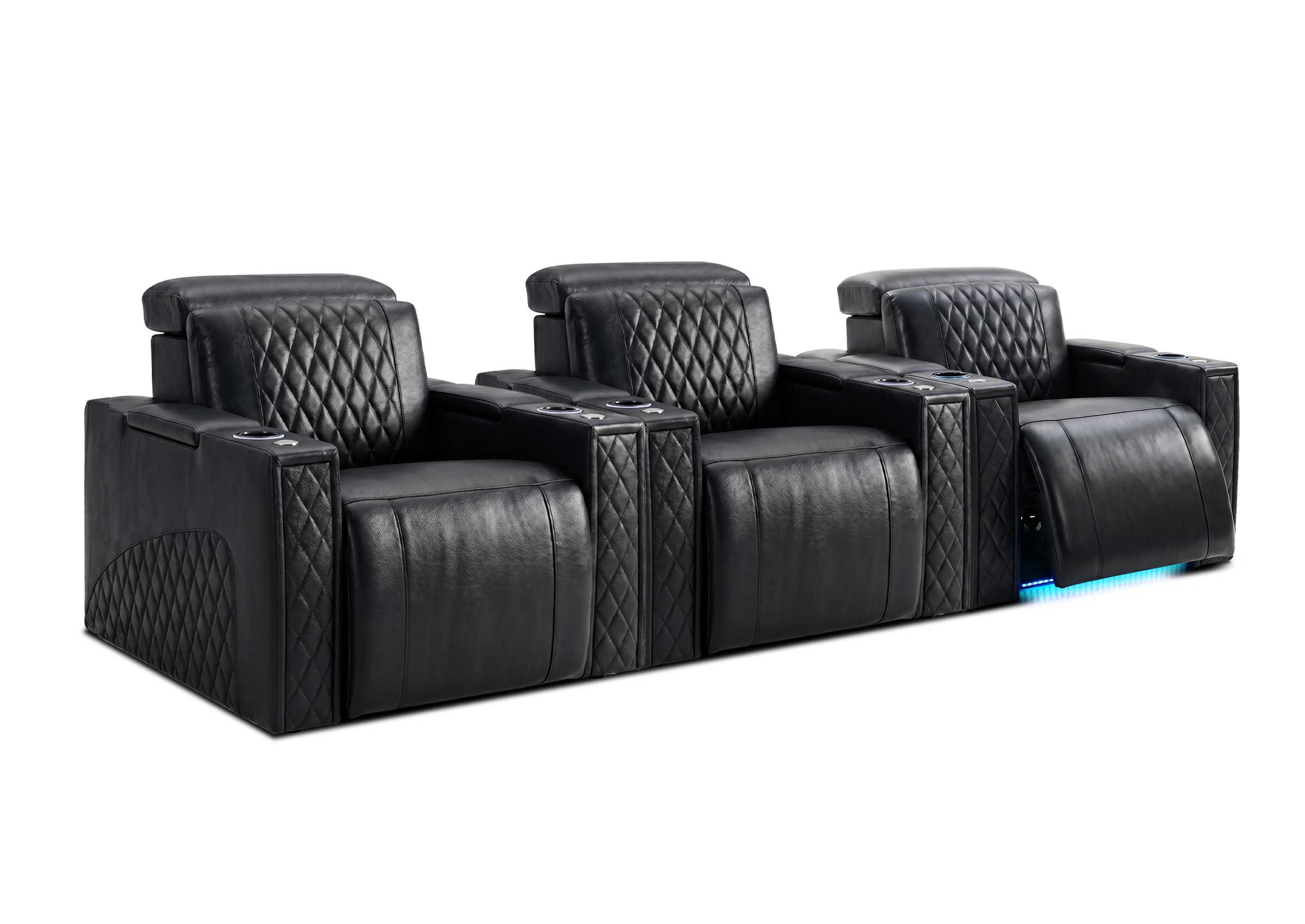

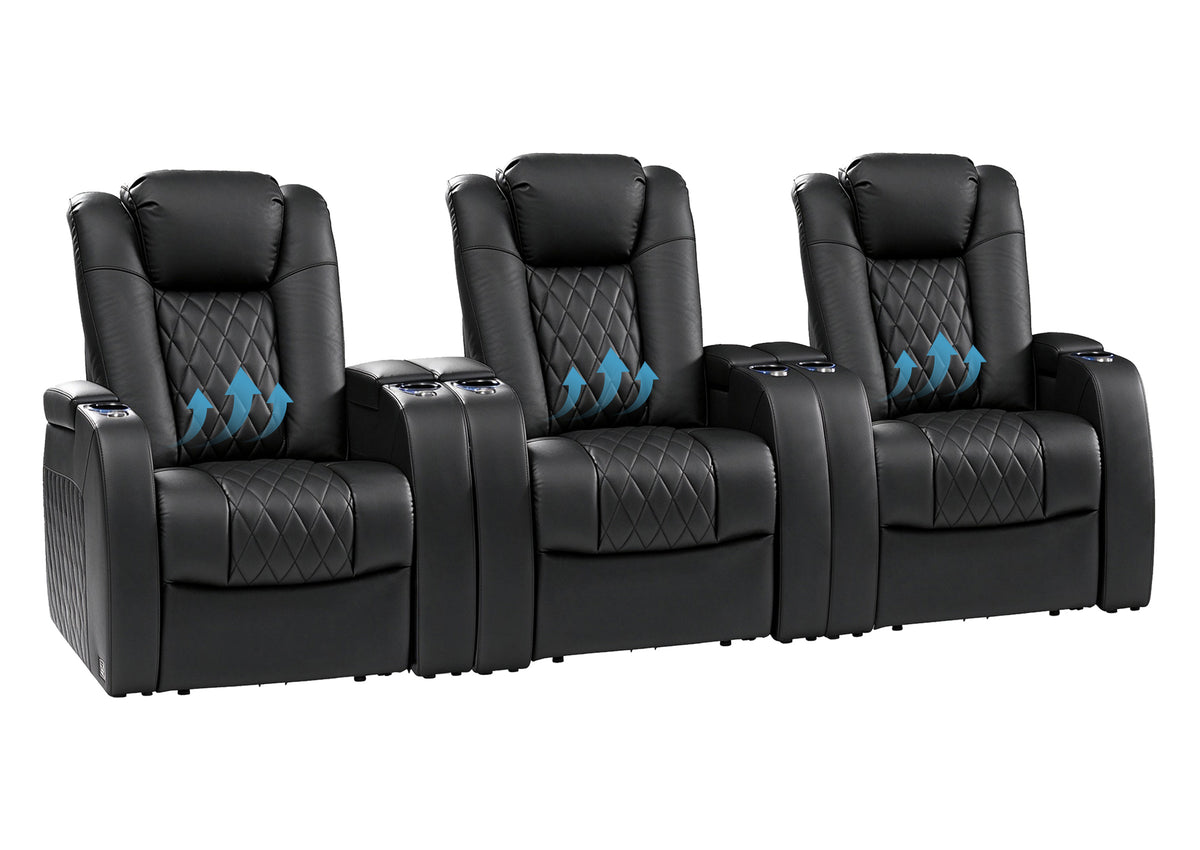
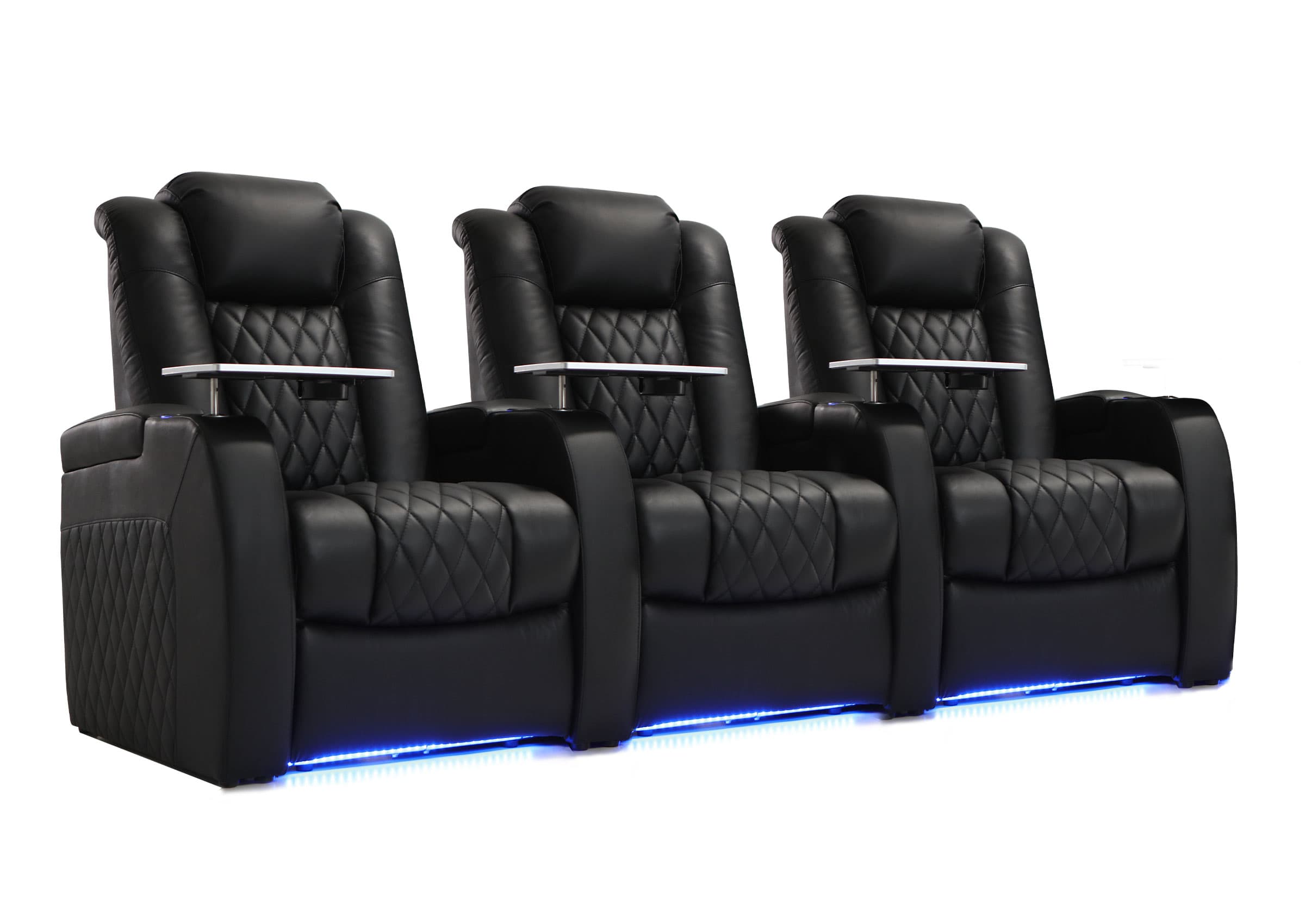
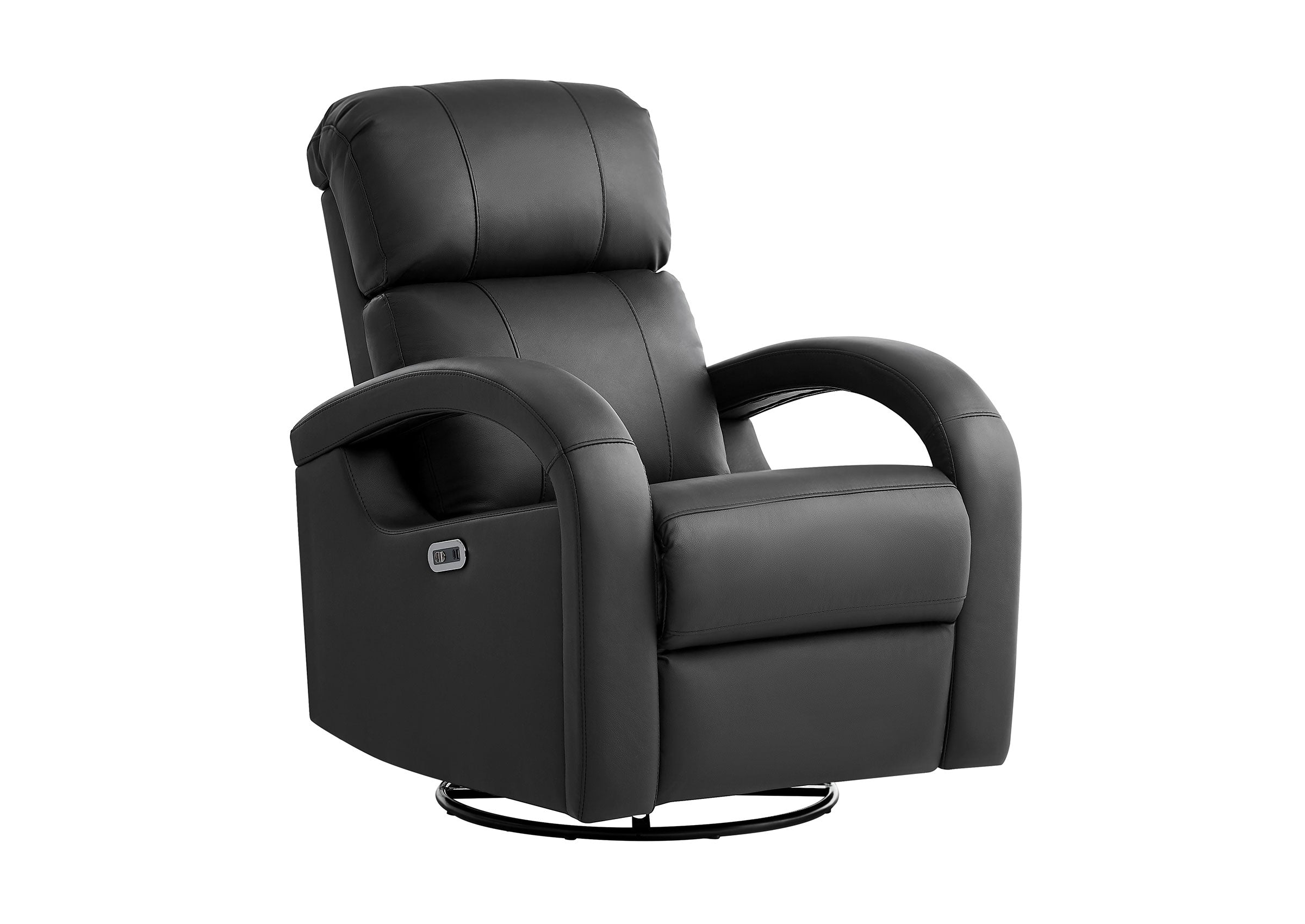

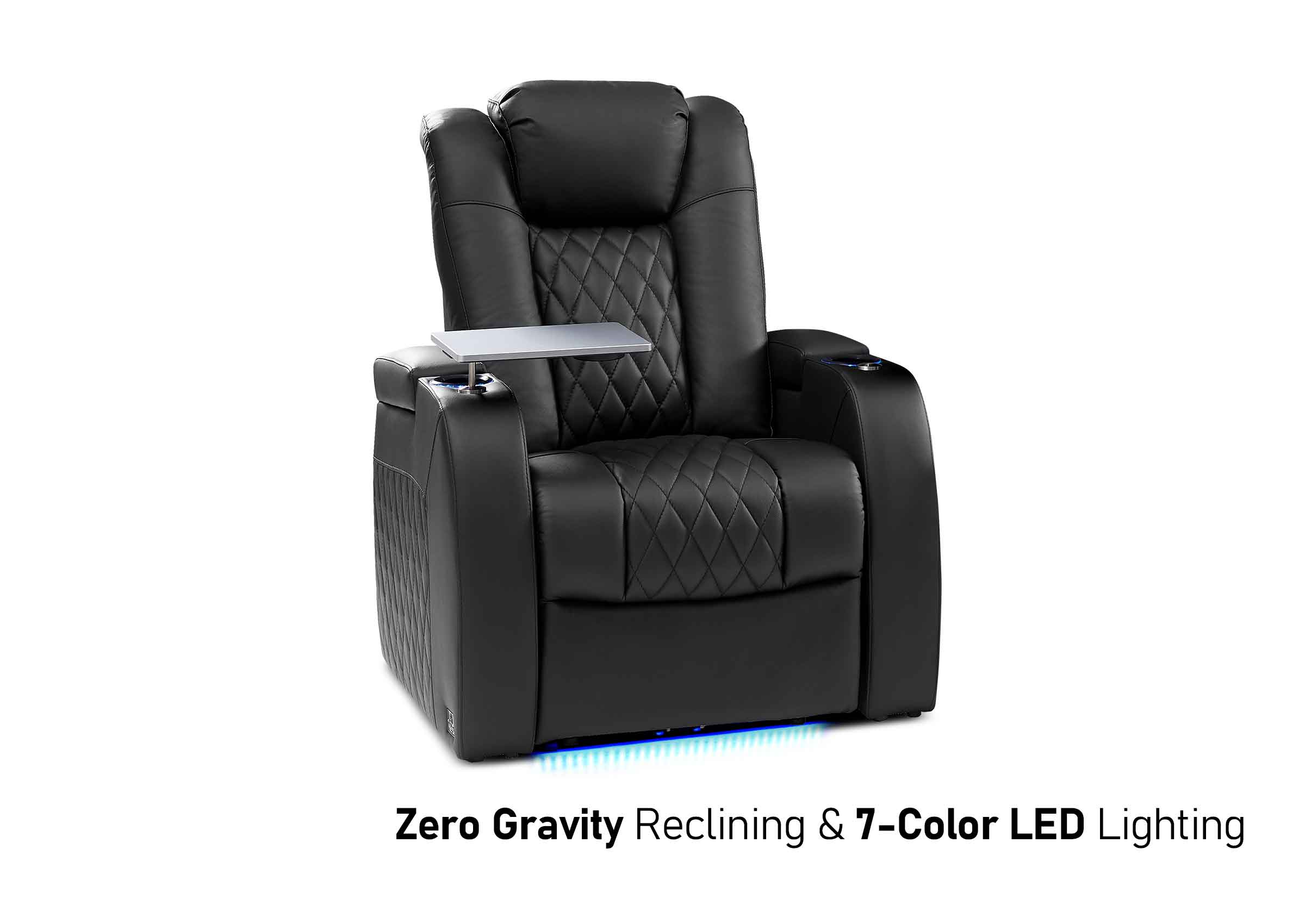
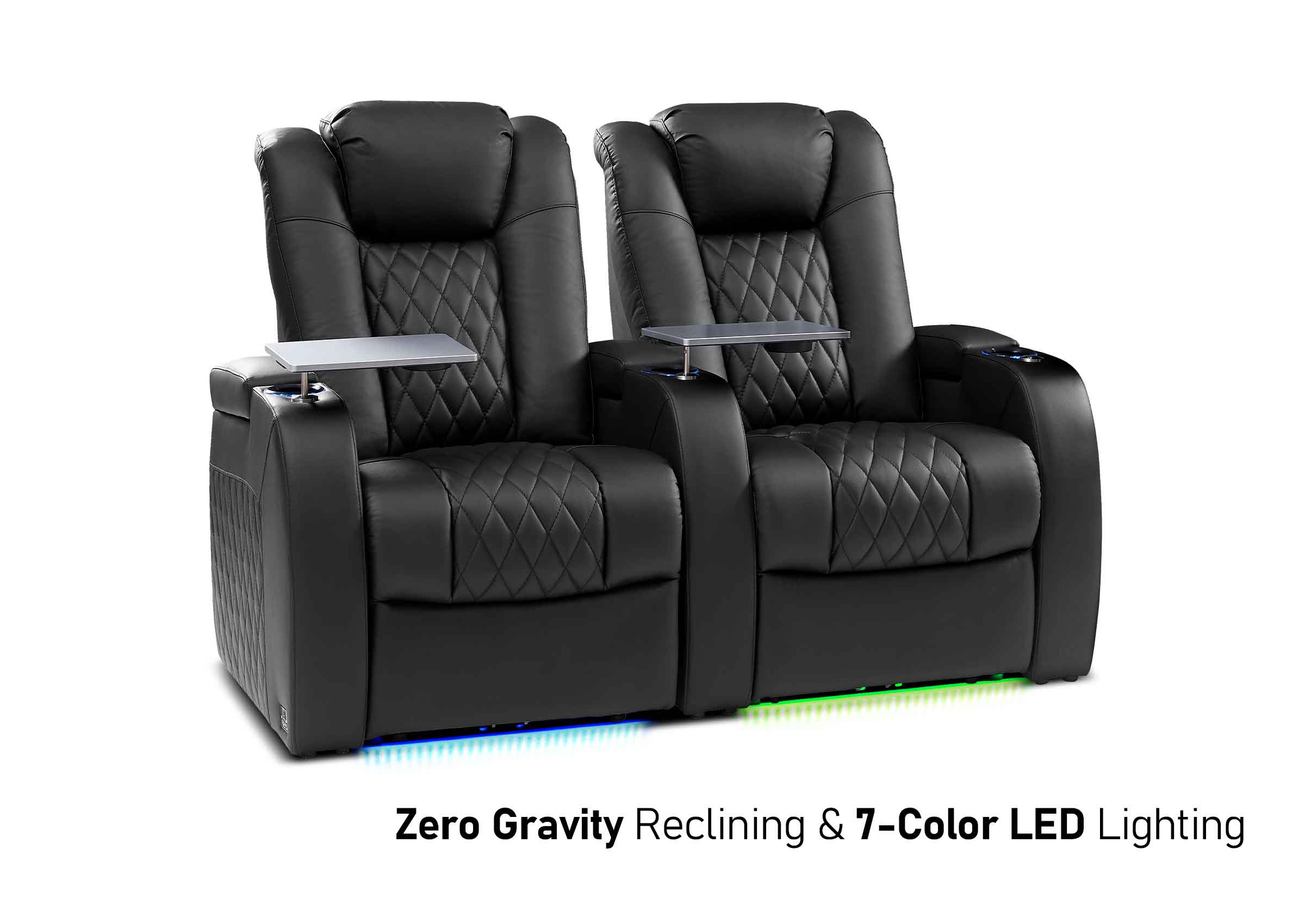
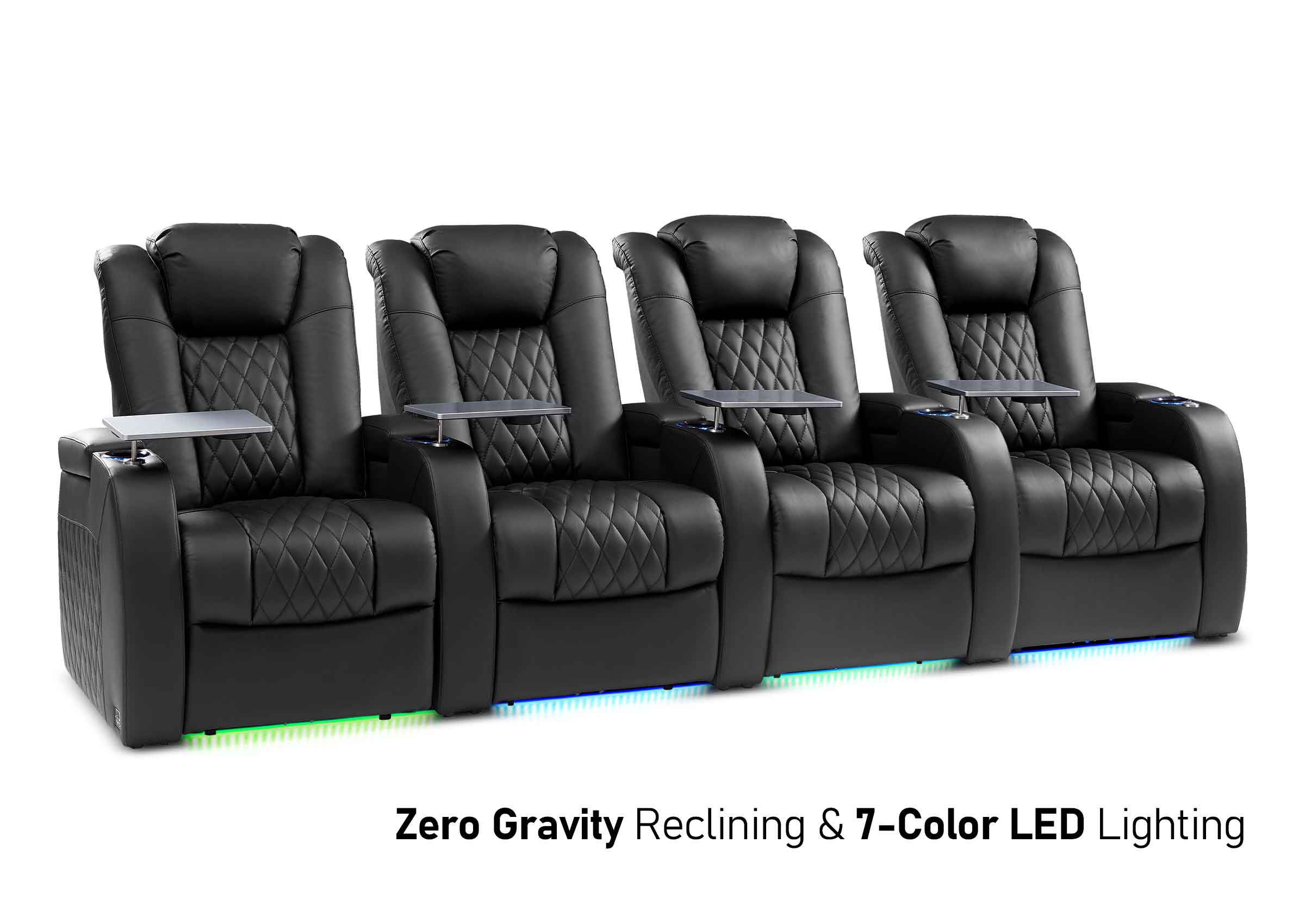
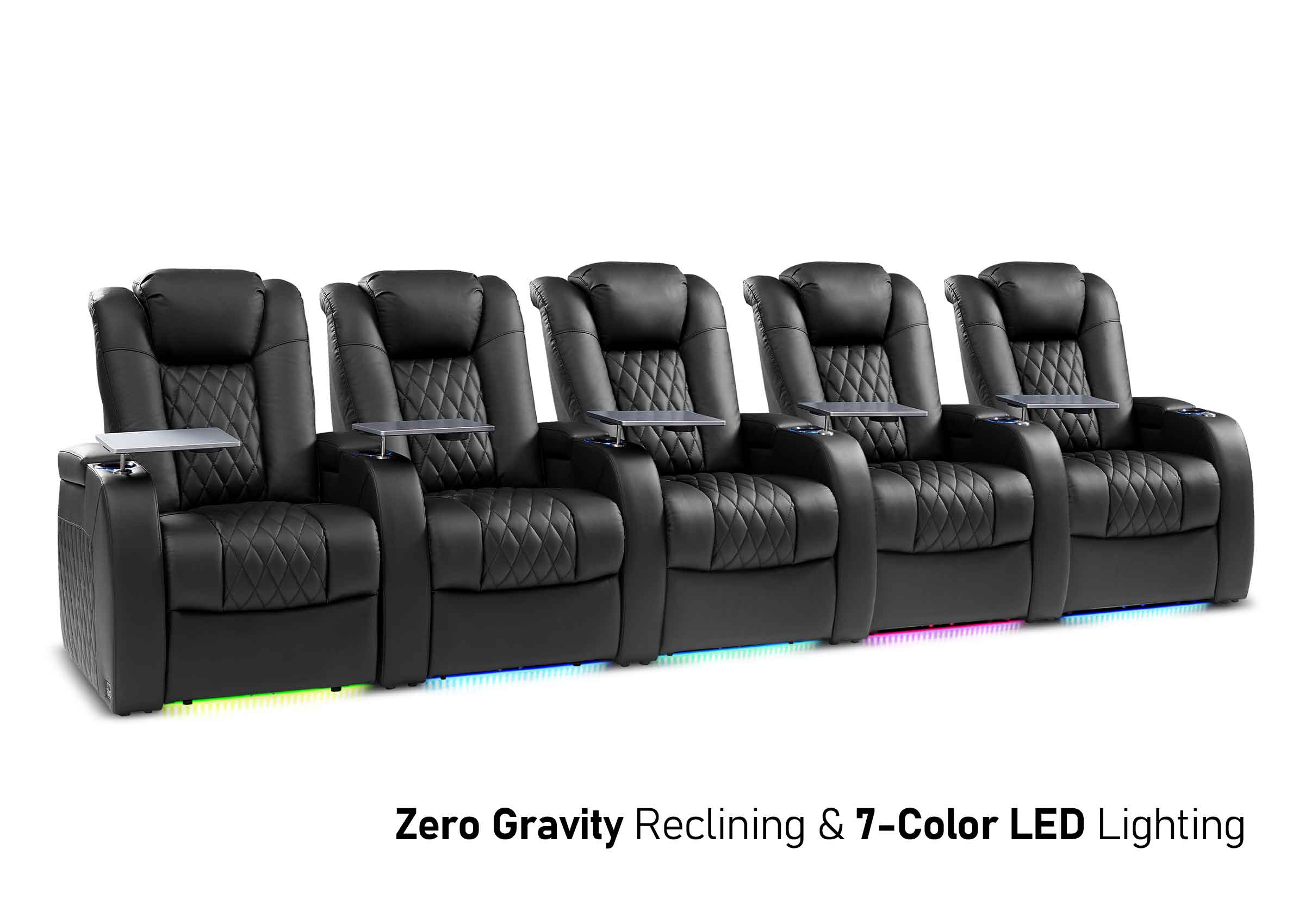
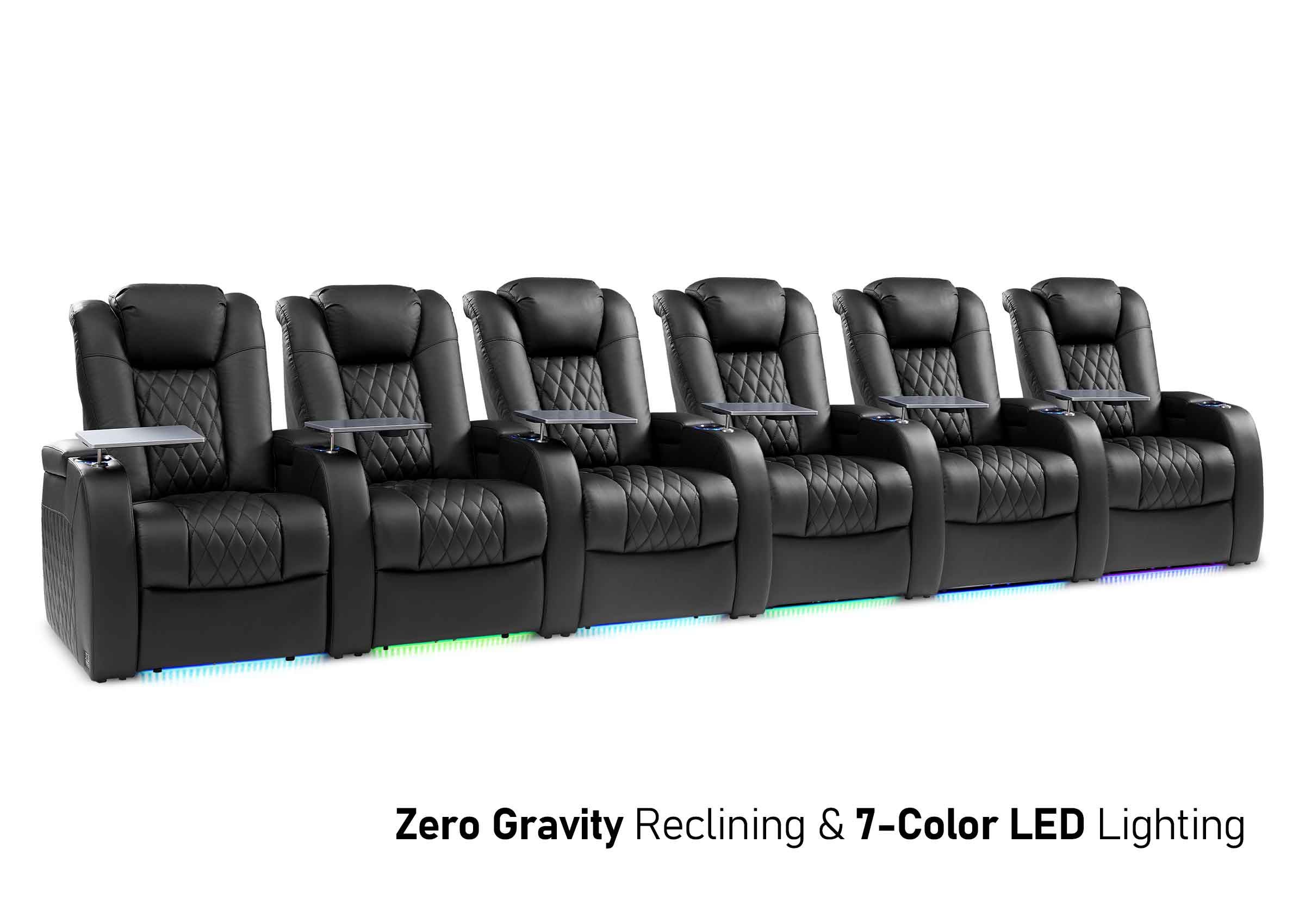
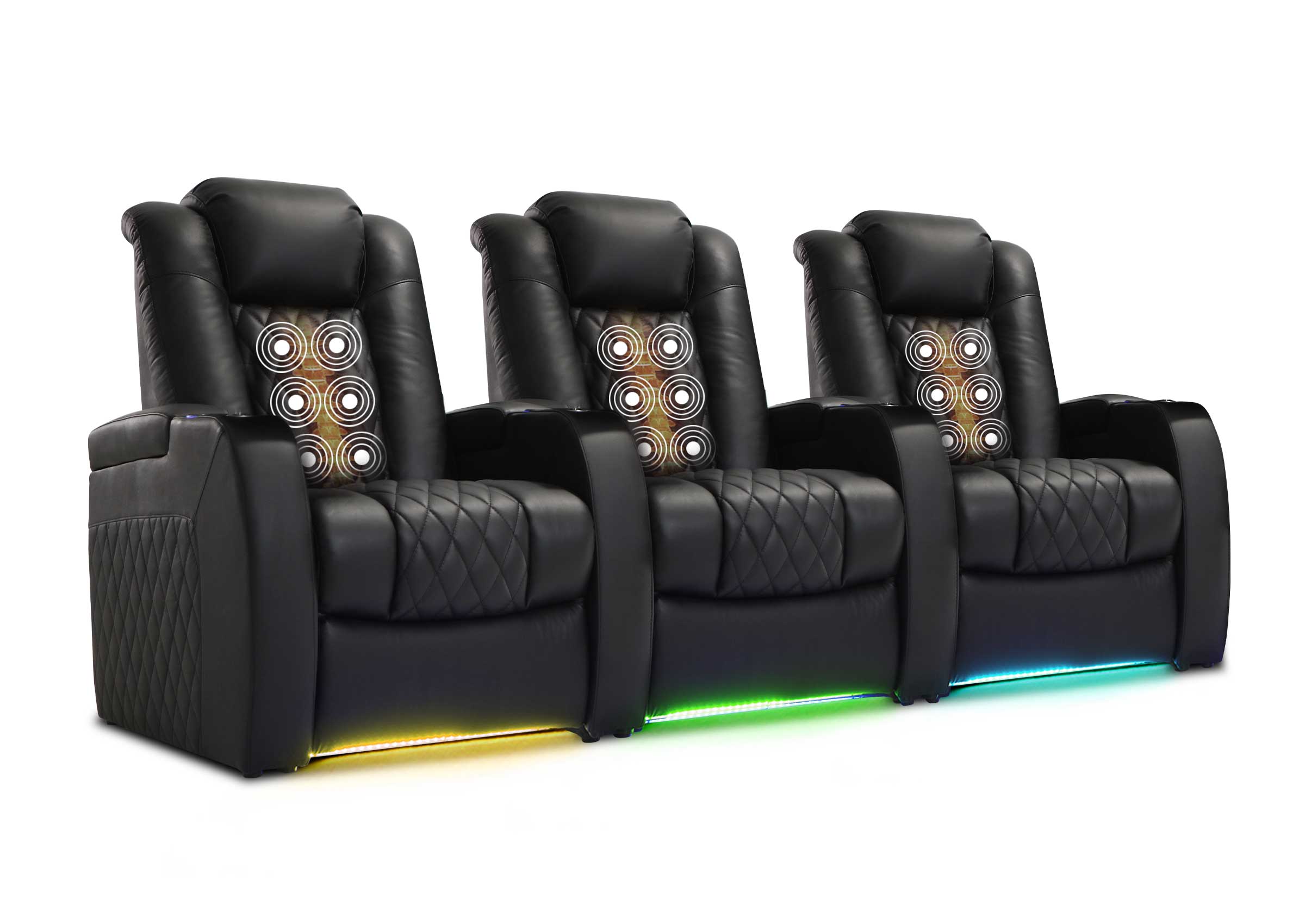
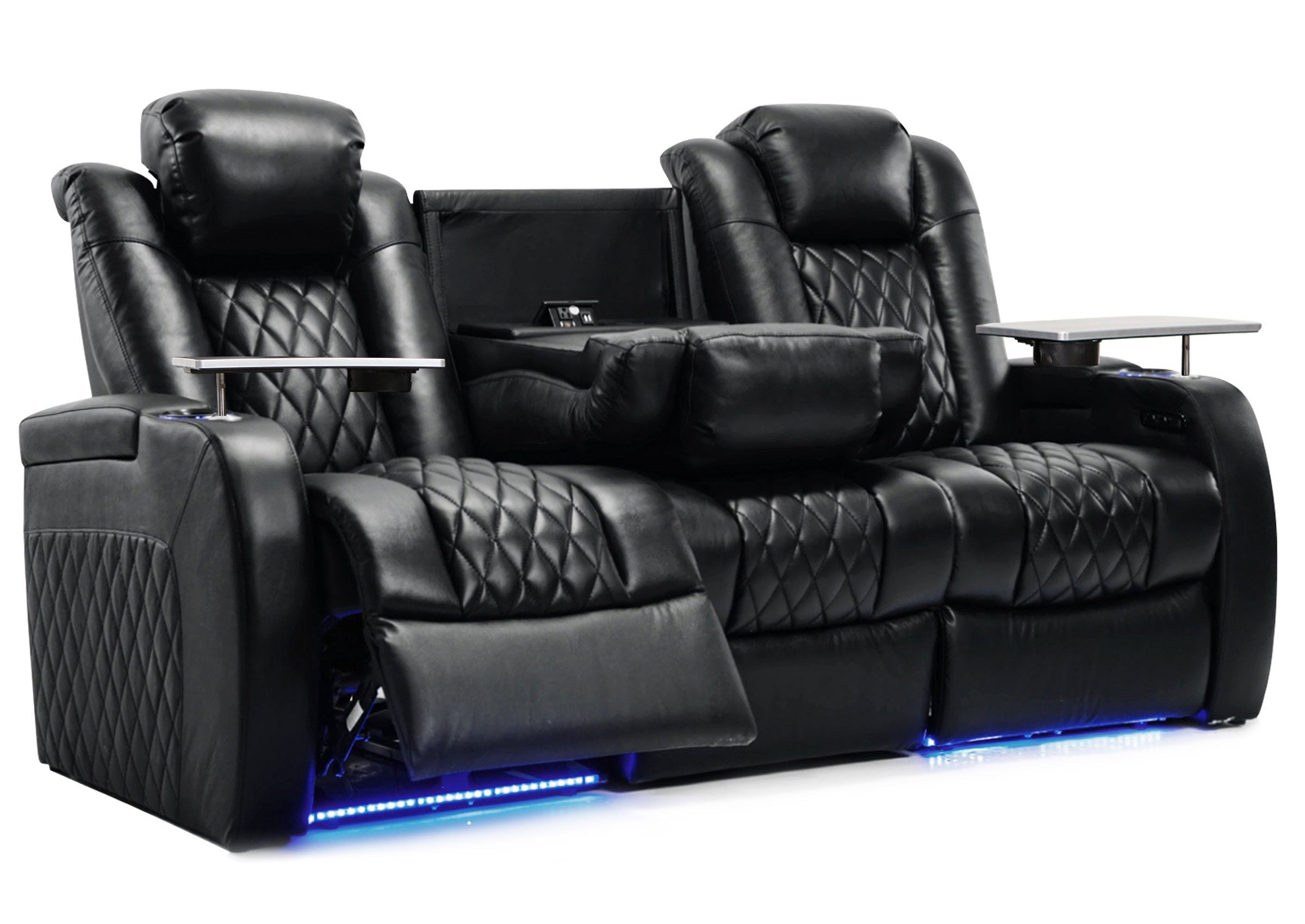
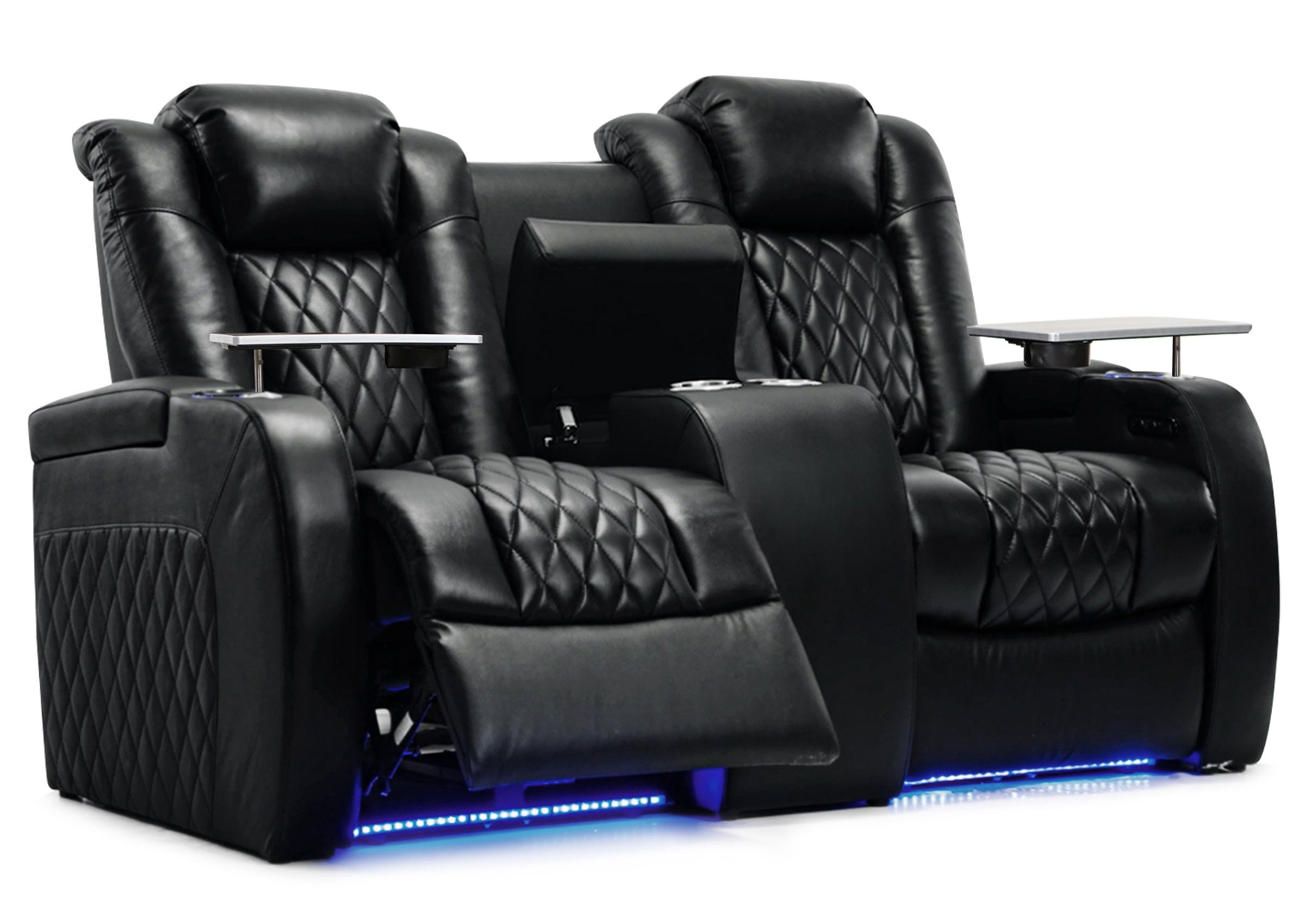


A sofa-and-chaise sectional may offer three or four seats, while a larger corner arrangement may offer five or more. The comfortable number for a particular sectional is the number of people who can use it at the same time in the positions they actually want—not simply the number of pieces or cushions in the photograph.
Start with the advertised seat count, then check the usable seat width, the corner, and any chaise with neighboring seats occupied. A sectional that works beautifully for two people stretching out may need a different seating plan when friends come over.
Start With the Advertised Count, Then Check the Configuration
The listed number is a useful starting point. It tells you how the seller presents that particular arrangement, but it does not establish how your household will fit.
For broad orientation, Williams Sonoma's sectional configuration guide describes sofa-and-chaise designs as typically seating three to four people and traditional L-shaped sectionals as typically seating four to five. Those are retail planning ranges, not a universal comfort standard. A compact corner sofa and an extended L-shaped arrangement can have very different usable seating.
Check whether the description refers to seats, furniture pieces, or both. A two-piece sectional can contain a sofa section and a return with several sitting positions. A three-piece arrangement might include an ottoman rather than an additional backed seat.
Manufacturer information can help separate these terms. For example, Room & Board's Jasper sectional guide, dated April 2023, identifies combinations by piece count and lists item dimensions separately from seat dimensions. It illustrates why a component count and an outside measurement do not answer the seating question on their own. Use the current drawing for the model you are considering, rather than treating that example as a specification for another sofa.
Map Each Distinct Sitting Position
Use a top-down drawing and mark where each person would sit. Give each position a letter, including the corner if you expect someone to use it. Mark the direction each person faces and where their legs go.
Count places that can be used together. Do not add the capacity of one side to the capacity of the other when both totals include the same corner. Equally, do not count a chaise once as a lounge position and again as an extra seat at its foot.
| Part of the sectional | What to check before counting it |
|---|---|
| Straight seating run | Usable width, back support, and room for the intended people side by side |
| Corner or wedge | A workable sitting position with both neighboring places occupied |
| Chaise | The intended occupant's support and leg position, without counting the same surface twice |
| Console or wide arm | Space occupied by a feature rather than an extra sitting position |
| Separate ottoman | Whether it is intended for sitting and useful for the occasion; record it separately from backed sofa seats |
Cushion seams are useful visual clues, but they are not a complete seating plan. A wide bench cushion may support several people, while several smaller cushions may still leave an awkward corner. Check where someone can actually sit without balancing on an edge or being pressed into an arm.
If the component names are unfamiliar, our modular sofa guide explains the basic building blocks. Then return to the drawing of the exact combination: the question here is how those pieces work when occupied together.
Measure the Seating Space, Not Just the Outside Width
Outside dimensions tell you how much furniture you are bringing into the room. Usable seat dimensions tell you more about the space available to people. Both matter, but they measure different things.
On a straight run, check the sitting space between the inside faces of the arms or other fixed boundaries. Note any console, inward-curving arm, or projecting cushion that reduces the space at hip or shoulder level. For a curved sofa or a soft, heavily padded design, a single width on a specification sheet may not describe every part of the sitting position.
Here is a hypothetical measurement example. A straight section is 96 inches wide overall, with a 9-inch arm on each end. Subtracting those arms leaves 78 inches between them: 96 − 9 − 9 = 78. That is a useful measurement to compare with a sofa you already find comfortable. It is not a promise that a particular number of adults will fit.
Avoid dividing every sectional by one fixed allowance per person. People differ in build, posture, and how close they like to sit. The middle of a shared bench is also different from a place beside a firm armrest.
A better reference is your current seating. Have the intended users sit side by side in the way they normally would. Measure the span they comfortably occupy, then compare the candidate's usable dimensions, support, and cushion shape. If your current sofa is cramped, do not use its maximum squeezed-in count as your target.
Seat depth needs a separate check. Extra depth can be useful for curling up, but it does not automatically add another person's width. Someone who needs a back cushion to sit with their feet supported may use the space differently from a taller person who likes a deep seat. Include the cushions you will actually keep on the sofa during the comparison.
Test the Corner and Chaise With Their Neighbors Occupied
A corner can be a favorite lounging spot or the place nobody chooses. Its usefulness depends on the shape of the seat, the support behind it, and what happens when the adjoining seats are occupied.
Sit in the corner while someone sits on each side. Check whether all three people can keep a comfortable leg position without being forced into an unwanted posture, crowding their feet together, or pushing a neighbor out. A supported diagonal position can be perfectly useful if that is how someone wants to sit. If the corner works only when an adjacent place is empty, those two positions do not provide two independent places in that use mode.
Consider a hypothetical L-shaped arrangement with four straight sitting positions and one corner position. If all five work together, it provides five places for that group. If leaving the corner empty allows the other four to sit comfortably, record four for that situation. This is a check of that arrangement, not a rule that every sectional loses one seat.
Assess a chaise the same way. A longer cushion usually changes how someone can stretch out; it does not automatically create another supported sitting position in front of them. Count the person using the chaise and the neighboring people together. Check whether their legs cross into someone else's place or close the route into the seating area.
Some wider designs may accommodate more than one person in a particular position. Establish that from the actual product and a realistic sitting test, rather than assuming a long chaise is a two-person seat. A footrest extension is not an additional seat unless the manufacturer identifies it for that use.

Check Your Everyday and Guest Counts
Write down how many people the sectional accommodates in two situations: your ordinary evening and a realistic gathering. Keep the posture and expectations clear so the figures mean something.
For everyday use, include the habits you are buying the sofa for. If one person curls up across two positions and another stretches out along the return, that can be an excellent arrangement for two. The fact that more people could sit upright does not make the lounging arrangement a failure.
For guests, place everyone in the sitting positions you would actually offer them. Consider whether visitors will be happy sitting as close together as family members, and whether someone will be assigned a corner they cannot comfortably use. The guest count can be lower than the everyday count if visitors want more independent space. Avoid promising a higher figure merely because people can squeeze in for a moment.
Keep the same activity in mind when comparing two sofas. Five people sitting upright for conversation and five people wanting their feet up for a movie are different requirements. Compare both candidates in the mode that matters to you.
Also plan for the people who will use the room over the life of the furniture. Children may sit differently now and need more space as they grow. A seat that works for one family member may not suit another person's preferred depth or method of getting up. Include those needs in the plan rather than treating every body as interchangeable.
Once the seating plan looks plausible, check its surroundings. Can someone reach a useful surface for a drink? Can people enter and leave without stepping over a neighbor's legs? A sectional that fits enough bodies but makes every trip out of the room difficult has not solved the whole problem.
PLAN THE WHOLE SEATING AREA
Make Room for the Seats You Counted
Check the sectional footprint, tables, and walking routes before treating the seat count as a finished room plan.
Run a Full-Group Sitting Test
Try the proposed arrangement with the people who will normally use it, where possible. Sitting alone in the most comfortable end position tells you very little about the full group.
- Put the intended number of people in their marked places. Use the cushions and supported configuration that you plan to buy.
- Sit in the normal posture for the activity: conversation, upright TV viewing, or feet-up lounging. Stay long enough to notice whether people keep adjusting to accommodate each other.
- Test the corner and its neighbors together, then swap positions. Notice whether the result depends on a particular person taking the most constrained place.
- Check everyday actions: reaching a drink, using controls where fitted, standing up, and leaving the group. For reclining designs, assess the arrangement in its intended positions with surrounding space clear.
- Record the places that worked and any conditions. Repeat the check for the guest arrangement if it differs from everyday use.
Use a short record rather than relying on how spacious the sofa looked when it was empty:
| Check | What to record |
|---|---|
| People and activity | Who tried it and whether they sat upright or lounged |
| Usable positions | Which marked places worked at the same time |
| Corner and chaise | Any neighboring place that had to stay empty |
| Support and movement | Problems with depth, shoulders, getting up, or access |
| Result | A comfortable count for that situation and any unresolved questions |
If the group cannot visit together, use the current sofa comparison and a dimensioned drawing to narrow the options. Ask the seller to identify the usable seat widths, corner construction, chaise arrangement, and any non-seating components. A taped floor outline can check the footprint and routes; it cannot reproduce cushion support, body fit, or the way a corner feels.
For an online purchase, retain the exact configuration drawing and review the seller's current delivery and return conditions before ordering. Treat a count based only on drawings as provisional. A showroom model from a different range may help you understand a shape, but it does not verify the comfort of the sofa you intend to receive.

What to Change if You Are One Seat Short
First identify why the place failed. If shoulder space is tight along a straight run, a genuinely longer usable run may help. If the conflict is between legs at the corner, making the chaise deeper may add lounging space without solving the crowded sitting positions.
An additional compatible armless seat can be useful when the system supports that exact combination and the room accommodates it. Confirm the connections, finished arrangement, and any power requirements. Our modular sofa versus sectional guide explains why the word modular alone does not establish which changes are possible.
You can also compare a sectional plus a suitable chair with a larger sectional. That extra chair may provide a more independent place for a frequent guest without making the main sofa dominate the room. It still needs its own space, a practical route, and a useful relationship to the conversation or screen.
For occasional gatherings, separate seating intended for the task may be more practical than buying a permanently oversized sofa. Keep an occasional ottoman perch distinct from the supported sofa places you expect people to use throughout an evening. Do not solve a missing seat by planning for someone to sit on an arm, console, or unsupported footrest.
If nobody is comfortable in a key position, compare another configuration or model. A larger advertised number is valuable only when it gives the actual people another place they want to use.
Frequently Asked Questions
How Many Adults Can Sit on a Five-Seat Sectional?
Use five as the seller's stated capacity for that configuration, then verify five usable positions for your group. The comfortable result may be five or fewer, depending on the widths, corner, chaise, and intended posture. Do not automatically subtract one, or assume the label guarantees the same fit for every five adults.
Does a Two-Piece Sectional Mean Two Seats?
No. Piece count describes the furniture components in the combination. One piece may be a sofa section with several sitting positions. Read the seat count and configuration drawing separately, and identify any ottoman or console included in the package.
Can Two People Share a Chaise?
Possibly, if the specific design is intended for that use and both people have comfortable support without displacing neighboring occupants. Length alone is not enough. Do not count the foot of an occupied chaise as a separate place simply because there is visible cushion in front of someone.
Does a Deeper Sectional Fit More People?
Extra depth can provide more room for a person's lounging posture, but it does not automatically increase side-by-side capacity. Compare usable width separately. Test whether everyone can sit with the support they prefer, including any back cushions they need.
Do I Need a U-Shaped Sectional to Seat Six?
No particular shape guarantees six comfortable places. An extended sectional, a suitable U-shaped arrangement, or a sofa grouping with separate chairs may meet that need. Draw six distinct positions, check them together, and compare the complete occupied arrangement in the room.
Is Seating Capacity the Same as a Weight Limit?
No. A seat count and a comfort assessment do not establish structural load limits. Follow the manufacturer's limits and intended use for the exact components and assembled configuration. Do not calculate a load rating by multiplying an assumed weight by the advertised number of seats.
How Can I Estimate Comfort When Buying Online?
Compare the exact usable dimensions and configuration with seating your household knows, then request missing measurements or clarification. Include the corner, chaise, cushions, and any console. This can identify unsuitable options, but it does not replace trying the actual upholstery and support. Check current return conditions and keep untested comfort questions visible before committing.
Choose a Sectional for the People Who Will Use It
Choose a configuration that supports your everyday group, then check a realistic guest arrangement. A comfortable place needs to work while the neighboring places are occupied. That is a more useful buying target than maximizing a cushion count or an outside dimension.
For a Weilianda seating configuration you are considering, share your room sketch, intended number of people, preferred sitting or lounging positions, and the candidate arrangement with Weilianda Support or email leon@weiliandahome.com. Ask for the relevant dimensions and supported combinations before treating the proposed headcount as confirmed.