
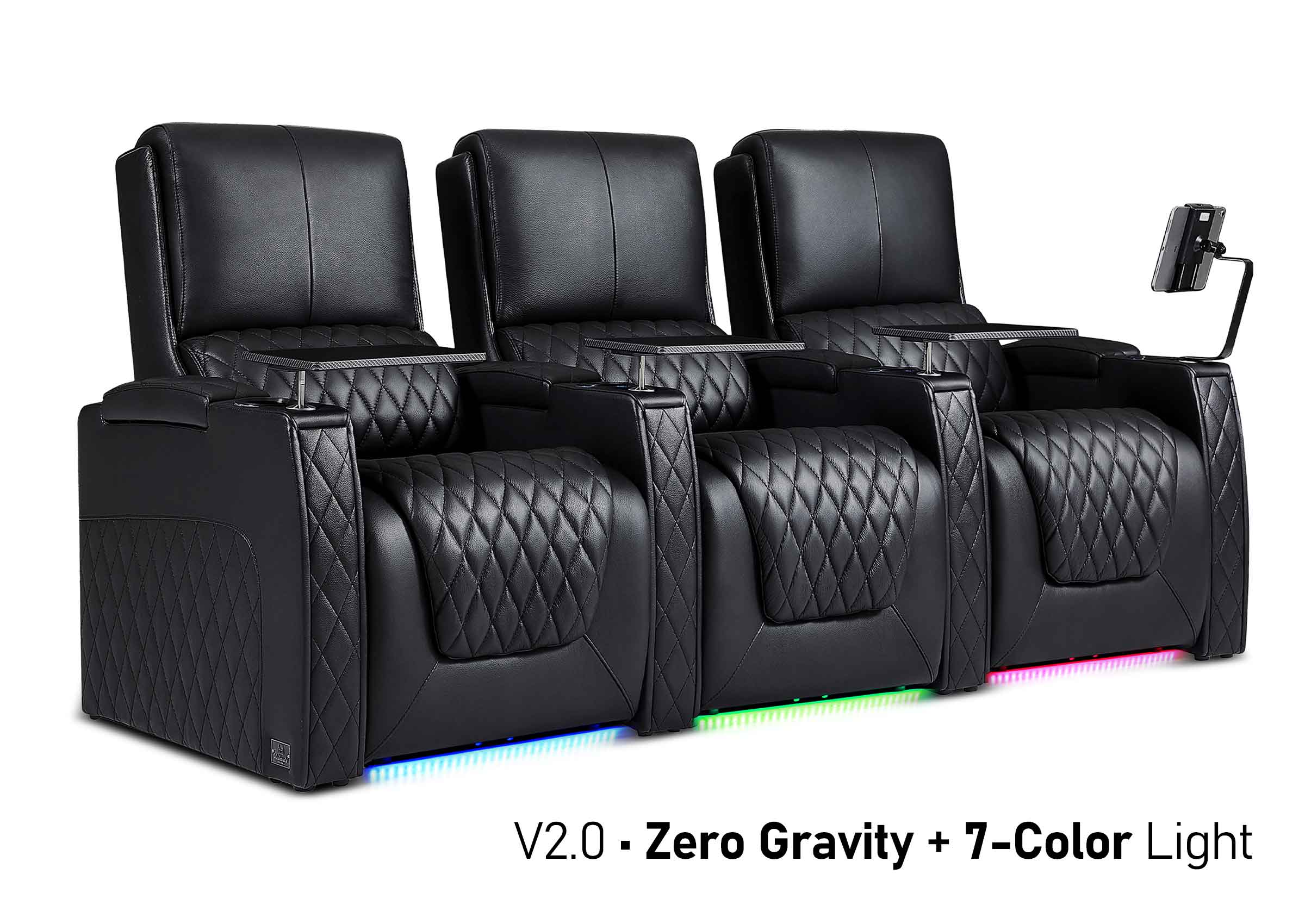
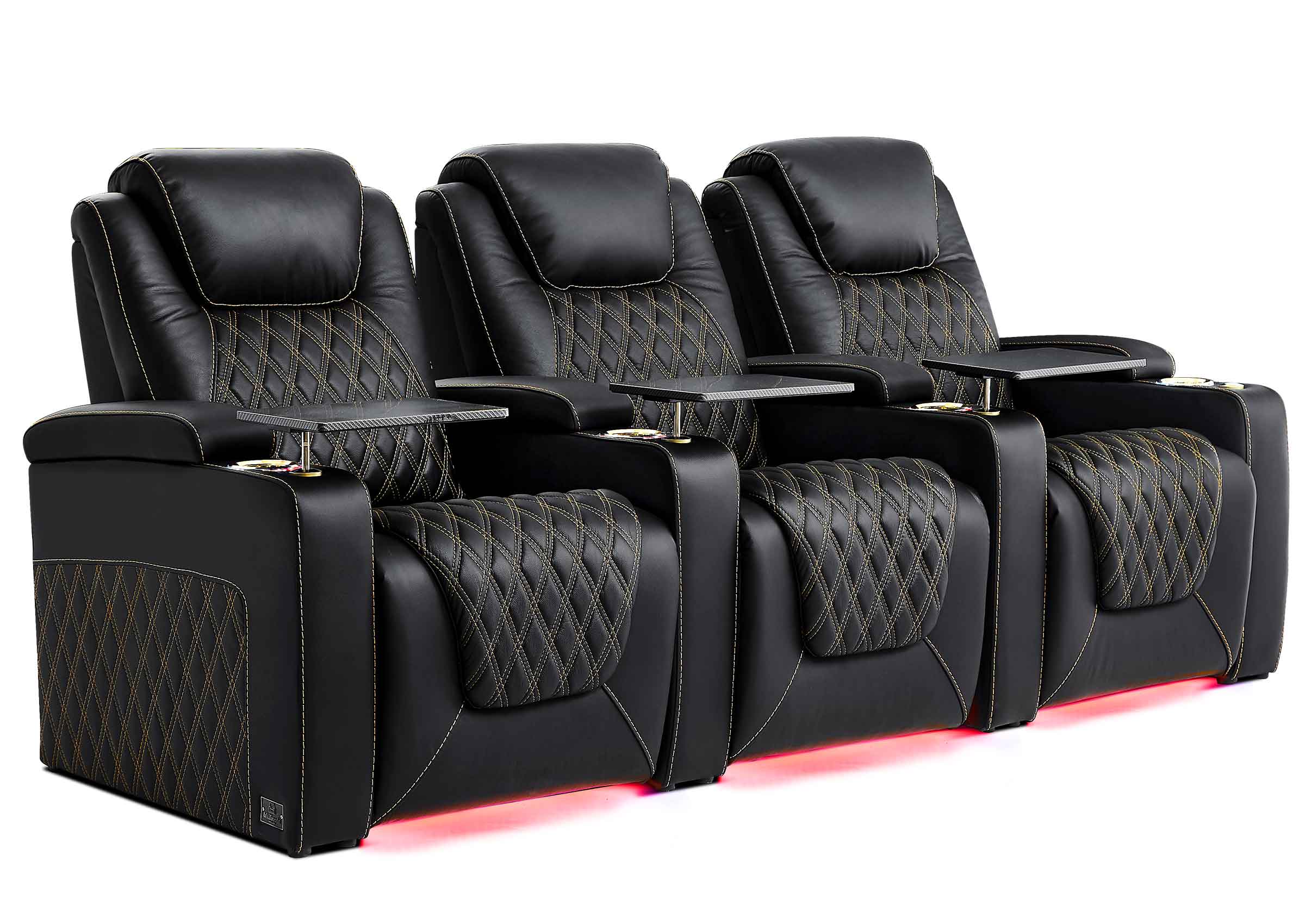
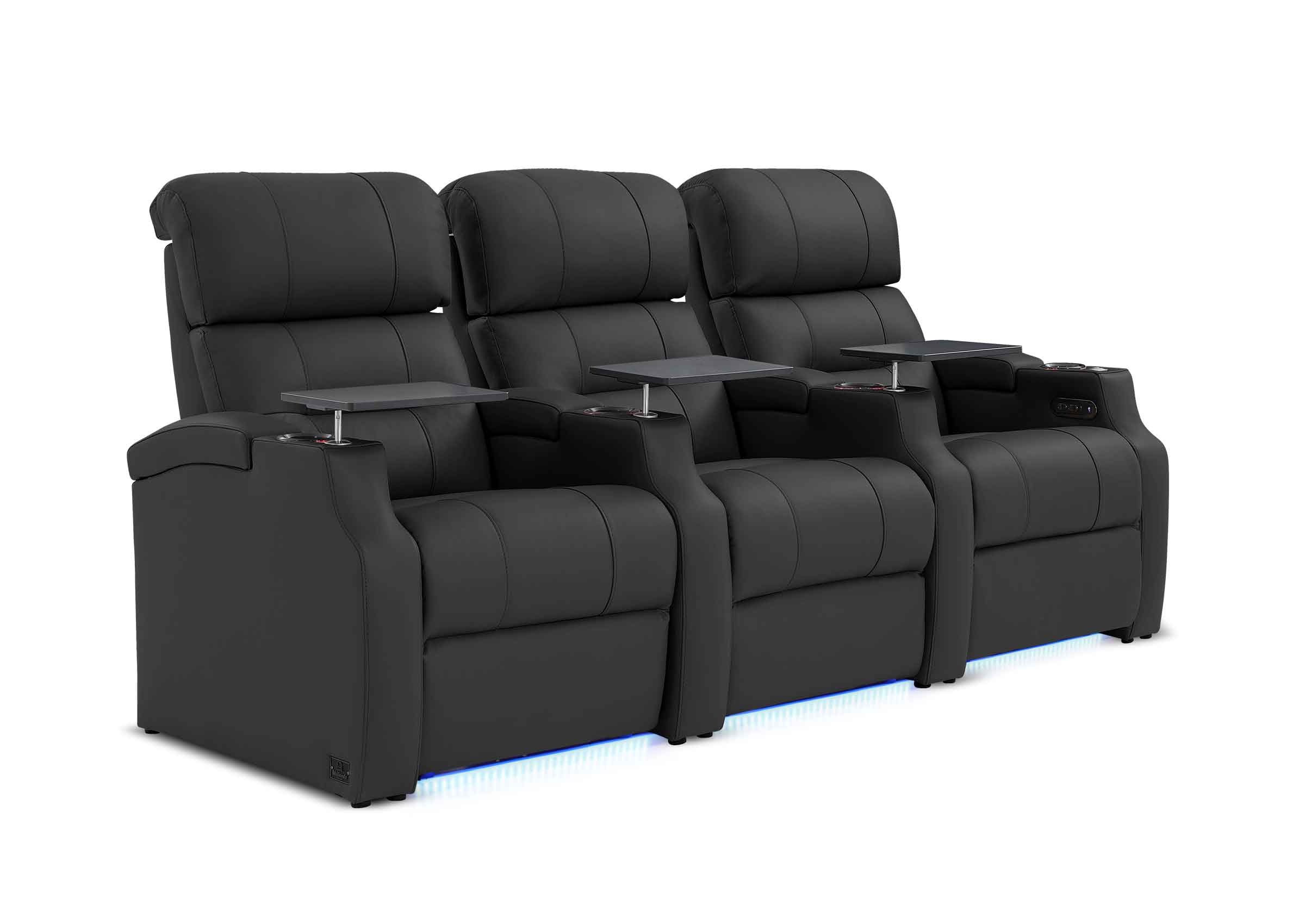
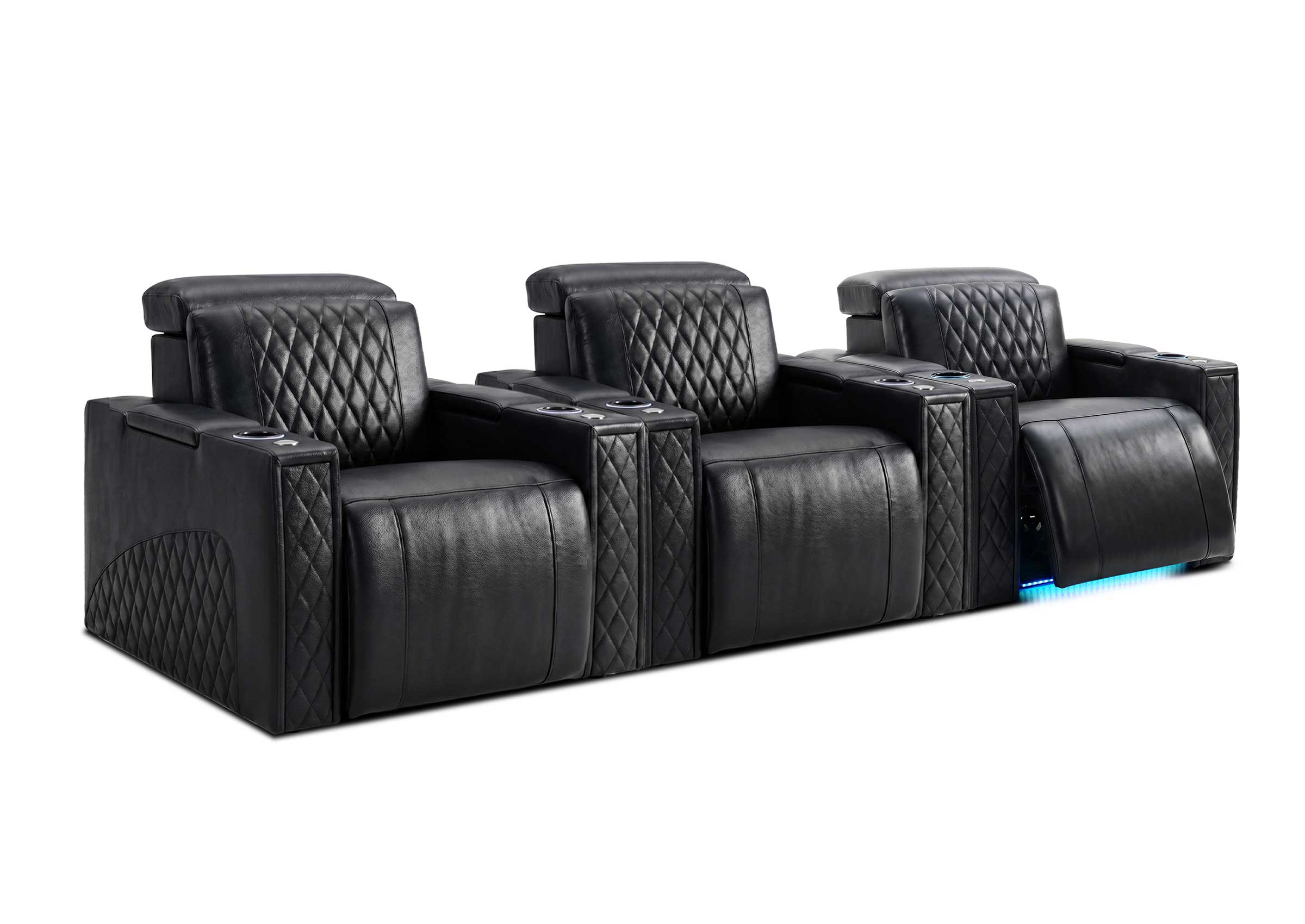

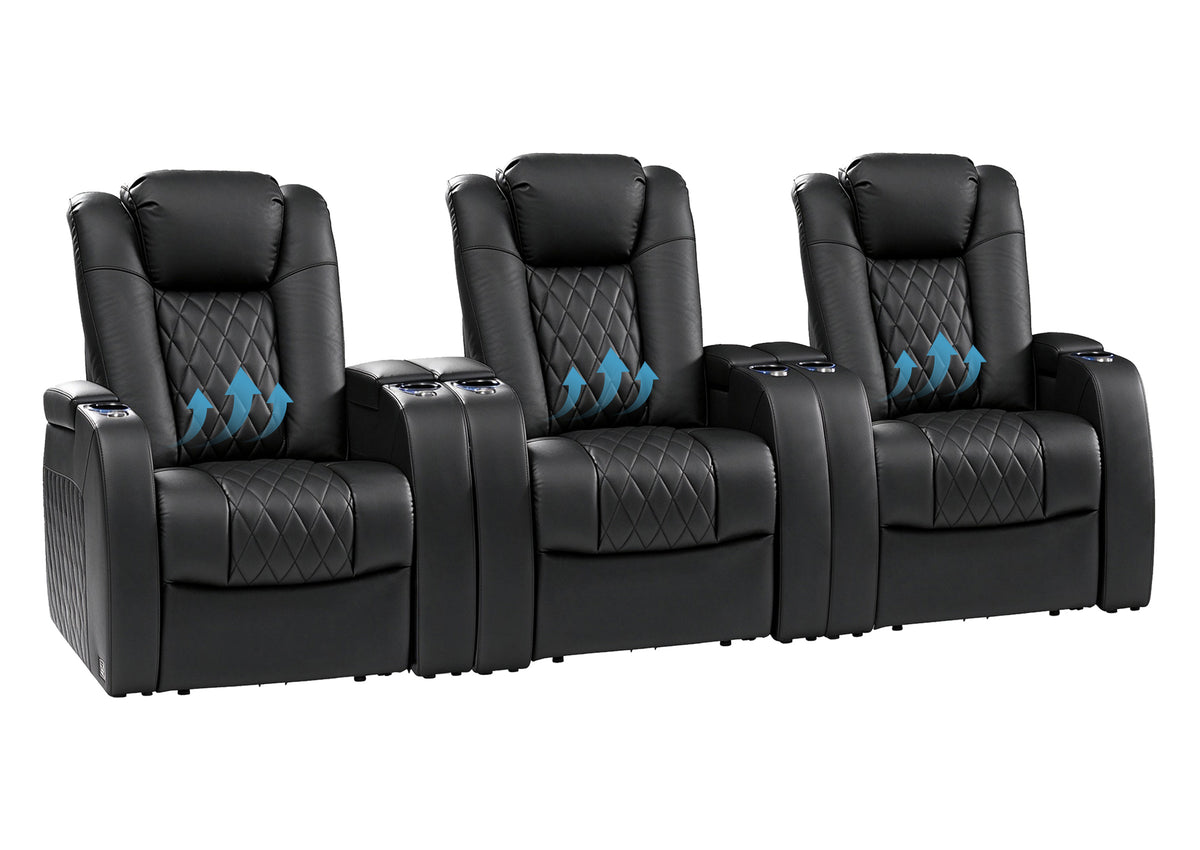
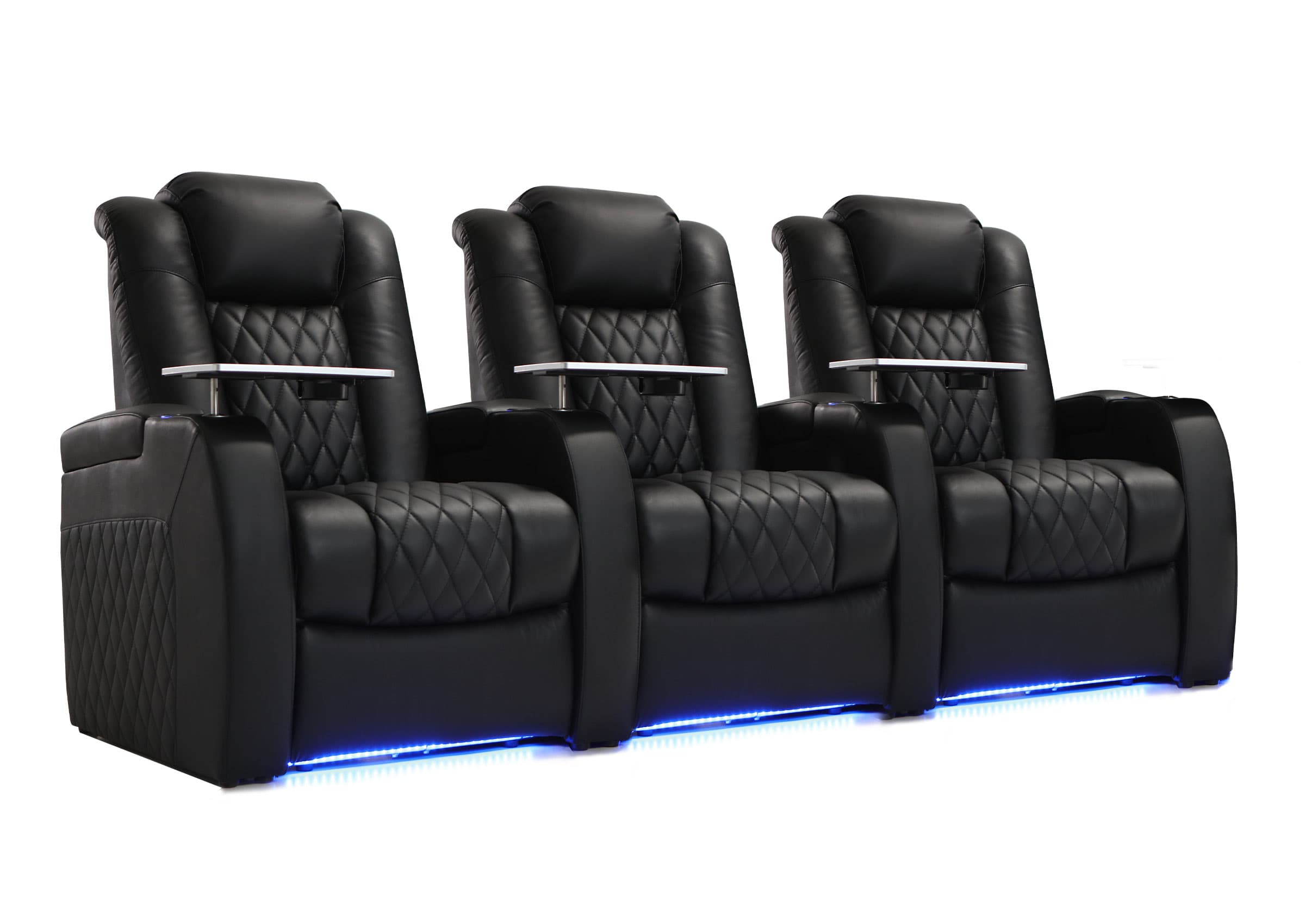
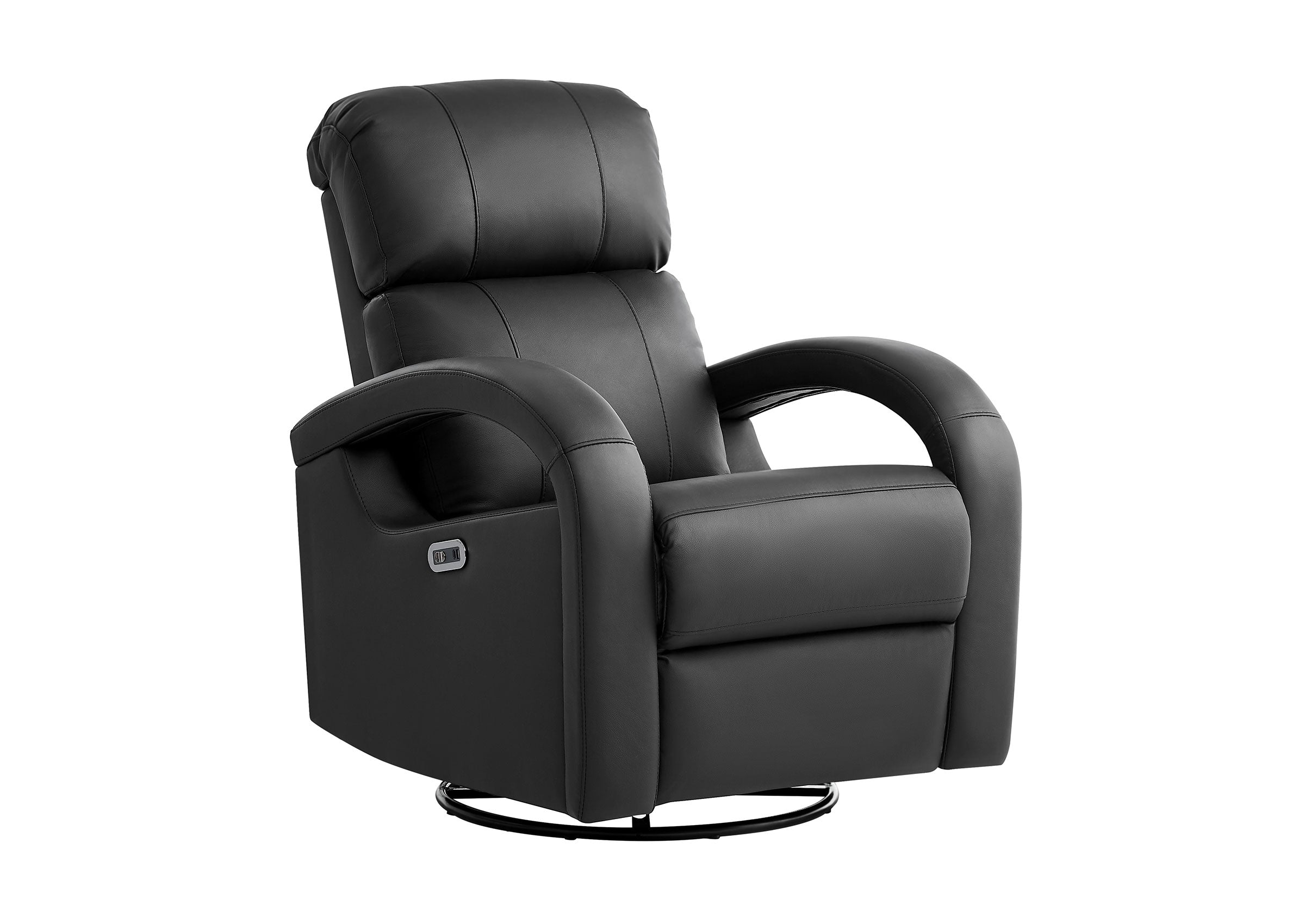
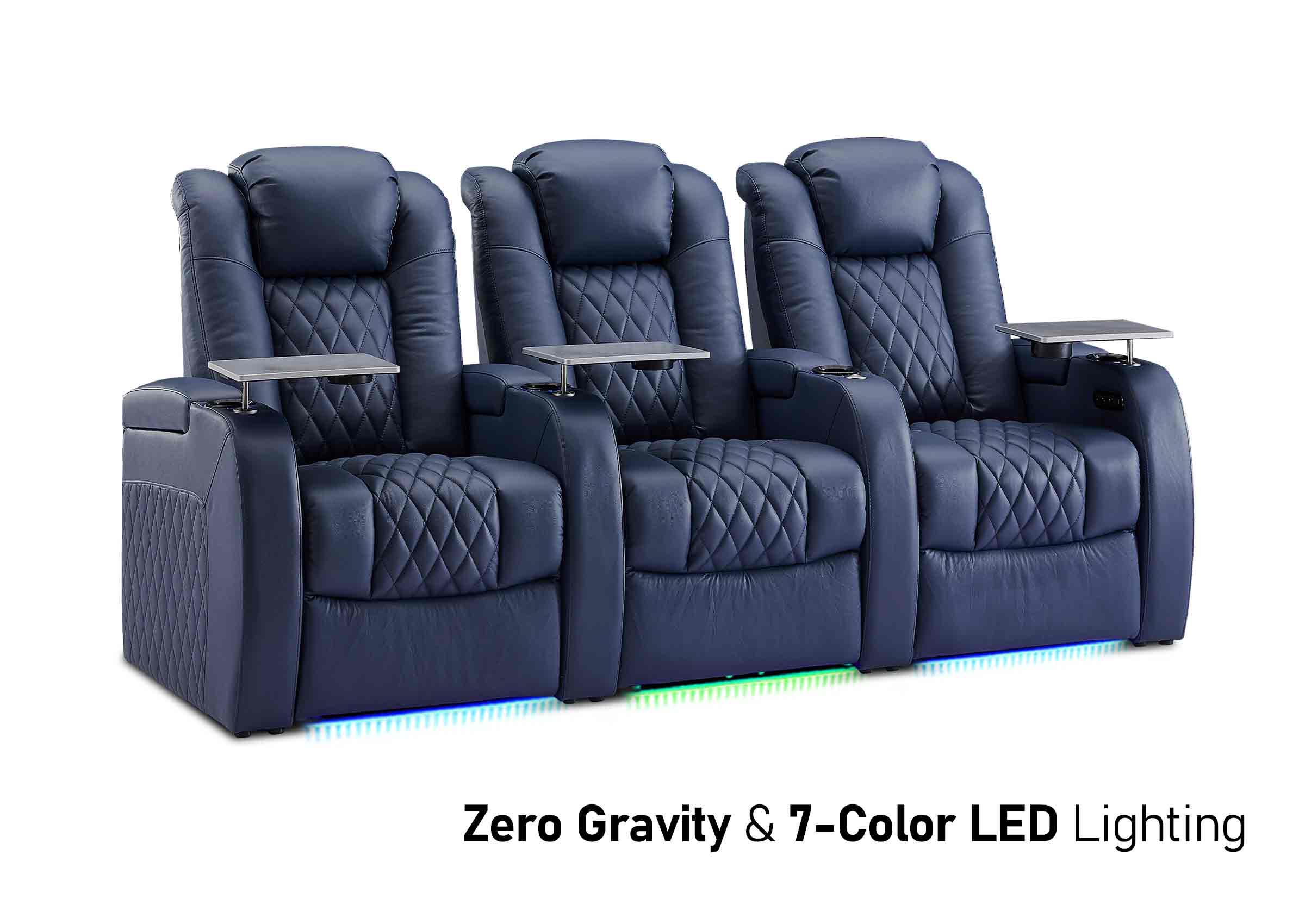
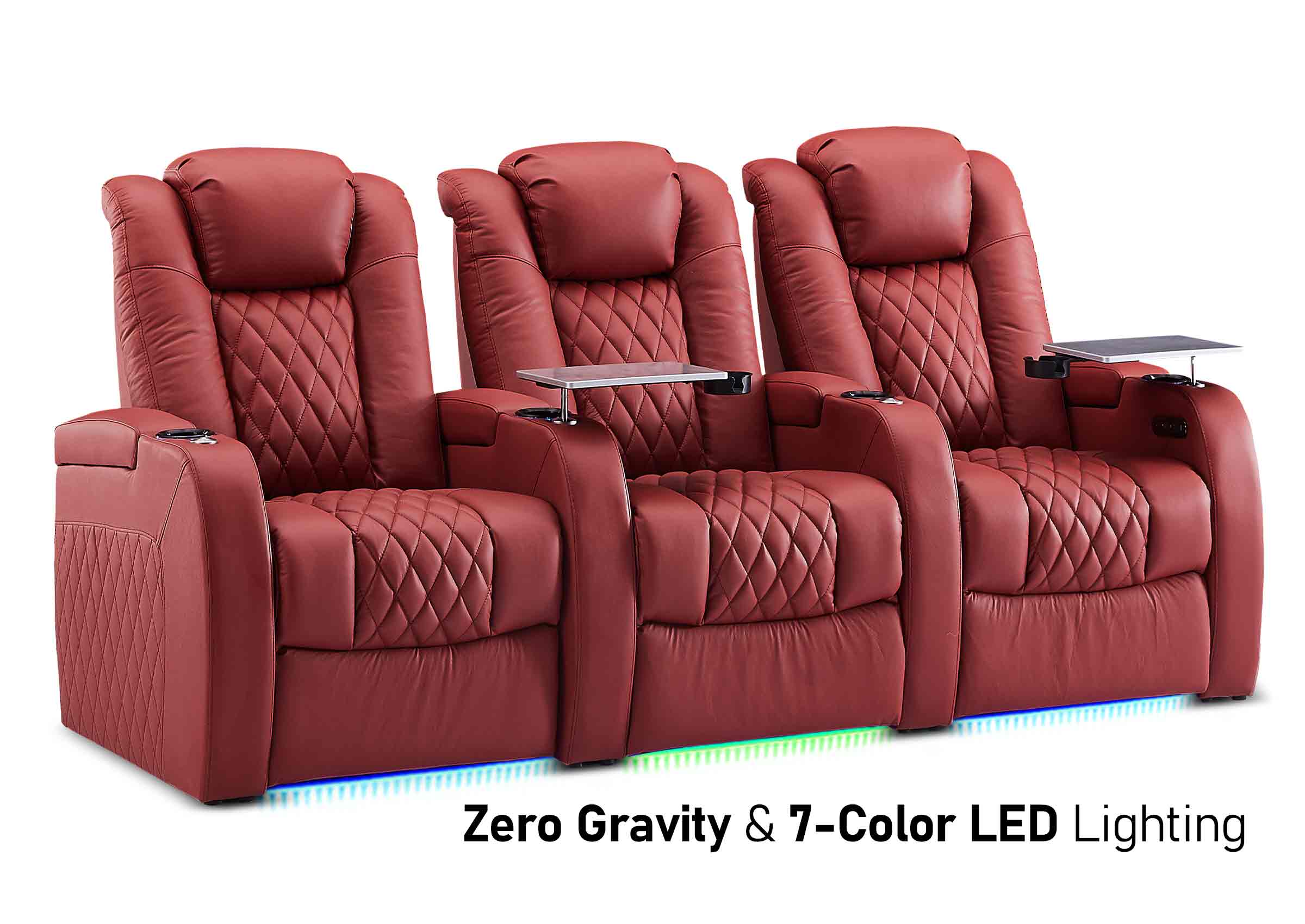
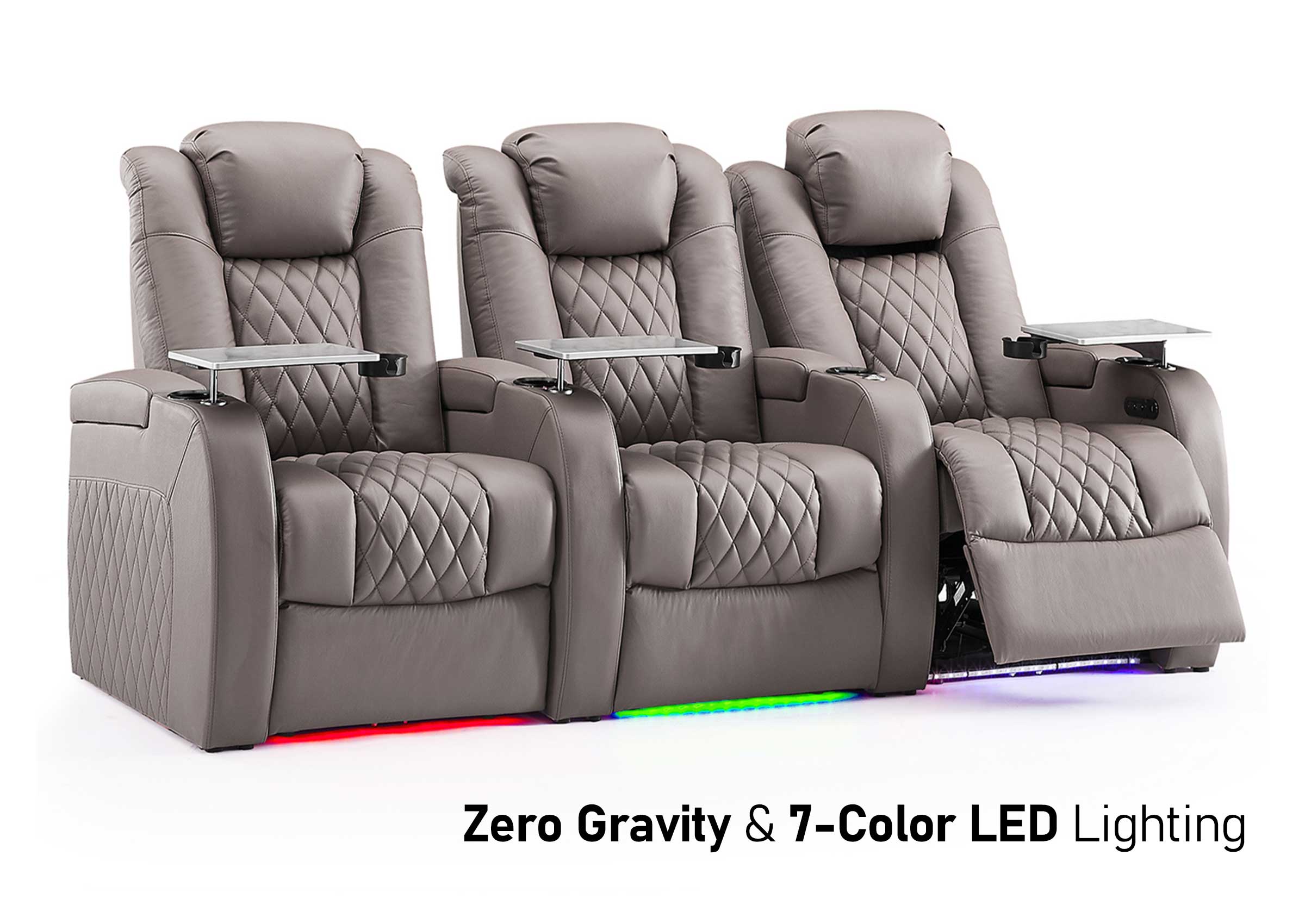
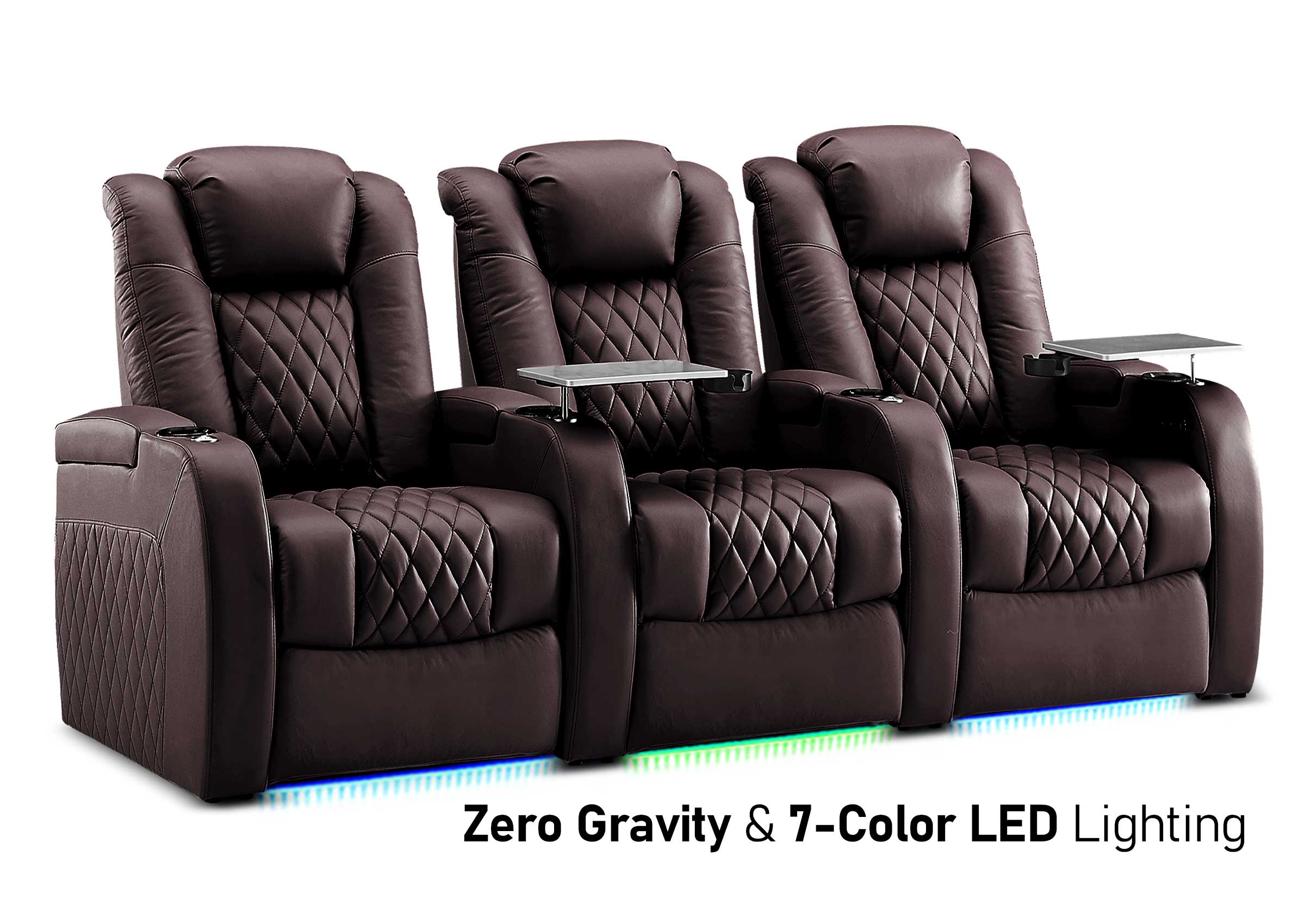

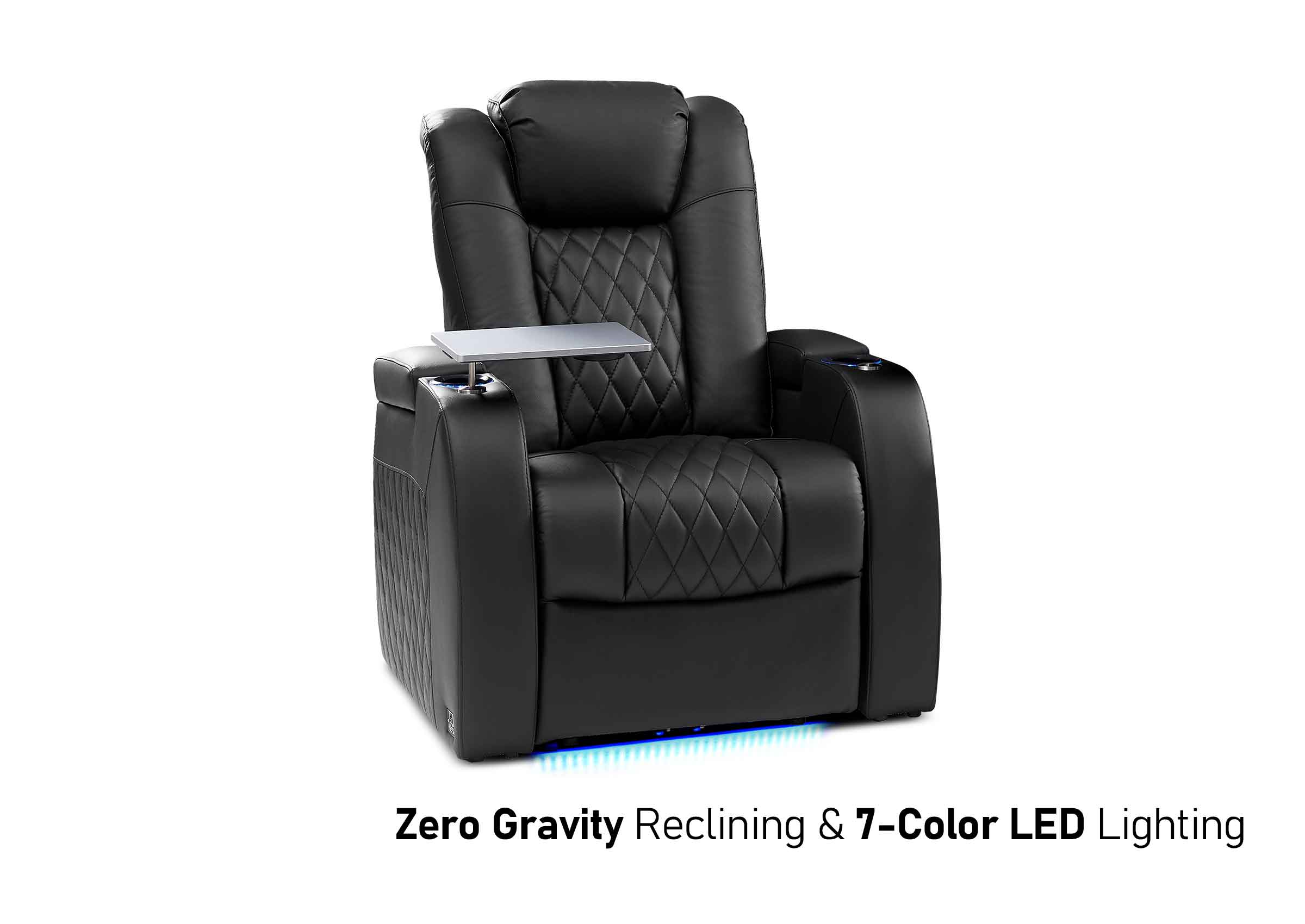
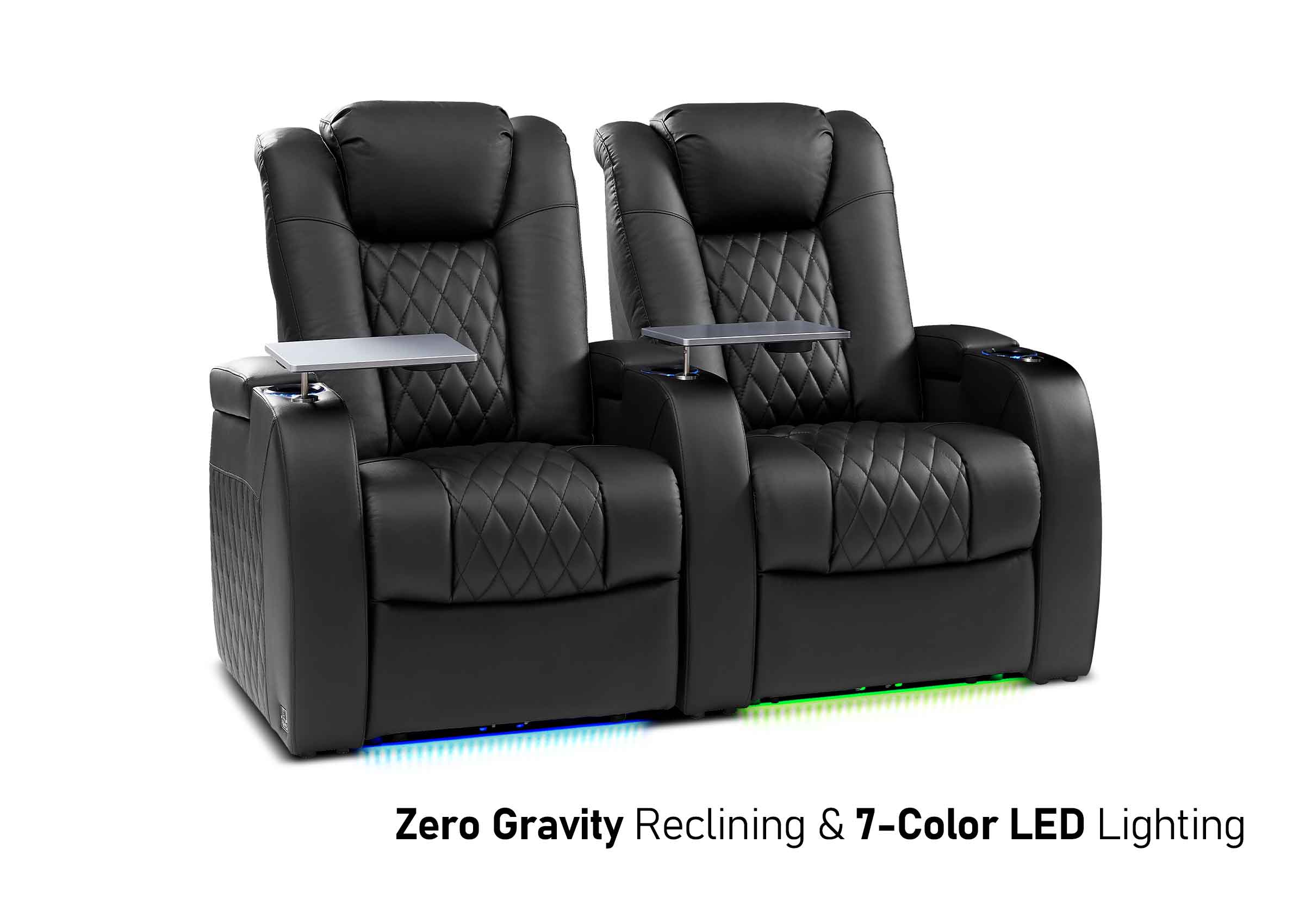
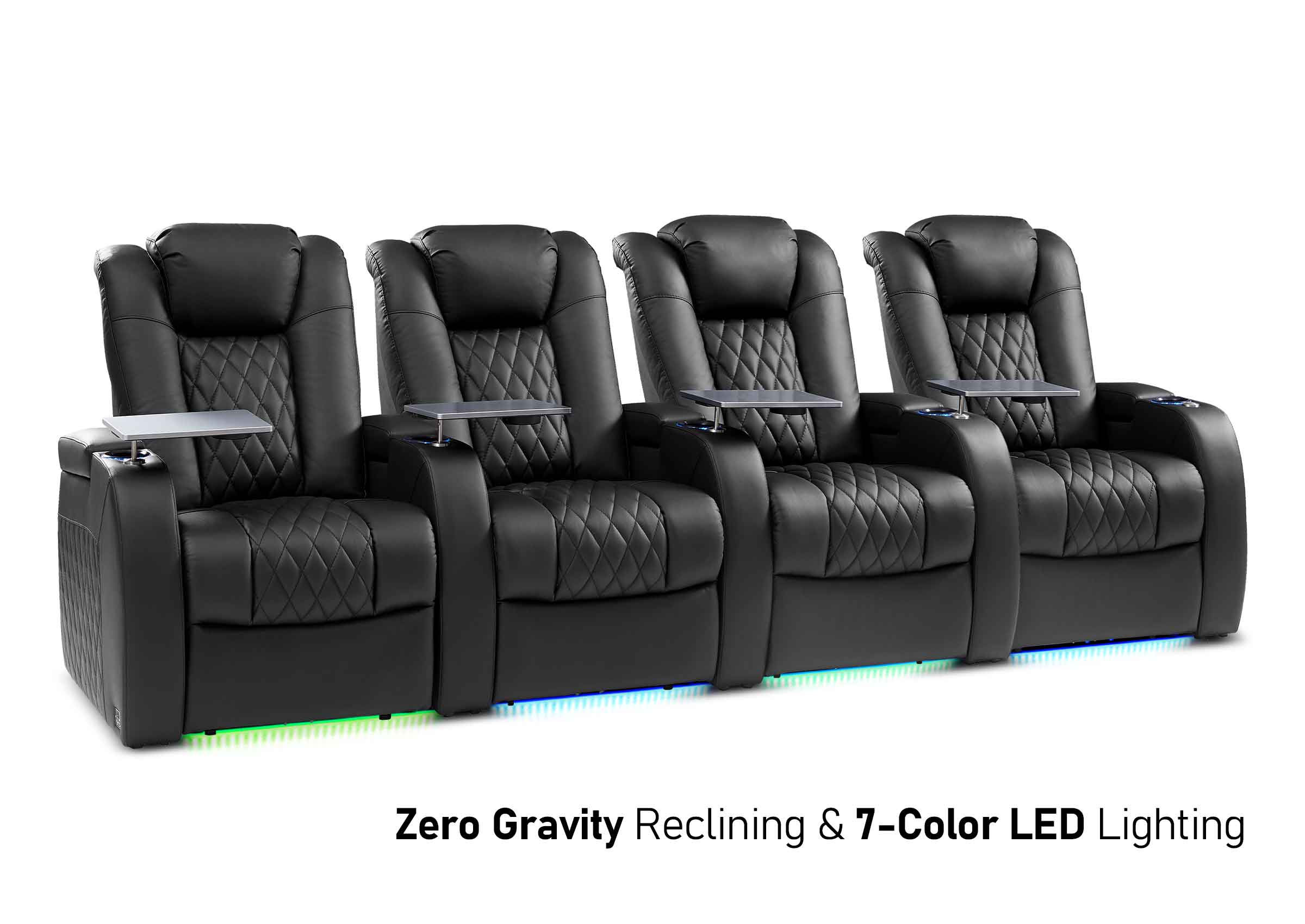
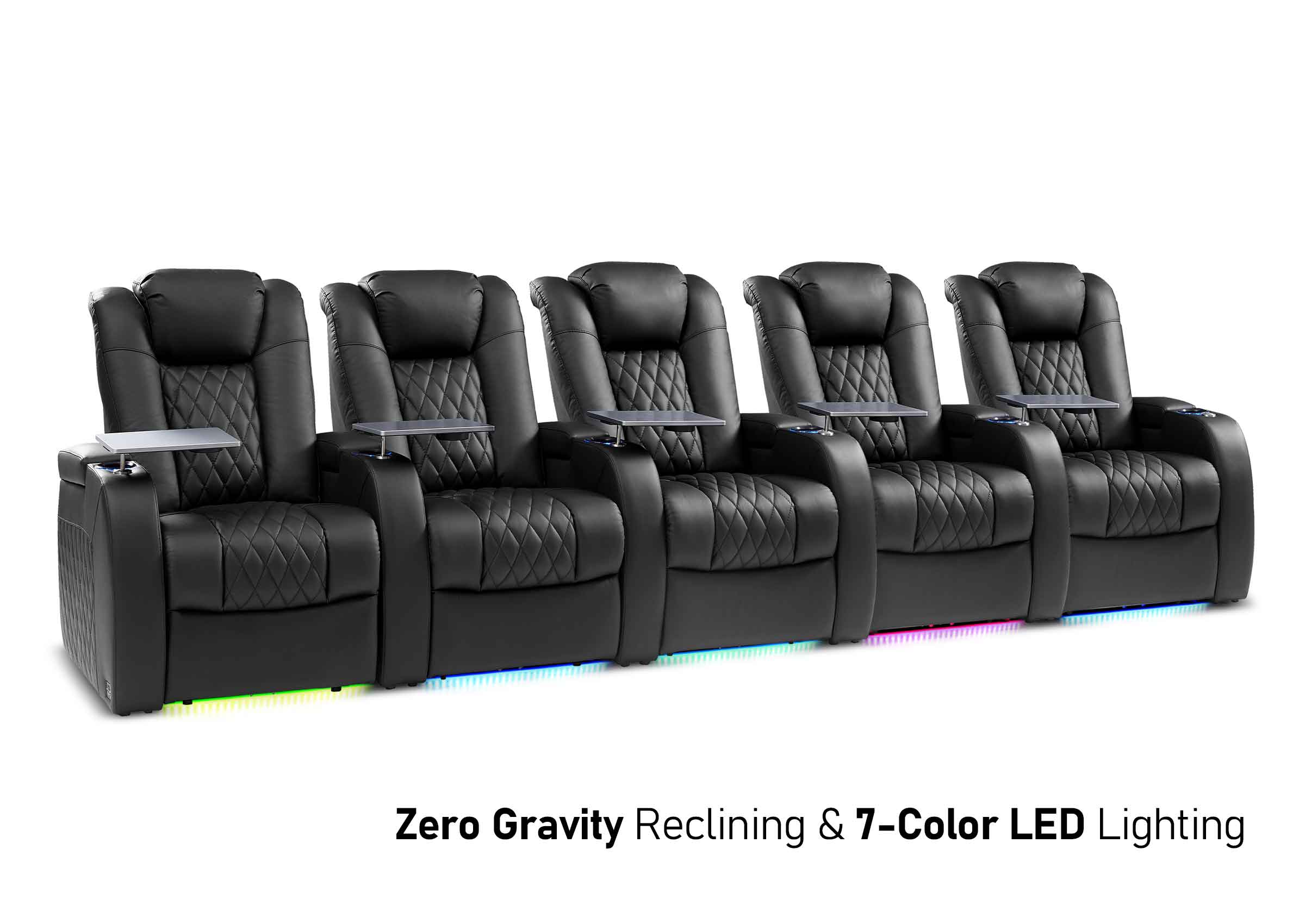
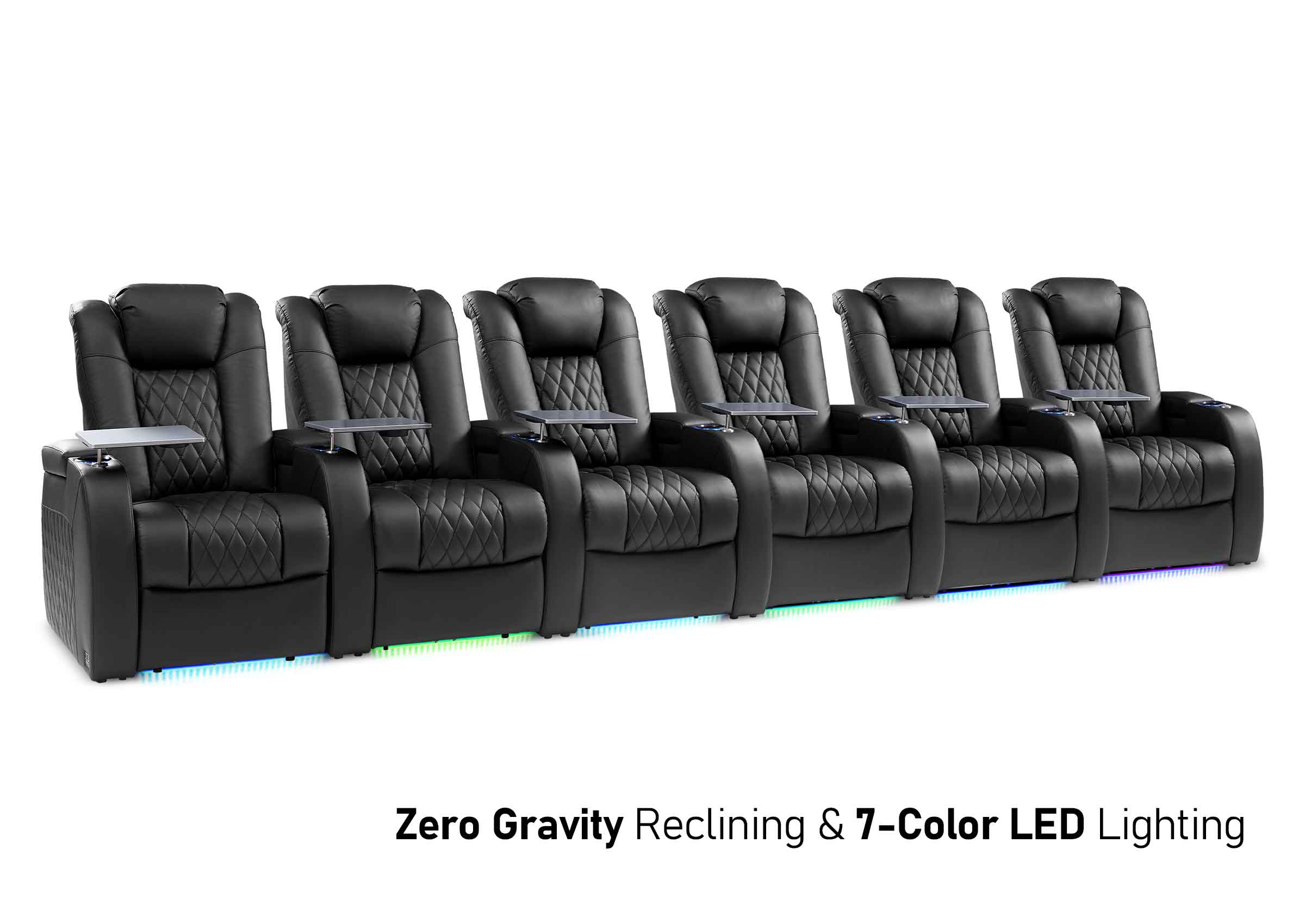
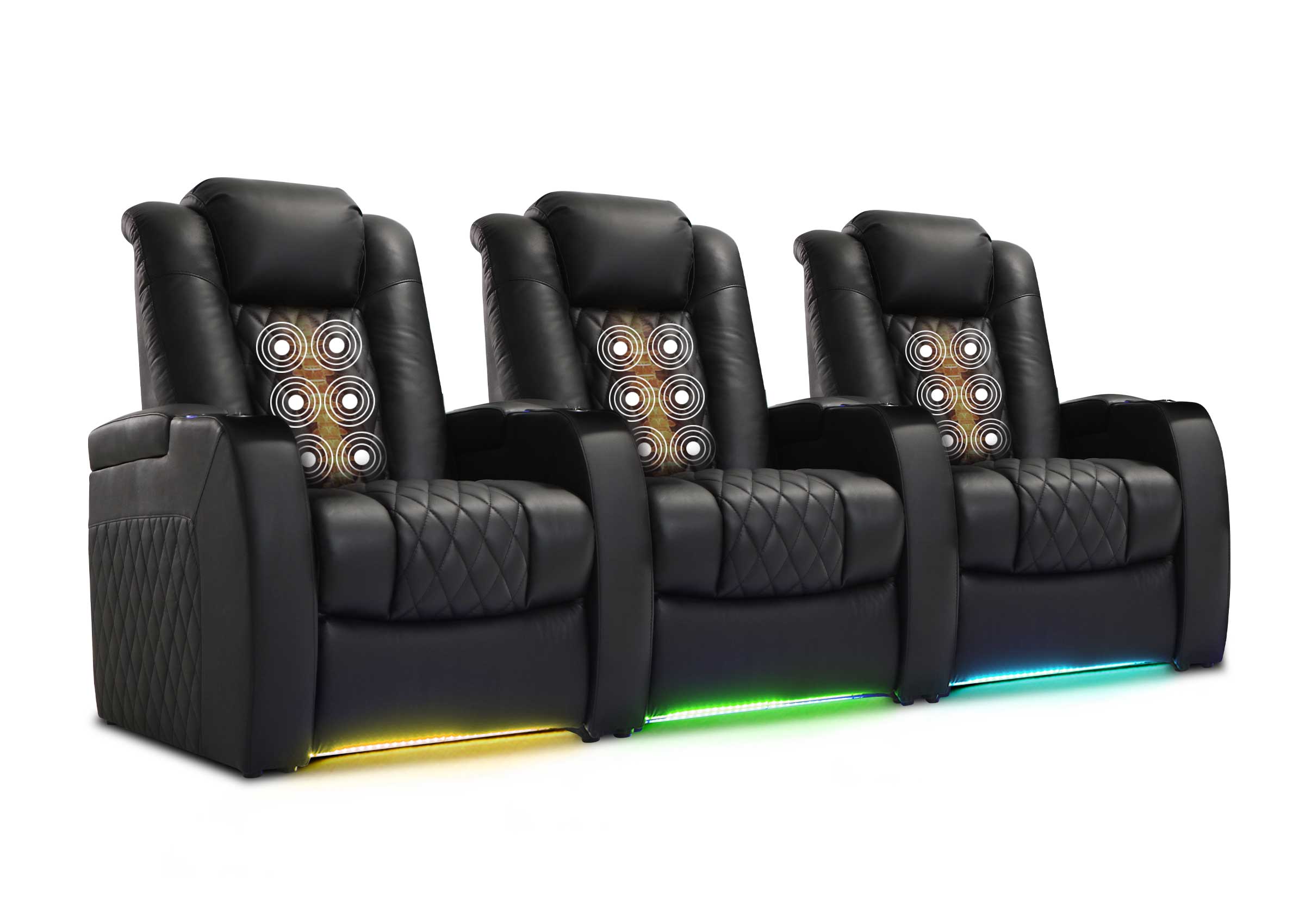

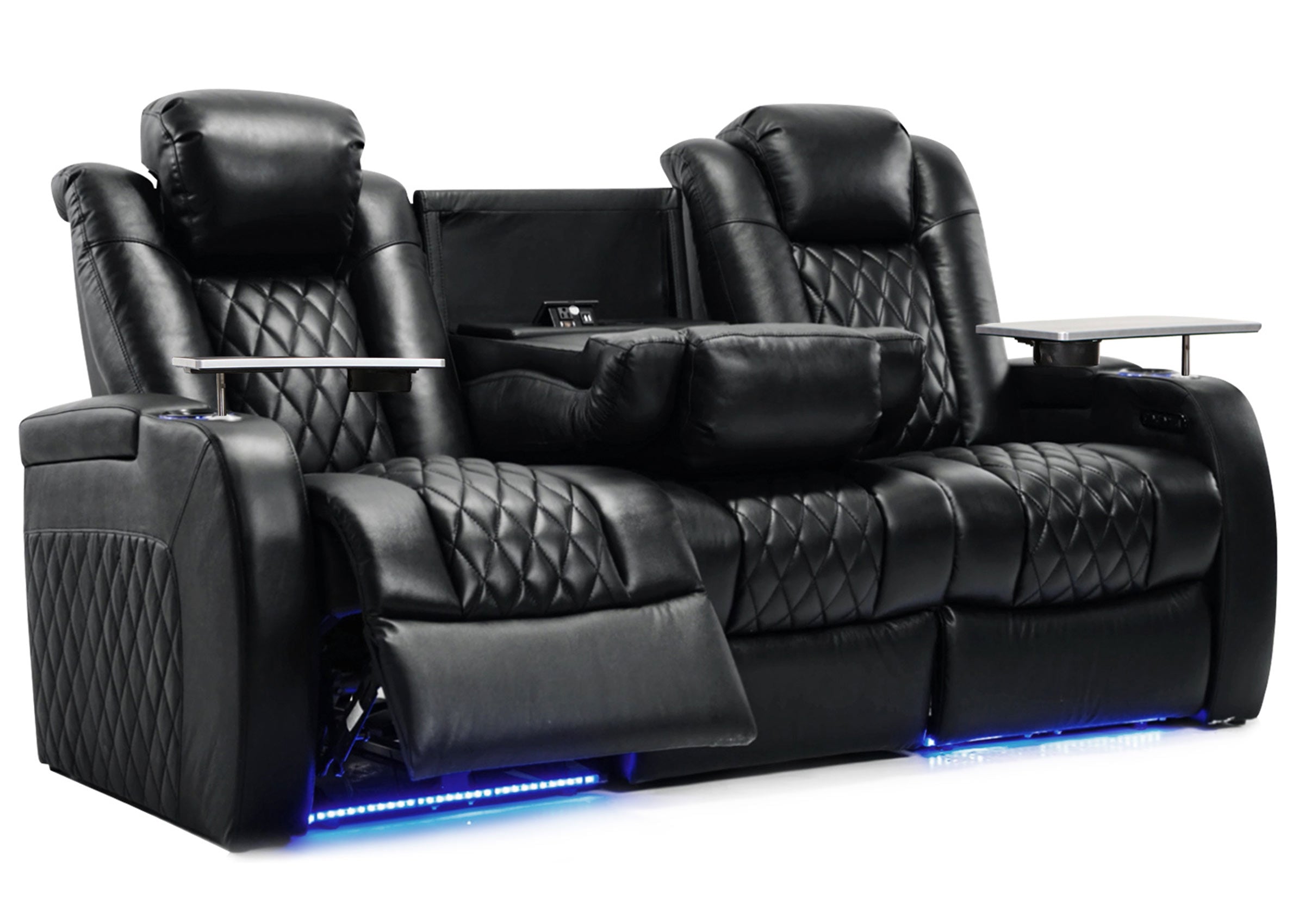
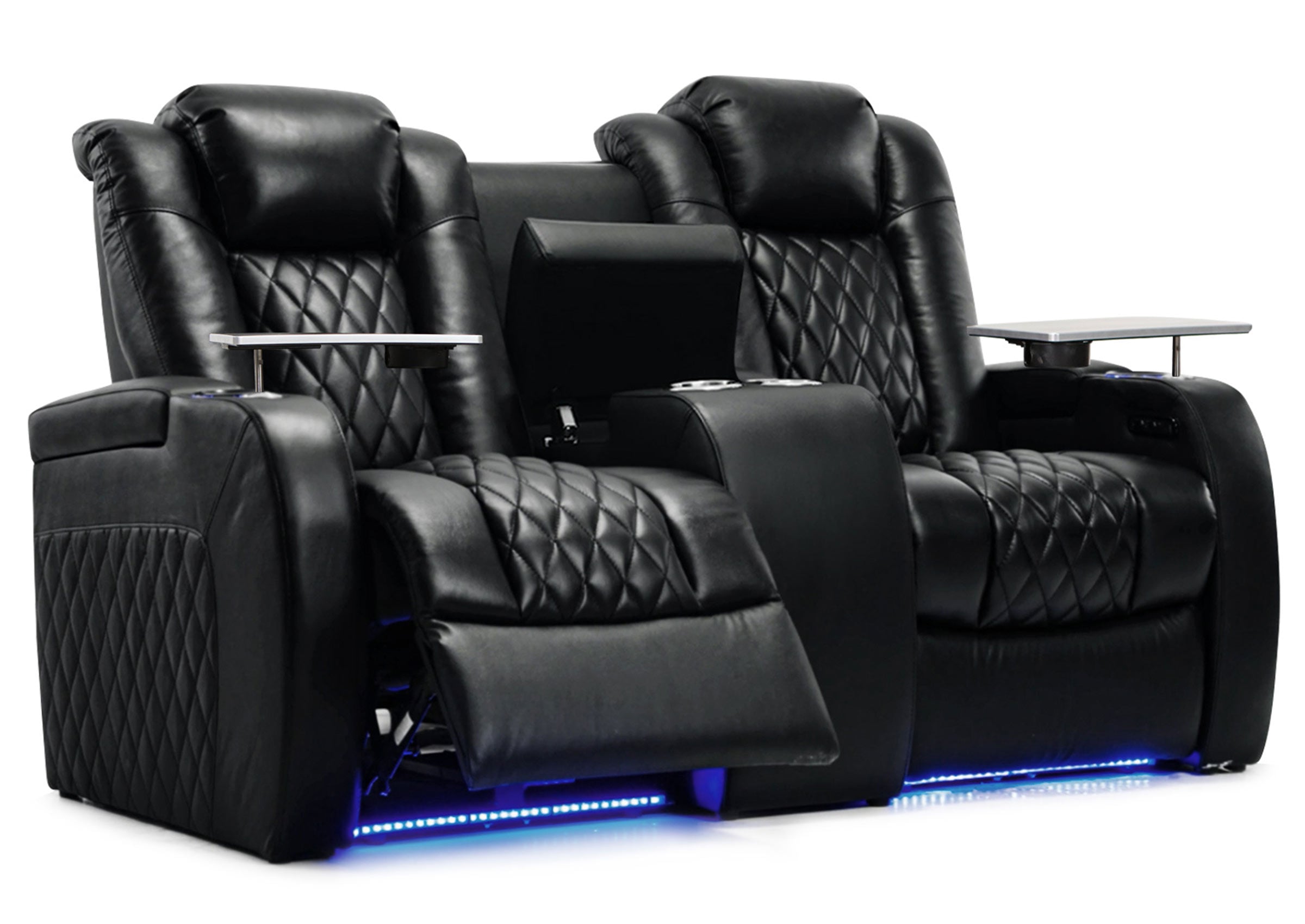

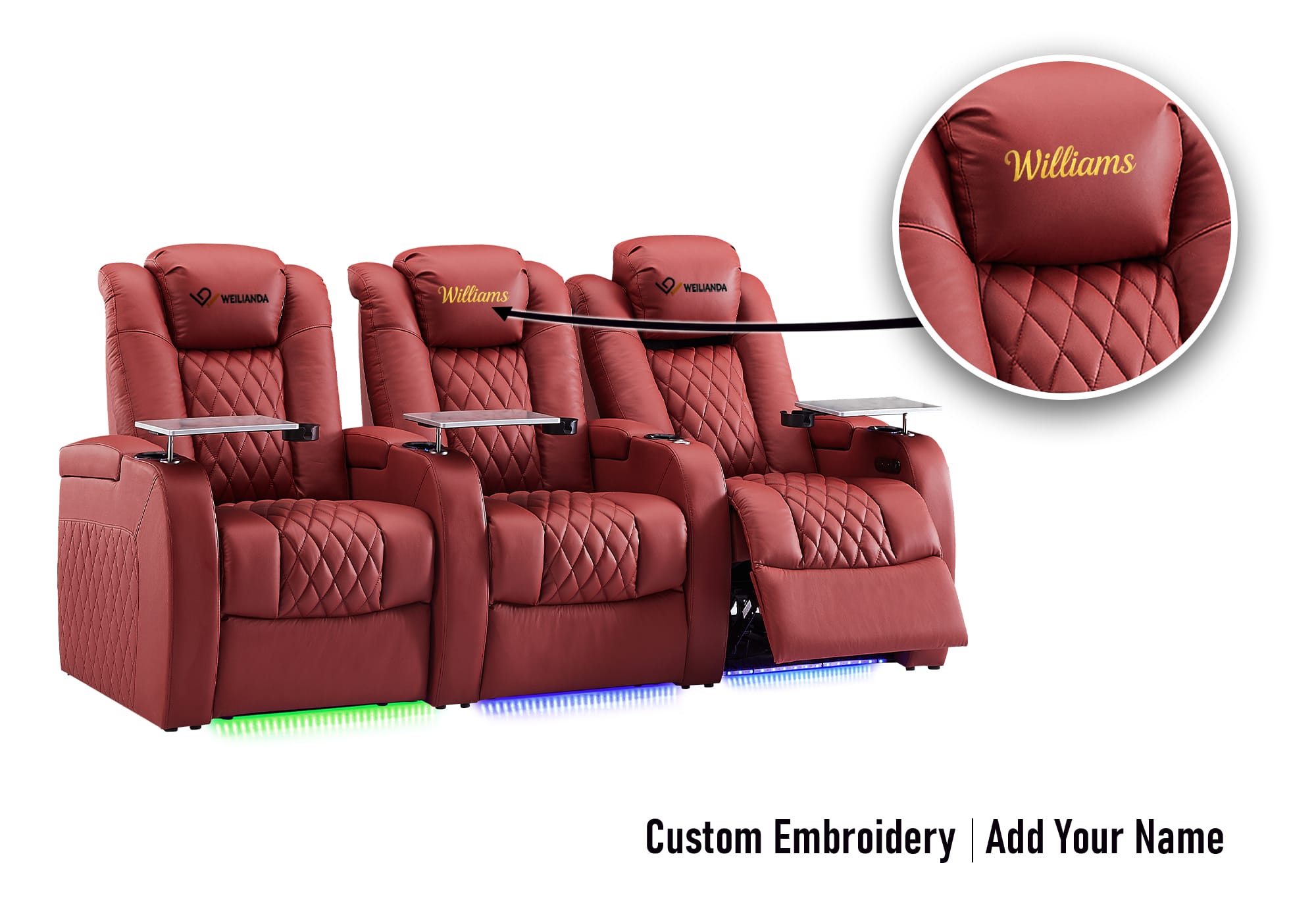

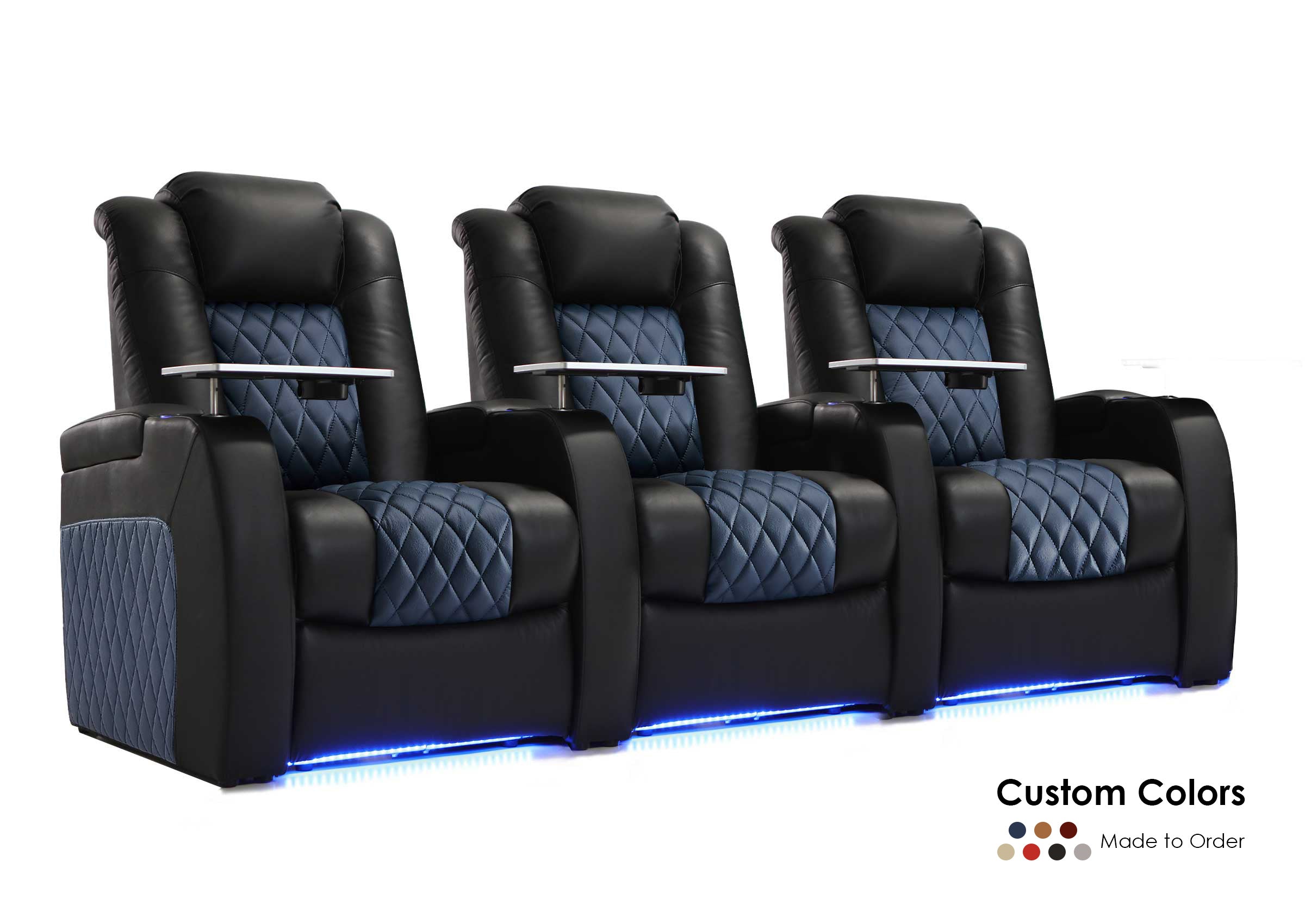

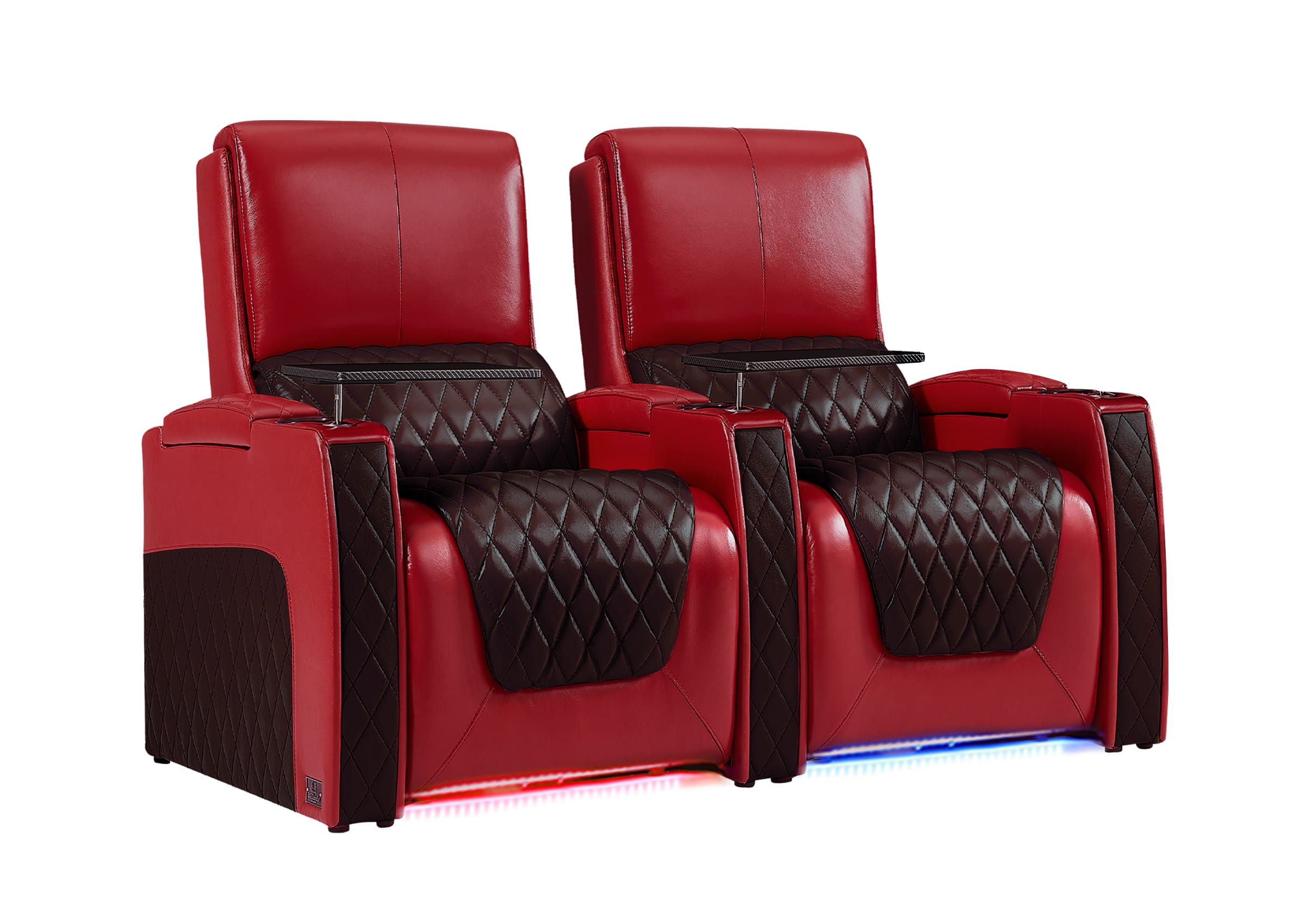
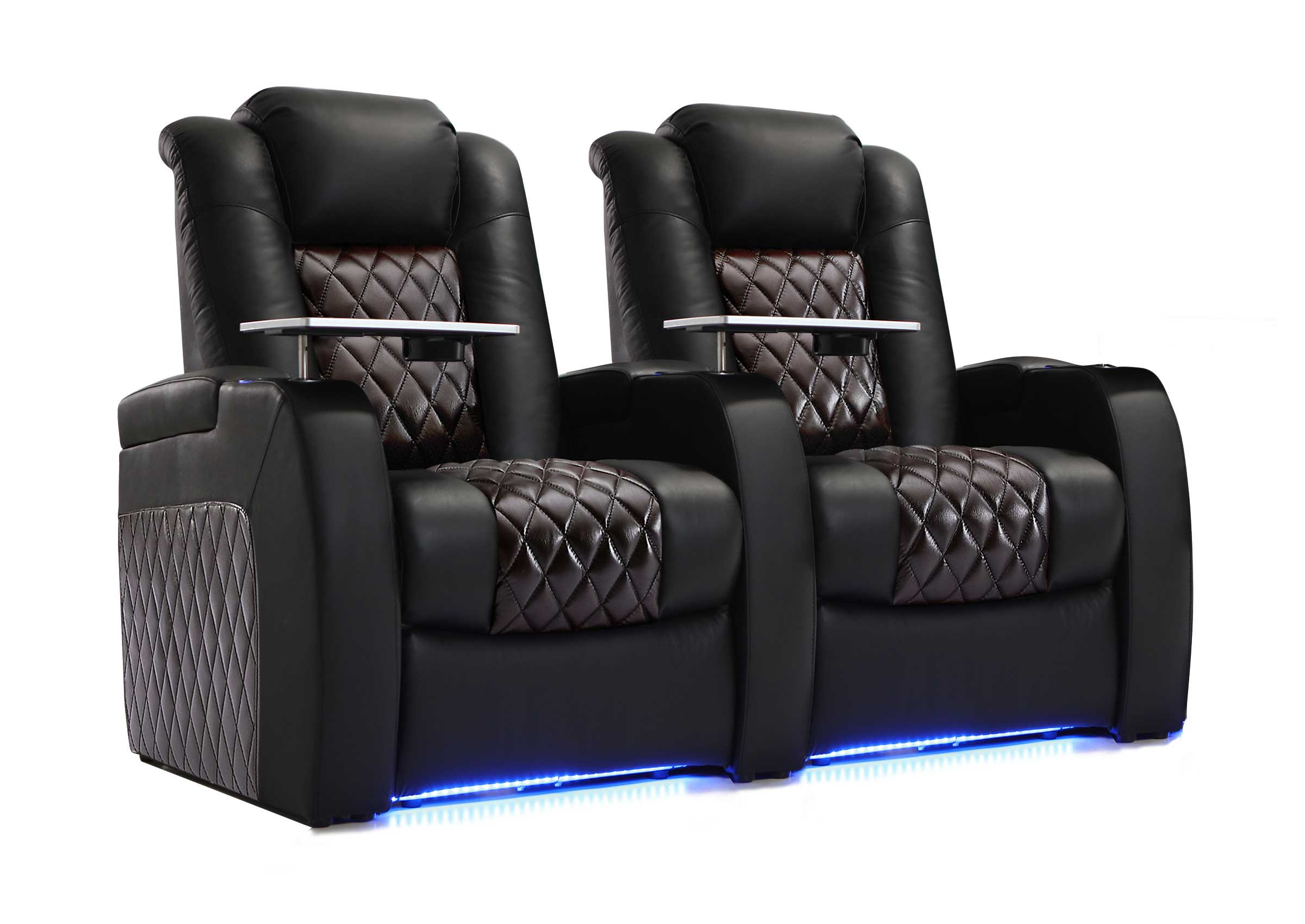
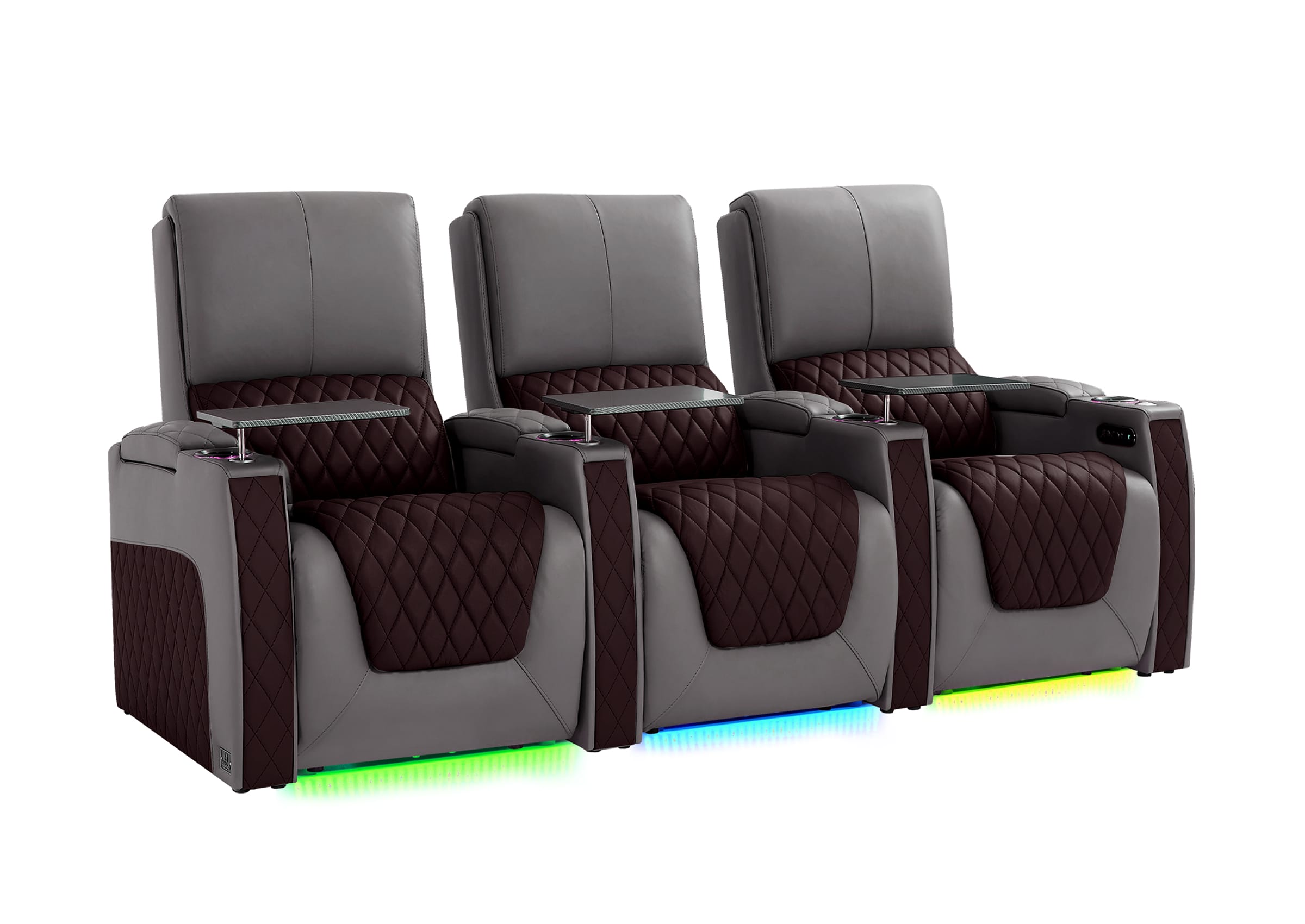
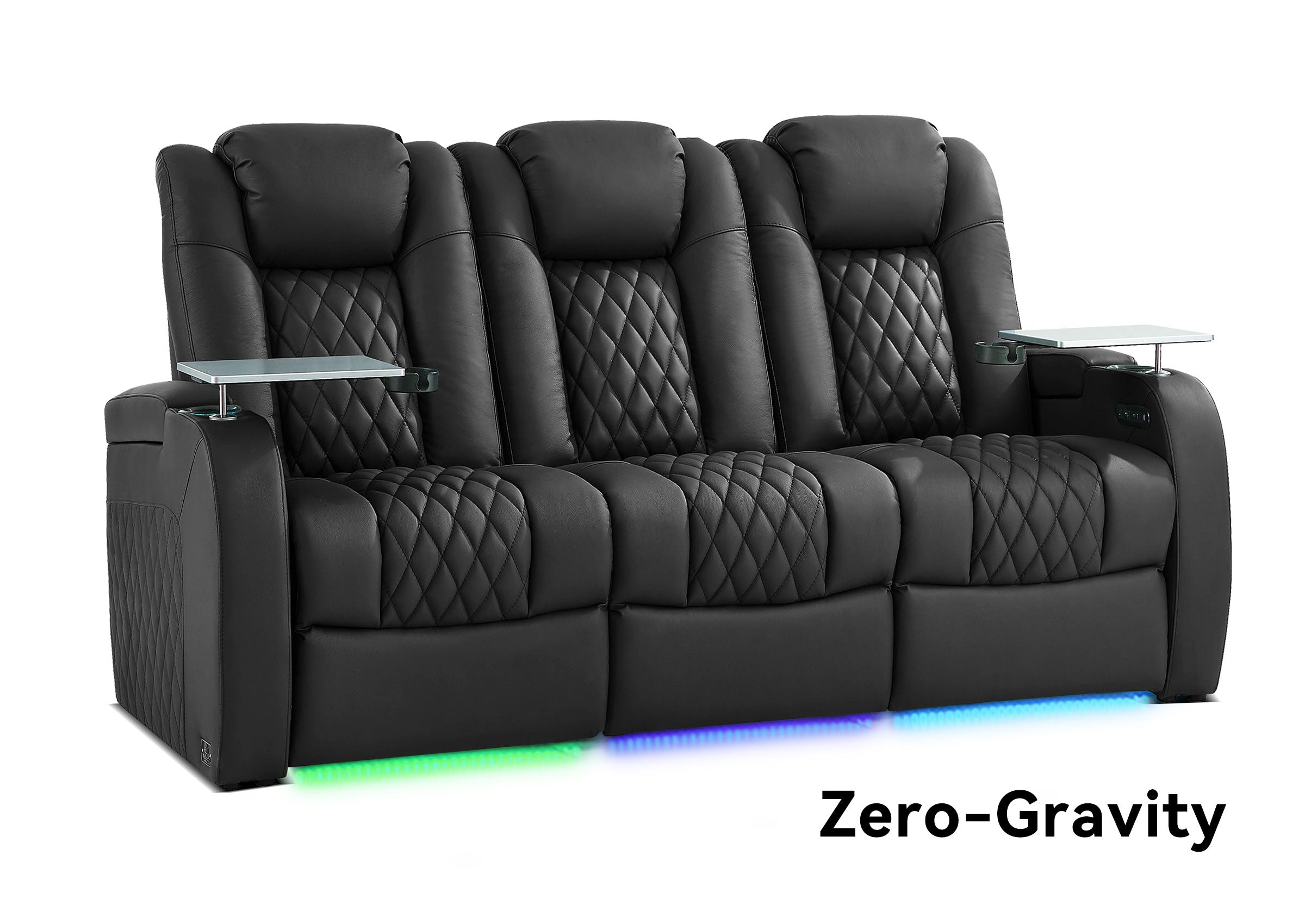


A well-built leather recliner used under normal residential conditions may remain comfortable and functional for 10–15 years or longer. However, no upholstery label can predict an exact service life. Leather finish, cushioning, frame construction, reclining components, household use, room conditions, and maintenance all affect the outcome.
The more useful question is not simply, “How long will the leather last?” It is: Which part of the recliner is most likely to wear out first?
How Long Can You Expect a Leather Recliner to Last?
The following ranges are general planning estimates commonly used in furniture guidance. They are not standardized test results, warranty periods, or guarantees for a specific product.
| Upholstery description | General planning range | Important limitation |
|---|---|---|
| Full-grain or top-grain leather | Often 10–15+ years | Finish, hide quality, construction, use, and care still matter |
| Finished or split leather | Varies considerably | The leather name alone does not reveal coating or construction quality |
| PU or faux leather | Often about 3–7 years | Coating quality, friction, heat, and sunlight can produce very different results |
| Bonded leather | Often about 2–5 years | Fiber content, binder, and surface coating vary by product |
| Leather-match construction | No single reliable range | Real and synthetic sections may age differently |
A chair used occasionally in a climate-controlled home theater may outlast the same upholstery used every day in a sunny family room. Heavy use, pets, children, improper cleaning, excess weight, direct sunlight, humidity, and dry heat can all shorten a recliner’s useful life.
A premium leather cover also cannot compensate for weak cushioning, an unstable frame, or an unreliable reclining mechanism. The whole chair matters more than the upholstery label alone.
A Leather Recliner Has Three Different Lifespans
Instead of treating a recliner as one product with one expiration date, think of it as having three separate lifespan clocks.
1. Upholstery Lifespan
The upholstery lifespan describes how long the visible surface remains acceptable. Signs of aging may include:
- Natural softening and light wrinkling
- Color changes in frequently touched areas
- Dryness or cracking
- Loose or separated seams
- Peeling or flaking on coated surfaces
- Scratches from pets or sharp objects
Natural leather may develop a softer feel and more character over time. Minor wrinkles, grain variation, and gradual softening do not necessarily mean the material is failing.
Deep cracking, widespread peeling, exposed backing, and seam separation are more serious. These problems can allow moisture and debris to reach the padding underneath.
2. Comfort Lifespan
A recliner may still look attractive after its cushioning has stopped providing comfortable support. Foam gradually compresses, especially in the seat used most often.
Common comfort problems include:
- A seat that no longer rebounds
- Permanently compressed or uneven cushioning
- A hard frame that can be felt through the seat
- Reduced back or lumbar support
- A favorite seat that sits lower than the others
- The need to shift constantly to remain comfortable
For many households, loss of support becomes noticeable before the leather itself wears out. This is especially relevant for reclining sofas and theater rows where one position receives much more use than the others.
3. Structural and Mechanical Lifespan
The frame, joints, footrest, reclining mechanism, switches, wiring, and motor determine whether the chair can continue to operate reliably.
Warning signs may include:
- Persistent wobbling or shifting
- A footrest that moves unevenly
- Grinding, clicking, or sticking
- Loose joints or recurring squeaks
- Jerky power movement
- Damaged controls or power cords
- A backrest that no longer aligns with the seat
A failed switch, power adapter, or motor does not automatically mean the entire recliner has reached the end of its useful life. Some electrical components can be replaced while the upholstery, cushioning, and frame remain serviceable.
A cracked or unstable frame is more serious because it can affect the safety and alignment of the entire chair.
A recliner’s practical lifespan usually ends when one of these three systems becomes unacceptable and cannot be repaired reasonably.

How Leather Type Changes Recliner Longevity
Leather terminology can help narrow the options, but it does not provide a complete durability rating. Two recliners carrying the same material label may perform differently because of variations in hide selection, thickness, finishing, stitching, cushioning, frame construction, and daily use.
Full-Grain Leather
Full-grain leather retains the hide’s natural grain surface. It may show pores, scars, grain patterns, and color variation rather than a perfectly uniform appearance.
Its long-term performance depends on more than the words “full-grain.” Leather thickness, surface finish, tanning process, stitching, maintenance, and the structure beneath the upholstery all influence how the chair ages.
A premium covering cannot compensate for weak cushioning or an unstable reclining mechanism.
Top-Grain Leather
Top-grain leather comes from the outer portion of the hide, but its surface may be lightly corrected, buffed, or finished to create a more consistent appearance.
The term covers a range of materials rather than one identical level of performance. When evaluating a top-grain leather recliner, ask:
- Where is the top-grain leather used?
- What material covers the sides and back?
- Is the surface protected, pigmented, or otherwise finished?
- What cleaning products are approved?
- Is material documentation available?
A clear answer to these questions is more useful than the material name alone.
“Genuine Leather”
“Genuine leather” generally indicates that real animal hide is present, but it should not be treated as a precise quality grade. The phrase does not, by itself, identify the hide layer, surface finish, thickness, coverage area, or expected lifespan.
If a product description only says “genuine leather,” ask for a more specific material description before comparing durability.
PU and Faux Leather
PU and faux leather are synthetic upholstery categories, and their performance can vary substantially. Backing material, coating thickness, formulation, manufacturing quality, and exposure to heat or friction all affect longevity.
These materials can provide:
- A lower purchase price
- A consistent color and texture
- Straightforward surface cleaning
- An alternative for shoppers who do not want natural leather
Their main long-term risk is deterioration of the coated surface. This may appear as cracking, peeling, or separation, particularly in high-contact areas.
A precise lifespan cannot be determined from the phrase “PU leather” alone. A better synthetic covering in a well-maintained room may perform very differently from a low-cost coating exposed to heat, sunlight, and heavy daily friction.
Bonded Leather
Bonded leather generally combines processed leather fibers with binding materials and a finished surface. Its composition and labeling can vary between products and markets.
Because the visible surface depends heavily on the binder and coating, bonded leather may not age like a continuous natural hide. Buyers should not assume that the presence of leather fibers gives it the same performance as full-grain or top-grain upholstery.
Leather-Match Construction
Leather-match furniture typically combines leather in selected areas with a coordinated synthetic material elsewhere. However, there is no universal rule defining which panels must use each material.
This construction can offer practical value, but buyers should request a material map covering:
- Seat cushions
- Backrests
- Armrests
- Footrests
- Side panels
- Rear panels
Different materials may require different care and may not age at the same rate. This matters when the real and synthetic sections meet at visible seams or receive similar exposure to sunlight and heat.
Does Daily Use Change the Lifespan?
Yes. “Daily use” can mean watching one movie each evening or spending eight hours sitting, reclining, eating, working, and napping. Those are very different wear conditions.
A dedicated theater recliner used several evenings per week may experience less surface friction than a living room chair shared by the whole family. A theater seat may still go through repeated recline cycles during movies, gaming sessions, sports, and family entertainment.
Before estimating longevity, consider:
- How many people will use the chair?
- Will one position receive most of the use?
- Will people eat and drink in the room?
- Are there children or pets?
- Will the chair sit near a sunny window or heat vent?
- Is the user within the recommended weight capacity?
- Will the footrest be treated as an extra seat?
- How often will the reclining mechanism operate?
Sitting or standing on the footrest and armrests creates stress they were not designed to support. Small habits like these can shorten the mechanical life even when the leather is carefully maintained.
Power Leather Recliner vs. Manual Leather Recliner
A leather recliner describes the chair and its upholstery. A power leather recliner adds electrical components that operate the reclining movement and, depending on the model, may also adjust the headrest, footrest, or lumbar support.
Manual Leather Recliners
Manual recliners generally have fewer electrical service points. They do not require a nearby outlet, power adapter, control switch, or motor.
Their trade-offs include:
- More physical effort to operate
- Fewer precise position choices
- Cables, handles, springs, and joints that can wear
- Greater force during opening or closing if used roughly
Mechanical simplicity can be helpful, but it does not guarantee a longer lifespan. Frame quality, mechanism construction, cushioning, and user behavior remain important.
Power Leather Recliners
Power recliners offer smoother adjustment and allow users to stop at more positions. Some models can include independently adjustable headrests, footrests, or lumbar support.
They also introduce additional service points:
- Motors
- Switches or control panels
- Wiring
- Power adapters
- Electrical connections
That does not mean a power recliner will automatically fail before a manual one. A quality power system can operate reliably for years, and an electrical component may be replaceable without replacing the chair.
Choose manual for mechanical simplicity; choose power when easier adjustment and precise positioning will improve everyday comfort. Long-term value depends more on total build quality and replacement-part support than on the power feature alone.
For a closer look at electrical components, warning signs, and replacement decisions, read Power Recliner Lifespan: When to Repair vs. Replace.

What Usually Wears Out First?
There is no universal answer. The weakest or most heavily used component often decides the outcome.
In a budget synthetic recliner, the surface coating may peel before the frame fails. In a frequently used chair with better leather, the seat foam may lose support first. In another model, a switch, cable, or reclining component may require service while the upholstery still looks good.
This is why a lifespan claim based only on leather type can be misleading. Consider the recliner as a complete system:
| Component | What to check before buying |
|---|---|
| Upholstery | Exact material, coverage areas, finish, and care requirements |
| Stitching | Even seams and reinforcement in high-stress areas |
| Cushioning | Support, recovery, and comfort after more than a few minutes |
| Frame | Stability and lack of shifting when sitting or reclining |
| Mechanism | Smooth movement without grinding or uneven resistance |
| Power components | Accessible wiring, controls, and replacement-part support |
| Footrest | Stable movement and clear user instructions |
| Warranty | Covered components, exclusions, and claim requirements |
How to Judge Durability Before Buying Online
Online shoppers cannot inspect the internal frame or sit in the chair for an hour, so product transparency becomes especially important.
Verify the Material, Not Just the Marketing Name
Product photos cannot confirm whether an upholstery is full-grain, top-grain, split leather, bonded leather, or a synthetic alternative.
Look for a specific written material description and ask which areas of the chair use each material. If the seller cannot explain what covers the seat, backrest, armrests, sides, and rear panels, the word “leather” provides limited decision value.
Material samples and third-party testing documentation can support a material claim, but they must be interpreted correctly.
A leather report supports information about the submitted material; it does not establish the expected lifespan of the complete recliner, frame, foam, motor, or mechanism.
For Weilianda sofas specifically marked as top-grain leather, leather material samples and testing reports can be provided. This gives buyers additional information for verifying the stated upholstery without turning a material document into an unsupported whole-product durability claim.
Check the Fully Reclined Footprint
A chair forced against a wall or surrounding furniture may experience unnecessary resistance during operation. Measure the fully reclined depth, not only the upright dimensions, and follow the clearance specified for the individual model.
Make sure the footrest can open without contacting a coffee table, cabinet, platform, or the seat in front of it.
Consider Who Will Use It Most
A recliner for occasional guests does not need the same durability priorities as the main seat used every evening.
Frequent users should pay particular attention to:
- Seat support and cushion recovery
- Appropriate seat width
- Recommended weight capacity
- Stable movement through the full reclining range
- Material performance in high-contact areas
- Availability of replacement controls or power components
Look Beyond the Warranty Length
A longer warranty may be reassuring, but the coverage details are more important than the number alone. Check whether the policy addresses:
- Upholstery
- Frame
- Foam and padding
- Reclining mechanism
- Motors and electrical components
- Replacement parts
- Labor
- Shipping
A warranty defines specific remedies and exclusions; it does not guarantee how long every component will last.
Ask About Replacement Parts
A replaceable motor, switch, adapter, or control panel can extend the practical life of a power recliner. For a long-term purchase, access to parts and after-sales assistance may be as important as the original feature list.
How to Help a Leather Recliner Last Longer
Good maintenance cannot correct weak construction, but it can prevent avoidable surface and mechanical damage.
Clean According to the Actual Material
Use a soft, dry or slightly damp cloth for routine dust removal. For deeper cleaning, choose a pH-neutral product approved for the specific leather or synthetic covering.
Do not assume that one leather conditioner is appropriate for every finish. Follow the manufacturer’s care instructions and test any new product in a hidden area first.
Keep It Away From Direct Sunlight and Heat
Strong sunlight can fade finishes and contribute to drying. Radiators, fireplaces, and heat vents may also cause uneven material aging.
If the recliner must sit near a window, curtains or shades can reduce exposure during the strongest daylight hours.
Clean Spills Promptly
Blot spills rather than rubbing them into the surface. Avoid bleach, alcohol-based wipes, harsh household cleaners, and abrasive pads unless the manufacturer specifically approves them.
Moisture left around seams, switches, or electrical controls may create additional problems.
Protect the Moving Parts
Keep toys, cables, blankets, and other objects away from the mechanism. Do not operate the chair when something is trapped beneath or behind it.
Inspect the power cord periodically and stop using the chair if the wiring or adapter is damaged.
Use the Seat as Intended
Do not sit or stand on the footrest or armrests. Stay within the stated weight capacity, and avoid dropping heavily into the seat.
These habits protect the frame and mechanism as much as the upholstery.
Frequently Asked Questions
Can a leather recliner really last 20 years?
It is possible, but 20 years should be treated as an upper-end ownership outcome rather than a standard expectation. Reaching that point normally depends on suitable upholstery, stable construction, moderate use, proper care, and the ability to repair or replace individual components.
Why do some leather recliners peel?
Peeling is commonly associated with the breakdown of a coated or bonded surface rather than the natural aging of an intact hide. Material construction, friction, body oils, heat, sunlight, and unsuitable cleaning products can all contribute.
Does real leather crack?
Real leather can crack if it becomes excessively dry, is exposed to strong sunlight or heat, or is cleaned with unsuitable products. Natural grain variation, light wrinkling, and gradual softening are different from deep cracking or surface failure.
Do power leather recliners last as long as manual recliners?
A well-built power leather recliner can last as long as a comparable manual model, but it has additional electrical components that may eventually require service. Frame stability, cushioning, upholstery quality, use, and replacement-part availability are more useful indicators than the mechanism type alone.
Is top-grain leather always better than PU leather?
Top-grain leather is generally more appropriate for buyers who value a natural feel, gradual aging, and longer-term ownership. PU leather may suit a lower budget, a uniform appearance, or straightforward surface cleaning.
However, material category alone does not determine the quality of the complete chair. A well-constructed synthetic recliner may be a better purchase than a poorly built chair covered in real leather.
Does leather-match furniture last as long as all-leather furniture?
It depends on where each material is used and how those areas are exposed to friction, heat, and sunlight. Ask for a clear material description so you know which sections may age differently.
Does a material testing report prove how long a recliner will last?
No. A material report can support information about the tested leather, PU covering, foam, or another submitted component. It does not predict the service life of the complete chair unless the whole product has undergone a specifically defined durability test.
Can a leather recliner be reupholstered?
Many recliners can be reupholstered, but the decision depends on frame condition, mechanism access, labor cost, and the value of the chair. Reupholstery makes the most sense when the structure and reclining system remain dependable.
Choose for the Part Most Likely to Wear First
A realistic leather recliner lifespan is not determined by one label or one number. The upholstery must withstand daily contact, the cushioning must maintain support, and the frame and reclining system must continue working reliably.
The strongest long-term purchase is a chair with transparent material information, stable construction, serviceable components, and after-sales support that matches how the chair will be used.
If you are planning a living room, media room, or dedicated home theater, Weilianda offers home theater seating with top-grain leather options, power reclining configurations, and practical support for installation and everyday use. Compare the material, cushioning, mechanism, and room fit together before deciding which model belongs in your space.