







A home theater star ceiling can be worth it if you value the atmosphere, can control the effect during movies, and can install it without compromising the room's more important systems. It is easier to justify while the ceiling is being built or treated acoustically. In a finished room, the extra construction and access work can change the answer.
The payoff is personal: a room that feels special when you walk in, a quiet sky above the seats, or a favorite constellation built into the design. Those are valid reasons to buy one. The decision becomes clearer when you compare that enjoyment with the complete installed cost, the work involved, and what you would otherwise do with the ceiling.
This guide combines published system information and owner discussions with practical comparison methods. The room scenarios and sample quotes below are illustrative, rather than Weilianda installations or product tests.
When Is a Home Theater Star Ceiling Worth It?
A star ceiling earns its place when the effect is something you will enjoy regularly and its cost fits comfortably after the essential room decisions. It does not need to improve picture or sound to have value, but it should work alongside them.
| Your situation | Likely direction |
|---|---|
| You are building a dedicated theater, already want a dark ceiling, and have settled the screen, seats and speakers. | Worth considering. Plan the star field and service access before the ceiling is closed. |
| You already need ceiling absorption and like the star effect. | Compare the upgrade price. Ask what an appropriate acoustic ceiling costs with and without stars. |
| Your finished basement has limited headroom, difficult access or several ceiling obstructions. | Price a smaller feature first. Construction and lost clearance may matter more than the lighting kit. |
| You want a dark room during films but love the atmosphere before and after. | Still a possible fit. Judge the purchase as a pre-show feature and include a reliable off setting. |
| The room still needs better light control, a workable viewing position or comfortable seating. | Resolve those needs first. Keep stars in the plan if you want them, but compare the competing improvements before spending. |
Owners do not all value the same part of the experience. In an AVForums build discussion, one viewer questioned the distraction, while the room owner said the adjustable effect did not bother them and helped make movie nights feel like an occasion. That is a useful difference in preference, not proof that every installation will behave the same way.
Decide what you are buying it for. A subtle sky during playback, a dramatic entrance and a personally meaningful star map can each justify a different design. A ceiling that is switched off for the film can still deliver exactly the experience its owner wanted.
What Will It Really Cost Compared With Your Other Options?
Compare a finished ceiling with another finished ceiling. A fiber kit price, a panel price and a fully installed quote describe different purchases. A low kit price can leave you responsible for the surface, mounting, finish, wiring access and a considerable amount of hands-on work.
For one published reference, American Starlight Ceilings' guide lists about $55 per square foot for acoustic panels and $77 per square foot installed, checked November 6, 2026. Those are that supplier's figures for its offering, not a national average or a quote for your room. Confirm coverage, delivery, electrical work, ceiling preparation and other site-specific inclusions before using a published rate for budgeting.
For your own comparison, ask each supplier or installer to separate:
- The visible system: actual star-field area, panel or ceiling material, finish, pattern and light engine or panel electronics.
- Construction: framing, mounting, cutting, fiber routing, surface preparation and any removal or repair of existing finishes.
- Integration: power, controls, lighting scenes and coordination around speakers, HVAC and the projector.
- Future access: how a driver, controller, light engine or individual panel can be reached and replaced.
Compare the Extra Cost When You Already Need Acoustic Treatment
If ceiling treatment is already part of the project, the useful number is often the additional cost of including stars. Do not assign the full cost of a ceiling you needed anyway to the decorative effect.
For example, imagine two hypothetical quotes for the same area, documented acoustic performance, finished height and mounting requirements. Both include their respective installation work and agreed service access:
| Illustrative option | Complete quoted cost |
|---|---|
| Suitable plain acoustic ceiling treatment | $2,000 |
| Comparable acoustic treatment with the star system, required power and controls | $3,200 |
| Additional cost for the star option | $1,200 |
These are invented comparison figures, not market prices. The question is whether the atmosphere is worth the extra $1,200 to you. If the alternatives differ in absorption, coverage, finish or installation scope, obtain matching details before treating the difference as the price of the stars.
Include Your Time if You Plan to DIY
In one DIY theater discussion, the author described threading roughly 625 fibers and estimated 20–30 hours for the panel alone. They liked the result, while another builder in the thread said they might choose plain fabric panels if doing it again. Those are individual accounts, not a standard labor allowance, but they reveal a cost that a kit listing cannot capture.
If you enjoy making things, the build can be part of the reward. If you mostly want the finished effect, compare prefabrication or installation services before committing to hundreds of repetitive steps.
Which Type of Star Ceiling Are You Comparing?
The word “star ceiling” describes the appearance. It does not tell you what the ceiling is made of, how it is mounted or whether it absorbs sound.
Fiber Optics Through a Ceiling or Custom Surface
Fiber strands carry light from a light engine to points in the finished surface. This can suit a custom pattern or a ceiling being built from scratch. Access above or behind that surface, the fiber route and the location of the light engine determine much of the work.
Stars threaded through ordinary drywall do not turn it into an acoustic absorber. If room treatment is also needed, include it in the design and budget separately.
Prefabricated Star Panels
Preassembled panels can reduce individual on-site fiber work. Compare their mounting method, seams, edge details, finished drop and replacement procedure. Some systems use a separate light engine; others have powered components at each panel, so the service plan should match the actual product.
For example, AlphaSorb's installation guide describes panels with their own low-voltage engines and an accessible driver. That arrangement is a product-specific example, not the construction of every star panel.
Acoustic Star Panels
These combine the visual effect with a sound-absorbing assembly. They can be attractive when you already need ceiling treatment, provided the specified assembly suits the acoustic plan.
Ask for the actual absorption data, thickness and mounting conditions. As one documented example, AlphaSorb's product data sheet lists a fiberglass substrate and frequency-dependent absorption results. A decorative panel without equivalent documentation should not be assumed to deliver the same performance.
Room absorption and sound isolation are different jobs. Do not count an acoustic star ceiling as a complete solution for sound traveling to the floor above or adjacent rooms.
If you only want occasional celestial lighting, a portable star projector is another option to compare before permanent work. It creates a projected effect rather than a built-in field. It can help you explore whether you enjoy the theme, but it will not reliably predict the brightness, appearance or screen interaction of a different installed system.
Will You Enjoy It Once the Movie Starts?
Test three usable states: stars off, dim and static, and your preferred animated effect. A ceiling should give you a setting you like during playback, even if that setting is off. Look for separate control of the star field and surrounding cove or room lights so one attractive effect does not force another to remain on.
A supplier's suggested dimmer percentage is not a universal setting. Different systems, surfaces, screen setups and control ranges can produce different results. Judge the light you actually see, rather than the number on a remote.

Compare the Same Scene From the Seats You Will Use
- Start with the stars off. Use a familiar dark movie scene with the normal screen settings and other room lights held constant.
- Try the lowest useful static setting. Keep watching the scene. Notice whether you keep looking upward or whether the screen looks visibly different.
- Add the effect you intend to use. Compare twinkle or motion with the static setting. Switch it off again if you are unsure what changed.
- Repeat upright and reclined. Use your natural head position while looking at the screen. Check another seat or row if other people will watch there.
- Listen during a quiet passage. Check for audible equipment noise, then inspect the ceiling with normal room lights on for seams, edges and uneven finishes.
Use an actual installed system or a representative sample where possible. A sample can reveal finish or control problems, but it cannot fully reproduce a complete ceiling in your room. Agree with the installer how the finished system will be demonstrated and adjusted.
People sharing the room should try it too. Record a preferred movie setting and a pre-show setting. If everyone likes the stars only before the film, that gives you a clear design brief rather than a failed test.

If the seat locations are not yet settled, establish the seating layout and primary viewing position before judging a ceiling pattern. A doorway photograph cannot show what every viewer sees while reclined.
PLAN THE LIGHTING SCENES
Give the Stars a Place in the Lighting Plan
Keep pre-show atmosphere, movie lighting and practical room lighting under useful control. Review the lighting layers and scenes before finalizing the ceiling system.
What Must Fit Around the Star Field?
Agree on the equipment and access layout before approving the decorative pattern. This is especially important in a basement, where beams, ducts and limited clearance can determine which part of the ceiling is practical to treat.
| Check | What should be resolved |
|---|---|
| Screen and projector | Mount location, beam path, ventilation and the effect of the completed ceiling on the viewing environment. |
| Overhead speakers | Locations and aiming for the chosen system, plus a compatible opening or covering detail. |
| Acoustic treatment | Required material, placement and mounting. A star pattern should not dictate the acoustic plan. |
| HVAC and fixed devices | Openings, required access and applicable clearances remain available after finishes are installed. |
| Panel depth and ceiling height | The lowest finished surface after the complete mounting assembly, not just the panel's advertised thickness. |
| Maintenance | A practical route to the light engine, drivers, controller and replaceable components without unnecessary finish removal. |
Dolby's 5.1.2 overhead setup guidance starts from a central seating point. Use the guidance for your actual speaker configuration and coordinate the stars around it. An attractive pattern is a reason to move individual stars, rather than a reason by itself to relocate a correctly planned speaker.
Do not cover a speaker with an arbitrary fabric or panel just because it looks neat. The covering and installation detail need to be suitable for that speaker arrangement. Likewise, confirm with the responsible installer before penetrating an existing sound-isolating ceiling or changing its construction.
A partial star field can be the better choice when a tray, seating zone or clear ceiling section accommodates the effect cleanly. Full coverage can create a more continuous sky, but it also increases the area to buy and coordinate. Compare both layouts from the seats and ask what the smaller field leaves visible when the stars are off.
How the Answer Changes in Three Different Rooms
The following are illustrative planning situations. They show how the same feature can deserve a different decision without assuming one universal budget or room size.
A Dedicated Theater That Is Still Under Construction
The screen and seating positions are settled, overhead speakers are coordinated and ceiling treatment is already planned. The owner enjoys the night-sky effect and has room in the budget.
Likely decision: include it in the current design. Compare a plain acoustic finish with an appropriate star version, approve a sample and plan access while the ceiling is open. The opportunity is to coordinate work now, although an unfinished room does not automatically make installation inexpensive.
A Finished Basement With Low Soffits and Several Duct Openings
The room works well for movies, but a full star ceiling would require new framing or a lower finished surface. The owner mainly wants a striking entrance.
Likely decision: price a smaller feature or keep the existing ceiling. Ask for the full mounting depth and a section drawing where clearance is tight. If the reduced field still creates the atmosphere you want, unused ceiling coverage has little value. If even the smaller option introduces awkward access or clearance, lighting elsewhere in the room may be the better use of the budget.
A Family Media Room Used for Movies, Games and Daytime Lounging
The household likes the effect at night but wants the room to look comfortable in daylight. Some viewers prefer darkness during films.
Likely decision: choose a restrained, independently controlled feature or try a temporary effect first. Inspect the unlit finish, edges and daytime appearance. If the room only needs occasional mood lighting, a permanent ceiling may offer less value than flexible room lighting.
What Should You Confirm Before You Buy?
Ask for a proposal that lets you approve the experience, construction and complete price together. A star count and a ceiling photograph are not enough to compare two offers.
- Drawn coverage: the actual field dimensions, borders, seams, openings and relationship to the seats.
- Visible finish: a sample viewed with the stars on and off, including ordinary room lighting.
- Movie control: usable low brightness, a static option, independent switching and any promised scene integration.
- Installed construction: mounting depth, material information, equipment coordination and an agreed service route.
- Complete scope: what the quoted price includes, who handles electrical and finish work, and what replacement or service arrangements apply to the chosen system.
Finish by comparing the star option with the most useful alternative for your room. If both cost the same, would you prefer the ceiling atmosphere or the other improvement? If you would still choose the stars after seeing the unlit finish, the movie setting and the complete quote, you have a much stronger reason to proceed than a dramatic room-tour photograph.
Home Theater Star Ceiling FAQ
Is it worth having a star ceiling if I turn it off during movies?
It can be. Pre-show atmosphere, intermissions and time spent relaxing in the room are legitimate uses. Budget for those benefits rather than expecting an improvement in picture or audio. Make sure turning the stars off does not also remove the practical lighting you need.
Do star ceilings improve home theater acoustics?
Only when the ceiling assembly includes suitable sound-absorbing treatment. Fibers in a hard decorative surface do not establish that benefit. Compare the actual material, absorption data and mounting with your room's treatment requirements. Sound absorption also does not mean the ceiling will stop noise reaching other rooms.
Can a star ceiling work with a projector and Dolby Atmos?
Yes, when the systems are coordinated. Preserve the planned speaker geometry, projector beam path and equipment access. Then position the field, panel openings and lighting around them. Confirm any proposed speaker covering rather than assuming all fabrics or star panels are acoustically transparent.
Is a DIY kit better value than prefabricated panels?
A kit can suit someone who wants a custom pattern and enjoys detailed work, but its purchase price excludes much of the finished ceiling. Compare materials, tools, access, mounting and your time. Prefabricated panels can reduce individual fiber work, although fitting, electrical coordination and finishing may still be needed.
Can I add a star ceiling without attic access?
Potentially. Some surface-mounted or suspended systems can be installed from below, while other methods need access behind the surface. Confirm the complete finished drop, mounting requirements and service access for the specific system. The absence of attic access changes the available methods; it does not settle the decision by itself.
Will a star ceiling make a low basement ceiling feel higher?
A dark star field may create a visual impression of depth, but it does not add physical headroom. Panels, framing and equipment can reduce the available clearance. Measure from the floor to the lowest completed surface and evaluate the actual finish from the seats before relying on a photographic effect.
Should I pay for more stars or special effects?
Pay for the pattern and settings you prefer in a representative demonstration. More points, faster twinkle or shooting-star effects do not automatically improve movie watching. Mixed star sizes, less regular spacing or a meaningful constellation may matter more to you than total count. Check that any feature you add can be reduced or disabled independently when needed.
Confirm the Seating View Before You Approve the Ceiling
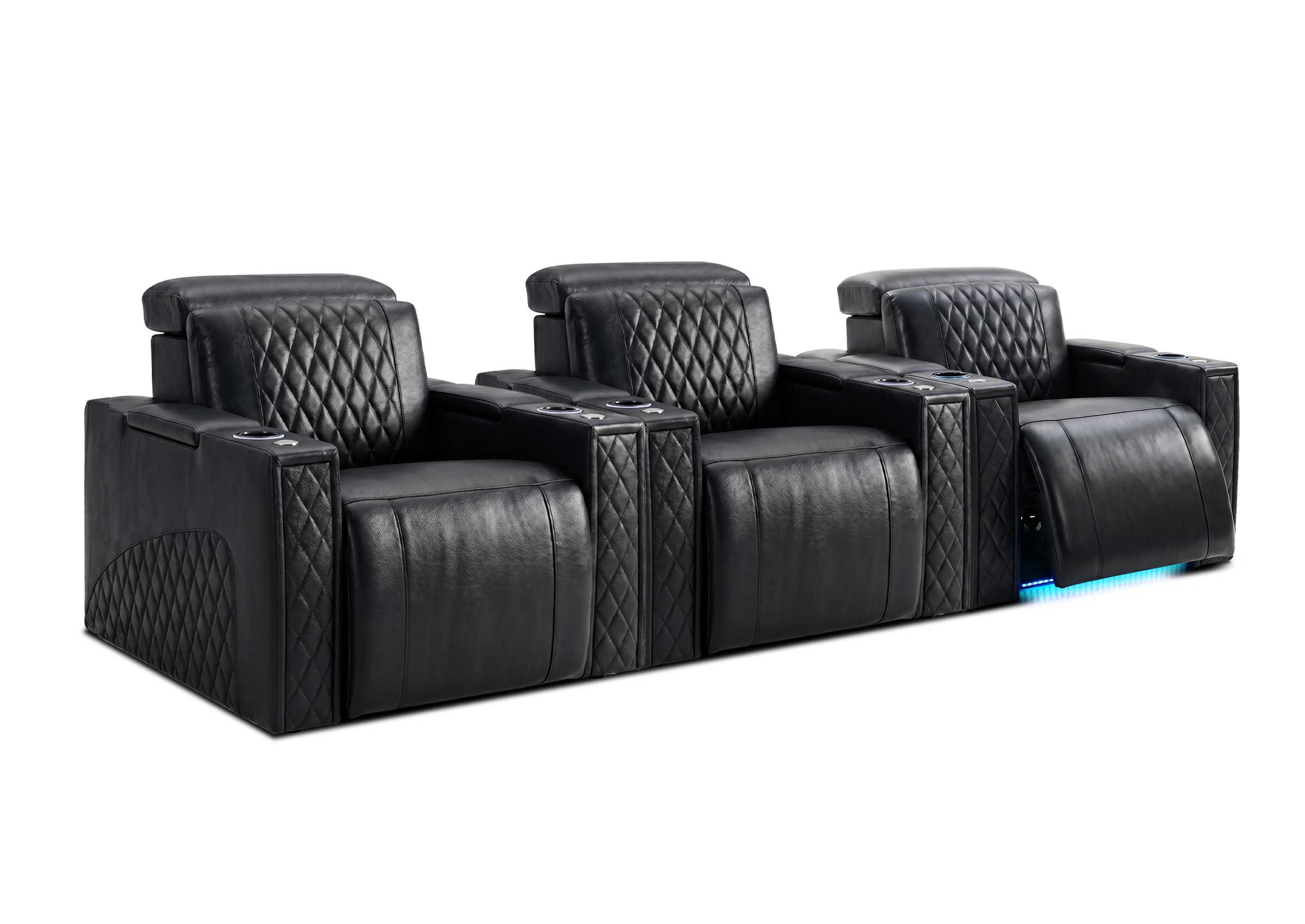
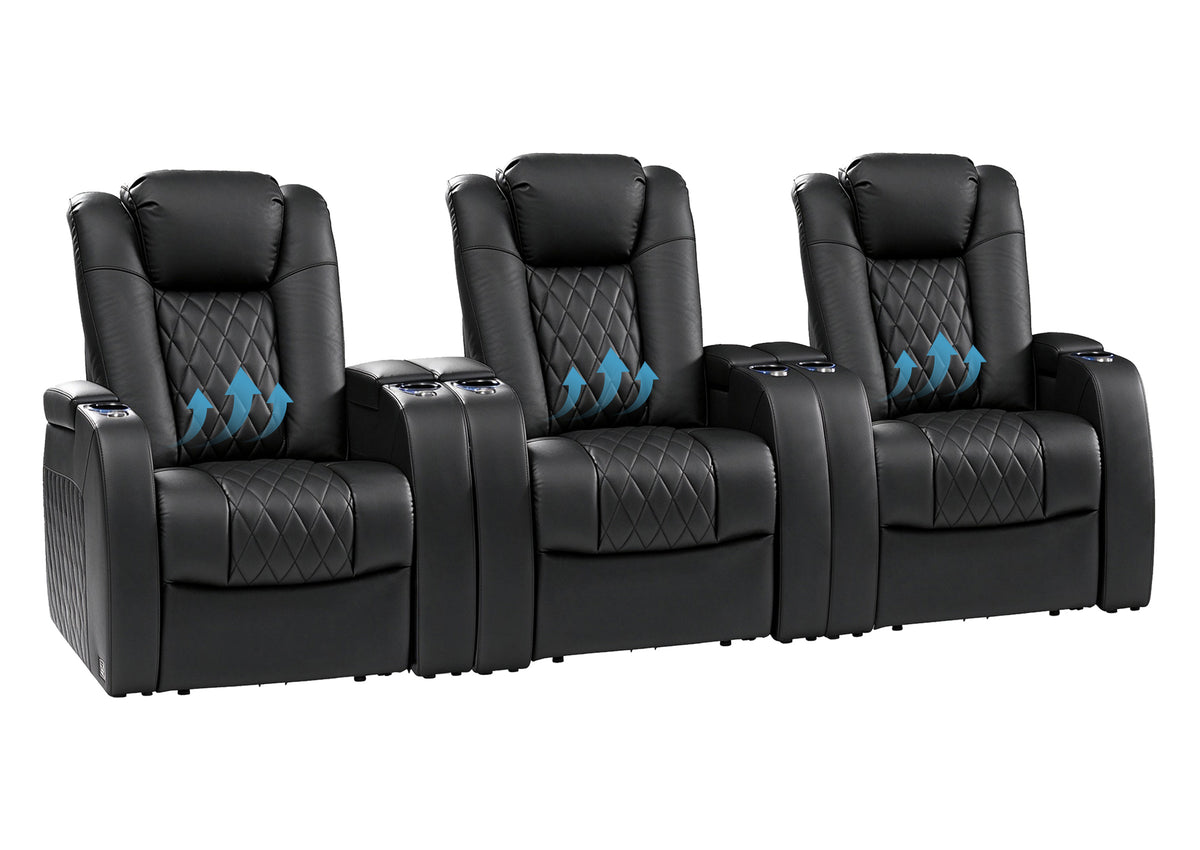
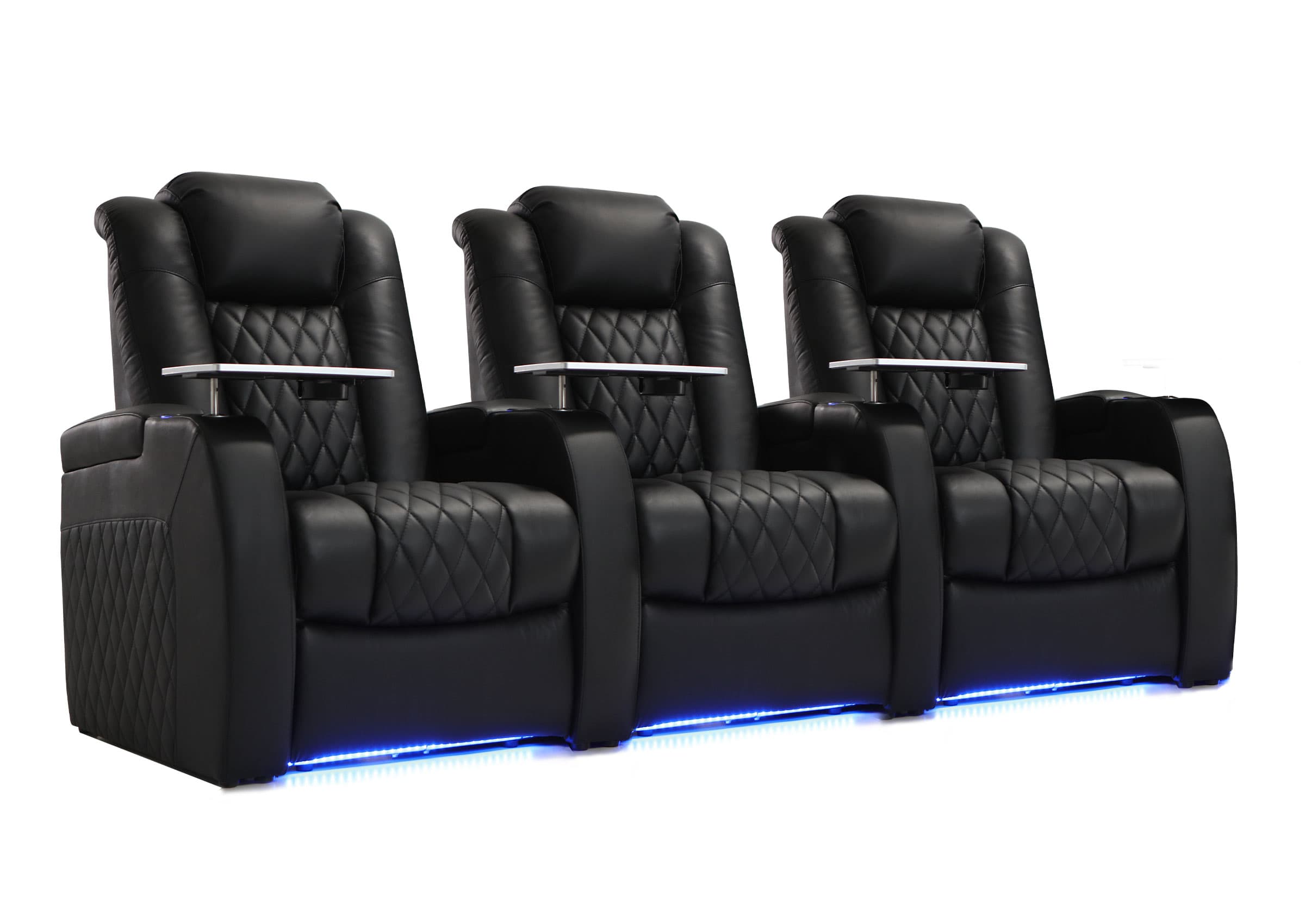
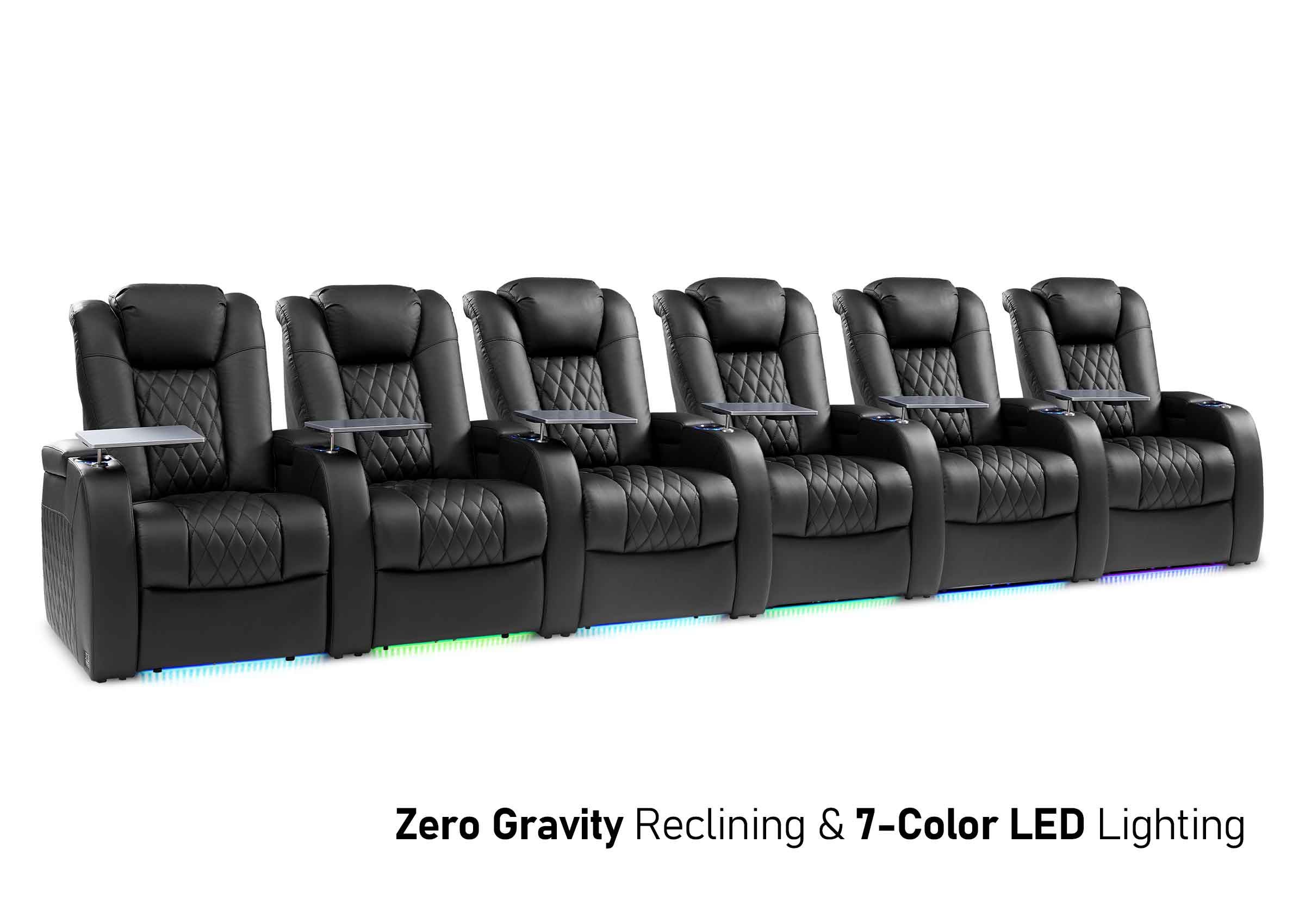
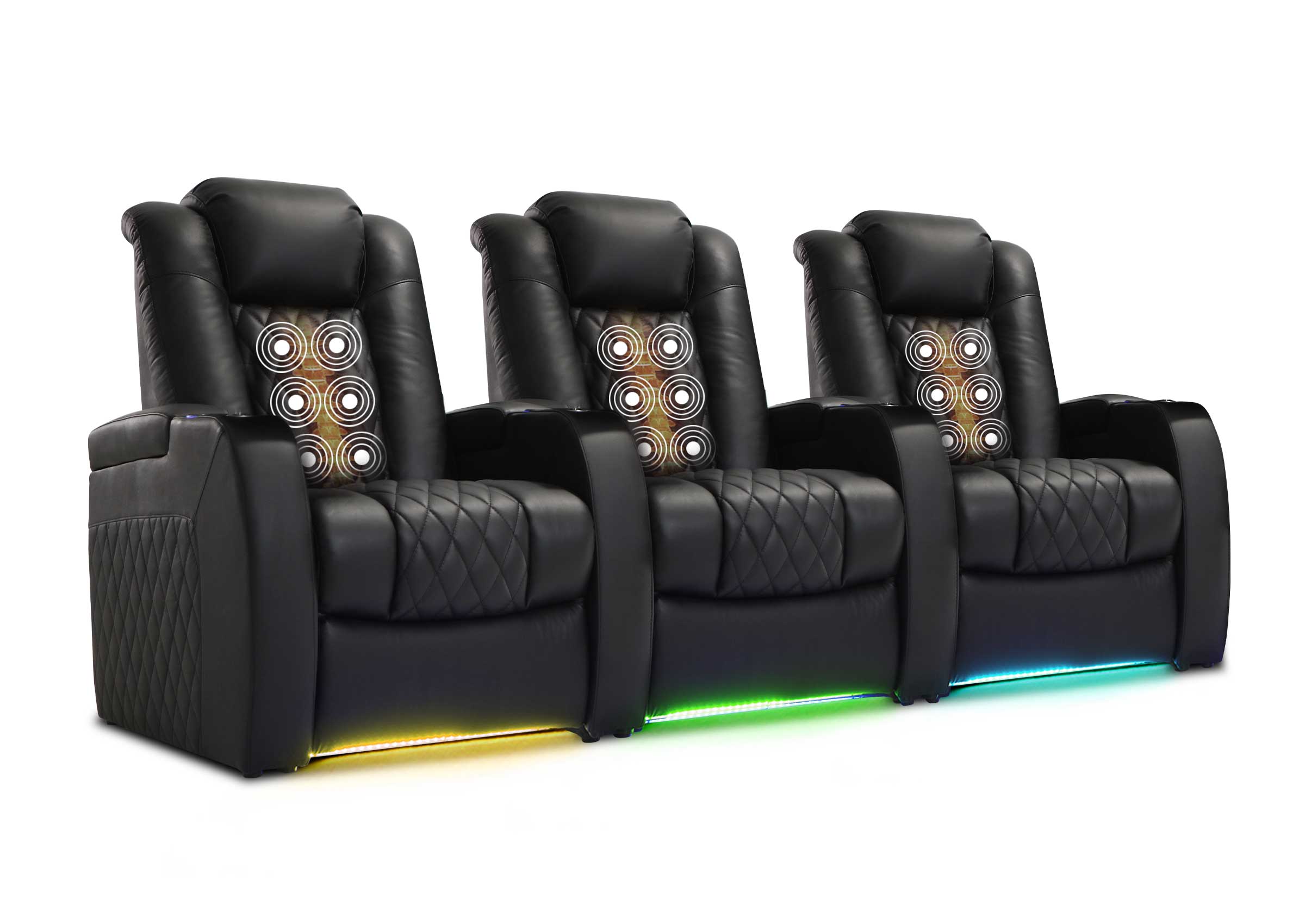
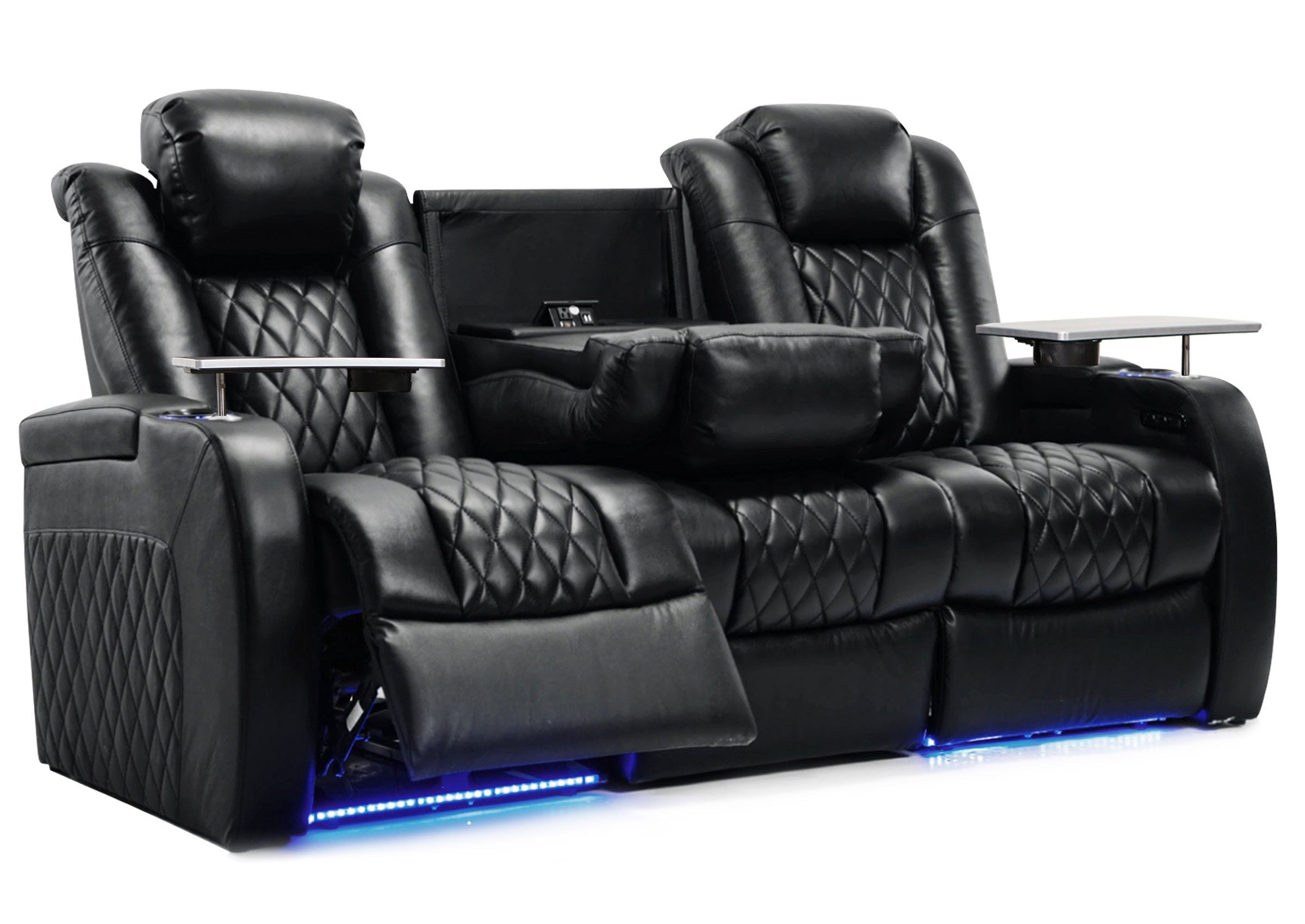
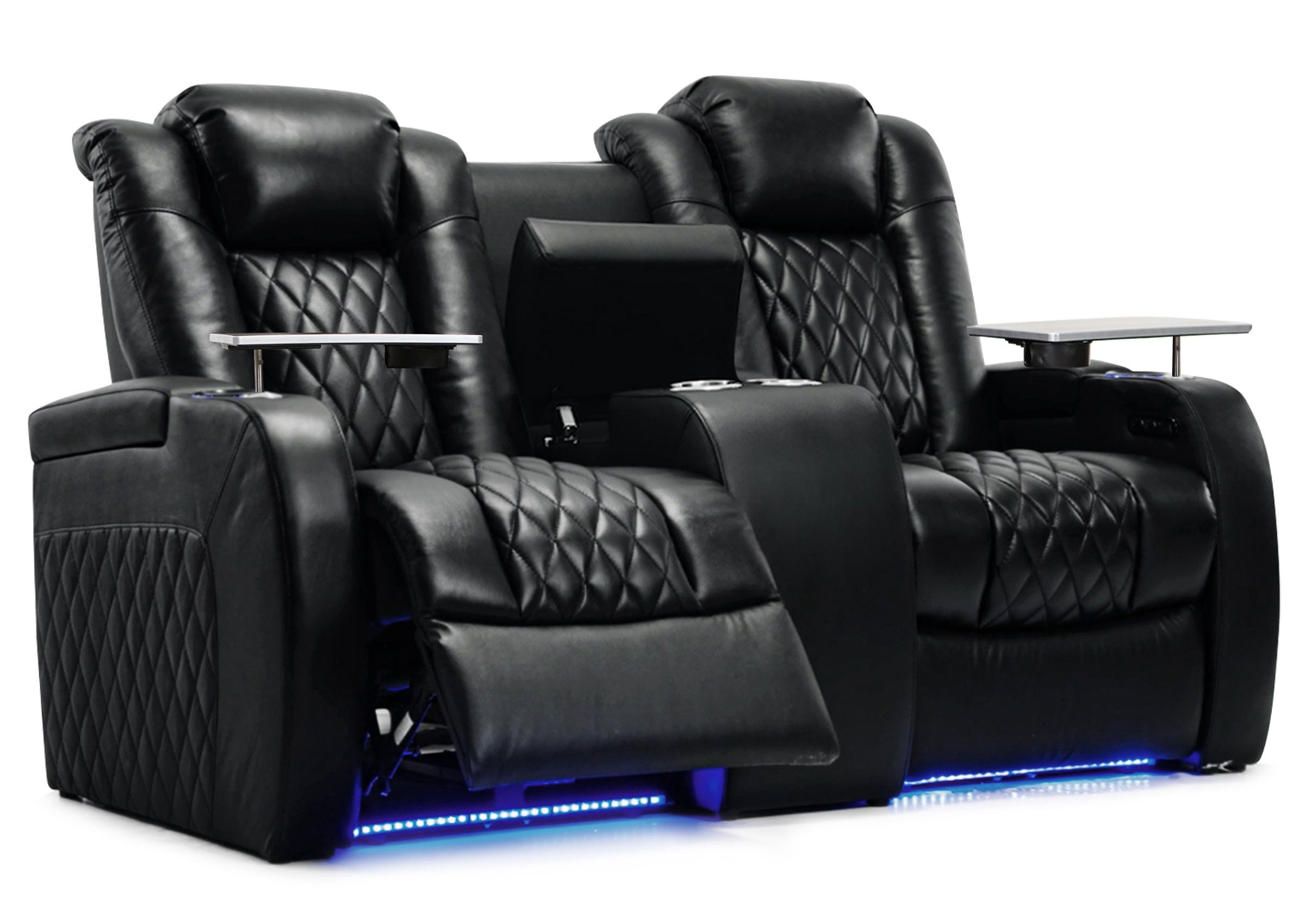
Mark the seating positions, check the view while upright and reclined, and share that layout with the people designing the ceiling, lighting and AV. Keep the star pattern adjustable until the viewing positions and fixed equipment have been coordinated.
For the Weilianda seating side of the plan, visit Weilianda Support or email leon@weiliandahome.com. Share your room dimensions, proposed rows and seating models so the relevant dimensions and recline requirements can be clarified before you finalize the room.