








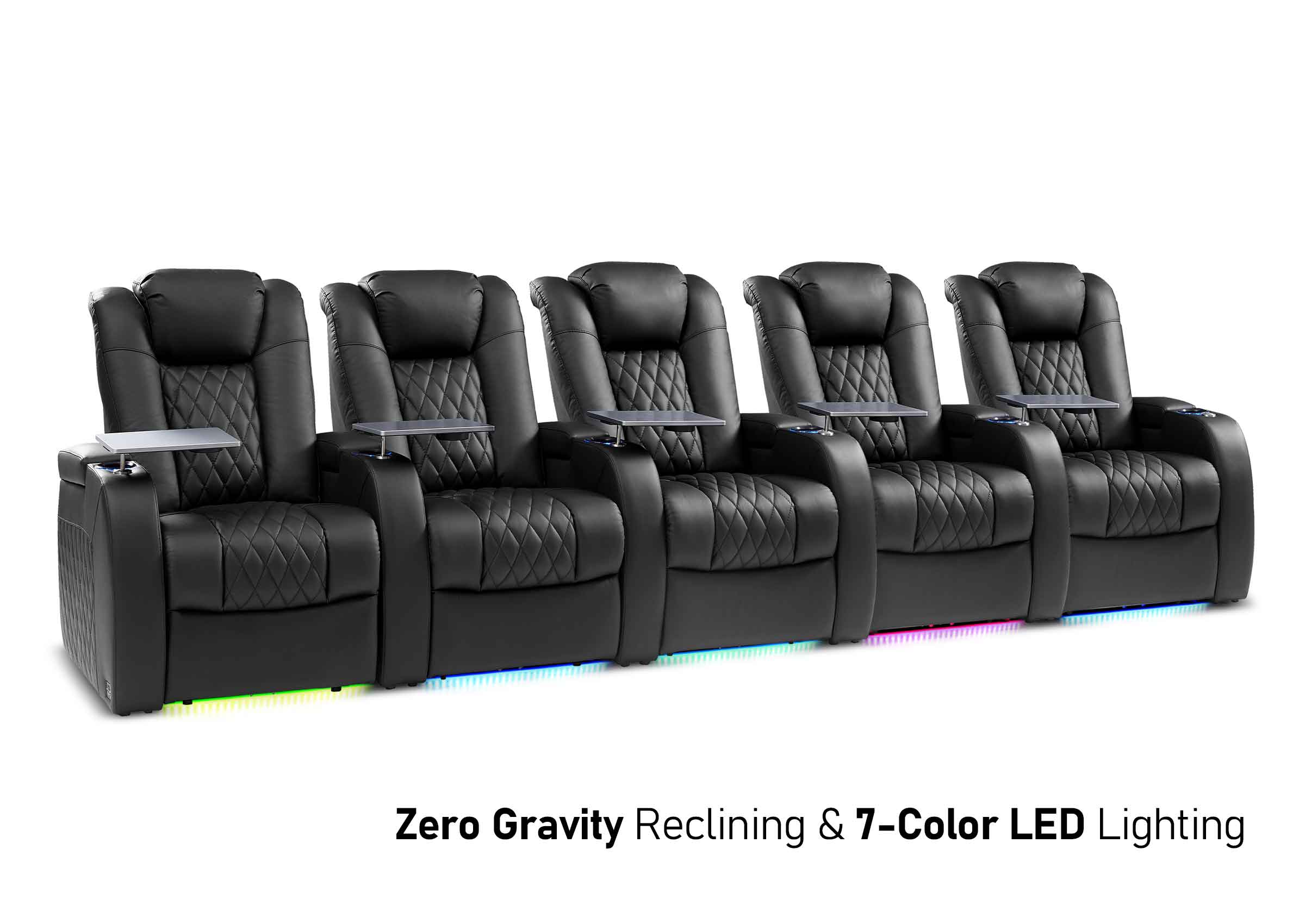
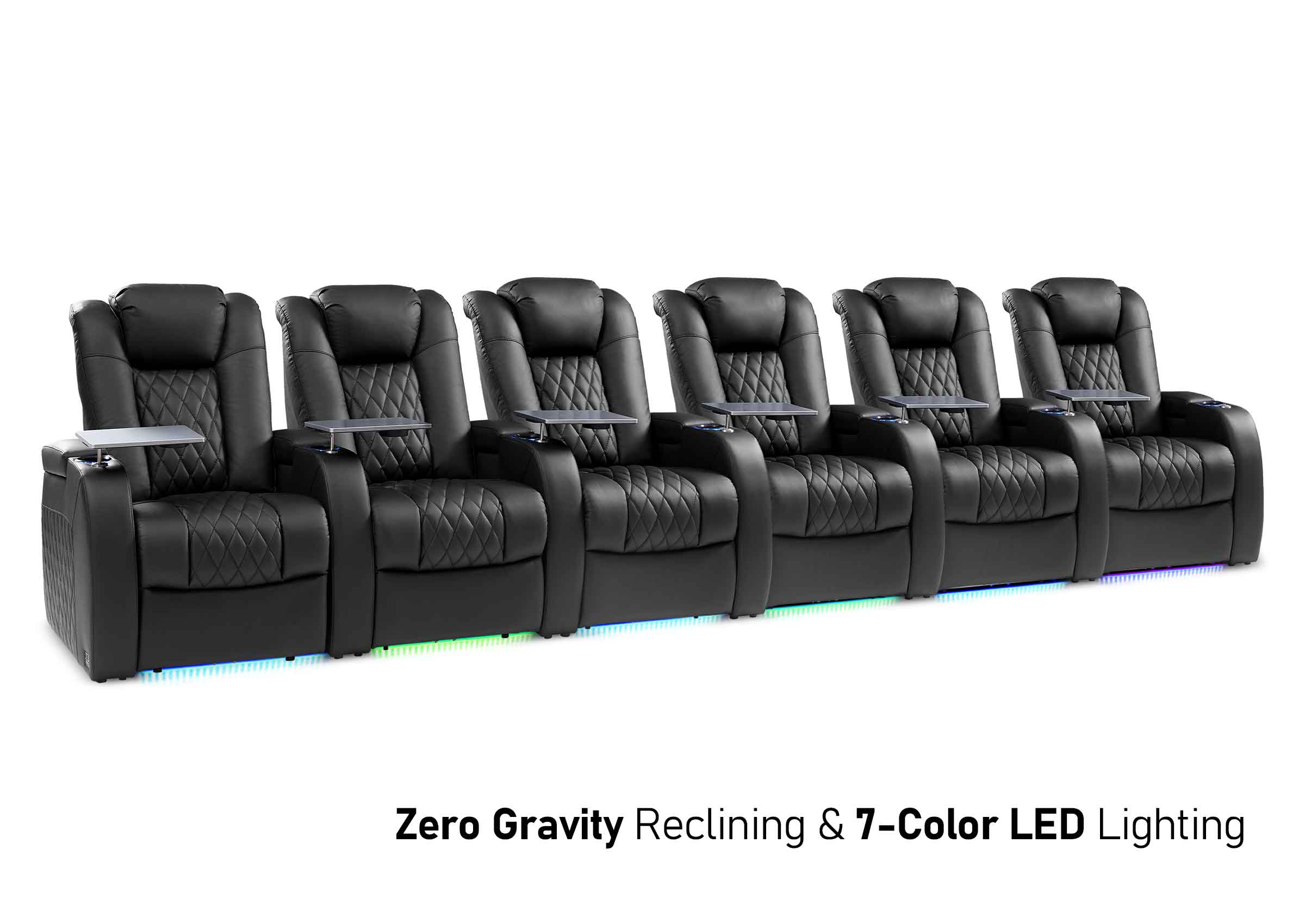
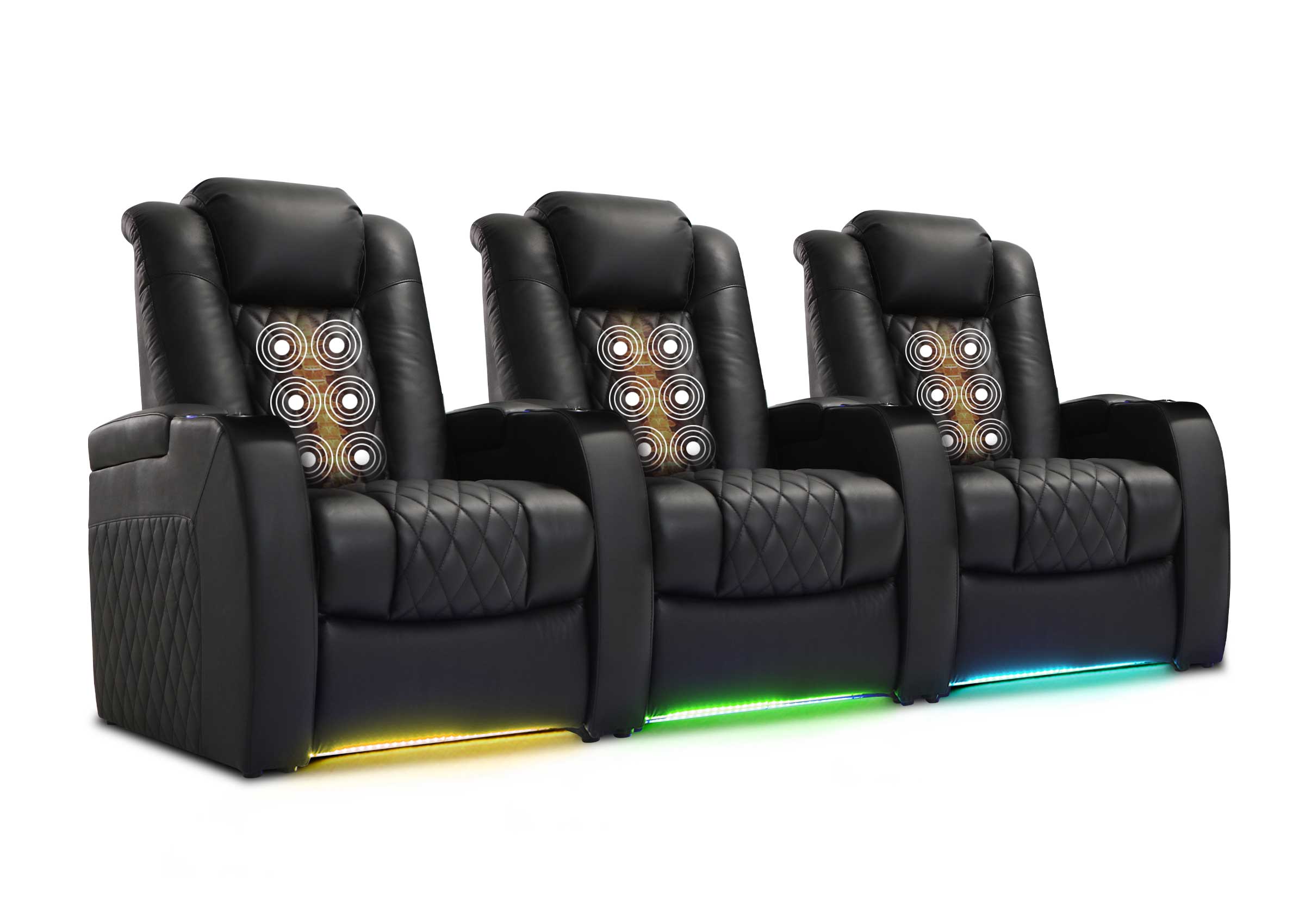
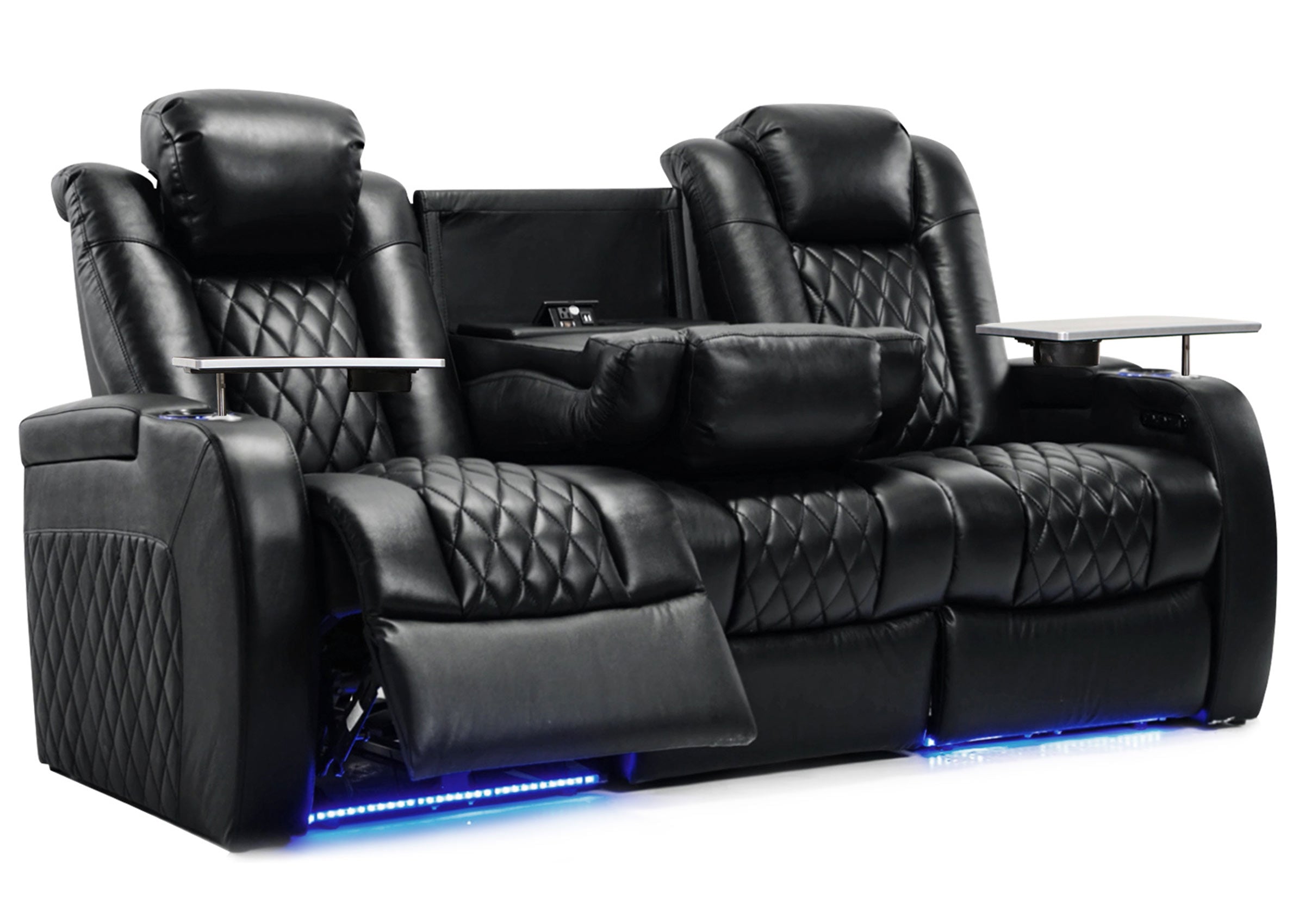
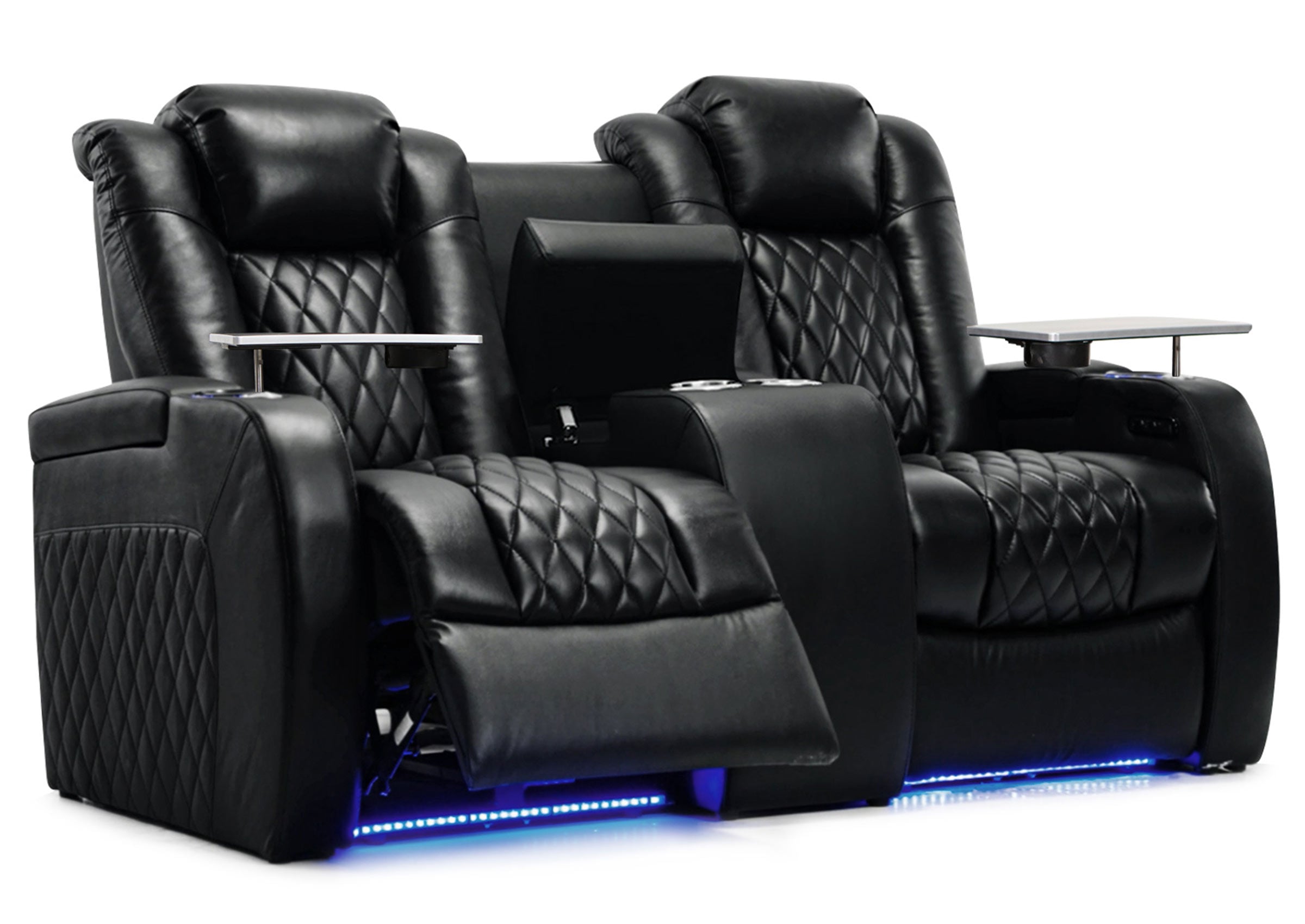


A home theater setup works best when the room, screen, sound, seating, wiring, lighting, and everyday use are planned as one system. Buying those pieces separately can still produce an impressive room, but it also creates the problems people tend to notice later: a screen that feels wrong from the couch, speakers aimed at somewhere nobody sits, cables crossing a walkway, or recliners that only fit when they are upright.
The most useful way to plan a home theater is to make the decisions in dependency order. First establish the room and the people using it. Then establish where eyes and ears will be. Only after that should you lock in the display, audio, physical seating, wiring, and final room details.
That approach works whether you are putting a TV and soundbar in a living room or planning a dedicated basement theater with multiple rows.
What Does a Complete Home Theater Setup Actually Include?
A complete home theater is more than a television and a set of speakers. Each part affects at least one other part of the room.
| Part of the Setup | What It Needs to Solve |
|---|---|
| Room | Space, light, doors, windows, noise, and physical constraints |
| Main viewing position | Where viewers' eyes and ears will usually be |
| Display | TV or projector, screen size, height, and location |
| Audio | Speaker layout, listening area, bass, and dialogue clarity |
| Sources and control | Streaming devices, game consoles, disc players, remotes, and apps |
| Signal path | How video and audio move between the source, display, and audio system |
| Power and network | Outlets, powered seating, equipment power, Wi-Fi or wired networking |
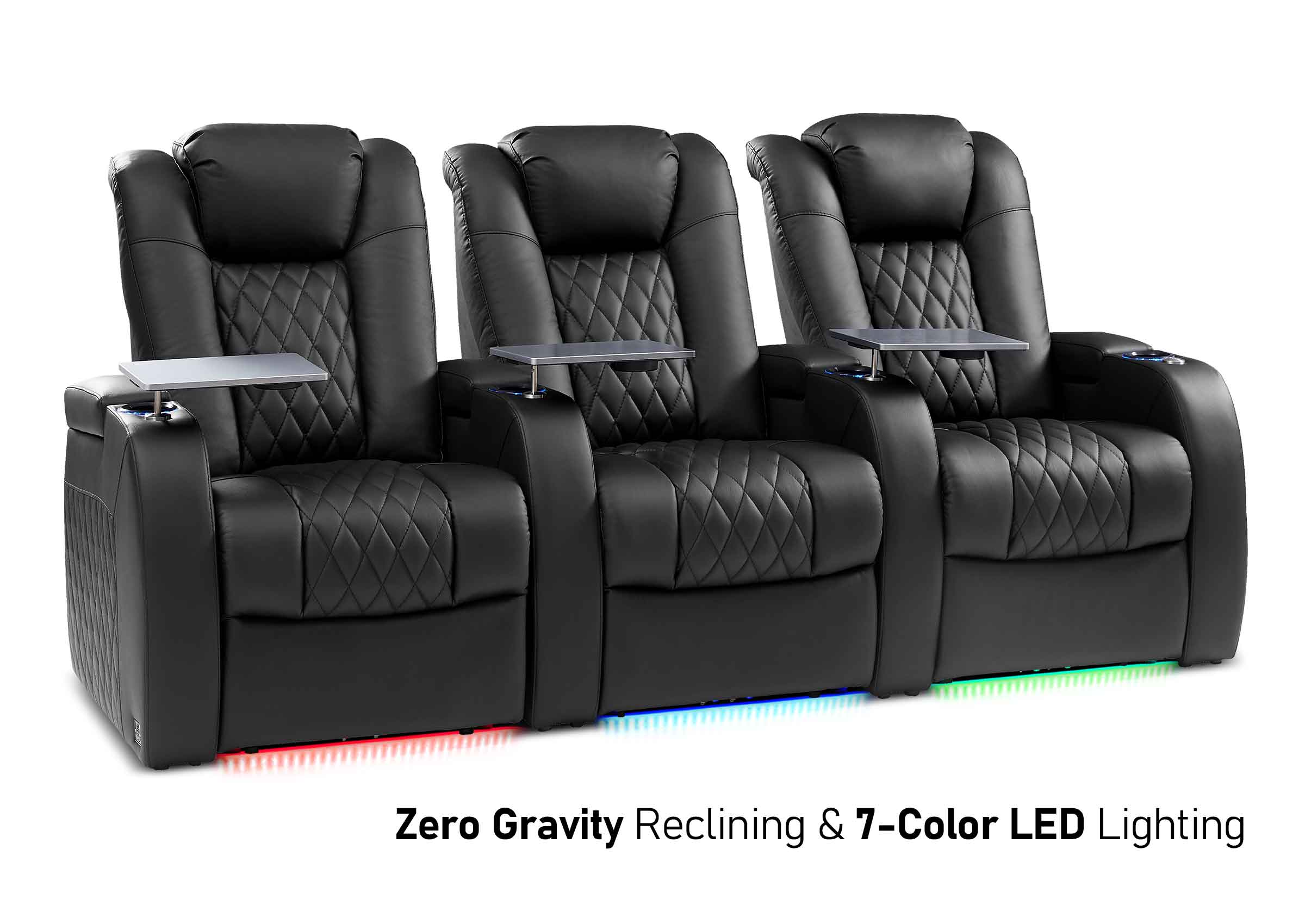
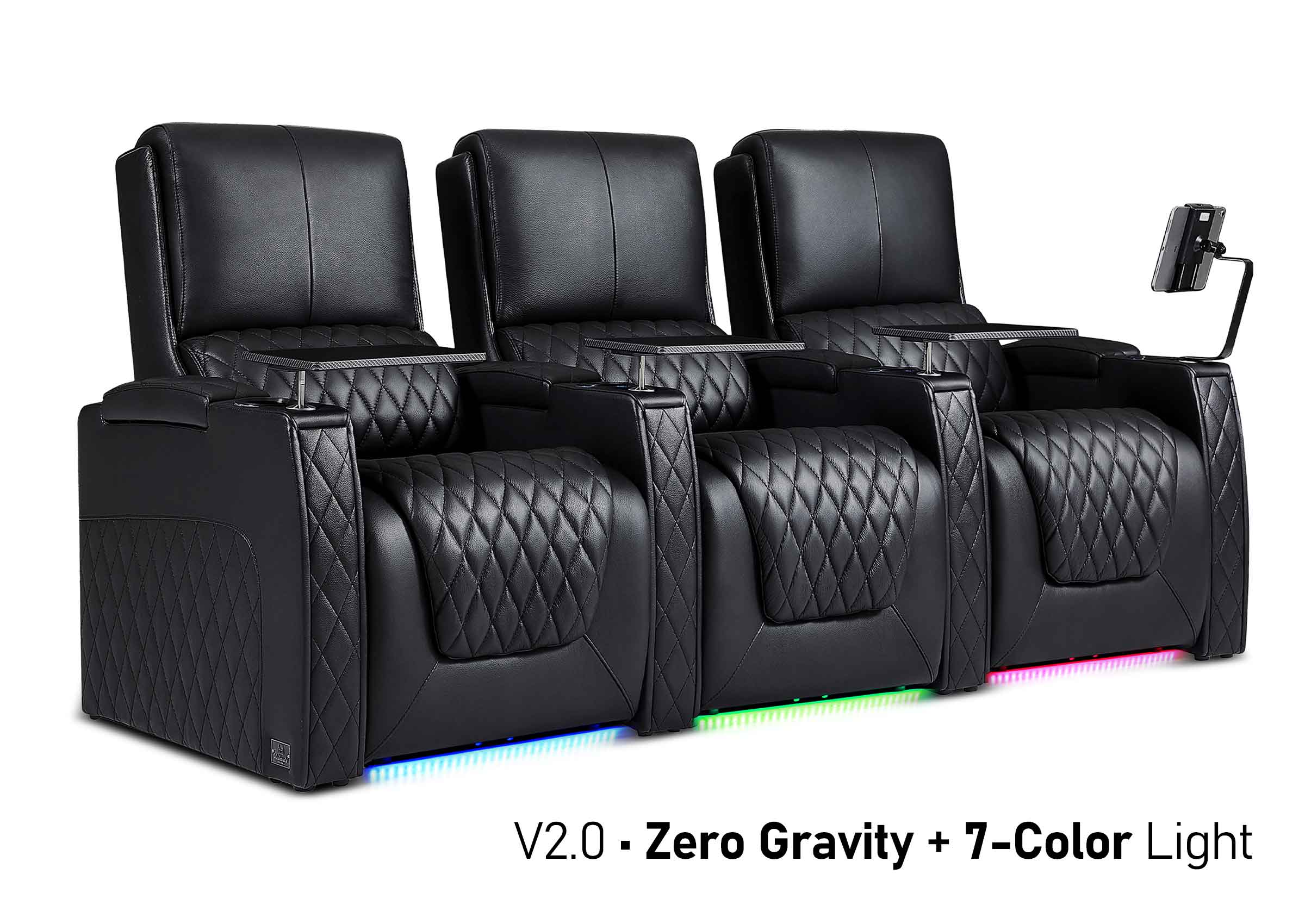
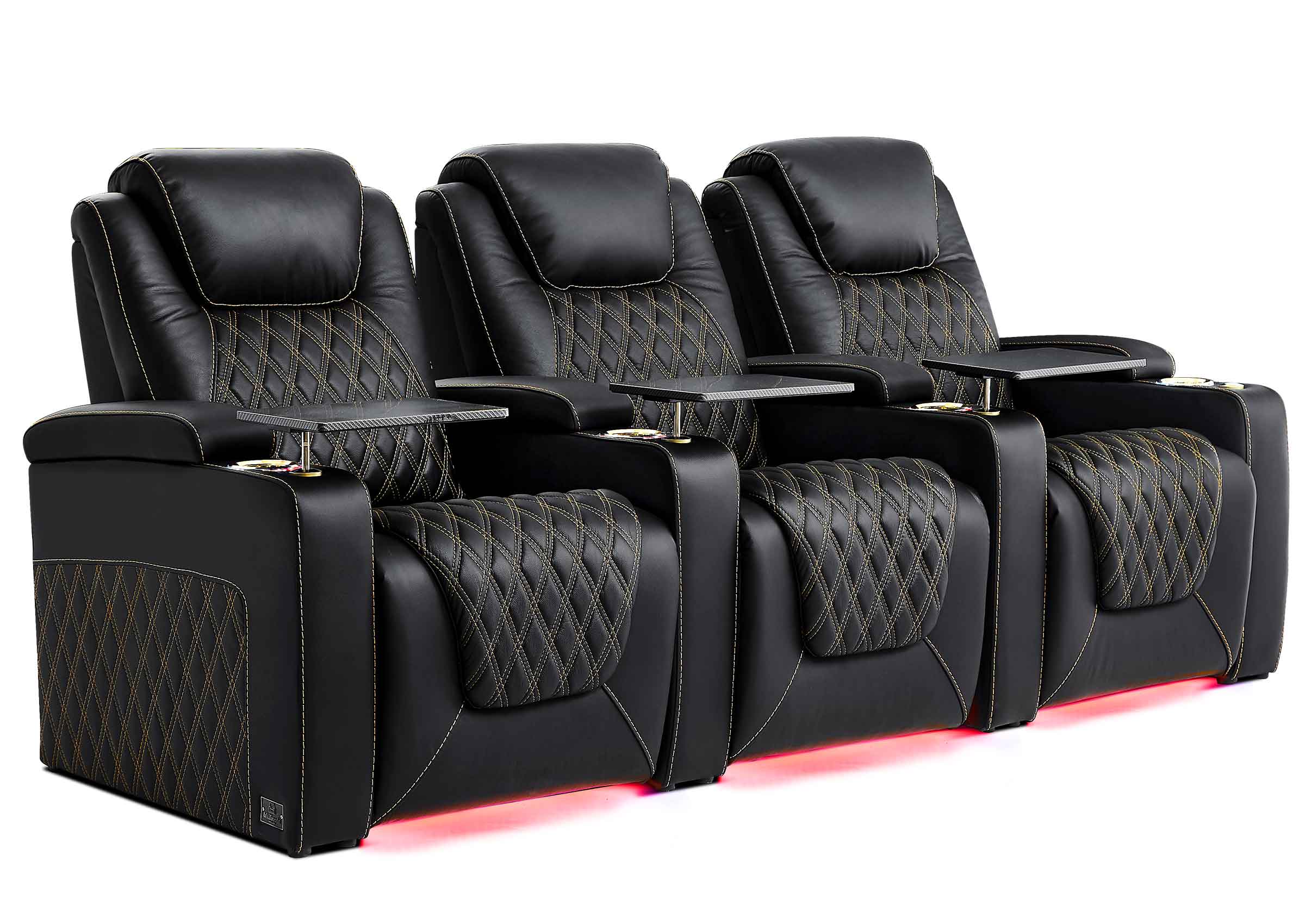
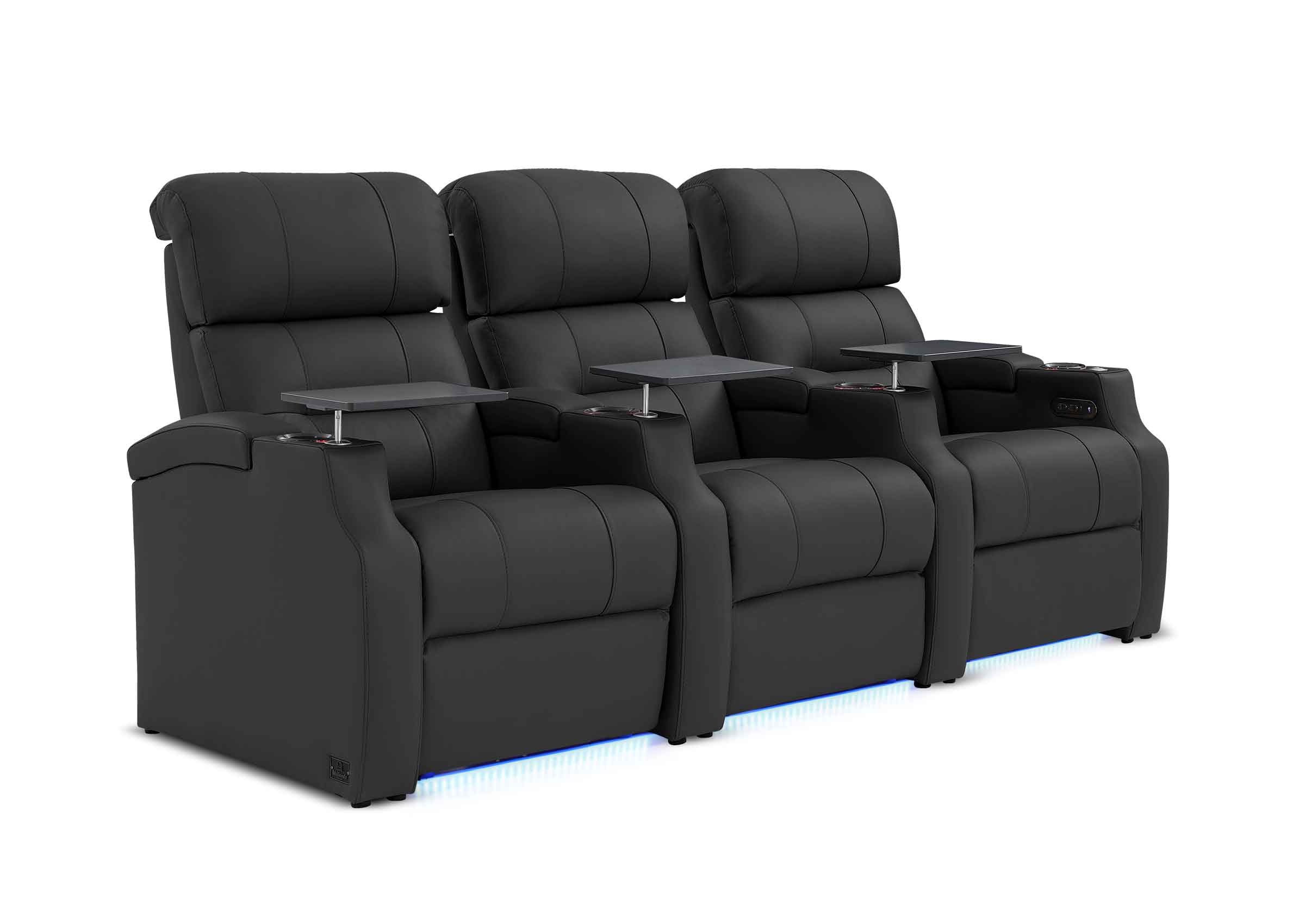
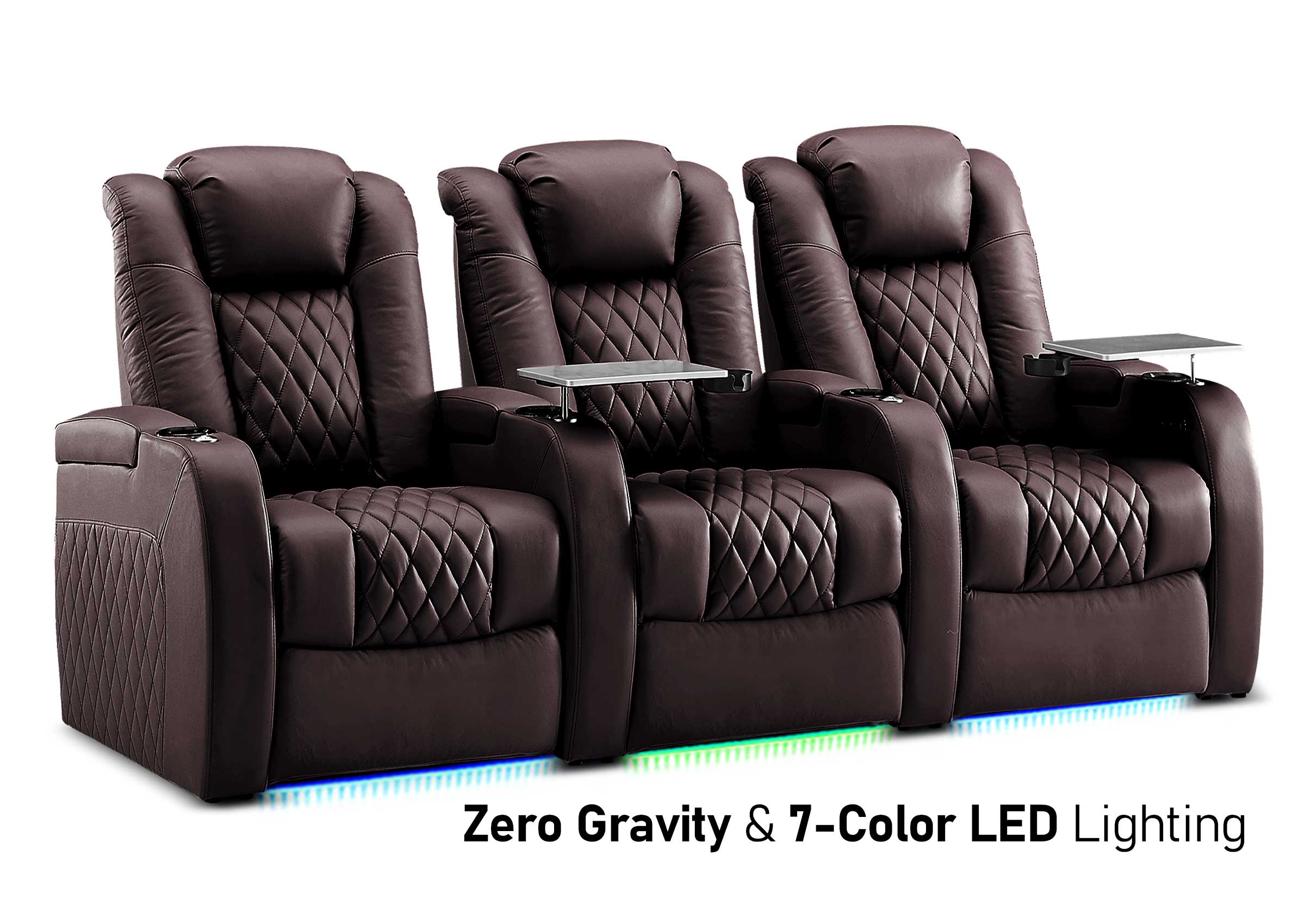
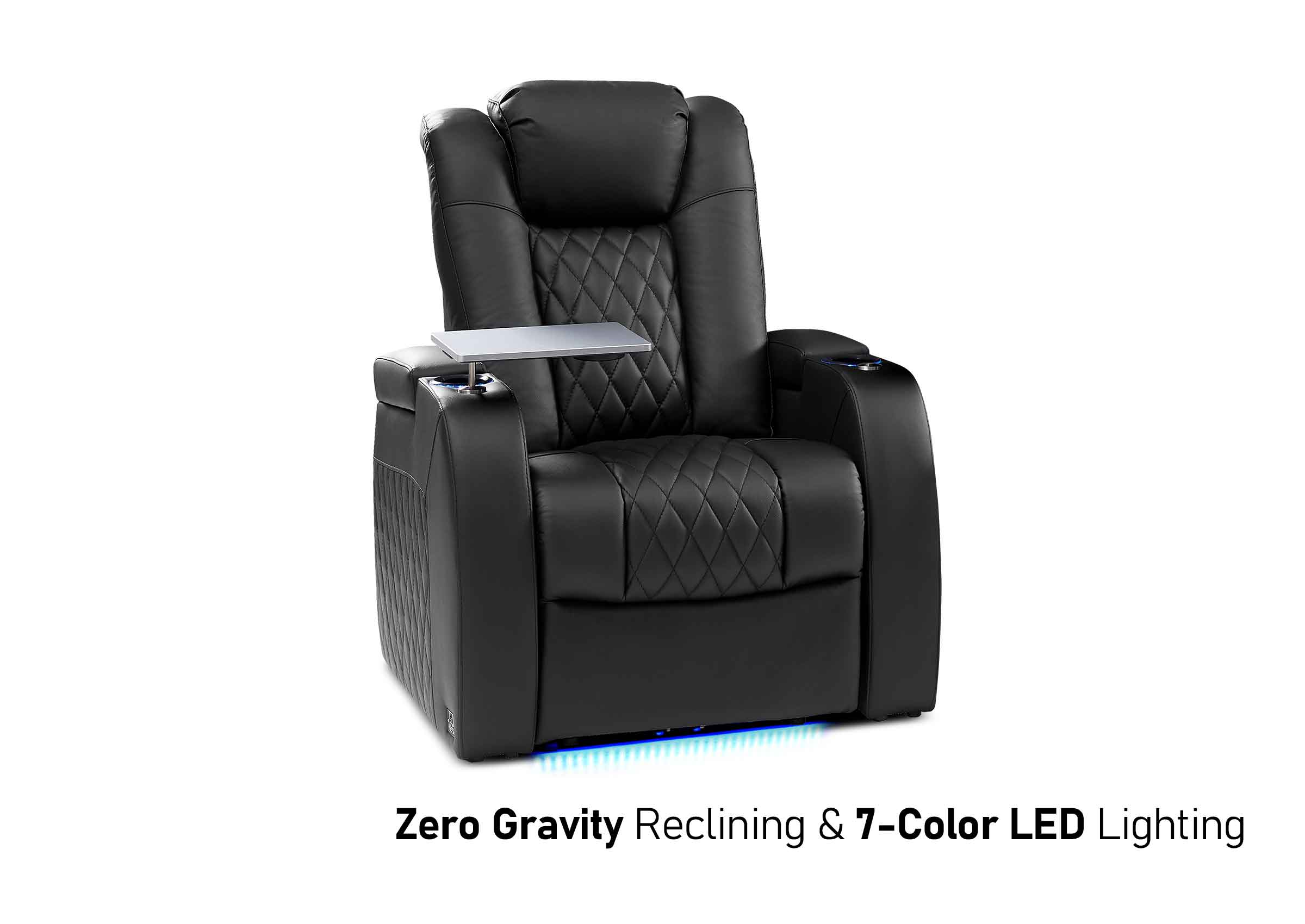
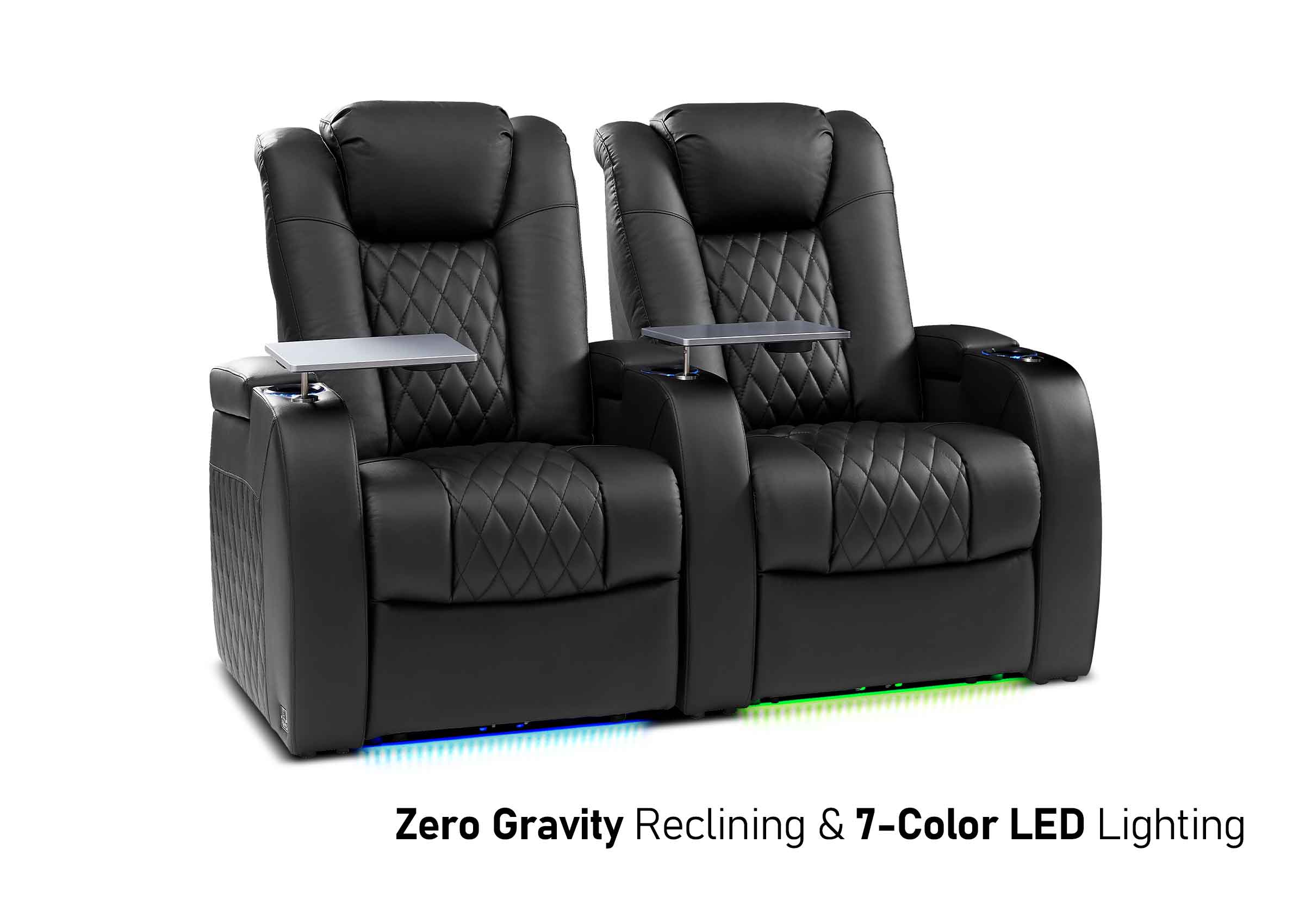
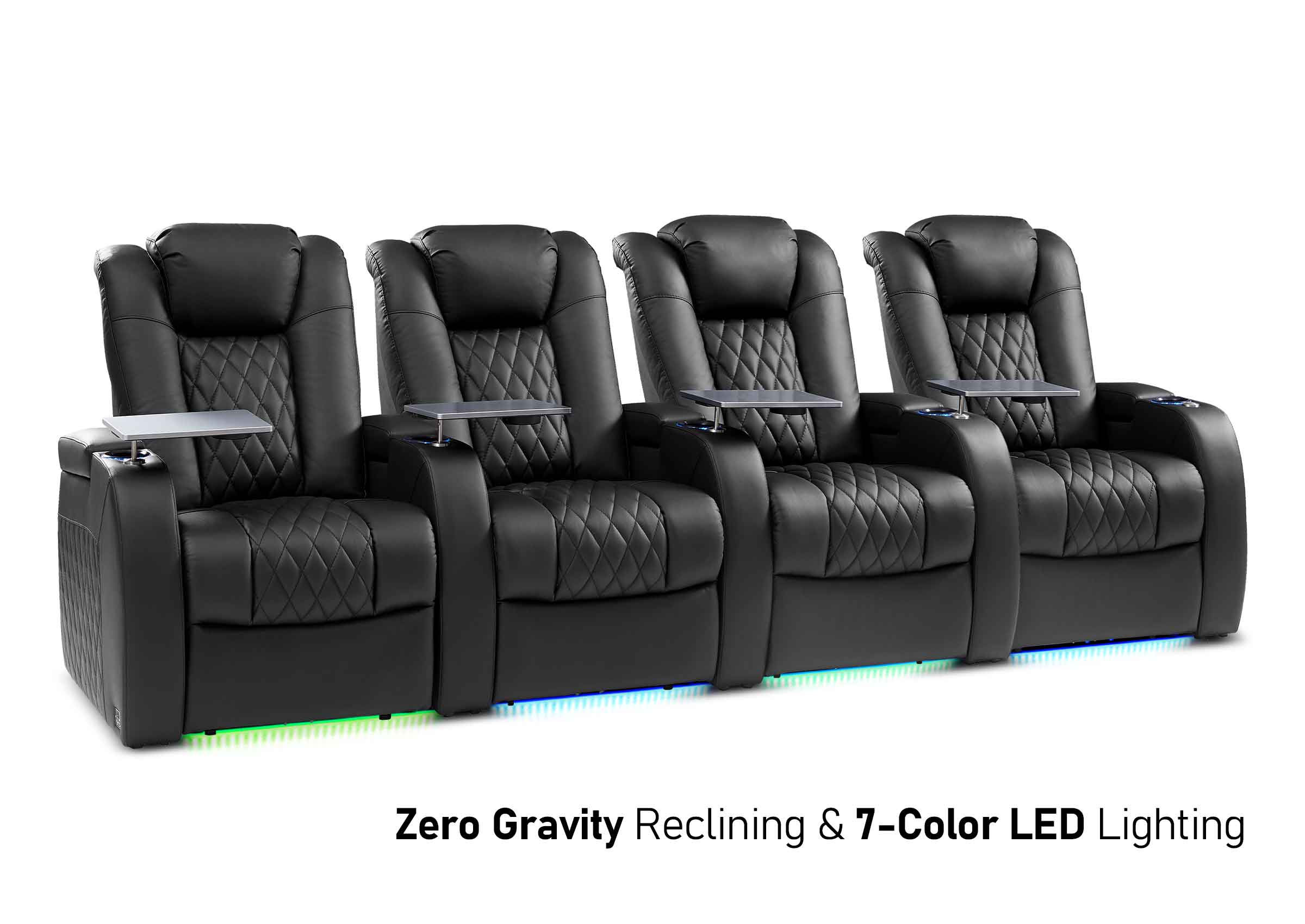
| Seating | Comfort, body fit, recline movement, seat count, and access |
| Lighting | Glare control, atmosphere, and safe movement |
| Acoustics | Reflections, bass behavior, and unwanted sound |
| Installation and calibration | Placement, connection, testing, and final adjustment |
You do not need the most elaborate version of every category.
A living-room home theater may use a TV, soundbar, streaming apps, and a comfortable reclining sofa. A dedicated theater may add a projector, AV receiver, surround speakers, acoustic treatment, multiple seating rows, and controlled lighting.
The important part is not complexity.
A complete setup is one in which the pieces agree with each other.
Build Your Home Theater in the Right Order
Most home theater decisions are reversible. Some are much easier to reverse than others.
You can replace a streaming device later. Changing a cable inside a finished wall is harder. Moving a floor speaker may take five minutes. Discovering that an installed riser, projector, screen, and second seating row do not work together is a different problem.
A practical order is:
- Define how the room will be used.
- Map the physical constraints.
- Establish the main viewing and listening position.
- Choose the display around that position and the room.
- Plan the audio system around the listening area.
- Map sources, signal paths, power, networking, and cable routes.
- Choose the physical seating configuration.
- Coordinate lighting, acoustics, storage, and circulation.
- Install, connect, calibrate, and test from the actual seats.
This order is not a rule that every room must follow exactly. It is a way to reduce decisions that later have to be undone.

Start With the Room, Not the Equipment
Before comparing TVs, projectors, receivers, or theater chairs, identify what the room will allow.
Measure the room, but do not stop with length and width.
Note:
- Ceiling height
- Door locations and door swing
- Windows and daylight
- Columns, soffits, fireplaces, and built-ins
- HVAC vents
- Electrical outlets
- Network access
- Equipment locations
- Entry and exit paths
- Areas where people need to walk
- Adjacent rooms that may be affected by sound
If you are still working out how the room should function as a whole, our guide to organizing a home theater room goes deeper into circulation, equipment access, and practical room use.
A Dedicated Theater
A dedicated room gives you more control over light, speaker placement, wall treatments, seating rows, and equipment placement.
That flexibility can support a larger projection system, more immersive audio, and a more cinema-focused seating layout.
It also means the room becomes more dependent on good planning. Once ceilings, walls, wiring, speakers, platforms, and seating are built around one configuration, changes can become expensive.
A Multi-Use Media Room
A family room or living room usually needs to do more.
Movie performance may share priority with:
- Daytime TV
- Gaming
- Sports
- Conversation
- Children
- Guests
- Reading
- Everyday relaxation
In that situation, the technically most immersive theater configuration may not be the best room.
A large TV may make more sense than a projector. A sofa or loveseat may support conversation better than a rigid row. A soundbar or smaller speaker system may be more realistic than surrounds that interfere with doors or furniture.
Do not force dedicated-theater assumptions onto a room that still needs to behave like a living space.
Set the Main Viewing and Listening Position Before You Finalize the Gear
One of the most useful decisions in a home theater is deciding where the primary viewers will actually be.
Think of this first as a reference position, not as a specific chair.
Where will the viewer's eyes be?
Where will the viewer's ears be?
Once that approximate point is known, several other decisions become easier:
- Screen size
- Screen height
- Projector planning
- Speaker geometry
- Main listening position
- Surround placement
- Calibration
- Furniture layout
For room-level measurements, viewing relationships, and usable clearances, see our Home Theater Dimensions guide.
This also resolves a common planning contradiction.
You do not necessarily need to buy the seats first. But you should know approximately where people need to sit before permanently designing the system around them.
Viewing Position and Physical Seating Are Two Different Decisions
This distinction matters especially with recliners.
A floor plan may show the center of a chair in the correct location, but the viewer's head can move backward when the seat reclines. A tall backrest can also change how close a listener's ears are to certain speakers.
So a stronger process is:
Set the human reference point early. Confirm the actual furniture around it later.
That keeps the screen and sound system from being designed around an abstract chair icon instead of the person sitting in it.
Should You Choose a TV or Projector?
Both can create an excellent home theater. The decision is mainly about the room and how the room will be used.
A TV Usually Makes More Sense When:
- The room receives significant ambient light
- The space is used throughout the day
- Gaming is a major use
- Simple daily operation matters
- Installation needs to remain relatively straightforward
- The room is shared with other activities
A Projector Becomes More Attractive When:
- A very large cinematic image is a priority
- Light can be controlled
- The room is more dedicated to viewing
- There is a suitable screen wall
- Projector placement and throw requirements can be accommodated
- Wiring and mounting can be planned before the room is finished
Do not make the decision from screen size alone.
A projector that technically produces a huge image can still be a poor choice if the room cannot control light or accommodate the projector correctly. A TV that looks modest on a product page can feel extremely large from a short viewing distance.
The useful question is:
Which display works from the viewing position this room can realistically support?
For a deeper comparison of room brightness, installation, everyday use, and screen experience, see Projector vs. TV for a Home Theater.
Plan Screen Size, Screen Height, and Seating Distance Together
Screen size should not be finalized independently of the seats.
The same screen can feel comfortable from one position and overwhelming or underwhelming from another.
Instead of beginning with a universal distance chart, work through three questions.
1. Where Can the Main Seating Area Realistically Go?
Account for doors, circulation, speakers, recline movement, and other fixed elements first.
2. What Screen Size Feels Appropriate From That Position?
Different users have different preferences for immersion. Movies, sports, TV, and gaming can also create different expectations.
This is why a recommended viewing distance should be treated as a planning reference rather than a magic number.
3. Can the Screen Be Mounted at a Comfortable Height?
A screen that looks dramatic from the doorway may be too high from a reclined seat.
Test the proposed screen from the actual seated position whenever possible.
For an unfinished room, even temporary tape or a mock-up on the wall can reveal problems that a floor plan does not show.
Build the Audio System Around the Listening Area
Home theater audio should be planned around listeners, not around empty walls.
The main listening position provides the reference for:
- Front speaker placement
- Center-channel direction
- Surround placement
- Height channels
- Subwoofer evaluation
- System calibration
That does not mean every chair will sound identical.
A single-seat theater can prioritize one precise listening position. A four-seat row or family sofa needs a different compromise because several people regularly use the system.
The useful question changes from:
Where is the perfect point?
to:
How large an area needs to sound consistently good?
That distinction becomes important in wider rows and multi-row theaters.
Start With the Audio Experience You Actually Need
Not every home theater needs the maximum number of speakers.
A mixed-use room may be better served by a well-placed soundbar or simpler system than by surround speakers forced into poor locations.
A dedicated room can support more ambitious layouts if the geometry and installation allow it.
The hierarchy should be:
correct placement → appropriate system → calibration
rather than:
more speakers → find somewhere to put them later.
Our Home Theater Speakers Guide covers speaker choices and placement in more depth.
Do Not Forget the Center Channel and Dialogue
Explosions and deep bass get attention, but unclear dialogue is one of the quickest ways for a theater to become frustrating.
The center channel carries a large part of the movie dialogue in many surround systems, so its relationship to the screen and listener matters.
The problem is often physical.
The ideal visual position and ideal speaker position may compete for the same space.
That is why screen height, center-channel location, and seating position should be considered together instead of being installed independently and reconciled afterward.
The same principle applies to tall furniture.
A sofa back or raised headrest should not become an accidental acoustic obstacle simply because it looked fine on the floor plan.
Plan the Signal Path Before You Hide the Cables
This is one of the largest gaps in many room-focused home theater plans.
A home theater is not just a collection of devices. Video and audio must travel through a system.
Before hiding anything in walls, cabinets, ceilings, or furniture, sketch the signal path.
For example:
Streaming device or game console → AV receiver or display → screen + audio system
Or:
TV apps → TV → compatible audio connection → soundbar or receiver
The exact route depends on the equipment.
What matters is that you know the route before construction or cable concealment begins.
List every source you expect to use:
- Streaming box
- Smart TV apps
- Game console
- Blu-ray or other disc player
- Cable or satellite box
- Media server
- Turntable or music source, if relevant
Then ask:
- Where does each source physically live?
- What does it connect to?
- Which cables need to cross the room?
- Which connections may need to be replaced later?
- Can the equipment be reached without dismantling furniture?
A cable is not well hidden if replacing it requires taking the room apart.
Give AV Equipment Space to Breathe—and Space to Be Serviced
Equipment placement is often treated as an aesthetic decision.
It is also a maintenance decision.
Receivers, amplifiers, streaming devices, consoles, and network hardware need appropriate ventilation and access to their connections. Packing equipment tightly into a cabinet can make future troubleshooting unnecessarily difficult.
Think about the room six months after installation.
You may need to:
- Replace an HDMI cable
- Reset a device
- Add a console
- Upgrade a streaming box
- Reach the back of the receiver
- Clean vents
- Change the network connection
The most elegant equipment cabinet is not necessarily the one that hides everything most completely.
Good equipment planning makes the system disappear visually without making it inaccessible physically.
Plan Power and Network Access Before Furniture Locks the Room in Place
Modern home theaters have more power points than many people initially expect.
Possible loads include:
- TV or projector
- AV receiver
- Amplifiers
- Speakers or subwoofers that require power
- Streaming devices
- Game consoles
- Network equipment
- Lighting
- Powered recliners
- USB charging
- Accessories
The same applies to networking.
Streaming reliability becomes part of the theater experience. If a room has weak wireless coverage, that problem should be identified before the entire system depends on it.
For new construction or major renovation, power, networking, signal wiring, and potential future cable routes deserve attention before the walls are closed.
For an existing room, the goal is different: keep cables protected, accessible, and out of normal traffic paths. If powered seating is part of the plan, our guide to hiding couch power cords safely and cleanly covers that specific problem in more detail.
Choose the Physical Seating After the System Has a Reference Point
Seating should not be treated as decoration at the end of the project.
But it also should not dictate the room before the viewing and listening requirements are understood.
Once you know roughly where people should sit, choose furniture that can actually occupy that zone.
Check more than seat count.
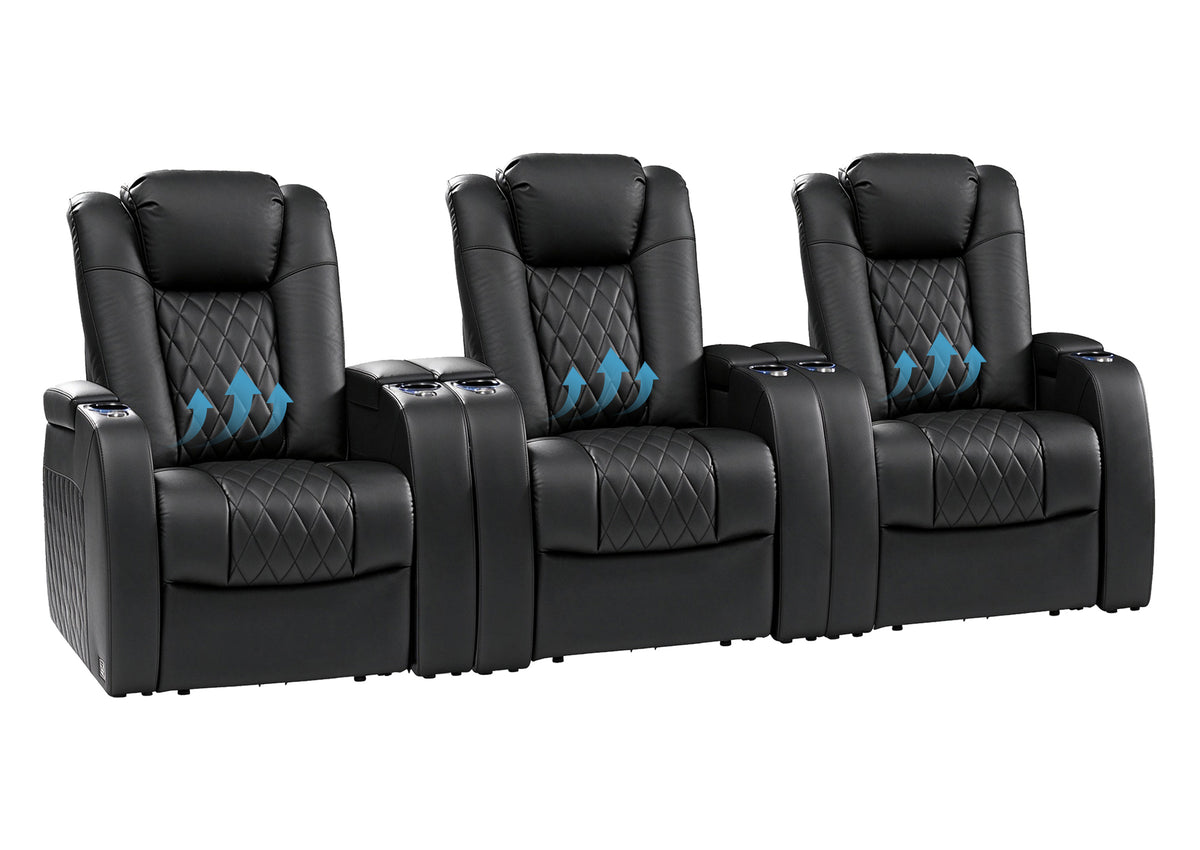
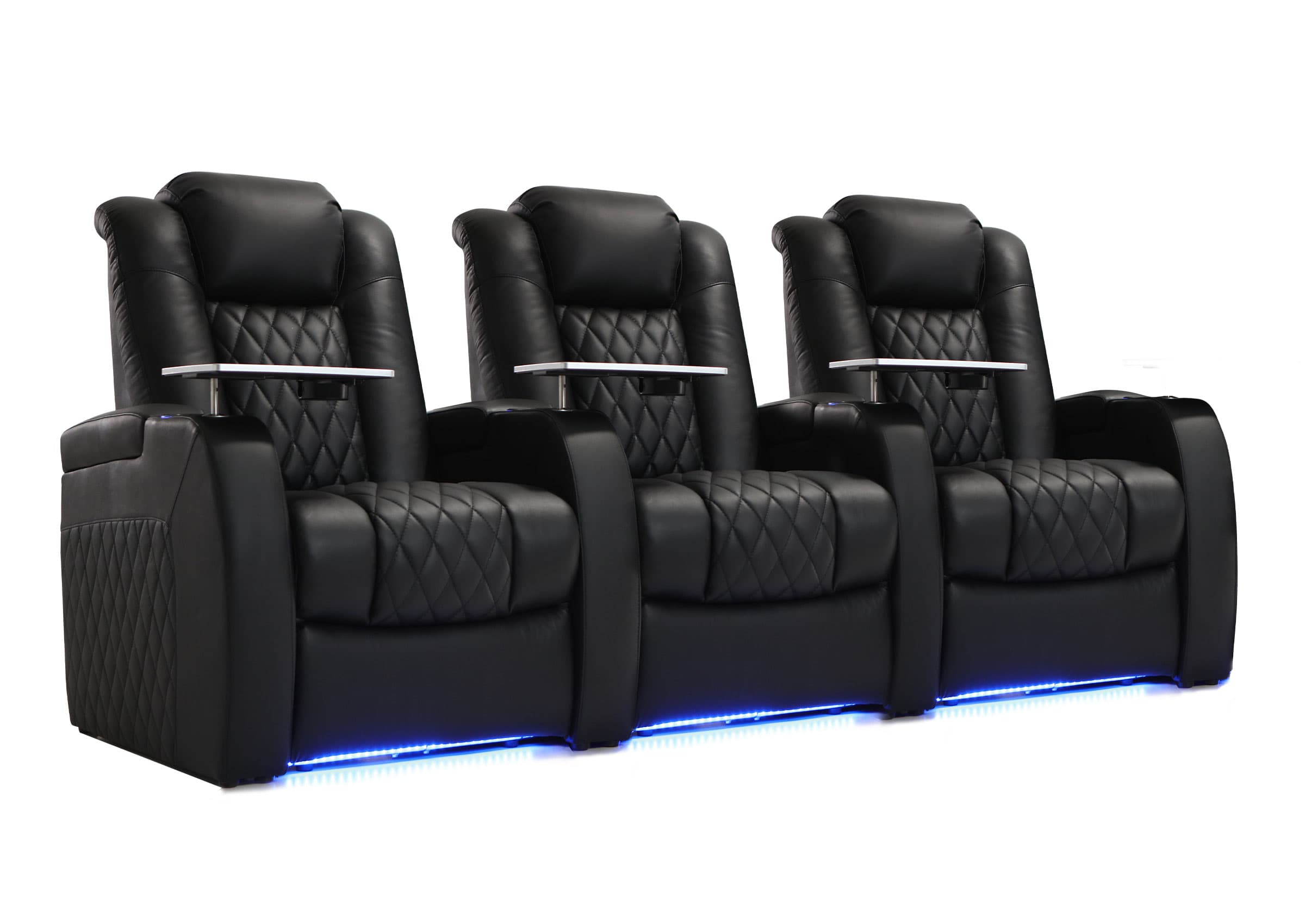
Measure the Active Footprint, Not Just the Furniture Footprint
This is one of the most useful home theater measurements.
A sofa has a static footprint.
A reclining seat has an active footprint.
Its usable space includes:
- Upright depth
- Fully reclined depth
- Footrest movement
- Rear clearance
- Space required to enter the row
- Space required to walk past another seat
- Access to nearby doors, cabinets, or controls
A room may fit four recliners geometrically and only function comfortably with three.
That is not wasted space.
It is the difference between fitting furniture and building a usable theater.
For row arrangement, seat count, circulation, and other seating-specific planning, use our Home Theater Seating Layout Guide.
Decide Which Seats Actually Matter Most
Not every household needs every seat to be identical.
Ask:
- Which seats are used every day?
- Which are mainly for guests?
- Do couples prefer sitting together?
- Does one user want independent adjustment?
- Will children regularly use the room?
- Does anyone need easier entry and exit?
- Does the back row need the same level of comfort as the front row?
A seating plan built around real use often looks different from a plan designed only to maximize capacity.

FIND THE RIGHT CONFIGURATION
Planning Seating Around a Home Theater That's Already Taking Shape?
Once the viewing position, room dimensions, and circulation are clear, compare seating options against the space they actually need when in use—not just how they look when upright.
Check Room Dimensions • Explore Custom Options
Do Not Let Seating Features Take Over the Setup
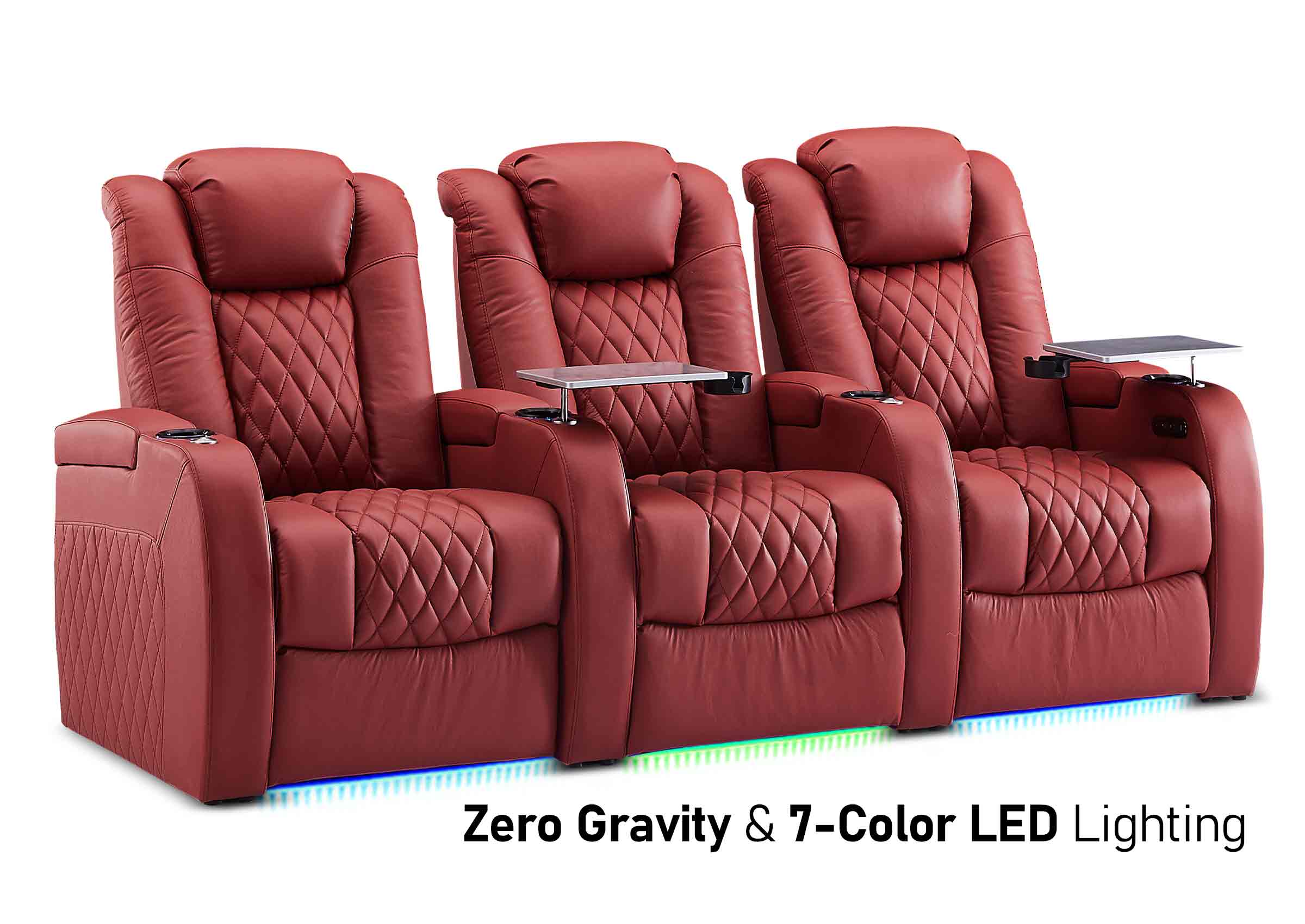
Power recline, adjustable headrests, lumbar support, charging, cup holders, storage, lighting, and accessories can all be useful.
But this is where a setup guide can easily turn into a feature catalog.
The more useful rule is:
A feature is valuable when it solves a repeated behavior in this particular room.
Storage can reduce clutter if remotes and controllers are constantly left around.
Charging can matter in a gaming or family room.
Individual adjustment becomes more valuable when several people use the same row differently.
A tray table may help someone who snacks, works, or uses a tablet in the room.
If a feature does not change how the room is actually used, it should not outrank better layout, better sound placement, or enough walking space.
Lighting Should Disappear Once the Movie Starts
Home theater lighting has two jobs that sometimes conflict:
- Help people use the room safely.
- Stop attracting attention during viewing.
Plan lighting around the screen rather than treating it as decorative background.
Useful layers may include:
- Dimmable general lighting
- Wall sconces
- Low-level pathway lights
- Step lighting
- Accent lighting
- Window treatments where daylight is a problem
The test is simple:
When the movie begins, does the lighting support the experience or compete with it?
Bright accent strips, reflected light near the screen, or highly visible fixtures can look impressive in a photo and become distracting in actual use.
A good theater does not need to look dramatic every second.
Sometimes the premium choice is the thing you stop noticing.
Acoustic Treatment and Soundproofing Solve Different Problems
These terms are often used as though they mean the same thing.
They do not.
Acoustic treatment changes how sound behaves inside the room.
It can help manage:
- Reflections
- Echo
- Dialogue clarity
- Imaging
- Uneven bass behavior
Soundproofing is primarily about reducing sound transmission between the theater and other spaces.
That distinction matters because a room can sound good inside and still disturb the bedroom above it.
It can also be relatively isolated from the rest of the house while sounding poor inside.
If bass disappears at the main seat, adding more decorative panels without understanding the problem may not solve it. Likewise, acoustic panels are not a substitute for properly designed isolation when preventing sound transmission is the real goal.
Install the Theater in an Order That Preserves Your Options
Installation order matters most when parts of the system are becoming permanent.
For a finished living room, installation can remain relatively flexible.
For a dedicated room or renovation, think several steps ahead.
Before closing walls or ceilings, confirm:
- Speaker locations
- Projector location if applicable
- Signal cable routes
- Network routes
- Power locations
- Lighting wiring
- Equipment rack or cabinet position
- Potential future cable paths
Before permanently positioning seating, confirm:
- Screen visibility
- Speaker relationships
- Recline movement
- Walking routes
- Door access
- Step or riser edges
- Powered-seat cable paths
Then test the room before treating the layout as finished.
Calibration Is Part of Setup, Not an Optional Extra
A home theater is not finished simply because every device turns on.
Once everything is installed, test the room from the places where people actually sit.
Run the setup or room-correction process provided by the audio system when applicable. Confirm that channels are assigned correctly and that distances, levels, and the listening area make sense.
Then use real content.
Choose scenes you know well and listen for:
- Dialogue clarity
- Whether effects move naturally around the room
- Bass that disappears or becomes overwhelming in certain seats
- Distracting sounds from equipment
- Screen glare
- Neck or eye discomfort
- Difficult remote or control behavior
Also test the seats upright and reclined if both positions are common.
Small changes in furniture or speaker position can change the listening relationship, so calibration should not happen while the room is still being rearranged.
Calibrate the theater you will actually use, not the temporary room that existed during installation.
Test the Room as a System, Not as a Collection of Components
Equipment reviews naturally focus on individual products.
A room needs a different test.
Instead of asking whether each component is good, ask whether the components still work when they interact.
Sit in the Main Seat
Can you see the full screen comfortably without lifting or lowering your head unnaturally?
Recline
Does the screen still feel correctly positioned? Does a raised headrest alter the sound or sightline?
Move to the Side Seats
Does dialogue remain clear? Does the image still feel comfortable? Is the walkway usable?
Walk Into and Out of the Room
Can someone leave without crossing directly in front of the screen or climbing around an open footrest?
Use the Room in Daylight
If it is a mixed-use space, does the display remain practical when the room is not completely dark?
Use Every Source
Can someone switch between streaming, gaming, live TV, or disc playback without rebuilding the system each time?
Turn Everything Off
Is it obvious how to shut the room down?
A high-performance theater that only one person knows how to operate is not always a successful family theater.
When Does a Home Theater Setup Become a Project?
A simple entertainment setup can often be handled one component at a time.
At a certain point, however, decisions begin depending on several trades or systems at once.
That usually happens when the plan includes combinations such as:
- Multiple seating rows
- A raised platform
- A ceiling-mounted projector
- In-wall or in-ceiling speakers
- Wiring before drywall
- Built-in lighting
- Acoustic construction
- Custom seating configurations
- Interior finish coordination
- A remote equipment rack
- Designer, builder, installer, or AV-integrator involvement
At that stage, the difficult question is no longer simply, “Which product should I buy?”
It becomes:
Which decisions need to be fixed now so another part of the project is not forced to change later?
For example, a second seating row can affect sightlines, audio coverage, platform design, room circulation, power, and the selected seat dimensions at the same time.
This is where project coordination becomes useful.
A designer-led or custom theater does not necessarily need more features. It needs fewer unresolved dependencies before construction and ordering become difficult to change.
For project-oriented seating, the useful information to organize early usually includes room dimensions, planned seating quantity, row arrangement, preferred configuration, finish direction, feature priorities, power conditions, and delivery access. If the room has reached that level of coordination, the Weilianda Project & Custom Theater Seating page provides a natural next step for discussing project requirements.
Common Home Theater Setup Mistakes People Discover Too Late
Buying the Screen Before Establishing the Seating Zone
A large screen may look like the obvious place to begin, but the acceptable screen size depends partly on where people can realistically sit.
Start with the room and viewing zone, then validate the display.
Designing Everything Around the Center Seat
The center seat may be your priority, but a family theater should acknowledge how often other seats are used.
The right compromise depends on whether the room is for one enthusiast, a couple, a family, or larger groups.
Measuring Recliners Only When Upright
This is one of the easiest ways to create a room that looks spacious on paper and feels cramped in use.
Measure moving furniture in its working position.
Hiding Cables Without Planning Service Access
Cable concealment is good.
Cable burial is not always good.
If a connection that may eventually fail cannot be reached, visual neatness has created a maintenance problem.
Finishing the Walls Before Confirming Future Wiring
Running an extra cable path during construction is usually easier than reopening a finished room later.
Think beyond the equipment you own today.
Treating Speaker Placement as Decoration
Moving speakers to the visually neatest location can change what people actually hear.
Start with the listening area, then find the cleanest installation that preserves the intended relationship.
Adding Too Many Seats
Capacity is one of the easiest numbers to optimize and one of the easiest numbers to optimize incorrectly.
Four cramped seats are not automatically better than three comfortable ones.
Calibrating Before the Furniture Is Final
Changing large furniture changes the listening environment.
Do final calibration after the main room arrangement is stable.
Designing a Theater That Works Only for Movies
If the household actually spends more time gaming, watching sports, streaming shows, or relaxing, those activities deserve to influence the room.
A theater that wins movie night and loses every other night is poorly matched to its users.
How Should a Living Room Home Theater Be Different?
A living room should usually protect flexibility.
Instead of copying a dedicated theater, prioritize:
- A display that handles normal room light
- Audio that works around existing furniture
- Seating that supports conversation as well as viewing
- Simple controls
- Clean cable management
- Equipment that does not dominate the room
- Enough circulation for daily life
The best living-room setup often accepts a small reduction in theoretical theater perfection in exchange for a room people actually enjoy all day.
What Matters Most in a Basement or Dedicated Theater?
A dedicated space gives you more control, so coordination matters more.
Pay particular attention to:
- Light control
- Screen and projector relationships
- Multiple seating positions
- Speaker placement
- Bass behavior
- Cable routes
- Equipment ventilation
- Sound transfer to the rest of the home
- Walking paths in the dark
- Multi-row sightlines if applicable
The advantage of a dedicated theater is not simply that you can fit more equipment.
It is that you can make the room itself part of the system.
Can a Small Room Still Make a Good Home Theater?
Yes. A small theater can be extremely immersive because the screen, speakers, and viewers are naturally closer together.
The challenge is restraint.
Do not try to reproduce a large-theater equipment list in a small room.
Prioritize:
- A screen sized for the real viewing position
- A simpler speaker layout that can be placed correctly
- Seating with a realistic active footprint
- Open access to the room
- Controlled reflections and clutter
- Equipment appropriate to the space
A small theater improves when each square foot has a purpose, not when every square foot contains equipment or furniture.

Home Theater Setup Checklist
Before Buying Major Equipment
- Define the main use of the room
- Measure length, width, and ceiling height
- Mark doors, windows, vents, and fixed obstacles
- Identify the main viewing and listening zone
- Decide whether the room favors a TV or projector
- Estimate screen size from the actual seating area
- Choose an audio direction appropriate to the room
- List all playback and gaming sources
Before Construction or Cable Concealment
- Confirm screen or projector location
- Confirm speaker locations
- Plan signal paths
- Plan equipment ventilation and service access
- Confirm power locations
- Confirm network access
- Plan lighting controls
- Provide a practical path for future cable replacement or upgrades
Before Selecting Furniture
- Confirm the viewing zone
- Check the full active footprint of reclining furniture
- Preserve walkways and exits
- Check doors, cabinets, speakers, and HVAC
- Decide which seats are used most often
- Decide whether shared or individual seating better fits the household
- Confirm how powered seats will receive power without creating a trip hazard
Before the First Real Movie Night
- Test every source
- Run audio setup and calibration
- Verify the system from more than one seat
- Test upright and reclined viewing positions
- Check dialogue clarity
- Check bass across the seating area
- Check screen glare
- Test lighting during viewing
- Walk through the room with footrests extended
- Make sure everyone who uses the room can operate it
Frequently Asked Questions About Home Theater Setup
What do you need for a basic home theater setup?
At minimum, you need a display, a way to play content, audio, seating, and reliable power and connectivity. That could be as simple as a TV, streaming apps, a soundbar, and a sofa. A dedicated home theater may add a projector, screen, AV receiver, surround speakers, acoustic treatment, controlled lighting, and specialized seating.
What should you set up first in a home theater?
Start with the room and the approximate viewing/listening position. Those two decisions influence screen size, speaker placement, seating, and equipment choice. Avoid buying major components before you understand the space they need to work in.
Should you choose seating or the screen first?
Establish the approximate human viewing position first, then coordinate the display and actual seating around it. You do not necessarily need to purchase the chairs before choosing a screen, but you should understand where viewers' eyes and ears will be.
Is a TV or projector better for a home theater?
Neither is always better. TVs are often easier in bright or multi-use rooms, while projectors become more attractive when a very large image and controlled-light cinema experience are priorities. Room conditions and viewing distance should drive the decision.
Do you need an AV receiver for a home theater?
Not every setup does. A soundbar-based system can be much simpler. Systems using multiple passive speakers usually need an AV receiver or another appropriate combination of processing and amplification. Choose the architecture according to the audio system you actually plan to build.
How many speakers should a home theater have?
There is no universal best number. A correctly placed simpler system can outperform a more complex layout whose speakers cannot be positioned properly. Start with the room, listening area, and desired level of immersion.
Should home theater seating be against the back wall?
Not automatically. The ideal position depends on screen distance, audio, circulation, and room dimensions. A seating position selected only because it is against a convenient wall can create compromises elsewhere in the theater.
When should you plan home theater wiring?
As early as possible if wiring will pass inside walls, ceilings, floors, platforms, or cabinetry. For an existing room, plan the complete cable path before mounting equipment or placing heavy furniture.
Do you need acoustic panels for a home theater?
Not every room requires the same treatment. Acoustic treatment should address an actual room problem such as distracting reflections, poor dialogue clarity, or uneven sound rather than being added simply because home theaters are expected to have panels.
When should you hire a professional for a home theater?
Professional coordination becomes more valuable as the number of dependent systems increases. Multi-row layouts, risers, projectors, in-wall wiring, immersive audio, acoustic construction, custom millwork, lighting control, and designer-led projects can all create decisions that are harder to correct after construction.
Build a Home Theater That Works as One Complete System
A strong home theater setup does not come from maximizing every specification.
It comes from making the important decisions in an order that allows the room to work as one system.
Start with the people and the room. Establish where they will watch and listen. Build the display and audio around that reference point. Plan the signal path, power, network, and future access before hiding them. Then select furniture that fits both the people and the moving space the theater actually needs.
The result may be a simple living-room setup or a highly coordinated private cinema.
In either case, the same principle holds:
The best home theater is not the one with the most equipment. It is the one where the room, technology, and people stop competing with one another.
If you're ready to compare seating options for your room, explore Weilianda home theater seating. For a designer-led, multi-row, or custom project, you can also review our project and custom seating options.
If you need help confirming a product, configuration, room-access question, or project detail before moving forward, visit the Weilianda Support page or contact leon@weiliandahome.com.