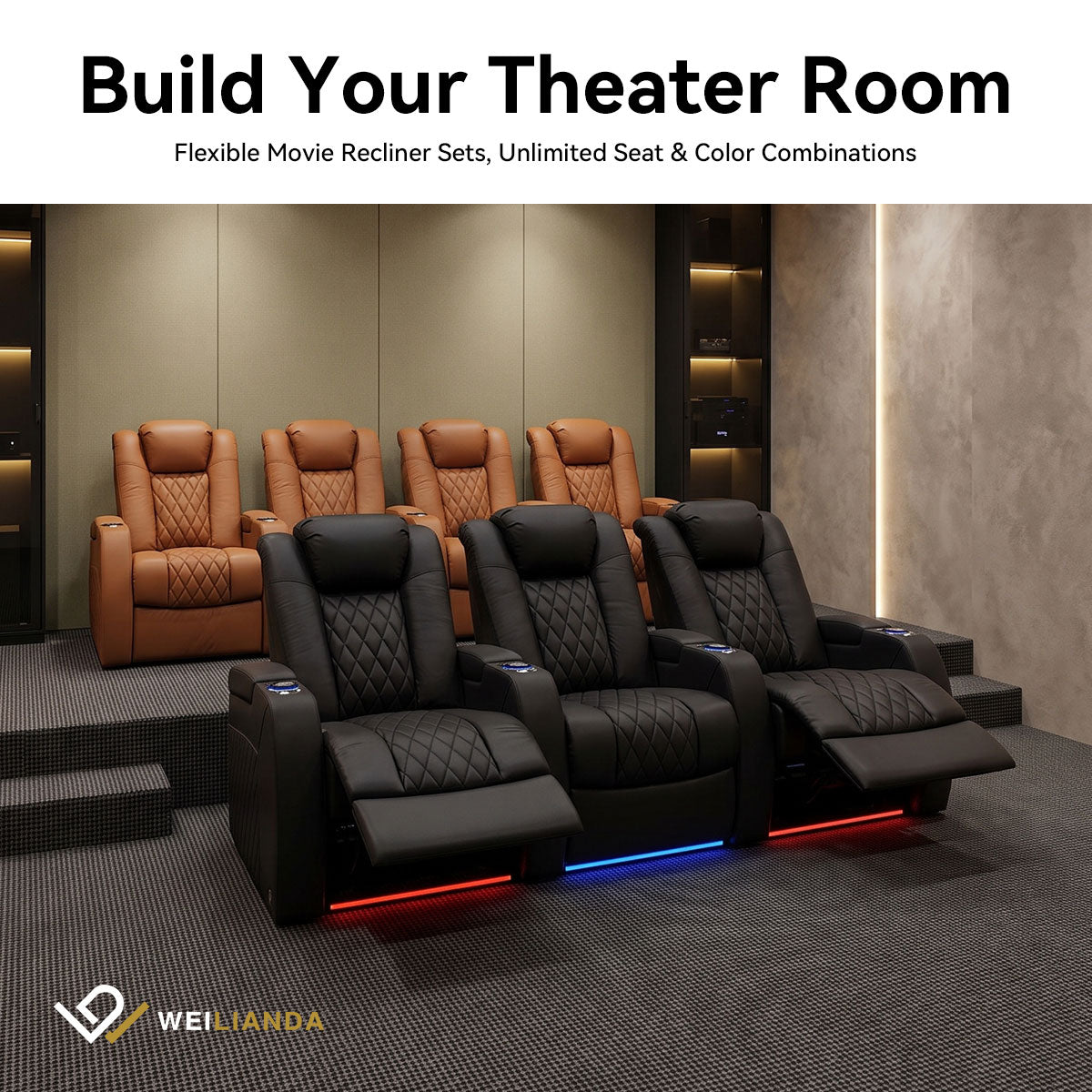



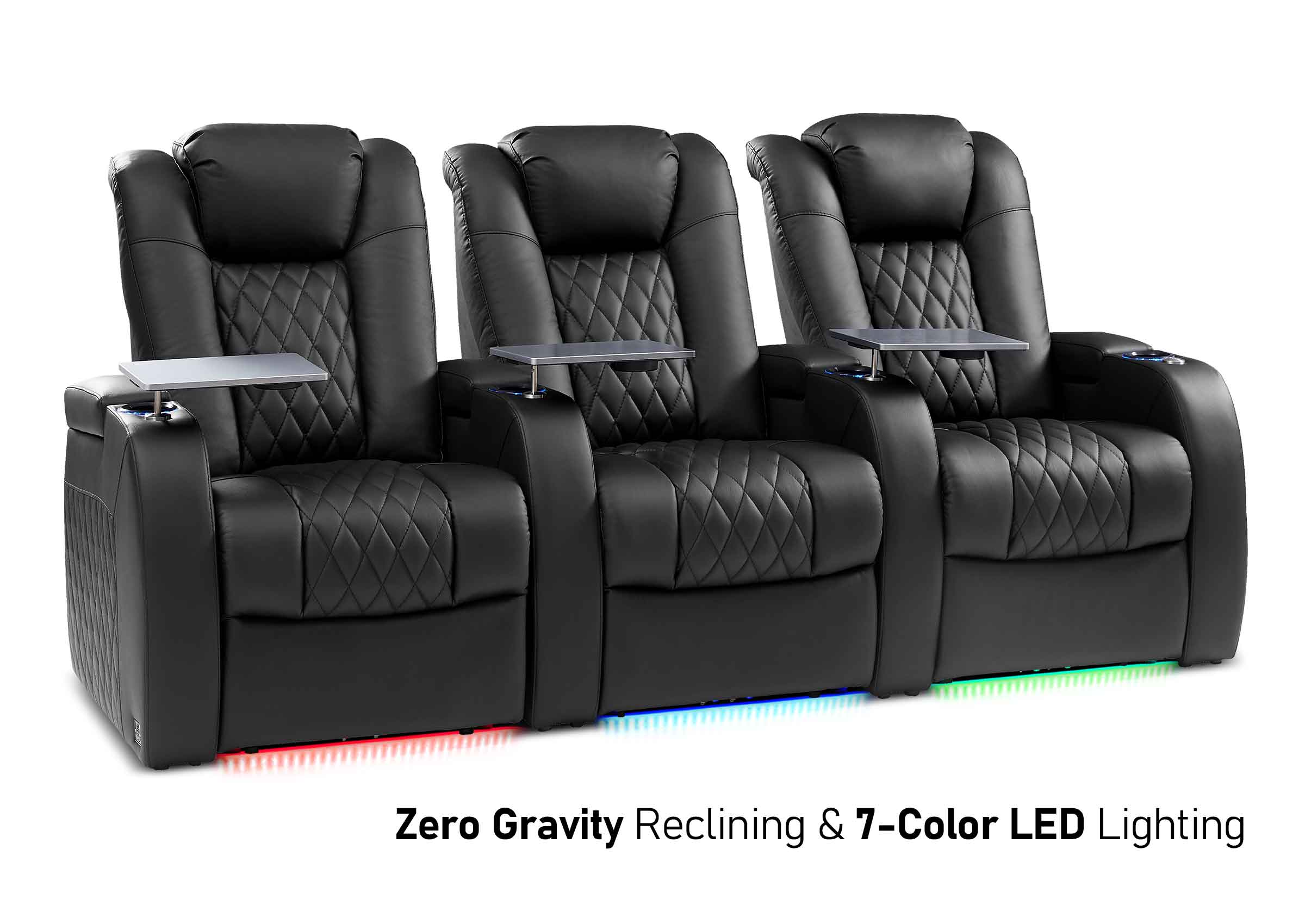
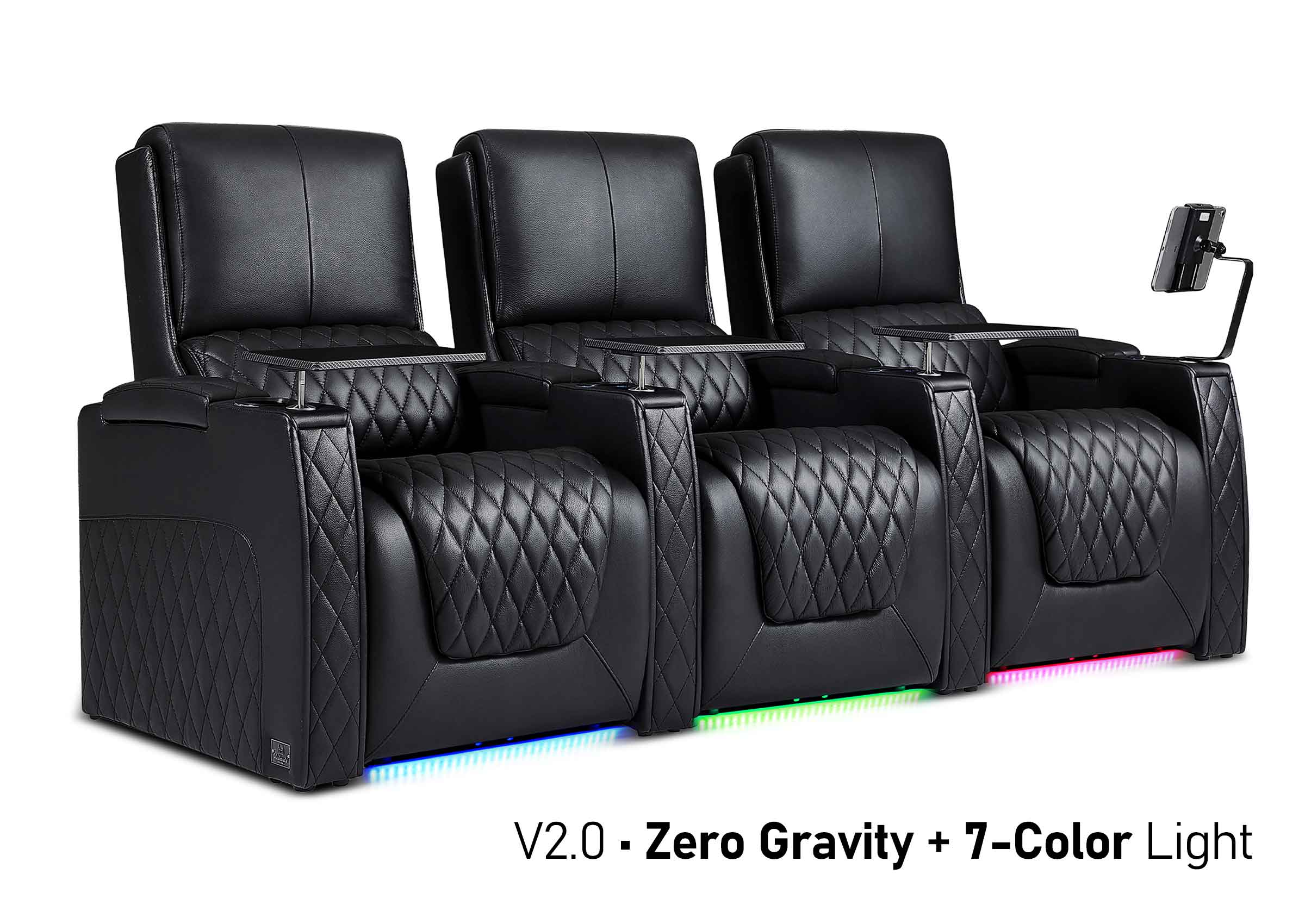
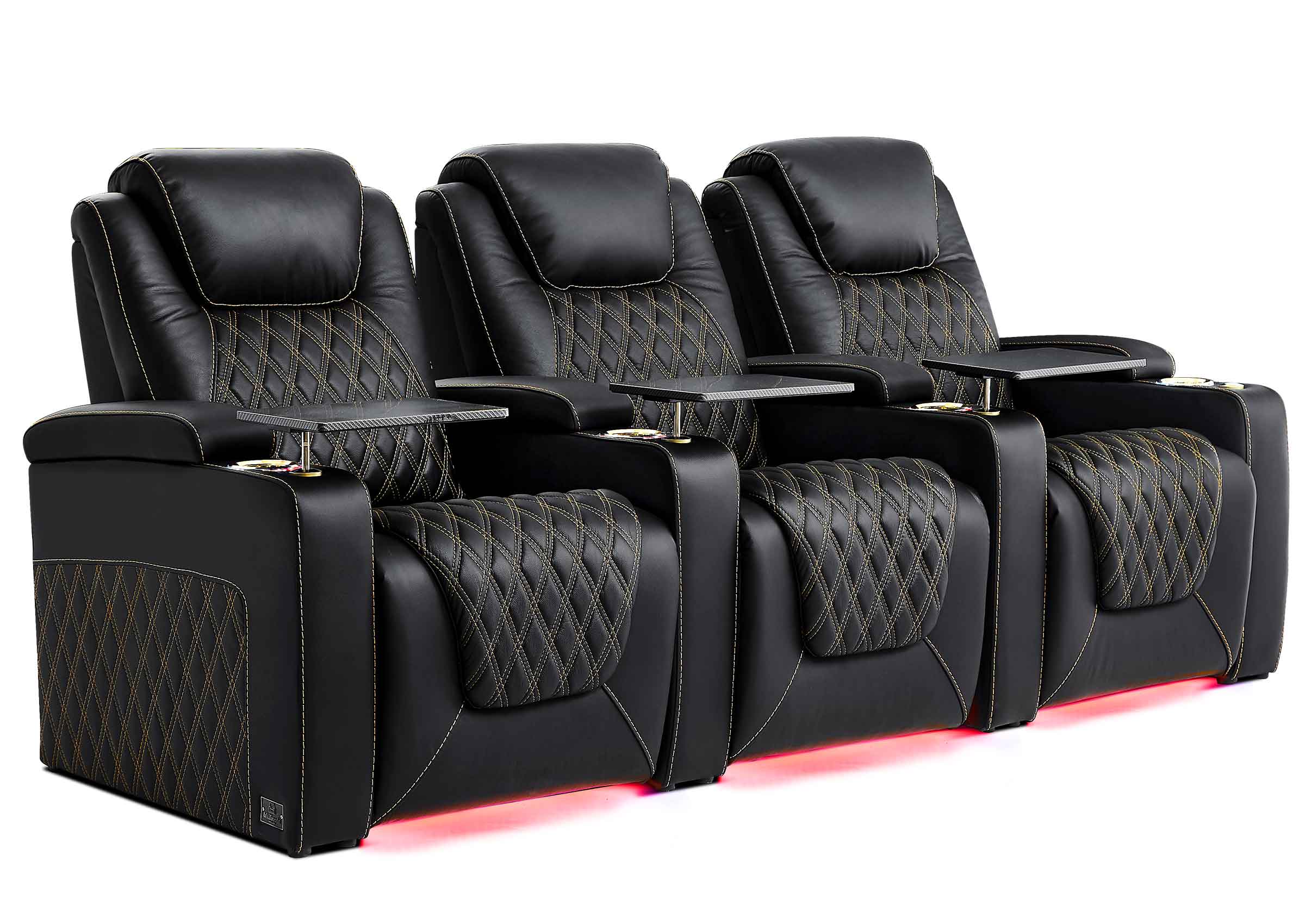







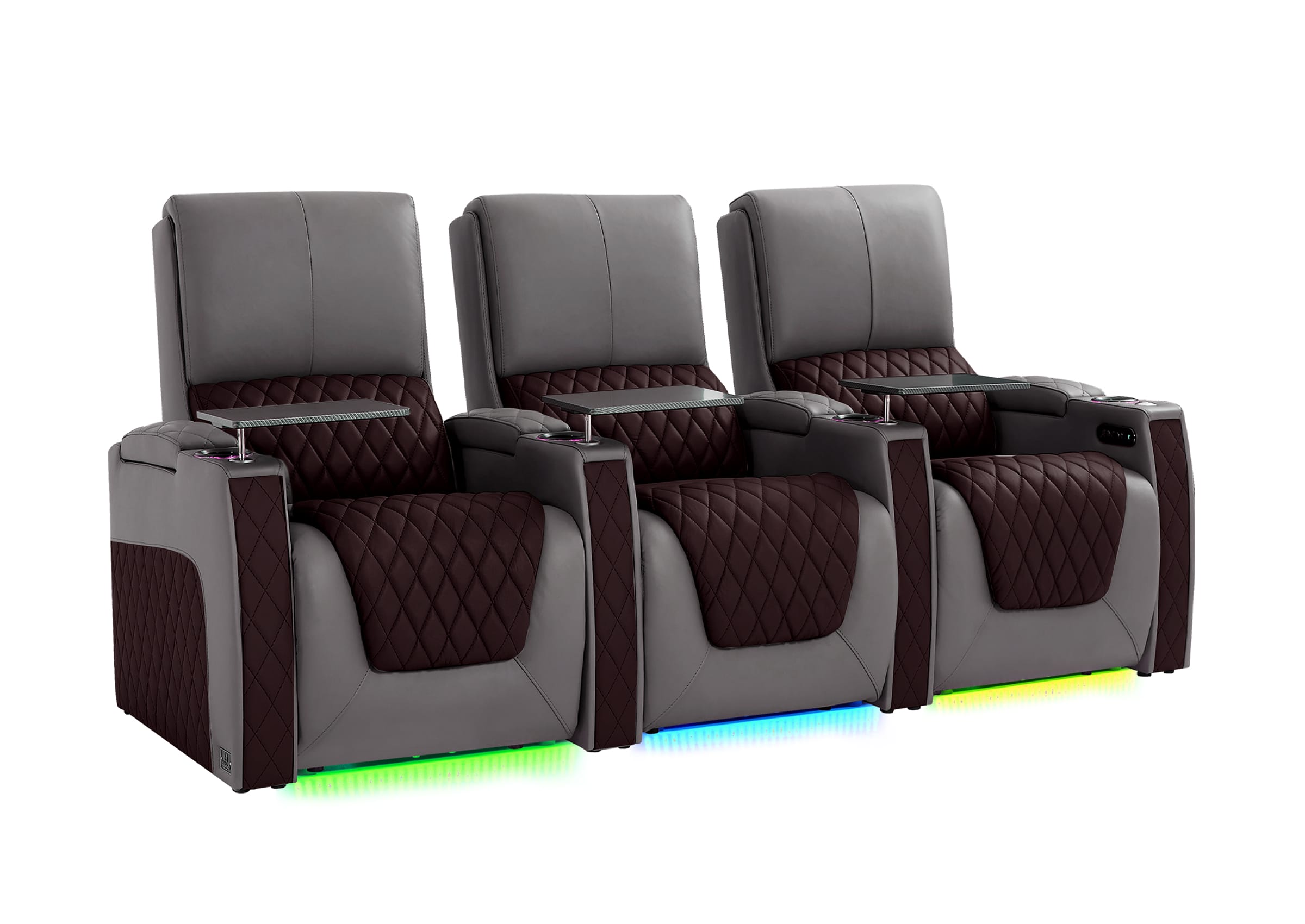
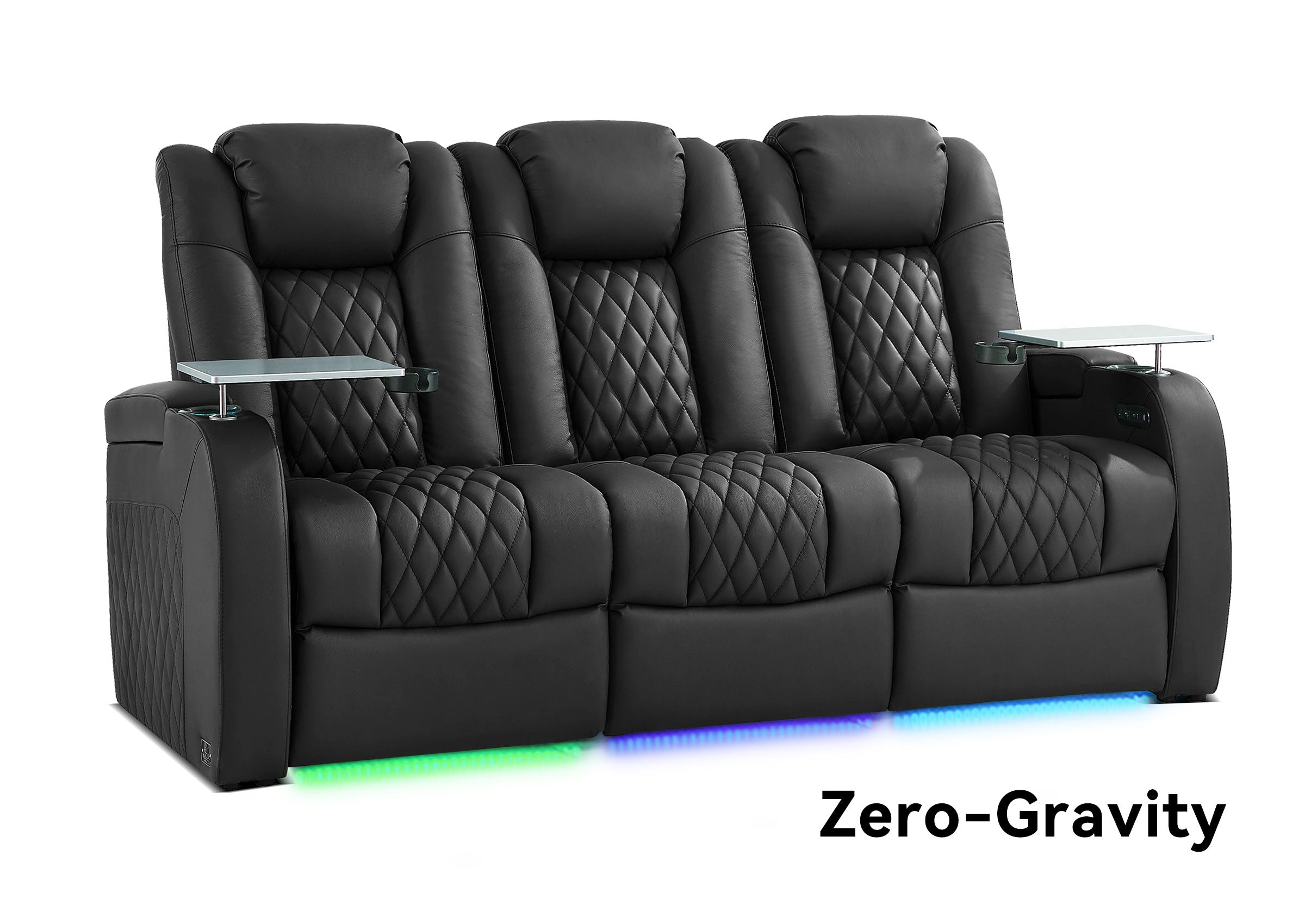


An odd shaped basement home theater can still feel comfortable, balanced, and easy to enjoy when the layout is planned around the room’s real shape. The key is to plan around posts, stair landings, angled walls, and narrow pinch points, then choose a layout that fits the space you actually have. With accurate measuring, smart screen placement, and seating that respects walkways, you can build a basement home movie theater that feels clean and easy to use.
Common Problems In Oddly Shaped Basements And How To Handle Them
An awkward basement layout tends to create the same frustrations. Plan for them early, and they stop driving every decision later.

Posts And Bump Outs In The Viewing Lane
A post can land on the centerline or block where you want the screen wall. A bump-out can steal inches that seating needs.
A practical move is to shift the theater zone so the screen sits on the most continuous wall, even if that wall is not the widest. Keep foot traffic to one side of the seating row when possible. If the screen wall has pipes, corners, or small step-ins, a shallow false wall can help the screen area look clean and straight.
Narrow Sections That Squeeze Seating
Many basements widen at one end and pinch near stairs or utility areas.
Place the main seating row where the room is widest, then size the screen around that viewing distance. A single strong row often feels better than two crowded rows. When width is tight, slimmer seating or a loveseat with single chairs can keep the room feeling open while still giving you real comfort.
L Shaped Spaces That Feel Split
An L-shape often tempts people to put the screen in one leg and seating in the other. That usually makes the room feel scattered.
Keep the screen and the primary seats in the same leg of the L so the viewing lane stays straight. Use the other leg for storage, a small snack area, or extra chairs that do not need perfect sightlines.
Angled Walls And Off Center Viewing
Angles can push the screen off-center and create a “good seat” and a “bad seat.”
Pick one main viewing axis and build around it. Center the seating to the screen, not to the room outline. If the room forces a slightly angled screen wall, keep the primary seats square to the screen so viewing feels consistent.
Measuring And Assessing Your Irregular Basement Space
A reliable home theater room design starts with measurements you can trust.
Sketch The Basement Like A Builder
Draw the outline and mark fixed items you cannot move. Include posts, stair edges, doors, windows, mechanical equipment, electrical panels, and sump access. If the basement has ceiling drops, mark where they start and stop.
Measure Where The Theater Will Actually Sit
Do not rely on the largest dimension. Measure the screen wall and the seating row.
- Width at the seating location
- Distance from the screen wall to the main seats
- Walkway clearance behind and beside the seating
- Door swings and required access paths
Reserve Space You Must Keep Usable
Many basements still need a utility path or storage access. Reserve those lanes now so the plan stays realistic later.

Choosing A Home Theater Layout For Odd Basement Shapes
A good home theater layout comes from finding the straightest, most comfortable viewing lane, then committing to it.
Straight Shot Layout
This layout puts the screen on the cleanest wall and centers seating to it. Side bumps become walkways or storage zones. It is usually the easiest option to plan and live with.
L Shaped Theater Zone Layout
Use one leg of the L as the theater zone and keep the screen and main seats there. The other leg becomes a support space. This keeps the viewing experience focused and avoids split sightlines.
False Wall Layout
A shallow false wall can square up a messy screen wall. It helps when the real wall has pipes, odd corners, or step-ins that distract the eye. It can also make Screen placement feel deliberate in an awkward basement layout.
Diagonal Layout
A diagonal screen wall can work when posts and stair walls block a straight placement. It usually looks best when it feels intentional. Small diagonal shifts can look accidental, so keep angles clean and aligned with the seating row.

Screen Placement That Works In Irregular Spaces
Screen placement is about clear sightlines and a room that flows well.
Choose The Screen Wall By Interruptions
Look for fewer doors, fewer cutouts, and fewer obstacles that force the screen off-center. A shorter, cleaner wall can be easier than a wider wall with interruptions.
Center The Screen To The Primary Seats
In odd rooms, centering on the room outline can make the seats feel off. If the main seats feel centered on the screen, the whole space reads as balanced.
Keep Walk Paths Out Of The Picture
Try to avoid placing the screen where people must cross directly in front of it to reach stairs or storage. If that cannot be avoided, keep traffic to one side by creating a clear side aisle.

Projector Placement And Viewing Angles
Projectors can work well in basements, but placement needs planning.
Plan Throw Distance Early
Throw distance controls where the projector can sit. If the back wall is far enough, a rear shelf can be tidy and simple. If the back wall is too close, ceiling mounting may be the cleaner option.
Keep Correction Modest
Try to place the lens straight toward the screen. Small alignment tweaks are fine. Heavy digital correction can reduce sharpness.
Avoid Placement In High Traffic Zones
In narrow basements, a projector placed too low or too far forward becomes a bump hazard. Keeping it near the back of the room often feels cleaner.
Seating Plans For L Shaped And Awkward Basements
Seating is where the plan becomes real. Comfort and movement matter as much as the look.

Start With A Main Row You Love
In most unusual basements, one functional row is enough. This maintains appropriate spacing and does not reduce the functionality of the pathways.
Decide When Movie Theater Seating Fits
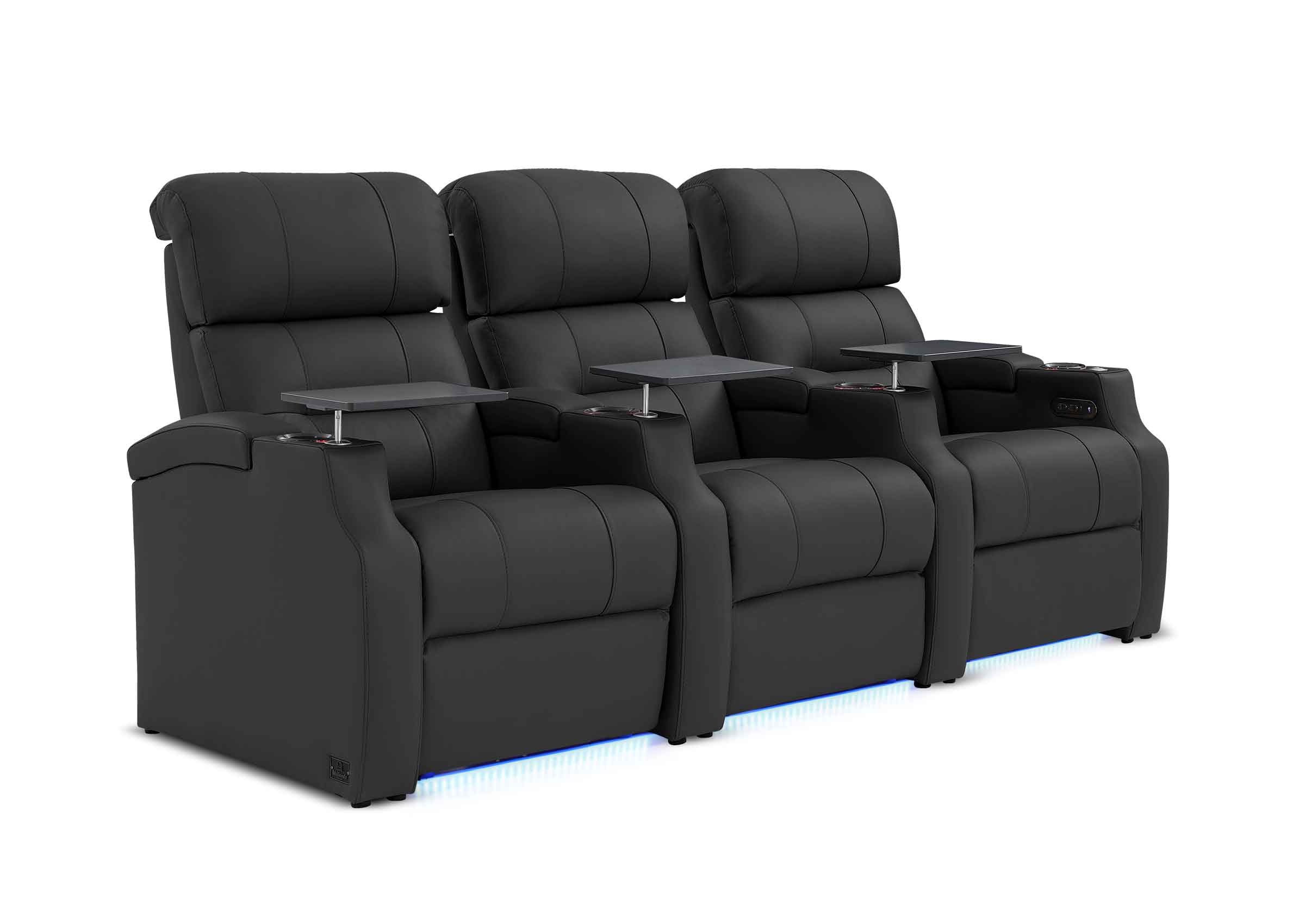
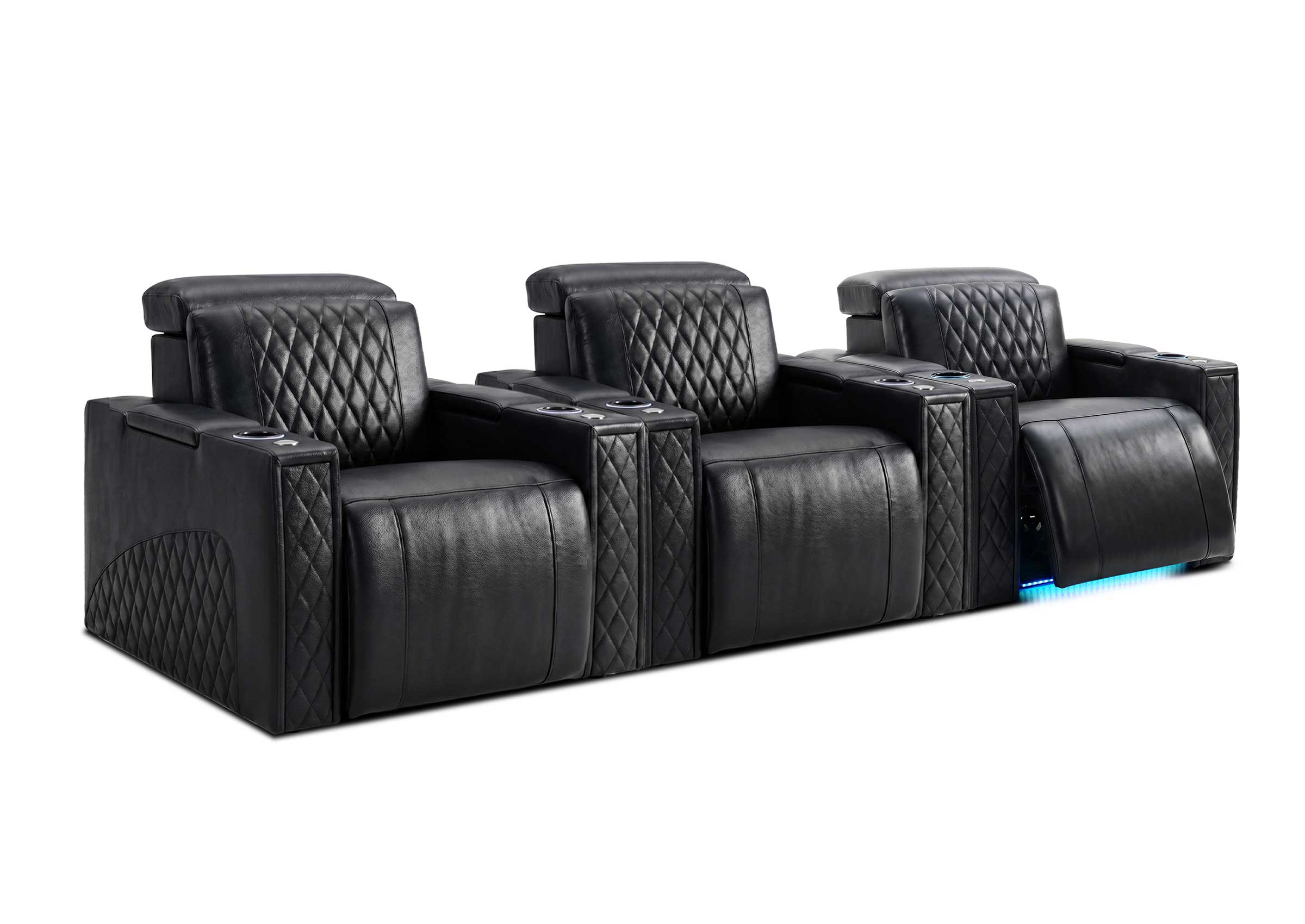
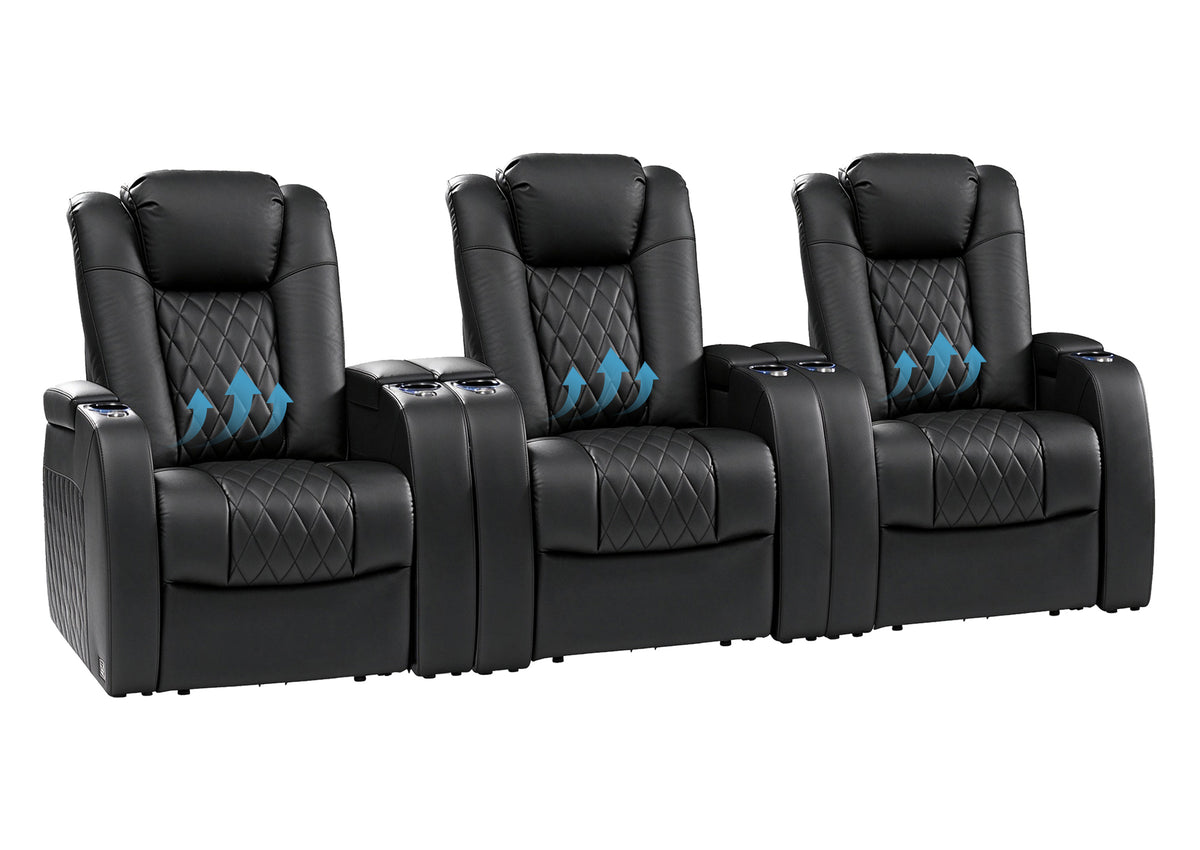
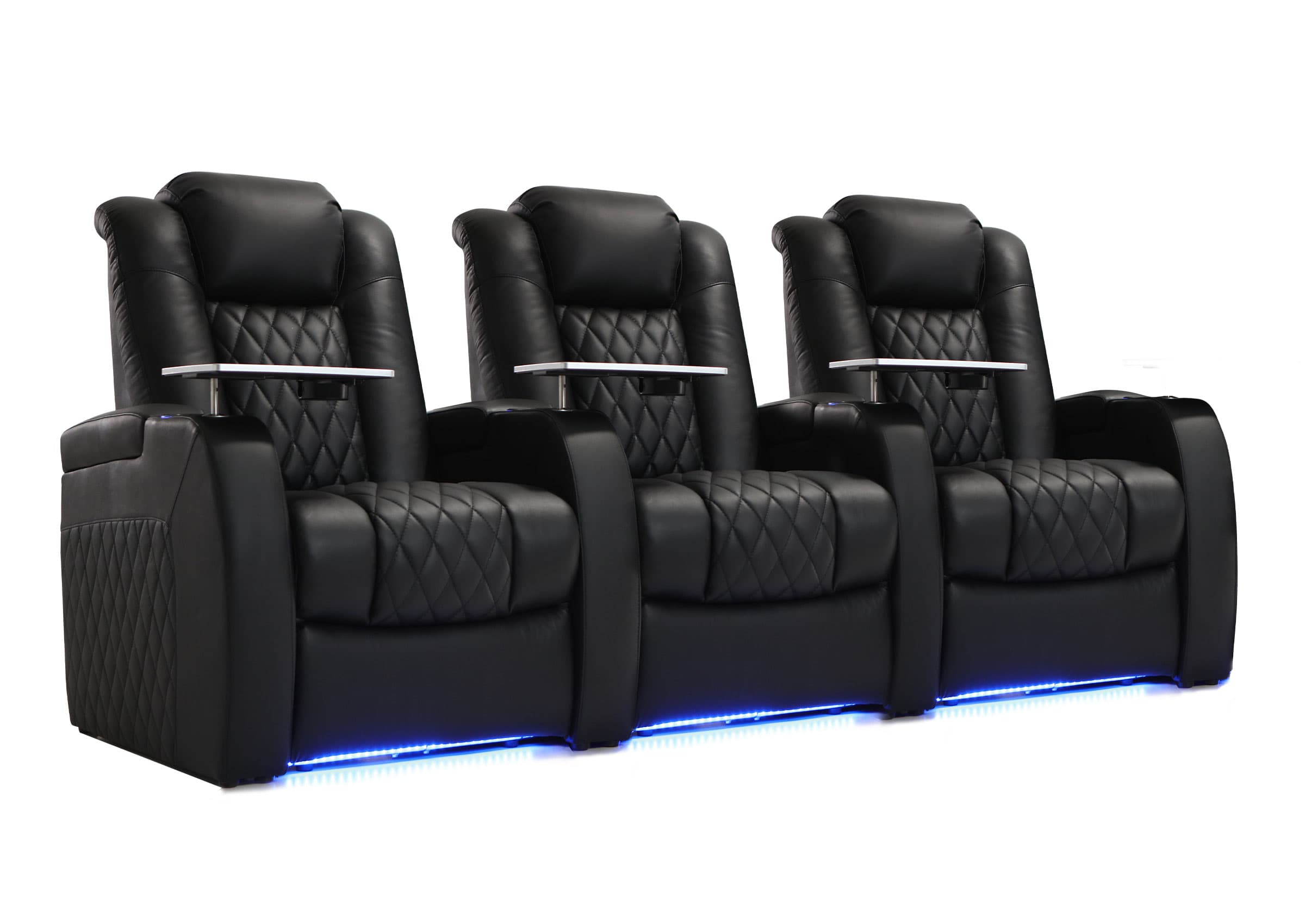
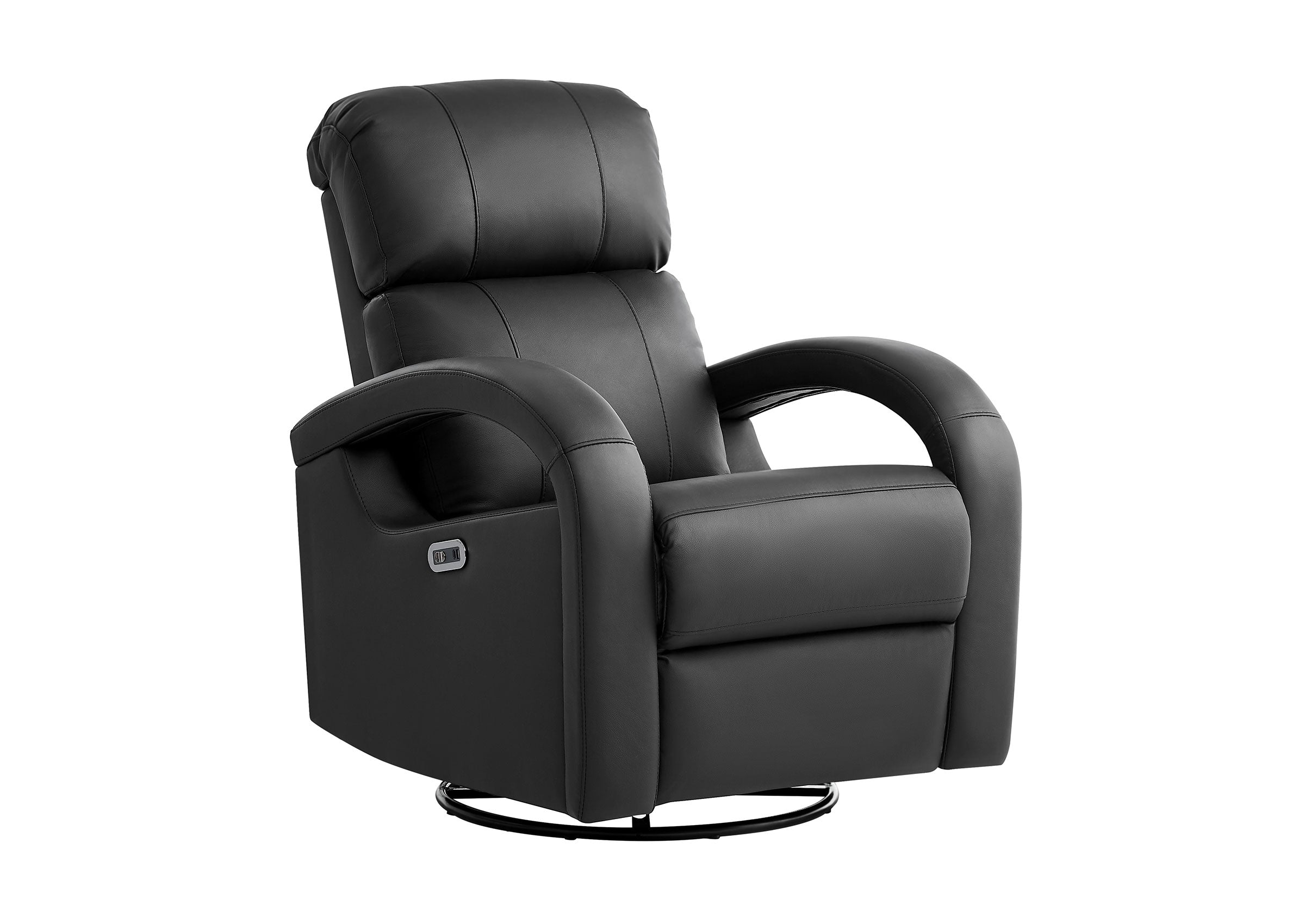
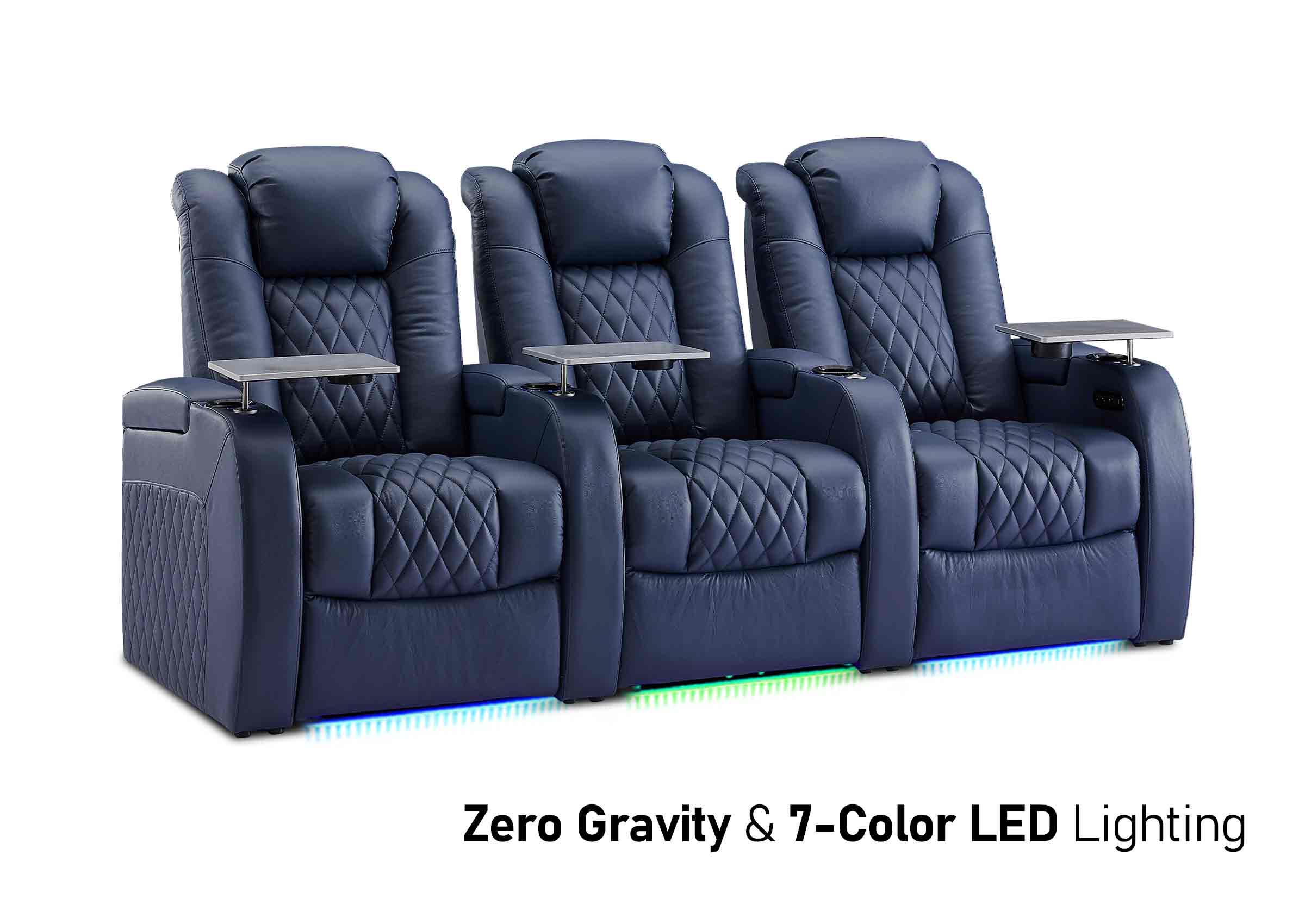
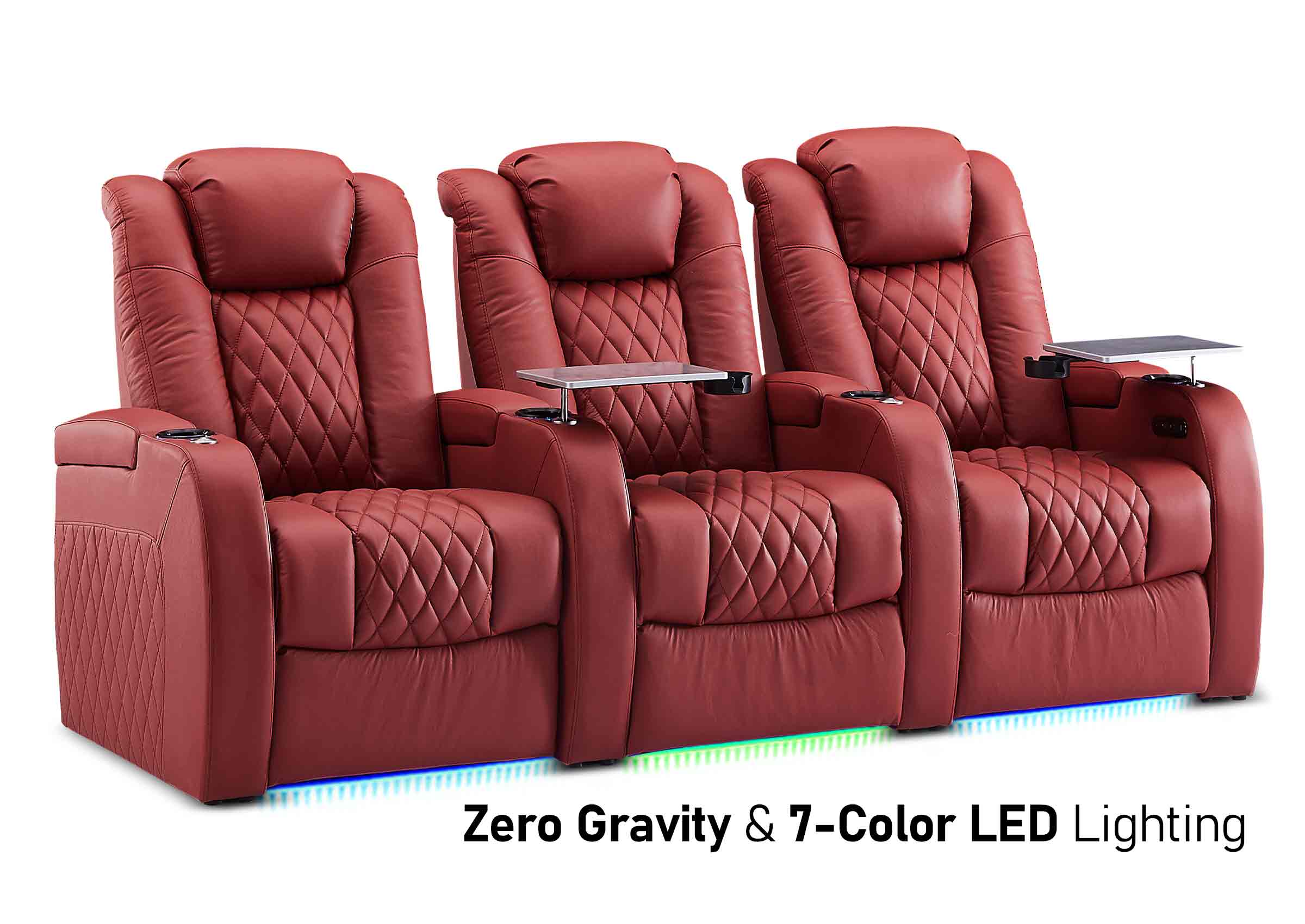
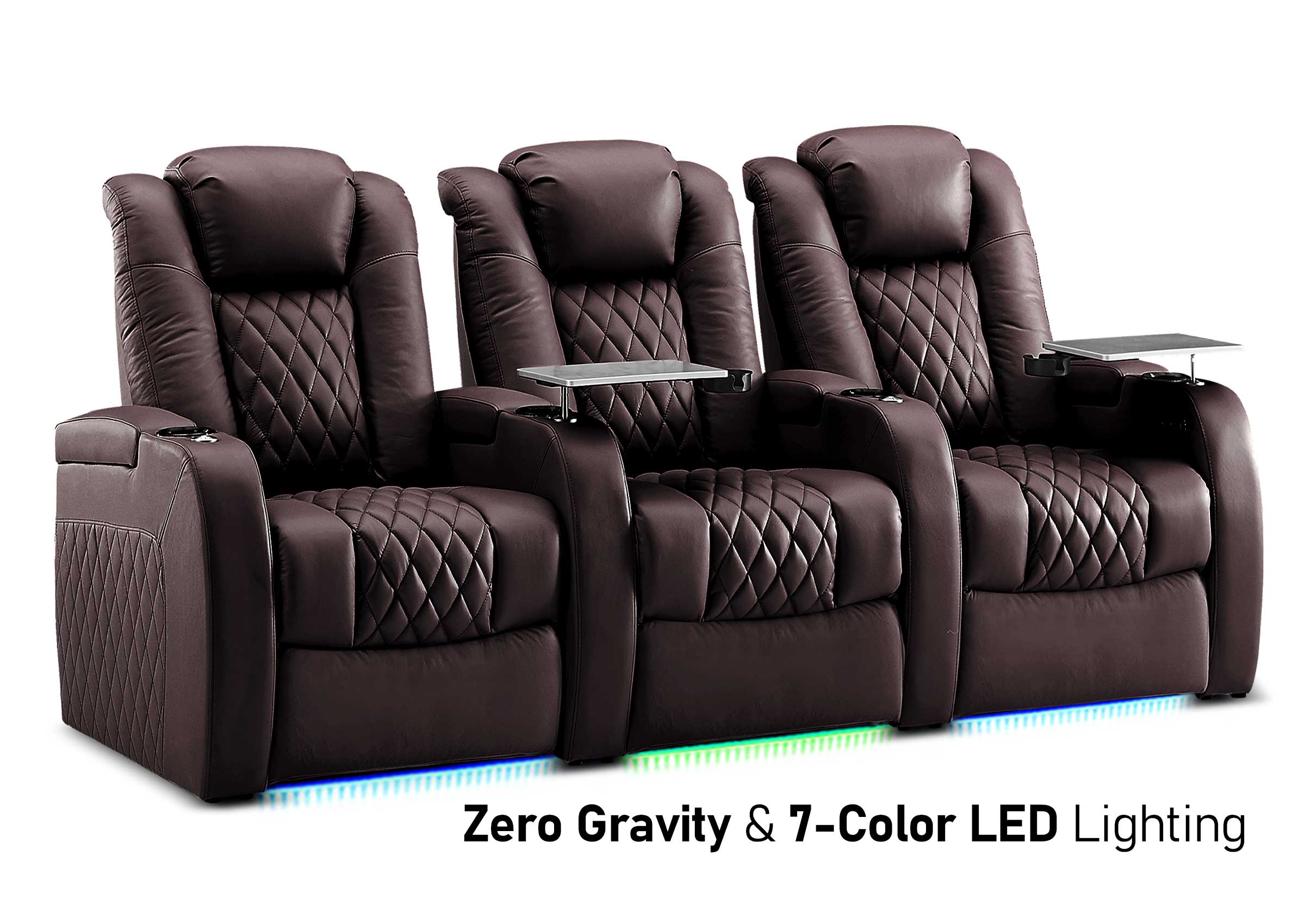
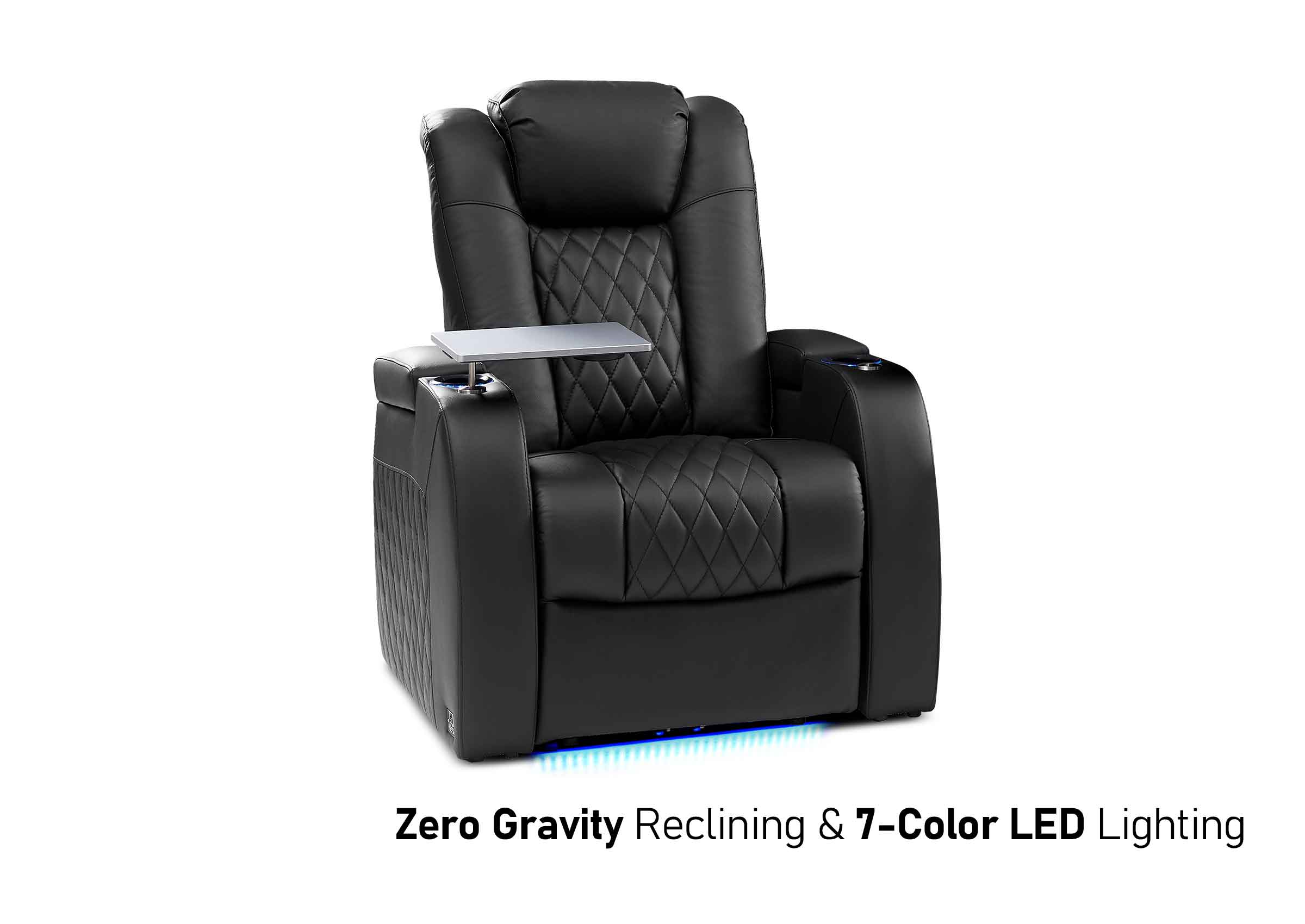
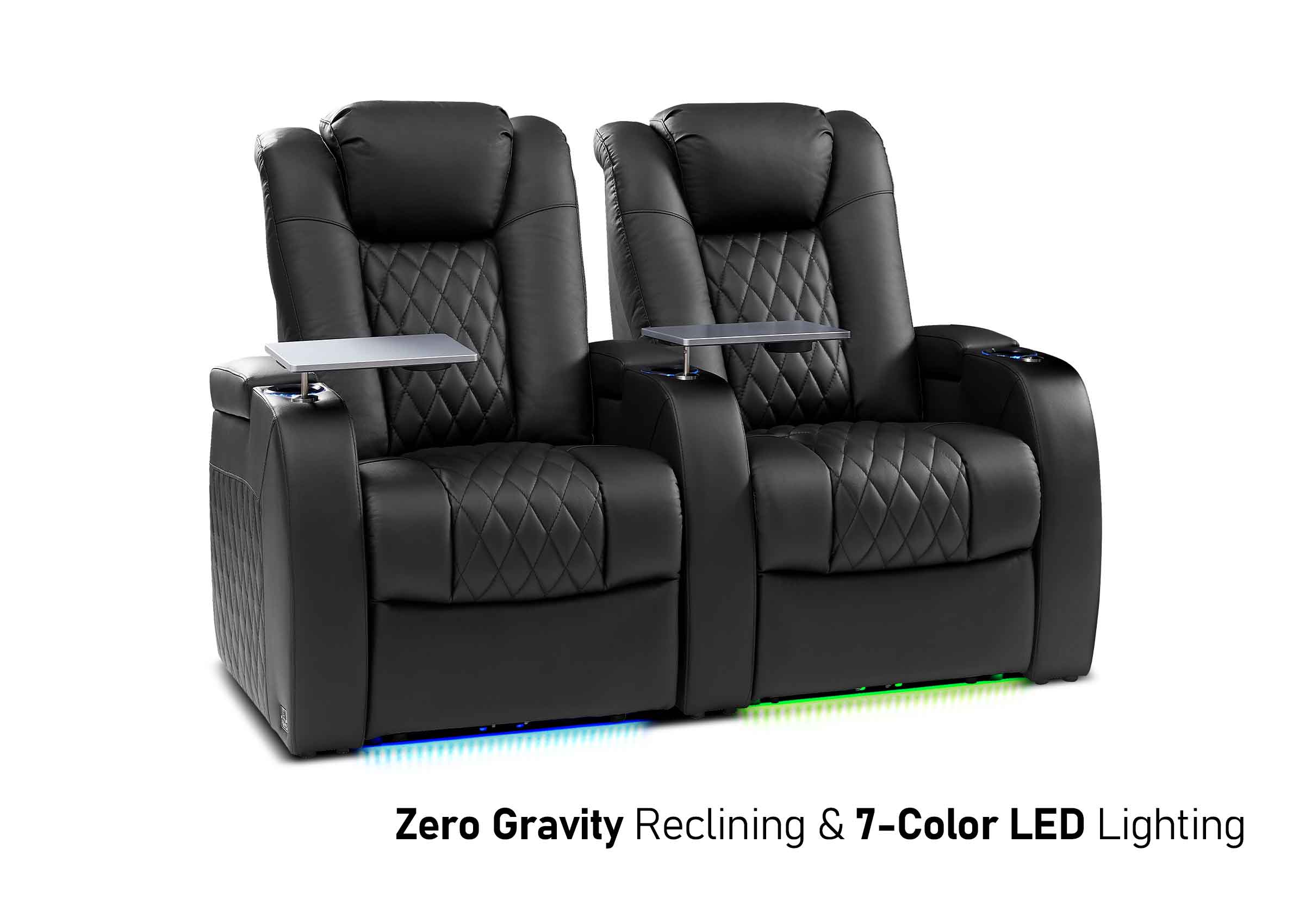
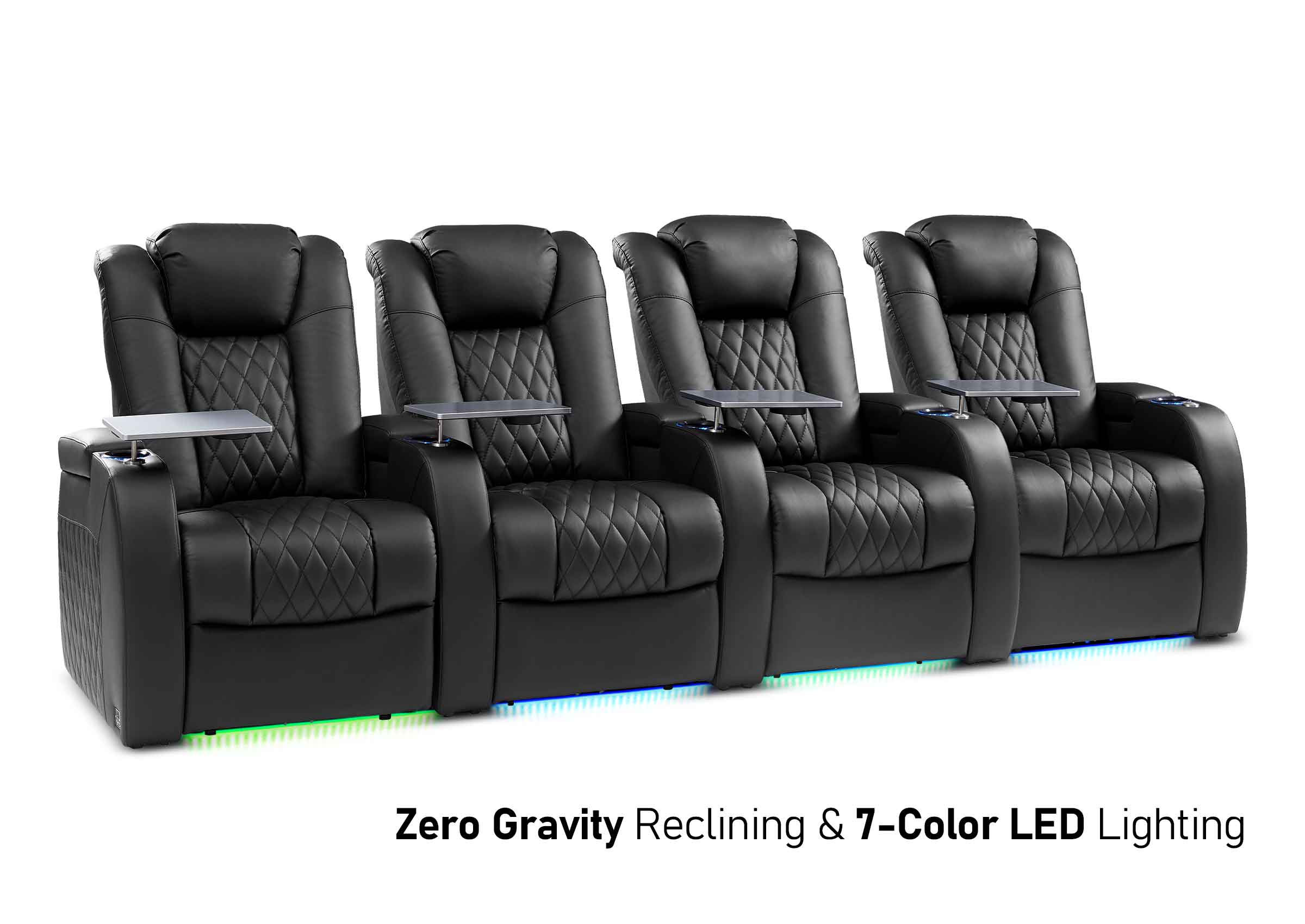
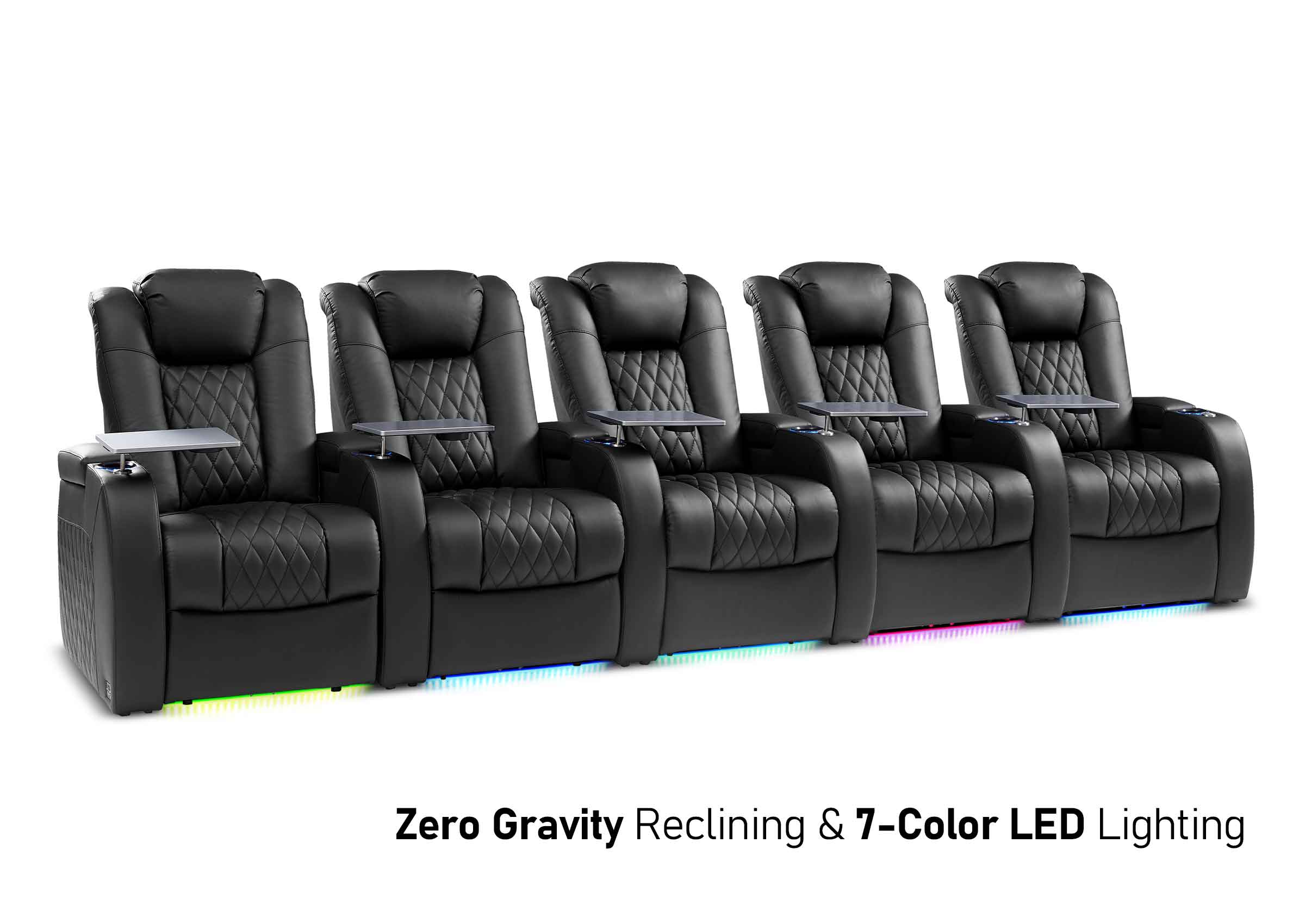
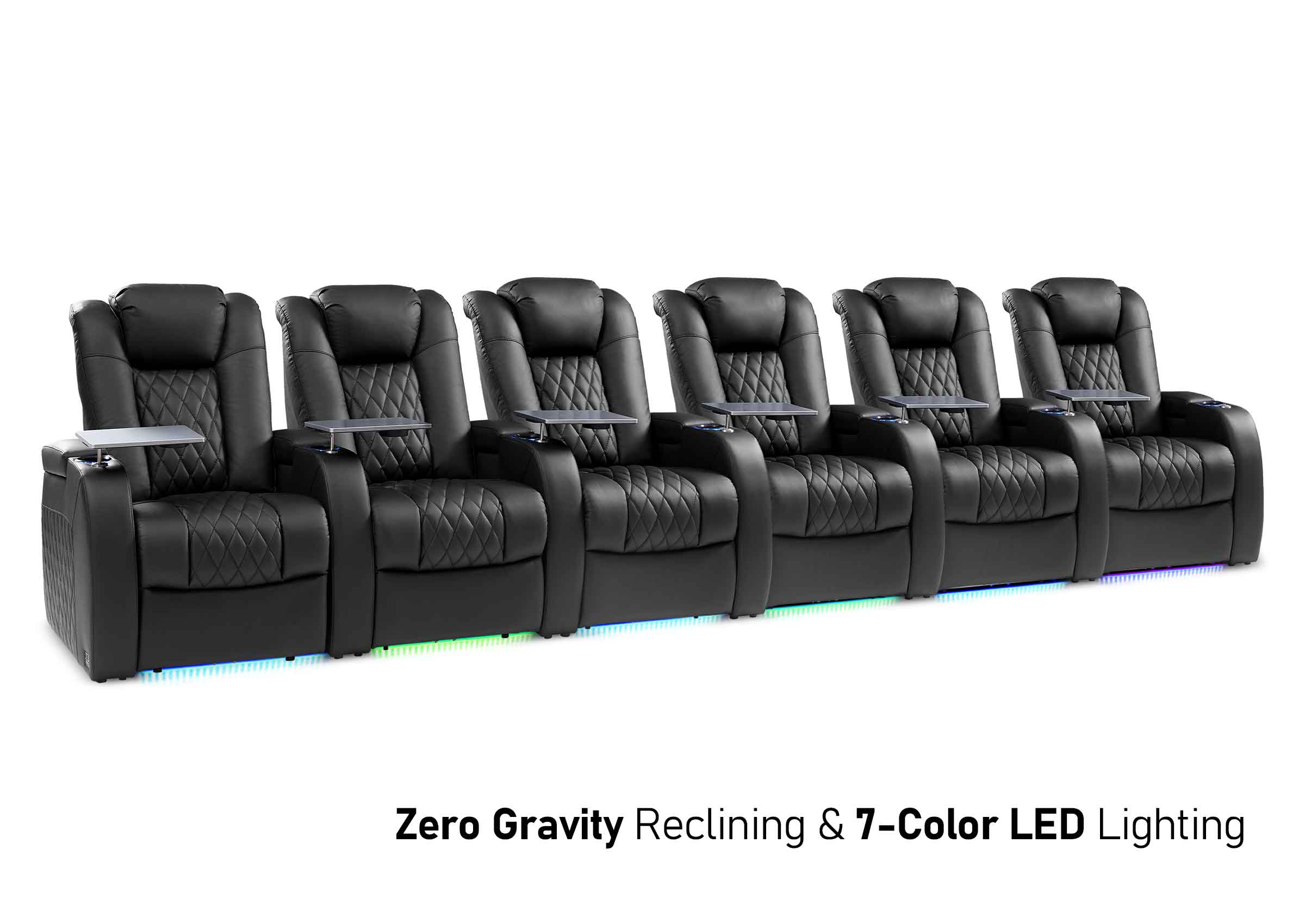
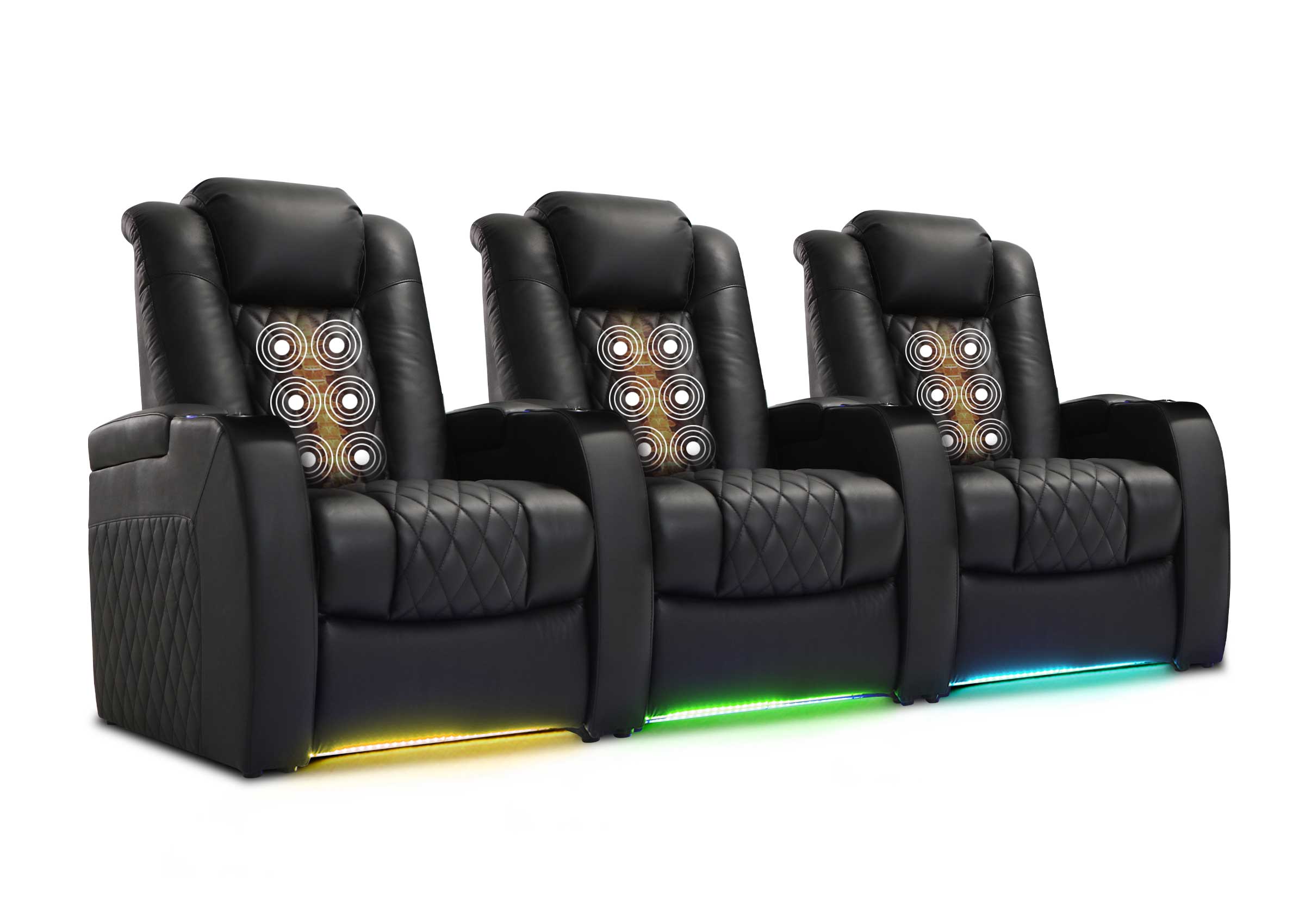
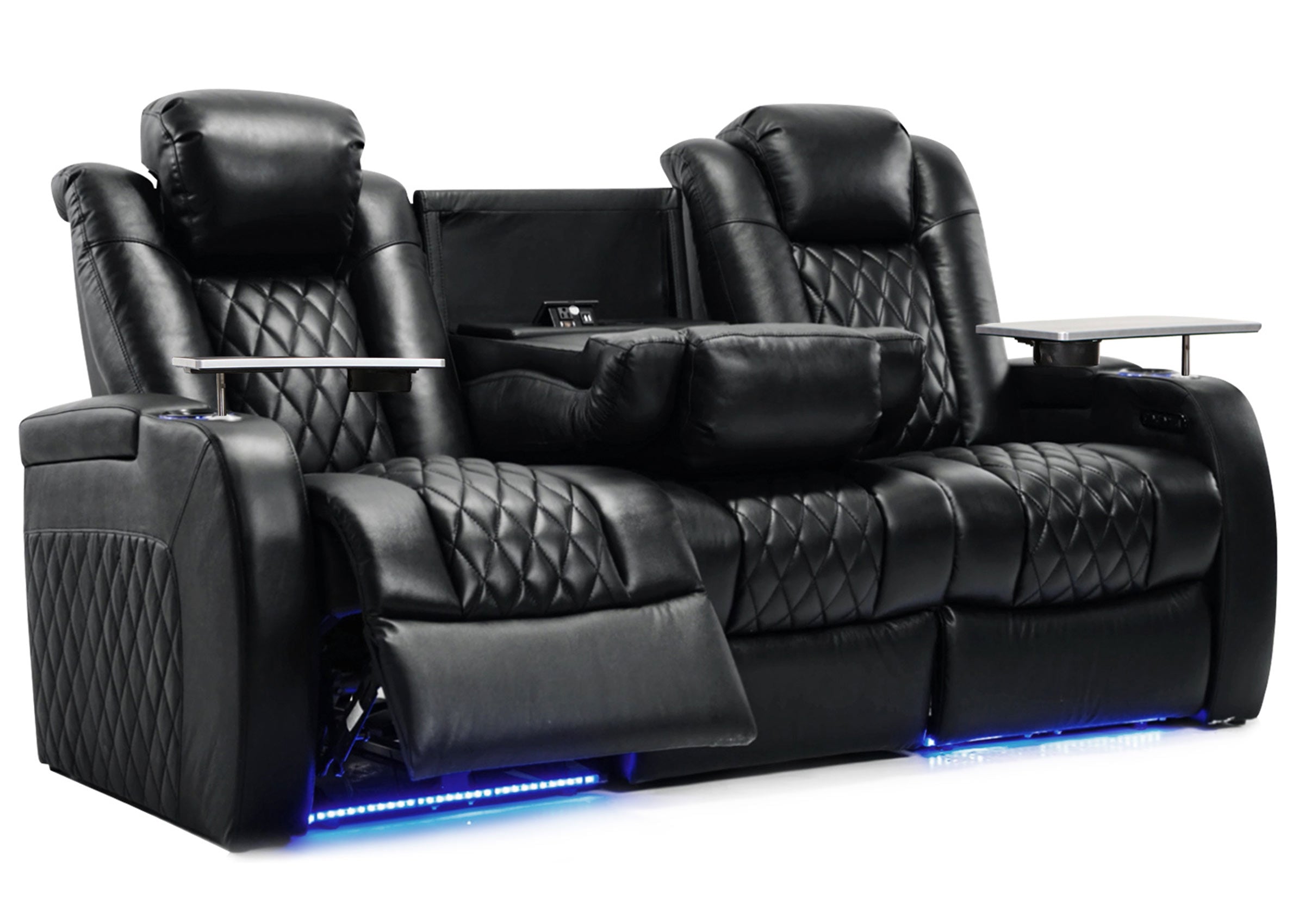
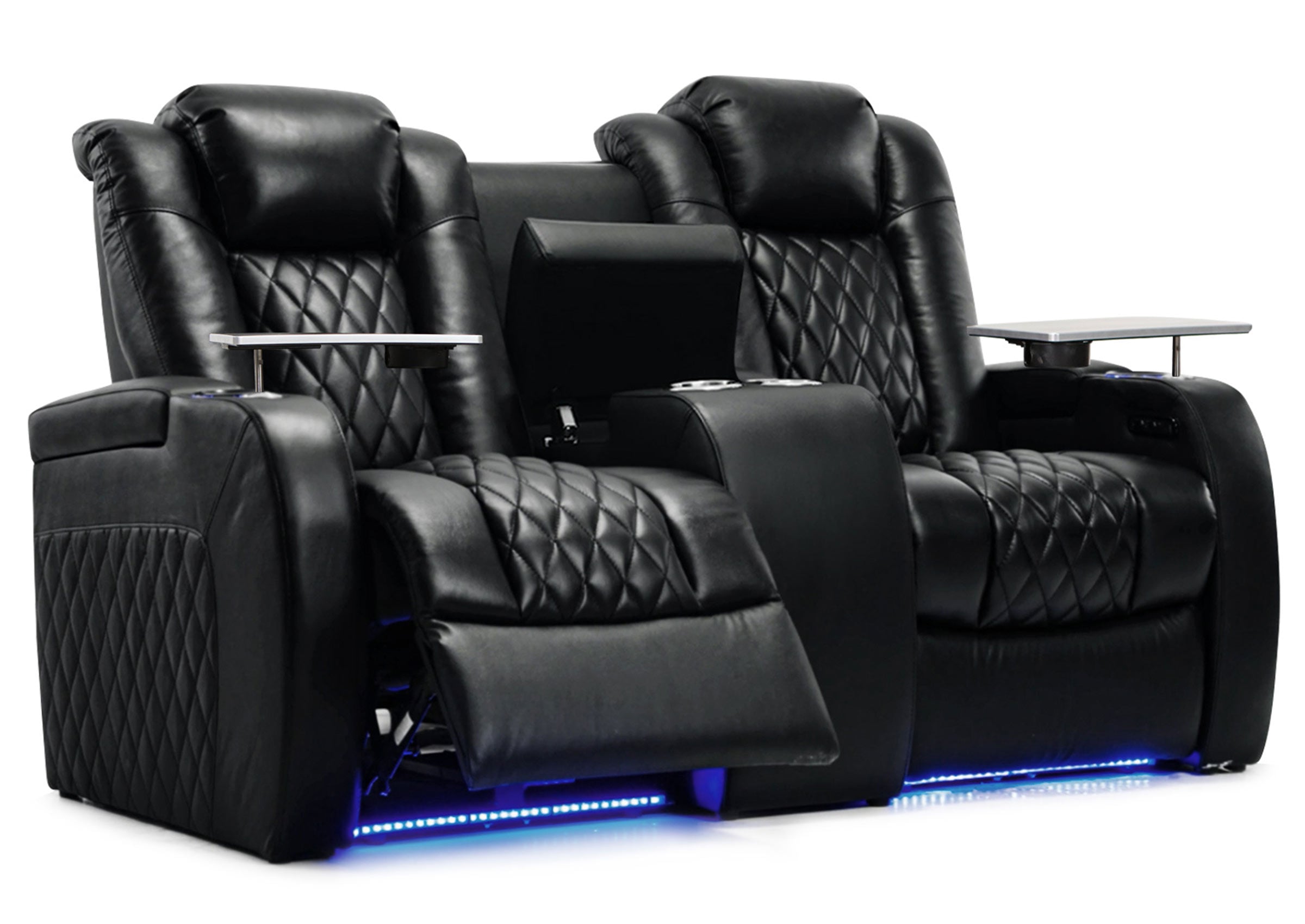
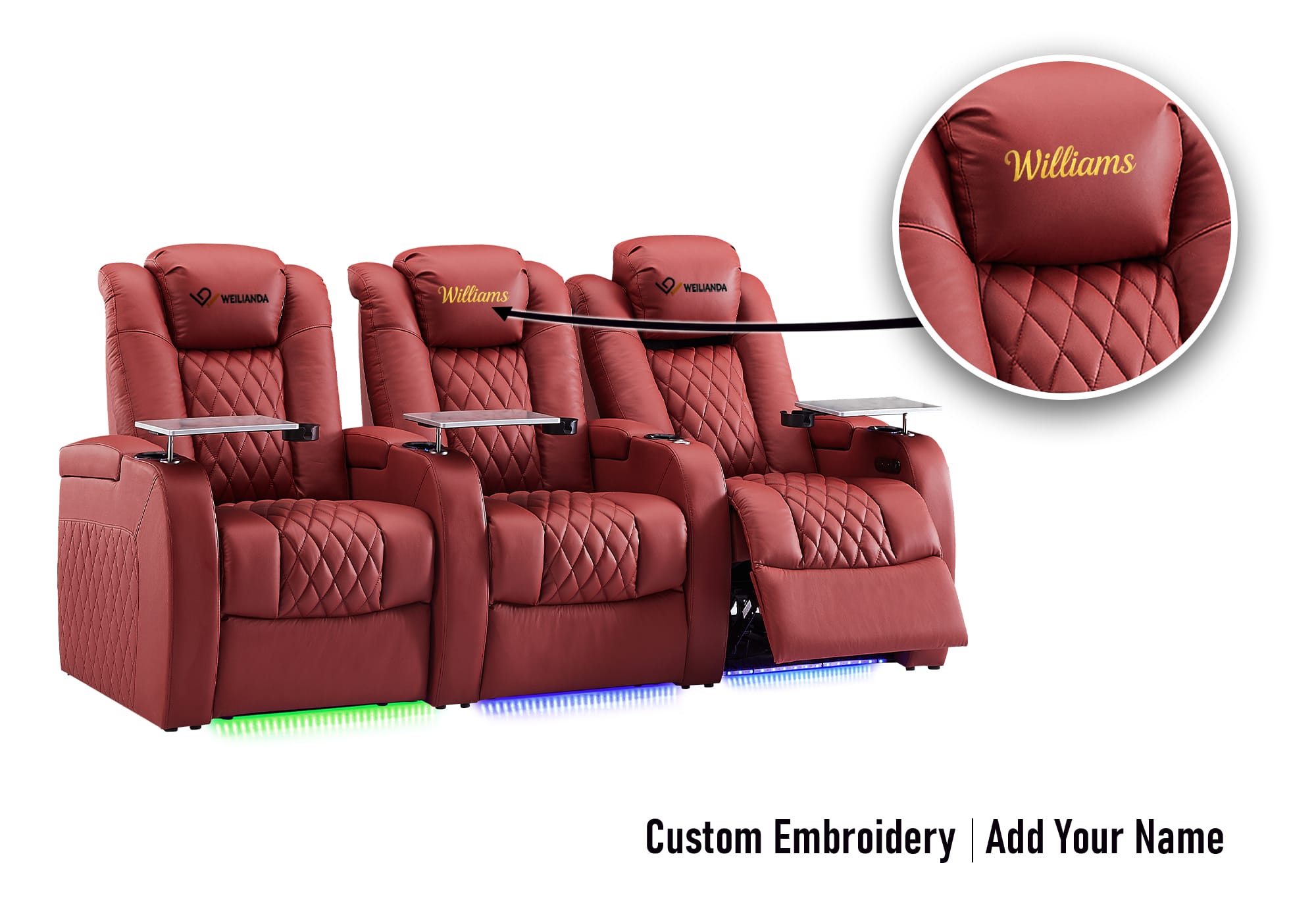
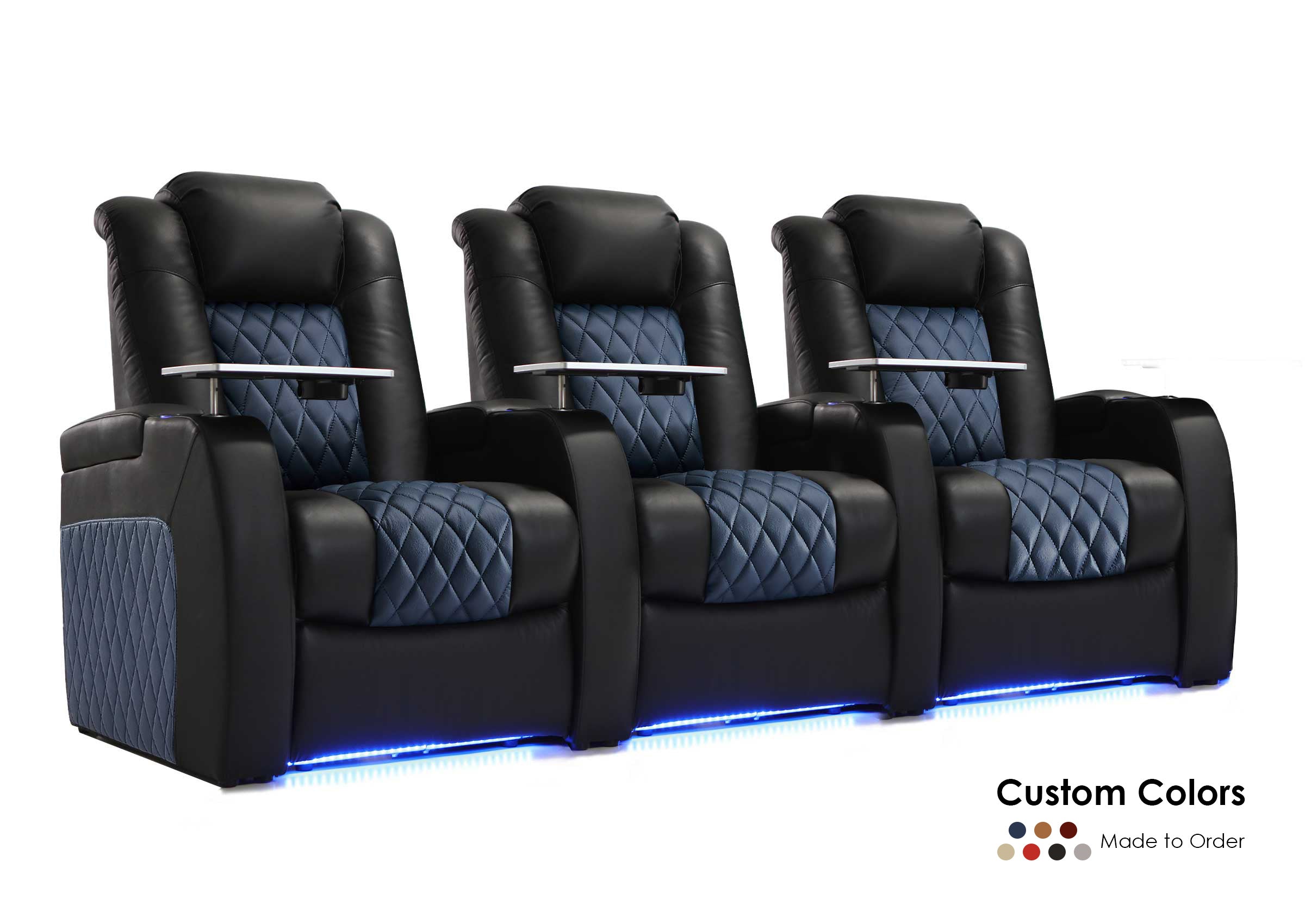
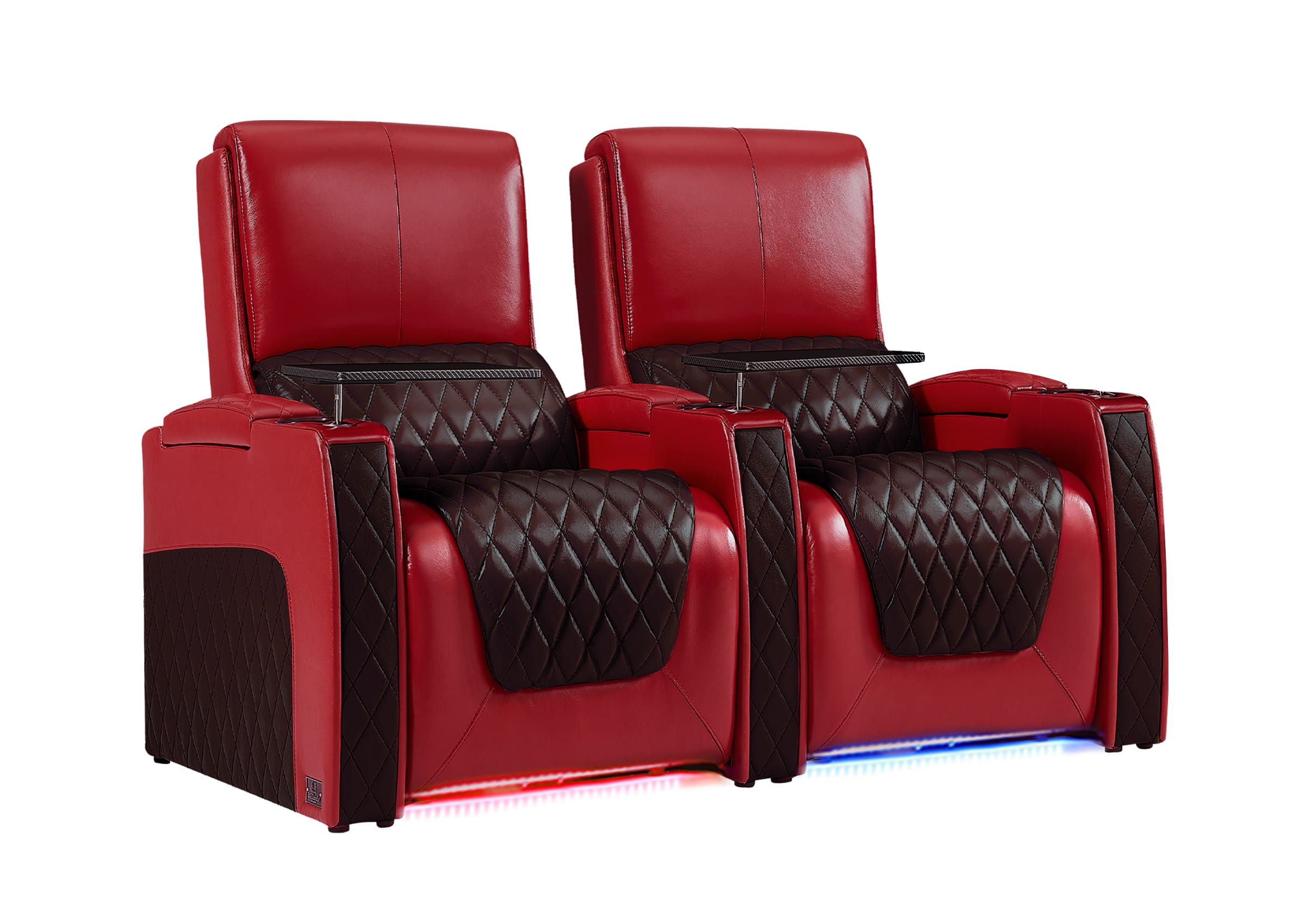
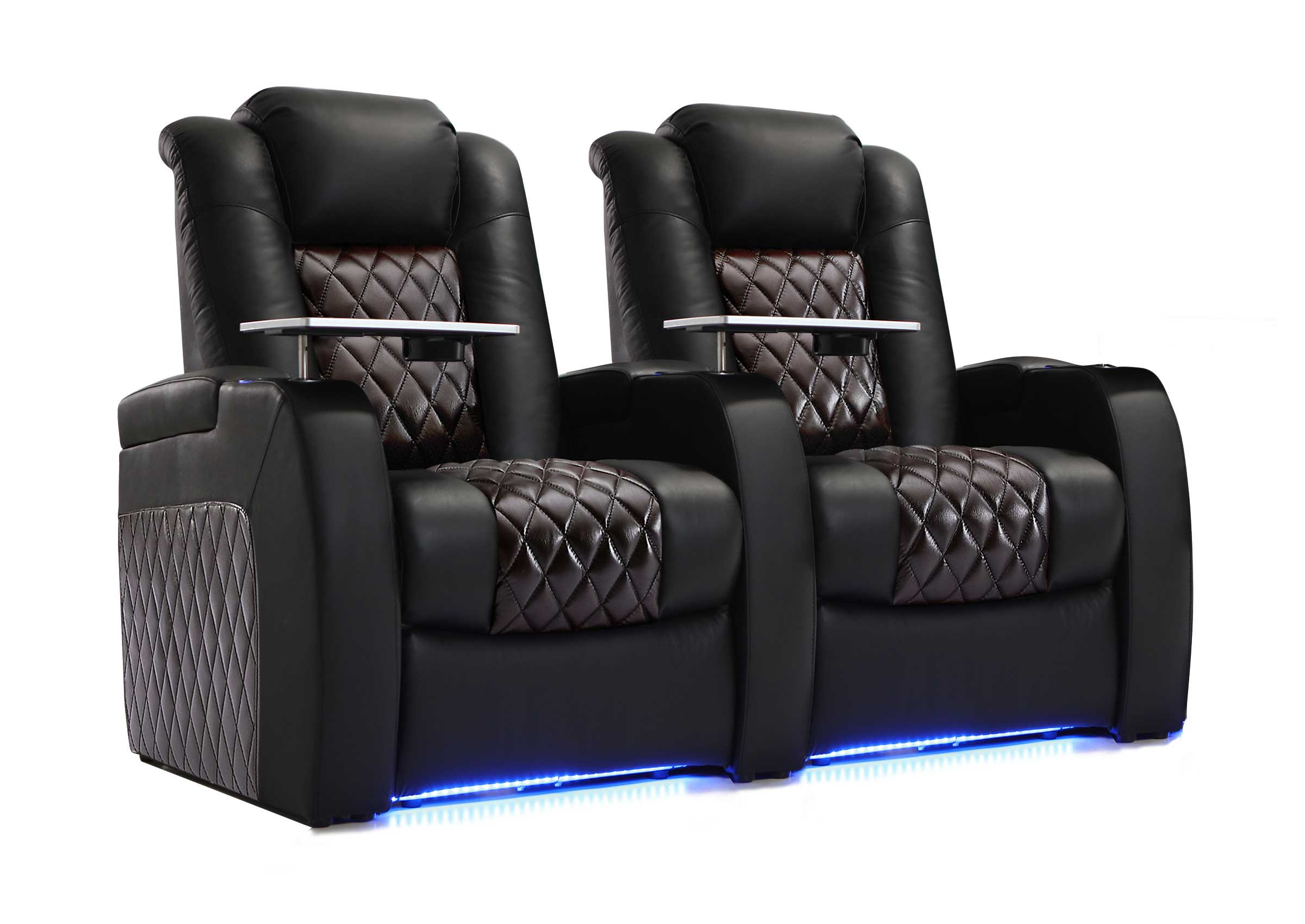
The movie theater seating layout is most functional with a fixed room width and aisle. In narrow room configurations, slim recliners, loveseat and single chairs, or smaller designs can be accommodated with a luxurious feel.
Use Spacing Targets That Support Real Movement
These ranges are planning targets, not strict rules.
| Layout Item | Comfortable Range | Notes |
| Walkway Behind Seats | 24 To 36 Inches | Helps entry and exit |
| Side Clearance To Walls | 6 To 12 Inches | Reduces bumps |
| Seat Distance To Screen | 1.2 To 1.6 Times Screen Width | Adjust for preference |
| Clearance In Front Of Seats | 18 To 30 Inches | Helps foot room |
Handle Off Center Seating Without Making It Feel Wrong
Some basements cannot fit a perfectly centered row.
Center the best seat first. Align the screen to that seat. Finally, the additional side area should have a specific use, such as a path, a narrow console, and some shelving. The arrangement of the room is deliberate and not compromised.
Start Planning Your Unique Basement Theater Today
Your basement does not need perfect symmetry to feel like a real theater. You can begin with some measurements you can rely on, then select the straightest viewing path available to you. Center your design experience on the main seats while still allowing pathways for walkways. After you have found an effective layout, selecting movie theater seating becomes simpler.
FAQs
Q1: How Do I Choose A Home Theater Layout For An Awkward Basement Layout?
First, mark out a straight viewing path, a line on which people can sit without colliding with doors, stairs, or corners for storage. The simplest, straight configuration is often the way to go, as it ensures that the screen and seating are in line, while you can utilize slight humps on each side for walkways. If you have an L-shaped basement, you can stash the screen and primary seating in one leg. That often results in a more peaceful, less haphazard feel.
Q2: Where Should I Place The Screen In A Basement Home Movie Theater With Posts?
Choose the wall with the fewest obstructions, even if it isn’t the biggest wall. Where the support posts sit on the median, place the seating main area in front of the screen rather than adjusting the seating area to fit the screen. Where there are pipes, angles, or steps, a low false wall can create a tidy rectangle that defines the screen area.
Q3: What Seating Setup Works Best When Space Feels Tight?
A single comfortable row often beats squeezing in two rows. Place the main row where the room is widest, then choose a screen size that fits that distance. If full movie theater seating feels bulky, slimmer recliners or a loveseat plus single chairs can create a better fit. Aim to keep at least a basic walkway so people can enter and exit without climbing over legs.
Q4: How Should I Arrange Seating In An L Shaped Basement Home Movie Theater?
Keep the screen and primary seating in the same leg of the L so sightlines stay clean. Use the other leg for storage, snacking, or supplementary seating that isn't necessarily in line. If you need additional seating, consider placing it behind your main row so it isn't distracting from your main view lane.
Q5: How Can I Make A Non Rectangular Theater Feel Visually Balanced?
Position the screen in the main seating area and not on the outline of the room. Use the remaining side of the screen area purposefully, such as a walkway and a narrow console area. If the screen wall is filled with clutter and unusual corners, a shallow wall can be installed to clean up the front wall.