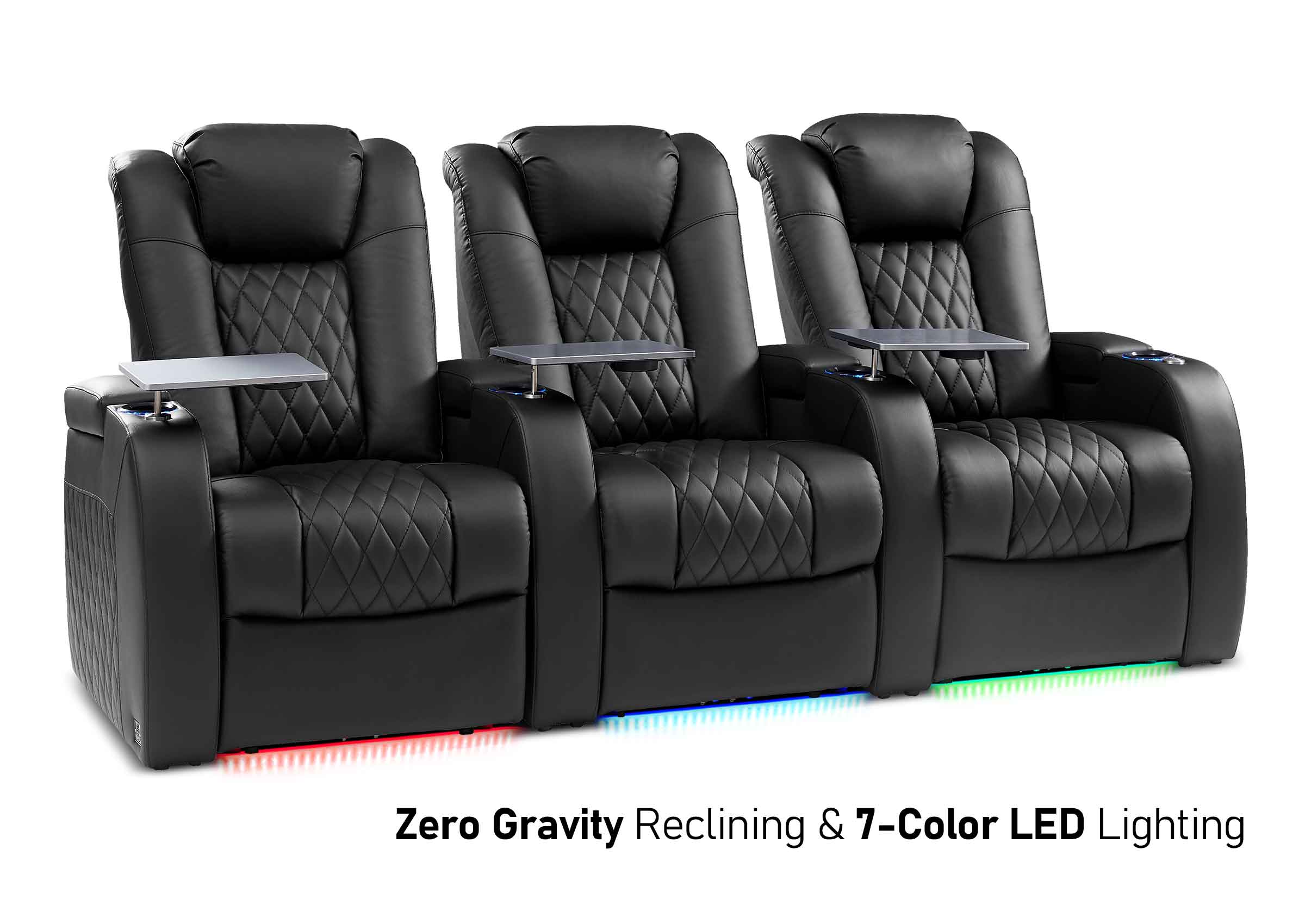
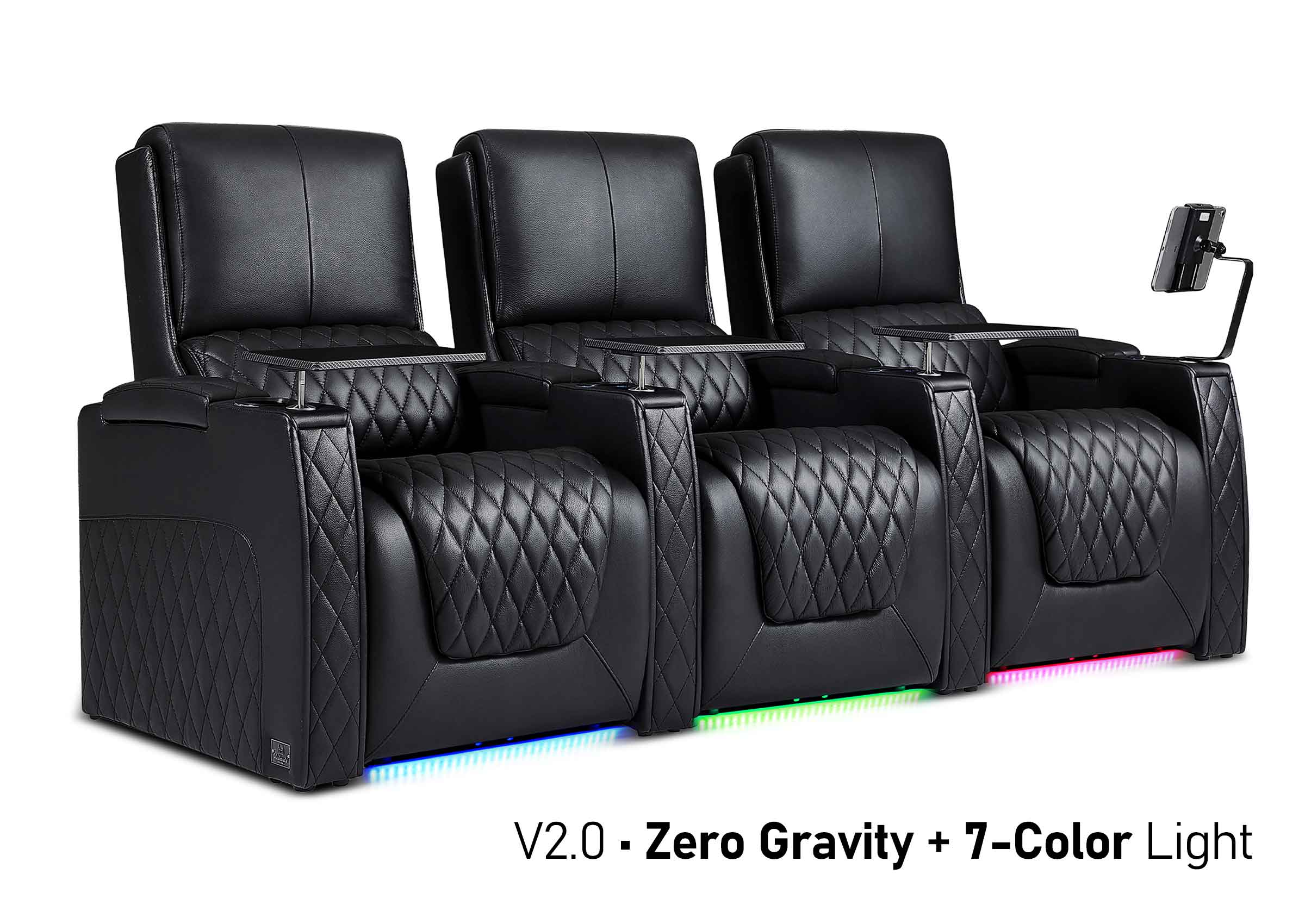
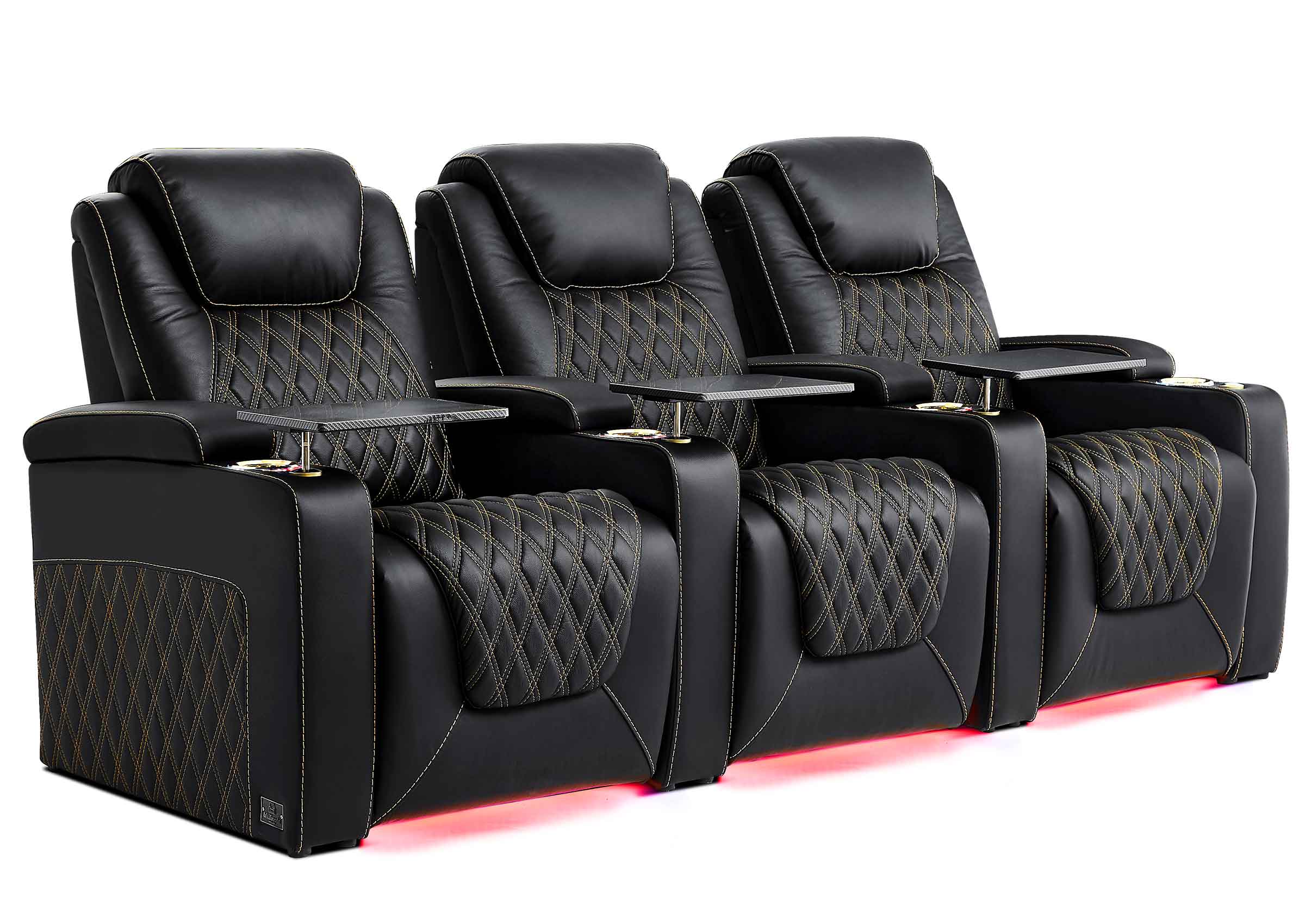
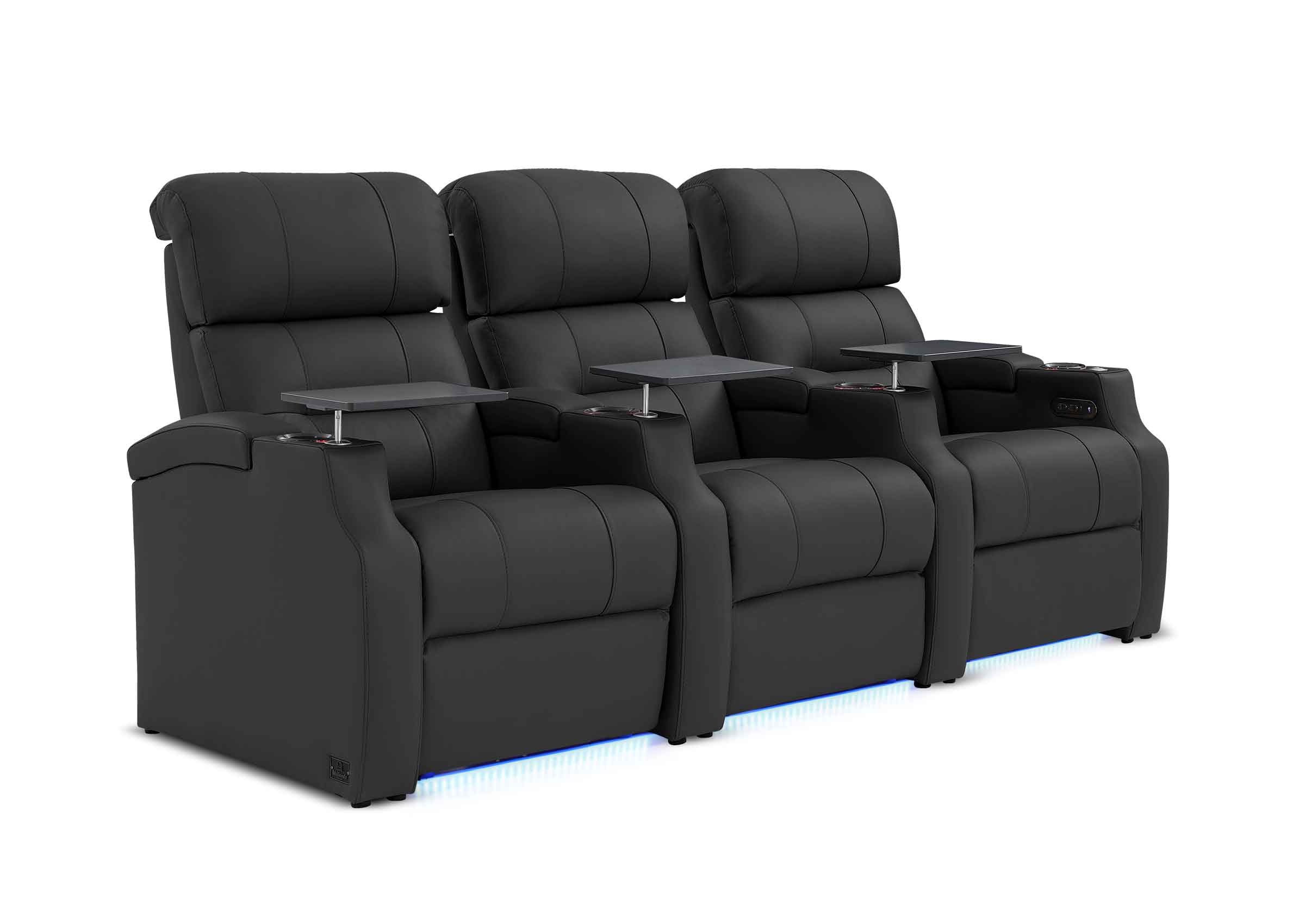
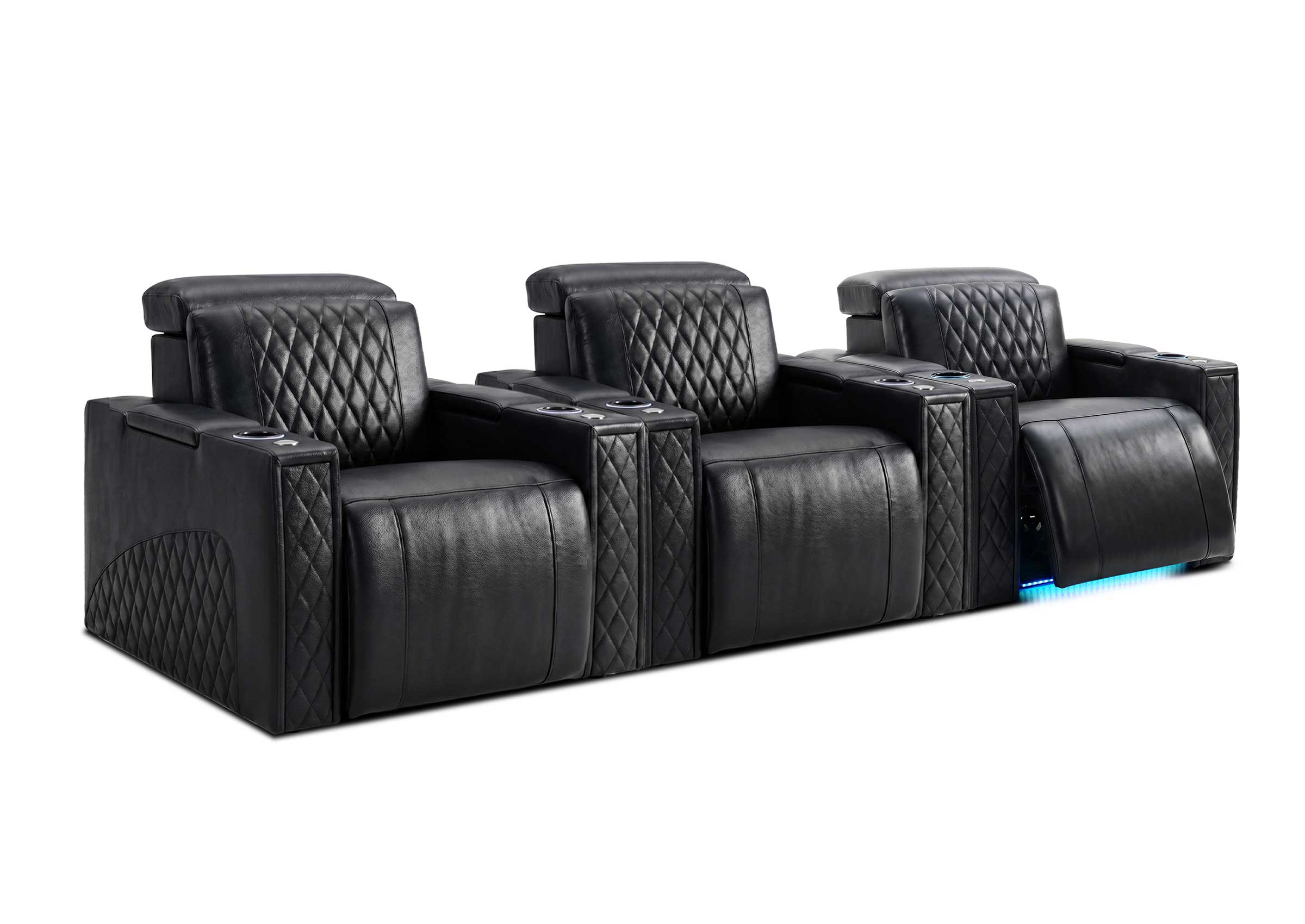

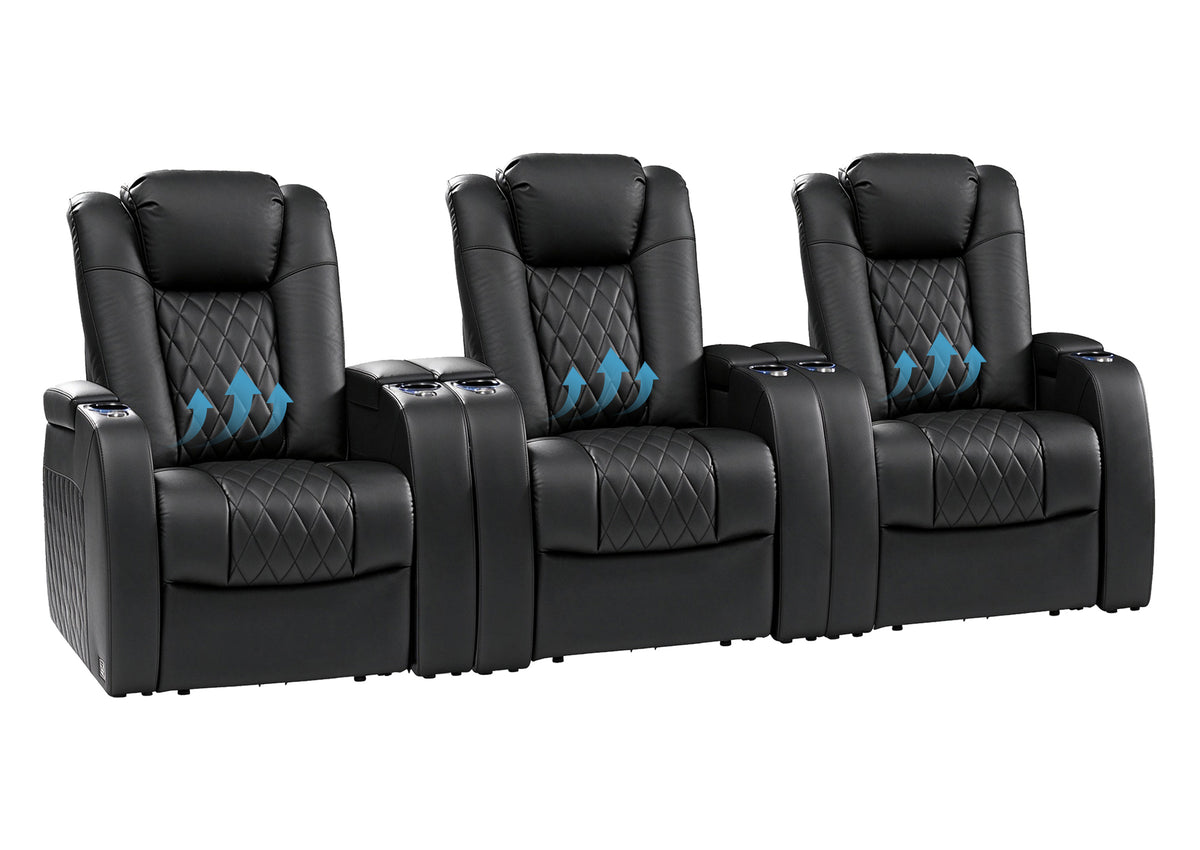
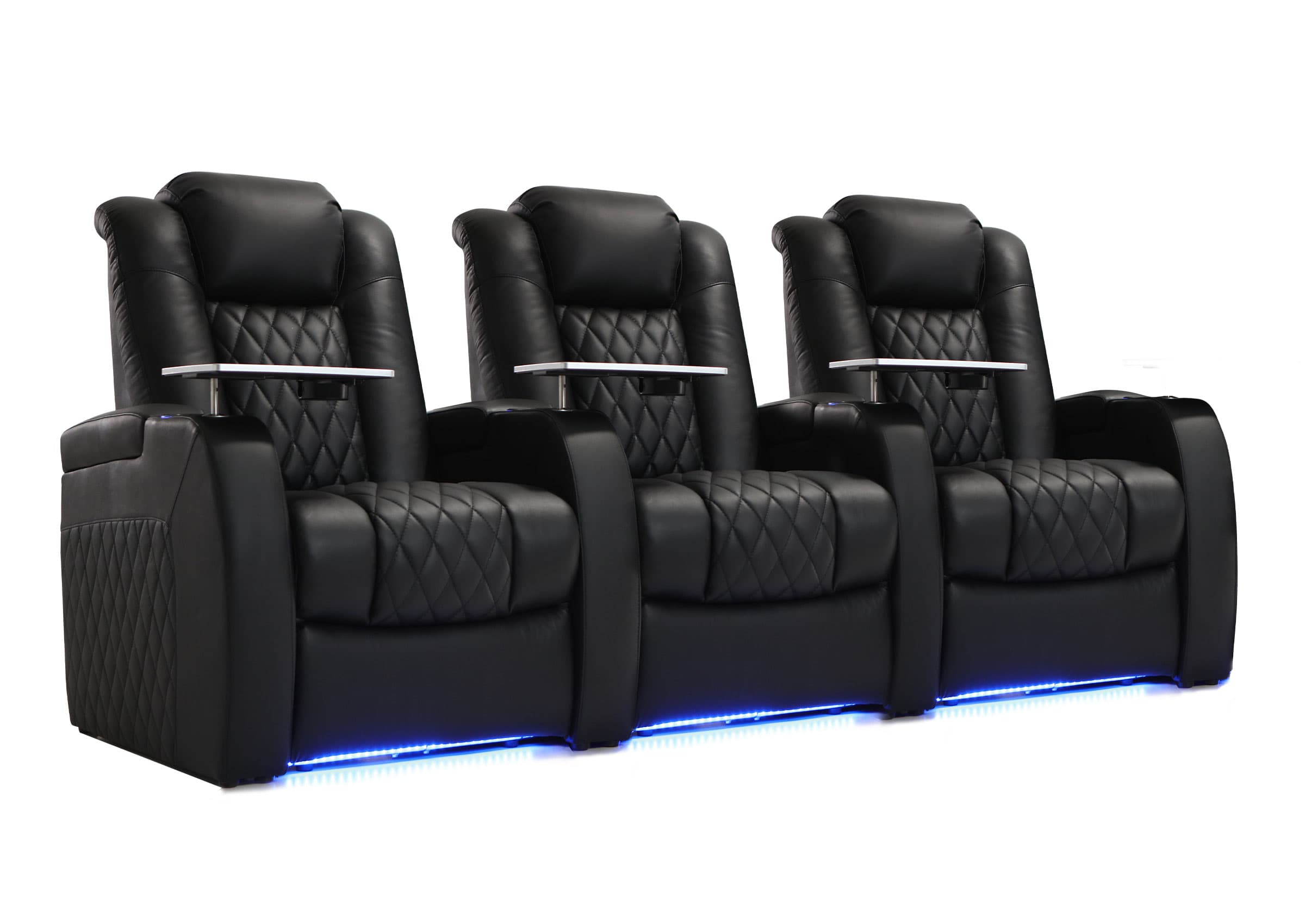
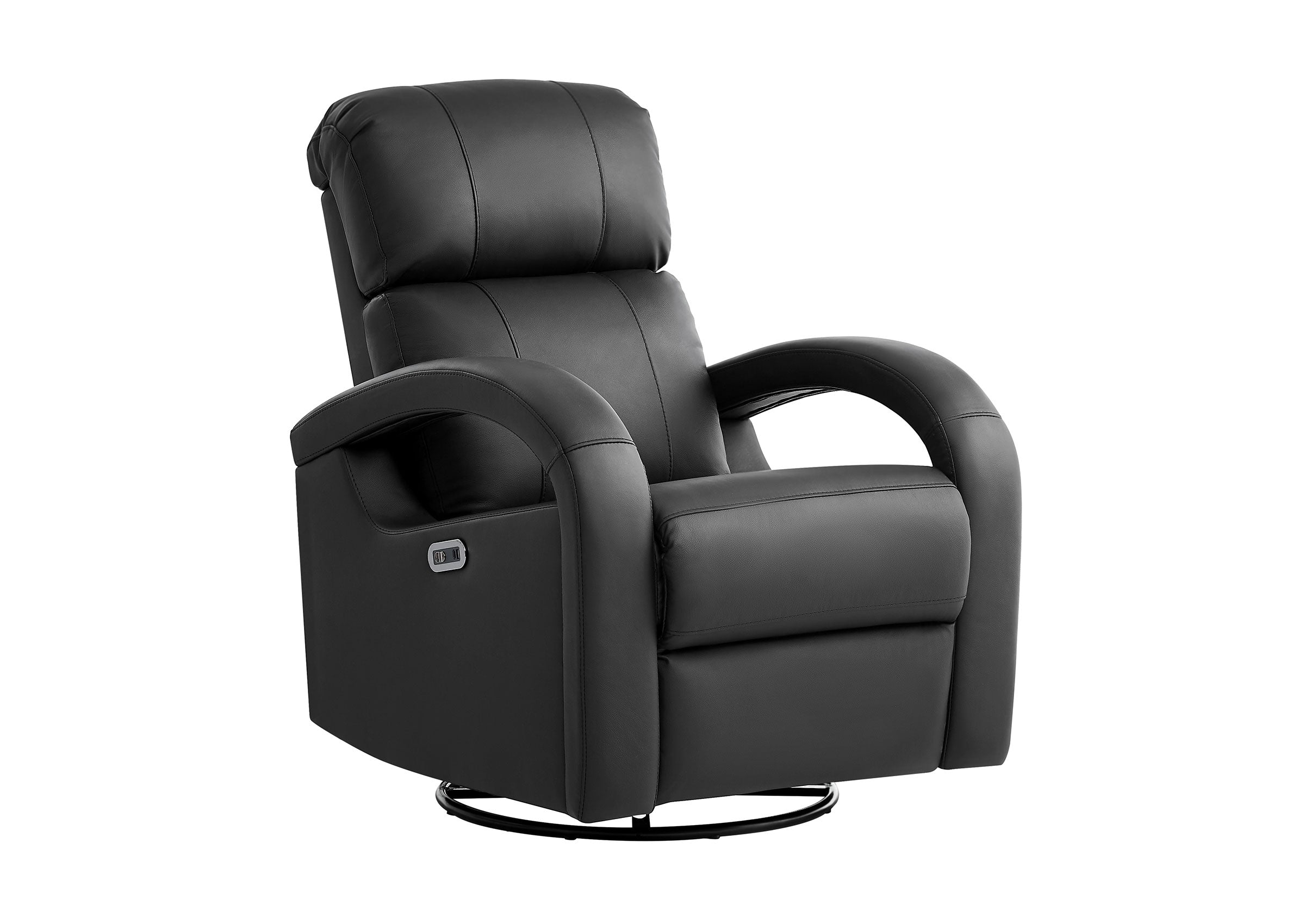

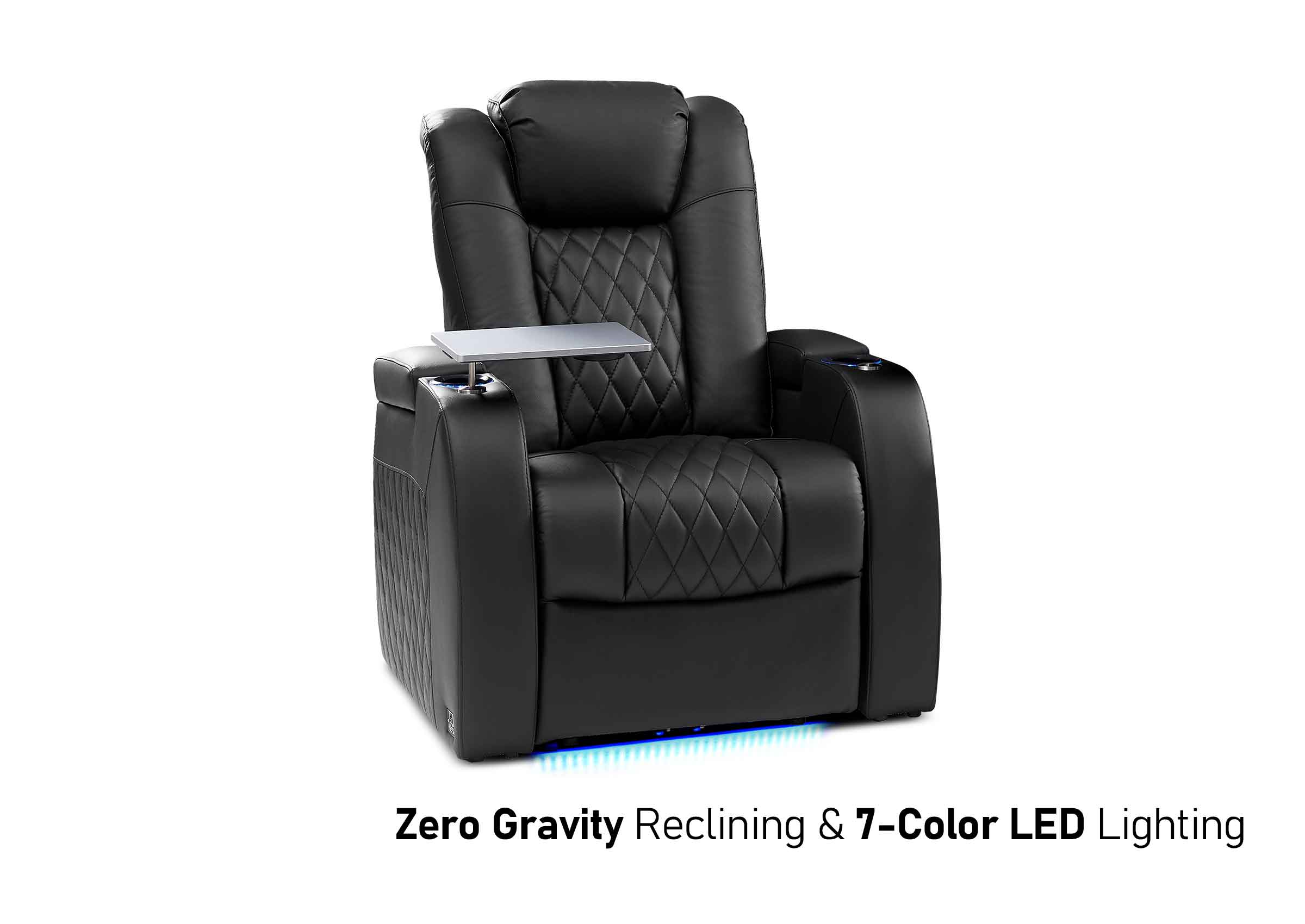
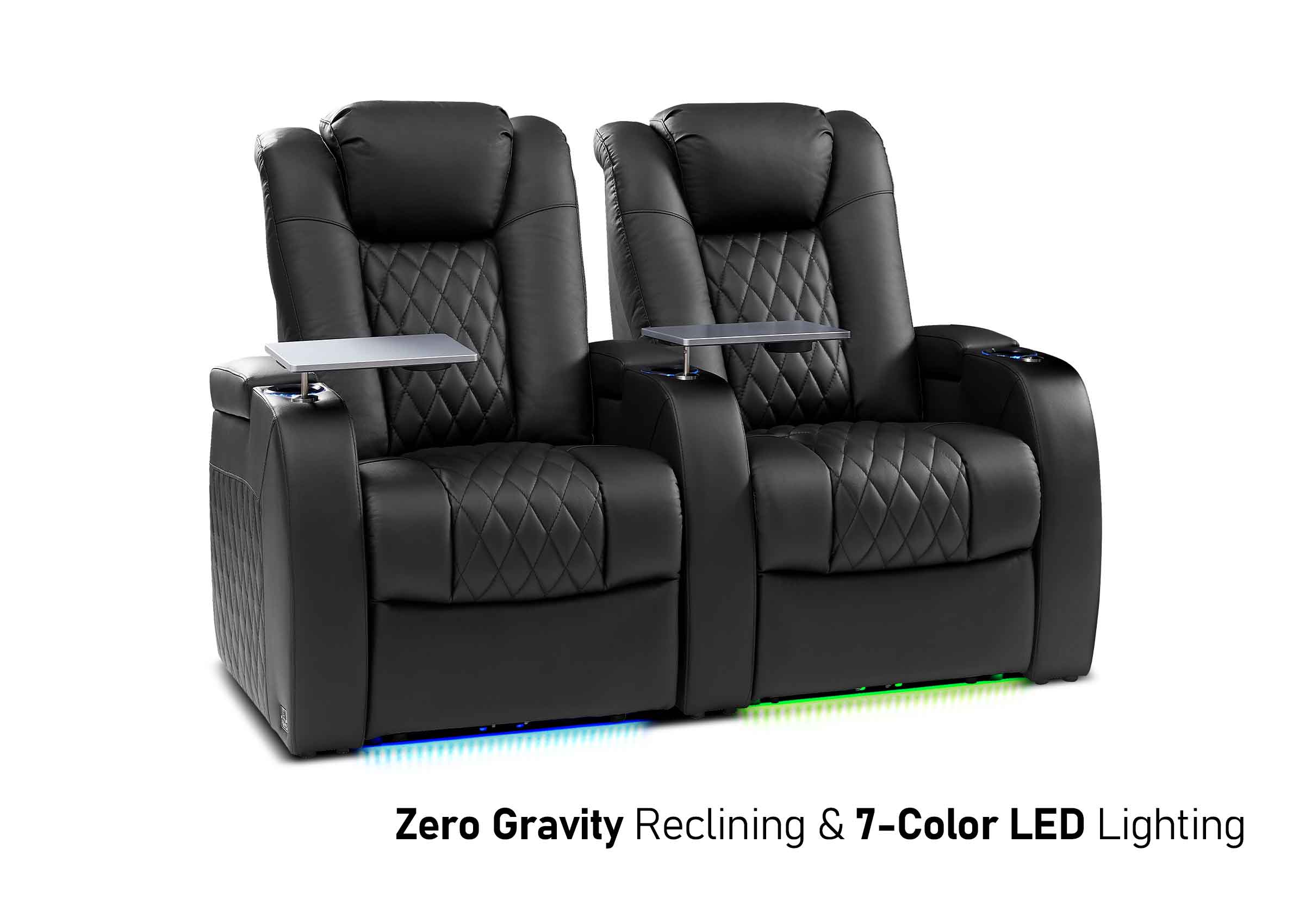
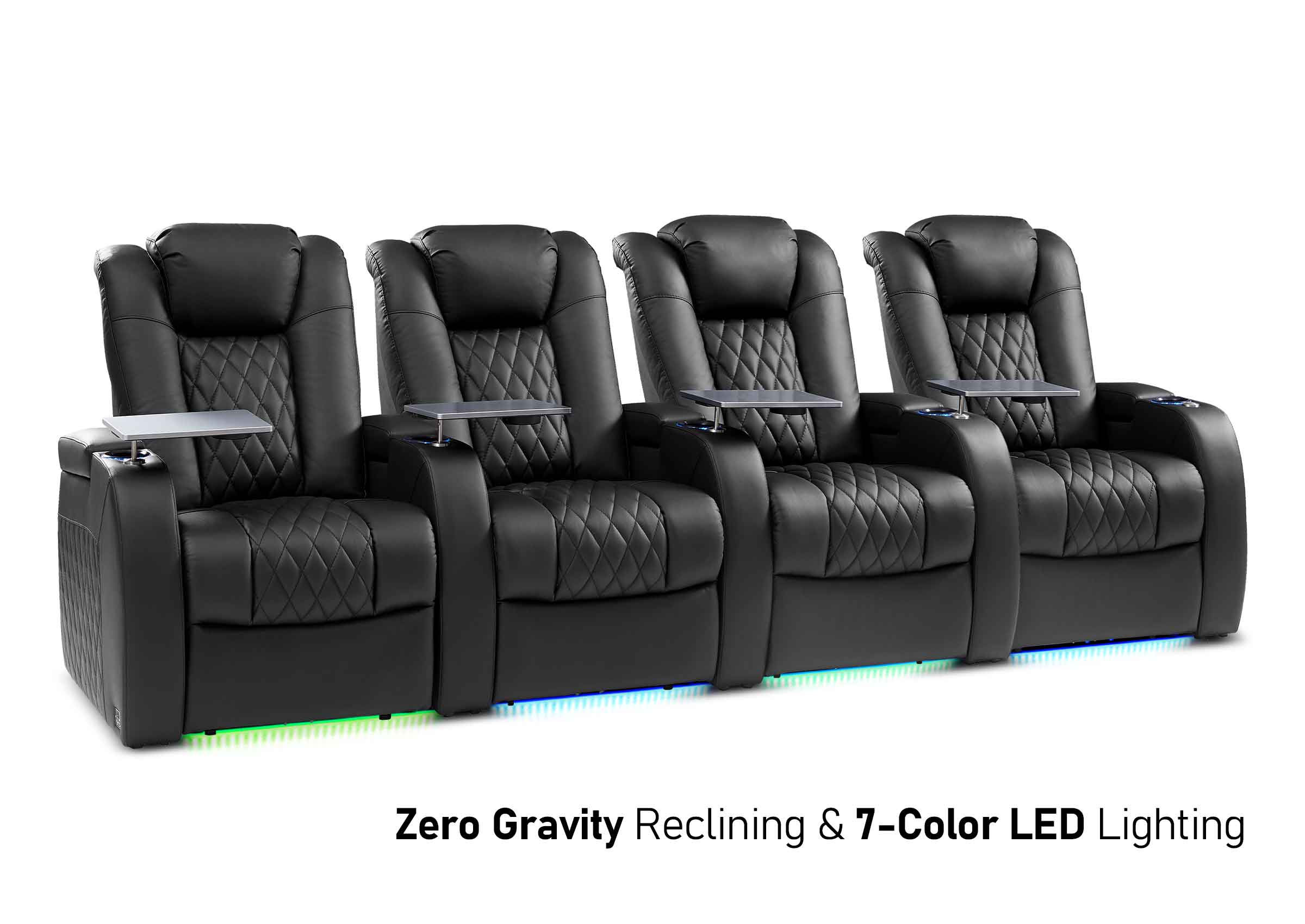
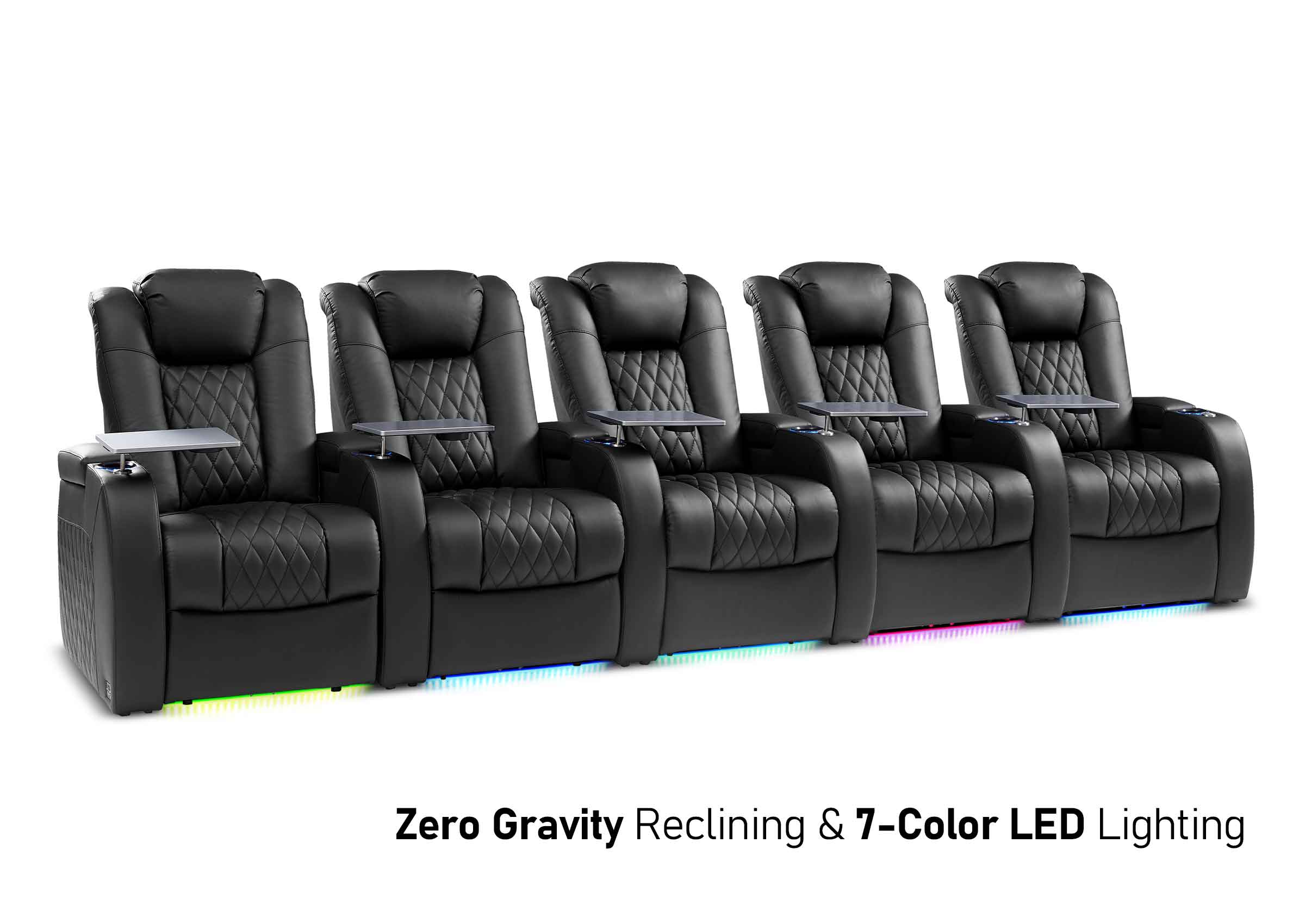




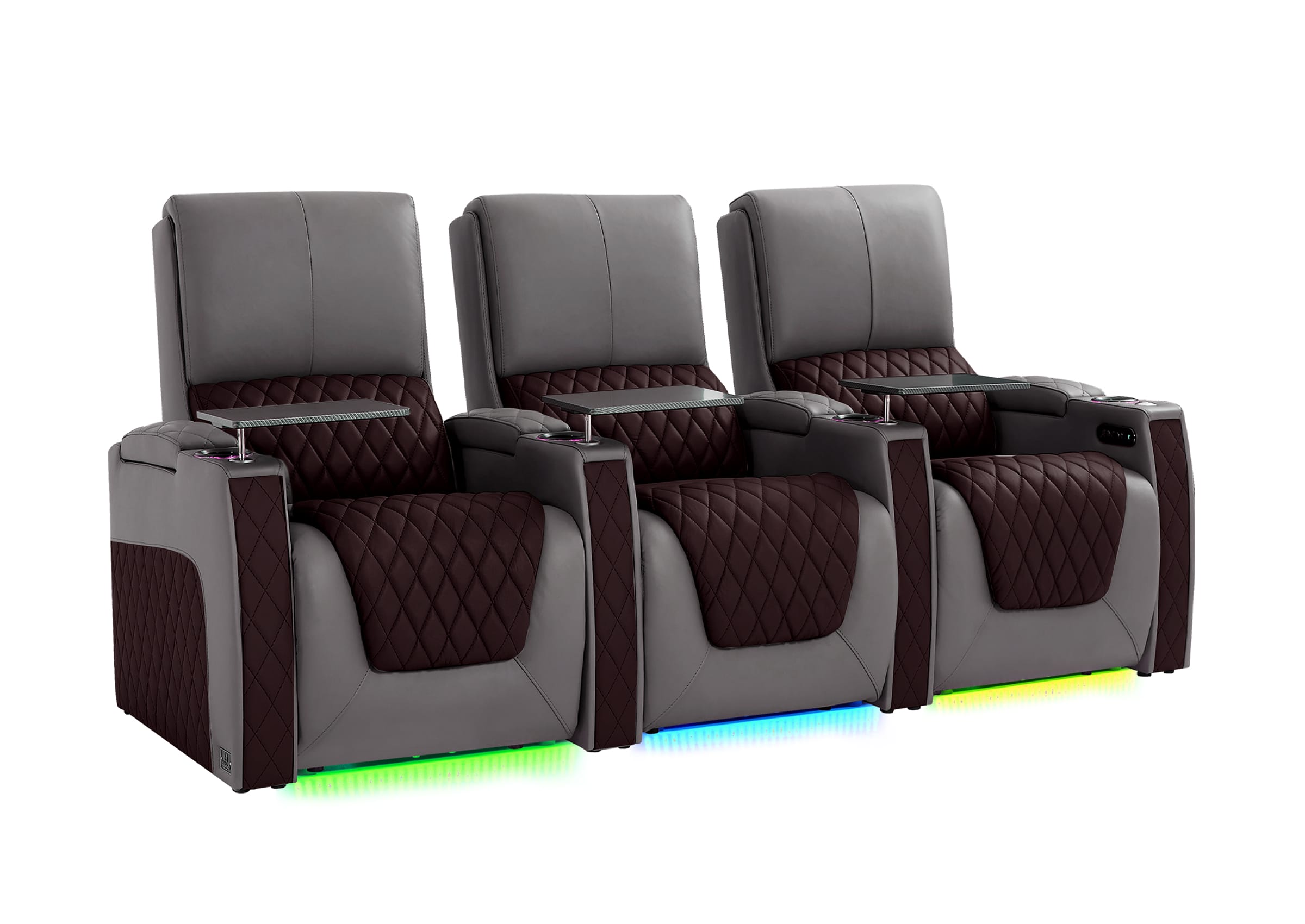
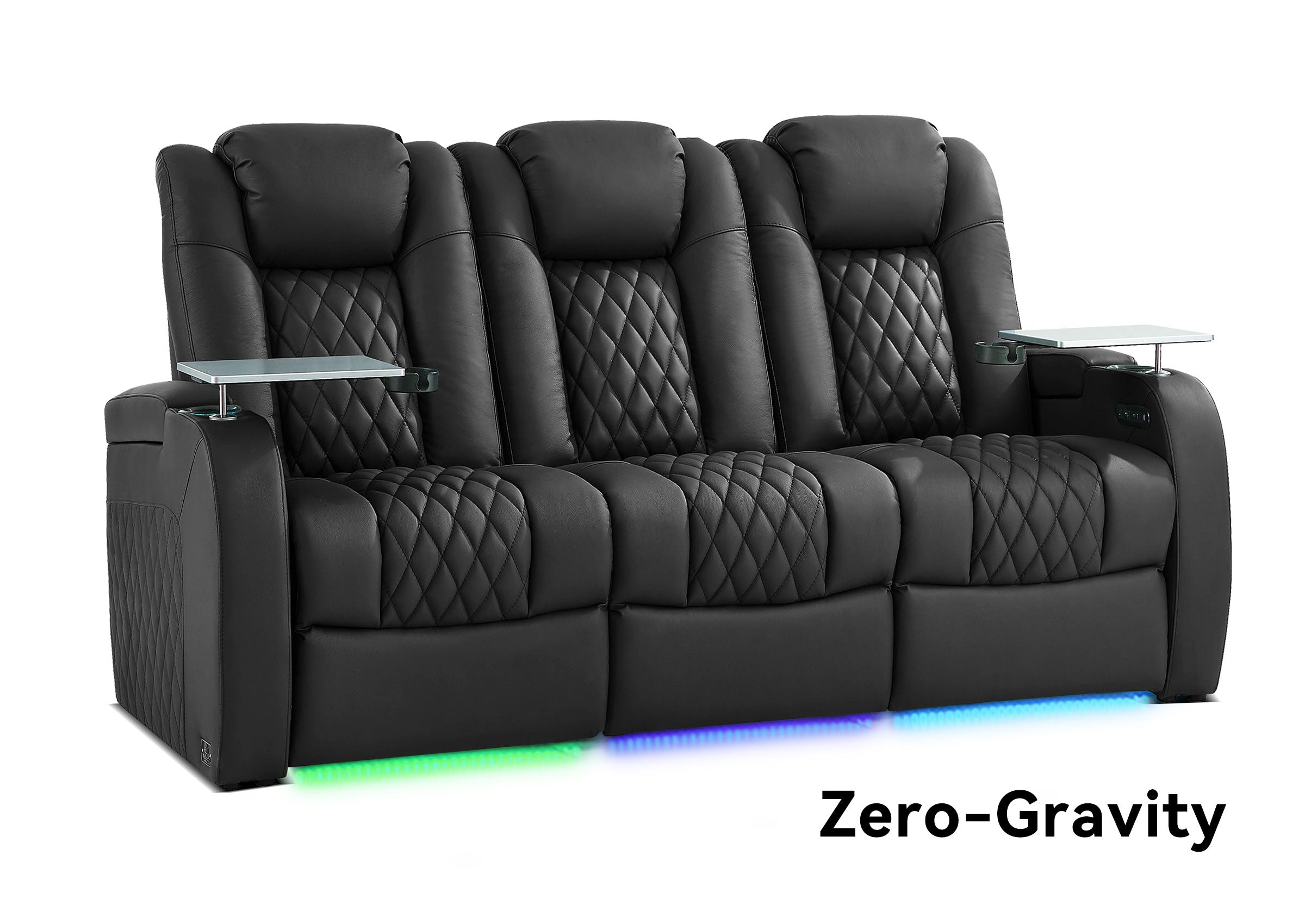


Walk into a furniture store—or start browsing sofas online—and the names can get confusing fast. One couch is described as a Chesterfield, another as modular, another as a sectional, and another as mid-century modern. Then you see terms like reclining, chaise, tuxedo, Lawson, and sleeper mixed into the same filters.
The confusion comes from one simple problem: not every couch name describes the same thing.
Some names describe the visual design. Others describe the shape, configuration, function, or size of the furniture.
For example, a couch could be a mid-century modern modular sectional with reclining seats and leather upholstery. None of those descriptions necessarily contradict one another—they describe different parts of the same sofa.
Understanding that distinction makes it much easier to compare different styles of couches without getting lost in furniture terminology.
Couch Style, Type, Configuration, and Material Are Not the Same Thing
Before comparing individual couches, it helps to know what the labels are actually telling you.
| What the Name Describes | Examples |
|---|---|
| Visual style or silhouette | Chesterfield, Lawson, Tuxedo, Mid-Century Modern |
| Shape or configuration | Sectional, chaise, L-shaped |
| Flexibility | Modular |
| Function | Reclining, sleeper |
| Size or intended use | Loveseat |
| Upholstery | Leather, fabric |
This distinction matters because shoppers often compare options that are not actually opposites.
A sectional can be modular.
A modular sofa can recline.
A Chesterfield can be upholstered in leather or fabric.
A sleeper sofa can have contemporary track arms.
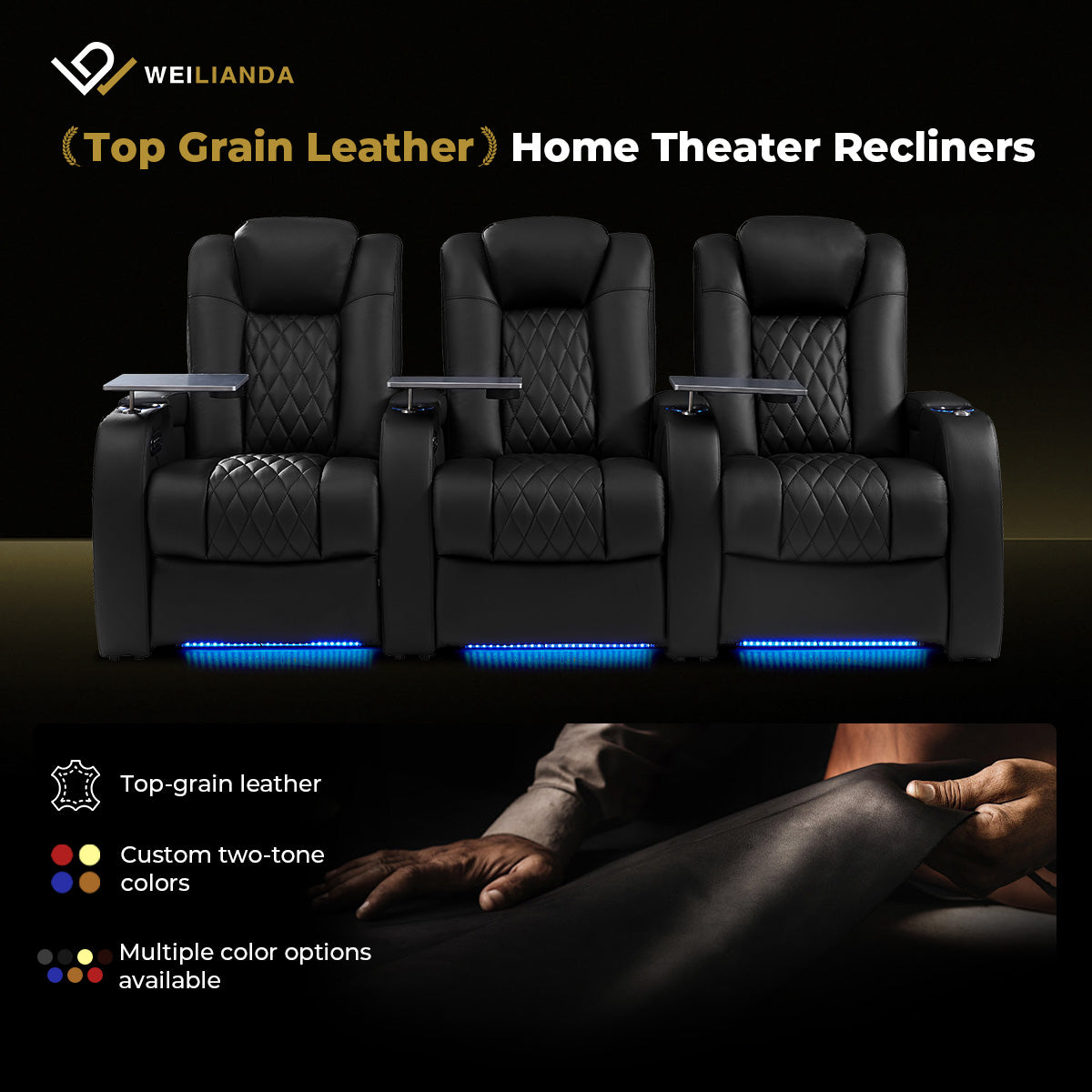
And leather itself is not a couch style—it is an upholstery material that can appear on many different couch designs. If leather is already your preferred material, our guide to different types of leather couches goes deeper into how upholstery and sofa configuration work together.
So instead of asking only, “What style is this couch?” it is often more useful to ask:
What is its silhouette, how is it configured, what does it do, and how will it fit the room?
A Quick Guide to 16 Common Couch Styles and Types
| Couch Style or Type | How to Recognize It | What It Mainly Describes |
|---|---|---|
| Chesterfield | Deep button tufting and rolled arms | Visual style |
| Lawson | Separate back cushions and relatively low arms | Visual style |
| Tuxedo | Arms approximately as high as the back | Visual style |
| English Roll Arm | Rounded low arms and a relaxed traditional profile | Visual style |
| Bridgewater | Low rolled arms and a softer, casual silhouette | Visual style |
| Camelback | Curved or raised center section along the back | Visual style |
| Cabriole | Curved back and arms with an elegant traditional shape | Visual style |
| Mid-Century Modern | Clean lines, lower profile, tapered exposed legs | Visual style |
| Track-Arm Contemporary | Straight arms and simple geometric lines | Visual style |
| Curved Sofa | Rounded or sweeping overall silhouette | Shape/style |
| Sectional | Multiple connected seating sections | Configuration |
| Modular Sofa | Individual modules designed as part of a system | Configuration/flexibility |
| Chaise Sofa | Extended lounging section for the legs | Configuration |
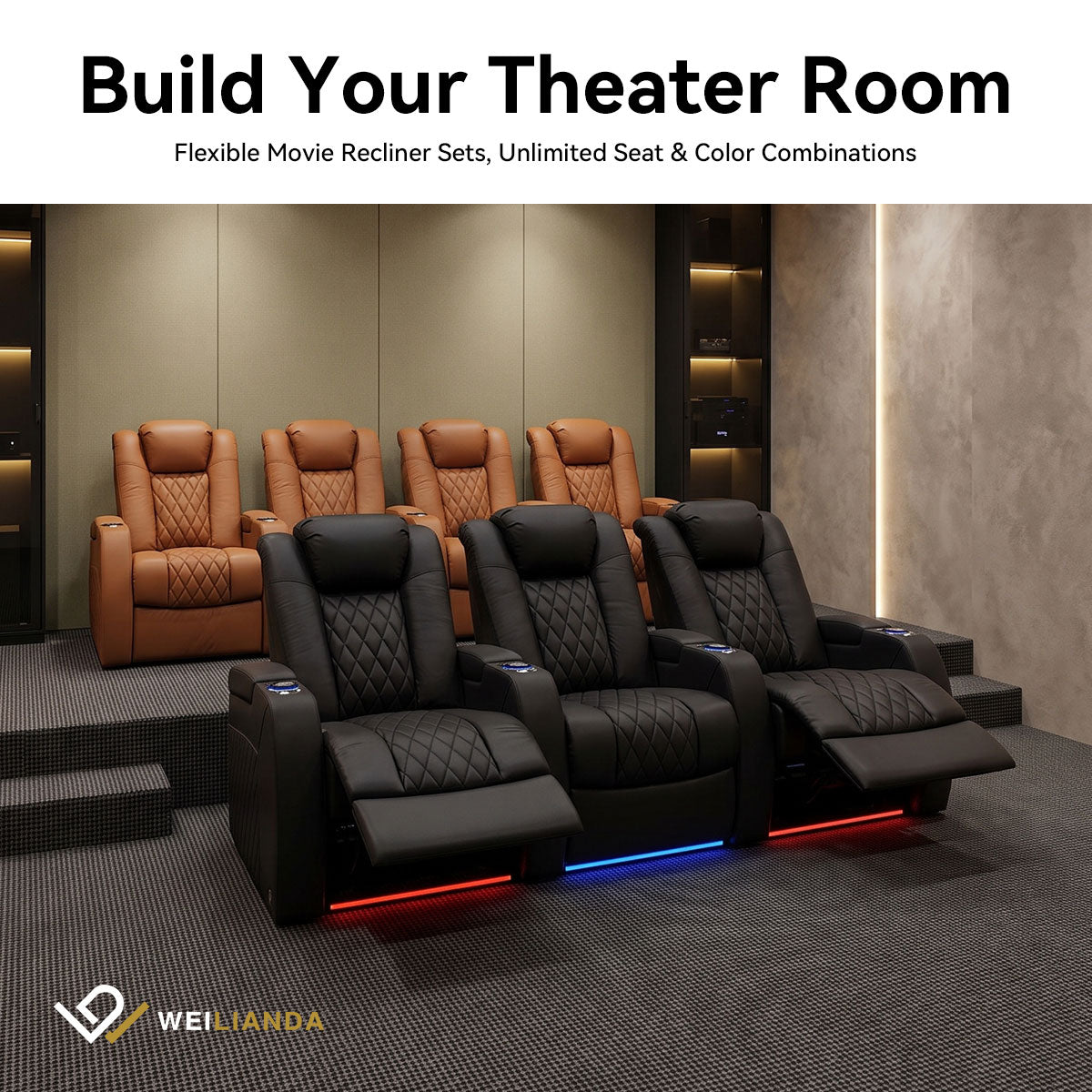
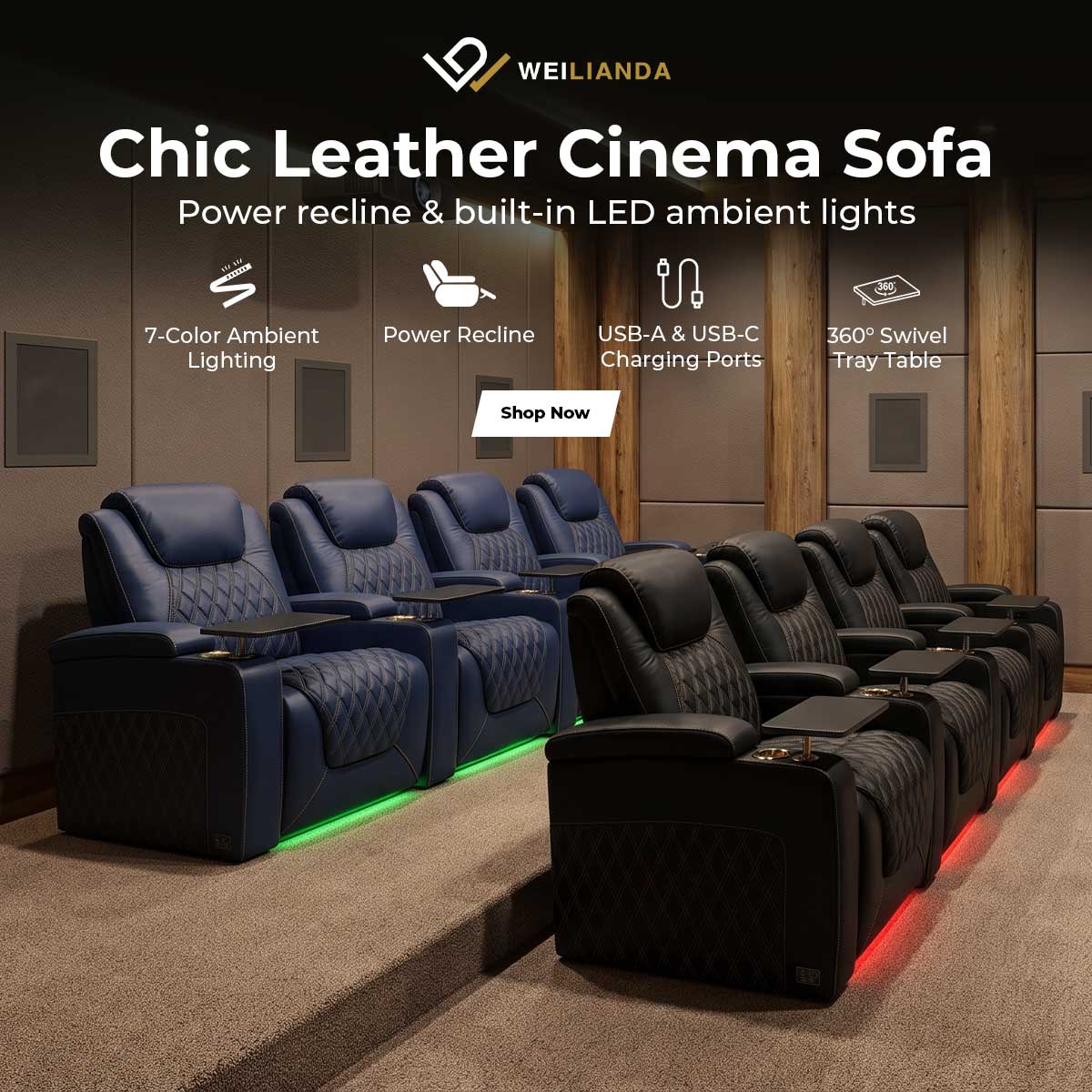
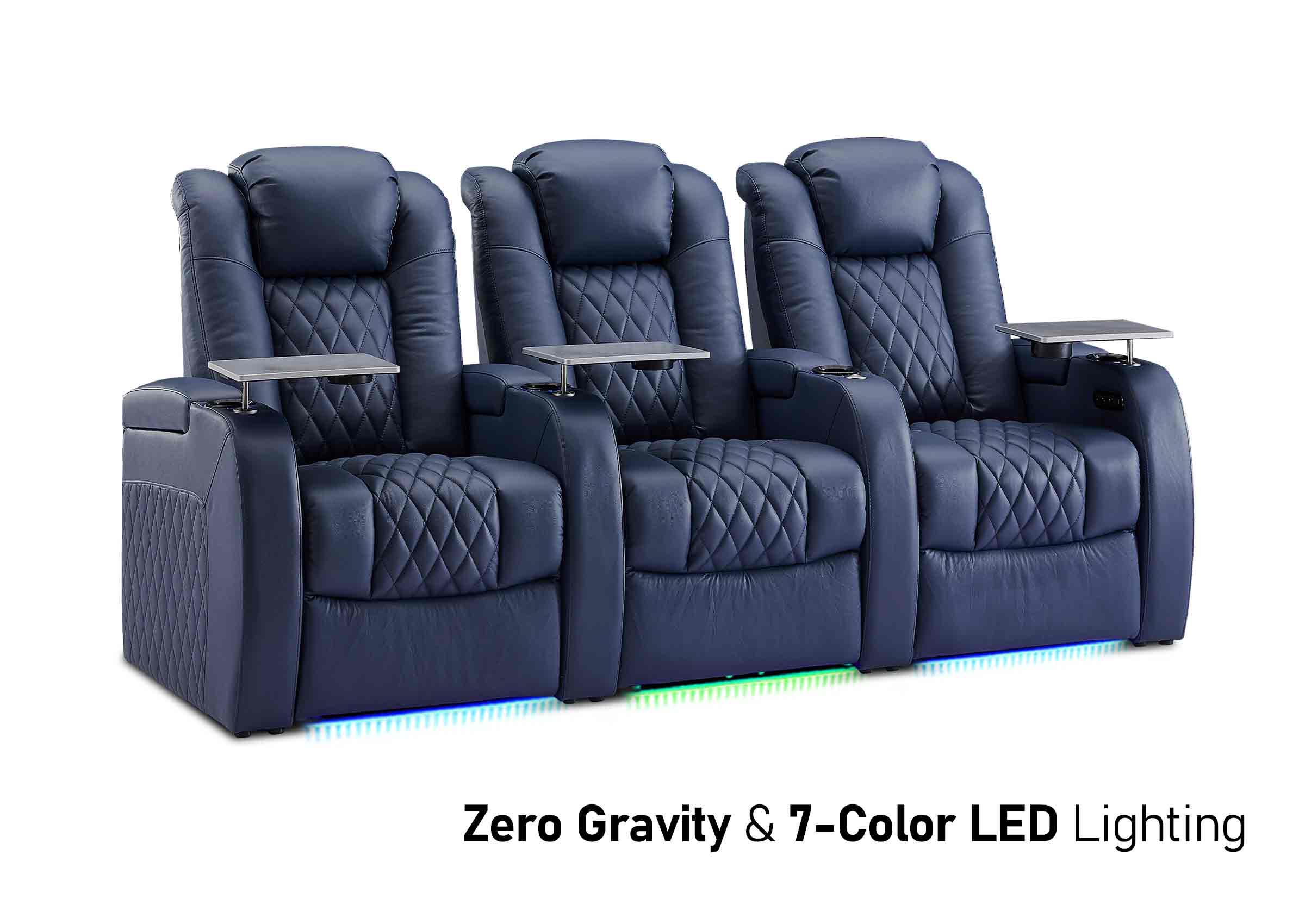
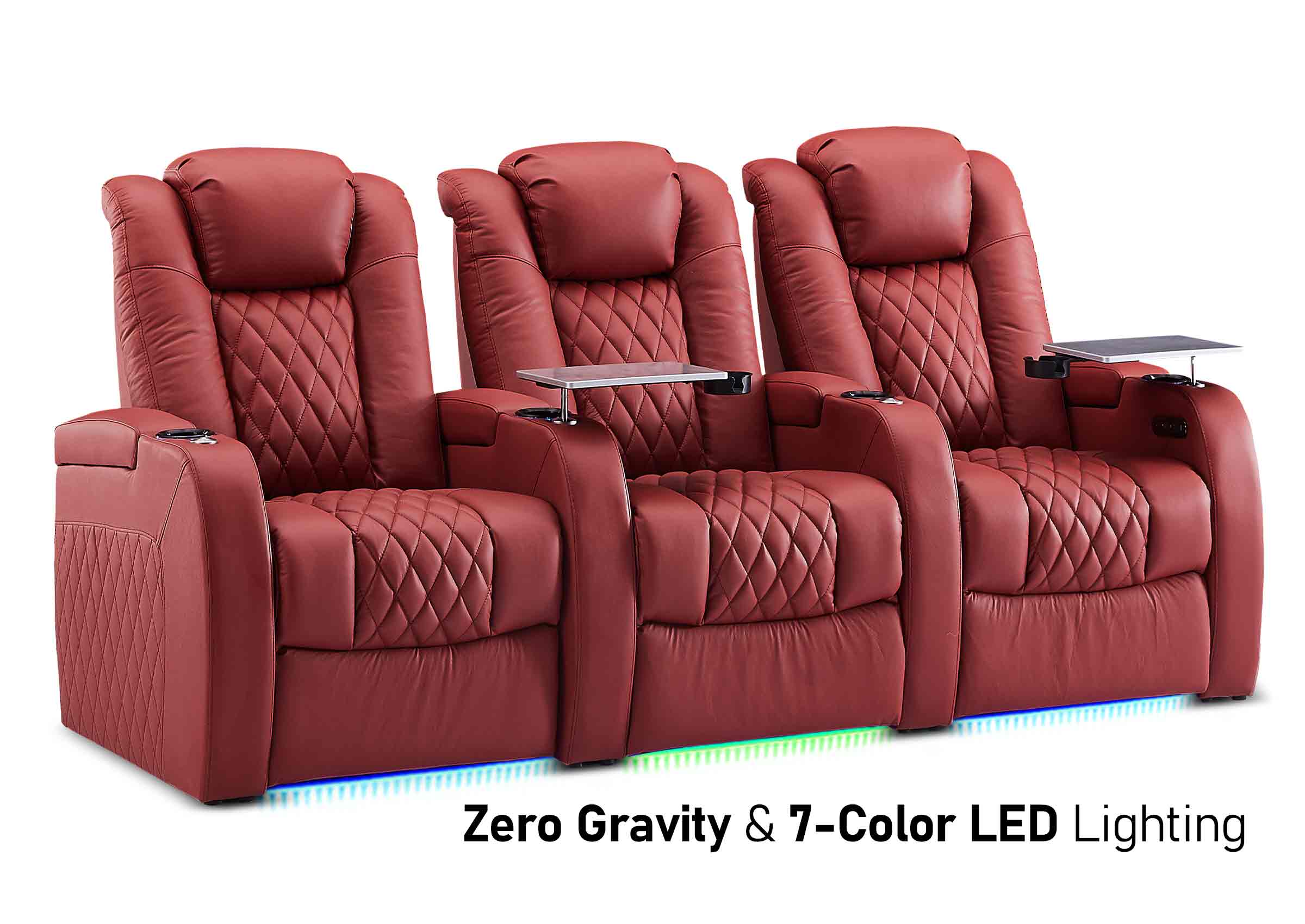
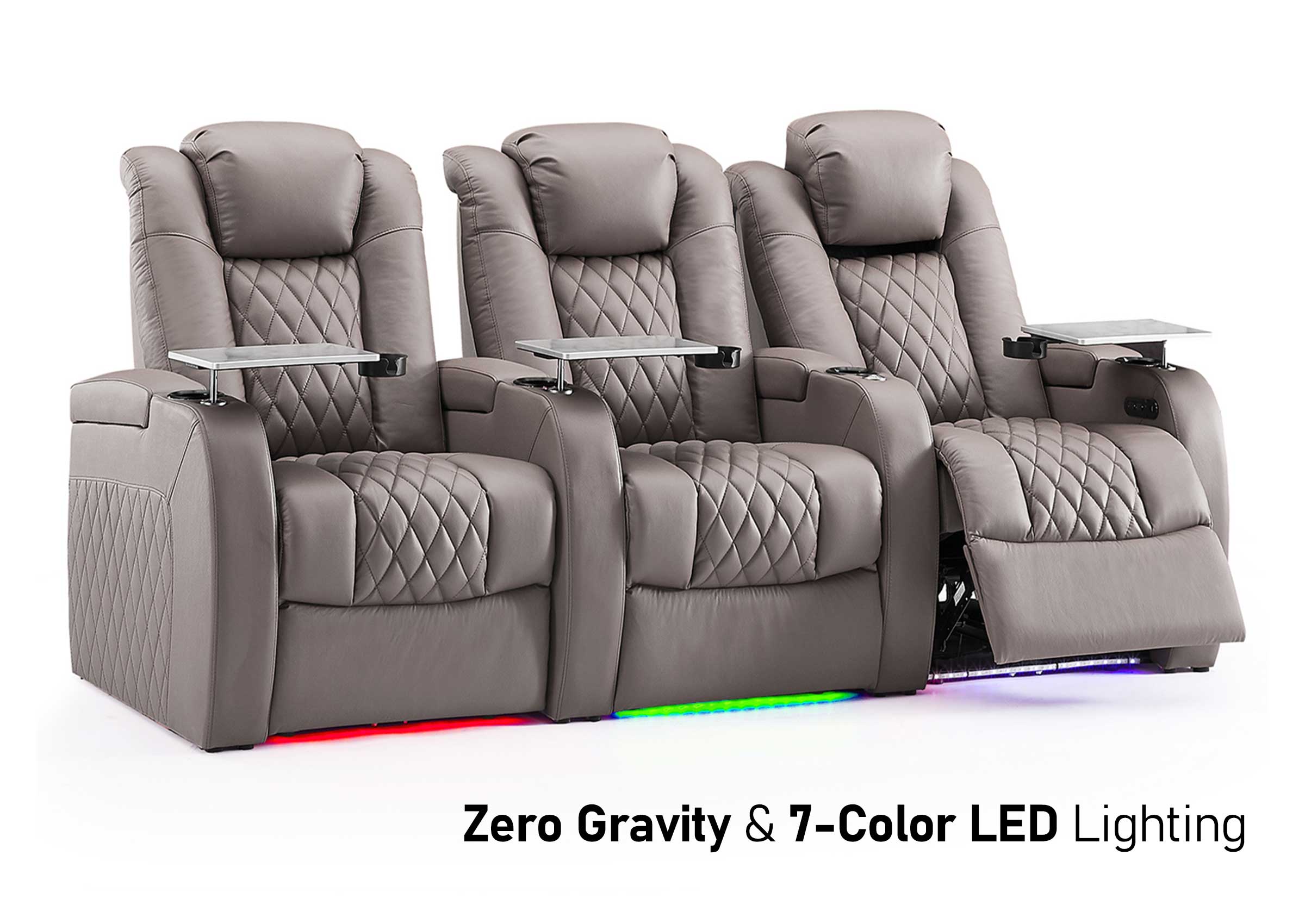
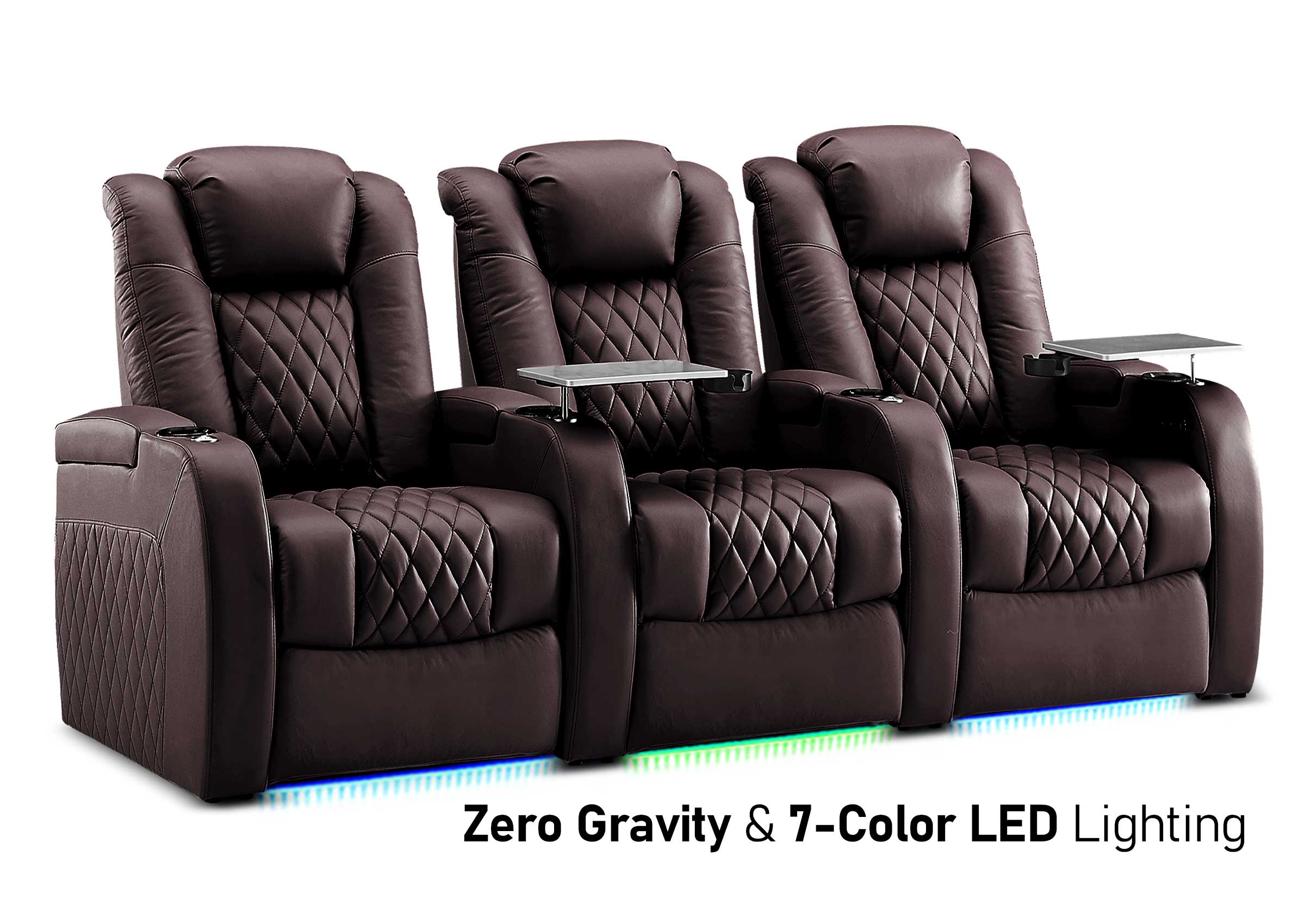
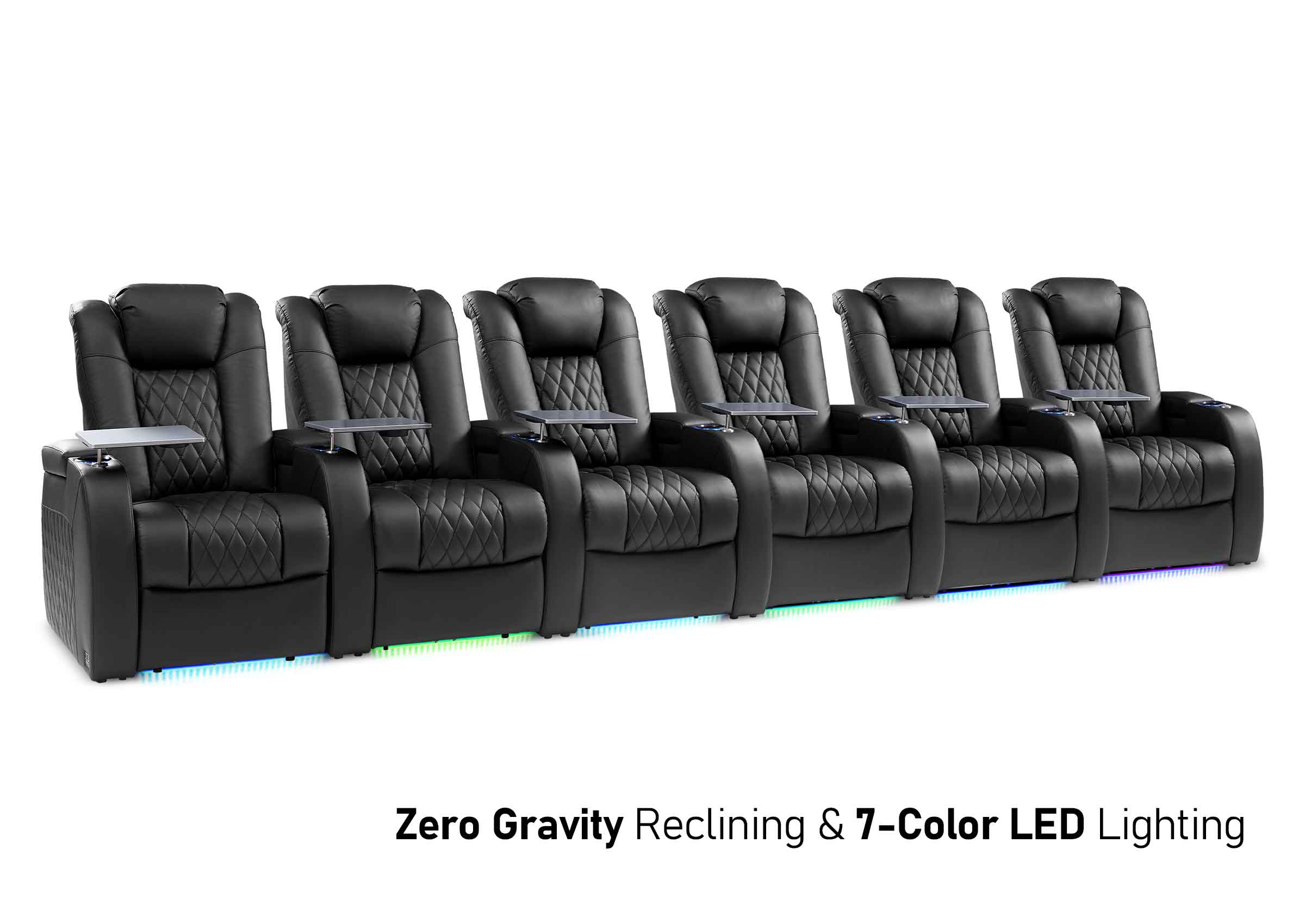
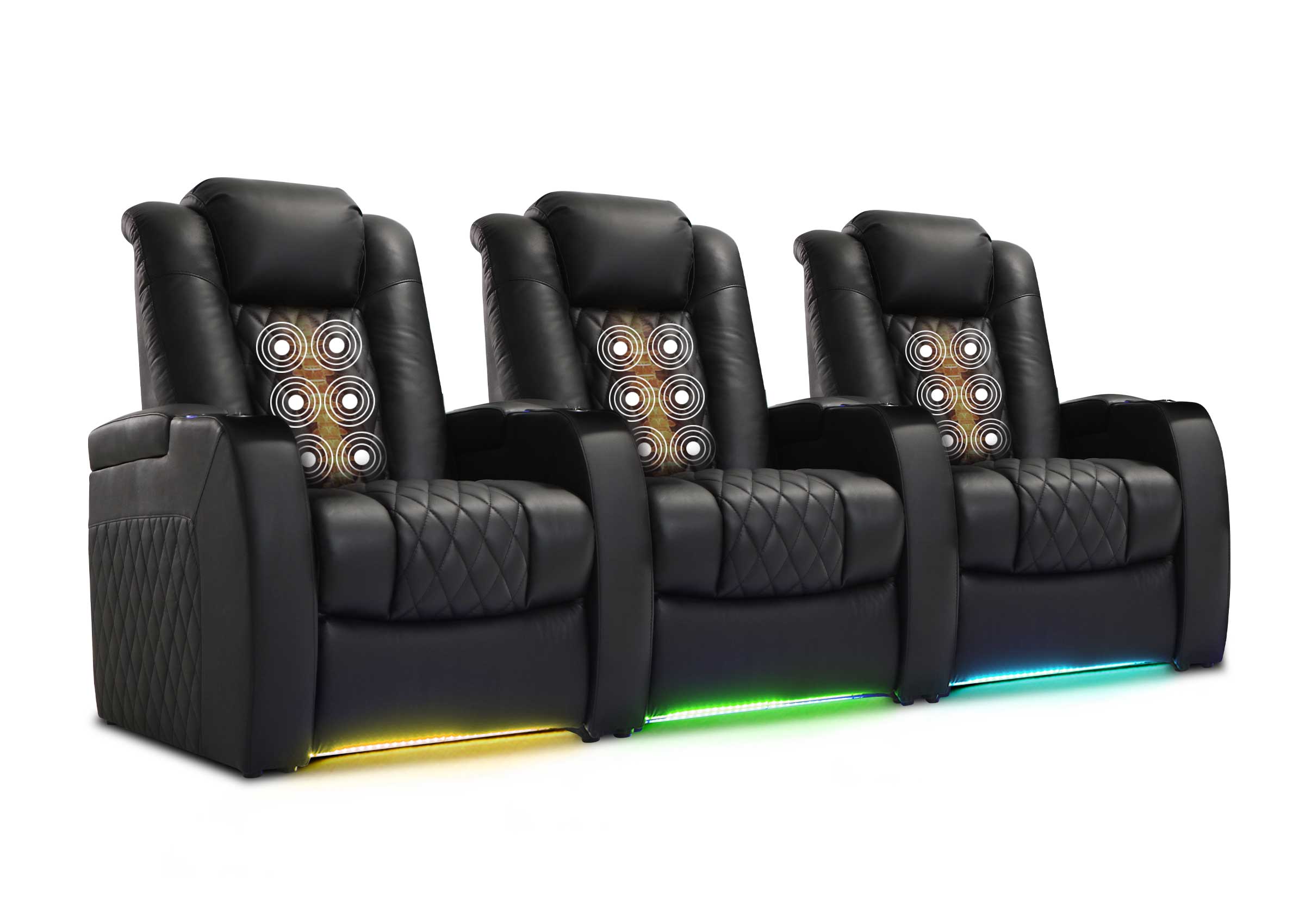
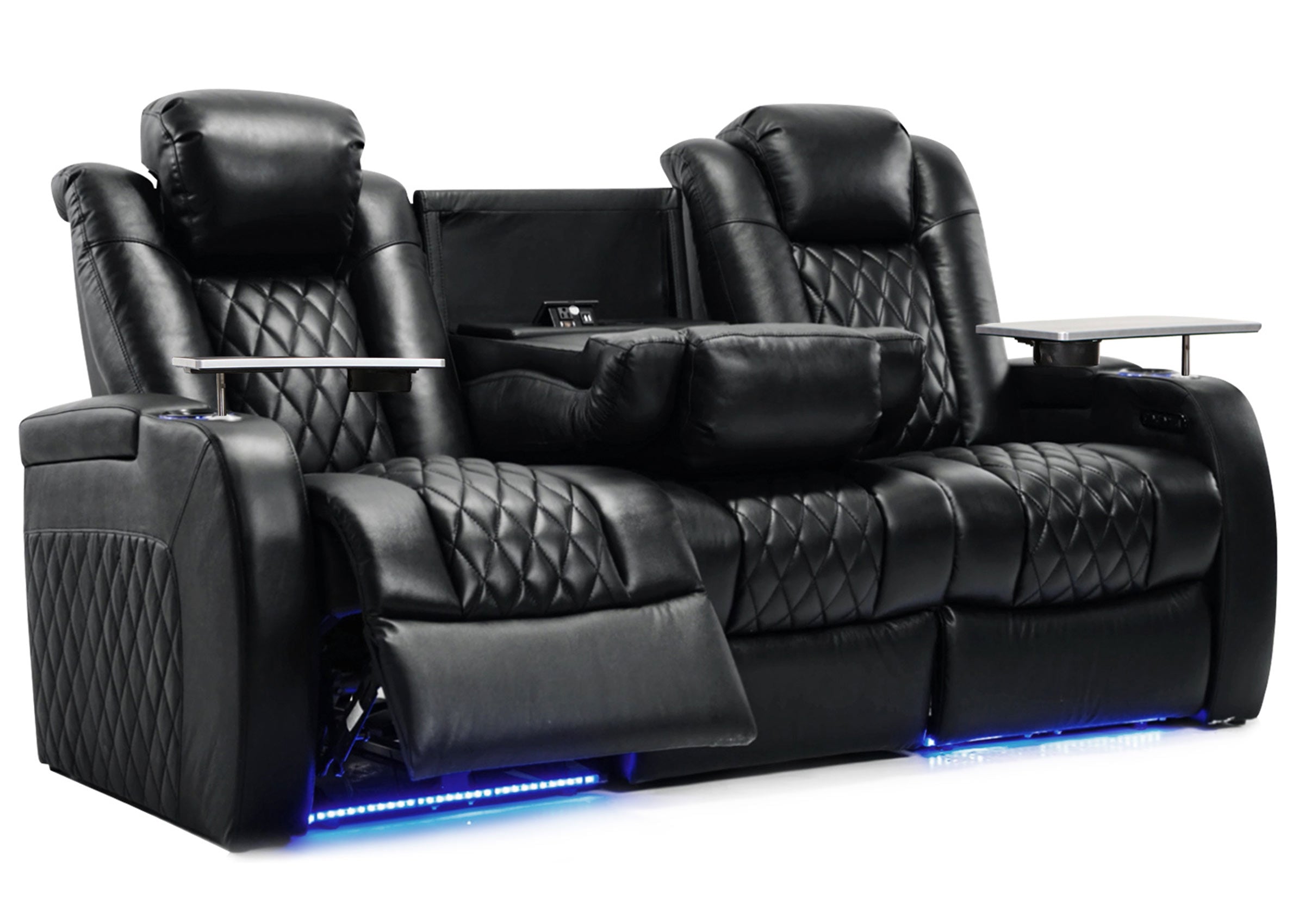
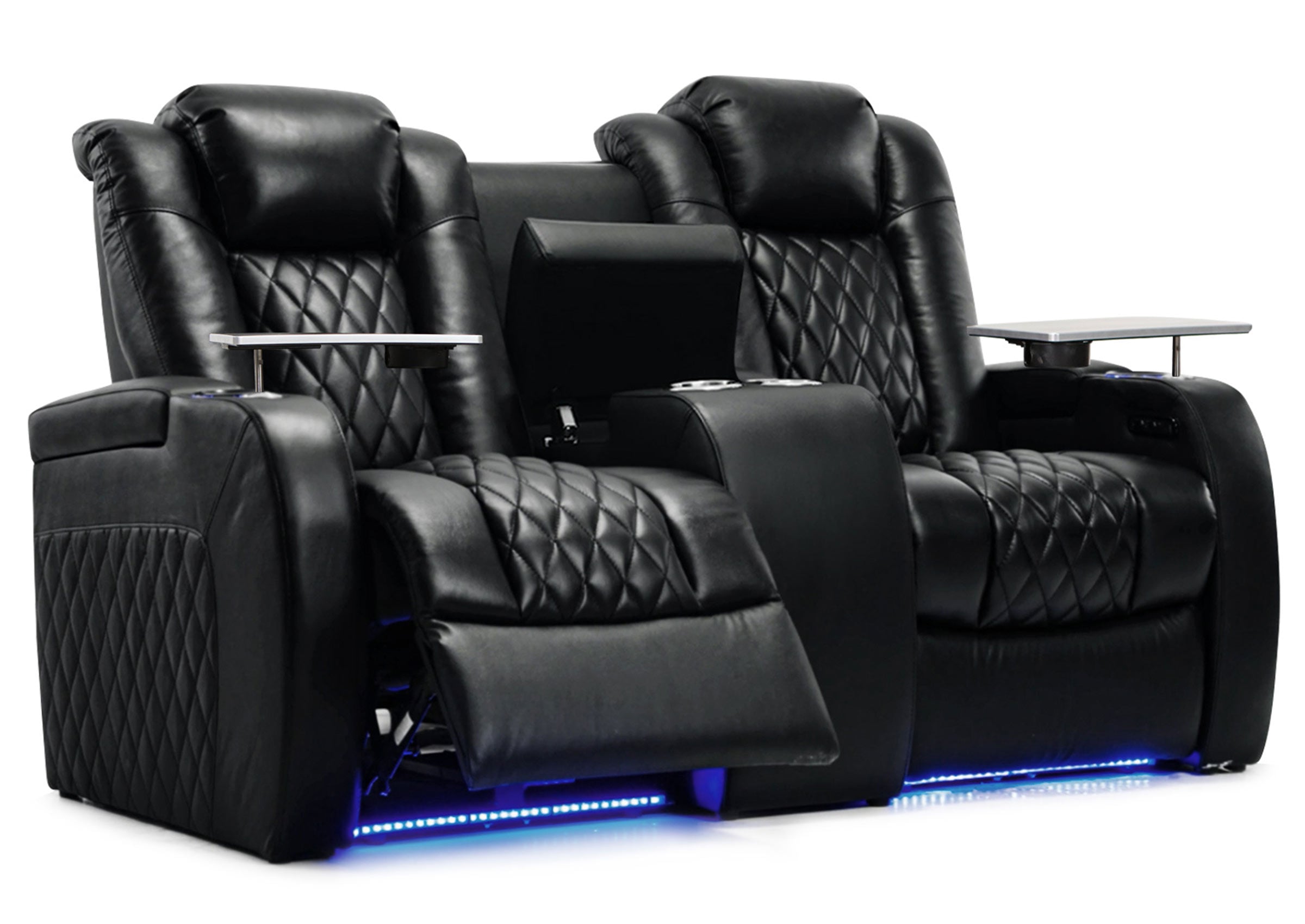
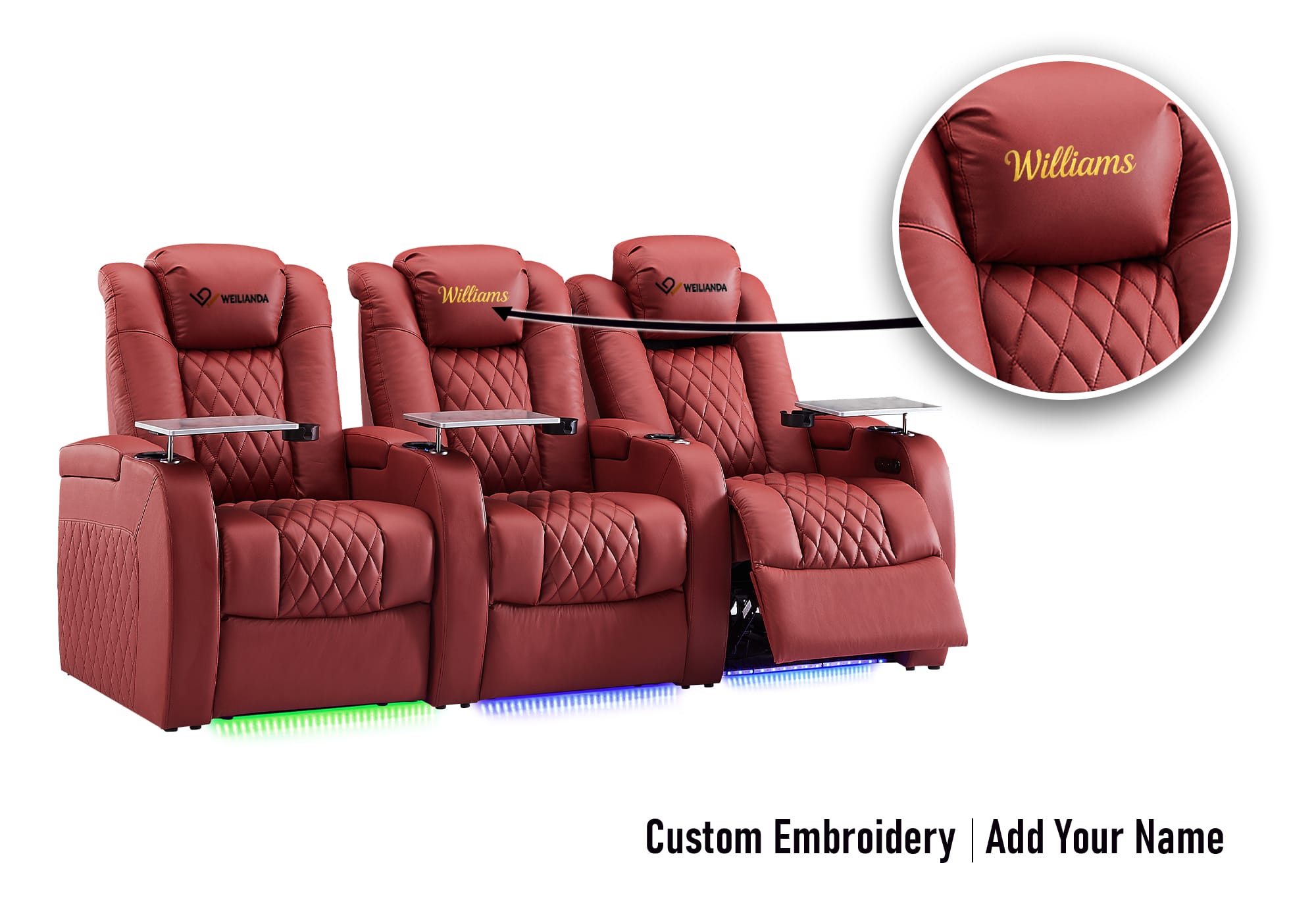
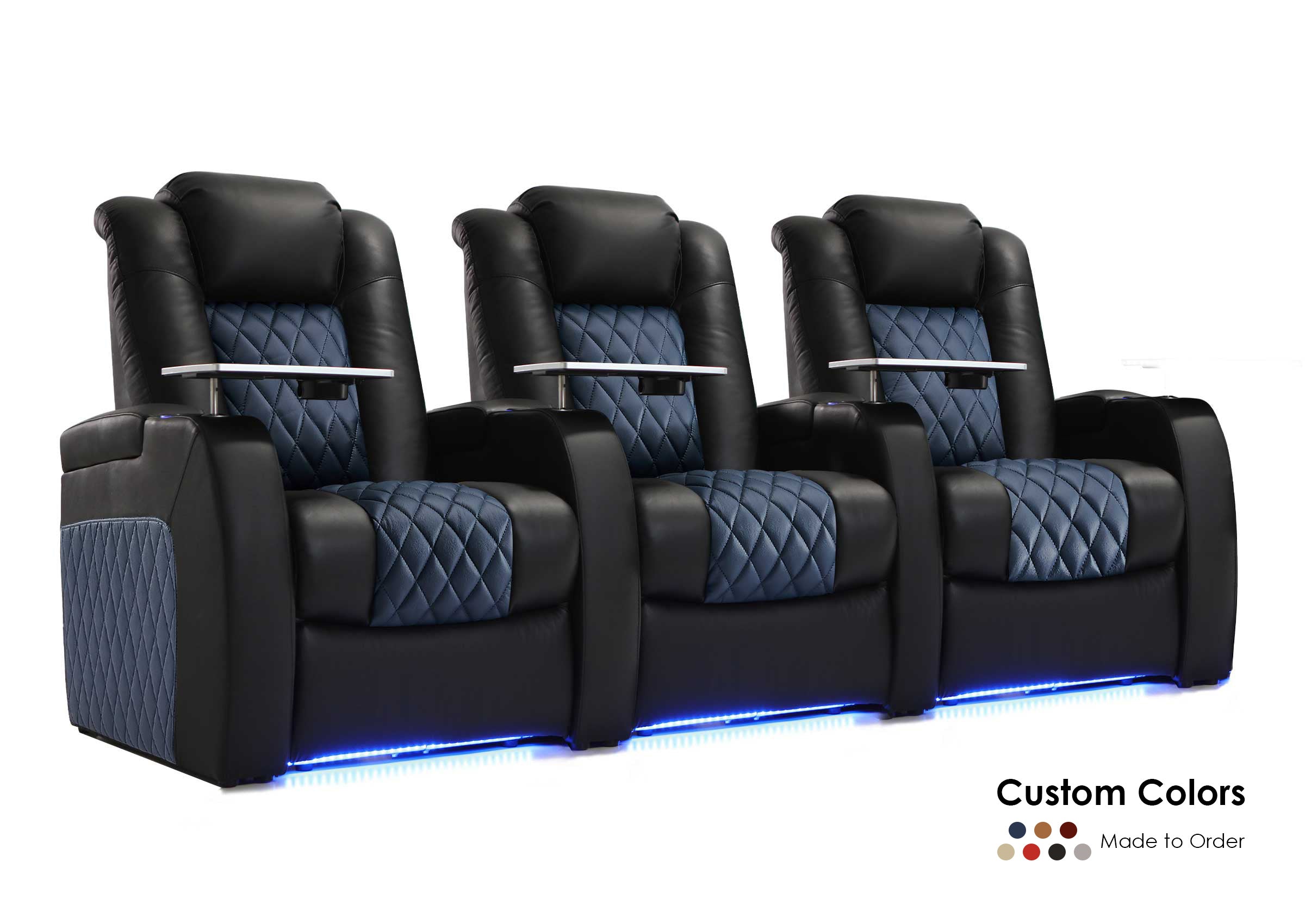
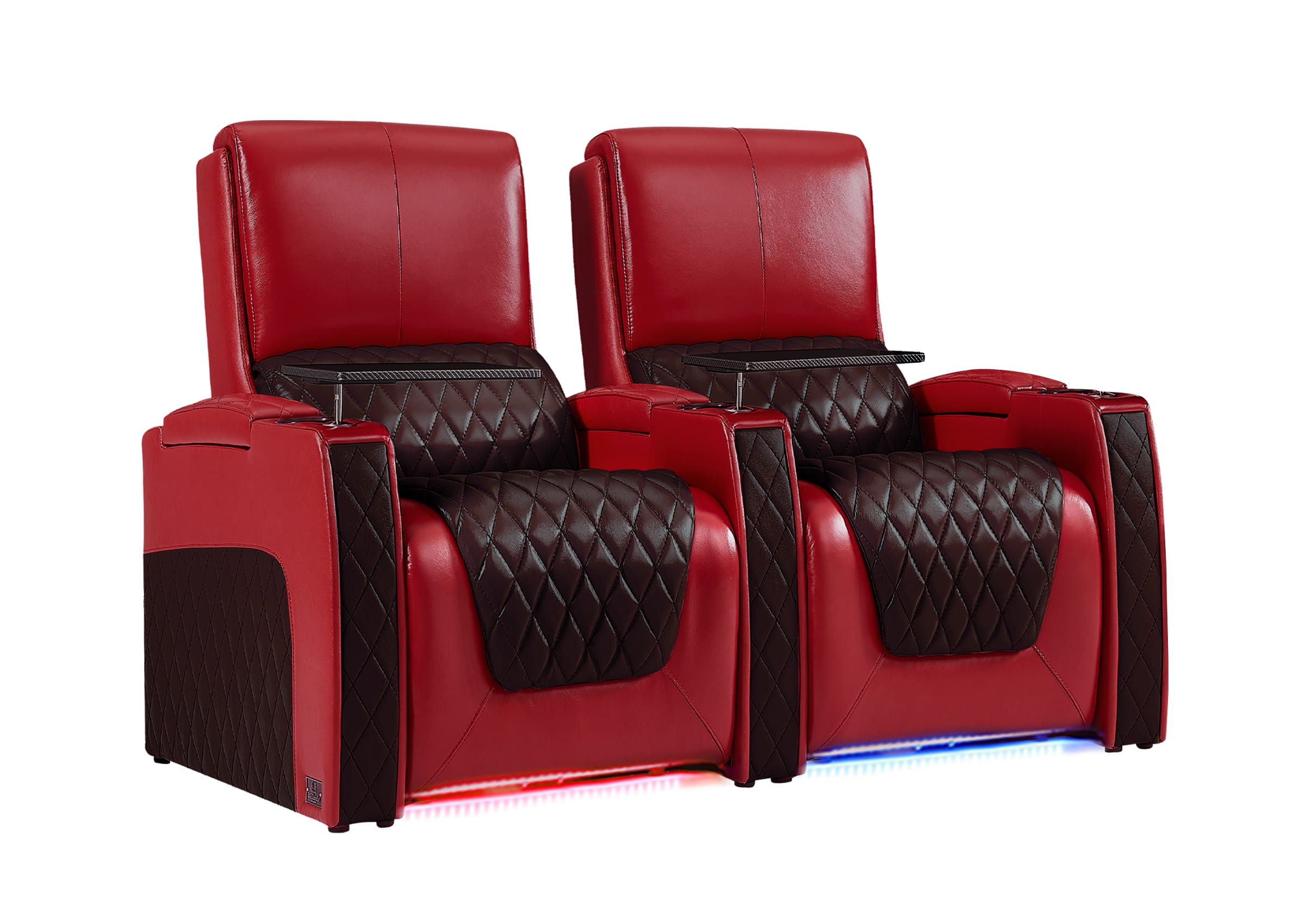
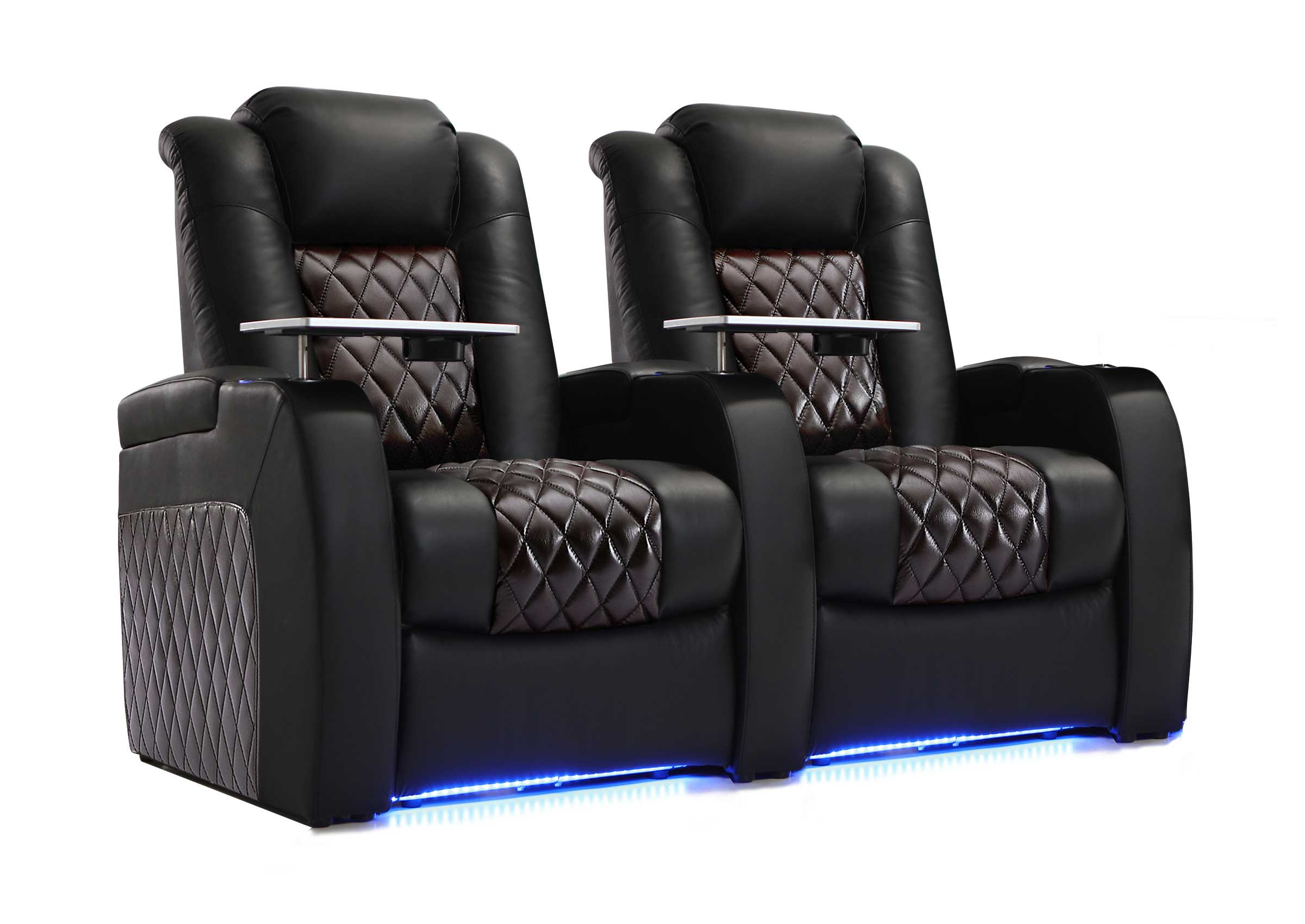
| Reclining Sofa | Seats that change position for reclining | Function |
| Sleeper Sofa | Converts to provide a sleeping surface | Function |
| Loveseat | Compact seating generally designed for fewer people | Size/use |
The table helps with quick identification, but the differences become more important once you consider how each one actually behaves in a room.
1. Chesterfield Sofa
A Chesterfield is one of the easiest traditional couch styles to recognize.
Look for:
- Deep button tufting
- Rolled arms
- Arms and back at a similar height
- A substantial, structured silhouette
Leather is strongly associated with the Chesterfield look, but a couch does not have to be leather to be a Chesterfield. Fabric versions also exist.
What a Chesterfield Does to a Room
Chesterfields have strong visual presence. The tufting, rolled arms, and heavier proportions can make them feel architectural rather than casual.
That can work beautifully in a larger living room, study, library-inspired space, or room where the sofa is intended to be a focal point.
The same visual weight can become a disadvantage in a very compact room.
What to Watch For
Large rolled arms may consume more total width without creating additional sitting space. If room width is limited, compare the overall outside dimensions with the actual usable seat width rather than judging capacity from appearance alone.
2. Lawson Sofa
The Lawson is much more relaxed than the Chesterfield.
It is usually recognized by:
- Separate back cushions
- Separate seat cushions
- Arms lower than the back
- A relatively simple, comfortable silhouette
Instead of making the couch itself the architectural centerpiece of the room, the Lawson tends to blend into a wider range of interiors.
Why It Remains Easy to Live With
The Lawson sits somewhere between formal and highly casual furniture. It can work with traditional, transitional, and more contemporary interiors depending on the upholstery, legs, and cushion proportions.
Its main advantage is not drama. It is adaptability.
What to Watch For
Loose cushions can require more maintenance than tightly upholstered backs. If you prefer a couch that always looks perfectly structured without adjusting cushions, that distinction matters.
3. Tuxedo Sofa
The easiest way to identify a Tuxedo sofa is to look at the relationship between the arms and back.
Both are typically high and roughly level with one another, creating a rectangular, architectural outline.
Other common characteristics include:
- Straight or relatively structured arms
- Clean upper lines
- A more formal appearance
- A contained seating area
Why It Looks Different
Where a Lawson opens visually outward because of its lower arms, a Tuxedo sofa creates more of an enclosed frame around the seating area.
That can give a room a polished, intentional look.
What to Watch For
High arms do not suit every lounging style. Someone who likes stretching sideways across the sofa or resting against a low arm may prefer a less structured design.
4. English Roll Arm Sofa
An English roll arm sofa combines traditional detailing with a softer, more relaxed personality.
Its most recognizable feature is the arm:
- Rounded
- Usually relatively low
- Rolled inward rather than heavily oversized
You may also see deeper seating, loose cushions, and shorter or turned legs.
Where It Works Well
It is a useful choice when you want a living room to feel classic without becoming overly formal.
Compared with a Chesterfield, an English roll arm sofa generally reads as softer and more inviting.
What to Watch For
Traditional details still influence the overall room. If everything else in the space is extremely minimal and geometric, the visual contrast should be intentional rather than accidental.
5. Bridgewater Sofa
The Bridgewater can be easy to confuse with other relaxed traditional couches.
Look for:
- Low, slightly rolled arms
- A comfortable rather than rigid profile
- Loose or softly structured cushions
- A back that sits noticeably higher than the arms
The overall effect is typically understated.
Bridgewater vs. English Roll Arm
Both can look relaxed and traditional, but the precise arm profile, cushion construction, and proportions vary.
Rather than obsessing over getting the historical label exactly right, look at the practical distinction:
Does the couch feel softly traditional and lounge-oriented, or more tailored and architectural?
That difference will matter more in everyday use.
6. Camelback Sofa
A Camelback sofa gets its name from the shape of its back.
Instead of running straight across, the back typically rises toward the center and then curves downward toward the sides.
Other versions may use multiple rises rather than one single central hump.
Why It Stands Out
The back itself becomes a decorative feature, which gives the sofa a more formal and traditional character.
Camelback sofas can work particularly well when the back remains visible rather than being hidden against a crowded wall.
What to Watch For
This is usually more of a visual-style decision than a flexibility decision. If your priority is modularity, reclining functions, or a highly casual family lounge, other categories may deserve more attention first.
7. Cabriole Sofa
Cabriole sofas are recognizable by their continuous curves.
The back and arms often appear to flow together rather than forming sharply separated sections.
Depending on the interpretation, you may also see:
- Curved exposed wood
- Decorative legs
- A shallower sitting profile
- More formal proportions
Who It Suits
Cabriole designs are better understood as statement furniture than generic family-room seating.
They make sense when the silhouette itself contributes to the interior design.
What to Watch For
A visually elegant couch is not automatically the best couch for long movie nights or deep lounging. Always separate the question of how it looks from how you actually sit.
8. Mid-Century Modern Sofa
Mid-century modern is one of the most recognizable contemporary furniture references.
Common clues include:
- Clean horizontal lines
- Relatively low profiles
- Exposed legs
- Tapered or angled legs
- Limited ornamentation
- Visually lighter construction
Compared with a heavily upholstered traditional sofa, a mid-century modern couch often leaves more visible floor underneath.
Why That Matters in a Room
Visible floor space can make furniture feel lighter, which is useful in rooms where a bulky couch would otherwise dominate the layout.
What to Watch For
“Mid-century modern” covers a broad range of products. The label alone tells you very little about seat depth, cushion softness, back support, or actual comfort.
Two sofas can both look mid-century modern while feeling completely different to sit on.
9. Track-Arm Contemporary Sofa
If you see straight, rectangular arms with very little decorative shaping, you are probably looking at some form of track-arm sofa.
Typical characteristics include:
- Straight arms
- Clean edges
- Simple cushions
- Minimal decorative detailing
- A geometric silhouette
This is one of the easiest profiles to integrate into contemporary interiors.
Why Track Arms Are Practical
Straight arms often consume less visual space than large rolled arms, although the actual dimensions still depend on the product.
They also combine easily with many other couch categories.
You might encounter:
- Track-arm sectionals
- Track-arm modular sofas
- Track-arm reclining sofas
- Track-arm sleeper sofas
That is another example of why couch labels should be layered rather than treated as mutually exclusive categories.
10. Curved or Sculptural Sofa
Curved couches replace some or all of the traditional straight sofa outline with rounded, crescent-shaped, or flowing forms.
The curve may appear in:
- The entire seating line
- The back
- The arms
- The corners
- Individual modules
Why Curved Sofas Feel Different
Most rooms contain many straight lines: walls, TVs, cabinets, windows, rugs, and tables.
A curved sofa interrupts that geometry, which can make the room feel softer and more visually fluid.
The Tradeoff Most Photos Do Not Show
Curves can be less efficient against straight walls.
A couch that looks compact from the front may leave unusable pockets of floor space behind or around it once placed in a rectangular room.
Before choosing a strongly curved design, use the wall-fit test:
If the sofa follows a curve but the room follows straight lines, where does the leftover space go?
That does not make curved seating a bad choice. It simply means the shape needs to be evaluated as part of the floor plan rather than as an isolated object.
FROM STYLE TO REAL-LIFE FIT
Found a Couch Style You Like? Now See How It Works in a Real Room
Use the silhouette as your starting point, then compare the actual configuration, room footprint, seating positions, and everyday functions before deciding which couch fits your home.
11. Sectional Sofa
A sectional is not a traditional design style in the same sense as a Chesterfield or Tuxedo.
It describes a sofa built from multiple seating sections arranged into a larger configuration.
Common sectional shapes include:
- L-shaped
- U-shaped
- Corner configurations
- Sectionals with a chaise
- Reclining sectionals
Why Sectionals Are Popular for Family Spaces
They can create a large shared seating zone without requiring several unrelated pieces of furniture.
They are particularly useful when lounging, conversation, TV viewing, and family use all happen in the same room. If this is the type of layout you are considering, you can explore L-shaped and corner sectional configurations to see how different arrangements affect the room footprint.
The Important Buying Question
Do not count only how many people could technically sit on the sectional.
Ask how many positions are actually useful.
A seat facing sideways from the TV may be excellent for conversation but less desirable during a movie.
Nominal seating capacity and useful seating capacity are not always the same.
12. Modular Sofa
Modular sofas are built from individual modules designed to work as part of a larger seating system.
But this category requires one important warning:
Modular does not automatically mean reconfigurable.
A sofa may be modular because separate sections simplify manufacturing, shipping, or installation.
Another may allow several configurations at the time of purchase.
A truly reconfigurable system may allow modules to be moved, removed, added, or rearranged later.
Those are not the same thing.
Before Buying a Modular Couch, Ask
- Can individual modules stand alone?
- Are exposed sides finished?
- Can the chaise move to another side?
- Can seats be added later?
- How do the modules connect?
- Are future modules expected to remain compatible?
- Do power or control locations restrict rearrangement?
The word “modular” should start the investigation, not end it.
13. Chaise Sofa
A chaise sofa includes an extended seating section designed to support the legs.
It can appear as:
- A sofa with one chaise end
- An L-shaped sectional
- A modular configuration
- A reclining or stationary design
Why Orientation Matters
A chaise occupies permanent or semi-permanent floor space in one direction.
Before choosing left- or right-facing placement, check:
- Main entrance
- Walking path
- TV or focal point
- Patio or hallway access
- Cabinets and doors
- Connection to adjoining rooms
A chaise that looks correct against the wall can still be wrong for the way people move through the room.
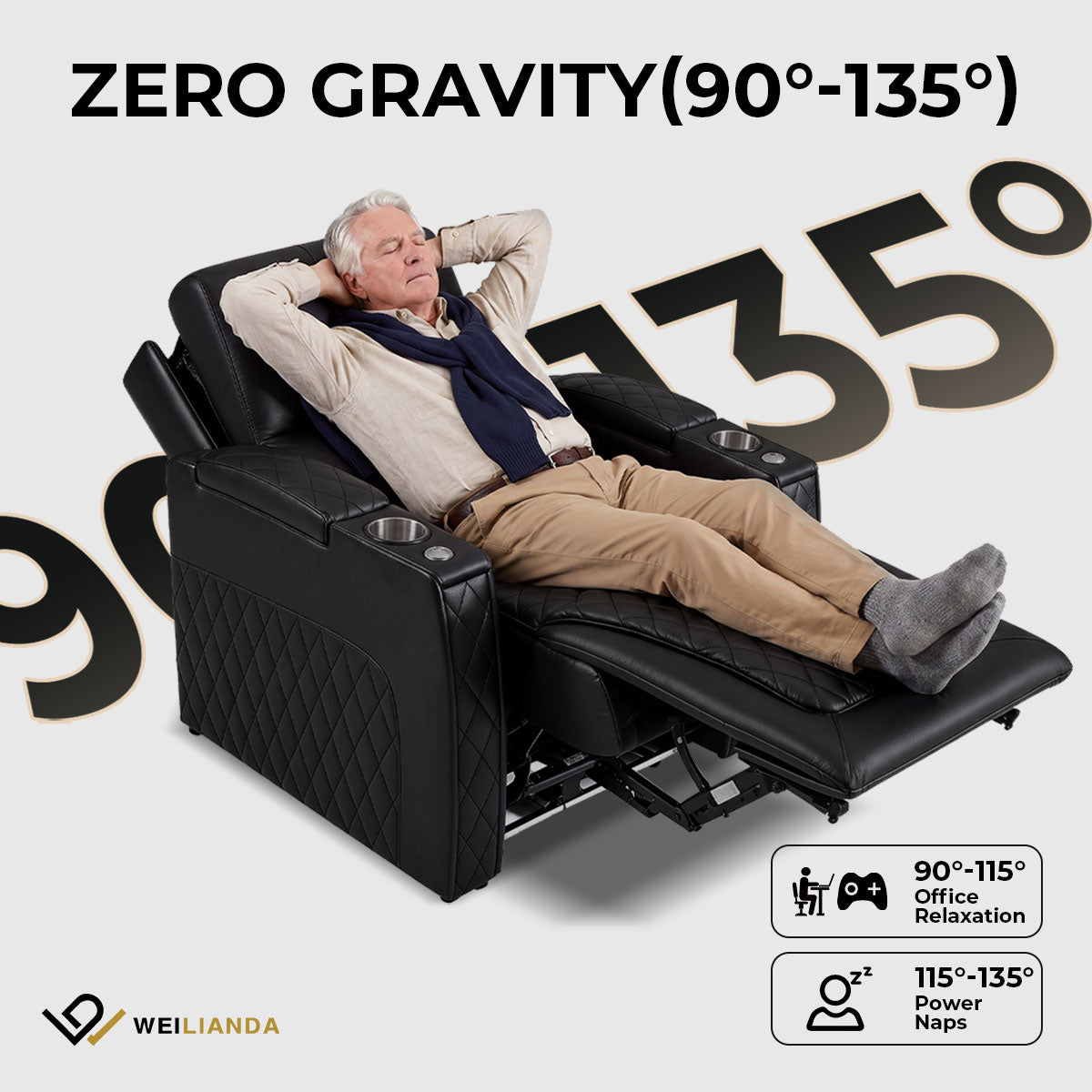
14. Reclining Sofa
A reclining sofa is defined by function rather than visual style.
One or more seating positions can change angle, usually by moving the backrest, footrest, or both.
A reclining sofa might otherwise look:
- Contemporary
- Traditional
- Sectional
- Modular
- Track-arm
- Leather
- Fabric
The Dimension That Matters Most
Do not judge a reclining couch only when it is closed.
Its real footprint changes during use.
Before buying, compare:
- Upright depth
- Fully reclined depth
- Wall clearance
- Front walkway
- Nearby tables
- Door and cabinet access
Use the active-footprint test:
Does the room still work when the furniture is being used exactly as intended?
A recliner that fits perfectly while upright can still be too large for the room when opened. If adjustable reclining comfort is a priority, compare the actual dimensions and configurations of the power reclining sofa options you are considering rather than relying on the closed footprint alone.
15. Sleeper Sofa
A sleeper sofa combines normal seating with a sleeping function.
The specific mechanism varies, but the defining feature is straightforward: the couch can provide a sleeping surface when needed.
Where It Makes Sense
Sleeper sofas can be useful in:
- Guest rooms
- Apartments
- Multipurpose rooms
- Offices that occasionally host guests
- Homes without a dedicated guest bedroom
What to Measure
Like a recliner, a sleeper sofa has more than one footprint.
Do not ask only:
Does the sofa fit?
Also ask:
Does the sofa still fit when the sleeping function is open?
Make sure people can still access doors, walkways, and surrounding furniture once the bed is deployed.
16. Loveseat
A loveseat is primarily a size and seating-capacity category rather than a decorative style.
It generally provides a more compact seating footprint than a standard full-size sofa.
And just like larger couches, loveseats can have many different identities:
- Mid-century modern loveseat
- Reclining loveseat
- Leather loveseat
- Chesterfield-inspired loveseat
- Modular loveseat configuration
When a Loveseat Makes More Sense Than a Sofa
A smaller piece can be useful when:
- Room width is limited
- You need secondary seating
- A full sofa would block circulation
- Two separate seating zones work better than one oversized couch
The biggest mistake is assuming that larger furniture automatically creates more comfort.
Sometimes preserving open floor space improves the room more than adding another seat.
How Can You Tell Couch Styles Apart More Quickly?
Instead of memorizing dozens of furniture names, look at five visual clues.

1. Start With the Arms
Arm shape often identifies the family of the design fastest.
Look for:
- Rolled arms
- Straight track arms
- Low arms
- High arms
- Arms level with the back
- Curved or sloping arms
2. Look at the Back
Ask whether the back is:
- Tufted
- Tight
- Loose-cushioned
- Straight
- Curved
- Higher in the center
- Approximately level with the arms
3. Look Under the Sofa
The base changes how heavy or light the couch appears.
Notice whether it has:
- Exposed tapered legs
- Decorative turned legs
- A hidden base
- A plinth-style base
- Upholstery extending close to the floor
4. Look at the Overall Shape
Now step back.
Is it:
- Straight
- Curved
- L-shaped
- U-shaped
- Low and horizontal
- Tall and structured
- Visually heavy
- Visually light
5. Finally, Ask What It Does
This prevents function from being confused with style.
Does it:
- Recline?
- Convert into a bed?
- Break into modules?
- Include a chaise?
- Allow configuration changes?
By moving through those five questions, most couch descriptions become much easier to understand.
Why the Same Couch Can Have Several Style Names
Suppose you find a couch described as:
Brown leather modular reclining sectional with track arms.

That sounds complicated until you separate the labels:
- Brown = color
- Leather = upholstery
- Modular = construction/configuration system
- Reclining = function
- Sectional = overall configuration
- Track arms = design detail
This is the easiest way to understand modern furniture listings.
Do not ask which one of those descriptions is the “real” couch type.
They can all be correct simultaneously.
Which Couch Style Works Best in a Small Living Room?
There is no single style that automatically works best in every small room.
Instead, focus on visual and physical efficiency.
A smaller space may benefit from:
- Cleaner arms rather than oversized rolled arms
- Visible legs that make the furniture appear lighter
- A configuration that preserves the main walkway
- Fewer but more useful seating positions
- A chaise only when its direction works with traffic flow
- Reclining furniture only when its active footprint fits
A compact room does not necessarily require a tiny sofa.
It requires a sofa whose outside dimensions, usable seating, and circulation impact make sense together.
Which Couch Styles Work Well for Family Rooms?
Family rooms usually create different priorities from formal living rooms.
You may care more about:
- Shared lounging
- Durable everyday use
- Easy entry and exit
- TV viewing
- Flexible seating positions
- Storage
- Reclining comfort
- Future changes in household needs
That often brings sectionals, modular sofas, reclining sofas, and more relaxed cushion styles into consideration.
But larger is not automatically better.
Before choosing a very large sectional, test what happens when everyone is sitting down and people still need to move through the room.
Which Couch Styles Are Better for Formal Living Rooms?
If the room is used more for conversation, entertaining, or visual presentation than daily lounging, traditional and structured silhouettes may become more relevant.
Examples include:
- Chesterfield
- Tuxedo
- Camelback
- Cabriole
- Tailored Lawson variations
The decision is not simply “formal versus comfortable,” however. Modern versions of traditional silhouettes can provide substantial comfort, while some contemporary sofas can be surprisingly structured.
The actual seat depth, back angle, cushion firmness, and arm position matter more than the style name alone.
Should You Choose a Trendy Couch or a Timeless Style?
A popular couch style can help you discover what is available, but popularity should not make the final decision for you.
Ask two separate questions:
Do I like how this couch looks now?
And:
Does its shape still make sense for how I live?
The second question is more important.
Curved silhouettes, low-profile couches, oversized lounge seating, and other recognizable design directions can look compelling in styled rooms. But room dimensions, sitting habits, traffic patterns, and long-term flexibility determine whether those ideas remain enjoyable after the initial novelty wears off.
A useful trend test is:
If this couch stopped appearing in design magazines tomorrow, would I still want its shape, comfort, and functionality in my room?
If the answer is yes, the style probably fits more than the trend.
The Three-Room Test Before Choosing a Couch
Before committing to a large sofa, imagine it in three different situations.
Room 1: Your Current Room
Does it fit the space comfortably today?
Check the actual footprint, walkways, doors, windows, TV location, tables, and other furniture.
Room 2: A Different Layout in the Same Home
What happens if:
- The TV moves
- You rearrange the room
- You replace the coffee table
- The chaise needs to switch sides
- You want another seating position
A highly fixed couch may work perfectly now but offer little flexibility later.
Room 3: Your Next Home
You cannot predict your next floor plan, but you can ask whether the furniture offers any adaptability.
This matters particularly when comparing a fixed sectional with a genuinely reconfigurable modular system.
A fixed sofa asks:
Does this couch fit this room?
A flexible system adds another question:
Could this seating adapt if the room changes?
You do not always need that flexibility. But if you are paying for it, make sure it is real.
How to Choose Between Different Styles of Couches
Once you understand the names, stop choosing by name.
Choose by the room and the way you live.
Consider these six factors:
How Do You Actually Sit?
Do you sit upright, curl up, lie across the couch, recline, or regularly share the sofa with several people?
A beautiful silhouette that fights your natural sitting habits will become frustrating quickly.
How Much Space Does the Couch Use in Real Life?
Measure more than the width.
Consider:
- Depth
- Extended footrests
- Chaise length
- Curved back clearance
- Door swings
- Tables
- Walking routes
Where Does Everyone Face?
Conversation-oriented seating and TV-oriented seating do not always need the same shape.
An L-shaped sectional may create excellent social seating while leaving some positions angled away from the screen.
Will the Room Change?
If the room arrangement is unlikely to change for years, a fixed configuration can work perfectly well.
If you expect moves, layout changes, or changing household needs, genuine modularity may carry more value.
Are You Paying for Features You Will Use?
Reclining, storage, charging, modularity, sleeper mechanisms, and other features all have value when they solve a real need.
Unused flexibility is still unused flexibility.
Does the Couch Leave Enough Room Around It?
Furniture should not be evaluated as though it exists alone.
The room still needs to function after the couch arrives.
The Best Couch Style Is Usually a Combination, Not a Label
There is no universal winner among these 16 styles of couches.
A Chesterfield is not inherently better than a sectional. A sectional is not inherently better than a Lawson. A modular sofa is not automatically better than a fixed one.
They solve different problems.
The most useful way to shop is to build your couch description one layer at a time:
Start with the silhouette you like.
Then choose the configuration your room can support.
Then decide which functions you will genuinely use.
Finally, choose the upholstery, color, and details that make the furniture work with the rest of the space.
Once you understand those layers, couch terminology stops being a confusing collection of names and becomes a much more practical way to compare what you are actually buying.
If you are ready to compare configurations rather than just style names, explore Weilianda living room sofas to see how different silhouettes, reclining functions, sectionals, and seating layouts translate into real furniture choices.