








All football watch parties go beyond the on-screen action—they’re about shared real-time reactions, comfort over hours of play, and crafting a space that encourages gathering. While screen size and sound systems often steal the focus, the seating layout is what truly defines the game-day experience.
Unlike a typical movie night, football viewing involves extended sessions, frequent movement, and high-energy moments: guests rise to celebrate, lean in during critical plays, and constantly reach for snacks and drinks. This means the ideal seating setup isn’t determined by how many seats you can cram in, but by how well it fits your room size, screen dimensions, and viewing angles.
Below, we explore the most effective seating options and planning tips to help you create a practical home theater layout for football watch parties that fits your space.
Key Factors to Consider When Planning a Home Theater Seating Layout
Before choosing a specific layout, it’s important to understand how your room will actually be used on game day.
Room Size and Viewing Distance
The dimensions of your room—specifically its depth and width—are critical factors in determining how many seats can be arranged to face the screen comfortably.
A deeper room provides flexibility for multiple rows of seating, allowing guests to sit farther back while still maintaining a good view. Wider rooms, on the other hand, enable more seats to be placed in a single row, reducing the need for spectators to crane their necks at extreme side angles.
Both depth and width work together to ensure that all viewers experience optimal visual comfort without distortion or strain.
Screen Size and Viewing Angles
The size of your screen directly influences the layout of seating arrangements and the quality of the viewing experience.
Larger screens generally accommodate wider seating configurations, as they can maintain clarity and immersion even when viewers are seated off-center. However, smaller screens perform best when seating is concentrated closer to the center viewing zone. This helps minimize the risk of distorted images or reduced picture quality for those sitting at the edges.
By aligning screen size with room dimensions and seating capacity, you can create a home theater layout for football where every viewer enjoys a balanced and engaging perspective.

Number of Regular vs. Occasional Guests
When designing your game day space, prioritize the needs of your regular watch group. While occasional large gatherings should certainly be considered, they should not compromise the everyday comfort that makes your space enjoyable for frequent use. A well-planned layout ensures both daily relaxation and the ability to host friends and family without sacrificing functionality.
Comfort for Long Game Days
Football games typically span three to four hours, making comfort a critical factor in creating an enjoyable viewing experience. Key elements to focus on include proper recline options, supportive headrests, lumbar padding, and ample legroom—all of which help maintain comfort from kickoff to the final whistle.
It’s important to recognize that there isn’t a single perfect seating arrangement; the ideal layout will adapt to the specific dimensions of your space and align with how you and your guests prefer to watch the game, whether that involves casual lounging, active cheering, or a mix of both.

Standard Home Theater Seating Layouts for Football Watch Parties
Standard layouts prioritize dedicated viewing, optimized sightlines, and consistent comfort, making them ideal for rooms primarily used for watching sports and movies.
Layout #1 — Small Home Theater Seating Layout (Single Row, 2–4 Seats)
Best for: Apartments, small living rooms, and compact home theaters
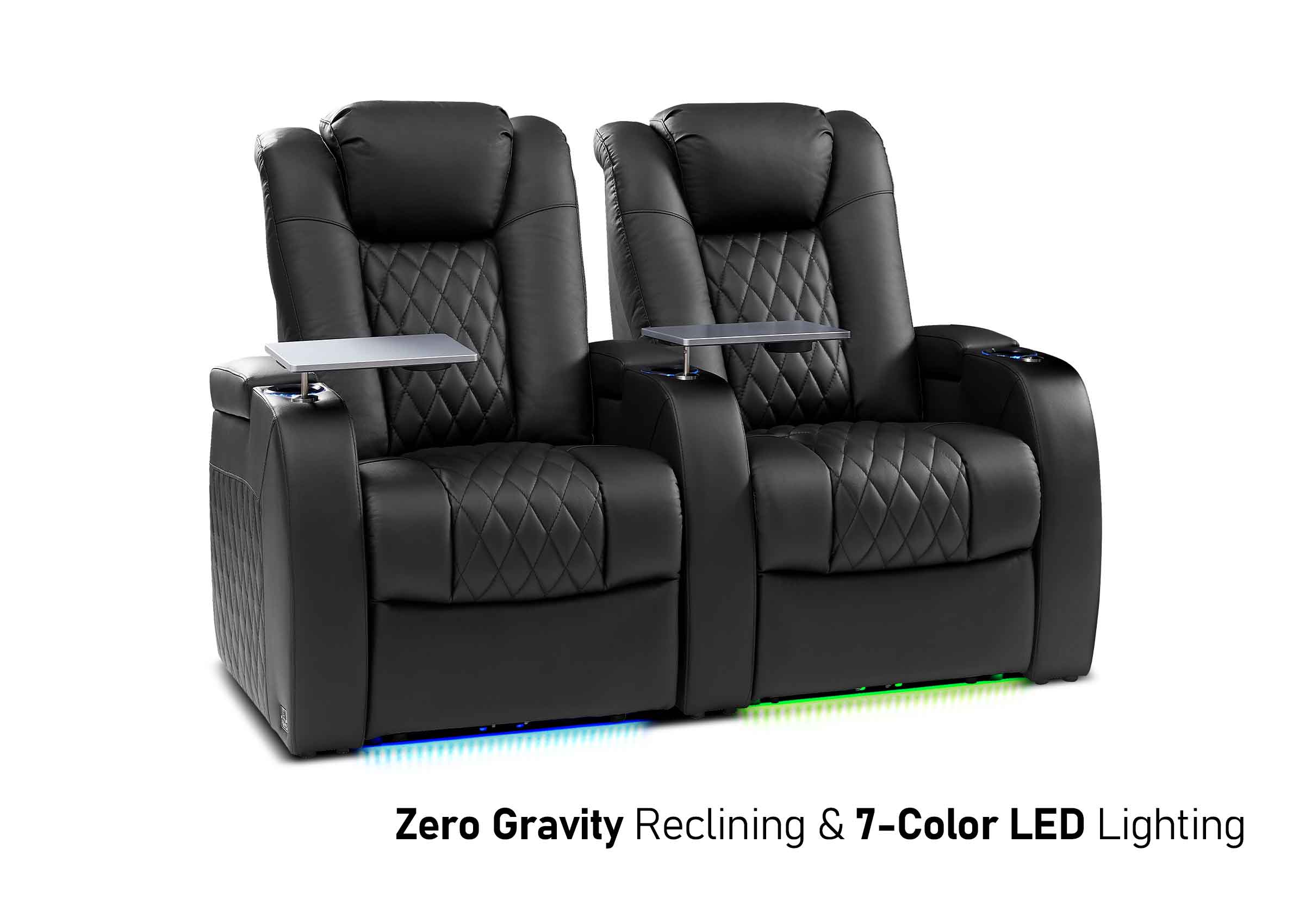
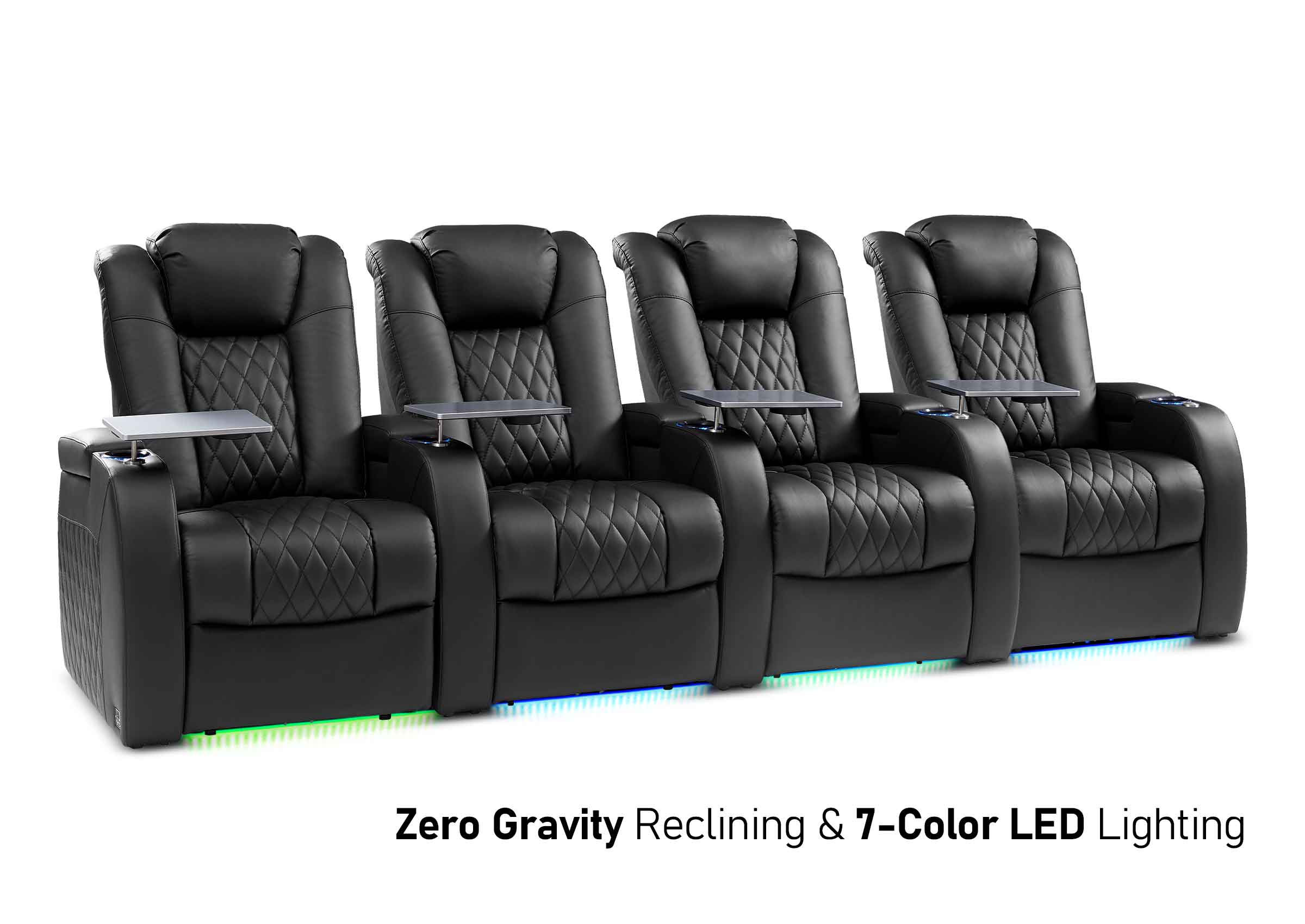
A single-row setup with 2–4 seats suits smaller spaces or intimate watch parties. All seats face the screen directly, ensuring unobstructed views and easy conversation during games. This layout excels for families or couples who regularly watch games together, offering a premium feel for every seat.
Why it works for football:
- Clear, unobstructed viewing angles
- Comfortable, relaxed atmosphere
- Minimal space requirements

Layout #2 — Medium Home Theater Seating Layout (Two Rows, 2+3 or 3+3)
Best for: Medium-sized home theaters and frequent hosts
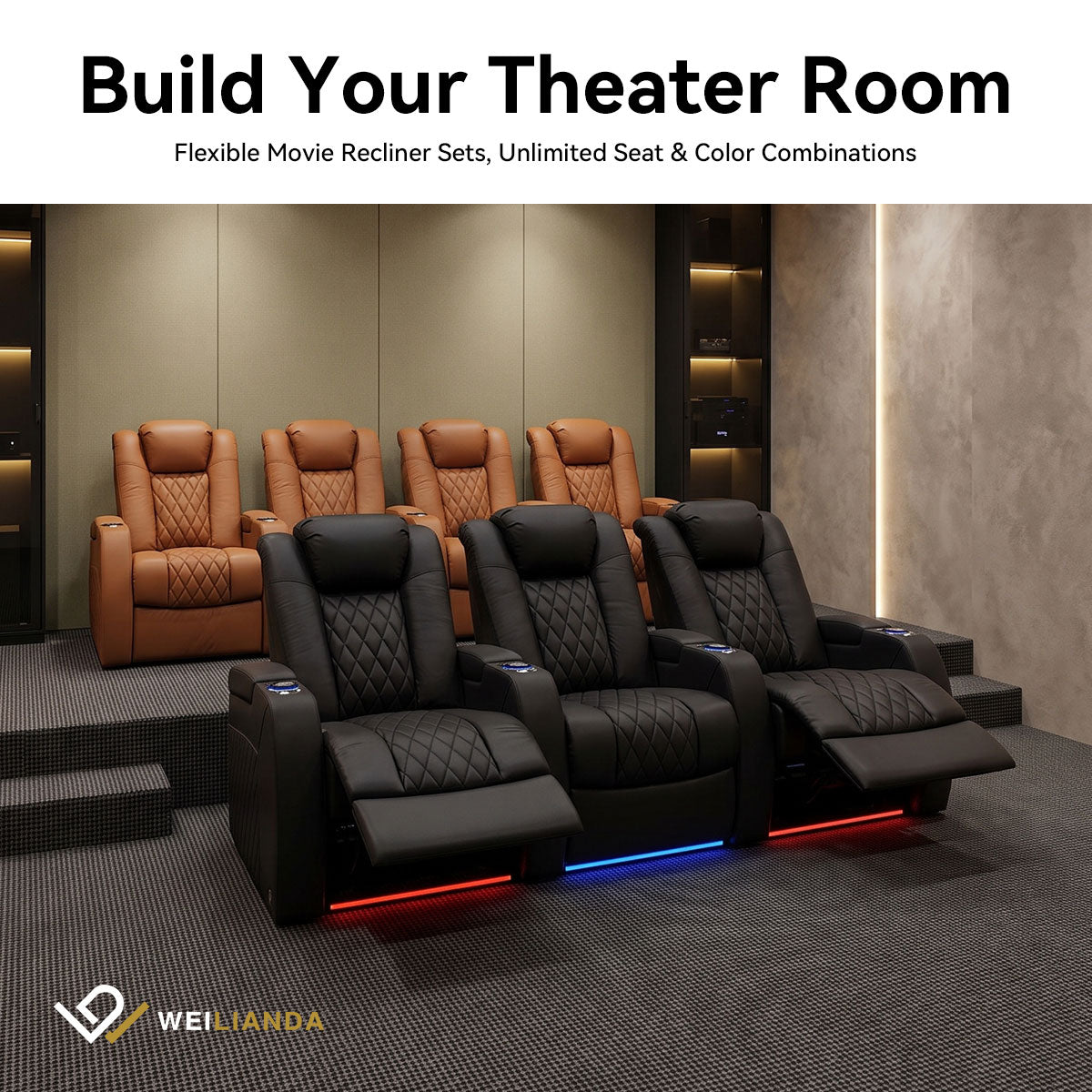
A two-row layout with configurations like 2+3 or 3+3 balances capacity and comfort, allowing more guests to stay within the screen’s optimal viewing zone than a single wide row. Placing the back row on a riser ensures all viewers have clear sightlines, making this a popular choice for football watch parties.
Why it works for football:
- Improved viewing angles for all seats
- Comfortable seating for longer games
- Scales well for regular hosting

Layout #3 — Large Home Theater Seating Layout (Two Rows, 4–6 Seats per Row)
Best for: Large, dedicated home theaters with deep viewing distance
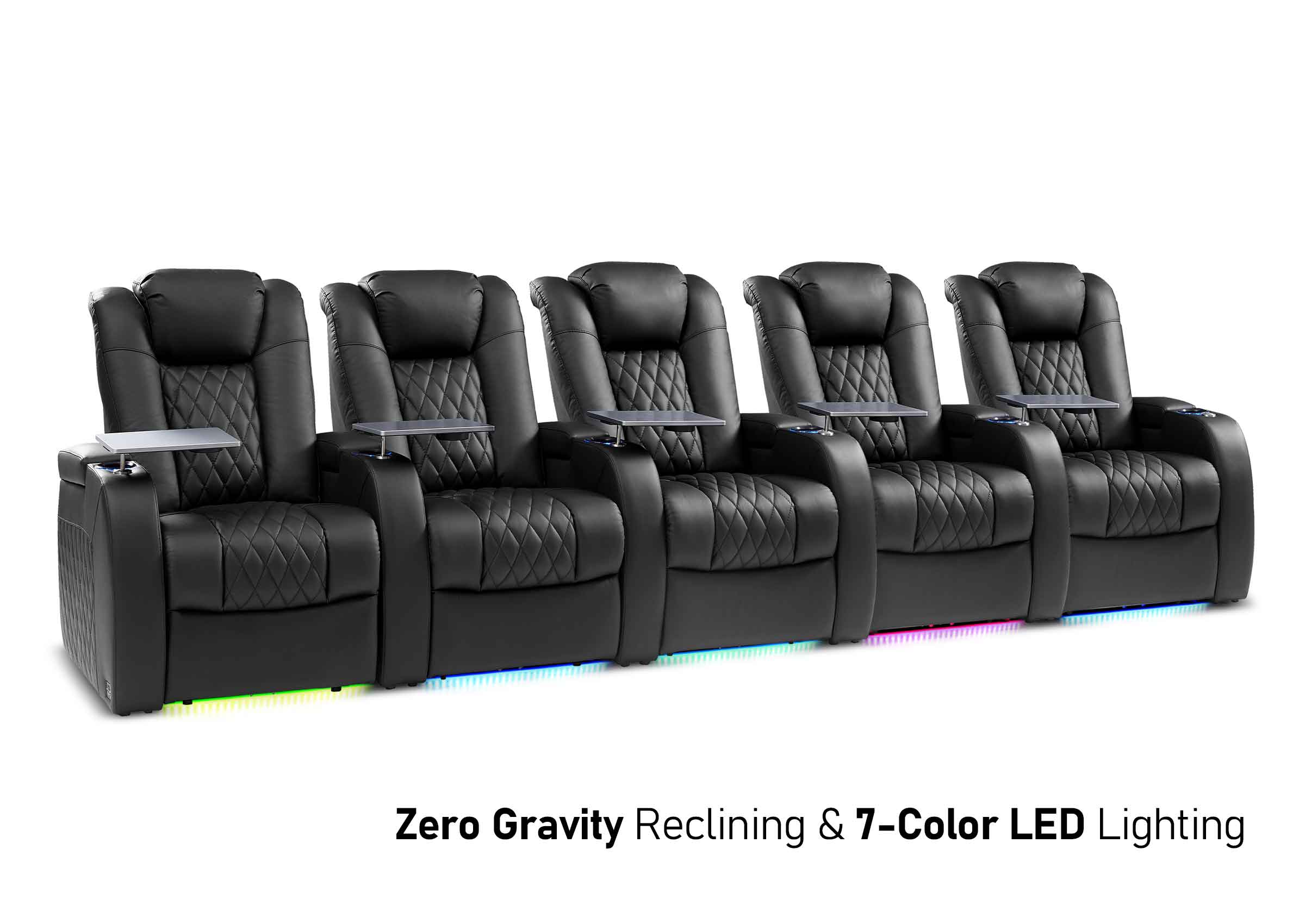
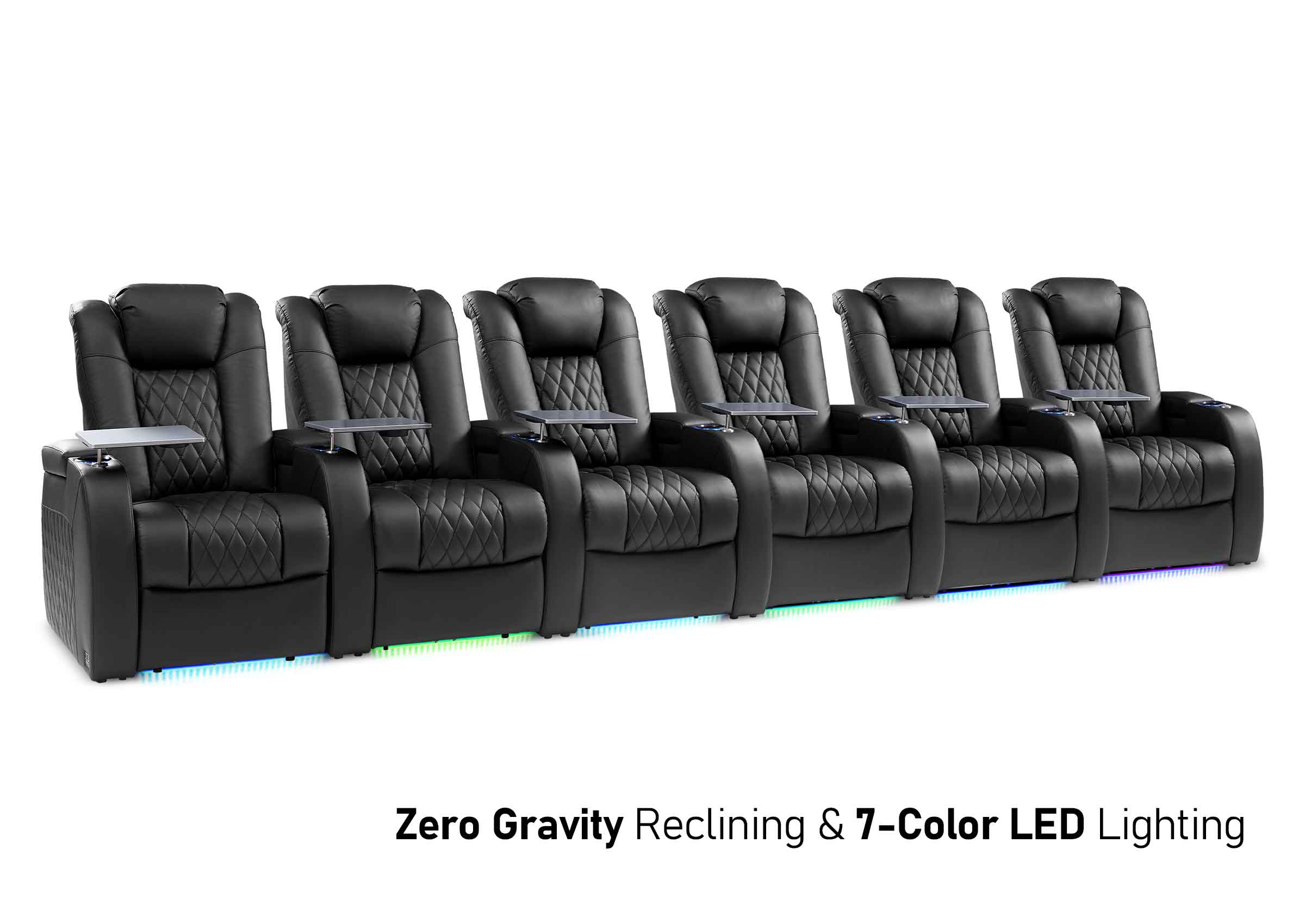
In spacious rooms with wide screens and ample depth, expanded two-row layouts are practical. Seating 4–6 seats per row accommodates larger game-day gatherings while preserving proper sightlines, provided the layout is carefully planned. At this scale, riser height, screen width, and viewing distance are critical to maintaining comfort.
Why it works for football:
- Accommodates larger groups comfortably
- Maintains a stadium-like viewing experience
- Ideal for playoffs and Super Bowl parties

Flexible and Mixed Seating Layouts for Football Watch Parties
Not every football gathering revolves around focused, uninterrupted viewing. For more social game day events, a flexible seating arrangement often proves more effective than a traditional theater-style setup, which prioritizes unobstructed sightlines over casual interaction.
Layout #4 — Mixed Home Theater Seating for Social Game Day Gatherings
Best for: Casual hosts and multipurpose living spaces
This layout blends dedicated home theater seating—like recliners or stadium-style chairs—with relaxed lounge options such as armchairs, bar stools, or sectional sofas. Secondary seating is placed behind or to the sides of the main viewing area, allowing guests to move freely between watching the game, chatting, and grabbing snacks without disturbing others.
Mixed seating works well in family rooms or multipurpose basements, balancing comfortable viewing with a lively, social atmosphere.
Why it works for football:
- Flexible seating for different viewing preferences
- Encourages social interaction by creating multiple zones
- Adapts to varying guest counts with a mix of fixed and movable seats

How Room Shape Affects Your Home Theater Seating Layout
Not every room is a perfect rectangle, and room shape plays a critical role in home theater seating layout planning. Geometry affects how seats are arranged, how sightlines are preserved, and how comfortably the space functions on game day.
Long and narrow rooms
These spaces often work best with a two-row seating layout and fewer seats per row. This approach reduces extreme side angles, maintains comfortable viewing perspectives, and prevents the room from feeling crowded by distributing seating along its length.
L-shaped rooms
A successful layout typically centers on a clearly defined primary viewing zone. The extended portion of the room can then accommodate secondary seating, creating a smooth transition between focused viewing and casual social interaction.
Rooms with angled walls or structural obstacles
Features such as sloped ceilings, pillars, or fireplaces may require staggered seating or mixed seating types to avoid blocked views and awkward sightlines.

Ultimately, the guiding principle for non-standard rooms is to prioritize the primary viewing zone. Seats with the best angles should anchor the layout, while edge areas can be used for secondary or social seating to maximize flexibility without sacrificing viewing quality.
Must-Have Home Theater Seating Features for Football Game Days
No matter the room's layout, incorporating specific seating features can dramatically elevate the game-day experience, turning ordinary viewing into an immersive event. Here are the essential elements to consider:
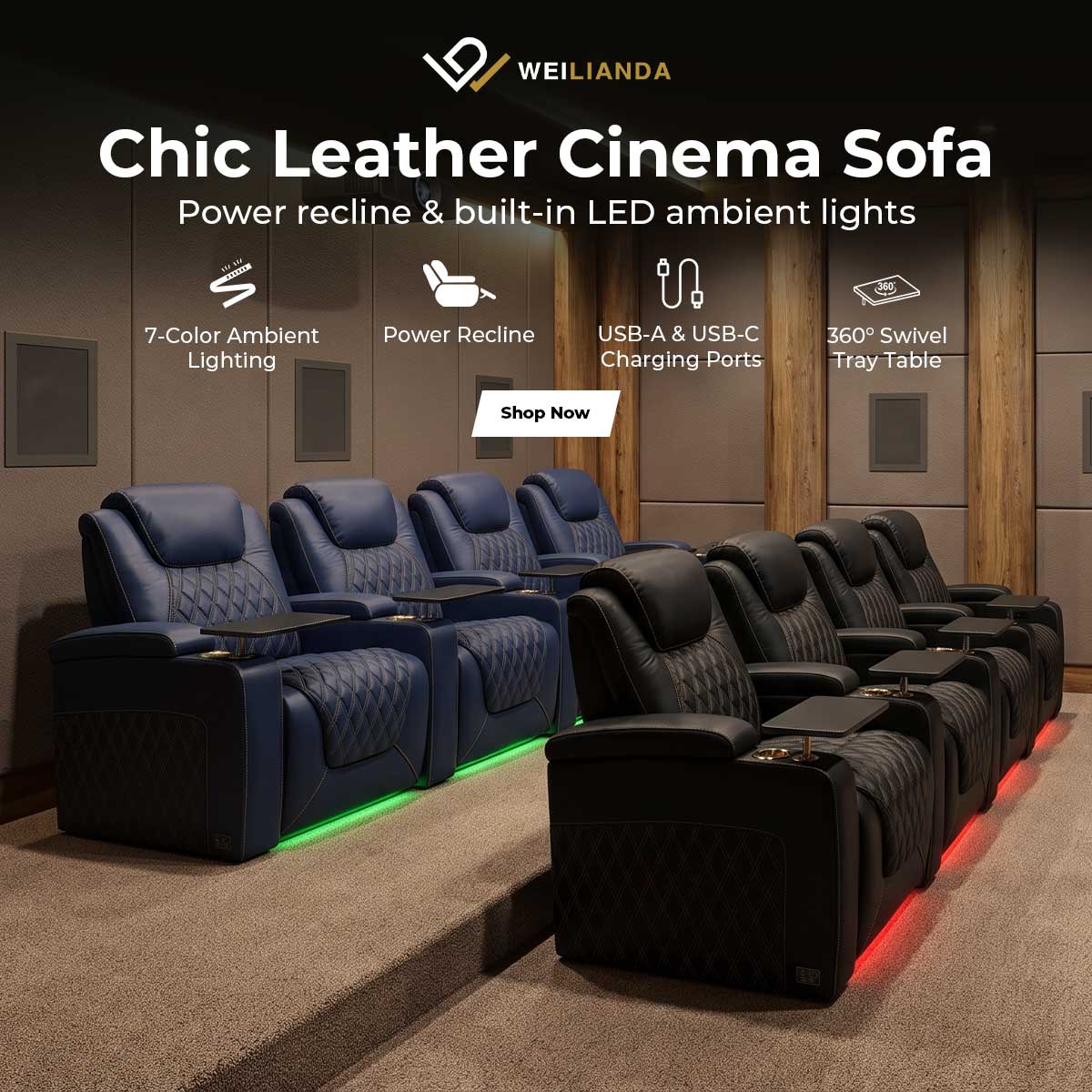
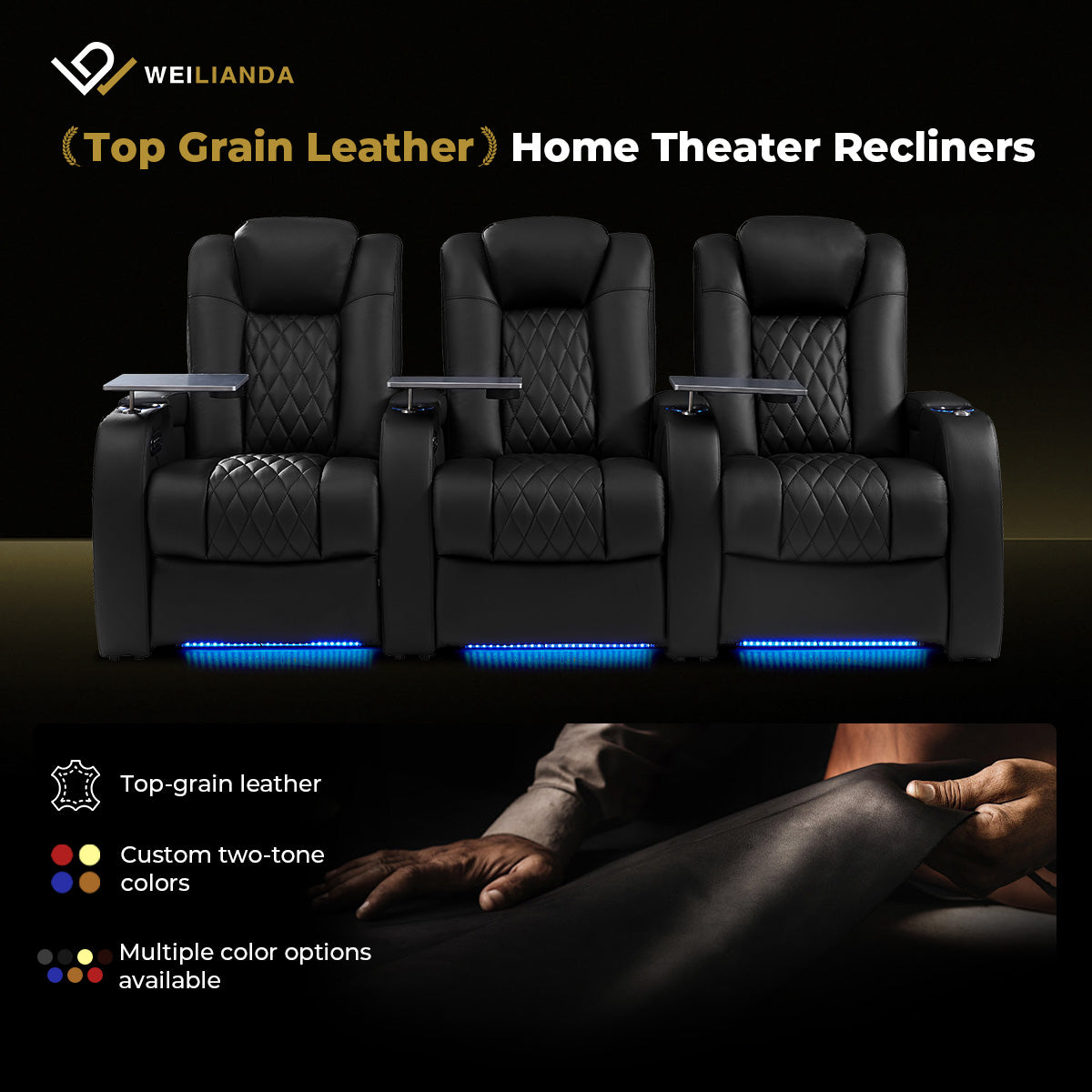
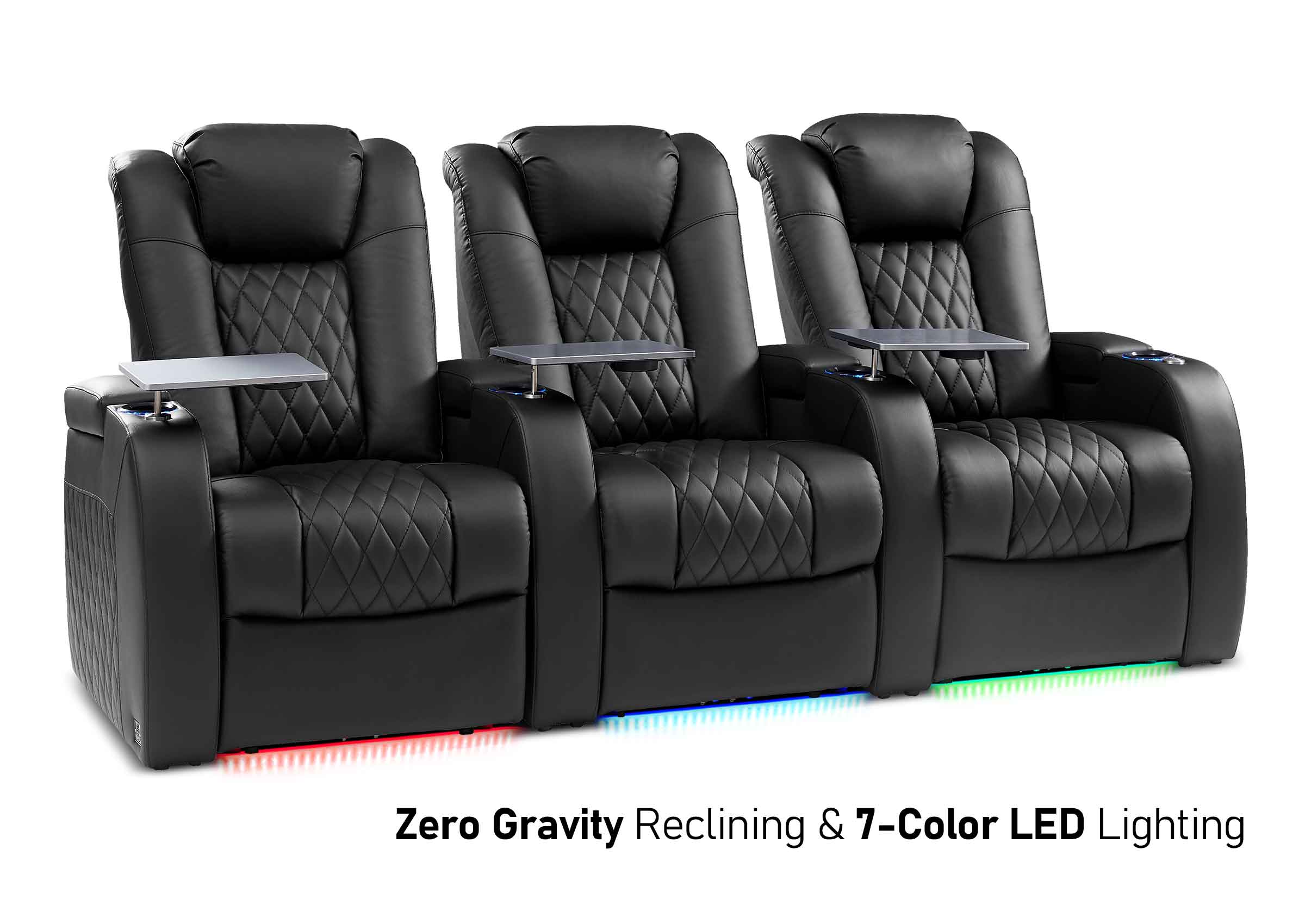
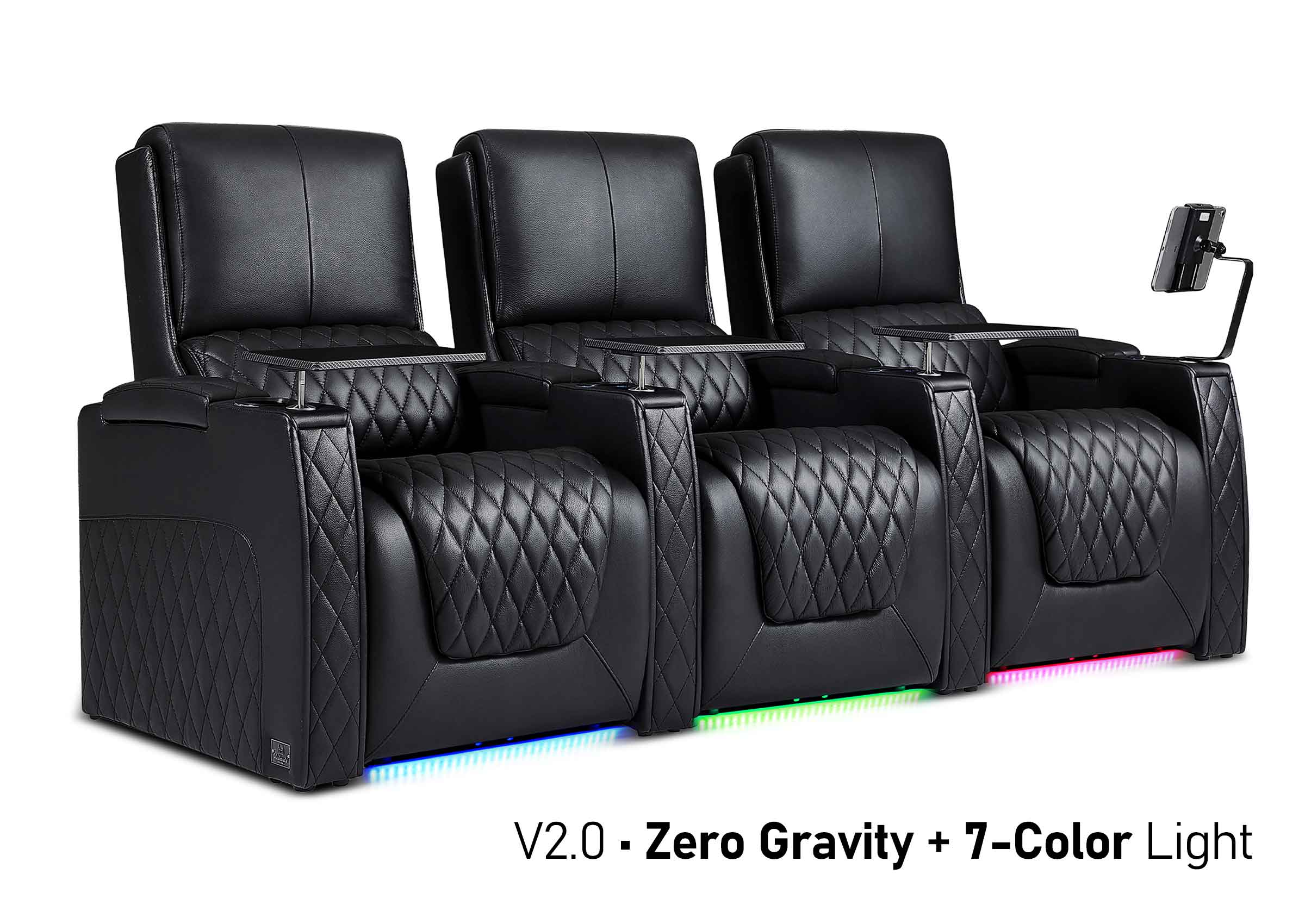
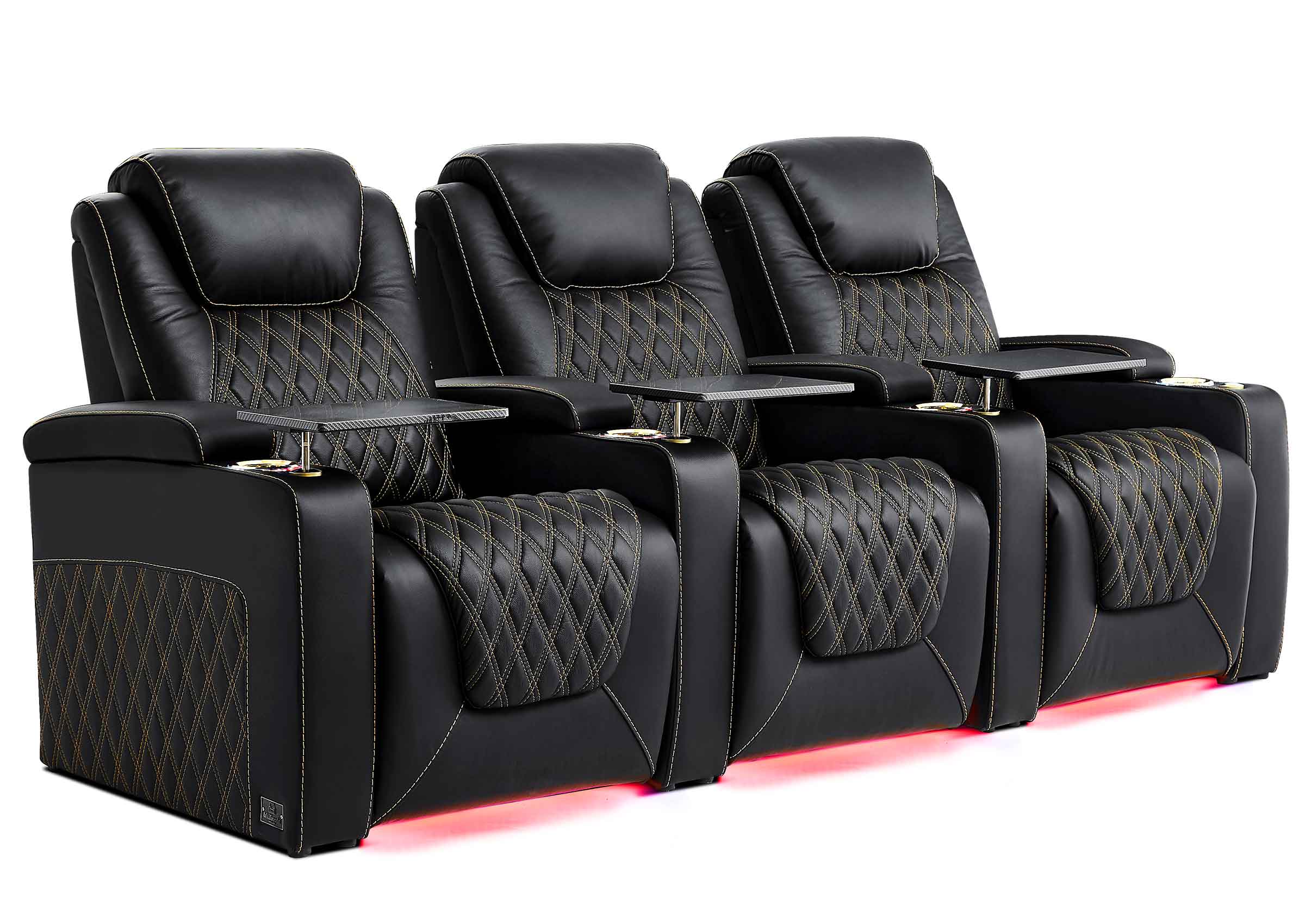
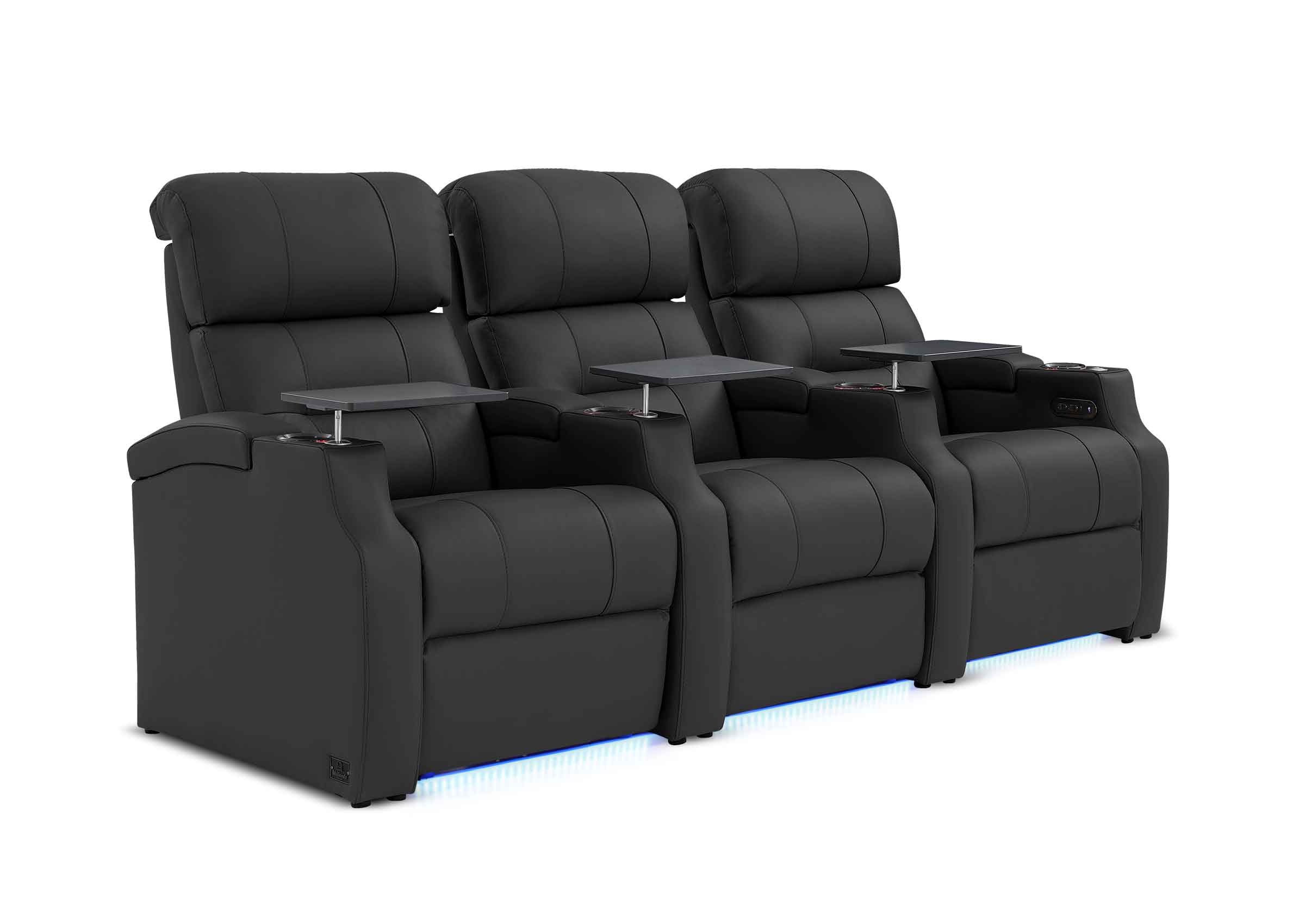
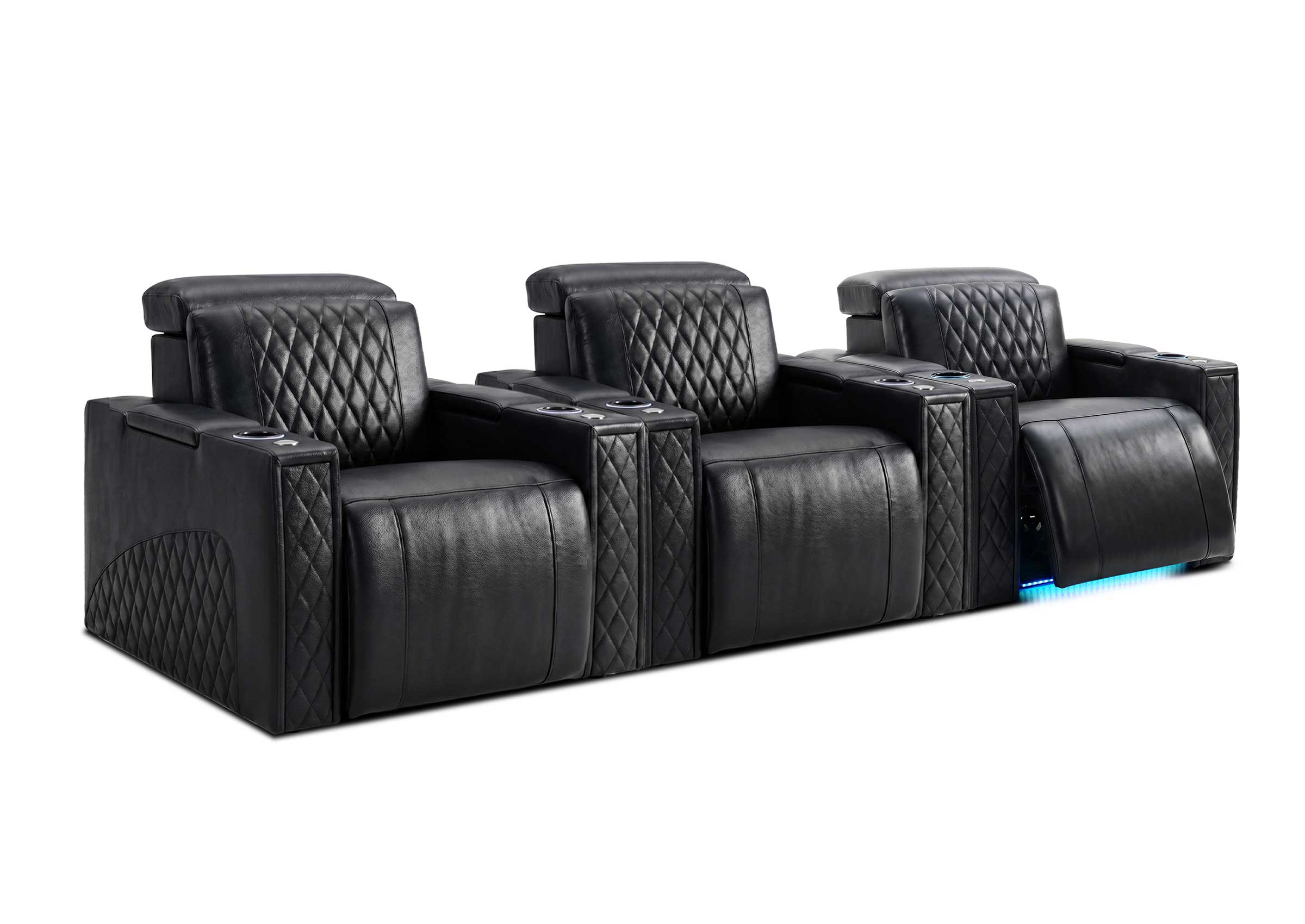
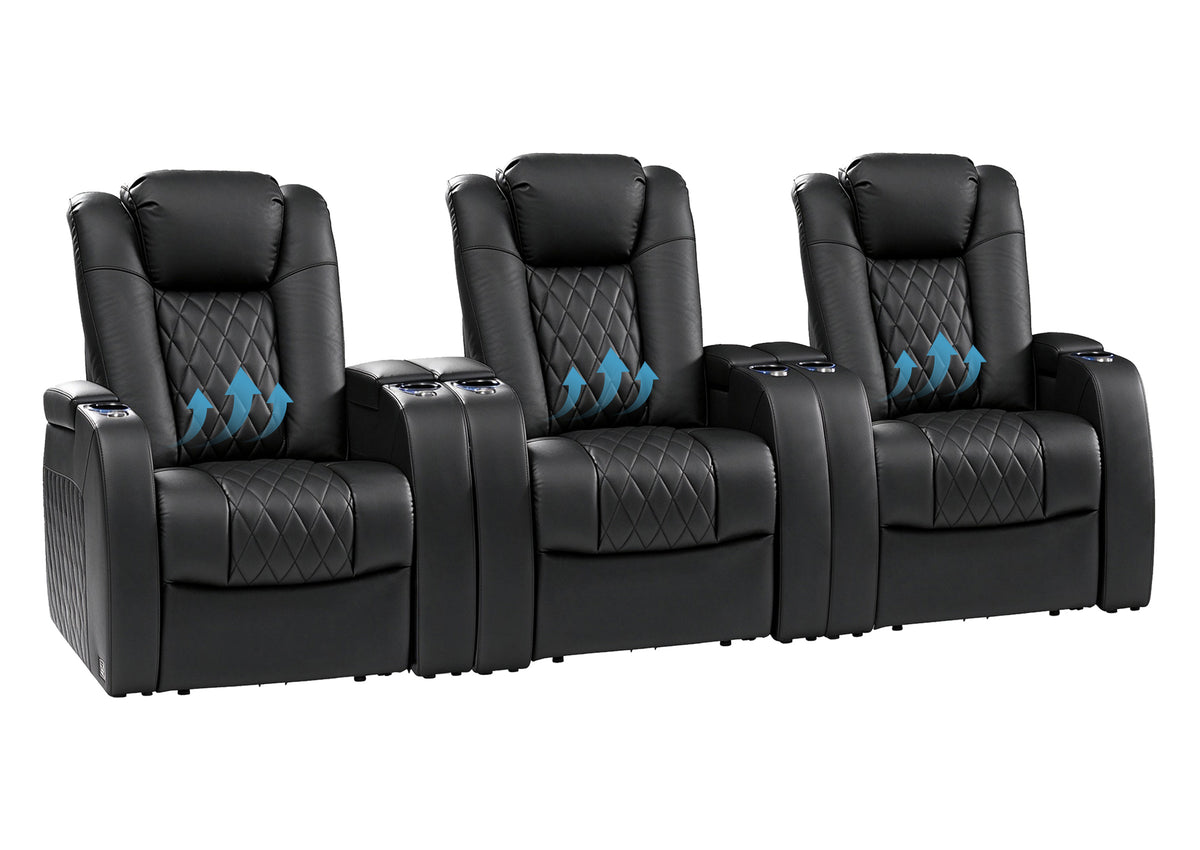
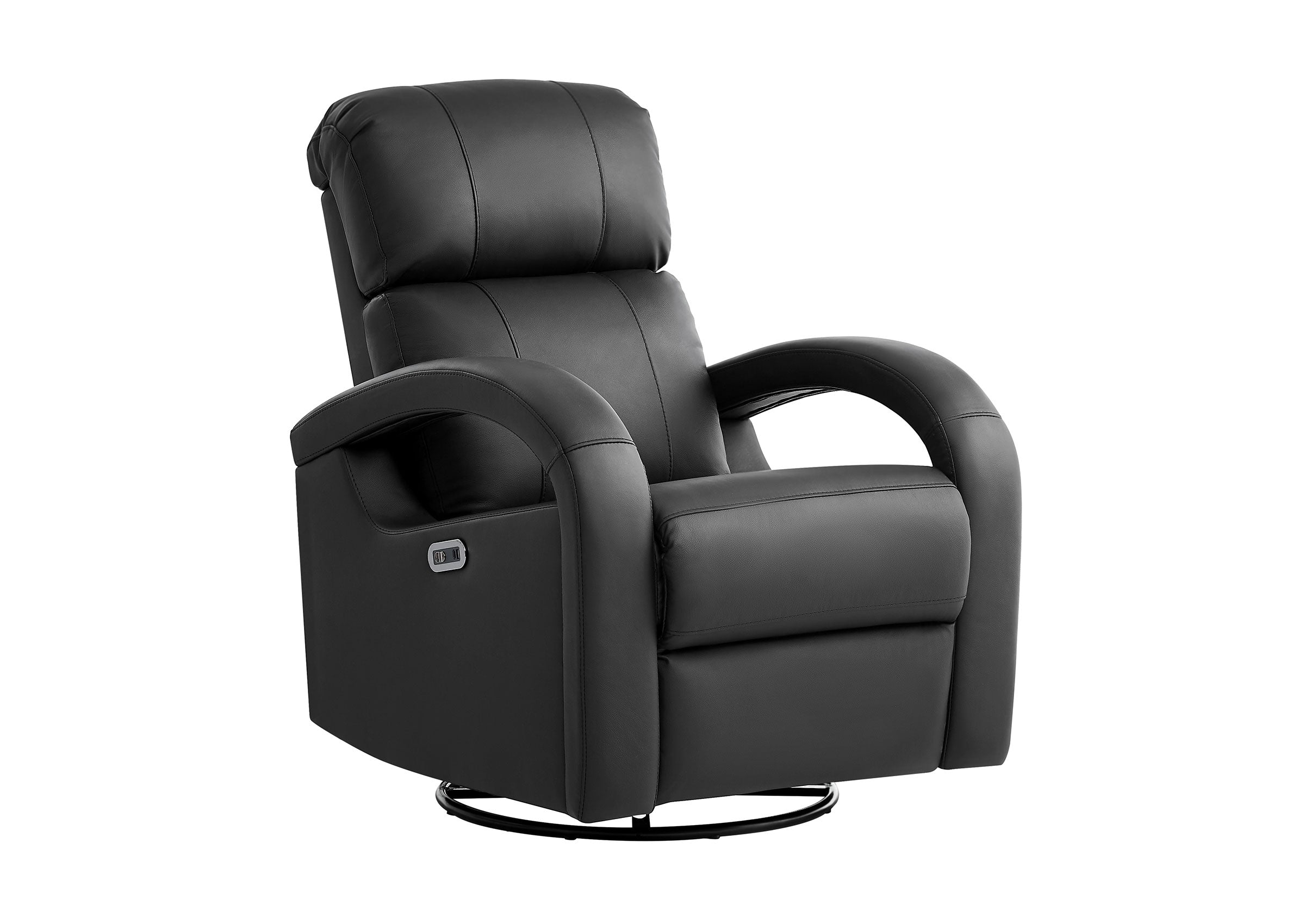
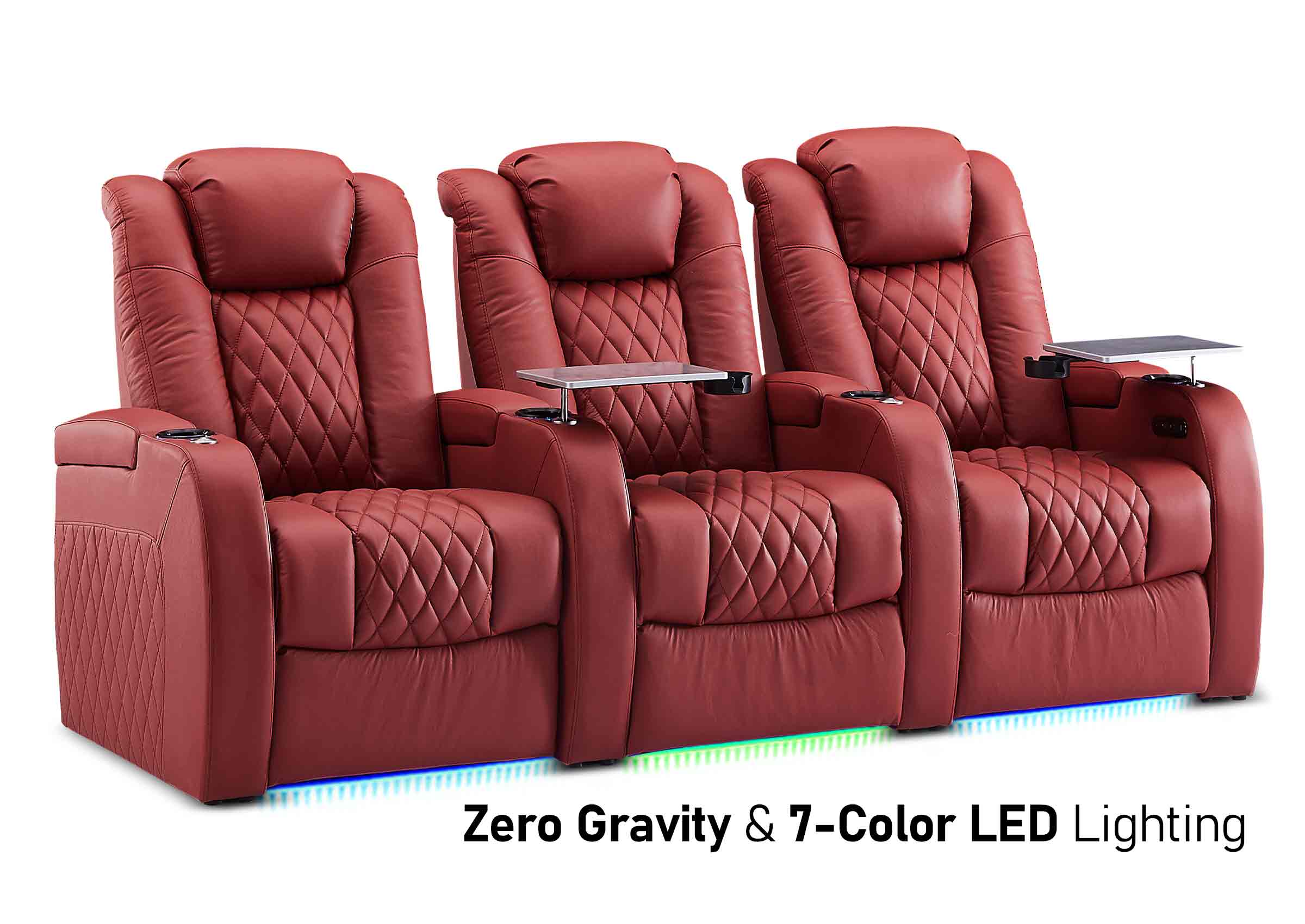
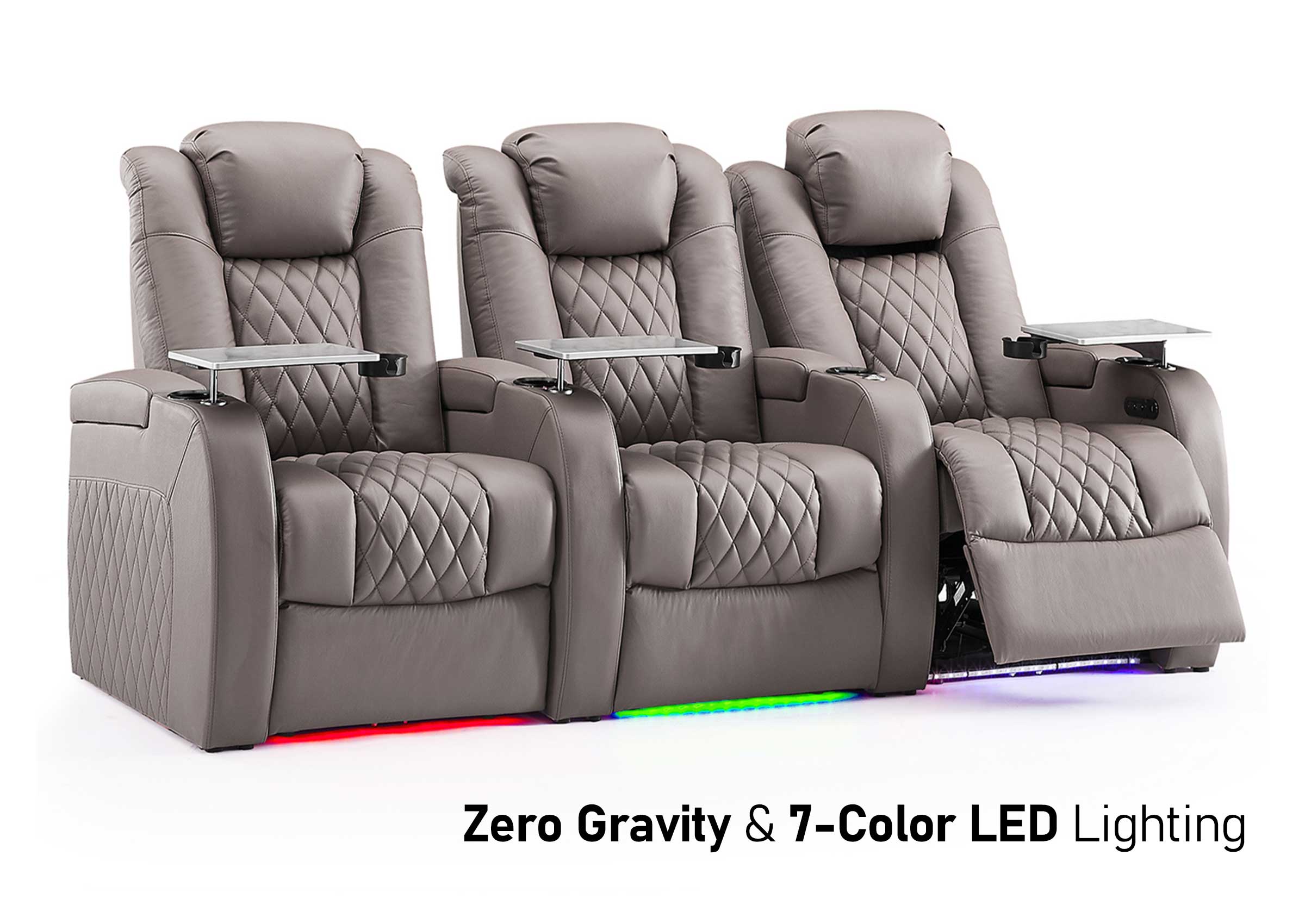
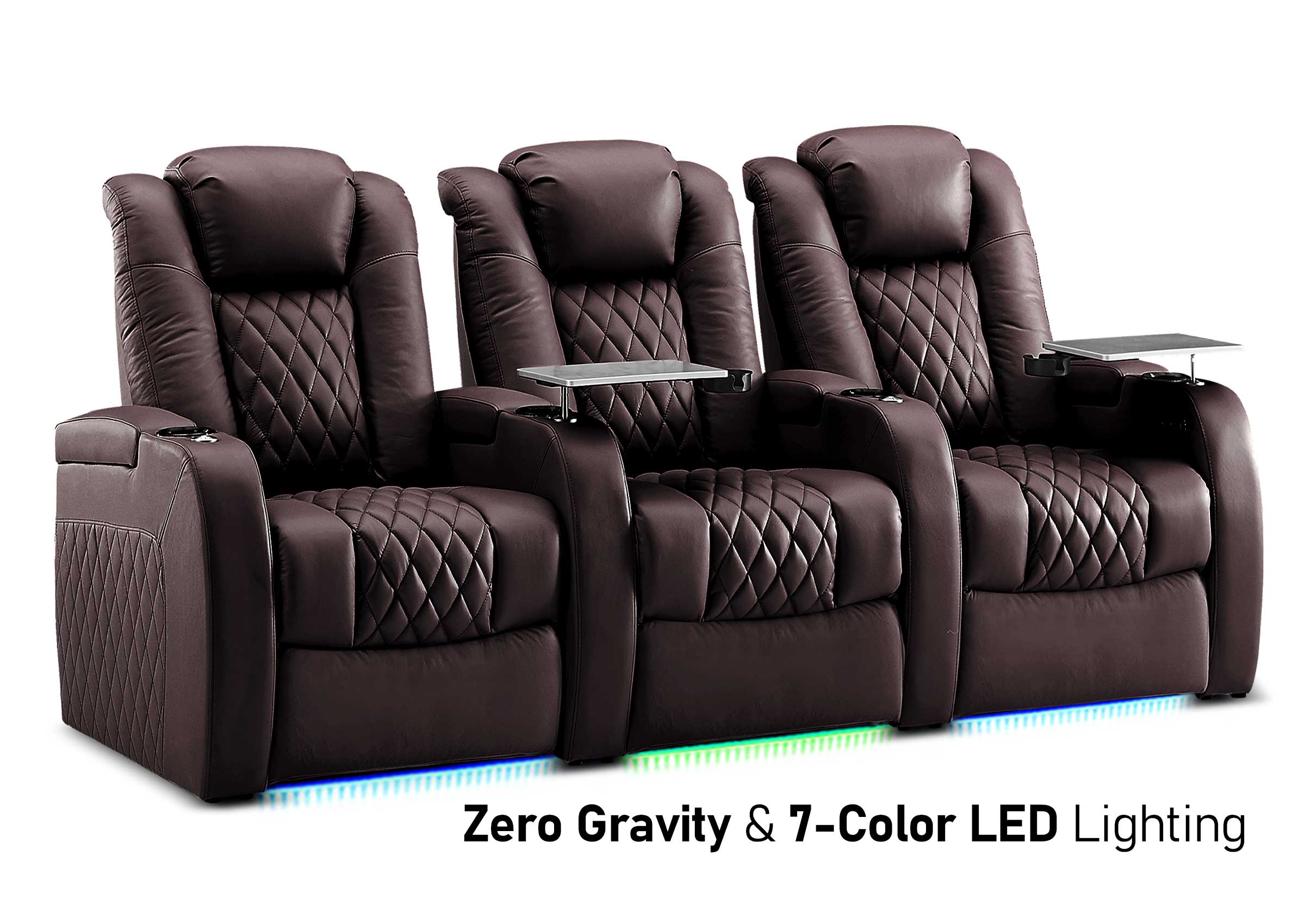
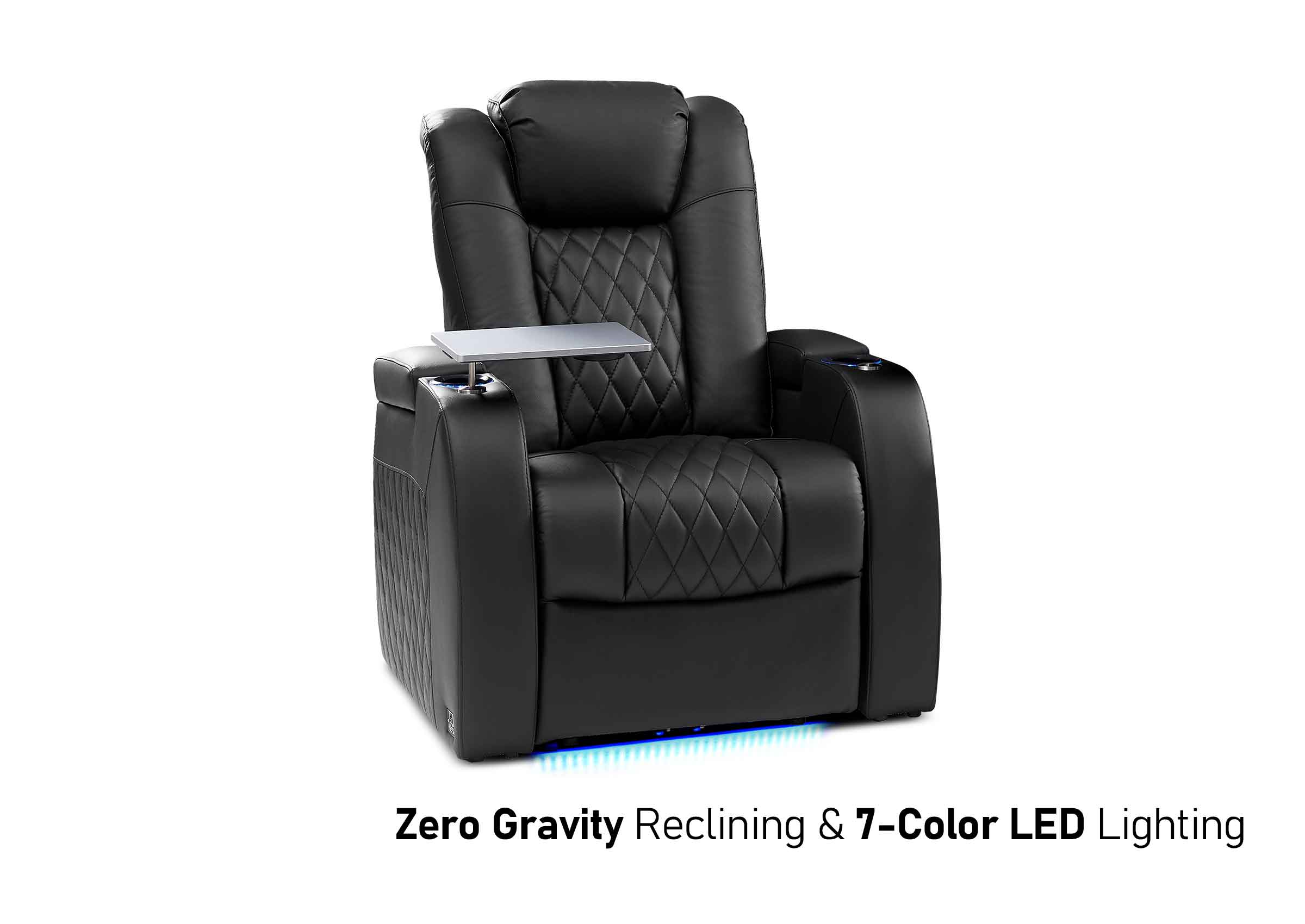
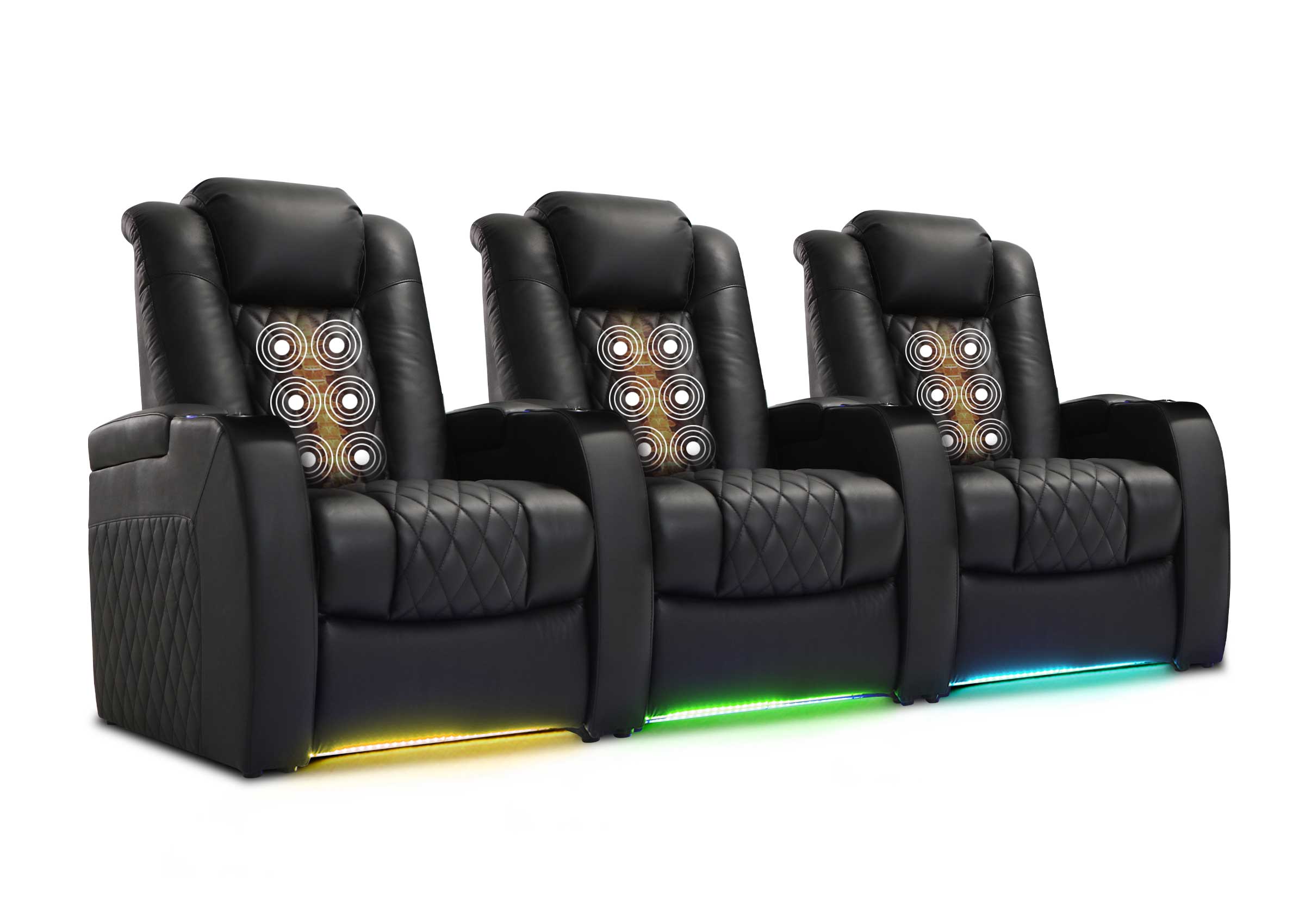
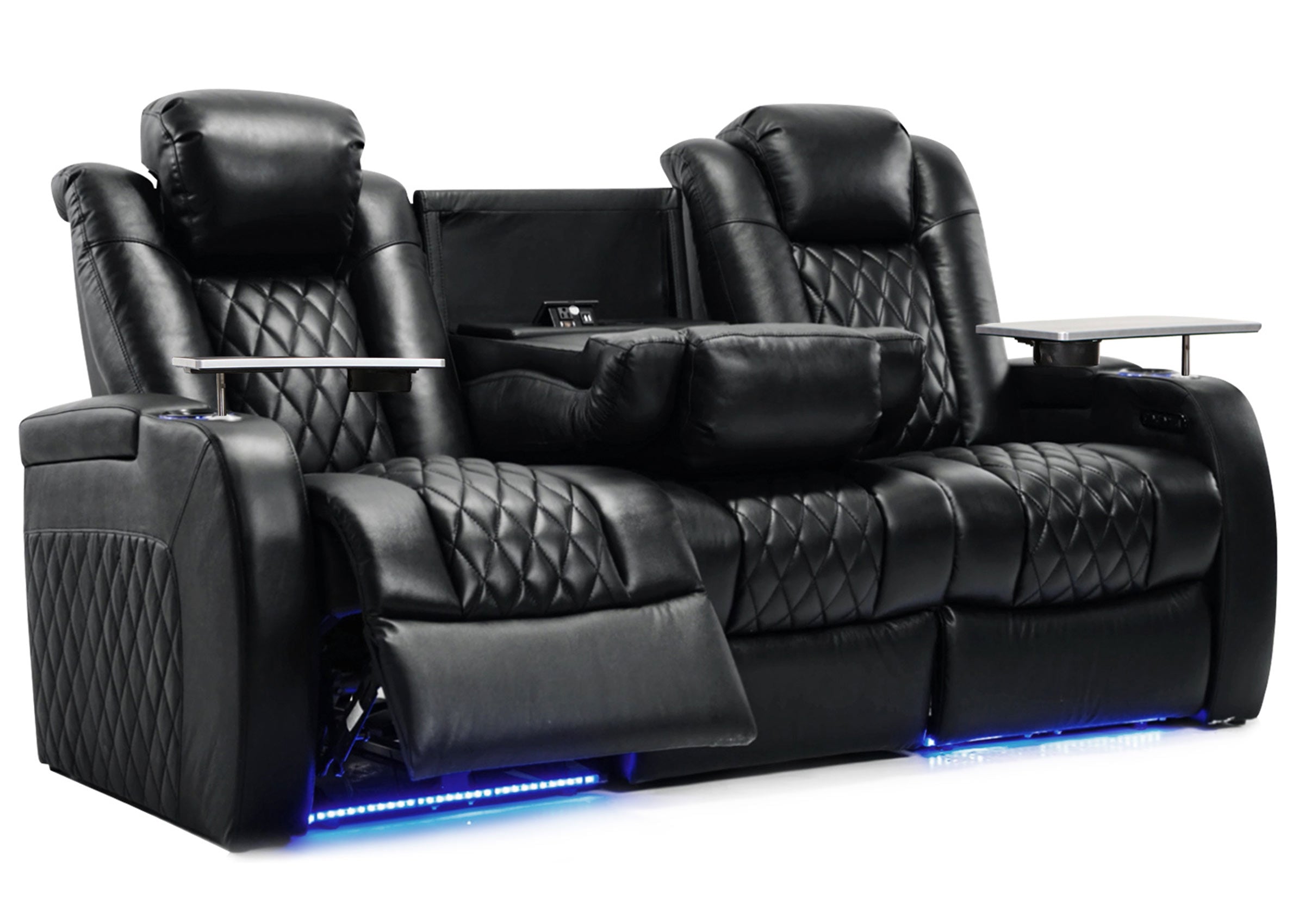
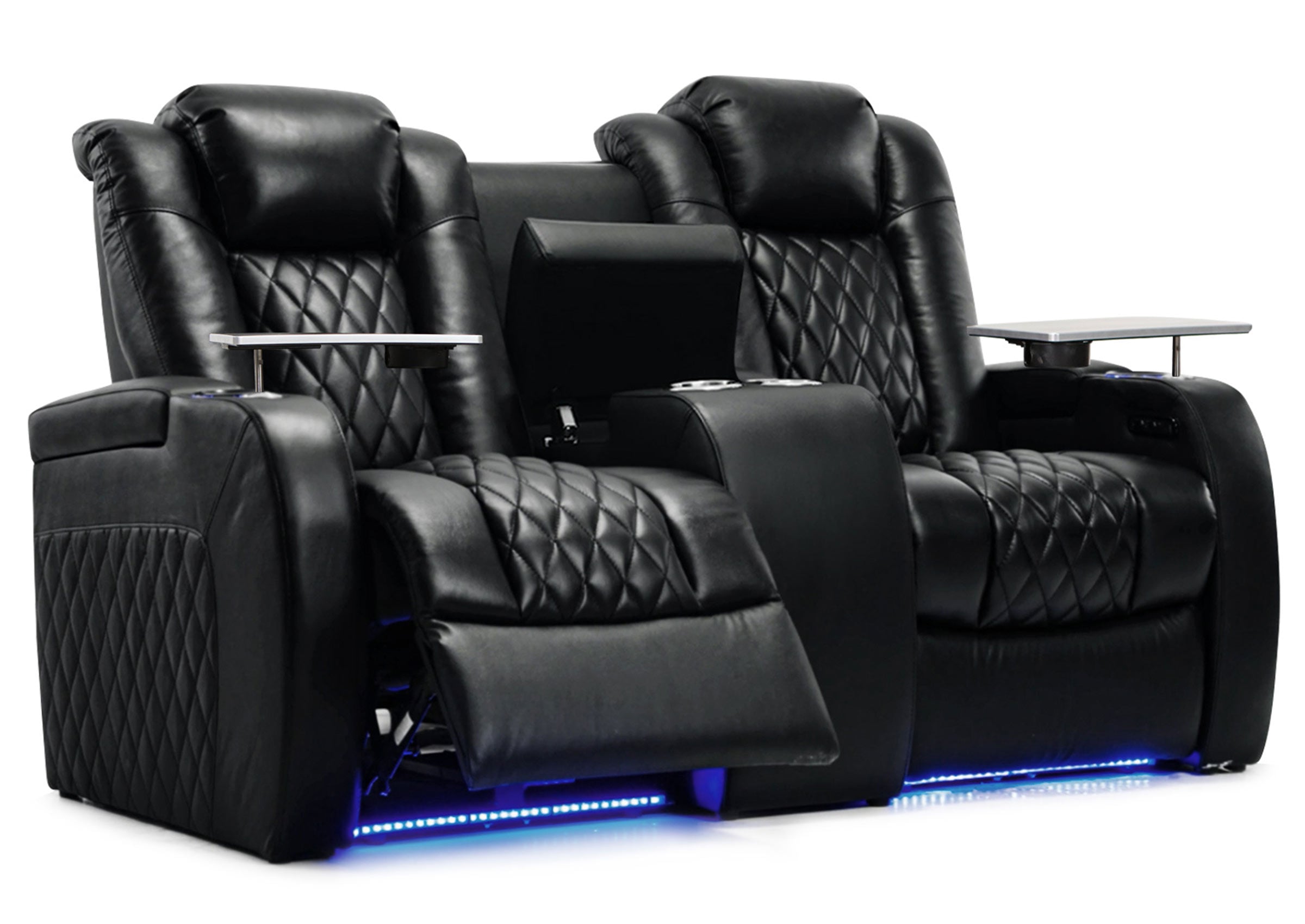
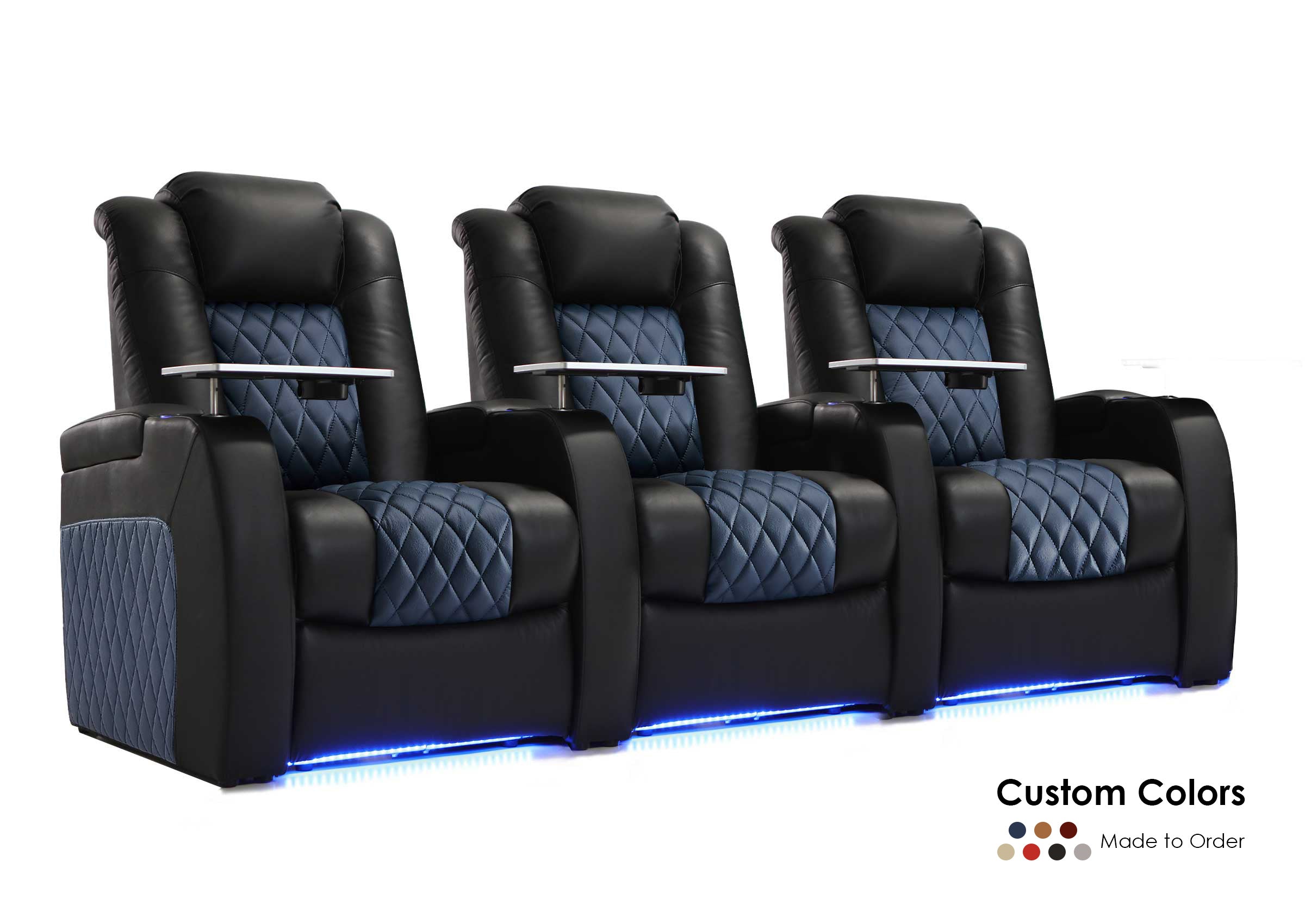
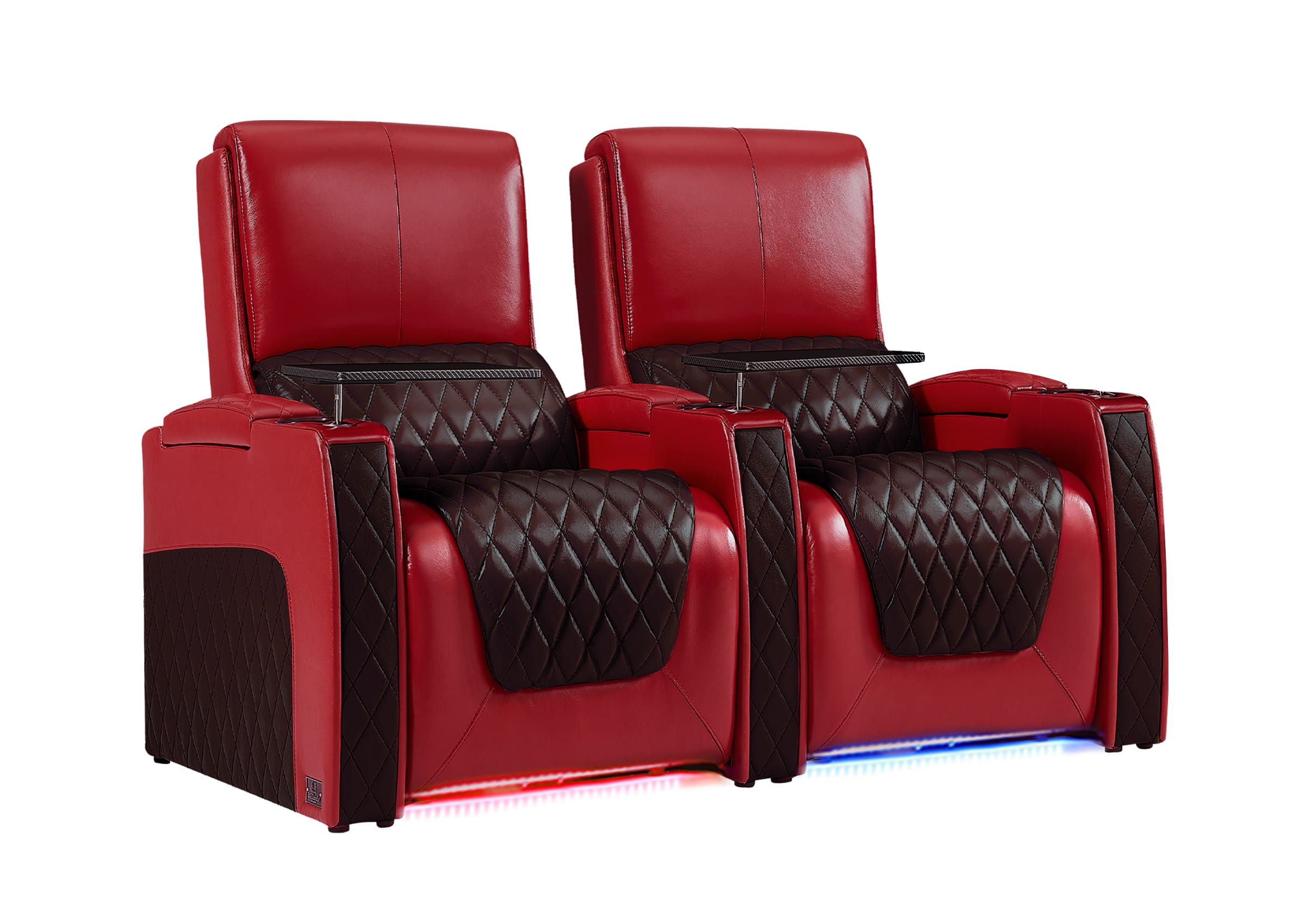
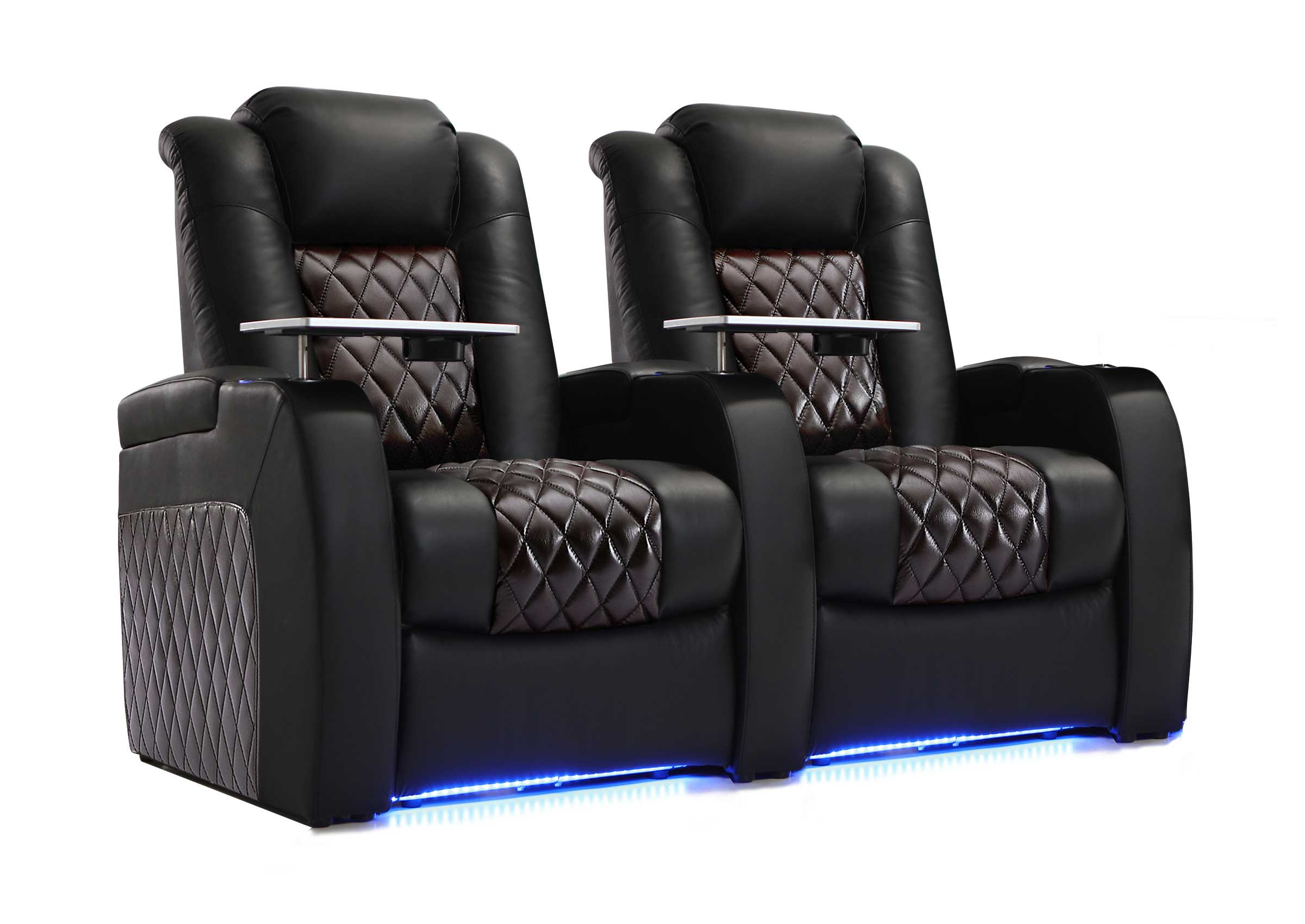
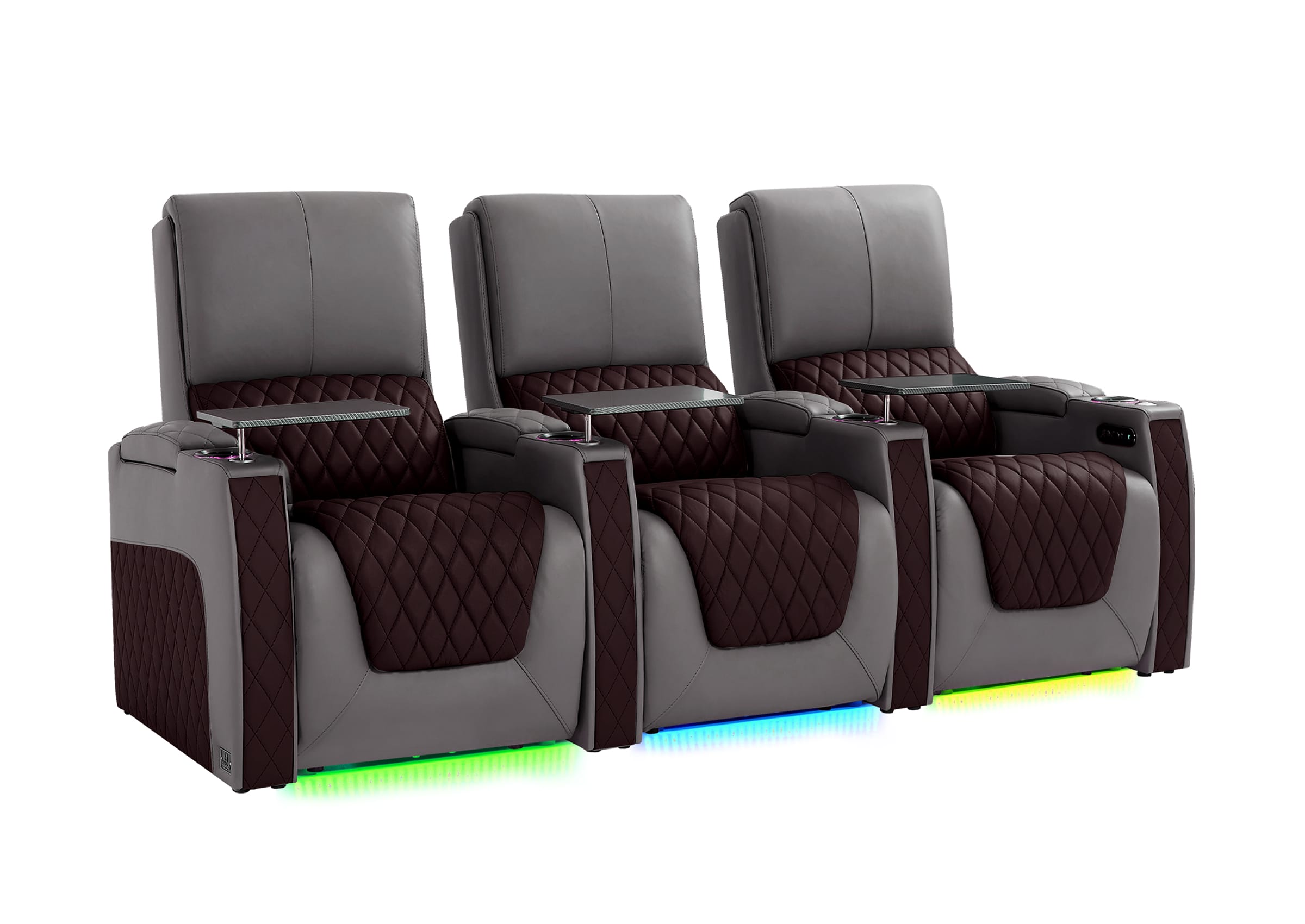
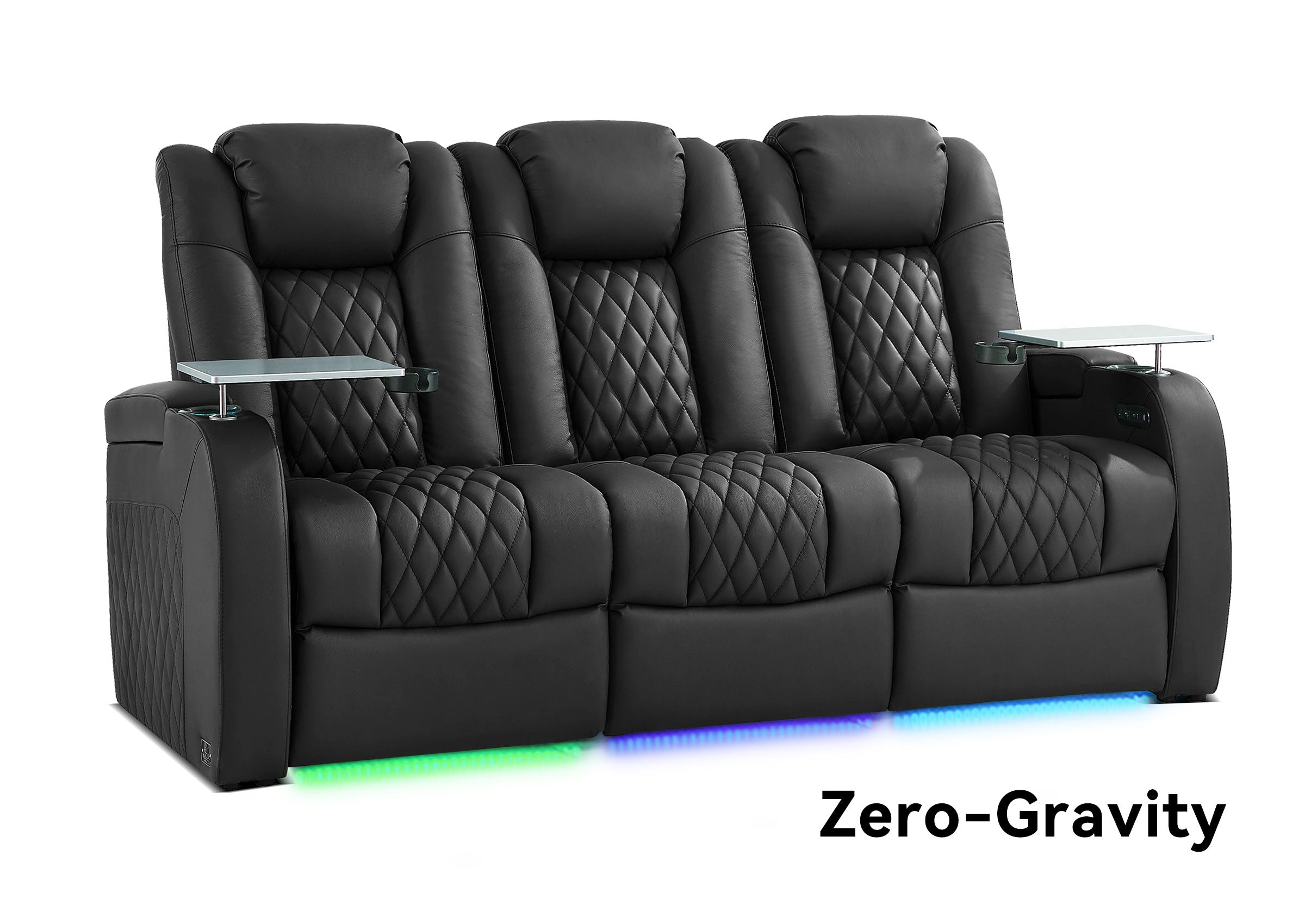
- Power recline functionality allows viewers to adjust their position effortlessly during extended games, ensuring comfort even through overtime marathons.
- Adjustable headrests ensure every seat maintains optimal sightlines to the screen, preventing neck strain and guaranteeing no one misses a crucial play due to poor positioning.
- Built-in cup holders keep drinks secure and within easy reach, reducing spills and the need to constantly get up for refills.
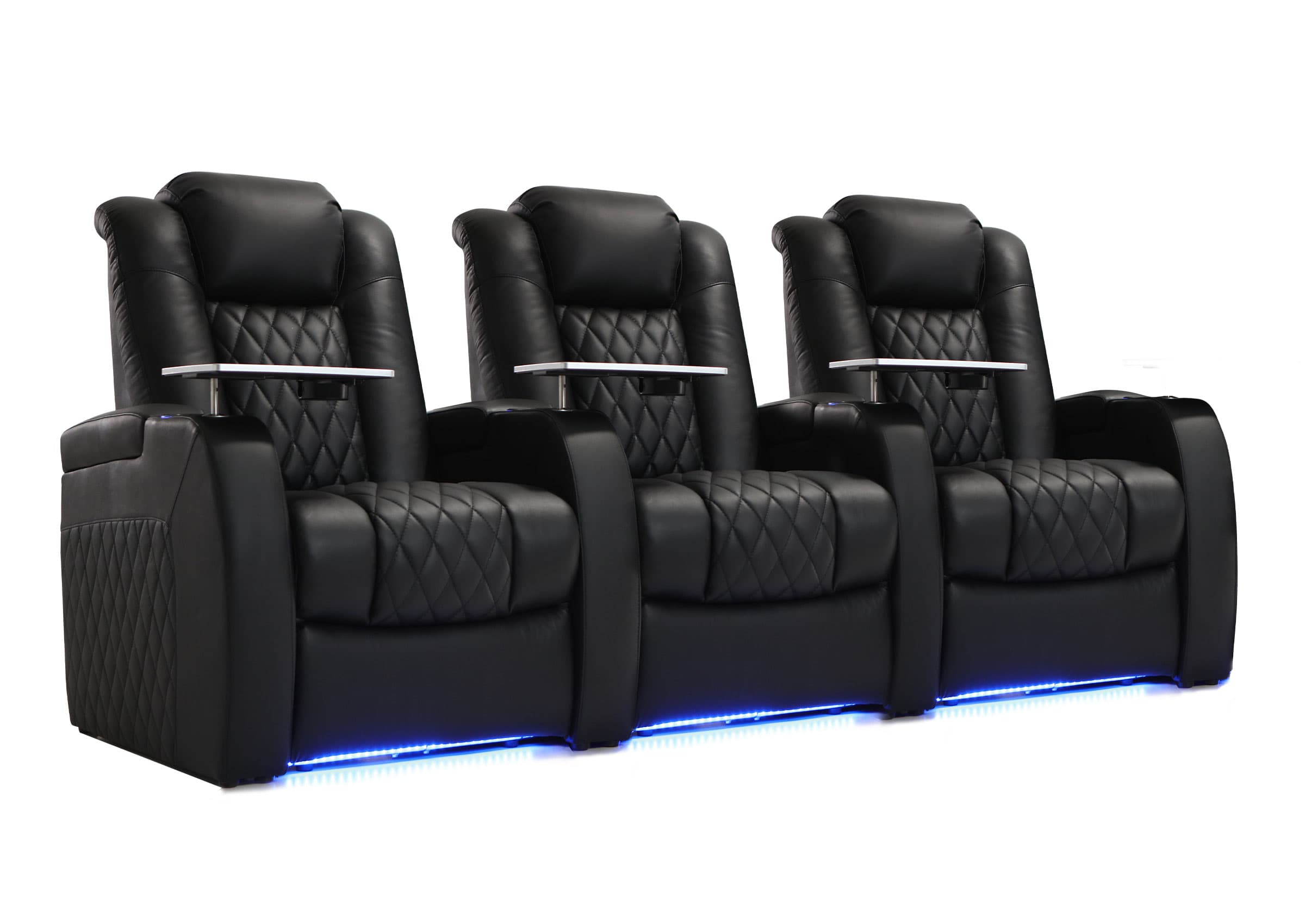
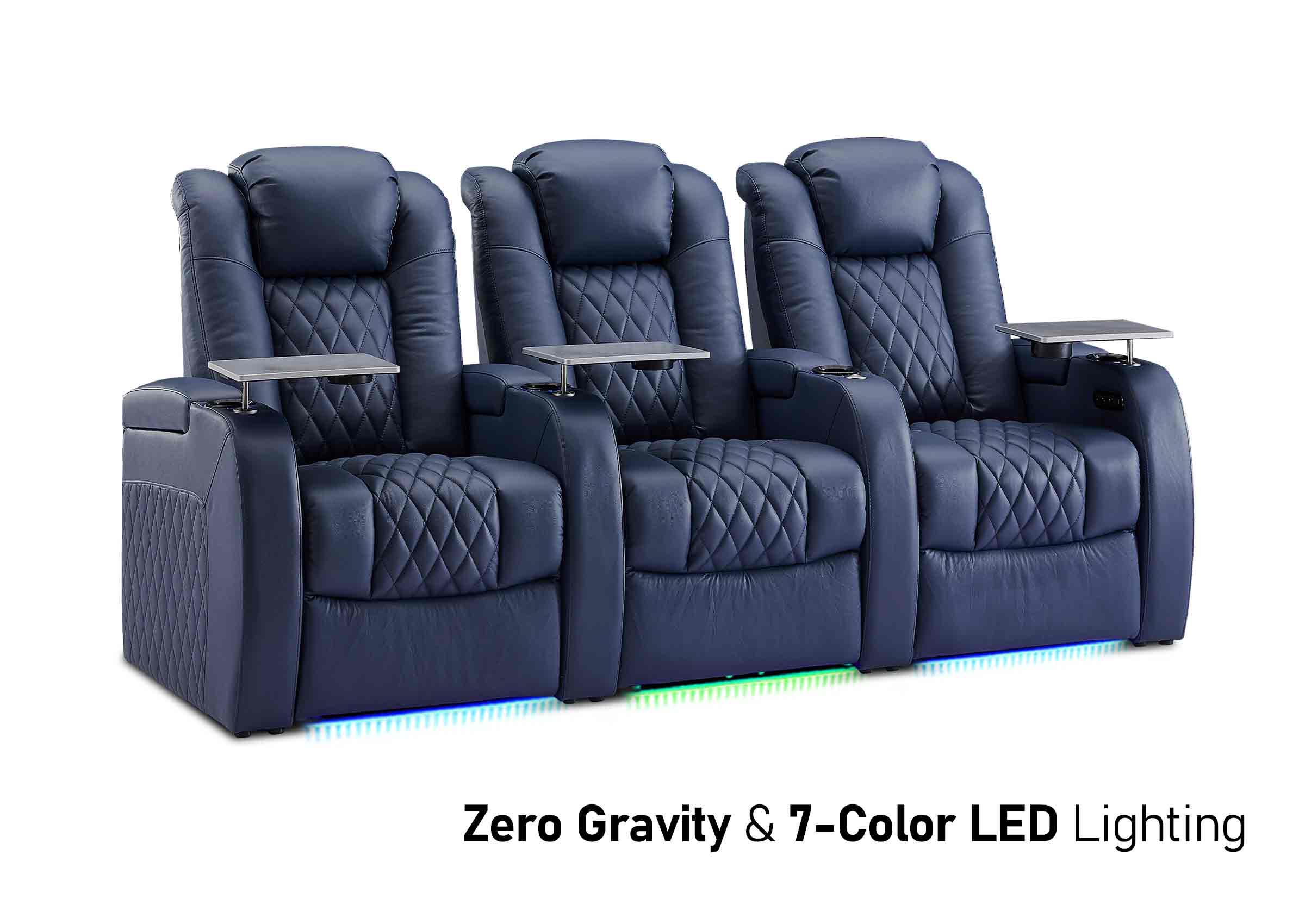
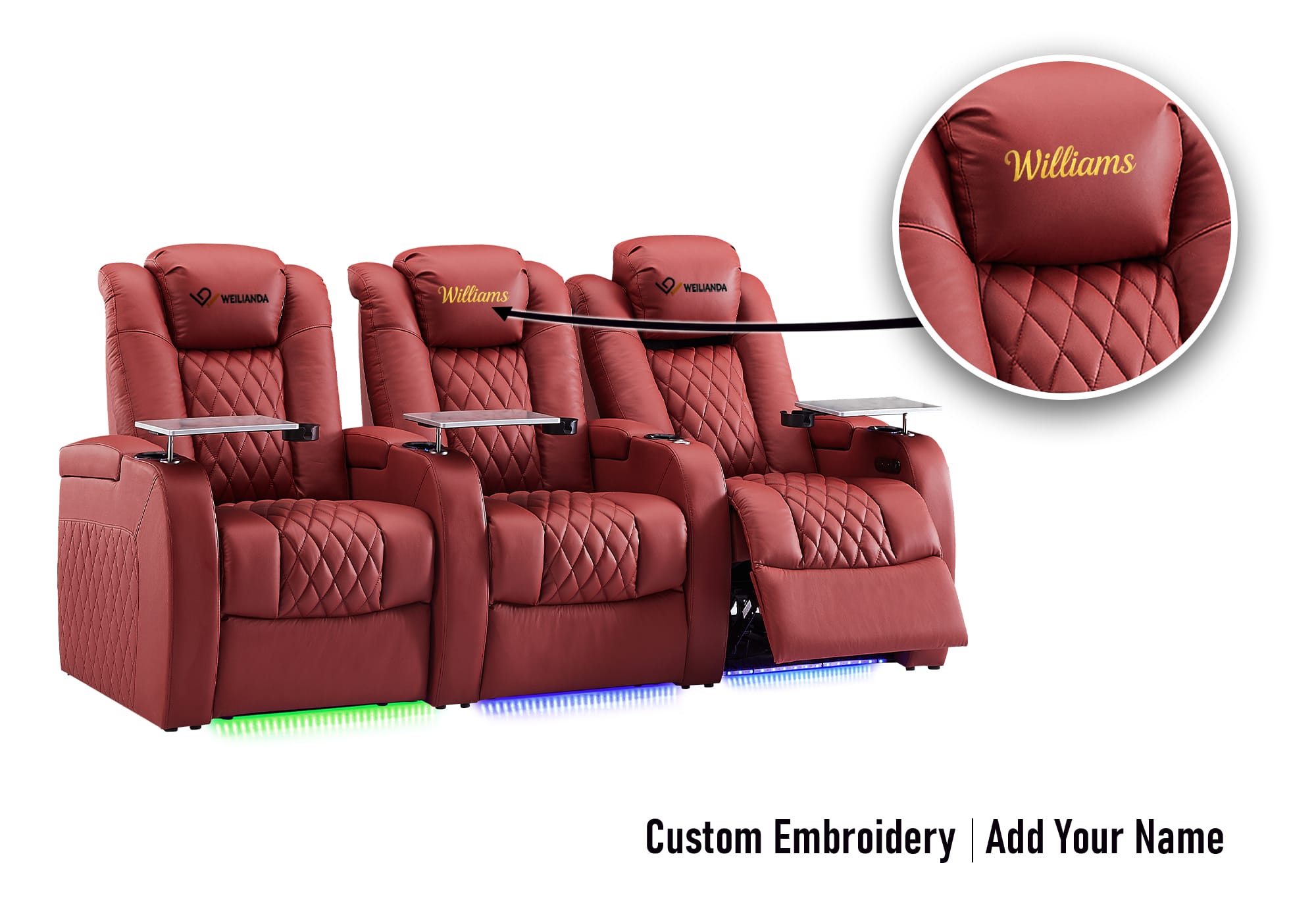
- Tray tables provide a convenient surface for game-day staples like chicken wings, pizza slices, nachos, and other snacks, keeping food organized and accessible without cluttering laps.
- Subtle ambient lighting around the seating area enhances the overall atmosphere, creating a cozy yet focused environment that doesn’t distract from the action on screen but adds to the cinematic feel.
By integrating these features, home theater seating transforms from a basic setup into a dedicated space designed specifically for passionate football fans, making every game day feel special and ensuring the seating works as hard as the players on the field.

Final Tips for Choosing the Best Home Theater Seating Layout
When planning your football watch party setup, focus on creating a comfortable, immersive, and enjoyable experience that lasts for hours. Rather than maximizing seat count, prioritize clear sightlines, balanced spacing, and seating that supports long games and high-energy moments. Start by designing for your regular guests, then add flexibility to handle larger gatherings when needed.
A well-planned seating layout considers your room’s dimensions, screen size, and natural traffic flow. When comfort and viewing quality come first, every seat feels intentional—and every game feels better.
Upgrade Your Game Day Setup with Exclusive Game Day Savings
Now is the perfect time to elevate your home theater for football season. Enjoy 25% off orders under $3,000 or 30% off orders $3,000 and above, plus a free lumbar pillow with every seat for added game-day comfort. Build a seating layout designed for how you watch the game—and make every kickoff feel like a front-row experience.