



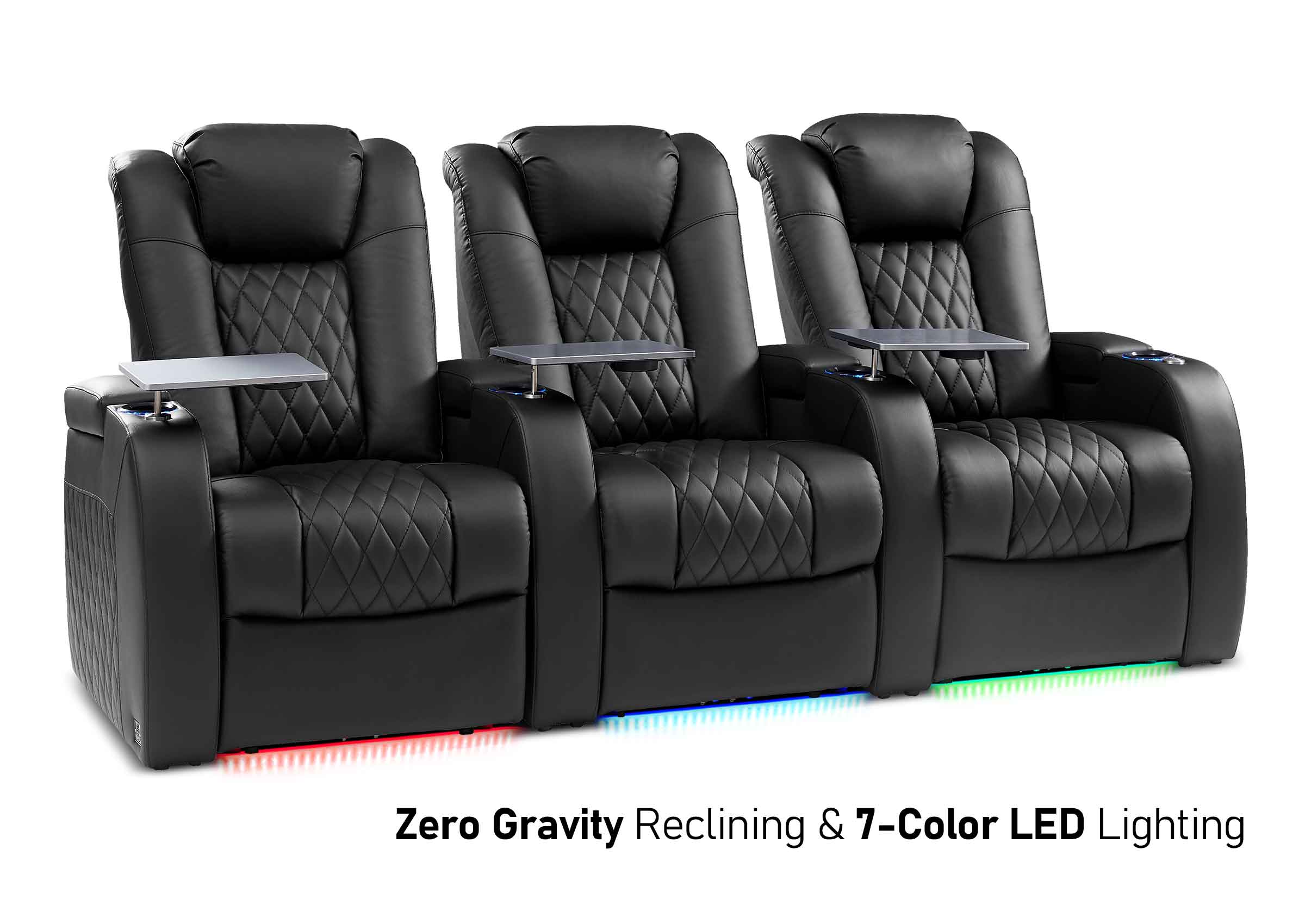
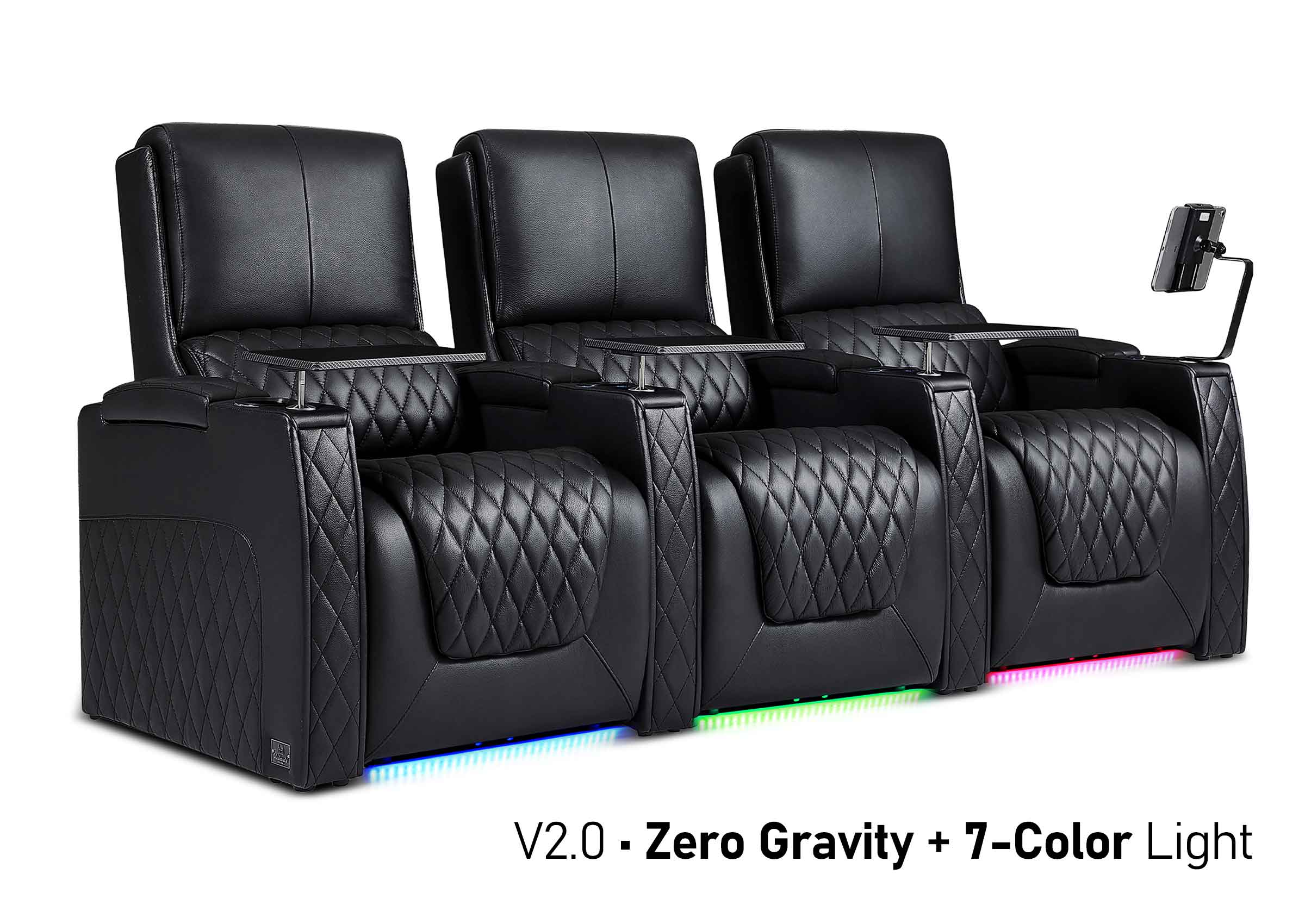
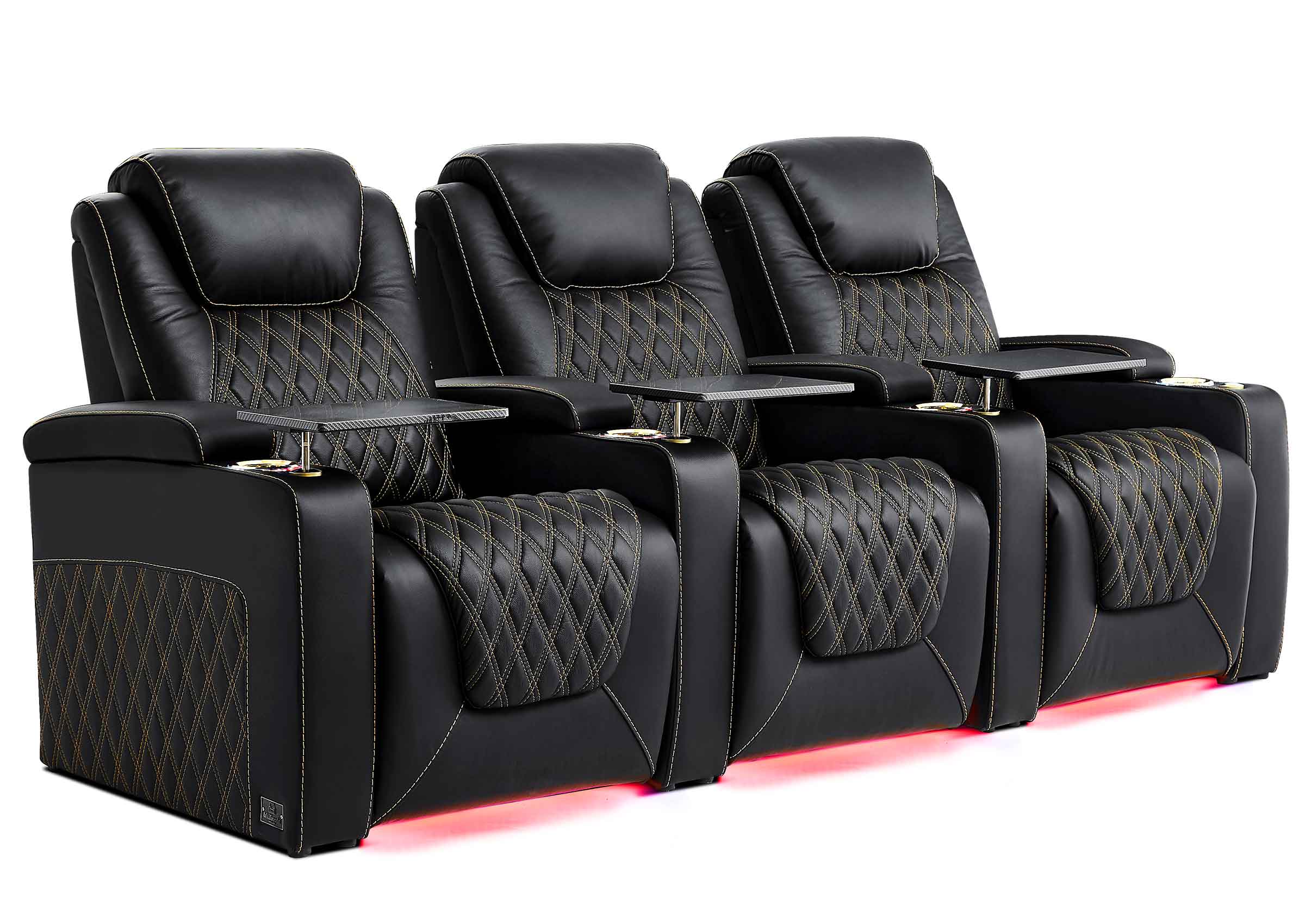
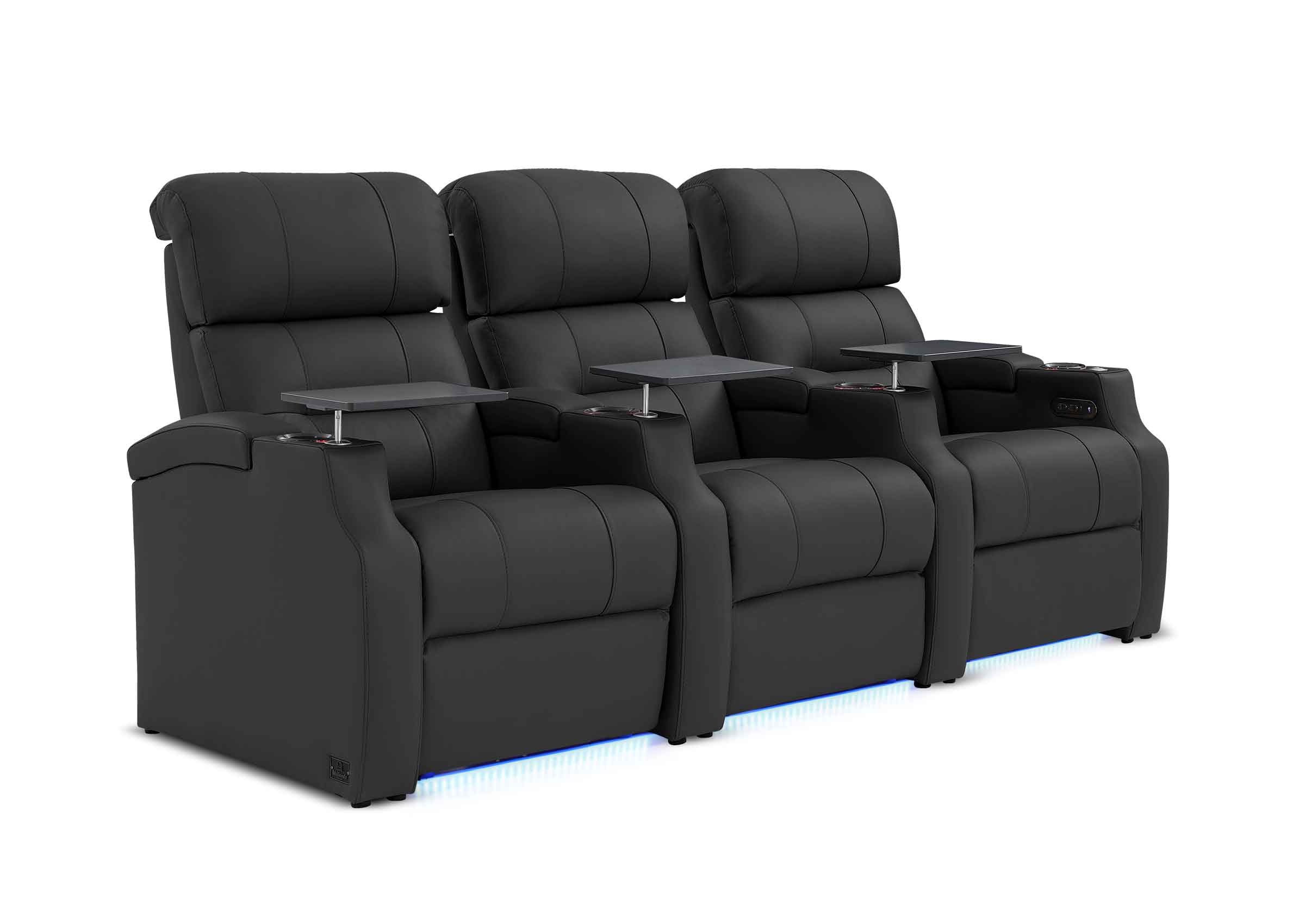
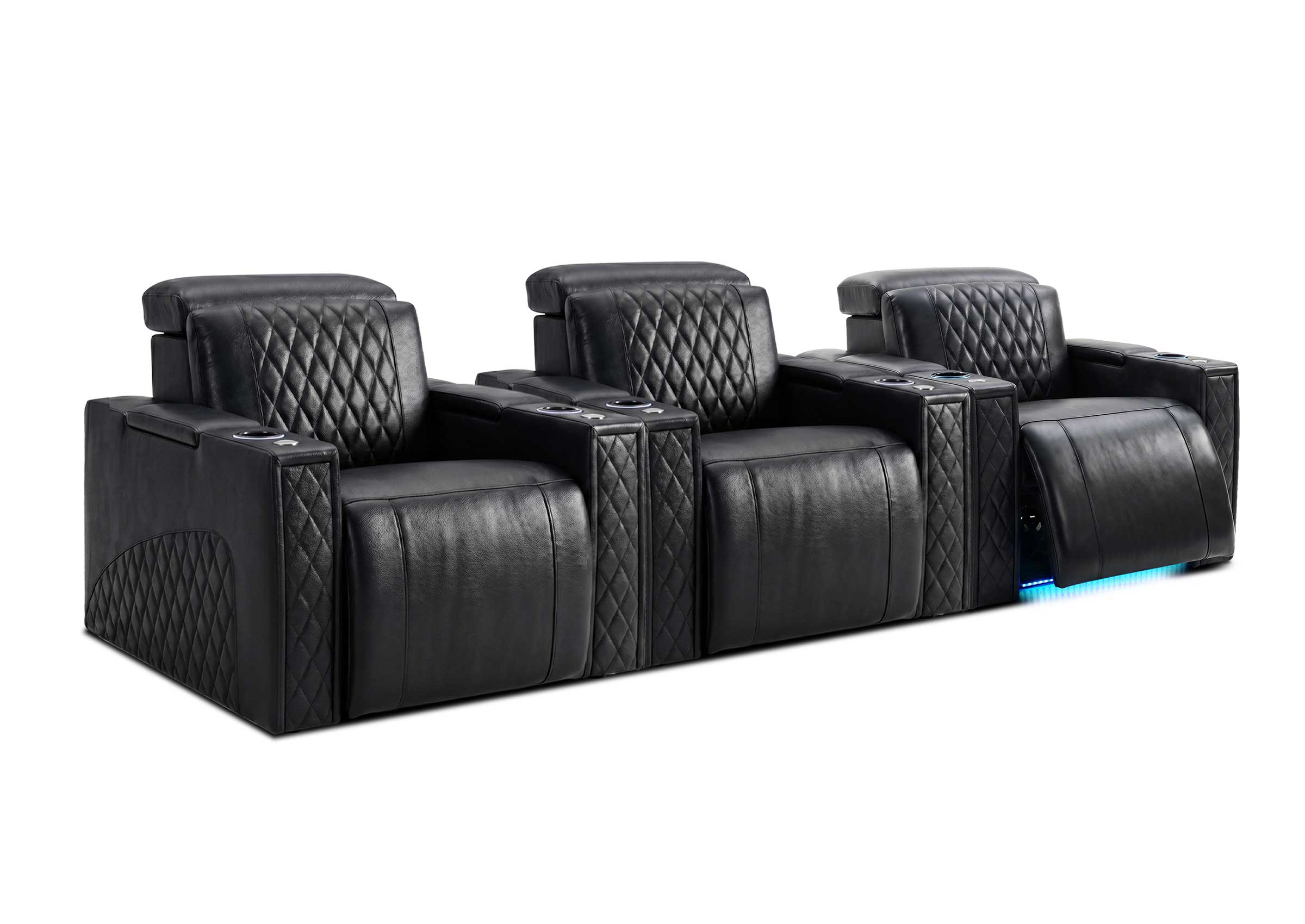

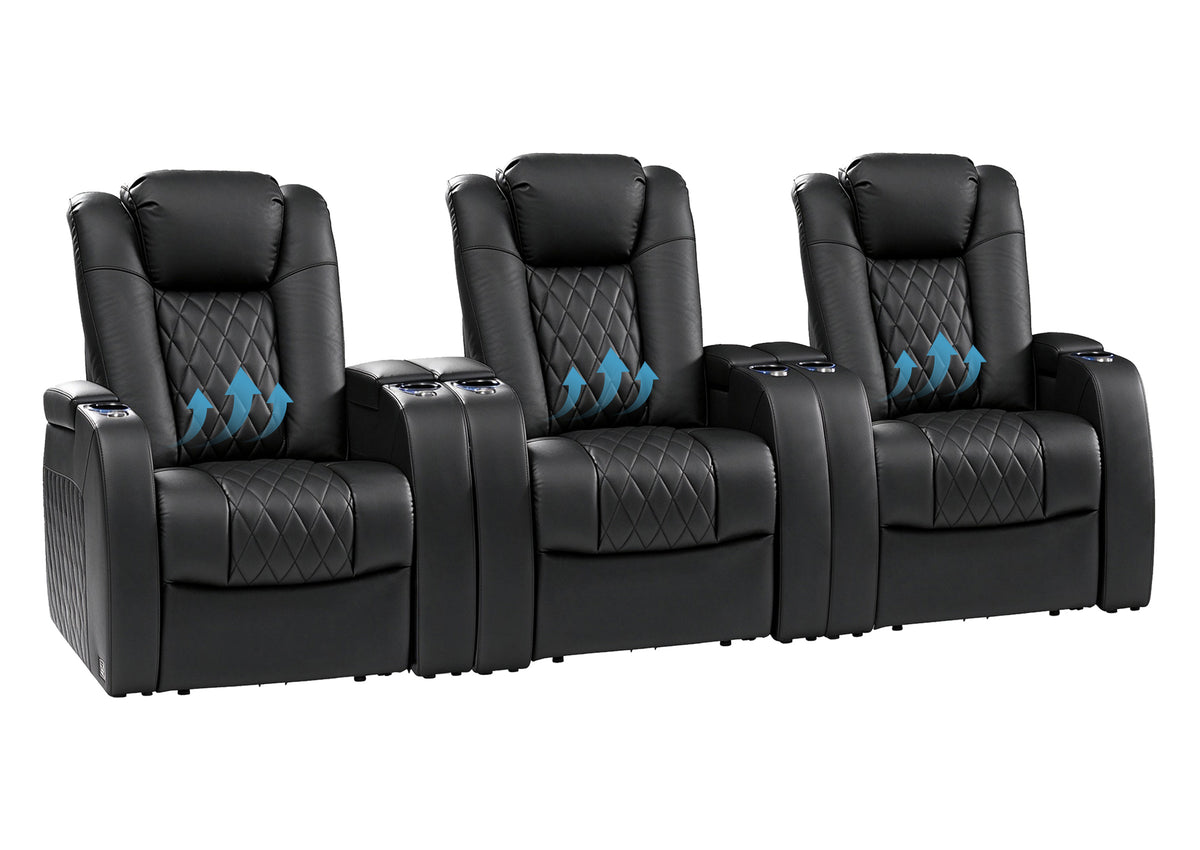
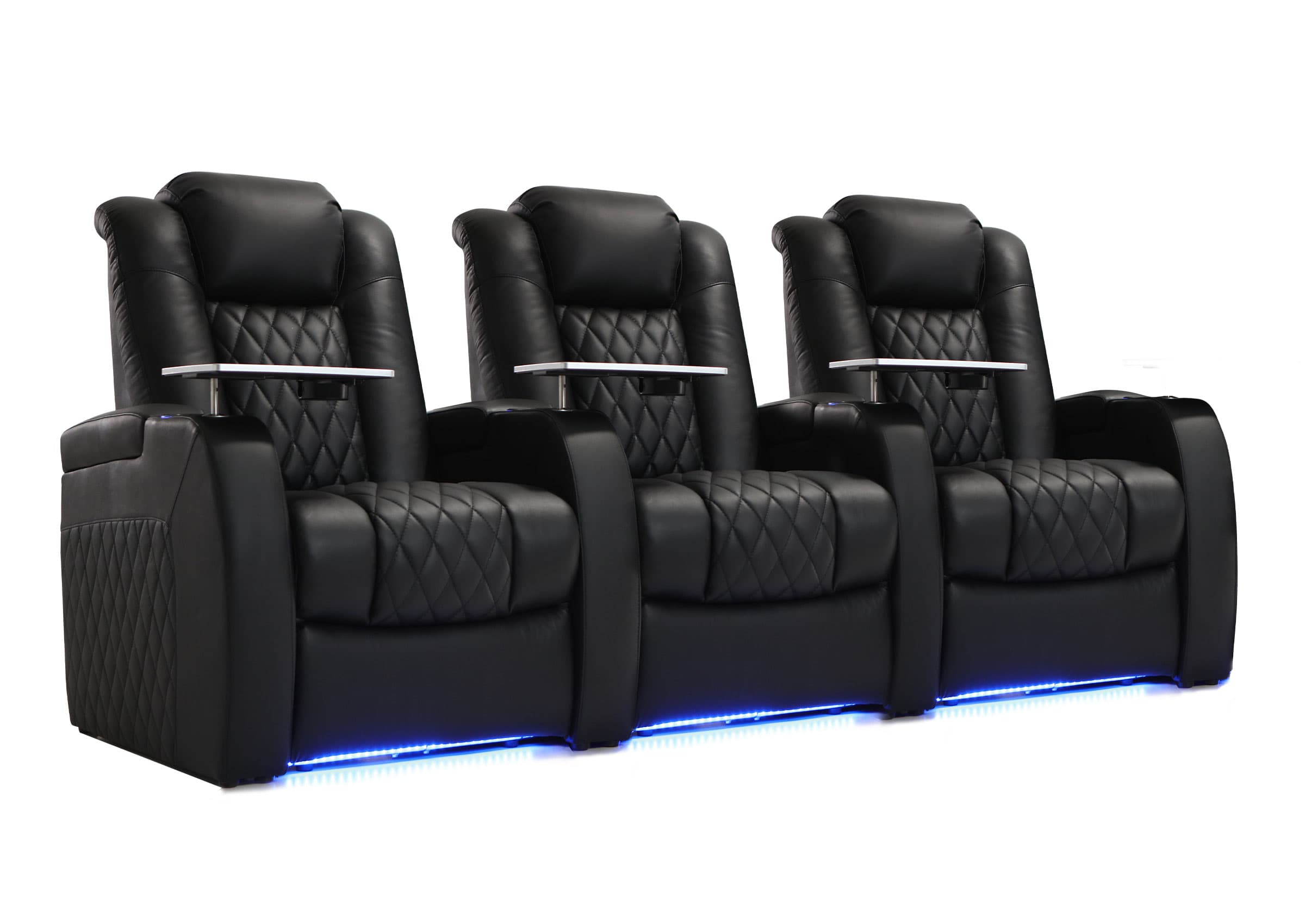
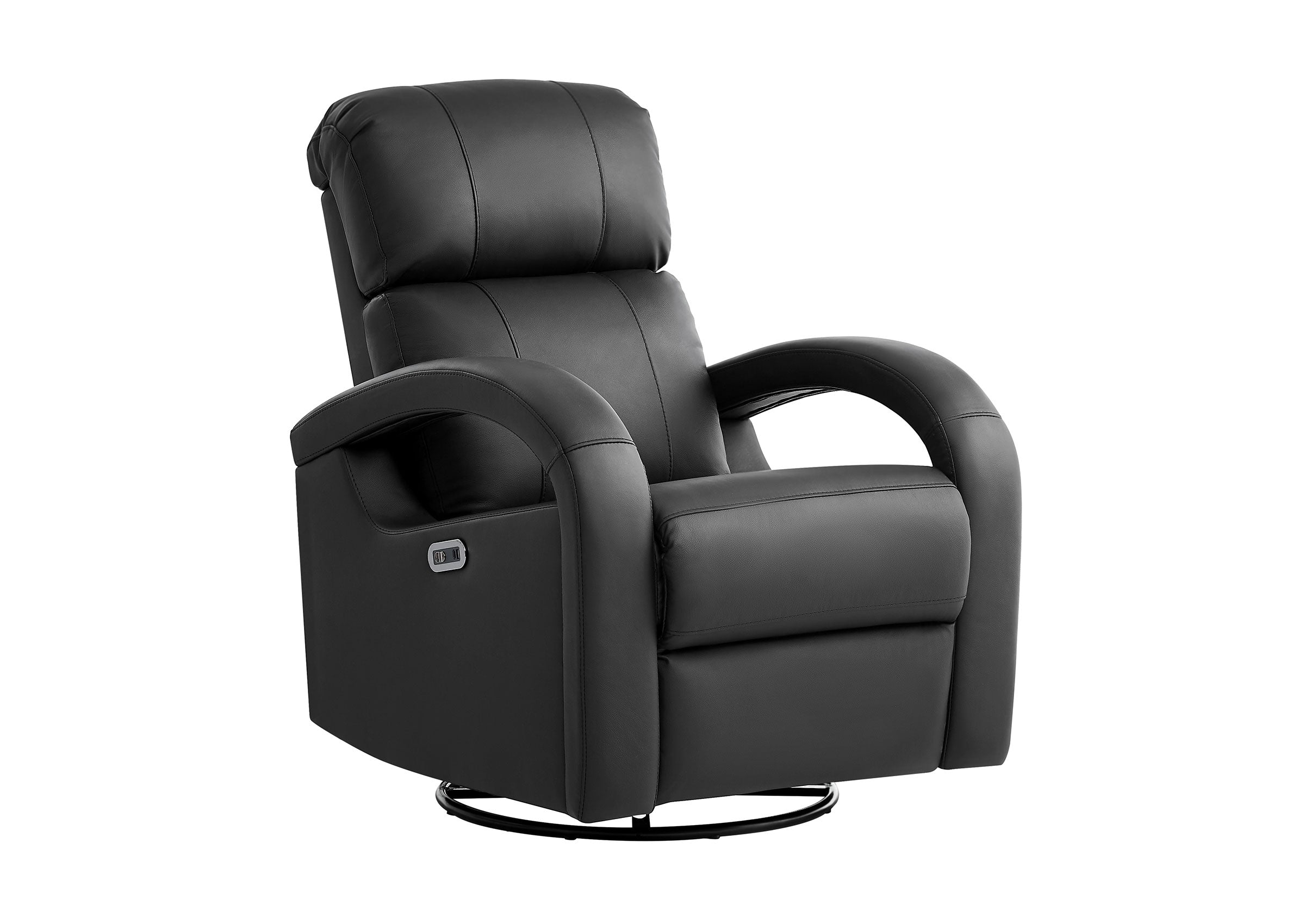
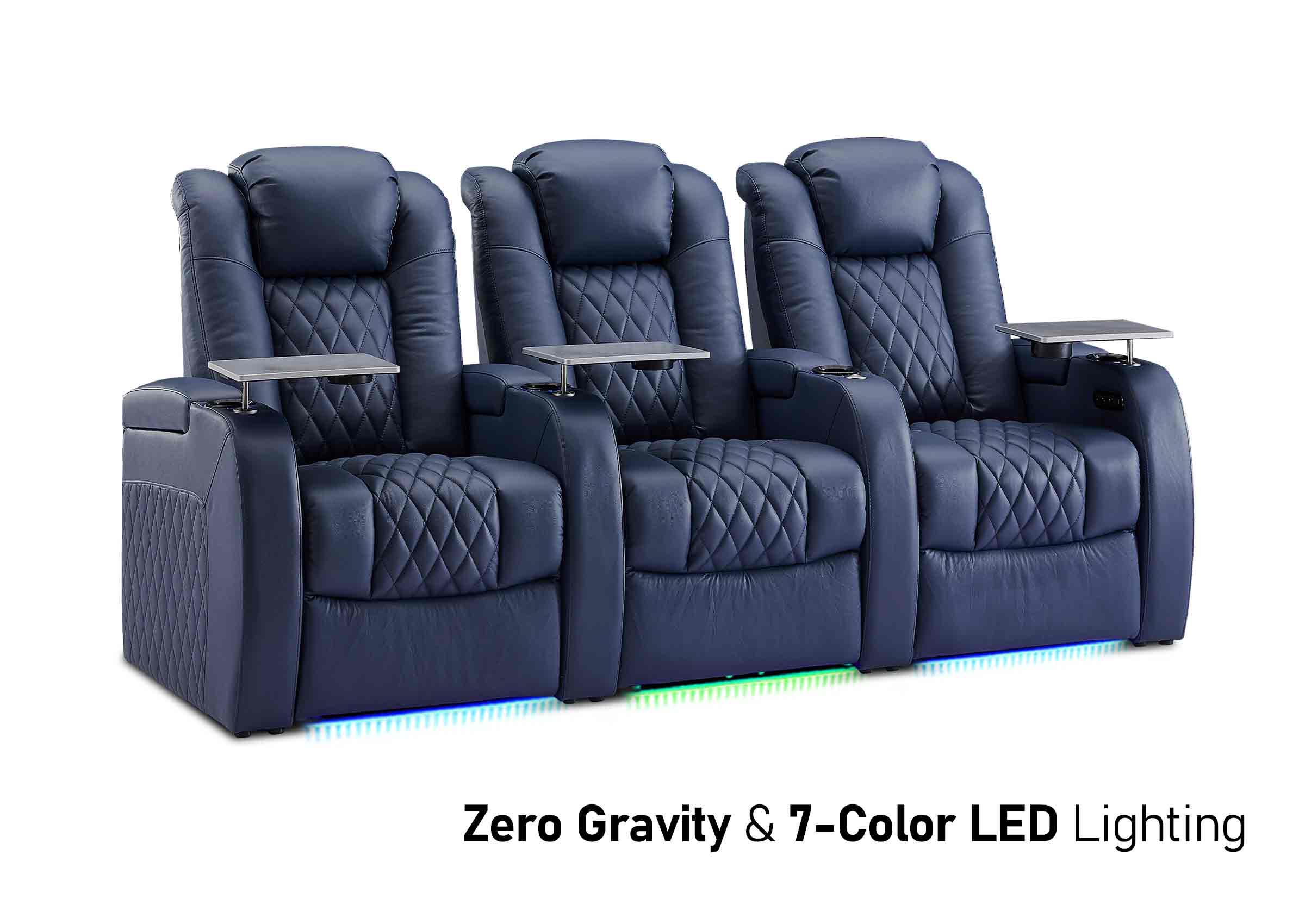
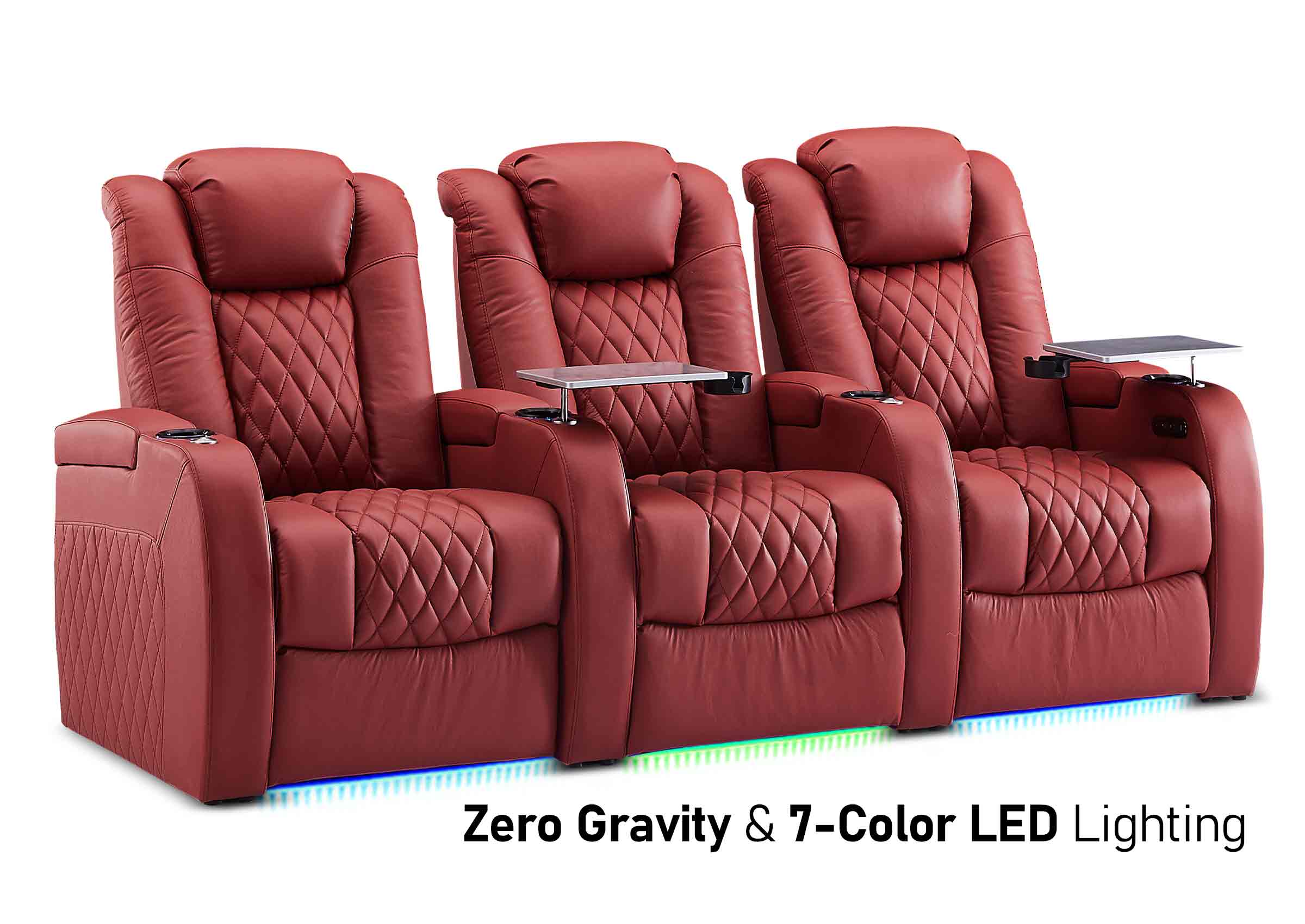
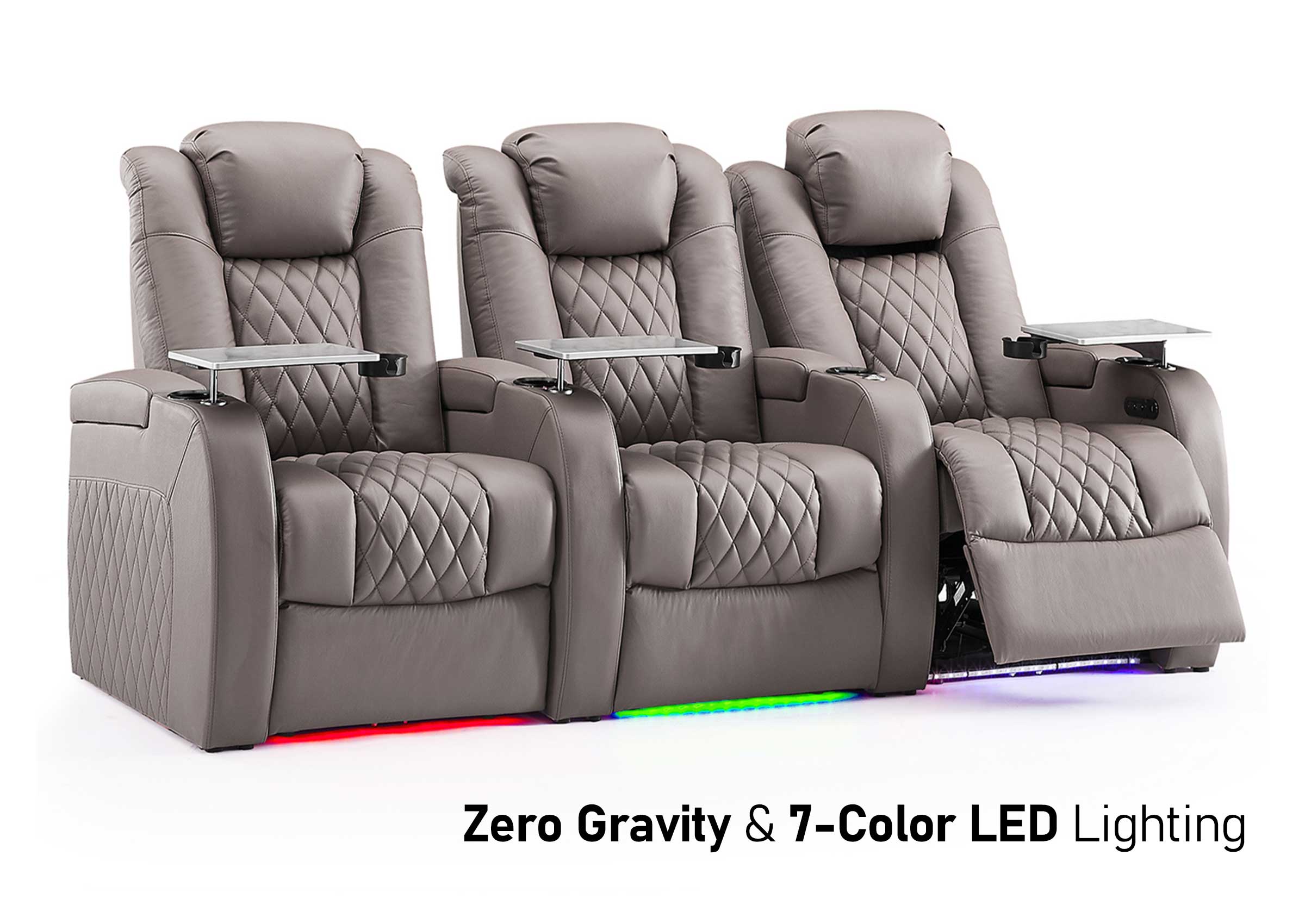
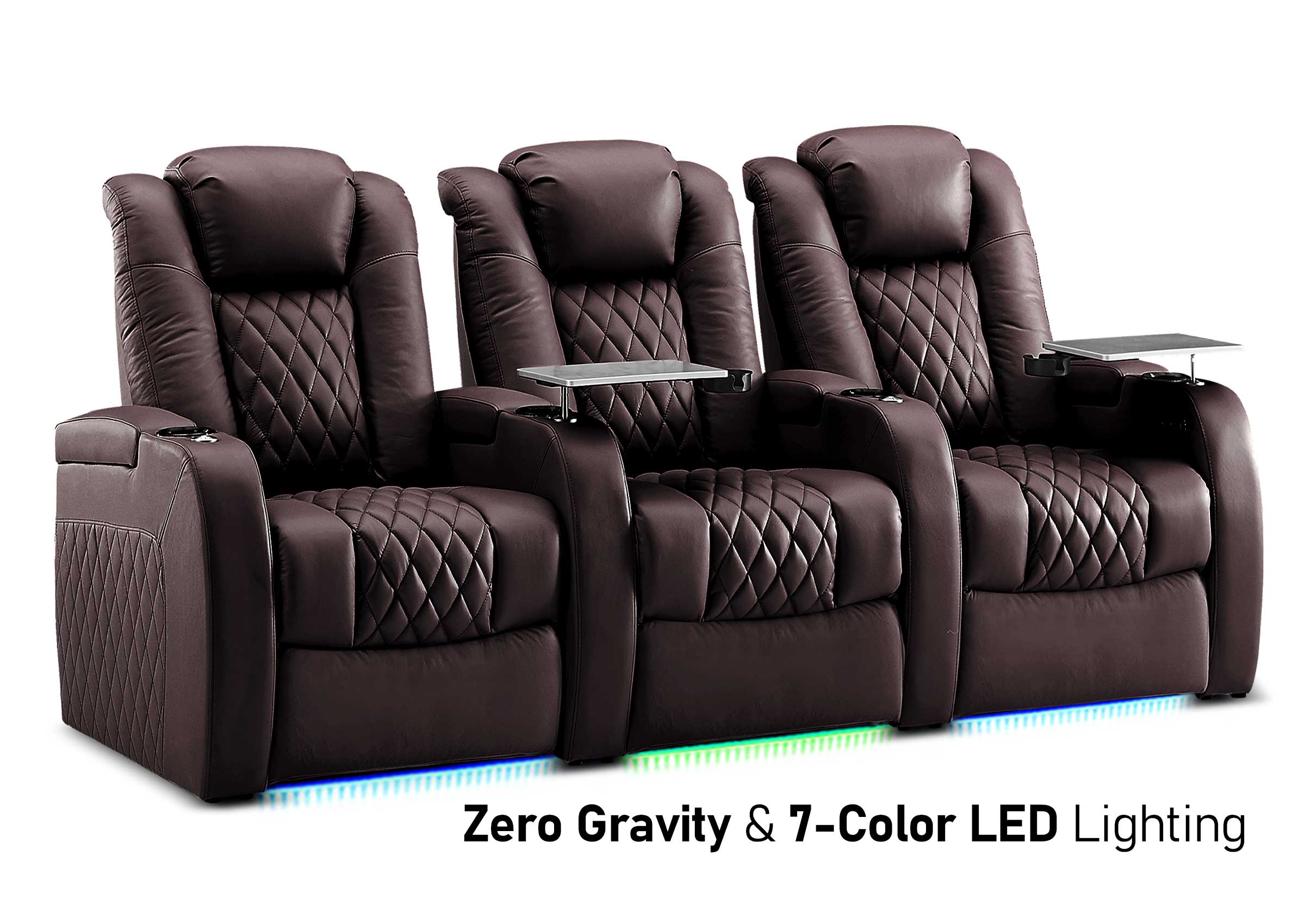

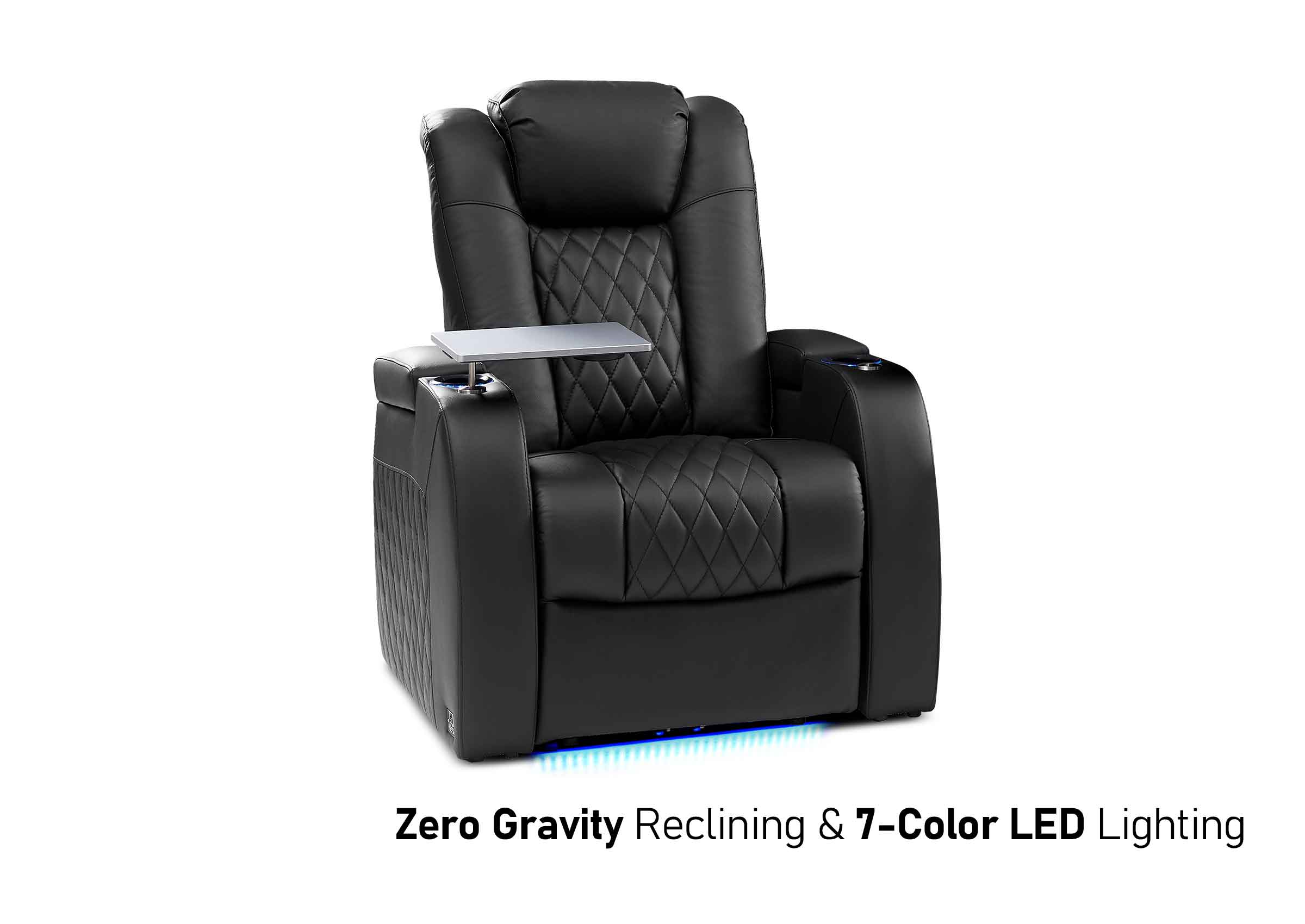
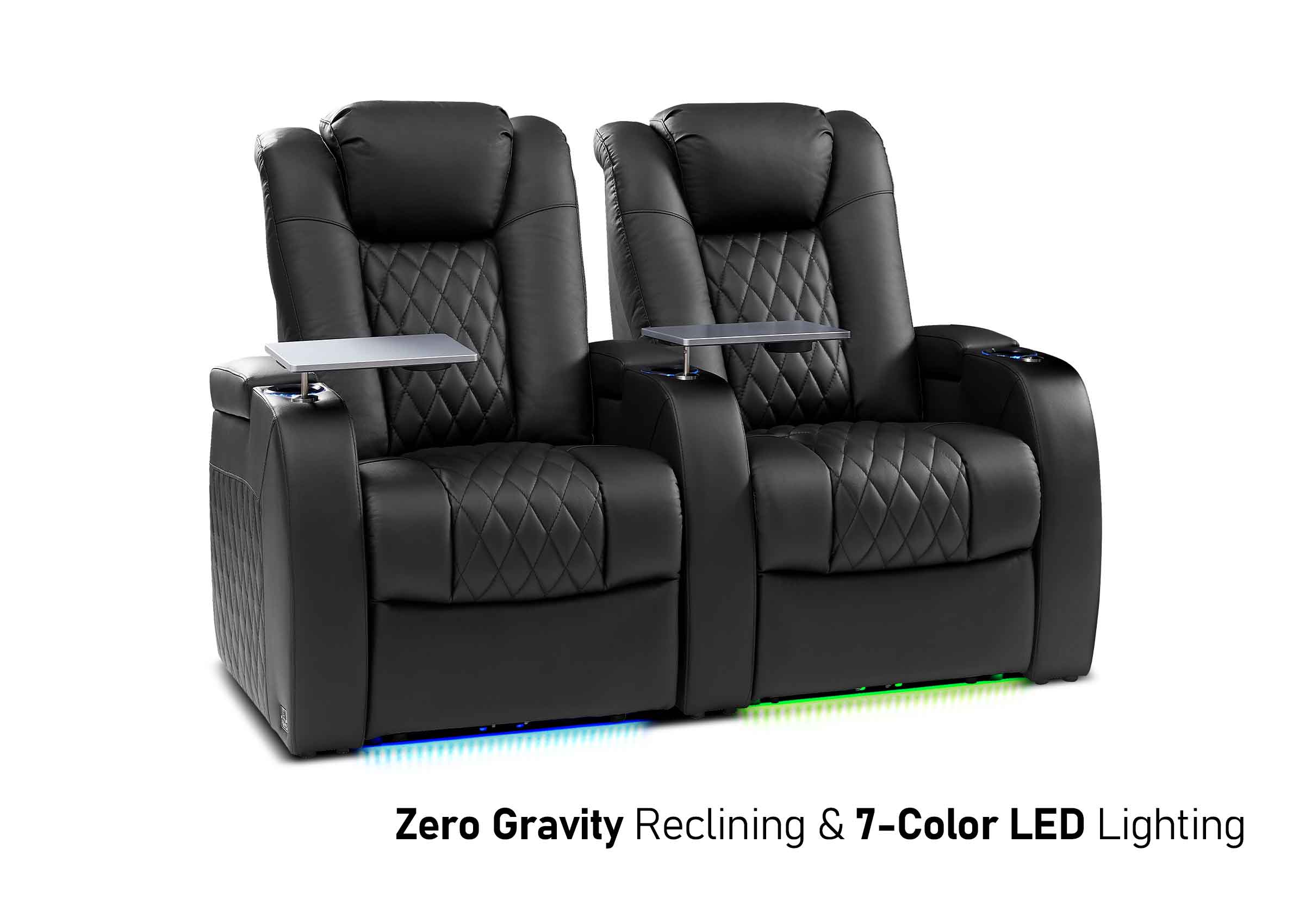
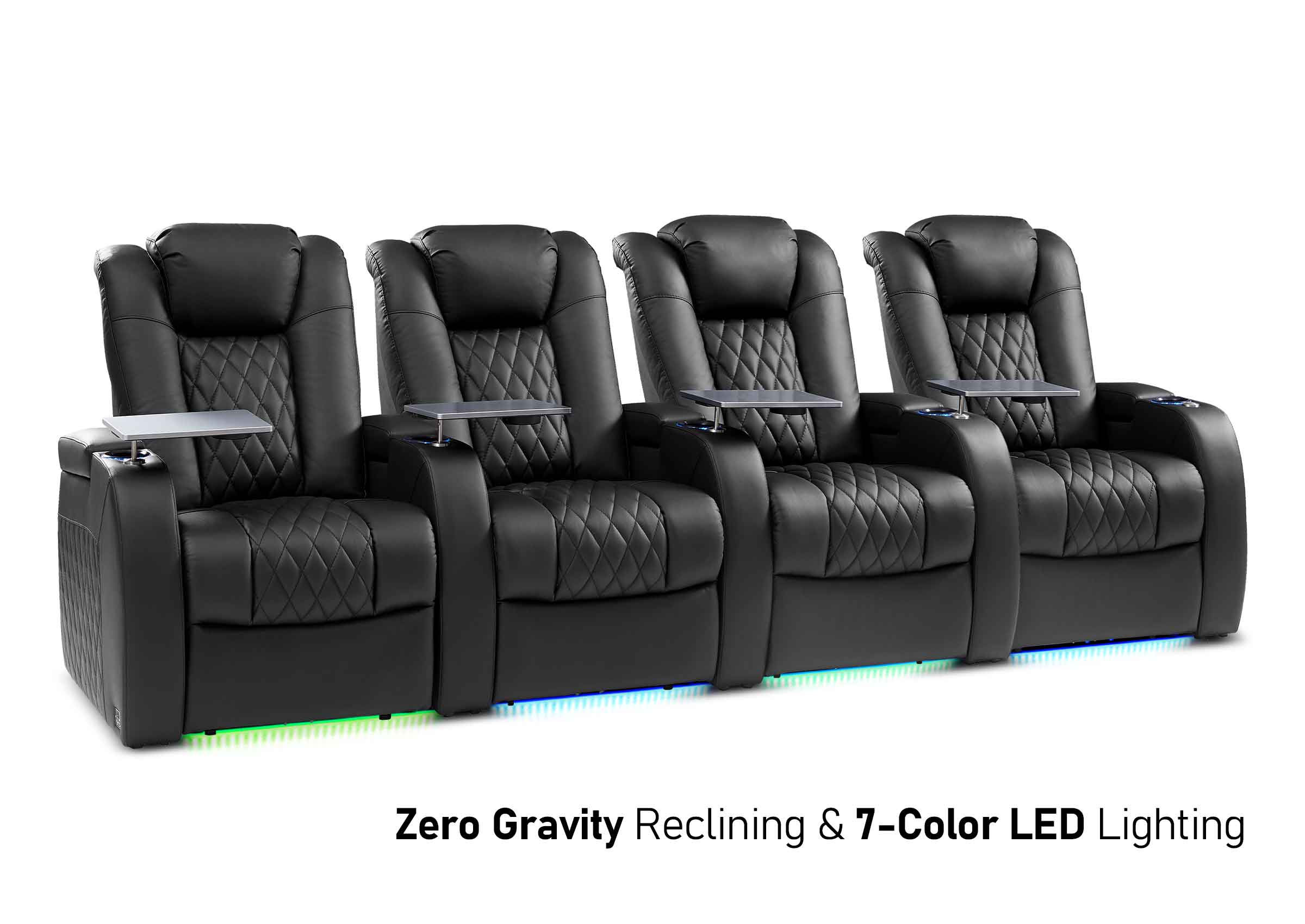
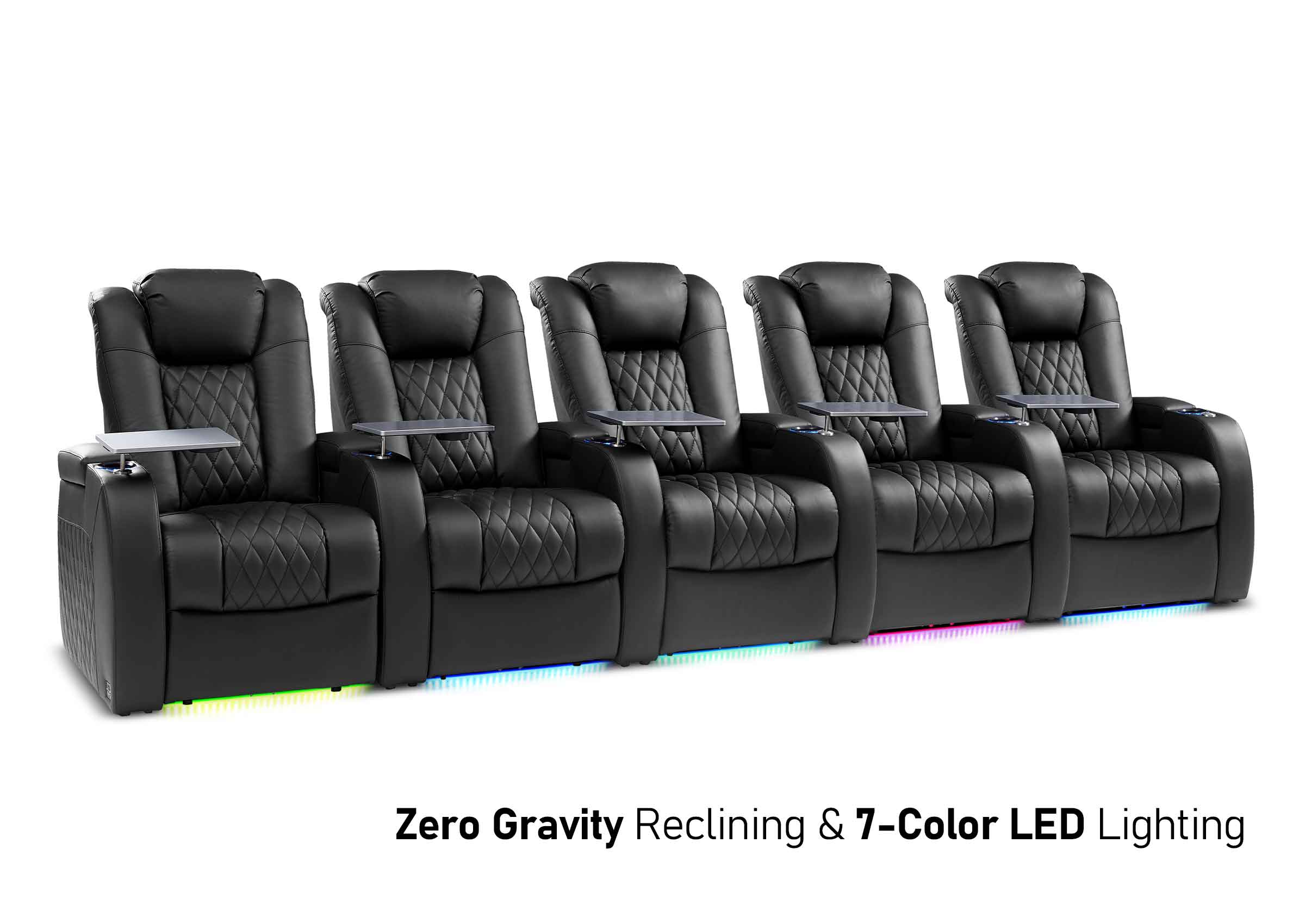
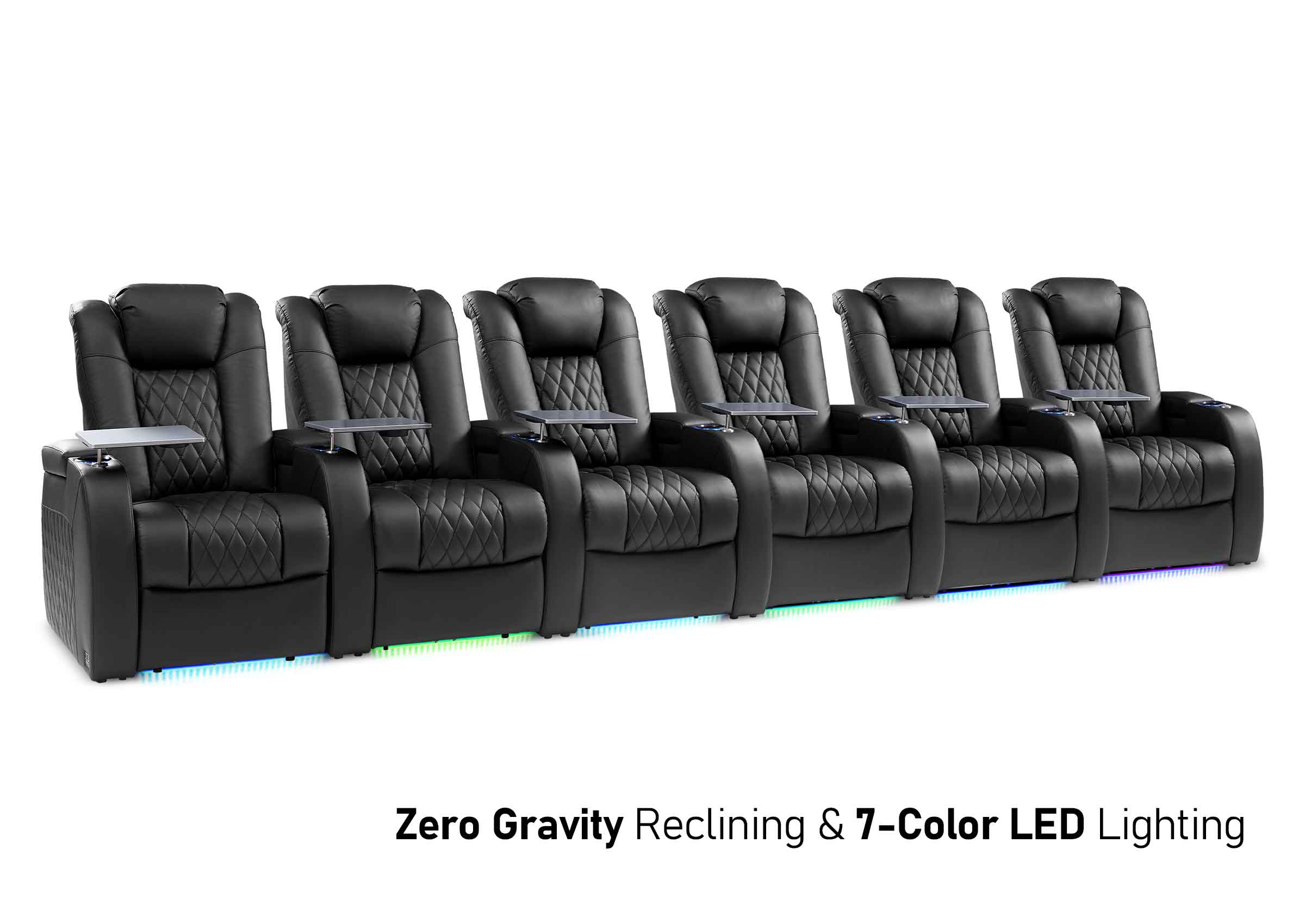
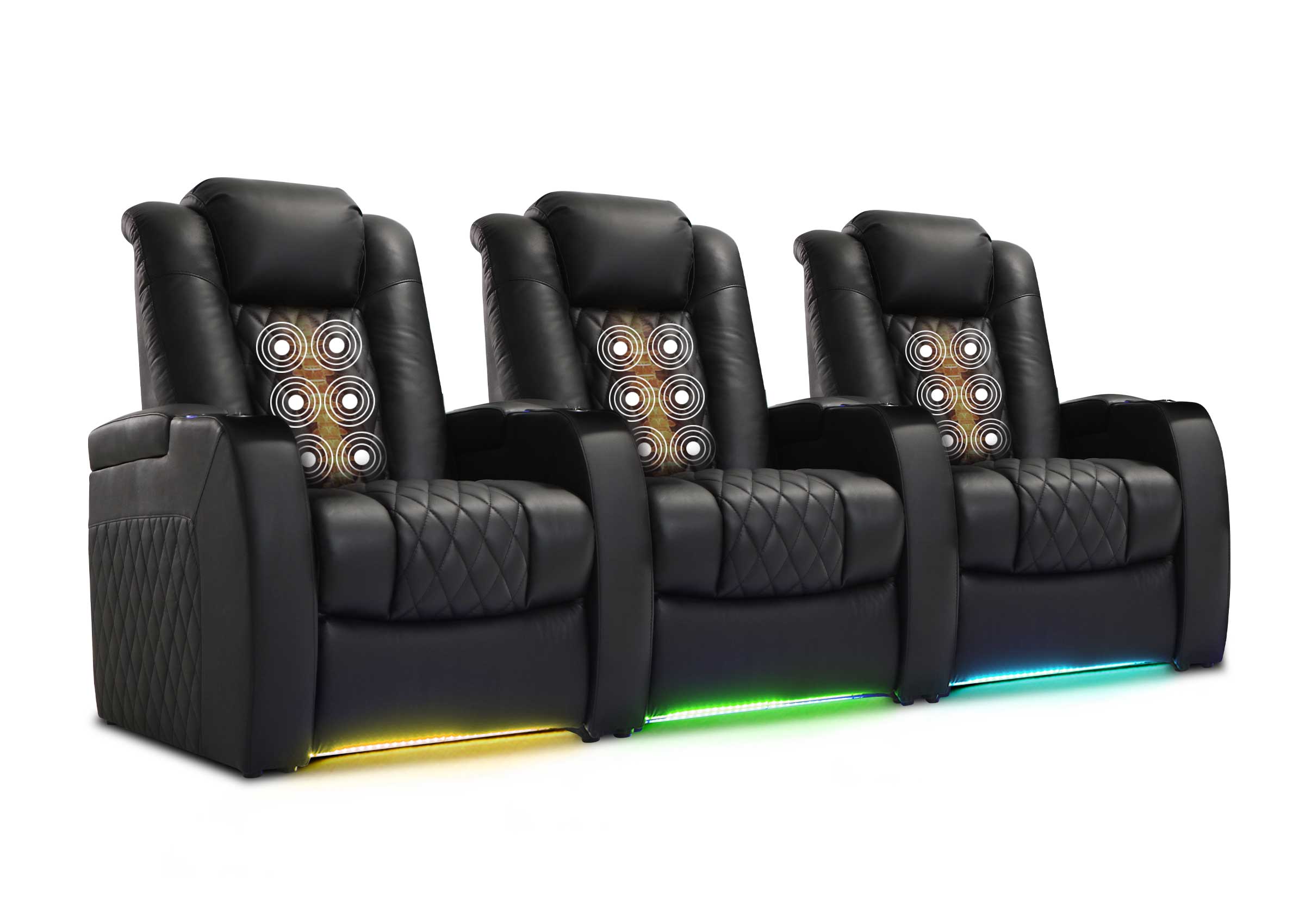
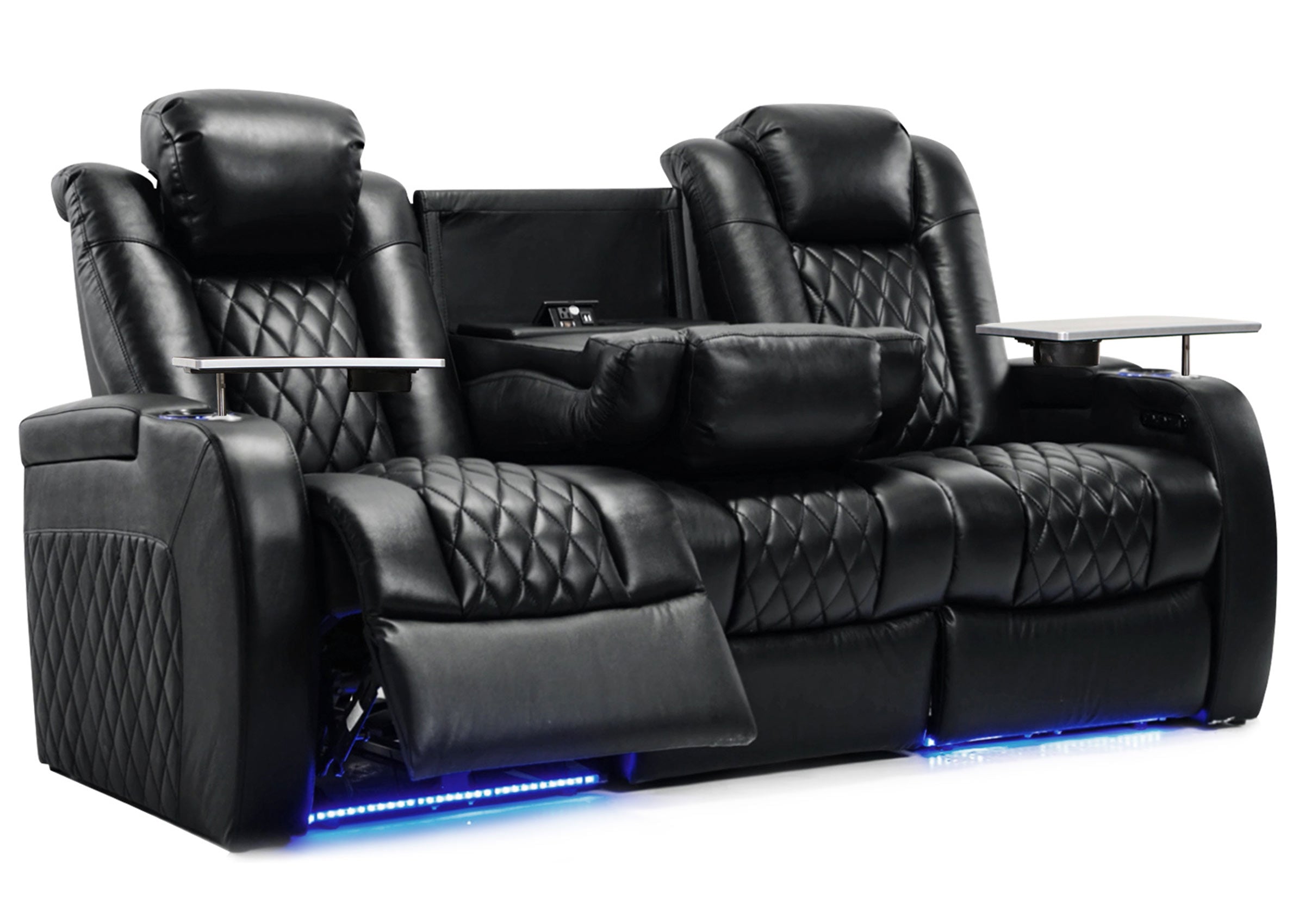
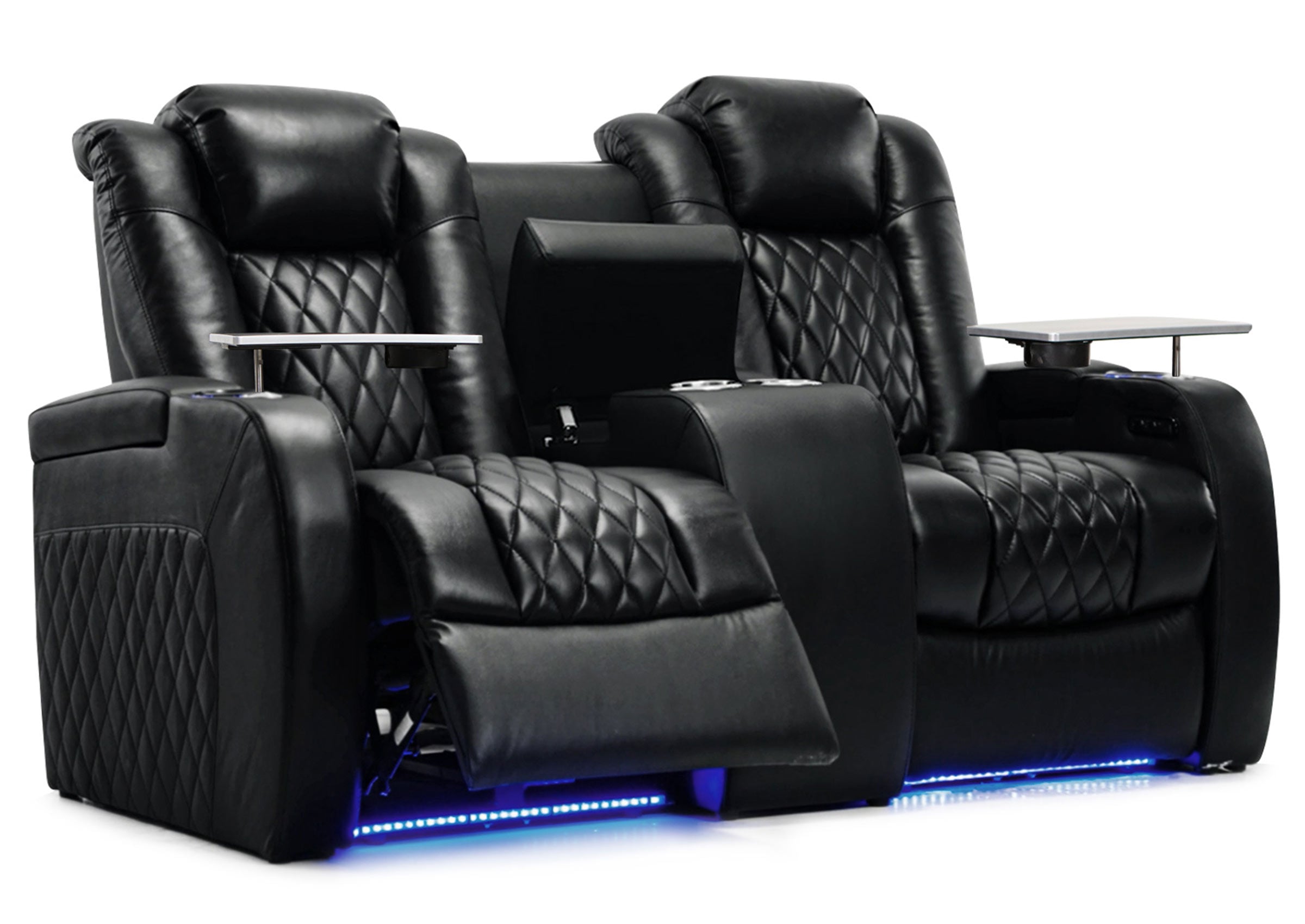


Home theater seating is not just about choosing the most luxurious-looking recliner. The right seating affects how your room feels, how long you can watch comfortably, how easy the space is to move through, and whether your setup still works after the seats are fully reclined.
The best home theater seating is the one that fits your room, supports your body, and matches the way you actually use the space. Before you compare leather, cup holders, LED lighting, or power recline, you need to understand how seating works inside a real home theater, media room, basement, or living room setup.
This guide breaks down what to look for before buying home theater seating in 2026, including layout, comfort, materials, features, sizing mistakes, and practical buying decisions most shoppers overlook.
What Makes Home Theater Seating Different from a Regular Sofa?
A regular sofa is designed for casual sitting. Home theater seating is designed for longer, more immersive viewing sessions.
That difference matters because watching a movie, sports game, or streaming series for two or three hours puts your body in the same position for a long time. A normal sofa may look comfortable at first, but it may not provide enough head support, leg support, recline control, or personal space for extended viewing.
Home theater seating often includes:
-
Power recline
-
Adjustable headrests
-
Footrests
-
Lumbar support
-
Cup holders
-
Storage consoles
-
USB or USB-C charging
-
Tray tables
-
LED ambient lighting
-
Wall-hugger or space-saving designs
-
Individual seat control
The real value is not just the feature list. It is how those features help you stay comfortable, organized, and focused on the screen without constantly adjusting your body or reaching for remotes, drinks, or devices.
Start with Your Room, Not the Seat
One of the biggest mistakes buyers make is choosing home theater seating based on the product photo instead of the room.
A beautiful row of recliners may look perfect online, but it may not work if your room is narrow, your screen is too close, your walkway is blocked, or the seats cannot fully recline. Before choosing a model, think about the room first.
Ask yourself:
-
Is this a dedicated home theater or a multi-use media room?
-
Will the seating go in a basement, living room, den, or bonus room?
-
Do you need one row or multiple rows?
-
Will people walk behind or beside the seating?
-
Does the room need storage for remotes, controllers, blankets, or snacks?
-
Will children, guests, or older family members use the seats often?
-
Do you watch mostly movies, sports, gaming, streaming, or daily TV?
A dedicated theater room may benefit from theater recliner rows and tiered seating. A family media room may work better with a reclining sofa or loveseat layout. A smaller room may need wall-hugger recliners or compact seating instead of oversized rows.
Do not ask, “How many seats can I fit?” Ask, “How many seats can I fit comfortably after they are fully reclined?”
Choose the Right Type of Home Theater Seating
There is no single best seating type for every room. The right choice depends on your space, viewing habits, and how formal or casual you want the room to feel.
| Seating Type | Best For | Main Advantage | Watch Out For |
|---|---|---|---|
| Theater recliner row | Dedicated home theaters | Personal comfort and cinema feel | Needs careful width and recline planning |
| Reclining sofa | Living rooms and media rooms | More casual and family-friendly | Less individual separation |
| Loveseat recliner | Couples, small rooms, cozy setups | Comfortable without taking too much space | Limited seating capacity |
| Sectional seating | Multi-use family rooms | Flexible lounging and conversation | May not provide ideal viewing angles for every seat |
| Single recliner chairs | Flexible layouts or premium front row | Personal comfort and placement freedom | Can take more total floor space |
| Wall-hugger recliner | Small rooms or seats near a wall | Saves rear clearance | Still needs full footrest space in front |
For most homes, the best choice is not the most dramatic cinema-style row. It is the seating type that balances comfort, room flow, and actual viewing habits.
If the room is used mainly for movies, theater recliner rows can create a more focused experience. If the room is used for family TV, gaming, snacks, and casual lounging, a reclining sofa or modular layout may feel more natural.
Measure the Fully Reclined Footprint Before You Buy
The most important measurement is not the upright depth. It is the fully reclined footprint.
Many shoppers measure the wall-to-front depth of a sofa while it is upright, then realize after delivery that the footrest blocks the walkway, touches the coffee table, or prevents the seat from fully opening.
Before ordering home theater seating, measure:
-
Total seat width
-
Upright depth
-
Fully reclined depth
-
Space behind the backrest
-
Footrest extension area
-
Distance to screen
-
Walkway clearance
-
Door, drawer, vent, and speaker clearance
-
Space between rows if you have a second row
As a general planning reference, individual seat width often starts around 24–26 inches for comfortable seating. Standard recliners may need around 8–12 inches behind the backrest, while wall-hugger recliners may need about 2–6 inches depending on the design. Reclining rows often need about 60–70 inches between rows, and premium media rooms usually feel better with around 30–36 inches of aisle space where possible.
These are planning ranges, not fixed rules for every product. Always check the exact product dimensions before buying.
If you only measure the upright sofa size, you are not measuring the way the seat will actually be used.

Think About Viewing Distance and Screen Height
Home theater seating should be planned together with the screen, not separately.
If the seating is too close, the image may feel overwhelming during long movies. If it is too far away, the room may lose immersion. Reclining also changes your head position, so the viewing angle may feel different when the chair is fully open.
General viewing distance guidance:
| Screen Size | Practical Viewing Distance |
|---|---|
| 55-inch TV | About 6.5–9 feet |
| 65-inch TV | About 8–10.5 feet |
| 75-inch TV | About 9.5–12.5 feet |
| 85-inch TV | About 10.5–14 feet |
| 100-inch projection screen | About 10–15 feet |
| 120-inch projection screen | About 12–18 feet |
Screen height also matters. If the screen is mounted too high, deep reclining can make neck angle uncomfortable. If the screen is too low, the front row may block the view in multi-row setups.
For two-row theater rooms, consider riser height, row spacing, recline depth, and sightline together. A second row should not only “fit” behind the first row; it should still have a clear view when the front row reclines.
Comfort Matters More After the First Hour
A seat that feels comfortable for five minutes in a showroom may not feel comfortable through a two-hour movie.
Long-session comfort depends on support, not softness alone. A very soft seat can feel relaxing at first, but if it lacks structure, your lower back, neck, or legs may feel tired over time.
Look for comfort features that support the full body:
-
A supportive seat cushion that does not collapse too quickly
-
A backrest that supports your natural posture
-
A headrest that keeps your eyes aligned with the screen
-
A footrest that supports your legs without leaving pressure points
-
Lumbar support for longer viewing sessions
-
Independent adjustment for different users
Power headrests are especially useful in home theaters because they help keep your head and eyes in a natural screen-viewing position while the body reclines. Lumbar support can also make a noticeable difference for adults who use the room frequently.
Comfort is not just how the seat feels when you sit down. It is how your body feels after the movie ends.
Which Features Are Actually Worth Paying For?
More features do not always mean a better seat. The right features are the ones you will actually use.
| Feature | Real Value | Best For |
|---|---|---|
| Power recline | Easier position adjustment | Movie nights, older users, daily lounging |
| Power headrest | Better screen angle while reclining | Projector rooms and deep recline setups |
| Lumbar support | Better back support during long sessions | Frequent viewers and adults |
| Cup holders | Reduces spills and keeps drinks stable | Family rooms and sports nights |
| Storage console | Keeps remotes, controllers, and small items organized | Media rooms and gaming rooms |
| USB / USB-C charging | Keeps devices powered nearby | Streaming, gaming, phones, tablets |
| Tray table | Helps with snacks, laptops, and controllers | Multi-use entertainment rooms |
| LED ambient lighting | Adds atmosphere and helps visibility in dark rooms | Dedicated theaters and night viewing |
| Zero gravity-style recline | Helps distribute body pressure more evenly | Long movies, sports, and gaming sessions |
| Wall-hugger design | Saves rear clearance | Small rooms or seats near walls |
A good way to evaluate features is simple: will this feature improve your weekly viewing experience?
Power recline, headrests, cup holders, storage, and charging ports often provide daily value. LED lighting, tray tables, and zero gravity-style recline can be excellent upgrades when they match the way you use the room.
The goal is not to buy the seat with the most buttons. The goal is to choose features that make the room easier and more comfortable to use.

Leather, Fabric, or Performance Upholstery?
Material choice affects comfort, cleaning, appearance, and long-term use.
Leather is popular for home theater seating because it gives the room a more polished look and is usually easier to wipe clean than many fabric options. This can be useful in rooms where snacks, drinks, kids, guests, or pets are common.
Top-grain leather can offer a more premium feel and better long-term material experience when properly cared for. Darker leather colors can also work well in theater rooms because they reduce visual distraction and may hide everyday wear better than very light upholstery.
Fabric can feel softer and warmer in casual family rooms, but it may require more attention when spills happen. Performance fabrics can be practical, but quality varies, so cleaning instructions and durability should be checked carefully.
PU leather may be budget-friendly, but buyers should consider long-term feel, breathability, and wear resistance before choosing it for a high-use room.
For a dedicated cinema room, darker leather or darker upholstery often feels more immersive. For a bright family room, softer textures and warmer colors may blend better with everyday decor.

Best Home Theater Seating by Use Case
The best home theater seating depends on how the room is used.
| Use Case | Recommended Seating Direction |
|---|---|
| Small media room | Wall-hugger recliners, compact loveseat, or 2–3 seat row |
| Dedicated home theater | Theater recliner rows with careful viewing distance and row spacing |
| Living room theater setup | Reclining sofa or electric recliner couch |
| Family movie room | Reclining sofa with storage, cup holders, and easy-clean material |
| Gaming room | Power recliners with USB/USB-C, tray table, and strong head support |
| Sports room | Recliners with cup holders, storage, and wide viewing comfort |
| Basement theater | Modular or row seating depending on room width and screen size |
| Premium primary row | Power headrest, lumbar support, leather options, and zero gravity-style comfort |
For many homes, the best setup is not a full theater row. A three-seat reclining sofa, loveseat, or mixed seating layout may create a better balance between comfort, movement, and everyday use.
A smaller number of comfortable seats often feels better than overcrowding the room.

Common Home Theater Seating Mistakes Buyers Regret
Home theater seating mistakes usually happen before delivery, not after.
Here are the ones to avoid:
Buying Too Many Seats
More seats do not always make a better room. If you crowd the space, people may have less legroom, less walkway space, and a less comfortable viewing angle.
A room with four excellent seats can feel more premium than a room with six seats squeezed too tightly.
Forgetting the Full Recline Depth
This is one of the most common mistakes. Recliners need space in both directions: behind the backrest and in front of the footrest.
Always check the fully reclined depth before ordering.
Ignoring Walkways
People still need to move through the room for snacks, cleaning, guests, and daily use. If the seating blocks the aisle, the room may feel cramped even if the seats technically fit.
Choosing Features Instead of Support
Cup holders and lighting are useful, but they cannot replace a supportive seat. For frequent use, prioritize frame support, cushion structure, head support, and recline comfort.
Mounting the Screen Too High
A high-mounted screen may look impressive, but it can create neck strain during long sessions. Seating height, recline angle, and screen height should be planned together.
Forgetting Delivery and Installation
Large recliners and theater seating rows may require doorway, hallway, and stair clearance. Check package size, assembly requirements, and support resources before ordering.
Buying Checklist Before Ordering Home Theater Seating
Before you buy, check these points:
-
Measure the room width and depth
-
Measure the full reclined footprint
-
Confirm wall clearance
-
Leave enough aisle space
-
Check screen distance and screen height
-
Consider head position while reclining
-
Decide how many seats you actually need
-
Choose seating type by room use, not just appearance
-
Prioritize support before extra features
-
Choose material based on cleaning, comfort, and room style
-
Check power outlet locations
-
Confirm delivery access through doors, stairs, or hallways
-
Review installation support and after-sales service
-
Think about how the room will be used one year from now
A good home theater seating purchase should solve comfort, layout, and daily-use problems at the same time.
Where Weilianda Fits into the Buying Decision
Weilianda focuses on practical home theater seating for real homes, especially for shoppers who want comfort, useful features, and factory-direct value without unnecessary complexity.
Depending on the model and configuration, Weilianda seating may include power recline, power headrests, power footrests, lumbar support, top-grain leather options, cup holders, storage consoles, tray tables, USB-A and USB-C charging, LED ambient lighting, wall-hugger designs, and zero gravity-style comfort.
For sofas marked as top-grain leather, Weilianda can provide leather material samples and testing reports. Eligible in-stock U.S. orders may also be supported by U.S. warehouse availability, with delivery to the customer’s door in about 5–7 days. Installation videos, pre-shipment confirmation, 24-hour online customer service, and after-sales support can help make the buying process easier.
This matters because home theater seating is not a small accessory. It is one of the largest and most frequently used pieces in the room. Choosing a seat with the right comfort, dimensions, materials, and support can make the entire entertainment space feel more complete.

FAQ
What is the best home theater seating for most homes?
The best home theater seating for most homes is usually a power reclining sofa, loveseat, or compact theater row that fits the room comfortably when fully reclined. Dedicated theater rooms may benefit from recliner rows, while family media rooms often work better with sofa-style seating that includes storage, cup holders, and charging ports. The best choice depends on your room size, viewing distance, comfort needs, and how often the space is used.
How much space do you need for home theater seating?
You need enough space for the upright seat, the fully reclined position, wall clearance, footrest extension, and walkways. As a general planning range, standard recliners may need around 8–12 inches behind the backrest, while wall-hugger recliners may need about 2–6 inches. Reclining rows often need about 60–70 inches between rows. Always check the exact product dimensions before buying.
Are power recliners worth it for a home theater?
Power recliners are worth considering if you use the room for long movies, sports, gaming, or daily relaxation. They allow smoother position adjustment and make it easier for different users to find a comfortable angle. Power headrests can be especially useful because they help keep your eyes aligned with the screen while your body reclines.
Is leather or fabric better for home theater seating?
Leather is often better for a polished home theater look, easier surface cleaning, and rooms where snacks and drinks are common. Fabric can feel softer and more casual, especially in family rooms, but it may require more cleaning care. Darker leather or darker upholstery is often practical for theater rooms because it reduces visual distraction and may hide daily wear better.
How many seats should a home theater have?
A home theater should have as many seats as the room can comfortably support, not simply as many seats as can physically fit. Consider screen distance, recline depth, aisle space, and how many people use the room regularly. A smaller number of comfortable seats is often better than a crowded layout with poor movement and limited recline space.
Do home theater seats need cup holders and storage?
Cup holders and storage are not required, but they are highly useful in family media rooms, gaming rooms, and sports-viewing spaces. They help reduce clutter from drinks, remotes, controllers, snacks, and small devices. If the room is used often, these convenience features can make the space feel more organized and easier to enjoy.
What is the best home theater seating for a small room?
The best home theater seating for a small room is usually a wall-hugger recliner, compact loveseat, or two- to three-seat reclining row. Avoid oversized seats that block walkways or prevent full recline. In small spaces, the fully reclined footprint matters more than the upright width alone.
Should I choose a sofa or individual theater seats?
Choose a sofa if the room is casual, family-focused, or used for everyday lounging. Choose individual theater seats if you want a more cinematic experience with personal recline control, cup holders, and defined seating positions. For many homes, a reclining sofa offers the best balance between comfort, layout flexibility, and daily usability.
What should I check before buying home theater seating online?
Before buying online, check the total width, fully reclined depth, wall clearance, material, power functions, delivery access, assembly requirements, and support options. Also compare the seating layout with your screen size and viewing distance. Do not rely only on product photos, because scale can look very different in a real room.
Build a Room That Feels Good Every Time You Sit Down
Home theater seating should make your entertainment space easier to enjoy, not harder to live with. The right choice should fit your room, support your body, work with your screen, and make movie nights, sports, gaming, and everyday relaxation feel more natural.
If you are planning a home theater, media room, basement theater, or living room entertainment setup, start with the room first. Measure carefully, think about how the seating will be used, and choose features that improve real comfort instead of simply adding more complexity.
For homeowners exploring comfortable home theater seating options or custom layout ideas, Weilianda can help you compare seating configurations, materials, and practical features for your space. If you have questions about room fit, seating layout, or personal requirements, you can contact us at leon@weiliandahome.com.