















The floor is the largest acoustic surface in any home theater, making your choice between carpet, hardwood, or luxury vinyl plank (LVP) one of the most consequential decisions for sound quality, seating stability, and long-term comfort. Carpet generally delivers superior sound absorption for dedicated cinema rooms, while hardwood and LVP can work effectively in multi-purpose spaces when paired with proper underlayment and area rugs at reflection points.
The Science of Sound: Understanding NRC and IIC Ratings
Before selecting any flooring, it helps to understand the two key metrics that determine how well a surface performs in a home theater. The Noise Reduction Coefficient (NRC) measures how effectively a material absorbs airborne sound reflections, with values ranging from 0 (perfect reflection) to 1.0 (perfect absorption). Standard carpets typically achieve NRC ratings between 0.15 and 0.55 when installed over concrete, while hard surfaces like hardwood or LVP usually stay below 0.10.

The Impact InsulationClass (IIC) rating, on the other hand, quantifies how well the floor blocks impact noise such as footsteps or the vibration from subwoofers. This becomes especially important in multi-story homes or basements above living spaces. High-quality padding or underlayment can significantly improve IIC performance regardless of the surface material.
These ratings show that no single flooring is universally "best." Performance depends heavily on your room's subfloor, whether the space sits above conditioned areas, and how you layer the complete system. Check your specific room conditions first: concrete slabs favor moisture-resistant LVP, while wood joist floors benefit more from decoupled underlayment.
The Case for Carpet: Why Professionals Call It the Gold Standard
According to technical guidance from the Carpet and Rug Institute, carpet remains the only floor covering that significantly reduces both surface noise and sound transmission in a meaningful way. Cut-pile constructions generally outperform loop styles for absorption, making low-pile carpet a frequent recommendation among theater designers.
In dedicated cinema rooms where maximum acoustic control matters most, wall-to-wall carpet minimizes sonic glare and helps dialogue stay clear while preventing harsh reflections from ruining bass-heavy scenes. The plush surface also adds comfort underfoot during long viewing sessions.
That said, carpet is not ideal for every setup. High-pile or shag styles can create instability for multi-row seating risers, potentially causing wobble or mechanism strain on heavy recliners. Low-pile options strike a better balance between absorption and firmness. If you plan to install a seat riser platform, prioritize a firm, level surface beneath the riser footprint.
Many homeowners upgrading basements turn to our detailed guides for transforming your basement into a movie room to coordinate flooring with lighting and acoustics early in the project.

Hardwood and LVP: Balancing Modern Style with Acoustic Reality
Hardwood and LVP offer sleek aesthetics and easier cleaning, but both surfaces are naturally reflective and can create unwanted echo in untreated rooms. The CEDIA RP22 standard highlights that every surface, including the floor, affects overall sound reproduction. Hard surfaces require a mitigation approach: quality acoustic underlayment plus strategic area rugs placed at first-reflection points.
LVP has gained popularity for basement theaters because it handles moisture better than traditional hardwood and pairs well with concrete subfloors. When installed with cushioned backing, it can achieve respectable IIC performance without sacrificing the modern look many designers prefer. Hardwood can succeed too, especially in upper-level rooms, but benefits from felt or rubber pads under seat feet to protect the finish and reduce vibration transfer.
The key is treating these materials as complete systems rather than standalone surfaces. Thin decorative rugs provide little acoustic benefit; thicker wool or high-density area rugs deliver more meaningful absorption. This approach lets you enjoy beautiful floors while still supporting immersive movie sound.
For those focused on style alongside performance, review our article about acoustic panels vs diffusers vs bass traps to complete the room treatment after choosing flooring.

The Hidden System: Why Underlayment and Padding Matter More Than the Surface
The surface layer is only part of the story. Quality underlayment and padding often determine real-world acoustic success more than the flooring type itself. Padding boosts IIC ratings by reducing impact noise traveling between floors, which proves critical when the theater sits above bedrooms or living areas.
For carpet installations, thicker pads improve both NRC and IIC performance while adding underfoot comfort. LVP and hardwood installations benefit from specialized acoustic underlayment that decouples the floor from the subfloor, limiting vibration transfer. In multi-family buildings or homes with strict noise requirements, verify local IIC targets before finalizing your build-up.
Always match the underlayment to your subfloor type. Concrete slabs may need moisture barriers, while wood joists often require additional decoupling to prevent resonance. Budget for this hidden layer early, as it frequently influences whether hardwood or LVP remains viable.

Stability and Sightlines: How Flooring Choice Impacts Your Seating Setup
Your flooring directly affects how stable and comfortable your seating will feel. Multi-row systems with risers demand a firm, non-compressible surface to prevent tilting or structural wobble. Plush carpet under the entire riser footprint can compress over time, creating uneven sightlines and potential safety concerns.
Single-row luxury recliners have more flexibility. Low-pile carpet often provides the best compromise here, delivering both comfort and enough stability for power mechanisms. Hard surfaces require protective pads under seat feet to avoid scratches and reduce noise from movement.
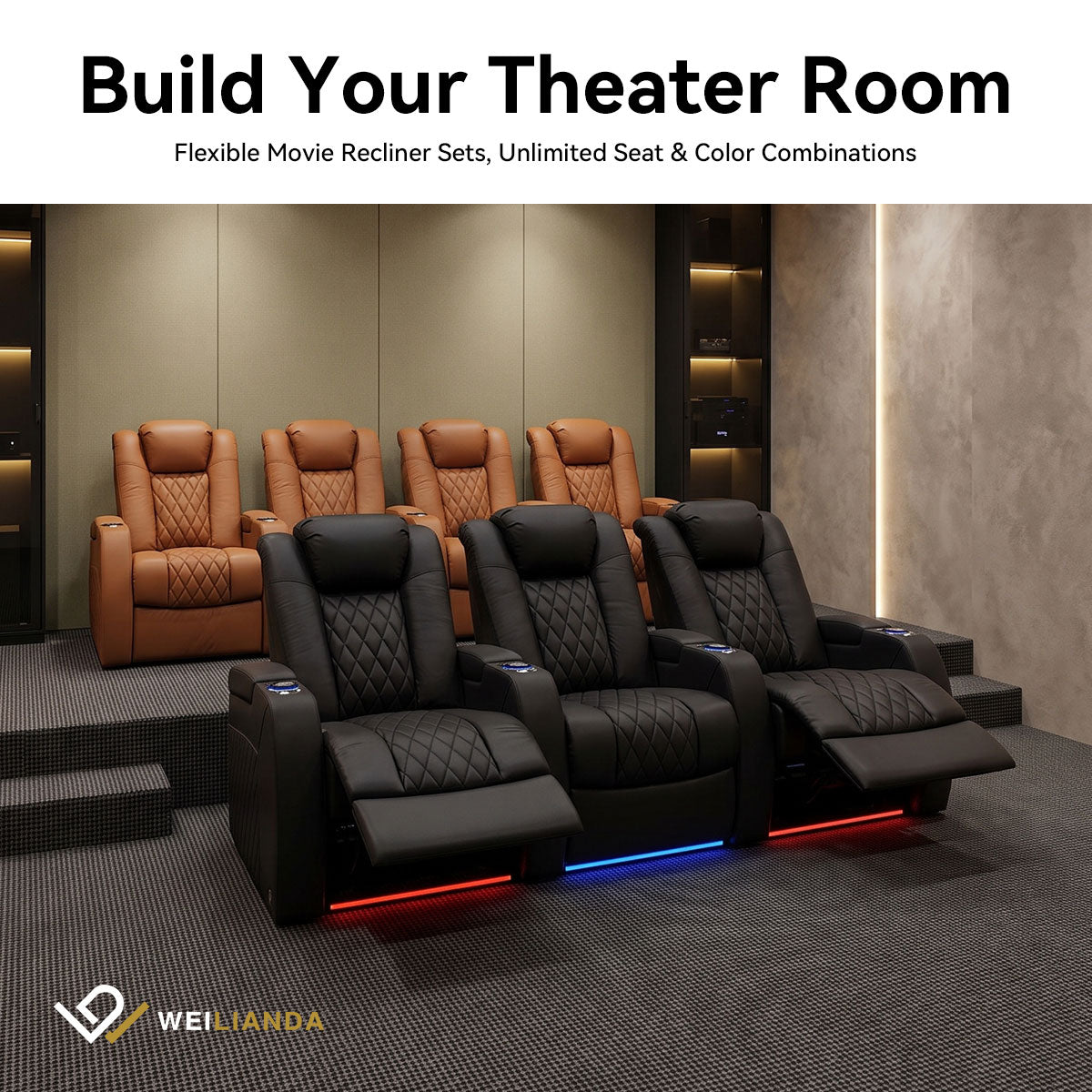
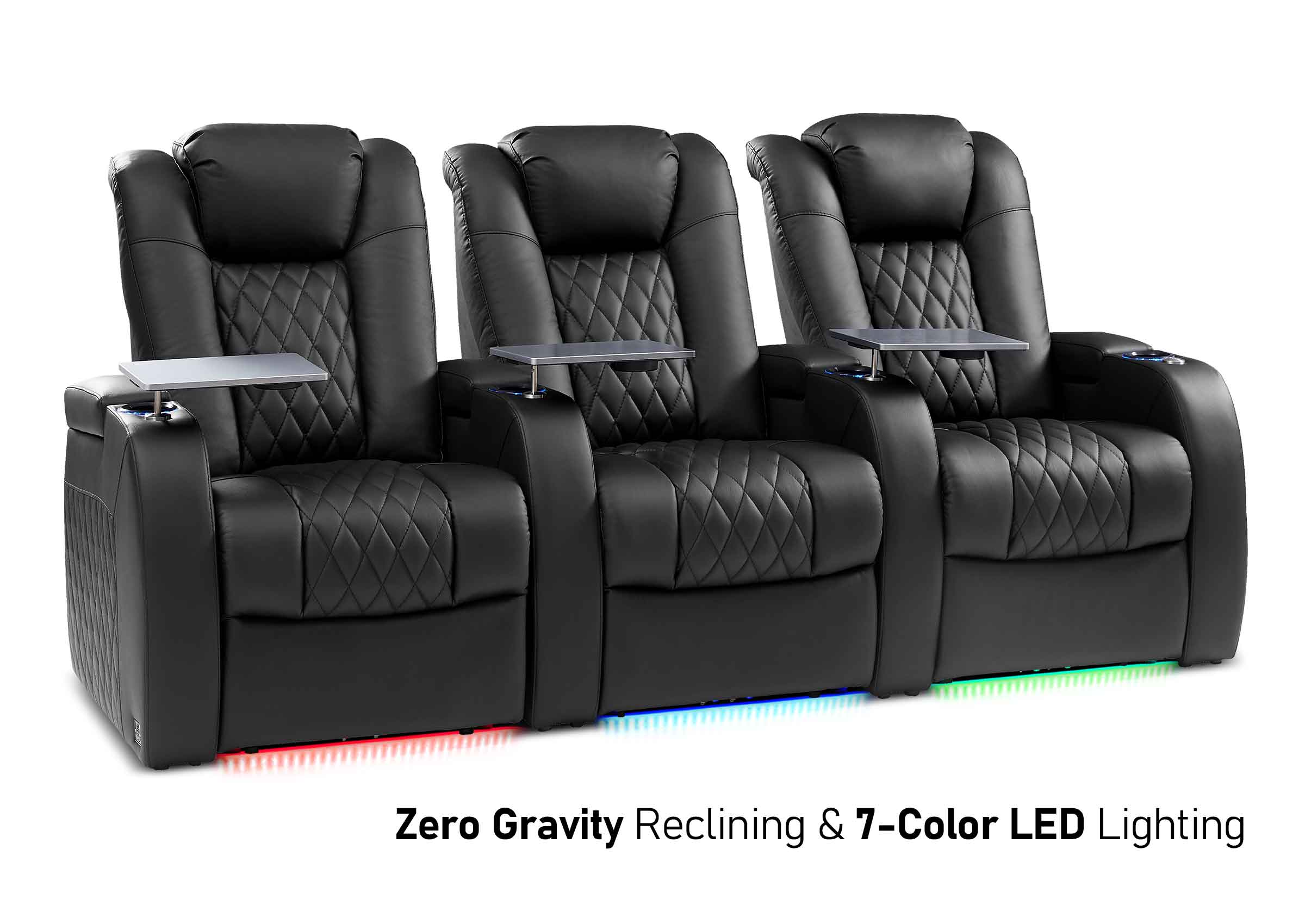
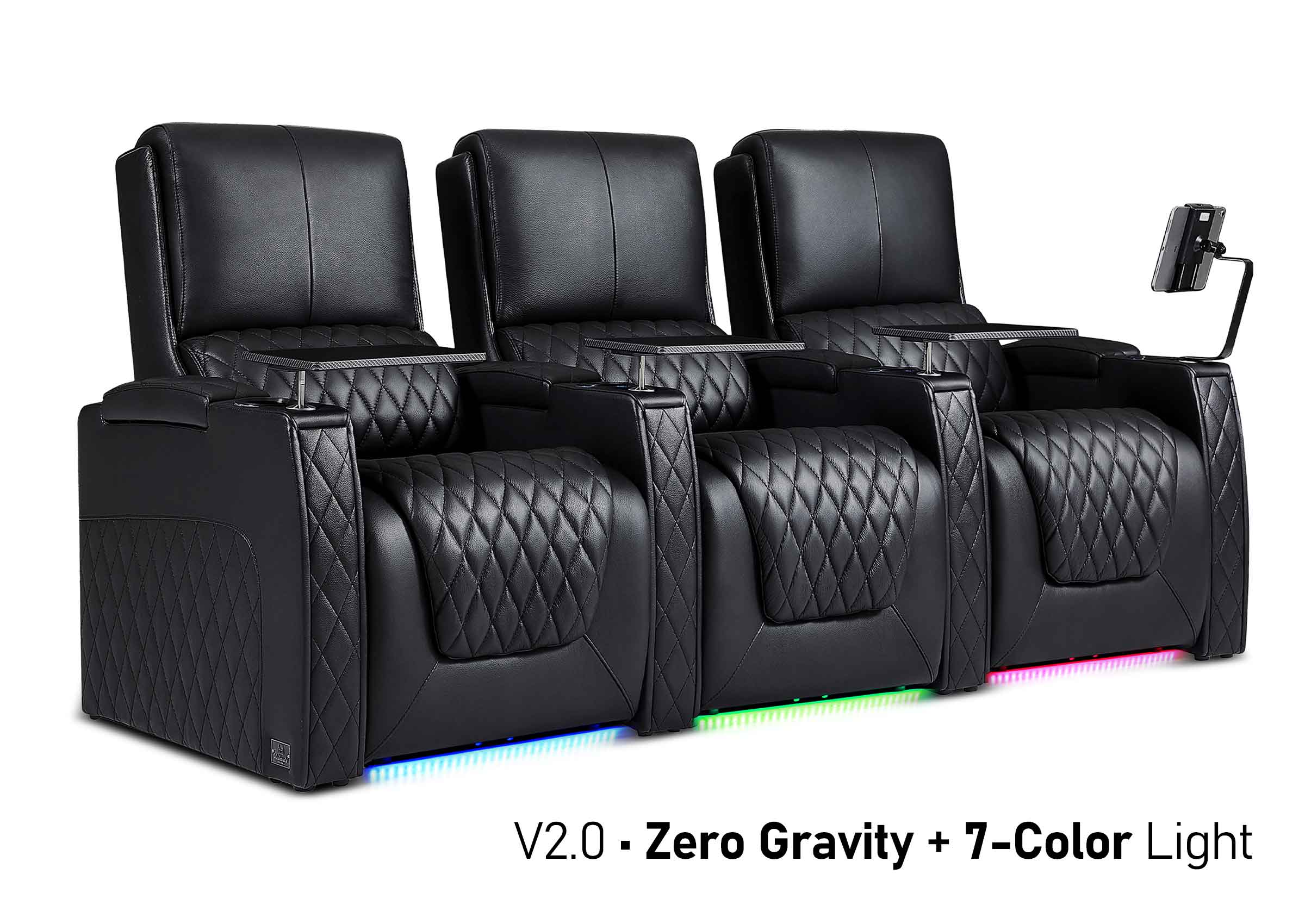
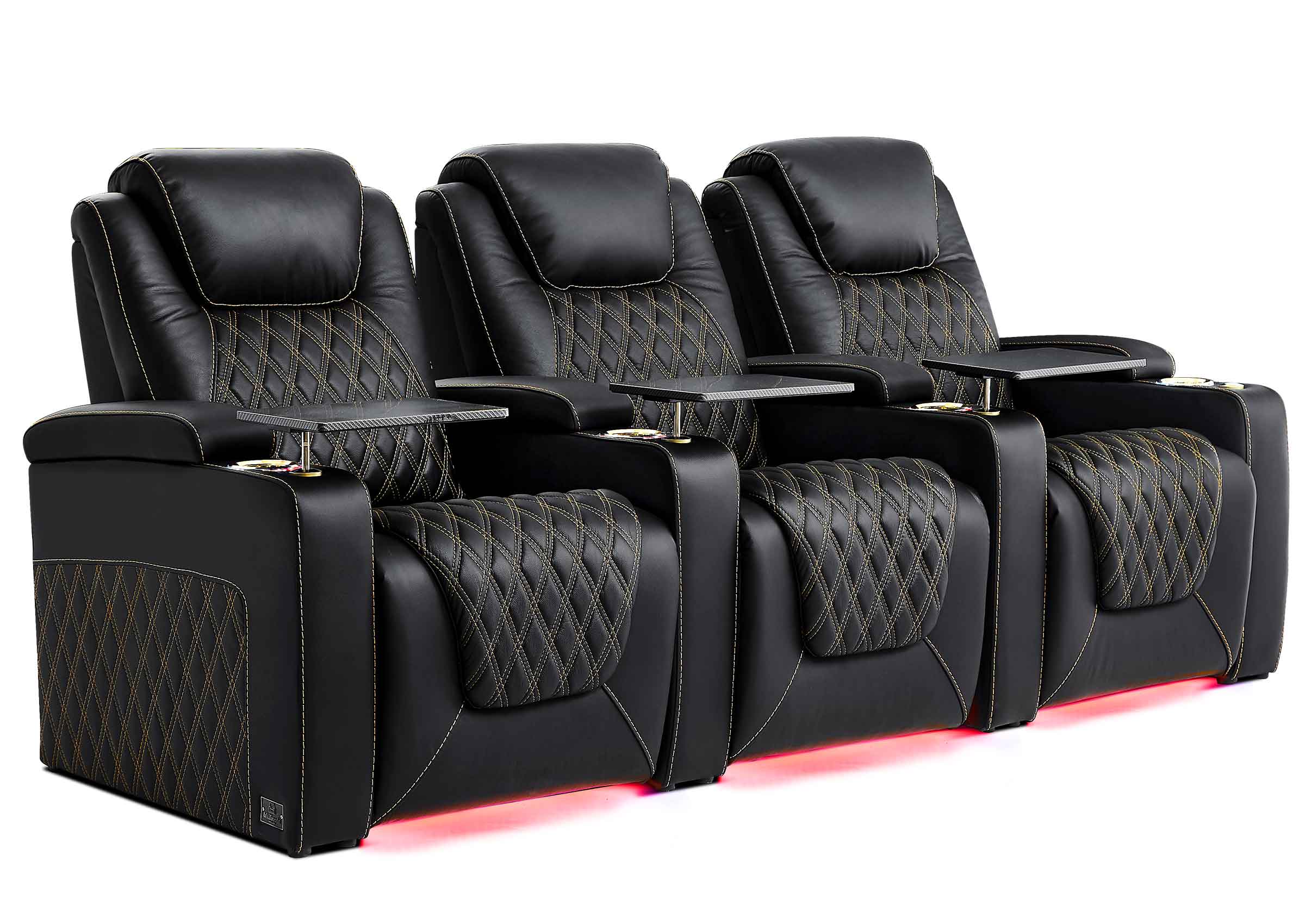
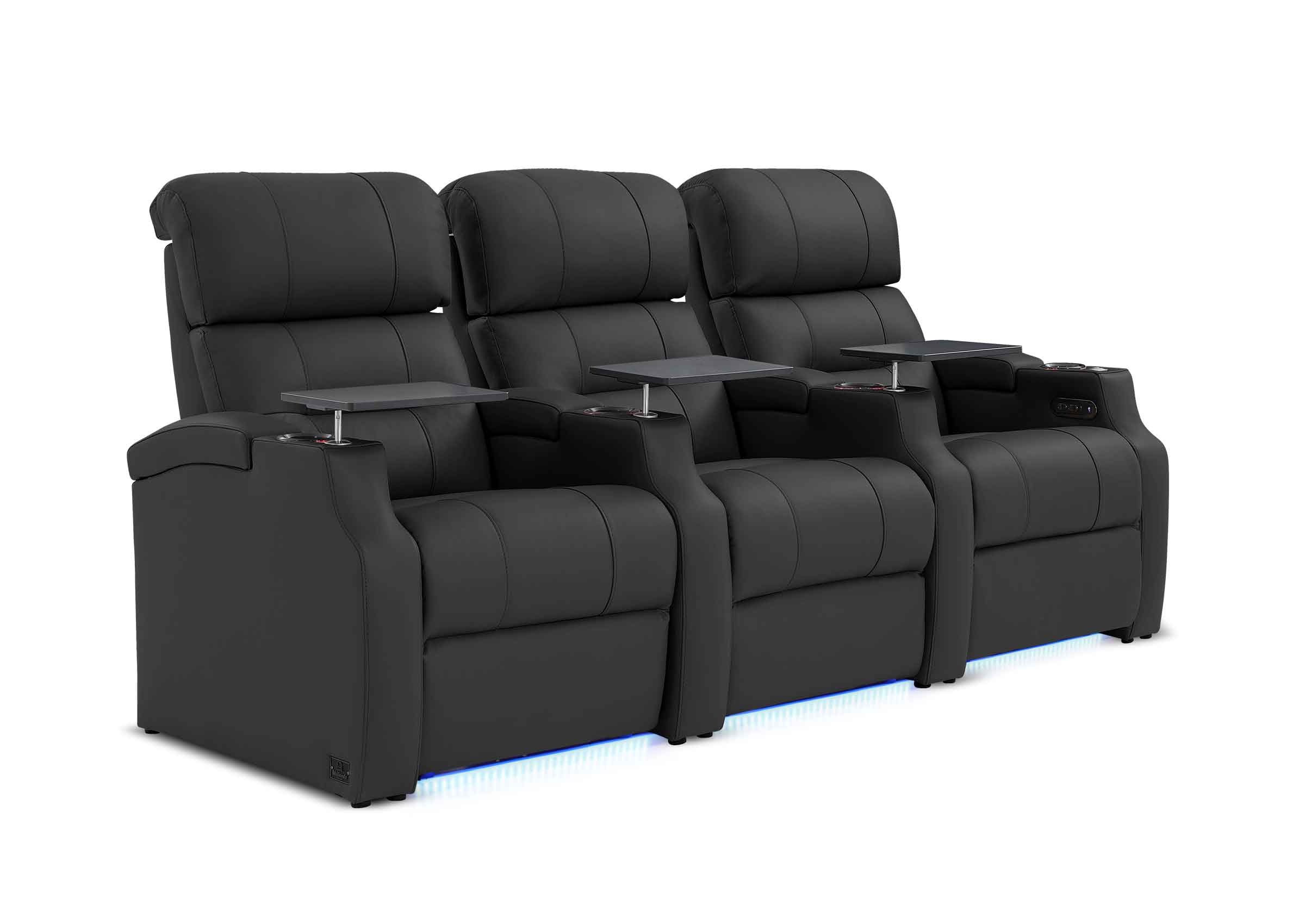
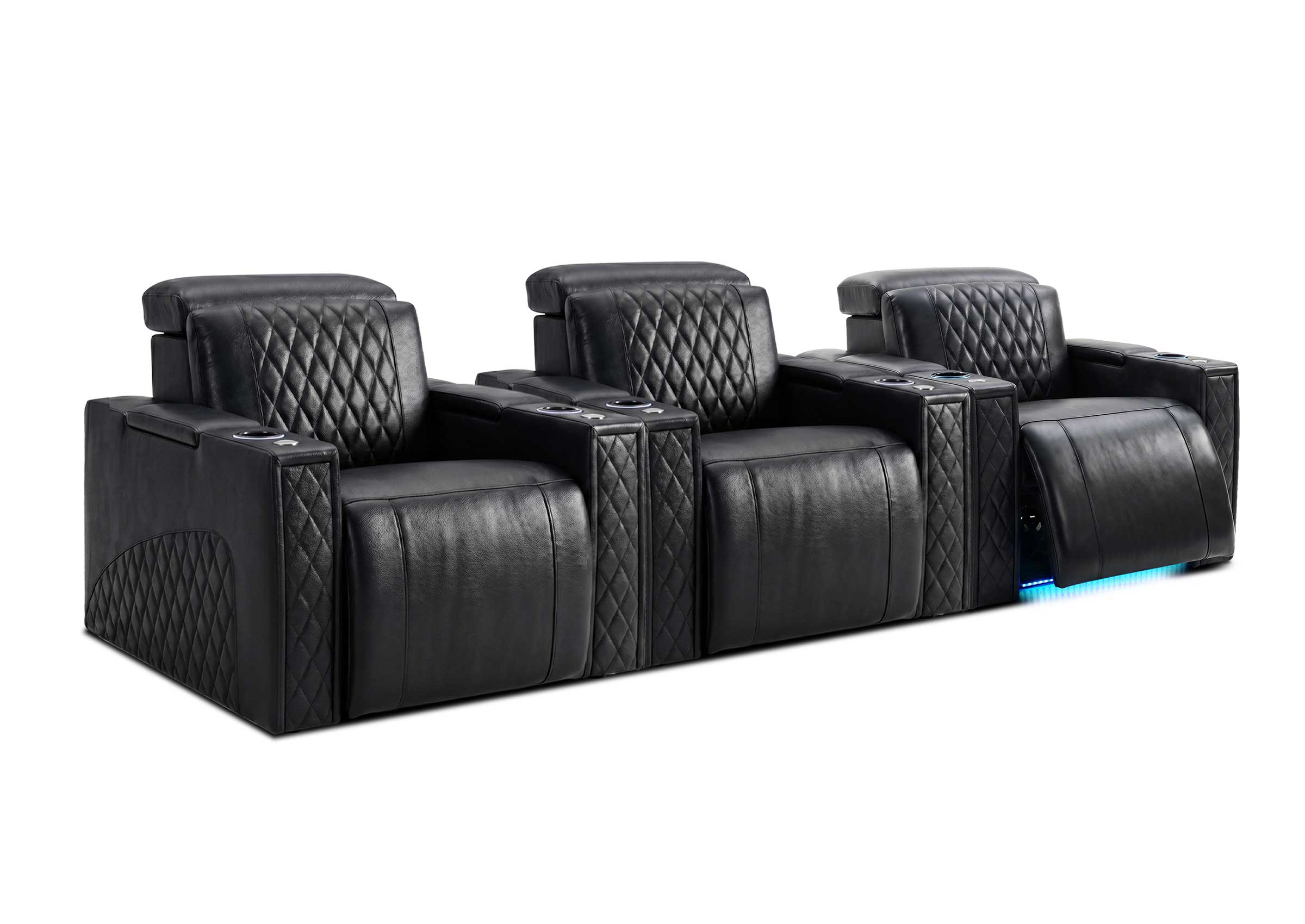
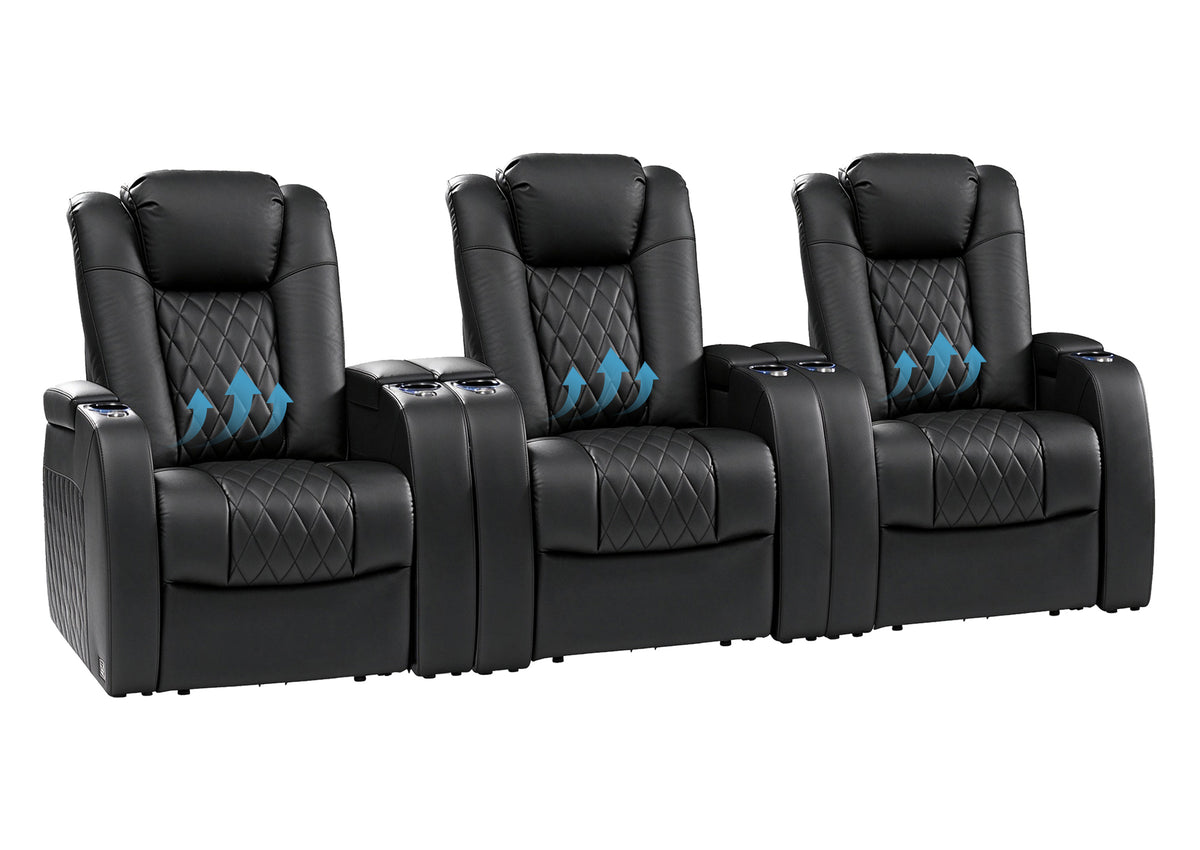
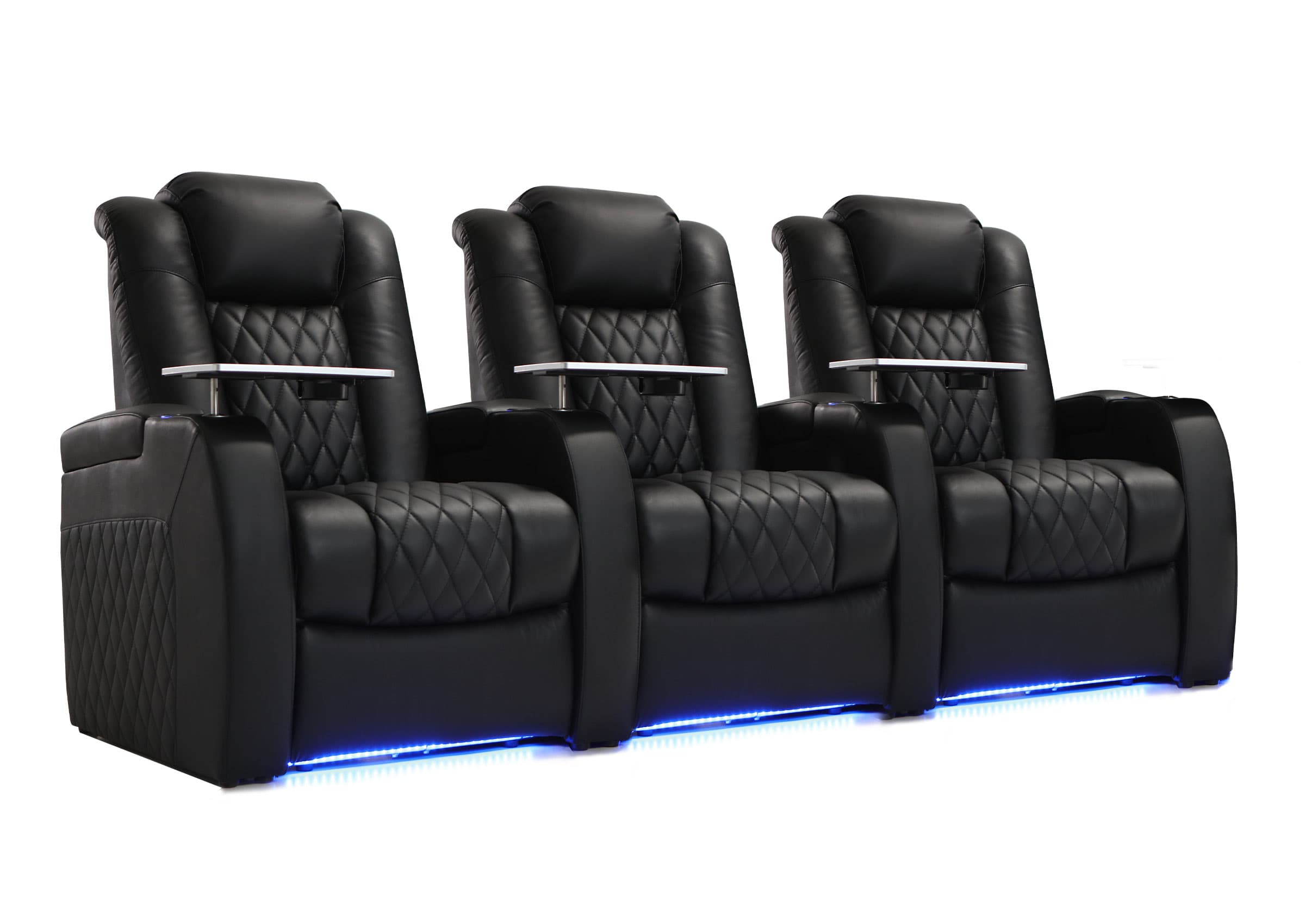
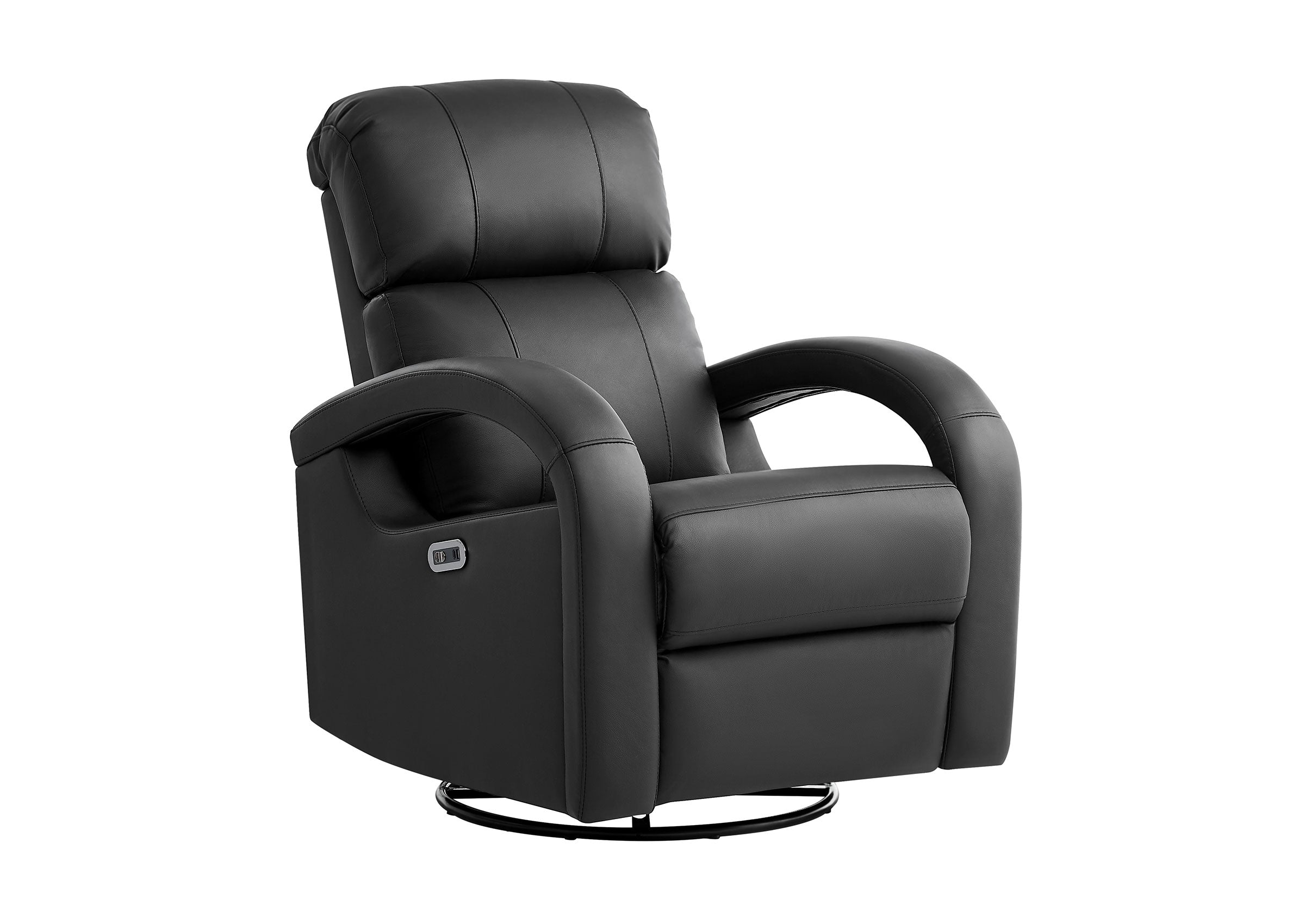
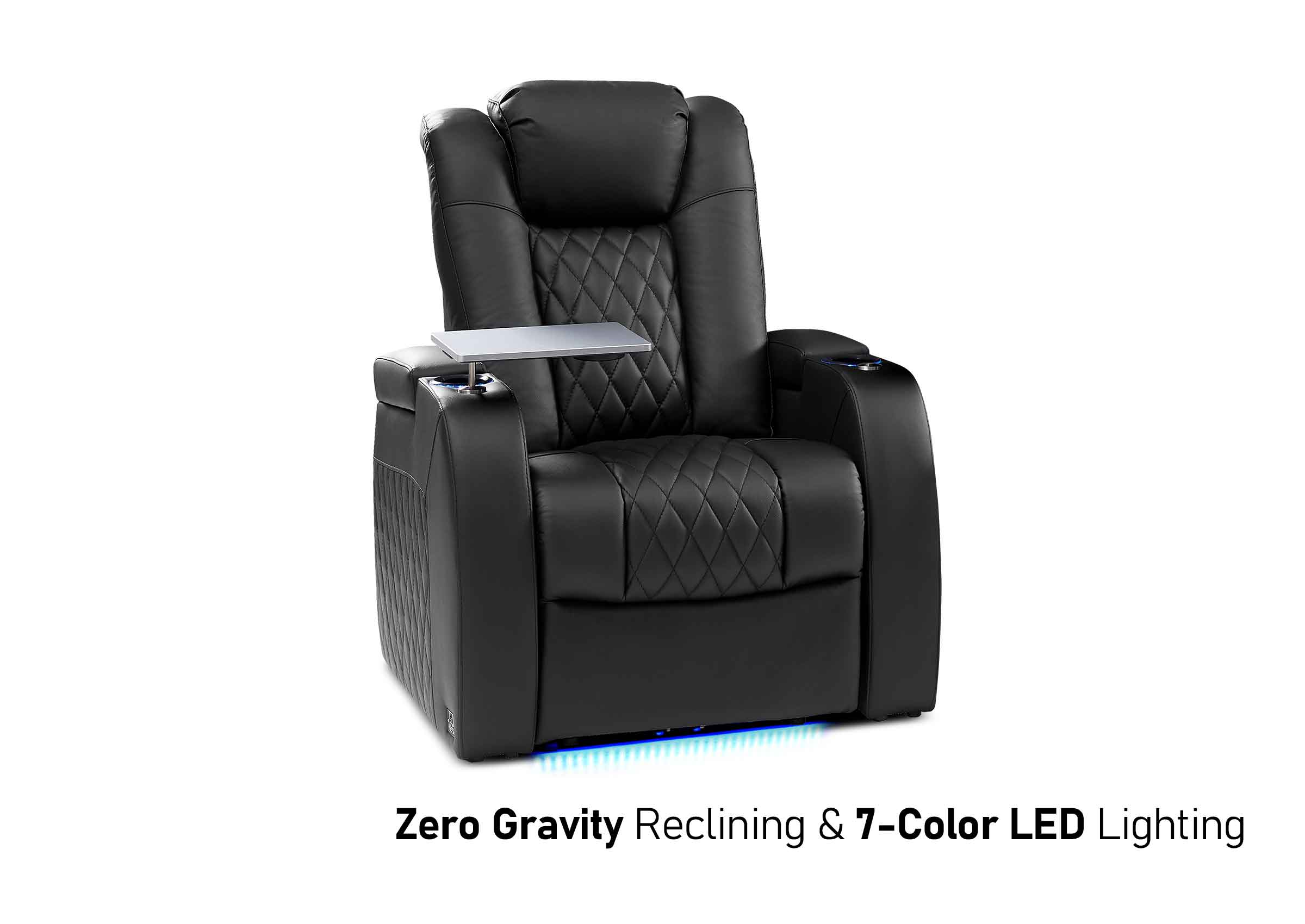
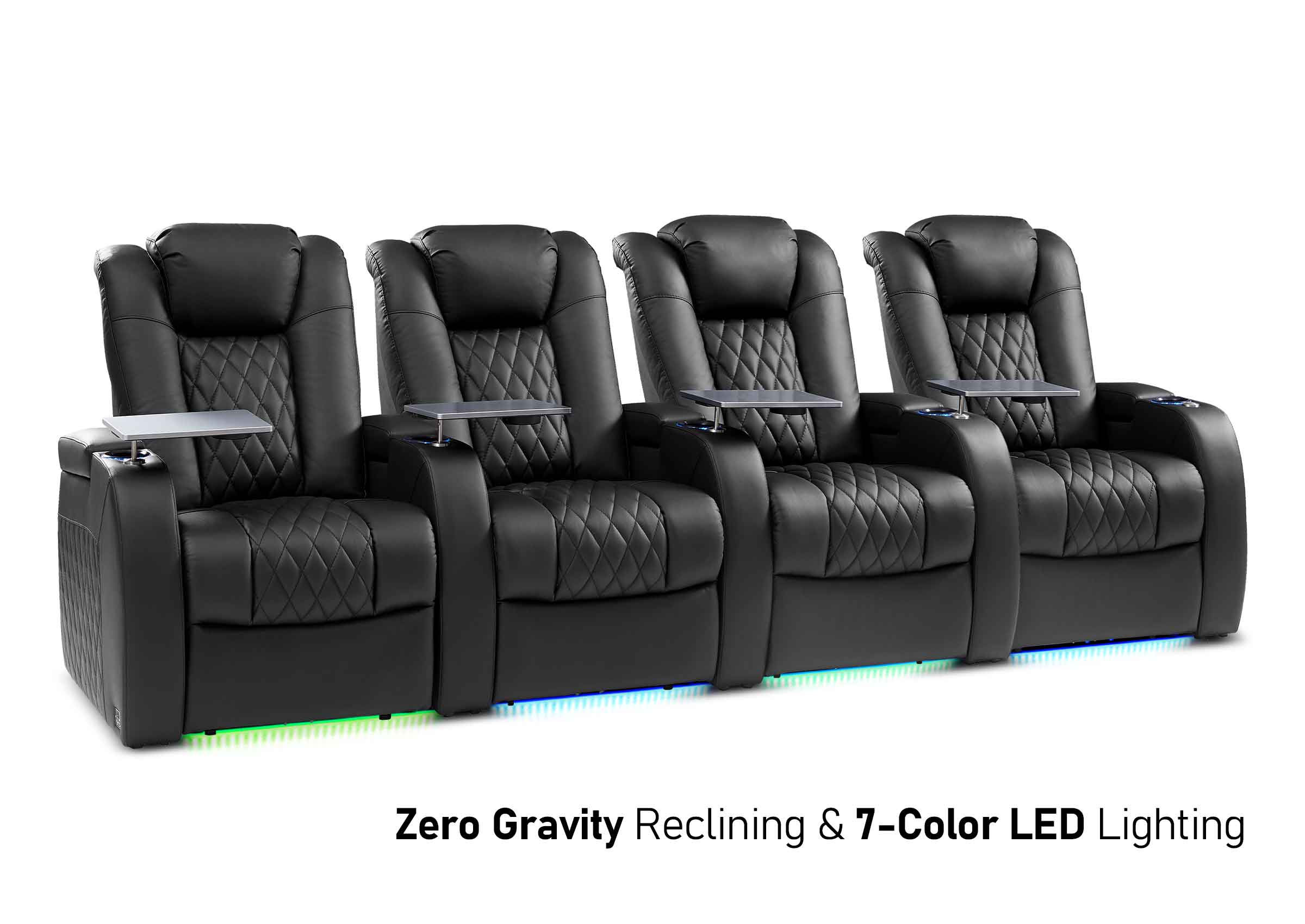
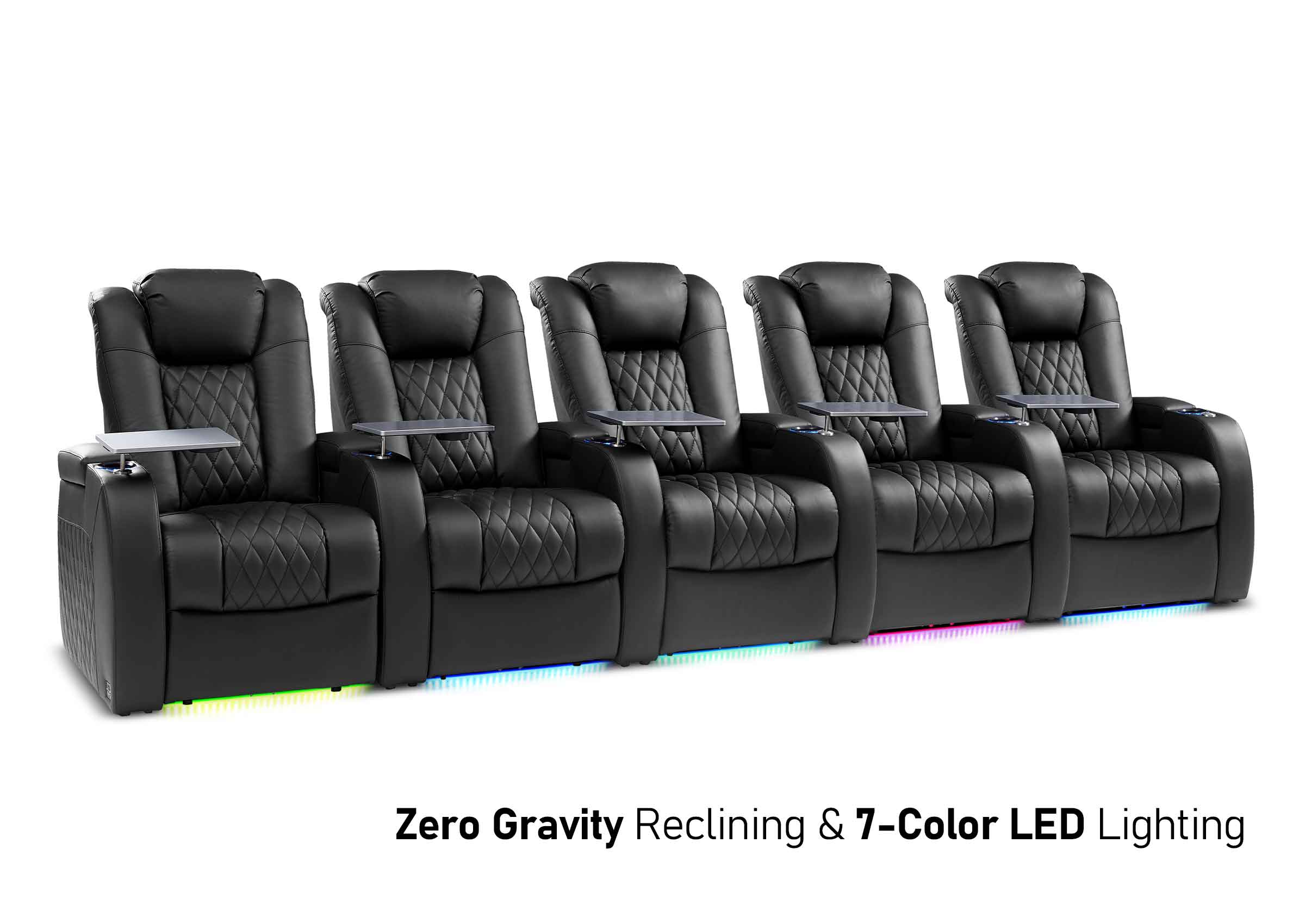
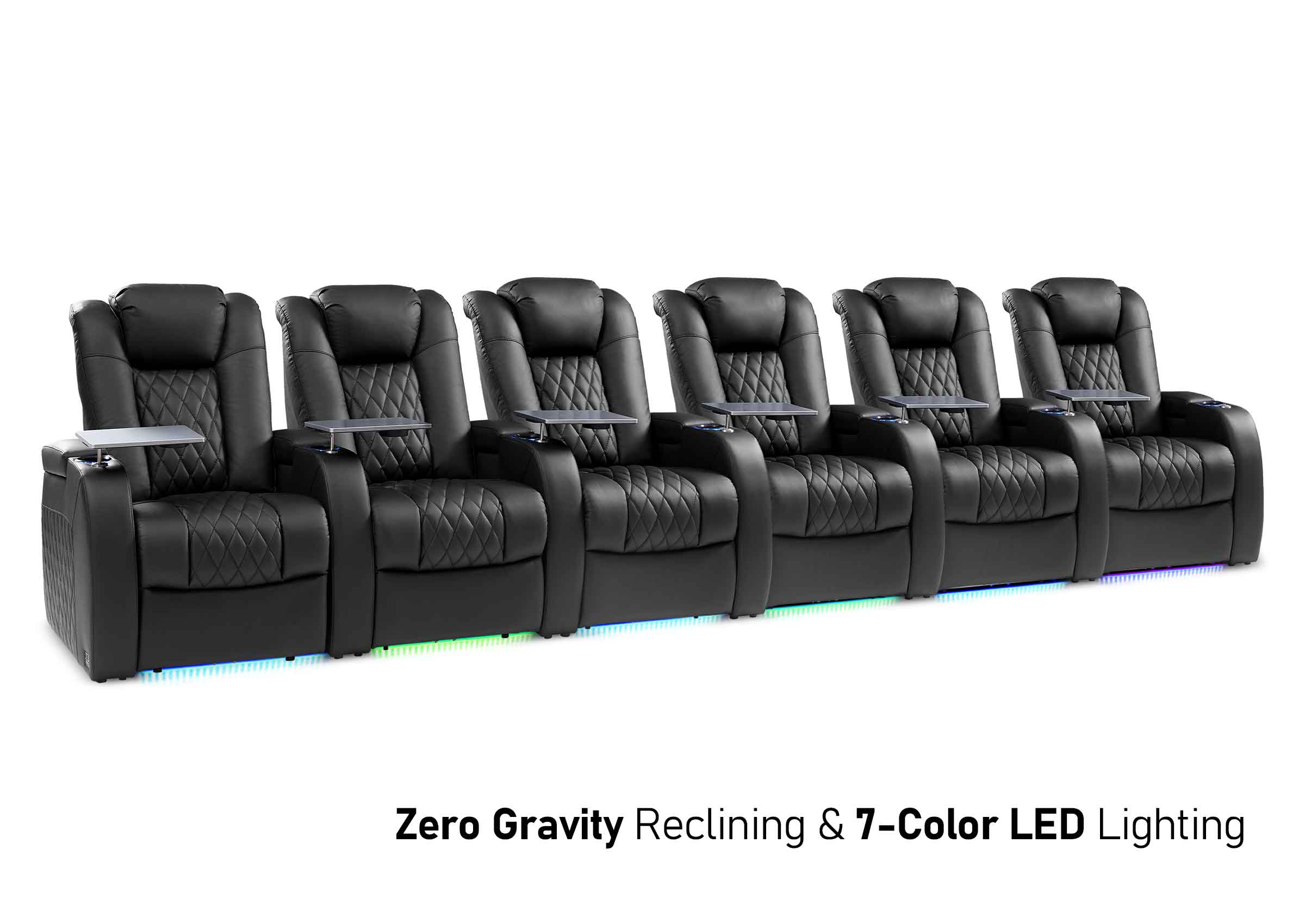
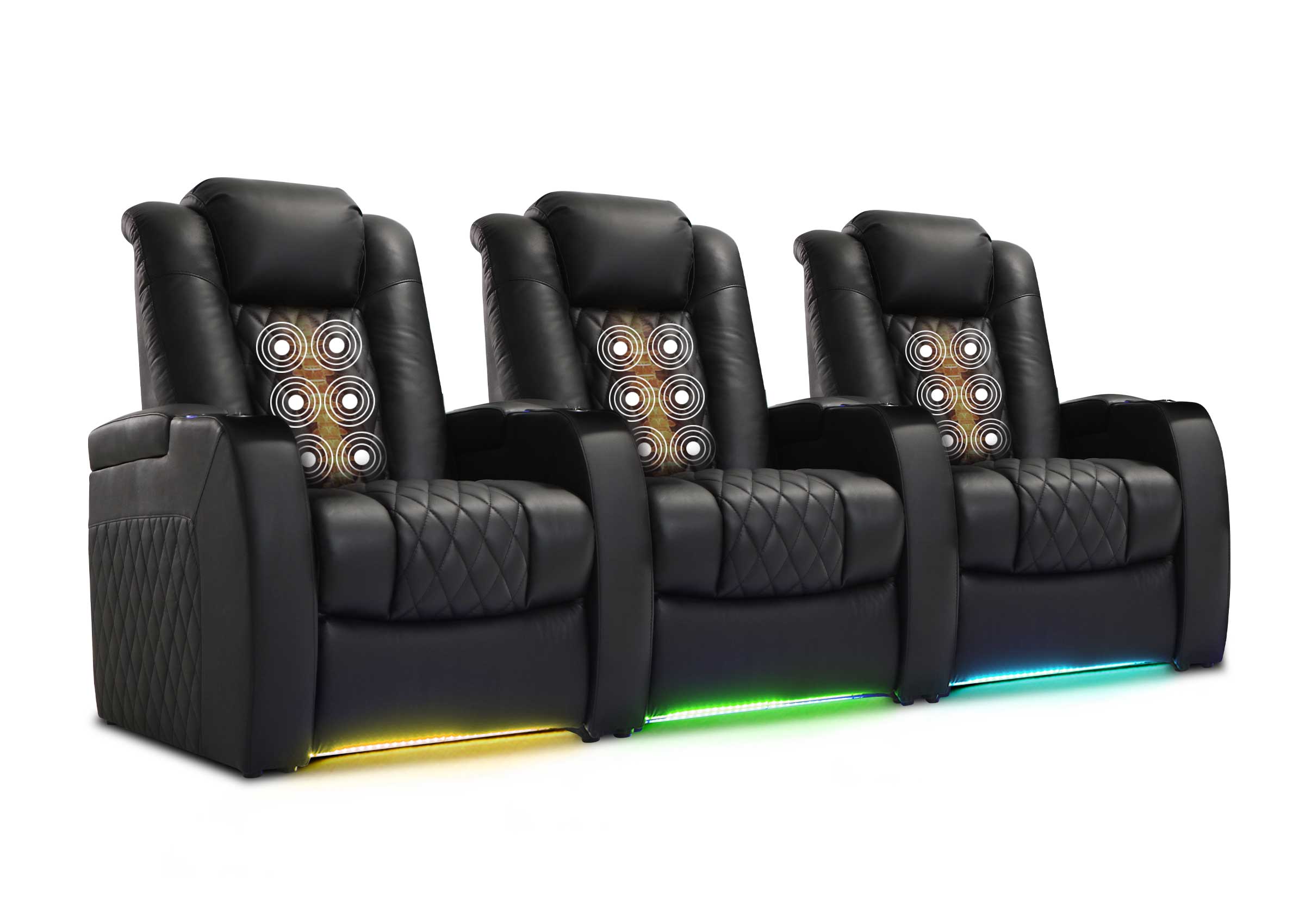
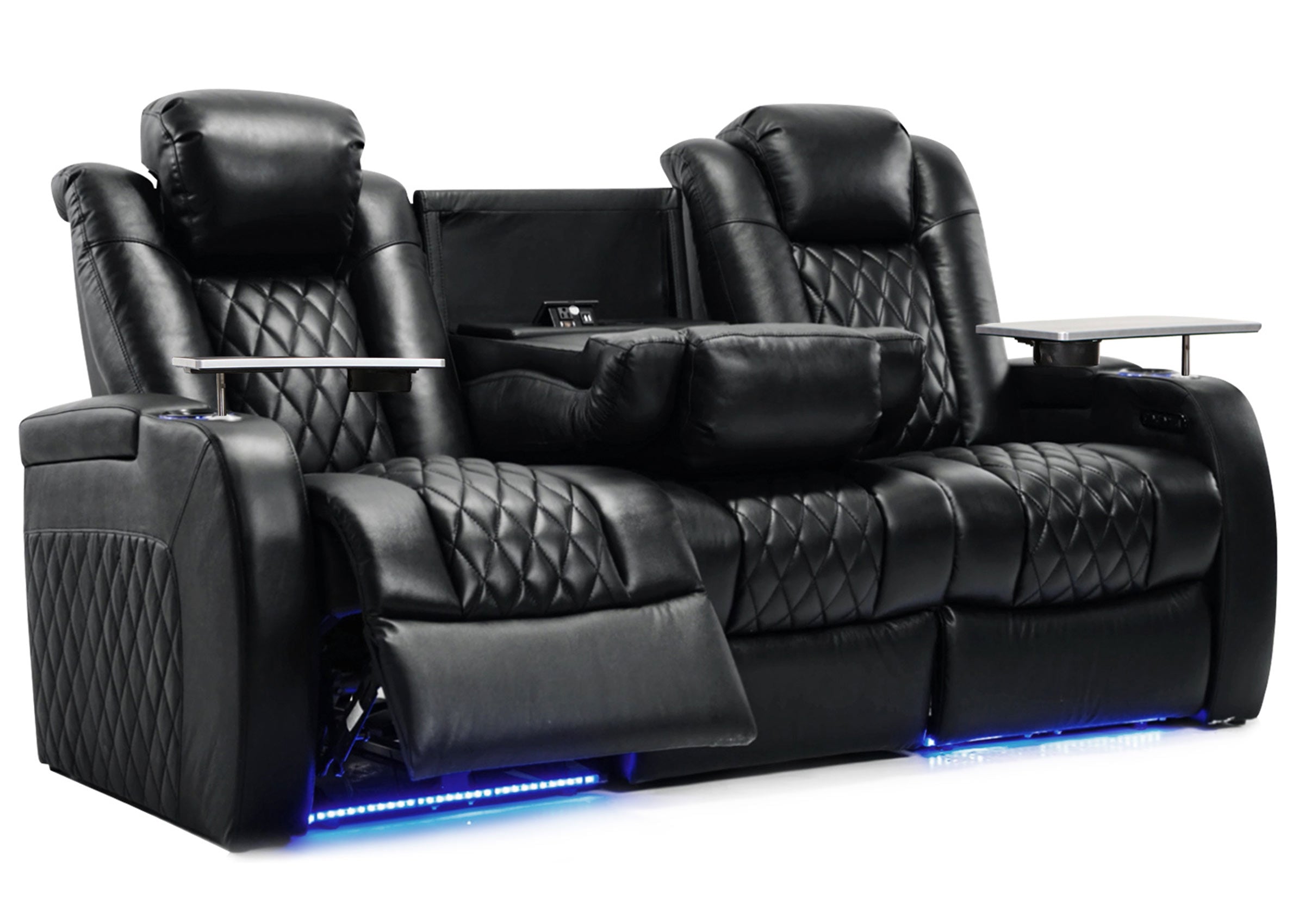
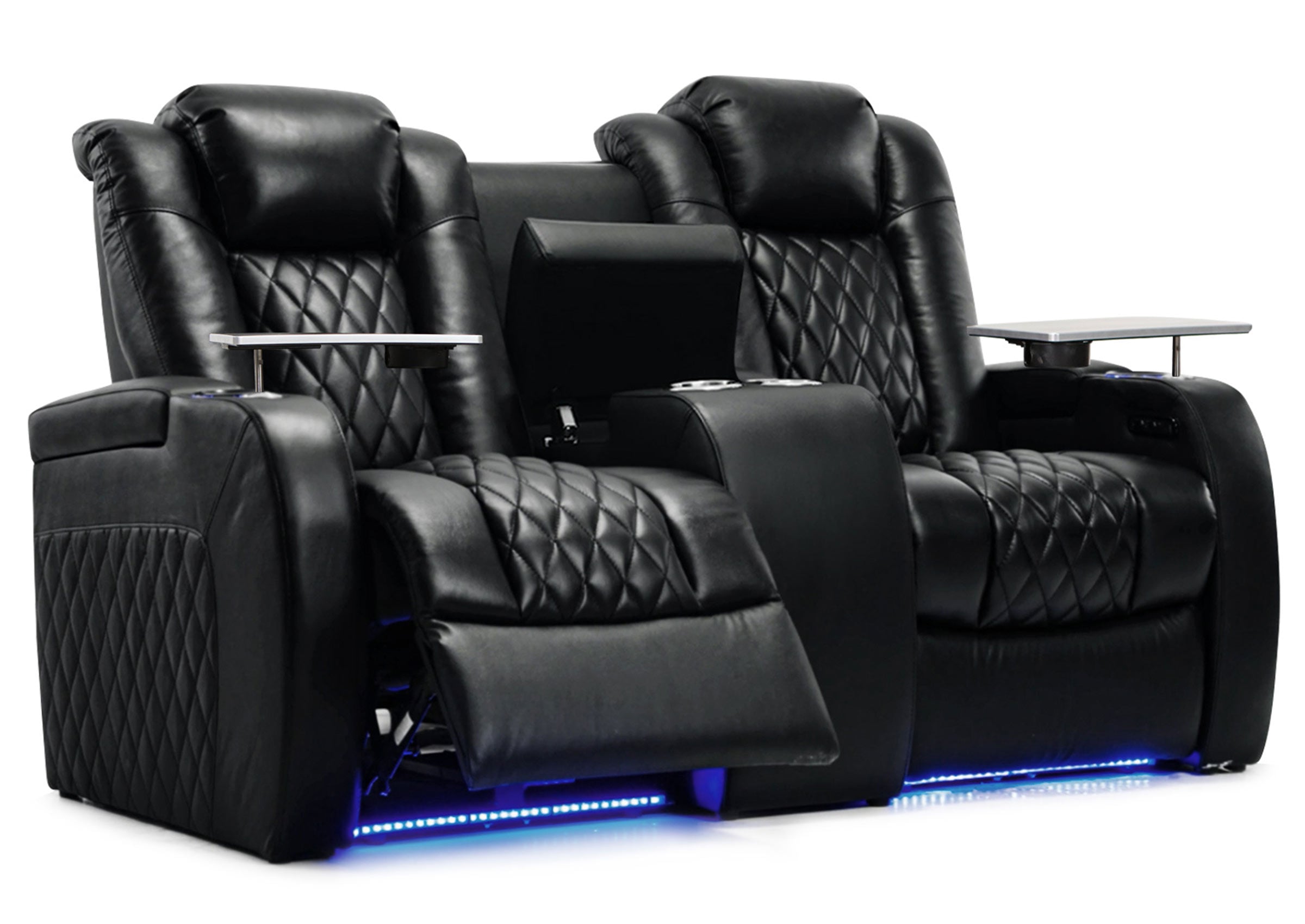
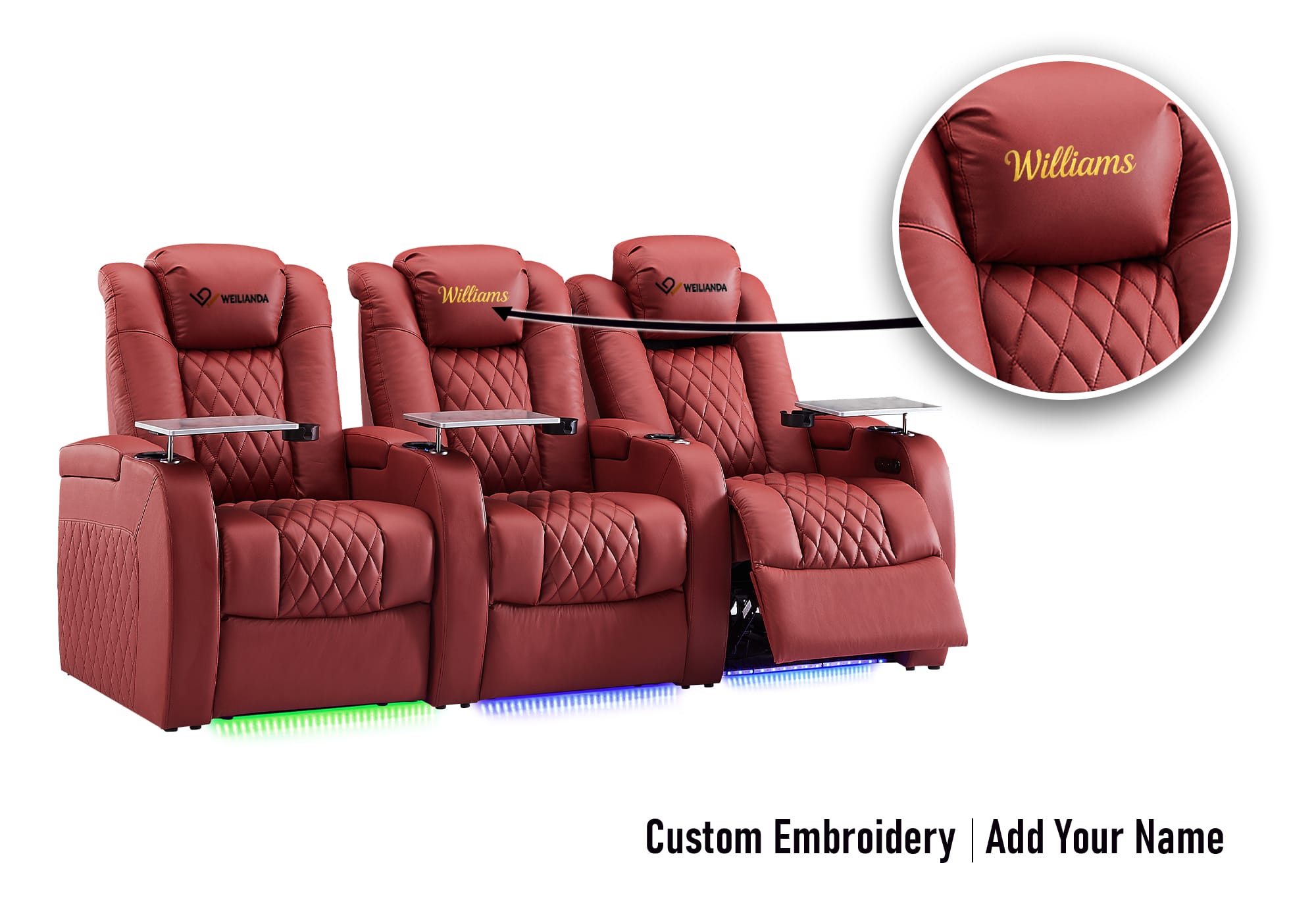
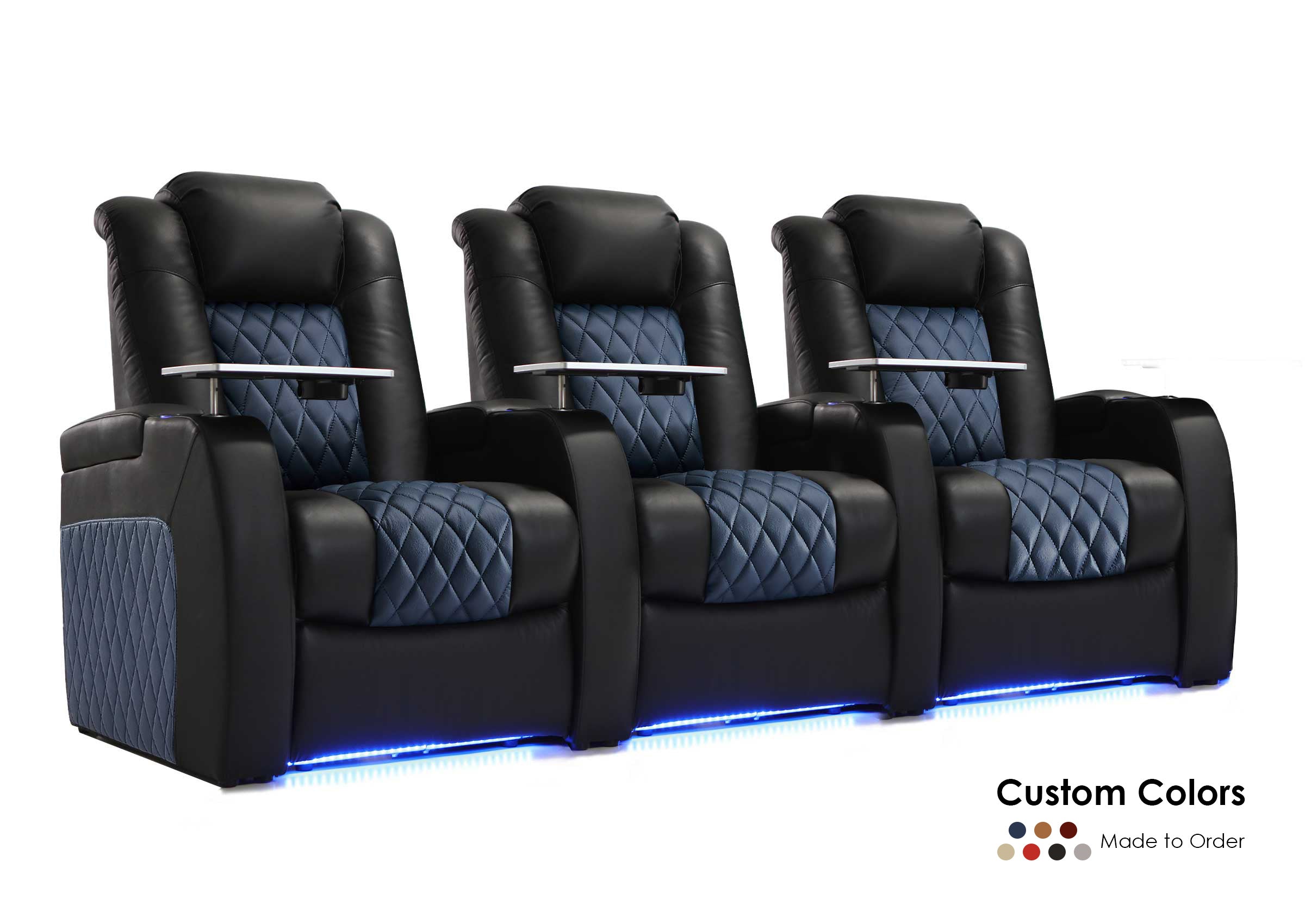
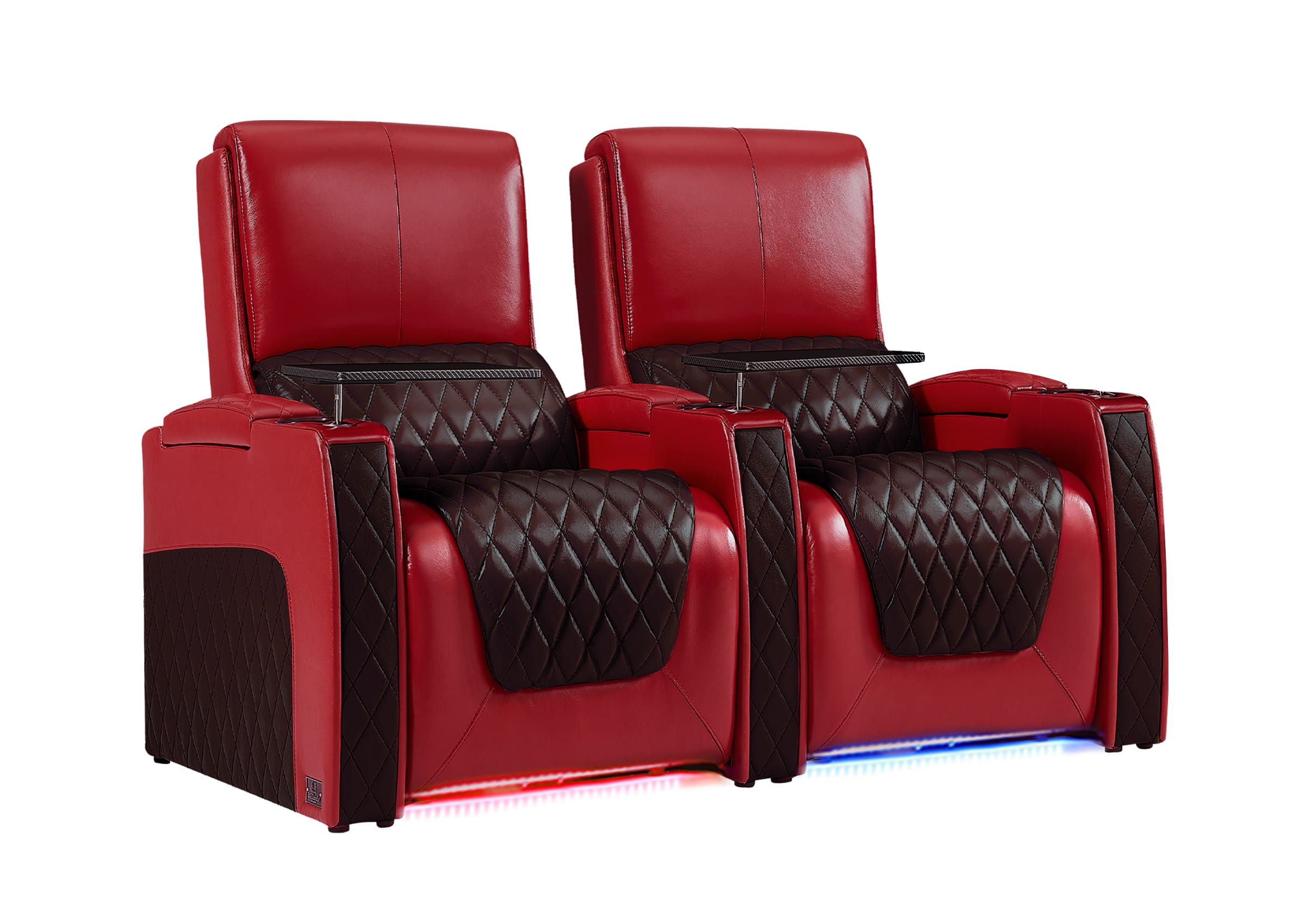
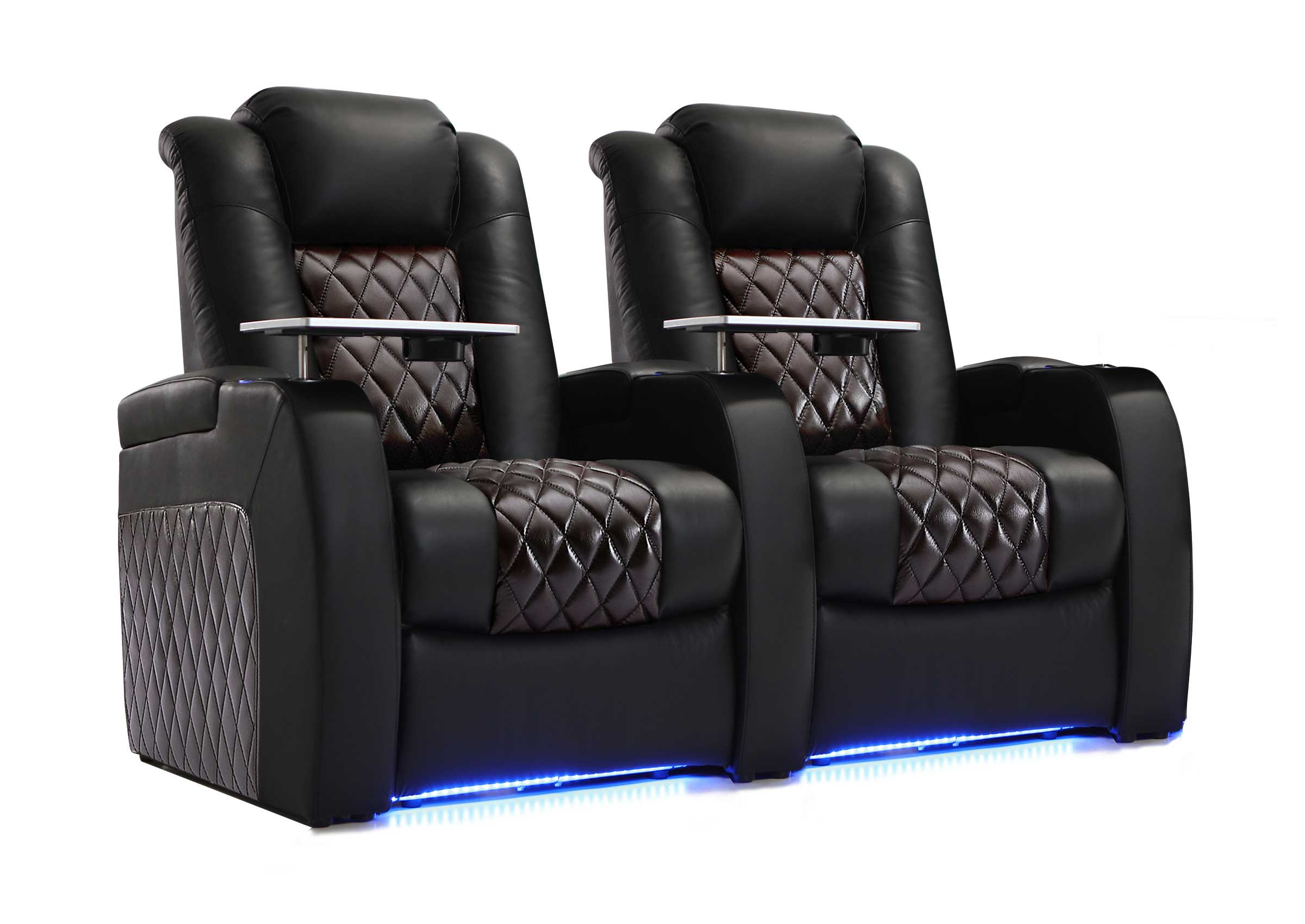
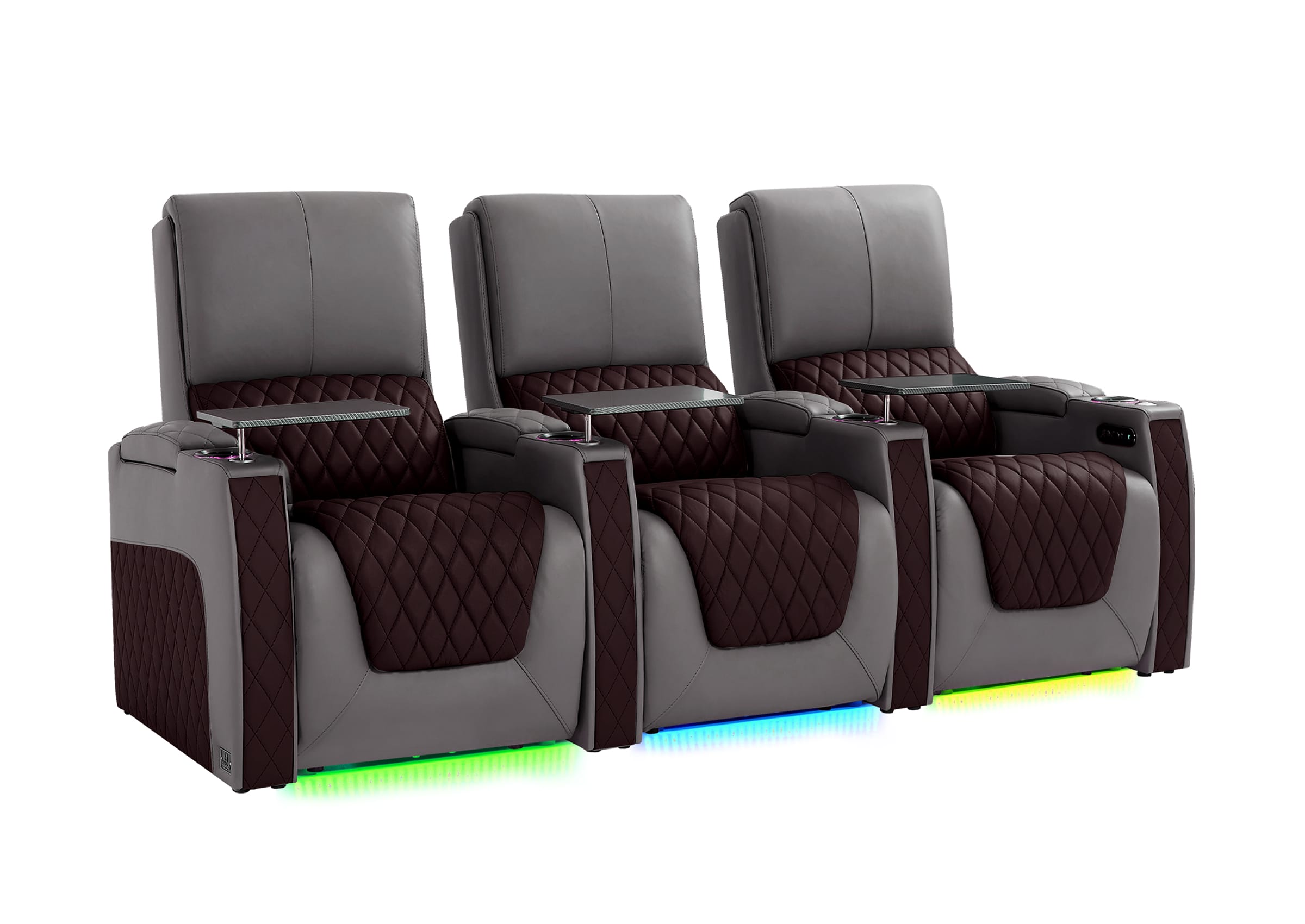
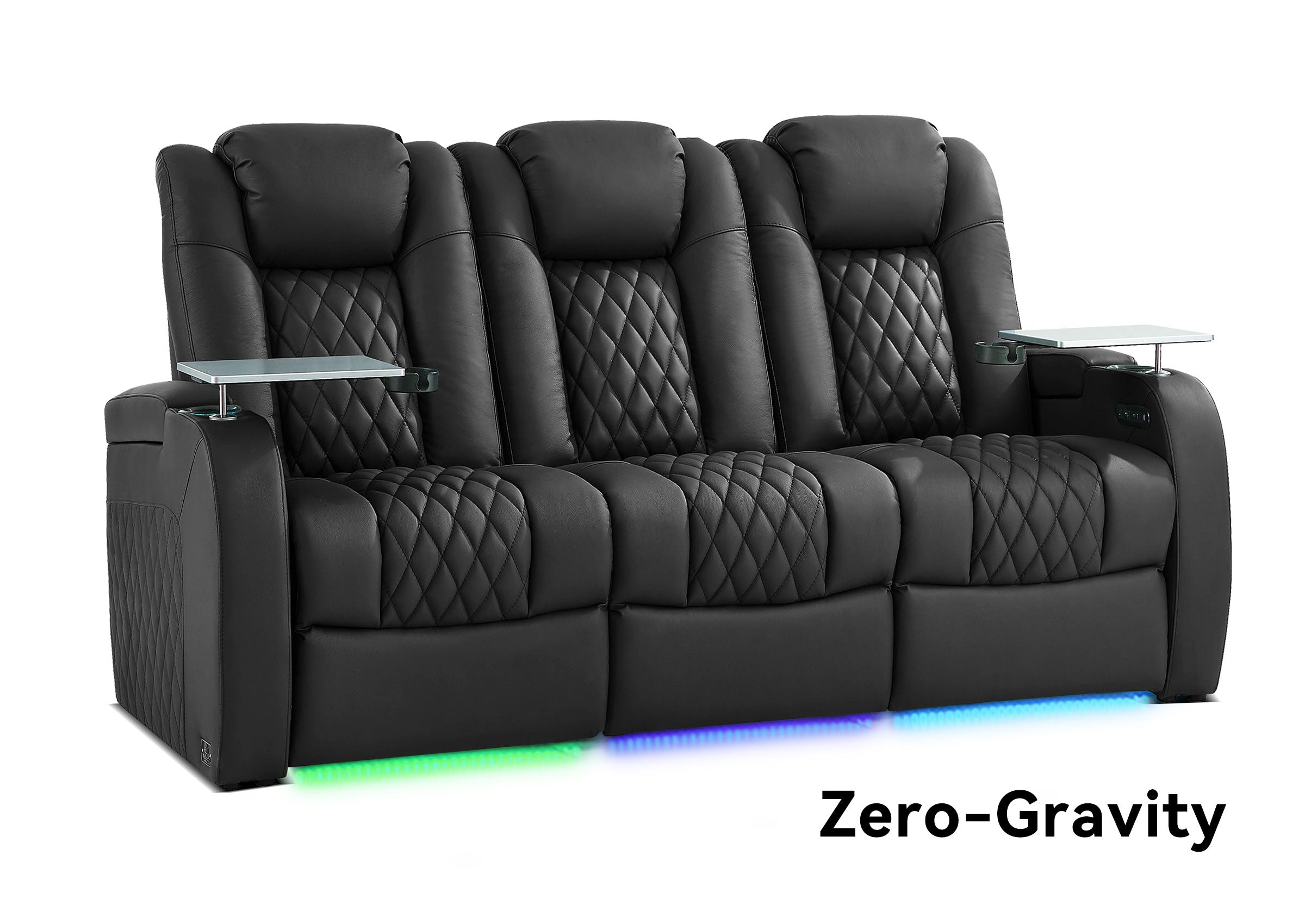
When planning your layout, consider how the floor will interact with your chosen seats. Many buyers coordinate flooring decisions with premium options from our home theater seating, where models like the Luxury Series Home Theater Seating perform best on stable surfaces.
Our guide on how to make a home theater soundproof offers additional tips for integrating flooring with broader acoustic treatments.
Home Theater Flooring Comparison by Room Type
Tiered performance across key factors for dedicated cinema versus multi-purpose media rooms. Based on industry acoustic guidelines and typical installation outcomes.
| Factor | Dedicated Cinema | Multi-Purpose Room |
| Acoustic Absorption | High (Carpet favored) | Medium (Rugs help) |
| Impact Insulation | High with padding | High with underlayment |
| Seating Stability | Medium (Firm carpet) | High (Hard surfaces) |
| Maintenance Ease | Lower (Vacuuming) | Higher (Wipe clean) |
| Moisture Resistance | Lower | Higher (LVP) |
Derived from Carpet and Rug Institute technical data, CEDIA RP22 guidelines, and typical residential theater scenarios. Values represent relative performance tiers rather than measured test results.
Choosing Your Foundation: The Final Decision Checklist
Match your flooring to your primary goals and room constraints rather than chasing a single "perfect" material. Dedicated cinema enthusiasts prioritizing immersive sound usually benefit most from low-pile carpet paired with quality padding. Families using the space for multiple purposes often prefer LVP or hardwood with thick area rugs and robust underlayment.
Run this quick self-check before purchasing: Does your room sit above living areas? Will you install multi-row risers? How much maintenance time are you willing to commit? Concrete subfloors expand LVP's advantages, while upper floors with wood joists give hardwood more viability when properly isolated.
Consider coordinating your floor choice with seating early. Stable surfaces support heavier recliners better, and the right combination enhances both sightlines and comfort. Many successful builds begin with our transforming your basement into a dream home theater process to align all elements.
FAQs about home theater flooring
Can Hardwood Flooring Work in a Home Theater?
Yes, but it requires a full mitigation system including acoustic underlayment and area rugs at first reflection points. Without these additions, reflections can make dialogue harder to understand and reduce overall immersion. Test your room's acoustics after installation before adding expensive seating.
What Type of Carpet Is Best for a Media Room?
Low-pile cut-pile carpet offers the strongest balance of sound absorption and seating stability. Avoid high-pile or shag styles under riser systems or heavy recliners, as compression over time can create uneven floors and potential safety issues.
Does Underlayment Make a Big Difference with LVP?
It does. Specialized acoustic underlayment improves impact insulation and helps decouple the floor from the subfloor, reducing vibration transfer. This addition often determines whether LVP meets expectations in multi-story homes.
How Does Flooring Affect Home Theater Seating Stability?
Firm surfaces prevent wobble in multi-row riser setups, while overly plush carpet can compress under heavy furniture. Always verify compatibility between your chosen floor build-up and riser or recliner weight ratings before final installation.
Should I Choose Different Flooring for a Basement Theater?
Basements often favor LVP due to its moisture resistance and compatibility with concrete slabs. Combine it with quality underlayment and rugs for acceptable acoustics. Carpet remains viable if moisture control is addressed first.
What Maintenance Differences Exist Between These Flooring Types?
Carpet requires regular vacuuming to maintain appearance and performance, while hardwood and LVP allow easier wipe-down cleaning. Factor long-term upkeep into your decision, especially if the room will see frequent use by children or pets.