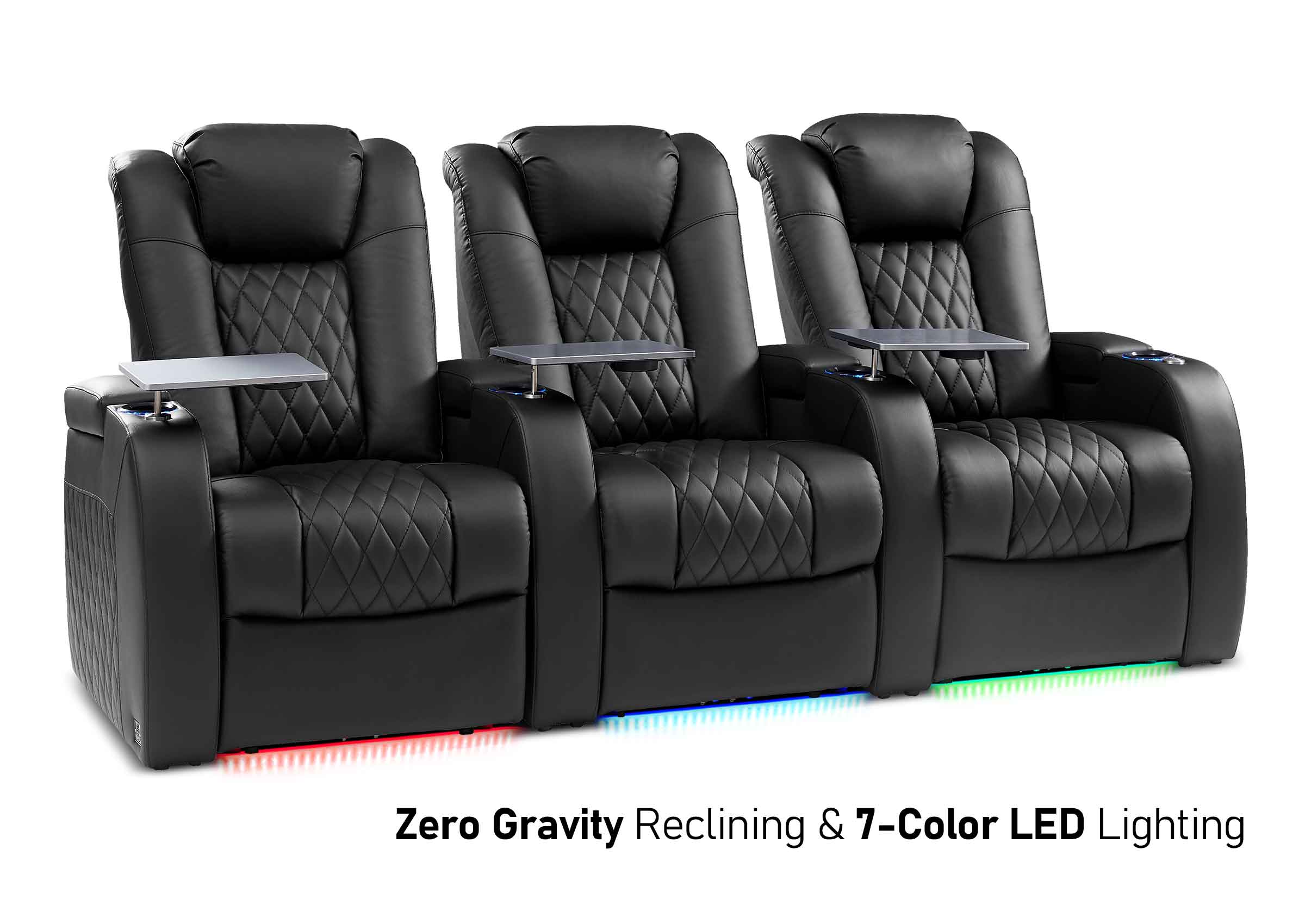
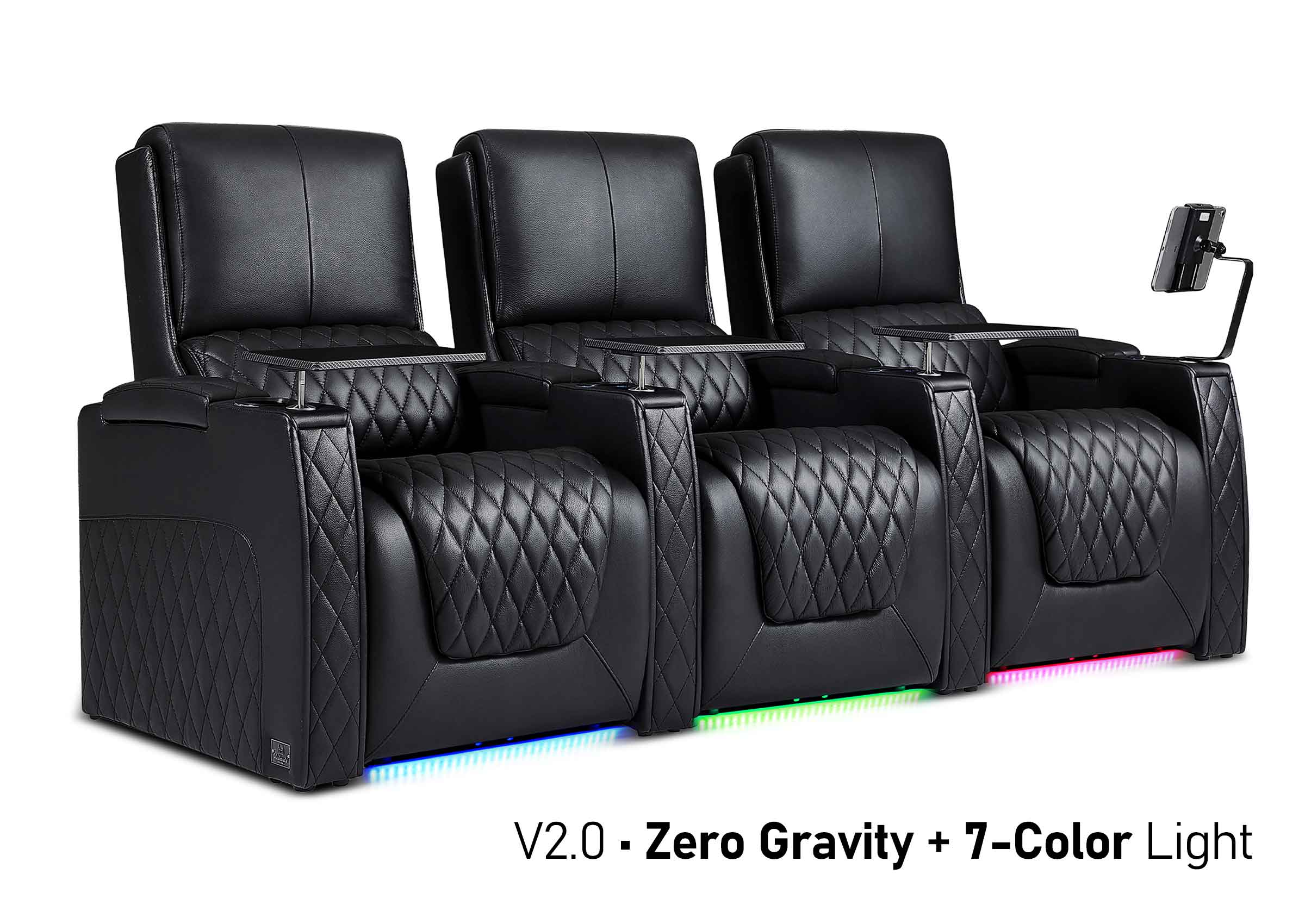
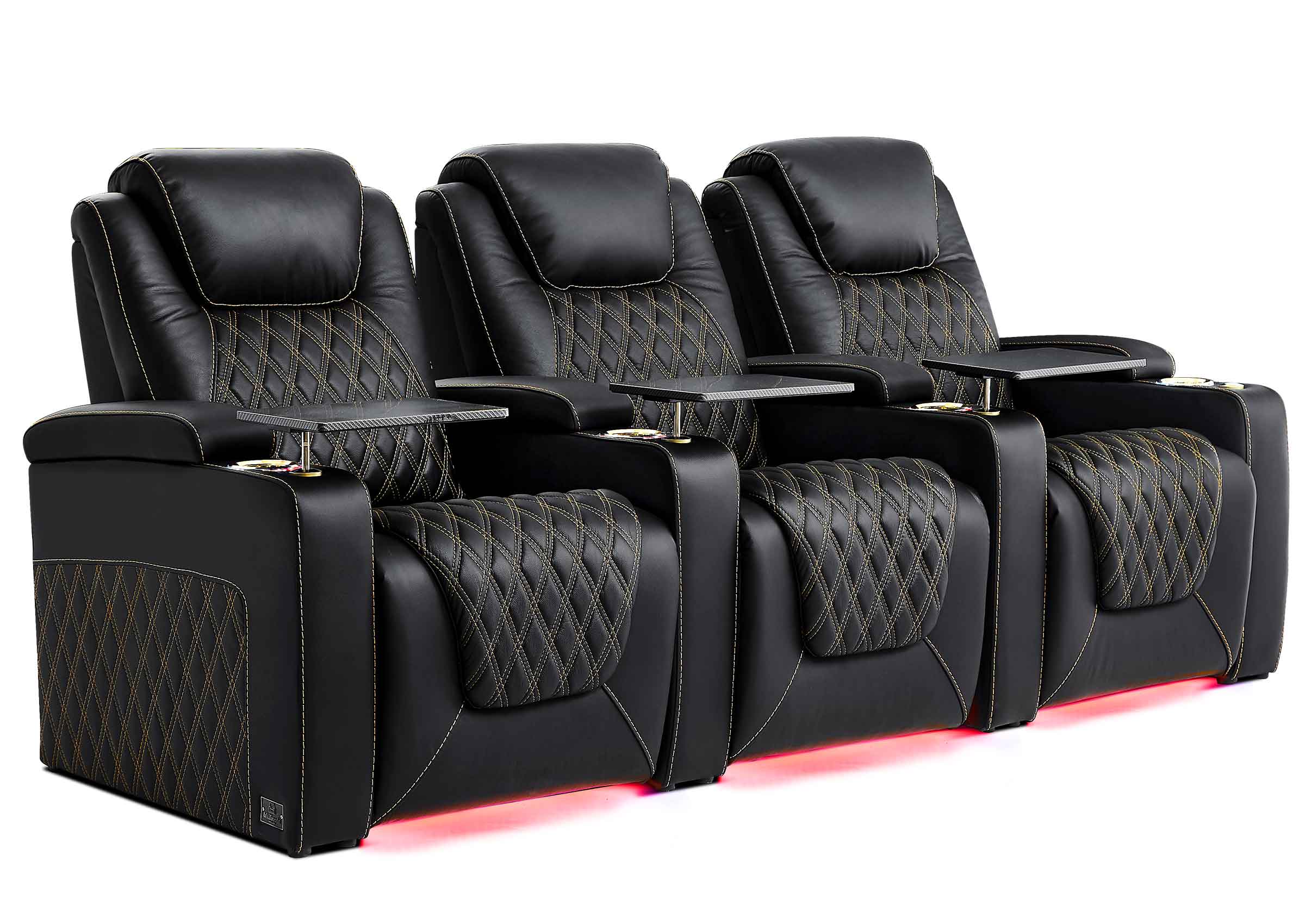
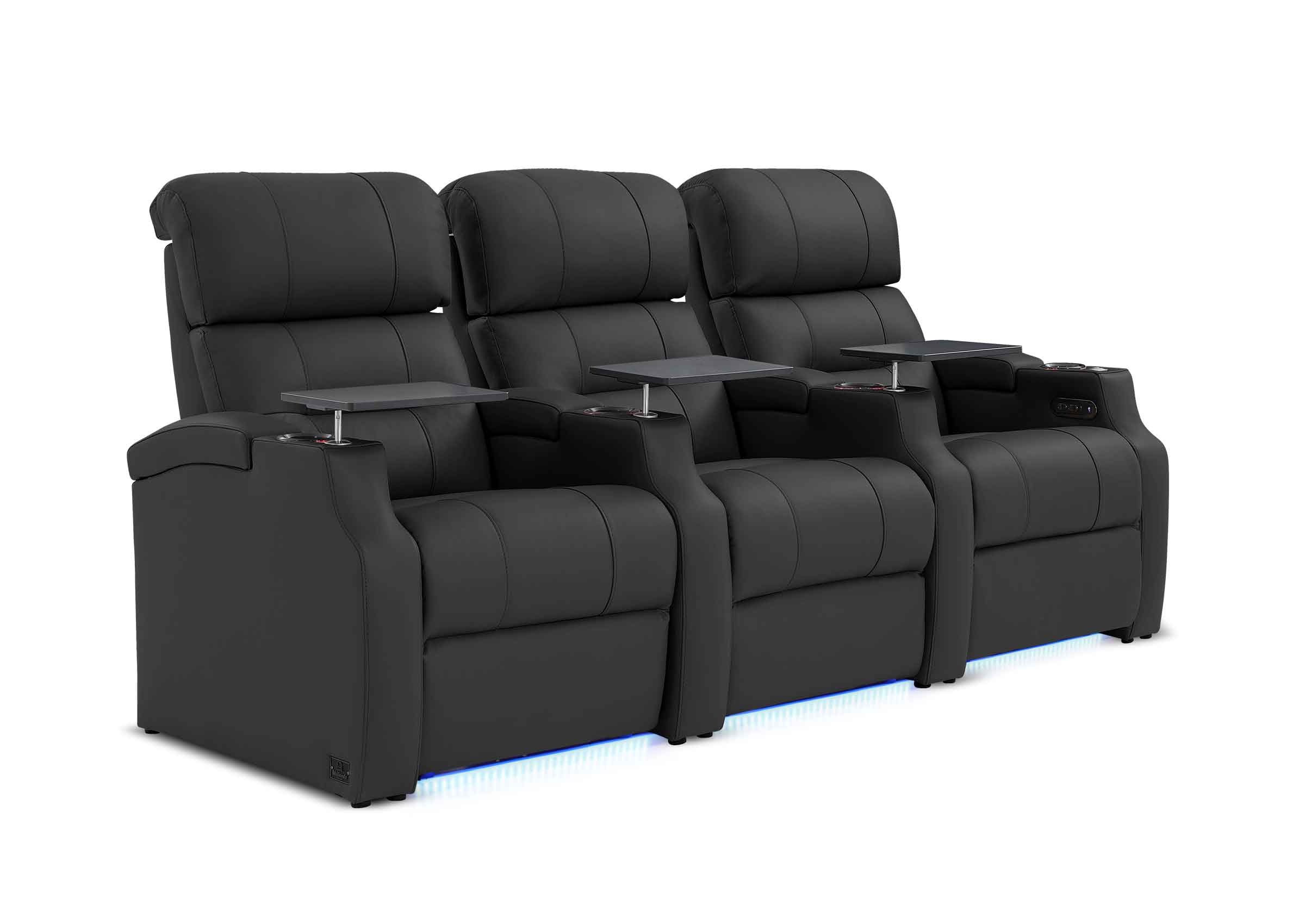
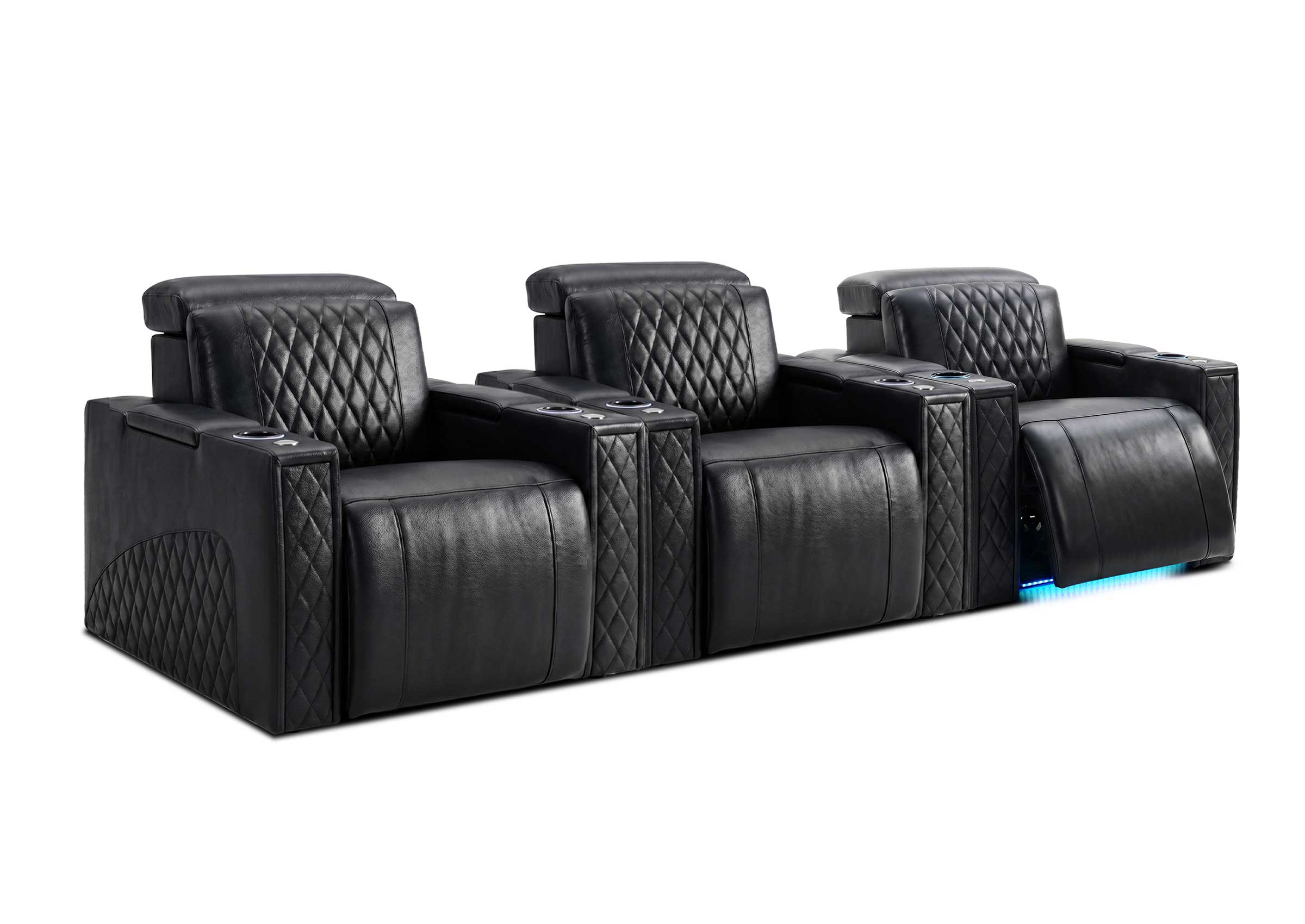

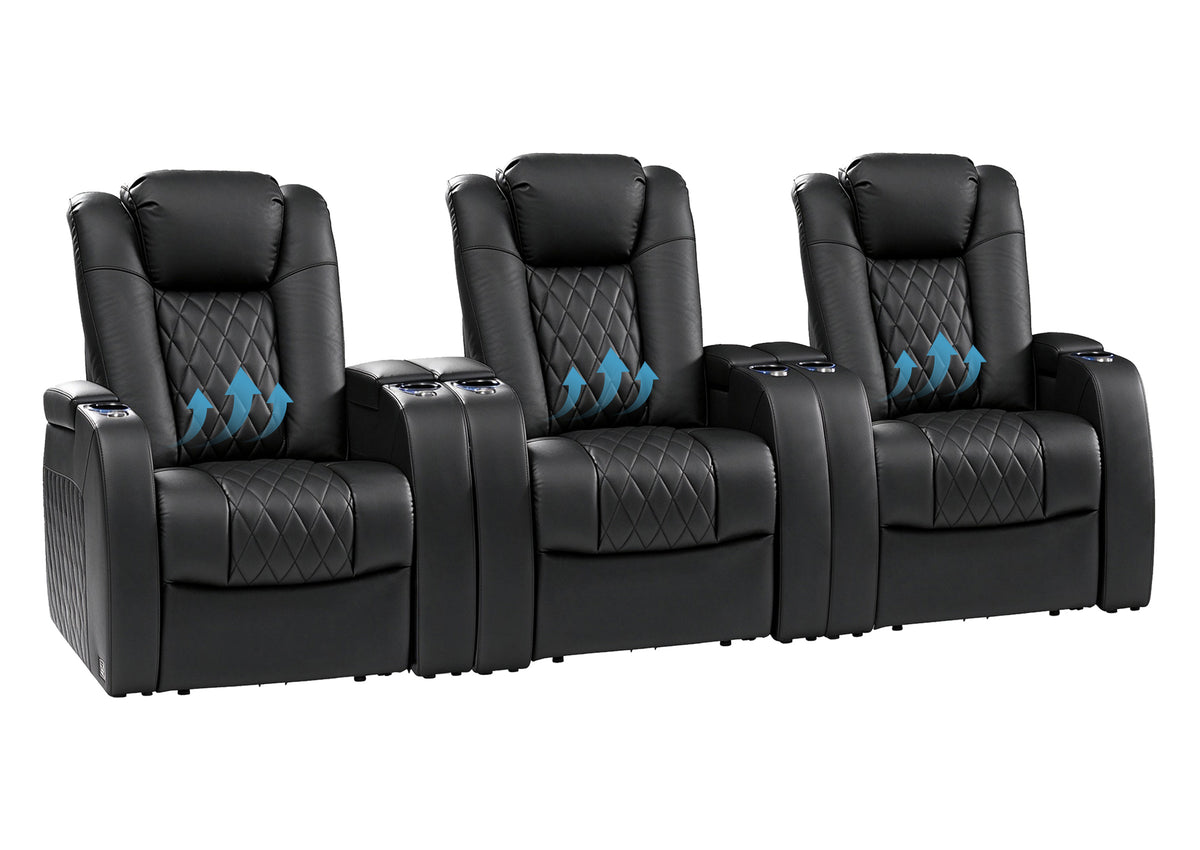
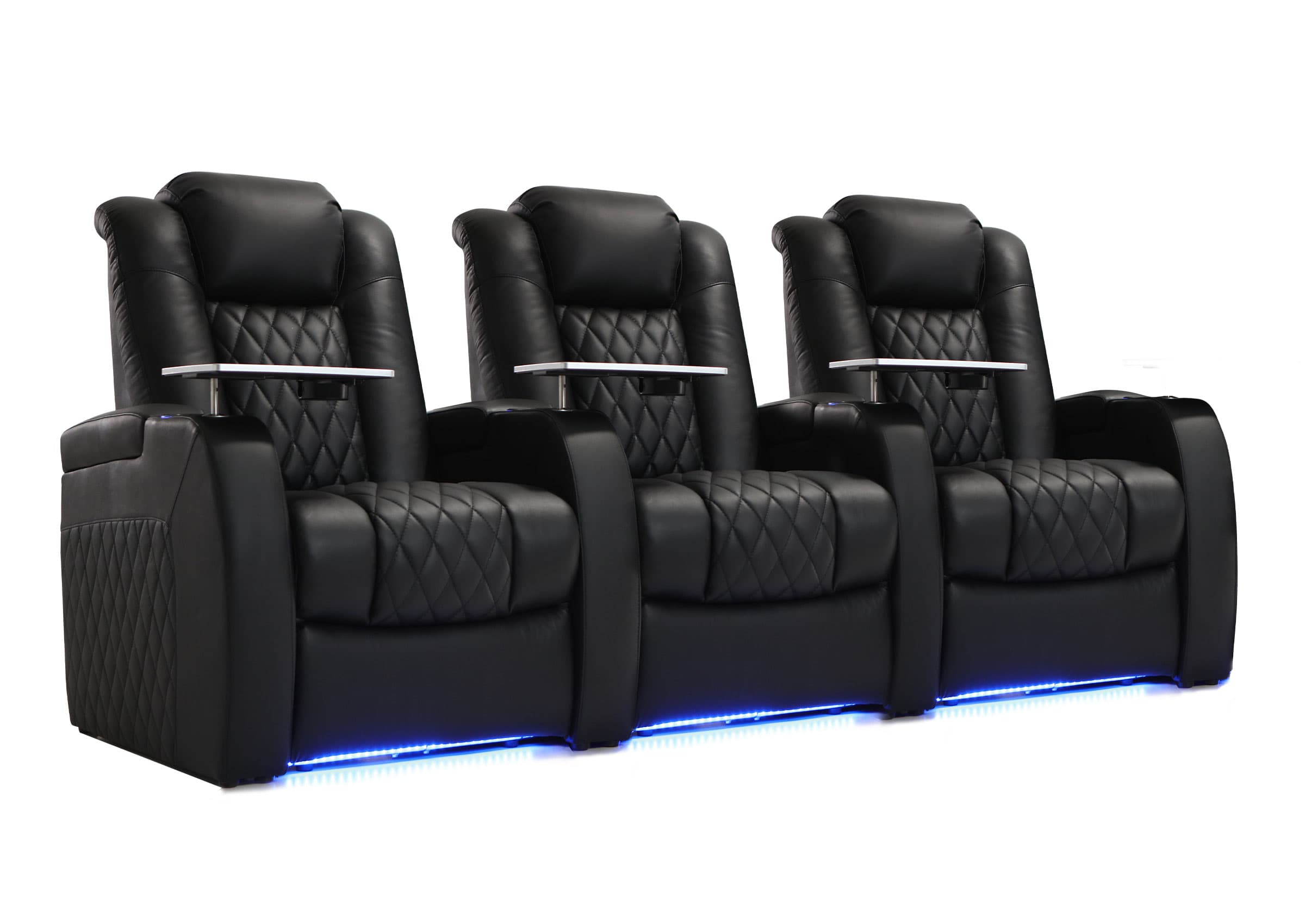
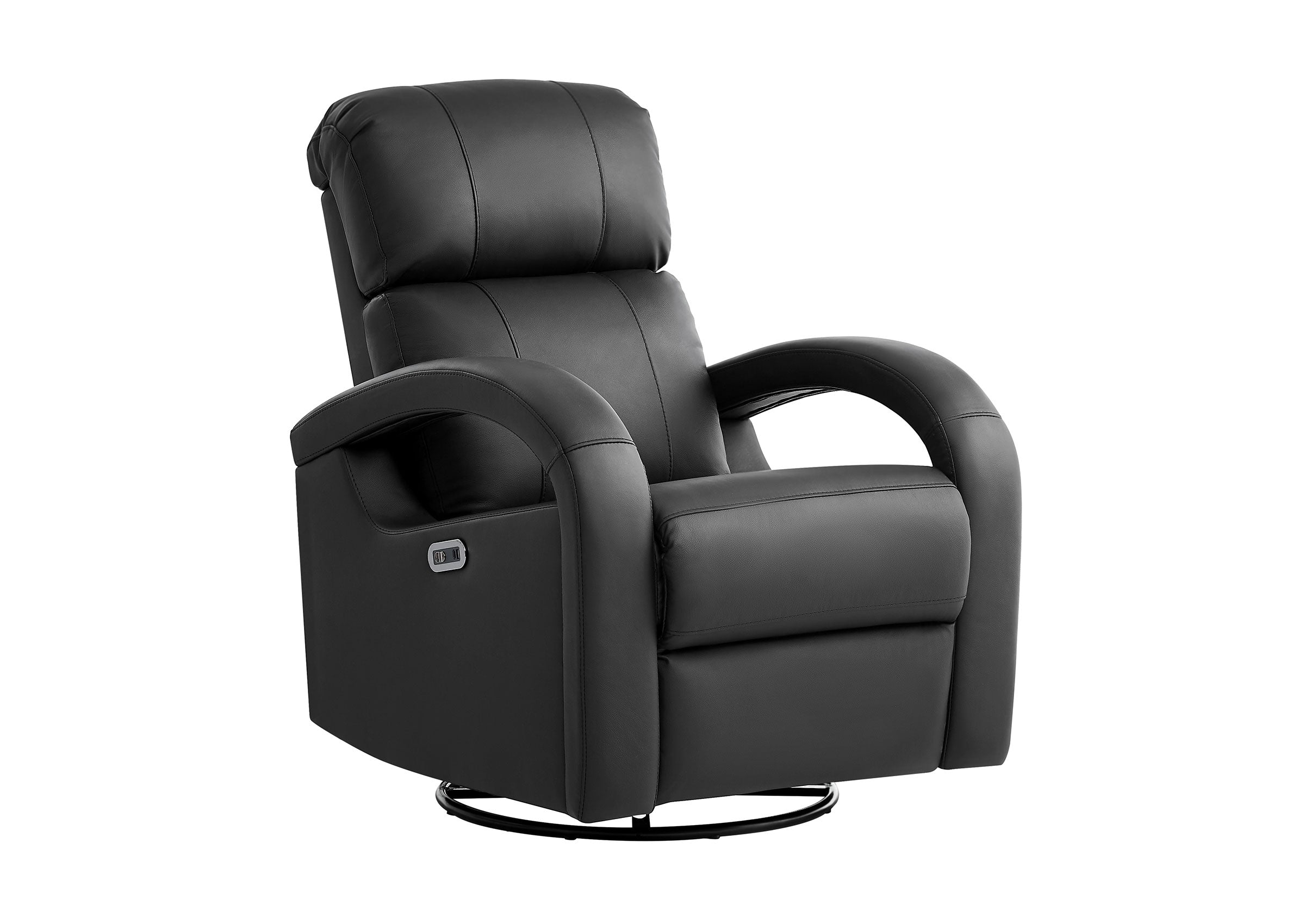
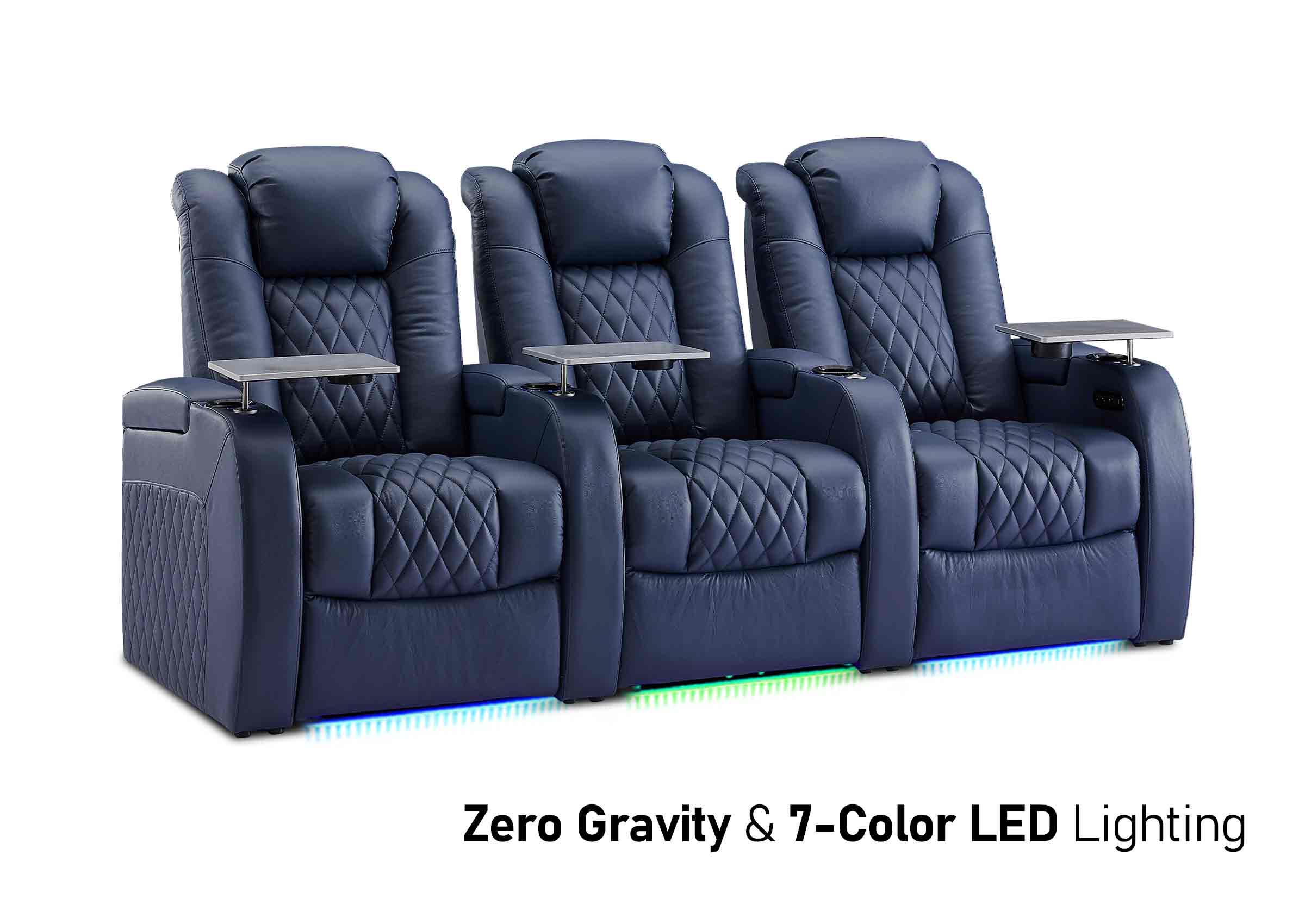
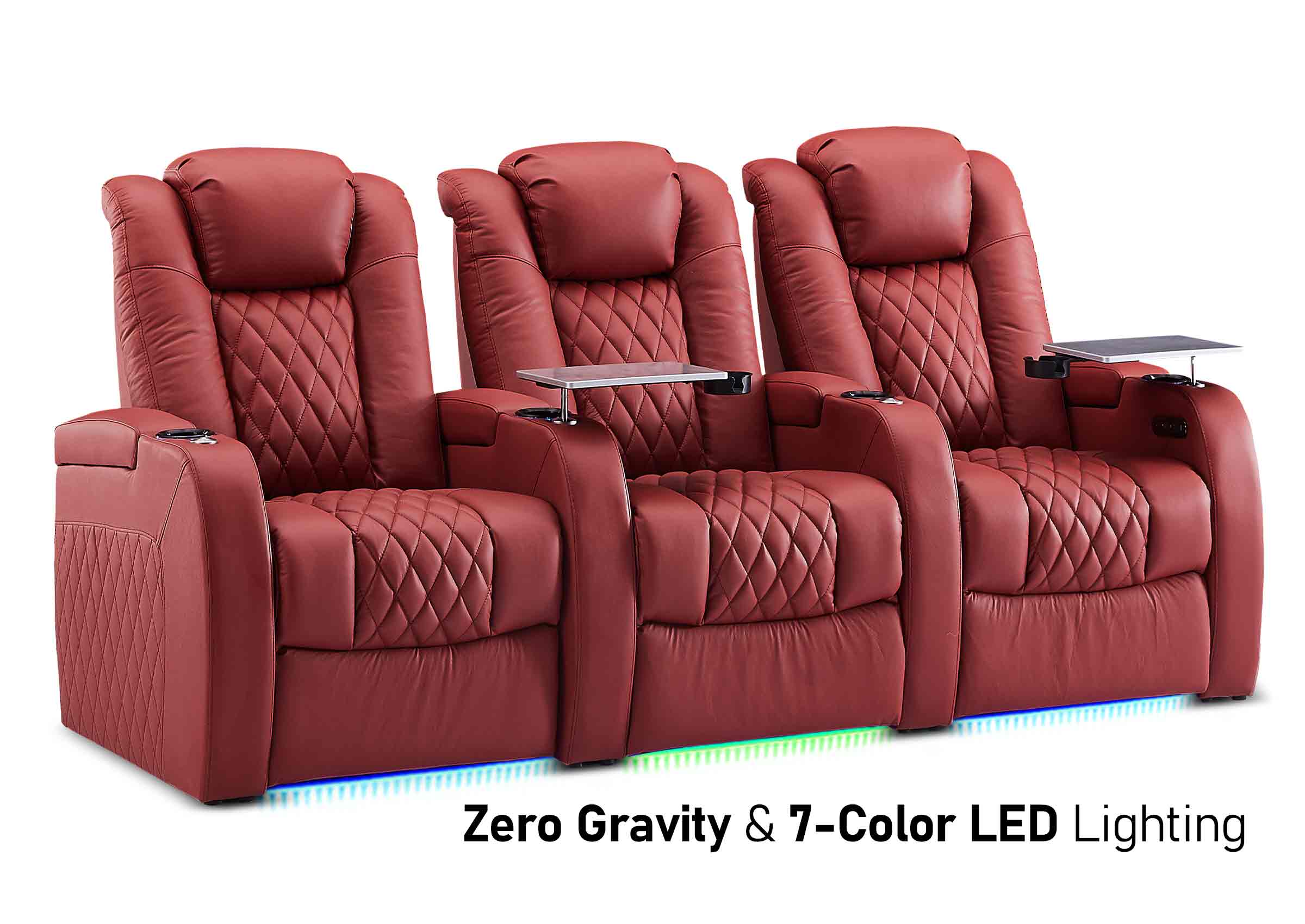
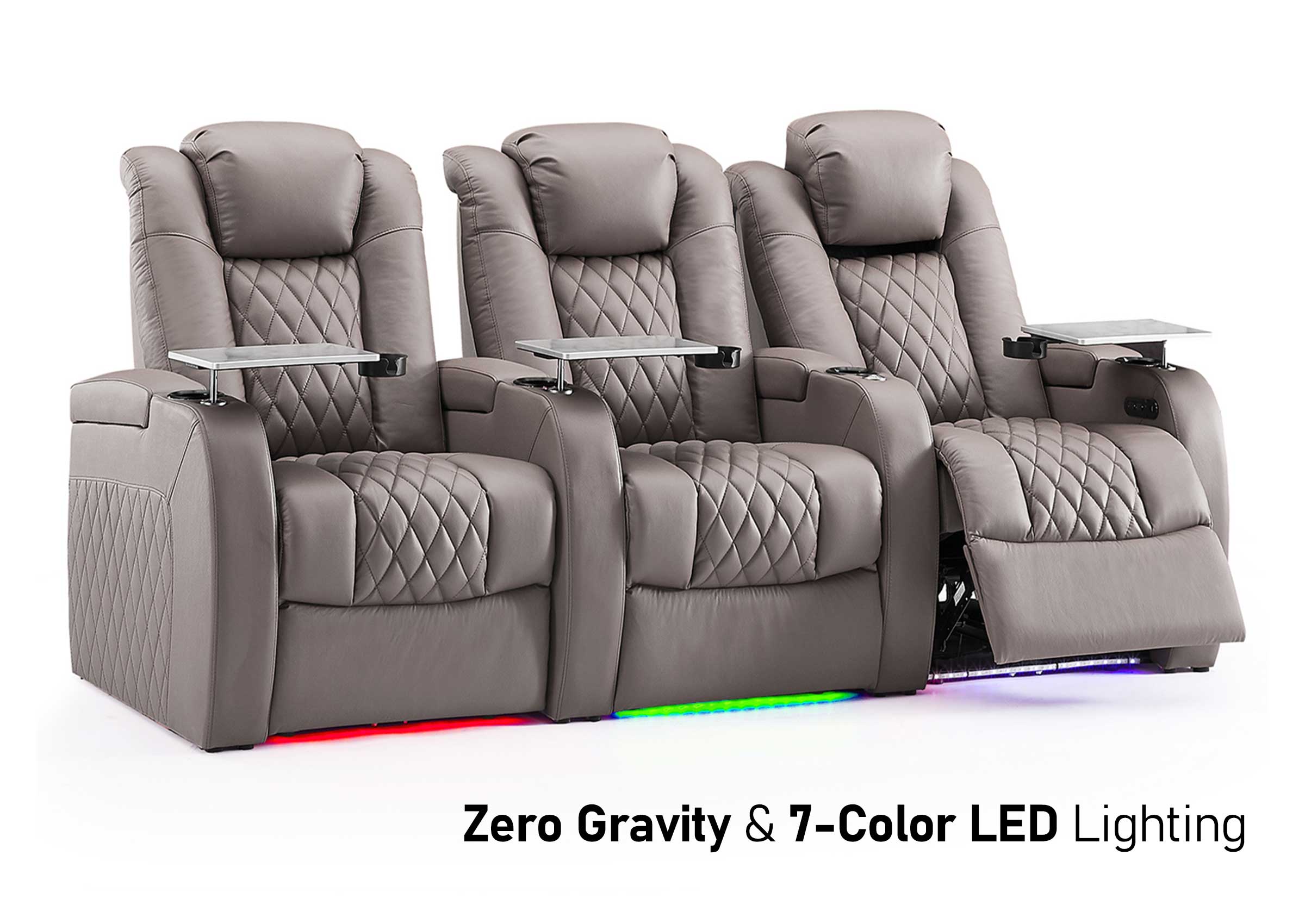
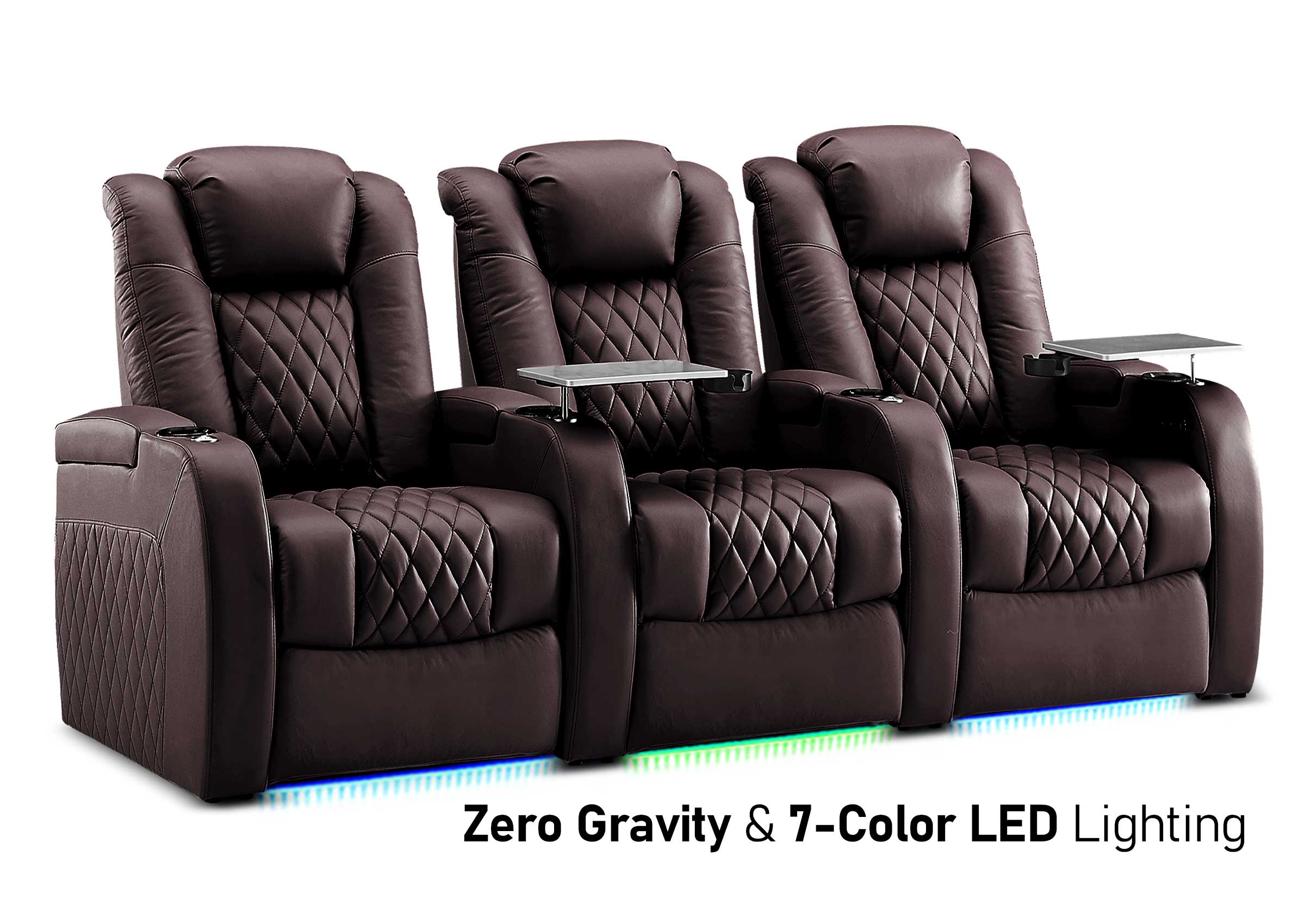

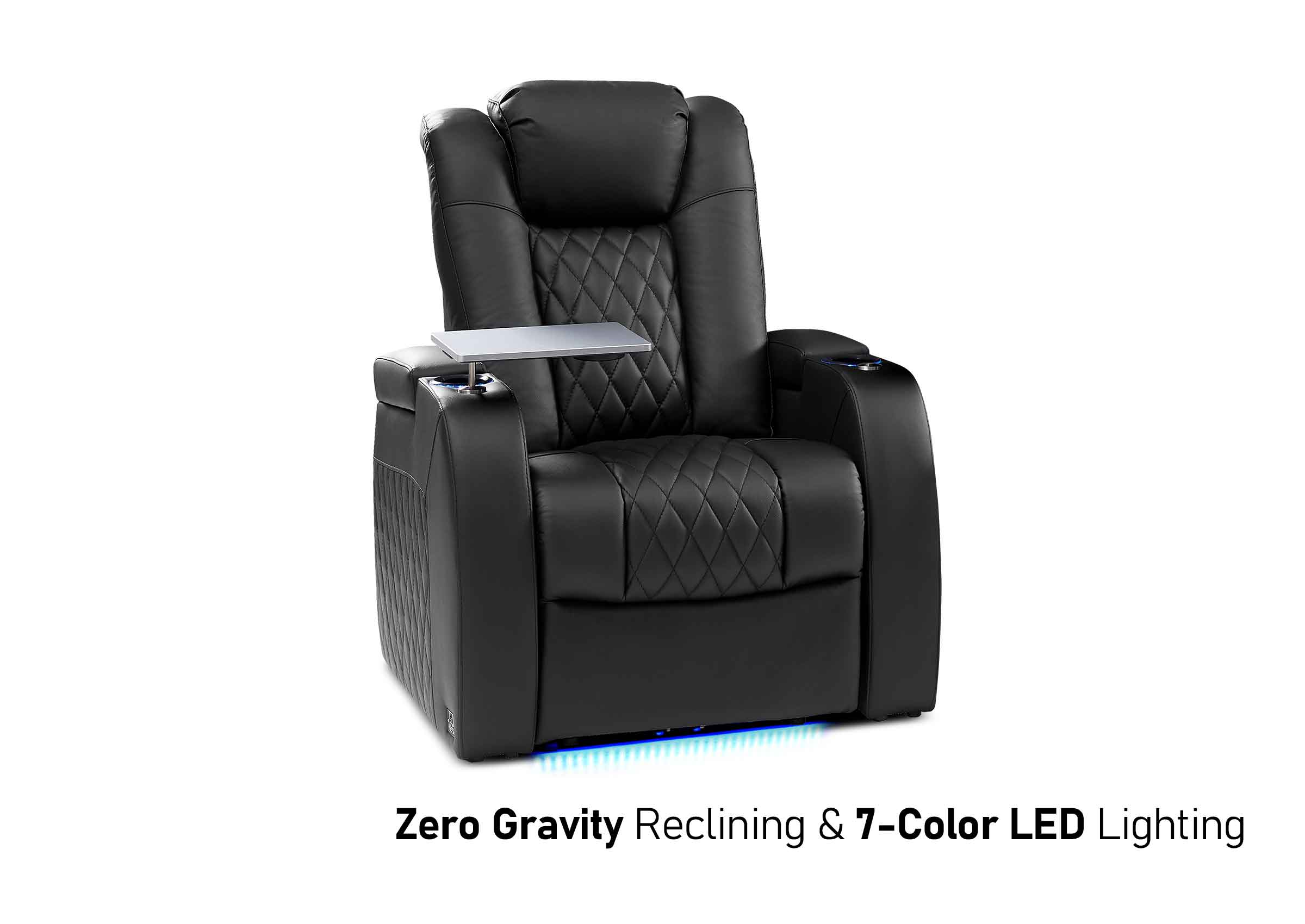
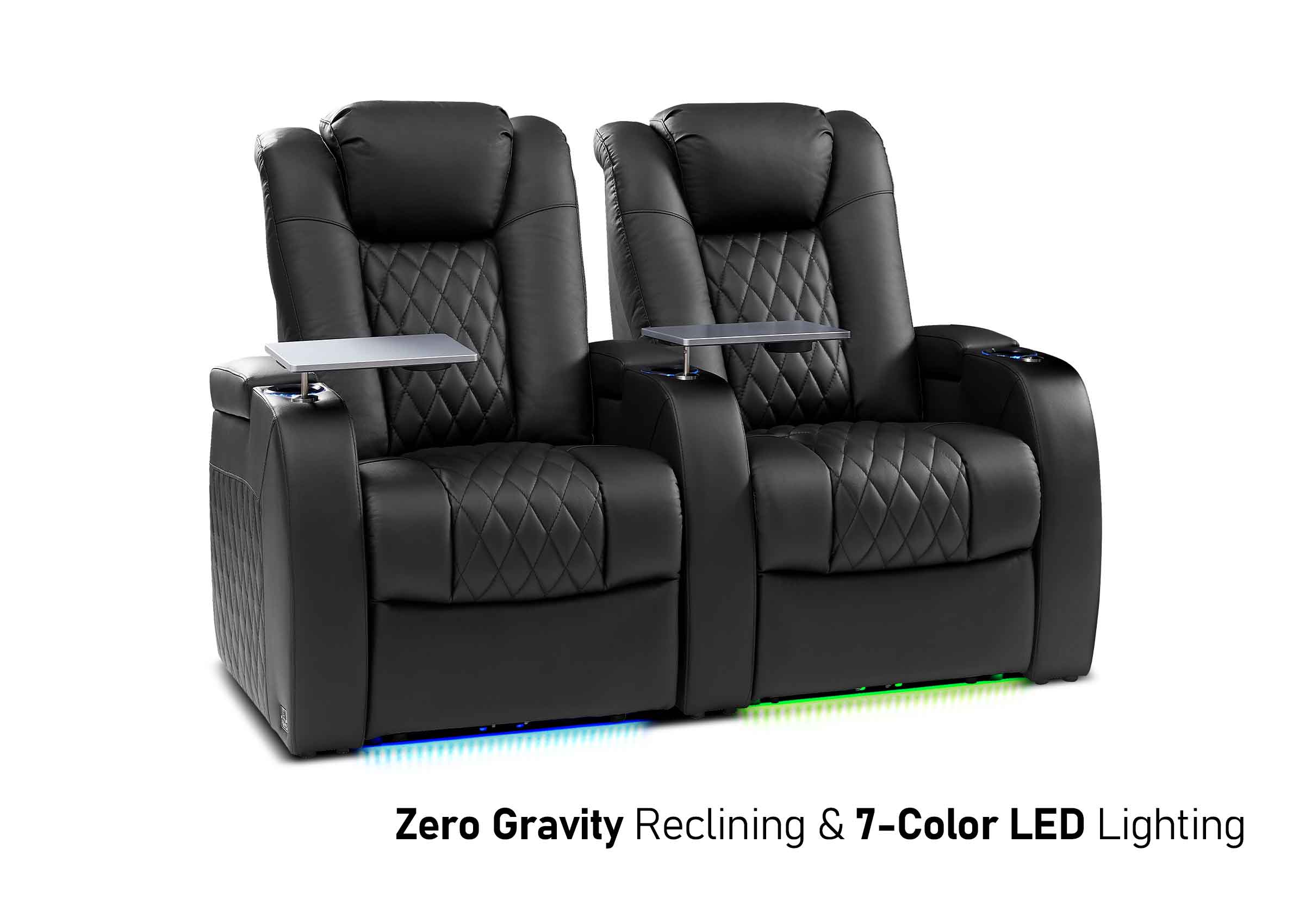
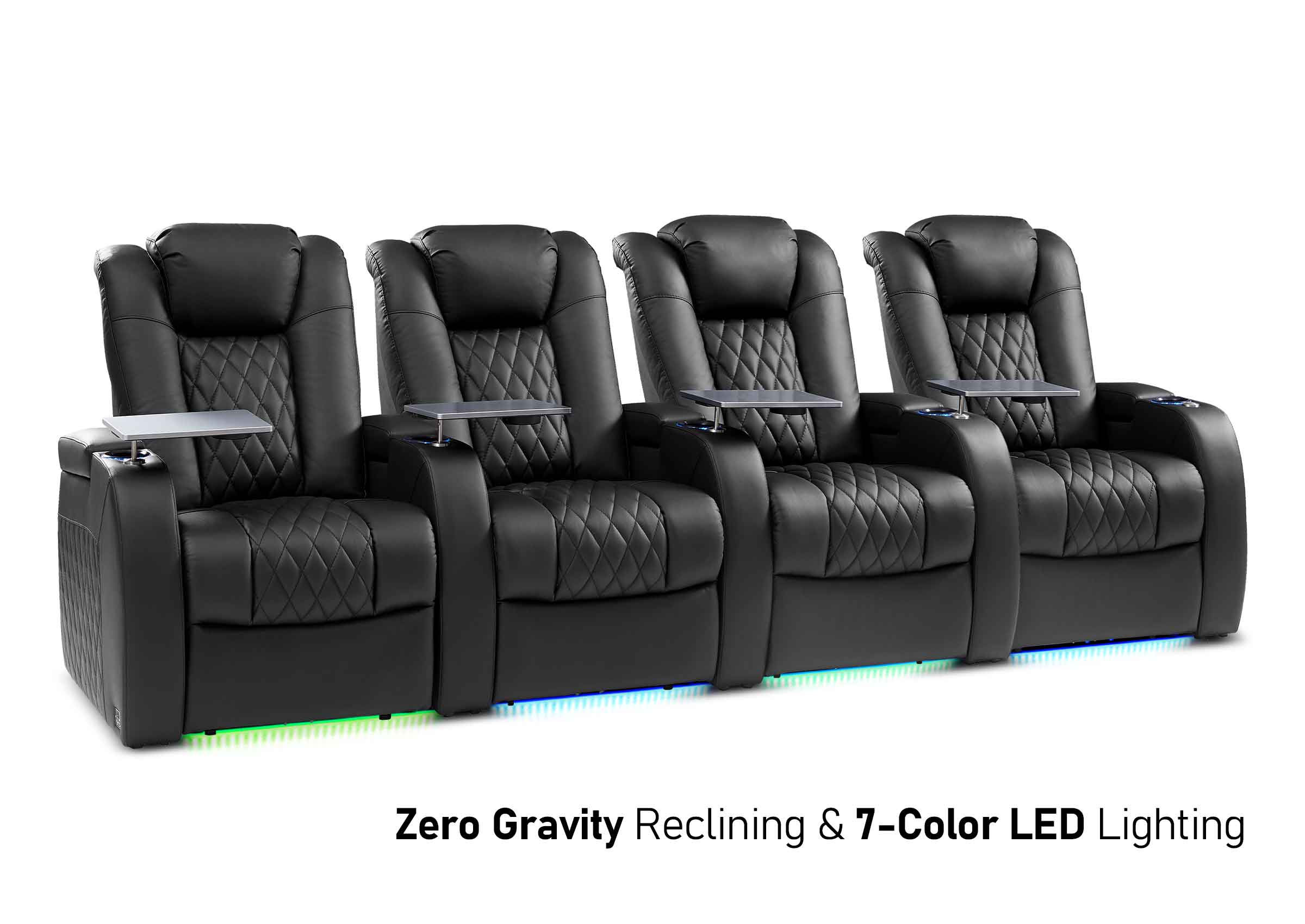
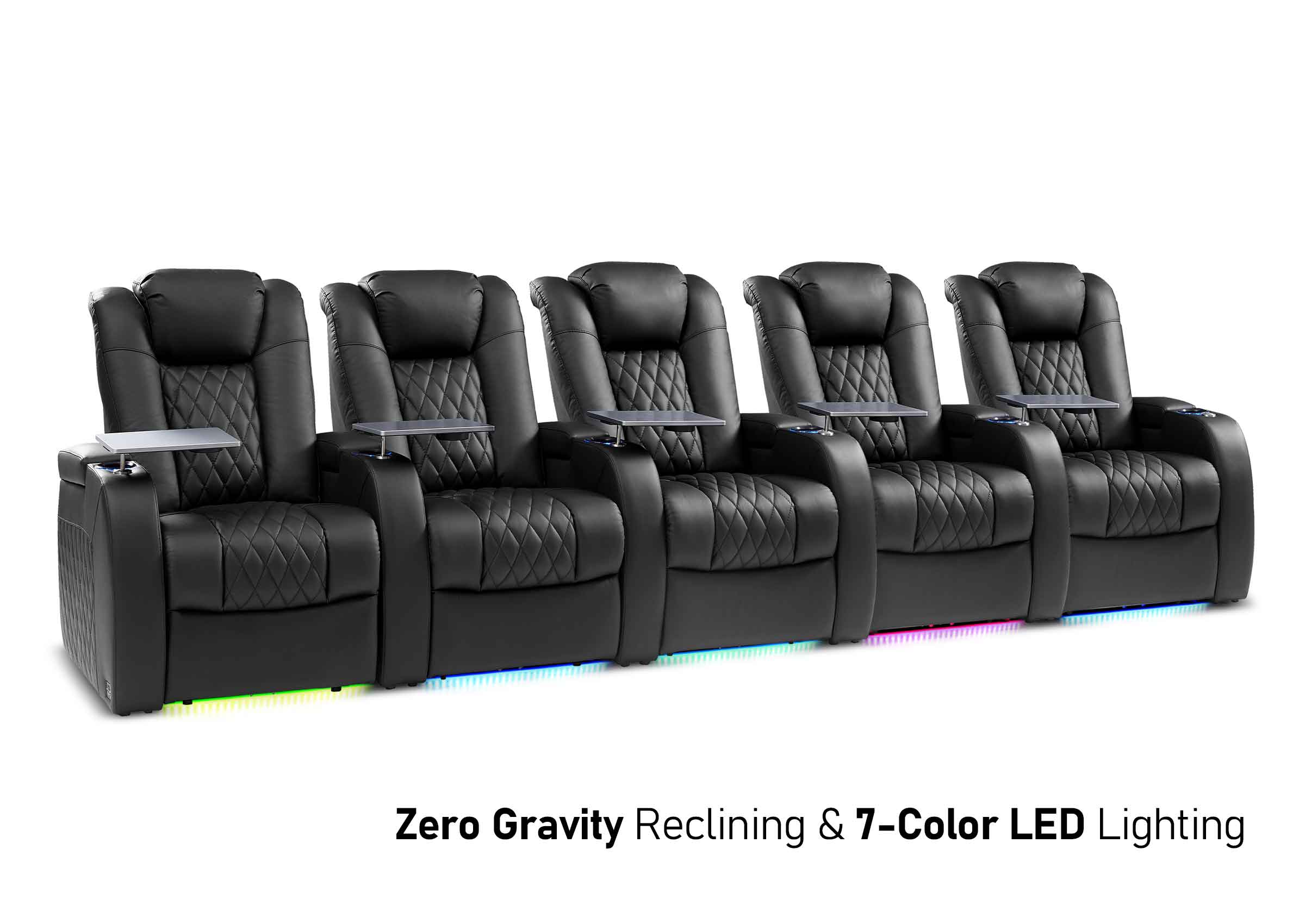
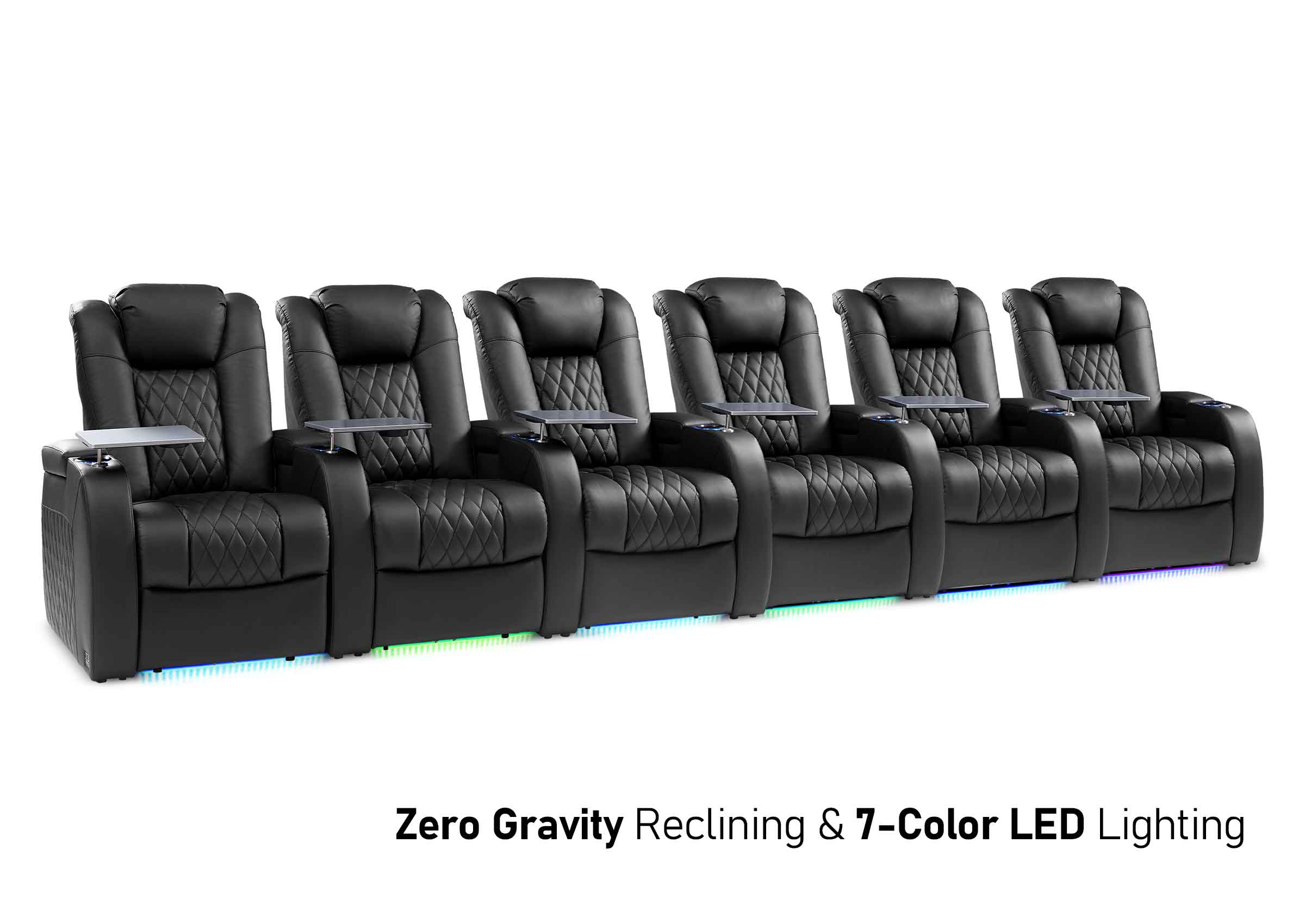
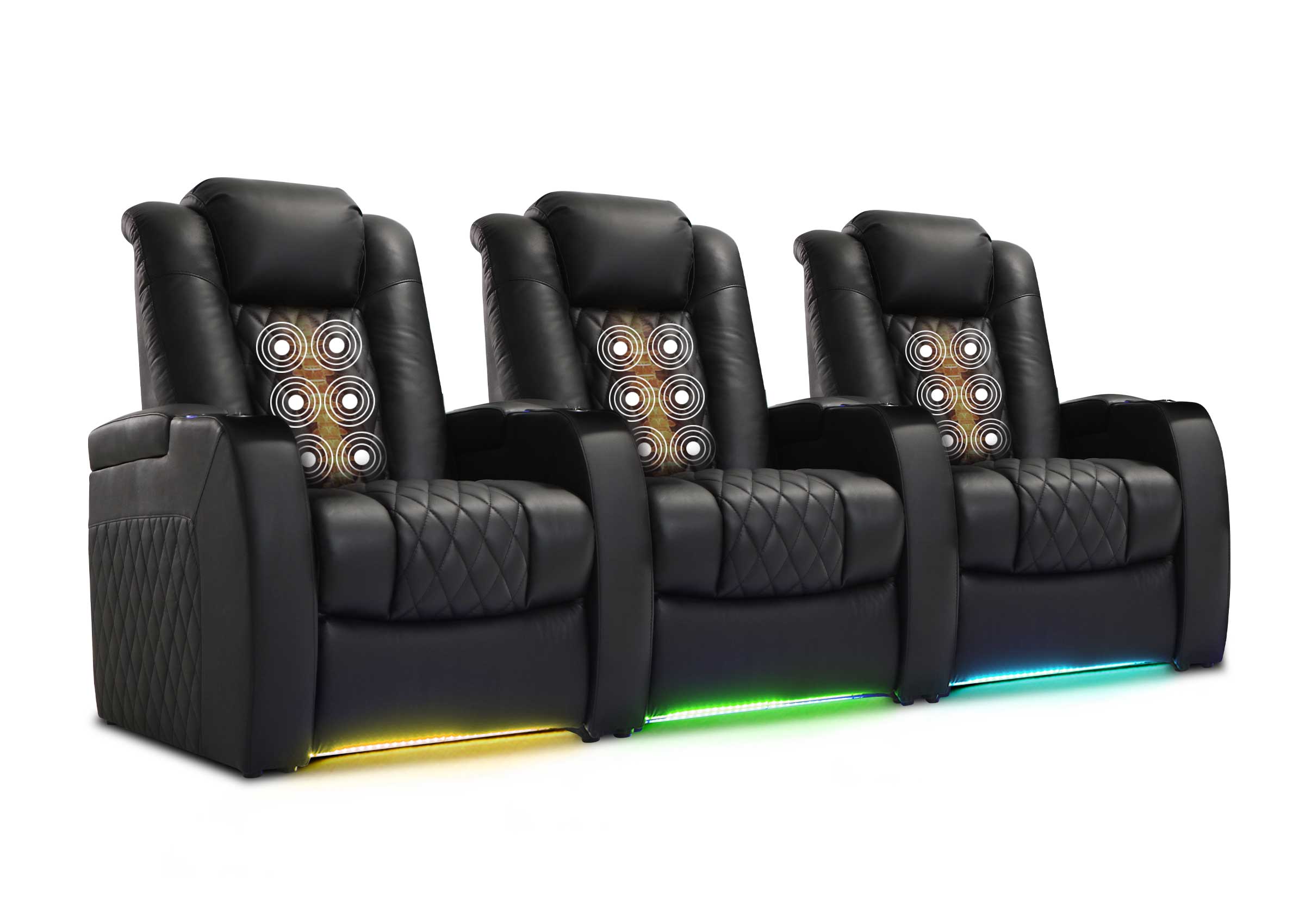

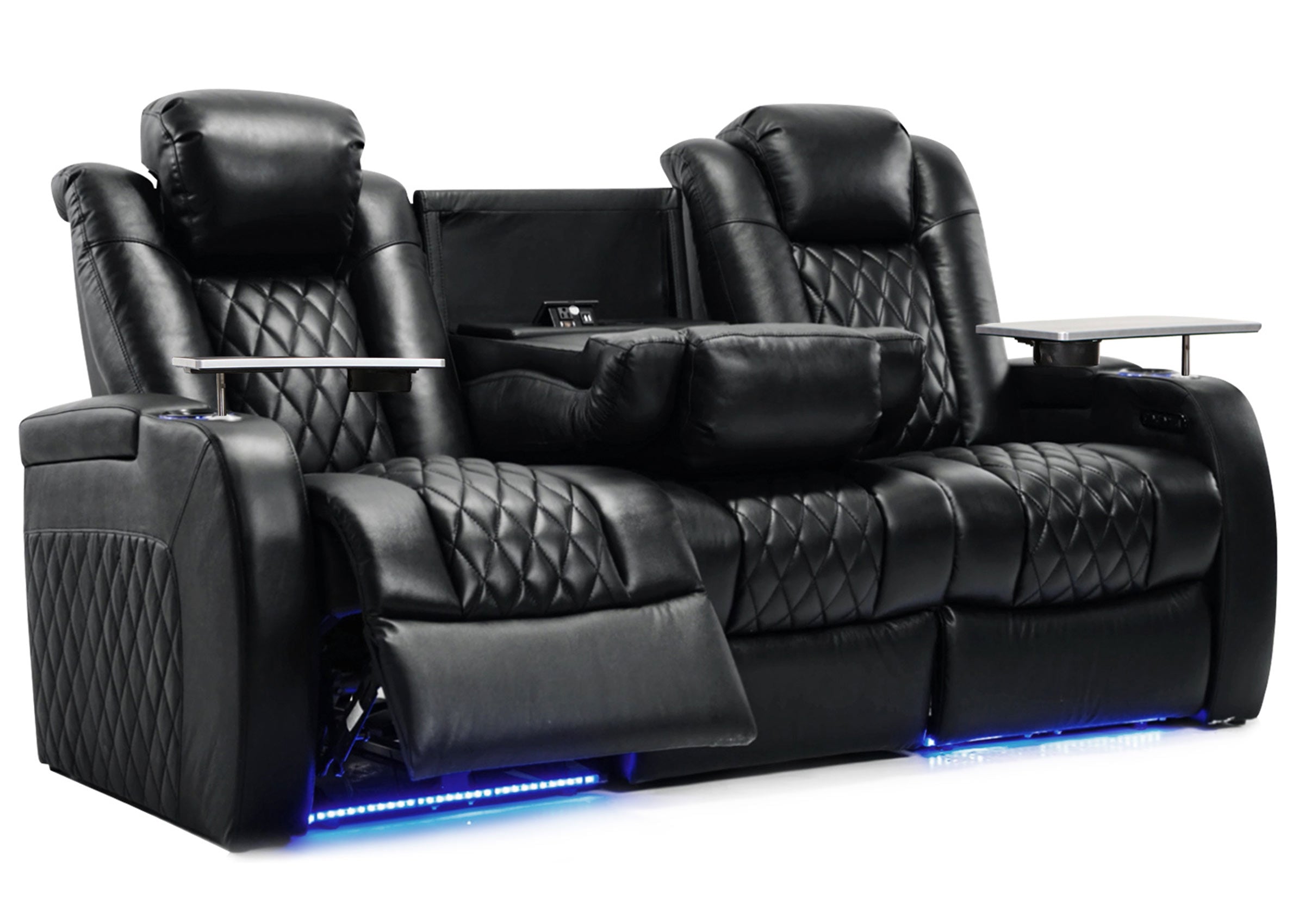
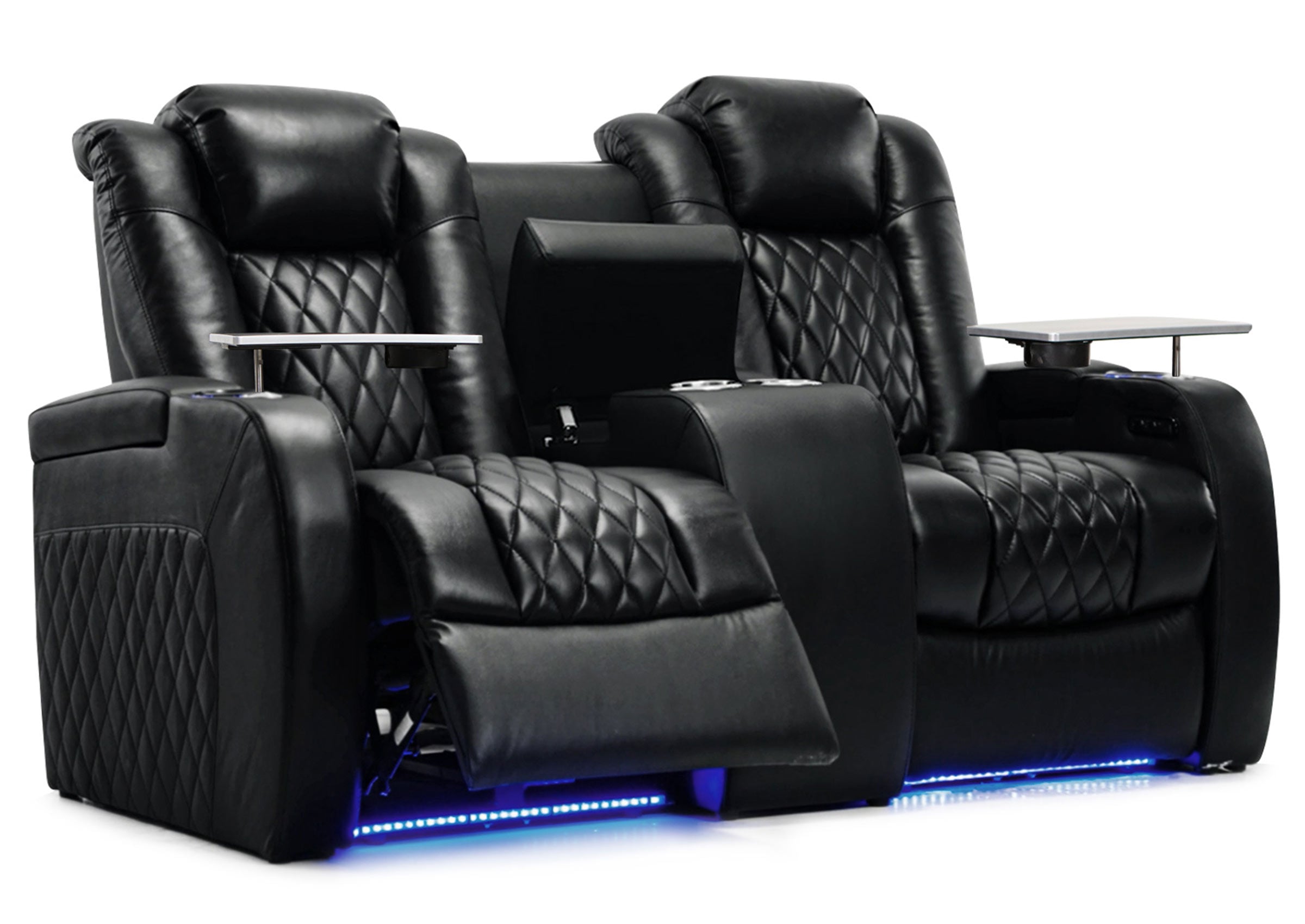

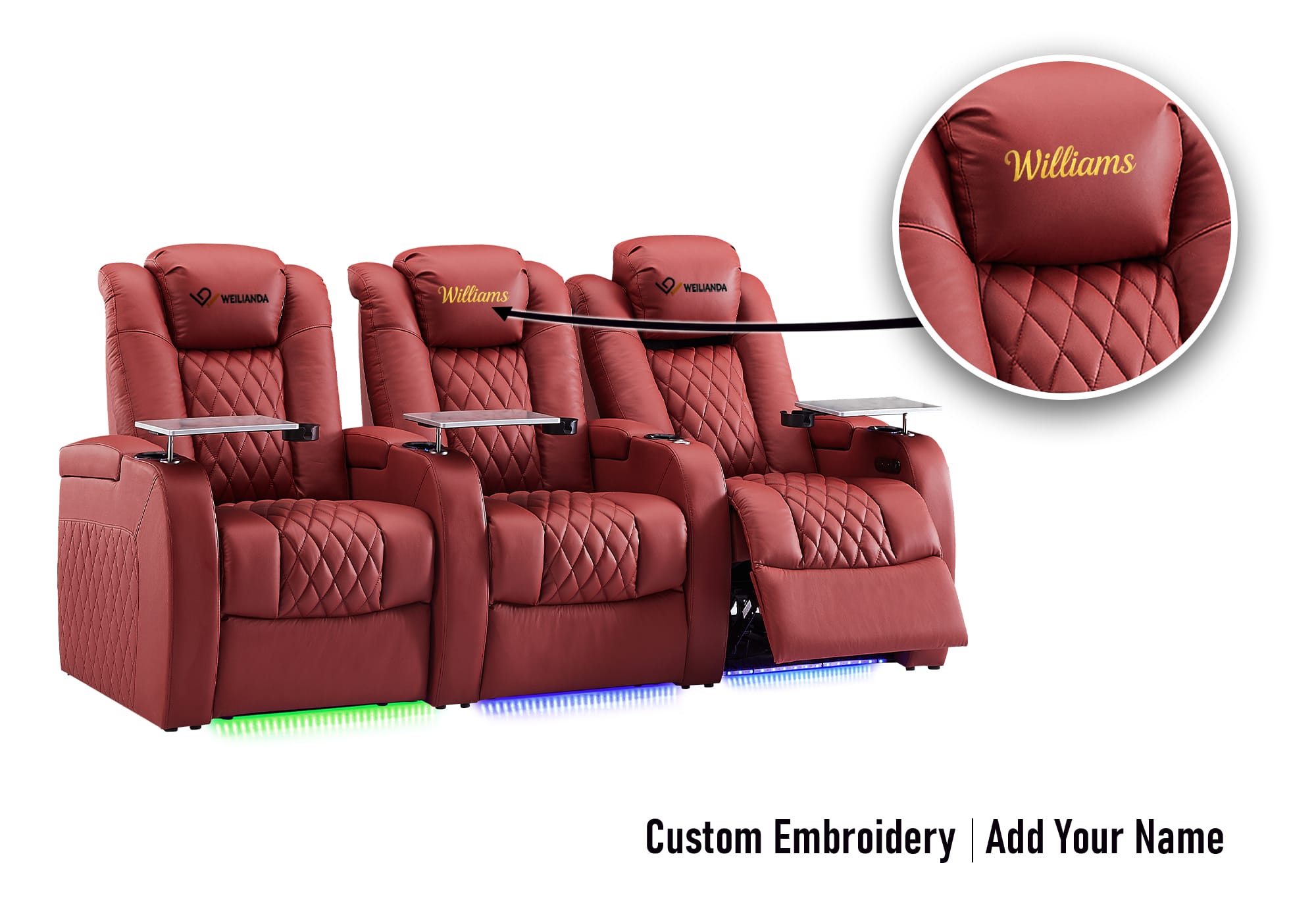

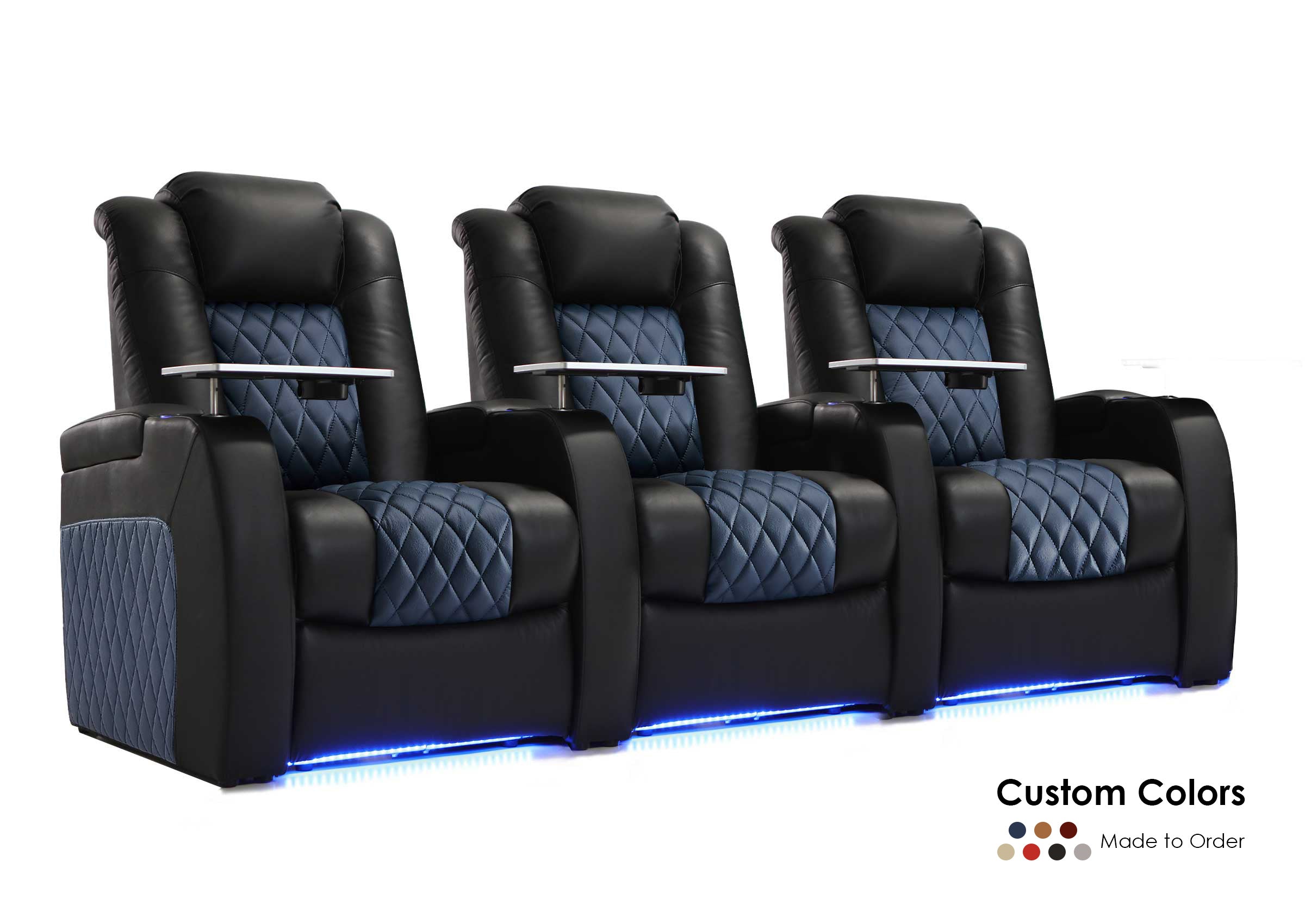

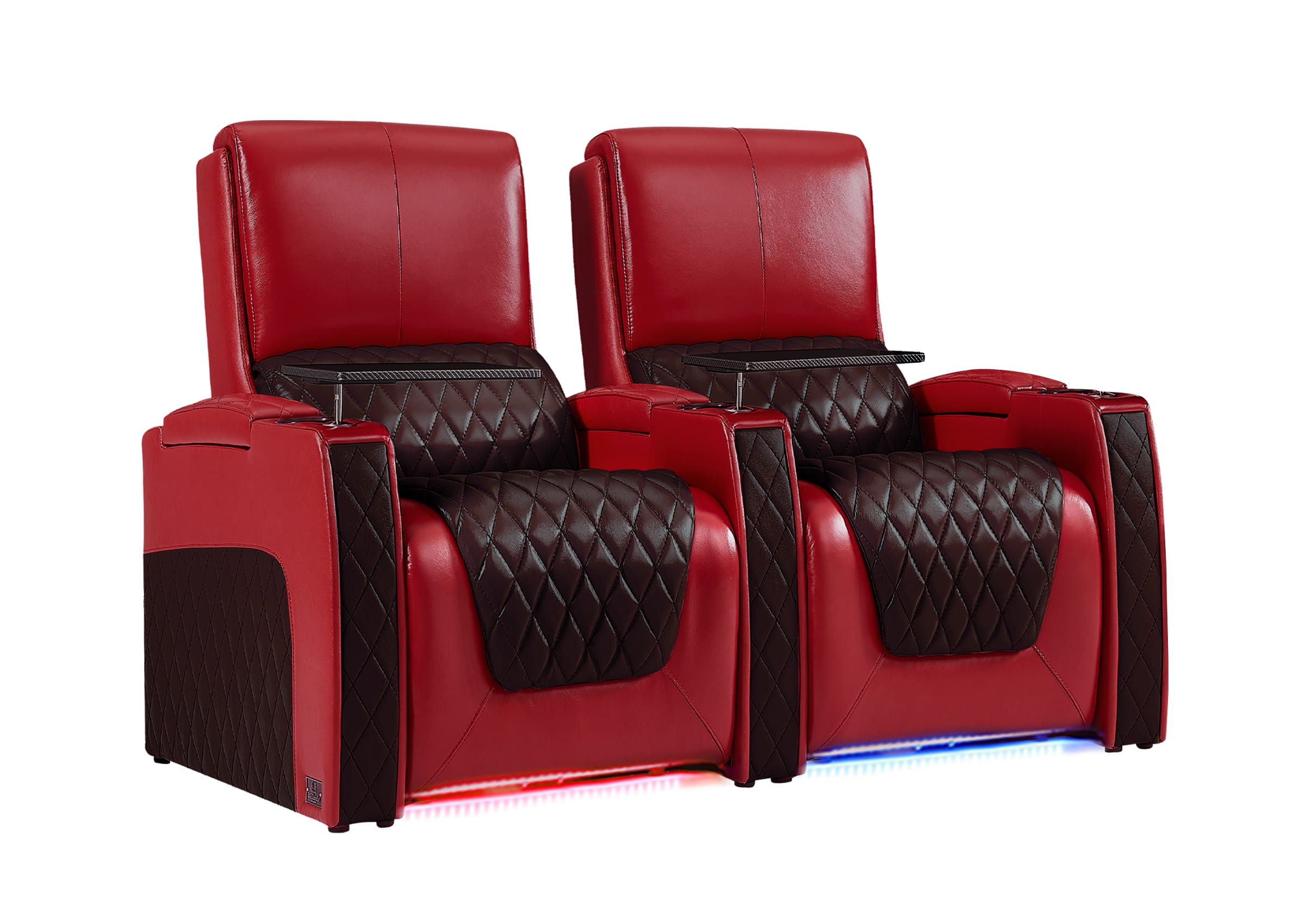
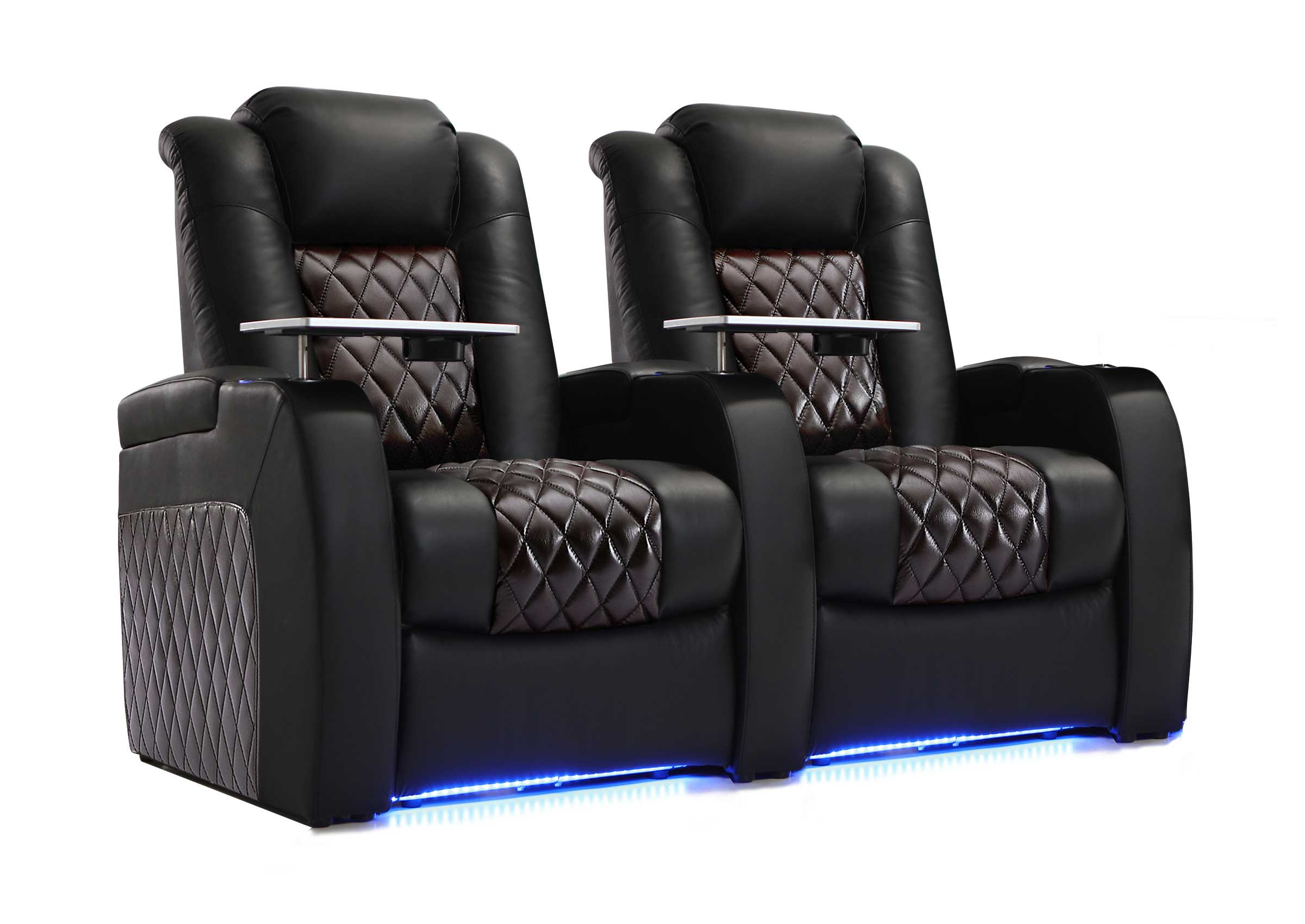
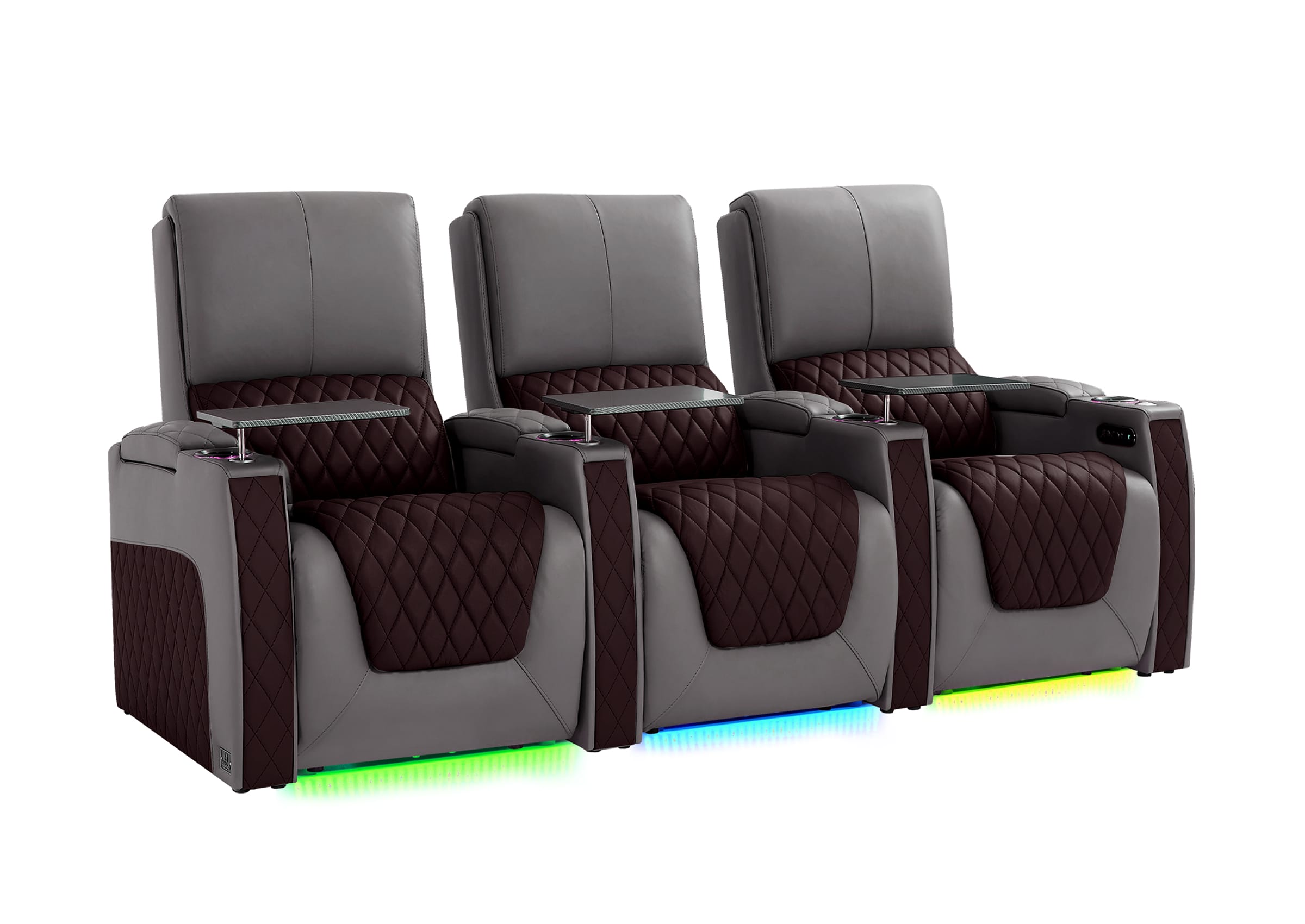
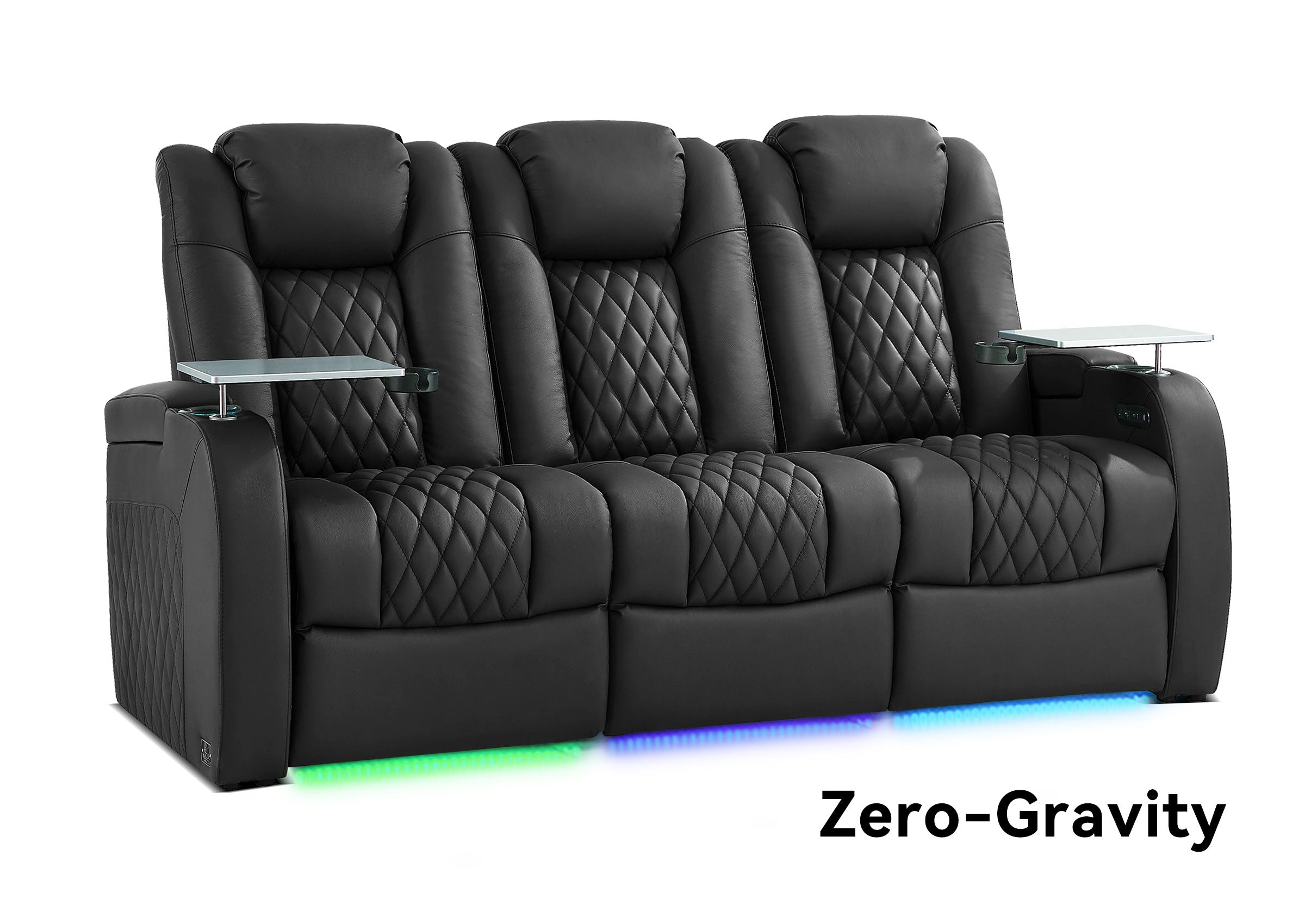


Walk into any furniture showroom and you'll notice something. Leather recliners everywhere. This isn't random. Leather combines durability with comfort in ways few materials can match. It handles daily use better than fabric while looking good for years. These practical benefits explain why most recliners feature leather upholstery.
What Makes Leather the Go-To Material for Recliners
Leather recliners dominate the market for good reasons. The material stretches and contracts with moving mechanisms without tearing or bunching. This matters when you consider how often these parts move during normal use.
Natural Elasticity and Movement
Fabric struggles with mechanical stress. It snags on internal components, wears thin at stress points, and develops permanent creases. Leather handles these challenges better through natural elasticity.
Think about friction. As recliners adjust position, upholstery needs to slide smoothly over internal parts. Leather's smooth surface reduces resistance. Mechanisms operate efficiently without fighting the material.

Easy Cleaning and Maintenance
Recliners attract spills, pet hair, and daily grime. People use them constantly. Leather provides a non-porous surface that resists absorption. Most accidents wipe away quickly. Fabric needs intensive cleaning that may not fully remove stains or odors.
Pet owners know the struggle. Claws snag fabric fibers, creating pulls that spread across panels. Leather resists claw damage better. Minor scratches blend into the natural grain. Pet hair sits on the surface instead of embedding in fibers.

Durability and Longevity of Leather Recliners
Quality matters when furniture represents a significant investment. Leather outlasts fabric alternatives with proper care. Its tensile strength exceeds woven materials, resisting tears even under stress.
How Leather Ages Compared to Fabric
Watch what happens over time. Fabric recliners develop visible thinning, pilling, or discoloration within a few years. High-contact areas show wear quickly.
Leather develops a patina instead. Many find this aging process attractive rather than deteriorated. The material doesn't pill, unravel, or separate at seams like fabric does.
Here's another advantage. Leather upholstery typically outlasts the mechanical components. With fabric recliners, the covering often fails while frames and mechanisms remain functional. This creates waste and expense.

Environmental Resistance
Sunlight degrades fabric dyes and weakens fibers quickly. Leather fades slower and maintains integrity better under UV exposure.
Humidity affects both materials differently. Leather tolerates moisture fluctuations without developing mildew or musty odors as readily as fabric.
The numbers tell the story. Quality leather recliners last 15-25 years with basic care. Fabric recliners need replacement after 7-10 years. That's double the lifespan or more.
Comfort and Support in Leather Recliners
Sitting in leather feels different from fabric. The material conforms to body temperature within minutes. This creates a personalized feel that improves with use.
Temperature Regulation Benefits
Leather breathes naturally. Air circulates through it, preventing the sticky discomfort common with vinyl or bonded materials. This matters during long sitting sessions when heat builds up.
Genuine leather feels cool initially. It warms to body temperature without becoming sticky. Bonded leather or vinyl behaves differently, which is why material quality matters.

Moisture Management
Human skin constantly releases moisture through perspiration. Fabric absorbs this, feeling clammy during warm weather or prolonged sitting.
Leather's semi-permeable structure wicks moisture away from skin contact points. It stays dry to the touch.
The Break-In Period
New leather feels stiff at first. It gradually softens to match your body contours. This creates a custom fit over weeks of use.
Fabric provides immediate softness but doesn't develop the same personalized pattern. That initial softness often comes from loose weaving rather than supportive qualities.
Over time, fabric compresses and loses loft. Seating surfaces become uneven. Leather maintains consistent thickness throughout its lifespan. The support doesn't diminish.
Why Leather Works Well for Power and Zero-Gravity Recliners
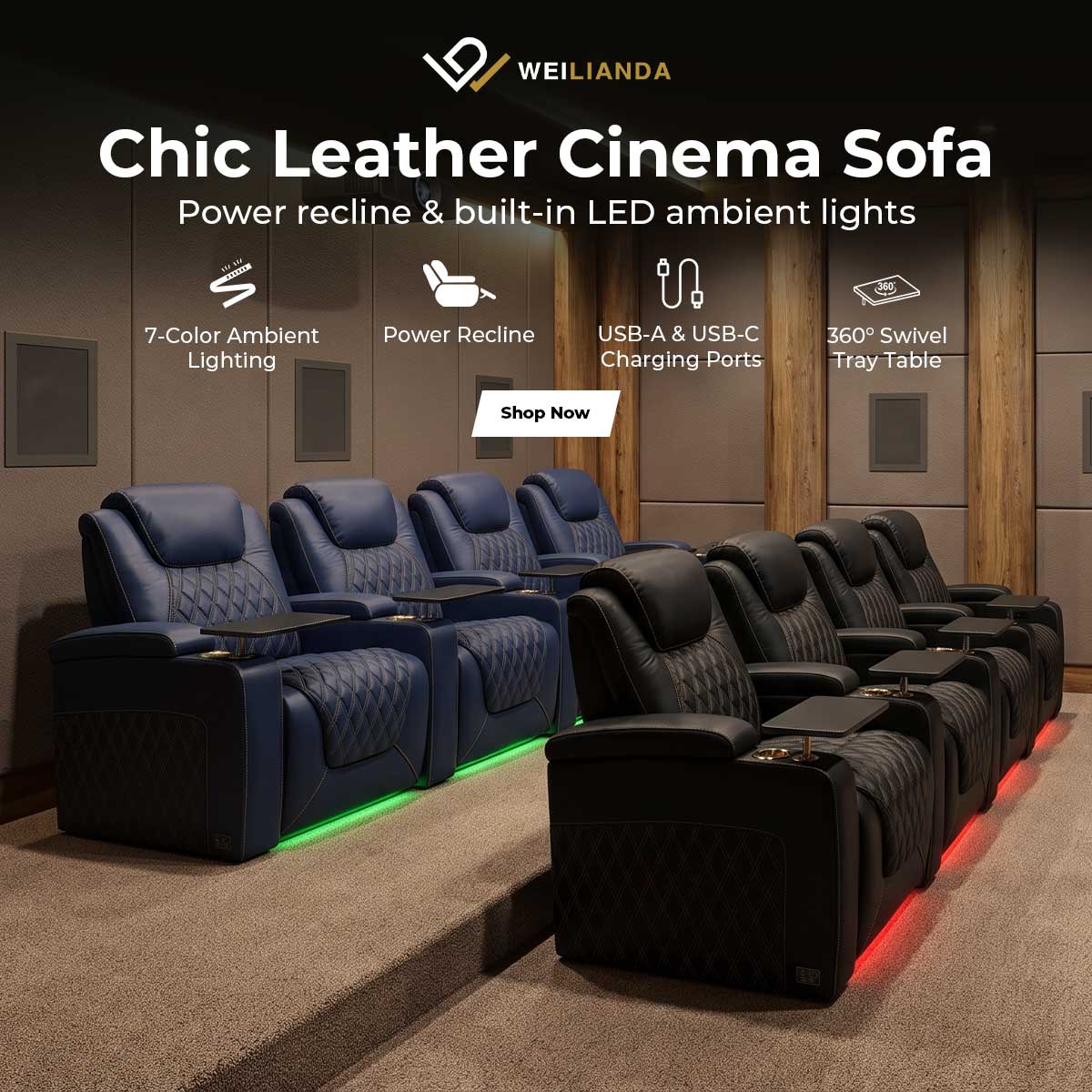
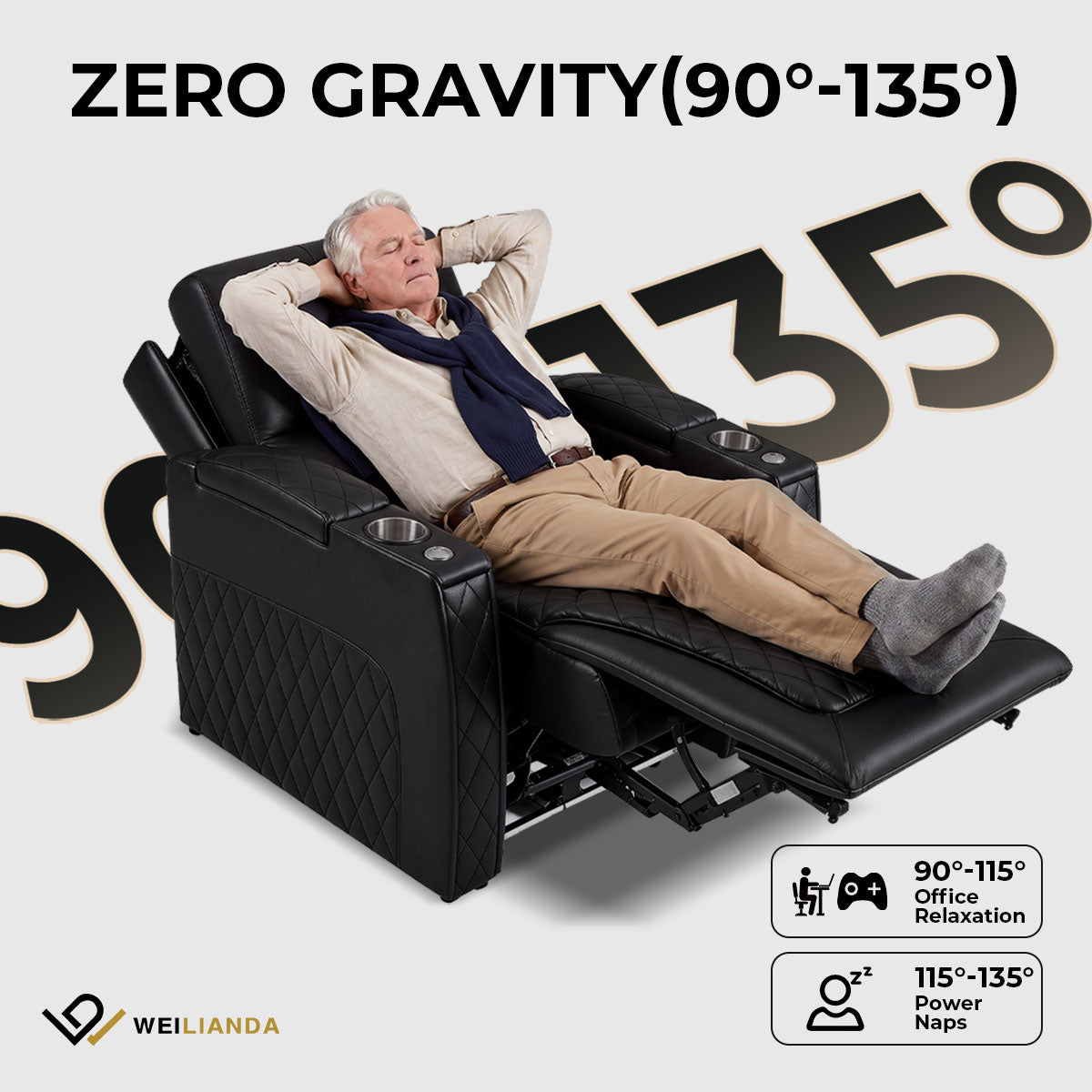
Modern recliners involve complex moving parts. Power mechanisms and zero-gravity positioning create unique demands. Leather meets these requirements better.
Electrical System Compatibility
Power recliners generate minor heat during operation. Leather dissipates this effectively without degrading. Synthetic fabrics may soften or develop odors when exposed to consistent low-level heating from motors.
Control placement requires precision cutting in upholstery. Leather cuts cleanly with sealed edges that resist fraying. Fabric needs additional finishing to prevent unraveling around cutouts.

Performance in Zero-Gravity Positions
Zero-gravity positions stress seating materials unusually. Weight distributes differently than in traditional reclining angles.
Leather stretches and recovers to maintain shape across the full positioning range. Fabric may sag or bunch unexpectedly when the chair moves to extreme angles.
Buyers investing in advanced features expect quality materials that match the mechanism sophistication. Leather delivers this perception.
Style and Aesthetic Appeal of Leather Theater Seating
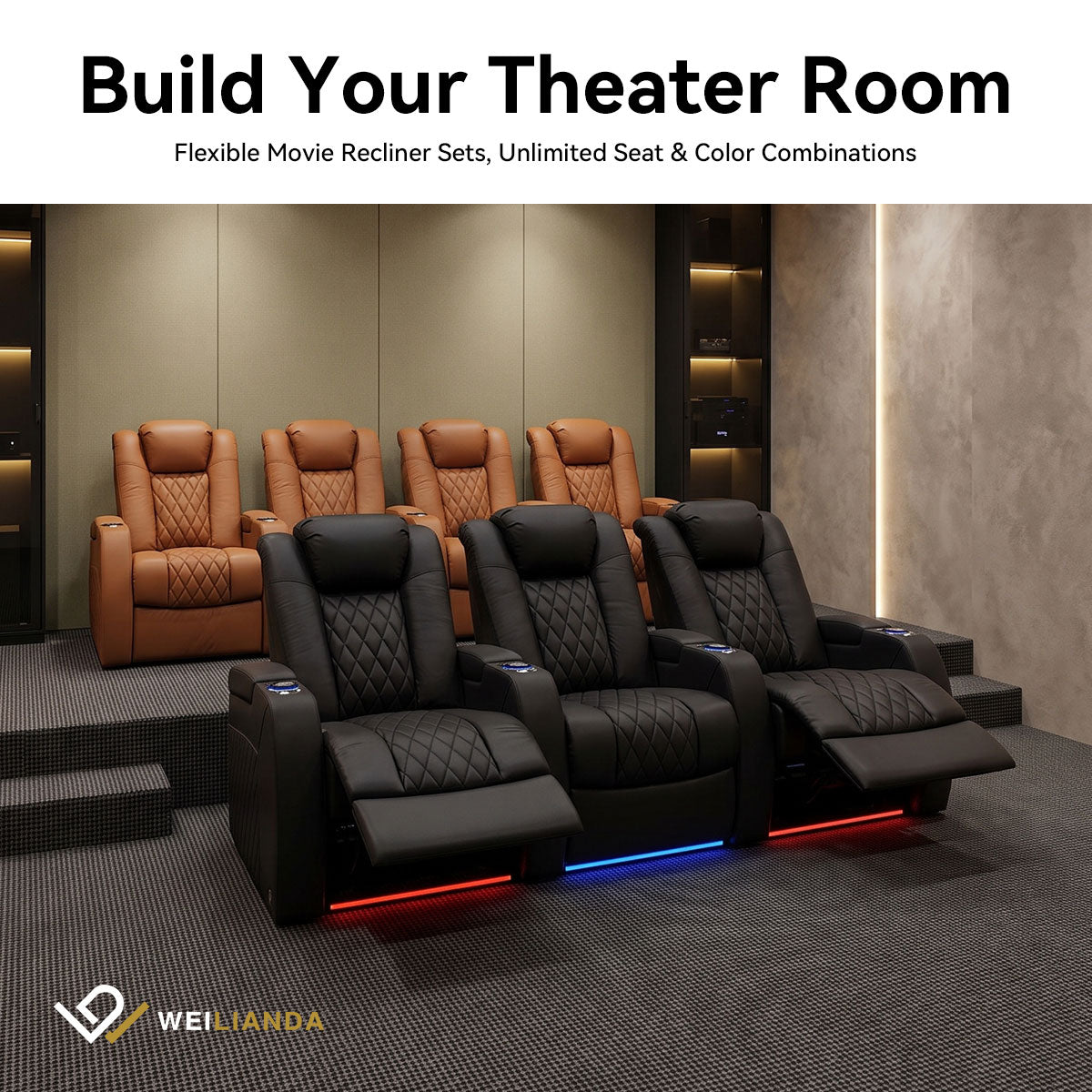
Home theaters have specific aesthetic needs. Leather recliners became standard because the material complements the sophisticated atmosphere people want.
Visual Properties for Theater Rooms
Light control matters in theater settings. Fabric surfaces create visual noise through texture that distracts from screen content.
Leather presents smooth, uniform surfaces. The matte to semi-gloss finish absorbs ambient light without creating reflections.
Color consistency remains stable over time. Theater seating often includes multiple chairs that should match. Fabric fades unevenly based on sun and wear patterns. Leather ages uniformly, keeping grouped seating cohesive.

Design Versatility Across Interior Styles
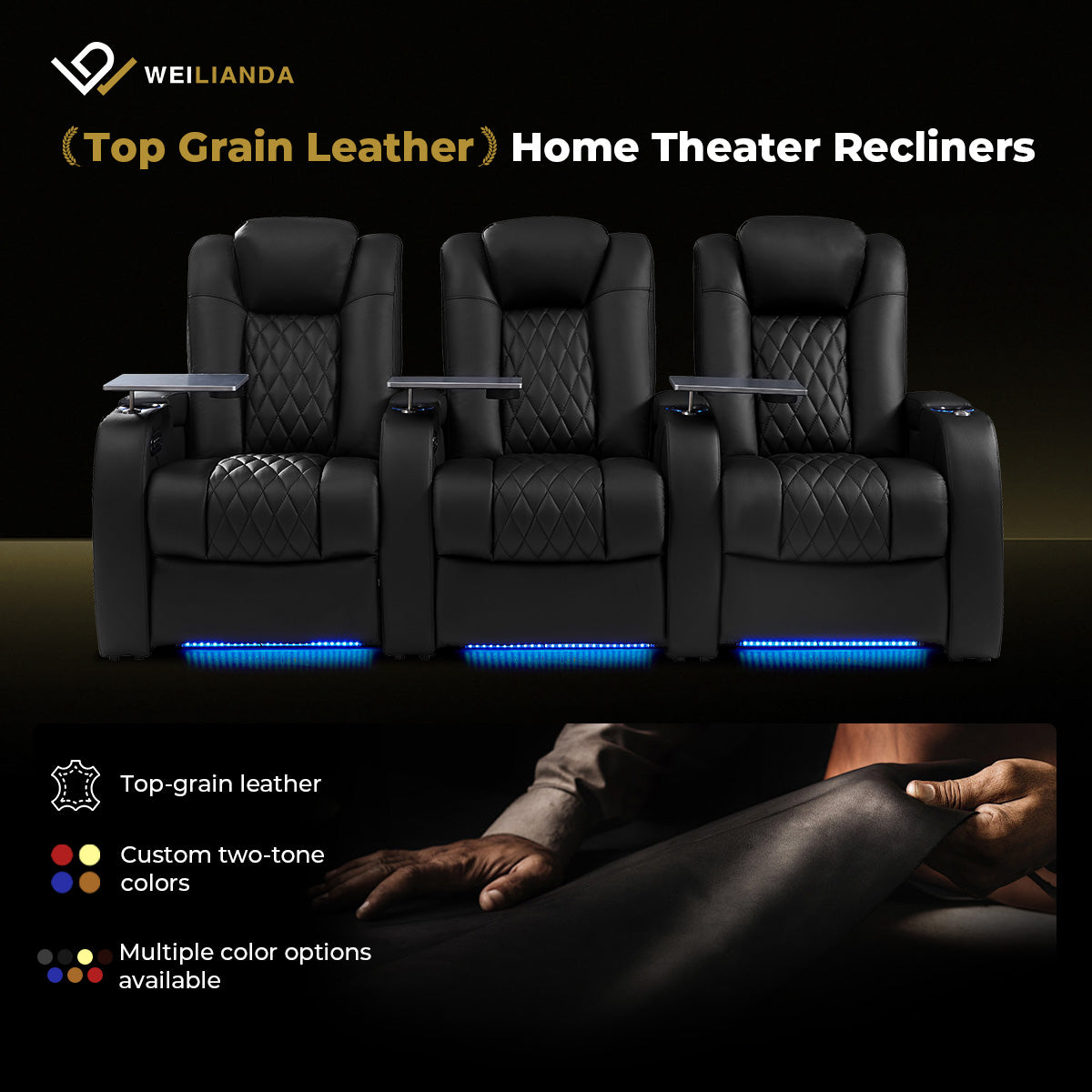
The leather fits all preferences equally. This is an important factor when it comes to communal areas in the family. The leather goes well with modern, classic, and transitional designs.
The experience exceeds the luxury experience people are looking for. Relaxing in leather reclining seats provides an occasion experience, rather than just watching the television.
Cleaning fits the needs of theater rooms. The rooms generate dust and residues from foods. The leather cleaning process ensures ease in cleaning the surface.
Cost Considerations for Leather Recliners
Yes, leather costs more upfront. Material costs drive the price difference. Leather production involves extensive processing, while fabric manufacturing costs less.
However, the lifespan and durability need consideration. The lifespan of the fabric recliner sofa would be 7-10 years, and the lifespan of the leather recliner sofa would be 15-25 years.
Take into account lower maintenance and cleaning. The economic argument becomes even stronger.
Make an Informed Decision About Your Next Recliner
Recliners in leather outperform all others. The reason has nothing to do with any lack in other materials. The leather recliner combines the best characteristics in terms of strength, comfort, and beauty. The downside, high cost, becomes a long-term advantage. That cost, in the long run, provides better value.
Frequently Asked Questions
Q1: How Long Do Leather Recliners Typically Last Compared to Fabric Models?
Quality leather recliners last 15-25 years with basic care. Fabric recliners need replacement after 7-10 years. Leather's superior resistance to wear, tearing, and staining makes the difference. Proper conditioning extends lifespan even further.
Q2: Are Leather Recliners Difficult to Maintain and Clean?
Leather needs less maintenance than most people think. Regular dusting and occasional conditioning keeps it in good condition. Spills wipe away easily from the non-porous surface. Fabric demands intensive cleaning like shampooing or professional treatment.
Q3: Do Leather Recliners Feel Hot or Sticky in Warm Weather?
Real leather has the ability to breathe. It also has great ability to regulate temperature. The leather initially feels cool and warms up later when it comes in contact with the skin, without becoming sticky. Bonded leather/vinyl could make one uncomfortable when it's too hot. The quality of the leather affects comfort.
Q4: Why Do Leather Recliners Cost More Than Fabric Alternatives?
The primary reason behind the cost difference between the two materials is the cost of the materials. The production process of leather requires extensive processing of the hide. The cost incurred in the fabrication process of fabric is lower. The longer lifespan translates into the cost-effectiveness of leather recliners, keeping in mind the higher acquisition.
Q5: Can Leather Recliners Work in Homes With Pets and Children?
The leather would deal better with the fur and claws than fabric. Scars would blend with the texture better than tears on fabric. Spills and accidents would clean better on leather. Some would argue that leather would be the better choice, especially with pets and even children.