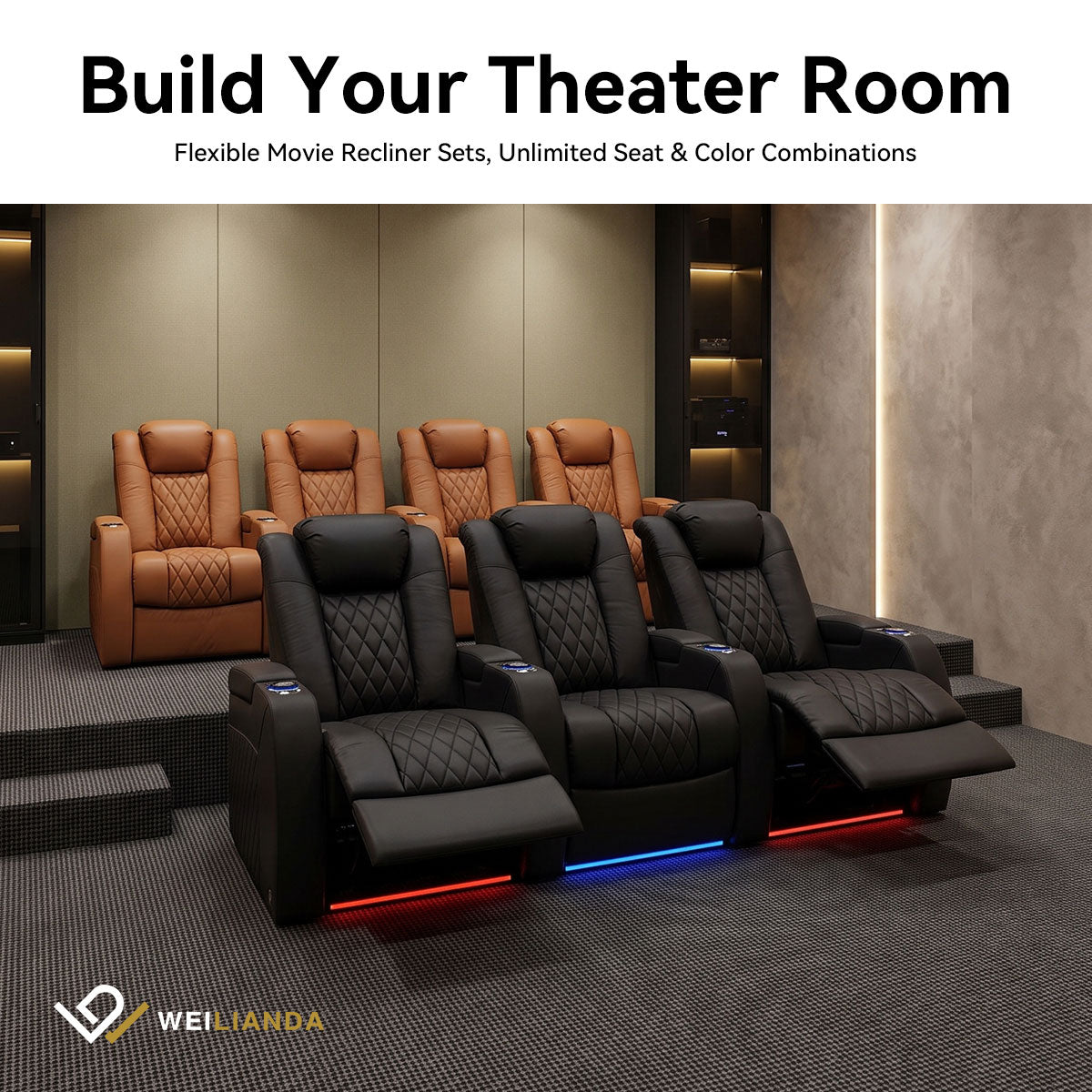
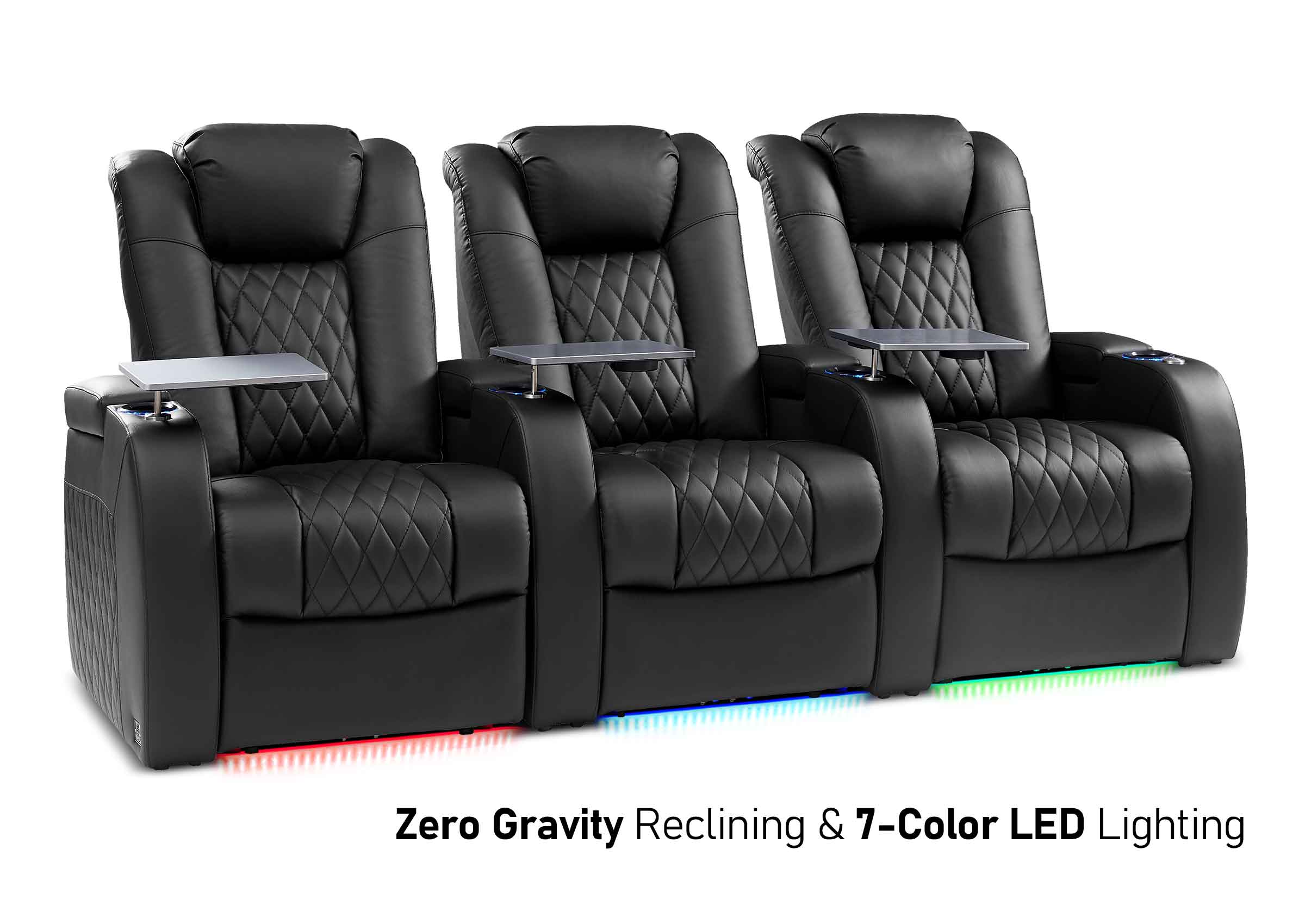
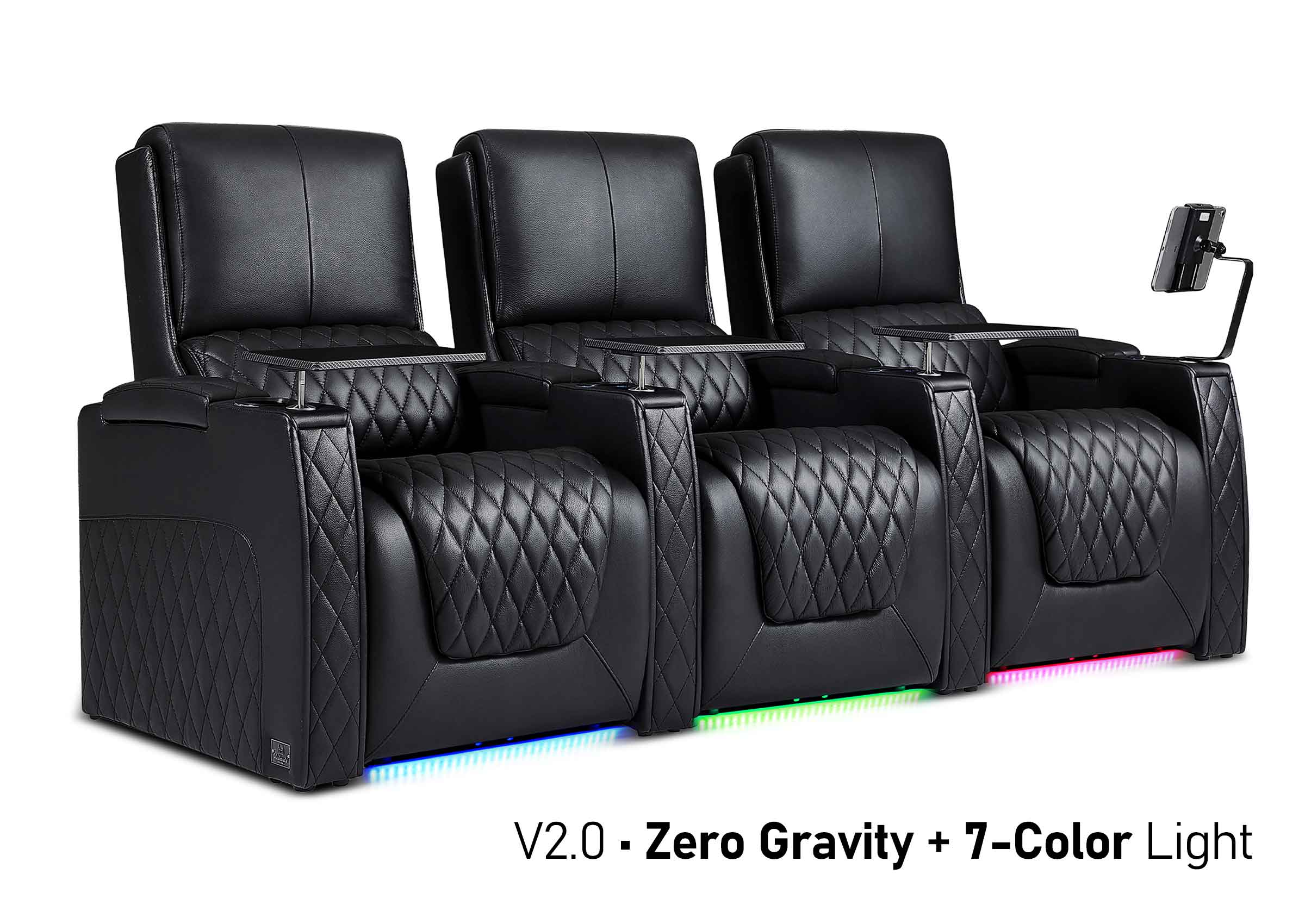
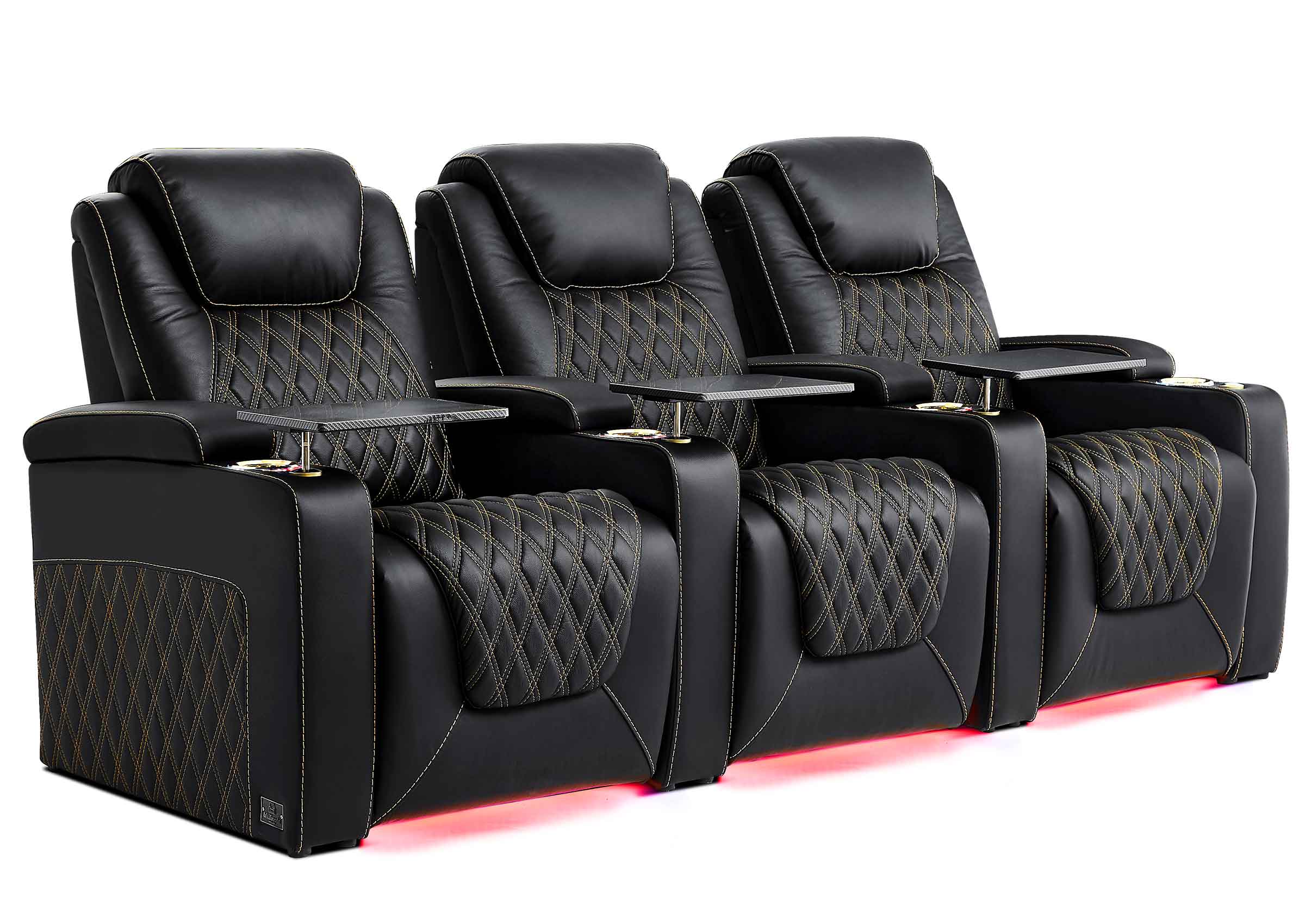
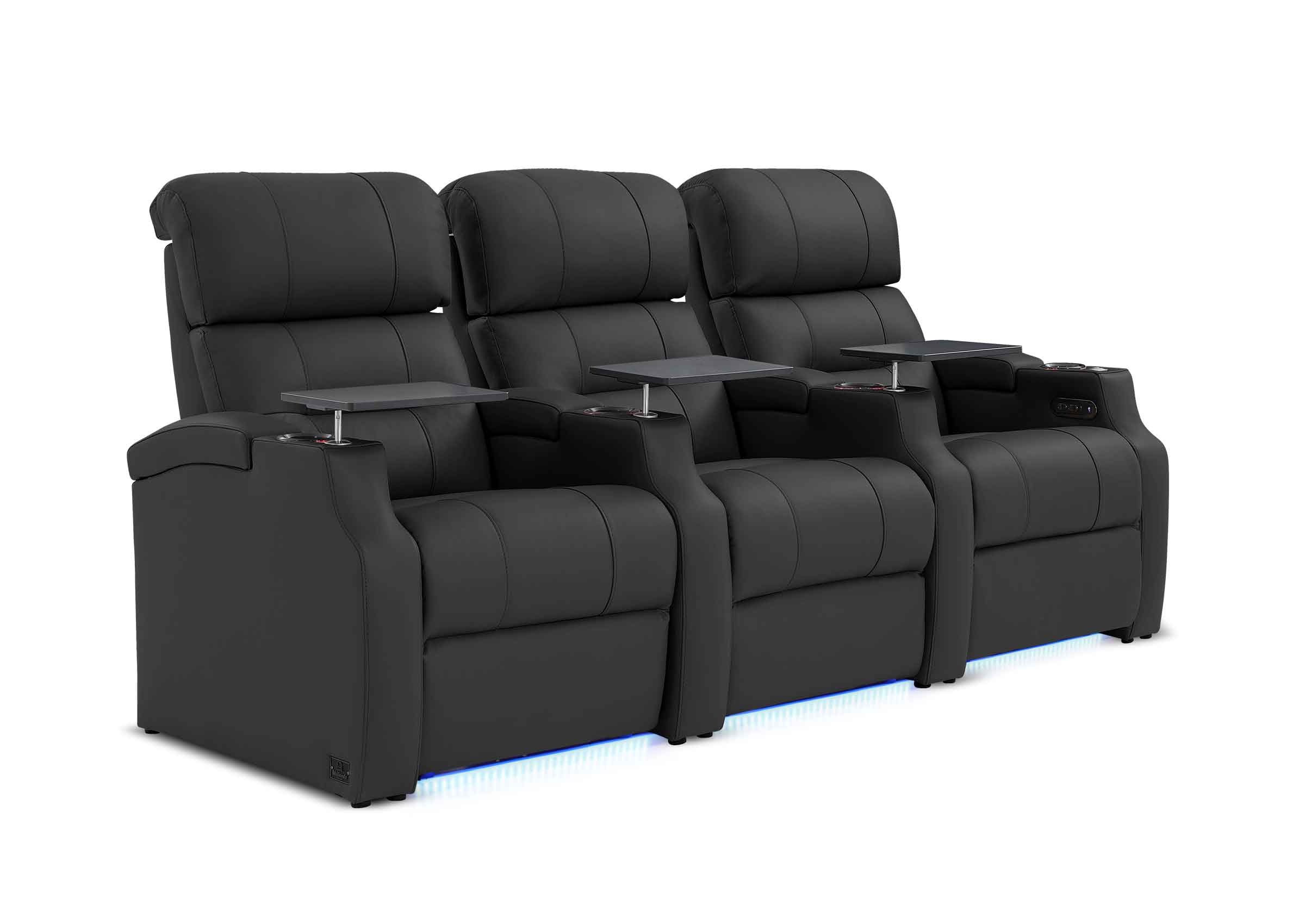

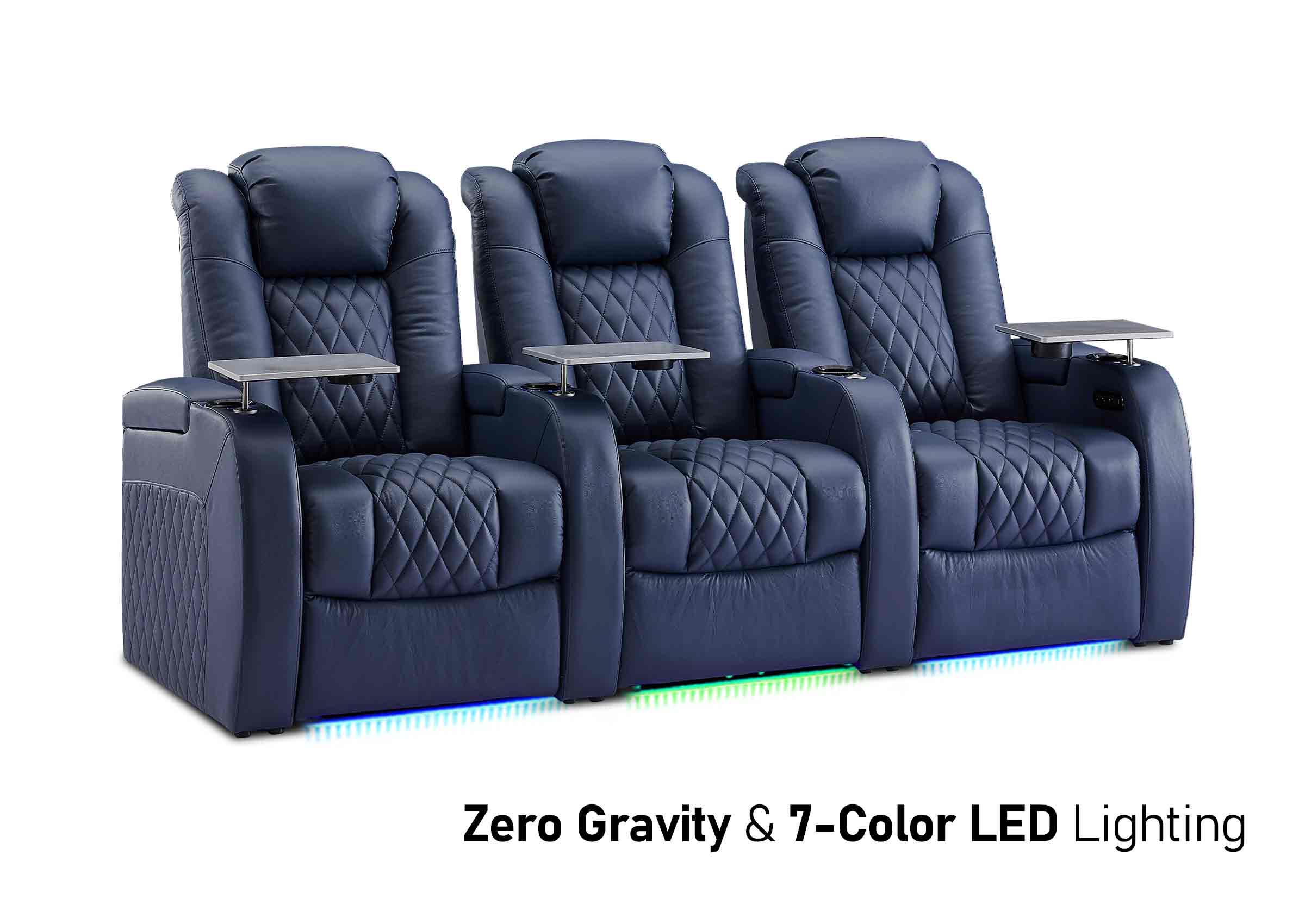
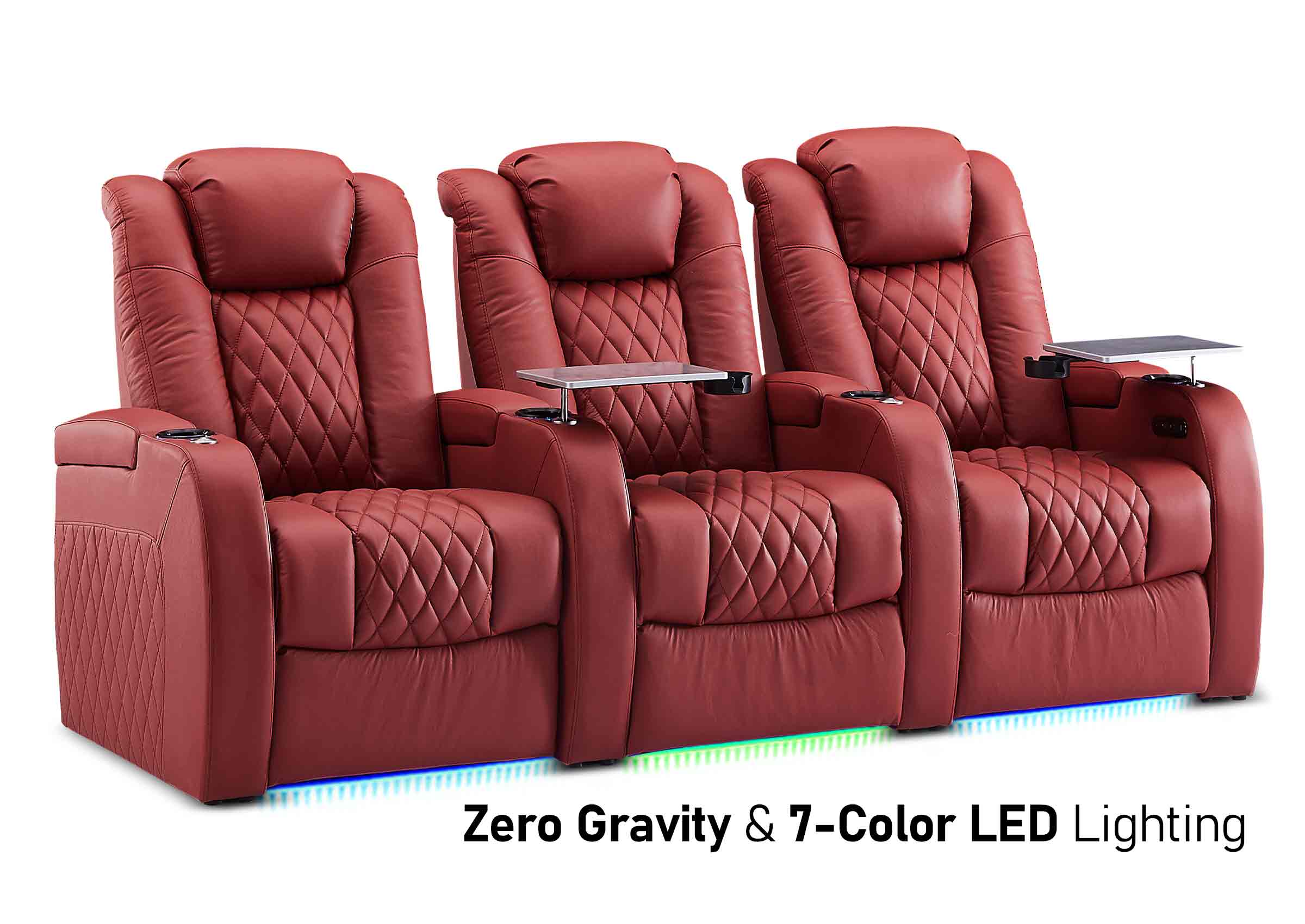
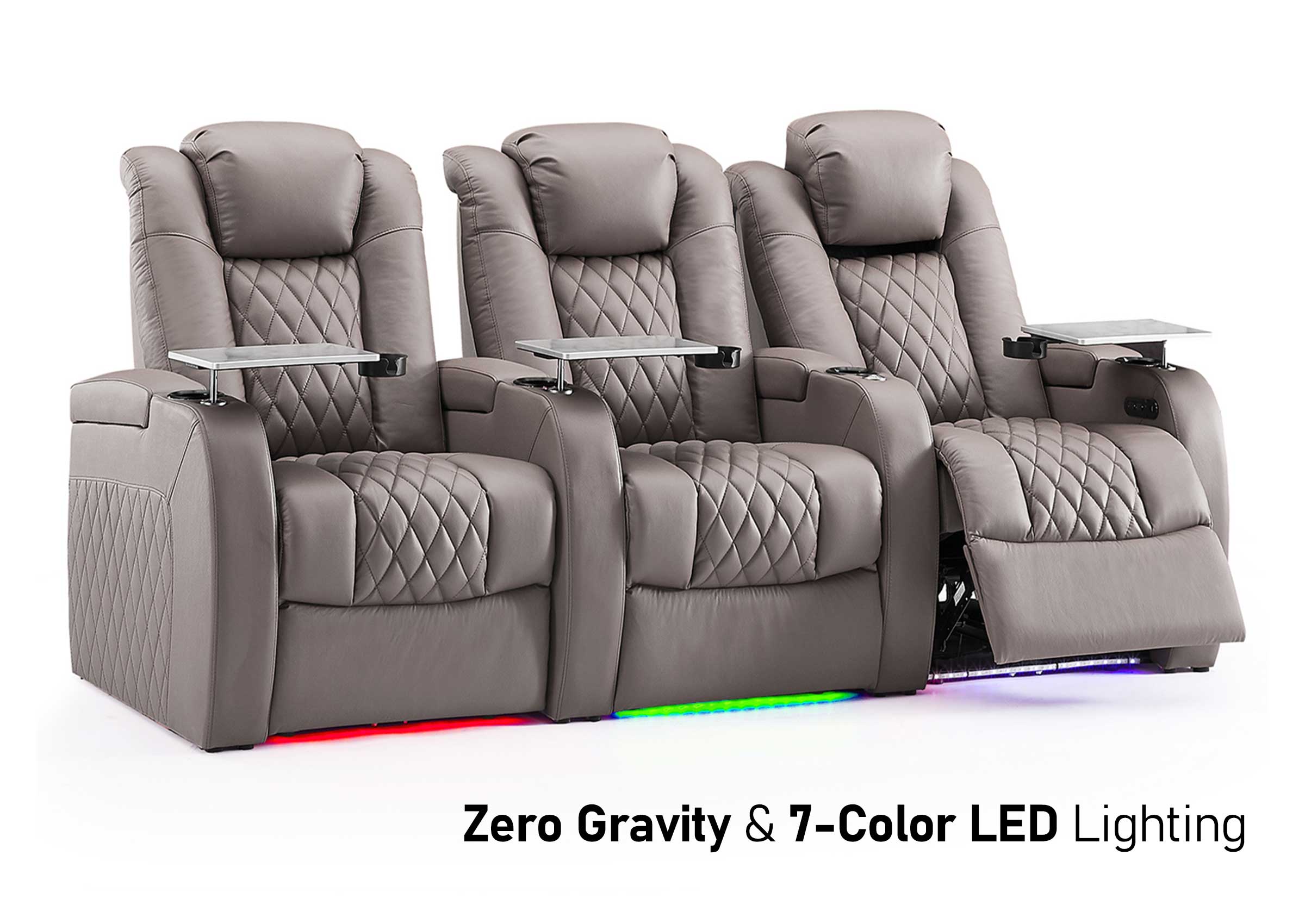
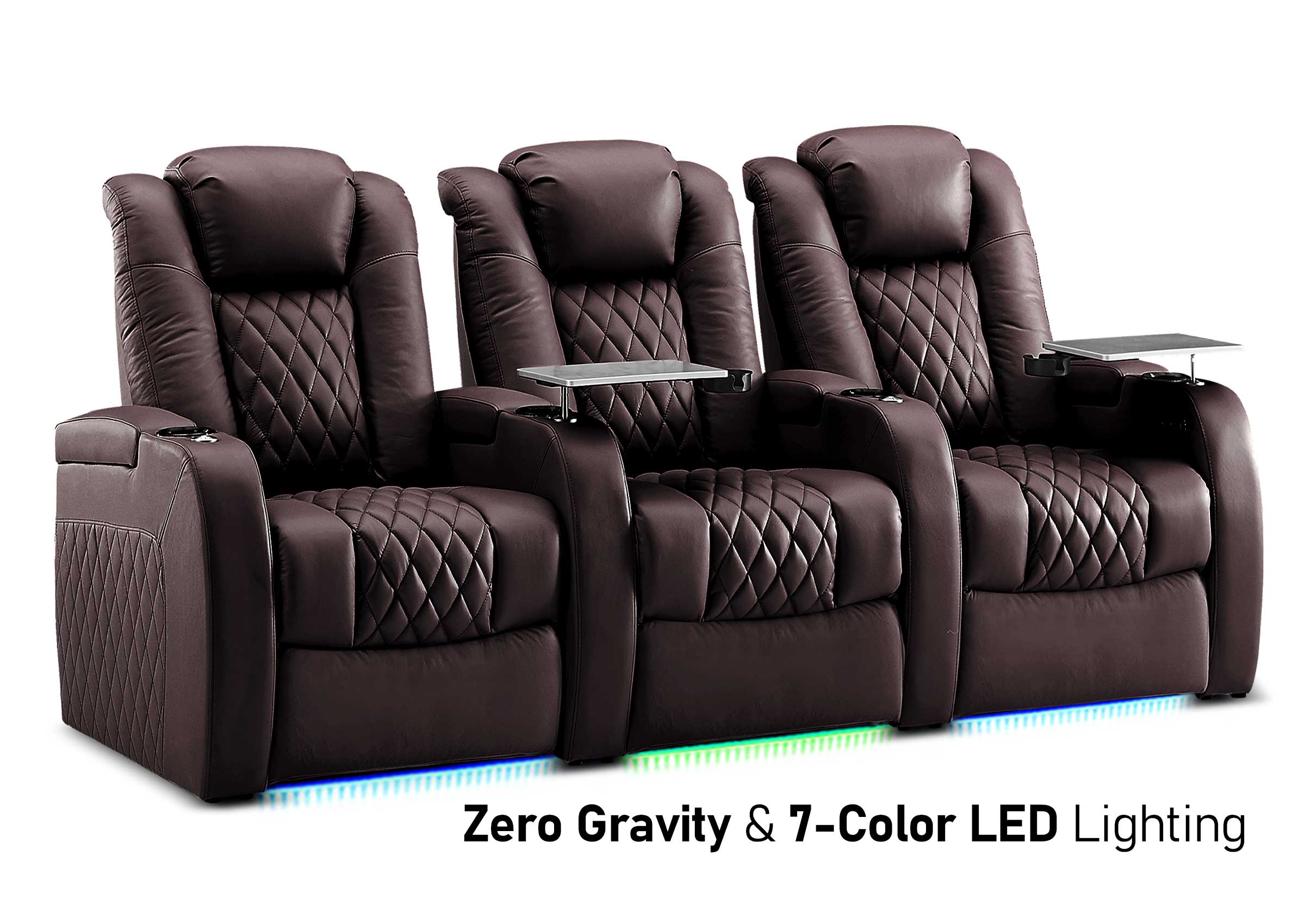







Your home theater deserves seating that matches both your viewing habits and personal style. The choice between modern and classic theater seats goes beyond aesthetics. Each style offers distinct advantages in comfort, functionality, and visual appeal. The right seating can transform your movie nights from ordinary to exceptional, creating a space where you'll actually want to spend time.
What Makes a Theater Seat Modern or Classic
The terminology can feel confusing at first. Let's break down what each style actually means.
Modern Theater Seating Explained
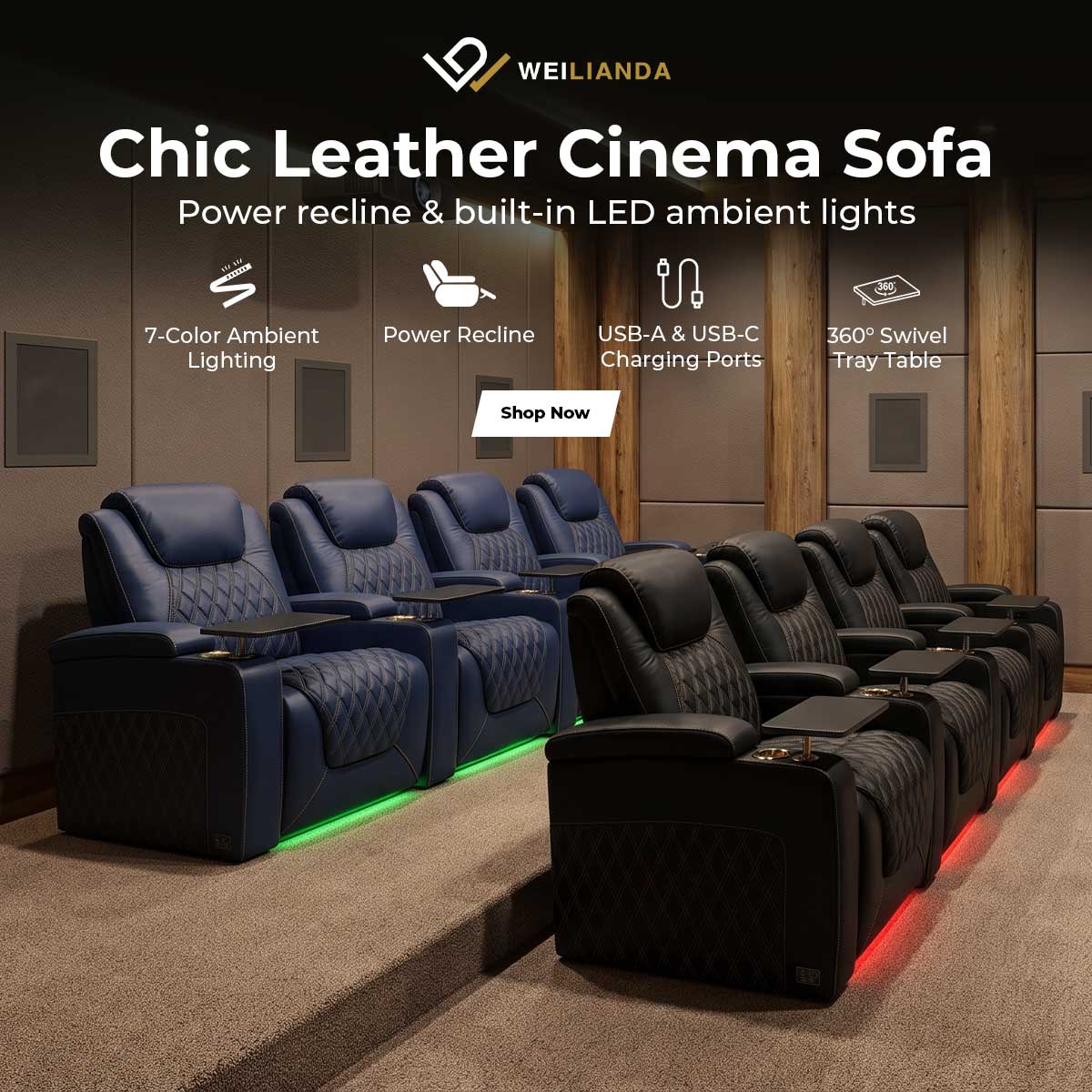
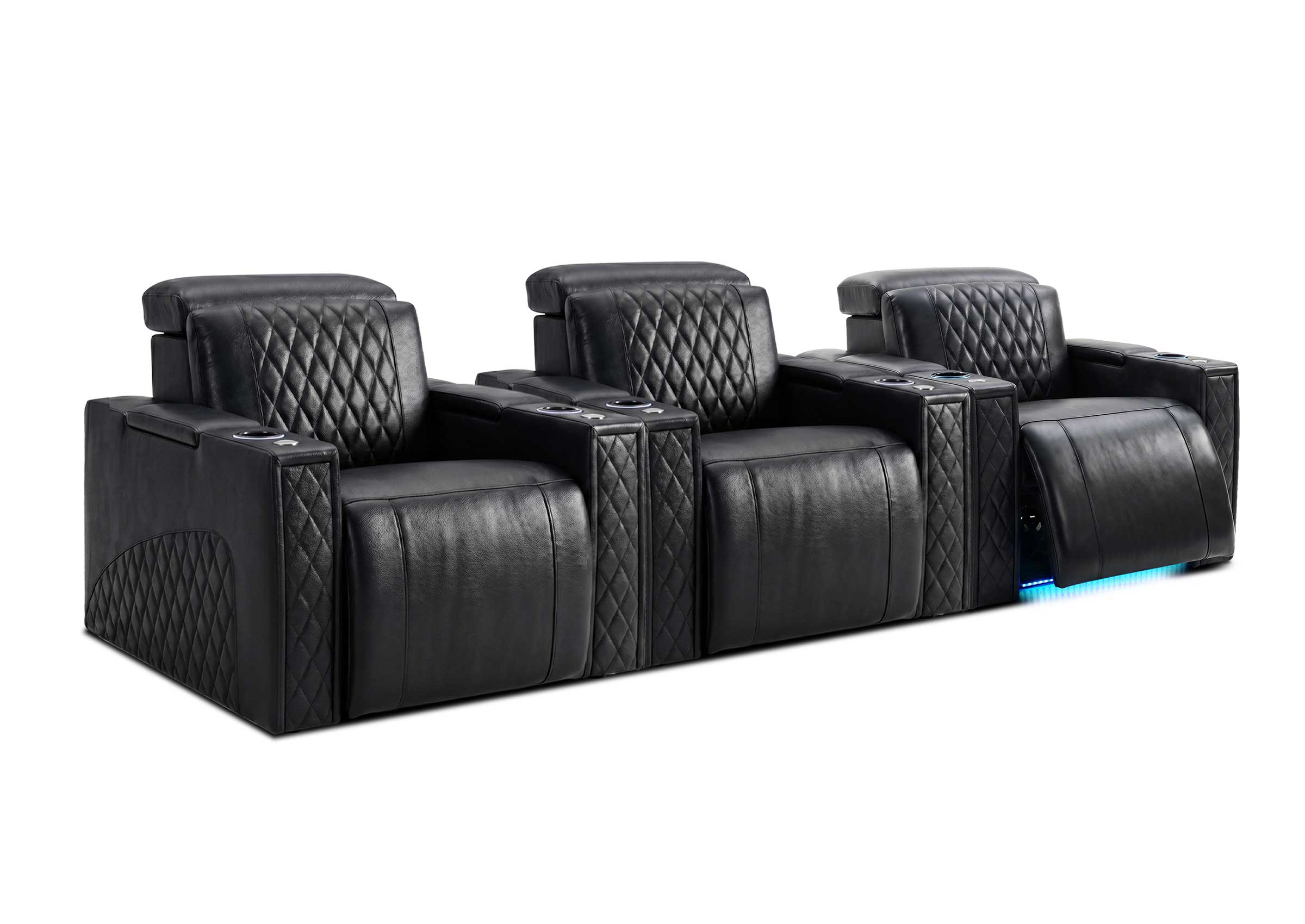
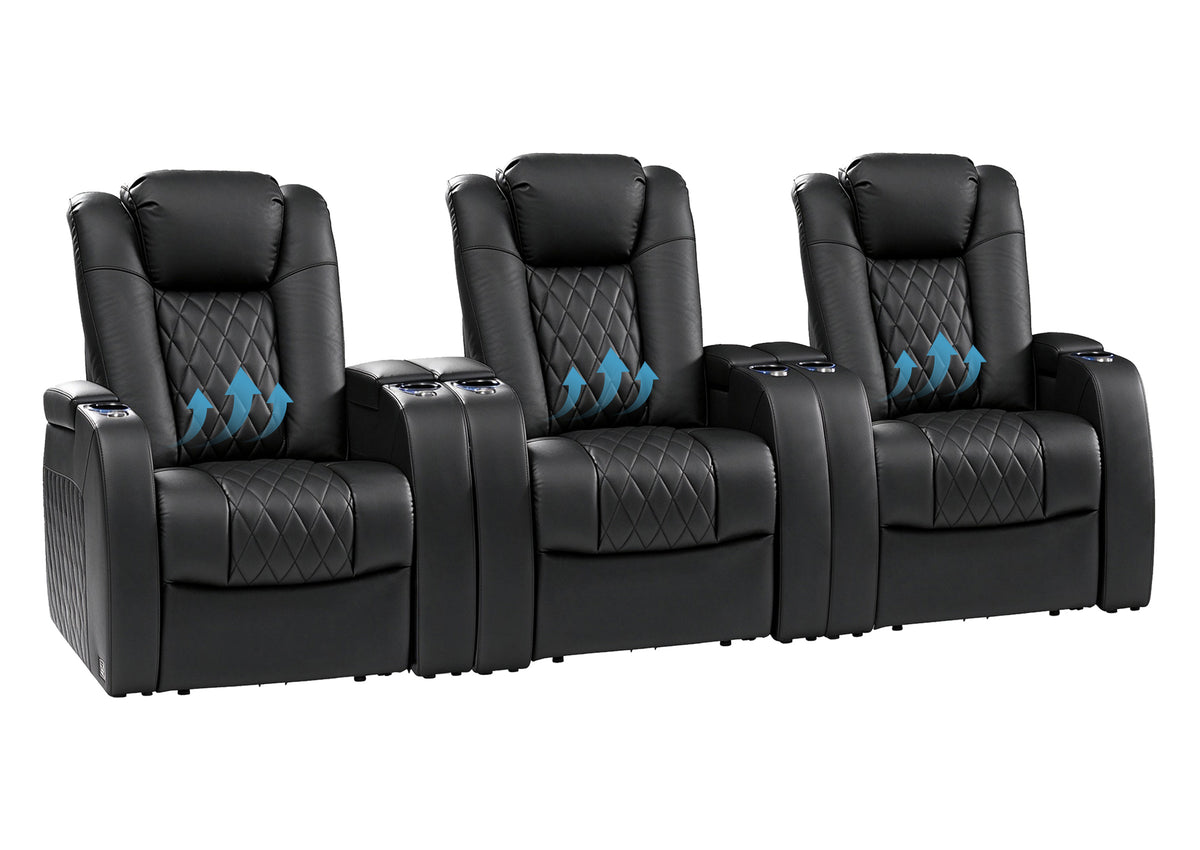
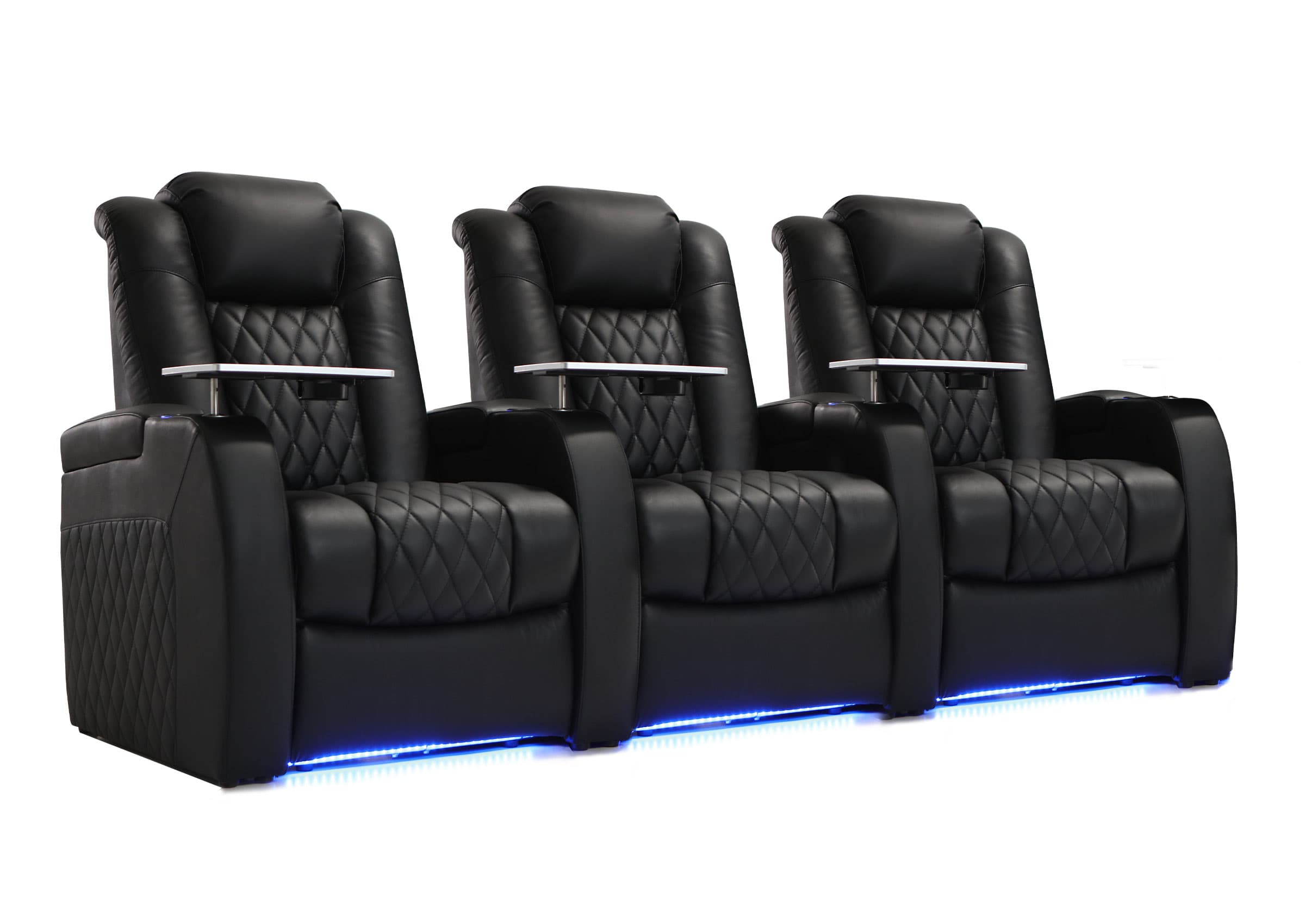
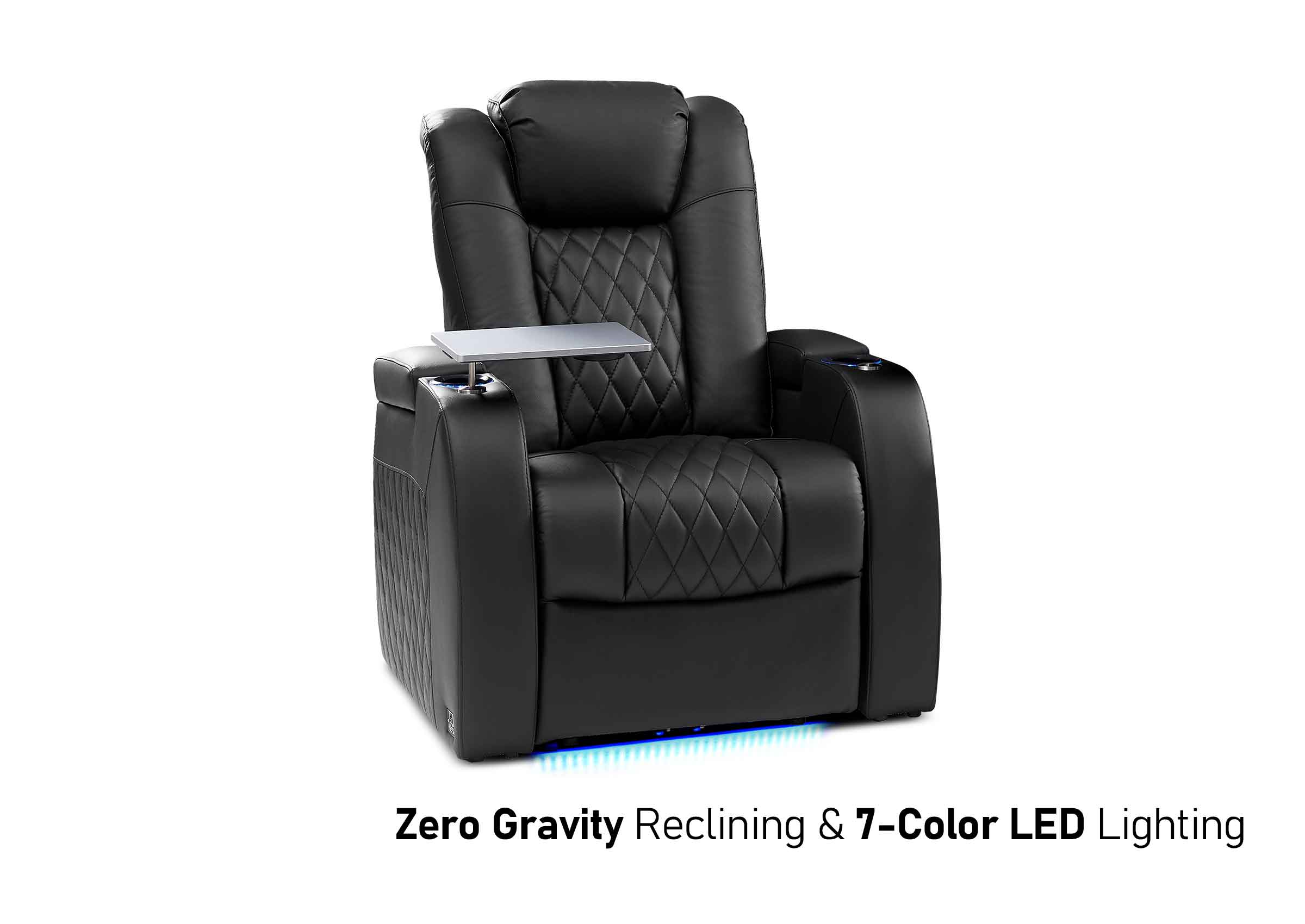
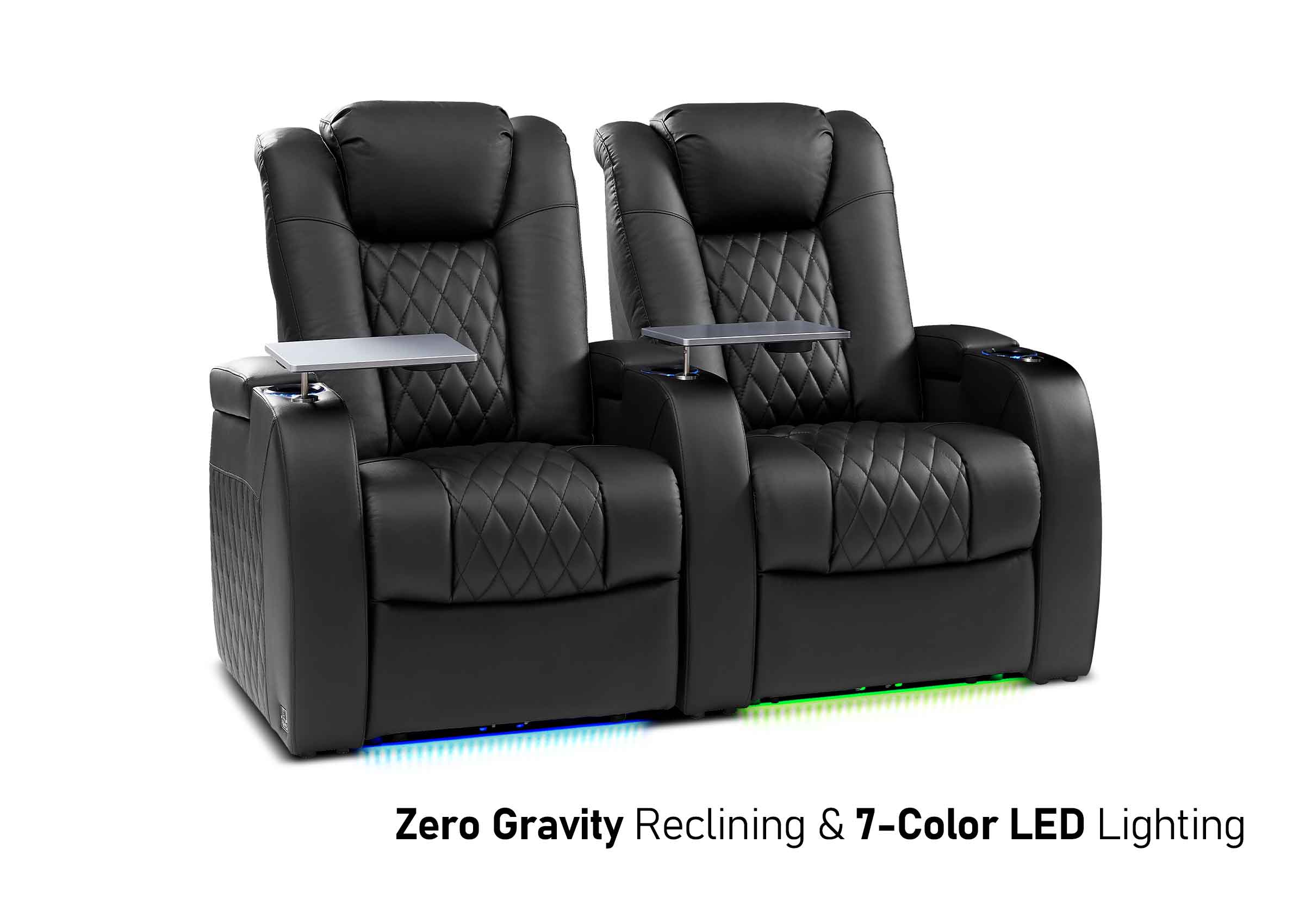
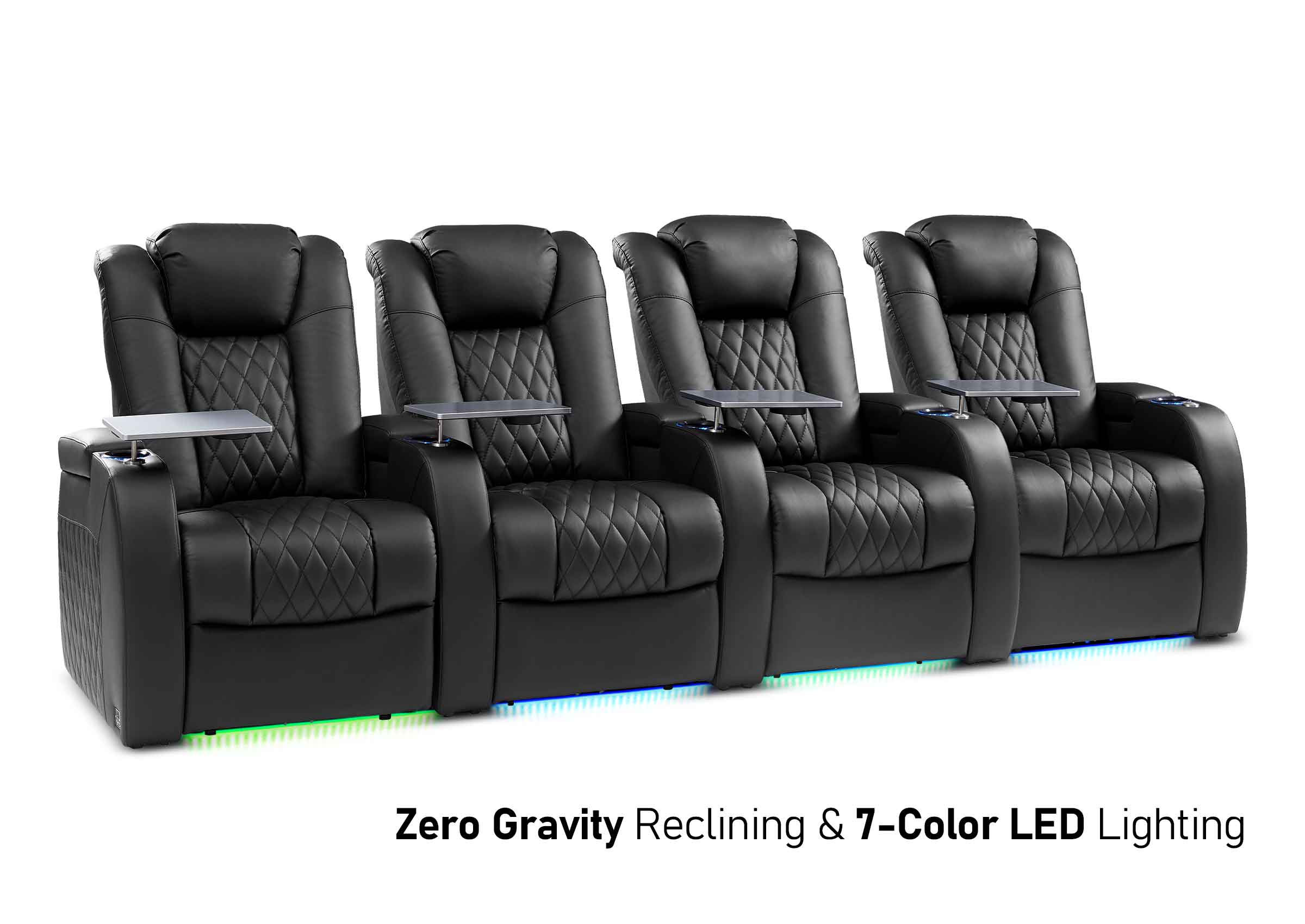
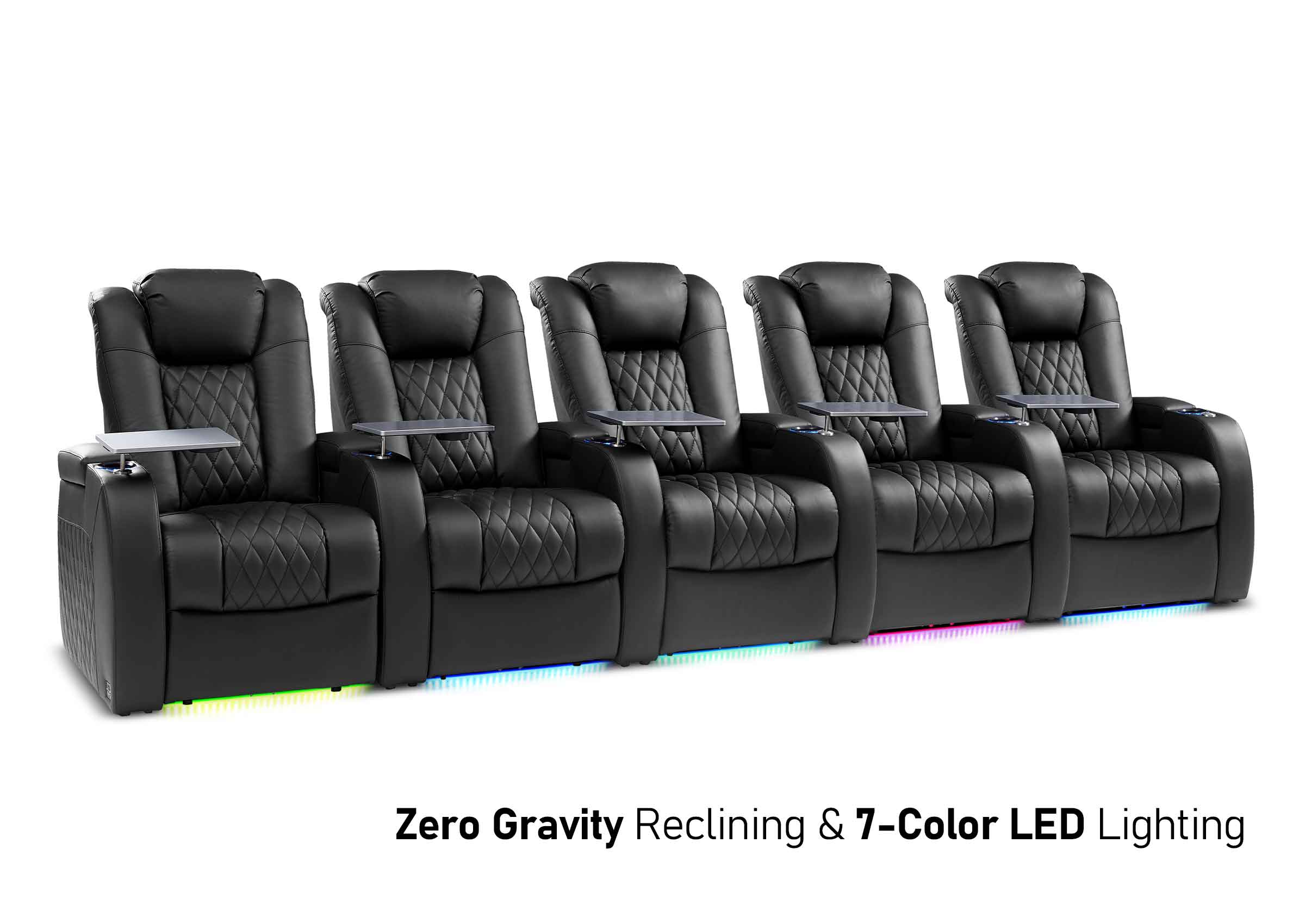
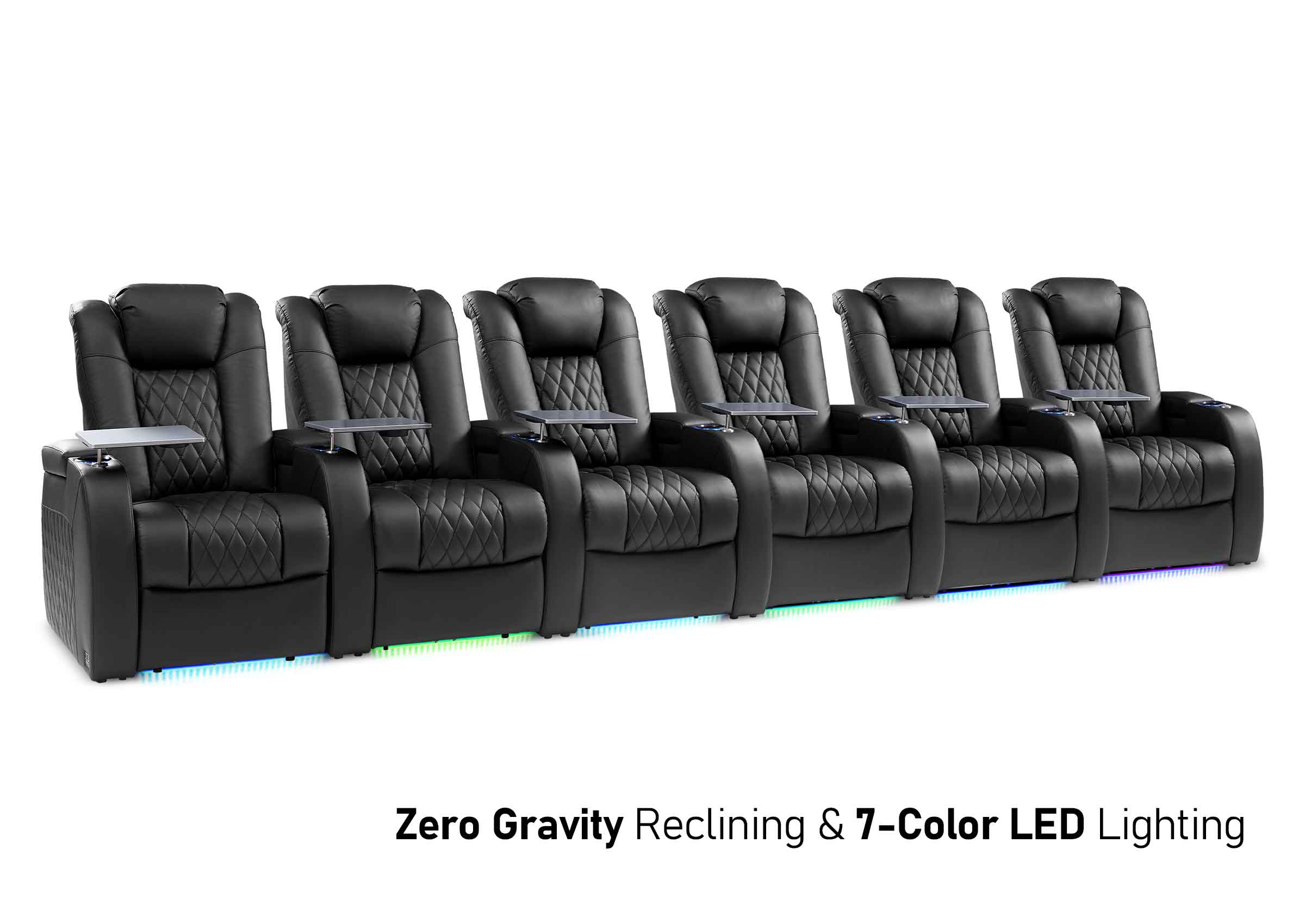
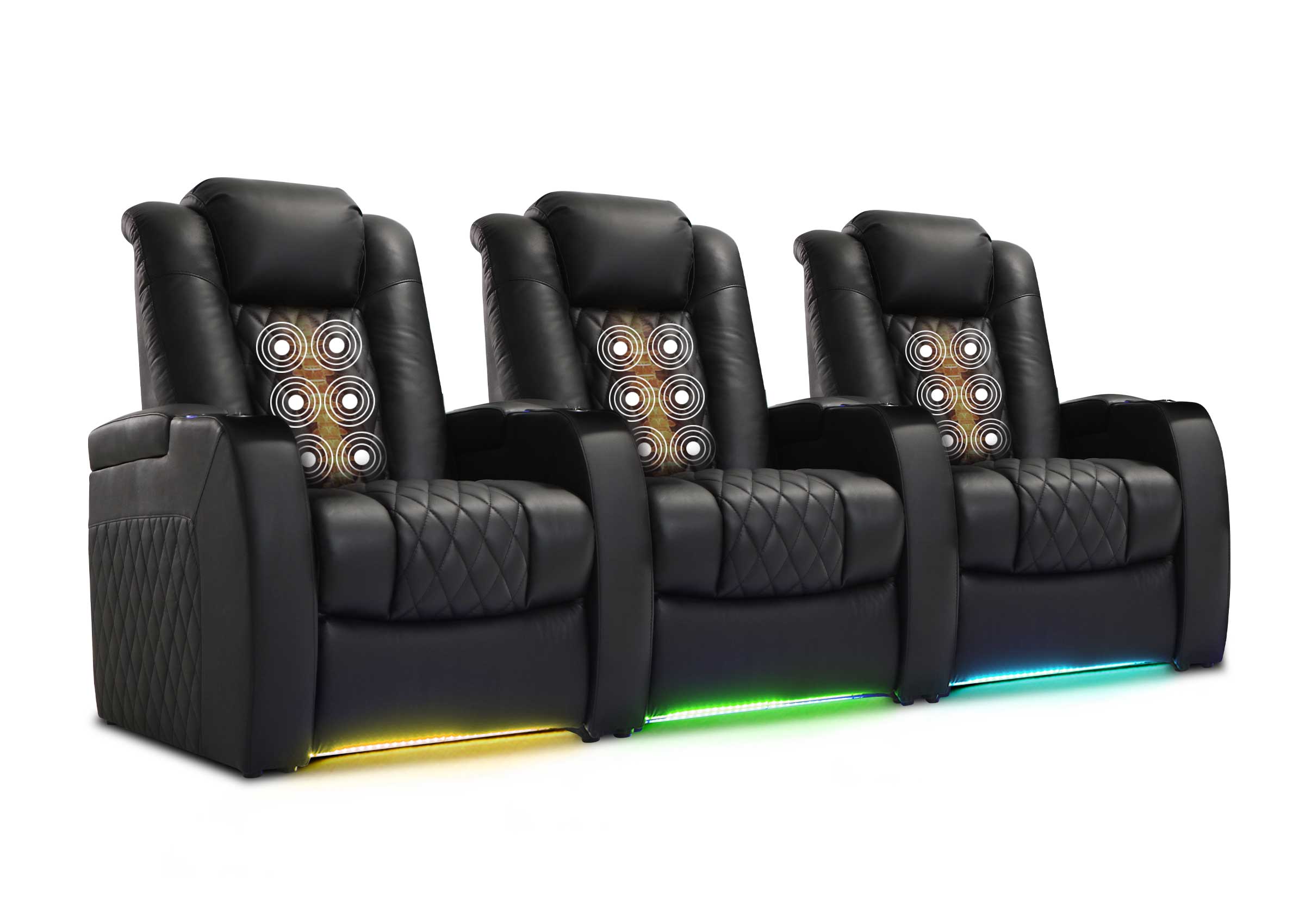
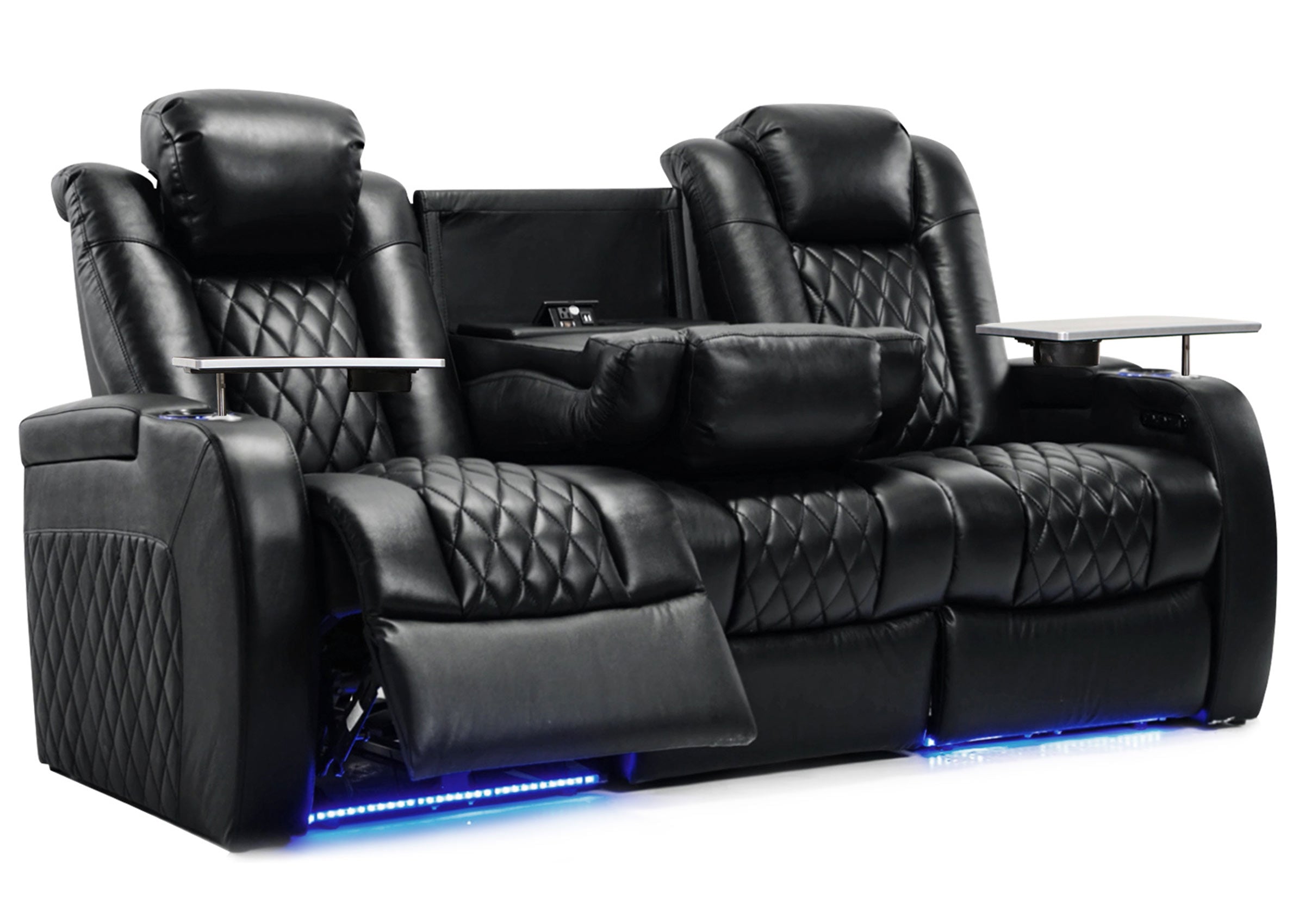
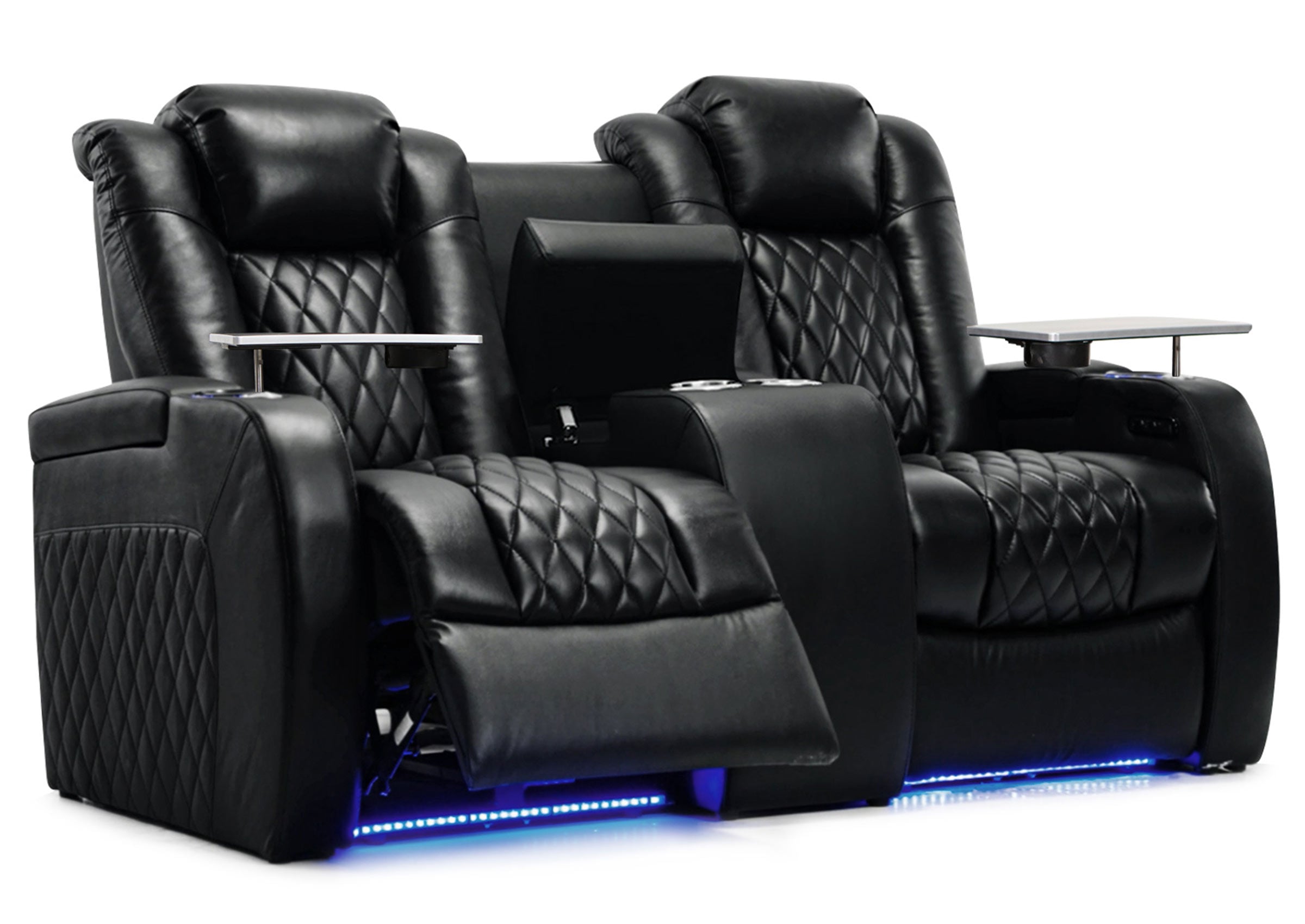
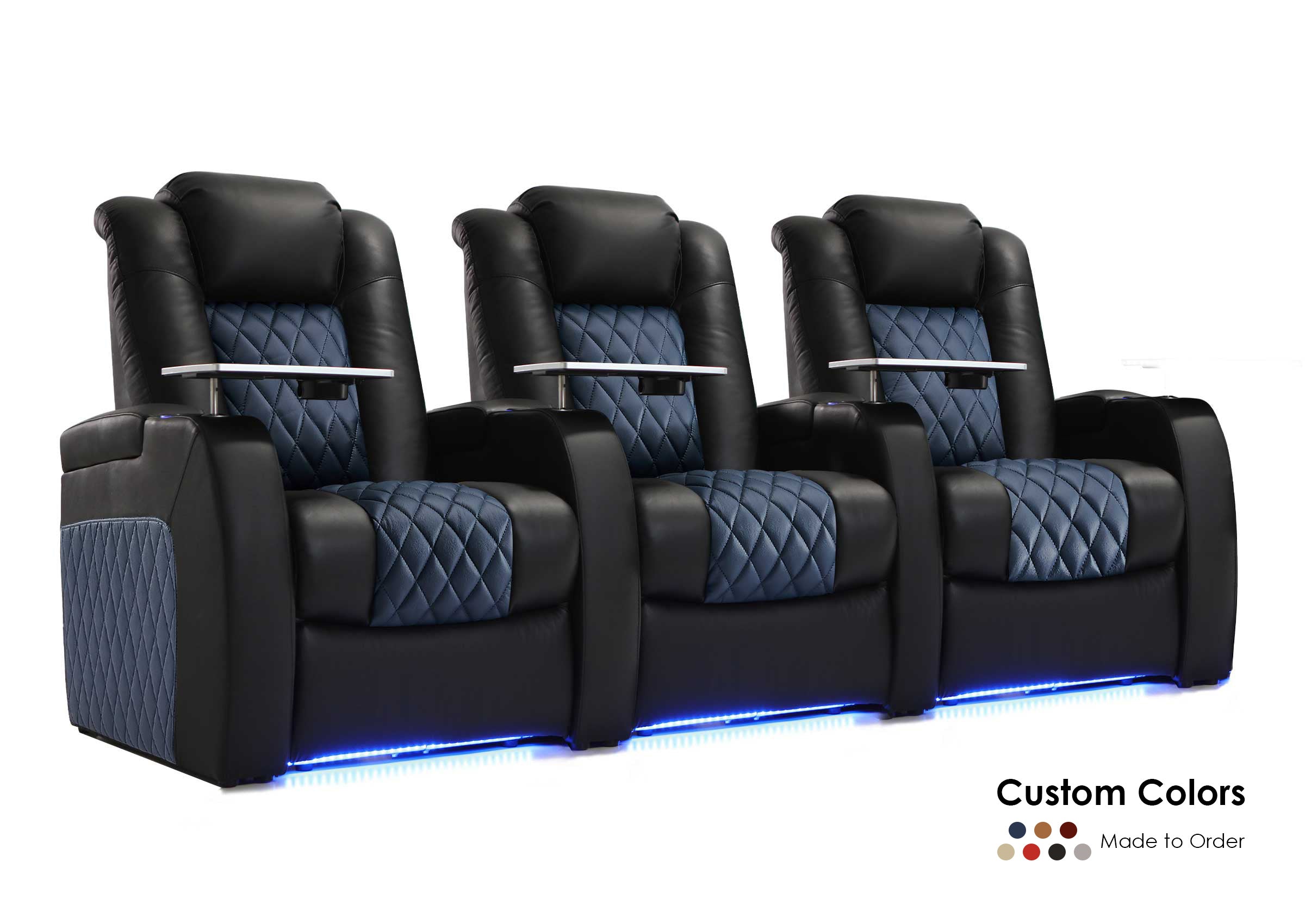
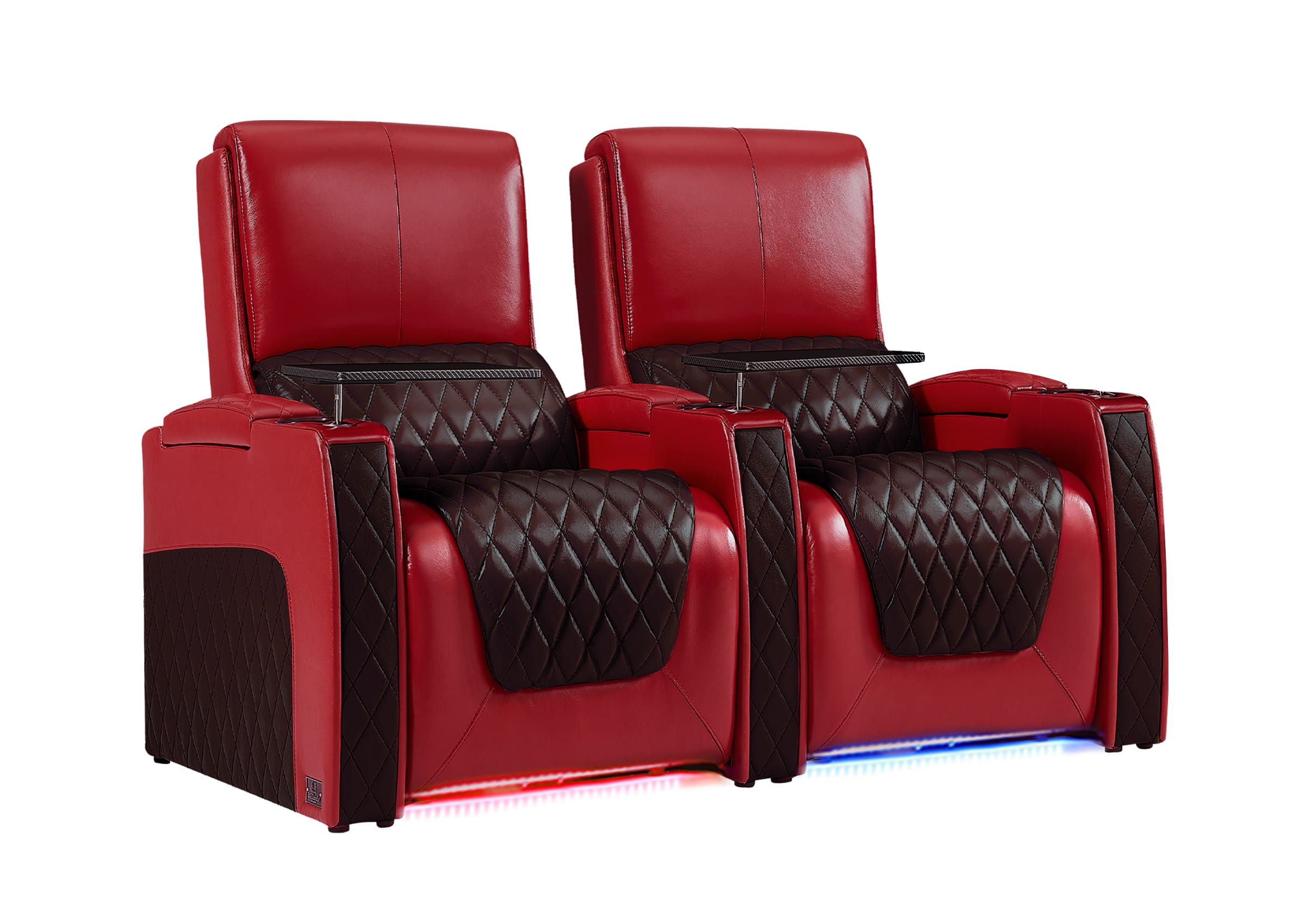
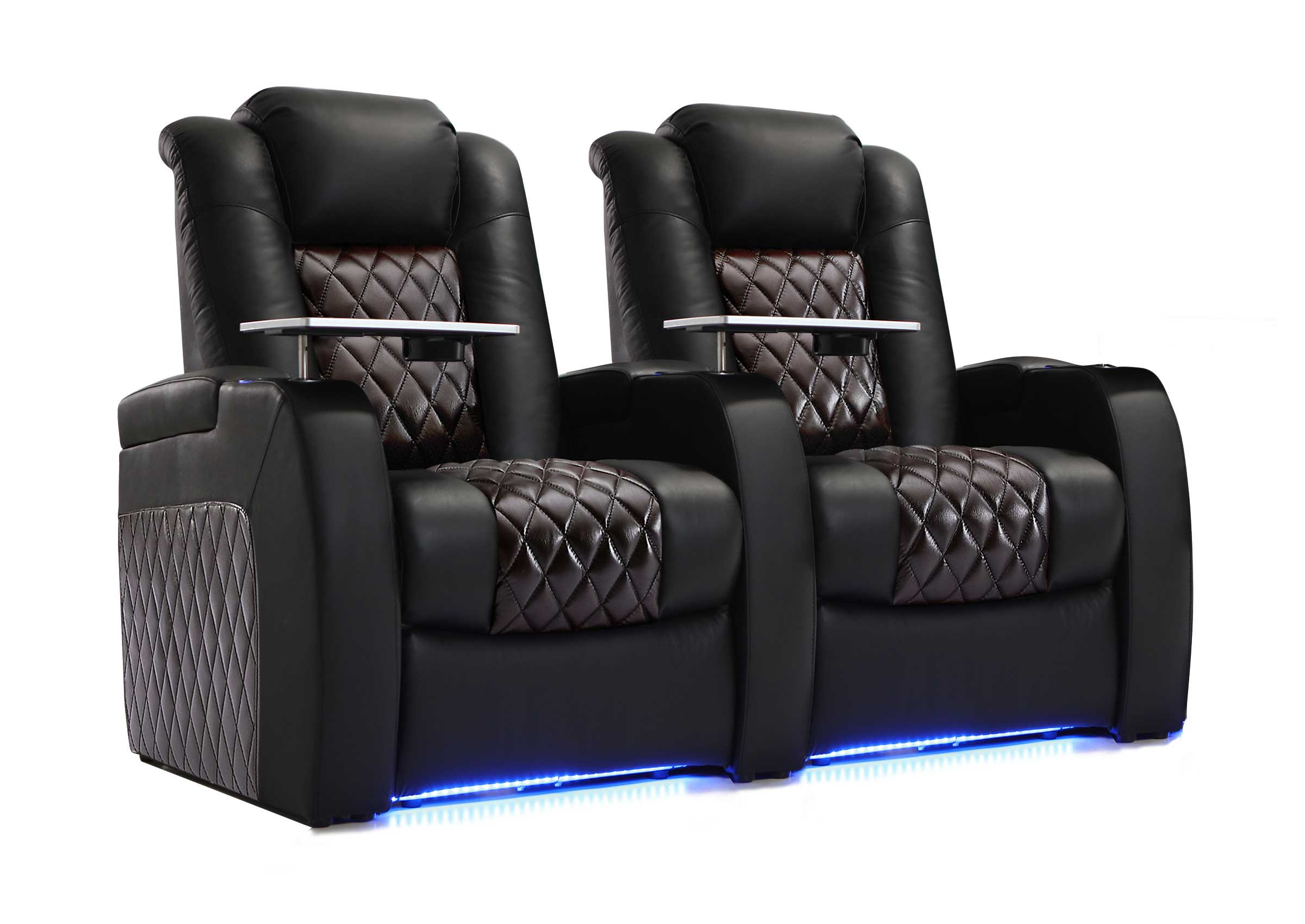
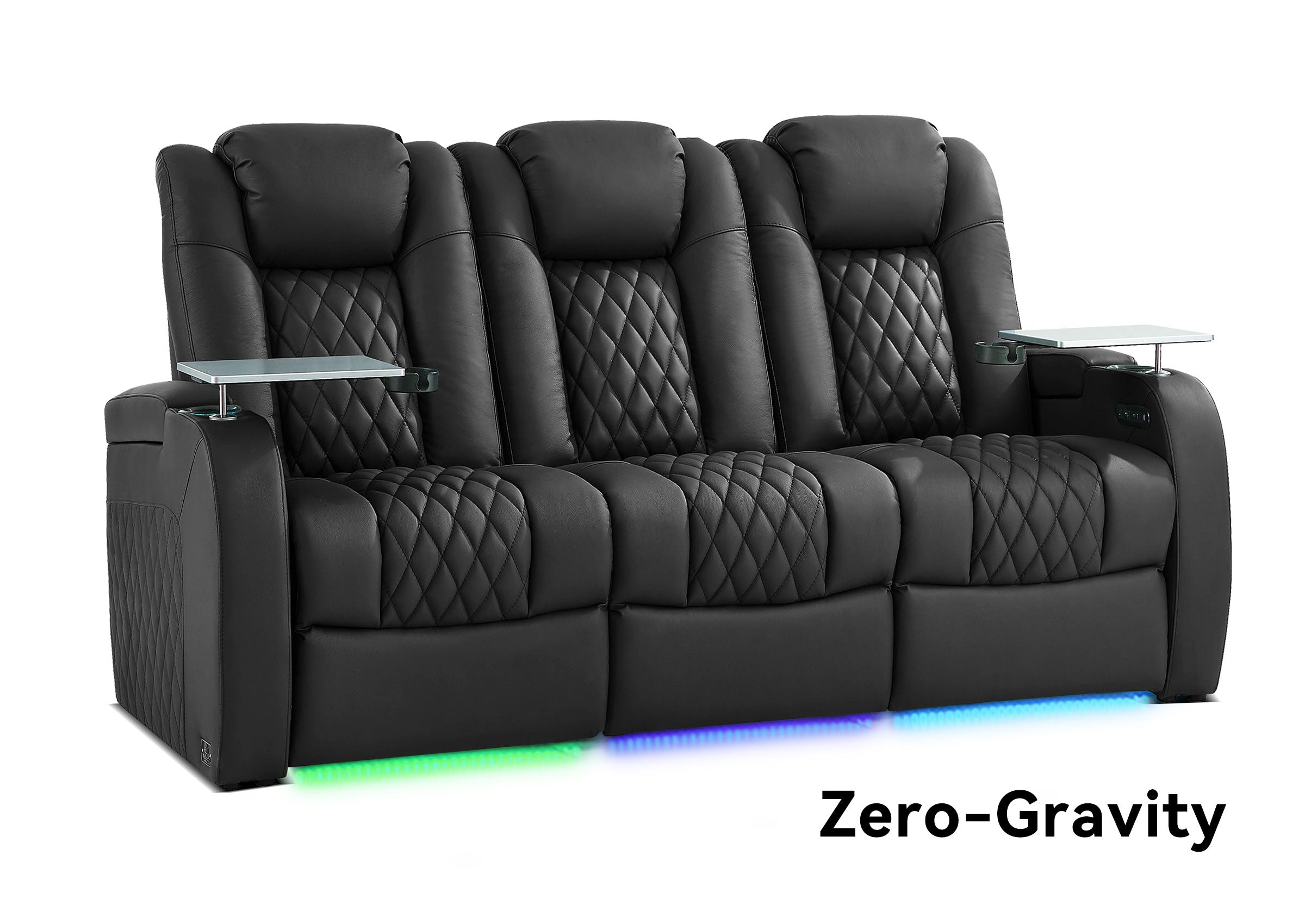
Modern theater seating emerged from technological advances and changing lifestyle needs. These seats prioritize convenience through electronic controls, tech integration, and contemporary materials. You'll recognize them by their clean lines, minimal ornamentation, and feature-rich armrests.
Think power recline systems, USB ports, LED lighting, and smartphone connectivity. The aesthetic leans toward simplicity with monochromatic colors and synthetic materials. The design philosophy centers on customization and multitasking.

Classic Theater Seating Explained
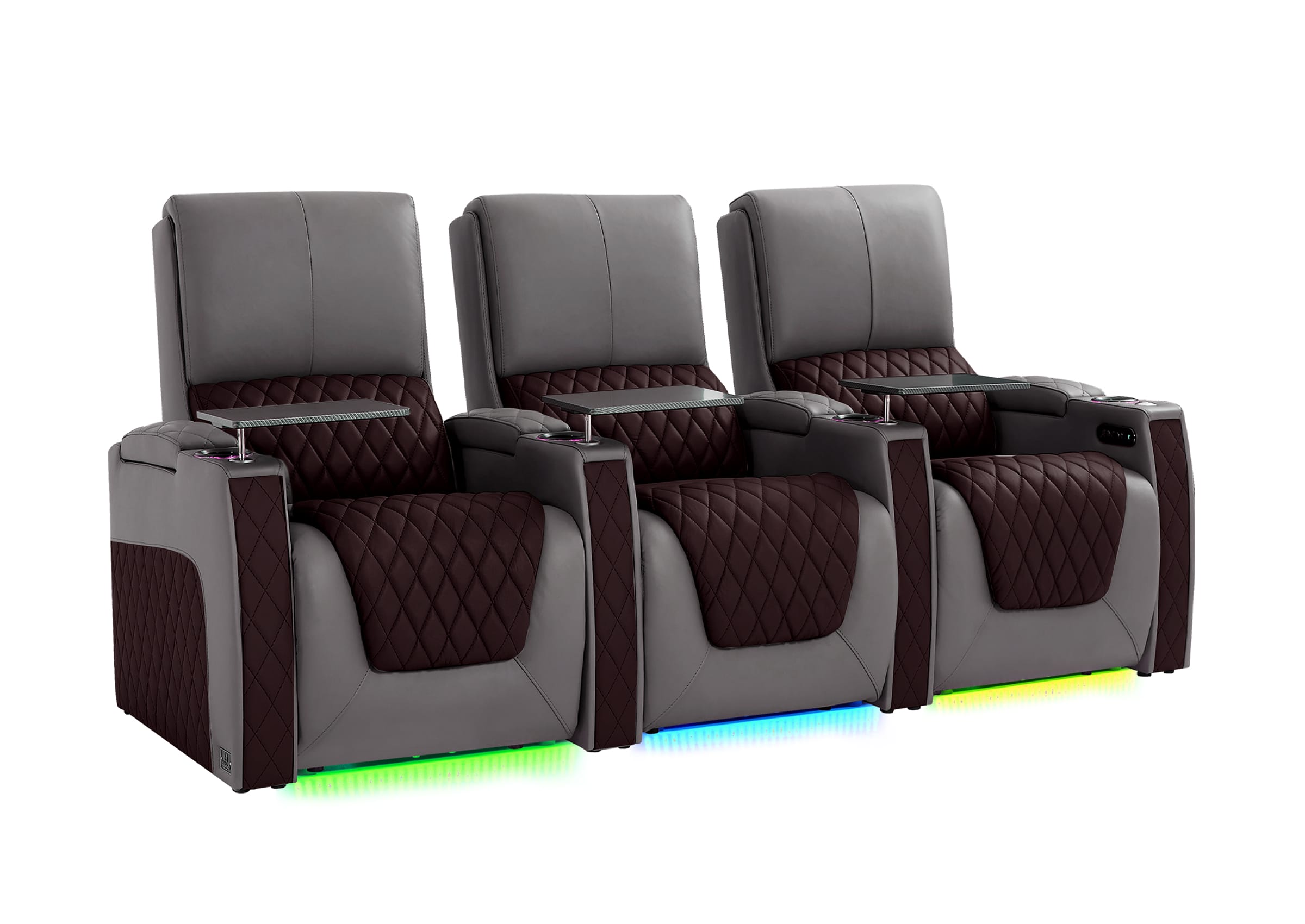
Classic theater seating draws inspiration from traditional movie palaces and upscale furniture design. These chairs emphasize craftsmanship, rich materials, and timeless styling. The approach values proven comfort principles over technological additions.
You'll see tufted upholstery, rolled arms, and decorative elements like nailhead trim. They rely on manual mechanisms or simpler power systems. The color palette tends toward deep, warm tones like burgundy, navy, or chocolate brown. Wood accents and traditional fabric choices create a sense of permanence and sophistication.
The distinction isn't always absolute. Some manufacturers blend elements from both styles. However, most seats lean clearly toward one aesthetic or the other.
Quick Comparison Between Modern and Classic Theater Seats
| Feature | Modern Theater Seats | Classic Theater Seats |
| Design Style | Clean lines, minimalist, contemporary | Ornate details, traditional, elegant |
| Primary Materials | Synthetic leather, performance fabrics, metal frames | Genuine leather, velvet, wood accents |
| Recline Mechanism | Power recline with precise positioning | Manual or basic power recline |
| Technology Features | USB ports, LED lights, wireless charging, massage | Minimal to none |
| Color Options | Black, gray, white, neutral tones | Burgundy, navy, brown, forest green |
| Decorative Elements | Minimal, functional design | Nailhead trim, tufting, carved details |
| Best For | Tech enthusiasts, modern homes, customization lovers | Traditional spaces, purists, timeless appeal |
| Maintenance | Easy-clean synthetic materials | May require more careful upkeep |
| Room Style Match | Contemporary, industrial, minimalist | Traditional, craftsman, classic |
This table provides a snapshot of the key differences. Your specific needs and room design will determine which style serves you better.
Modern Theater Seating Features for Today's Home Cinemas
Modern home theater seating reflects how we use entertainment spaces today. They prioritize functionality alongside comfort.
Tech Integration That Actually Matters
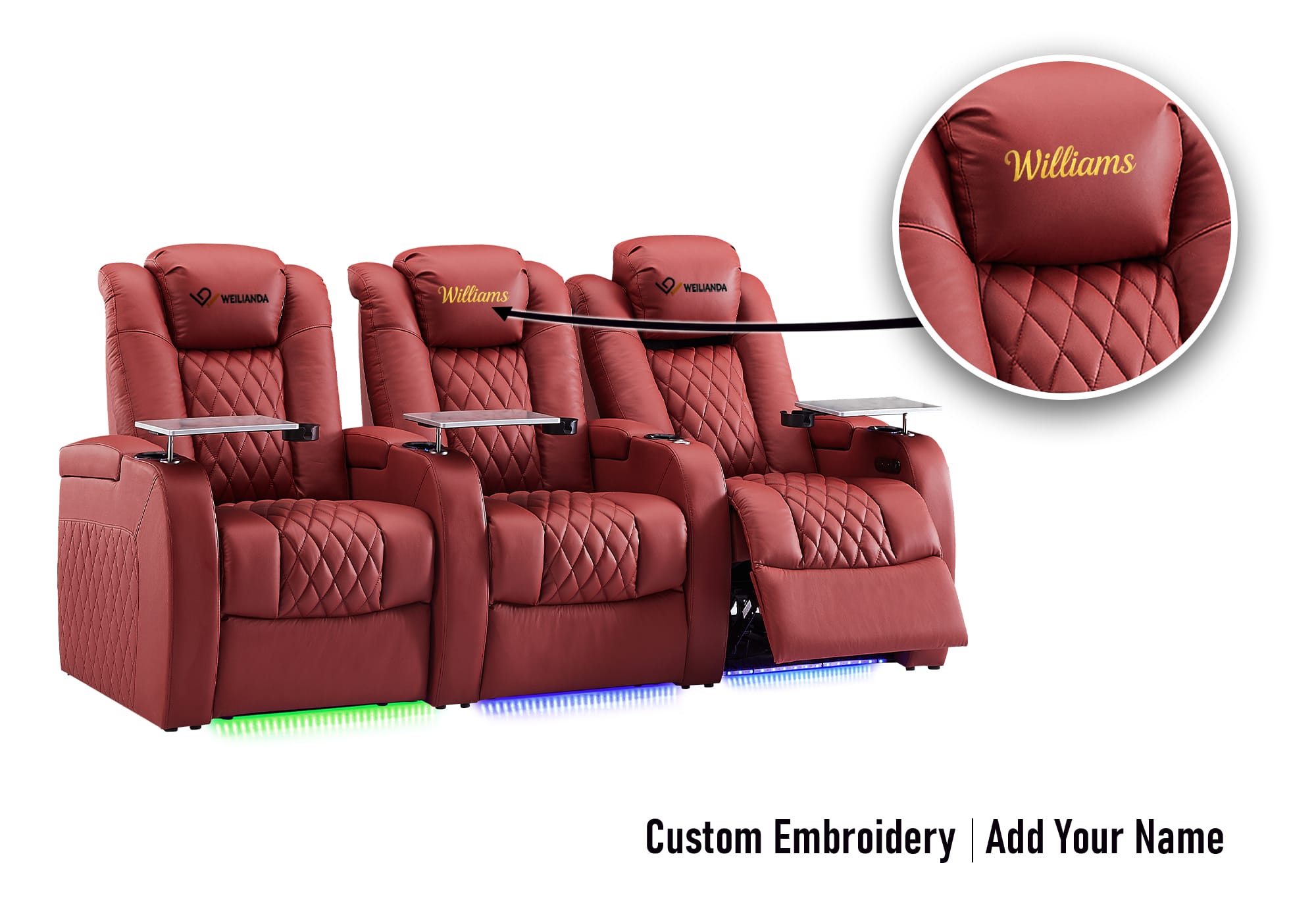
Built-in USB charging ports have become standard in many contemporary designs. You can keep your phone powered up during marathon viewing sessions without leaving your seat. Some models include wireless charging pads integrated directly into the armrests.
LED lighting options add both ambiance and practicality. Cup holder lights make it easy to grab your drink without missing crucial plot points. Base lighting creates a soft glow that helps you navigate in the dark without disturbing others.

Power Recline Systems
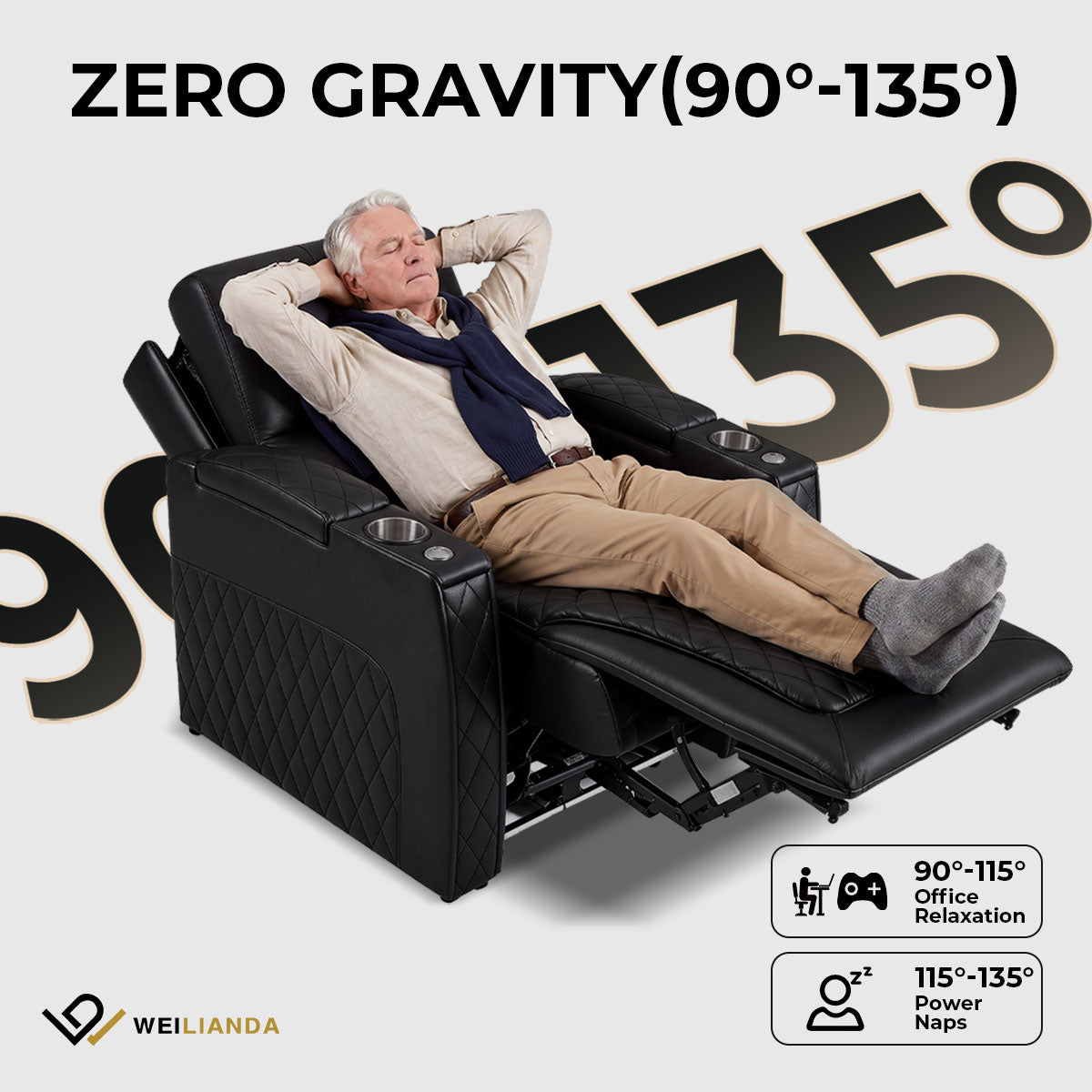
Power recline mechanisms offer precise positioning. You can adjust the angle with the touch of a button, finding your perfect viewing position instantly.
Many people wonder if power recliners are worth the extra cost over manual versions. The convenience factor matters most during long viewing sessions when you want to adjust without physical effort or disturbing others.
A common concern with power recliners involves noise levels. Quality models operate quietly with barely audible motor sounds. Cheaper versions might produce noticeable buzzing or grinding. Check product reviews and video demonstrations to assess noise levels before purchasing.

Advanced Comfort Features
Cooling and heating functions regulate temperature for year-round comfort. Massage features add luxury that traditional commercial theater seats never offered. These additions transform passive seating into an active relaxation experience.
Some models allow you to save your favorite positions in memory settings. Others sync with your home automation system for complete control.
The sleek profiles of modern designs suit minimalist aesthetics. Clean lines and streamlined silhouettes fit contemporary room layouts naturally.

Classic Theater Seat Styles and Their Timeless Appeal
Classic theater seating draws inspiration from the golden age of cinema. These designs evoke nostalgia while delivering reliable comfort.
Visual Elements That Define Classic Style
Traditional seats typically feature rich, deep colors like burgundy, navy, or forest green. Tufted backs and rolled arms create visual interest through texture rather than technology. The styling feels substantial and permanent.
Many classic designs incorporate nailhead trim along the edges. This decorative element adds a refined finish that modern styles often skip. The metal accents catch light and create subtle visual depth.
Functional Simplicity
Cup holders in classic seats tend to be simpler. They might fold away when not in use or appear as brass-finished inserts.
Some buyers question whether built-in cup holders are necessary. They prevent spills and keep drinks at a comfortable temperature better than side tables. The convenience outweighs the aesthetic compromise for most viewers.

Traditional Craftsmanship Details
Classic styles often showcase visible woodwork on arms or bases. Carved details or turned legs reference furniture-making traditions. These elements connect your theater to broader design history.
The seating position in traditional chairs tends to be more upright. Recline options exist but feel less dramatic than modern power systems. Some people find this posture better for extended viewing without falling asleep.
Durability stands out as a hallmark of classic construction. Quality traditional seats use time-tested joinery methods and frame materials. They're built to last decades rather than chasing the latest trend.
Comfort and Ergonomics in Modern vs Classic Home Theater Chairs
Comfort means different things depending on how you watch movies. Your viewing habits should influence which style you choose.
How Modern Seats Approach Comfort
Modern ergonomic designs accommodate various body types through adjustable features. Lumbar pillows can be adjusted or removed to match your specific needs. Headrests often adjust in height and angle. The goal is customization.
You sink into modern foam systems. The cushioning molds to your body. This approach works well for people who like feeling enveloped by their seat.
Many modern chairs include removable lumbar pillows that let you fine-tune back support. You can reposition the pillow higher or lower depending on where you need extra cushioning.

How Classic Seats Deliver Comfort
Classic seats provide comfort through generous padding and proven proportions. The cushioning tends to be firmer, which some people prefer for longer sessions. Classic padding supports you on top of it rather than letting you sink in.
Many potential buyers ask whether theater seating offers better comfort than regular living room recliners. Theater seats are designed specifically for extended sitting with optimal viewing angles. They typically provide superior back support and more deliberate ergonomics than furniture designed for general use.
Body Support Considerations
Leg rests make a significant difference during three-hour movies. Modern power recliners extend smoothly to support your full leg length. Classic manual footrests might stop at your calves, depending on the design.
Armrest width affects how you settle in. Wider armrests in modern designs double as mini tables. Classic armrests tend to be narrower but often feel more elegant.
Seat depth matters for shorter or taller viewers. Modern chairs sometimes offer adjustable seat depth. Classic proportions follow standard measurements that work for average heights but might not suit everyone equally.

Materials and Finishes for Theater Seating in a Home Setting
Your material choice affects appearance, maintenance, and longevity. Each option brings trade-offs.
The Leather vs Fabric Decision
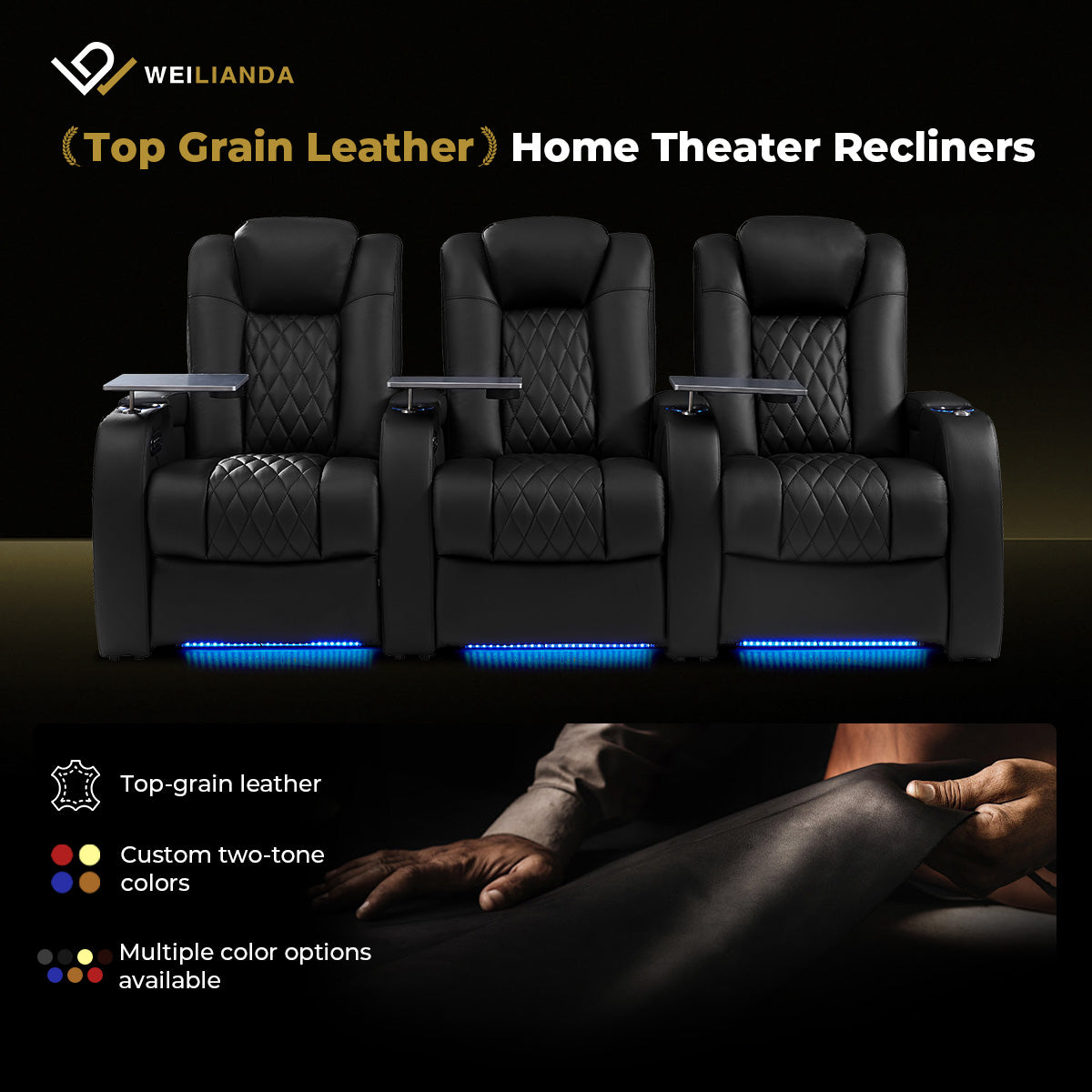
Leather remains popular across both style categories. Top-grain leather develops character over time as it ages. Bonded leather costs less but may peel after several years of use.
The leather versus fabric debate comes up frequently online. Leather wipes clean easily and resists pet hair but can feel cold initially and may stick to bare skin. Fabric breathes better and feels warmer but absorbs spills more readily. Your household situation should guide this choice more than general preferences.

Modern Material Options
Performance fabrics have improved dramatically in recent years. They resist stains, repel moisture, and often feel softer than leather. Fabric seats work well in homes with pets or children. They also offer more color options than leather typically provides.
Modern materials often include synthetic blends designed for easy cleaning. Microfiber resists spills and wipes clean with minimal effort.
Traditional Material Choices
Classic velvet upholstery adds luxury but requires more careful maintenance. The pile can crush over time in high-wear areas. However, the visual richness of velvet creates an atmosphere that other materials can't match.
Frame Construction Differences
Frame materials vary by quality level. Steel frames provide superior strength and stability. Wood frames offer traditional appeal but may creak over time. Composite materials reduce weight and cost but might not last as long.
Matching Seat Style to Your Room Design and Layout
Your theater seating should complement your space rather than fight against it. Consider the existing elements in your room.
Pairing Seats With Room Architecture
Modern seats work naturally in spaces with contemporary architecture. Open floor plans, minimal molding, and large windows pair well with streamlined furniture. The simplicity creates visual harmony.
Classic seating suits rooms with traditional details. Crown molding, wainscoting, and coffered ceilings call for furniture that matches their formality. The ornate elements should echo each other.
Planning Your Seating Configuration
Row seating requires careful measurements. Modern curved theater rows create an authentic cinema feel but need substantial floor space. Classic straight rows might fit tighter areas more efficiently.
One frequent question involves how many seats to install. Think about your typical viewing group rather than maximum capacity. Four to six seats accommodate most families comfortably. Going larger might mean seats sit empty most of the time.

Working With Different Room Shapes
Sectional arrangements work well for irregular room shapes. You can configure modern modular pieces to fit around columns or doorways. Classic individual chairs offer less flexibility but can be repositioned easily.
Riser platforms add dimension to flat rooms. Modern low-profile seats work better on risers because their slimmer proportions don't block views as much. Classic high-back designs might obstruct sightlines from lower rows.
Must-Have Functions in Modern Home Theater Recliners
Certain features enhance the viewing experience regardless of aesthetic preference. Prioritize functionality that matches your habits.
Storage and Organization Features
Storage compartments keep remotes, glasses, and snacks within reach. Some armrests include hidden storage with soft-close lids. Others feature open trays or magnetic catches. The convenience reduces interruptions during movies.

Mobility and Flexibility
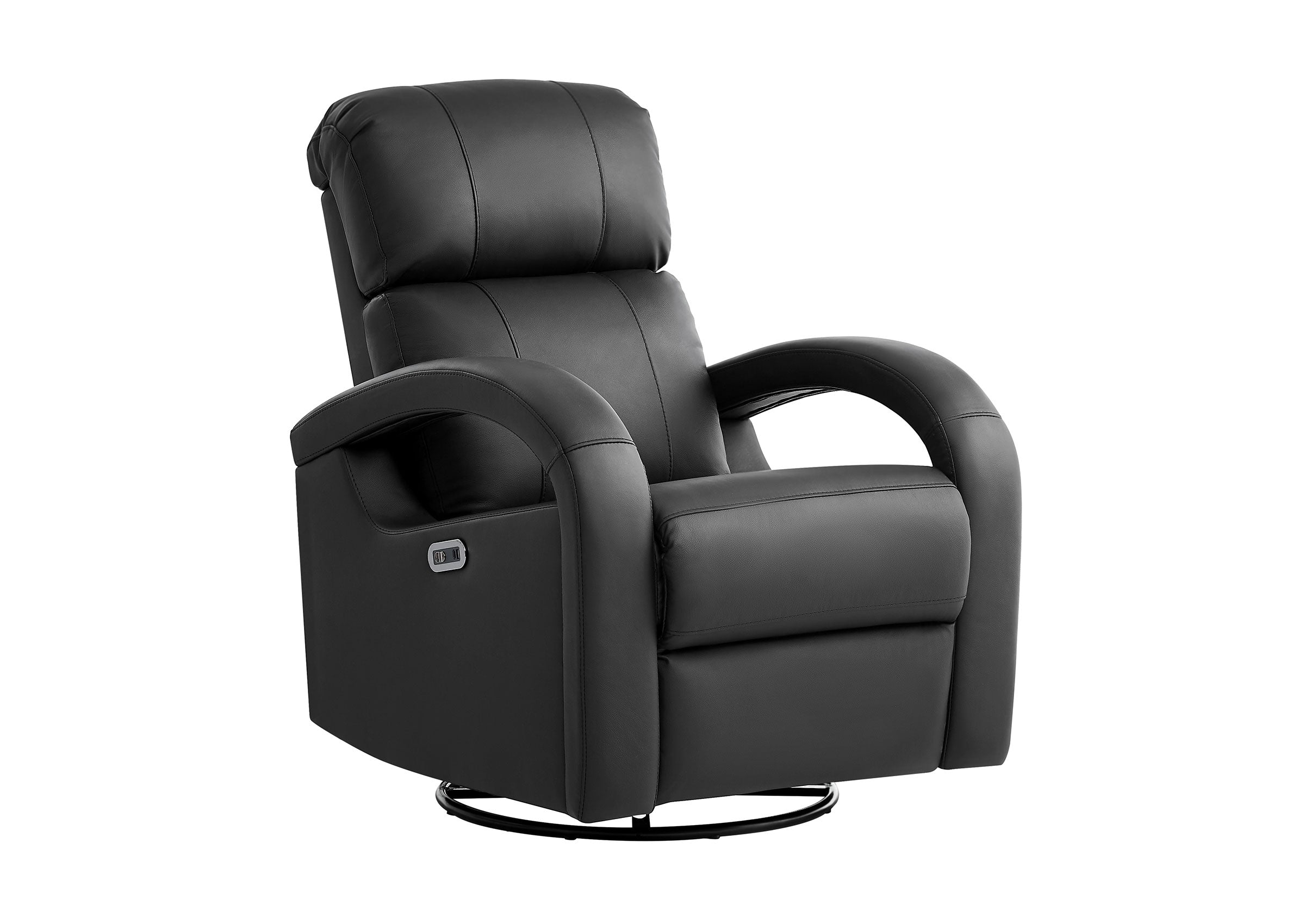
Swivel capabilities allow you to turn and talk without standing. This feature proves particularly useful in social viewing situations. The swivel base typically adds height to the overall seat profile.
Practical Considerations Before Buying
Assembly requirements may be a concern for some buyers. Most theater seats will come partially assembled. It may be necessary to attach a base, power cord, and back to most theater chairs. This will require about 30-60 minutes of assembly time and basic tools for each seat. Some retailers will include white glove delivery, which will include full assembly.
Pieces that can be removed for ease of cleaning include head rest covers and lumbar pillows. These can be individually cleaned without needing to disassemble the entire chair. Some covers come with zippers while others make use of Velcro or snaps.
Weight capacity ratings are important when considering larger TVs. Most theater seats will hold 250-300 pounds easily. Heavy-duty seats will hold 400 pounds and up.
The length of the warranty indicates how confident the manufacturer is in the product. A minimum of three years on the frame and mechanics is important. Upholstery warranties are shorter, reflecting typical patterns of wear.
Create Your Perfect Home Theater Experience
The choice between modern-style and classic-style theater chairs depends on various concerns. Modern theater chairs have the advantage in terms of convenience and technology. Classic chair designs have the advantage concerning aesthetics and principles of comfort.
It is also important to think about how you are utilizing your theater space. You should also consider your budget, room size, and viewing habits. The last thing you want is to purchase a product that will not suit your habits or your current space, thereby limiting your enjoyment of your theater system.
Frequently Asked Questions
Q1: How Much Space Do I Need Between Theater Seat Rows?
Space rows approximately 36 to 42 inches apart for easier access. The row spacing will give enough room for persons to walk past seated viewers without being crowded. Reclined seats will require additional space to accommodate the outstretched feet; hence, factor that into the measurements too.
Q2: Can I Mix Modern and Classic Seat Styles in One Theater?
When you mix styles, it is difficult for them to blend well. They end up clashing. If you are looking for diversity, you could choose chairs from a similar style family with varying features or shades. You could also mix modern chairs at the front and vintage chairs at the back. This works well, although it may be a challenge if you are not careful.
Q3: What Maintenance Do Home Theater Recliner Chairs Require?
Regular cleaning of the vacuum fabric seats helps to remove dust from accumulating in them. You have to condition your leather seats every six months using the relevant materials. Examine the mechanical components of your seats once a year to make sure no bolts or cables are loose or frayed. Many models of seats will not require any maintenance if properly taken care of from the start. Make sure there are no tripping hazards surrounding your power recliners.
Q4: Do Power Recliners Need a Special Electrical Setup?
Normal wall outlets are sufficient for common power recliners. This is since each chair uses only a limited amount of electricity, like a computer charger. It will not cause any issues to connect several chairs to the same circuit. But to set up a theater room, it may be useful to employ the services of an electrician to fit floor outlets to keep the cables out of view and prevent tripping opportunities.
Q5: How Long Do Quality Theater Seats Typically Last?
High-quality theater chairs will last about 15-20 years when taken good care of. The frame and motors will last longer than the seats. Low-budget chairs will probably have to be replaced after 5-7 years. Motorized systems will last about 10-15 years before having to be serviced. High-quality theater chairs will last longer with proper maintenance. Many manufacturers provide replacement components in terms of motors and parts even after the warranty expires.