



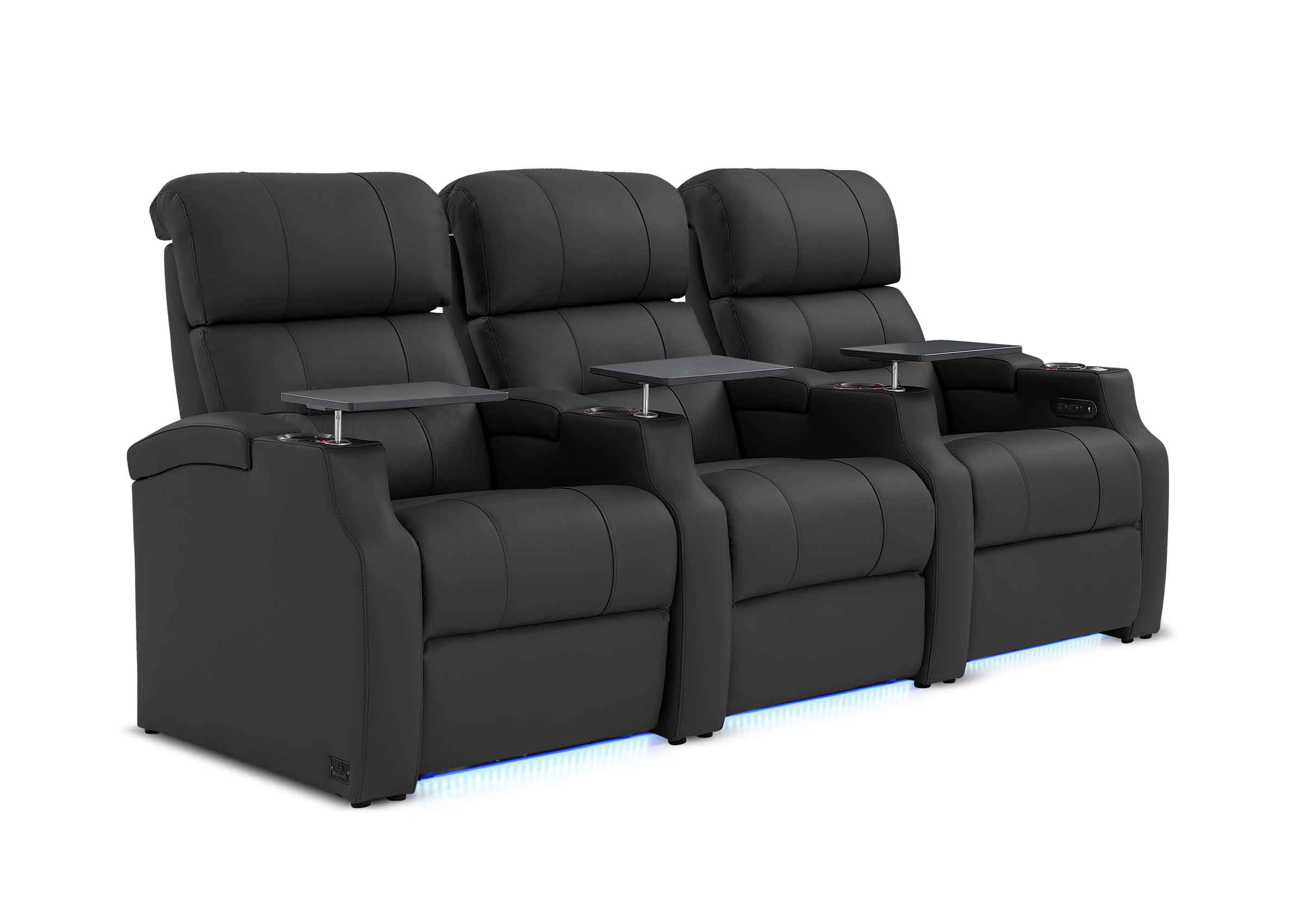
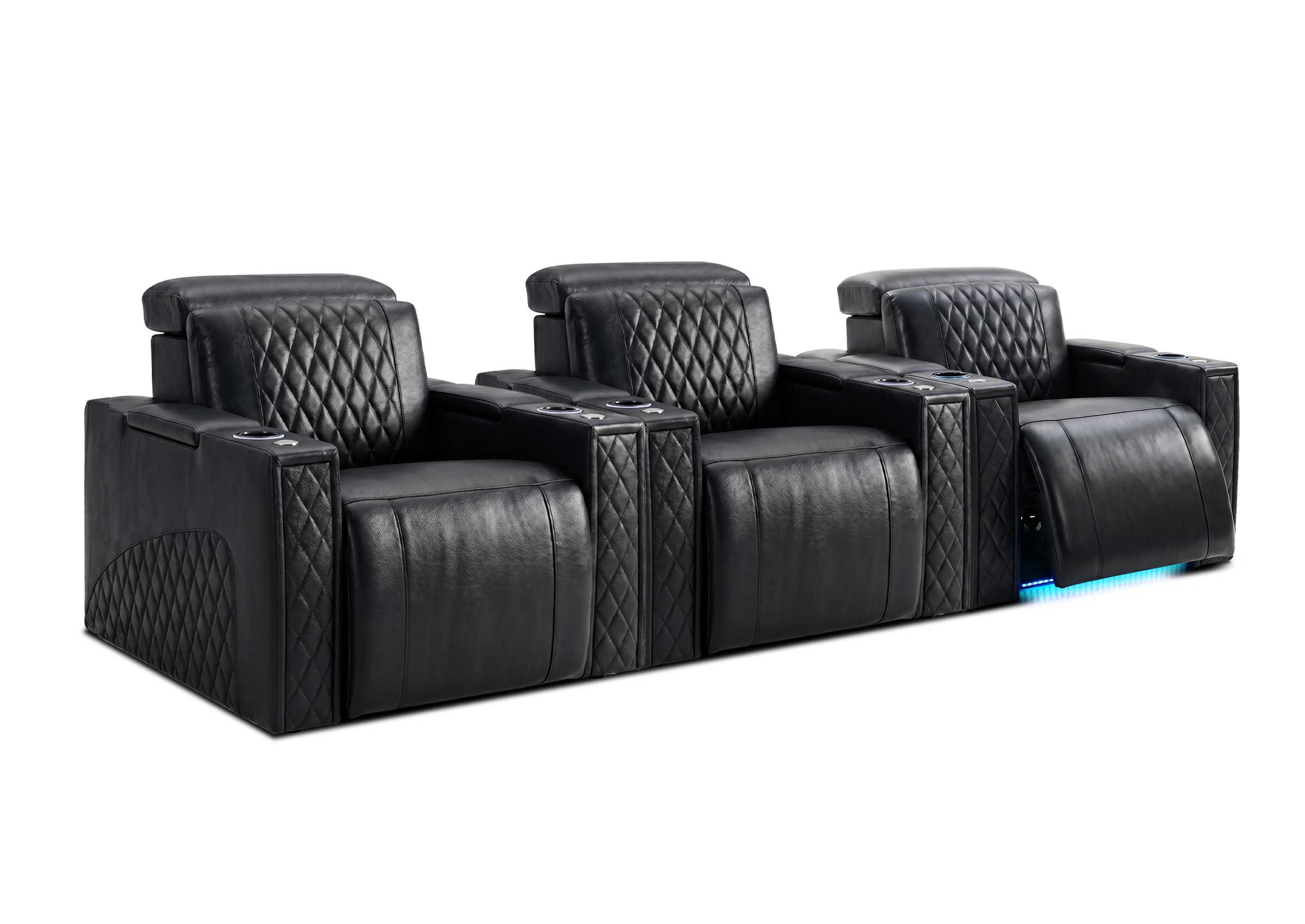

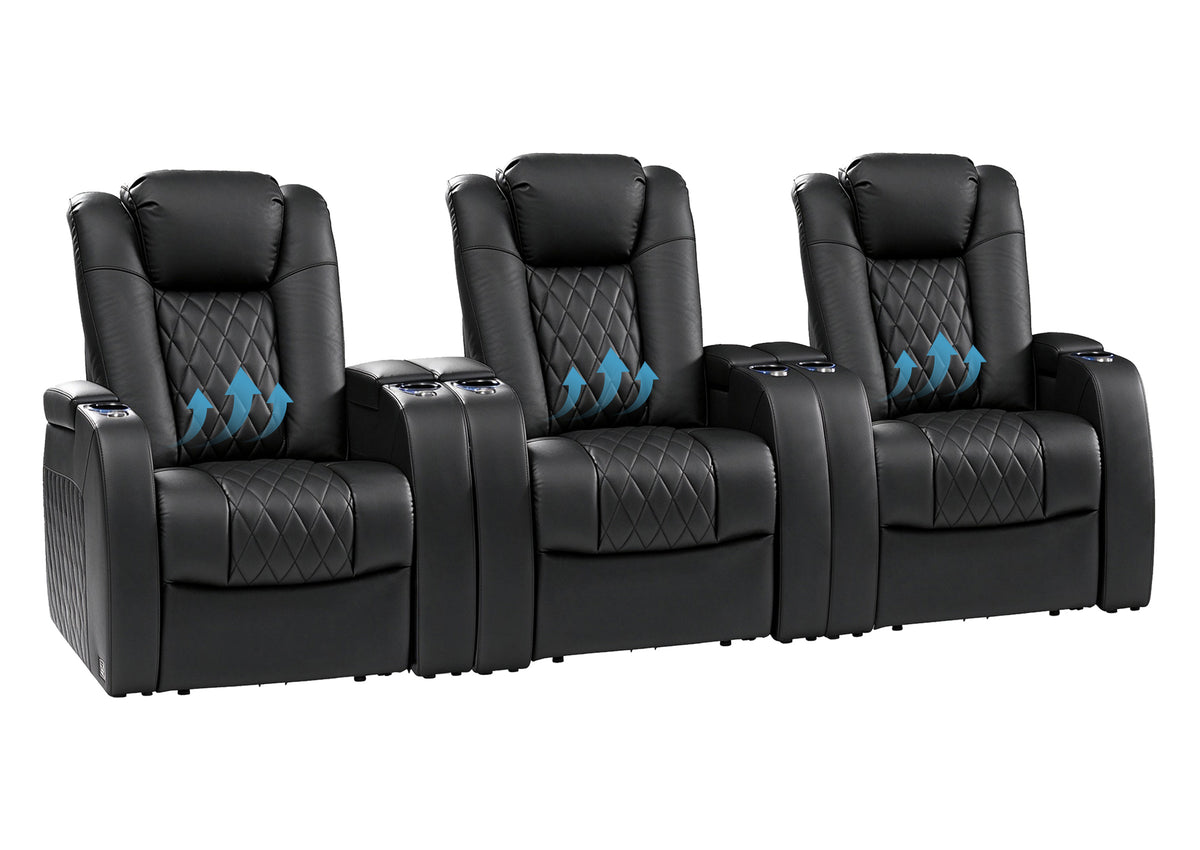
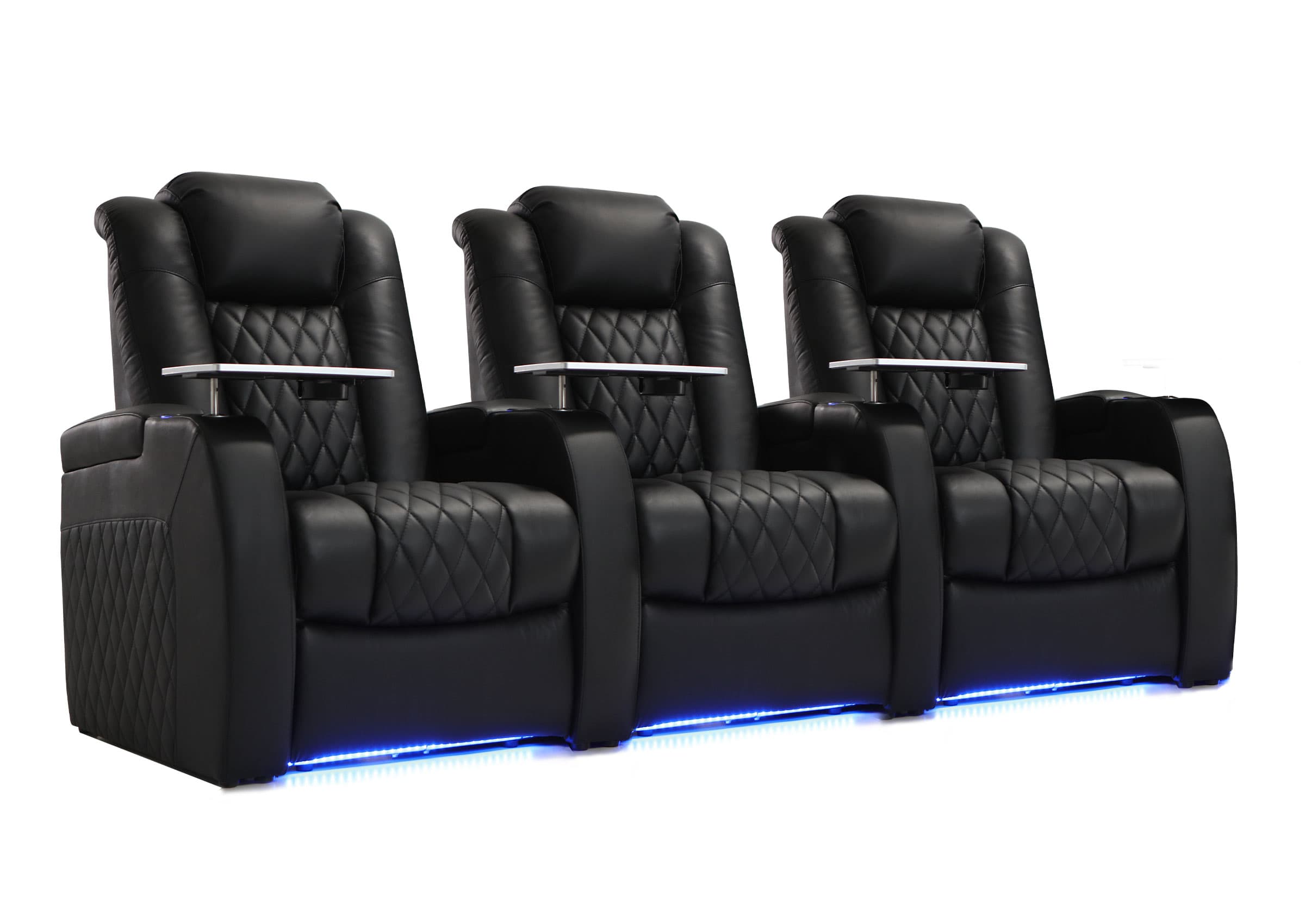
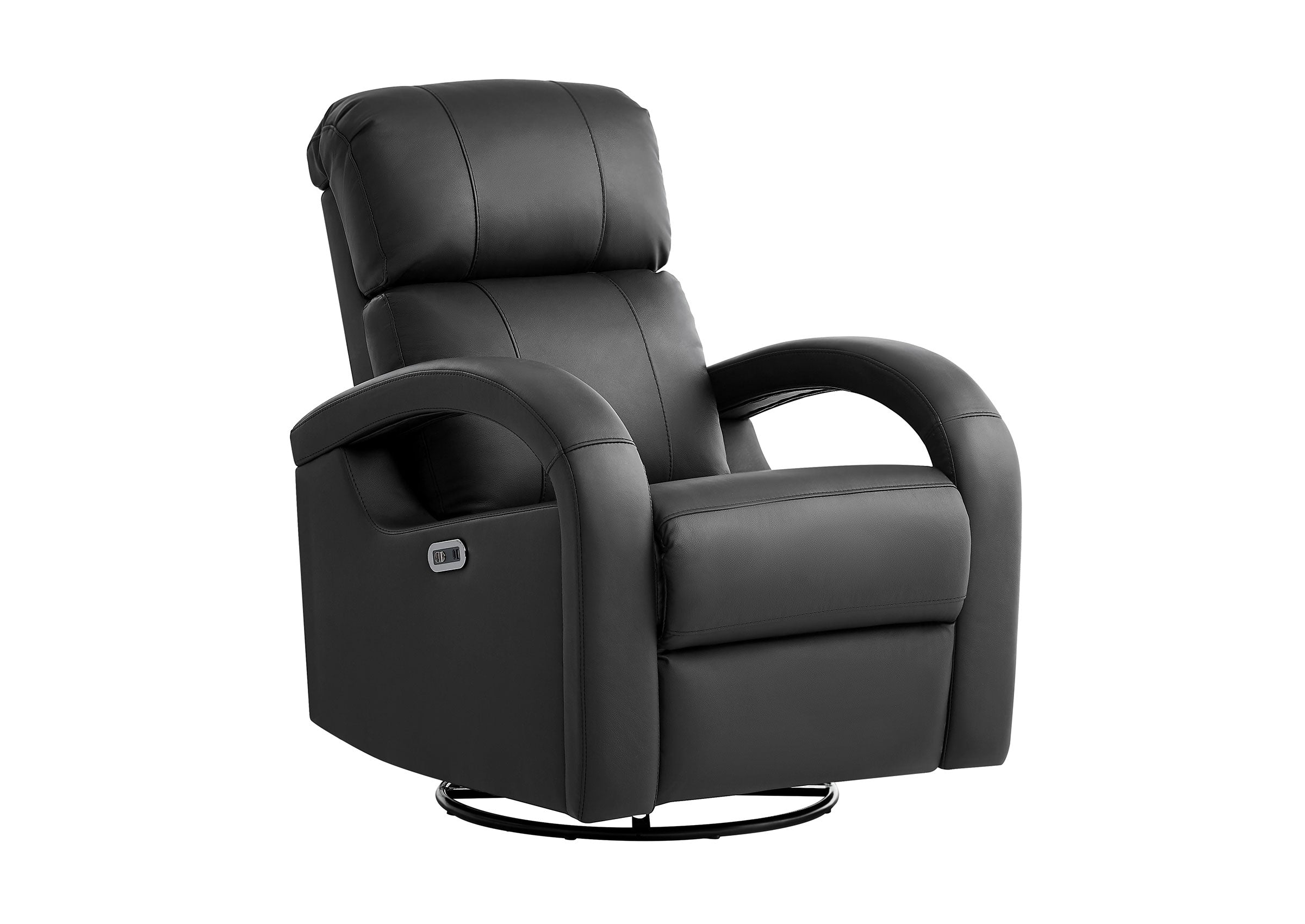
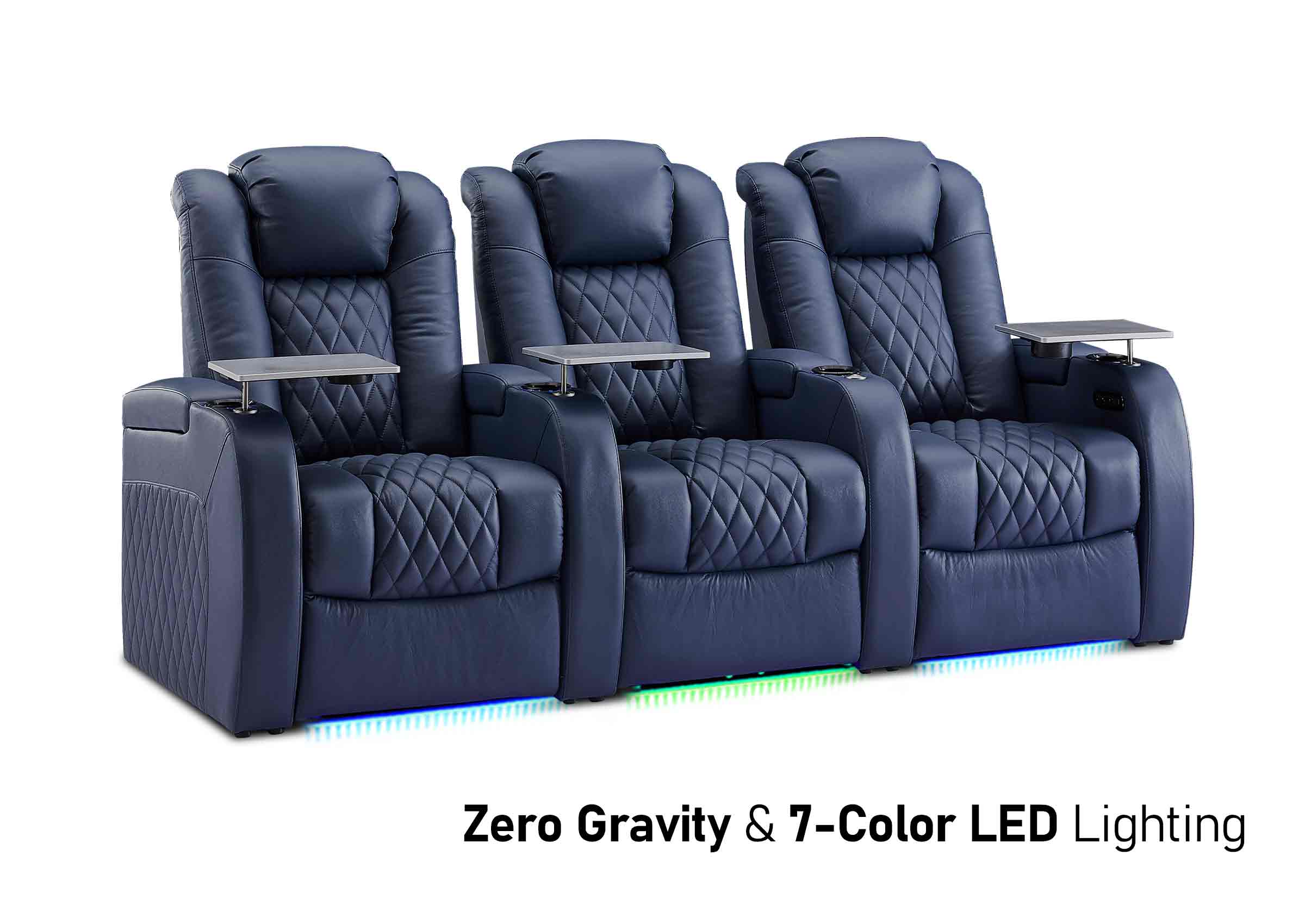
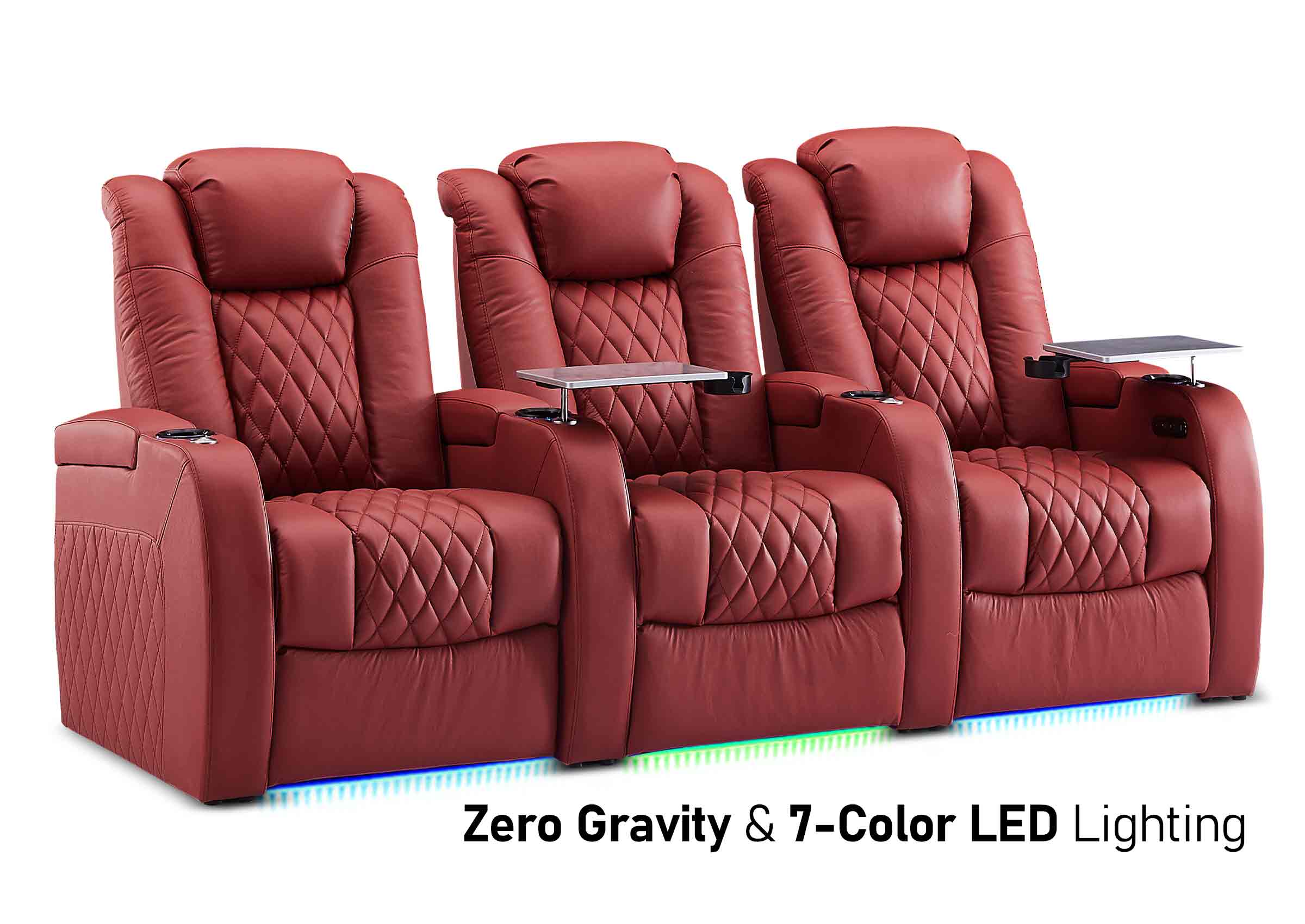
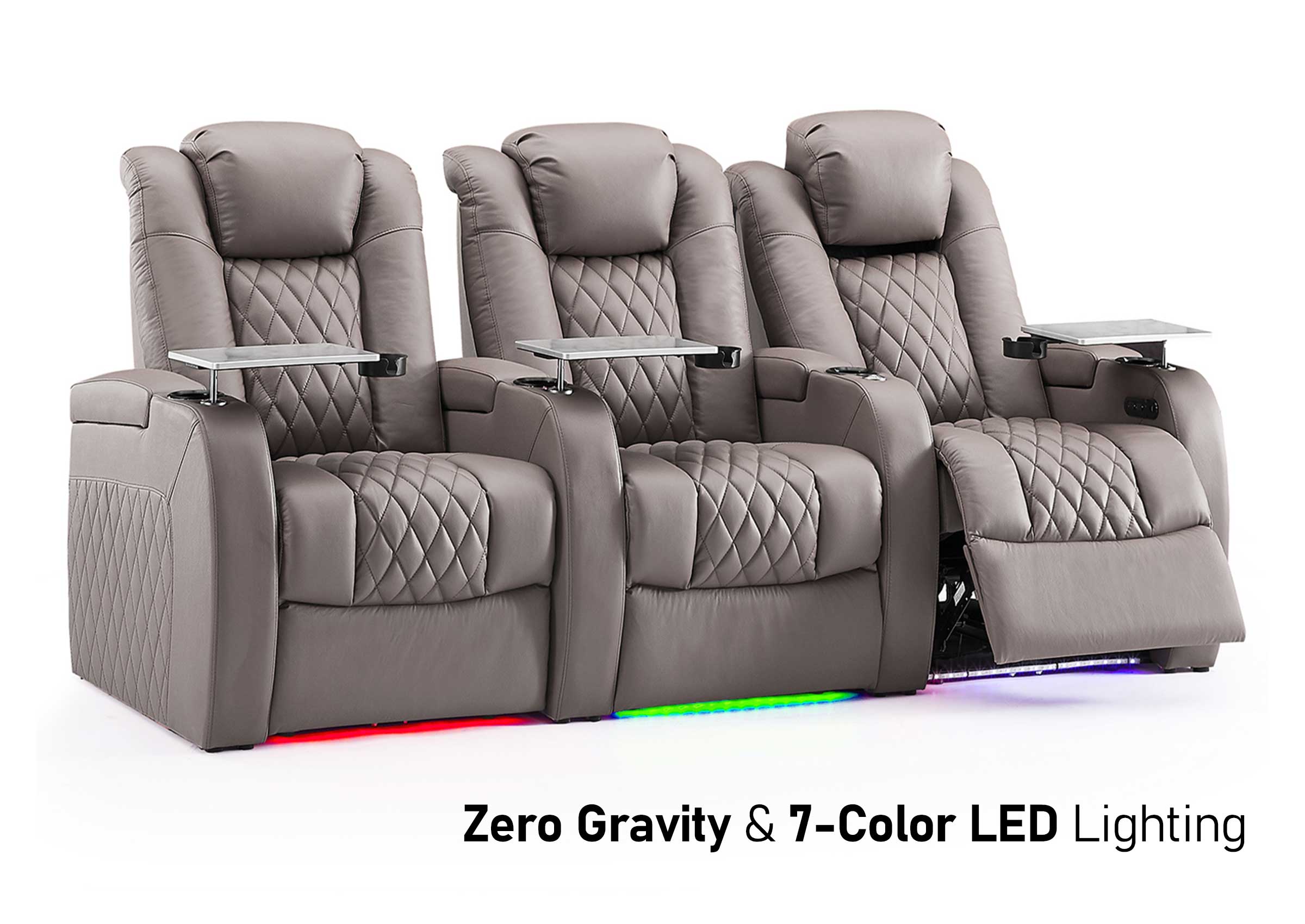
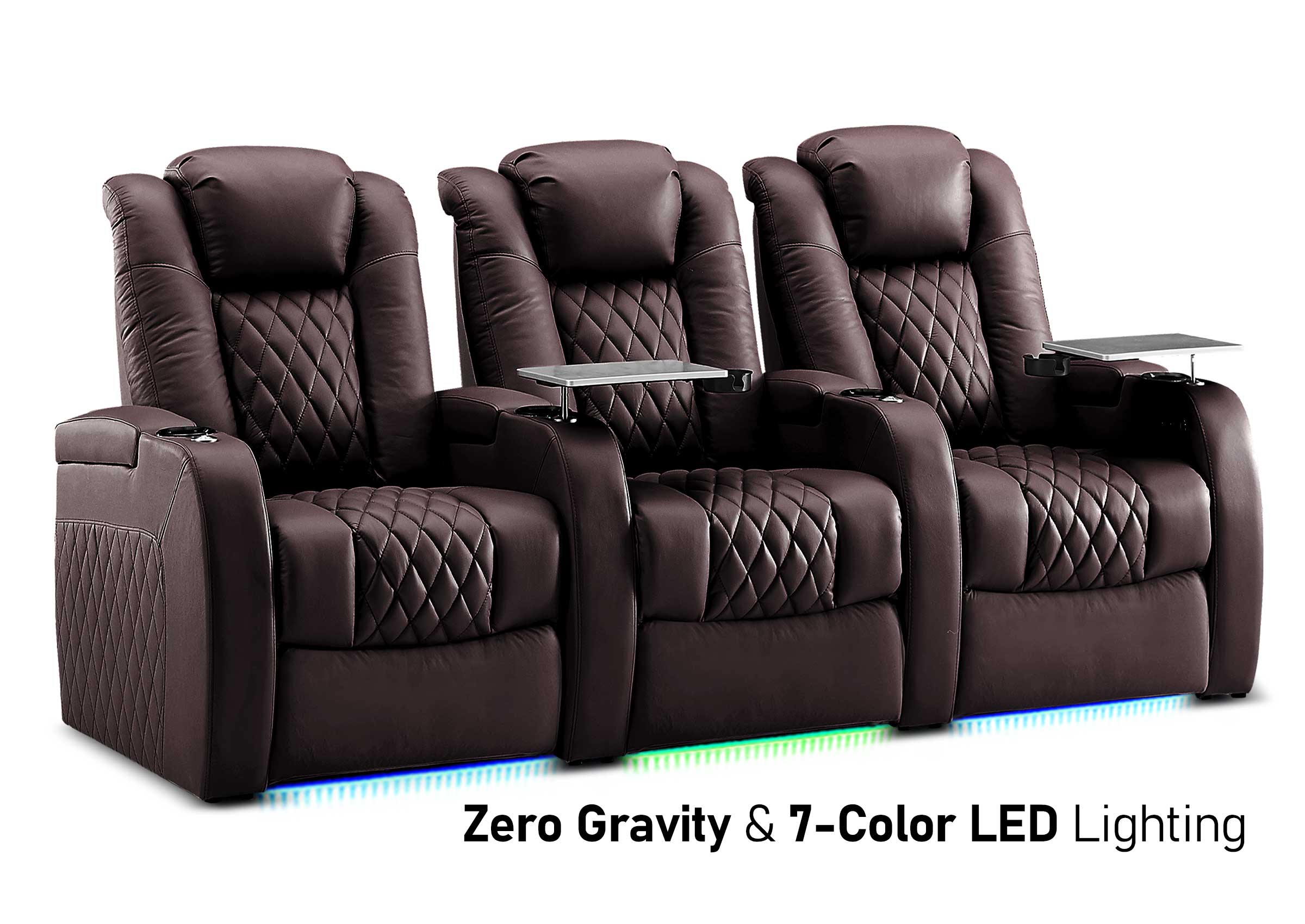

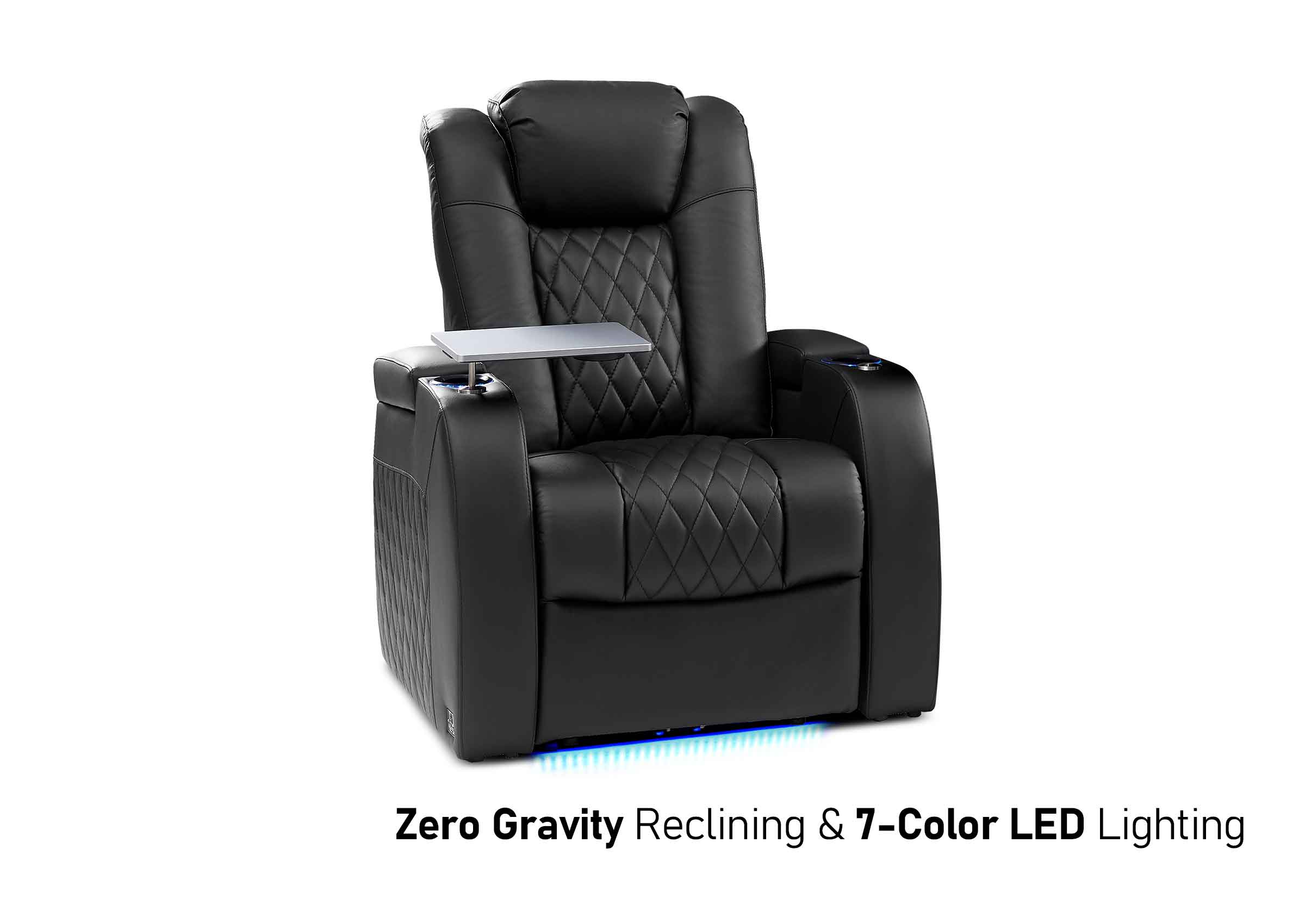
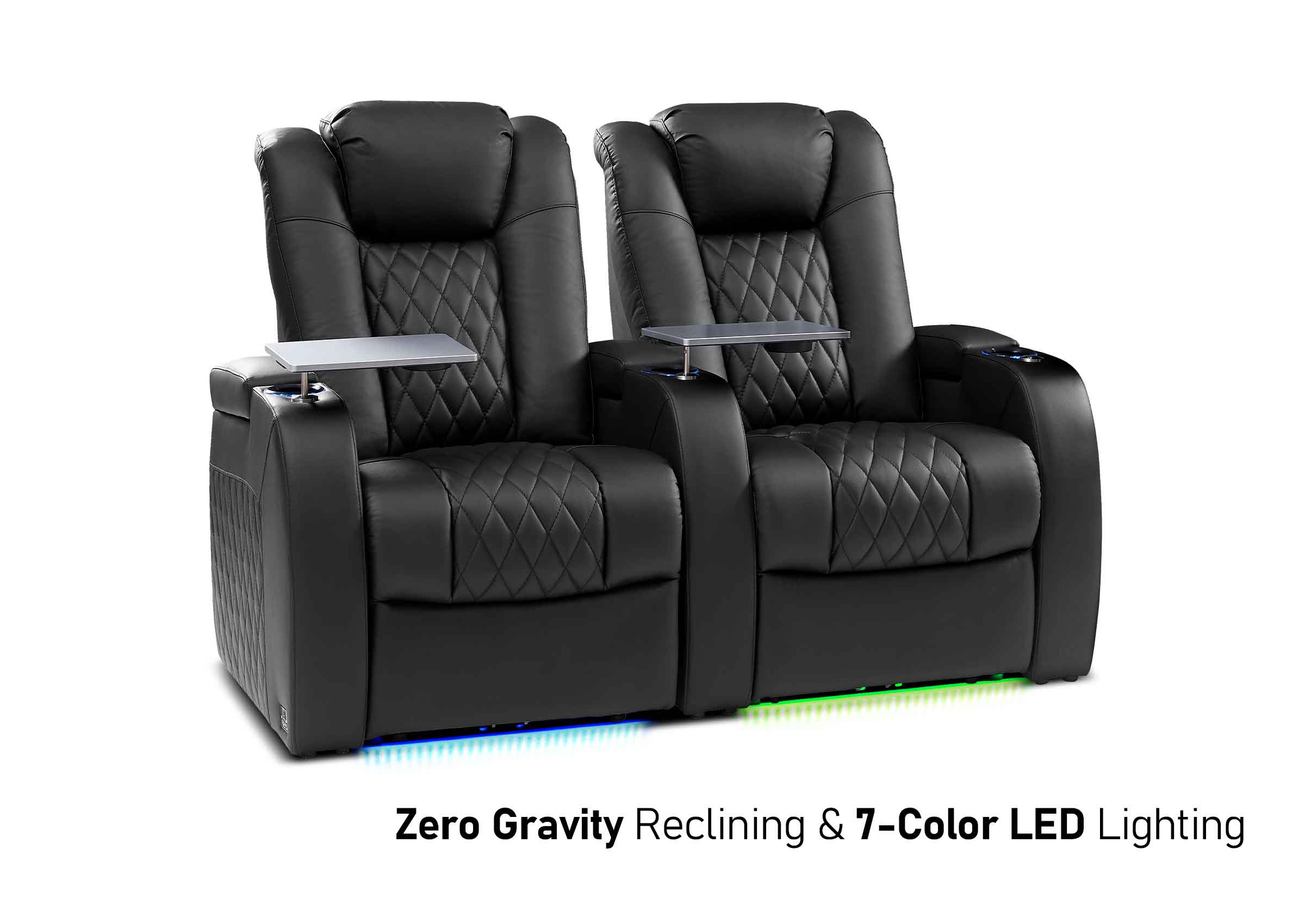
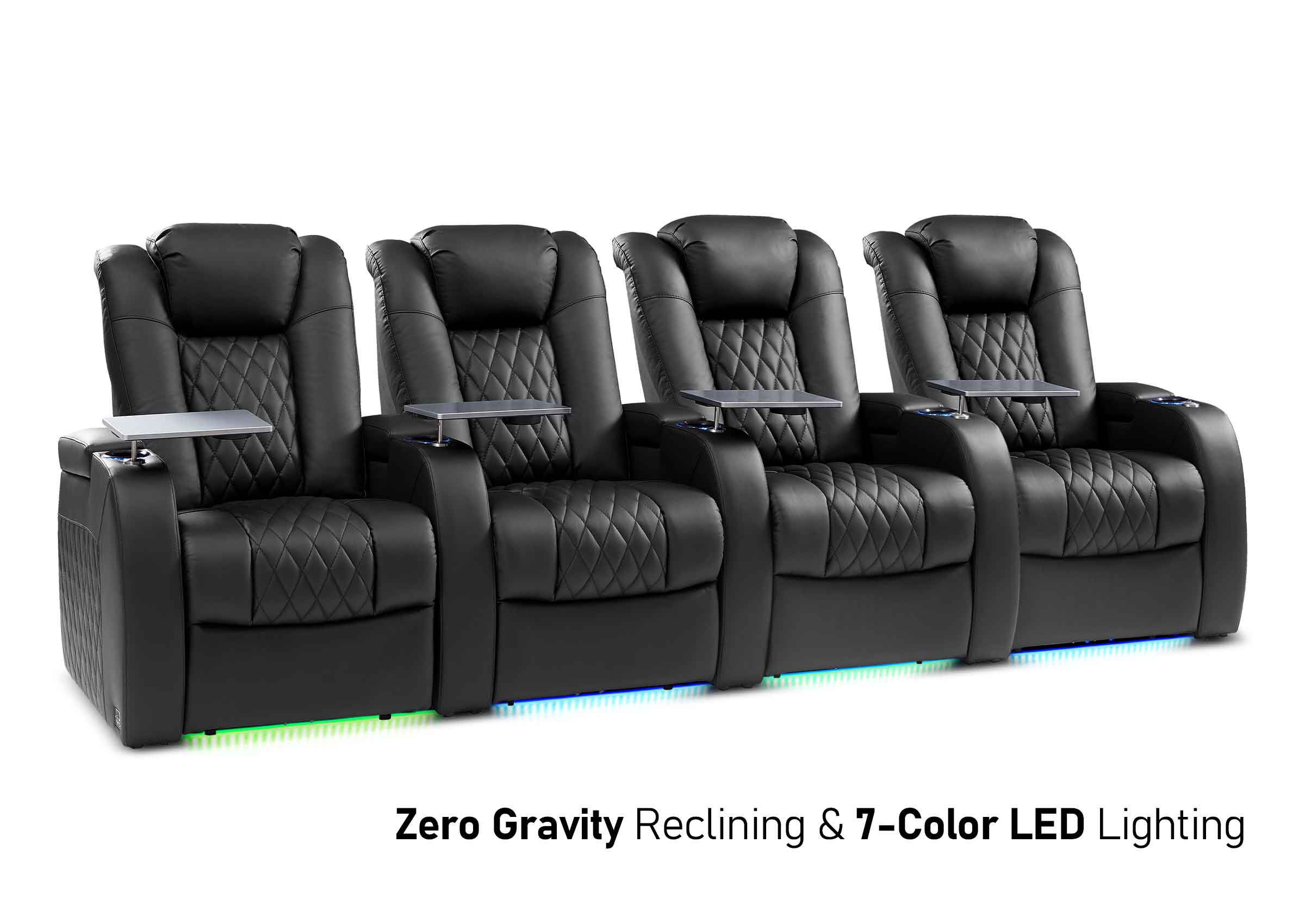
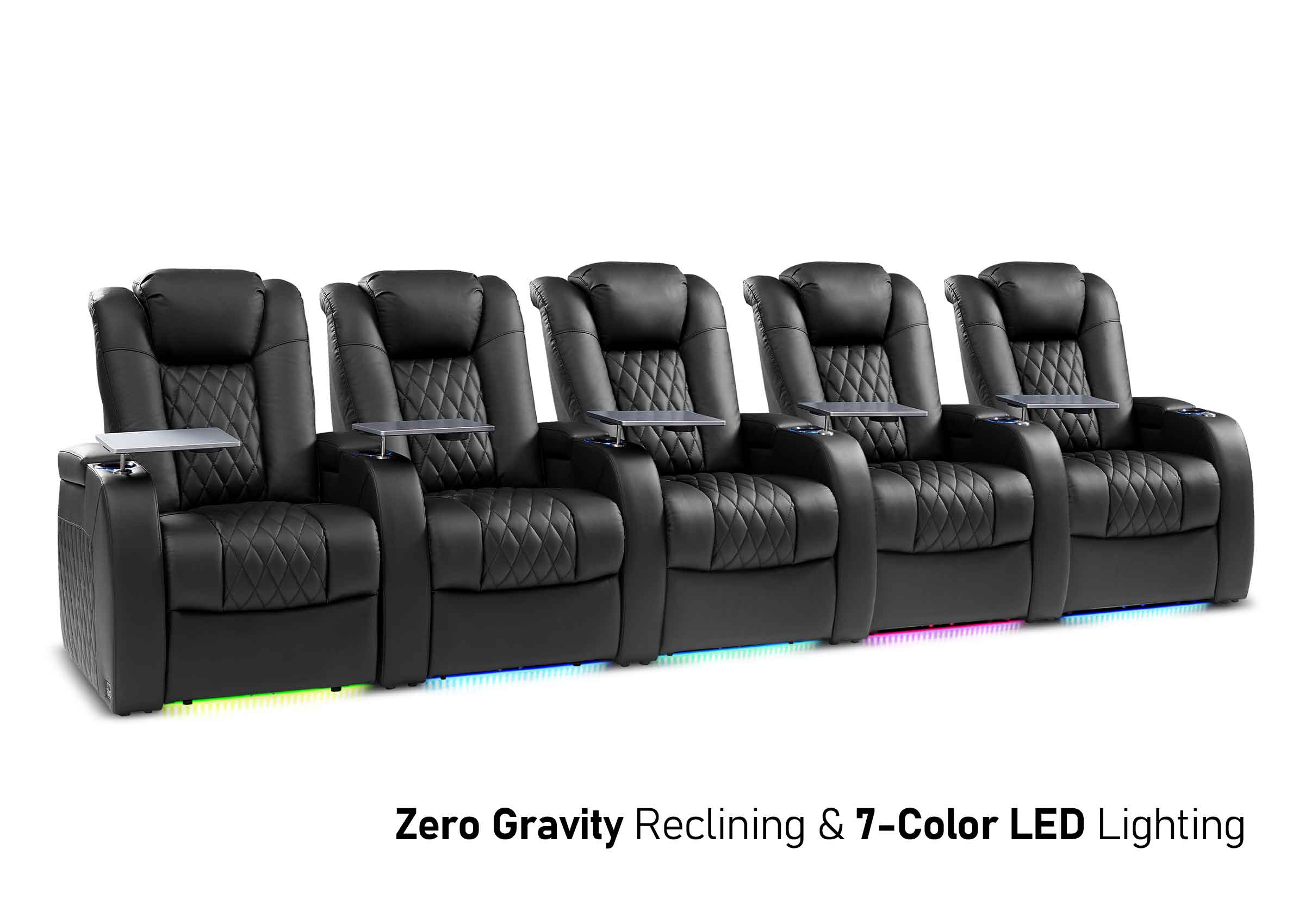
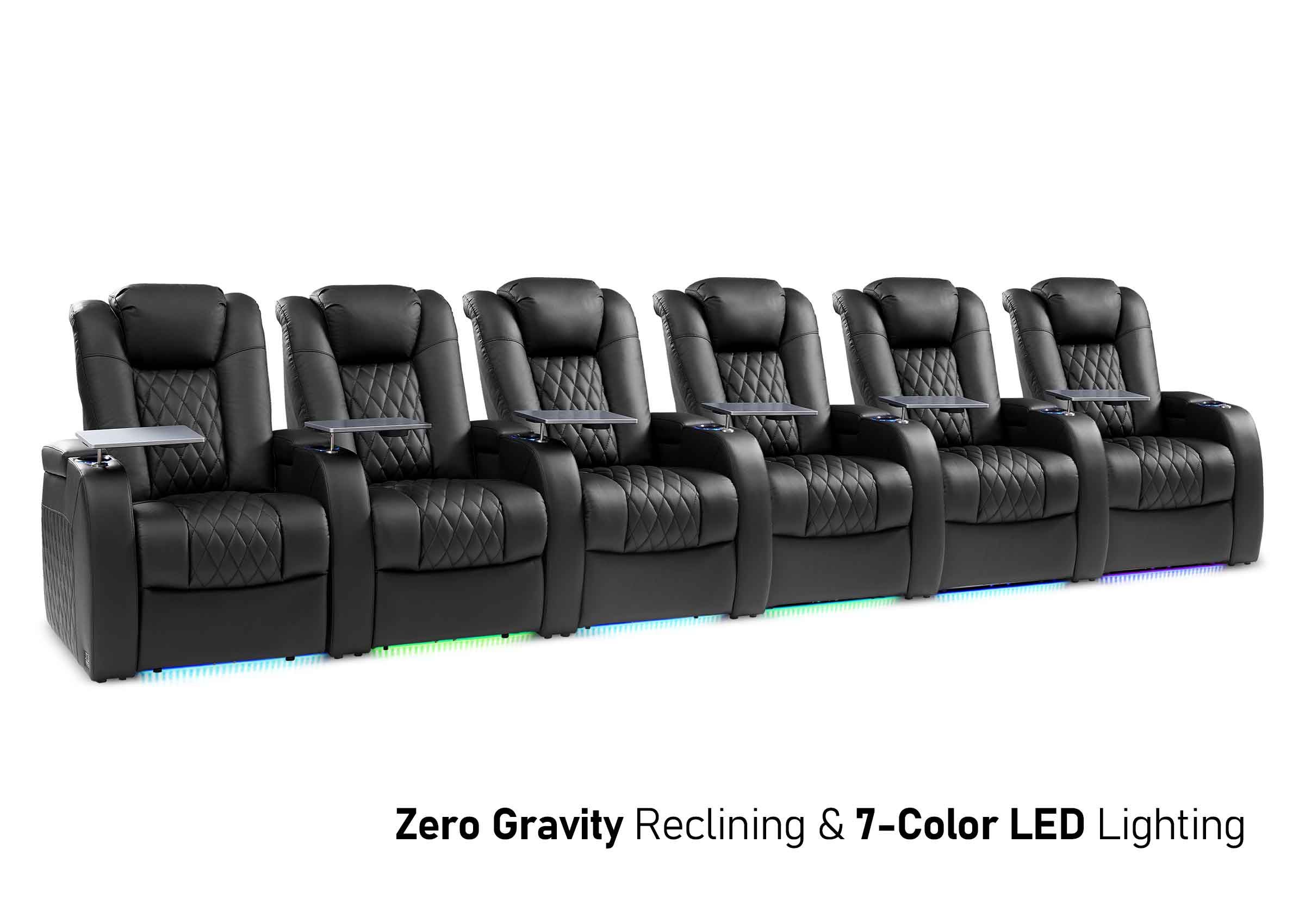
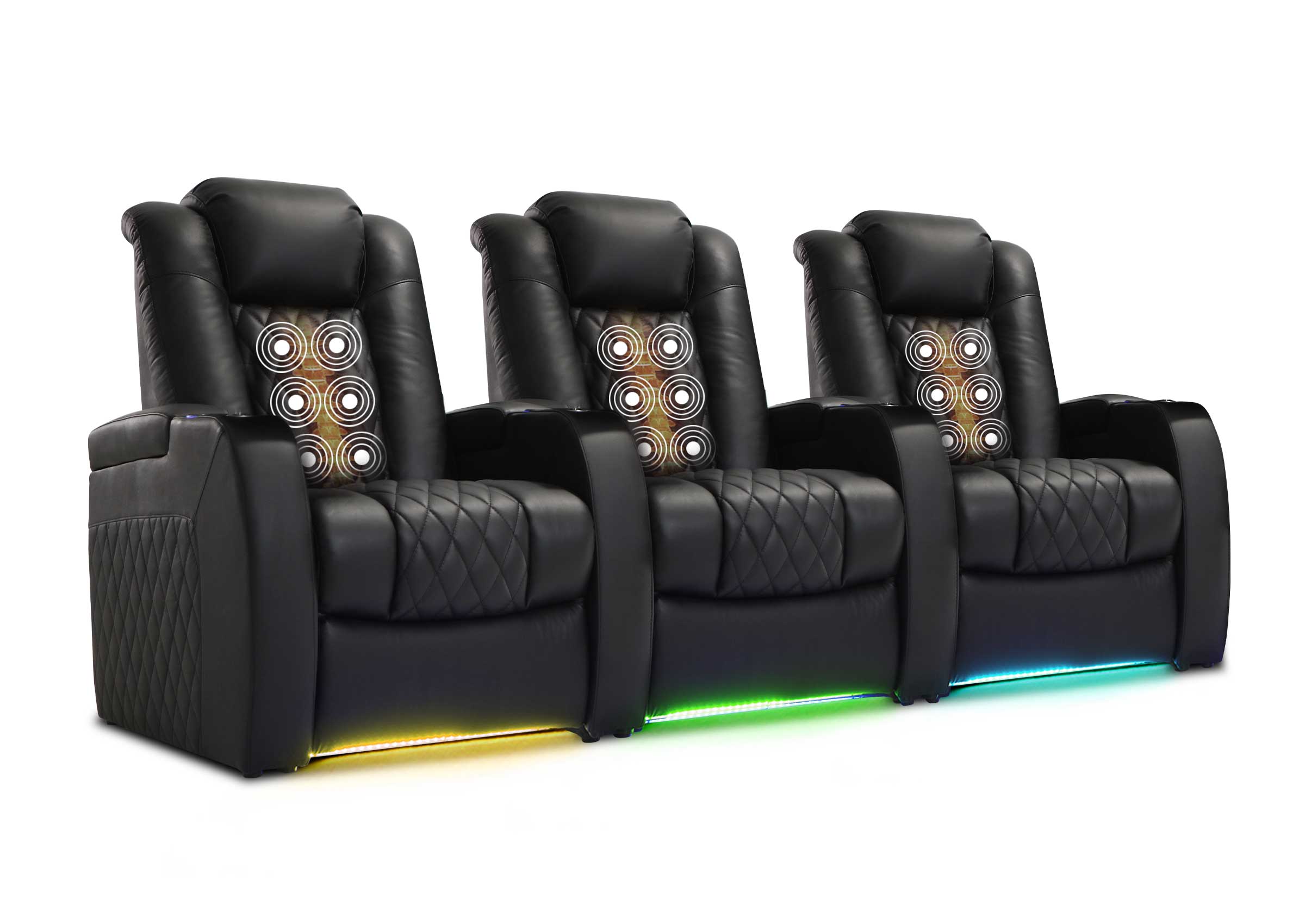
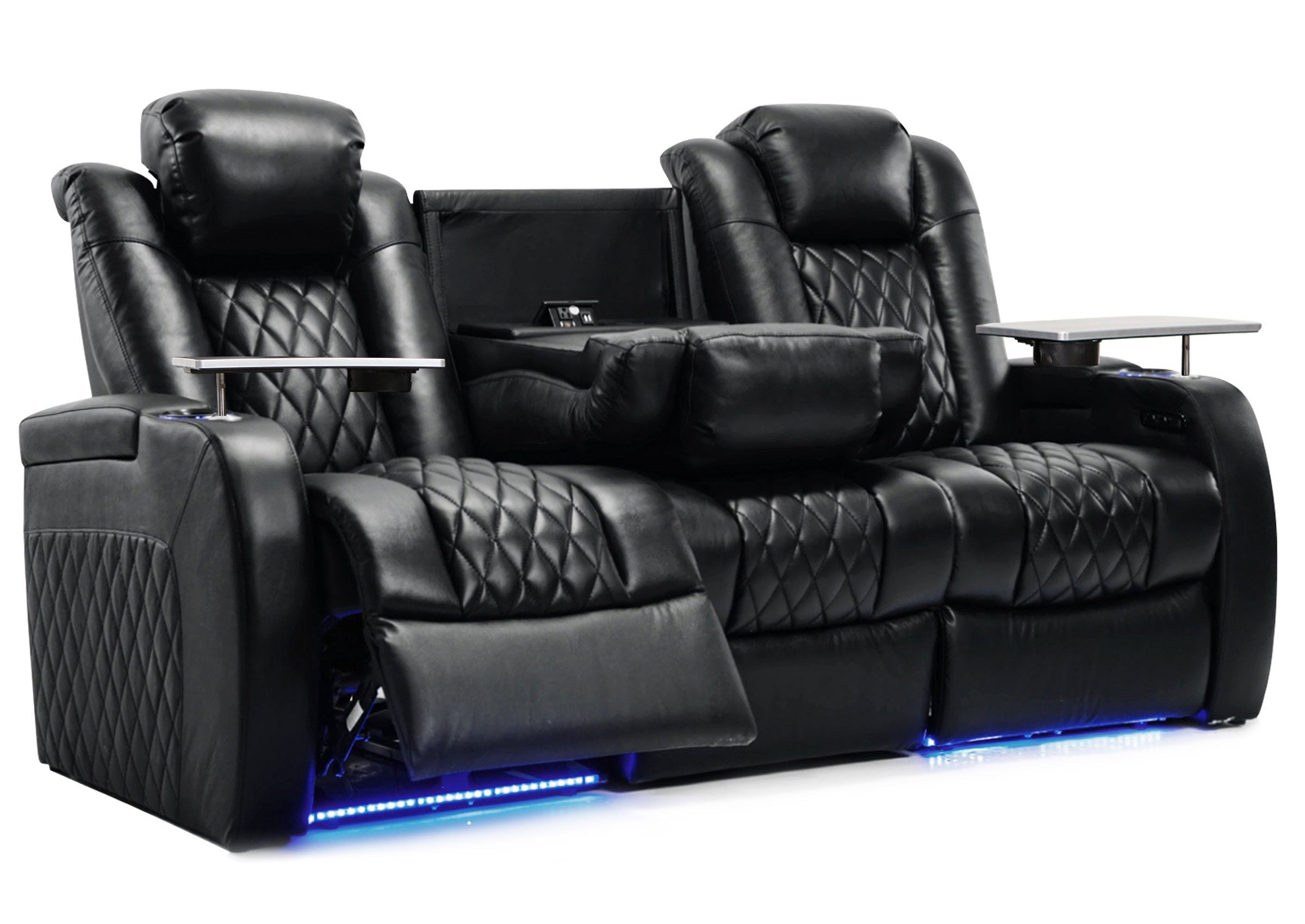
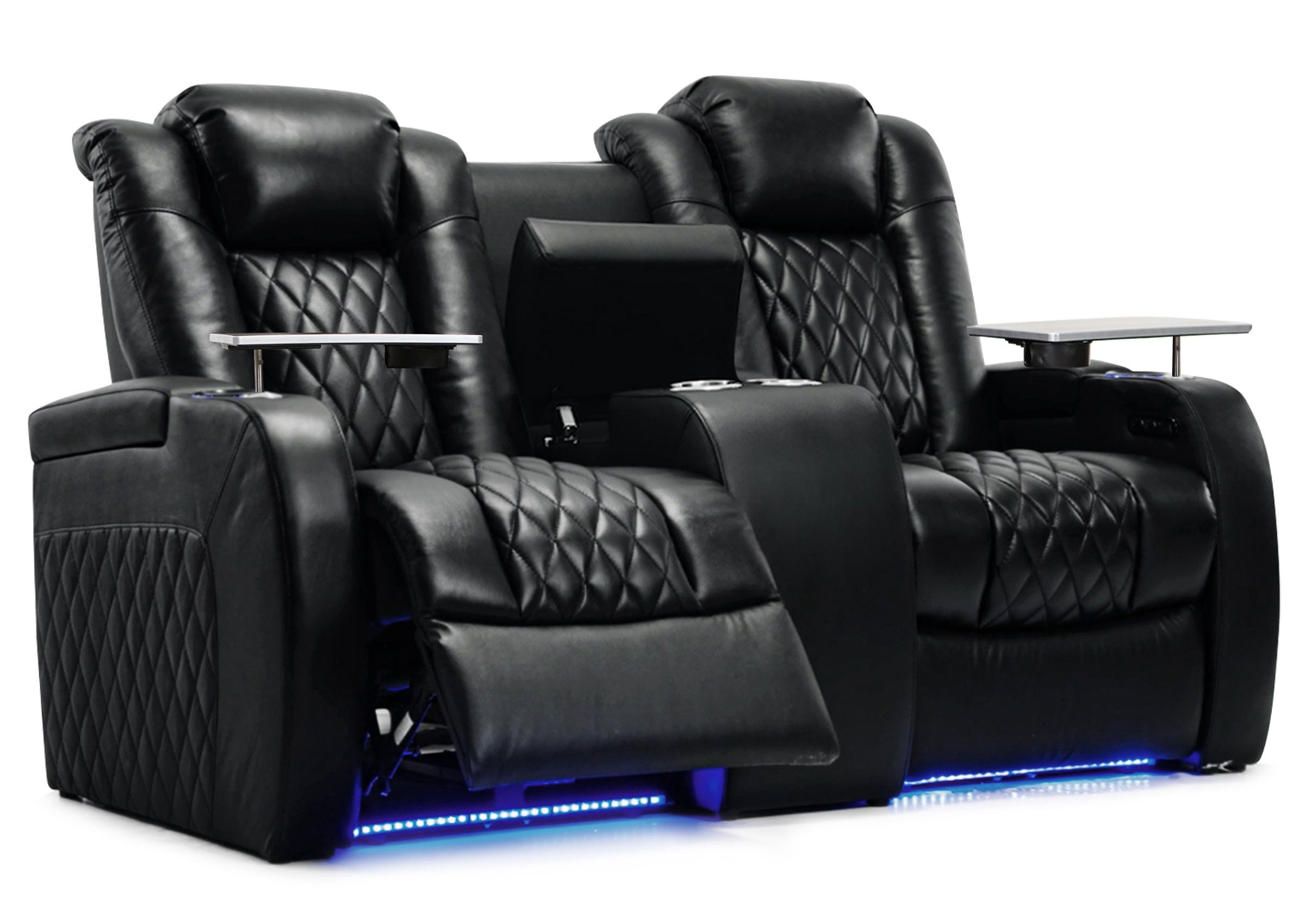




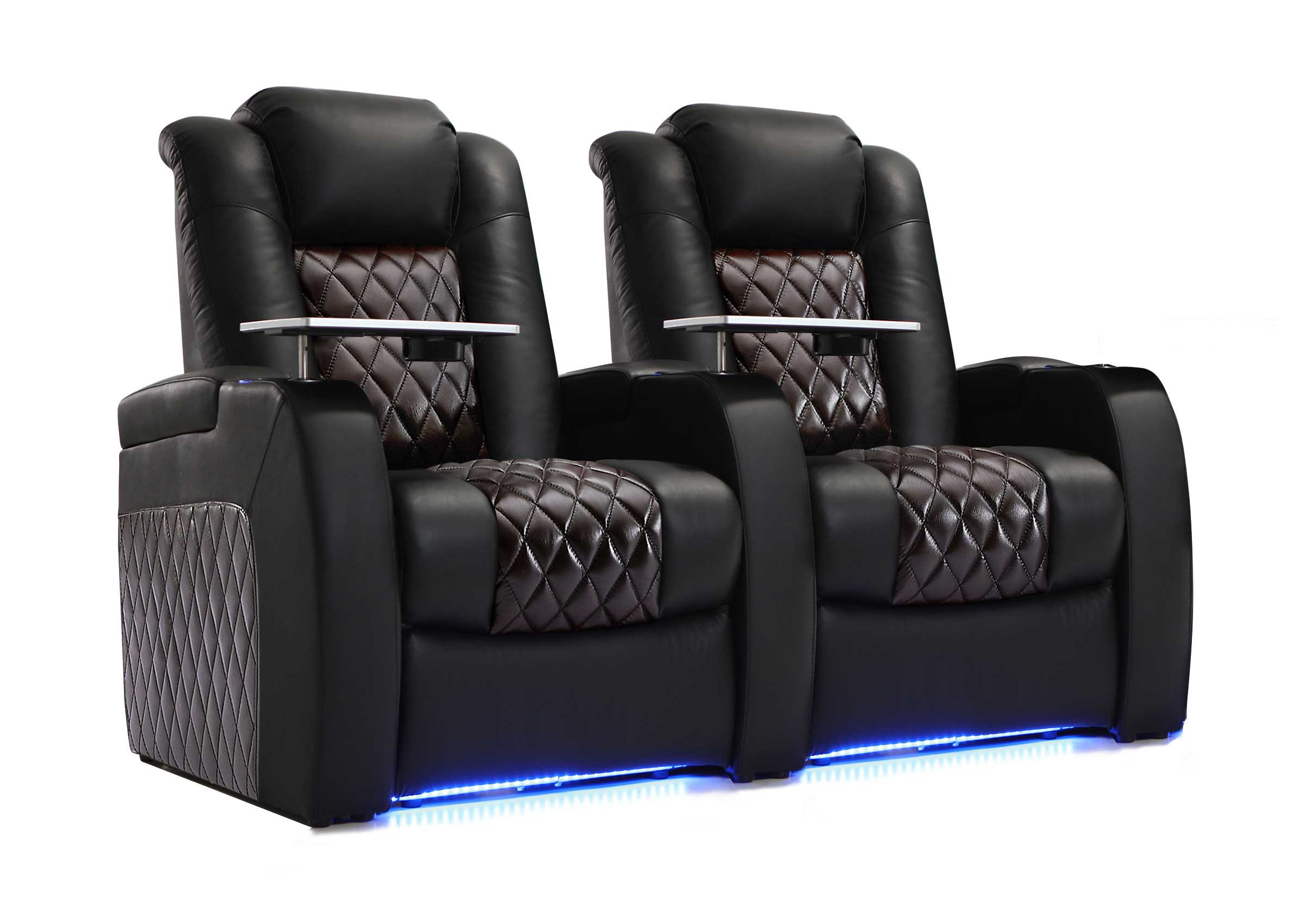
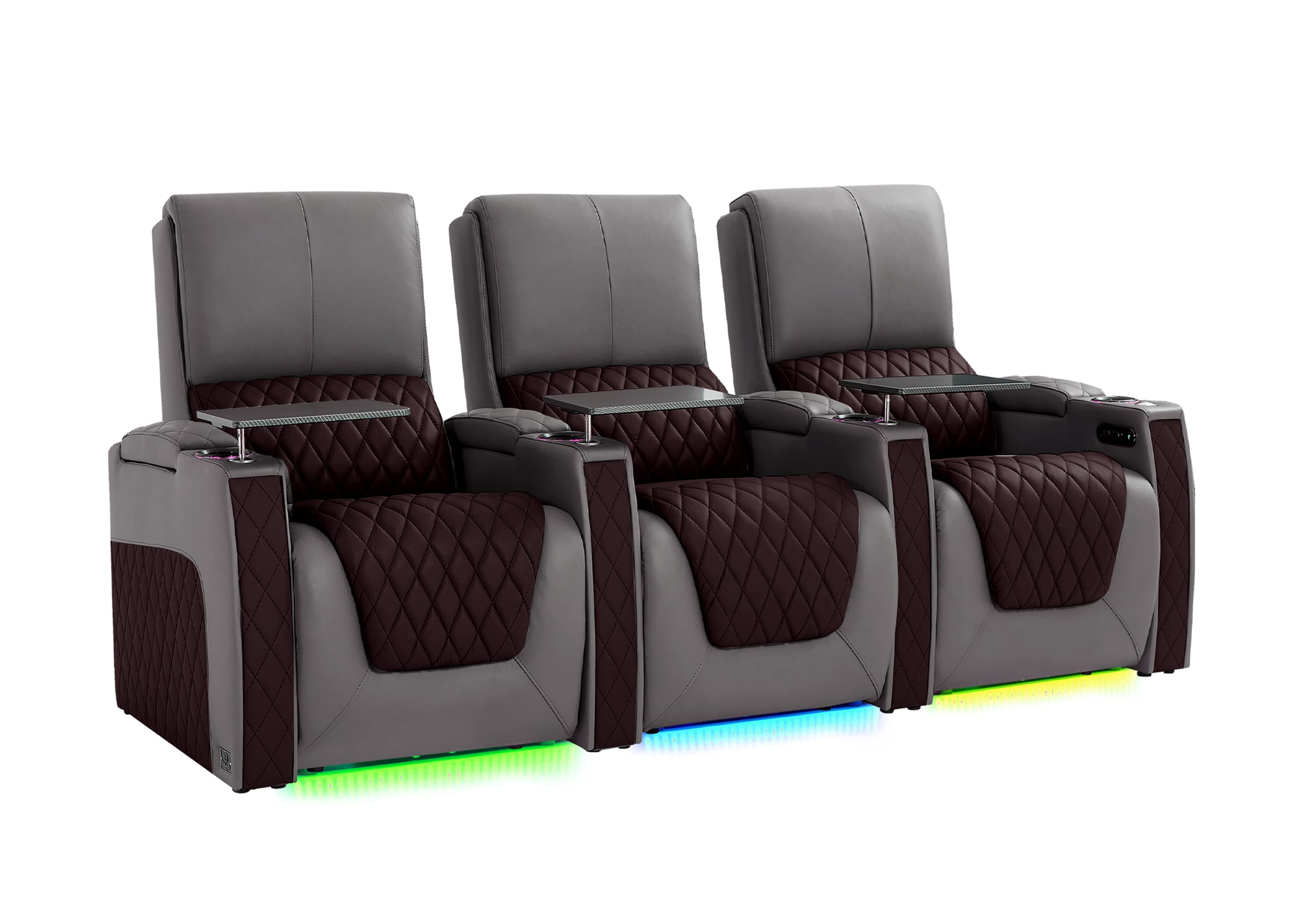
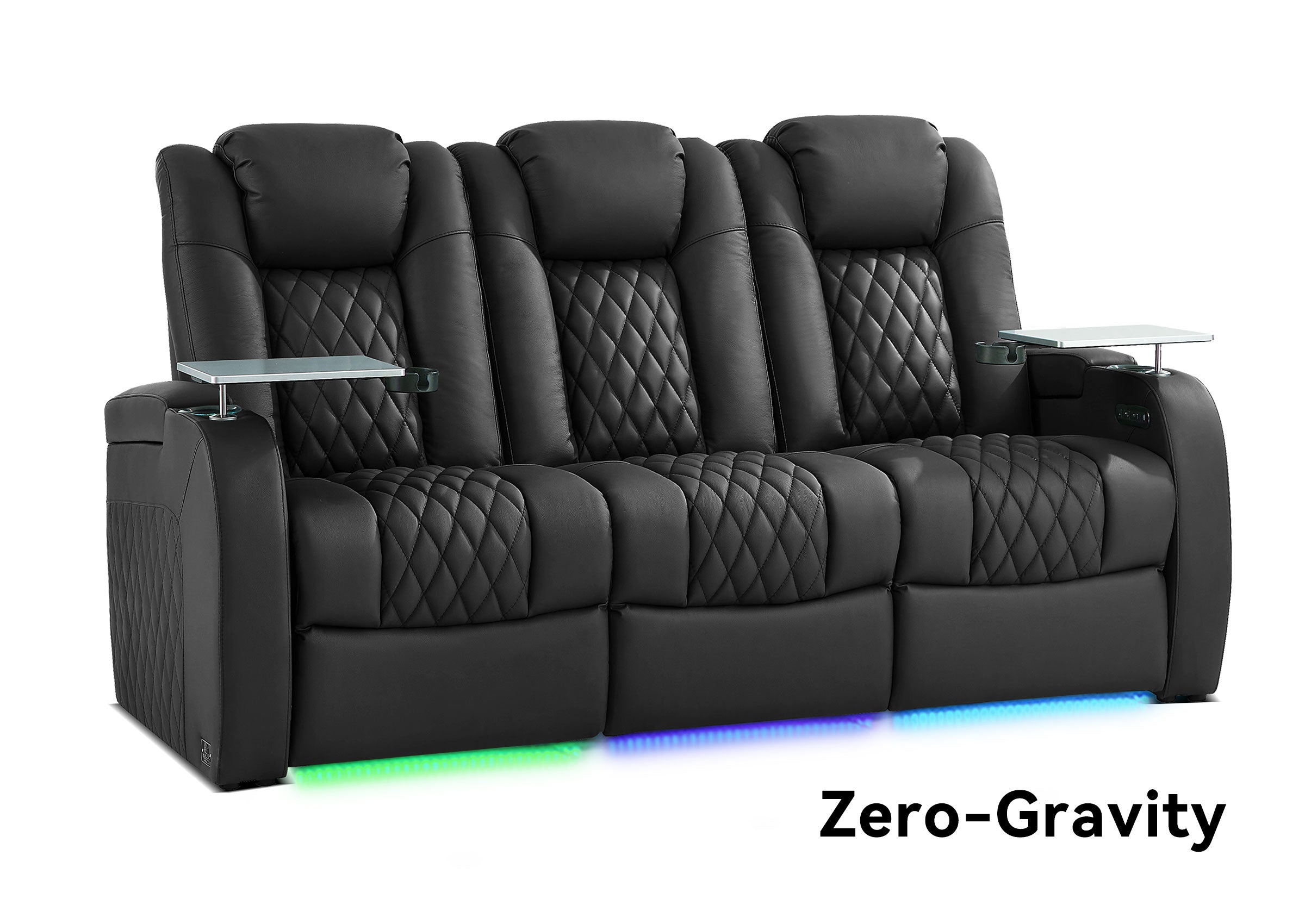
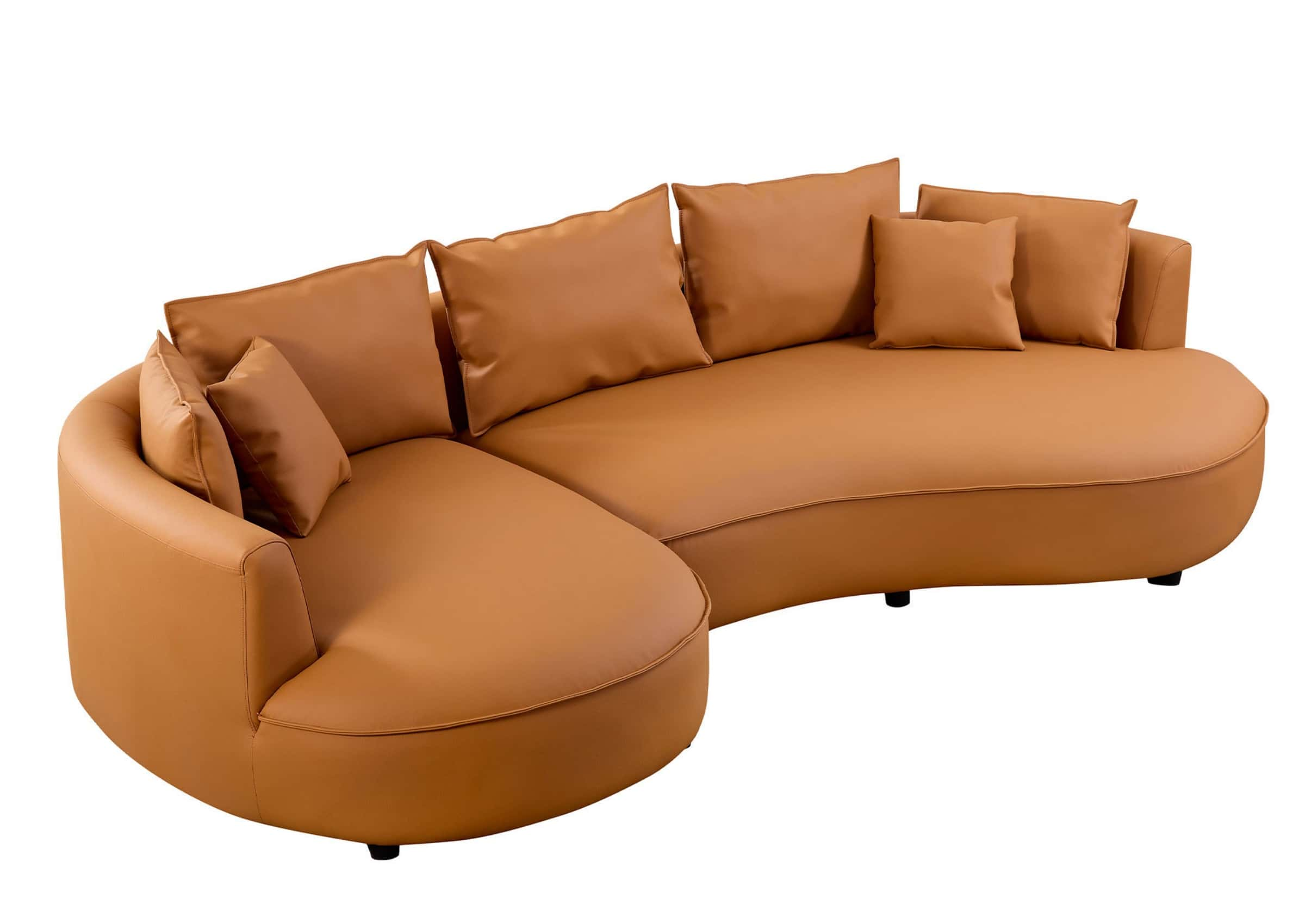


Choose standard home theater seating when an existing configuration meets your seating, room, and feature requirements—and its actual availability fits your schedule. Choose custom or made-to-order seating when a specific change matters enough to justify the confirmed extra cost, approval work, and wait.
The useful comparison is not simply “cheap and fast” versus “expensive and better.” A standard model can be backordered, a catalogue configuration can be built to order, and a custom program may offer colors without changing the chair's dimensions. Start by identifying what you need changed.
What Counts as Standard or Custom Theater Seating?
Separate the product choice from its stock status. Standard describes an established model or configuration; in stock describes whether the required units are physically available for your order.
There are often three purchasing routes:
| Purchasing route | What you are selecting | What still needs confirmation |
|---|---|---|
| Existing configuration, stock confirmed | A defined model, color, layout, and feature package | Allocation for the full order, dispatch timing, destination, and delivery scope |
| Catalogue options, made to order | Available finishes, modules, or feature combinations on an established product | Which options are supported, the approved specification, production timing, and order terms |
| A request beyond the catalogue | A proposed change not already offered as a selectable option | Feasibility, drawings or samples, revised price, approvals, and a project-specific schedule |
Manufacturers use the word custom differently. For example, Seatcraft's custom-program FAQ describes expanded colors and feature options while explicitly excluding custom chair dimensions. That establishes the scope of that program, not a rule for every manufacturer.
Likewise, choosing a different number of seats or a loveseat arrangement may be a standard configuration choice. It does not prove that the manufacturer is redesigning the chair. Ask which purchasing route applies to the exact option you are considering before relying on its price or timetable.
Compare the Options That Actually Change Your Experience
Appearance and Upholstery
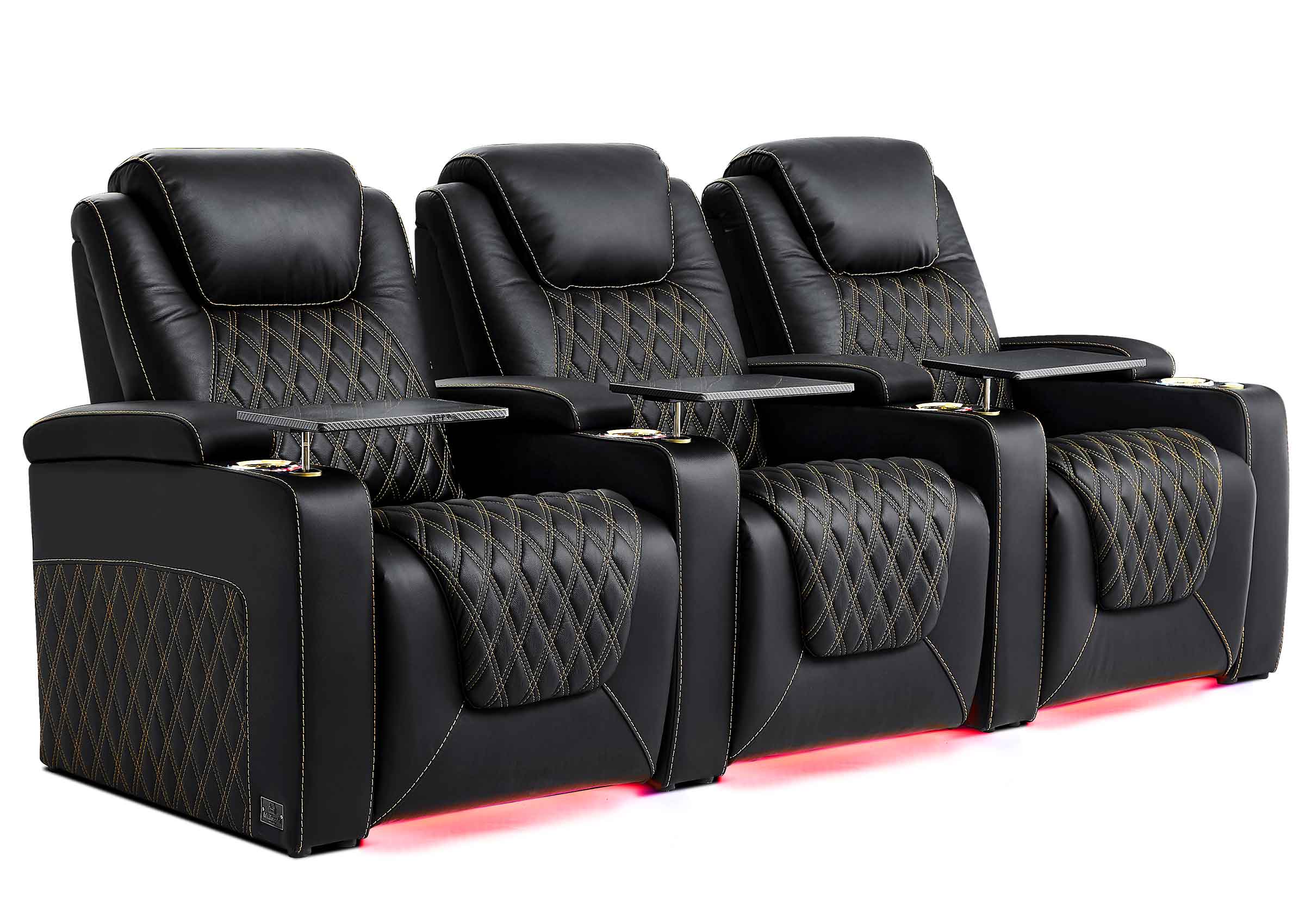
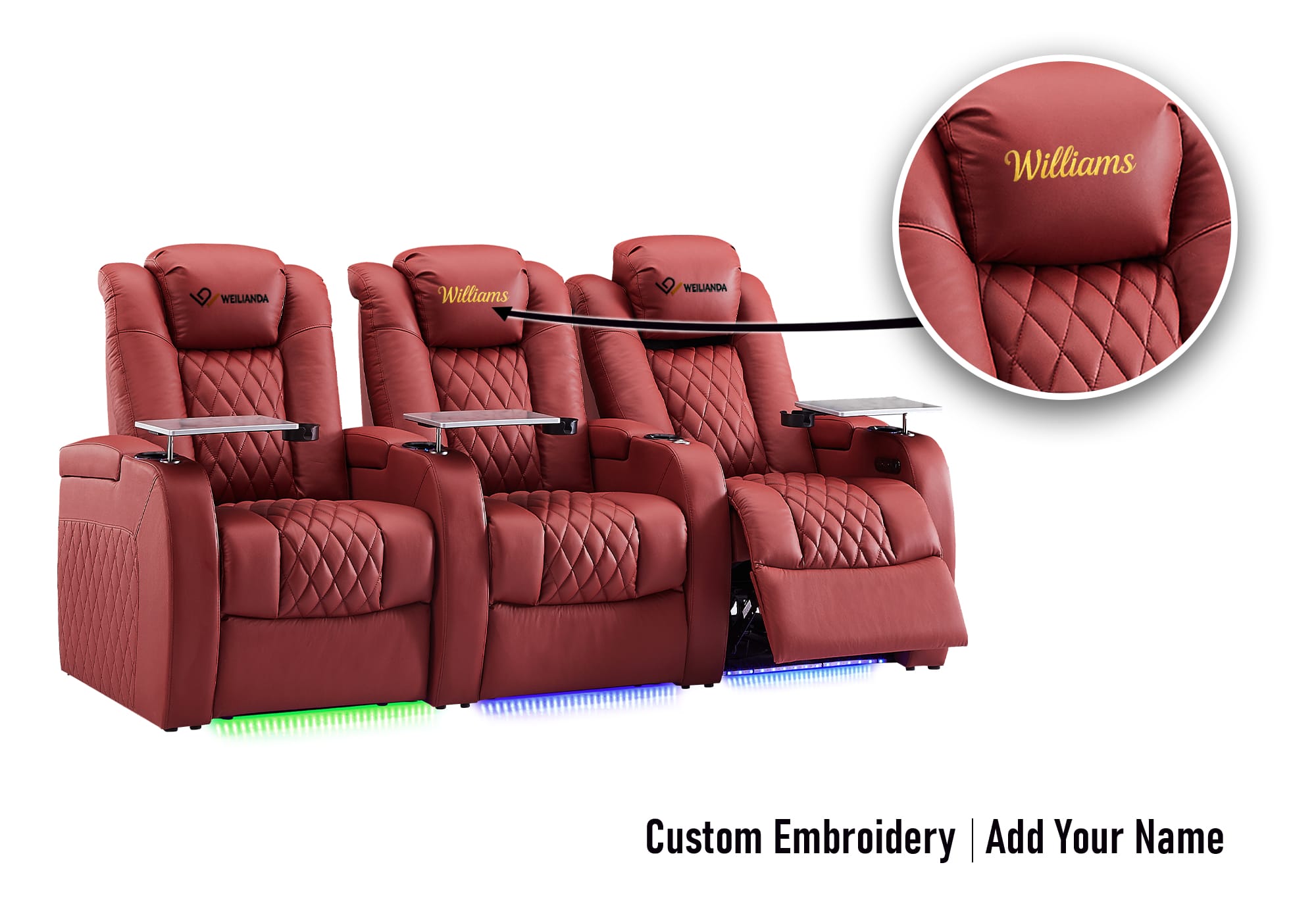
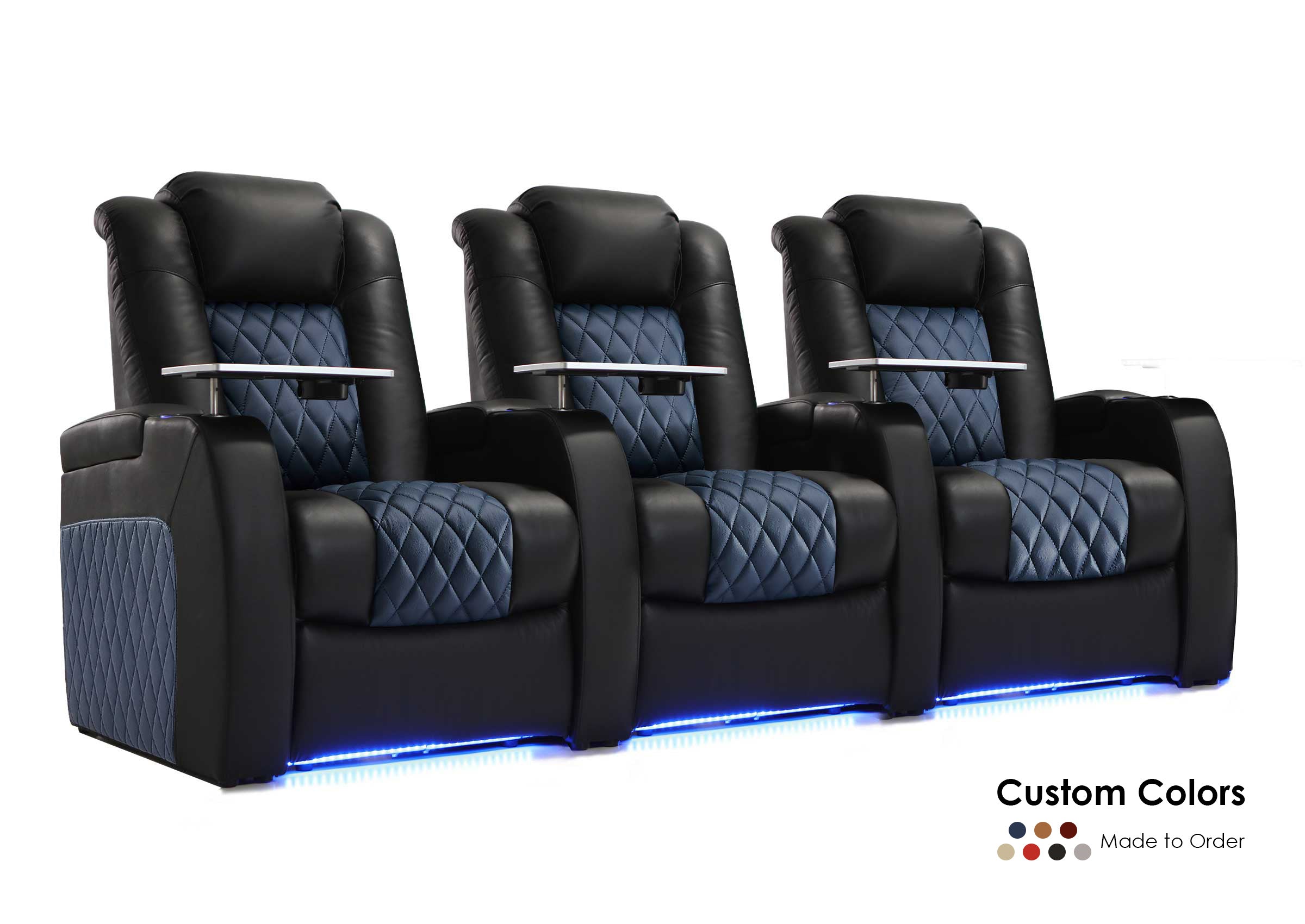
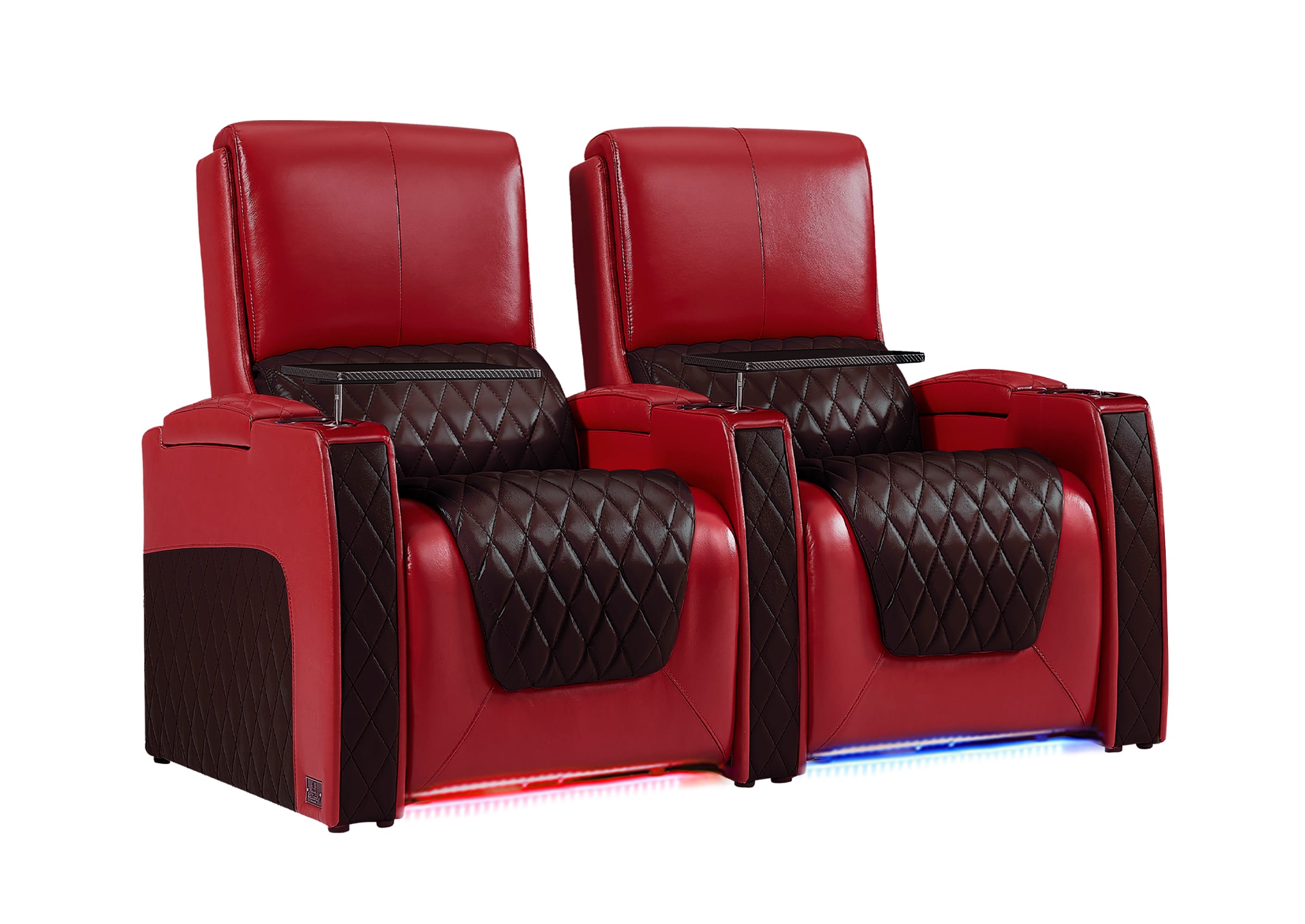
Color, two-tone combinations, stitching, and personalization can make made-to-order seating worthwhile when the room has a clear finish direction. They are different decisions from seat geometry or reclining movement.
Use a sample of the selected upholstery and color under your room's lighting when available. Confirm which surfaces use the specified material; a leather description alone may not describe the sides, back, or trim. A sample helps with color and surface feel, but it cannot establish how the complete seat will support you through a movie.
If an existing color works well and the extra finish choice is only a mild preference, a long wait may add little everyday value. If coordinating a visible room feature is central to the design, an approved finish can be a meaningful reason to order differently.
Room Fit and Seating Layout
Compare the complete row width, usable seat dimensions, shared and end arms, upright depth, and fully reclined footprint. Check how people enter and leave the row, and measure the route into the room separately.
Before requesting a narrower custom chair, test existing solutions: another model, a supported loveseat arrangement, fewer positions, or a different layout. Each changes the experience as well as the footprint. Removing an arm on a drawing is not evidence that a fixed arm can be removed from the delivered product.
A request for a different seat width, depth, back height, or built-in platform needs specific confirmation. It may affect structure, movement, controls, proportions, and the finished layout. Do not approve the room around a proposed dimension until the selected product and drawing establish it.
Movement and Comfort Features
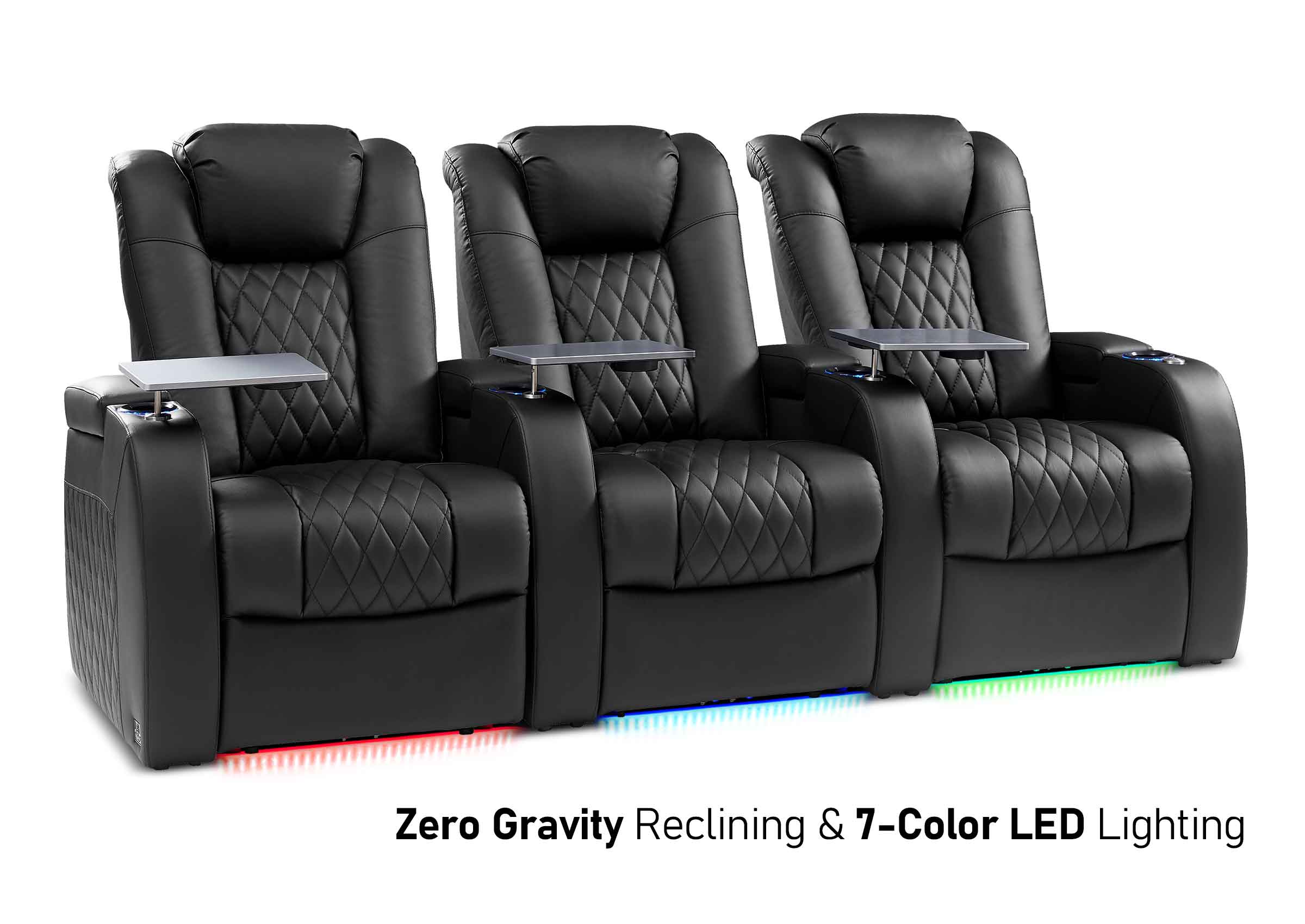
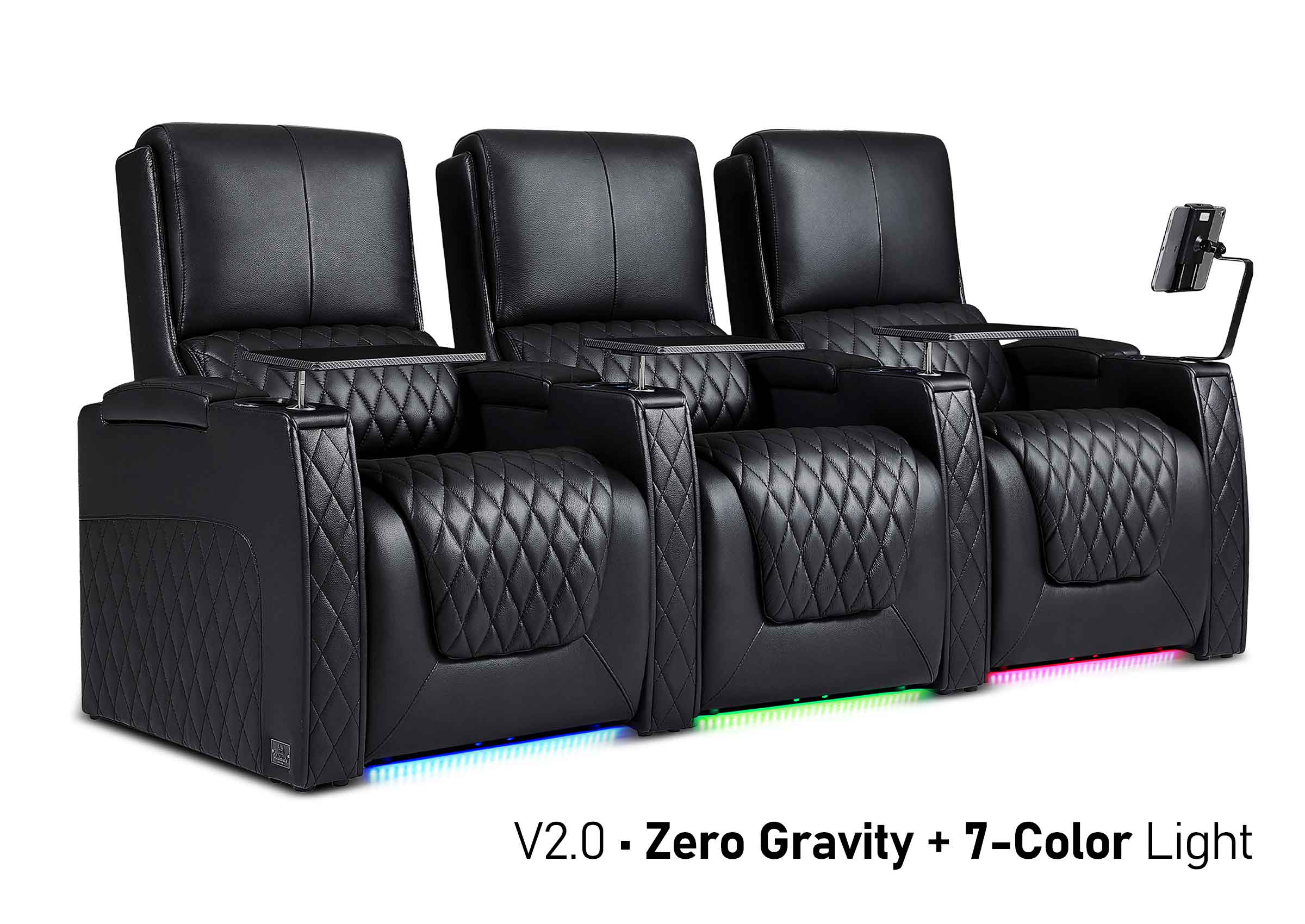
Compare the adjustment you need, rather than the number of features in a brochure. A power headrest does not necessarily provide the same movement on every version, and the backrest and footrest may move together.
Ask for a demonstration of the selected version in your normal viewing position. If an existing model already provides that position, customization may add no functional benefit. If your requirement is not offered, ask whether it is an available option or a development request before assigning it a price or delivery date.
Weilianda's custom seating collection can help identify product and finish directions to discuss. Confirm the actual option set for the selected model; a collection label or illustration is not approval for every requested change.
Compare the Complete Cost on the Same Basis
There is no single custom-seating surcharge that you can apply to every order. A different finish on the same product, an additional motor, a larger chair, and a new configuration are different changes.
Start with the same number of usable seats and a comparable layout. Record the upholstery coverage, included movements, accessories, warranty option, and delivery result. If the alternatives use different models or functions, identify those differences rather than attributing the entire price gap to customization.
Here is a hypothetical three-seat comparison in USD. Assume both alternatives retain the same layout and required movements, with the made-to-order version changing the selected upholstery. These are chosen numbers for explaining the method, not Weilianda prices, a market average, or a promised customization fee.
| Illustrative cost item | Existing configuration | Made-to-order alternative |
|---|---|---|
| Seating as specified | $2,700 | $3,150 |
| Assumed delivery charge | $200 | $200 |
| Separately arranged move-in service | $150 | $150 |
| Planned total before applicable tax | $3,050 | $3,500 |
In this example, the extra planned spend is $450. Decide what that amount buys: a finish you strongly prefer, an approved functional change, or something you could achieve with another existing configuration. The example does not imply that every custom order costs $450 more or that either route includes an installation service. Both totals exclude applicable tax, which must be assessed on the same basis before either becomes a final payable amount.
Compare discounts only after establishing the selected configuration and eligible offer. A large percentage on an unsuitable configuration does not make it the right purchase. Also compare payment timing, change restrictions, and any costs you would incur while waiting.
When you have actual proposals, our theater seating quote-comparison guide helps you check whether the amounts cover the same outcome.
COMPARE YOUR SEATING OPTIONS
See Whether an Existing Configuration Meets Your Needs
Use your required layout, usable dimensions, and must-have movements to build a shortlist. Confirm availability for the exact color, configuration, and quantity before planning delivery.
Read Lead Times as a Sequence, Not One Number
Ask what starts the clock and what ends it. Order placement, specification approval, production completion, warehouse dispatch, carrier delivery, and usable seating in your room are different milestones.
For a stocked configuration, the critical questions are whether the complete order is allocated and when it can dispatch. For made-to-order seating, add the time needed to approve materials and details, obtain components, and complete production. Delivery and any separately arranged placement follow.
At the October 28, 2026 review, Weilianda's project FAQ described approximately 8–10 weeks of production after configuration and order details are confirmed, with international shipping separate. Its general FAQ listed a 13–14-week customization period. Those descriptions do not establish one universal order-to-home timetable.
Before ordering, obtain a written schedule for your configuration that states the approval requirements, estimated production completion, dispatch, and expected arrival at your address. Ask which published description applies to that order and which stages it includes. Do not average the two figures or choose the shorter one simply because it fits your preferred date.
Weilianda's shipping policy also describes delivery dates as estimates. Stock status, dispatch speed, transit, and appointment availability must be read together.
A useful record contains dated milestones and the assumptions behind them. “Ten weeks after the final finish approval, plus transit” is materially different from “ten weeks from today.” If the sample approval is still open, the production clock may not have started.

When Should Quick-Ship Seating Take Priority?
A firm use date changes the decision. If the room must be usable for a move, a scheduled gathering, or a project handover, check the full delivery path before choosing a finish that requires production.
Work backward from the date the seating needs to be ready. For example, assume one week for approvals, ten weeks for production, two weeks for transit and delivery coordination, and one week for your own planning buffer. That is fourteen weeks. If the room is needed in twelve weeks, the assumed plan does not fit.
All four inputs are illustrative, not a shipping promise or a recommended buffer. Replace them with the actual order's milestones. Extra time can absorb some uncertainty; it cannot guarantee that an unresolved production or delivery issue will disappear.
Choose a quick-ship option only after confirming that the exact color, layout, and quantity qualify. One available chair does not prove that a complete four-seat row is ready. “Ships quickly” also does not describe how long the carrier needs or whether the service includes room placement.
Keep fit as a non-negotiable condition. A readily available row that is uncomfortable for the main viewers or blocks the required route is a poor substitute. Consider another suitable existing model, retain usable seating temporarily, or move the use date rather than ordering an unsuitable configuration solely for speed.
The delivery access checklist helps separate a chair that fits the finished room from one that can actually reach it.
Confirm Changes and Returns Before You Commit
Standard seating is not automatically a free home trial, and a made-to-order label does not by itself tell you the exact cancellation or return rules. Classification, order stage, condition, and seller terms matter.
At the October 28 review, Weilianda's return policy required authorized returns and original cartons, described a 30% restocking fee for preference returns, and treated custom or altered and special-order items differently. Its general FAQ also restricted cancellation and returns once customization begins. Do not interpret a restocking-fee clause as permission to return every customized order.
Before payment, ask which category applies to your exact configuration. Obtain the deadline and process for requesting a change, what happens after materials or production are committed, and whether any exception is actually approved. Keep that answer with the final specification and order confirmation. Record when the specification is approved and when the supplier considers the order committed to production; do not assume those are the same moment or that a later design revision preserves the original terms.
Use samples, dimensions, and a version-specific demonstration to resolve uncertainty before an irreversible step. A different color can sometimes be approved from a sample; an uncertain sitting position cannot be solved by selecting more decorative options.
For made-to-order work, keep a single approved record of the model, module order, arm orientation, finish codes, functions, and delivery scope. A written change request should produce an updated specification, amount, and schedule before it is accepted. Avoid parallel email versions that leave different people working from different choices.
Which Route Fits Your Room and Priorities?
Start with the requirement an existing product does not meet. If you cannot identify one that matters, compare suitable standard configurations first.
For a room with a firm deadline, a confirmed available configuration may be the better choice when its dimensions, adjustment, and finish already work. Check the entire row and delivery plan before treating that availability as decisive.
For a design-led room, made-to-order upholstery or personalization may justify the wait when the underlying model already fits. Approve the material and configuration early, and compare the extra spend with the value of that specific finish.
For a room or sitting requirement outside the catalogue, request feasibility before choosing a bespoke route. If the proposed change is unavailable, too costly, or too late, revisit the model, layout, or seat count. A customization request is not proof that the proposed solution can be built.
Use a short decision record before paying:
- The exact standard candidate and the requirement it does not meet.
- The proposed change and whether it is a catalogue option or a separately approved request.
- The complete configuration, finish, functions, and evidence of fit.
- The comparable total, unresolved charges, and change or return classification.
- The approval, production, dispatch, and arrival milestones against your use date.
That record makes the decision practical: choose the route that meets the important requirements within the cost, timing, and uncertainty you can accept.
Frequently Asked Questions
Is choosing a different color considered custom seating?
It can be, depending on the seller and selected product. A listed color may be stocked, a catalogue option made to order, or a special request. Confirm its stock and order classification separately. The number of colors shown on a page does not establish how quickly each one can be supplied or whether the same return terms apply.
Can custom seating be made narrower to fit my room?
Sometimes a manufacturer may offer another size or an approved modification, but not every custom program changes chair dimensions. First compare existing models and layouts. If a size change is proposed, obtain the finished row dimensions, usable sitting space, full recline requirements, and entry dimensions before approving it.
Is custom seating automatically more comfortable?
No. It is only useful for comfort if the approved change addresses your actual sitting requirement. A color or embroidery option does not alter cushion support or headrest movement. Compare the relevant dimensions and request a demonstration of the selected version; comfort preferences remain personal even when the specification is detailed.
Will stocked and made-to-order seats in one order arrive together?
Not necessarily. Ask whether the order will be held for one delivery or split into shipments, and whether that changes freight, appointment, storage, or move-in costs. If the seats need to form one row, confirm that all required modules and parts will be available before scheduling installation or removing the old seating.
Can I buy a standard row now and add custom modules later?
Only after compatibility and the intended final layout are confirmed. Record the model version, connecting method, left and right modules, arms, controls, and finish reference. A familiar series name does not guarantee that a later module will connect or match. Future availability and batch appearance also remain uncertain.
Can I pay extra to get custom seating sooner?
Ask which part of the schedule can actually be shortened. Faster approval, an available material, a production slot, and faster freight are different possibilities; paying more does not create every one of them. Get the revised scope, cost, and estimated milestones in writing. If the complete schedule still misses your use date, choose a suitable available alternative or adjust the date.
What if my custom seating arrives damaged or incorrect?
Treat that as a delivery or product issue, not simply a preference return. Photograph the cartons, labels, and affected parts, retain packaging, and contact the seller promptly under the applicable reporting instructions. Do not assume that either a no-preference-return condition or a general restocking fee describes the remedy for damage or an incorrect item.
Compare Your Existing Option With One Clear Custom Request
Bring the standard configuration you would otherwise buy, the specific requirement it misses, your room plan, and your target use date. That gives the discussion a useful starting point and keeps optional upgrades separate from essential changes.
Send those details, approximate quantity, finish direction, and budget to Weilianda Support or leon@weiliandahome.com. Ask which existing configuration or available customization can meet the requirement, and confirm the full amount, order terms, and schedule for that selection before proceeding.