




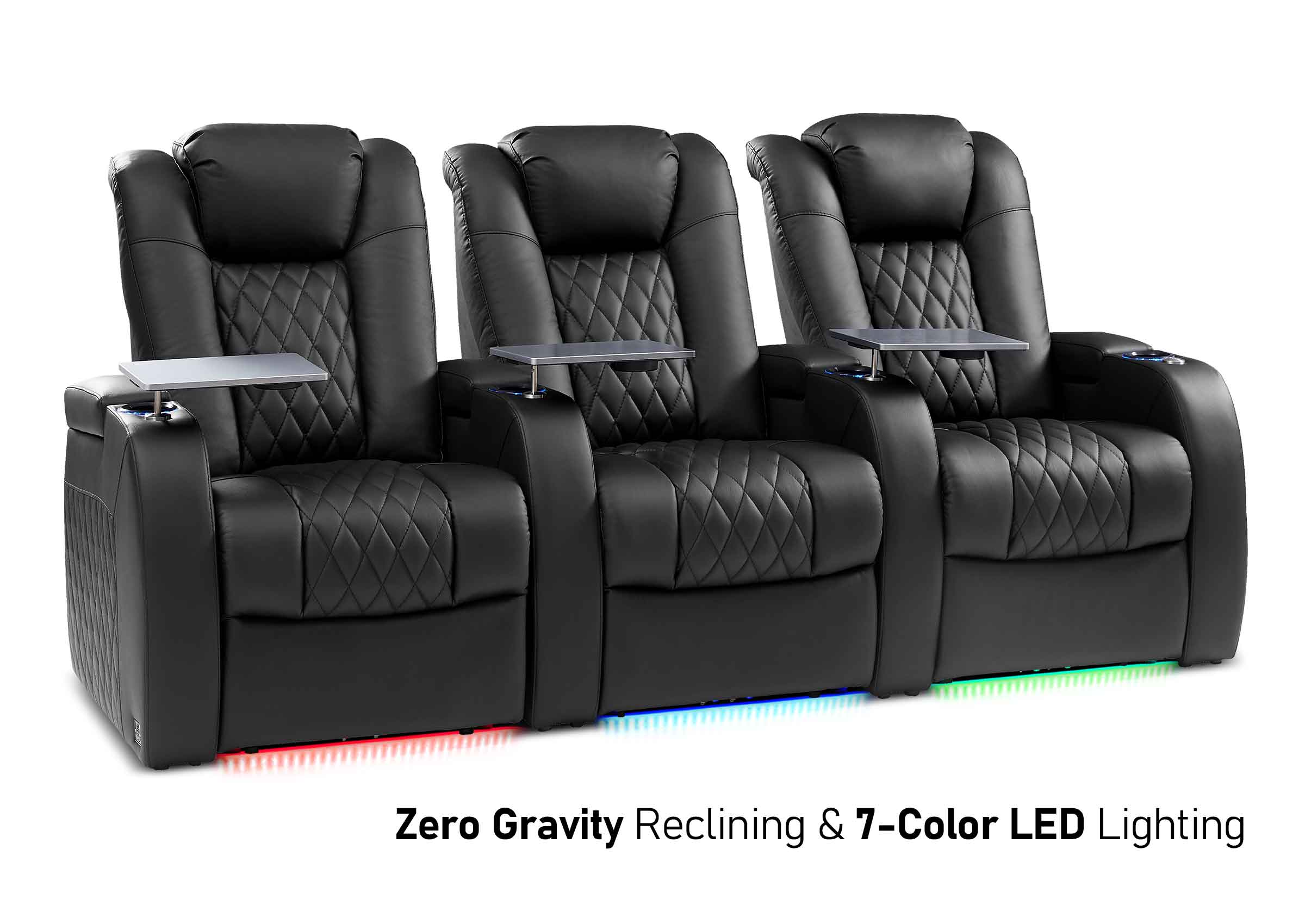
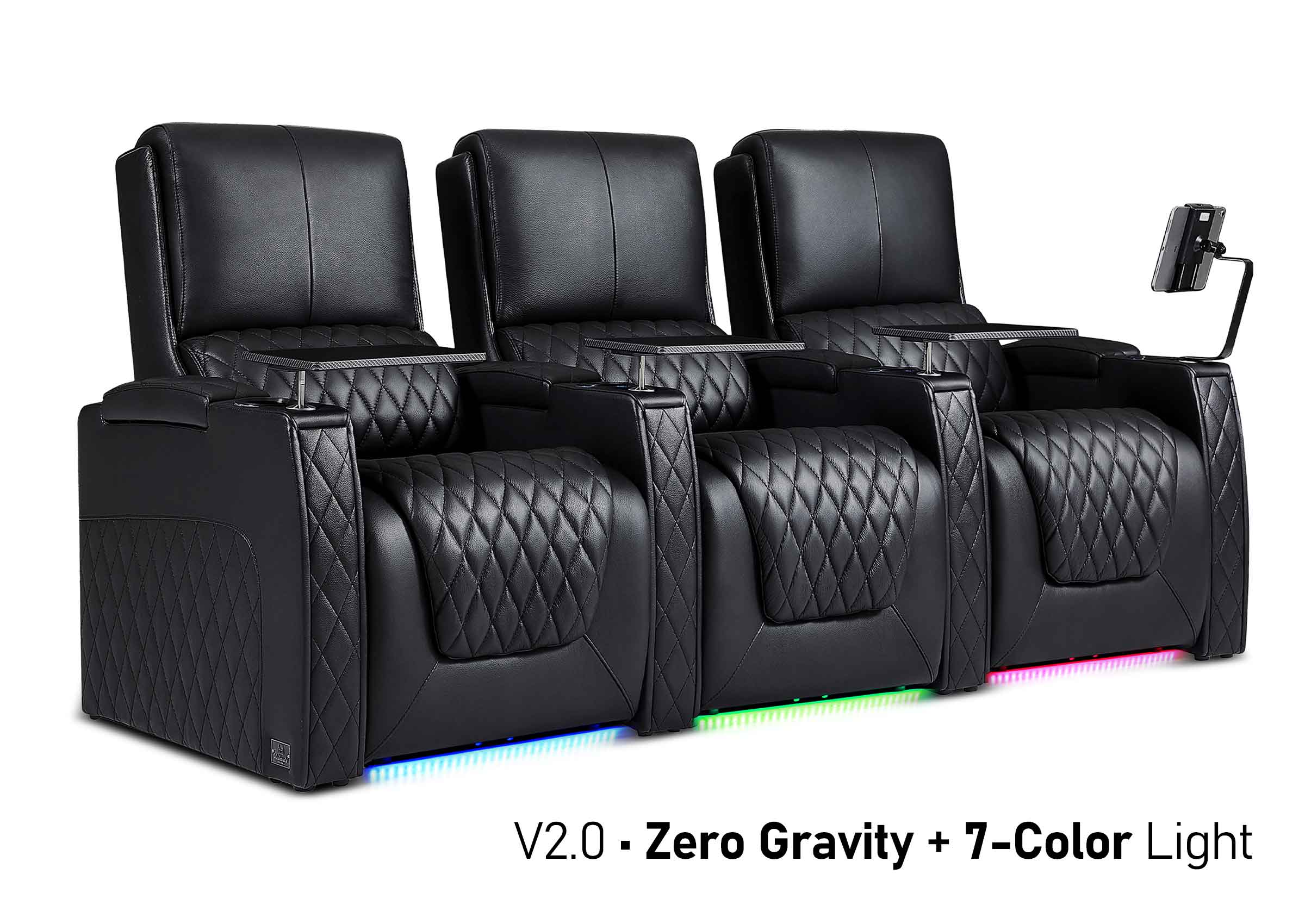
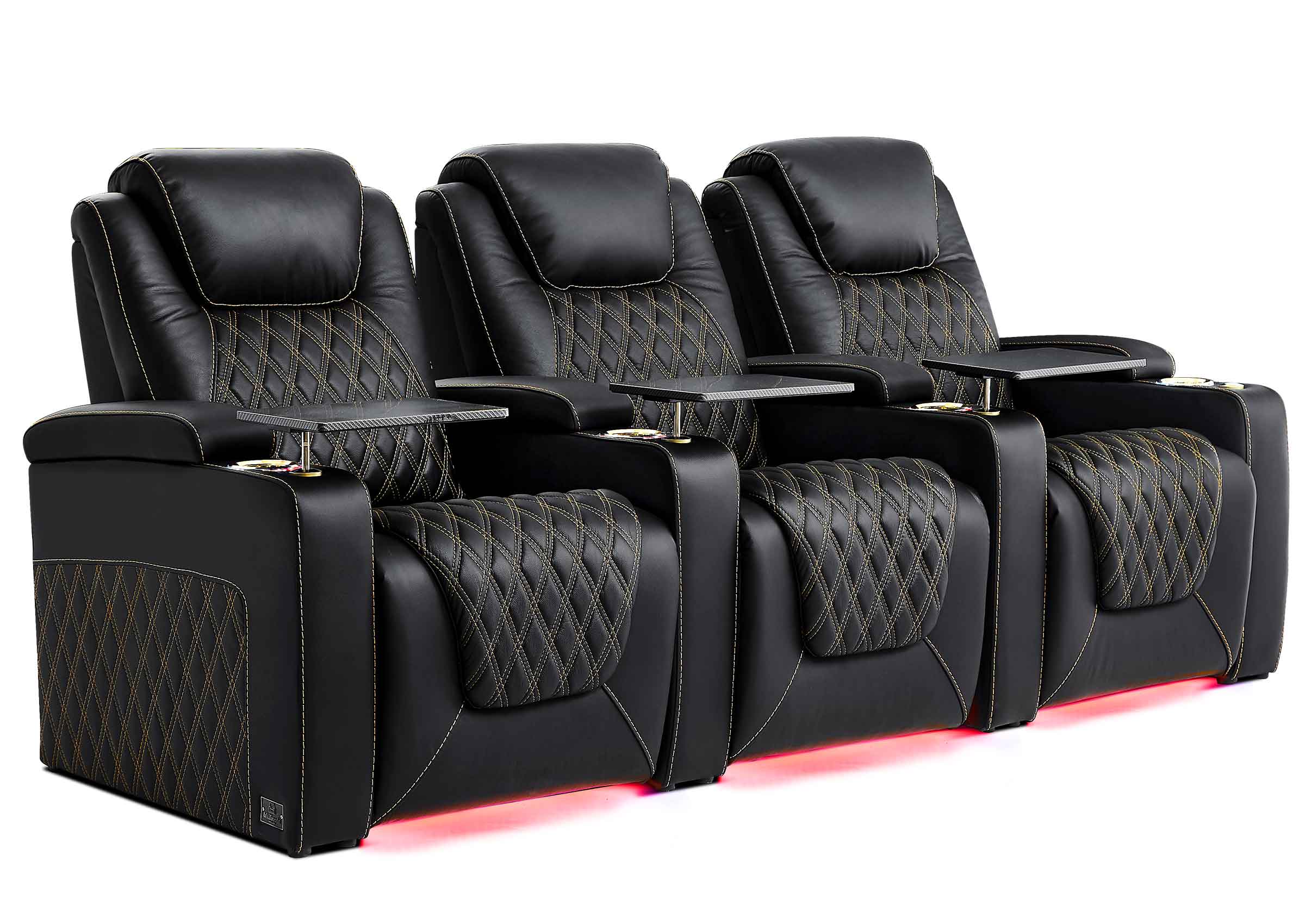
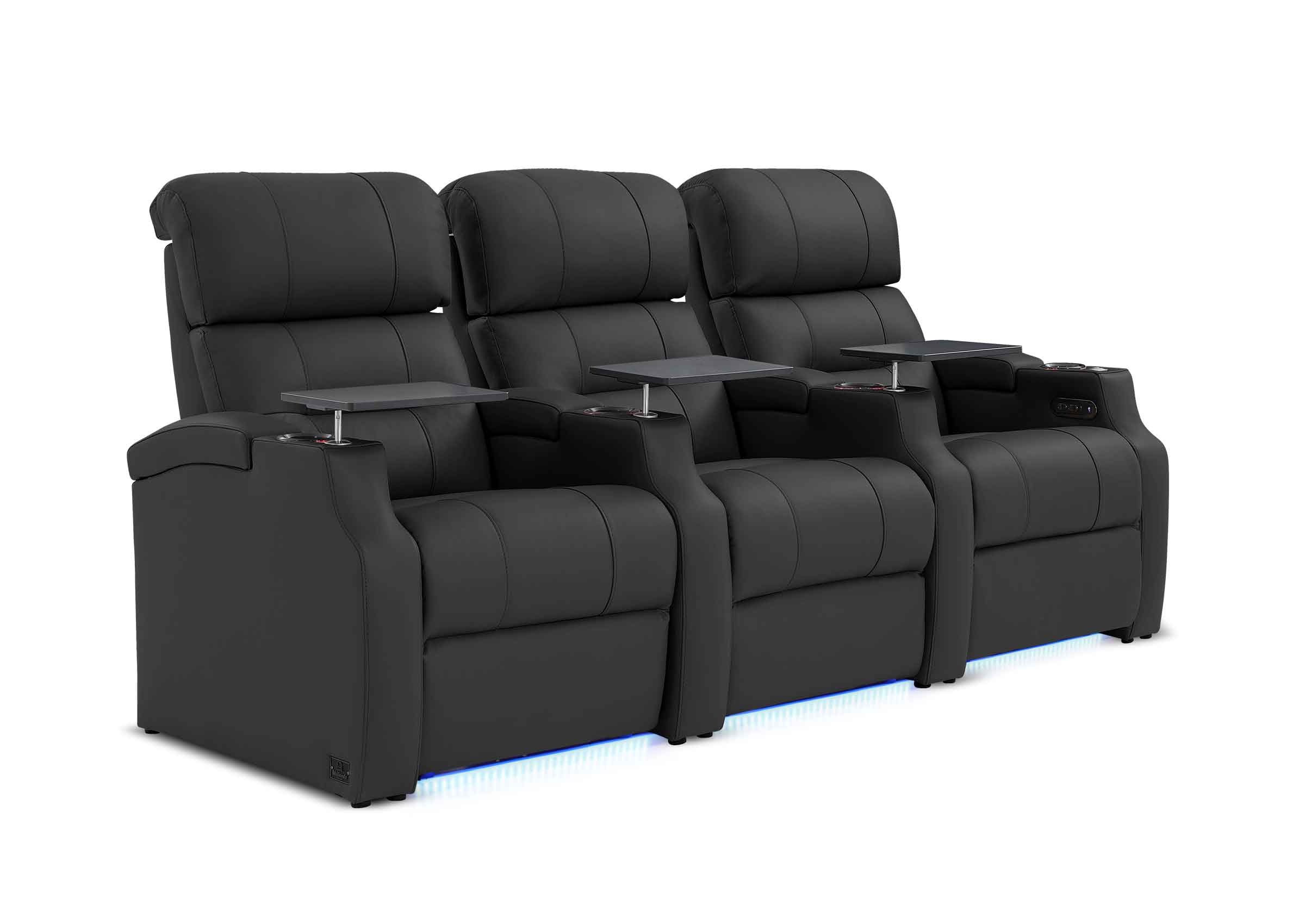
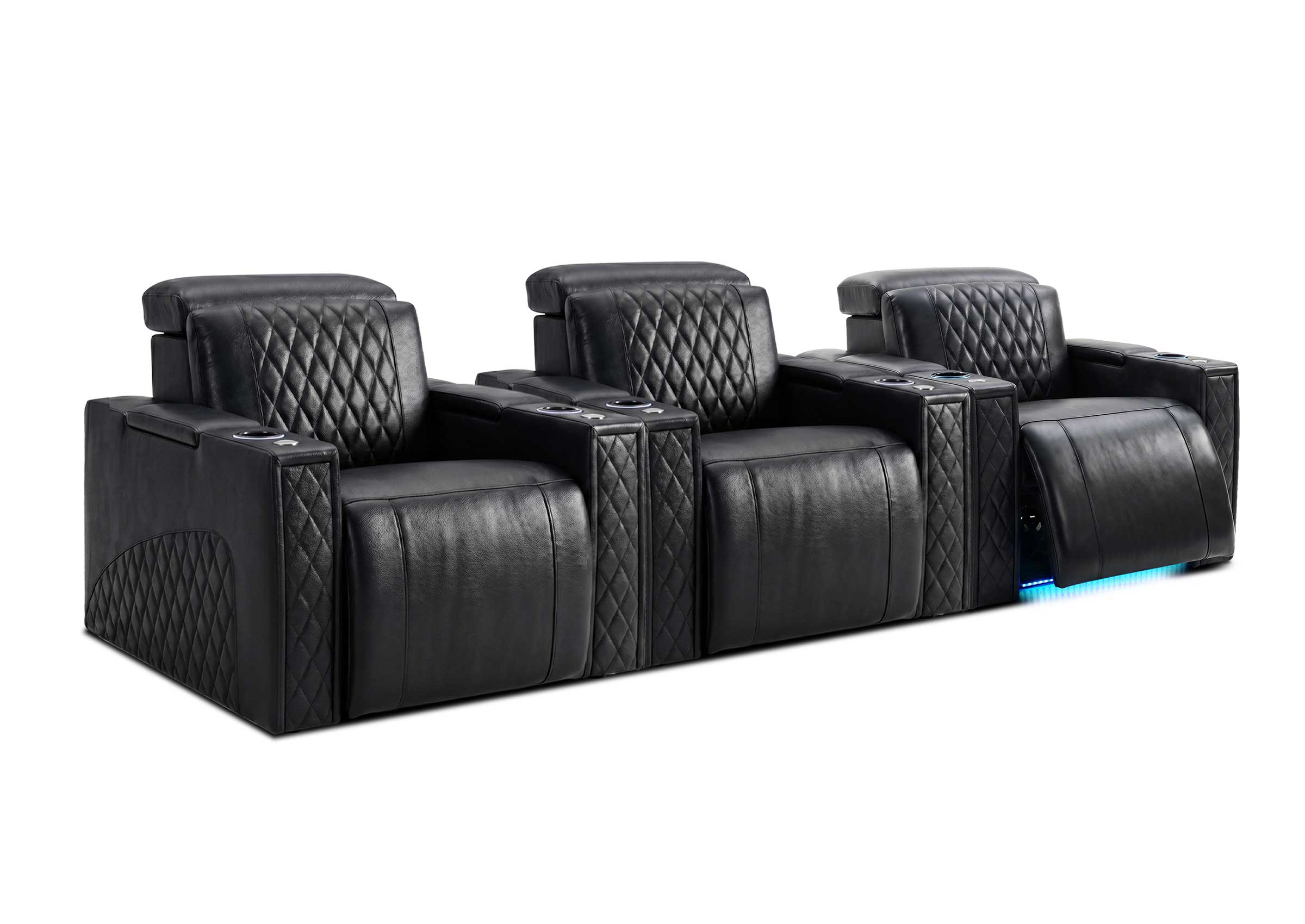

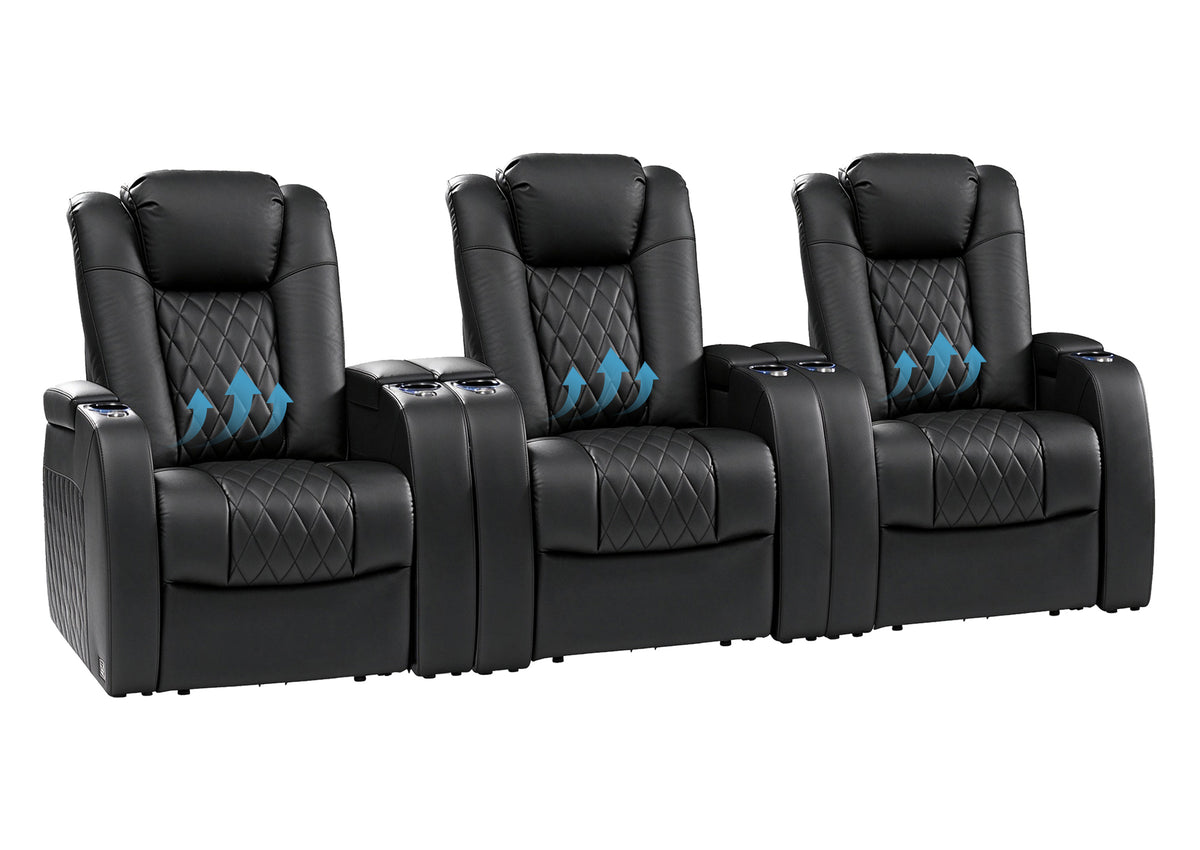
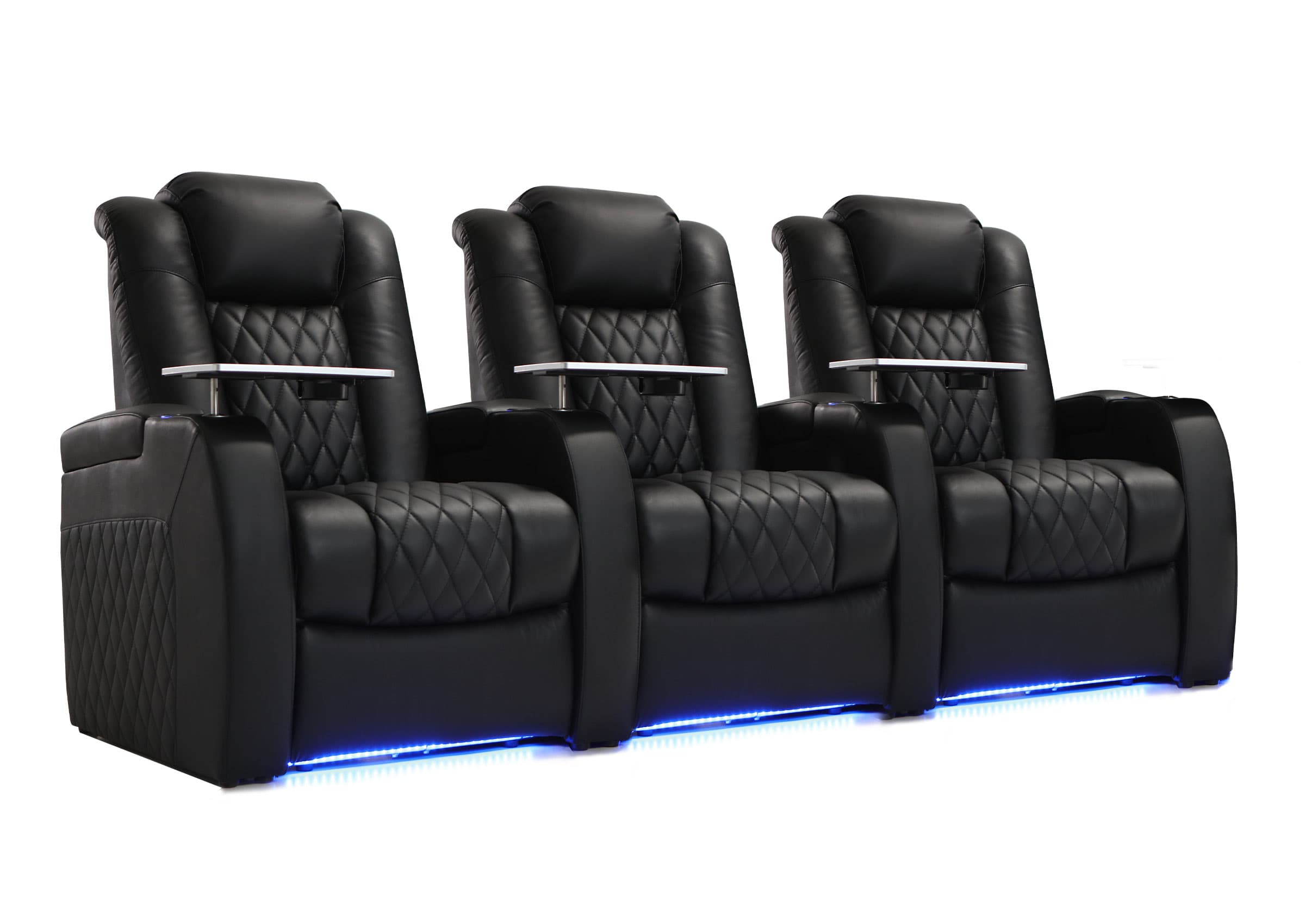
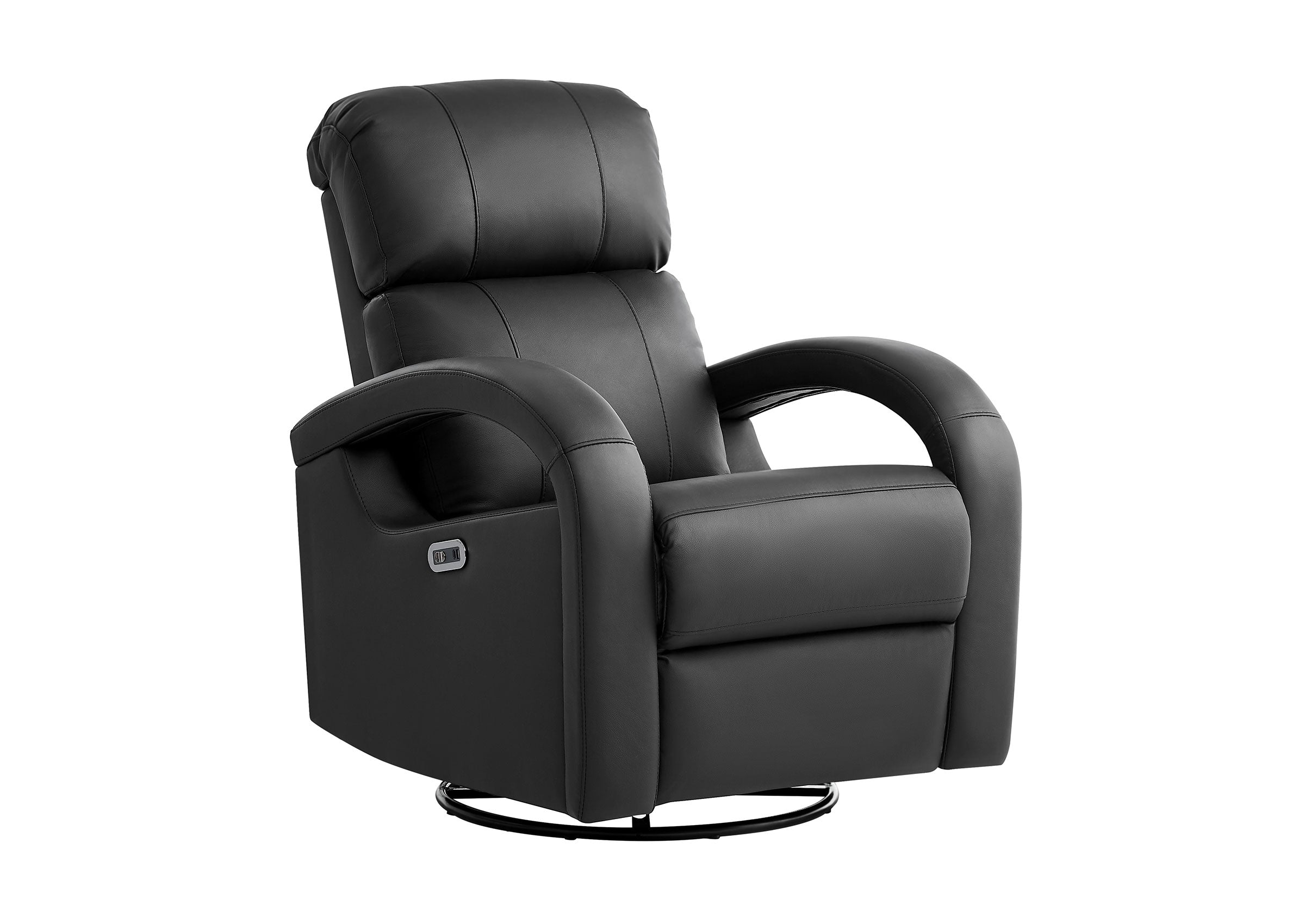
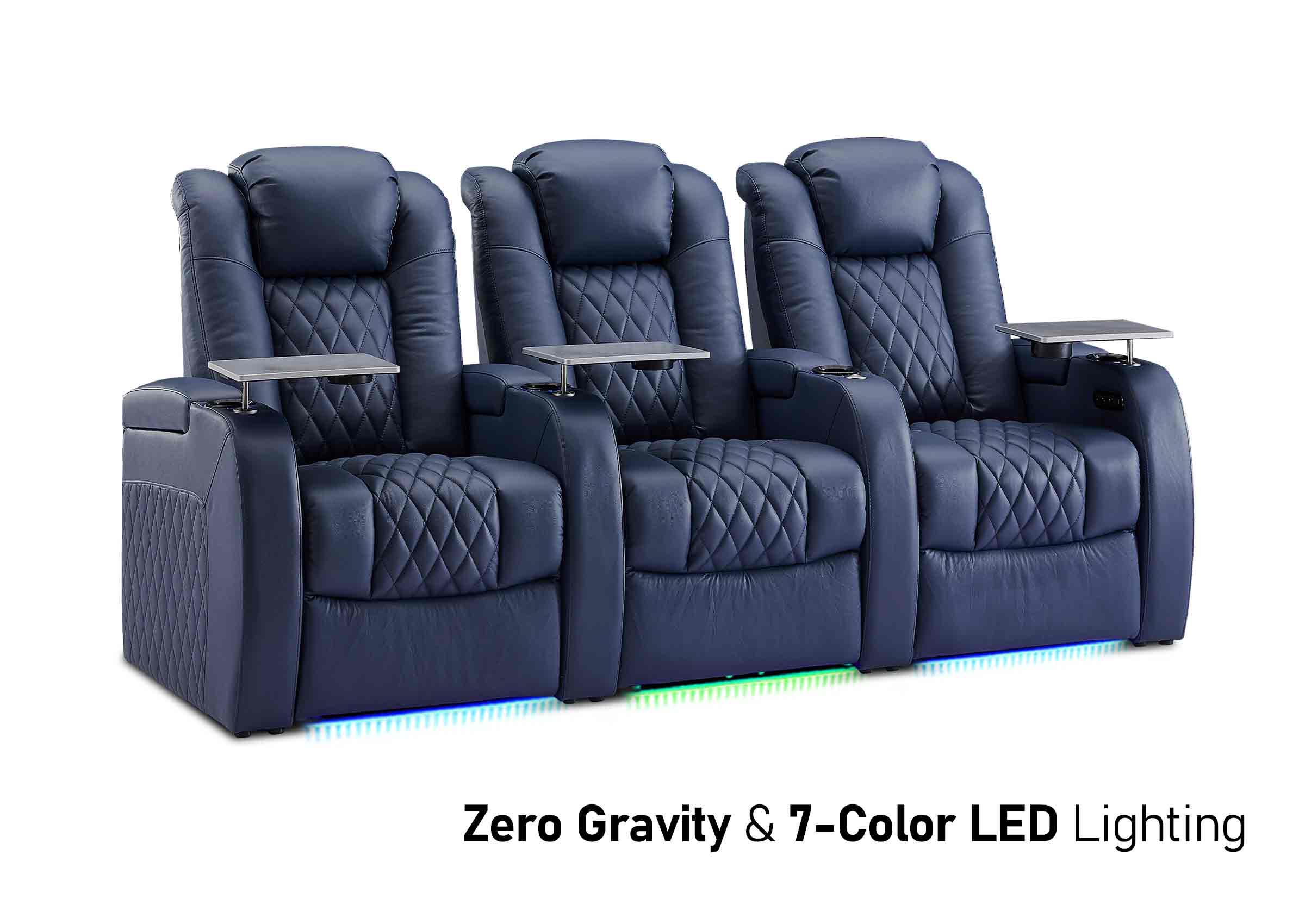
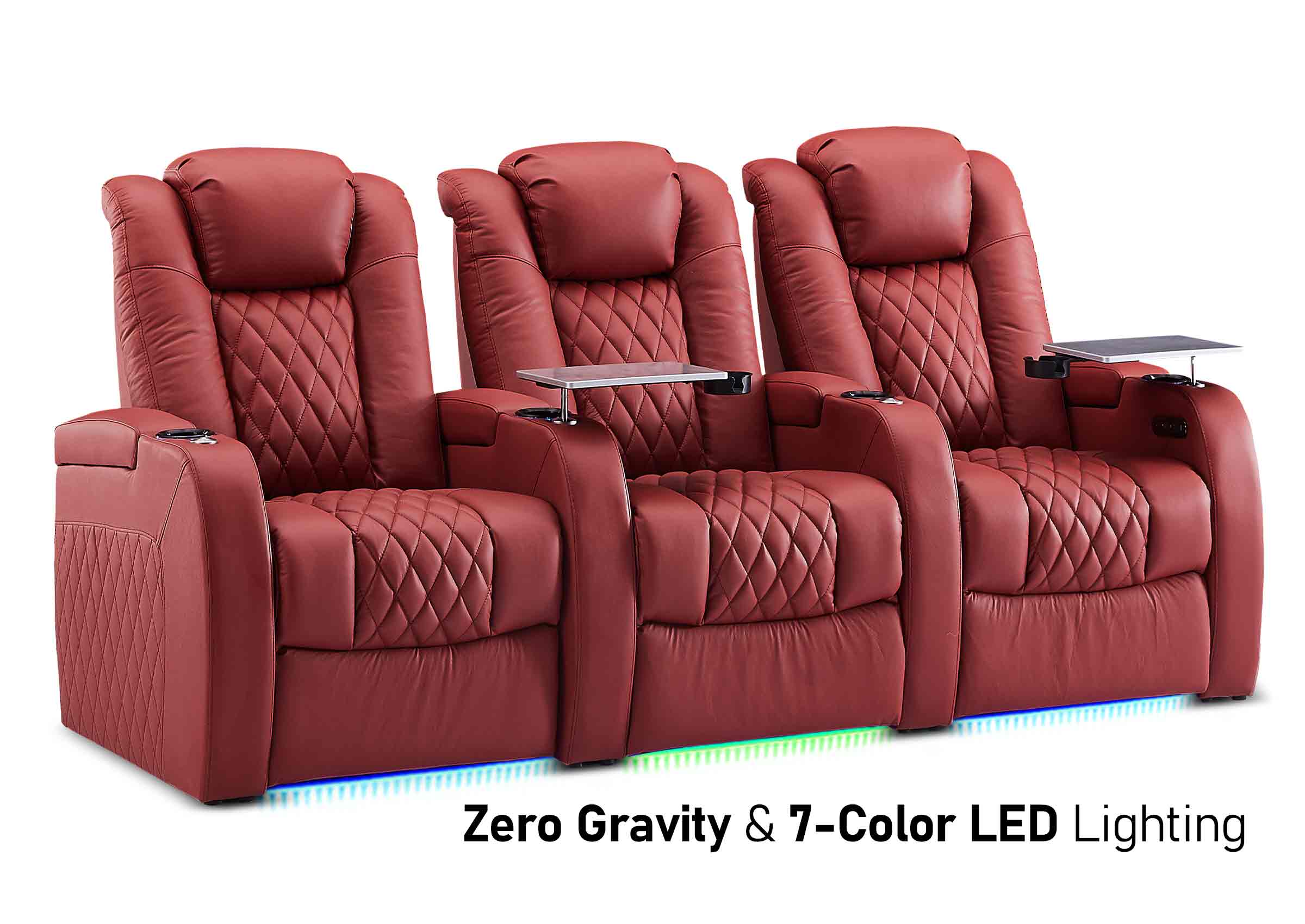
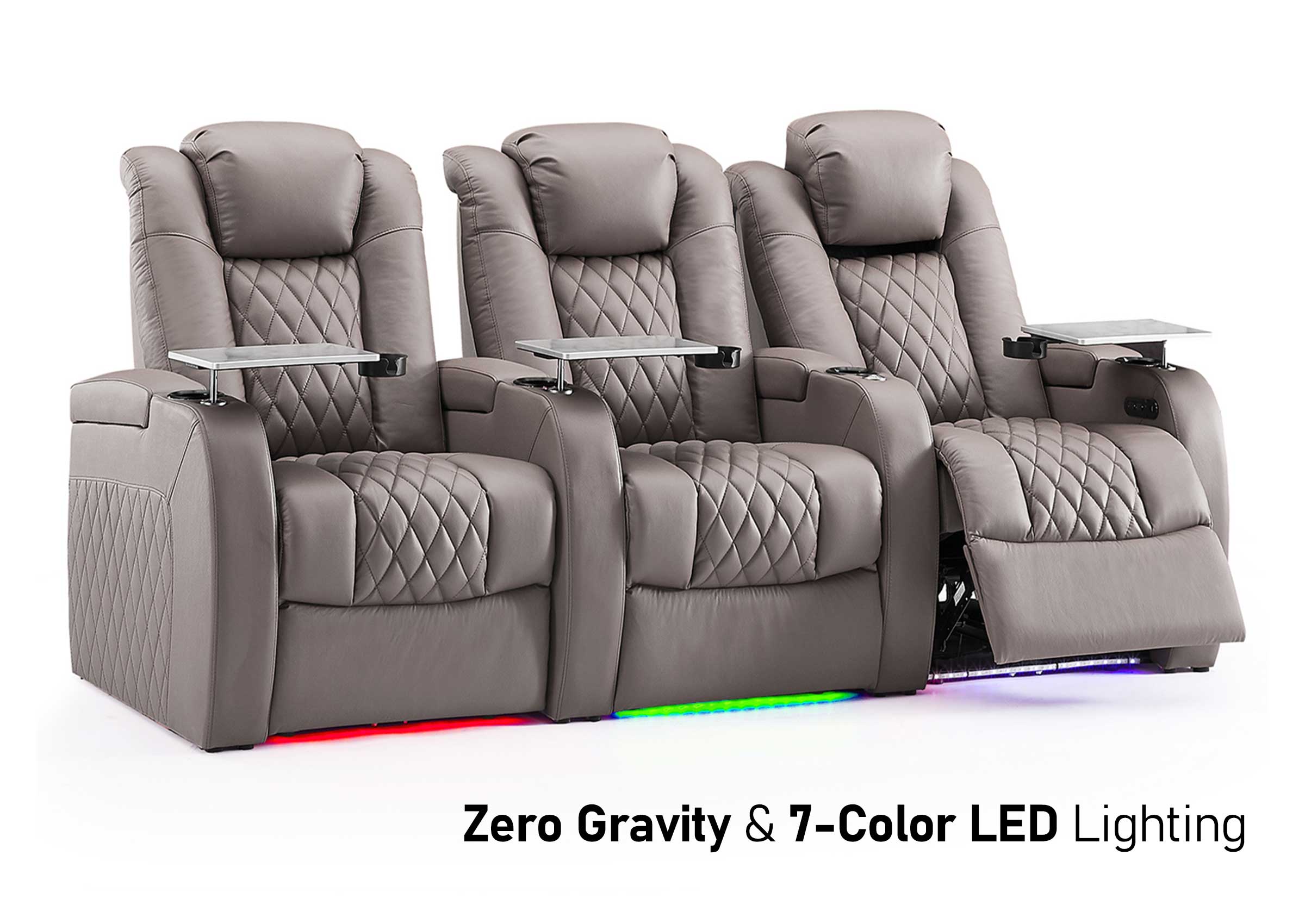
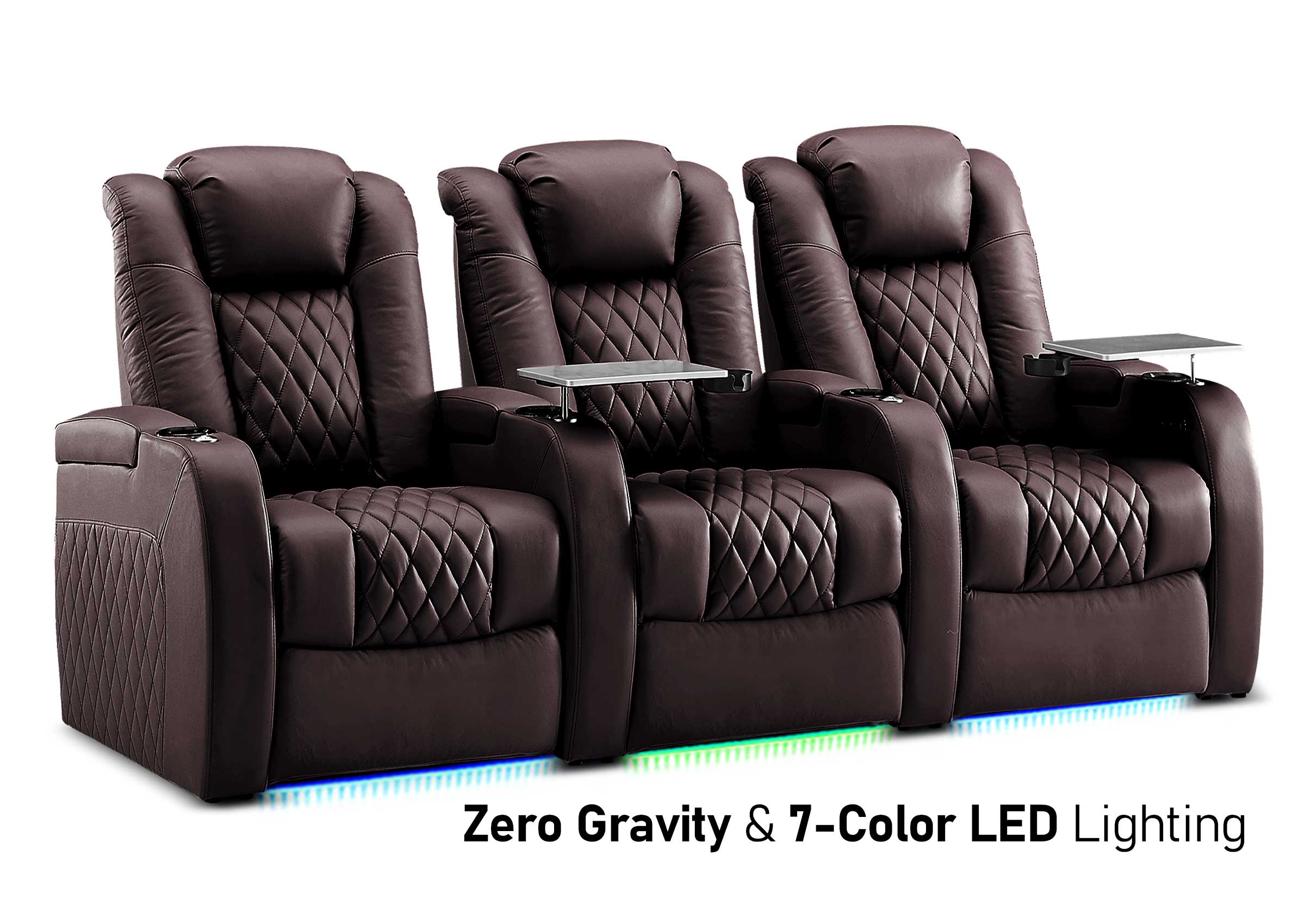

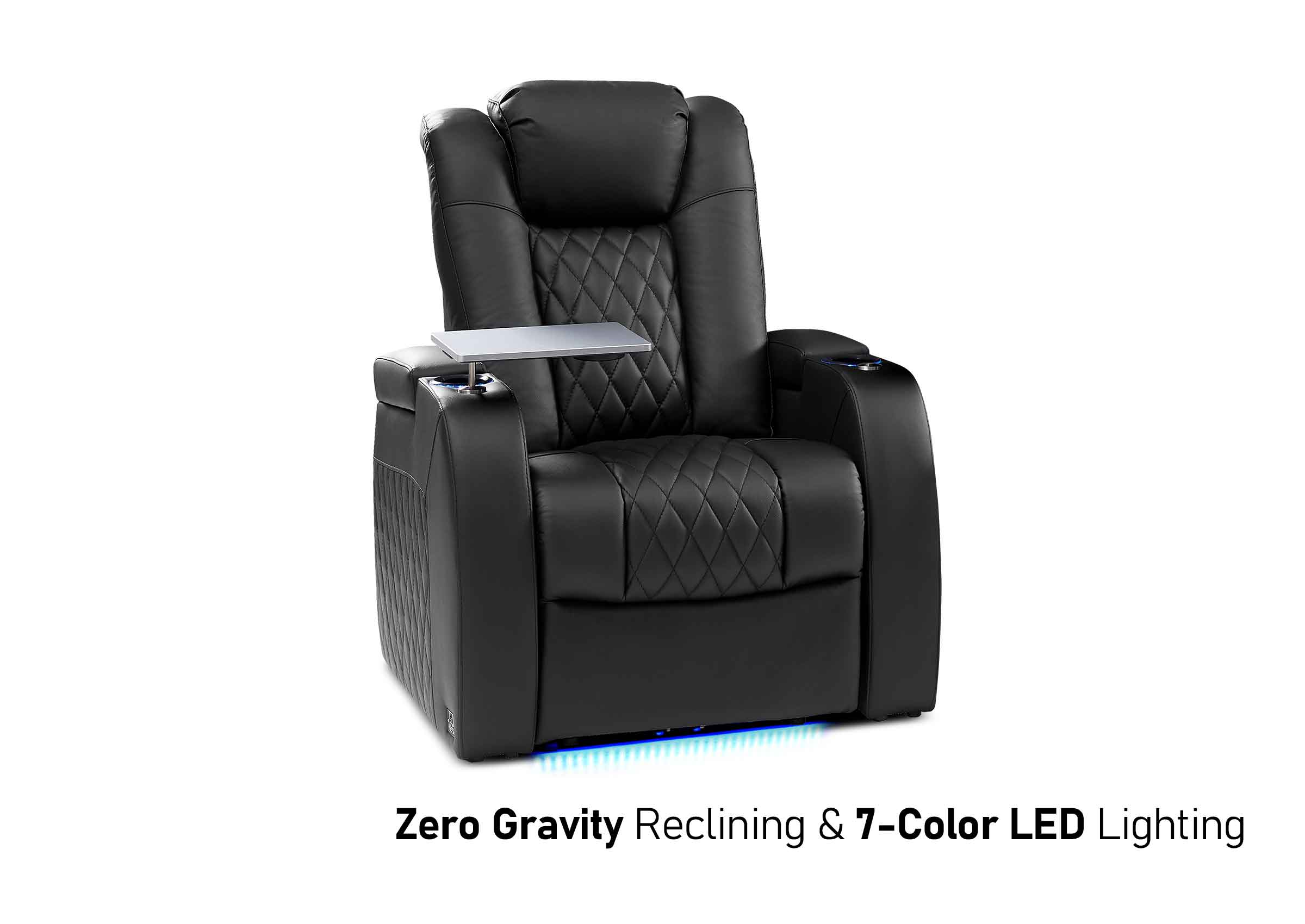
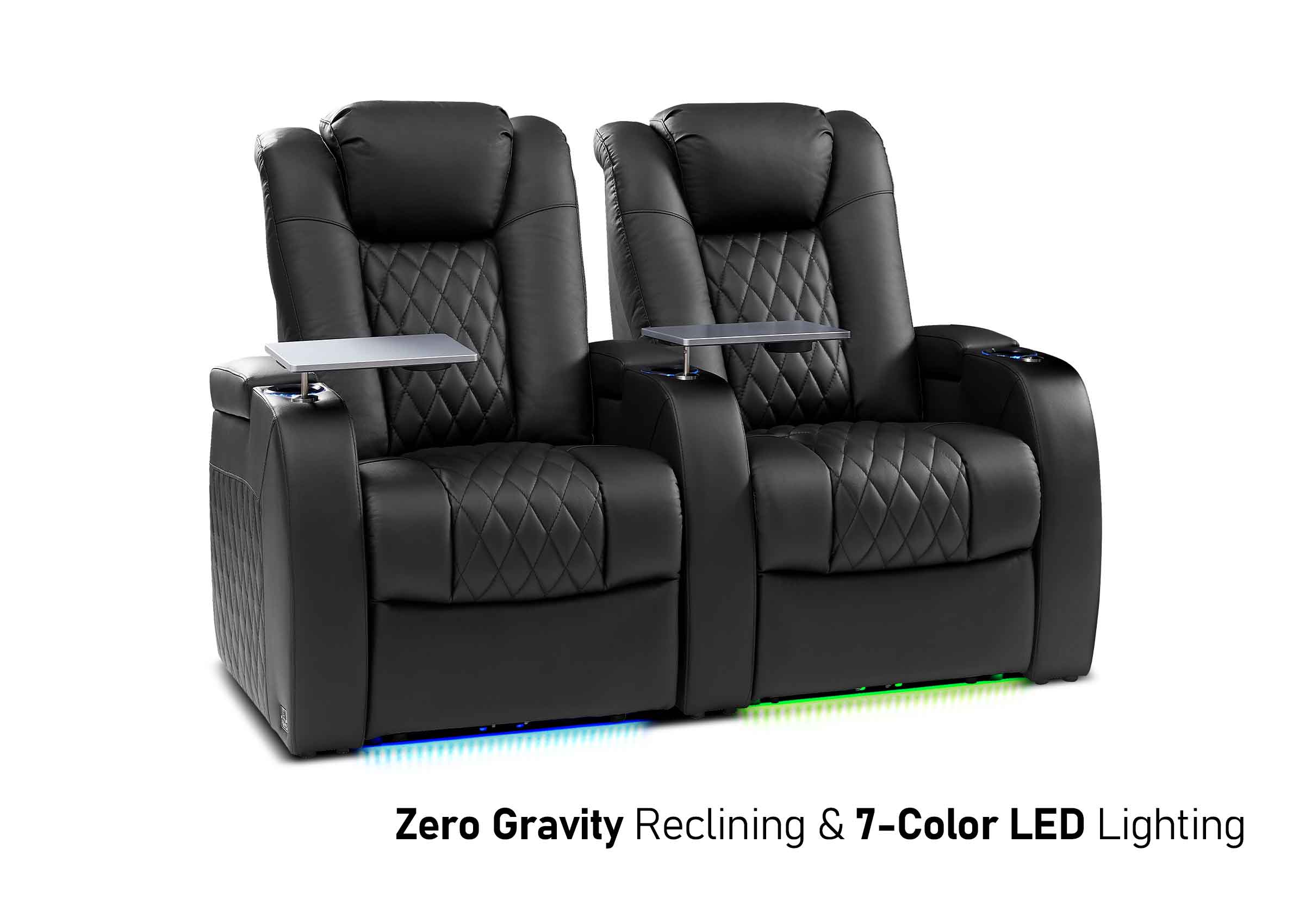
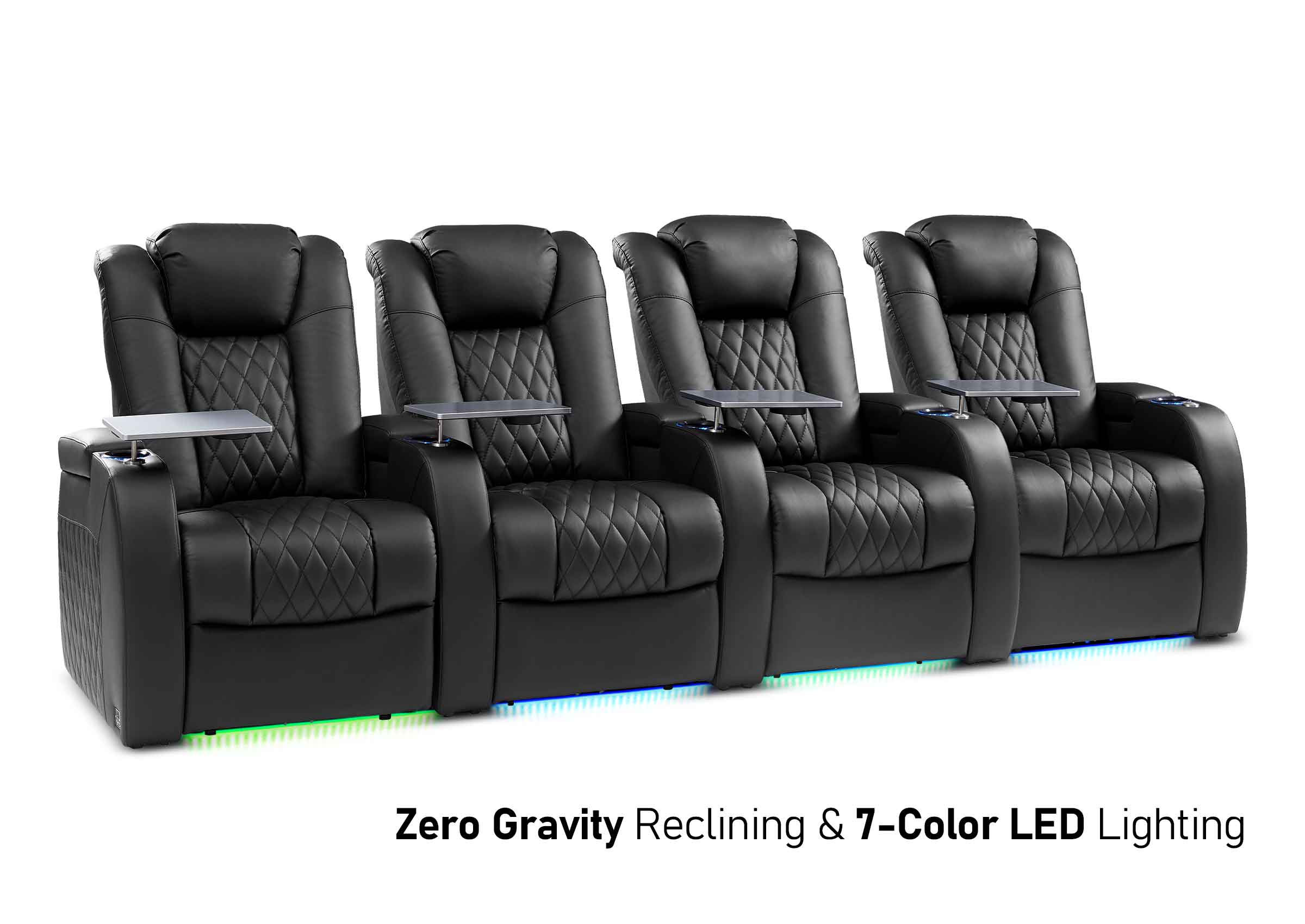
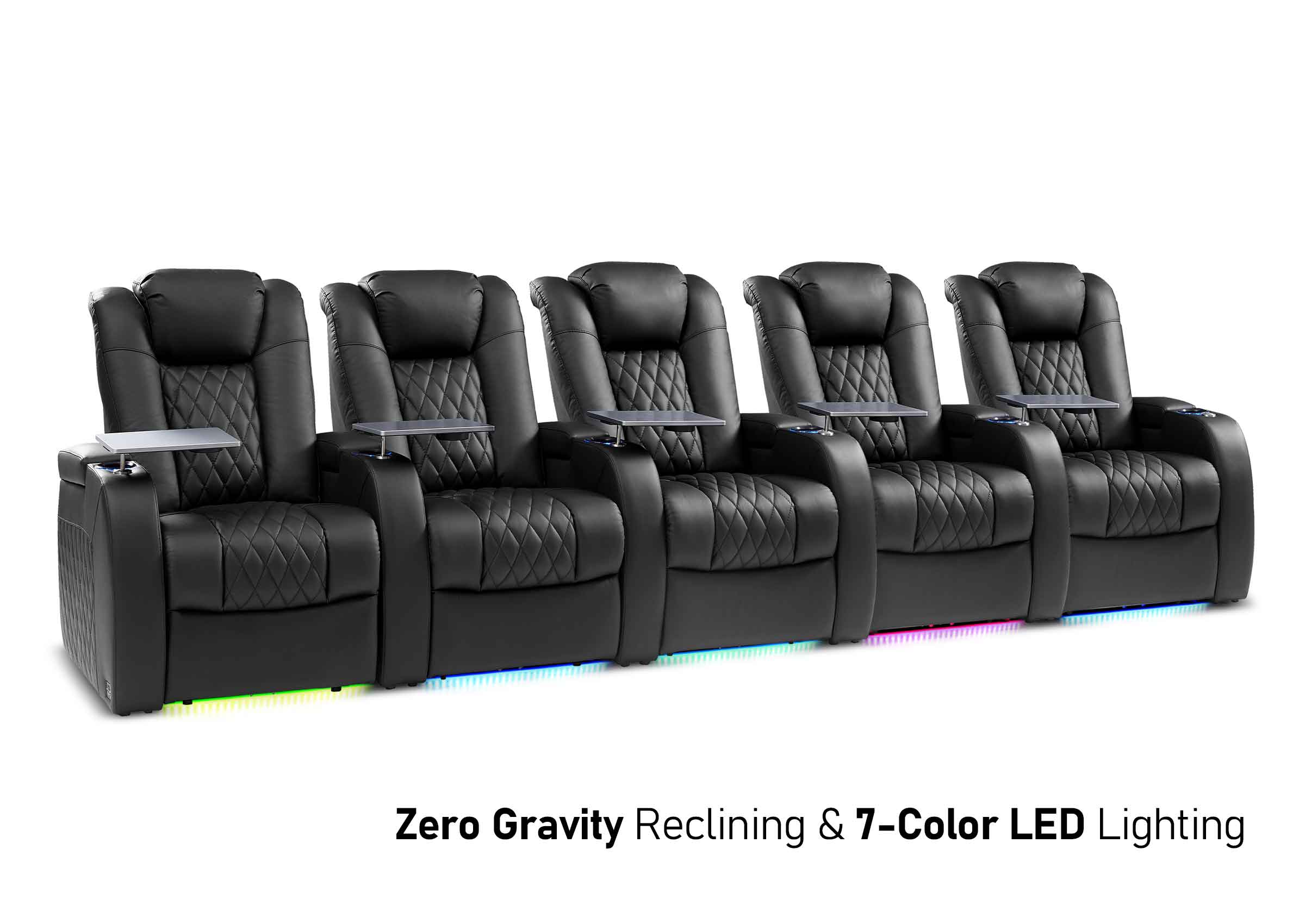
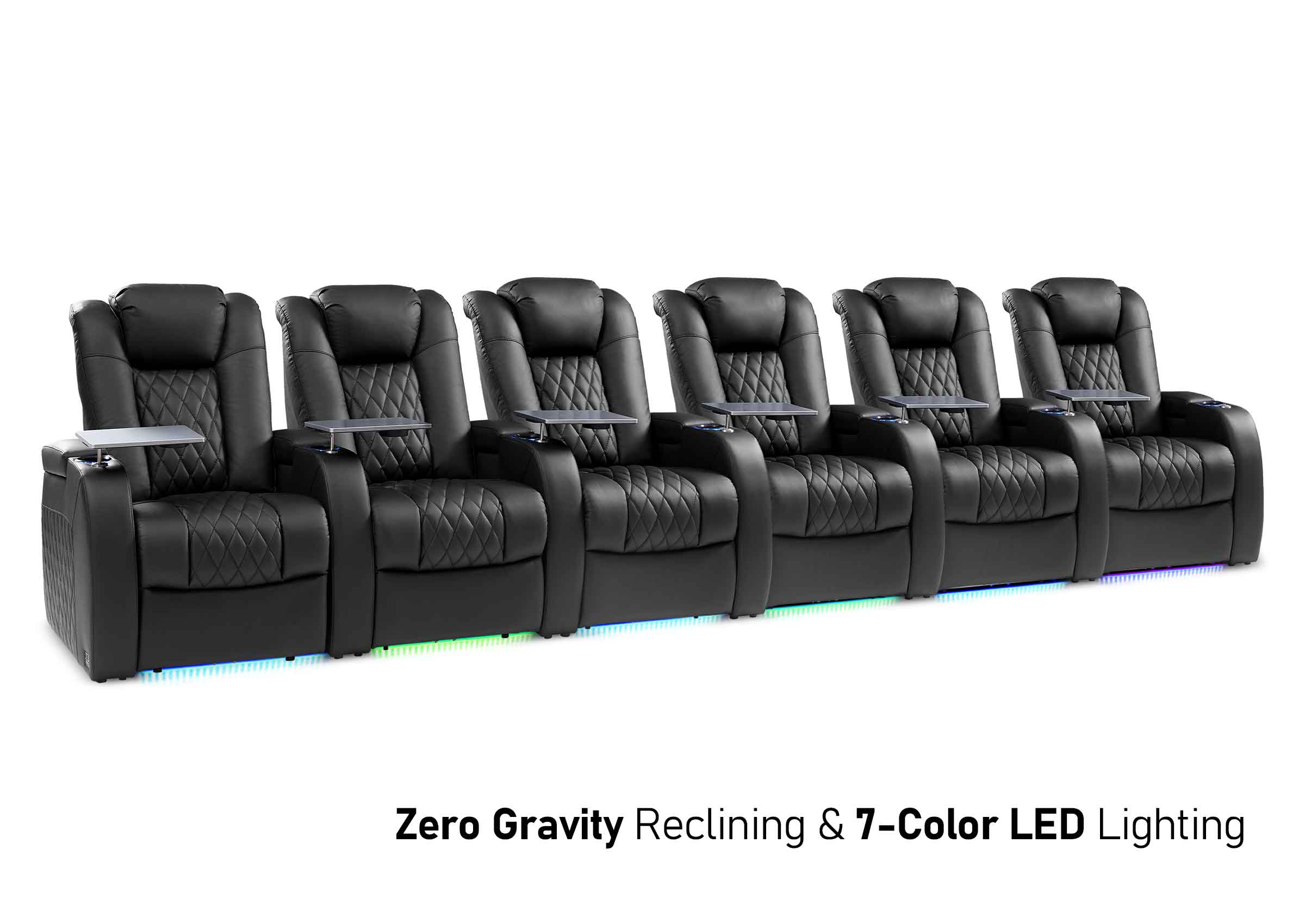
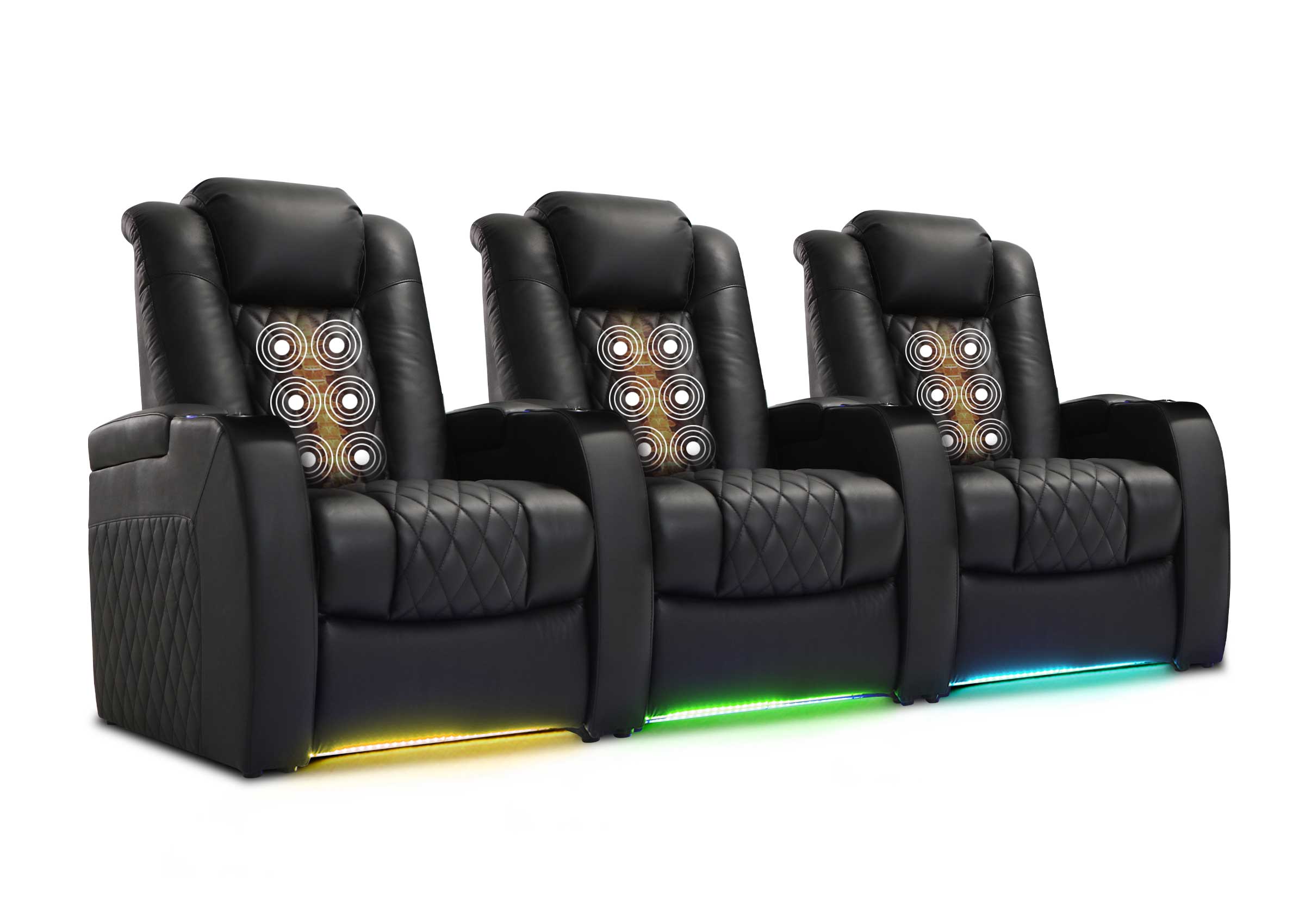
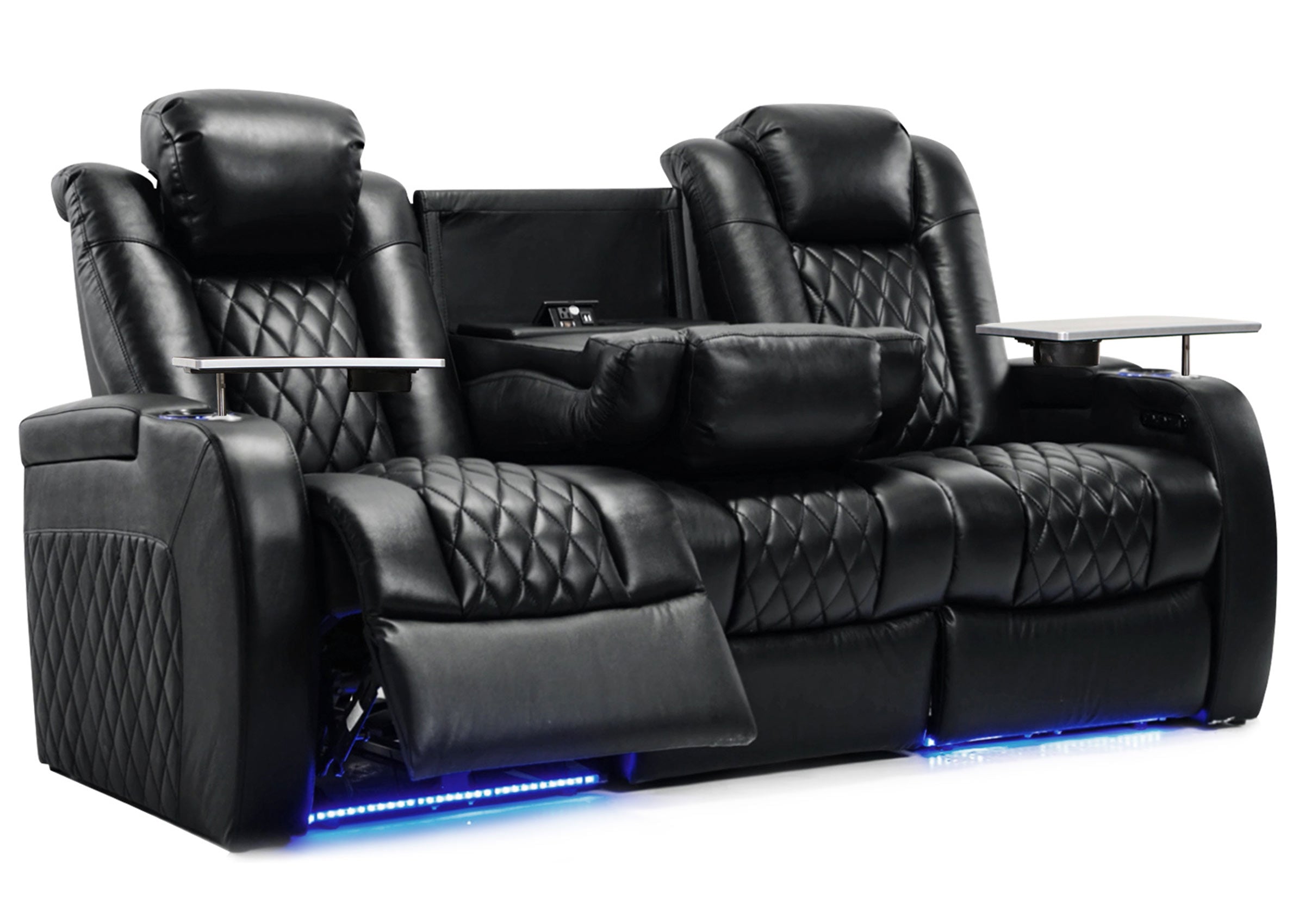
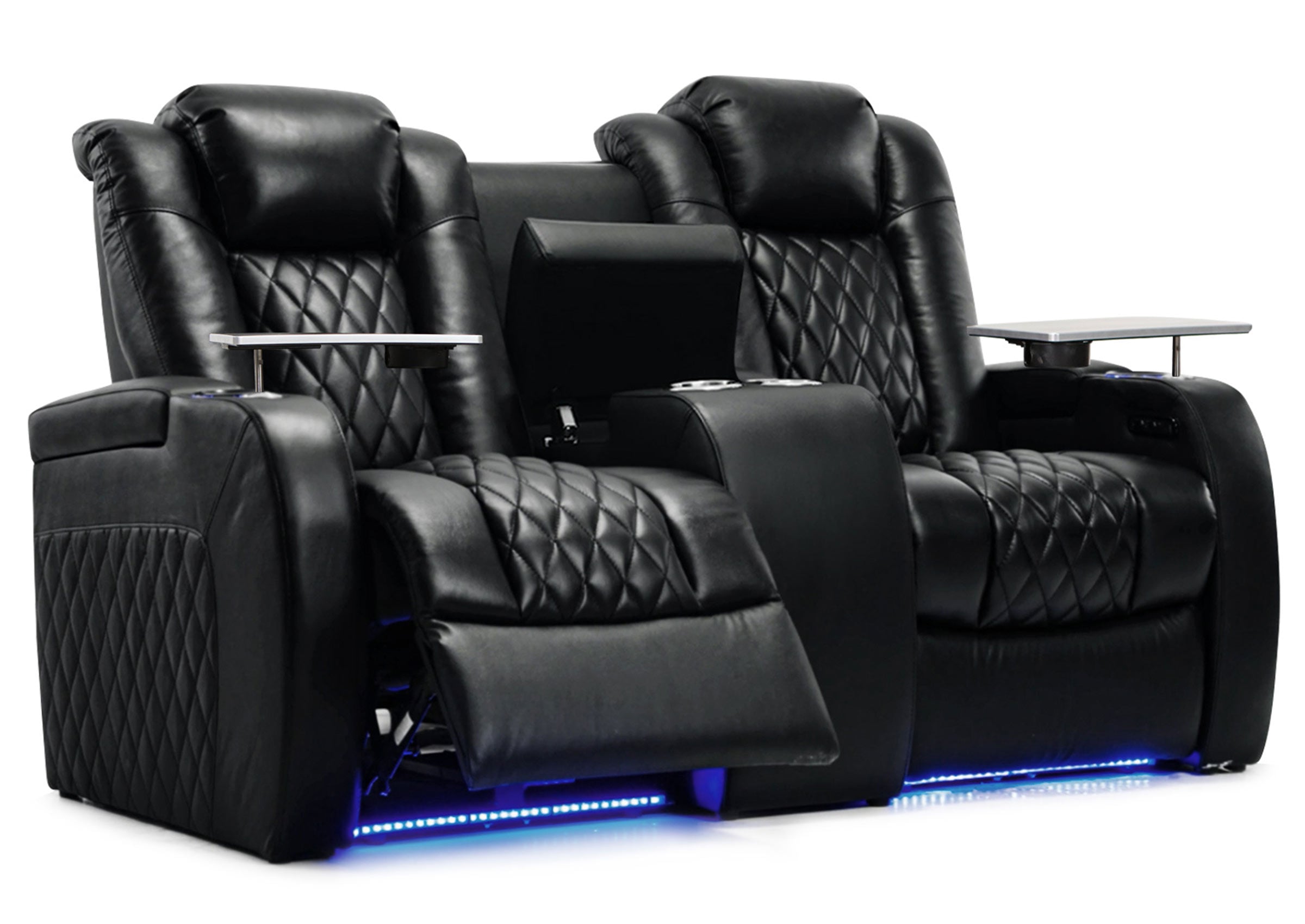




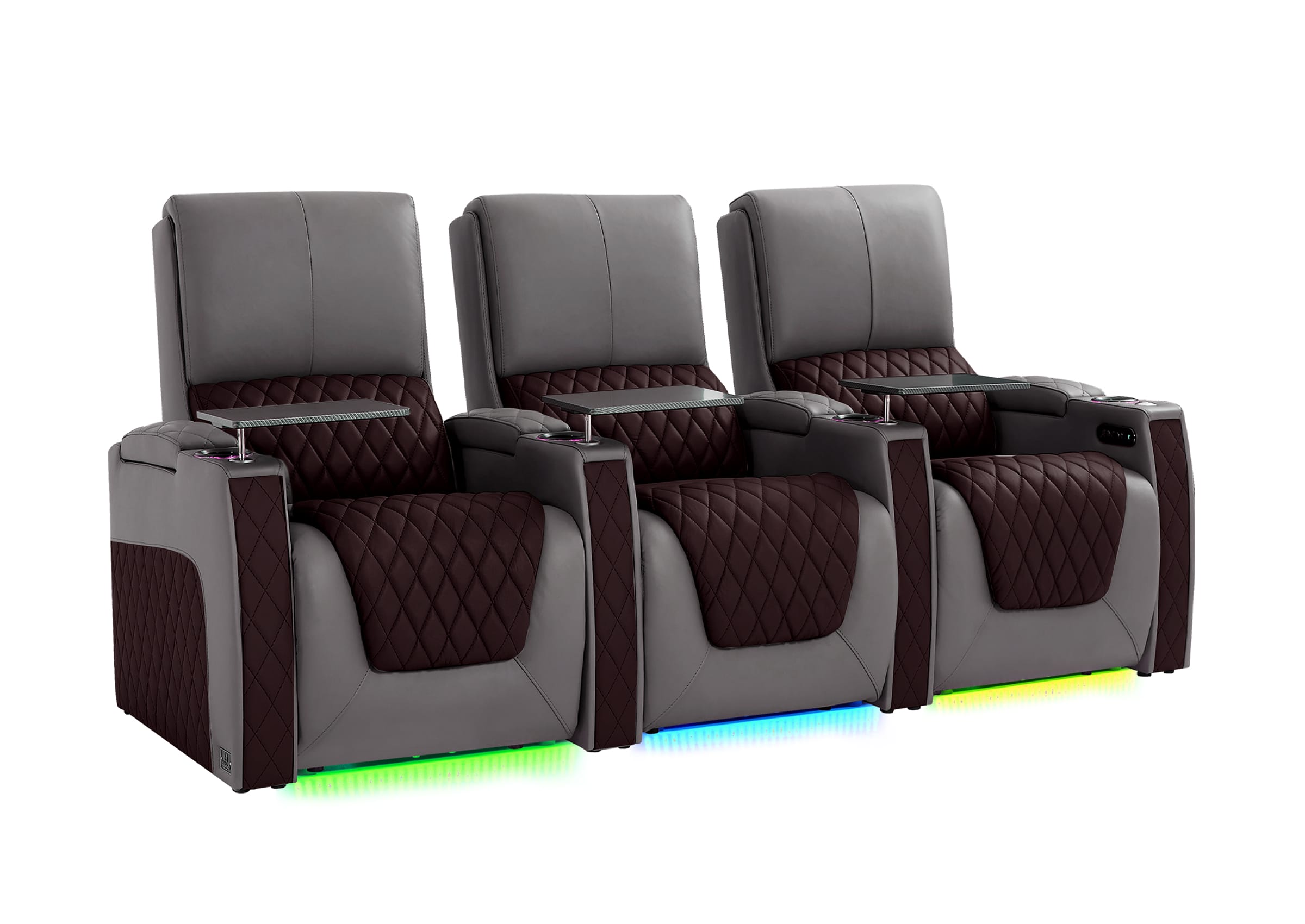
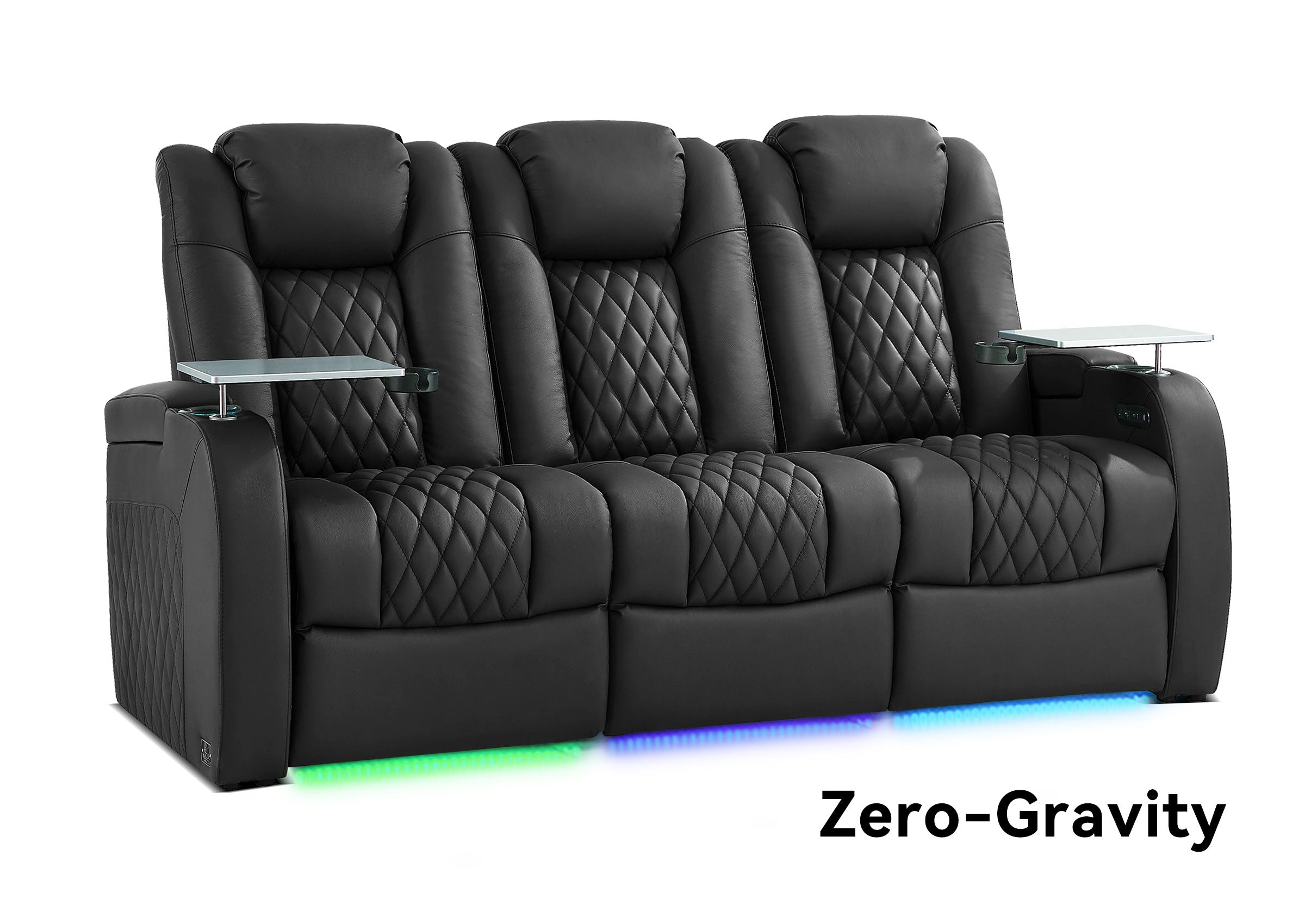


A zero gravity chair does not cancel gravity or make you weightless. It is a reclining seat designed to support the body in a posture inspired by positions researchers observed in microgravity: the torso reclines, the knees remain bent, and the legs are elevated while the chair supports the body from the back through the lower legs.
The term is now used for patio loungers, upholstered recliners, home theater seating, and massage chairs. They do not all move the same way, and no single angle automatically makes every chair a good zero gravity fit.
What Does “Zero Gravity” Mean in a Chair?
In spaceflight, “zero gravity” is an imperfect shorthand. NASA explains that astronauts in orbit are still under Earth’s gravitational pull. They appear weightless because they, their spacecraft, and the objects around them are falling around Earth together. The more accurate term is microgravity.
A chair on Earth does nothing similar. Gravity still acts on you normally. The chair simply changes how your body is positioned and supported.
In furniture, zero gravity usually describes a reclined posture in which the upper body tilts back, the knees stay bent, and the legs rise relative to the torso. It is therefore more useful to think of zero gravity as a positioning concept, not a promise of weightlessness.
How Does a Zero Gravity Chair Work?
The chair changes the relationship between your back, hips, knees, and lower legs. How it does that depends on the product.
A folding outdoor chair may use a linked frame that lets the seat, back, and leg section pivot together. An upholstered recliner may use a manual mechanism or powered actuators to move the backrest and footrest. A massage chair may offer zero gravity as a programmed position.
This is why two chairs with the same label can feel very different.
Instead of asking only whether a chair has a zero gravity feature, ask:
- What parts of the chair actually move?
- Where do your knees and lower legs end up when reclined?
- Does the chair continue supporting your head, back, thighs, and legs?
Those questions reveal more about the experience than the feature name alone.
What Does the Zero Gravity Position Look Like?
A zero gravity position is reclined, but it is not the same as lying flat.
From the side, the torso angles backward while the hips and knees remain bent and the lower legs rise. The body looks more like a relaxed, open “Z” than a straight line.
Head and leg support still matter. A deep recline may feel comfortable for resting but awkward for watching a movie if your head falls too far back. A tall and a short person can also reach the same chair angle but receive different leg support because their calves and heels land in different places.
So the angle in a product photo is only part of the story. Body-to-chair fit determines whether the geometry actually works for you.

Is There One Correct Zero Gravity Angle?
No. This is one of the details many explanations oversimplify.
NASA’s 1997 Spinoff material described a trunk-to-thigh angle of about 128 degrees from measurements recorded in orbit. That number is now repeated widely in furniture content.
Later NASA material makes the larger point clearer. Research that began with Skylab and continued with later astronaut measurements found that neutral body posture is not one universal pose. NASA describes a range of postures with shared characteristics.
That makes 128 degrees useful historical context, not a consumer-chair pass/fail test.
Manufacturers may also measure angles from different reference points, so numbers are not always directly comparable. A more useful question is:
Can this chair put your body in a supported reclined position without creating a new problem at your neck, knees, lower back, or feet?
A chair can match a textbook-looking angle and still fit the person poorly.
What Is the NASA Connection—and Did NASA Invent the Chair?
The NASA connection is real, but often oversimplified.
NASA studied human posture in microgravity because spacecraft, controls, suits, work areas, and living environments had to accommodate astronauts safely. Early measurements came from Skylab and contributed to what became known as neutral body posture, or NBP.
NASA later refined that data. Its Spinoff program has documented Earth-based applications in ergonomic office seating, automotive seats, and commercial seating influenced by neutral-body-posture research. Later NASA material also emphasizes that neutral body posture represents a range rather than one universal pose.
So the careful conclusion is:
Modern zero gravity seating borrows from a body-positioning concept documented through NASA’s microgravity research.
That is different from saying NASA invented the consumer category or certifies products that use the term.
“NASA-inspired” can describe a design influence. “NASA-invented” is a much more specific historical claim.

EXPLORE YOUR OPTIONS
Want to See What Zero Gravity Means in a Real Recliner?
Now that you know the position is more than one fixed angle, compare how zero gravity recliners differ in body support, adjustment, space needs, and everyday use.
How to Choose a Zero Gravity Chair • Check Recliner Size & Fit
Are All Zero Gravity Chairs the Same?
No. The name now covers several kinds of seating.
| Type | What Zero Gravity Usually Refers To |
|---|---|
| Outdoor folding chair | A pivoting recline that raises the legs as the body tilts back |
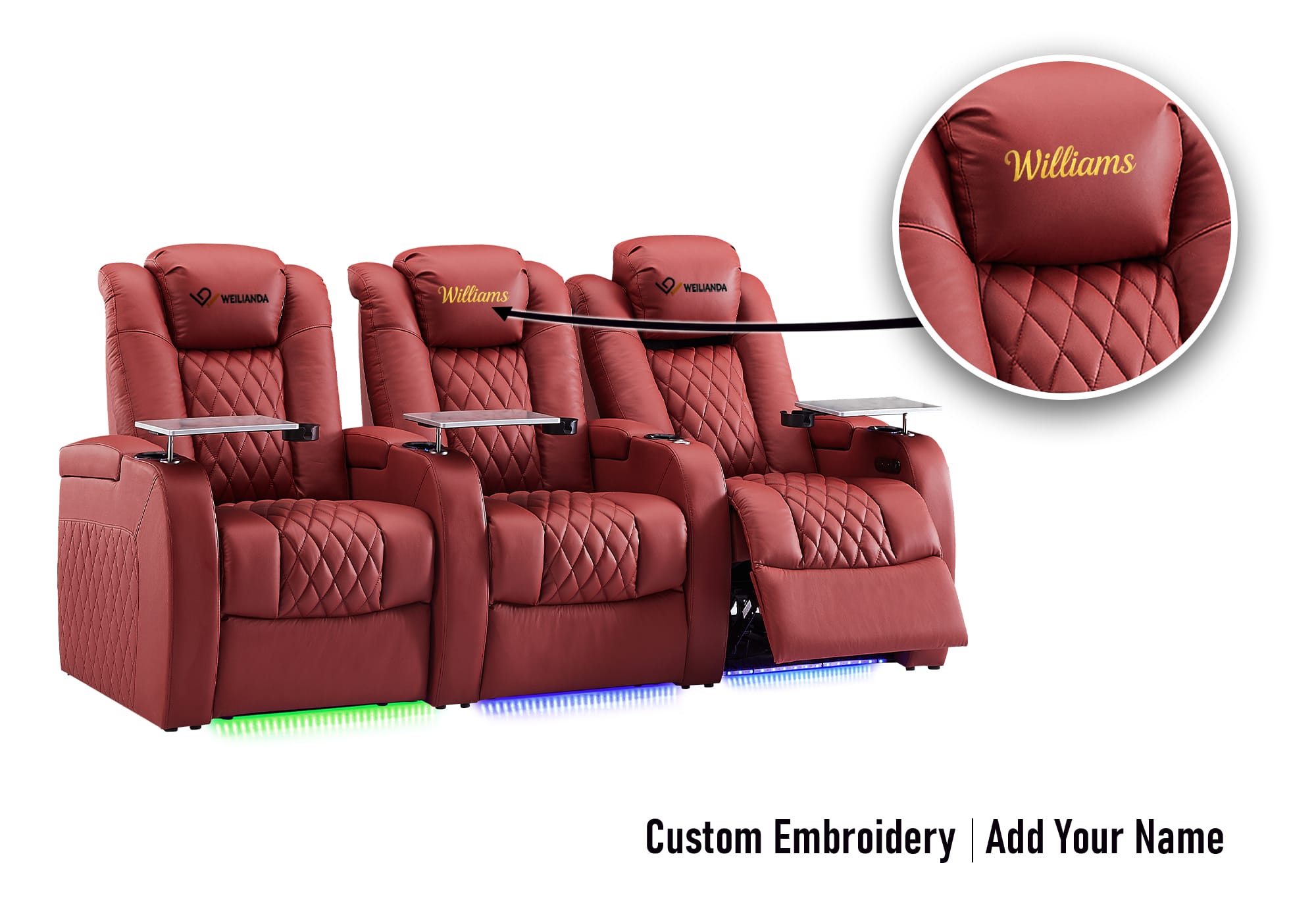
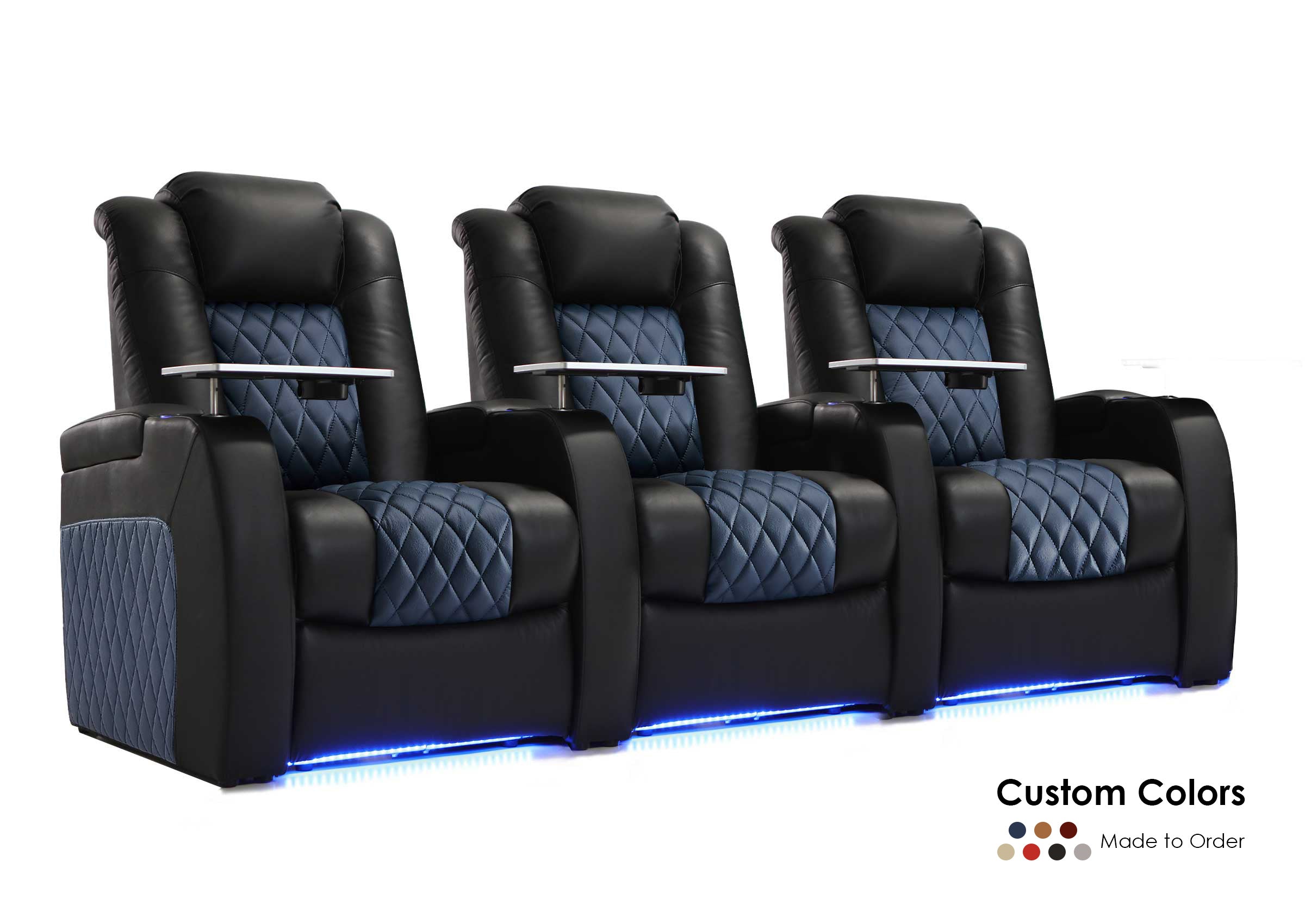
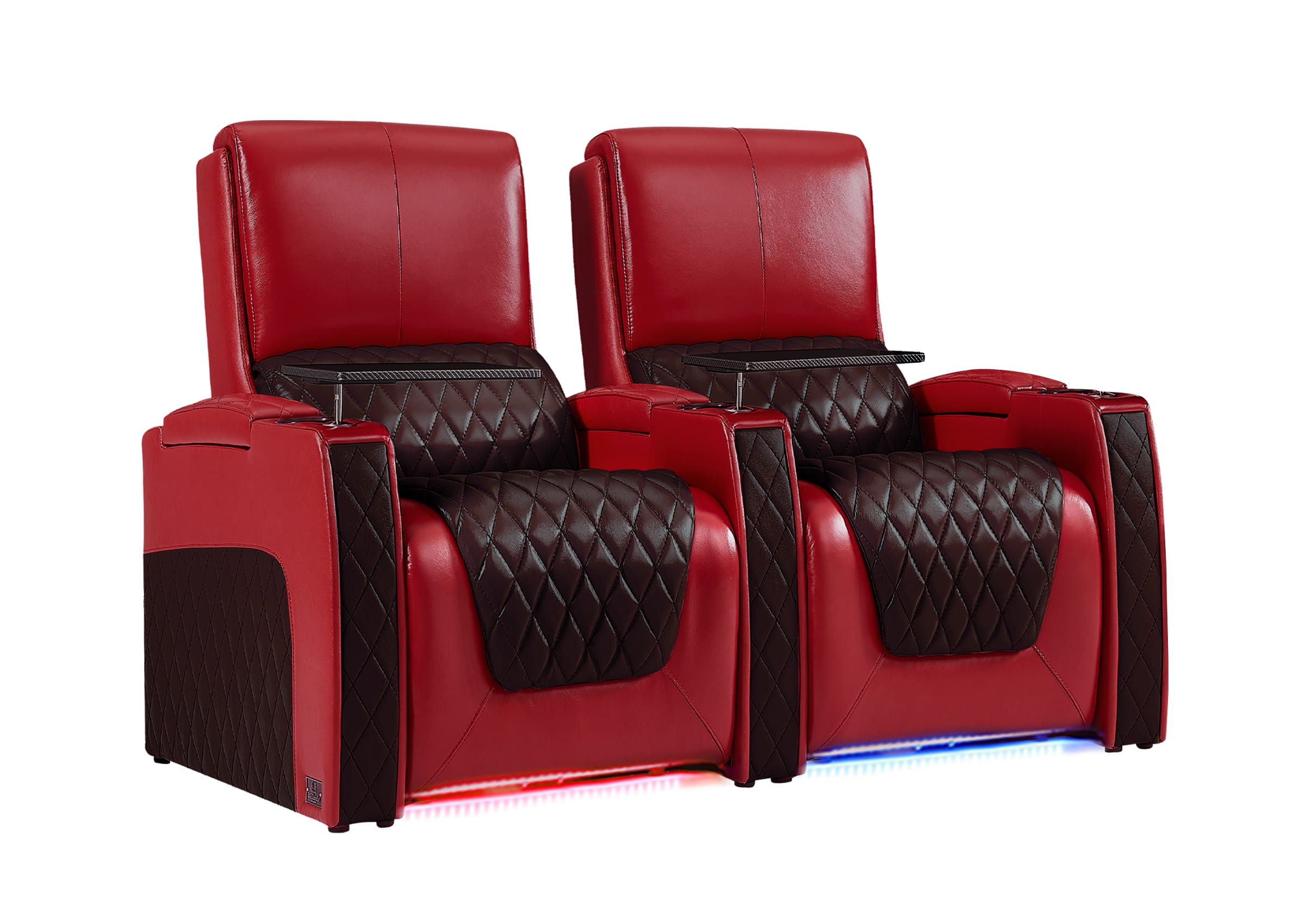
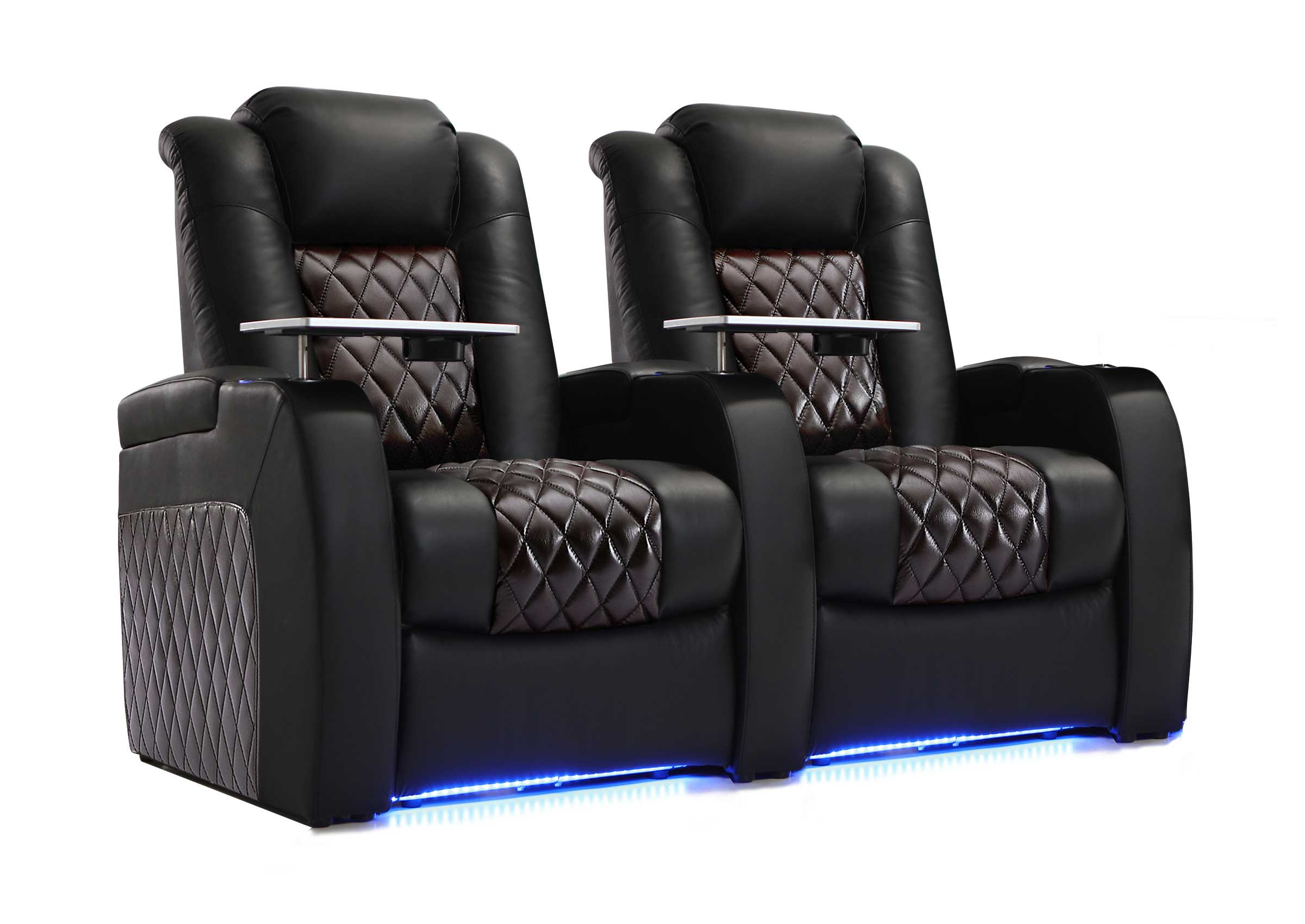
| Upholstered recliner | A supported recline created by the backrest, seat, and legrest |
| Massage chair | A preset or adjustable body position used during massage or relaxation |
They share a positioning idea, not one universal mechanism.
Frame design, cushioning, seat depth, head support, leg support, and adjustment range can all change the experience.
Zero Gravity vs. a Regular Recliner: What Actually Changes?
A regular recliner also lets you lean back and raise your legs. Some conventional recliners can reach a body position that looks similar to what another manufacturer calls zero gravity.
The difference is usually design intent and geometry. A zero gravity recliner is designed or marketed around a neutral-posture-inspired relationship between the reclined torso and elevated legs. A regular recliner may prioritize a wider range of everyday lounging positions.
But the label is less useful than the mechanism.
Compare positions and support, not labels.
Whether it is worth choosing over a regular recliner is a separate buying decision involving space, adjustment, fit, and use.

How Can You Tell Whether the Position Fits You?
Do not judge only by how far the chair reclines. Judge what happens to your body when it gets there.
Your pelvis stays settled. You should not feel as though you are constantly sliding forward or repositioning yourself.
Your thighs stay supported without uncomfortable pressure behind the knees. Seat depth and the transition into the legrest can matter as much as backrest angle.
Your lower legs land naturally on the support. A legrest that works for one body proportion may leave another person’s calves or heels awkwardly positioned.
Your head position matches the activity. A posture that feels excellent with your eyes closed may not be ideal for a two-hour movie. If you must pull your chin forward to see the screen, the backrest and head support are not working together for that use.
The “right” zero gravity position is therefore partly a geometry question and partly a fit question. Two people of the same height can still experience the same chair differently.
What Zero Gravity Does Not Mean
Because the phrase sounds technical, it is easy to give it more meaning than it deserves.
It does not mean gravity disappears. A chair changes posture, not gravitational force.
It does not mean lying flat. Neutral-posture-inspired seating normally keeps the hips and knees bent.
It does not automatically mean wall-hugger or zero-clearance. Those terms describe how a recliner uses space near a wall; zero gravity describes body positioning.
It does not mean NASA certification. NASA research can influence a design concept without NASA approving a particular chair.
It is not a medical treatment by definition. A supported recline may feel more comfortable for some people, but claims about treating pain, circulation problems, swelling, sleep disorders, or other conditions require evidence beyond the feature name.
It does not mean every chair feels the same. Mechanism design, cushioning, seat depth, legrest length, head support, and body proportions still matter.
A Better Way to Think About Zero Gravity Seating
A zero gravity chair is best understood as a recliner designed to place the body in a supported, neutral-posture-inspired position with the upper body reclined and the legs elevated.
NASA research helps explain where the posture idea came from. It does not turn zero gravity into one exact consumer-chair angle.
When you see the term on a product page, look beyond the badge. Check the side profile, what parts move, where your legs will land, and how your head and back are supported. The best position is not the one that matches the most impressive number. It is the one whose geometry fits your body and the way you plan to use the chair.
FAQ
Does a zero gravity chair actually make you weightless?
No. It changes your posture; it does not reduce Earth’s gravitational pull. NASA uses microgravity to describe the apparent weightlessness experienced in orbit, where spacecraft and occupants are in continuous free fall.
What angle should a zero gravity chair be?
There is no single angle that is correct for every person. NASA historical material often cites about 128 degrees trunk-to-thigh, but later neutral body posture research describes a range of postures. Products may also measure angles from different reference points.
Do your feet have to be above your heart?
Many zero gravity chairs raise the legs to around or above heart level, but commercial designs vary. Treat that as a common characteristic rather than a universal certification test; the complete body position and support matter more.
Did NASA design zero gravity recliners for homes?
NASA studied human posture in microgravity, and its neutral body posture research later influenced commercial seating. That is not the same as NASA inventing or approving every zero gravity recliner sold for home use.
Can a regular recliner reach a zero gravity-like position?
Possibly. It depends on the mechanism and adjustment range. A conventional recliner may place the torso and legs in a similar relationship even if the manufacturer uses different terminology.
Is zero gravity the same as a wall-hugger recliner?
No. Zero gravity refers to body positioning. Wall-hugger or zero-clearance refers to the chair’s movement and clearance relative to the wall.
Is a zero gravity chair better than a regular recliner?
Not automatically. If you prefer an elevated-leg, neutral-posture-style recline and the chair fits your body well, it may be a better match. If you mainly sit upright, need different room-space behavior, or prefer another lounging posture, a conventional recliner may suit you just as well.
If the zero gravity position sounds right for the way you relax, you can explore Weilianda zero gravity recliners and compare how different seating configurations fit your room and everyday use.