


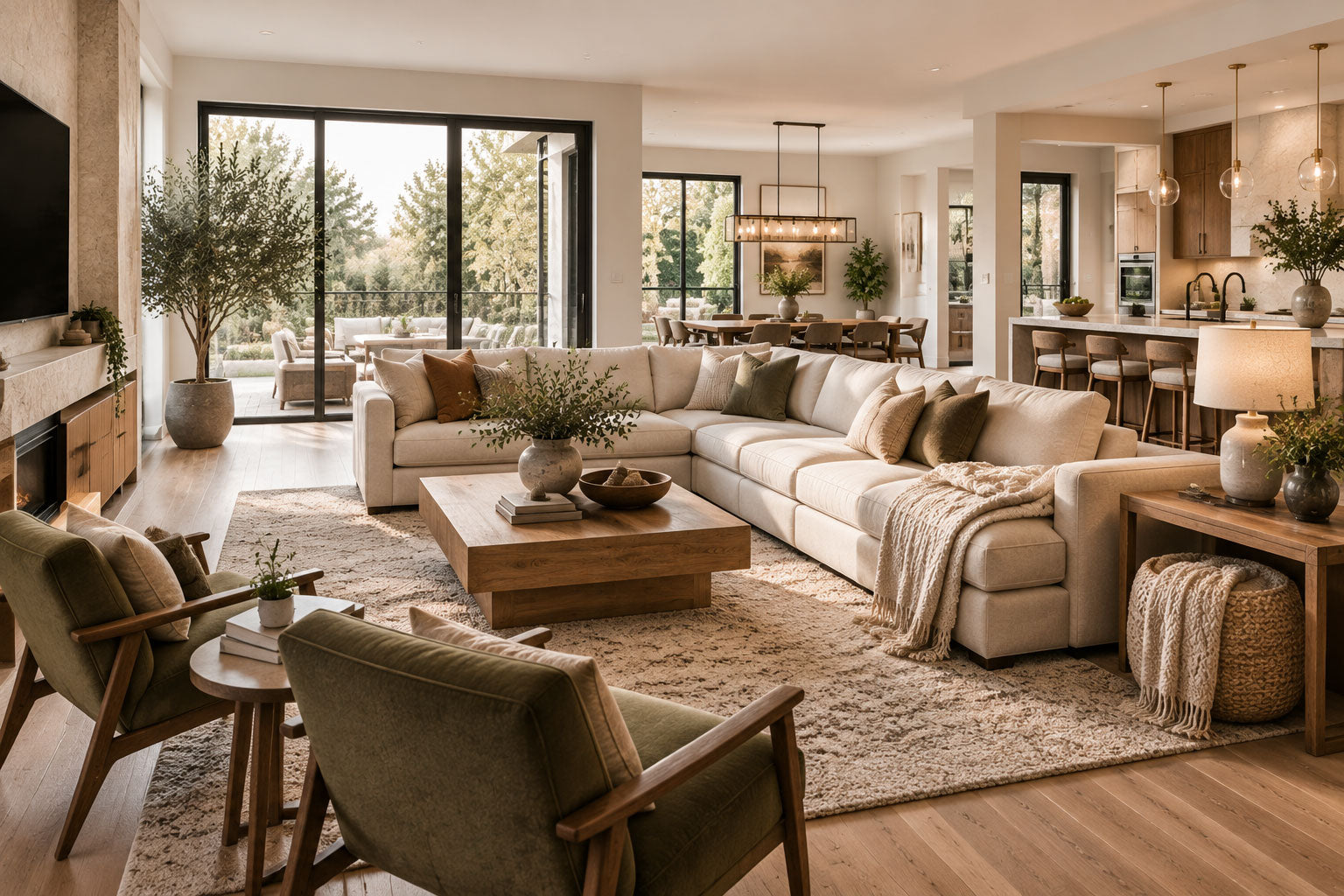

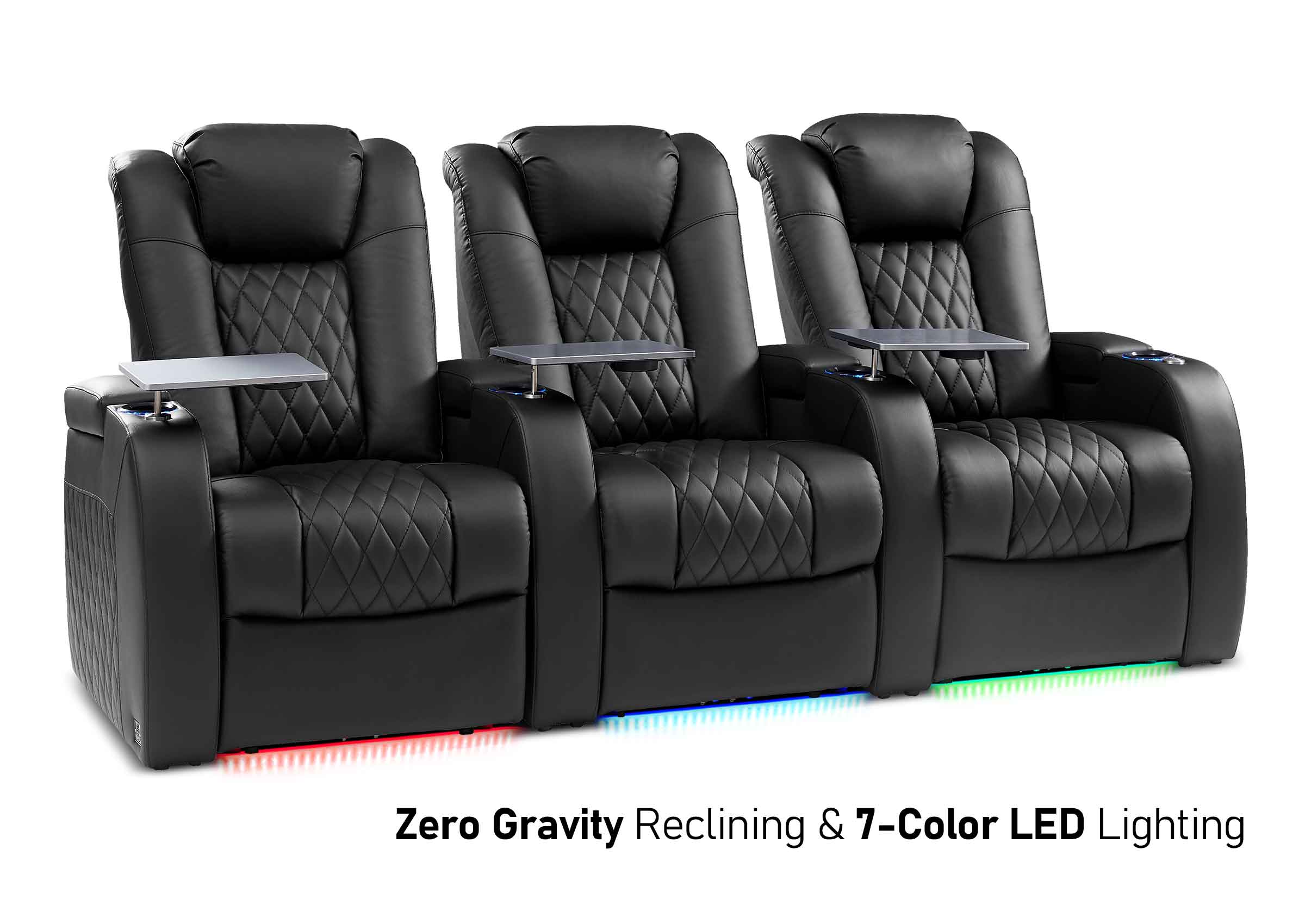
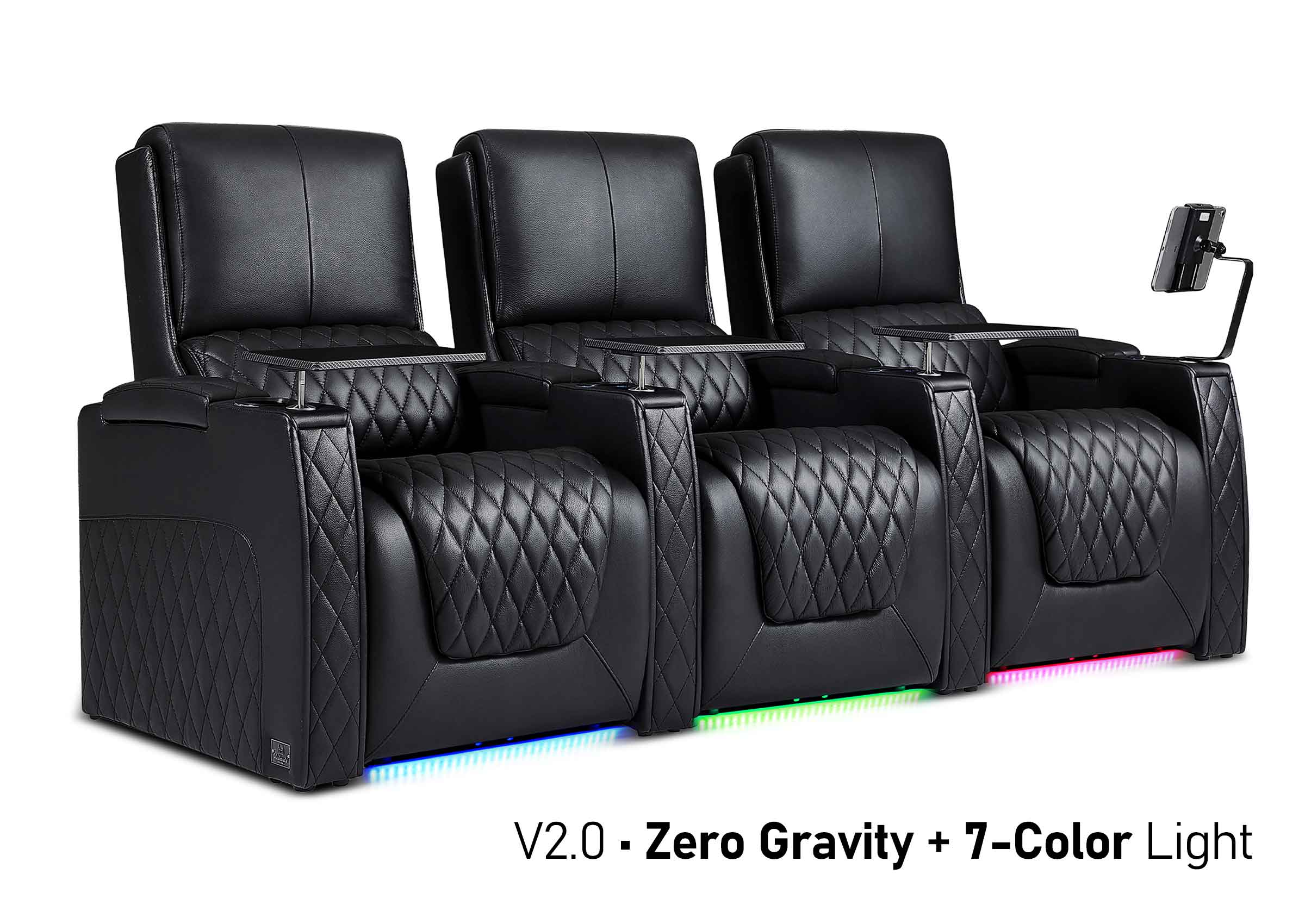
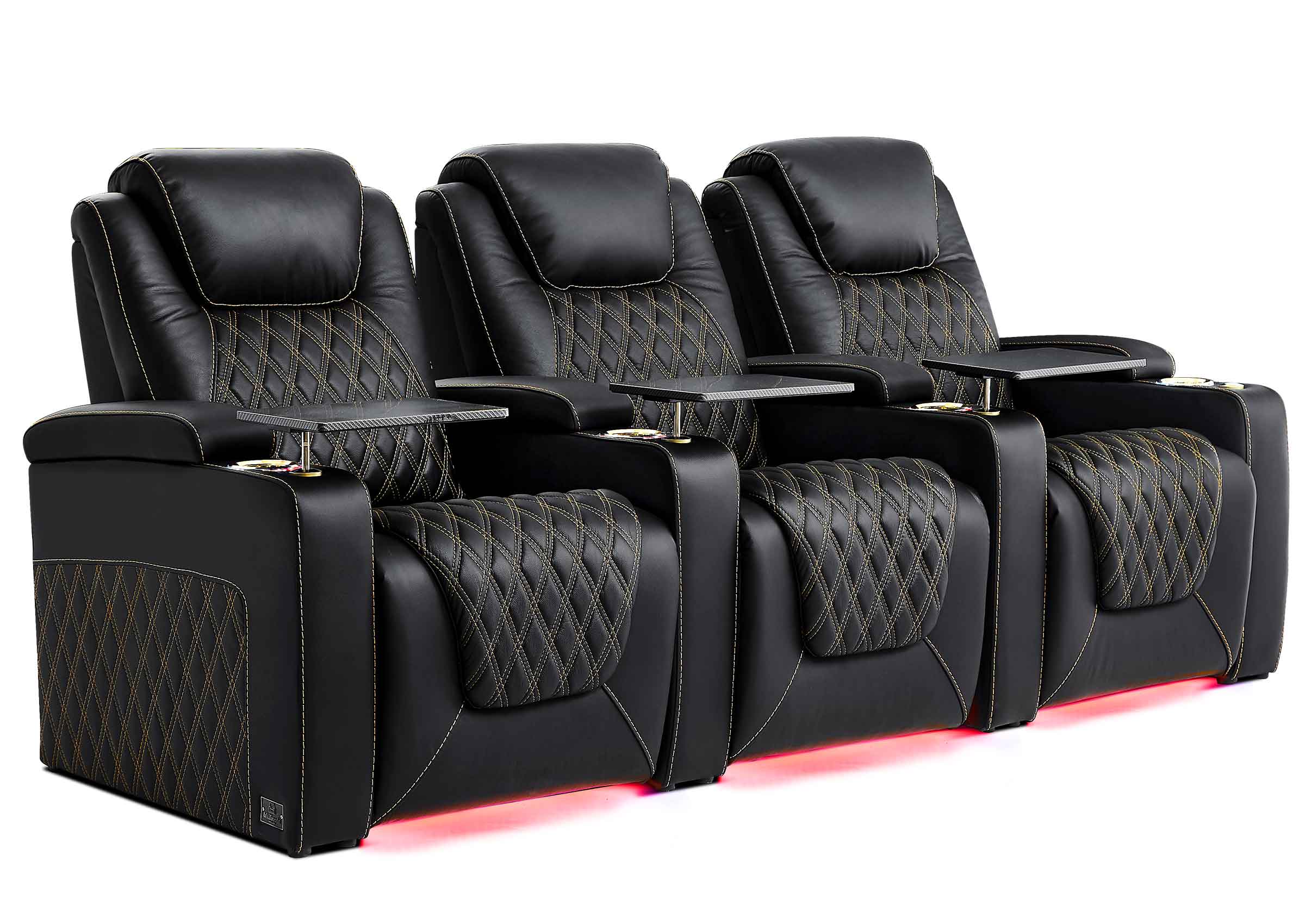

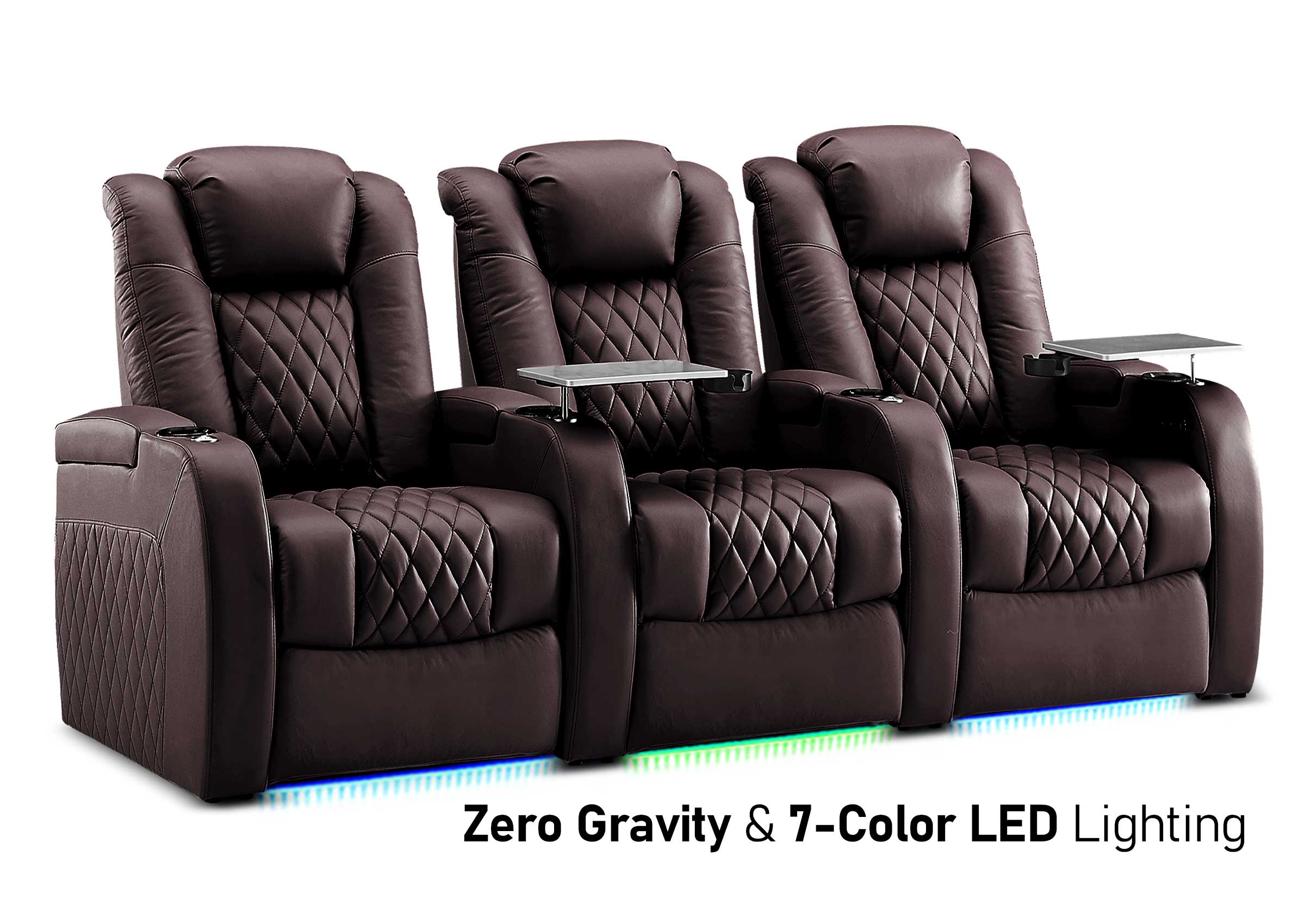

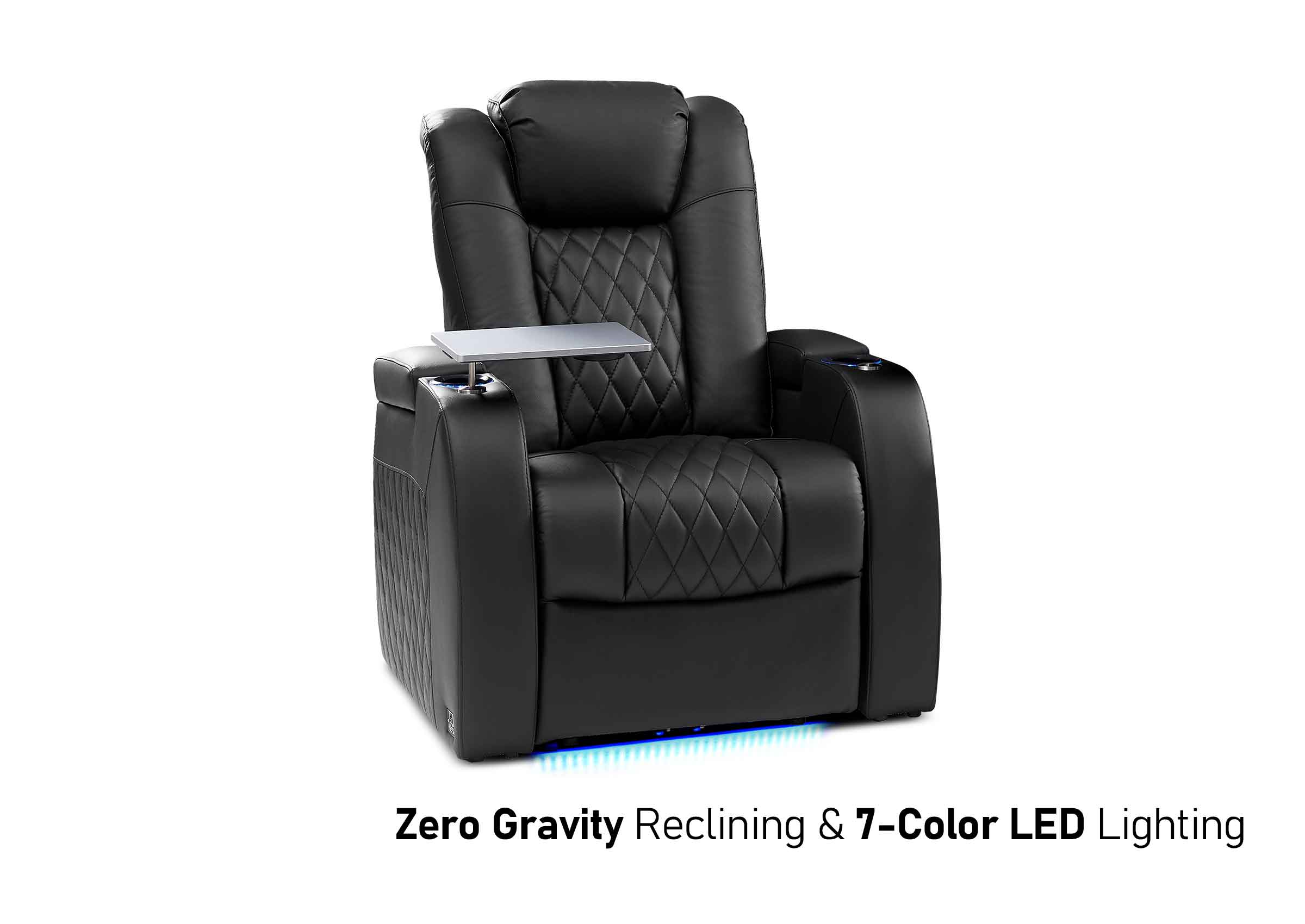
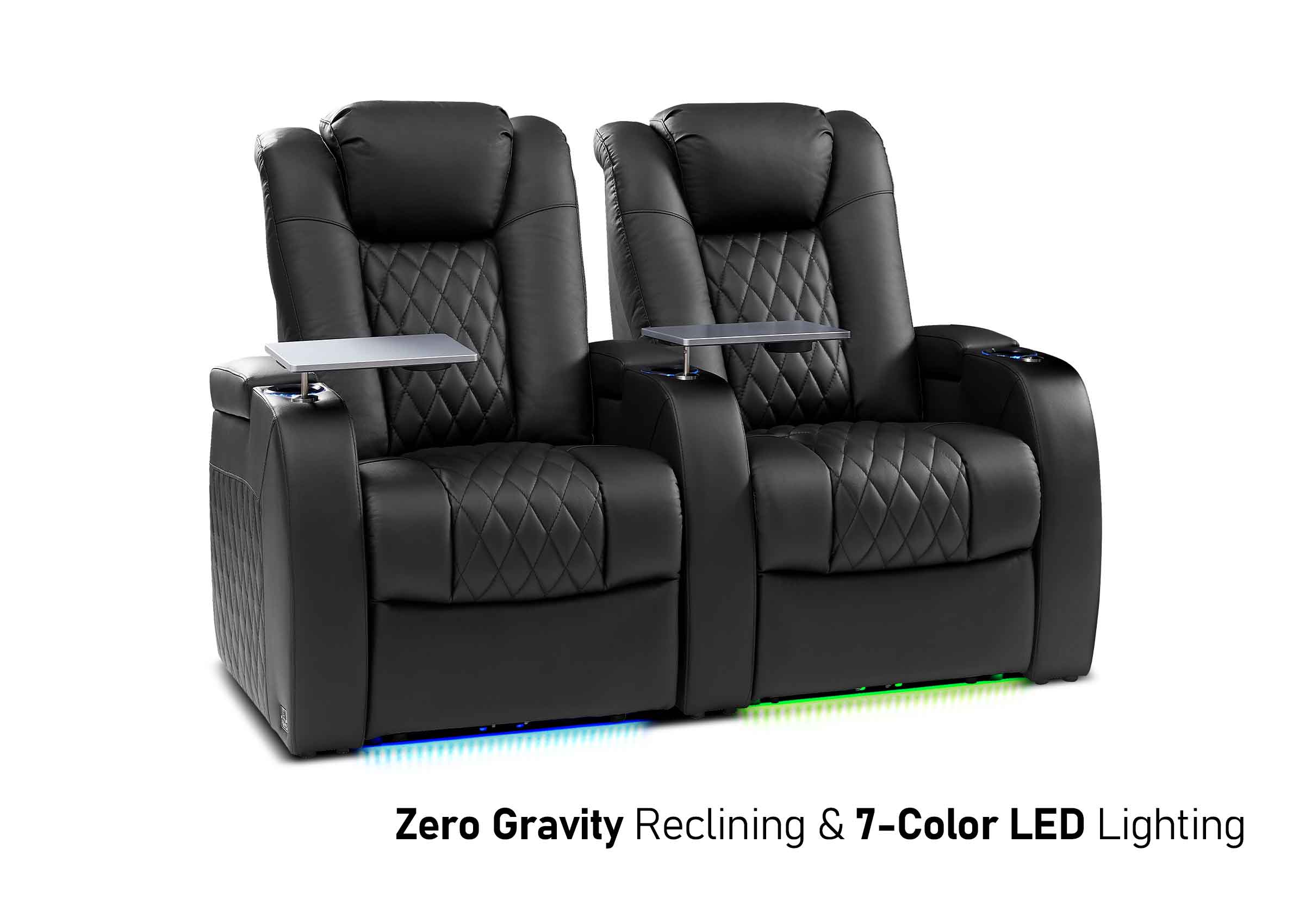
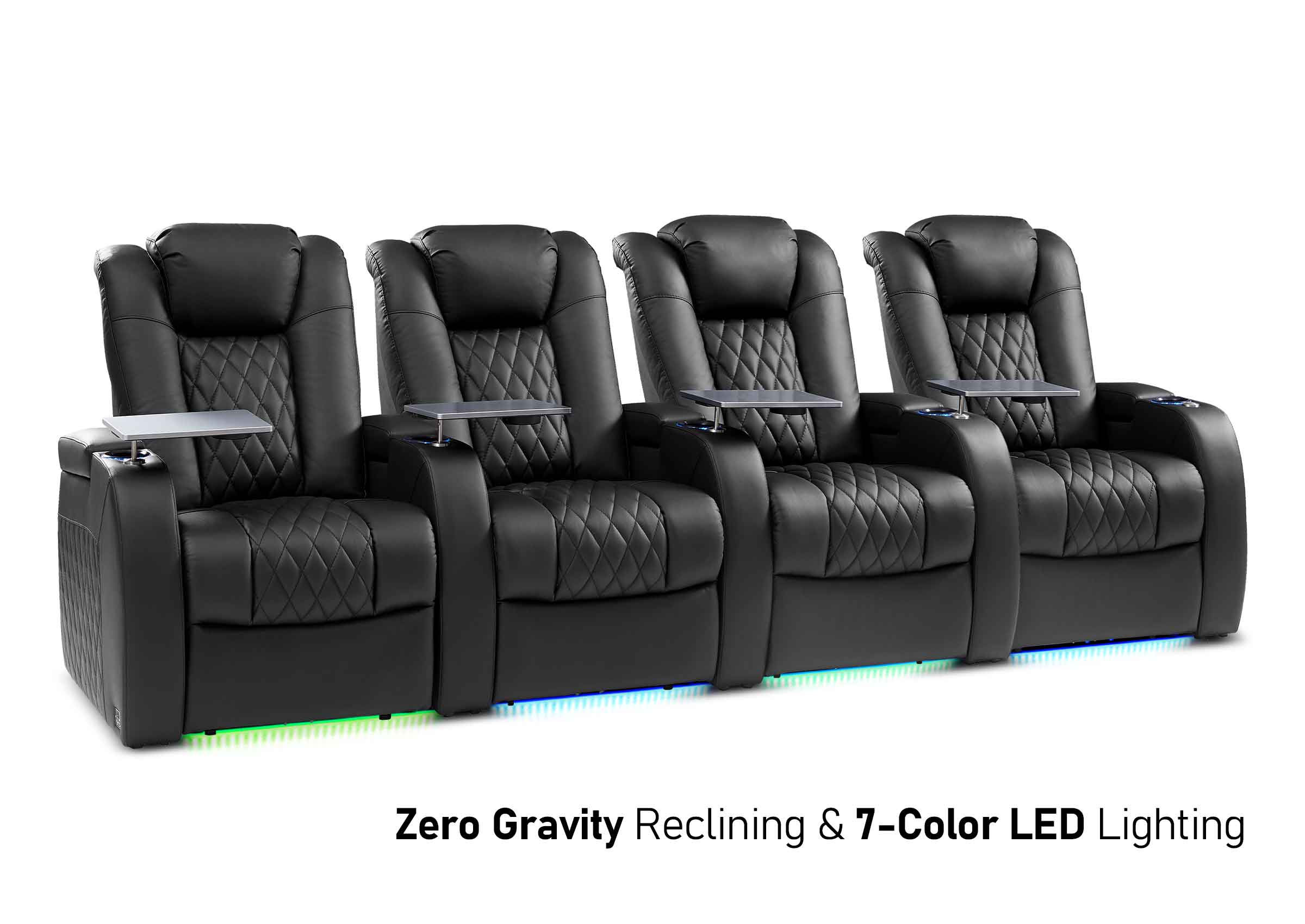
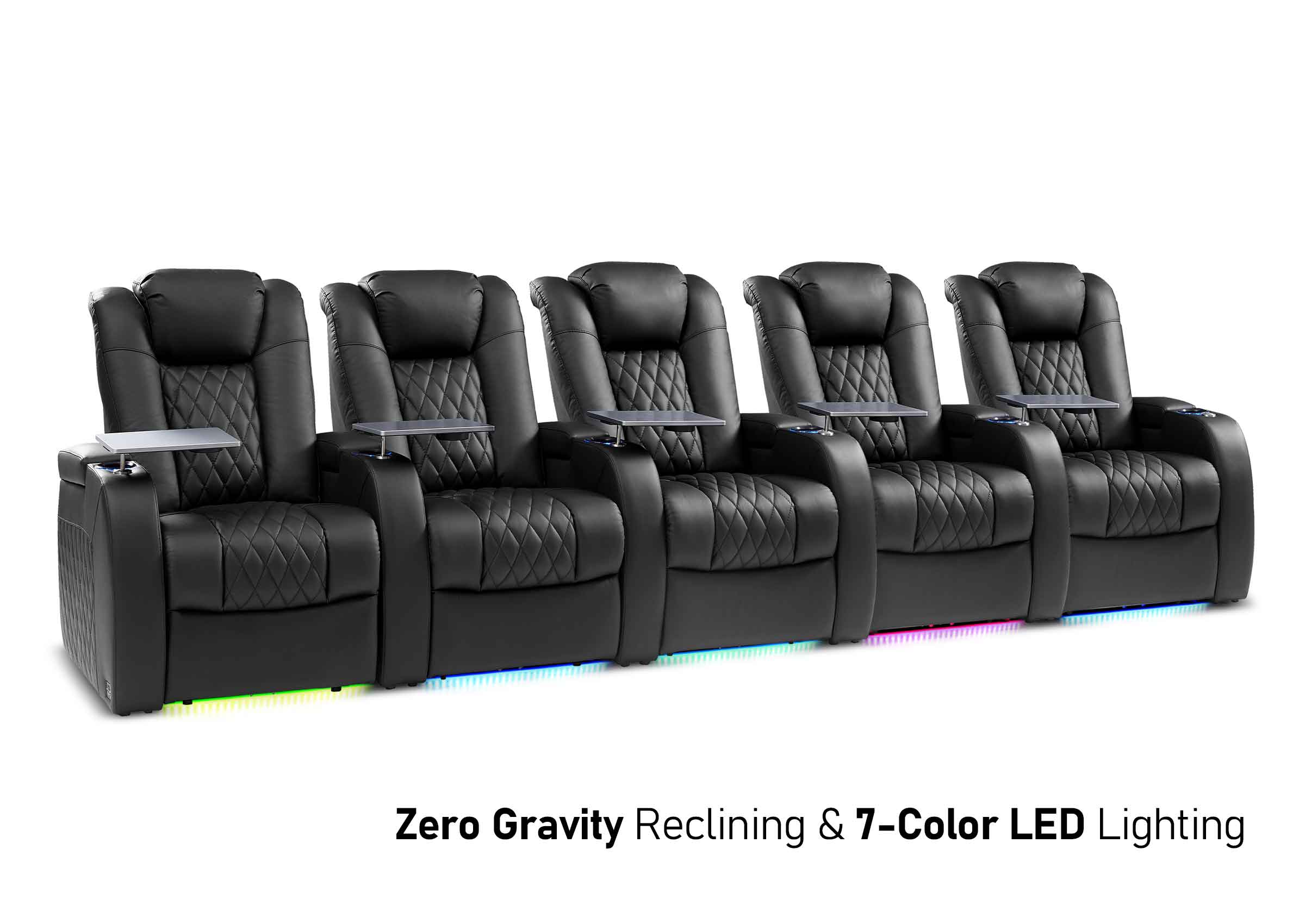
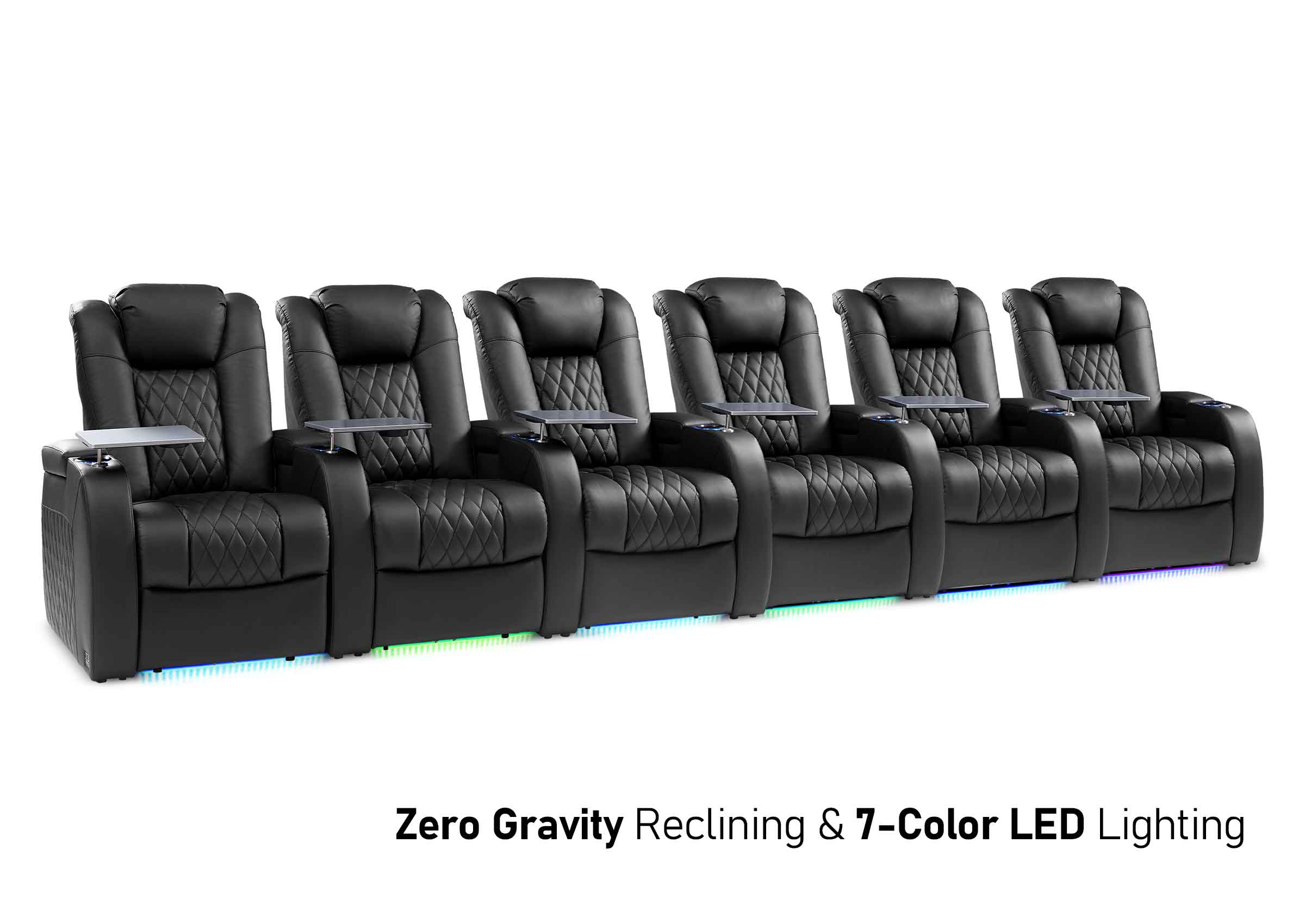
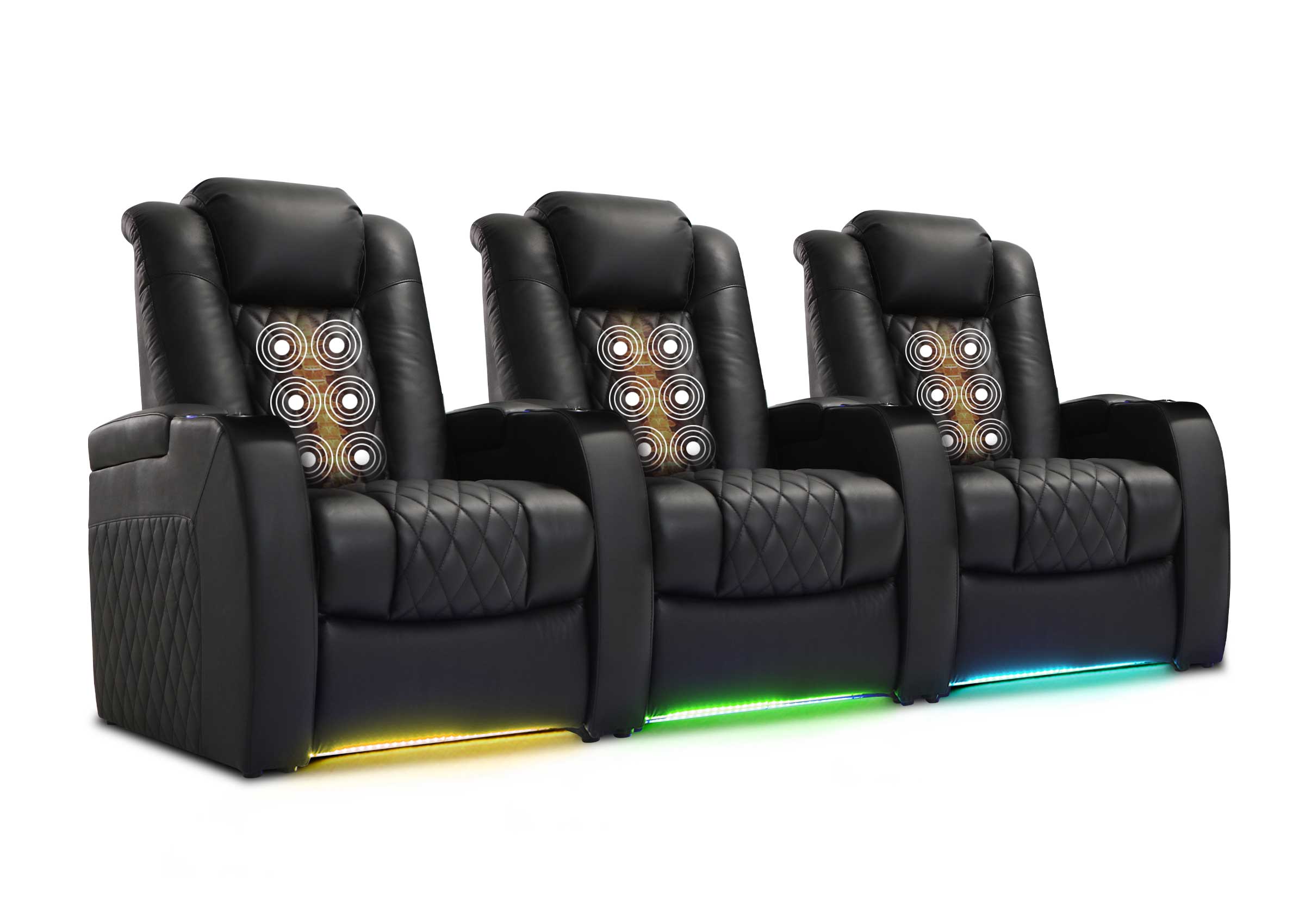
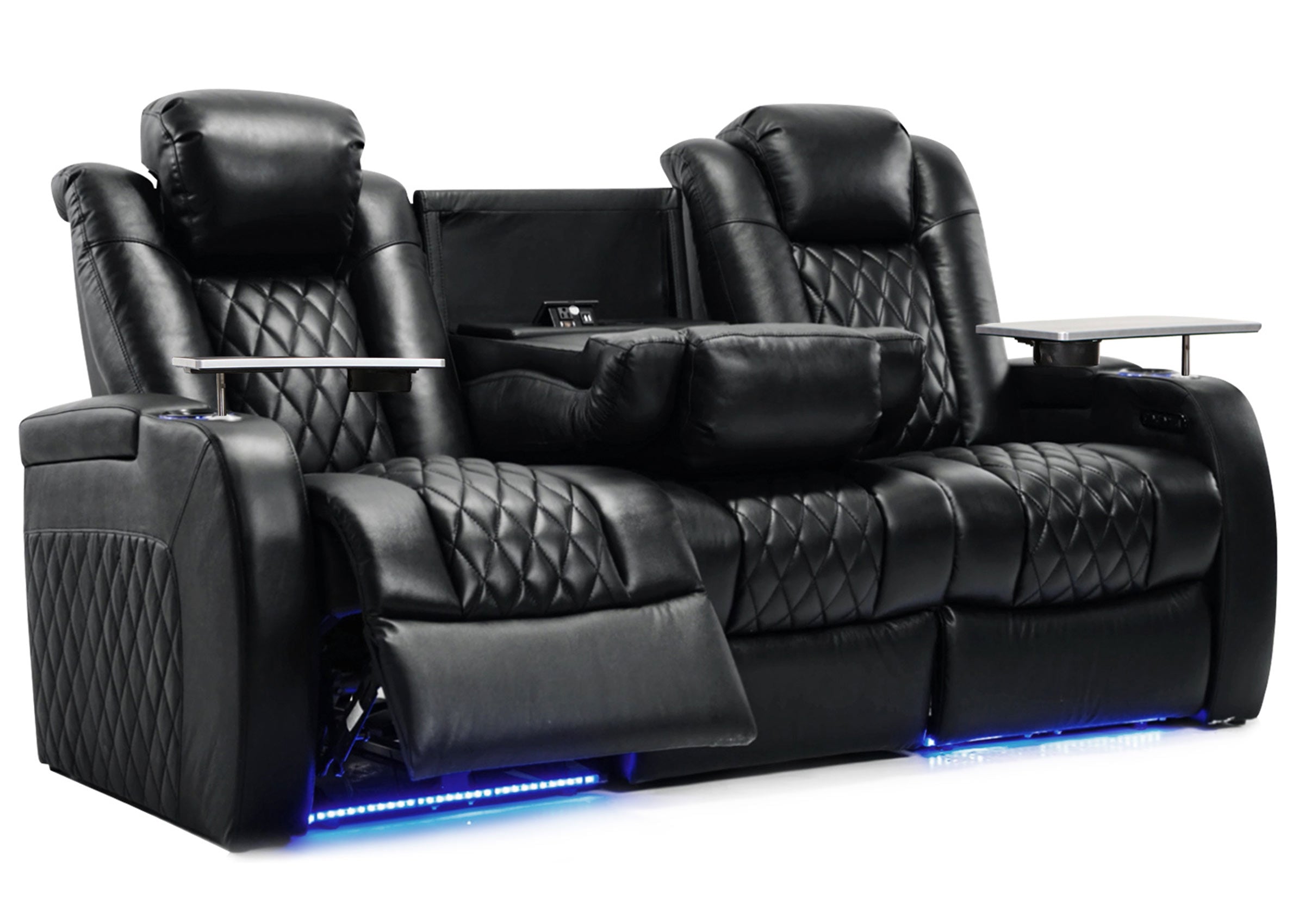






Living room furniture generally falls into four practical groups: seating, tables and surfaces, storage and display, and media furniture. Common pieces include sofas, sectionals, loveseats, recliners, accent chairs, ottomans, coffee tables, side tables, bookcases, cabinets, and media consoles.
You do not need all of them. The better question is not “What furniture belongs in a living room?” but “Which pieces support what people actually do in this room?”
A conversation-focused living room, a family TV room, and a small apartment may all use very different furniture even though they serve the same general part of the home.
What Are the Main Types of Living Room Furniture?
There is no fixed number of living room furniture types. A more useful way to understand them is by the job each piece performs.

| Category | Common Furniture Types | Main Job |
|---|---|---|
| Seating | Sofa, sectional, loveseat, recliner, accent chair, swivel chair, sleeper sofa, ottoman, bench | Gives people somewhere to sit, lounge, talk, read, or watch |
| Tables and surfaces | Coffee table, side table, console table, nesting table, C-table | Keeps drinks, lamps, remotes, books, and everyday items within reach |
| Storage and display | Bookcase, cabinet, sideboard, shelving, storage ottoman | Organizes or displays books, blankets, games, decor, and household items |
| Media furniture | TV stand, media console, entertainment center | Supports or organizes televisions, components, consoles, and media accessories |
The categories matter because they prevent a common furnishing mistake: buying several pieces that all perform the same job while another everyday need remains unsolved.
For most rooms, primary seating has the biggest effect on everything that comes after it. It influences how many people can use the room, where the main focal point sits, how much walking space remains, and what size tables or storage pieces will feel proportional.
What Types of Seating Can You Use in a Living Room?
Seating is the largest and most varied category of living room furniture. The names can sound interchangeable, but different seating types solve different problems.

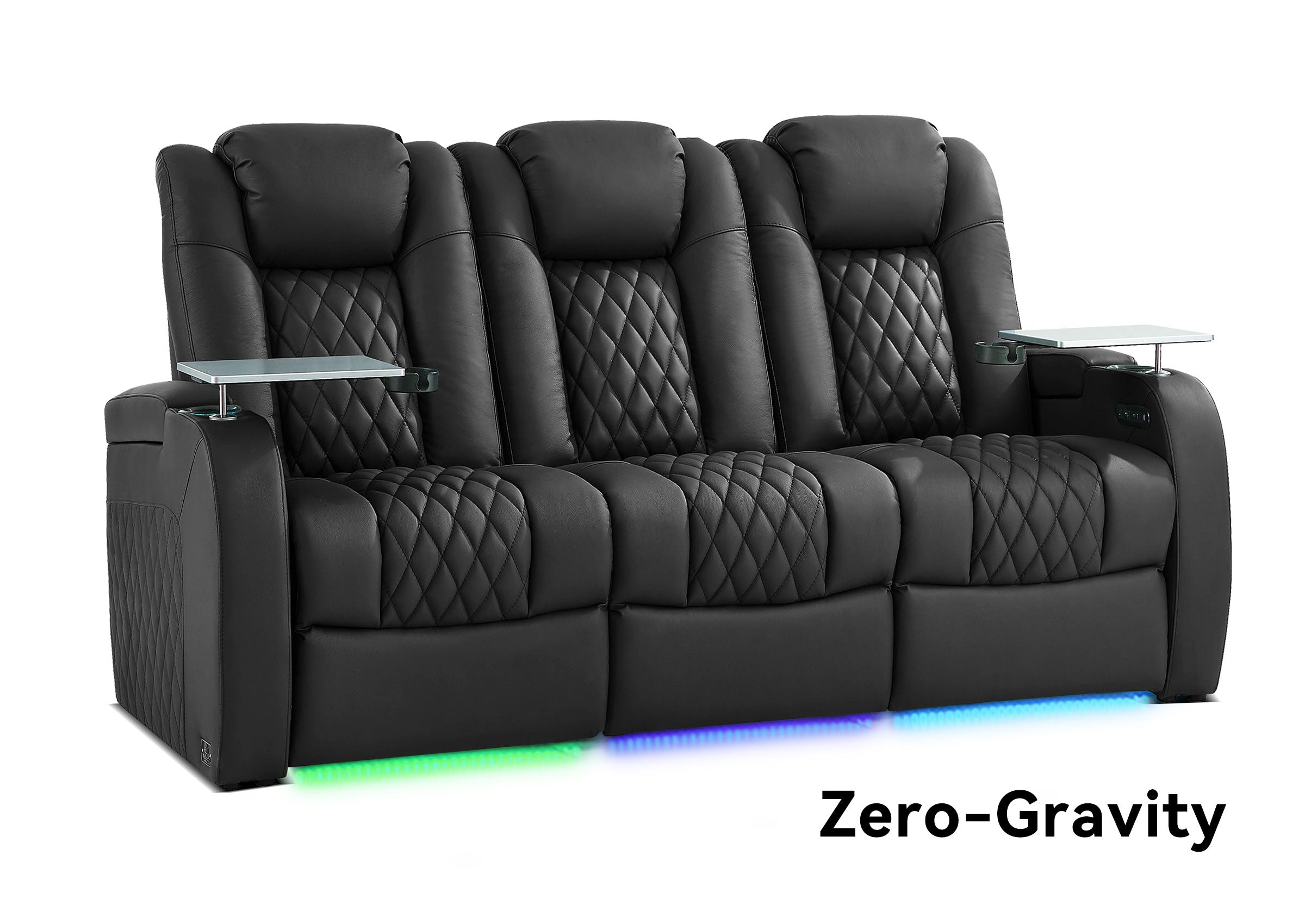
Sofa
A standard sofa is a versatile choice for shared seating. It works well when the room needs one clear anchor without committing to a corner or wraparound layout.
A sofa is often a strong starting point for conversation rooms, mixed-use living rooms, and spaces where you may want to add separate chairs later.
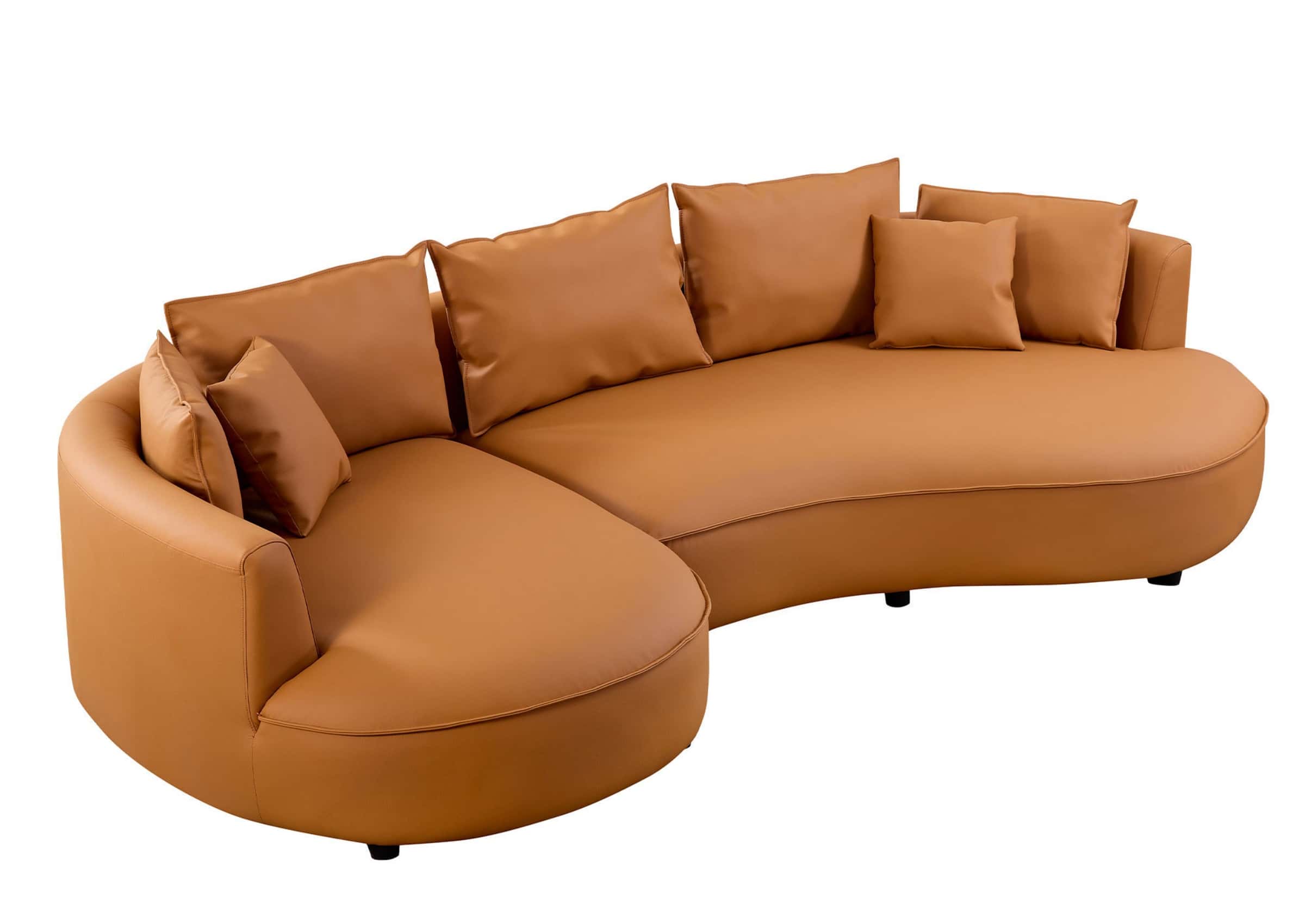
Sectional
A sectional combines multiple seating sections into one larger arrangement, often in an L-, U-, or chaise-based configuration.
It works especially well when shared lounging matters or when one large seating piece can define a zone in an open room.
The tradeoff is footprint. A sectional that looks comfortable in isolation can dominate a room once you account for walkways, tables, doors, and the direction people need to face.
Loveseat
A loveseat provides compact shared seating, typically for two people.
It can serve as the main seat in a small room or work alongside a larger sofa when the room needs more capacity without another full-size piece.
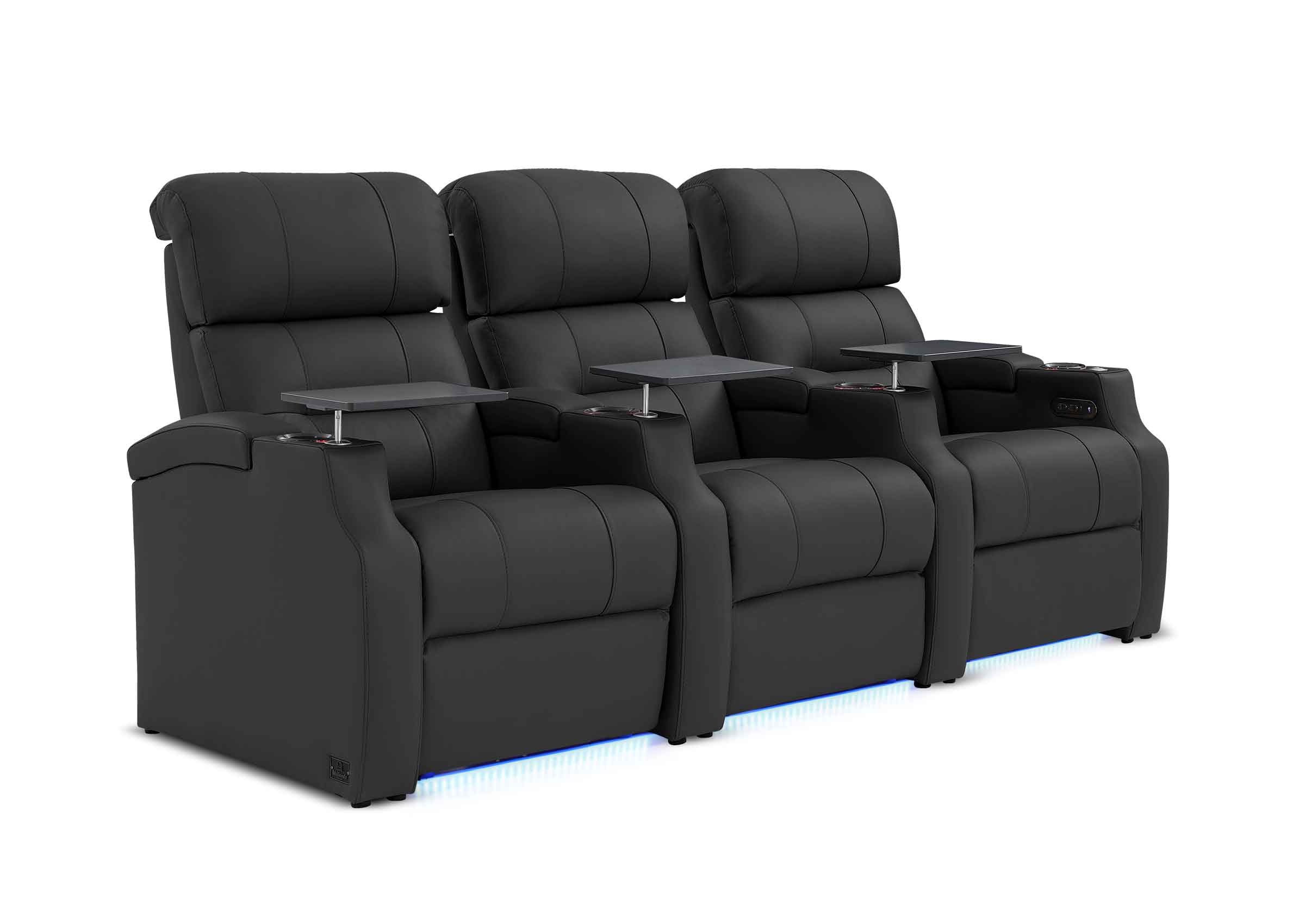
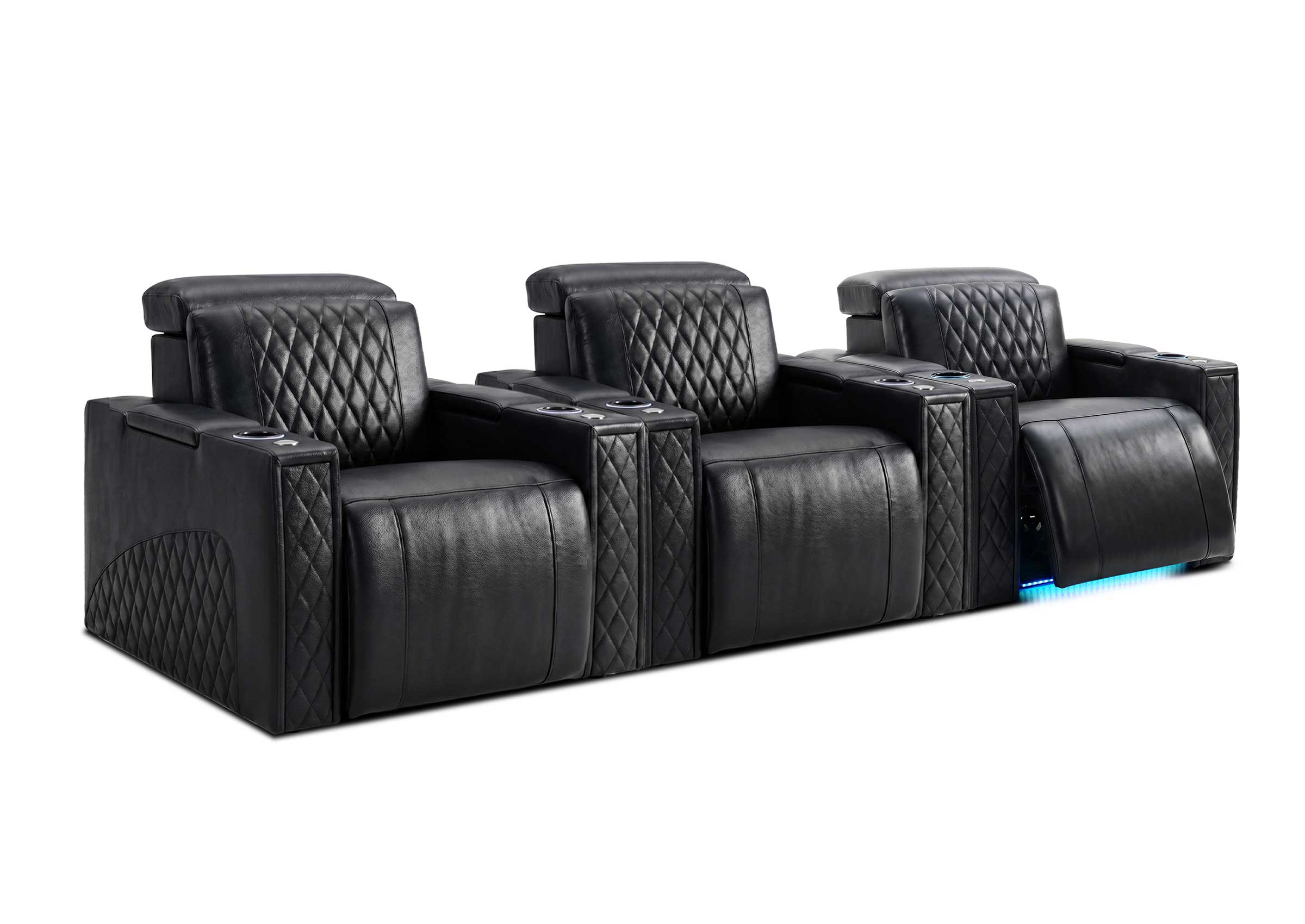
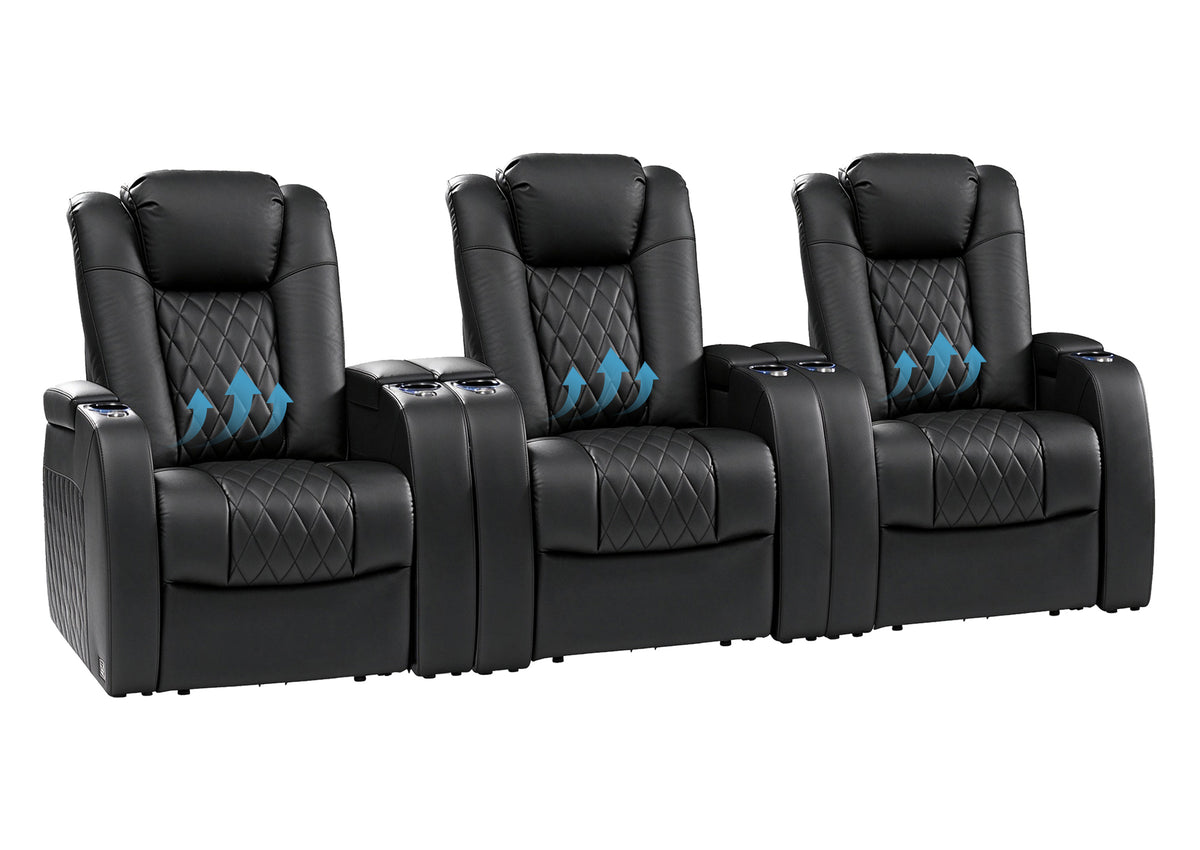
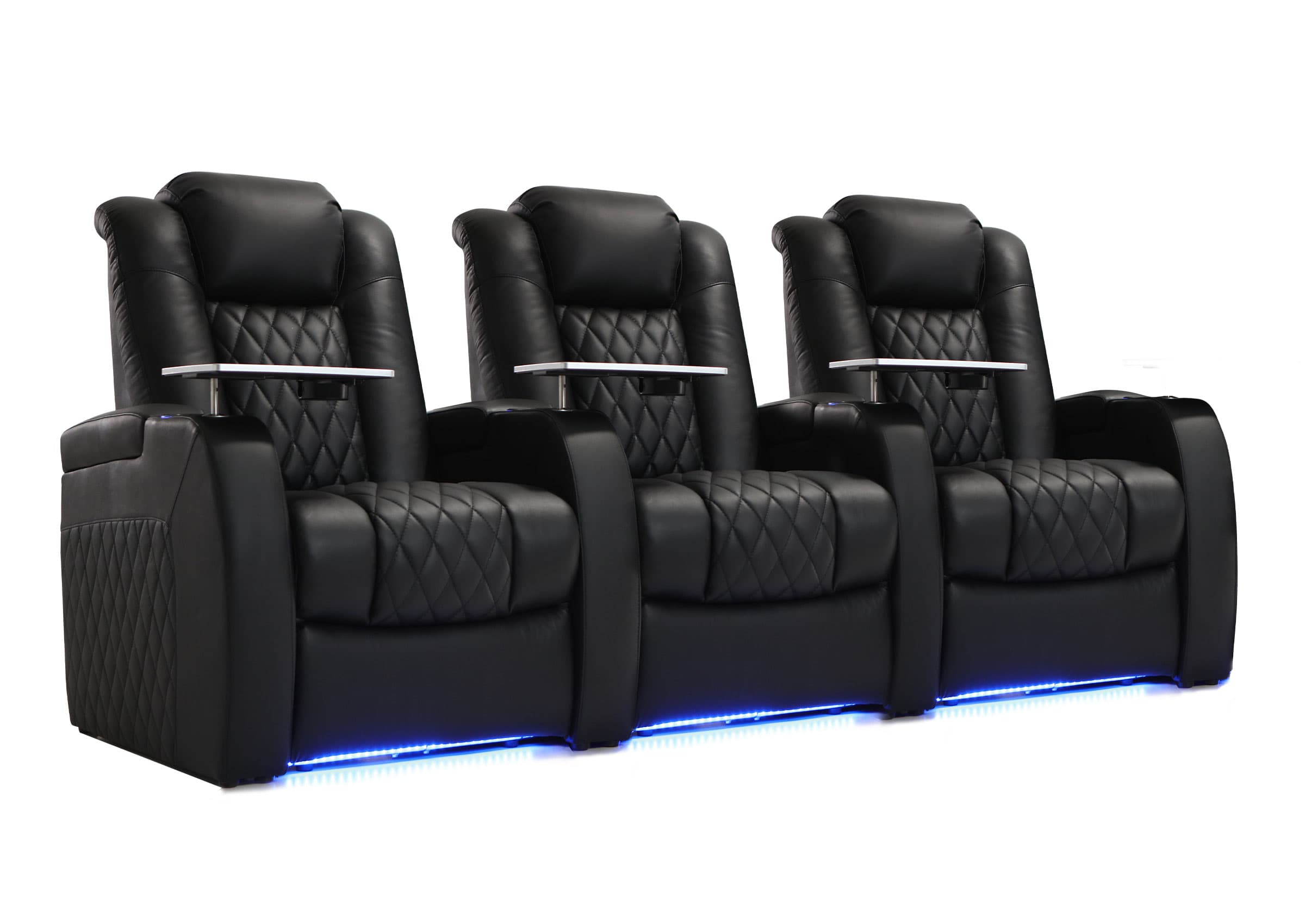
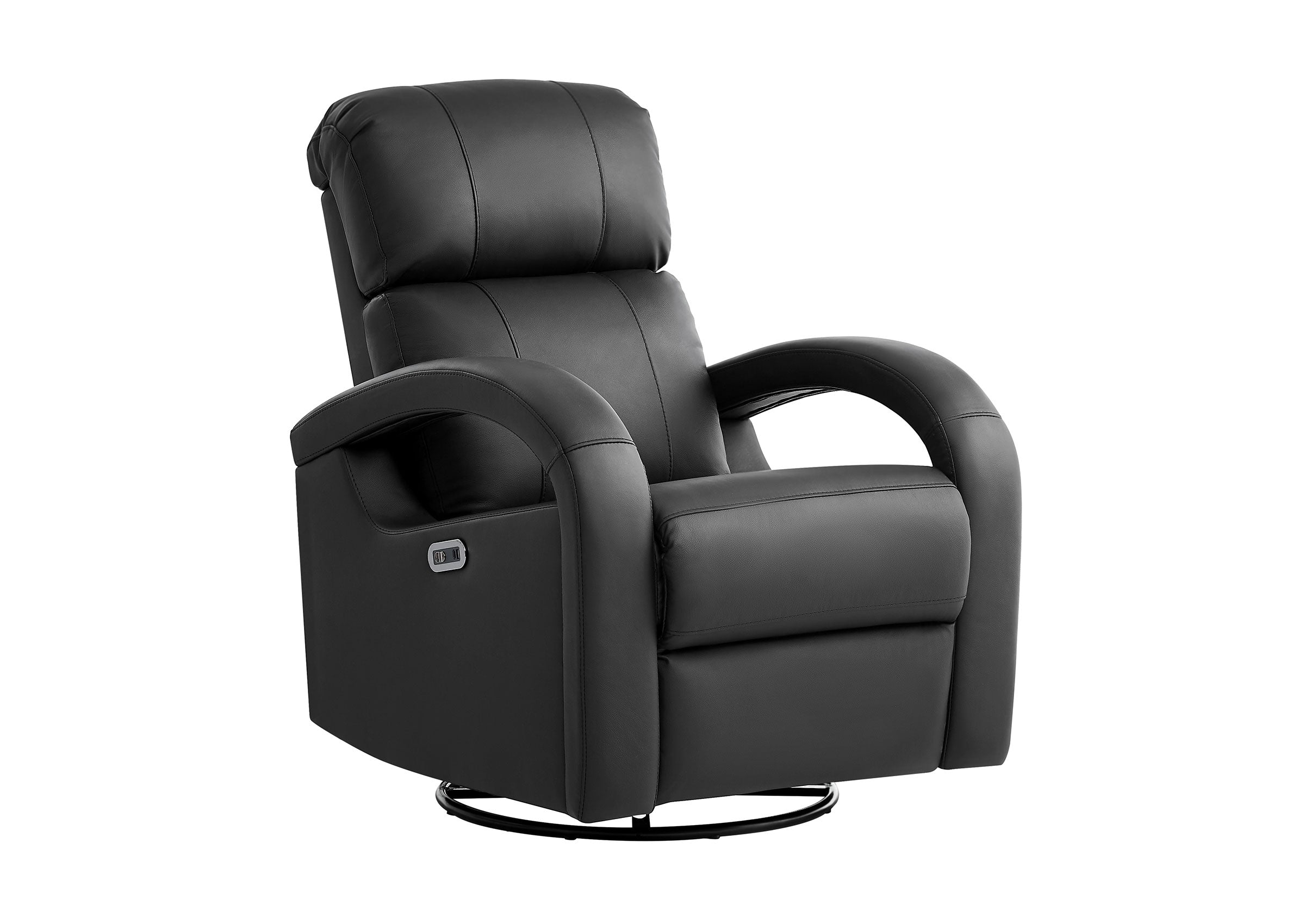
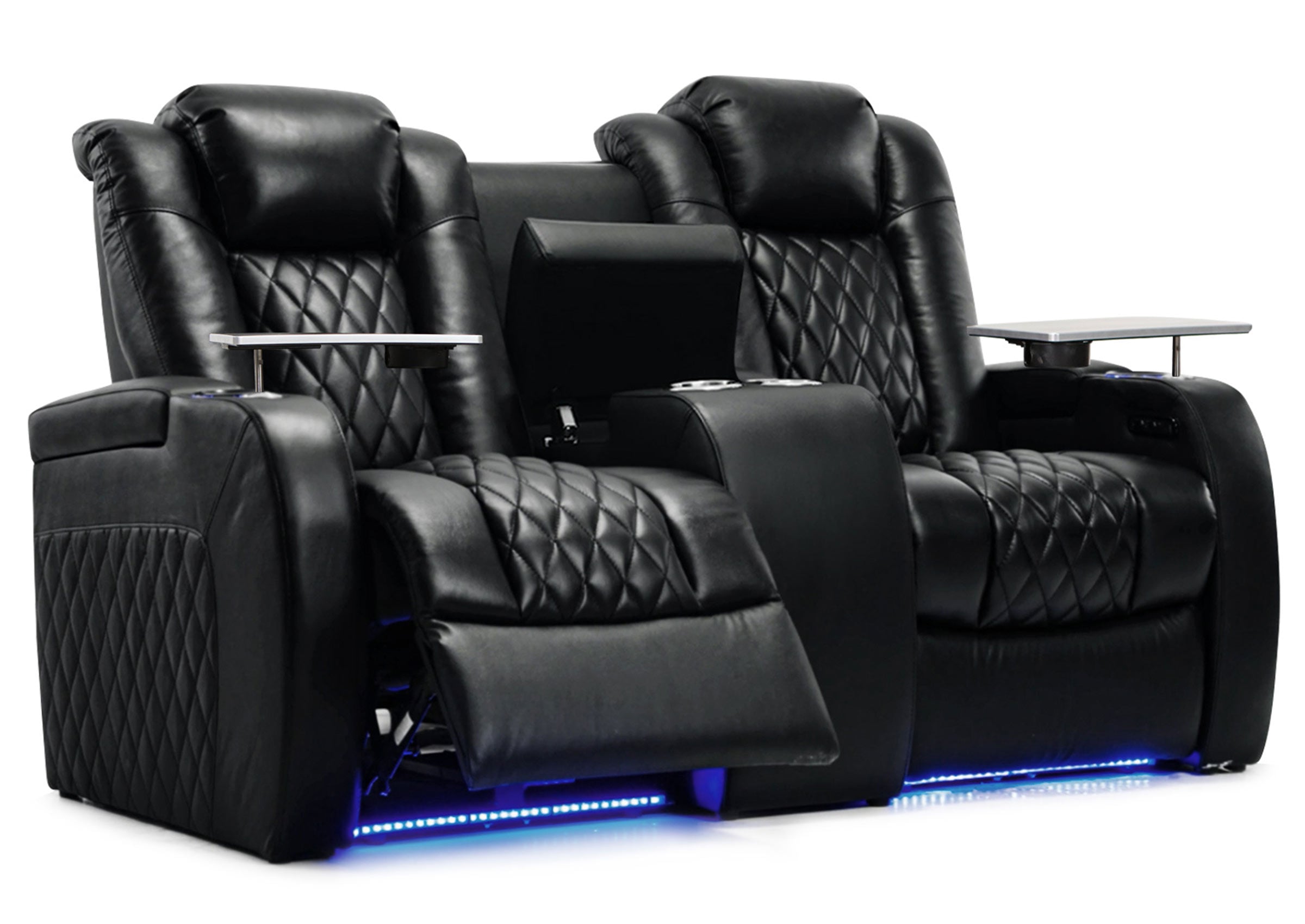
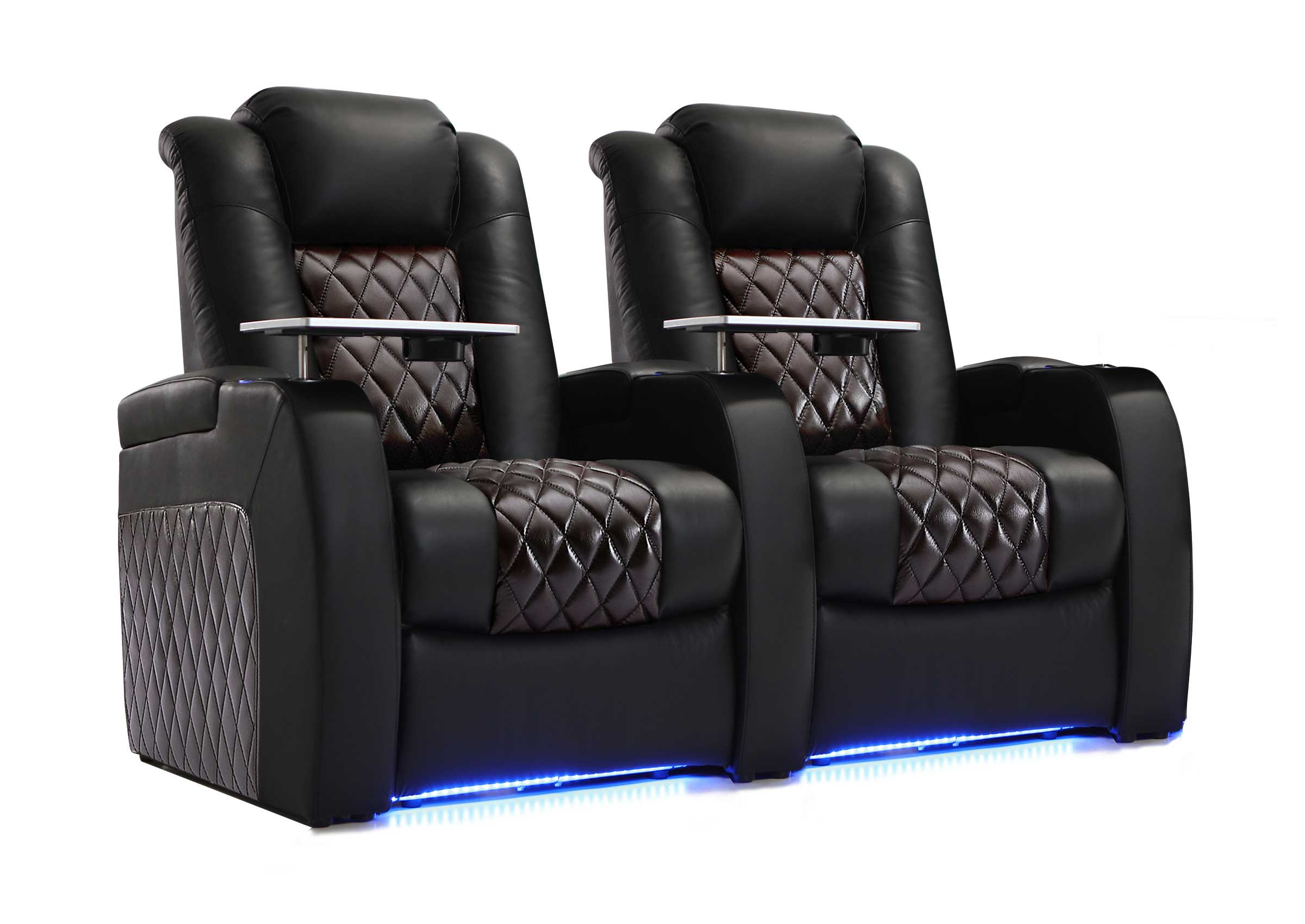
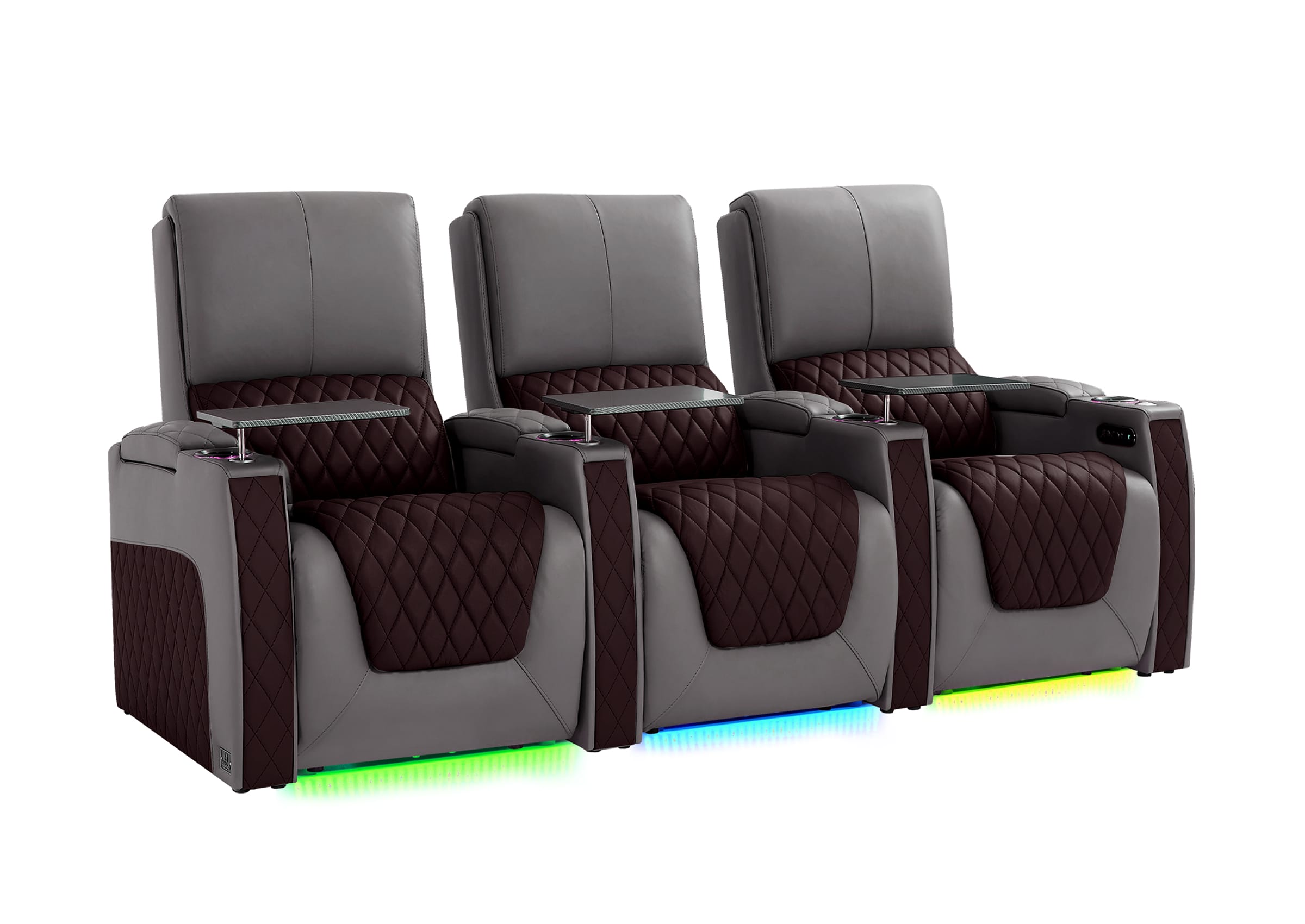
Recliner
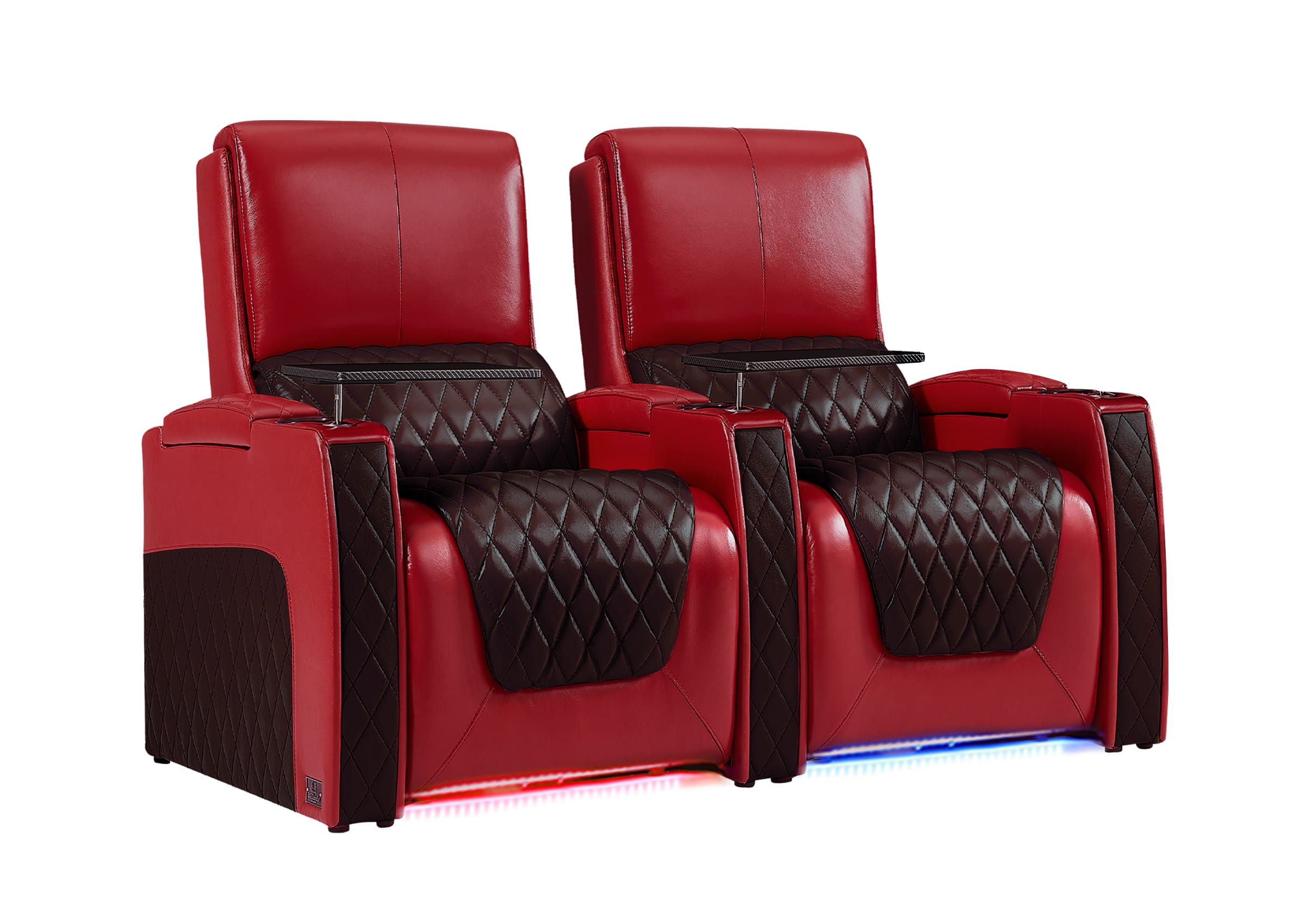
A recliner gives one person more control over sitting and lounging position than a fixed chair.
It can make sense for reading, television, movies, or long periods of relaxation. The important measurement is not just its upright footprint: a reclining chair also needs enough usable space when extended.
If you are choosing between two types of individual seating, our swivel chair vs. recliner guide looks more closely at movement, comfort, and daily use.
Accent Chair or Armchair
An accent chair adds a separate seat without requiring another large sofa.
It works well when you need flexible guest seating, a reading position, or a chair angled toward conversation rather than lined up with the main sofa.
The chair does not have to match the sofa exactly. Its scale and purpose usually matter more than whether the upholstery is identical.
Swivel Chair
A swivel chair is particularly useful in rooms with more than one direction of attention.
Someone might turn toward the television, rotate toward a conversation area, or face a window or fireplace without moving the entire chair.
This can be more useful than adding another fixed chair in a room with competing focal points.
Sleeper Sofa
A sleeper sofa combines everyday seating with an occasional sleeping surface.
It is most useful when the room truly needs both functions, such as an apartment, guest-friendly den, or multipurpose room.
If overnight use is rare, however, do not automatically assume the added function is worth prioritizing over everyday seating comfort.
Ottoman or Pouf
An ottoman can work as a footrest, occasional seat, soft surface, or storage piece depending on the design.
Its value comes from flexibility. In a small room, one movable ottoman may solve several minor needs without requiring another permanent chair or table.
Bench
A bench adds occasional seating with relatively little visual bulk.
It can work along a wall, near an entry, behind a sofa, or in a larger room where extra seats are useful only occasionally.
Modular Seating
Modular seating is built from separate units, but “modular” does not automatically mean every unit can be rearranged however you want.
Some systems are modular mainly for delivery or configuration at purchase, while others support meaningful changes later. If flexibility is a major reason you are considering one, compare the actual configuration rules rather than relying on the label alone. Our modular sofa vs. sectional guide explains that distinction in more detail.
Before choosing any large seating piece, it is worth checking both room fit and access. If sofa size is the main uncertainty, see our guide to selecting the right sofa size for a living room.
Types of Living Room Tables and What Each One Does
Living room tables are not simply decorative. They make seating easier to use by putting everyday items where people can actually reach them.
Coffee Table
A coffee table creates a shared surface in front of a sofa or seating group.
It is most useful when several people need access to the same surface. In a smaller or circulation-heavy room, however, a large coffee table may take more floor space than it gives back in usefulness.
Side or End Table
A side table gives one or two seats direct access to a drink, lamp, phone, or book.
It can be more useful than a coffee table when people frequently use recliners or individual chairs.
Console or Sofa Table
A console table can sit against a wall, behind a floating sofa, or near an entry.
It adds a narrow surface without occupying the center of the seating area and may also provide shallow storage.
Nesting Tables
Nesting tables provide extra surfaces only when they are needed.
They are particularly practical in smaller living rooms or homes where guests create occasional demand for more table space.
C-Table or Slide-Under Table
A C-table slides partly under a sofa or chair so the surface sits closer to the user.
It can work well for a laptop, drink, snack, or remote where a traditional side table would be too far away.
The goal is not to surround every chair with furniture. Add a table where it removes a real inconvenience.
What Storage and Display Furniture Can Go in a Living Room?
Storage furniture is useful when it solves the type of clutter the room actually creates.
Bookcase or Open Shelving
Open shelving works best for objects you want visible: books, framed photos, decor, baskets, or collections.
It increases display space, but it also increases what the eye has to process. If the room already feels busy, more open shelving may make the problem worse rather than better.
Cabinet
A closed cabinet hides items that need to stay nearby without becoming part of the visual display.
That can include games, cables, children’s items, extra blankets, electronics, or household supplies.
Sideboard or Credenza
A low, wider cabinet can provide substantial closed storage and a display surface along a wall.
Although these pieces are also common in dining rooms, they can work in a larger living room when storage is needed but a tall cabinet would feel too heavy.
Storage Ottoman
A storage ottoman combines concealed storage with another function, such as a footrest or occasional seat.
That can make it especially useful when the room does not have enough space for separate storage furniture.
Open furniture displays. Closed furniture hides.
Choose based on what you actually need to store rather than assuming every living room needs bookshelves or cabinets.
What Media Furniture Does a Living Room Need?
A living room with a television may need furniture for the screen, electronics, controllers, streaming devices, cables, games, or speakers.
Common options include:
- TV stand: A relatively simple surface or cabinet for a television and a few components.
- Media console: Usually provides a wider combination of media support and storage.
- Entertainment center: A larger system that may surround or frame the TV with additional shelves or cabinets.
A wall-mounted television does not automatically eliminate the need for media furniture. You may still need somewhere for devices, cables, remotes, games, or other equipment.
At the same time, a television does not automatically justify a large entertainment center. If most equipment is minimal or hidden, a smaller console may be enough.
If the room is used heavily for movies, gaming, sports, or streaming, our guide to organizing a media room goes deeper into seating, storage, devices, and everyday clutter.
Furniture Type vs. Style vs. Function: What Is the Difference?
Furniture terminology becomes confusing because stores and articles often mix several different ways of describing the same piece.
These terms are not interchangeable.
| Term | Example | What It Describes |
|---|---|---|
| Furniture type | Sofa, recliner, coffee table | What the piece is |
| Configuration or shape | Sectional, L-shaped, modular | How the piece or sections are arranged |
| Function | Reclining, sleeper, storage | What the furniture can do |
| Style | Mid-century modern, traditional, contemporary | The visual design language |
| Material | Leather, fabric, wood | What the piece is made from |
A leather reclining sectional, for example, combines several descriptions:
- sectional = configuration;
- reclining = function;
- leather = material.
It could then have a contemporary or traditional style.
This distinction matters because otherwise it is easy to compare things that are not actually alternatives. “Leather or sectional?” is not a useful choice—the first describes material, while the second describes configuration.
If style is what you are trying to identify, our couch styles guide separates recognizable design styles from furniture functions and configurations.
Which Living Room Furniture Do You Actually Need?
Most living rooms need fewer pieces than furniture catalogs suggest.
Start with the activity that happens most often and build outward from it.
| Your Living Room Is Mainly For… | Start With | Add If It Solves a Need | Often Optional |
|---|---|---|---|
| Conversation | Sofa or chairs | Coffee/side tables, occasional chair | Large media furniture |
| TV and movies | Comfortable screen-facing seating | Media console, side tables, closed storage | Extra display furniture |
| Small-space living | Compact sofa or loveseat | Nesting table, storage ottoman, flexible chair | Large coffee table, matching loveseat |
| Family use | Durable shared seating | Closed storage, flexible extra seat, practical tables | Decorative-only pieces |
| Multipurpose use | Flexible main seating | Modular pieces, movable tables, storage | Oversized fixed furniture |
The important point is that “essential” depends on the room's job.
A coffee table may feel essential in a conversation area but unnecessary when reclining seats need open floor space in front of them. A media console may be central to one living room and completely unnecessary in another.
NEXT STEP: COMPARE THE SEATING
Still Deciding Which Seating Type Fits the Way You Use the Room?
If movies, gaming, sports, or long evenings are a major part of the room, compare how sofas, sectionals, recliners, and flexible configurations affect comfort and everyday use before choosing the rest of the furniture.
What Works Best in a Small Living Room?
Small rooms benefit from reducing duplicated functions.
Instead of trying to fit a sofa, loveseat, two chairs, coffee table, side tables, cabinet, and media unit into the same footprint, ask which pieces can solve more than one problem.
Examples include:
- a loveseat or compact sofa instead of an oversized seating set;
- one movable accent chair instead of several fixed chairs;
- nesting tables instead of a large central table;
- a storage ottoman instead of separate footrest and storage;
- closed media storage instead of several smaller organizers.
A few properly scaled pieces usually make a small room feel more generous than many individually compact pieces crowded together.
Small furniture is not automatically space-efficient if there is too much of it.
How Does a TV-Focused Living Room Change the Furniture Mix?
A living room used heavily for television, movies, gaming, or sports usually places more value on viewing position, long-session comfort, accessible surfaces, and media storage.
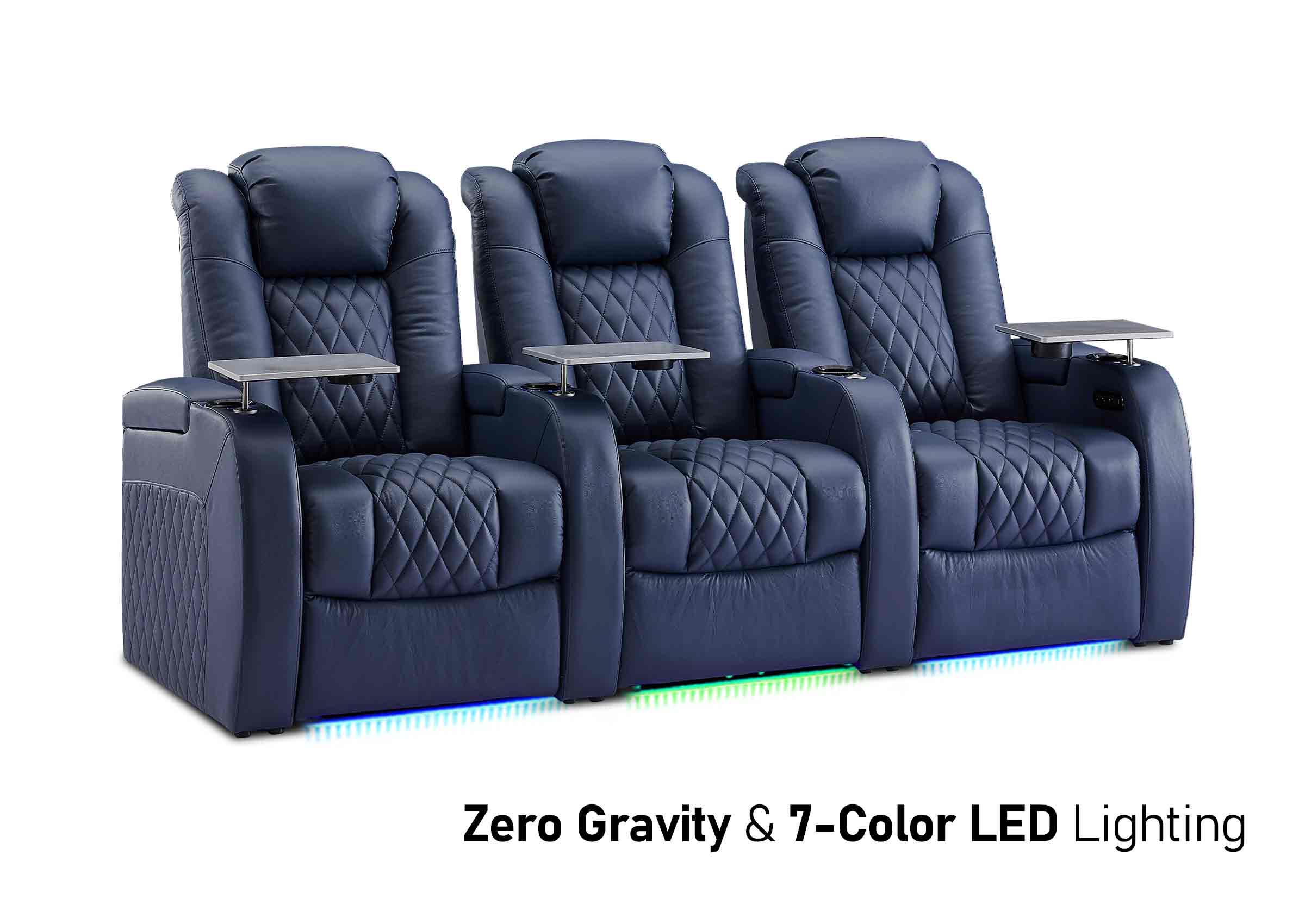
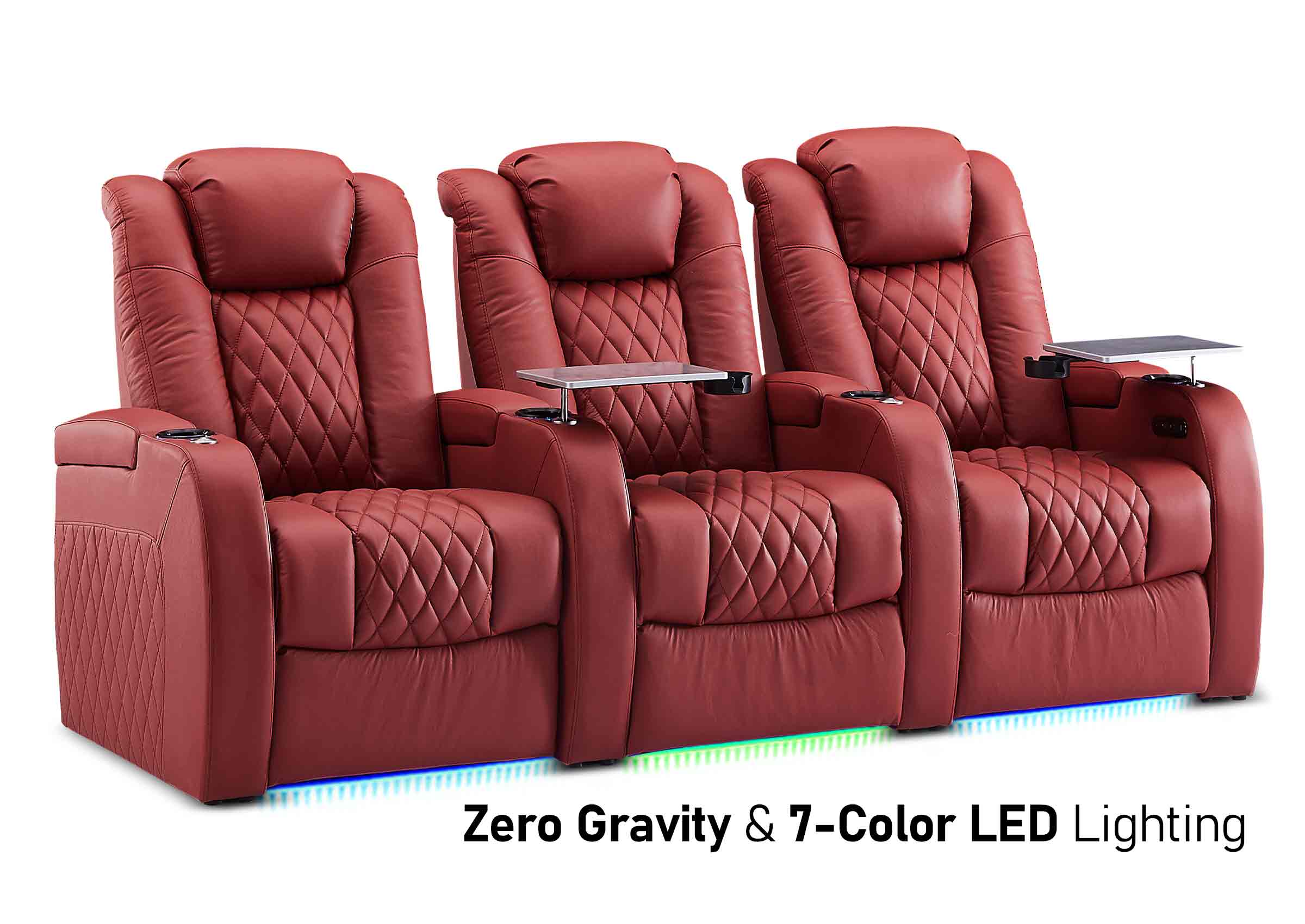
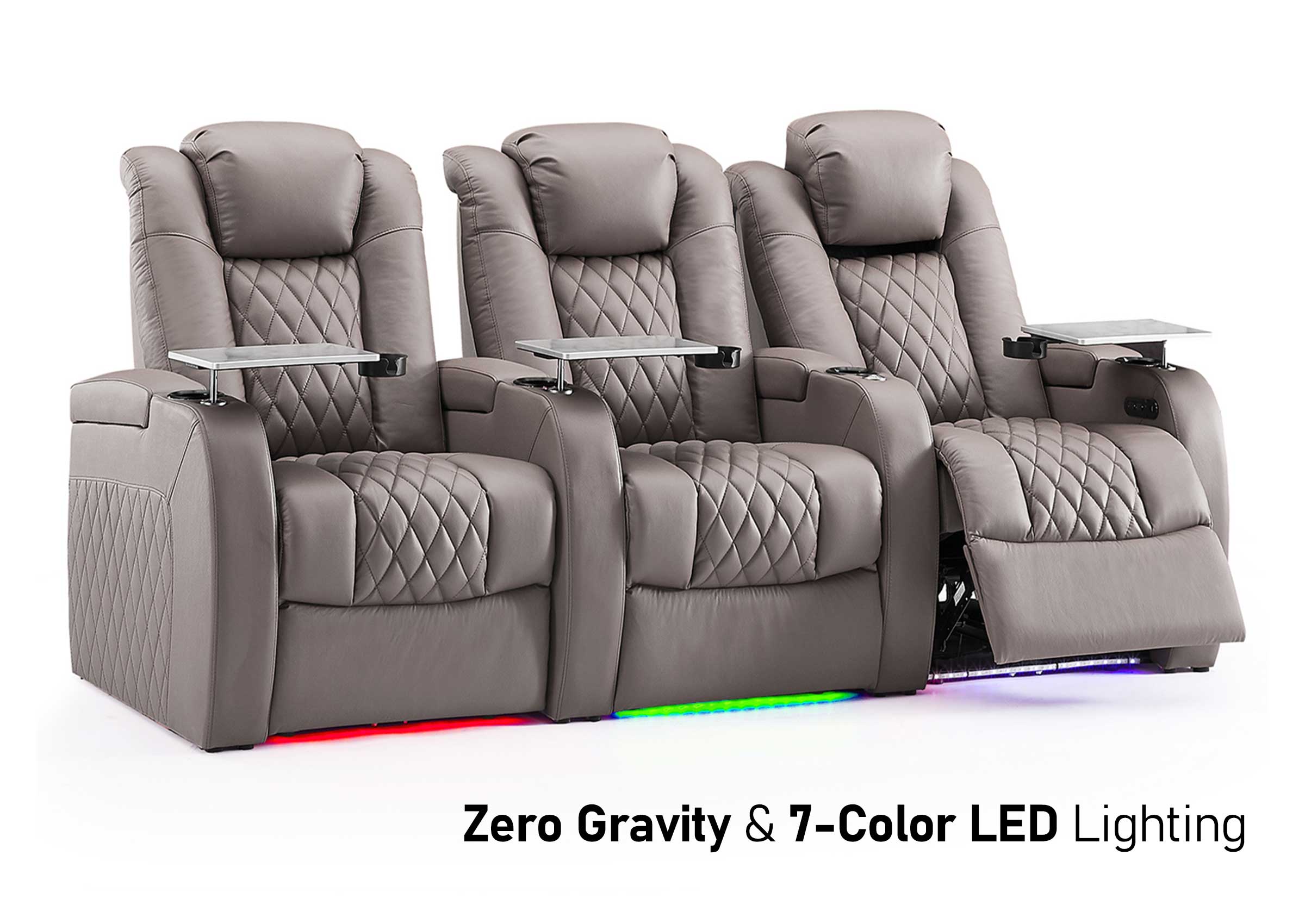
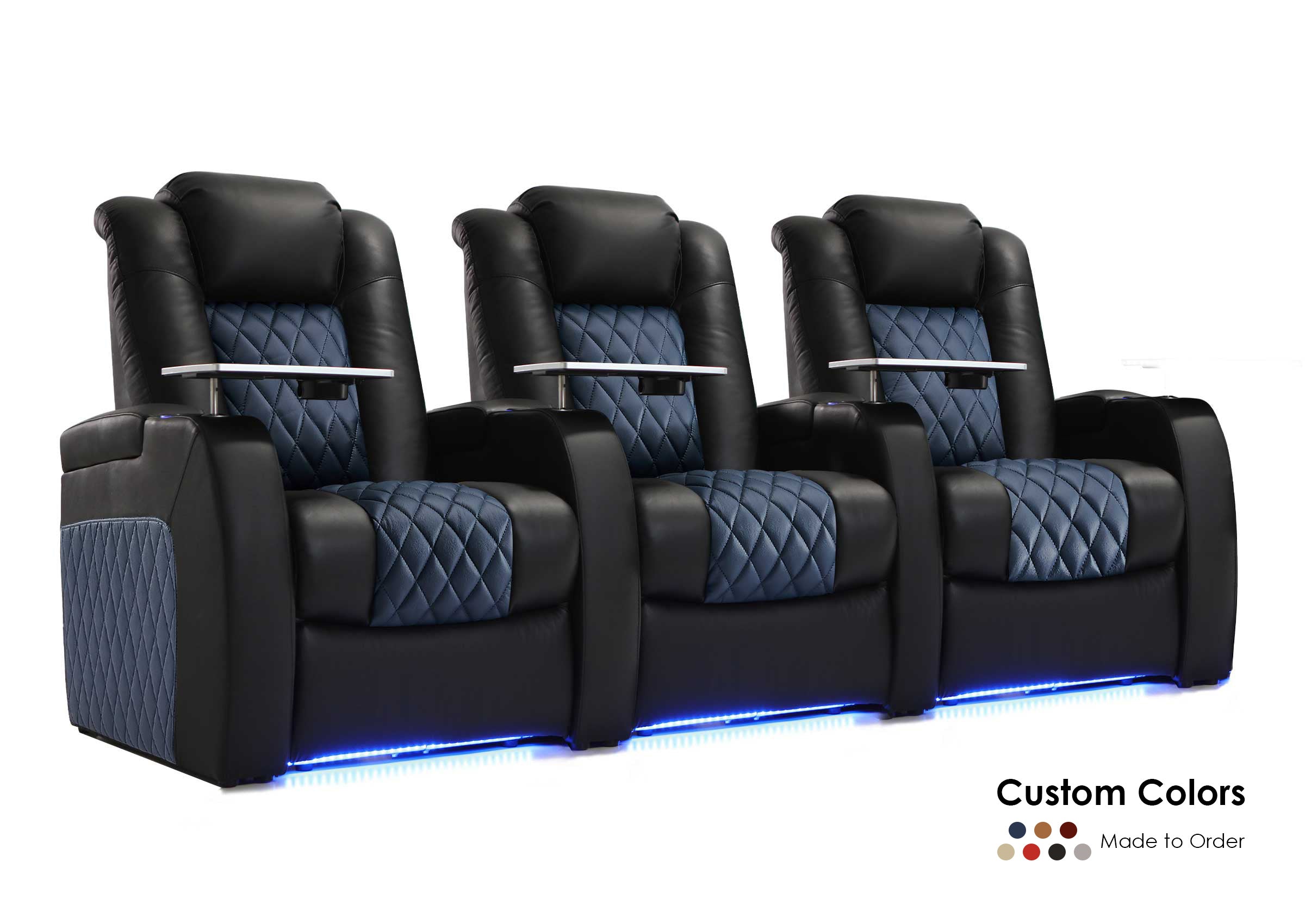
The main seating may be a sofa, sectional, reclining sofa, or individual recliners. The important question is not which category sounds most premium—it is whether the regular users can sit comfortably without blocking circulation or creating poor viewing positions.

If you are comparing seating specifically for long-form entertainment, our media room seating guide looks more closely at sofas, sectionals, reclining seating, and room-fit tradeoffs.
What Is the Best Order for Choosing Living Room Furniture?
Choosing in the right order can prevent a room full of individually attractive pieces that do not work together.
-
Decide what the room does most often.
Conversation, television, family lounging, reading, entertaining, or a combination? -
Choose the main seating.
This establishes capacity, comfort, scale, and much of the remaining floor space. -
Protect movement and access.
Check doors, entrances, main walking routes, and the active footprint of reclining or movable furniture. -
Add useful surfaces.
Choose coffee tables, side tables, or flexible surfaces based on where people actually sit. -
Add storage based on real clutter.
Store the things the room creates rather than buying storage first and finding something to put in it. -
Finish with secondary furniture and decor.
Accent chairs, display furniture, and decorative pieces are easier to choose once the room already works.
This order also makes it easier to recognize when the room is finished.
An empty wall or corner is not automatically a furniture problem.
Common Living Room Furniture Mistakes
Avoid these common mistakes when combining different furniture types:
- buying a matching set before deciding whether every piece is useful;
- choosing seating based only on how many people it can hold;
- treating a sectional and modular sofa as completely separate categories;
- confusing furniture style with function or material;
- filling every empty corner with a chair or table;
- buying storage without identifying what needs to be stored;
- choosing tables that interrupt normal movement;
- measuring reclining furniture only in the upright position;
- planning around occasional guests while making daily use less comfortable;
- adding decorative furniture before the main seating and circulation work.
A successful living room does not need the largest possible furniture collection. It needs the smallest set of pieces that comfortably supports the way the room is used.
Frequently Asked Questions
What are the main types of living room furniture?
The main categories are seating, tables and surfaces, storage and display furniture, and media furniture. Common pieces include sofas, sectionals, loveseats, recliners, accent chairs, ottomans, coffee tables, side tables, cabinets, bookcases, and media consoles.
What furniture does every living room need?
There is no universal list. Most living rooms need comfortable primary seating and at least one convenient surface. Storage, additional chairs, coffee tables, and media furniture depend on the room's size and everyday use.
What are the main types of furniture to sit on in a living room?
Common living room seating includes sofas, sectionals, loveseats, recliners, armchairs, accent chairs, swivel chairs, sleeper sofas, ottomans, poufs, benches, and modular seating.
Is a sectional a type of sofa?
Yes. A sectional is a multi-section seating configuration. Some sectionals are fixed arrangements, while others are modular and allow more configuration flexibility.
What are the main types of living room tables?
Common living room tables include coffee tables, side or end tables, console tables, nesting tables, sofa tables, and C-tables or slide-under tables. The right choice depends on where people sit and what they need within reach.
Do you need a coffee table in a living room?
No. A coffee table is useful when a shared central surface improves the seating area, but it can be unnecessary in small rooms or layouts where it interferes with reclining furniture or circulation.
Do you need a TV stand if the TV is wall-mounted?
Not necessarily. You may still want a media console for electronics, games, cables, or closed storage, but the furniture should solve a real storage or equipment need rather than simply fill the wall.
Build the Room Around What You Actually Do There
The most useful way to understand living room furniture types is not as a shopping checklist.
A sofa provides shared seating. A recliner provides adjustable individual comfort. A coffee table creates a shared surface. A cabinet hides clutter. A media console organizes entertainment equipment. Each piece earns its place by solving a particular problem.
Start with the room's main activity and primary seating. Protect the space people need to move. Then add surfaces, storage, and secondary seating only when they make daily use easier.
The best living room furniture mix is not the one with the most pieces. It is the one in which every piece has a clear reason to be there.
If your living room also serves as your main movie, gaming, or sports space, the next useful step is to compare seating options for a media room before deciding whether a traditional sofa, sectional, reclining sofa, or more specialized seating setup fits the room best.