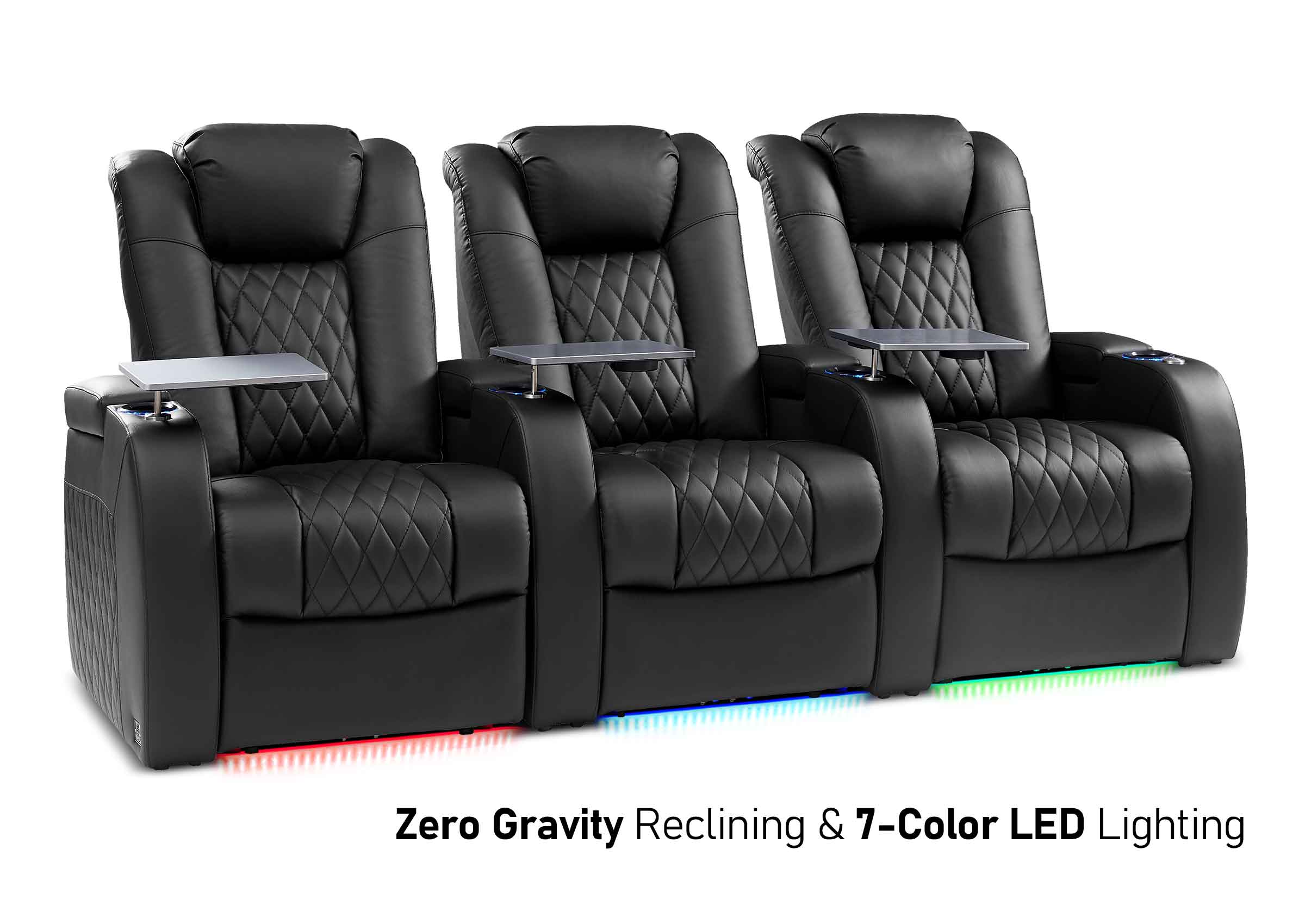

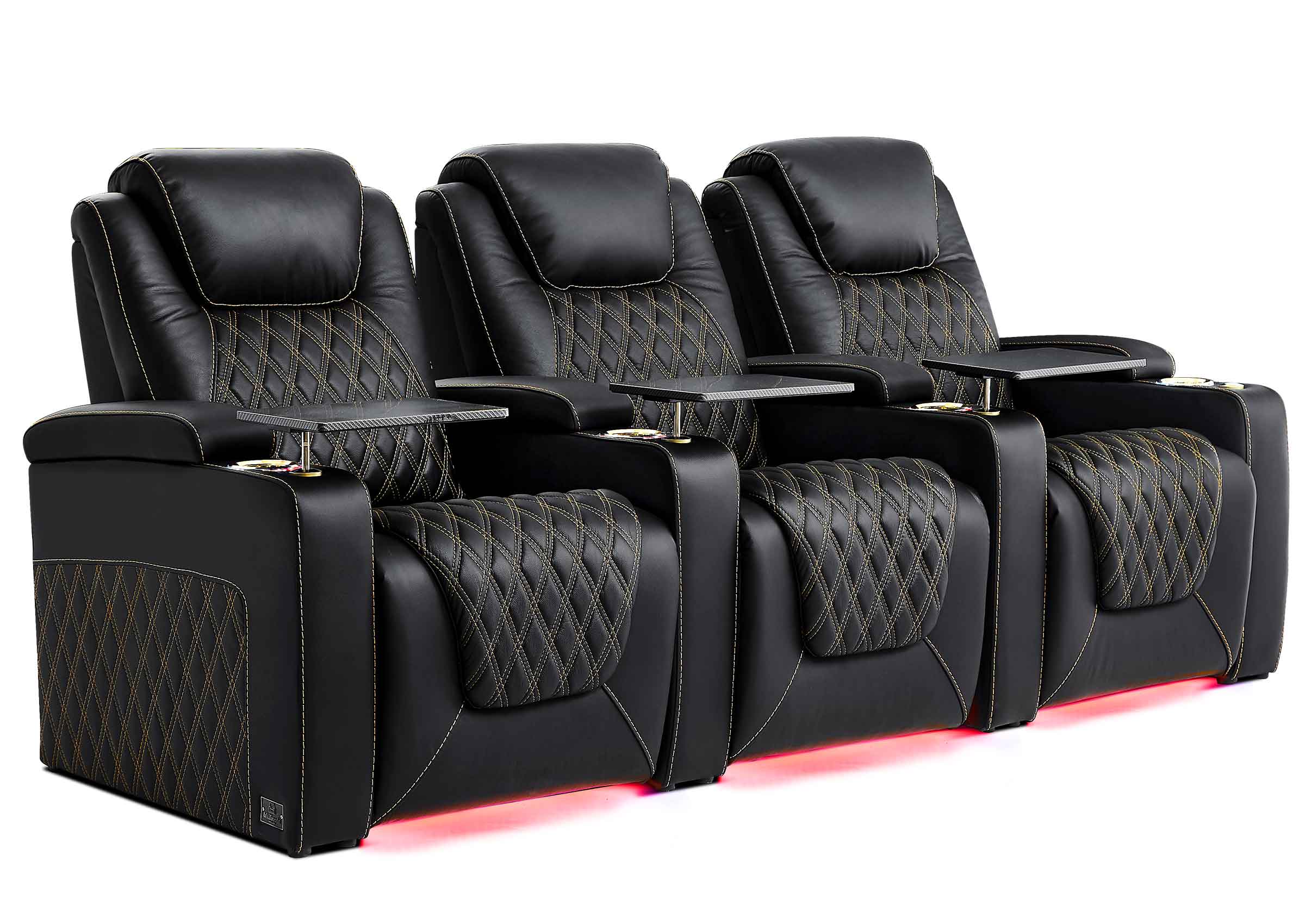
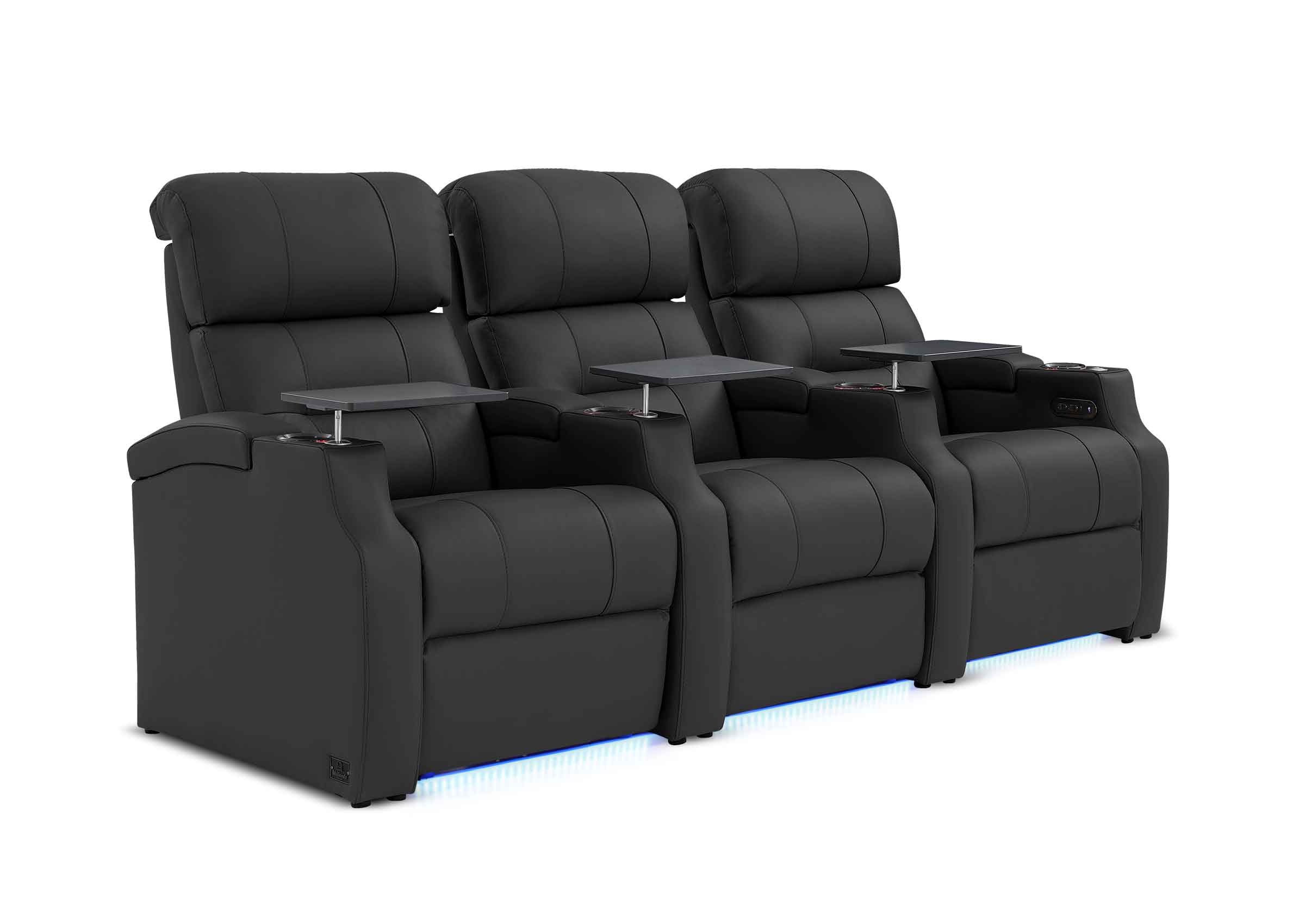
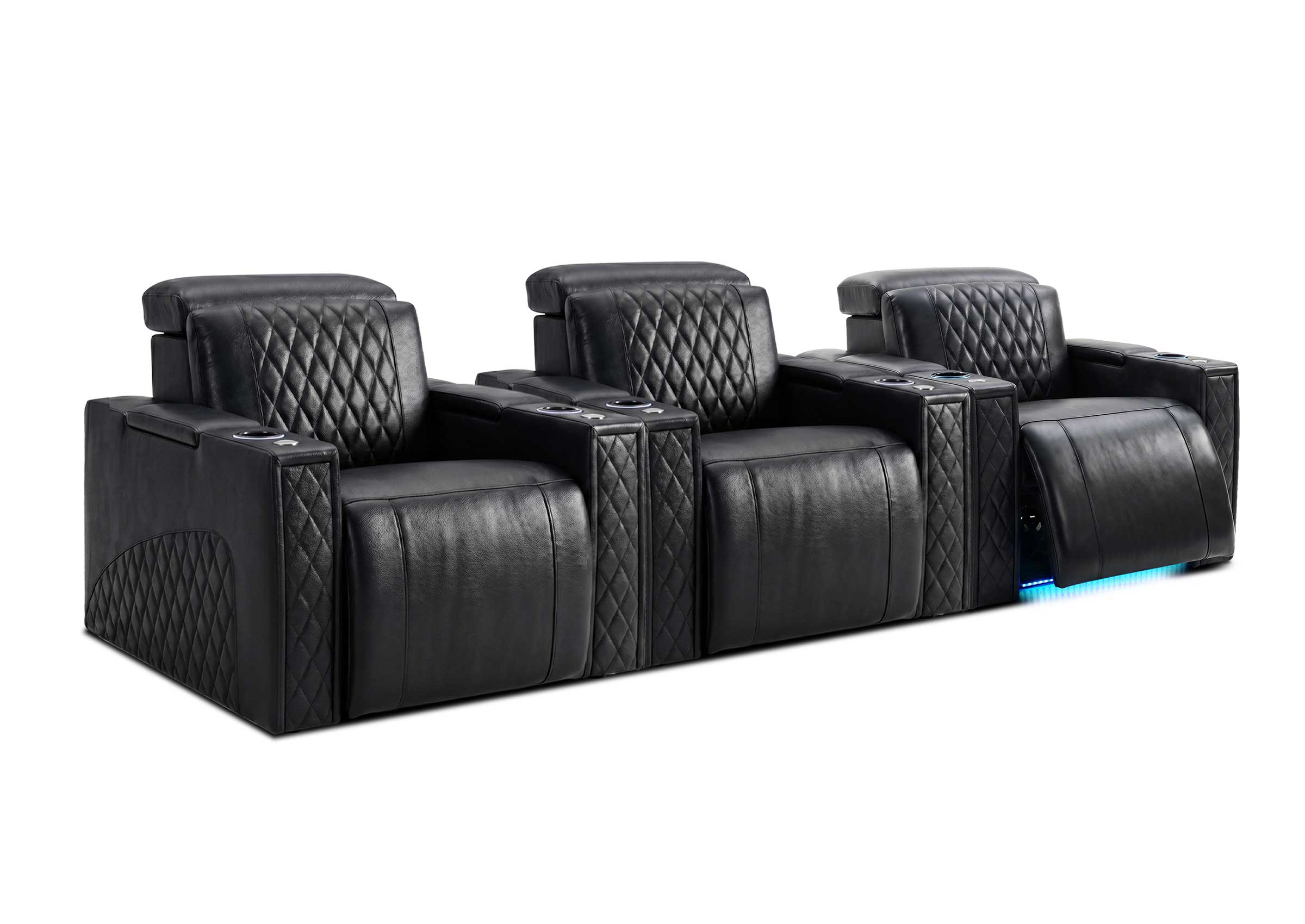

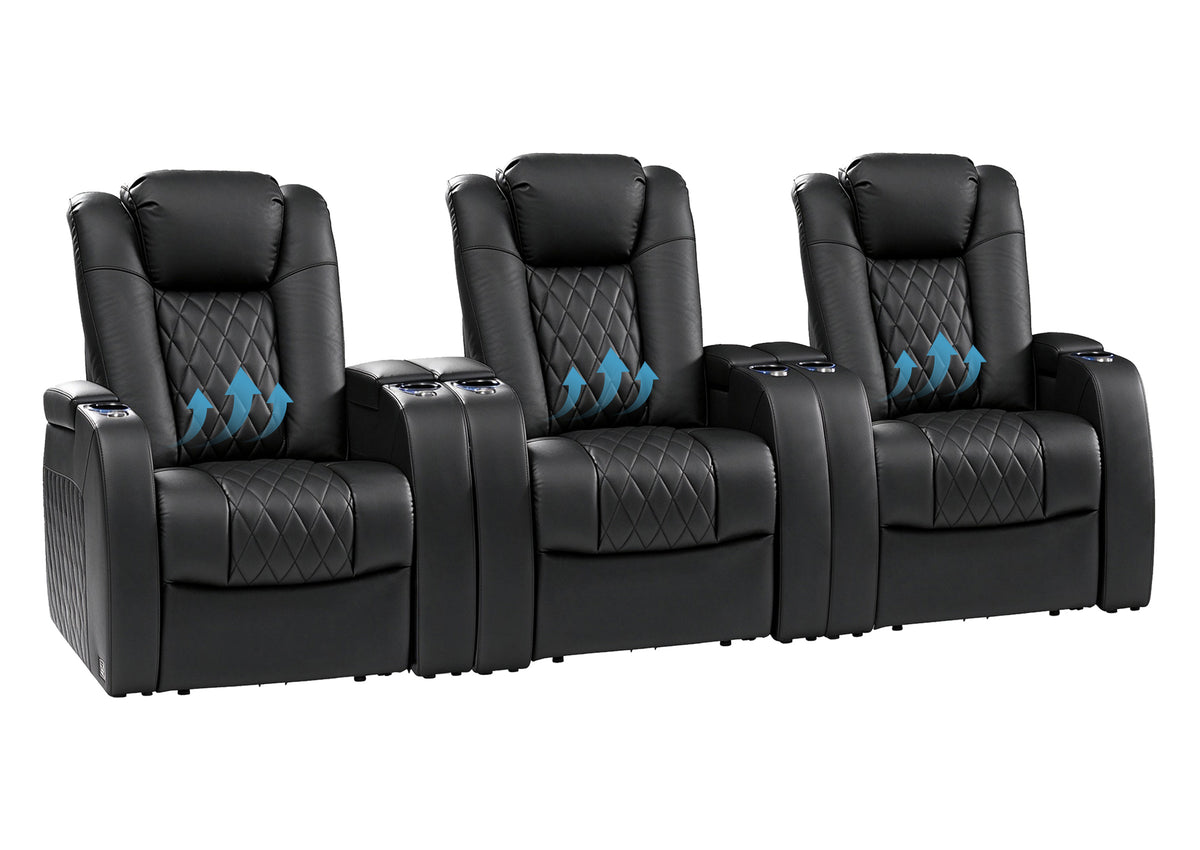
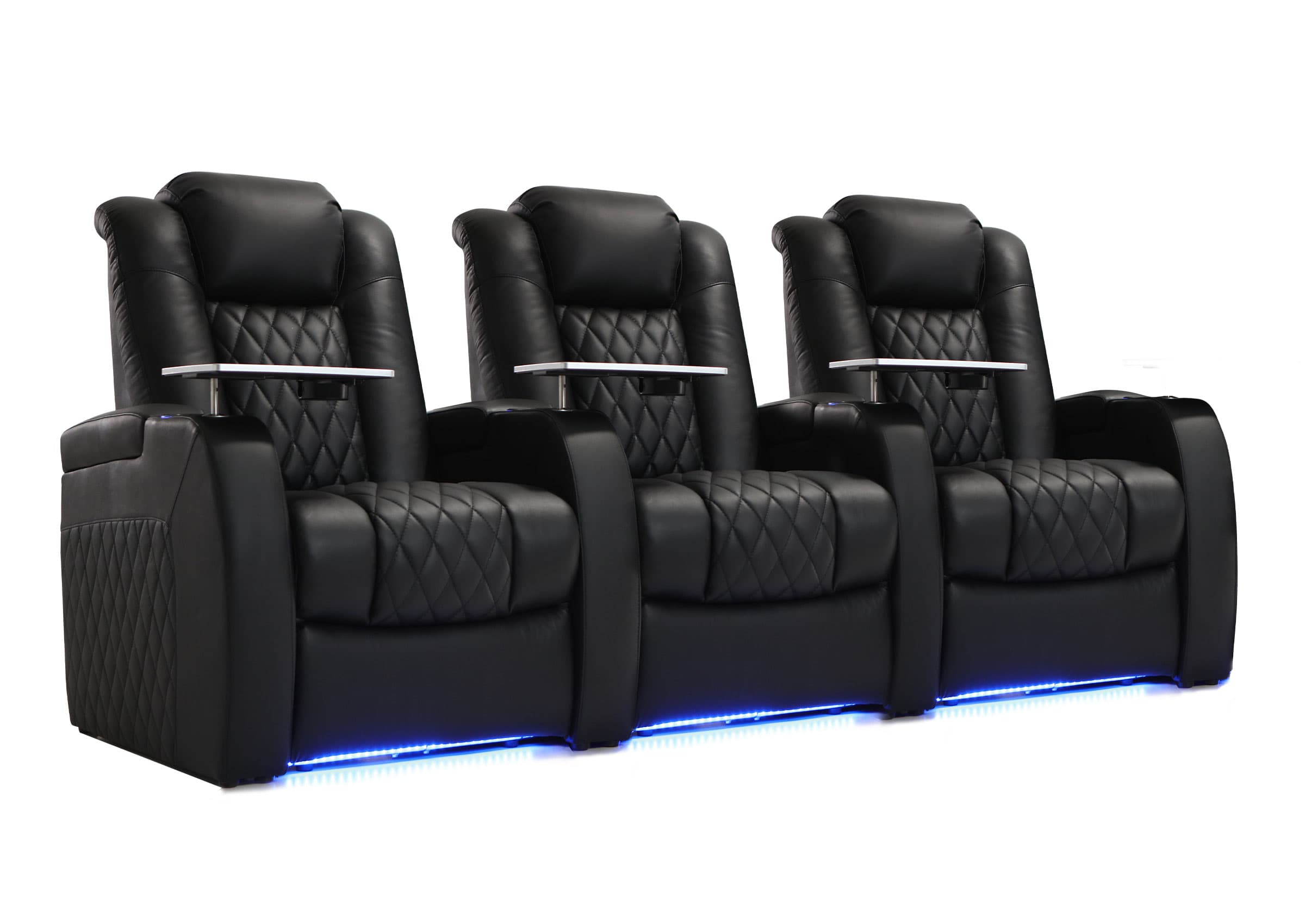
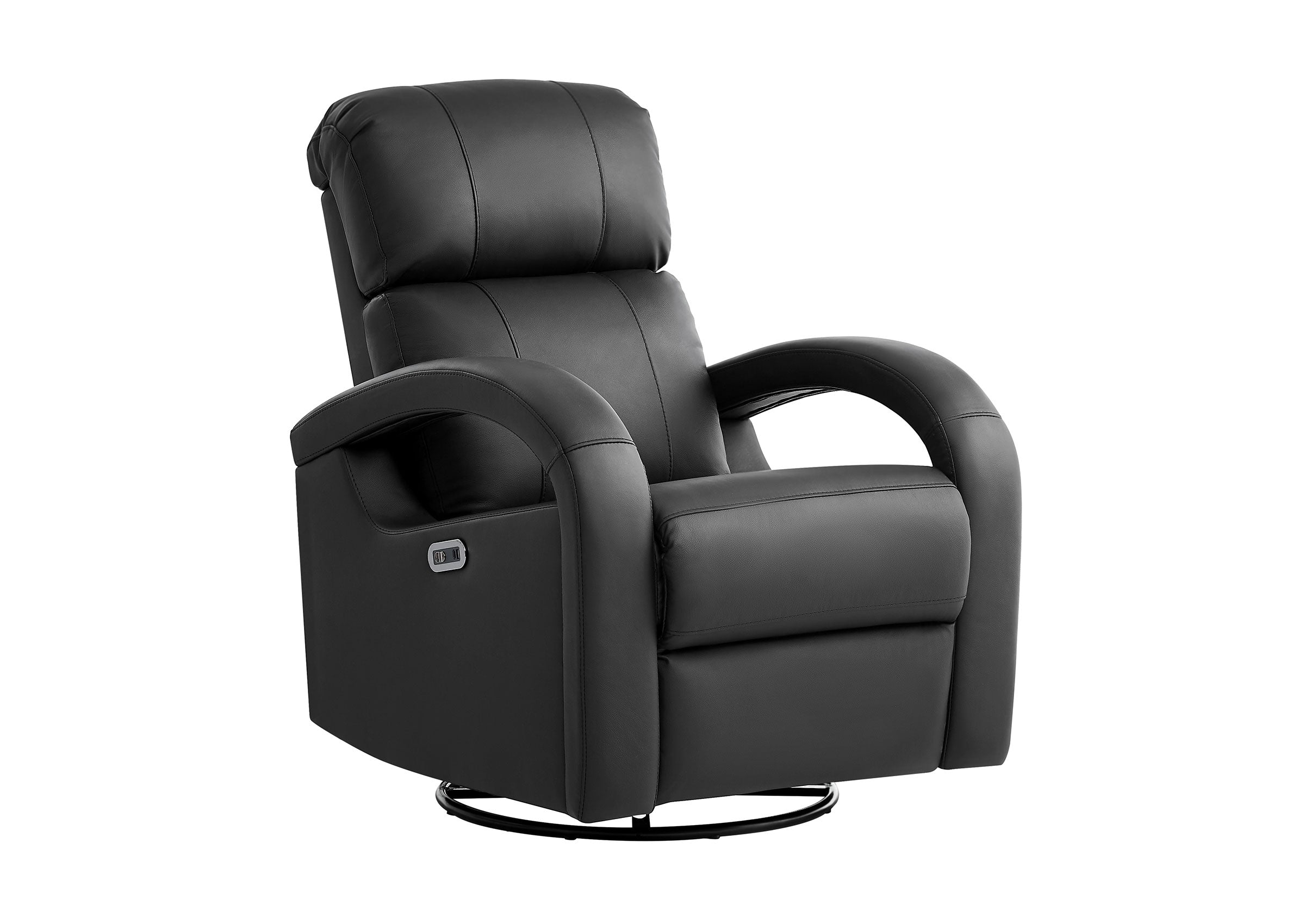





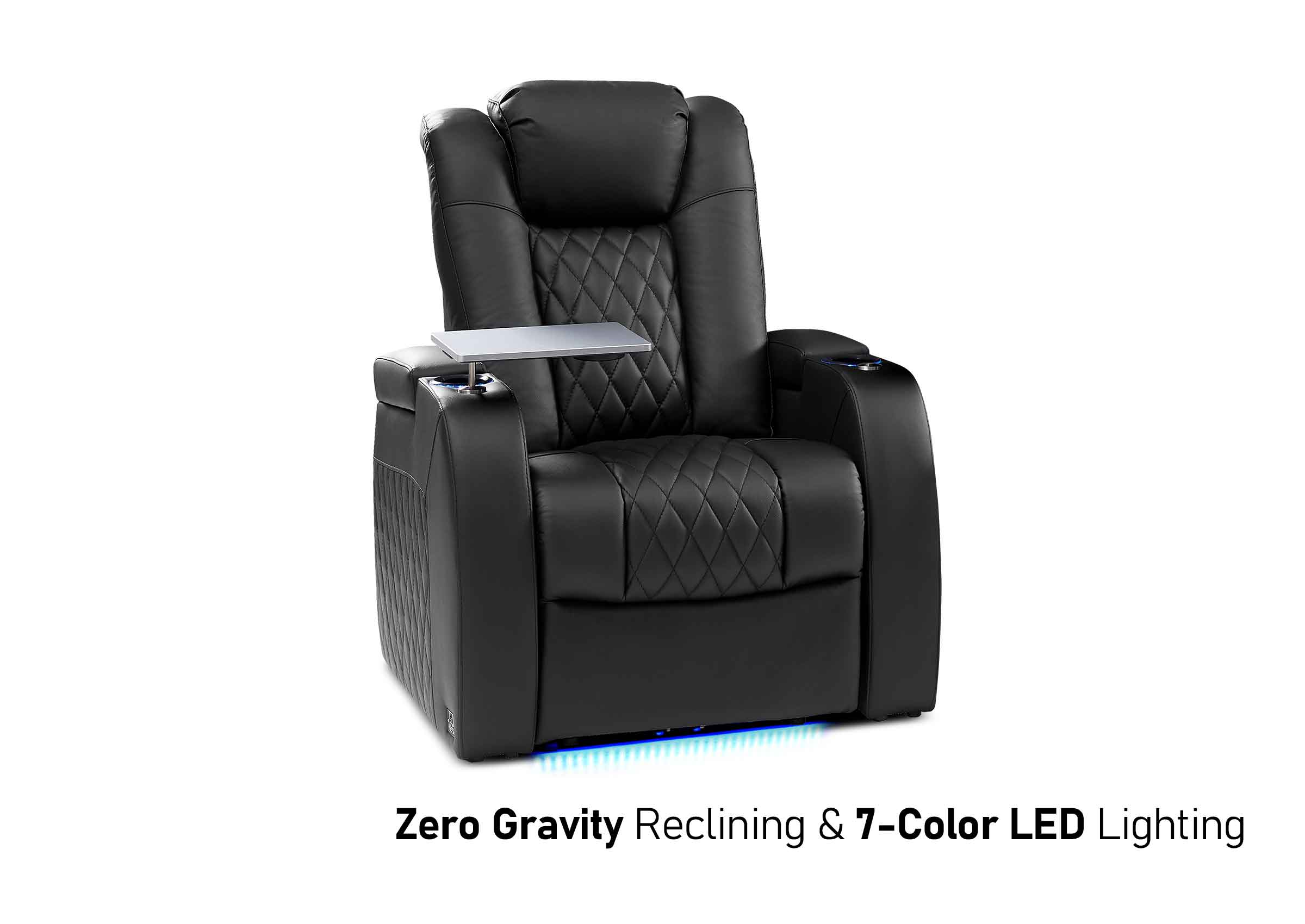
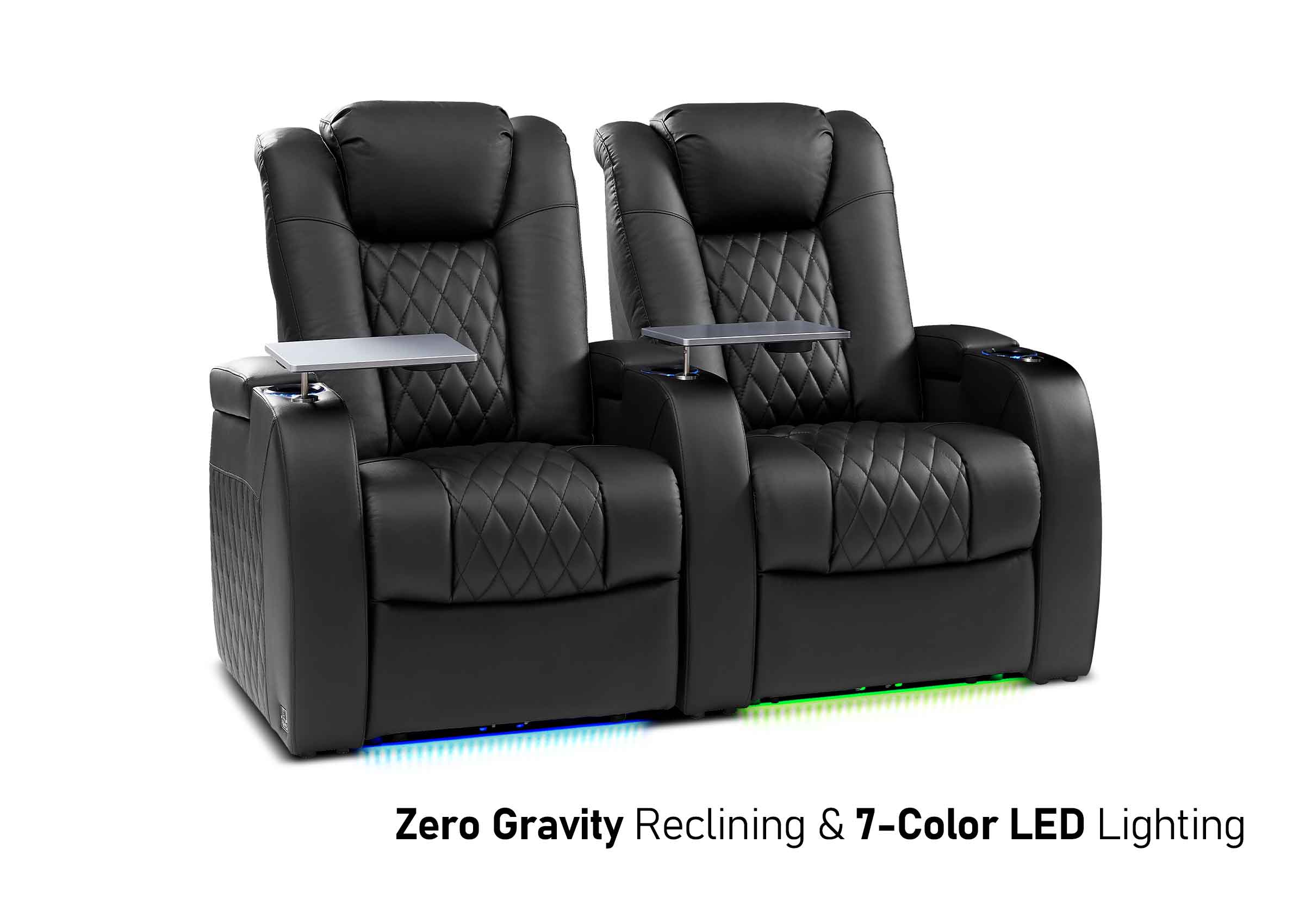
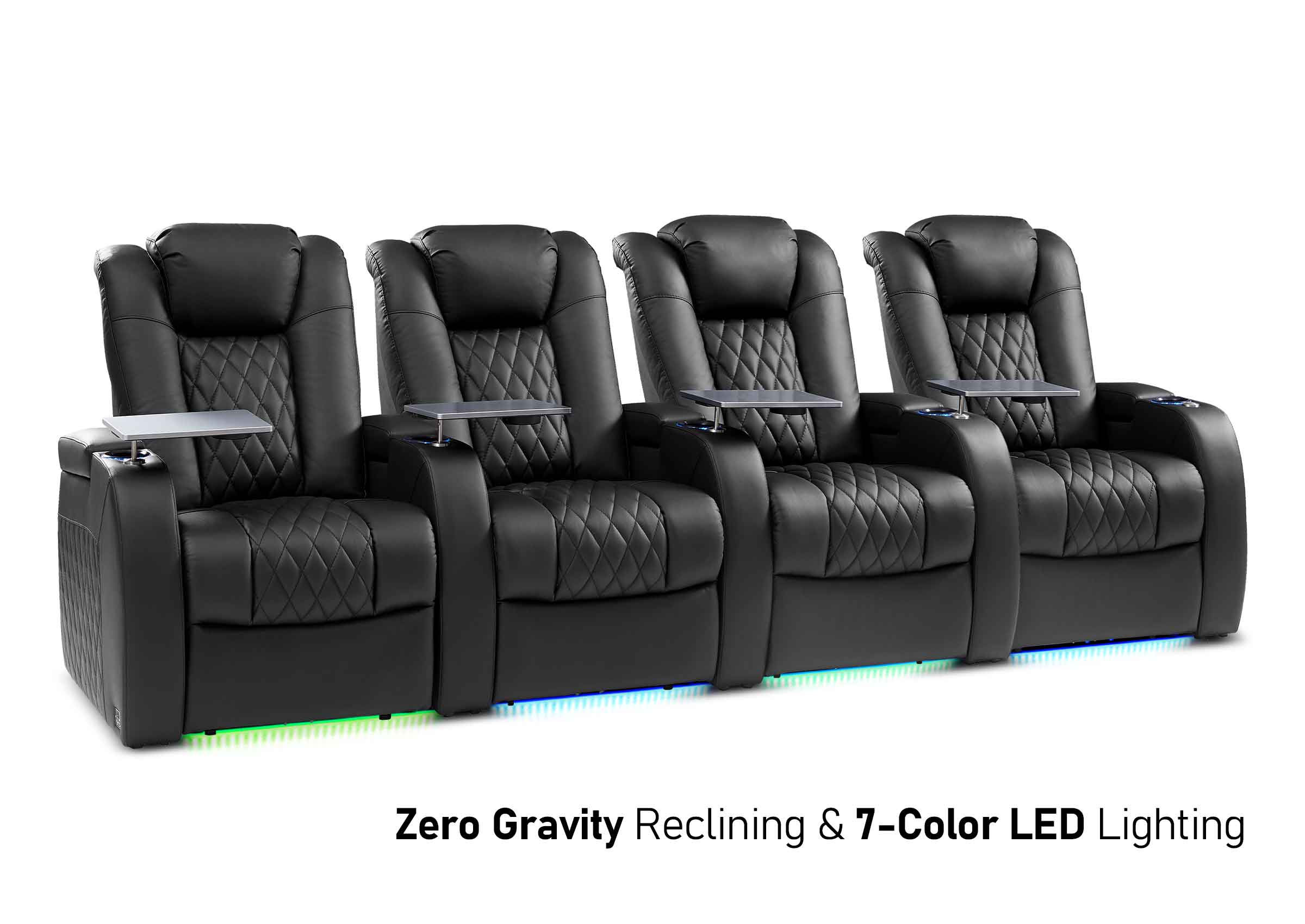
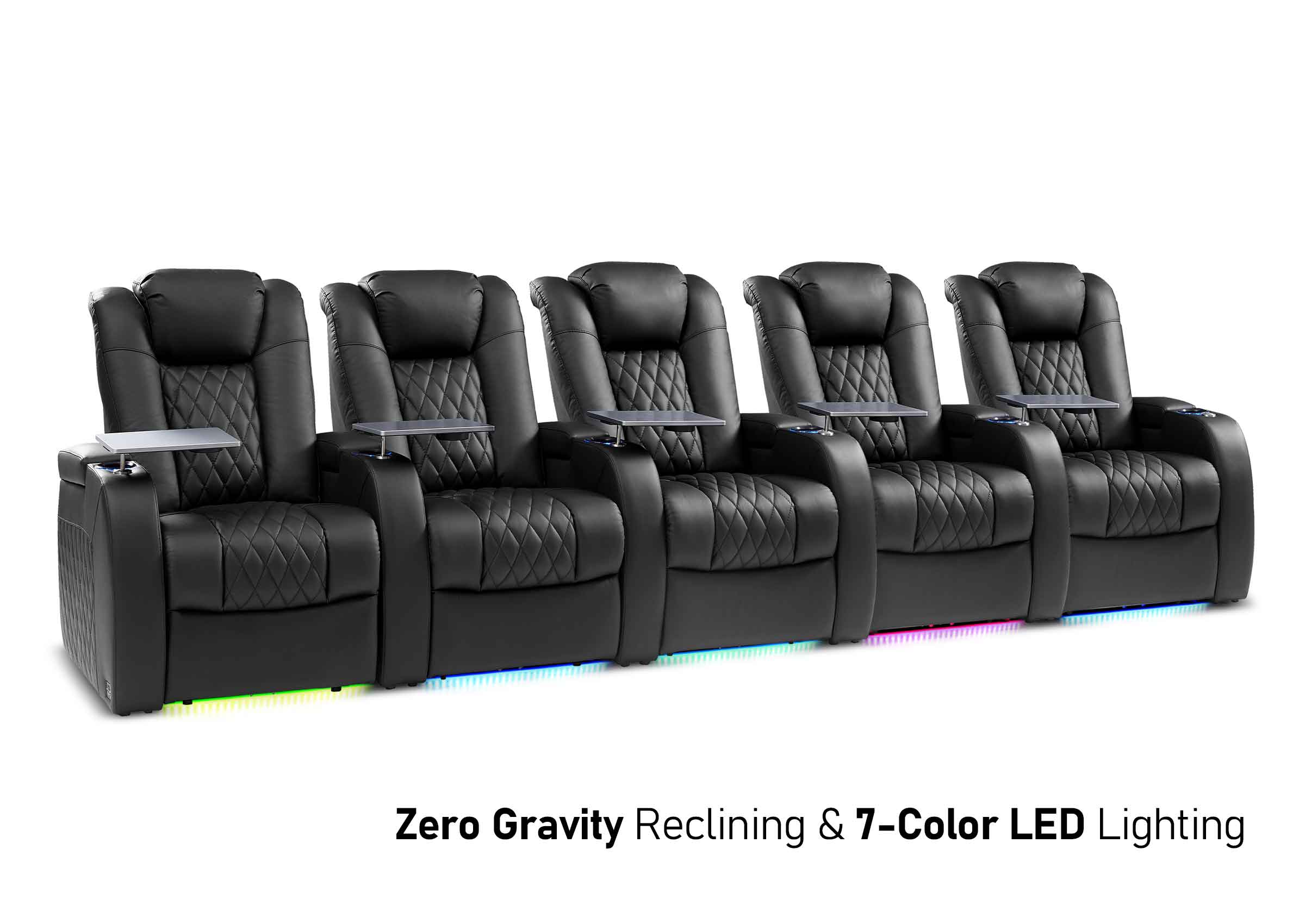
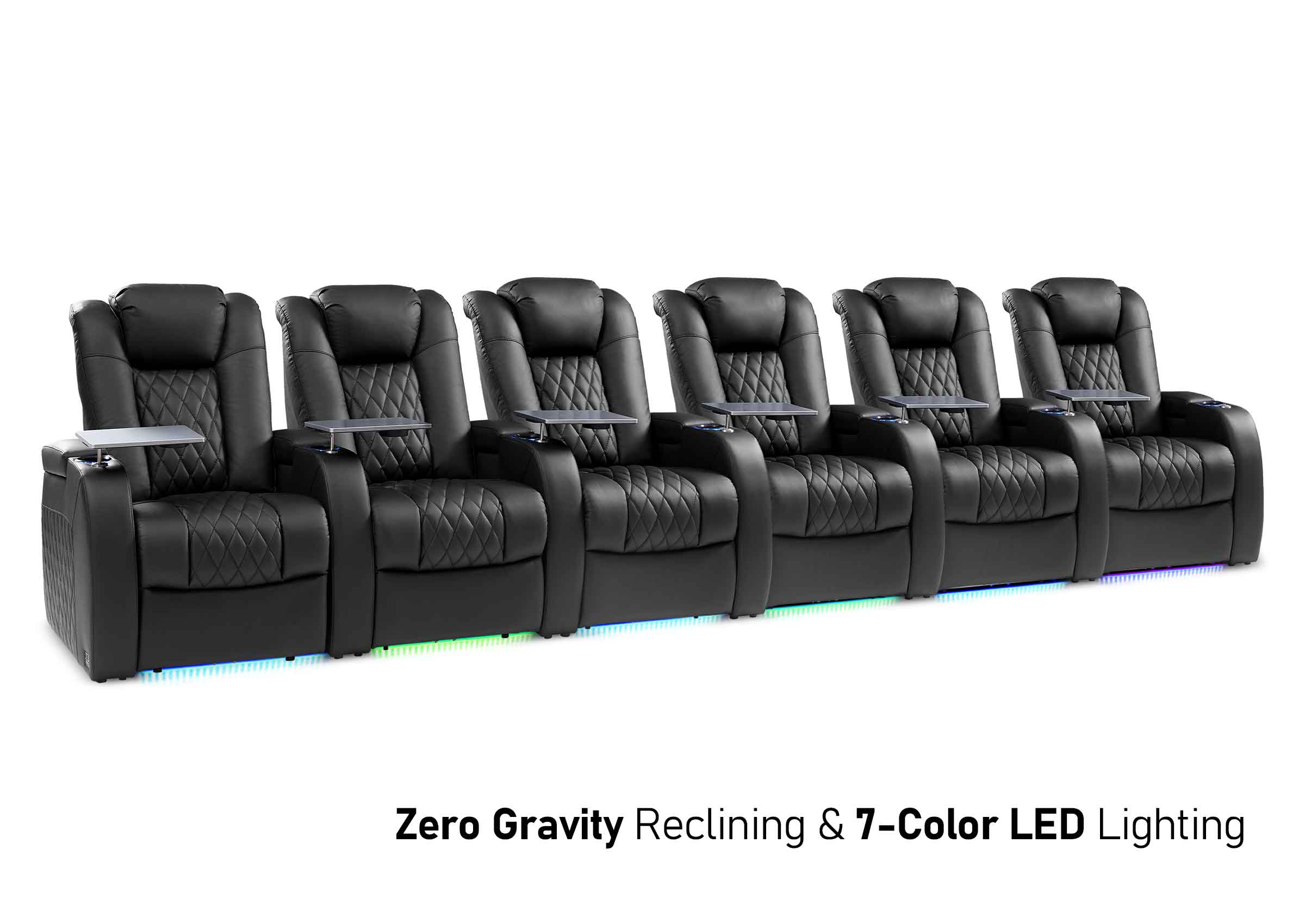
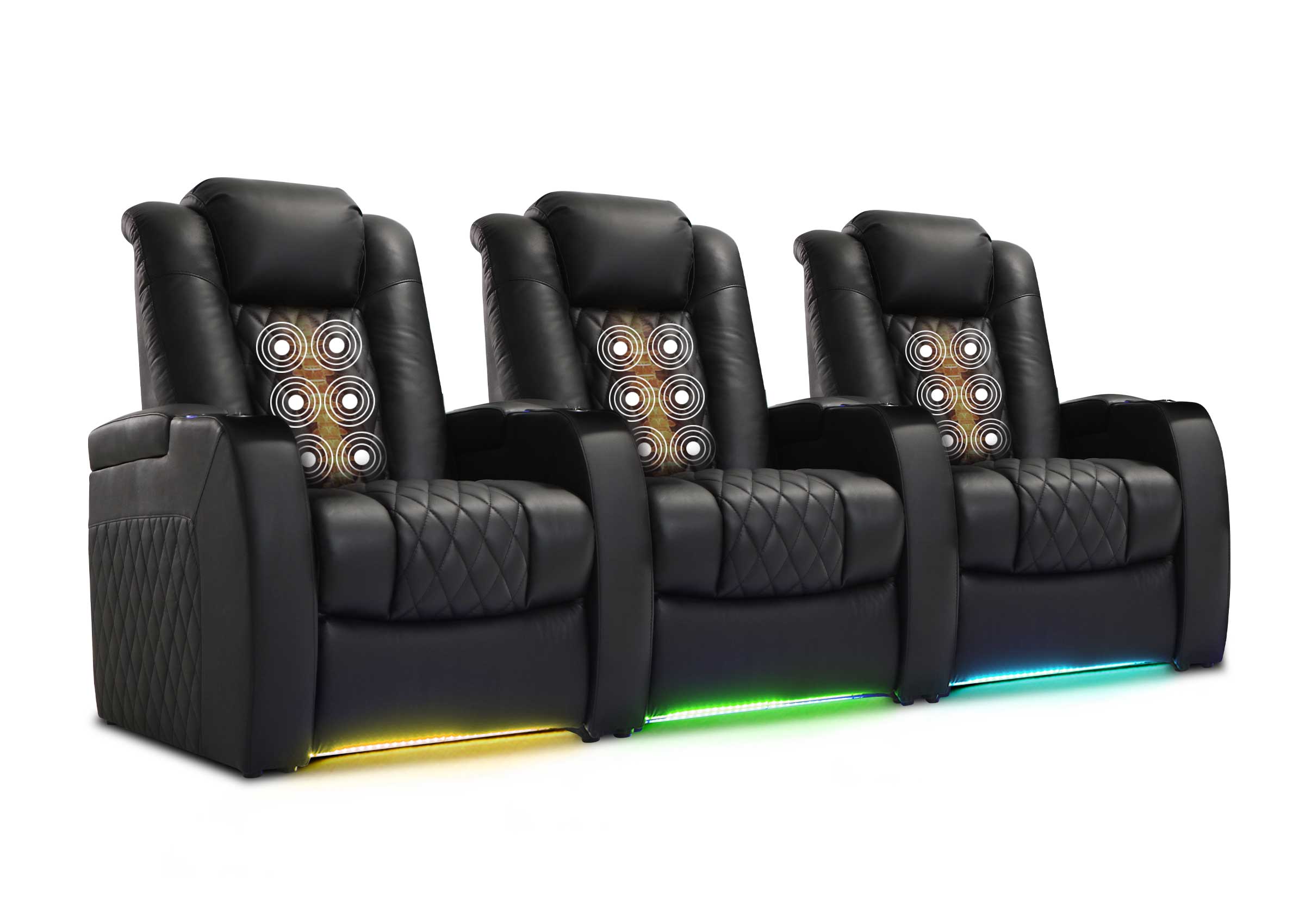

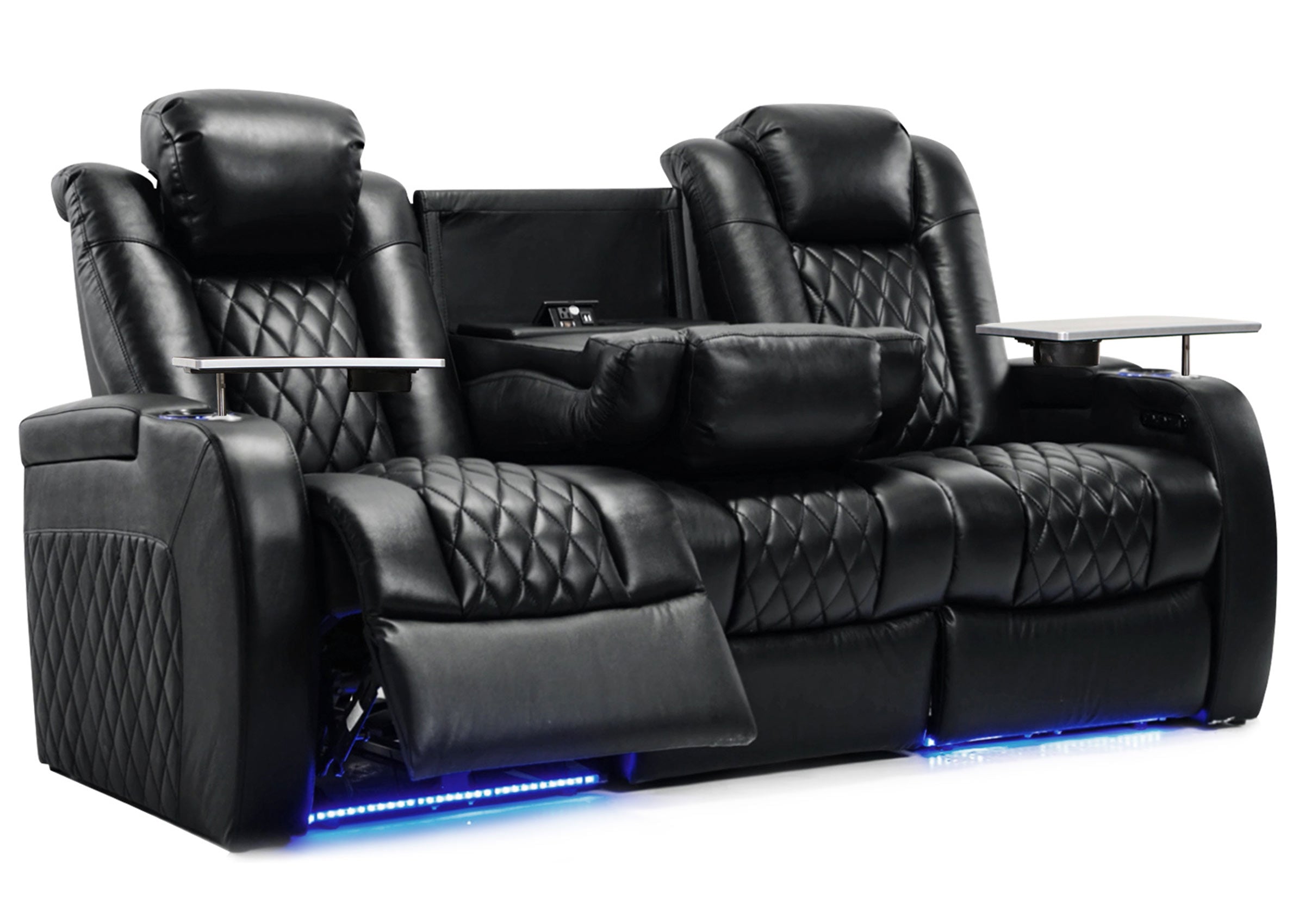
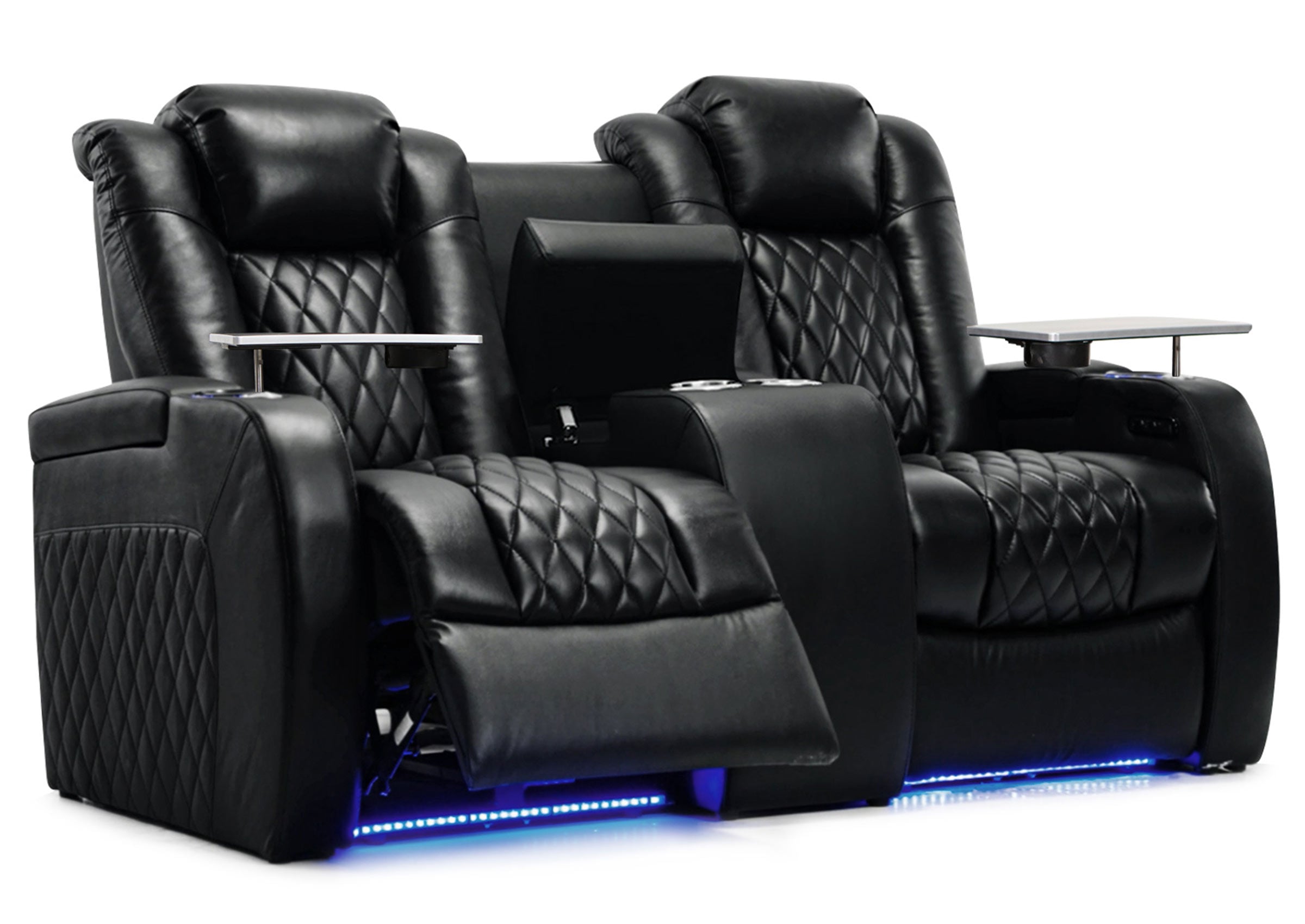


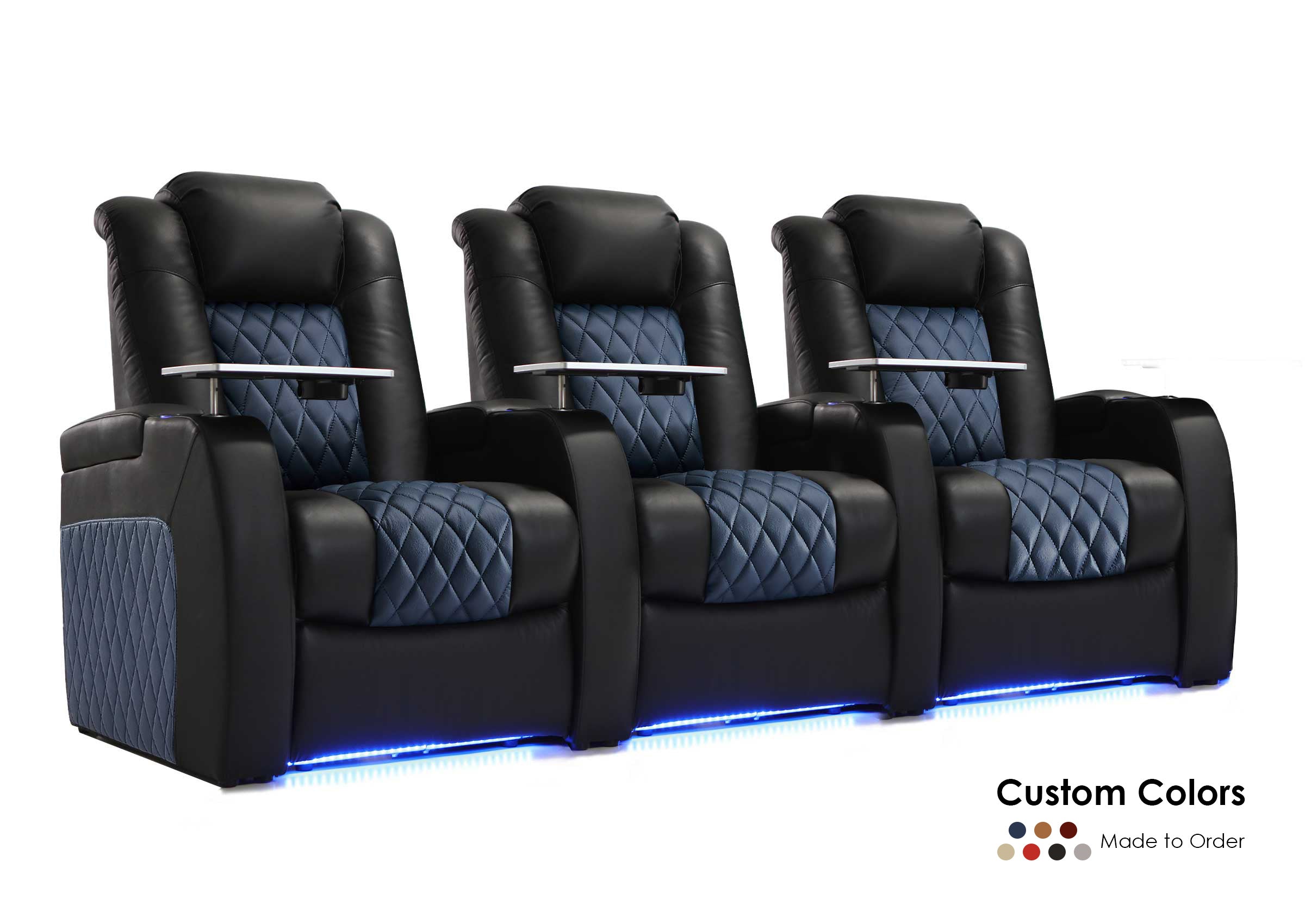

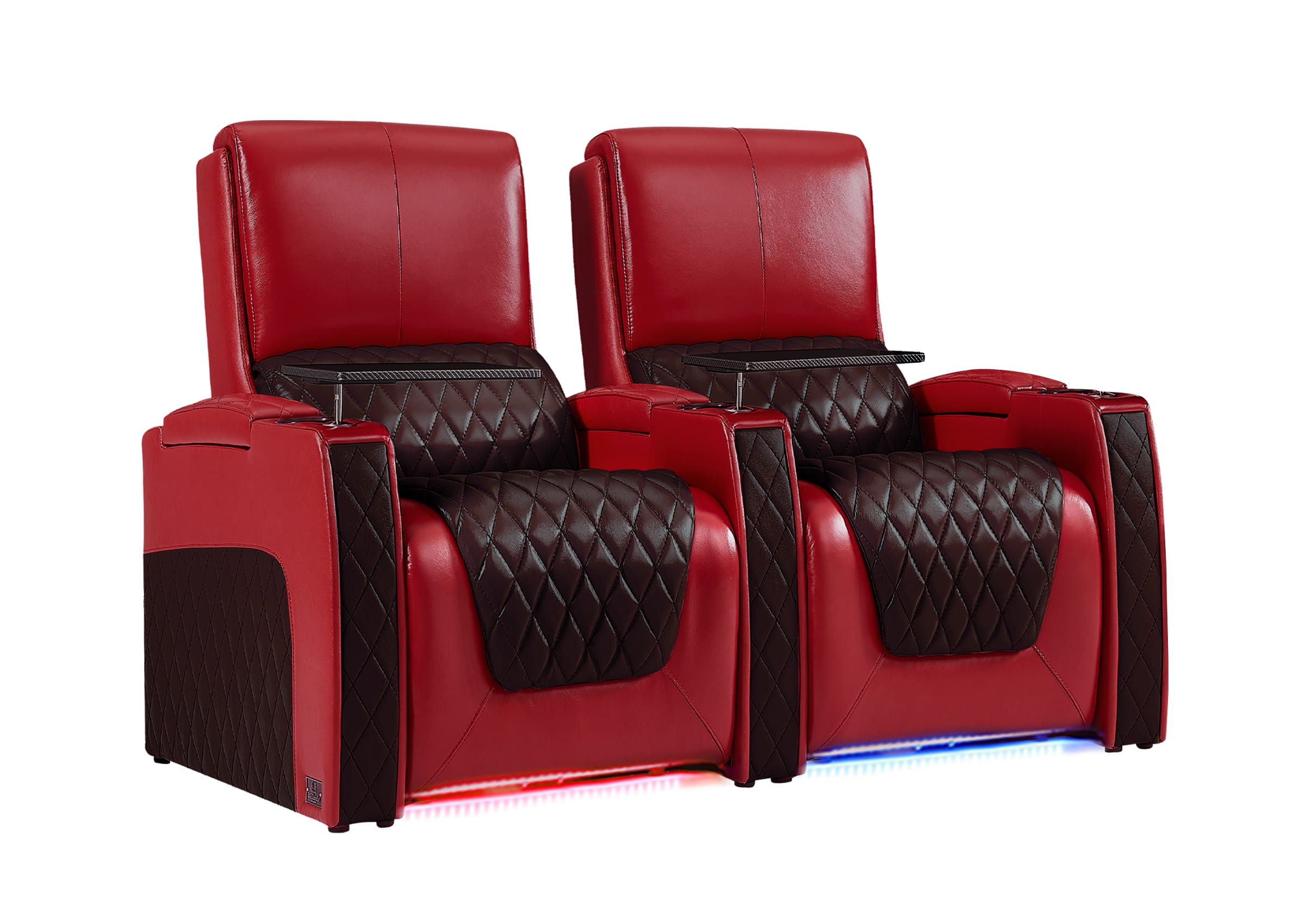
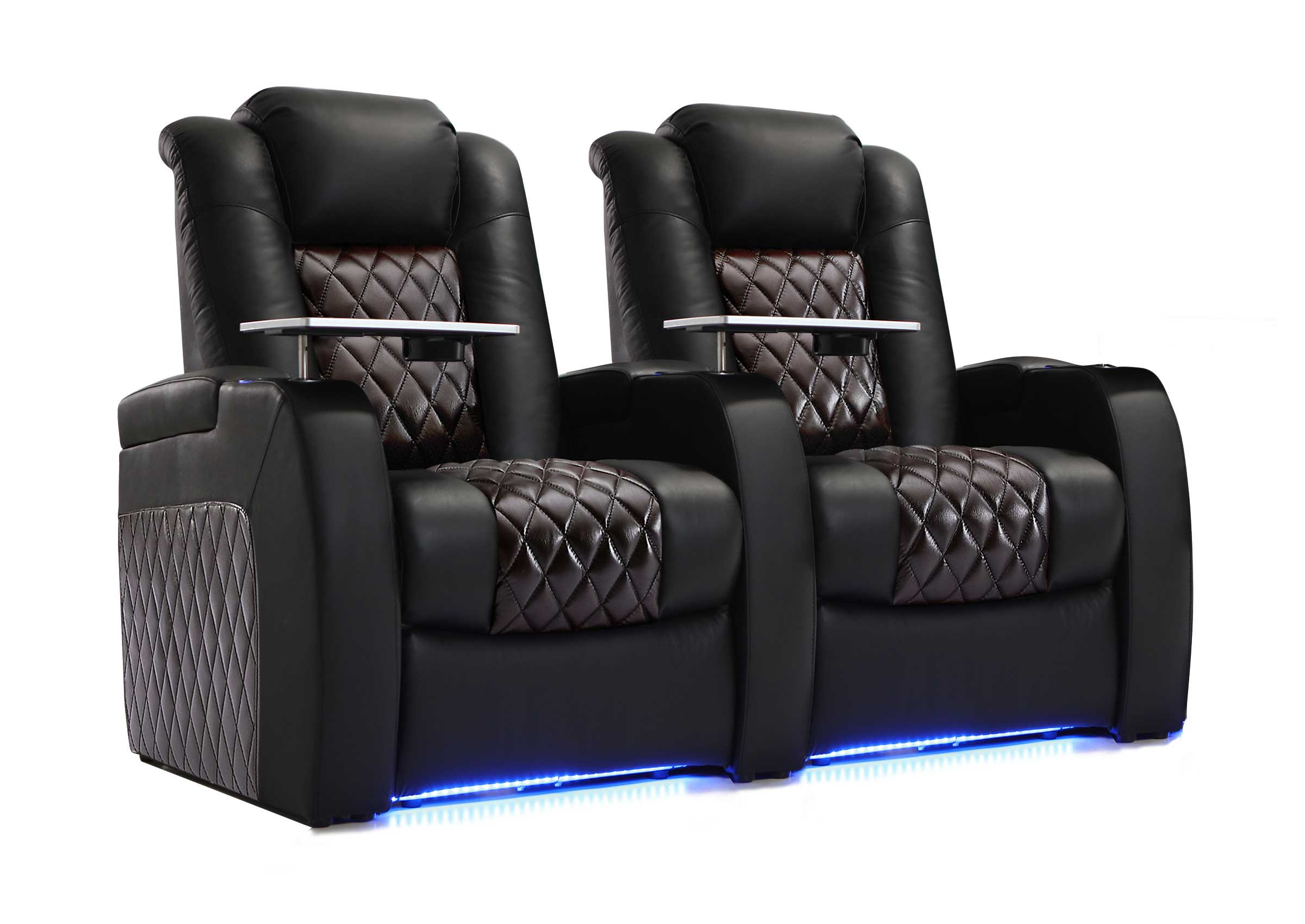
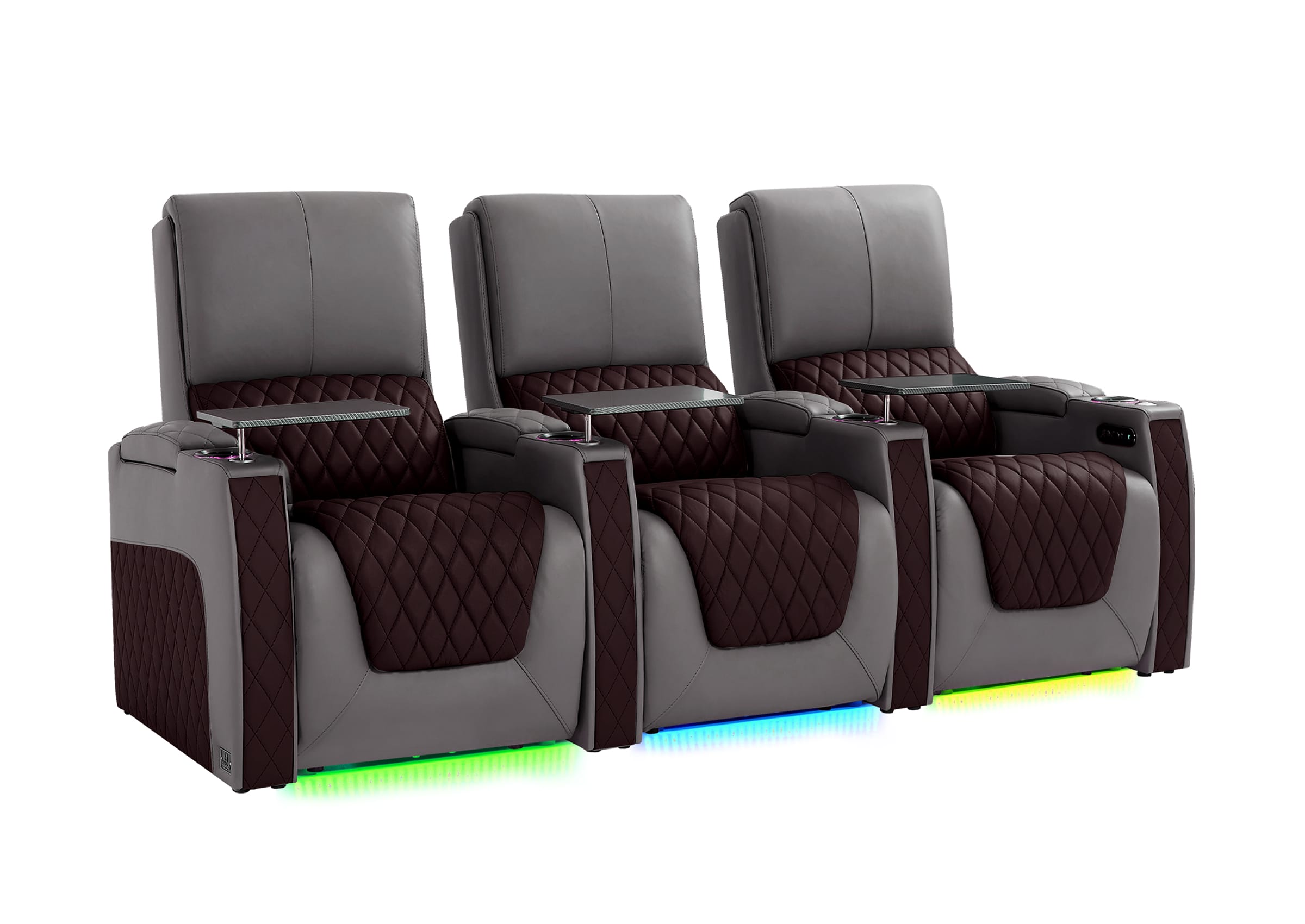
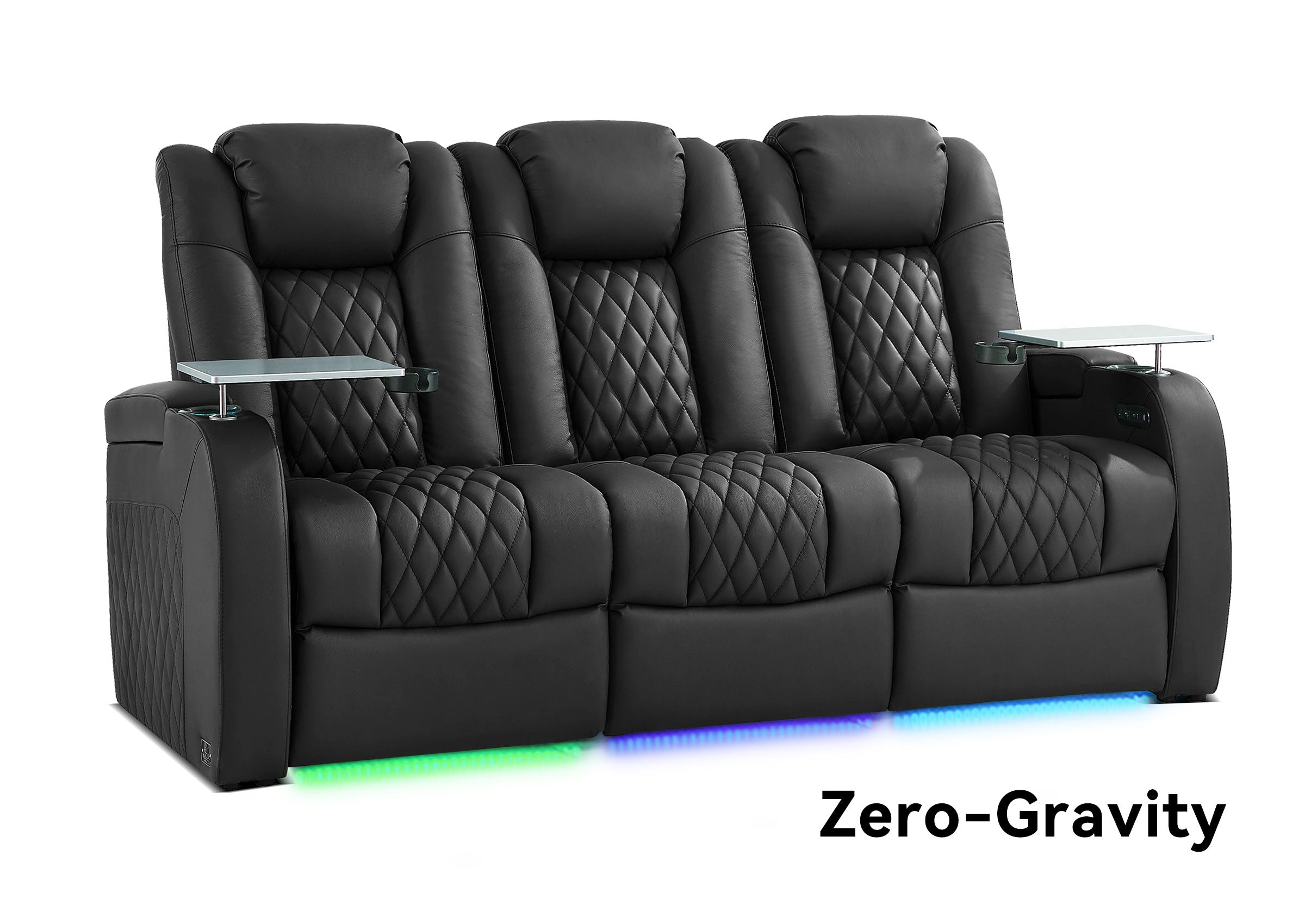


A new leather couch often feels firmer than expected because the leather cover, fiber wrap, foam, suspension, and seat shape are all still in their least-used condition. Some initial easing is normal, but time will not turn every firm couch into a soft one—or correct a seat that is the wrong depth, height, or angle for your body.
The useful question is not simply whether leather needs to “break in.” It is which part of the seating system feels firm, whether that part is likely to change, and whether you should keep using the couch or contact the seller while your options are still open.
Why Does a New Leather Couch Feel So Firm?
What you feel when you sit down is the combined response of several layers. The leather is only the surface. A broader look at how seating materials and motion components work together can help explain why two visually similar seats may feel different.
A new couch may feel firm because:
- The leather cover is taut and has not yet flexed repeatedly at the main contact points.
- The fiber or batting around the cushion core is still full and tightly fitted.
- The foam is at its initial firmness and has not gone through normal early compression.
- Springs, webbing, or other suspension components have seen little use.
- A reclining seat contains padding arranged around a motion mechanism, which can create a different feel from a loose sofa cushion.
- The seat depth, seat height, back angle, or lumbar shape does not match the person using it.
The last point is easy to miss. A couch can be well made and still feel uncomfortable to a particular user. If your feet do not rest naturally, the front edge presses into your thighs, or the backrest pushes you forward, waiting for the leather to soften may not solve the real problem.
Is the Firmness Coming From the Leather or the Cushion?
Start by separating surface stiffness from resistance beneath the surface.
Leather-related firmness is usually most noticeable when the cover resists folding, feels taut across a curve, or does not yet conform easily around the seat and back. Cushion-related firmness feels deeper: the seat does not compress as much as expected, pushes back strongly, or provides little surface give before reaching its supportive layer.
In many cases, both are involved. A tightly upholstered leather cover can make the first contact feel firmer, while the cushion core determines how far you sink and how well your weight is supported.
Use these observations as a practical starting point:
| What you notice | More likely influence | What it suggests |
|---|---|---|
| The surface feels taut, but the cushion compresses under your weight | Leather and upholstery tension | The cover may become more pliable at frequently used areas |
| The entire seat resists compression | Foam, cushion construction, or suspension | The deeper support system is contributing more than the leather |
| The seat feels acceptable at first but creates pressure after 20–30 minutes | Cushion shape or body fit | Do not assume surface softening will correct the problem |
| One seat feels much firmer than the others | Cushion, assembly, or component variation | Compare positions and document the difference |
| The back feels firm while the seat feels comfortable | Back padding, lumbar contour, or back angle | Evaluate posture and shape separately from seat softness |
| The showroom couch felt softer than the delivered couch | Display use, temperature, or configuration difference | Confirm that the delivered model and cushion option match the order |

This is a screening tool, not a way to diagnose the exact internal construction without product information. If the couch has removable cushions or documented cushion specifications, the seller may be able to explain the layers more precisely.
Does Leather Actually Break In?
Yes, leather can become more pliable where it bends and contacts the body. It may also develop natural creases and a more relaxed appearance with use. The degree of change depends on the type of leather, its finish, thickness, upholstery tension, and how the couch is used. If you are still identifying the role of the covering itself, this guide explains how leather differs from other upholstery materials.
However, the phrase “leather break-in” often gives the leather too much credit for changes happening elsewhere. At the same time, fiber settles, foam goes through early use, and the suspension cycles under load. The couch may feel more accommodating even though no single layer changed dramatically.
That distinction matters because leather softening and cushion softening are not the same process:
- Leather affects surface flexibility, hand feel, and how the cover conforms.
- Fiber wrap affects the initial plushness and smoothness around the core.
- Foam affects surface firmness, deeper support, recovery, and how far the sitter travels into the cushion.
- Suspension affects how the entire seat responds beneath the cushion.
- Seat geometry affects where the body carries pressure, regardless of material softness.
Normal break-in should be understood as modest settling toward the seat’s intended feel—not a promise that a fundamentally firm design will become deeply plush.
How Long Should a New Leather Couch Take to Feel More Comfortable?
There is no reliable universal break-in period. The amount and speed of change vary with cushion construction, leather type, user weight, frequency of use, room conditions, and whether the same seat is used every day.
You may notice early changes with regular use, followed by a slower period in which the feel stabilizes. A floor model that has been sat on by many people can therefore feel different from a newly delivered couch even when both were built to the same specification.
Do not let a general break-in estimate replace your return, exchange, or support timeline. Check the applicable terms soon after delivery. If the couch creates persistent pressure, appears inconsistent, or feels meaningfully different from the configuration you ordered, document the concern and contact the seller instead of waiting indefinitely for a transformation.
A useful principle is:
The break-in clock should never make you forget the decision clock.
You can continue evaluating normal initial firmness while still protecting the time available to report a possible problem or preference mismatch.
Will High-Density Foam Always Feel Hard at First?
No. According to the Polyurethane Foam Association’s foam performance guidance, foam density and foam firmness describe different properties.
Density relates to how much foam material is present within a given volume and can influence support and durability. Firmness describes the force required to compress the foam by a specified amount. A higher-density foam can be formulated with a softer surface feel, while a lower-density foam can be made firm.
The finished cushion can also combine multiple materials. A supportive core may be topped with softer foam or wrapped in fiber to create surface comfort without allowing the sitter to bottom out. Cushion thickness, contour, support factor, and the suspension underneath also change the experience.
This is why “high-density foam needs time to become soft” is too simple. For more context on how common cushion materials behave, compare memory foam and high-density foam. Some initial softening can occur with use, but density alone does not tell you how the cushion should feel now or later. Ask for construction details when they are available, and judge the complete seat rather than one material label.
Can Break-In Fix a Couch That Does Not Fit Your Body?
Only to a limited extent. Break-in may reduce initial stiffness, but it cannot substantially change the couch’s main dimensions or ergonomic shape.
Look beyond softness if you notice any of the following:
- Your feet cannot rest comfortably while your back remains supported.
- The seat edge presses into the back of your thighs.
- You slide forward to reach the floor.
- The backrest pushes your head or shoulders forward.
- The lumbar shape hits too high or too low.
- You need several loose pillows just to maintain a neutral position.
- Reclining changes the pressure but never creates a comfortable posture.
These signs may point to seat depth, seat height, back angle, headrest position, or cushion contour—not simply new leather.
Test the couch with the people who will use it most. Sit normally rather than forcing showroom posture. Try an upright position, a relaxed position, and, if applicable, the reclined positions used for reading or watching a movie. Stay long enough to notice whether the support remains comfortable after the first impression.
If the couch fits one household member but not another, the issue may be individual fit rather than a defect. That still matters when deciding whether the couch works for the home. A recliner body-fit guide can provide additional measurement principles when fixed seat dimensions appear to be the problem.
Why Does the Delivered Couch Feel Firmer Than the Showroom Model?
The most common explanation is simple: the display couch has already been used. Repeated sitting can relax surface materials and create a more broken-in feel.
Other factors can also change the comparison:
- The showroom may be warmer, allowing some materials to feel more flexible.
- The floor model may use a different leather grade, cushion option, or configuration.
- A reclining and stationary version may share a visual design but use different internal construction.
- The delivered cushions may still be recovering from packaging or transportation.
- Memory of a brief showroom test may differ from the experience of sitting at home for an hour.
First verify the model number, upholstery selection, cushion option, and configuration shown on the order. Then compare the same seat positions. If a salesperson or product page described a specific feel, save that information with your order records.
The goal is not to assume a manufacturing problem, but also not to dismiss a meaningful mismatch as “normal break-in” without checking.
How Can You Evaluate a Firm Leather Couch at Home?
Use a repeatable test instead of judging it differently each day.
Step 1: Confirm the delivered configuration
Check the model, material, color, cushion option, modules, and reclining features against the order. A visual match does not prove that every internal option is identical.
Step 2: Inspect the couch before trying to soften it
Photograph the overall couch and each seating position in good light. Look for unusual height differences, twisting, deep wrinkles, loose upholstery, damaged seams, or one cushion that does not recover like the others.
Step 3: Compare every seat
Sit in each position using the same posture for several minutes. Note whether the firmness is consistent or concentrated in one module. For a sectional, compare the chaise, corner, armless, and reclining seats separately because their internal structures may differ.
Step 4: Separate first contact from sustained comfort
Record how the couch feels when you first sit down and after a normal viewing or conversation period. A supportive seat may feel firm initially but distribute weight comfortably over time. A poor fit may seem acceptable for five minutes and become tiring later.
Step 5: Test the full motion range
If the couch reclines, evaluate it upright, partially reclined, and in the position you expect to use most. Check whether the headrest, lumbar area, footrest, and seat angle improve or worsen the pressure pattern.
Step 6: Review the seller’s policies and contact information
Find the applicable return, exchange, warranty, and care terms before making modifications. If you need support, keep the order details, photos or video, description of the issue, and the date you noticed it ready.

Writing down these observations makes it easier to distinguish gradual change from wishful thinking—and easier to explain a concern clearly if support is needed.
How Can You Safely Help a New Couch Break In?
The safest method is ordinary, even use within the manufacturer’s instructions.
- Use the seating positions normally instead of repeatedly overloading one spot.
- Rotate or reposition removable cushions only if the product instructions allow it.
- Allow cushions compressed during delivery time to recover as directed.
- Keep the couch away from strong heat sources and prolonged direct sunlight.
- Clean spills promptly with methods approved for the specific leather.
- Operate reclining components through their intended range without forcing them.
Avoid aggressive shortcuts. Do not jump on the cushions, kneel repeatedly in one small area, leave heavy objects on the seat, steam the leather, heat it with a hair dryer, or force the reclining mechanism. These methods can create uneven wear, damage upholstery, or affect components without producing better long-term comfort.
Even use is also important visually. If one favorite seat receives nearly all the use, it may soften and crease faster than the others, leaving the sectional with noticeably different seating positions.
Should You Use Leather Conditioner to Make the Couch Softer?
Not unless the manufacturer’s care instructions approve a suitable product for that specific leather.
Leather furniture can use different finishes and protective treatments. A product that is appropriate for one type may discolor, darken, spot, alter the sheen, weaken a finish, or create residue on another. Oils, waxes, petroleum-based products, household remedies, and “universal” softeners should not be treated as harmless shortcuts.
More importantly, conditioner cannot change foam firmness, suspension tension, seat depth, or back angle. If the resistance is coming from the cushion system, applying more product to the surface addresses the wrong layer.
Follow the care label or manufacturer guidance, test any approved treatment in an inconspicuous area, and use conditioner for its intended care purpose—not as a substitute for diagnosing an uncomfortable seat.
When Is Firmness a Reason to Contact the Seller?
Contact the seller or manufacturer promptly when the issue appears inconsistent, structural, or materially different from what was ordered.
Useful reasons to ask for guidance include:
- One cushion or module feels substantially different from matching positions.
- A seat remains visibly higher, lower, twisted, or uneven after normal recovery time.
- The foam does not recover normally after use.
- You notice damaged seams, torn leather, unusual gaps, or severe localized wrinkling at delivery.
- A reclining mechanism binds, makes concerning noises, or changes the seat position unevenly.
- The model, leather, cushion, or configuration does not match the order.
- The couch creates persistent discomfort that appears related to fixed dimensions or shape.
Do not open fixed upholstery, replace foam, add padding inside the couch, or apply an unapproved treatment before asking how those actions could affect available support or warranty coverage.
When reporting the issue, describe what happens rather than only saying “the couch is too hard.” For example: “The left seat compresses noticeably less than the other two,” or “The seat edge creates pressure behind the knees because my feet do not reach the floor when my back touches the backrest.” Specific observations are easier to evaluate.
CHECK BEFORE YOU MODIFY THE SEAT
Need Help Checking Your Weilianda Seating?
If one seat feels different, the delivered configuration seems incorrect, or you are unsure which care method applies, send your order details, clear photos or video, and a description of what you feel. Our support team can help identify what should be confirmed before you treat, open, or modify the seat.
What Is Normal Break-In, and What Is Not?
Normal early change is generally gradual and related to repeated use. The surface may become less taut, the fiber may settle, and the seat may feel slightly more accommodating while retaining support.
Break-in should not be used to explain everything. Sudden collapse, deep asymmetry, loss of recovery, damaged upholstery, mechanism problems, or a configuration mismatch deserves a closer look. Likewise, a seat that remains ergonomically wrong for the primary user may be unsuitable even when every component is functioning as designed.
Use this decision rule:
- If the couch is uniformly firm but otherwise supportive and correctly configured, monitor normal use while keeping the applicable policy dates in view.
- If the surface is stiff but the underlying cushion feels comfortable, follow approved care and allow the upholstery to flex naturally.
- If the seat causes persistent pressure because of its dimensions or contour, treat it as a fit decision rather than waiting for the leather alone.
- If one area is abnormal, damaged, or inconsistent, document it and contact support before modifying the couch.
The objective is not to make a new couch feel old as quickly as possible. It is to determine whether the new couch is progressing toward a comfortable, supportive feel that works for the people who own it.
Frequently Asked Questions
Do leather couches get softer over time?
Leather often becomes more pliable in frequently used areas, while fiber, foam, and suspension components may also settle with use. The amount of change depends on the material and construction. A firm couch may become more accommodating, but it will not necessarily become plush.
How long should I wait before deciding a leather couch is too firm?
There is no universal waiting period. Begin evaluating it immediately, check the applicable return or support terms, and track whether the feel changes with ordinary use. Contact the seller early if the couch appears defective, inconsistent, incorrectly configured, or fundamentally unsuitable for your body.
Does firm foam mean the couch will last longer?
Not by itself. Firmness, density, support, cushion construction, and fatigue resistance are different characteristics. A very firm initial feel does not automatically prove high quality or long life.
Can I soften a leather couch with oil or conditioner?
Do not apply a product unless it is approved for the couch’s specific leather and finish. Conditioner will not soften the internal foam or correct an ergonomic mismatch, and an unsuitable product can alter the upholstery.
Why is only one section of my leather sectional hard?
Different modules can have different internal structures, especially chaises, corners, stationary seats, and recliners. However, a major difference between matching seats may justify checking the configuration and contacting the seller.
Can a reclining leather couch take longer to feel comfortable?
It may feel different because the padding must work around the motion mechanism and changing seat angles. Evaluate the couch in the positions you actually use and confirm that the headrest, lumbar area, seat, and footrest fit your body. Do not assume every pressure point will disappear through break-in.
Is wrinkling a sign that the leather has softened too much?
Some creasing can develop as leather flexes and conforms during use. Severe, sudden, or uneven changes should be documented and compared with the manufacturer’s guidance, especially when they appear with loss of cushion shape or support.
Decide What Is Changing Before You Decide What to Do
A new leather couch can feel firm because several new components are working together. The leather may relax at contact points, the cushion system may settle, and the overall feel may become more natural with regular use. But break-in has limits.
Before trying to soften the couch, identify whether the resistance comes from the surface, cushion, suspension, motion mechanism, or fixed seat geometry. Compare every position, test real sitting postures, protect the applicable return or support timeline, and avoid treatments or modifications that have not been approved.
The right outcome is not simply a softer couch. It is a couch that remains supportive, fits the people using it, and becomes more comfortable without developing uneven wear or losing the structure it needs for long-term use.