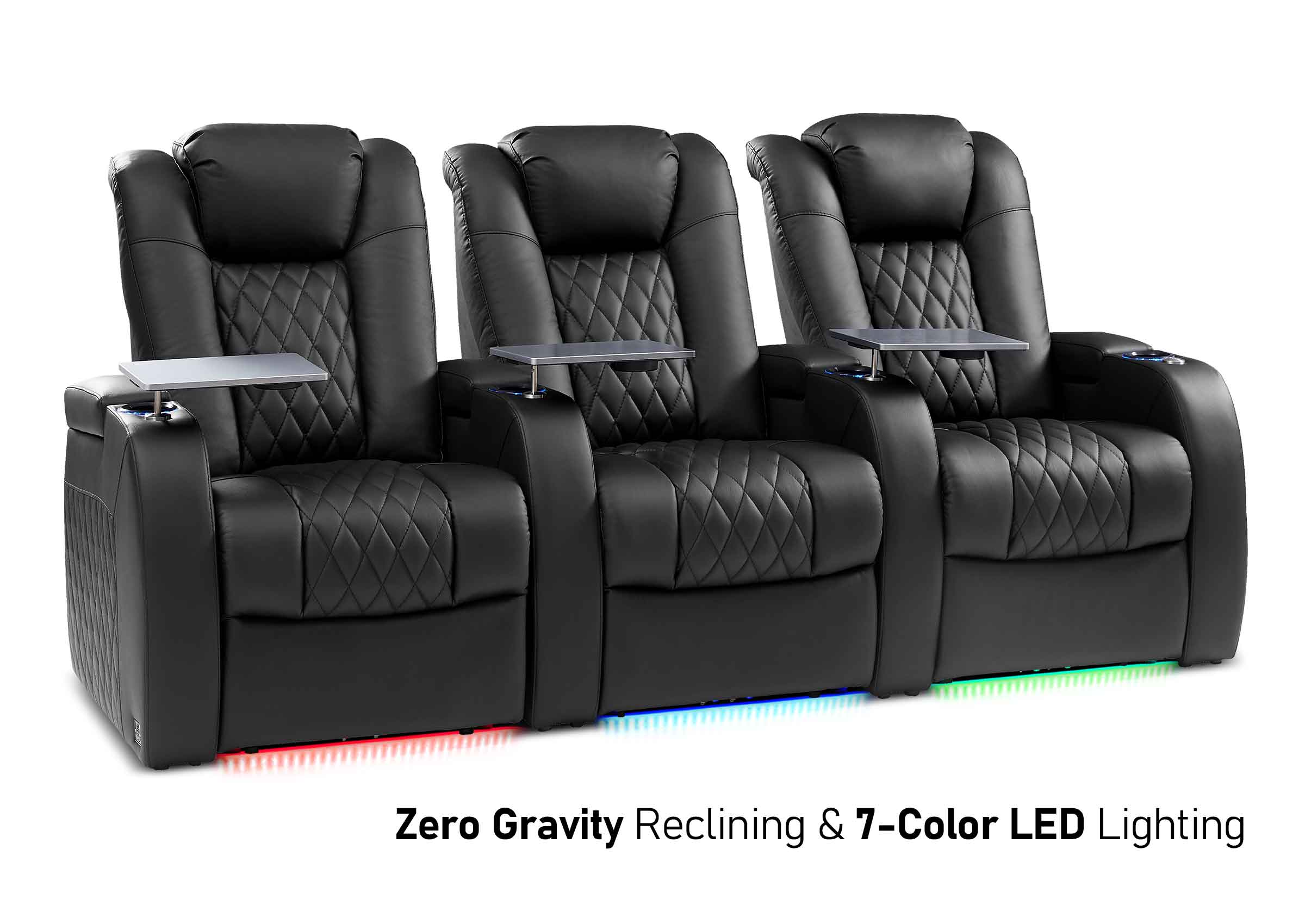
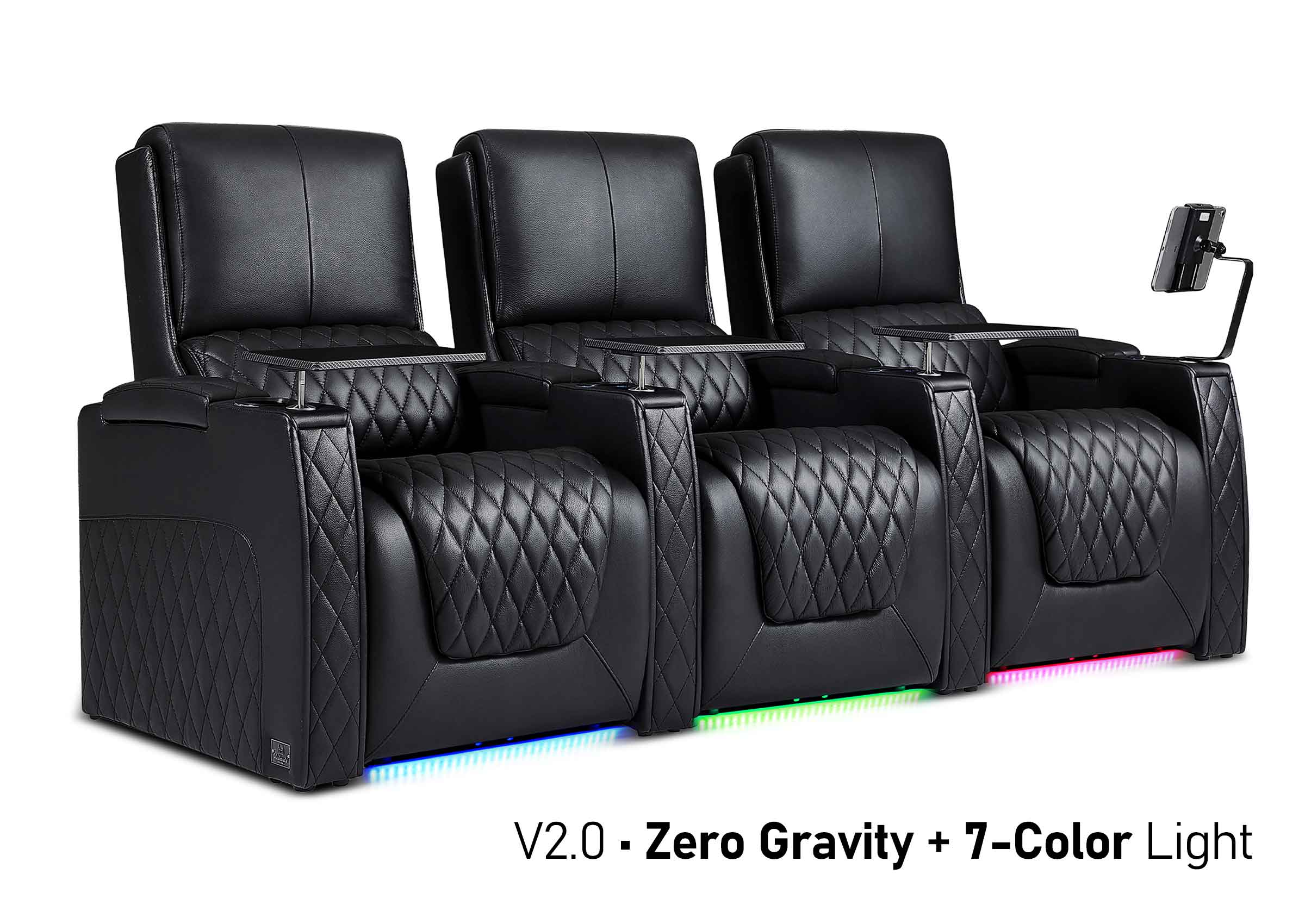
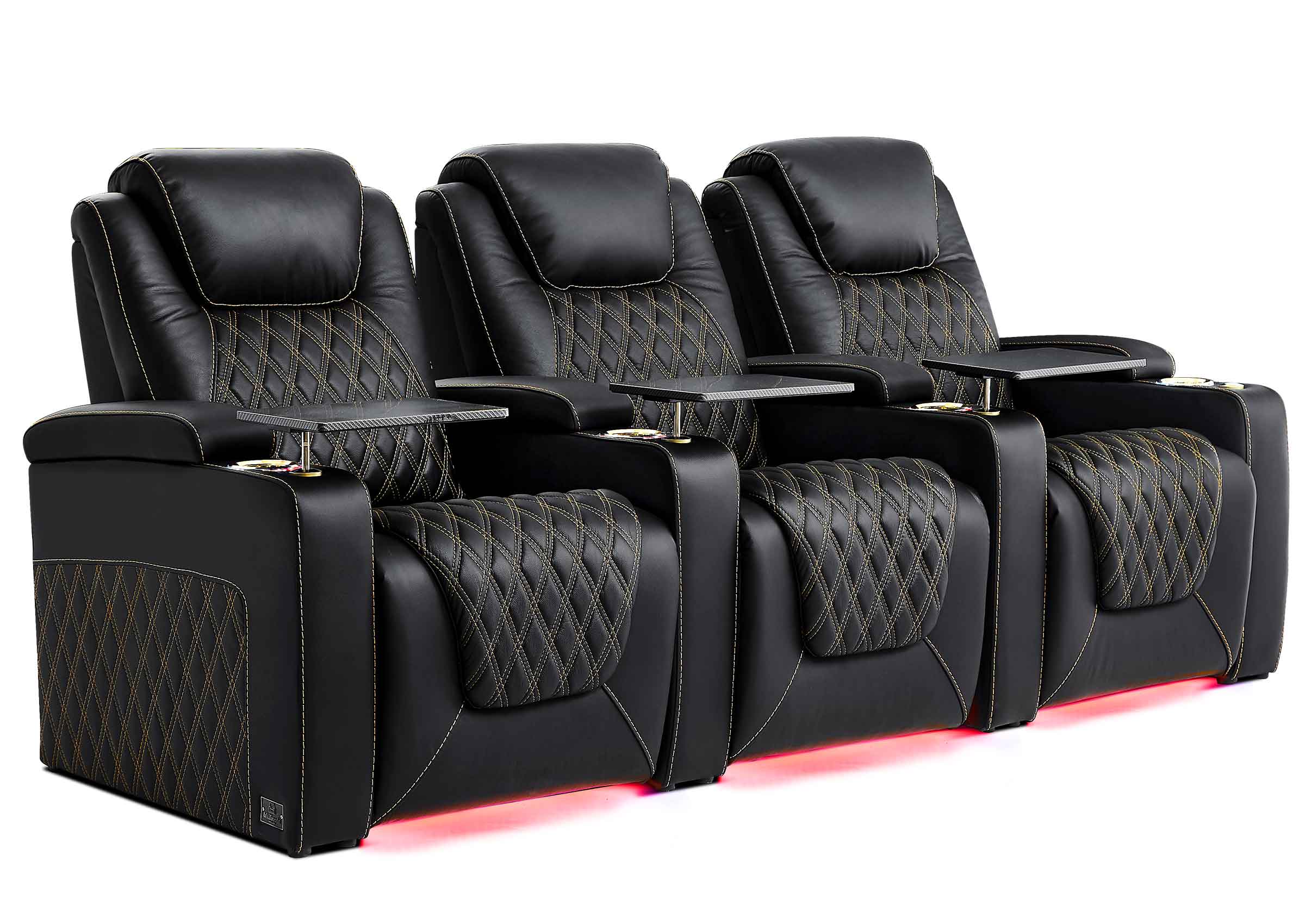
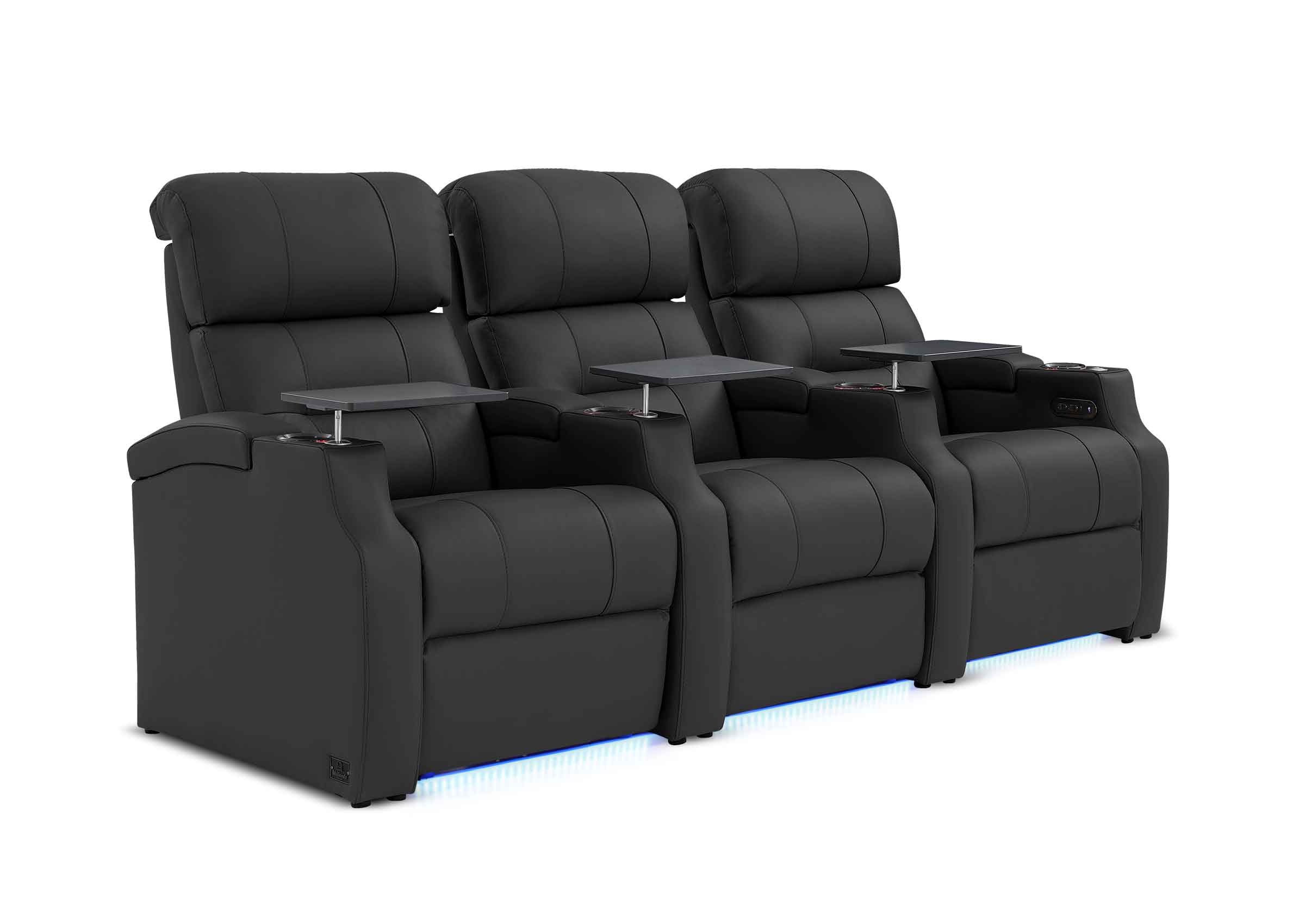
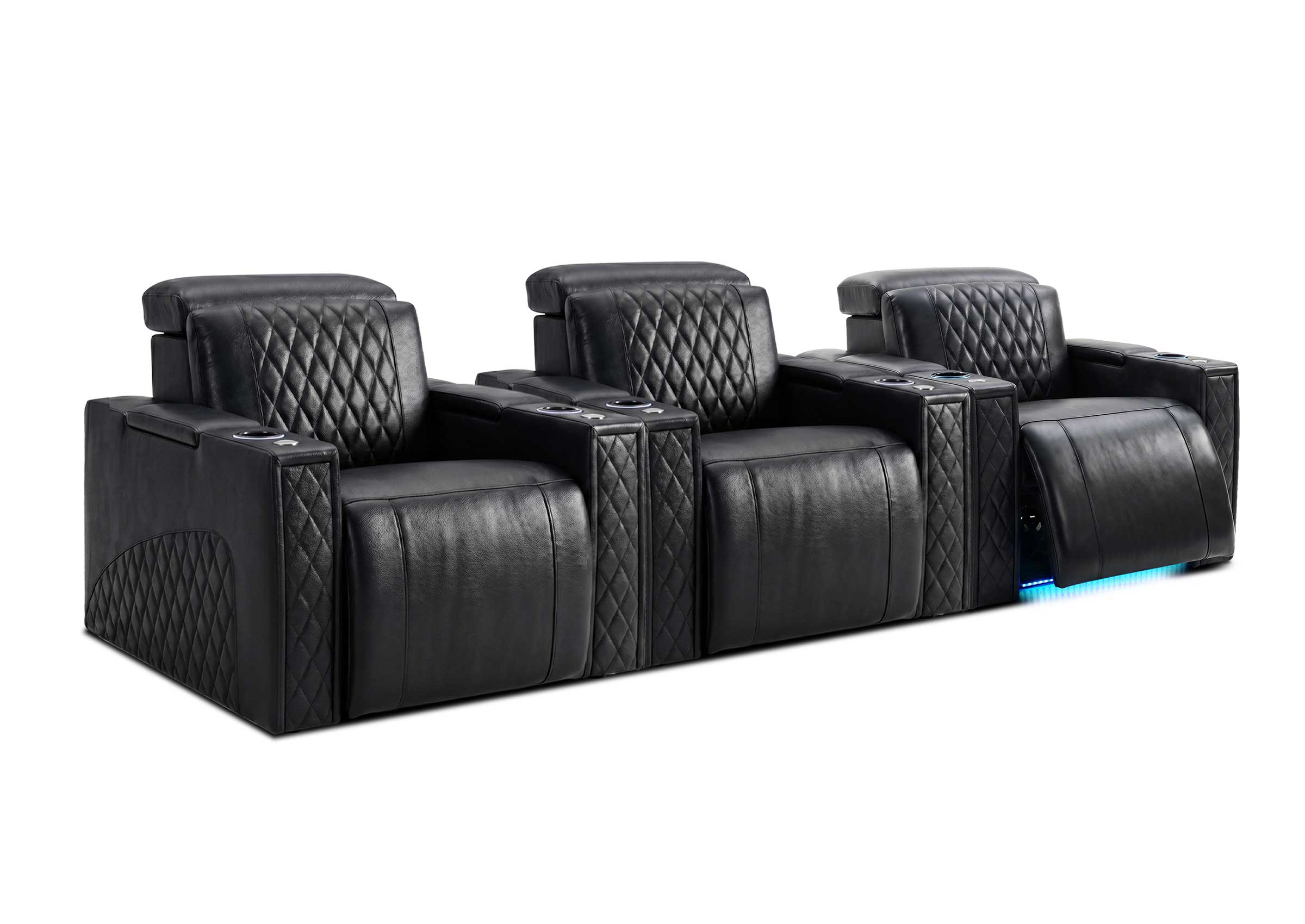

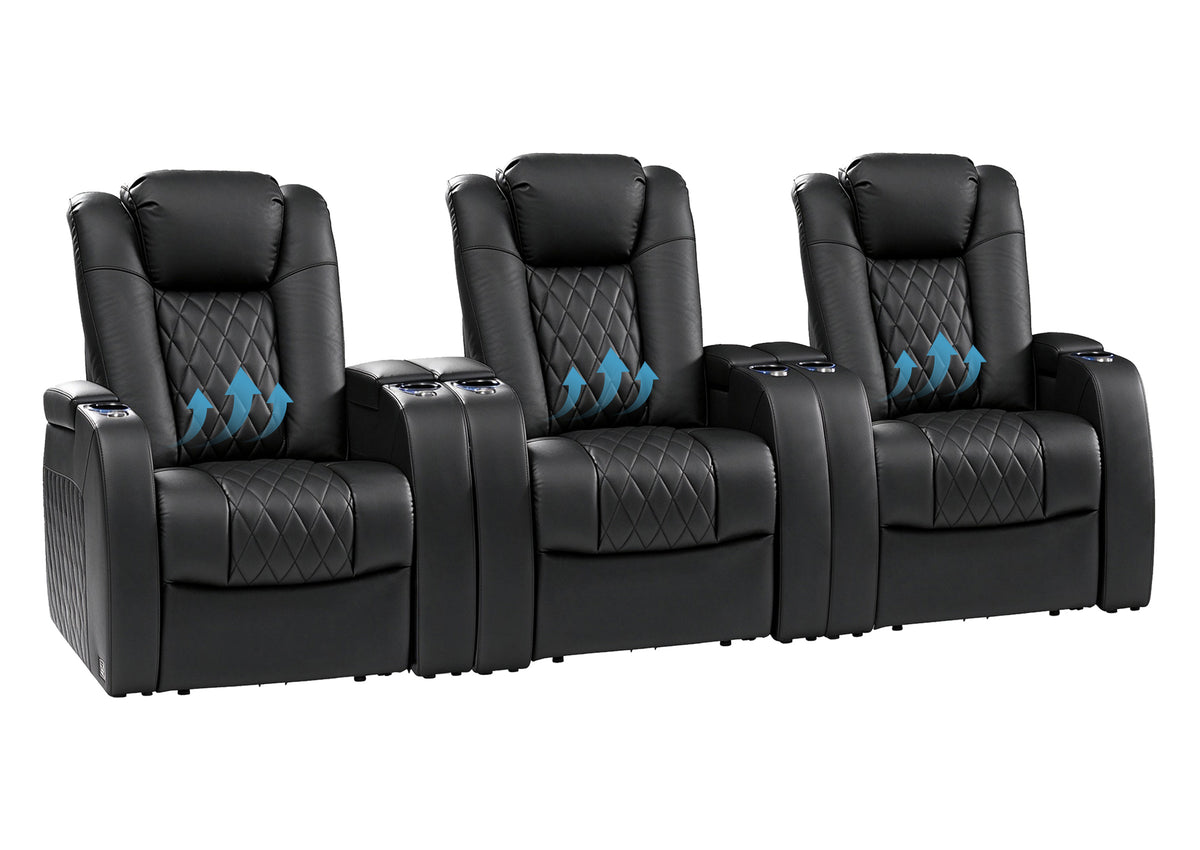
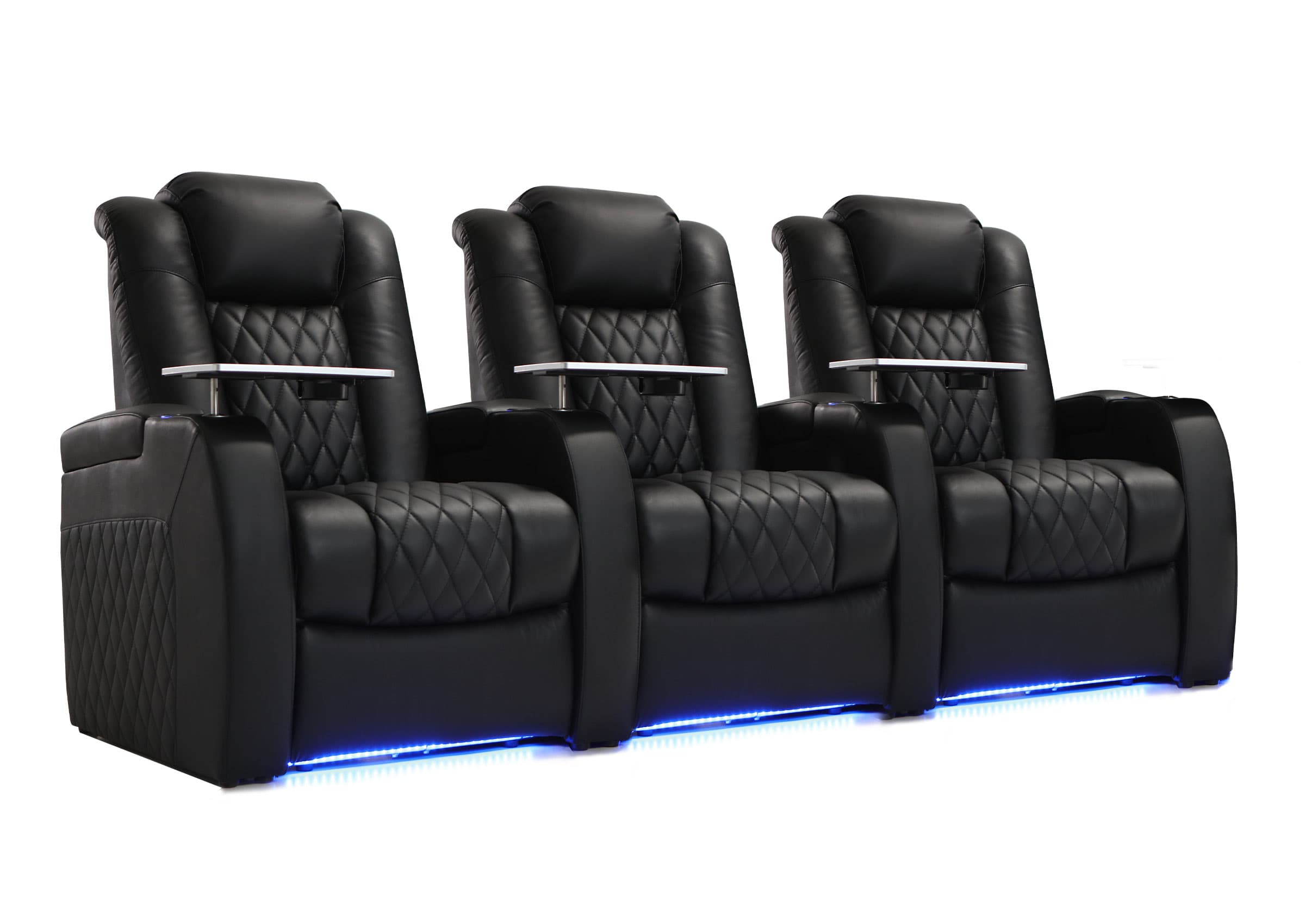
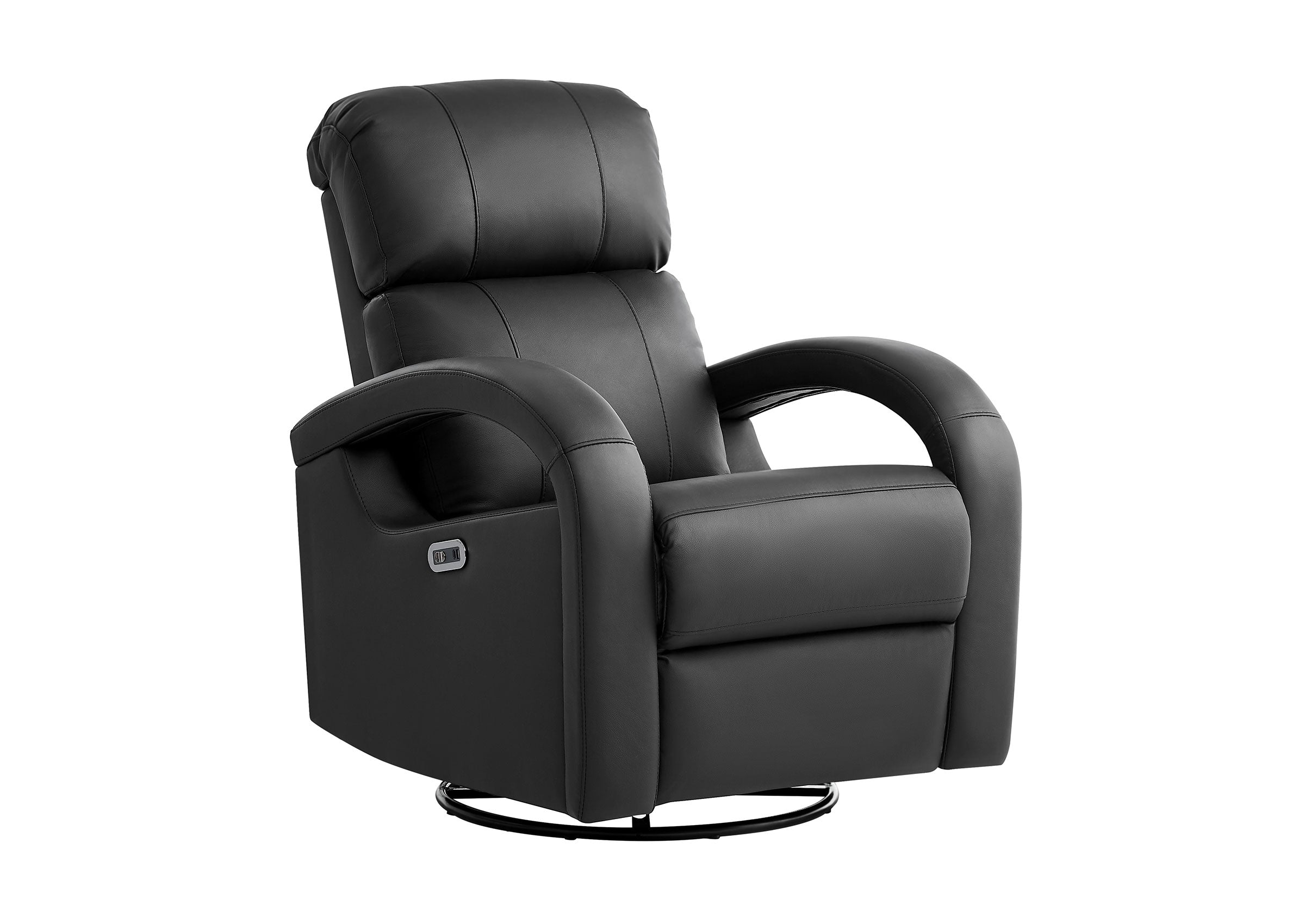
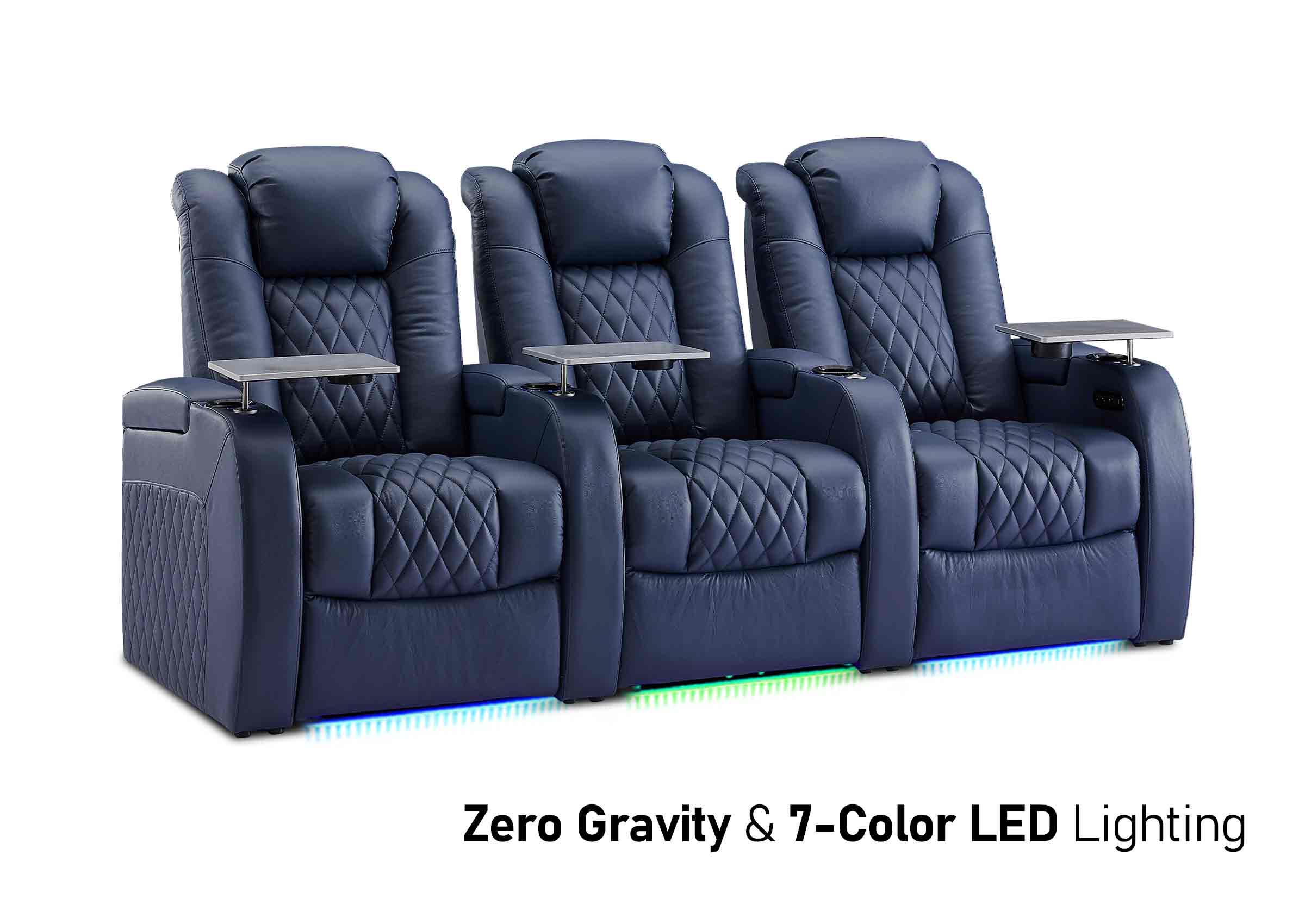
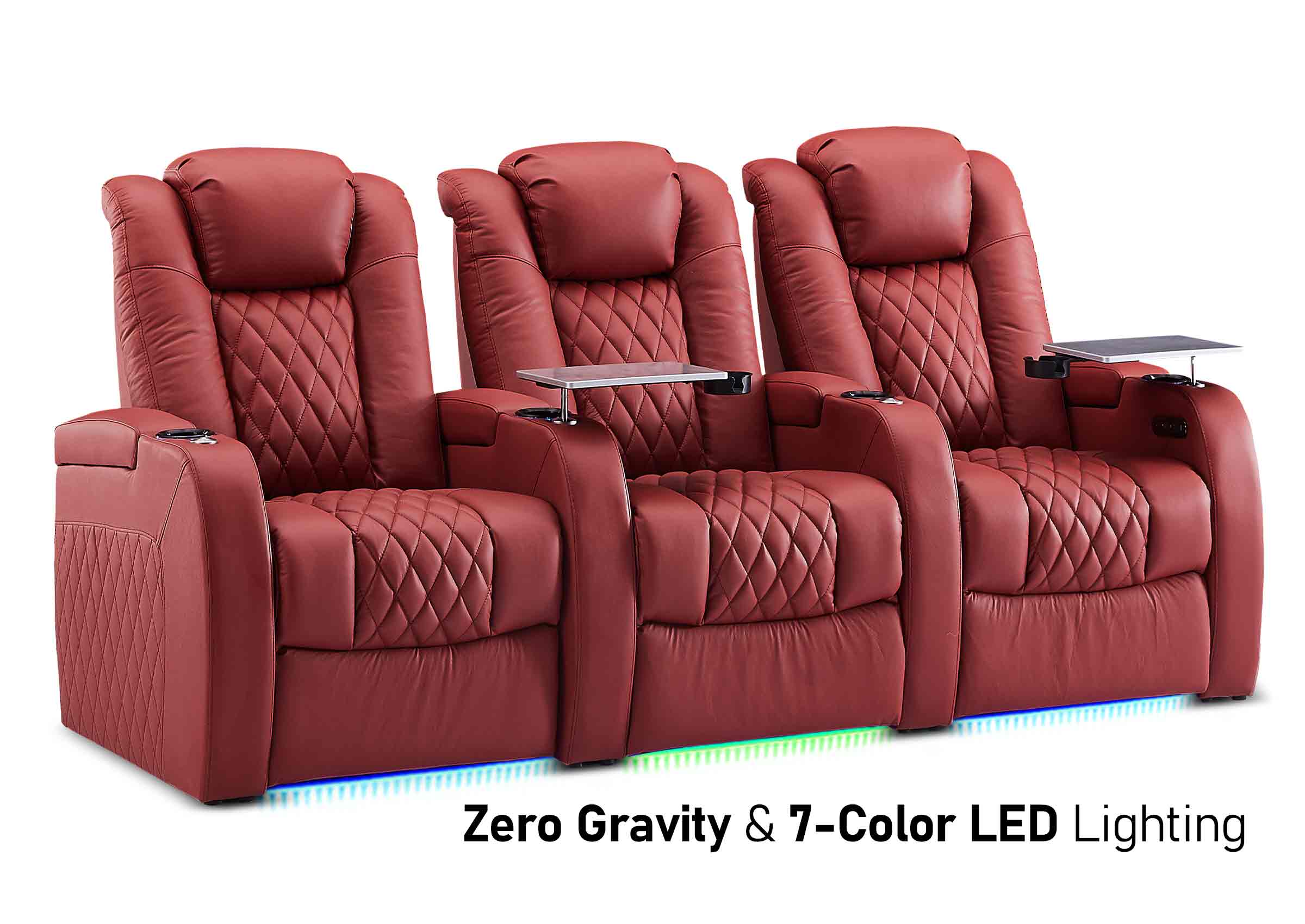
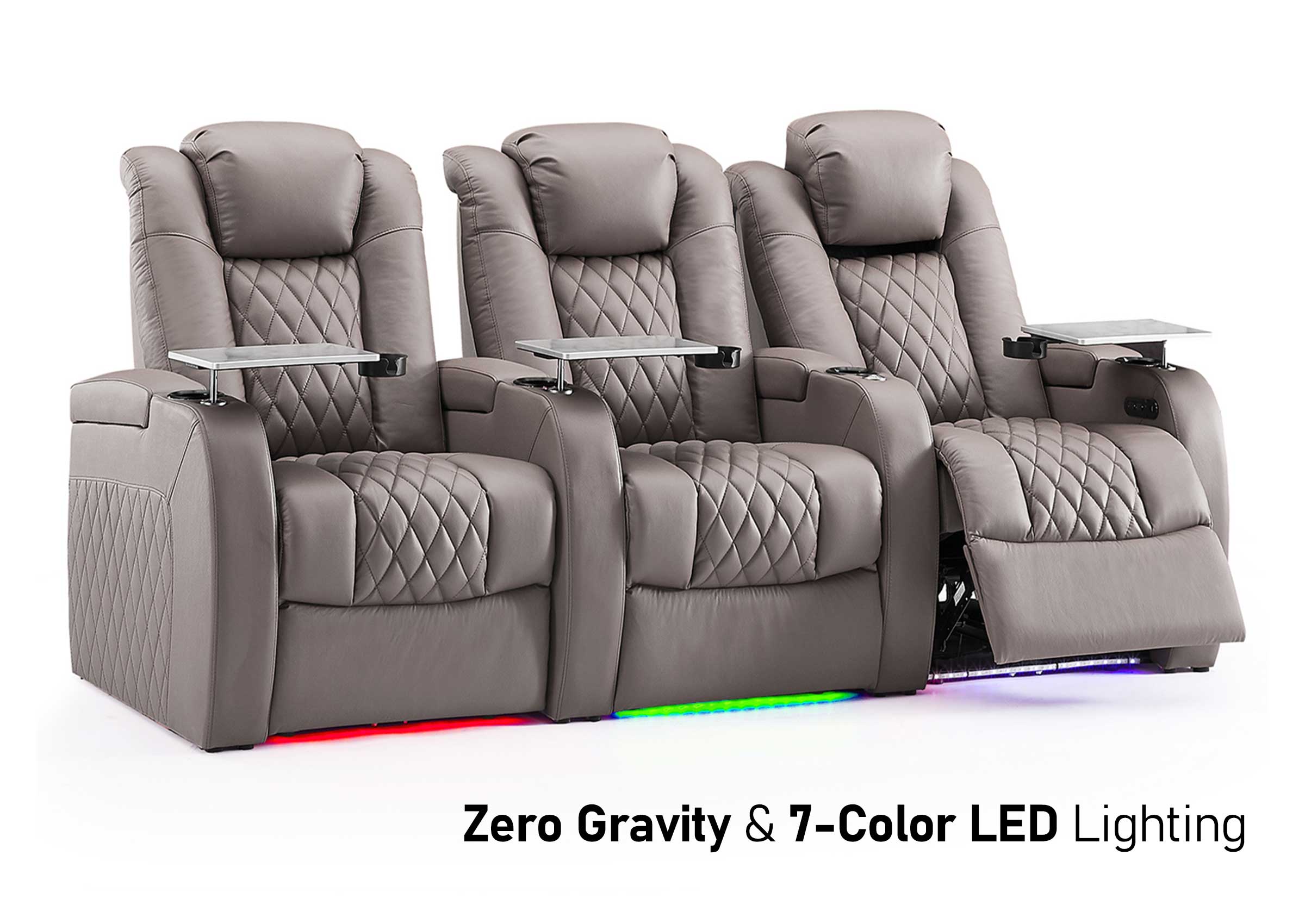
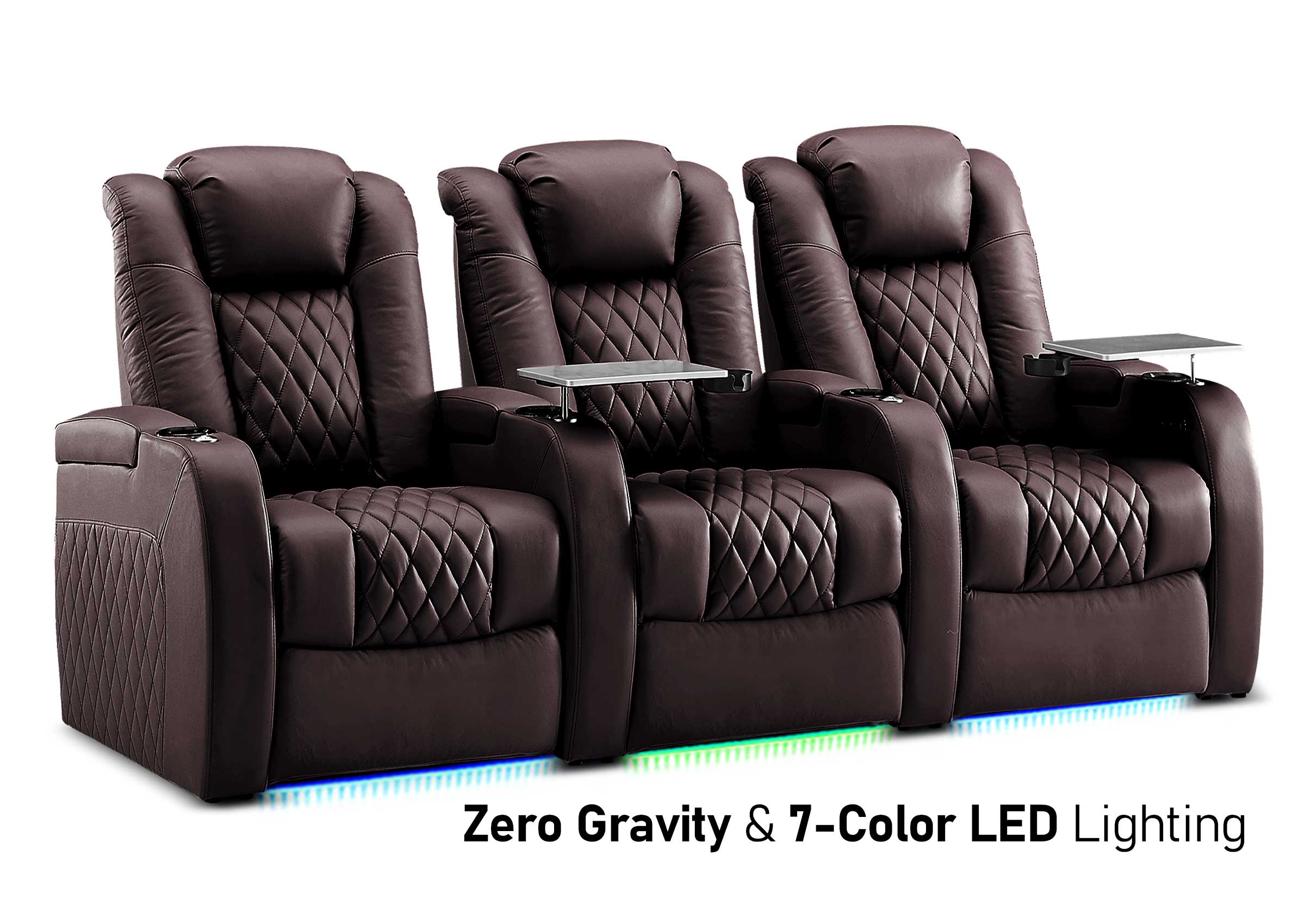

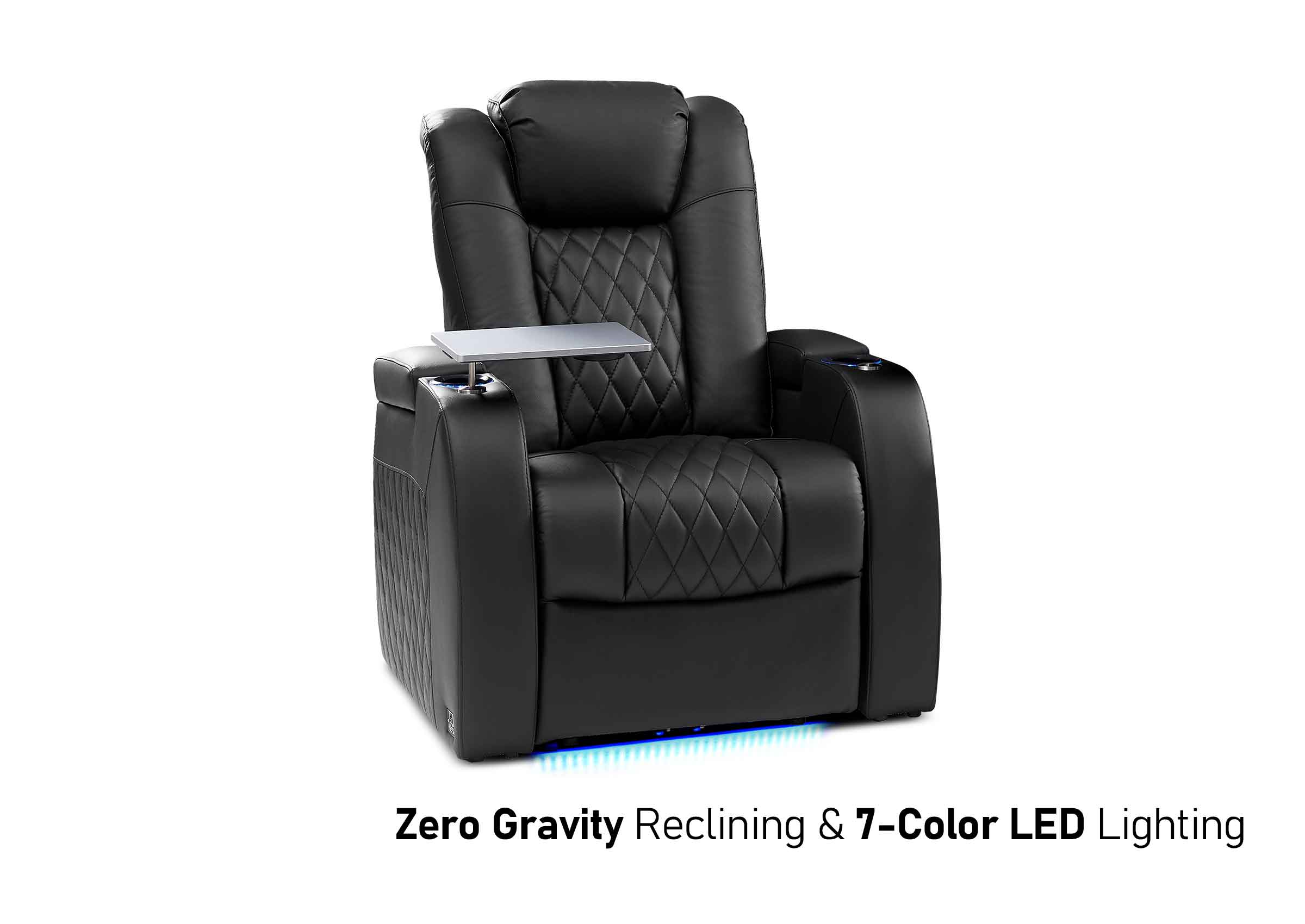
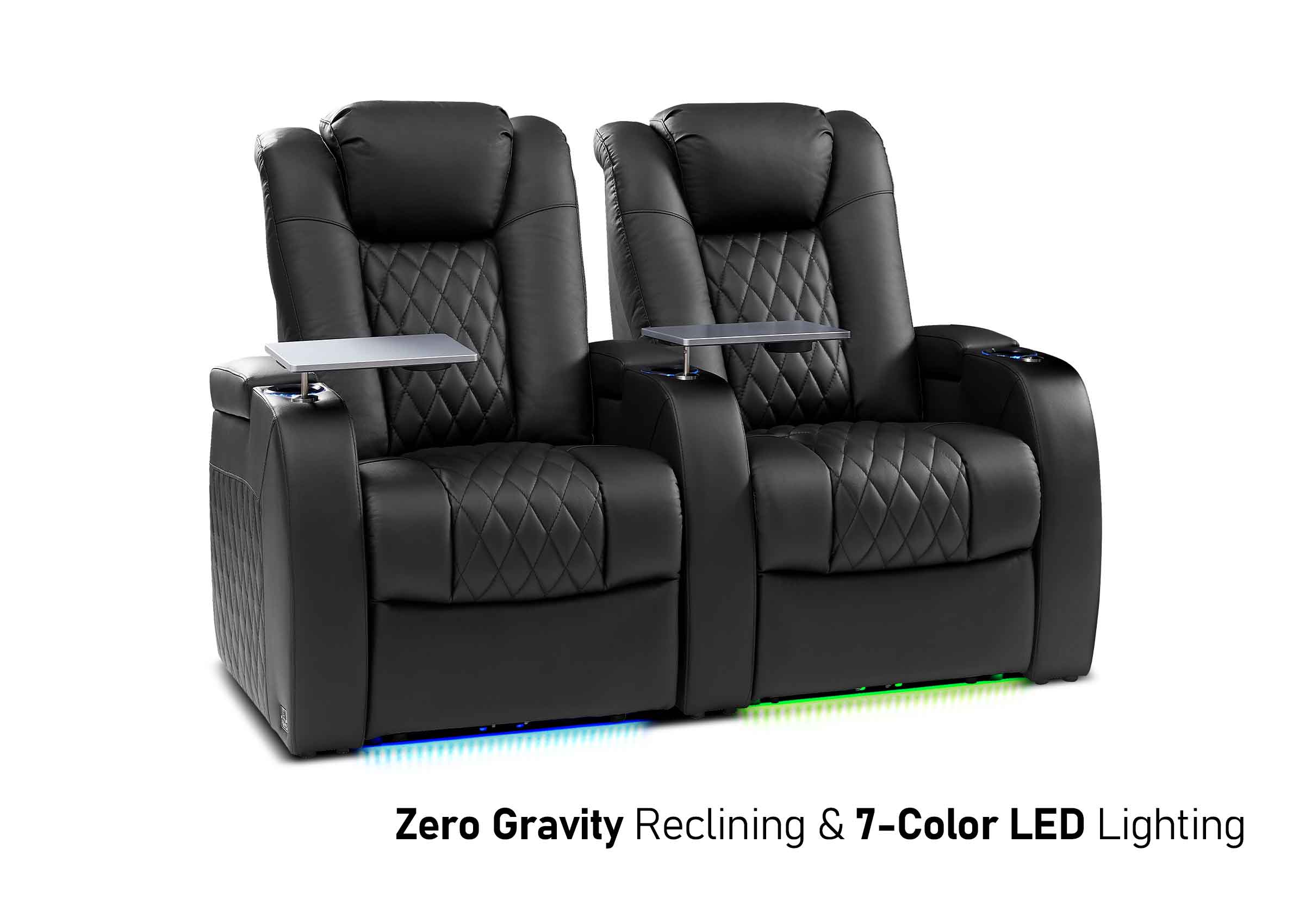
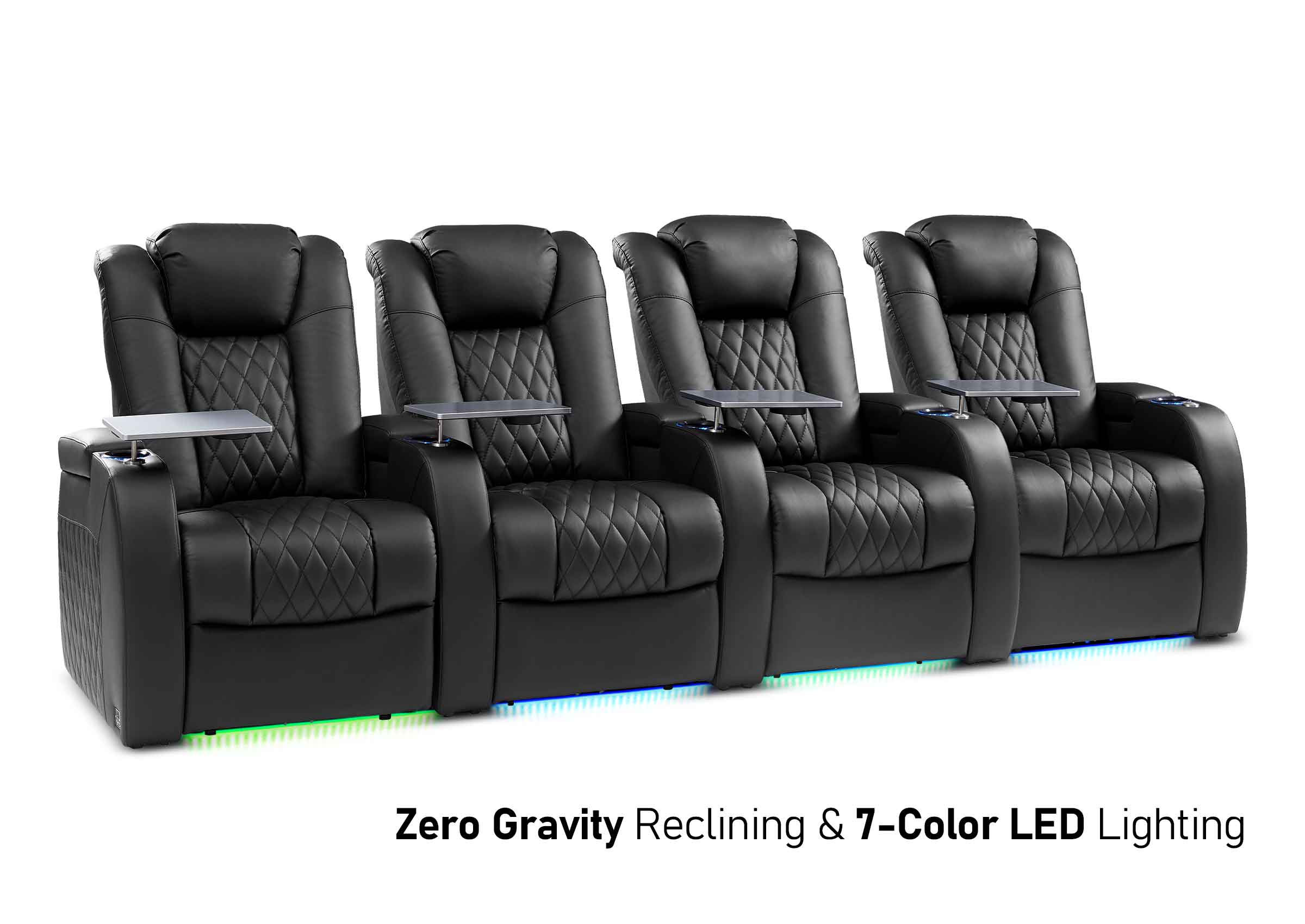
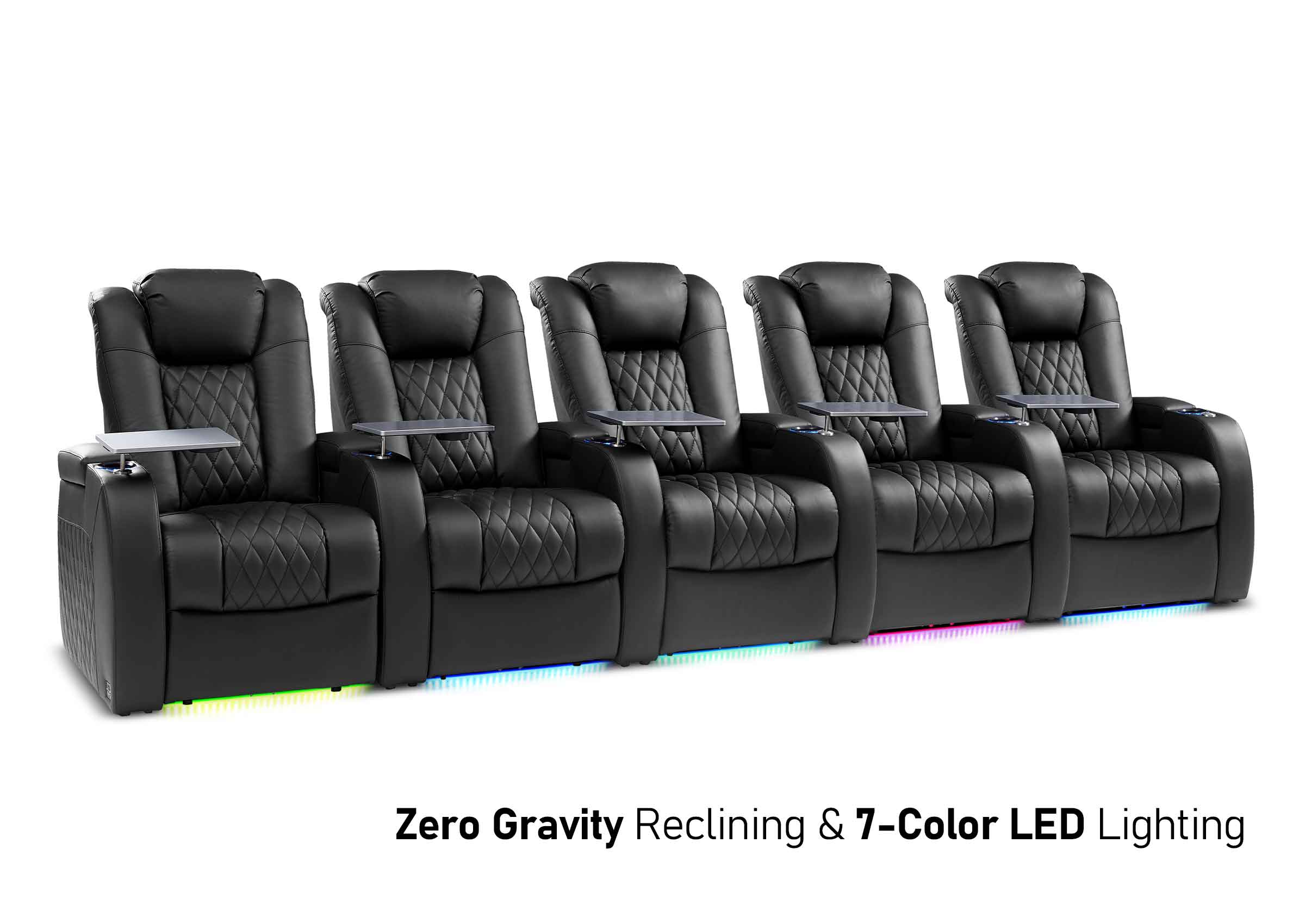
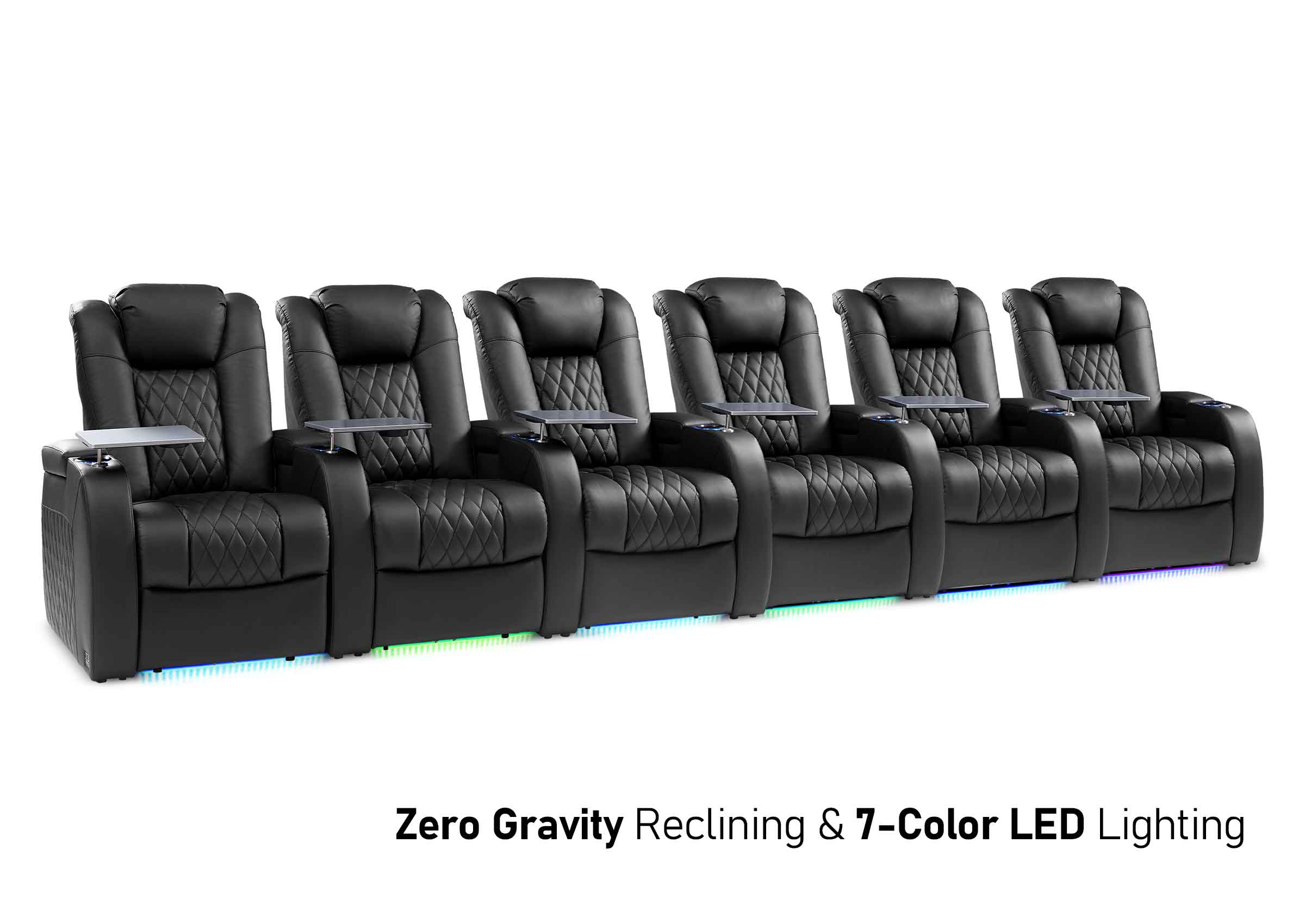
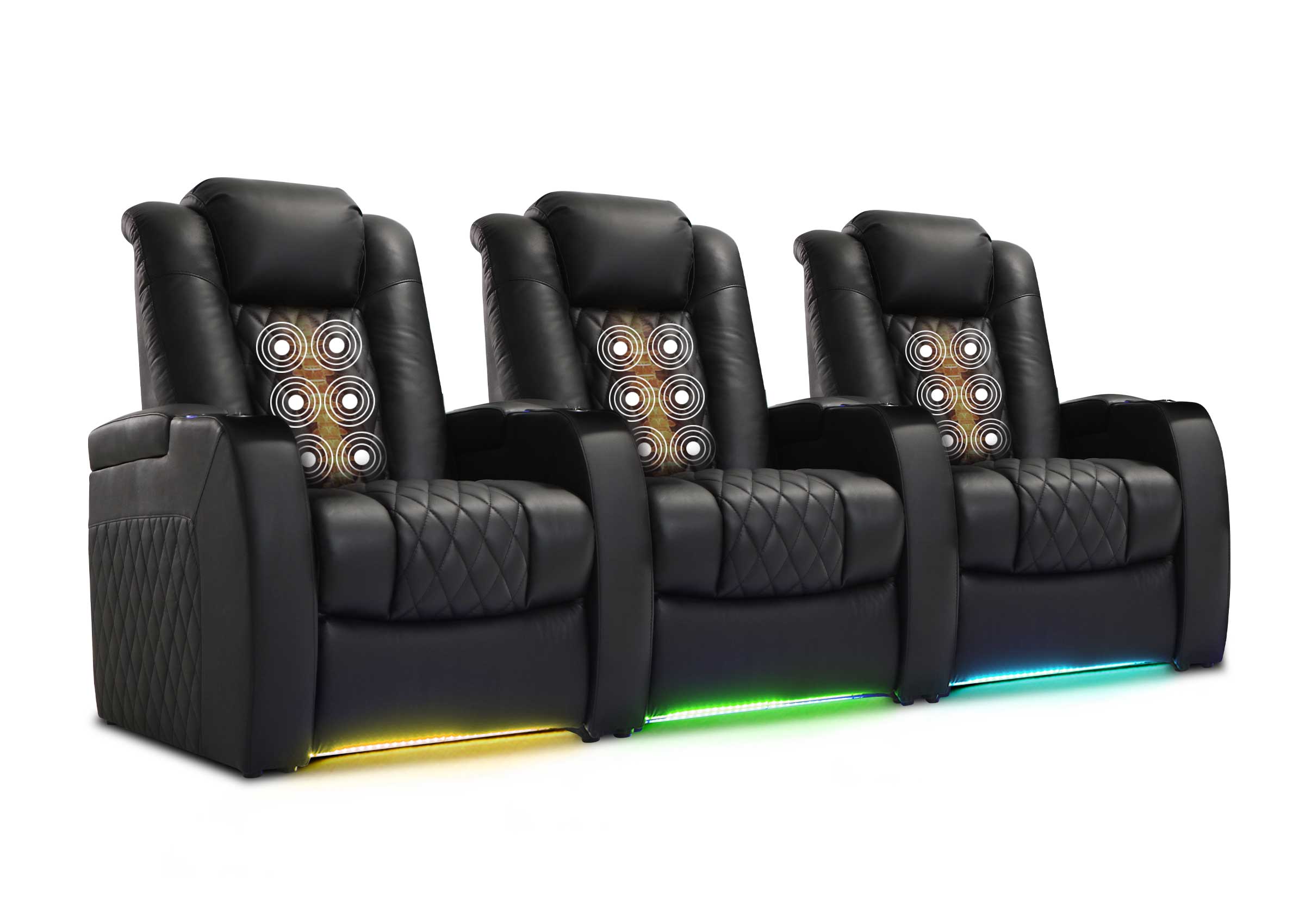

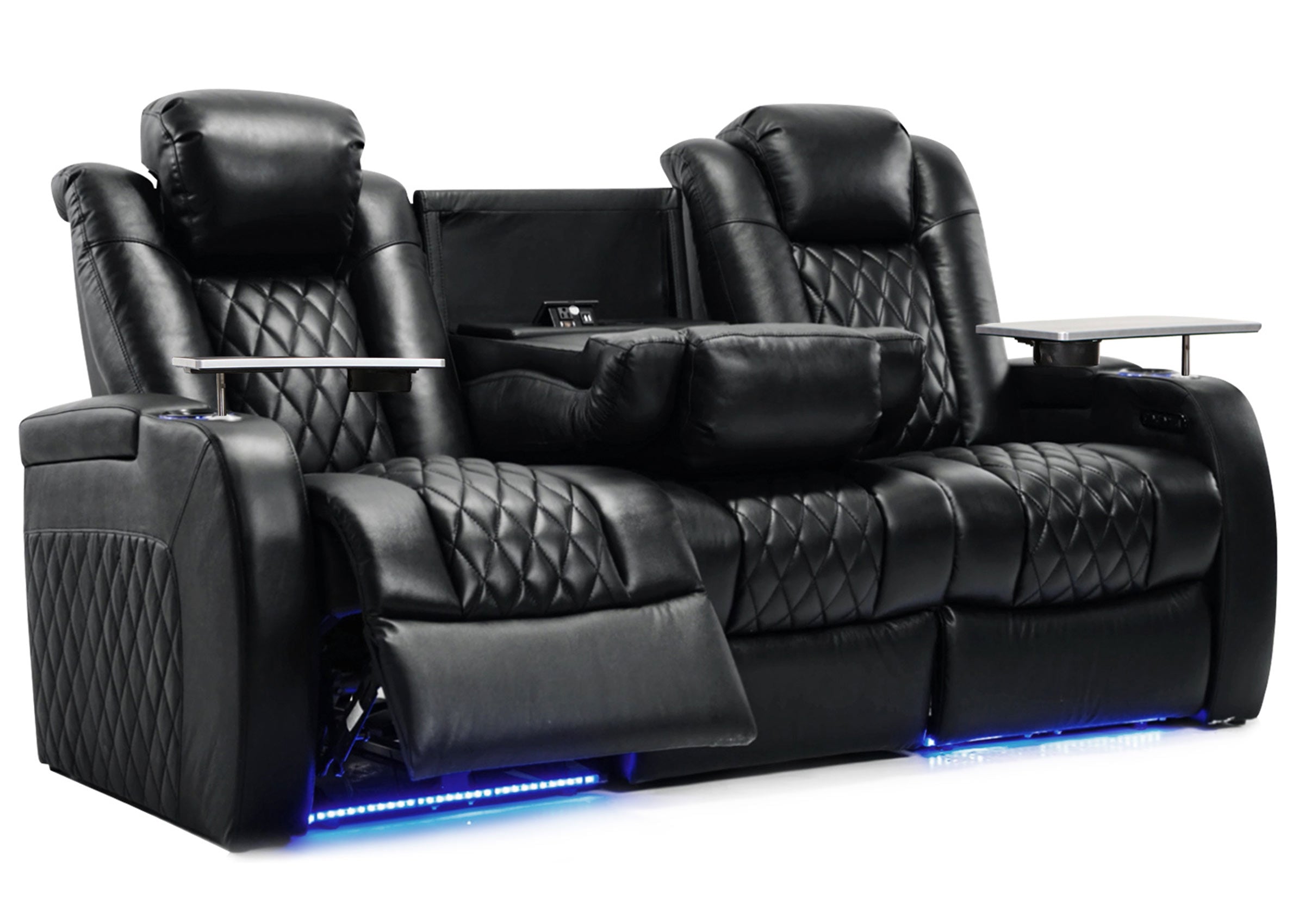
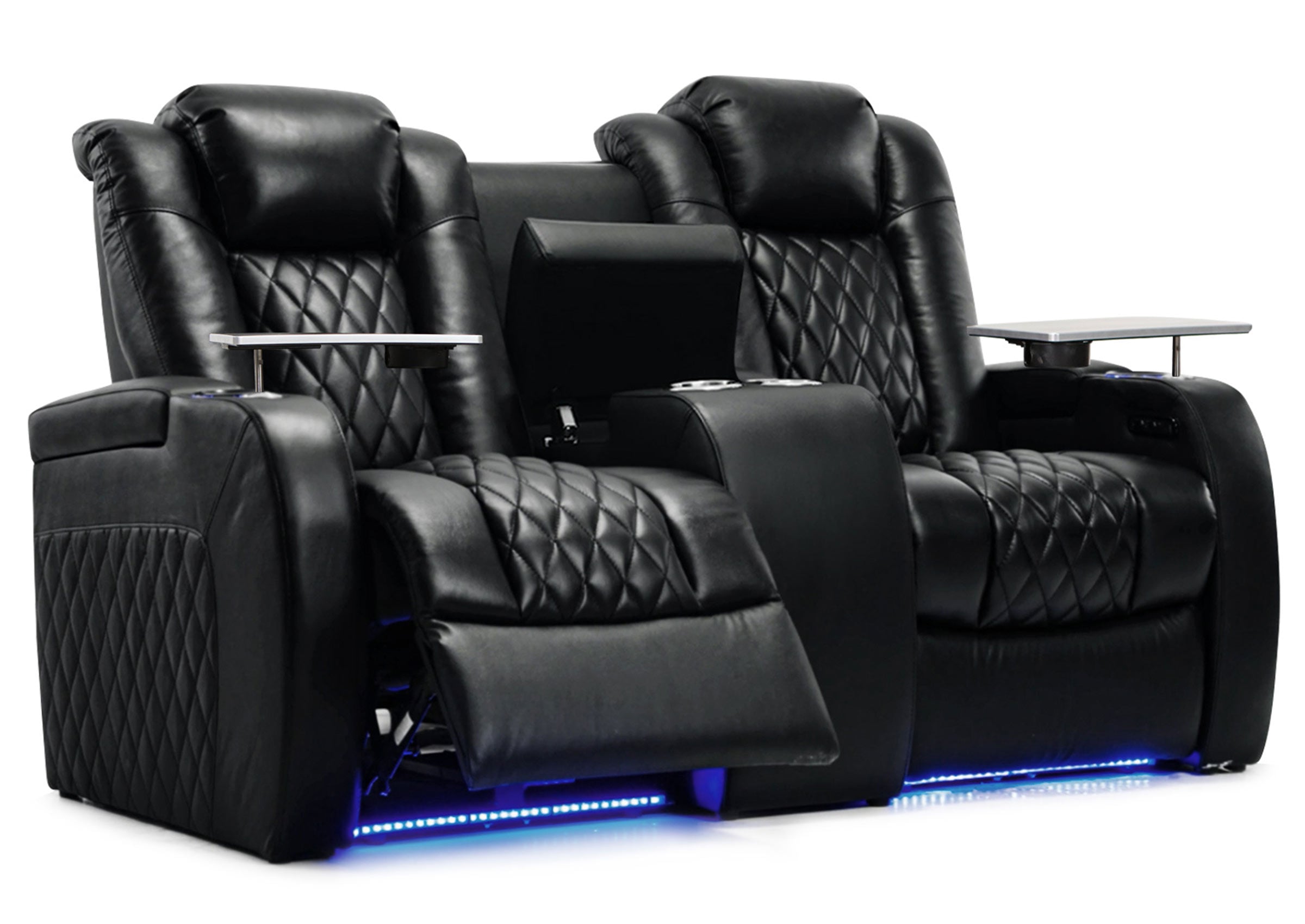

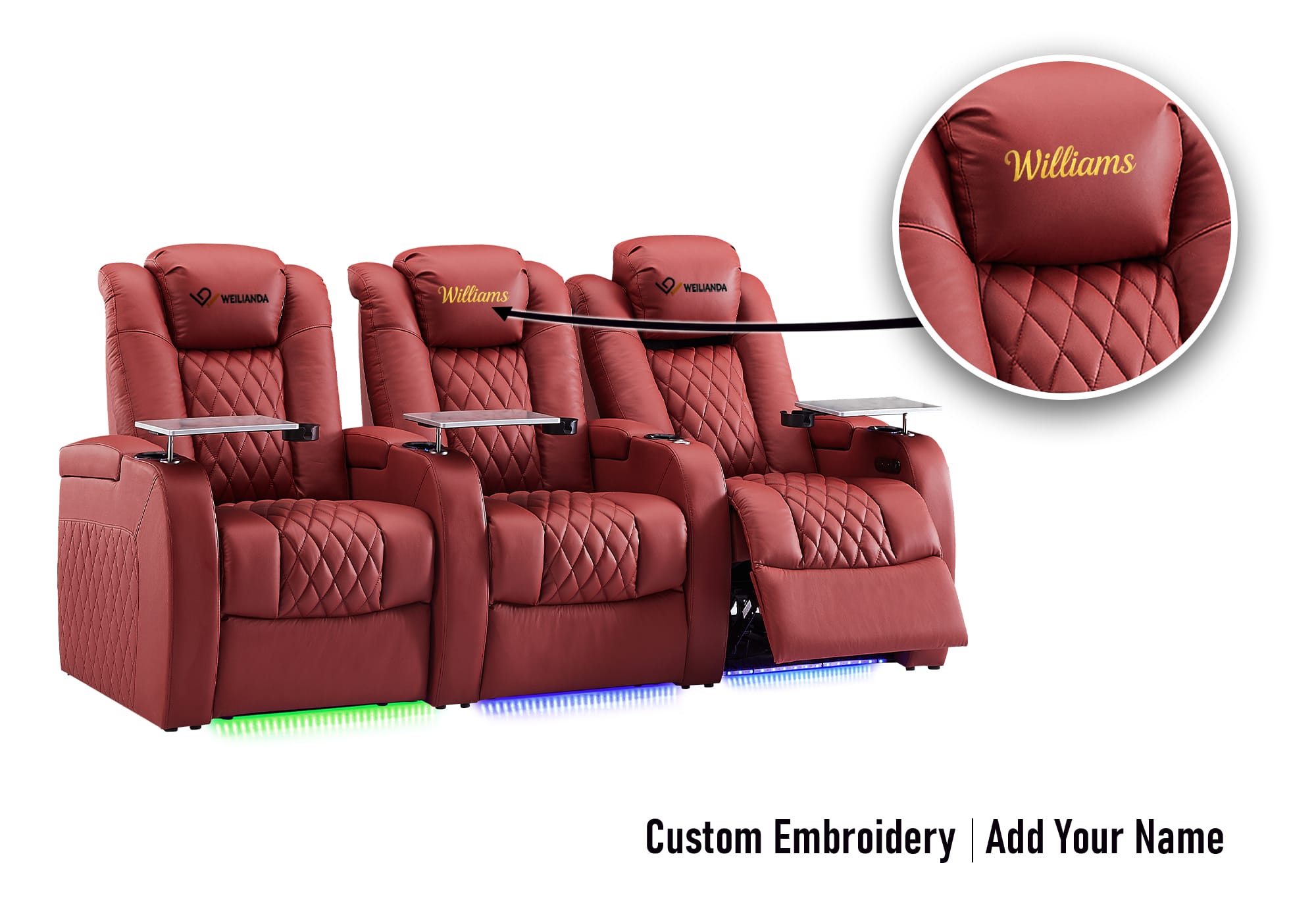

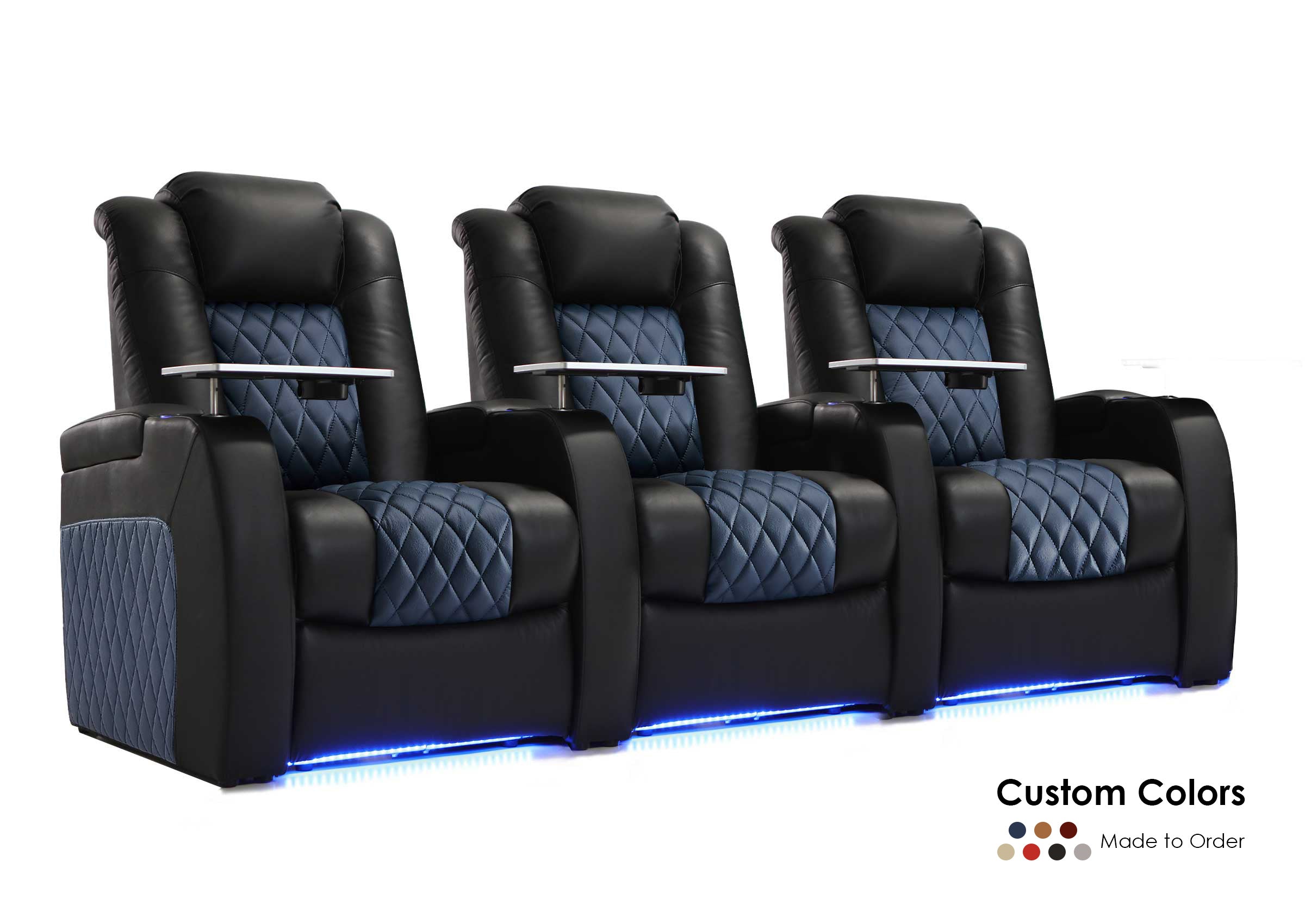

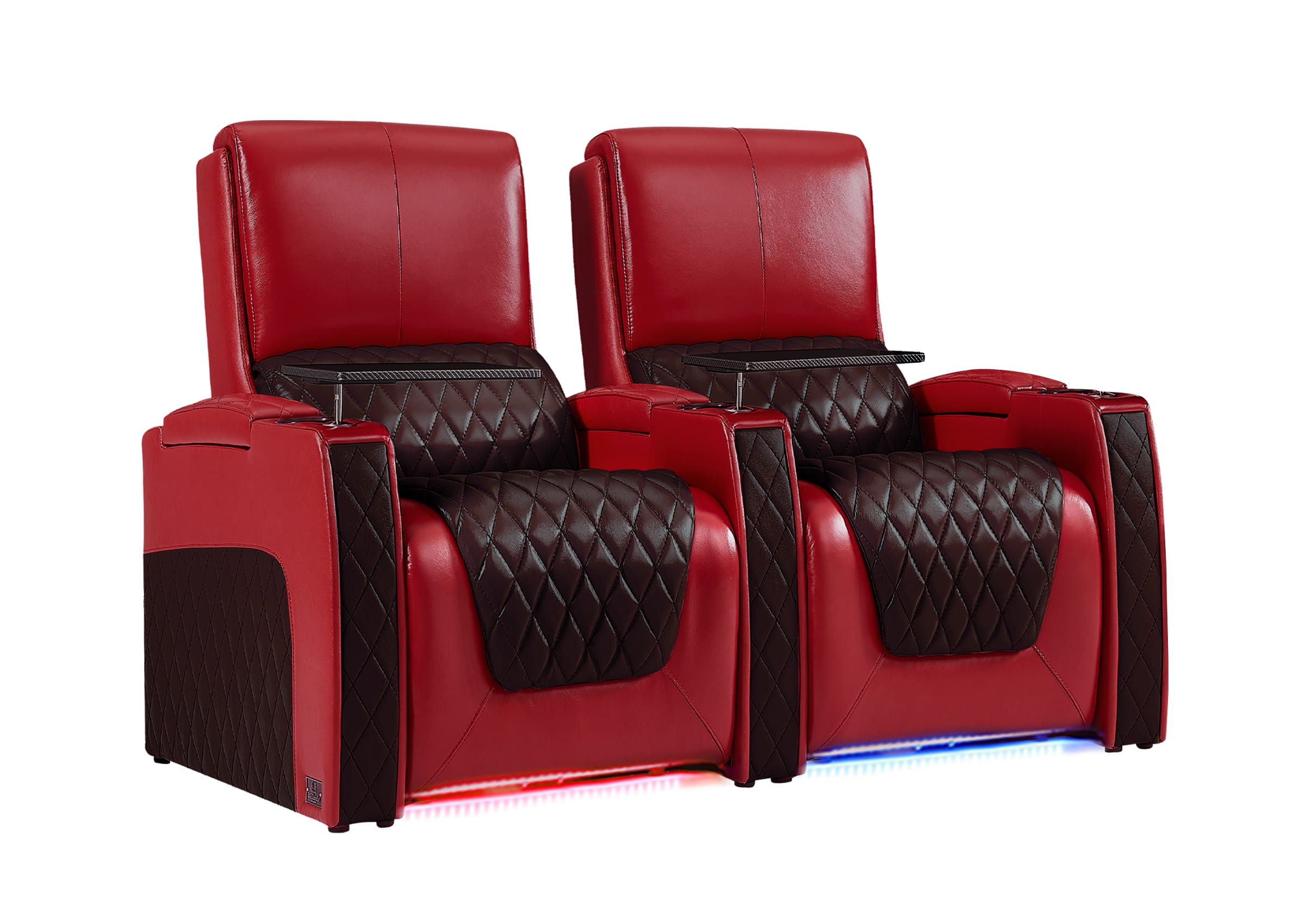
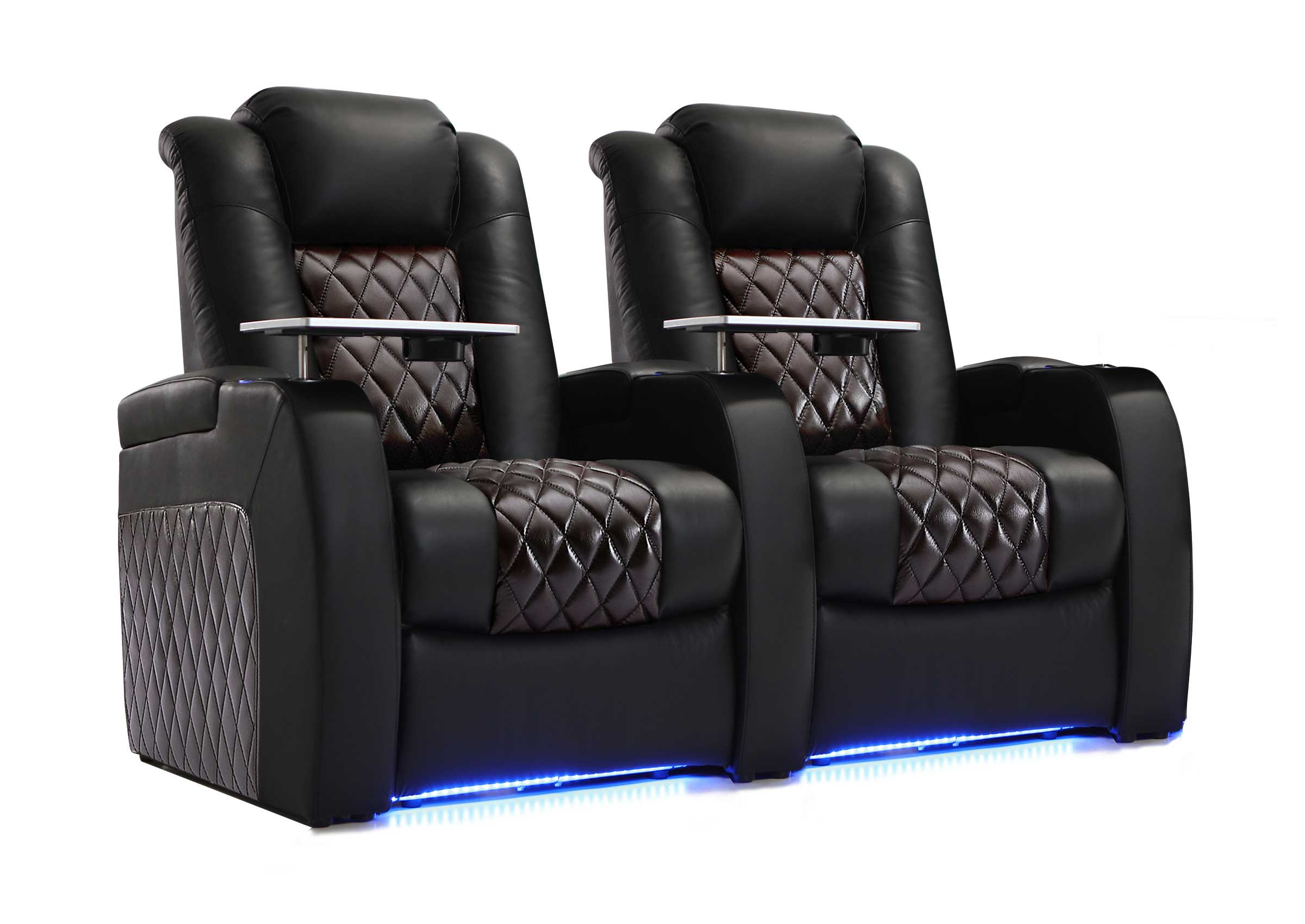
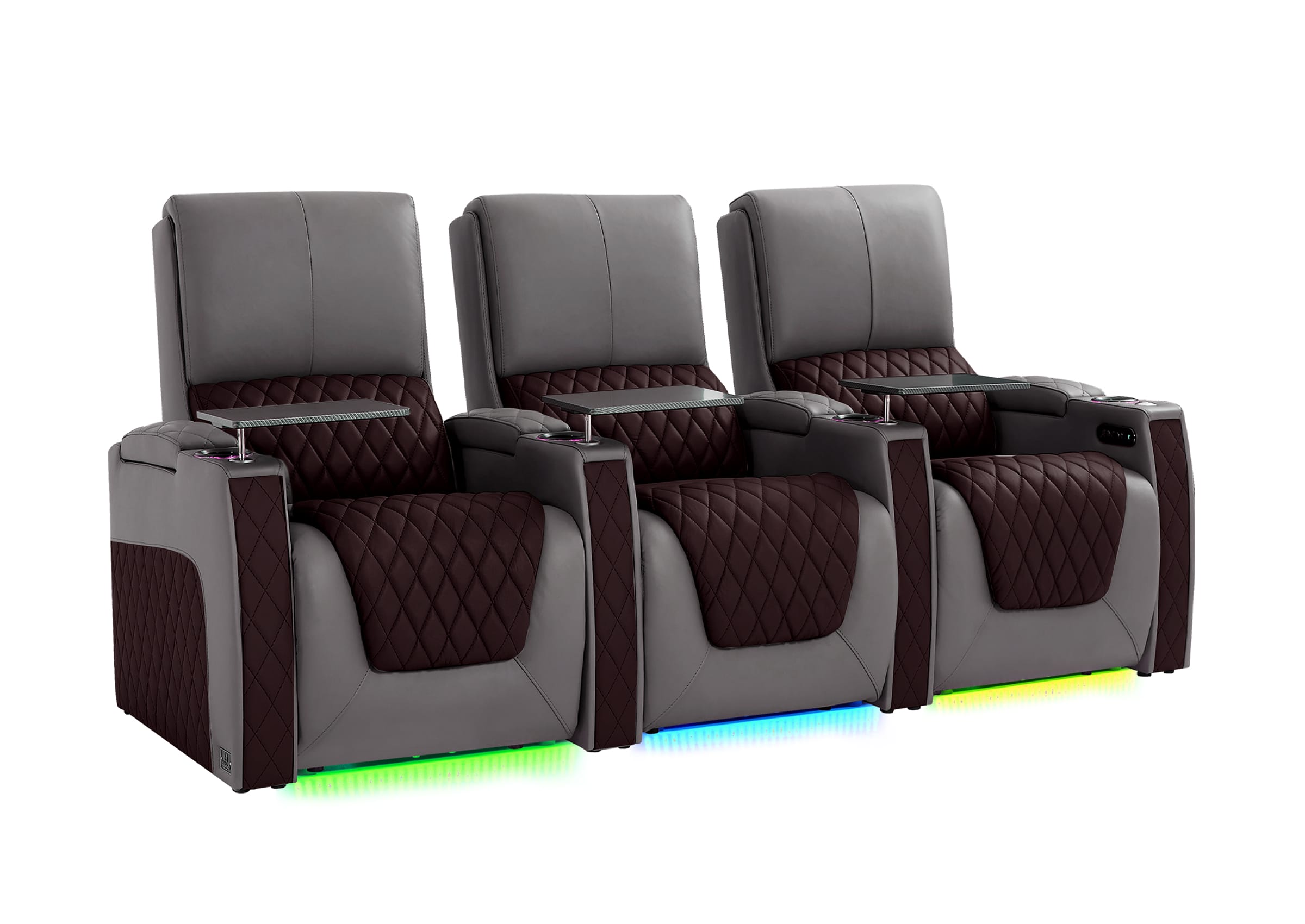
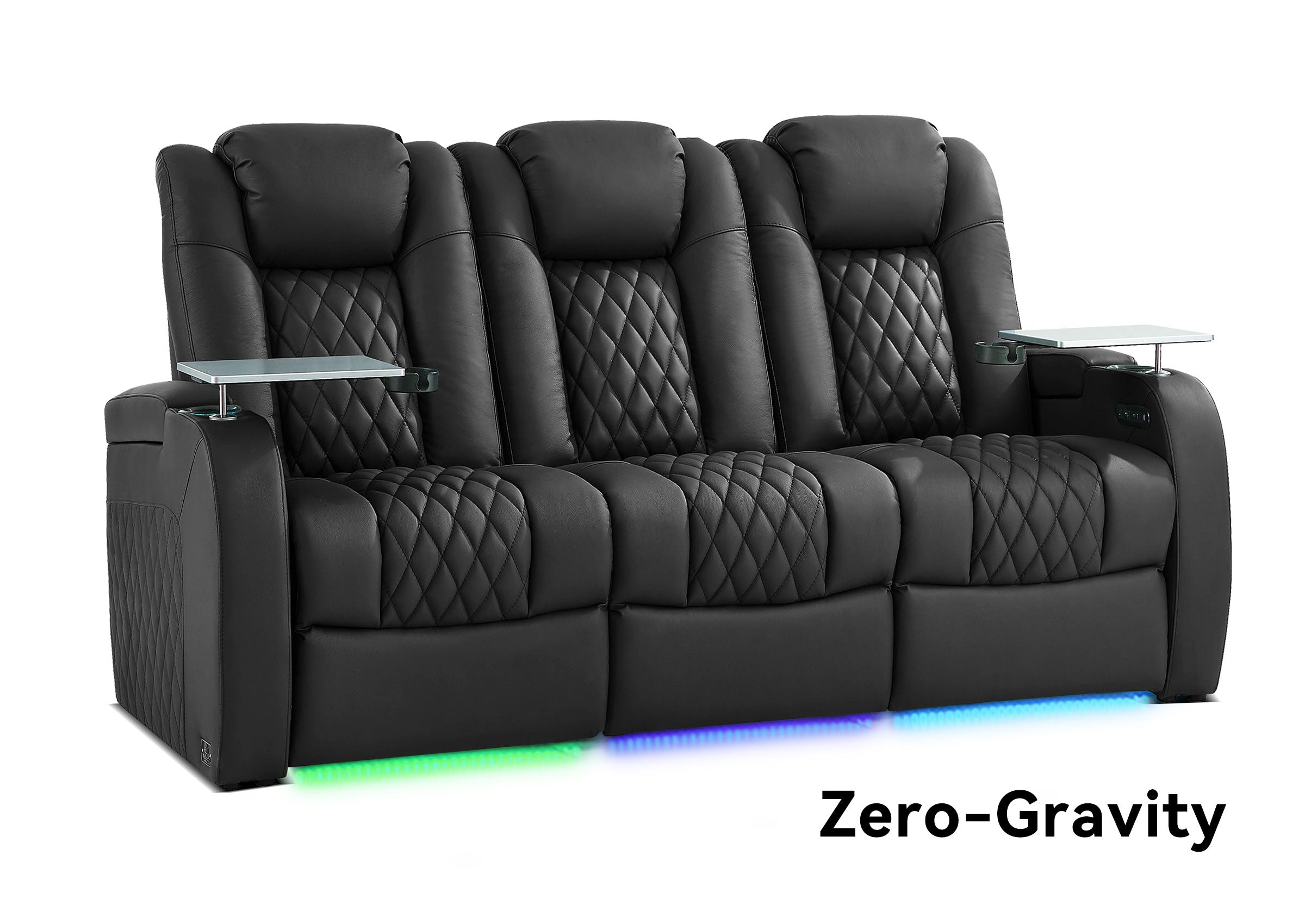


Choosing a recliner gets easier when you stop asking which chair has the longest feature list and start asking which chairs should be eliminated first.
A recliner should pass two hard tests before you spend much time comparing upholstery, power functions, massage, charging, lighting, or price: it needs to fit the person using it, and it needs to work in the room when fully in use.
Once those two conditions are satisfied, the rest of the decision becomes much clearer.
A practical buying order is:
Use → Body Fit → Operating Space → Motion → Upholstery & Cushioning → Features → Price & Proof
| Decision Stage | What You Are Checking | What It Means |
|---|---|---|
| Hard filters | Body fit, full reclined footprint, delivery access | If these fail, another model is usually the better choice. |
| Preference decisions | Manual vs. power, upholstery, cushioning, motion, extra features | Use these to choose among recliners that already fit. |
| Final verification | Exact specifications, current policies, reviews, price, configuration | Confirm that the specific chair you plan to order matches your assumptions. |
This order matters because a feature can improve a suitable recliner, but it rarely fixes a chair that is fundamentally too deep, too short, too large for the room, or awkward to operate.
What Will You Actually Use the Recliner For?
Start with the chair's main job. A recliner used for 20 minutes of evening reading should not be judged the same way as one used for three-hour movies, daily TV, gaming, laptop work, or afternoon naps.
Ask:
- Who will use the recliner most often?
- How long is a normal sitting session?
- Will you stay mostly upright, partially reclined, or fully reclined?
- How often do you change positions?
- Will several people regularly share the chair?
- Will you read, eat, work, game, or use a tablet from the seat?
- Are children or pets part of normal household use?
- Is the recliner a personal chair, living-room seat, or part of a dedicated theater?
These answers should influence what you pay for.
If you primarily read upright, for example, check whether the armrests let your forearms rest naturally without forcing your shoulders upward. Make sure the headrest supports you without pushing your head noticeably forward, and check that the seat depth lets you stay against the backrest instead of sliding toward the front.
A movie watcher has a different problem. The chair may feel excellent upright but become frustrating if reclining changes the head position enough that you have to lift your chin to keep looking at the screen.
Someone who changes position repeatedly through the evening may value powered adjustment more than someone who opens the chair once and stays there.
If several family members will use the same seat, adjustability can also become more valuable because one fixed position may not suit everyone equally well.
And if children or pets are regularly around the chair, treat the moving footrest and underside of the seat as part of the usable space. Keep the movement path clear rather than thinking only about furniture clearance.
The room may be called a home theater, living room, or media room. Your actual behavior matters more than the label.
If the recliner is specifically for a dedicated movie room, the decision eventually expands into screen position, rows, sightlines, power planning, and seating count. For that use case, see our theater recliner buying guide.
How Should a Recliner Fit Your Body?
A good recliner should support the main user in the positions they actually plan to use. Do not judge it from one quick sit.
As a general seating principle, OSHA notes that seat depth should support the thighs without making the front edge press into the backs of the knees or preventing the user from reaching the backrest. Its guidance is written for workstation seating rather than recliners, so it should not be treated as a recliner specification, but the underlying fit principle is useful when comparing seat proportions. See OSHA's chair ergonomics guidance.
Test the Recliner in Three Positions
Upright
Sit fully against the backrest rather than perching near the front.
Check whether:
- your feet have comfortable support;
- the front of the seat creates uncomfortable pressure behind your knees;
- your lower back reaches the intended support area;
- your shoulders can remain relaxed;
- the headrest supports you rather than pushing your head forward;
- the armrests feel natural for the way you will use the chair.
Partially reclined
This position deserves more attention than it usually gets because it is where many people actually watch television.
Notice whether your hips begin sliding forward, your lower back loses contact with the backrest, or you need to hold your head differently to maintain a comfortable viewing angle.
Fully reclined
Now check the whole support chain:
Head → back → hips → thighs → lower legs → feet
Ask where support ends and where your body starts making its own corrections.
If you continually reposition your head, pull yourself back into the seat, shift one leg away from the footrest, or add a pillow to compensate, the chair may not be fitting as well as the first impression suggested.
A recliner can feel comfortable upright and still be the wrong recliner once it starts doing the job you bought it to do.
Do Not Use Overall Chair Size as a Substitute for Body Fit
One useful lesson from comparing Weilianda product dimensions is that similar exterior widths can contain noticeably different usable seating dimensions.
| Series | Overall Width | Usable Seat W × D × H | Fully Reclined Length |
|---|---|---|---|
| Luxury Series | 32.2 in | 21.8 × 22.8 × 19.7 in | 68.0 in |
| Chic Series | 31.4 in | 22.8 × 21.2 × 19.5 in | 66.8 in |
| Astronaut Series | 31.8 in | 23.2 × 21.2 × 20.0 in | 66.0 in |
| Vanguard Series | 32.2 in | 22.8 × 21.4 × 19.7 in | 67.2 in |
The exterior widths in this comparison vary by less than one inch, while usable seat width varies by roughly 1.4 inches and seat depth by about 1.6 inches.
That difference can matter more to an individual buyer than several convenience features.
A deeper seat may work well for one taller user while making it difficult for a shorter user to remain supported against the backrest. A wider usable seat also does not automatically require a dramatically wider chair because armrest construction changes how exterior width is distributed.
Compare the space your body occupies with the usable seat—not only the space the chair occupies in the room.
Product versions and configurations can change, so confirm the dimensions of the exact model you are considering before ordering.

For a measurement-by-measurement explanation of seat width, depth, height, reclined dimensions, and room fit, use the Recliner Size Guide.
How Much Space Does a Recliner Need When You Actually Use It?
A recliner has two footprints:
the footprint when it is sitting in the room
and
the footprint when someone is actually reclining in it.
The second one should drive the purchase.
Check:
- upright width and depth;
- fully reclined length;
- rear wall clearance;
- front footrest clearance;
- space around side tables and coffee tables;
- walking space while the chair is open;
- swivel or rocking clearance where applicable;
- outlet and cord location for powered models.
Use Painter's Tape to Test the Operating Footprint
Do not stop after measuring an empty rectangle on the floor.
Mark the recliner's fully open footprint with painter's tape. Then put the side table where you intend to use it. Open the nearby door. Walk through the space. Imagine another person trying to pass while someone is watching a movie with the footrest fully extended.
This reveals something the specification sheet alone cannot:
A recliner can technically fit in a room and still make the room worse to use.
If the chair fits only when a coffee table is moved every evening, a door cannot open fully, or the main walkway disappears whenever the footrest is extended, the problem is not simply room size. It is the relationship between the chair's movement and the way the room functions.
Maximum Seating Capacity Is Not the Same as Usable Capacity
The same principle applies when several recliners are installed together.
If an extra seat removes the practical aisle, interferes with another footrest, blocks furniture, or makes people climb around a chair every time they leave the room, that additional seat may not represent useful capacity.
Instead of asking only:
How many recliners can I physically fit?
Ask:
How many recliners can operate normally while the room still works?
Check the Delivery Route Before Checkout
The room can be large enough and the delivery can still fail somewhere between the front door and the final seating position.
Check:
- doorways;
- hallway turns;
- stair landings;
- elevators;
- basement access;
- tight corners.
If the recliner ships in modules, use the dimensions of the largest shipping component rather than assuming the fully assembled chair has to pass through every opening.
For a more detailed access process, use our delivery access and placement checklist.

VERIFY FIT BEFORE FEATURES
Narrow Your Choices With the Measurements That Matter First
If several recliners still look similar, compare the measurements that can actually rule one out: usable seat dimensions and the full reclined footprint. Check the detailed size guide first, then compare current models that fit those limits.
Which Reclining Mechanism Fits Your Routine?
Once a chair passes the body-fit and room-fit tests, the mechanism becomes worth comparing.
The better mechanism is not the one with the most movement. It is the one that makes the positions you use most often easier to reach and live with.
Manual Recliners
A manual recliner can make sense when you value:
- simple operation;
- no dependence on an outlet;
- fewer electrical components;
- basic reclining rather than fine position adjustment.
Do not evaluate only how easily it opens. Close it several times too.
An action that seems acceptable during one showroom test may become annoying if you repeat it many times every evening.
Power Recliners
Power becomes more useful when:
- you change position frequently;
- small adjustments noticeably affect comfort;
- button operation is preferable to a lever or push-back motion;
- powered headrest or lumbar adjustment solves a real fit or viewing problem;
- the chair is used for longer TV or movie sessions.
The tradeoff is additional electrical hardware and the need for a practical power route.
Confirm the functions of the exact model instead of assuming every chair described as a power recliner operates the same way. The backrest, footrest, headrest, and lumbar section may not all adjust independently.
Wall-Hugger Recliners
A wall-hugger mechanism can reduce the rear clearance needed while reclining, which can be valuable when the back of the chair must sit close to a wall.
But rear clearance is only one part of the footprint.
The occupant and footrest still move, so a wall-hugger does not automatically solve a narrow front walkway or limited total room depth.
If rear space is the constraint, compare the required wall clearance of the actual models. If front circulation is the constraint, compare their full reclined lengths instead.
For a deeper explanation of the terminology, see our zero-clearance vs. wall-hugger recliner guide.
Swivel, Rocker, and Glider Recliners
These movements make sense when they solve something specific.
A swivel may help if the seat needs to turn between a television and a conversation area. Rocking or gliding can matter when gentle motion is part of the way someone normally relaxes.
If the extra motion has no role in a normal week, it should not outweigh a chair that fits better.
For a deeper comparison of operation, placement, adjustment, and ownership tradeoffs, see Power vs. Manual Recliners.
Which Upholstery and Cushioning Make Sense for Your Household?
Material should match the life around the recliner, not only the showroom photograph.
Think about:
- how frequently the chair will be used;
- children and pets;
- food and drinks;
- sunlight and heat exposure;
- room temperature;
- cleaning habits;
- how much maintenance you realistically want to perform.
“Leather” by itself is not enough information. Check the actual upholstery description and which surfaces use which material.
The same principle applies to fabric. Texture, cleaning requirements, hair retention, heat buildup, and stain behavior depend on the particular textile rather than the category word alone.
Do Not Confuse Immediate Softness With Long-Session Comfort
A recliner that feels soft after 30 seconds is not automatically the better chair for a two-hour movie.
Cushioning works together with seat depth, the support below the cushion, backrest shape, body proportions, and recline position.
If you can try a chair in person, stay in it long enough for the initial novelty to disappear.
Then notice what your body starts doing.
- Are you sliding forward?
- Are you repeatedly shifting your hips?
- Do you want a pillow behind your lower back?
- Are you holding your head away from the headrest?
- Does one leg keep moving away from the footrest?
Those small corrections often reveal more than a quick judgment that a seat feels “soft” or “firm.”
Which Recliner Features Are Actually Worth Paying For?
Once fit and room compatibility are established, features can improve the experience. They should not become the reason you ignore a more important mismatch.
A useful rule is:
Do not pay extra for a feature until you can describe the job it will perform during a normal week.
Power Headrest
A power headrest can be valuable when reclining changes your viewing angle and you want to keep looking comfortably toward a television or screen.
It may add much less value if you remain upright most of the time and the fixed backrest already supports your head properly.
Adjustable Lumbar
Adjustable lumbar can be useful when several people share the chair or when the amount of lower-back support you want changes with position.
It should refine an already reasonable fit, not be expected to compensate for a seat that is fundamentally too deep or poorly proportioned for the user.
Zero Gravity
Consider zero-gravity positioning because you like the actual sitting position, not because the label sounds more advanced.
Try to evaluate what that position does to:
- head support;
- screen viewing angle;
- leg support;
- the chair's operating footprint.
Do not buy the phrase. Buy the position.
Tray Tables
A tray can be genuinely useful for someone who regularly uses a laptop, mouse, tablet, game controller, food, or other items from the chair.
If a side table already works perfectly and the tray would spend most of its life in storage, it should not carry much weight in the decision.
Cup Holders, Storage, Charging, and Lighting
These features can reduce repeated small frustrations, but their value depends heavily on routine.
A sports viewer who keeps drinks, remotes, and charging cables near the seat may value cup holders and storage. A reader with a side table may barely use them.
Ambient lighting may help with orientation in a dark theater, while distracting light near the screen may work against the experience you were trying to improve.
The most valuable feature is usually one that removes friction from something you already do—not one that creates a new reason to justify the purchase.
When Is a Recliner Not the Right Chair?
A useful buying guide should make it easier to reject the category when it does not solve the actual problem.
A recliner may not be the best choice when:
- you spend almost all of your time sitting upright and rarely use a footrest;
- the full reclined footprint repeatedly blocks the room's main circulation path;
- you value a lighter, more movable accent chair more than reclining motion;
- conversation and shared seating matter more than individual adjustment;
- the reclining mechanism forces you to compromise a better body fit;
- you are mainly paying for features you cannot describe using in everyday life.
In a conversation-focused living room, a comfortable fixed chair can sometimes use the available space better. For a couple that normally sits together, shared reclining seating may make more sense than two separate chairs.
And if the only way to fit the recliner is to permanently compromise a doorway or walkway, choosing a smaller chair is usually more practical than trying to make the room accommodate the furniture.
The goal is not to prove that a recliner is the best type of chair. It is to determine whether reclining actually improves the way you use the space.

How Should You Verify a Recliner Before You Order?
Specifications, reviews, and price answer different questions. Treating them as interchangeable is where many online comparisons become less useful.
| Question | Best Evidence |
|---|---|
| Exact dimensions | Current model specifications |
| Fully reclined footprint | Current model dimensions |
| Upholstery composition | Current official product information |
| Warranty and returns | Current official policy |
| How the seat feels for someone with a similar build | Detailed owner feedback |
| Which features people actually use | Context-rich ownership feedback |
| Delivery experience | Recent customer feedback |
| Longer-term comfort or wear | Longer-term ownership feedback |
| Whether it fits your own body and room | Verified dimensions plus your own measurements |
A specification tells you what the product is supposed to measure or include.
A useful review tells you how those details affected a real person in a real situation.
Your own measurements determine whether that evidence applies to your body and room.
That distinction matters because a five-star review can still contain almost no useful buying information.
“Very comfortable. Great chair.” tells you somebody was satisfied, but it does not tell you their height, which model they purchased, how long they have owned it, how frequently they use it, or whether they mean upright or reclined comfort.
Look for Reviews With Context, Not Just High Ratings
One Weilianda customer installed both Chic and Astronaut seating in the same home theater. The customer reported different comfort strengths between the two rather than declaring one universally better. You can read the complete mixed-series owner review.
That kind of feedback is useful because the comparison includes context.
Another creator review included two users with substantially different heights—6'3" and 5'2"—who were both able to find comfortable positions in an Astronaut Series recliner. The full context is available in the Astronaut Series recliner review.
That is useful evidence about those reviewers' experiences. It is not proof that the chair will automatically fit everyone between those heights.
A review is evidence, not a guarantee.
Compare Price Only After the Non-Negotiables Are Clear
Separate what you are evaluating into three groups.
Must work
- body fit;
- full operating footprint;
- usable controls;
- adequate support for the intended positions.
Worth paying more for
- adjustment you expect to use frequently;
- upholstery that better suits your household;
- features that repeatedly remove inconvenience.
Optional
- features that seem attractive but solve no meaningful problem in your routine.
A cheaper recliner is not better value if its proportions make you avoid using it. A more expensive recliner does not automatically fit your body or room better.
For a closer look at how cost changes across recliner types and feature levels, see the Recliner Price Range Guide.
Use This 5-Minute Recliner Check Before You Order
If you have already narrowed the list, you should not need to research everything again. Run each finalist through the same short check.
- State the job. Can you describe what this chair will be used for most often and how long a typical session lasts?
- Check usable seat dimensions. Are seat width, depth, height, head support, and leg support appropriate for the main user?
- Check more than one position. Does the fit still work upright, partially reclined, and in the deeper recline you plan to use?
- Mark the operating footprint. Does the room still function after the chair is fully open?
- Trace the delivery route. Can the largest shipping component pass through the required doors, turns, hallways, stairs, or elevator?
- Choose the motion deliberately. Are you paying for manual, power, wall-hugging, swivel, or other movement because it solves a specific need?
- Match the material to real life. Does the upholstery suit your household, cleaning habits, and expected use?
- Give every paid feature a job. Can you explain when you will actually use it?
- Verify the exact model. Are the dimensions, upholstery, functions, warranty, and return terms current for the configuration you plan to buy?
- Compare the finalists, not the marketing lists. If two chairs both pass the checklist, then compare price and the features that genuinely distinguish them.
If an important answer is missing, that does not automatically mean the recliner is wrong. It means there is still something specific to verify before ordering.
If a measurement already proves that the chair does not fit, however, treat that as a reason to move on rather than something another feature needs to compensate for.
The best time to eliminate the wrong recliner is before it reaches your home.
Frequently Asked Questions About Choosing a Recliner
What is the most important thing to look for when buying a recliner?
Start with body fit and the full operating footprint. A recliner that does not support the main user properly or cannot open without disrupting the room should usually be eliminated before features and price become the main comparison.
How should a recliner fit your body?
You should be able to sit against the backrest without excessive pressure behind the knees, and the head, lower back, legs, and feet should feel appropriately supported in the positions you actually use. Judge the chair both upright and reclined rather than from one sitting position.
How do I choose the right size recliner for my space?
Compare the chair's fully reclined length and motion path with the usable floor area, nearby furniture, doors, and walking routes. Overall width matters, but a recliner is not truly a good room fit if opening it repeatedly blocks the way people use the space.
What should I look for in a recliner for reading?
Pay particular attention to upright seat depth, armrest position, and head support. You should be able to sit against the backrest while holding a book or device without continually raising your shoulders, leaning forward, or fighting a headrest that pushes your head into an uncomfortable angle.
Should my feet hang off a recliner footrest?
A small amount of foot overhang may feel normal for some users. The more useful test is whether your lower legs feel supported and whether the end of the footrest creates an uncomfortable pressure point. Body proportions and the specific footrest shape both matter.
Is a power recliner better than a manual recliner?
Not universally. Power is more valuable when fine adjustment, frequent position changes, or powered support functions improve the way you actually sit. Manual operation can make more sense when simple reclining is enough and you do not want to depend on an outlet.
Is a wall-hugger recliner automatically better for a small room?
No. A wall-hugger can reduce the clearance needed behind the chair, but the footrest and occupant still move forward. If the limiting factor is the walkway in front of the chair rather than the wall behind it, full reclined length may be the more important measurement.
Is a firm recliner better than a soft recliner?
Neither is automatically better. Initial softness or firmness is only one part of comfort. Pay more attention to whether the seat continues supporting you during a normal sitting session without making you slide, shift, add pillows, or repeatedly change position.
What recliner features are worth paying for?
The features worth paying for are the ones that solve something you repeatedly do. Adjustable head support may matter for reclined screen viewing, a tray may matter for laptop use, and storage may matter when remotes and accessories otherwise create clutter. A rarely used feature should not outweigh a better fit.
When should I choose an accent chair instead of a recliner?
A fixed chair may make more sense when you sit primarily upright, value a smaller footprint or easier movement, and have little need for a footrest or reclining adjustment. The right answer depends on how you intend to use the seat rather than which category has more features.
Ready to Compare the Recliners That Fit Your Requirements?
At this point, you should be able to narrow the field using more than appearance or feature count. You know the usable seat dimensions you need, how much operating space the room allows, what type of motion fits your routine, and which features would actually improve everyday use.
Use those limits to compare current Weilianda recliner options by exact model and configuration rather than starting with the longest specification list.
Weilianda's current recliner lineup includes different seat dimensions and configurations, so check the specifications of the exact model you are considering before making the final choice.
If two options both pass your checklist and the remaining question is a current dimension, configuration, or available function, visit Weilianda Support with your room dimensions and the models you are comparing. At that stage, the goal is not to restart the buying process—it is to resolve the specific detail separating your finalists.