



















A hidden home theater door can turn an ordinary hallway, living room, or study into the entrance to a private cinema. From classic bookshelf doors to seamless wall panels, the best designs make the entrance feel like a natural part of the home while adding a sense of discovery.
The secret to a convincing hidden theater entrance is not making the door impossible to find. It's making the design work beautifully whether the door is open or closed.
Here are seven hidden home theater door ideas, along with the design details, room styles, and practical considerations that make each one worth exploring.
The Classic Reveal: A Bookcase Door to a Private Cinema
A hidden bookshelf door is one of the most recognizable ways to create a secret home theater entrance. It works especially well in a traditional study, home library, or hallway with built-in cabinetry.
1. A Floor-to-Ceiling Bookcase That Opens Into the Theater
Imagine walking into a home office lined with dark walnut bookshelves. One section looks no different from the others, with books, framed photographs, and decorative objects arranged across its shelves.
Then the bookcase opens, revealing a softly illuminated private theater.
The appeal comes from the contrast between the two spaces. The study feels familiar and inviting, while the cinema beyond offers a completely different atmosphere.
A real example appeared in Sound & Vision's Secret-Entry Theater feature. Designer Donny Hackett created an arched bookcase at the end of a hallway that concealed the theater entrance, turning an otherwise ordinary passage into part of the entertainment experience.
For a convincing design, consider:
- Matching cabinetry: The moving bookcase should share the surrounding shelves' finish, proportions, and trim.
- Natural styling: Books and decorative pieces should feel appropriate for the room rather than arranged solely to disguise the door.
- Opening clearance: The bookshelf must move without striking nearby furniture or blocking the hallway.
- Structural support: A loaded bookshelf can be substantially heavier than an ordinary interior door.
This concept is particularly appealing for homeowners who enjoy traditional interiors or want their theater entrance to become a conversation piece.
Its main limitation is complexity. A bookcase door requires a suitable support system, and its weight and movement should be evaluated by an experienced installer.

Seamless Walls: Hidden Doors for Modern Home Theaters
Not every secret entrance needs to look theatrical.
In contemporary homes, a concealed doorway can be more effective when it almost disappears into the surrounding architecture.
Two particularly useful approaches are flush wall doors and continuous wood-slat panels.
2. A Flush Door That Matches the Wall
A flush hidden door, sometimes called a jib door, is designed to blend with the surrounding wall rather than stand out as a conventional doorway.
Instead of contrasting trim and a prominent handle, the door follows the wall's color and finish.
Picture a minimalist hallway with warm off-white walls, pale oak flooring, and a single piece of artwork. The theater entrance occupies part of the wall, but its finish matches the surrounding surface.
When closed, the entrance barely interrupts the room.
This approach works particularly well for:
- Minimalist home theater designs
- Contemporary homes with simple architectural lines
- Narrow hallways where decorative cabinetry would feel bulky
- Living rooms where a conventional door would interrupt a clean wall
The strongest flush-door designs conceal the doorway without making the surrounding wall look unfinished.
Wall color is only one consideration. The alignment of baseboards, panel joints, and the door perimeter also affects how seamlessly the entrance fits.
A flush appearance is not necessarily the same as a frameless or structurally simple installation. The underlying door system still needs to function correctly.
3. A Wood-Slat Door Hidden in a Feature Wall
Wood-slat walls introduce texture and warmth, making them an attractive alternative to completely flat surfaces.
For example, a living room might feature a floor-to-ceiling walnut slat wall behind a reading chair or along the entrance to a media room.
One section of that wall opens into the home theater.
The repeated vertical pattern helps reduce the visual prominence of the door's outline.
This design feels especially natural in modern, Scandinavian-inspired, and contemporary interiors.
The most important visual details are:
- Consistent spacing between the wood slats
- A continuous finish across the fixed wall and moving door
- Carefully aligned vertical lines
- A door edge that does not create an awkward break in the pattern
Unlike a simple painted wall, a slatted surface introduces additional depth. The door must have enough clearance to move without the decorative slats catching on adjacent panels.
Darker walnut can create a dramatic entrance, while lighter oak often feels more appropriate in bright family living spaces.
The better choice depends on the home surrounding the theater, not simply on which finish looks more luxurious.

Doors That Disappear Into the Theater Itself
Most hidden-door inspiration focuses on what the entrance looks like from outside.
But the view from inside the theater can be just as important.
Once the lights dim, a visible door frame, reflective handle, or bright line around the entrance can interrupt an otherwise carefully designed room.
4. A Fabric-Covered Door That Blends With Theater Walls
In a dedicated home theater, fabric-covered wall panels can create a soft, coordinated interior.
A concealed door can follow the same visual treatment.
For example, a theater with dark charcoal wall panels might use matching fabric on the entrance door, allowing it to blend with the surrounding surfaces when closed.
One particularly interesting real-world example is the Secret Cinema project featured by Cineluxe. The theater was entered through a disguised bookcase from an adjoining playroom, while the theater-facing side of the doorway was finished to match the fabric-covered interior walls.
This is a useful lesson in design: the same door does not need to look identical from both sides.
From the adjoining room, it can create surprise. Inside the theater, it can quietly disappear into the decor.
However, fabric panels should not be confused with a soundproof door. Fabric coverings may contribute to interior acoustic treatment, but controlling sound transmission requires attention to the complete door construction.
5. A Hidden Door Within Traditional Wall Molding
For traditional or transitional theaters, decorative wall molding offers another way to conceal an entrance.
Consider a room with deep navy walls, rectangular molding, and subtle brass lighting.
Instead of introducing a contrasting door frame, the entrance follows the proportions and decorative pattern of the surrounding wall.
When closed, it resembles another wall panel.
This style is particularly attractive in home theaters inspired by classic cinemas, libraries, or formal entertainment rooms.
The key is consistency.
If the door interrupts the molding pattern or creates uneven panel proportions, the concealed section may become more noticeable than a conventional door.
A well-integrated design treats the moving section as part of the entire wall composition.
The result can feel elegant without relying on elaborate secret-door mechanisms or theatrical decorations.
Playful Entrances From a Basement Game Room
A hidden entrance can be especially entertaining when the theater connects to another recreational space.
Basement game rooms, family lounges, and multipurpose entertainment areas offer opportunities for more playful designs.
The entrance can support the room's personality without turning the entire house into a themed attraction.
6. A Cabinet-Style Hidden Door
A cabinet-style entrance can work beautifully in a basement with built-in storage, a game table, and a compact snack area.
Imagine a wall of dark cabinetry with closed lower cabinets and decorative shelving above. One full-height section opens to reveal the home theater.
Unlike an elaborate bookcase entrance, the design relies on the visual rhythm of ordinary cabinetry.
This approach is useful when the surrounding space already contains cabinets or integrated storage.
It may be less convincing in a room where cabinetry would look out of place.
A few practical considerations matter:
- Decorative cabinet doors should not interfere with the hidden opening.
- Nearby bar stools, tables, and storage units need to remain clear of the door's movement.
- The entrance should be easy for family members and guests to operate.
The goal is to make the theater feel like a natural extension of the entertainment space.
7. A Movie Poster or Gallery-Wall Entrance
For homeowners who prefer a more expressive design, framed movie art can help disguise a theater entrance.
Picture a basement hallway with a carefully arranged gallery wall featuring favorite films.
One section is actually a concealed door, with its artwork secured to the moving panel.
The entrance becomes part of a collection rather than a separate architectural feature.
This can suit a family gaming room, entertainment basement, or cinema-themed lounge.
However, it requires restraint.
Too many posters, unusual frames, and decorative elements can make the entrance feel cluttered rather than intentional.
The artwork should complement the room's overall style and be securely mounted so it does not shift or fall when the door opens.
This idea is especially appealing when the goal is a playful entrance rather than a completely invisible one.

The Most Convincing Designs Work From Both Sides
Here is one of the easiest details to overlook when planning a hidden theater entrance:
A concealed door has more than one appearance.
To evaluate a design properly, imagine it in four different situations.
From outside, with the door closed: Does it blend naturally with the hallway, study, or living room?
From outside, with the door open: Does the opening reveal the theater attractively, or does it expose unfinished edges and awkward hardware?
From inside, with the door closed: Does the surface fit the theater's wall design, or does it appear as an obvious interruption?
From inside, with the lights dimmed: Are there distracting reflections or bright lines around the door?
These four views can reveal problems that a single inspirational photograph cannot.
A white flush door might disappear beautifully into a bright hallway but appear out of place inside a dark theater.
A bookcase entrance might look wonderful from a study yet leave a conspicuous frame on the opposite side.
Neither problem means the design is unsuitable. It simply means both sides deserve attention.
Think of the entrance as a transition between two rooms, not as a decorative object attached to one wall.
The most memorable designs often use that transition deliberately, moving from a familiar living space into a more immersive entertainment environment.

Which Hidden Home Theater Door Idea Fits Your Home?
The best solution depends largely on the room outside your theater.
Rather than choosing the most dramatic image, start with the architectural style already present in your home.
| Adjacent Space | Hidden Door Idea | Visual Effect |
|---|---|---|
| Home library or study | Bookcase door | Classic and theatrical |
| Minimalist hallway | Flush wall door | Clean and understated |
| Contemporary living room | Wood-slat hidden door | Warm and architectural |
| Dedicated theater interior | Fabric-matched door | Subtle and coordinated |
| Traditional entertainment room | Molding-integrated door | Elegant and seamless |
| Basement game room | Cabinet-style door | Practical and playful |
| Movie-themed lounge | Gallery-wall door | Personal and expressive |
A useful way to narrow the options is to ask whether you want the entrance to disappear or create anticipation.
A flush wall or fabric-covered door is usually better suited to visual simplicity.
A bookcase or gallery-wall entrance makes the act of entering the theater more noticeable and memorable.
Neither is inherently better.
The choice should reflect how frequently the theater is used, who uses it, and how naturally the design fits the surrounding space.
What Matters Beyond the Photos?
Hidden home theater doors are easy to admire in photographs. A few practical details determine whether they remain enjoyable in everyday use.
Sound Isolation Is Different From Decorative Acoustic Treatment
A hidden door may match the surrounding acoustic wall panels without providing meaningful sound isolation.
These are separate design considerations.
CEDIA/CTA-RP22, an immersive audio design recommended practice, explains that sound isolation depends on the complete door assembly, including the door, frame, seals, and threshold—not merely the visible door surface.
If the theater is next to a bedroom or another quiet room, this distinction becomes particularly important.
A concealed door can be designed to support sound isolation, but its visual treatment alone does not establish acoustic performance.
Light Leaks Can Affect the Viewing Atmosphere
A thin line of hallway light may be barely noticeable during the day.
During a dark movie scene, it can become distracting.
Pay attention to the door perimeter, especially if the hallway outside is usually brighter than the theater.
Dark wall finishes and carefully integrated lighting can help maintain the atmosphere, but any light-control solution must remain compatible with the door's operation and safety requirements.
Opening Clearance Matters More Than It Appears
A concealed entrance should not interfere with the furniture surrounding it.
This is especially relevant in smaller media rooms where reclining seats, side tables, storage cabinets, or raised platforms occupy much of the floor.
Remember to consider the door when it is fully open, not only when it is closed.
A heavy bookshelf door may also need specialized hardware and structural support. An ordinary interior door mechanism should not be assumed suitable for a fully loaded shelving unit.
A Secret Entrance Must Still Be Easy to Exit
A hidden door can be playful from the outside while remaining simple and intuitive to open from inside.
This is particularly important in family entertainment spaces used by children, guests, or older relatives.
Avoid designs that require someone to locate a secret object, operate an unfamiliar mechanism, or rely on electrical power to leave the room.
Applicable building and fire safety requirements vary by location and use. The International Building Code establishes requirements for designated egress doors to open from the exit side without keys or special knowledge, subject to its specified exceptions. It also restricts concealing required egress doors, so a hidden entrance must be evaluated against the applicable code before installation.
A concealed entrance should never compromise a required exit route.
Frequently Asked Questions
Can you hide a home theater entrance behind a bookcase?
Yes. A bookshelf can conceal a home theater entrance when the moving structure and surrounding cabinetry are designed to work together. This approach is particularly suitable for home libraries, studies, and traditional interiors. A genuine bookcase door requires appropriate support and hardware, especially when shelves carry books or decorative objects. The opening must also remain safe and convenient to use.
What is the best hidden door for a modern home theater?
A flush wall door or wood-slat hidden door is often a good visual fit for a modern home theater. Flush doors create a smooth, minimal appearance, while wood slats add warmth and texture. The better option depends on the adjoining room's materials, the desired level of concealment, and whether the door can open comfortably without interrupting nearby furniture or circulation.
Can hidden home theater doors help block sound?
Yes, but only when the complete door system is designed for sound isolation. A visually concealed door is not automatically an acoustic door. Sound isolation depends on factors such as door construction, perimeter seals, the frame, and the threshold. Decorative fabric and wall panels may help create a coordinated theater interior, but they should not be treated as substitutes for a properly designed sound-isolating door assembly.
Can a hidden door look seamless from both sides?
Yes. A hidden door can use different finishes on each side to match two adjoining spaces. For example, the hallway-facing surface might match a painted wall or bookshelf, while the theater-facing surface uses dark fabric or decorative wall molding. The key is coordinating the finishes with the door's operation, clearances, and hardware rather than assuming both sides must use identical materials.
Do hidden bookshelf doors need special hardware?
Many bookshelf doors need hardware designed to accommodate their size, weight, and movement. A bookshelf holding books and decorative items can be significantly heavier than a conventional interior door. The suitable mechanism depends on the complete structure, opening dimensions, and expected load. For an existing doorway or a substantial built-in bookcase, professional assessment is preferable to assuming ordinary hinges will be sufficient.
Are hidden doors safe for a family home theater?
A hidden home theater door can be safe when it is properly designed, installed, and easy to operate. The interior opening method should be obvious to occupants, and the door must not obstruct required escape routes. Heavy moving panels, unusual latches, and motorized systems deserve particular attention. Consult a qualified professional about applicable local building and fire requirements before incorporating a concealed entrance into an occupied room.
Make the Entrance Part of the Experience
A hidden home theater door does not need elaborate machinery or dramatic decoration to feel special.
A bookshelf that opens into a private cinema can create a memorable reveal. A flush wall door can make a modern hallway feel beautifully uninterrupted. A fabric-matched entrance can help a dedicated theater maintain its quiet, immersive appearance.
The most successful choice is the one that belongs naturally in your home and remains comfortable to use every day.
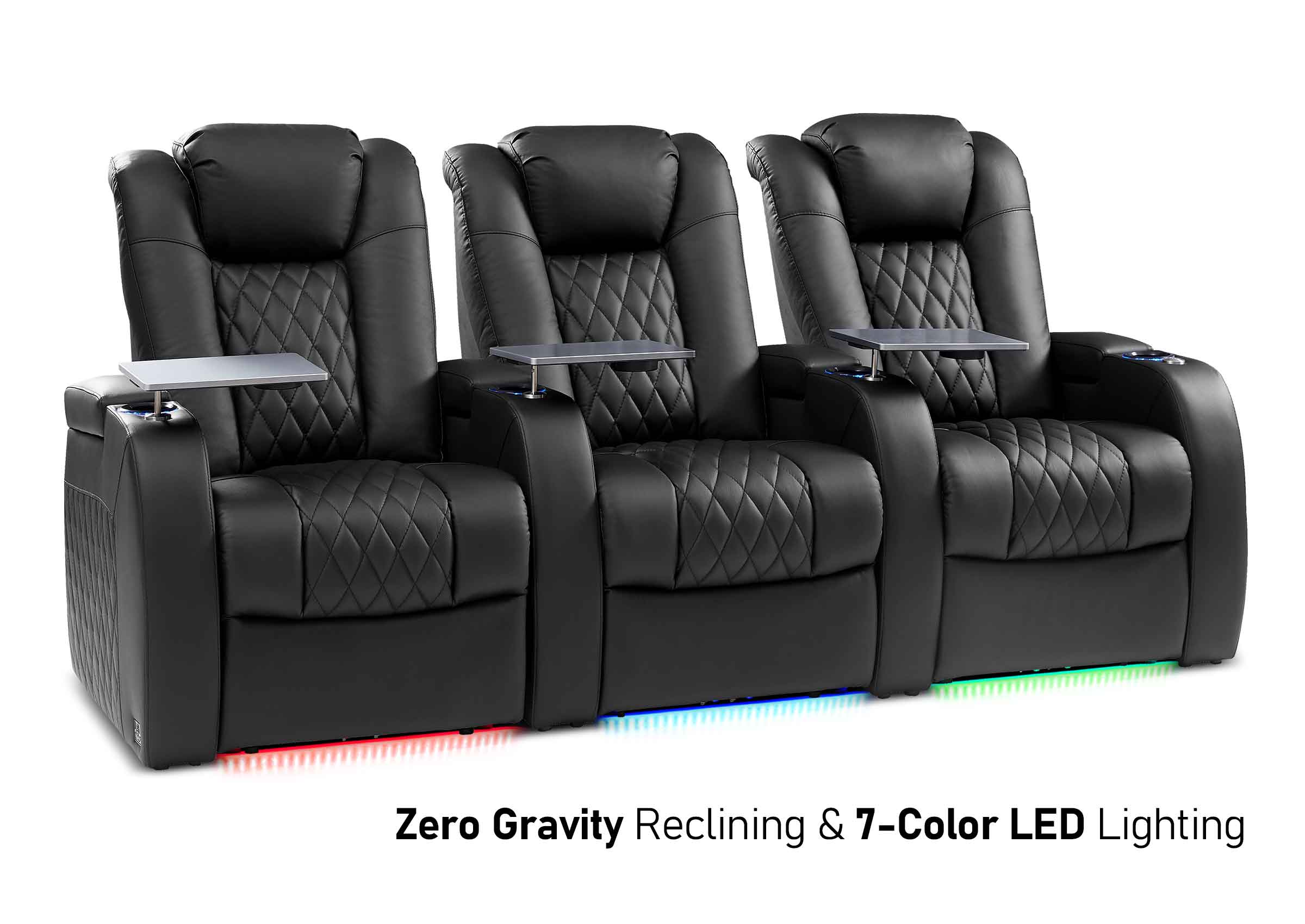
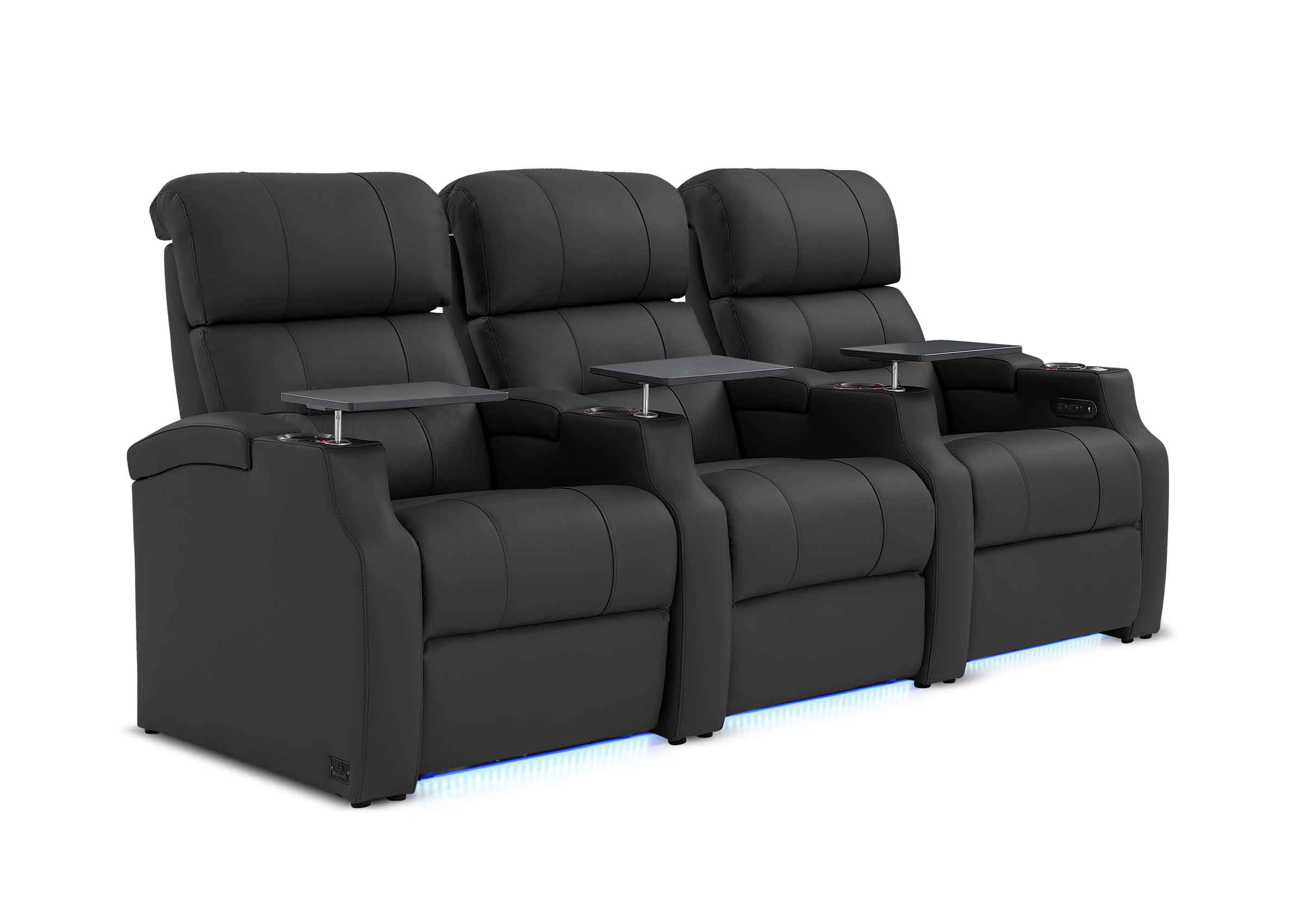
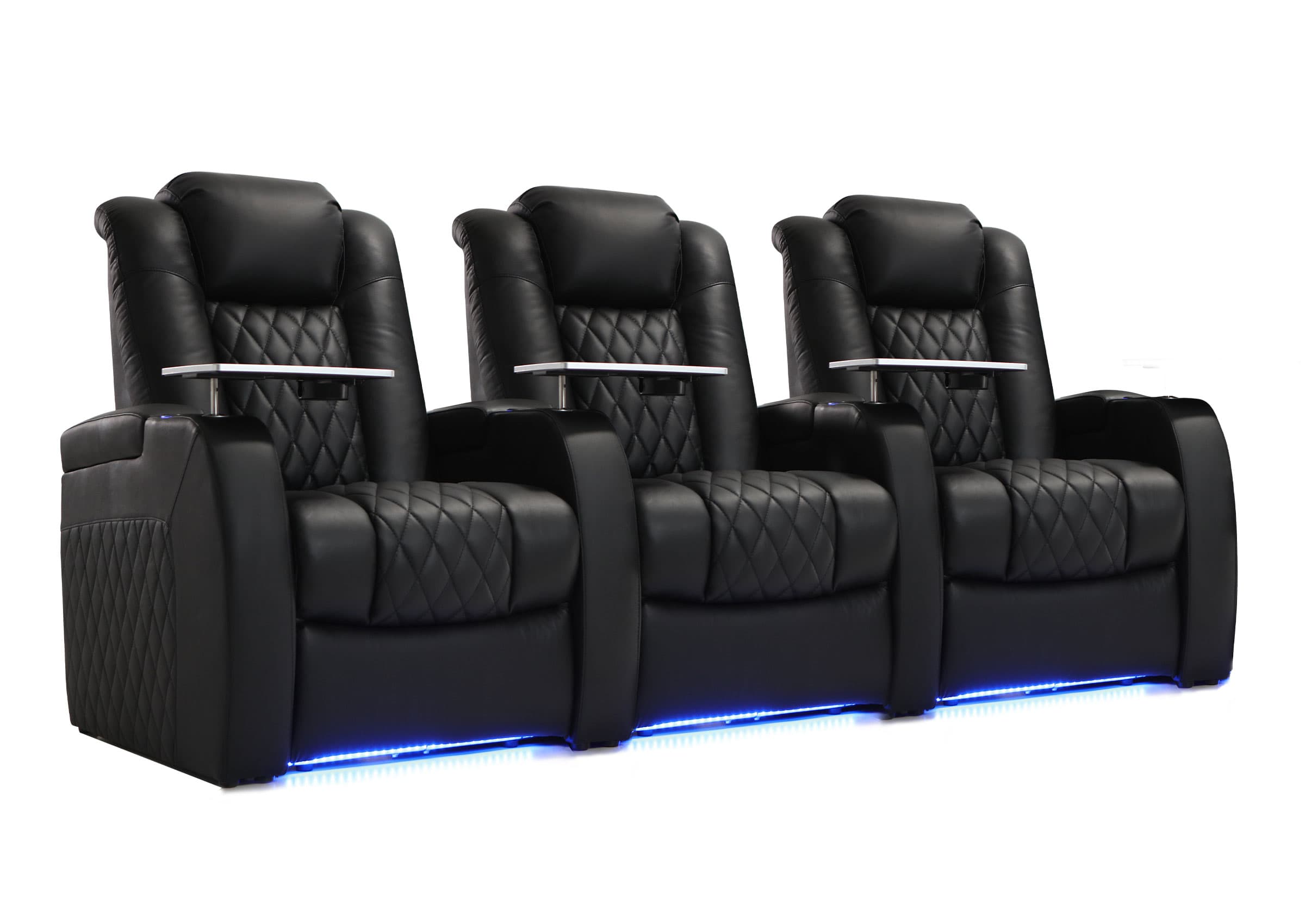
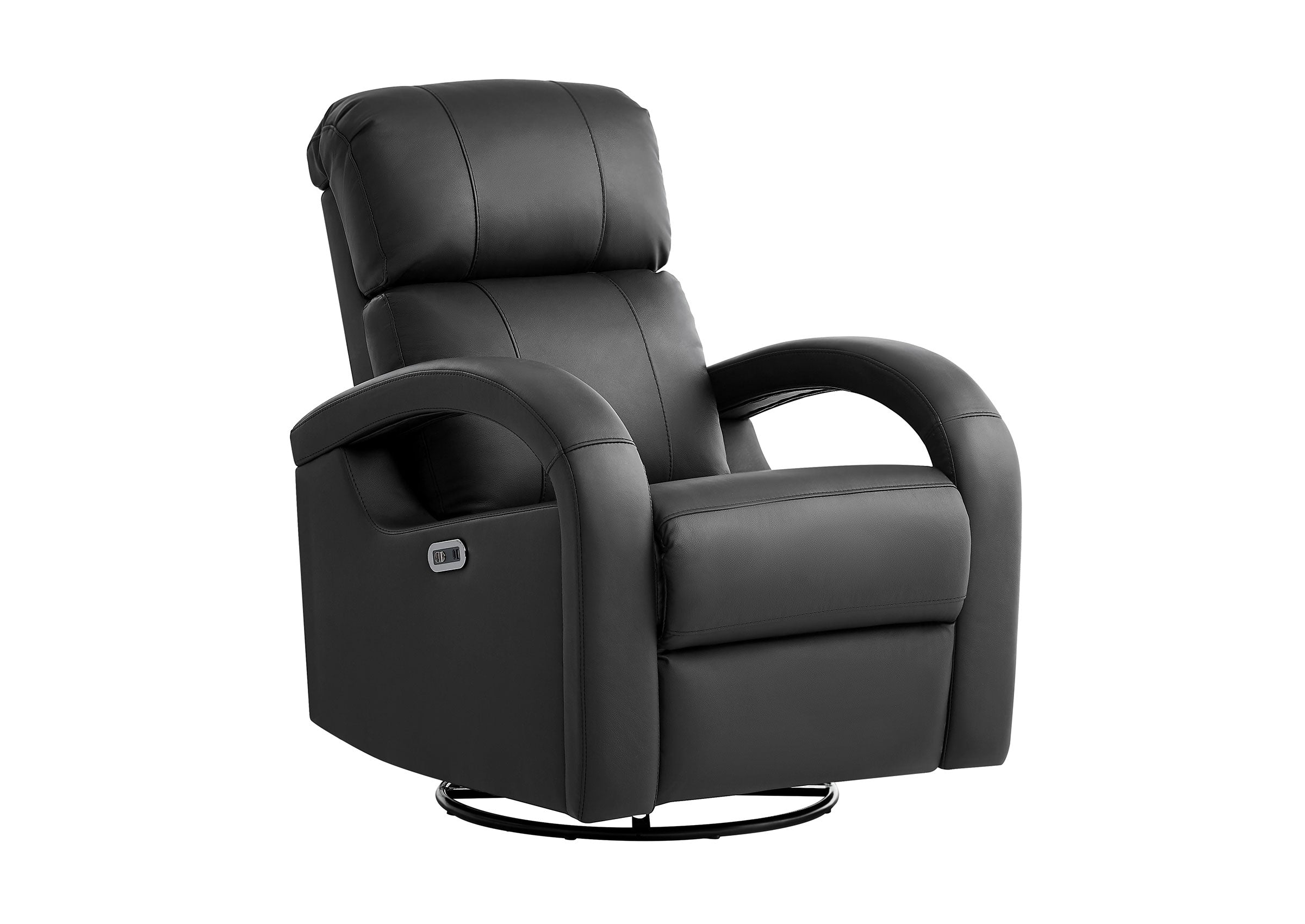
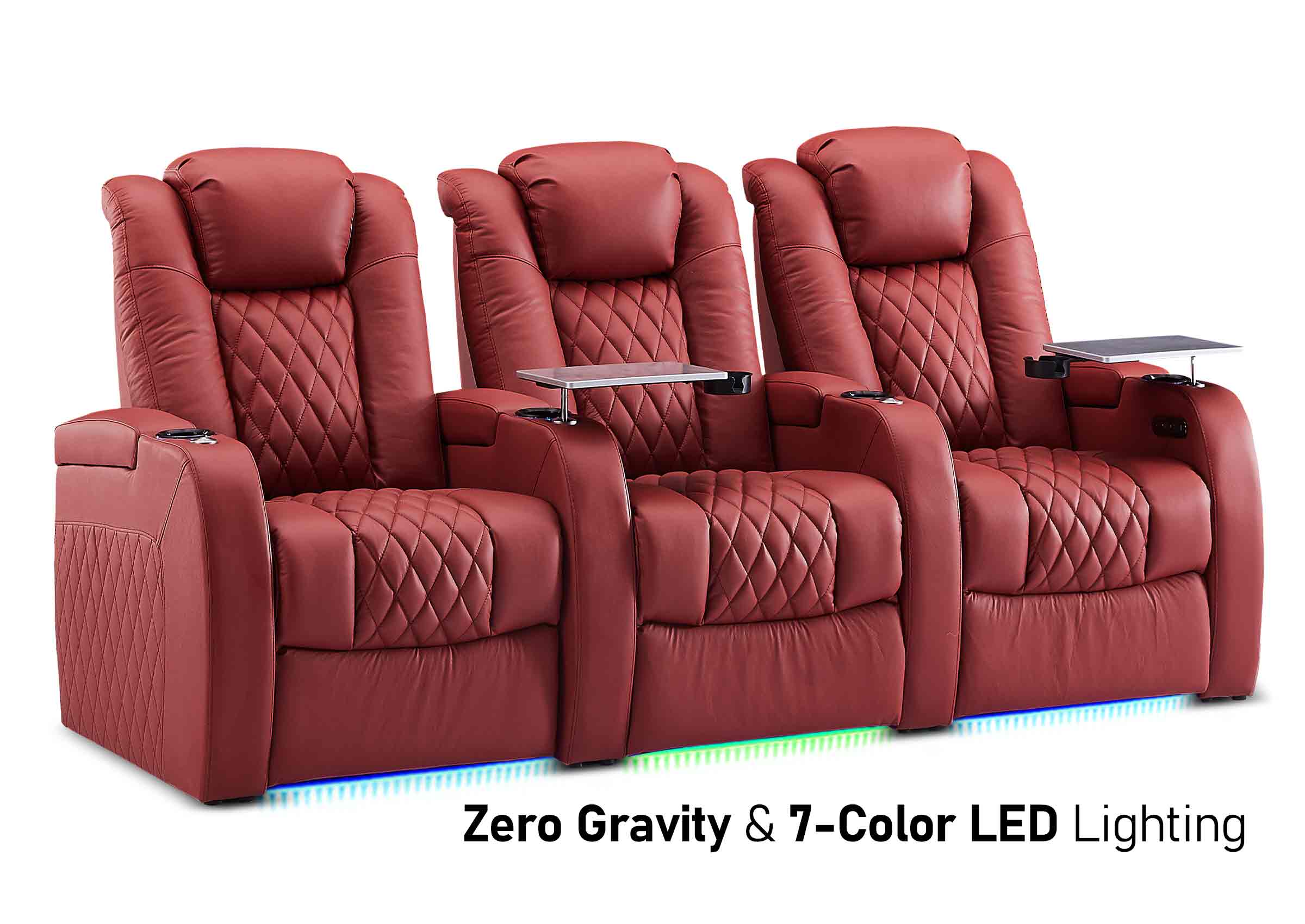
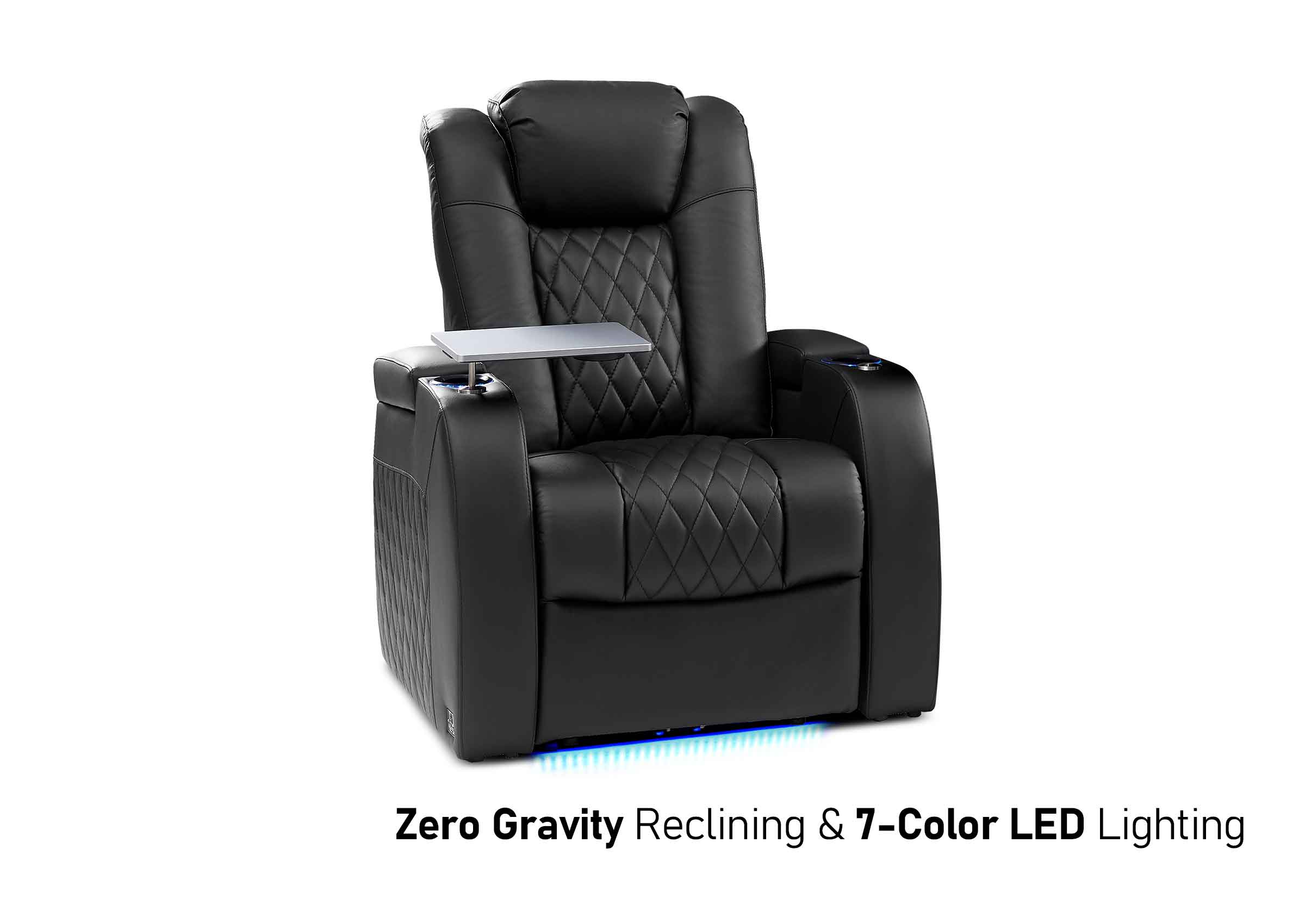
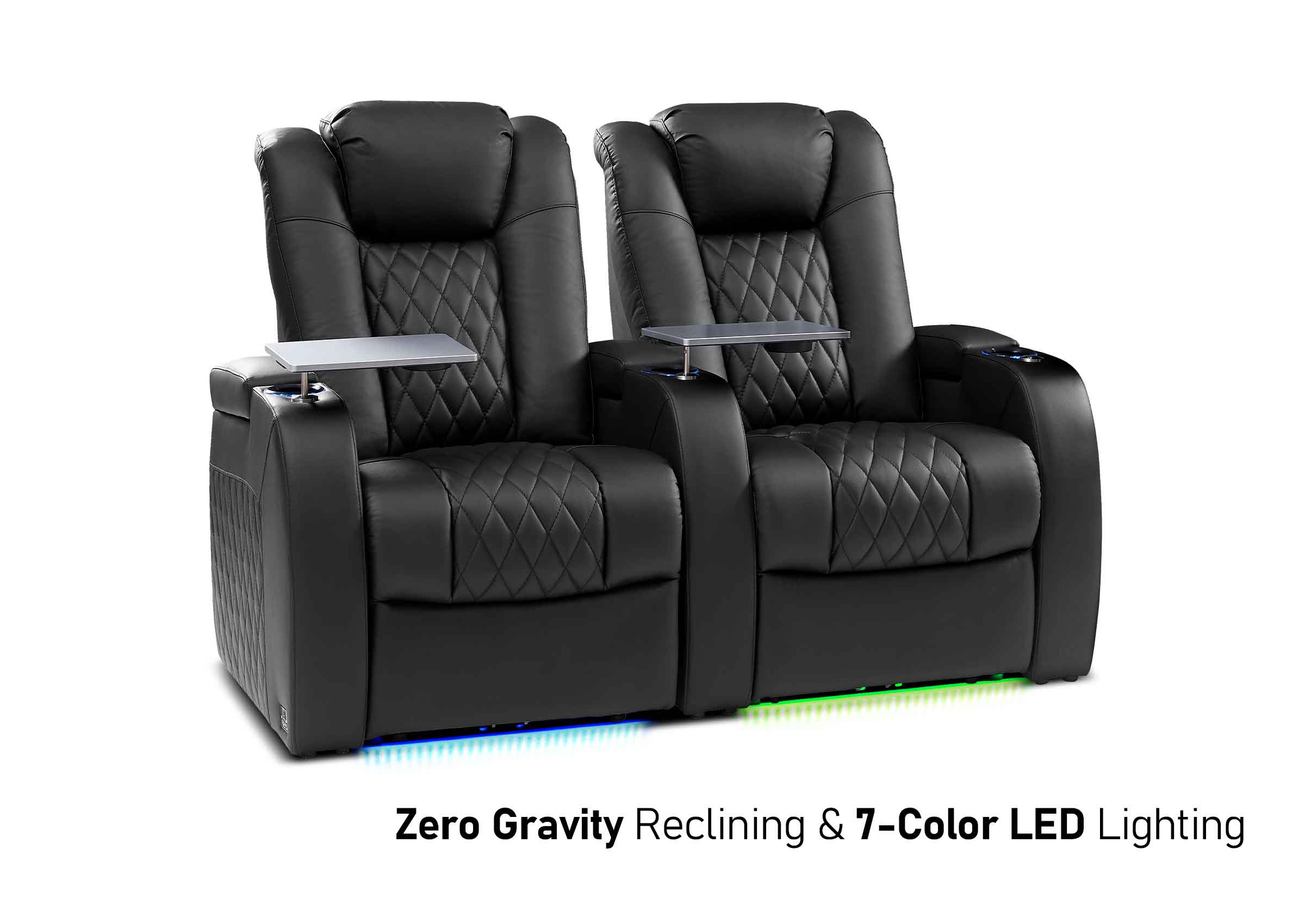
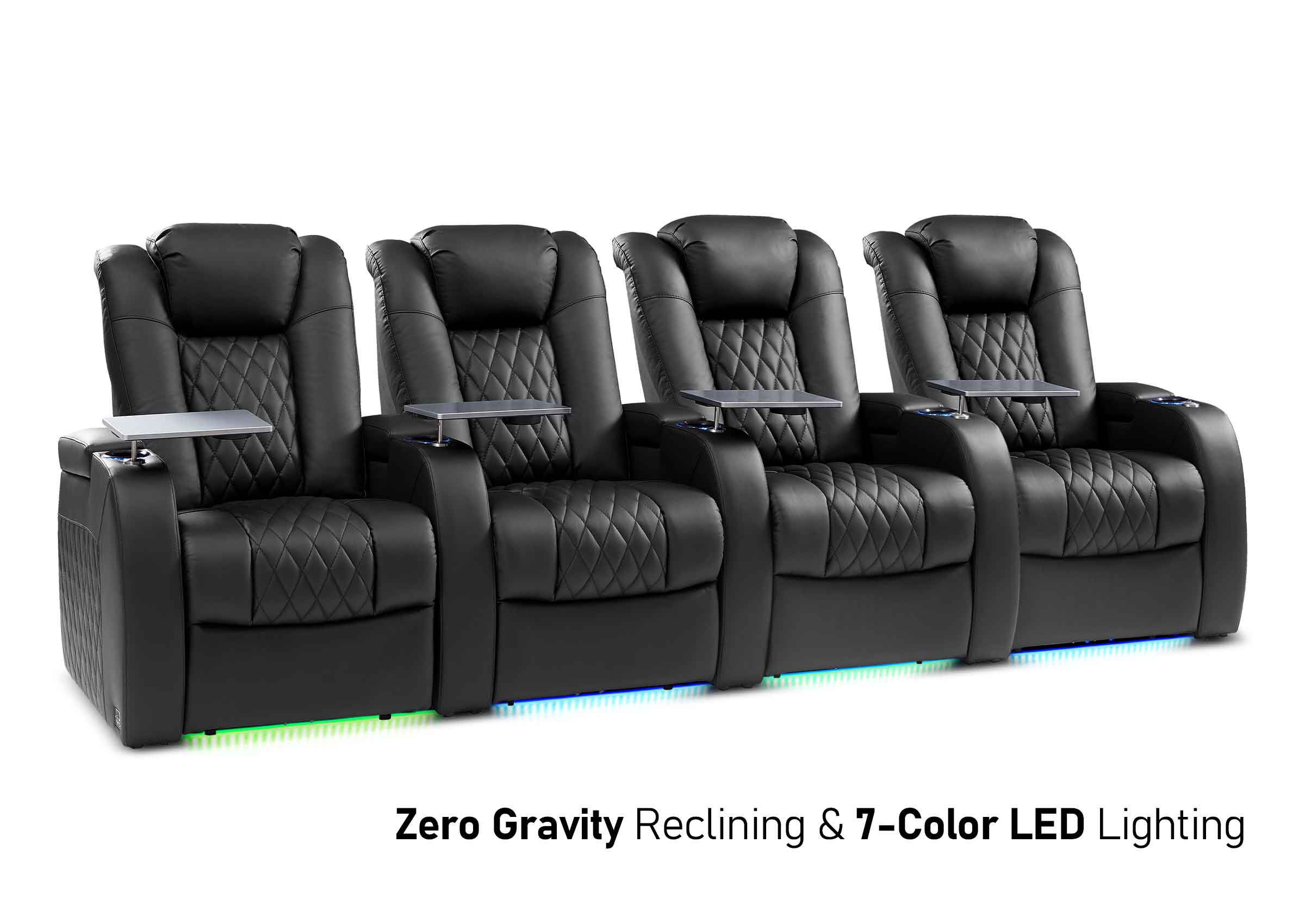
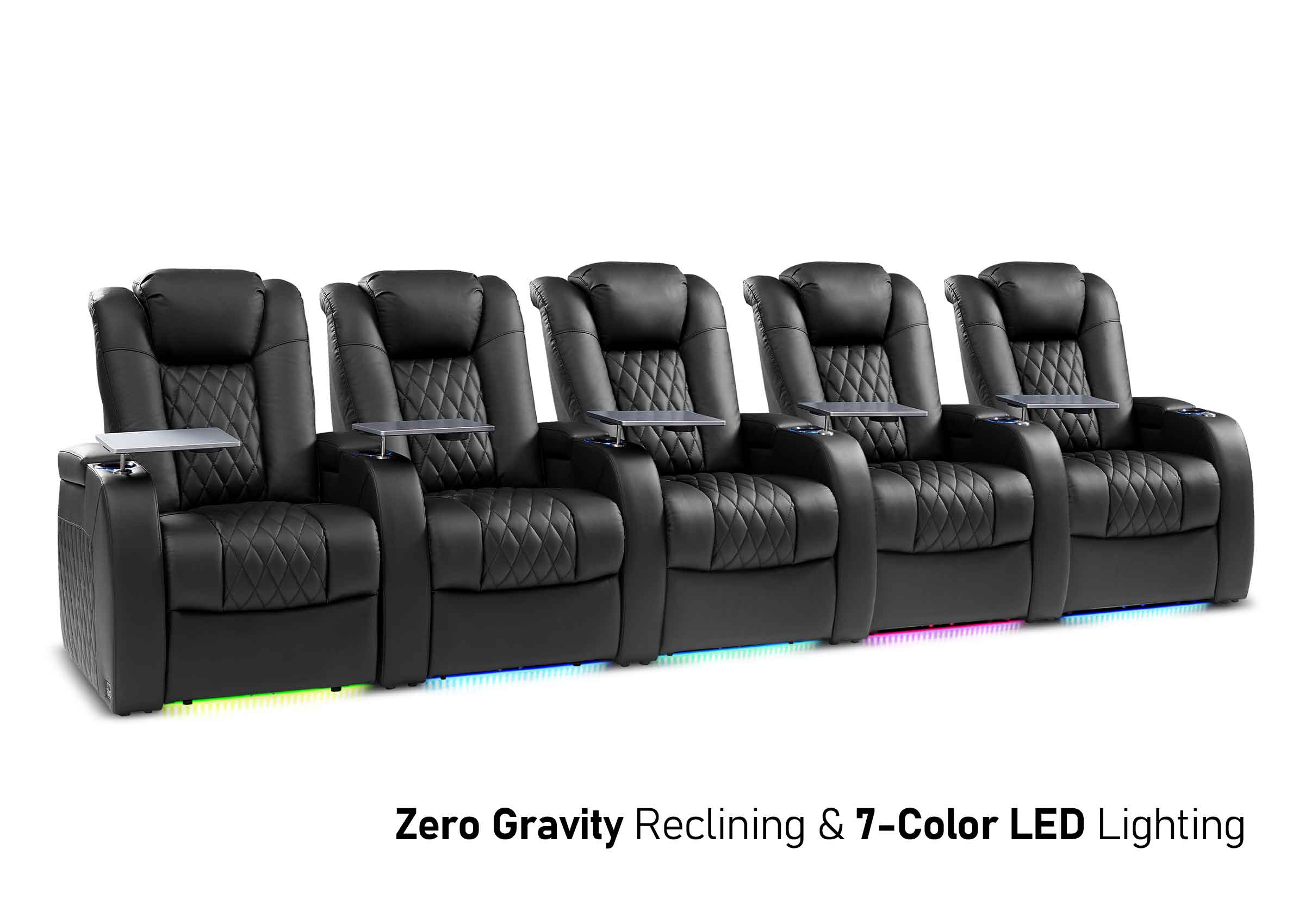
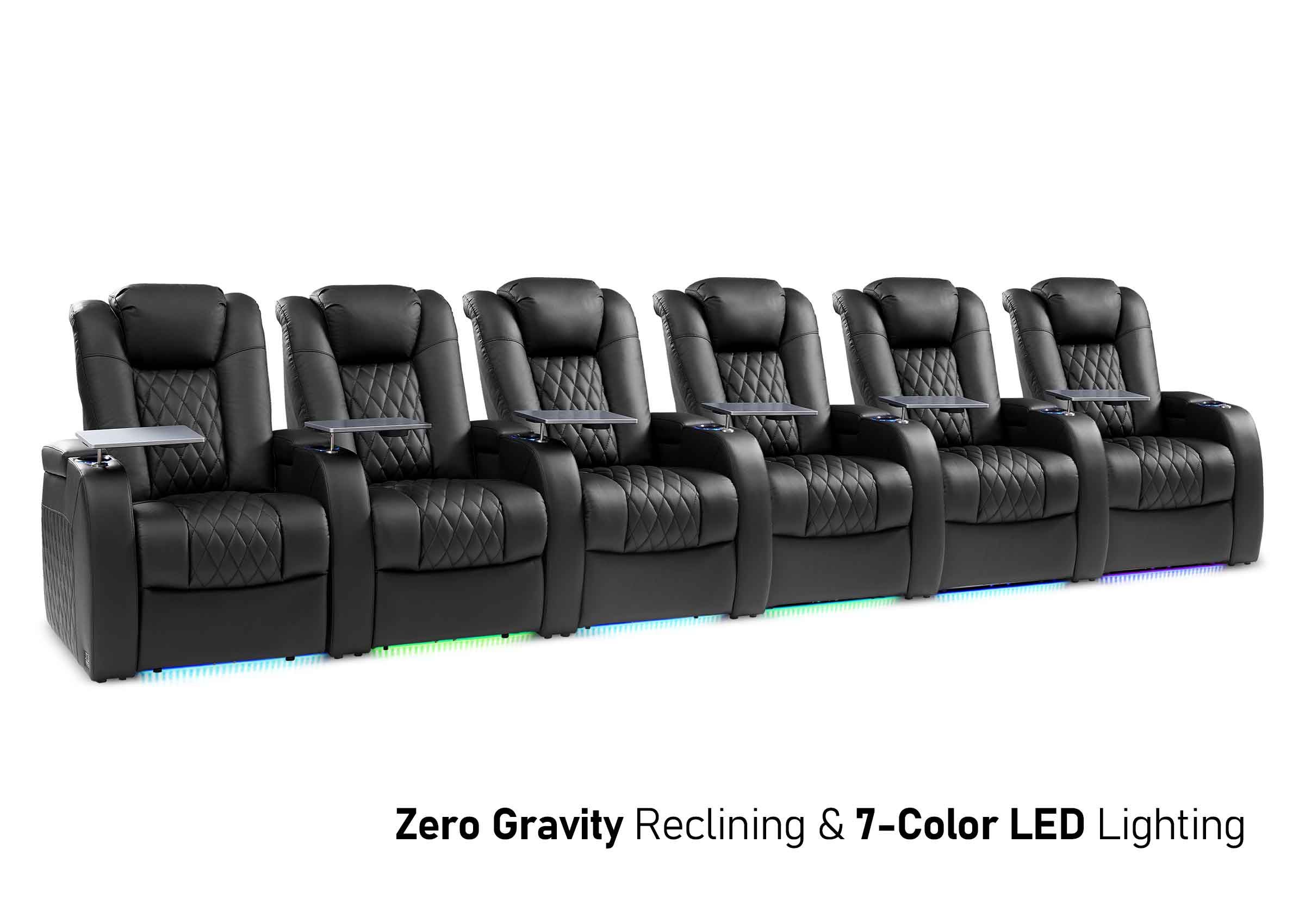
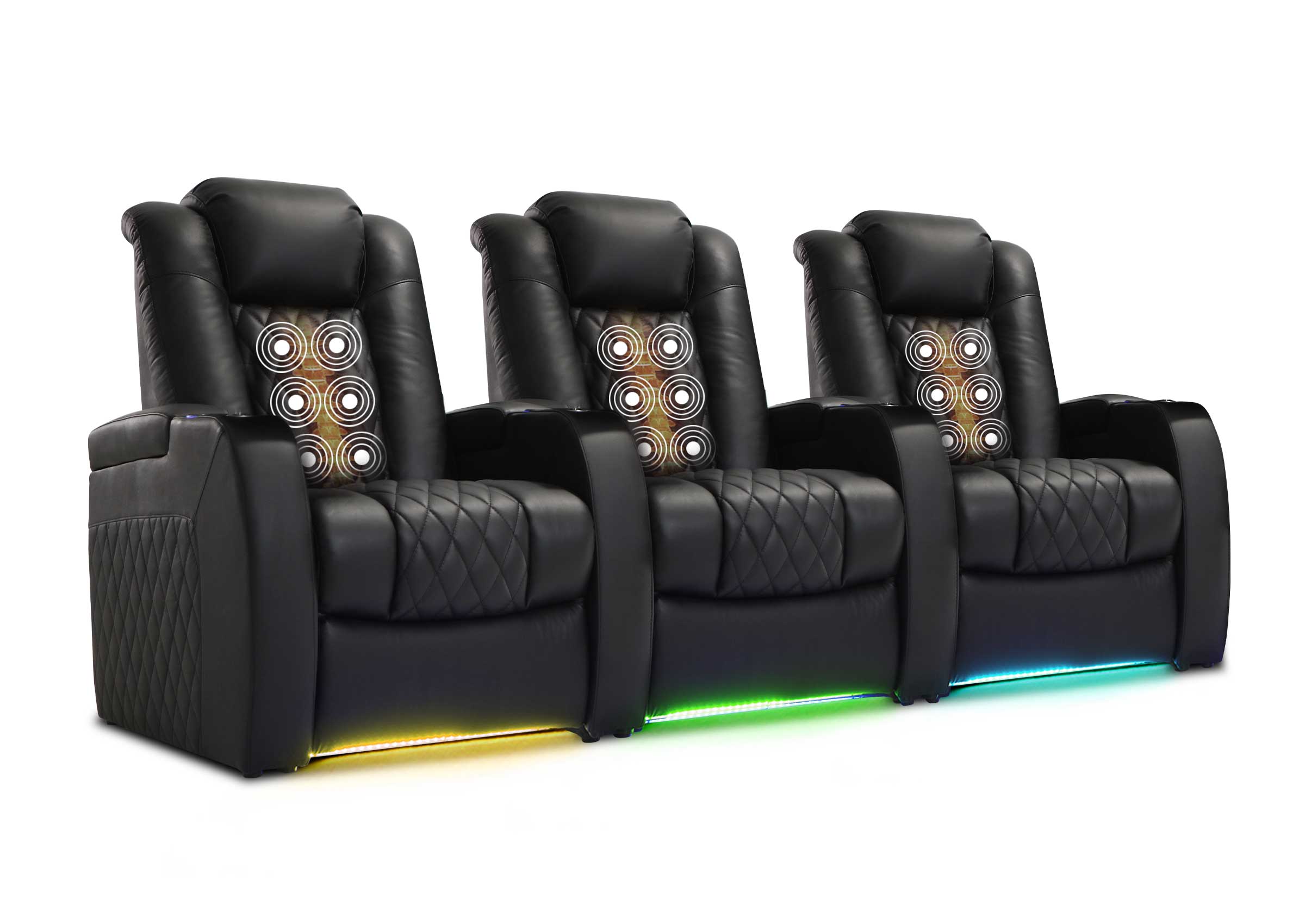
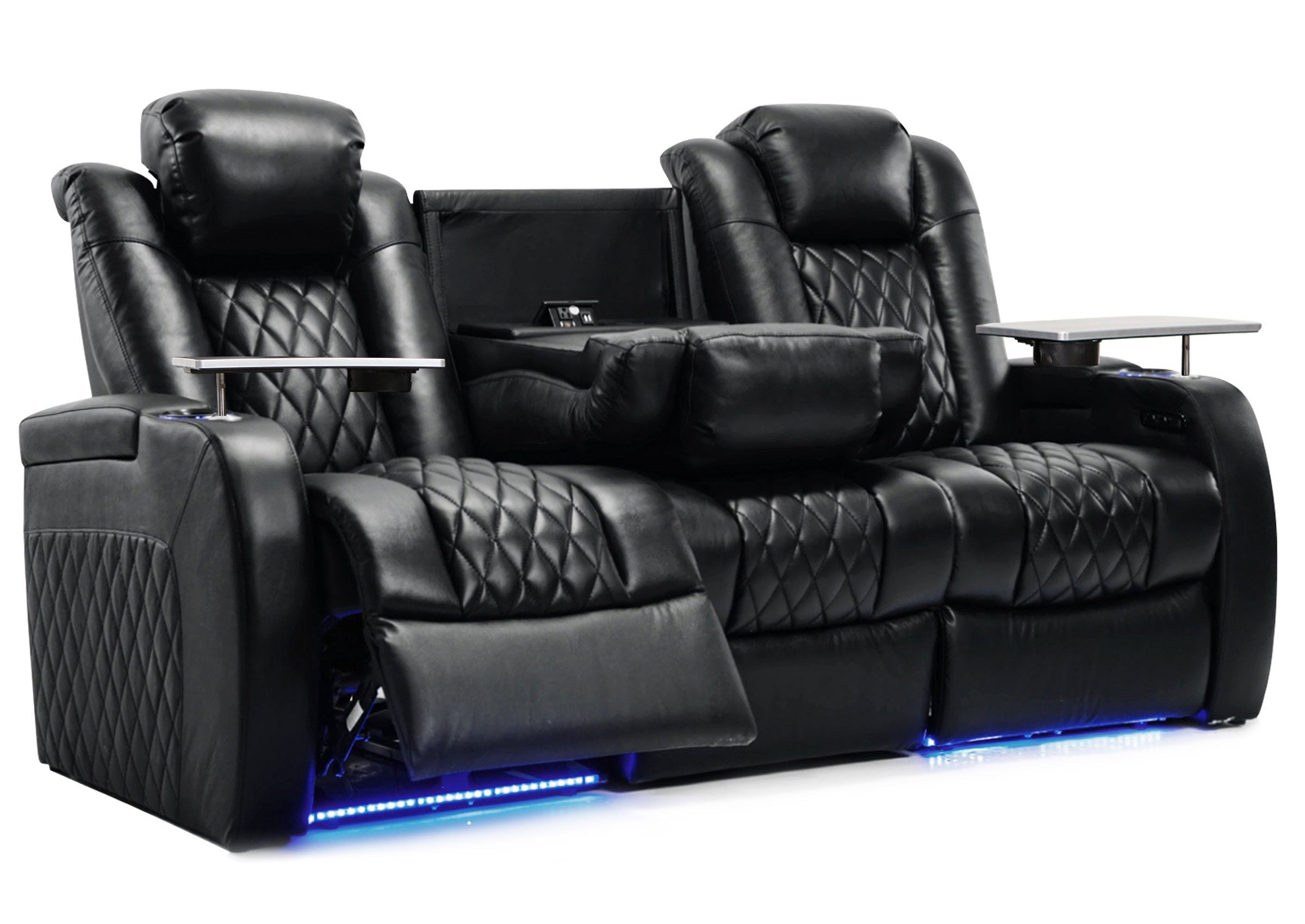
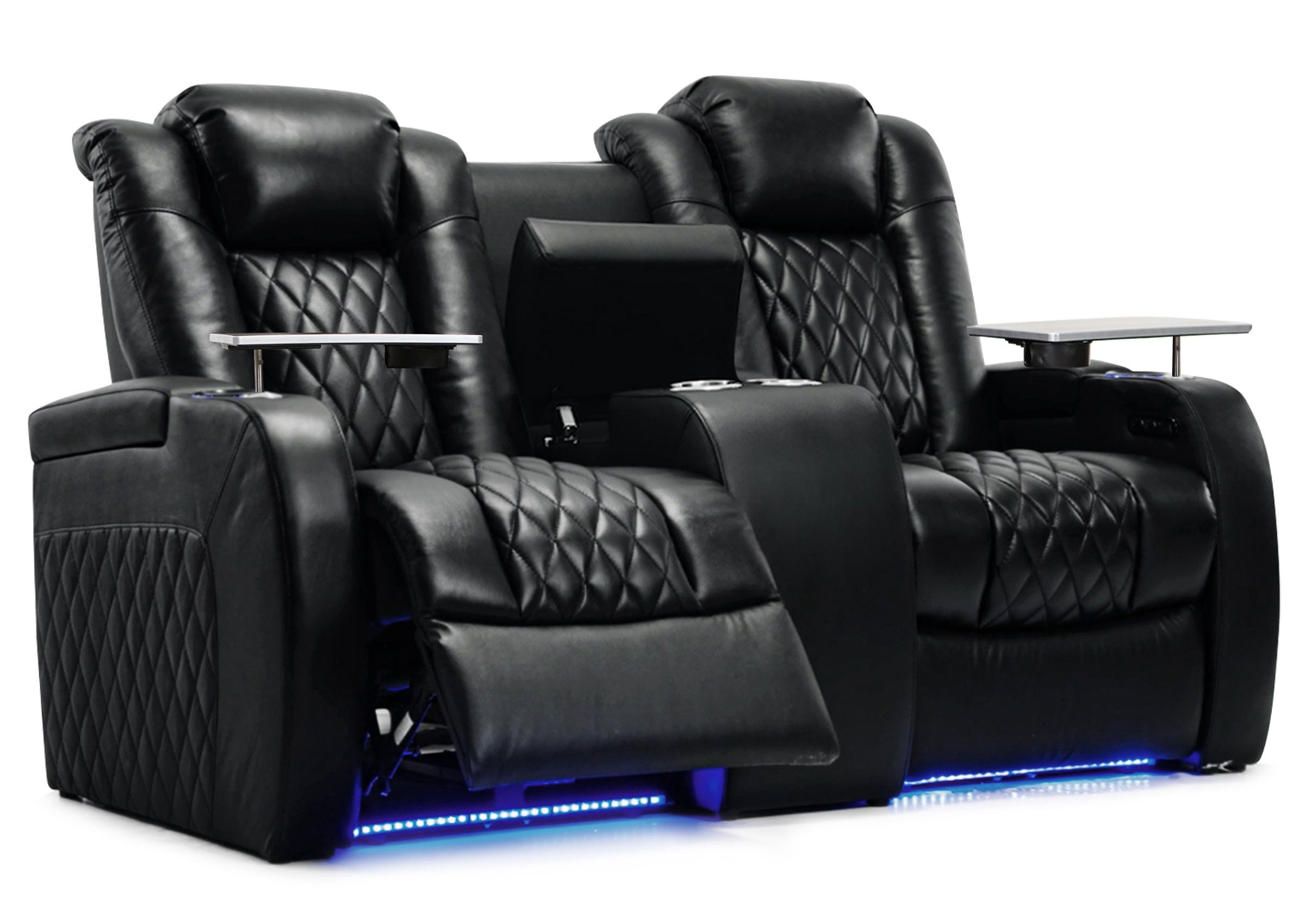
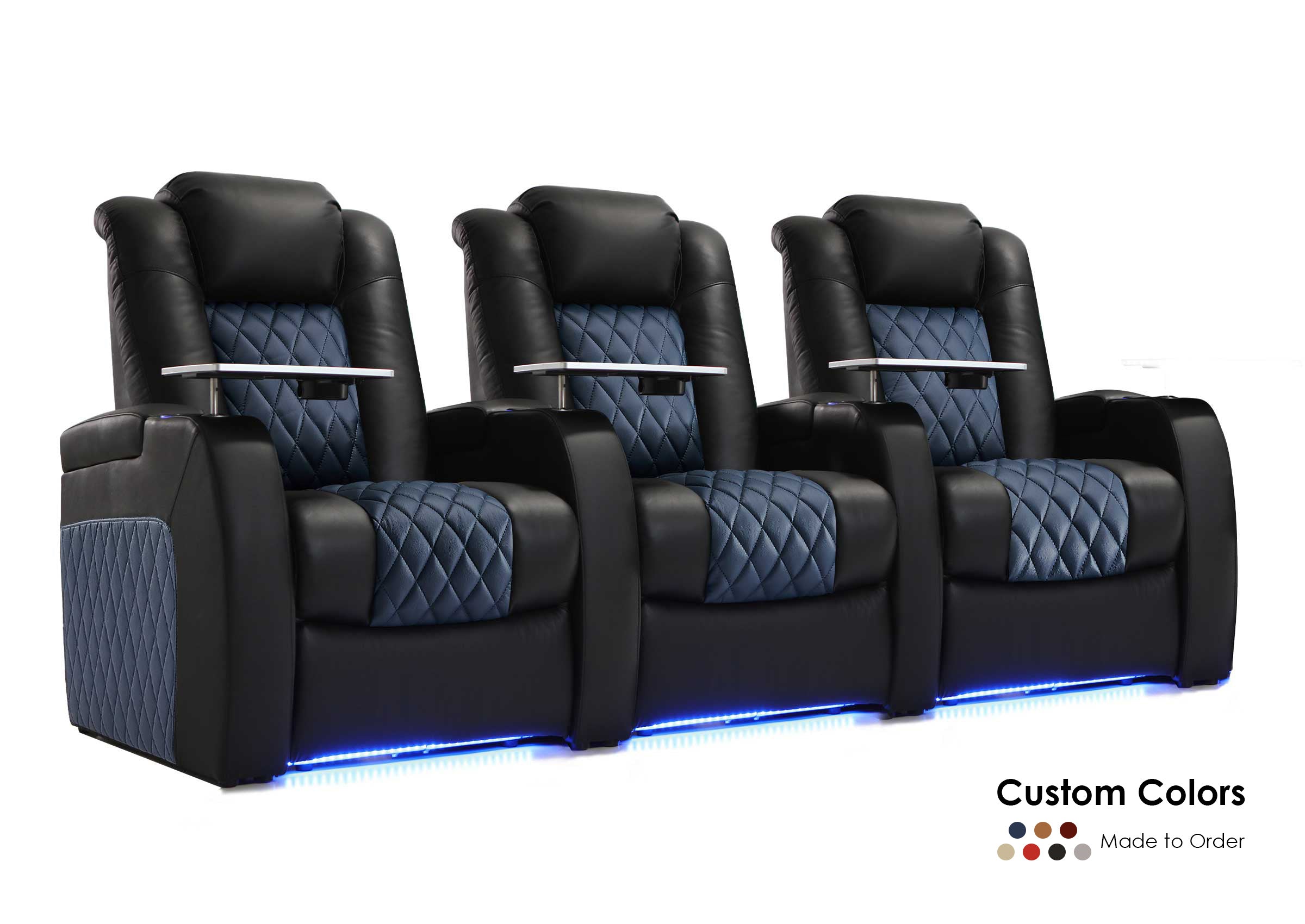
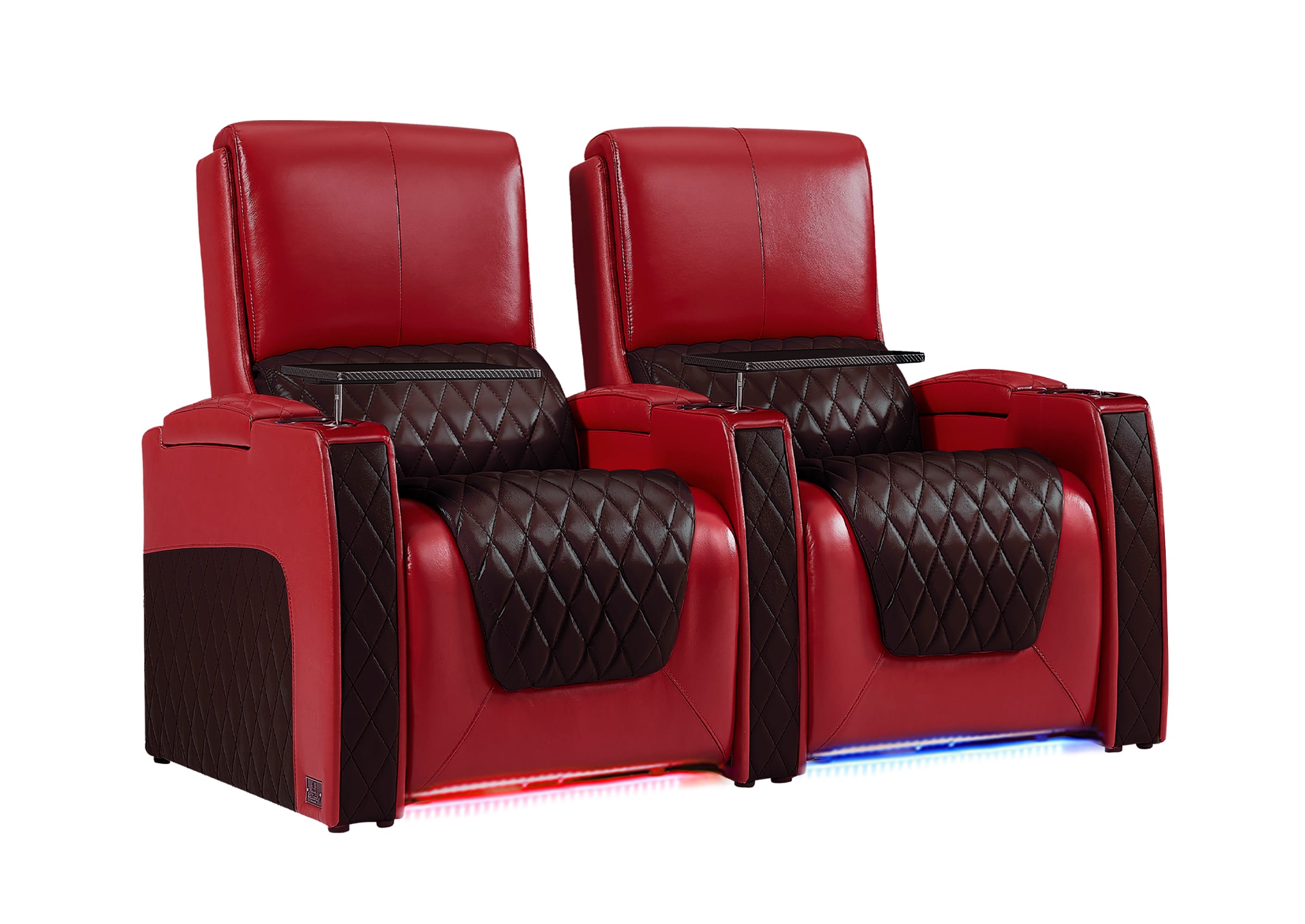
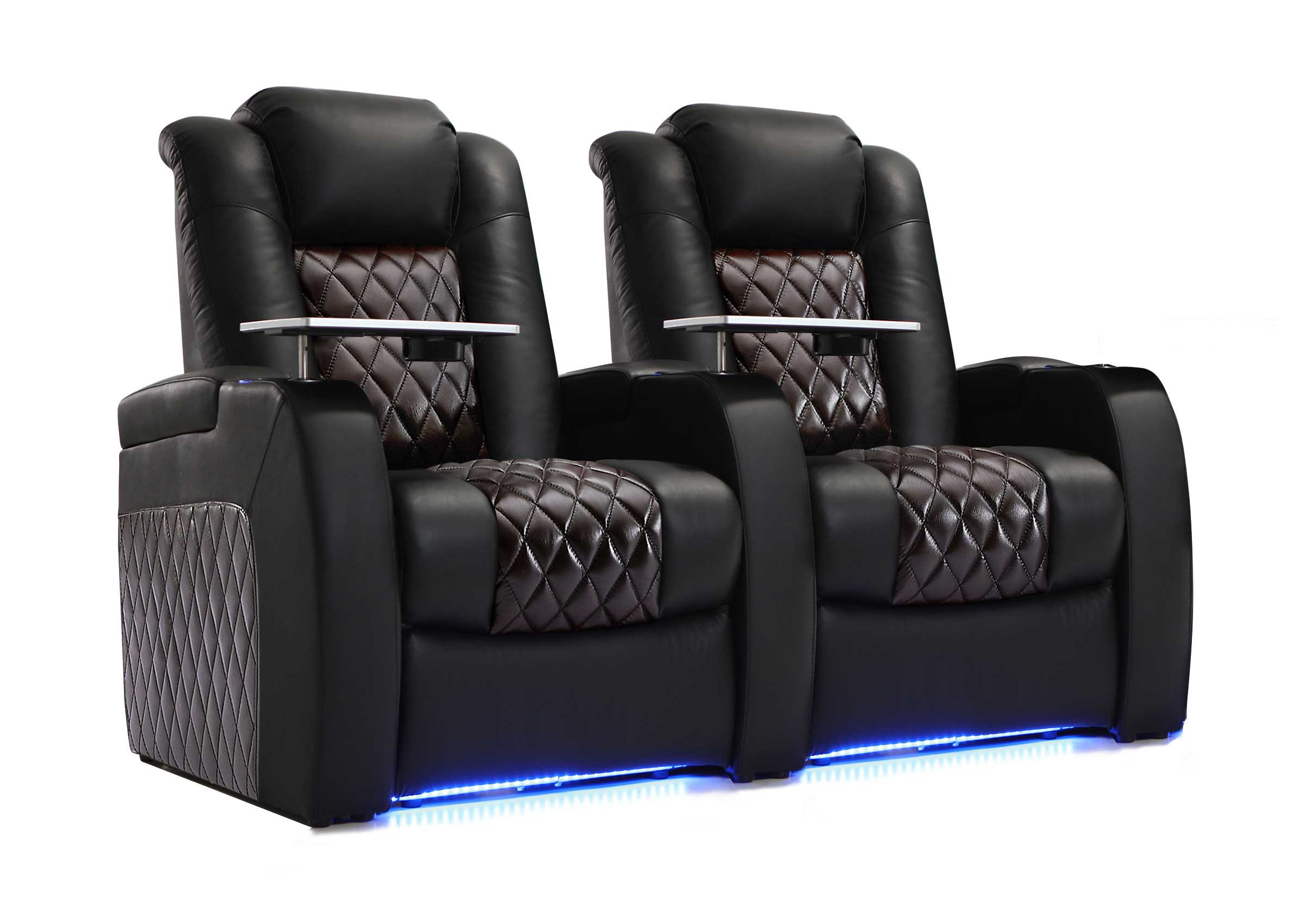
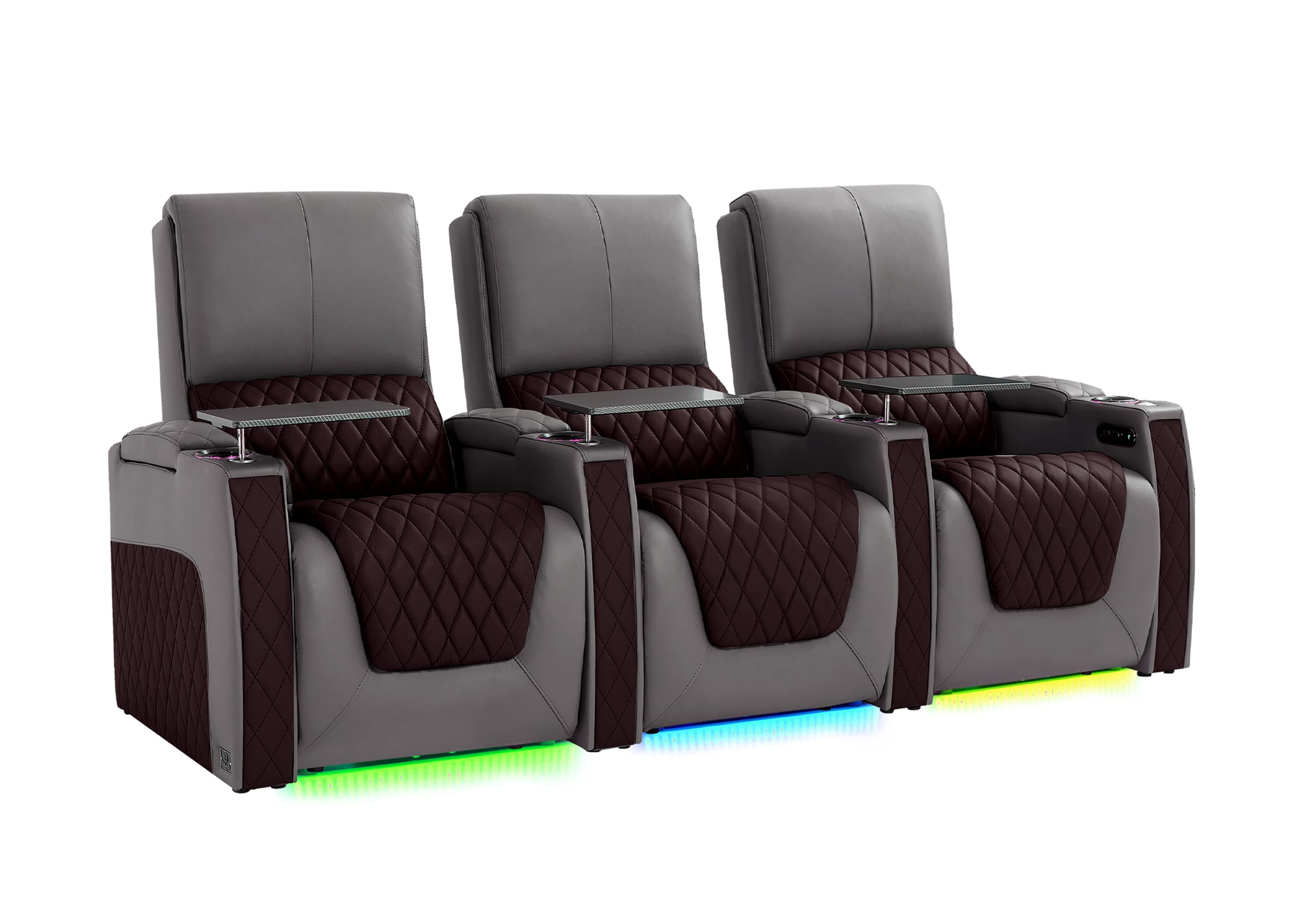
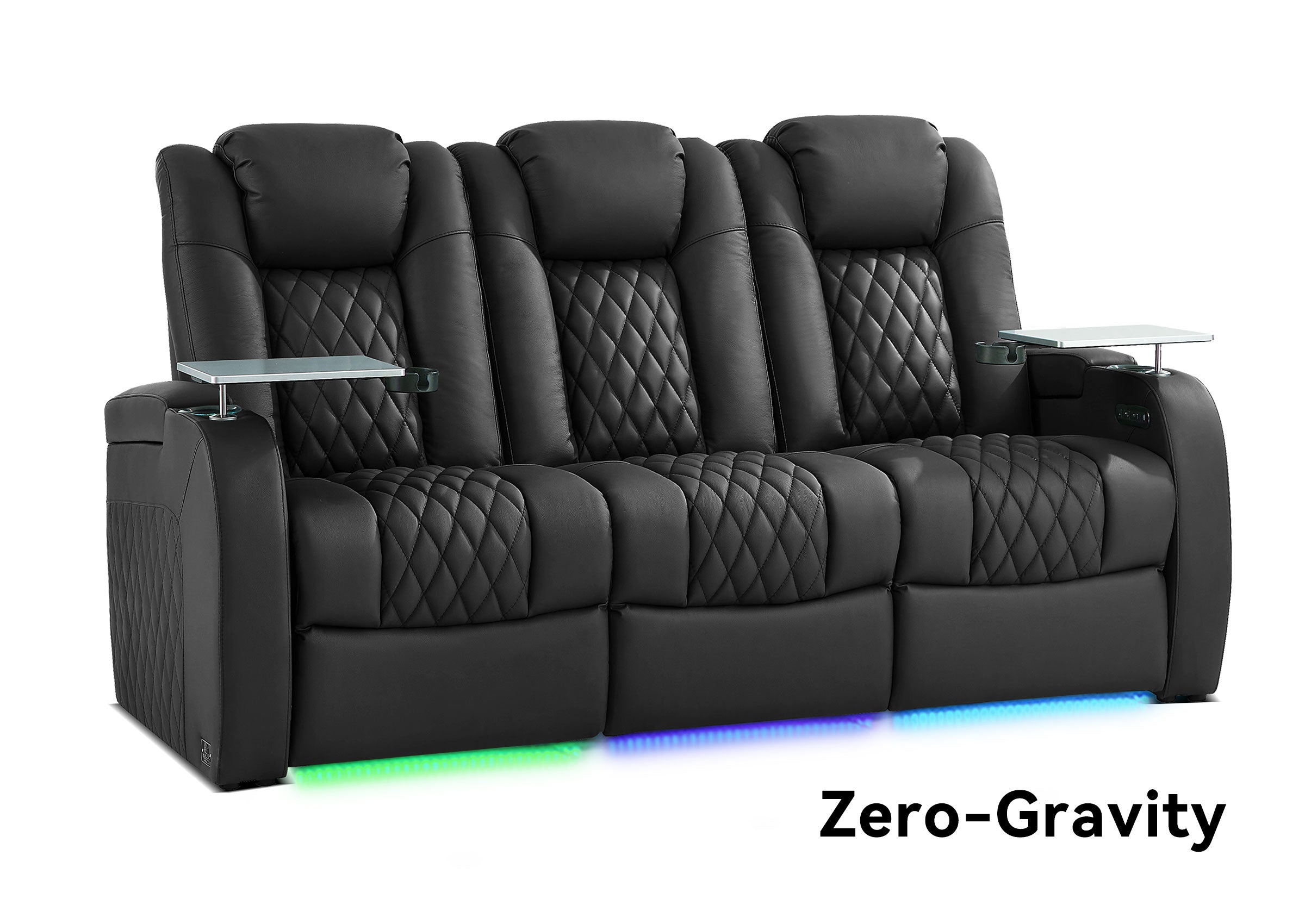
Once the entrance is planned, the atmosphere continues inside through coordinated wall finishes, lighting, and comfortable seating. If you are considering the room as a whole, our home theater ideas guide explores different ways to bring these elements together. Weilianda offers home theater seating options with features such as power reclining, adjustable headrests, and practical storage, depending on the model, for homeowners planning their entertainment spaces.
A hidden theater entrance should feel natural in the room it belongs to—and make the space beyond it feel worth discovering.
For questions about choosing comfortable seating for your home theater, contact Weilianda at leon@weiliandahome.com.