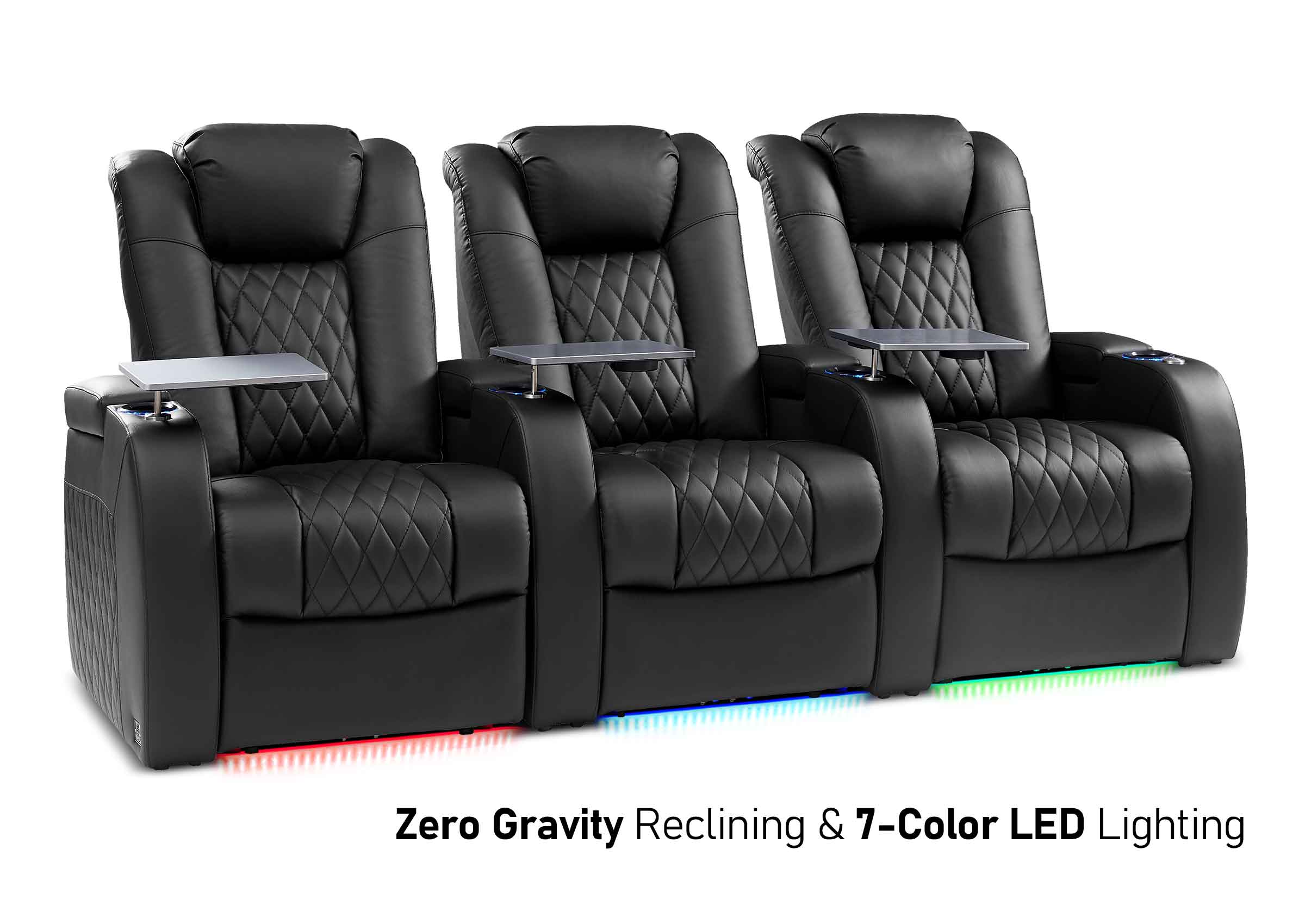
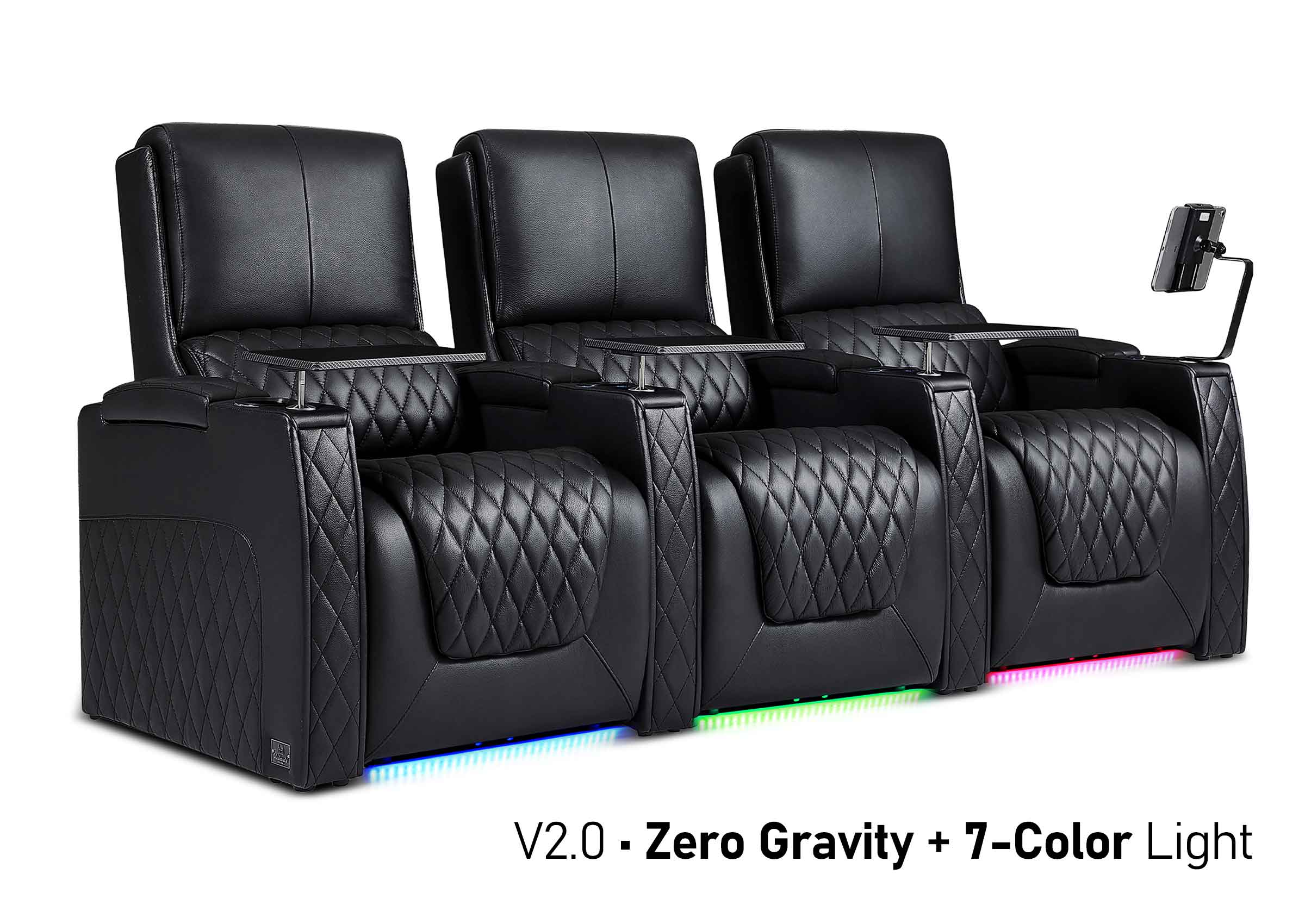

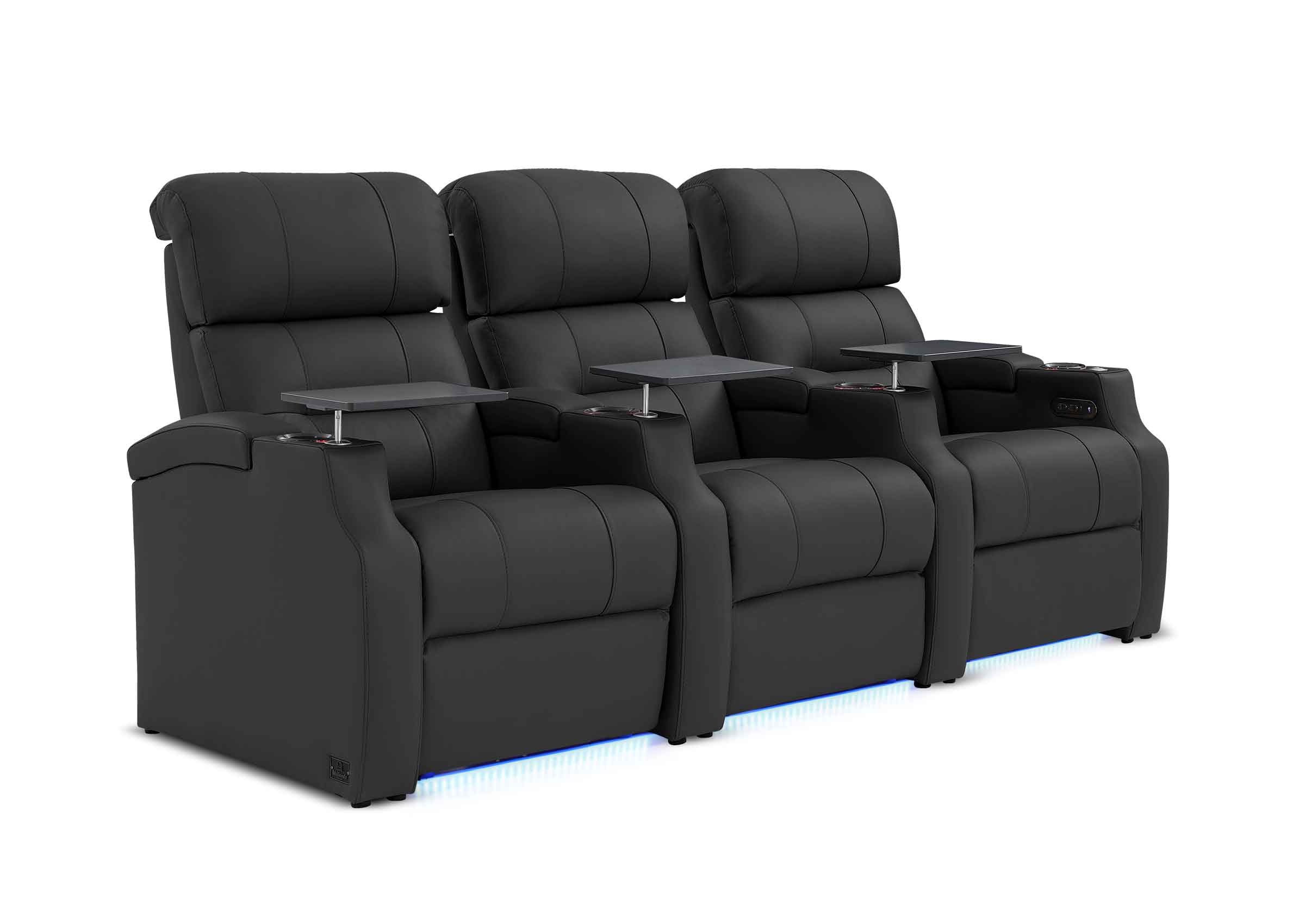


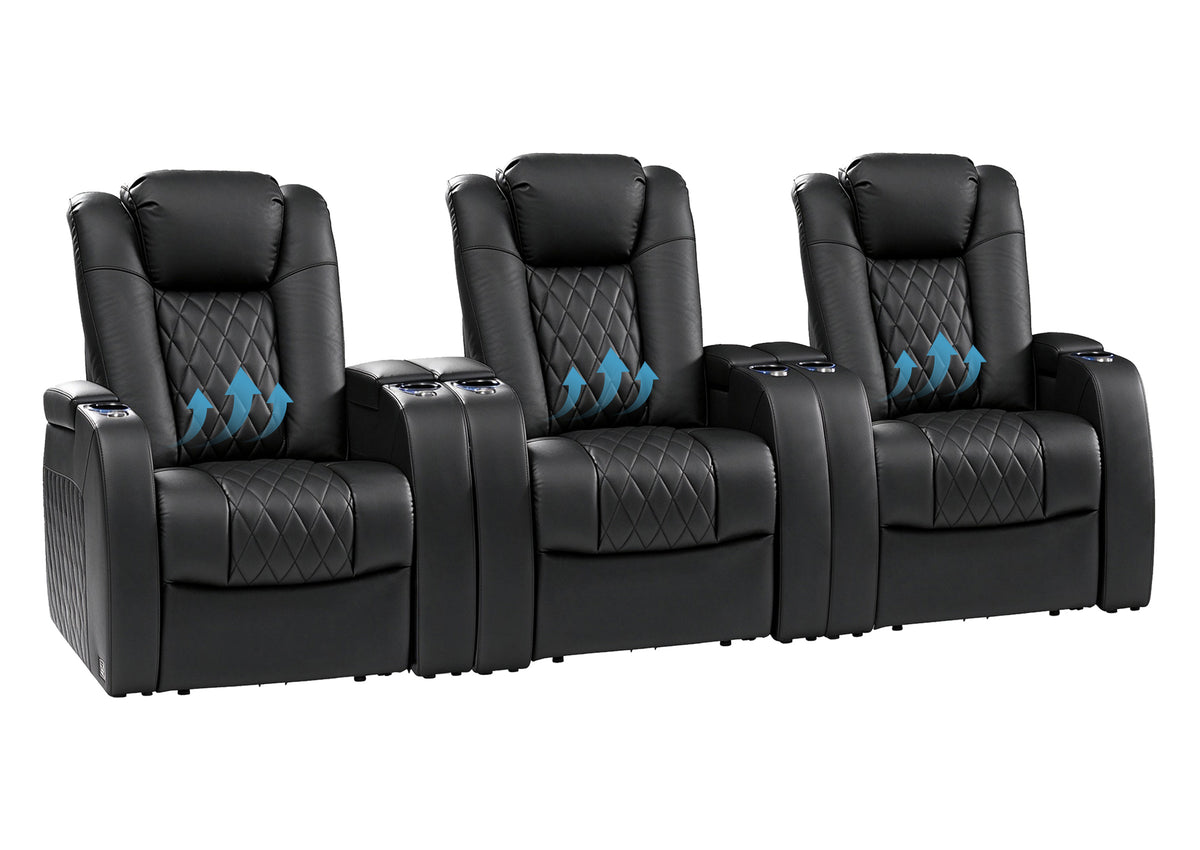




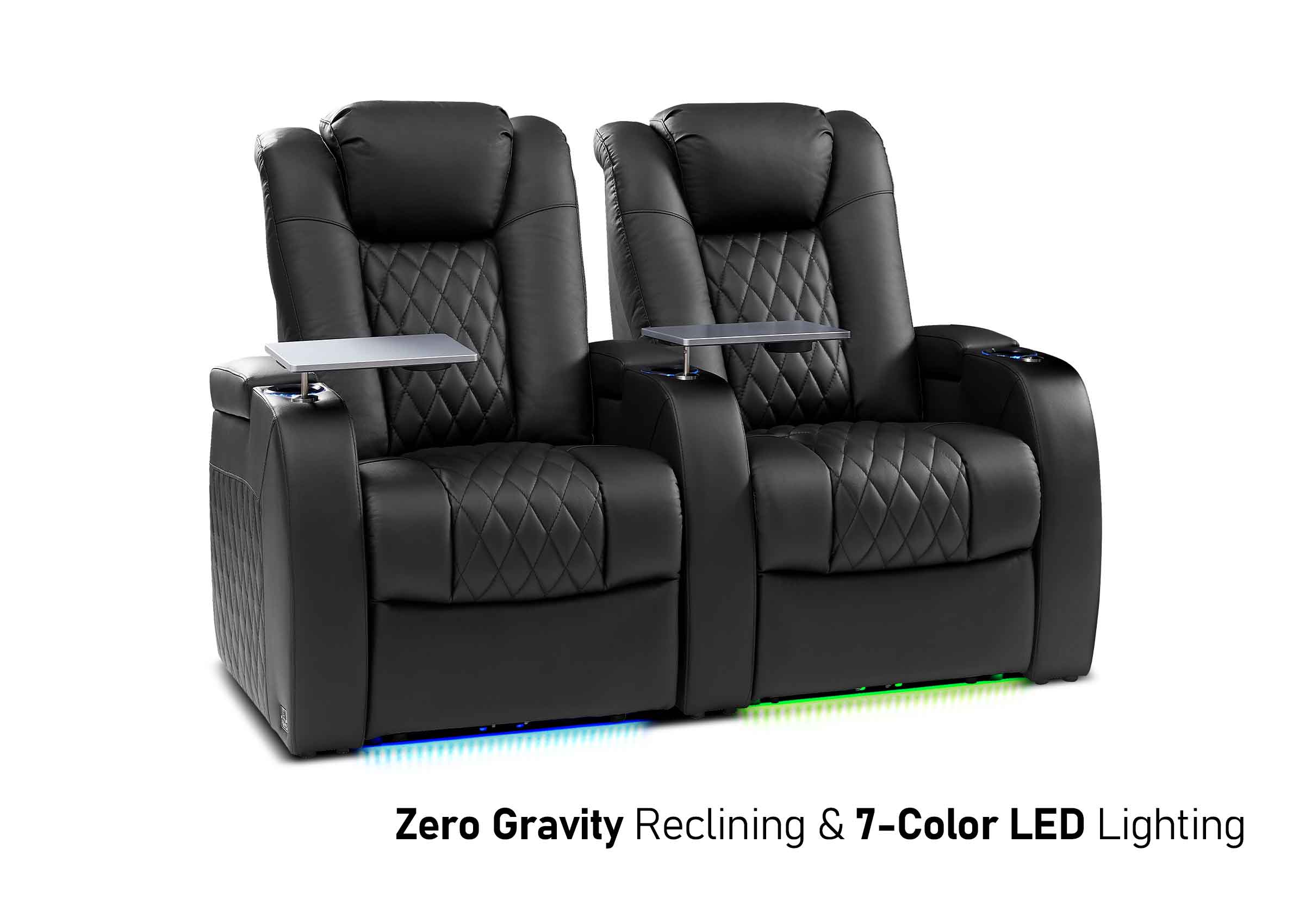
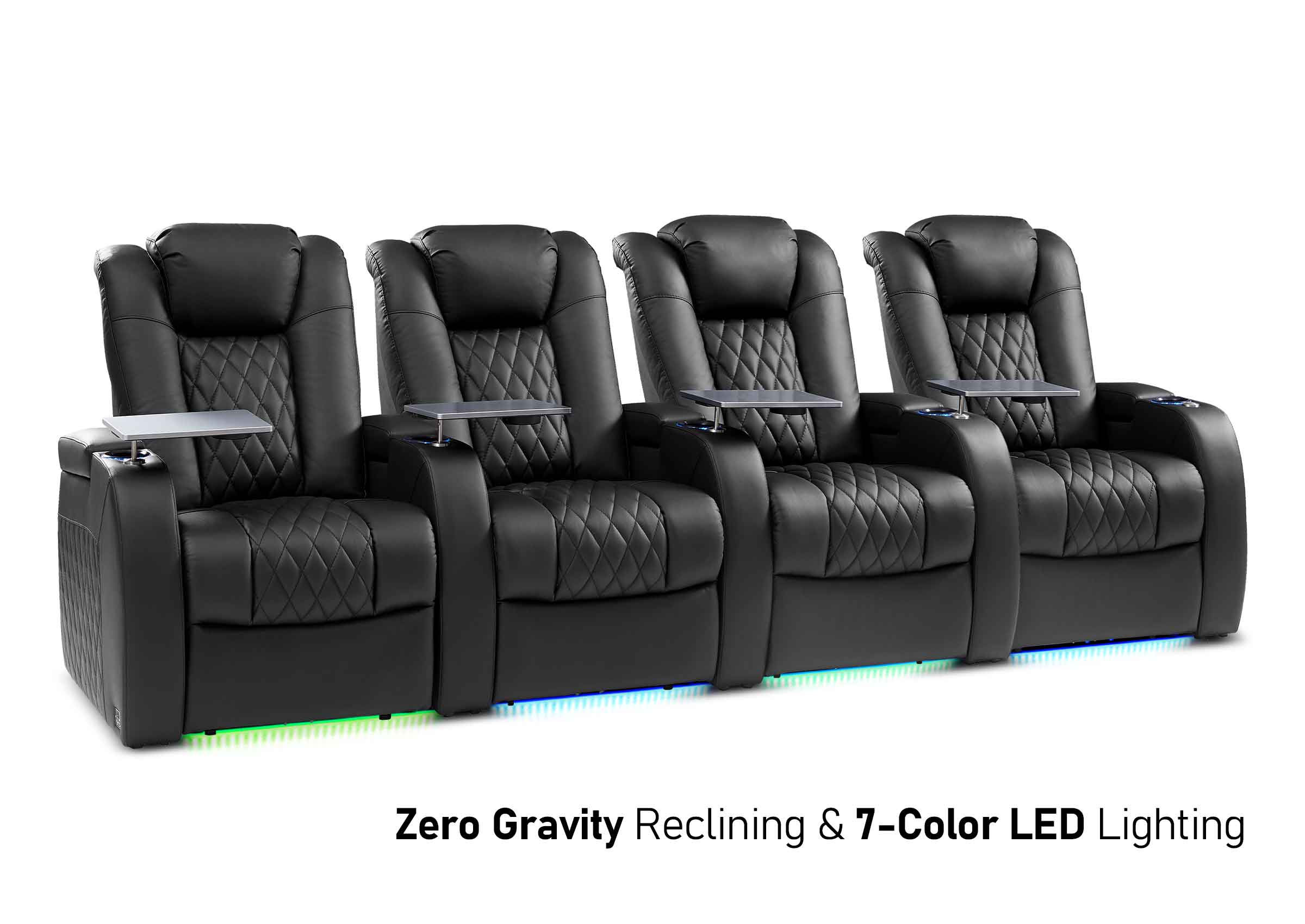
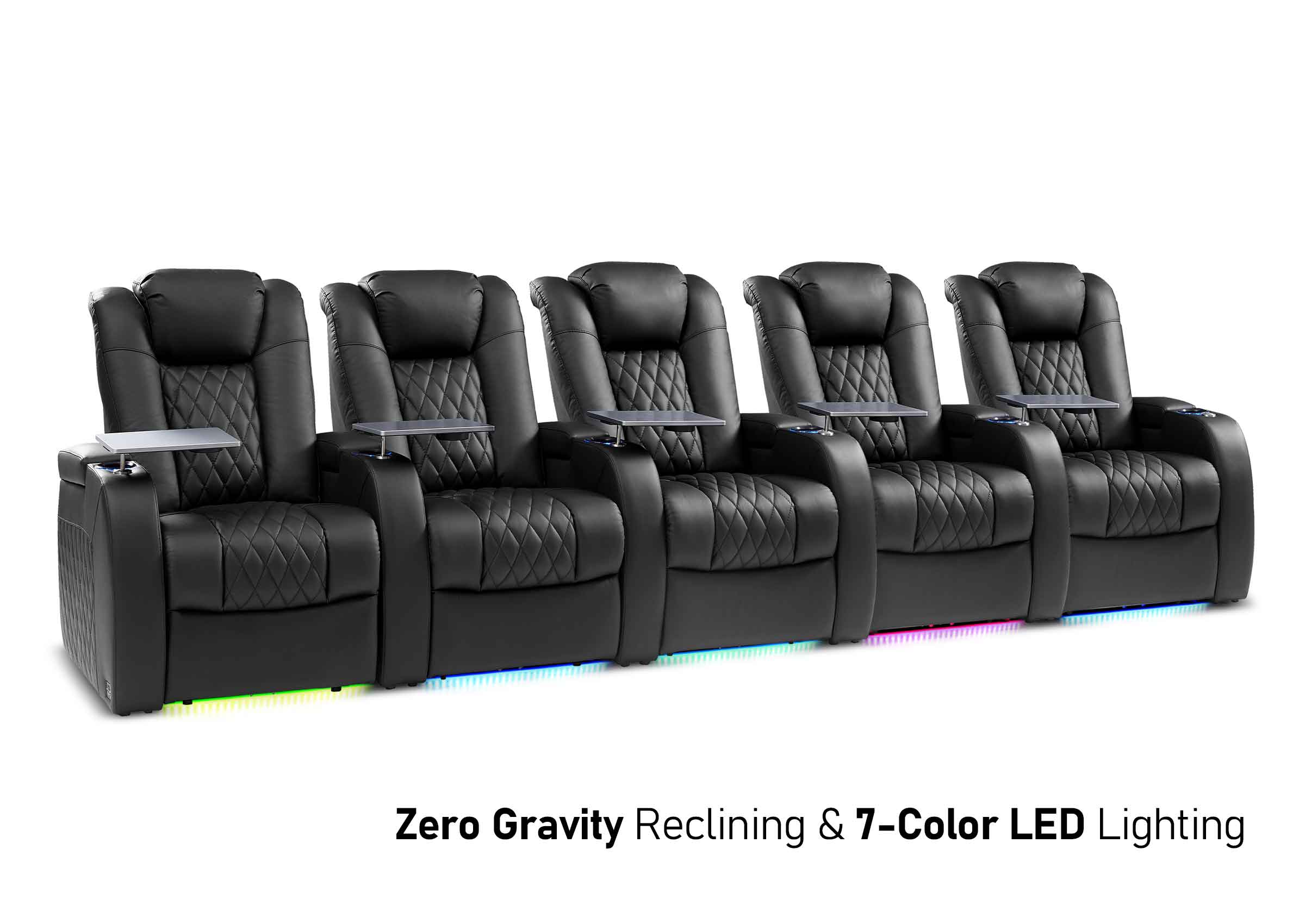
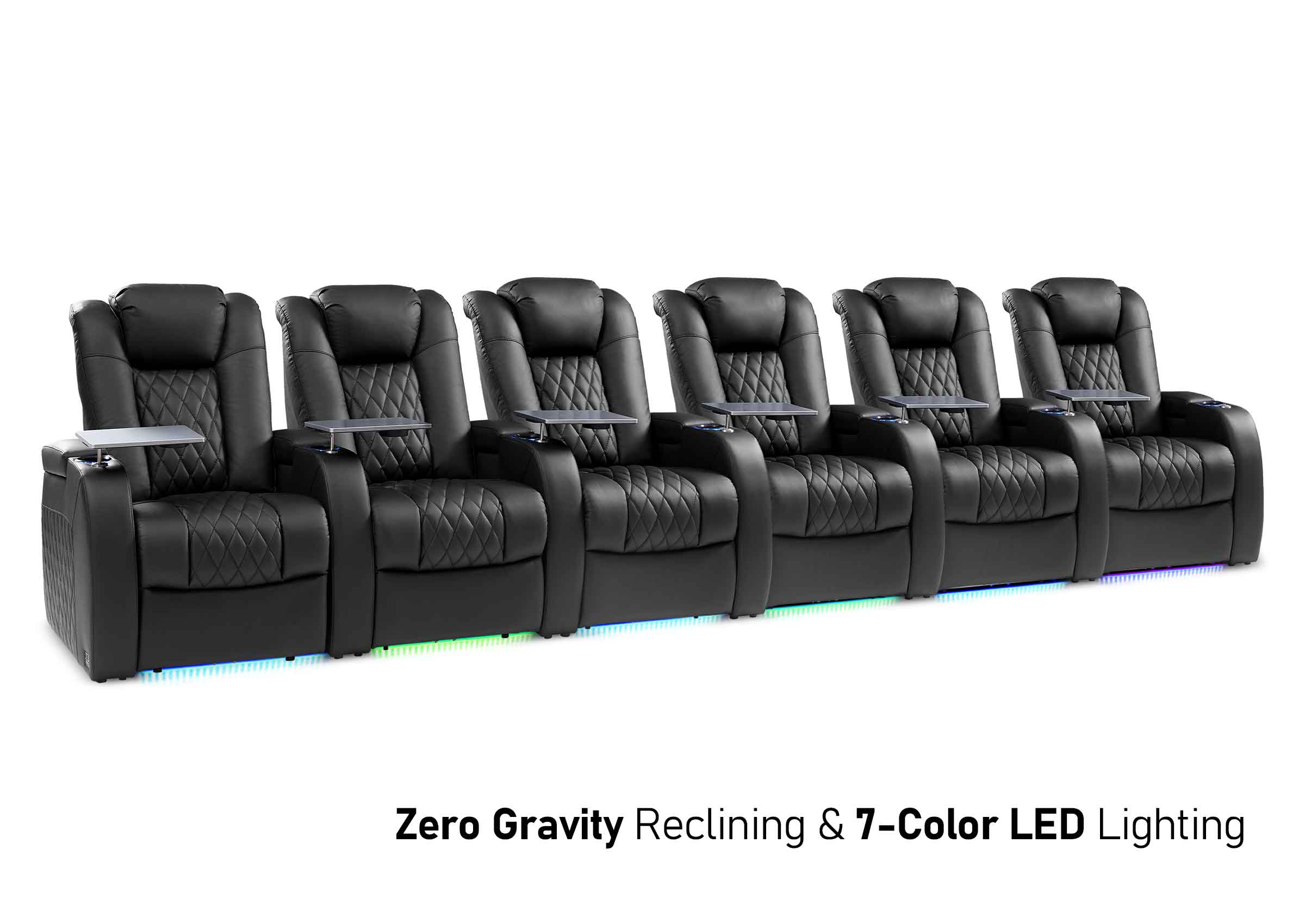






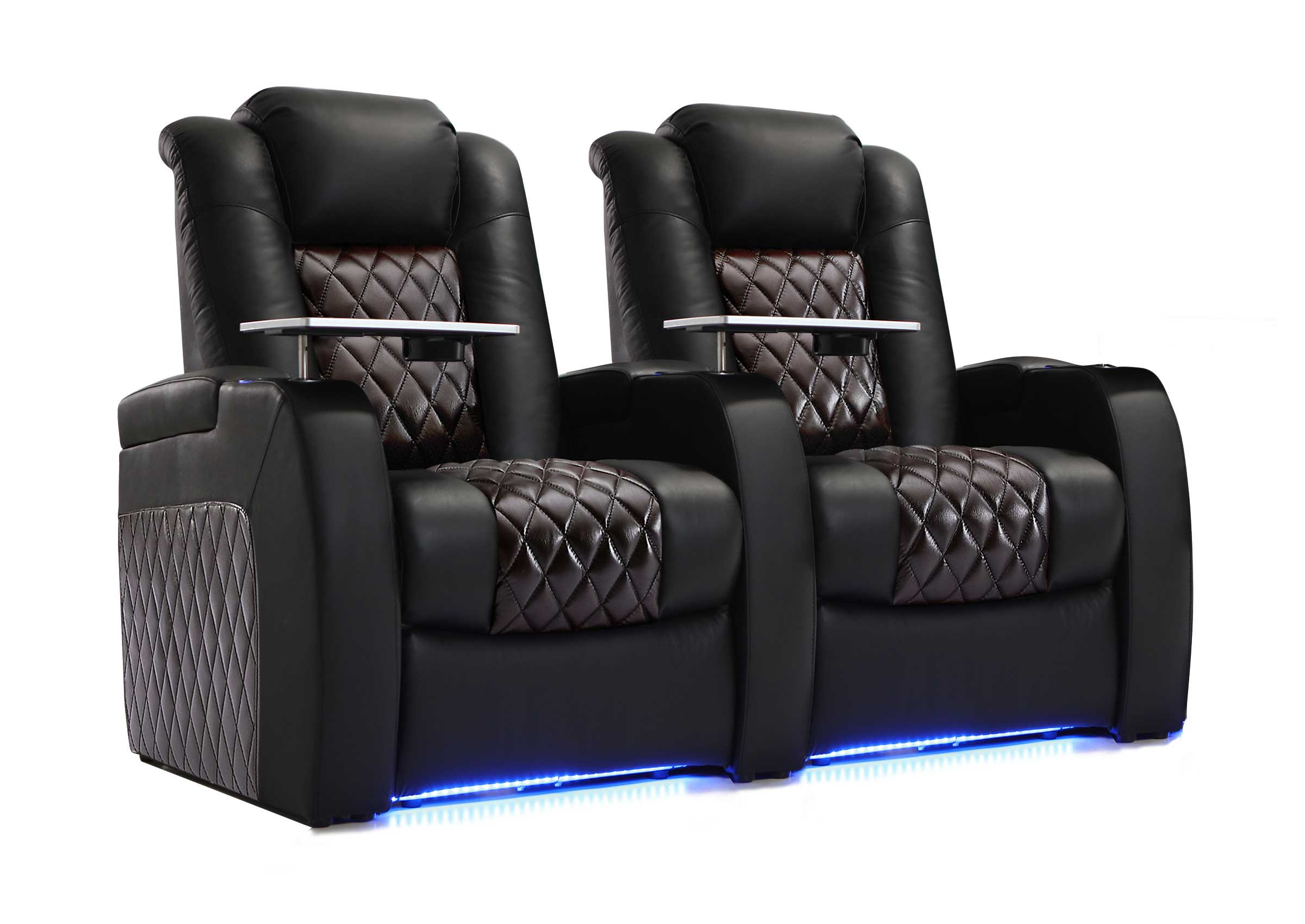

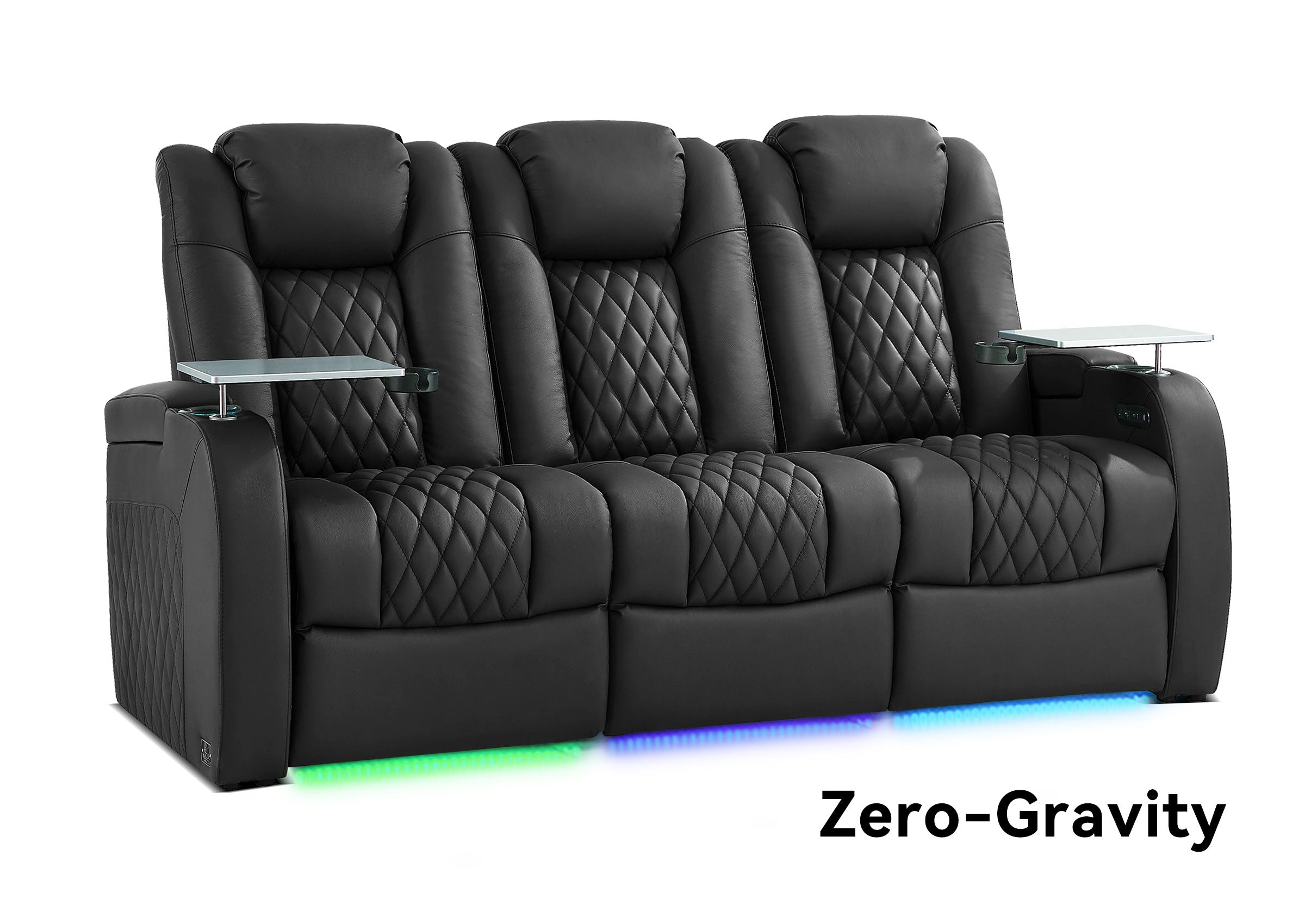


Two home theater seating quotes can show the same number of seats and still describe two very different purchases.
One proposal may use four fully separated recliners, while another uses shared arms, armless center modules, or a loveseat arrangement. One price may include powered features, accessories, freight, and in-room placement, while another covers only the seating itself.
Even familiar phrases such as delivery included, custom configuration, or complete package can mean different things from one supplier to another.
That is why theater seating quotes should not be compared by total price alone. Before approving a proposal, the buyer and project team should confirm that every quote describes the same configuration, the same service scope, and the same delivery result.
A useful comparison should answer four questions:
- Are the suppliers quoting the same seating configuration?
- What is included, optional, excluded, estimated, or still unresolved?
- What will the project actually cost at the same delivery and handoff point?
- Does the final quote reflect every approved change?
What Makes Theater Seating Quotes Difficult to Compare?
A theater seating proposal combines product decisions, project responsibilities, delivery conditions, and order terms. A difference in any one of those areas can change the total price without being obvious on the first page of the quote.
Common reasons two totals differ include:
- Different models or product series
- Different armrest and module arrangements
- Loveseat sections instead of fully separated seats
- Different powered functions
- Different upholstery or finish assumptions
- Accessories included in only one proposal
- Freight included to different destinations
- Unloading, placement, or assembly excluded from one quote
- Different room plans or configuration revisions
- Estimated costs being presented beside confirmed costs
The goal is not to make every proposal identical. The goal is to make the differences visible before price becomes the deciding factor.
Start With One Quote-Comparison Baseline
A quote comparison is only useful when every supplier is responding to the same project brief.
Before comparing totals, create one baseline that records the requirements all proposals should address:
- The room or project being quoted
- The intended number of seats and rows
- The arrangement within each row
- The preferred model, series, or style direction
- Required powered and comfort functions
- Material, color, and finish direction
- Required consoles, tables, storage, charging, or other accessories
- The delivery destination
- Known doors, hallways, stairs, elevators, and access conditions
- The requested delivery, placement, or assembly scope
- The current room-plan or seating-plan revision
- Any important project deadline
Send the same baseline to every supplier. When a proposal intentionally uses a different configuration or scope, label it as an alternative instead of treating it as directly equivalent.
A lower total may not represent better value. It may simply reflect fewer modules, fewer functions, a different material assumption, or a narrower delivery scope.
When preparing the original request, use a consistent home theater seating specification package so each supplier starts with the same room, configuration, finish, and access information.
Compare the Configuration Before Comparing the Price
Seat count alone does not define a home theater seating configuration.
A four-seat row may include:
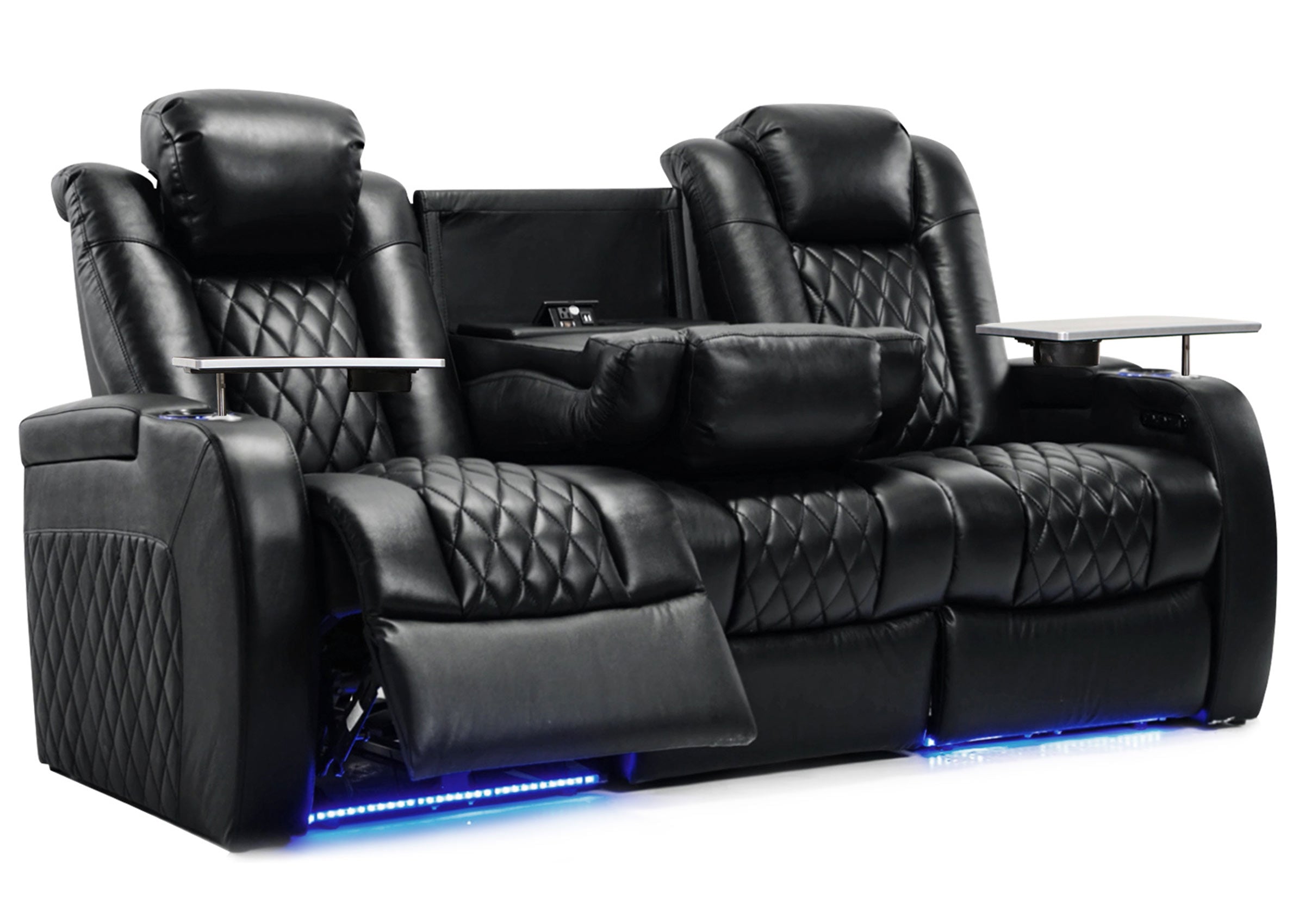
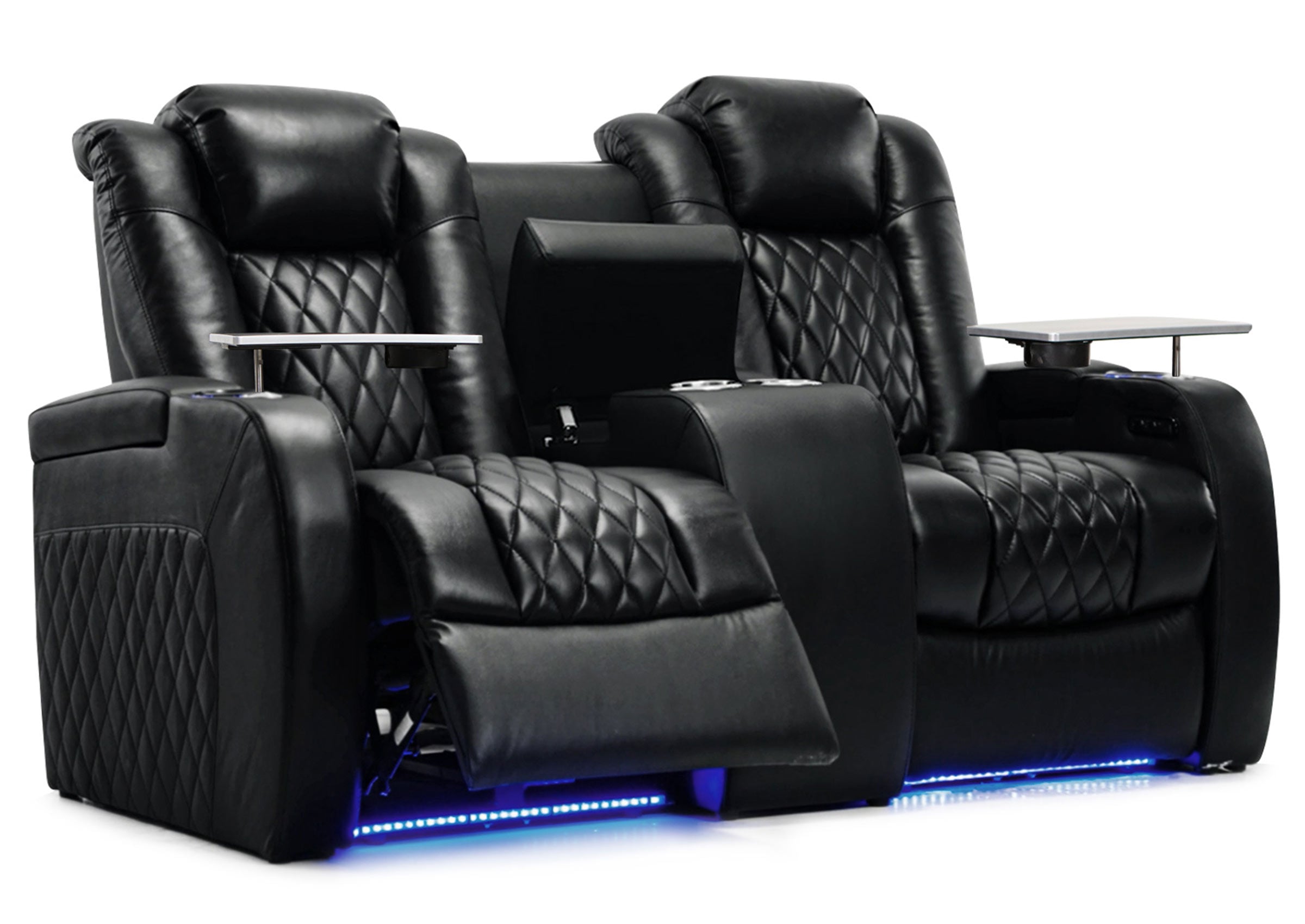
- Four fully separated recliners
- Shared-arm center modules
- One or more armless seats
- A loveseat section
- Center consoles
- Different left- and right-end modules
- A mixture of powered and nonpowered positions
These arrangements can change the row width, number of components, available features, appearance, and total cost.

| Configuration item | What to compare | Common mismatch |
|---|---|---|
| Product identification | Exact model, series, or quoted product | Visually similar seats are treated as the same product |
| Rows and seat count | Seats per row and number of rows | The total seat count matches, but the row arrangement does not |
| Module map | End units, center units, shared arms, loveseats, and consoles | One quote uses fewer arms or different modules |
| Powered functions | Recline, headrest, lumbar, or other confirmed controls | A feature shown in an image is assumed to be included |
| Convenience features | Charging, storage, cup holders, tables, and lighting | Included in one quote but optional in another |
| Upholstery and finish | Material category, color, finish reference, and approval status | One supplier has used a preliminary allowance |
| Accessories | Loose or integrated accessories included in the price | Accessories appear in product images but not in the quoted line items |
| Product dimensions | Dimensions for the exact quoted configuration | Generic recliner dimensions are used instead of model-specific information |
Do not assume that a feature available on a product page is included in the quoted configuration. The quote should clearly identify what is included, what is optional, and what still requires confirmation.
If two suppliers are proposing different configurations, compare them as separate solutions rather than forcing them into a misleading price-per-seat calculation.
For help understanding row, loveseat, console, and module differences, review the home theater seating configuration guide.
Do Not Let Product Images Become the Specification
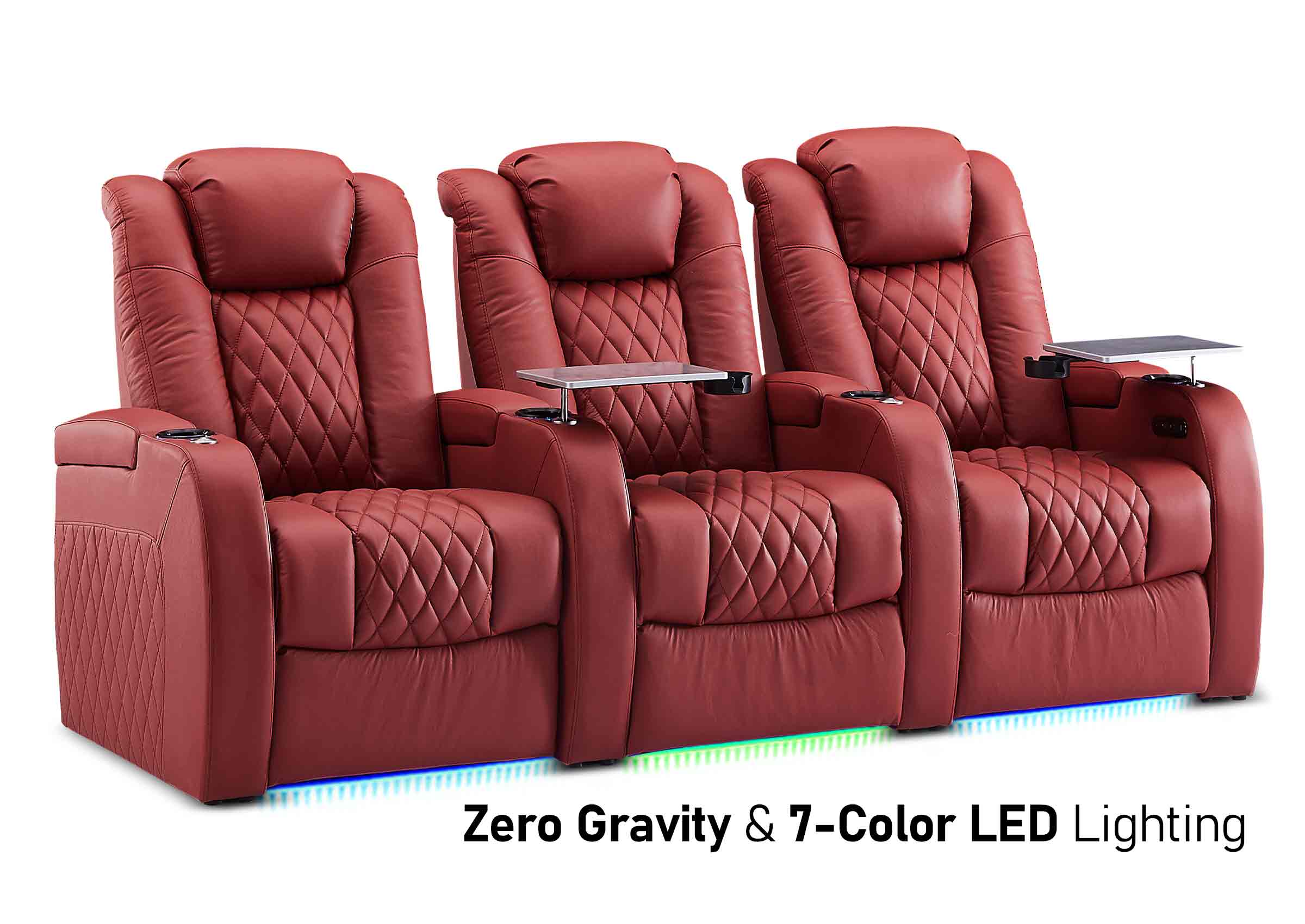
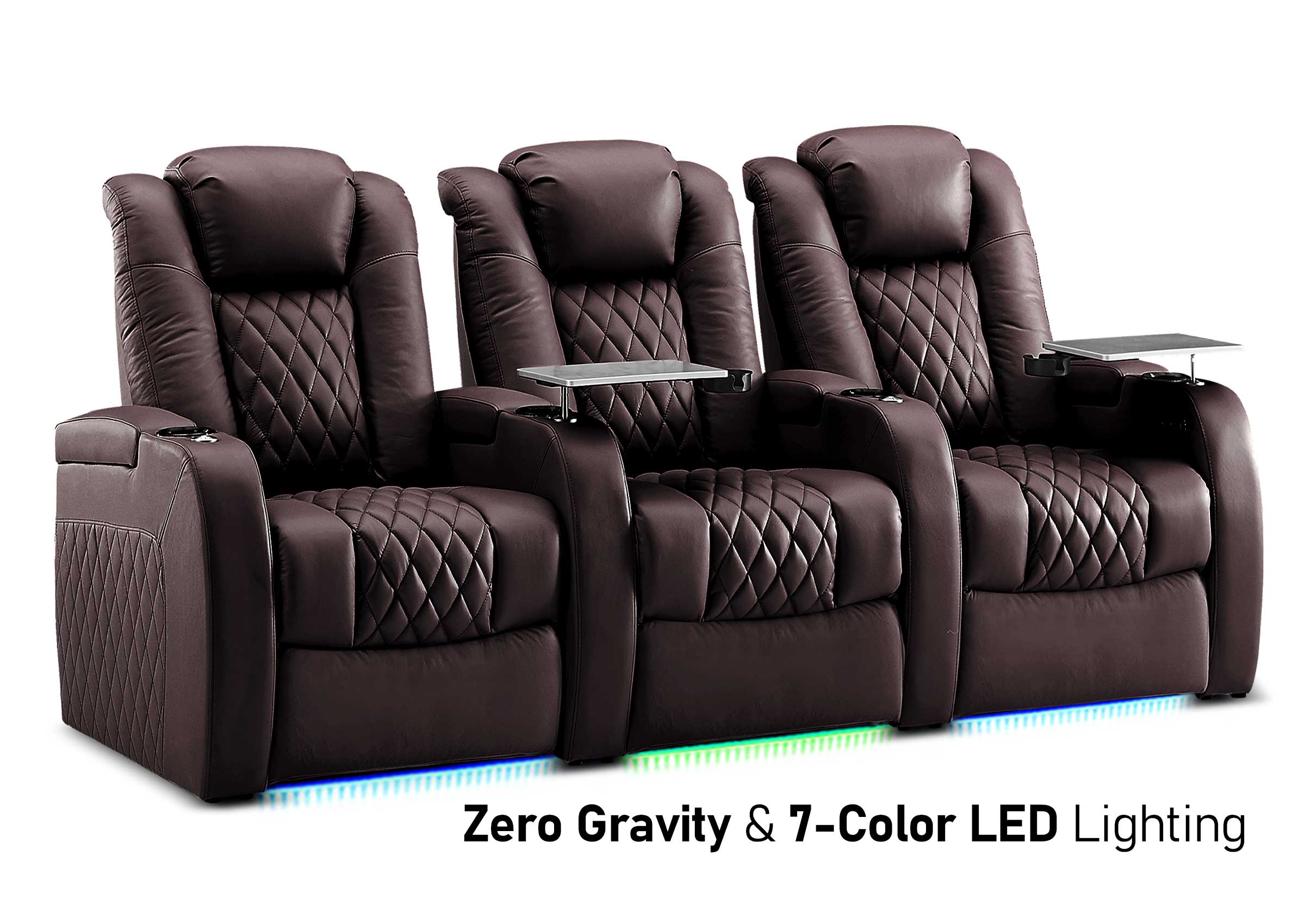
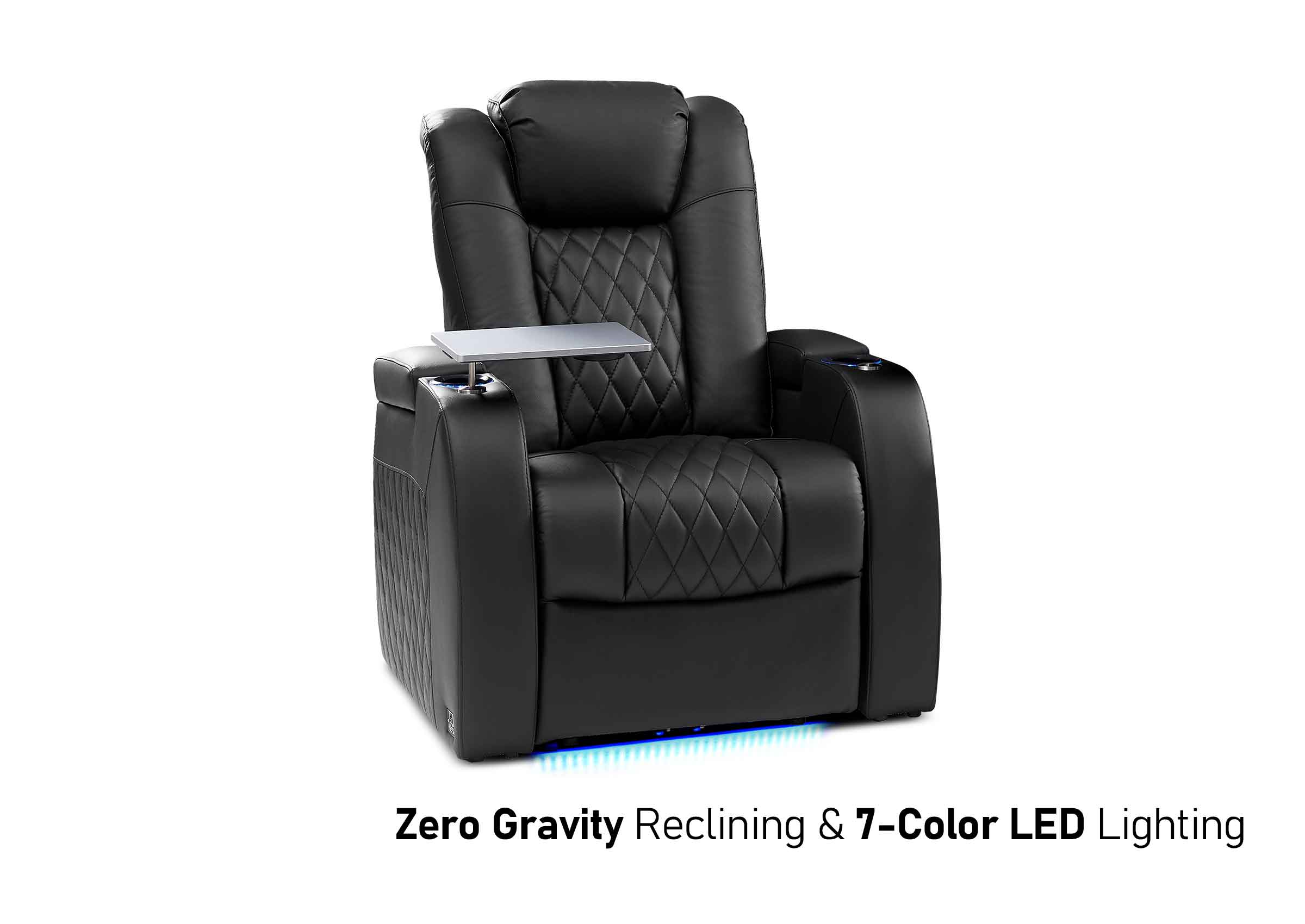
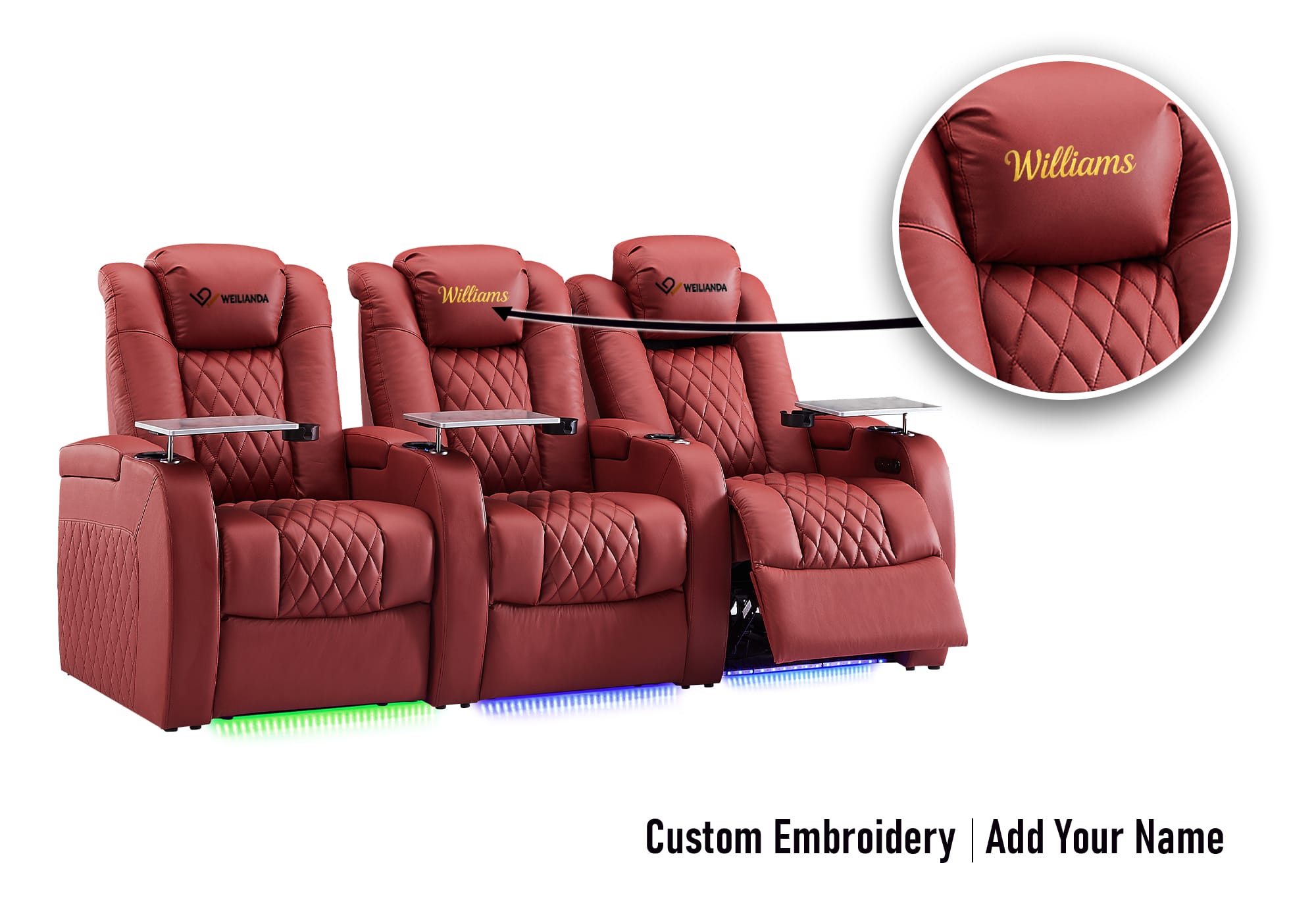
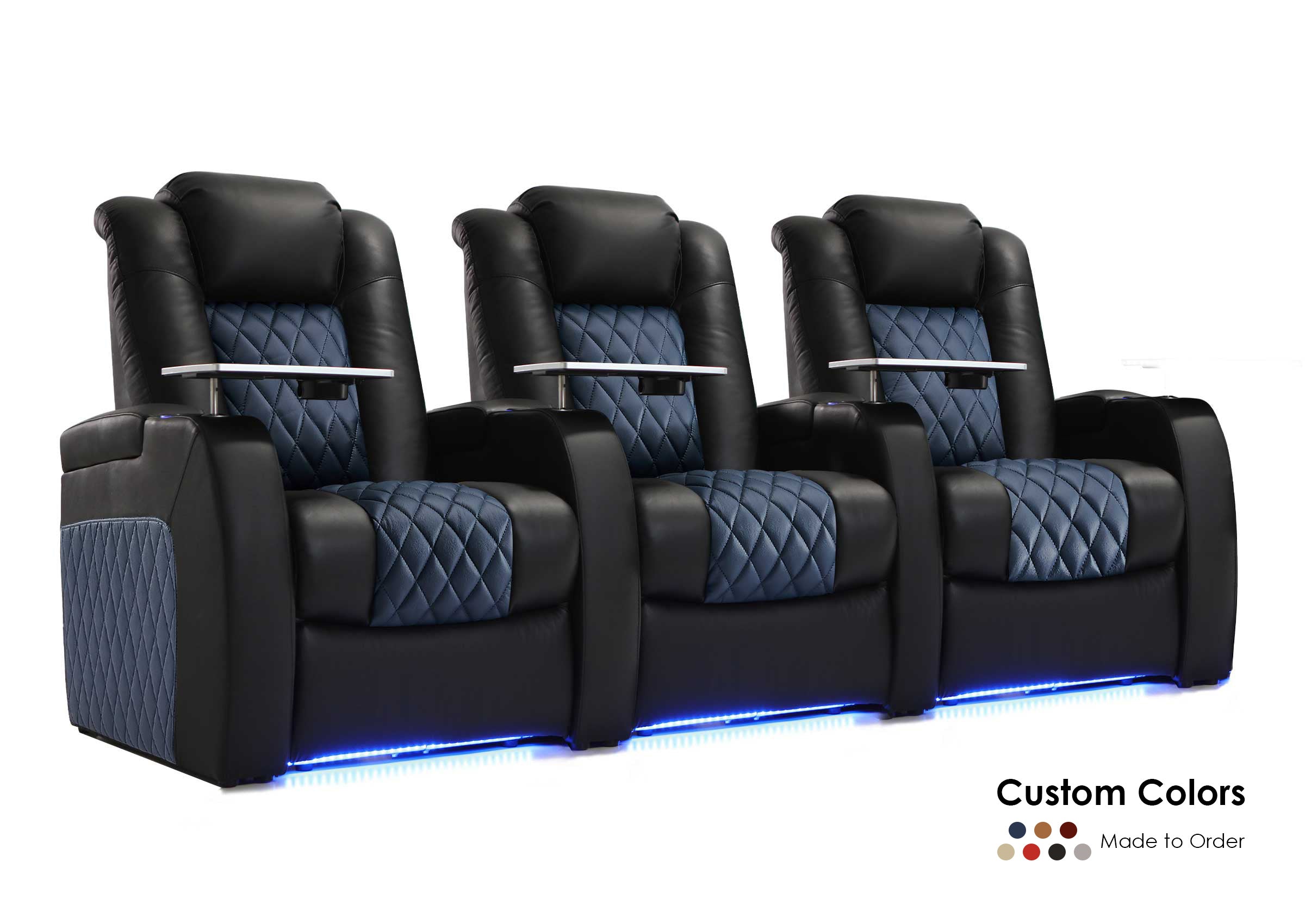
Product photography is useful for understanding style, but it does not prove that every visible feature is included in the proposal.
An image may show:
- A different upholstery grade
- Optional contrast stitching
- Lighting that is not standard
- A tray table or accessory sold separately
- A different control panel
- A console not included in the quoted row
- A configuration with different armrests or modules
The written quote, approved configuration, and product-specific information should control the comparison—not the most attractive image associated with the model.
Separate Product Price From Project Scope
A theater seating quote may include much more—or much less—than the physical seats.
Divide each proposal into four categories:
- Included: Clearly covered by the quoted total
- Optional: Available for an additional stated amount
- Excluded: Not supplied or not covered
- Open: Not yet confirmed, assigned, or priced
Apply these labels to every product, service, and responsibility connected with the project.
| Scope area | Questions to resolve |
|---|---|
| Configuration support | Will the supplier review the requested row and module arrangement? |
| Product information | Are current model and configuration dimensions provided? |
| Material review | Are samples or finish references included or available separately? |
| Accessories | Which accessories are included, optional, or sold separately? |
| Packaging | What packaging is included and who handles disposal? |
| Freight | What destination and shipping basis are included? |
| Unloading | Who removes the shipment from the vehicle? |
| Movement to the room | Who handles doors, hallways, stairs, elevators, and tight turns? |
| Placement or assembly | Are modules placed, connected, assembled, or tested? |
| Electrical preparation | Who prepares outlets, wiring, and safe cable routes? |
| Site measurement | Is the supplier reviewing provided measurements or physically measuring the site? |
| Inspection and support | Who receives, inspects, documents, and reports issues? |
Do not assume these services are included because the proposal uses broad language such as complete project service or delivery included.
Ask the supplier to define the physical handoff point:
- At the freight terminal
- At the property
- At the curb or driveway
- After unloading
- At the room entrance
- After in-room placement
- After module connection or assembly
Once the handoff point is clear, the project team can assign the remaining responsibilities to the homeowner, designer, builder, installer, receiving team, or another service provider.
Compare the Project Total, Not Only the Supplier Total
The supplier’s total is not always the cost required to reach the same completed result.
To compare quotes fairly, calculate the expected cost of bringing each proposal to the same project handoff point.
Depending on the project, this may include:
- Base seating and modules
- Required feature upgrades
- Upholstery or finish upgrades
- Consoles and accessories
- Packaging and freight
- Taxes, duties, or applicable charges
- Local unloading or handling
- Movement to the room
- Placement, assembly, or installation arranged separately
- Site preparation created by the selected configuration
An excluded cost should not be entered as zero. Mark it as unpriced until the team obtains a reasonable amount or assigns responsibility for it.
The same applies to provisional figures. A confirmed amount, an estimate, an allowance, and an open cost do not carry the same level of certainty.
| Cost category | Meaning |
|---|---|
| Confirmed quoted cost | A documented amount included in the current proposal |
| Estimated additional project cost | A reasonable amount expected outside the supplier quote |
| Unresolved cost exposure | A required cost or responsibility that has not yet been priced |
This structure makes it easier to identify when an apparent saving depends on services or responsibilities that have not yet been included.
Review Delivery as a Chain of Responsibilities
Delivery should be compared as a process, not simply as a date printed on the quote.
First, identify what the quoted timeline represents. It may refer to:
- An estimated production period
- A product availability date
- A shipping date
- An expected arrival window
- A delivery appointment
- A project milestone that begins only after approval
Then confirm what event starts the timeline.
Questions worth asking include:
- Does the timeline begin after payment, configuration approval, finish approval, or another event?
- Is the date confirmed or estimated?
- What destination is included in the freight price?
- Who schedules the delivery appointment?
- Who receives and inspects the shipment?
- Is unloading included?
- Is movement through doors, hallways, stairs, or elevators included?
- Is final room placement included?
- Are module assembly and packaging removal included?
- What happens if the site is not ready?
- How should visible damage or missing components be recorded?
The quote should also reflect known access conditions. A freight amount based on easy access may not represent the actual project if the route includes difficult stairs, restricted entrances, tight turns, elevators, or long interior paths.

Before approving the delivery portion of a proposal, use the home theater seating delivery-access checklist.
Check the Product Details That Affect the Room Plan
A quote should be reviewed against the current room plan, not only against the desired seat count.
Confirm that the quoted configuration reflects:
- The expected finished room dimensions
- The approved row locations
- The actual overall row width
- The upright and fully operating footprint
- The intended aisle and access space
- The current riser arrangement
- The planned outlet locations
- Any fixed millwork or wall treatments
The comparison does not need to repeat the full room-planning process. It needs to verify that the quoted product information matches the plan already being used.
For detailed project measurements and recline-clearance review, refer to the theater seating dimensions and recline-clearance guide.
Compare Materials and Finishes on the Same Basis
Two suppliers may describe upholstery in different ways, making the material assumptions difficult to compare.
For each proposal, record:
- The material category
- The quoted color or finish reference
- Whether the selection is final or preliminary
- Whether a sample has been reviewed
- Whether an upgrade or allowance is included
- What happens if the approved finish changes
Do not compare a confirmed material selection with a preliminary allowance as though they represent the same level of certainty.
When finish approval is still pending, mark it as an open project item and review the theater seating materials and finish-approval guide.
Confirm Powered Functions by Seat or Module
A proposal that says powered seating may still leave important questions unanswered.
Confirm:
- Which seats or modules are powered
- Which powered functions are included
- Whether every seat has the same function set
- Where controls are located
- Which accessories require power
- What connection information applies to the selected configuration
- What the project team must prepare before installation or placement
A powered feature mentioned in a brochure, product image, or earlier discussion should not be treated as included unless it appears in the current proposal.
Use the power theater seating project checklist when the quote includes powered recliners or accessories.
Review the Terms Before Paying a Deposit
Two proposals with similar products and prices may carry different levels of project risk because of their terms.
Quote Validity
Confirm how long the price, configuration, and proposed terms remain valid. A quote that expires before the project completes its approvals may need to be updated.
Payment Schedule
Identify the deposit, later payment milestones, and the event connected with each payment. Review which amounts may be refundable or nonrefundable under the applicable terms.
Approval and Production Triggers
Determine what approval allows the order to move forward. Depending on the proposal, this may involve the model, module arrangement, features, upholstery, color, drawing, or another project detail.
The team should know which action authorizes production or makes later changes more difficult.
Changes and Revisions
Ask how changes to quantity, configuration, features, finish, destination, or delivery conditions are handled after approval.
Early discussions may be flexible, but that does not mean the final order remains changeable indefinitely.
Cancellation and Return Conditions
Custom, modified, or project-specific configurations may have different conditions from standard products. Review the terms that apply to the exact order rather than relying on assumptions from another purchase.
Inspection and Issue Reporting
Confirm who should inspect the shipment, what evidence should be recorded, and how quickly visible damage, missing items, or incorrect components must be reported under the applicable terms.
Warranty and Support
Review the applicable coverage, use conditions, exclusions, documentation requirements, and support process. Do not assume that a general warranty statement automatically applies to every model, component, configuration, use, or sales channel.
When Does a Theater Seating Quote Need to Be Revised?
A project quote should be revised when a material change affects the product, price, scope, delivery, or assumptions on which the proposal was based.
Changes that may require review include:
- A different model or series
- A change in seat quantity
- A different row arrangement
- Adding or removing loveseats, consoles, shared arms, or armless modules
- Changing powered functions
- Adding or removing accessories
- Changing upholstery or finish direction
- Changing the delivery destination
- Adding difficult access conditions
- Changing the requested delivery or placement service
- Changing the project timeline
- Updating the room plan or riser arrangement
Small changes can affect more than one line item. Replacing a fully separated seat with an armless center module, for example, may change the component count, total row width, accessory placement, and price.
Ask for material changes to be incorporated into a revised, dated proposal. Important decisions should not remain scattered across phone calls, messages, and unrelated email threads.
Use Version Control Before Final Approval
One of the most common project risks is not missing information—it is different people working from different versions.
The comparison sheet should identify:
- The quote number or revision
- The quote date
- The room-plan revision
- The seating-layout revision
- The approved finish reference
- The current feature list
- The latest delivery address and access information
- The remaining open items
When a revised quote arrives, do not compare only the new total. Check whether the revision correctly incorporates every requested change without unintentionally removing something that was previously included.
| Final version check | What to confirm |
|---|---|
| Product | The exact approved model or series appears in the final quote |
| Quantity | The total seats and modules match the current plan |
| Configuration | Rows, arms, loveseats, consoles, and module orientation are correct |
| Functions | Powered features and accessories are assigned correctly |
| Finish | The final material and color reference match the approval record |
| Dimensions | The quoted product information matches the current room plan |
| Scope | Included, optional, excluded, and open items are visible |
| Delivery | The destination, handoff point, access assumptions, and responsibilities are current |
| Terms | Payment, approval, change, cancellation, inspection, and support terms are understood |
| Open items | Every unresolved question has an owner and status |
Use a Red-Yellow-Green Quote Review
A simple status system can keep uncertainty visible during the comparison.
Green: Confirmed and Comparable
Use green when the item is documented, matches the comparison baseline, and is quoted on the same basis across the proposals.
Examples include:
- An exact model
- A confirmed module arrangement
- An approved feature list
- A stated delivery destination
- A documented finish reference
Yellow: Estimated, Optional, or Awaiting Confirmation
Use yellow when the item is present but not final.
Examples include:
- A provisional finish
- An estimated freight amount
- An optional accessory
- A pending access review
- A term that needs clarification
A yellow item is not automatically a problem. It means the uncertainty should remain visible until it is resolved or accepted.
Red: Missing, Conflicting, or Unassigned
Use red when the quote:
- Contradicts the current project brief
- Uses the wrong configuration
- Omits a required function
- Excludes a responsibility that no one else has accepted
- Uses an outdated plan or quantity
- Leaves a critical cost or term undefined
The goal is not to eliminate every yellow item before discussing the proposal. The goal is to prevent yellow and red items from disappearing inside a single total.
PROJECT SUPPORT
Are the Quotes Really Describing the Same Seating Project?
Share your room plan, proposed configuration, quote details, and open delivery questions. We can help identify which product, configuration, scope, and approval details should be clarified before the project moves forward.
Prepare Your Quote Request • Evaluate a Supplier • Check Delivery Access
Ask Every Supplier the Same Clarification Questions
When suppliers use different quote formats, send each one the same clarification list. This prevents one proposal from appearing stronger simply because that supplier volunteered more information.
- What exact product, modules, and row arrangement does the quote cover?
- Which powered functions and accessories are included?
- Which items are optional, estimated, excluded, or still awaiting confirmation?
- What upholstery and finish assumptions were used?
- Which product-specific dimensions should the project team use?
- Does the quote match the latest room plan and seating-layout revision?
- What freight and delivery services are included?
- At what physical location does the supplier’s responsibility end?
- Who handles unloading, movement to the room, assembly, and packaging?
- What must be approved before the quoted timeline begins?
- Which payment, change, cancellation, inspection, return, and warranty terms apply?
- Which responsibilities remain with the buyer, designer, builder, installer, or receiving contact?
- What information is still needed before the quote can be considered final?
Avoid These Common Quote-Comparison Mistakes
Comparing Price per Seat Without Checking the Module Arrangement
Rows with the same number of seating positions may use different arm, console, loveseat, or module structures. A per-seat calculation can hide those differences.
Comparing Proposals Based on Different Plan Revisions
One supplier may have priced an earlier seat count, room plan, finish direction, or delivery condition. Record the plan revision and quote date in the comparison sheet.
Treating a Confirmed Price and an Allowance as Equal
A firm line item and a provisional estimate carry different levels of certainty. Label them accordingly.
Assuming “Delivery Included” Means In-Room Placement
The quote should define the destination, unloading responsibility, movement through the property, placement, assembly, and packaging handling.
Ignoring Responsibilities Assigned to Other People
An excluded service may be acceptable when another project participant has agreed to handle it. The risk appears when the responsibility remains unassigned.
Choosing the Lowest Total Before Resolving Critical Open Items
A lower proposal can become more expensive when required features, services, access conditions, or site responsibilities are added later.
Treating Every Difference as a Negotiation Problem
Some price differences reflect genuinely different products, configurations, materials, or scopes. First determine whether the proposals are equivalent. Negotiate only after the comparison basis is clear.
A Practical Theater Seating Quote-Comparison Workflow
- Freeze the comparison baseline. Record the room, configuration, functions, finish direction, destination, and requested service scope.
- Map every quoted configuration. Identify the model, modules, arms, consoles, seat positions, functions, and accessories.
- Separate included, optional, excluded, and open items.
- Normalize the project total. Add known costs needed to bring every proposal to the same handoff point.
- Review the delivery chain. Confirm timing, destination, unloading, access, placement, inspection, and issue-reporting responsibilities.
- Compare the applicable terms. Review payments, approvals, changes, cancellation, inspection, returns, warranty, and support.
- Mark uncertainty. Use green, yellow, and red statuses.
- Send the same clarification questions to each supplier.
- Request revised and dated proposals.
- Check the final version against the room plan and approvals.
- Approve only after every critical item is confirmed or clearly assigned.
Frequently Asked Questions
What is the most important part of comparing home theater seating quotes?
Confirm that every supplier is pricing the same seating configuration and service scope. Price differences are difficult to interpret until the model, module arrangement, functions, finish assumptions, delivery basis, and exclusions are aligned.
Should I choose the lowest theater seating quote?
Not automatically. A lower quote may exclude required functions, accessories, freight, placement, assembly, or another project responsibility. Compare the expected project total at the same delivery and handoff point.
How can I compare quotes that use different formats?
Create your own comparison sheet using consistent categories for configuration, functions, finish, scope, cost, delivery, terms, revisions, and open items. Transfer each proposal into that structure instead of comparing page layouts.
Is price per seat a useful comparison?
It can be a secondary reference, but it should not be the primary decision tool. Different arm structures, modules, consoles, materials, functions, and accessories can make two seats—or two rows—fundamentally different.
What does “delivery included” mean?
It means only what the quote specifically states. Confirm the destination, freight basis, unloading, movement through the property, in-room placement, assembly, packaging removal, and inspection responsibilities.
When should I request a revised quote?
Request a revised quote when the model, quantity, configuration, functions, finish, accessories, destination, access conditions, delivery scope, or project timeline changes materially.
How do I know a quote is ready for final approval?
A quote is ready for approval when the exact configuration, included scope, known exclusions, delivery responsibilities, project-total exposure, applicable terms, approved revisions, and remaining open items are clear.
Can this method be used for commercial theater seating proposals?
The framework can be adapted, but commercial projects may require additional review of site conditions, intended use, accessibility, installation, documentation, warranty conditions, product suitability, and applicable regulations. Those requirements must be verified for the specific product and project.
The Best Quote Is the One the Whole Project Team Can Interpret the Same Way
The best theater seating quote is not automatically the lowest total, the longest feature list, or the most confident sales presentation.
It is the proposal that gives the buyer and project team the clearest understanding of:
- The exact seating configuration
- The functions and finishes included
- The services and responsibilities covered
- The real delivery handoff point
- The expected total project cost
- The applicable order terms
- The changes incorporated into the current version
- The unresolved items that still require action
Before approval, every important item should be classified as confirmed, optional, excluded, estimated, or assigned for further action.
When those distinctions are visible, the final decision becomes easier to explain, approve, and carry through the rest of the project.
Ready to Clarify Your Theater Seating Quote?
If you are comparing seating configurations, delivery responsibilities, or unresolved project terms, Weilianda can help identify the product- and configuration-specific details worth confirming before final approval.
With home theater seating manufacturing experience since 2008 and factory-direct project communication, the team can review your room plan, proposed configuration, and open quote questions to support a clearer project discussion.
Visit the Weilianda Support page or email leon@weiliandahome.com.