




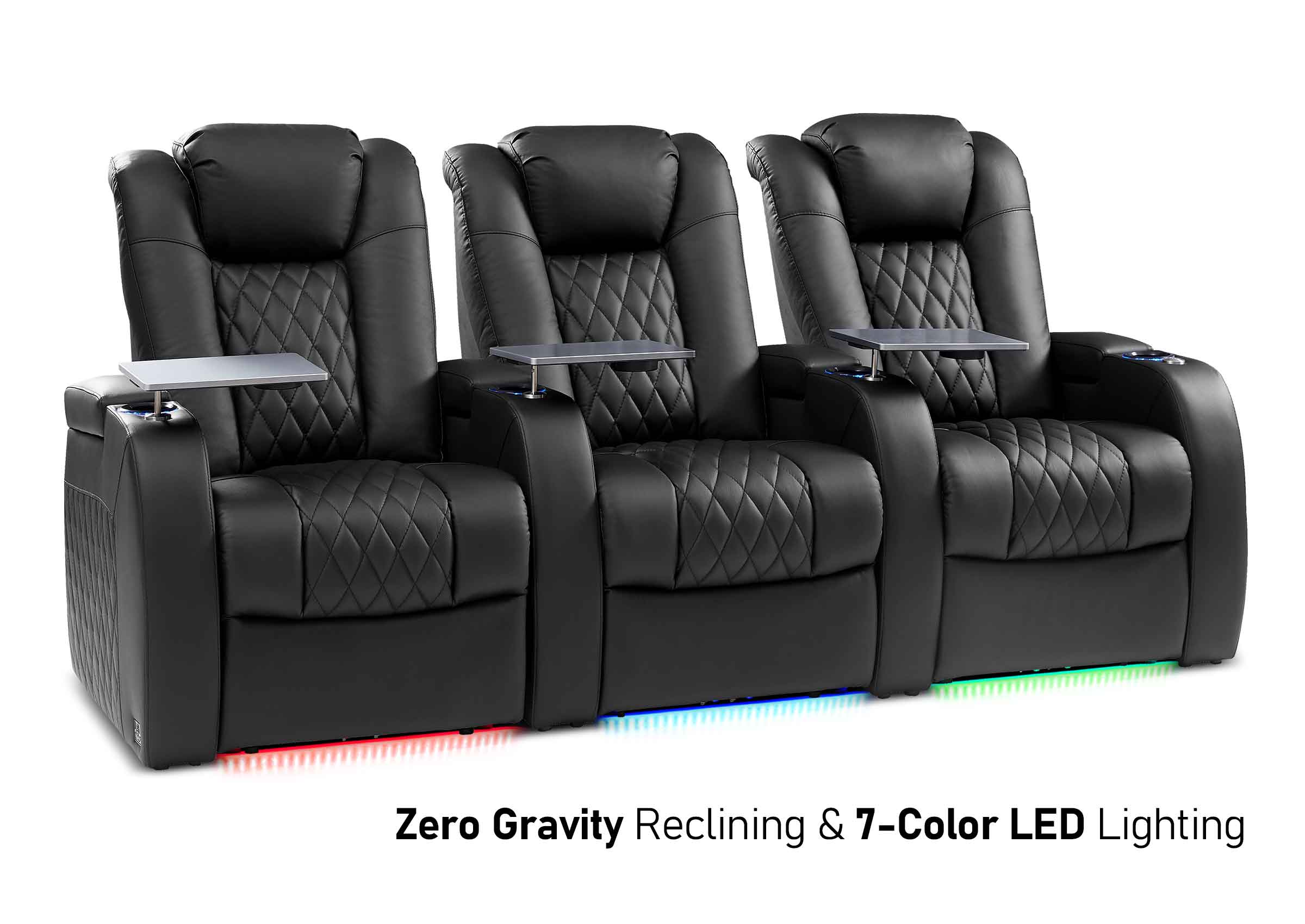
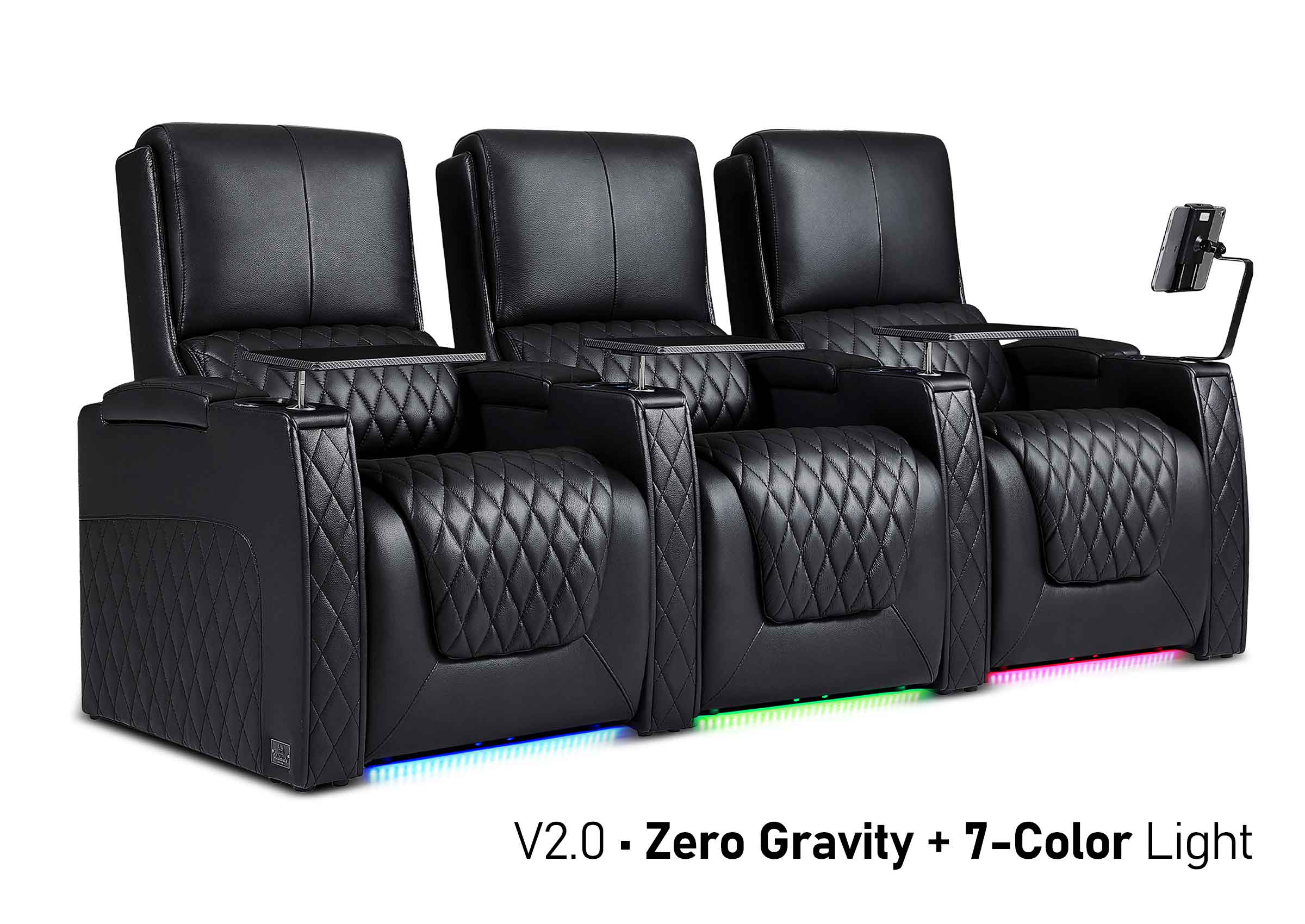
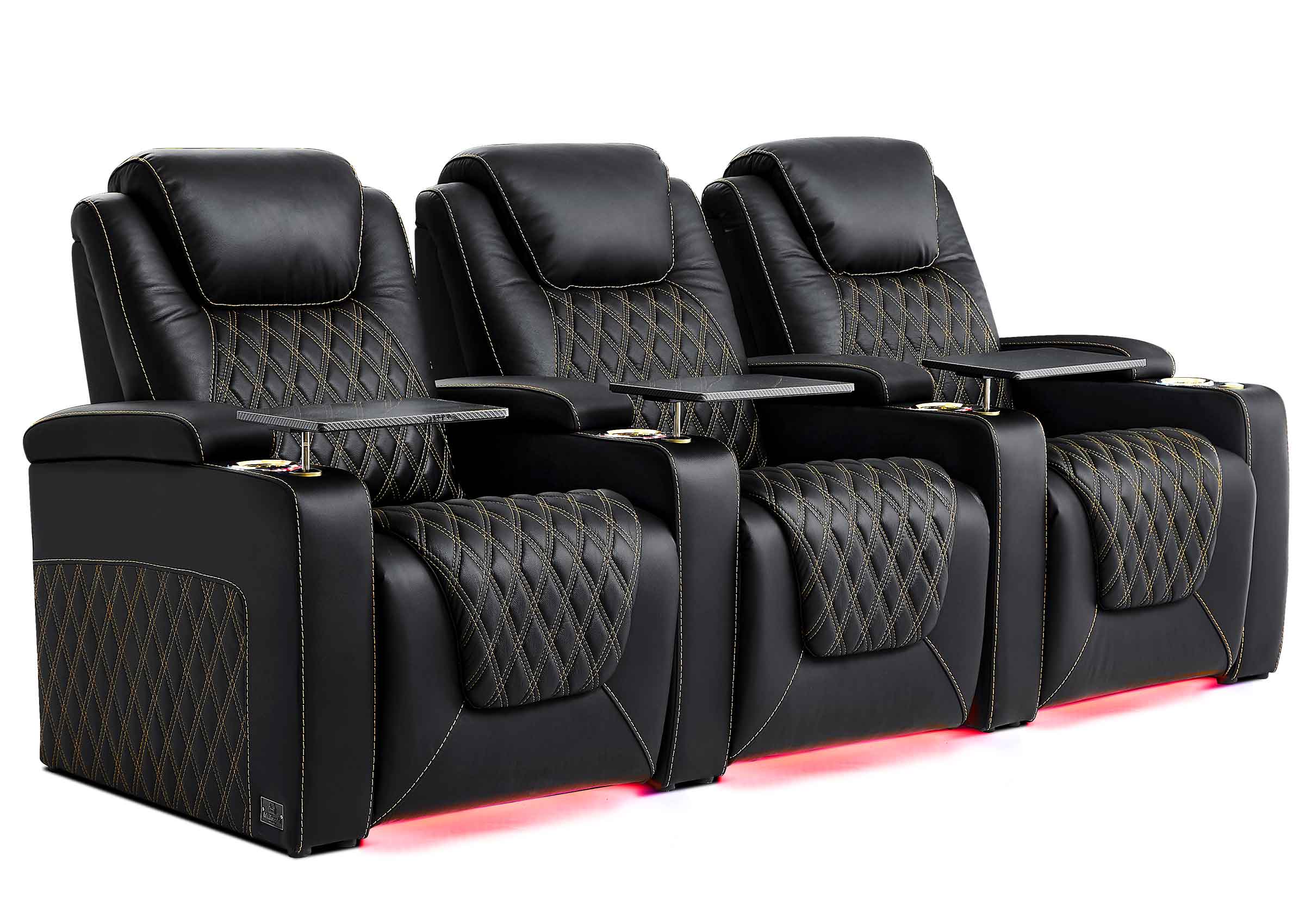
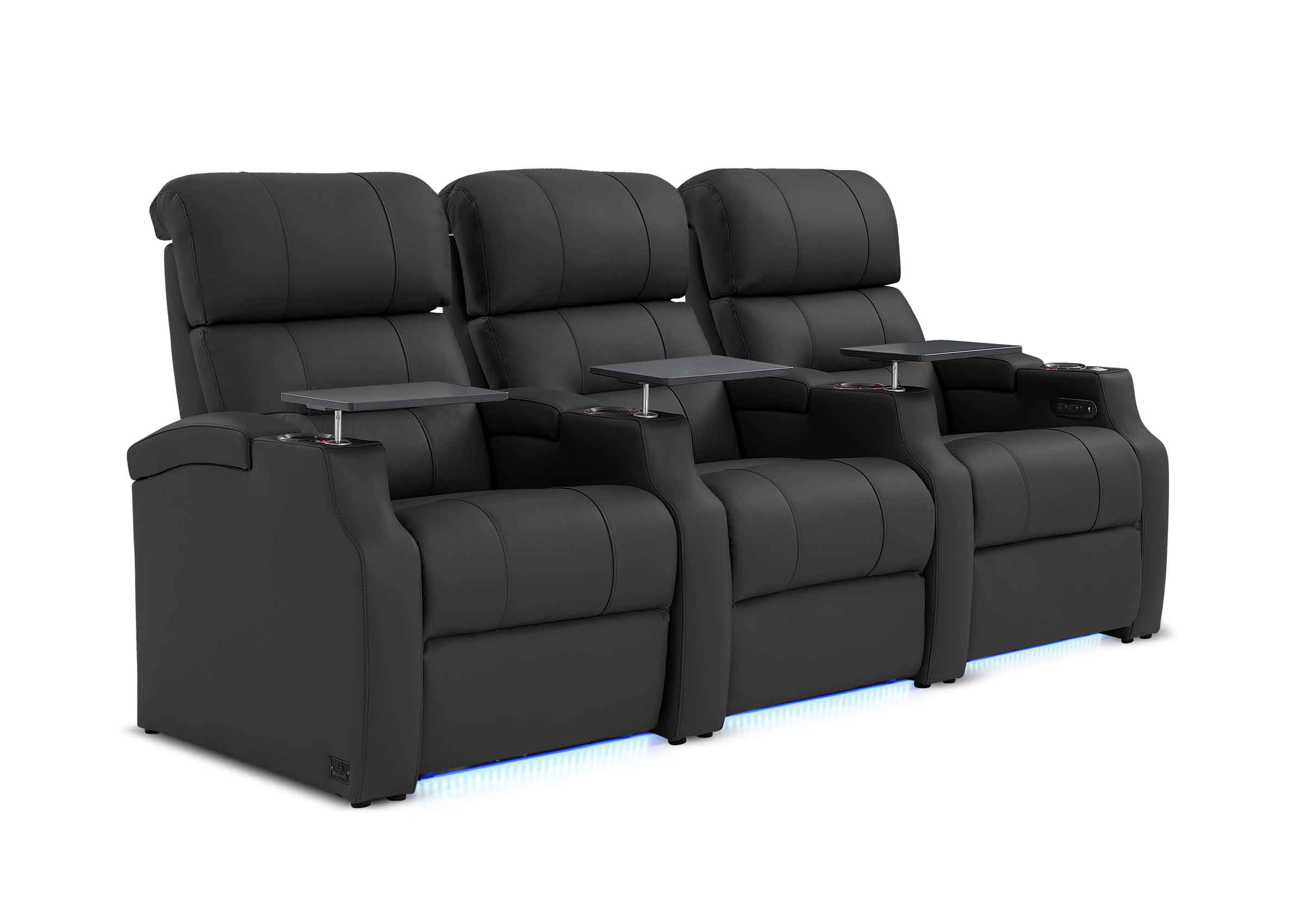
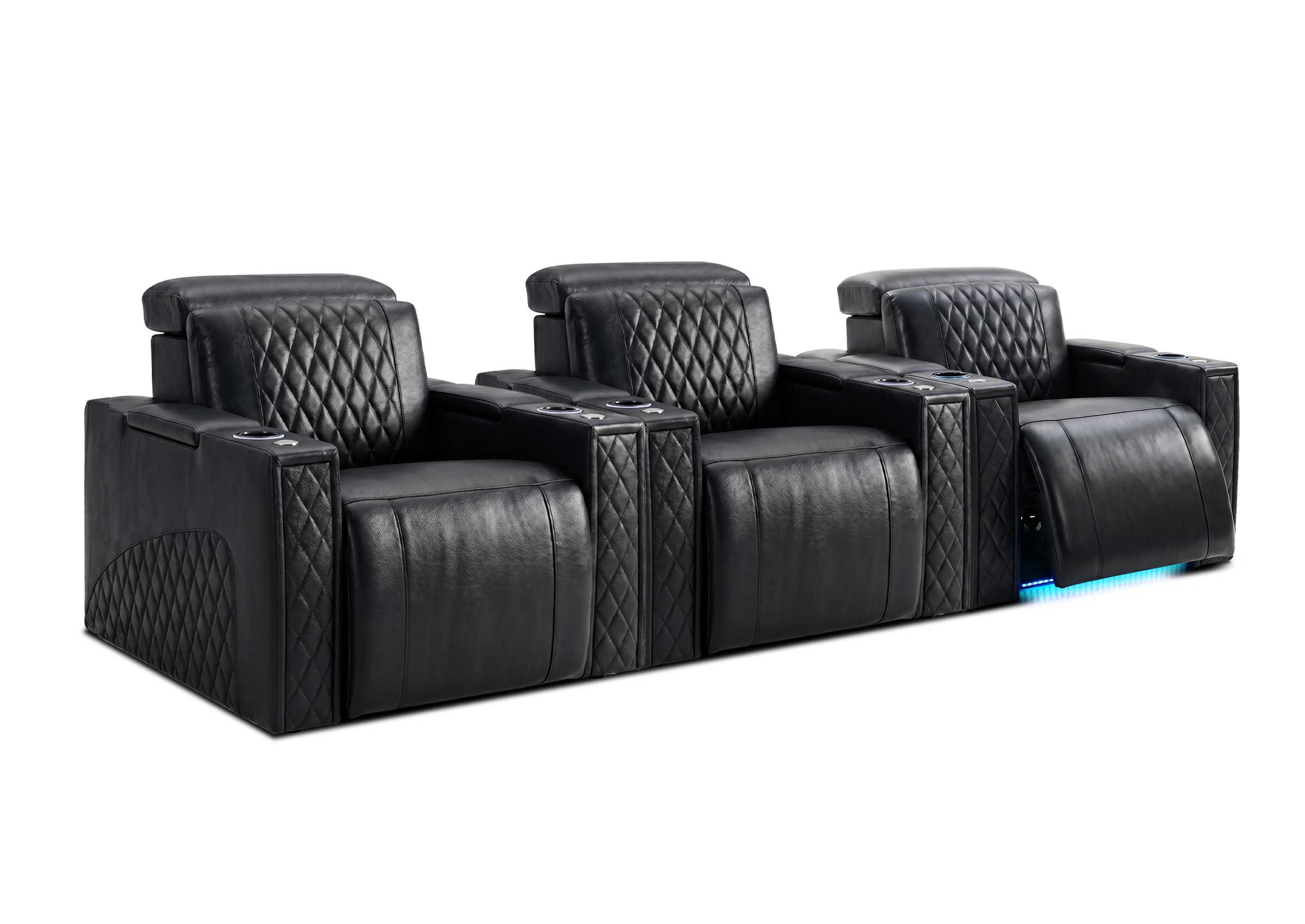

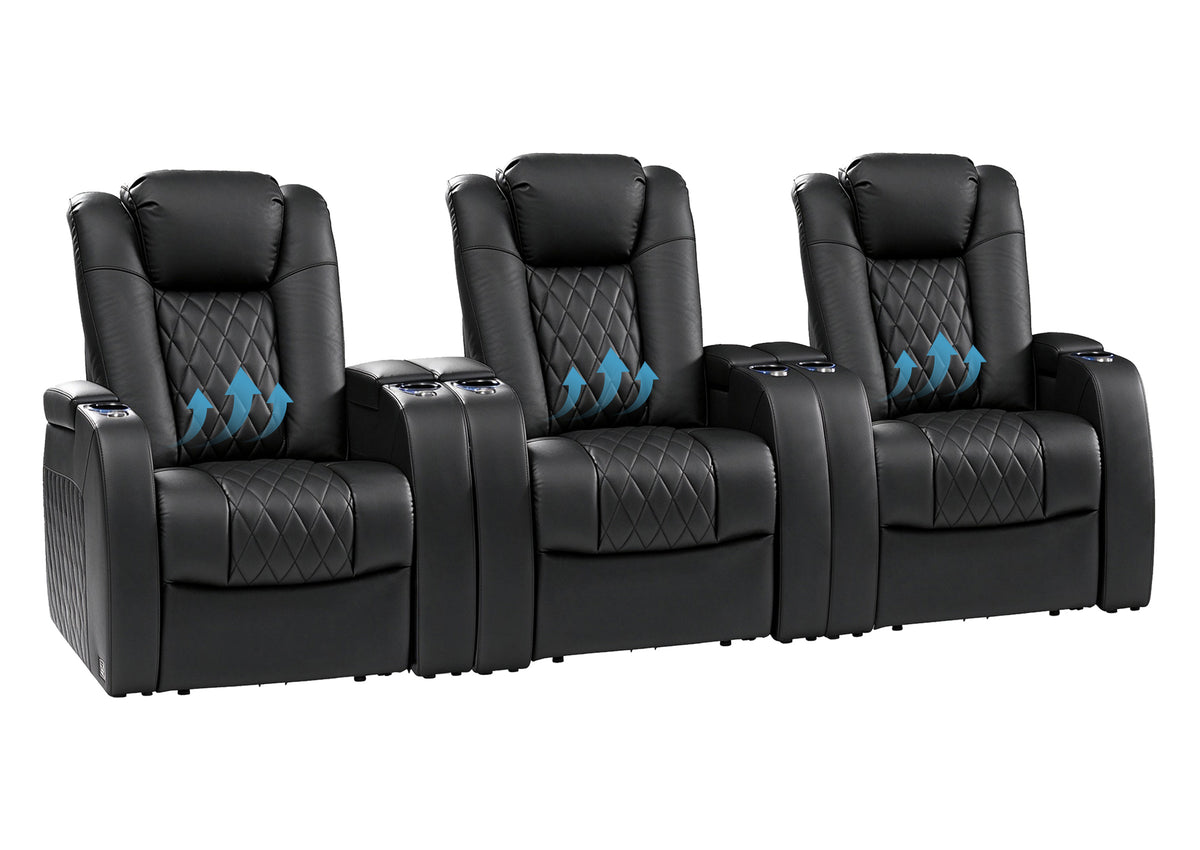
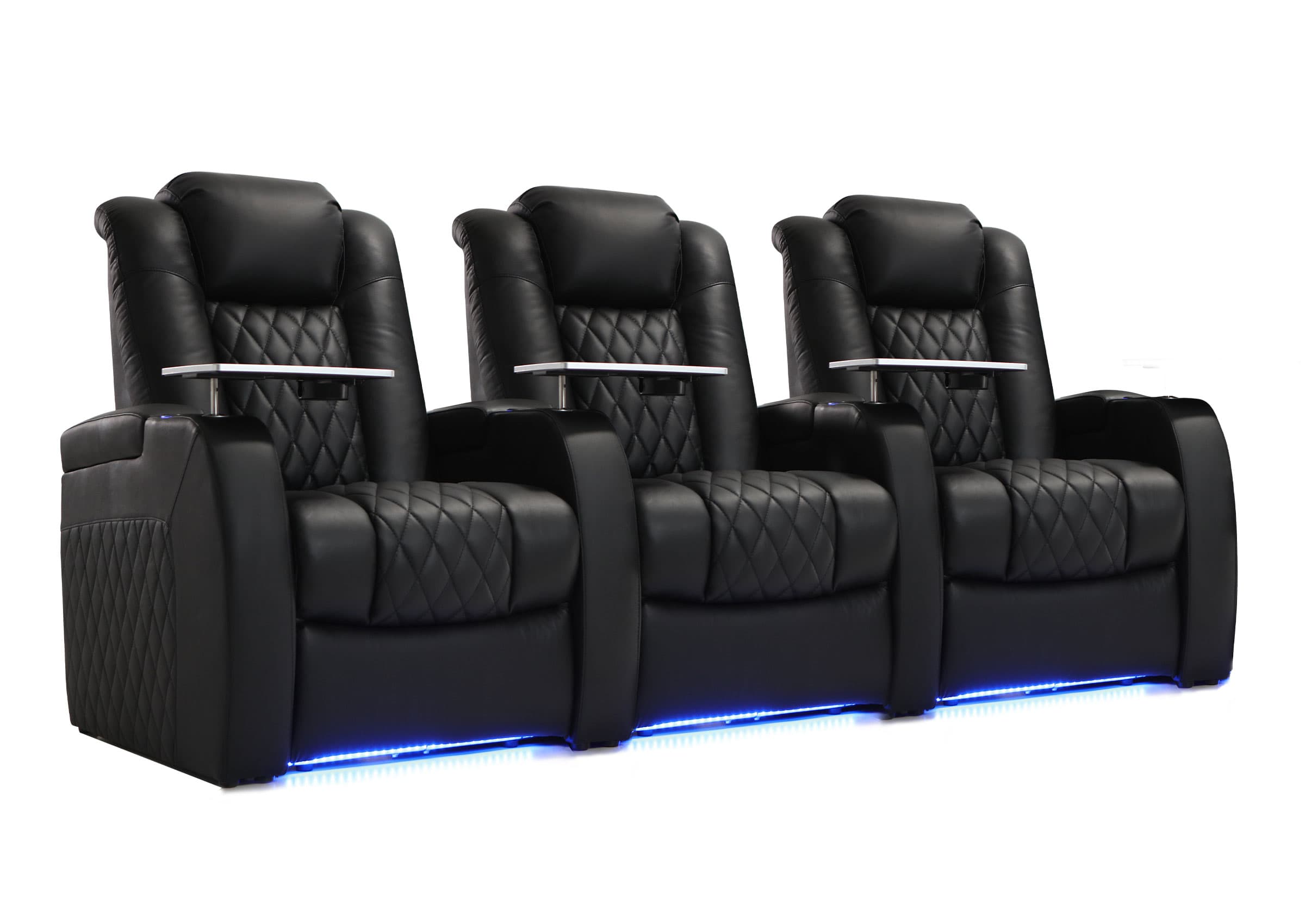
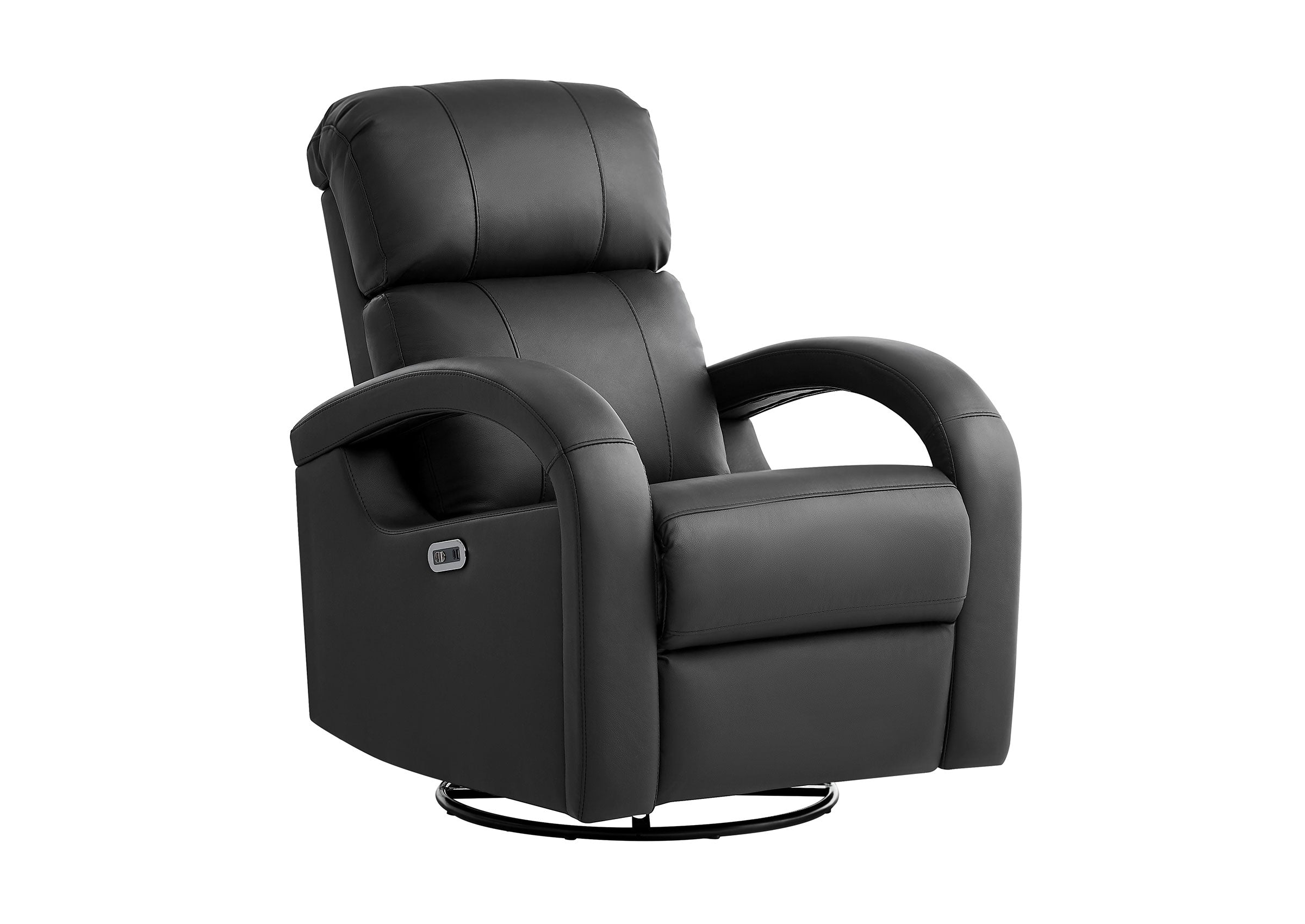

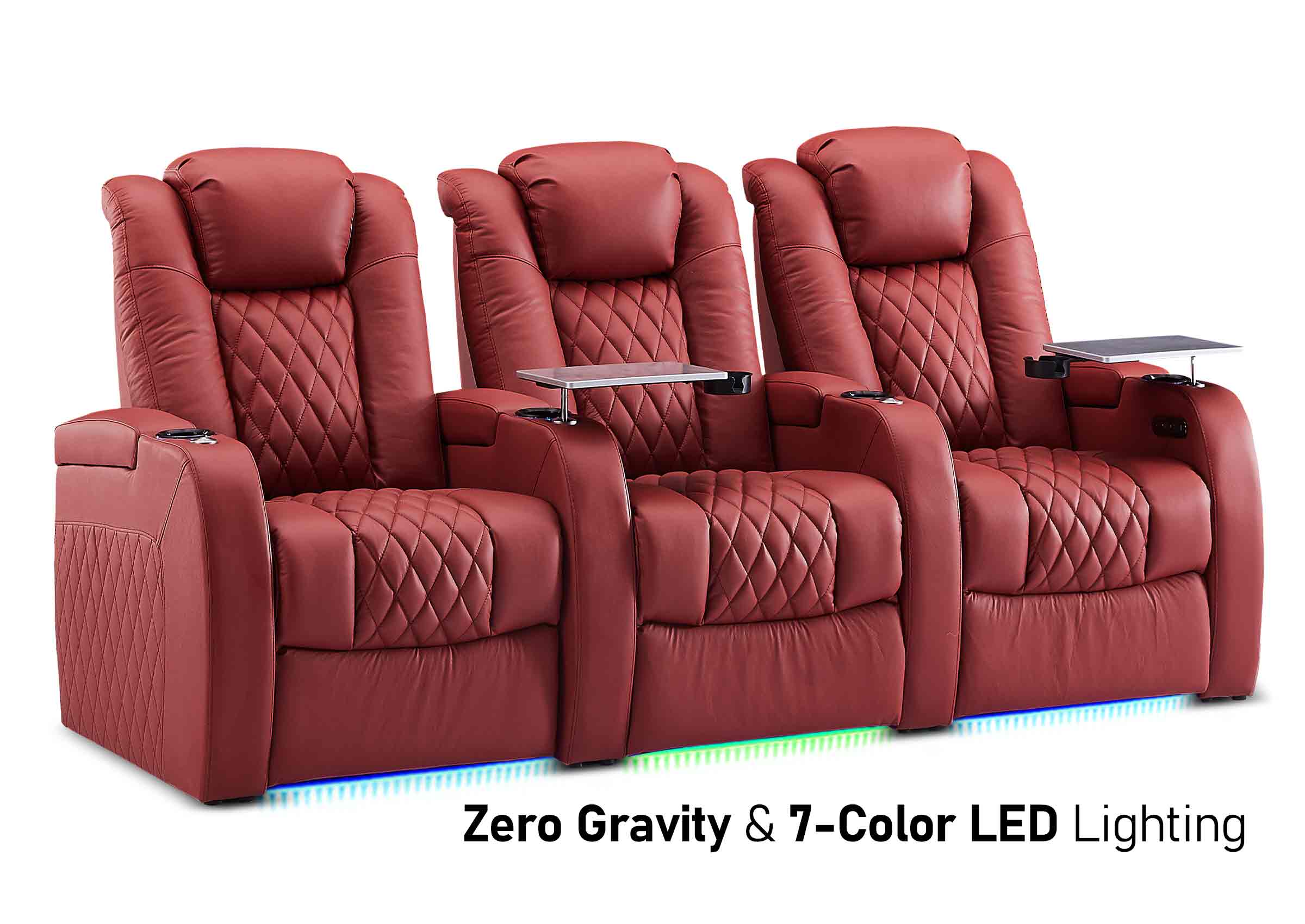
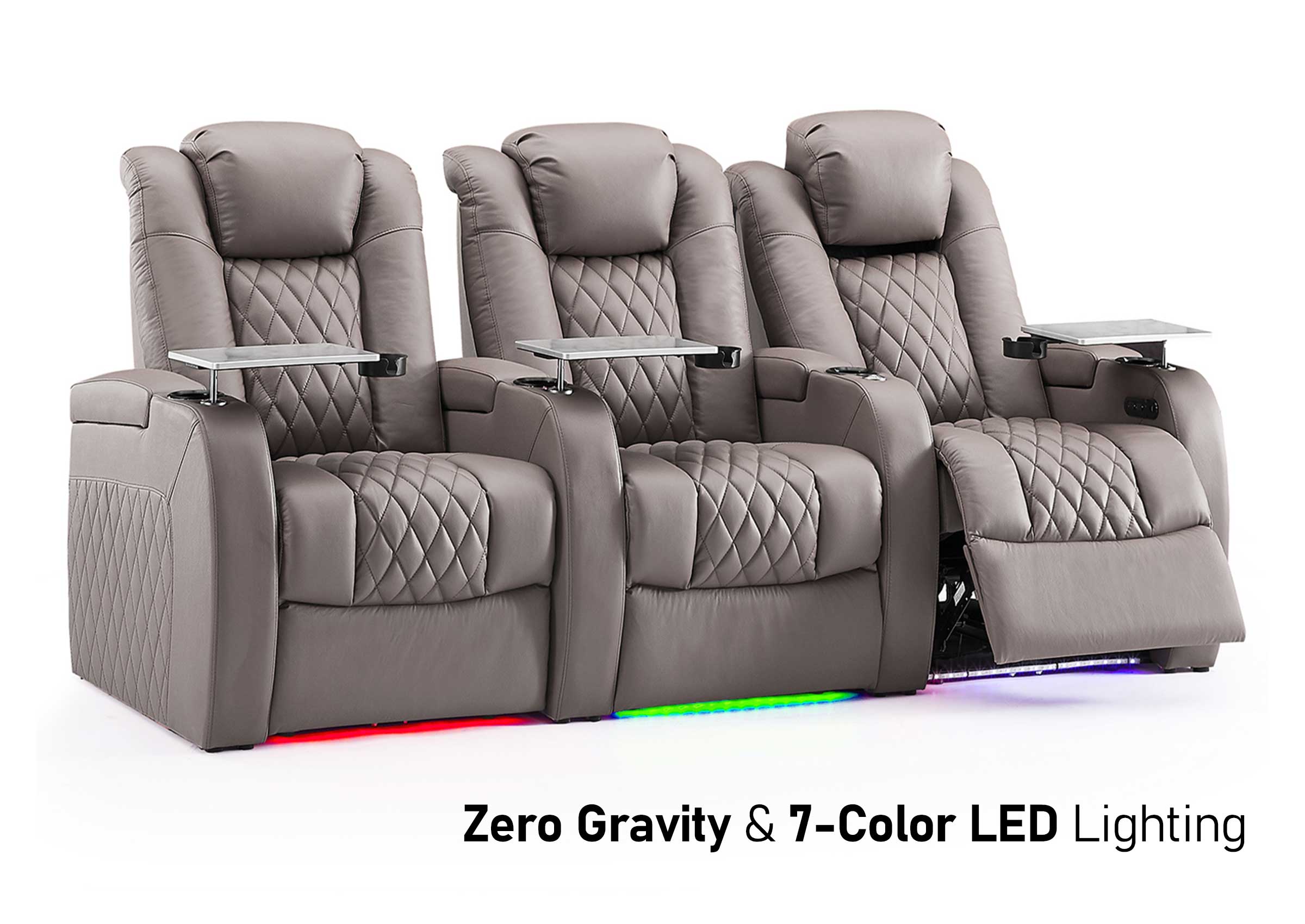
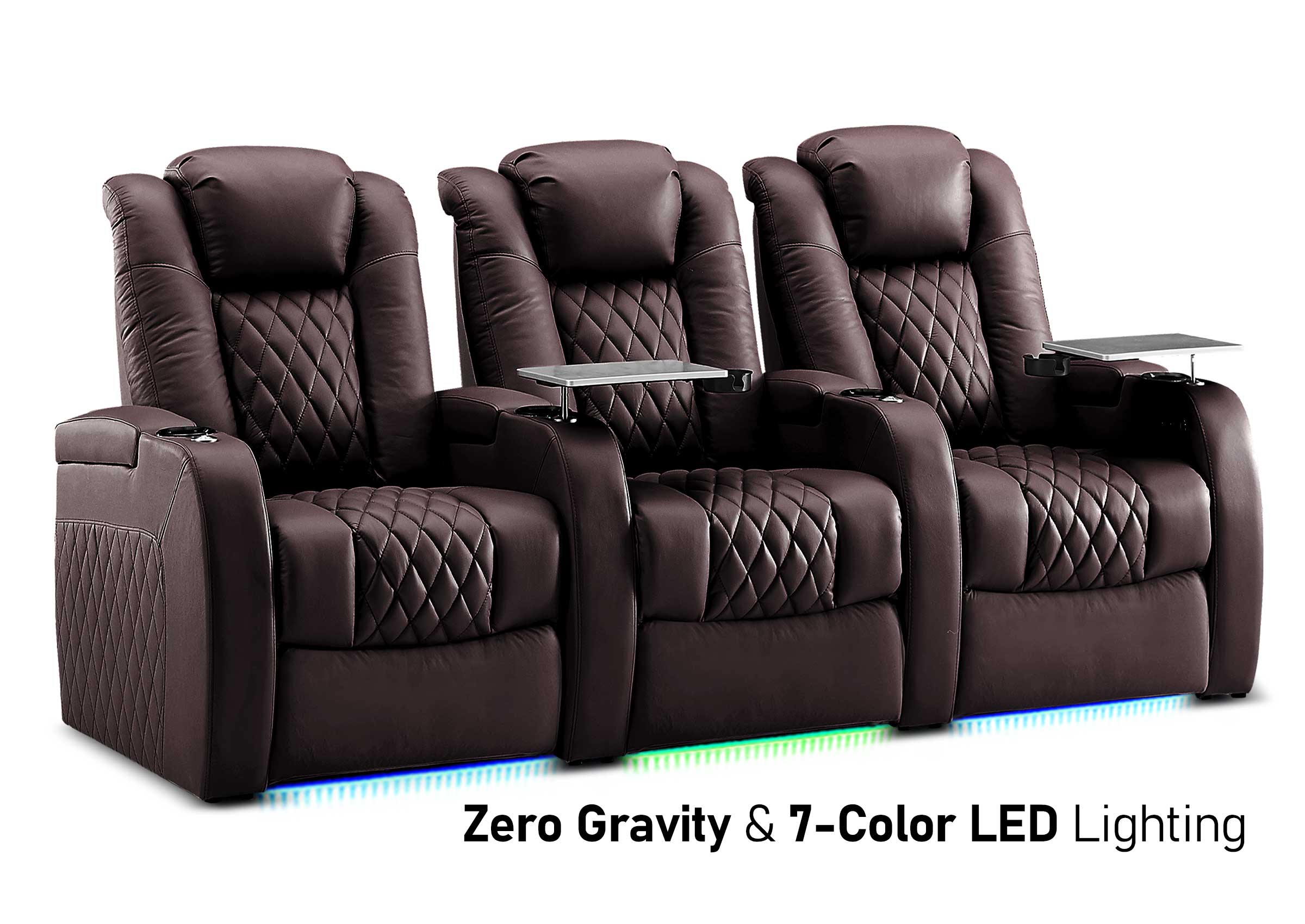

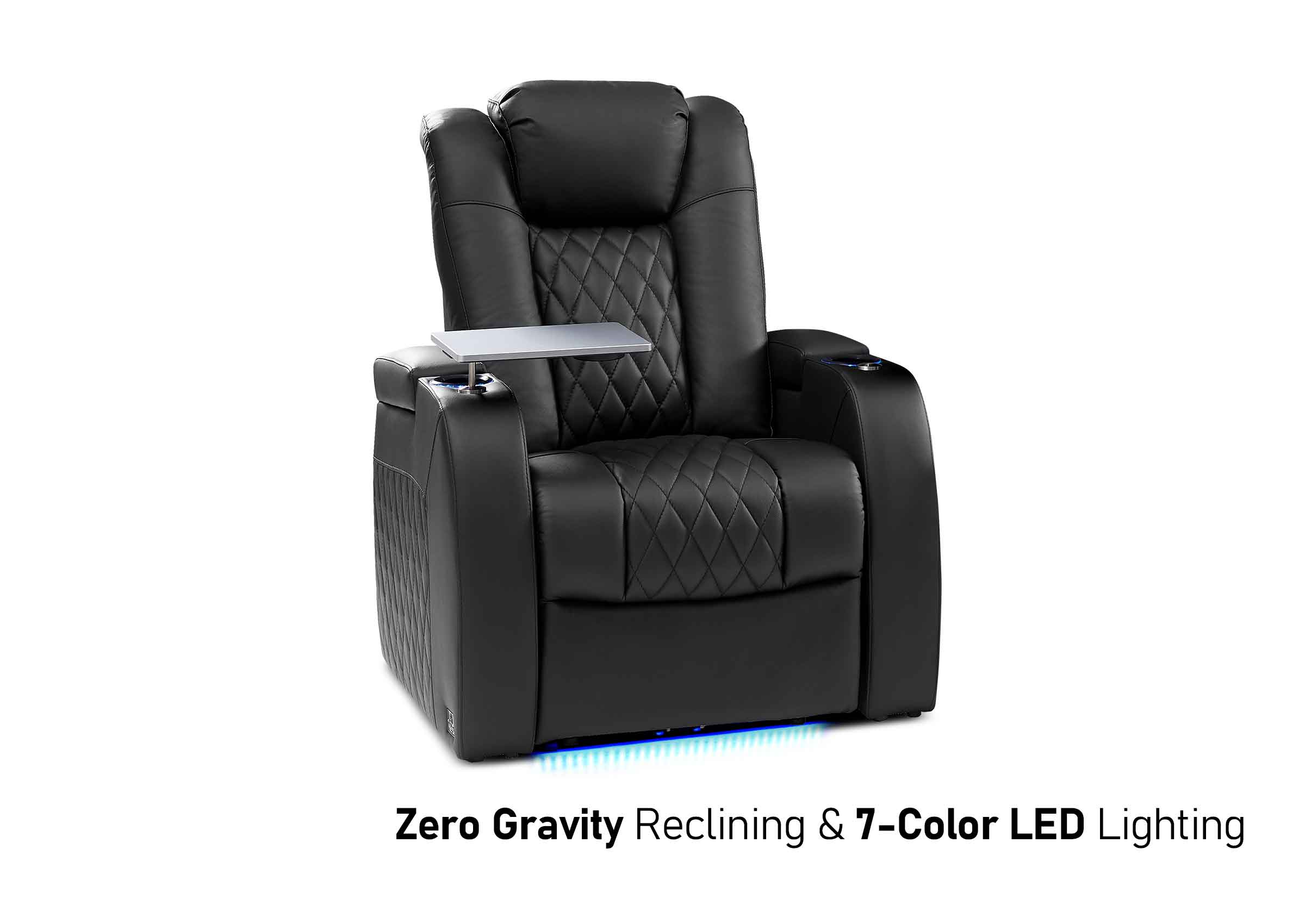
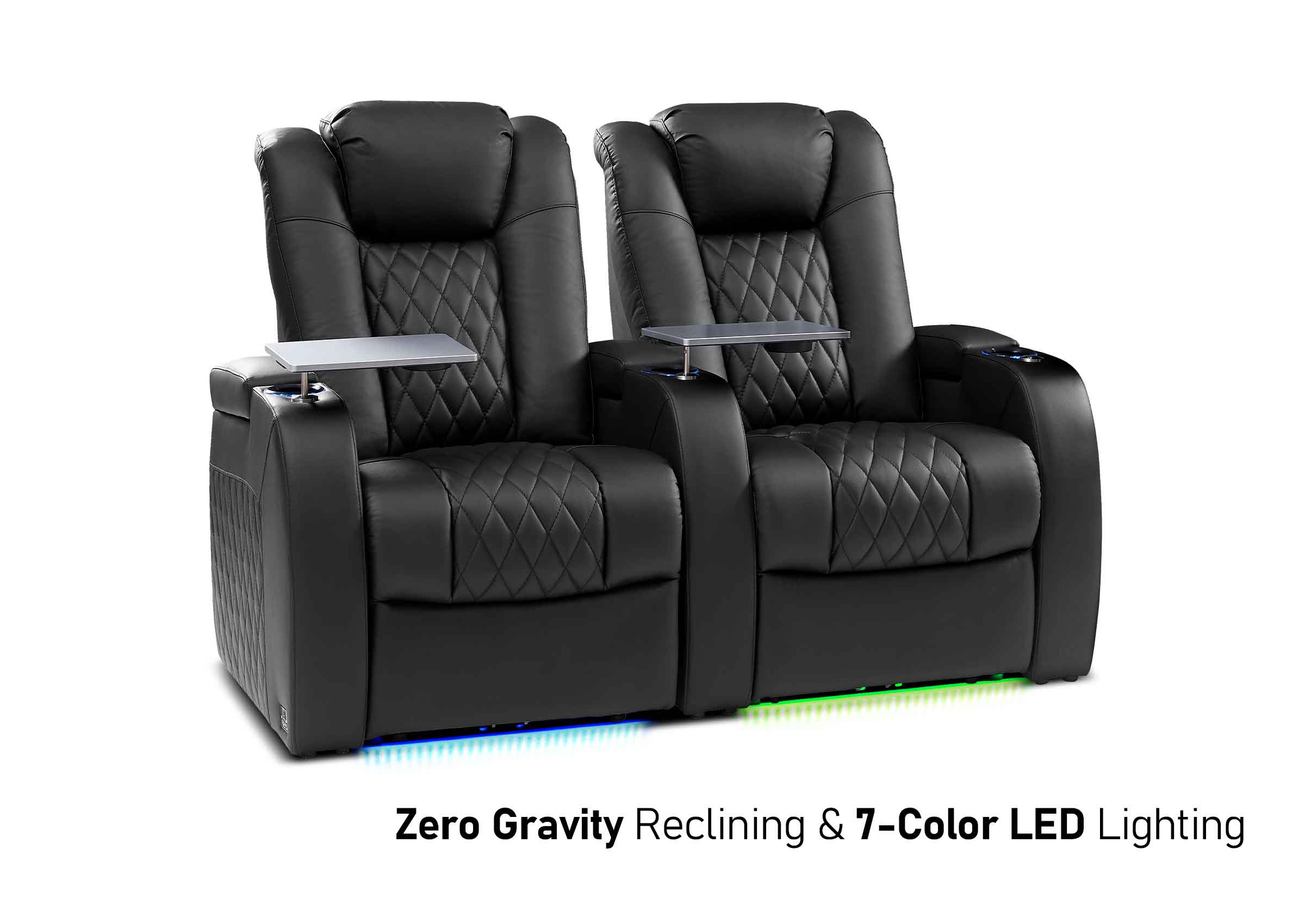
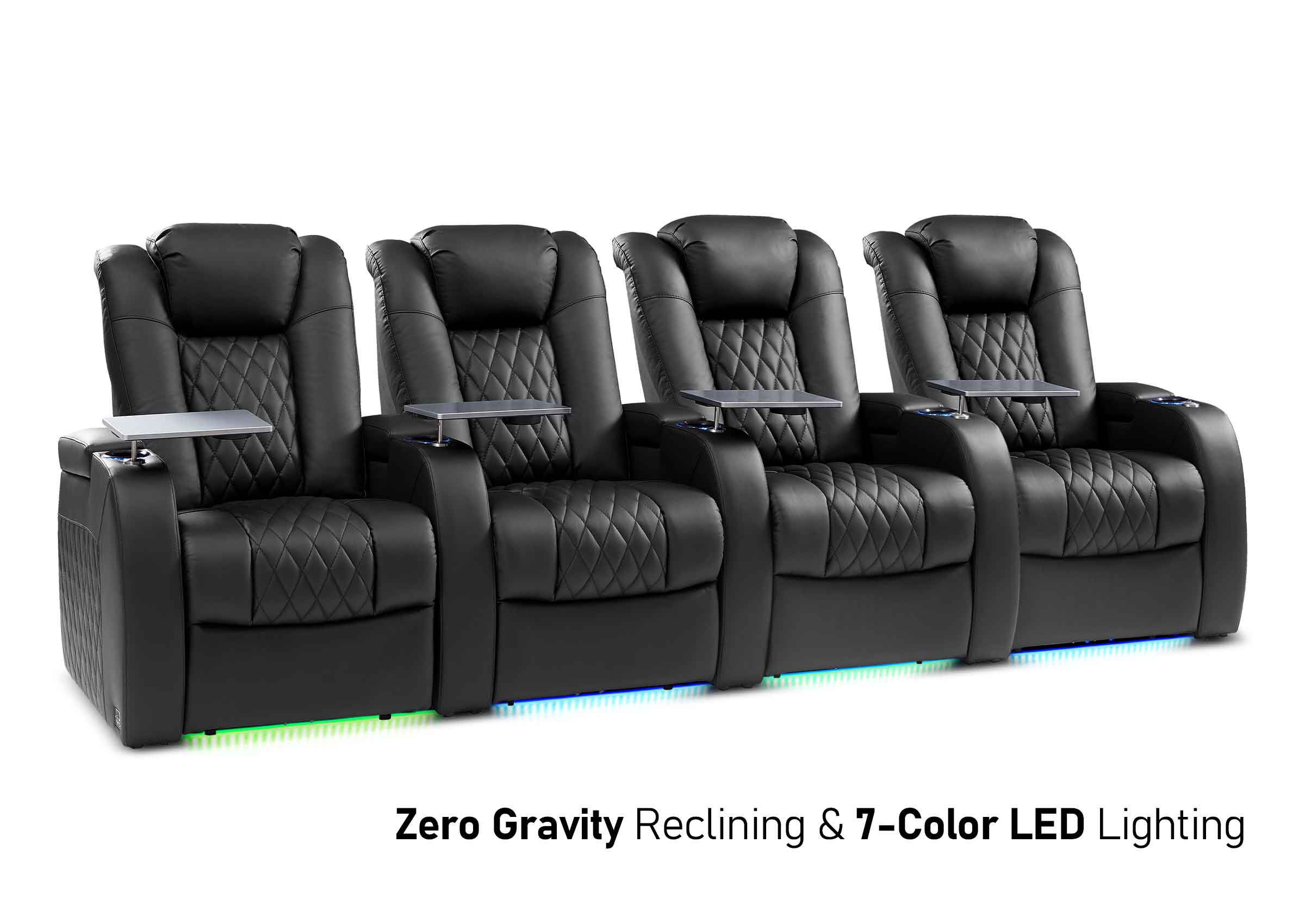
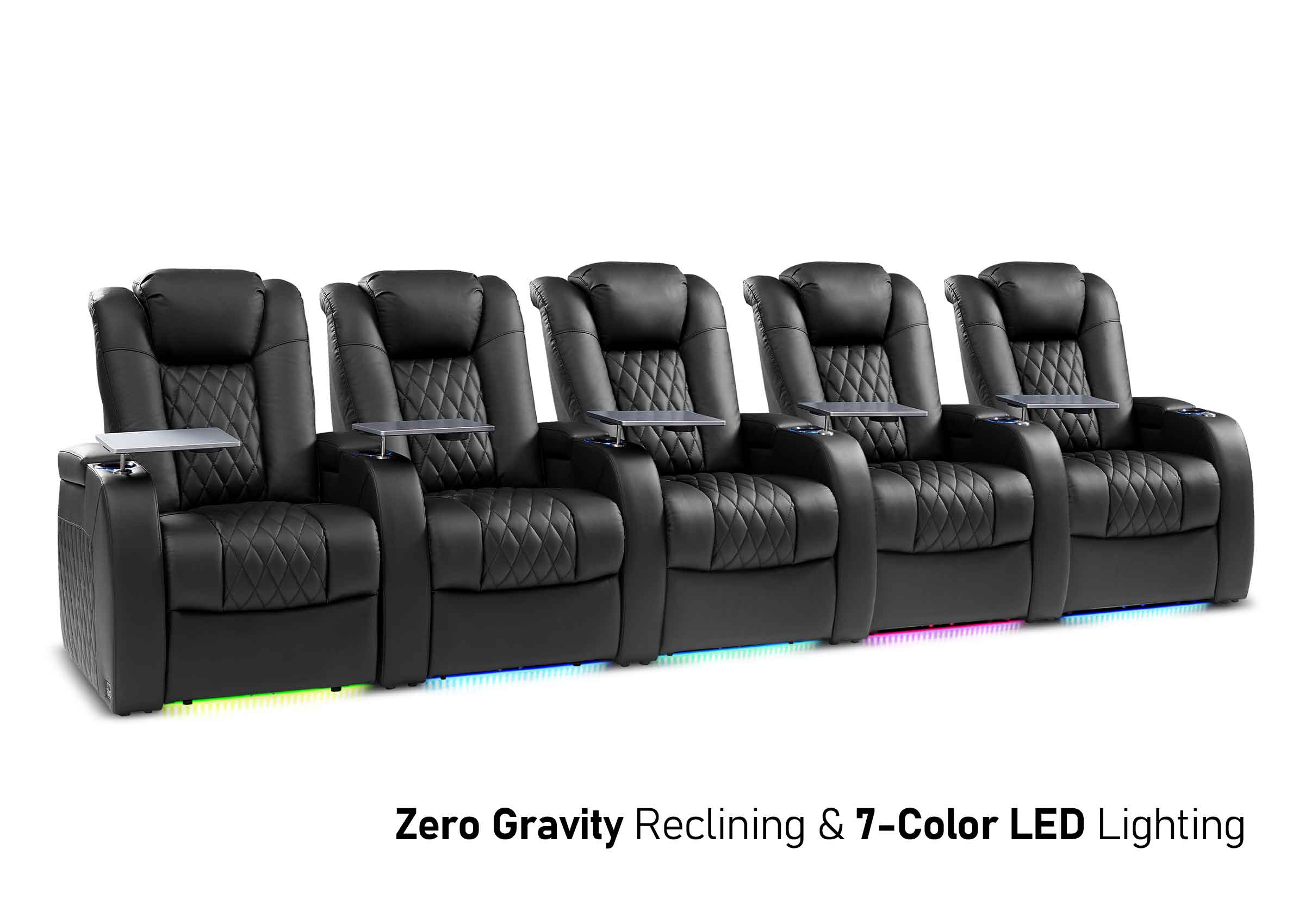
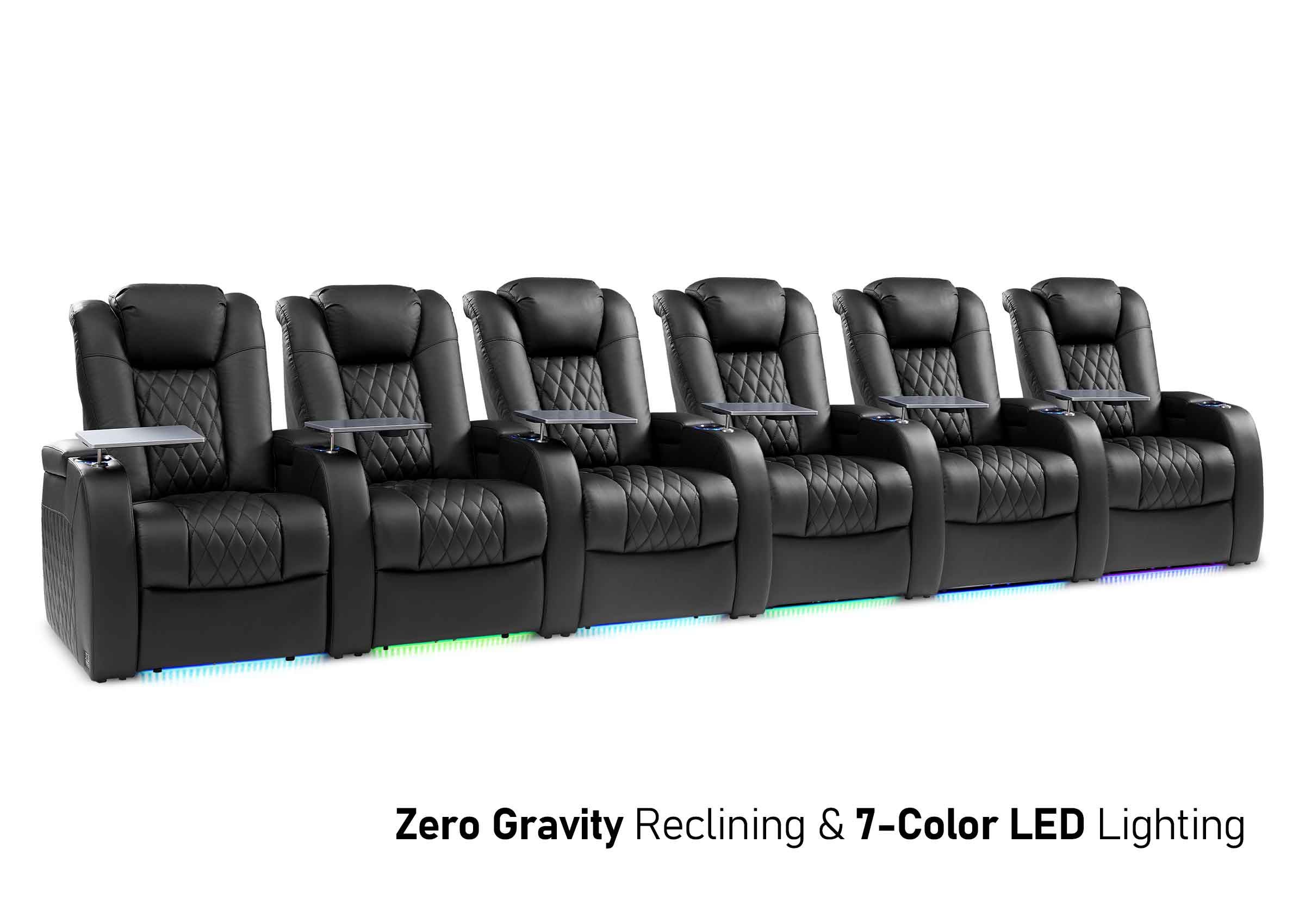
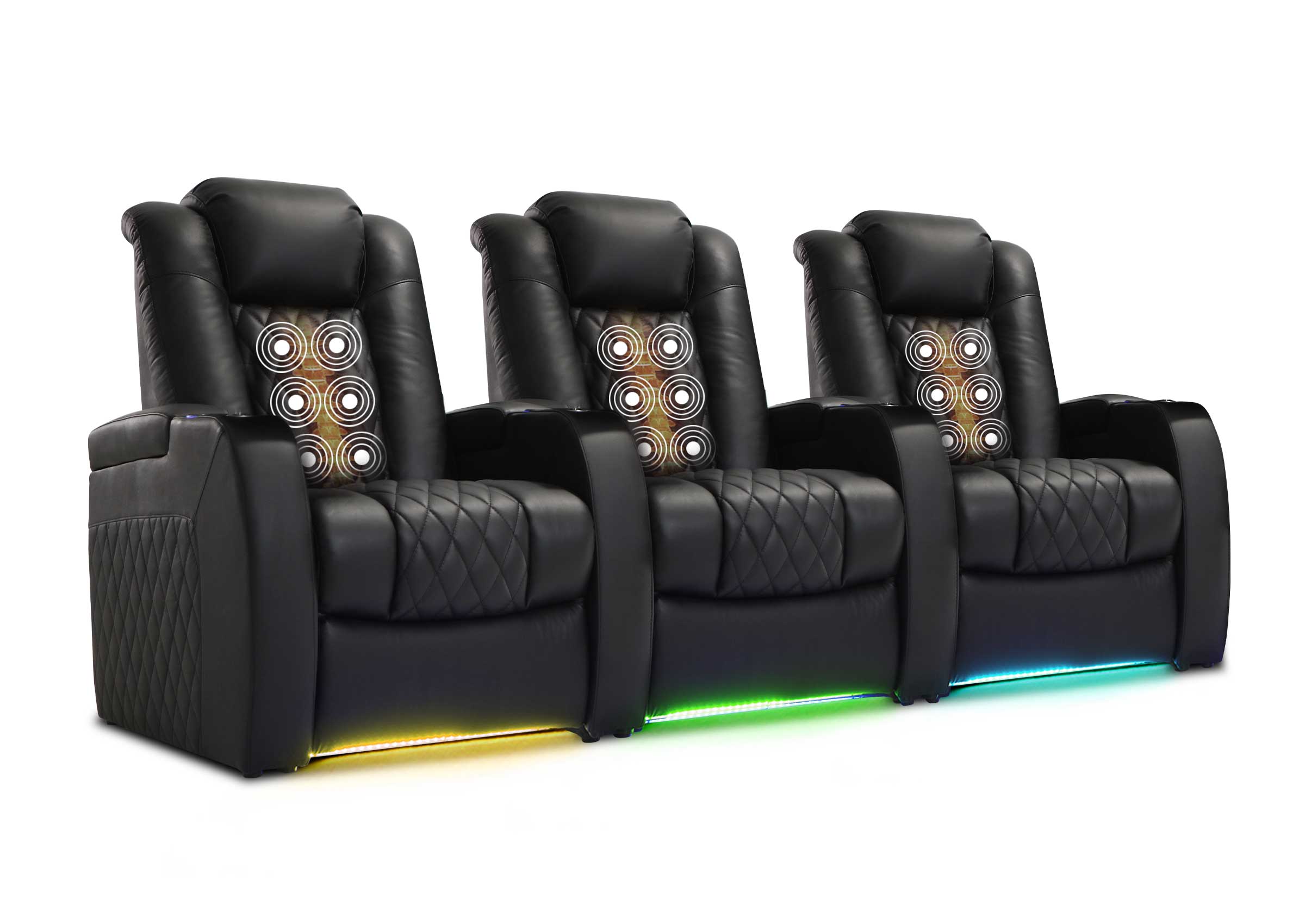
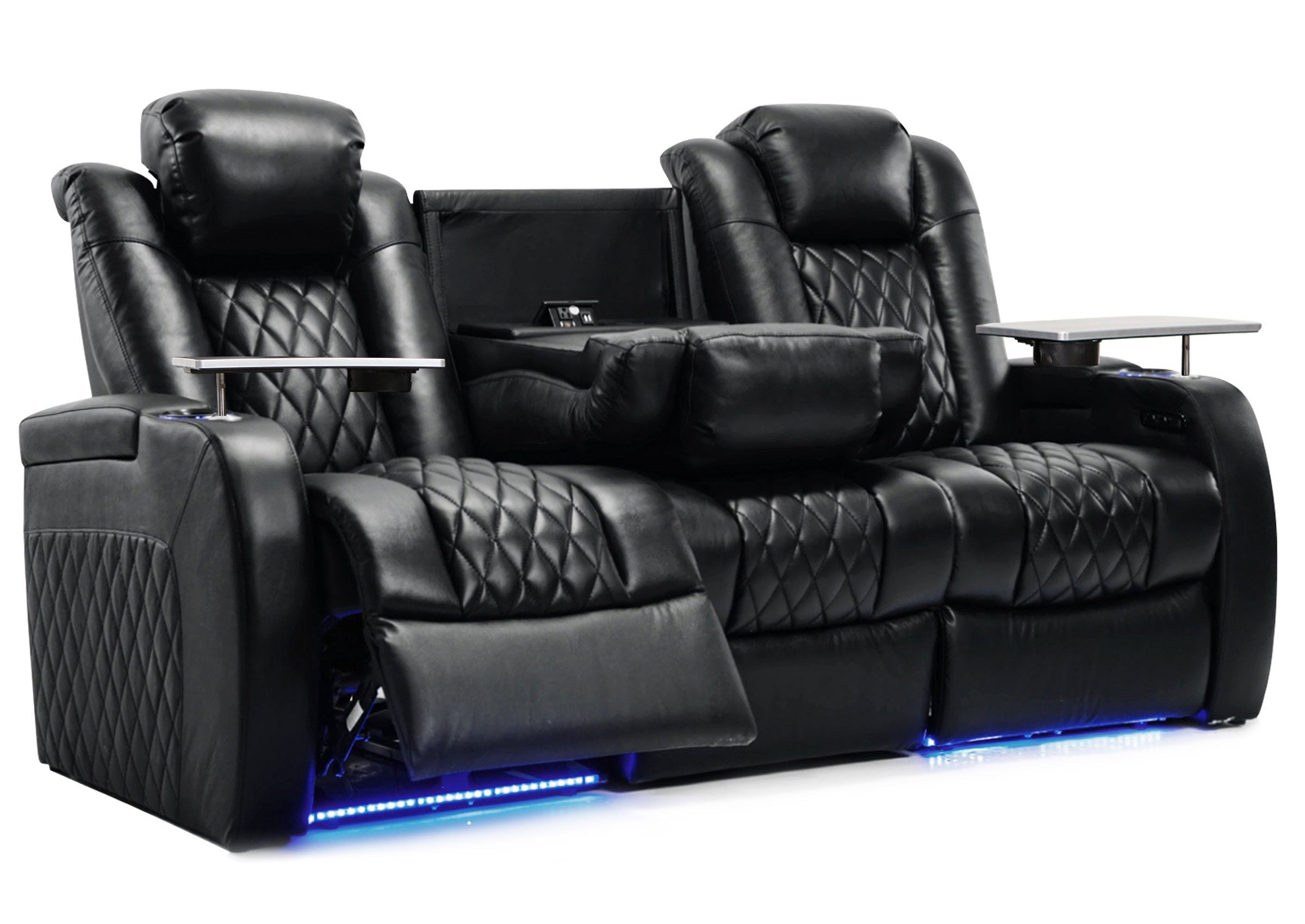
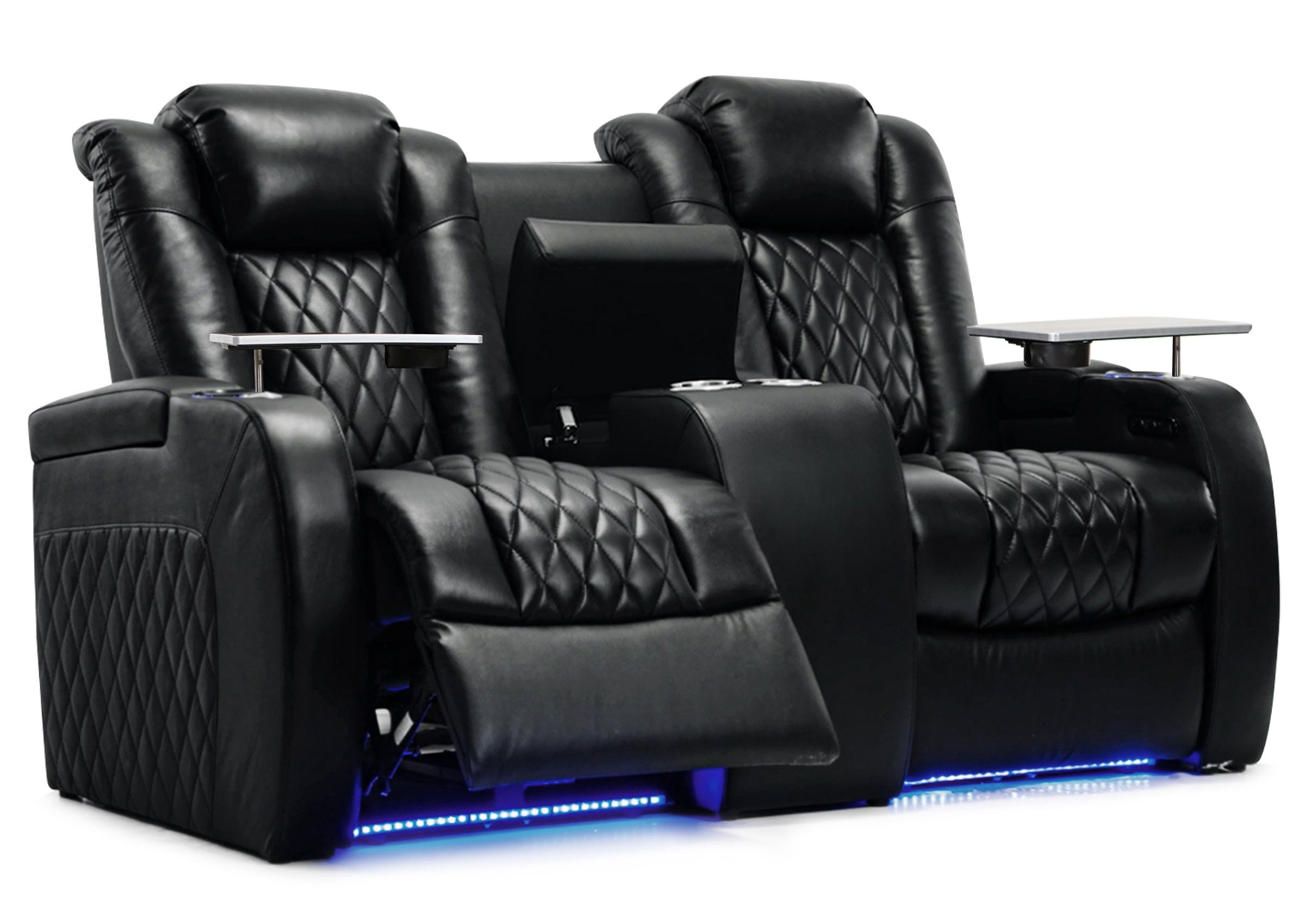


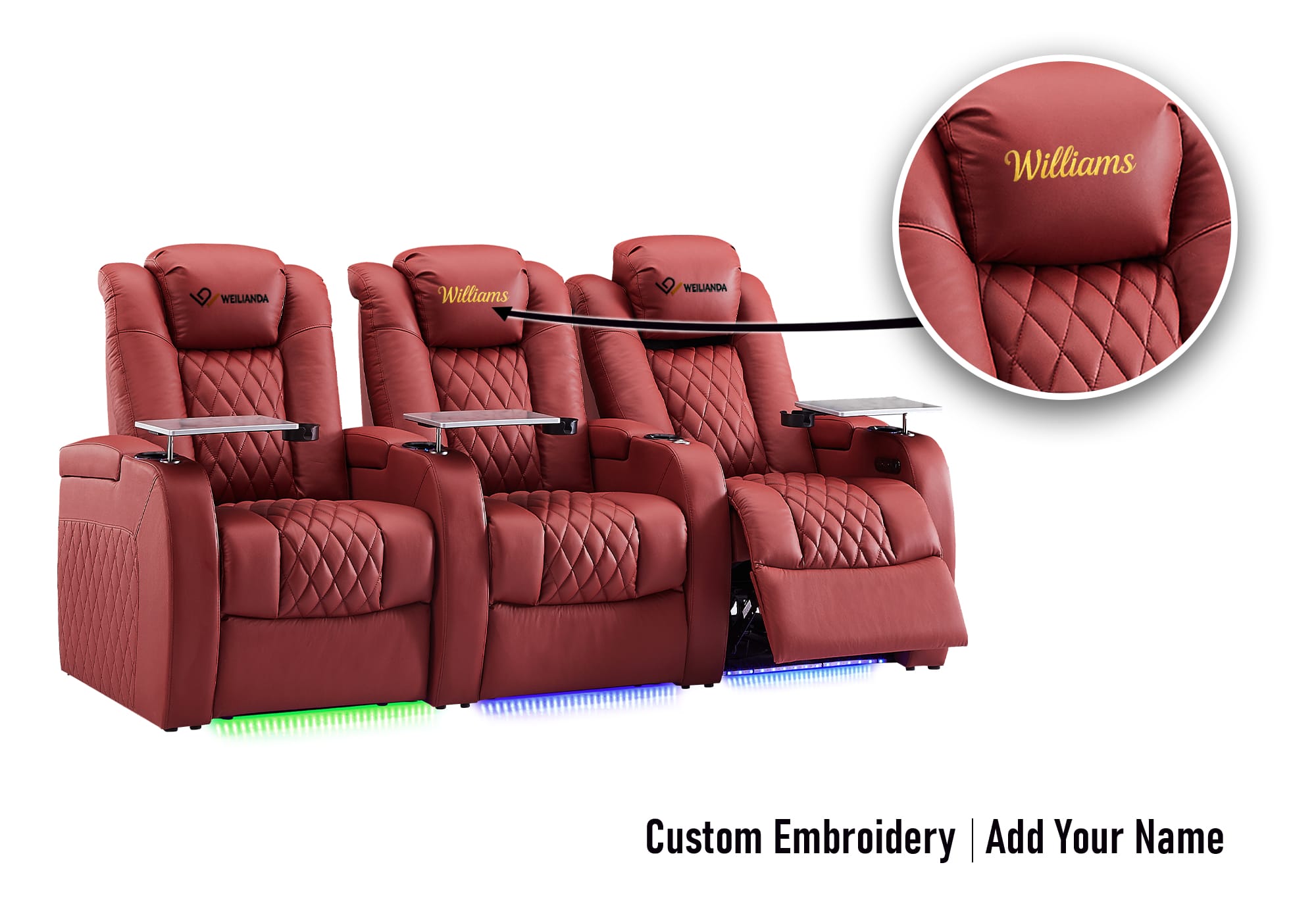

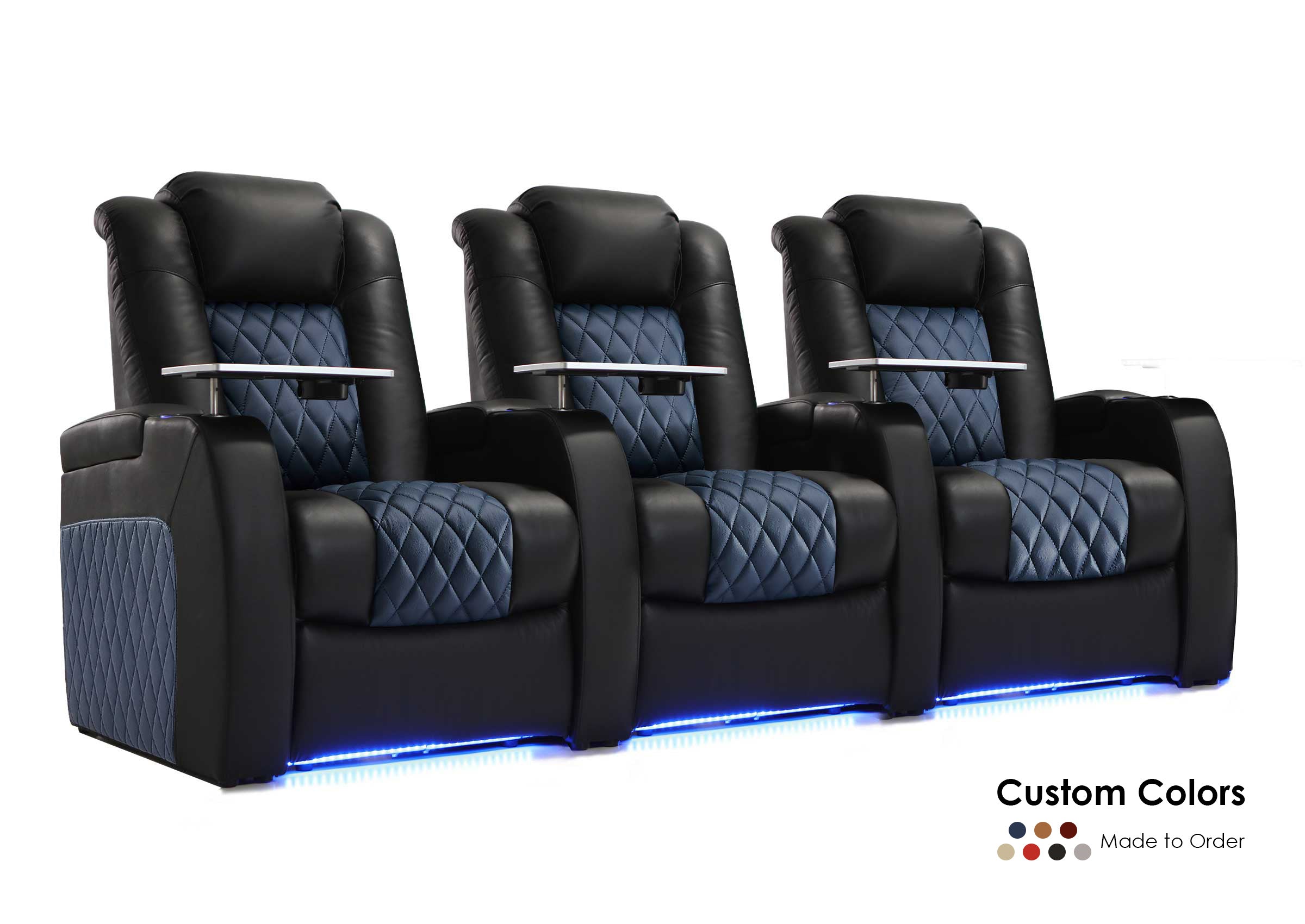

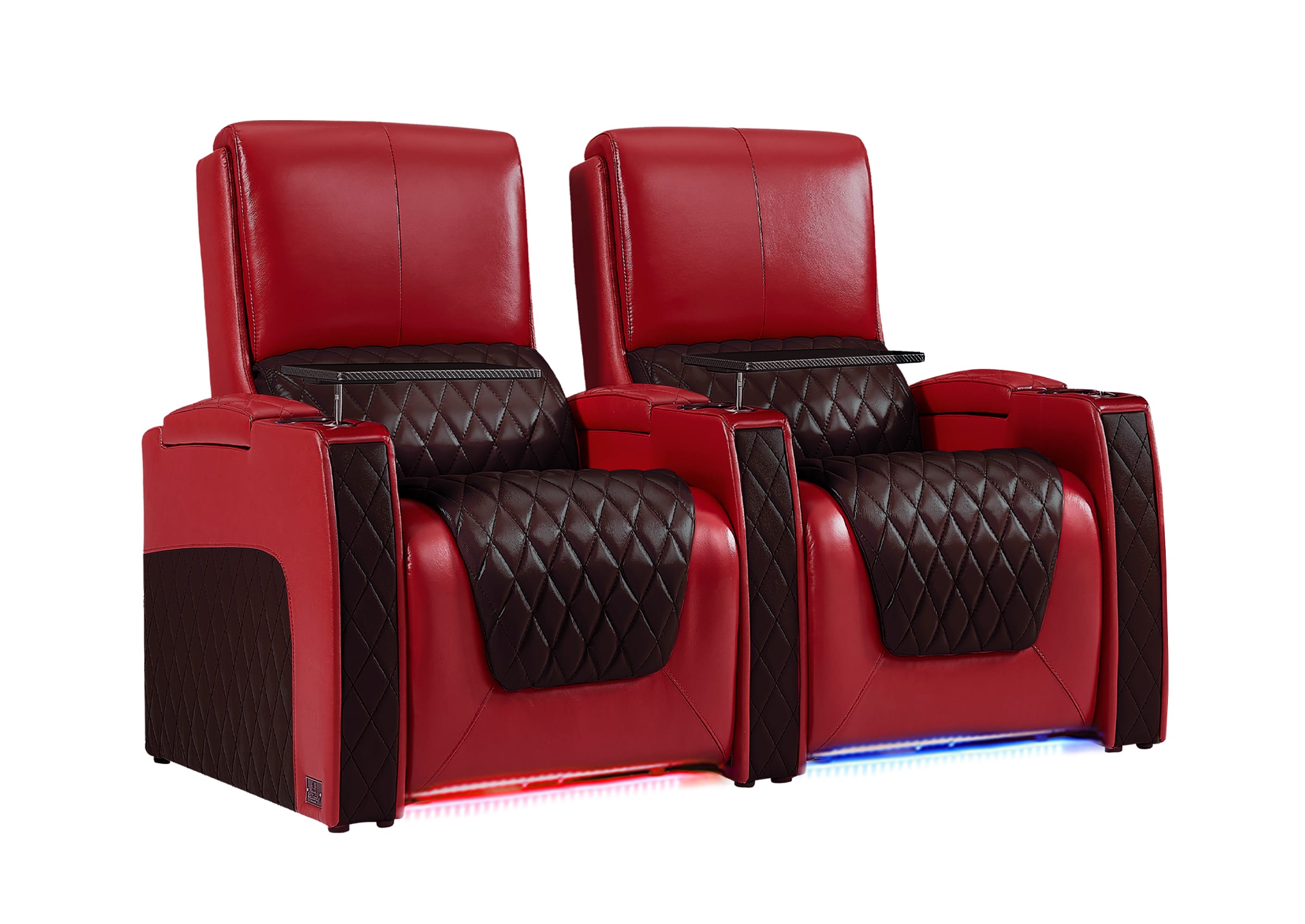
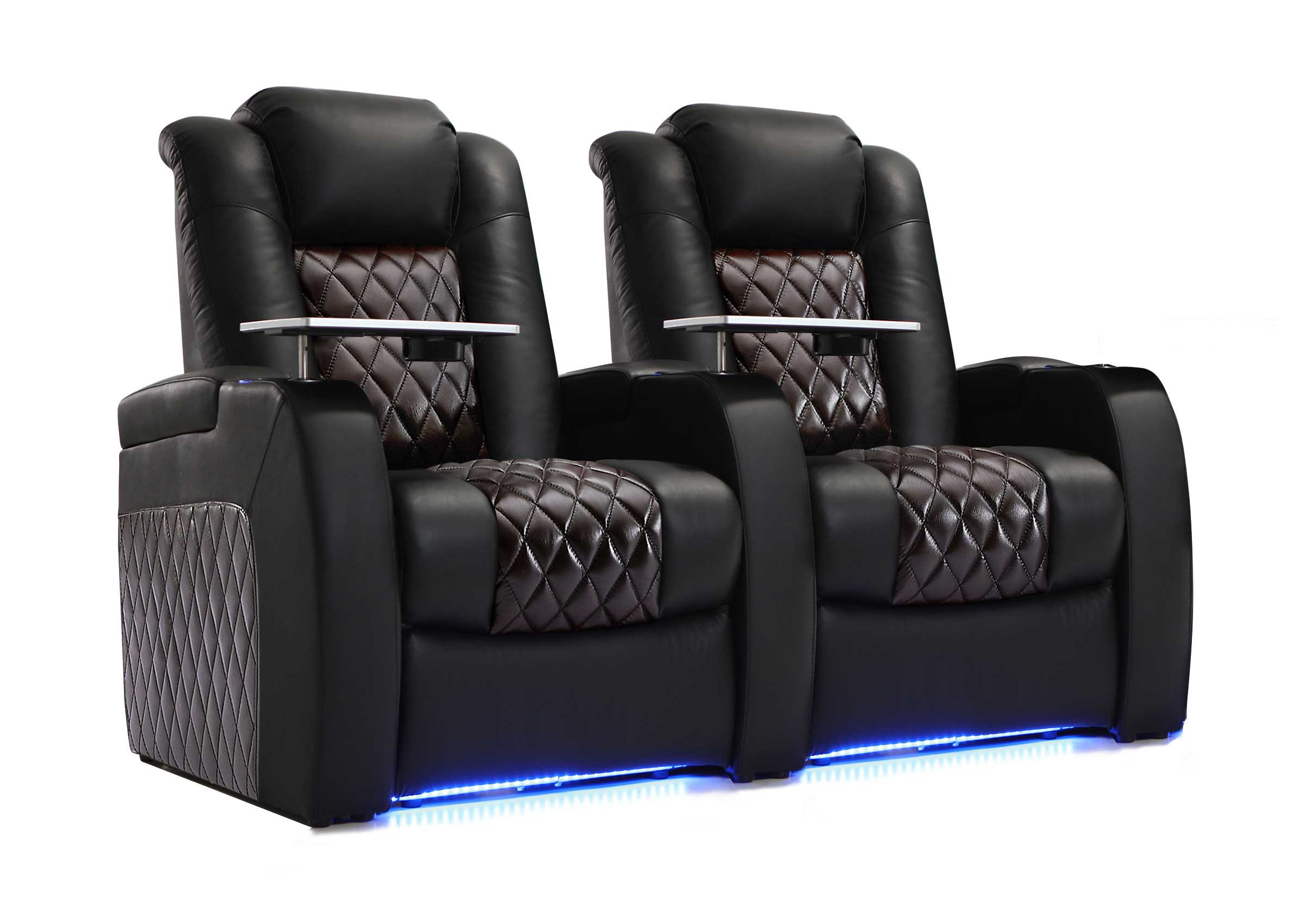
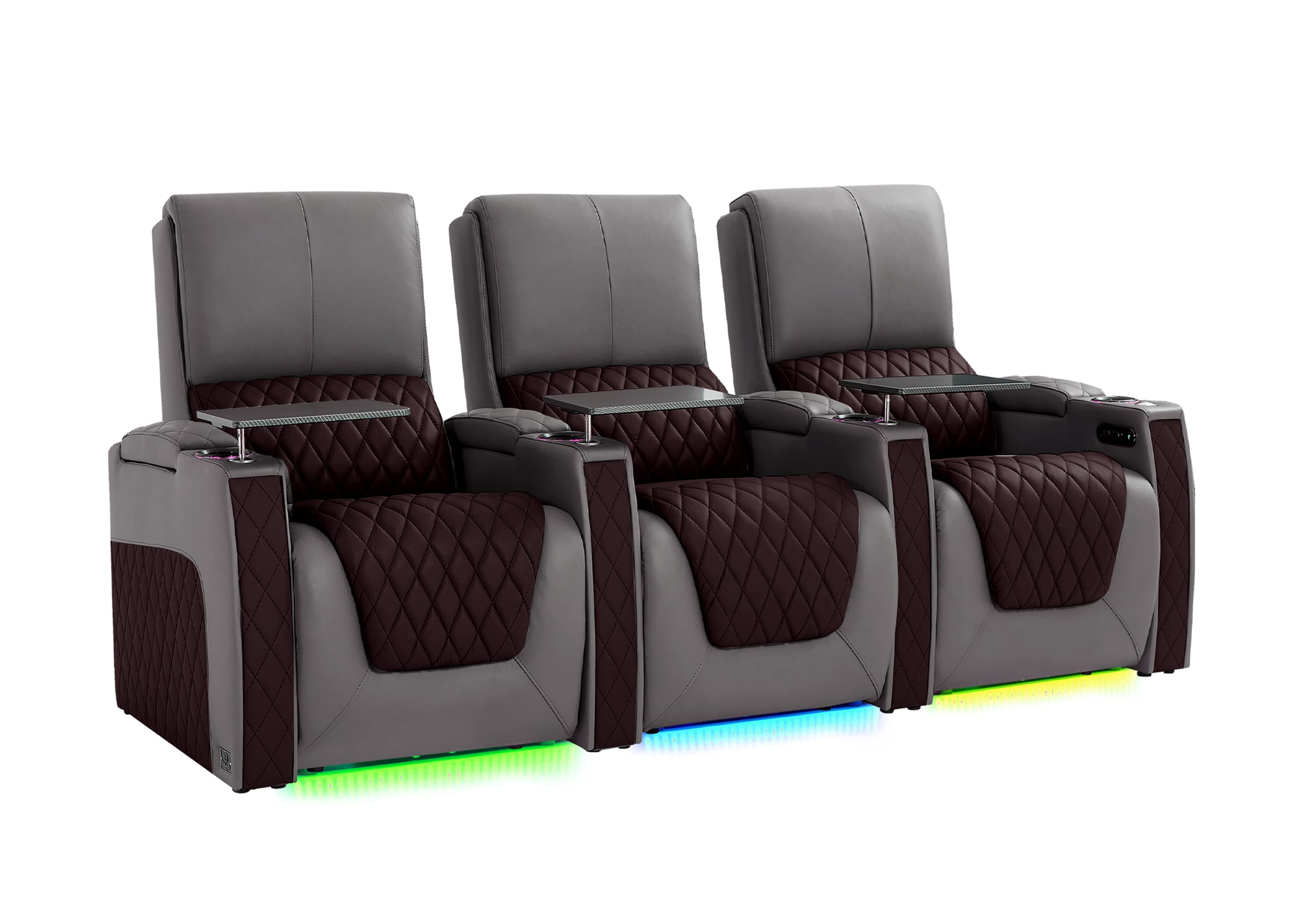
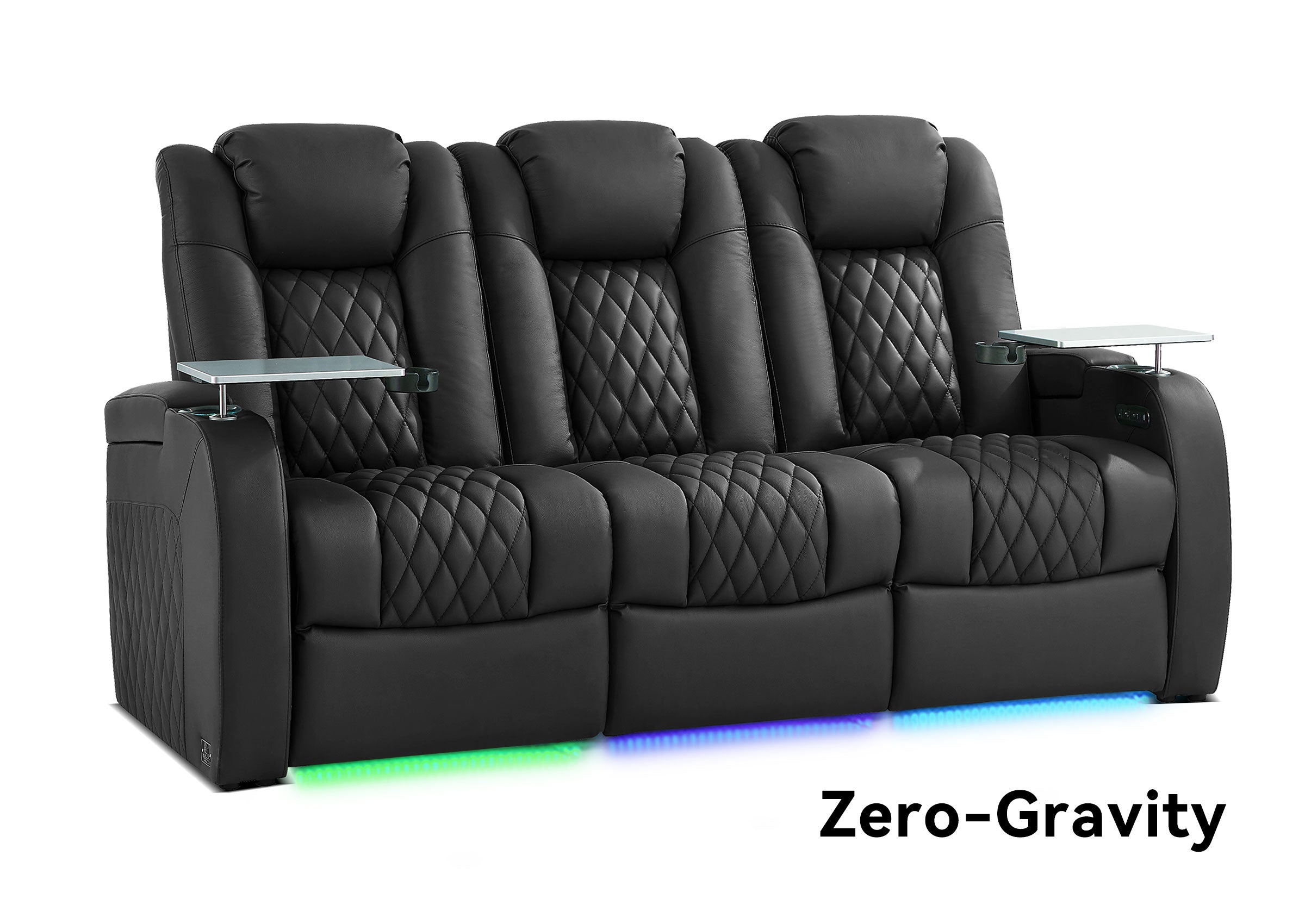
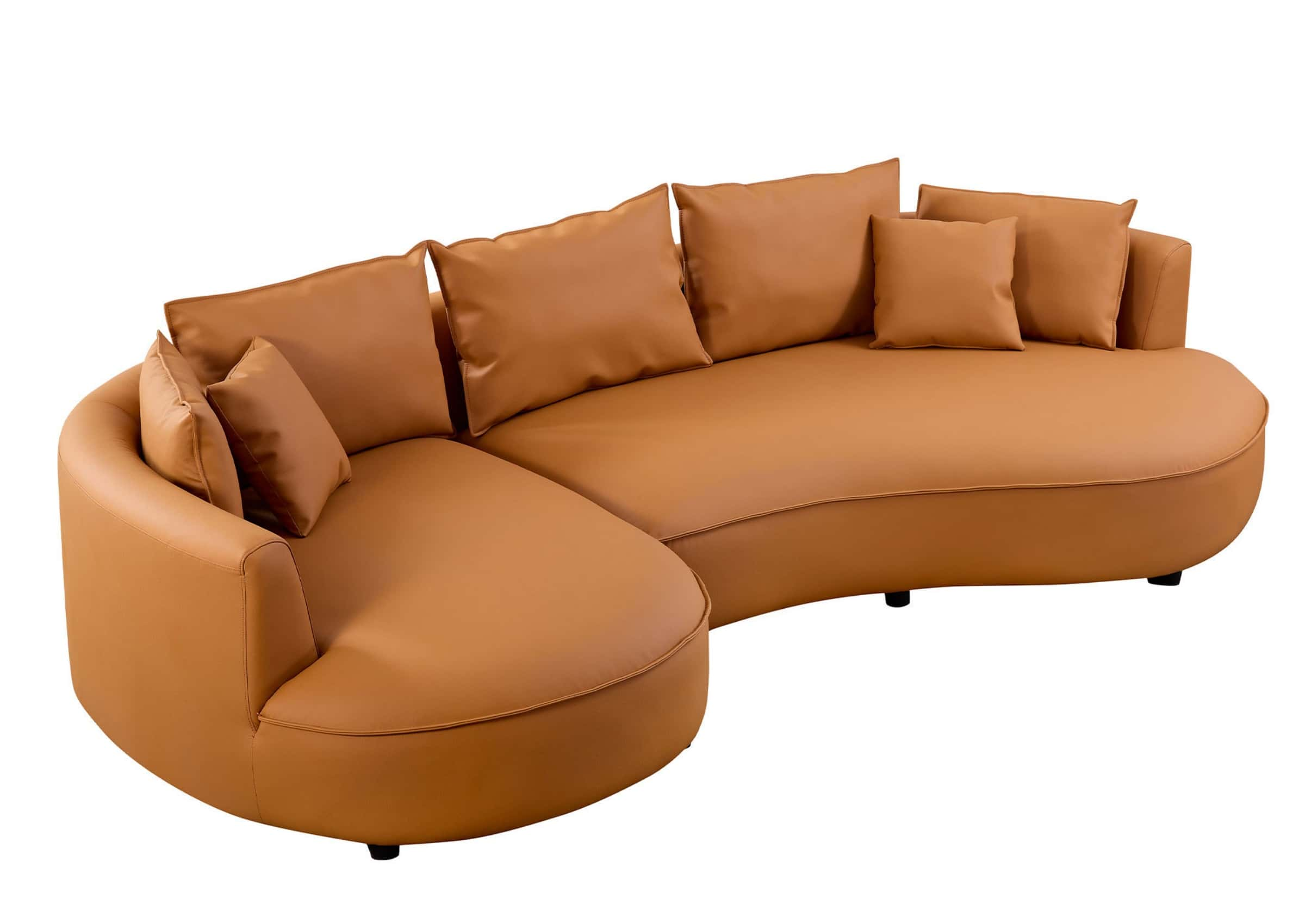


Nappa leather is a term commonly used for soft, supple leather with the grain side facing outward. On a sofa or recliner, the name alone does not tell you the exact hide, surface finish, upholstery coverage, or resistance to everyday wear. Those details matter more than the word nappa when you are deciding what to buy and how to care for it.
You may also see the spelling napa. Neither spelling is enough to establish that a whole chair uses the same material—or that a soft surface will be easy to clean. Read the label as the beginning of the material description, then check the specification and a sample.
What Does Nappa Leather Actually Mean?
Nappa describes a recognizable soft, flexible feel, but suppliers do not all use the term in the same way. Traditional definitions emphasize smooth leather with an intact, unsanded grain surface. In broader commercial usage, the word can also appear alongside descriptions of pigmentation or surface correction.
That difference explains why two products advertised as nappa can feel and behave differently. Collonil's explanation of nappa leather, for example, discusses natural, lightly pigmented, pigmented, and sanded versions. A strict full-grain description and a broad nappa label are not interchangeable specifications.
For furniture shopping, look for the actual material description behind the name. Is it animal leather or a synthetic material described as nappa-look? Which hide and grain are specified? What finish covers the surface?
Softness is worth evaluating in person when possible. It can make an armrest or seat surface pleasant to touch, but it does not establish cushion support, seat depth, headrest fit, or reclining comfort. A supple upholstery sample cannot tell you whether the complete chair will suit a long movie.
Is Nappa the Same as Full-Grain or Top-Grain Leather?
These words answer different questions. Full-grain describes retention of the hide's original grain surface; nappa is used to describe a kind of soft leather. A material can be described as both, but you should not infer every specification from nappa alone.
The Leather Working Group's material definitions separate grain descriptions from finishing terms. That distinction is useful when a product page mixes several impressive-sounding labels.
| Wording on a furniture listing | What it helps describe | What you still need to know |
|---|---|---|
| Nappa leather | The stated leather type and soft, supple character | Hide, grain treatment, finish, and panel coverage |
| Full-grain leather | Retention of the original grain surface | Protective finish, care requirements, and suitability for your use |
| Top-grain leather | Leather from the grain-bearing upper part of the hide | Whether the surface is corrected and how it is finished |
| Aniline, semi-aniline, or pigmented | The surface finishing approach | The selected material's care instructions and performance |
| Leather match | A combination of leather and matching non-leather upholstery | Which panels use each material |
| Italian leather | An origin or production description that needs clarification | What was done in Italy, plus the actual material and finish |
There is no useful shopping shortcut that ranks every nappa sofa above every top-grain sofa. The terms can overlap, and the finish can change the practical trade-offs.
If a retailer gives two alternatives, ask for the grain, finish, and coverage of both. A comparison between “nappa” and “genuine leather” is incomplete until you know what each option actually contains. Request the same four fields for both: material, grain treatment, finish, and upholstery coverage. This prevents a more specific label on one option from being mistaken for evidence that the other is synthetic.

The Finish Changes Everyday Use
A leather's exposed surface helps determine how readily it marks, how it handles spills, and which care products are appropriate. Nappa does not automatically mean uncoated, waterproof, or maintenance-free.
| Finish description | General character | What to consider at home |
|---|---|---|
| Aniline | Natural grain remains visible without a pigmented surface layer | More sensitivity to liquid marks; use the specified care system |
| Semi-aniline | Some pigment provides protection while preserving visible grain character | A possible balance of appearance and protection; confirm the actual finish |
| Pigmented or protected | A covering color finish creates a more uniform surface | Often a practical direction for easier cleaning, but not a promise against scratches or stains |
Two upholstery specifications illustrate why the finish matters. OC Oscarson's Classic Nappa specification describes a full-grain bullhide with a semi-aniline finish. Kusch+Co's Nappa upholstery sheet specifies a pigmented smooth leather.
These are examples of those suppliers' materials, not specifications for Weilianda seats. They show why you need the finish description as well as the name. Their test results, thicknesses, and care schedules do not automatically apply to another nappa product.
For a room where snacks and drinks are part of most evenings, start by checking the approved spill-cleaning method and level of surface protection. If you prefer a more natural-looking surface and accept visible changes, an open finish may suit that preference. Choose with that trade-off in mind rather than assuming softer leather must be the better household option.
Will Nappa Leather Hold Up to Daily Use?
It can be suitable for everyday seating, but the label does not provide a service-life estimate. The particular leather, finish, upholstery construction, and treatment in your home all affect the result.
Separate the kinds of wear you are worried about. Rubbing from frequent use, a pet's claw, an absorbed drink, and sunlight are different challenges. A finish that helps with surface soil does not make the upholstery resistant to a sharp puncture.
For a busy family room, prioritize a material with clear upholstery-use guidance and a cleaning routine you can follow. If a seller supplies performance information, check that it belongs to the selected leather and finish. A test for another upholstery option does not establish the performance of your color or material.
With pets, consider where claws meet the chair, how often animals jump onto it, and whether you can keep grit out of seat folds. No nappa label makes a recliner claw-proof. If occasional scratches would be unacceptable, evaluate the actual finish and an alternative upholstery sample before committing.
Also inspect how the upholstery sits on the chair. Seams, folds, tension, and contact with moving parts belong to the finished product. Excellent material terminology cannot compensate for an unsuitable chair or poor upholstery execution.
Check the Coverage and Sample Before Ordering
A sofa described as nappa may use that leather on selected surfaces rather than everywhere. Ask about the seat cushions, backrest contact areas, arm tops, outside arms, back panels, footrest, and trim.
Mixed upholstery is not automatically a poor choice. It changes what you are buying and how different areas should be treated. A sample from the sitting surface does not identify the material on the back of the chair.
Use this short check with the exact model and color:
- Record the stated material, grain description, and finish.
- Obtain the panel-by-panel leather coverage or a clear upholstery diagram.
- Match any sample to the selected upholstery name or code.
- Examine the sample under the room's daylight and evening lighting.
- Keep the approved care instructions with the configuration you order.
Handle the sample to judge flexibility and surface feel. Look at color, sheen, and texture alongside the furnishings already in your room. A smooth photograph or the word buttery does not tell you how the surface will feel against your clothing.
Do not use a burn, scratch, solvent, or water-drop test to authenticate finished furniture. Such tests can damage a surface, and a coating changes how genuine leather looks and absorbs liquid. Use the product's material documentation; if you are assessing a sample, confirm that it represents the upholstery being ordered.
A sample is most useful when it resolves a real choice: whether the color works, whether you like the surface, or whether you accept the care requirements. It does not prove years of wear, and a close-up photo cannot establish the composition of the entire sofa.
COMPARE YOUR SEATING OPTIONS
Compare Seating With the Upholstery Checklist in Hand
Browse the seating configurations, then compare the material, finish, panel coverage, and care requirements of your shortlisted options. Confirm the specification for the exact model and color before ordering.
Is Paying More for Nappa Worth It?
Pay more when a documented upholstery difference gives you something you will notice and value. That could be a preferred hand-feel, a finish you like, or a material option that works with the room. Do not pay a premium simply because one listing uses the word nappa.
Compare equivalent chairs or configurations first. Keep the seat count, mechanisms, cushions, dimensions, and delivery scope consistent before attributing a price difference to upholstery. If the upgraded model also changes the headrest, motors, or layout, its full price gap is not a nappa surcharge. Likewise, a lower price with leather only on contact areas is a different coverage offer from all-leather upholstery. Decide whether the extra coverage matters in your room before treating either as better value.
Then ask what the upholstery change requires from you. A surface that feels especially appealing may be a good choice in a carefully used room. The same option may offer less practical value if you need to deal with frequent spills and want a simple approved cleaning routine.
When both options meet your needs, compare their samples and specifications side by side. If the seller cannot explain the material difference, the higher price alone does not establish an upgrade. There is no universal percentage premium or guaranteed lifespan attached to the nappa name.
How to Care for Nappa Without Guessing
Start with the care instructions for the particular upholstery. Do not choose a cleaner solely because its label says leather or nappa; a product intended for one finish may be unsuitable for another.
Remove loose dust with a clean, soft cloth as the furniture maker directs. Blot a fresh spill promptly with a clean absorbent cloth rather than rubbing it across the surface. Avoid soaking the upholstery, and get advice before treating an absorbed stain.
Use only an approved cleaning or protection method. Test it in a concealed area of the same material and finish, let it dry, and check for color change, transfer, tackiness, or a new sheen. An inconspicuous synthetic panel is not a valid test area for a leather seat.
Keep the chair away from prolonged direct sunlight and strong heat. Do not automatically apply shoe polish, household disinfectant, oil, or a home-mixed cleaner. If the finish is peeling, sticky, or transferring color, stop experimenting and ask for material-specific advice.
On a power recliner, keep liquids away from switches, ports, and wiring, and follow the manual's preparation instructions. Our leather recliner cleaning guide explains how to separate upholstery care from crevices, trim, and electrical areas.
Frequently Asked Questions
Is nappa leather real leather or PU?
Nappa leather ordinarily refers to animal leather. PU, faux nappa, and nappa-look descriptions may refer to synthetic upholstery instead. Check the composition statement, not just the feel or marketing name. If the description mixes these terms, request a clear material specification before treating the product as leather.
Does nappa always come from lambskin?
No. The name is associated with soft leathers from several animals, and furniture materials can include cowhide or bullhide. The Classic Nappa upholstery specification above is one documented bullhide example. Ask which hide is used if the distinction matters to you; the nappa label alone does not identify the animal.
Does nappa mean the leather was made in Italy or California?
No. A nappa description does not establish the country of production. If origin is important, ask what the seller's origin wording covers, such as tanning or finishing. Check that separately from where the chair was upholstered or assembled.
Does softer nappa mean a more slippery seat?
No. Flexibility, surface texture, and friction against clothing are different properties. A leather can be supple without feeling especially slippery. If sliding into or changing position on the chair matters to you, try the actual finished upholstery with your usual clothing rather than relying on a softness claim.
Is nappa leather waterproof?
Do not treat it as waterproof. An open finish can take up liquid and develop marks; a protective finish may help with some spills but does not make seams or the complete chair waterproof. Blot promptly and follow the selected material's instructions. Do not deliberately wet the chair to test its label.
Are wrinkles in nappa leather normal?
Soft upholstery can develop creases as it flexes and conforms to use. A crease by itself does not establish a defect or prove material quality. Compare the change with the product's care and warranty information; photograph sudden sagging, tearing, or a rapidly changing area and ask the seller to assess it.
Does peeling prove that the nappa was fake?
No. Surface deterioration alone does not identify the underlying material. A finish, a synthetic matching panel, and a leather-based upholstery material can present different problems. Record the affected panel, purchase details, cleaning history, and close-up photos. Avoid picking or applying a repair coating before the material and appropriate response are confirmed.
Confirm the Upholstery Before Choosing Your Recliner
Choose the finish and coverage you understand, in a chair that fits the way you sit. The nappa name can help describe an appealing surface, but the sample, specification, and care requirements should support the purchase.
For a Weilianda option, send the model, color, upholstery wording or sample code, and the panels you want to confirm to Weilianda Support or leon@weiliandahome.com. Ask what material and finish apply to that selection and which care instructions go with it before placing the order.