




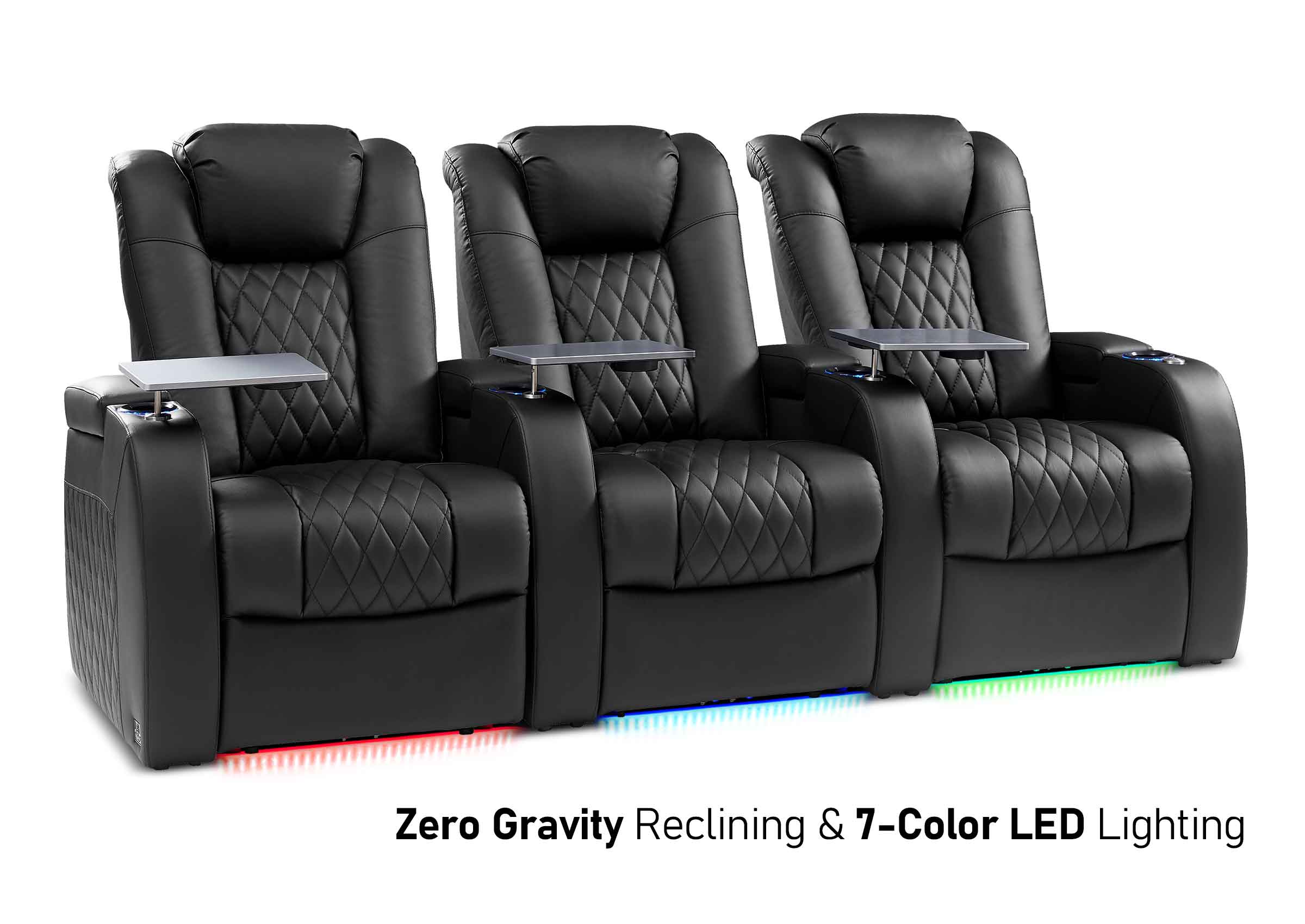

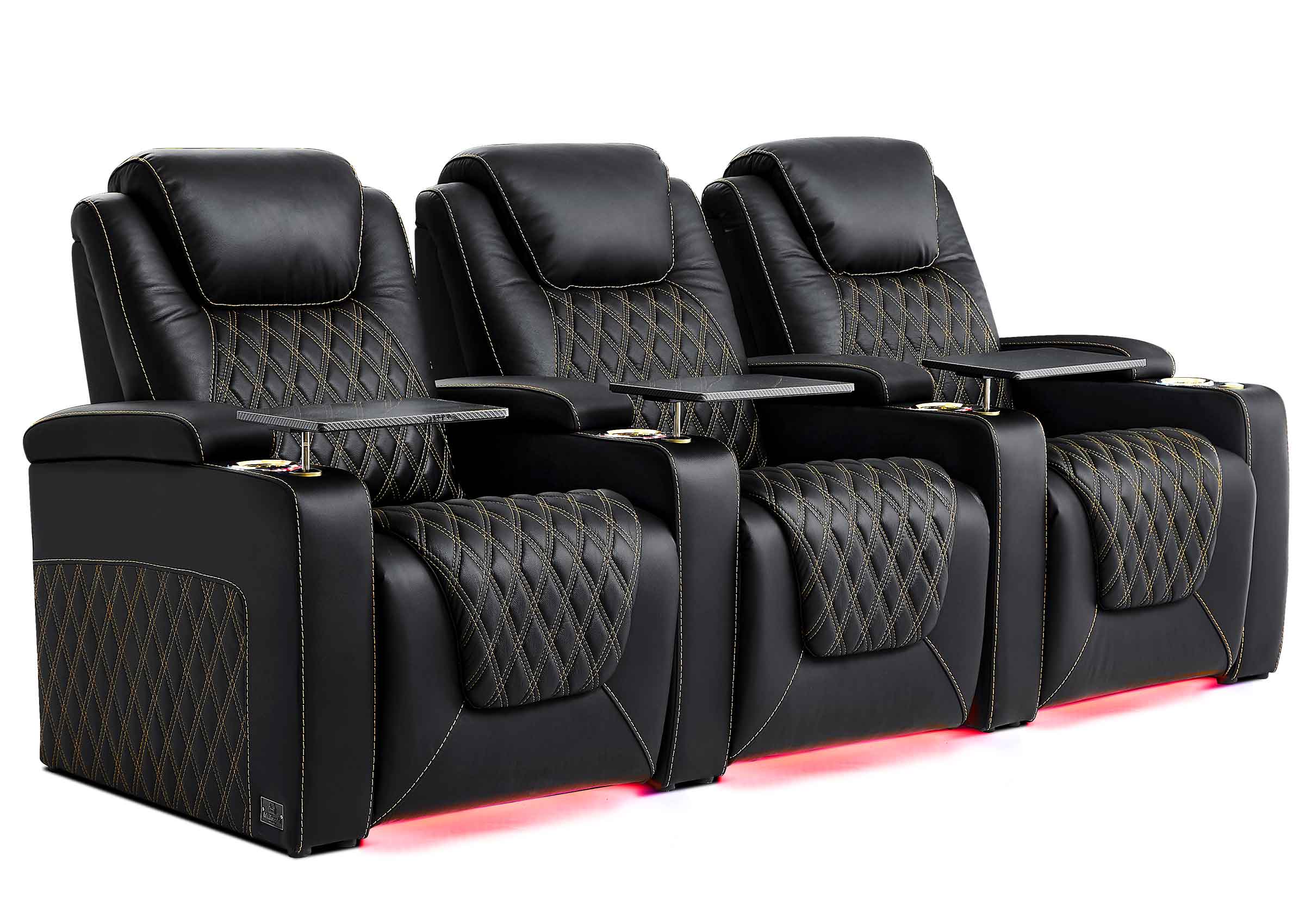
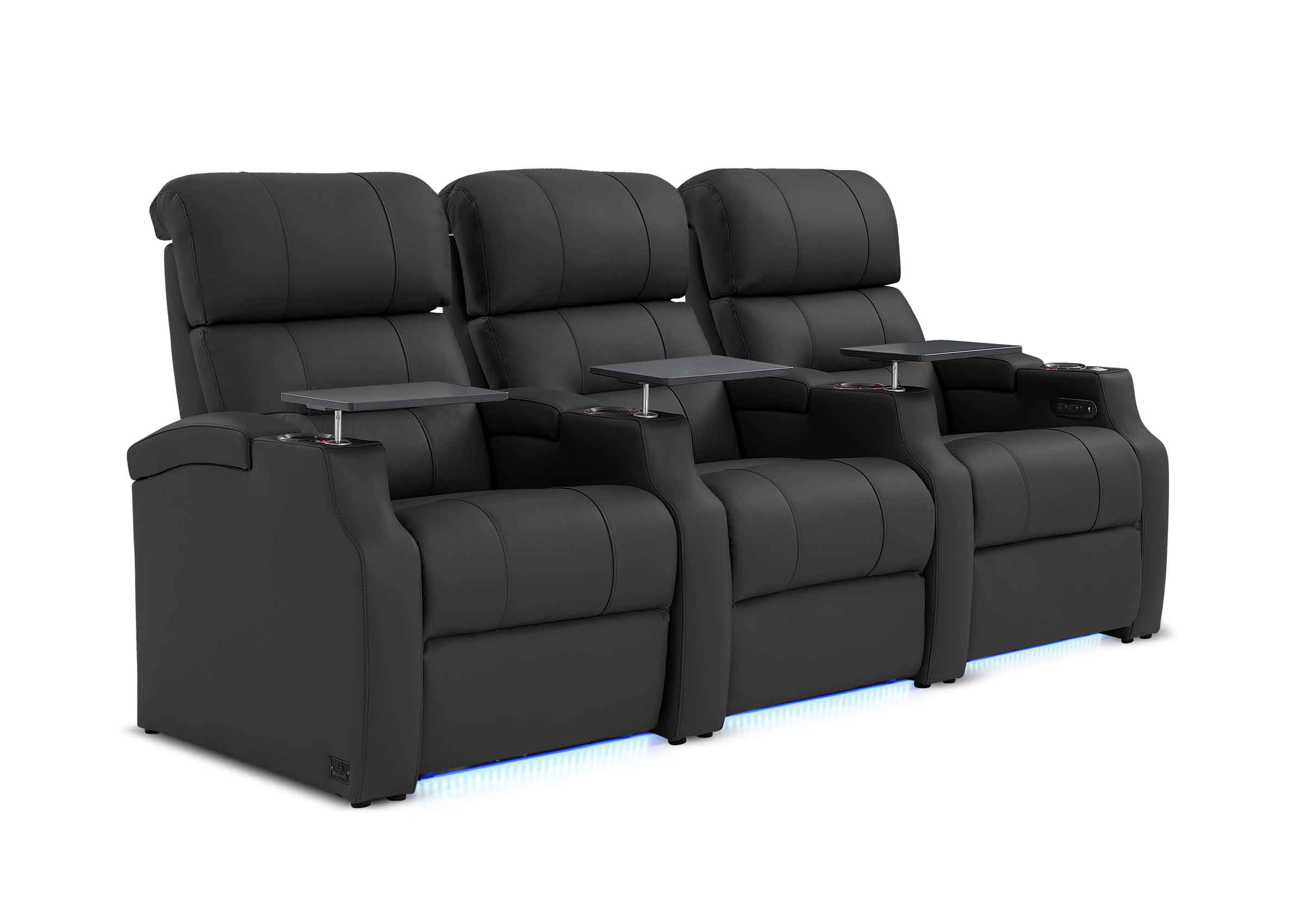
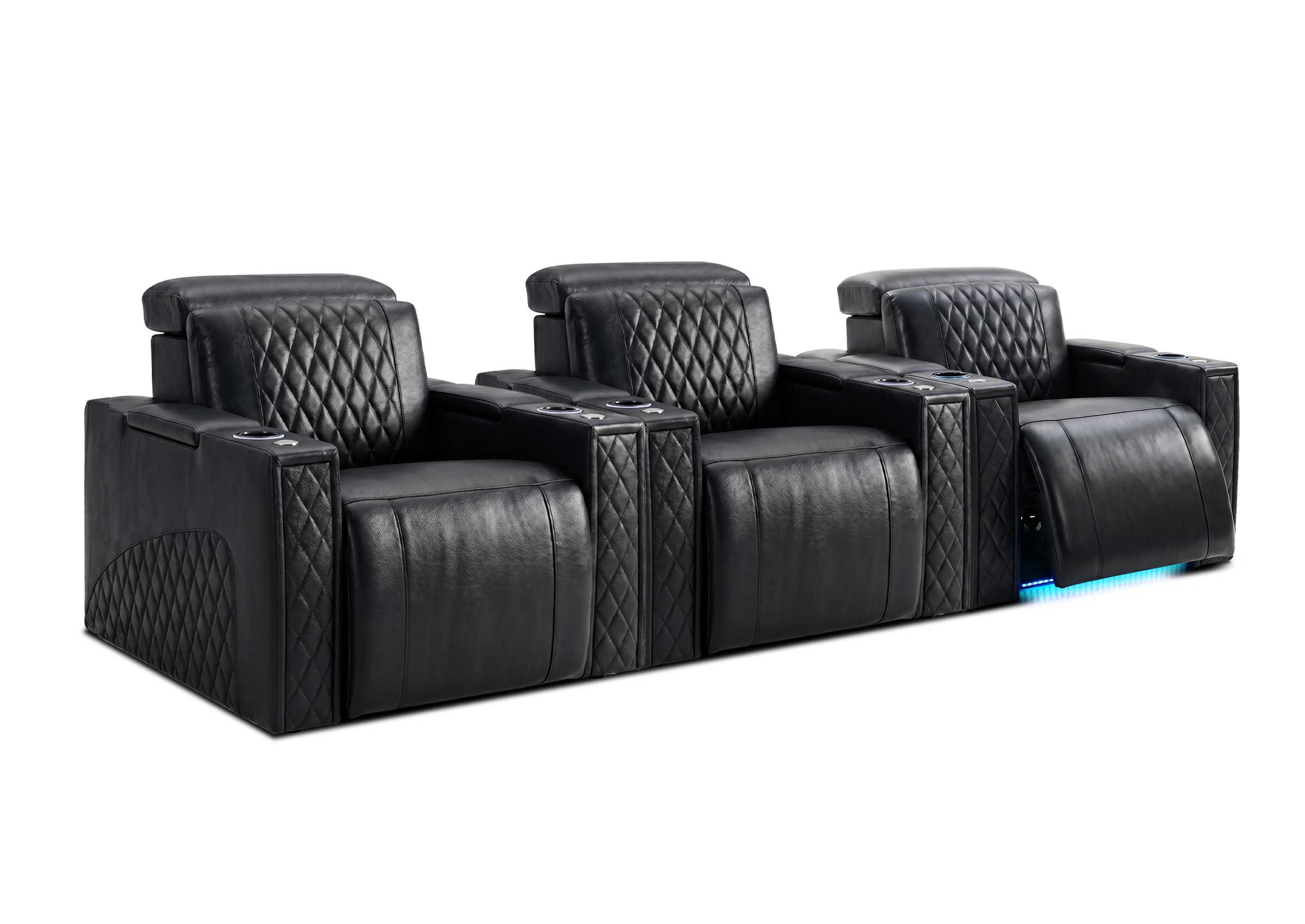

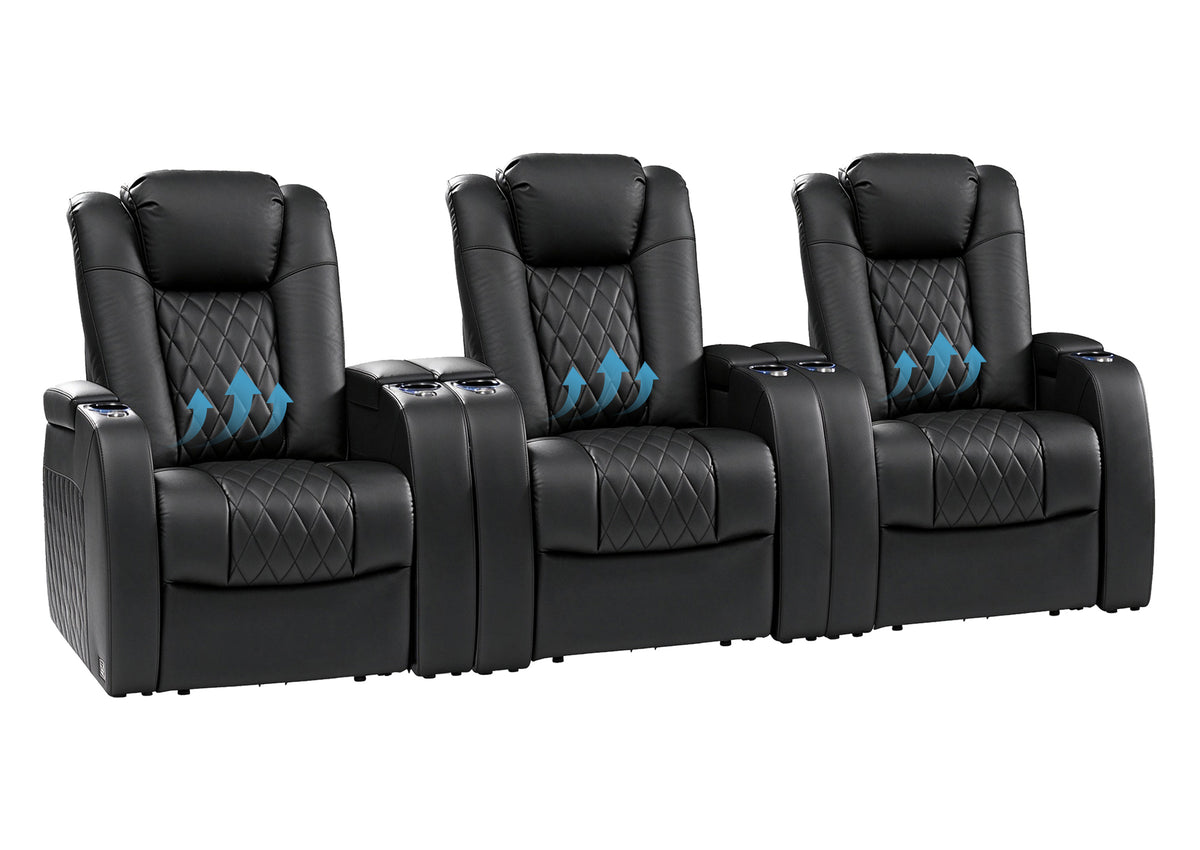
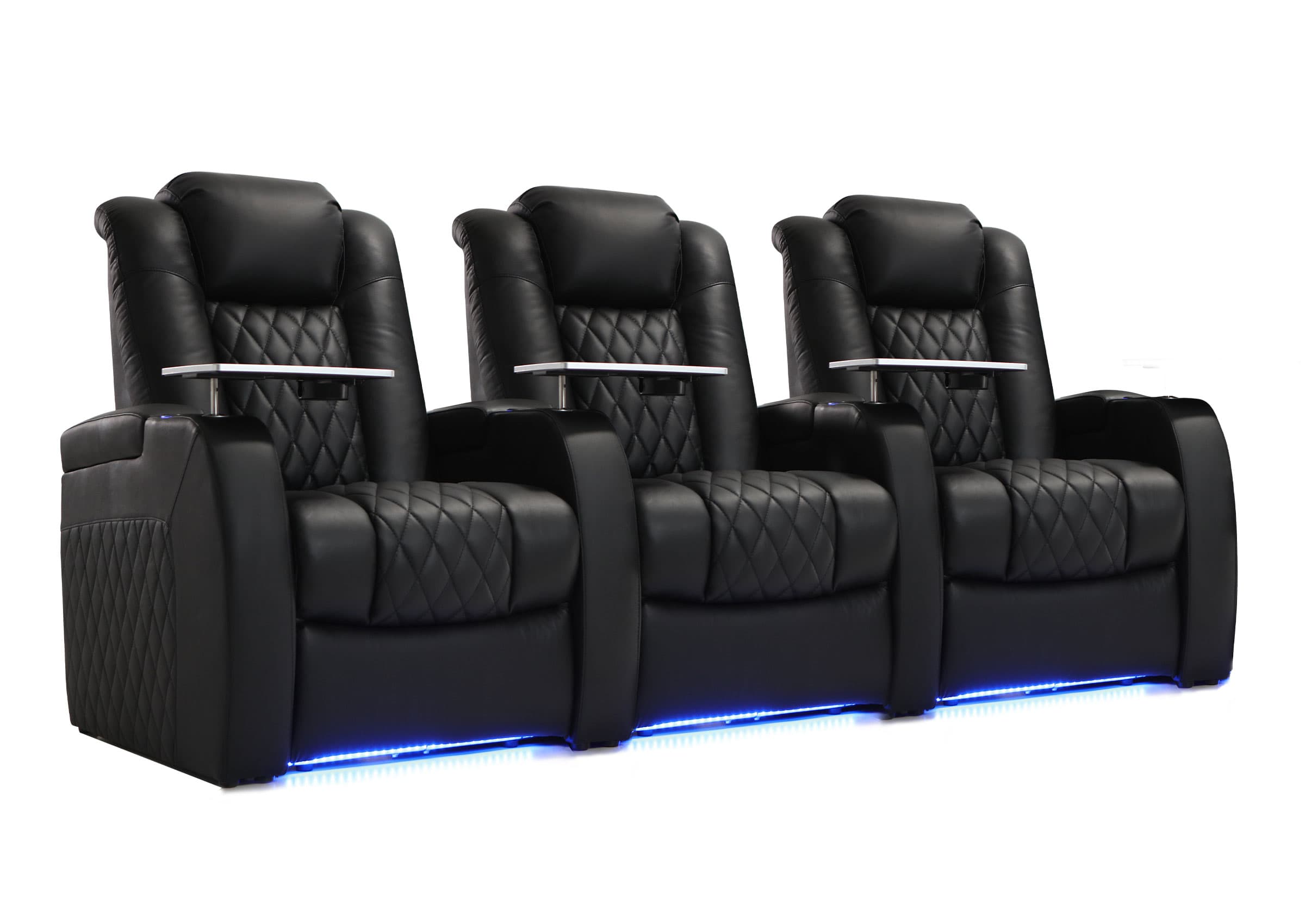
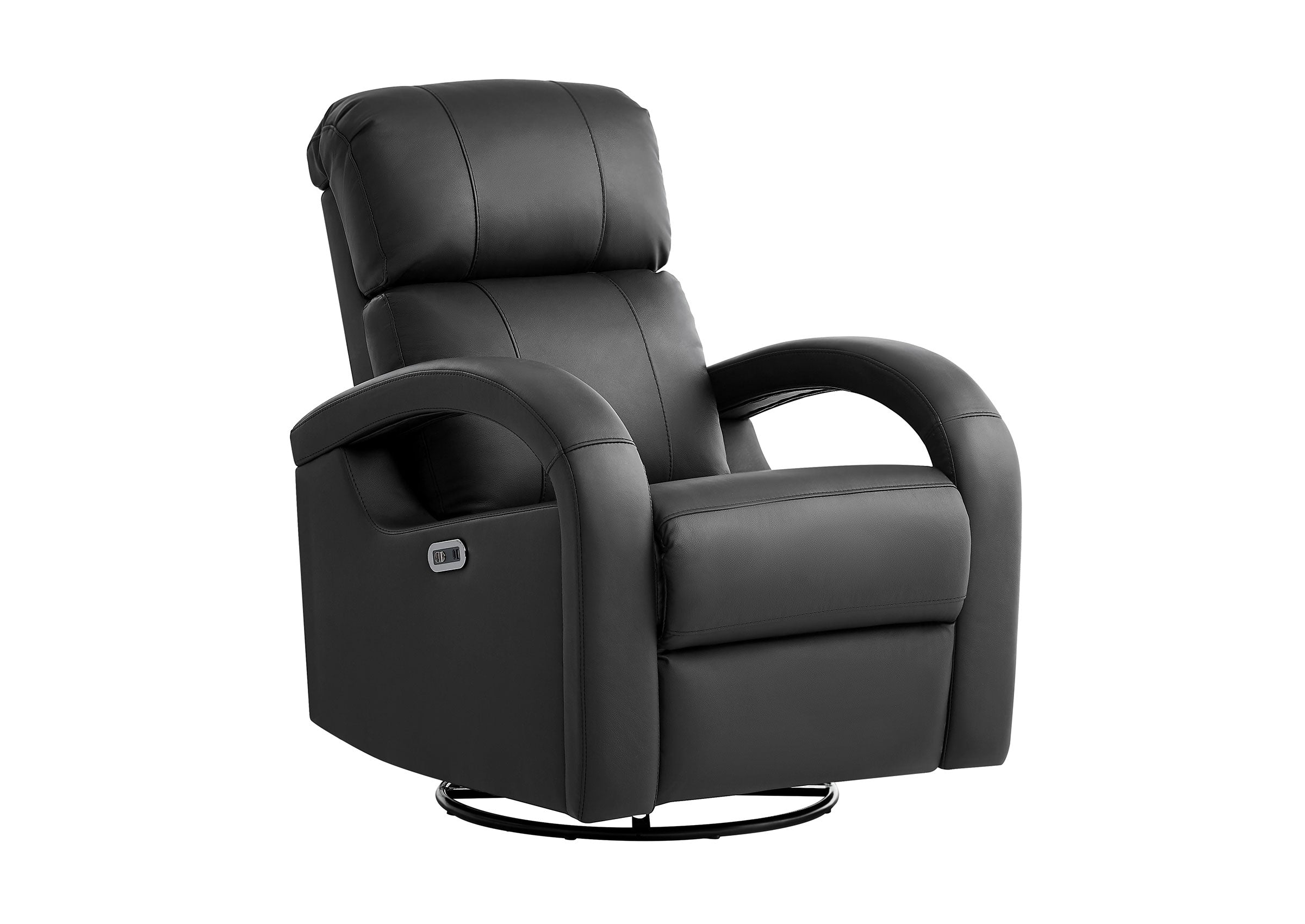

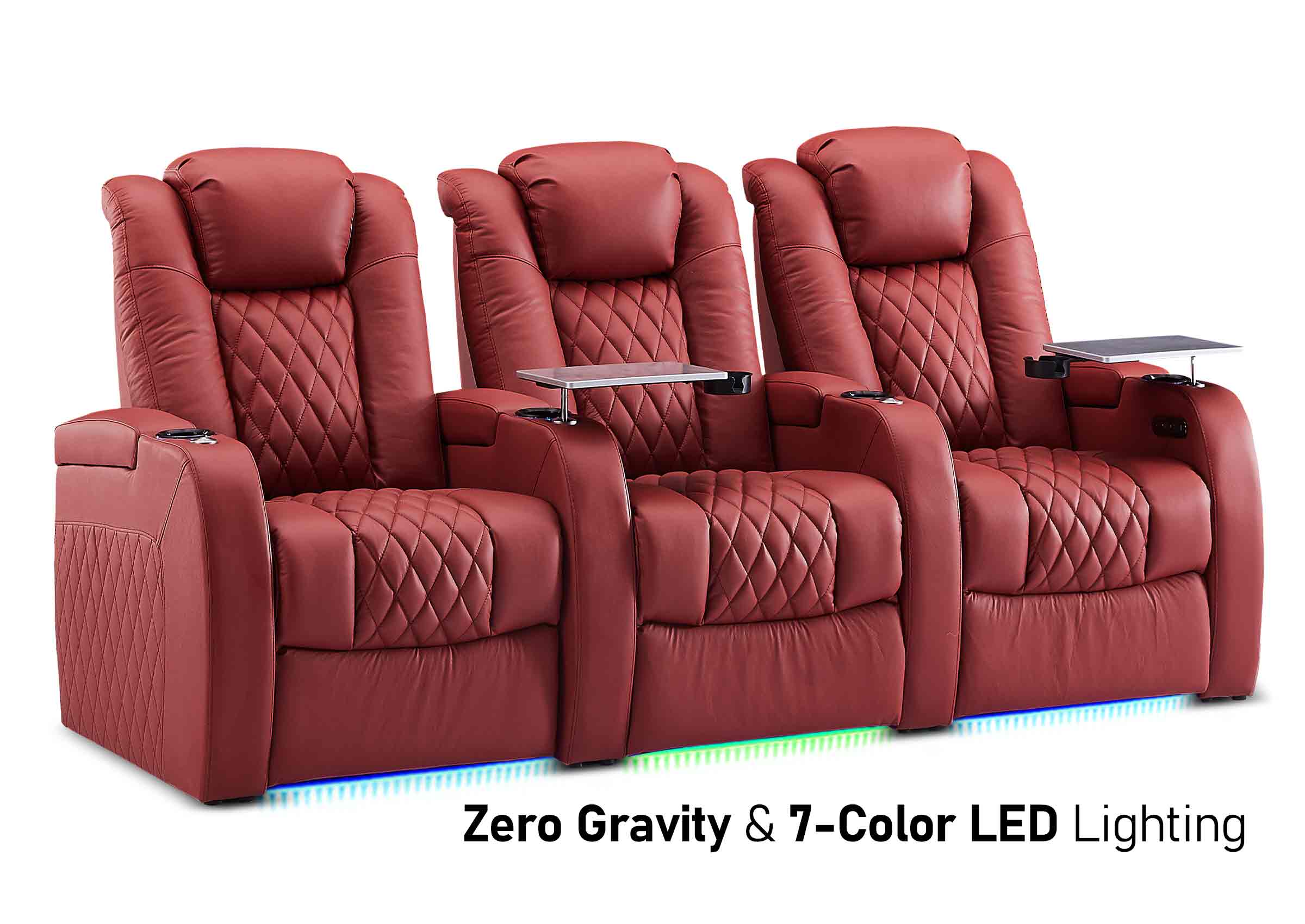
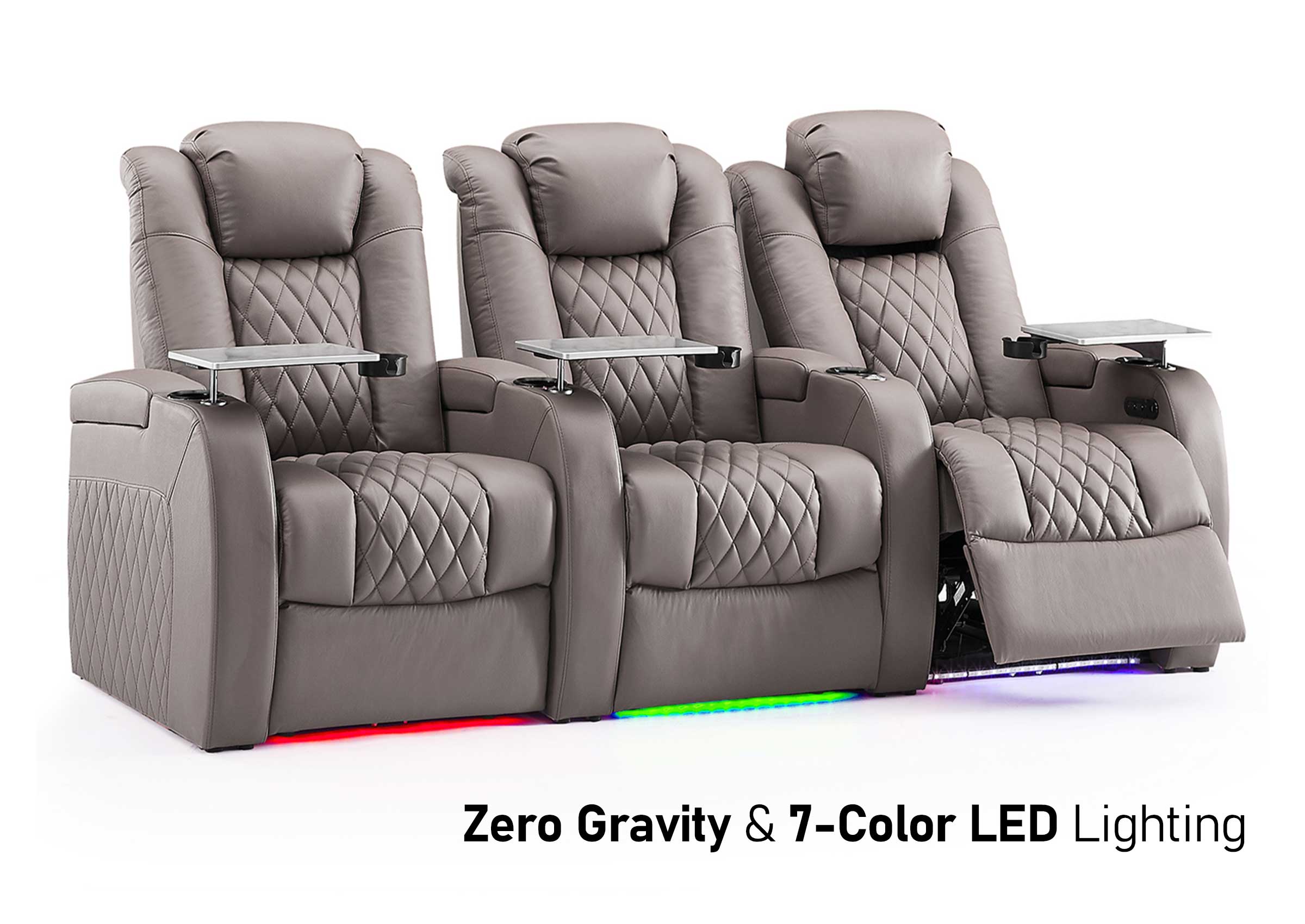
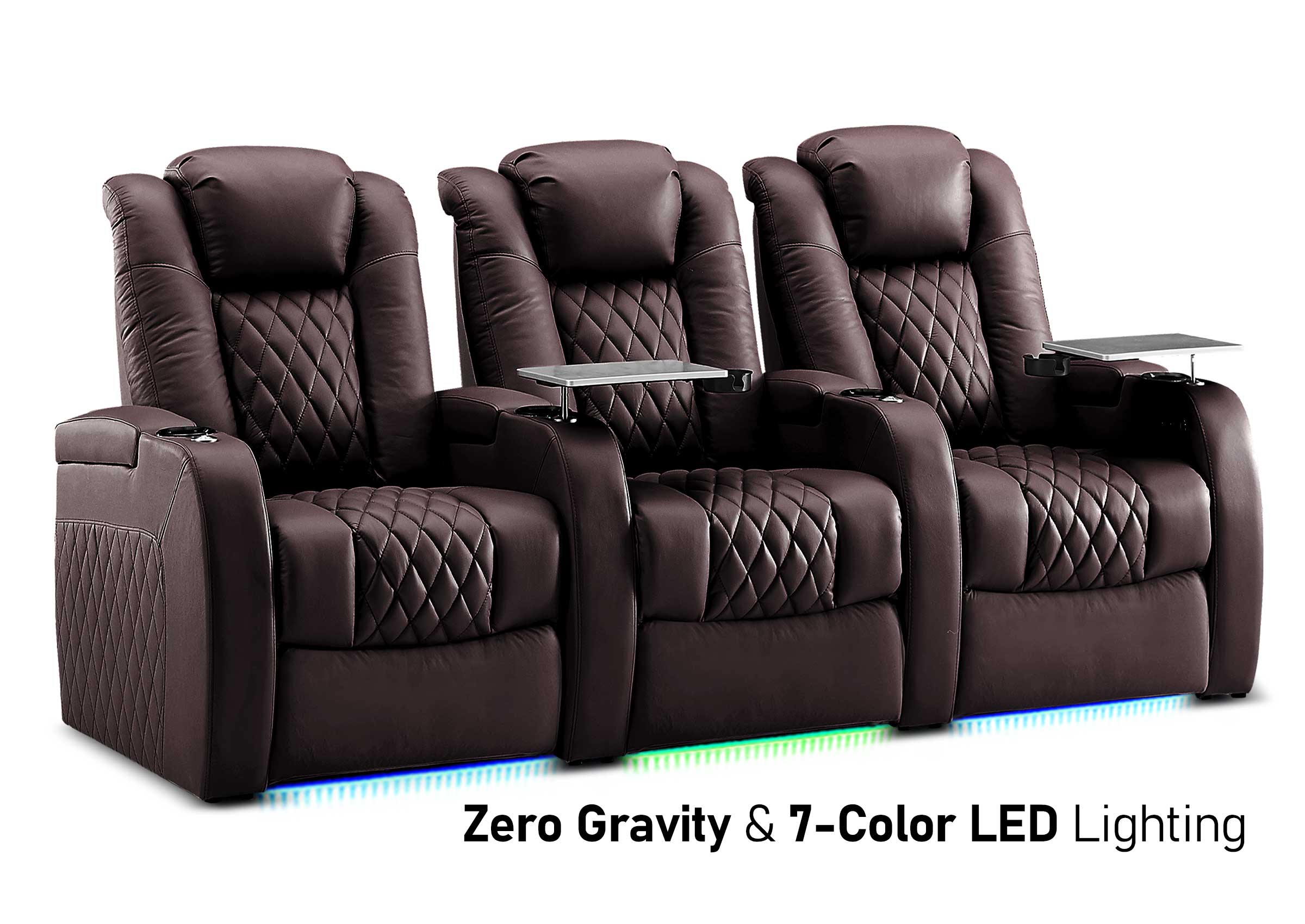

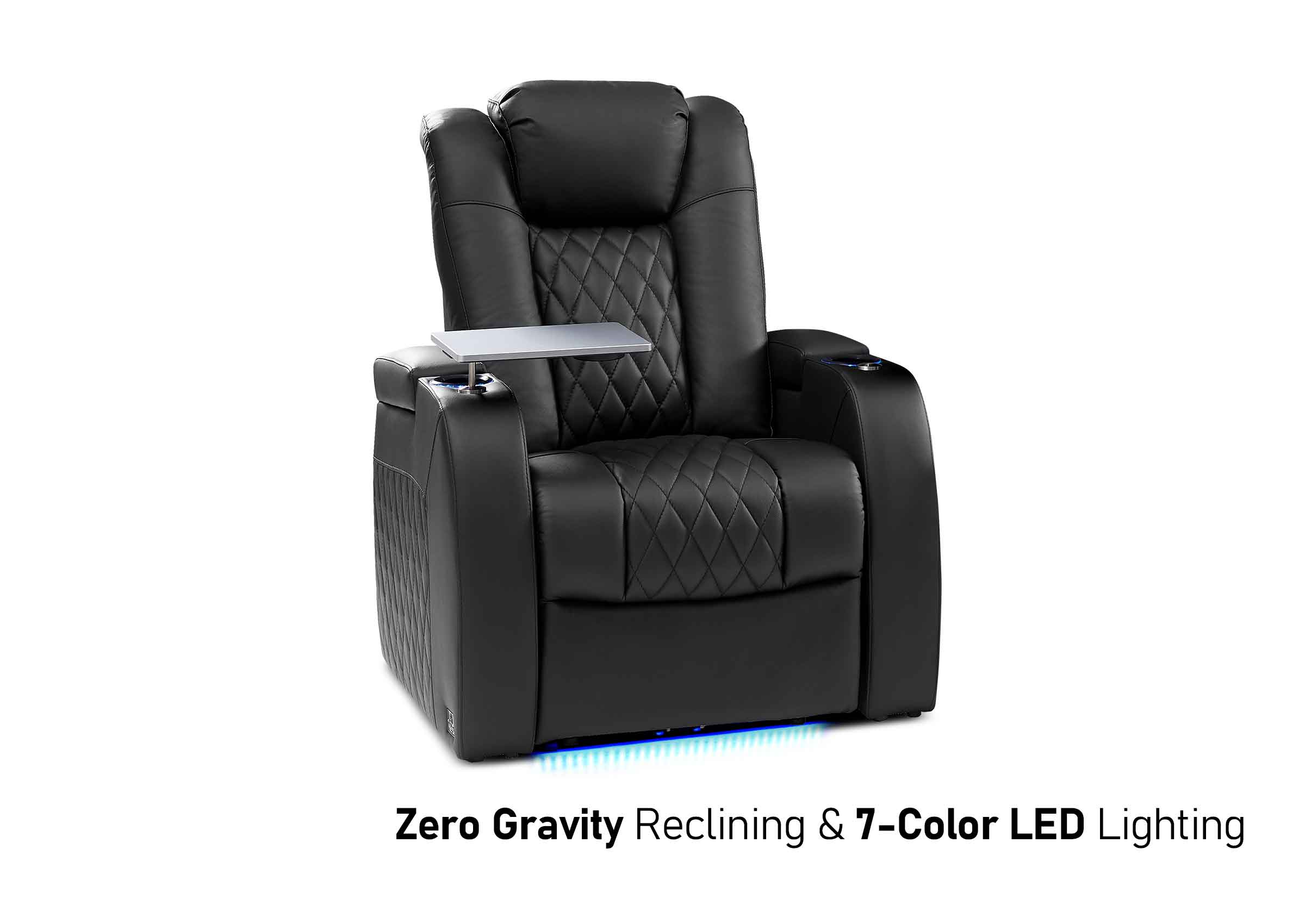
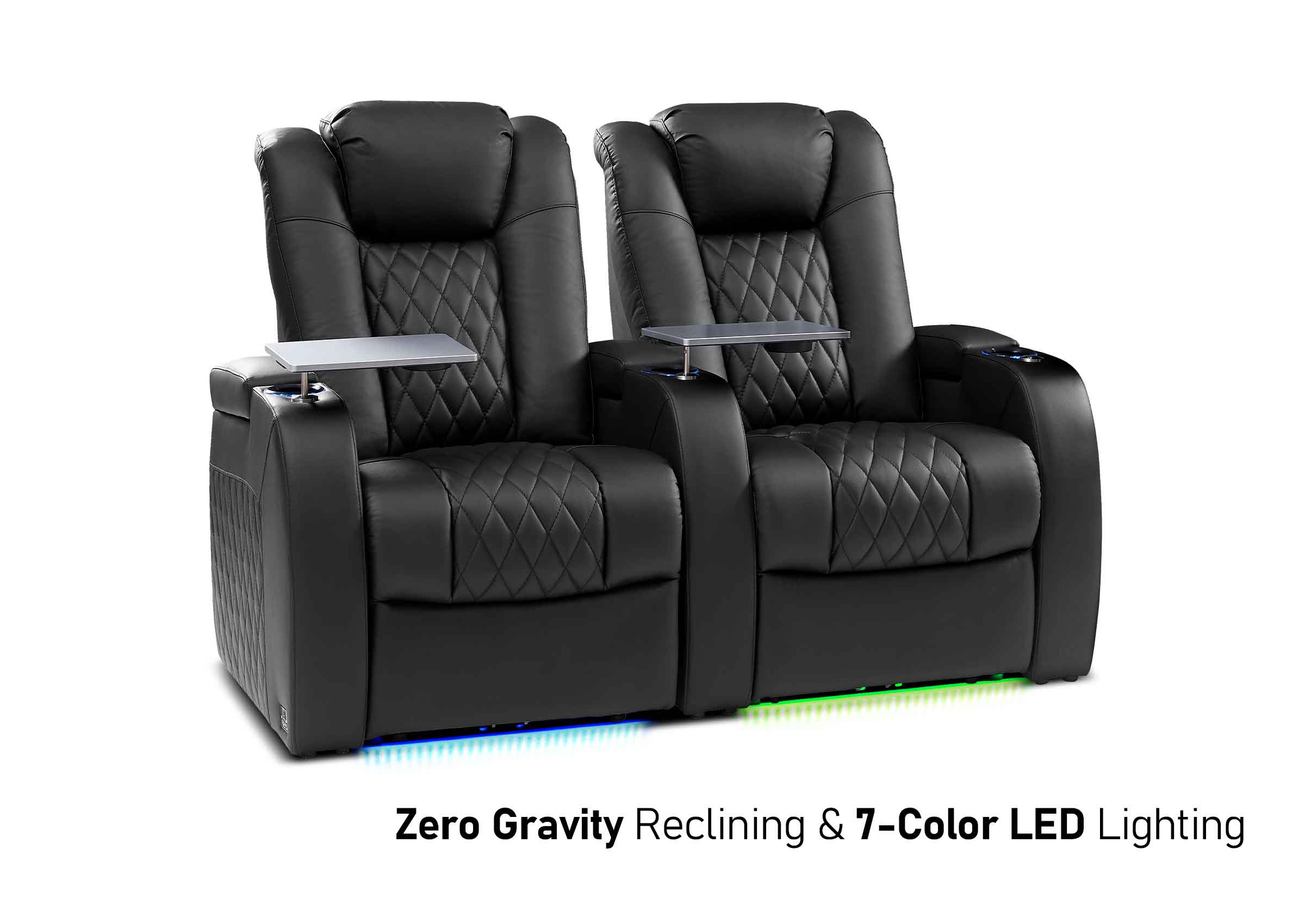
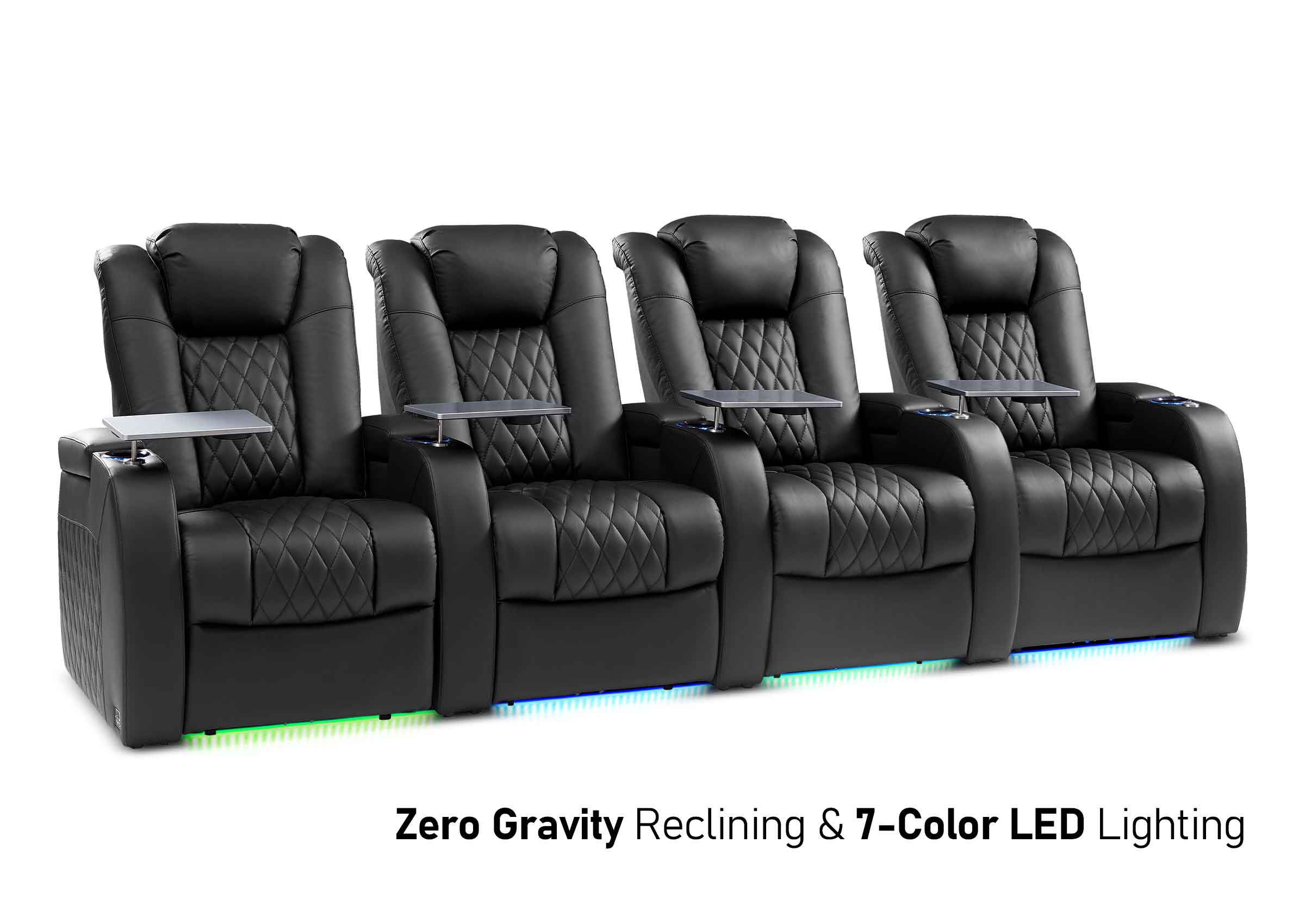
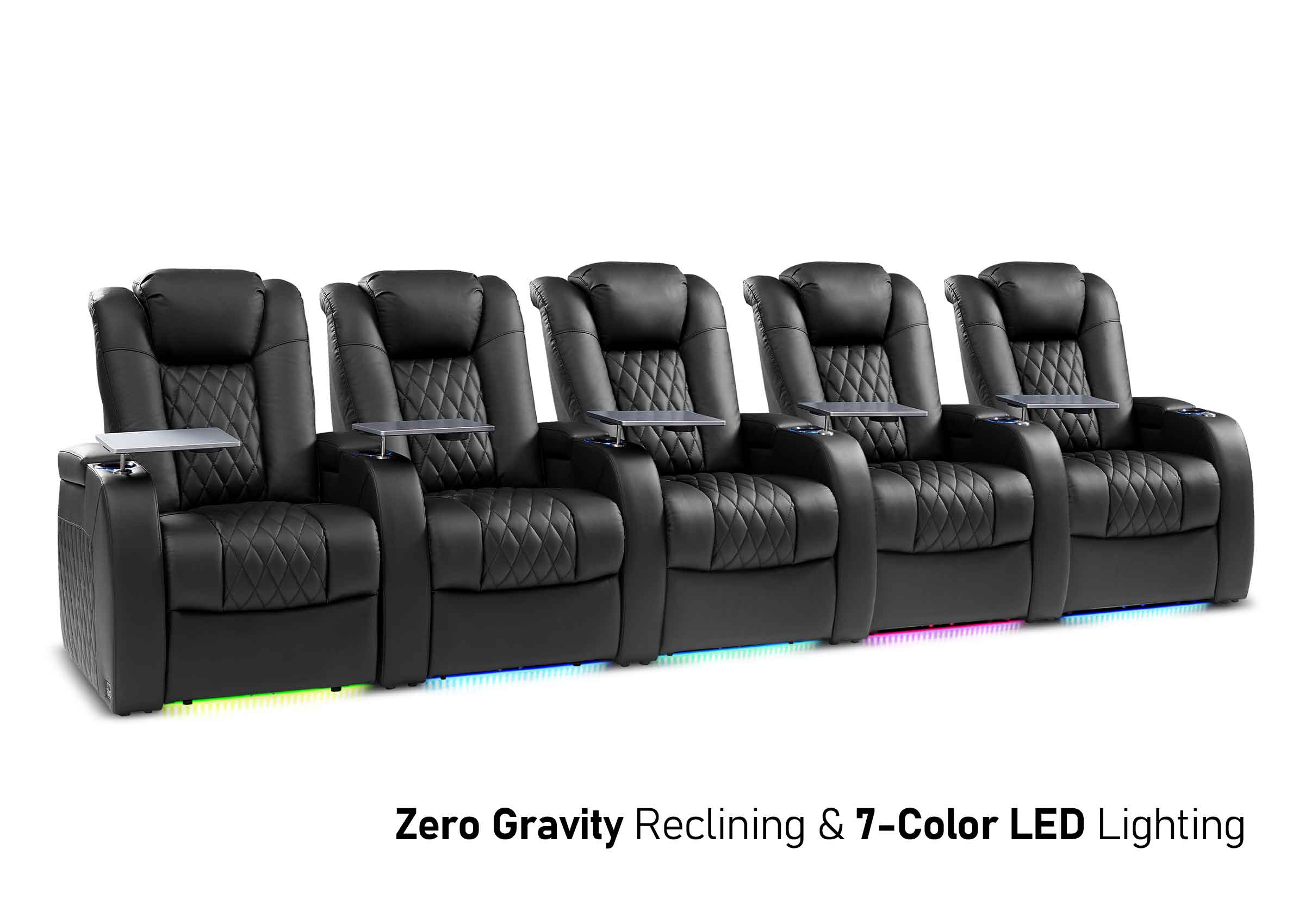
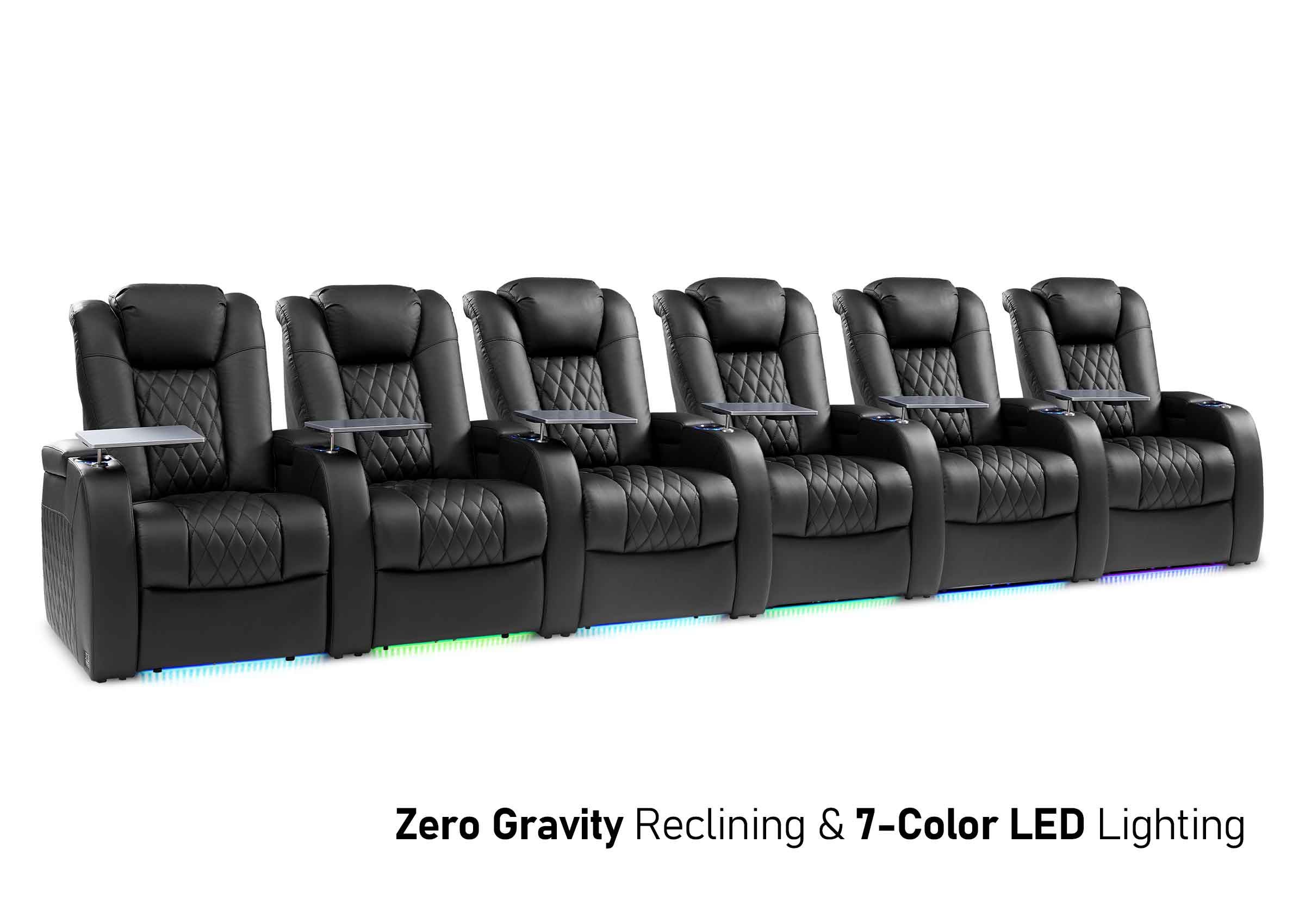
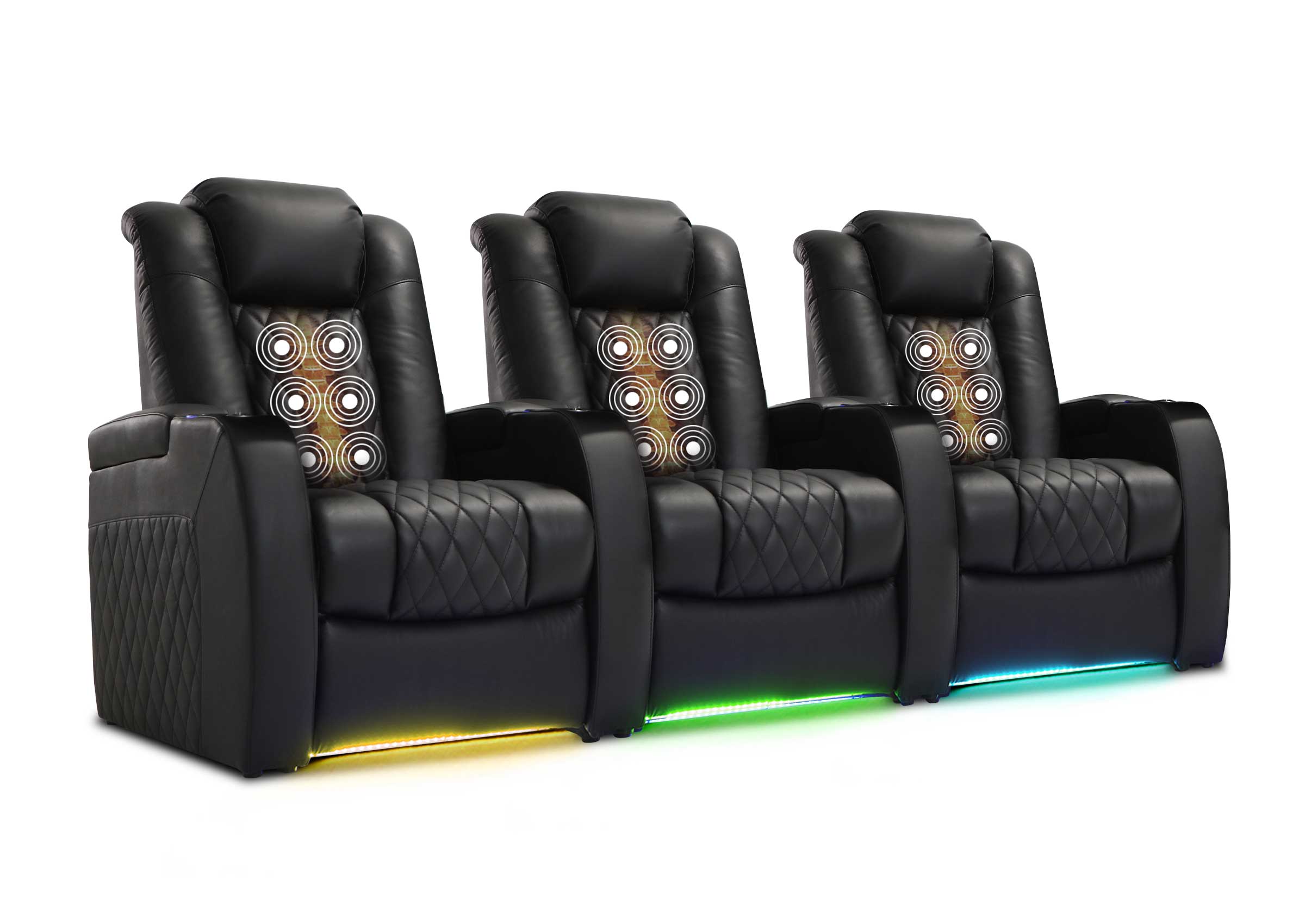
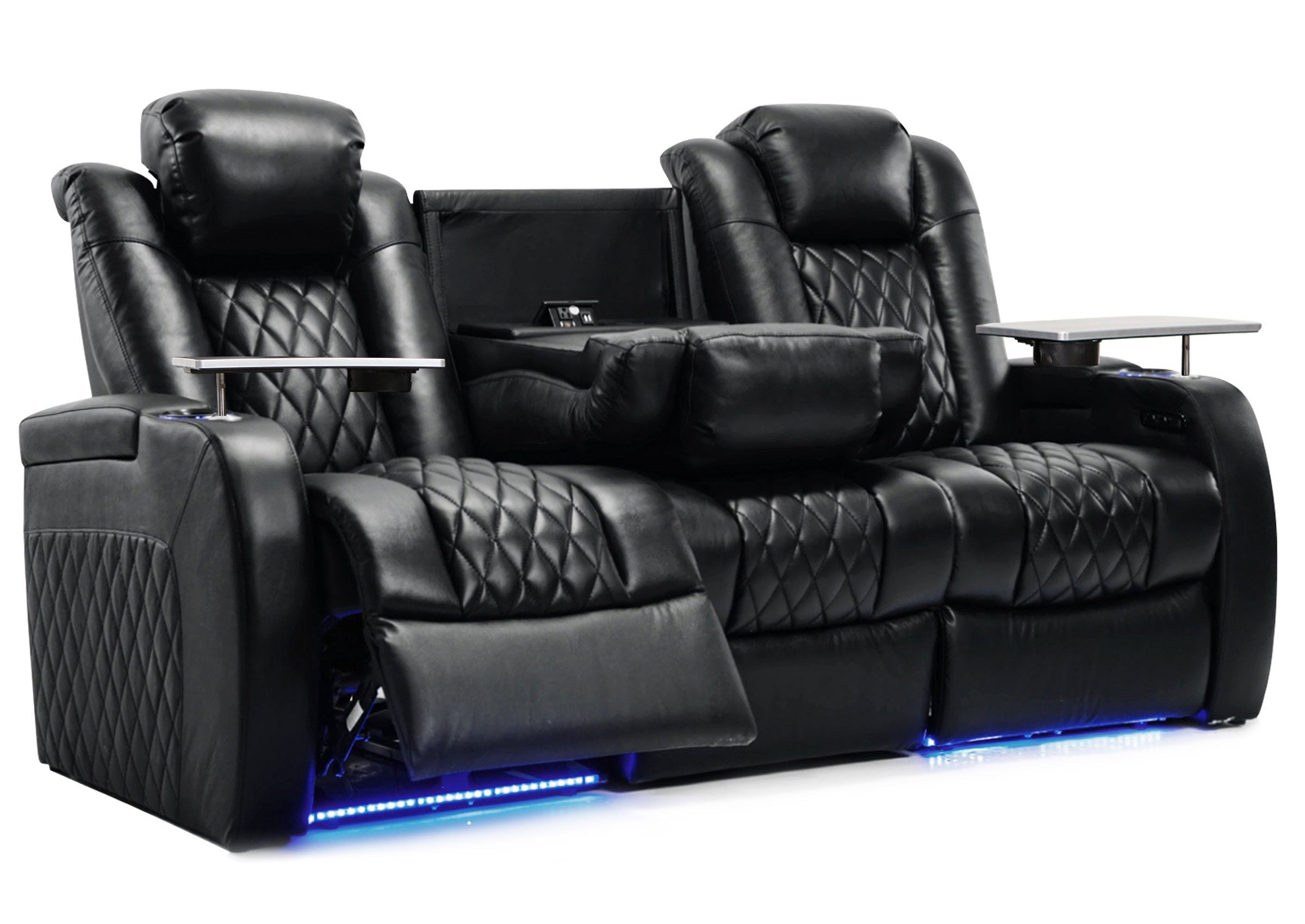
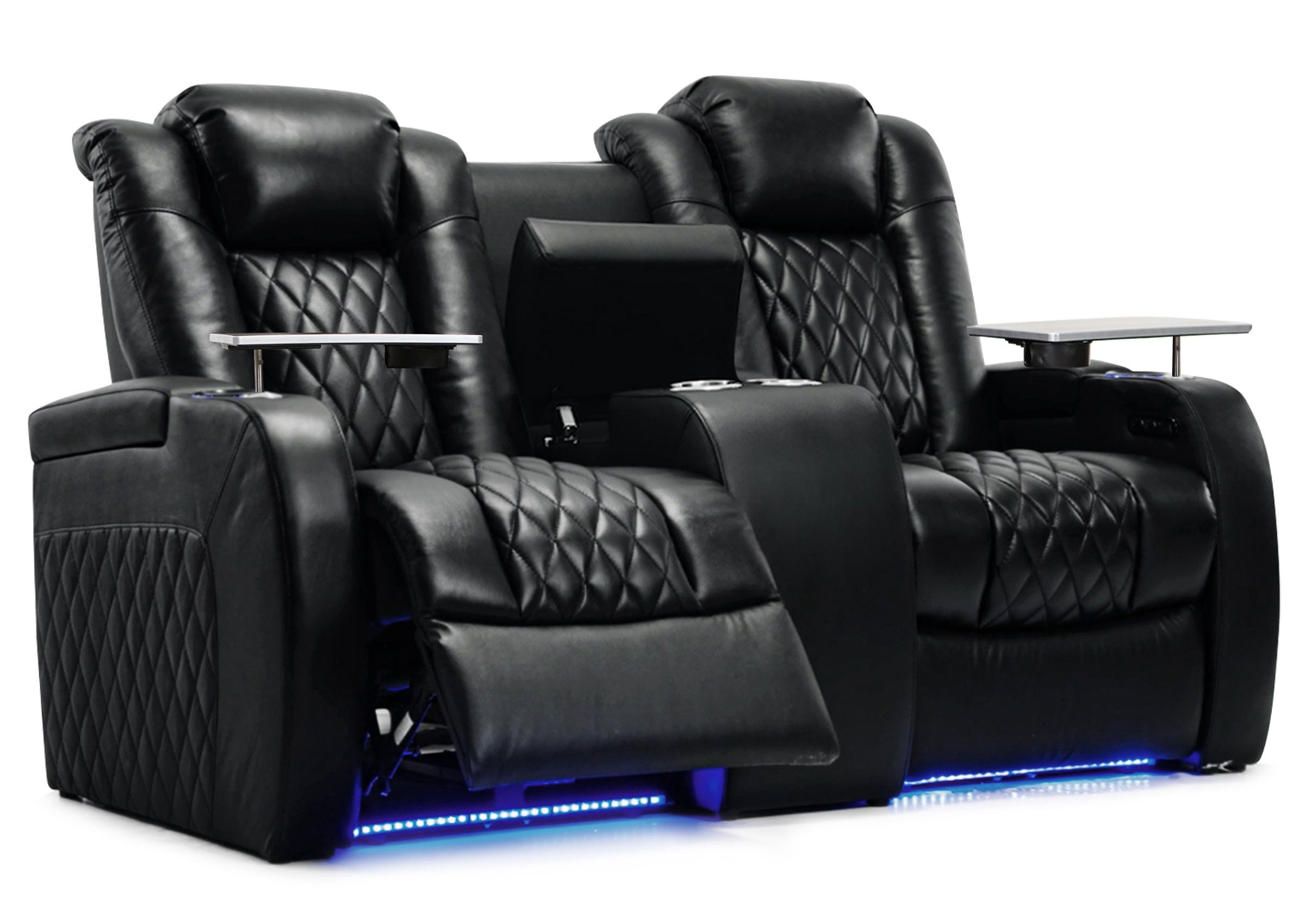


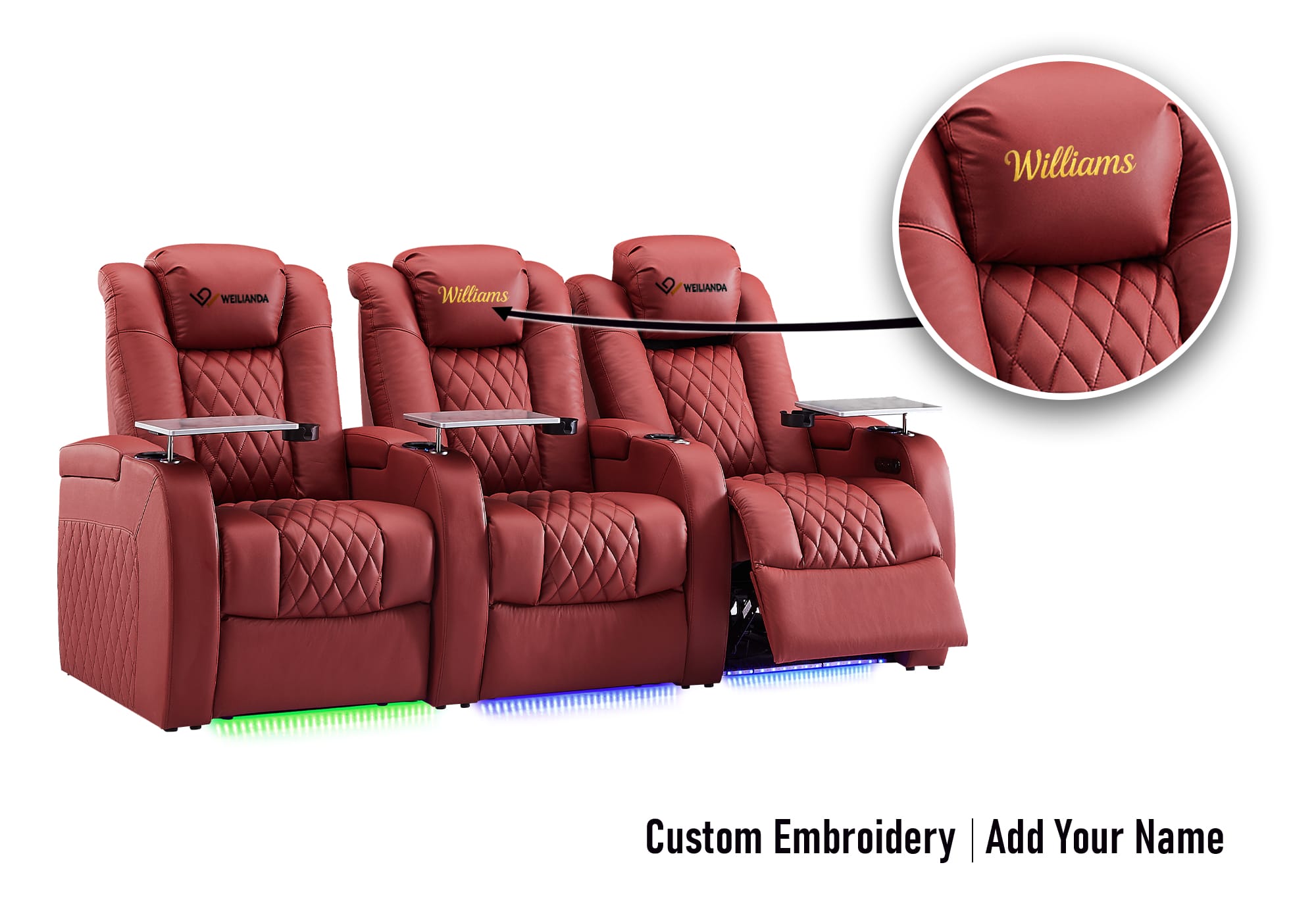

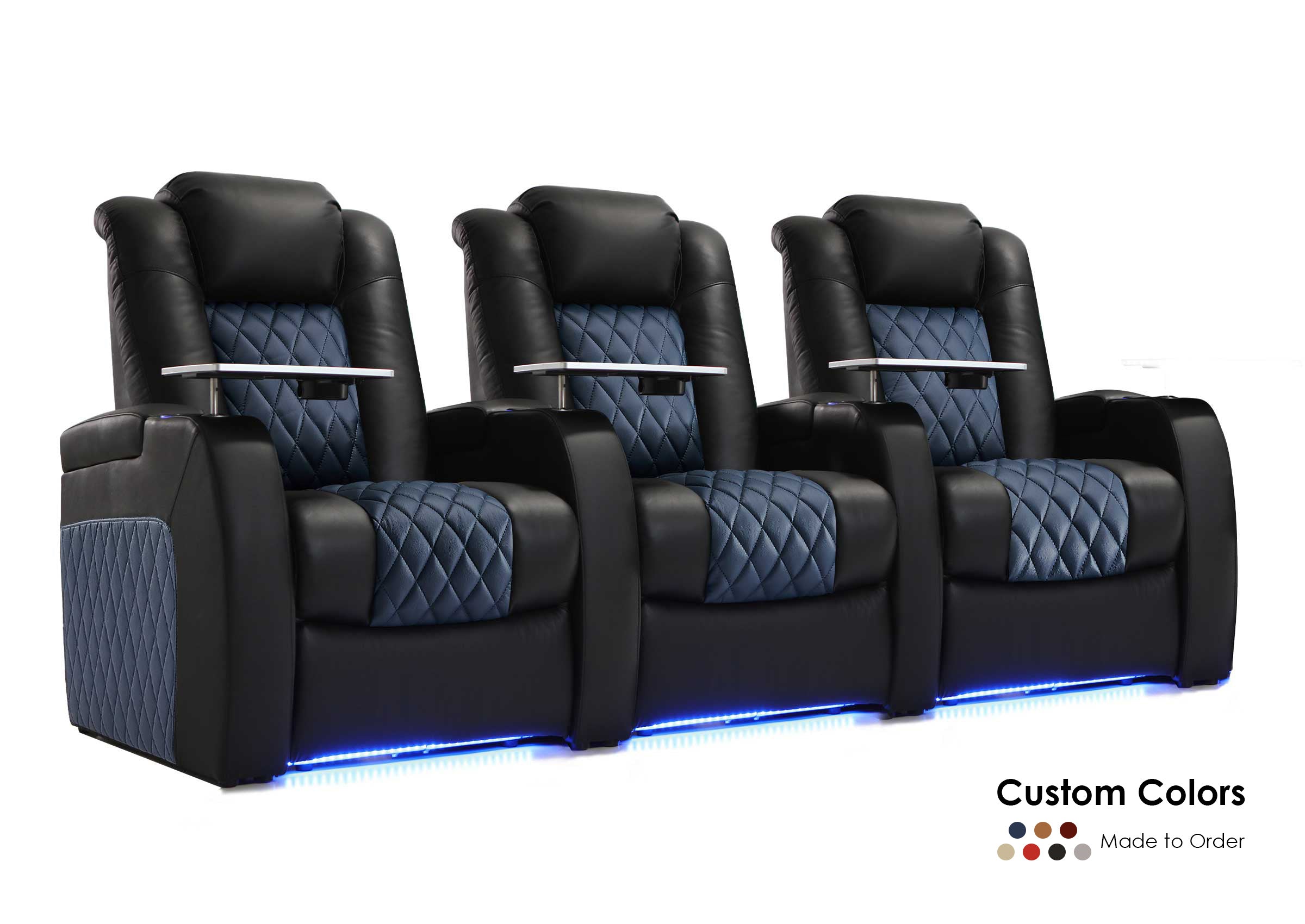

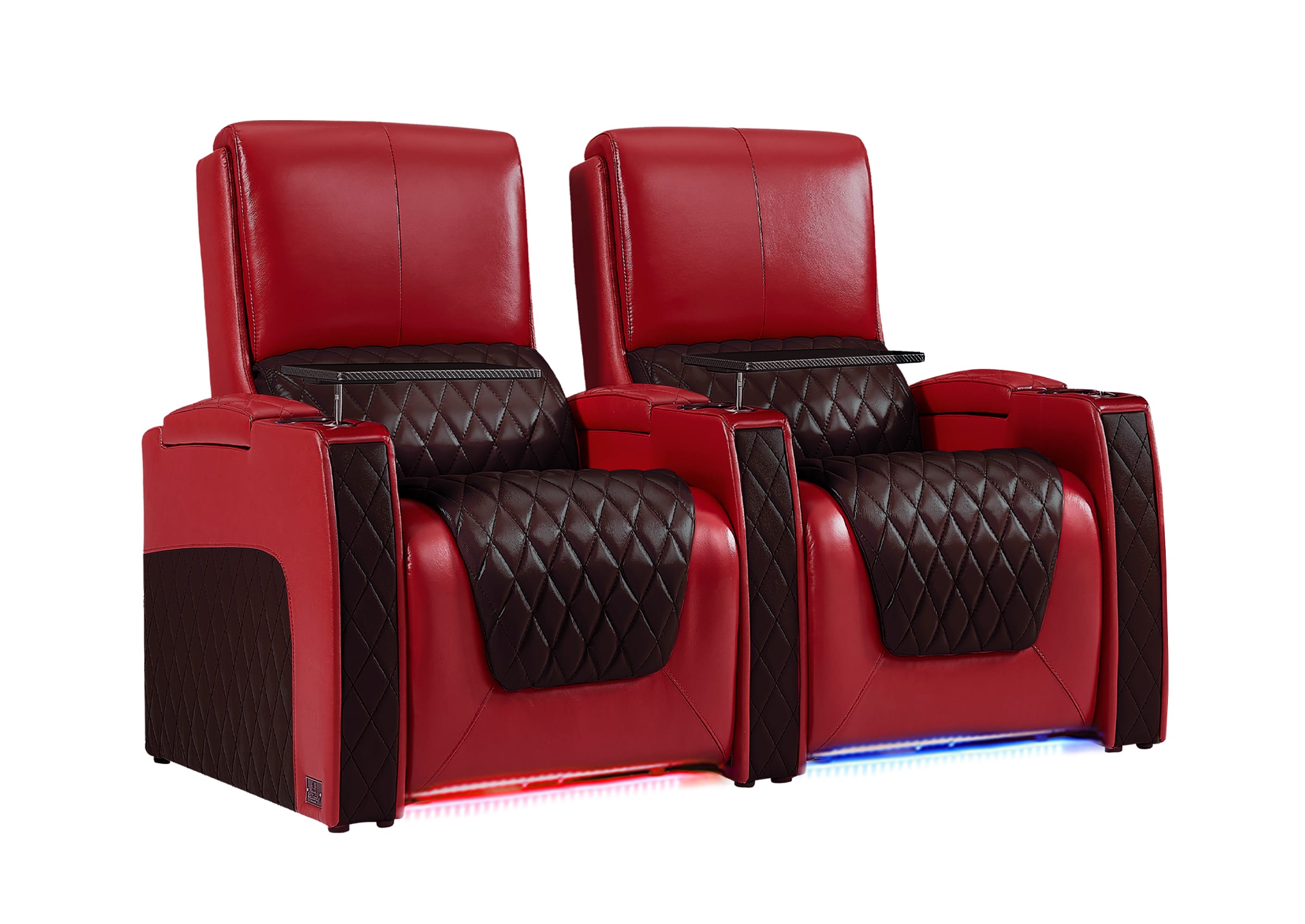
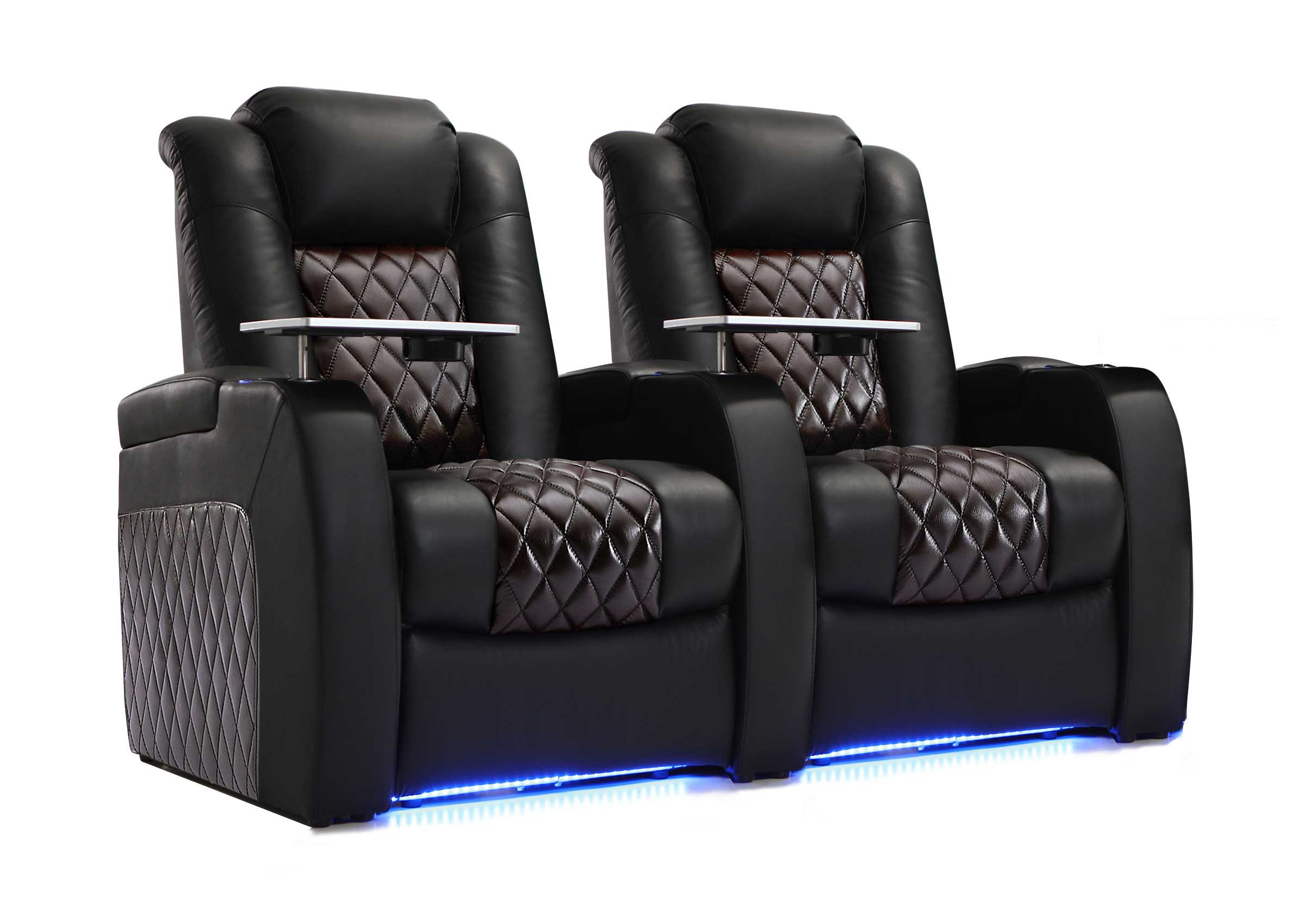
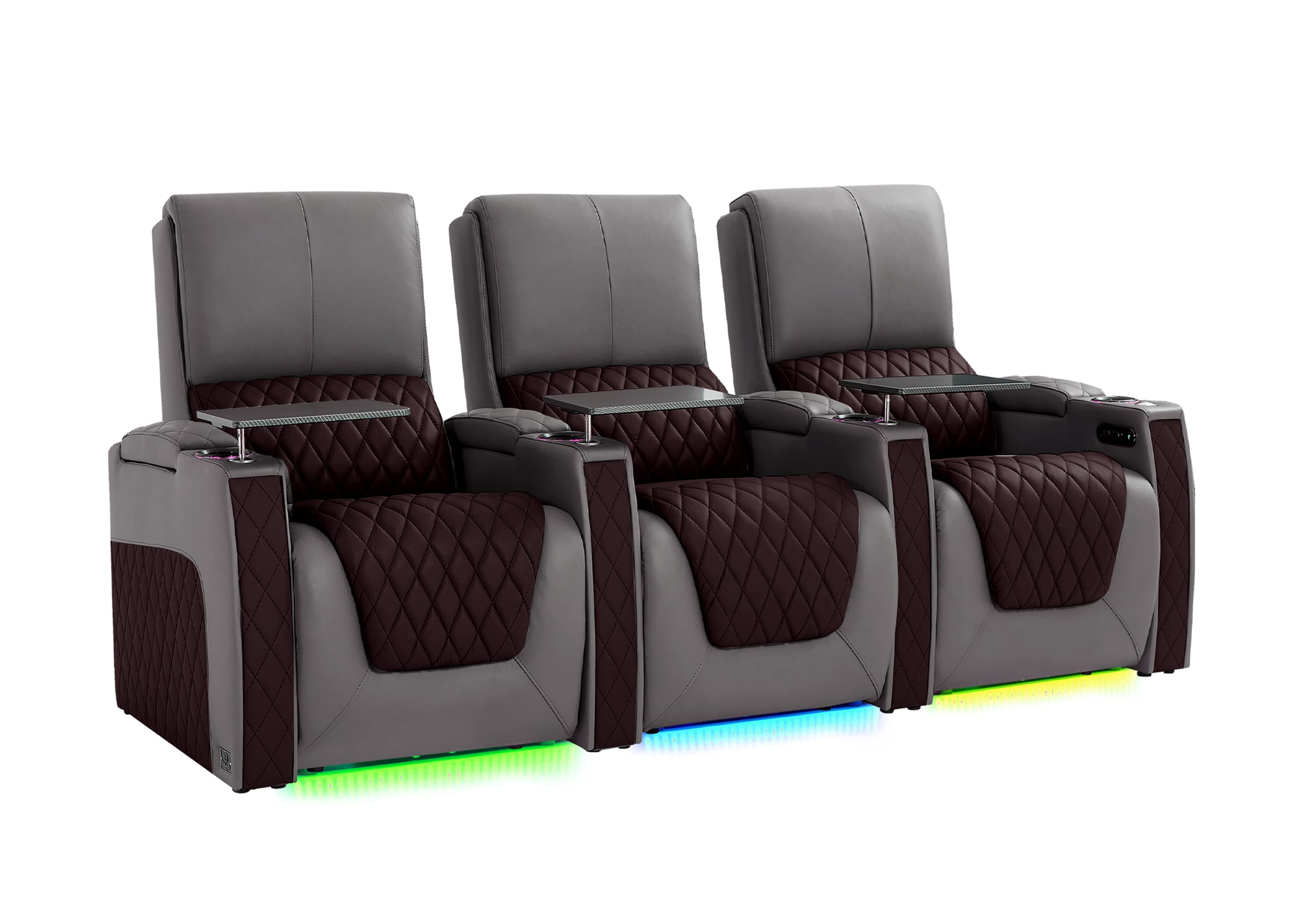
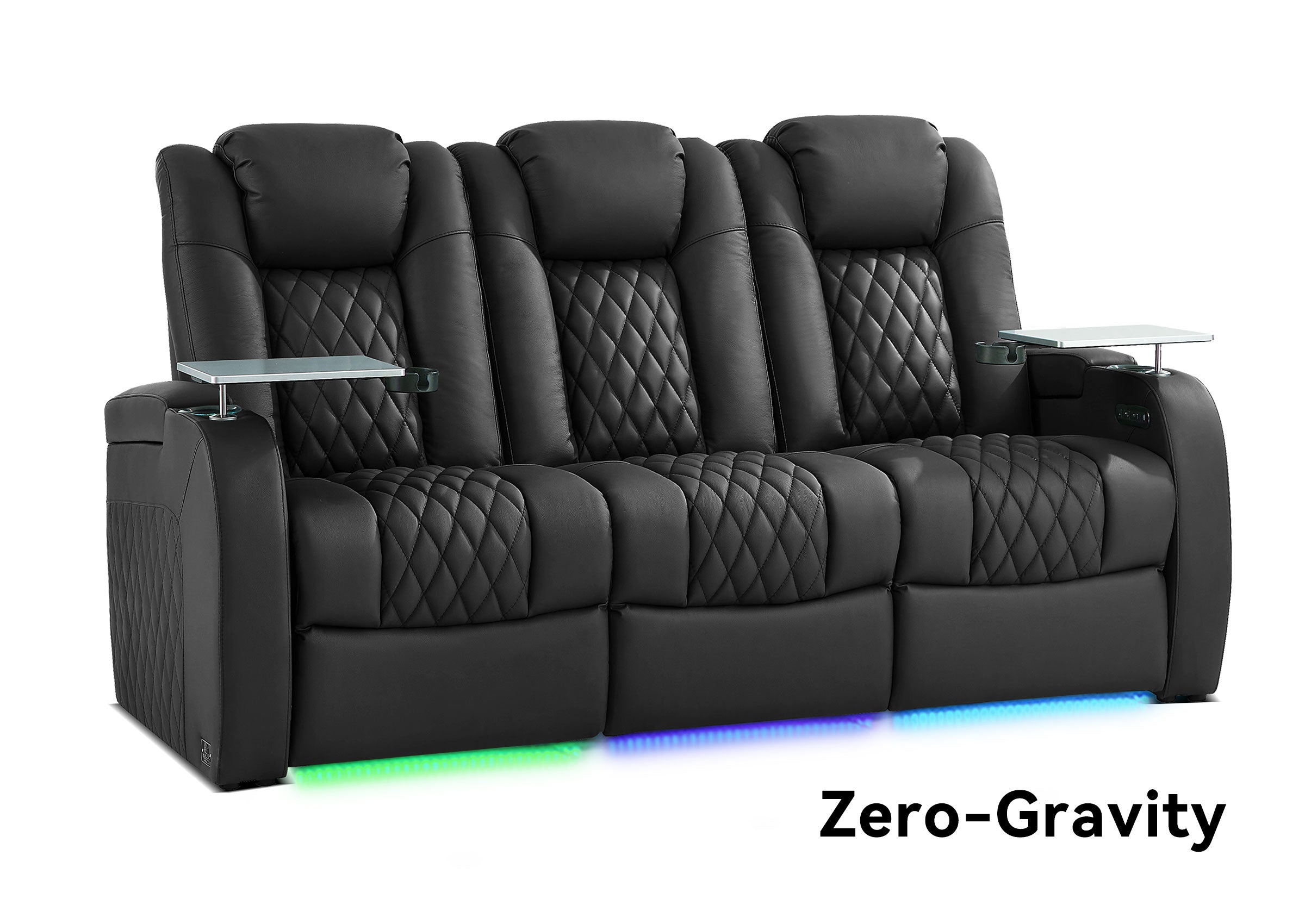
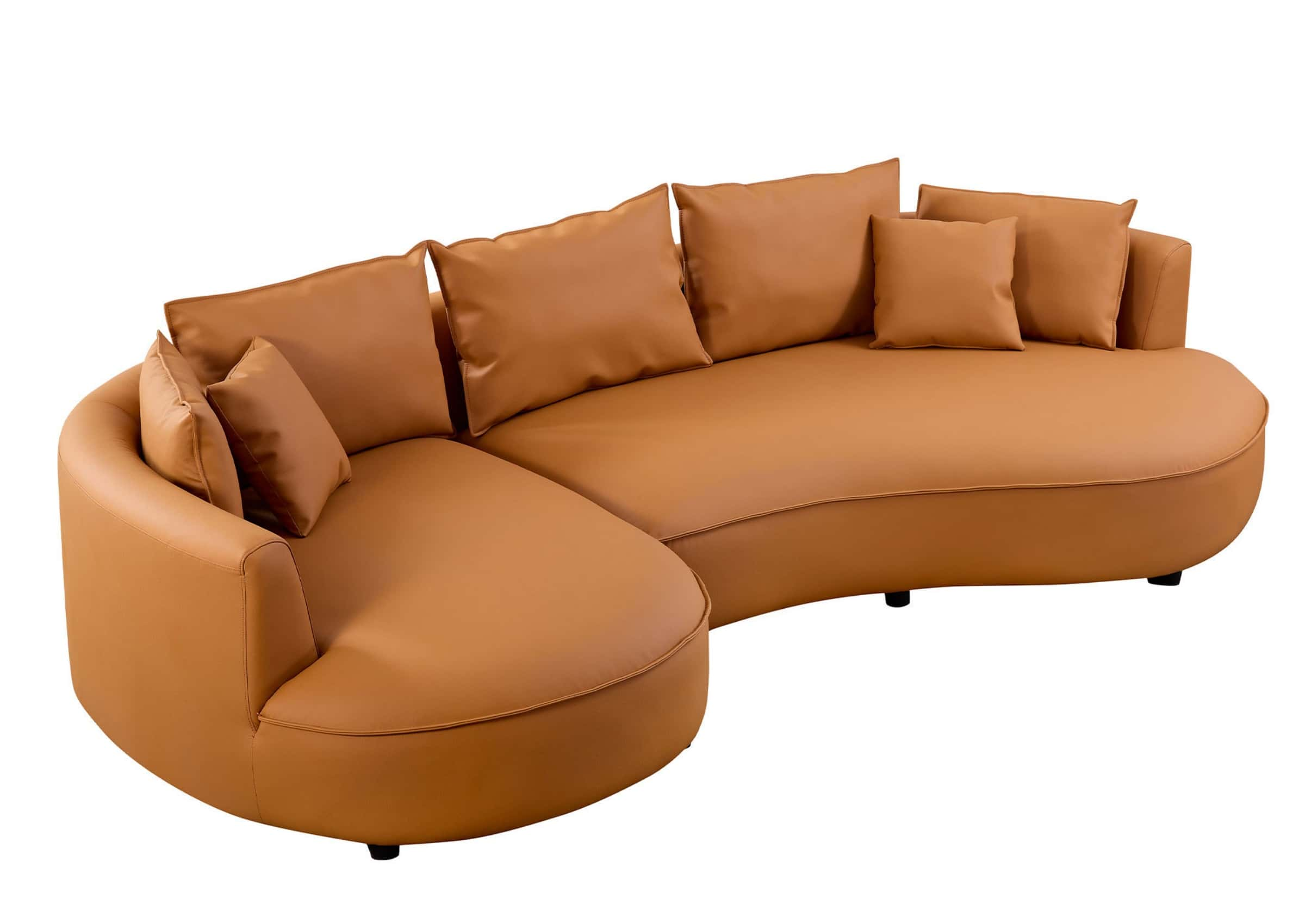


Italian leather is leather produced in Italy. On a sofa or recliner, the term describes the upholstery's origin; it does not identify its grain, finish, or coverage, and it does not mean the furniture itself was made in Italy.
Italy's leather industry has a strong reputation, but choosing a chair takes more than recognizing a country name. You need to know what material you will sit on, how it suits your household, and which details justify the price.
What Makes Leather Italian?
The useful distinction is between where the animal hide originated, where it became finished leather, and where someone built the furniture. Those places can be different.
Italian tanning association UNIC explains that, under the EU origin framework it describes, substantial processing such as retanning, dyeing, and fatliquoring establishes leather origin. Applying a surface finish alone does not establish Italian origin. Foreign raw hides or wet semifinished material can become Italian leather through the qualifying processing in Italy. See UNIC's explanation of leather origin. This is an industry explanation of that framework, rather than a rule for determining every furniture product's import status.
For a shopper, the practical question is: Does the origin statement refer to the leather, the furniture, or both? A sofa assembled elsewhere can use Italian leather. An Italian furniture brand name, meanwhile, is not documentation of the upholstery's source.
Read the exact wording. “Italian leather,” “Italian-made sofa,” and “Italian-inspired design” make different claims. If production in Italy matters to your purchase, get separate answers about the leather and the finished piece, recorded against the model and upholstery option you intend to order.

Why Italian Leather Has a Reputation for Quality
Italy's reputation gives buyers a reason to investigate a material's source. It does not make the investigation unnecessary. UNIC describes an industry serving both high-end goods and mass-market furniture, rather than one uniform product specification.
The value becomes clearer when the supplier identifies a particular leather and explains why it was selected. Perhaps you like its color depth, the variation across the hide, or the feel of the finished surface. Those are qualities you can discuss and compare using a representative sample.
Compare coded samples side by side in the room's daylight and evening lighting. Look at color and sheen, then handle them as the supplier permits to compare texture and flexibility. A sample cannot reproduce the cushioning or support of a finished seat, so evaluate those separately when a display model is available. Keep the sample code with your notes instead of relying on a remembered shade or softness.
For a family movie room, imagine two attractive choices: a surface that shows natural variation and develops visible character, and one chosen for a more consistent appearance and easier spill management. Your preference depends on how the room is used. A country label cannot settle that choice.
Pay for identifiable qualities you want to live with. If a seller's only explanation for a higher price is “It's Italian,” you still lack the information needed to compare it with another sofa.
Separate Origin, Grain, Tanning, and Finish
Leather descriptions often combine words that answer different questions. An upholstery specification can mention Italian origin, a grain description, a tanning method, and a finish without any of those terms replacing the others.
| Description | What it tells you | What still needs checking |
|---|---|---|
| Italian leather | A claim about where the leather was produced | Specific source, material construction, finish, and furniture manufacturing location |
| Full-grain | The natural grain surface has not been removed by corrective mechanical treatment | Surface protection, care, and suitability for your use |
| Corrected-grain | The grain has been partly corrected and the surface enhanced | The particular finish and its performance |
| Vegetable-tanned | A tanning method using vegetable tanning agents | Origin, finish, and suitability for furniture |
| Aniline or semi-aniline | Describes the surface treatment and visibility of the natural grain | Product-specific protection and care requirements |
The Leather Working Group terminology guide separates grain and finish terminology. Leather Naturally also identifies different tanning methods. Italian origin alone does not establish that leather is full-grain, vegetable-tanned, or uncoated.
For everyday seating, finish deserves particular attention. Leather Naturally explains that aniline leather absorbs liquids more readily than pigmented leather, while a pigmented finish adds surface protection. That difference can matter when drinks and snacks are part of movie night. Its leather care guide explains these distinctions.
Decide how much visible change and care you are comfortable with, then compare specific upholstery options. Avoid ranking one sofa above another simply because one listing says “Italian” and the other says “top-grain.” The descriptions are incomplete in different ways.
How to Check an Italian Leather Claim
A sample helps you evaluate appearance and feel; it cannot establish geographic origin by itself. Texture, smell, softness, and a convincing grain pattern do not tell you where processing took place.
Before ordering, keep one record for each upholstery option:
- Model and upholstery code: Match the description to the exact color and material option, not just the product family.
- Source statement: Ask where the leather was produced and, where available, the tannery or leather supplier's identification.
- Material specification: Record grain or construction, finish, and the intended upholstery use.
- Coverage: Identify the material used on each furniture area.
- Care and purchase terms: Keep the applicable care instructions and the written terms for that selection.
Documentation should agree with the sample label, quote, and order confirmation. A loose swatch with no code is hard to connect to a later delivery. If the source description remains unclear, treat it as unverified rather than trying to prove it through a home test.
Specific trademarks can provide more narrowly defined information. For example, the Tuscan Vegetable-Tanned Leather trademark has production requirements administered by its consortium. It applies to that defined scheme. It is neither a universal label for Italian upholstery nor a requirement every authentic Italian leather must carry.
Check Which Parts of the Sofa Use That Leather
A description of the leather does not tell you where it appears on the furniture. A recliner has a seat, backrest, arms, outer panels, and sections that become visible when it moves.
Ask for a simple material breakdown:
| Furniture area | What to record |
|---|---|
| Seat, inner back, and arm contact surfaces | Material, leather code if applicable, and finish |
| Outside arms and rear panels | Whether they use the same leather, another leather, or a matching alternative |
| Footrest, folds, and connecting panels | Which material is used and whether care differs |
“Leather seating surfaces” leaves a different question open from a clearly itemized specification covering all upholstered panels. Neither wording tells you everything about comfort or construction, but the distinction matters when comparing prices and care instructions.
Think about placement, too. A sofa viewed from behind in an open room makes its rear panels part of the design. On a recliner, examine the available product views in both sitting and extended positions. If a detail is not shown, request clarification rather than assuming it matches the seat.

Once these requirements are clear, you can use them while browsing home theater seating configurations. Check the upholstery description for each option; the collection itself does not establish Italian origin.
COMPARE YOUR SEATING OPTIONS
Bring Your Upholstery Checklist to the Shortlist
Compare seating configurations, then check the selected material, color code, and panel coverage for each option.
Is Italian Leather Worth Paying More For?
It can be, when the particular material offers qualities you value and the source is clear. First make the furniture comparison fair: match the model, seating configuration, functions, upholstery coverage, and applicable purchase terms.
Consider a hypothetical comparison. Two quotes offer the same recliner with different upholstery. One identifies its leather, finish, and panel coverage. The other costs more and says only “premium Italian leather.” The second quote gives you a reason to ask questions, not enough information to choose it.
If the higher-priced option then provides a traceable leather code and a sample you prefer, you have something concrete to evaluate. Compare the additional cost with that benefit. If the quotes also change the frame, headrest, or number of seats, separate those differences before attributing the entire price gap to leather.
If the more detailed option fits your preferences and the other supplier cannot clarify its material, you can choose the documented option without deciding that the other one is fake. You are choosing with better information. If traceable Italian origin is essential to you, leave an undocumented option off the shortlist until its source is confirmed.
An unresolved material description remains a gap in the comparison, even on expensive furniture. There is no useful universal Italian-leather markup or guaranteed lifespan to substitute for the missing specification.
Match Care and Expectations to the Actual Upholstery
Get care instructions for the exact material before buying, especially when different panels use different coverings. A routine intended for one surface may be inappropriate for another. For a recliner, the guide to cleaning surfaces, seams, and controls explains how to approach the whole piece.
A surface change also needs a more precise description than “the Italian leather is failing.” Note whether the issue is color loss, a lifting coating, a scratch, a tear, or creasing, and where it occurs. Those observations help a seller or repair specialist identify the next check.
Peeling is not a geographic test, and it does not establish the material by itself. Lederzentrum's furniture color-delamination guidance documents surface color separation on leather. Keep the product information and clear photos, and seek an assessment before applying repair products to an unidentified surface.
Frequently Asked Questions
Is Italian leather real leather?
The description should refer to animal leather produced in Italy. A listing that says “Italian-style faux leather” describes an alternative material. Check the full composition statement and the areas it covers; the word “Italian” cannot resolve an ambiguous material description.
Does Italian leather have to come from Italian cattle?
No. The origin of the raw hide and the production origin of the leather can differ. If both matter to you, request them separately. A tannery's location does not, by itself, identify where the animal was raised.
Is Italian leather better than genuine leather?
Those terms do not form a meaningful ranking. “Italian” addresses origin, while “genuine leather” does not supply a complete grain, finish, or performance specification. Compare the actual upholstery details and coverage instead of treating either phrase as a quality score.
Is Italian leather the same as Nappa leather?
No. Italian describes origin; Nappa is a leather description associated with a soft, supple feel, with usage that needs clarification in a product specification. A material may be described using both terms. Neither replaces the need to identify its finish and care requirements.
Is all Italian leather vegetable-tanned?
No. Italy produces different leathers, and geographic origin does not specify a tanning method. If vegetable tanning is important to your choice, ask for that information about the particular leather rather than inferring it from “Italian.”
Is Italian leather waterproof or guaranteed to last longer?
Neither result follows from origin alone. Liquid resistance, wear, and care depend on the particular upholstery and its use. Ask what performance information applies to the selected material, and follow its care instructions. A country name cannot support a fixed service-life promise.
Can a sofa made outside Italy use Italian leather?
Yes. Leather production and furniture manufacturing are separate stages. Confirm where the upholstery was produced and where the finished sofa was made. If the seller states only one of those locations, the other remains an unanswered question.
Check the Upholstery Details for Your Shortlist
Choose a sofa or recliner with a material description you understand, a surface you like, and care requirements that fit your household. Keep the model, color or leather code, and panel breakdown together so that the selection you approve is the one recorded on the order.
For a Weilianda seating option, use Support or email leon@weiliandahome.com with the model link and upholstery questions. Ask which material information applies to that specific configuration before deciding.