
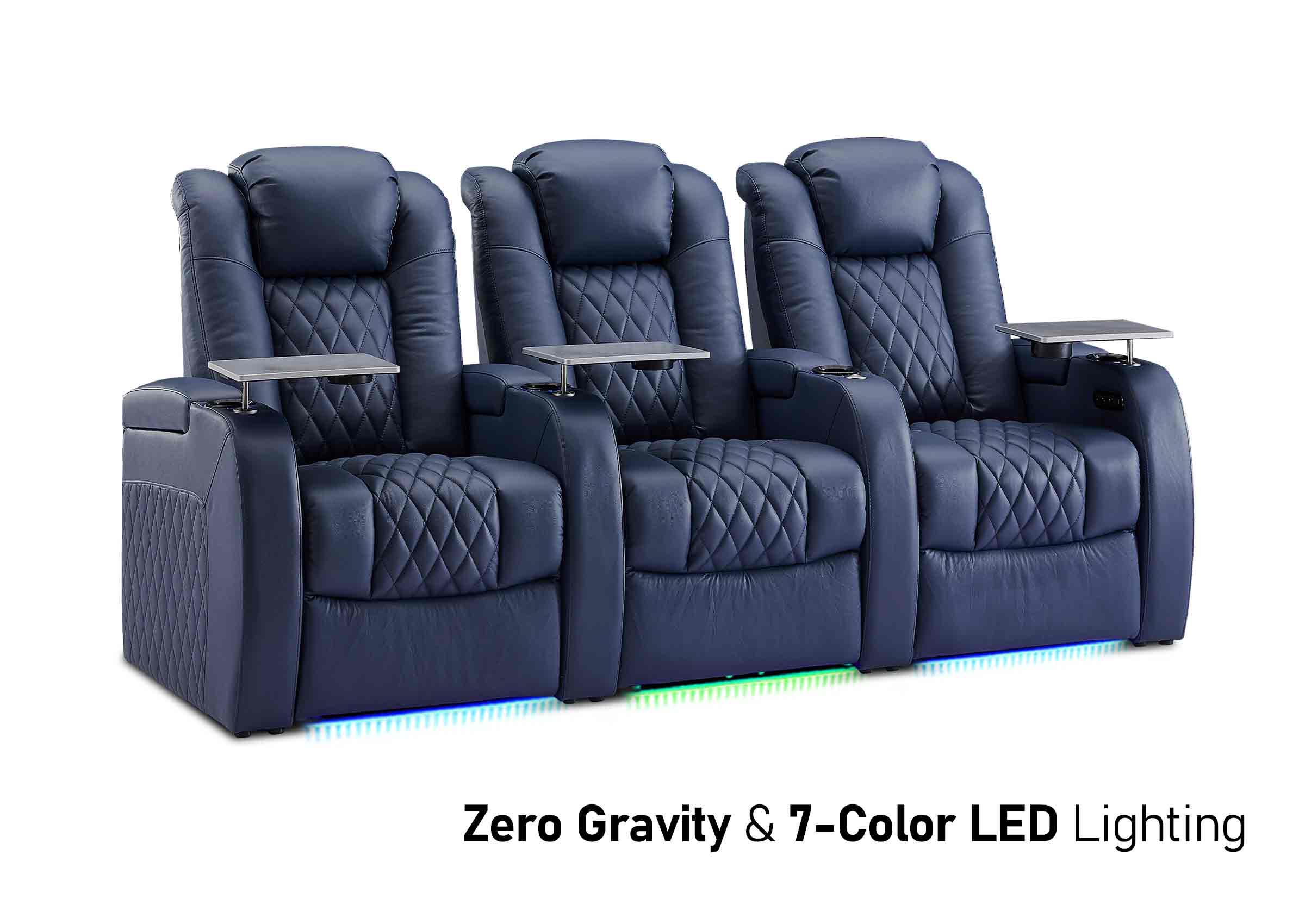
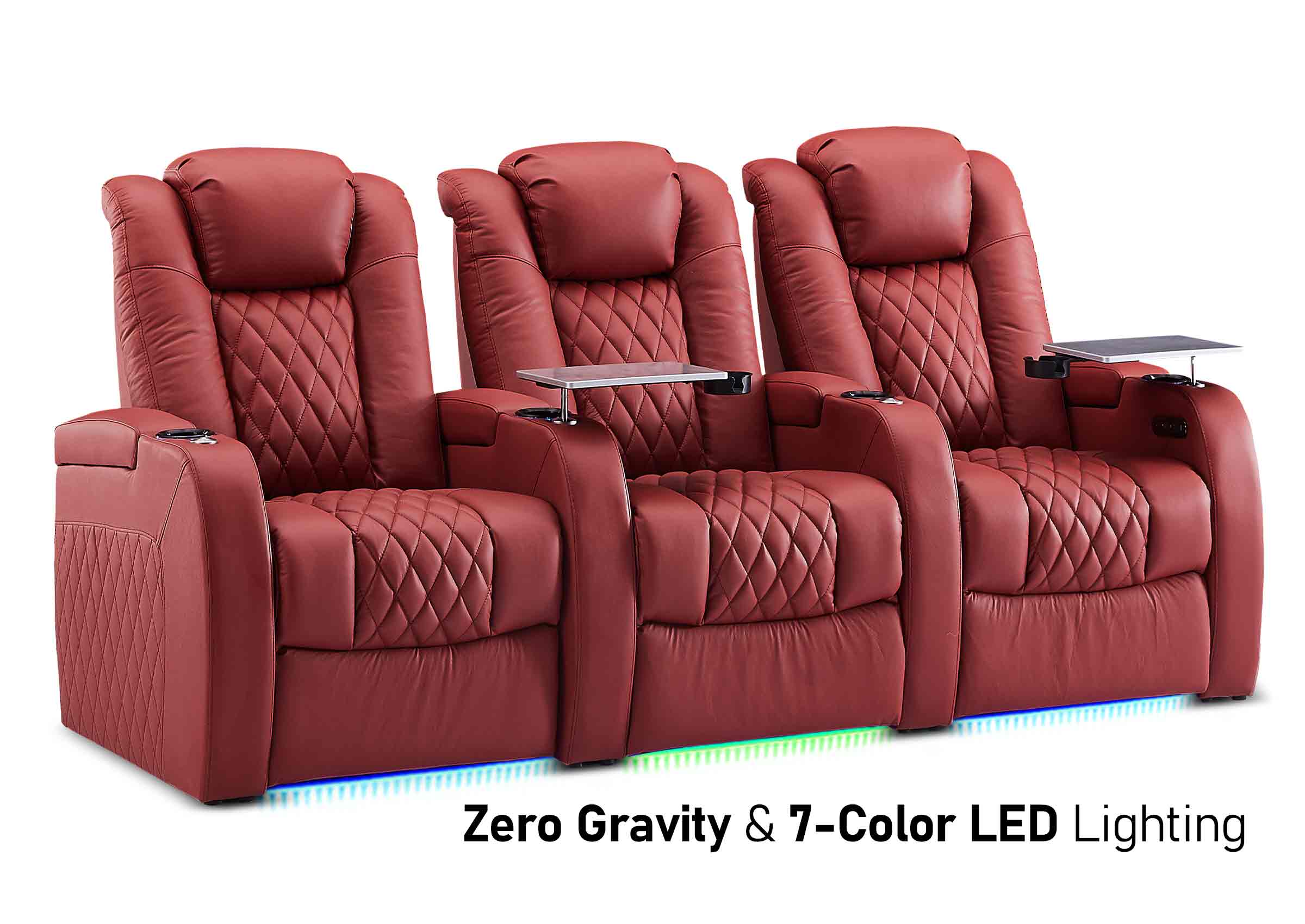
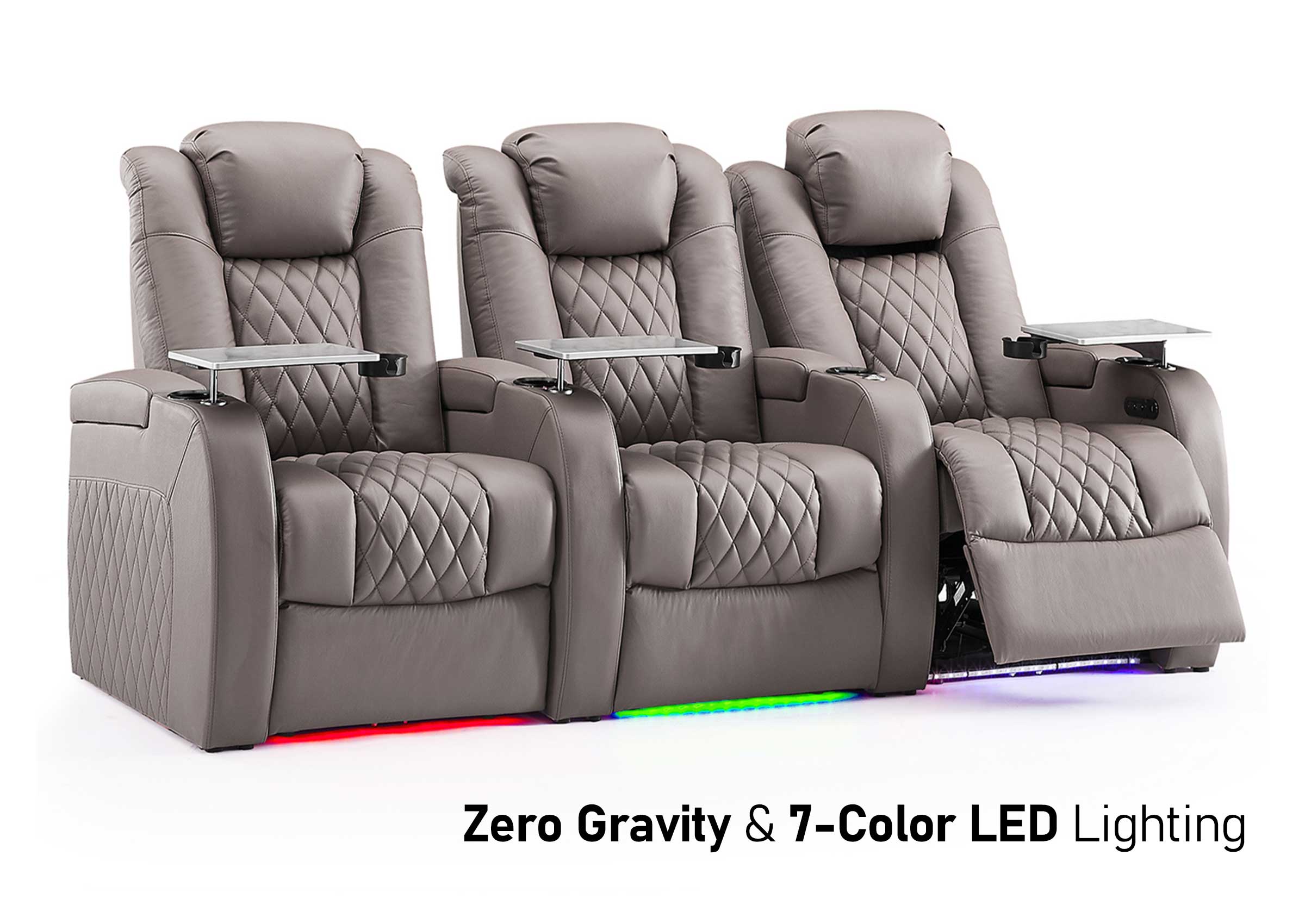
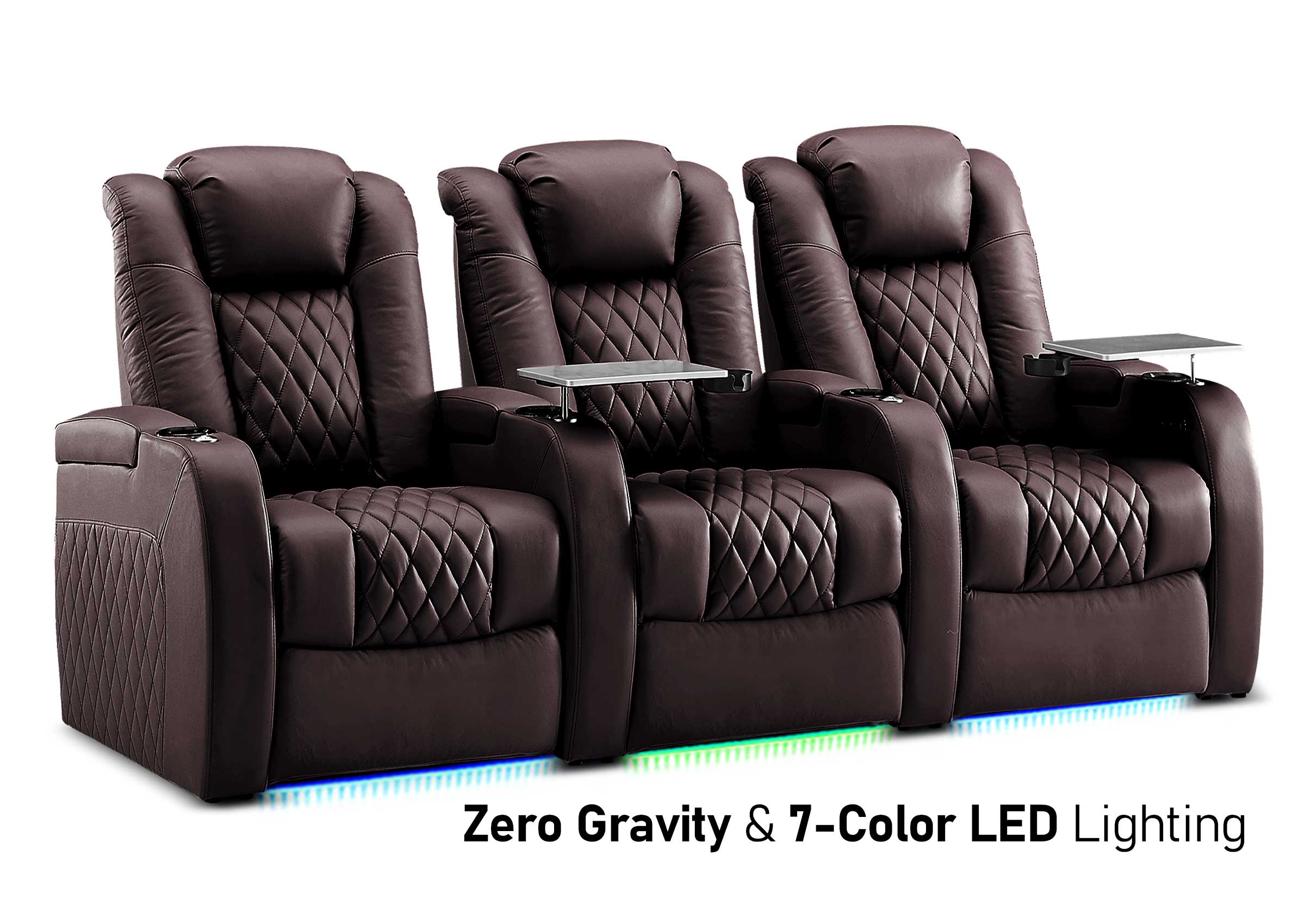





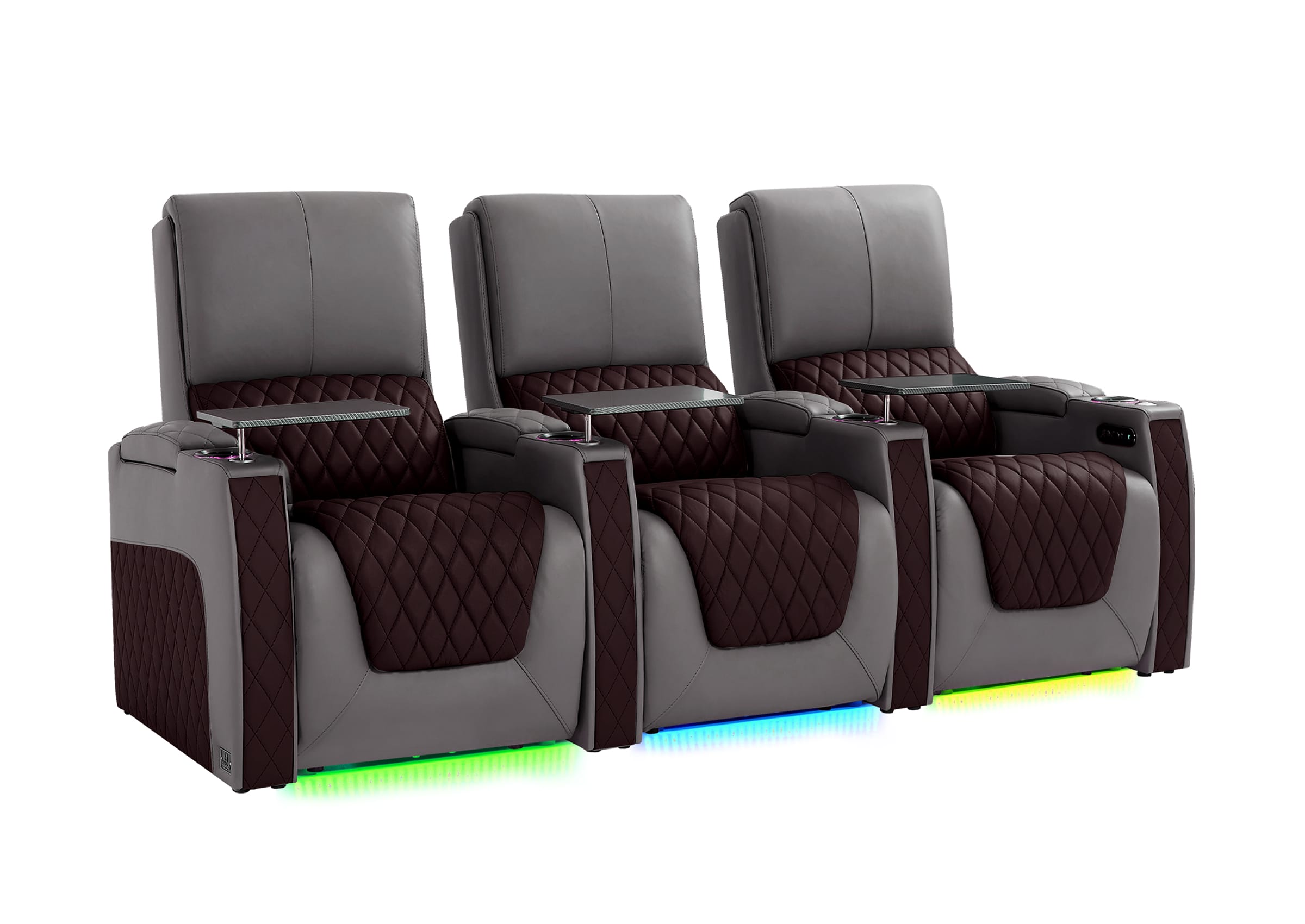
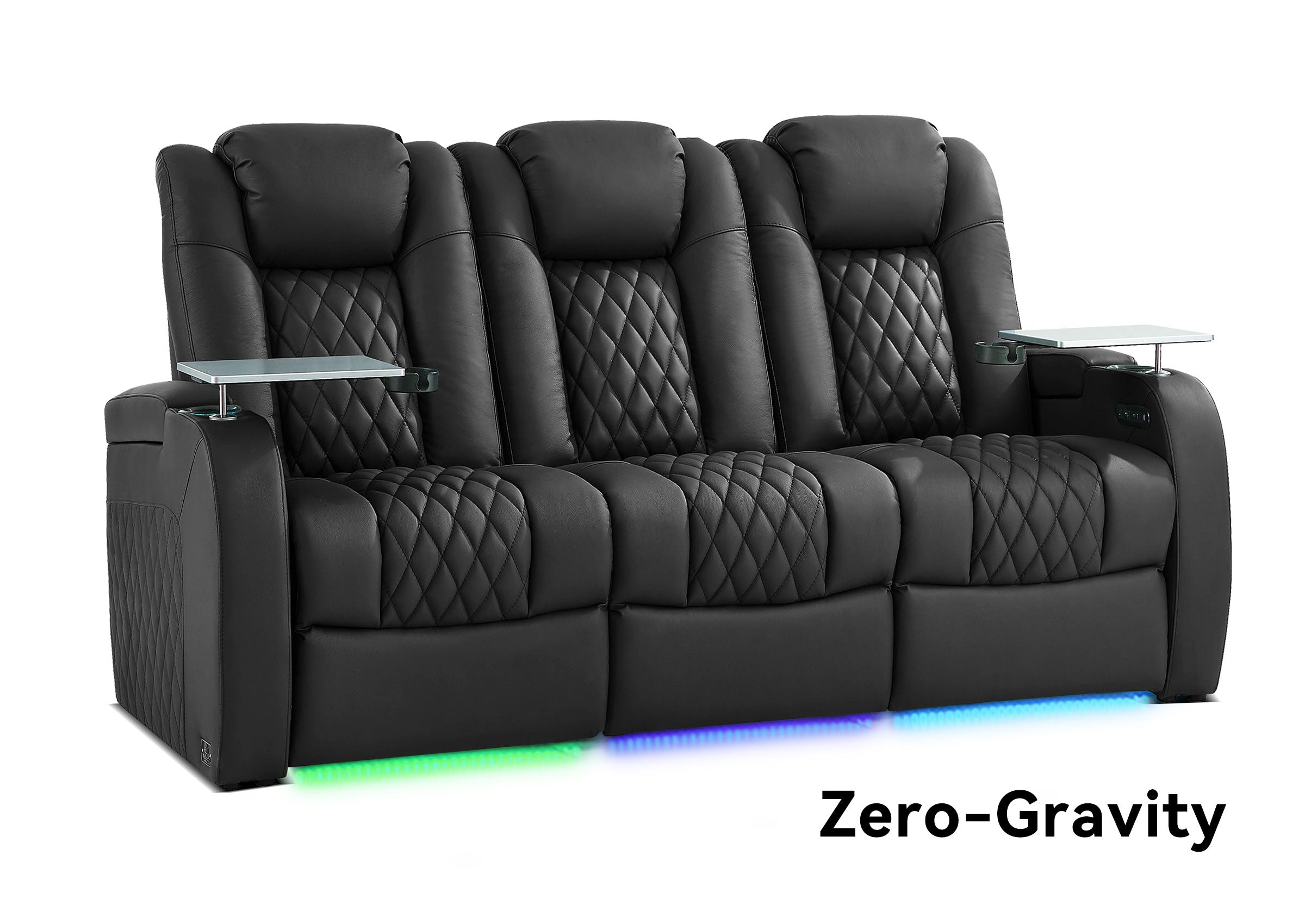


A chaise lounge is a long seat designed so you can sit back with your legs supported on the same piece of furniture. Some chaises are standalone chairs, while others form the extended end of a sofa or sectional.
The original term is chaise longue. Merriam-Webster defines it as a “long reclining chair” and traces the expression to French for “long chair.” The dictionary also recognizes chaise lounge as an English variant influenced by the familiar word lounge.
That basic definition is useful, but it does not explain why furniture labeled chaise can look so different.
The simplest way to understand the category is this:
A chaise describes an elongated lounging position more reliably than it describes one fixed furniture shape.
That distinction helps you recognize a chaise in a showroom or product listing—and understand what the word does and does not tell you before you buy.
What Does “Chaise” Mean in Furniture?
A chaise gives one seating position an extended surface for the legs.
On a conventional chair, your thighs are supported while your lower legs normally drop toward the floor. On a sofa, you can stretch out across several cushions, but doing so may occupy more than one normal seat.
A chaise builds that stretched-out position into the furniture itself.
That is the feature worth looking for.
Depending on the design, a chaise might be:
- a standalone long chair;
- one extended end of a sofa;
- a module in a sectional;
- an outdoor lounger;
- or part of furniture that also includes reclining or storage functions.
Those pieces do not have to share the same armrests, back shape, mechanism, material, or construction to be described as a chaise.
This is not just a modern retail quirk. Museum collections contain chaise longues with very different constructions and silhouettes, including Alvar Aalto's molded-plywood design from 1936–37 and the tubular-steel chaise associated with Le Corbusier, Pierre Jeanneret, and Charlotte Perriand. You can see examples in The Metropolitan Museum of Art collection.
So visual style alone is not a reliable definition.
Chaise Lounge or Chaise Longue: Which Is Correct?
Chaise longue is the original French expression. Chaise lounge is an established English variant.
Merriam-Webster records both forms and identifies chaise lounge as a folk-etymology form derived from chaise longue.
For most furniture shoppers, the distinction is linguistic rather than functional.
You may encounter listings such as:
- chaise longue;
- chaise lounge;
- chaise sofa;
- sofa with chaise;
- chaise sectional;
- sectional with chaise.
Instead of treating each label as a completely different product category, look at the actual configuration.
What is the chaise attached to? Is its position fixed? Does anything move? Can the configuration change?
Those questions tell you more about how the furniture will behave in your room than the spelling alone.
How Can You Recognize a Chaise?
If you are looking at a product photo and wondering whether a piece is really a chaise, start with the seating surface—not the decorative details.
Look for an extended leg-supporting surface
A chaise normally gives one sitting position a continuous surface extending far enough forward to support the legs.
That is the clearest clue.
Look at how the upper body is supported
A standalone chaise normally has some form of back support at one end. On a sofa or sectional, the user may lean against the same back structure as the adjoining seats.
The angle and shape vary considerably, so a chaise does not have to resemble a traditional curved fainting couch.
Check whether the leg support is part of the furniture
A chair paired with an ottoman can create a similar body position, but the pieces remain separate.
With a chaise, the elongated lounging surface is built into the piece or configuration.
That difference becomes important once furniture enters a real room.
An ottoman can usually be repositioned. A fixed chaise continues projecting into the room whether someone is using it or not.
Why Can One Chaise Look Completely Different From Another?
Because chaise is only one layer of the furniture description.
Consider these terms:
Chaise describes the elongated lounging position.
Sectional describes a seating configuration made from sections or components. If that term itself is unclear, our guide to sectional sofas explains the basic configurations separately.
Modular describes how components are intended to be combined or rearranged. A sectional and a modular sofa are not necessarily opposites; our modular sofa vs. sectional guide explains where that distinction becomes important.
Reclining describes movement.
Leather or fabric describes upholstery material.
A single piece of furniture can therefore be a leather, modular, reclining sectional with a chaise without any of those terms meaning the same thing.
This is one of the most useful ways to read furniture listings:
Do not treat the product name as the specification sheet.
The name helps identify the general furniture type. The dimensions, diagrams, mechanism details and configuration options tell you what that particular model actually does.
The Main Types of Chaise You Will See

Standalone chaise
A standalone chaise is its own piece of furniture.
It is usually organized around one primary lounging position rather than several conventional sofa seats.
Its design can vary substantially. Some have arms, some have one raised side, and some use much more minimal frames.
Sofa with chaise
A sofa with a chaise usually looks like a conventional sofa with one seat extended farther forward.
This creates a dedicated place to stretch out without placing a separate ottoman in front of the sofa.
For many shoppers, this is the form they mean when they talk about a modern indoor chaise.
Sectional with chaise
On a sectional, the chaise may be one component within a larger arrangement.
Current furniture catalogs show why shoppers should read beyond the word chaise. Room & Board, for example, distinguishes left- and right-arm chaise configurations, while Crate & Barrel lists reversible chaise configurations as well as separate left-arm and right-arm versions within some product families.
The practical lesson is not that every brand follows the same system.
It is the opposite:
Chaise orientation and flexibility must be confirmed for the specific product.
Outdoor chaise
Outdoor chaises often have a different construction again.
Many resemble long loungers rather than upholstered living-room furniture, and some include adjustable back positions.
They share the basic idea of supporting an extended resting position, but indoor and outdoor chaises should not be assumed to have the same construction, cushioning or intended use.
Chaise vs. Recliner vs. Ottoman vs. Daybed
Several furniture types let you put your feet up, which is why they are easy to confuse.
The clearest distinction is how the resting position is created.
| Furniture type | Main distinction |
|---|---|
| Chaise | Provides an elongated seating surface for supporting the legs |
| Recliner | Changes the sitting position through a reclining mechanism or moving support |
| Ottoman | Provides separate, movable leg or foot support |
| Daybed | Uses a broader, bed-like surface intended to accommodate both sitting and lying down, although designs vary |
| Standard sofa | Primarily provides conventional seating positions rather than one permanently extended position |

These are not always mutually exclusive categories.
A chaise can also recline.
A sectional can contain both conventional seats and a chaise.
A reclining sectional may combine moving footrests with a fixed chaise in the same configuration.
That is why “chaise or recliner?” is not always an either-or question. One term describes a form of seating position; the other usually describes how the furniture moves.
What Does “Chaise” Mean on a Sofa or Sectional?
When a listing says sofa with chaise, the chaise generally refers to the position where the seating surface extends farther into the room than the neighboring sofa seats.
On a larger sectional, that extended position may be one component among several.
But the presence of a chaise alone does not tell you whether the sofa is:
- fixed or modular;
- left- or right-oriented;
- reversible;
- stationary or reclining;
- powered;
- equipped with storage.
That information has to come from the specific product description and configuration.
For example, some furniture collections offer reversible, left-arm and right-arm chaise configurations within the same product family. That is evidence that these are separate configuration characteristics—not evidence that every chaise can switch sides.
That distinction can prevent a common shopping mistake:
Seeing a chaise in a photo does not mean you can move it to the other end later.
What Does Left-Facing or Right-Facing Chaise Mean?
Orientation matters because the extended portion can block—or preserve—a major walkway.
But terminology deserves careful attention.
Some sellers describe left and right while you are standing in front of the furniture and looking at it. Other listings may use LAF and RAF to describe the arm position of an individual component. The safest approach is to confirm the seller's own diagram rather than relying on the directional words alone.
If this is the decision you are making now, our left-facing vs. right-facing chaise guide goes deeper into entrances, walkways, doors, focal points and open-plan layouts.
If orientation matters to your room, verify three things before ordering:
- Look at the product from the same viewpoint used in the seller's diagram.
- Confirm which side physically projects into the room.
- Check whether that orientation is fixed, selectable at purchase, or genuinely reversible.
If the chaise will sit near a doorway, hallway or open connection to another room, this check matters much more than whether the arrangement looks balanced in a product photo.
What Doesn't the Word “Chaise” Tell You?
Quite a lot.
A chaise label alone does not confirm:
- exact length or depth;
- available sitting width;
- whether the position can switch sides;
- whether components can be rearranged;
- whether the back or foot area moves;
- whether power is required;
- whether storage is included;
- how many people the overall sofa accommodates comfortably;
- how much usable room remains around it.
This is why dimensions matter more than category assumptions.
There is no need to memorize a supposedly “standard” chaise size and then force every product into it. Standalone, sectional, outdoor and reclining designs can have very different proportions.
Measure the product you are actually considering.
EXPLORE YOUR OPTIONS
Ready to See How a Chaise Works in a Real Room?
Once you understand the furniture term, the next step is deciding whether the extended footprint, orientation, and configuration match the way your room is actually used.
Modular Sofa vs. Sectional • Reclining Sectional With Chaise
How Does a Chaise Change the Way a Room Works?
A chaise changes more than the appearance of a sofa.
It creates a permanent or semi-permanent extension into usable floor space.

That extension can affect:
- the route between the entrance and seating area;
- access to a patio or balcony door;
- the space around a coffee table;
- movement between living and dining zones;
- where an accent chair can sit;
- how easily several people move around the room at once.
This leads to a more useful question than simply asking:
“Will the sofa fit?”
A sectional can fit within the room dimensions and still place its chaise directly across the path people use every day.
Before choosing an orientation, think about circulation first and symmetry second.
A practical way to test this is to mark the proposed chaise footprint on the floor with painter's tape.
Then use the room normally.
Walk toward the kitchen. Open nearby doors. Approach the sofa from different directions. Imagine someone already stretched out on the chaise.
The exercise does not reproduce cushion feel or reclining movement, but it can reveal whether the extended footprint works with the room before a large piece of furniture arrives.
A Chaise Can Also Change How the Sofa Is Shared
Dimensions do not tell the entire story.
A chaise often becomes a favorite seat because it gives one person room to stretch out. But once someone is using it that way, the position behaves differently from a conventional upright seat.
That does not mean a chaise “wastes” seating.
It means seat count and actual household use are different questions.
Think about a normal evening:
- Does one person usually stretch out while everyone else sits upright?
- Do several people all want independent leg support?
- Do children move between seats often?
- Do you entertain guests who usually prefer upright seating?
- Does a pet regularly occupy the extended section?
A chaise is especially useful when the lounging position matches something your household already does.
If you are moving from “what is a chaise?” to “will this configuration actually work for us?”, the sectional with chaise guide goes deeper into real seating capacity, traffic flow, coffee-table fit and everyday use.
Choosing one only because an L-shaped sofa looks attractive in a staged room is a weaker reason.
Is a Chaise the Same as a Recliner?
No.
A chaise provides leg support primarily through its long shape. A recliner creates or changes the lounging position by moving parts of the chair or sofa.
That distinction becomes useful when thinking about space.
A fixed chaise has an extended footprint all the time.
A reclining seat may look more compact while upright but require additional usable space once its footrest and back begin moving.
A reclining sectional with a chaise can combine both behaviors, so its room planning should consider the chaise footprint and the moving footprint of the reclining seats.
Neither approach is automatically better. They simply solve relaxation in different ways.
Is a Chaise the Same as an Ottoman?
No.
An ottoman is separate from the main seat, while a chaise integrates the leg-supporting area into the seating position.
The practical tradeoff is flexibility.
You can move an ottoman, use it with another chair or remove it when you want more open floor space.
A fixed chaise gives you a more consistent lounging position but usually cannot disappear when the room needs to function differently.
In a frequently rearranged multipurpose room, that distinction can matter more than style.
Is a Chaise Meant for One Person?
The elongated section is usually designed around one lounging position, although another person may sit on part of it depending on its width and construction.
For daily planning, it is safer to think of the chaise according to how people will actually occupy it, rather than trying to turn its surface area into a theoretical number of seats.
A wide chaise may become a favorite place for a parent and child, a couple sitting close together or a pet beside its owner. Another household may almost always use it as one person's full-body lounging space.
Both are normal uses.
The important question is whether that usage fits the way the rest of the sofa needs to work.
Is a Chaise Right for Your Room?
A chaise is worth considering when you regularly want one dedicated place to sit with your legs supported.
It may be less practical when:
- the extension falls across the main traffic path;
- the room needs frequent furniture rearrangement;
- several people all want individual leg support;
- a door, cabinet or storage area needs the same floor space;
- the configuration is fixed but your future room layout is uncertain.
If you are already choosing between left- and right-facing configurations, that is a separate layout decision worth checking in more detail rather than guessing from the product name.
Likewise, if you are deciding whether an entire sectional with a chaise works for your household, consider the full sofa configuration—not just the chaise itself.
The Simplest Way to Understand a Chaise Lounge
A chaise lounge is best understood as an elongated seating position that supports the legs on the same piece of furniture.
That idea connects the many different products that carry the name.
A chaise can stand alone. It can extend one side of a sofa. It can become a module in a sectional. It can even appear in furniture that also reclines, stores items or changes configuration.
The word chaise therefore tells you something important—but not everything.
It tells you where the lounging position is.
Before deciding whether a particular chaise works for you, the next questions are more practical:
Is the orientation fixed? Can the configuration change? How much space does the extension occupy? And does that footprint fit the way people actually move and relax in your room?
Answer those questions, and chaise stops being just a furniture term. It becomes a useful way to understand what the seating will actually do in your space.
Ready to Decide How a Chaise Fits Your Space?
Understanding what a chaise is is only the first step. If you are considering one for your living room, the next question is how its size, orientation, and extended footprint will work with your walkways and everyday seating habits.
Explore our guide to sectionals with a chaise to see what to check before choosing a configuration.