












Ergonomic means designed or arranged to work well with the people using something—their bodies, movements, abilities, and the task they are trying to do.
You may see the word on chairs, desks, keyboards, tools, car controls, kitchen products, and many other everyday objects. But “ergonomic” does not simply mean comfortable, and it is not the name of one particular feature.
A product can have an adjustable headrest, extra cushioning, or a curved handle and still be a poor fit for a particular person.
A more useful way to think about the word is this:
Ergonomic describes a relationship, not a feature.
It asks how well the person, the task, and the design work together.
That leads to a better question than simply asking, “Is this ergonomic?”
Ergonomic for whom, doing what, and for how long?
What Does “Ergonomic” Mean?
“Ergonomic” is an adjective related to ergonomics.
Cambridge Dictionary describes ergonomic furniture or equipment as being designed to make it comfortable and effective for the people using it. Cambridge Dictionary
The broader field of ergonomics goes further than comfort alone.
The International Ergonomics Association defines ergonomics, also called human factors, around understanding interactions between people and other parts of a system and applying that knowledge to design. Ergonomics can apply to products, tools, equipment, environments, tasks, and systems—not just office furniture. International Ergonomics Association
In everyday language, that means:
Ergonomics tries to make the design work with the person instead of forcing the person to constantly compensate for the design.
An ergonomic mouse may be shaped around the way a hand moves.
An ergonomic kitchen tool may make a common grip easier to control.
A seat may consider body dimensions, support, movement, and the way the person will actually use it.
The object changes. The basic question does not:
How well does this design work with the person using it?
Ergonomic vs. Ergonomics: What Is the Difference?
The words are closely related but mean different things.
Ergonomics is the field of study and design practice.
Ergonomic describes a product, arrangement, or design that applies—or is intended to apply—those principles.
For example:
- Ergonomics can study how people interact with a workstation.
- A keyboard may be described as ergonomic if its design is intended to improve that interaction.
- Ergonomics can be applied to seating.
- A chair can include ergonomic design considerations.
This distinction matters because a product does not become universally suitable simply because “ergonomic” appears in its description.
The label tells you what the design is trying to do.
It does not tell you whether the product will actually fit you.
What Actually Makes Something Ergonomic?
There is no single feature that makes a product ergonomic.
A better way to judge it is to look at three things:
the person, the task, and the design.
The Person
People differ in height, limb length, body proportions, strength, mobility, hand size, and personal preferences.
Those differences matter.
The CDC describes anthropometry as the science of measuring human size, form, and functional capacities. Human measurements are used in design precisely because people do not interact with the same equipment in exactly the same way. CDC/NIOSH
A seat that feels spacious to one person may feel excessively deep to another.
A control that is easy for one person to reach may require someone else to lean forward.
A headrest may meet one person's head while reaching another person closer to the neck.
This is why “one size fits all” deserves caution whenever ergonomics is involved.
The Task
The same product may be used in very different ways.
Consider seating.
The position you want for typing at a desk is different from the position you might choose for reading, talking, gaming, or watching a two-hour movie.
Likewise, a tool used for ten seconds does not create the same demands as something held repeatedly for several hours.
A design can only be judged properly in relation to what the person is actually doing.
The Design
This is where shape, dimensions, support, placement, controls, resistance, and adjustability become important.
The exact factors depend on the product.
For seating, OSHA notes that seat width and depth should accommodate the user. A seat that is too deep can make it difficult to use the back support properly, while a seat that is too short may not support enough of the thighs. OSHA
The broader lesson is more important than any one measurement:
A feature only matters if it reaches the person in the right place and works for the task.
Having support is not the same as having support that fits.
Does Ergonomic Mean Comfortable?
Not exactly.
Comfort and ergonomics overlap, but they are not the same thing.
Comfort is often immediate.
Ergonomic fit is about how well the design continues to work with the user during the activity.
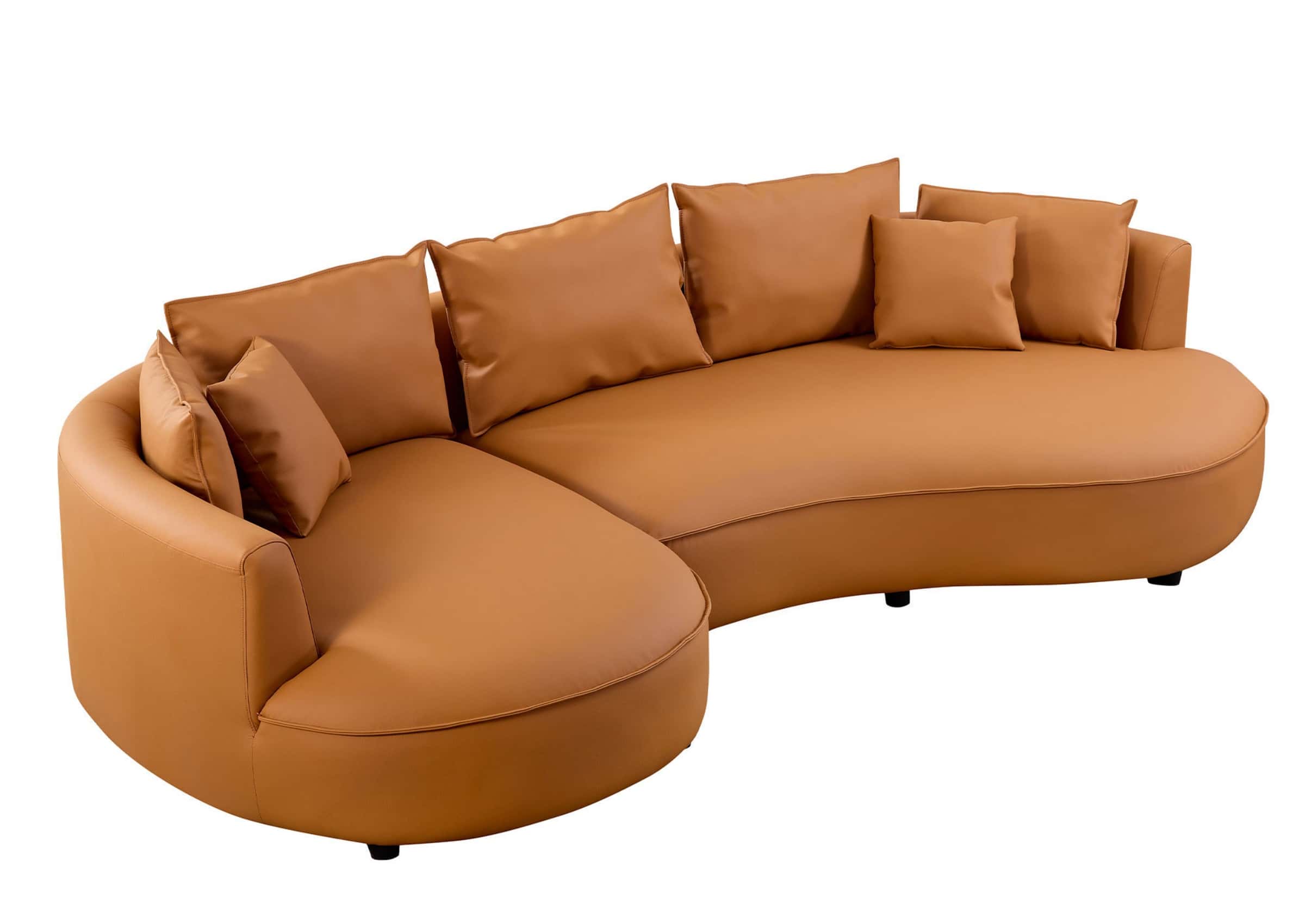
Imagine sitting on a very soft, deep sofa.
At first, it may feel comfortable. But if the seat is so deep that your back cannot naturally reach the backrest while your knees remain near the front edge, you may start sliding forward or adding cushions behind you.
The sofa can still feel soft.
It can still look comfortable.
But its proportions may not be a good match for that particular person and sitting position.
The opposite can also happen.
A firmer seat may not create the same “sink-in” first impression, yet its dimensions and support may fit someone's body more naturally.
That is why judging ergonomics by softness alone can be misleading.
Immediate comfort tells you how something feels. Ergonomic fit asks how well it works while you use it.
Does Ergonomic Mean Adjustable?
No.
Adjustability can help a product fit more people or more situations, but adjustability and ergonomics are not the same thing.
A fixed kitchen handle can still have a shape that works well with the hand.
A fixed control can still be positioned where most users can reach it easily.
A chair without multiple motors or levers can still fit a particular person extremely well.
Adjustability becomes especially useful when:
- the same product needs to fit people of different sizes;
- the user's position changes;
- the activity changes;
- the support needs to meet different parts of the body;
- one product must accommodate a wider range of users.
But more adjustments do not automatically create a better ergonomic result.
An adjustable headrest is only useful if its range allows it to reach the user's head appropriately.
Adjustable lumbar support is only useful if it can meet the lower back where the user actually needs support.
Adjustment is a tool for achieving fit. It is not proof of fit.
Why Can the Same Product Feel Different to Different People?
Two people can sit in the same chair and have very different experiences without either person being wrong.
One may find the seat depth ideal.
Another may feel pushed away from the backrest.
One person's feet may rest naturally where intended.
A taller user's lower legs may extend beyond the available support.
A headrest may fit one person's head but feel too low for another.
This does not automatically mean the product is poorly designed.
It may simply mean that the design fits one body better than another.
That is why actual measurements matter more than broad labels.
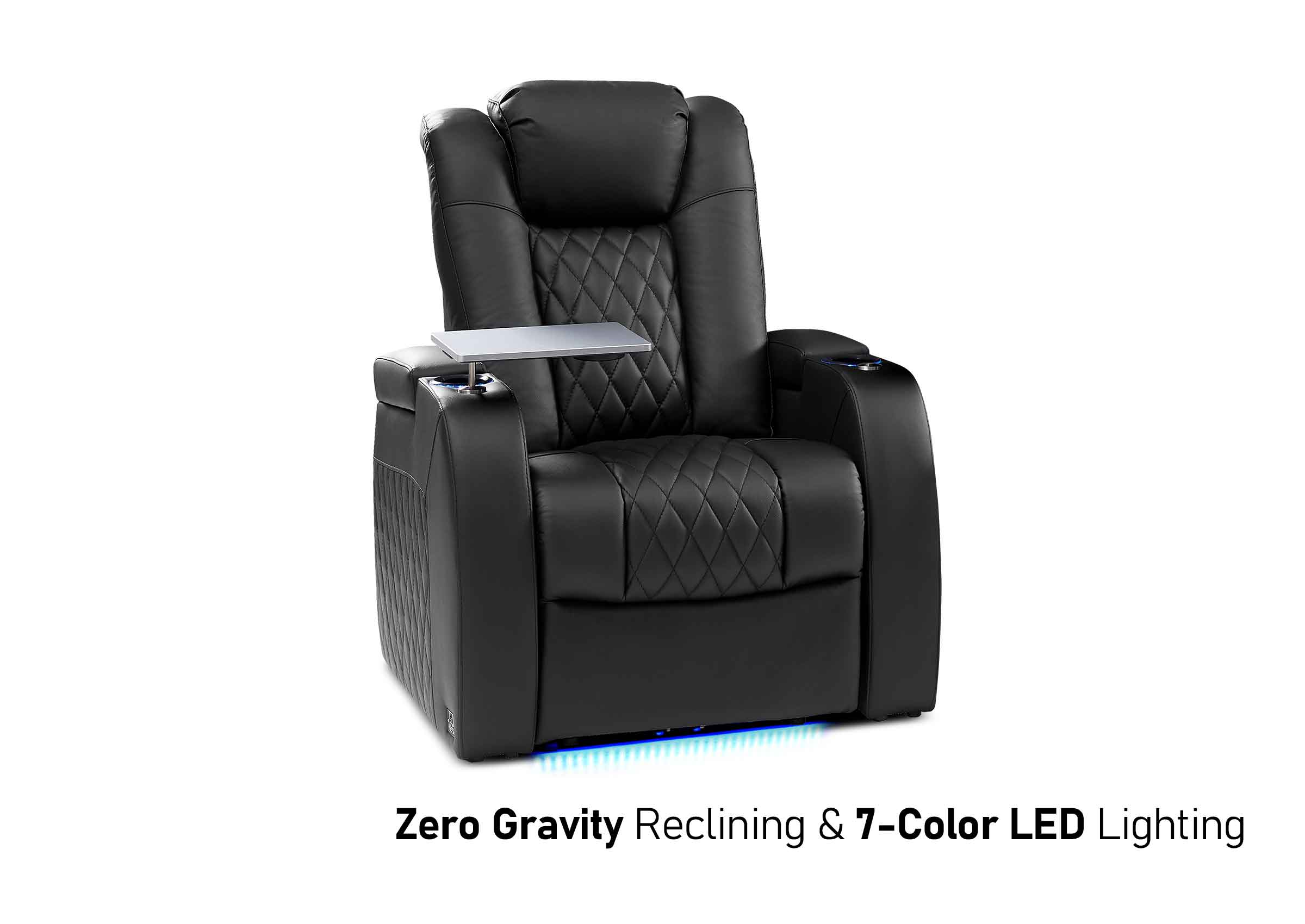
For a recliner, for example, usable seat depth, seat height, seat width, back height, and leg support can tell you much more about body fit than the word “ergonomic” by itself. If you want to compare those measurements in more detail, see our recliner dimensions and body fit guide.

EXPLORE ERGONOMIC SEATING
Want to See How Ergonomic Ideas Apply to Seating?
Once you understand the meaning of ergonomic, the next step is to look at how body fit, support, dimensions, and movement work together in a real seat.
Understand Reclined Positions • Explore Zero Gravity
Where Do You See Ergonomics in Everyday Life?
Ergonomics is often associated with offices, but the idea appears throughout everyday life.

Computer Mouse
The important question is not whether the mouse has an unusual shape.
It is whether the size, shape, button placement, and required movement work well with the user's hand.
Kitchen Knife
Handle size, grip shape, balance, surface, and the cutting task all affect how someone interacts with the tool.
Car Interior
Seat position, visibility, pedal reach, steering-wheel position, and control placement all involve the relationship between the driver and the vehicle.
Gaming Controller
Grip, button reach, weight, hand position, and how long the controller is held can all influence how well it fits the user.
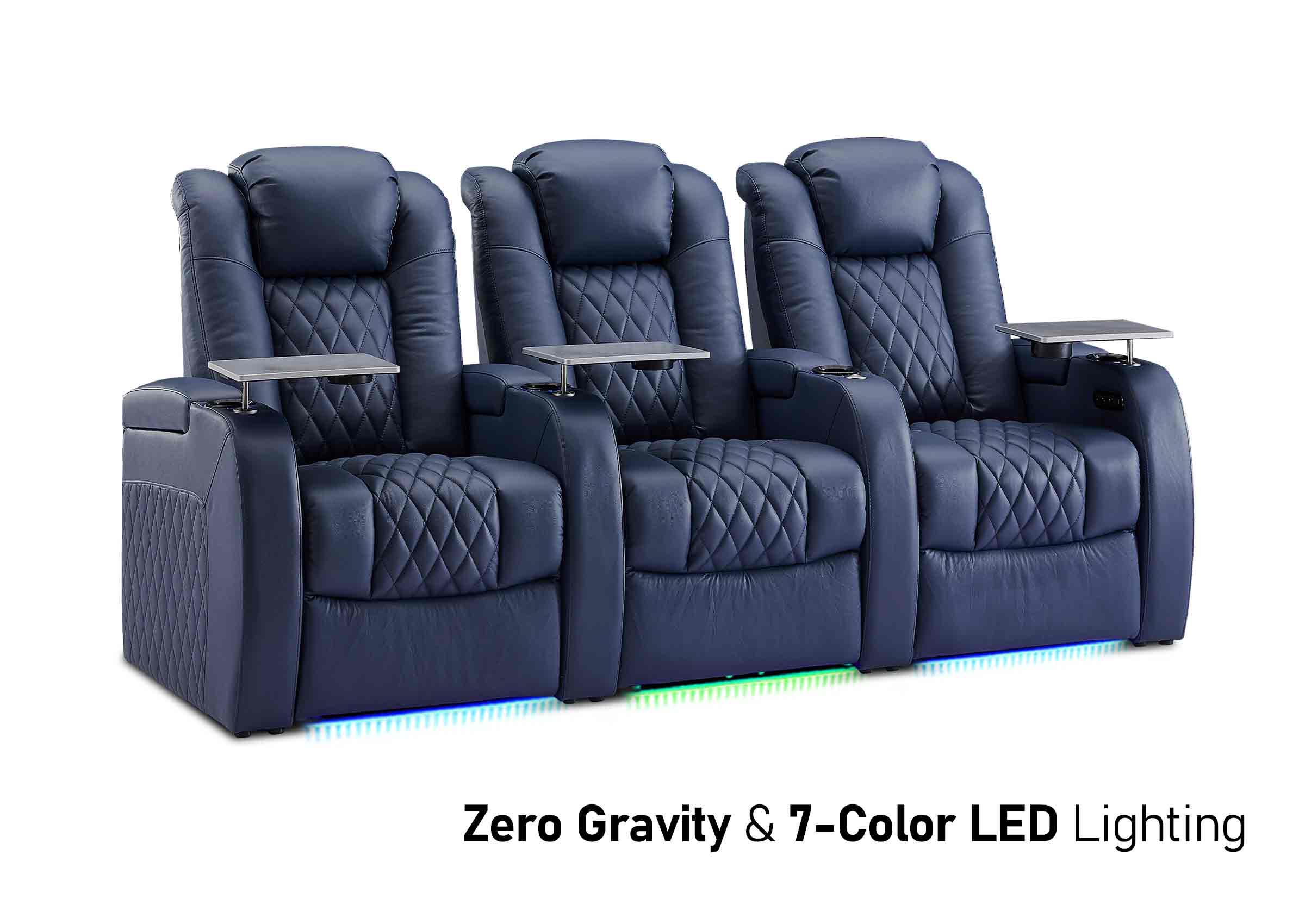
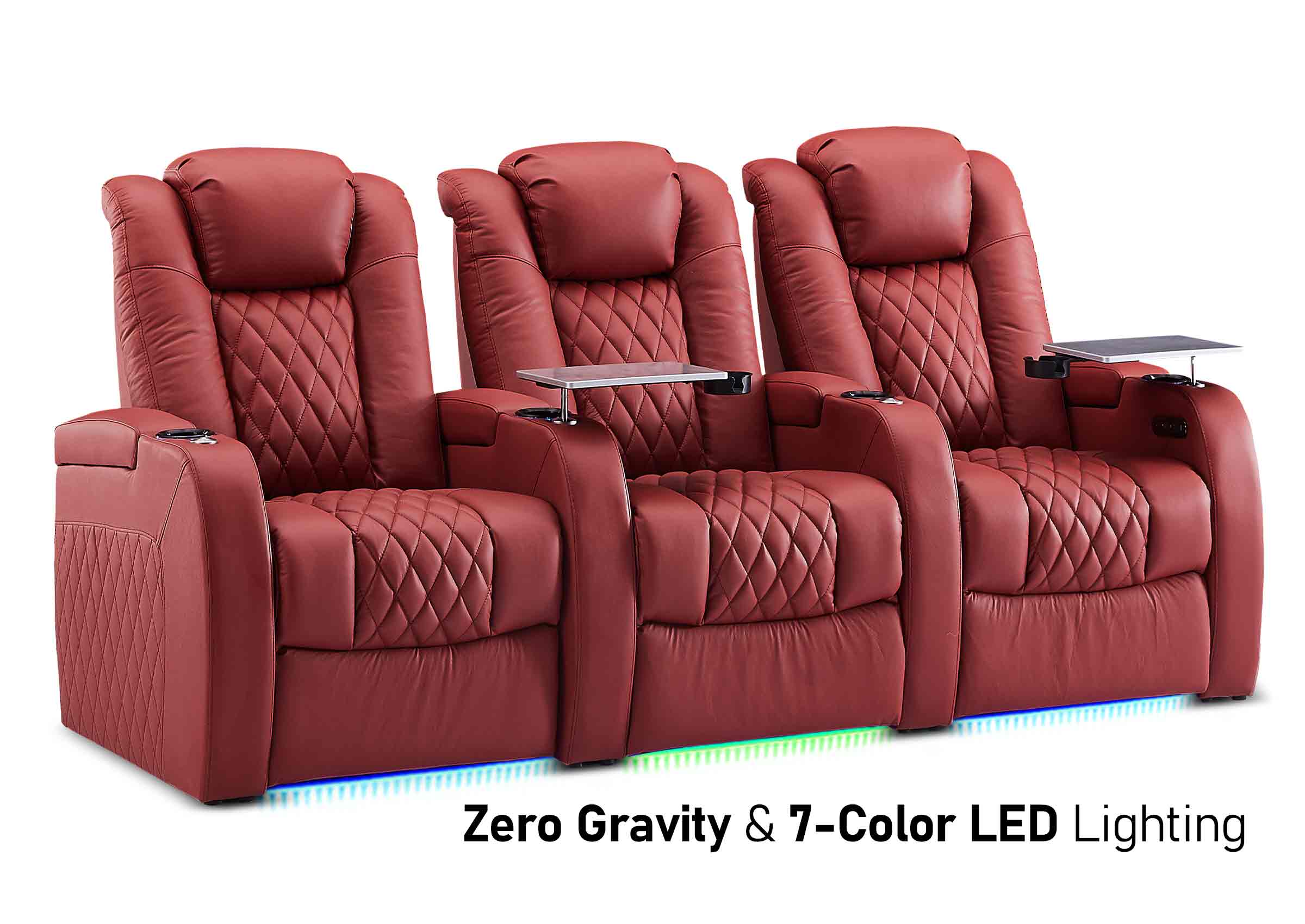
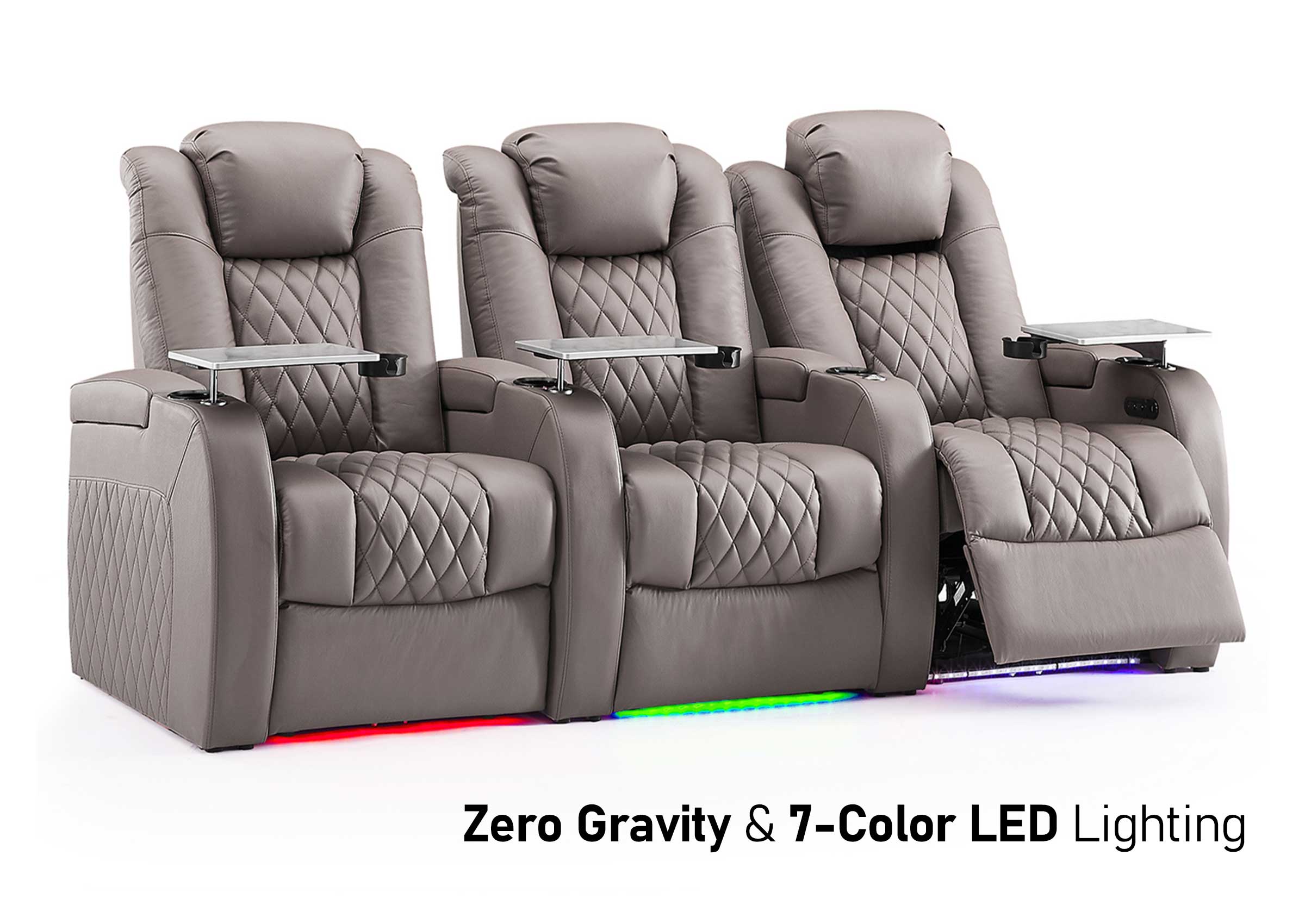
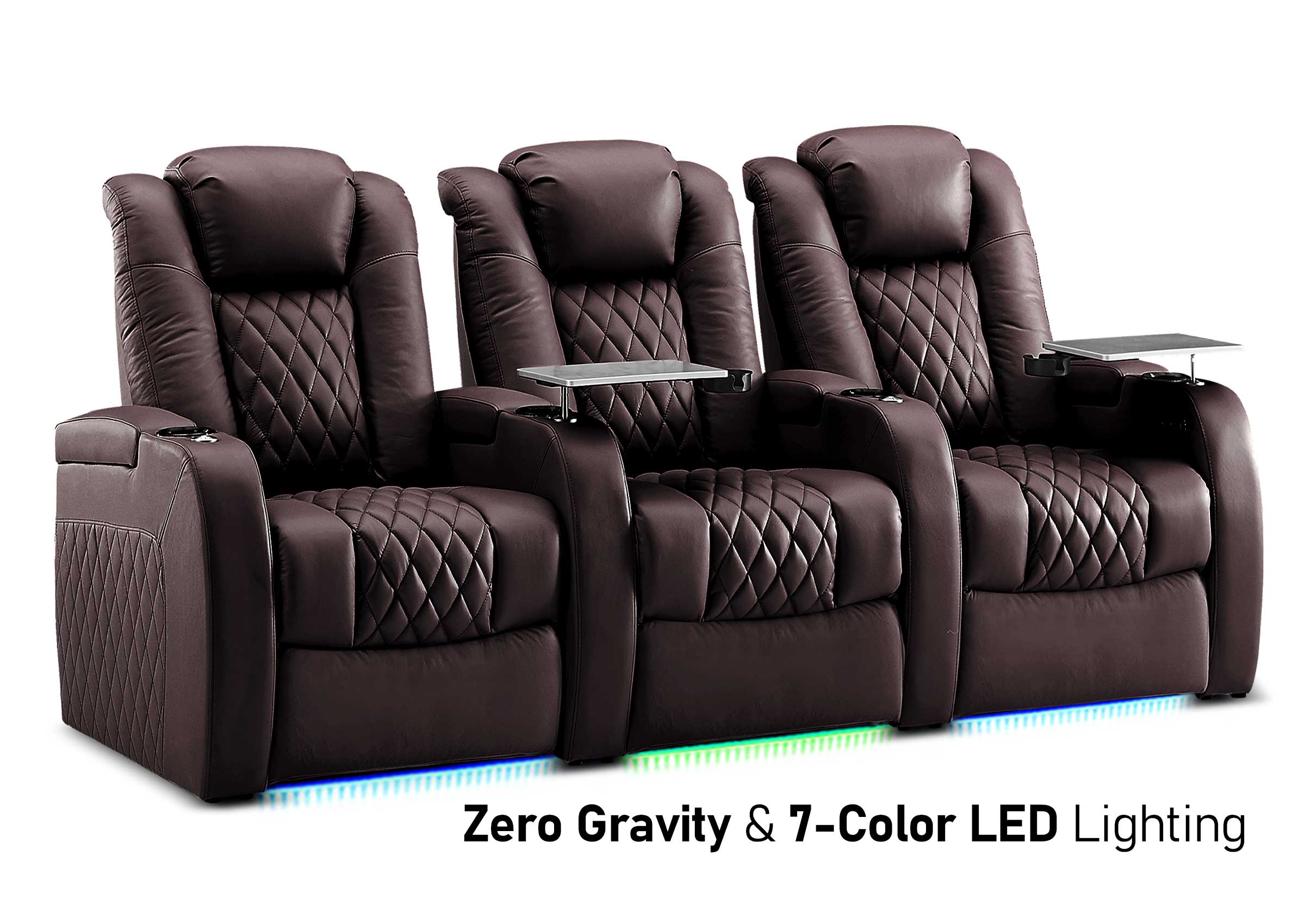
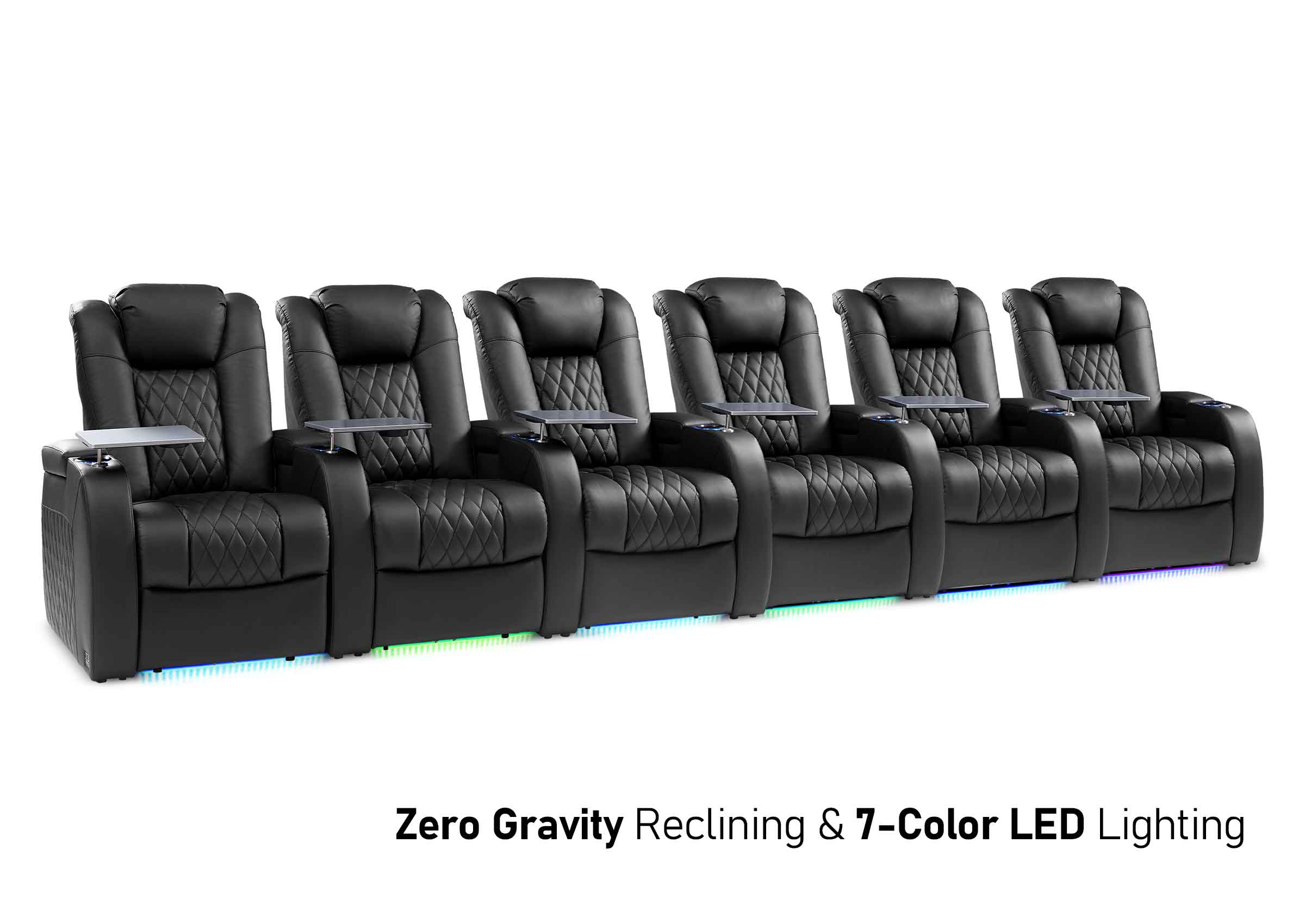
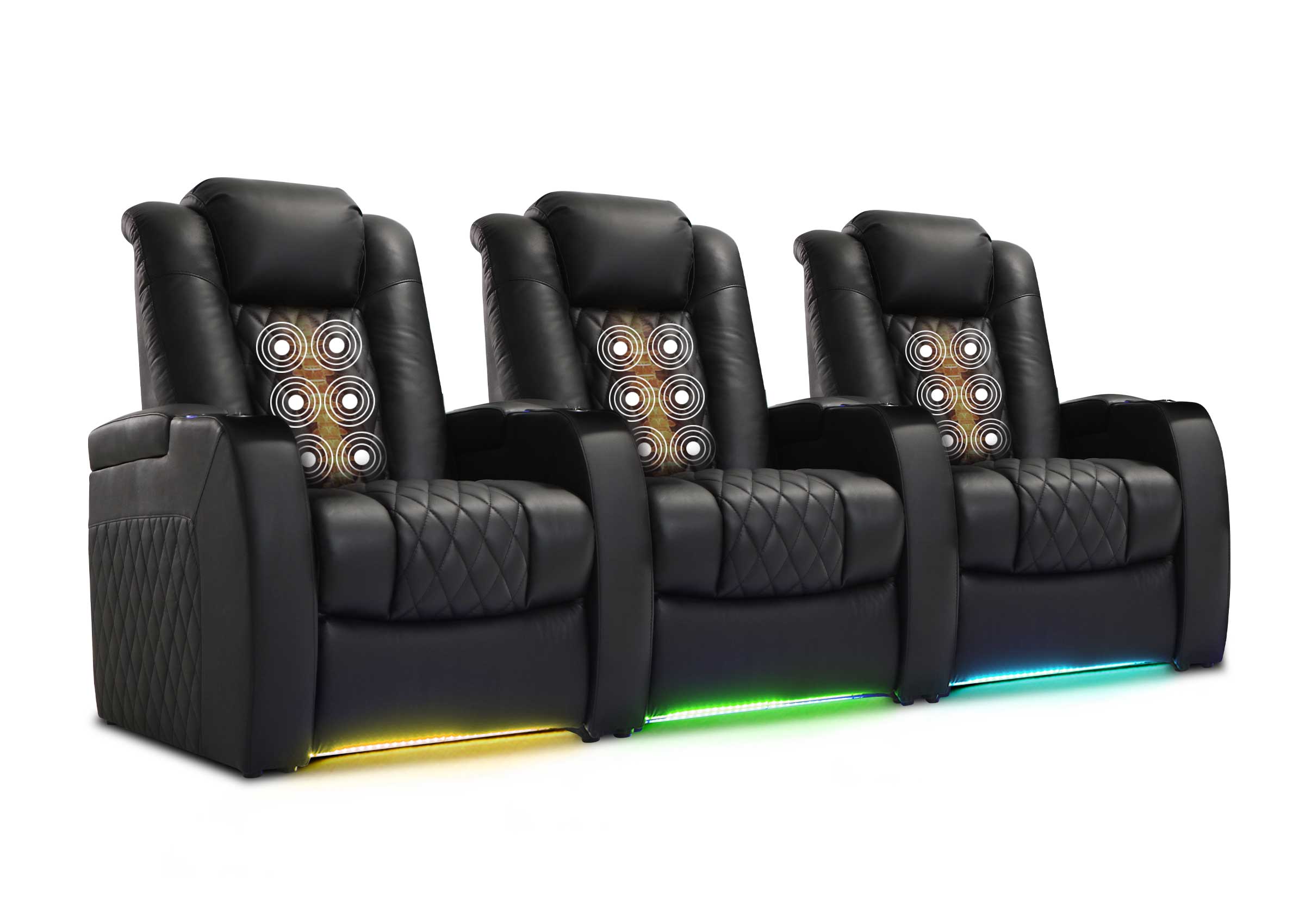
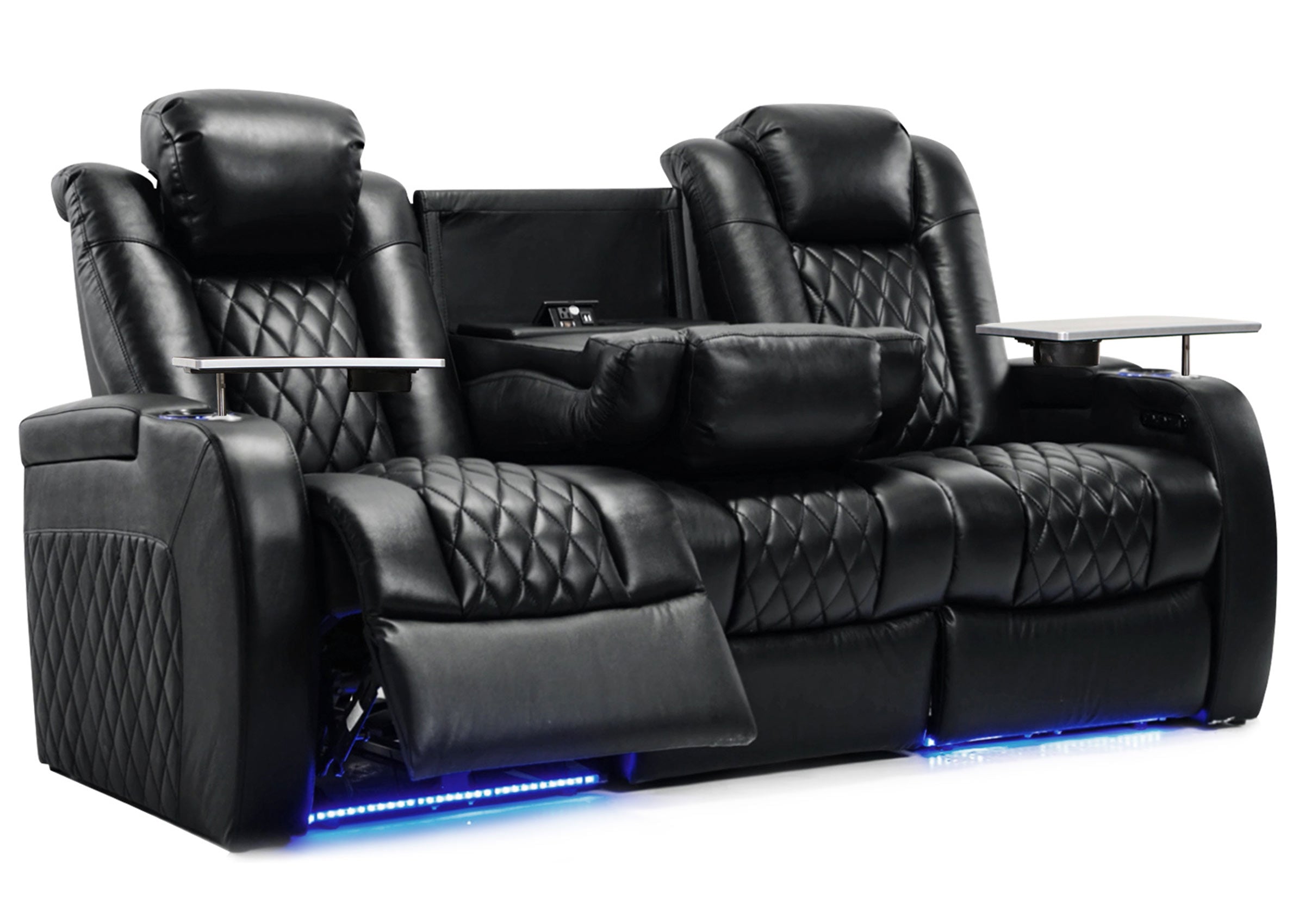
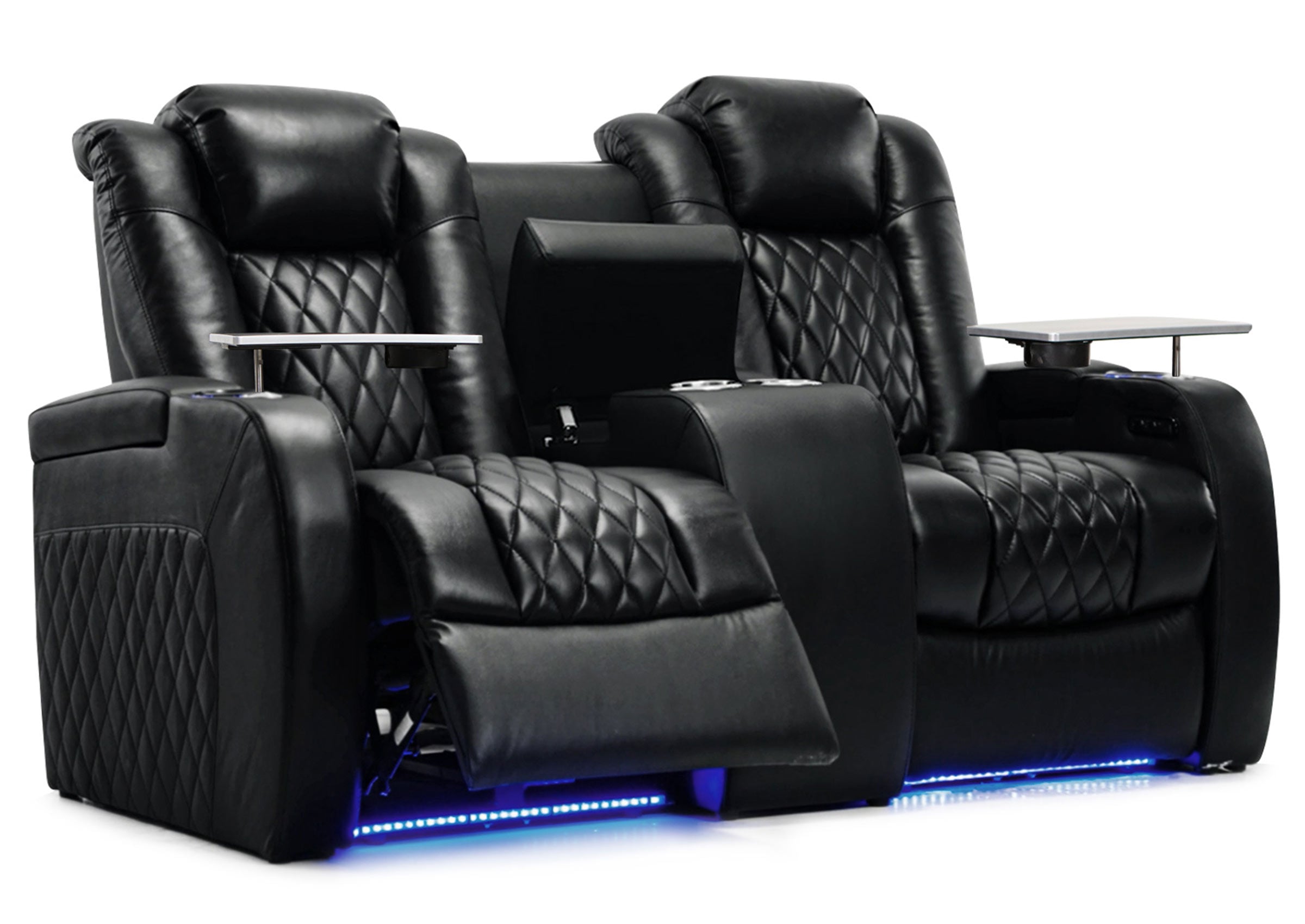
Chair, Sofa, or Recliner
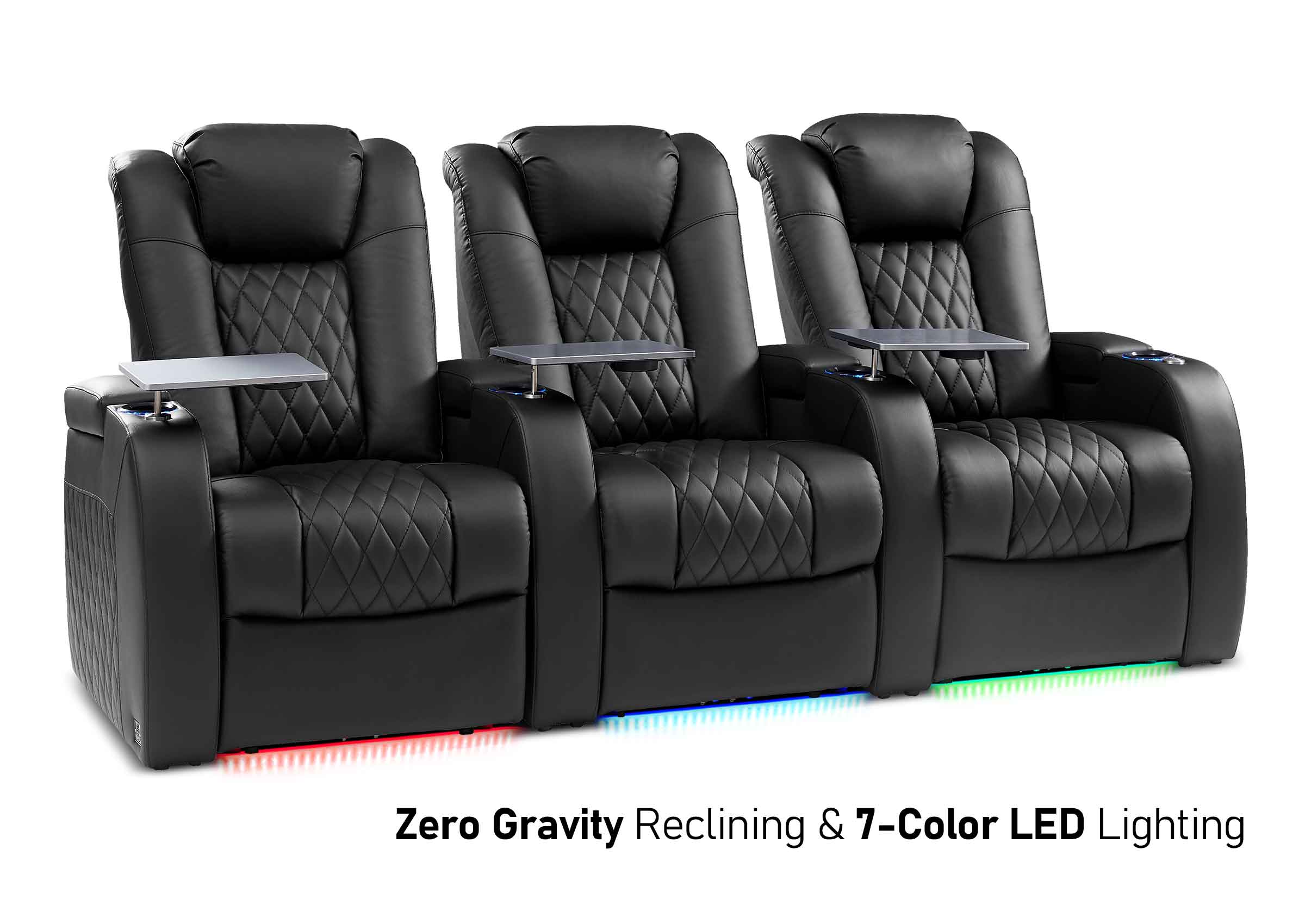
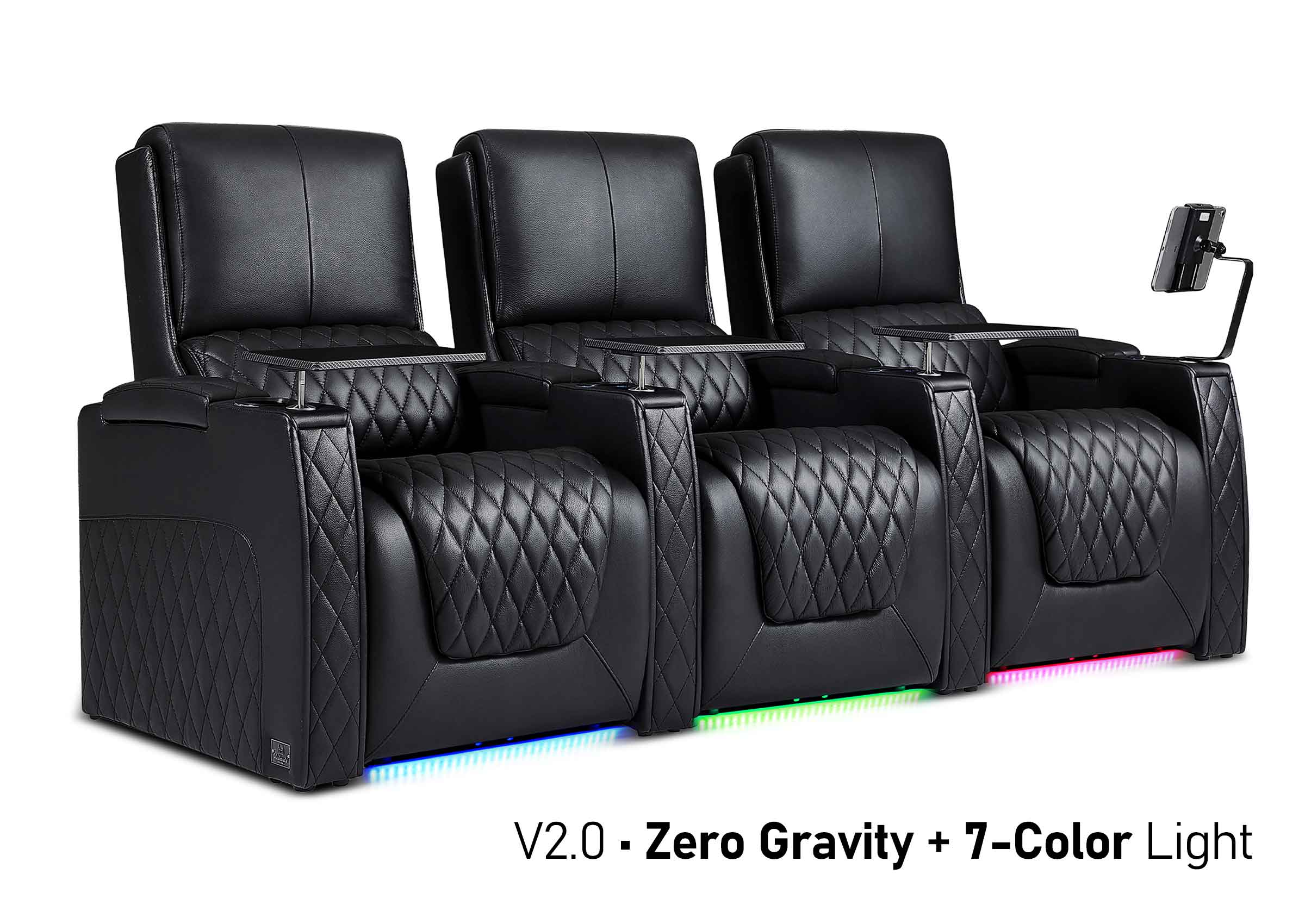
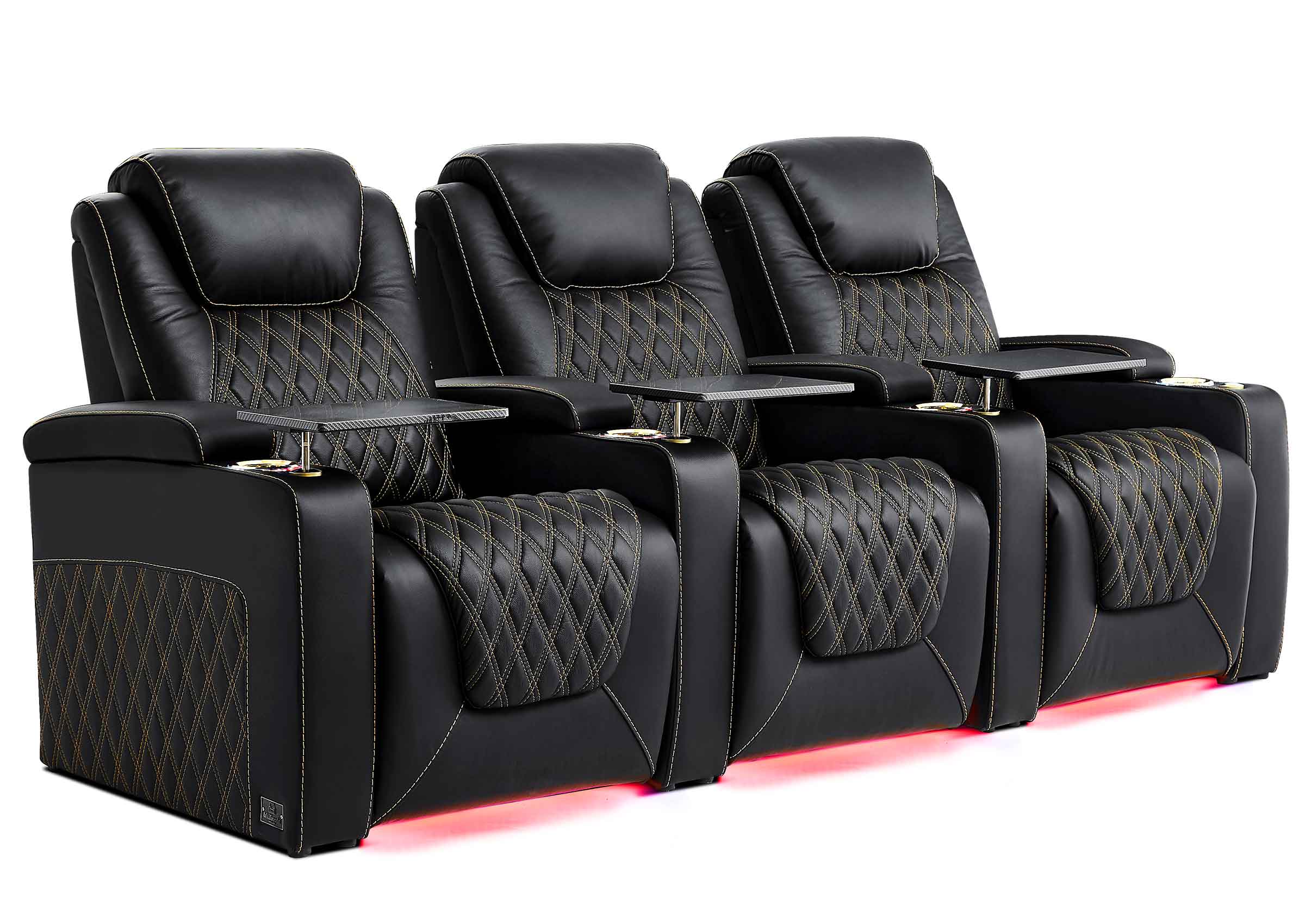
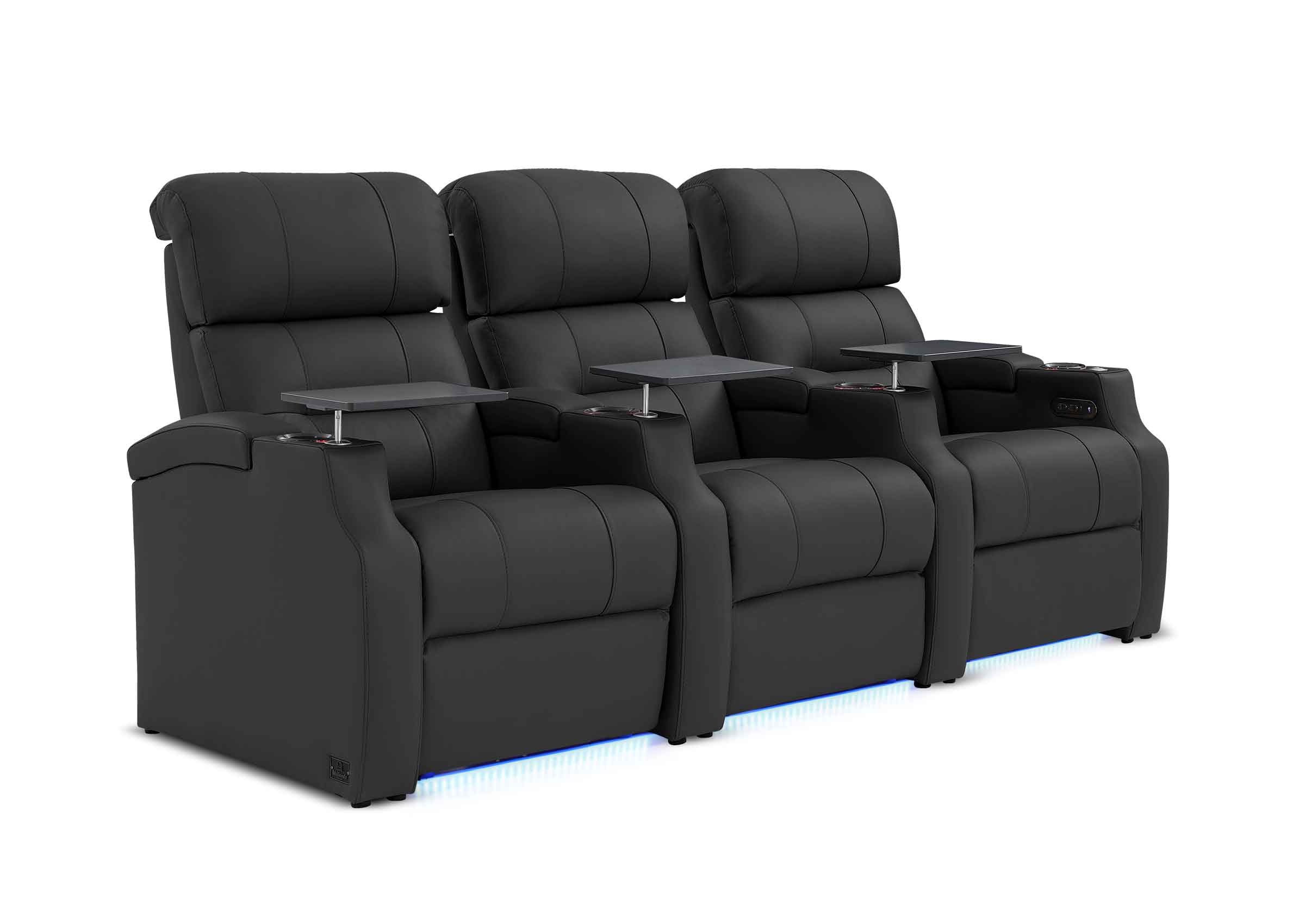
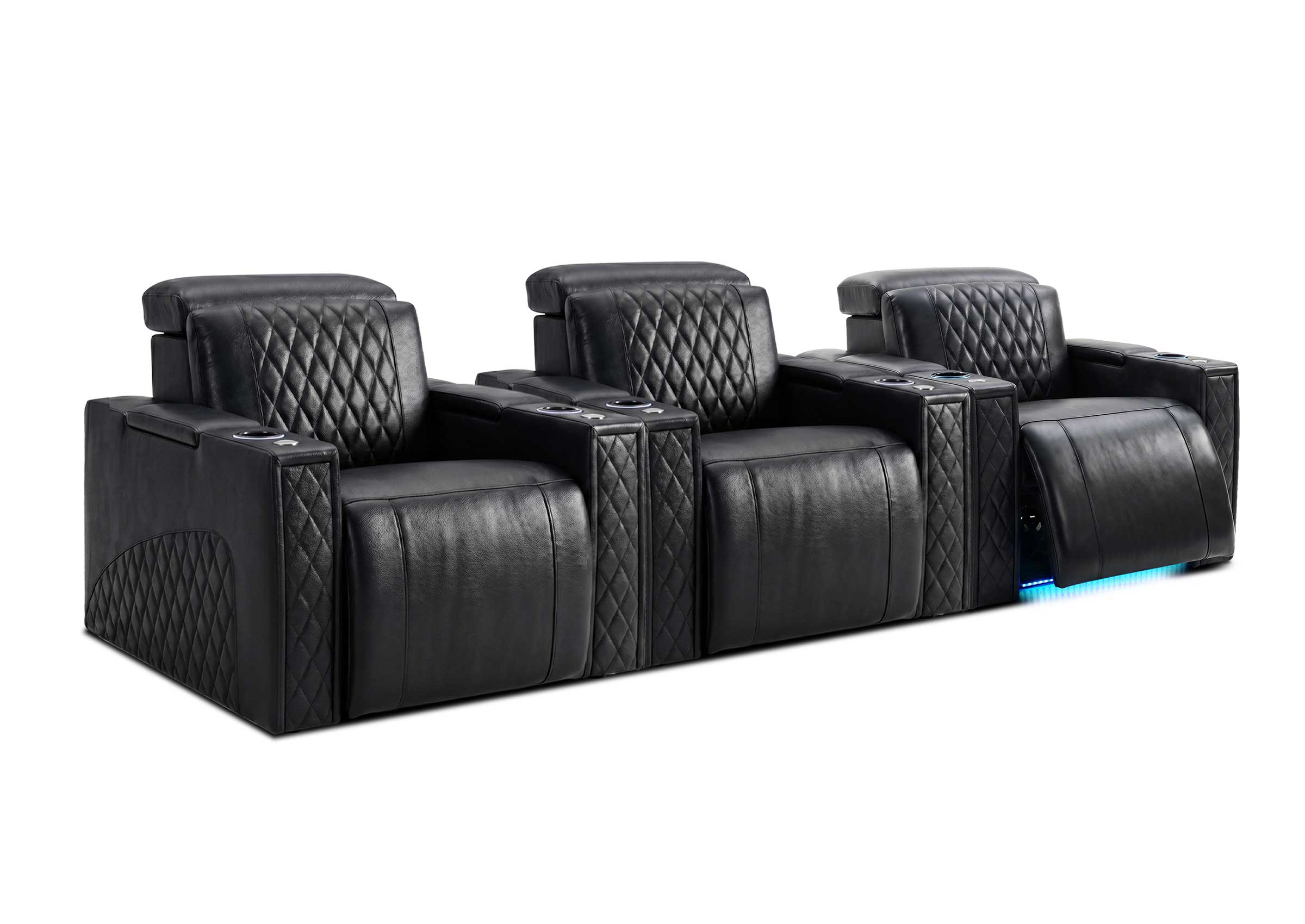
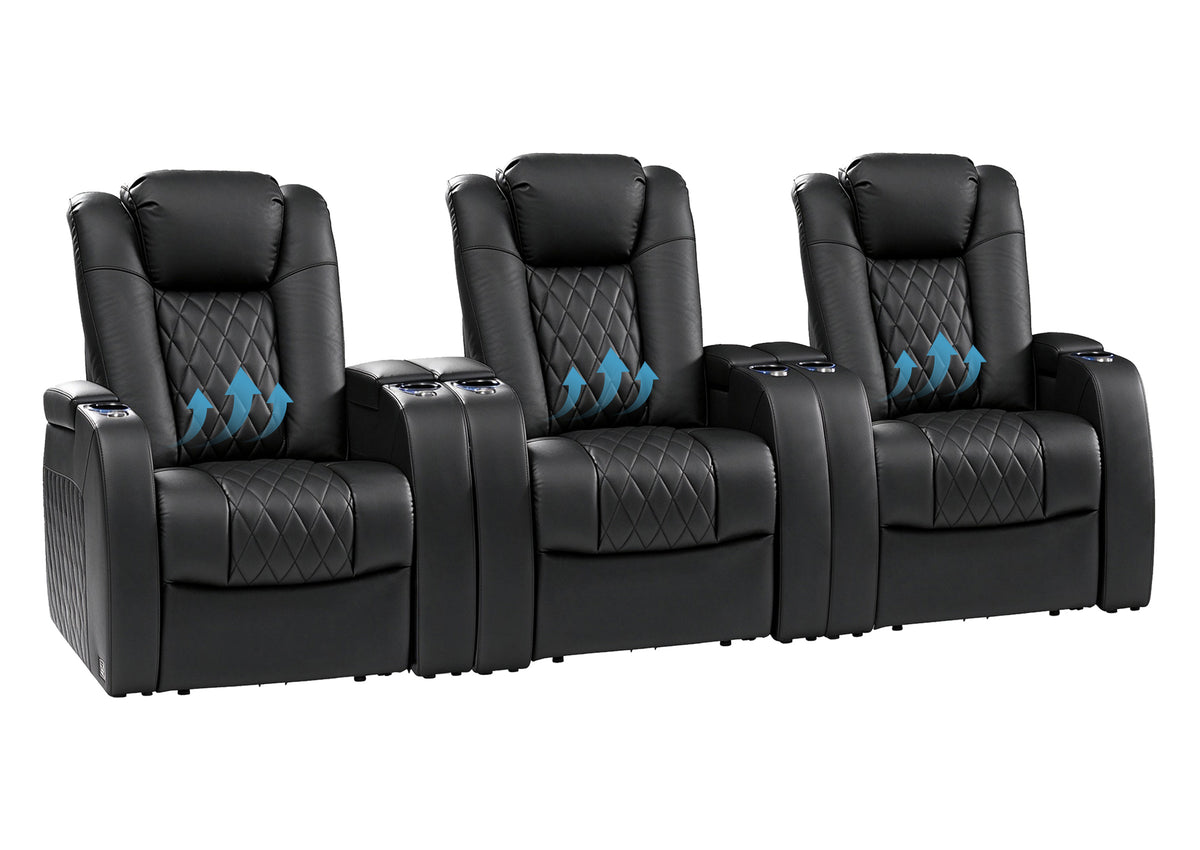
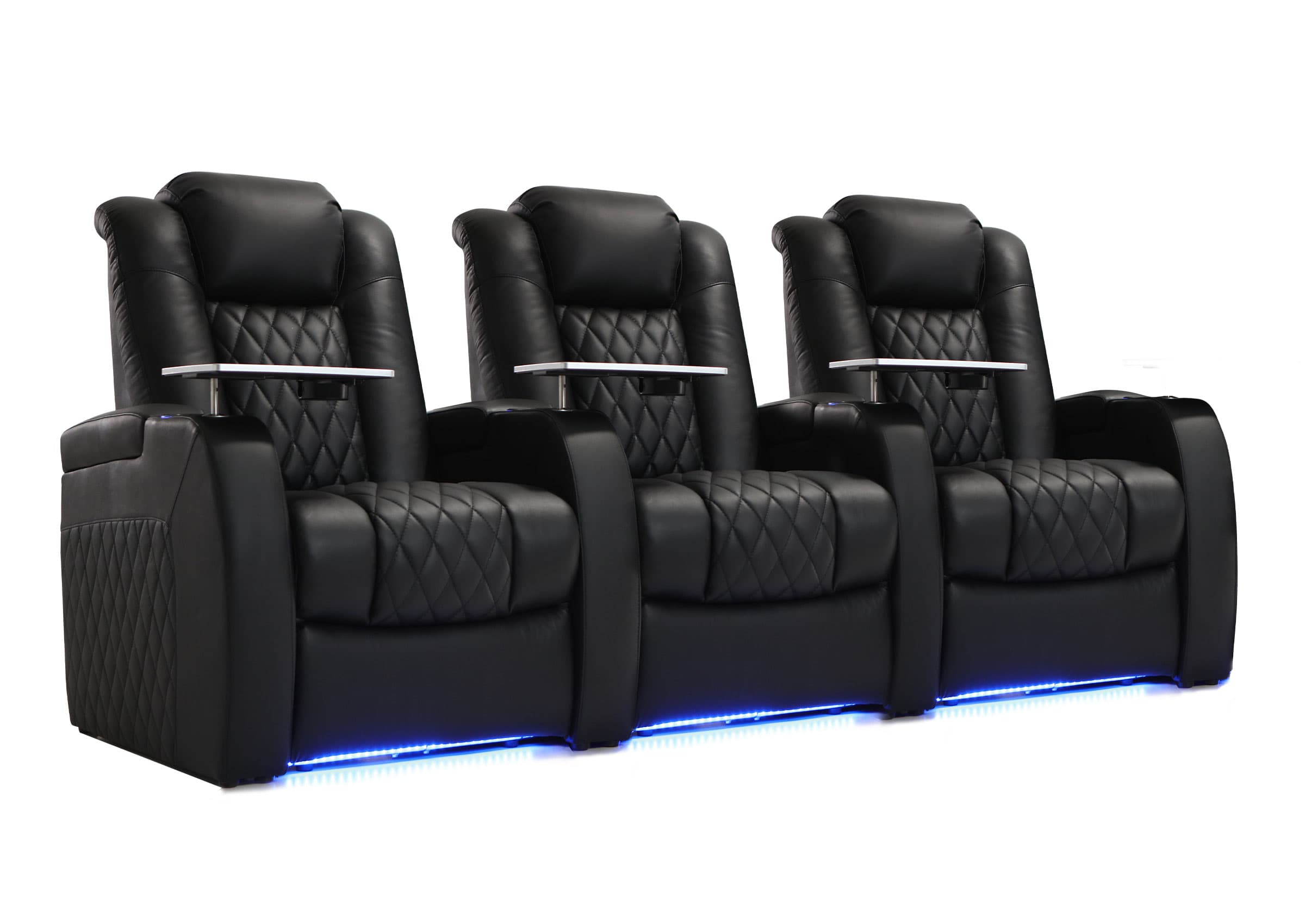
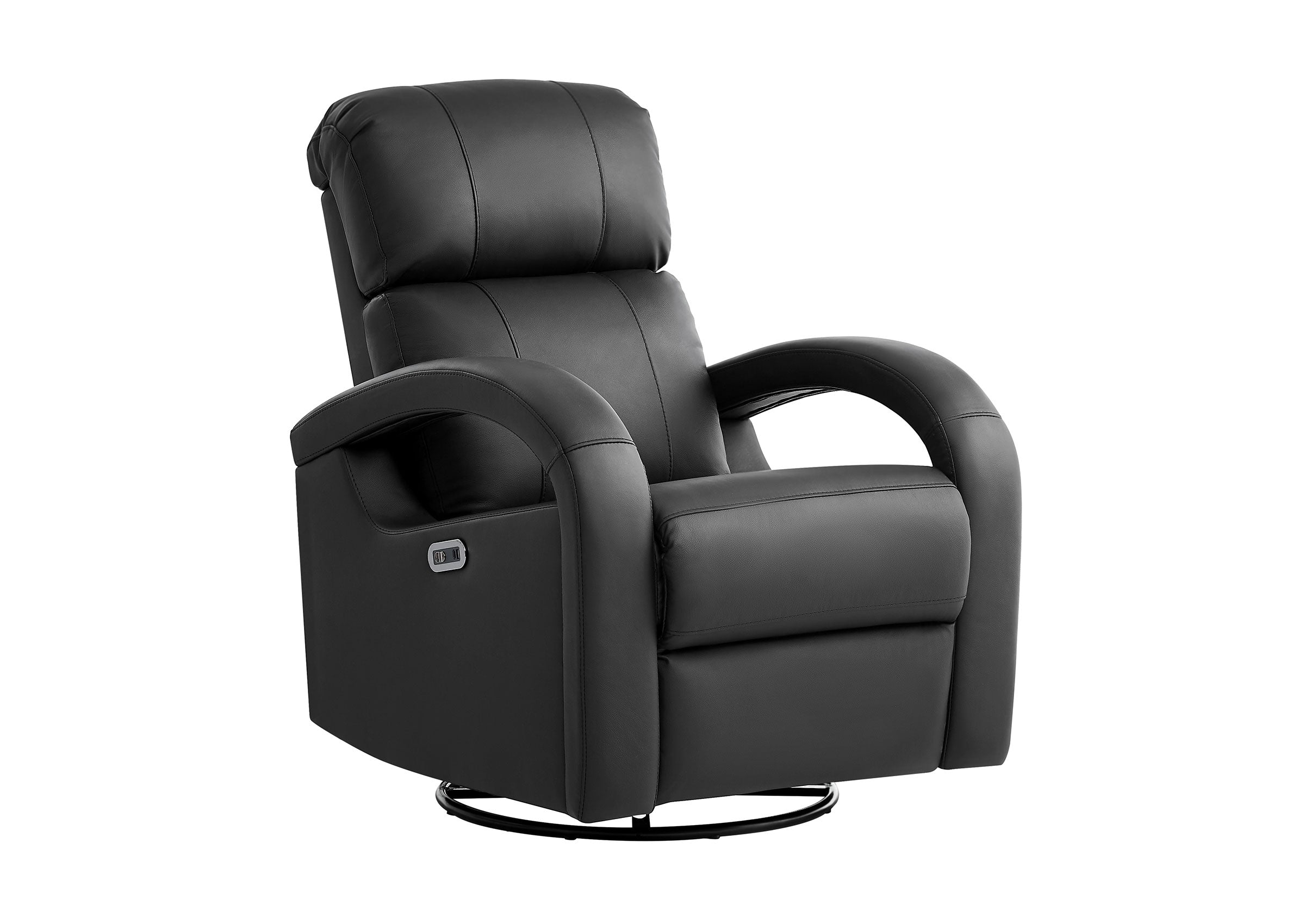
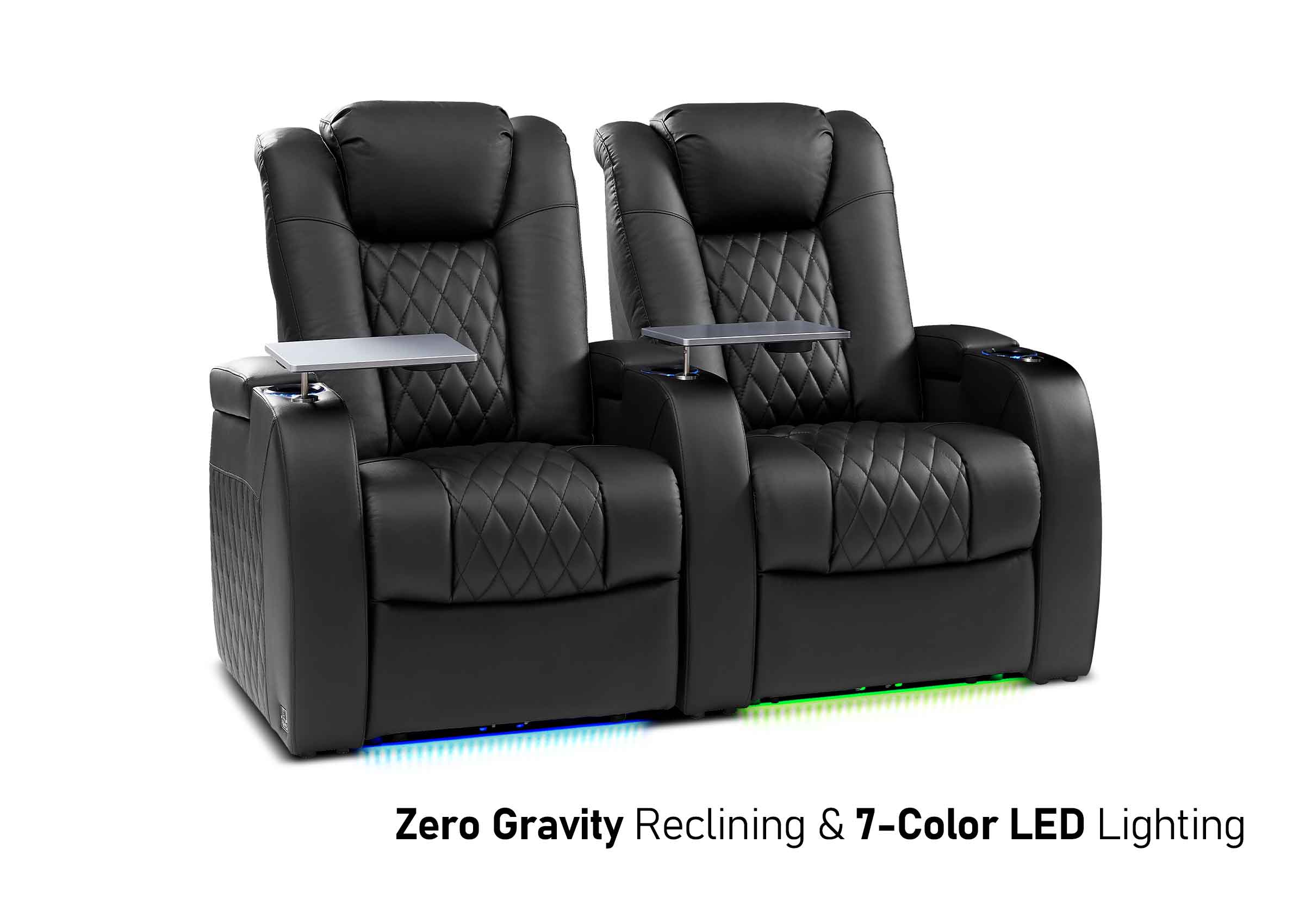
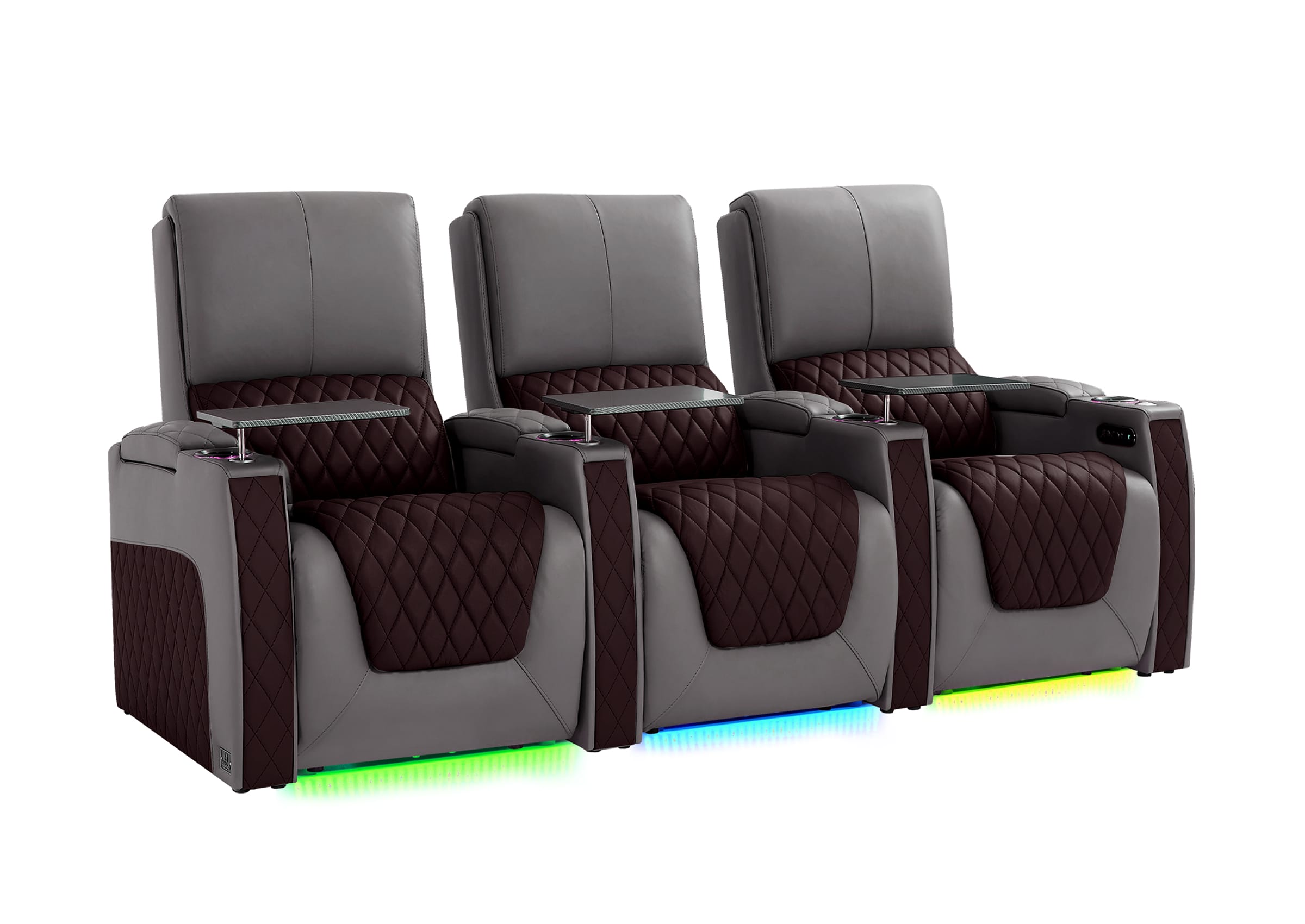
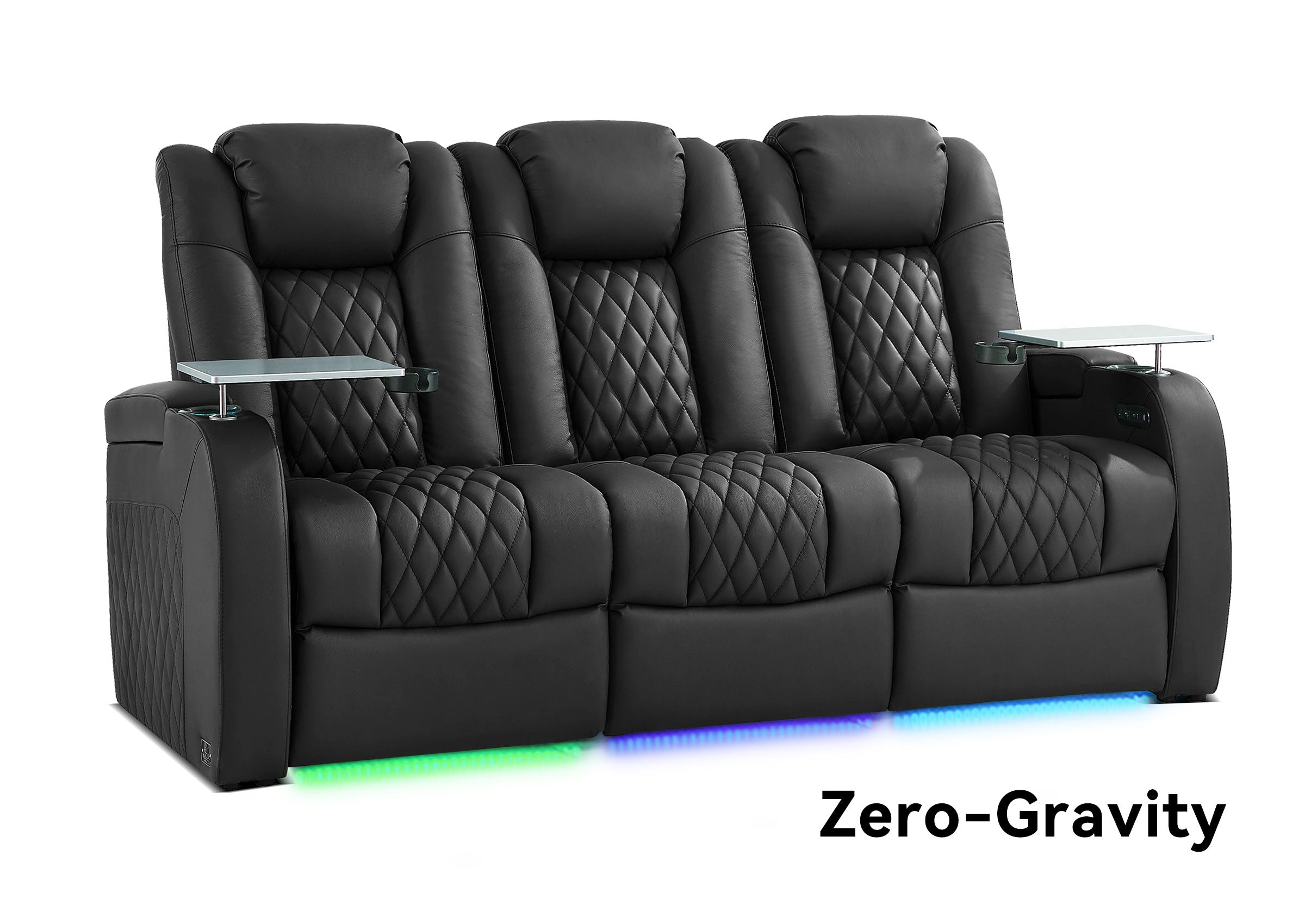
Seat dimensions, back support, leg support, arm position, movement, and the activity being performed can all matter.
These examples show why ergonomics is broader than “office posture.”
The International Ergonomics Association describes the field as multidisciplinary and applicable across products, equipment, environments, tasks, and systems. International Ergonomics Association
Office ergonomics is one application.
It is not the definition of ergonomics.
What Does Ergonomic Mean in Furniture and Seating?
When the word is applied to furniture, it is more useful to think about fit and use than a checklist of premium features.
For seating, questions may include:
- Does the seat depth work with the user's leg length?
- Can the user reach the backrest without sliding forward?
- Does the support meet the body where it is supposed to?
- Is there enough usable width for natural movement?
- Do the armrests support rather than force an awkward position?
- If the seat reclines, does the support still make sense after the position changes?
- Is the seat being judged for the activity it will actually be used for?
That last question is especially important for recliners and home theater seating.
A person may not spend an entire movie in one posture.
They may start upright, recline partway, extend the footrest, adjust the headrest, or change position several times.
The relationship between the body and the seat changes as the seat moves.
This is why an adjustable feature should be judged by where it places support on the body, not simply by the fact that it moves.
A headrest may exist but still be too low.
Lumbar support may be adjustable but still not meet a particular user's lower back comfortably.
A deep seat may be ideal for one person and require another person to slide forward.
If you want to understand how the seated position itself changes, our guide to what a reclined position means explains the concept in more detail.
This is also where broader ergonomic ideas begin to turn into more specific questions about seating, body fit, recline, and long-session comfort.
A Better Question Than “Is This Ergonomic?”
“Is this ergonomic?” sounds like a yes-or-no question.
In practice, it usually is not.
A better set of questions is:
Ergonomic for Whom?
What body dimensions, abilities, or preferences does the design need to accommodate?
Ergonomic for What Activity?
Reading, driving, typing, gaming, relaxing, and watching movies place different demands on a product.
Ergonomic in What Position?
A seat can feel different upright, partially reclined, and fully reclined.
Ergonomic for How Long?
A five-minute trial can tell you whether something feels pleasant.
Longer use may reveal whether support, dimensions, movement, or controls continue to work well.
These questions lead to a more useful interpretation of the word:
Ergonomic is not simply a quality a product possesses on its own. It describes how successfully the design supports the interaction between a person and what that person is trying to do.
That is why a product can be thoughtfully designed and still not be the best fit for everyone.
What “Ergonomic” Does Not Automatically Promise
The word is useful, but it should not be treated as a guarantee.
An ergonomic label does not automatically mean that a product:
- fits every body type;
- feels comfortable to every user;
- is better because it has more adjustments;
- corrects someone's posture;
- prevents or treats back, neck, or joint problems;
- remains equally suitable in every position;
- works equally well for every activity.
This distinction matters when health claims enter the discussion.
Organizations such as NIOSH use ergonomic principles to reduce workplace risk factors, but that does not mean an individual consumer product can automatically prevent or treat a medical condition simply because it is marketed as ergonomic. CDC/NIOSH
For everyday product evaluation, it is more useful to look at things you can actually verify:
dimensions, adjustment range, support position, intended use, and how the product behaves during the positions or activities that matter to you.
FAQ
What Does Ergonomic Mean in Simple Terms?
Ergonomic means designed to work well with the person using something. It considers how the person's body, movement, abilities, and task interact with the product or environment.
What Is the Difference Between Ergonomic and Ergonomics?
Ergonomics is the field that studies how people interact with products, tasks, and environments. Ergonomic is the adjective used to describe a design or arrangement that applies those principles.
Does Ergonomic Mean Comfortable?
Not necessarily. Comfort describes how something feels, while ergonomic fit considers how well the design works with the user's body and activity. The two can overlap, but they are not identical.
Does Ergonomic Always Mean Adjustable?
No. A fixed product can still use ergonomic design principles. Adjustability simply gives a product more ways to accommodate different users, positions, or activities.
What Makes a Chair or Recliner Ergonomic?
There is no single feature. Seat dimensions, support position, usable width, leg support, movement, adjustment range, and intended use can all affect how well a seat works for a particular person.
Can a Product Say “Ergonomic” and Still Not Fit Me?
Yes. People have different body dimensions and use products in different ways. That is why checking real dimensions, adjustment range, and intended use is usually more useful than relying on the label alone.
When You See “Ergonomic,” Look Beyond the Label
The word “ergonomic” is most useful when it becomes the beginning of a question rather than the end of one.
Do not judge a product only by how many adjustable features it has or how comfortable it feels for the first few minutes.
Instead, ask:
- Who is using it?
- What are they doing?
- How does the design interact with their body?
- Will that relationship still work during the way the product is actually used?
For seating, that may mean checking whether the dimensions fit your body, whether support reaches the right places, and whether the seat continues to work for you as your position changes.
Once you begin looking at ergonomic design this way, the next question becomes more specific: what actually makes seating ergonomic?