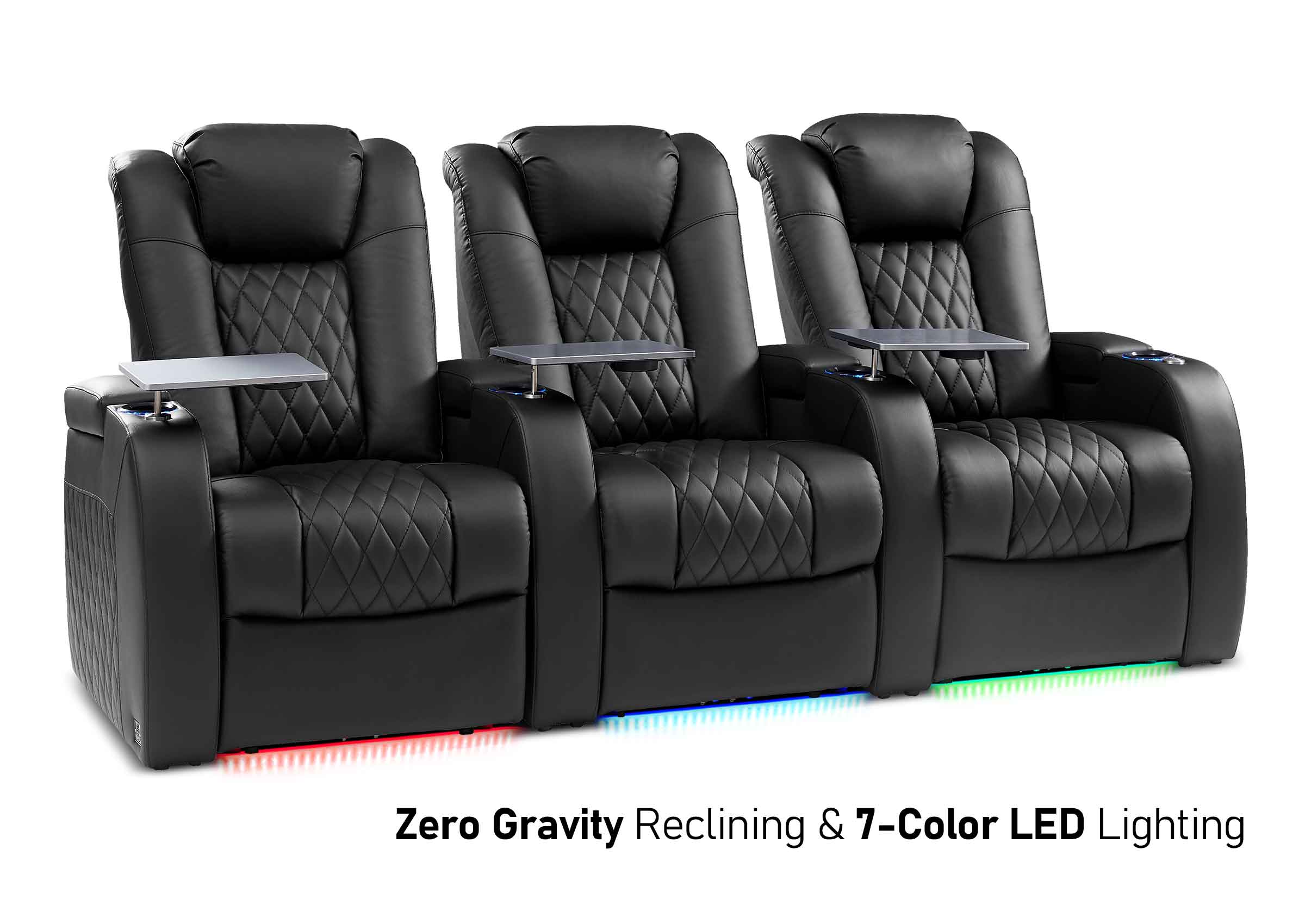
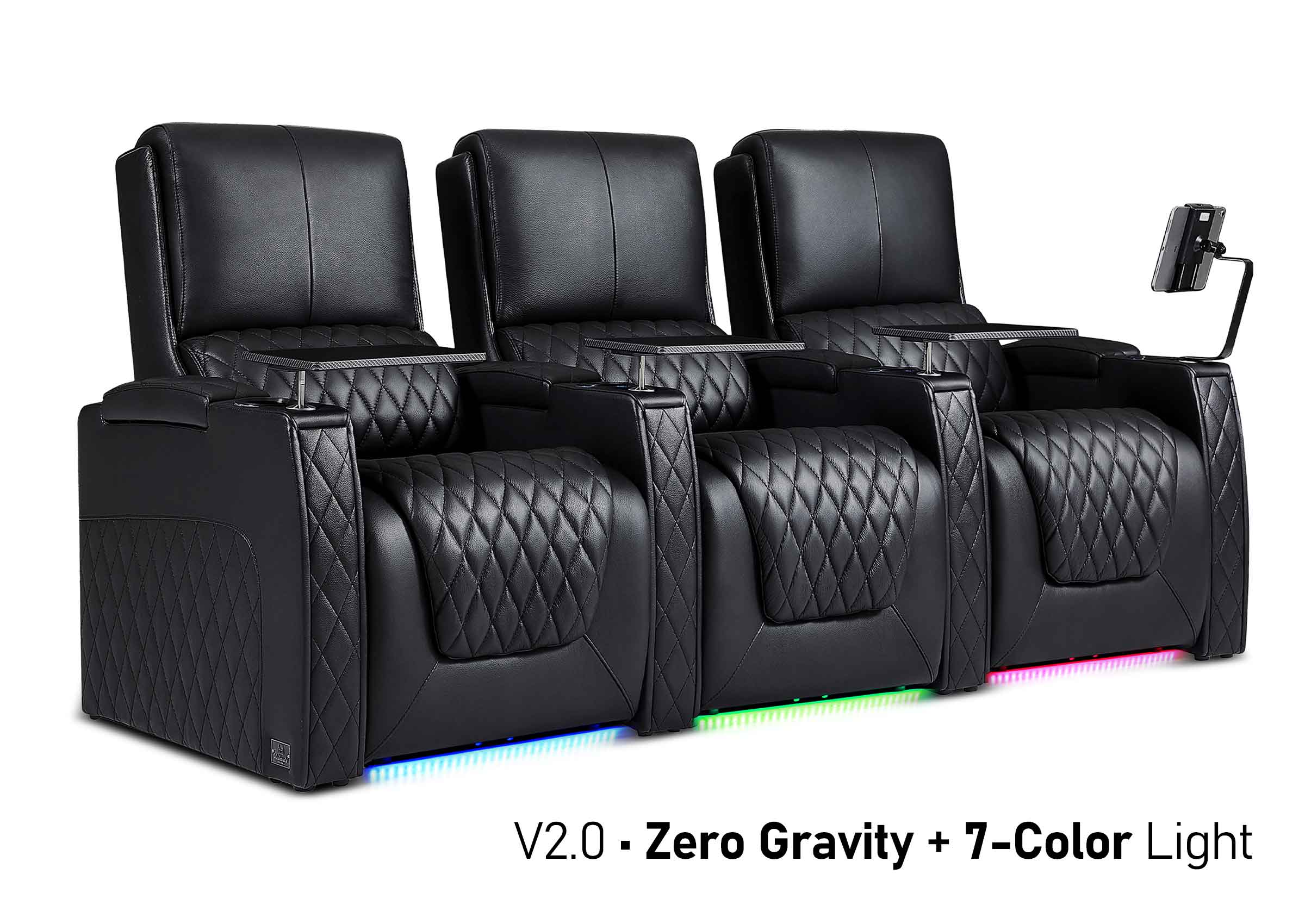
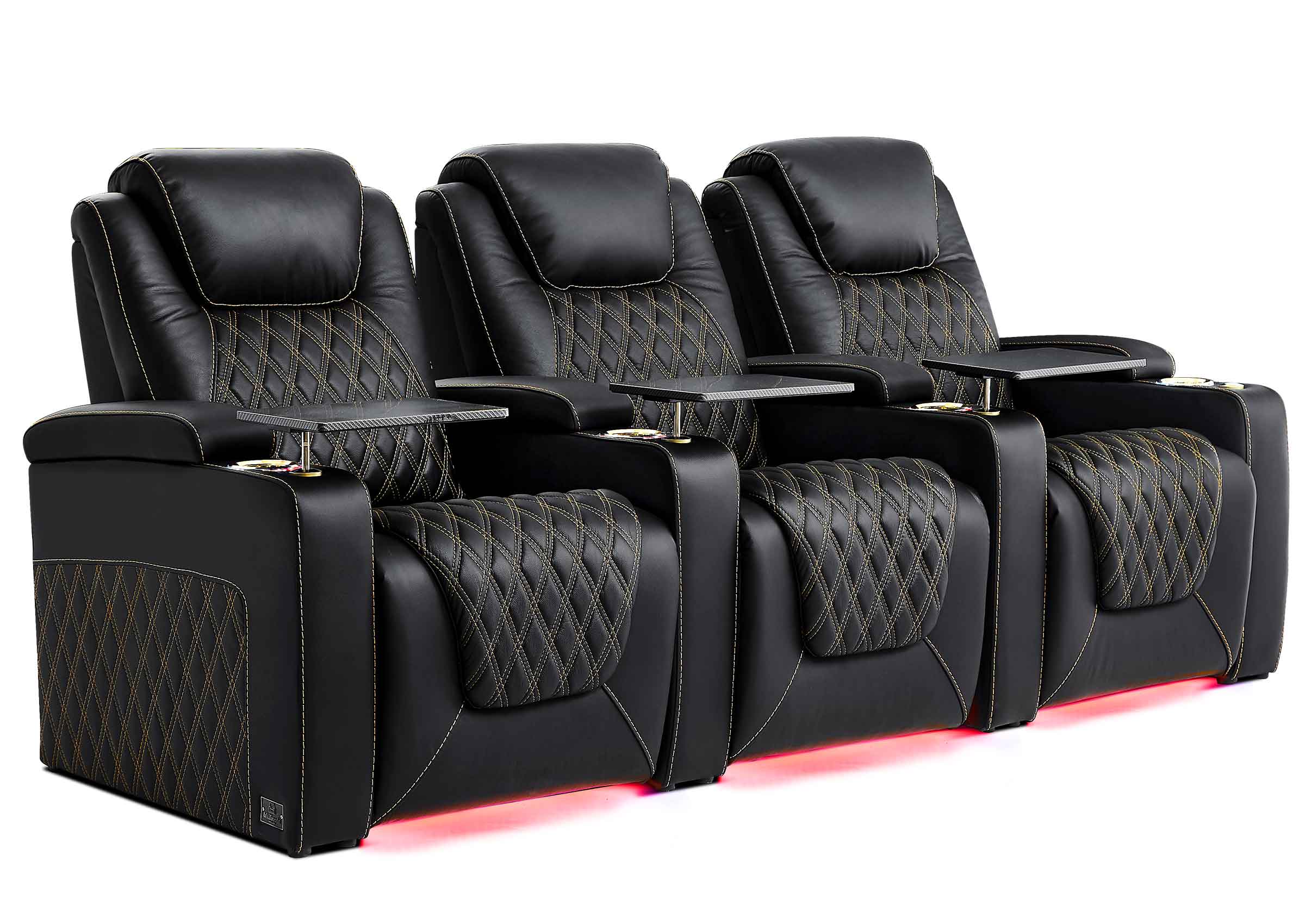
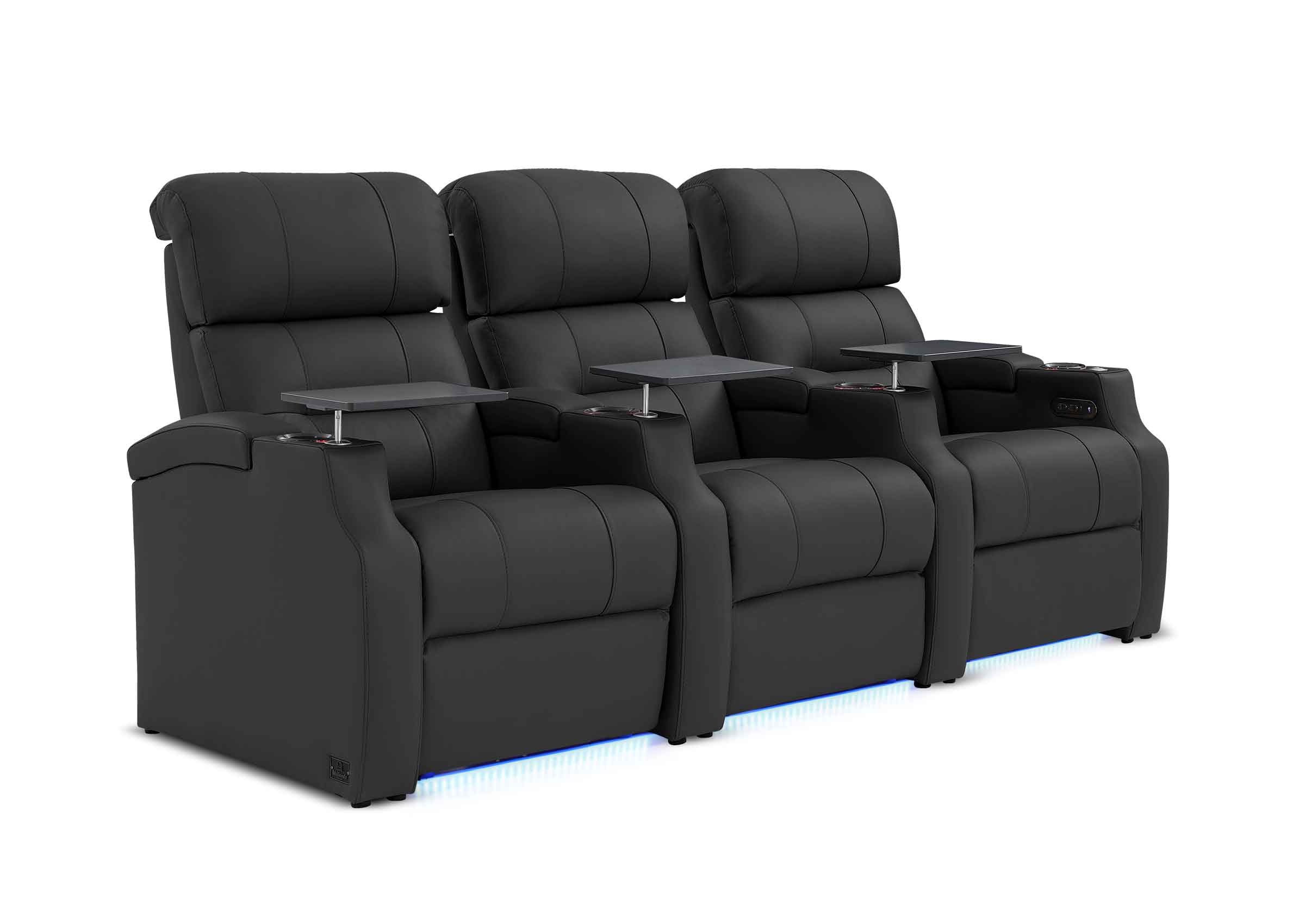
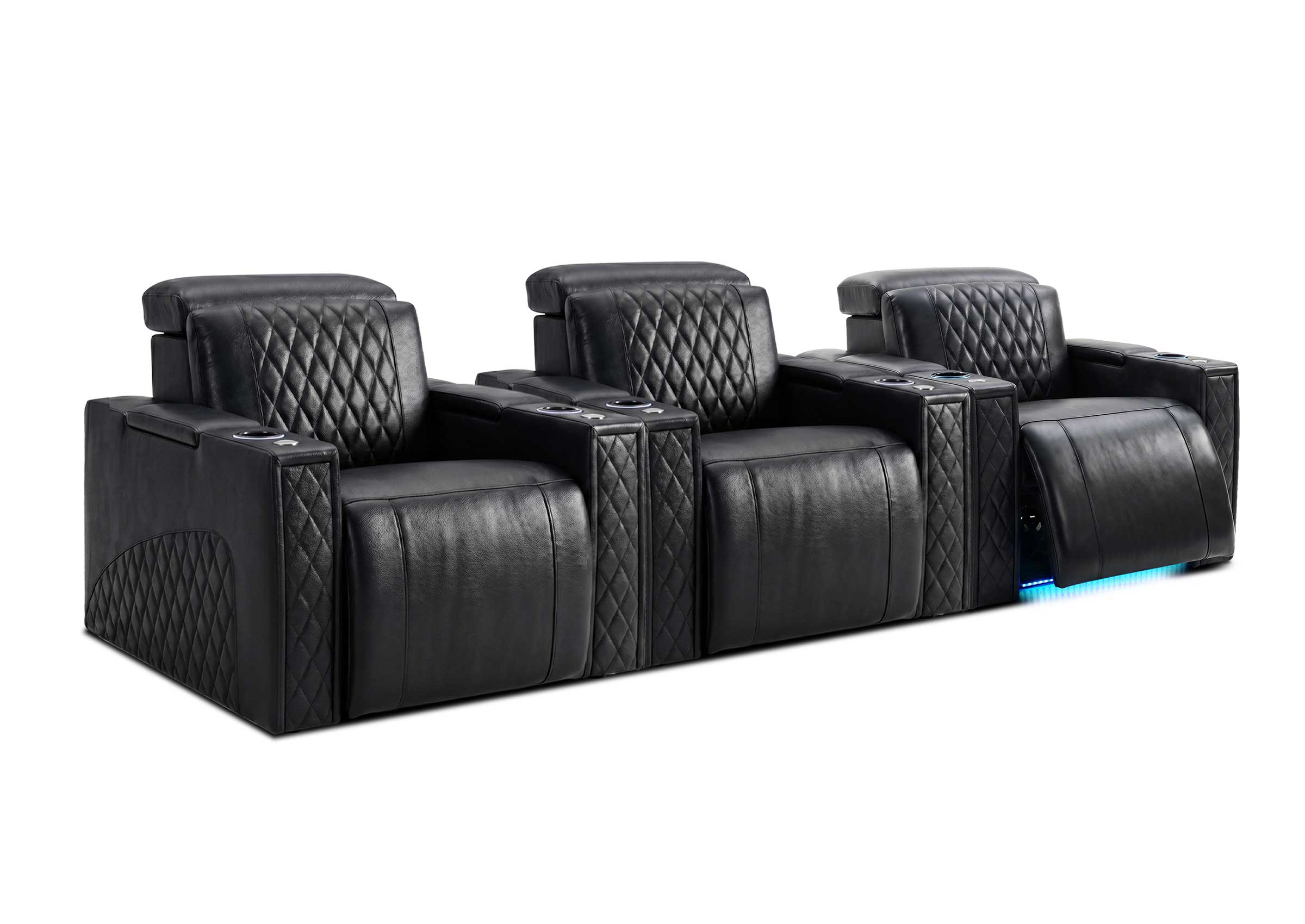

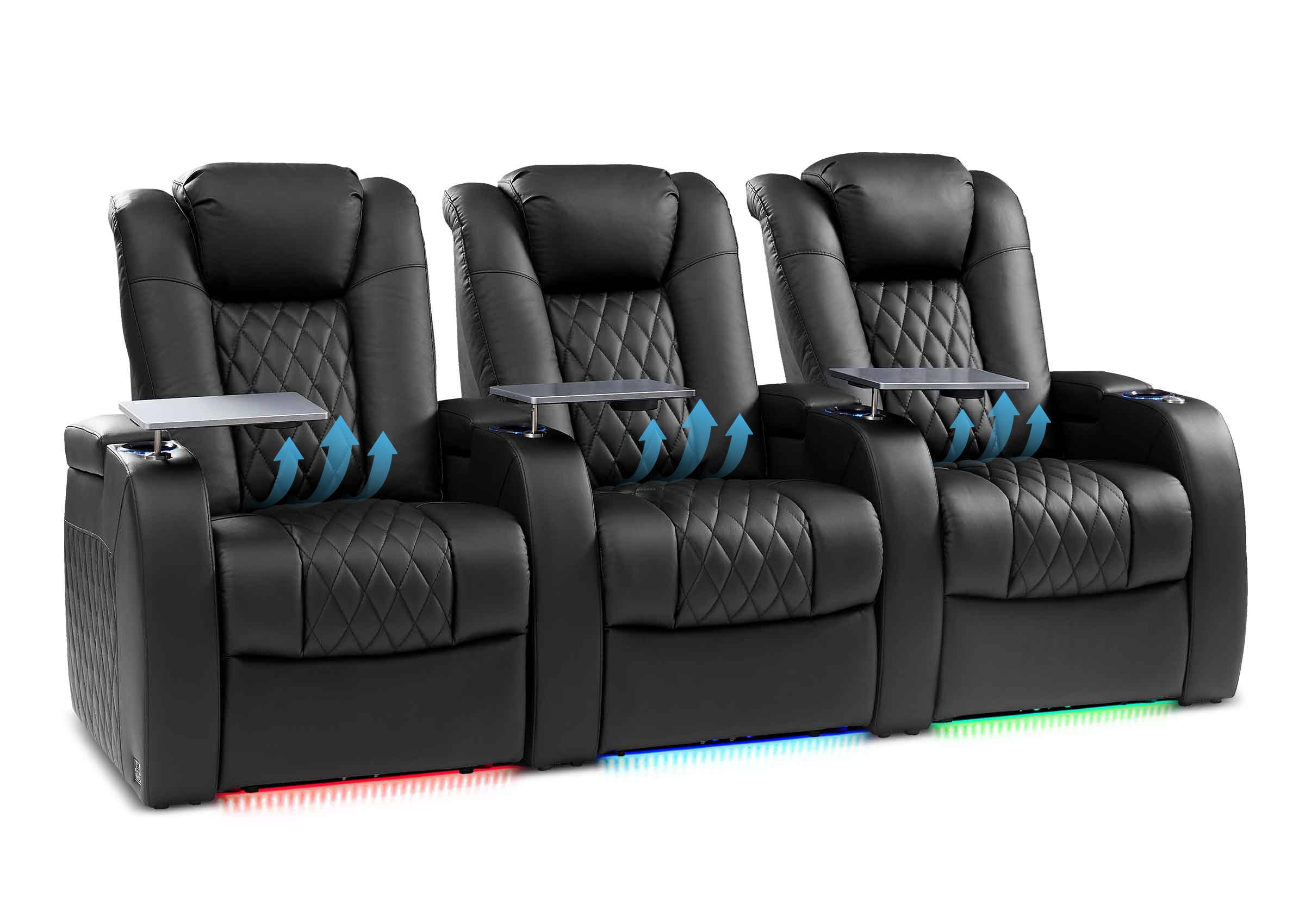
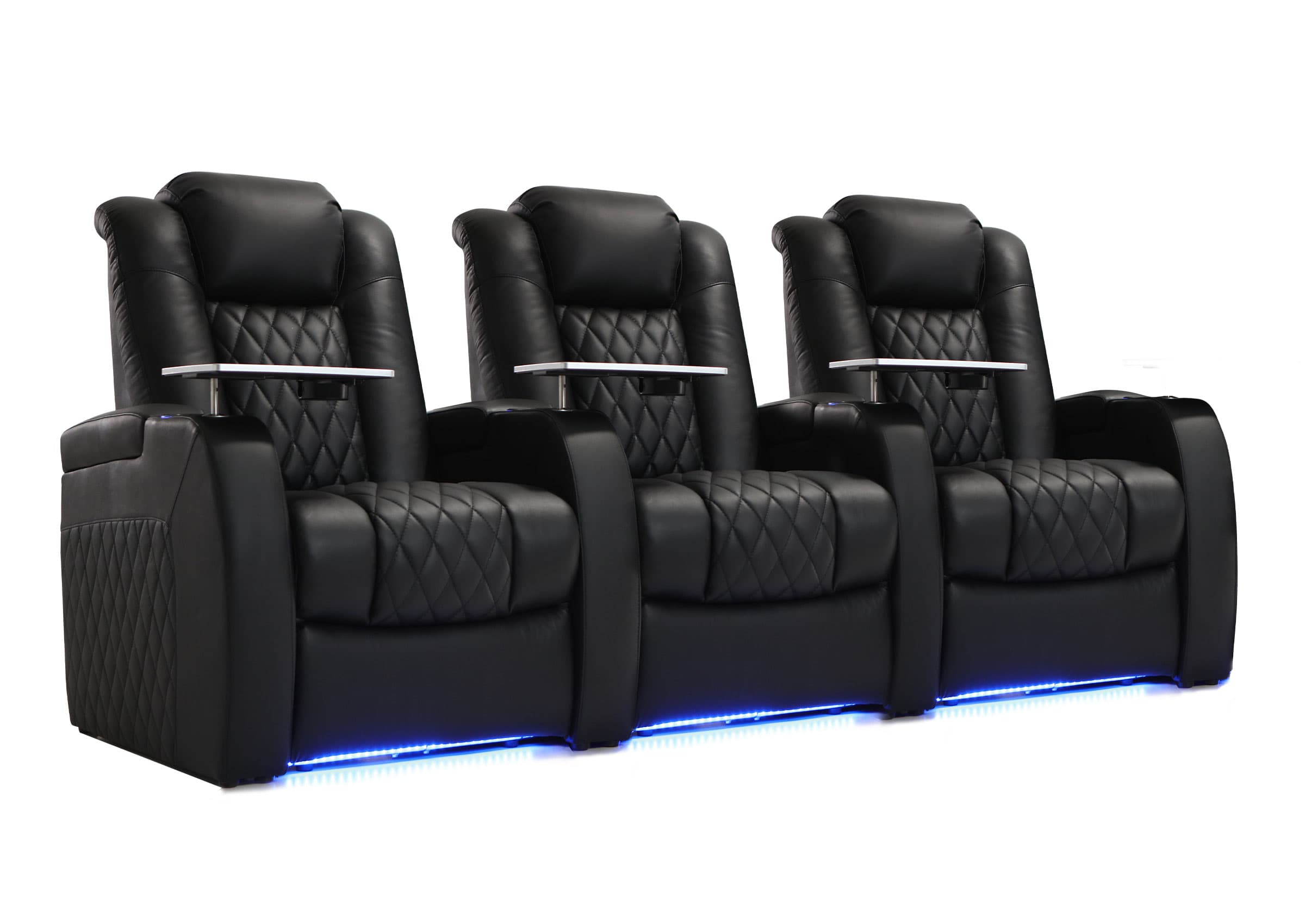
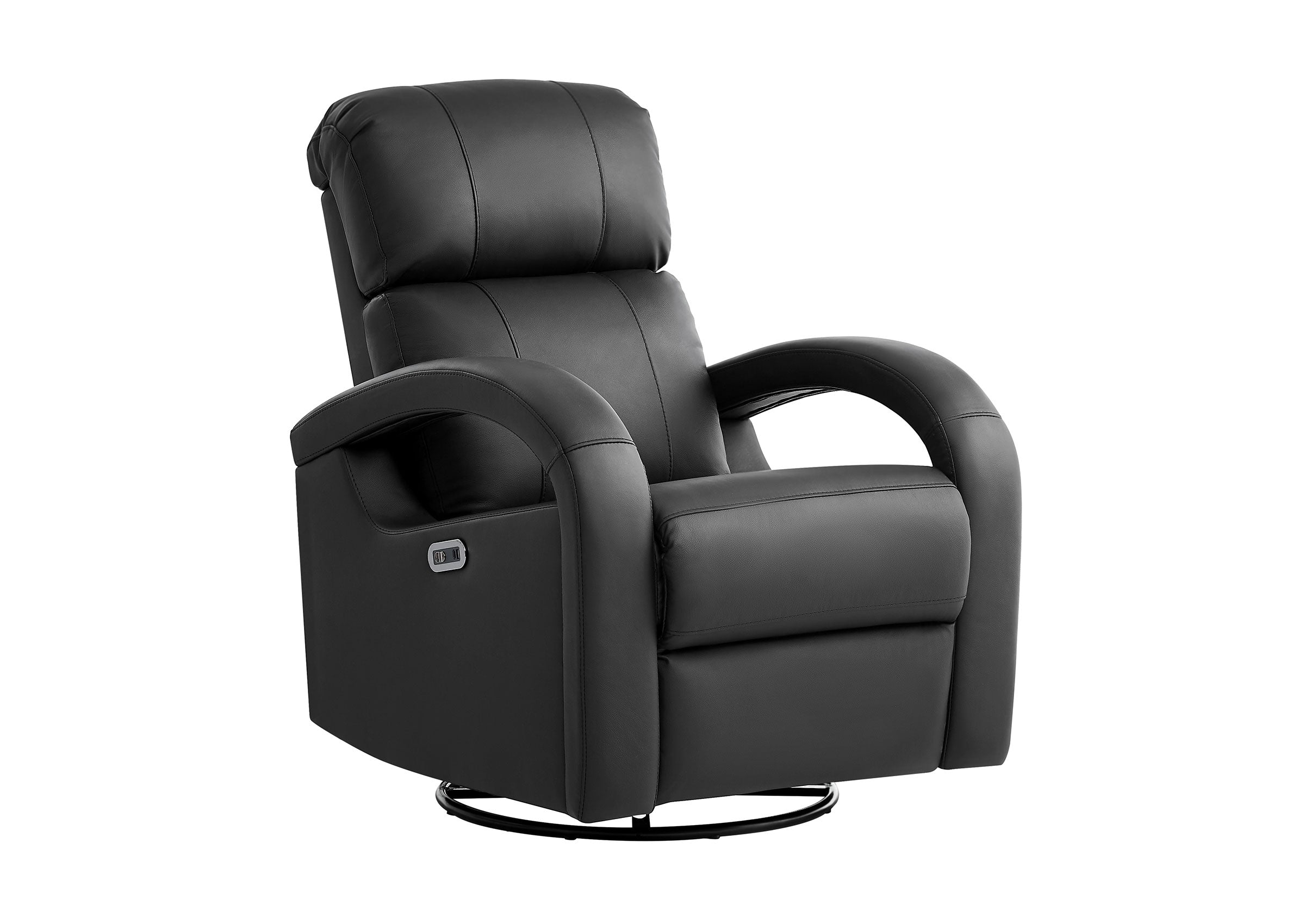
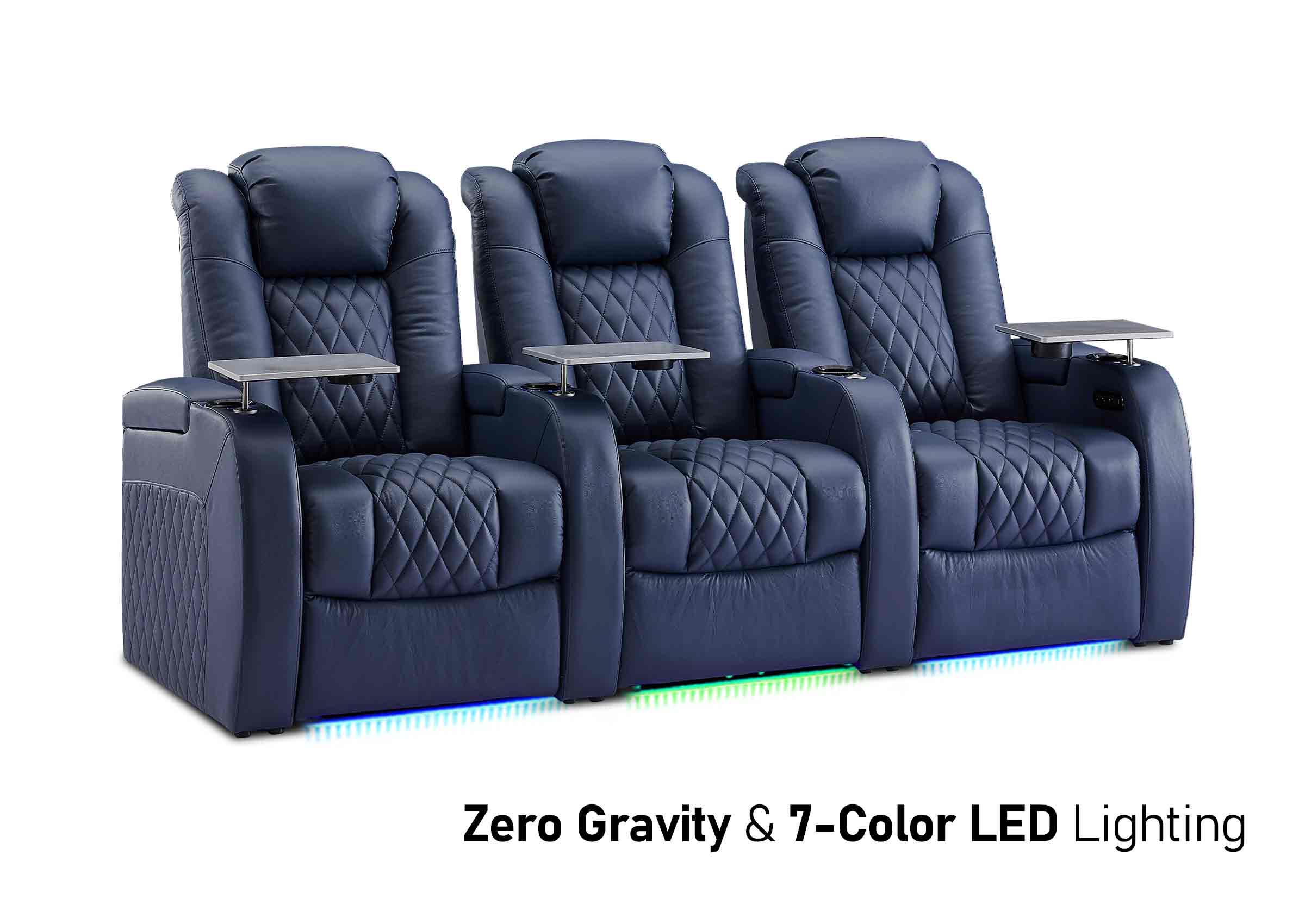
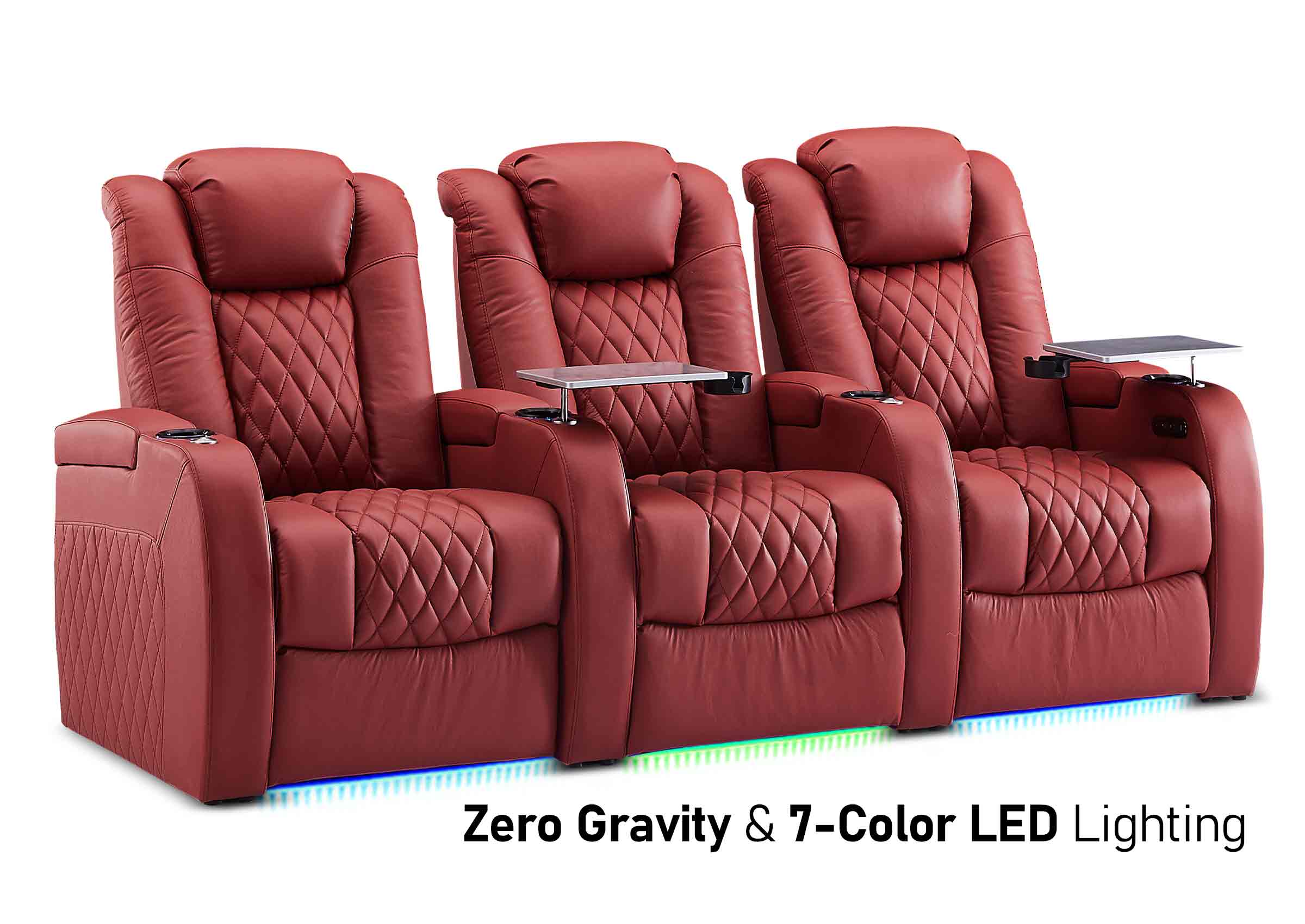
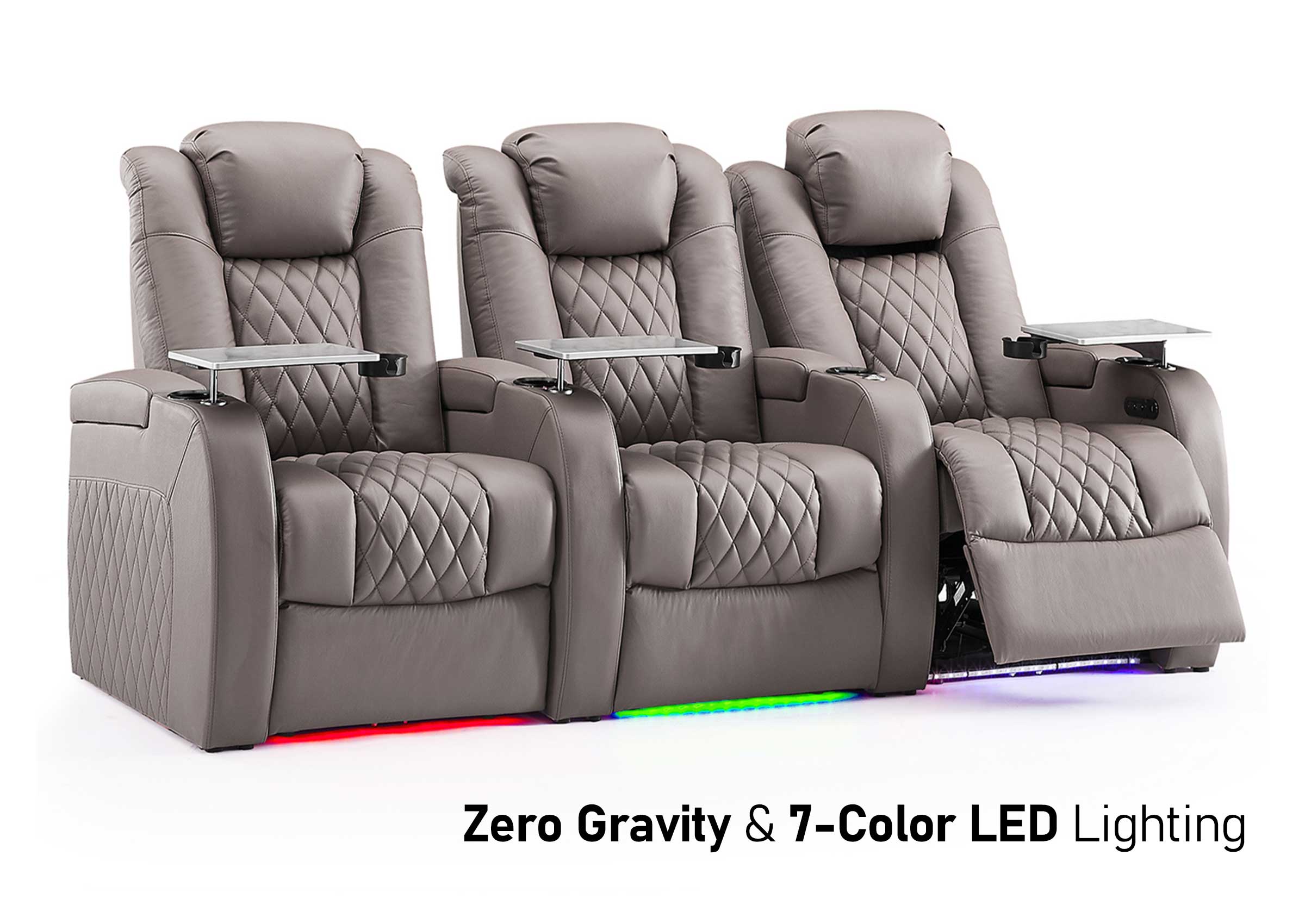
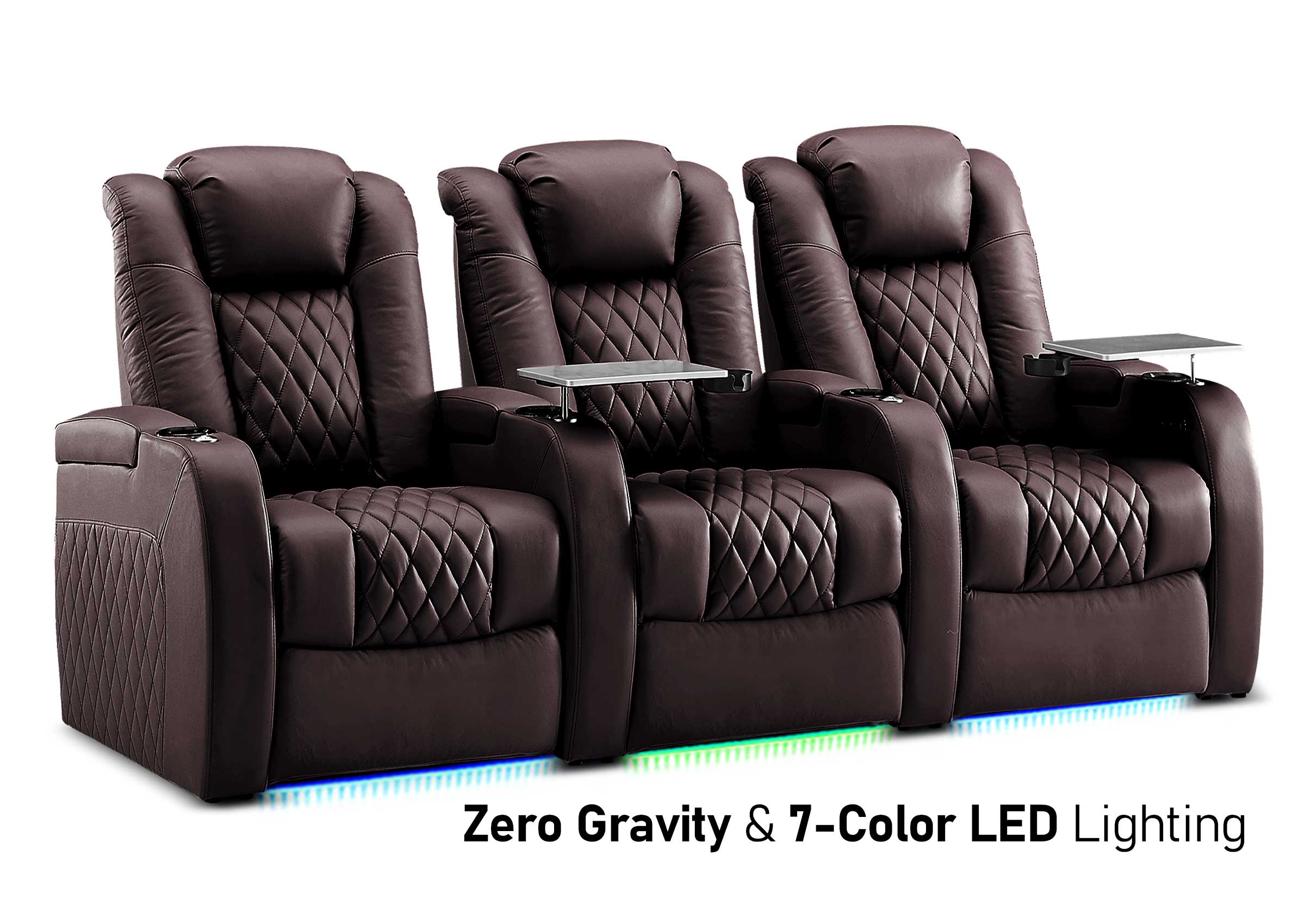

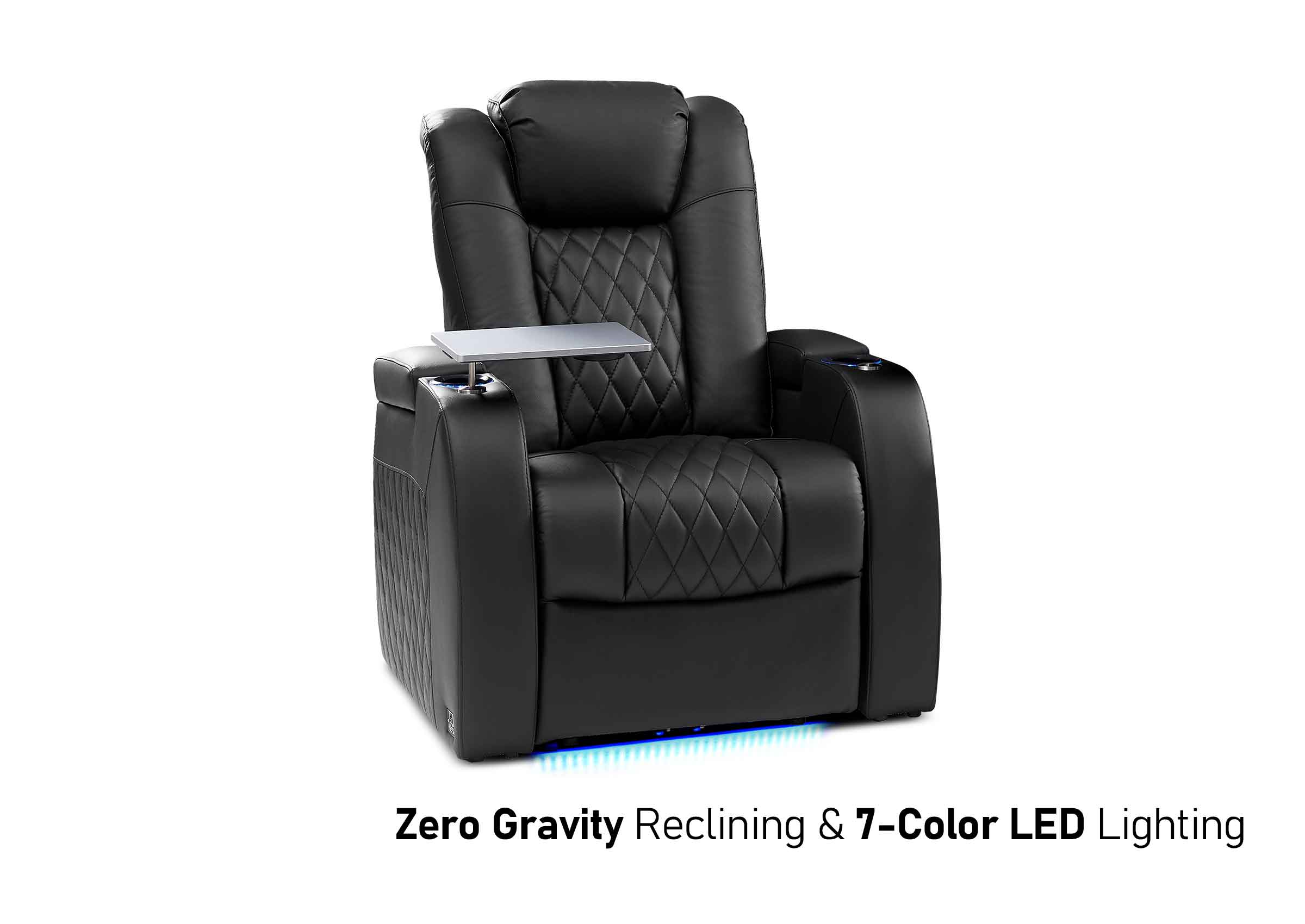
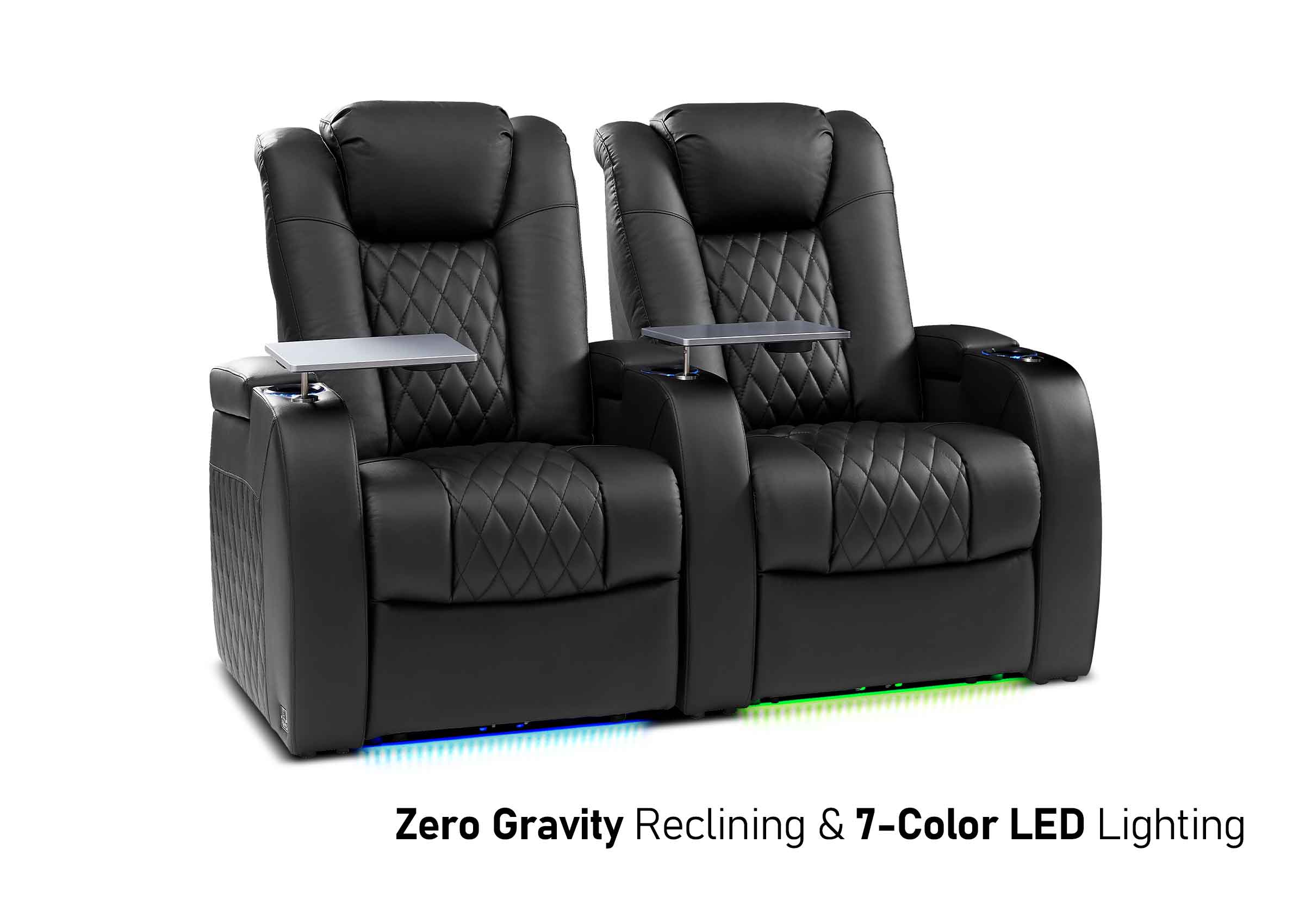
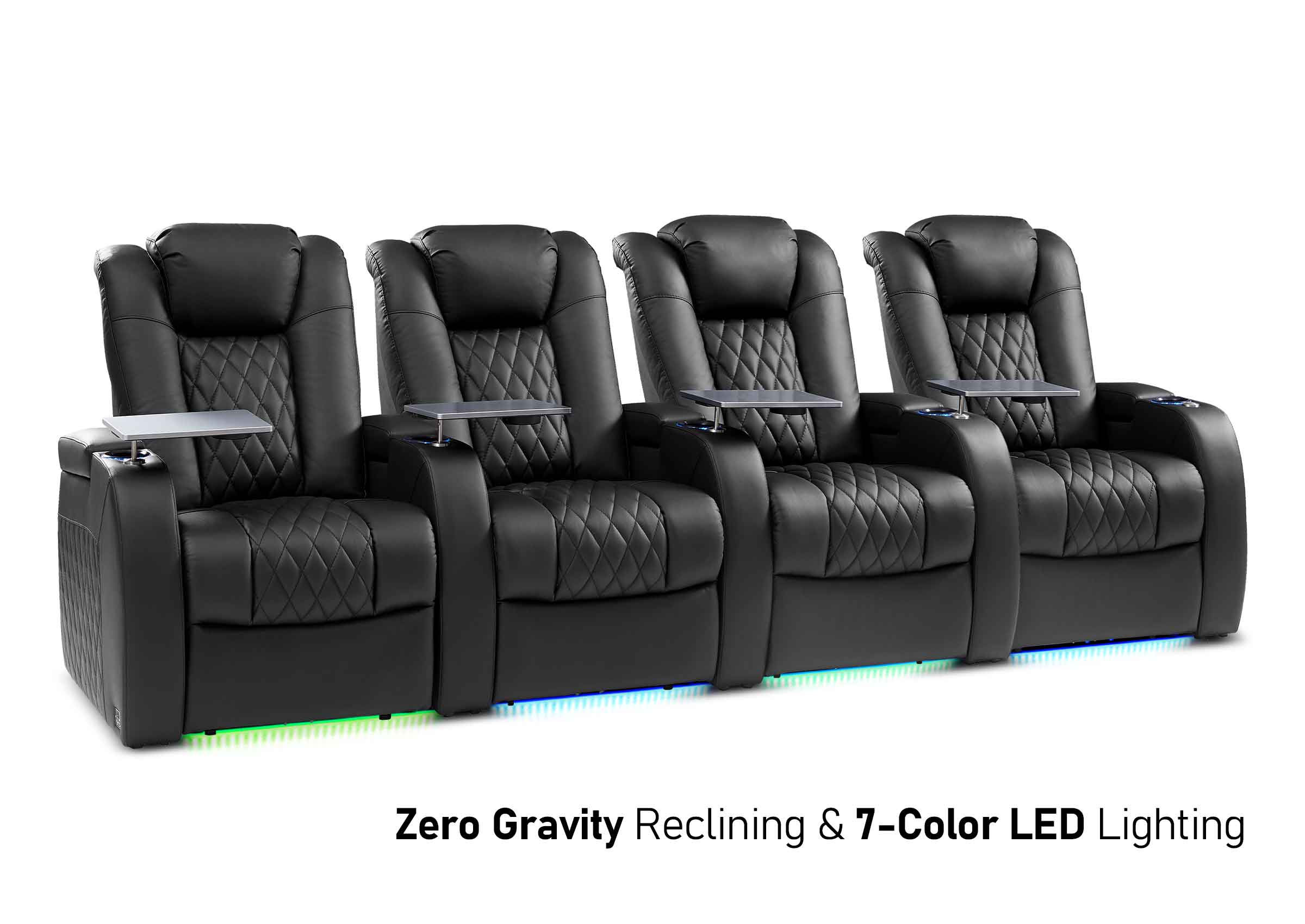
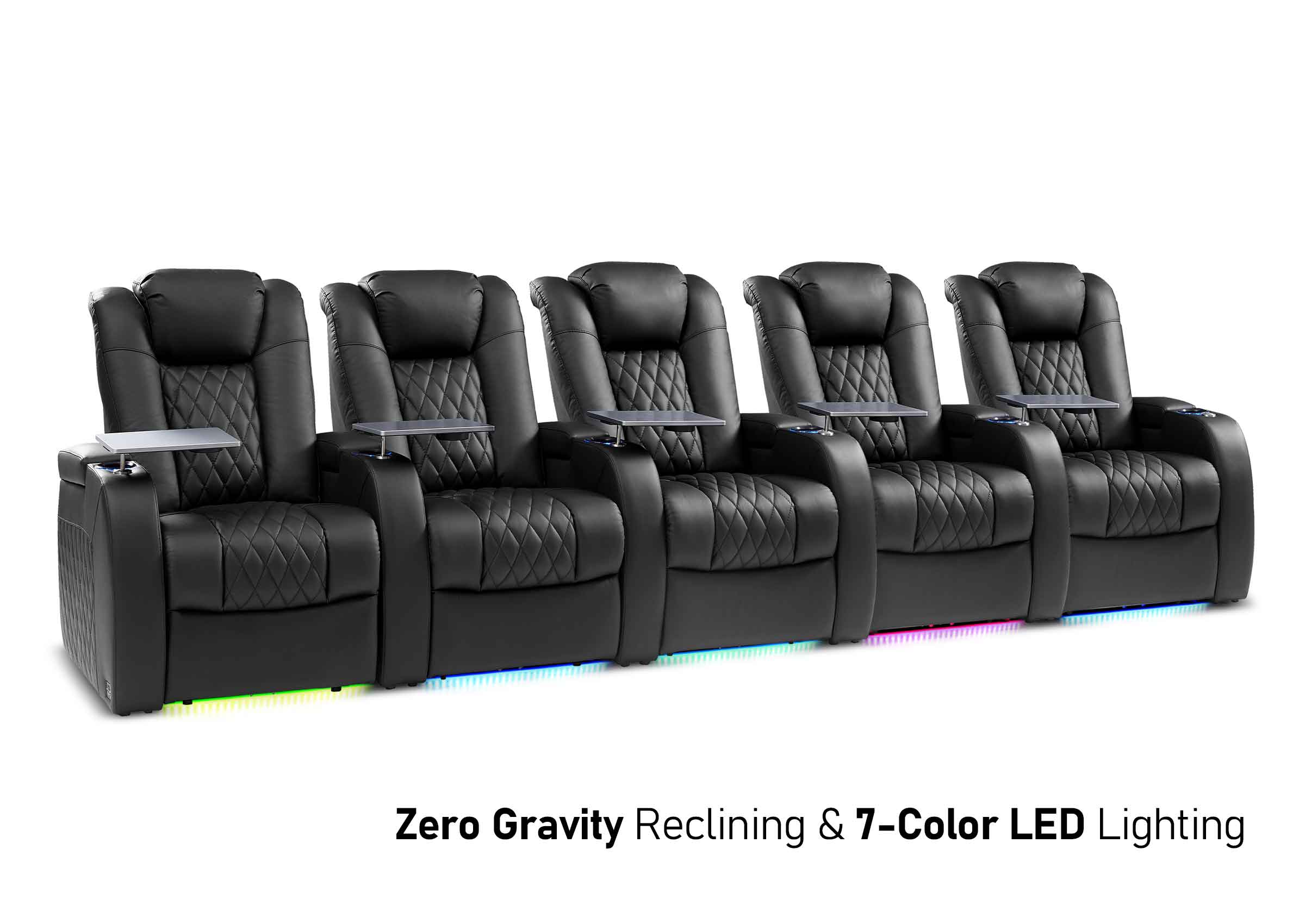
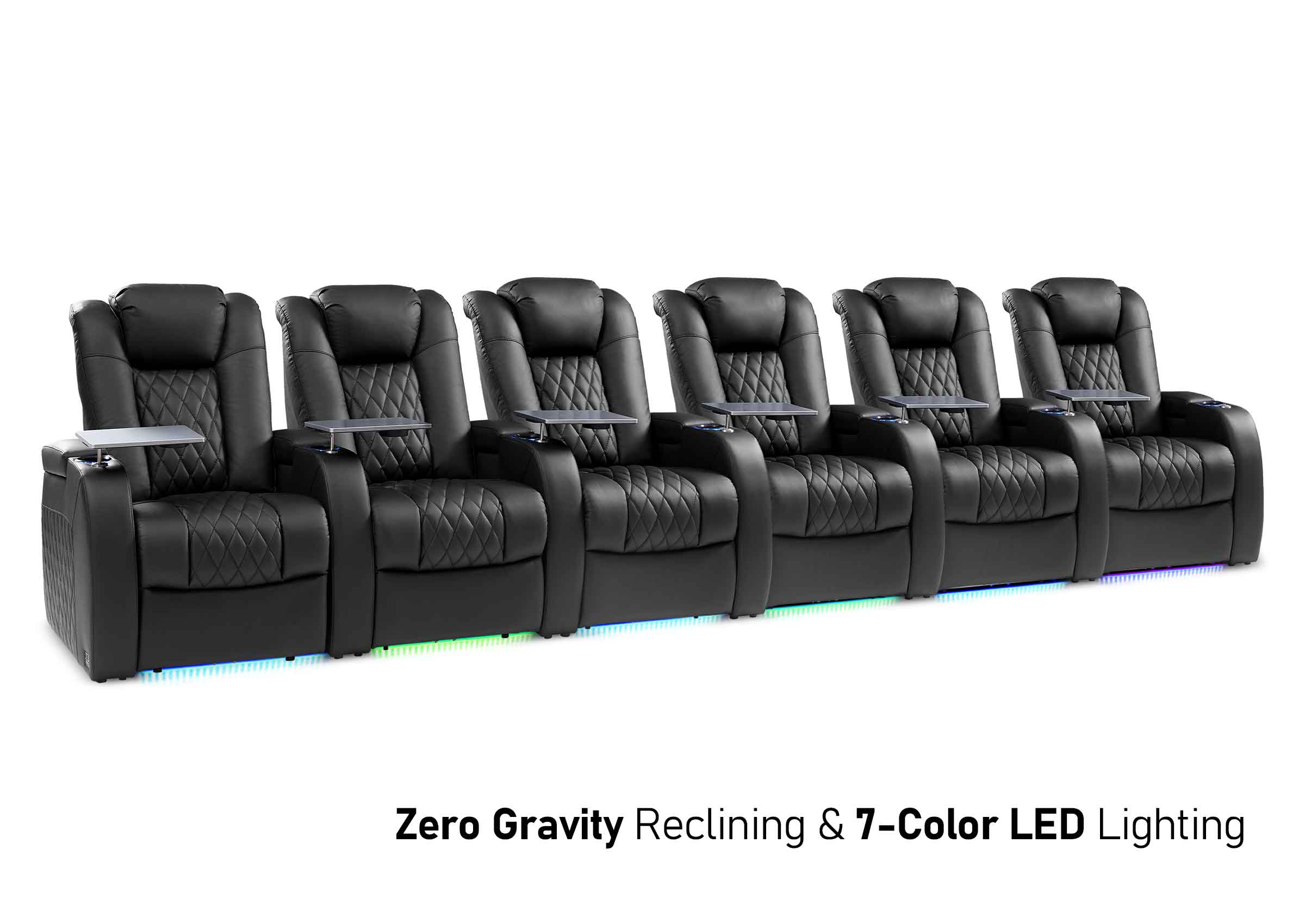
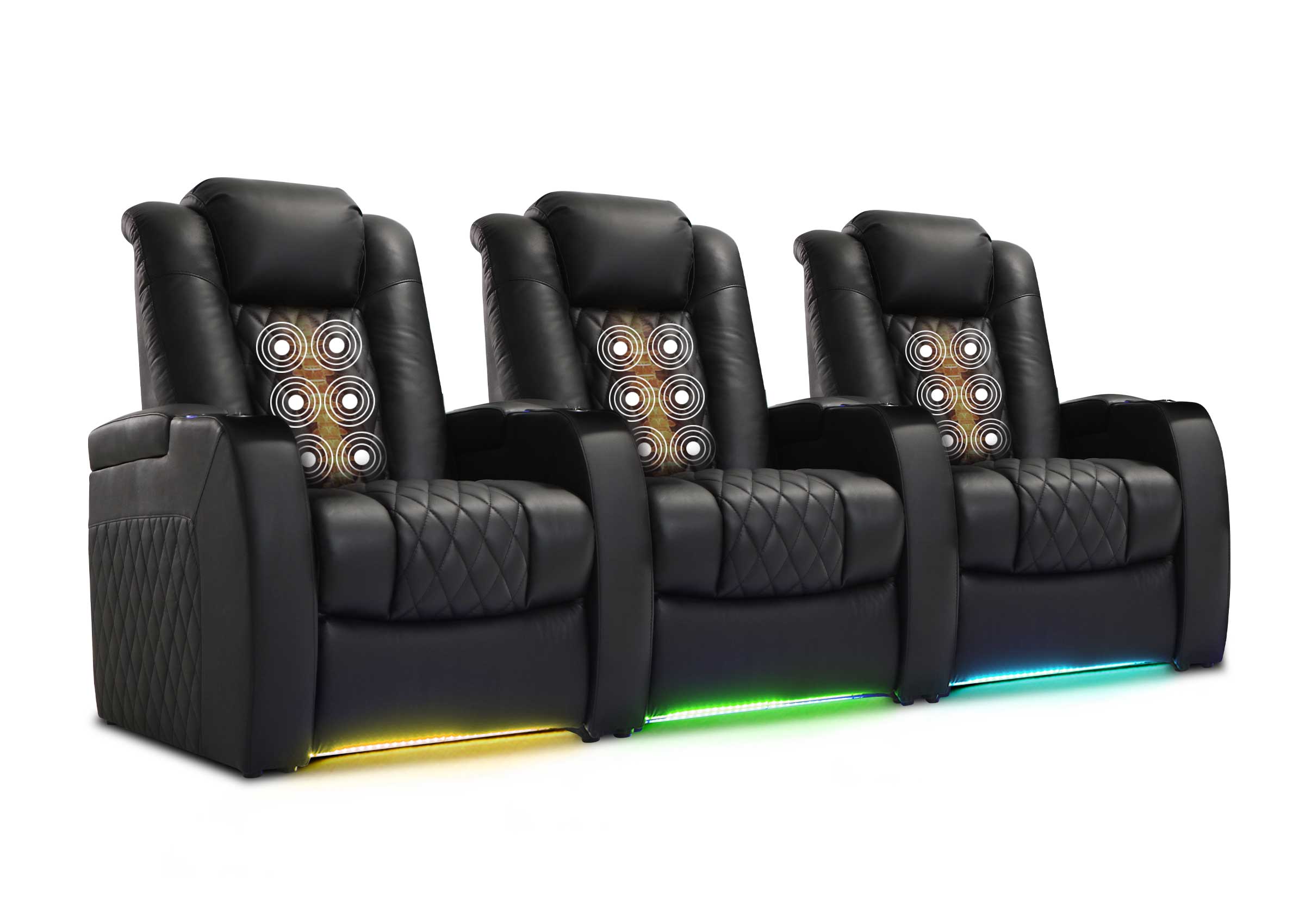

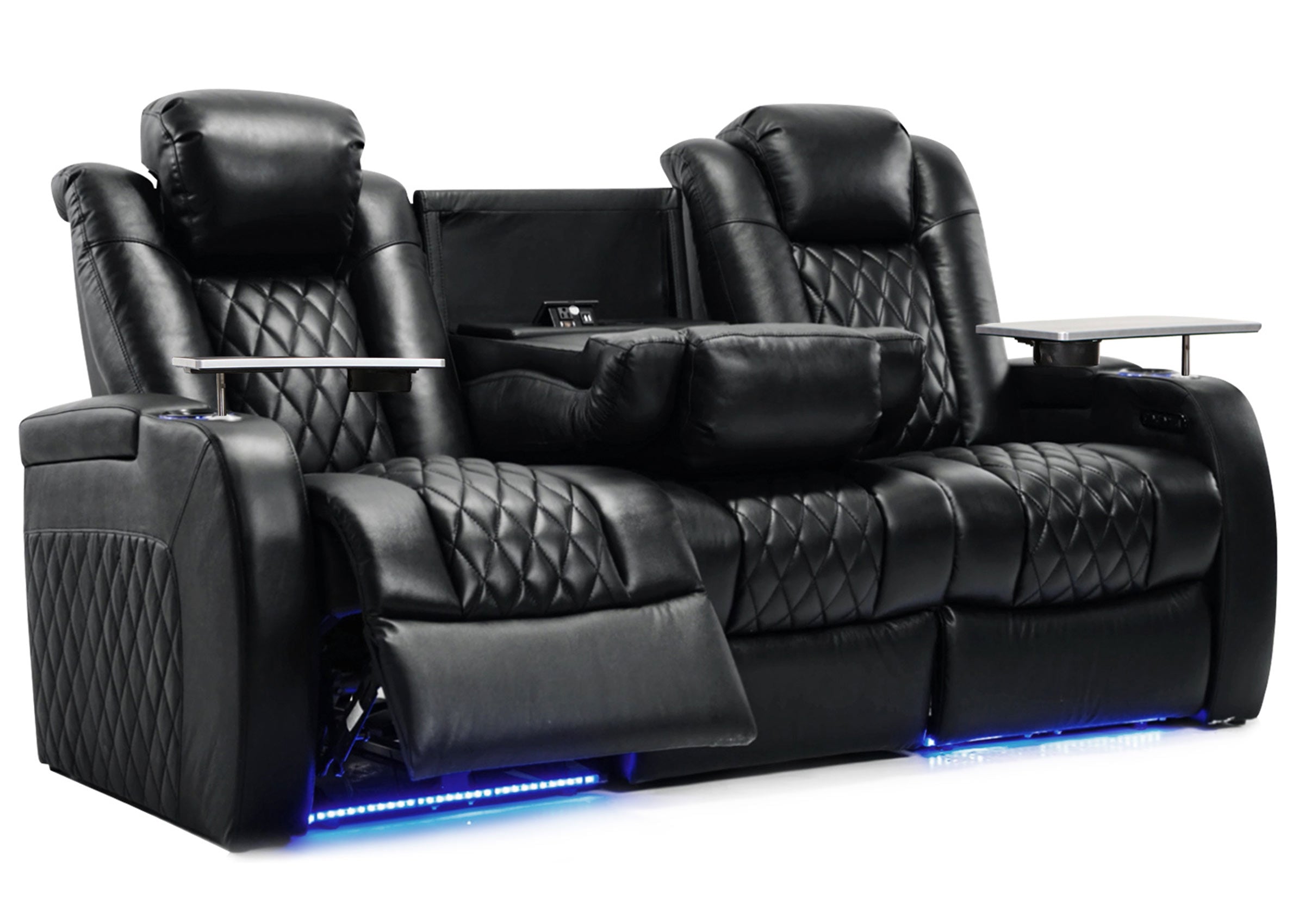
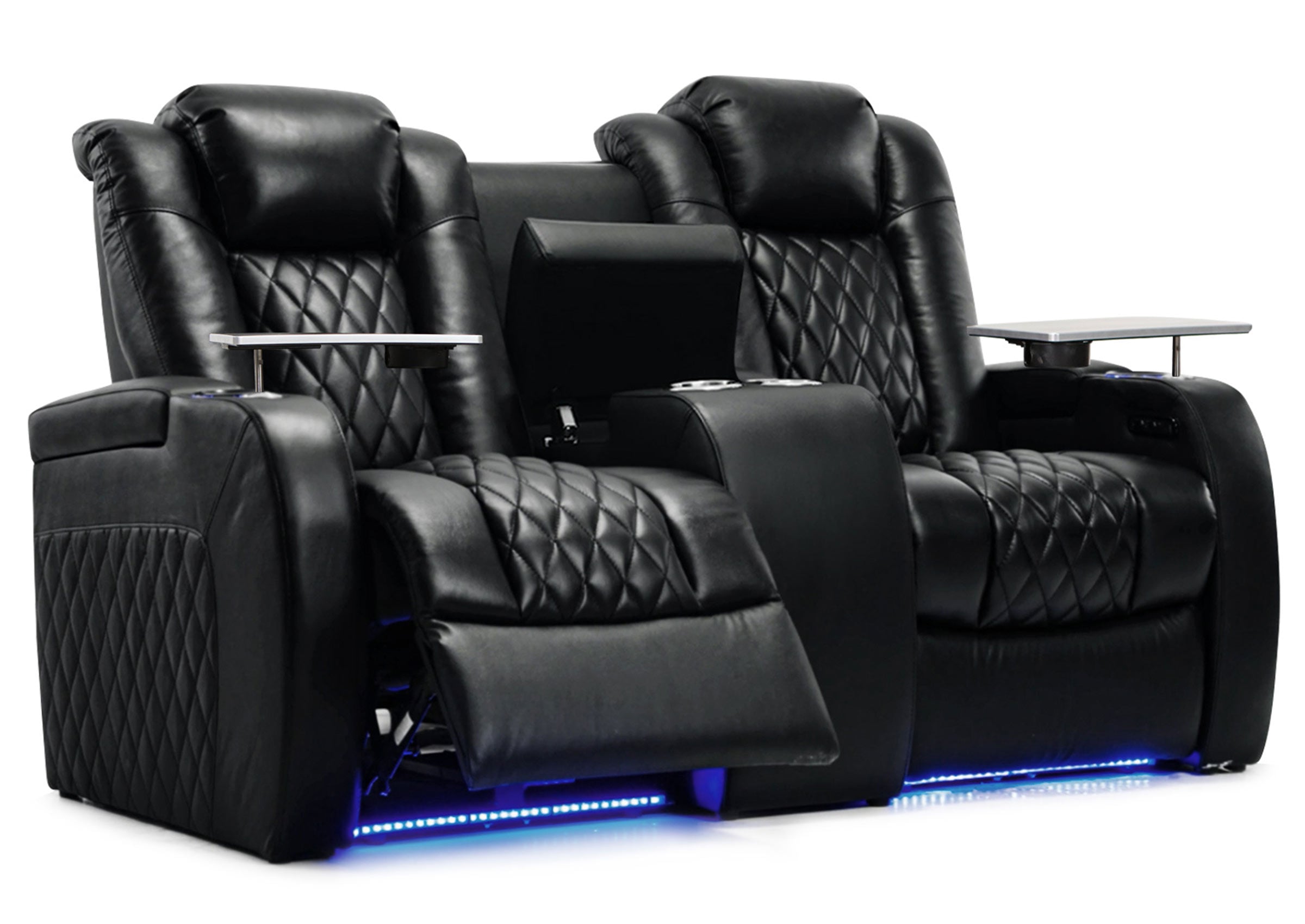



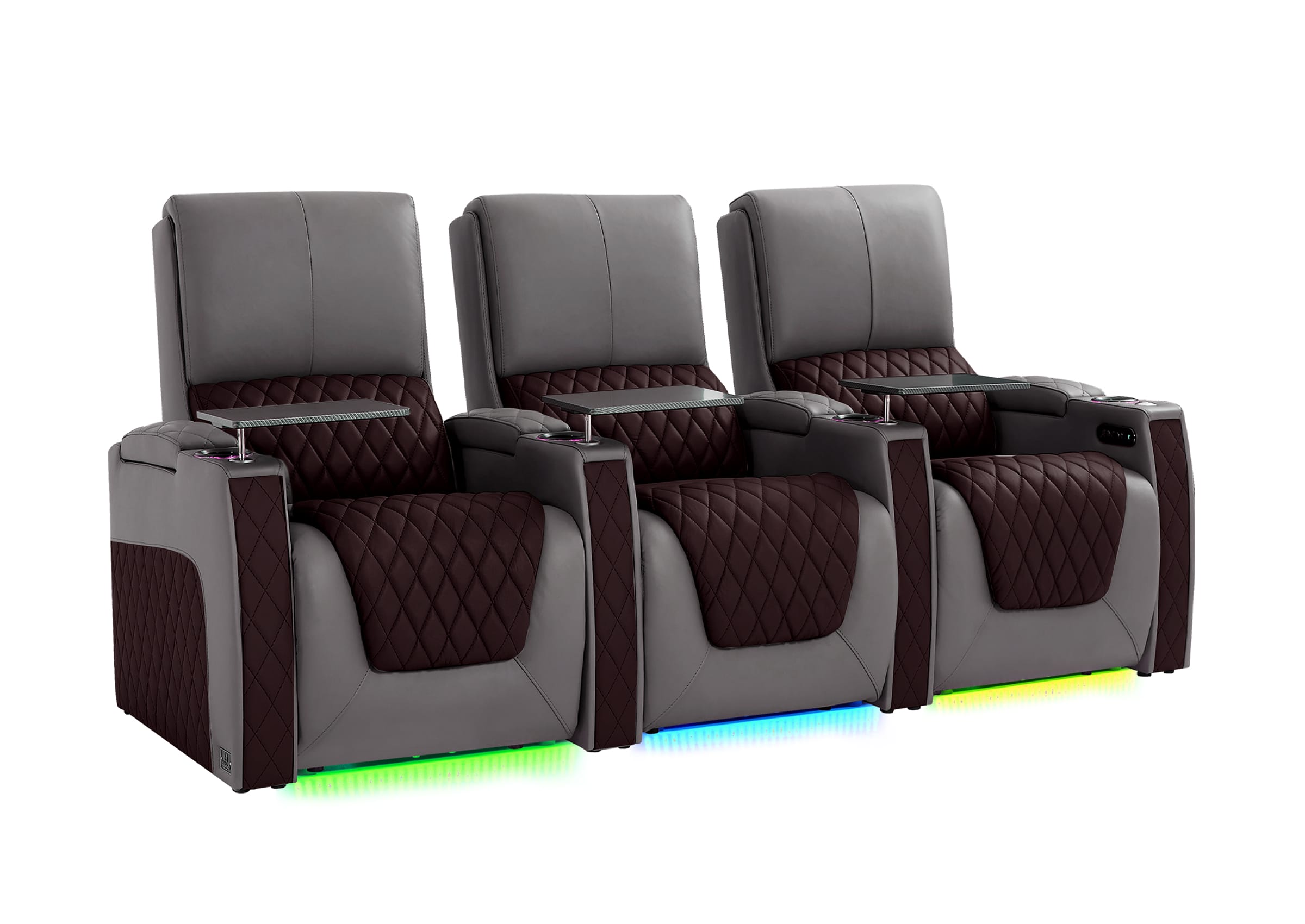
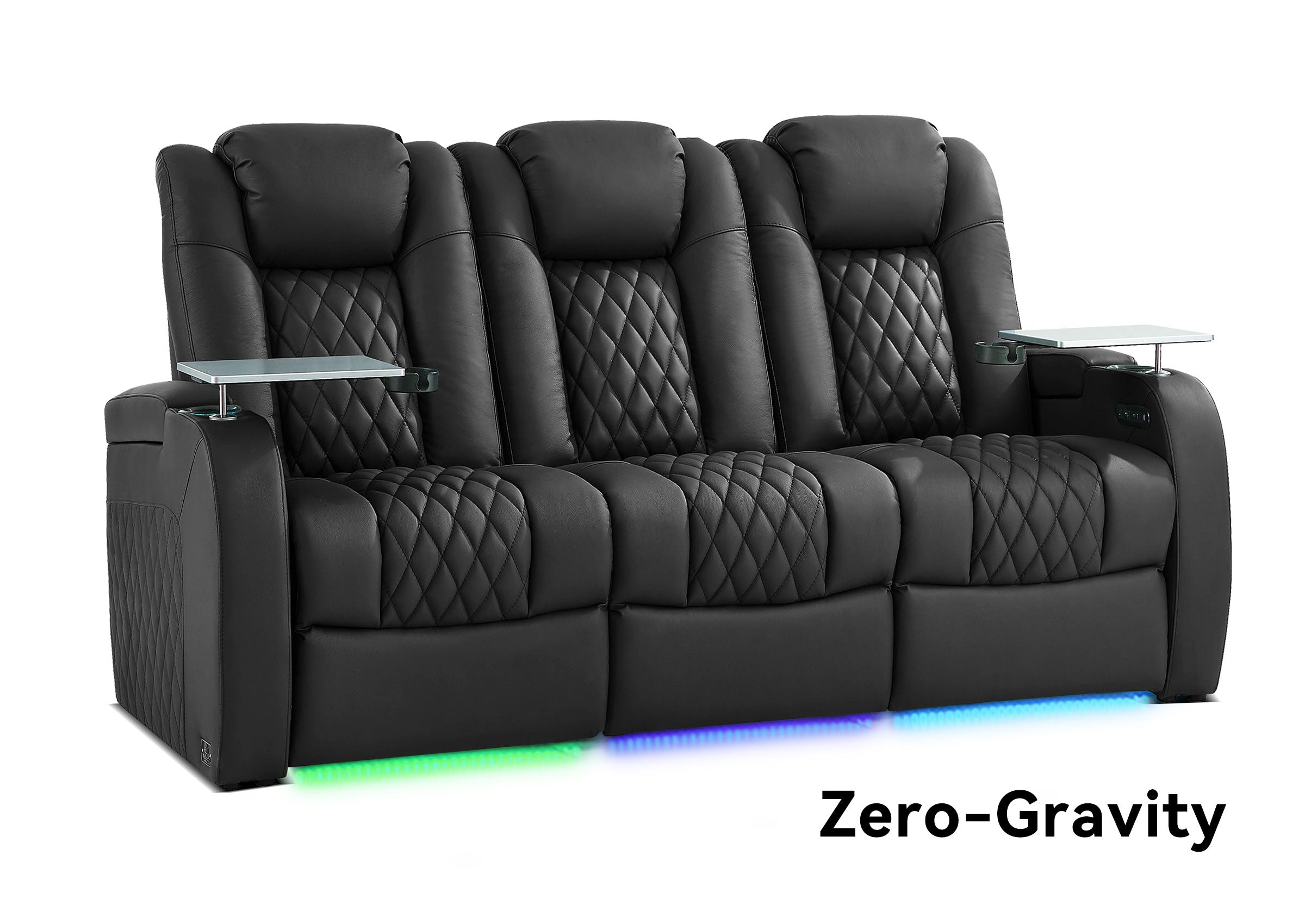


Choosing a theater seating manufacturer is not only about finding a supplier that can produce comfortable chairs. For project buyers, designers, dealers, and developers, the real challenge is finding a manufacturing partner who understands space requirements, customization details, production consistency, and the risks involved in bringing a seating project from concept to installation.
A private home theater, hotel screening room, entertainment lounge, and furniture distribution business all have different expectations. The right manufacturer should help you make better project decisions, not simply provide a product catalog.
This guide explains how to evaluate a theater seating manufacturer, what different project types require, and which factors matter most when selecting a long-term seating partner.
What Makes a Reliable Theater Seating Manufacturer?
A reliable theater seating manufacturer should understand that every project has different priorities.
A residential customer may focus on comfort, appearance, and customization. A hotel project may prioritize durability, maintenance, and consistency. A furniture dealer may need stable supply and flexible product options.
A capable manufacturer should provide support in several key areas:
-
Product development experience
-
Custom seating capability
-
Material and configuration options
-
Manufacturing consistency
-
Quality inspection processes
-
Project communication support
The value of a manufacturer is not only measured by the seats they produce, but also by how well they help partners solve project challenges.
Why Manufacturing Experience Matters for Theater Seating Projects
Theater seating is a specialized furniture category that combines comfort design, mechanical systems, upholstery craftsmanship, and space planning.
A supplier with real manufacturing experience should understand how different components work together, including:
-
Reclining mechanisms
-
Seat structure
-
Upholstery materials
-
Comfort support
-
Functional accessories
-
Final product assembly
For project buyers, manufacturing experience reduces uncertainty.
A seating solution that looks good in a product photo may still create problems if the dimensions do not match the room, the configuration does not fit the layout, or the materials do not meet the expected usage environment.
Weilianda has focused on home theater seating manufacturing since 2008, developing experience in seating design, engineering, and production for practical home entertainment applications.
Theater Seating Solutions for Different Project Requirements
Different customers evaluate suppliers from different perspectives. Understanding these differences helps buyers choose a manufacturer that matches their project needs.
Theater Seating for Luxury Residential Projects
Luxury residential projects usually require a balance between premium appearance and everyday comfort.
Typical applications include:
-
Private home theaters
-
Villa entertainment rooms
-
Premium media rooms
-
Custom family cinemas
Important considerations include:
-
Interior design compatibility
-
Seating layout flexibility
-
Material selection
-
Long viewing comfort
-
Functional customization
For these projects, a manufacturer should be able to discuss more than seat models. The conversation should include how the seating fits the room, how many seats are appropriate, and which features actually improve the homeowner experience.
For example, a smaller private theater may benefit more from comfortable spacing and premium materials than simply adding more seats.

Theater Seating for Interior Designers and Architects
Interior designers and architects often need seating solutions that work with the entire design concept.
Key considerations include:
-
Color coordination
-
Material selection
-
Space proportions
-
Custom details
-
Visual consistency
A project-focused manufacturer should be able to support discussions around:
-
Seating arrangement
-
Dimension adjustments
-
Upholstery options
-
Custom appearance details
-
Functional requirements
This allows designers to create entertainment spaces where seating feels integrated rather than added afterward.
Theater Seating for Furniture Dealers and Distributors
Dealers and distributors usually evaluate suppliers from a business perspective.
Their priorities often include:
-
Reliable product consistency
-
Flexible cooperation
-
Product range
-
Customization support
-
Long-term supply capability
A suitable manufacturer should help partners offer different solutions for different customer segments, from practical media room seating to premium home theater installations.
Factory-direct cooperation can also simplify communication when partners need product adjustments, custom configurations, or specific project requirements.
Theater Seating for Hotels, Entertainment Venues, and Commercial Projects
Commercial projects introduce different challenges because seating may experience higher usage frequency.
Applications include:
-
Hotel entertainment areas
-
Private screening rooms
-
VIP lounges
-
Entertainment clubs
-
Premium leisure spaces
Commercial buyers often focus on:
-
Long-term durability
-
Easy maintenance
-
Consistent appearance
-
Guest comfort
-
Project reliability
A successful commercial seating project depends not only on how the seats look after installation, but also how they perform months and years later.
Customization Options to Discuss Before Choosing a Manufacturer
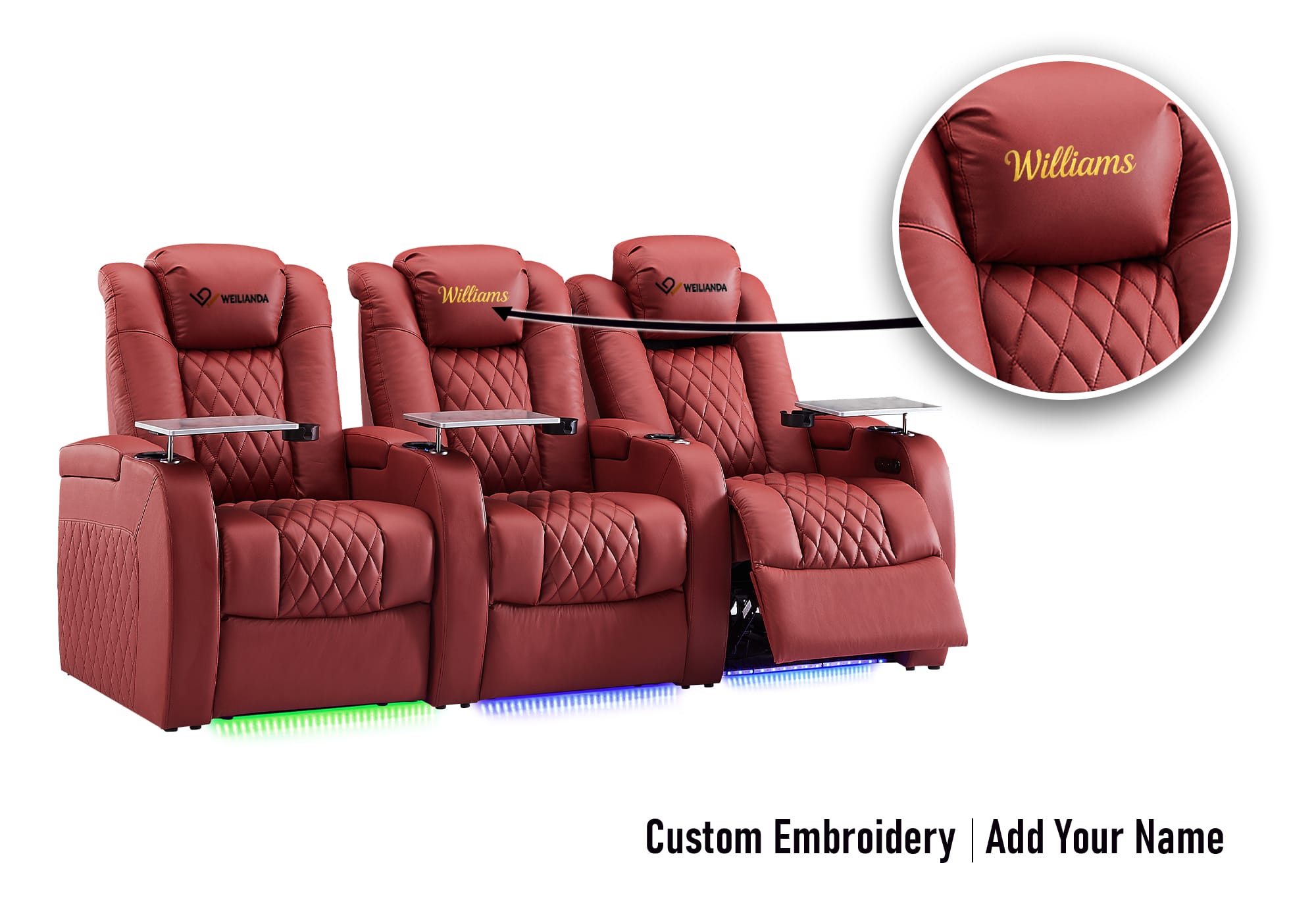
Customization is often one of the most important reasons project buyers work directly with manufacturers.
Before selecting a supplier, buyers should understand what can be customized.
Seating Configuration
Different spaces require different arrangements:
-
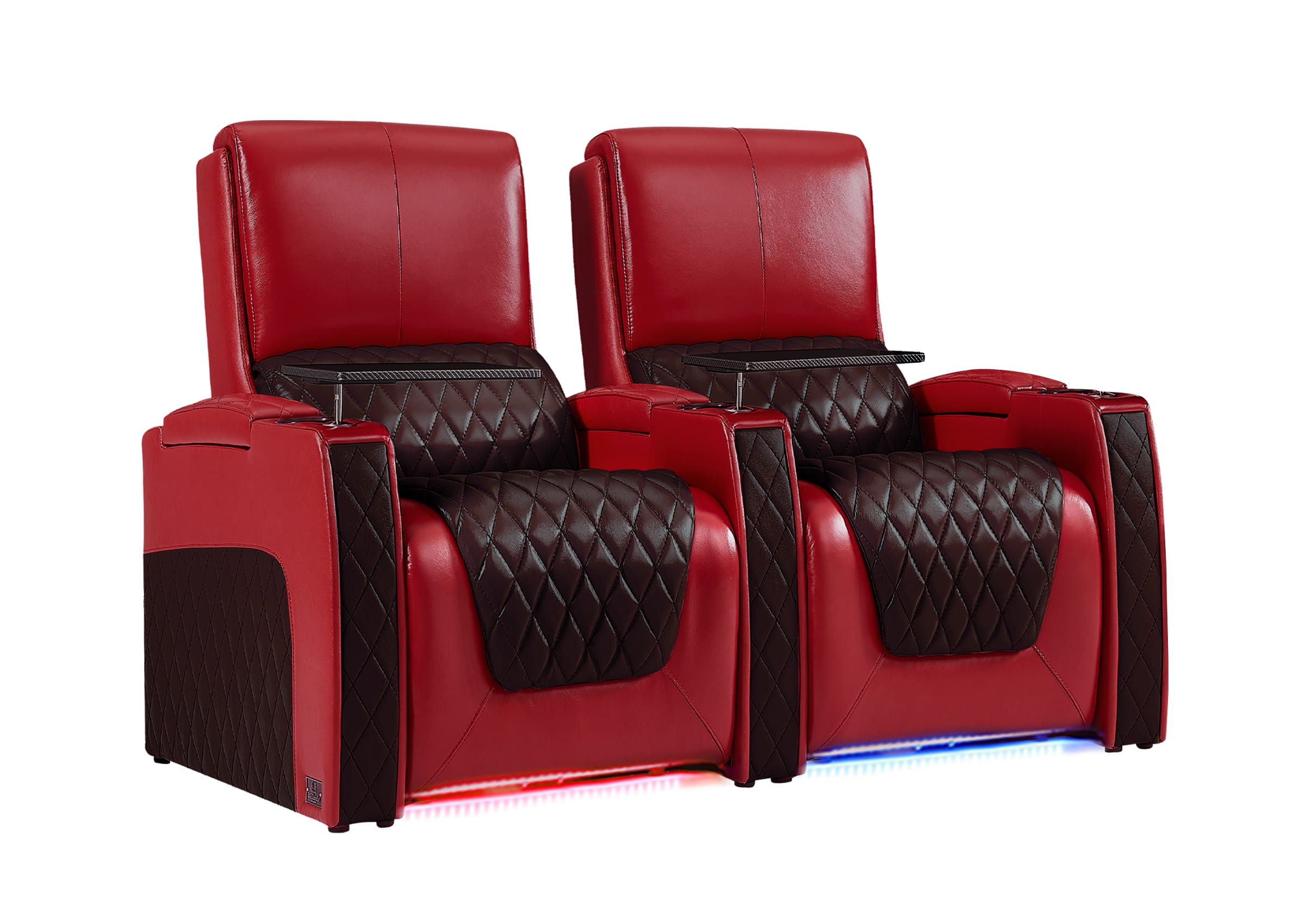
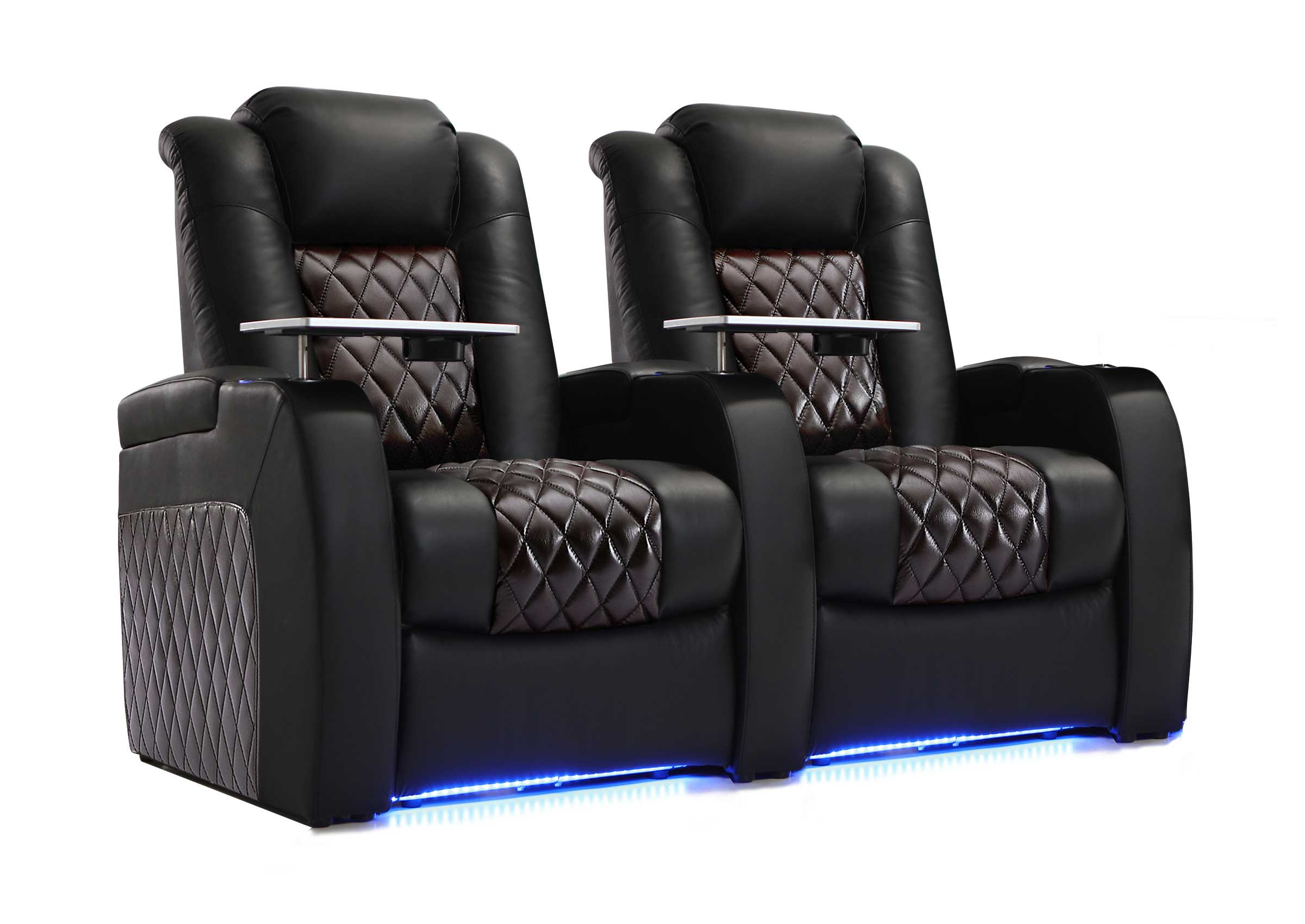
Single recliners
-
Loveseat combinations
-
Multi-seat rows
-
Modular layouts
-
Sofa-style configurations
The correct configuration depends on:
-
Room size
-
Seating capacity
-
Traffic flow
-
Viewing position
-
User expectations
A manufacturer with project experience should help evaluate these factors before production begins.
Materials and Appearance
Materials affect both design and long-term usage.
Project considerations may include:
-
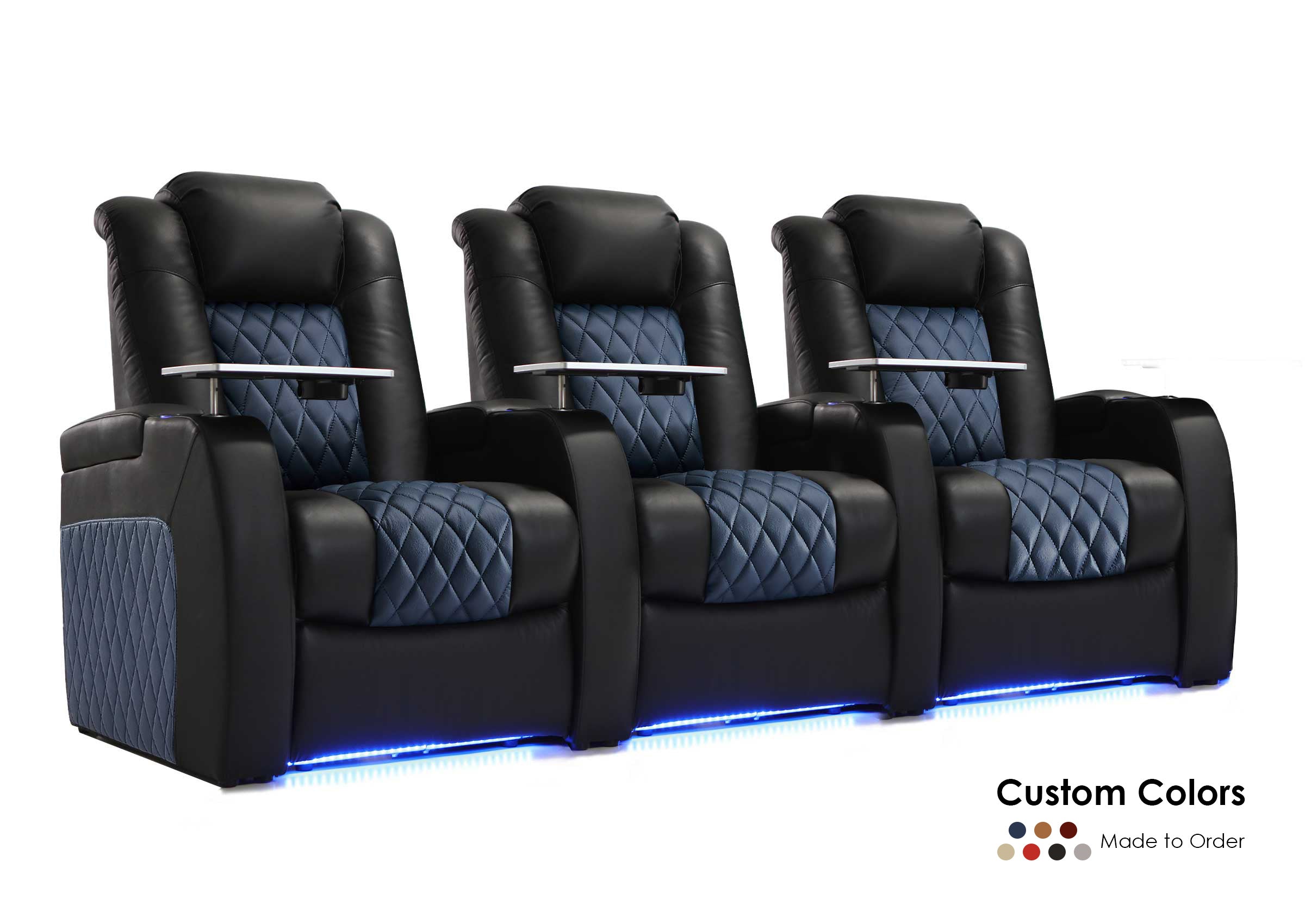
Leather options
-
PU leather options
-
Color selection
-
Interior style matching
-
Cleaning requirements
For products marked as top-grain leather, Weilianda can provide leather samples and testing reports to support material evaluation.

Functional Configuration
Different projects require different feature priorities.
Common options include:
-
Power recline
-
Power headrest
-
Lumbar support
-
USB charging
-
Cup holders
-
Storage consoles
-
Tray tables
-
LED ambient lighting
The best configuration is usually the one that matches how people will actually use the space, rather than simply adding the largest number of features.
How Manufacturers Support a Project from Design to Production
A strong supplier relationship usually starts before production.
Project discussions may involve:
Requirement Review
Understanding:
-
Project type
-
Seating quantity
-
Room application
-
Design expectations
-
Functional requirements
Configuration Planning
Reviewing:
-
Seating arrangement
-
Dimensions
-
Materials
-
Colors
-
Accessories
Production Confirmation
Before manufacturing, important details should be confirmed, including:
-
Product specifications
-
Appearance details
-
Material choices
-
Functional configuration
Weilianda supports partners through requirement discussion, seating layout communication, dimension adjustments, material and color selection, configuration suggestions, and pre-production confirmation.
How to Evaluate a Theater Seating Supplier Before Cooperation
Before selecting a manufacturer, project buyers should evaluate more than price.
Important questions include:
| Evaluation Area | Questions to Ask |
|---|---|
| Manufacturing Experience | Does the supplier understand theater seating structures and project requirements? |
| Customization | Can they adjust layouts, materials, colors, or functions? |
| Quality Control | How are materials, mechanisms, assembly, and final products checked? |
| Project Support | Can they provide suggestions during planning and production? |
| Communication | Can they clearly confirm details before manufacturing? |
| After-Sales Support | Is there assistance after delivery? |
Common Mistakes When Choosing a Theater Seating Manufacturer
Many project issues happen before production begins.
Choosing Only Based on Price
The lowest initial cost does not always create the best project value.
Important factors include:
-
Product consistency
-
Communication efficiency
-
Customization ability
-
Long-term reliability
Ignoring Space Planning
A seating supplier should understand that theater seating affects:
-
Room flow
-
Viewing comfort
-
Recline space
-
Seating density
Choosing seats without considering the final environment can create installation problems later.
Not Confirming Custom Details Early
For customized projects, small details can affect the final result.
Before production, buyers should confirm:
-
Color
-
Material
-
Configuration
-
Accessories
-
Functional options
Clear communication helps reduce unnecessary adjustments after production starts.
Manufacturing and Quality Control Considerations
Quality control is especially important for project orders because replacing or adjusting seating after installation can create additional time and cost.
A professional manufacturer should consider:
Material Inspection
Checking:
-
Material quality
-
Color consistency
-
Surface condition
Production Inspection
Reviewing:
-
Frame structure
-
Reclining mechanism
-
Motor function
-
Stitching quality
-
Assembly accuracy
Final Inspection
Before shipment, manufacturers should confirm:
-
Product appearance
-
Functional operation
-
Packaging condition
Weilianda follows production and inspection processes focused on product consistency and reliable project delivery.

Why Factory-Direct Cooperation Can Benefit Project Buyers
Working directly with a manufacturer can provide more flexibility during project development.
Benefits may include:
-
Direct communication with the production team
-
More customization possibilities
-
Better understanding of product details
-
Easier coordination for special requirements
Weilianda provides factory-direct theater seating solutions with customization support for residential and commercial projects, helping partners develop seating options based on specific project requirements.
A Practical Checklist Before Choosing a Theater Seating Manufacturer
Before starting cooperation, consider:
-
Does the manufacturer understand your project type?
-
Can they support customization?
-
Can they provide material and configuration guidance?
-
Do they have quality inspection processes?
-
Can they communicate clearly before production?
-
Do they provide support after delivery?
Choosing a supplier based on these factors can help create a smoother project experience.
Frequently Asked Questions
What should I look for in a theater seating manufacturer?
Look for a manufacturer that combines product knowledge, customization capability, quality control, and project communication. A reliable supplier should understand your application, help solve design challenges, and provide consistent production support.
Can theater seating manufacturers customize products for different projects?
Yes. Project-focused manufacturers can often support customization including seating layouts, materials, colors, functions, and design details. The available options depend on the manufacturer and project requirements.
What information should I provide before requesting a theater seating solution?
Useful information includes project type, room dimensions, seating quantity, preferred materials, color expectations, desired functions, and installation requirements. These details help the manufacturer recommend a more suitable solution.
What is the typical production time for custom theater seating?
Production time depends on project size, materials, configuration, and customization requirements. For Weilianda customized projects, production typically takes around 8–10 weeks depending on project requirements.
Can manufacturers support both residential and commercial theater seating projects?
Yes. Many manufacturers support different applications, including private theaters, hotels, entertainment spaces, and furniture business cooperation. The key is choosing a supplier with experience matching different project requirements.
What quality documents can a theater seating manufacturer provide?
Depending on the product and materials, manufacturers may provide relevant material information and testing documentation. For Weilianda products, selected materials and components have supporting testing information depending on the specific product.
Does Weilianda support wholesale and custom theater seating cooperation?
Yes. Weilianda supports custom theater seating projects, wholesale cooperation, and residential or commercial seating solutions with factory-direct service and project support.
Discuss Your Theater Seating Project
Choosing the right manufacturer can influence the comfort, appearance, and long-term success of a seating project.
If you are planning a residential theater, commercial entertainment space, hospitality project, or wholesale seating program, Weilianda can provide customization support, factory-direct cooperation, and project consultation based on your requirements.
Contact Weilianda to discuss your theater seating project and explore a suitable seating solution.