


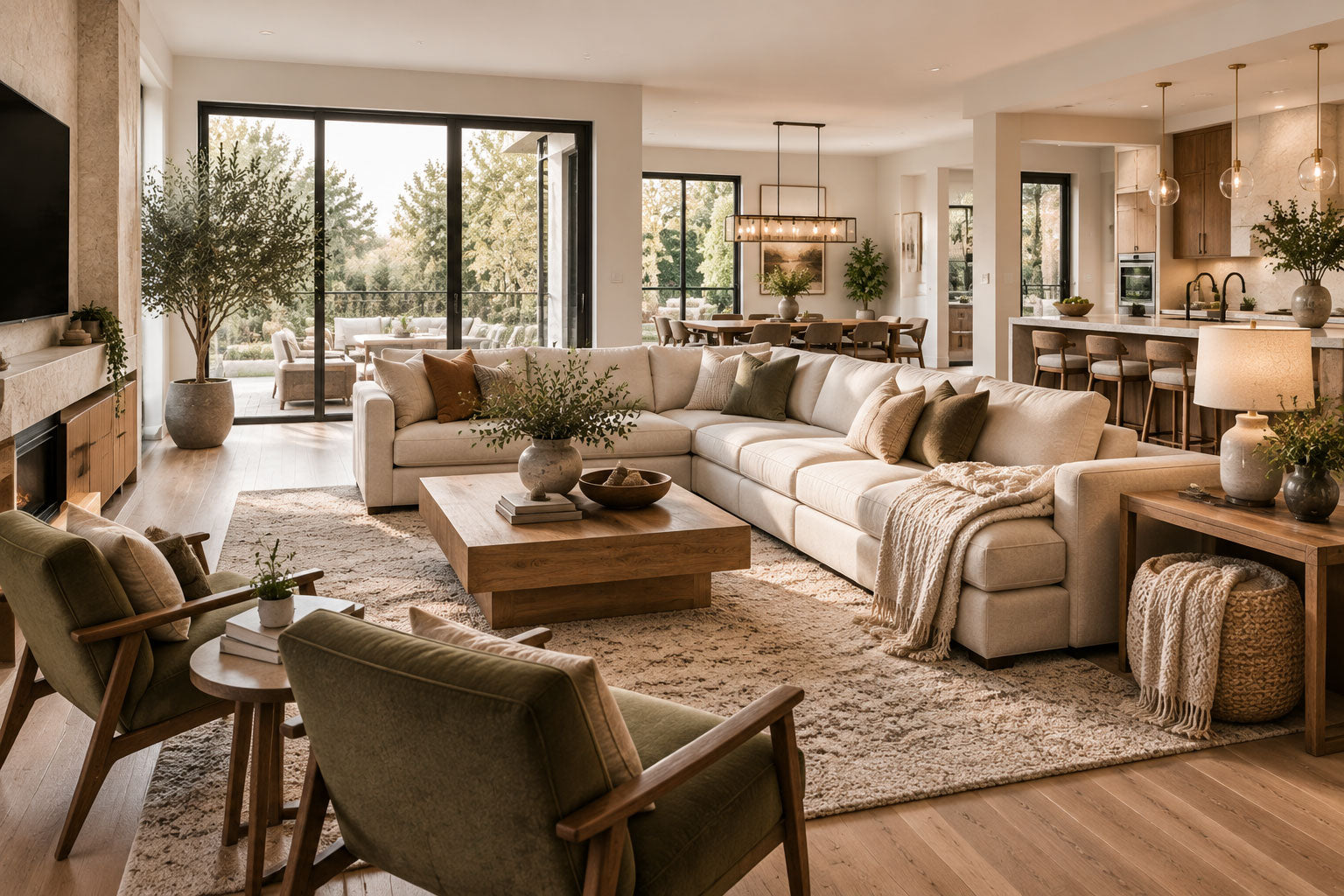


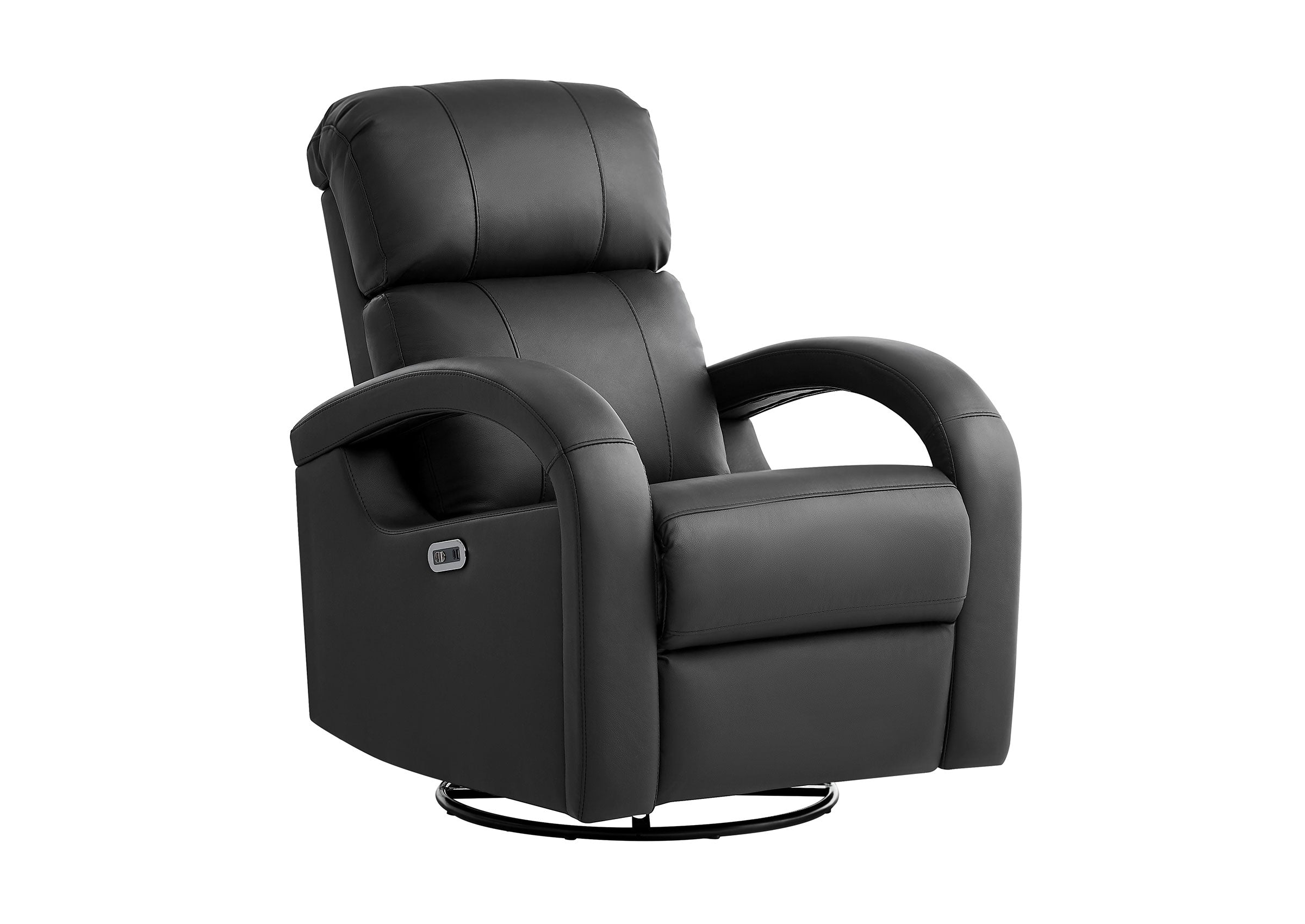
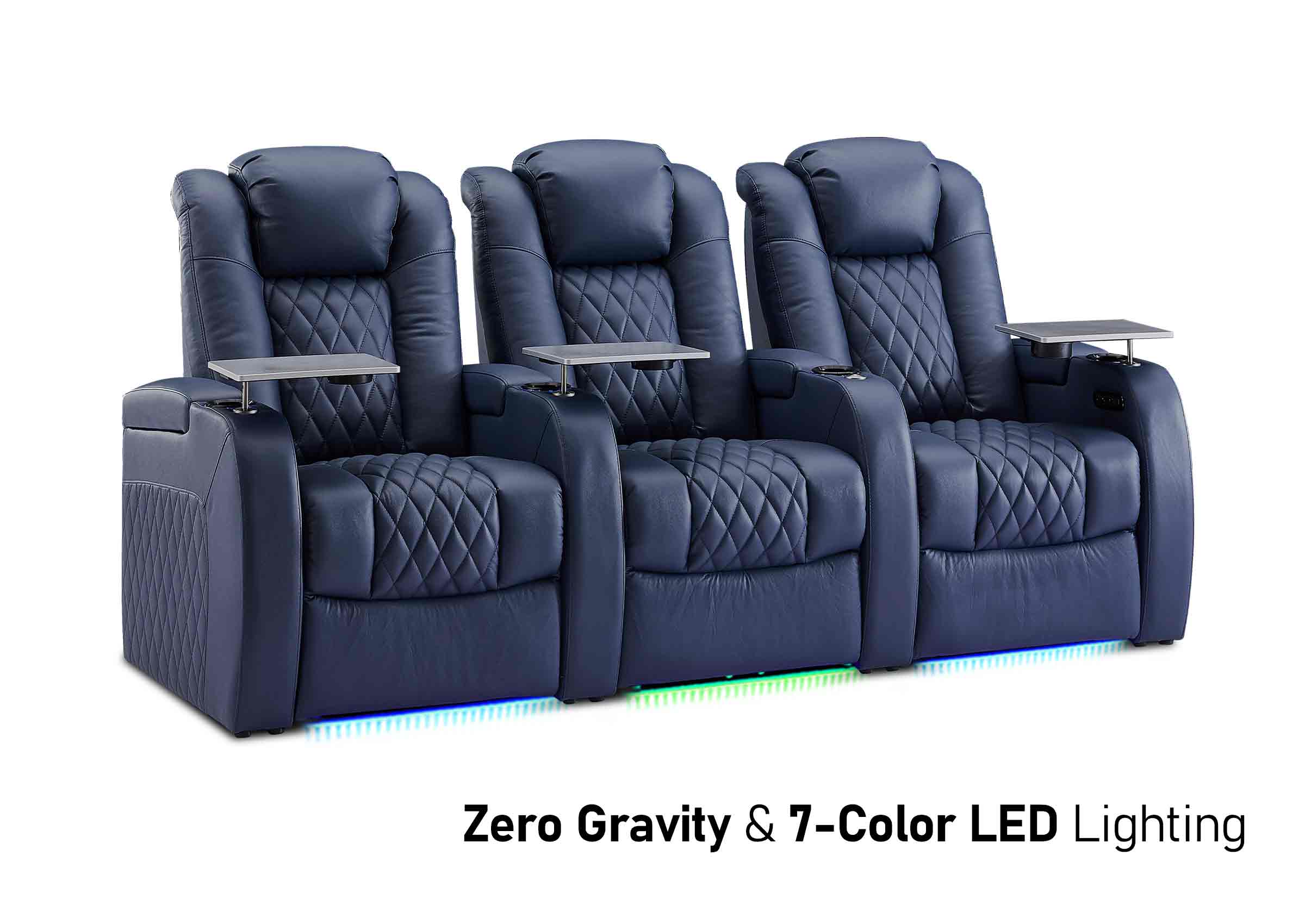
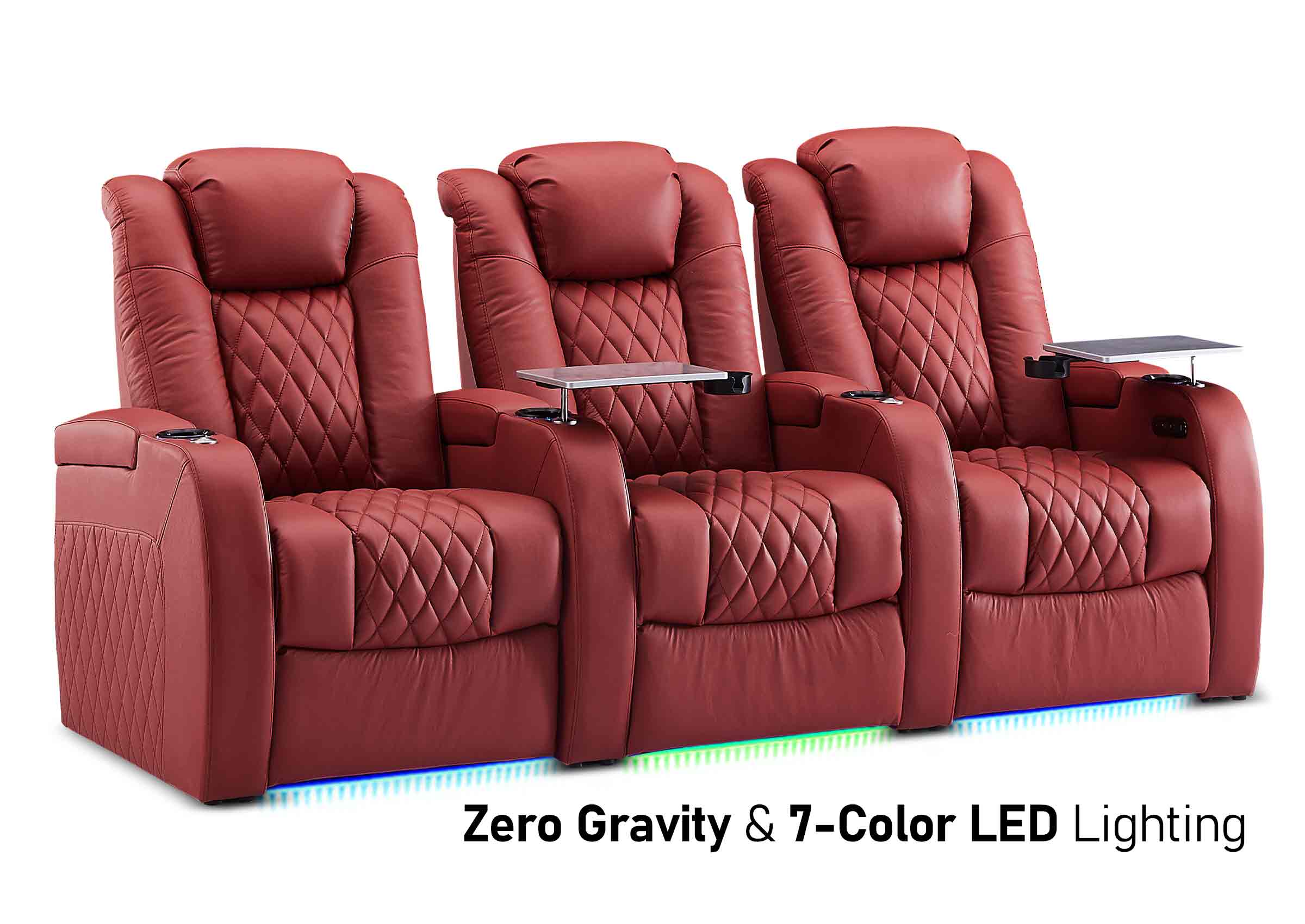
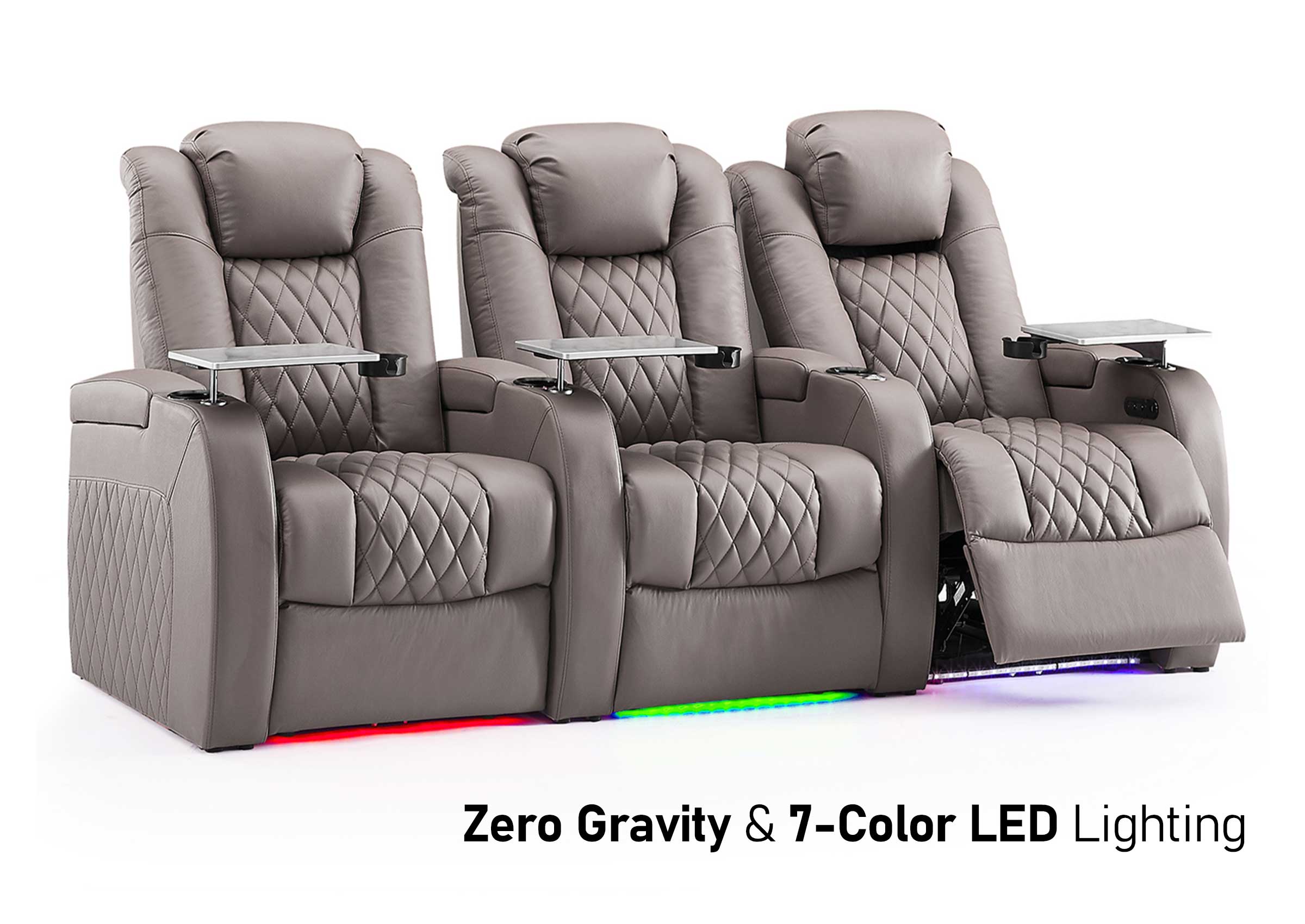

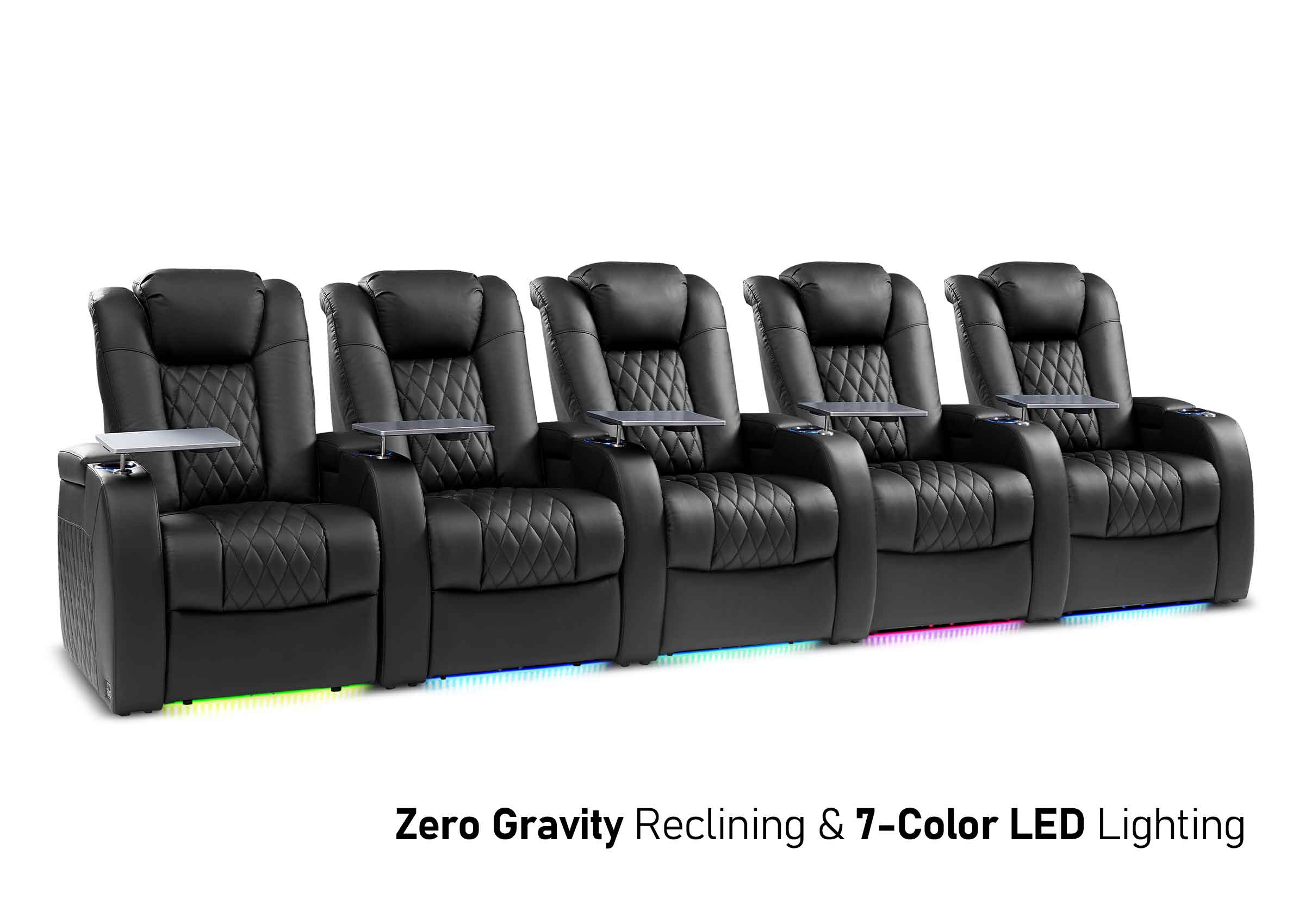
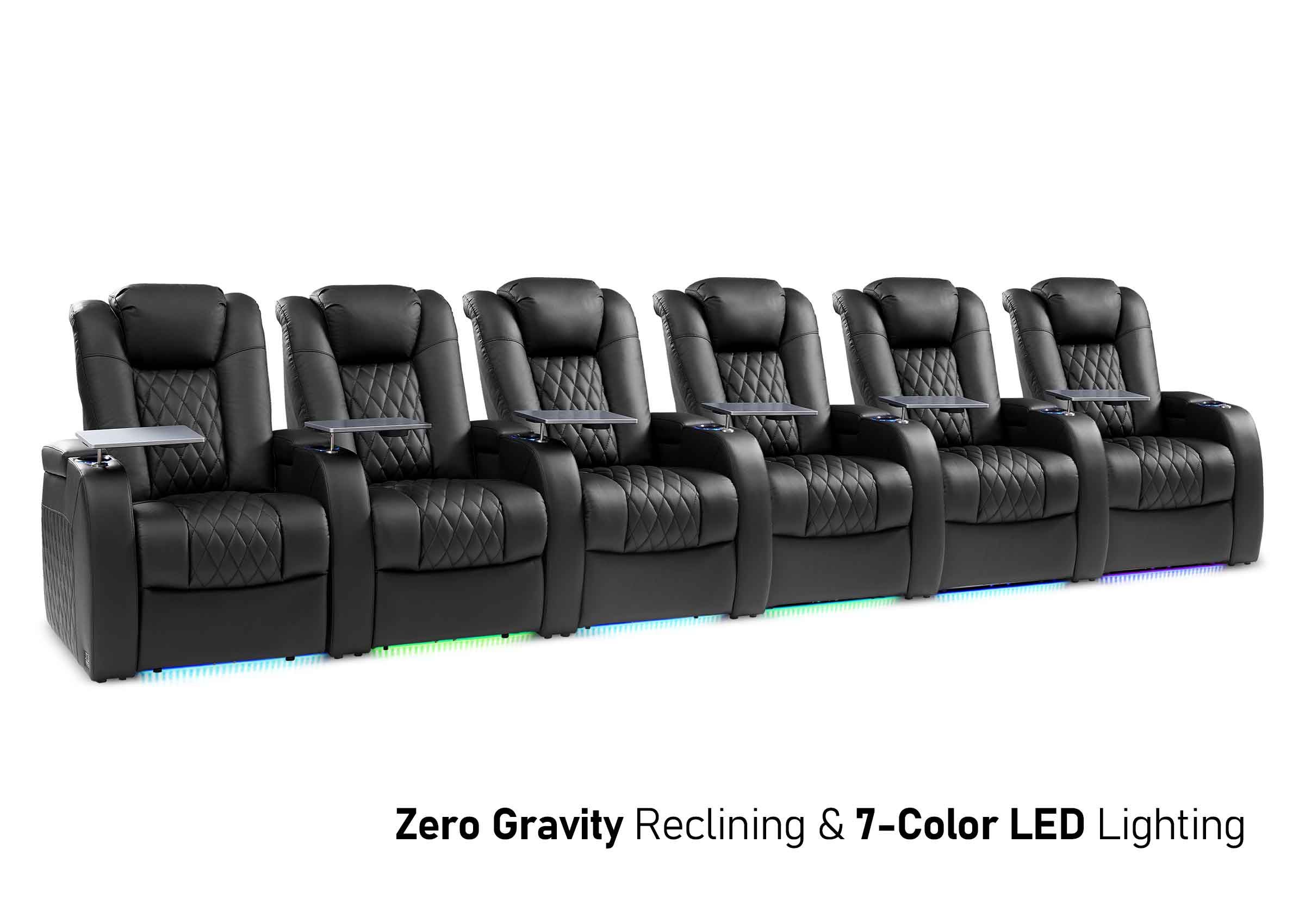
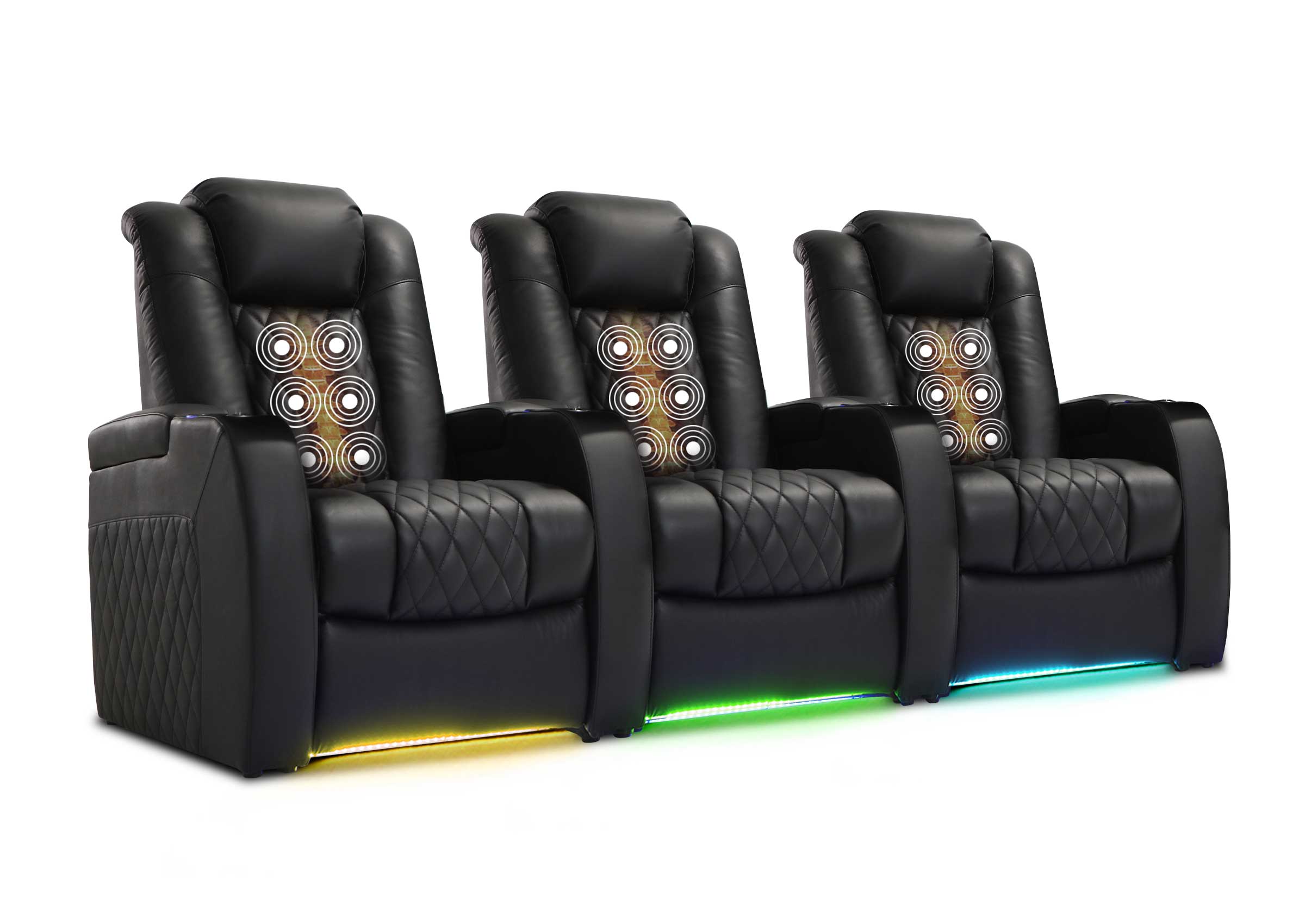
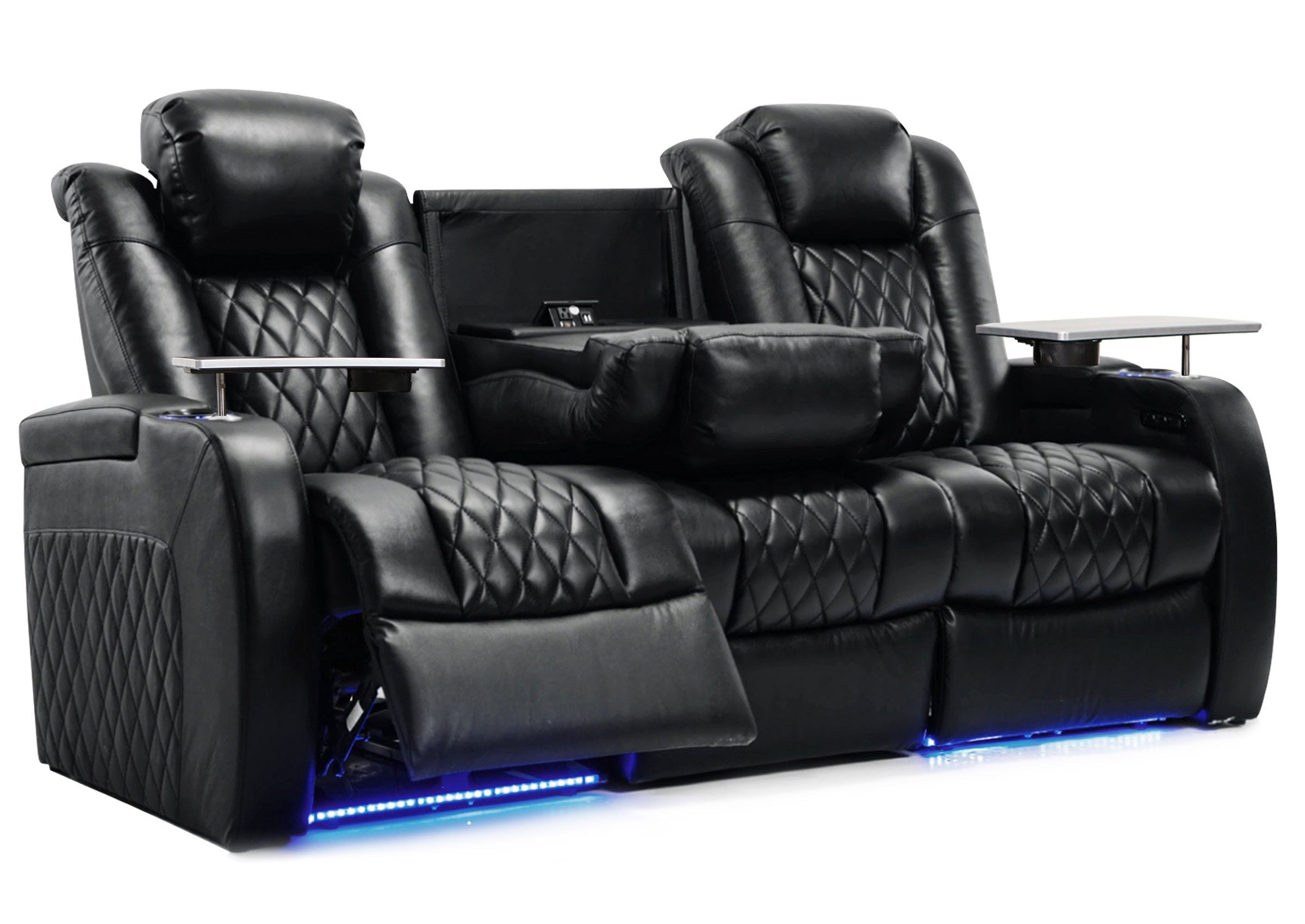






The most useful small media room upgrades solve a problem you notice every evening: an uncomfortable seat, light reflecting on the screen, or nowhere to put the things you use. For Black Friday, build a shopping plan around that problem, keeping the furniture and equipment that still work. In a small room, those purchases also have to work together when a footrest extends, a drawer opens, or a guest needs somewhere to sit. Plan for the room in use, not just the furniture arranged for a photograph.
Start with one of the three combinations below: recover useful space around your existing sofa, create a two-person reclining lounge, or give a family room flexible extra seating. Each leads to a different shopping list—and a different reason to leave something out of your cart.
Choose the Upgrade That Changes Your Evening
Spend an ordinary evening in the room before choosing anything. Notice where you shift position, what blocks your view, which light you turn off, and what has to move before someone can sit down. Those observations are more useful than a list of products discounted this week.
If the sofa remains comfortable but its surroundings feel crowded, look for one surface or storage piece that can replace several awkward ones. If you keep adding cushions to support an awkward sitting position, seating deserves closer attention. If the picture looks good at night but reflections interrupt daytime viewing, try light control before replacing the television.
Choose one improvement you can describe clearly: two people can recline independently; everyone can find a controller; or the room works for both a movie and a conversation. Keep that sentence beside your shopping list.
| Your room now | Upgrade package to consider | What earns its place |
|---|---|---|
| Comfortable sofa, crowded surfaces, scattered accessories | Keep-the-sofa upgrade | A reachable surface, usable storage and lighting that share limited space |
| Two regular viewers, seating that does not suit their positions | Two-person reclining lounge | The right seating configuration, reachable surfaces, and lighting that works when reclined |
| Family use most days, occasional extra guests | Flexible family lounge | Regular seats plus movable, usable extra seating with somewhere to park it |
These are planning combinations, not retailer bundles or documented customer projects. Mix their details where useful, but choose the everyday seating arrangement before buying accessories around it.
Keep the Sofa and Recover Useful Space Around It
Keep a comfortable sofa, television and working equipment. Start by identifying what competes for the remaining space: a floor lamp beside the access route, a drinks table that blocks a drawer, or several containers around the sofa. The useful purchase is the one that resolves that conflict without creating another.
A storage side table can combine a reachable surface with a home for controllers. Check its usable interior against the largest object you intend to store, then test the top with the lamp and drinks you normally use. One combined piece helps only if you can still use both functions comfortably. A lamp base that occupies nearly the entire top may leave the original drinks problem unresolved.
Compare how the storage opens. A side drawer facing the sofa may be awkward to reach; a door opening into the walking route may interrupt someone passing. A lift-top ottoman can hold blankets, but becomes inconvenient storage for frequently used remotes if it must be cleared or moved every time. Match the opening and access to the contents rather than choosing by advertised storage volume alone.
Use an existing lamp and a paper outline of the proposed table to test the combination before ordering. If the table needed for the lamp consumes the only useful route, compare a suitable wall-mounted light or a different table position. Check mounting, controls and installation requirements before treating either as a simple swap.
Keep the scheme visually connected by repeating one existing wood tone or textile color. Keep a rug or curtains that already work; choose new ones only for a remaining need. A gray sofa does not require a new palette, and a small upgrade does not require a matching furniture set.
Buy the missing function, then leave the space it frees available. If a compact storage table replaces an open basket and a separate surface, do not automatically refill that area with another accessory. Keep useful circulation as part of the finished result.

Build a Two-Person Lounge Around Independent Reclining
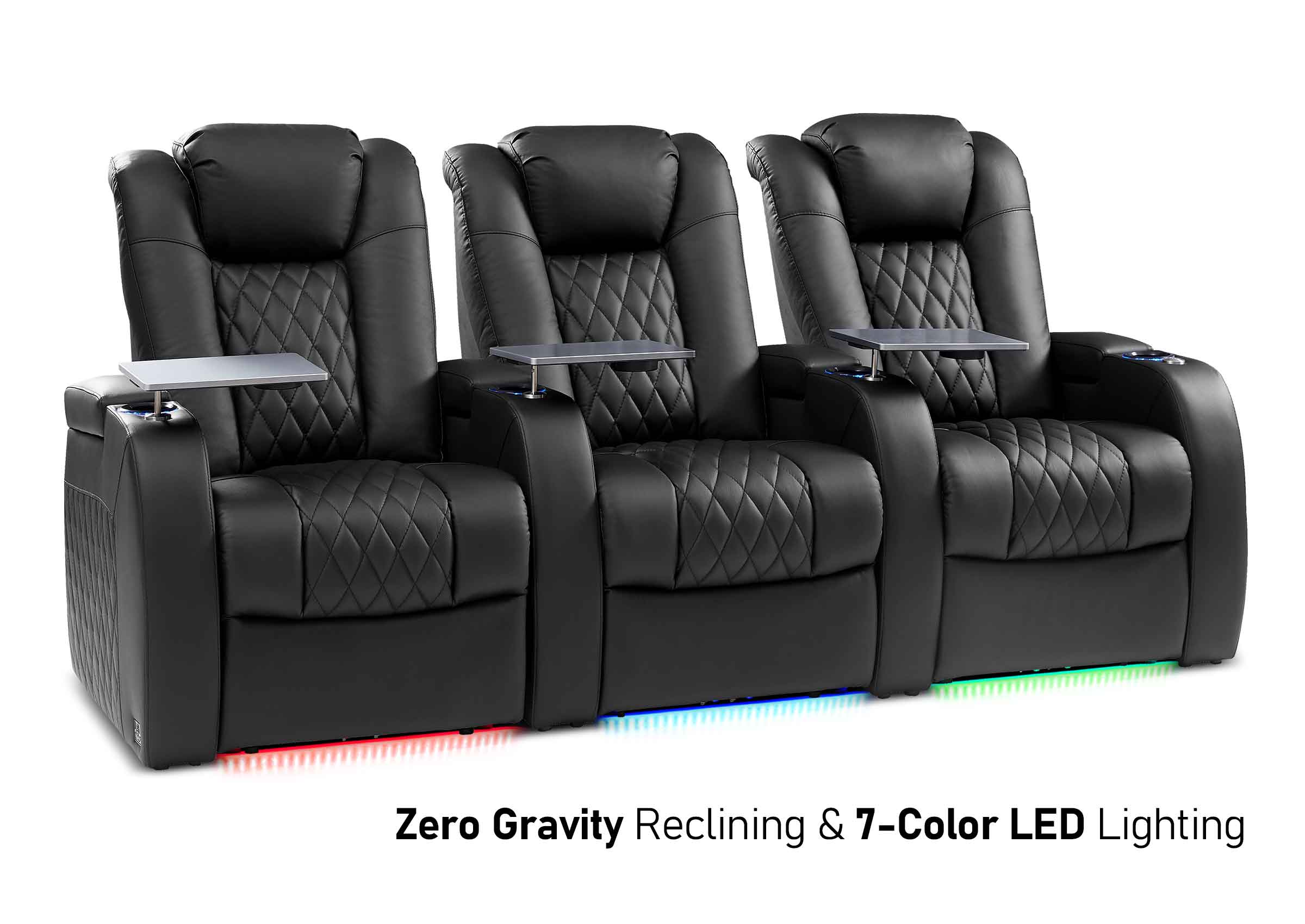
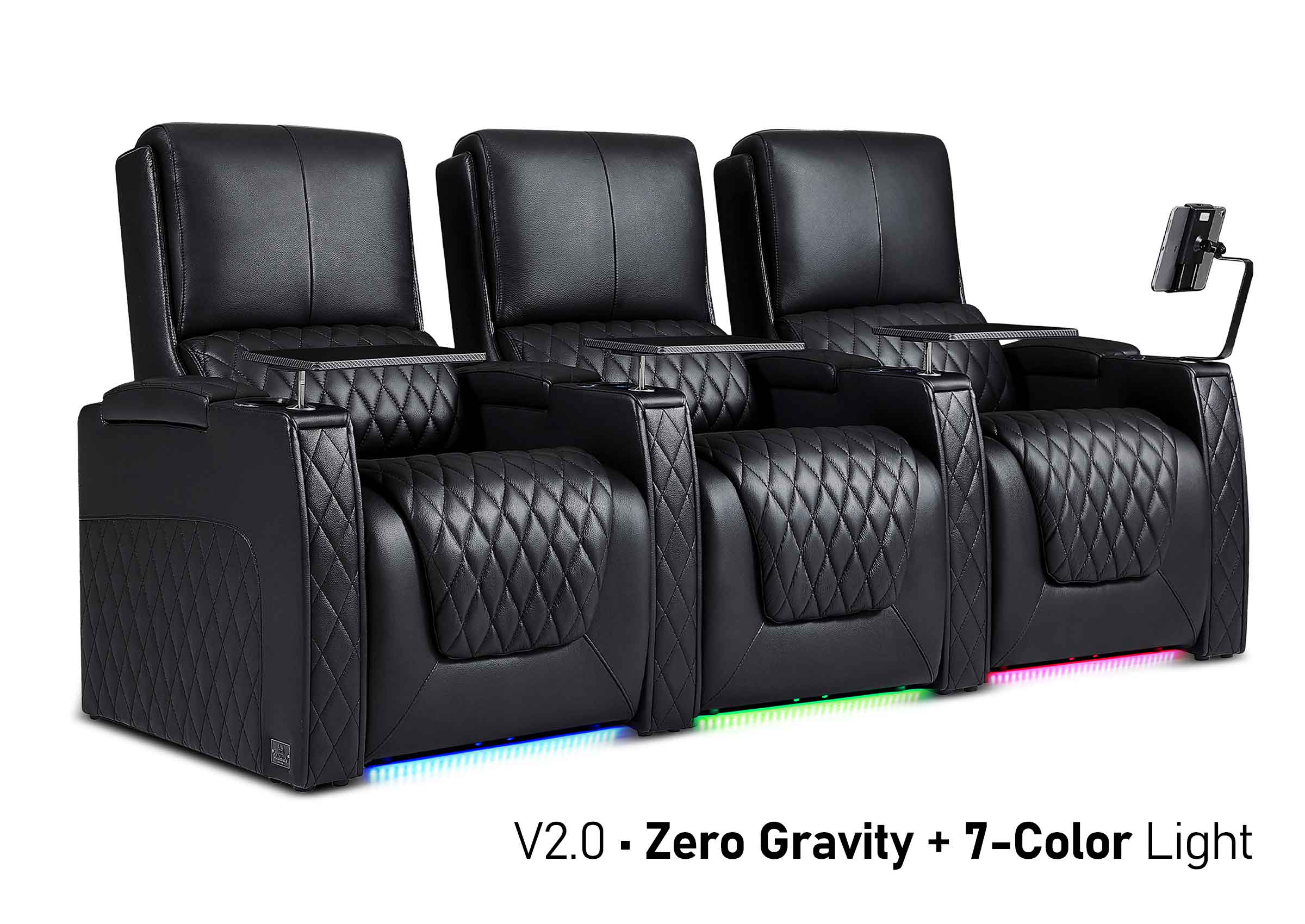
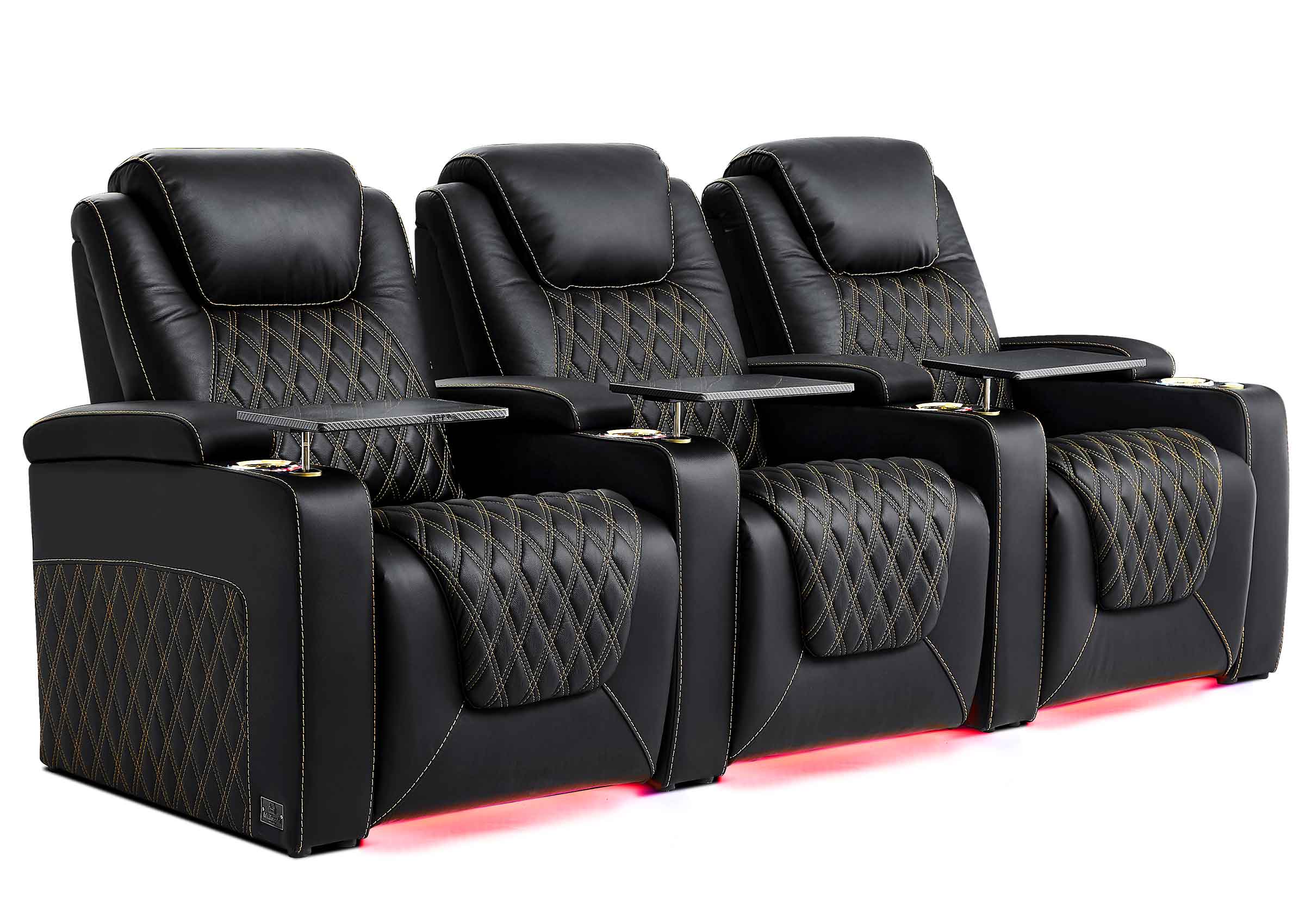
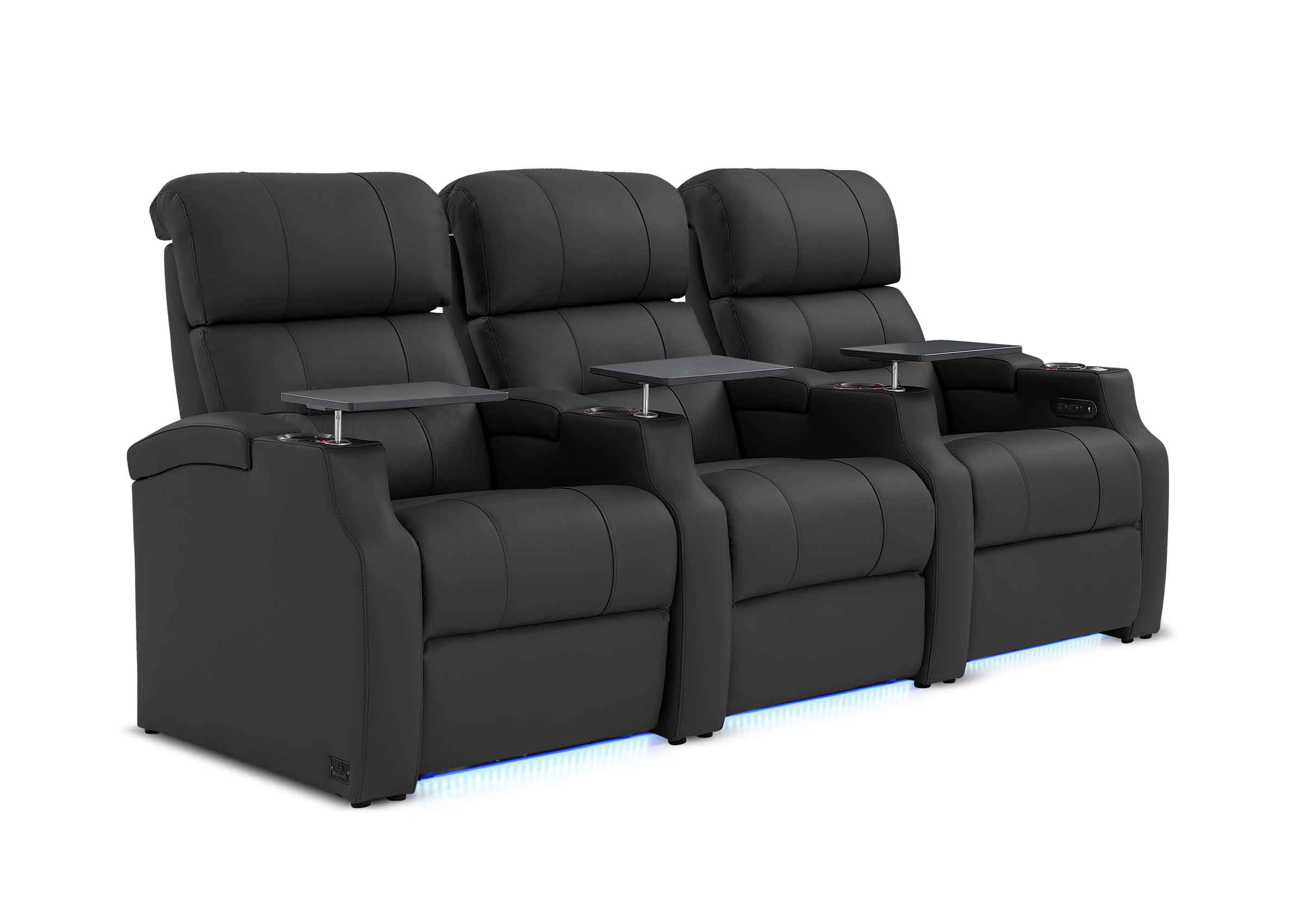
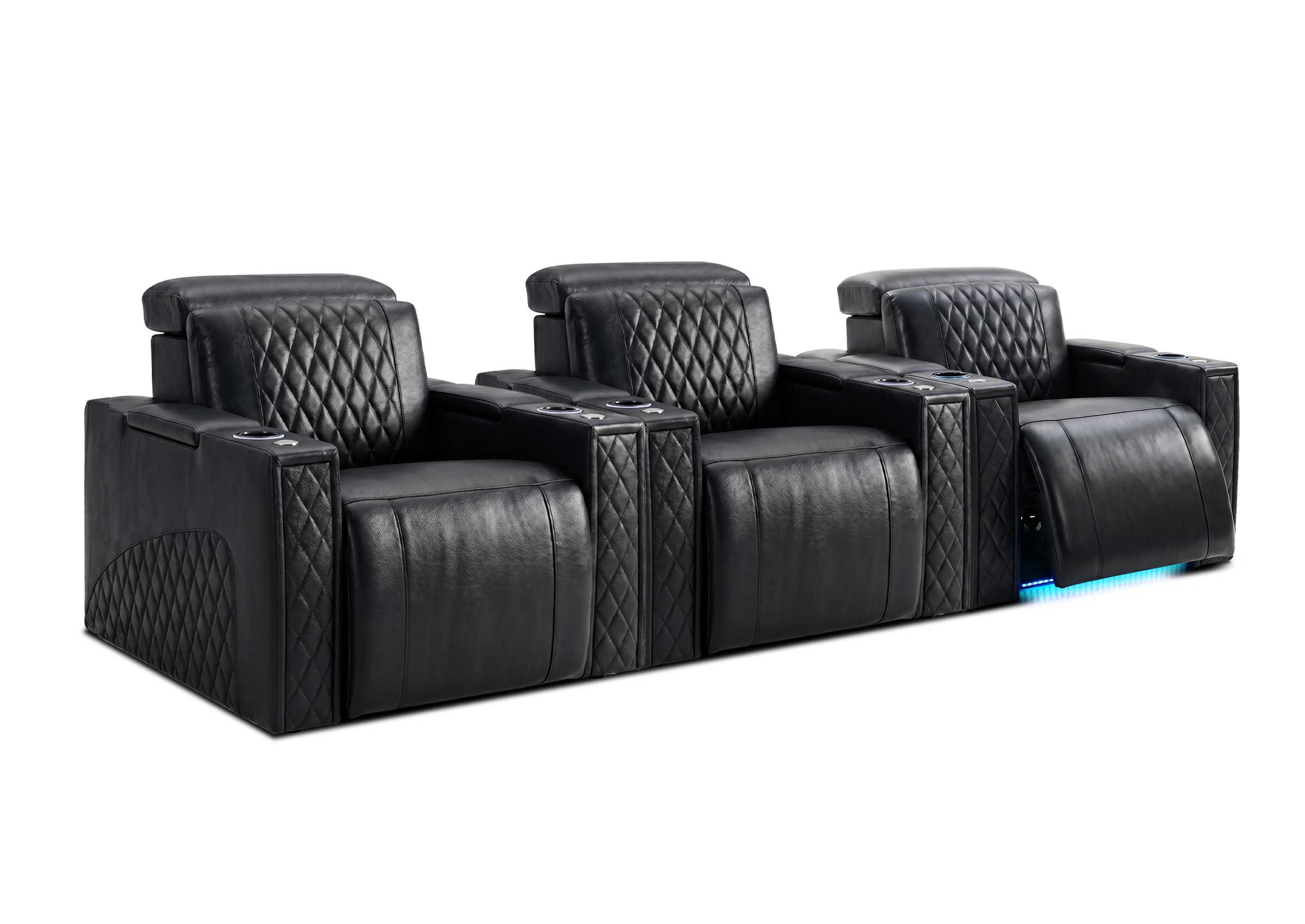
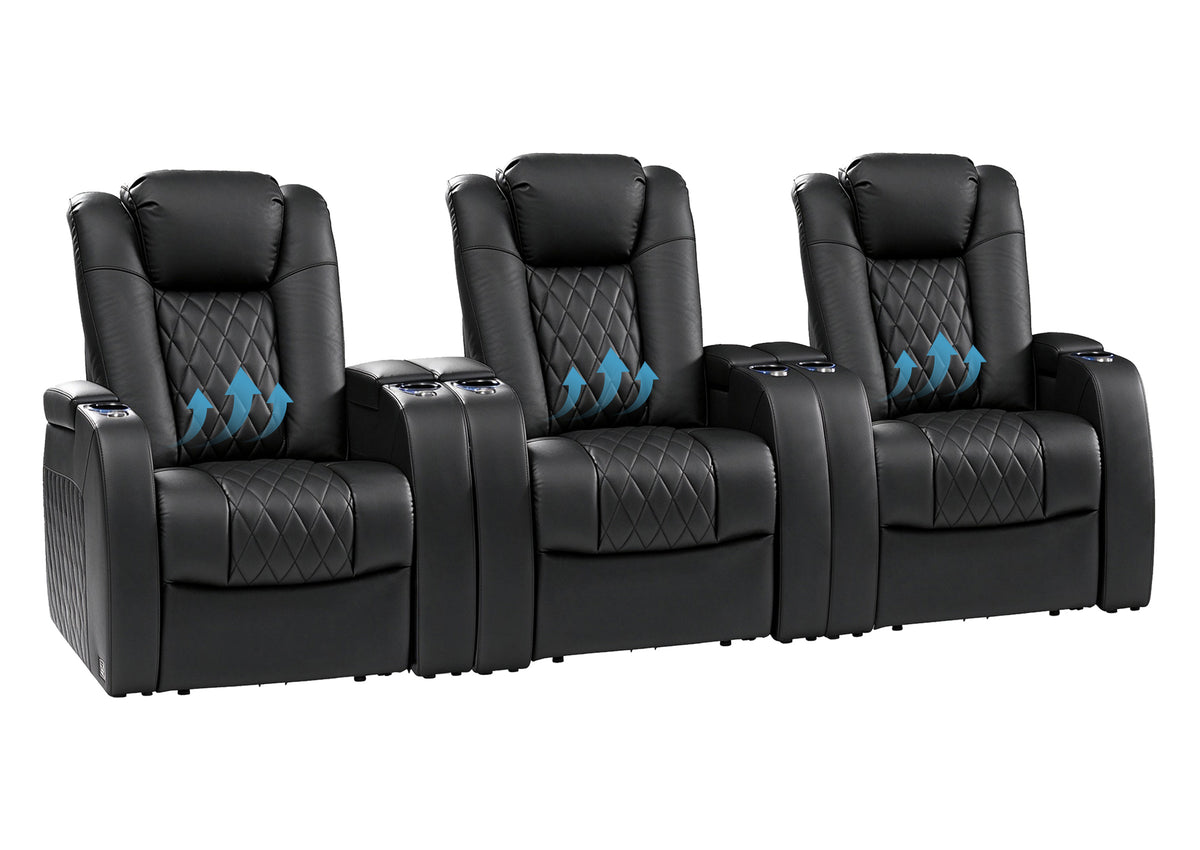
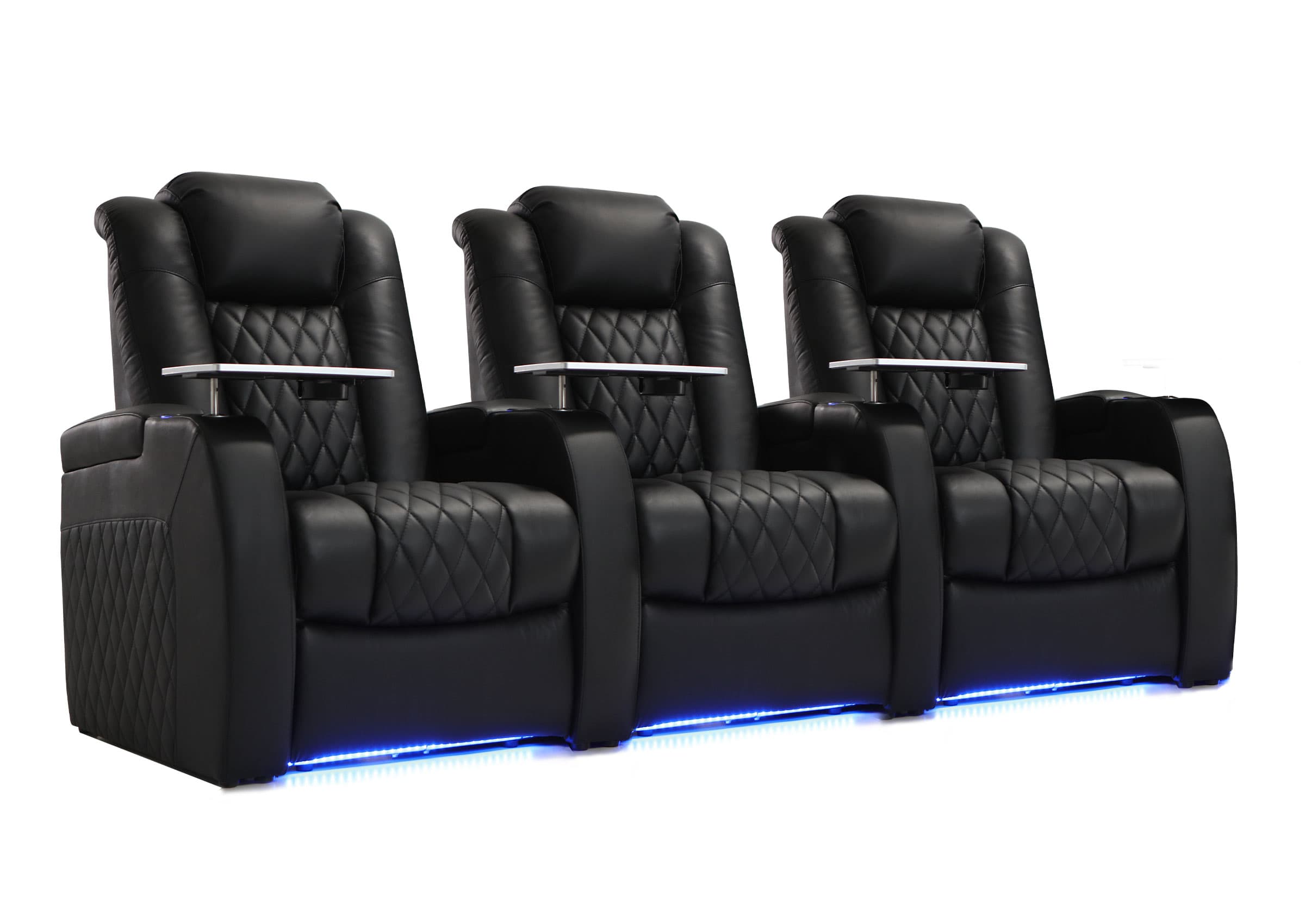
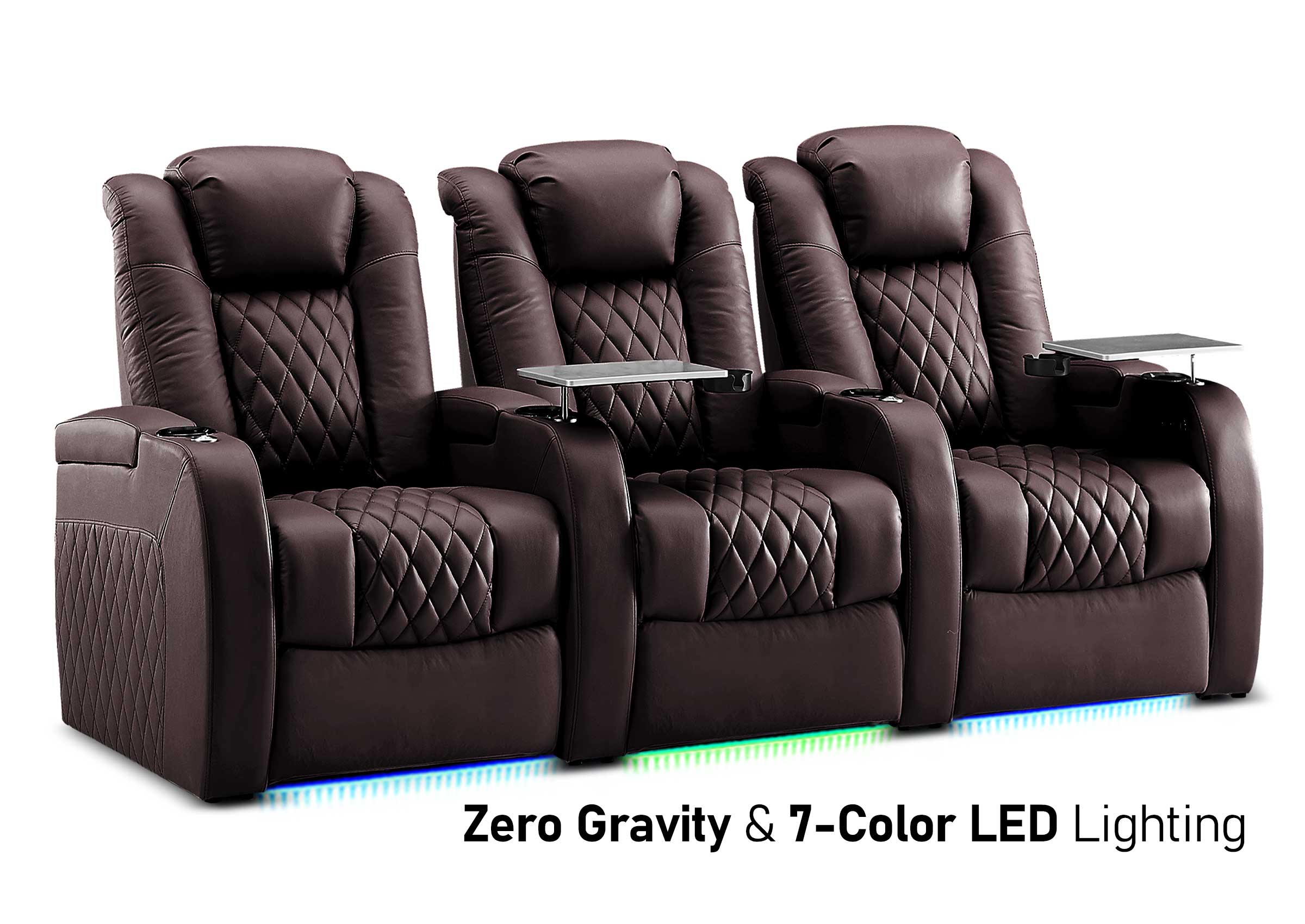
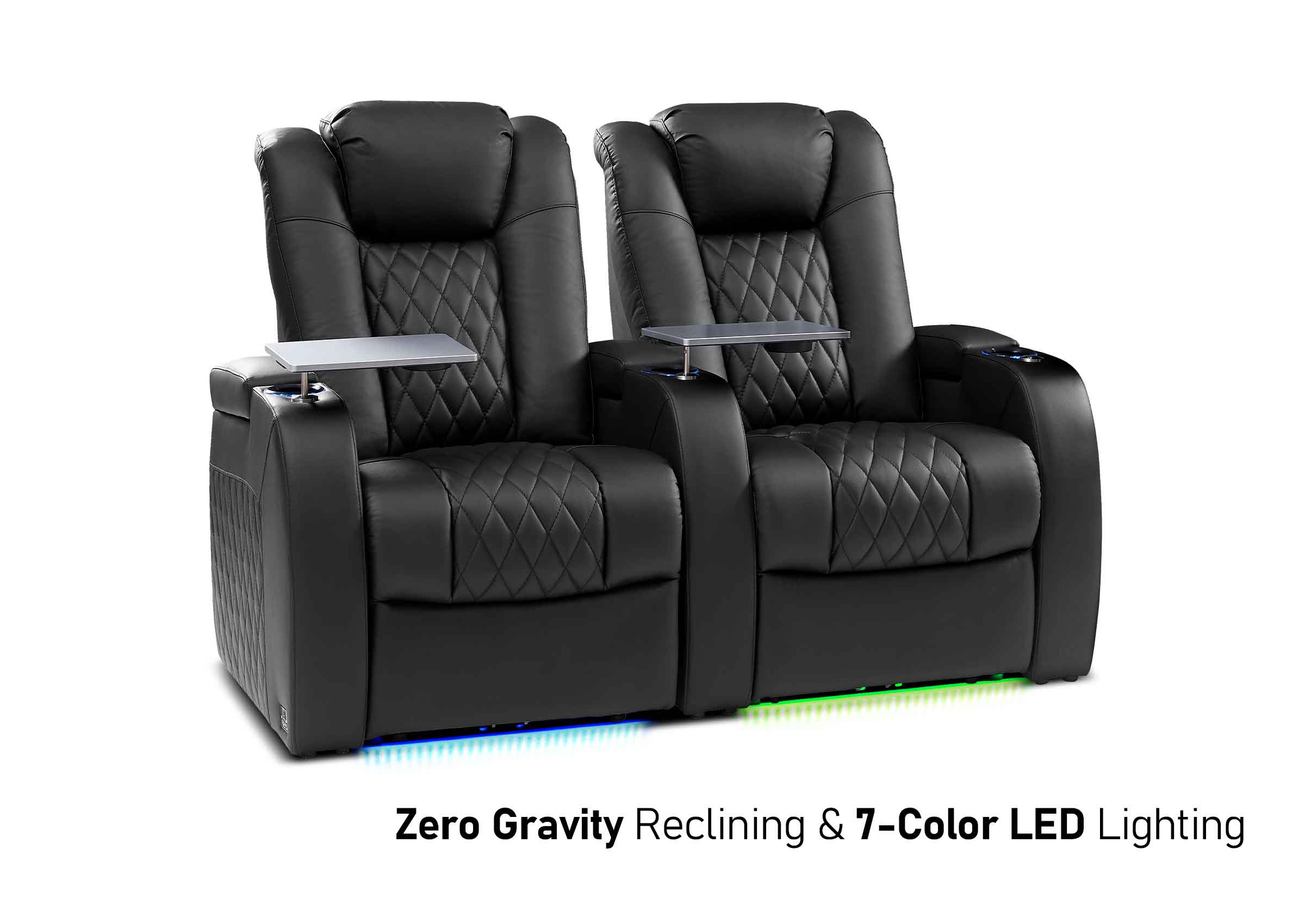
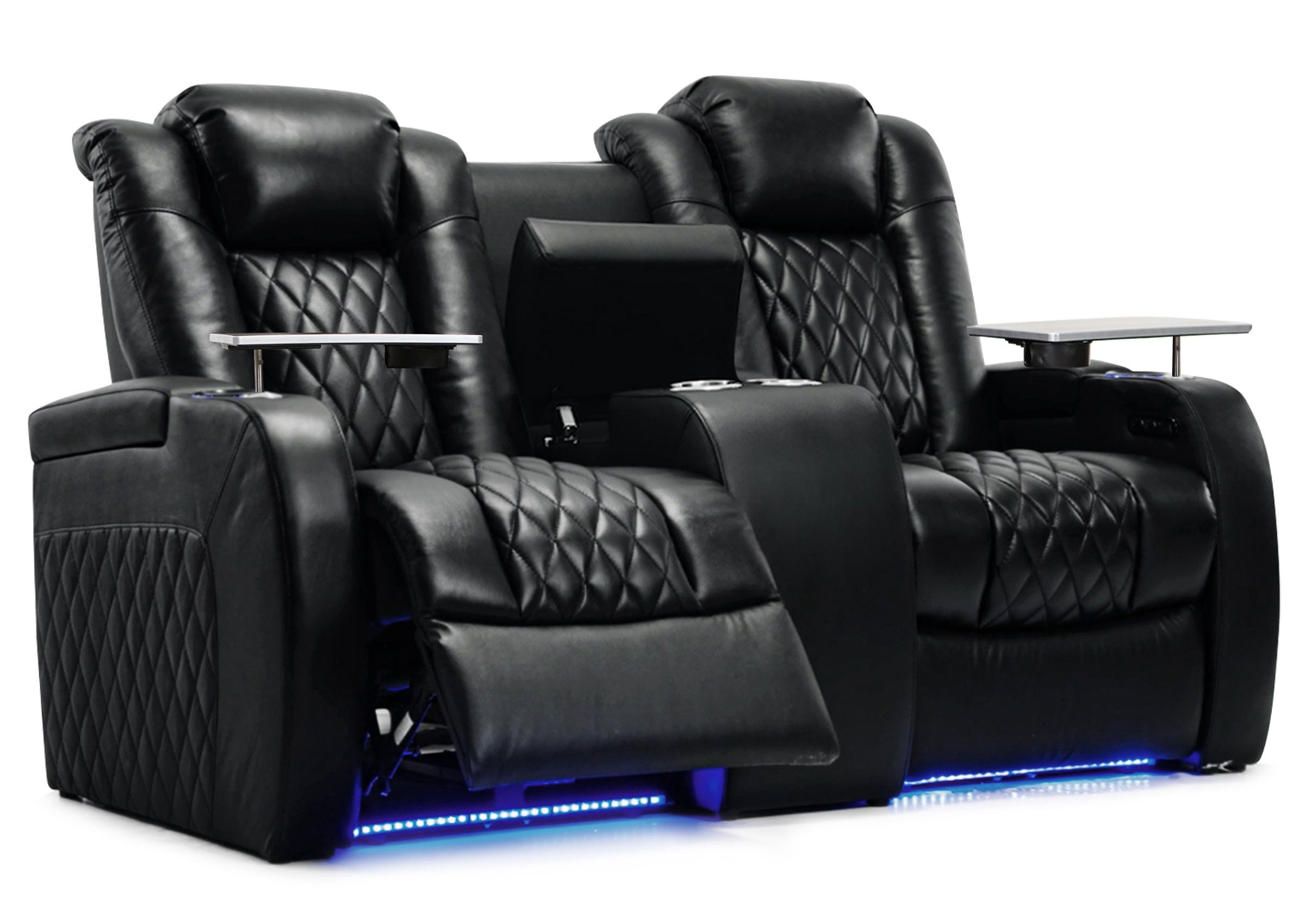
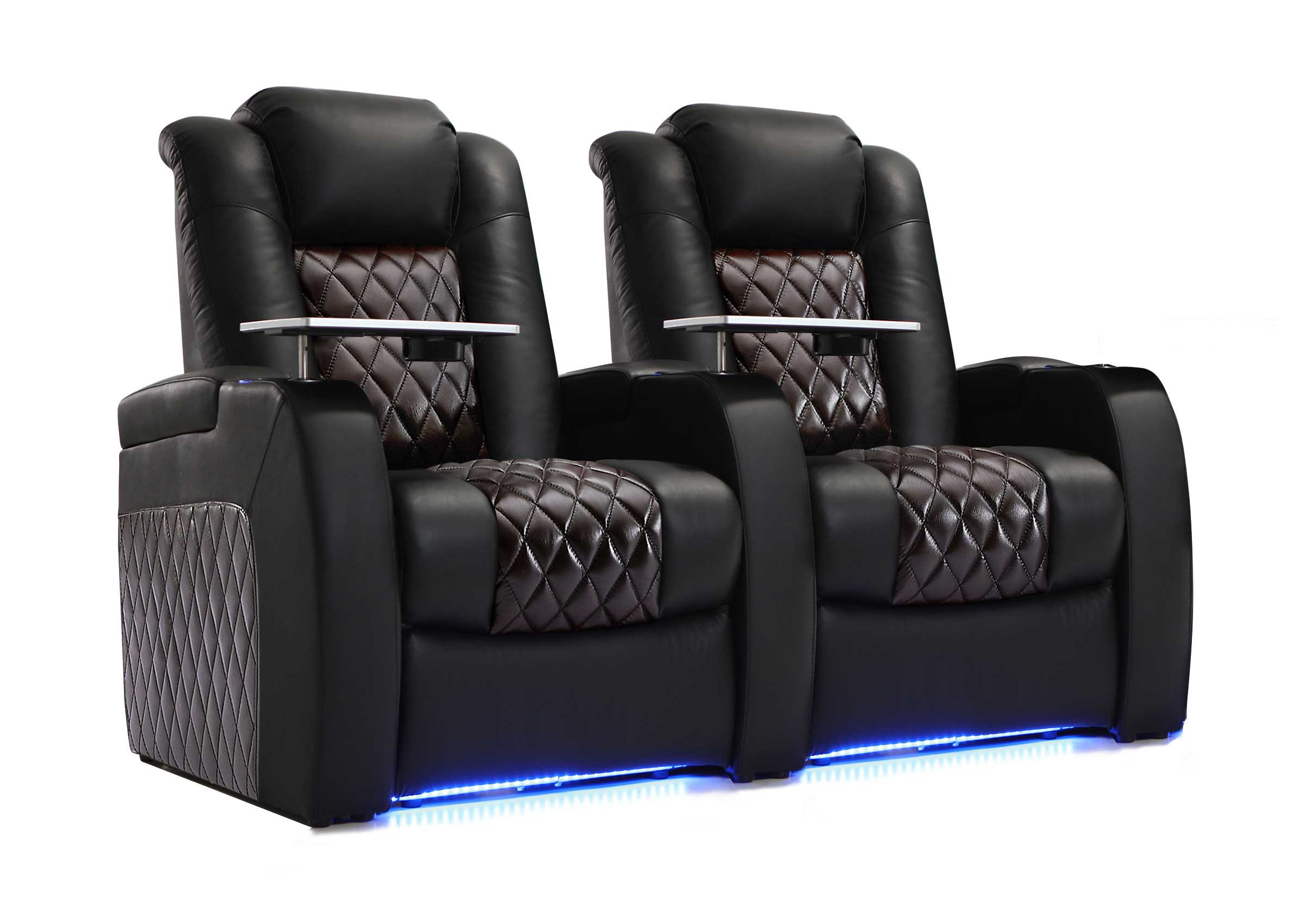
Choose this package when two people use the room regularly and want different sitting positions. The purchase is primarily about how you watch: one person may sit upright while the other extends a footrest. A two-seat reclining arrangement can suit that habit, provided its complete footprint works in your room.
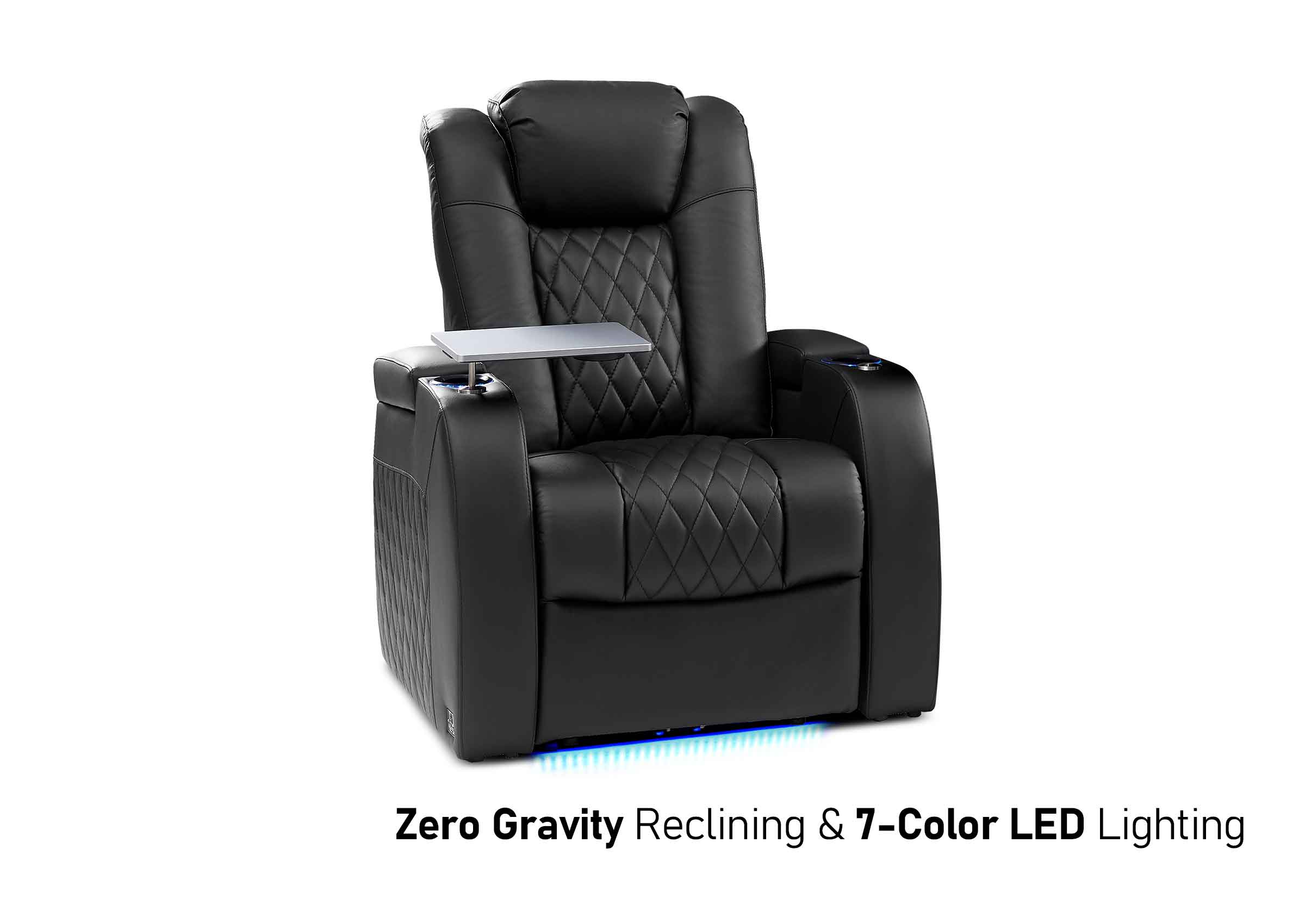
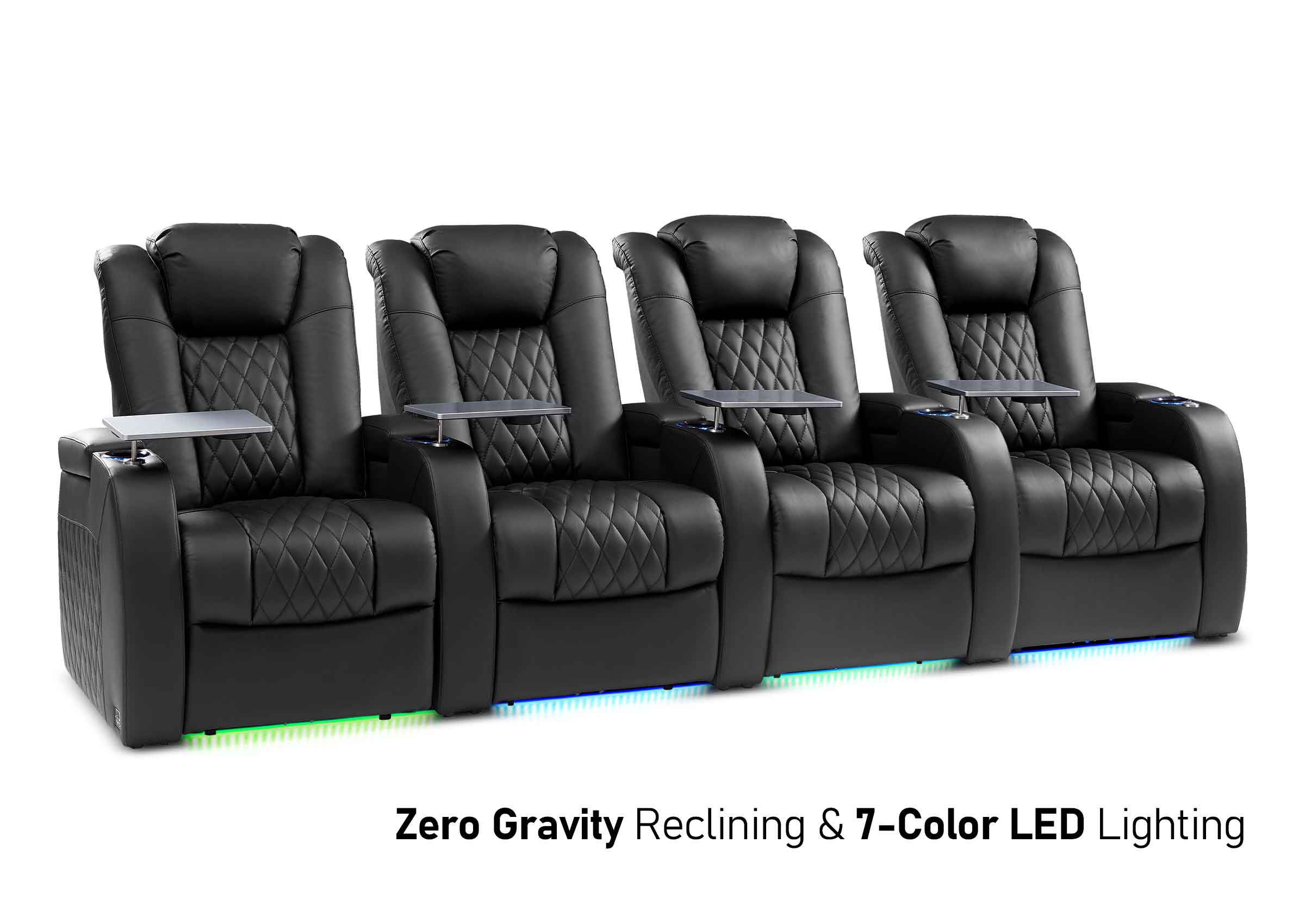
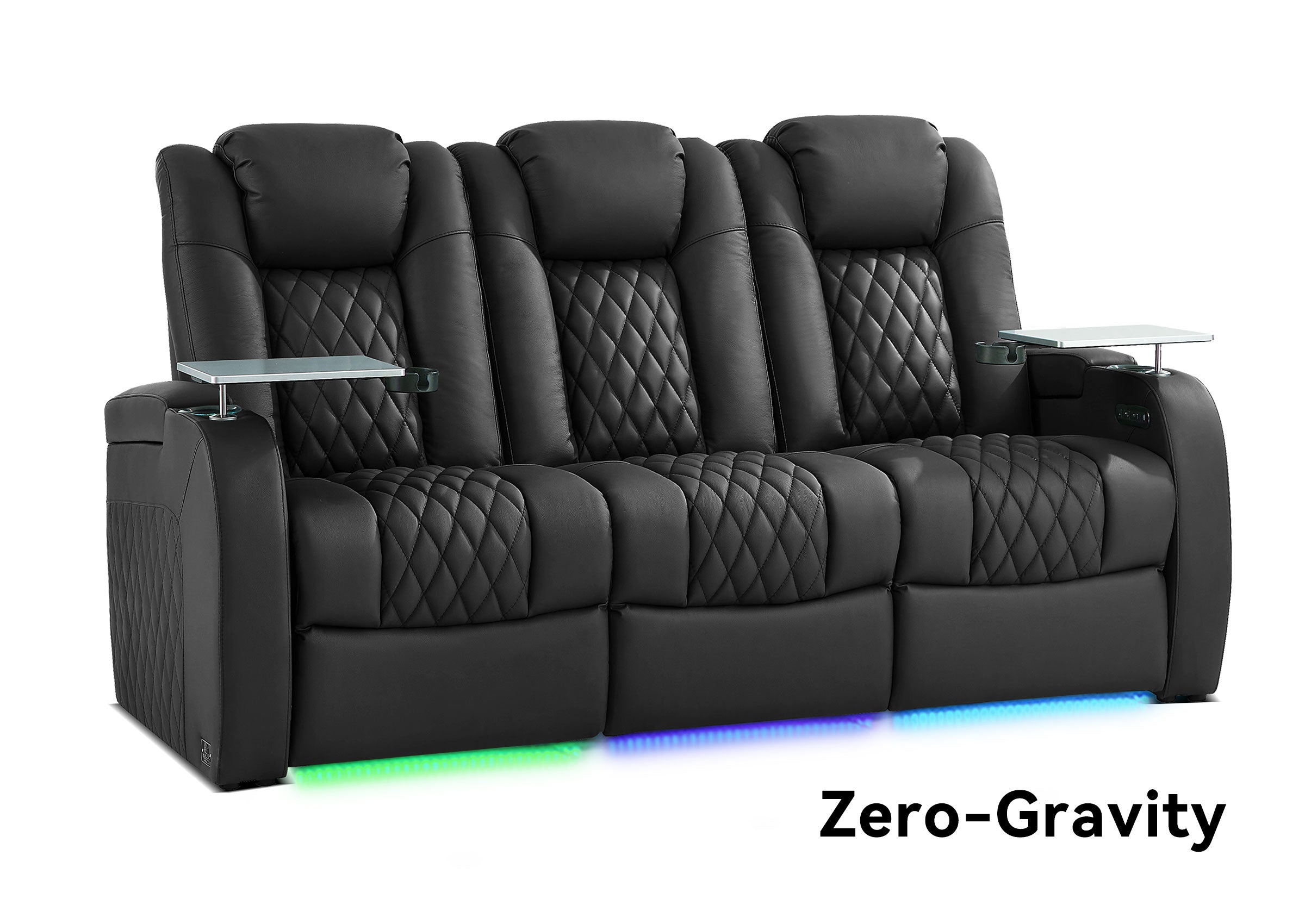
Keep a television and cabinet that already serve you well. Compare a two-seat row, a reclining loveseat configuration, and two individual chairs. Check the actual armrest arrangement: a shared lounging surface and two clearly separated seats offer different experiences, even when both are sold as seating for two.
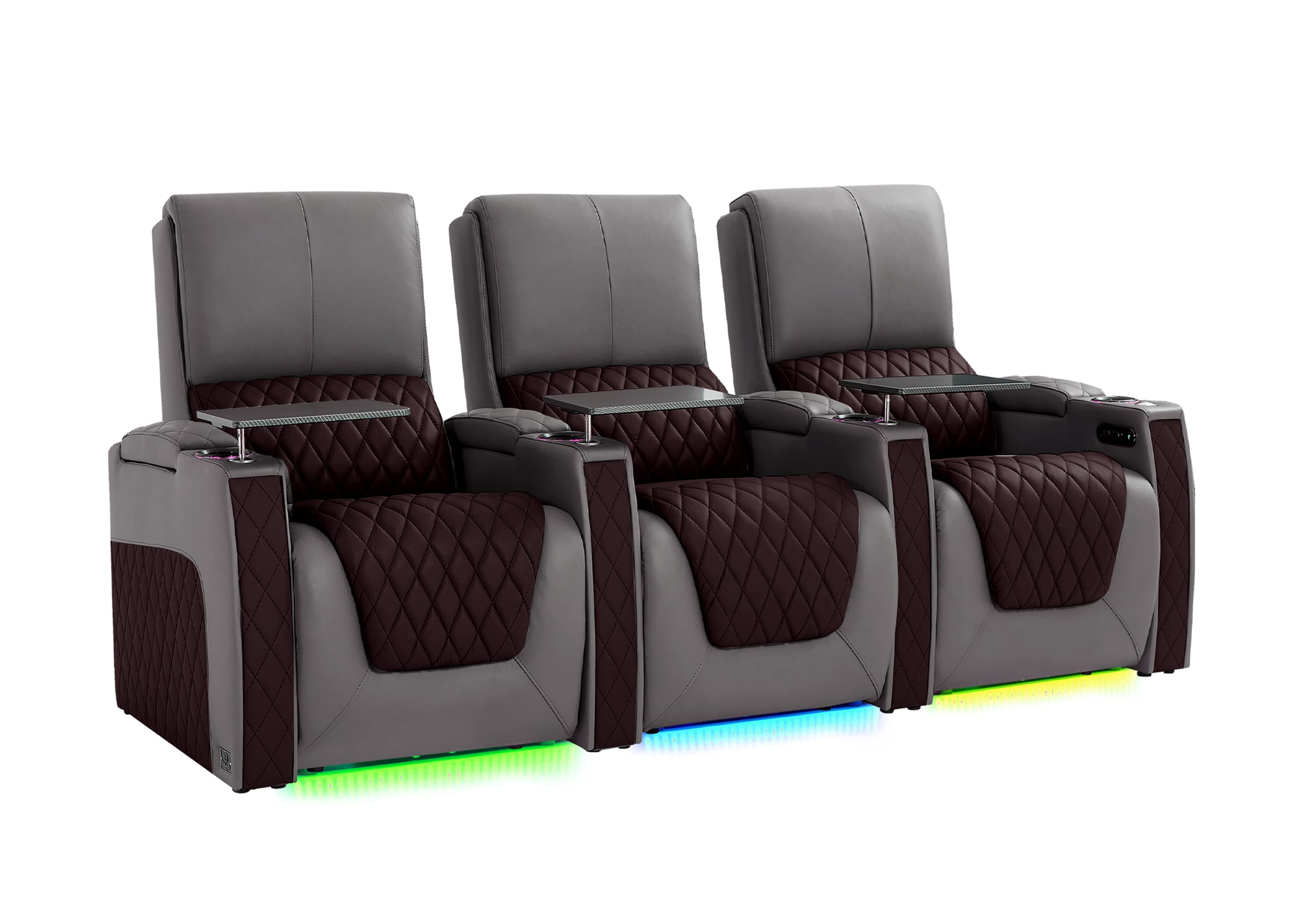
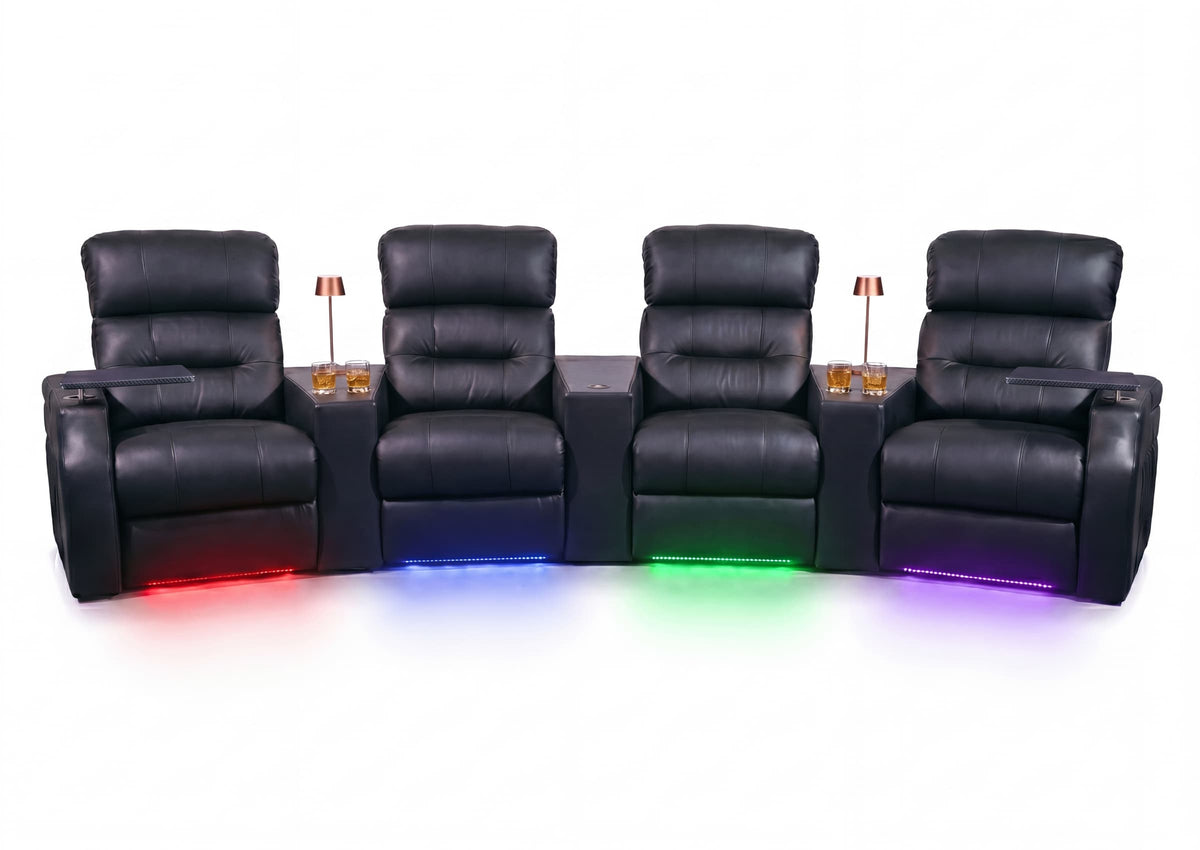
Compare where the arms, shared console and included trays put the things you use. A console can provide storage but adds width; separate chairs may allow different positioning but each still needs usable access. Two seats do not automatically make a configuration compact. Keep familiar wood and textile tones around the chosen seating rather than expanding the purchase into a new decorative scheme.
Before ordering, mark both upright and fully reclined footprints using the selected product's measurements. Open the cabinet, approach each seat, and check where drinks would sit. Include any tray's movement. A footrest that stops short of a table can still leave no comfortable route around it.
Check width and depth separately. As a hypothetical width check, a 132-inch usable wall minus a 76-inch arrangement and an 18-inch side table leaves 38 inches in total, before any other obstructions. That remaining space must be assigned to the actual access route; it is not an aisle on each side or a clearance recommendation. If the table consumes the route you need, use an included tray where suitable or change the arrangement before buying.
Test the viewing position, too. Reclining changes where your head rests and how you look toward the screen; an adjustable headrest is useful only if its range suits the position you want. Product measurements and videos can help narrow the choice, but they do not establish personal comfort. For a fuller measurement process, use our small-room home theater setup guide.
Buy a separate side table only if the seating's included surfaces do not meet your needs. Skip a central coffee table if it would occupy the footrest area. If the arrangement cannot open and remain usable, keep the sofa-and-ottoman approach or compare a different chair footprint.
Test two situations on the same sketch: both people watching with their preferred positions, and one person getting up while the other remains reclined. If passing requires the second person to close the footrest every time, decide whether that compromise suits your household before ordering. Mark cabinet-door swings and the path back into the room; spare floor area in another corner does not solve a conflict at the doorway.

COMPLETE YOUR ROOM
Find the Two-Seat Arrangement for Your Room
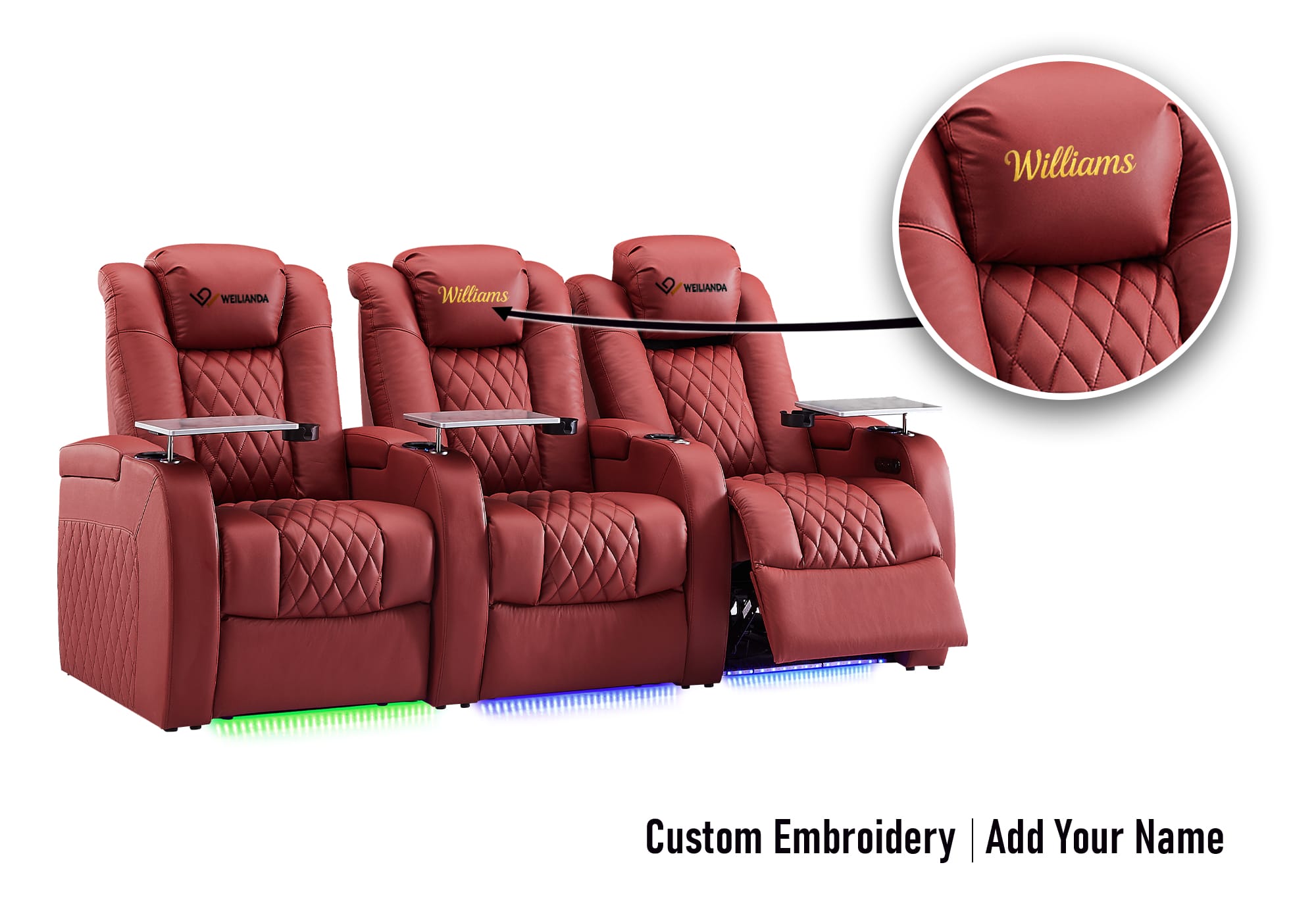
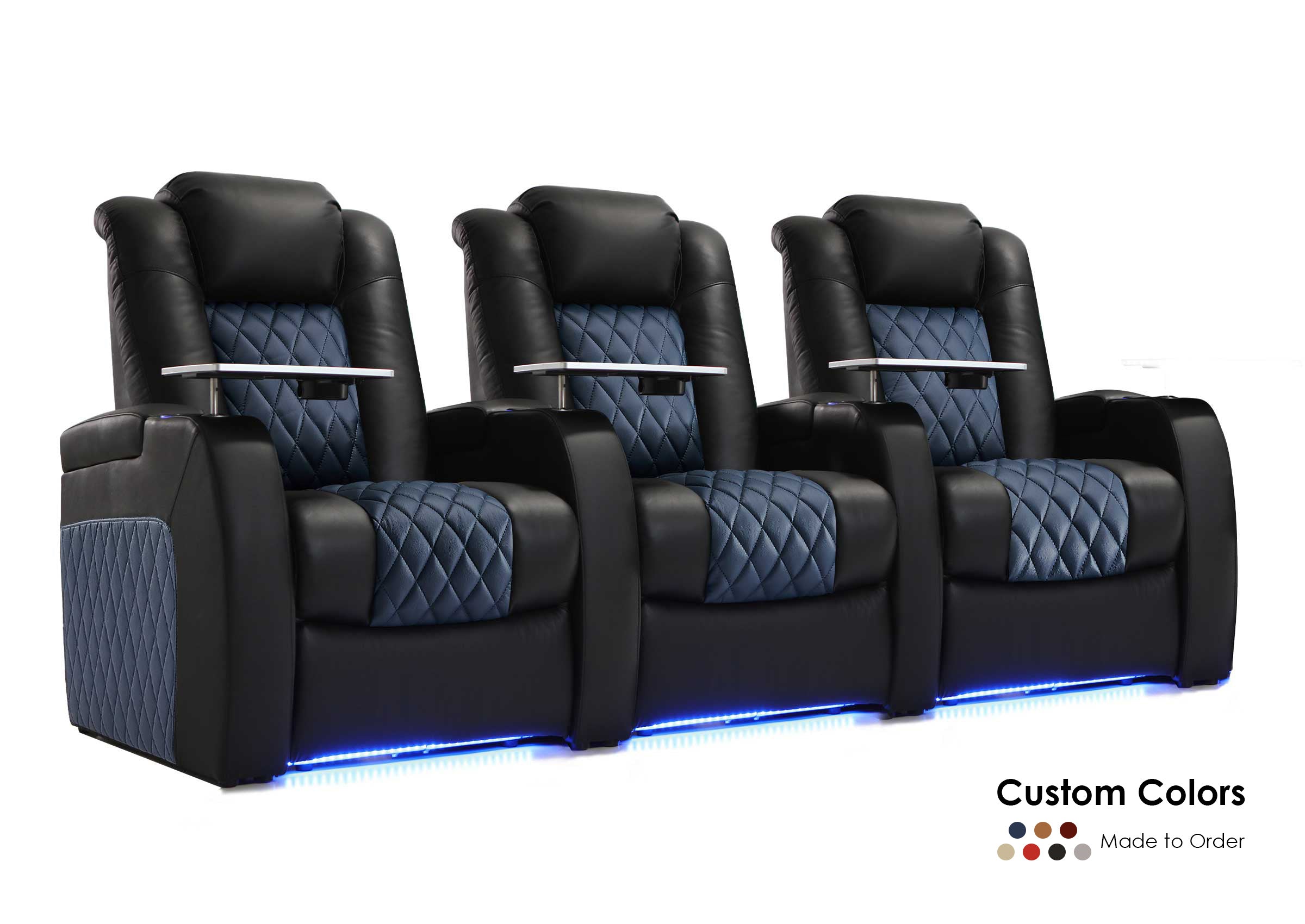
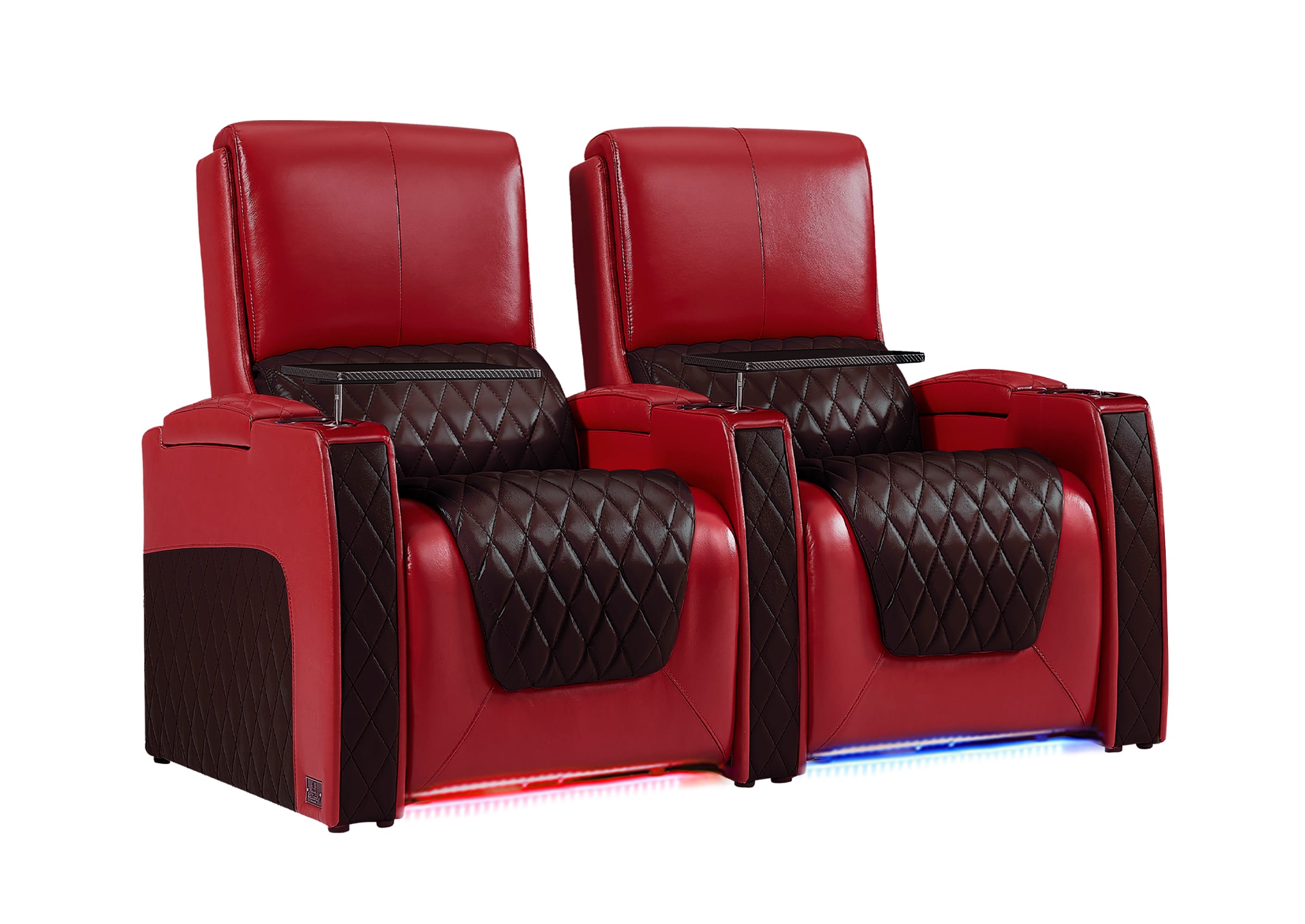
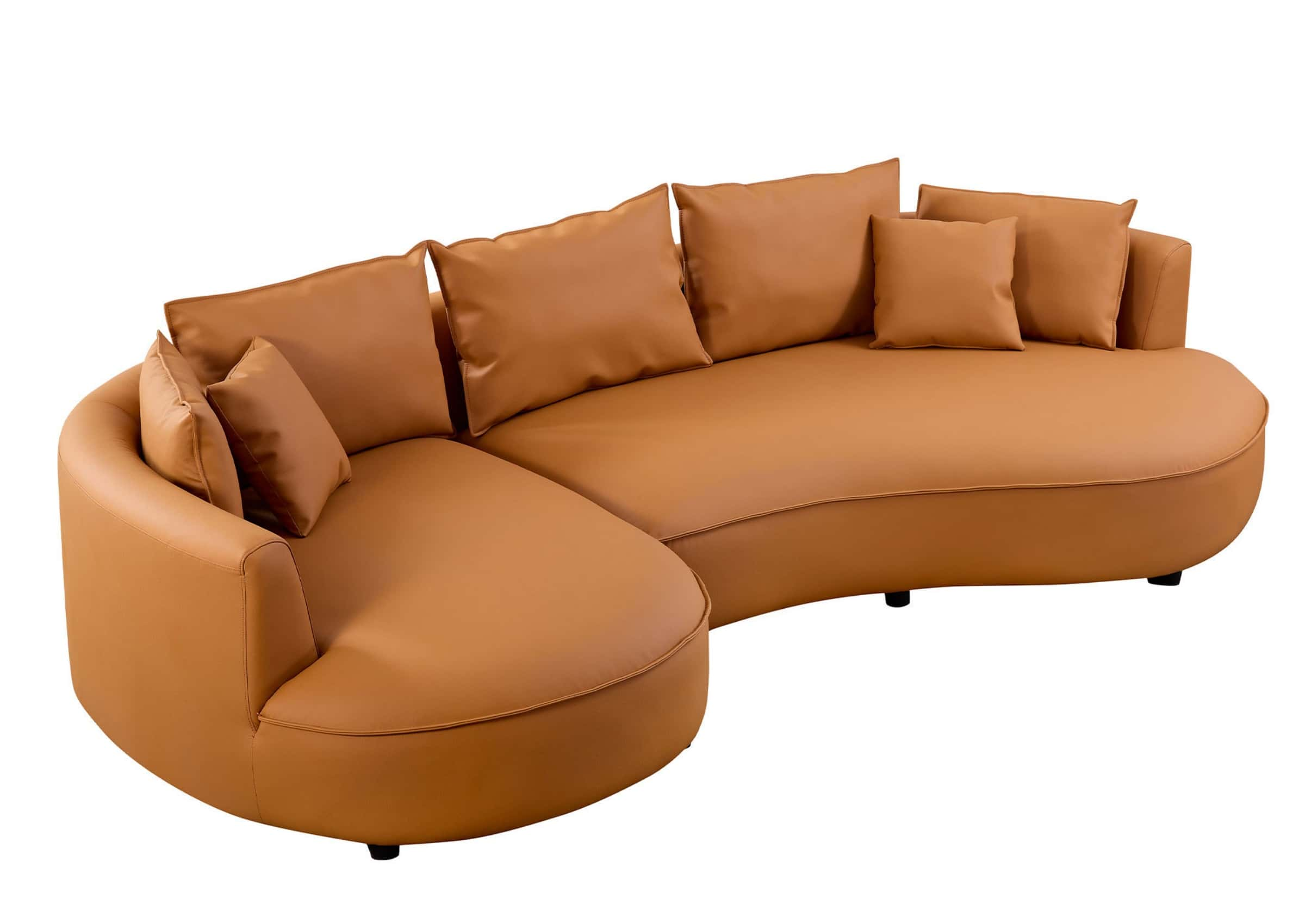
If the two-person package best matches your household, compare Weilianda's two-seat configurations. Look at the complete arrangement and included features, then check its open dimensions against your plan before choosing a finish.
Give a Family Lounge Extra Seats Without Permanent Crowding
For a household that watches, plays games, and sometimes hosts friends, start with the regular viewers. Keep a comfortable sofa or sectional if it accommodates them well. Add occasional seating for guests instead of buying a permanently larger arrangement for a few busy evenings.
One combination is the existing sofa, seat-rated upholstered ottomans, a nesting table, and a useful low cabinet. Start with the number of additional seats you actually need. Coordinate a new piece with a color already in the room, but do not buy two ottomans merely because a styled arrangement shows a pair.
The ottomans need an everyday parking place, such as beside the sofa within the seating area. On movie night, they can move into positions with a view; afterward, they return without blocking a doorway. Check their stated seating capacity and whether the intended users find the height comfortable. A footstool is not automatically a guest chair.
If an older guest regularly visits, an occasional upright chair may be more useful than a low ottoman. Test it at the proposed viewing angle before buying. Flexibility should describe something the household can comfortably use, rather than furniture that is merely easy to move.
Check the expanded arrangement as well as the everyday one. When the nesting tables are separated, do their legs occupy the ottoman positions? Can the cabinet open with guests seated? If moving the seats blocks the door or the only place to put drinks, reduce the guest count or choose a different arrangement. A flexible seat needs a watching position, a parking position and a workable move between them.
Complete the package with storage that children or guests can return things to: controllers in one drawer, blankets in one compartment, games together. A guest sitting on a storage ottoman should not have to stand whenever someone needs the remote. Keep frequently used items accessible elsewhere.
Skip the second sofa if it turns every evening into a furniture shuffle. You can still make a room welcoming with fewer permanent seats and a clear plan for guests.

Add Light Without Losing a Surface or Walking Route
Keep lighting for watching, reading and finding things after a movie, but choose its physical position before buying another fixture. In a small room, a lamp can compete with drinks, storage access or the route beside a chair. Compare the whole lamp-and-furniture arrangement, not the lamp by itself.
A table lamp may work well on an existing reachable surface. Check the base and shade together: does the shade extend into a headrest's movement, and can you reach its switch while seated? A floor lamp needs its own base footprint and a suitable cable route; a slim stem does not establish that the whole fixture fits.
Where the surface is too small, compare a suitable wall-mounted or rechargeable option. A wall light can release table space but may introduce mounting or installation work. A rechargeable lamp needs a practical place to charge and controls that suit the routine. Follow the selected product's instructions; do not assume every fixture can be dimmed or installed the same way.
Test reflections from each regular seat, including the reclined position, with a dark scene on screen. Move an existing lamp to the proposed location before ordering. A light that works from the sofa's center may reflect toward a side seat. Keep enough usable light for moving around; eliminating one reflection should not make the room difficult to use.
Window treatments also need physical space. Check whether open curtains gather behind a chair or beside a cabinet door, and whether an inside-mounted shade suits the window and required light control. Sheers and blackout layers serve different purposes. Keep an effective existing treatment instead of purchasing another layer for appearance alone.
For seating LEDs, where included, check whether they can be dimmed or switched off independently as needed. Add controls only when they work with the selected lights and reduce a real inconvenience. This phase may require one well-positioned source rather than several new fixtures.
Buy Storage for the Contents and the Open Doors
Make a short inventory before choosing a cabinet: remotes, game controllers, headphones, blankets, discs, and any equipment. Separate objects you put away from devices that must operate inside the furniture.
For everyday accessories, measure the largest item and consider how it will be returned. A shallow drawer may work beautifully for remotes but fail to hold a headset. A lift-top storage ottoman may hold blankets yet be inconvenient if someone must stand up every time a controller is needed.
For equipment, check the device manufacturer's ventilation, access, and installation guidance. Include the space needed for connectors and cables, not just the device's front dimensions. A cabinet that looks tidy with its doors shut is not suitable merely because the equipment fits inside it.
Then test the cabinet in use. Can a drawer open with the footrests extended? Can someone reach a controller without passing directly across the screen? Does opening a door move a guest chair into the route out? Those checks can eliminate the wrong purchase before assembly.
Mark the cabinet body, then the space occupied by its open doors or drawers. Add nearby seats in their extended and guest-use positions. For example, a deeper drawer may hold a headset yet need more room to open than a shallower alternative. Compare storage you can reach while the room is occupied, not just what fits inside the closed cabinet.
If a hinged door conflicts with the chosen seating, compare a different opening style or location. A sliding door may avoid a swing into the room, but it can limit which compartment is accessible at once. Open shelves offer another trade-off: easier access alongside visible contents. Equipment still needs its own manufacturer-specified installation conditions whichever style you choose.
Keep a sound existing cabinet when a better internal arrangement solves the problem. For a more detailed placement and daily reset process, our media-room organization guide explains how to relate storage to where things are used.
Price the Whole Package Before You Judge the Discount
A useful Black Friday budget includes the items required to finish the chosen improvement. First identify which functions the seating and retained furniture already provide. Included trays may remove a separate-table purchase; a suitable existing cabinet may remove a storage purchase. Do not treat every category below as something you must buy.
The following is an illustrative $3,000 planning allowance for the two-person package. These figures are placeholders you replace with actual quotes, not current product prices, a market average, or a complete retail offer.
| Item | Example allowance | What to enter from your shortlist |
|---|---|---|
| Complete seating configuration | $1,900 | Selected seat count, finish, arm layout, and included functions |
| Lamp or lighting improvement | $180 | Required light, compatible controls, and any installation |
| Side surface or storage improvement | $320 | Furniture plus any necessary assembly or fittings |
| Optional textiles or needed window treatment | $200 | Keep this unspent when existing items already work |
| Tax, delivery, assembly, removal, or contingency | $400 | Actual applicable charges; keep unused allowance unspent |
| Total planning allowance | $3,000 | Replace every placeholder before deciding |
For example, if your complete seating quote is $2,200 instead of $1,900, the same package becomes $3,300 unless something changes. Omitting the planned $320 storage purchase because your existing cabinet meets the need would bring it to $2,980. That is a clear tradeoff; assuming a larger discount will appear later is not a plan.
The priority can change for another package. With a retained sofa, one combined surface-and-storage purchase may be enough. With unsuitable seating, postpone decorative additions before compromising the arrangement you need every day. If the selected seats already provide suitable surfaces, remove the redundant allowance instead of spending it automatically.
Check Weilianda's current Black Friday offer and conditions for the selected configuration. The public page reviewed on November 5, 2026 describes checkout-applied promotions and qualifying gifts. Use the final configuration and checkout total; do not apply an advertised percentage a second time to a price that may already reflect a promotion.
Order in a Sequence That Protects the Finished Room
Start with the item whose dimensions determine the other purchases. That might be reclining seating, or a cabinet if your existing seating is staying. Confirm its exact configuration, delivery access, included components, and applicable terms before ordering dependent tables or storage.
Next, finalize lighting and window treatments around the planned seat and screen positions. Keep measurements for cabinet doors, recliner movement, and lamp bases on the same sketch. Buy decorative finishing pieces last, when you can see which colors and textures the room still needs.
Ordering need not mean buying every item on different days. If an offer ends soon, you can compare the package together—but do not commit to several purchases that depend on an unconfirmed size. Keep flexible items flexible, and check return conditions before relying on the ability to change your mind.
When the pieces arrive, test a normal evening before removing the old furniture you still have room to retain temporarily. Sit, recline where applicable, adjust the lights, use the storage, and let another person walk through. If a decorative purchase makes those tasks harder, move or omit it. The finished room should be easier to enjoy than the room you started with.
Small Media Room Upgrade FAQ
What should I upgrade first if I can only buy one thing?
Choose the purchase that addresses your most persistent problem. If the sofa is comfortable but the ceiling light makes evening viewing unpleasant, test a shaded lamp or better window control first. If you cannot settle into the seat, compare seating before buying decorative accessories. Repositioning what you already own can help identify the right purchase without spending the allowance twice.
Is two-seat reclining furniture always the best choice for a small room?
No. Two seats describe capacity, not the complete footprint or how people want to lounge. Armrests, consoles, back movement, and footrests can change the space required. Compare the exact configuration in use with a sofa-and-ottoman alternative. Choose independent reclining when both regular viewers value it and the room remains usable when it opens.
Should I buy a larger TV during Black Friday too?
Only if the current television leaves a problem the room changes will not solve. Watch from the intended seats after addressing obvious reflections and placement. If size or performance still falls short, compare screens for that viewing position. Also check the selected screen's actual width against the available wall and its relationship to storage and speakers. A larger television does not fix an awkward seat, and purchasing it may remove the budget for the improvement you wanted most.
How do I add holiday guest seating without making the room cramped?
Choose an occasional seat that has both a useful viewing position and a place to go afterward. A seat-rated ottoman, movable chair, or another suitable spare seat can work; test its comfort and sightline rather than counting it as equal to the main sofa. Test the arrangement with tables in use and cabinet doors open, not just all the seats pushed together. If there is no storage or parking space, one good extra chair may be more practical than several small pieces left in the walkway.
Is it worth spending more to qualify for a promotional gift?
Only when the extra purchase independently belongs in your plan. Compare the additional spending with what you would otherwise buy and actually use; do not treat the gift's advertised value as cash saved. Check the current qualifying subtotal, eligible items, availability, and terms. A room that meets your needs below a threshold can be the better outcome.
Can I plan the upgrade for a specific holiday gathering?
Yes, but distinguish dispatch estimates from delivery to your address and the time needed for assembly or installation. Confirm the selected configuration and service before depending on a date. Keep a usable fallback arrangement until the new room is ready. Lamps, textiles, and rearrangement may provide a useful interim refresh without forcing a furniture order that does not fit.
Bring a Complete Small-Room Plan to Your Seating Choice
Save your chosen package, the furniture you are keeping, the room sketch, and your whole-room spending limit. Decide which seats will be used regularly and which functions matter before comparing finishes or optional extras.
For help narrowing a Weilianda seating configuration, send those details through Weilianda Support or email leon@weiliandahome.com. Include your proposed arrangement and available space so the discussion can focus on the product dimensions and options you still need to verify.