












Small media room ideas can be warm and light, dark and enveloping, or full of books, films, and personal collections. A compact room does not have to look like a miniature commercial theater. A few well-chosen pieces can give it a complete identity—and make it somewhere you want to spend an evening.
Start with the scene that appeals to you: two people stretching out for a movie, a family sharing a sofa, or friends talking with the screen switched off. The combinations below bring seating, color, lighting, and storage together. Borrow a whole look or just the details that work with furniture you already own.
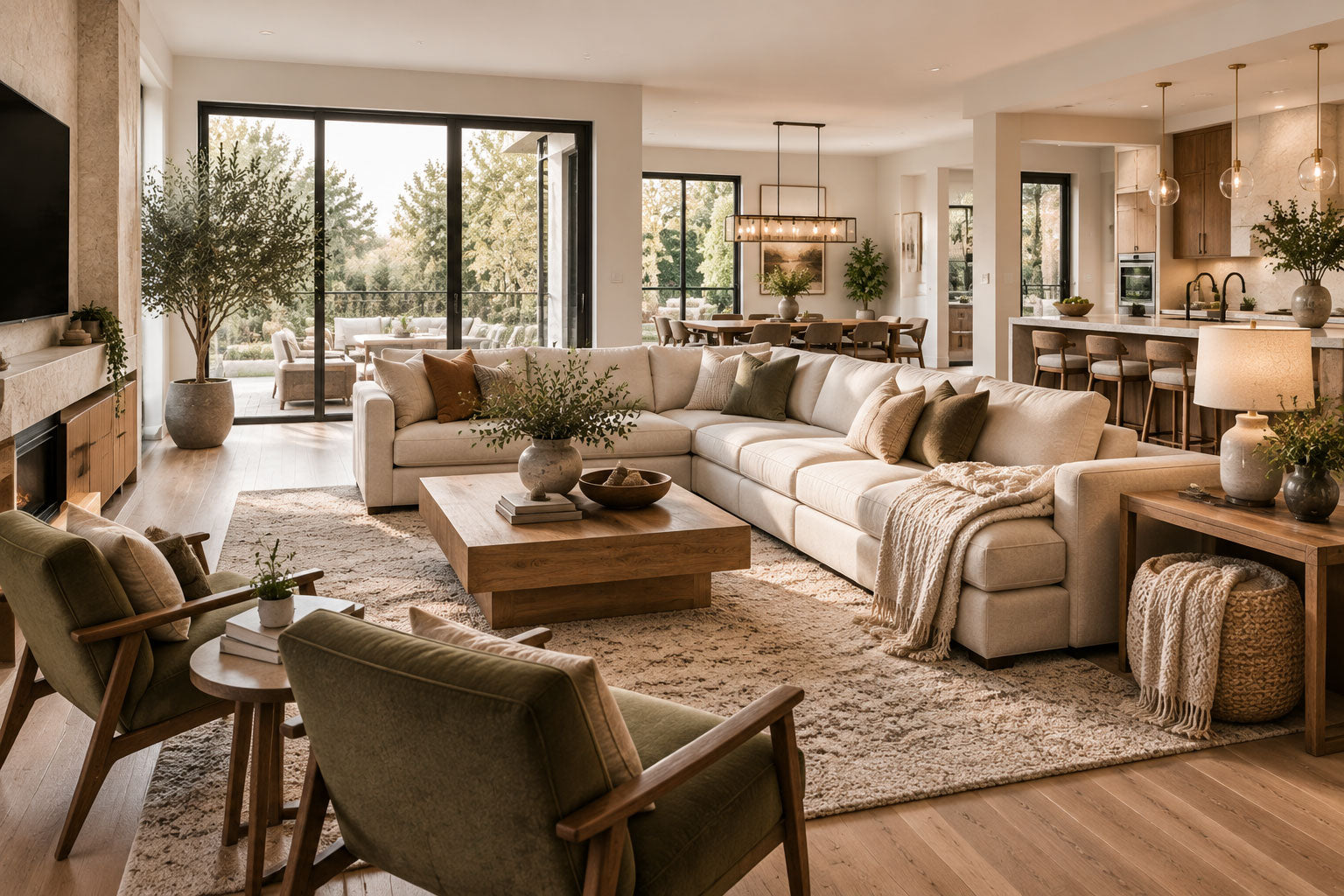
A Warm Neutral Den With Real Texture
Picture a small sofa in oatmeal fabric, a low oak cabinet, a cream-and-tan patterned rug, and a shaded lamp beside your favorite seat. The palette is quiet, but the different surfaces keep the room from feeling flat.
This is an inviting direction for a media room that also gets used for reading, casual conversation, or an afternoon break. Choose a warm white or soft mushroom wall color, then repeat a darker accent in a picture frame, lamp base, and small table. An olive throw or a muted terracotta cushion can give the neutrals a little life.
You can start with an existing gray sofa, too. Try warm wood, off-white textiles, and one olive or rust accent before deciding that the upholstery needs to change. Look at the actual fabric beside your paint and rug choices; two colors described as “warm neutral” may still look quite different together.
Keep the furniture mix simple: one comfortable sofa, somewhere to put a drink, and storage for the things you use. A little visible floor and an uncluttered tabletop can be more welcoming than several small decorative pieces squeezed into every gap.
An Inky-Blue Room Made for Evening Movies
For a more cocooning atmosphere, imagine deep navy walls, a charcoal sofa, a tobacco-colored throw, and small pools of warm light. Dark wood or a dark-painted media cabinet helps the screen wall feel part of the room rather than a collection of unrelated objects.
You can carry the color around the room for a wrapped-in feeling, or keep the surrounding walls lighter and use navy only behind the screen. The second approach is a useful alternative when the room also serves as a daytime sitting space.
Let the details soften the darker palette. A textured rug, a little brass in a lamp, and a pale cushion give the eye something to settle on. A framed print or two can add character without turning every wall into a cinema-themed display.
Check the lamps from the seats you will actually use. A bulb that looks attractive from the doorway may be uncomfortable in your line of sight or reflect in the screen. Try changing its position or using a shaded light before assuming that more brightness—or more darkness—is the answer.

A Two-Person Movie Nook
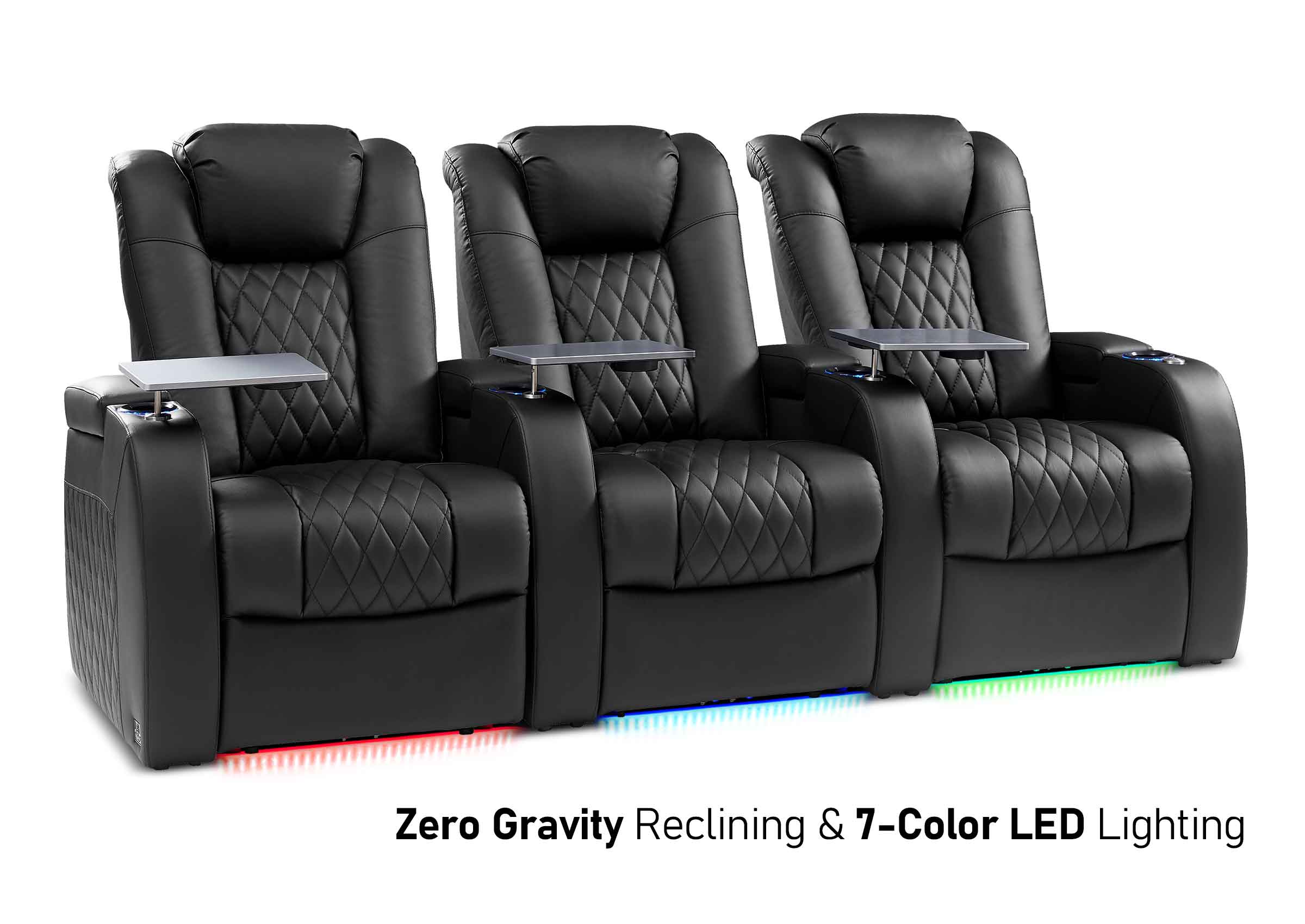
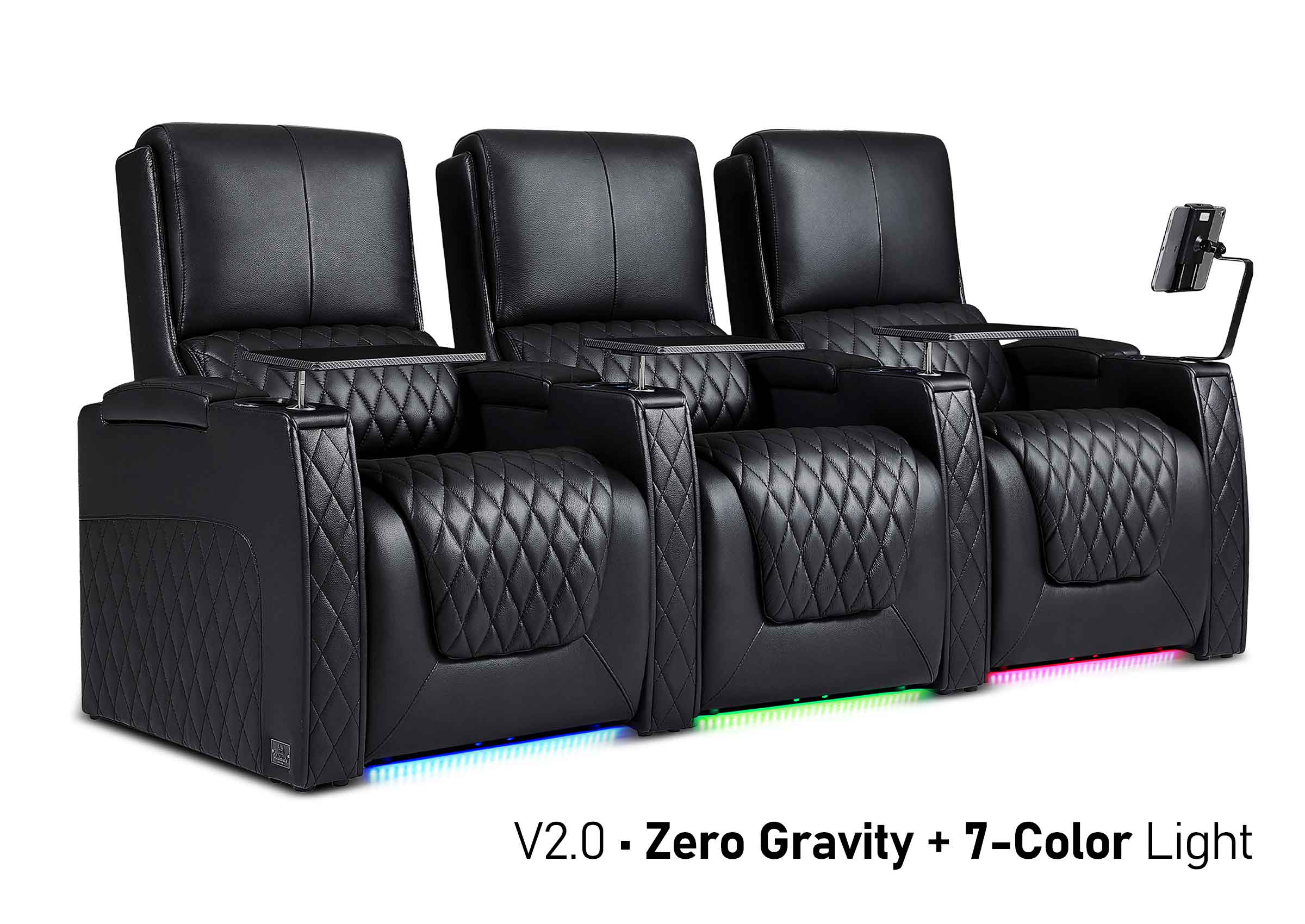
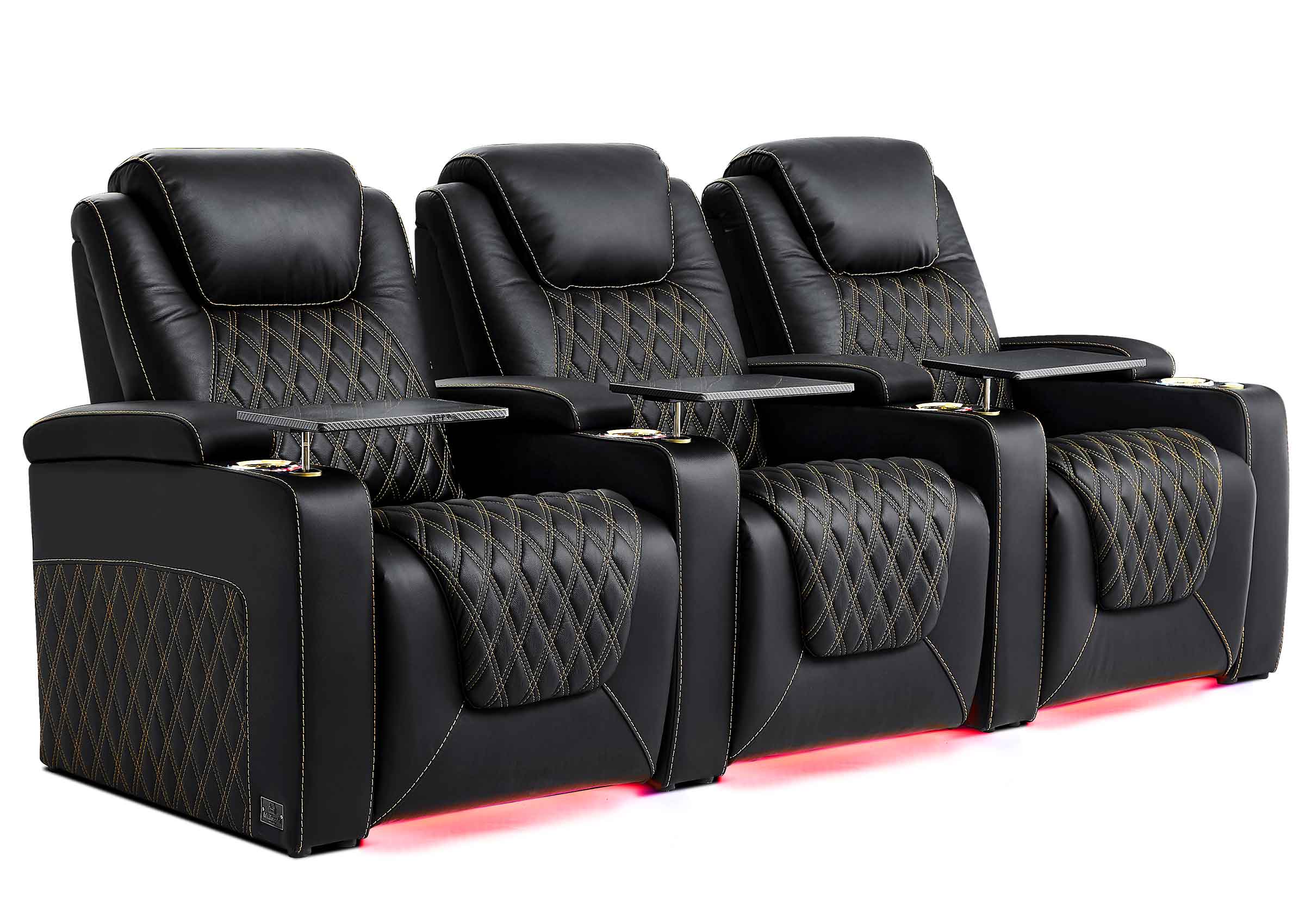
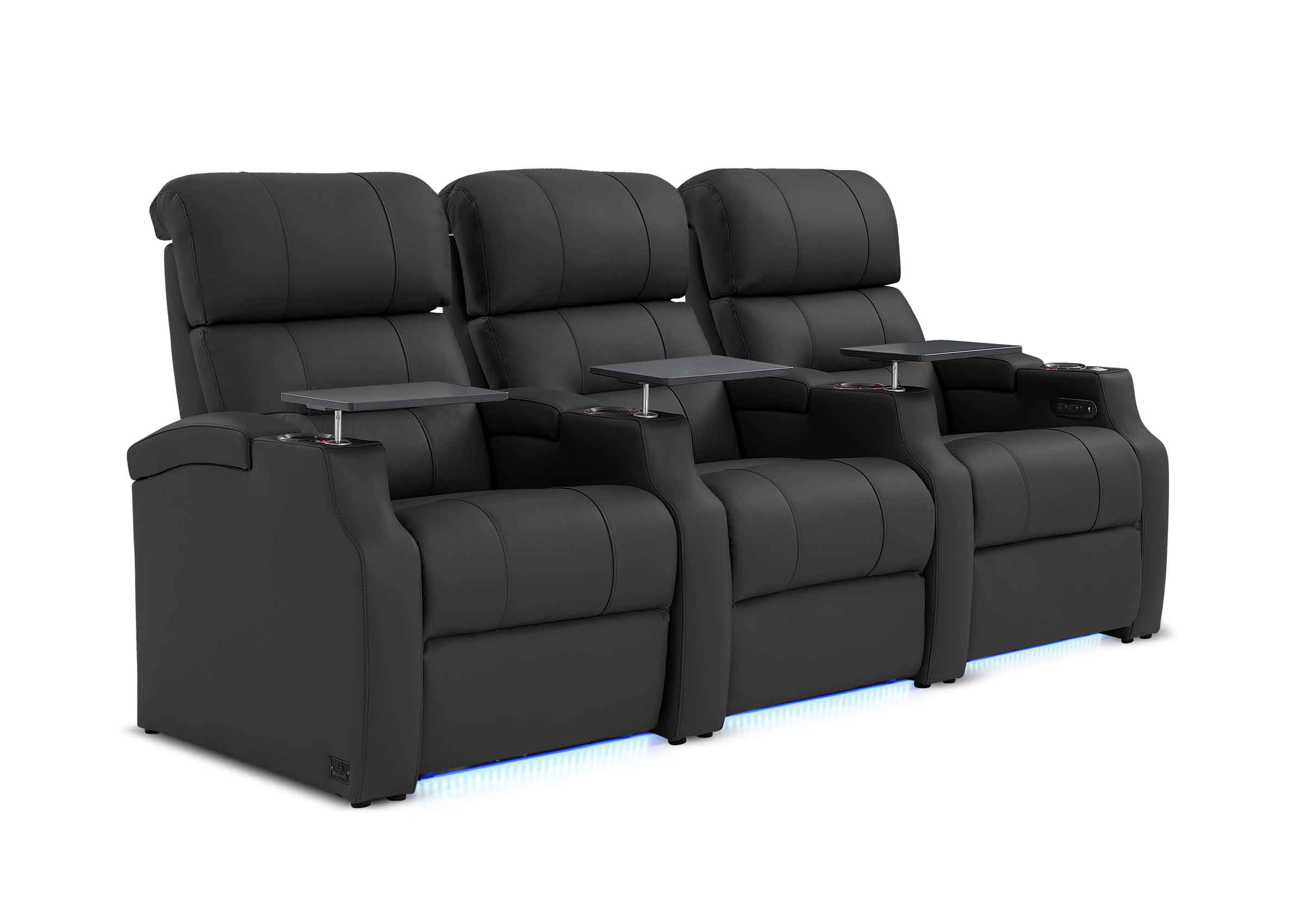
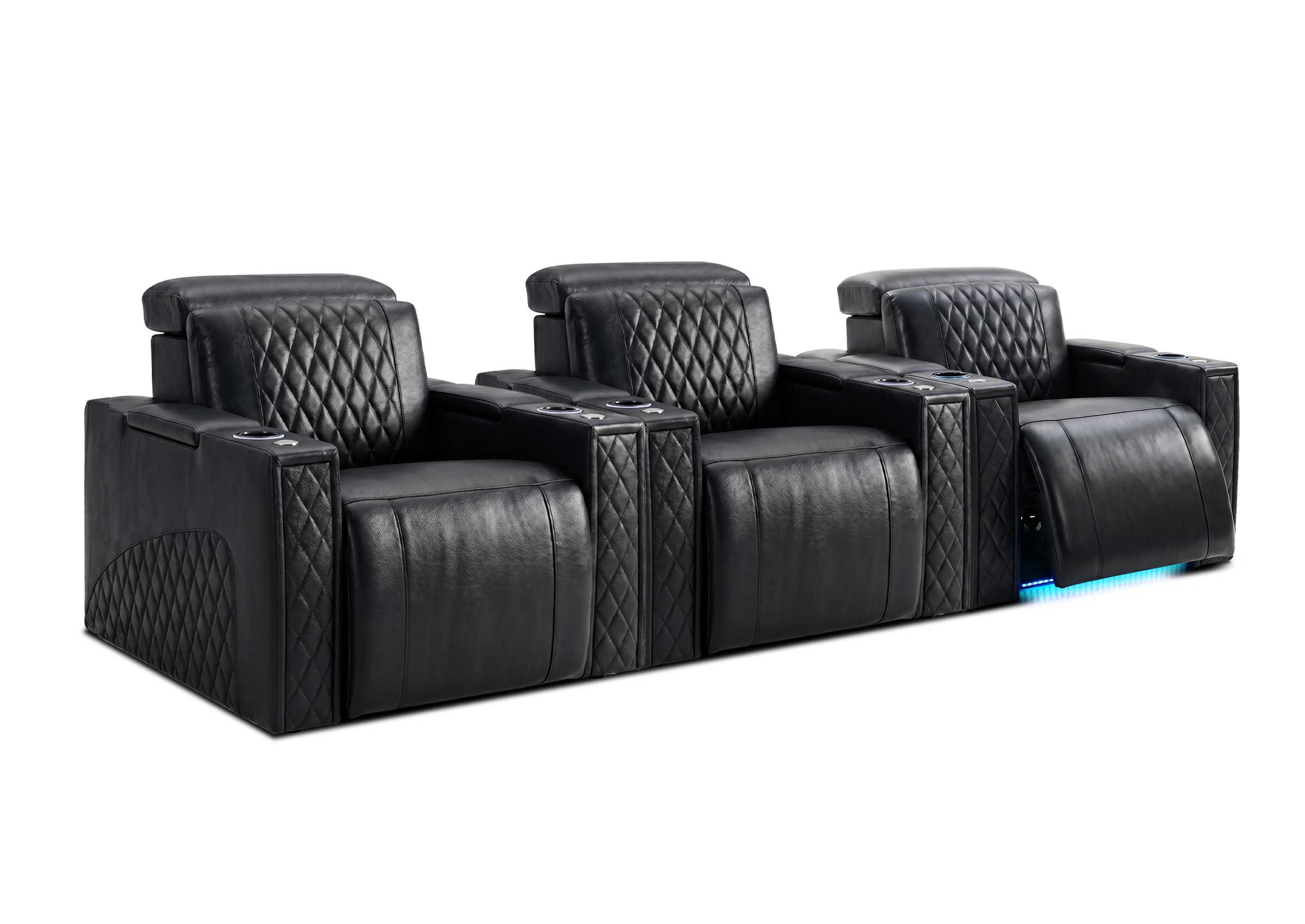
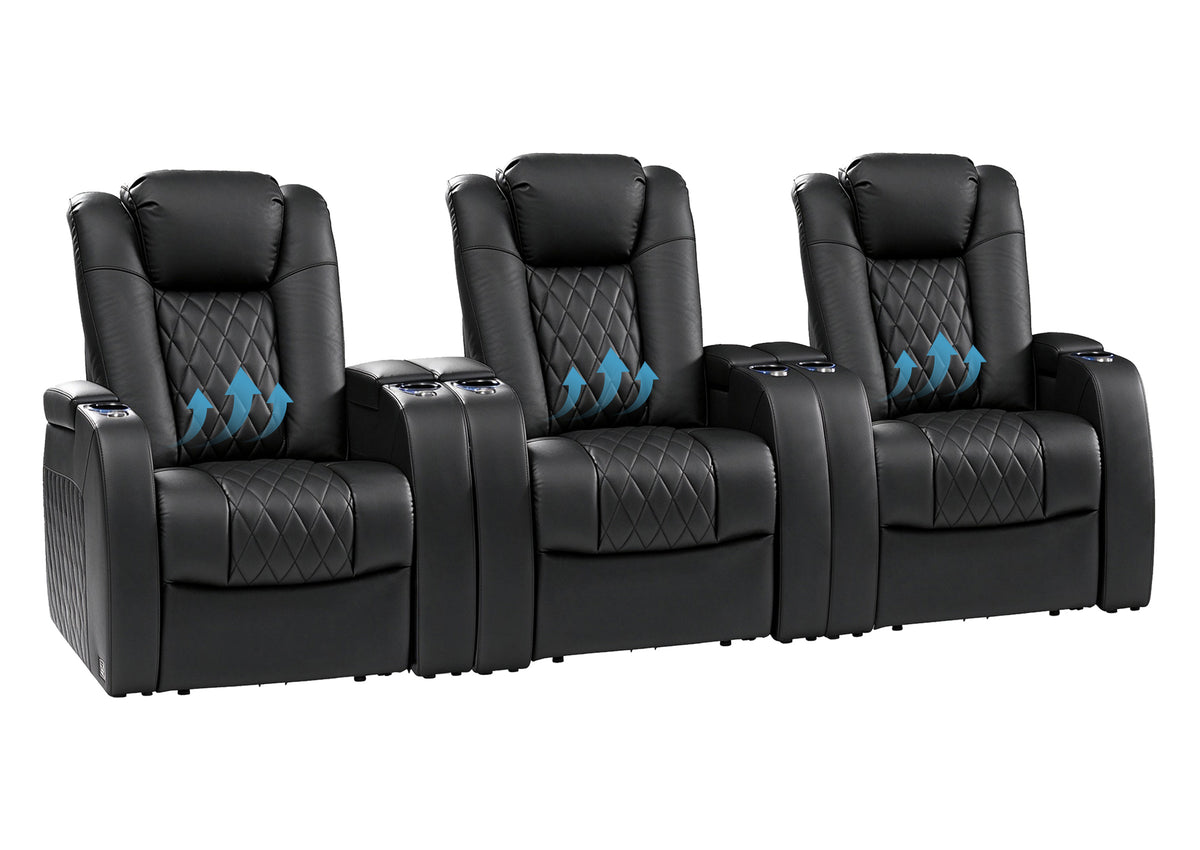
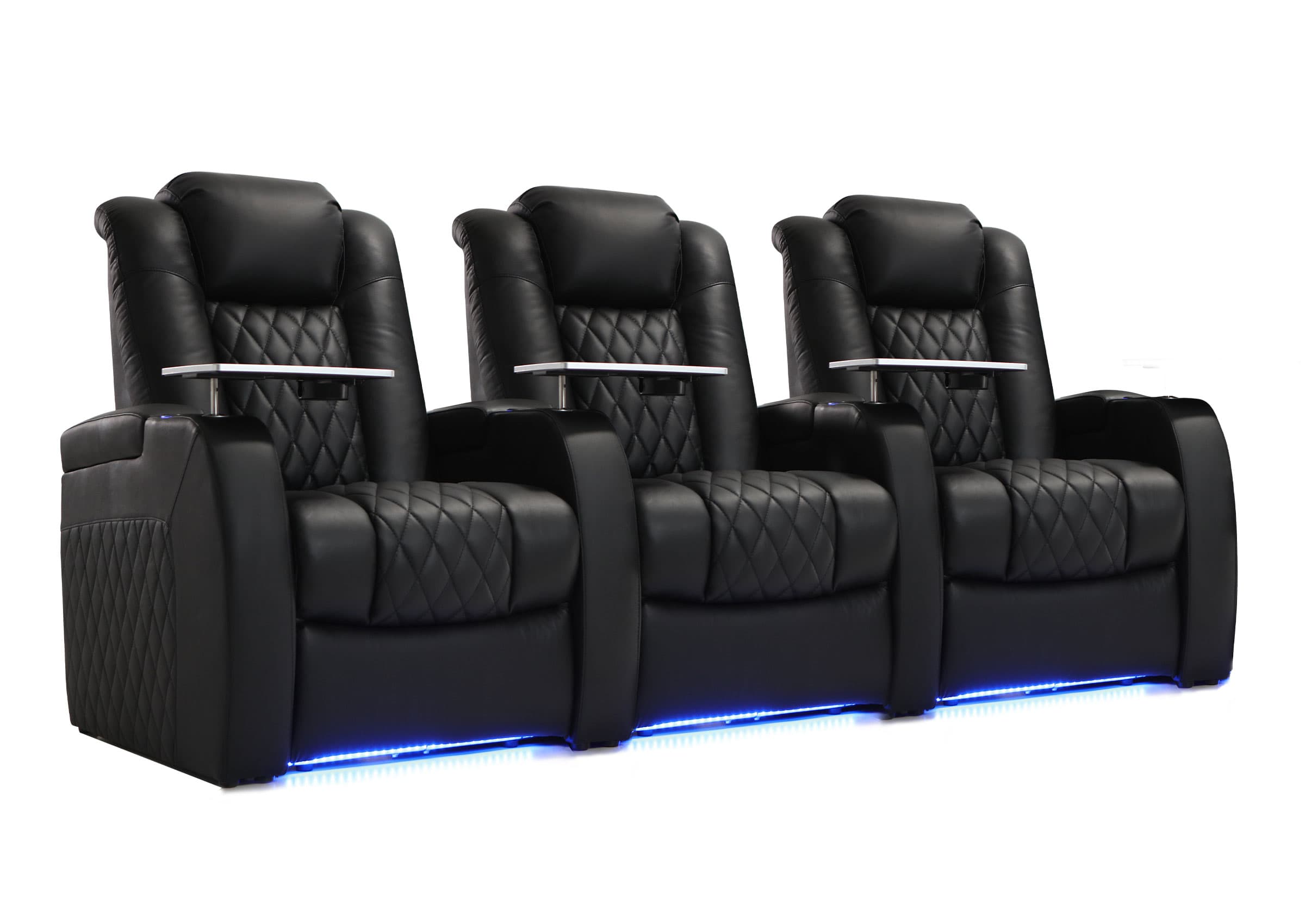
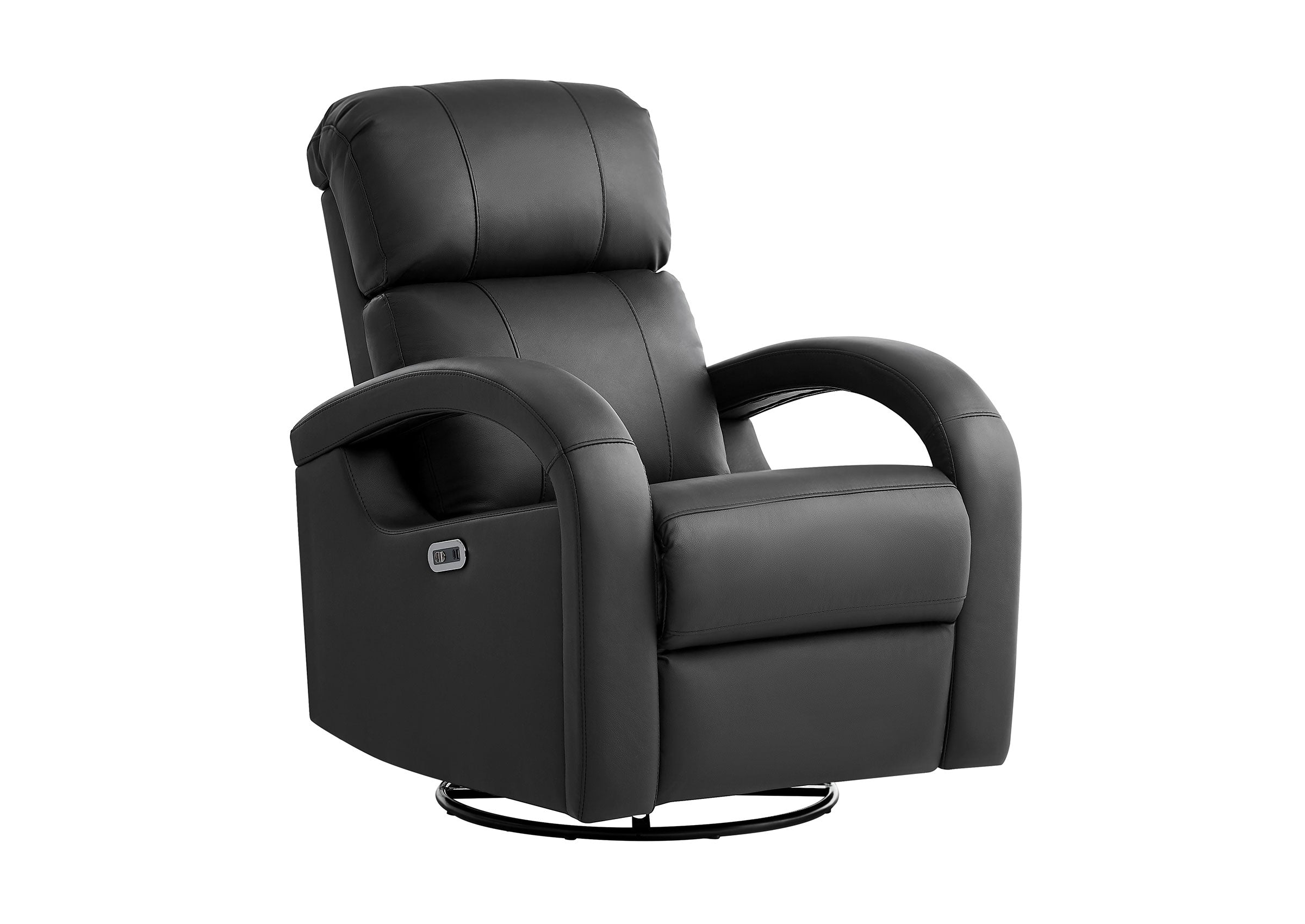
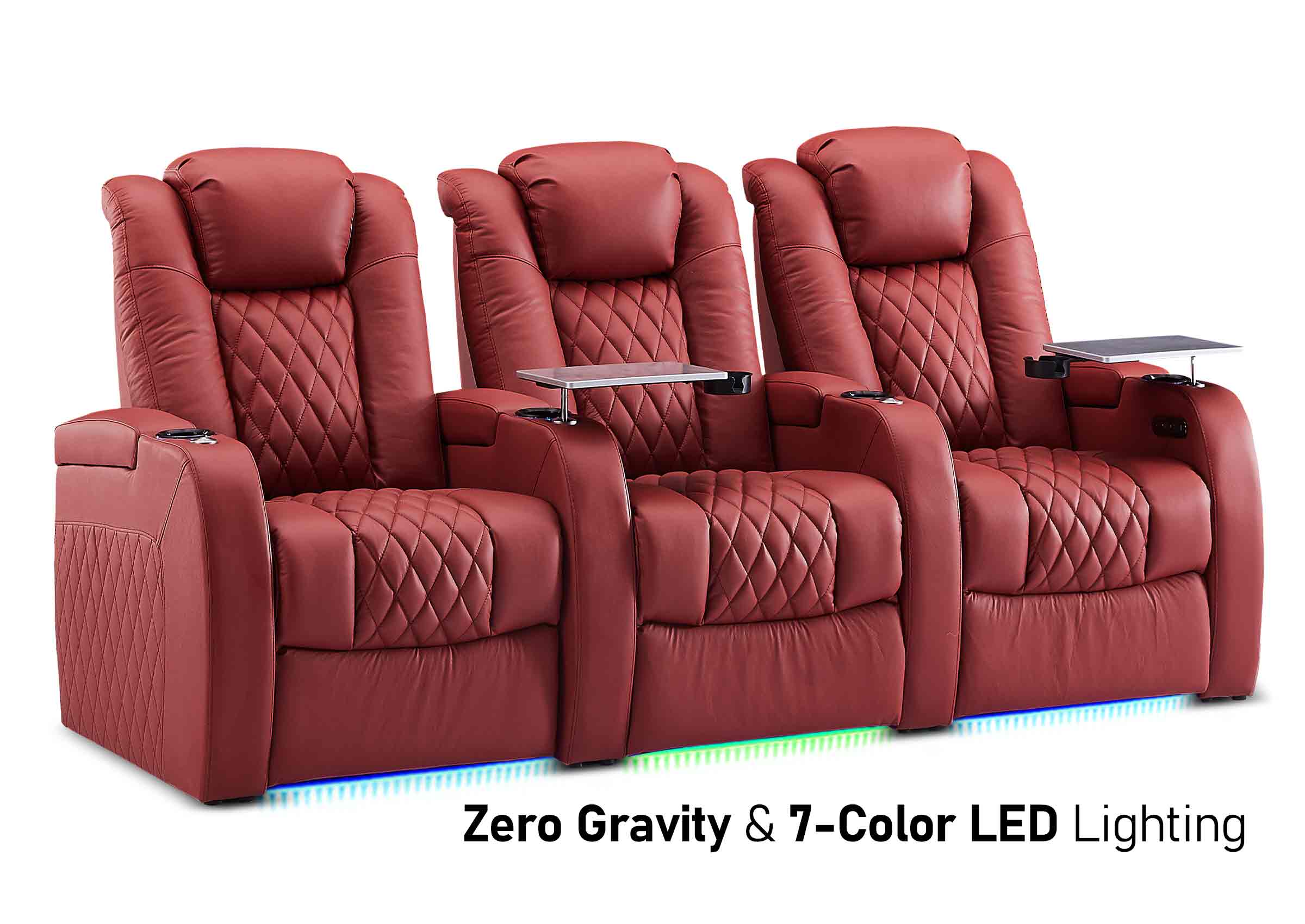
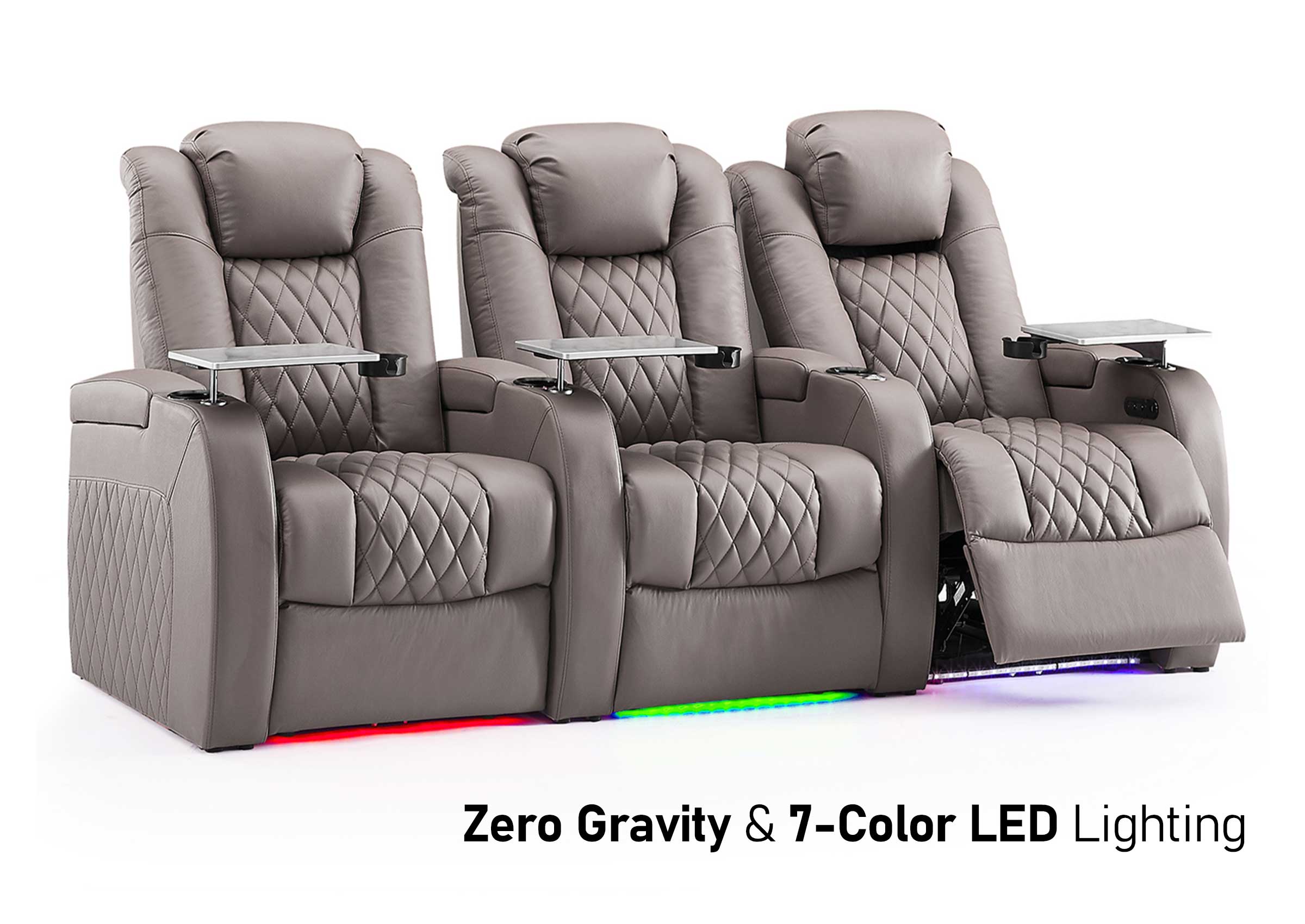
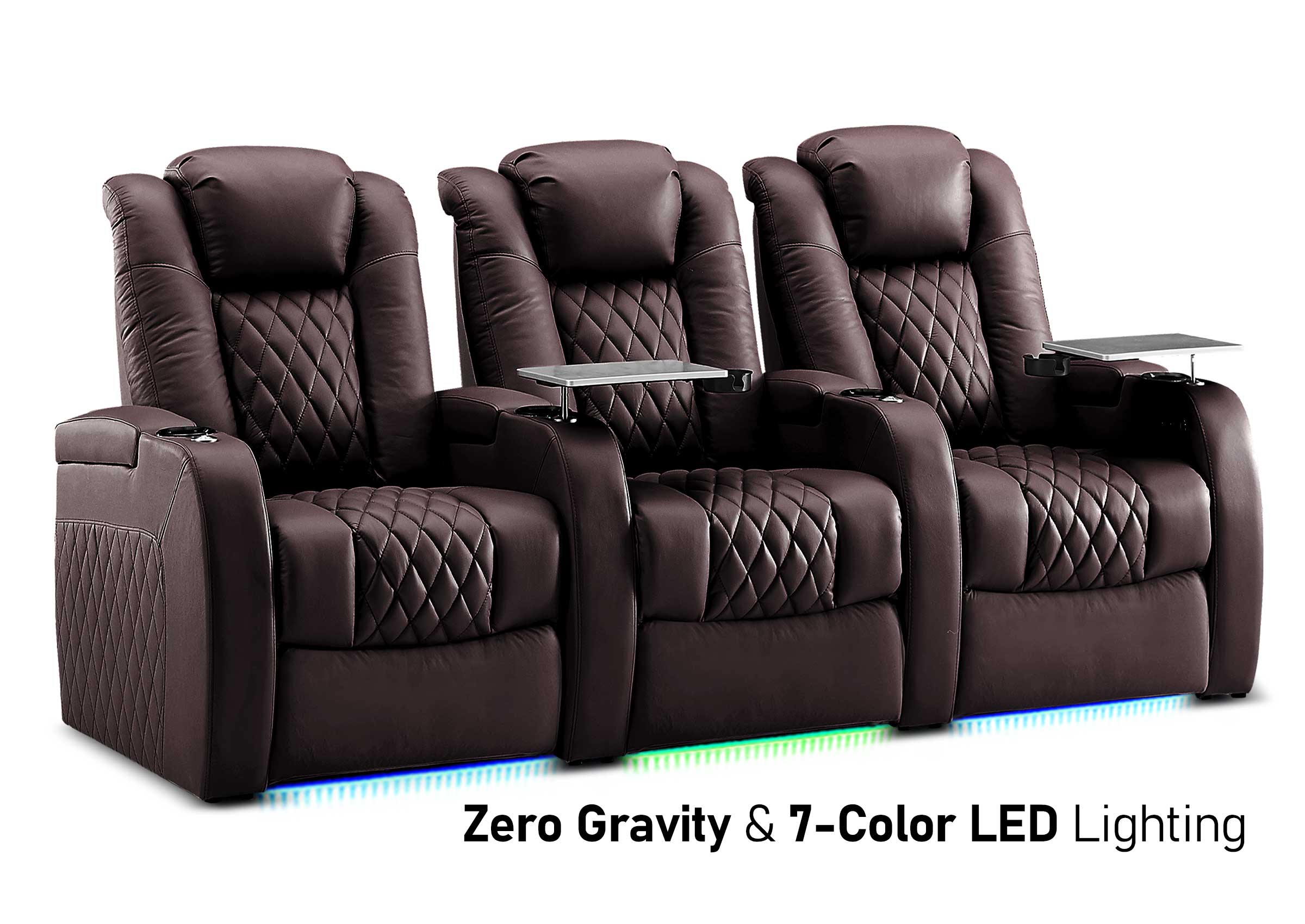
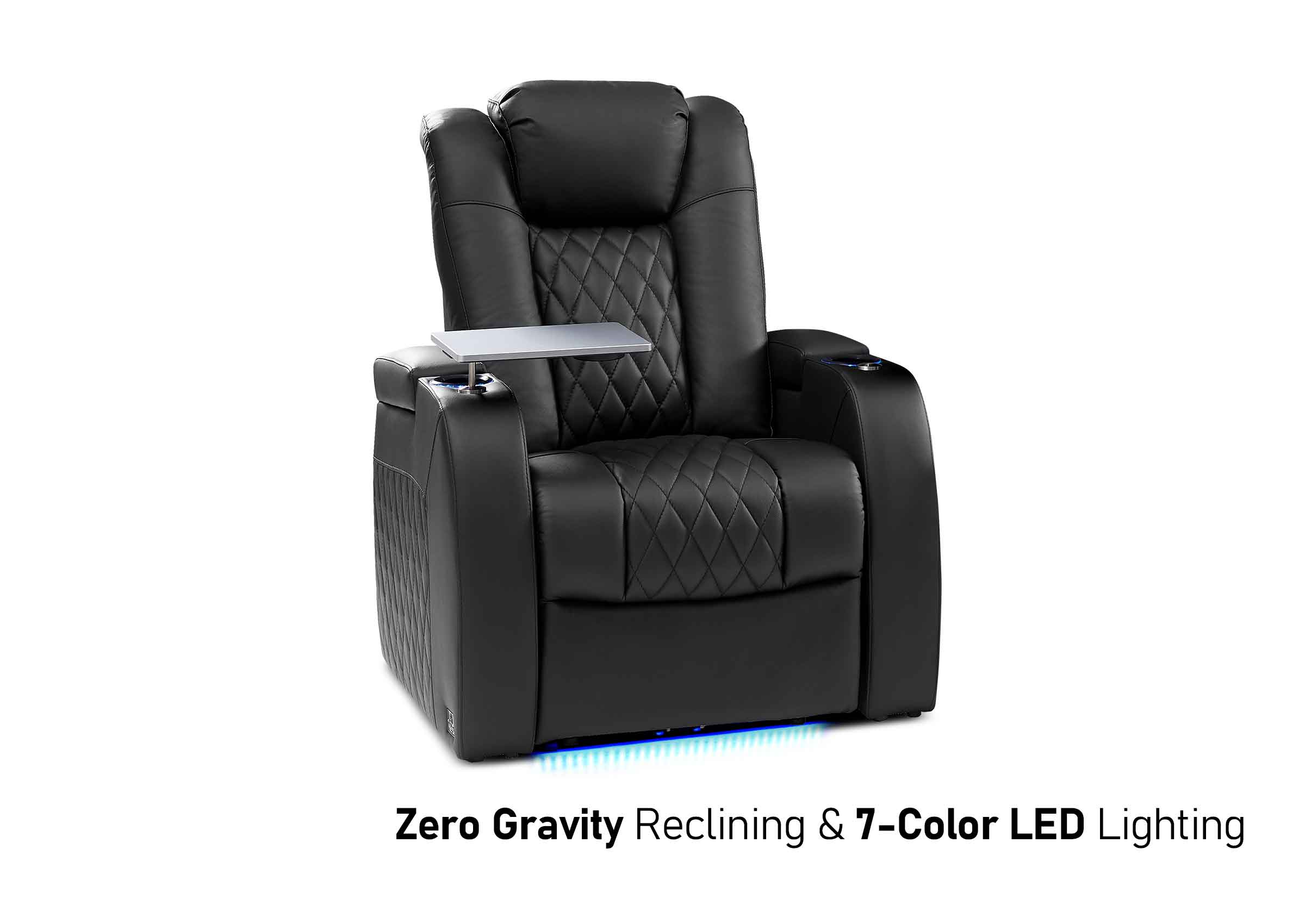
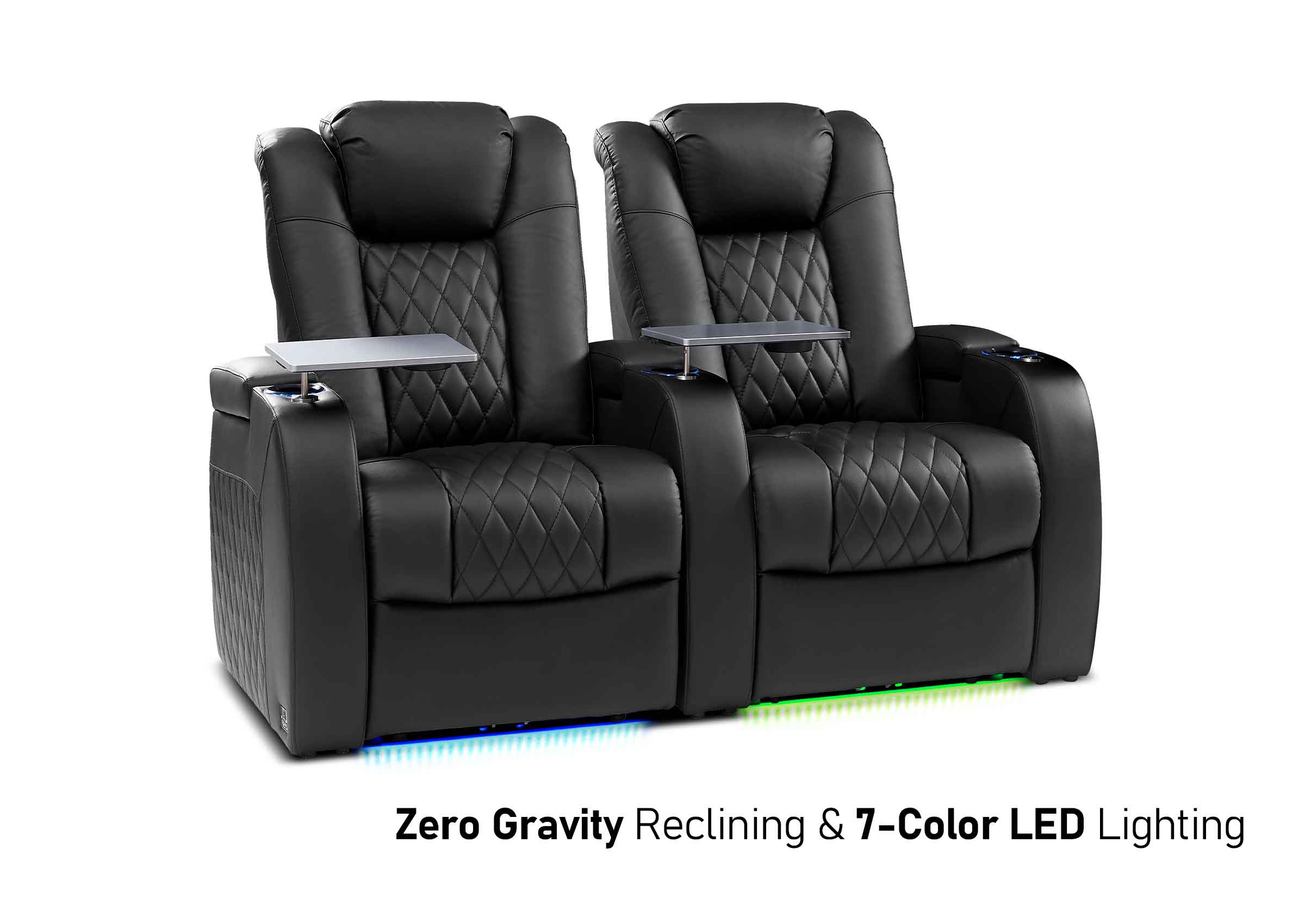
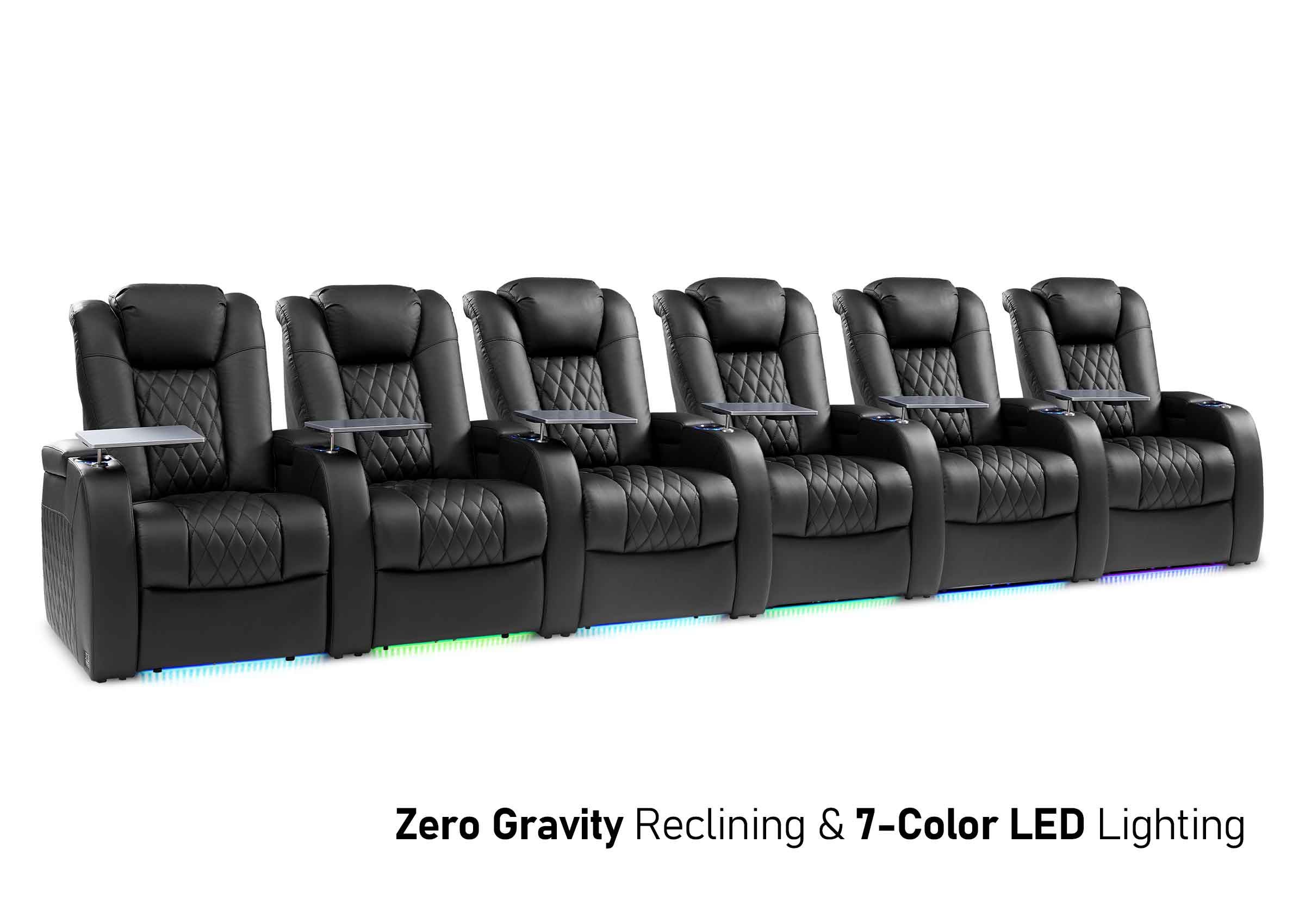
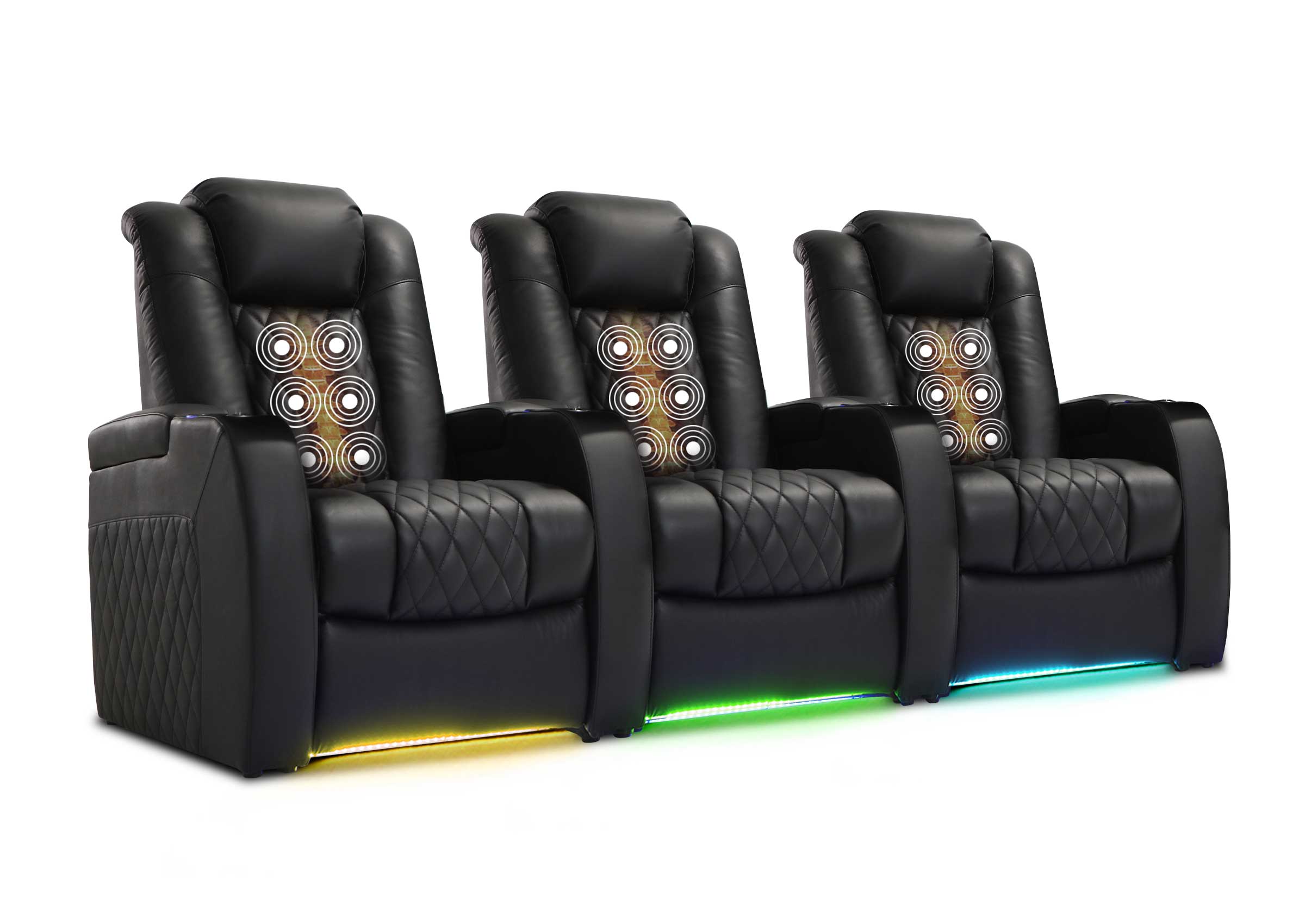
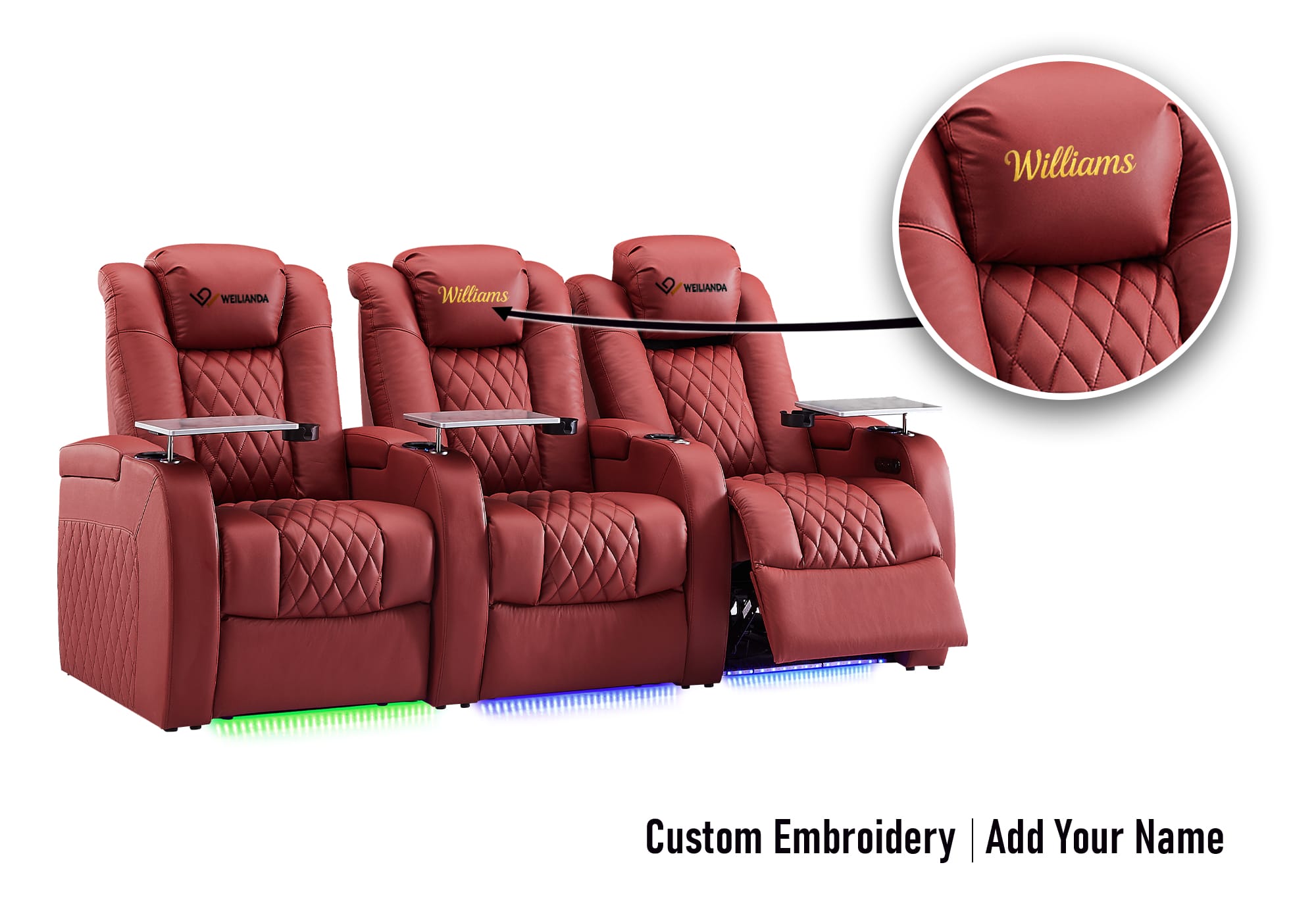
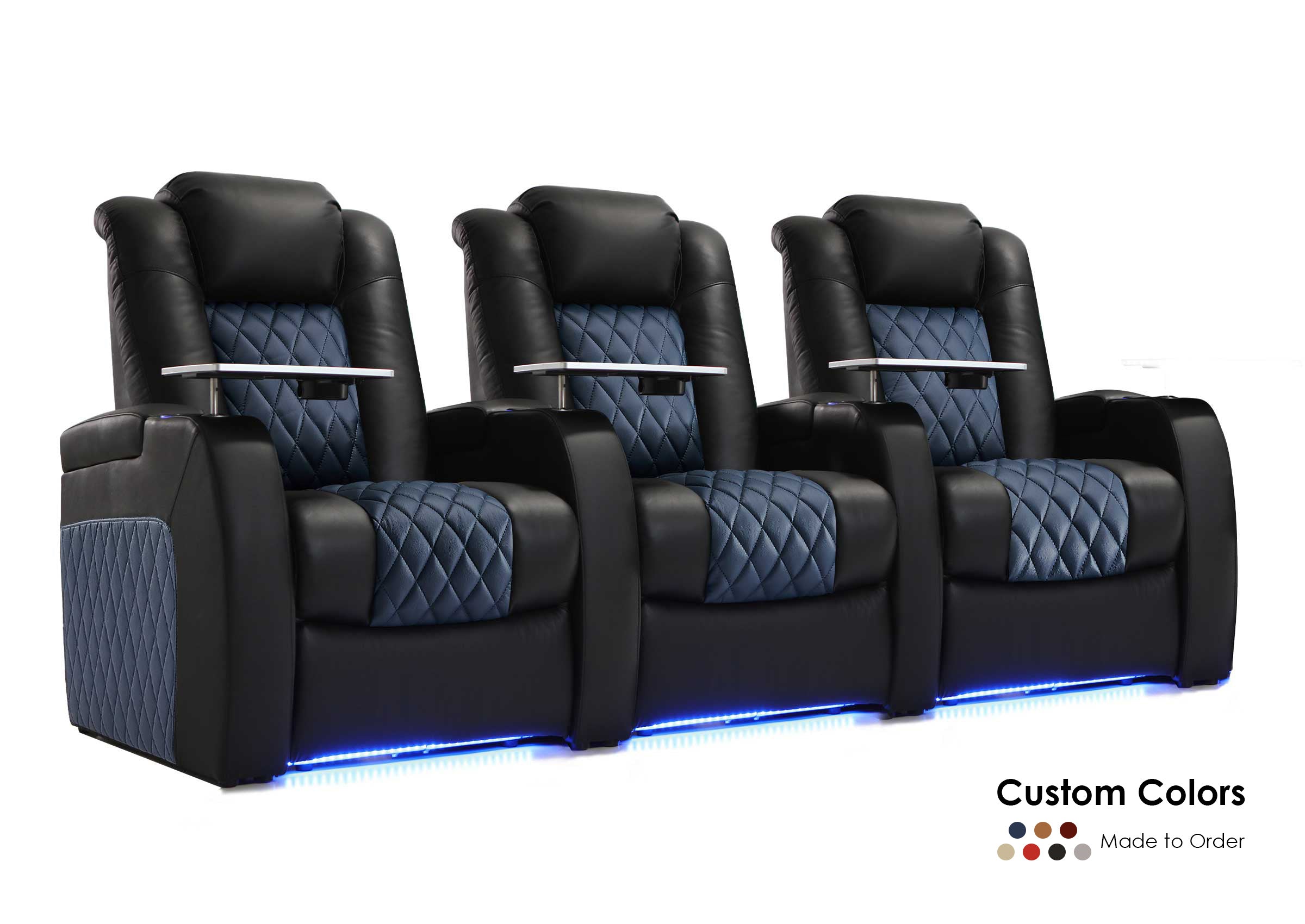
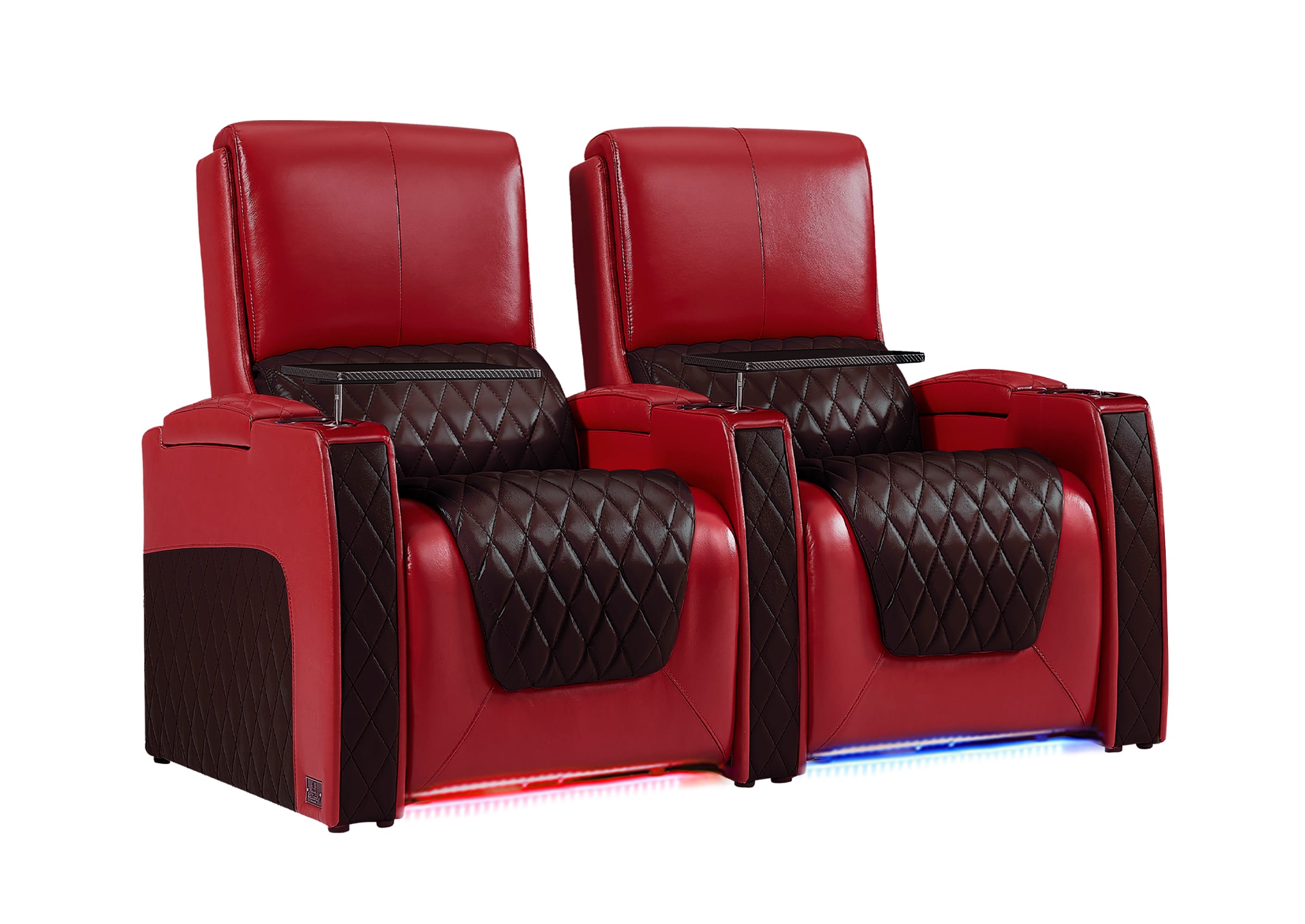
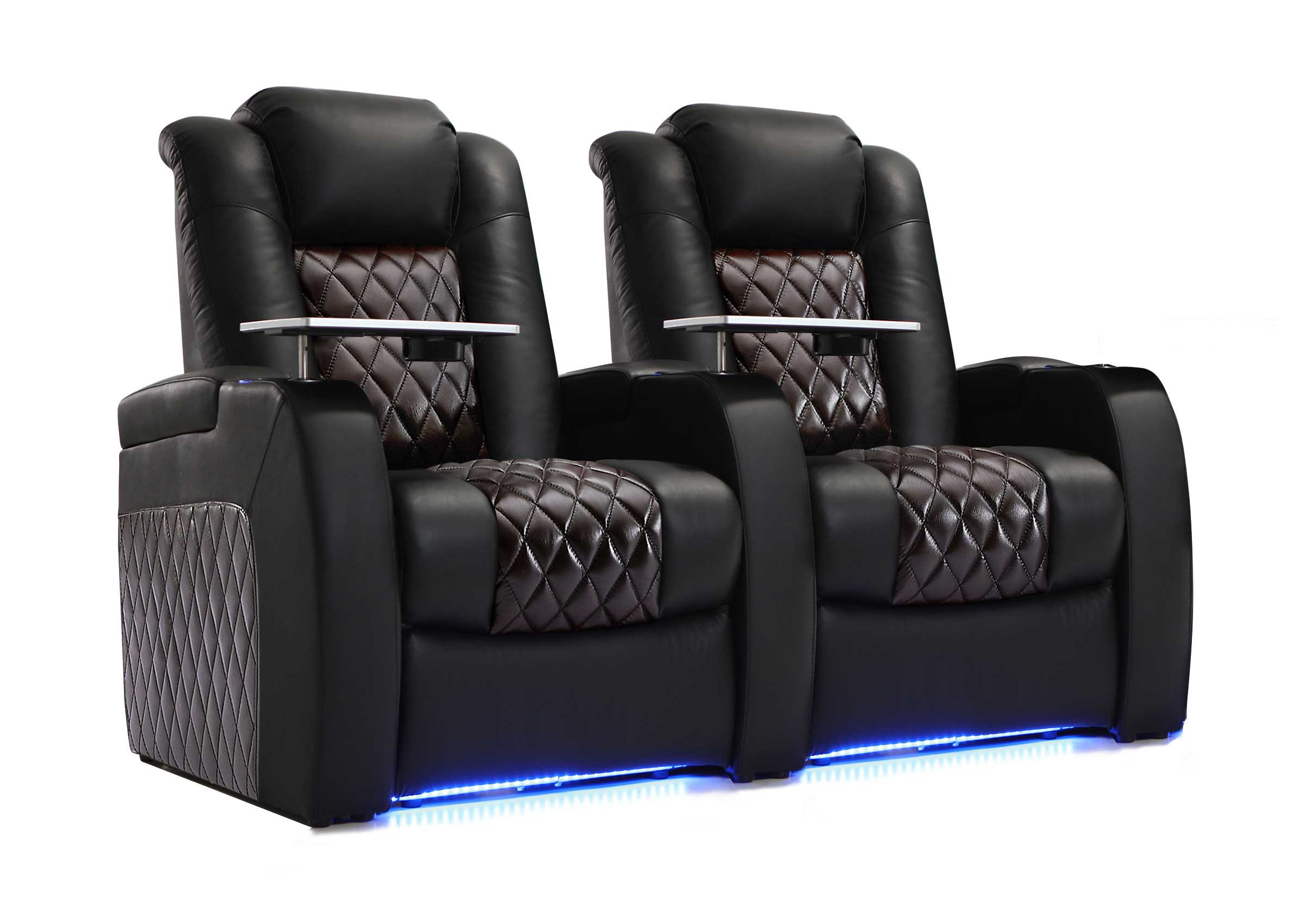
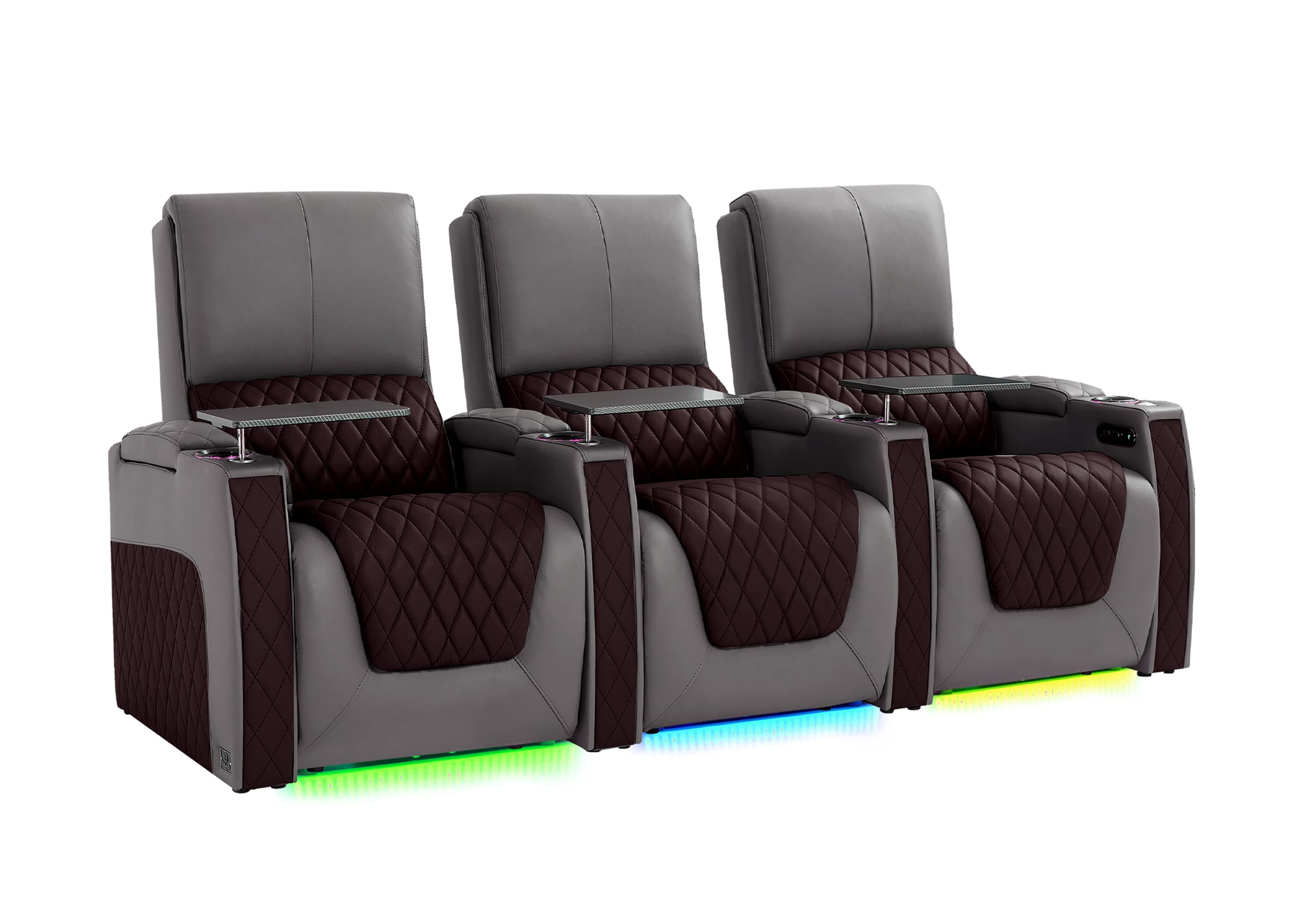
A pair of recliners with a shared table can make a small room feel like a deliberate destination for two. In a caramel-and-walnut scheme, add an ivory rug and a dark blue throw; for a quieter look, try charcoal seating, pale wood, and a soft gray-green wall.
The appeal is individual comfort. Each person has a place to lean back, keep a drink, and settle into the evening without negotiating for the sofa's best corner. If you prefer different resting positions, check which adjustments each selected seat actually offers.
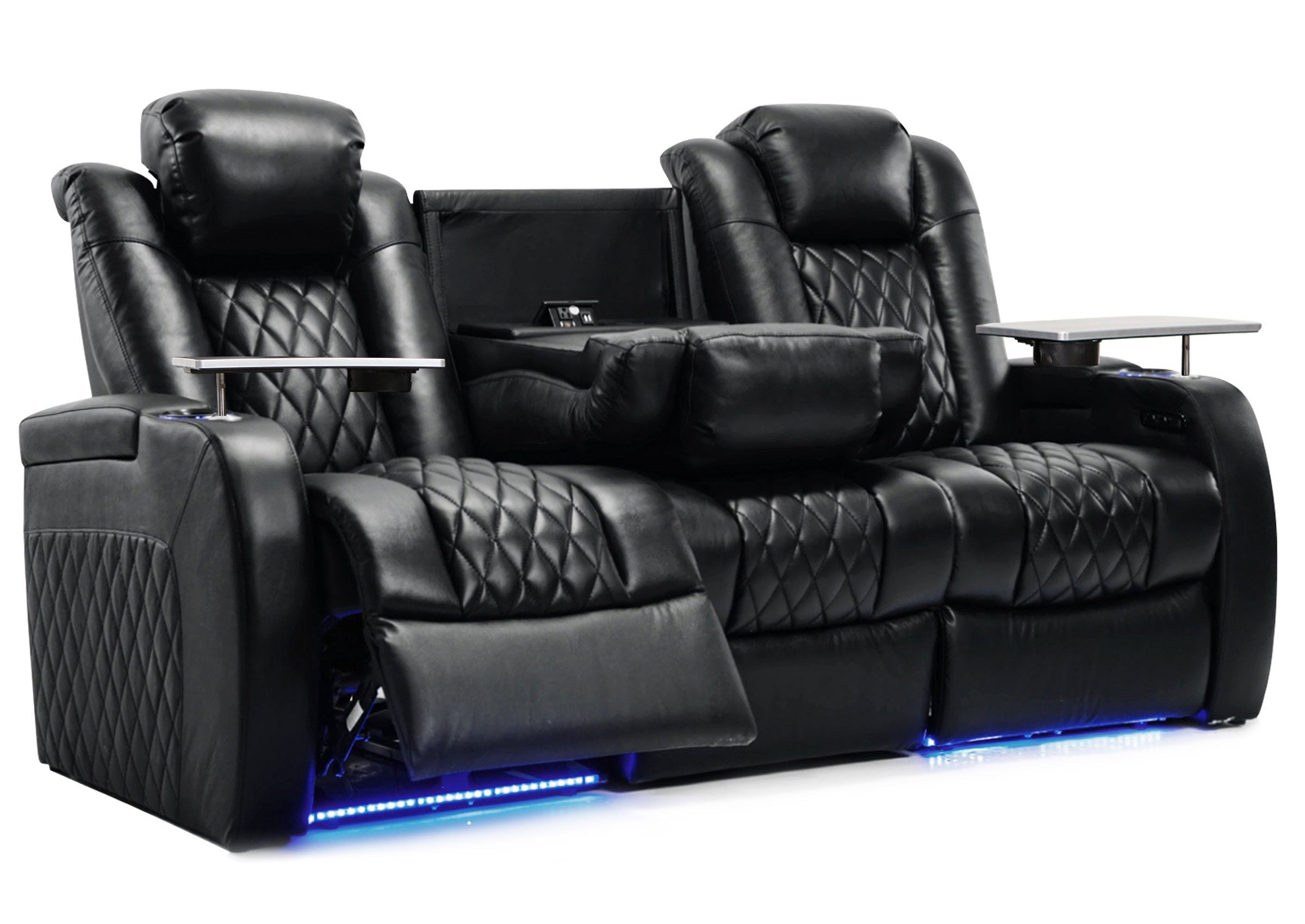
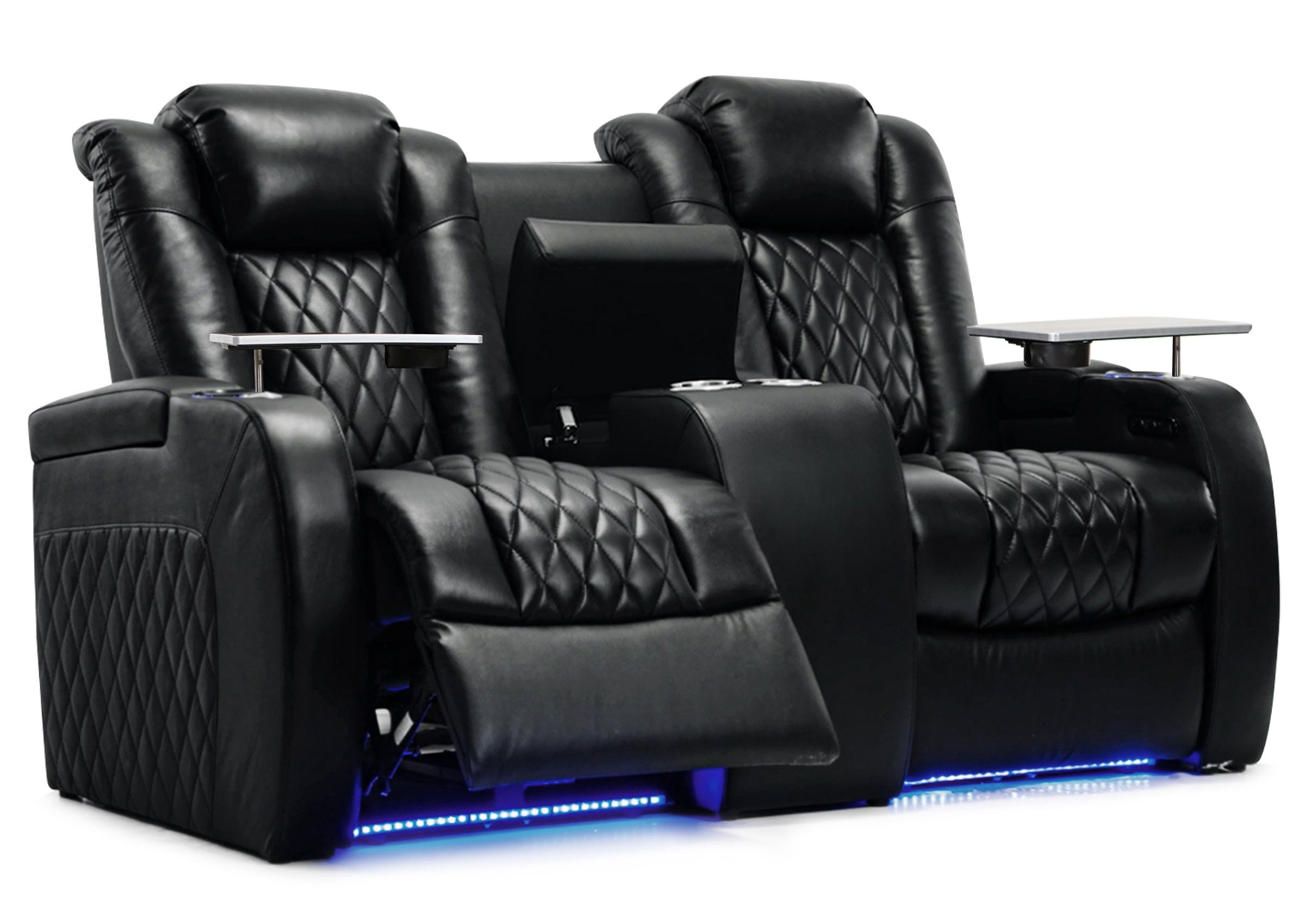
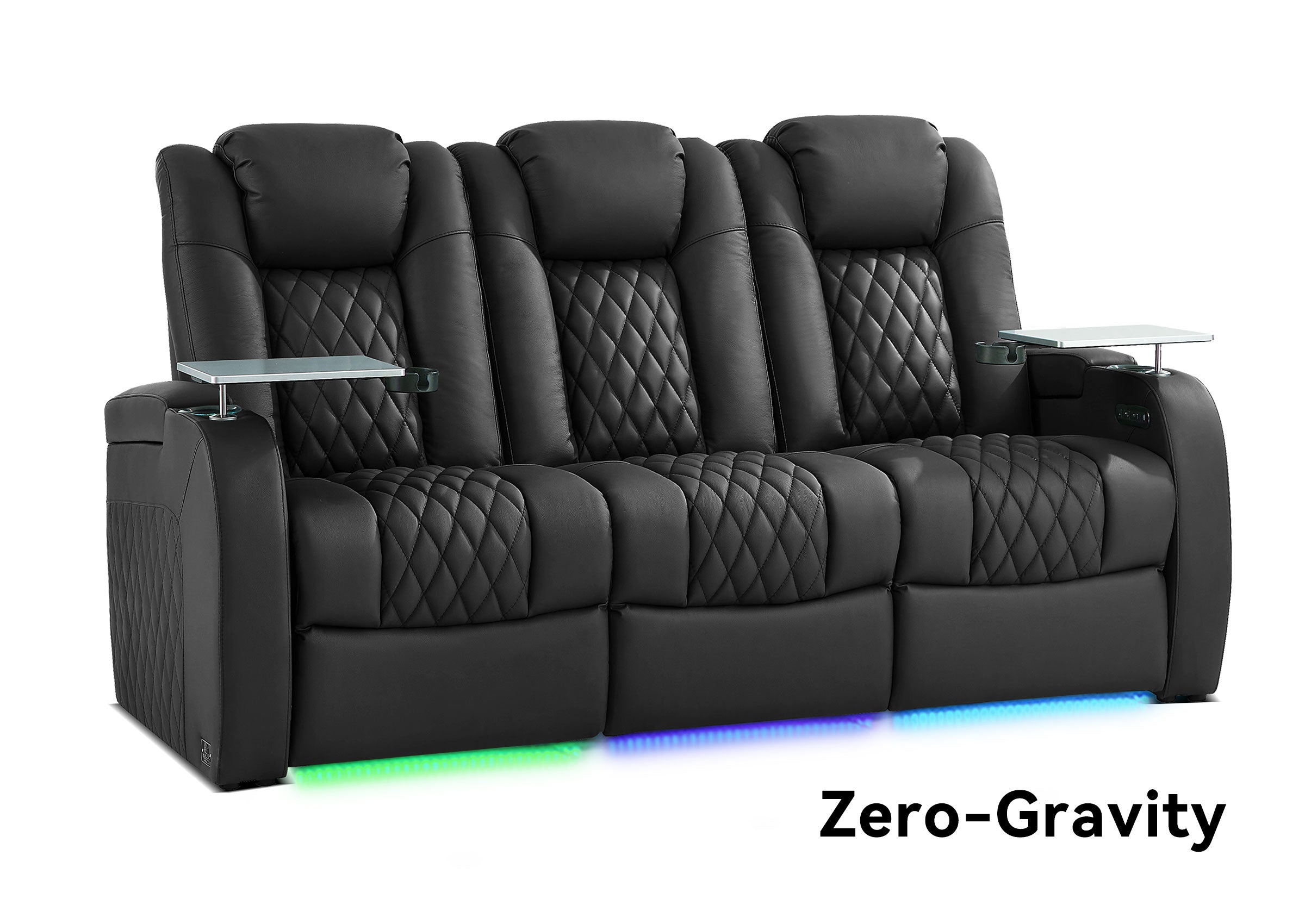
A loveseat creates a different experience: shared lounging rather than two clearly separate seats. If that is the look you want, check the actual center arrangement. Two seats with a fixed dividing arm do not offer the same shared space as an open loveseat.
Neither option is automatically smaller. Compare the complete furniture width and the space it occupies with the footrests open, including access to the door. Two generous recliners and a table may take more room than one straight sofa.
For a deeper comparison of the sitting experience, our media room seating guide looks at sofas, sectionals, and recliners. Here, the idea is to make a two-person room feel finished, rather than filling it for an occasional larger gathering.
A Sofa-and-Ottoman Room That Changes With the Evening
A compact sofa and two movable ottomans can give a small family media room a relaxed, adaptable character. Think soft gray upholstery, a blue-and-cream rug, a walnut side table, and ottomans that pick up one of the rug's colors.
During a movie, the ottomans become places to put your feet. For a board game, they can move aside to make room around a table. A seat-rated ottoman can also offer an occasional perch when friends visit; a decorative footstool is not automatically designed for that job. If a regular viewer dislikes getting up from low seating, keep the ottoman for feet and give that person a proper chair.
The important detail is where those pieces go when they are not in use. An ottoman that has to be pushed into the doorway every time someone stands up is not adding much flexibility. Try a parking place beside the sofa or within the seating area before choosing the final size.
A tray can provide a firmer surface for a drink on a suitable ottoman, but it still needs to sit steadily. If balancing and clearing the tray becomes a nightly nuisance, use a small side table instead.
This combination works particularly well when shared lounging matters more than individual reclining. It can look softer and less formal than a seating row, while still giving the room a clear center.

A MOVIE ROOM FOR TWO
Exploring a Two-Person Movie Room?
If two seats suit your everyday viewing, browse two-seat theater configurations and compare their complete width, open footprint, and center arrangement.
A Bright Media Room That Still Feels Good After Dark
A small media room with windows can keep its daytime charm. Try warm white walls, a light wood cabinet, a sofa in a color you already enjoy, and curtains that look intentional when drawn open.
Layer the room rather than relying on white paint alone. An olive or dusty blue textile, a woven-looking rug, and a warm lamp can keep the space from feeling bare. A pair of related frames above the sofa is often enough to connect the furniture and walls.
For evening viewing, the window treatment and lamps take on a different role. Choose the level of light control for the actual room: a sheer may soften daylight beautifully without providing the blackout you need. Check reflections from the main seats at the times you normally watch.
If the window light is part of what you love, keep the daytime furniture arrangement enjoyable. You should not have to live with a permanently closed-up room to get a comfortable movie night.
A side chair near a window can become a reading spot when the television is off, provided it does not turn the route through the room into an obstacle course. The result can feel like a small lounge that happens to be excellent for watching things.
A Room Built Around Your Movies, Music, or Collections
A media room can feel personal without covering every surface in film memorabilia. Choose one collection to lead: a few favorite movie posters, records, books, or family-made artwork.
For a music-led room, picture a dark green sofa, walnut shelves, two or three record covers on display, and a muted geometric rug. For a movie theme, use framed posters with a shared color or frame finish, then repeat one accent in a cushion or lamp.
Pattern is an option, too. The Natalia Miyar room pictured in Homes & Gardens' small media room collection combines patterned upholstery and footstools rather than depending on plain furniture. Borrow the permission to give a compact room character, rather than copying every element.
In your own scheme, one dominant pattern is an approachable starting point. A graphic rug can sit alongside a plain sofa; patterned cushions can enliven furniture you already have. More pattern can work if you enjoy it, but you do not need to buy a whole matching room.
Leave some display space unfilled. Rotate a few favorites instead of trying to show the entire collection at once, and keep everyday controllers and chargers somewhere easy to return. The room can celebrate your interests and still be ready for a movie.

A Calm TV Wall With Furniture That Belongs Together
A small room can look more settled when the television, cabinet, and surrounding storage read as one composition. That does not require a wall of custom cabinetry.
One combination is a low dark cabinet beneath the television, a warm off-white wall, and a single narrow bookcase nearby. Repeat the cabinet's dark tone in a frame or side table, then soften it with books and a little natural wood. Keep the rest of the wall relatively quiet.
For a warmer version, use an oak-toned cabinet, pale walls, and a few terracotta or cream objects. The screen can remain the viewing focus without becoming the room's only visual feature.
Closed storage is useful for loose accessories; open shelves give favorite objects a place to belong. Before choosing a visually slim cabinet, check whether its interior can accommodate the equipment and connections you already use. Choose the storage mix around those pieces. A cabinet full of inaccessible cables is not much of an improvement over a messy shelf.
Check ventilation, connection access, and the device's installation guidance before hiding equipment behind doors. Decor should not make normal operation harder.
If your current cabinet is sound and works well, try relating its finish to the rest of the room before replacing it. A coherent color story can come from the rug, tables, and frames as much as from new built-ins.
A Sofa-and-Swivel-Chair Hangout
When the room is as much about company as the screen, a small sofa and one swivel chair can feel more conversational than a fixed seating row. Imagine a blue sofa, a cream chair, a round wood table, and a faded rust rug tying the pieces together.
The sofa provides the everyday movie seats. The chair can turn toward the screen, toward a friend, or toward a window for reading. This works best when there is room for its actual turning motion, rather than simply enough floor area for the chair's base.
Make sure the chair offers a view its user will enjoy. A seat that looks good at right angles to the sofa may need to move or turn for a long film. If that position never works comfortably, a movable occasional chair may be a better choice than forcing in a permanent one.
Keep a small surface within reach of the regular seats and give reading or conversation its own gentle light. The room can change mood without changing all its furniture.
Choose one main direction from these ideas, then test it with what you have. You might borrow the navy palette and the sofa-and-ottoman seating, for example, while keeping one wood tone across the cabinet and tables. The ideas can mix without turning into eight competing schemes. When you are ready to turn the look into a working arrangement, our small-room home theater setup guide covers the next stage. You do not have to combine every idea to create a room that feels complete.

Frequently Asked Questions
How small can a media room be?
There is no single minimum that makes every arrangement work. A room for one or two viewers needs a different furniture mix from a room expected to seat a family every evening. Start with the main seating and screen, then test the door route, furniture in use, and any storage that has to open. A compact room can be enjoyable without accommodating a full theater row.
Can I use a sectional in a small media room?
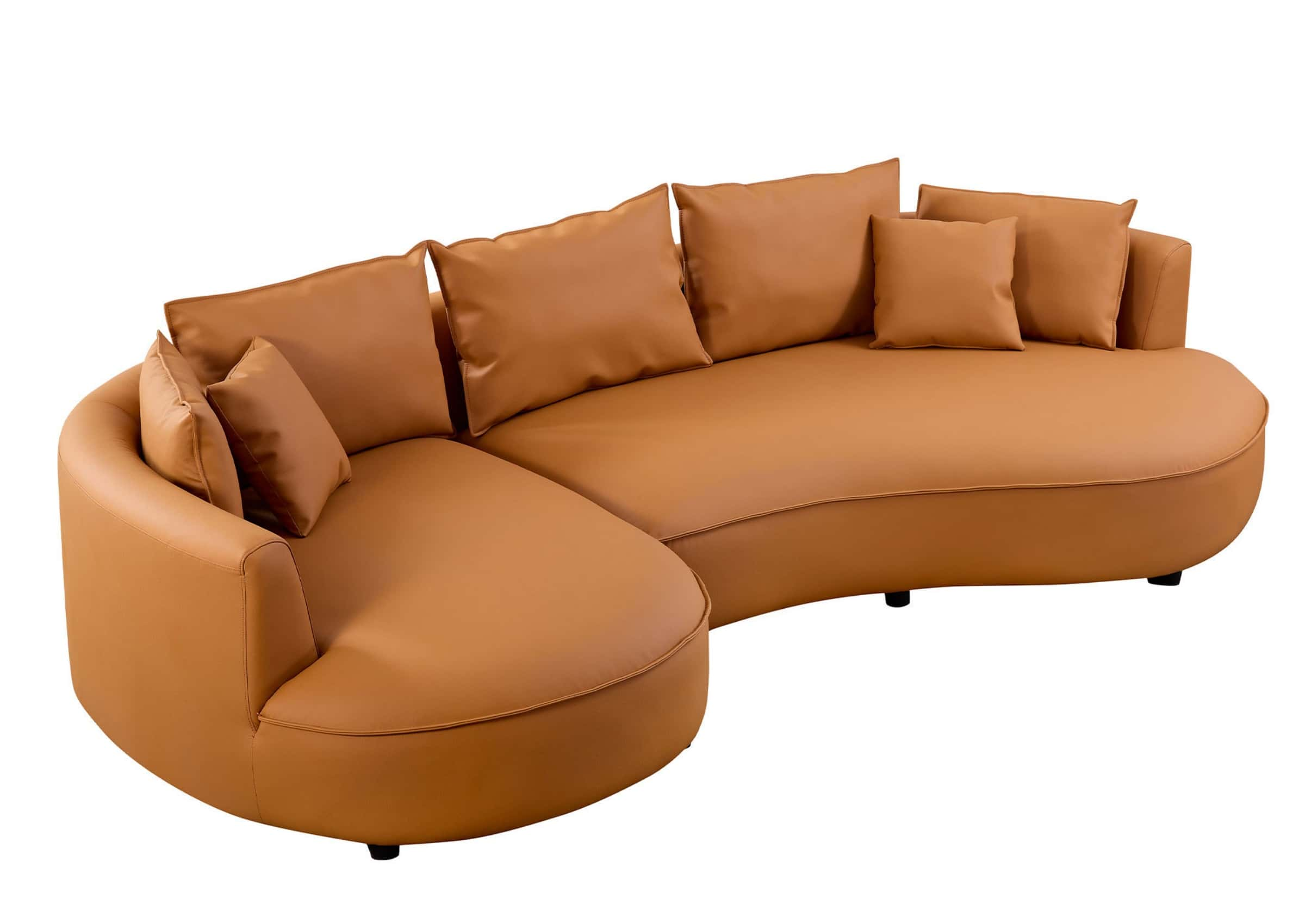
Yes, when its shape suits the room and the way you lounge. A chaise can be a favorite movie spot, but it can also take up the area where another person would sit or pass through. Test the actual footprint, not just the number of seats in the product name. A straight sofa with a movable ottoman is an alternative when a permanent chaise makes the room awkward.
Should I paint every wall dark or just the screen wall?
Painting the room dark creates a more enveloping look; a dark screen wall with lighter surroundings gives a different balance. Choose according to the daylight, existing furniture, and how you use the room with the screen off. Try a sample in more than one position and look at it in the evening. Dark paint is a design option, not a requirement for a media room.
What if two people use the room daily but six visit occasionally?
Make the regular seats comfortable first, then decide where occasional seats can go. A suitable ottoman or movable chair may help, but each guest still needs a usable view and a route out. If six people gather every week, that is a regular requirement rather than an occasional exception; you may need a different furniture arrangement or another entertaining space.
Can a rented room look finished without built-ins?
Yes. A freestanding media cabinet, a well-related rug, curtains where permitted, and plug-in lamps can create a complete scheme. Repeat a few colors or finishes across the pieces so they look chosen together. Check your lease before fixing items to walls or making alterations. Furniture you can move can still give the room a strong identity.
Why does my room still feel uninviting after I change the wall color?
Look at the lighting, textures, and relationship between the furniture. One bright overhead light, a rug that feels disconnected from the seating, or tables out of reach may matter more than another paint change. Try the room at the time you normally use it. Add or reposition one shaded lamp, bring the seating elements together visually, and see which change you actually enjoy before buying more decor.
What should I change first on a limited decorating budget?
If the seating is comfortable and the storage works, keep them while you test the room's palette and lighting. Rearranging existing art, moving a lamp, or choosing one textile that connects the furniture may be a useful first step. If the sofa is uncomfortable or blocks the room, spending on accessories around it may postpone the real decision. Set the priority around the part that is not working.
Does a small media room need a projector to feel like a theater?
No. A television can be the focus of a convincing movie room. The seating, light control, colors, and evening atmosphere also shape the experience. Consider a projector when its particular screen and placement requirements work in your room, rather than choosing one solely for the cinema look. Resolve the room's daily use before buying equipment to match an inspiration photograph.
Find Seating That Belongs in Your Small Media Room
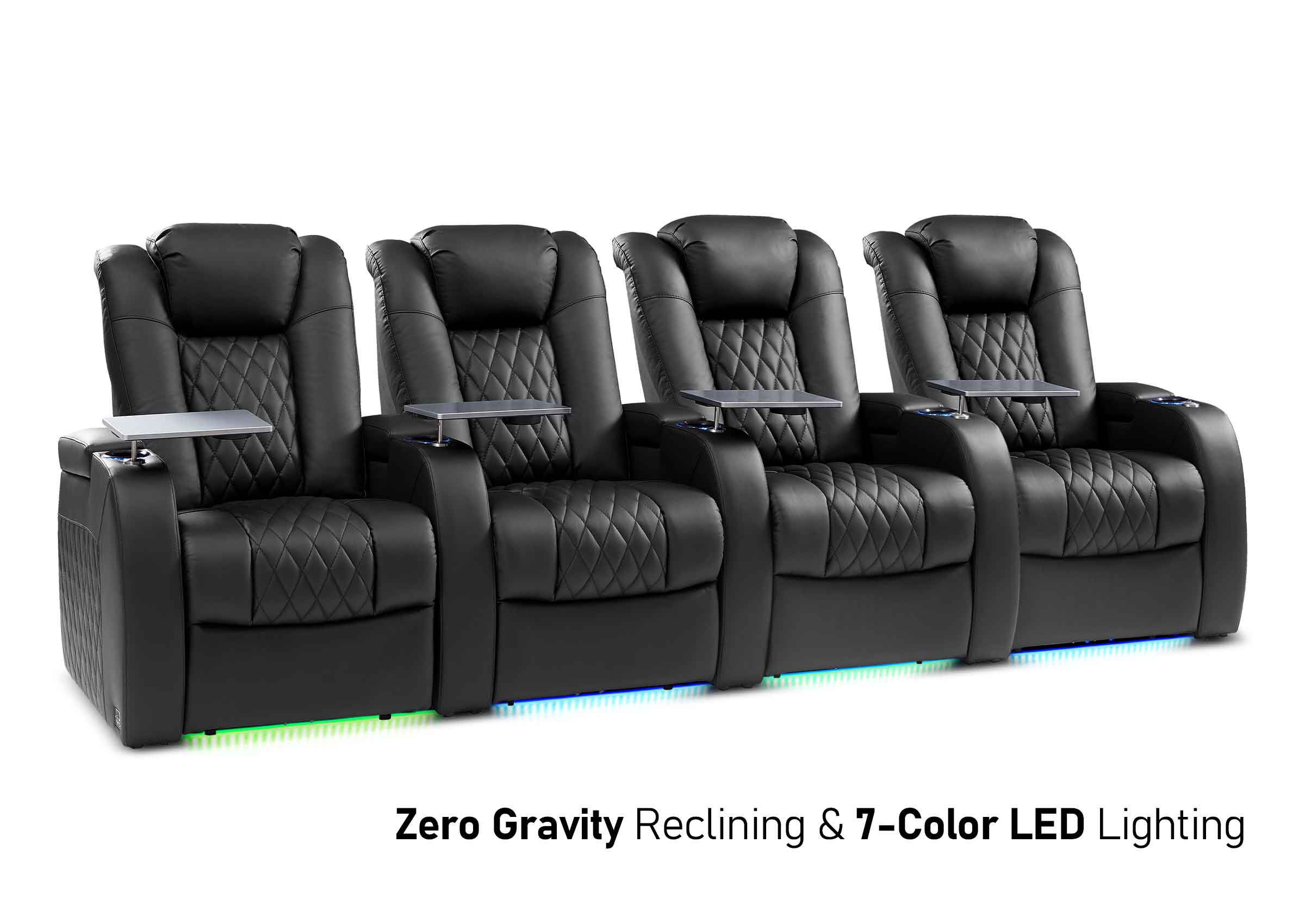
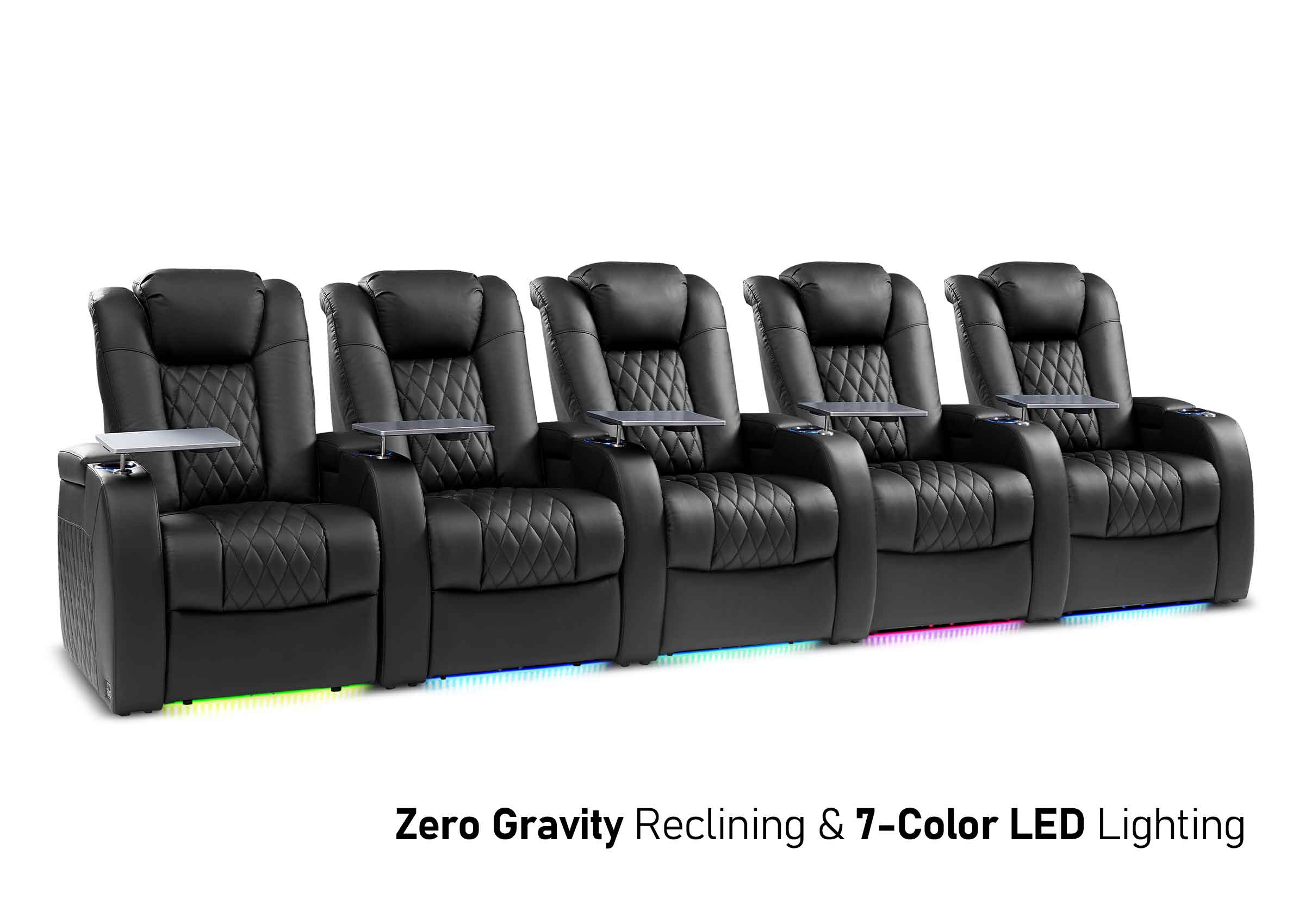
Choose the combination you want to live with: independent reclining, shared sofa lounging, or a more flexible mix. Then check the selected furniture's complete dimensions and how it works with the pieces you plan to keep.
If you are considering Weilianda seating, send your room width and depth, a few photos, regular viewer count, and preferred configuration to Weilianda Support or leon@weiliandahome.com. Ask about the exact configuration's width, open footprint, and available finishes so the seating supports the room you have in mind.