




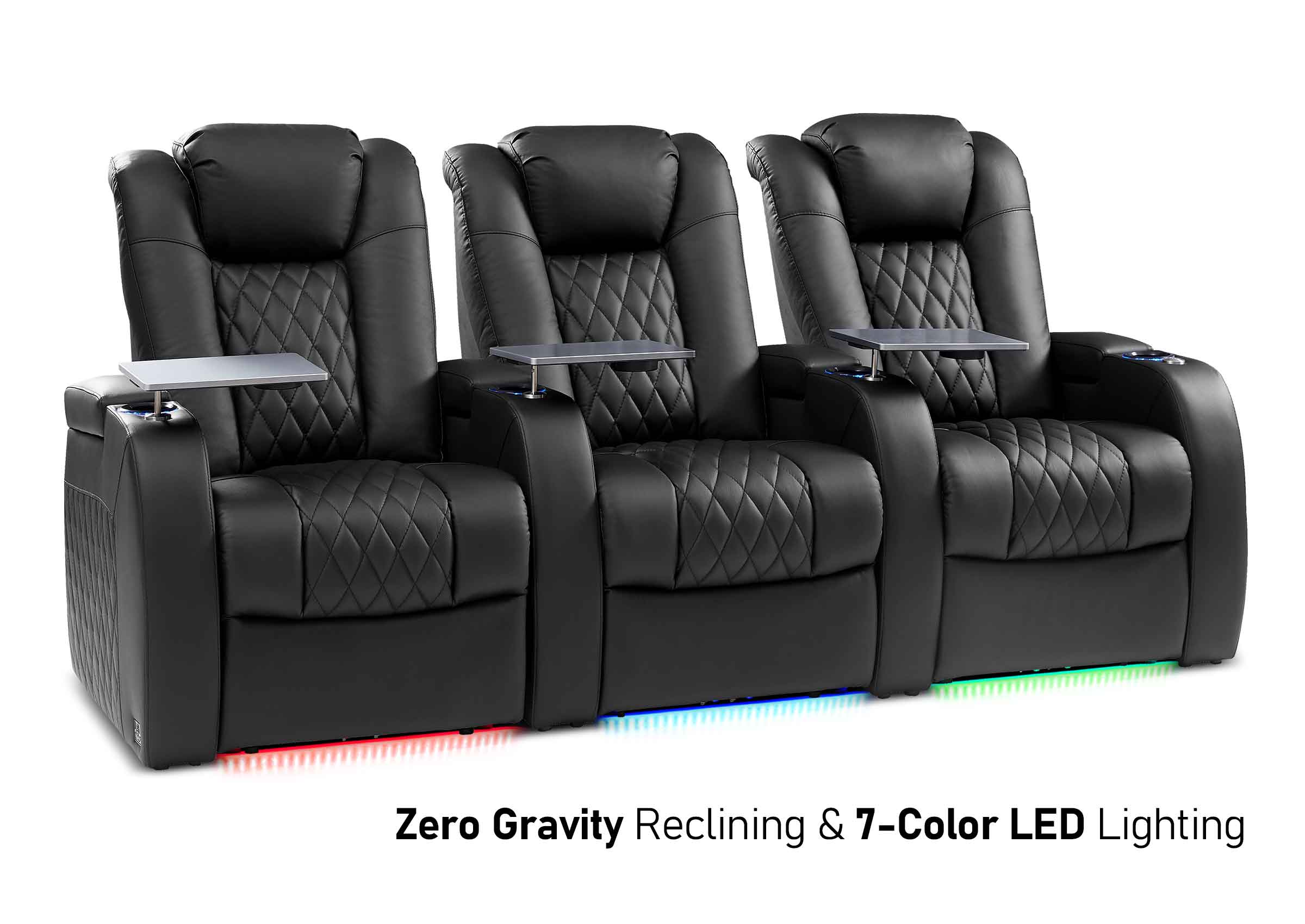
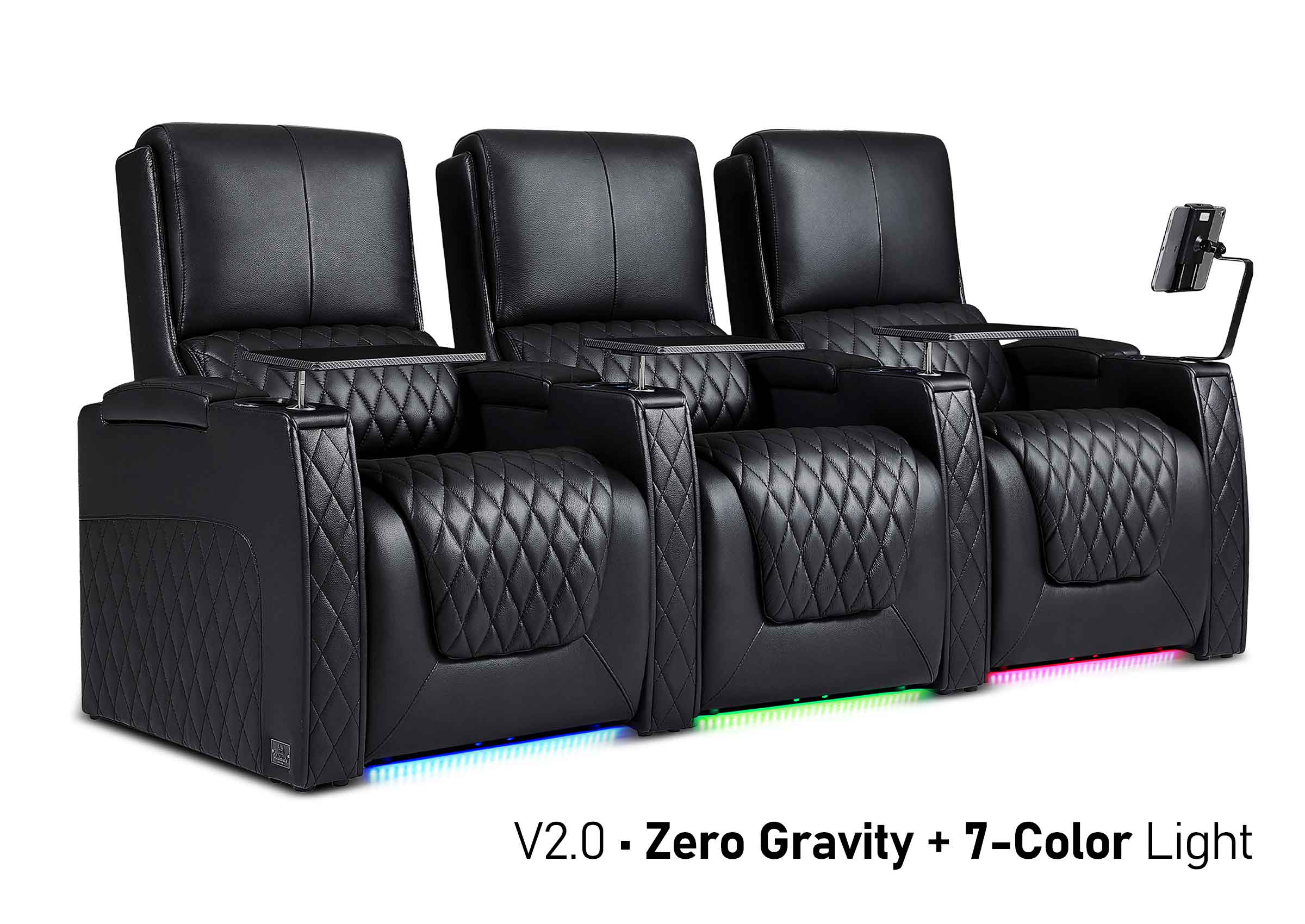
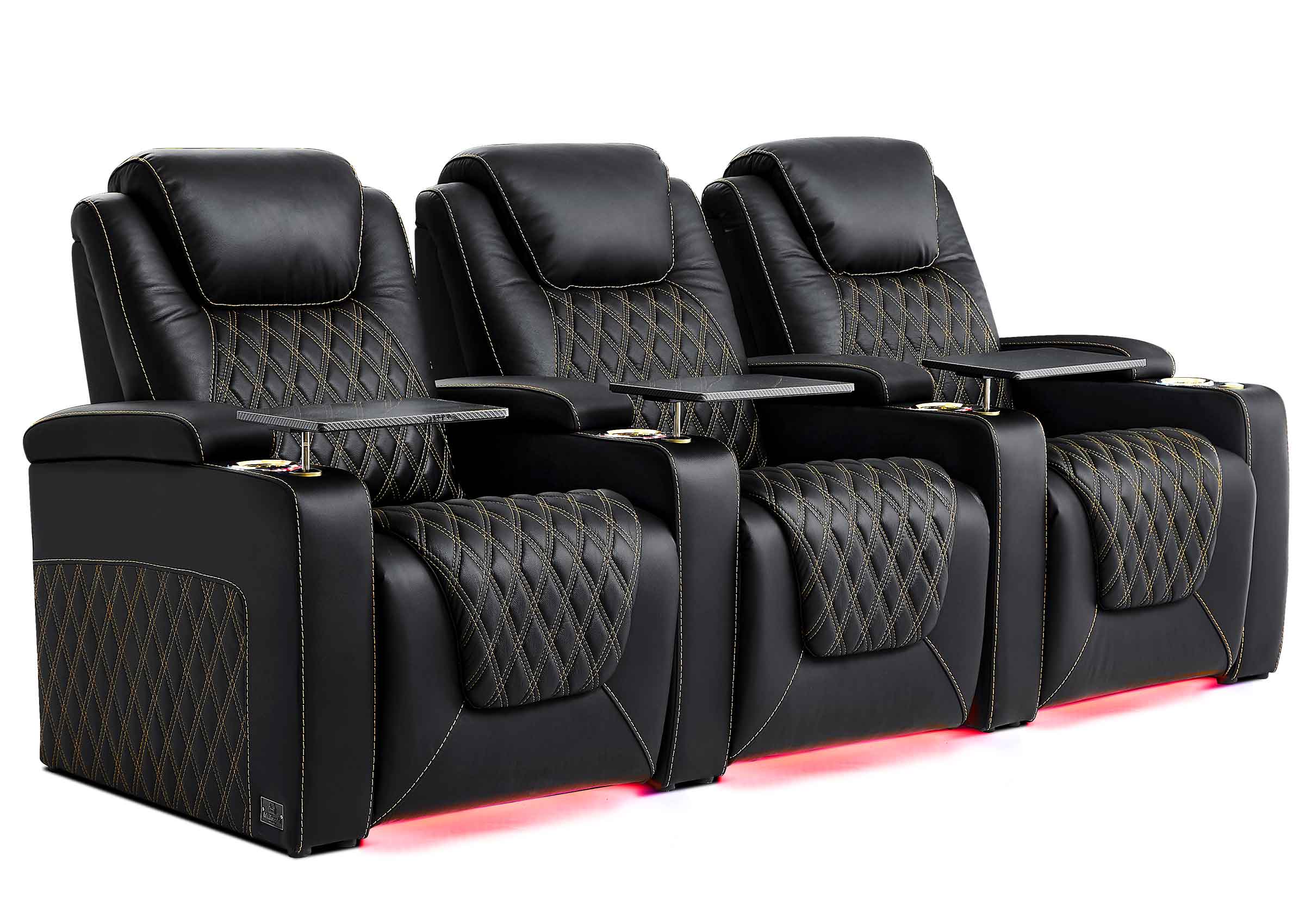
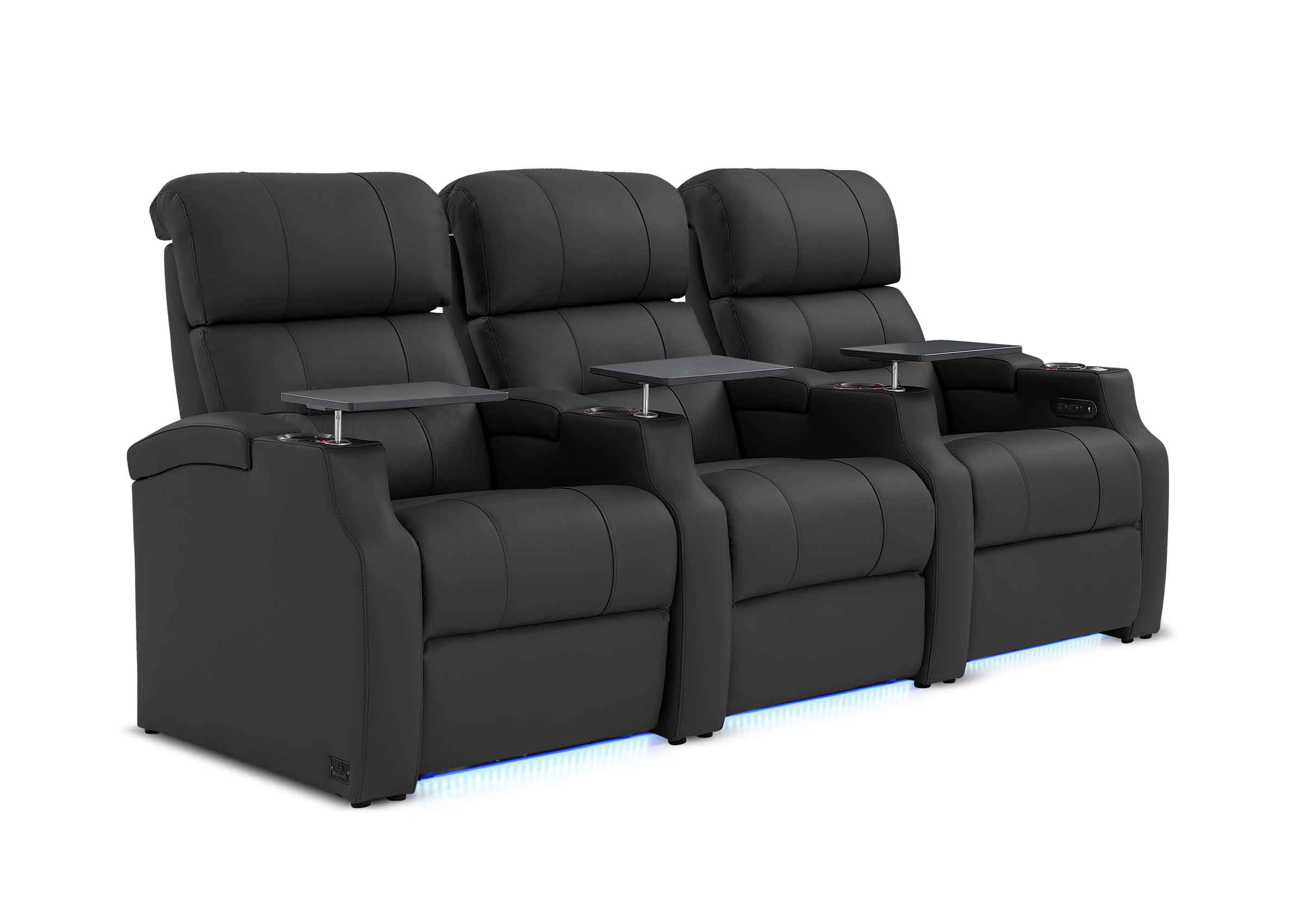
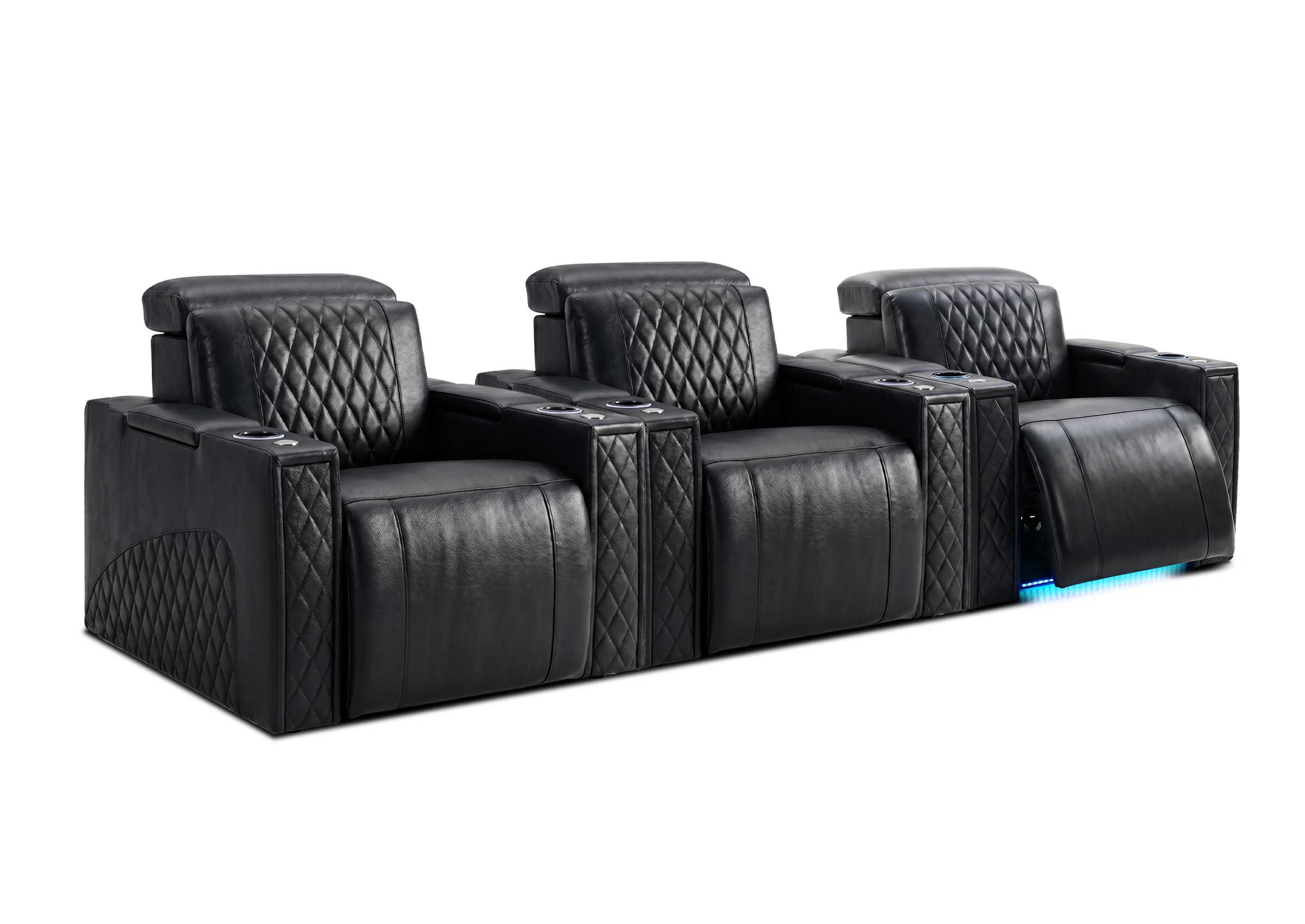

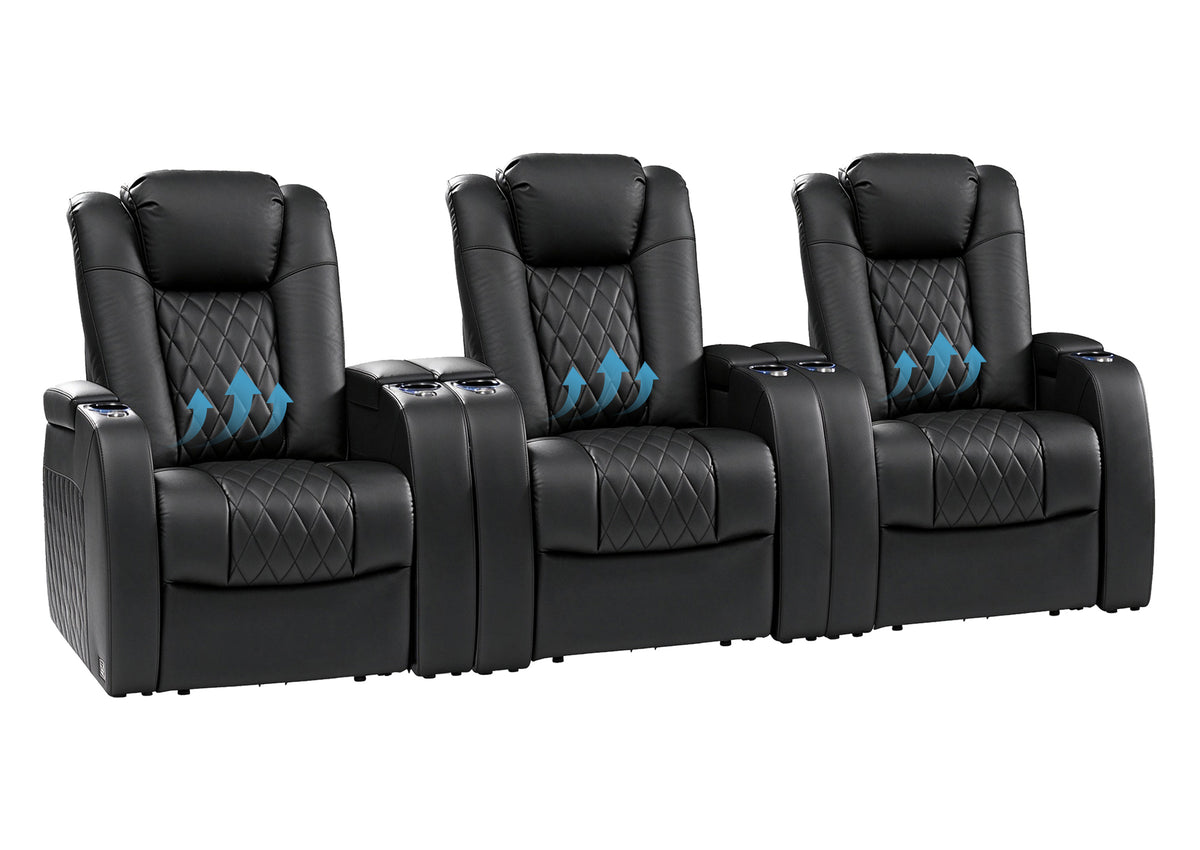
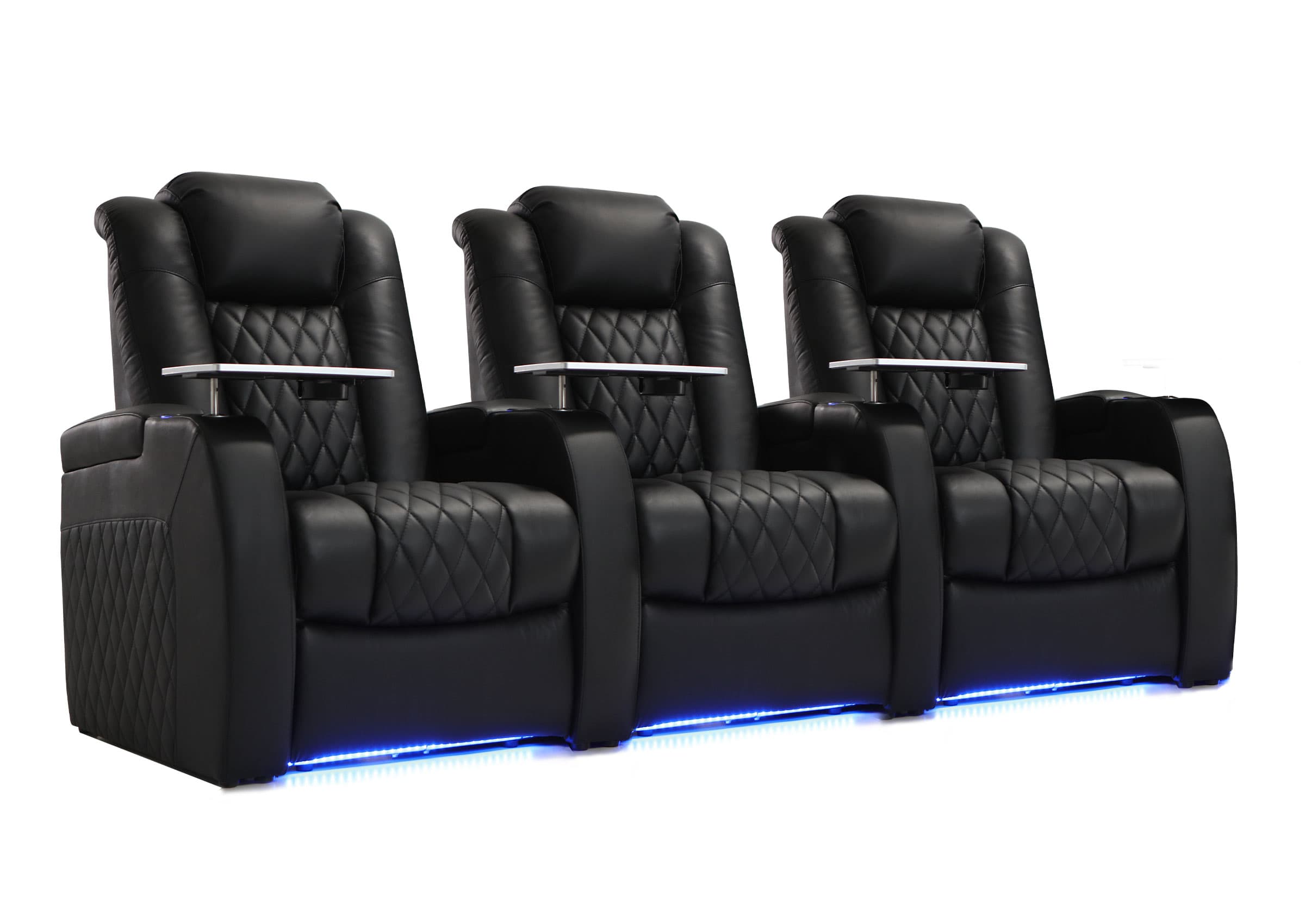
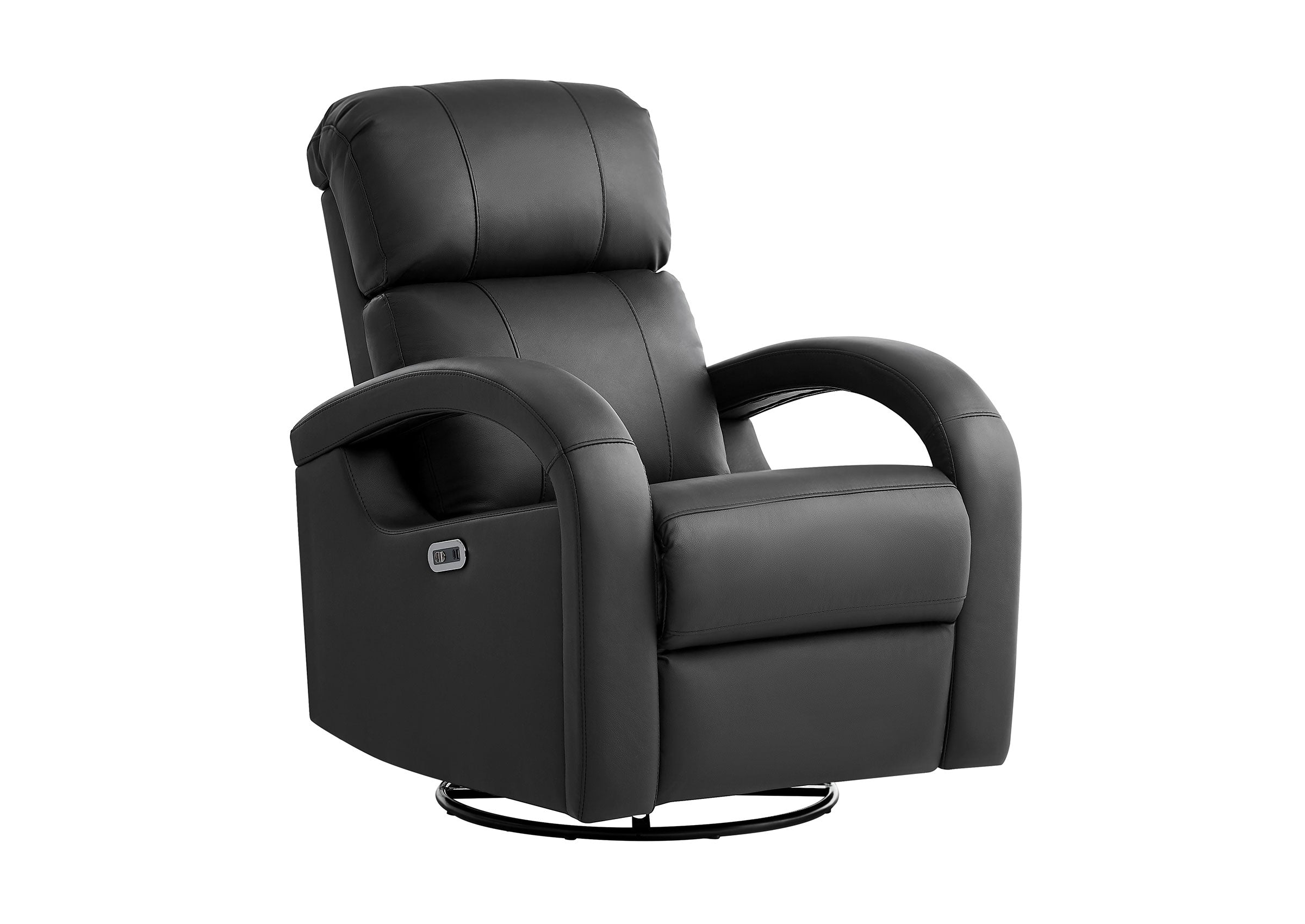
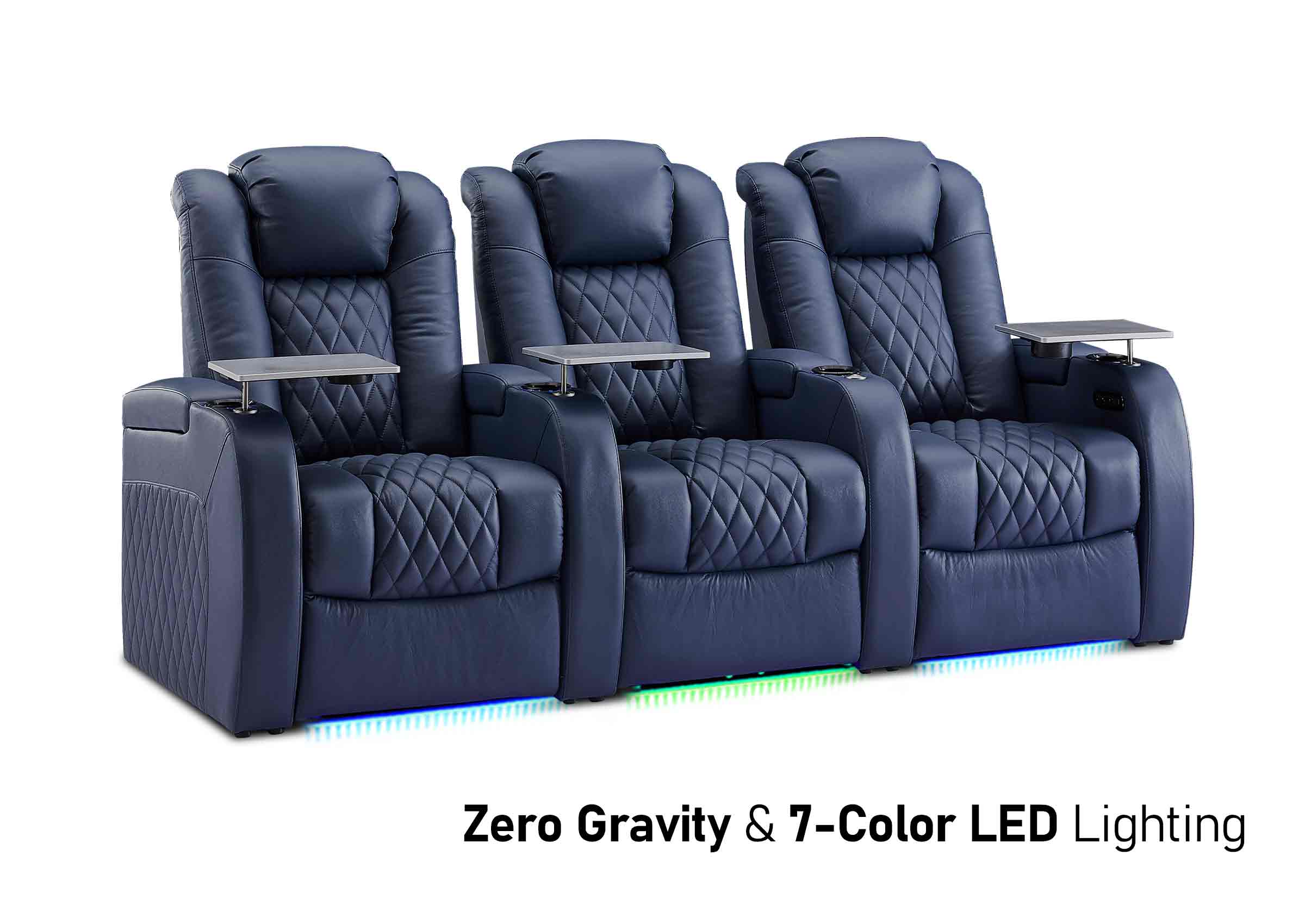
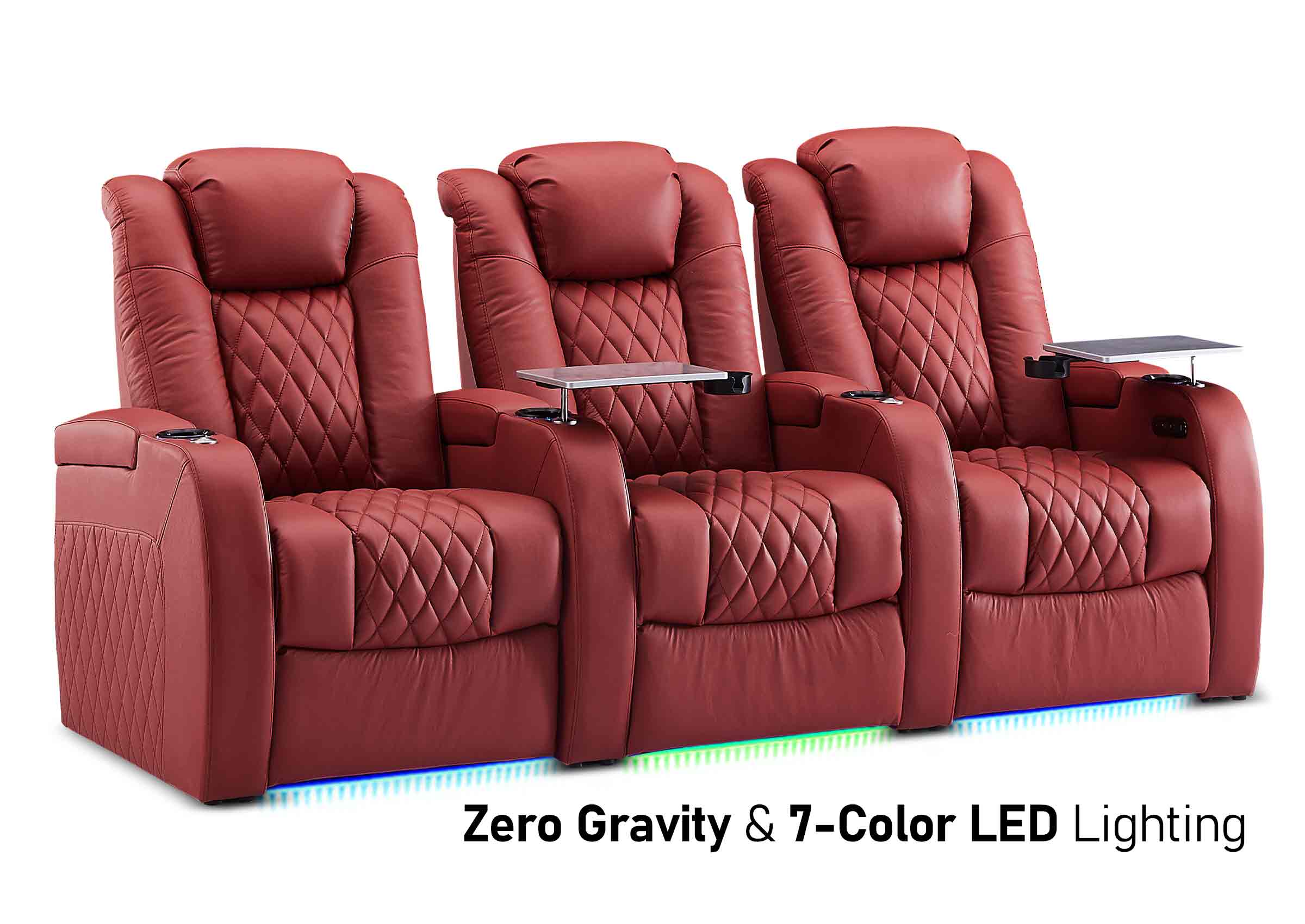
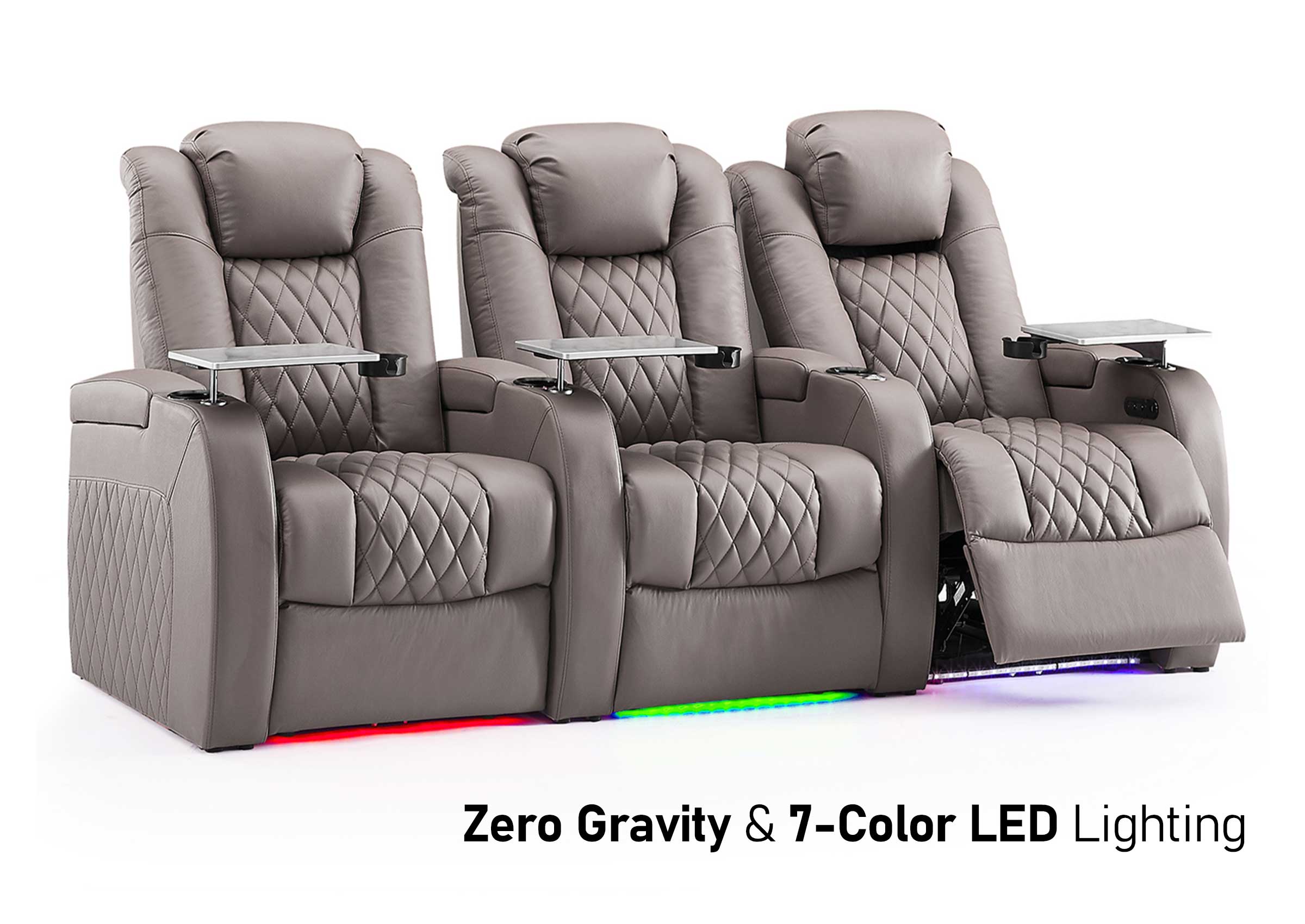
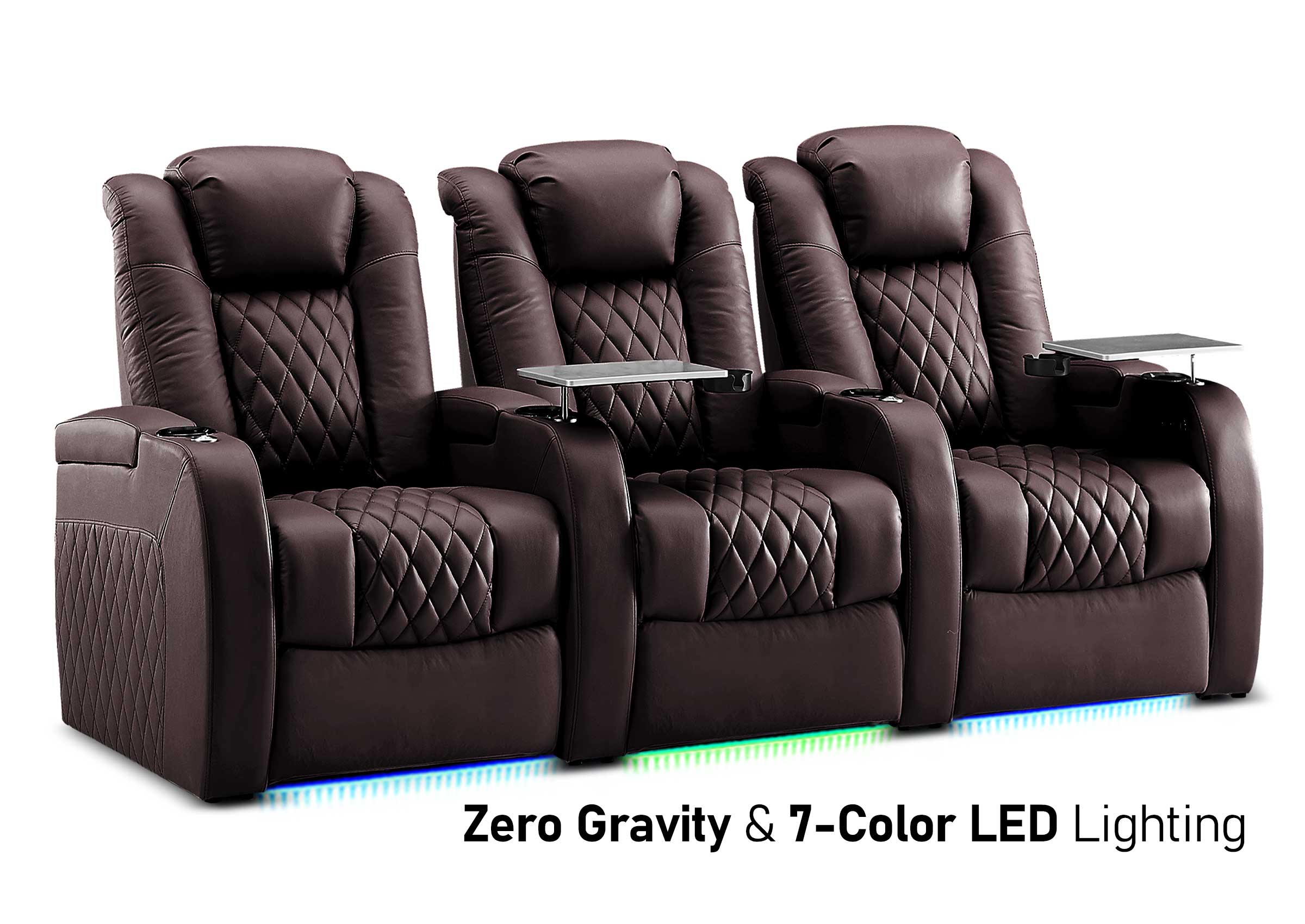

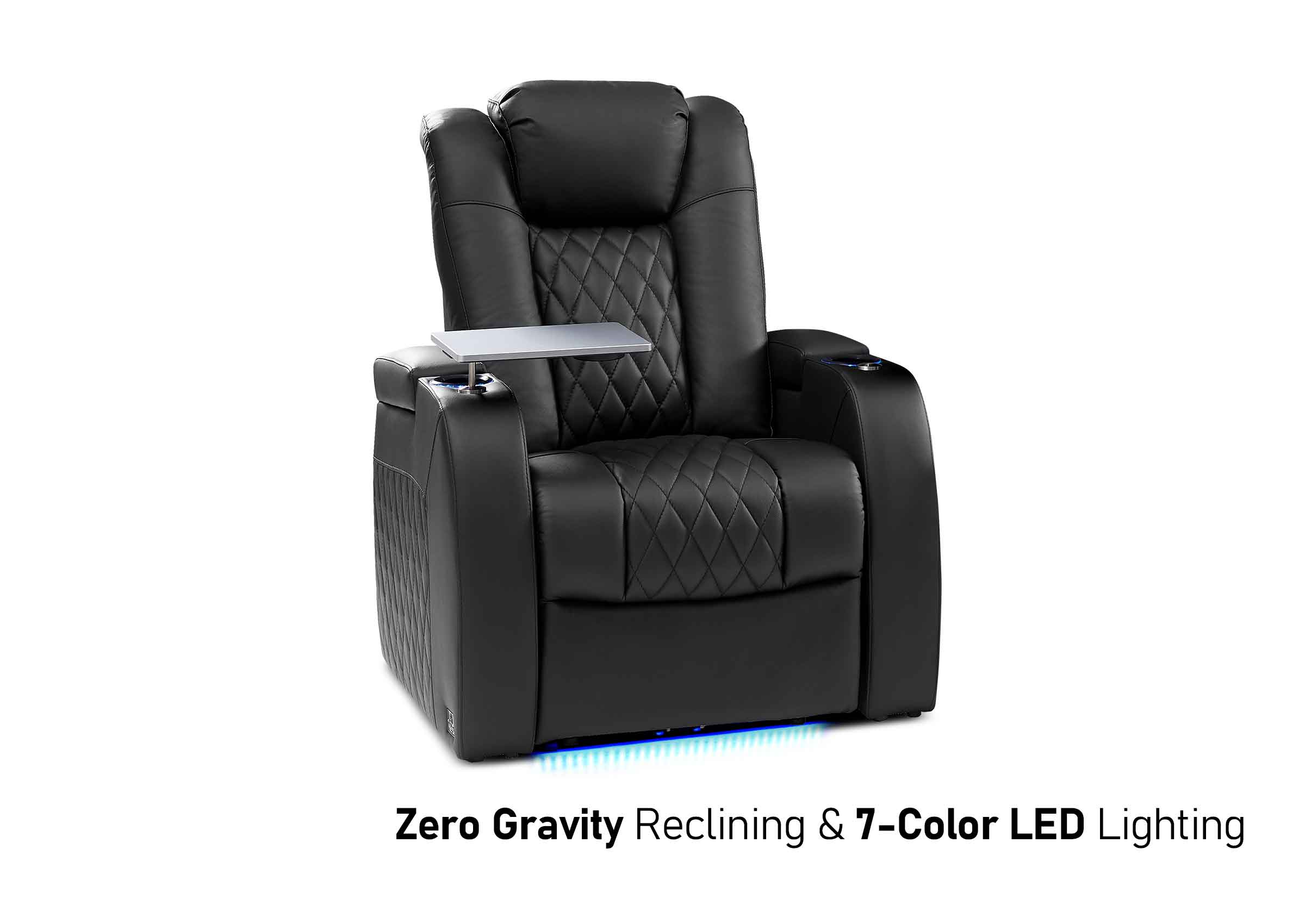
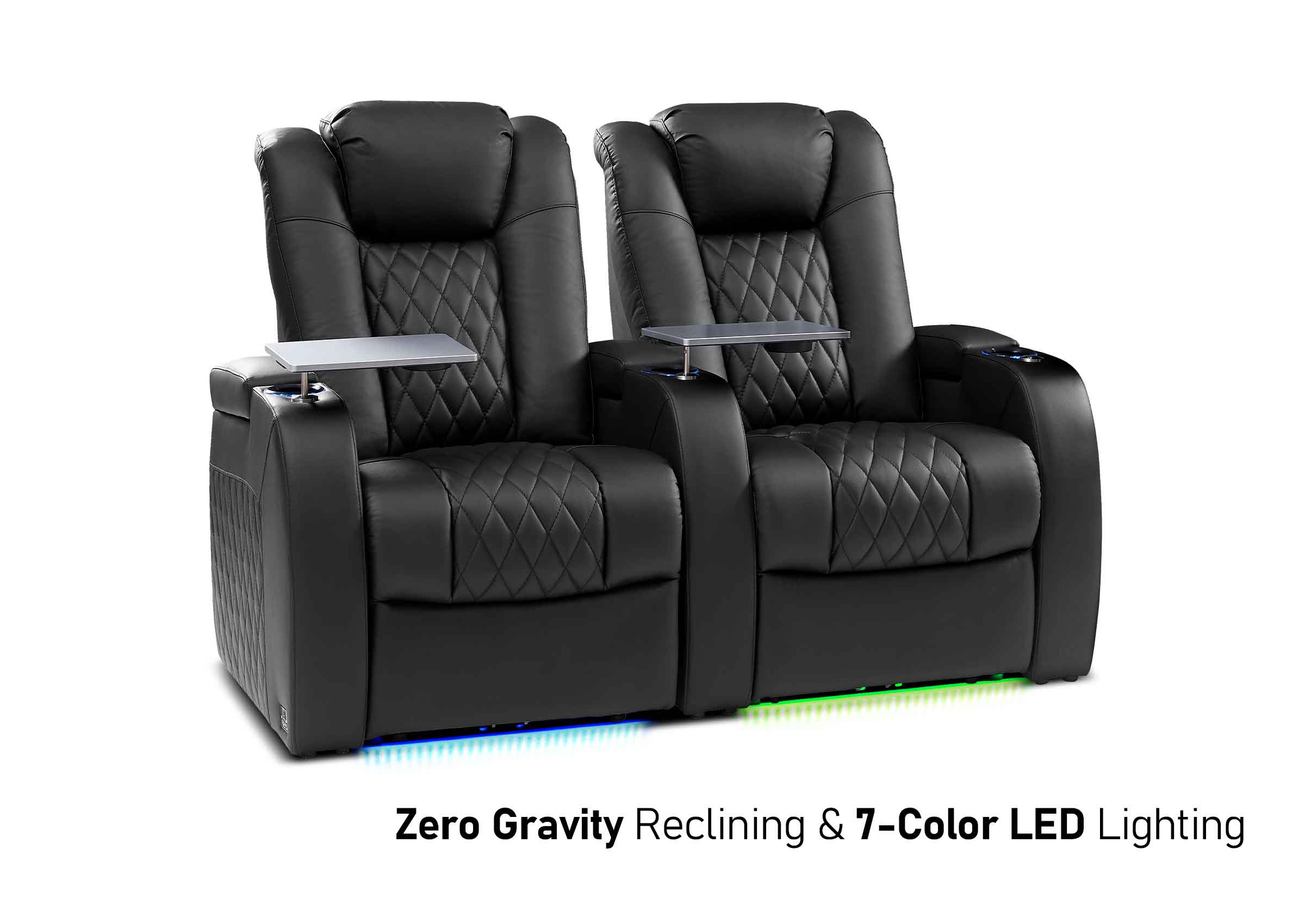
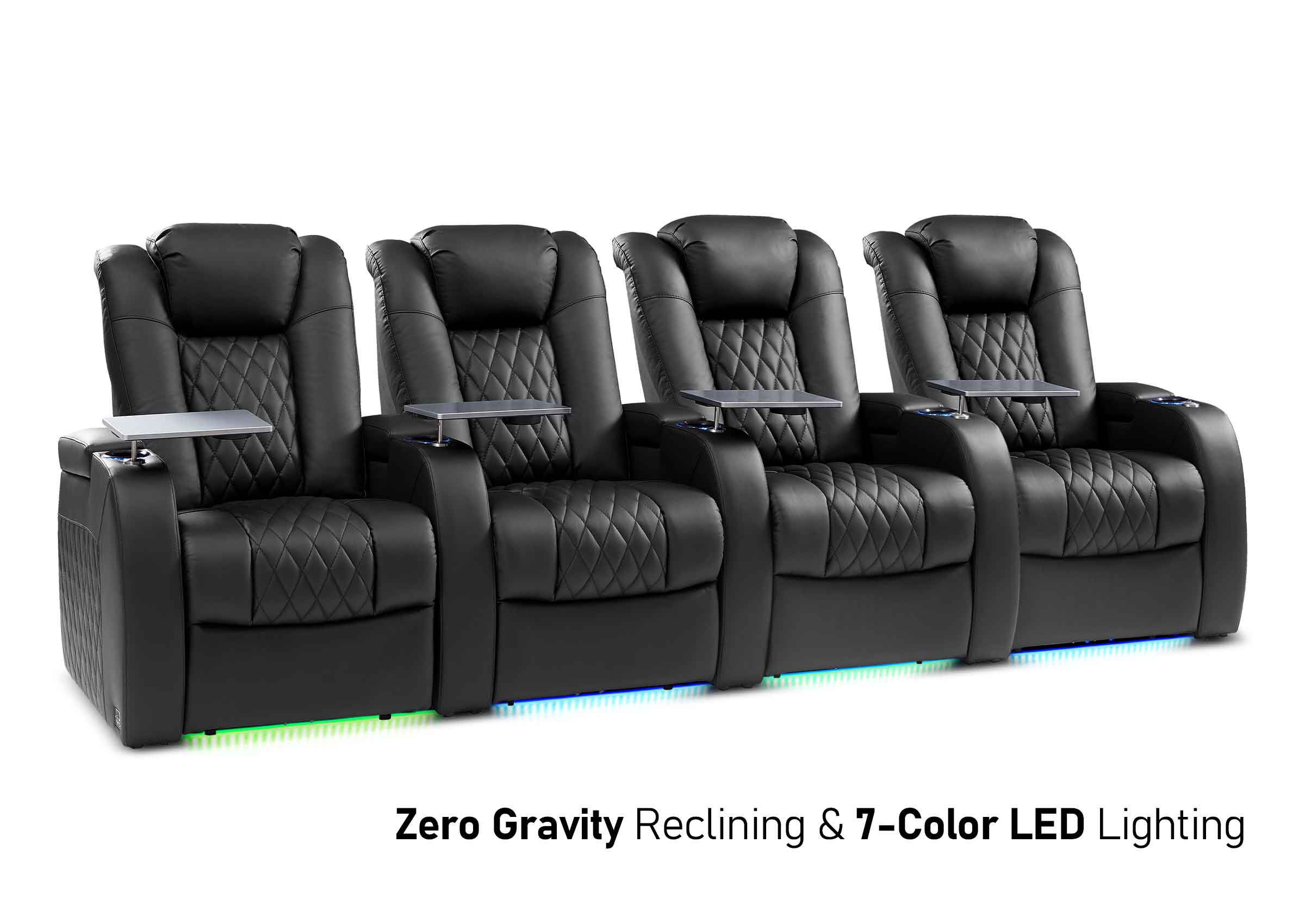
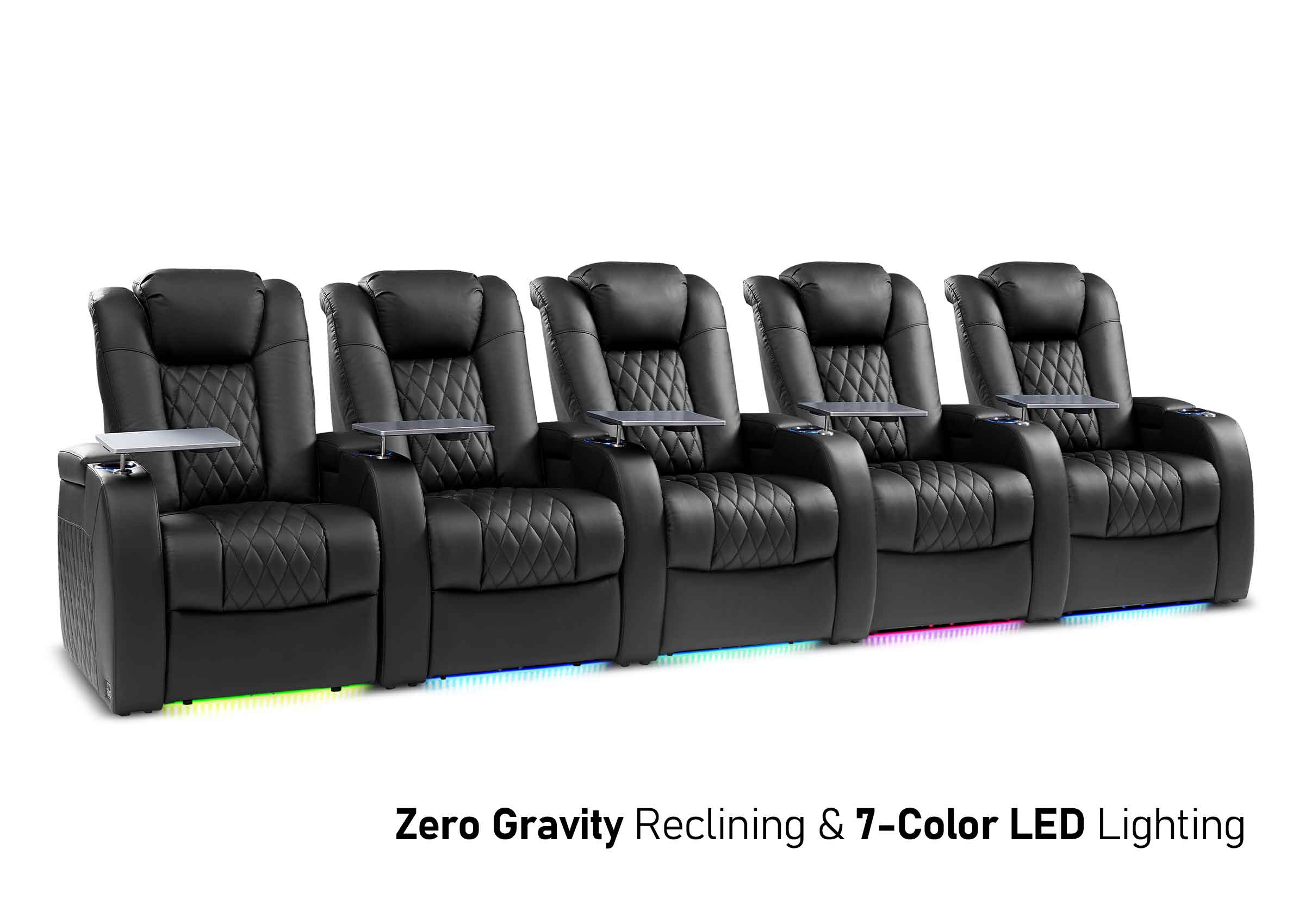
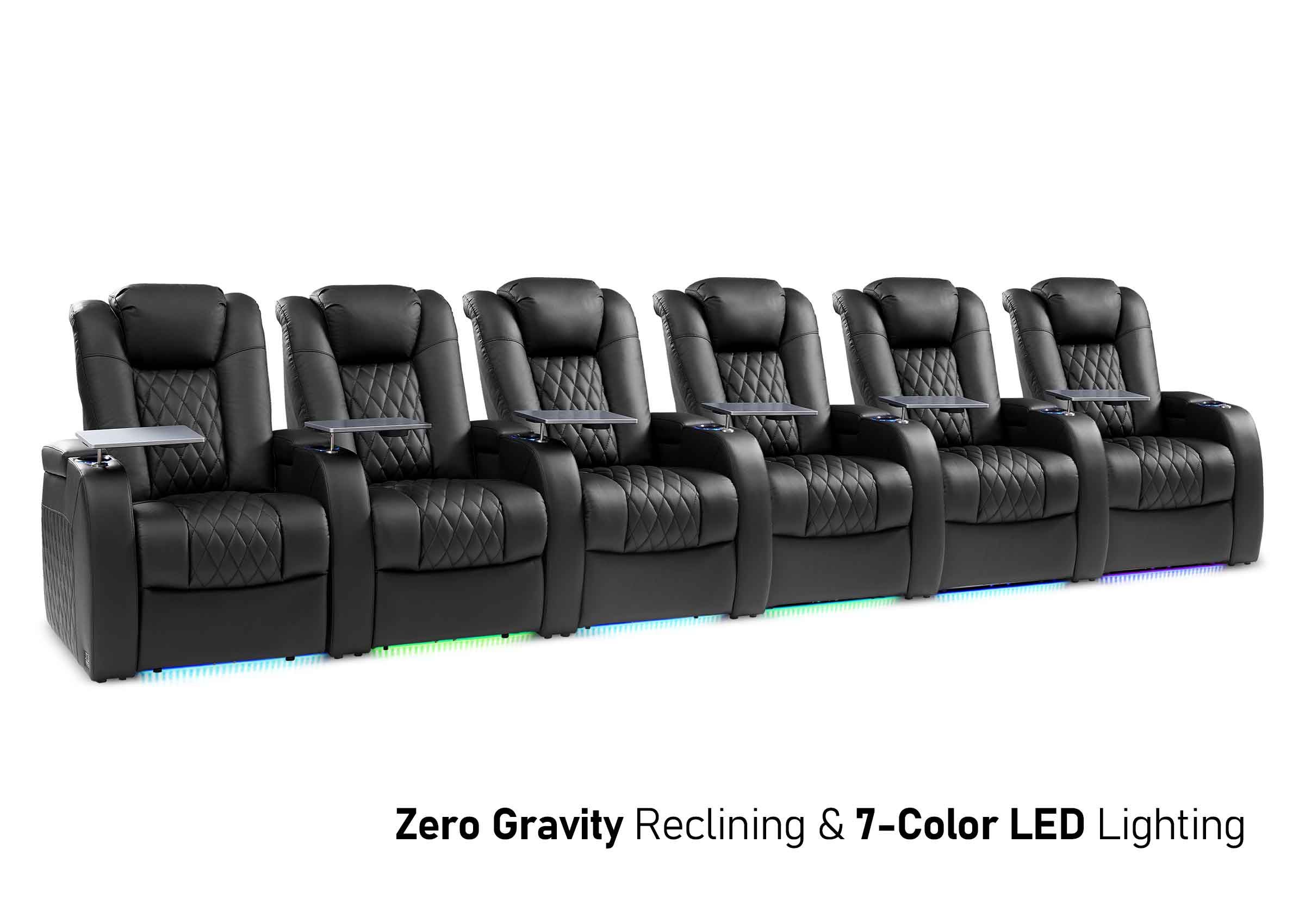
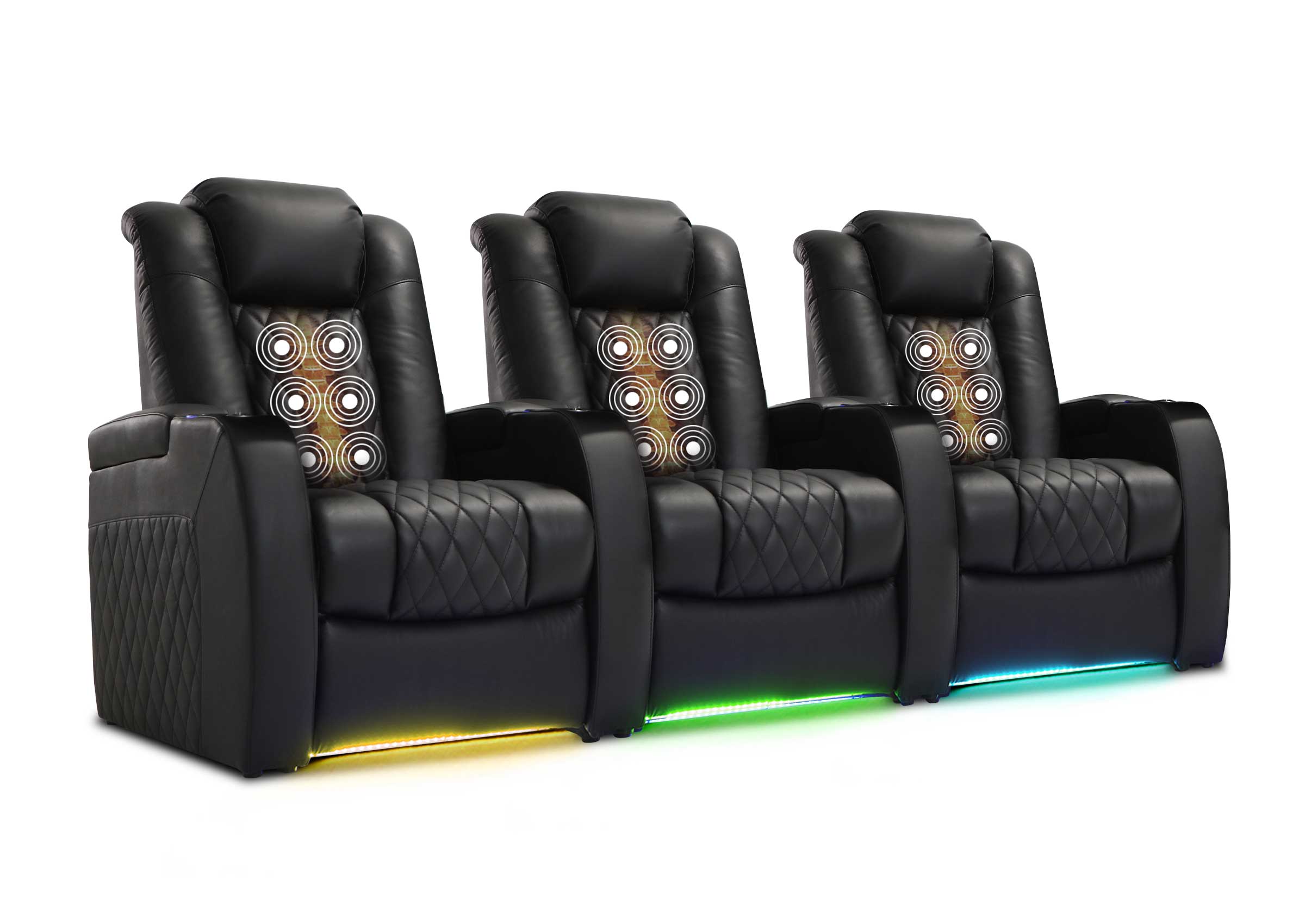
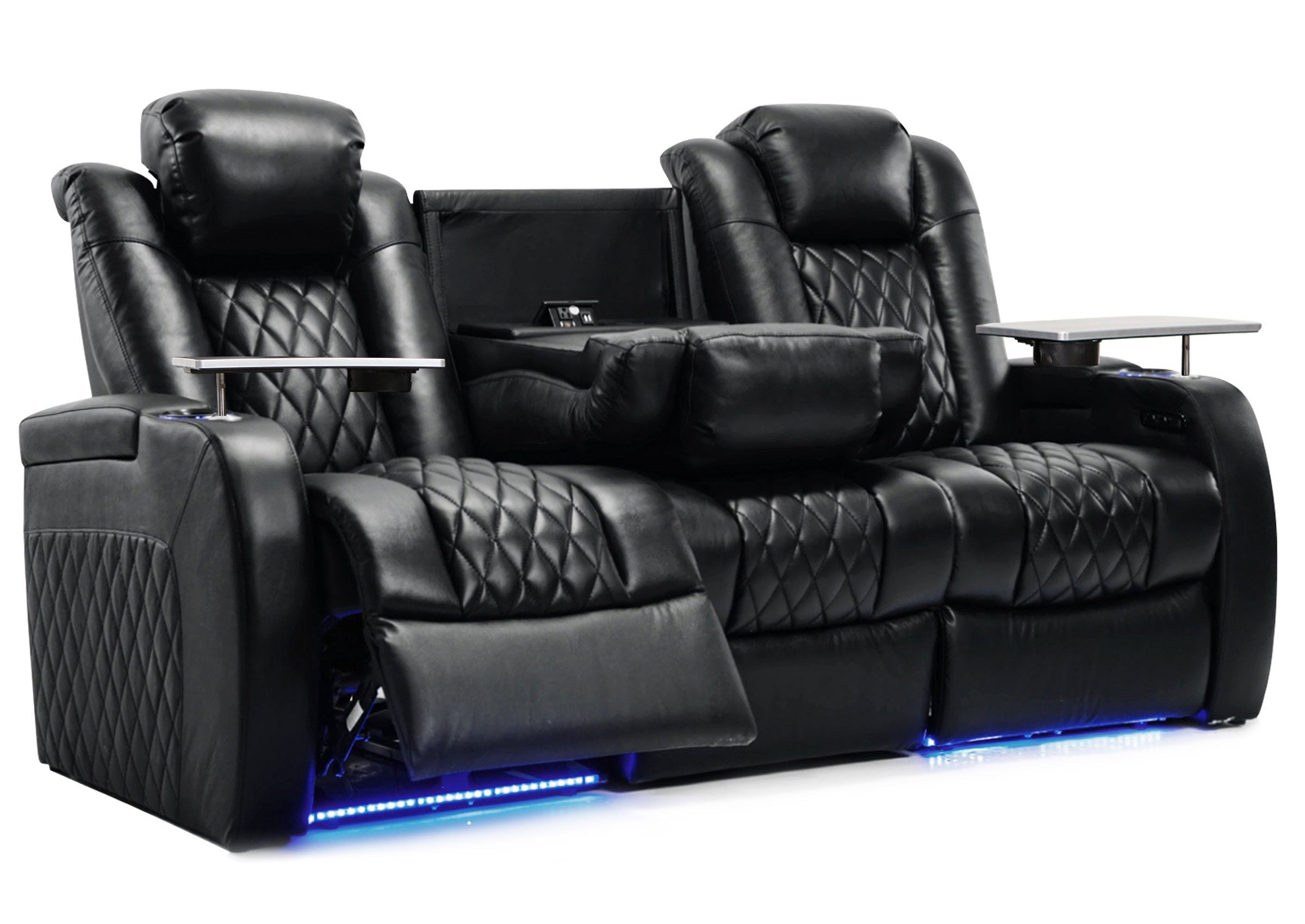
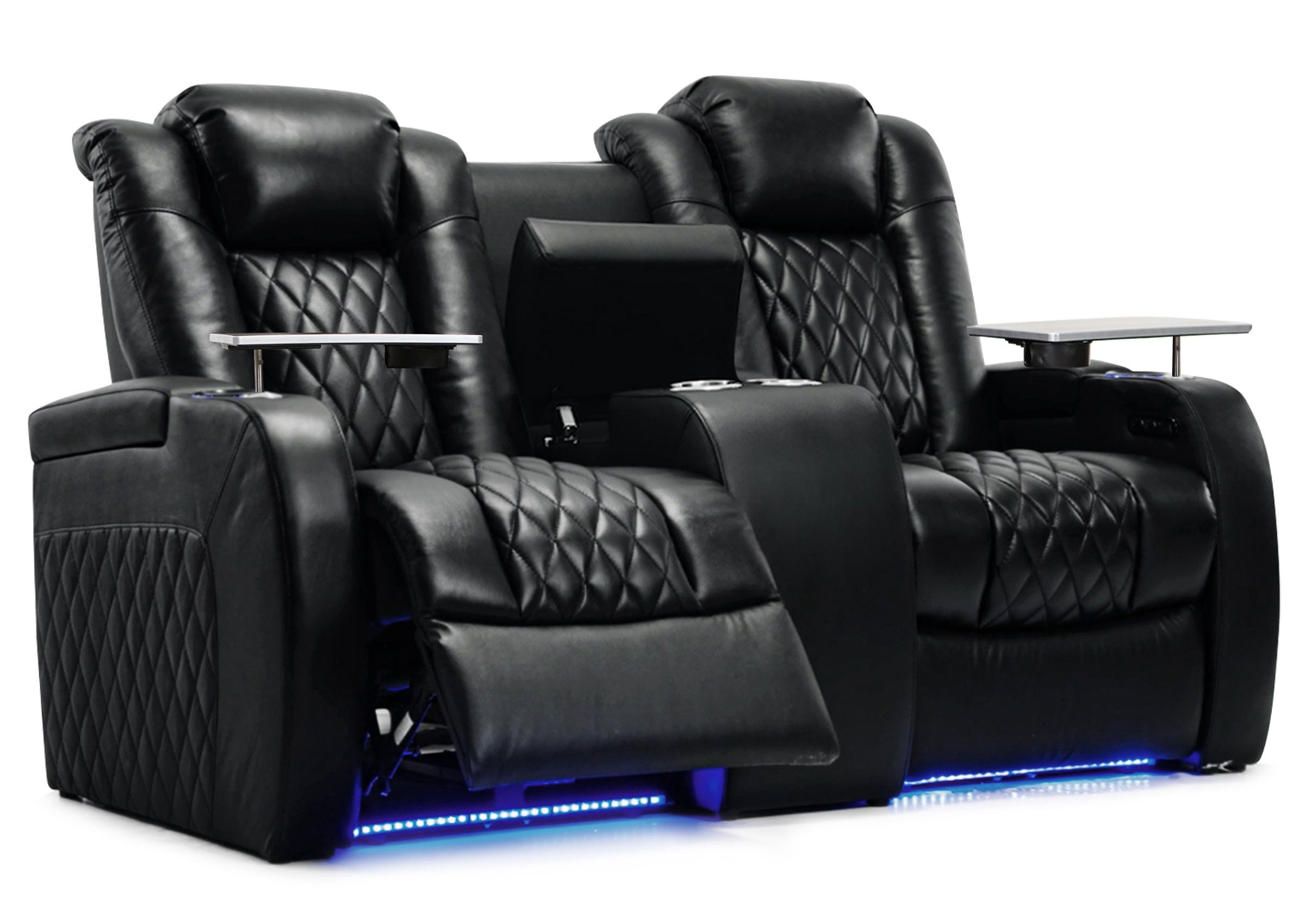


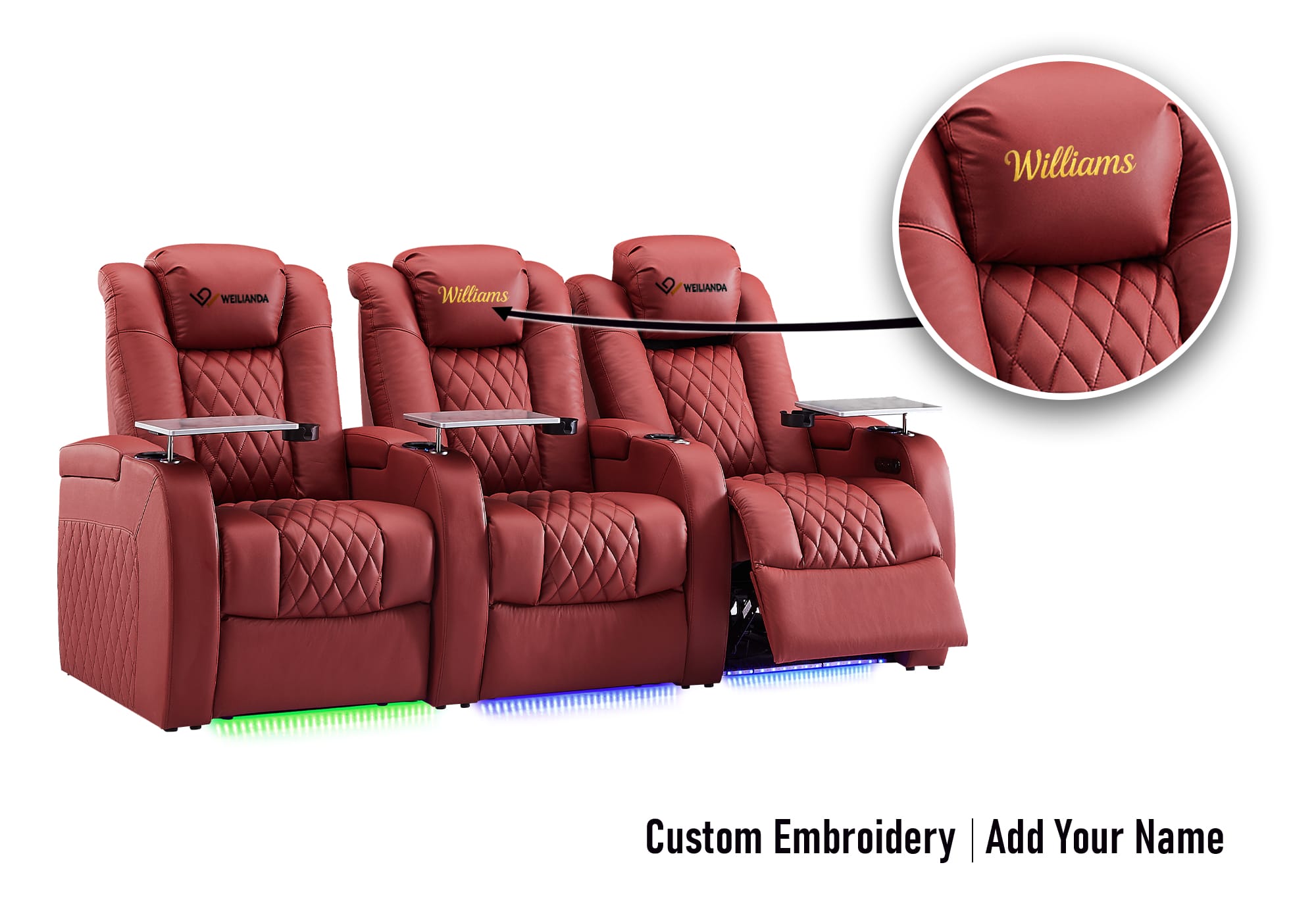

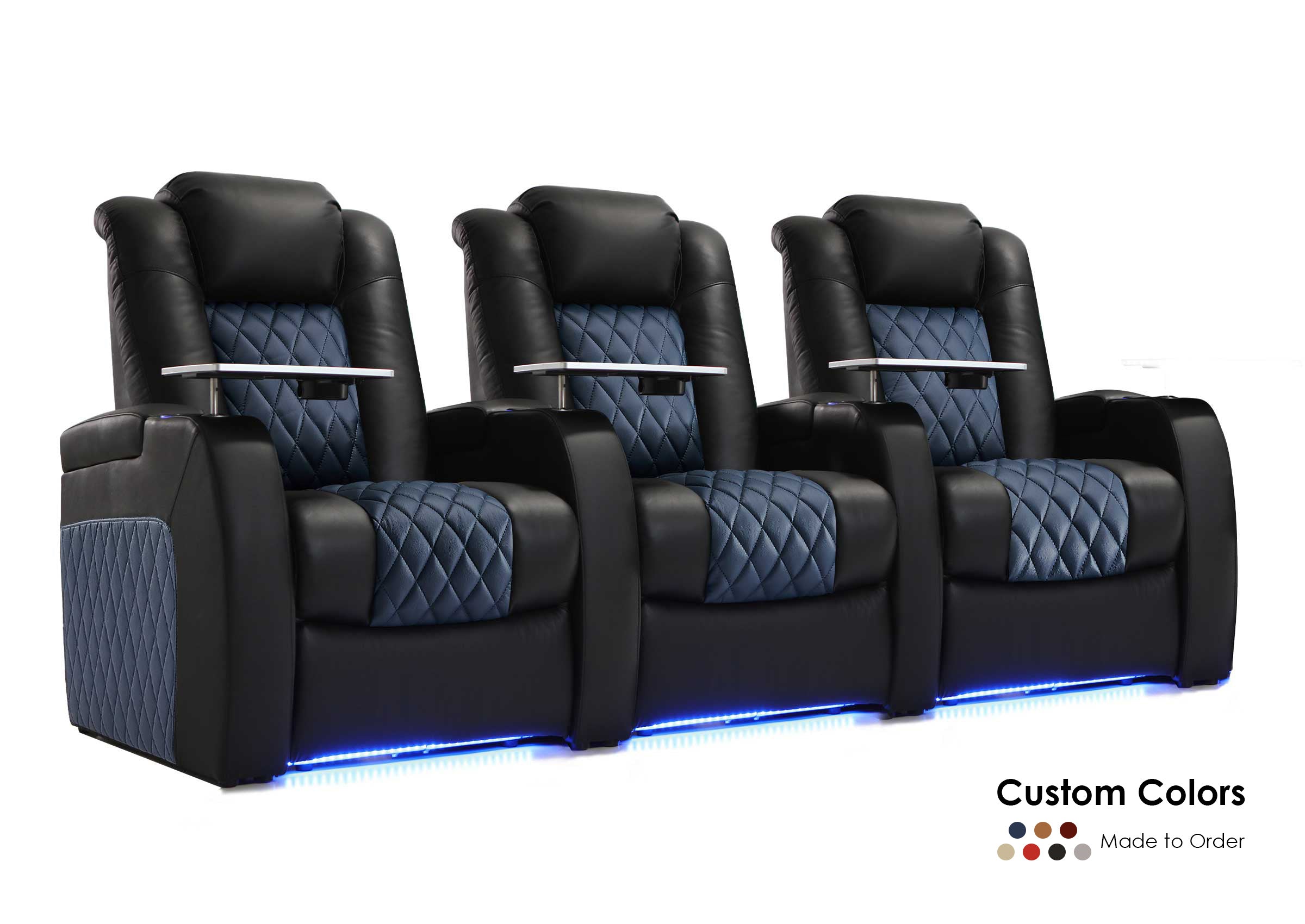

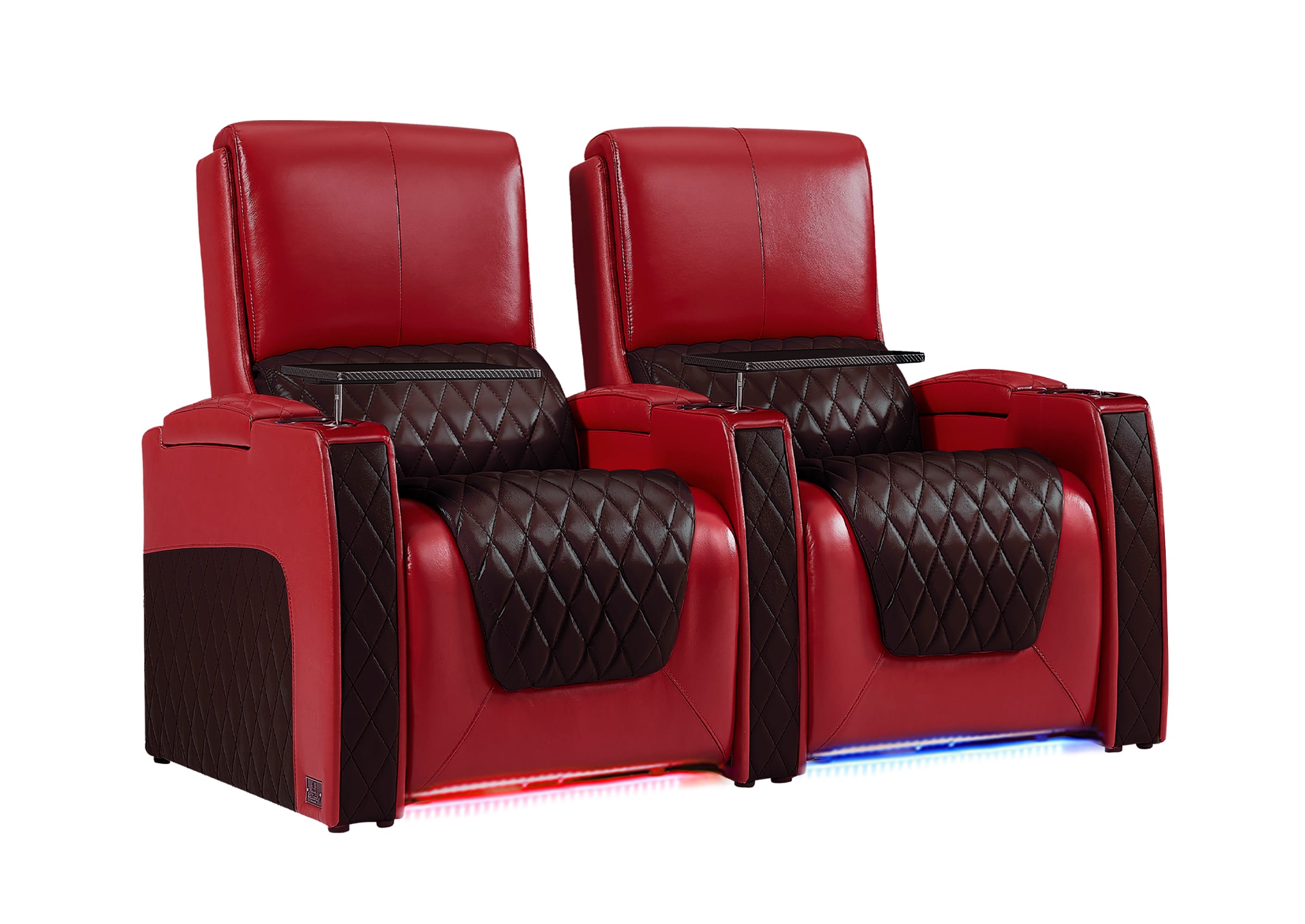
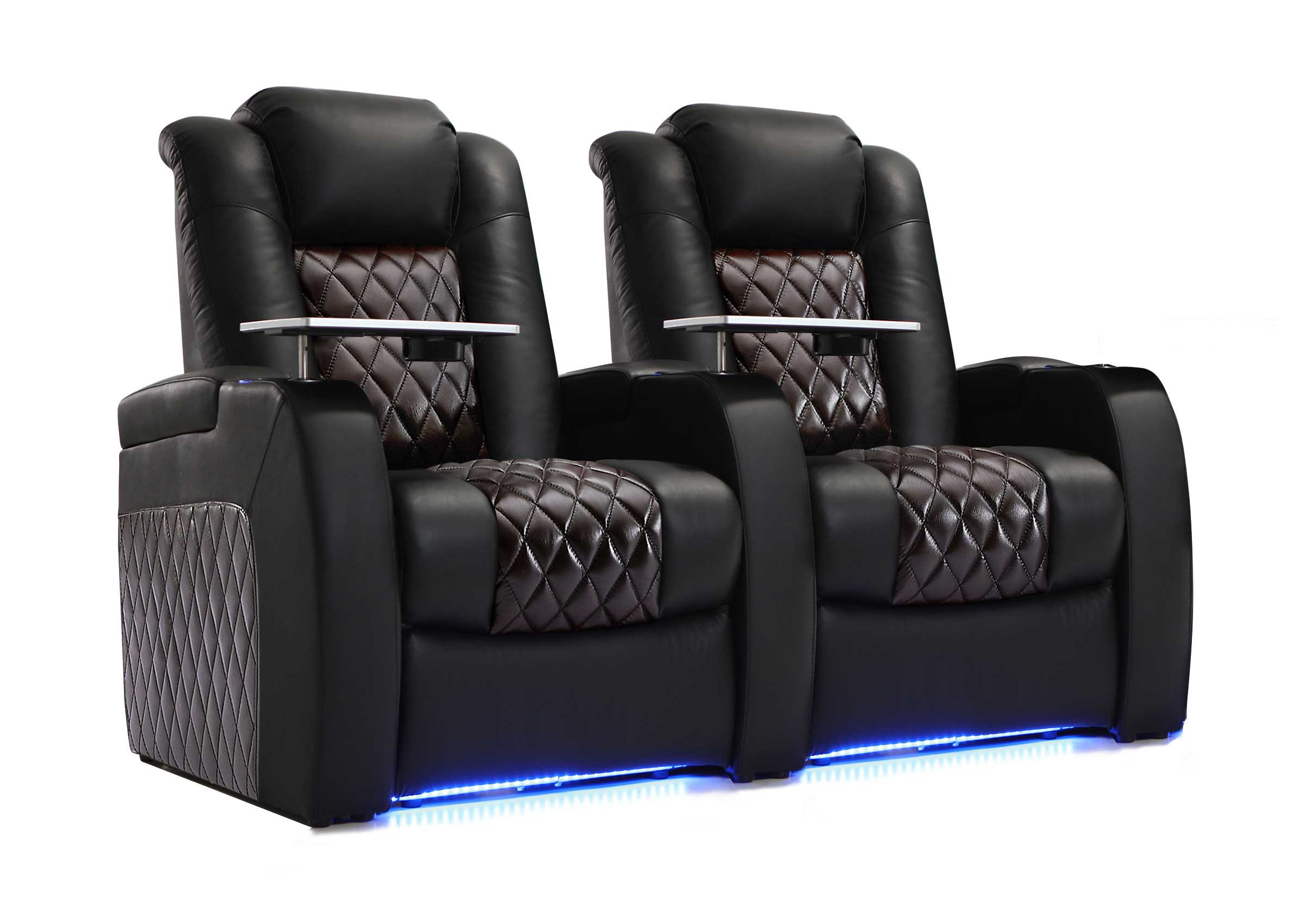
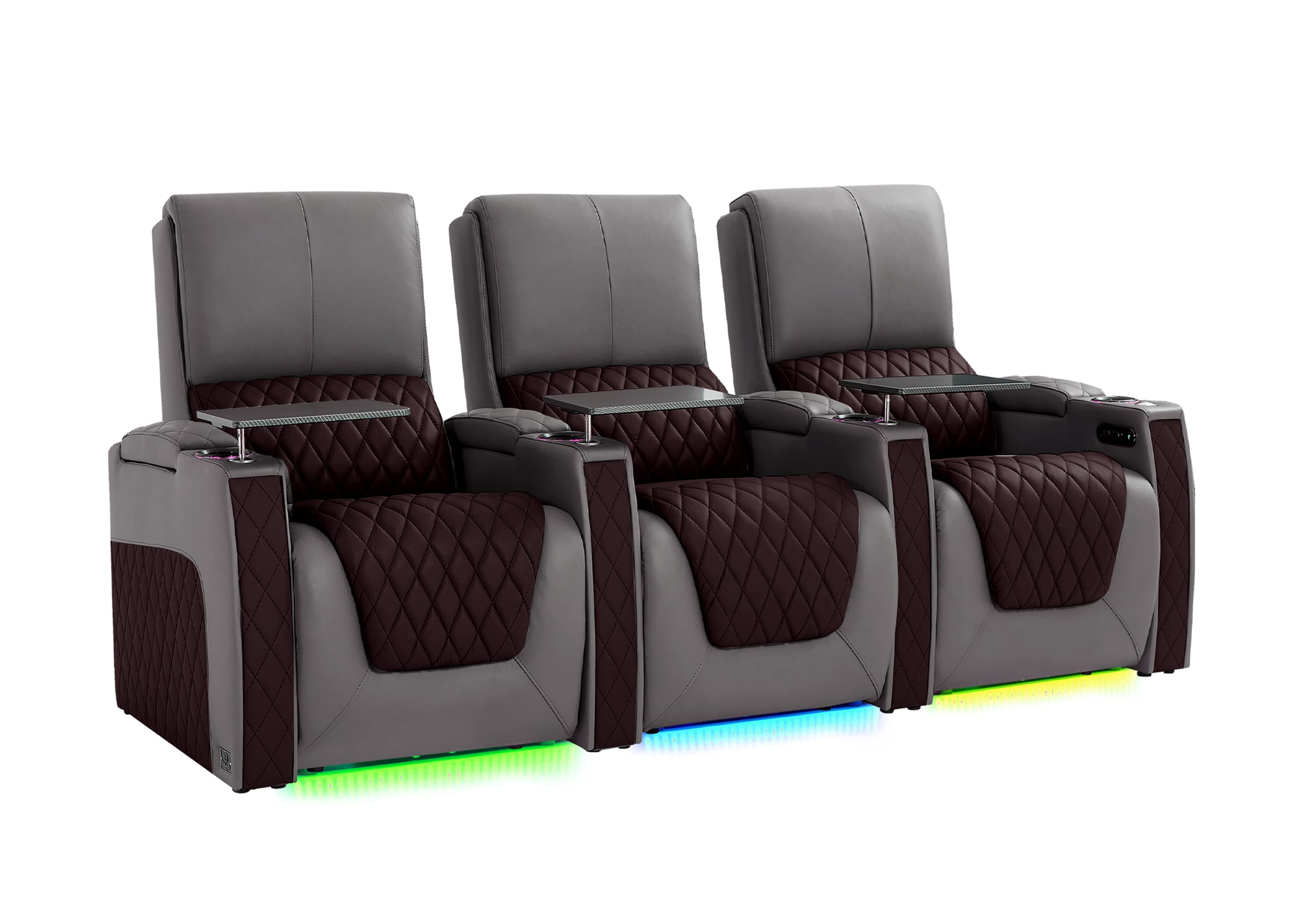
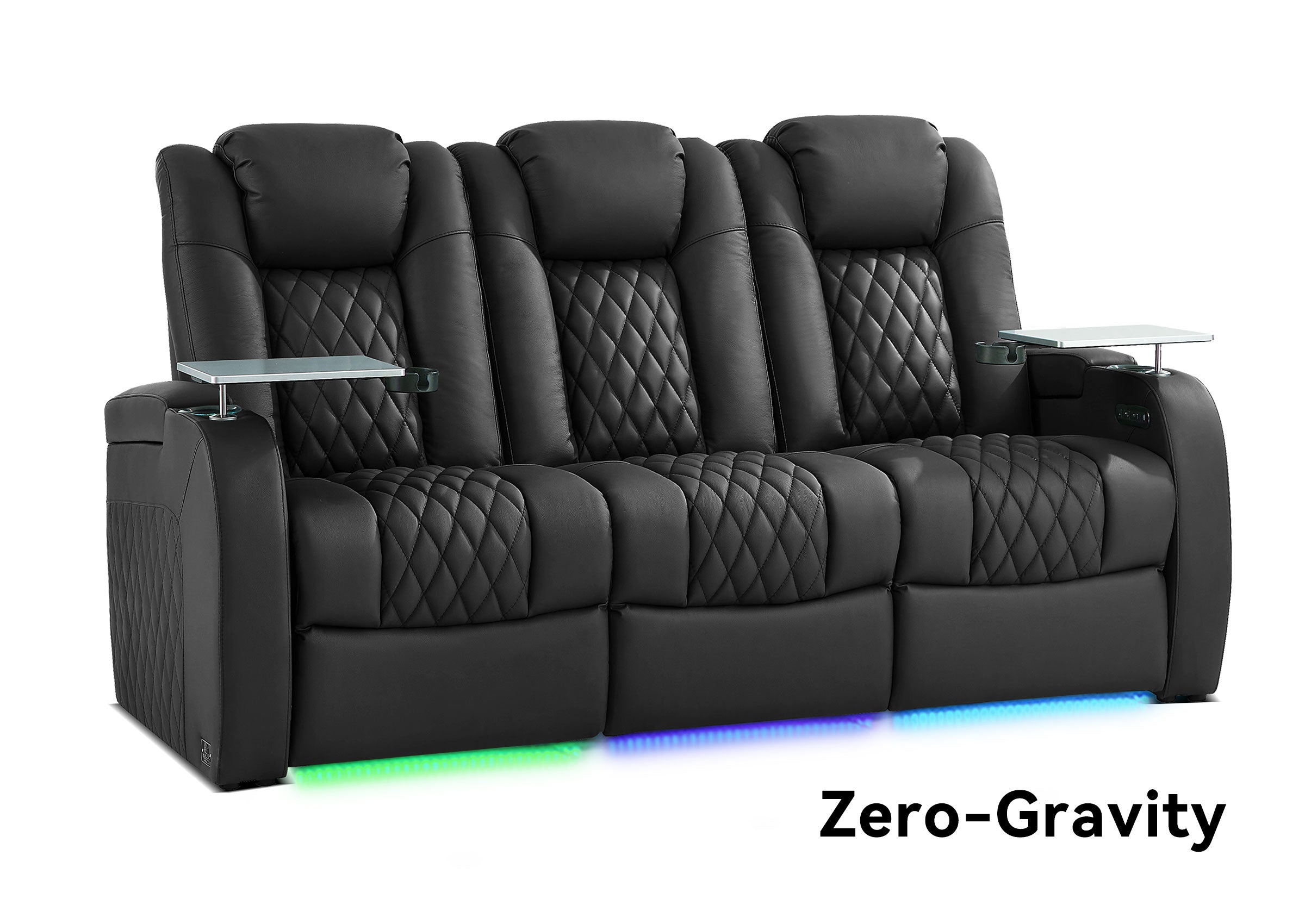
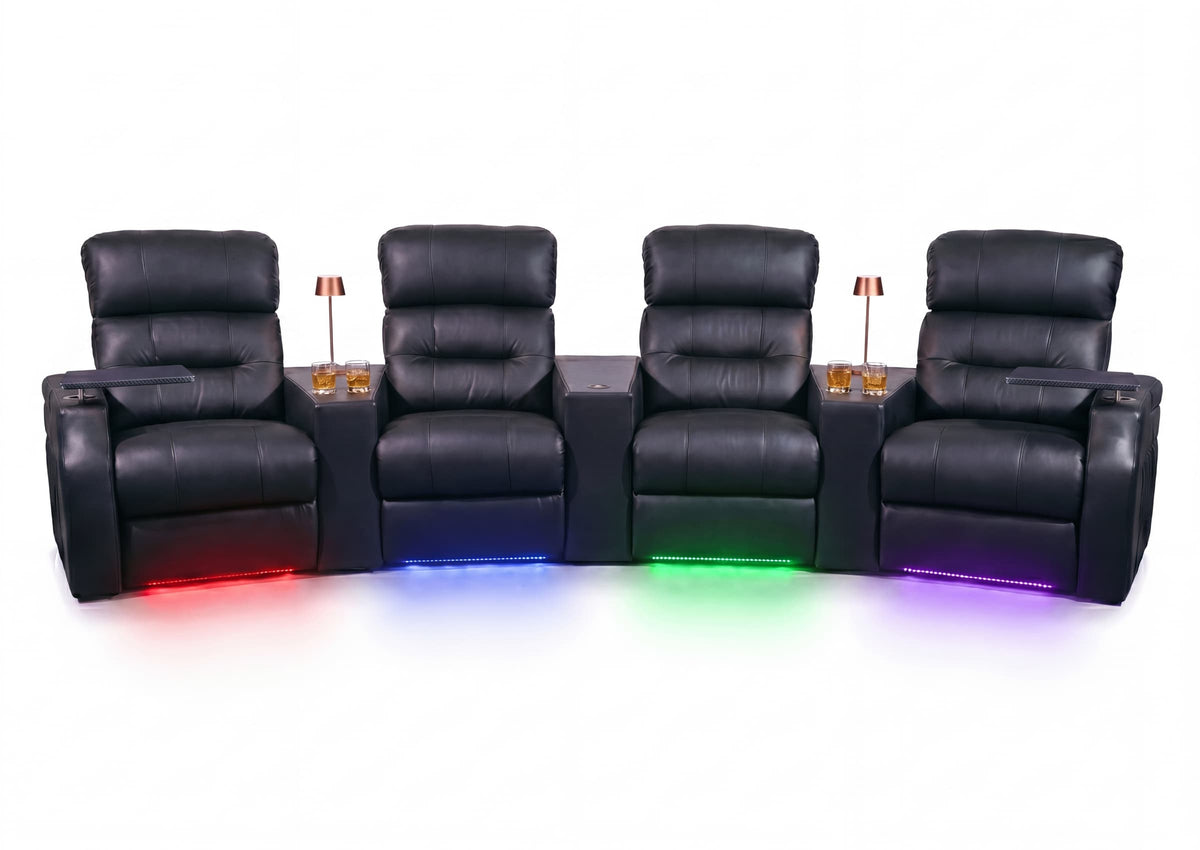


Recliners suit a shared airport lounge rest area where guests can settle into an adjustable seat. Sleep pods or cabins can add enclosure, a dedicated lying surface, or a separately managed rest service, depending on the product. Reclining position and privacy need separate specifications. Choose the arrangement against the experience you want to offer, the complete layout, and the way it will operate.
The decision is not always between a chair and a miniature hotel room. A covered pod can be closer to a reclining rest seat, while an enclosed cabin introduces a different set of space, service, and installation questions.
First Define What You Mean by a Sleep Pod
Start with the actual resting surface and enclosure. The words pod, capsule, and suite are not sufficient to establish what a guest receives.
| Rest arrangement | What the guest uses | What the name does not establish |
|---|---|---|
| Open recliner | An adjustable chair in a shared area | A flat bed, visual enclosure, or protection from surrounding conversation |
| Covered rest pod | A resting surface with a cover or surrounding shell | A lockable room, acoustic isolation, or a particular ventilation system |
| Enclosed cabin or suite | A defined interior that may contain a bed, reclining seat, workspace, or other facilities | The exact bed position, usable space, capacity, access, or service package |
Real products illustrate these differences. GoSleep's Recovery Pod has a lying surface and a manually operated privacy cover; the manufacturer states that the pod cannot be locked and describes passive ventilation. That is a specific product arrangement, rather than a definition of every sleep pod.
Sleepover's space categories distinguish reclining seats, enclosed pods, and cabins. Munich Airport's napcabs information also distinguishes standard and larger cabin formats. Compare the specified unit and its service conditions, rather than assuming that all facilities called pods deliver the same experience.

Match the Rest Service to the Lounge
Open recliners can work well when the lounge wants a readily available place to pause, read, or rest within the shared environment. They allow a guest to choose a seat without necessarily entering a separate room or booking process. Their success still depends on location, noise, occupied space, and the operator's rules.
A covered pod may suit a more visually sheltered resting position without introducing a walk-in cabin. Assess whether its cover, posture, entry method, and surrounding conditions meet the intended need. A product that looks enclosed in a photograph may still share air and sound with the lounge.
An enclosed cabin can support a more defined private rest service when the interior, operating procedures, and installation are appropriate. It may also require a clearer process for booking, access, assistance, cleaning, and taking a unit out of use. Those tasks need an owner even if a self-service interface is supplied.
Use the lounge's demand information to test the choice. Consider simultaneous requests for rest, typical time available before departure, group sizes, luggage, and the proportion of guests who want enclosure rather than a shared seat. Daily admissions alone do not reveal the demand for private resting places.
Establish which guests can reach the service within their airport journey and how much time remains after allowing for the onward route and boarding process. A long layover is not necessarily the same as a long usable rest window. The proposed location and service hours need to work for the intended guests.
A mixed scheme can be useful when these needs coexist: open rest seating for guests who prefer the shared setting, with a smaller managed offer for those seeking enclosure. It is not automatically the best mix. If private units displace too many practical shared places, or guests rarely request them, revisit the service and layout before fixing the quantity.
Specify Position, Privacy, Light, and Air Separately
Describe the required posture. Does the guest need a reclining seat, an extended leg position, or a flat resting surface? Ask for the relevant drawings and try the proposed product. A generous recline angle does not by itself establish a usable flat bed, and a bed label does not explain how someone enters or leaves it.
Then define privacy. Reduced visual exposure, a darker space, and confidential conversation are different goals. A cover or high surround may block views without providing the acoustic performance needed for speech privacy. Request relevant evidence and assess the installed arrangement before promising a particular level of quiet or confidentiality.
Check these conditions with the unit in its intended resting position and the cover or door in use. Observe surrounding conversation, cleaning activity, door movement, lighting, and equipment noise. Evaluate controls and the way guests can request help. An empty showroom unit is only part of that assessment.
Airflow and temperature also need a documented solution. A naturally ventilated covered product and a cabin with mechanical services are different arrangements. Confirm the selected unit's requirements and coordinate its location with the room's services. Do not assume that a small enclosure is comfortable simply because the surrounding lounge is air-conditioned.
For enclosed installations, have the project team address access, exit, ventilation, electrical services, and applicable building requirements. Product documentation should identify the proposed configuration and installation conditions. A supplier's general statement about suitability for airports does not resolve every condition in your project.
Compare the Complete Floor Plan
Compare both options as they will be used. For a recliner, show the occupied chair, back movement, footrest, controls, table, luggage, and the route to and from the place. The full recline zone is more useful for this comparison than the closed-chair footprint alone.
For a pod or cabin, identify the external dimensions and internal usable space separately. Add any opening cover or door, approach, service access, baggage provision, and shared circulation. Clarify what a supplier's area figure includes; an equipment footprint is not necessarily the total floor area allocated to the service.
Neither category is automatically more space-efficient. A compact pod can need additional approach and operating space. An open recliner can occupy a substantial area when fully extended. Orientation, shared circulation, the actual furniture, and the number of usable places determine which arrangement fits.
Check access with the intended range of users. Review approach, entry, controls, the resting position, luggage retrieval, and any assistance or companion needs. Do not assume every guest can transfer into the same low or narrow resting surface. Where an option cannot meet the required use, revise the product or arrangement before counting it as a suitable place.
Confirm the permitted occupancy of the actual model as well. A single-person resting unit is not automatically a place for a parent and child or for two companions. Include the operator's agreed arrangements in the proposal rather than inferring capacity from the word cabin.
Luggage needs an agreed location in both proposals. Under-seat or under-bed storage must fit the relevant bag and allow it to be retrieved. If belongings are stored elsewhere, define that service and its collection process. Neither a door nor a cover should be treated as a universal guarantee about the security of possessions.
FOR THE RECLINER OPTION
Size the Open Rest Option Before Comparing Capacity
For the recliner proposal, check the chair dimensions, fit, and occupied space before fixing the layout. Use the same complete-area comparison for the pod or cabin option.
Include Cleaning and Reset Time in Availability
Both recliners and private rest units need a cleaning process. A separately managed unit also needs a clear status between one guest leaving and the next arriving. A unit is not ready merely because it is unoccupied.
Napcabs describes a specific operating process: after a stay, staff are notified to prepare the cabin and replace bed linen before it becomes available to the next passenger. Other products and contracts may use different processes. Establish what your service requires, who performs it, and how readiness is confirmed.
For planning, distinguish guest time from the complete service cycle. Include the agreed preparation and reset work, rather than assuming the next reservation can start immediately. Open seating also needs a way for staff to clean or remove an unavailable place from use without confusing guests.
Consider a hypothetical four-hour planning window: 240 minutes, with each unit initially ready. Assume a 60-minute guest session and a 15-minute reset, and count only cycles whose session and reset both finish within the window. Each cycle takes 75 minutes; 240 divided by 75 is 3.2, so only three complete cycles fit. Ignoring reset would suggest four 60-minute sessions.
Those times are illustrative assumptions, not an operator's policy, measured cleaning duration, or demand forecast. Use the actual process and staffing information for the project. Reservation gaps, delays, and maintenance can change the result further; the calculation does not predict occupancy or revenue.
Apply the check to units that will actually be available and supported by the cleaning operation. Multiplying by every unit on the equipment schedule would overstate this planning capacity if some are out of service or cannot be reset within the assumed interval.
Define who handles late departures from a unit, failed controls, an unfinished reset, a guest needing help, and a unit that must be taken out of service. The booking interface, staff procedure, and physical availability should describe the same status.

Price the Operating Arrangement, Not Just the Unit
Compare complete proposals over the same scope. Equipment, delivery, installation, room services, furniture interfaces, and required project reviews belong in the initial comparison. Cleaning, consumables, service access, maintenance, operating systems, and staffing arrangements need to be considered over the intended period of use.
Clarify the supply model. Is the lounge buying equipment to operate itself, contracting a managed service, or making space available to a separate operator? For example, napcabs' airport-facing concept assigns manufacture and operation to the provider and describes cleaning, maintenance, and service as provider-organized. That is one commercial arrangement, not a standard term for all private rest units.
The distinction between commercial and residential seating requirements is useful background when assessing a public-use recliner. Confirm evidence for the actual chair, upholstery, power components, and installation. A domestic feature list does not answer the whole operating brief, and a seating guide does not approve a cabin installation.
Do not infer the charging model from the furniture. Open seating can be part of a managed service; private rest can be included in lounge access, reserved under a separate policy, or sold separately. Decide the offer and responsibilities with the operator. A paid option still needs demonstrated demand, usable availability, and an agreed service cost before its economics can be assessed.
If a proposal is incomplete, list the exclusions and obtain a comparable scope before choosing it. An apparently cheaper unit may leave the lounge responsible for tasks that another proposal includes. Equally, avoid paying for enclosure or equipment that the intended service does not need.
Trial Both Options Against the Same Brief
Use a representative recliner arrangement and the actual pod or cabin configuration under consideration. Test the complete journey from finding the place to leaving it and preparing it for the next user. A practical comparison should include guests and the staff or contractor responsible for the service.
| Trial item | What to establish | Evidence to retain |
|---|---|---|
| Resting position | Entry, support, posture, controls, and leaving the place | Product drawing and observations from the proposed arrangement |
| Privacy and environment | Visual exposure, sound, light, airflow, and user control | Stated requirements and relevant performance information |
| Layout and belongings | Occupied footprint, approach, luggage, and shared routes | Coordinated plan showing the unit in use |
| Access and assistance | Whether intended users can use the service and get help | User needs, unresolved issues, and the agreed arrangement |
| Reset and availability | Cleaning, consumables, status changes, and staff access | Operating sequence and realistic reset information |
| Ownership and disruption | Who resolves failures and what happens when a unit is unavailable | Supplier/ |
Record what changes the decision. If the recliner meets the rest brief once its location is improved, an enclosure may add little value. If visual shelter alone is insufficient, test a more suitable product rather than describing a covered seat as a private room. If the cabin cannot fit with its required approach and services, revise the layout or compare another arrangement.
Before approval, request the occupied layout, product specifications, relevant installation and performance evidence, and the operating responsibilities for each option. Keep unresolved issues visible. A successful trial supports the choice; it does not replace the applicable technical review or confirm that every guest will prefer the same type of rest space.
Frequently Asked Questions
Does a Sleep Pod Always Have a Flat Bed?
No. The term can describe different products, including covered resting surfaces and enclosed spaces with a reclining seat or bed. Establish the actual surface, usable dimensions, adjustment, and entry method from the specified model. A photograph of a closed shell is insufficient to establish what lies inside it.
Are Airport Sleep Pods Soundproof?
The name does not establish acoustic performance. A privacy cover, enclosure, or door can have different effects depending on its construction and installation. Decide the required sound conditions, obtain relevant product information, and assess the proposed setting. Do not promise confidential calls or isolation from terminal noise solely because a unit is called a pod.
Which Uses Less Space: a Recliner or a Sleep Pod?
Compare the complete allocated area for the specific alternatives. Include occupied positions, opening parts, approach, luggage, service access, and shared circulation. A closed recliner measurement and a pod's external footprint are not a like-for-like capacity comparison. Neither product category has a universal space advantage.
Are Private Pods Suitable for Wheelchair Users?
Suitability depends on the particular unit, approach, interior, controls, and the guest's requirements. A private enclosure is not proof of accessible use. Confirm the intended arrangement with the project team and users, including assistance or companion needs; do not plan the service around an assumption that every traveler can transfer into its resting surface.
How Should a Rest Service Handle Boarding Reminders?
Agree and communicate the procedure before opening. Specify whether guests set their own alarms, whether a system provides alerts, and what staff assistance is actually included. Check how information reaches someone behind a closed cover or door. Do not build the service around an unconfirmed promise that staff will wake every guest or monitor flight changes for them.
Should Private Rest Be Included With Lounge Access?
That is an operating decision. Compare the intended offer, demand, availability, and service costs, then define reservations, eligibility, and any separate payment with the operator. The furniture type does not determine the policy. Communicate the agreed terms clearly rather than assuming guests will understand what is included from the appearance of the unit.
Choose the Rest Service Before Finalizing the Furniture
Set out the resting position, privacy requirements, complete layout, and process for making each place ready to use. Approve the space and the operating responsibilities together. The right choice may be open recliners, a covered product, enclosed cabins, or a justified mix, depending on the brief and the evidence for the proposed arrangement.
For Weilianda seating under consideration, bring the rest-area plan, occupied dimensions, luggage arrangement, controls, power needs, and cleaning requirements to Weilianda Support or email leon@weiliandahome.com. Confirm the selected chair's configuration and drawings, then coordinate the complete installation and service with the operator and project design team.