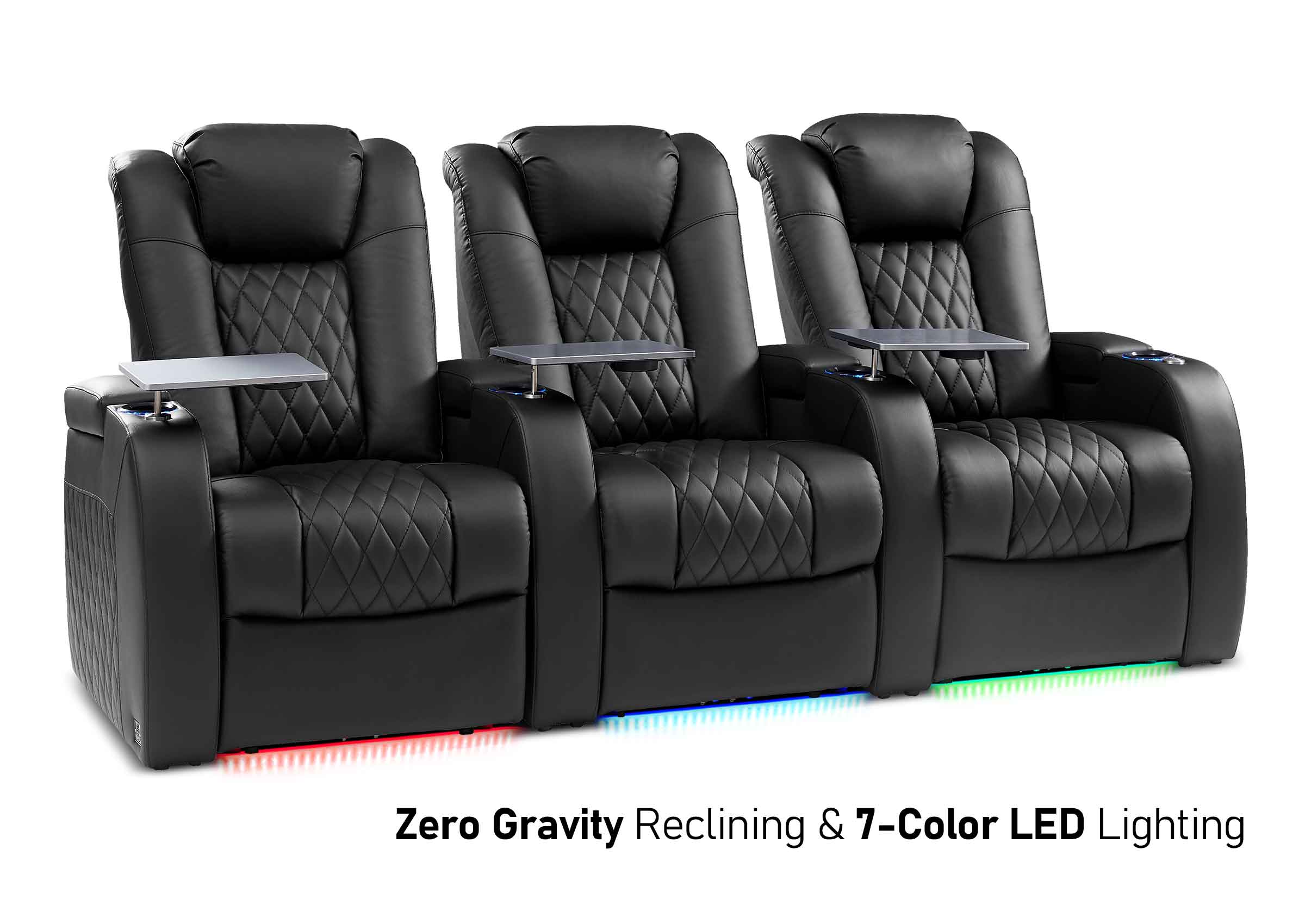
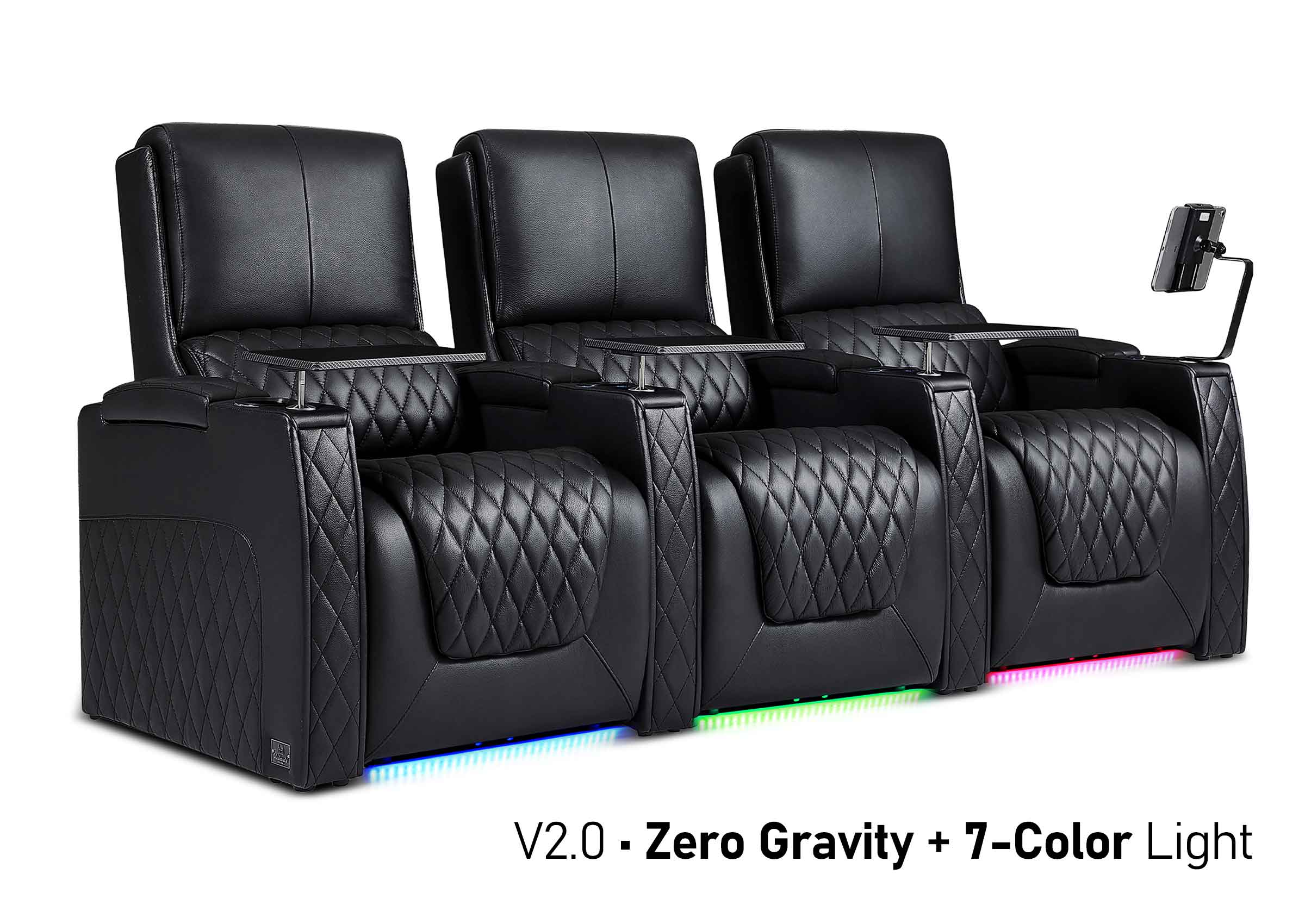
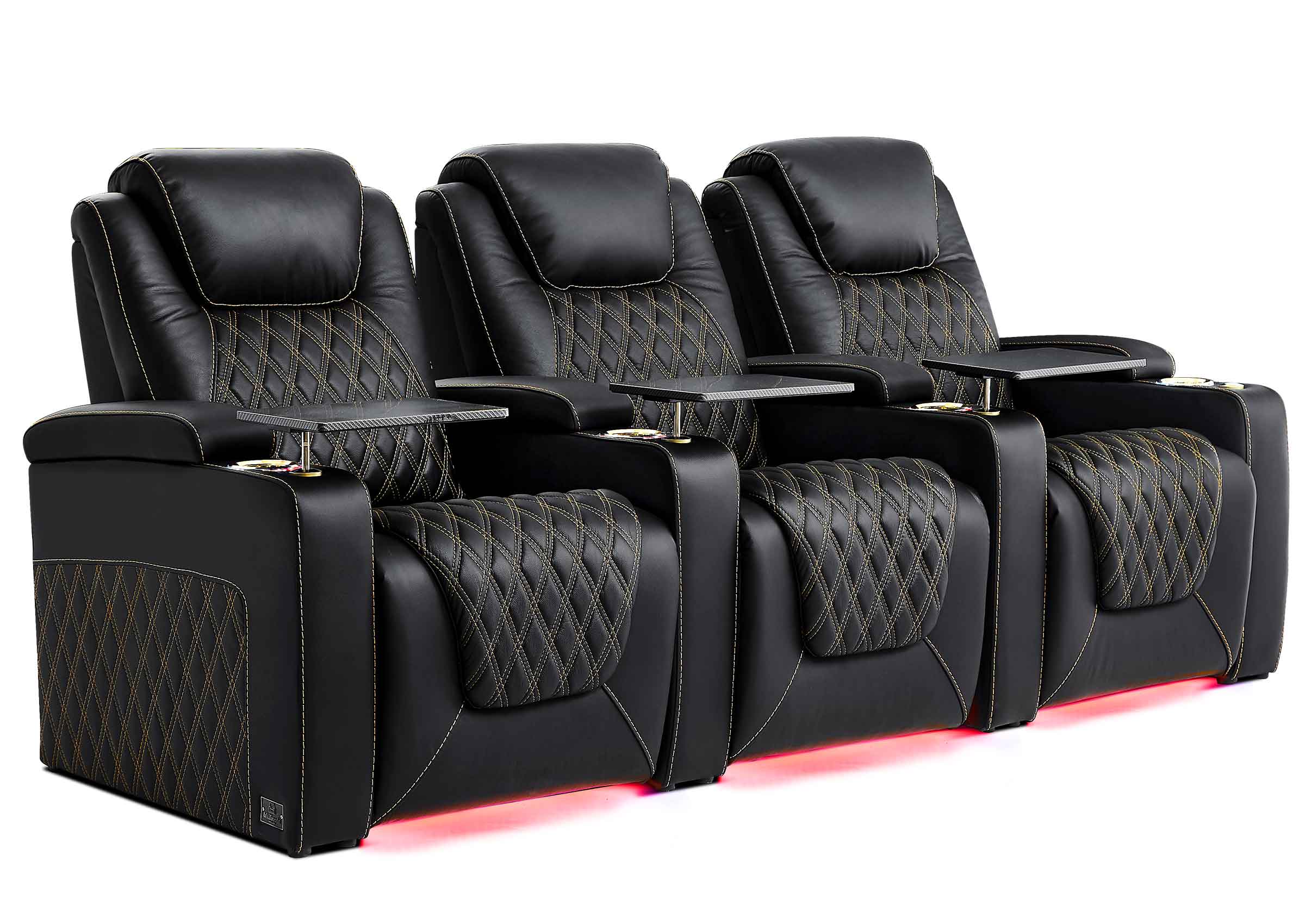
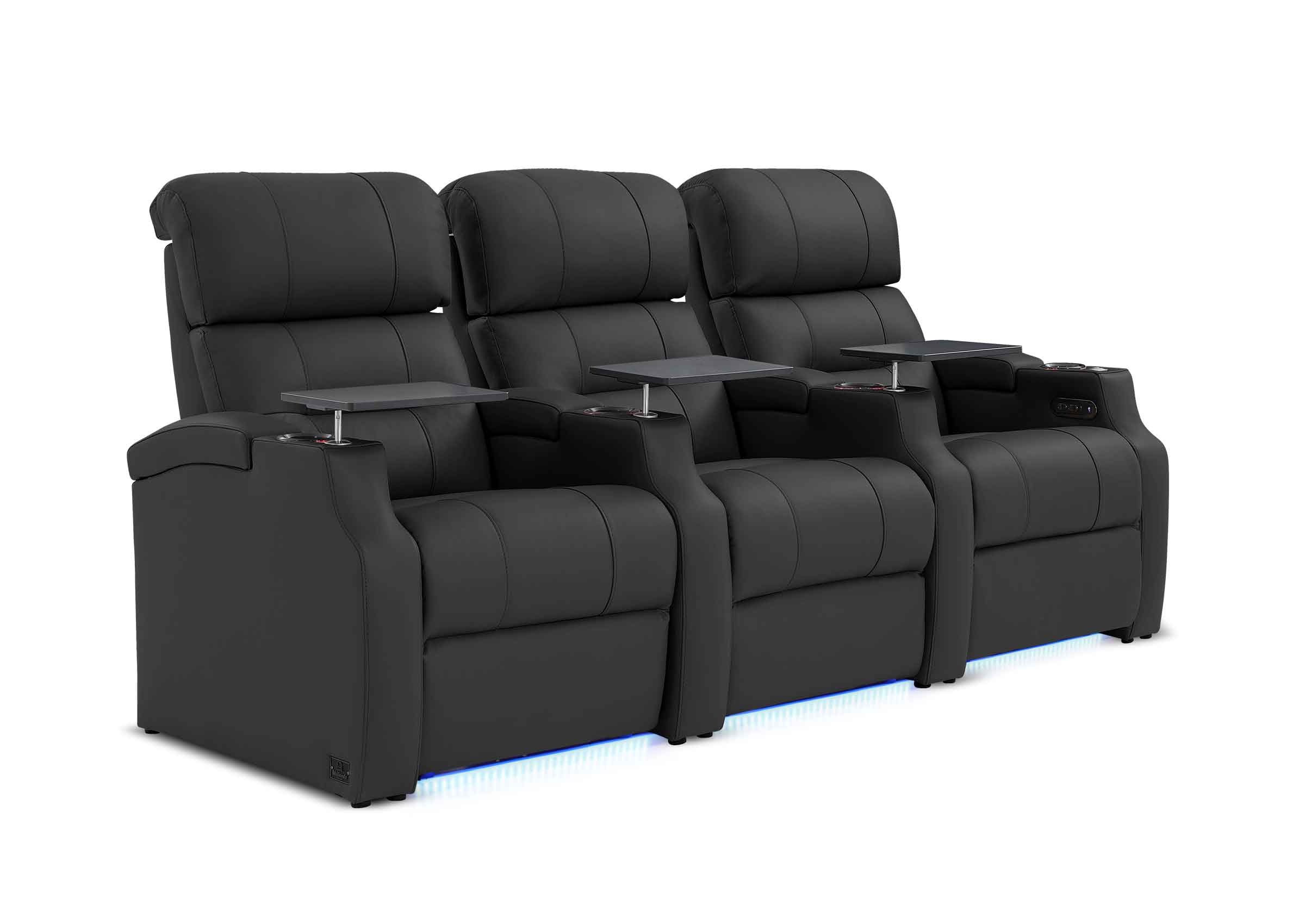


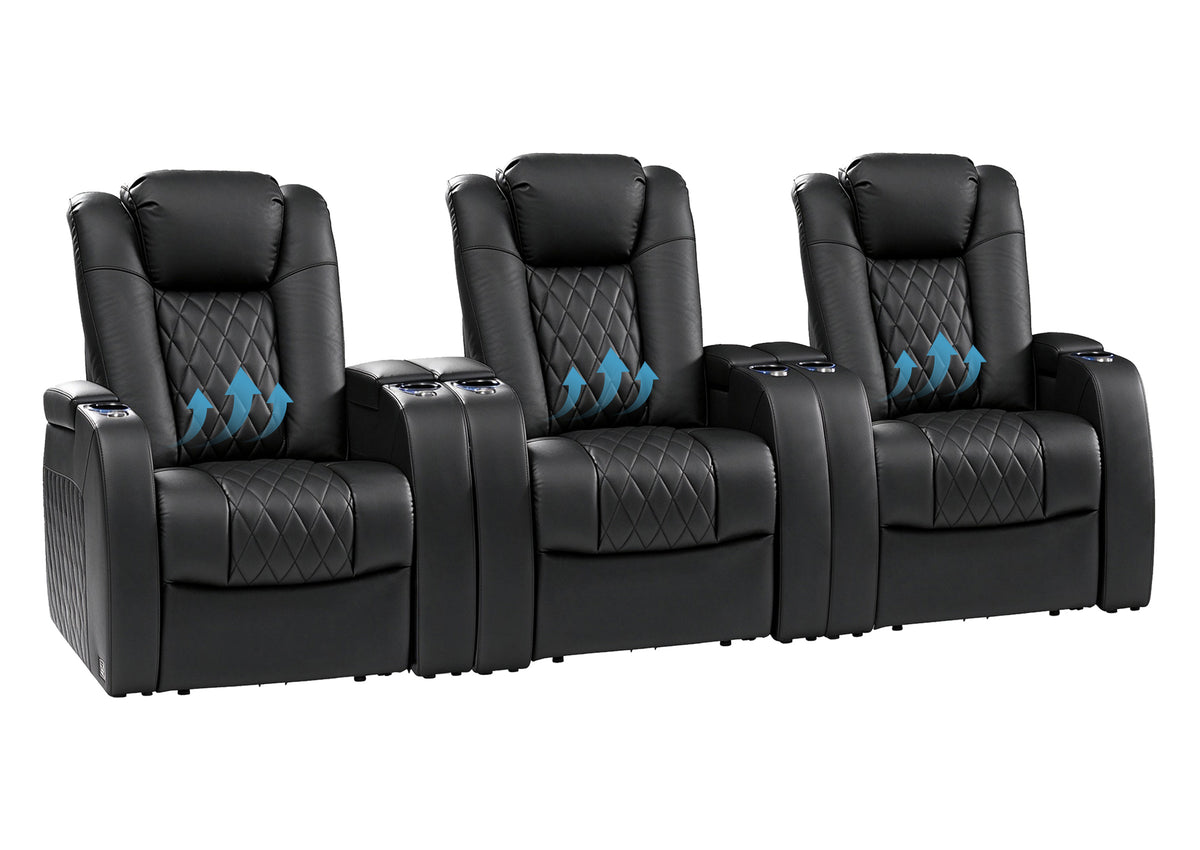
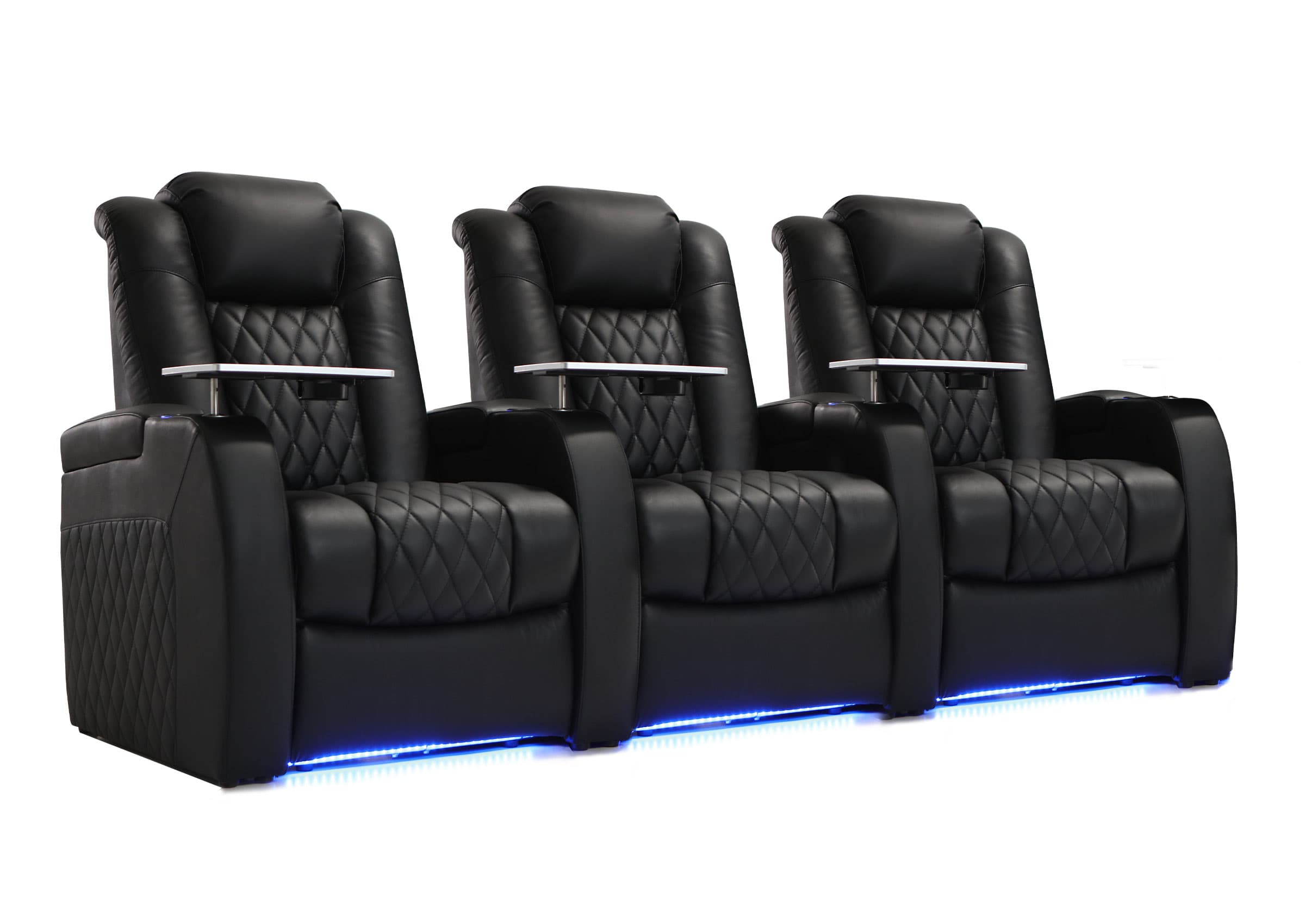

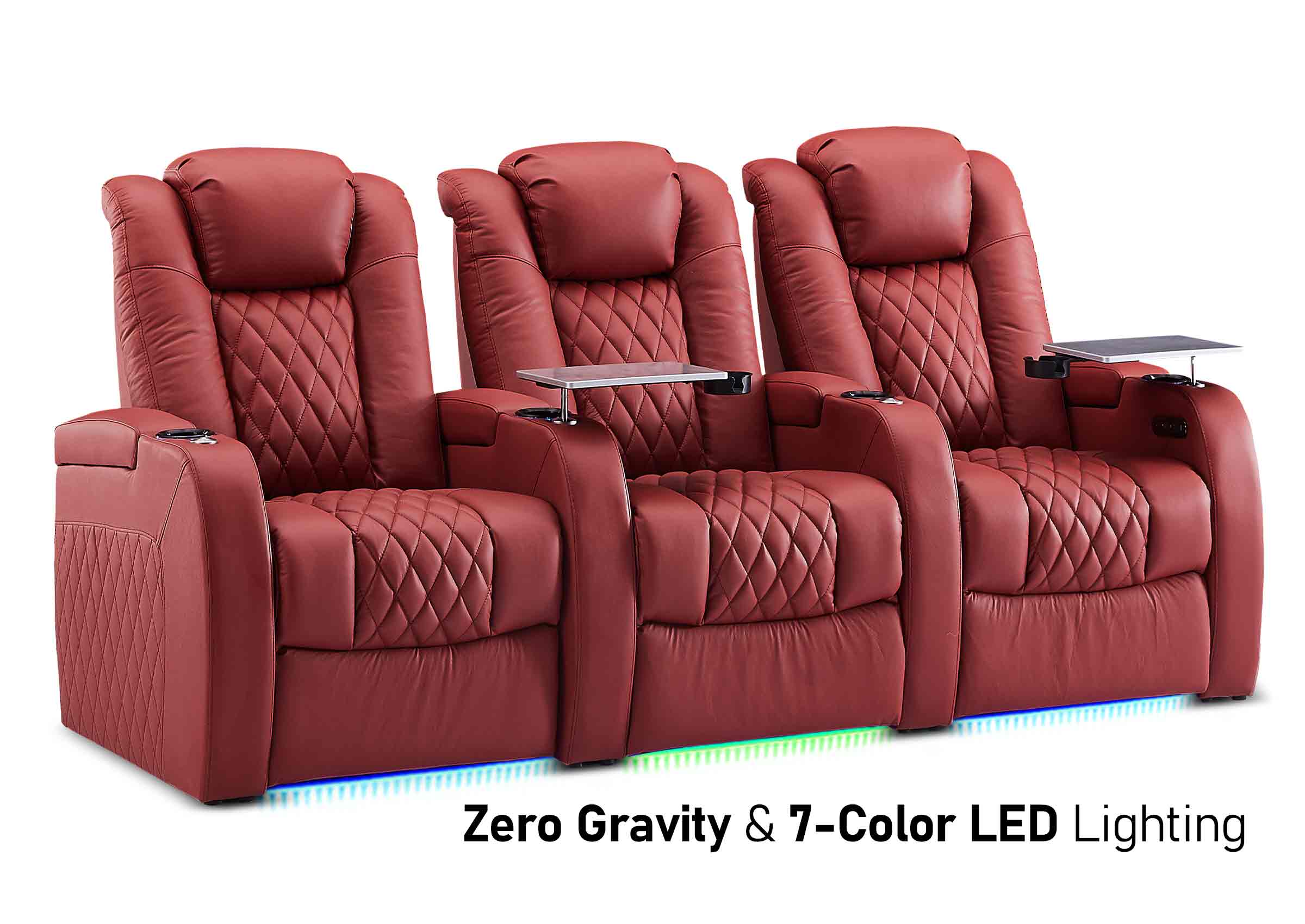

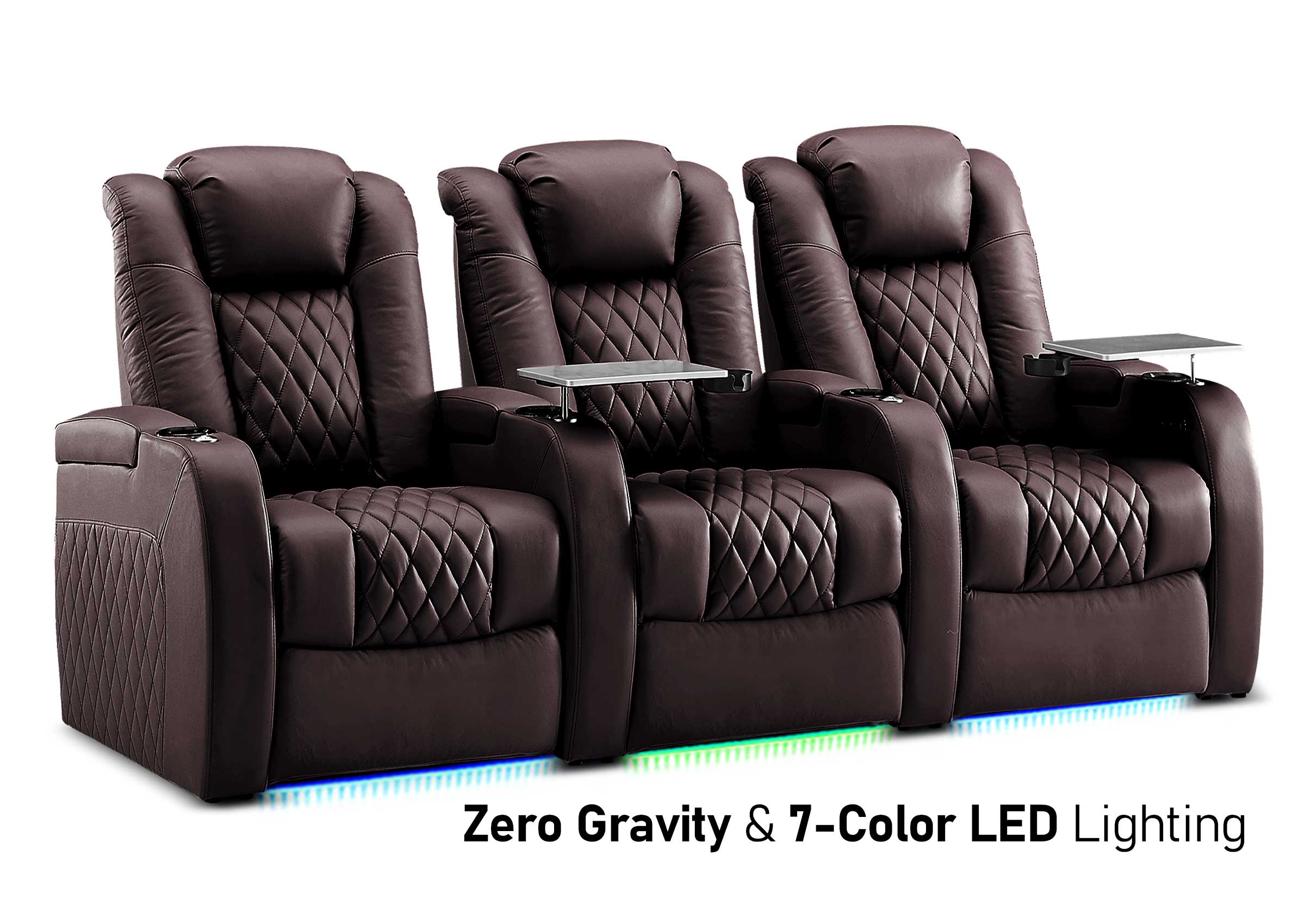

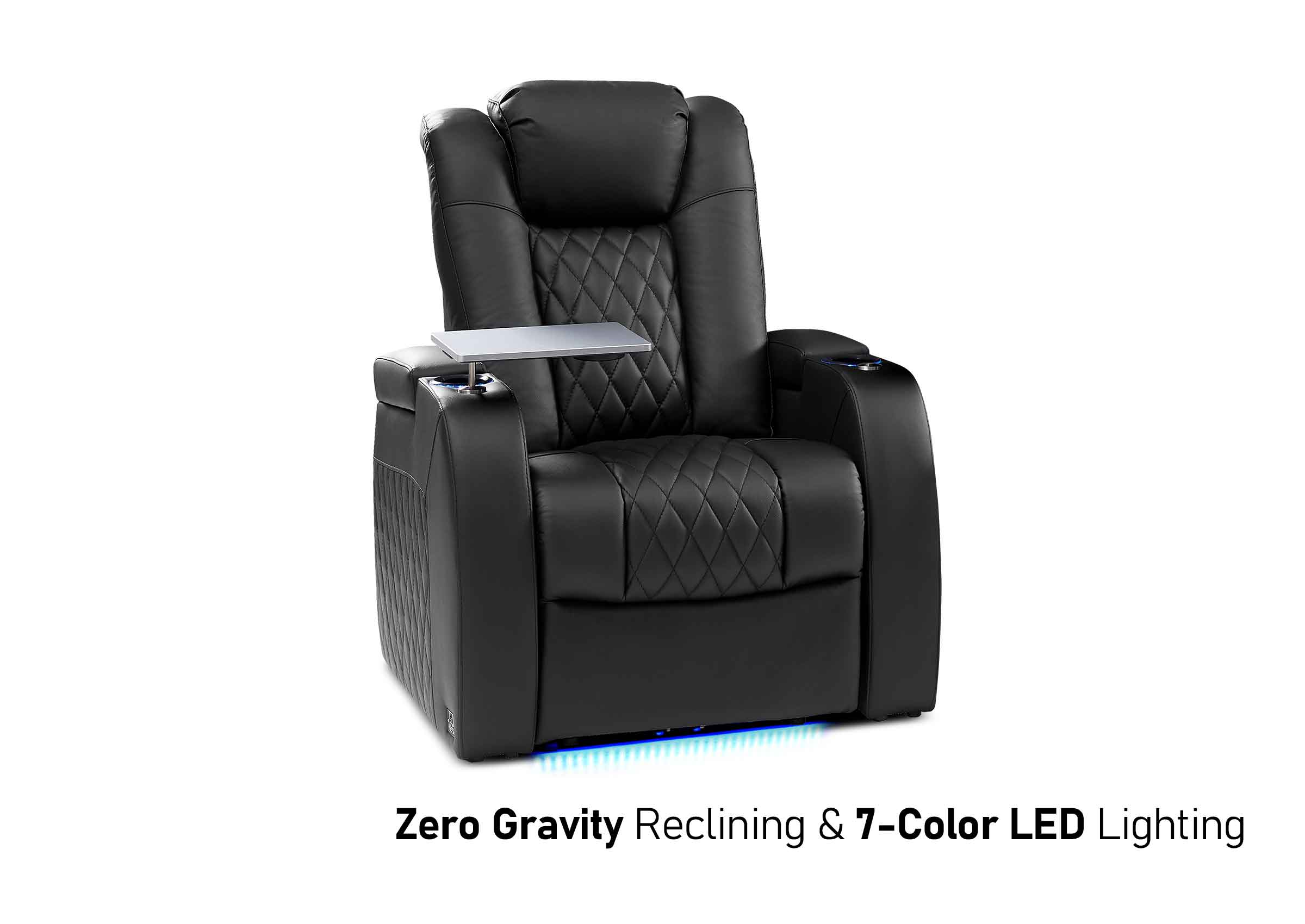
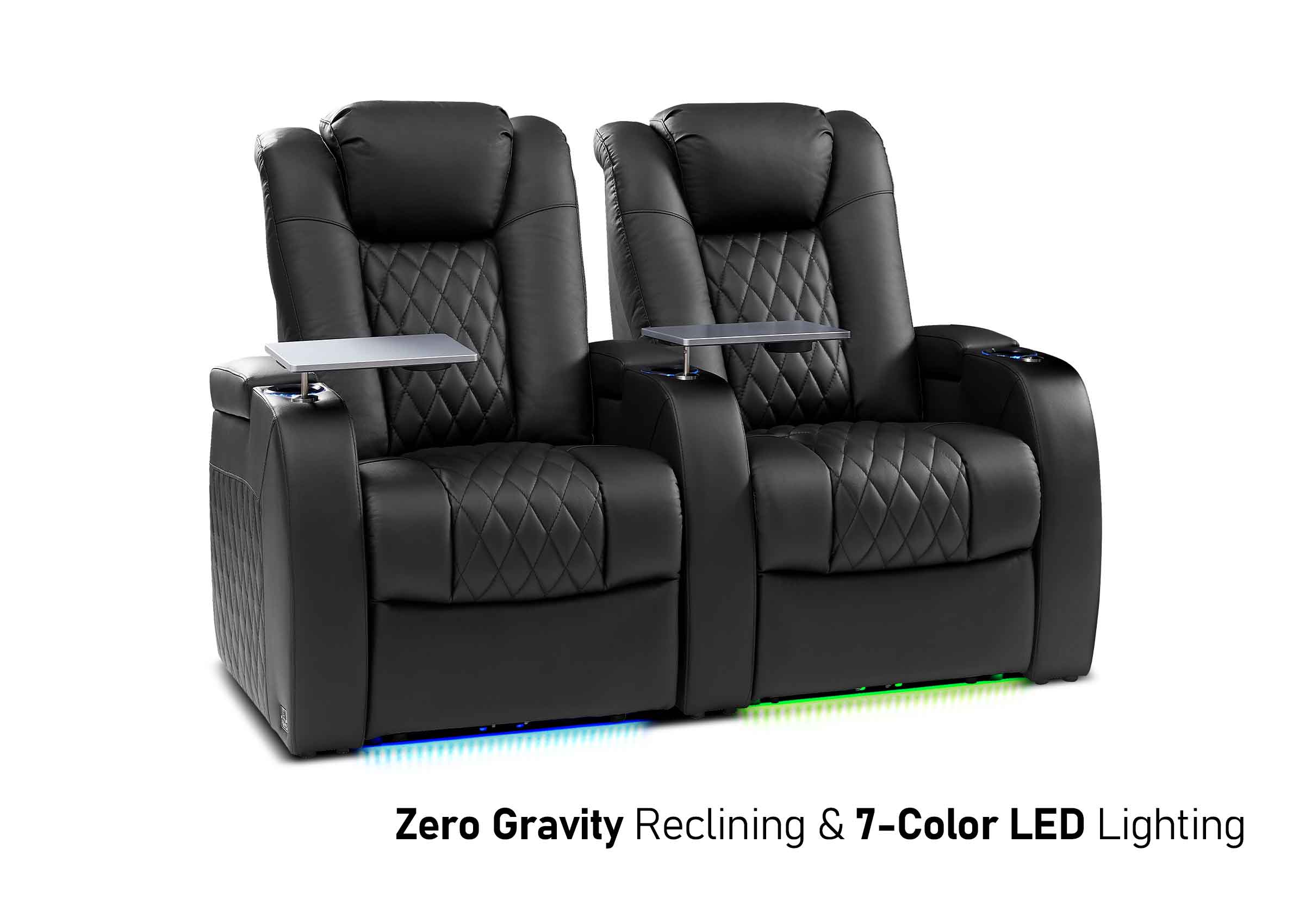
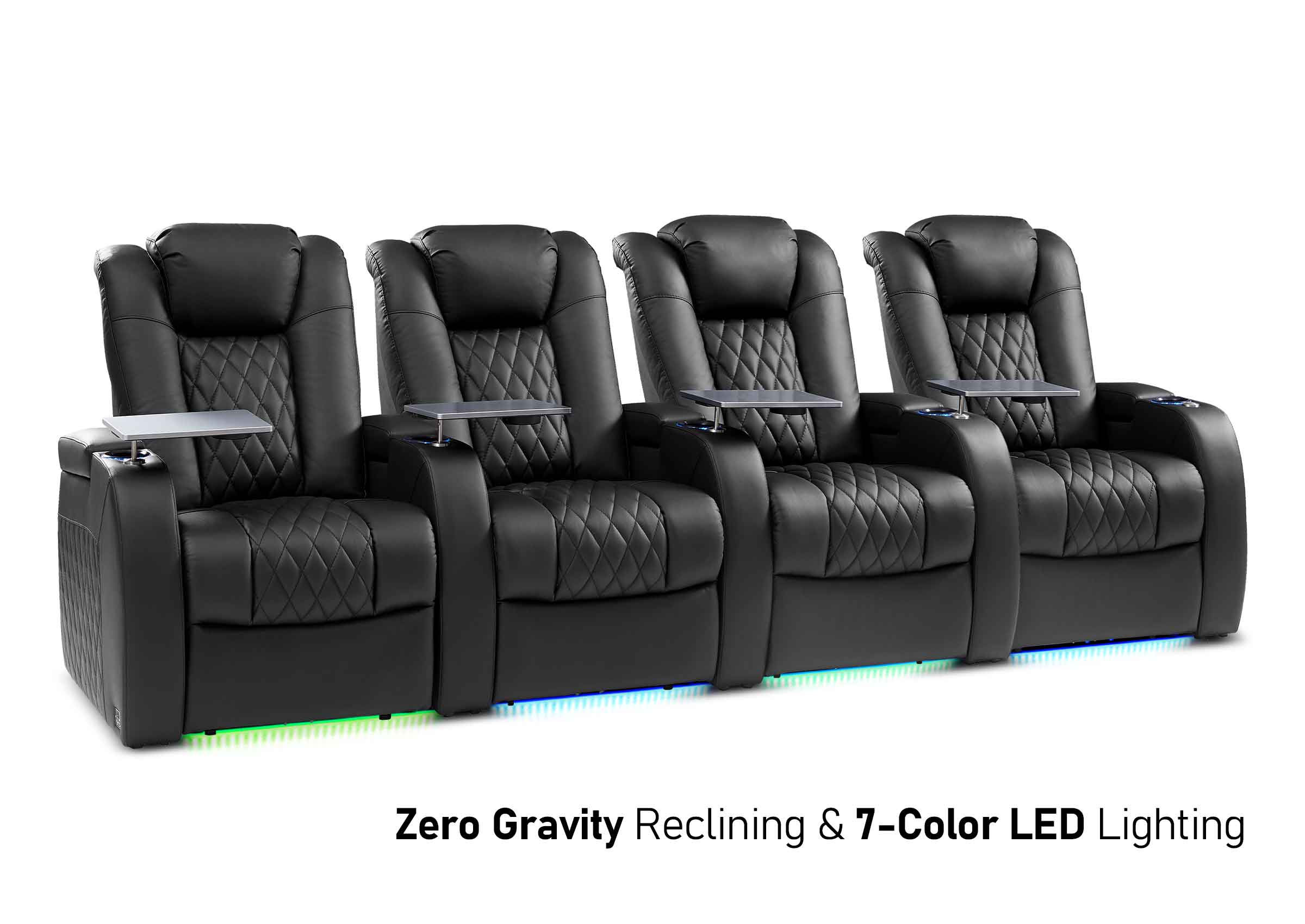
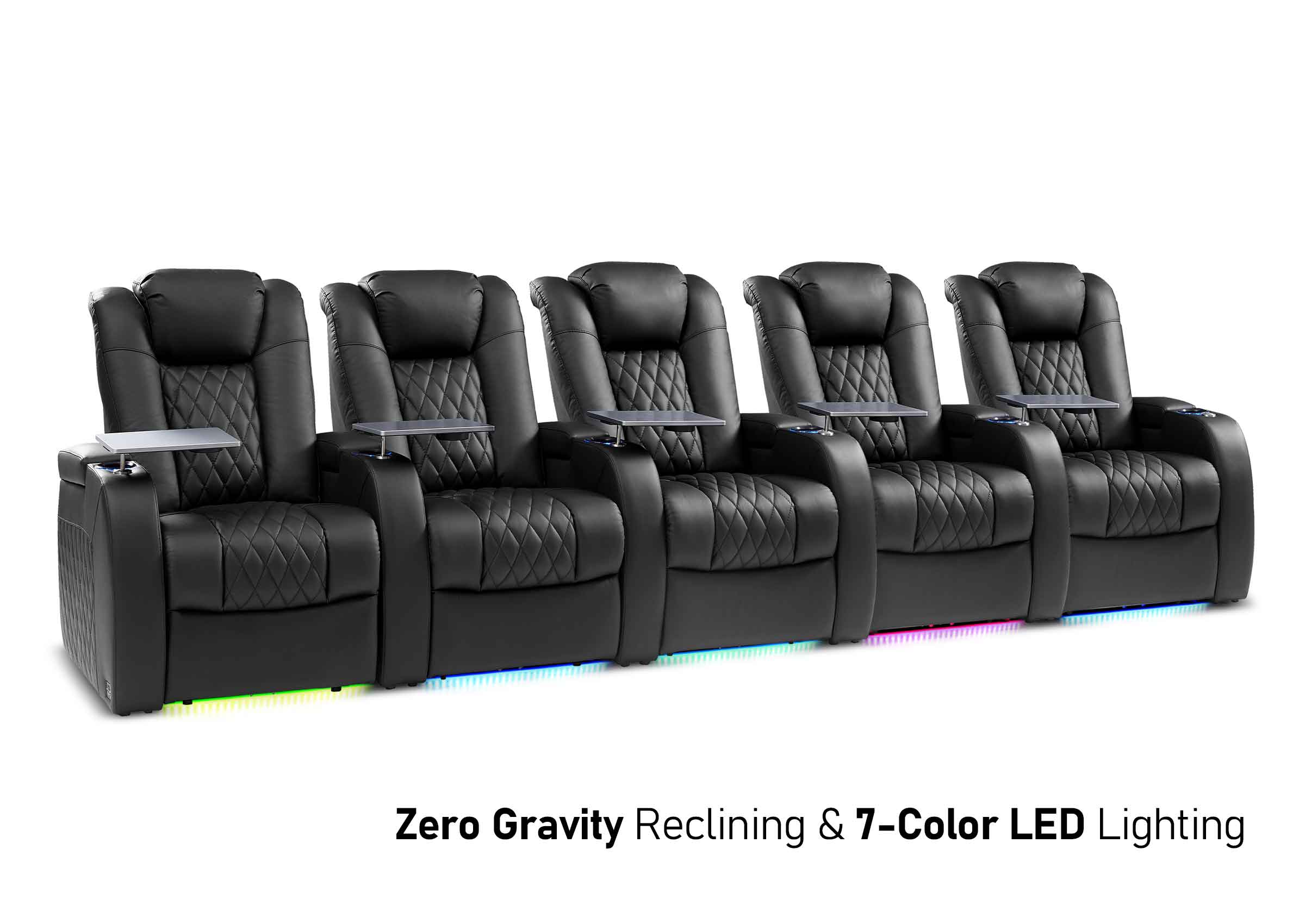
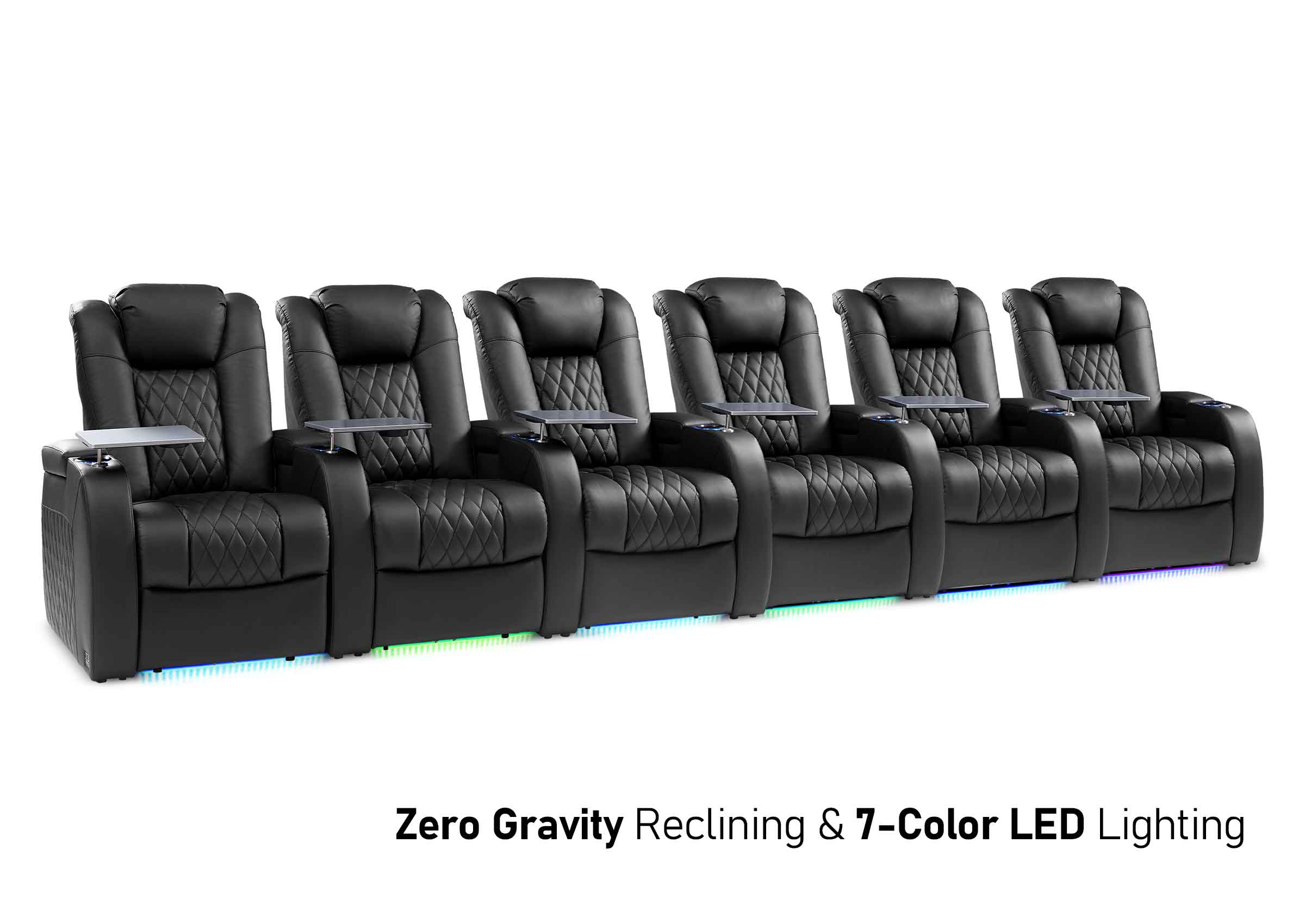
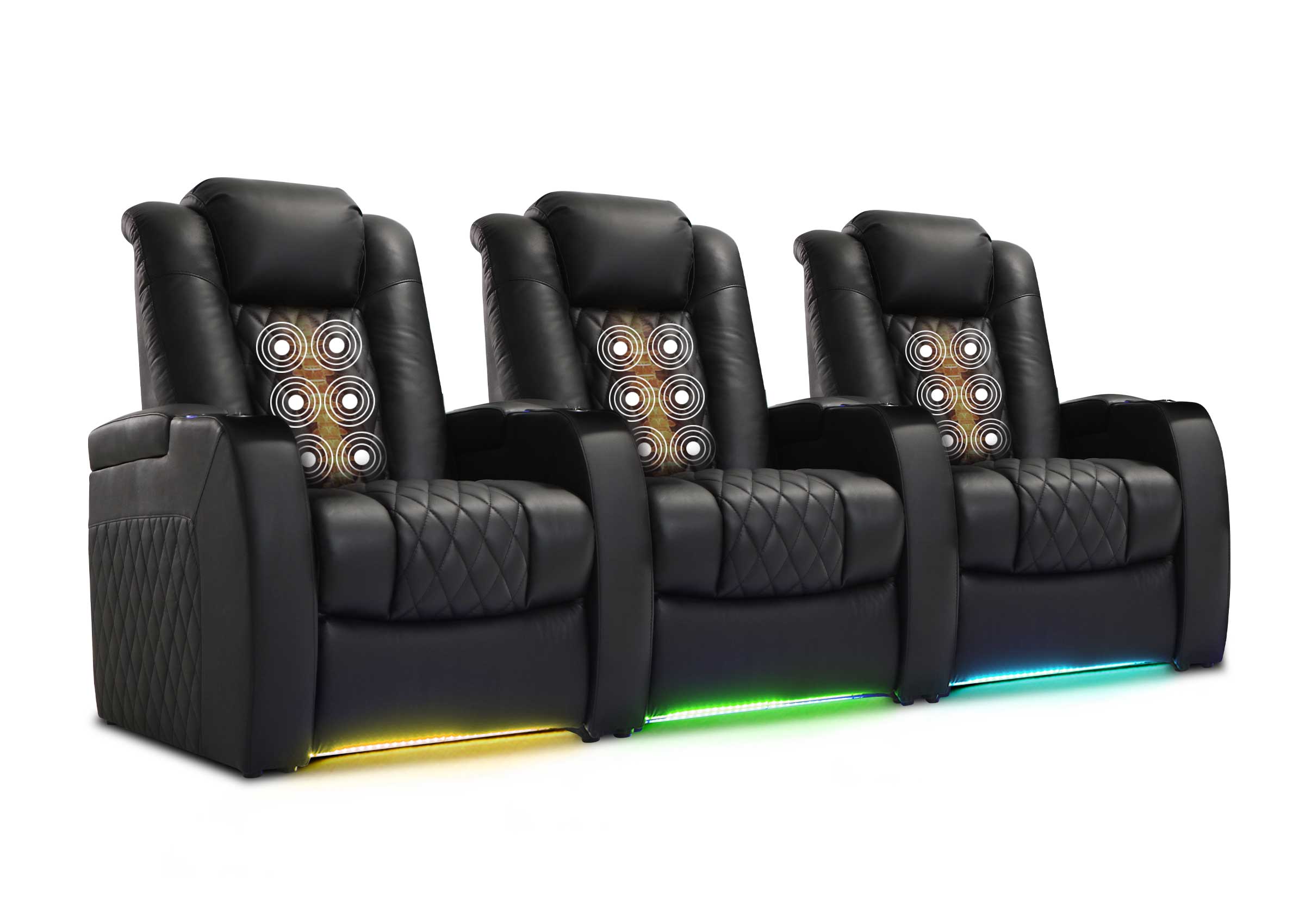

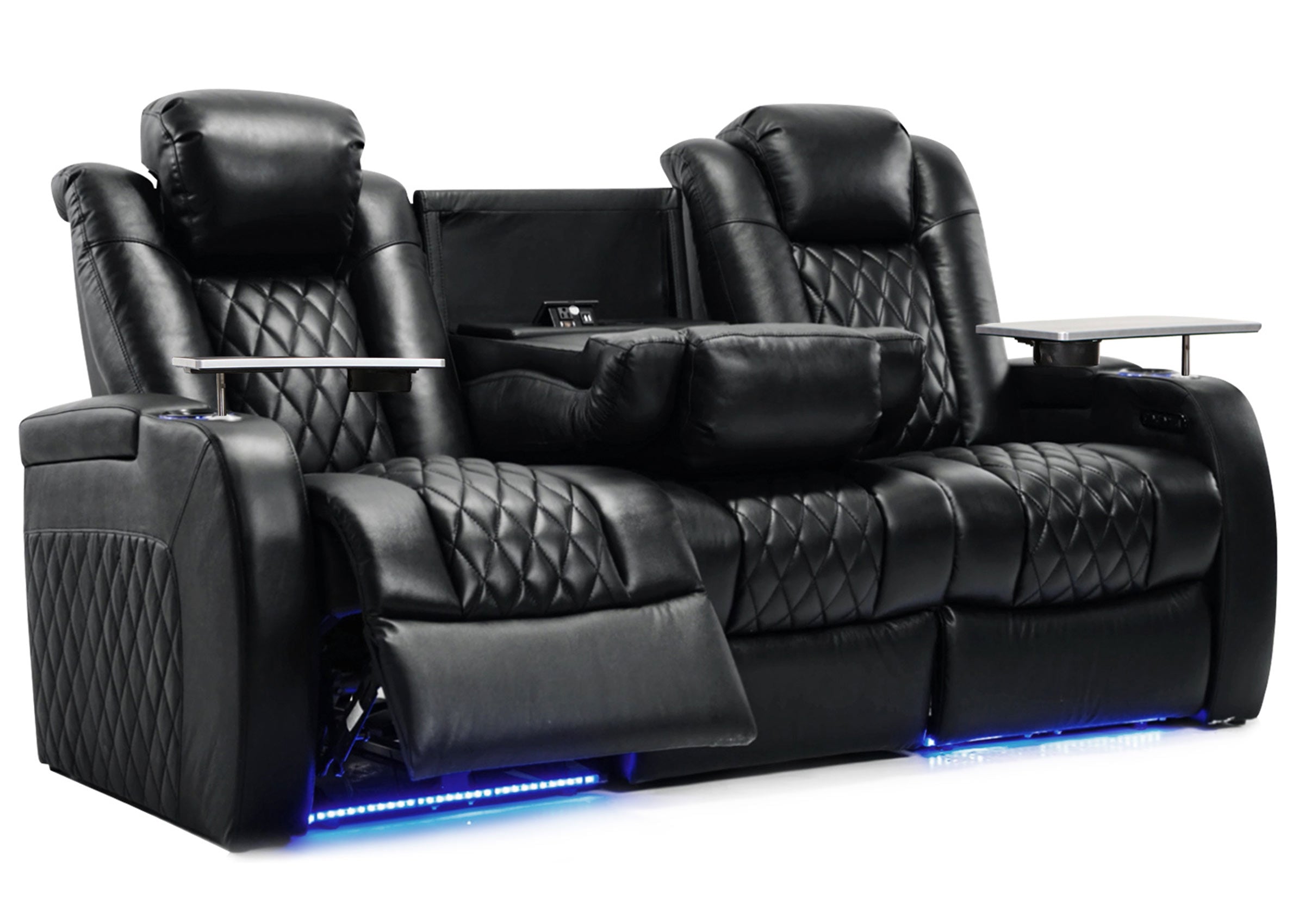




Thinking about building a movie theater room in your home? A purpose-built movie theater room in your home delivers an experience no living room TV setup can match. Controlled lighting, tuned acoustics, and seating designed for extended viewing sessions transform casual watching into an intentional event. Yet the planning phase is where most projects go wrong — not because of budget, but because of overlooked details that compromise the result.
Getting the room dimensions right, choosing between a projector and a large TV, placing acoustic treatments where they actually work, and planning seating so every chair has a clear sightline: these decisions make or break the room before the first movie plays. This guide walks through each one so you build a dedicated movie theater room that performs exactly as you expect.
What Is a Movie Theater Room and How Does It Differ from a Media Room?
A movie theater room is a dedicated space purpose-built for film watching. It typically has no windows, controlled lighting, acoustically treated surfaces, and seating that faces one direction — the screen. The goal is to replicate the commercial cinema experience at home.

A media room, by contrast, is a multipurpose space where people gather for TV, gaming, music, and conversation. Furniture tends to be more casual, ambient light matters less, and the room serves multiple functions beyond movie watching. Many media rooms are essentially upgraded living rooms with better audio and video equipment.

The distinction matters because it determines every design decision that follows.
| Factor | Dedicated Movie Theater Room | Multipurpose Media Room |
| Light control | Total blackout essential | Some ambient light acceptable |
| Acoustics | Full treatment required | Moderate treatment helpful |
| Seating | Fixed, screen-facing rows | Flexible, conversation-friendly |
| Decor | Dark walls and ceiling | Matches rest of home |
| Best location | Basement, interior room | Living area, great room |
| Project scope | Construction-heavy | Equipment-focused |
If you want the immersive cinema feel with no compromises, a dedicated room is the answer. If you need the space to serve multiple purposes, a media room approach makes more sense.
How Big Should a Home Movie Theater Room Be?
Room dimensions determine everything: screen size, seating count, acoustic performance, and overall comfort. The numbers below give you a clear starting point.
Minimum room sizes by seating layout:
| Setup | Minimum Room Size | Notes |
| Single row, 3-4 seats | 10' × 12' | Compact but workable |
| Single row, 4-6 seats | 12' × 16' | Comfortable for most homes |
| Two rows, 4-6 seats | 13' × 20' | Requires raised rear platform |
| Two rows, 6-8 seats | 15' × 22' | Spacious dedicated theater |
The ideal proportion is a rectangular room roughly 1.6 times longer than it is wide. This shape avoids the sound wave problems that square rooms create and gives you more flexibility with seating placement. Ceiling height should be at least 8 feet for proper surround sound staging.
Each reclining seat needs about 6.5 feet of depth when fully extended. For a two-row setup, plan a minimum of 18 to 20 feet in room length from screen wall to back wall. The rear row sits on a raised platform, typically 6 to 12 inches high, to maintain clear sightlines over the front row.
What Is the Right Viewing Distance from Screen to Seats?
The calculation is simpler than most people think. Take your screen's diagonal size in inches and multiply by 1.5 for the minimum distance, then by 2.5 for the maximum. This places viewers within the 30-degree field of view recommended by industry standards.
| Screen Size (Diagonal) | Minimum Distance | Maximum Distance |
| 85 inches | 10.6 feet | 17.7 feet |
| 100 inches | 12.5 feet | 20.8 feet |
| 120 inches | 15 feet | 25 feet |
| 150 inches | 18.75 feet | 31.25 feet |
For a quick cross-check, multiply the actual screen width by 1.5 for the nearest seat and by 3 for the farthest. This keeps the image large enough to feel immersive without forcing viewers to scan their eyes across the picture.
Position seating at roughly 38% of the room's length from the back wall as a starting point. This tends to place the listening position in an area with smoother bass response and fewer acoustic nulls. Avoid placing seats directly against the back wall, which causes excessive bass buildup and muddies dialogue clarity.
Projector vs TV for Home Theater: Which One Should You Choose?
Both options work, but they suit different priorities. Here is the breakdown:
| Factor | Projector + Screen | Large TV (85"+) |
| Maximum screen size | 100 to 200+ inches | Currently up to 98 inches mainstream |
| Image brightness | Depends on lumens and screen gain | Consistently bright |
| Light control required | Yes, near-complete darkness | Less critical |
| Viewing angle | Wider with low-gain screens | Narrower on most panels |
| Room flexibility | Retractable screen possible | Fixed on wall |
| Maintenance | Bulb or laser replacement | Minimal |
| Immersion factor | Superior for cinema feel | Better for mixed-use rooms |
For a dedicated movie theater room where total light control is achievable, a projector with a fixed-frame screen delivers the most authentic cinema experience. Choose a screen gain between 1.0 and 1.3 for controlled-dark rooms — it provides accurate color and wide viewing angles without hotspotting.
For rooms that double as living spaces or have ambient light, a large TV eliminates the light-control battle. Modern OLED and Mini-LED panels produce deep blacks even with some room light present.

How Do You Soundproof a Home Theater Room So Noise Stays Inside?
Soundproofing and acoustic treatment serve different purposes. Soundproofing stops sound from traveling between rooms. Acoustic treatment improves sound quality within the room. Both matter, but soundproofing must be built into the structure during construction.
Key soundproofing methods:
- Decouple walls and ceilings using resilient channels or staggered stud construction — this breaks the physical path sound vibrations travel through
- Fill wall cavities with mineral wool or fiberglass insulation to absorb airborne sound before it passes through
- Use solid-core doors with acoustic seals and automatic door bottoms — hollow interior doors leak massive amounts of sound
- Install a second layer of drywall with Green Glue damping compound between layers to convert sound energy into heat
- Address HVAC ductwork with lined ducts or fabric duct systems that don't transmit fan noise into the theater
Acoustic treatment inside the room:
- Place absorption panels at first reflection points on side walls — use the mirror trick from the listening position to locate these exact spots
- Mount bass traps in all four corners to control low-frequency buildup that makes dialogue muddy
- Add diffusion panels on the rear wall to scatter sound rather than creating a distinct echo
- Cover the ceiling reflection point with absorption to prevent flutter echo between floor and ceiling
A typical 12-foot by 16-foot room benefits from 6 to 10 panels: two per sidewall at first reflection points, two on the ceiling, one to three on the front wall behind the screen, and two to three on the rear wall. Start there and measure the room's reverberation time before adding more.

What Lighting Setup Works Best for a Home Movie Theater Room?
Lighting defines the room's atmosphere and directly affects picture quality. The wrong fixtures create screen washout. The right setup enhances immersion while keeping the space functional.
Lighting types ranked by home theater suitability:
| Lighting Type | Best Use | Notes |
| Recessed adjustable downlights | General illumination | Aim away from screen; dimmable |
| Wall sconces | Ambient mood lighting | Direct light upward and downward |
| LED strip lighting | Step edges, baseboards, cove | No direct screen glare |
| Star ceiling (fiber optic) | Decorative accent | Subtle glow, zero screen impact |
| Floor-level path lighting | Safe navigation in dark | Keeps light below screen level |
Avoid any fixture that shines light directly onto the screen surface. Sconces work well because they direct light toward the wall and ceiling, not outward. LED strips hidden under seating platforms or along baseboards provide enough illumination to walk safely without affecting picture contrast.
Every light source in the room should connect to a dimmer or smart home control system. The ability to transition from full brightness to near-total darkness with a single button press is not a luxury in this context — it is a functional requirement for a room designed around visual media.

How Should You Plan Seating Layout and Rows in a Home Theater?
Seating determines how many people enjoy the room and how comfortable they remain through a three-hour film. Plan the layout around screen height and sightlines, not just floor space.
Row spacing guidelines:
- Front row: place at 1.5× to 2.5× the screen diagonal from the screen
- Second row: minimum 6.5 feet behind the front row (center-to-center) when seats are fully reclined
- Second row platform height: 6 to 12 inches above the front row floor level, depending on ceiling height and screen position
- Aisle width: at least 20 inches on at least one side for comfortable passage
Seating width considerations:
Standard home theater seating range from 22 to 40 inches wide depending on armrest configuration. Multiply your desired chair width by the number of seats per row, then add 4 to 6 inches per chair for shared armrests. This total gives you the minimum room width for each row.
For rooms under 13 feet wide, a single row of 3 to 4 seats works best. For wider rooms, consider two rows with a raised rear platform. Modular theater seating with removable armrests provides flexibility if your room configuration changes over time.
7 Critical Mistakes to Avoid When Building a Movie Theater Room
Most home theater disappointments originate from decisions made before construction begins. Here are the seven to sidestep:
1. Painting walls and ceiling light colors
Light surfaces reflect onto the screen, washing out contrast and color accuracy. Use matte dark gray, navy, charcoal, or black on walls and one shade lighter on the ceiling. Matte finish eliminates glare spots.
2. Ignoring HVAC planning
A sealed, well-insulated theater room traps heat from equipment and bodies. Plan dedicated supply and return ducts with quiet fans. Equipment racks need active ventilation — overheating shortens component lifespan.
3. Choosing the wrong screen size
Too large and viewers crane their necks. Too small and the immersive effect disappears. Calculate your seating distance first, then determine screen size using the formulas above.
4. Underestimating seat depth when reclined
A chair that looks compact upright can extend 6.5 feet when fully reclined. Measure the product specification, not the showroom footprint. Tape the depth on your floor before ordering.
5. Placing surround speakers randomly
Dolby specifications define exact angles for each speaker channel. Side surrounds belong at 90 to 110 degrees from the center listening position, slightly above ear level. Rear surrounds go behind at 135 to 150 degrees.
6. Neglecting subfloor preparation
A concrete basement floor transmits sound efficiently. Use a thick carpet pad and consider a floating subfloor with acoustic underlayment to decouple the room from the structure above.
7. Buying equipment before designing the room
You end up with components that don't fit, speakers that launch sound into the wrong surfaces, and a projector that's mismatched to the screen. Design the room layout first, specify equipment second.
How Long Does It Take to Build a Home Theater Room from Start to Finish?
A complete home cinema project typically takes 6 to 12 weeks from design approval to the first movie screening. The timeline breaks down as follows:
| Phase | Duration | What Happens |
| Planning and design | 1 to 3 weeks | Layout, equipment selection, permits |
| Structural and framing | 1 to 2 weeks | Raised platforms, soffits, equipment closet |
| Electrical and wiring | 1 to 2 weeks | Power, speaker cables, lighting circuits |
| Drywall and insulation | 1 to 2 weeks | Sound isolation, wall finishing |
| Painting and trim | 1 week | Dark matte surfaces, baseboards, crown |
| Equipment installation | 1 to 2 weeks | Projector, screen, speakers, rack |
| Calibration and tuning | 2 to 5 days | Audio calibration, video settings, automation |
DIY projects on smaller rooms can complete in 4 to 6 weeks. Full-scale custom builds with contractors may extend to 12 to 16 weeks depending on permit timelines and material lead times. The most common delay is waiting on custom-ordered seating or specialized acoustic materials.
Four Real-World Scenarios Where a Home Movie Theater Room Excels
Basement transformation into a dedicated cinema
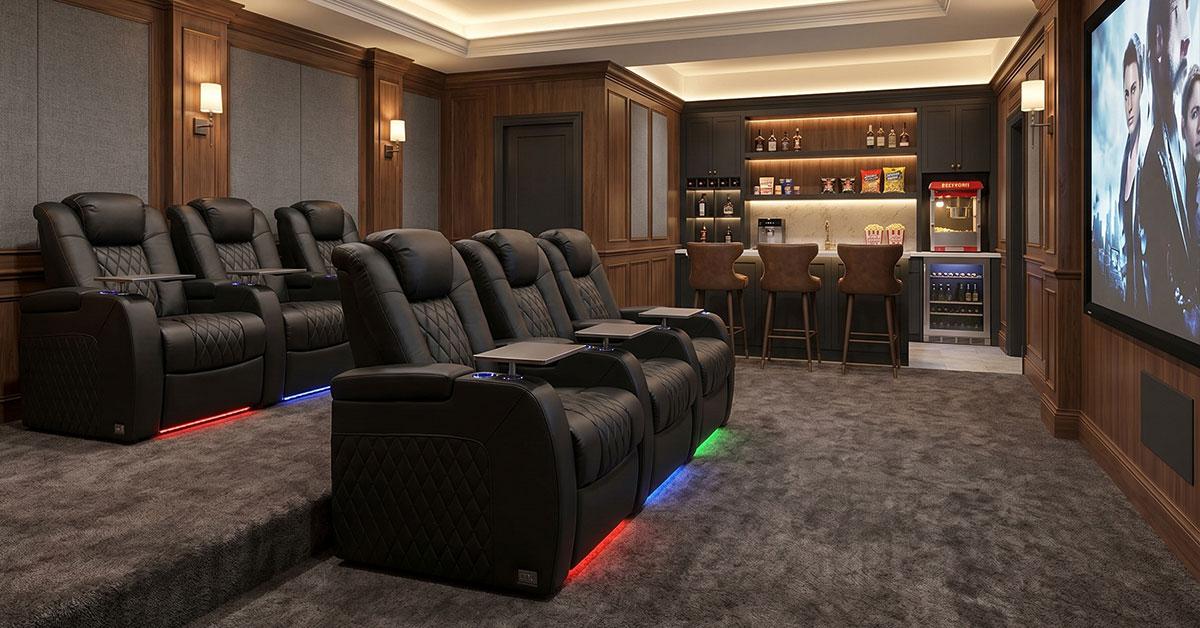
A family converts an unfinished 14-foot by 18-foot basement section into a dedicated theater. Dark matte walls, a 120-inch fixed-frame screen, and two rows of four recliners create seating for eight. Acoustic panels on sidewalls and bass traps in corners control the room's sound signature. A mini-split HVAC system handles climate without duct noise. Our factory-direct theater seating, built with high-density foam cores and kiln-dried hardwood frames, ensures every chair stays comfortable through marathon viewing sessions. Each unit ships ready to assemble with clear instructions, so installation moves quickly once the room is ready.

Spare bedroom turned into an intimate screening room
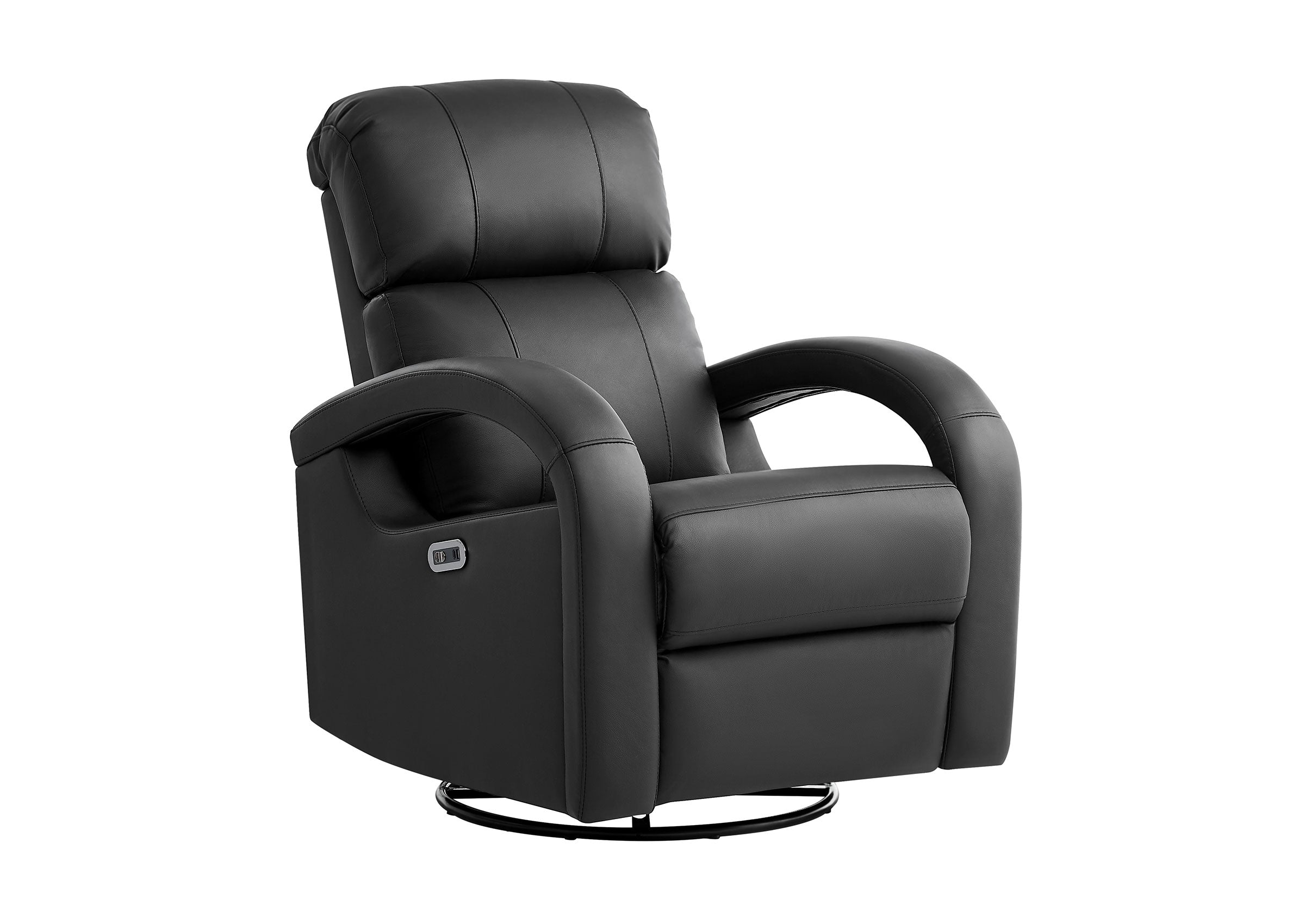
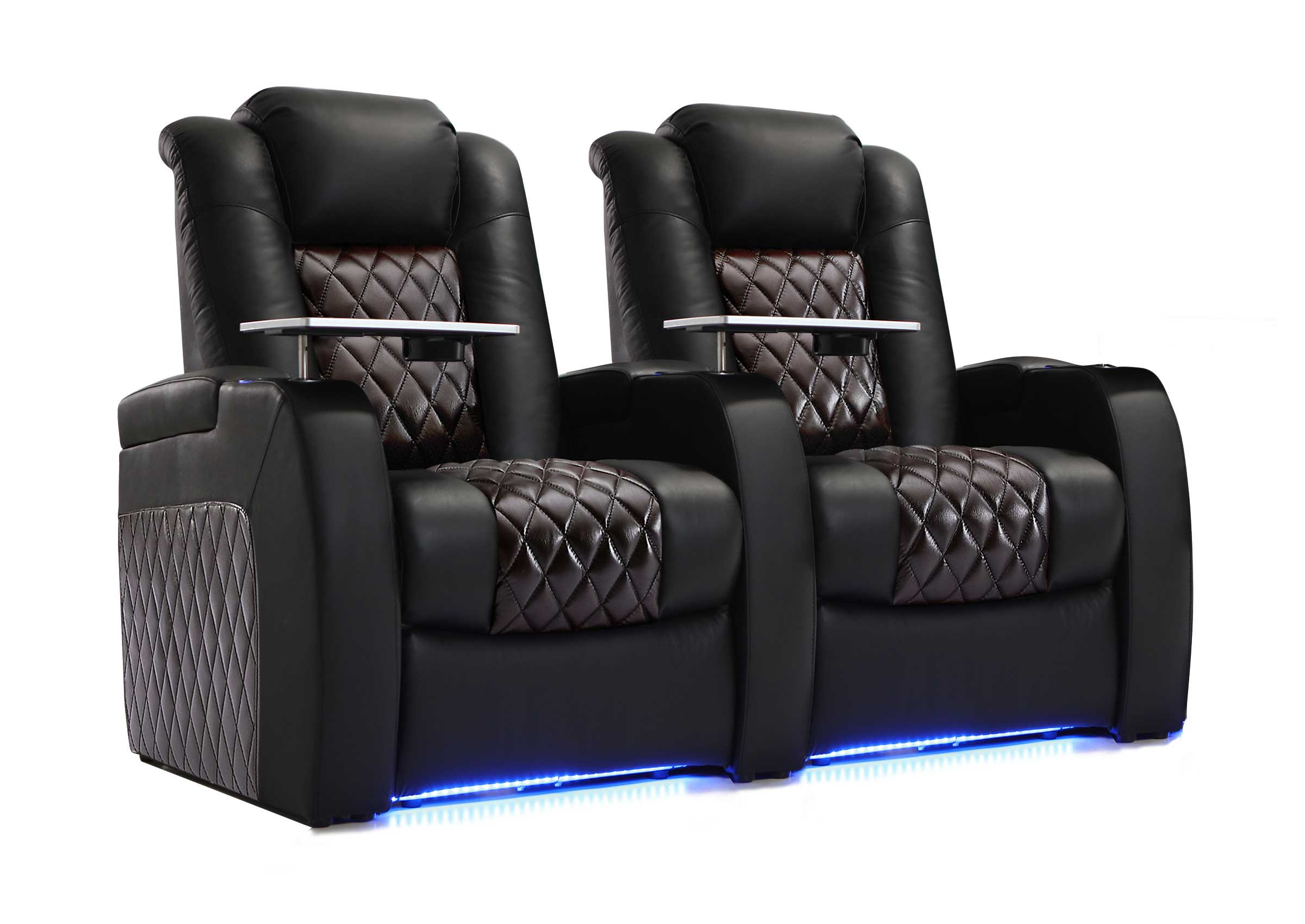
A couple transforms a 12-foot by 14-foot spare bedroom into a cozy two-person theater. Dark paint, blackout curtains layered over the existing window, and a single row of premium leather recliners create an immersive escape. A 4K projector paired with a low-gain screen delivers sharp imagery at close range. Wall sconces with dimmable control provide ambient light without screen glare. Our genuine top-grain leather recliners resist spills and develop a natural patina over time, combining luxury feel with practical everyday durability.

Open-plan living area with a hidden theater setup
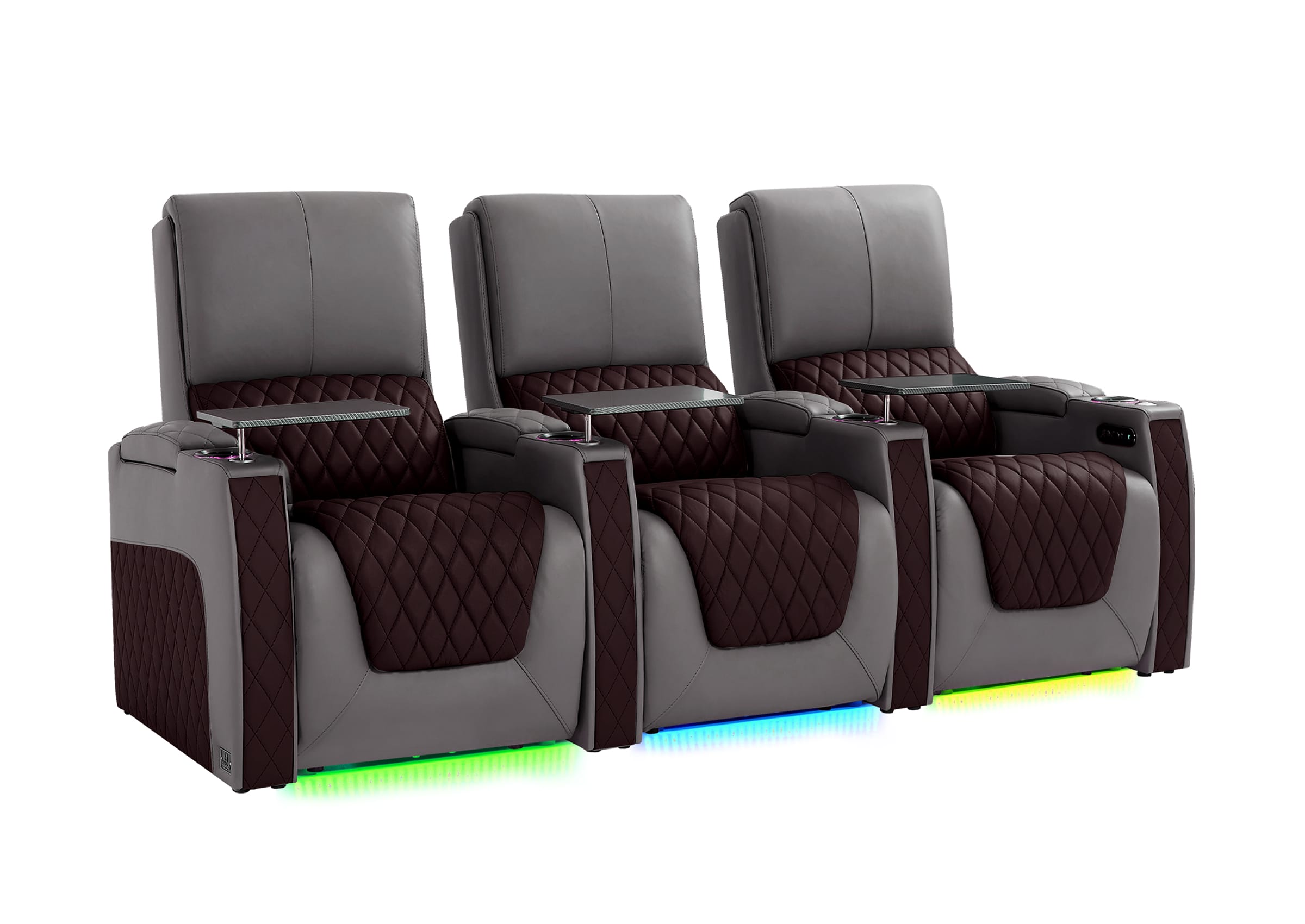
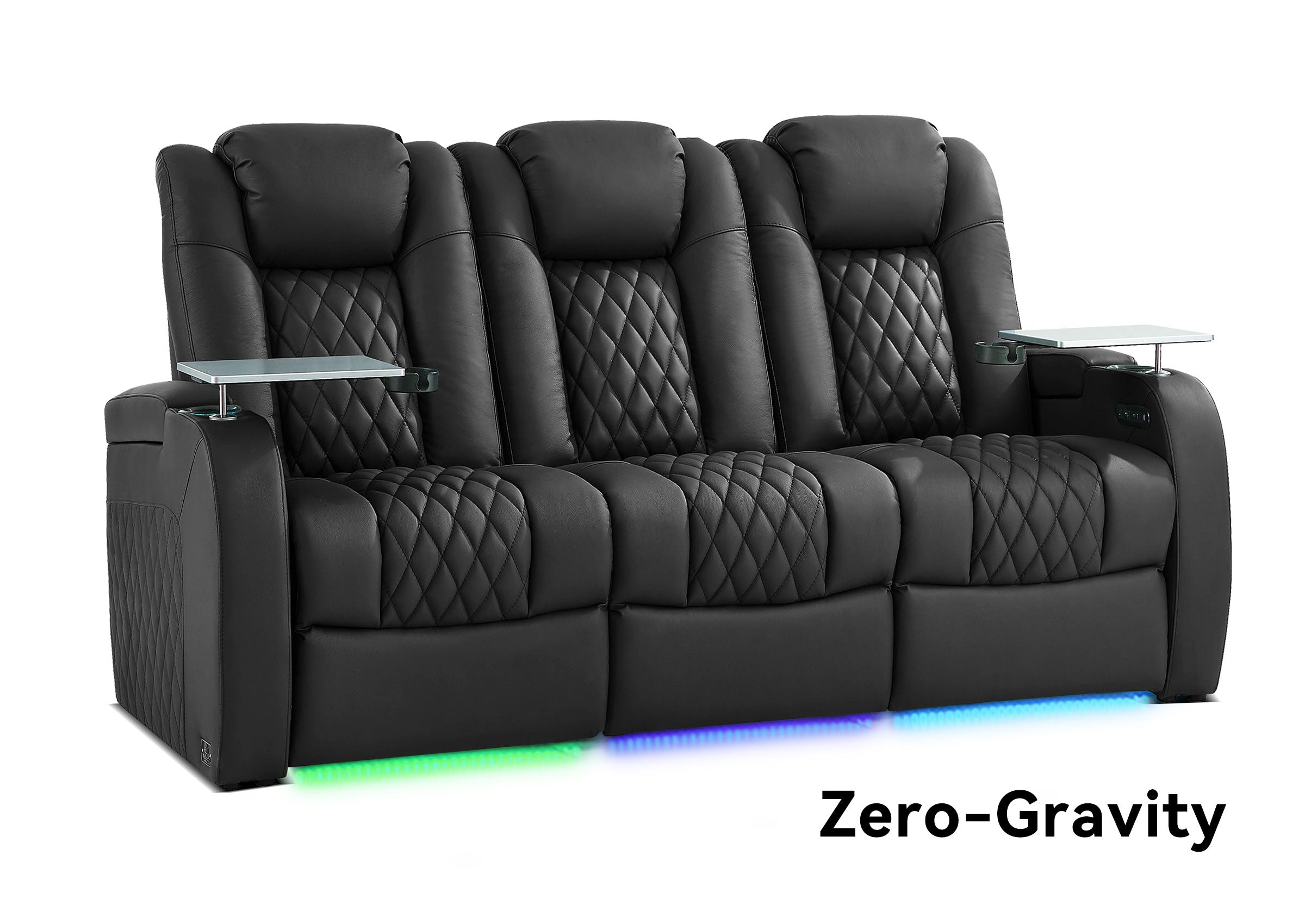
A loft owner wants movie nights without sacrificing the open floor plan. A motorized retractable screen drops from a ceiling housing above the main seating area, and a short-throw projector sits on a low media console. When not in use, the room functions as a living space. When the screen deploys and the blackout shades close, the space transforms. Our modular theater seating can be separated and rearranged for daily living, then reassembled into focused viewing positions for movie night — no permanent theater footprint required.

Garage conversion into a multipurpose entertainment room
A homeowner converts a single-car garage into a combined theater and game room. Insulated walls, a raised rear seating platform, and dark epoxy flooring create a durable, comfortable foundation. A 100-inch screen with in-wall speakers keeps the floor plan open for game tables behind the seating area. Two rows of recliners seat five. Our factory-direct supply chain means consistent lead times on custom-width seating configurations that fit the room's exact dimensions, with replacement cushion cores available through our after-sales support team long after the initial order.

Build Your Movie Theater Room with Seating That Lasts
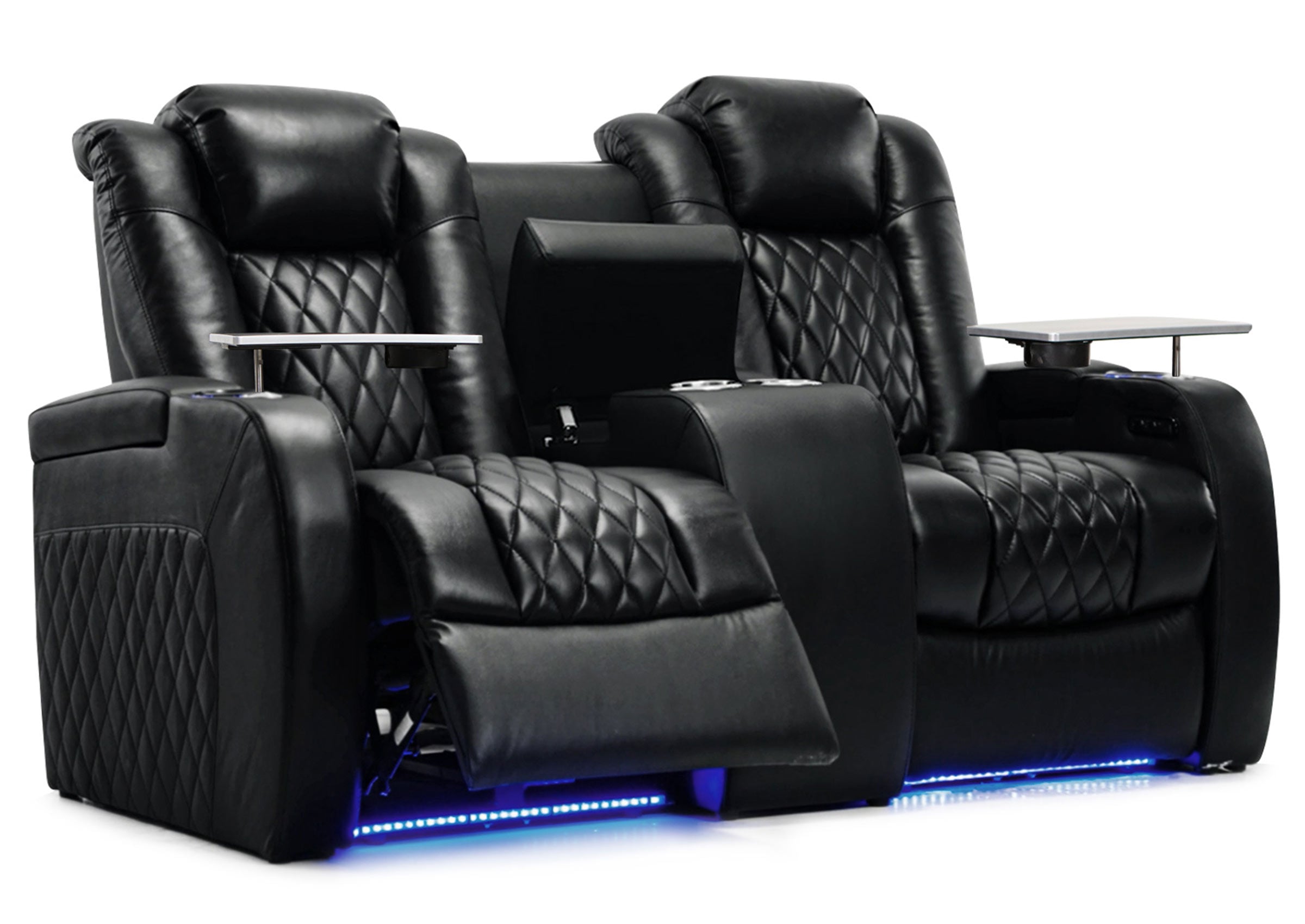
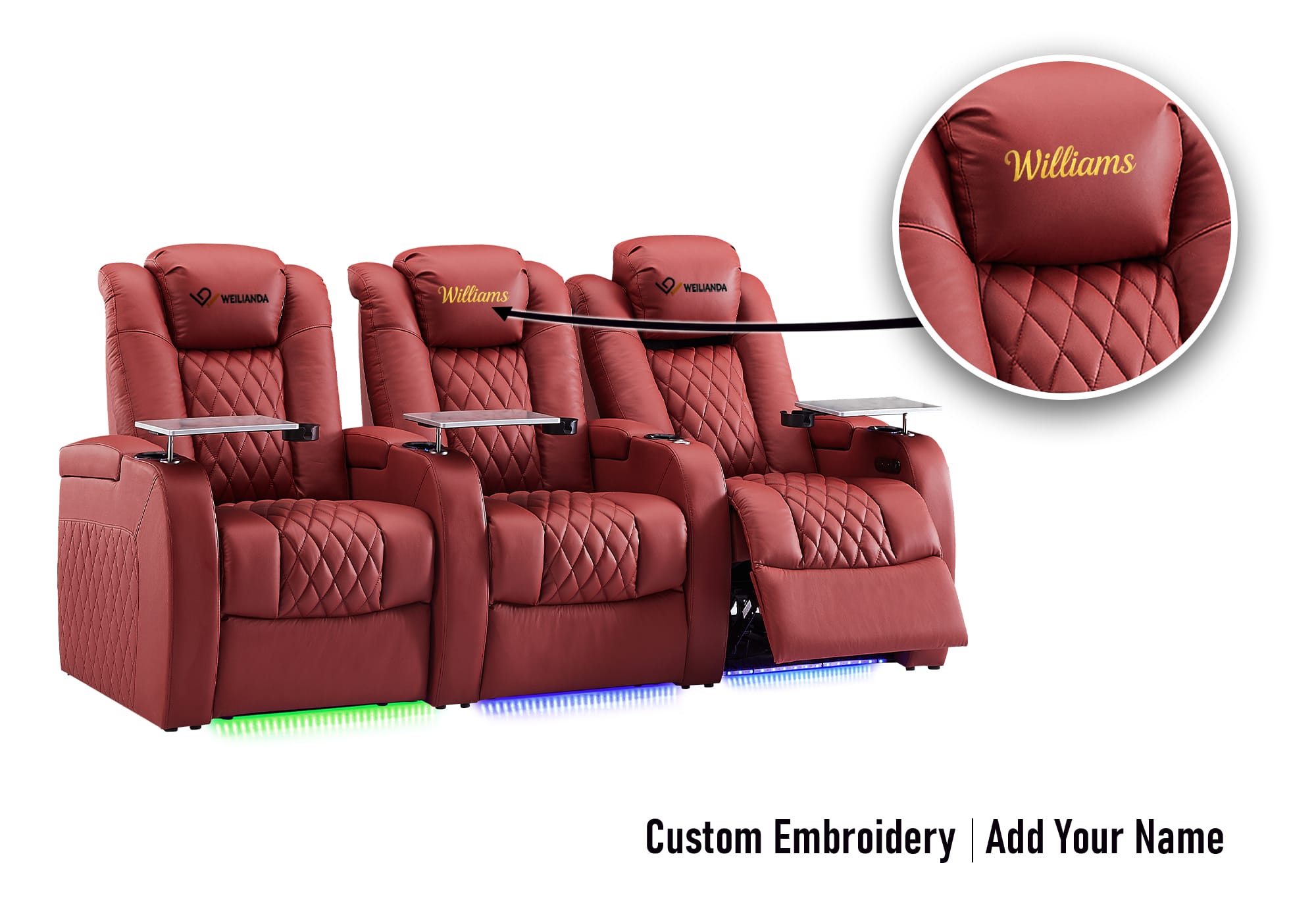
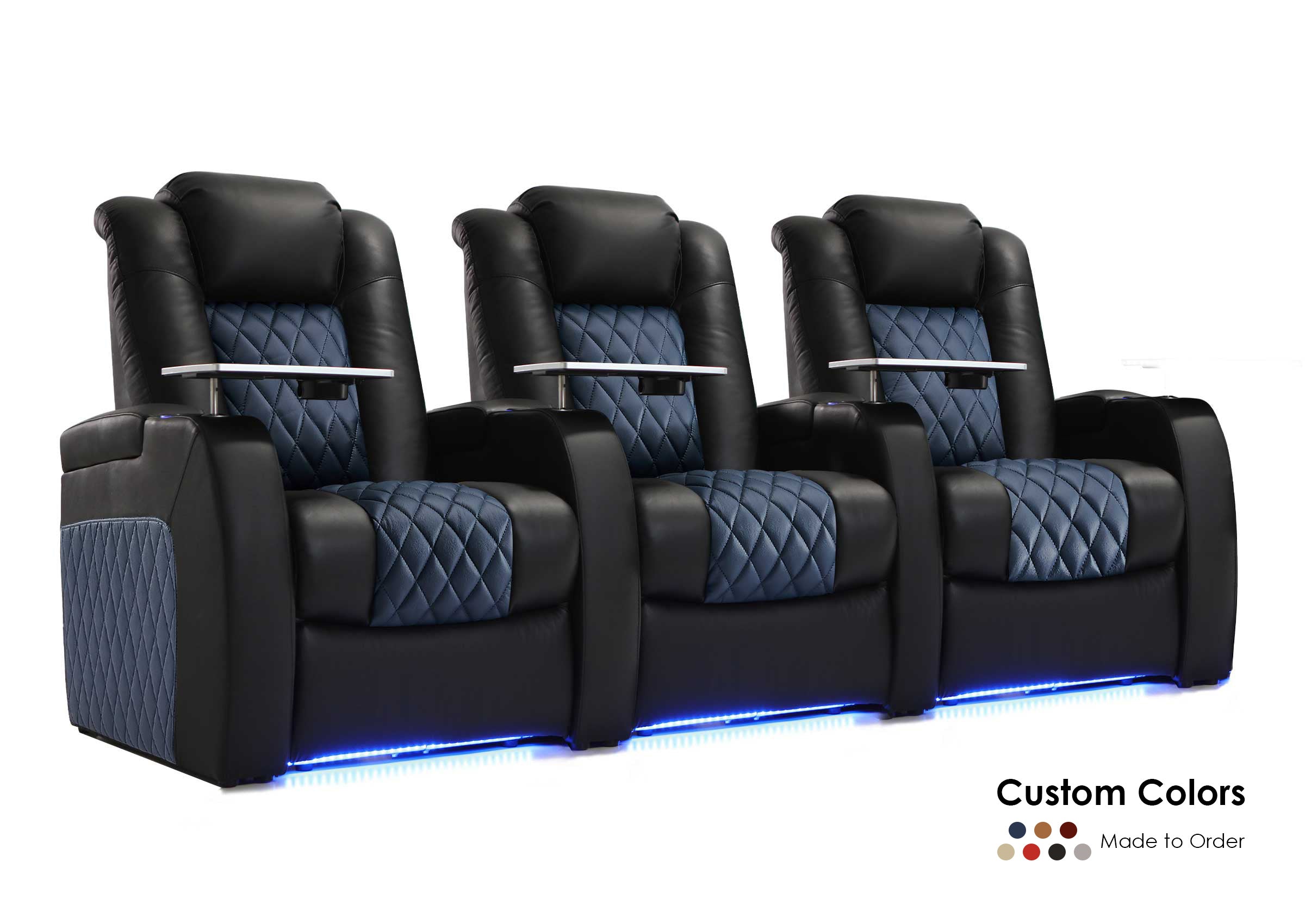
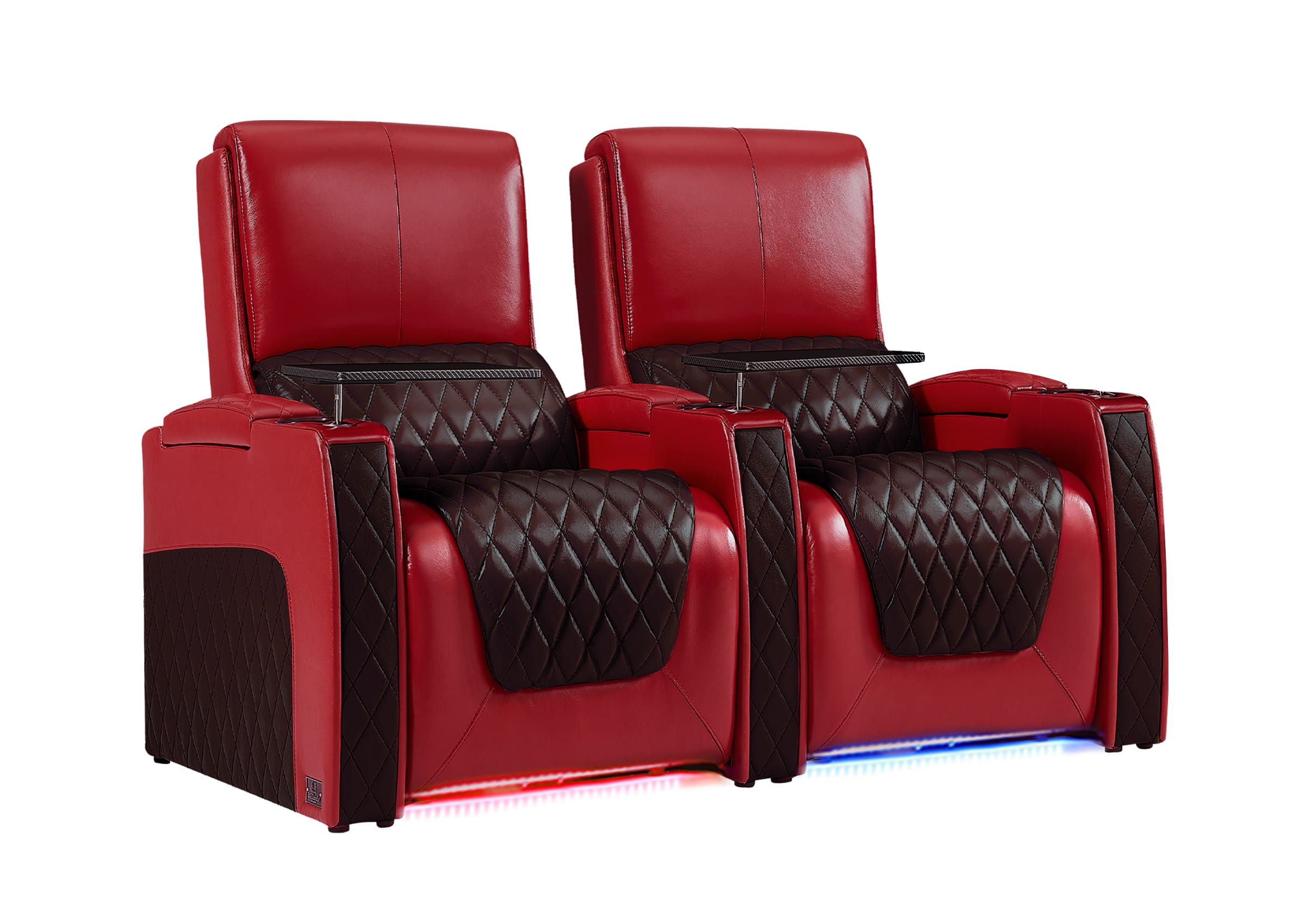
Every home theater room depends on seating that holds up through years of daily use. At Weilianda, we build theater recliners around genuine top-grain leather, kiln-dried hardwood frames, and high-resiliency foam cores — factory-direct, with no retail markup.
We help you confirm that your seating configuration fits the room's dimensions, matches your viewing distance, and leaves proper walkway clearance behind each row. After delivery, our support team remains available for replacement parts, leather care guidance, and layout adjustments.
Reach us at leon@weiliandahome.com — send your room dimensions and preferred leather finish, and we will return a seating layout recommendation with current availability.
FAQ: Common Questions About Movie Theater Rooms in Homes
What is the smallest room size for a workable home theater?
A room as small as 10 feet by 12 feet can host a single row of 3 to 4 seats with a screen up to 85 inches. Use a short-throw projector or a large TV to make the most of the limited space. Sound treatment becomes even more critical in compact rooms because reflections happen faster and more intensely.
Can I build a home theater in a room with windows?
Yes, but you need effective light control. Install blackout curtains with a wrap-around curtain rod that extends past the window frame to block light seepage. Blackout cellular shades layered behind curtains give you a second barrier. For the most demanding setups, removable window plugs made from rigid foam insulation and wrapped in dark fabric eliminate light completely.
Do I need a raised platform for a second row of seats?
Yes, if the second row sits behind the first. A raised platform 6 to 12 inches high ensures the rear viewers see the entire screen without heads blocking the bottom portion. The exact height depends on your ceiling clearance, screen height, and how far the back row sits from the front row. Test sightlines with a temporary riser made from plywood and blocks before building the permanent version.
How many acoustic panels does a typical home theater need?
For a room measuring 12 feet by 16 feet, start with 6 to 10 panels. Place two on each sidewall at the first reflection points, two on the ceiling above the seating area, two on the front wall, and two on the rear wall. Add bass traps in the corners if low frequencies feel boomy. Measure the room's reverberation before adding more — too much absorption makes a space sound unnaturally dead.
What color should home theater walls be?
Dark and matte. Dark gray, matte navy, deep charcoal, or flat black minimize light reflection onto the screen. The ceiling benefits from being one shade lighter than the walls for visual comfort, but still dark. Avoid any gloss, satin, or semi-gloss finishes — they create distracting light hotspots on the wall surfaces.
Can a home theater room add value to a property?
A well-built dedicated theater room can add value, particularly in markets where home entertainment is a priority. Buyers who want a theater will pay a premium for a finished room rather than taking on the project themselves. Poorly executed theaters with visible wiring, mismatched equipment, or inadequate sound isolation can have the opposite effect and become a liability during resale.
Is carpet or hard flooring better for a home theater room?
Carpet is better. It absorbs sound reflections that a hard surface reflects, reduces footfall noise, and adds thermal comfort in a room where people sit still for hours. Use a thick carpet pad underneath for additional acoustic benefit. If hard flooring is non-negotiable for aesthetic reasons, add a large area rug that covers most of the floor between the screen and seating.