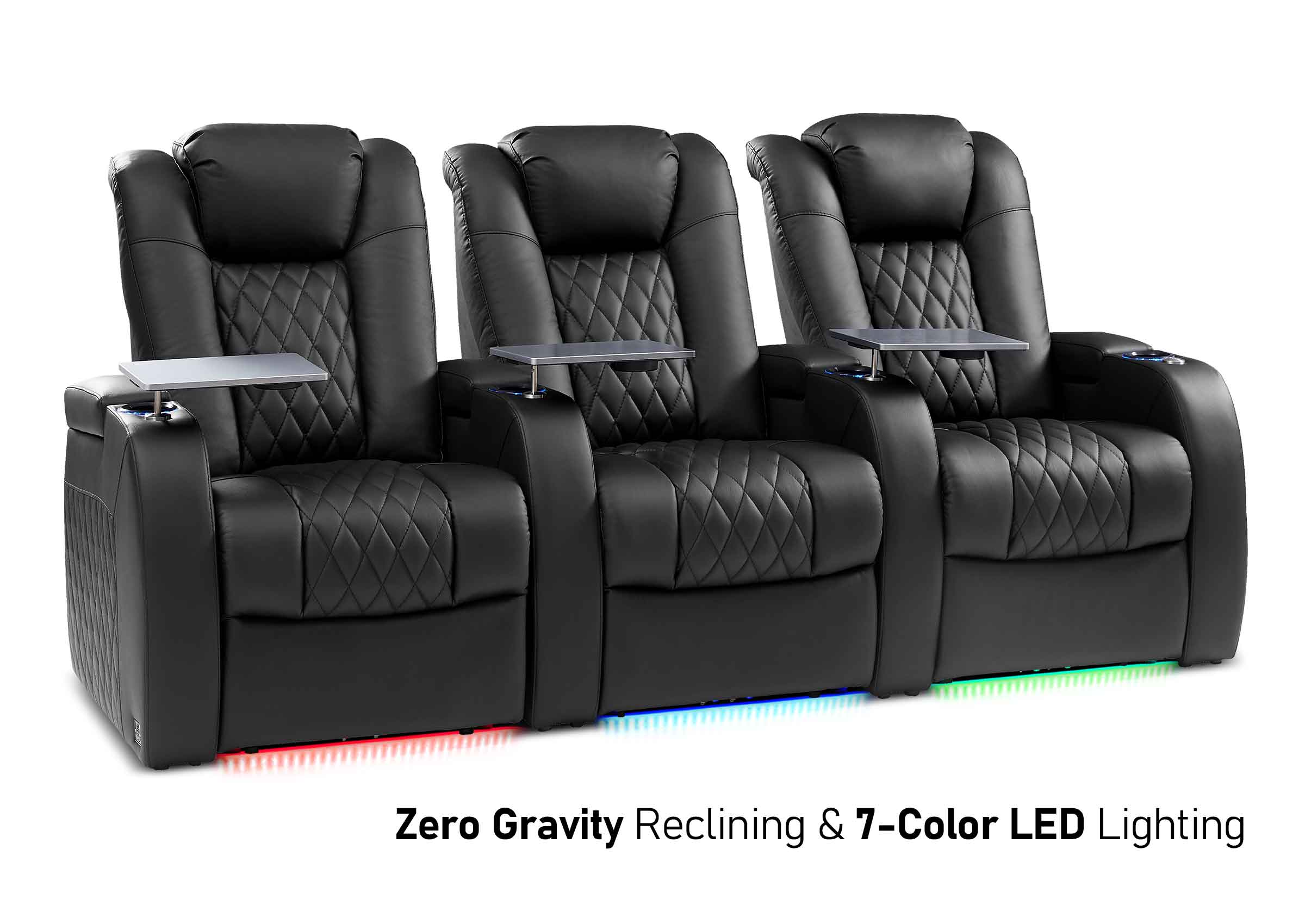
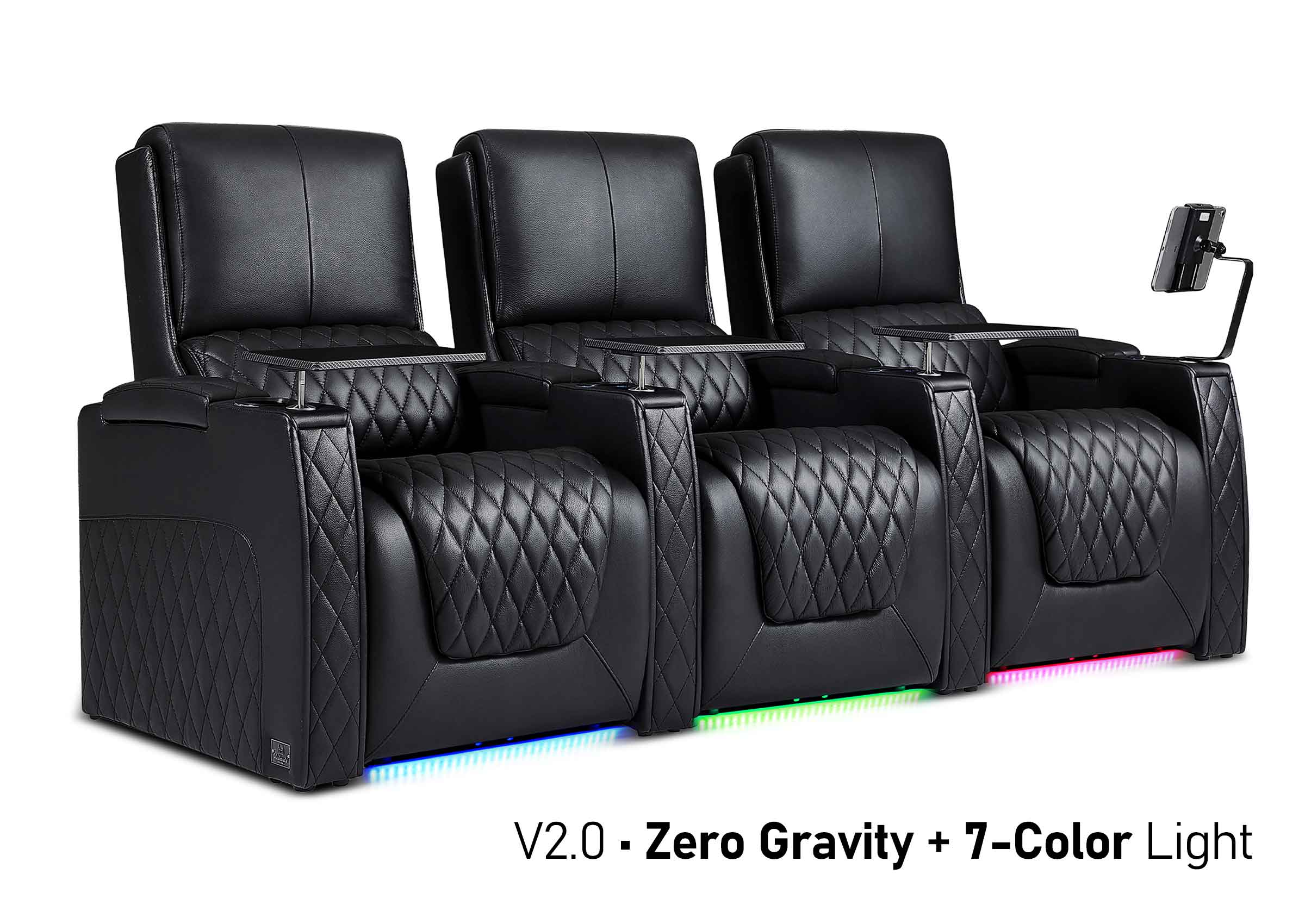
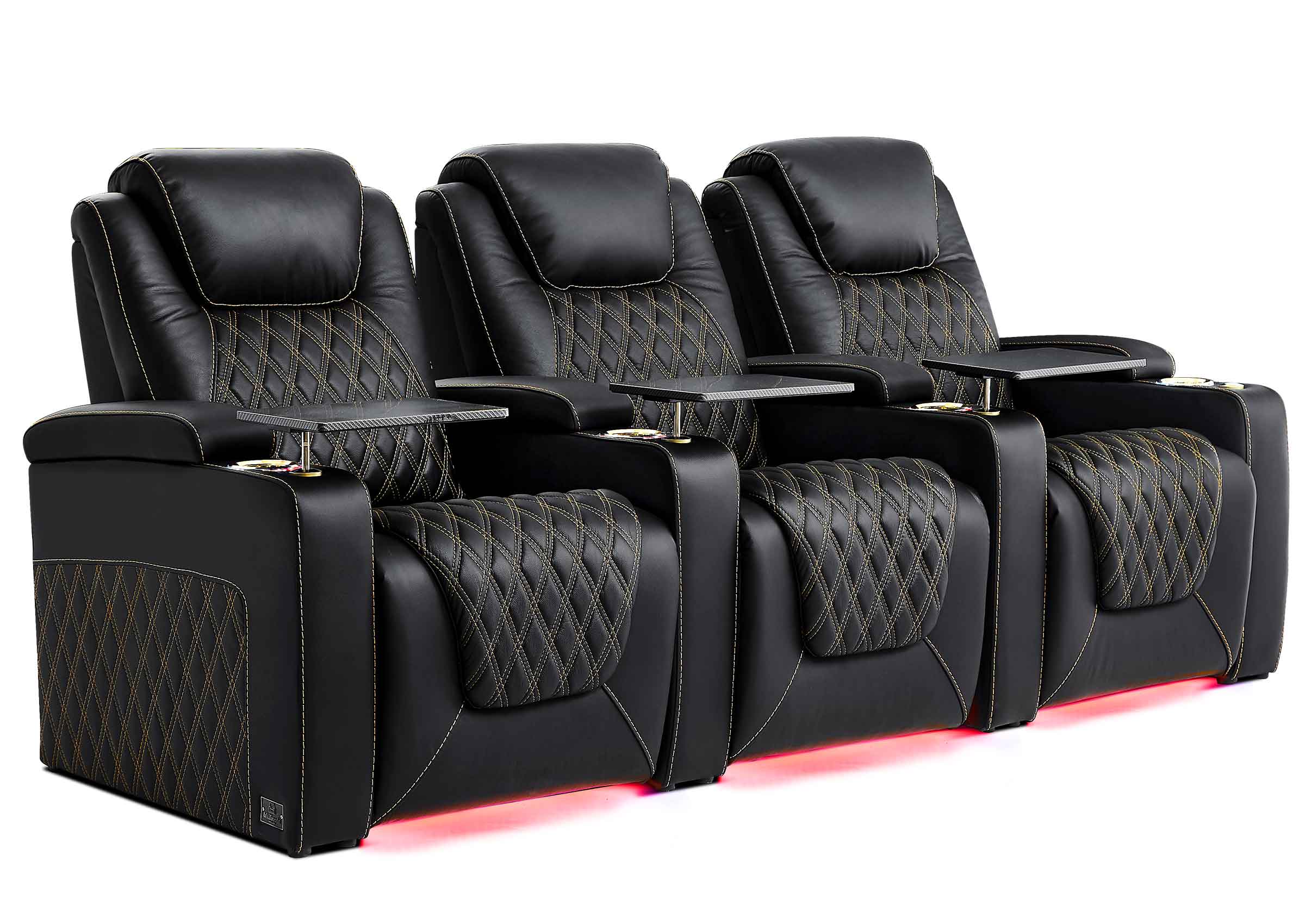
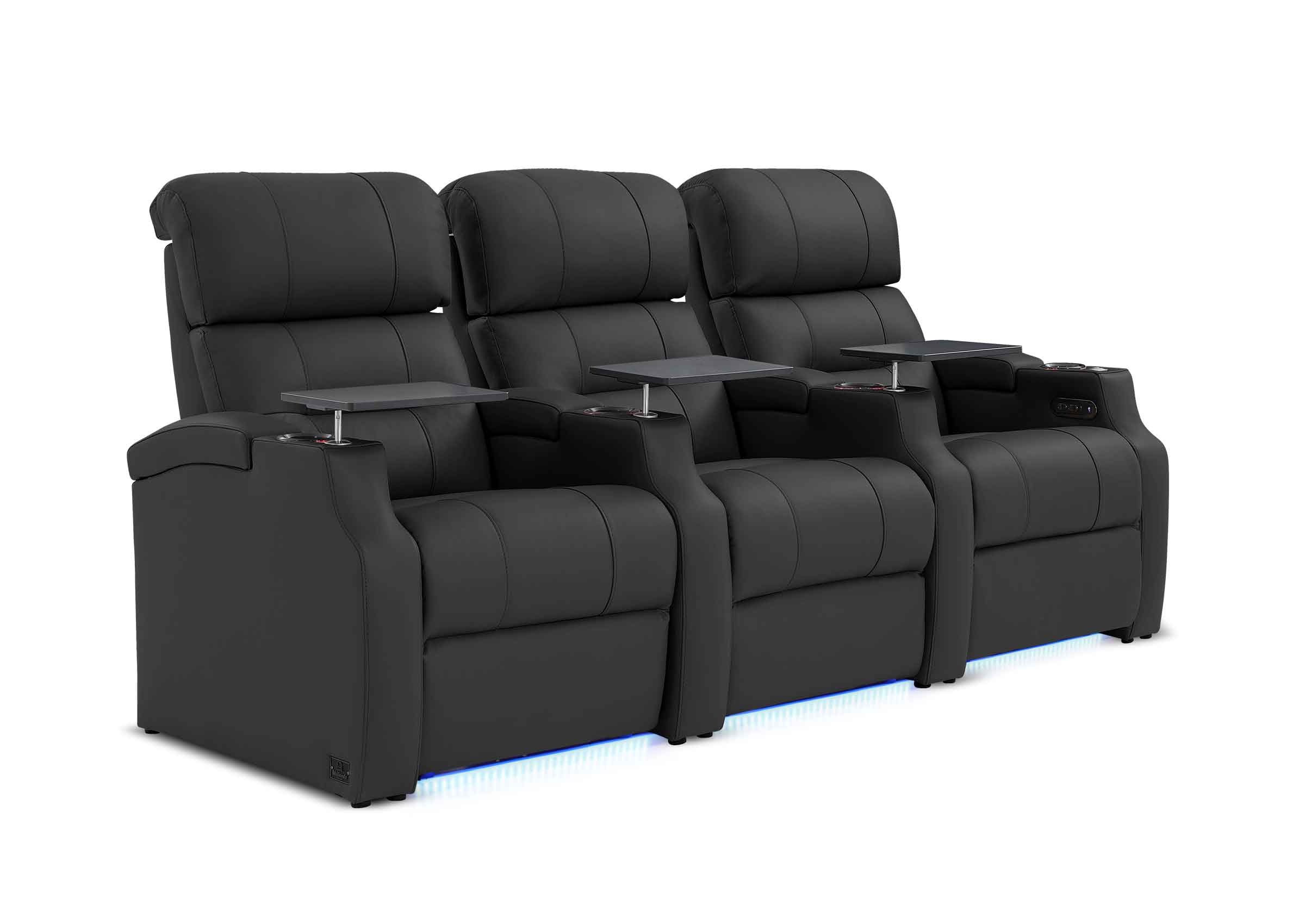
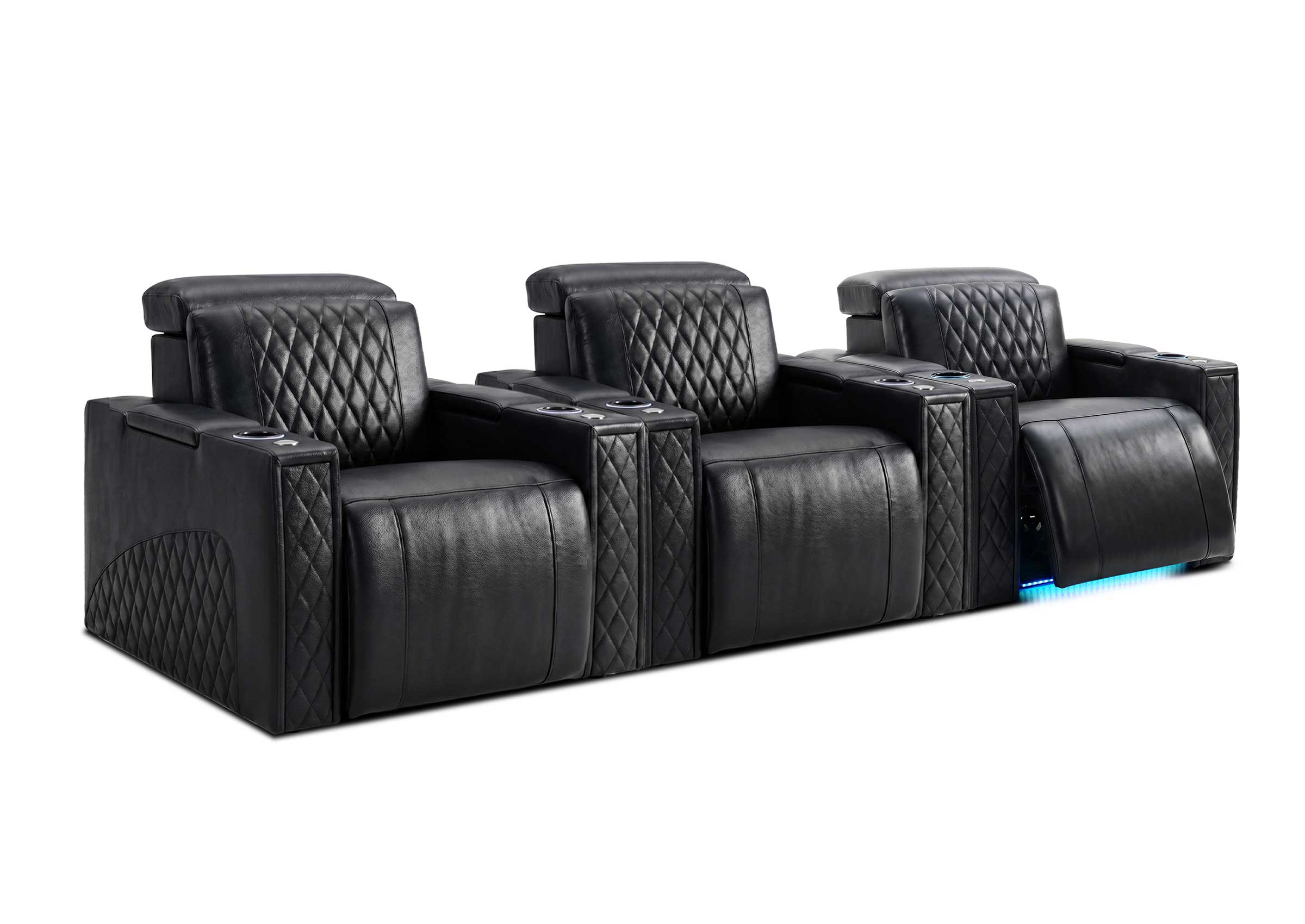

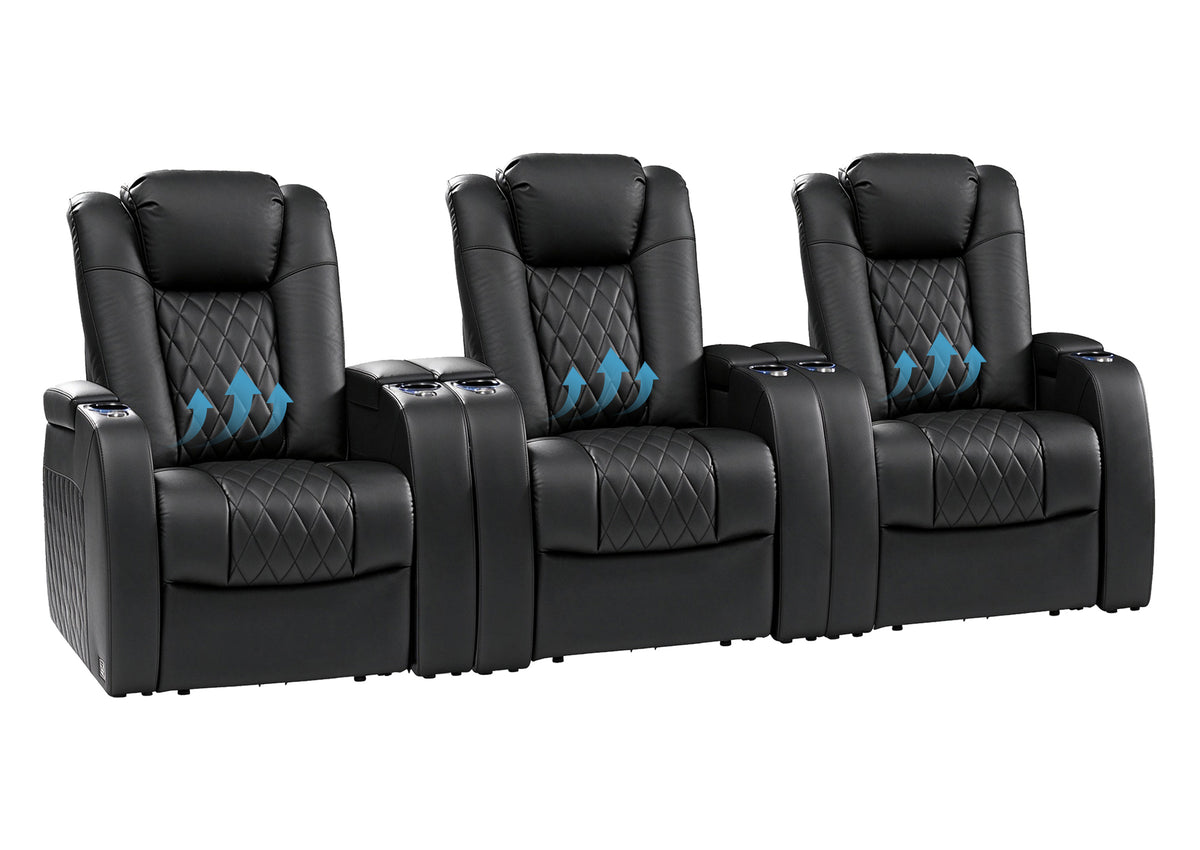
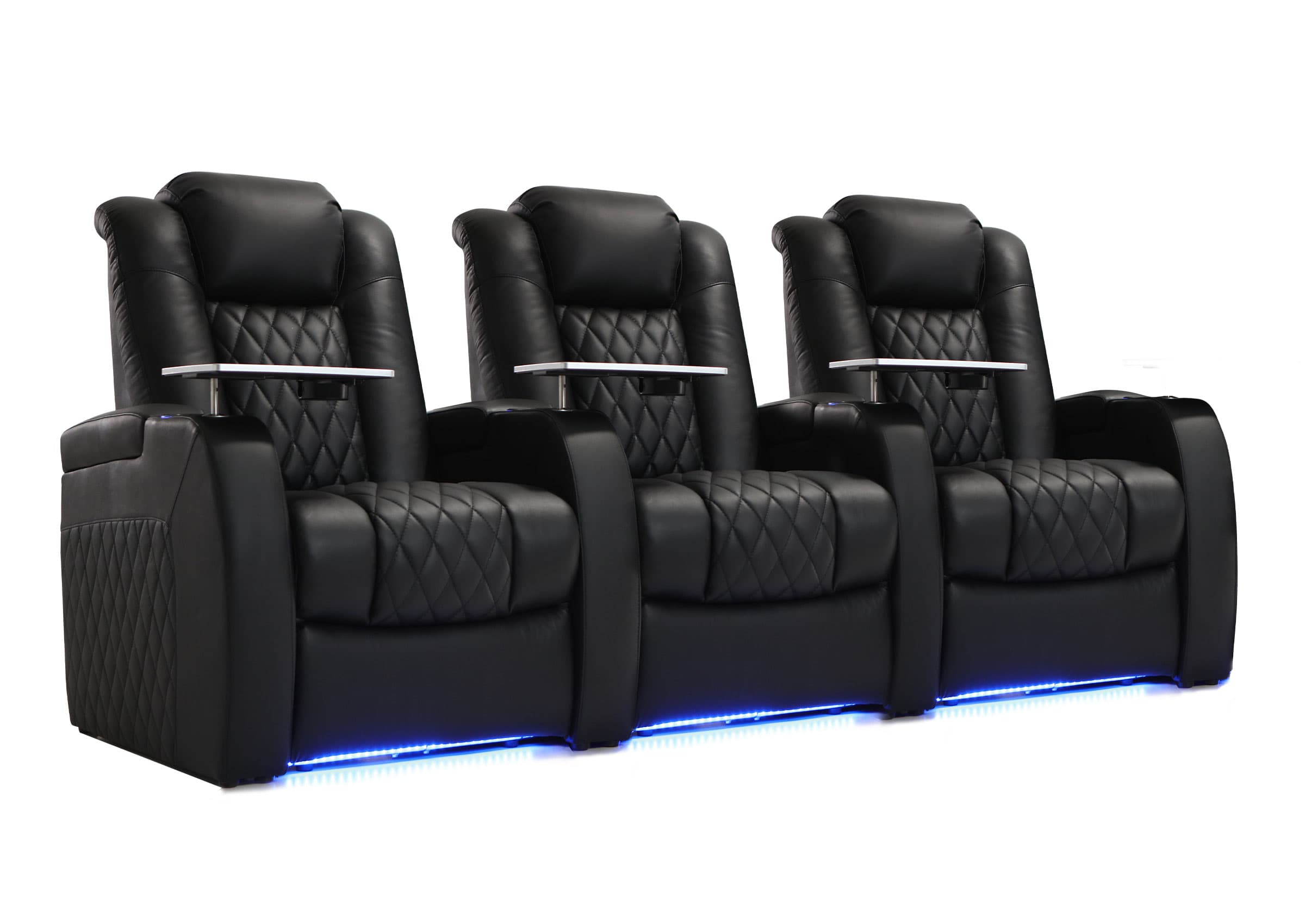
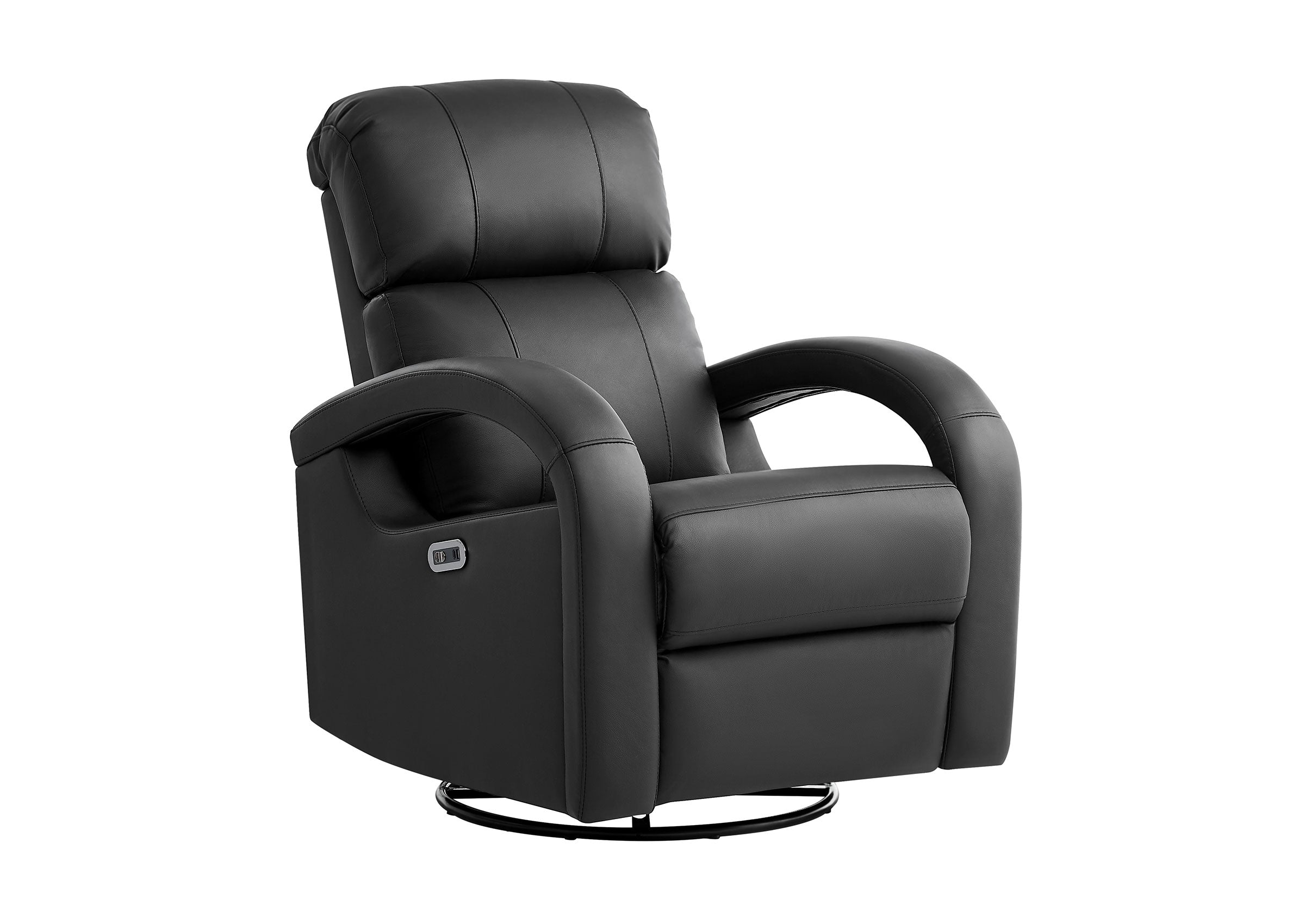

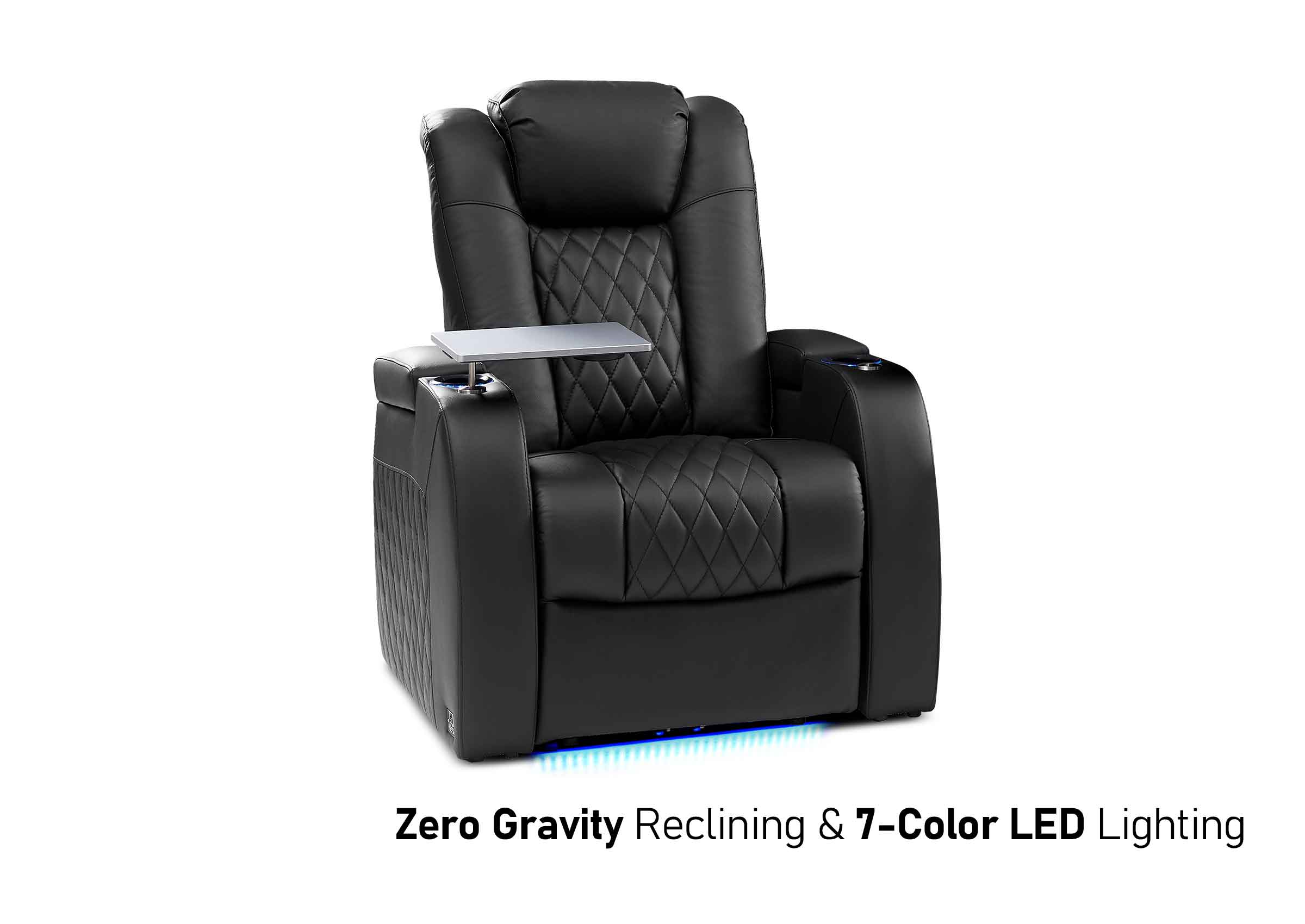
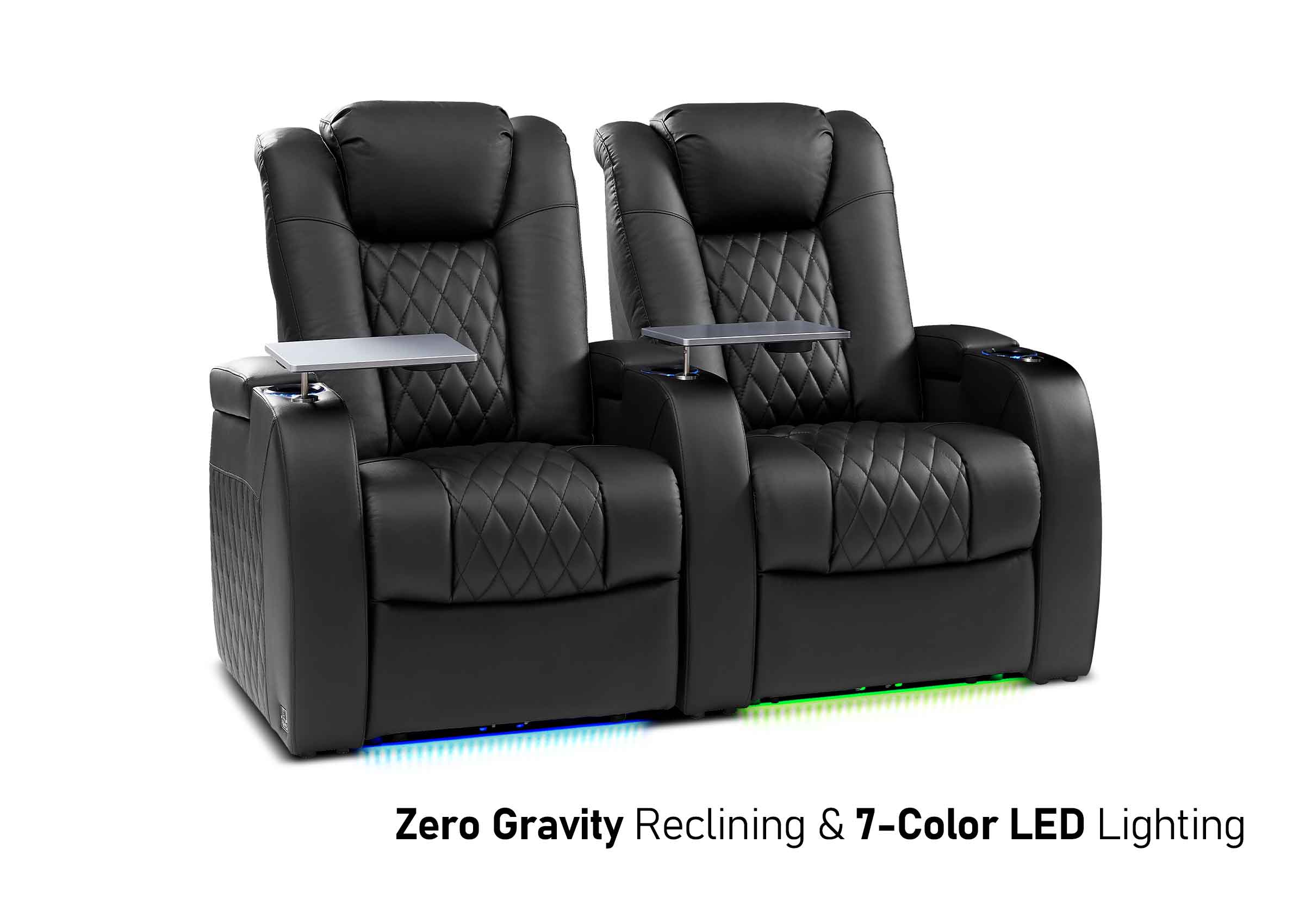
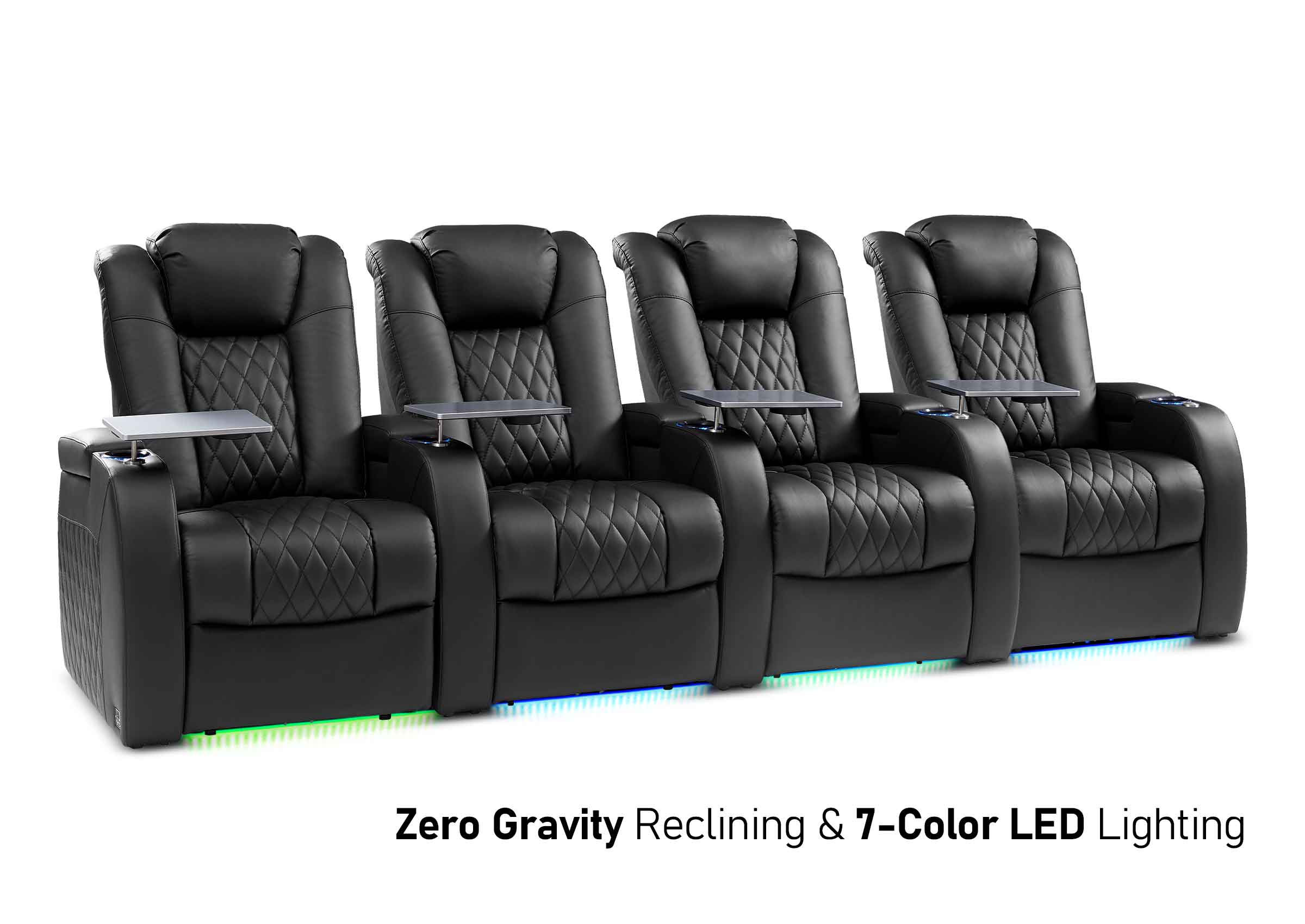
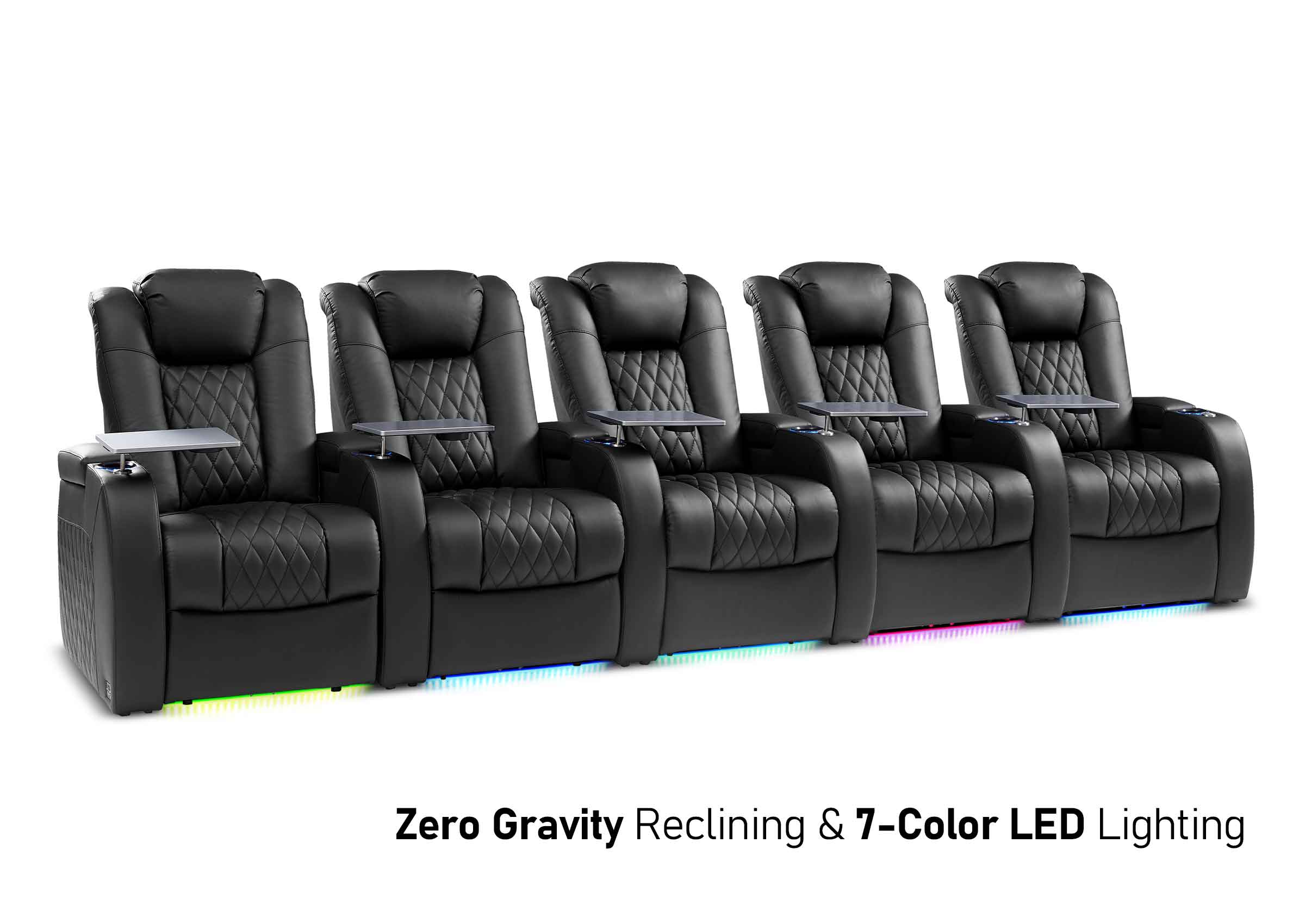




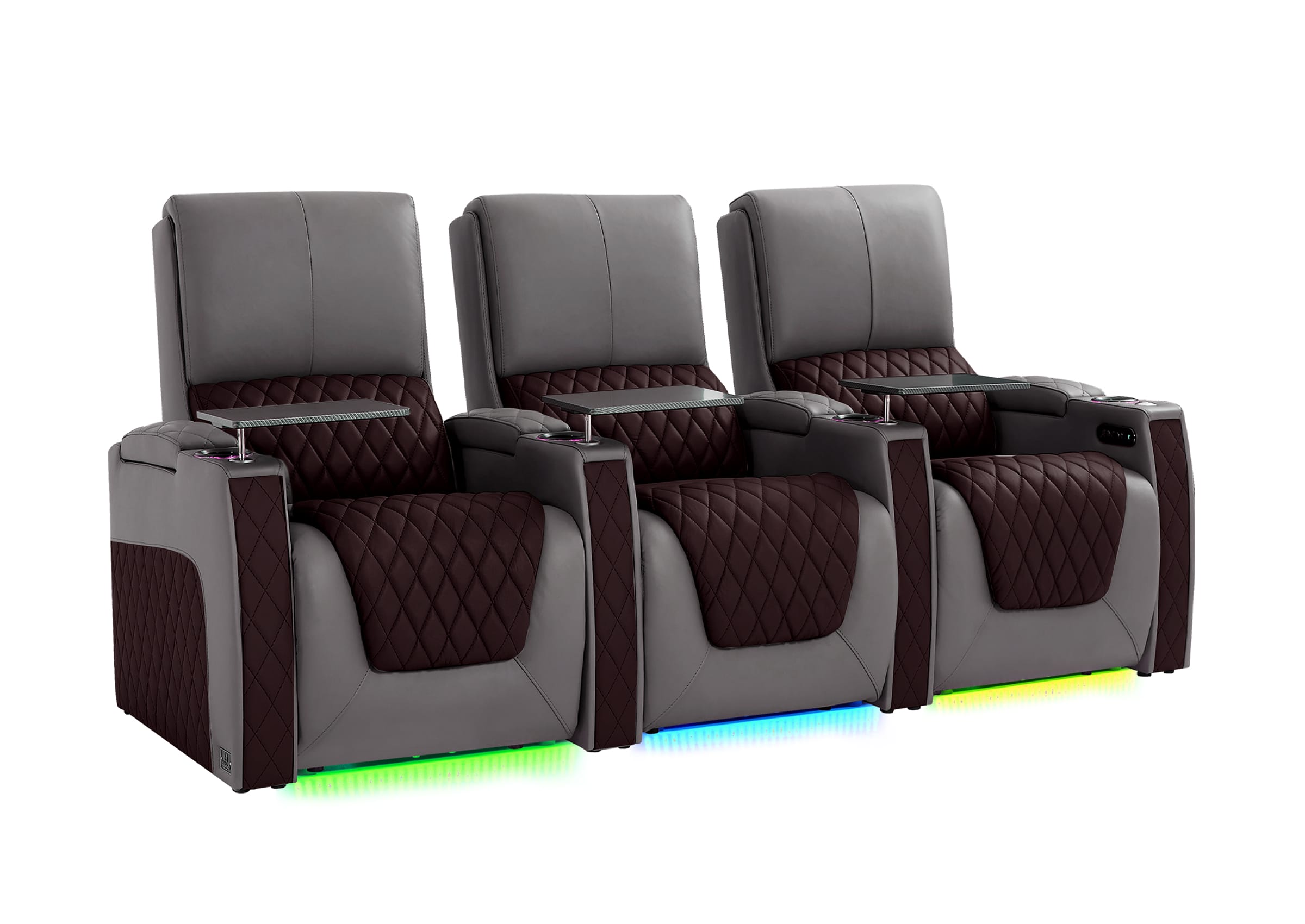
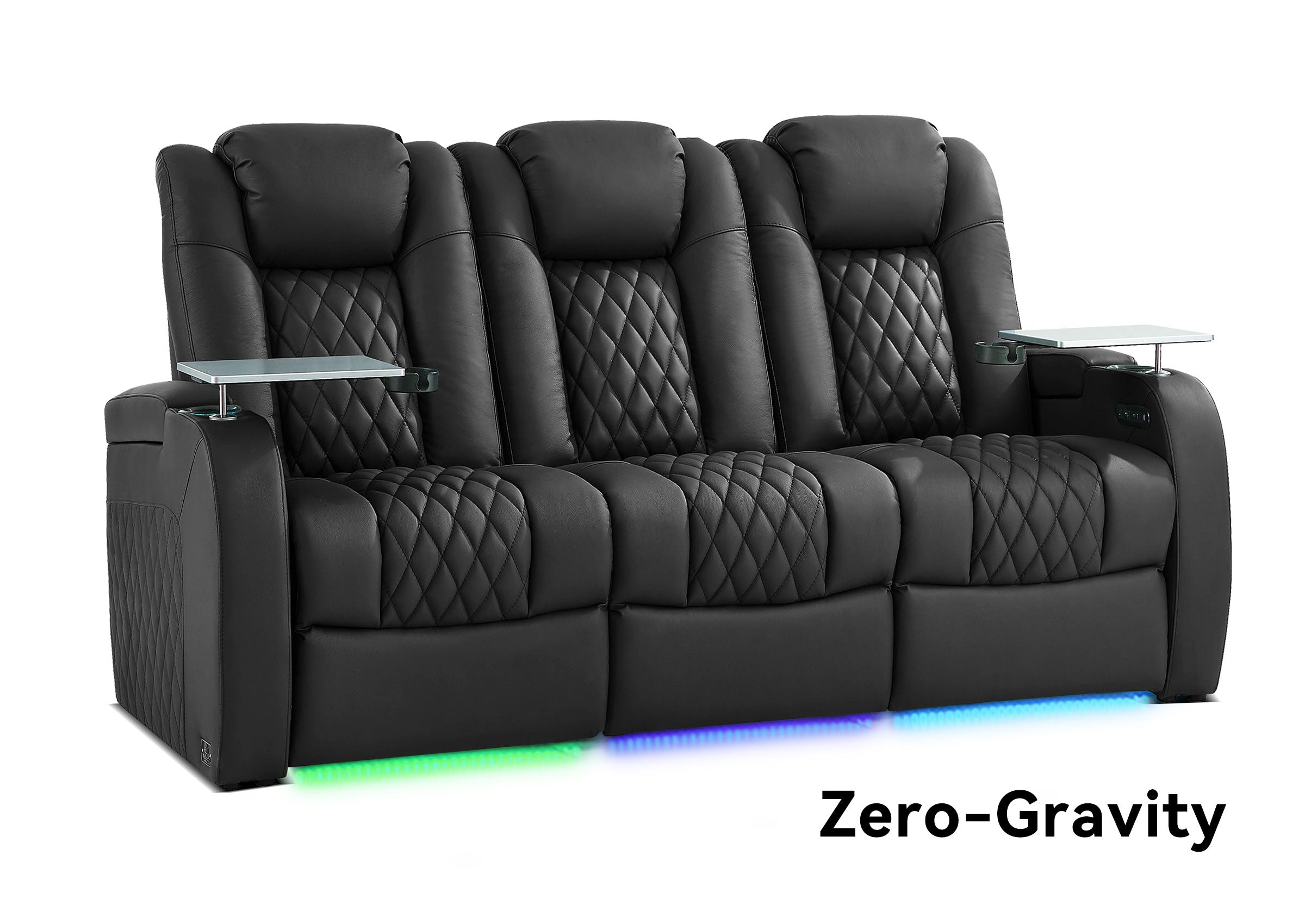


Choosing between a sectional and a modular sofa sounds simple: one is fixed, the other is flexible. But that comparison can be misleading.
A sectional describes how multiple seating sections form a larger arrangement. Modular describes how independently those sections can be configured, connected, removed, or rearranged. That means a sofa can be both a sectional and modular at the same time—for example, an L-shaped sectional built from individually configurable modules.
So the more useful question is not simply “sectional or modular?”
Do you want a seating layout optimized for the room you have now, or a seating system that can realistically adapt when the room changes later?
What Is the Real Difference Between a Sectional and a Modular Sofa?
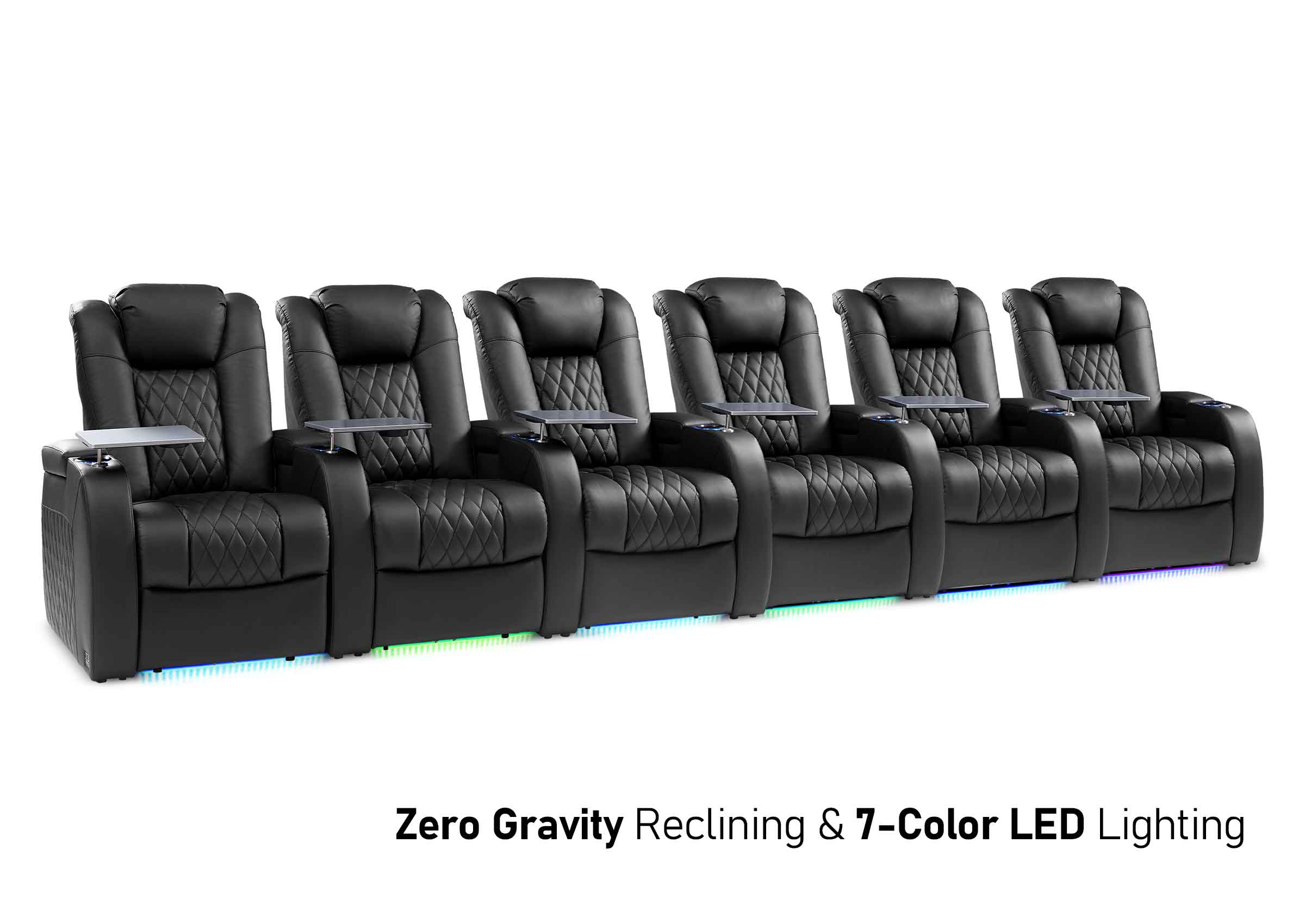
A traditional fixed sectional is usually designed around a predetermined arrangement. Its pieces may separate for delivery or installation, but the left arm, right arm, corner, chaise, or other sections are generally intended to return to a particular layout.
A modular sofa is built from individual units. Depending on the system, those units may allow you to change the length, move a chaise, add or remove seats, separate pieces, or create a different arrangement later.
If you are still separating the basic furniture terms, our guide to sectional sofas explains the main sectional formats, while the modular sofa guide looks more closely at module-based layouts.
The important phrase, however, is depending on the system.
| Decision Point | Fixed Sectional | Modular Sofa or Sectional |
|---|---|---|
| Main layout | Usually predetermined | Built from modules |
| Rearrangement | Limited | Varies by system |
| Add or remove seats | Usually limited | May be possible |
| Change chaise direction | May require a different configuration | May be possible |
| Adapt to another room | Depends heavily on original shape | Potentially easier |
| Delivery | May still arrive in multiple pieces | Module-based |
| Best reason to choose it | Stable, known layout | Meaningful future flexibility |
A sectional is therefore not automatically less sophisticated, and a modular sofa is not automatically more useful.
The real distinction is whether the furniture was designed to support meaningful configuration changes after the original purchase.
Does “Modular” Automatically Mean Reconfigurable?
No. This is one of the most important things to understand before buying.
For shopping purposes, it helps to think about modularity at three different levels.
Modular for Delivery
Some large sofas and sectionals separate into smaller pieces so they are easier to transport through doors, hallways, elevators, or stairs.
That is useful. But being able to separate a sofa for delivery does not necessarily mean those sections are designed to become a completely different sofa afterward.
A sectional that arrives in four pieces can still have only one intended final arrangement.
Configurable When You Buy
A furniture collection may let you select among different components when placing the order.
You might be able to build a sofa, loveseat, L-shape, chaise configuration, corner arrangement, or larger sectional from pieces in the same family.
That gives you more freedom at the purchasing stage. It still does not prove that every section can be moved to every position once the furniture is in your home.
Reconfigurable After Purchase
This is what many shoppers actually imagine when they hear the word “modular.”
A genuinely reconfigurable system may allow some combination of:
- moving the chaise to another side;
- removing a middle seat;
- adding another seat;
- separating a large sectional into smaller seating groups;
- changing an L-shape into another supported arrangement;
- adapting the furniture when you move.
The exact possibilities remain product-specific.
Do not ask only, “Is this sofa modular?” Ask, “What can I actually change after I own it?”
That one question can reveal far more than the product label.
How Much Flexibility Will You Actually Use?
Modular furniture is often presented as the more flexible choice. That is true only when the flexibility solves a real problem.
Flexibility has value when your life is likely to use it.
Suppose you have a large family room with one permanent TV wall, a settled traffic pattern, a known seating capacity, and no expectation that the sectional will move somewhere else.
A fixed sectional that fits that room extremely well may be the smarter choice. You are not giving up useful flexibility if there is very little you expect to change.
Now consider a different household.
You are renting. You expect to move within a few years. You have not decided whether the chaise should stay on the left or right. The TV may move to another wall. Your next home may have a narrower living room. Your household may need another seat later.
In that situation, reconfigurability has much more practical value.
Think of modularity as future option value.
You are buying the ability to respond to a change that has not happened yet. The more likely that change is, the more valuable the option becomes.
How Can the Three-Room Test Help You Choose?
Most people measure a sofa against one room: the room they have today.
For a sectional-versus-modular decision, that may be too short-term. Instead, test the furniture against three realistic versions of your living situation.

Room 1: Your Current Room
Start with reality.
Where will the sofa sit today?
Check:
- the TV or focal wall;
- doors and openings;
- walking routes;
- coffee-table space;
- windows;
- permanent architectural features;
- chaise direction;
- outlets if the seating requires power.
Your first configuration should work well without relying on some imagined future benefit.
Do not accept a compromised layout today just because the sofa might become more useful later.
Room 2: Your Next Version of the Same Room
Now change one assumption.
What if the TV moves? What if you stop using the current coffee table? What if a desk, play area, chair, or additional storage enters the room? What if you want the chaise on the opposite side?
A fixed sectional may continue to work perfectly. Or one fixed return may suddenly create the wrong traffic pattern.
A reconfigurable system becomes more valuable when several realistic versions of the room require different seating arrangements.
Room 3: Your Next Home
You cannot predict the exact dimensions of a future living room.
You can still ask a useful question:
Will the sofa need the next room to fit it, or can the sofa change to fit the next room?
That is the deeper difference between a fixed configuration and a truly adaptable modular system.
A fixed sectional asks, “Does this sofa fit this room?”
A reconfigurable modular system can sometimes let you ask, “How can these seats fit this room—and potentially the next one?”
What Should You Check Before Buying a Modular Sofa?
If future flexibility is part of the reason you are buying the sofa, verify that flexibility before paying for it.
Do not stop at a product description that says “modular.”

Ask:
- Can individual modules be used independently?
- Are exposed module sides finished appropriately if pieces are separated?
- Can the left and right ends actually change positions?
- Can the chaise move from one side to the other?
- Can a corner unit be relocated?
- How are the modules connected?
- How much work is required to disconnect and reconnect them?
- Which advertised configurations are supported?
- Can individual seats or modules be purchased later?
- If modules are added later, how is compatibility confirmed?
- Does changing the layout affect power connections or controls?
- Are some sections orientation-specific?
The point is not to find a modular sofa that answers “yes” to everything.
The goal is to discover which type of flexibility you are actually buying.
For example, if your only concern is occasionally changing which side feels like the lounging side, you may not need an extensively modular system. Depending on the furniture design, a reversible chaise or movable ottoman may solve that specific uncertainty with less configuration complexity.
That is a better buying decision than paying for broad flexibility when you only need one narrow kind of flexibility.
FIND THE RIGHT CONFIGURATION
Not Sure Whether a Fixed or Modular Layout Fits Your Room Better?
Compare the room you have now with the flexibility you are actually likely to use later. Explore seating and configuration options before locking in a layout that may be difficult to change.
Understand Sectional Types • Read the Modular Sofa Guide
What Are the Most Common Fixed Sectional Regrets?
A fixed sectional becomes frustrating when an assumption you made at purchase stops being true.
Typical problems include:
- the chaise ends up on the wrong side after moving;
- a long return interrupts the most natural walking route;
- changing the TV wall makes the seating orientation awkward;
- the household needs another seat but the configuration cannot expand;
- the sectional fits the current room but has few realistic placements in the next one;
- a fixed corner or arm position prevents a seemingly simple rearrangement.
The problem is rarely that fixed sectionals are inherently bad furniture.
The problem is layout dependency.
The more specialized the shape is for one room, the more important it becomes to be confident that the room will remain relatively stable.
What Are the Most Common Modular Sofa Regrets?
Modular buyers can make the opposite mistake: purchasing theoretical flexibility without checking whether that flexibility is practical.
Potential regrets include:
- assuming every module can go anywhere;
- discovering that a chaise is not actually reversible;
- finding that separated modules do not look finished from every side;
- realizing that reconnecting several sections is more work than expected;
- planning to add seats years later without knowing whether compatible pieces will still be available;
- creating multiple possible configurations but only liking one of them;
- buying extra modules “for flexibility” that mostly occupy storage or floor space;
- assuming a modular powered sectional can be rearranged as freely as stationary seating.
A sofa can be technically reconfigurable while still being inconvenient enough that you rarely change it. Connectors, piece weight, accessories, and the amount of surrounding furniture that must be moved can all affect how practical the flexibility feels.
That leads to a more useful question than “Can I rearrange it?”
Would I realistically rearrange it?
There is a difference between possible flexibility and usable flexibility.
Does Power Reclining Change the Sectional vs. Modular Decision?
Yes.
Stationary modules mainly have to solve structural, visual, and layout relationships.
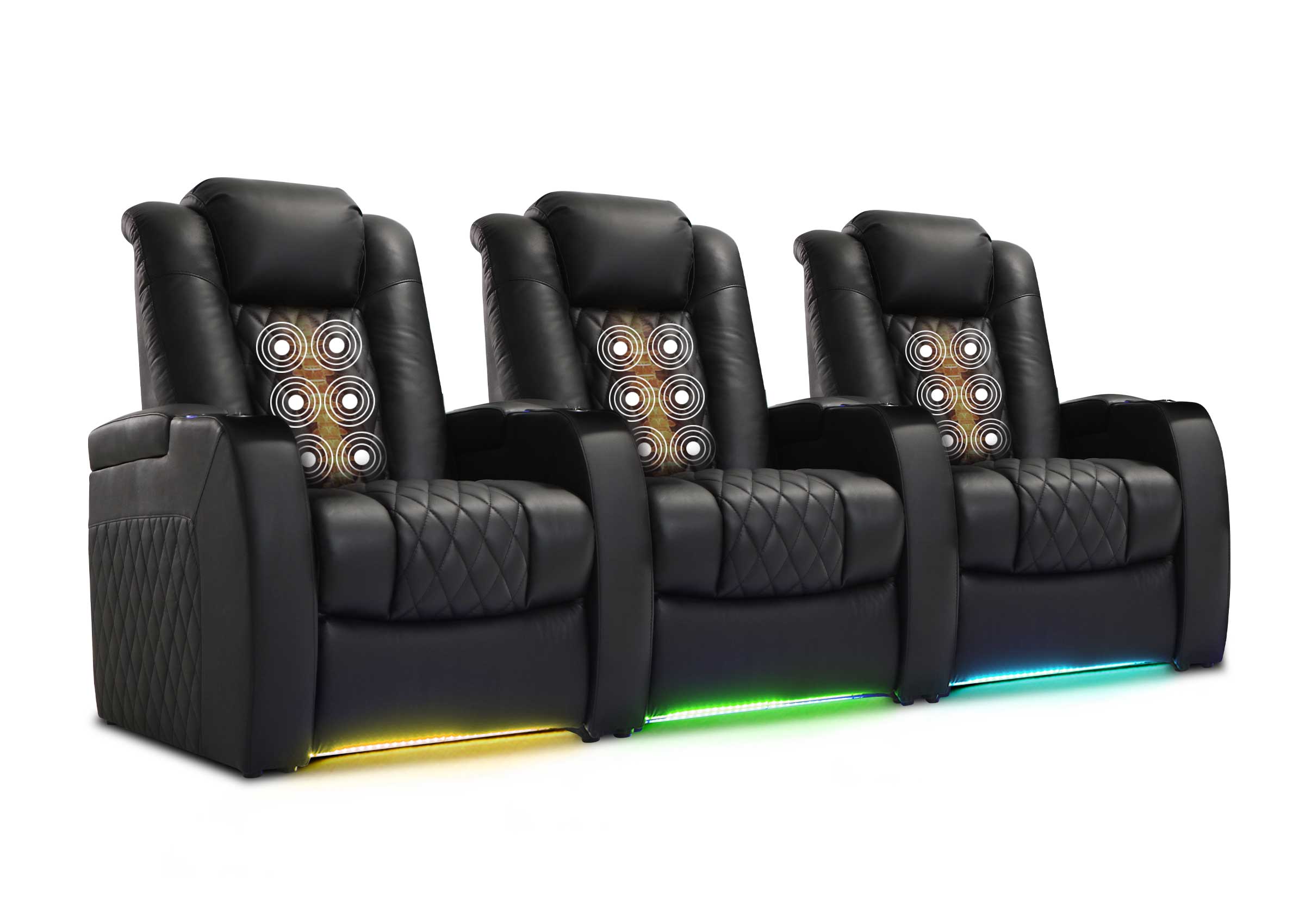
Powered reclining modules introduce another layer: electrical components and moving mechanisms.
Depending on the design, you may need to consider:
- which modules contain reclining mechanisms;
- where controls are located;
- which sections have arms;
- how power reaches individual reclining units;
- how sections connect;
- whether the new configuration preserves operating clearance;
- whether electrical connections change when modules move.
A powered sectional can therefore legitimately be modular without every seat being freely interchangeable.
With reclining furniture, configuration flexibility has to work mechanically and electrically—not just geometrically.
Before assuming that two modules can switch places, confirm the exact rules for the selected product and configuration.
Which Is the Better Starting Direction for Your Situation?
There is no universal winner, but your situation can point you toward a better starting direction.
| Your Situation | Better Starting Direction |
|---|---|
| Your room layout is unlikely to change | Fixed sectional |
| You already know the exact chaise and corner direction | Fixed sectional |
| You want a finished layout and do not expect to rearrange it | Fixed sectional |
| You move relatively often | Reconfigurable modular |
| Your chaise direction may need to change | Reconfigurable modular |
| Your household may need more or fewer seats later | Modular deserves consideration |
| Your open-plan room changes functions frequently | Modular deserves consideration |
| Delivery access is difficult | Compare individual module dimensions carefully |
| Your dedicated TV room has a stable layout | Fixed sectional may be enough |
| You want power reclining | Compare actual configuration and electrical rules |
| You only need one small type of flexibility | Consider whether full modularity is necessary |
| You are unsure what “modular” means for a specific sofa | Verify the allowed configurations before choosing |
Notice that “modular” is not automatically the recommendation for small rooms, large rooms, families, or movie rooms.
Room size alone does not decide this question.
The more important variable is how much uncertainty exists around the future layout.
If this choice is part of a broader multi-use entertainment space, our media room seating guide can help you compare sectionals with other seating formats.
Should You Choose for Today or for the Future?
Choose for both—but not equally.
Your current room should come first because that is where you know the furniture will actually be used.
Future flexibility should then act as a tiebreaker when two options work well today.
That avoids two opposite mistakes:
Fixed-sectional mistake: optimizing so tightly for today’s layout that one predictable change makes the furniture difficult to use.
Modular-sofa mistake: compromising today’s room to purchase flexibility that may never be needed.
A good modular sofa should not require you to tolerate a weaker current layout in exchange for a hypothetical future one.
And a good fixed sectional should not be rejected simply because another design can theoretically create more configurations.
The better sofa is the one whose flexibility matches the amount of change your household can realistically expect.
Frequently Asked Questions
Is a modular sofa the same as a sectional?
Not necessarily. “Sectional” generally describes a seating arrangement made from multiple sections, while “modular” describes how configurable those sections are. A modular sofa can be arranged as a sectional, so the categories can overlap.
Can all modular sofas be rearranged after purchase?
No. Different systems support different levels of change. Some primarily simplify delivery, some offer multiple configurations when ordering, and others are designed for meaningful rearrangement after purchase. Check the specific configuration rules before buying.
Can you move the chaise to the other side of a modular sectional?
Sometimes. A genuinely reconfigurable system may support changing chaise orientation, but left/right pieces, arms, connectors, cushions, or mechanisms may be configuration-specific. Confirm the selected model rather than assuming the word “modular” guarantees a reversible chaise.
Are modular sofas better if you move frequently?
They can be. Smaller individual modules may be easier to move through a new home, and a reconfigurable system may give you more ways to adapt to a different floor plan. But module dimensions, weight, configuration rules, and the new room still matter.
Is a fixed sectional a bad long-term purchase?
No. A fixed sectional can be an excellent long-term choice when the room, chaise direction, seating needs, and main layout are unlikely to change. Flexibility that you never use does not automatically make a sofa better.
Is modular worth it if I never plan to rearrange the sofa?
Possibly, but reconfigurability should not be the main reason. Judge the sofa on the qualities you will actually use. If two options fit equally well and you expect the layout to remain stable, extensive modular flexibility may add little practical value.
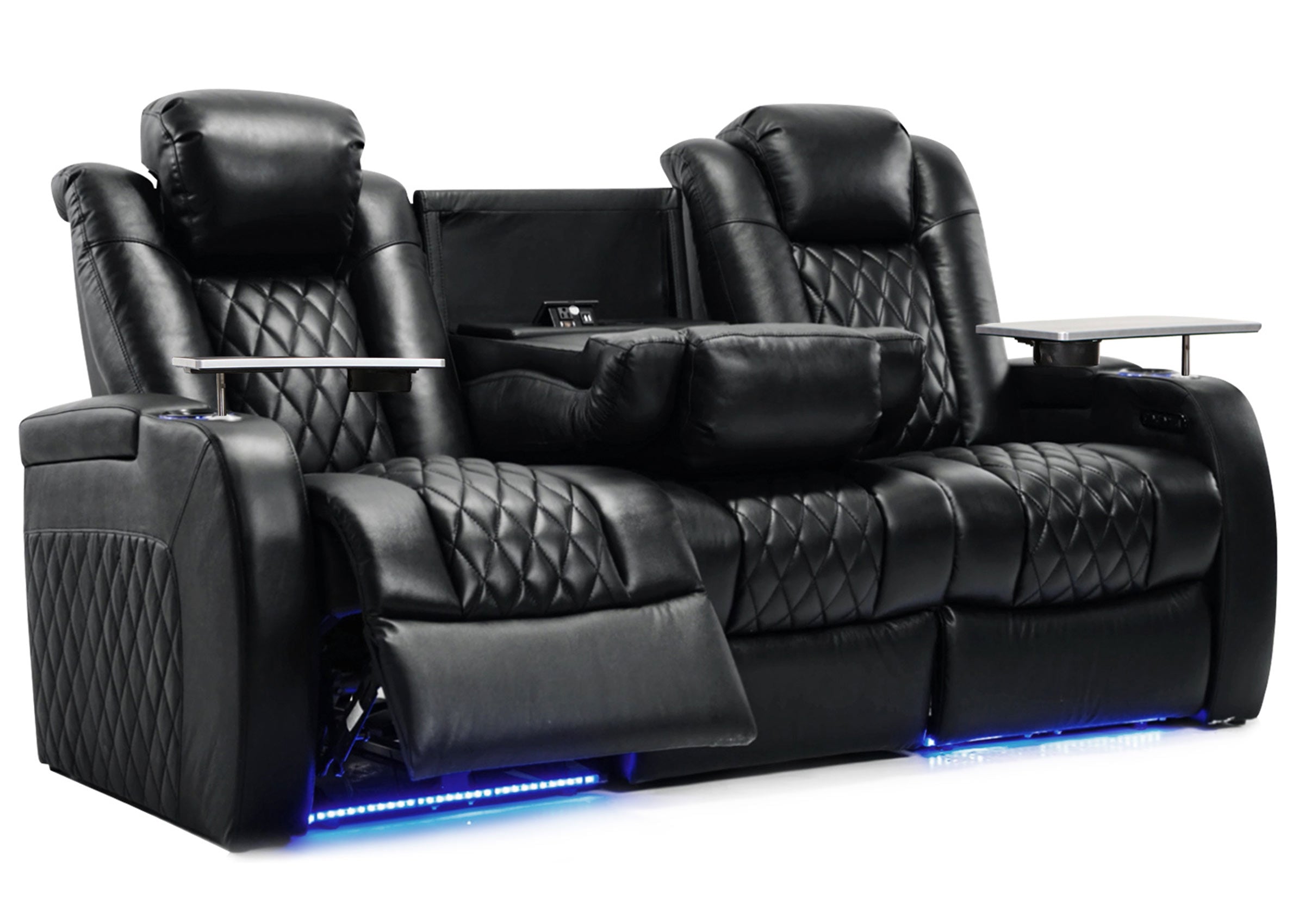
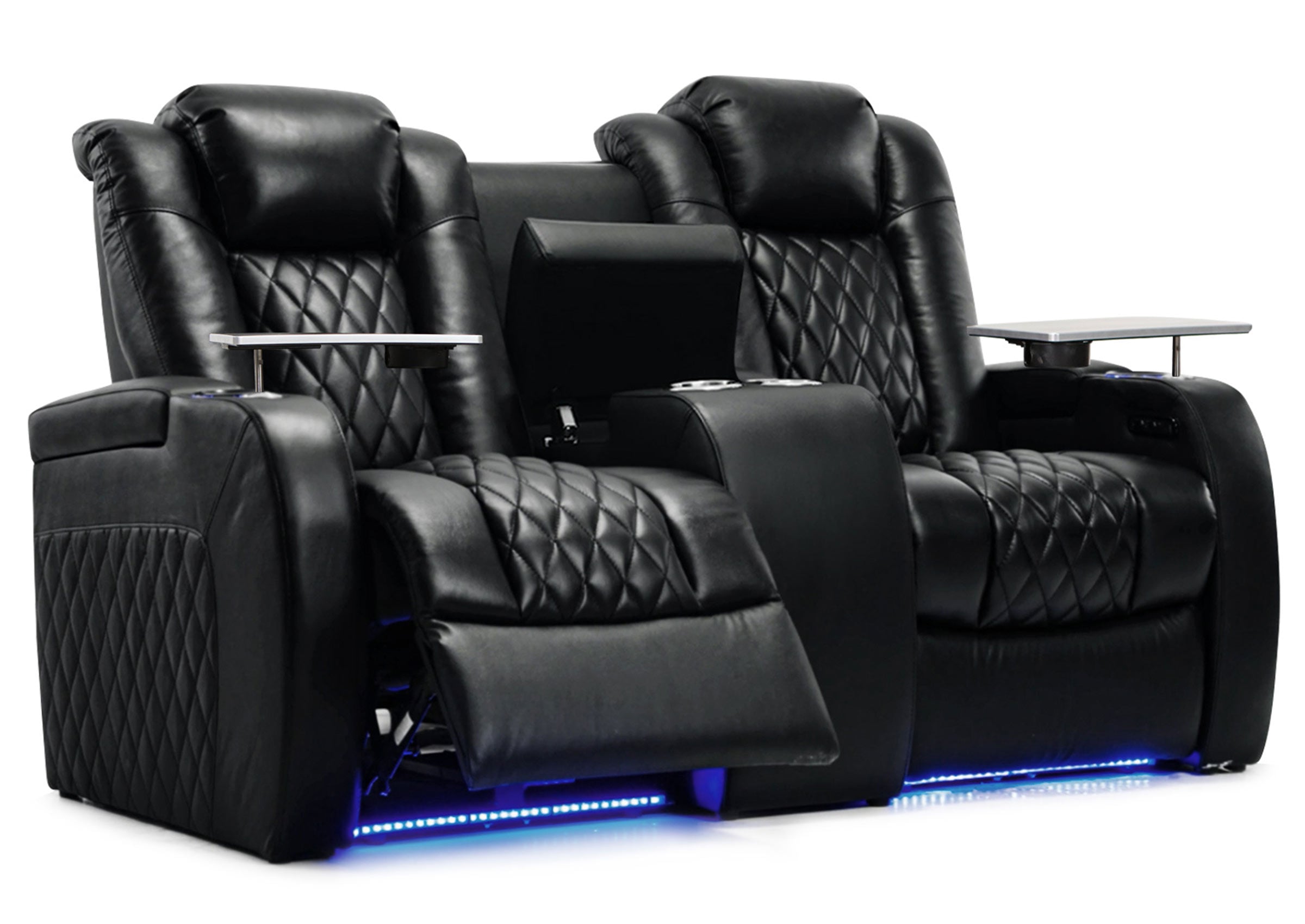
Can a reclining sectional also be modular?
Yes. Modular power reclining sectionals can exist, but individual pieces may have different roles, controls, arms, electrical connections, and reclining mechanisms. Confirm which layouts the specific system supports before treating the pieces as freely interchangeable.
The Better Question Is Not “Sectional or Modular?”
A fixed sectional is often the better choice when the room is settled and the configuration already matches the way people live.
A truly reconfigurable modular sofa becomes more compelling when change is not hypothetical—when you expect to move, modify the room, change the chaise direction, increase seating, or use the same furniture in several different ways.
But the word “modular” by itself does not answer that question.
Before choosing, identify what can move, what cannot, how difficult the change is, and whether you are likely to use that flexibility at all.
Then apply the Three-Room Test: your current room, the next version of that room, and a possible future home.
If the fixed sectional continues to make sense, its lack of reconfigurability may not be a meaningful disadvantage.
If the room keeps changing and the modular system can genuinely change with it, flexibility becomes more than a selling point.
It becomes useful furniture design.
Need Help Confirming Your Seating Configuration?
If you are comparing a fixed sectional with a modular configuration, Weilianda can help you think through the room, seating layout, feature priorities, and the details worth confirming for the selected configuration before you move forward.
Share your room dimensions, preferred seating arrangement, chaise direction, power requirements, or any configuration questions through Weilianda Support, or email leon@weiliandahome.com.