

















Media room renovation ideas can be as simple as keeping a comfortable sofa and changing the room around it—or as ambitious as turning an underused TV room into an entertainment lounge. The most useful before-and-after transformations show what was worth keeping, which changes made the room feel different, and why the finished space gets used more.
Start with the kind of evening you want: a cozy family movie, a relaxed game night, or drinks with friends before the screen comes on. Then look for a renovation that supports that experience, rather than replacing everything just because the room feels dated.
The first three examples below are published projects by their named designers. The three design concepts that follow are illustrative ways to adapt similar thinking to your own home.
Give a Dated Theater Room a Richer, More Traditional Look
Erin Zubot's media room makeover is a useful reminder that a theater space can feel collected and homey. The starting room had yellow-brown faux-finished walls and an outdated screen arrangement. Its comfortable sofas were already worth keeping.
The transformation brought deep blue-green paint across the walls and ceiling, patterned curtains, small lamps, and framed art into the room. The existing black cabinetry and two sofas remained; the screen changed. See the original project for the full before-and-after photographs.
The change to borrow is the relationship between the dark background and the familiar furniture. Pale upholstery becomes more noticeable against saturated walls, while patterned textiles and small pools of light give the space a traditional living-room character. You do not need to exchange a favorite sofa for theater rows to create a more deliberate movie-night atmosphere.
Let a Successful First Phase Shape the Permanent Renovation
Sarah Gibson's Room for Tuesday basement reveal shows a different route. An early makeover used paint, drapery, furniture changes, and art while a larger renovation remained a future possibility.
After living with that phase for more than four years, the owners still liked much of its character. The later work retained the design direction while updating flooring, doors, lighting, and the furniture arrangement. A different sectional addressed a seating configuration that had not suited the room well.
The lesson is not to wait four years. It is to let everyday use test your choices. A wall color you still love and curtains that work well can become part of the permanent room. A sofa that never quite fits does not need to stay simply because it was included in the first makeover.
A staged renovation can become more personal over time, rather than looking like a temporary room waiting for its real design. Preserve the decisions that have proved themselves; leave a future option open without buying a placeholder version of every item.
Turn a Plain Media Room Into an Entertainment Lounge
For a more substantial change, look at Pulp Design Studios' Plano entertainment lounge. The studio describes starting with dated furniture and a subdued palette, then introducing navy walls, warm wood, brass accents, and more expressive furnishings.
The bar became a centerpiece, with details such as a curved banquette and a built-in Scrabble wall supporting activities beyond watching television. This is a different destination from a room organized exclusively for movies.
Borrow the way the materials connect the activities: a warm metallic finish can recur in lighting and furniture details, while the wall color carries the mood across the room. Your version might use a cabinet for drinks, a game table, and a comfortable sofa rather than custom millwork throughout.
This project is inspiration for a broader entertainment setting, not evidence that the same result has a predictable price or that every existing feature should be removed.
Keep the Brown Sofa and Change Its Surroundings
Consider this illustrative before-and-after concept: a comfortable brown leather sofa sits against beige walls, with a small rug, isolated pieces of art, and a bright overhead light. The furniture is usable, but the room feels assembled from leftovers.
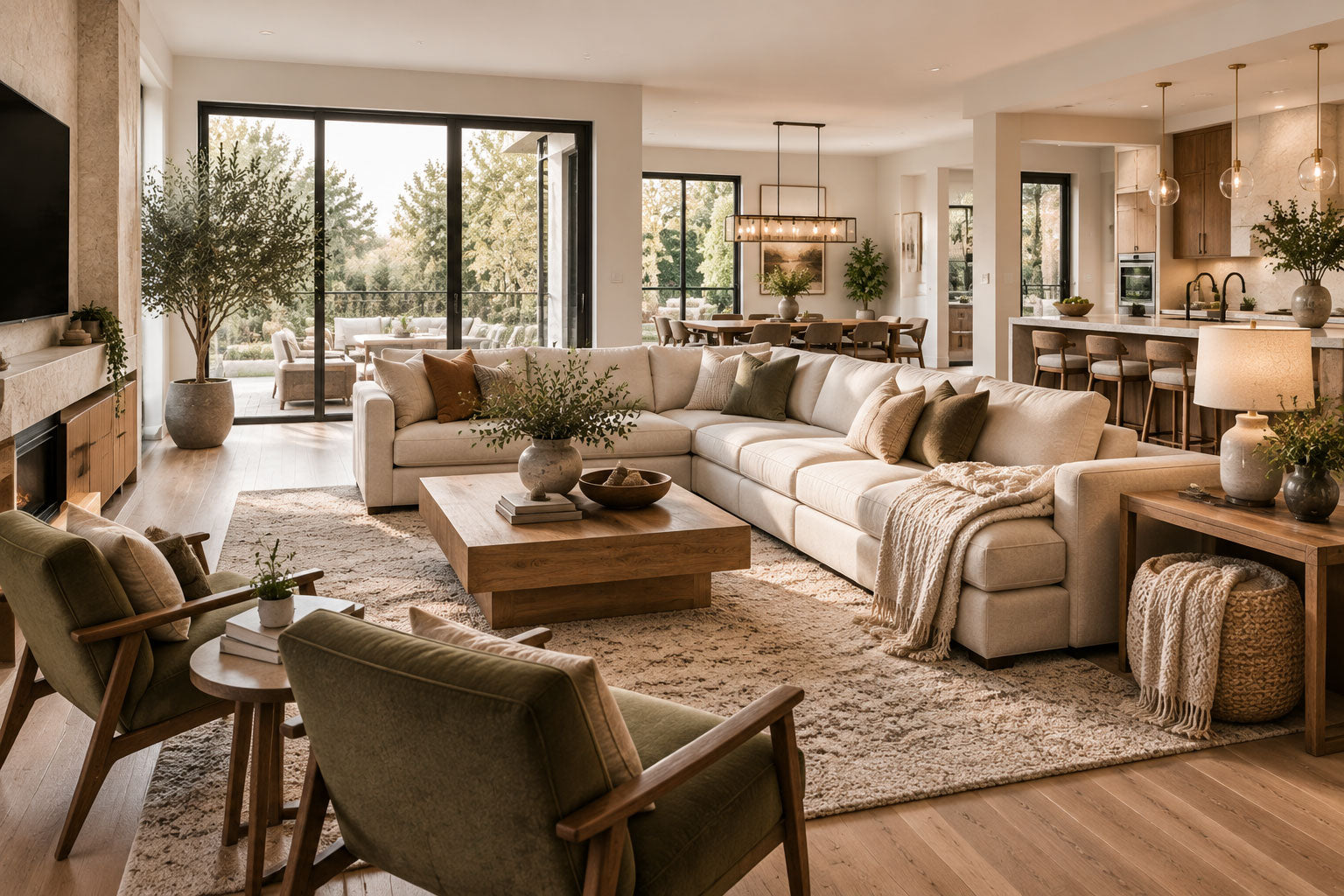
Keep the sofa and try warm ivory walls, a larger-looking field of muted rust and oatmeal in the rug, walnut side tables, and a pair of shaded lamps. Add an olive cushion or throw to connect the brown upholstery with another color. A few larger frames—or a more intentional grouping of existing pictures—can make the wall feel finished.
The sofa becomes the warm anchor of the scheme rather than the dated item everything is trying to hide. You can take the same approach in a darker direction with smoky green walls, a cream rug, and small brass details.
Keep personal objects in the picture. Children's artwork, a record collection, or a well-used reading chair may be the reason the family likes the room. Similar frames or a dedicated shelf can connect those pieces without removing their character.
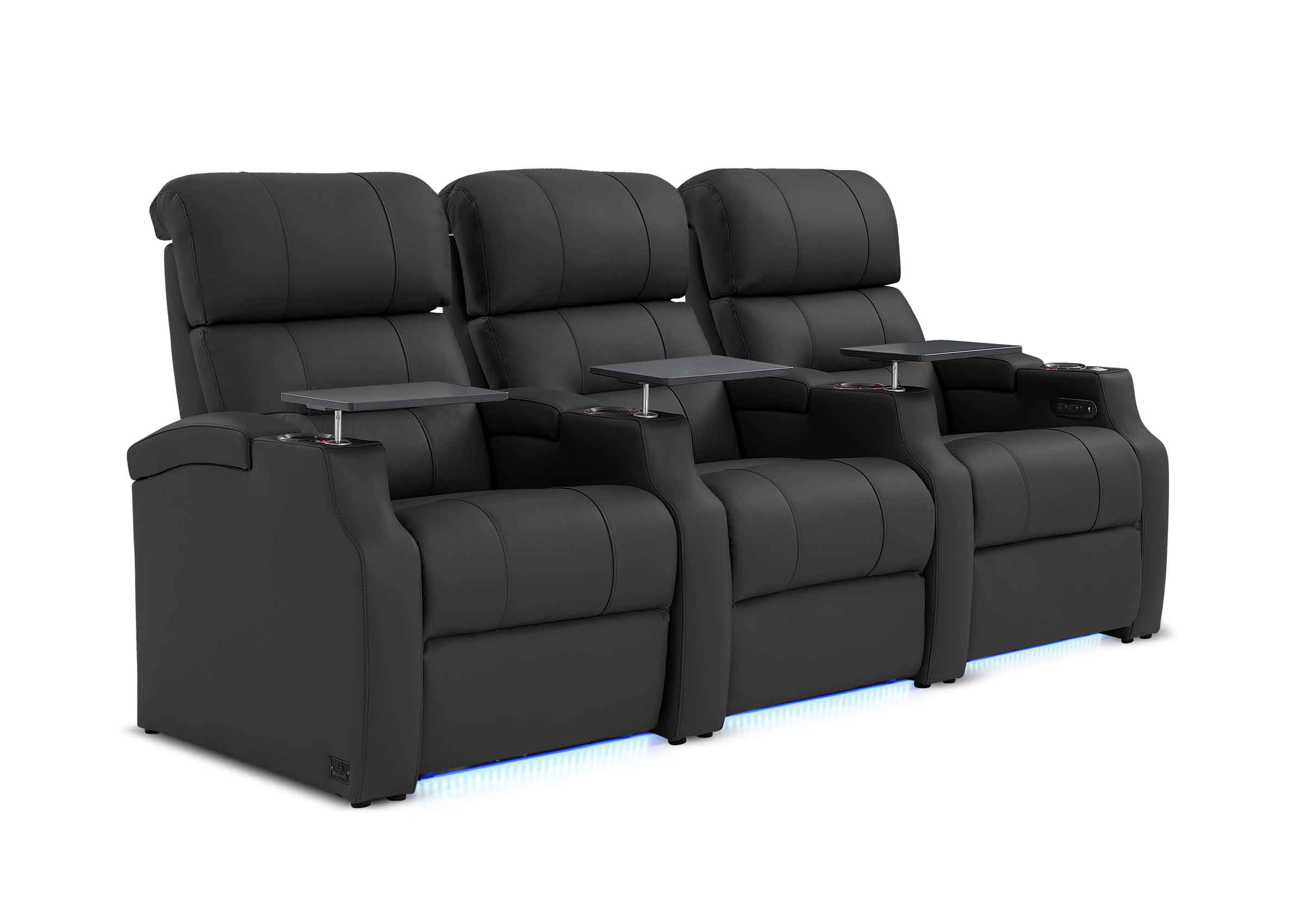
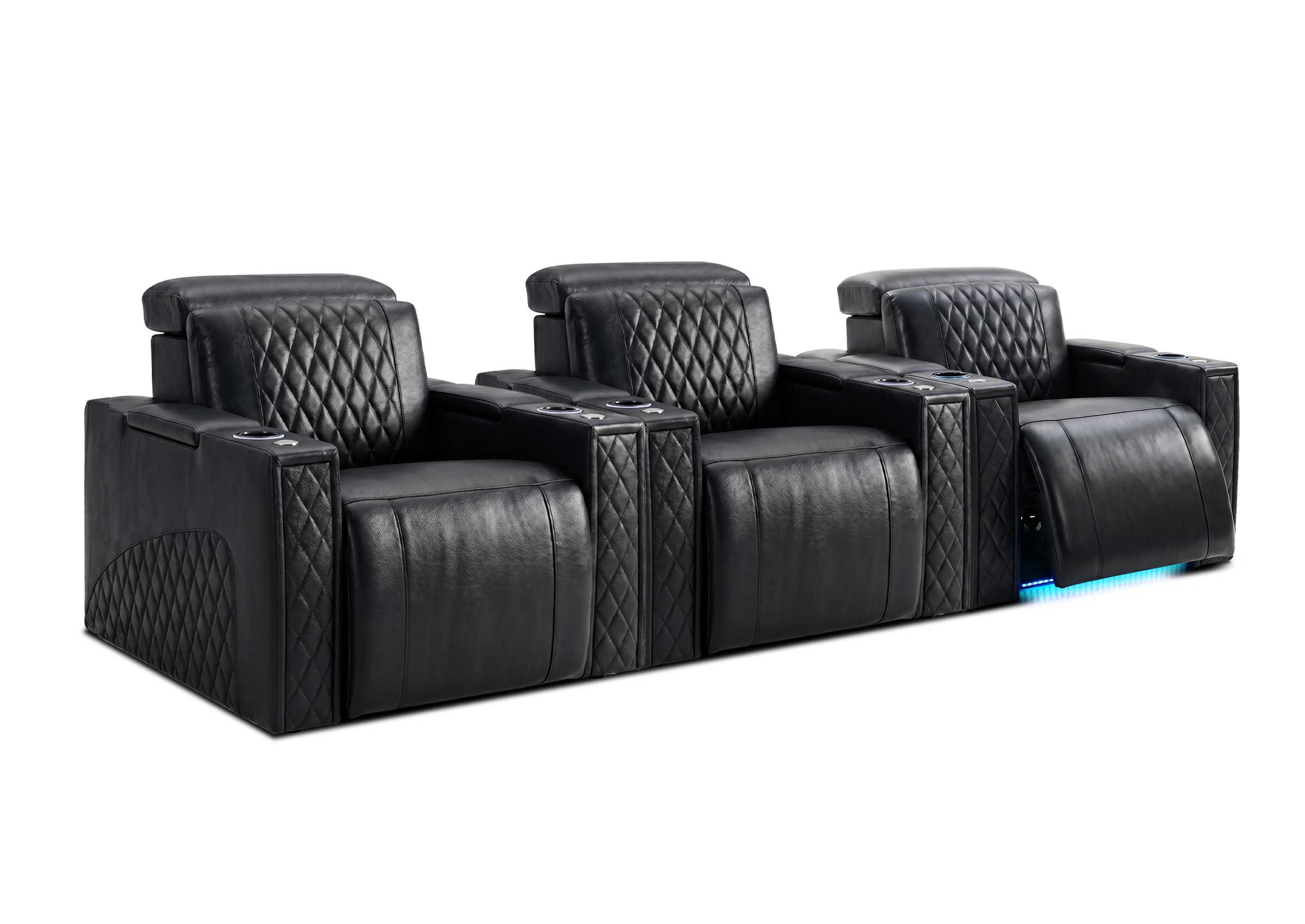
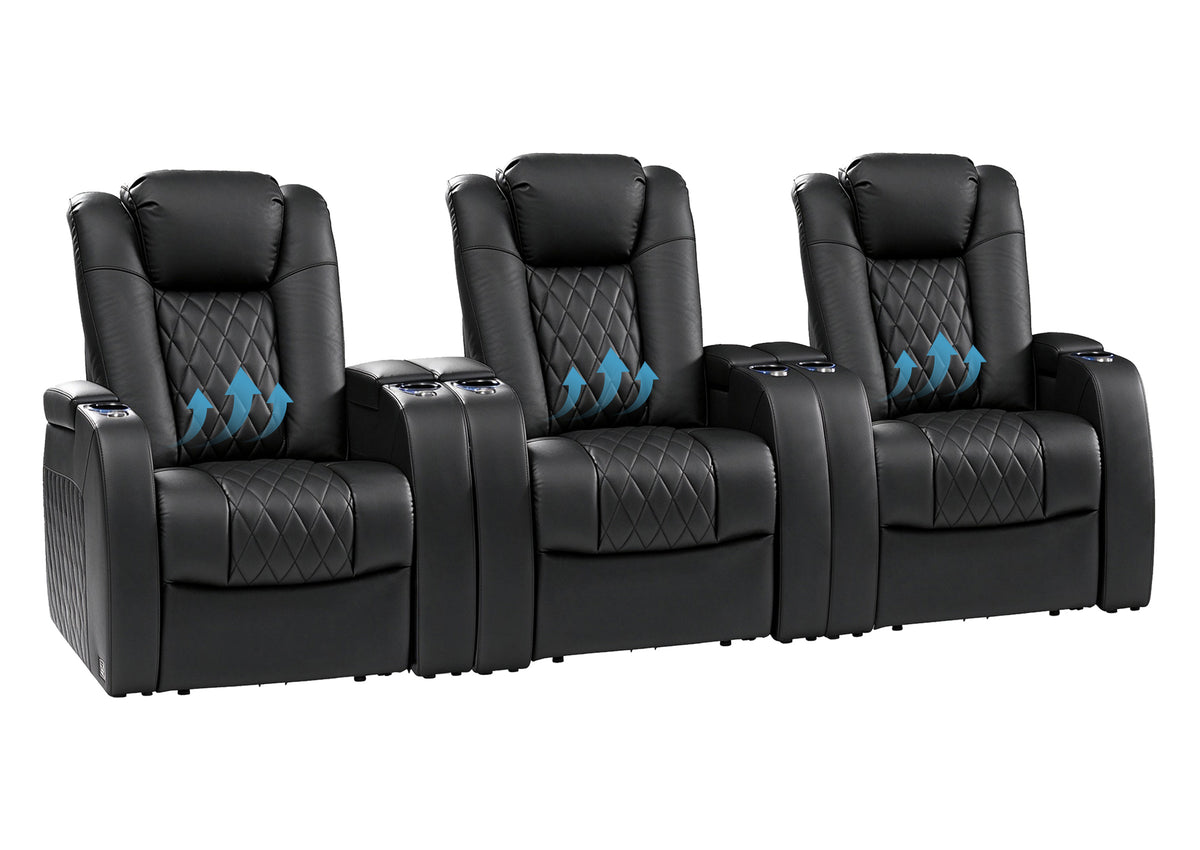
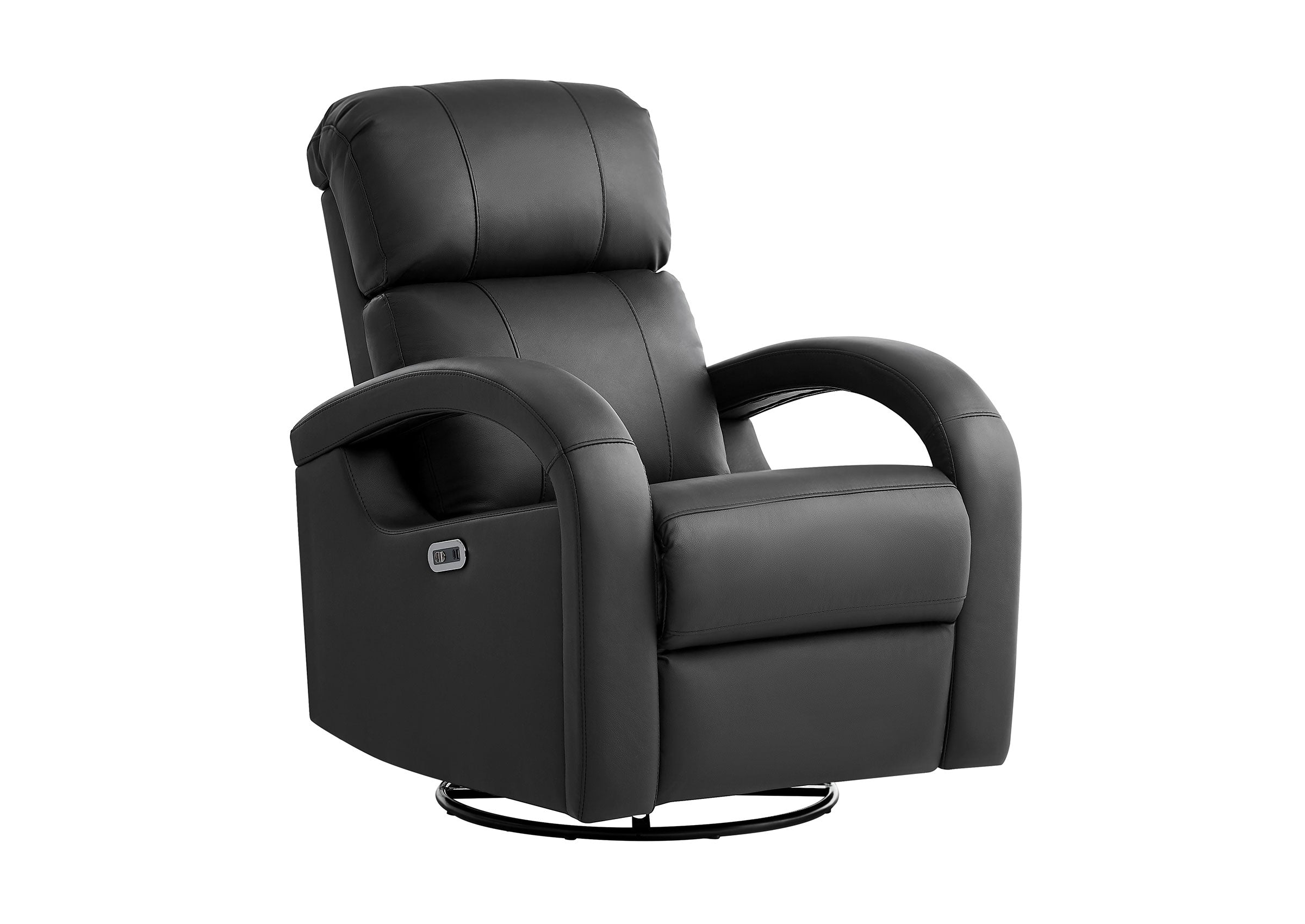
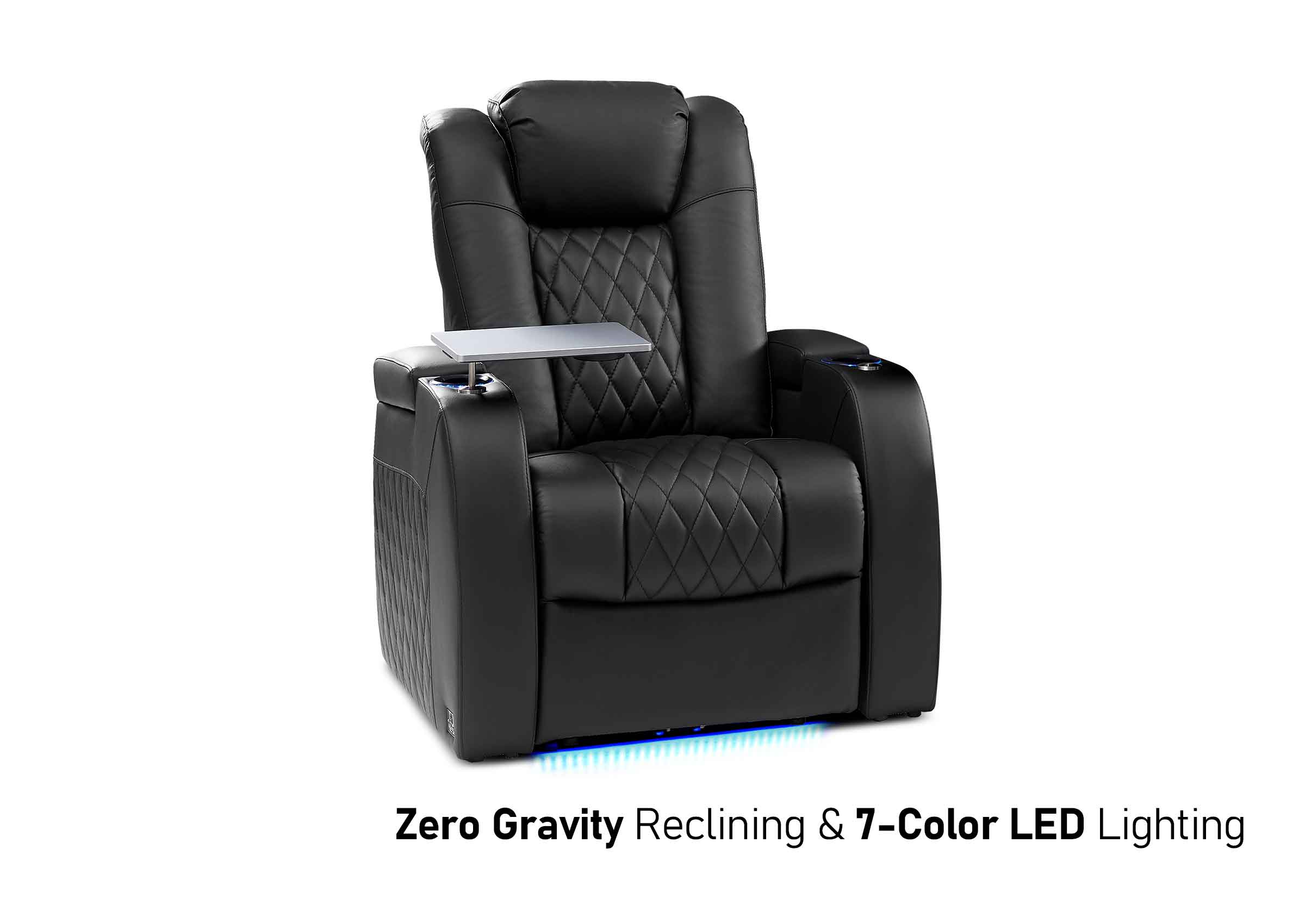
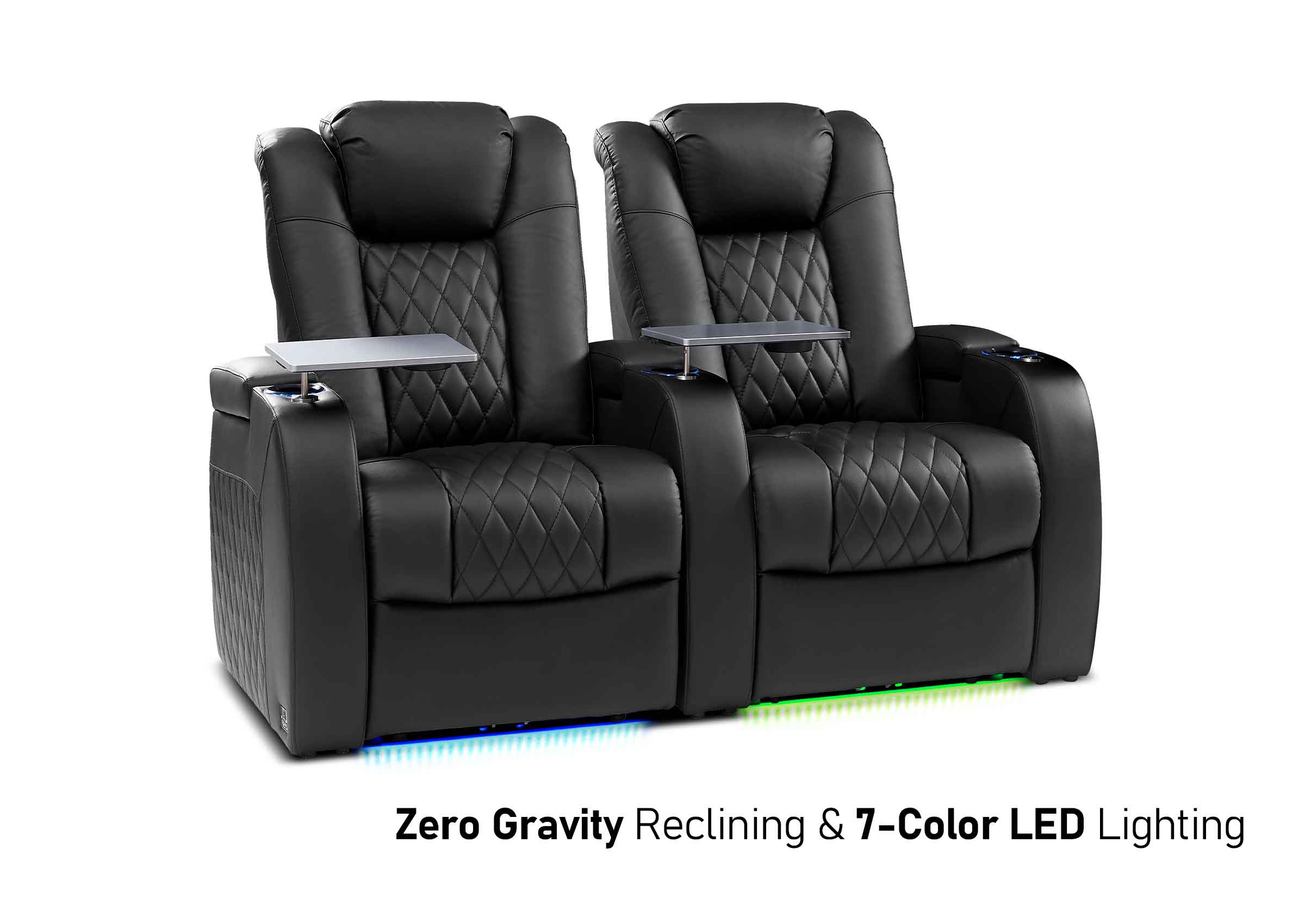
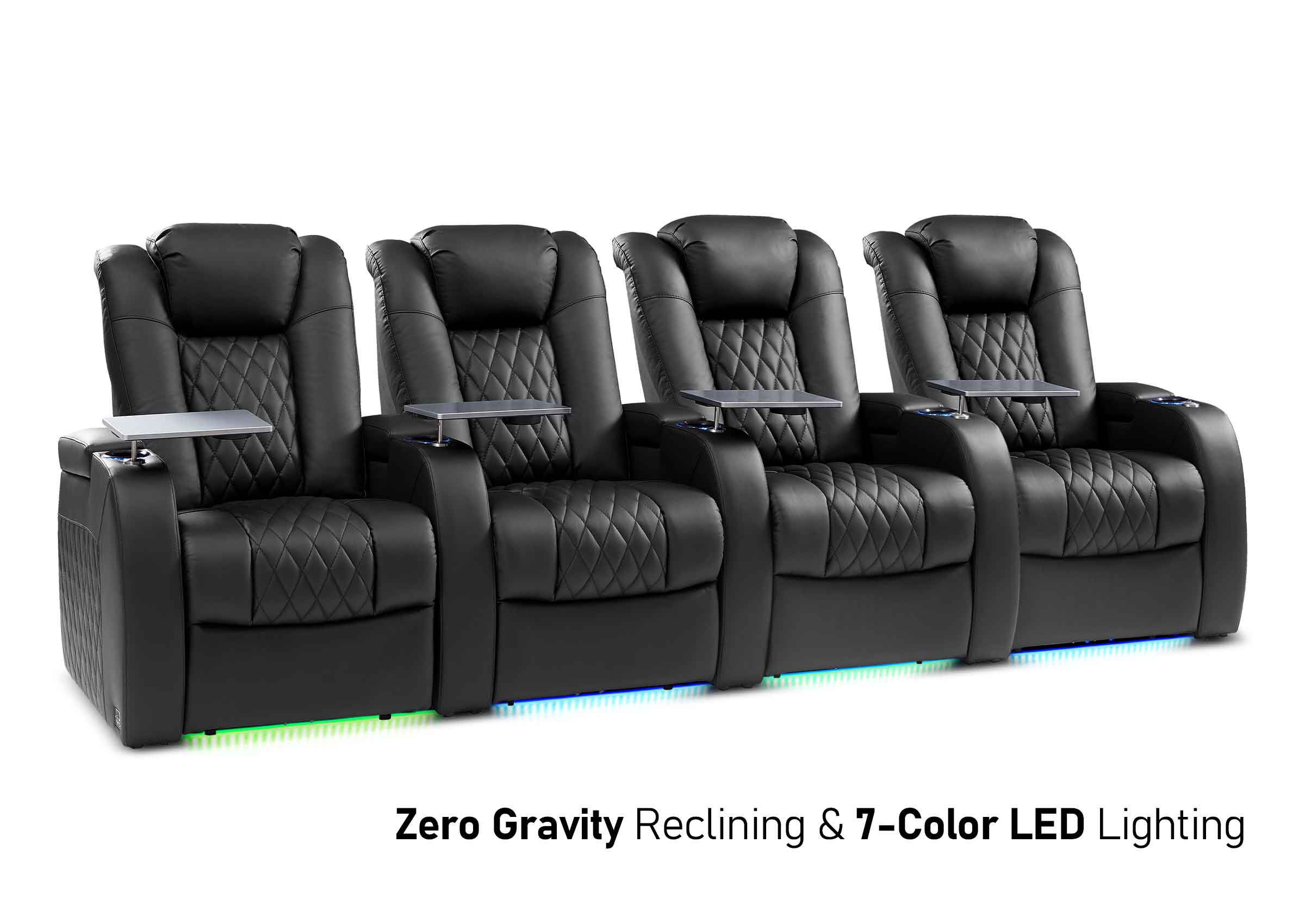
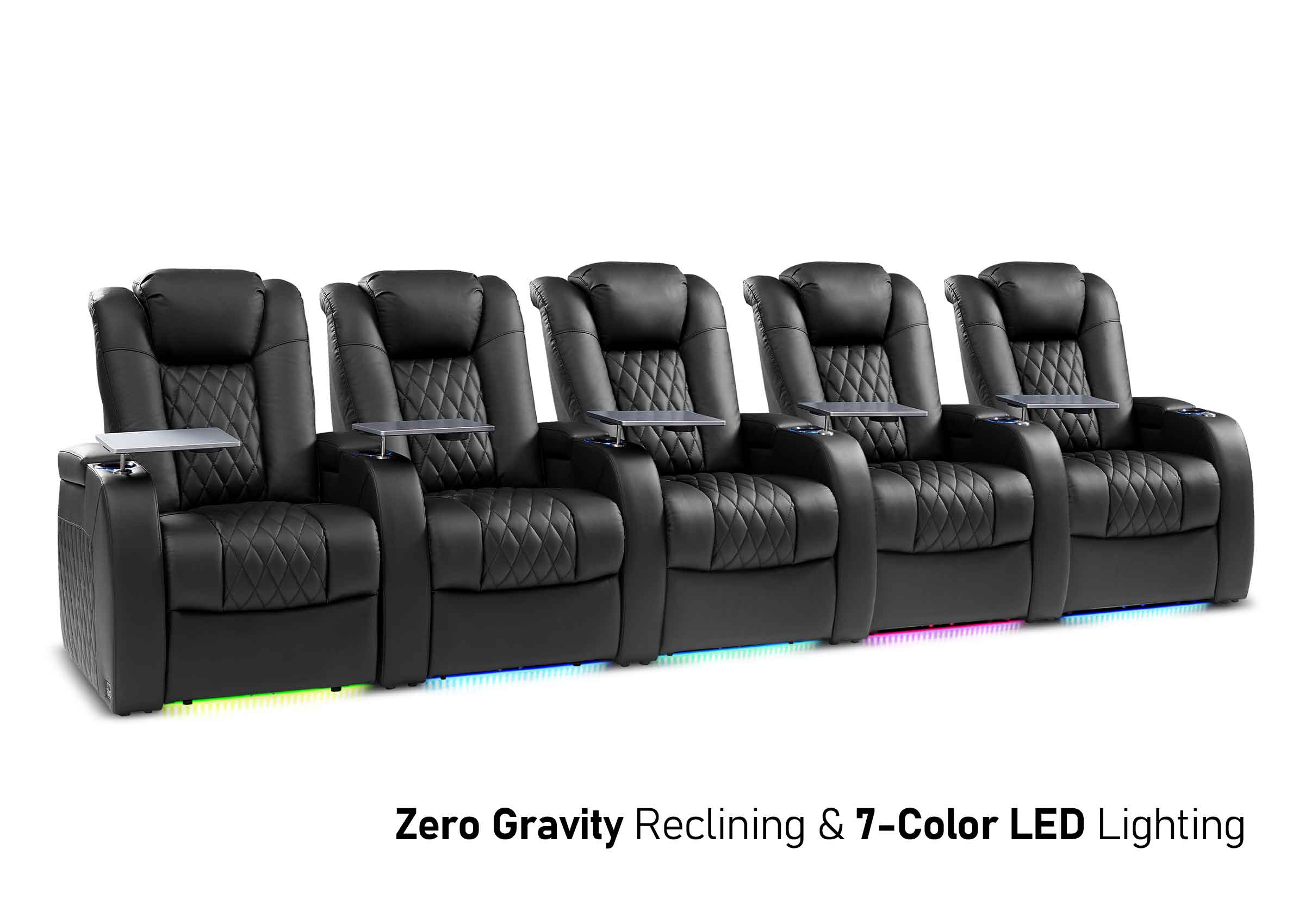
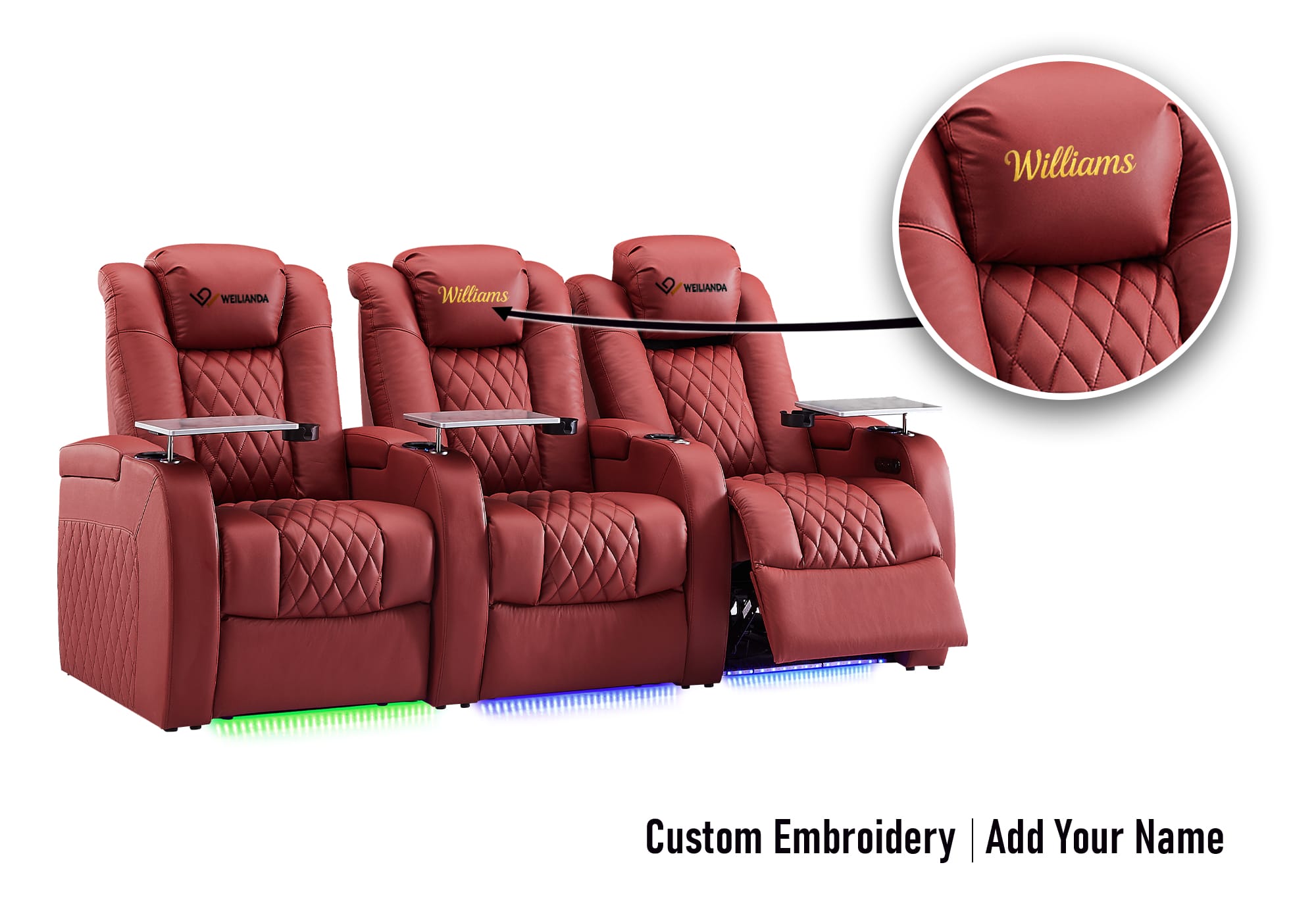
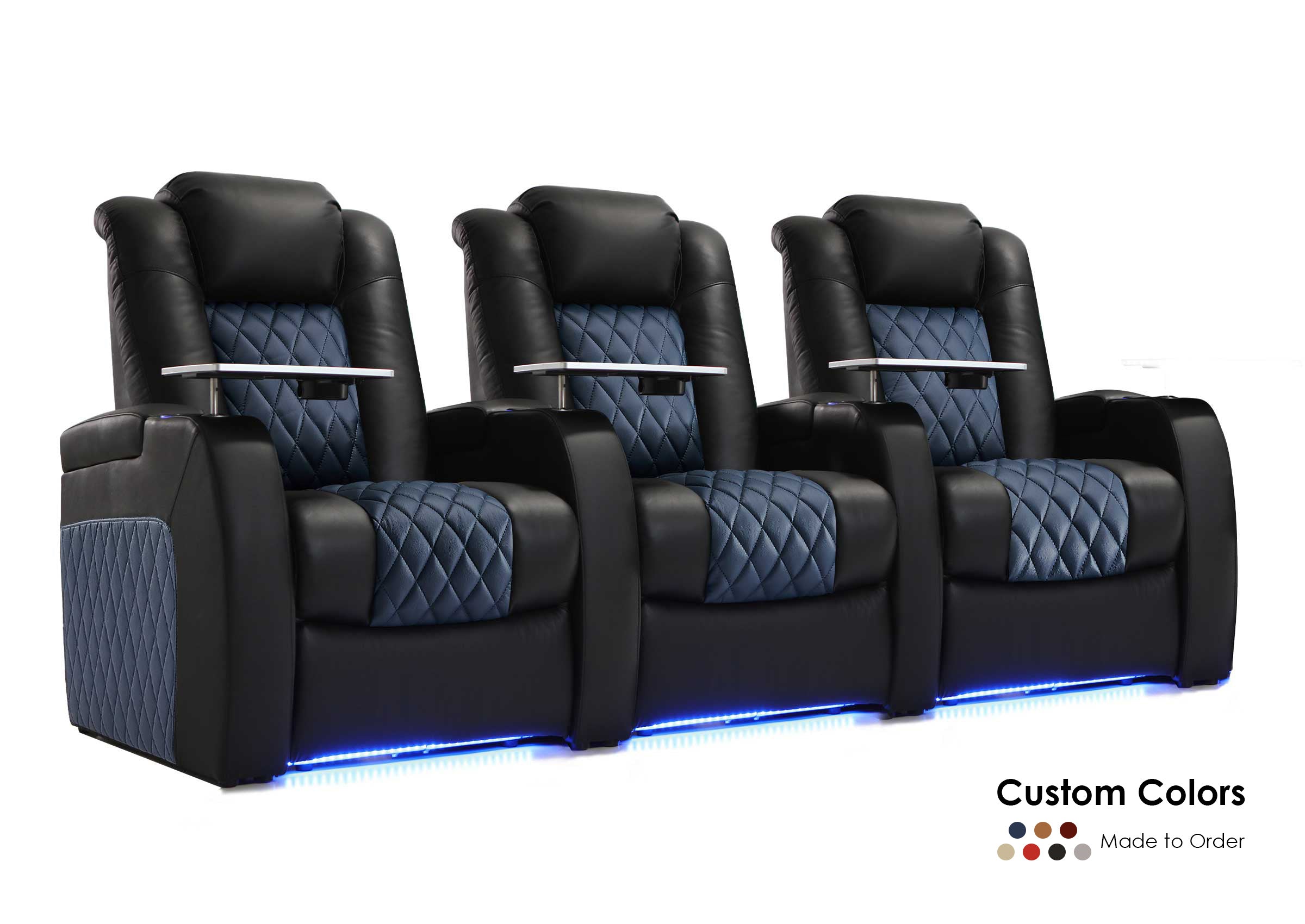
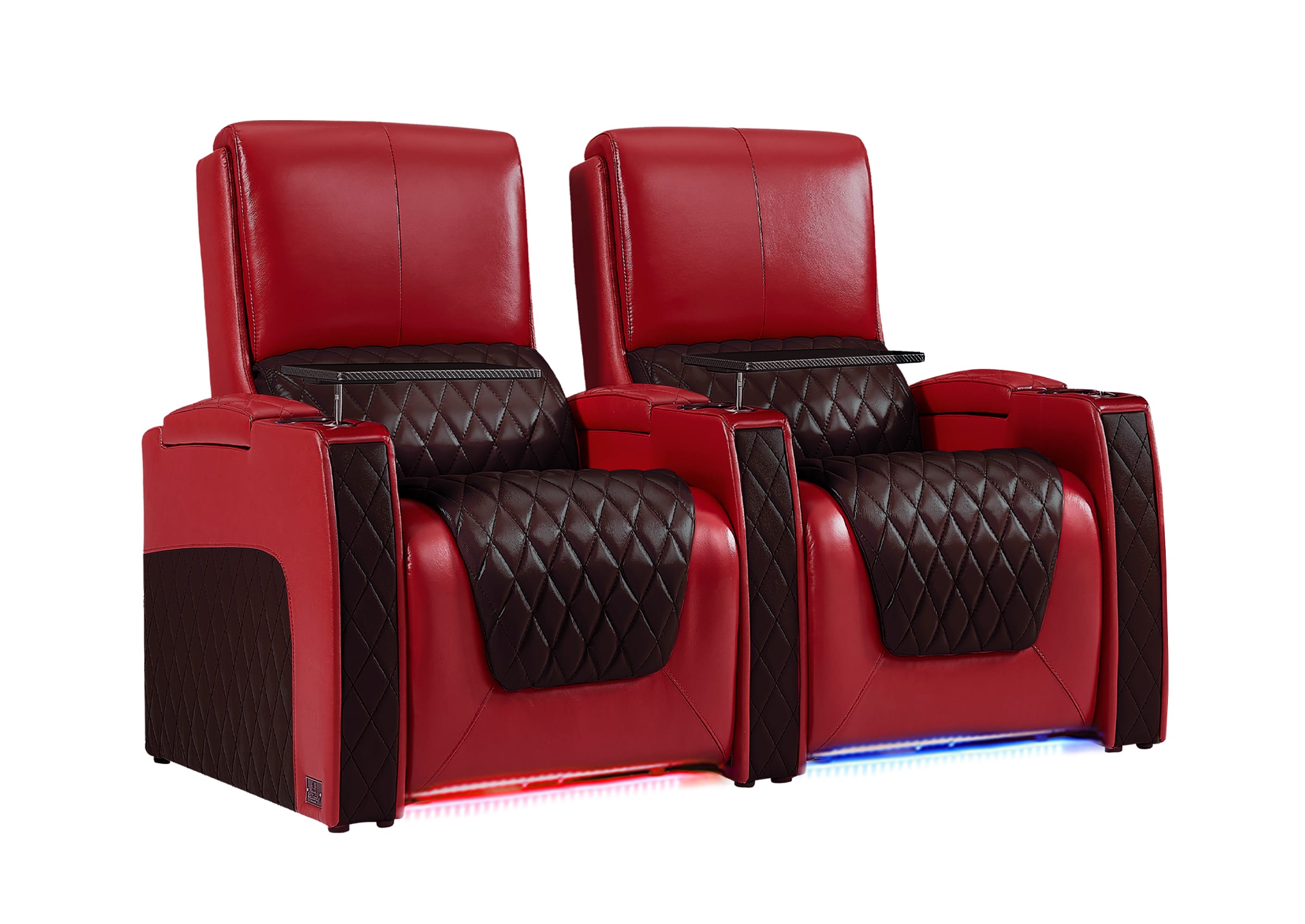
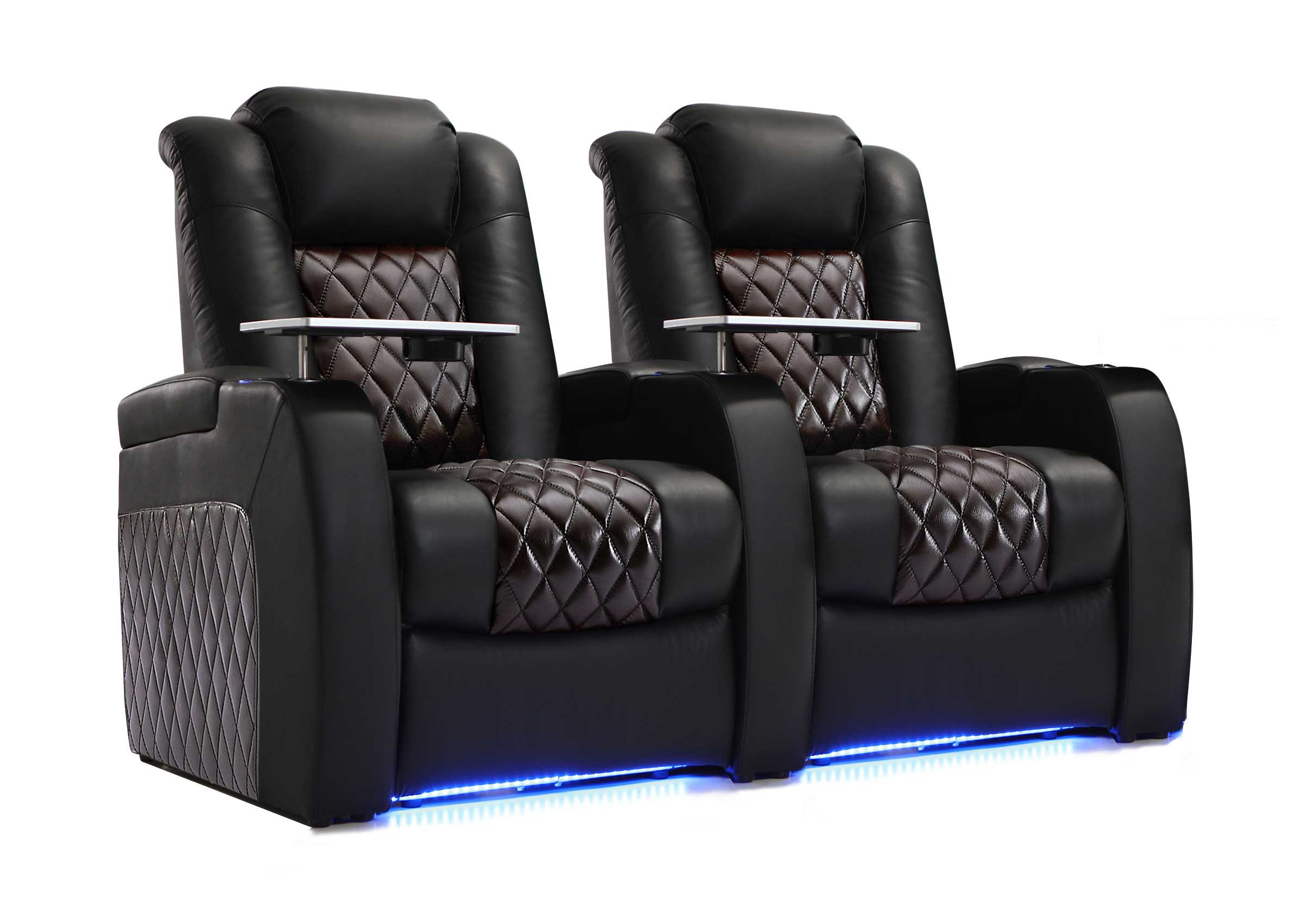
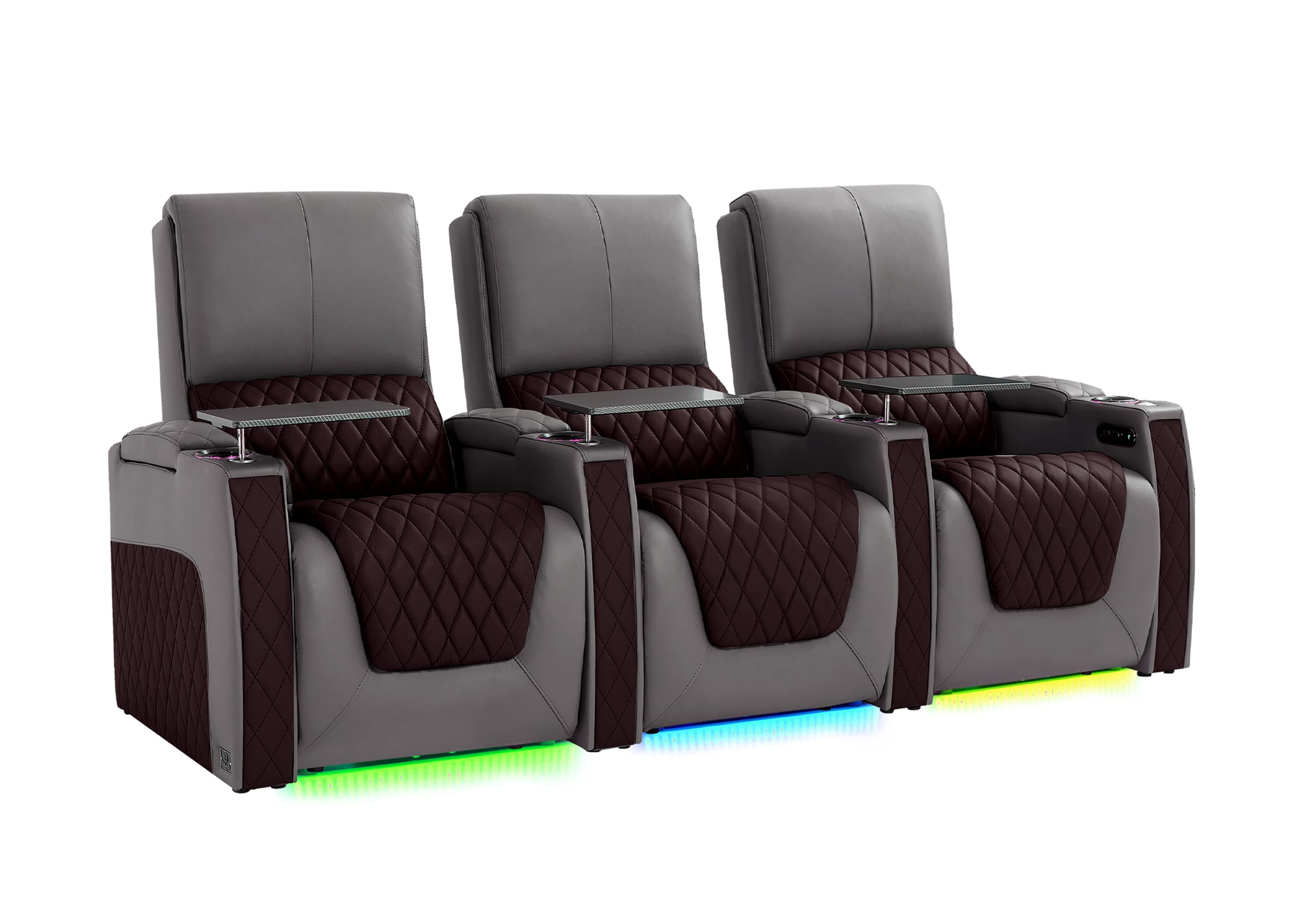
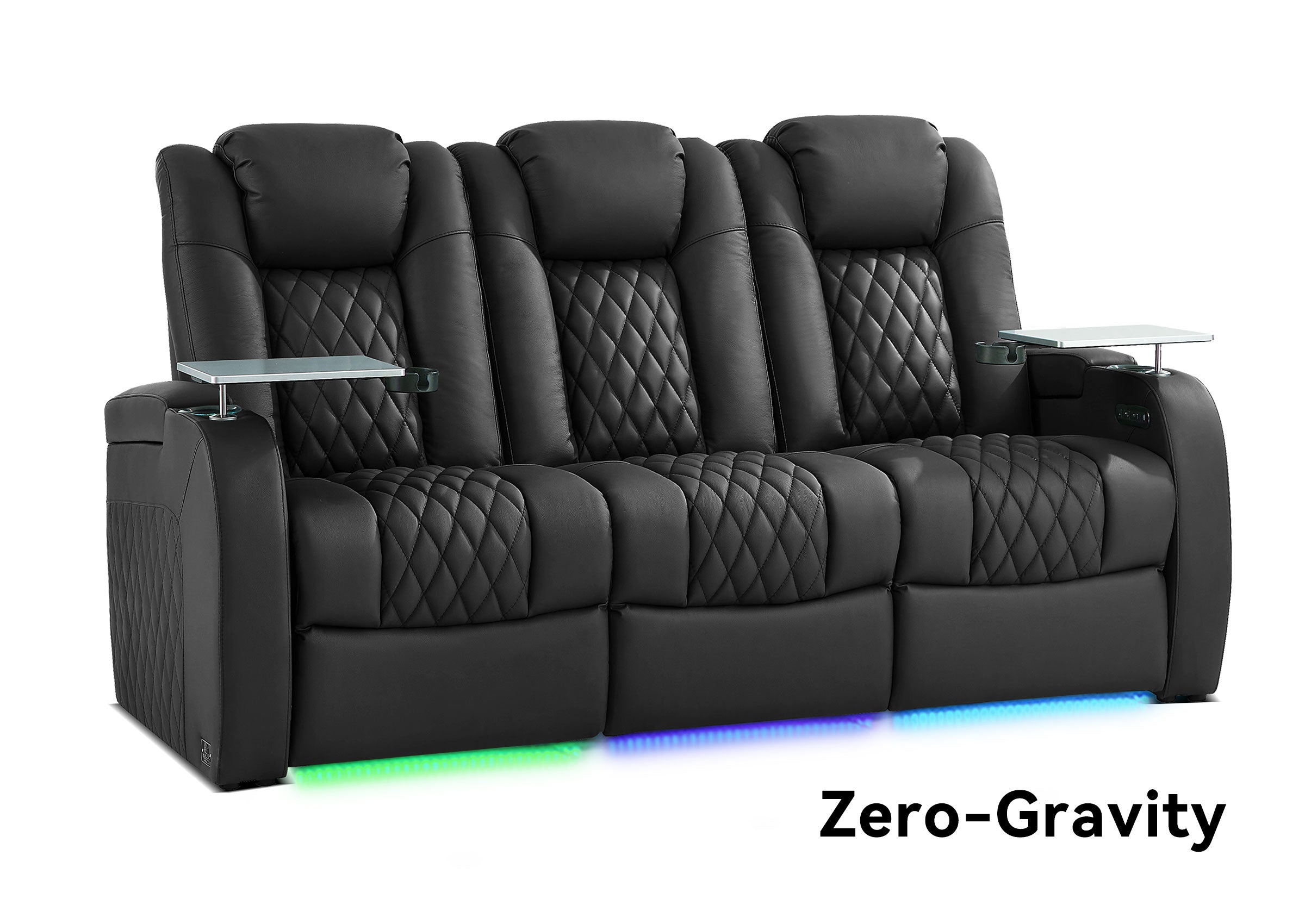
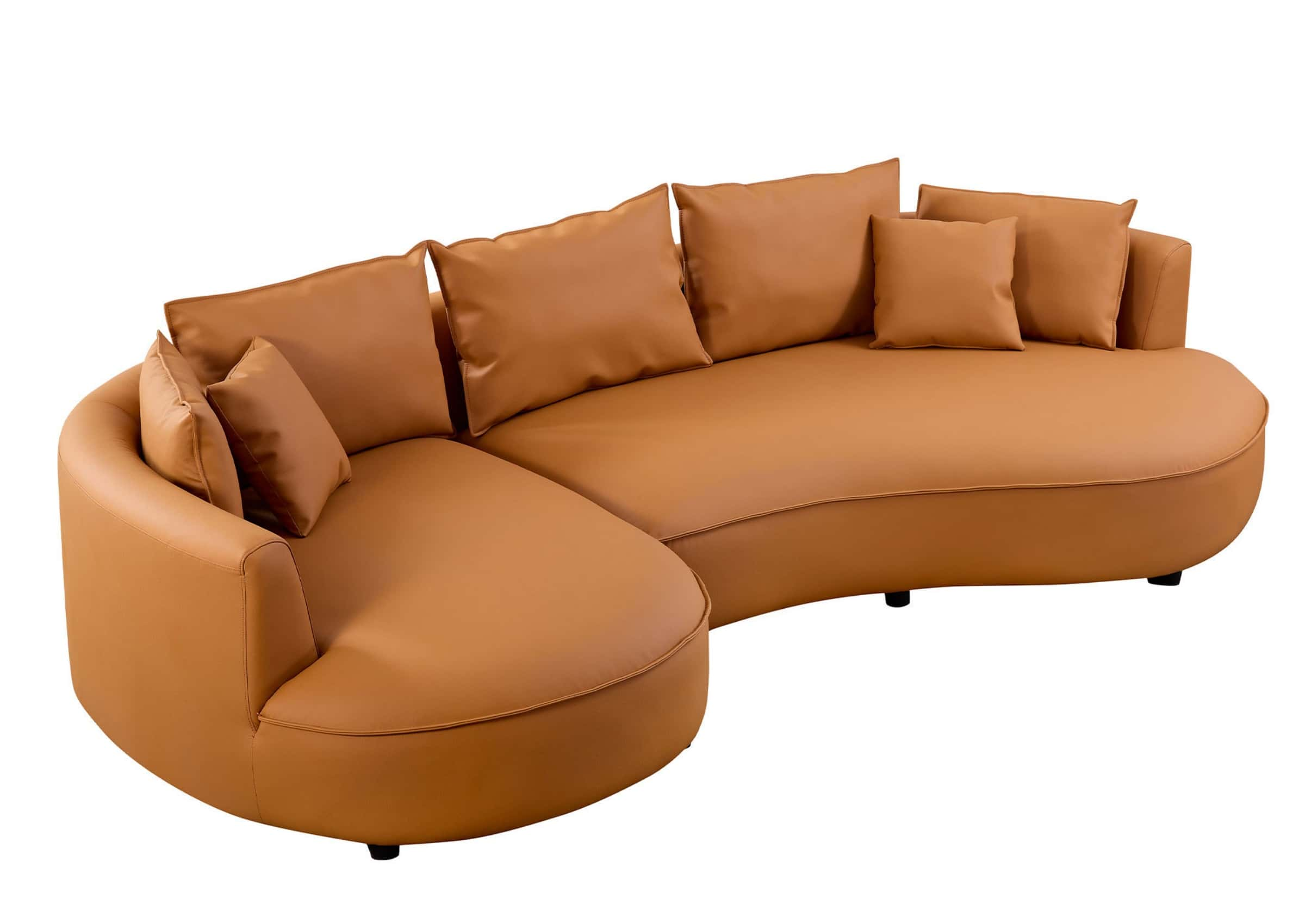
Replace the sofa when its comfort, condition, or shape is the actual problem. A different wall color cannot repair sagging support, and new cushions will not make an awkward seat work for the person who uses it most. Before replacing it, compare a sofa's familiar lounging feel, a sectional's shared seating, and a recliner's individual adjustment against how your family actually spends an evening. Keep the new upholstery within the palette so a single replacement does not force another round of decorating.

CHOOSE WHAT WORKS FOR YOUR ROOM
Replacing the Sofa? Compare the Seating First
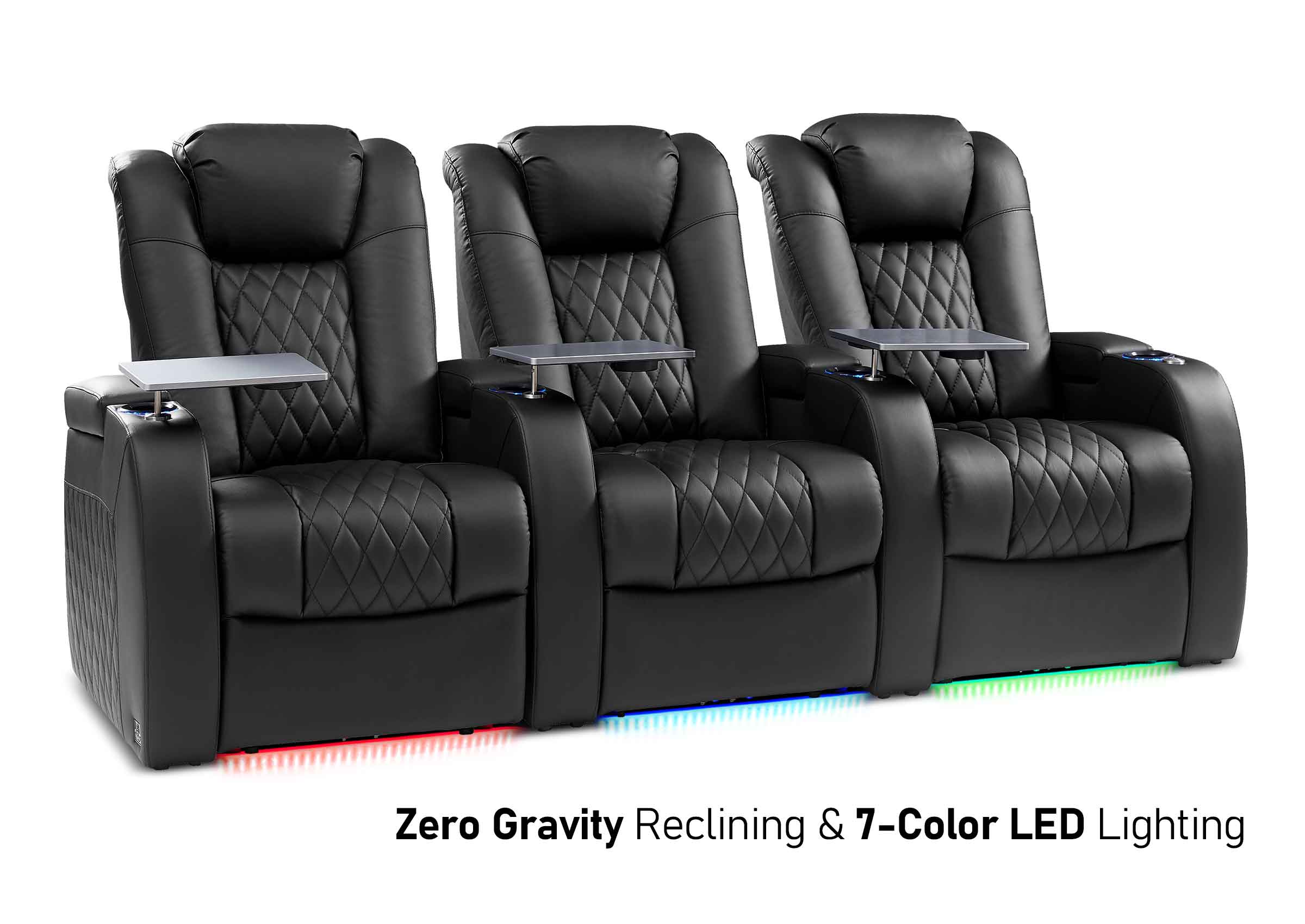
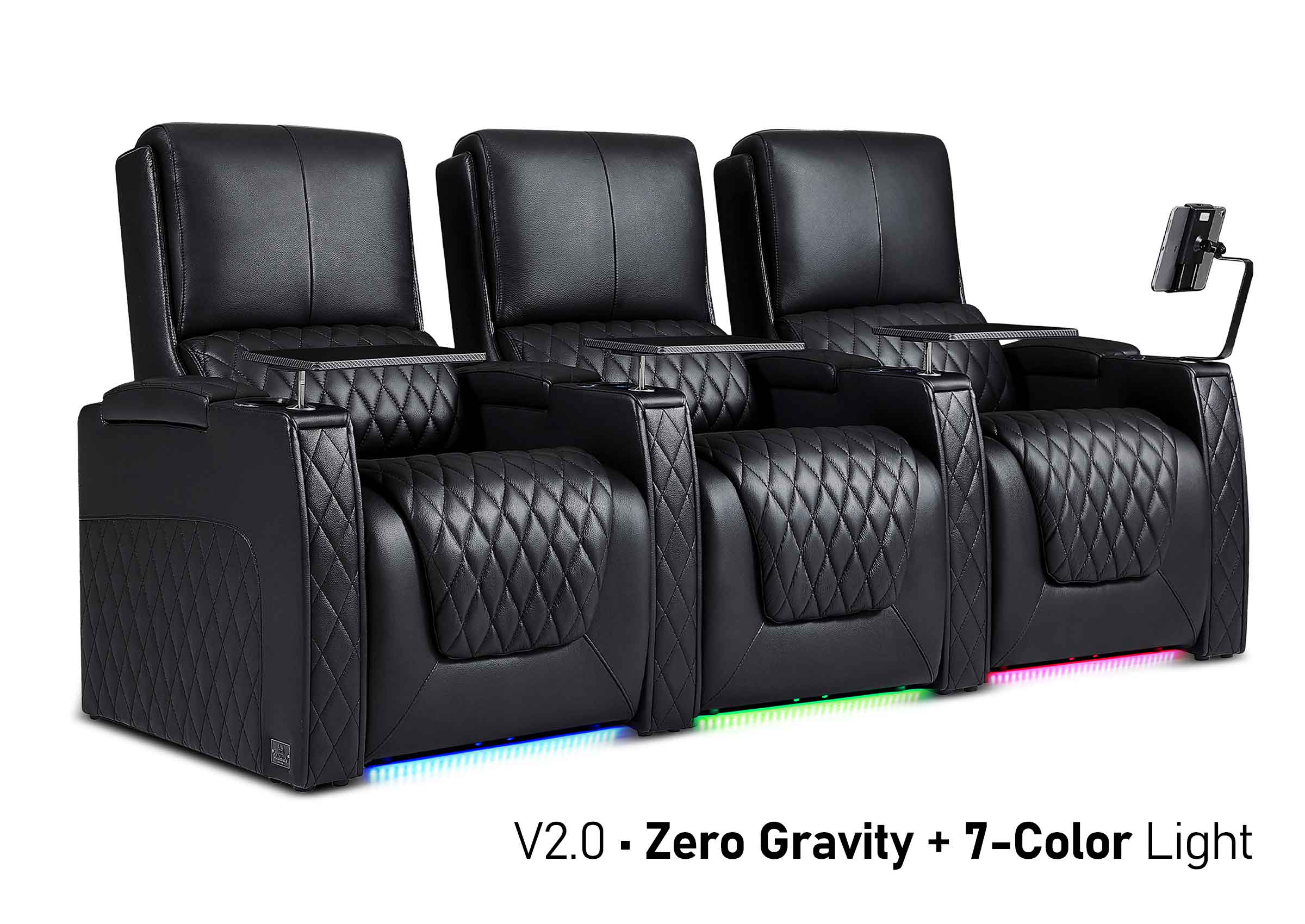
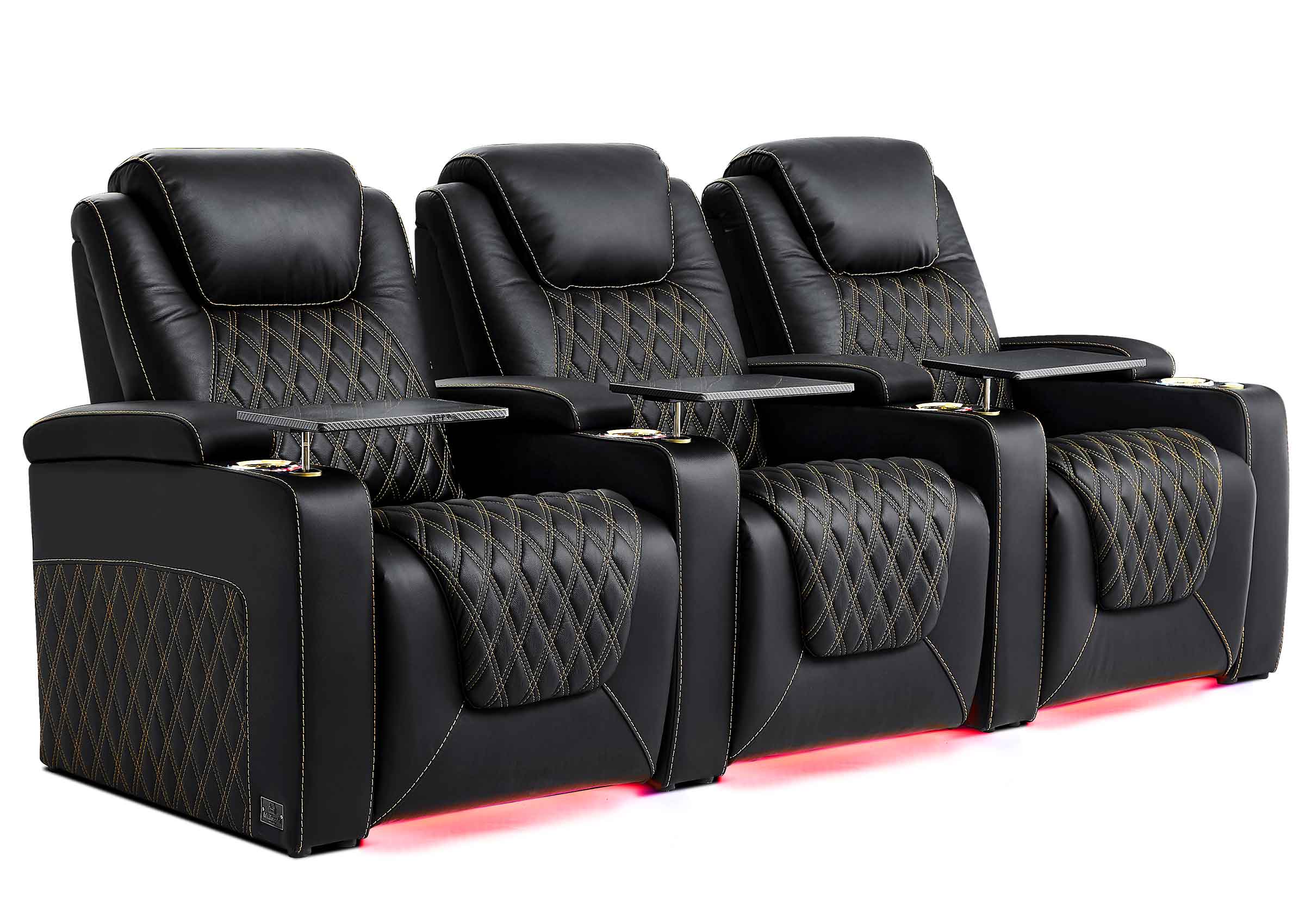
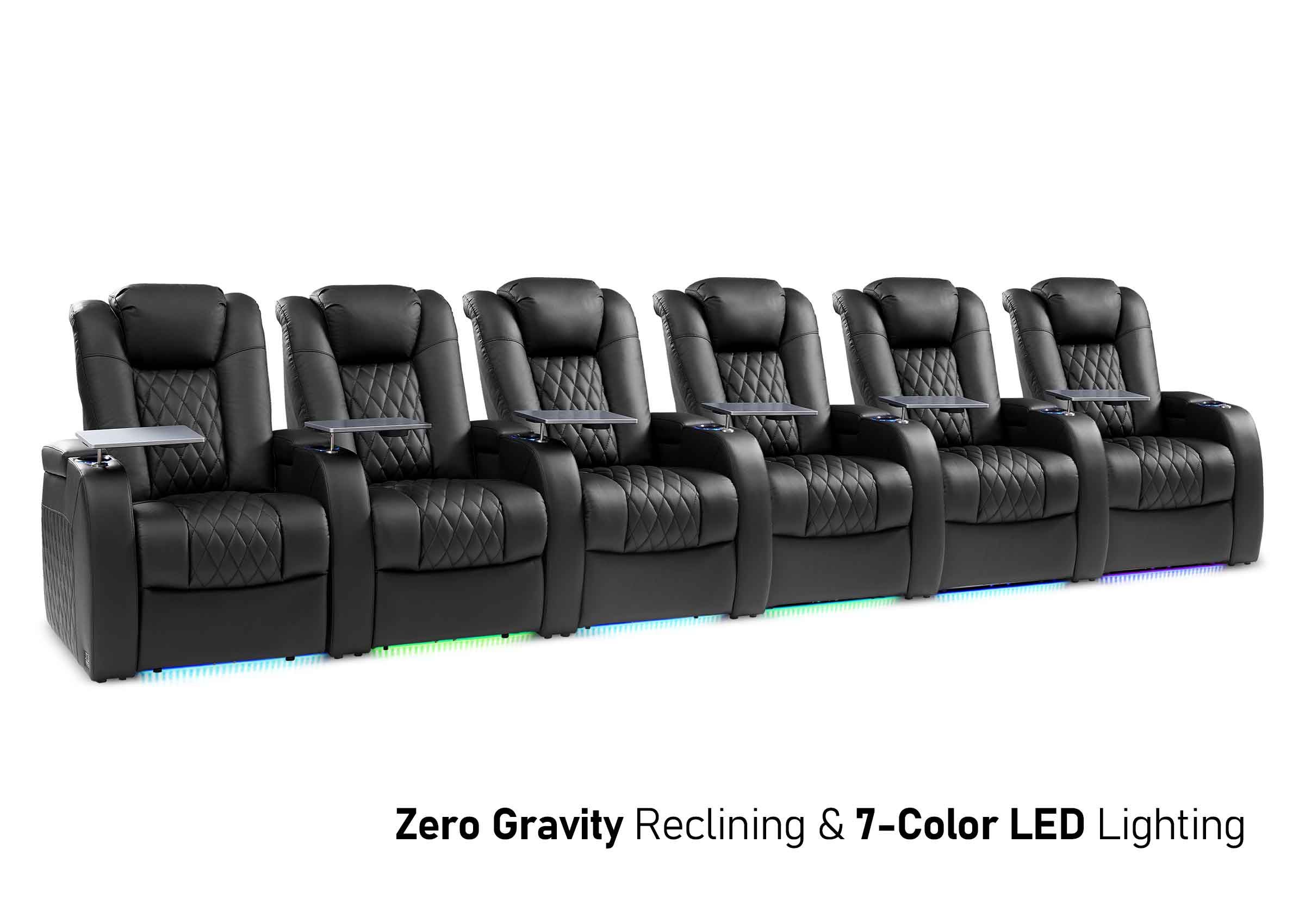
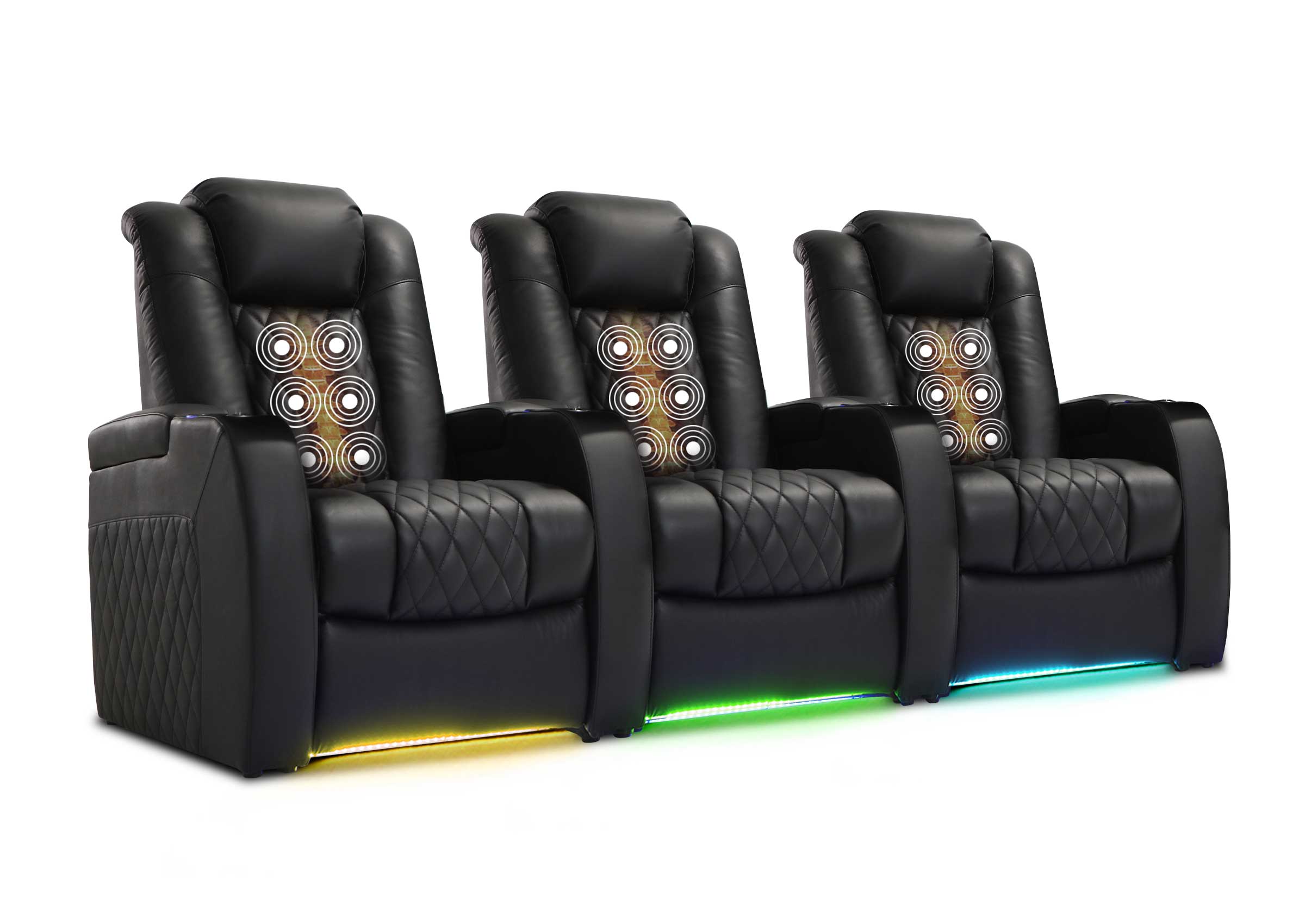
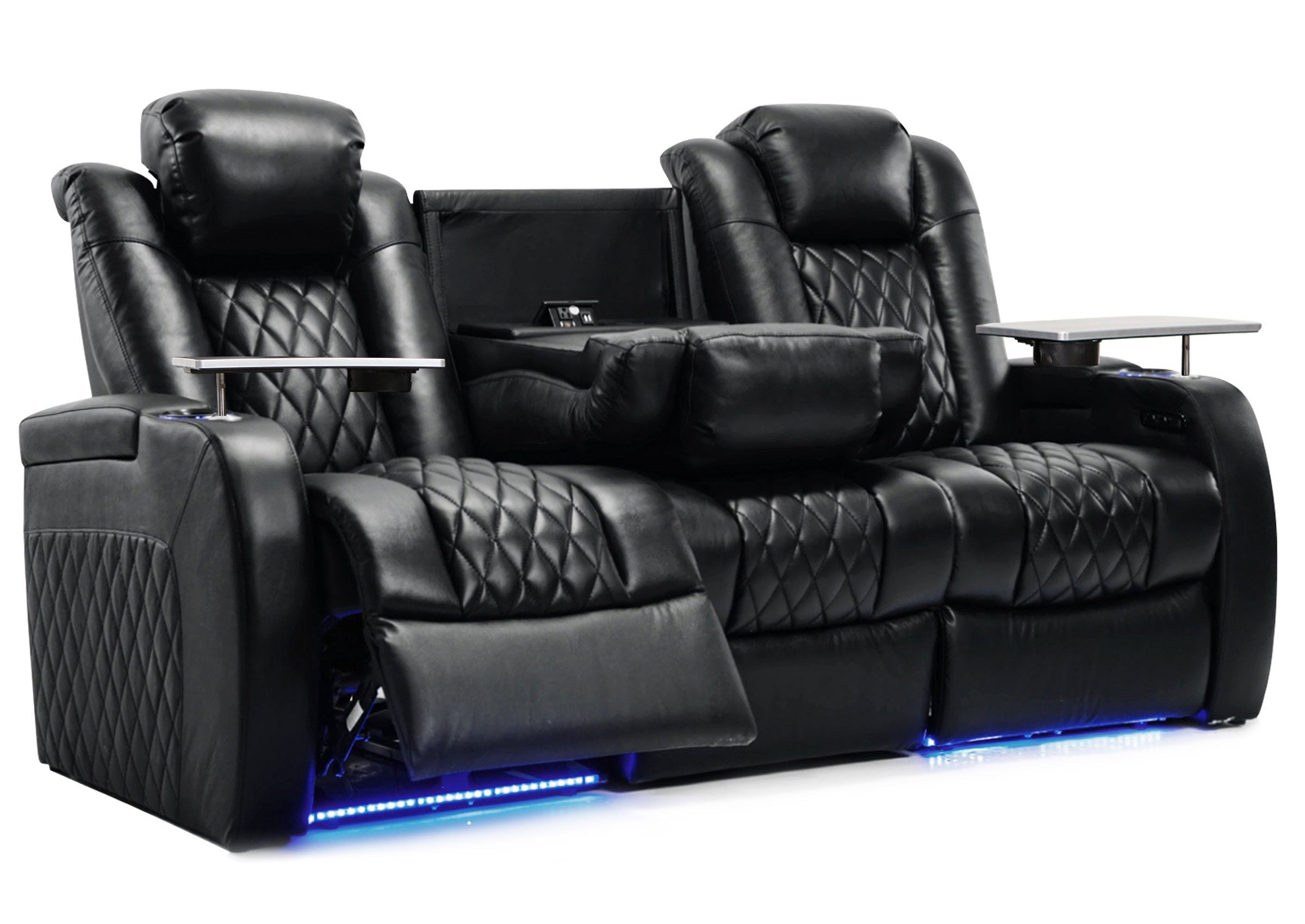
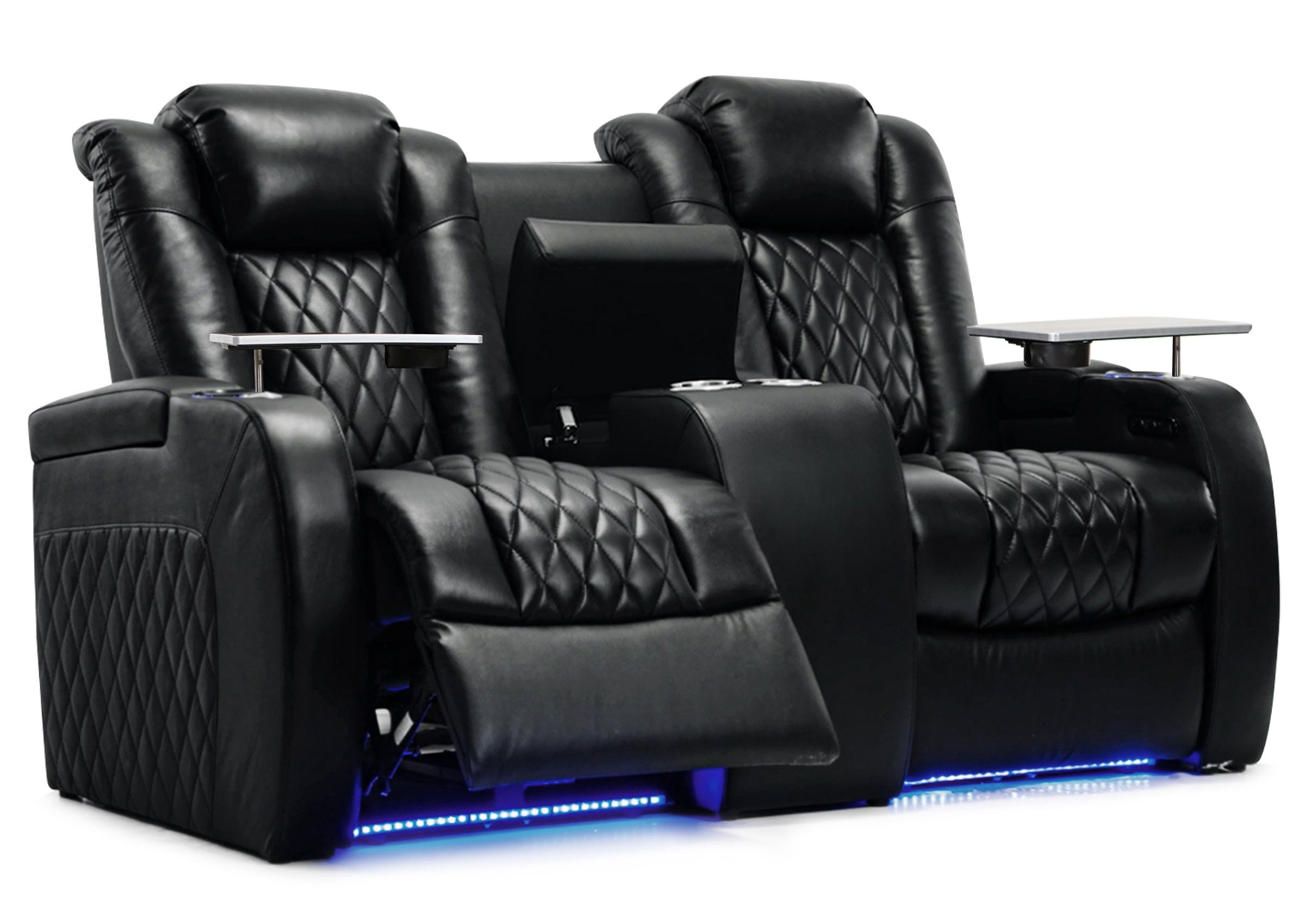
If comfort or fit is the reason to replace a sofa, compare sofas, sectionals, and recliners before choosing a new look.
Make an Existing TV Wall Feel More Intentional
In this illustrative concept, the screen is fine and the cabinet is sound, but the wall looks busy: several competing finishes, visible accessories, and disconnected shelves.
One route is a quieter, tonal background. Keep the low cabinet, choose a wall color that sits comfortably with it, and simplify the objects above and beside the screen. A charcoal wall with a dark cabinet creates a different mood from warm white walls and oak, even when the television stays in the same place.
Another route is to treat the wall like part of a library. Keep books and a few display pieces around the screen, repeating a wood tone or frame finish so the composition feels related. Closed storage can take controllers and loose accessories out of sight while favorite objects remain visible.
The after should be useful with the screen switched off as well as on. Avoid making the cabinet look seamless at the expense of equipment ventilation or access to connections. A decorative door needs a workable plan for the devices behind it. If the unit is being refaced or altered, establish that access before approving the finished appearance.
This can be a selective renovation rather than a complete new media wall. Reuse good cabinetry where it supports the look; replace the parts that prevent the wall from working.

Give a Bright Media Room Two Different Moods
A room with windows can feel like a comfortable sitting room by day and a relaxed movie space at night. It does not need to imitate a windowless cinema to feel finished.
Imagine an existing pale room with a serviceable sofa and thin curtains. For a fresh daytime look, keep the sofa and use warm white walls, natural wood, olive accents, and a textured rug. Choose window treatments that look intentional when open, then add the degree of light control the room actually needs.
At night, closing a suitable blackout layer and using shaded lamps changes the mood without changing the furniture. In a more dramatic version, paint the screen wall deep green while keeping the surrounding room lighter. That gives the room a focal point without making every surface dark.
Check the real window light before choosing the treatment. A decorative sheer can soften the appearance of a window, but it is not a substitute for blackout where that is required. Equally, replacing the television may do little for an evening ruined by a reflection from an uncovered window.
These are design concepts, not completed customer renovations. If you want a broader range of room styles before settling on a direction, explore our media room ideas.

Choose the Scale of Change That Suits the Room
The biggest visual difference does not always require the most construction. A coordinated palette can make old furniture look intentional; a new floor or a better-fitting sofa can make an already-loved scheme feel complete.
| Renovation direction | What might stay | What changes the experience |
|---|---|---|
| Refresh the room's character | Comfortable furniture, working equipment, useful storage | Paint, curtains, rugs, lamps, art, and a more connected palette |
| Make selective permanent changes | The successful style and the parts that work daily | Flooring, an unsuitable seating piece, selected cabinetry, or coordinated electrical work |
| Reimagine the room's purpose | Only the features that support the new use | A different furniture mix, entertaining area, storage, and any necessary construction |
Start with what you would willingly use again. Keep it for a reason—comfort, condition, usefulness, or personal meaning—rather than simply because it is already there. Then choose the change that addresses the clearest gap between the current room and the atmosphere you want.
When the work involves opening walls, moving services, or changing the room's structure, have the appropriate professionals establish the scope before decorative decisions become fixed. For spending categories and the distinction between a room refresh and a theater conversion, use our home theater renovation cost guide.
Frequently Asked Questions
Can I renovate a media room without replacing the sofa?
Yes, if the sofa is comfortable, in usable condition, and suits the way the room is used. Try a new palette, rug, curtains, and lighting around it before assuming it is the problem. Replace it when the fit or comfort remains wrong; decorating around a piece should not mean tolerating it.
Do media room walls have to be dark?
No. Dark colors can create an enveloping evening atmosphere, while lighter walls may suit a room used throughout the day. Try samples in the actual room and look at them with daylight, evening lighting, and the screen on. A dark screen wall with lighter surrounding surfaces is another option.
Can I keep the carpet or existing floor?
You can keep a floor that is sound and suitable for continued use. Reconsider the surrounding colors and rug before replacing it solely because it appears in the before picture. If there are moisture, damage, or installation concerns, resolve those before covering the floor or investing in the finished room.
Should new furniture come before paint and flooring?
Choose the intended furniture direction before committing to a palette, even when the pieces will arrive later. For installation, coordinate the actual work so messy tasks do not damage furniture. If you are keeping a sofa, use its upholstery as a reference rather than selecting paint in isolation.
Is it better to renovate everything at once or work in phases?
Phases make sense when each stage creates a room you can enjoy and later work will not undo it. Keep the long-term direction in mind before buying room-specific cabinetry, flooring, or a large sofa. Closely connected construction may be easier to coordinate together; movable furnishings often allow more flexibility.
Does a renovated media room need theater seats or a raised back row?
No. Sofas, sectionals, recliners, and mixed seating can all belong in a media room. Choose around the experience you want, not a requirement to look like a commercial cinema. A raised row is a separate design and construction decision; it should not be added just to make a makeover look more theatrical.
How can I make before-and-after comparisons useful?
Photograph the room from the same position and show similar views, including what stayed. Compare how it looks by day and at night, and note the changes in comfort or everyday use. Keep styling changes distinct from construction; a darker exposure alone should not stand in for a better design.
Carry the Look Through to Your Seating
Choose the room's direction before filling it with replacements. A warmer family lounge, a moody movie space, and an entertaining room can all work beautifully with different furniture combinations.
If seating is one of the pieces you plan to change, send your room photos, the furniture you are keeping, preferred upholstery colors, and the Weilianda configurations you are considering to Weilianda Support or leon@weiliandahome.com. Confirm the selected seat's dimensions, functions, and finish alongside your renovation plan. The goal is furniture that belongs in the renewed room and feels good to use.