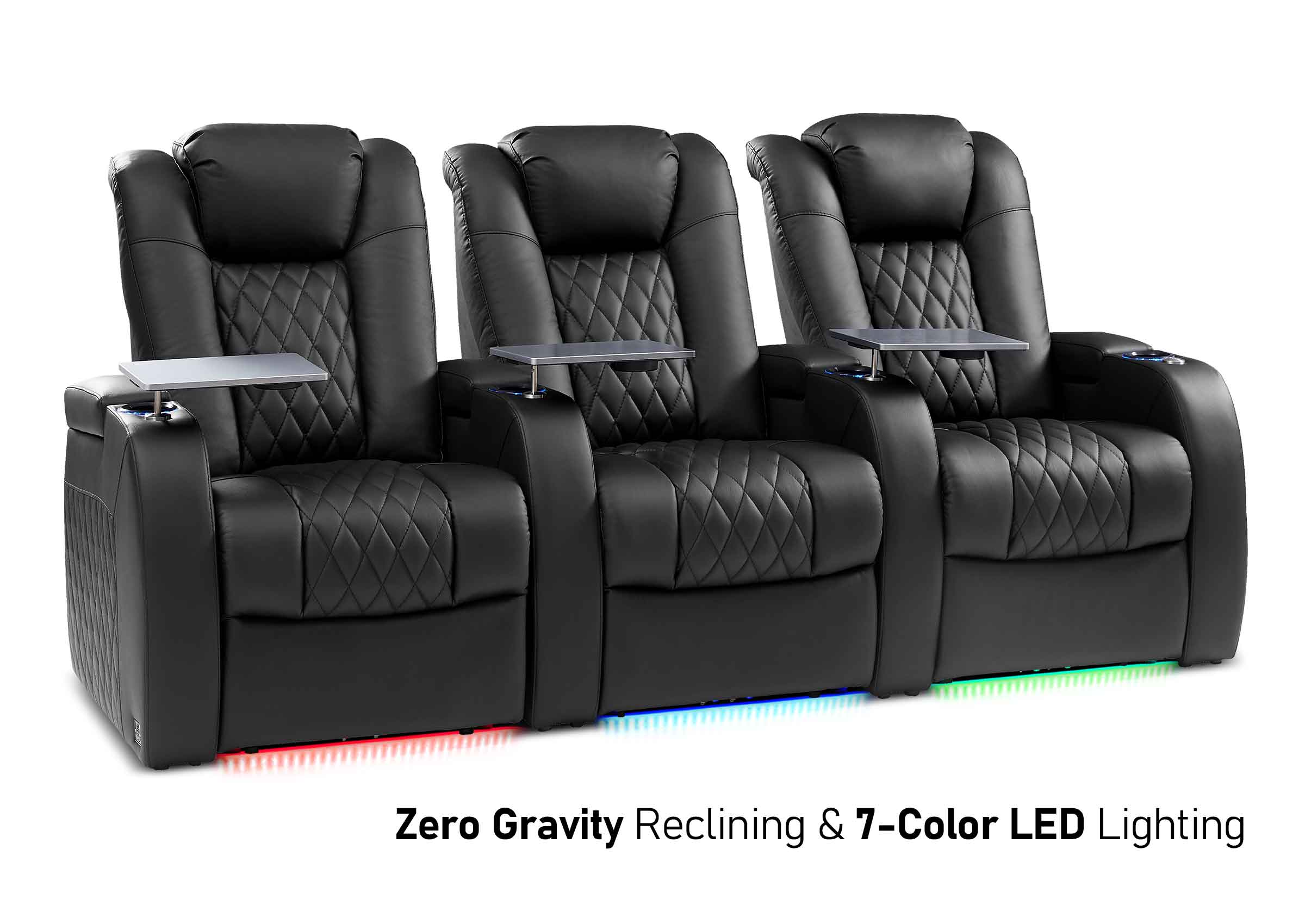
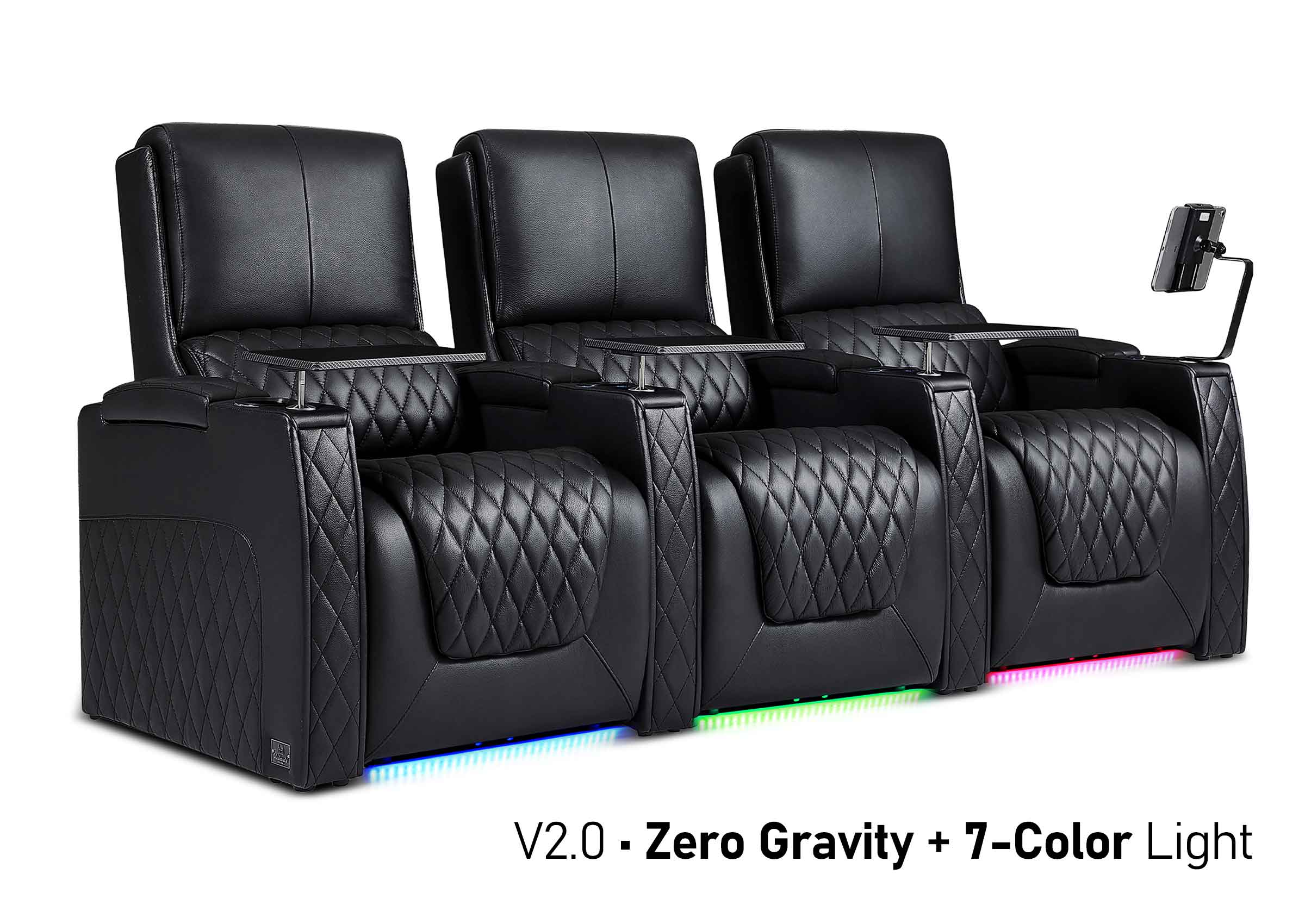
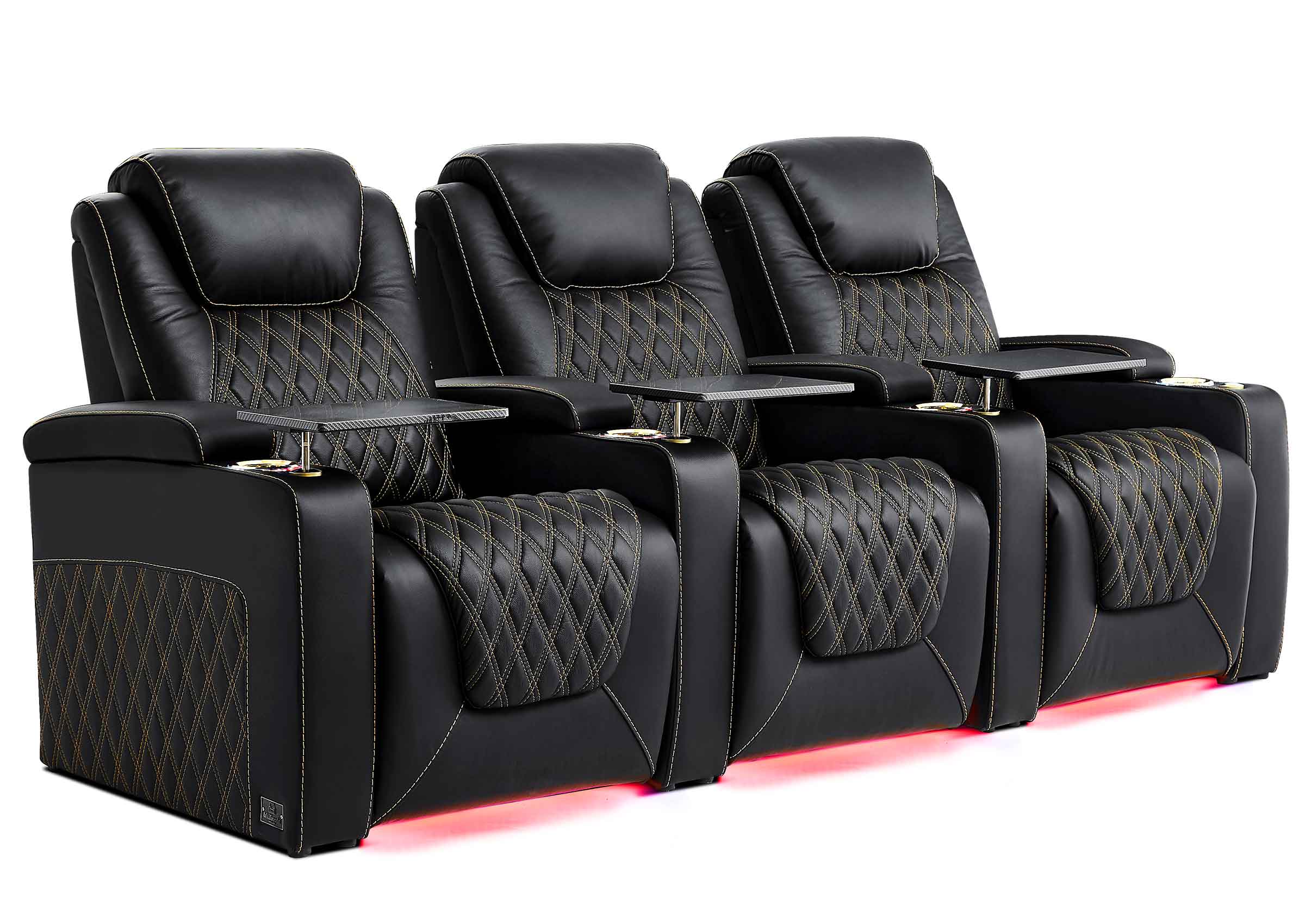
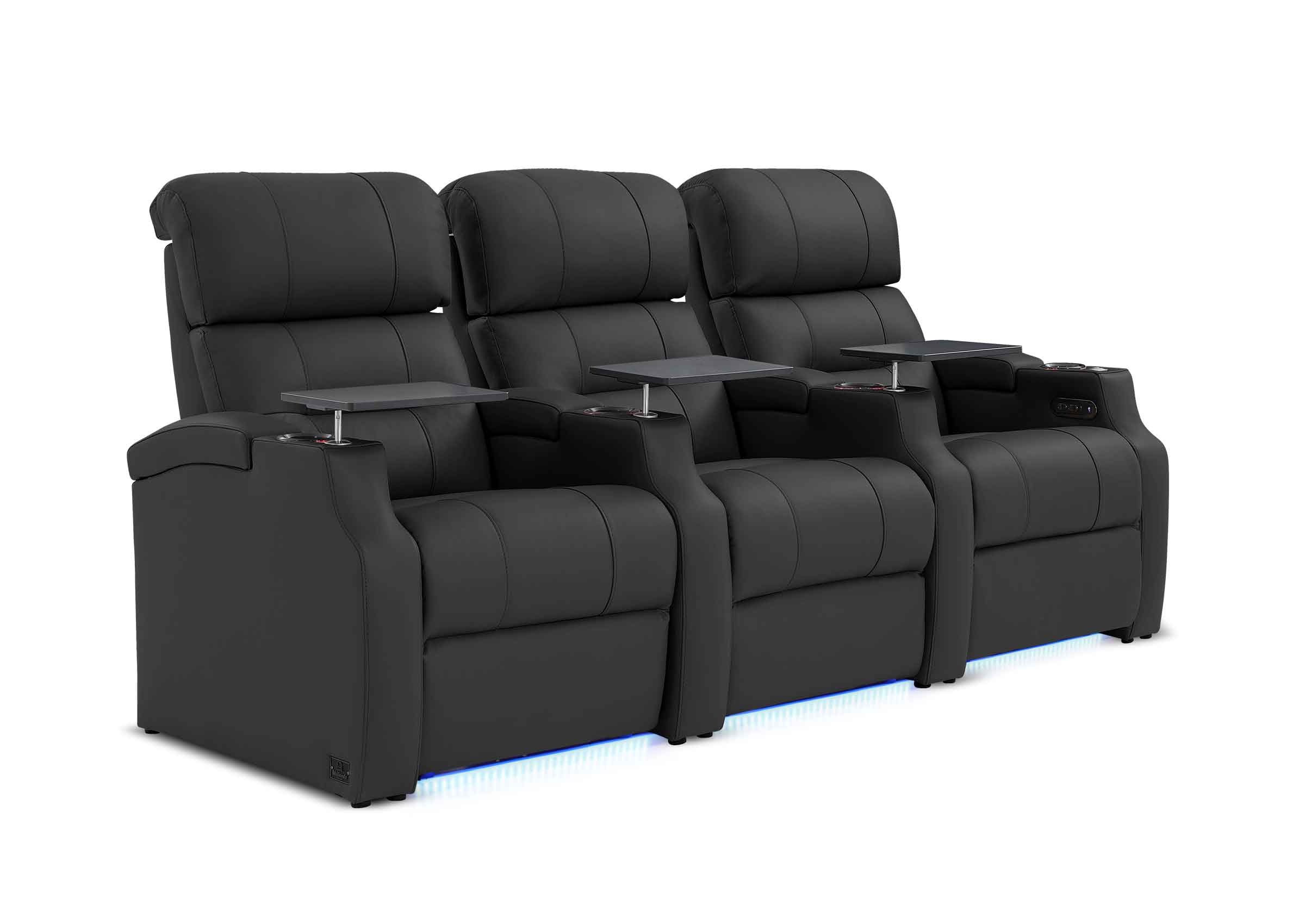






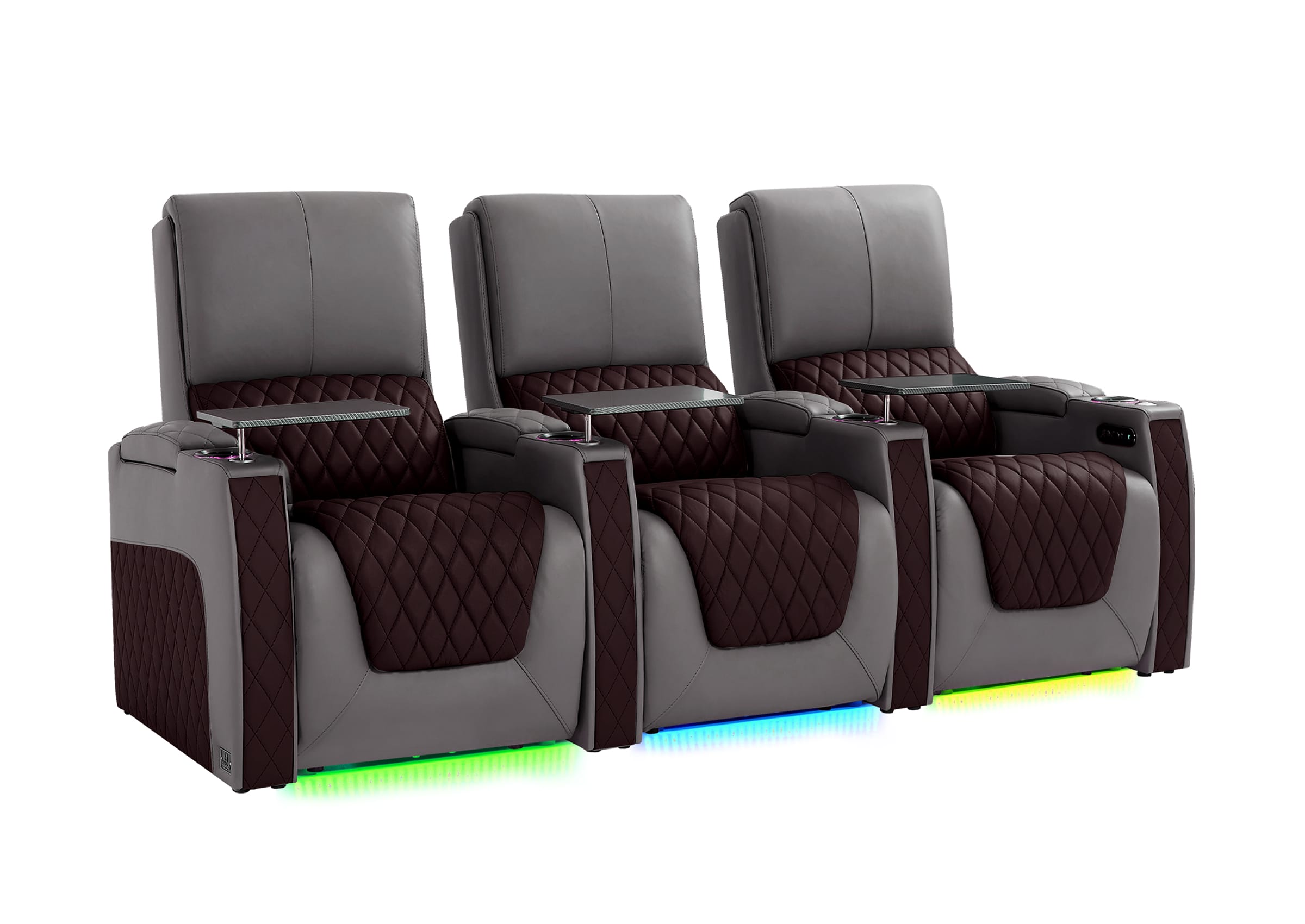
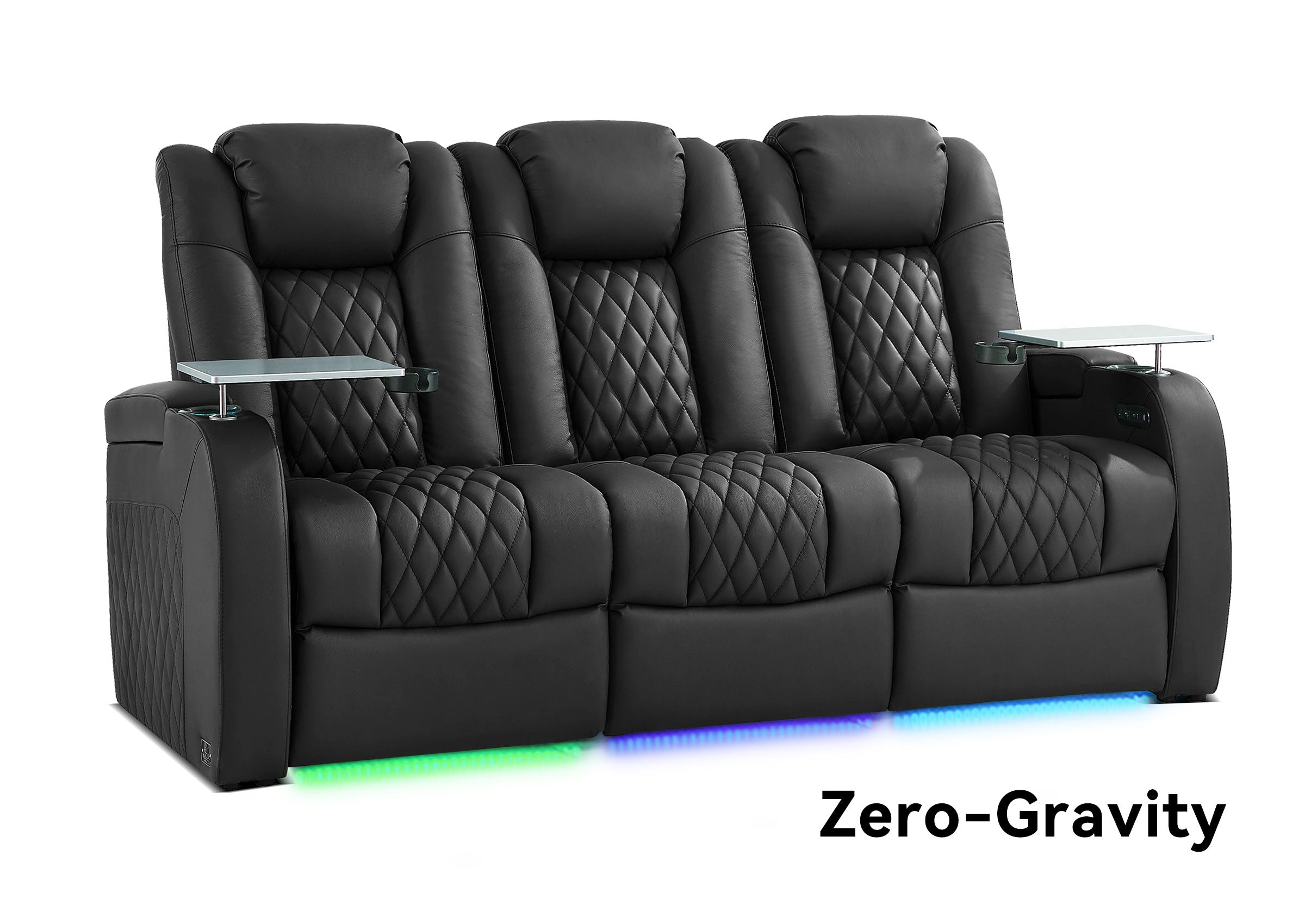


The best living room furniture ideas are not about copying a specific style or filling the room with more pieces. They start with understanding how the space will actually be used, how much room you have, and what furniture combination supports your daily routine.
A small apartment, an open-concept home, and a large family room may all need completely different furniture solutions. The right setup depends on the balance between seating, movement, storage, and the activities that happen in the room.
Instead of asking, “What is the most beautiful living room setup?” a more useful question is:
“What furniture combination makes this room easier and more comfortable to use every day?”
If you are still figuring out which pieces belong in a living room in the first place, start with our guide to the main types of living room furniture. This guide focuses on the next step: how those pieces can work together in different spaces and lifestyles.
How Should You Choose Living Room Furniture Ideas?
Before looking at colors or styles, consider three things that influence almost every successful room: what happens there, how much space the furniture really uses, and how the pieces relate to one another.
1. Start With How the Room Is Actually Used
A living room designed for conversations with guests may need a different combination from one used mainly for movies, gaming, reading, or family time.
For example:
- A conversation-focused room may benefit from a sofa facing accent chairs.
- A TV-focused room may prioritize comfortable seating with a clear viewing direction.
- A family room may need durable surfaces and accessible closed storage.
- A multipurpose room may benefit from furniture that can change roles during the day.
The strongest furniture ideas usually come from the room’s purpose first, not from a decorative trend.
2. Judge the Space With the Furniture in Use, Not Just at Rest
Furniture should fit the way the room operates, not simply fit inside the floor plan.
A sofa may fit between two walls but still make the room uncomfortable once people are walking around it. A reclining seat may look compact upright but require additional space when used. An accent chair may fit neatly in a corner yet block a path when someone actually sits in it.
Before committing to a major seating piece, check:
- door openings and entry paths;
- the space people need to walk around occupied seats;
- how the furniture relates to windows, a fireplace, or a screen;
- whether tables remain reachable without becoming obstacles;
- how much floor area remains once every piece is being used.
If the sofa itself is the main sizing question, the more detailed sofa size guide can help you work through scale before planning the rest of the room.
3. Think in Relationships, Not Matching Sets
A successful living room usually feels connected because the furniture works together, not because every piece came from the same collection.
A sofa, chair, table, and storage piece can differ in style while still sharing a reasonable relationship in:
- scale;
- function;
- color direction;
- material balance;
- visual weight;
- how people move between them.
A room often feels more intentional when every piece has a reason to be there.
| Room Situation | A Useful Furniture Direction | What Often Goes Wrong |
|---|---|---|
| Small or narrow room | One strong seating piece, flexible chair, smaller surfaces, multifunctional storage | Trying to fit a full matching furniture set |
| Medium-sized room | Main seating zone plus one smaller activity area | Adding furniture simply because a wall or corner is empty |
| Large room | Multiple related zones rather than one oversized group | Buying the largest sectional and expecting it to organize the entire space |
| Open-concept home | Furniture used to establish boundaries while keeping visual connections | Making the living and dining areas either completely disconnected or overly matched |
| TV-focused room | Screen-oriented comfort, useful surfaces, and storage for everyday media items | Prioritizing decorative symmetry over how people actually watch and relax |

Living Room Furniture Ideas for Small Spaces
Small living rooms usually do not need smaller versions of every traditional furniture piece. They need fewer pieces that solve more than one problem.
A common mistake is trying to create a “complete” room by adding a sofa, loveseat, chairs, coffee table, cabinet, and extra storage before deciding how the space will actually function.
In a compact room, the combined footprint matters more than whether each individual item is technically considered small.
Start With One Strong Seating Piece
A compact sofa, loveseat, or appropriately sized sectional can create a better foundation than several unrelated seats.
Useful additions may include:
- a storage ottoman instead of a separate footrest and storage cabinet;
- nesting tables instead of an oversized coffee table;
- one movable accent chair instead of several fixed chairs;
- a slim media console with closed storage instead of multiple cabinets.
A sectional is not automatically wrong for a small room. In some spaces, one well-proportioned sectional can use the available corner more efficiently than a sofa plus several chairs. The real question is whether its configuration works now and whether you may need to rearrange the room later. Our modular sofa vs. sectional guide explains that tradeoff in more detail.
Keep Visual Space Open, but Do Not Confuse “Open” With “Tiny”
A room can feel crowded even when every piece technically fits. At the same time, choosing undersized furniture everywhere can make the room less comfortable without solving the real problem.
Pay attention to:
- clear floor and walking space;
- furniture height and depth;
- whether chair arms and tables interrupt circulation;
- how much visual weight is concentrated in one area.
A low-profile sofa, an open-base chair, or fewer larger pieces can sometimes feel calmer than a collection of many small pieces.
The goal is not to make every item small. It is to avoid spending limited floor space on furniture that does not improve daily life.
A useful real-world check: do not judge the arrangement from the doorway alone. Sit in the main seat, reach for the table, walk through the main route, open nearby doors, and imagine another person using the room at the same time.
For coffee-table placement specifically, designers interviewed by Homes & Gardens commonly use roughly 16–18 inches between the sofa and coffee table as a starting point. Treat that as a practical rule of thumb rather than a universal requirement; furniture depth, mobility needs, and the actual route through your room still matter.
Living Room Furniture Ideas for Medium-Sized Rooms
Medium-sized living rooms are often easier to furnish, but they can also become visually unfocused because there is enough space to keep adding pieces.
The challenge is usually not fitting the furniture. It is deciding what deserves its own area.
Create Zones Instead of Filling Empty Space
A medium room may support more than one activity:
- a main conversation area;
- TV viewing;
- a reading chair and lamp;
- a compact workspace;
- storage for games, books, or media.
That does not mean every activity needs another large furniture piece. A chair and lamp may be enough to establish a reading corner. A console behind a sofa can add both separation and surface space. A small movable table may serve several seats instead of giving every chair its own table.
Give the Room One Dominant Relationship
Rooms often feel awkward when every feature competes to become the center: the sofa faces the TV, one chair faces the fireplace, another chair faces the window, and the coffee table belongs to none of them.
Decide what the main seating group is responding to—conversation, television, fireplace, or view—then allow secondary pieces to support rather than fight that relationship.
This is different from saying every seat must face the same direction. It simply gives the room a visual and functional anchor.
Living Room Furniture Ideas for Large Rooms
Large living rooms create a different problem: not too little space, but too much space to solve with one furniture group.
Buying the largest sofa available rarely fixes that by itself.
Create More Than One Reason to Use the Room
A large room often feels better when it contains several related but distinct destinations.
For example:
- a main sofa and coffee table for everyday family use;
- two chairs near a window for conversation or reading;
- a smaller game or activity table;
- a media zone for television and entertainment.
The secondary zone does not need to be elaborate. Its job is to make a part of the room usable rather than merely decorated.
Use Furniture to Connect Space, Not Just Occupy It
A rug can visually gather a seating group. A console behind a floating sofa can make its back feel intentional. Two chairs angled toward the main sofa can extend a conversation area without requiring another large couch.
The important point is that large furniture should create relationships between people and activities, not simply reduce empty floor area.

Living Room Furniture Ideas for Open-Concept Homes
Open-concept layouts feel spacious because fewer walls separate activities. That same openness creates the furniture challenge: the pieces themselves have to explain where the living room begins and ends.
Use the Back and Sides of Furniture as Boundaries
A sofa or sectional can act as a soft divider between living and dining areas.
For example:
- a sofa facing the TV can establish the primary living zone;
- its back can create a natural edge toward the dining area;
- a slim console behind it can make that transition feel finished;
- a rug can reinforce the seating area without requiring a physical partition.
Connect the Areas Without Making Them Identical
An open living room and dining room do not need matching furniture collections.
Instead, repeat one or two ideas:
- a similar wood tone;
- a related metal finish;
- one color that appears in both zones;
- textures that feel equally casual or equally refined.
This creates continuity while allowing each area to keep its own purpose.
Living Room Furniture Ideas Based on How You Use the Room
The same floor plan can need very different furniture depending on what happens there after everyone comes home.
For Movie Nights and TV Watching
A TV-focused living room benefits from prioritizing comfortable viewing and everyday convenience.
Consider:
- seating that remains comfortable for longer sessions;
- clear sightlines toward the screen;
- surfaces that can be reached from the seats people actually use;
- storage for remotes, controllers, chargers, and blankets;
- whether conversation still feels natural when the screen is off.
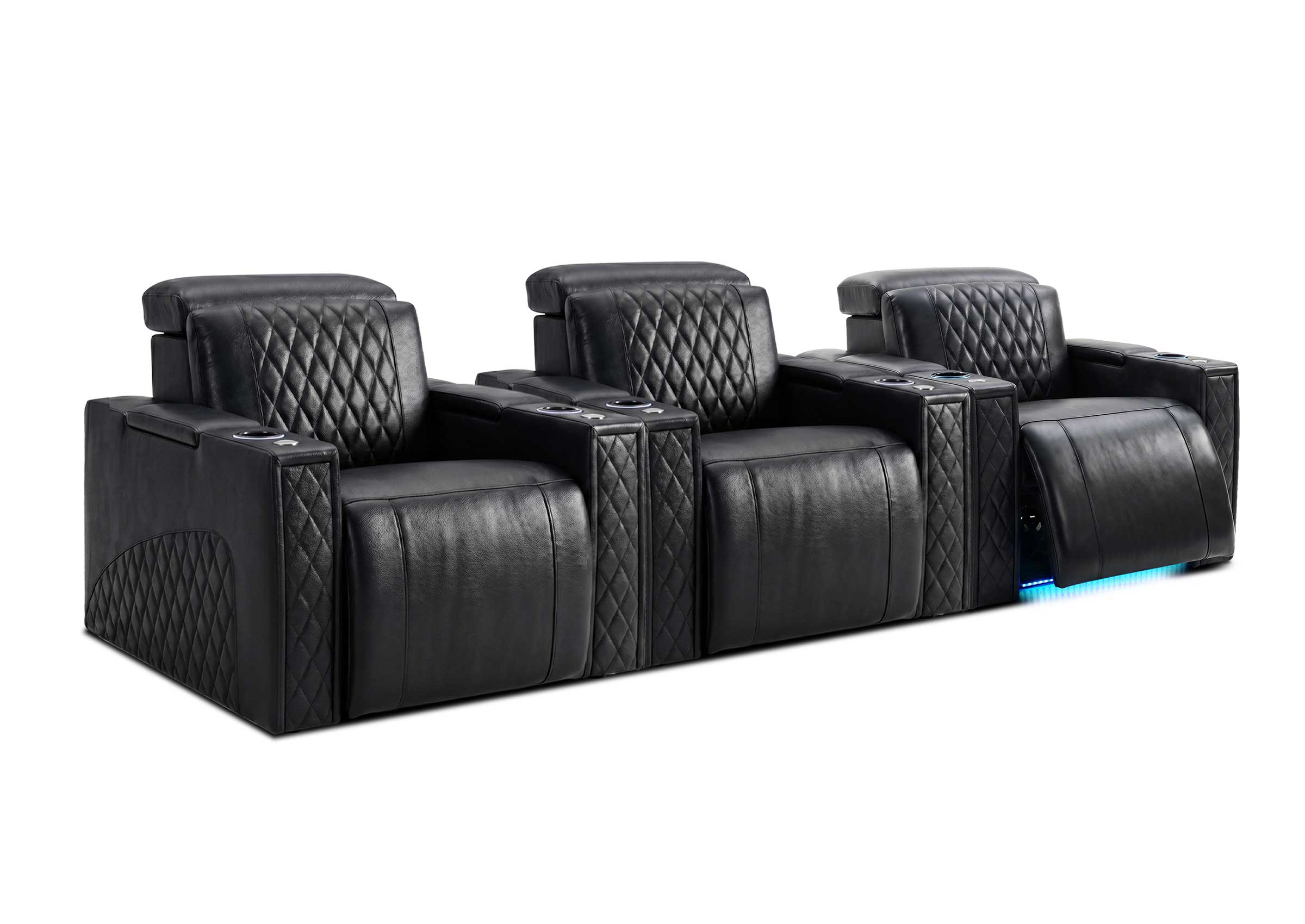
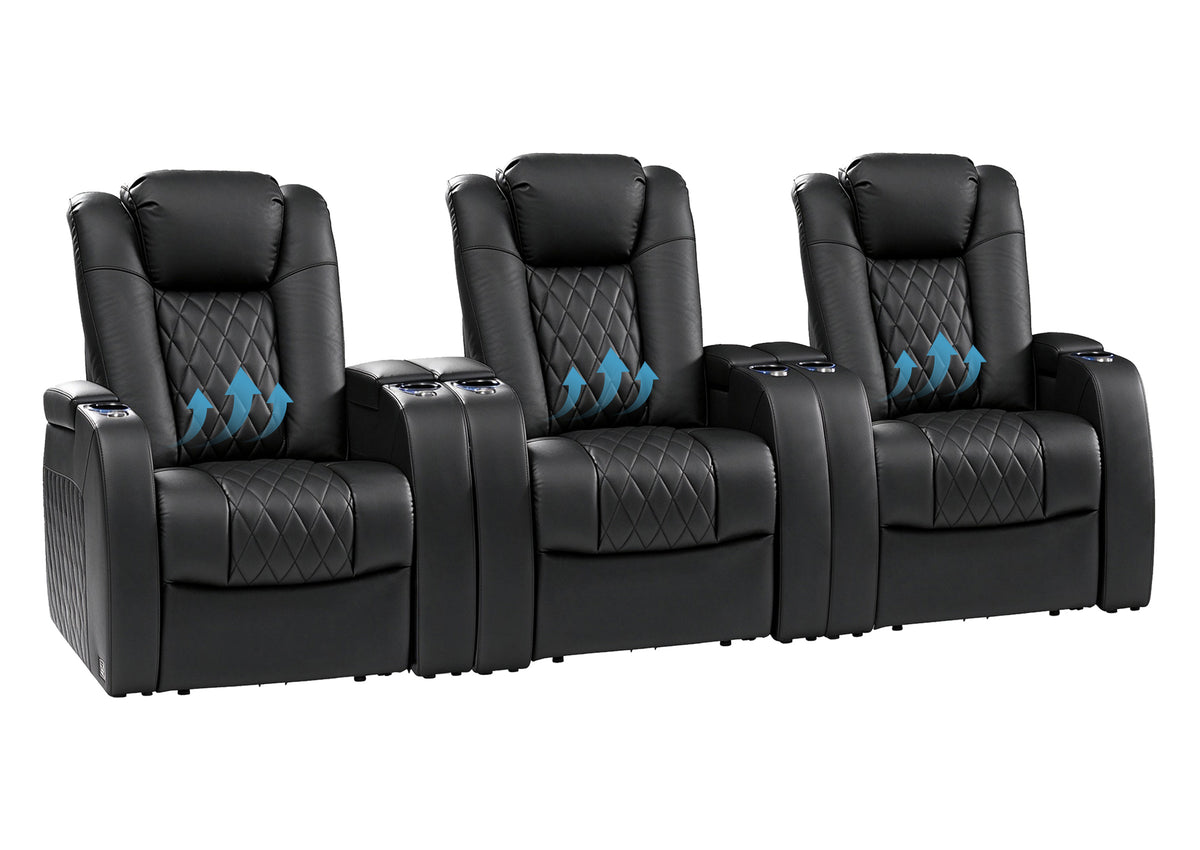
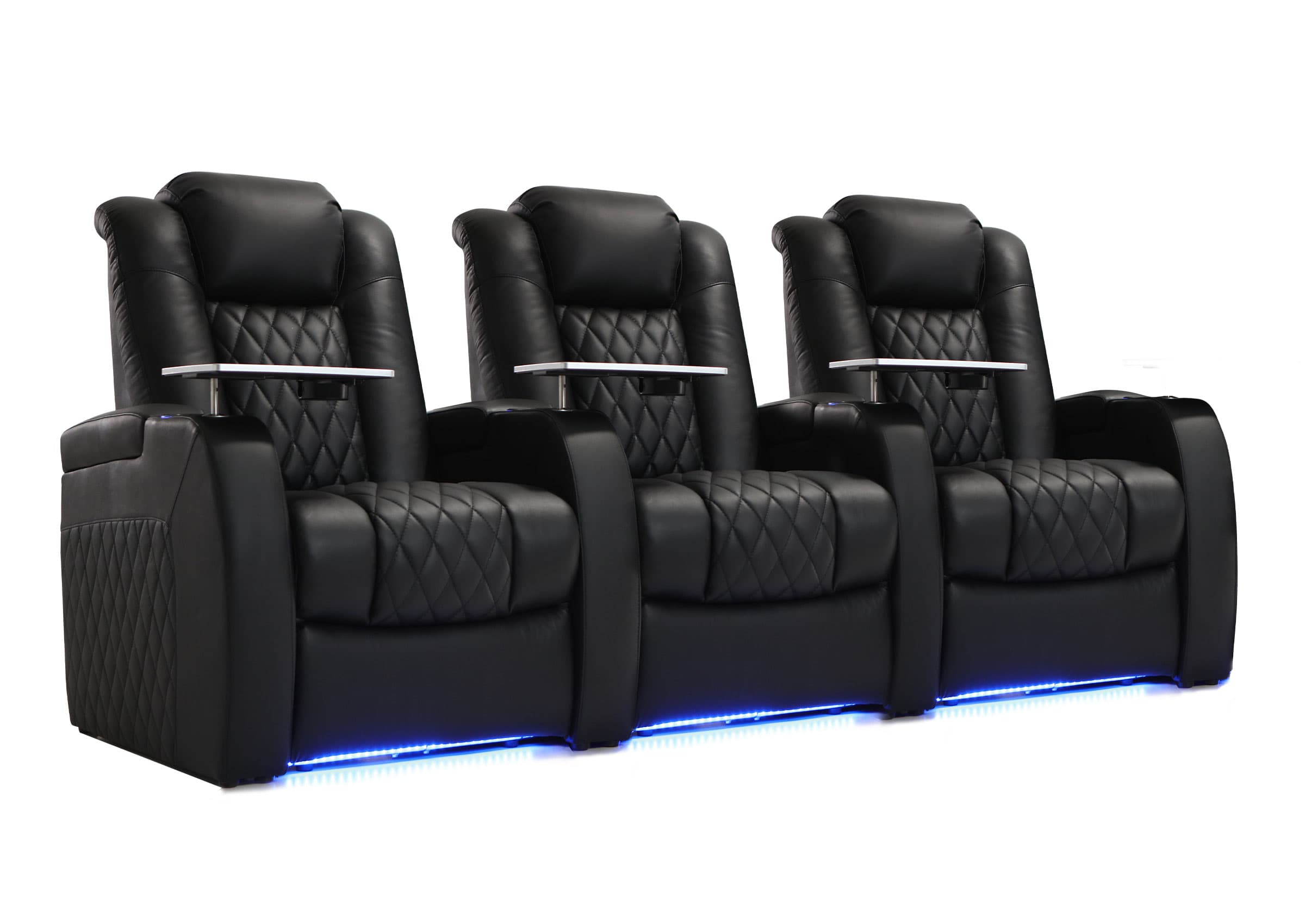
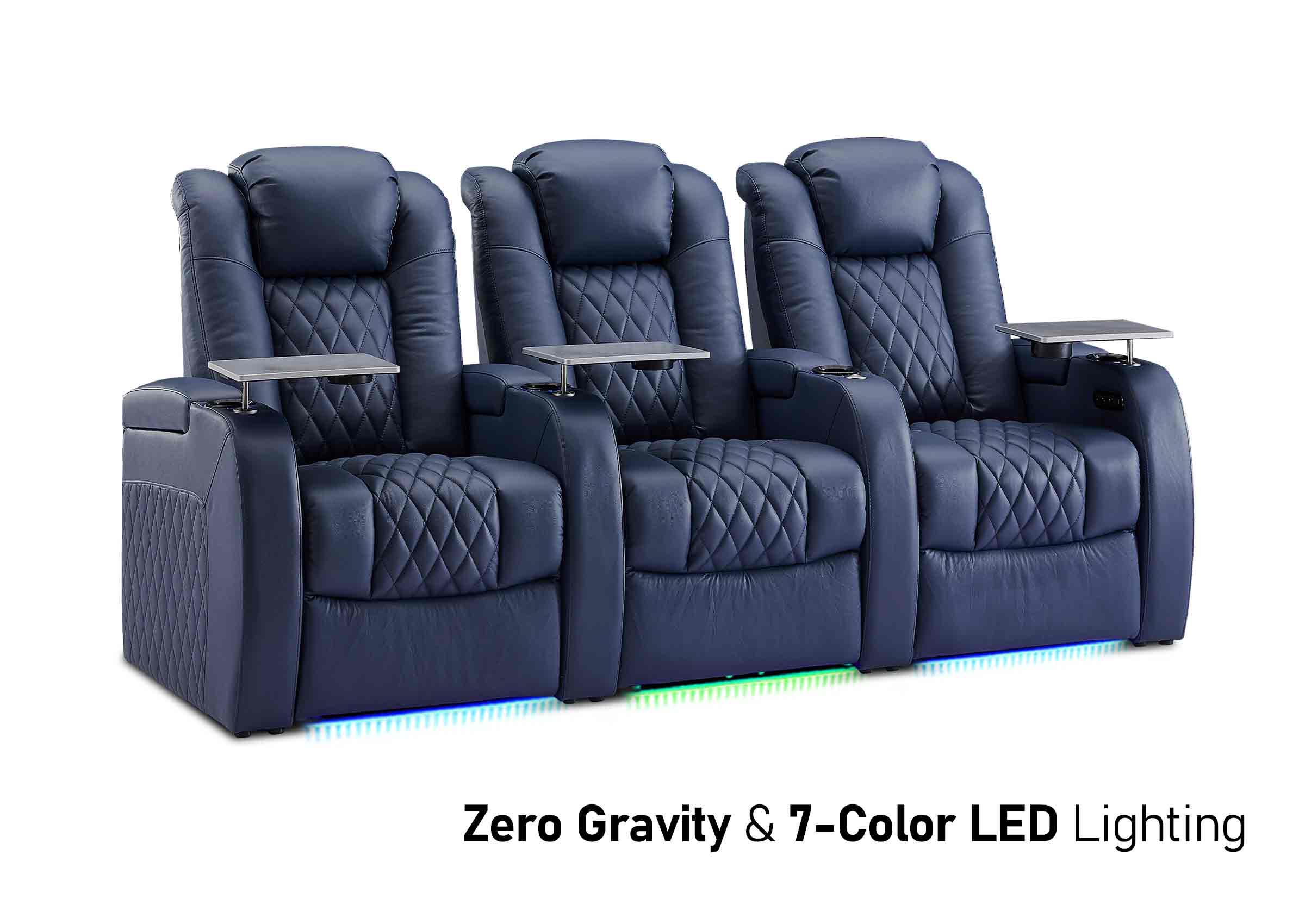
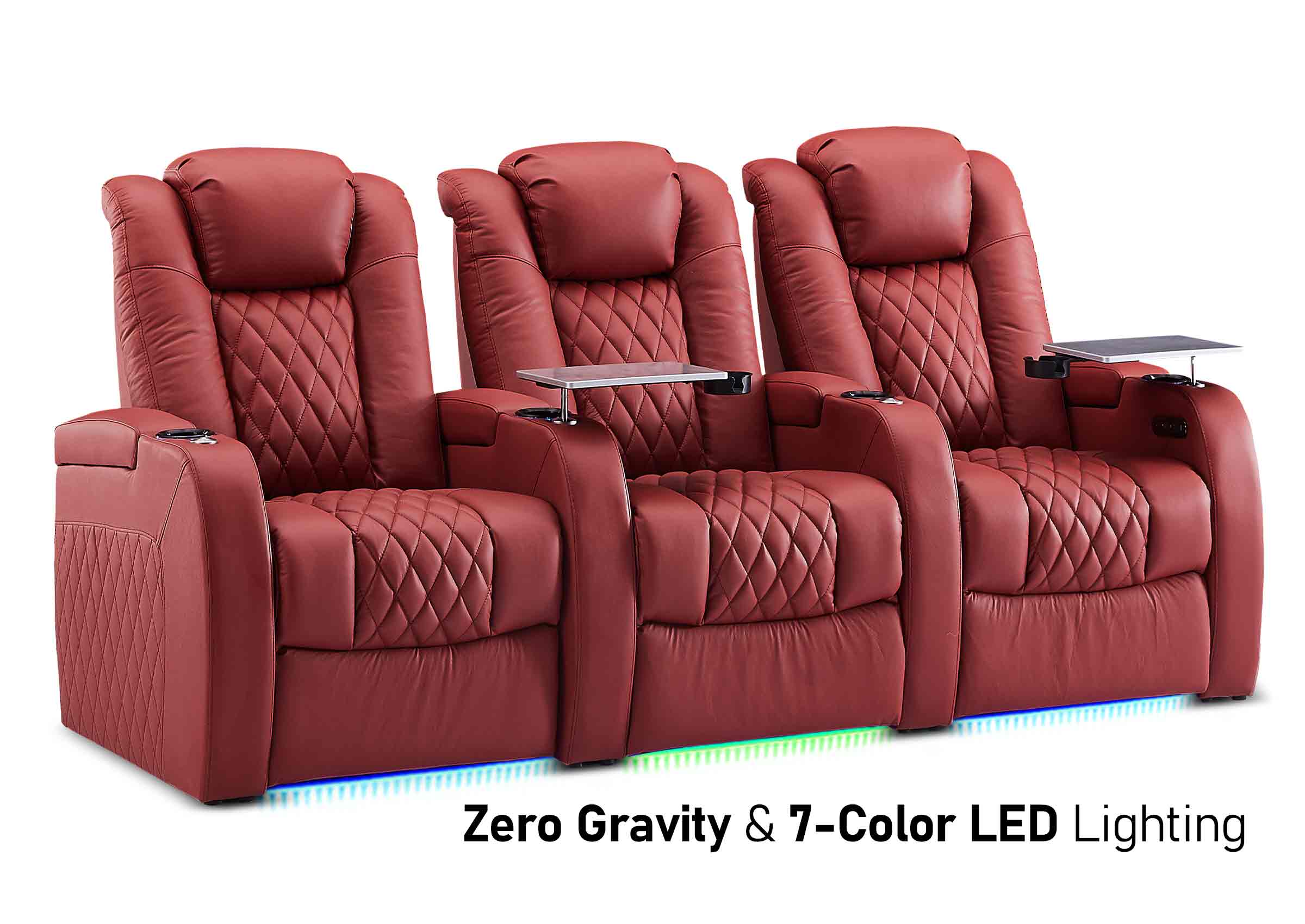
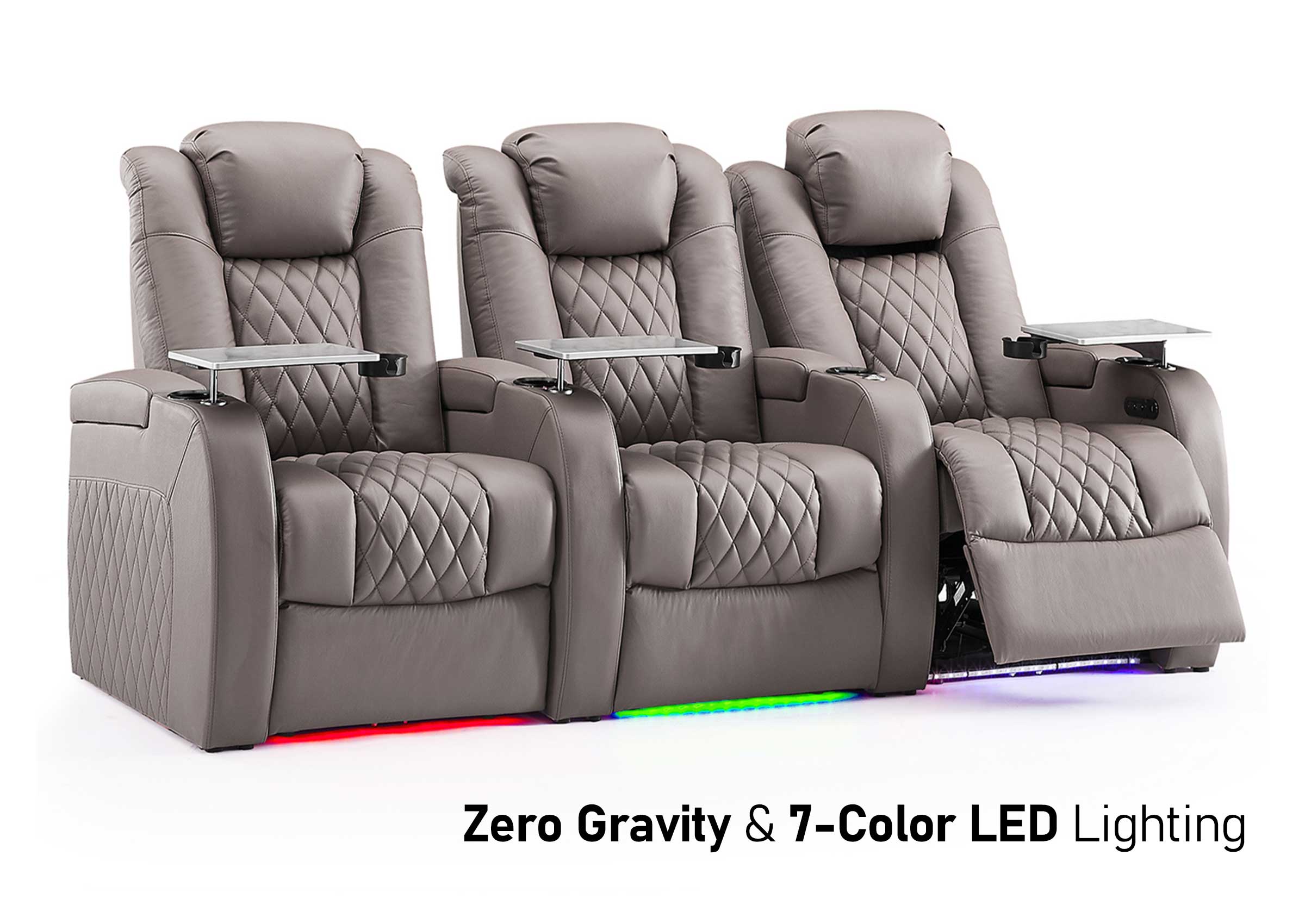
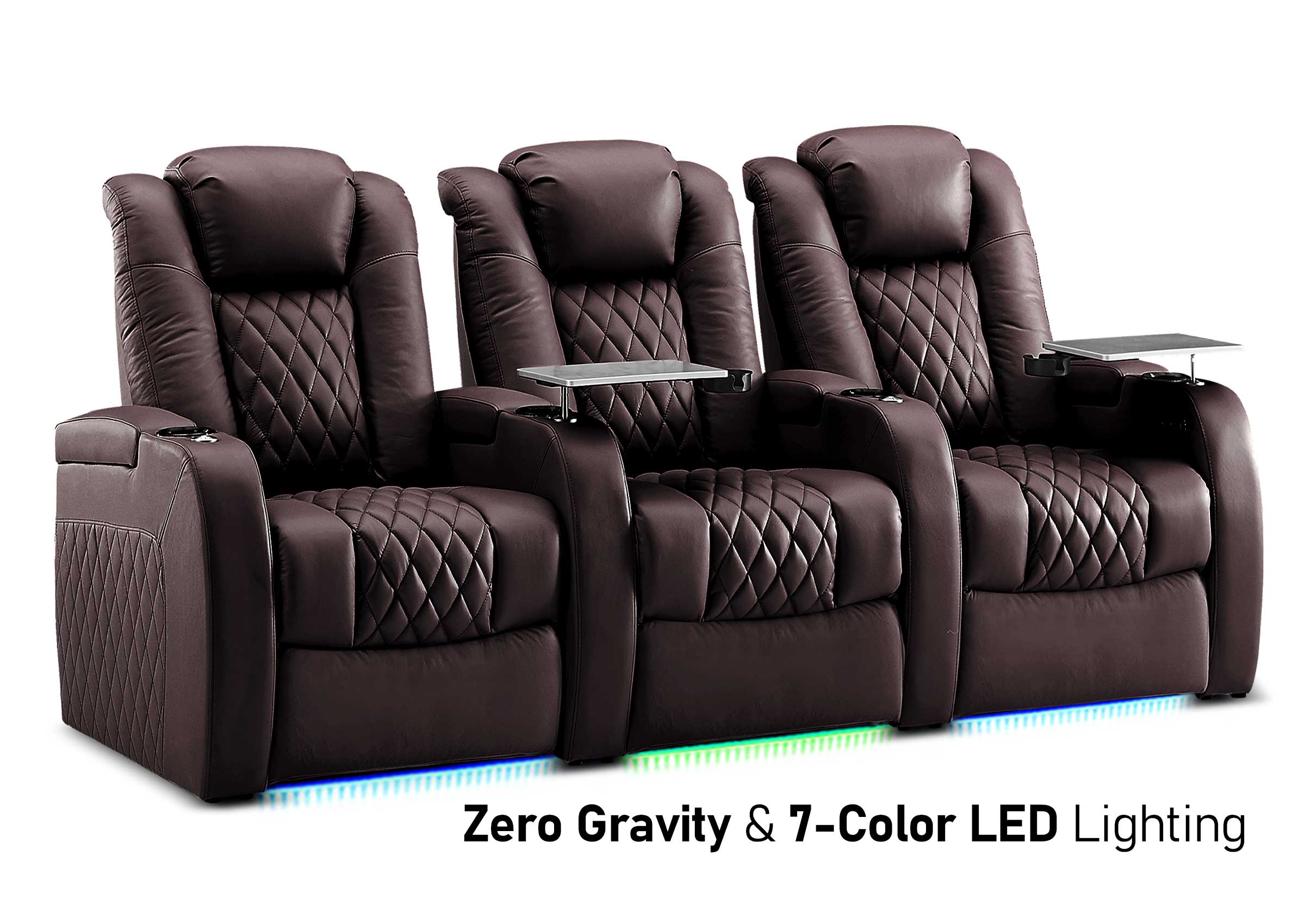
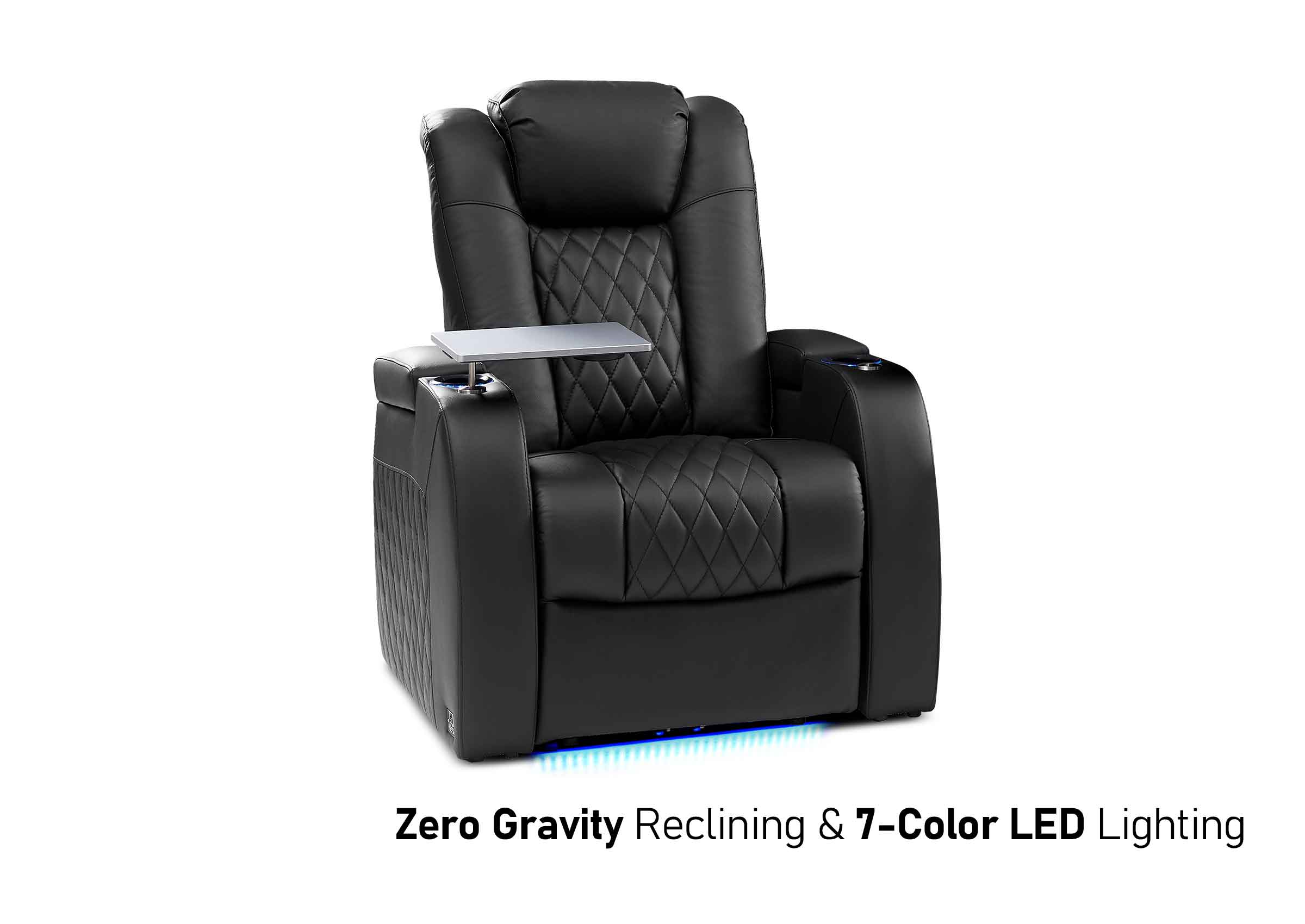
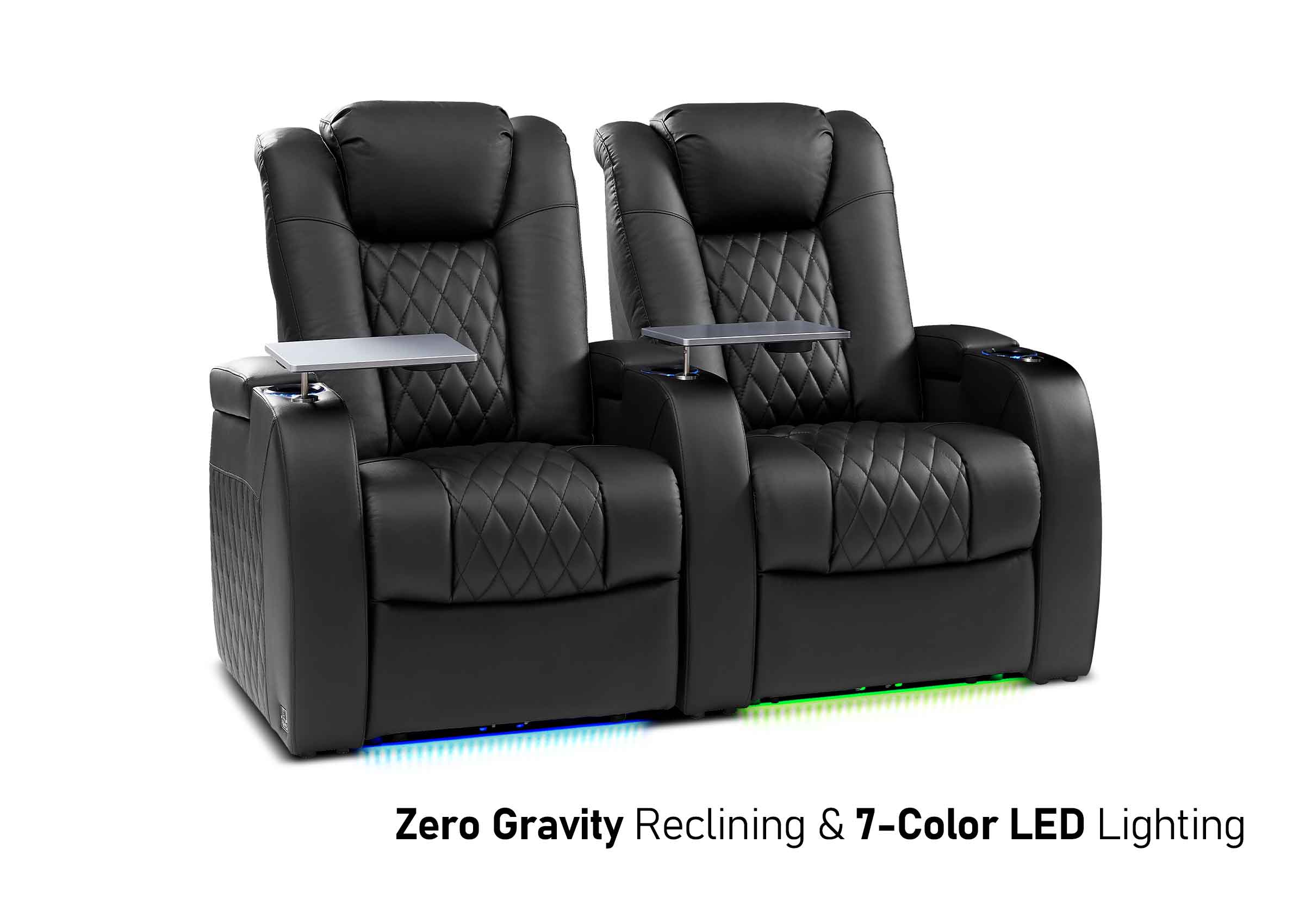
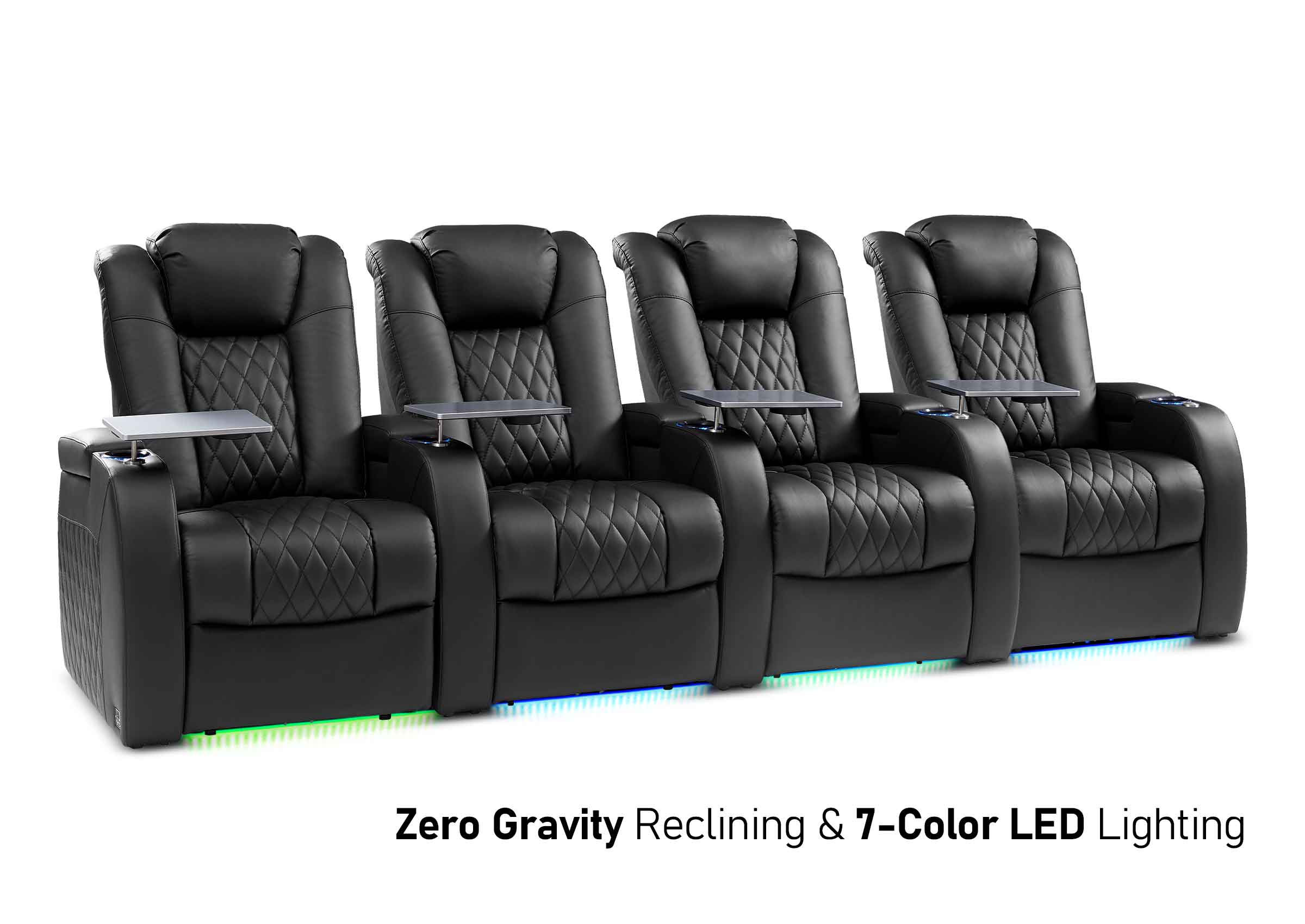
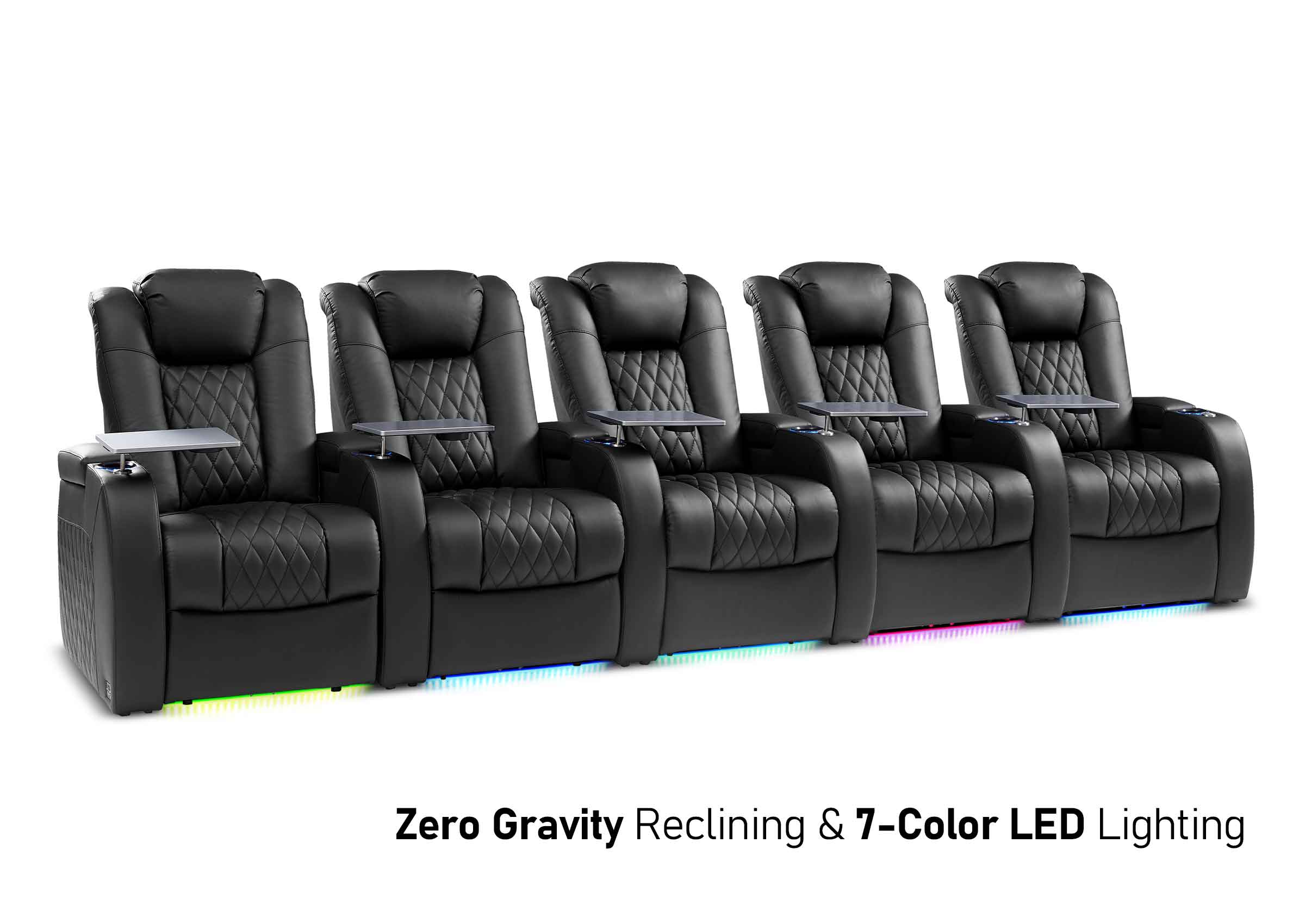
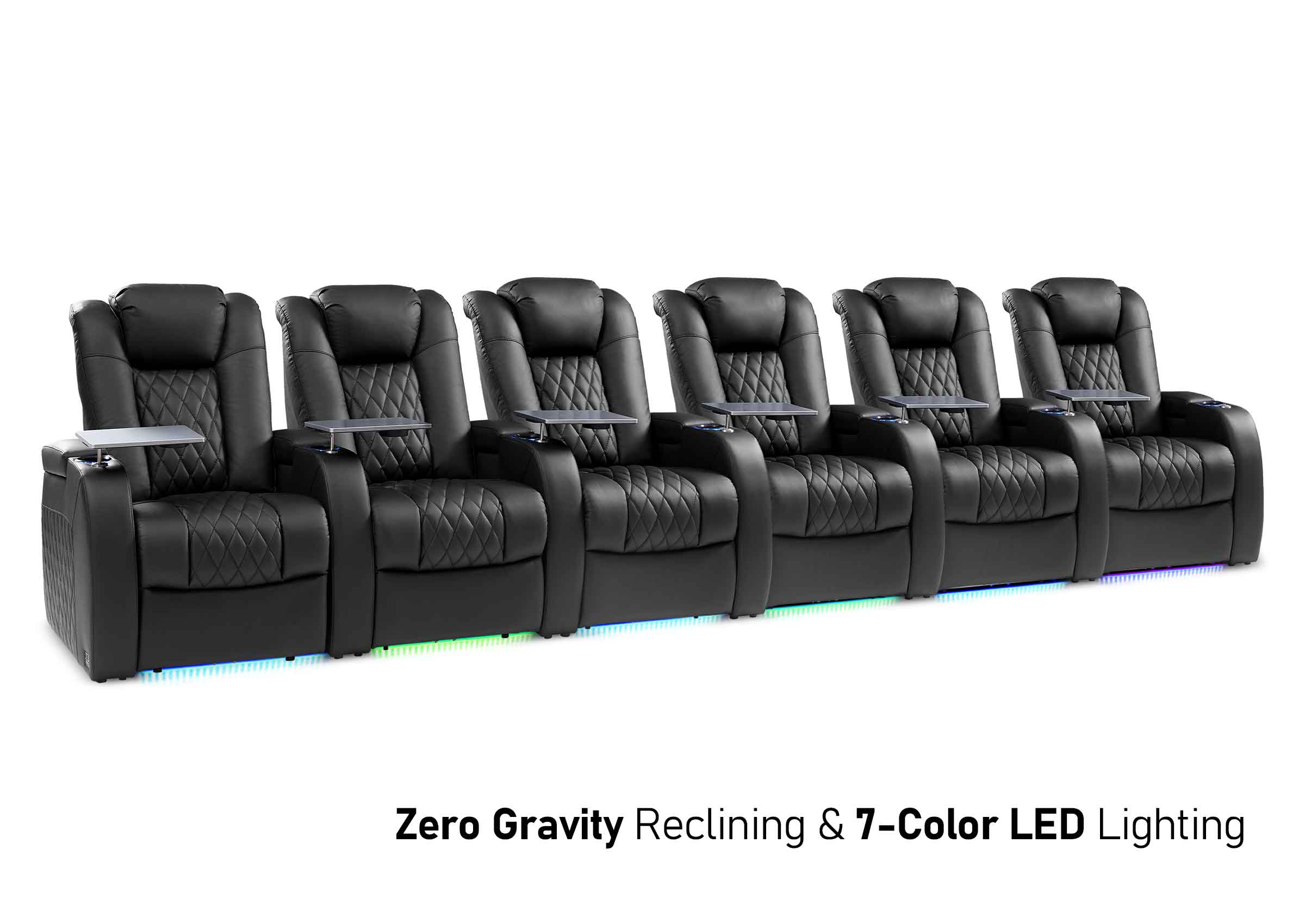
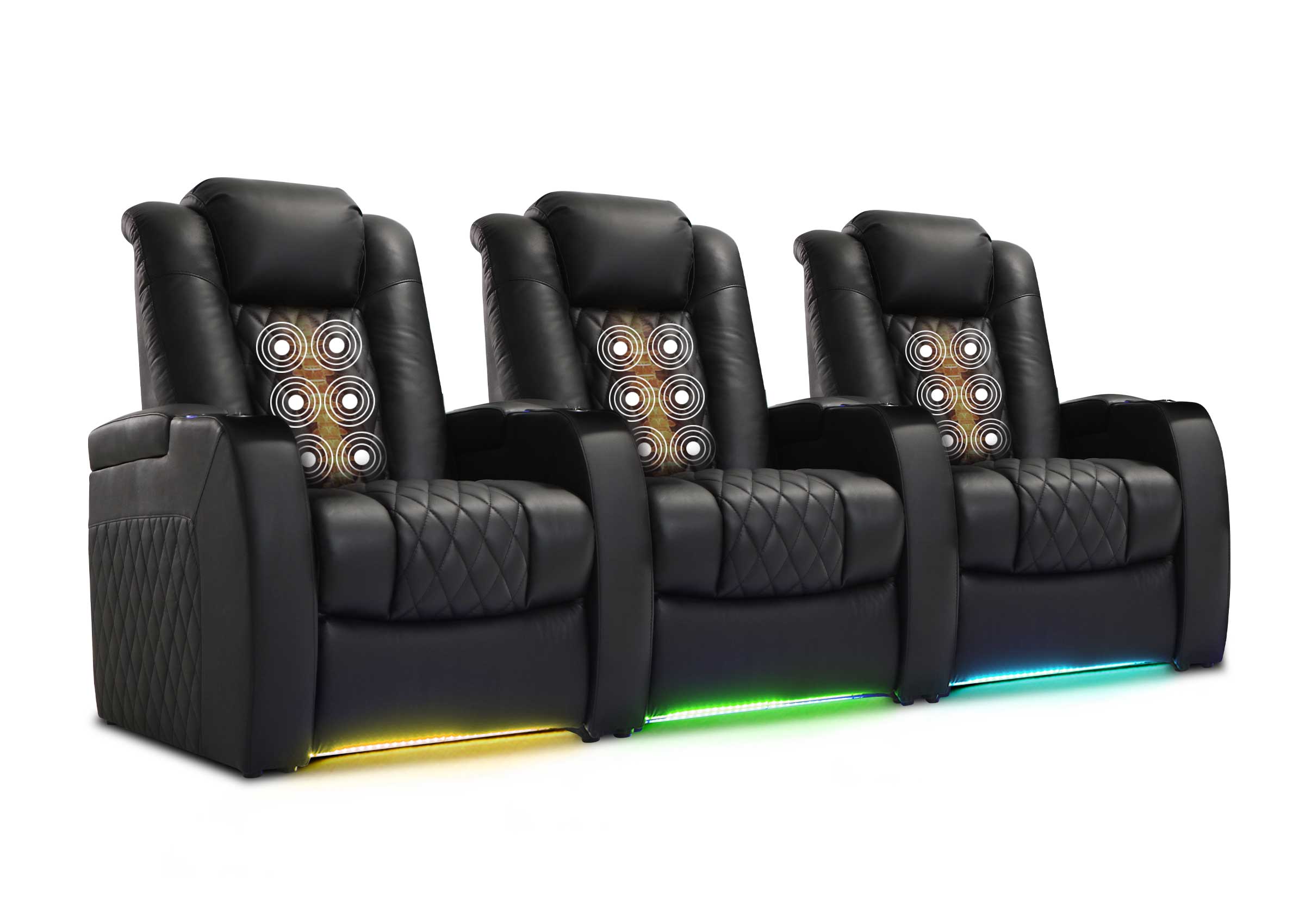
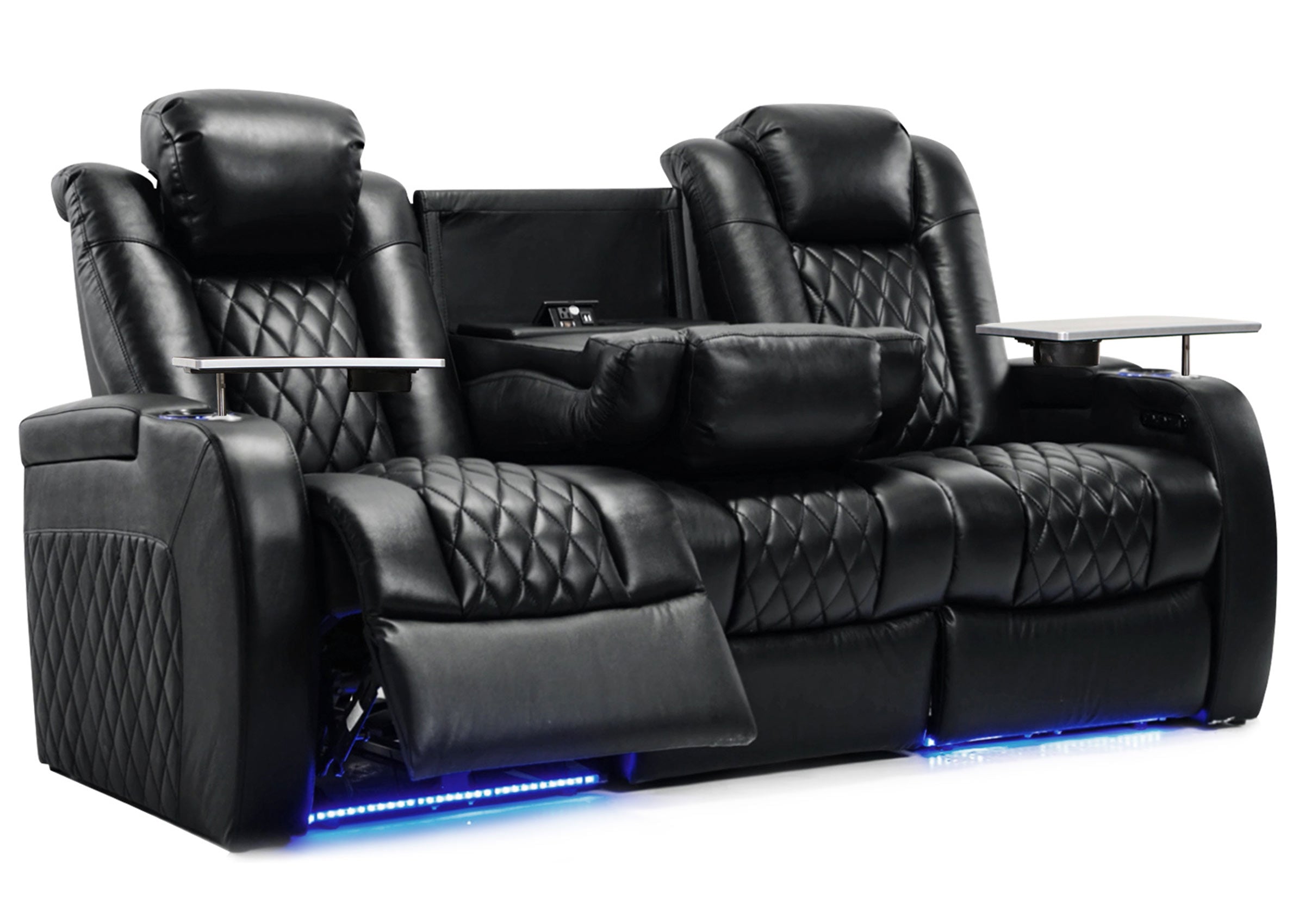
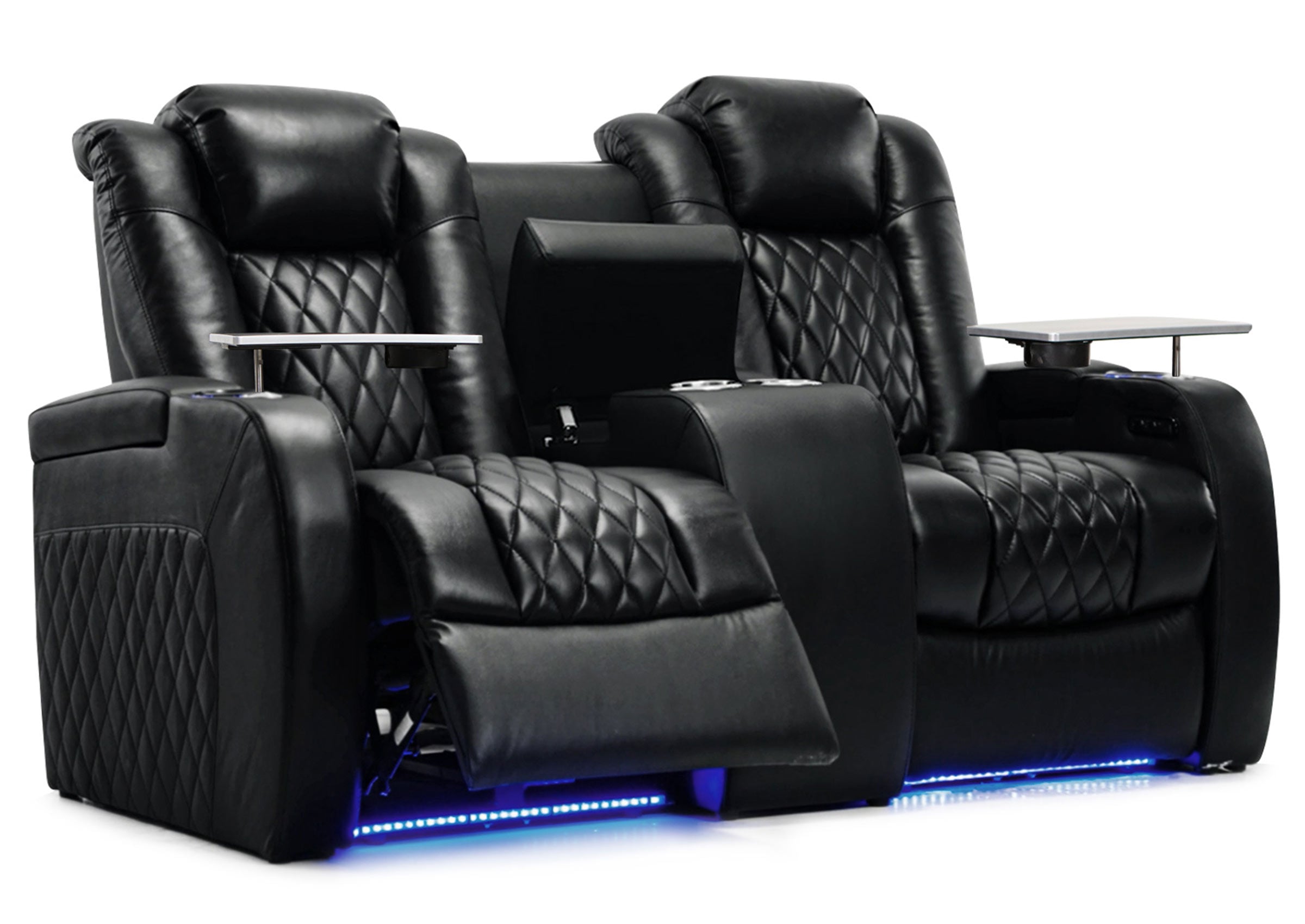
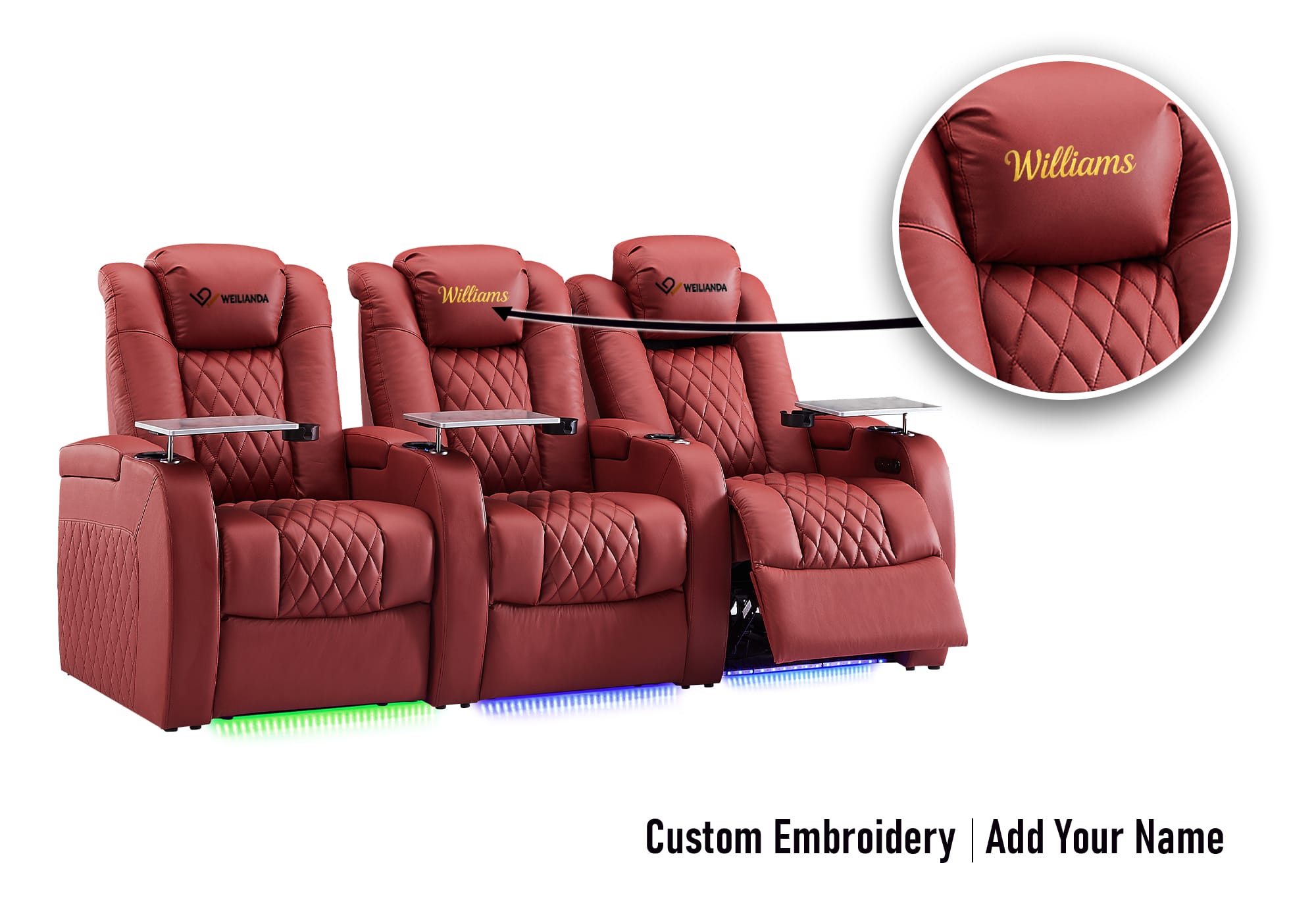
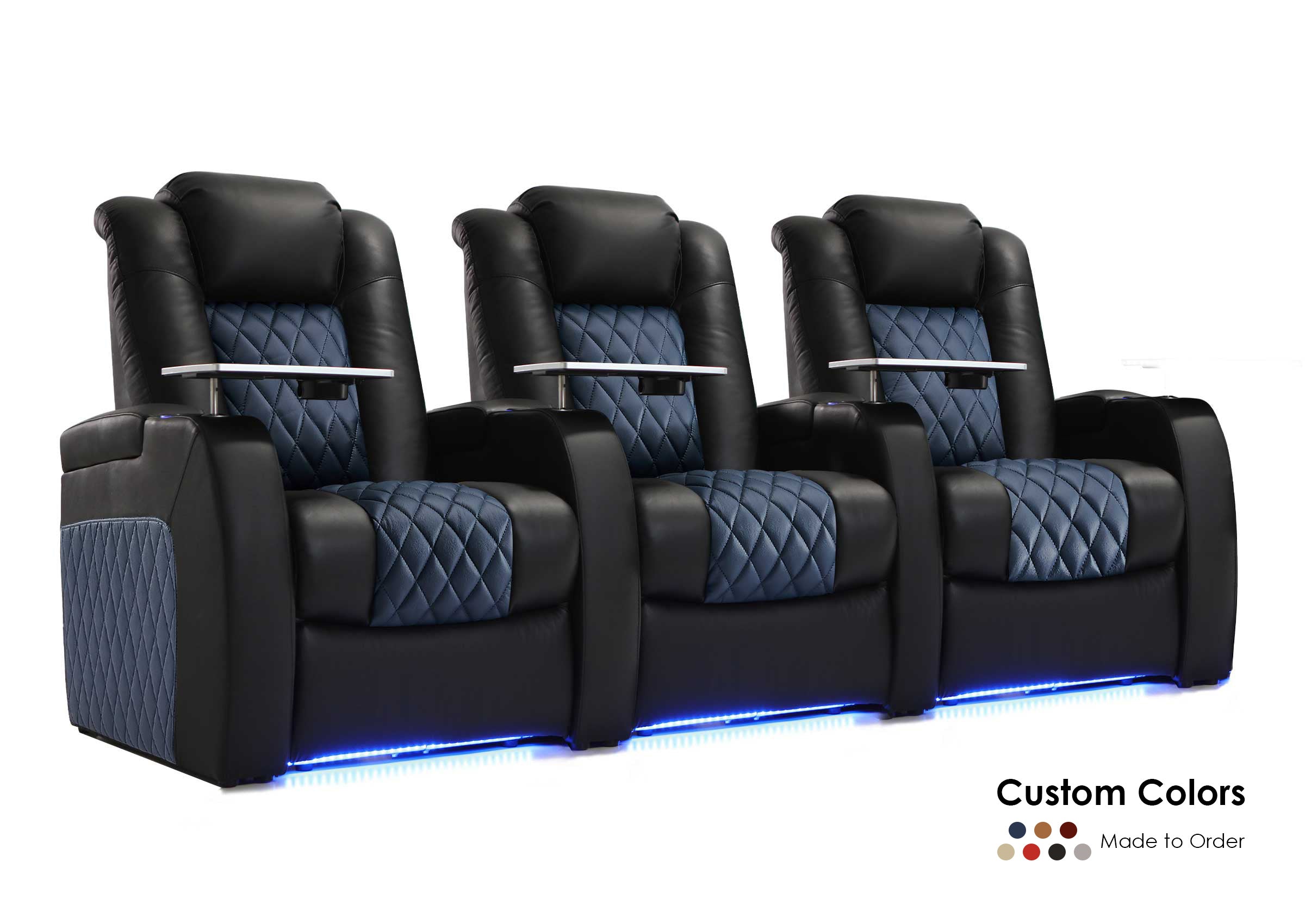
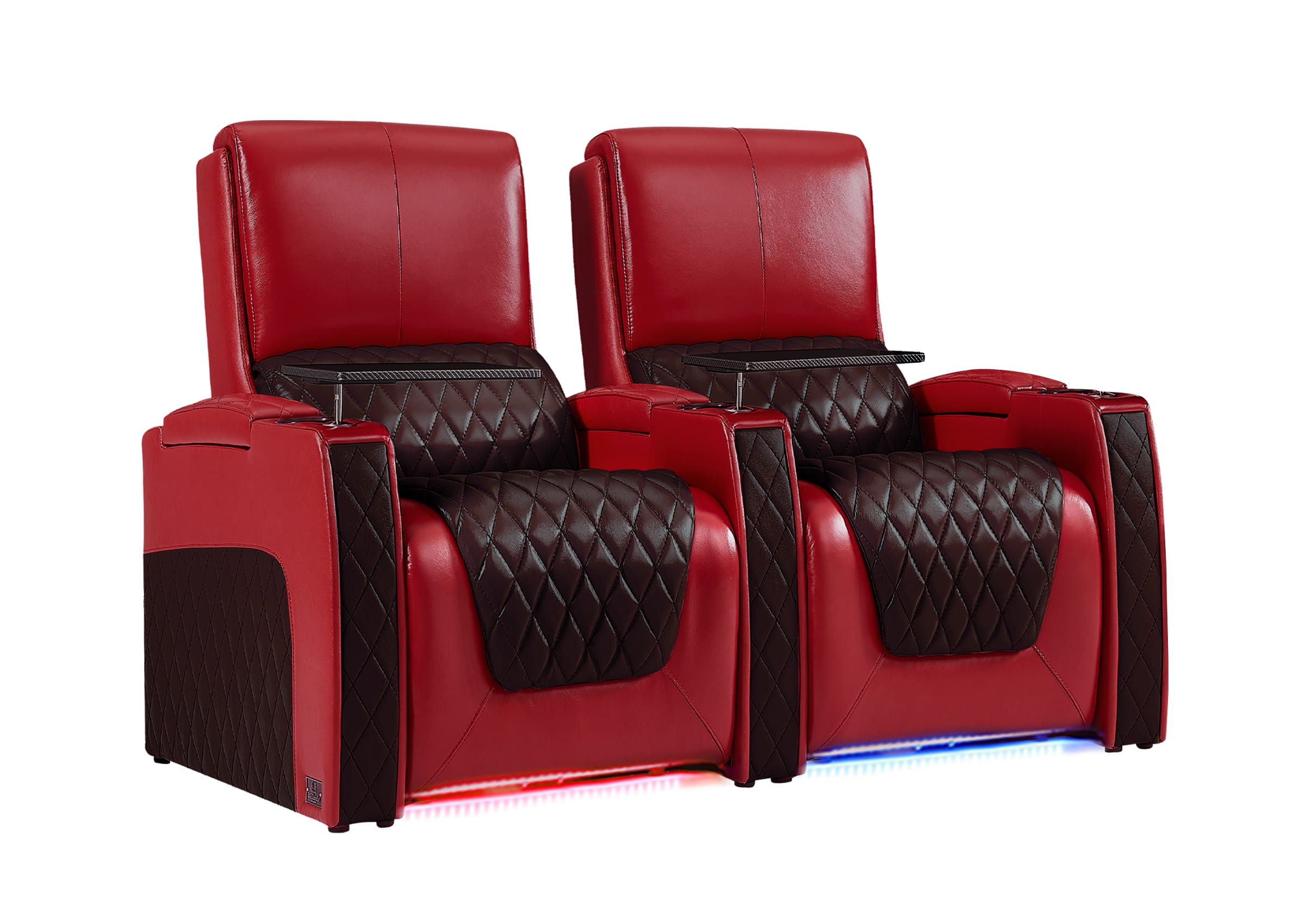
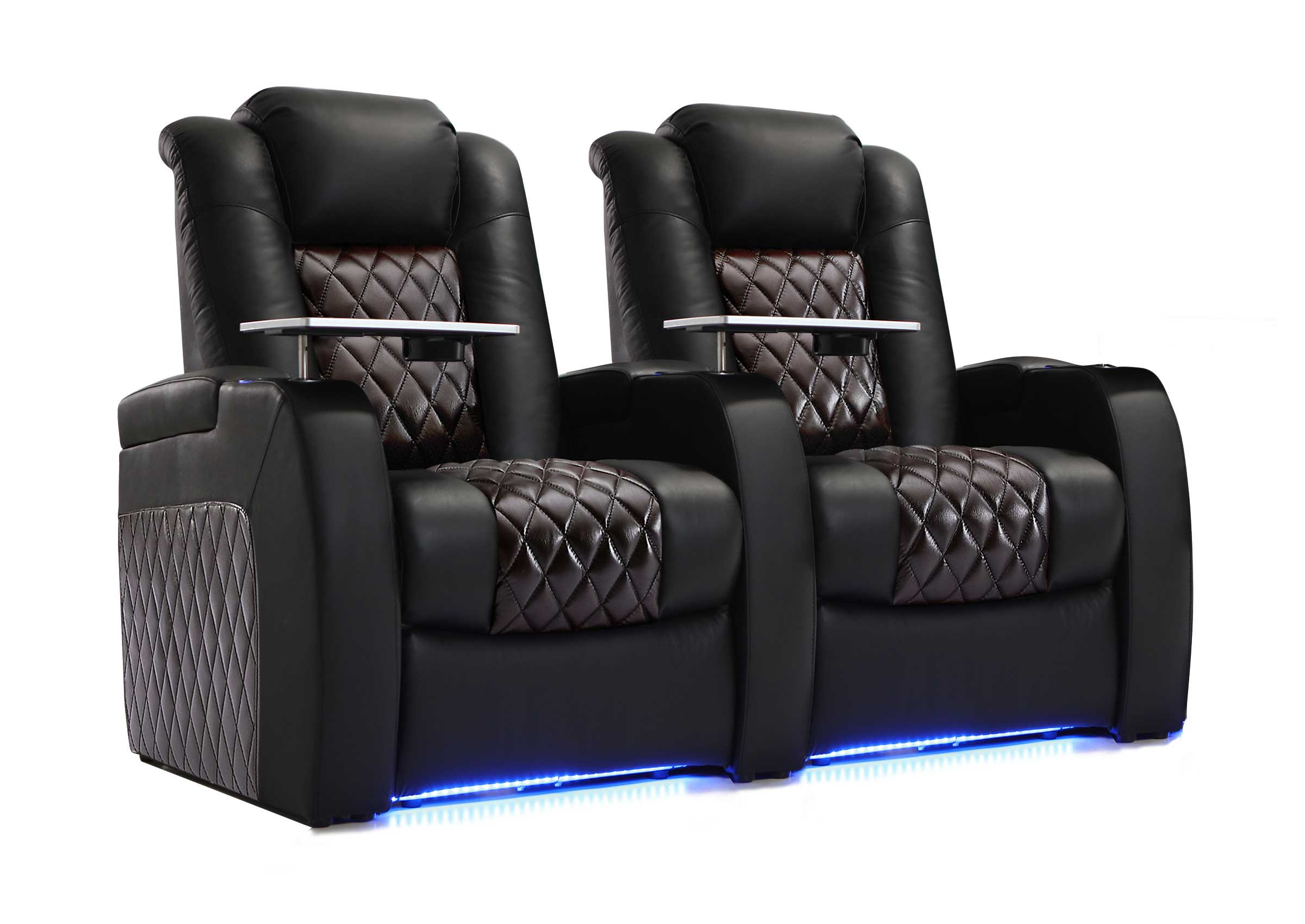
A standard sofa can be enough for casual viewing. A reclining sofa, individual recliners, or a more structured entertainment arrangement may make more sense when movies, sports, or gaming dominate the room.
For the seating decision itself, see our guide to choosing seating for a media room. If the entire living room is gradually becoming an entertainment space, the living room home theater setup guide looks at the wider relationship between the screen, sound, seating, and room use.
For Conversation and Entertaining
A conversation-focused room should make it easy to look toward other people instead of forcing every seat to face one wall.
A useful combination might be:
- one main sofa;
- one or two chairs angled toward it;
- a shared coffee table or ottoman;
- side surfaces where guests can actually reach them.
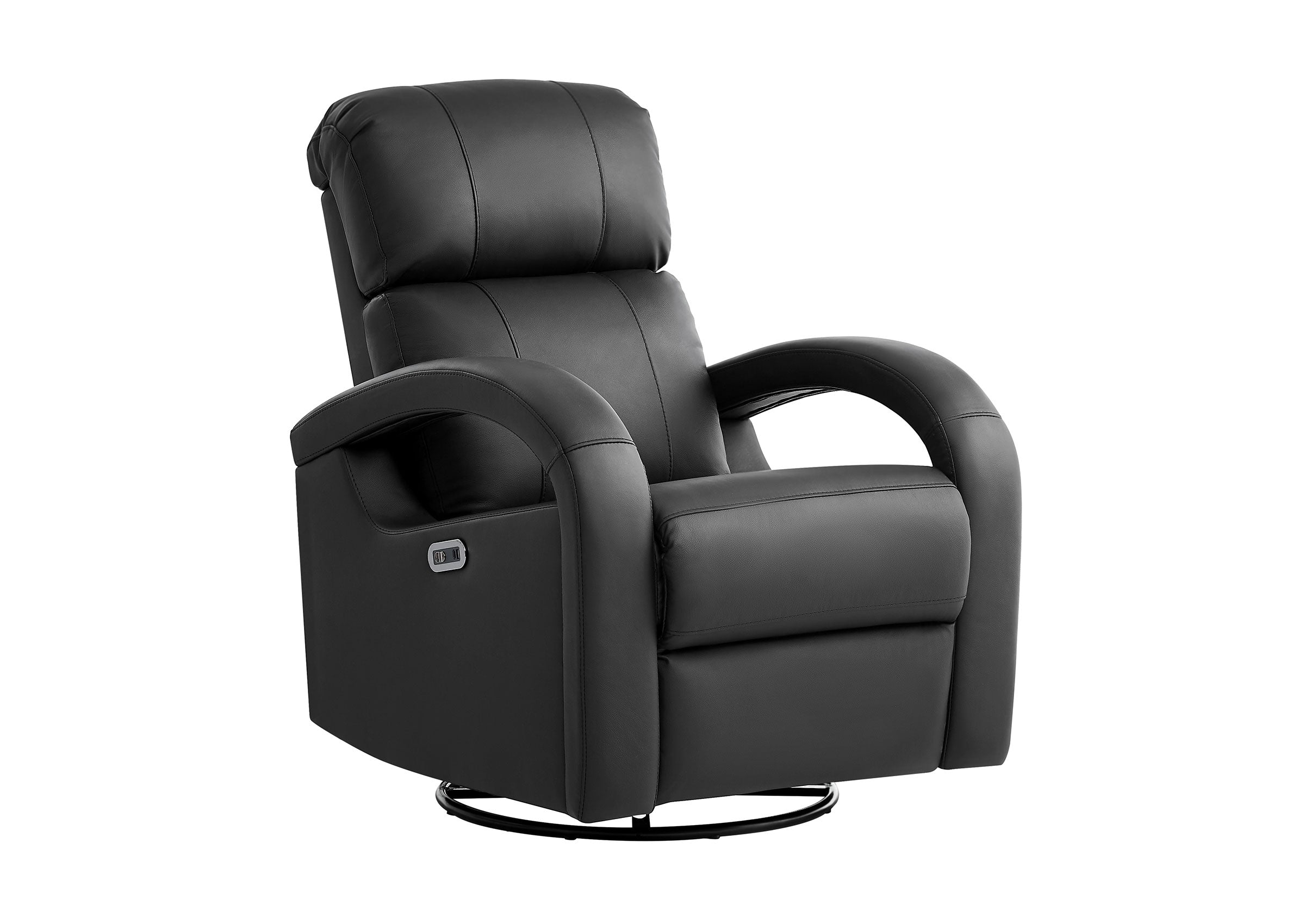
Swivel chairs can be especially useful when the room has competing focal points, such as a television on one side and a fireplace or view on another.
For Family Living
Family rooms often need furniture that tolerates changing activities throughout the day.
Useful priorities include:
- enough comfortable main seating without filling every wall;
- surfaces that can handle everyday use;
- closed storage where visual clutter builds up fastest;
- flexible seating for children, guests, or games.
The best family furniture is often not the furniture with the most features. It is the furniture that reduces small daily frustrations.
If entertainment gear is the main source of clutter, our guide to organizing a media room covers the storage and organization side in more detail.
Living Room Furniture Ideas for Different Styles
Style changes how a room looks, but it should not erase the practical logic underneath it. A useful style direction still has to fit the room, support the people using it, and make the furniture work together.
Modern Living Room Furniture Ideas
Modern living rooms often use cleaner shapes, restrained color palettes, and less visual clutter.
A practical modern combination may include:
- a streamlined sofa or sectional;
- a visually lighter accent chair;
- a simple coffee table;
- closed storage to keep everyday objects out of view;
- a few intentional decorative pieces rather than many small accents.
The risk is creating a room that photographs well but feels too formal or uncomfortable to use. Modern should describe the visual language, not require sacrificing comfort.
Cozy Living Room Furniture Ideas
Cozy is less about buying one particular furniture style and more about how pieces relate to the body and to one another.
A cozy room may combine:
- comfortable main seating;
- an ottoman or accessible table;
- soft textiles;
- warm lighting at more than one height;
- chairs positioned close enough to feel connected.
A common mistake is adding blankets, pillows, and decorative objects while leaving the actual seating arrangement inconvenient. A room does not feel cozy for long if people cannot reach a drink or talk comfortably.
Traditional Living Room Furniture Ideas
Traditional living rooms often use balanced furniture placement, richer materials, and more formal shapes.
That can include:
- a sofa facing a pair of chairs;
- a central coffee table;
- symmetrical lamps or side tables;
- wood storage or display furniture.
But traditional does not have to mean a room nobody uses. A classic visual structure can still include deep everyday seating, flexible tables, and modern media storage.
If you want to explore the visual differences between Chesterfield, mid-century, curved, modular, and other sofa forms without turning this page into a style encyclopedia, see our couch styles guide.
Furniture Combinations That Solve Different Living Room Problems
Individual furniture pieces matter, but combinations are usually more useful when imagining a finished room.
Sofa + Two Accent Chairs + Coffee Table
Works well for: conversation, entertaining, and rooms with more than one focal point.
The sofa provides the visual anchor while the chairs can be angled or moved as needed. This often gives a social room more flexibility than using two large sofas.
Sectional + Ottoman + Media Console
Works well for: family lounging, open spaces, and casual entertainment.
The sectional provides group seating, while an ottoman can serve as a footrest, occasional seat, or soft surface with a tray. The media console keeps the entertainment wall visually organized.
Reclining Sofa + Side Tables + Closed Storage
Works well for: TV rooms, sports viewing, gaming, and long movie nights.
This combination prioritizes personal comfort and easy access to drinks, remotes, charging, or other frequently used items.
If reclining seating is part of the plan, the choice between powered adjustment and a simpler manual mechanism changes placement, power needs, and daily use. Our power vs. manual recliner guide covers that choice separately.
Sofa + Reading Chair + Small Side Table
Works well for: multipurpose rooms where people often use the same space differently.
One person can read while another watches television or relaxes. The room supports two activities without being divided into two formal zones.
Sofa + Movable Chairs + Nesting Tables
Works well for: households that entertain occasionally but do not want guest furniture to dominate the room every day.
Movable chairs and nesting tables can expand the conversation area when needed and return to a lighter everyday arrangement afterward.
Not Sure Which Furniture Direction Fits Your Room?
If you know the room’s main purpose but are still deciding what should go in it, compare the furniture categories first. If movies, TV, or gaming are the priority, narrow the decision further by comparing seating options for an entertainment-focused room.
How Do You Mix Living Room Furniture Without Making It Look Random?
Furniture does not need to come from the same collection to look intentional.
Instead of matching every detail, choose a few relationships that repeat across the room:
- similar warm or cool undertones;
- a wood tone that appears in more than one piece;
- a metal finish repeated in lamps or table details;
- balanced proportions between large and small furniture;
- one or two shapes that repeat subtly.
For example, a modern upholstered sofa can work with a traditional wood coffee table if their proportions feel balanced and the wood connects with another element in the room.
The goal is not perfect matching. The goal is enough visual connection that different pieces feel chosen together.
What Living Room Furniture Mistakes Are Most Worth Avoiding?
Many disappointing rooms are not caused by choosing the “wrong style.” They are caused by solving one furniture decision at a time without considering what happens after everything arrives.
- Buying before measuring: a beautiful sofa is not useful if it dominates the walking path.
- Filling every empty corner: empty space can make a room easier to move through and easier to understand.
- Buying an entire set automatically: a loveseat or extra chair may repeat seating you do not actually need.
- Choosing for the room when empty: test how doors, recliners, tables, and people interact during real use.
- Making the television the only relationship: this works for a dedicated TV room but can weaken conversation in a general living room.
- Choosing style before routine: the visual idea should support the way you live, not force you to live around the furniture.
A Simple Test Before You Add Another Piece
When you are tempted to fill an empty area, ask what problem the new furniture will solve.
Does it:
- give someone a genuinely needed place to sit?
- put a useful surface within reach?
- store something that currently creates clutter?
- make an unused part of a large room functional?
- improve how people move or interact?
If the answer is no, leaving the space open may be the stronger design decision.
This is one of the most useful differences between furnishing a room and simply filling one.
Frequently Asked Questions
How do I choose living room furniture?
Start with the room’s main activity and choose the primary seating around it. Then add tables, storage, and secondary seating where they solve a specific daily need. Room size matters, but how people actually use and move through the space matters just as much.
What furniture should every living room have?
There is no universal list. Most living rooms need comfortable primary seating and at least one useful surface. Storage, extra chairs, ottomans, media consoles, and other furniture depend on the household and the room’s purpose.
How many furniture pieces should a living room have?
There is no ideal number. A room with four well-chosen pieces can work better than one with eight. Add furniture according to seating, surface, storage, and activity needs rather than trying to complete a predefined set.
How do I arrange furniture in a small living room?
Start with one main seating piece, protect the most important walking route, and add flexible furniture only where needed. Consider the combined footprint of everything in use rather than simply choosing the smallest version of every item.
Can you use a sectional in a small living room?
Yes, if its footprint and orientation use the room more efficiently than several separate seats. A large or badly configured sectional can overwhelm the room, but an appropriately sized one can sometimes simplify the layout.
Should living room furniture match?
No. Furniture can coordinate through scale, color direction, materials, shapes, or repeated finishes without being identical. Mixing pieces often feels more natural than buying an entire matching set.
What furniture makes a living room feel cozy?
Comfortable seating is the foundation. Warm lighting, accessible tables, soft materials, and seats arranged so people feel connected can then build a cozier atmosphere. Decorative layers help, but they cannot compensate for an uncomfortable seating arrangement.
How do I make a large living room feel less empty?
Do not solve the problem only by making every piece larger. Create two or more useful zones, connect each zone with rugs, lighting, or furniture placement, and give different parts of the room a reason to be used.
Create a Living Room Around the Way You Actually Live
The best living room furniture ideas are not the ones that simply look good in a photo.
They are the ones that make everyday activities easier—whether that means relaxing after work, watching movies with family, hosting friends, reading by a window, or using one room for several different things.
Start with the room’s main purpose. Choose the primary seating around that purpose. Then add furniture only when it improves comfort, storage, usable surface space, interaction, or movement.
A successful living room does not need every furniture category, one perfect style, or an empty corner filled. It needs a combination that makes sense when real people are actually using the room.