




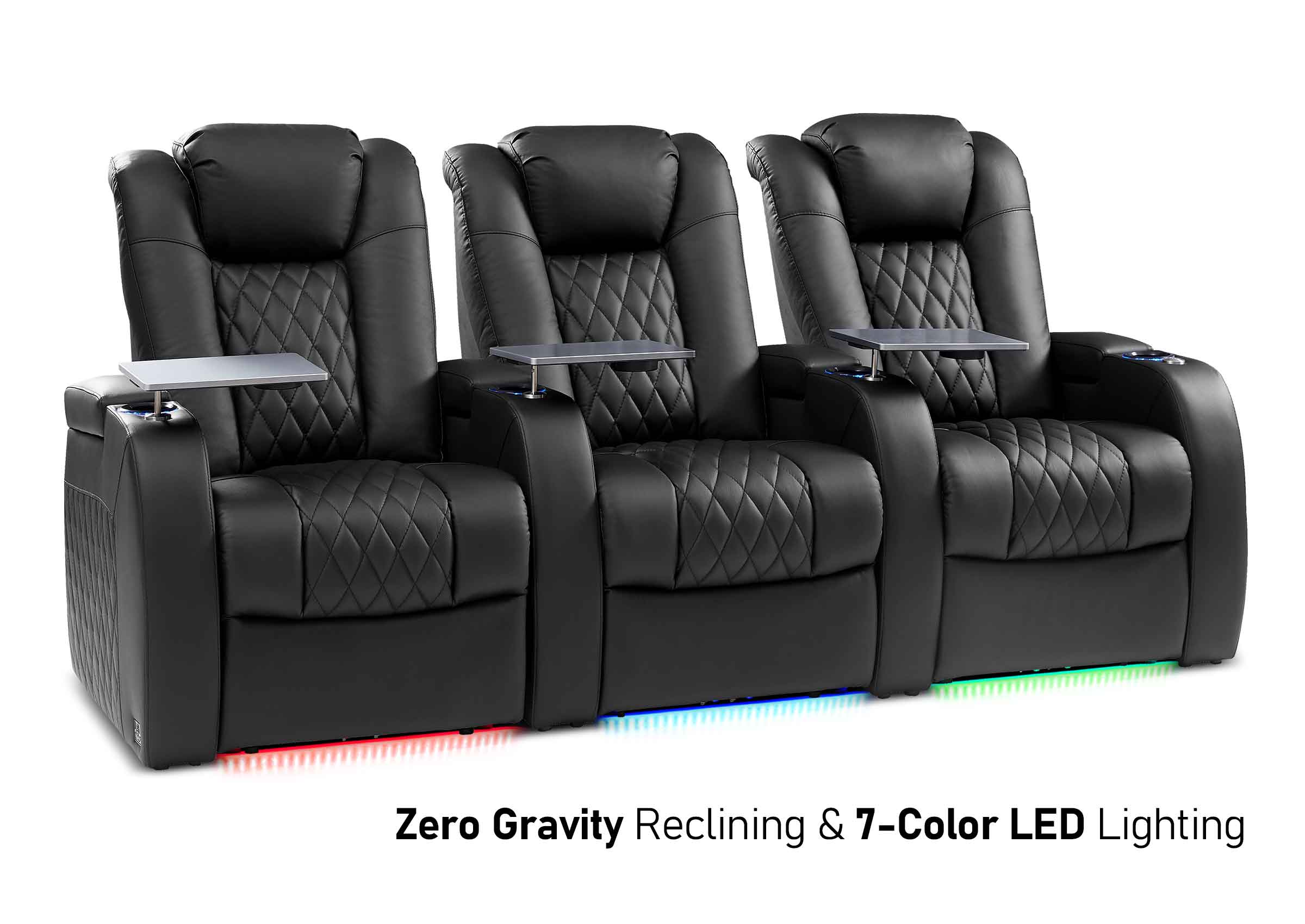
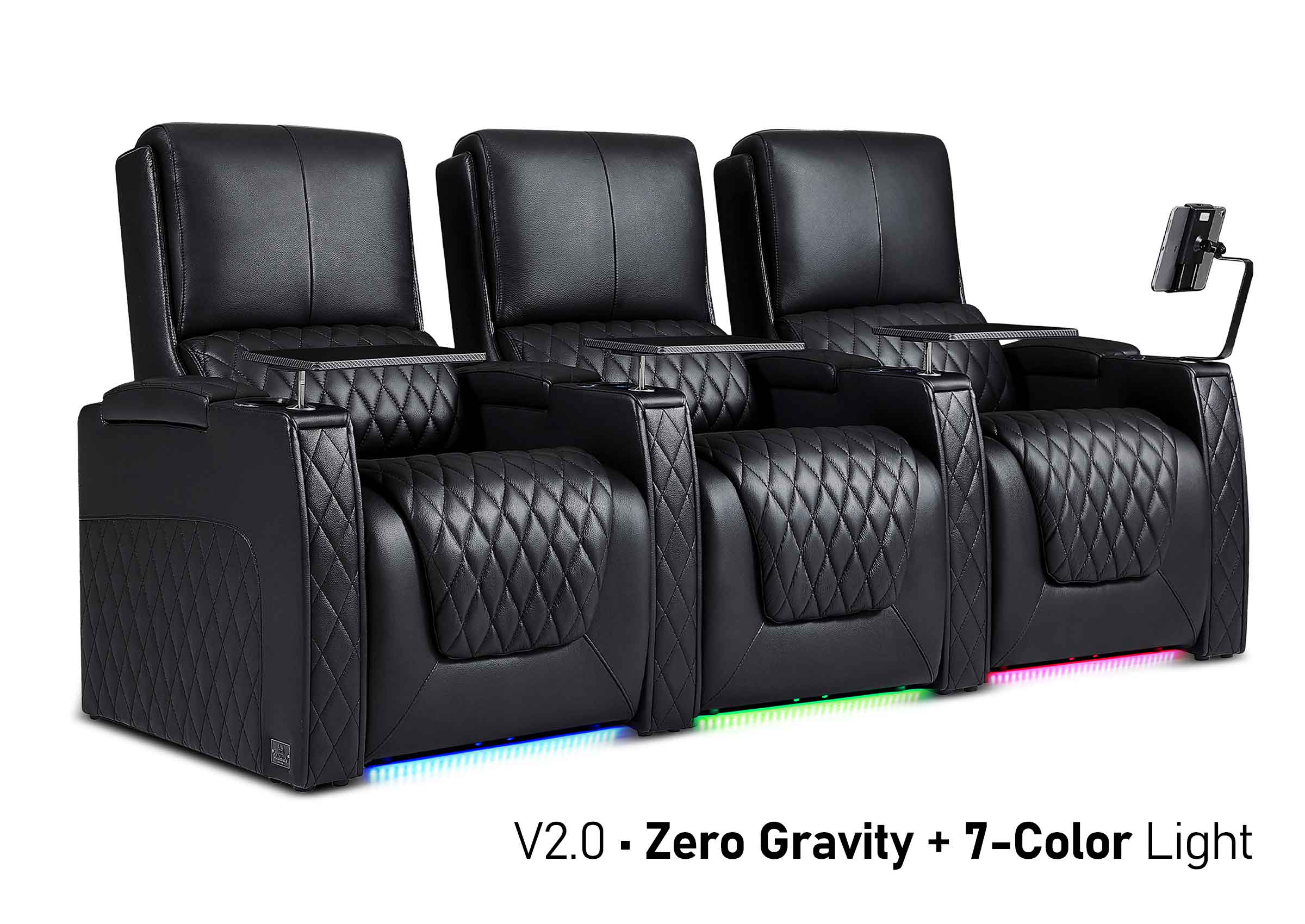
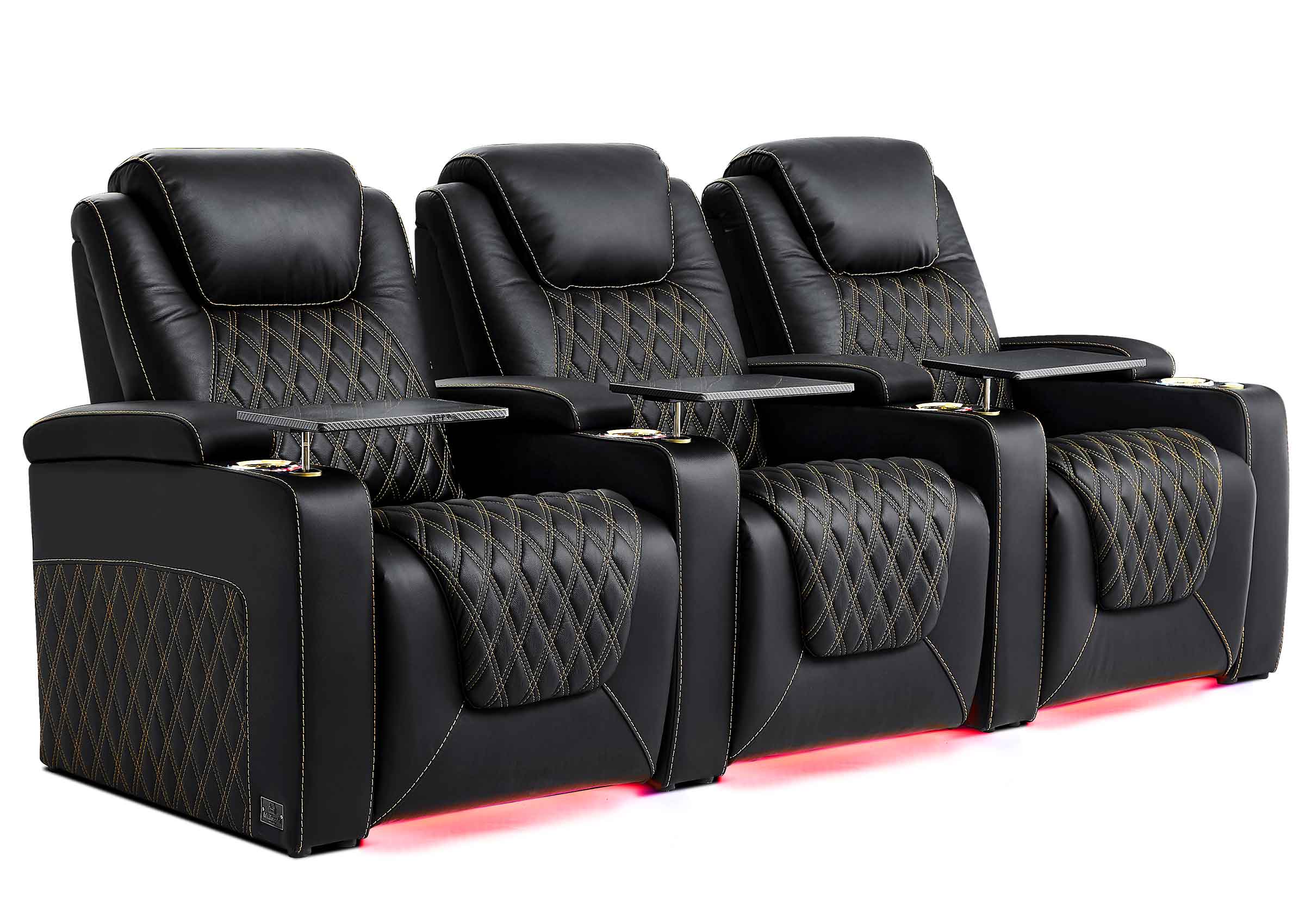
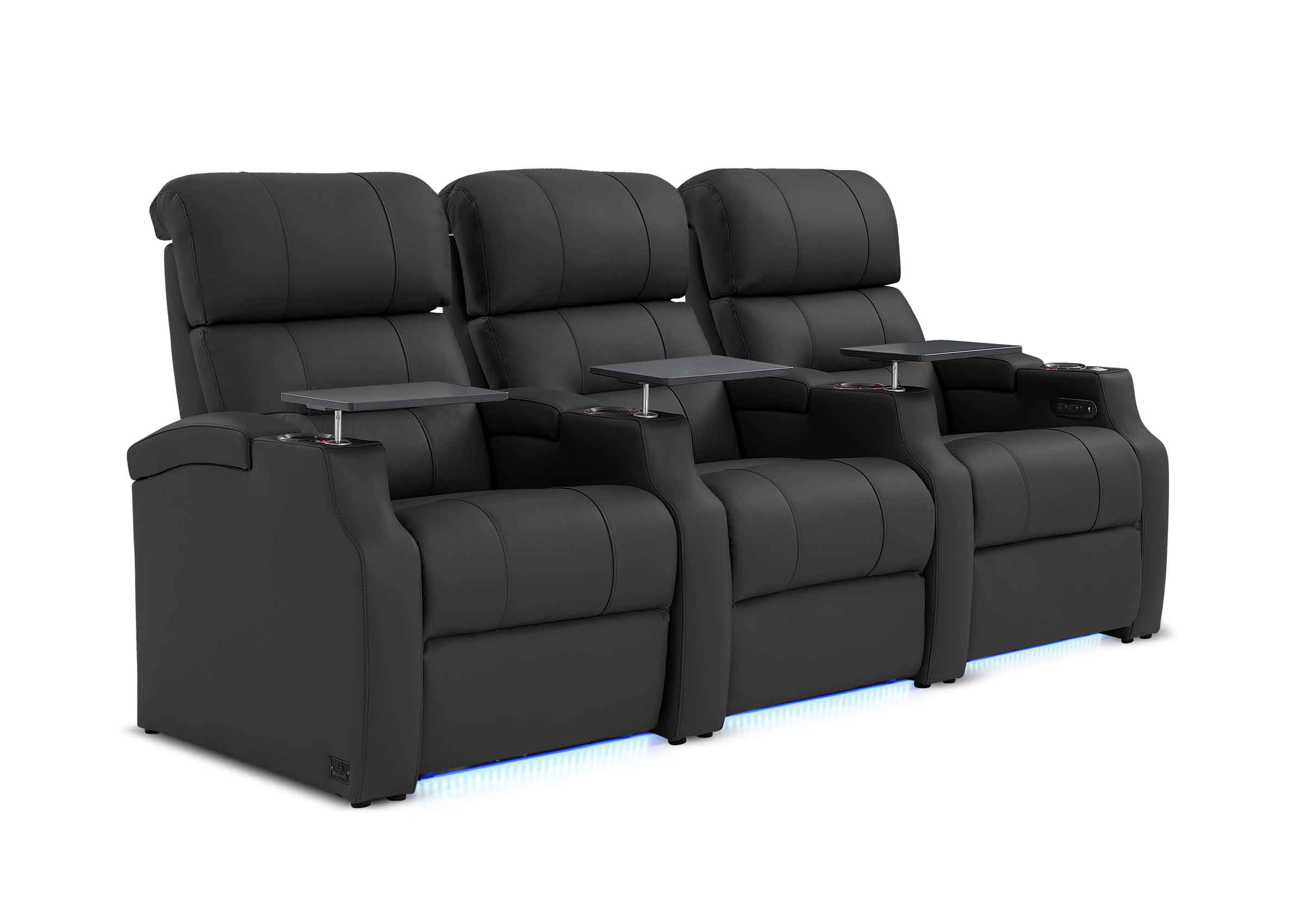
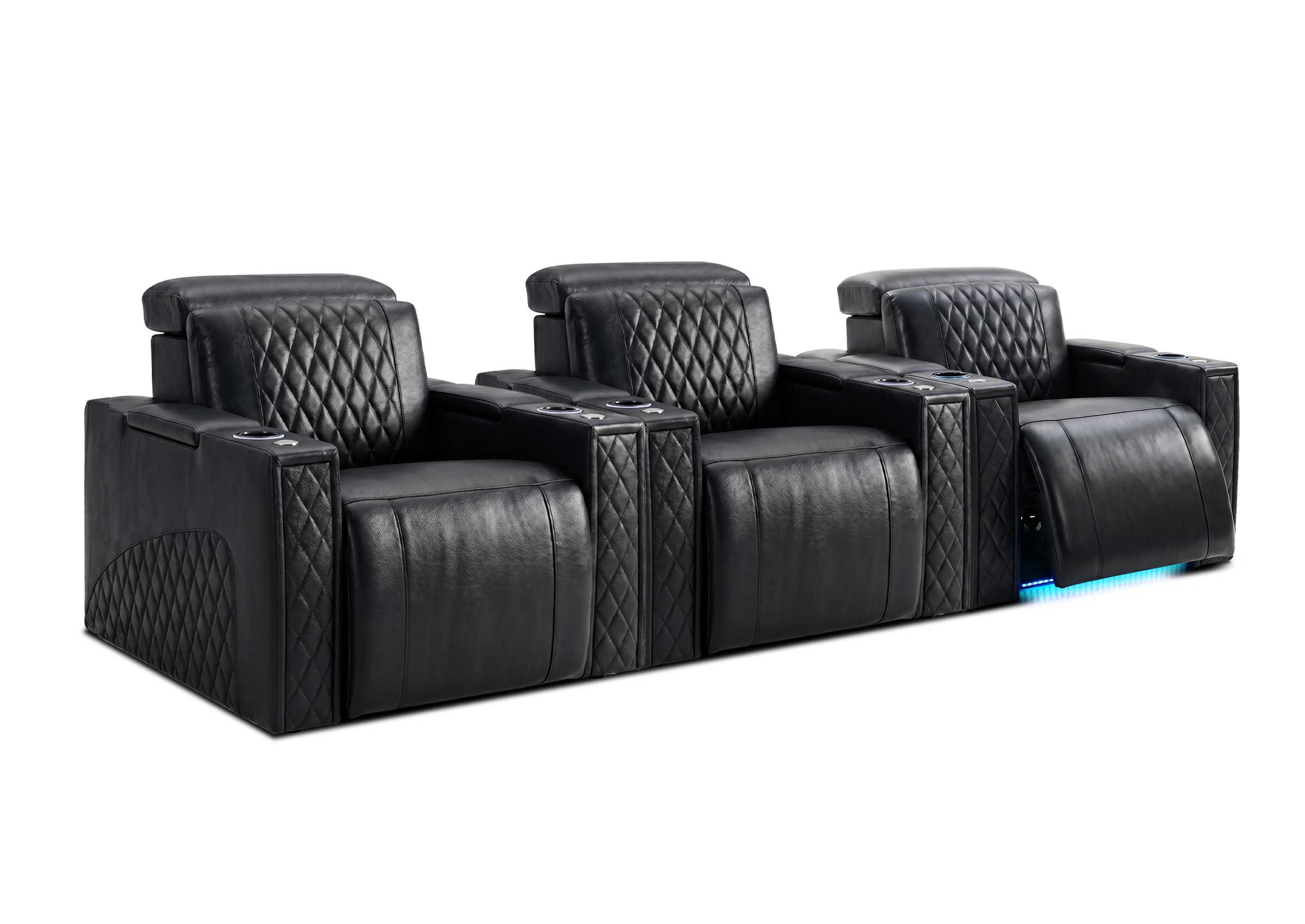

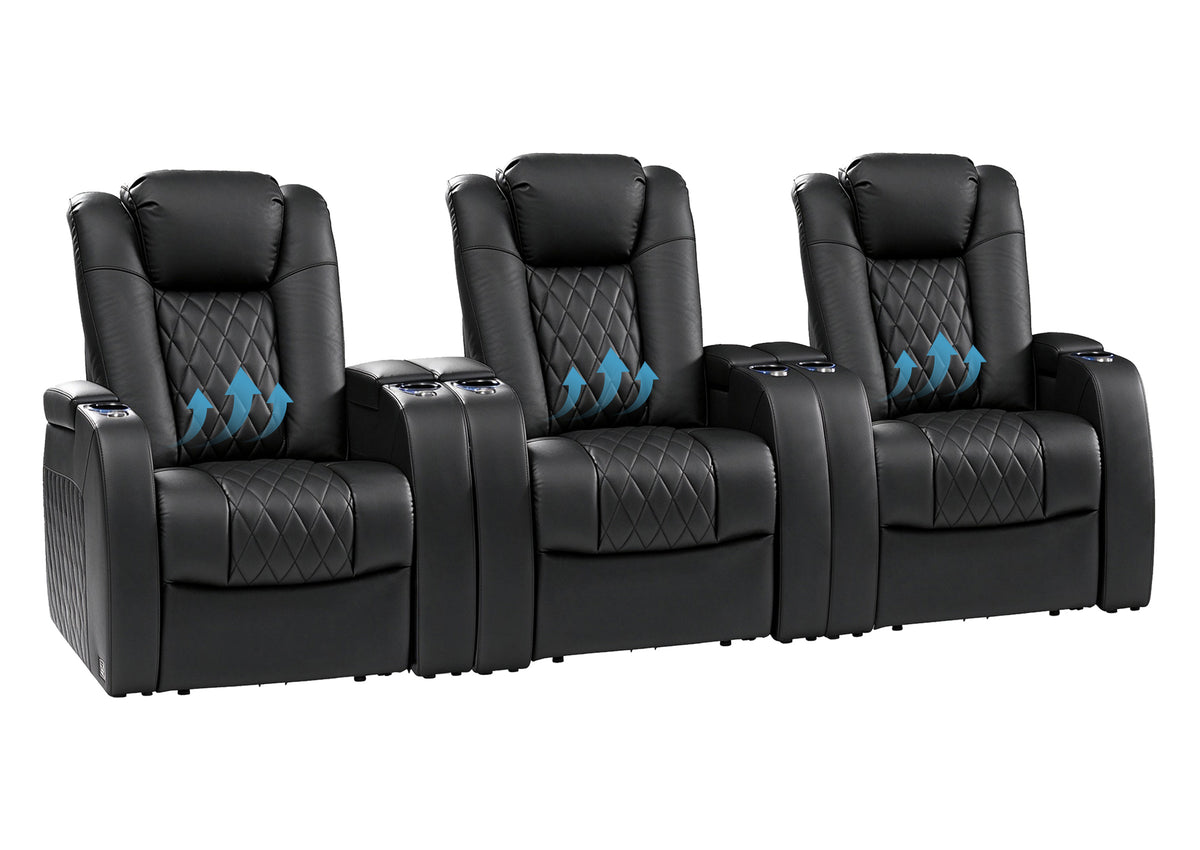
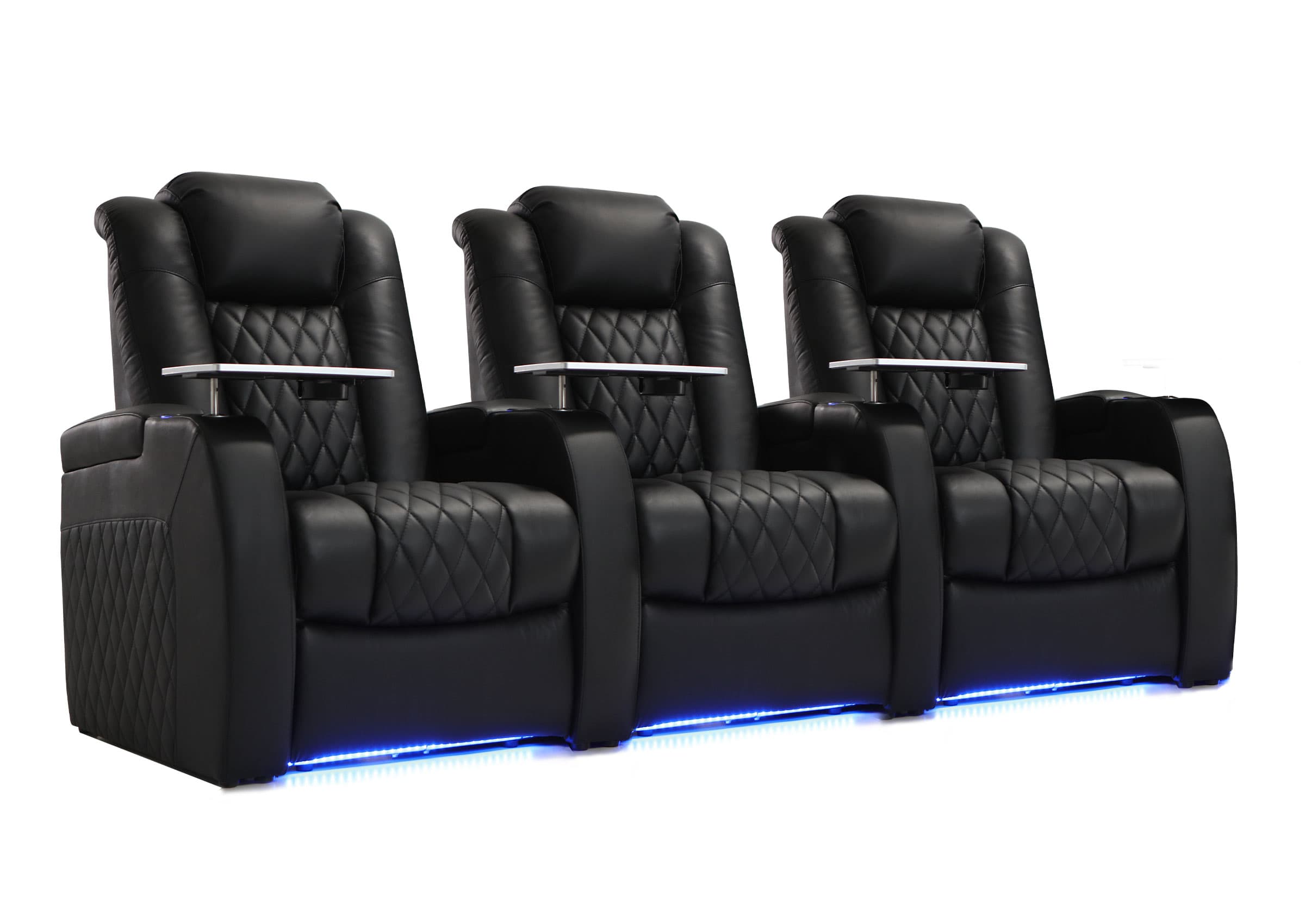
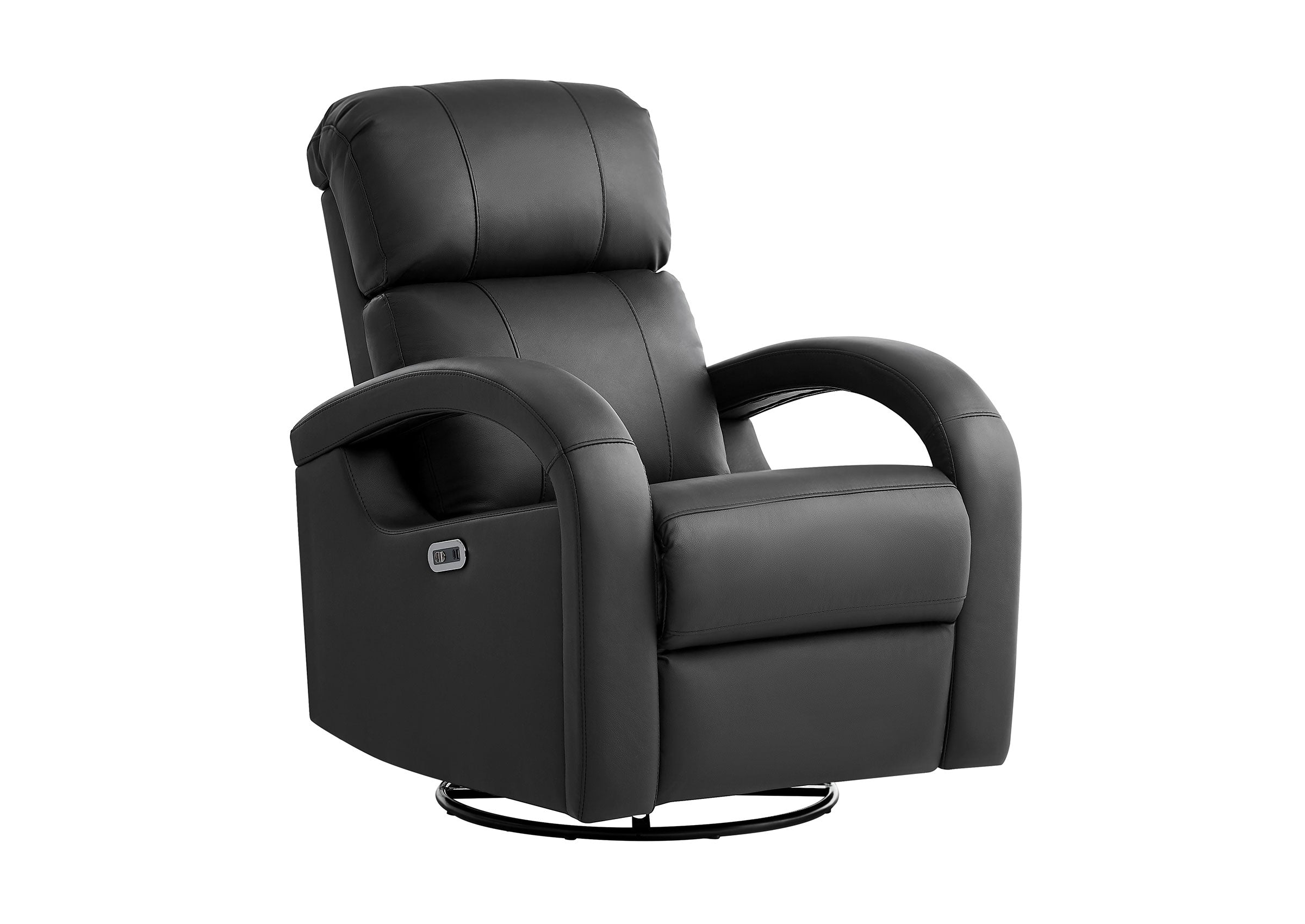
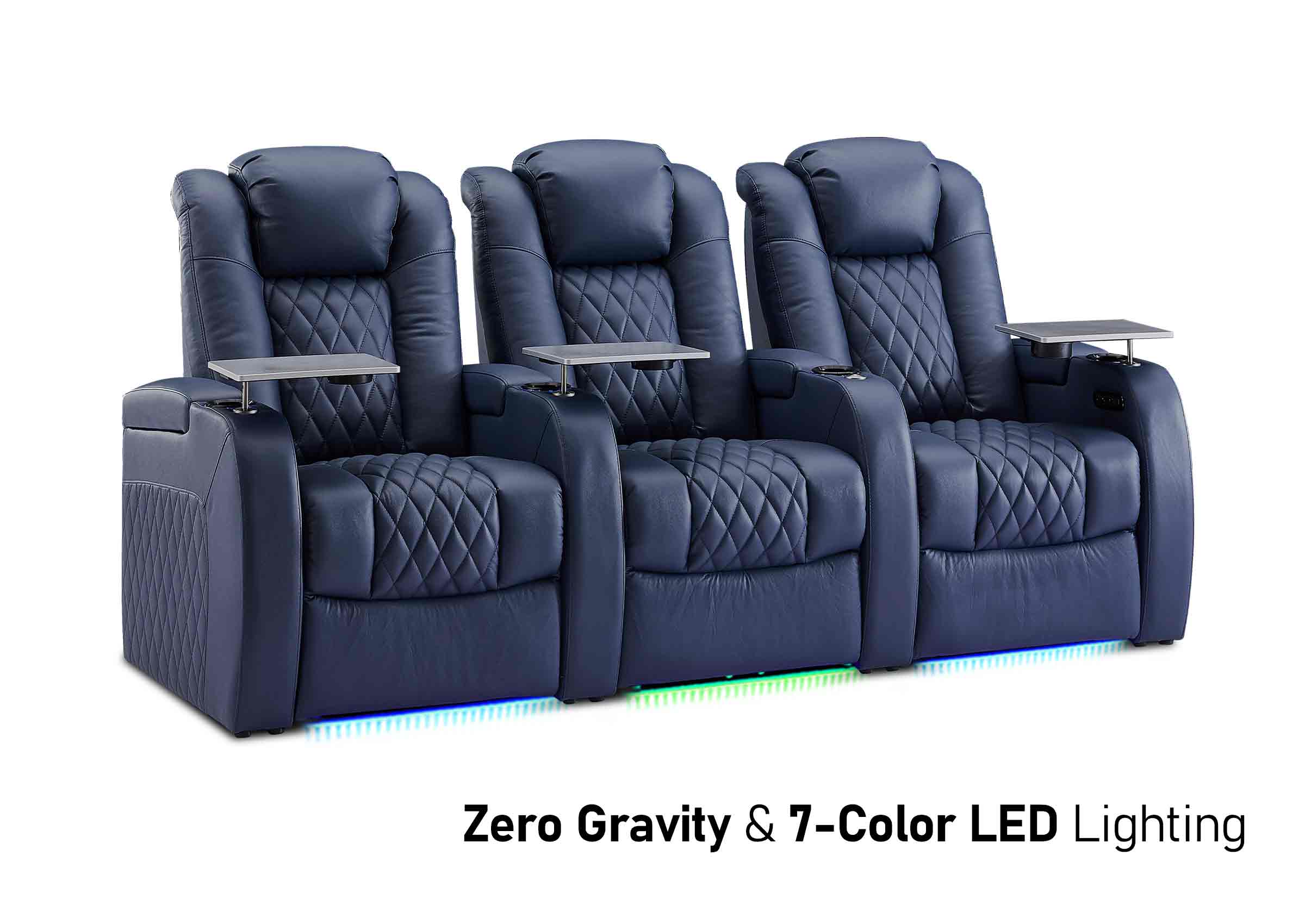
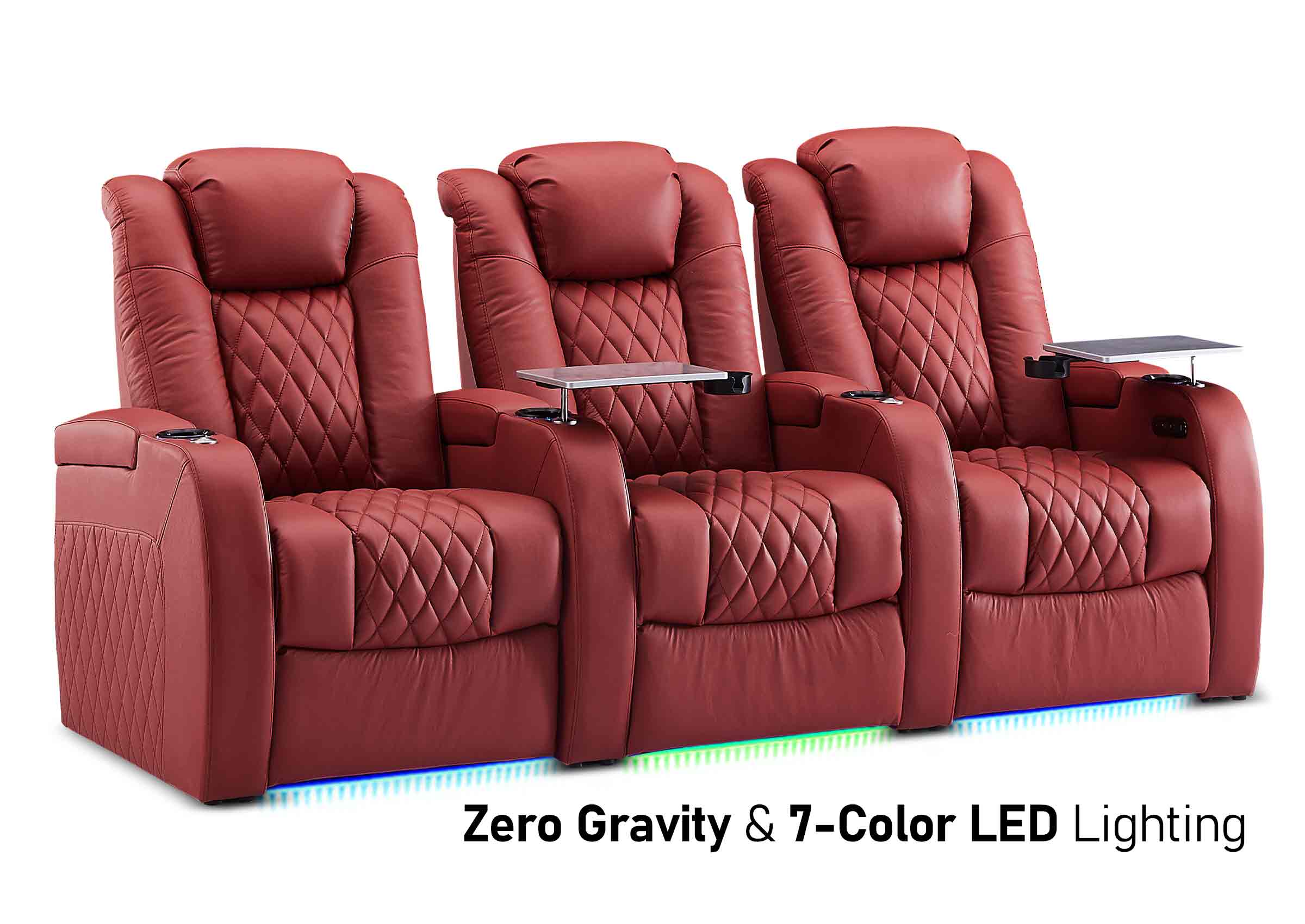
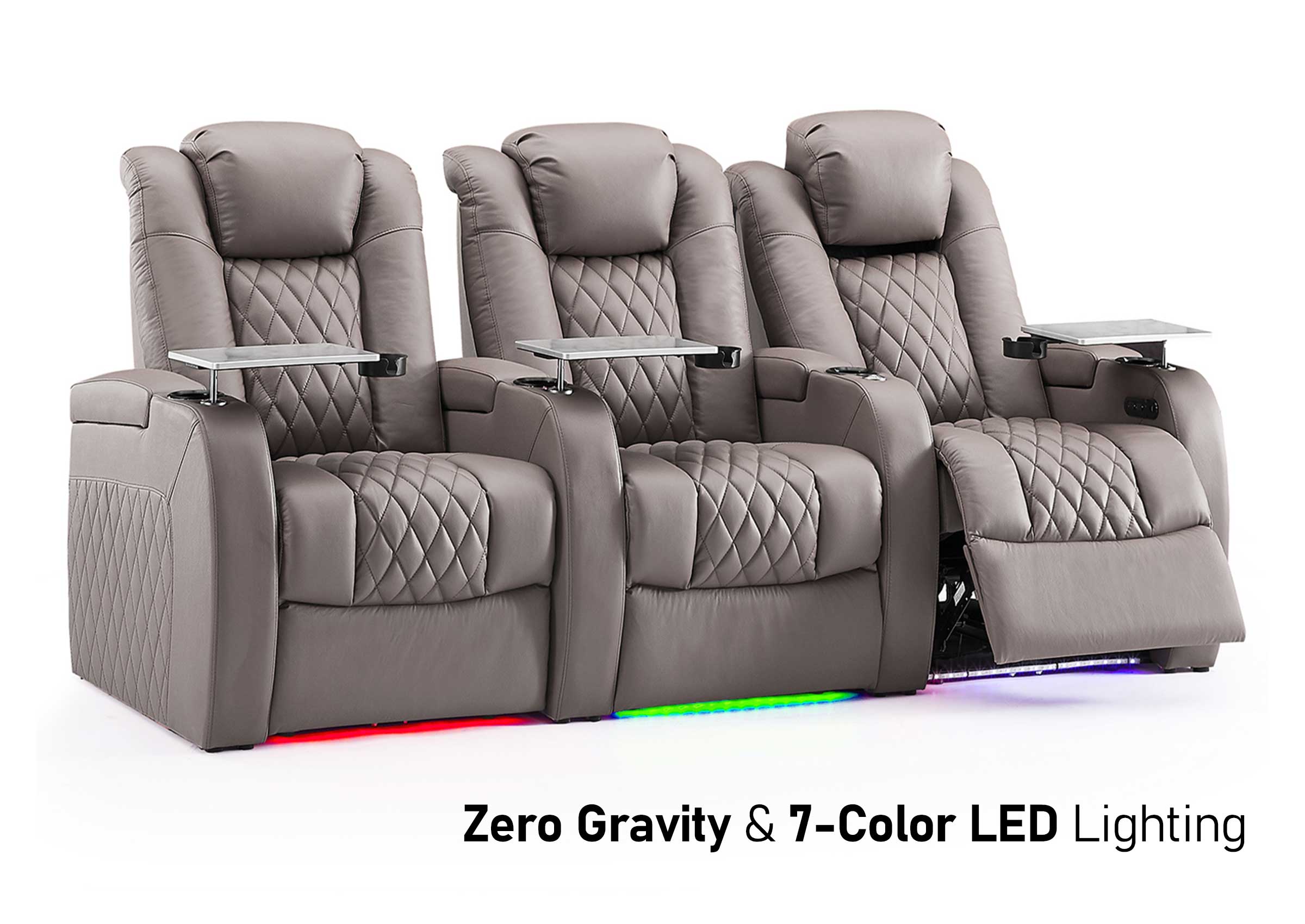
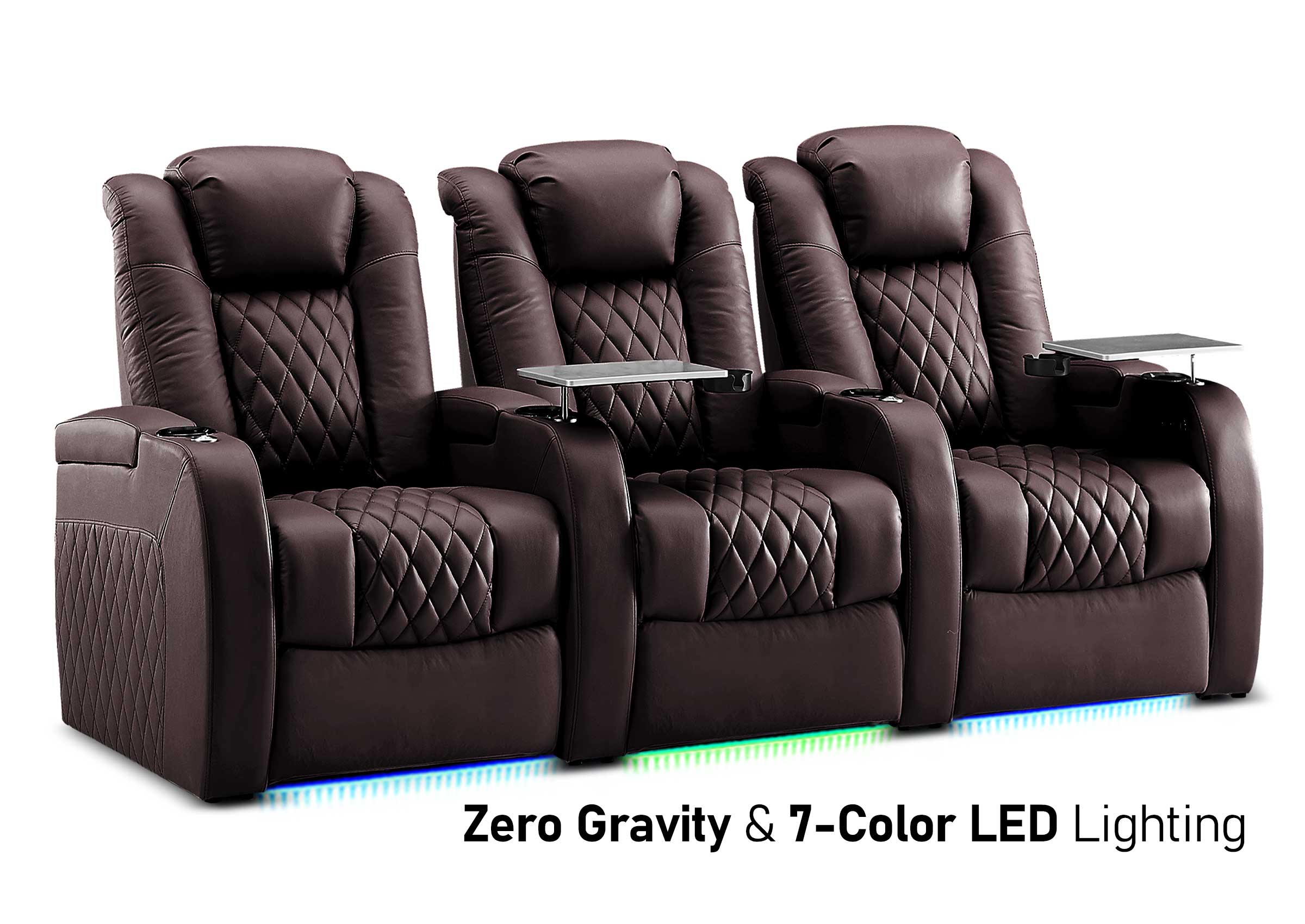

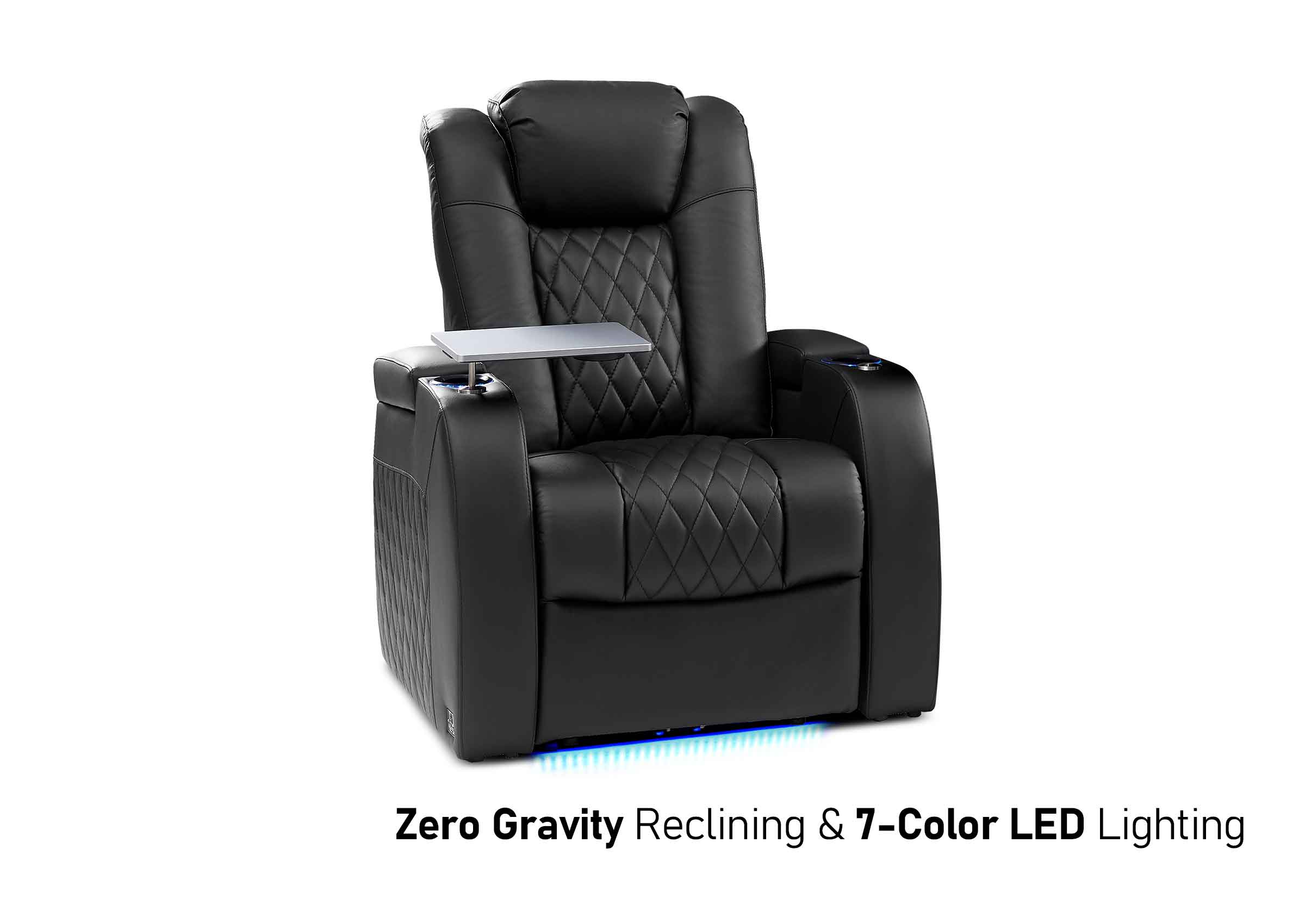
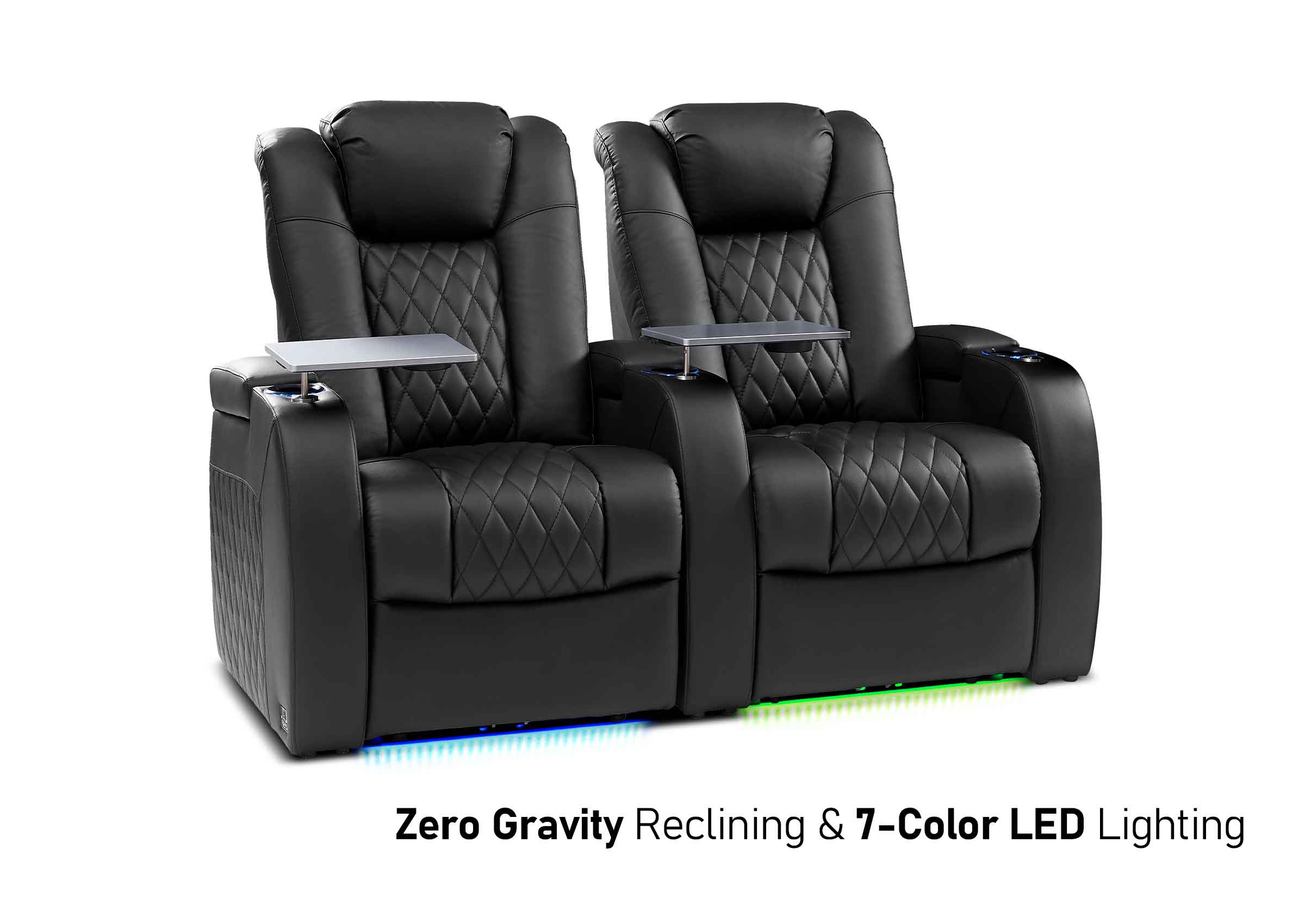
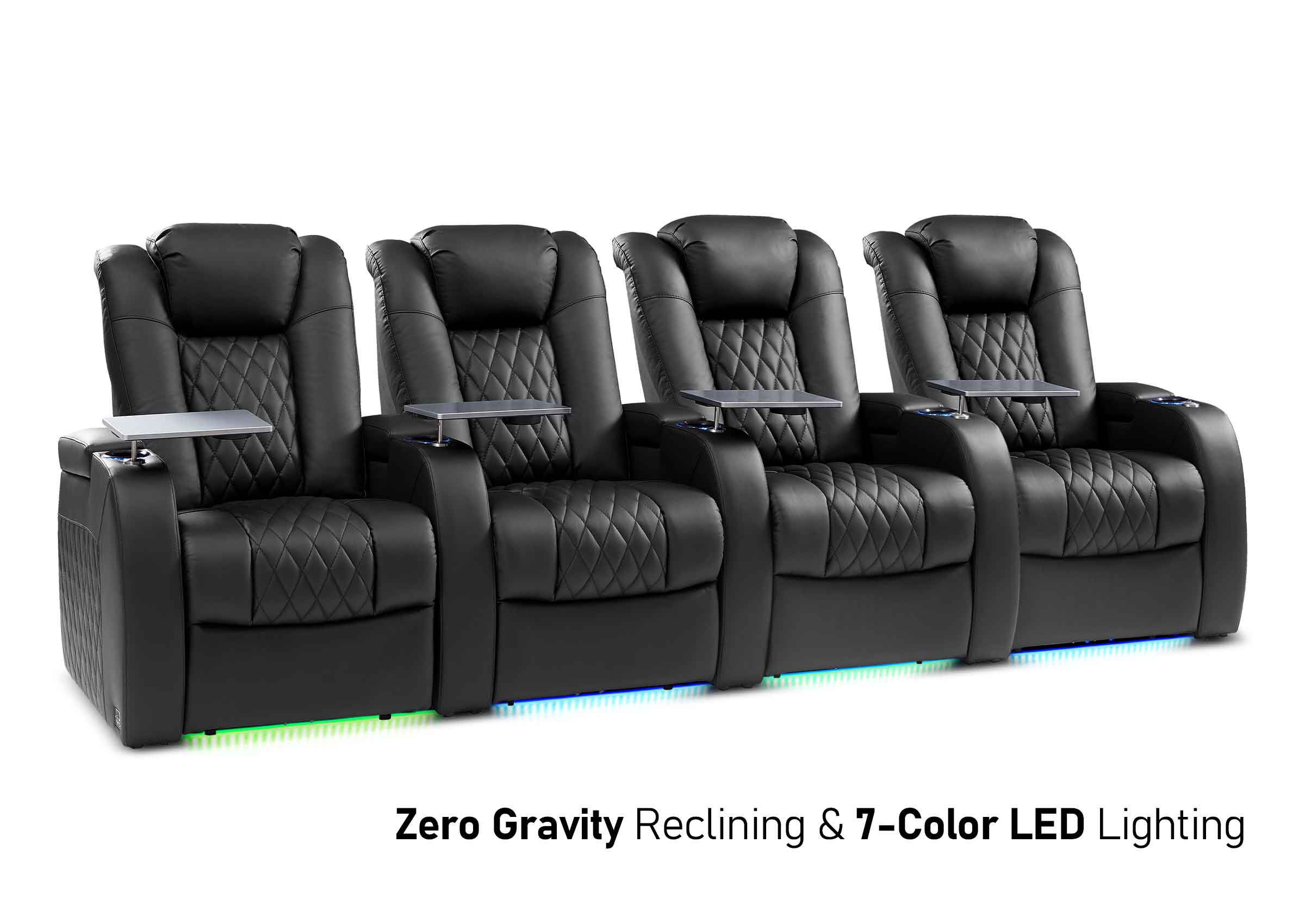
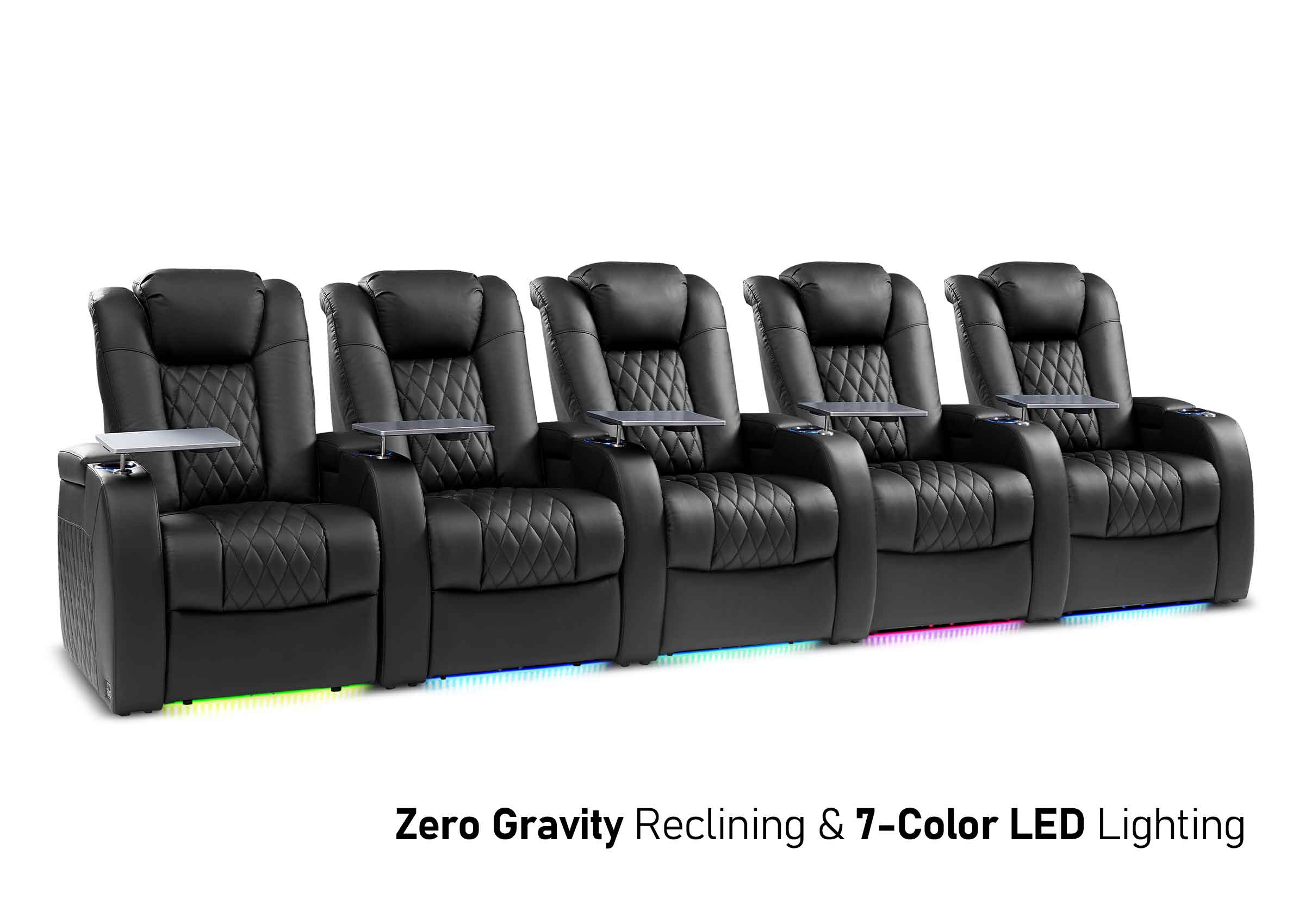
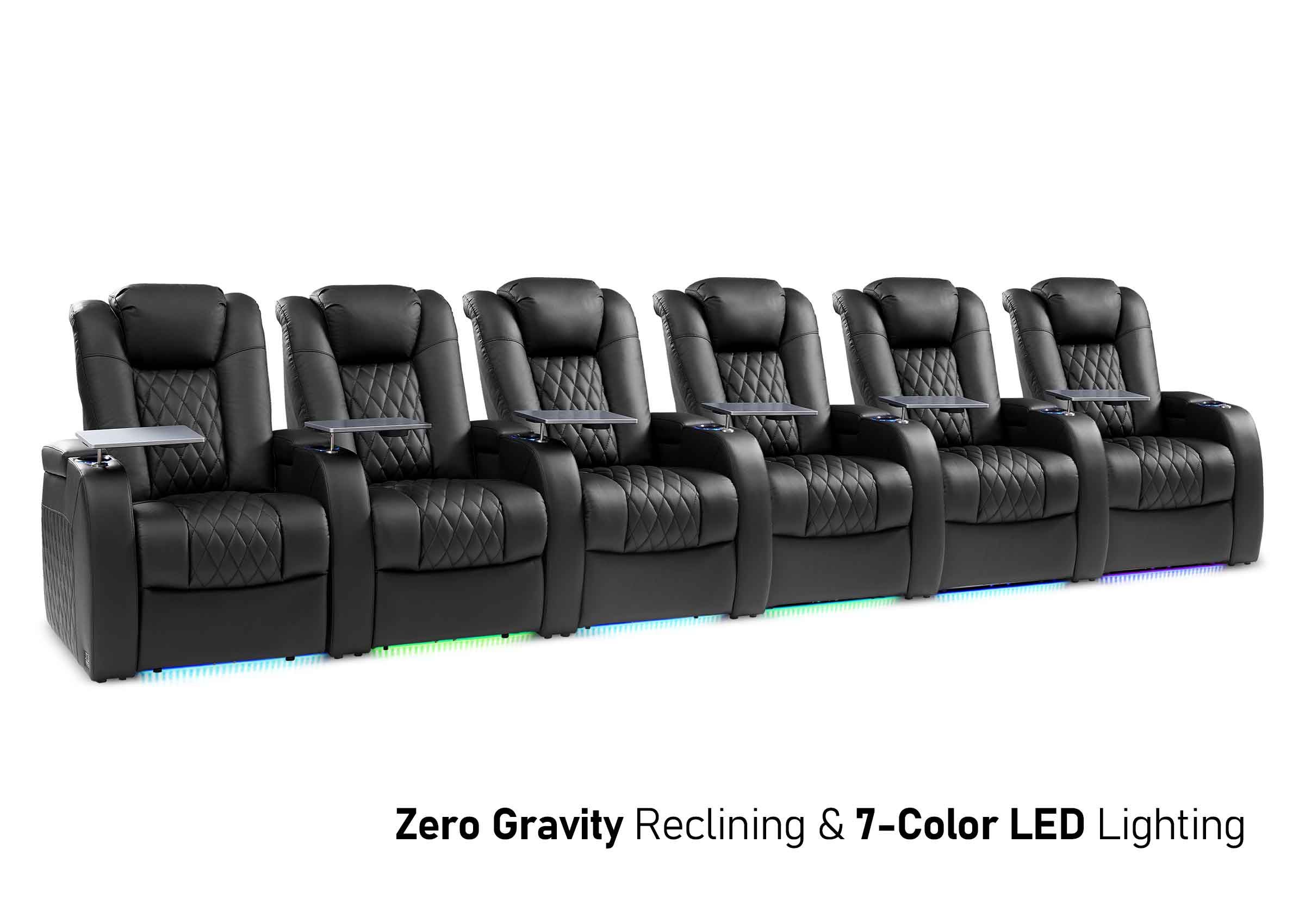
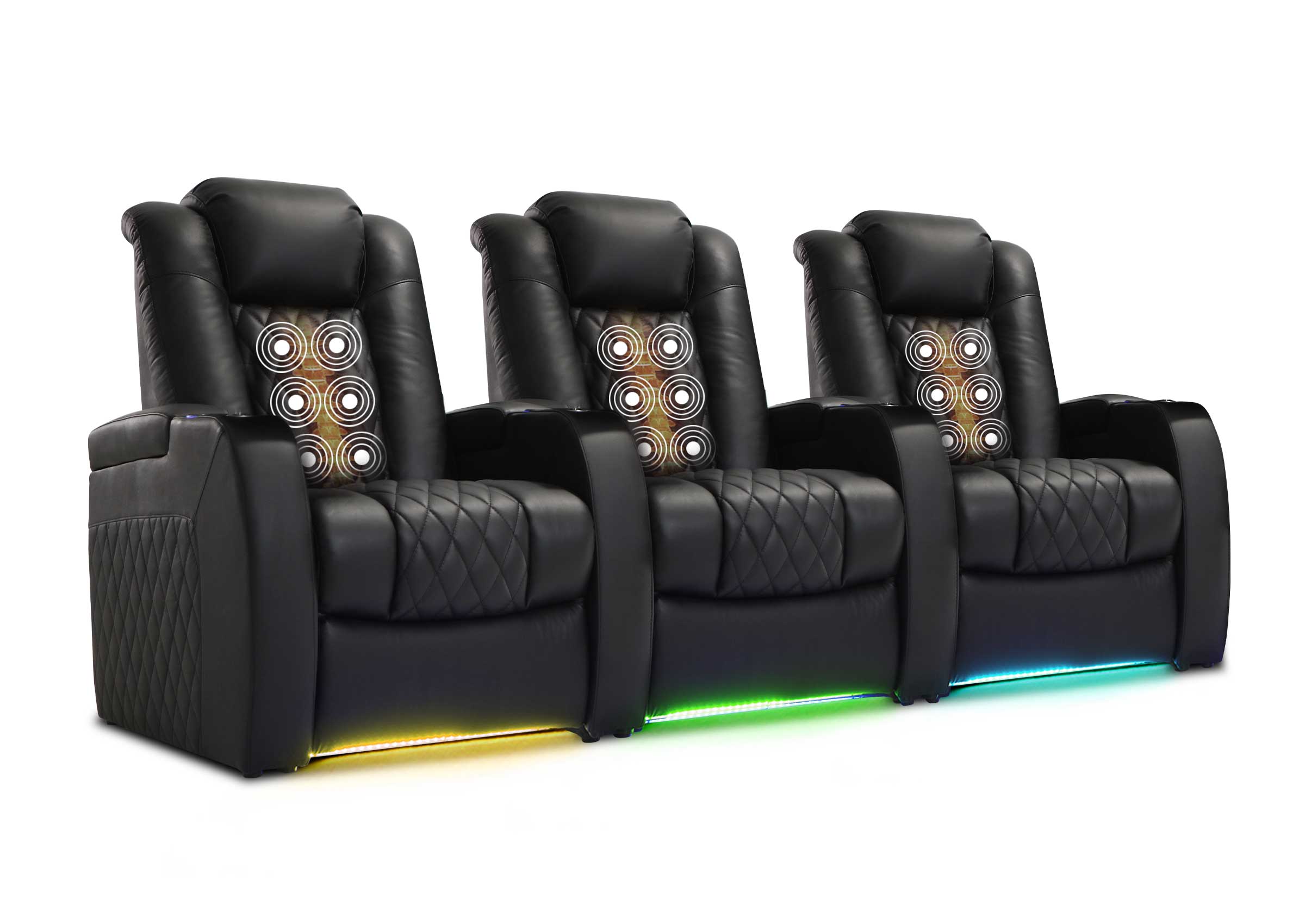
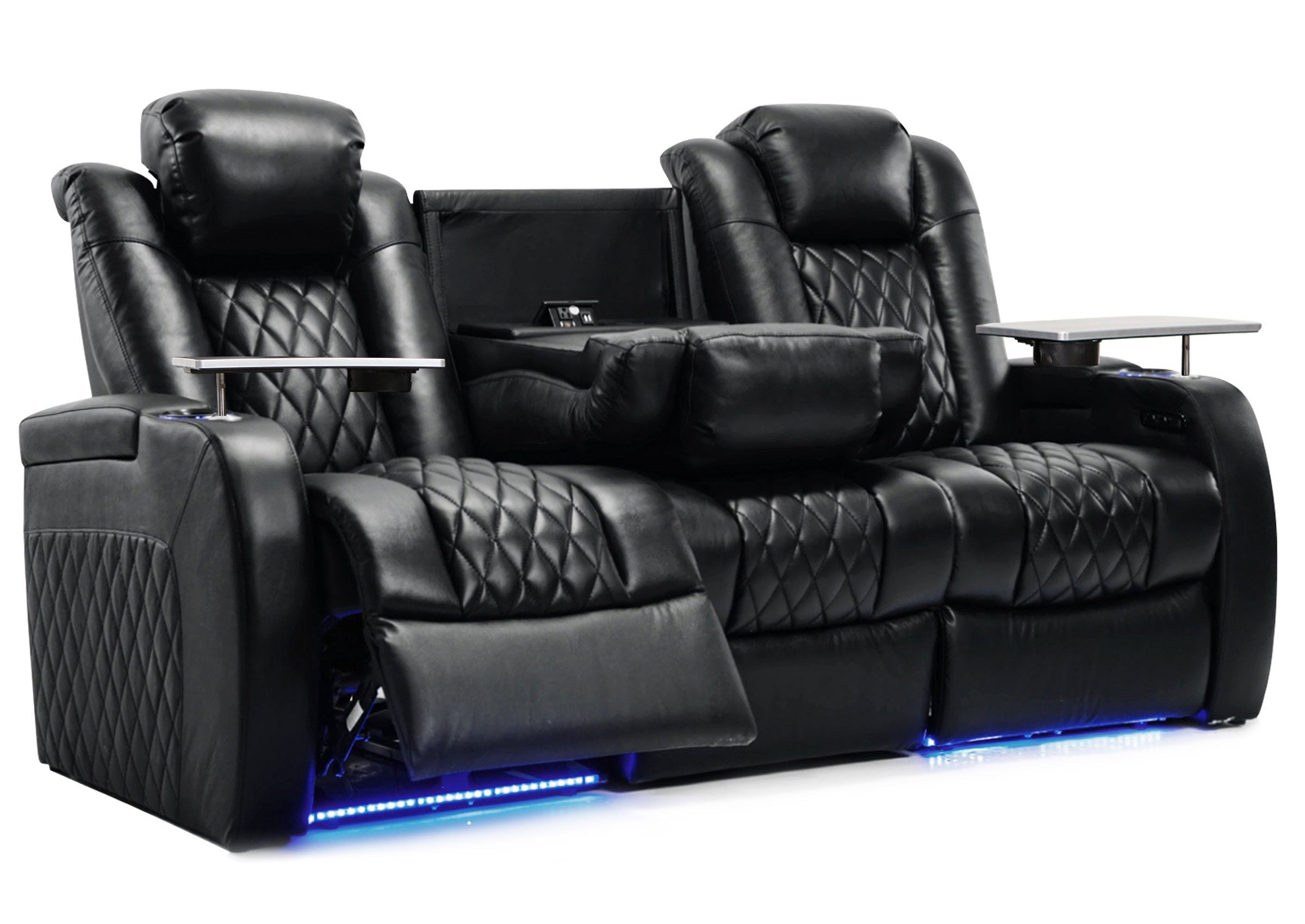
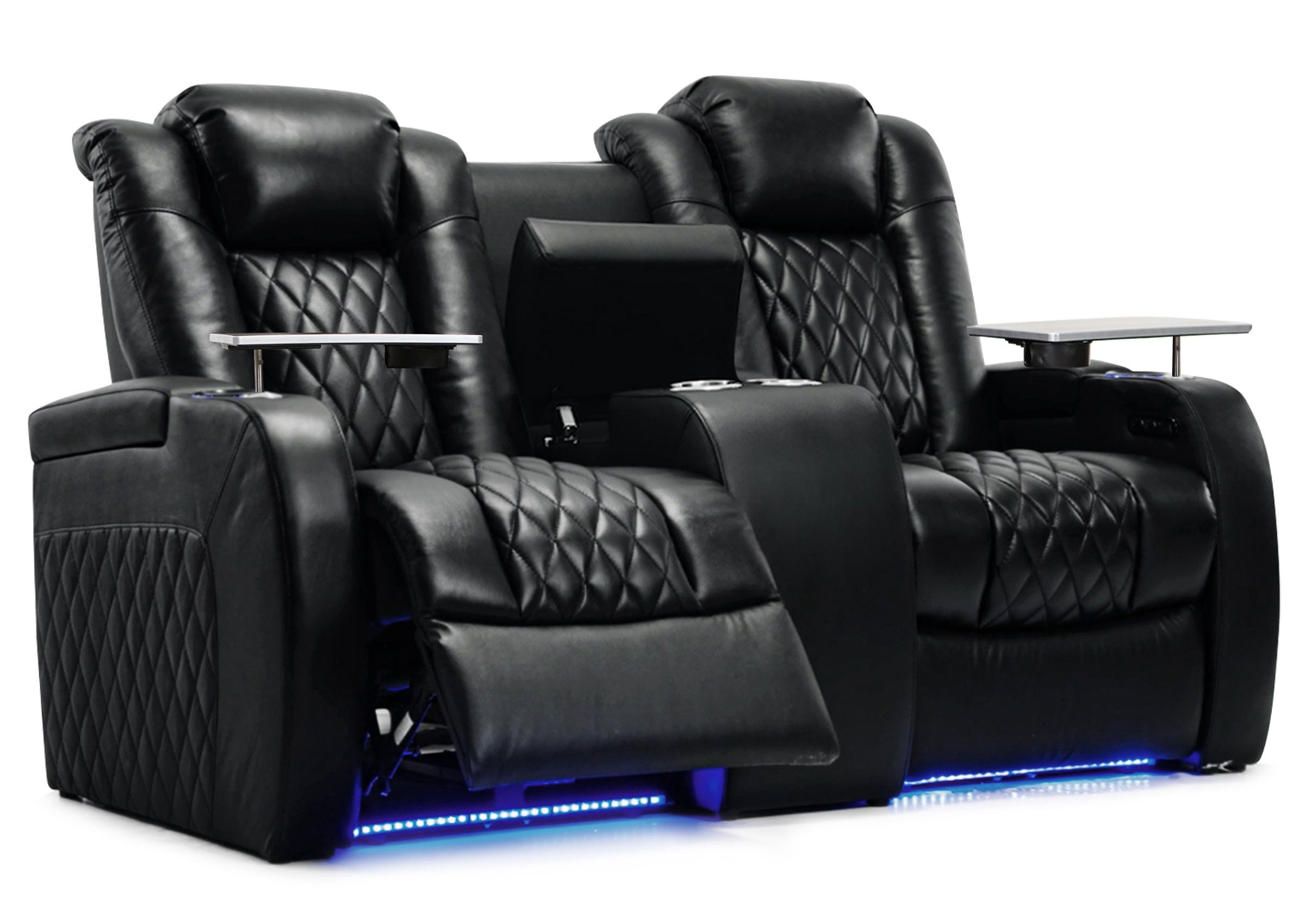


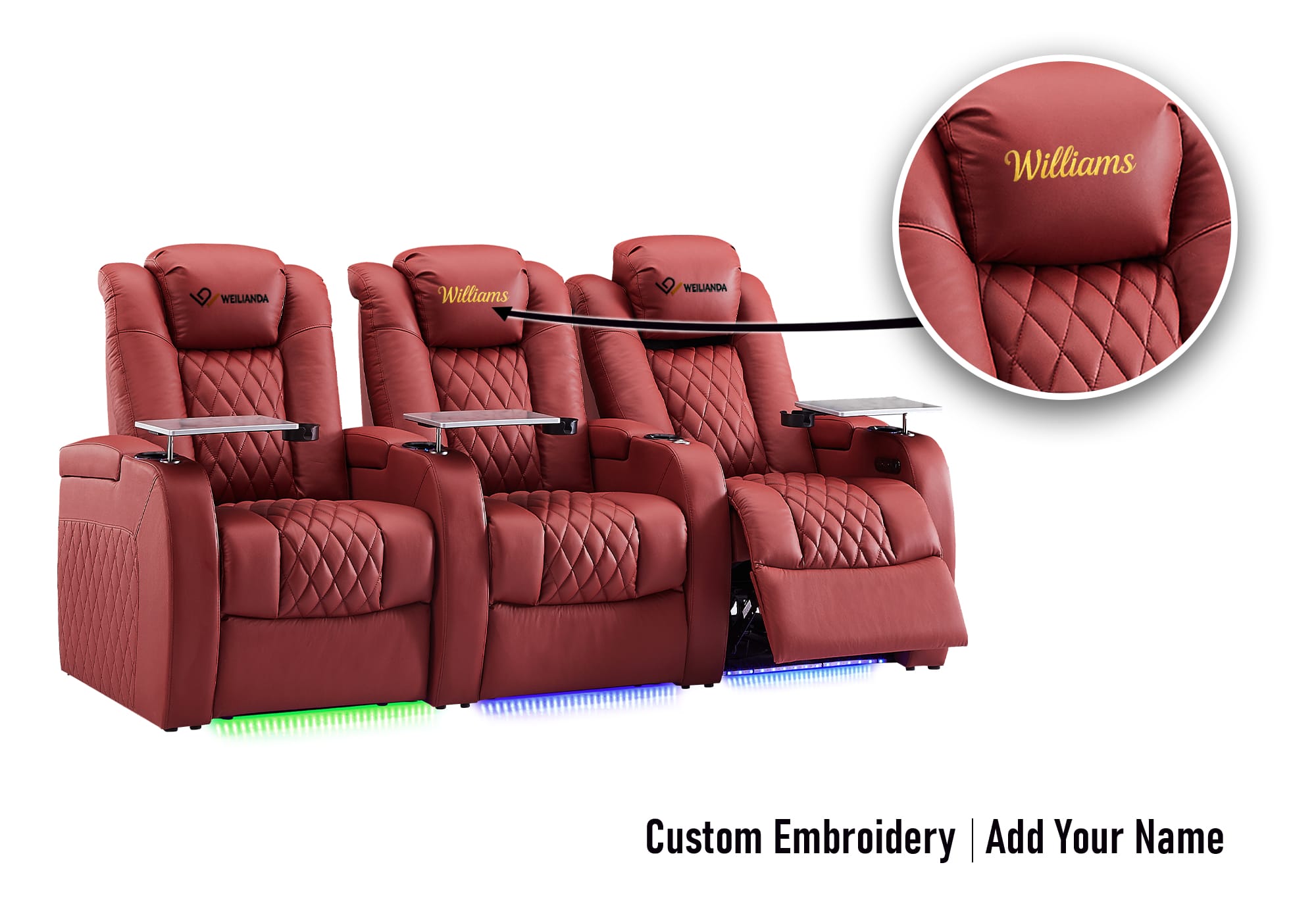

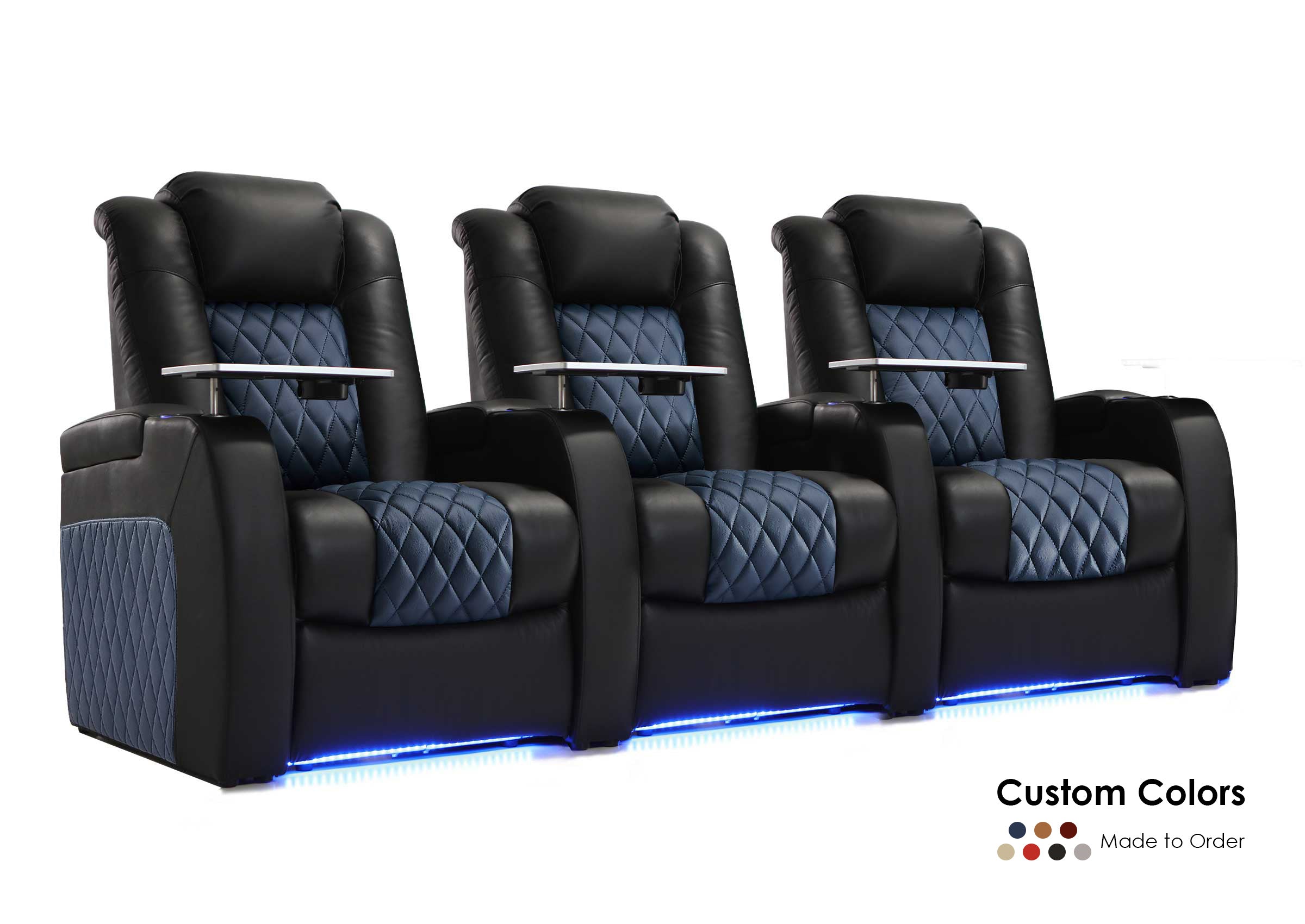

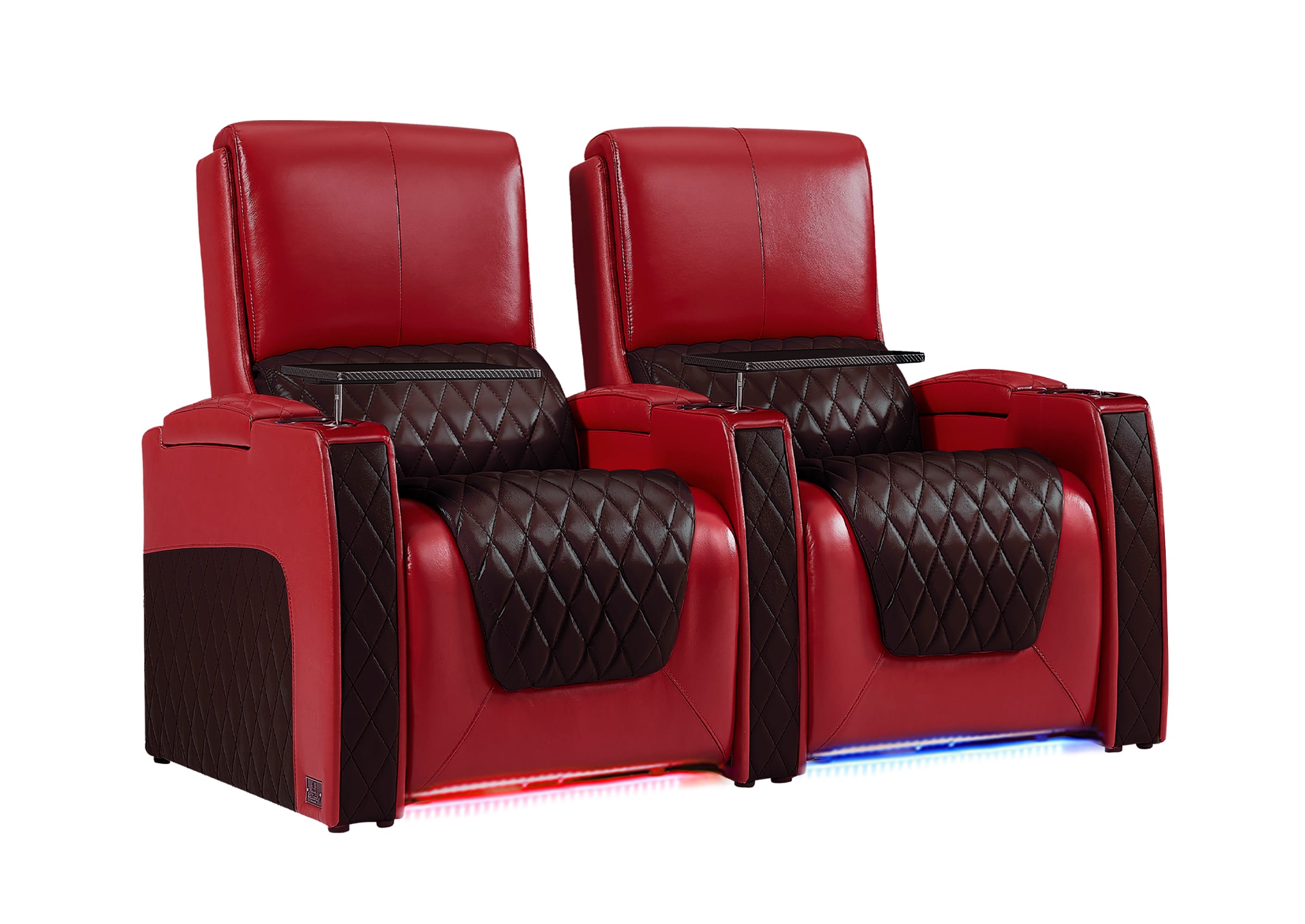
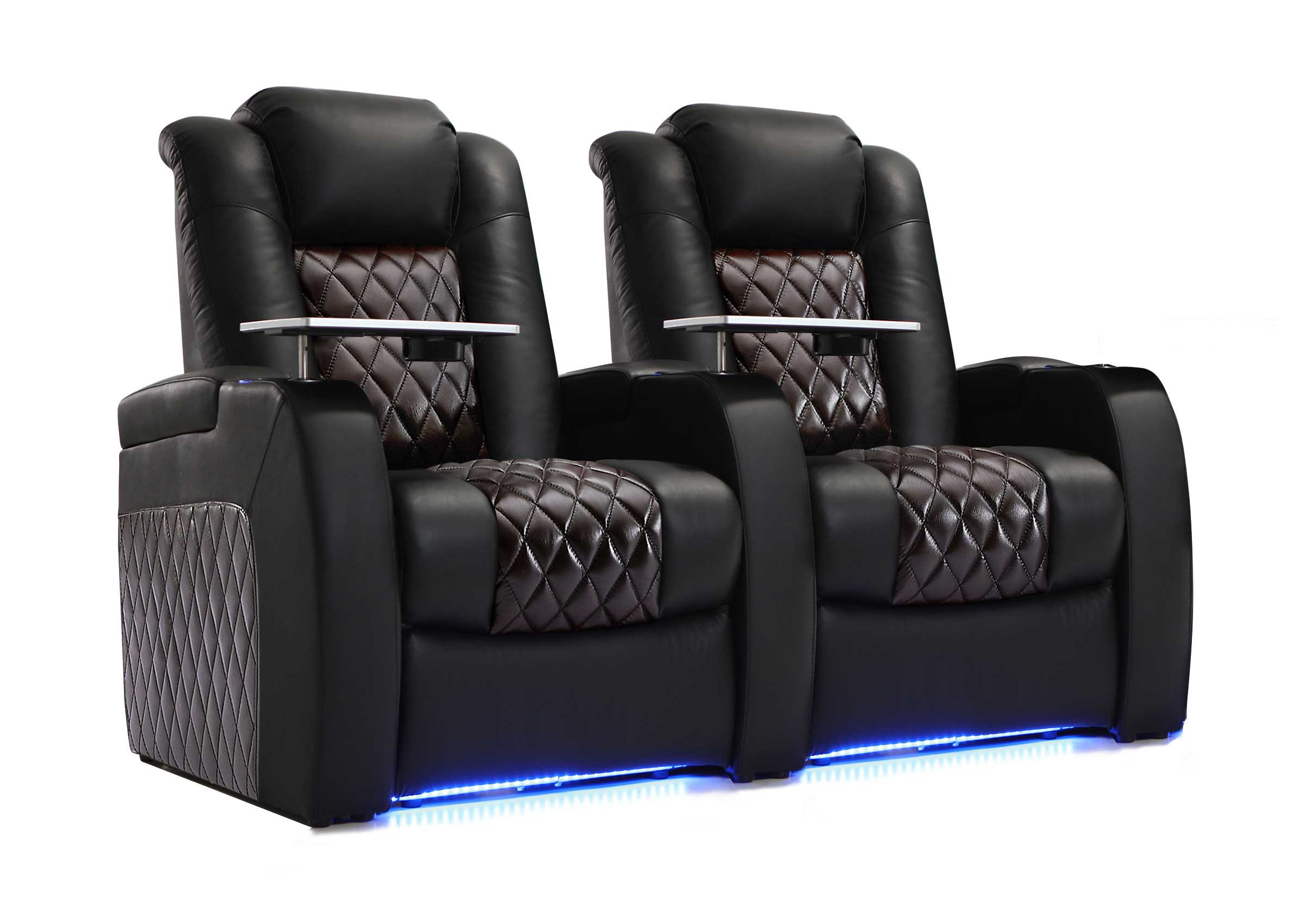
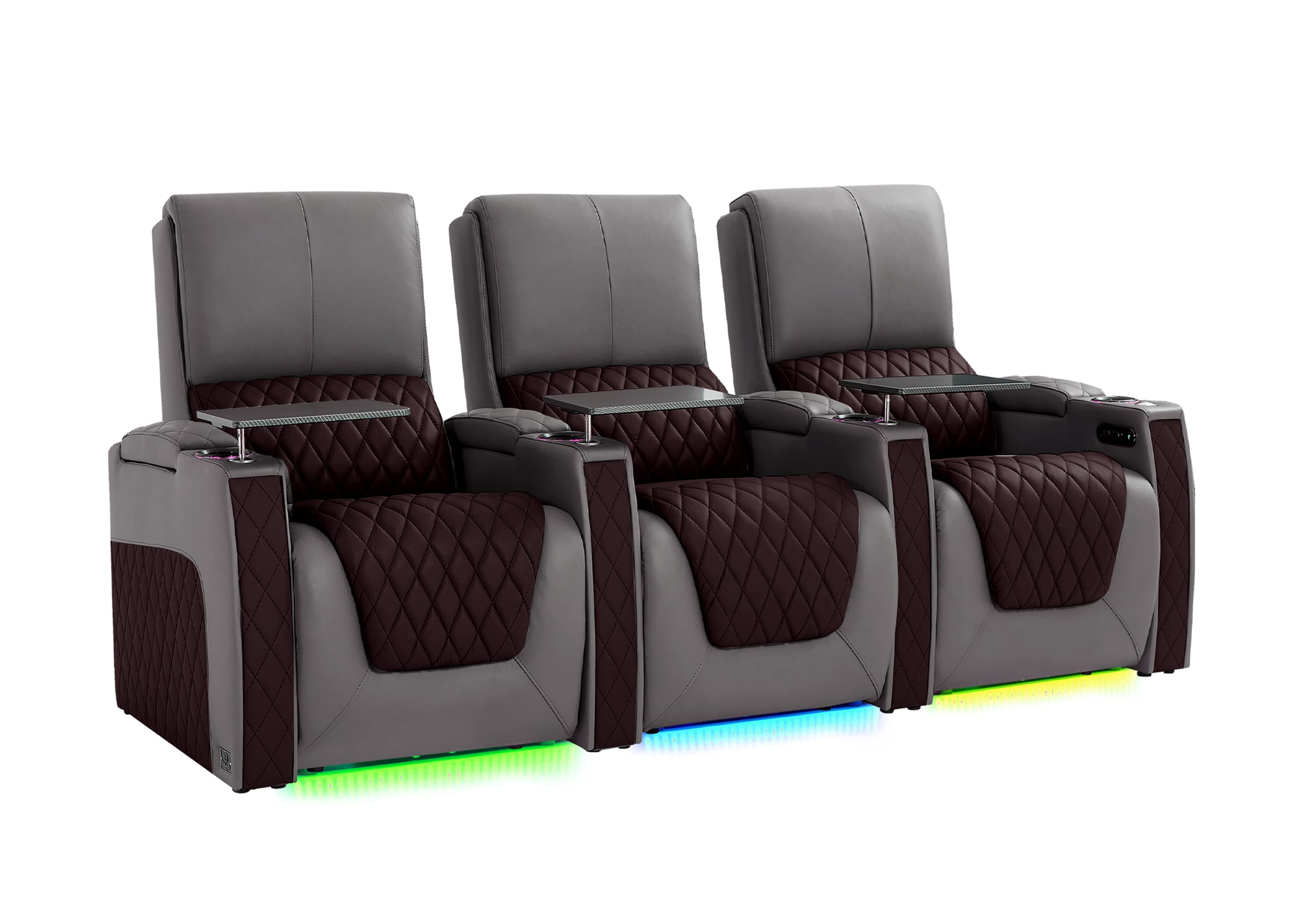
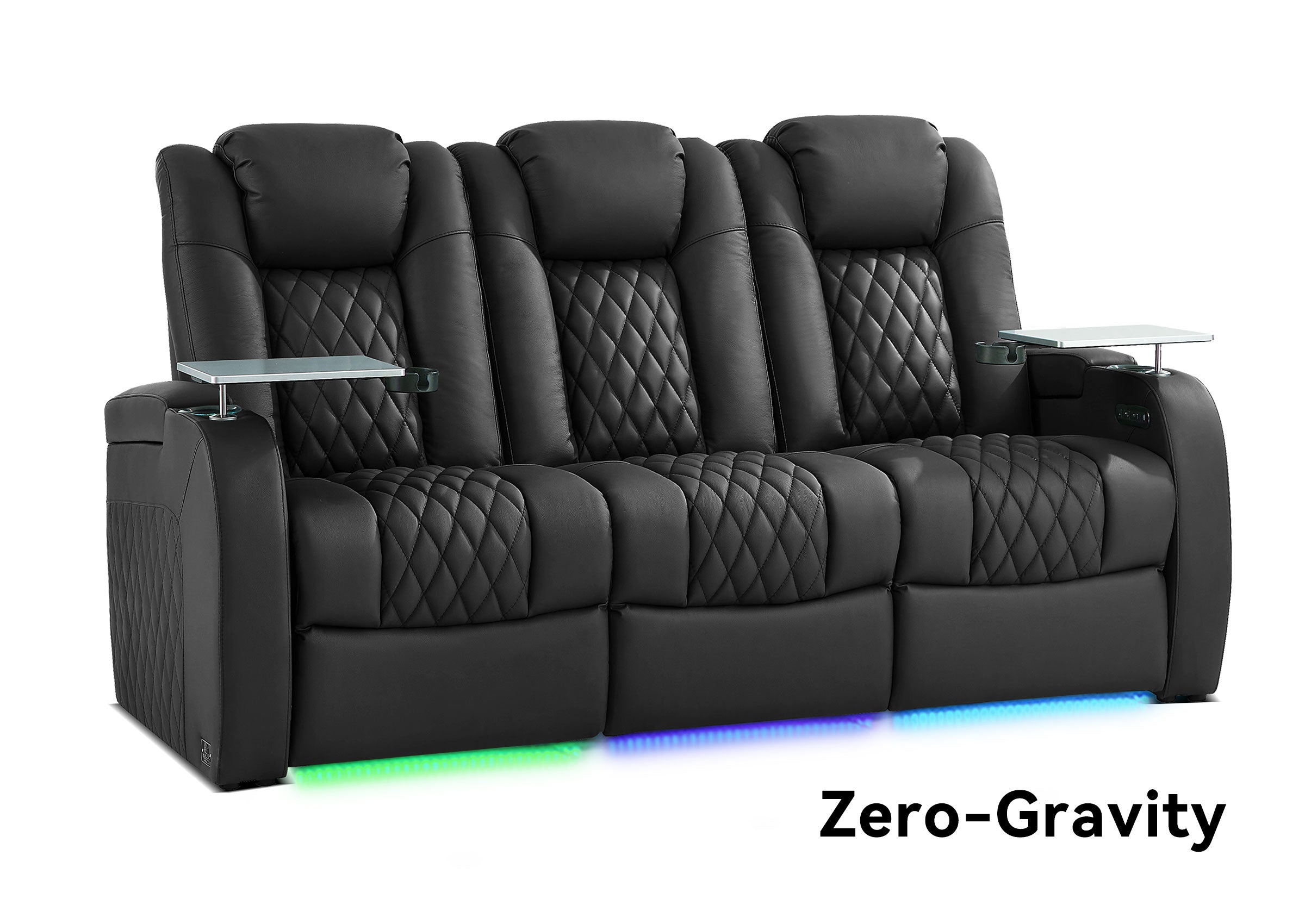


Leather match upholstery combines real leather on specified areas with a coordinated synthetic covering elsewhere. All-leather upholstery describes broader leather coverage, but you still need the manufacturer's panel-by-panel specification to know what is included.
The choice is about where the materials are used and whether that difference matters in your room. More leather on the outside back may be worth paying for on a floating sofa. It may offer less practical value on a chair whose back you rarely see or touch, especially if both options use the same leather where you sit.
What Leather Match and All-Leather Actually Mean
“Match” refers to coordinating the appearance of different coverings. It does not mean every piece of upholstery is the same leather. In its published upholstery warranty booklet, Palliser describes leather match as authentic leather on part of a piece, with synthetic material, usually vinyl, on the back, sides, or less visible areas. That is a manufacturer's description, not a coverage promise for every brand or model.
Leather match is a placement arrangement; bonded leather is a material construction. The terms are not interchangeable. If an option lists a matching material, identify what that material actually is instead of assuming it is bonded leather, PU, or any other specific covering.
An all-leather option should clarify which upholstered areas are leather and what leather they use. Treat phrases such as “100% leather” or “leather everywhere” as a reason to examine the specification, rather than a substitute for it. The important question is which surfaces the seller includes in that statement.
Also distinguish the upholstered covering from the furniture's frame, cushioning, lining, and other components. A fabric dust cover beneath a sofa does not tell you what covers its seat or outside back. Ask how functional underside covers and concealed sections are identified in the product description; do not assume the word “all” answers every construction question.
Make a Coverage Map for the Exact Model
Start with a front view, rear view, and side view of the furniture. On a recliner, add the extended position. Mark the areas you touch, the panels visible from your room's entrances, and any material transitions you need explained.
Use this as a record to complete for each option:
| Area to identify | Ask the seller to specify | Why it affects the comparison |
|---|---|---|
| Seat and inside back | Material, leather or cover code, and finish | These are central to your sitting experience |
| Headrest and arm contact areas | Whether they use the same covering as the seat | These areas may have different contact and cleaning needs |
| Outside arms and exterior back | Leather, synthetic covering, or another specified material | These panels can be prominent in an open room |
| Footrest face and sides | Covering on each visible area, both upright and extended | The closed position may hide part of the upholstery |
| Connecting panels and folds | Material used between seats or around moving sections | Broad wording about “seating surfaces” may leave these unclear |
| Trim and functional underside covers | What is included in the upholstery claim and what is separately described | Prevents unrelated construction details from being confused with exterior coverage |
Leave an unanswered area marked “not confirmed.” Do not fill it in from a front-facing photograph or assume a matching color means a matching material.

Manufacturers can supply quite specific descriptions. A historical La-Z-Boy recliner FAQ distributed by QVC identifies leather and vinyl by location for that product. It illustrates the kind of detail to request, although its allocation and other product information should not be applied to a current chair without verification.
If viewing a floor model, ask whether it has the same upholstery option as the one on your quote. A display chair in a different color or cover code may not settle the question. Operate a recliner normally to see the panels exposed by movement; do not pull apart seams, remove covers, or reach into a moving mechanism to identify them.
Check Leather Type and Finish Separately From Coverage
All-leather does not automatically mean all full-grain leather. Coverage, hide layer, and surface finish answer different questions. The Leather Working Group terminology guide distinguishes grain and split leather, along with different finishes. Those distinctions still matter after you establish where leather appears.
For each leather area, ask whether the specification identifies the same material or different leathers. Then check the finish and care requirements. A larger amount of leather is not, by itself, a complete explanation of the quality or suitability of the upholstery.
Consider two versions of the same chair. If the leather, cushioning, dimensions, and functions are identical on all contact areas, replacing a synthetic exterior back with leather does not, by itself, change the seat's support. You may still prefer the broader coverage, but the benefit should be described accurately.
If an upgrade changes both coverage and the leather used on the seat, separate those changes. Try the actual contact surface when possible. Evaluate seat depth, cushion firmness, arm support, and your normal viewing posture independently of the all-leather label.
Let the Room Layout Change Your Priorities
On a sofa that sits away from the wall, the outside back can be a major visual surface. Walk through the room's normal approach paths and look at the back and sides from those angles. Compare color, texture, and sheen where two materials meet, ideally using the actual covering options under similar lighting.
If samples are available, compare the seat leather with its proposed matching cover side by side in daylight and evening lighting. Keep both codes in your notes. A pair of similarly colored swatches from a different upholstery option does not verify the combination you are ordering, and a photograph alone may not show the same sheen you see in the room.
All-leather may be attractive if you want leather across those exposed panels and the specification confirms it. It still does not guarantee identical grain or shade everywhere. If a consistent appearance is your priority, inspect the actual selection rather than expecting a label to deliver it automatically.
For a chair facing away from a wall, with only its front normally visible, leather match may be a reasonable way to prioritize the contact surface within your budget. Before deciding that the outer panels are irrelevant, consider whether they border a walkway, are within reach of children or pets, or will be exposed in a future room arrangement.
A sectional needs similar attention. An end panel that is concealed by another module today may become exposed if you separate the pieces. Confirm the material and finished appearance of those ends before buying with rearrangement in mind.
More visible or accessible panels make the coverage difference more relevant; they do not automatically make one option better. The choice still depends on the identified materials, their appearance, care, and the price difference.

Compare the Price of the Same Upgrade
Ask for two quotes that keep the model, seat count, mechanisms, cushioning, accessories, and delivery conditions consistent. Then identify which panels and material specifications change. If the configuration changes too, the total difference cannot be attributed solely to leather coverage.
For a hypothetical pair of chairs, suppose the all-leather option adds $250 per chair, for a $500 total increase. If the upgrade only changes the outside arms and backs, decide whether leather on those areas is worth $500 to you. The calculation identifies the purchase decision; it does not establish a market-standard surcharge or a longer service life.
Now imagine that one quote also changes the seat leather, headrest, or power functions. Ask for those differences to be separated, or compare the complete packages on their own merits. Do not describe the entire premium as the cost of an exterior material change.
It is reasonable to choose leather match when its documented materials, appearance, and care fit the room and the saving matters. It is equally reasonable to pay for all-leather coverage because you value those particular panels. Neither choice needs a guessed lifespan to justify it.
Once you know which differences matter, compare home theater seating configurations with the coverage record beside you. Check the exact material description for each option; a collection name does not verify every upholstered panel.
COMPARE YOUR SEATING OPTIONS
Compare Seating With a Clear Coverage Checklist
Keep the model, covering option, and panel questions together while comparing the configurations that fit your room.
Plan for Mixed-Material Care and Repair
Keep separate instructions for different coverings on the same piece. A product approved for a leather seat is not automatically appropriate for its synthetic sides. Even within an all-leather covering, the finish can change the suitable routine. La-Z-Boy's fabric and leather care guidance notes that different leather types have their own care specifications.
For PU-coated surfaces, Geist's PU and bicast care guidance cautions about conventional oil- and wax-based leather care. Identify the actual material and approved products rather than conditioning the entire chair because its seat is leather. The recliner cleaning guide explains how to separate upholstery care from seams and controls.
Different coverings also need their own wear evidence. For example, the Association for Contract Textiles explains that PU-coated fabrics vary in their resistance to heat and humidity. This is a reason to identify a synthetic panel's material, rather than assume all matching coverings will behave alike or fail on the same timetable.
Before purchase, ask what happens if one exterior panel is damaged. Can it be replaced separately? Is replacement covering available for that model, and what would matching it involve? Availability, labor, and color matching need confirmation. An assurance that a surface is “repairable” does not establish those details.
Read the written upholstery coverage for each material, including exclusions and any labor or transport provisions. A long frame or mechanism warranty does not answer what applies to the covering. Keep the terms relevant to the exact model and order; another manufacturer's policy is not evidence of your purchase's protection.
Confirm the Coverage on the Order and at Delivery
Before approving an order, keep the model, configuration, color or cover code, and completed coverage record together. Ask for a written clarification where the product description leaves a material unresolved.
A useful confirmation identifies a location and a covering: for example, “outside back: specified synthetic cover,” rather than simply repeating “premium leather.” If all-leather coverage is essential, have the included areas and any separately described sections clarified before committing.
If the seller cannot resolve a panel that matters to you, keep the option unconfirmed rather than paying an upgrade premium on an assumption. If two documents disagree, ask for the discrepancy to be resolved against the actual order. This does not prove the furniture is misrepresented; it means the available information is not yet sufficient for your decision.
At delivery, compare the model and covering identifiers with the order documents, and inspect the accessible surfaces under the seller's stated delivery process. Check both the upright and normal extended views of a recliner. Do not use smell, a water drop, or a scratch as a substitute for a material specification.
If a panel appears inconsistent with what was ordered, record the location, take clear photographs, and raise the discrepancy with the seller. Avoid applying cleaners or trying a repair while its material or delivery condition remains unresolved. The aim is to compare the delivered option with the written agreement, not to make a destructive home authenticity test.
Frequently Asked Questions
Is leather match the same as bonded leather?
No. Leather match describes the use of different coverings on different furniture areas. Bonded leather describes a reconstituted material. Identify the actual material used on each panel instead of inferring it from “match.”
Does “leather seating” mean the whole chair is leather?
Not necessarily. It can describe leather on specified sitting or contact areas, with a matching material elsewhere. Confirm the outside back, sides, footrest sections, and any connecting panels for the exact model.
Does all-leather mean full-grain leather everywhere?
No. All-leather is a coverage description. Full-grain is a description of the leather surface. Ask which leather and finish are used on the seat and other upholstered areas; do not treat the two claims as interchangeable.
Will all-leather automatically feel more comfortable?
No. If the two options have the same contact upholstery, cushioning, and dimensions, extra leather on the outside back does not change the seat support. If the seat material changes too, evaluate that difference separately in your normal sitting position.
Is leather match a poor choice for a floating sofa?
It can still be suitable. A floating layout makes the back and outer sides more visible, so inspect those panels and the transitions between materials. Choose based on the actual appearance, material details, and price rather than treating placement alone as a disqualification.
Is there a standard percentage of leather in leather match?
Do not use a generic percentage to infer a particular piece's coverage. Panel allocation depends on the product. A manufacturer's percentage for one model does not tell you what covers another chair's footrest or exterior back; request the area-by-area description.
Can I use the same conditioner on every panel?
Only if the applicable care instructions explicitly permit it. Match the product to each material and finish. A synthetic panel may need a different routine from the leather contact areas, and all-leather coverage does not remove the need to identify the finish.
Get the Upholstery Coverage Confirmed for Your Configuration
Keep a clear record of which surfaces are leather, what covers the remaining areas, and which differences you are paying for. Choose the coverage that fits your room and preferences alongside the chair's comfort and functions.
For a Weilianda seating option, contact Support or email leon@weiliandahome.com with the model link, color selection, and your panel questions. Confirm the information applicable to that configuration before placing the order.