




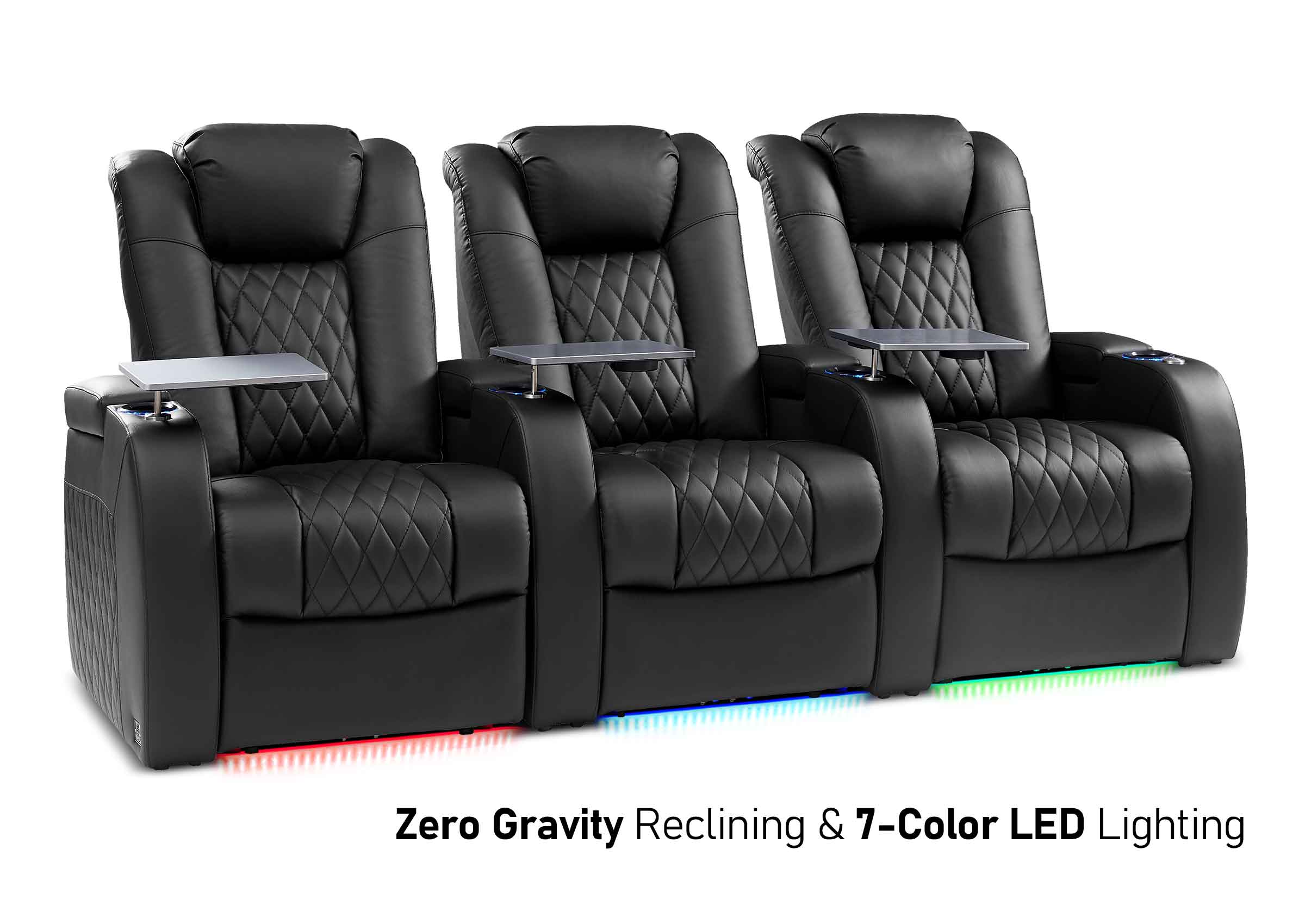
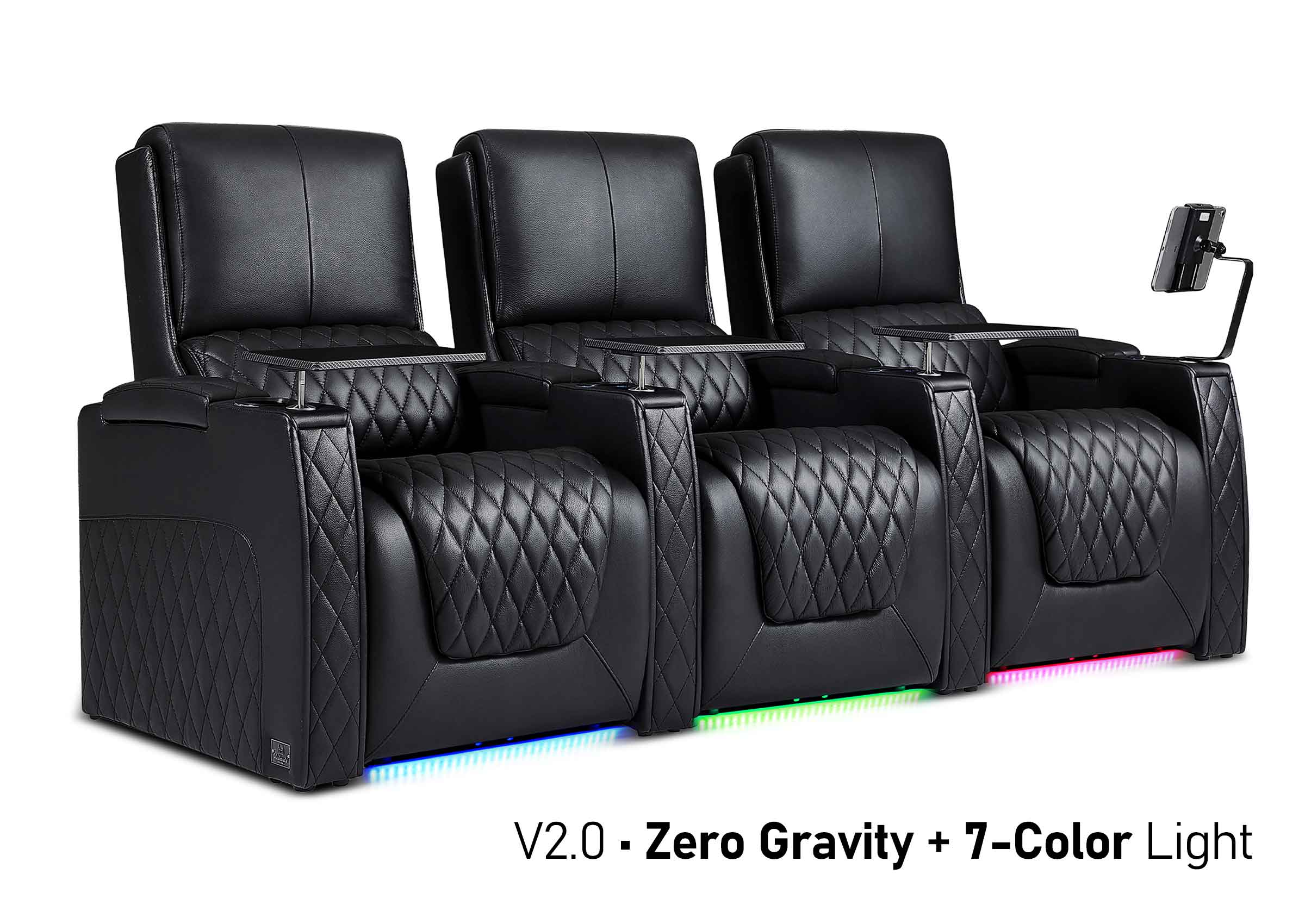
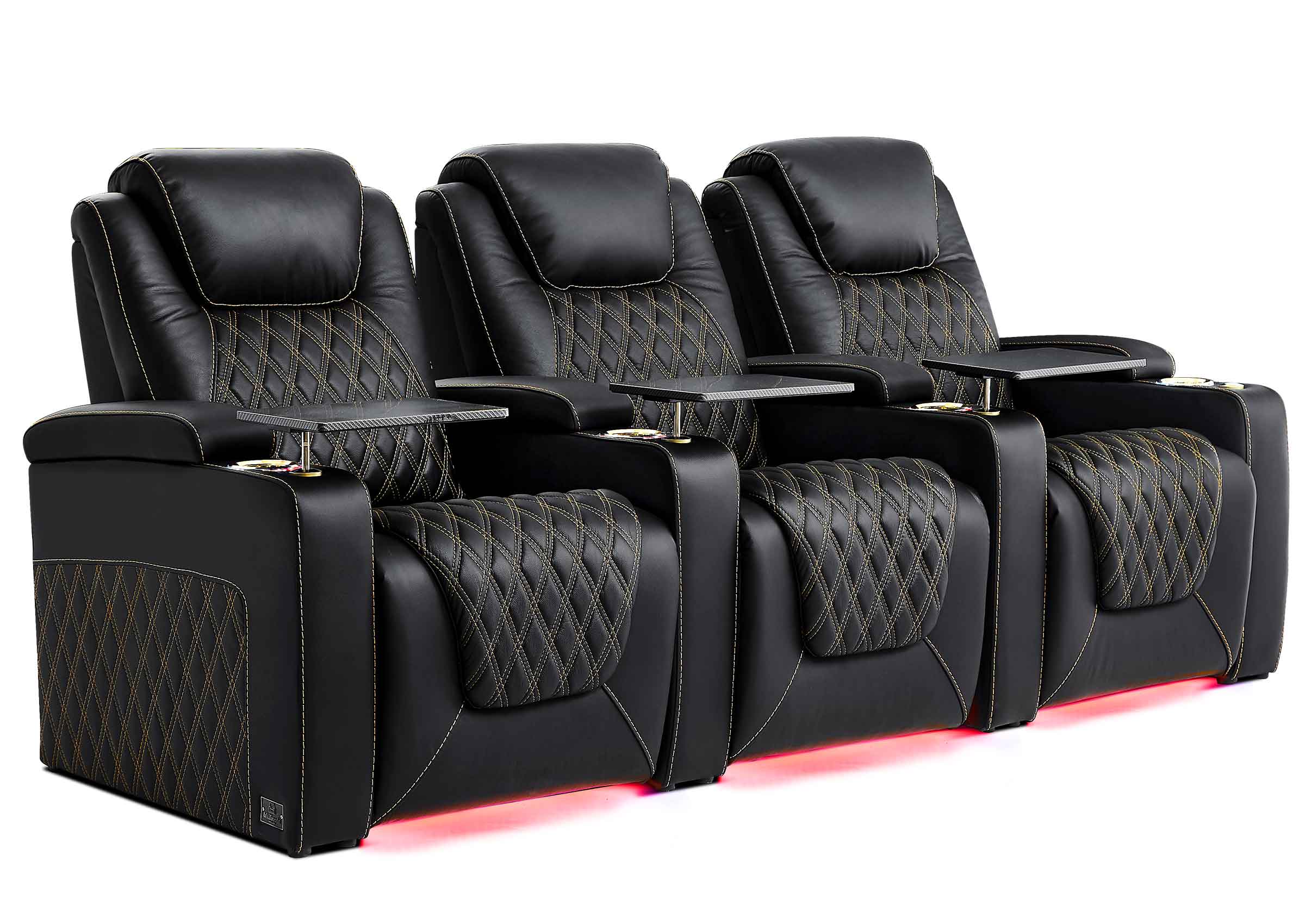
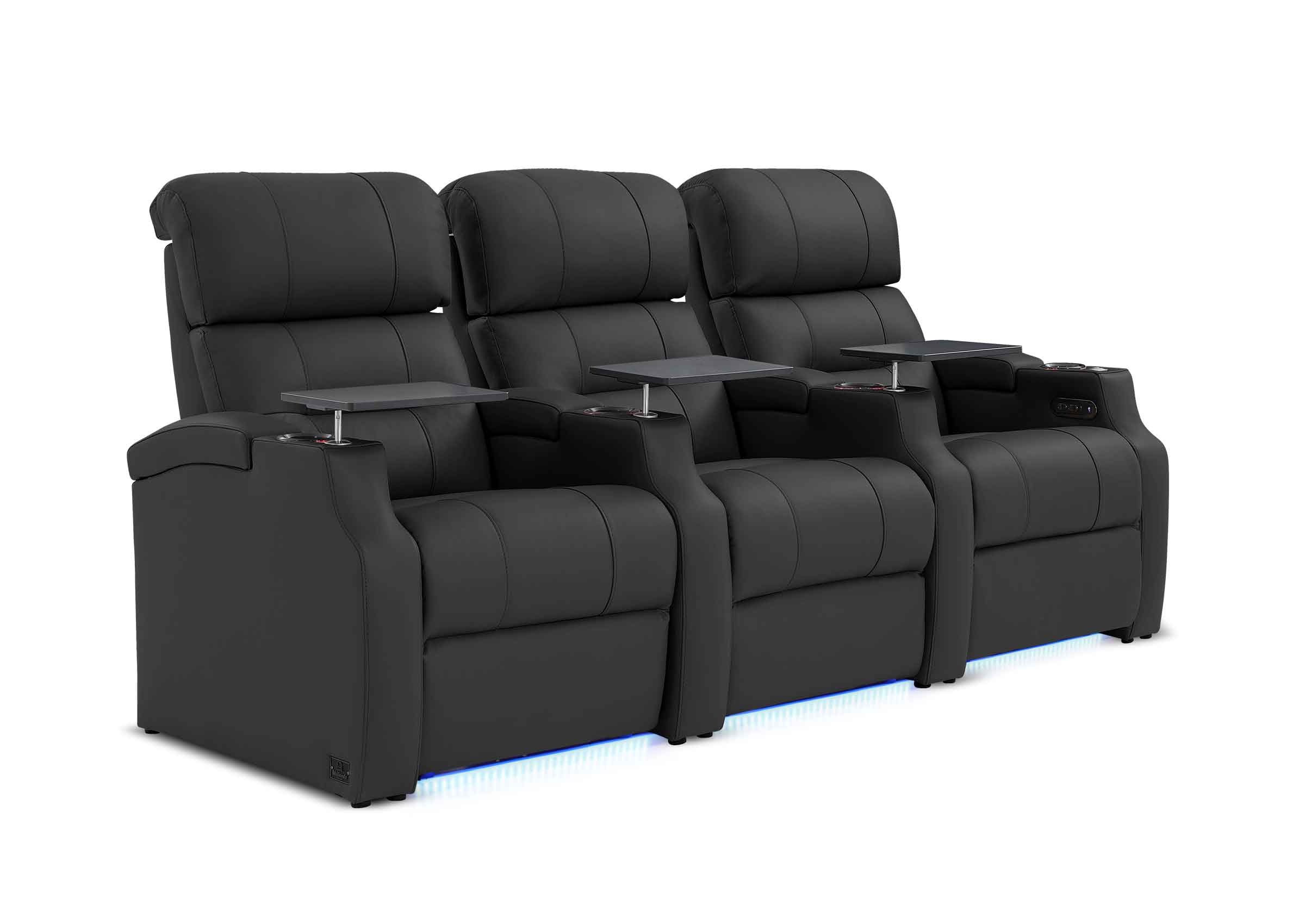
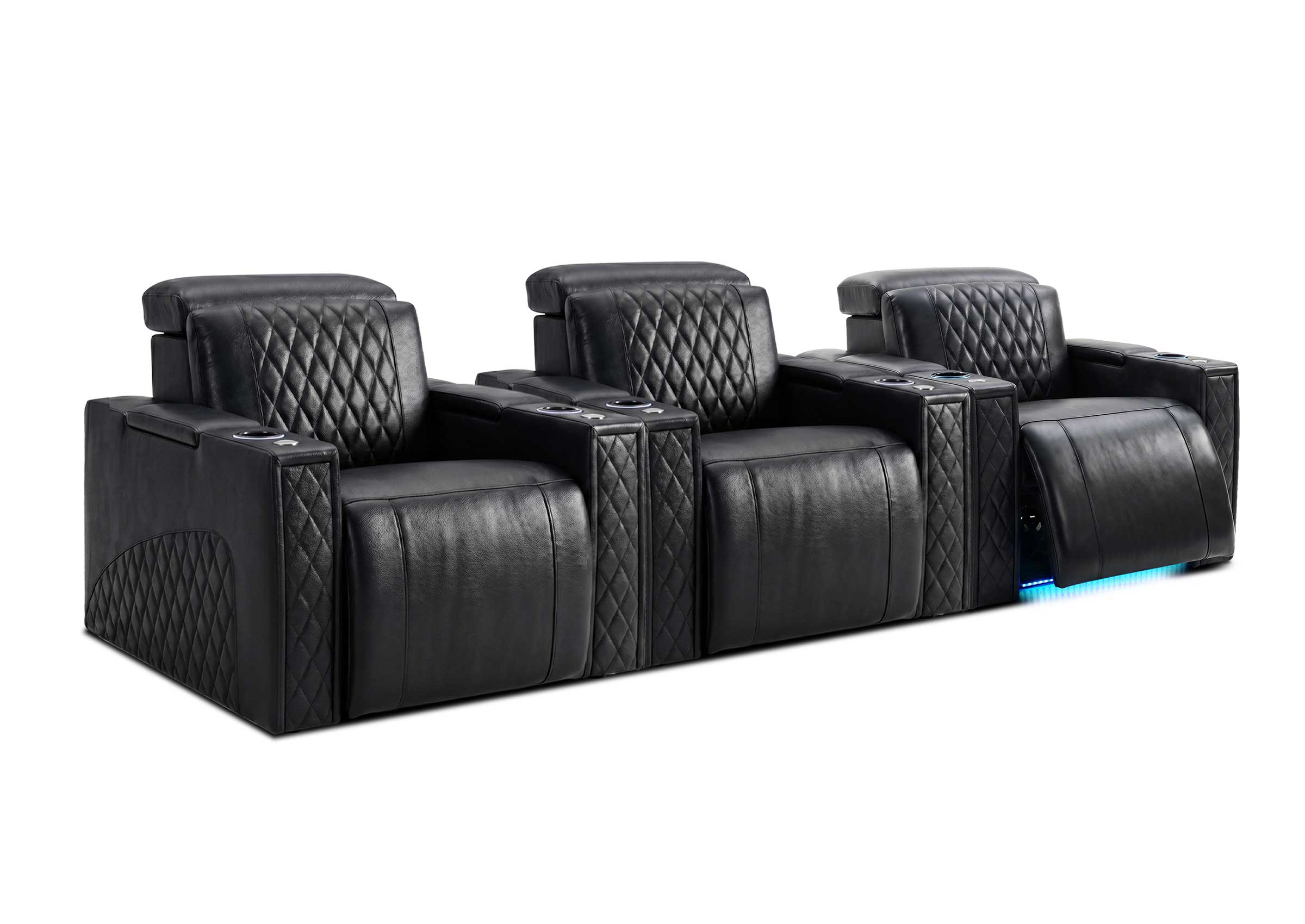

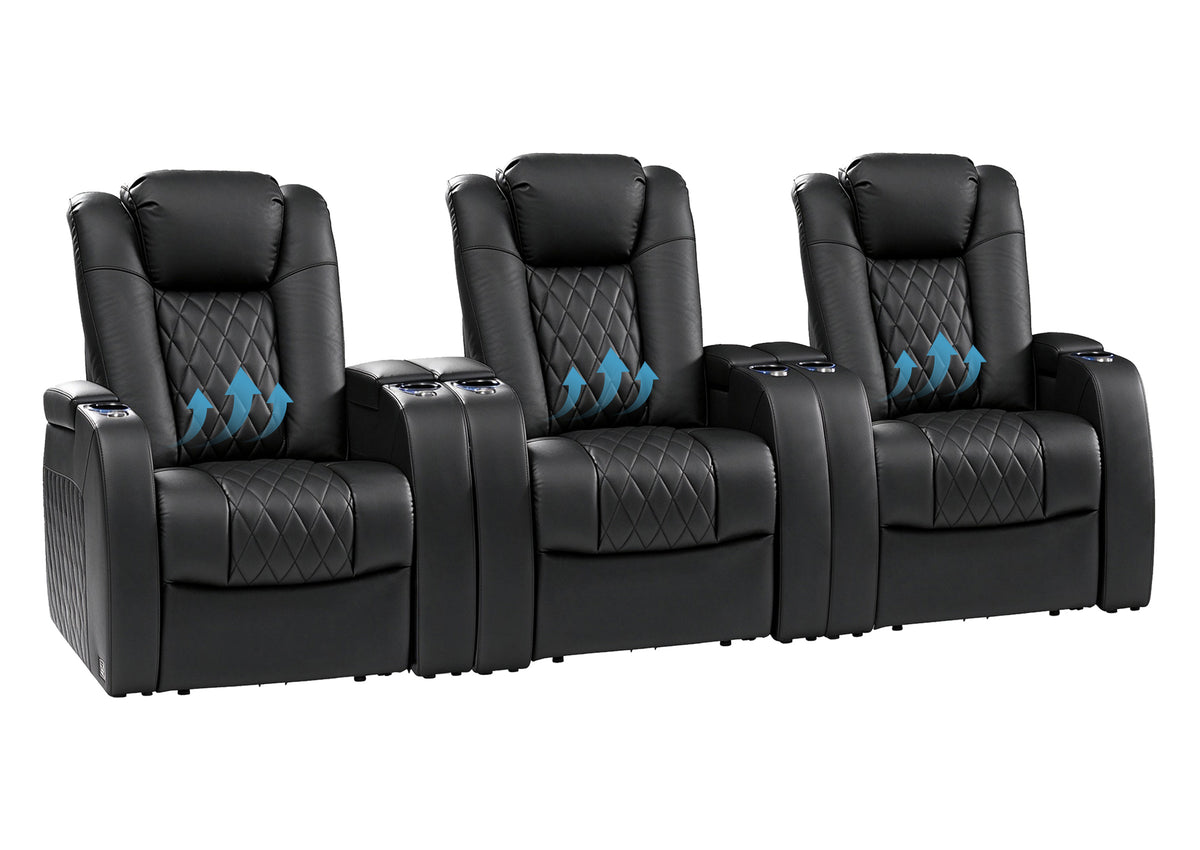
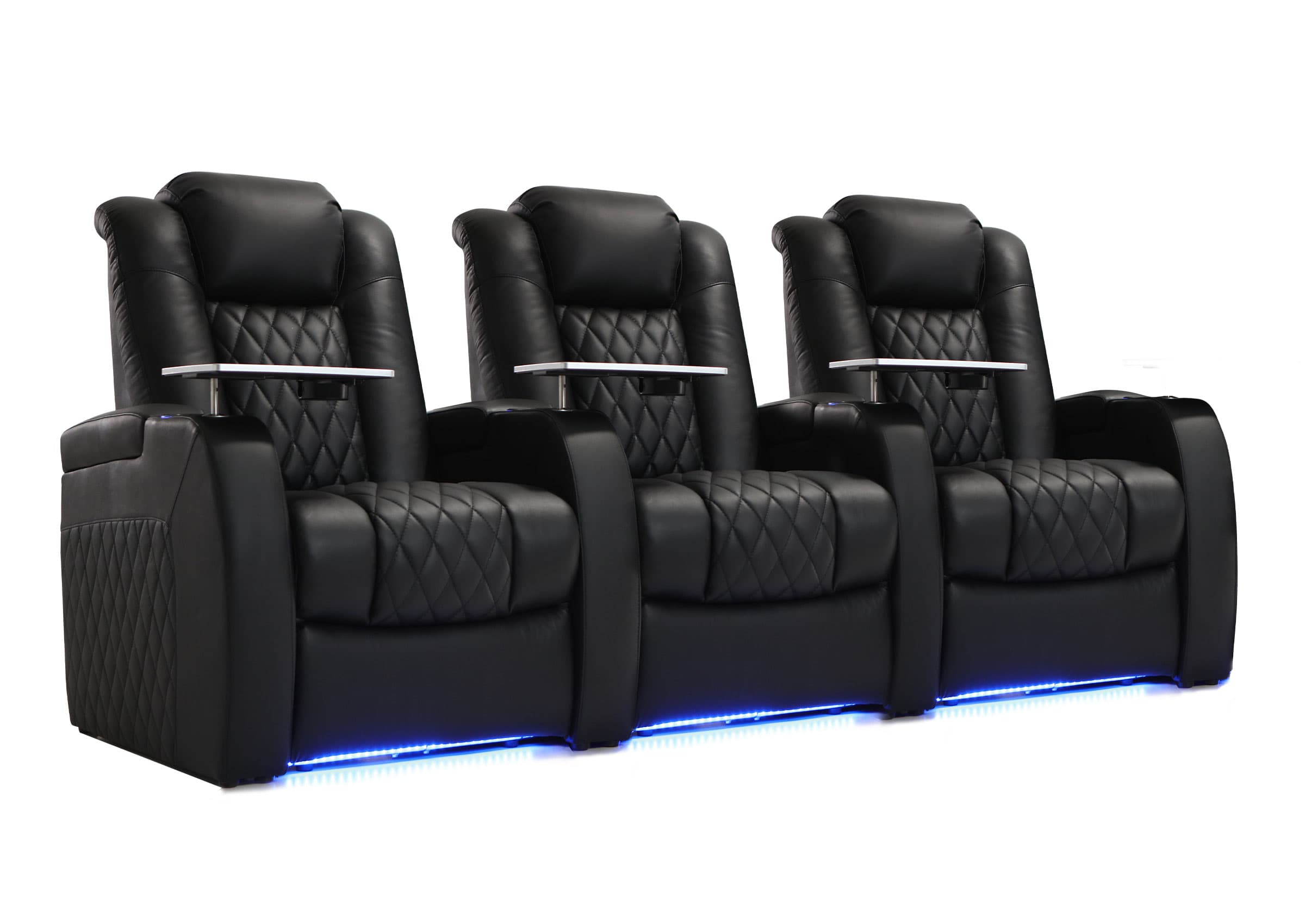
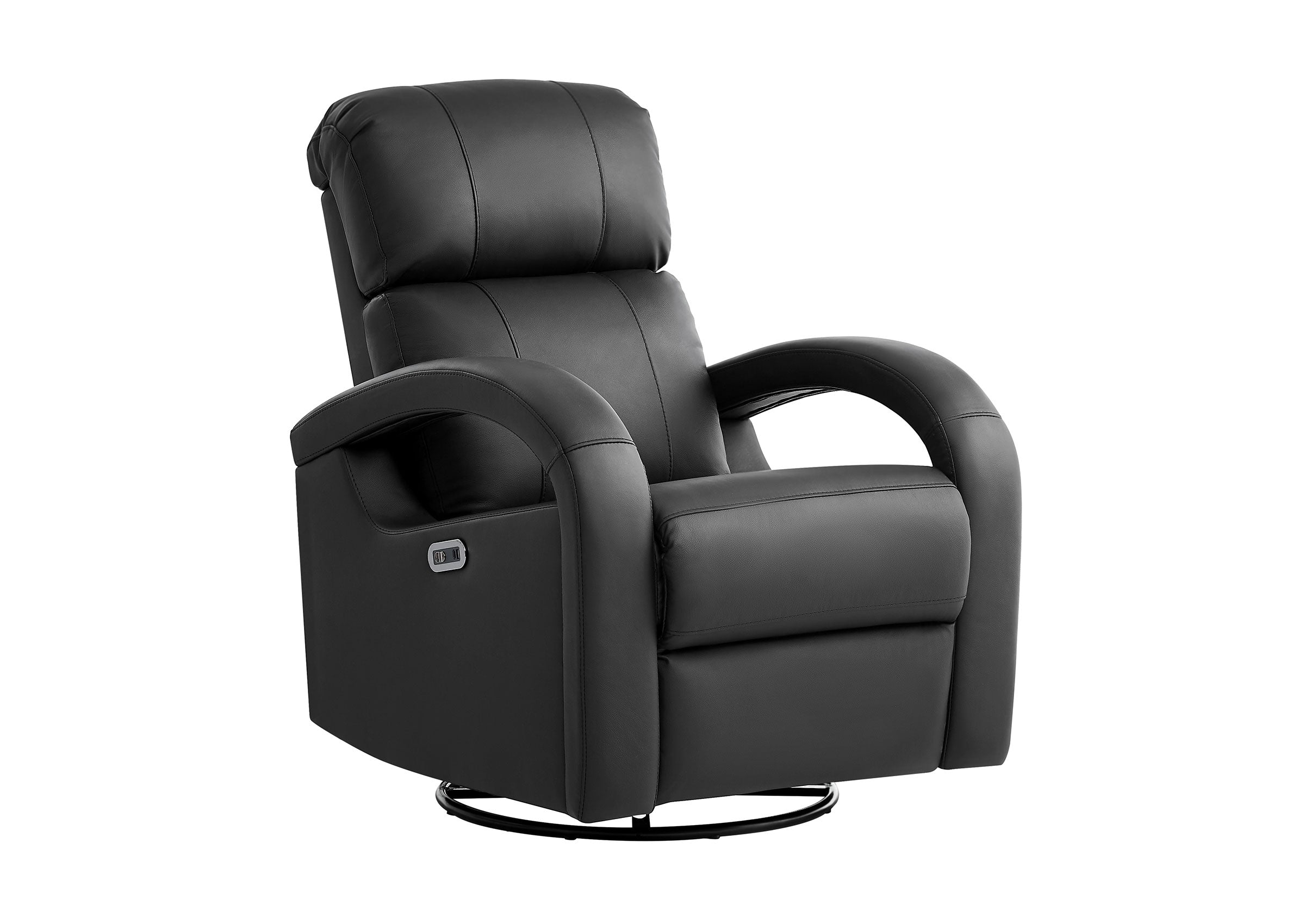
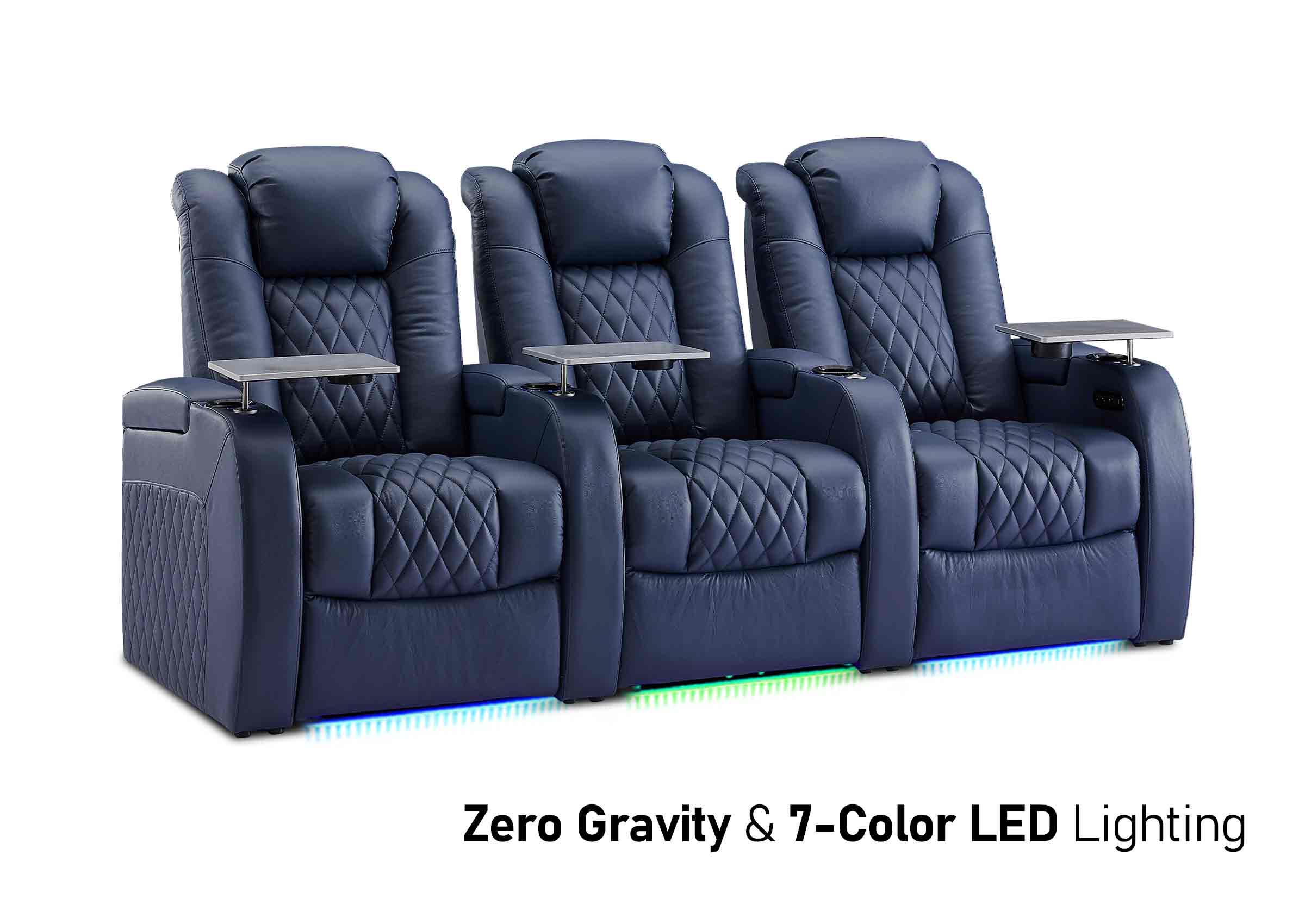
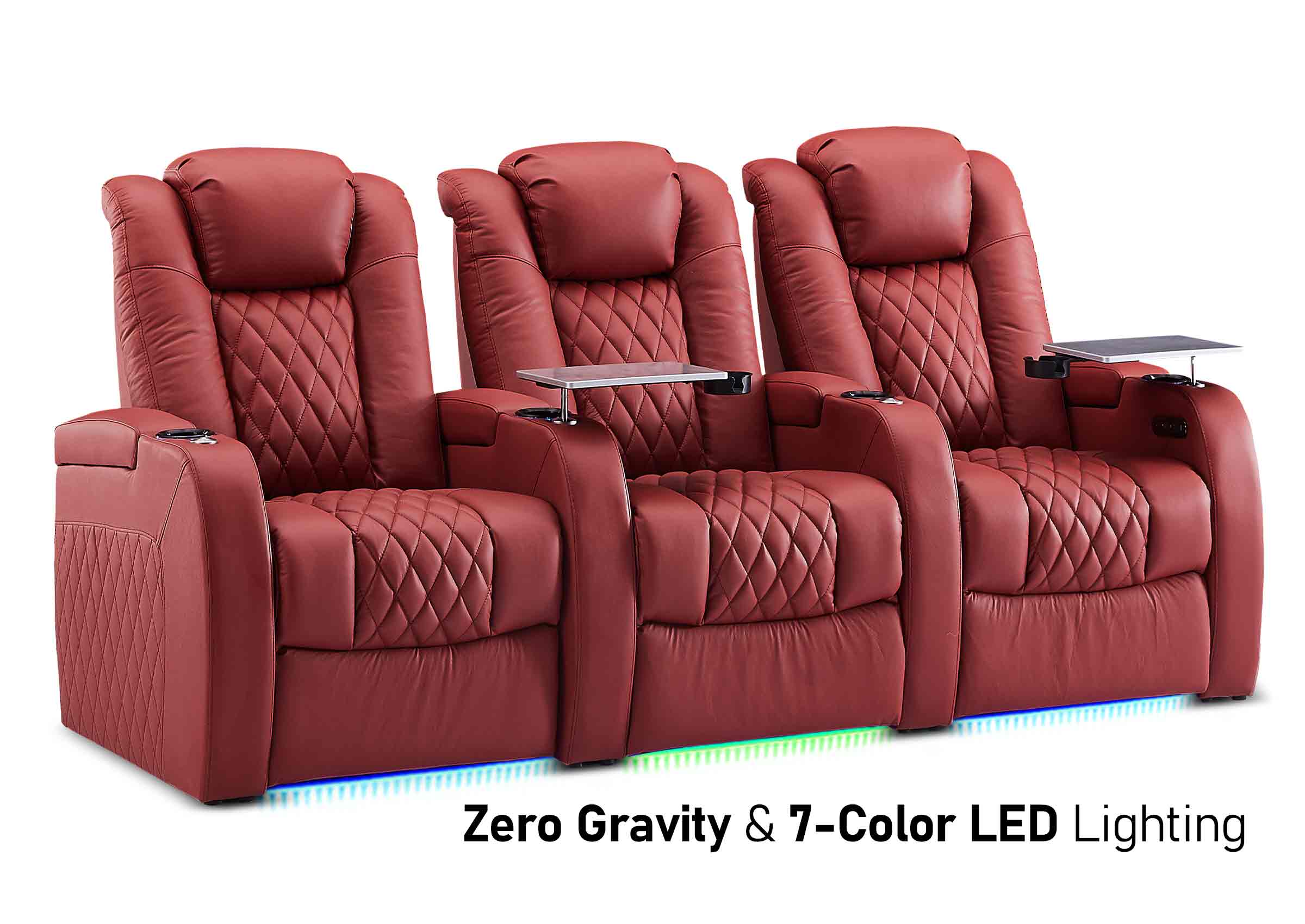
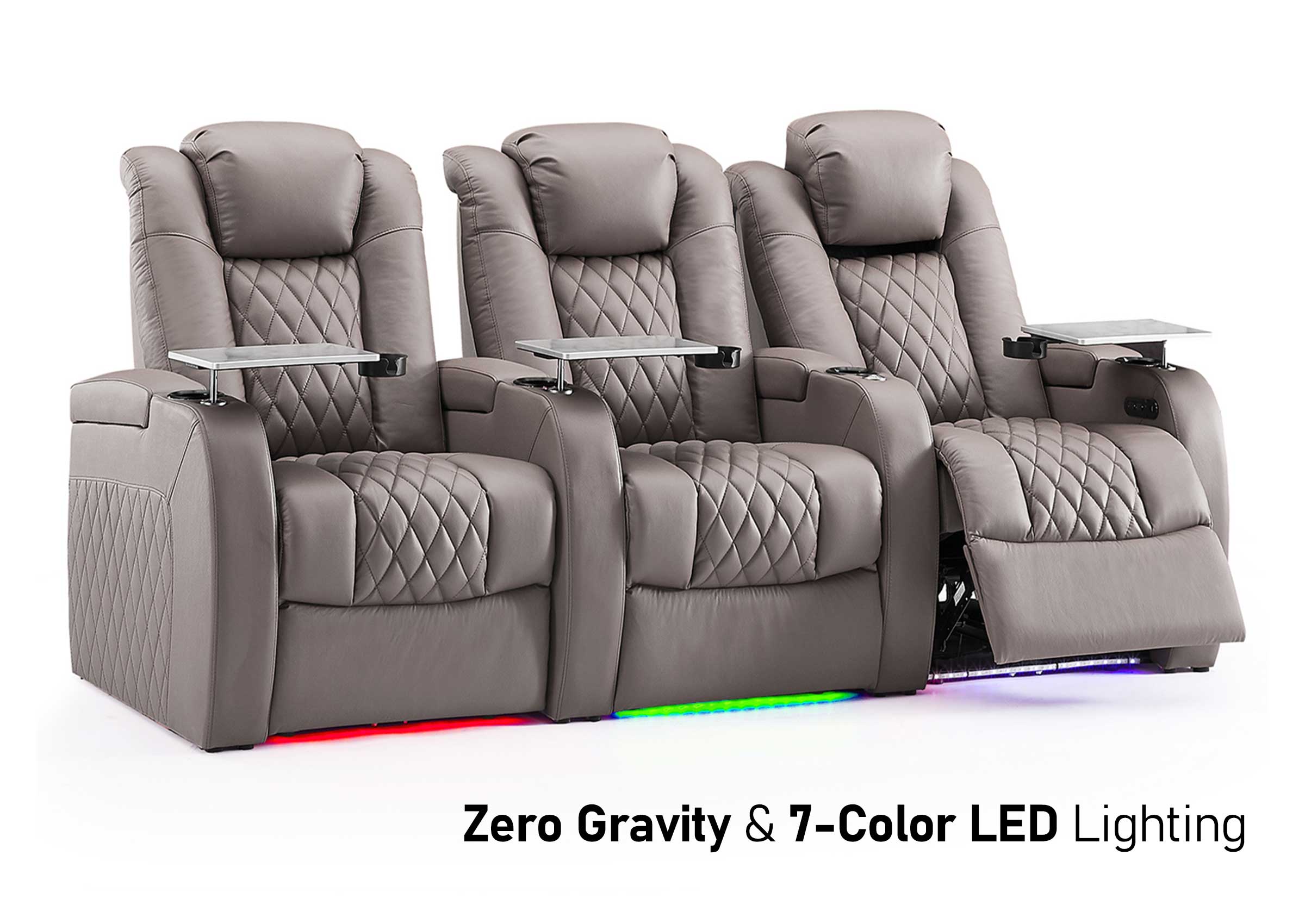
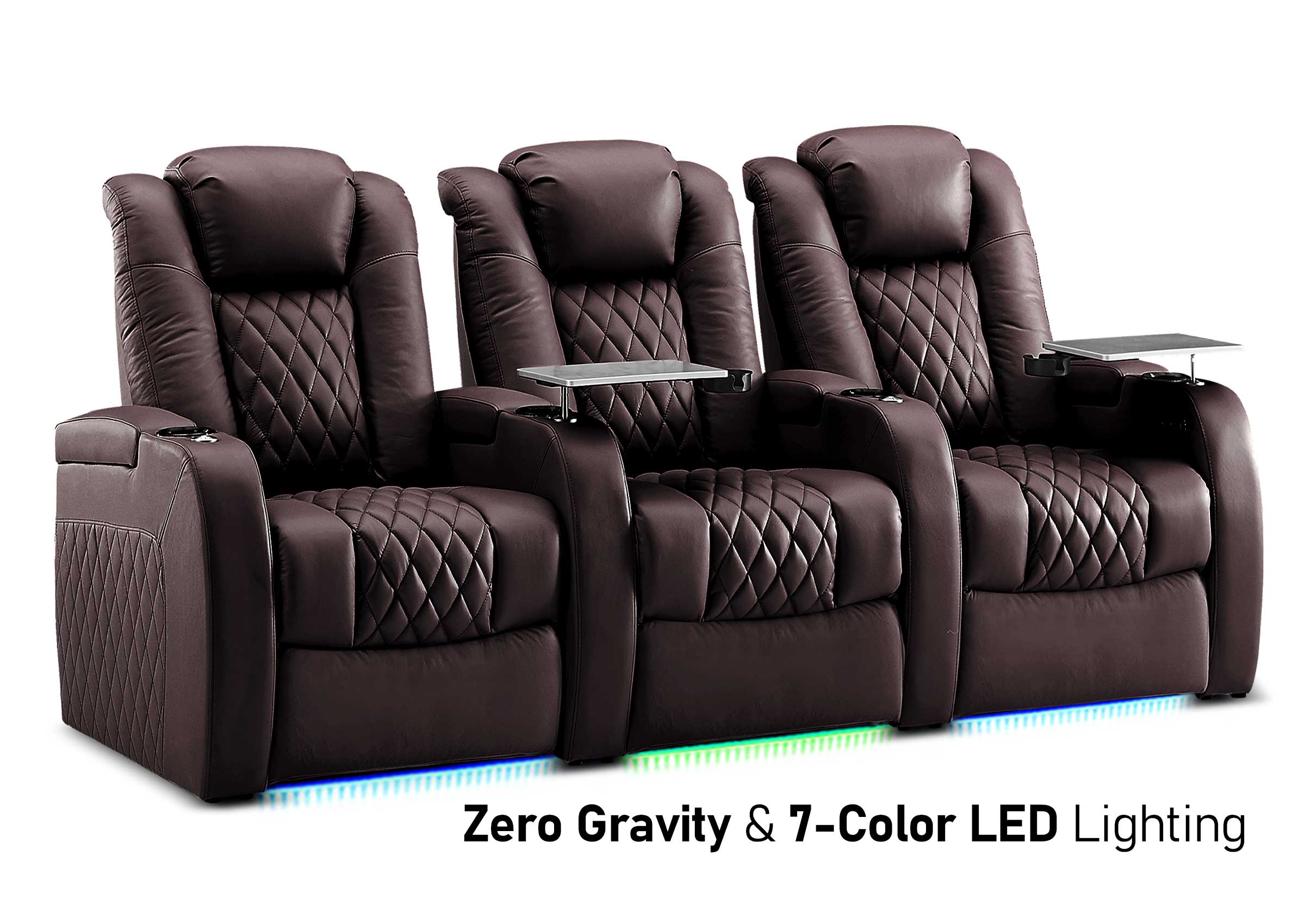

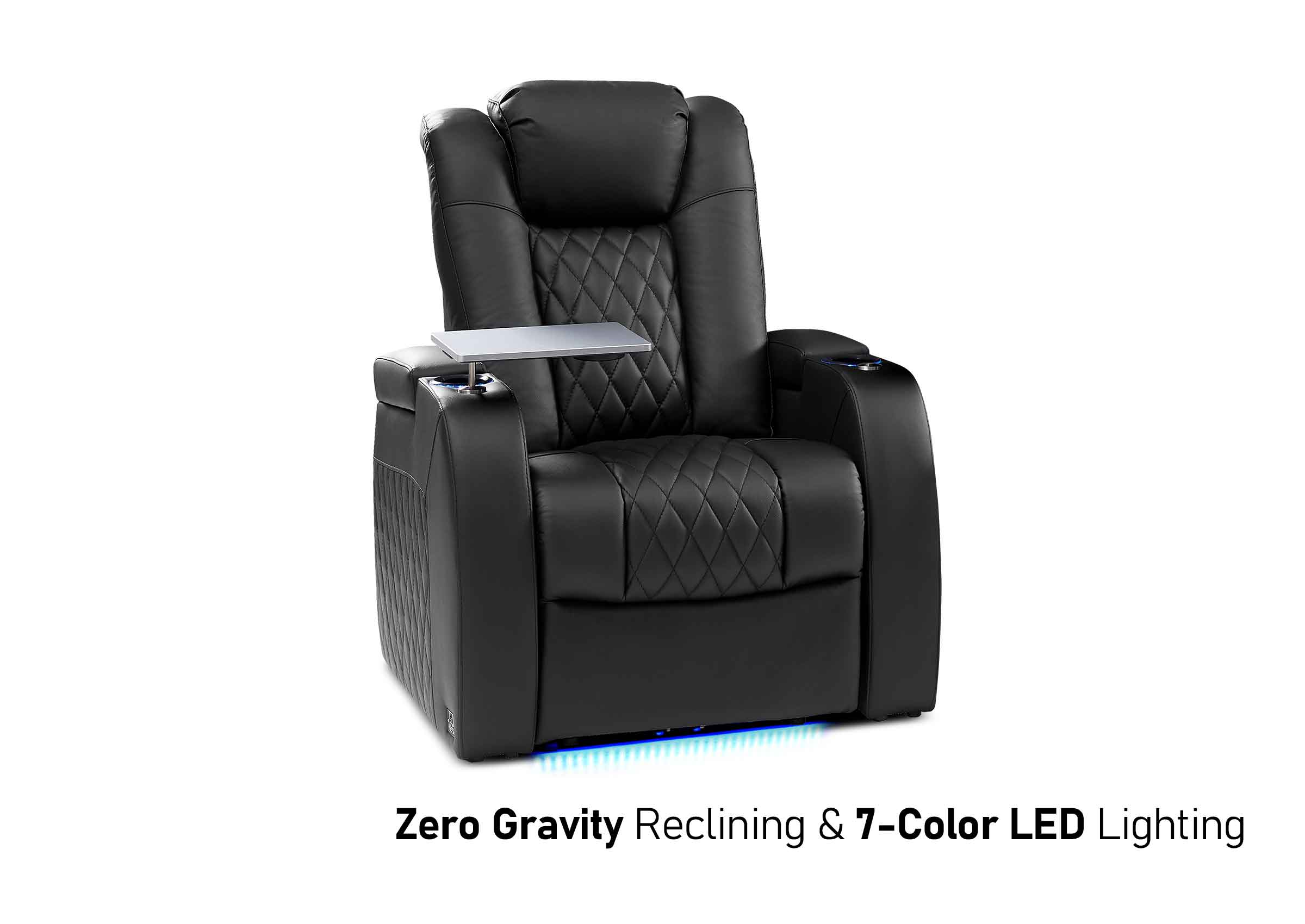
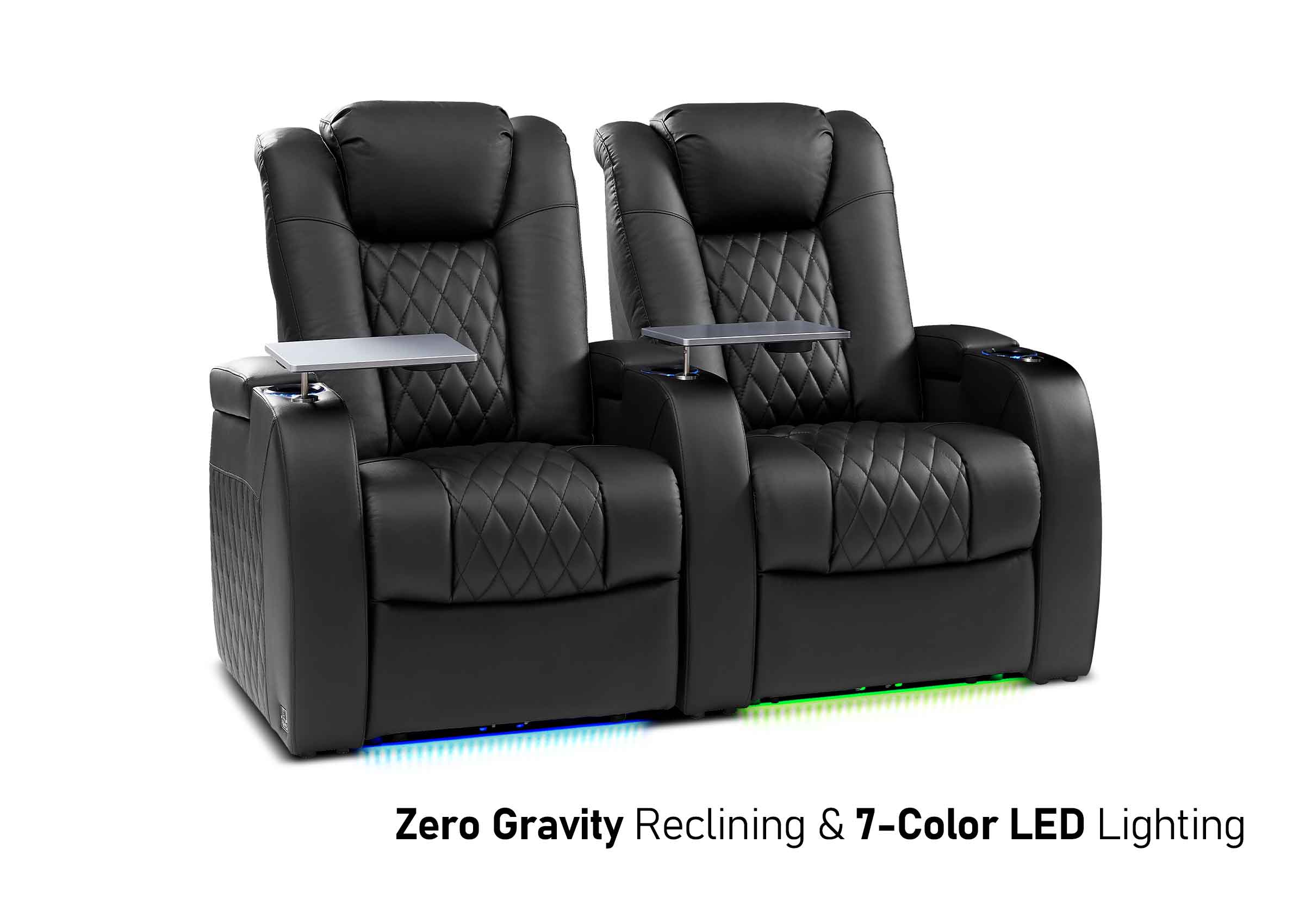
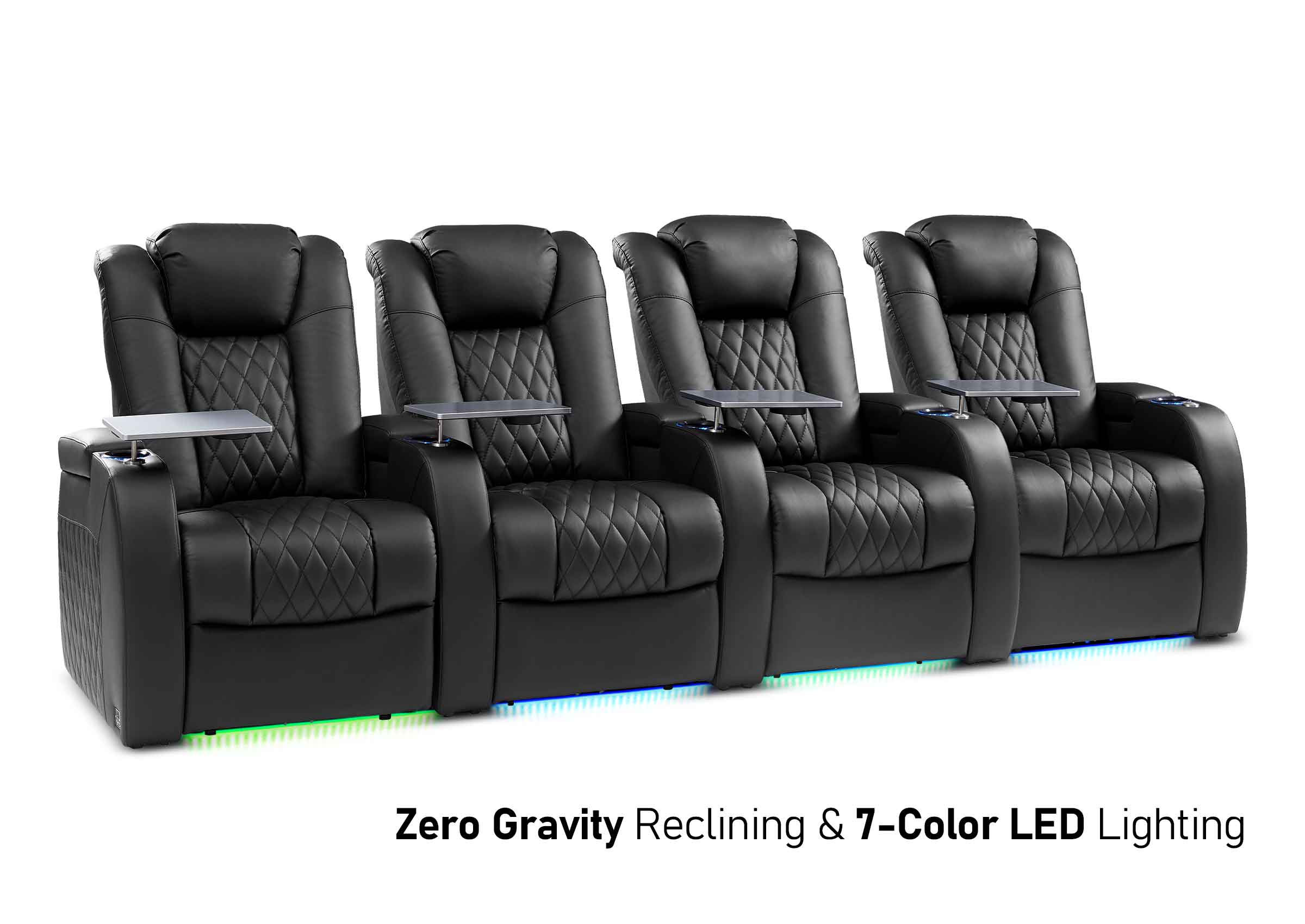
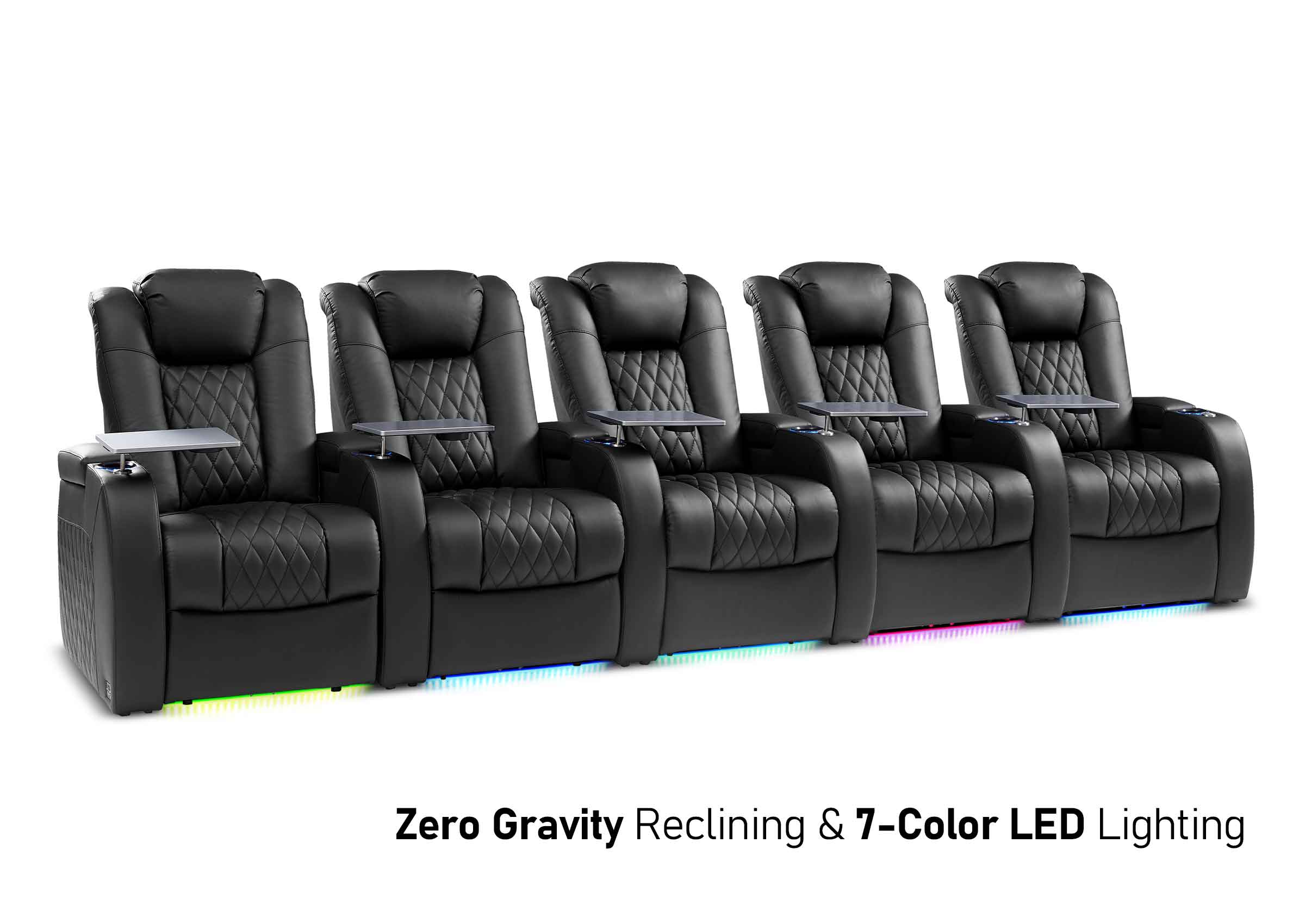
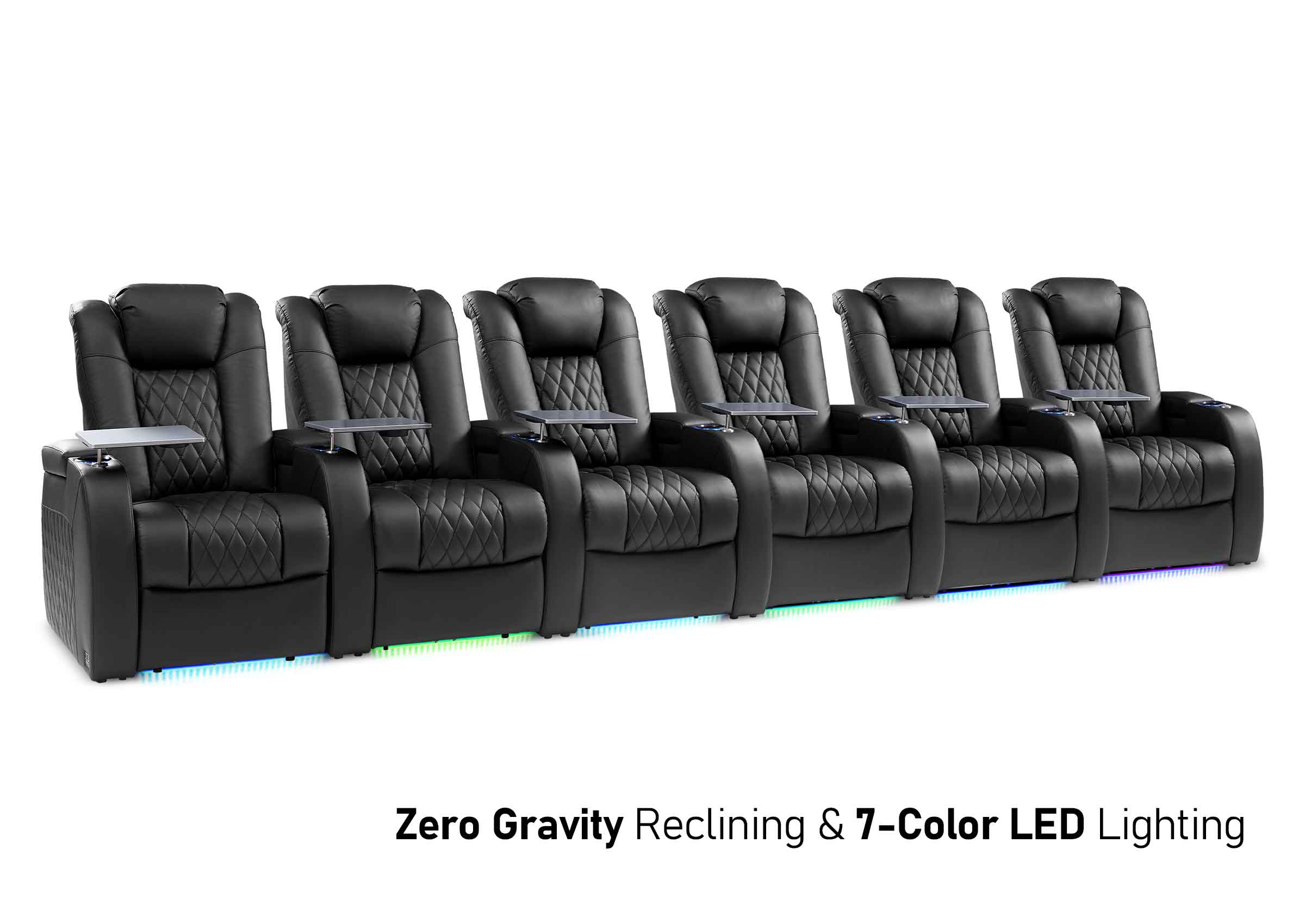
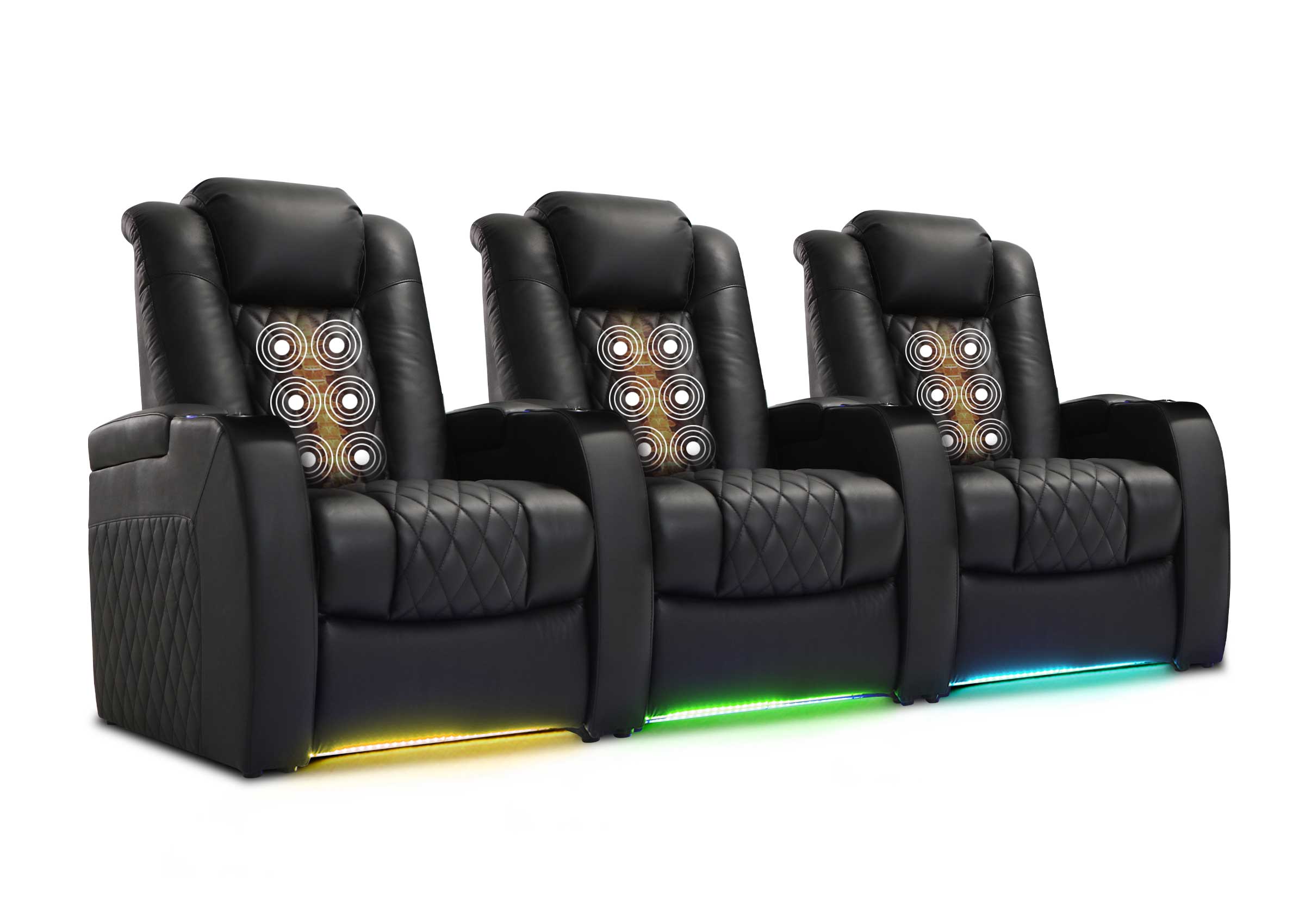
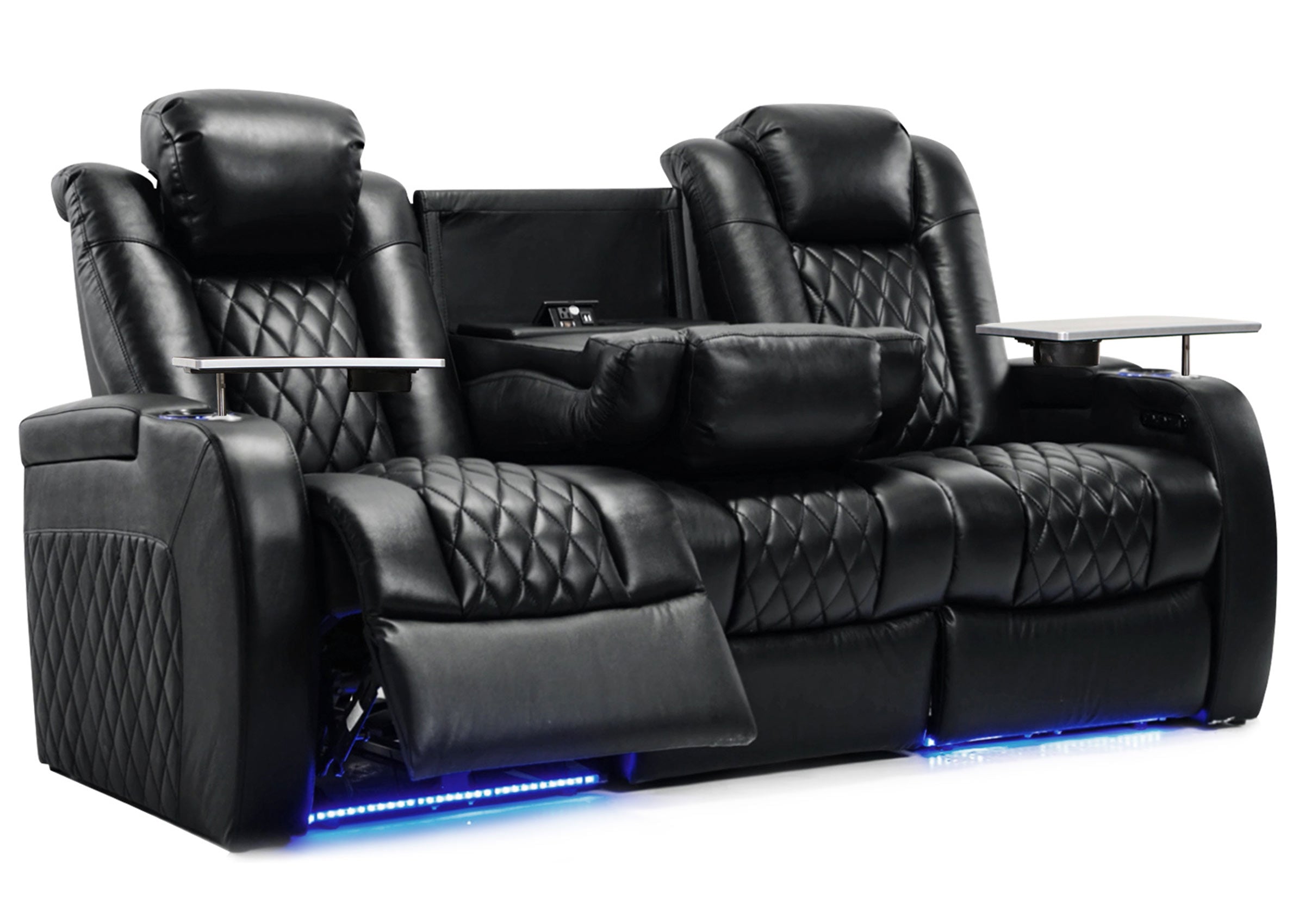
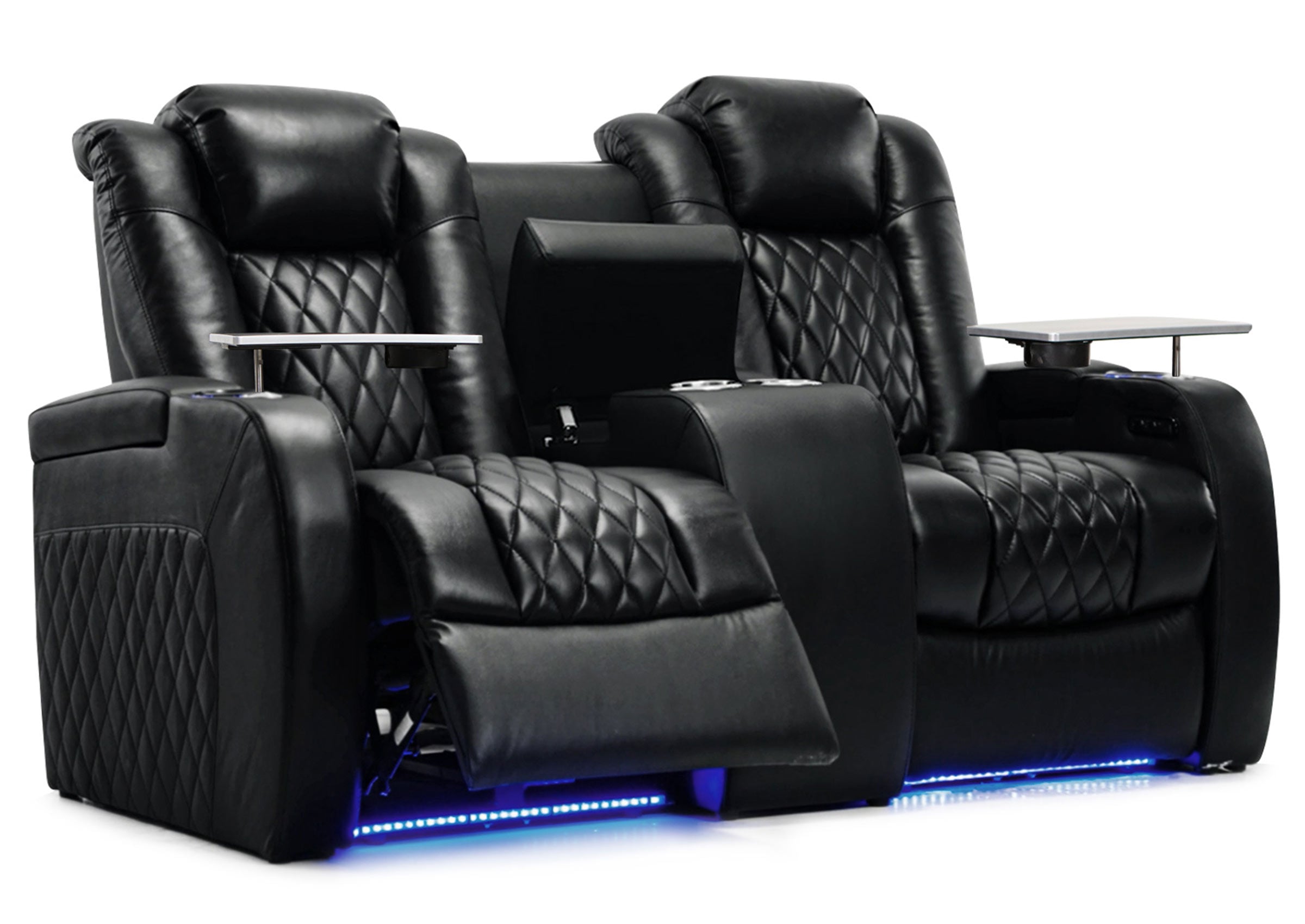




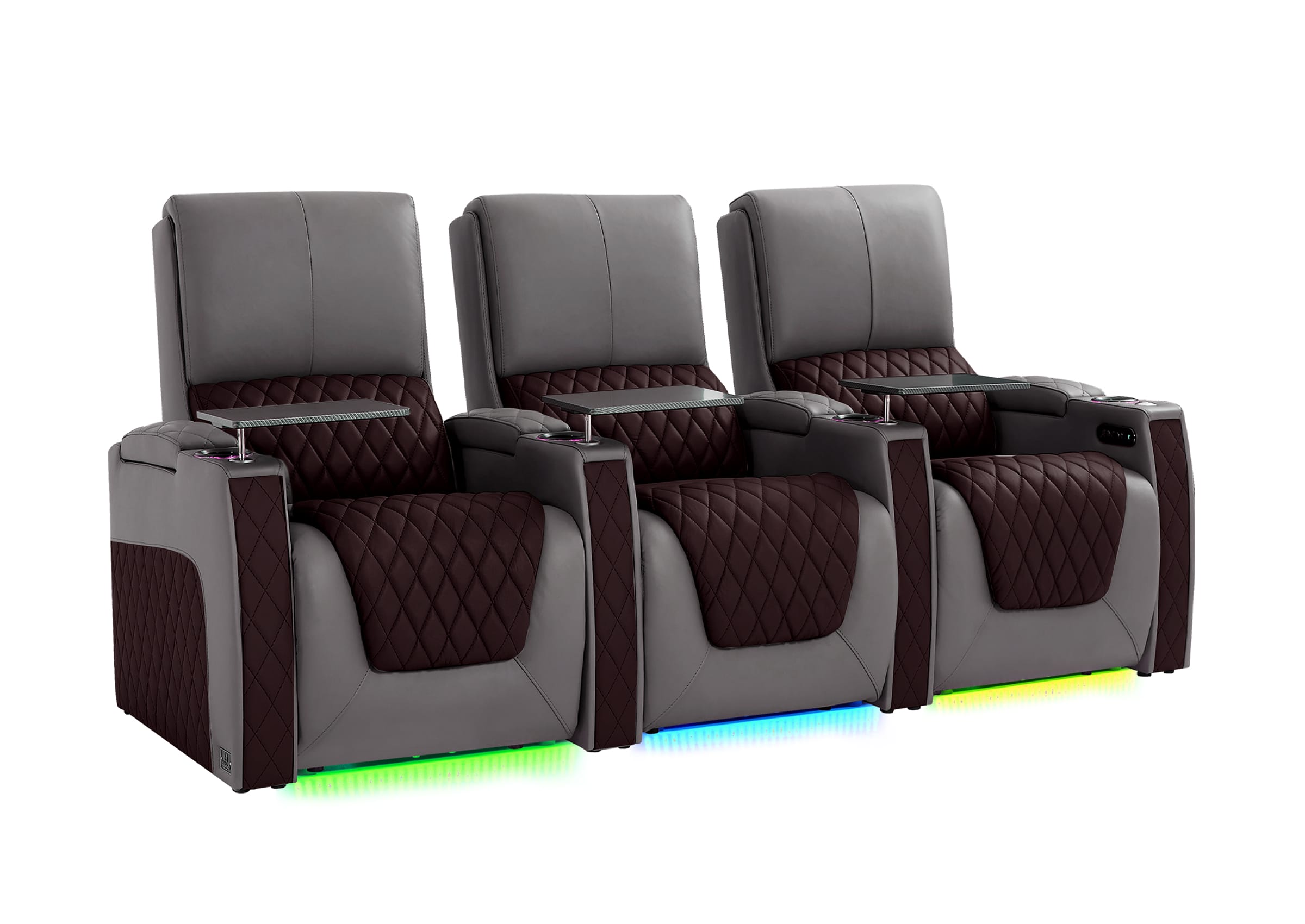
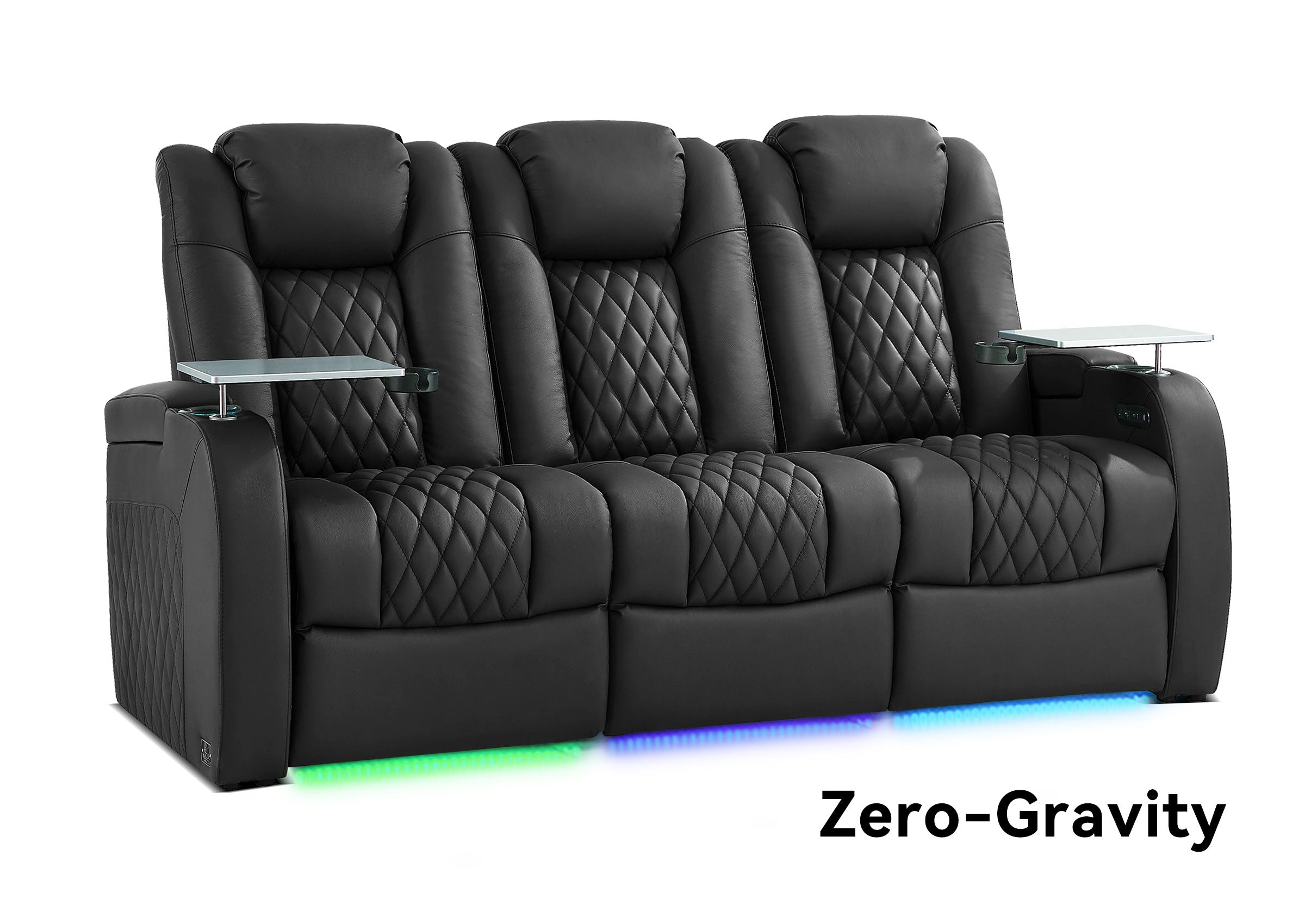


Power recliner sofas, media room couches, and home theater seating often come with visible power cords that can quickly ruin a clean interior look. More importantly, loose cables can create tripping hazards, especially in family rooms and high-traffic living spaces.
The good news is that hiding couch power cords is not complicated. With the right layout planning and a few simple cable management techniques, you can keep your seating area clean, safe, and visually seamless without sacrificing comfort or functionality.
Why Couch Power Cords Are Hard to Manage in Real Living Rooms
Most couch power cord issues don’t come from the cable itself—but from how modern living rooms are actually used.
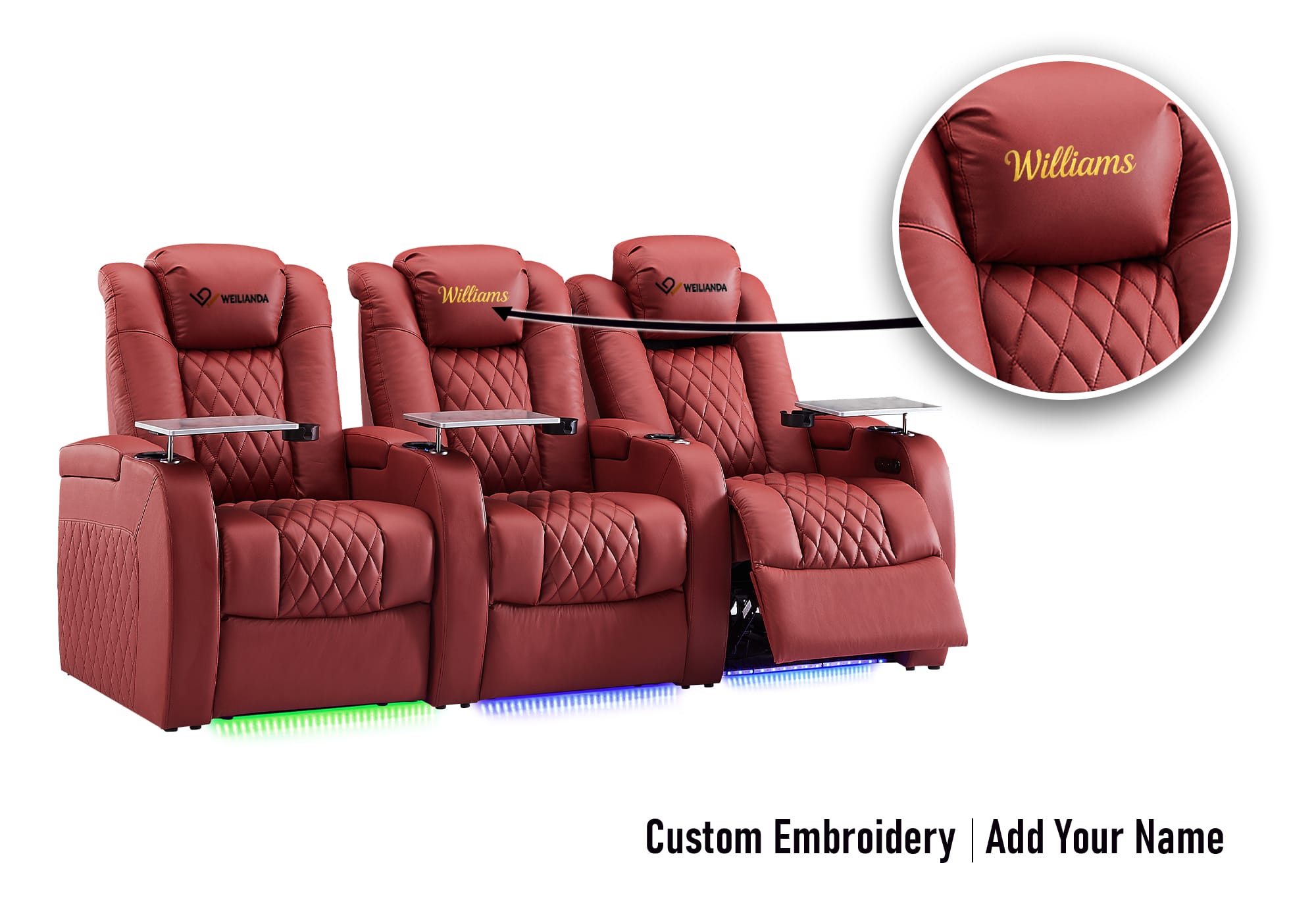
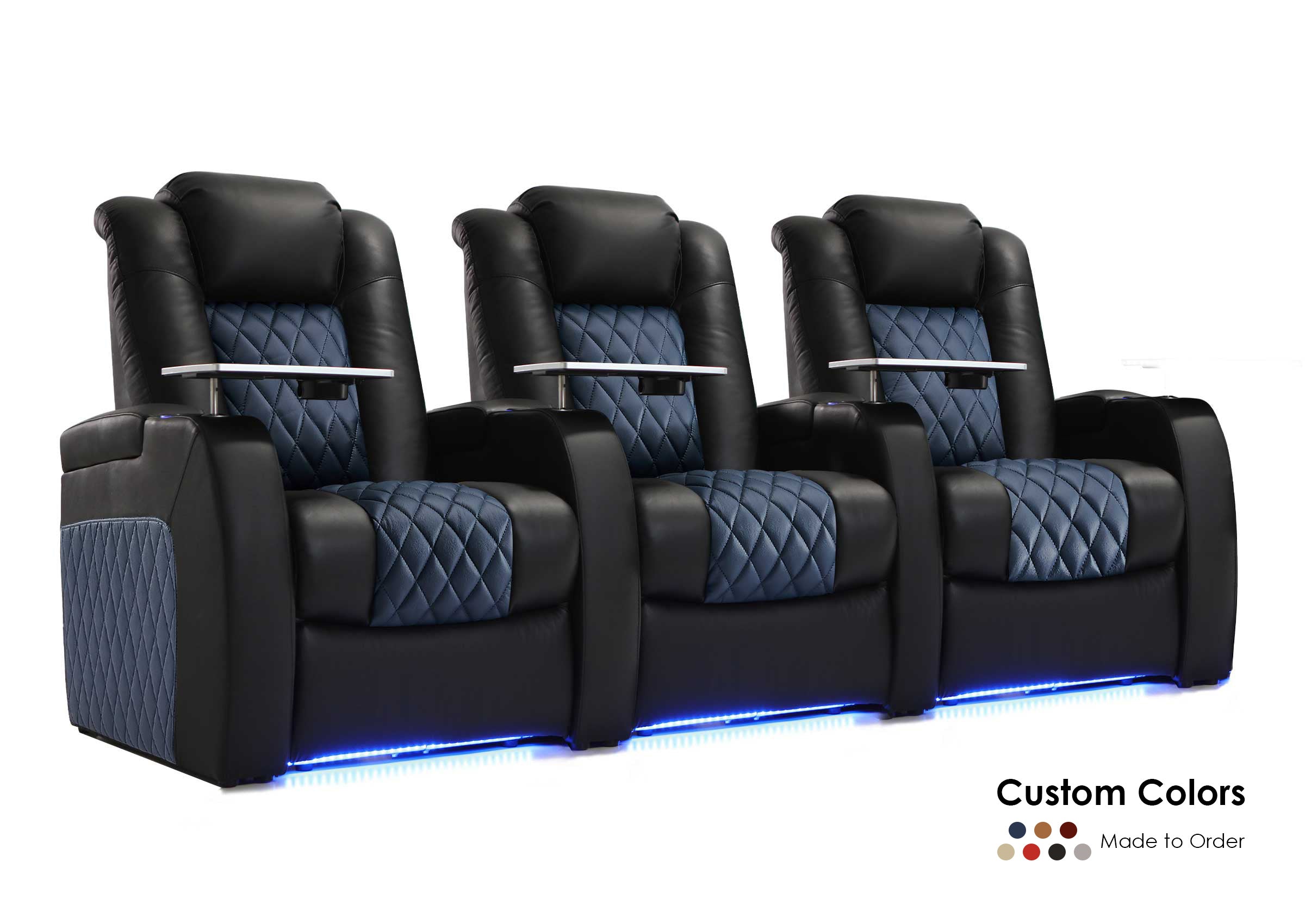
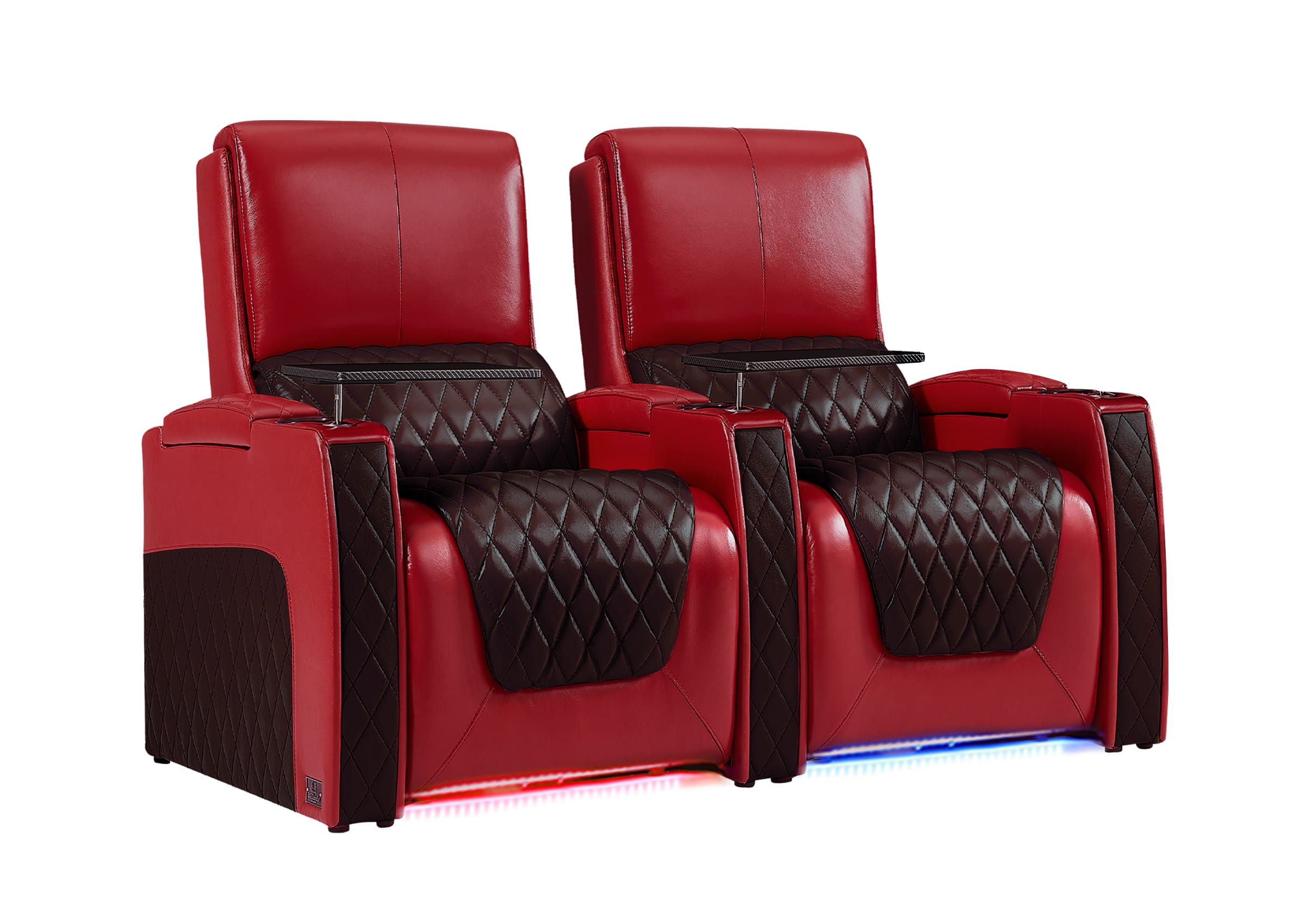
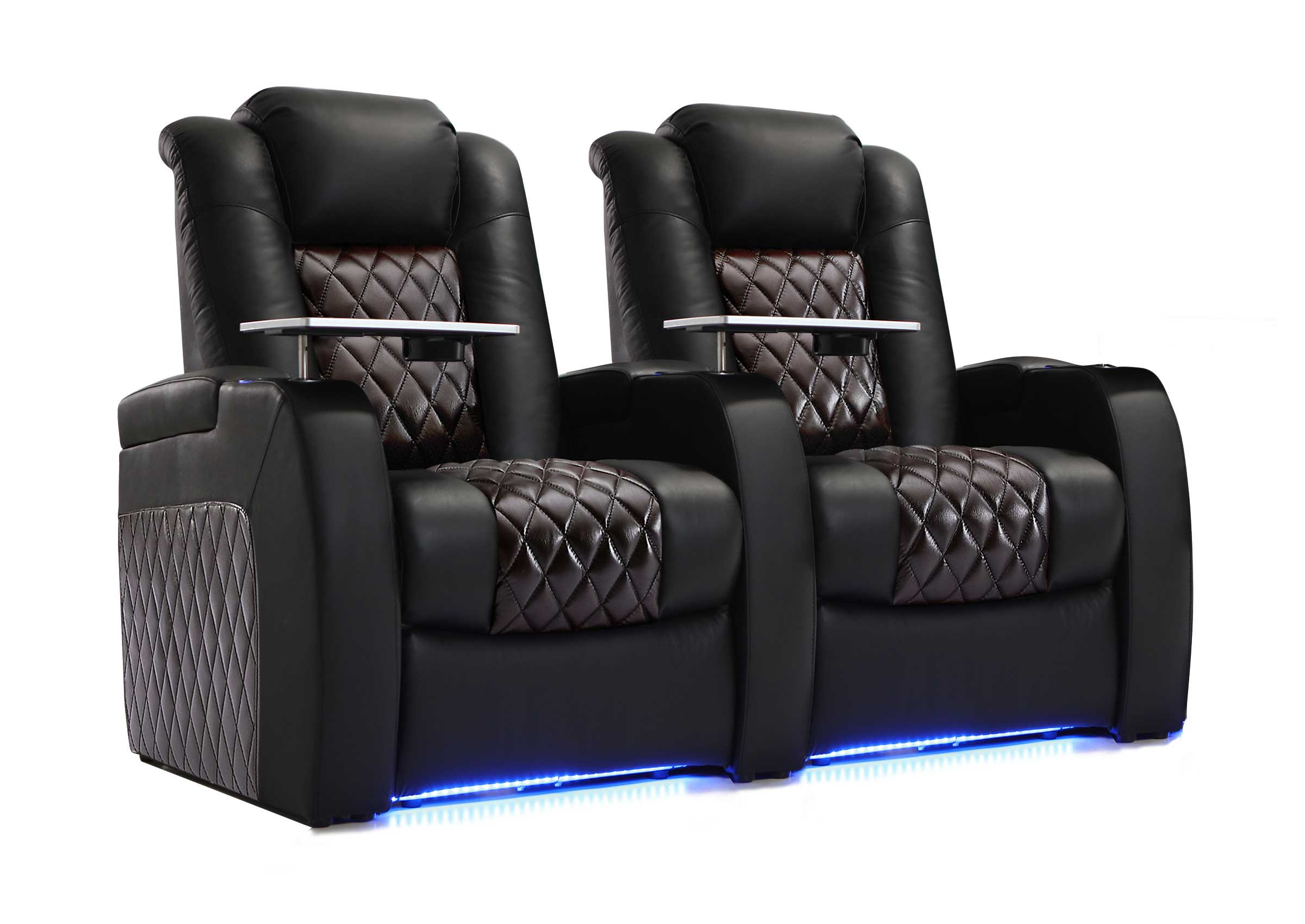
Power recliner sofas, modular theater seating, and media room setups often include:
-
Power recline motors
-
USB charging ports
-
LED lighting systems
-
Center console power modules
These features improve comfort, but they also increase the number of cables running behind and under the sofa.
In real homes, the biggest challenge is not hiding one cable—it’s managing multiple cords while still allowing the sofa to recline fully and move safely.
Plan Your Power Layout Before You Plug Anything In
One of the most common mistakes is placing the couch first and dealing with cables later.
Instead, start with your outlet and layout planning:
-
Identify the nearest wall outlet before placing the sofa
-
Consider where the sofa will fully recline
-
Avoid placing seating directly in the middle of open floor wiring paths
A well-planned outlet position can eliminate 50% of visible cable problems from the start.
For home theater rooms or media rooms, this step becomes even more important because seating is often fixed and centered around a screen.
Best Ways to Hide Couch Power Cords Behind Furniture
1. Route Cables Behind the Sofa Base
The simplest method is to run cables straight down behind the sofa and keep them tight against the wall or sofa frame.
This works best when:
-
The sofa is close to a wall
-
The cord length is minimal
-
The outlet is behind or near the seating area
Use simple clips or adhesive cord holders to keep cables from slipping into view.

2. Use Cable Raceways Along Baseboards
Cable raceways are plastic or metal channels that hide wires along walls and baseboards.
This is one of the cleanest long-term solutions for visible areas.
They work especially well in:
-
Living rooms with open floor plans
-
Media rooms with multiple seating rows
-
Home theater setups with perimeter outlets
You can paint most raceways to match your wall color for a nearly invisible finish.
3. Hide Cords Under Rugs (With Safety Awareness)
Running cables under a rug is common, but it must be done carefully.
-
Use flat extension cables (not bulky power strips)
-
Ensure the rug does not create pressure points on the cord
-
Avoid placing cables in high-traffic walking paths
Safety is more important than visual cleanliness—poor under-rug routing can create long-term wear or tripping hazards.
4. Place Power Strips Inside Sofa Gaps or Consoles
Many modern couches and theater seating systems include storage consoles or gaps between seats.
These areas are ideal for:
-
Power strips
-
Charging hubs
-
USB adapters
This keeps all connections centralized and reduces the number of visible cords leaving the seating area.
5. Use Furniture Placement to Naturally Block Cords
Sometimes the simplest solution is structural:
-
Position the sofa to naturally cover outlet access points
-
Use side tables or media cabinets to hide cable exits
-
Align seating with wall edges to reduce exposed wiring paths
Good furniture placement often eliminates the need for heavy cable accessories.
Safety Considerations You Should Not Ignore
Hiding cables is not just about appearance—it’s also about safety.
Keep these in mind:
-
Do not tightly bend or pinch power cords behind furniture
-
Avoid running cables under heavy sofa legs
-
Keep cords away from heat sources or vents
-
Make sure recliner cables have enough slack for full movement
In homes with kids or pets, loose cables should always be secured and not accessible for pulling or chewing.
Home Theater and Recliner Sofa-Specific Cable Tips
If you’re setting up a home theater or using power recliner seating, cable management becomes part of the room design.
For example, seating systems like power recliner sofas or media room chairs often include:
-
Motorized recline systems
-
USB charging ports
-
Ambient lighting
These features should be planned together with outlet placement, not added afterward.
In more structured home theater layouts, it’s common to route all seating power lines toward a single hidden power hub behind the first row or along side walls.
The goal is simple: no visible cables from the audience viewing angle.

Common Mistakes When Hiding Couch Power Cords
-
Placing the sofa before planning outlet locations
-
Overloading one power strip with multiple recliners
-
Letting cables run across walking paths
-
Using loose extension cords without securing them
-
Forgetting recline movement space when routing cables
The biggest mistake is treating cable management as an afterthought instead of part of the room layout.
Quick Checklist Before Final Setup
-
Outlet position checked before placing sofa
-
Cable length measured with recline fully extended
-
Power strips placed in hidden or accessible zones
-
No cables crossing walkways
-
Cables secured along walls or furniture edges
-
Safe clearance for kids and pets
FAQ
How do I hide couch power cords without drilling holes?
You can use cable raceways, adhesive clips, or furniture-based routing to hide cords without drilling. These solutions are renter-friendly and still provide a clean finish. The key is keeping cables tight against walls or furniture edges to reduce visibility.
Can I run power cords under a rug safely?
Yes, but only if done carefully. Use flat, low-profile cables and avoid placing them under heavy furniture pressure points. Make sure the rug does not pinch or fold the cable, as this can create long-term wear and safety risks.
What is the best way to manage recliner sofa cables?
The best method is combining outlet planning with hidden routing behind the sofa and centralized power strips inside storage consoles. This reduces visible wiring while still allowing full recline function.
How do I keep couch cables safe from pets and kids?
Use cable covers, wall-mounted raceways, or place cables behind furniture that blocks access. Avoid leaving loose cords on the floor where they can be pulled or chewed.
Should I use extension cords for recliner sofas?
Yes, but choose high-quality, properly rated extension cords and avoid overloading them. Whenever possible, connect multiple recliners to a centralized, well-managed power hub instead of scattered outlets.
Conclusion
Hiding couch power cords is really about combining smart planning with simple cable management tools. When outlet placement, furniture layout, and cable routing work together, the entire living room feels cleaner and more intentional.
A well-designed seating area should look seamless from every angle—even when multiple powered recliners, charging ports, and lighting systems are involved.
If you are planning a home theater or upgrading your living room seating, thinking about cable management early will save you a lot of frustration later. For more layout ideas or custom seating setups, you can always reach out at leon@weiliandahome.com for guidance based on your room and setup needs.