


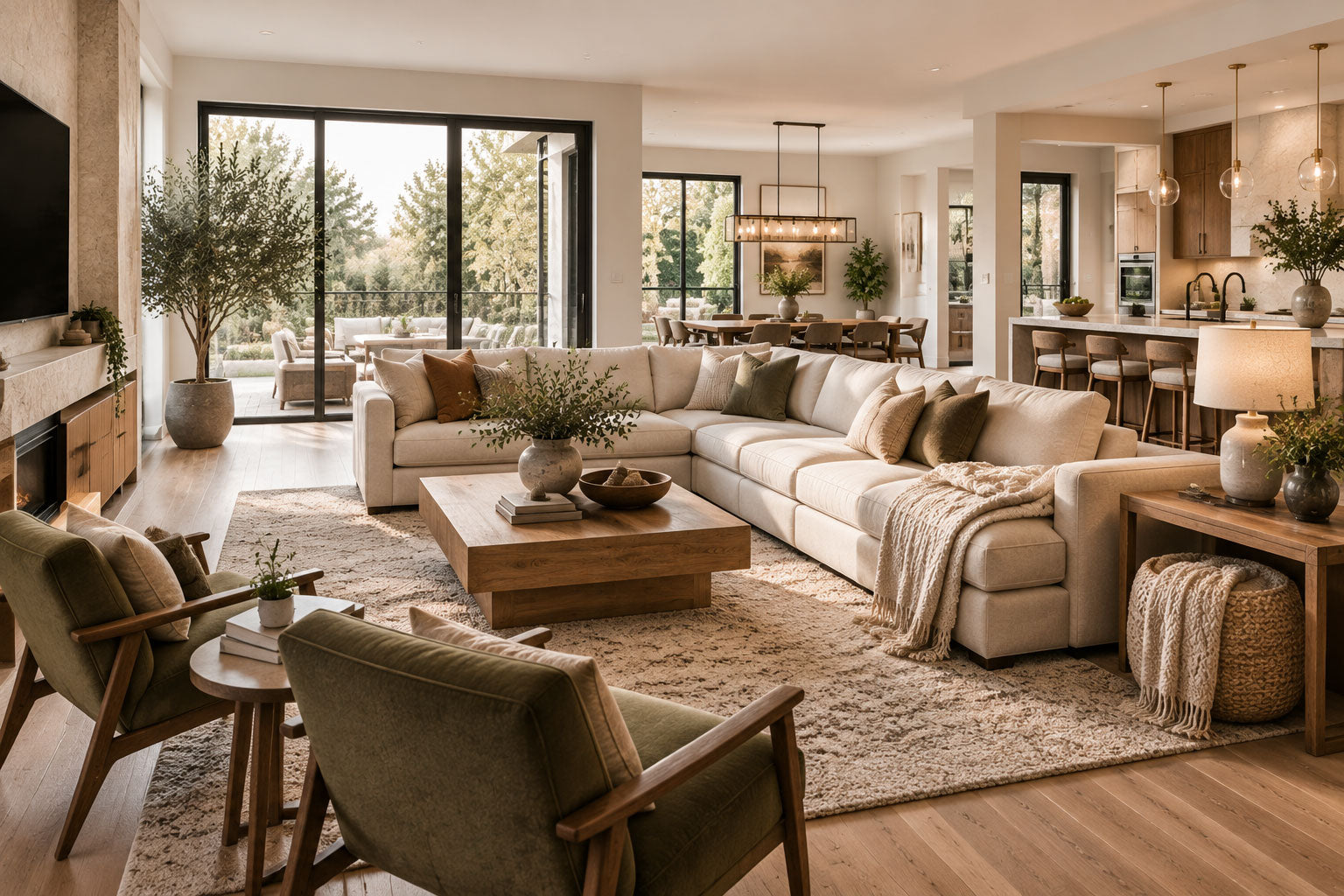












A great home theater is not created by buying the biggest TV or the most expensive speakers. The right home theater speakers should match your room, seating position, and how you actually use the space.
Many buyers focus on speaker specifications but overlook the things that affect real-world performance: where people sit, how far they are from the screen, whether the room is open or enclosed, and whether the system is mainly used for movies, gaming, sports, or everyday entertainment.
This guide explains how home theater speakers work, how to choose the right setup for different rooms, what features are worth prioritizing, and the common mistakes that can reduce your viewing experience.
What Are Home Theater Speakers and Why Do They Matter?
Home theater speakers are a group of audio components designed to create a more immersive sound experience than built-in TV speakers or basic sound systems.
A complete setup separates sound into different channels, allowing each speaker to handle a specific role:
-
The center speaker focuses on dialogue.
-
Front speakers create the main soundstage.
-
Surround speakers add movement and atmosphere.
-
Height speakers create overhead effects.
-
Subwoofers deliver powerful low-frequency impact.
Instead of hearing all sound from one location, a properly designed system makes the room feel larger and more realistic.
The purpose of a home theater speaker system is not simply to make sound louder—it is to place sound around the viewer naturally.
This is why the best system is not always the one with the most speakers. A smaller setup that matches the room and seating position can often provide a better experience than a more complicated system installed incorrectly.

Understanding Different Types of Home Theater Speakers
Before choosing a system, it helps to understand what each speaker contributes.
| Speaker Type | What It Does | Why It Matters |
|---|---|---|
| Front Left & Right Speakers | Main music, effects, and background sounds | Creates the overall soundstage |
| Center Channel Speaker | Dialogue and voices | Keeps conversations clear |
| Surround Speakers | Side and rear effects | Adds immersion and movement |
| Height / Dolby Atmos Speakers | Overhead effects | Creates three-dimensional sound |
| Subwoofer | Deep bass | Adds impact to movies, sports, and gaming |
Front Speakers: Building the Main Soundstage
Front left and right speakers create the foundation of your system.
They handle:
-
Movie sound effects
-
Music
-
Environmental sounds
-
The overall width of the audio experience
Larger rooms may benefit from floor-standing speakers, while smaller rooms often work well with bookshelf speakers.
However, bigger does not always mean better.
A speaker that overwhelms a small room can create placement problems and uneven sound.
The right front speakers are the ones that match your room size and listening distance, not simply the largest models you can fit.

Center Channel Speaker: The Most Important Speaker for Movies?
For movie-focused systems, the center channel is often one of the most important components.
Most dialogue comes from the center speaker, including:
-
Conversations
-
Character voices
-
Narration
-
Important sound details
A weak center channel can make movies frustrating because users constantly adjust the volume to hear conversations during quiet scenes and reduce it during action scenes.
For families watching movies together, clear dialogue is often more valuable than simply having louder sound.
Surround Speakers: Creating the Feeling of Being Inside the Scene
Surround speakers create the sounds that happen around you.
Examples include:
-
Rain moving across a scene
-
Crowd noise during sports
-
Environmental sounds in games
-
Background effects in movies
Their effectiveness depends heavily on placement.
A high-quality surround speaker in the wrong position may provide less impact than a properly positioned smaller speaker.
This is why room planning should happen before choosing the final equipment.
Dolby Atmos and Height Speakers: Are They Worth It?
Dolby Atmos adds a vertical dimension by creating overhead sound effects.
Examples:
-
Aircraft moving above you
-
Rain falling from the ceiling
-
Objects moving through space
Atmos can create a more cinematic experience, but it is not the first upgrade every room needs.
Before adding height speakers, make sure you already have:
-
Correct speaker placement
-
A good listening position
-
Balanced front and surround sound
For smaller rooms or shared living spaces, improving the basic setup may provide a bigger improvement than adding more channels.
How Many Home Theater Speakers Do You Actually Need?
A common mistake is assuming more speakers automatically create a better theater.
The right setup depends on:
-
Room size
-
Seating arrangement
-
Budget
-
How seriously you use the room
| Setup | Best For | Considerations |
|---|---|---|
| 2.1 | Small rooms and TV upgrades | Better than TV speakers but limited surround |
| 3.1 | Movie watching in living rooms | Better dialogue clarity |
| 5.1 | Most home theaters | Strong balance of immersion and simplicity |
| 7.1 / Dolby Atmos | Dedicated theaters | Requires better planning and placement |
2.1 System
A 2.1 setup includes:
-
Left speaker
-
Right speaker
-
Subwoofer
It works well for:
-
Apartments
-
Bedrooms
-
Casual entertainment spaces
3.1 System
Adding a center speaker improves:
-
Dialogue clarity
-
TV and movie conversations
-
Family viewing experience
This can be a practical upgrade for living rooms where full surround installation is difficult.
5.1 System
A 5.1 system includes:
-
Front left
-
Front right
-
Center
-
Two surround speakers
-
Subwoofer
For many home theater users, this provides the best balance between complexity and performance.
7.1 and Dolby Atmos Systems
Advanced systems add more channels.
They are better suited for:
-
Dedicated theater rooms
-
Larger spaces
-
Users who want a more cinematic experience
However, additional speakers only help when the room supports proper placement.
How to Choose Speakers Based on Your Room
The biggest difference between a showroom and a real home is the room itself.
Many buyers purchase speakers first and discover later that:
-
The sofa is against the wall.
-
There is no space behind the seats.
-
The room is open to another area.
-
Speakers cannot be positioned correctly.
A good setup starts with understanding your space.
Small Rooms and Apartments
Small spaces often benefit from:
-
Compact speakers
-
Bookshelf speakers
-
Simple surround layouts
-
Flexible placement
Avoid filling a small room with oversized equipment that creates more installation challenges than benefits.
Living Rooms and Open Spaces
Many families do not have a dedicated theater room.
Instead, they use:
-
Living rooms
-
Family rooms
-
Basements
-
Bonus rooms
In these spaces, consider:
-
How furniture affects sound
-
Whether seats can face the screen correctly
-
Whether speakers interfere with daily movement
A practical system that works every day is usually better than a perfect setup that is inconvenient.
Dedicated Home Theater Rooms
Dedicated spaces provide more flexibility.
You can plan:
-
Speaker angles
-
Multiple seating rows
-
Acoustic treatment
-
Larger screens
-
Better viewing positions
However, even dedicated rooms require balance.
A room filled with equipment but poor seating comfort may not be enjoyable for long movie nights.
Home Theater Speakers vs Soundbars: Which Is Better?
Soundbars and speaker systems solve different problems.
| Soundbar | Home Theater Speakers | |
|---|---|---|
| Installation | Easy | Requires planning |
| Space | Great for small rooms | Better for dedicated spaces |
| Surround effect | Limited | More immersive |
| Upgrade flexibility | Limited | Higher |
| Best use | Simple TV improvement | Full entertainment experience |
A soundbar is convenient for users who want better TV audio without major changes.
A speaker system is better for users who want:
-
Movie immersion
-
Gaming atmosphere
-
Sports experiences
-
Long-term upgrade options

The Role of Seating in Home Theater Sound
Many people think home theater audio is only about speakers.
In reality, the listener’s position is part of the system.
Your seating affects:
-
Ear height
-
Distance from speakers
-
Surround sound balance
-
Viewing angle
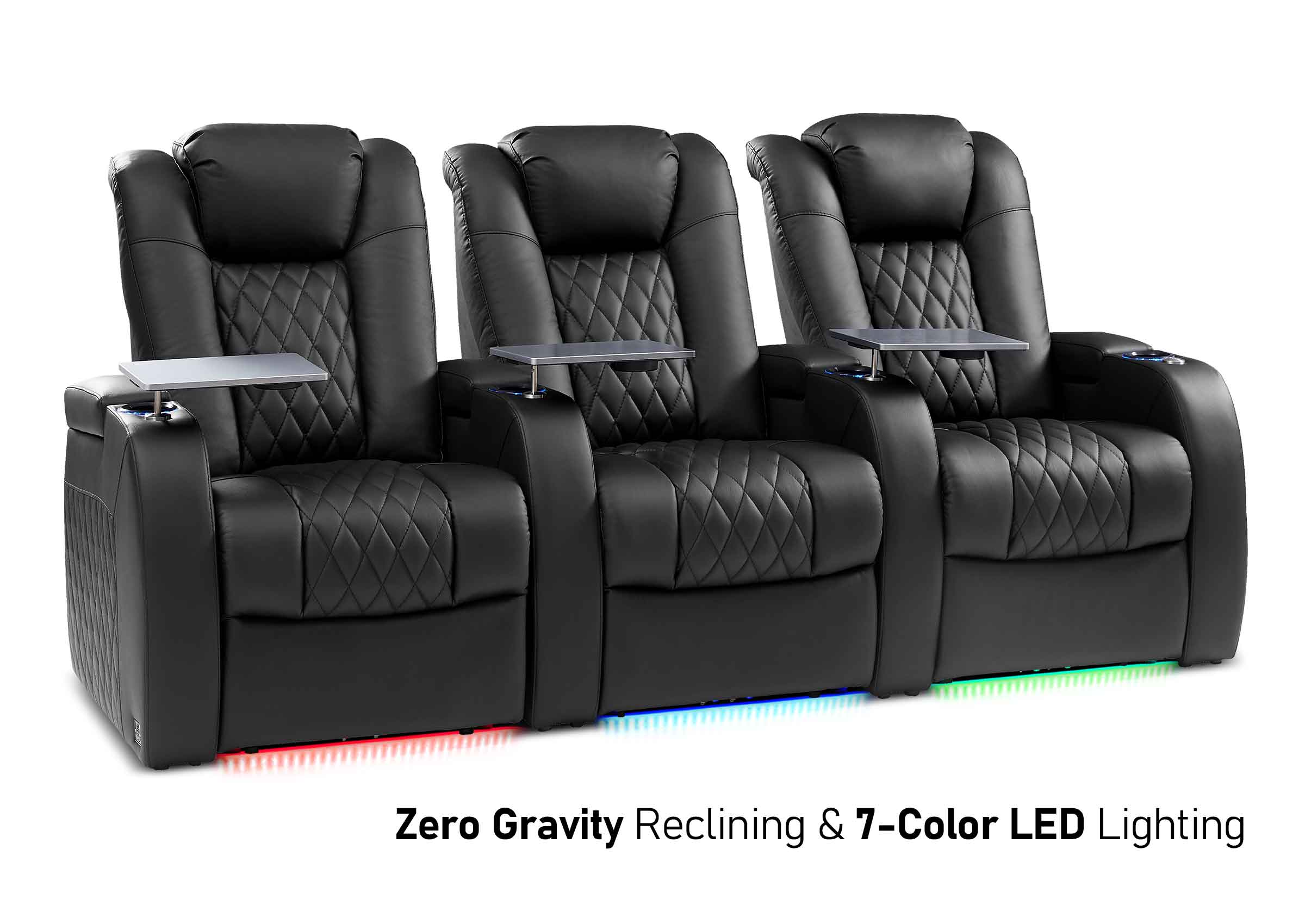
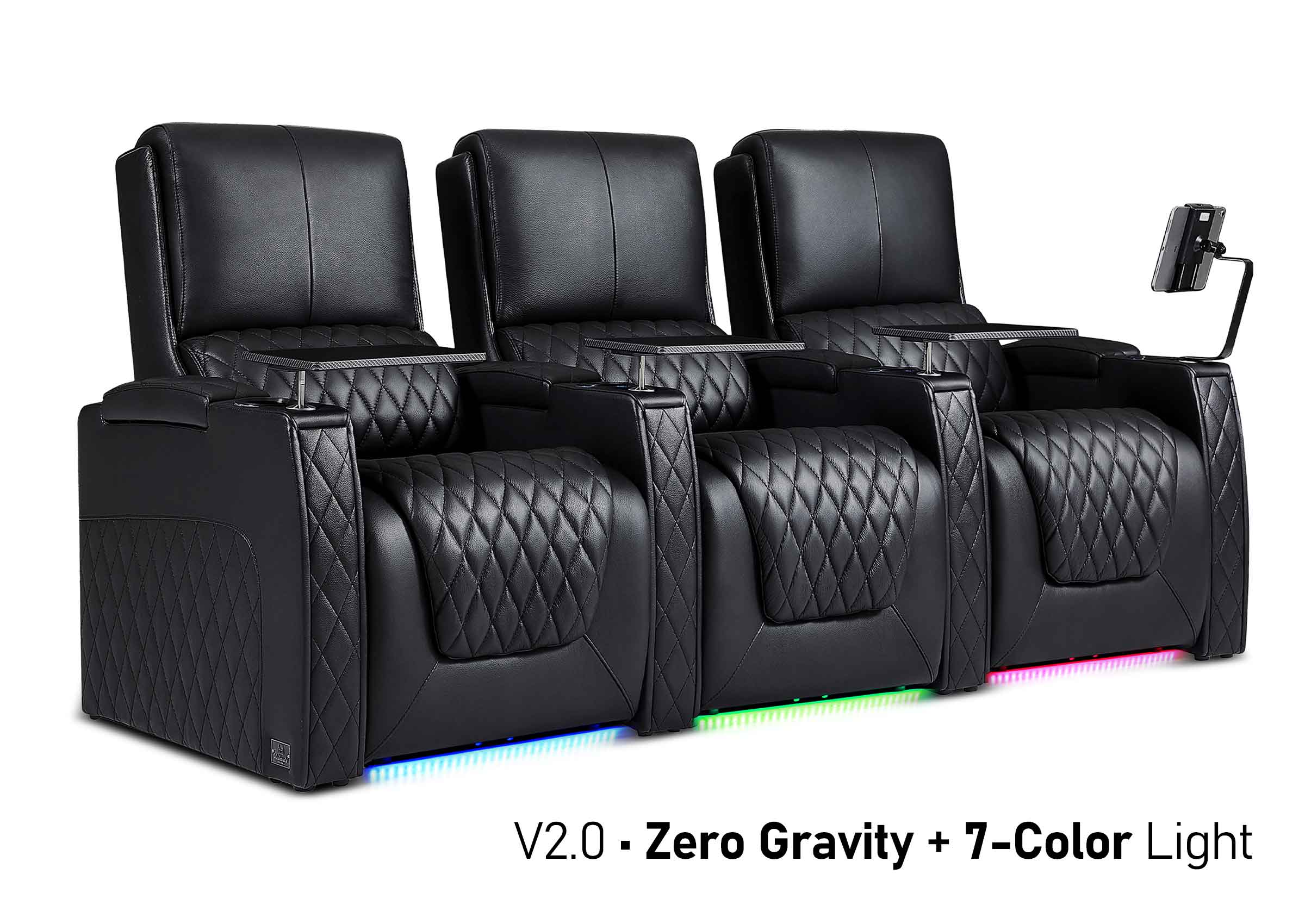
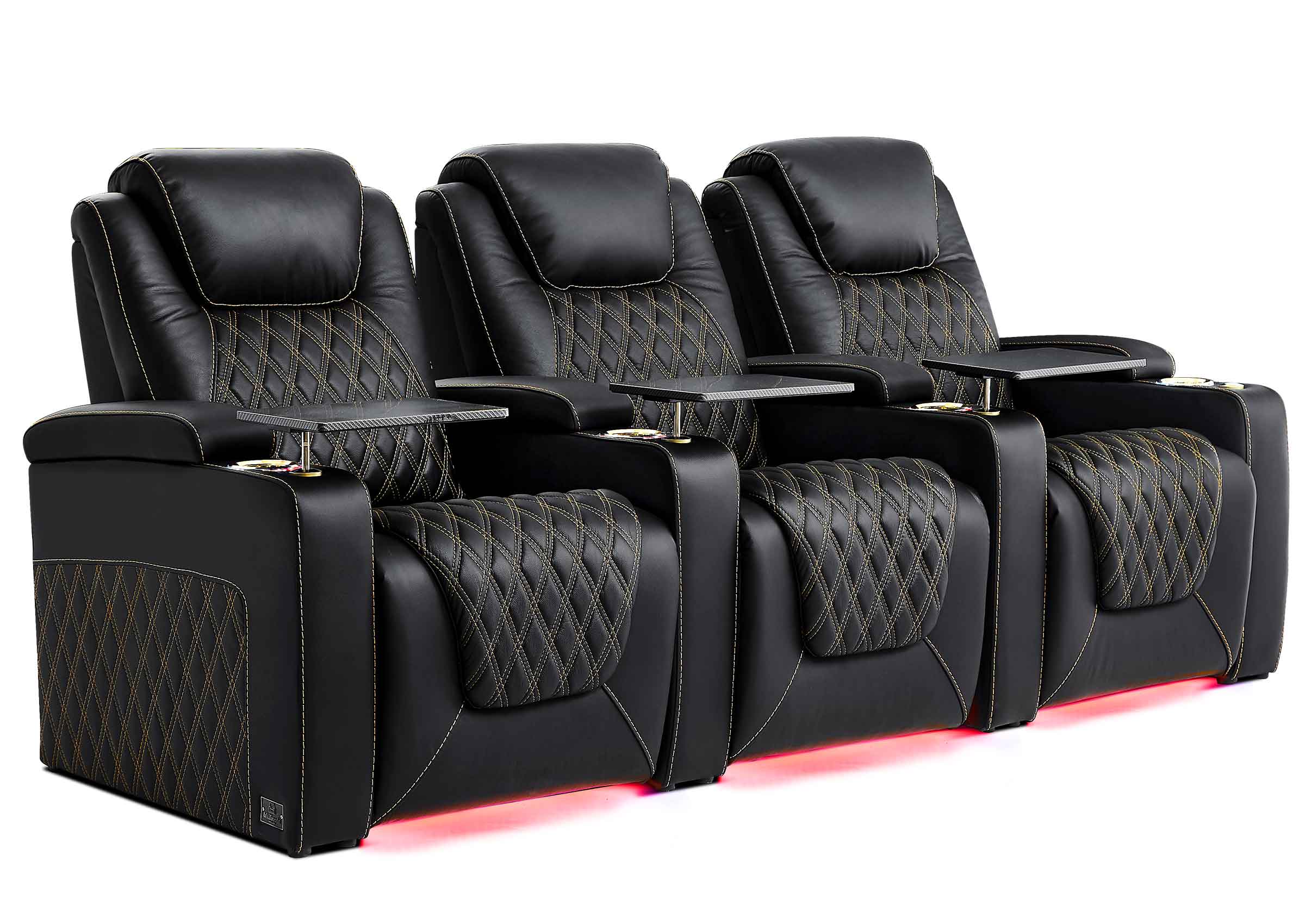
Reclining seating can also change your listening position because your head moves backward and your body angle changes.
A complete home theater should be planned around where people actually sit, not just where equipment can be installed.
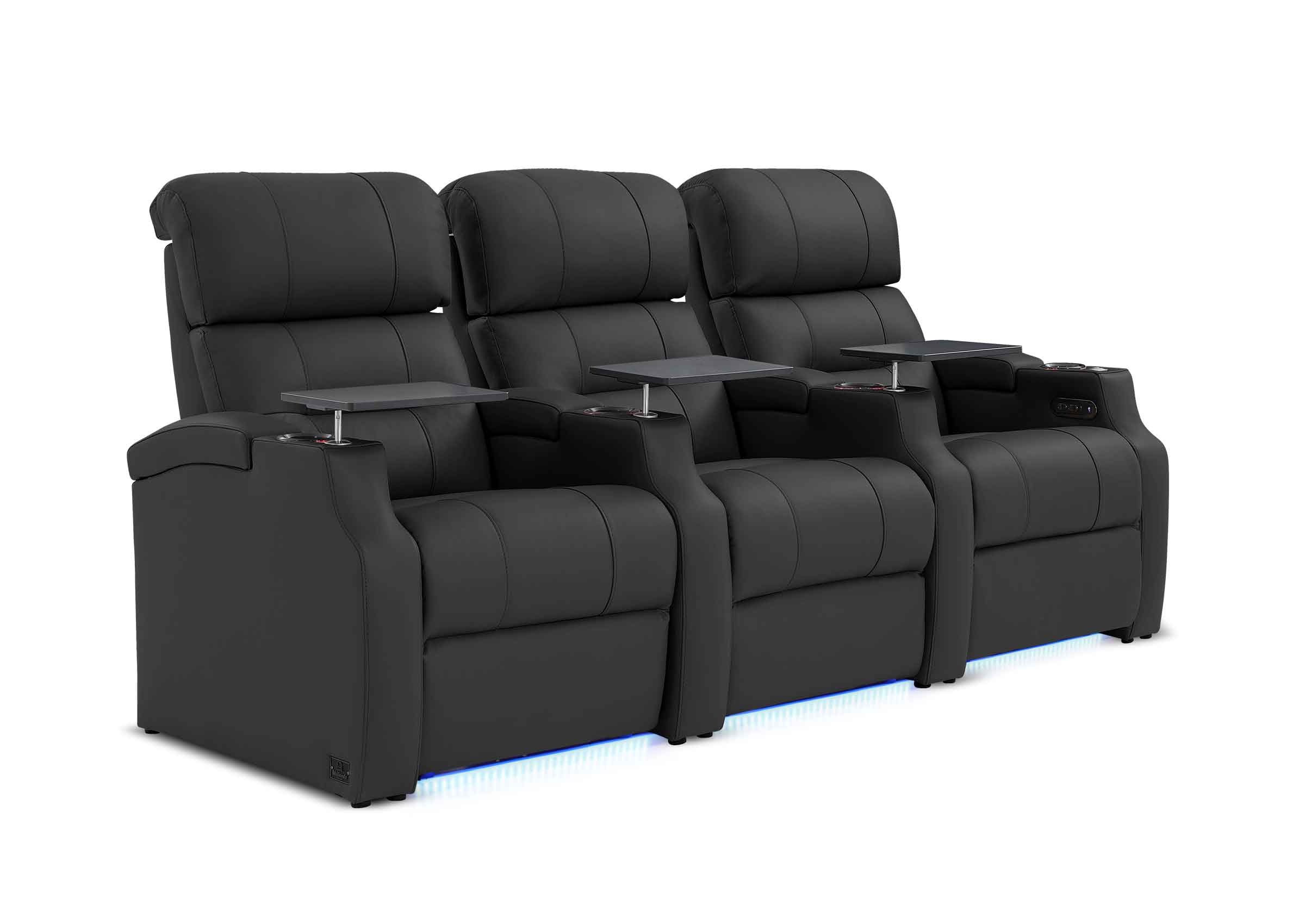
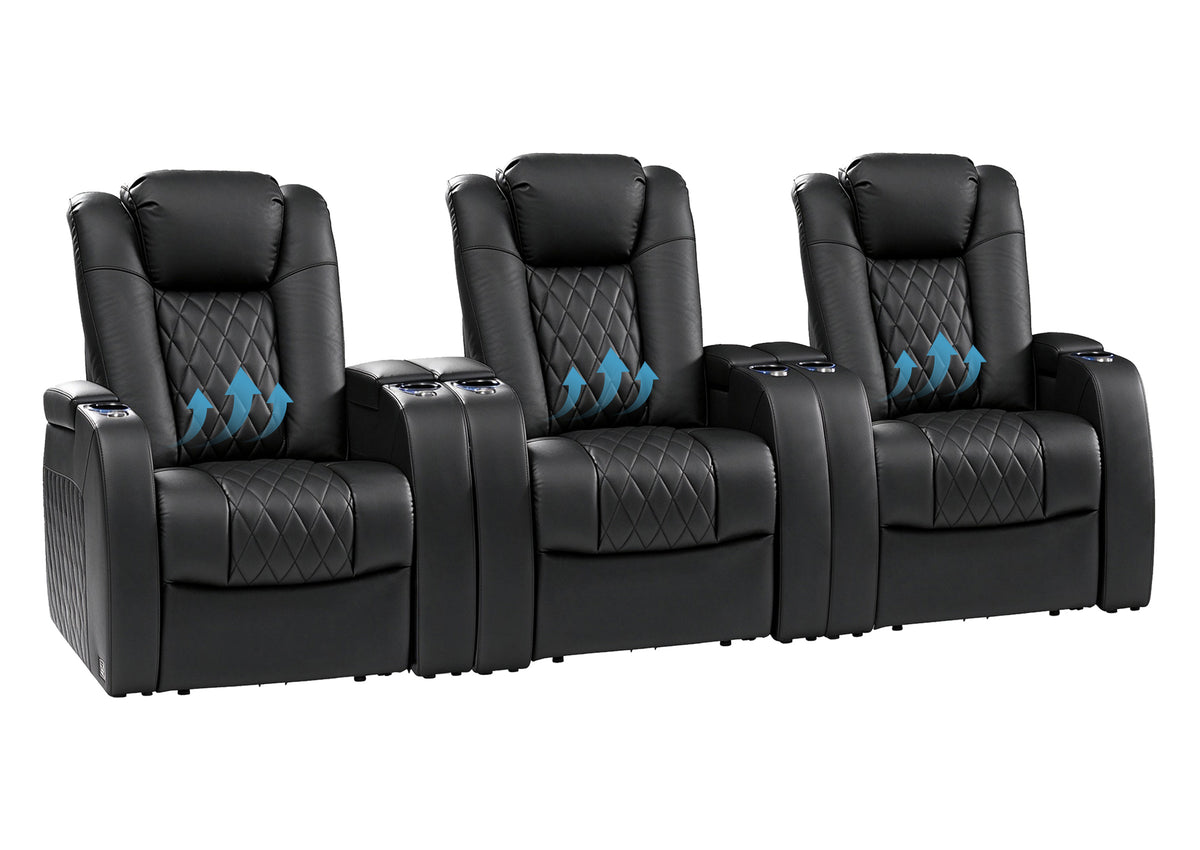
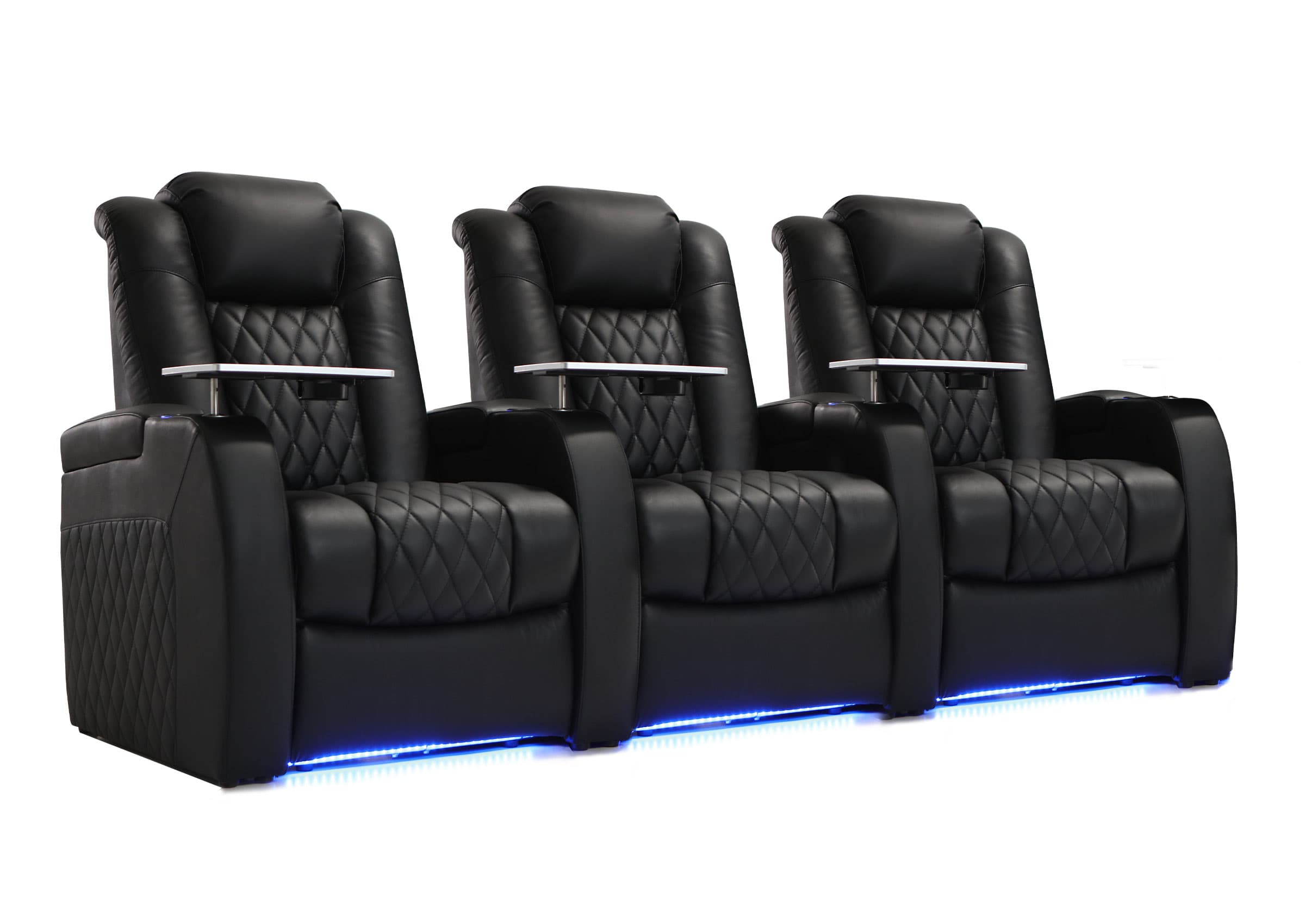
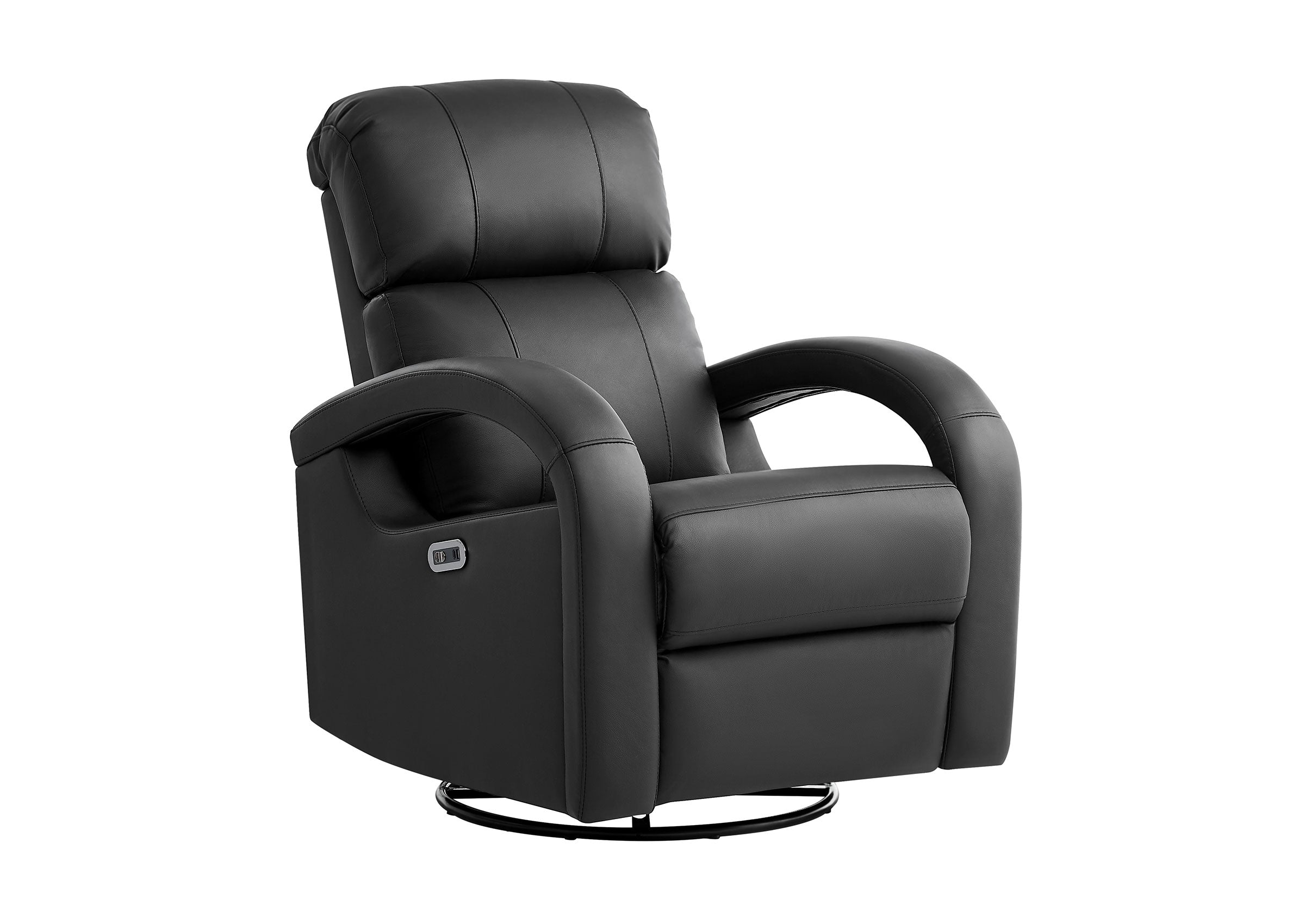
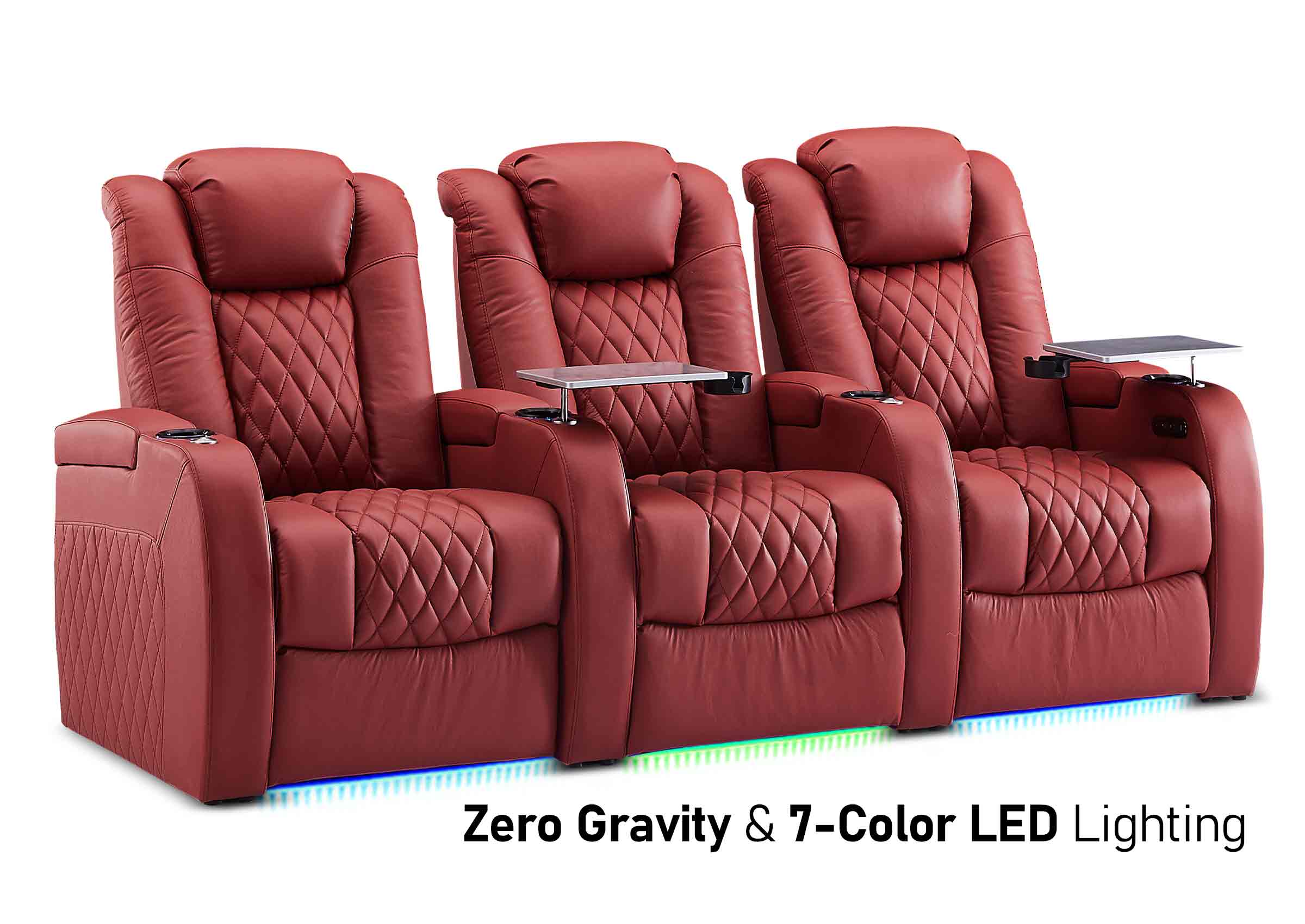
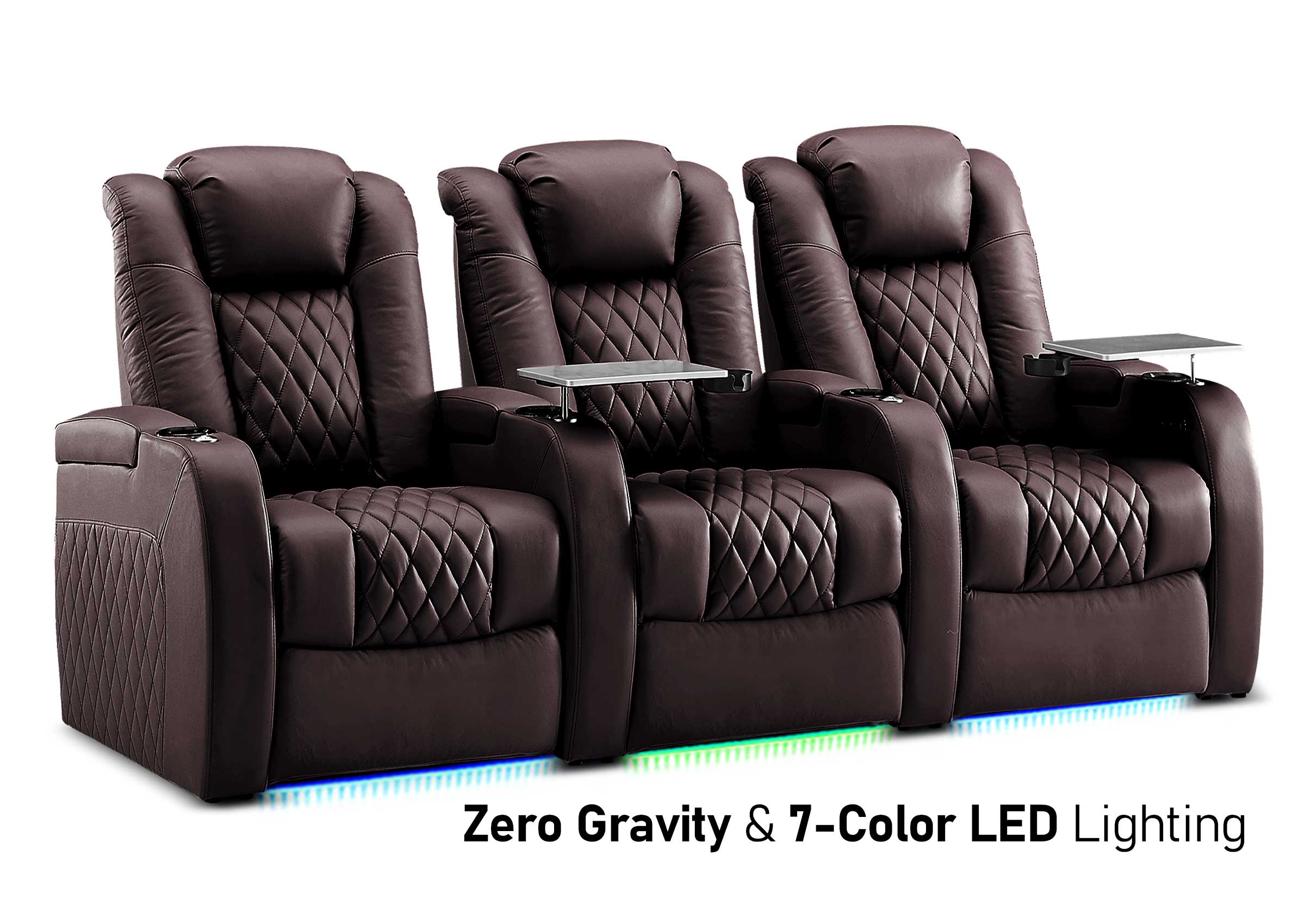
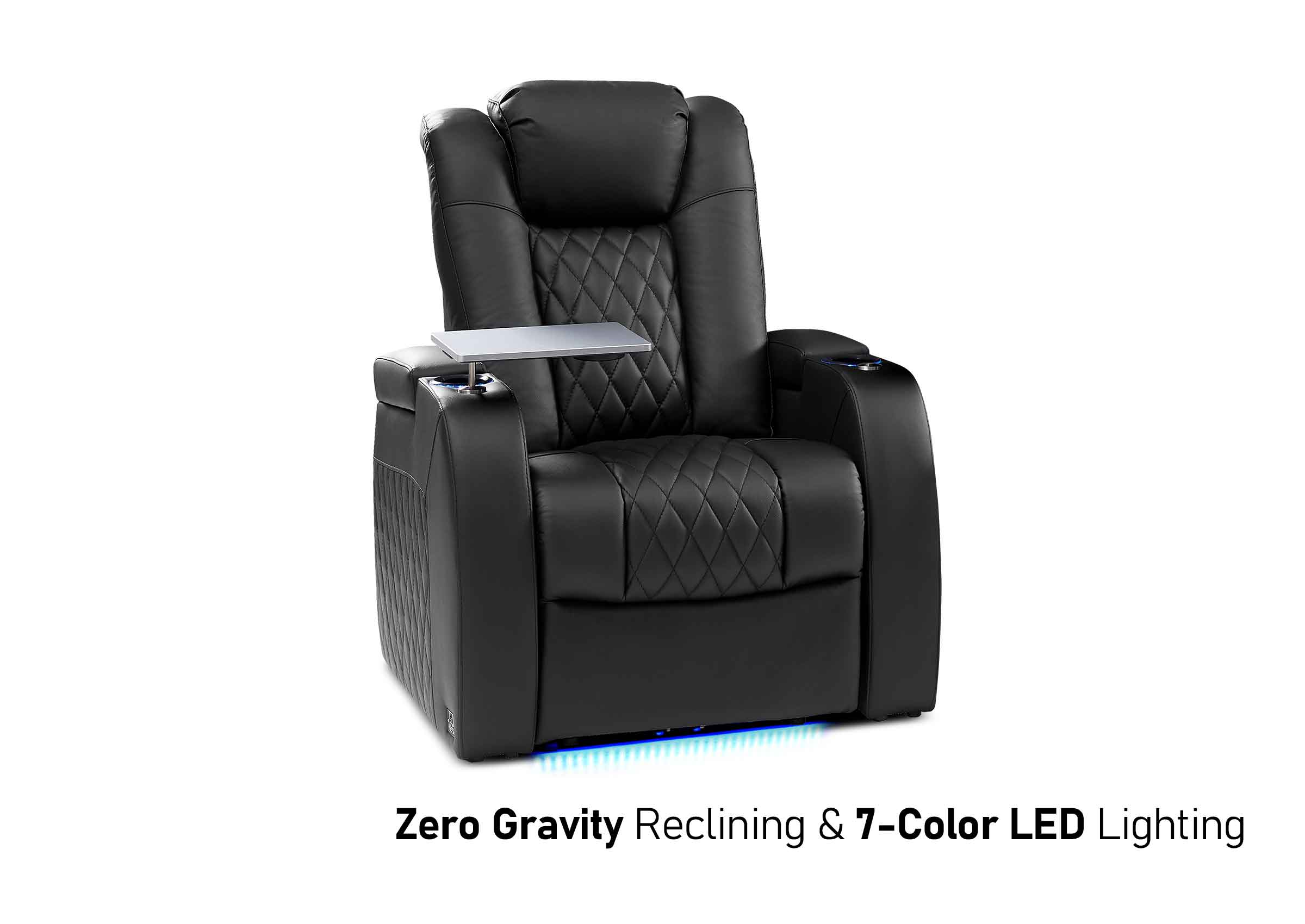
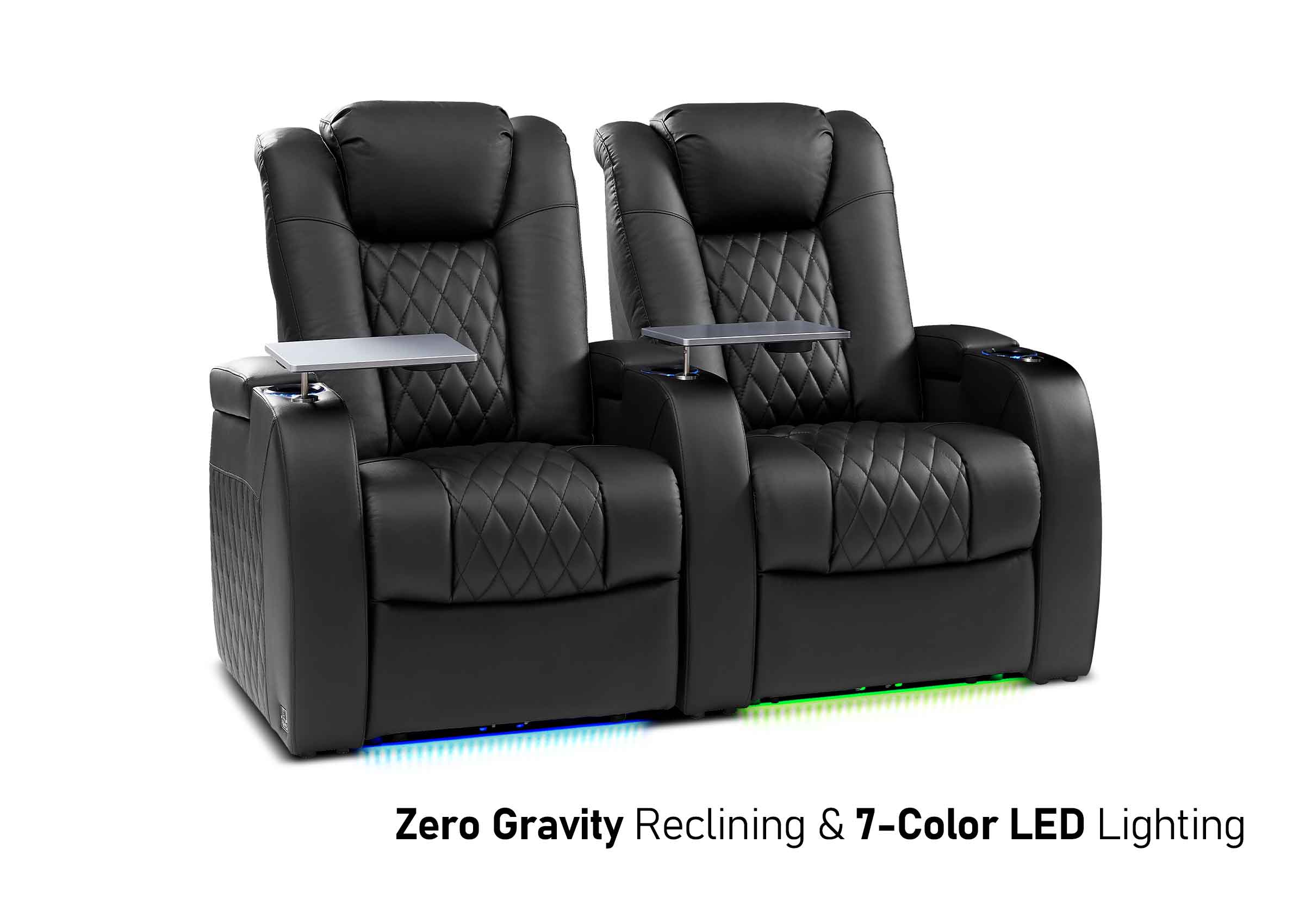
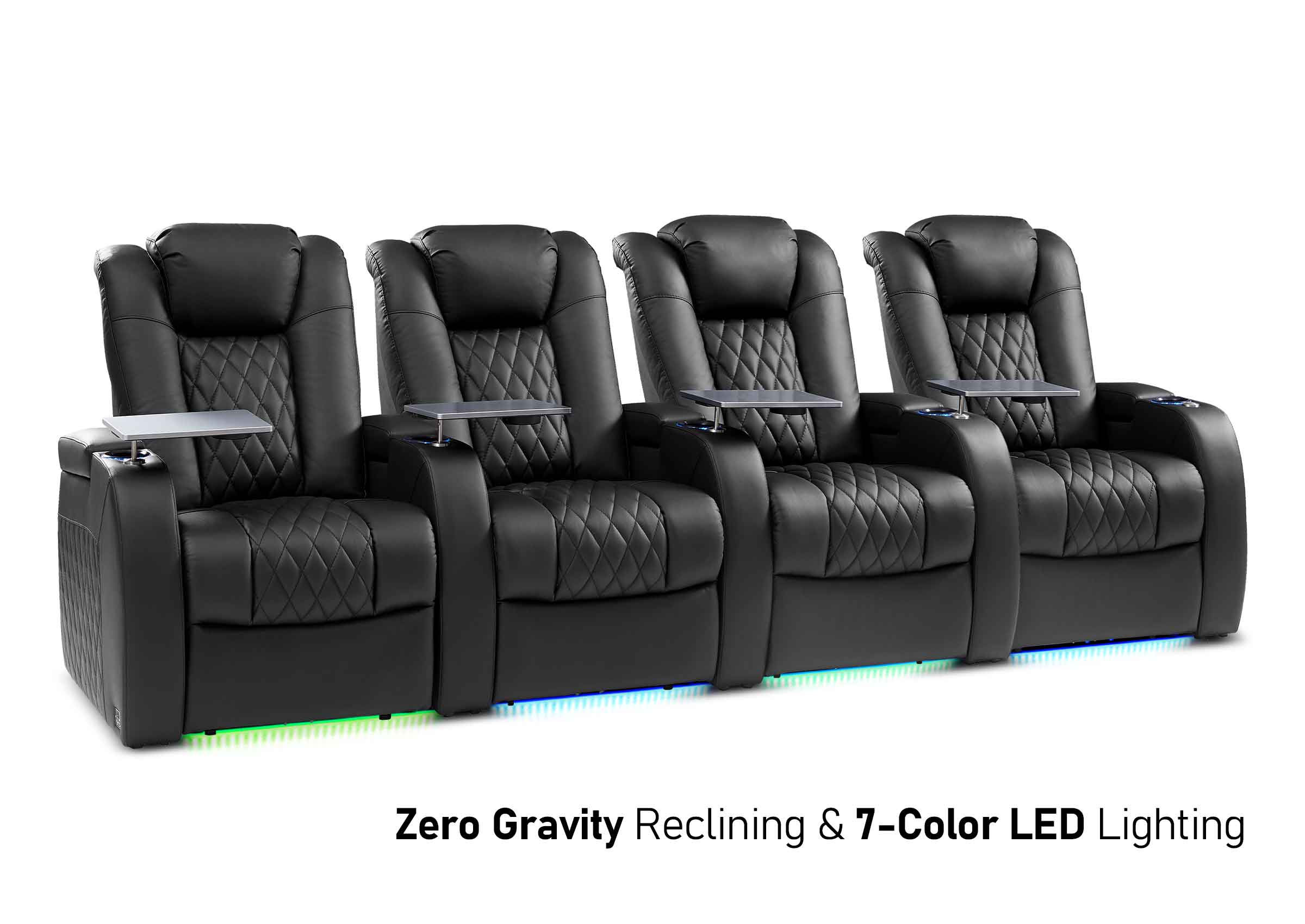
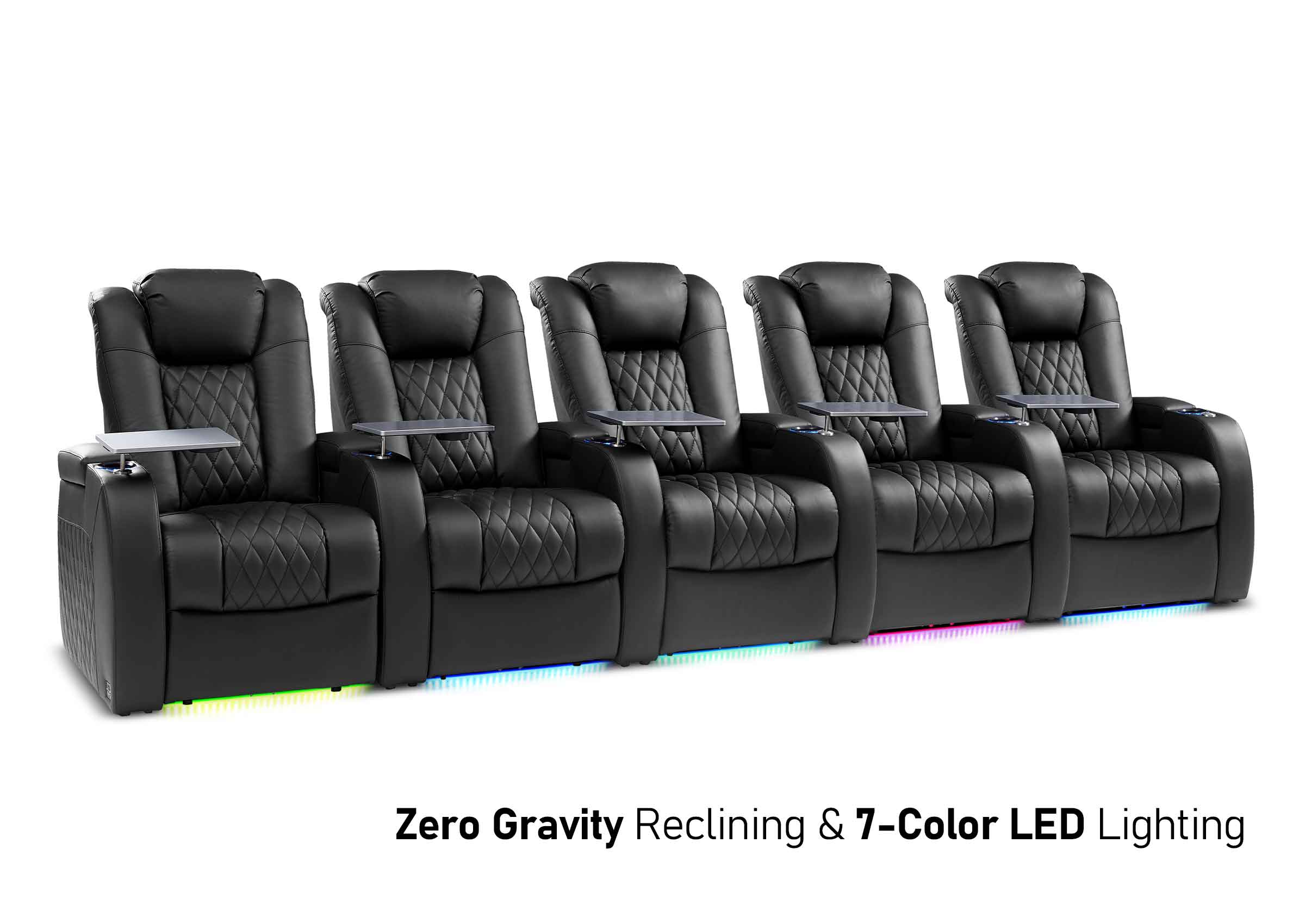
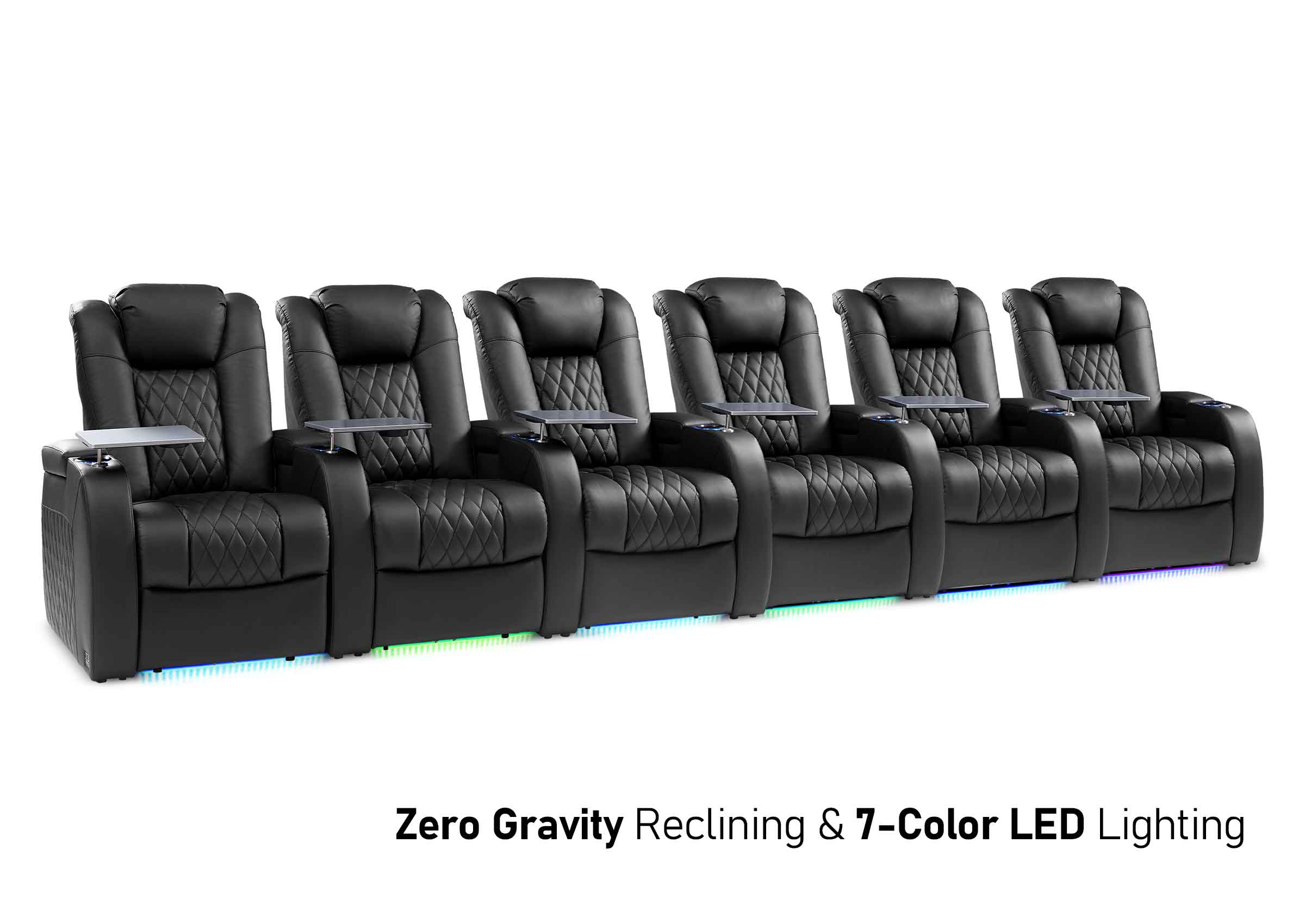
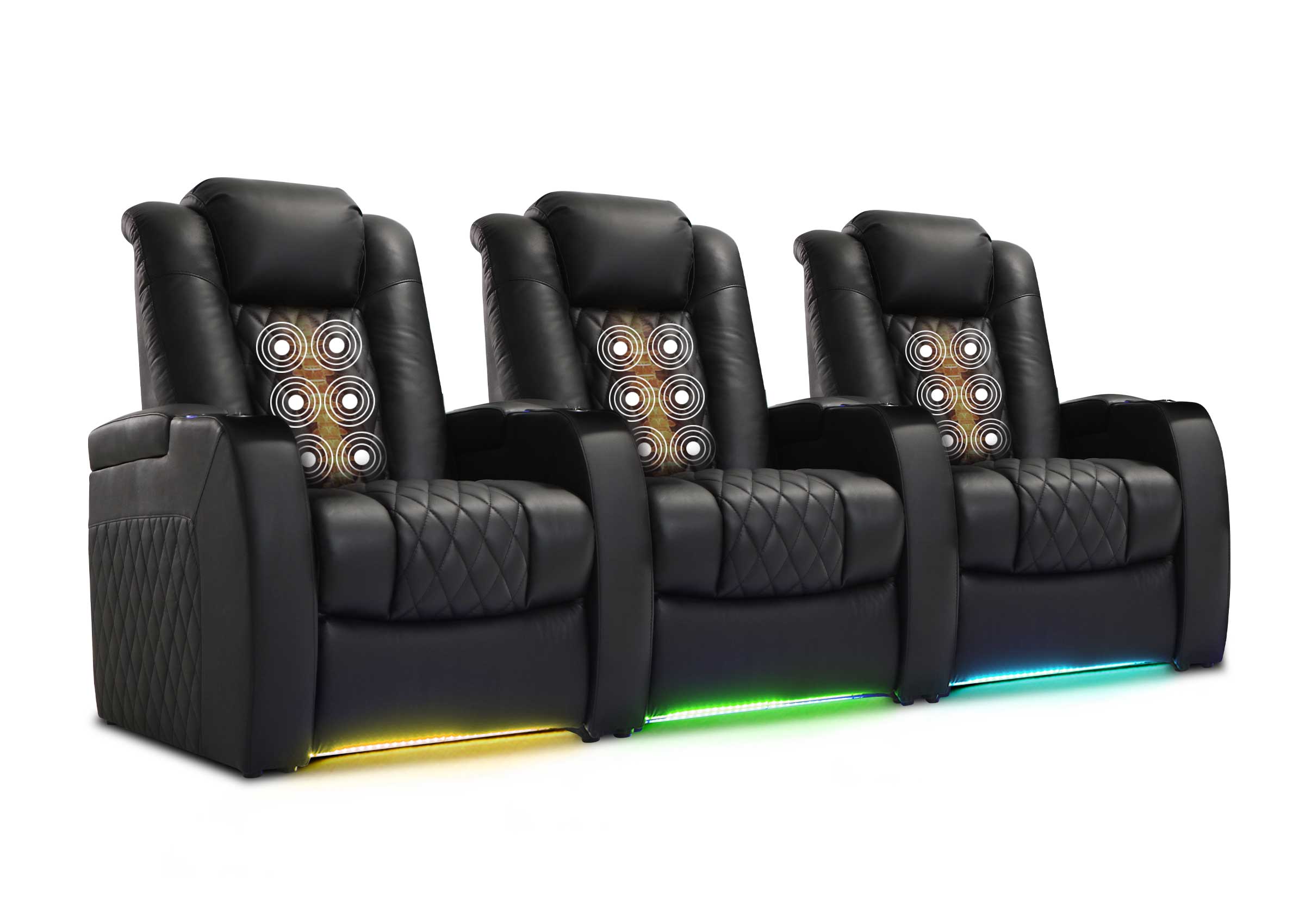
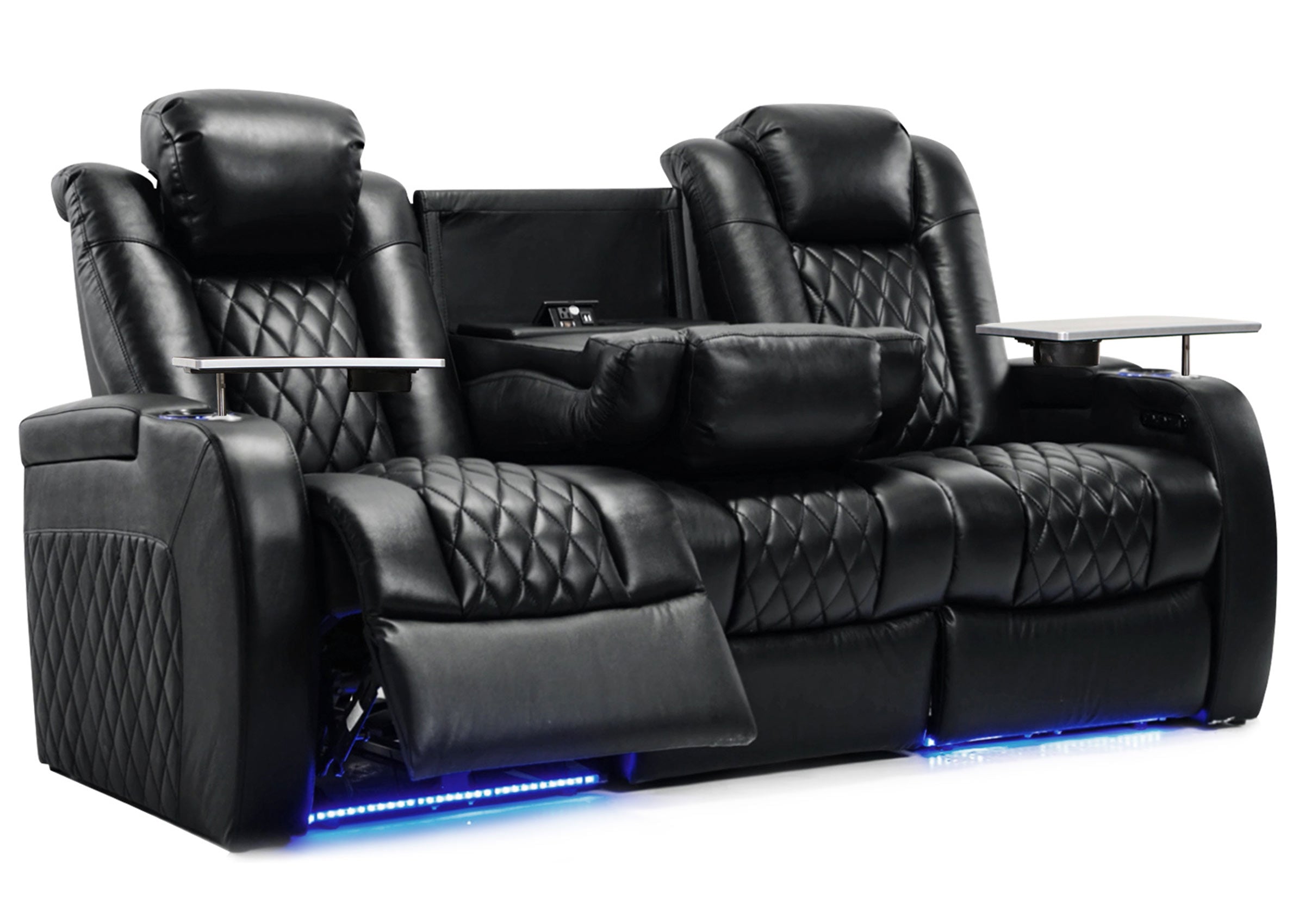
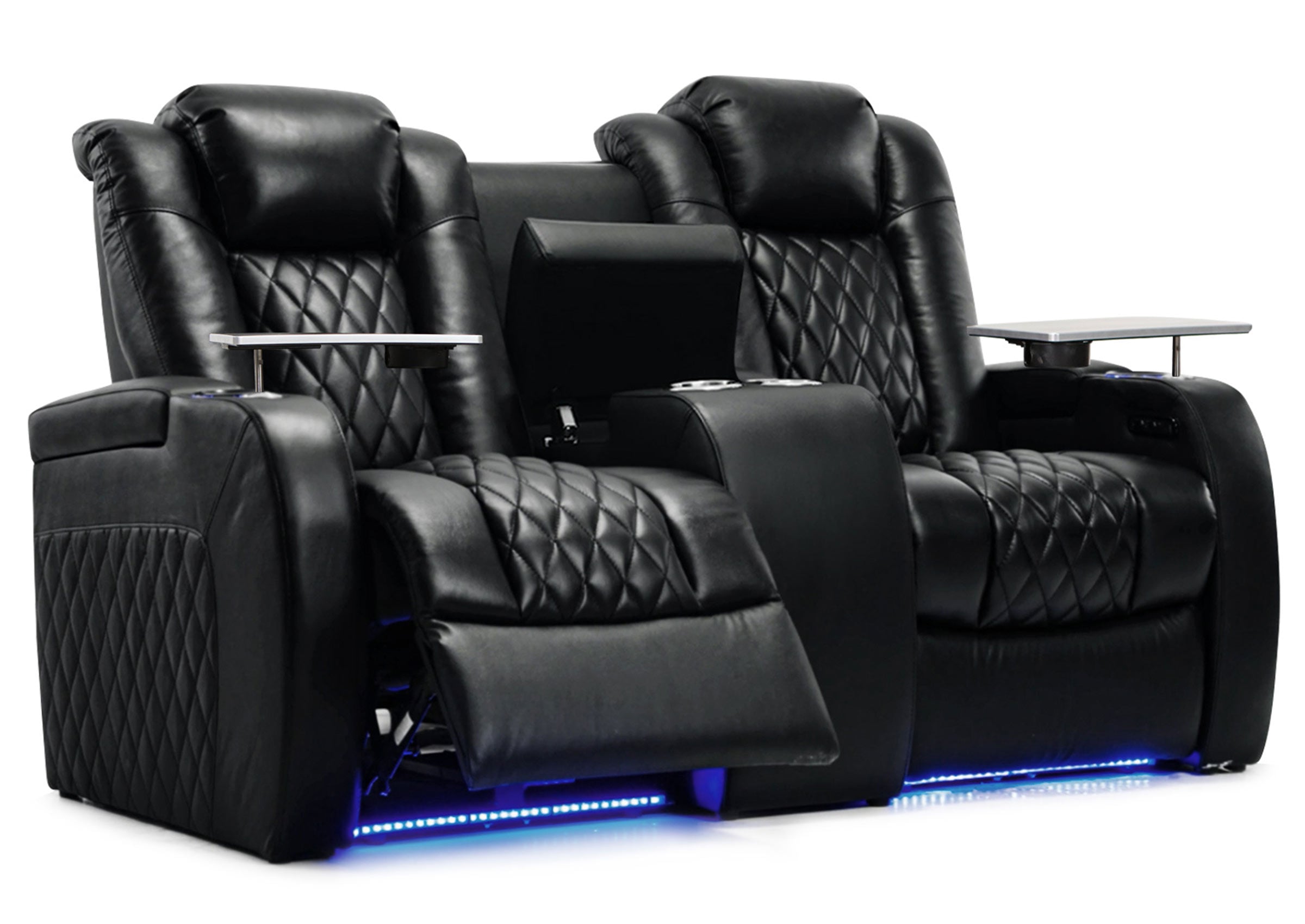
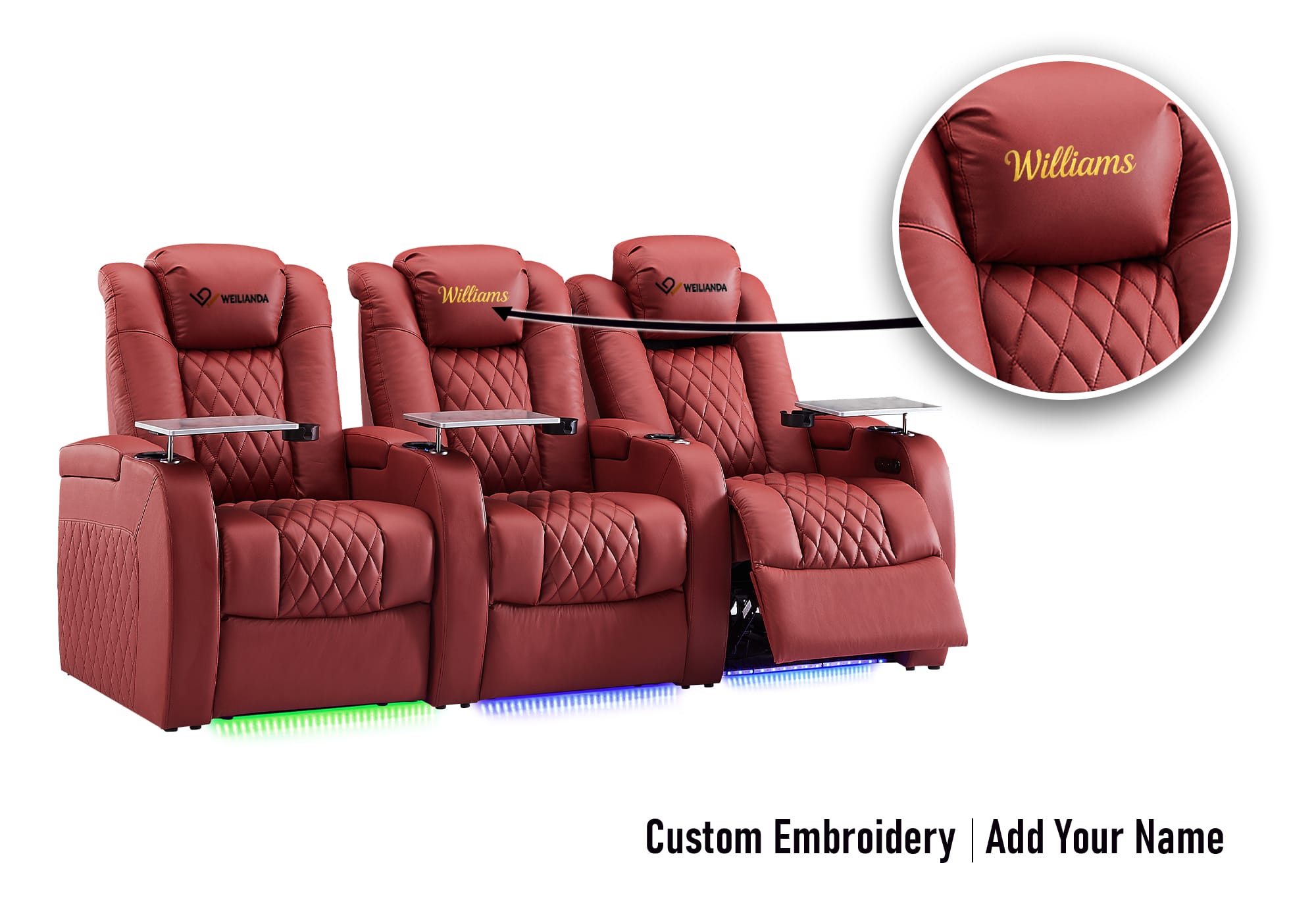
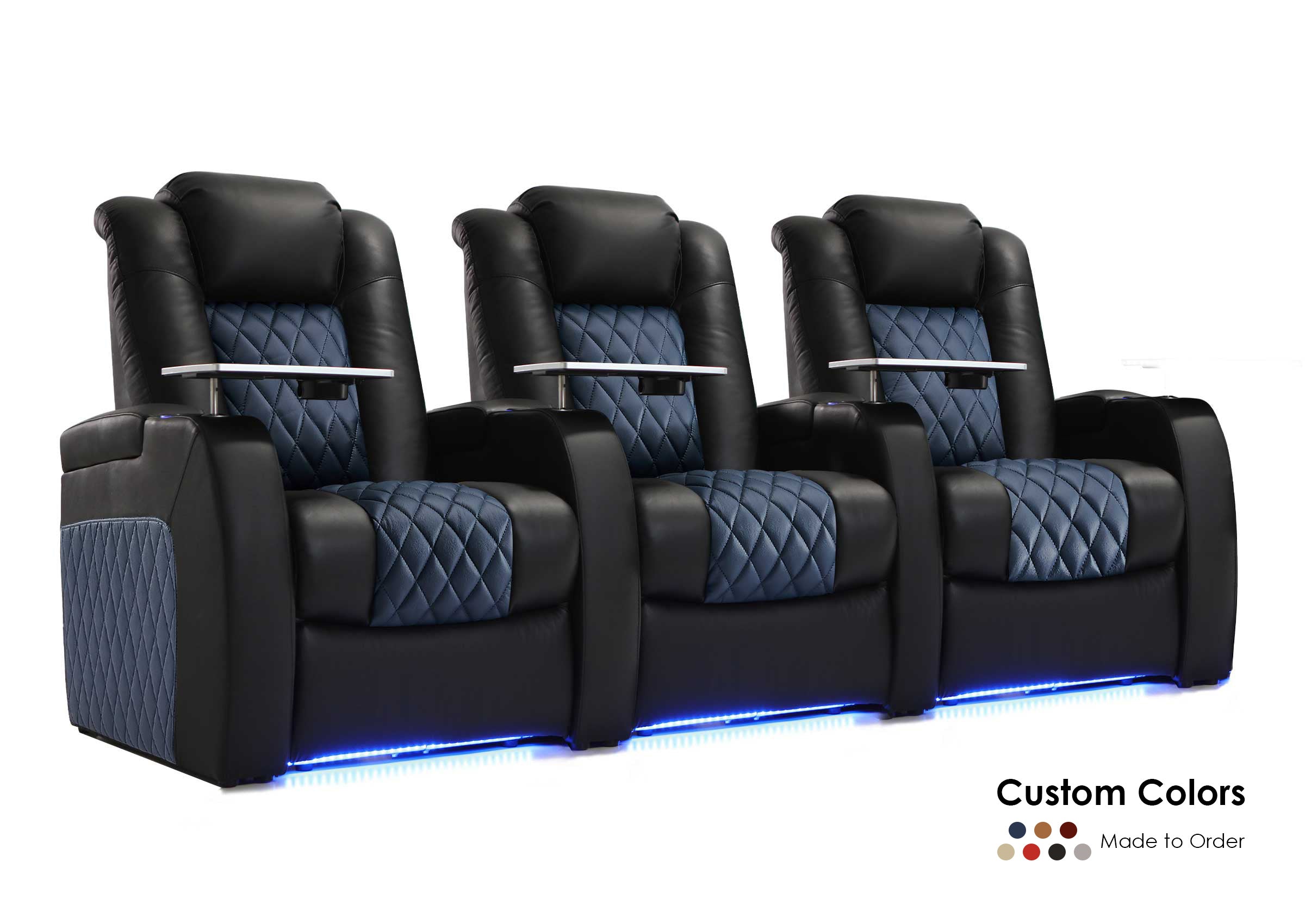
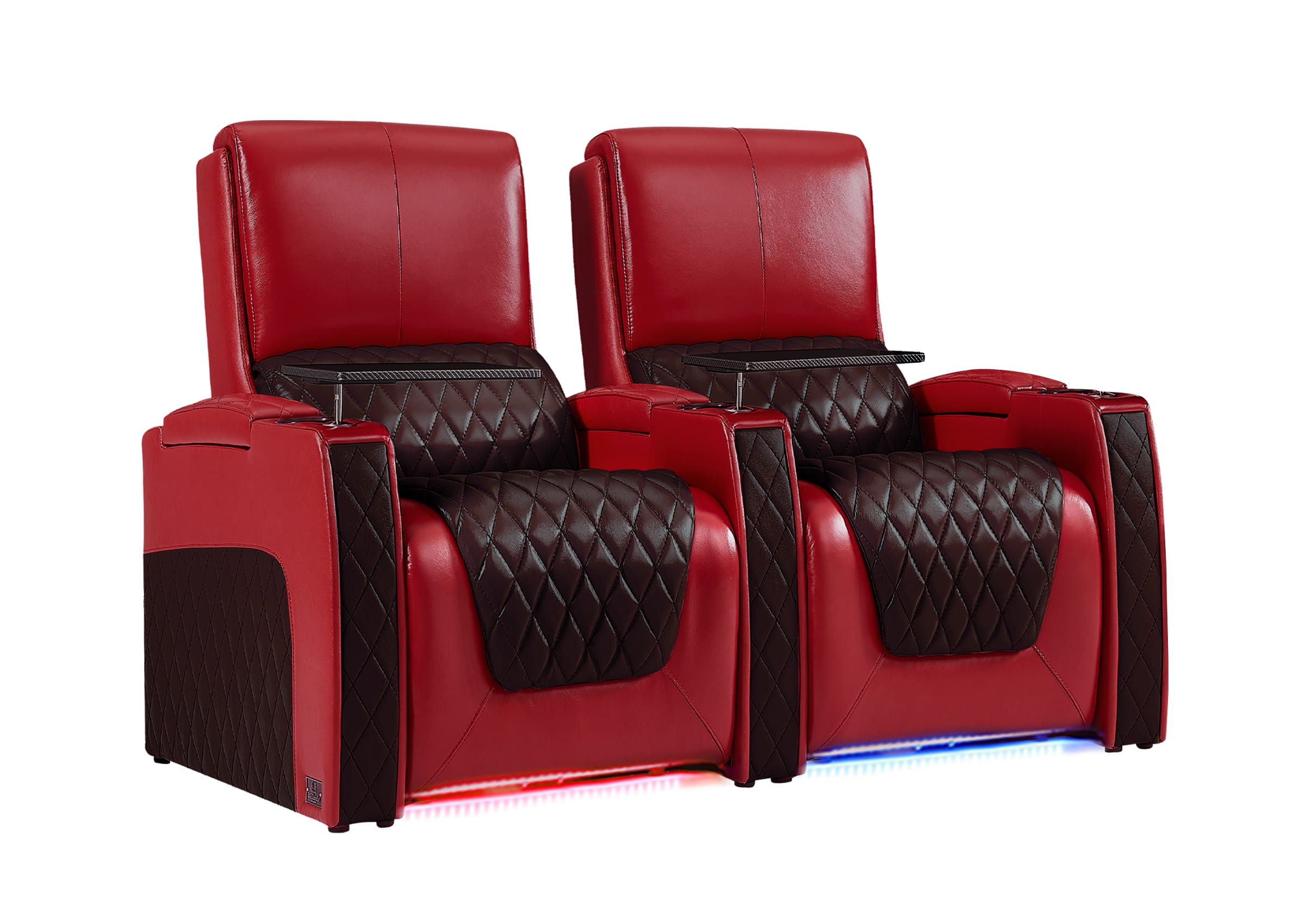
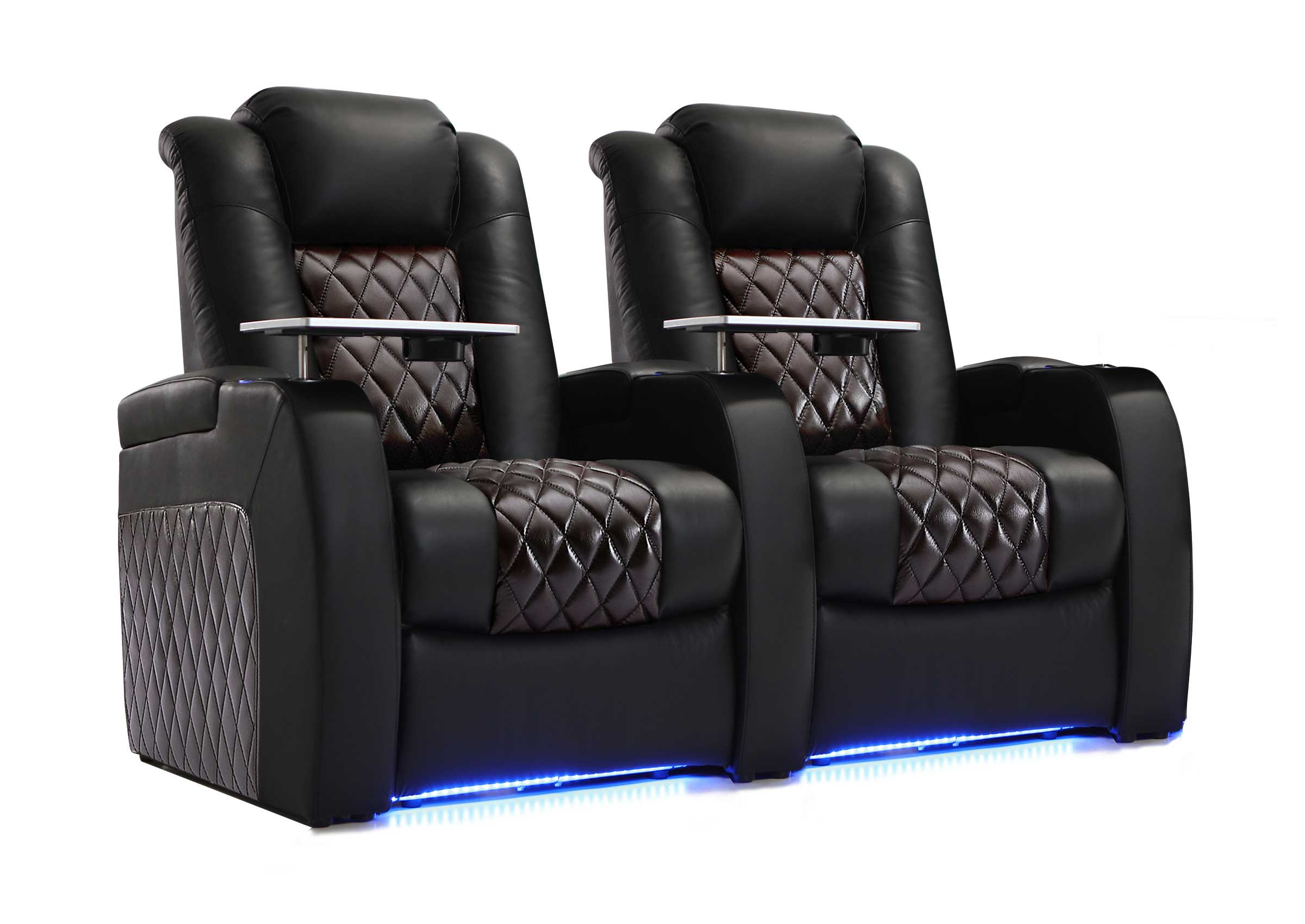
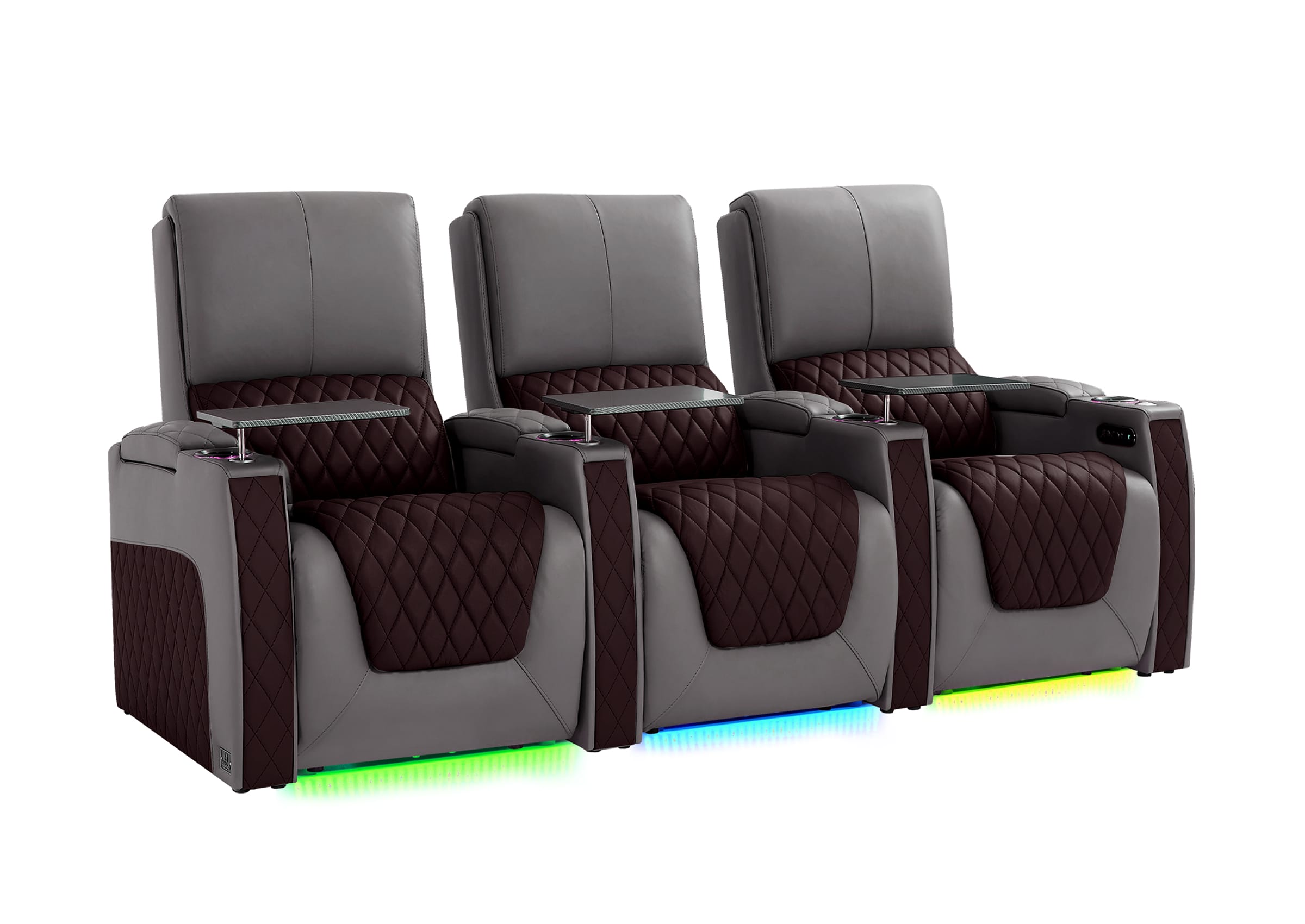
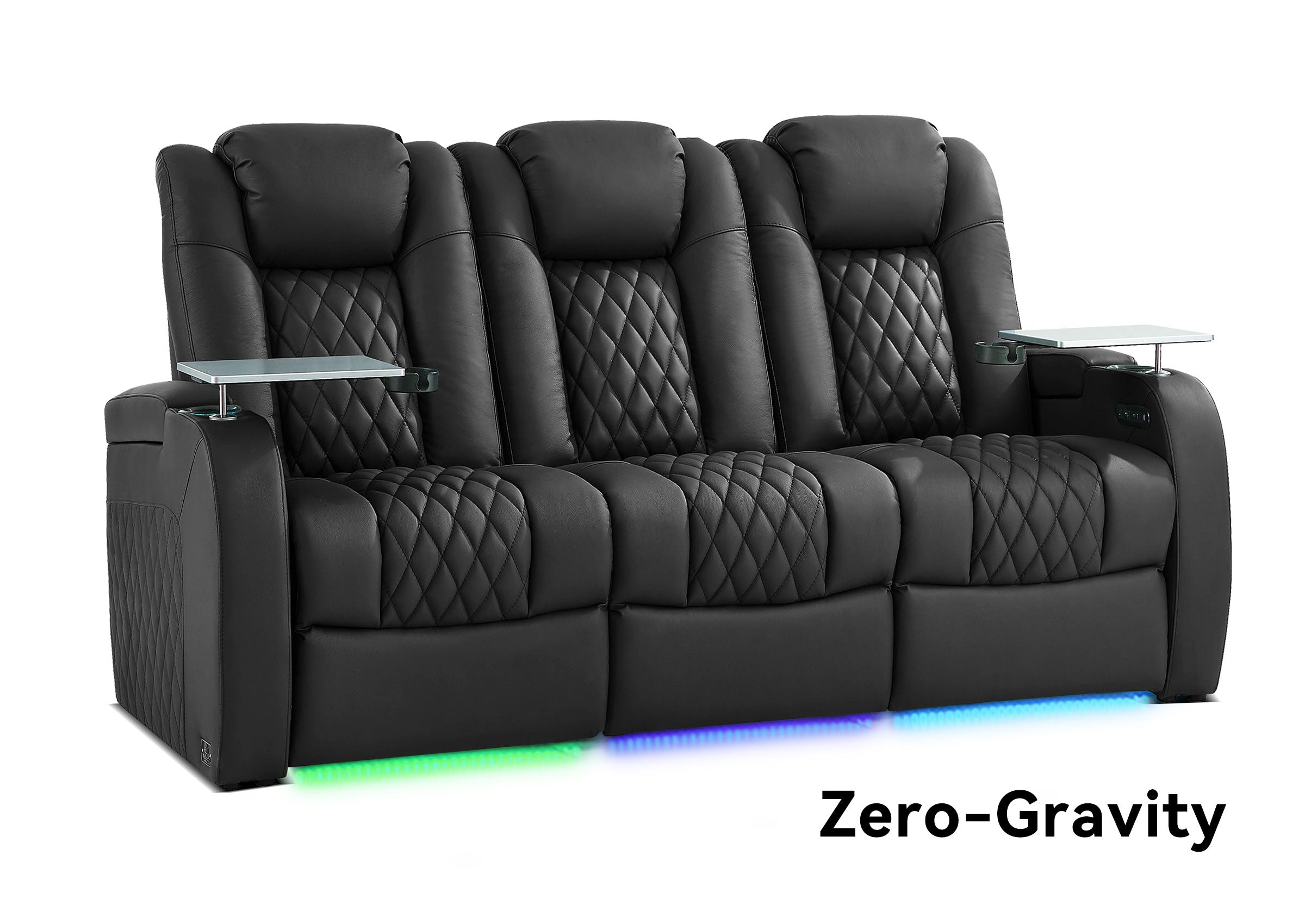
This is why screen position, speaker placement, and seating layout should be considered together. Home theater seating features such as power recline, adjustable headrests, and different seat configurations can influence the final viewing position and overall comfort.

Common Home Theater Speaker Mistakes Buyers Regret
Buying Speakers Before Planning the Room
A speaker system should fit the room, not force the room to fit the equipment.
Before buying, consider:
-
Where the main seats will be
-
Where speakers can realistically go
-
How people move through the room
Spending Too Much on Speakers and Ignoring Comfort
A home theater is used while sitting.
If the seating is uncomfortable after one or two hours, even excellent audio will not create a great experience.
Balance matters between:
-
Sound quality
-
Viewing comfort
-
Room atmosphere
-
Daily usability
Choosing Too Many Features Instead of the Right Features
More equipment does not always mean better results.
Prioritize:
-
Correct placement
-
Comfortable viewing position
-
Clear dialogue
-
Balanced sound
-
Additional upgrades
Ignoring the Room’s Real Purpose
A family entertainment room may need a different setup from a dedicated cinema.
Ask:
-
Is this mainly for movies?
-
Will children use it?
-
Is gaming important?
-
Will guests watch sports here?
The best setup is the one that fits your lifestyle.
Where Should You Spend Your Home Theater Budget First?
Instead of upgrading everything at once, prioritize the parts that improve daily experience.
A practical upgrade order:
1. Seating Position and Room Planning
A good listening position improves every speaker.
2. Center Speaker Quality
Clear dialogue makes movies easier to enjoy.
3. Front Speakers
They create the main sound experience.
4. Subwoofer
Adds impact and emotion.
5. Surround and Atmos Upgrades
These improve immersion after the foundation is correct.
Home Theater Speaker Buying Checklist
Before purchasing, check:
☐ Room size and layout
☐ Main seating location
☐ Speaker placement options
☐ Receiver compatibility
☐ Movie, gaming, or sports usage
☐ Future upgrade plans
☐ Seating comfort for long sessions
The best home theater system is not the one with the highest specifications—it is the one that works naturally in your room and matches the way you enjoy entertainment.
Frequently Asked Questions
What speakers do I need for a home theater?
For many users, a 5.1 system provides an excellent balance of immersion and simplicity. Smaller rooms may work well with 3.1 systems, while dedicated theaters can benefit from 7.1 or Dolby Atmos setups. The right choice depends more on room layout and seating position than the number of speakers.
Are home theater speakers better than a soundbar?
Home theater speakers usually provide stronger separation, better surround effects, and more upgrade flexibility. Soundbars are easier to install and work well for simple TV upgrades, but dedicated speakers are usually better for users who want a more cinematic experience.
Is a 5.1 system enough for a home theater?
For many homes, yes. A properly positioned 5.1 system can provide an immersive experience without the complexity of advanced setups. Additional channels are most useful when the room, budget, and installation allow proper placement.
Do I need Dolby Atmos speakers?
Dolby Atmos can improve immersion with overhead effects, but it should usually be considered after the basic system is optimized. Correct speaker placement, a good center channel, and a comfortable listening position are often more important first steps.
Should I buy a complete home theater speaker package?
Complete packages are convenient, especially for beginners. However, building a system component by component can provide more flexibility because you can prioritize the speakers that matter most for your room and upgrade over time.
Where should I place home theater speakers?
Placement depends on the room and seating arrangement. Front speakers should work with the screen position, the center speaker should support clear dialogue, and surround speakers should create an even sound field around the main seats.
Can furniture affect home theater sound?
Yes. Furniture, seating position, and room layout influence how sound reaches the listener. Large furniture, wall placement, and reclining positions can change the listening environment, so the entire room should be considered when planning a theater setup.
Should I upgrade speakers or seating first?
It depends on your current setup. If your sound system is poor, speakers may create a noticeable improvement. However, if you already have good audio, upgrading seating can significantly improve long movie sessions because comfort and listening position affect the entire experience.
Build a Home Theater That Works for Real Life
A successful home theater is a combination of technology and comfort.
The screen creates the picture. The speakers create the atmosphere. The seating determines how long you can enjoy the experience.
When planning a media room, consider all elements together instead of choosing equipment separately. Weilianda focuses on practical home theater seating solutions designed for real homes, including power reclining comfort, storage features, and flexible configurations for movie nights, gaming, sports, and everyday entertainment.
If you are planning a complete home theater space, choosing seating that fits your room layout and viewing habits can help create a more comfortable and enjoyable experience. Contact Weilianda to discuss seating options based on your space and needs.