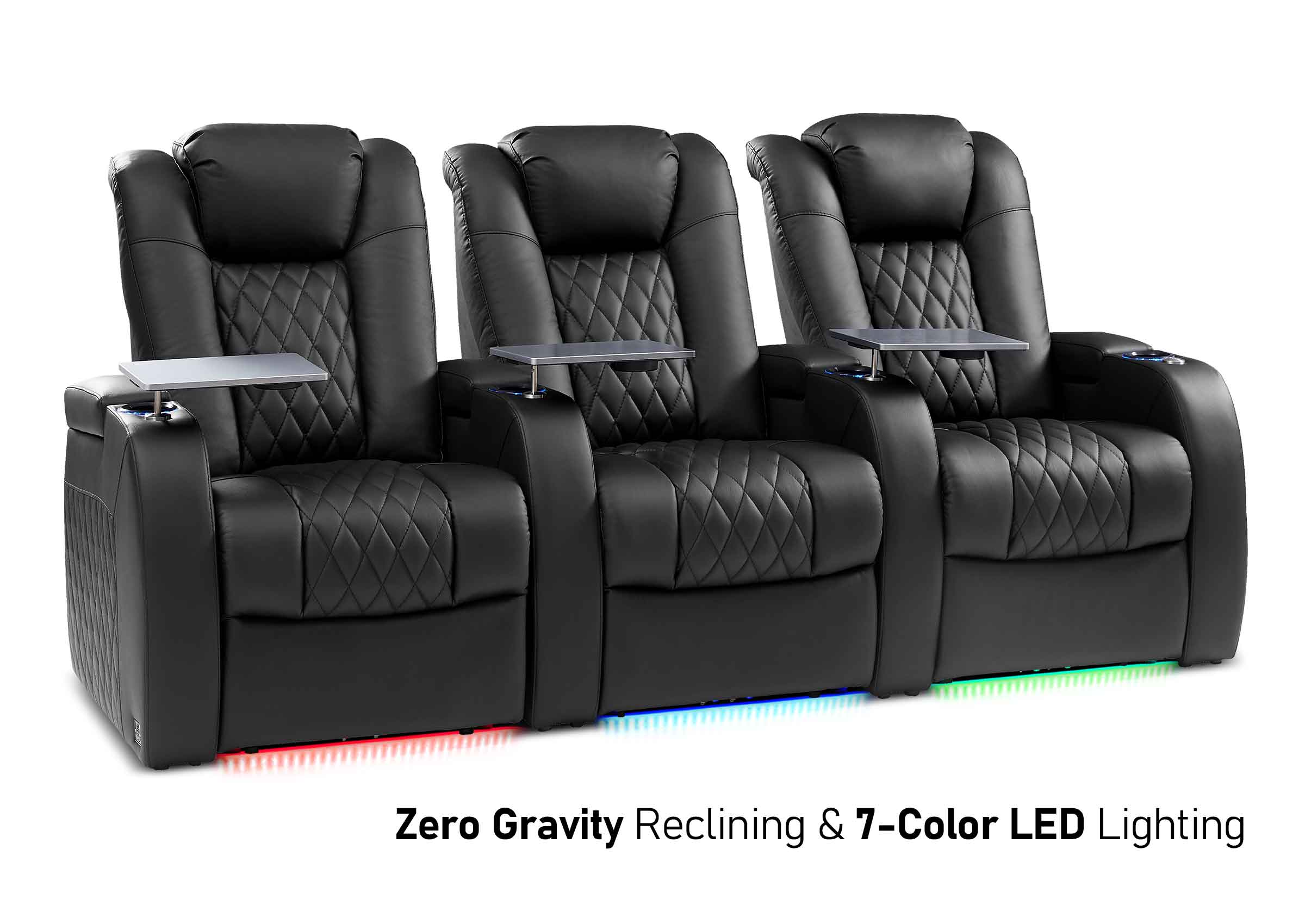
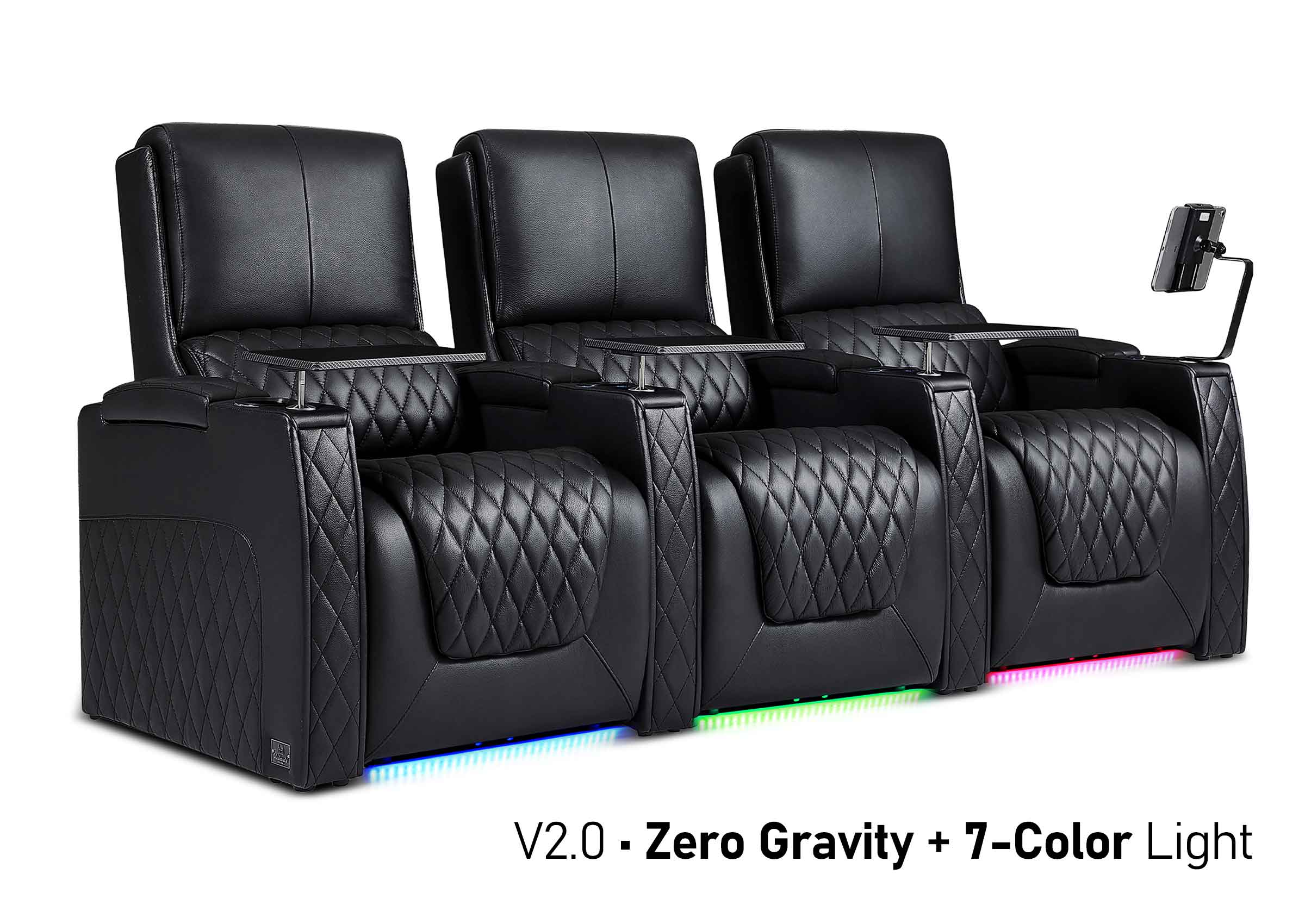
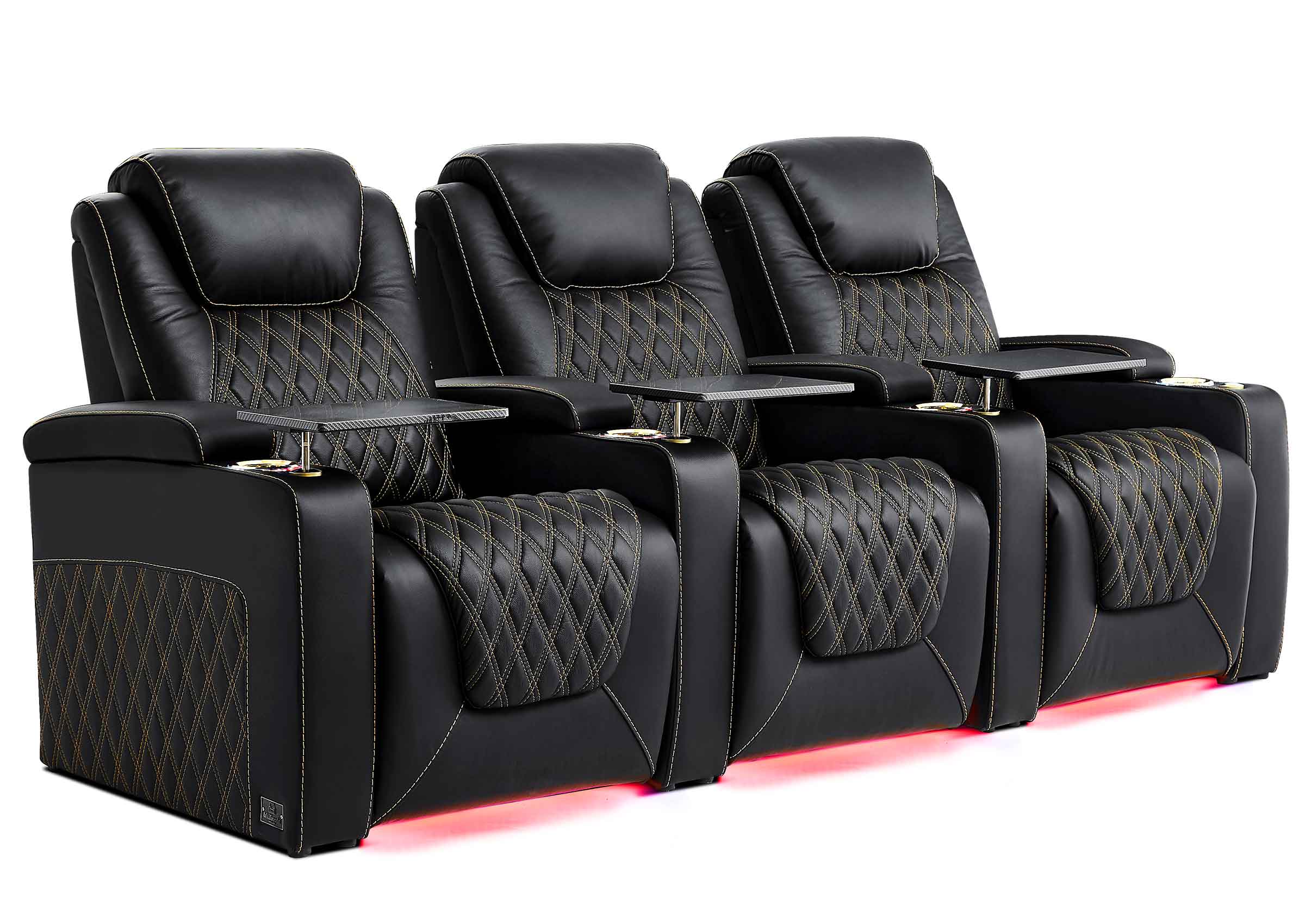
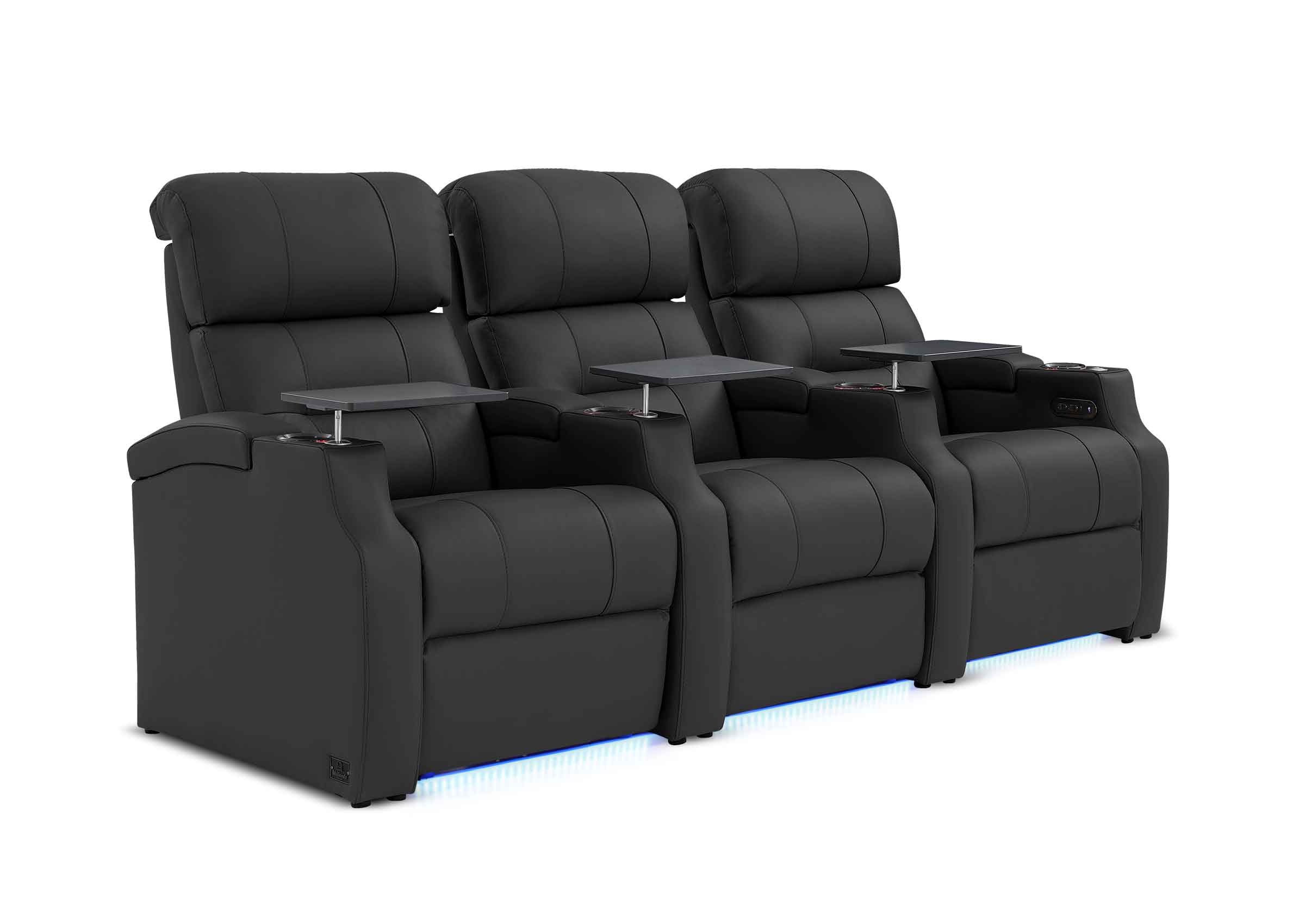
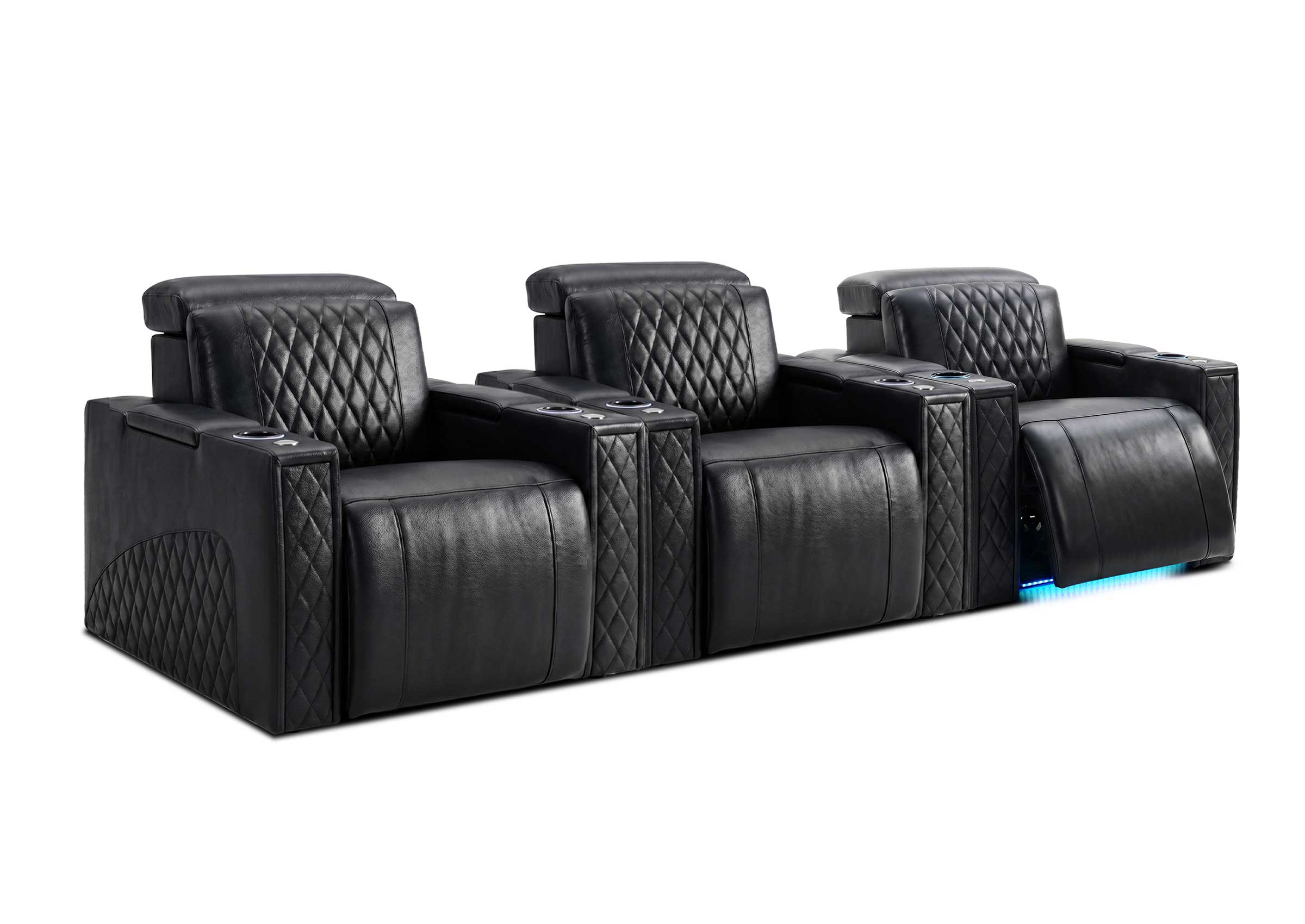

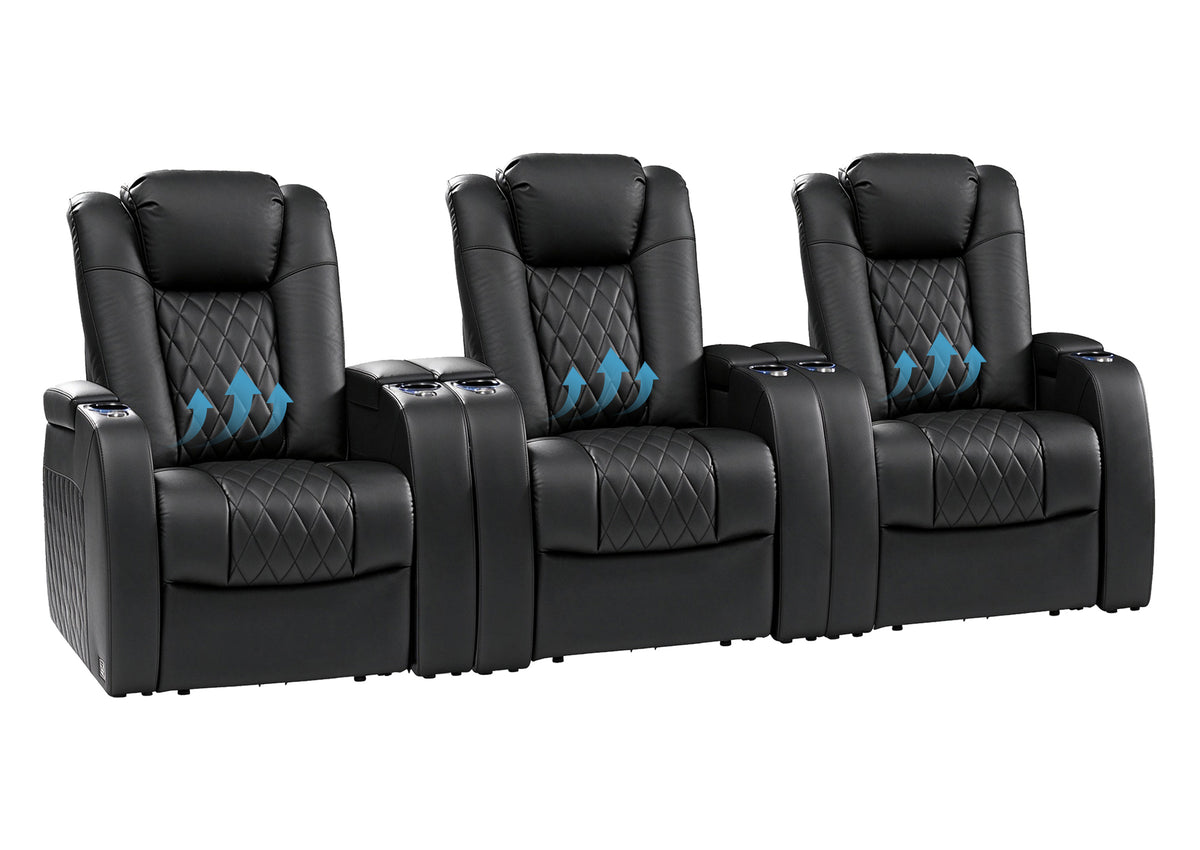
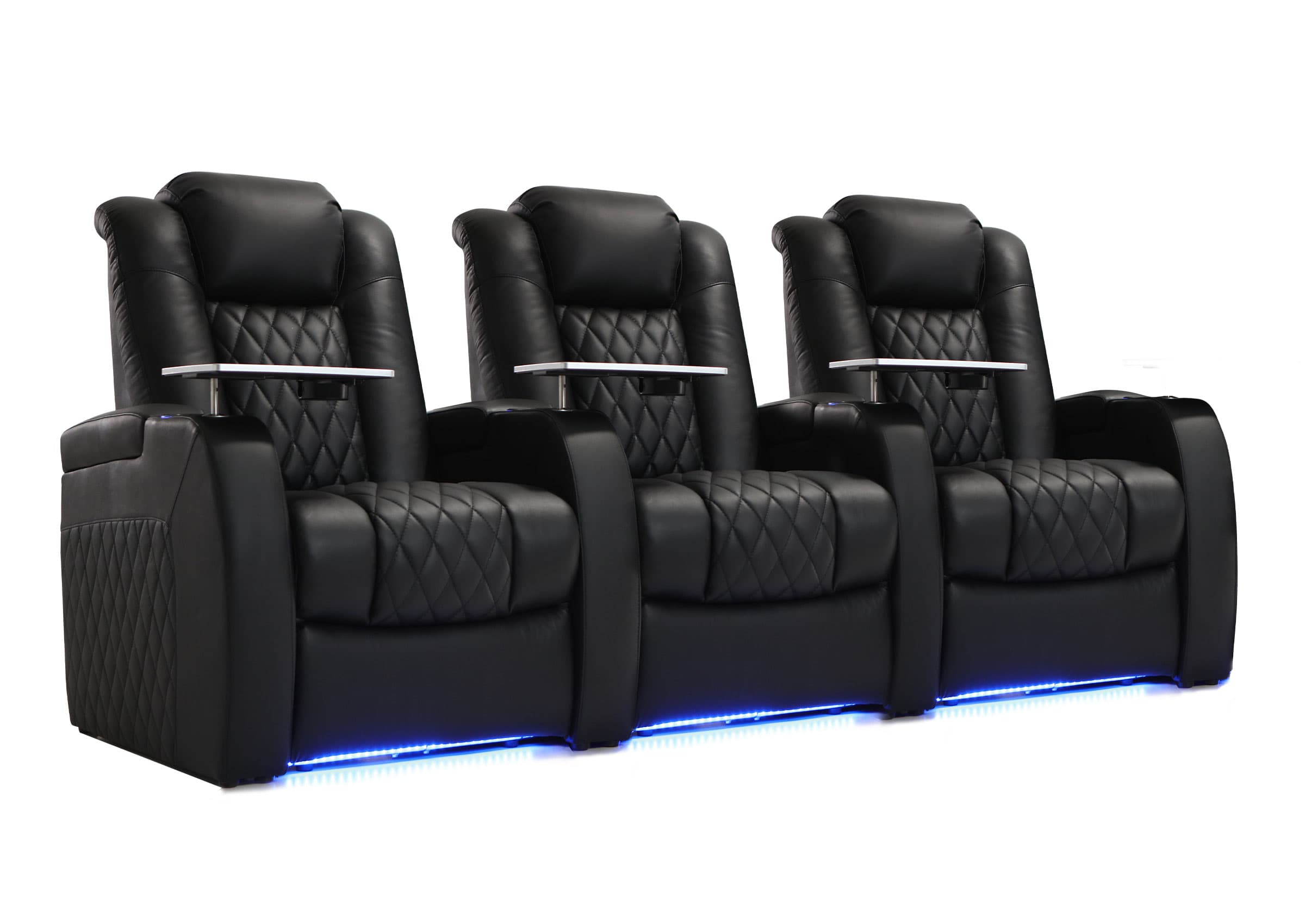
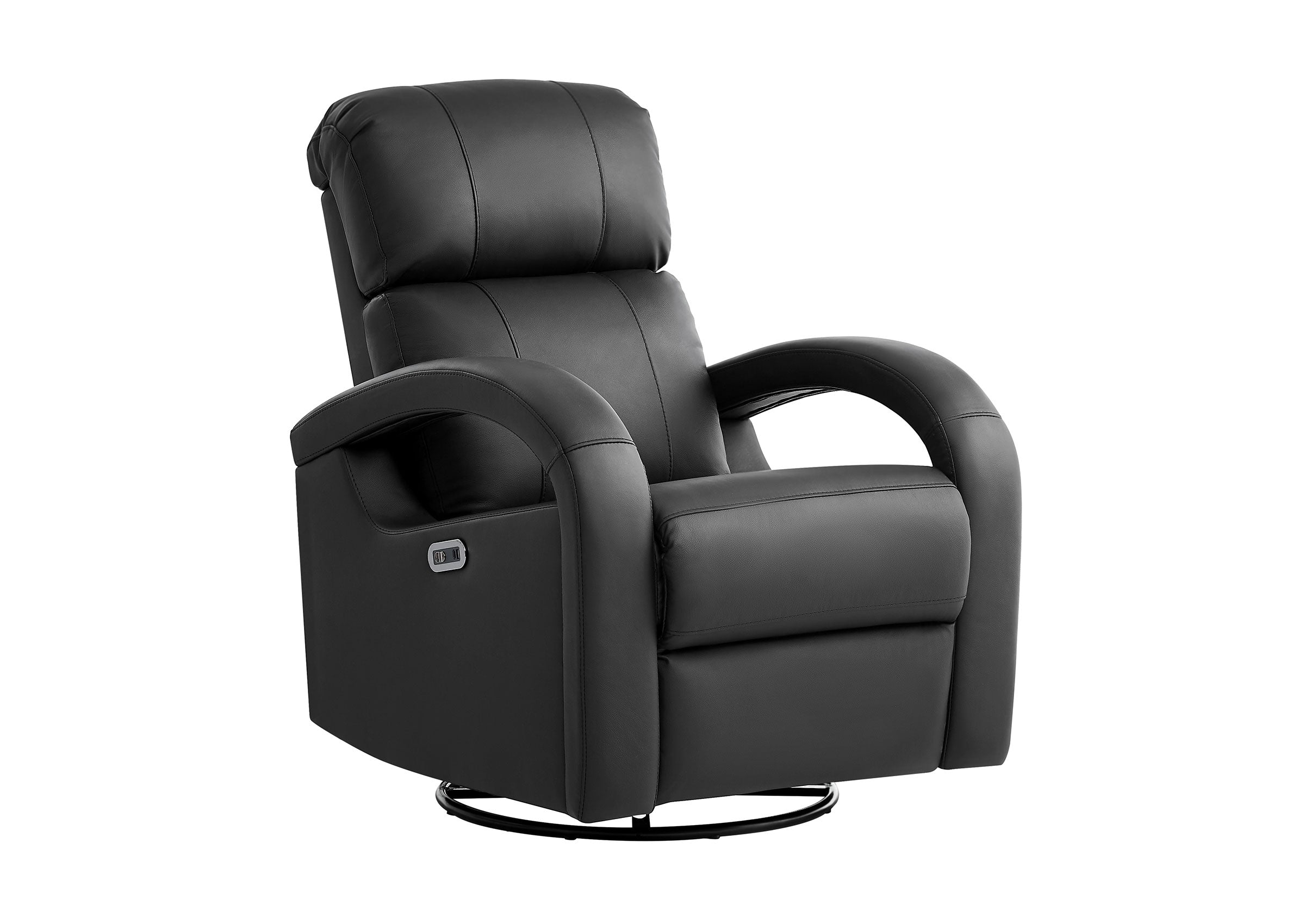
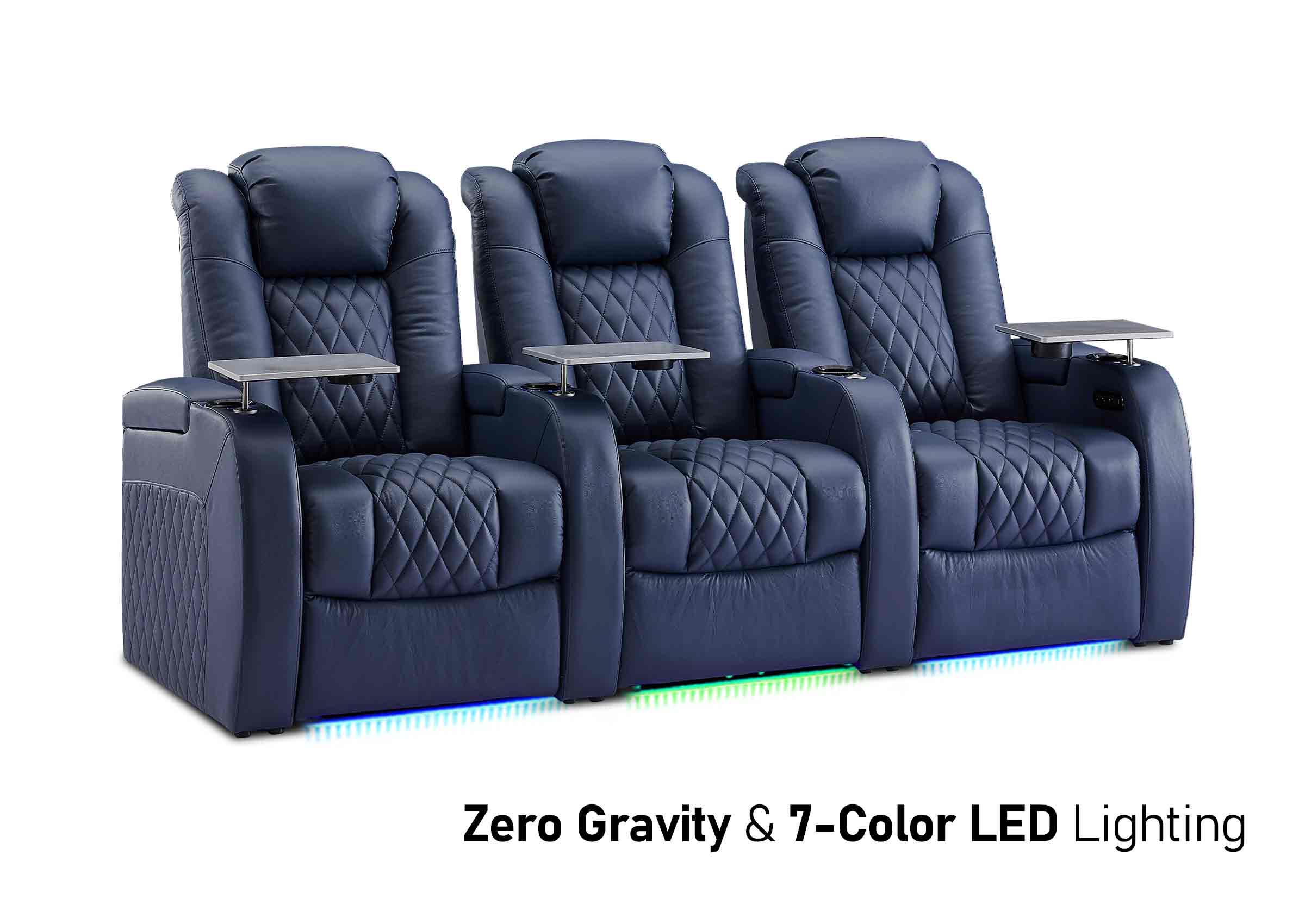
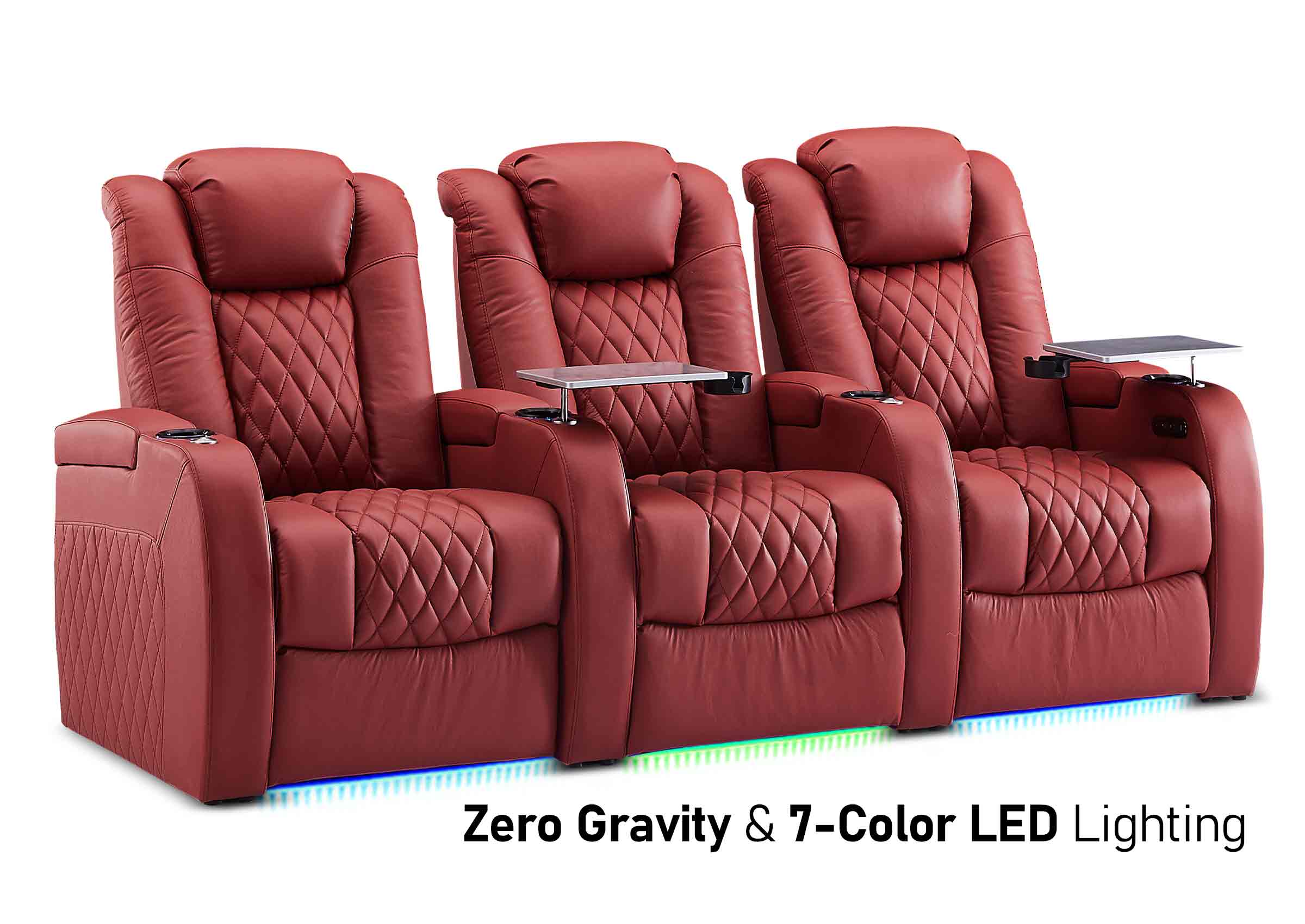
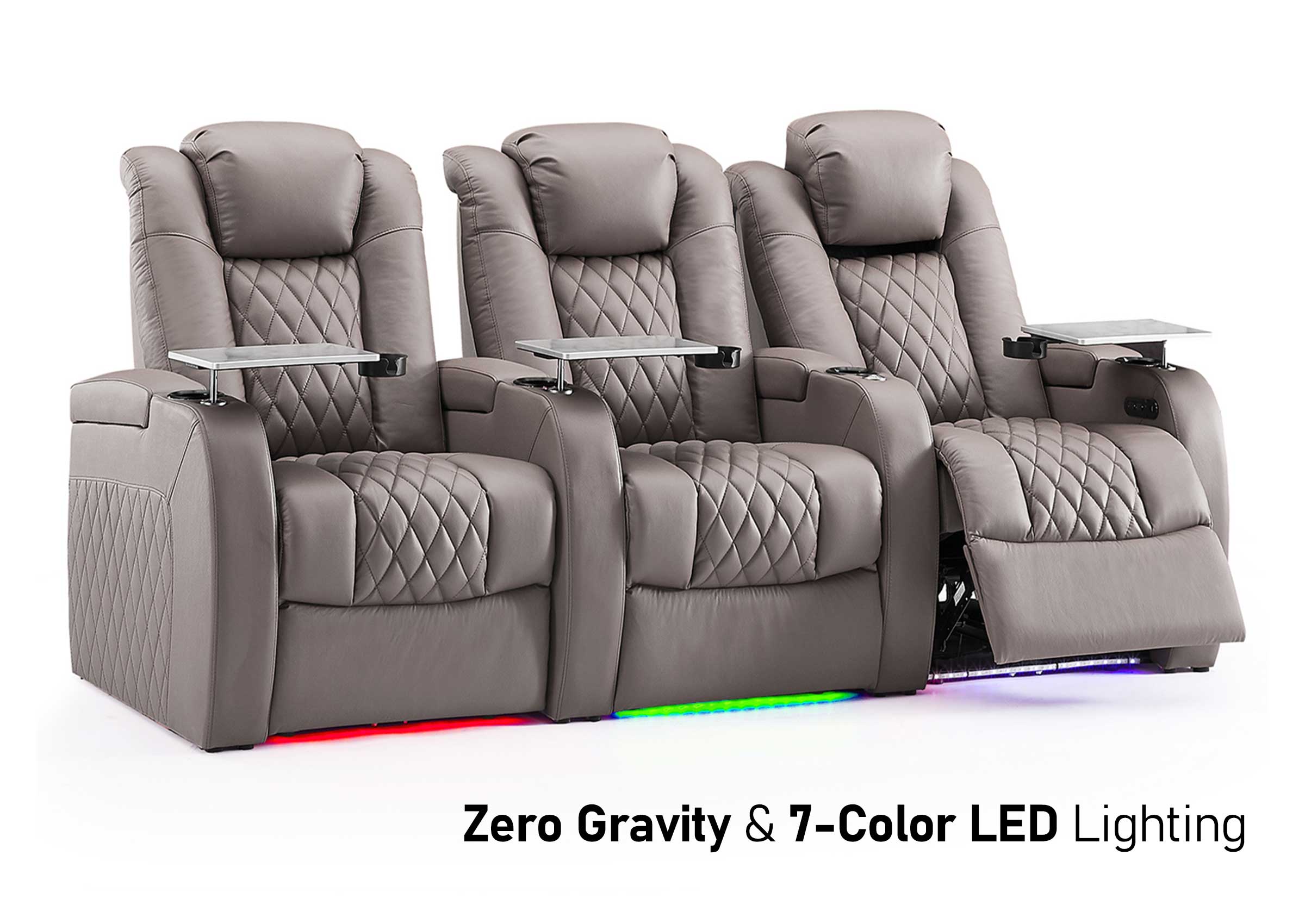
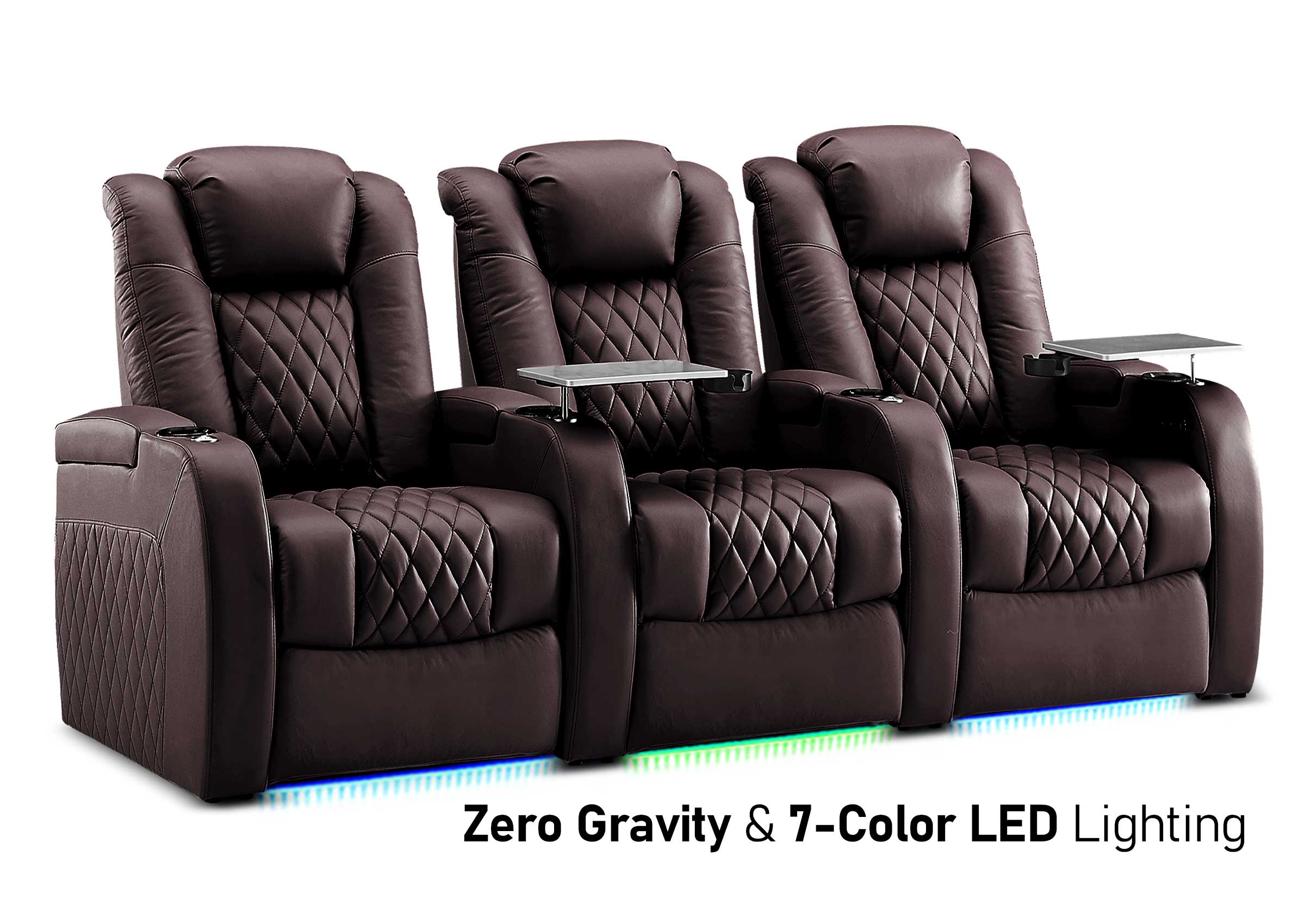

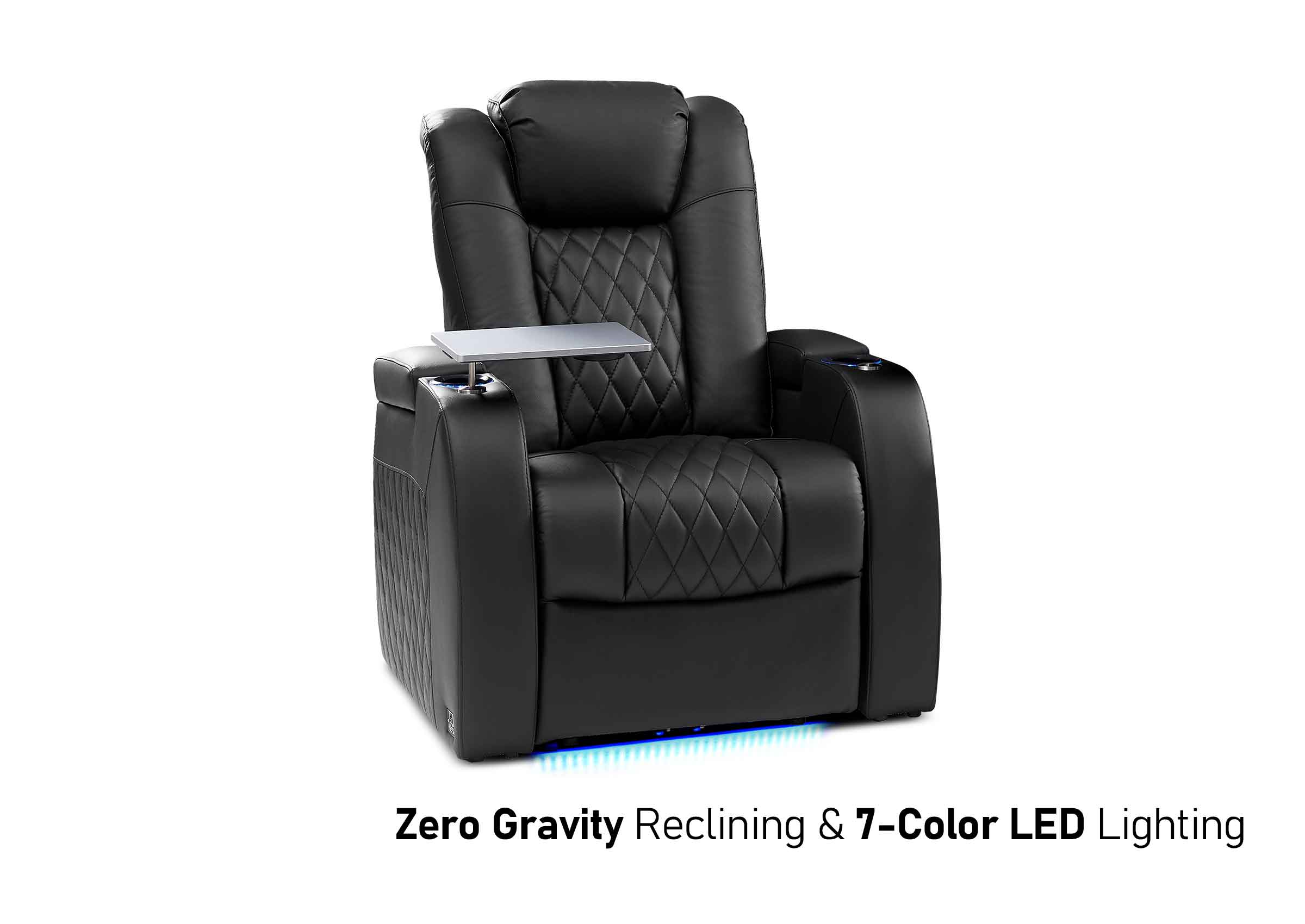
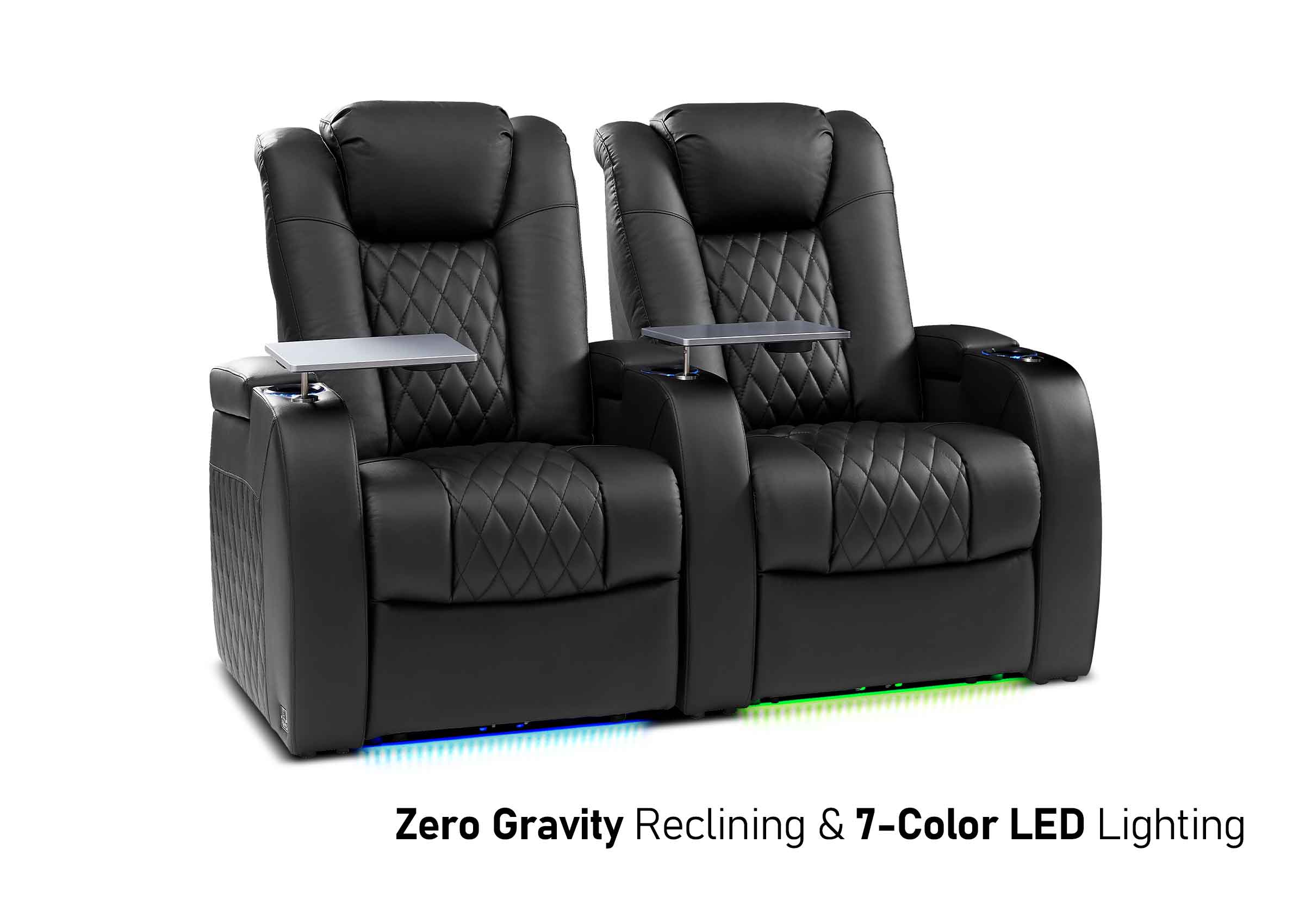
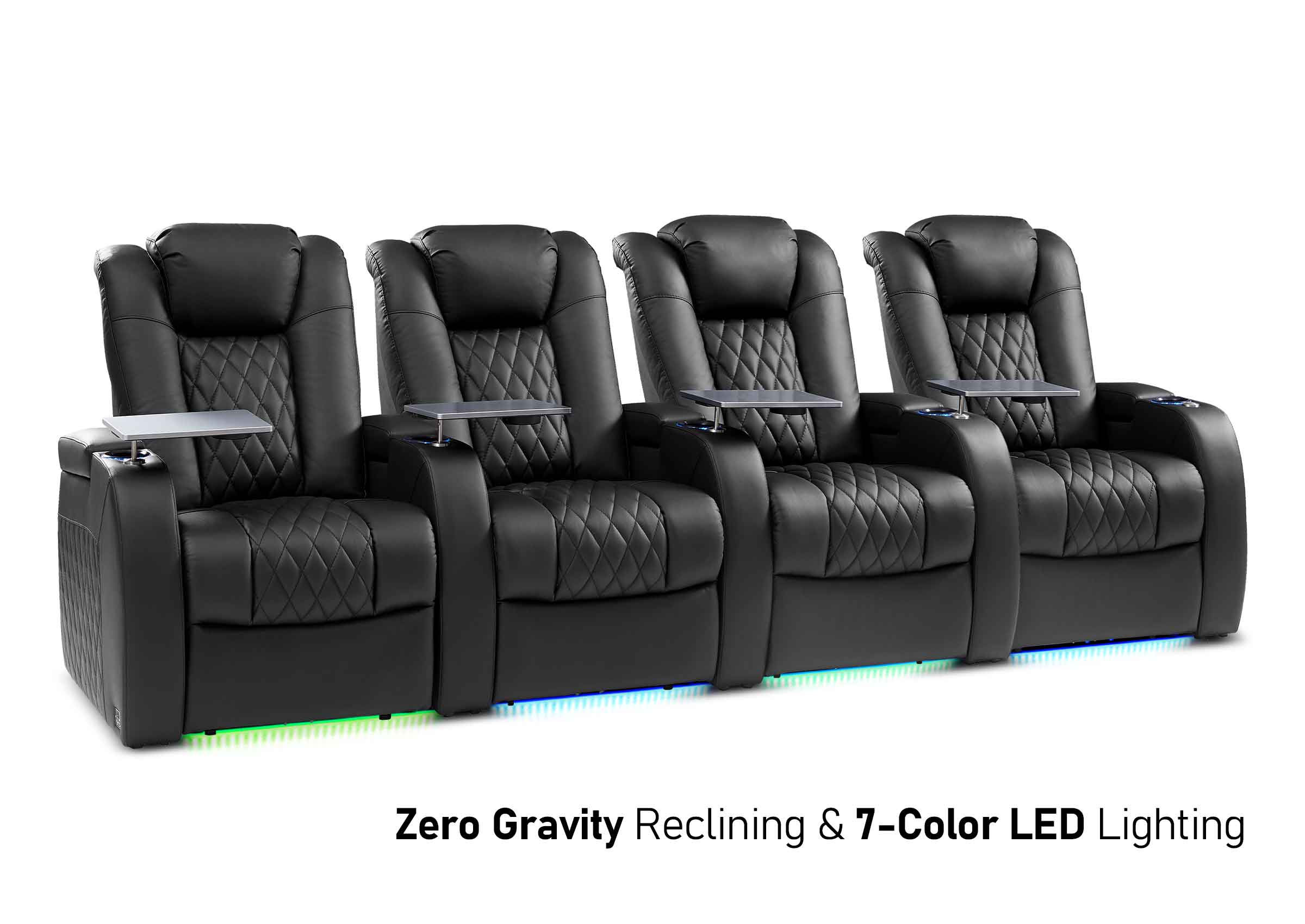
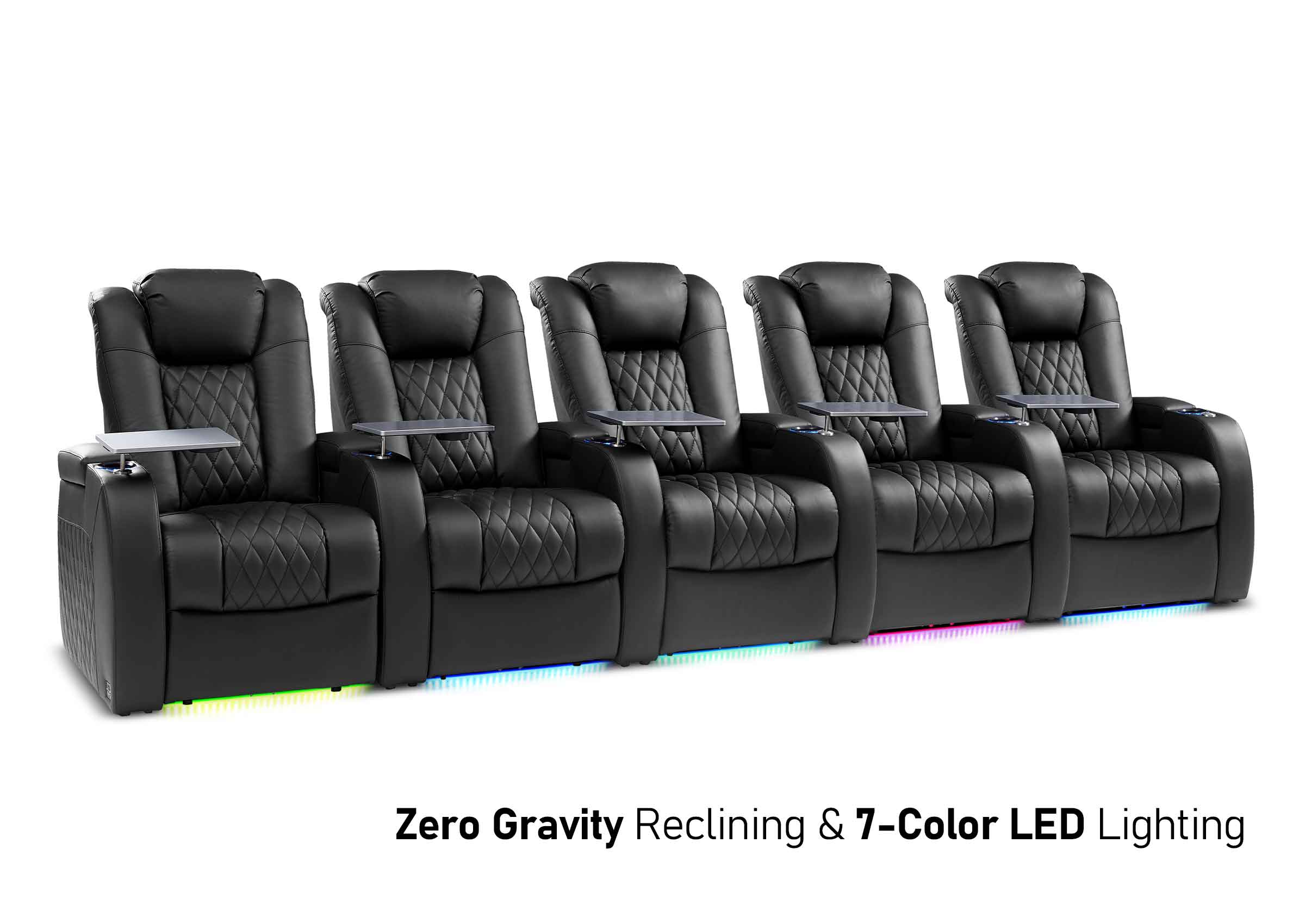
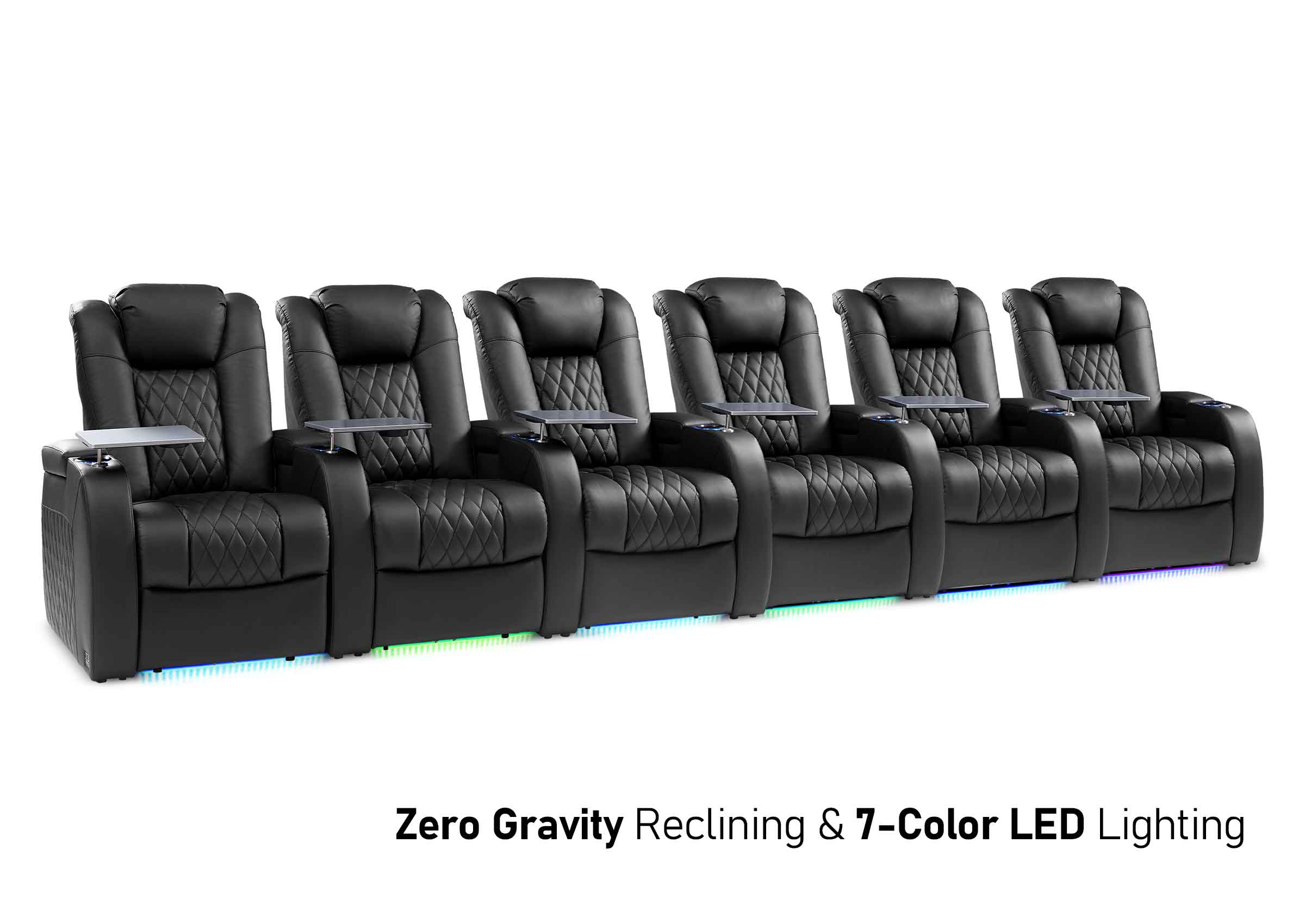
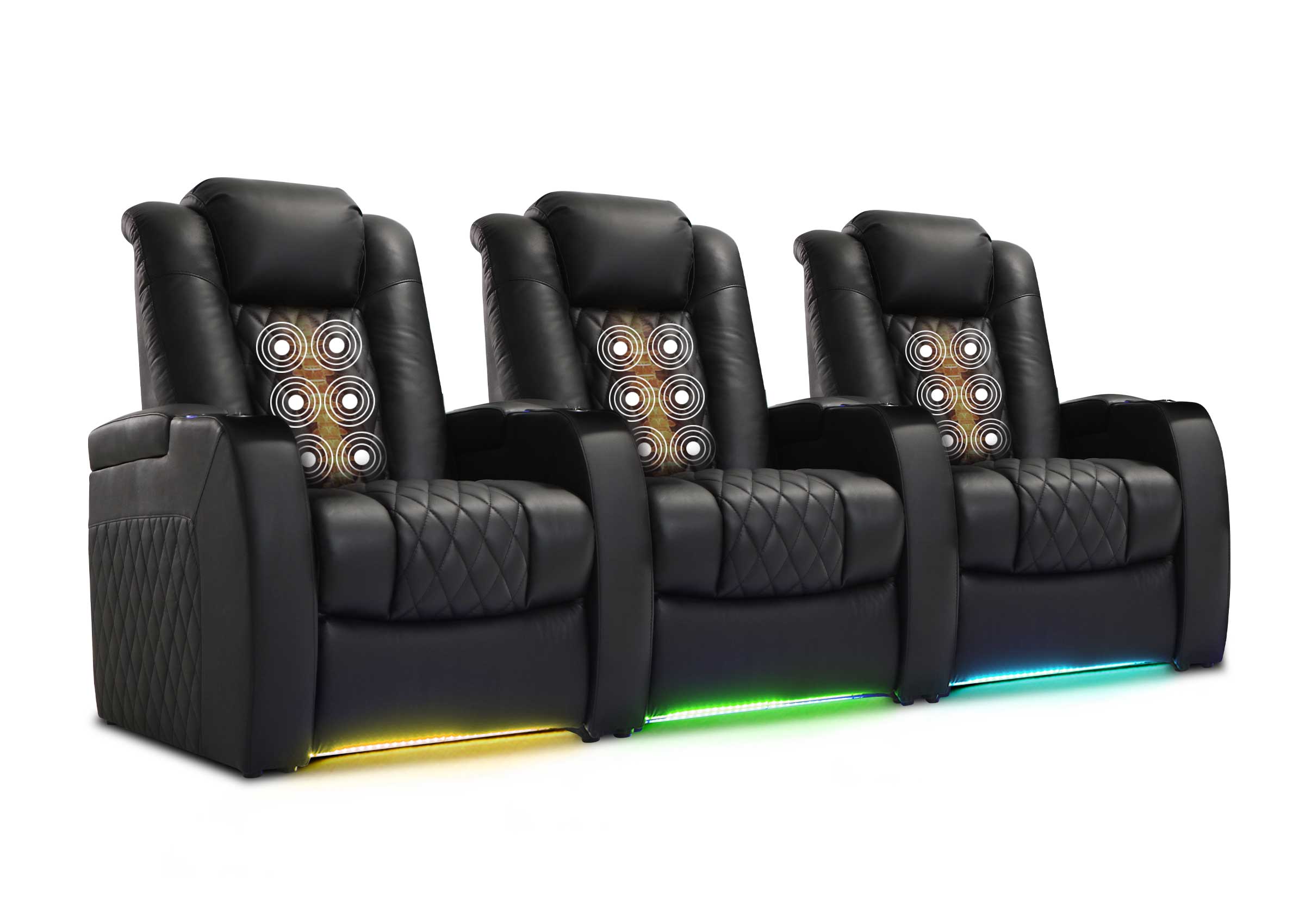

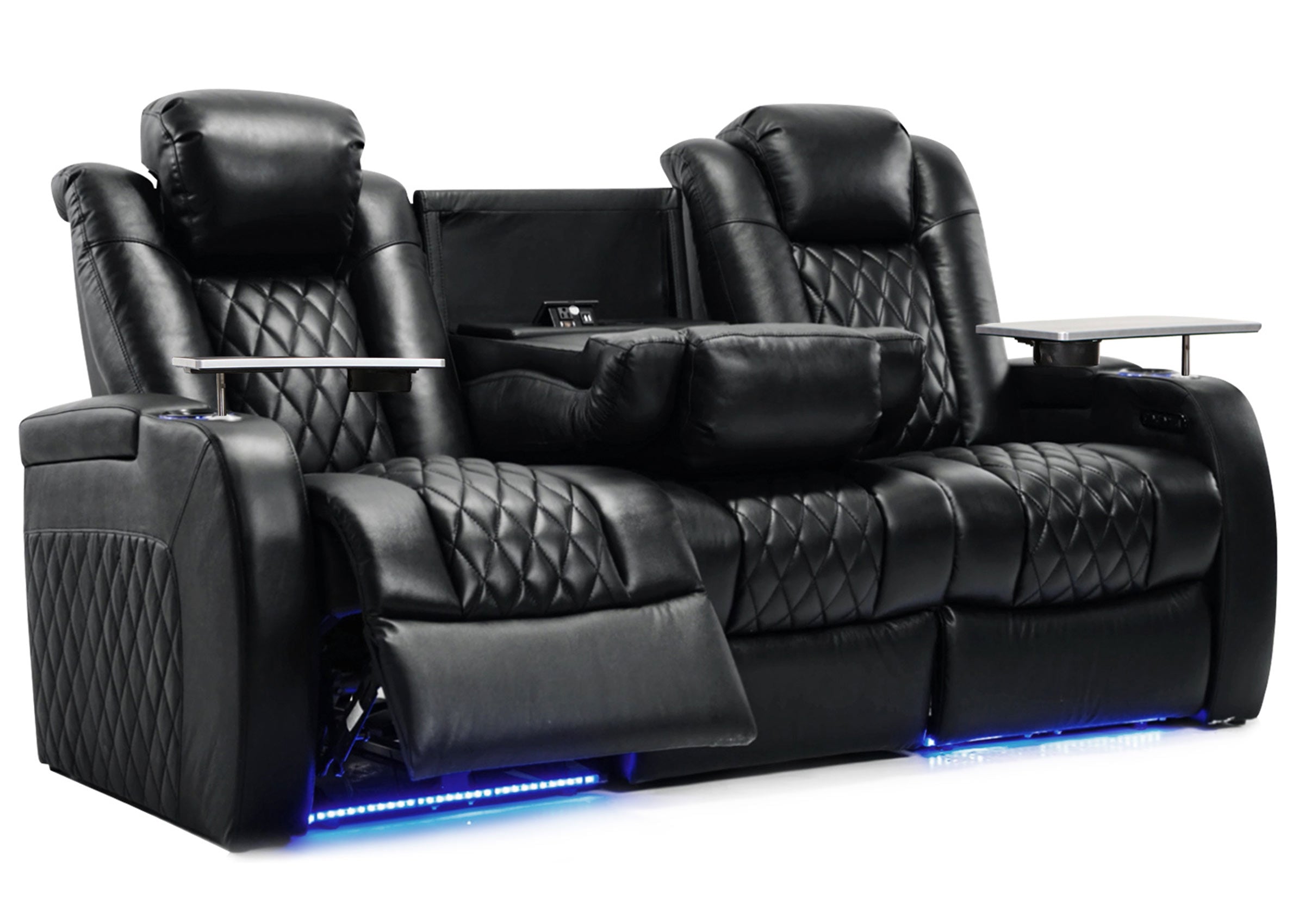
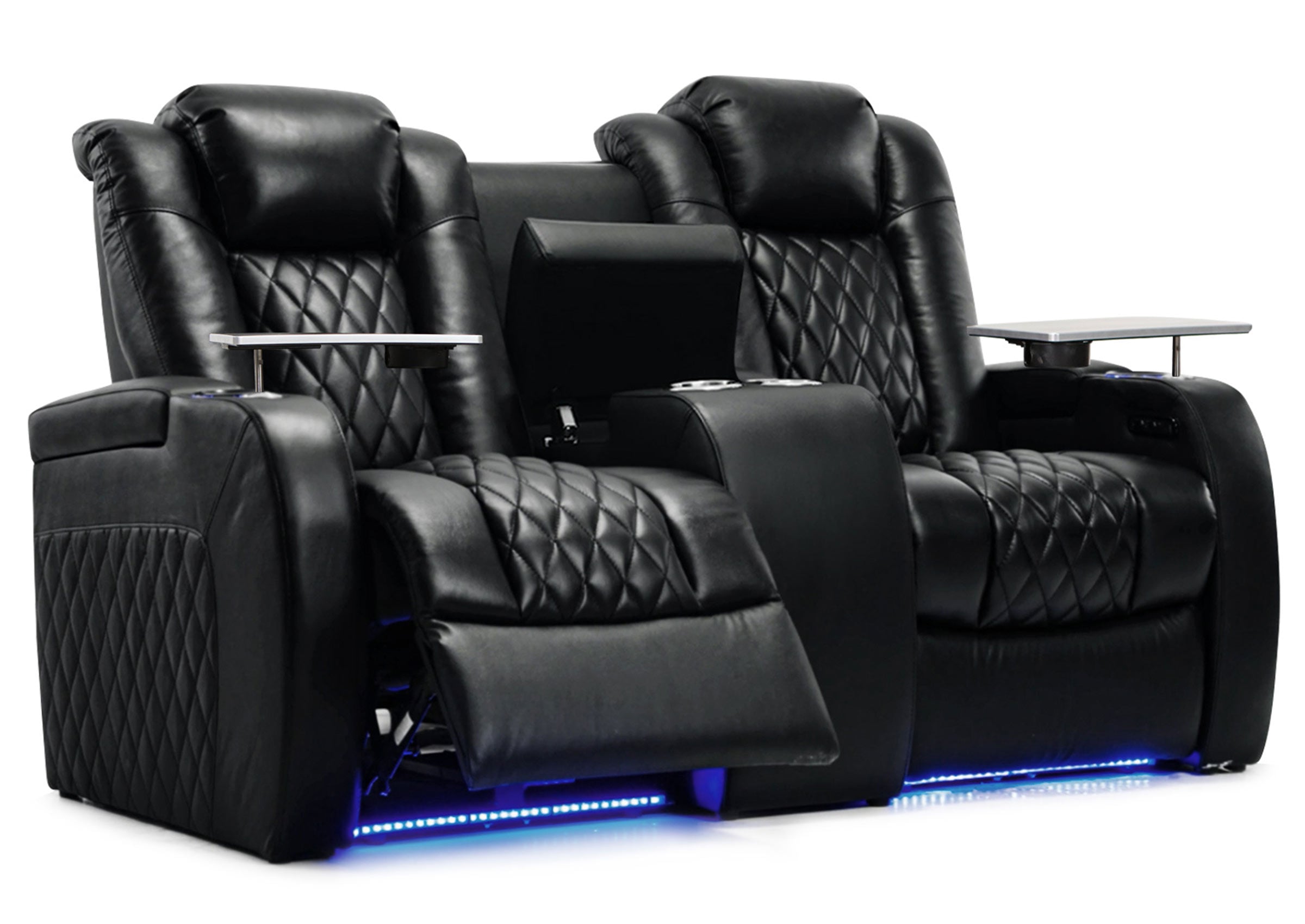

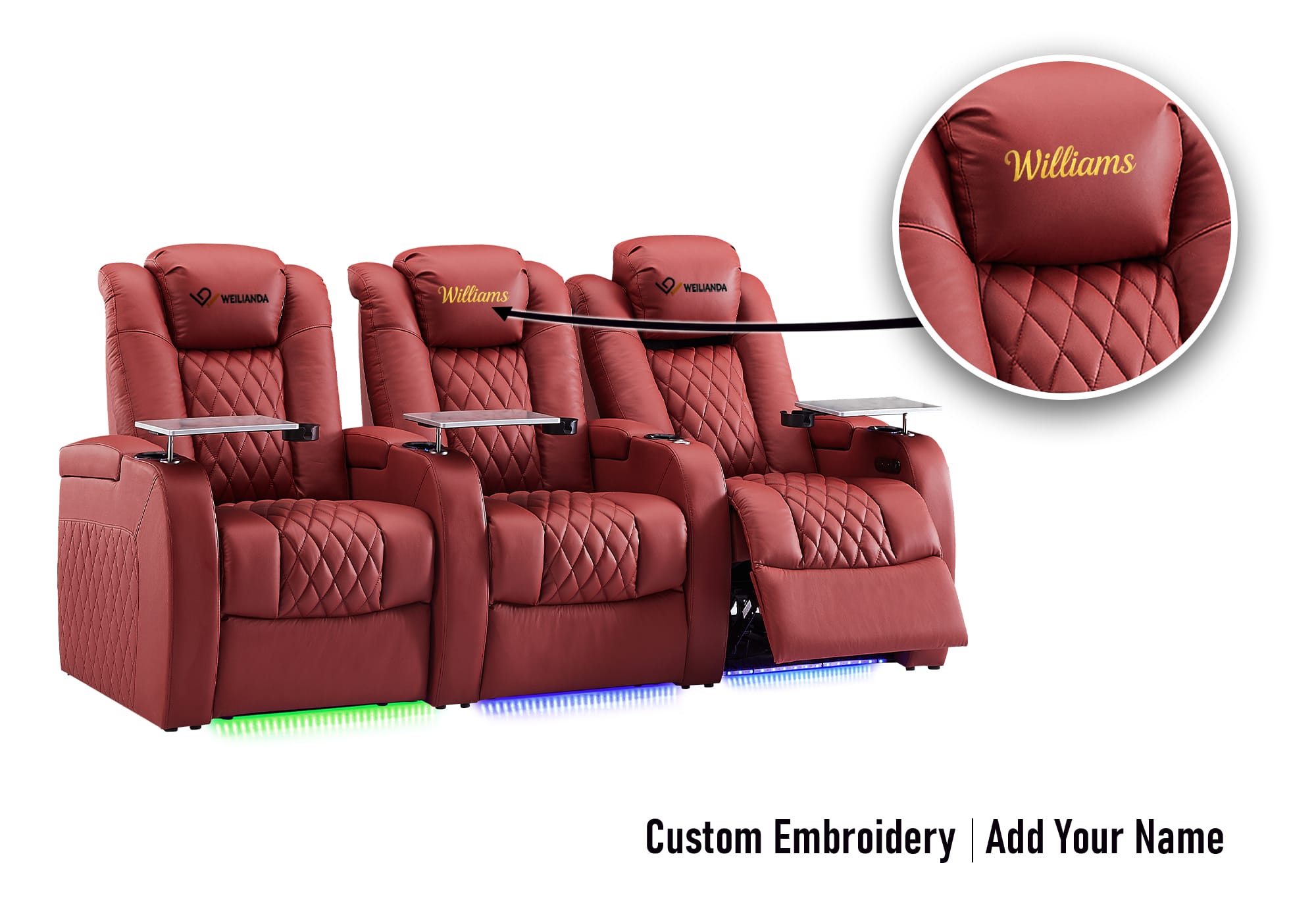

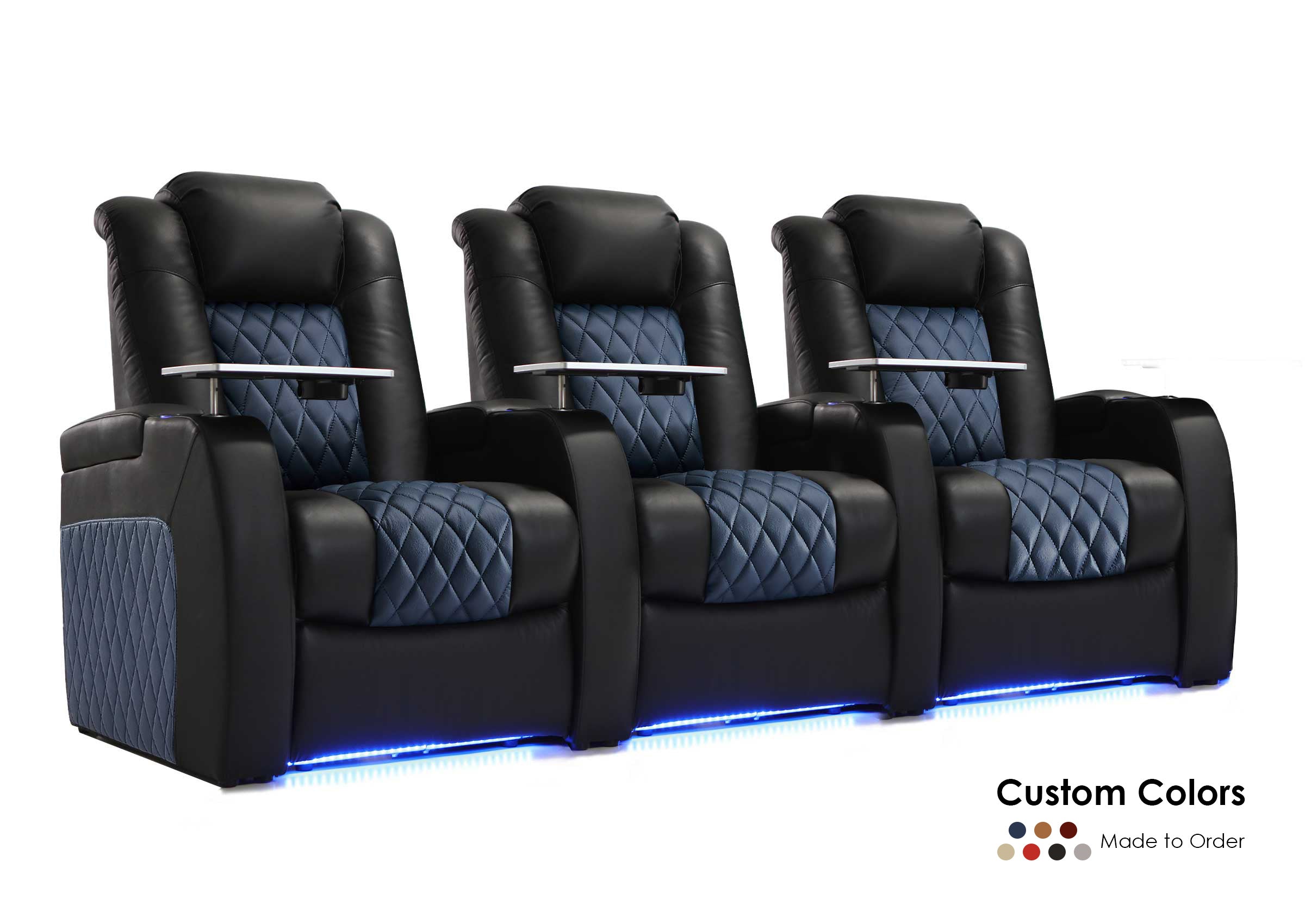

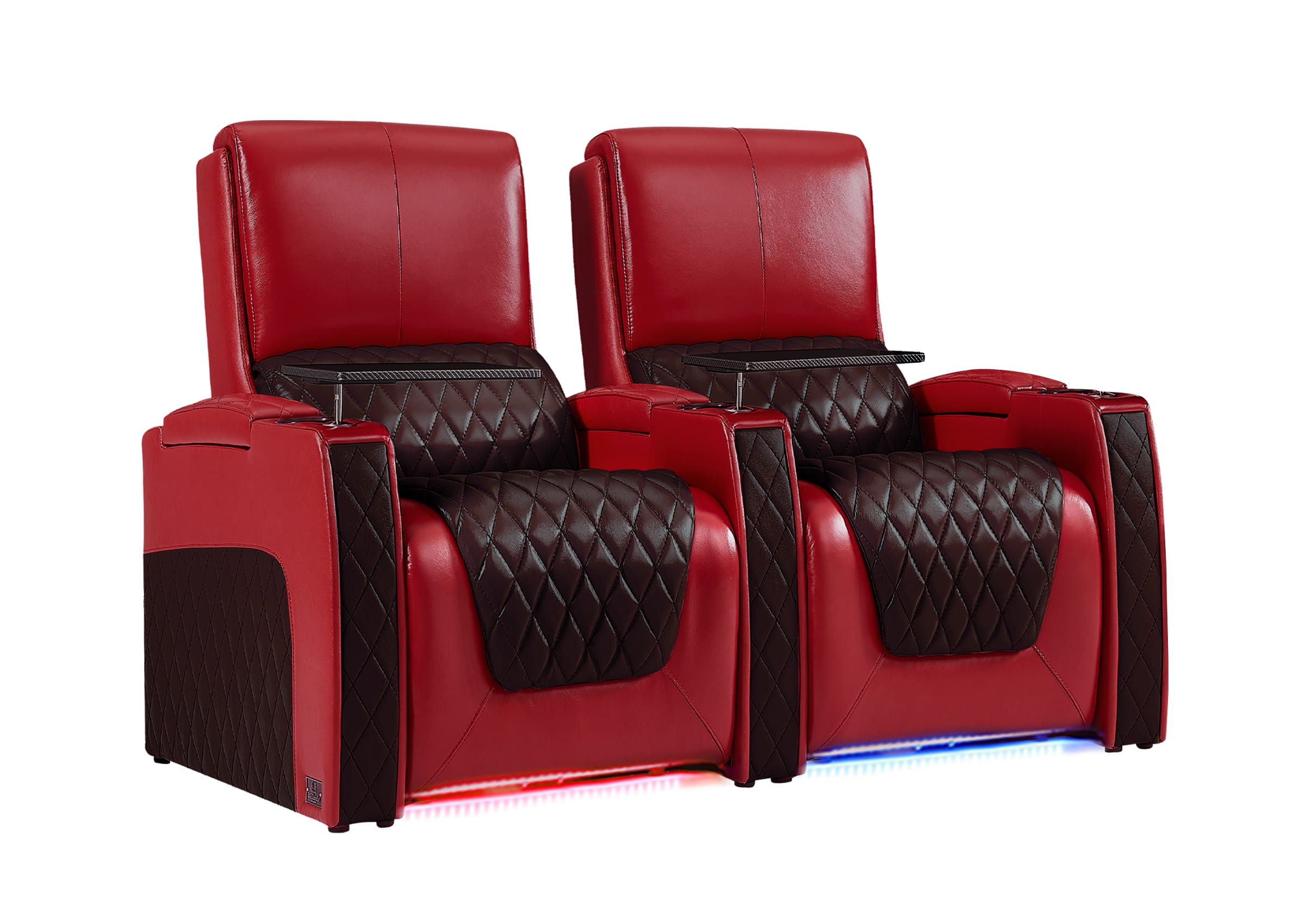
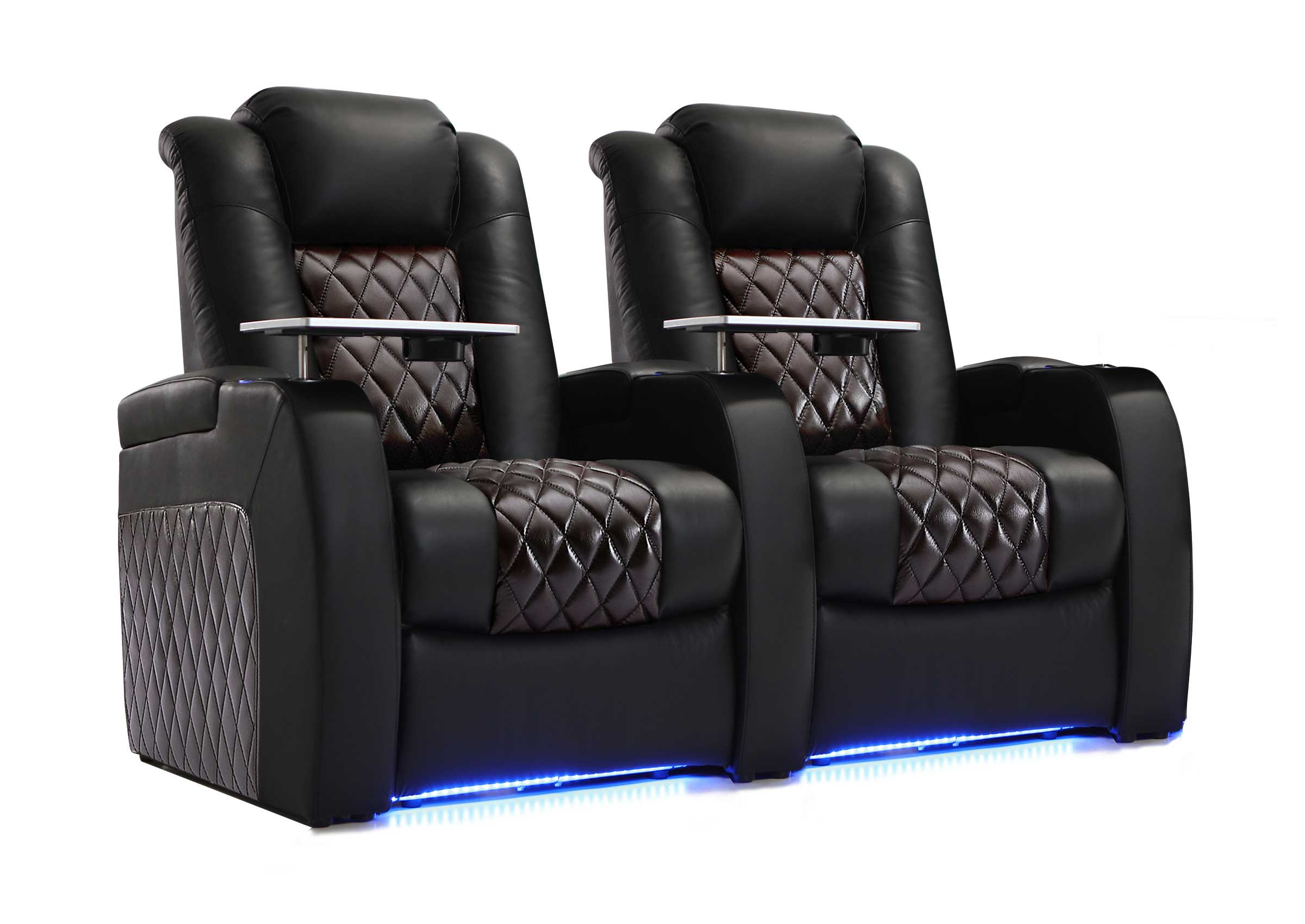
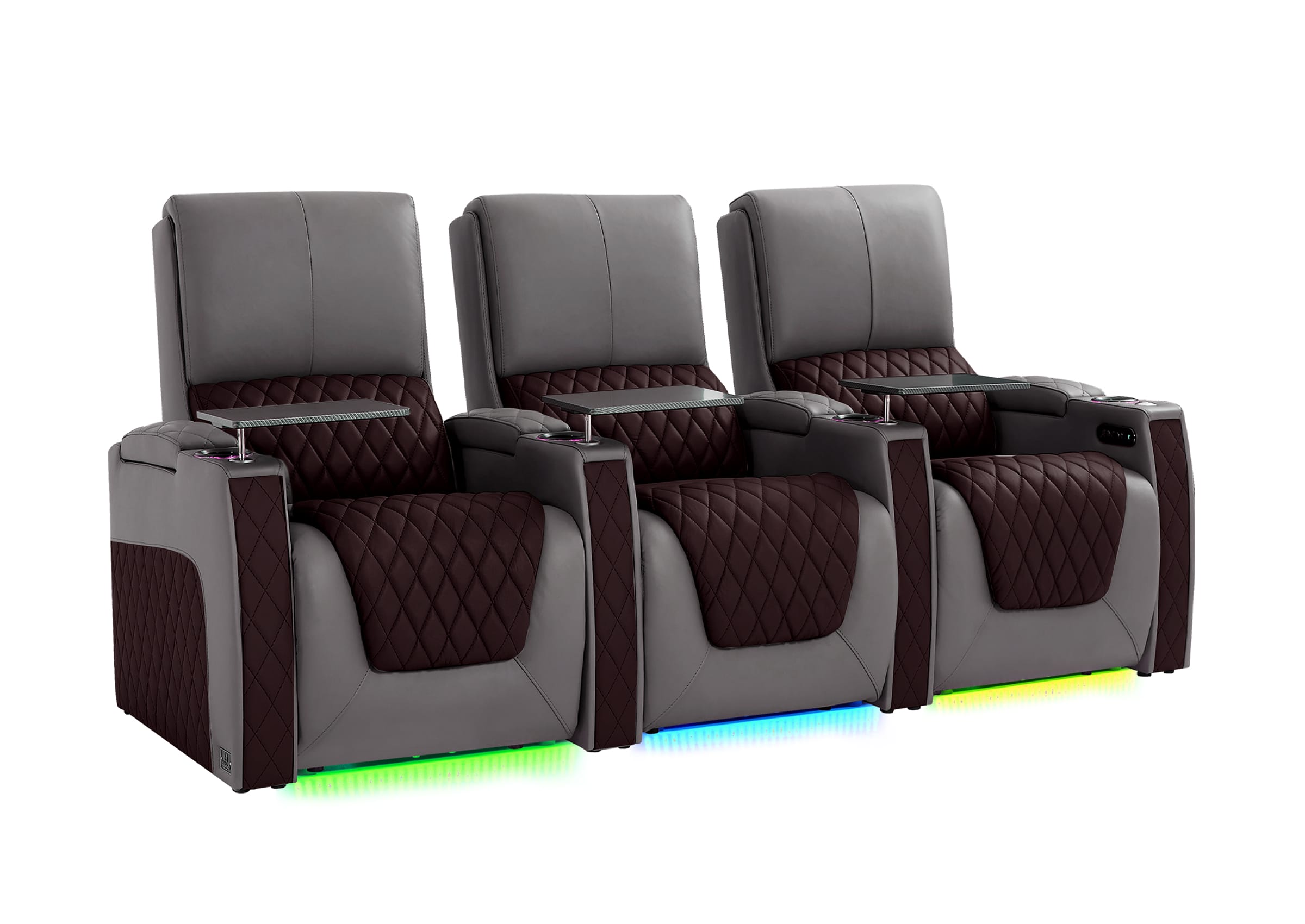
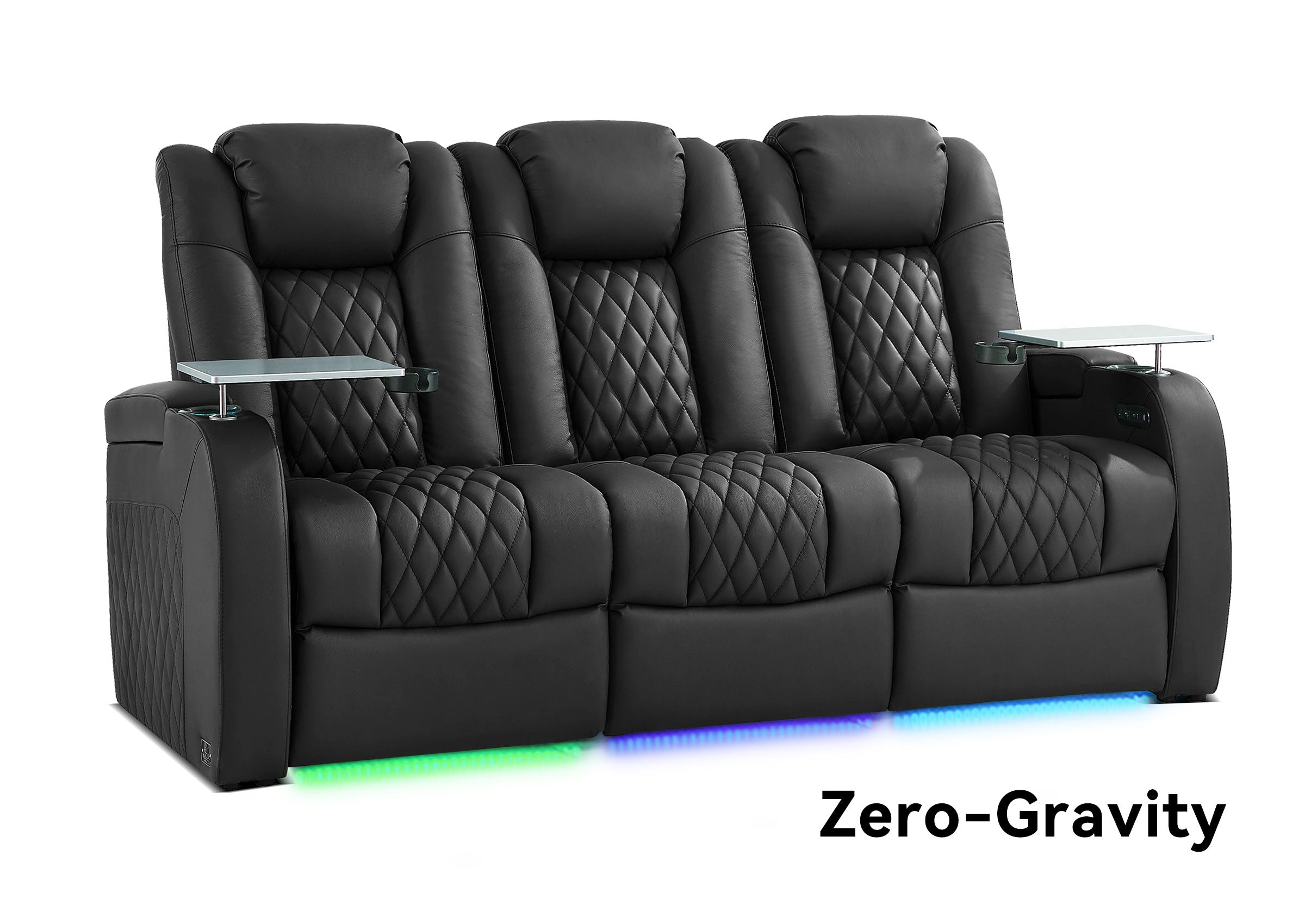


Home theater seating is more than a padded chair with a footrest. A reclining theater seat is an upholstered system in which the support structure, reclining mechanism, cushioning, upholstery, and room-facing features all work together.
Understanding how these parts are made and assembled helps you look beyond appearance. You can see which details affect stability, motion, comfort, maintenance, and whether a particular seating configuration will work in your room.
You do not need to judge every hidden component yourself. You do need to know which parts influence your experience and which questions are worth confirming before you choose.
What Parts Make Up a Home Theater Seat?
Most upholstered home theater recliners are built in layers. The internal structure provides support, the reclining mechanism creates movement, cushioning shapes the sitting experience, and upholstery finishes the seat for everyday use.
| Part of the Seat | Role in the Build | What It Means for You |
|---|---|---|
| Support structure | Provides the base for the seat, back, arms, and moving parts | Influences stability and long-term support |
| Reclining mechanism | Coordinates the backrest and footrest movement | Determines how the seat reclines and how much room it needs |
| Cushioning and padding | Shapes the seat, backrest, and armrest feel | Influences pressure relief and comfort during long sessions |
| Upholstery | Covers and finishes the seat surface | Affects appearance, touch, cleaning, and maintenance |
| Convenience features | Adds selected controls or accessories | Improves daily use when the feature matches your habits |
A well-planned theater seat is not defined by one part alone. The better question is whether these parts work together for the room, the people using it, and the way the seating will be used over time.
How Is the Support Structure Assembled?
The support structure is the foundation of an upholstered recliner. In general recliner construction, structural pieces are shaped and assembled first so they can support the seat, backrest, armrests, and moving mechanism.
This internal base has to accommodate repeated changes in position. When someone sits upright, leans back, extends the footrest, or returns the chair to its original position, the structure and motion components work together under changing weight and pressure.
Because the structure is covered by padding and upholstery, buyers usually cannot inspect every detail directly. Instead, look for clear model information, accessible warranty terms, and a seller who can confirm the details that apply to the specific product.
Weilianda’s warranty information identifies the internal frame and support structure as major seating components. You can review the current terms in the Weilianda warranty information.
How Is the Reclining Mechanism Added to the Seat?
After the supporting structure is prepared, the reclining mechanism is fitted to coordinate the backrest and footrest movement. This mechanism is what allows a theater seat to move from an upright position into a more relaxed viewing position.
Manual and power recliners reach that result in different ways. A manual design typically uses a lever, handle, or body movement. A power design uses electrical controls to adjust the main reclining position. Depending on the model, other functions may be controlled separately, such as a headrest, lumbar setting, or selected comfort feature.
These functions should not be treated as the same thing. A seat can have power recline without a power headrest, or a power headrest without every other upgrade. Always confirm the functions included with the exact model and configuration you are comparing.
Motion should feel intentional for your use: easy to adjust, suitable for the room, and appropriate for the way you prefer to watch, relax, game, or spend time with guests.
For a fuller comparison of operating styles, see our power vs. manual recliners guide.

How Are Cushioning and Upholstery Added?
Once the structural and motion components are in place, cushioning materials are shaped around the seating surfaces. Padding softens edges, creates the contour of the seat and backrest, and helps determine how the chair feels during short and extended use.
Upholstery is then cut, sewn, and fitted over the padded surfaces. This final layer creates the visible color, texture, stitching, and overall finish of the seating.
Although upholstery is the first thing many buyers notice, it is only one part of the final experience. A color may fit the room perfectly, but the seating also needs the right depth, support, recline movement, and configuration for the people who will use it.
When evaluating materials, consider:
- How the surface will feel during regular use
- How the color works with your walls, flooring, and lighting
- How much natural or ambient light the room receives
- How often the seating will be used
- Whether snacks, pets, children, or frequent guests affect maintenance needs
- What care routine you are comfortable maintaining
Genuine leather can create a refined appearance and may be practical for regularly used entertainment rooms when properly cared for. The right upholstery direction should still be confirmed according to the selected model, room conditions, and personal preferences.
How Is a Home Theater Seat Checked Before It Is Ready to Use?
Before a reclining seat is considered ready for everyday use, the important question is whether its parts work together as intended. In practical terms, that means checking the movement, support, controls, upholstery finish, and the fit of the finished configuration.
For a buyer, the most useful checks are not highly technical factory terms. They are the details that affect ownership after the seating arrives:
- Does the selected model’s listed feature set match your expectations?
- Does the seating move smoothly between upright and reclined positions?
- Are power requirements clear for the selected configuration?
- Are dimensions available for room planning and delivery access?
- Are care and warranty details easy to review before ordering?
- Does the final configuration match the number of people and the type of use you planned for?
This is where understanding the build becomes useful. You are not choosing isolated parts; you are choosing a complete seating system that has to work in a real room.
Why Does Reclining Motion Change the Space Around the Seat?
A theater seat changes its footprint when it reclines. The backrest moves toward the wall, the footrest extends into the room, and the space around the seat becomes part of the seating decision.
Before selecting a row or configuration, confirm:
- The usable width and depth of the seating area
- Clearance behind the seat for the selected reclining motion
- Space in front of the seat when the footrest is extended
- Side walkways, doors, cabinets, and pathways that need to remain clear
- Power outlet locations when comparing power seating
- Whether the seating must fit through a narrow entryway, hall, stairway, or elevator
Exact dimensions and clearance requirements vary by model. For room planning support, use this home theater dimensions guide before making a final seating decision.

Which Features Are Core to the Seating Experience?
Features can improve a home theater room, but they should support the seating experience rather than distract from it. The first priorities are usually comfort, room fit, reclining movement, and seating capacity. Accessories and added conveniences come after those foundations are clear.
| Decision Layer | What to Confirm | Examples |
|---|---|---|
| Core seating fit | Will the seating work in the room every day? | Seat dimensions, row size, recline clearance, walkways |
| Comfort and movement | How do you prefer to sit and recline? | Recline type, headrest position, lumbar preference, seat feel | Daily convenience | What would make regular use easier? | Cup holders, storage, USB charging, tray tables | Atmosphere and upgrades | Which additions improve the room without changing the core decision? | Ambient lighting and selected model-specific upgrades |
Depending on the selected model, features may include power recline, power headrests, lumbar support, zero gravity positioning, cup holders, storage consoles, USB charging, tray tables, or ambient lighting. Confirm availability rather than assuming every feature is included in every configuration.
COMPARE WITH PURPOSE
Find the Seating Details That Matter for Your Room
Compare seating series, comfort functions, and room-fit priorities before narrowing down the options that best match the way you use your space.
What Should You Check Before Choosing a Specific Model?
Once you understand how home theater seating is made, comparing individual models becomes more practical. Instead of starting with a color or accessory, start with the details that affect whether the seating will work in your room.
- Confirm the complete width, depth, and height of the selected configuration
- Review the space needed in upright and reclined positions
- Identify which features are included with the exact model
- Check whether your room has convenient power access if you prefer power seating
- Consider the number of people who will use the room most often
- Match the upholstery to your maintenance expectations and lighting conditions
- Review delivery access before the seating is scheduled to arrive
- Read warranty and care information before placing an order
This approach helps you compare seating as a complete system rather than as a list of individual features.
How Do Room Conditions Change the Best Seating Choice?
The same theater seat can be a strong choice in one room and the wrong choice in another. Room size, access, seating capacity, screen direction, and daily use all change which details should take priority.
In a compact room, footprint and walkway space may come before extra accessories. In a dedicated multi-row theater, viewing alignment and safe access may become more important. In a family media room, storage, charging access, and practical maintenance may matter most.
For help connecting seating placement to your screen, room shape, and intended use, explore our home theater seating layout guide.
What Should You Ask Before You Move Forward?
Before you choose a home theater seating configuration, ask questions that connect the construction and features of the seat to your actual room.
- Which listed features apply to this exact model?
- What dimensions should I use for my room plan?
- How much clearance does the seating need when fully reclined?
- Which upholstery options are available, and how should they be maintained?
- Will the selected configuration fit the people and activities the room supports?
- What should I confirm about power, access, delivery, and placement before ordering?
A thoughtful answer to those questions is more useful than choosing the longest feature list. It helps you select seating that looks right, feels right, and works naturally in the room after it arrives.
If you would like help comparing seating options for your space, contact Weilianda or email leon@weiliandahome.com.