












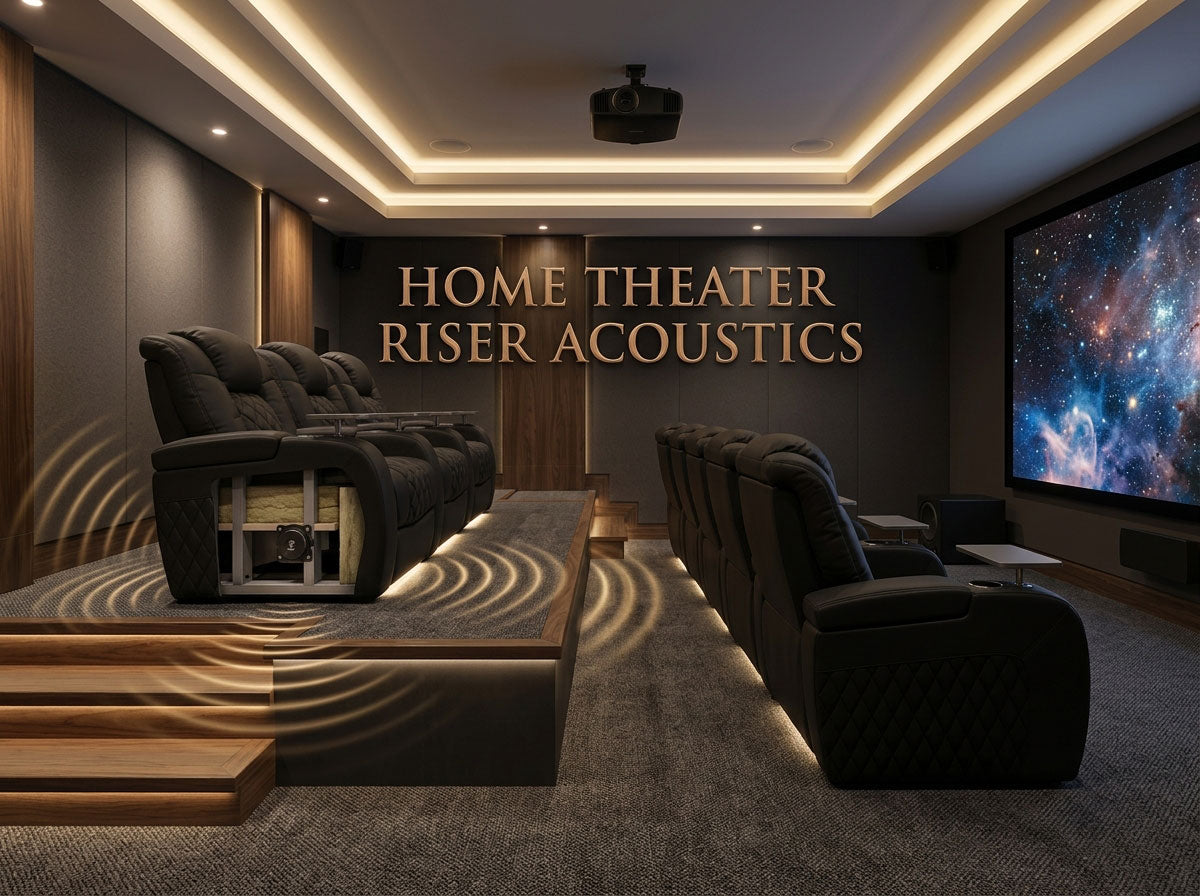
Most home theater riser guides answer two questions: how high should the platform be, and how should you build it?
Those matter. But once deep bass enters the room, there is another question that is easier to miss:
What do you actually want the riser to do when low-frequency energy reaches it?
A riser can remain primarily a quiet structural platform. It can become part of a tactile-bass system. Its internal volume can be engineered for low-frequency absorption. In more specialized designs, it can even integrate subwoofers.
Those are different jobs.
The mistake is allowing the riser to take on one of them accidentally.
A hollow platform that buzzes during an explosion is not automatically giving you useful tactile bass. Filling a cavity with insulation does not automatically turn it into an effective bass trap. And a riser designed to move for a tactile transducer should not be judged by exactly the same mechanical priorities as a conventional seating platform.
If you still need to determine the basic platform dimensions, materials, or construction sequence, start with our home theater riser platform guide. If your main question is how high the rear row should be for a clear view, use the home theater riser height and row-planning guide.
This guide begins after those decisions.
Decide What Job the Riser Has Before You Close the Deck
A useful riser design starts with the result you want, not with a universal construction recipe.
| Primary goal | What you want from the riser | Main risk to control |
|---|---|---|
| Seating platform | Stable, quiet support for the rear row | Buzzes, rattles, flex, unwanted resonance |
| Tactile platform | Controlled mechanical response that reaches the seating | Uneven or excessive movement, noise, structural coupling |
| Acoustic riser / bass trap | Intentional low-frequency absorption | Random vents or filling that does not produce the intended acoustic result |
| Equipment-integrated riser | Space for a subwoofer or other planned hardware | Vibration, access, grille loading, wiring and future service |

These roles are not always mutually exclusive. A professionally designed riser can remain non-resonant while still preserving useful tactile sensation, and an acoustic riser can also support seating.
But the priorities need to be decided deliberately.
Acoustic Frontiers, for example, separates several riser-design objectives: preventing buzz and rattle, retaining tactile bass sensation, creating engineered low-frequency absorption, and integrating hidden subwoofers. That is a better model than treating every riser as the same hollow wooden box. See Acoustic Frontiers' riser design guidance.
The most important riser decision is not “What should I put inside it?” It is “What behavior am I designing for?”
Why a Home Theater Riser Can Become Part of the Bass System
Low-frequency energy does not interact only with your ears.
A subwoofer moves air through the room, but strong low-frequency energy can also excite floors, furniture, walls, loose objects, seating, and the riser supporting the seats. SVS describes both acoustic bass traveling through the room and mechanical vibration being transferred through the floor and surrounding structure. See SVS guidance on bass vibration and room rattle.
That distinction matters because a riser is a relatively large structure located directly under the listeners.
If something on the platform resonates, you may hear an added buzz or chatter that was never part of the soundtrack. If the entire structure receives controlled low-frequency motion, you may instead perceive that energy as physical impact through the seat.
Those are very different outcomes even though both involve vibration.
A good riser should not simply vibrate more. It should behave predictably.
Should a Home Theater Riser Vibrate?
Sometimes.
But intentional tactile movement and unwanted resonance are not the same thing.
A quiet structural riser should not add audible buzzes, knocks, squeaks, or hollow resonances to the soundtrack. Acoustic Frontiers treats a non-resonant structure and useful tactile sensation as compatible goals rather than opposites.
A purpose-built tactile platform is different. In that case, some mechanical movement is part of the design.
ButtKicker's guidance for risers used with its transducers goes further: it treats the platform almost like a suspended floor and recommends a free-floating arrangement for maximizing low-frequency movement in that specific application. See ButtKicker's tactile-platform guidance.
That does not mean every theater riser should be built that way.
It means the advice changes with the objective.
A conventional rear-row platform may prioritize rigidity and freedom from resonance. A tactile platform may intentionally allow controlled low-frequency motion. Copying the construction logic from one into the other without understanding the goal can produce disappointing results.
This is why statements such as “make the riser completely inert” and “let the riser move” can both appear in technically serious discussions.
They may be solving different problems.

Preserve Tactile Impact Without Building a Rattle Box
The best tactile bass usually does not announce the platform itself.
You should feel the event in the movie, not hear the riser explaining that it is vibrating.
Tactile impact is an experience. Rattle is an artifact.
A platform can transmit useful physical sensation while still keeping deck panels, trim, seating interfaces, wiring, accessories, and structural connections mechanically quiet.
And the finished platform needs to be judged as a loaded system, not only as an empty wooden frame.
Once theater seating is installed, the riser has additional mass and new contact points. Once people sit down, the load changes again. A power recliner also changes its geometry as the backrest and footrest move.
So an empty-riser test can tell you whether an obvious construction problem exists, but it cannot fully represent the finished theater.
A more useful question is:
Does the riser remain controlled with the actual seating, actual occupants, recline positions, and bass levels you plan to use?
Bass Shaker on the Seat or on the Riser?
This decision changes how much of the structure becomes part of the tactile system.
A seat-mounted tactile transducer sends mechanical energy more directly into the chair. The result can be more localized, and the seat frame itself becomes the critical mechanical interface.
A riser-mounted system makes the platform part of the transmission path. That can be attractive when several seats share a platform, but now platform mass, support, isolation, seat loading, and the way the riser connects to the surrounding structure become more important.
Neither approach is automatically better.
If you have not yet decided whether you actually need more acoustic bass or more physical seat impact, start with Bass Shaker vs. Subwoofer: Do You Need More Bass or More Seat Impact?
Once you have chosen a tactile system, the bass shaker installation guide for theater seats is the better place for mounting, wiring, amplification, and recliner-specific installation details.
The riser question is narrower:
Do you want the tactile device to move primarily the seat, or do you intentionally want the platform to participate?
Can a Home Theater Riser Really Work as a Bass Trap?
Yes—but a hollow riser is not automatically a bass trap.
And putting insulation inside it does not automatically make it a properly designed one.
Acoustic Frontiers uses the internal air volume of risers for low-frequency absorption, but its guidance is explicit that the openings are engineered around the actual structure. Internal volume, open surface area, number of vents, and vent placement all matter. Simply cutting a few openings into a riser is not enough to reproduce the intended acoustic behavior. See the Acoustic Frontiers riser example.
This is one of the most important boundaries in the entire topic.
Online instructions sometimes make a riser bass trap look like a generic recipe: fill the cavity, copy a vent pattern, cover it with carpet, and expect better bass.
That is too simple.
If the acoustic behavior depends on the geometry and volume of the actual riser, then a hole pattern designed for a different platform is not automatically transferable to yours.
A large hidden cavity is an acoustic opportunity, not a guaranteed acoustic treatment.

If you are trying to solve broader room-acoustic problems rather than specifically decide how the riser cavity should be used, see our guide to acoustic panels, diffusers, and bass traps for home theaters.
If your actual symptom is weak, boomy, or uneven bass, diagnose the bass problem before deciding that the riser needs to become treatment. The home theater bass troubleshooting guide is the better starting point.
Can You Hide a Subwoofer Inside a Theater Riser?
It is possible.
Acoustic Frontiers has documented theater designs with subwoofers integrated inside rear risers and firing through purpose-designed floor grilles.
But there is an important difference between designing a subwoofer into a riser and putting a subwoofer into available hollow space.
The second approach can ignore mechanical vibration, driver or port clearance, grille strength, cable routing, equipment requirements, and future access.
Anything permanently hidden under finished flooring should raise a basic service question:
Can you still reach it after the carpet, trim, and seats are installed?
A riser may last as long as the room; the equipment inside it may not.
Floor space saved today should not create an inaccessible repair problem later.
Power Recliners Make Riser Planning More Important
A power theater recliner is not simply a static weight sitting on the platform.
It moves.
The footrest changes position. The backrest changes angle. Motors and linkages operate below the seating. Power cables and connectors need safe paths. Depending on the seat, accessories or storage may also need access.
That means the riser should be planned around the actual seat in its actual operating positions, not around a generic rectangle representing a chair.
Before the deck and finish make changes expensive, verify:
- the seat footprint and the contact points that actually carry its load;
- the full reclined footprint, not only the upright dimensions;
- where power reaches each seat and where excess cable can remain clear of moving parts;
- whether planned floor outlets, access panels, vents, tactile hardware, or subwoofer grilles conflict with the seating;
- whether the rear and underside of the seating remain serviceable after installation;
- whether the platform behaves quietly with the seats occupied and through normal recline movement.
The riser is finished construction. The power recliner is a moving machine placed on top of it. Plan the two as one physical system before the deck is closed.
PLAN BEFORE THE PLATFORM IS FINISHED
Check the Seating Layout Before You Lock In the Riser
Seat depth, reclined clearance, aisle space, power access, and contact points can all affect the finished platform. Confirm the layout before carpet, trim, outlets, or access points become difficult to change.
Test the Loaded Riser Before You Finish It
The cheapest time to discover a riser problem is before the finished theater looks finished.
A practical sequence is:
Frame → deck → place the intended seating → load the seats → operate the recliners → play demanding bass → test the tactile system if planned → correct problems → finish.
This does not mean every seat must be permanently installed before carpet goes down.
It means the design should be tested under conditions that resemble its final use before every fastener, trim piece, light, access point, and finish becomes inconvenient to change.
A platform that is quiet while empty can behave differently after several recliners are sitting on it.
Likewise, a tactile platform that feels powerful with no furniture on it may respond differently after the mass of an entire seating row and its occupants is added.
Test the system you are actually building, not the easiest version of it to test.

What If the Riser Is Already Rattling?
That is no longer primarily a riser-planning question.
It is a diagnosis.
Do not start by cutting acoustic vents, filling cavities, adding more isolation products, or turning the subwoofer down until you know whether the extra sound is coming from the riser structure, a seat, trim, wiring, an accessory, the floor, or another object nearby.
For an existing problem, use the subwoofer room-rattle troubleshooting guide to locate and classify the source first.
This guide is about deciding how a riser should behave. The rattle guide is about finding out why an existing system is making unwanted noise.
A Better Riser Is Not Necessarily the One That Does More
It is tempting to turn the riser into everything at once.
A seating platform. A giant bass trap. A tactile platform. A subwoofer enclosure. A wiring chase. A place for power. A lighting system.
Sometimes several of those functions can work together.
But every additional job introduces another constraint.
If the riser only needs to raise the rear row, a quiet, structurally appropriate platform may be exactly the right result.
If you want tactile bass, decide whether the seat or the entire platform should participate.
If you want acoustic absorption, engineer the cavity for that purpose instead of assuming insulation and random vents will work.
If you want hidden subwoofers, make isolation, grille loading, wiring, and service access part of the design before construction is finished.
And if the platform already rattles, diagnose that problem before adding another source of vibration.
A home theater riser is easy to think of as furniture support.
Once deep bass reaches it, it becomes part of the physical environment in which the bass is experienced.
The goal is not to make the riser acoustically active at all costs. It is to make sure whatever it does is intentional.
FAQ
Should a home theater riser be filled with insulation?
Not automatically. Insulation can be part of an acoustic riser design, but filling the cavity alone does not guarantee useful low-frequency absorption. If the riser is intended to act as treatment, its internal volume, openings, and overall design need to work together.
Can a home theater riser really work as a bass trap?
Yes, when the riser is intentionally designed for low-frequency absorption. A hollow platform with insulation or random vents is not automatically a bass trap, and a vent pattern designed for another riser should not be assumed to work the same way in yours.
Should a theater riser vibrate during bass-heavy scenes?
Some physical response can be intentional when the riser is part of a tactile system. Audible buzzes, squeaks, panel chatter, or uncontrolled resonance are different. The goal is controlled tactile response without distracting mechanical noise.
Can I mount a bass shaker to the riser instead of the theater seat?
Potentially. A seat-mounted transducer acts more directly on the chair, while a riser-mounted system makes the platform part of the vibration path. That means platform mass, loading, support, isolation, and structural connections become more important.
Can a subwoofer be installed inside a home theater riser?
Yes, but it should be planned as an integrated installation rather than treated as convenient empty storage. Consider mechanical isolation, driver or port clearance, grille strength, wiring, and future service access before the riser is closed.
Should a home theater riser be isolated from the floor?
It depends on the intended function. Isolation may help reduce a mechanical vibration path or support a purpose-built tactile platform, but it is not a universal solution. It will not fix a loose trim piece, cup holder, seat component, or another local source of rattle.
When should I test the riser for rattles and tactile response?
Test it before final finishes make changes expensive, and test it under conditions close to actual use. That means using the intended seating load, operating power recliners through their normal range, playing demanding bass, and testing any planned tactile system.
What should I do if an existing riser already rattles?
Diagnose the source before redesigning the platform. Determine whether the noise comes from the riser, seating, trim, wiring, accessories, floor, or another object. Then use the room-rattle troubleshooting guide to narrow down the next step.
Confirm the Seating Before You Close the Riser
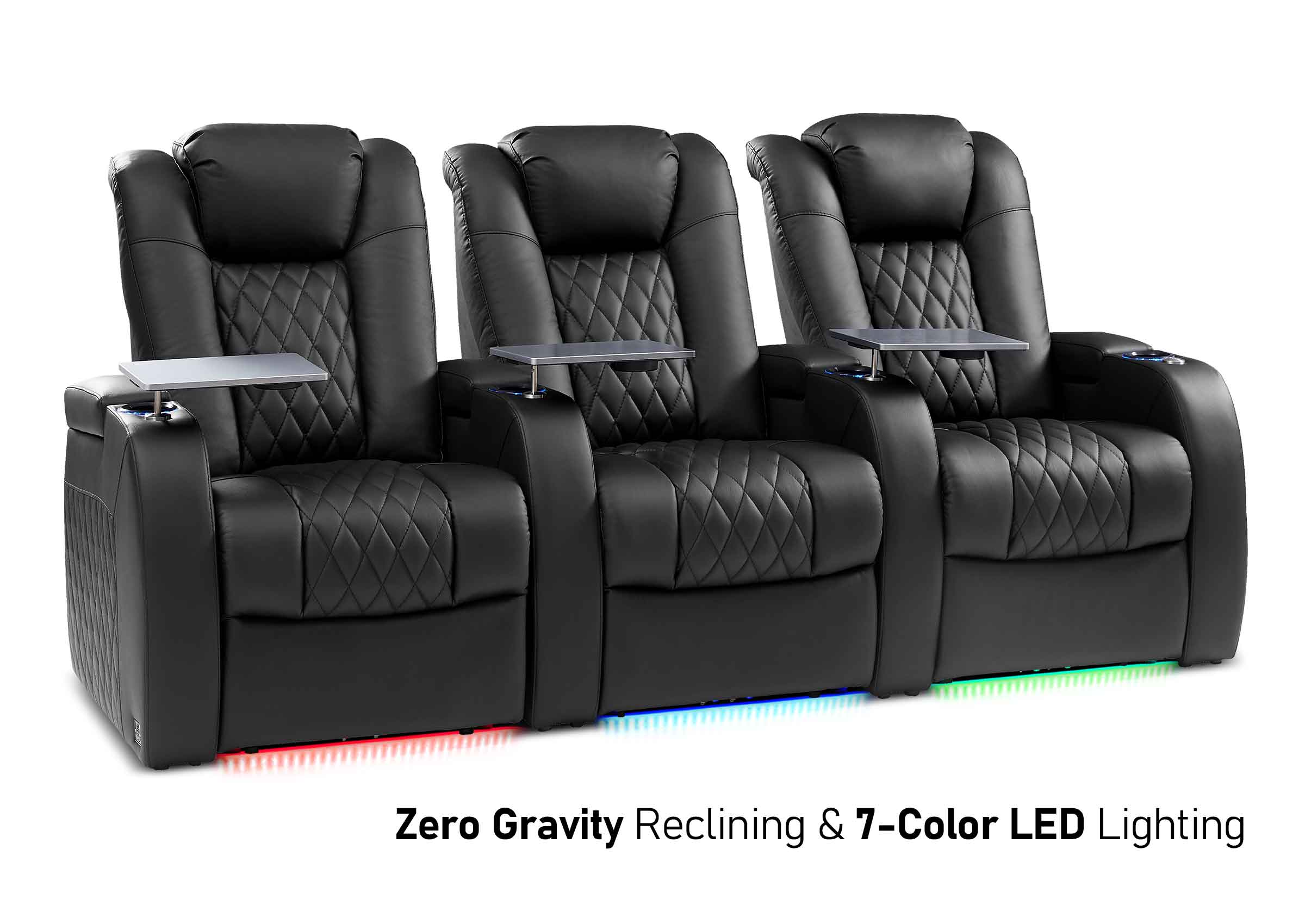
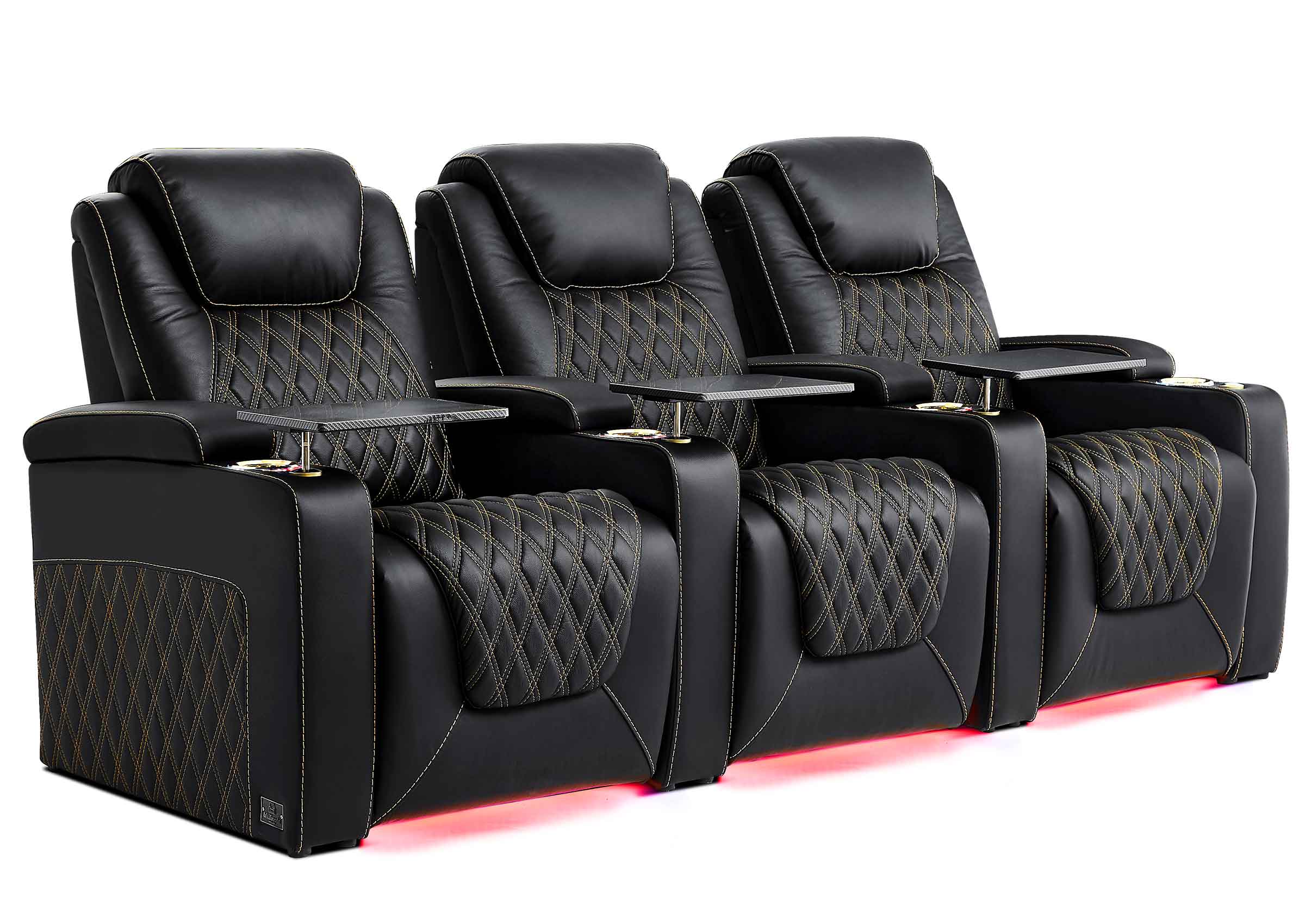
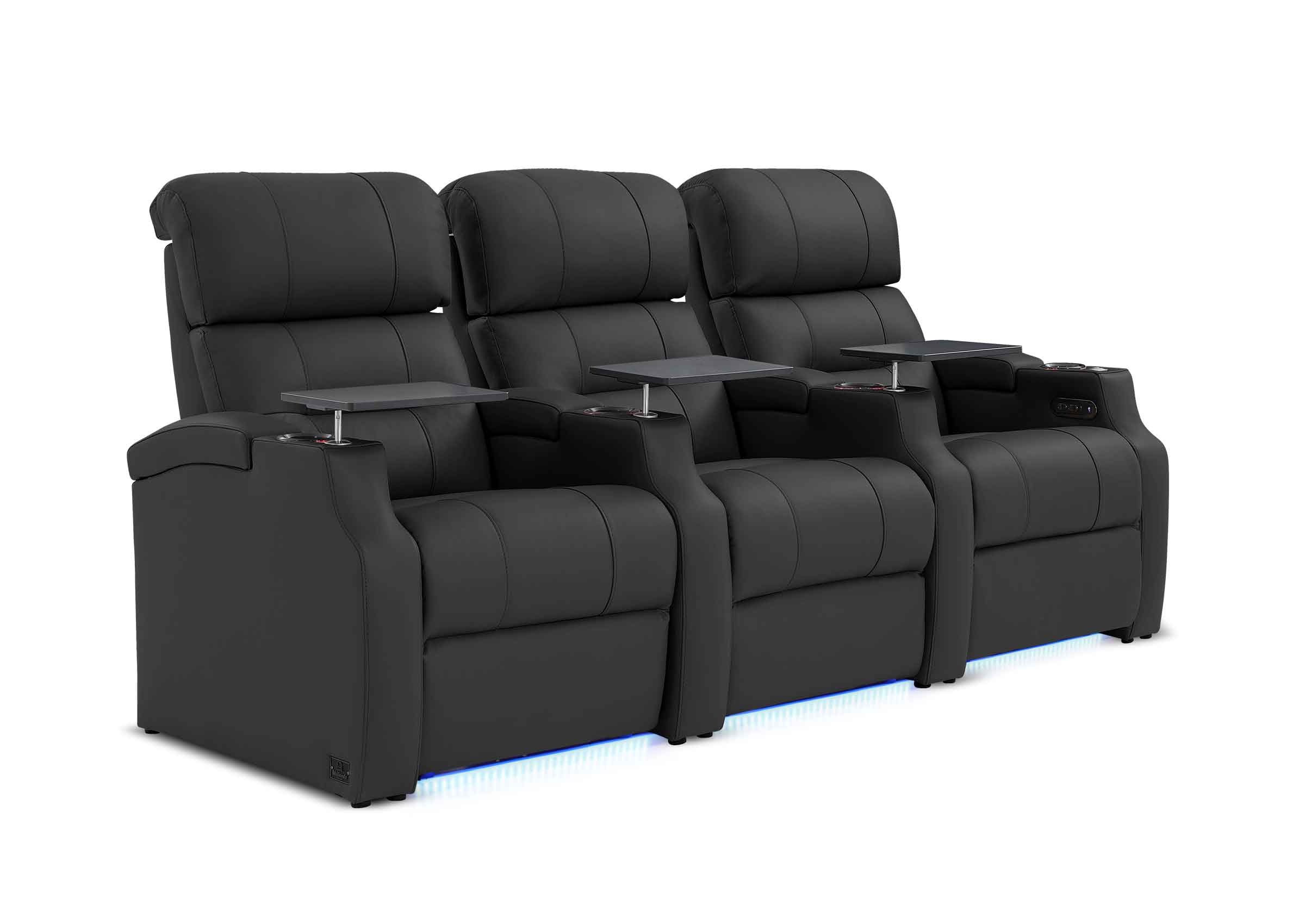
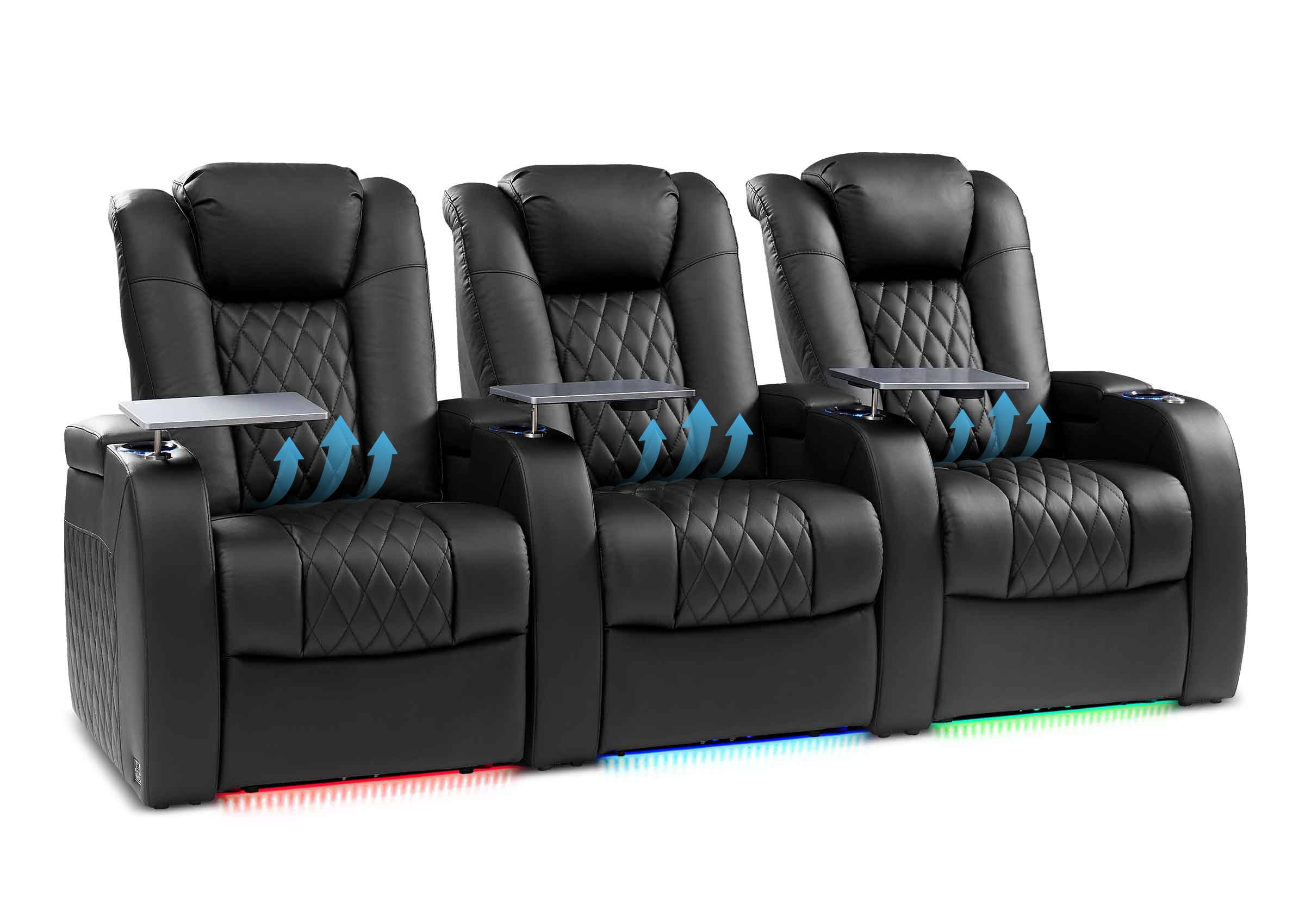
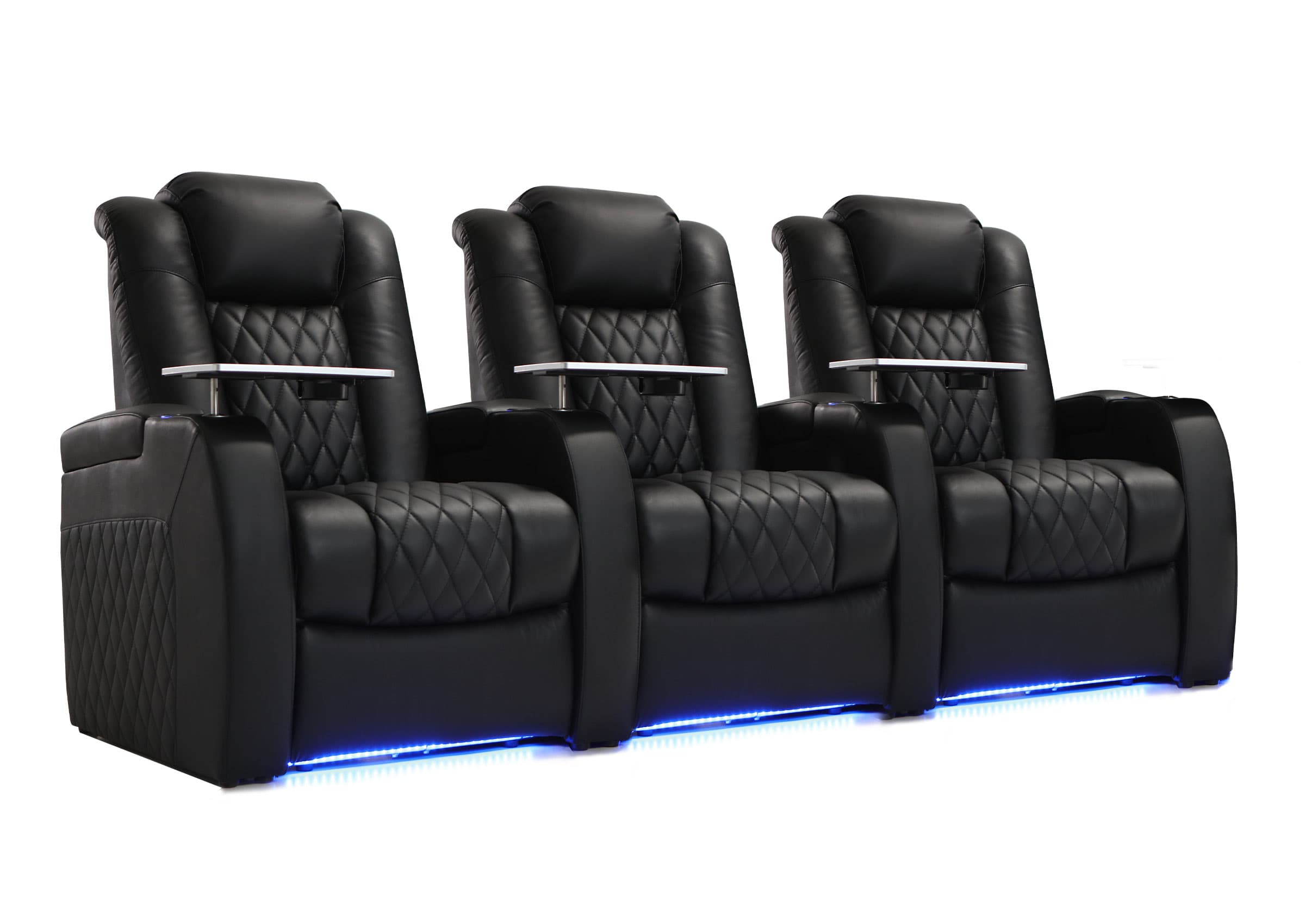
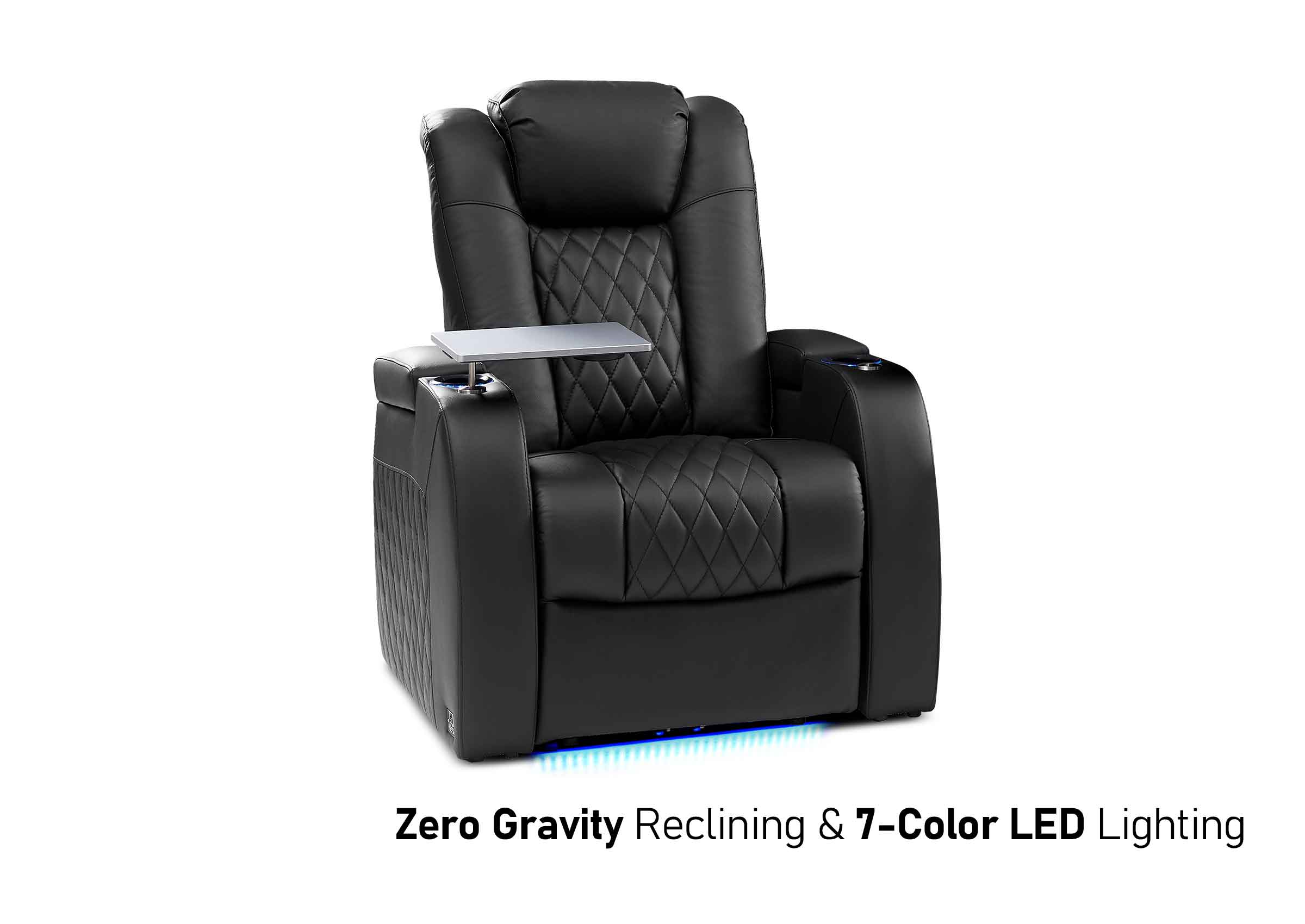
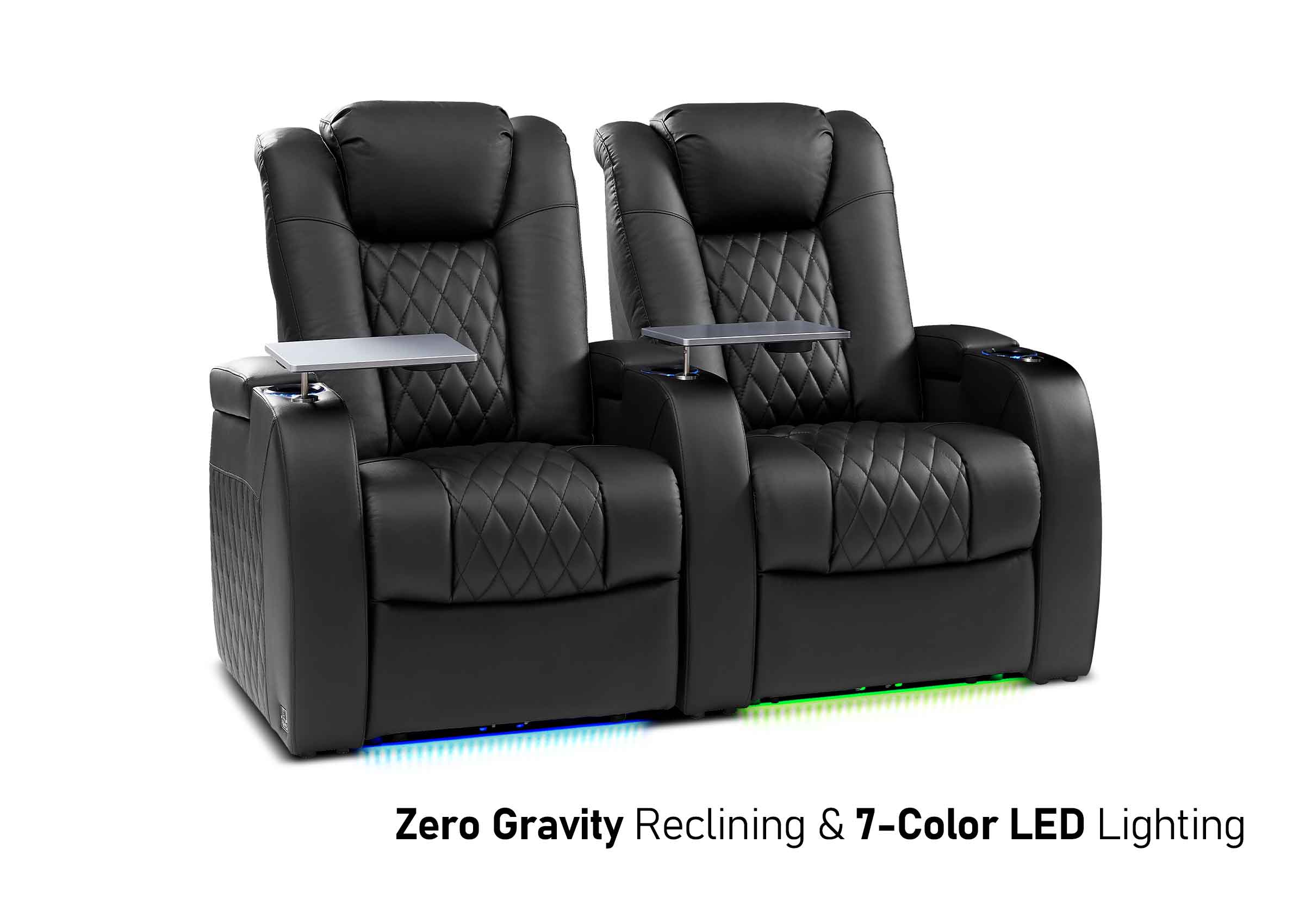
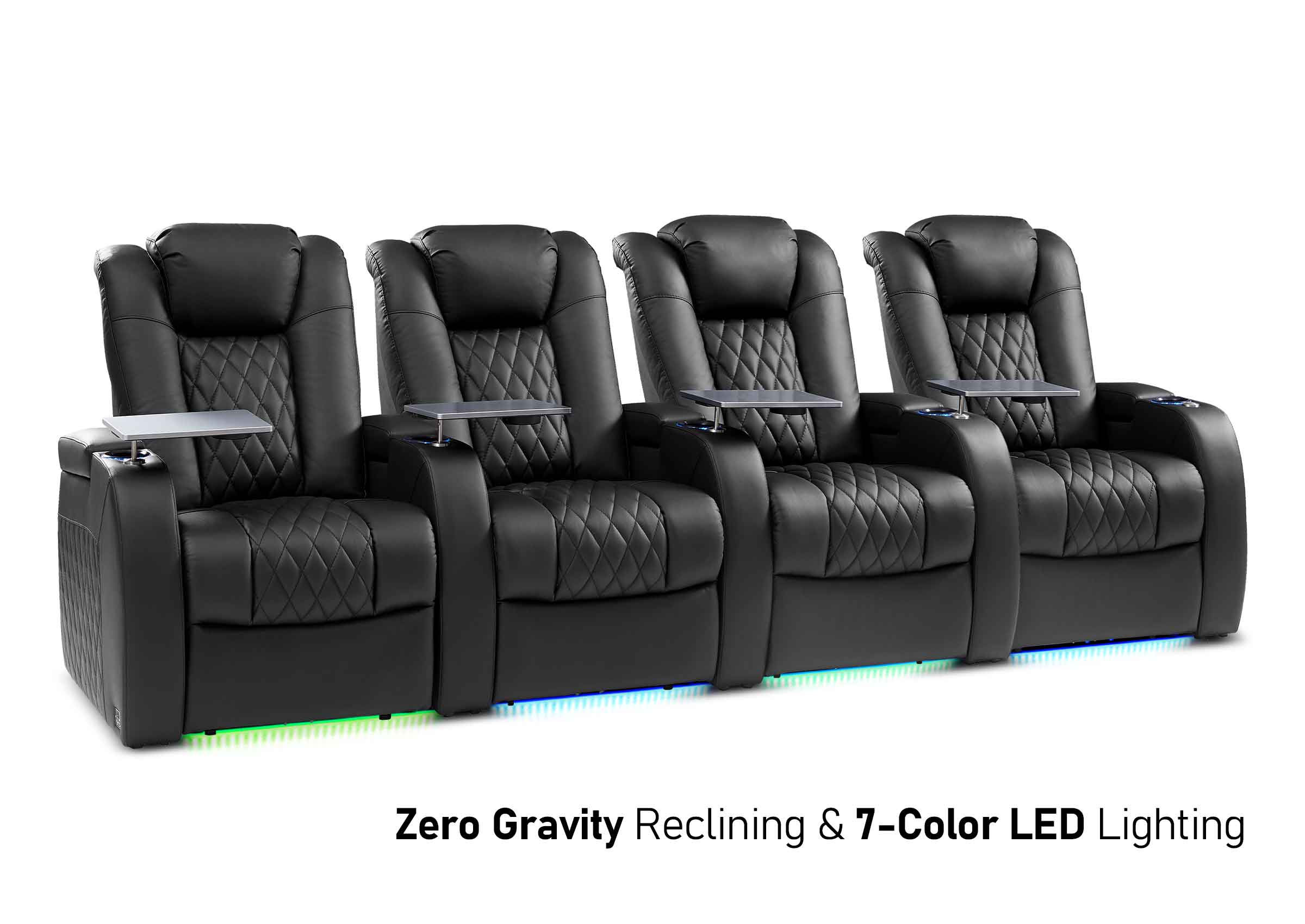
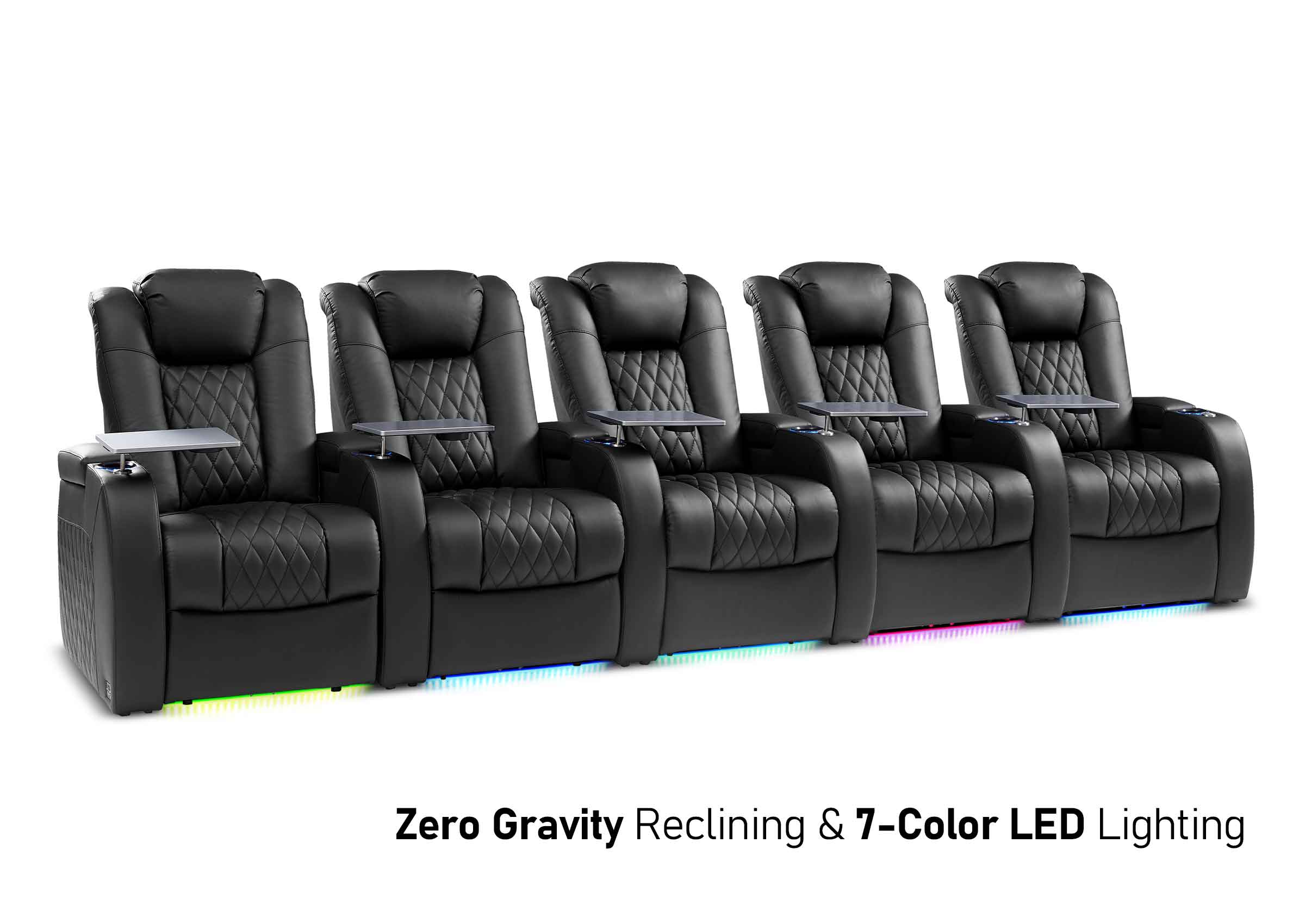
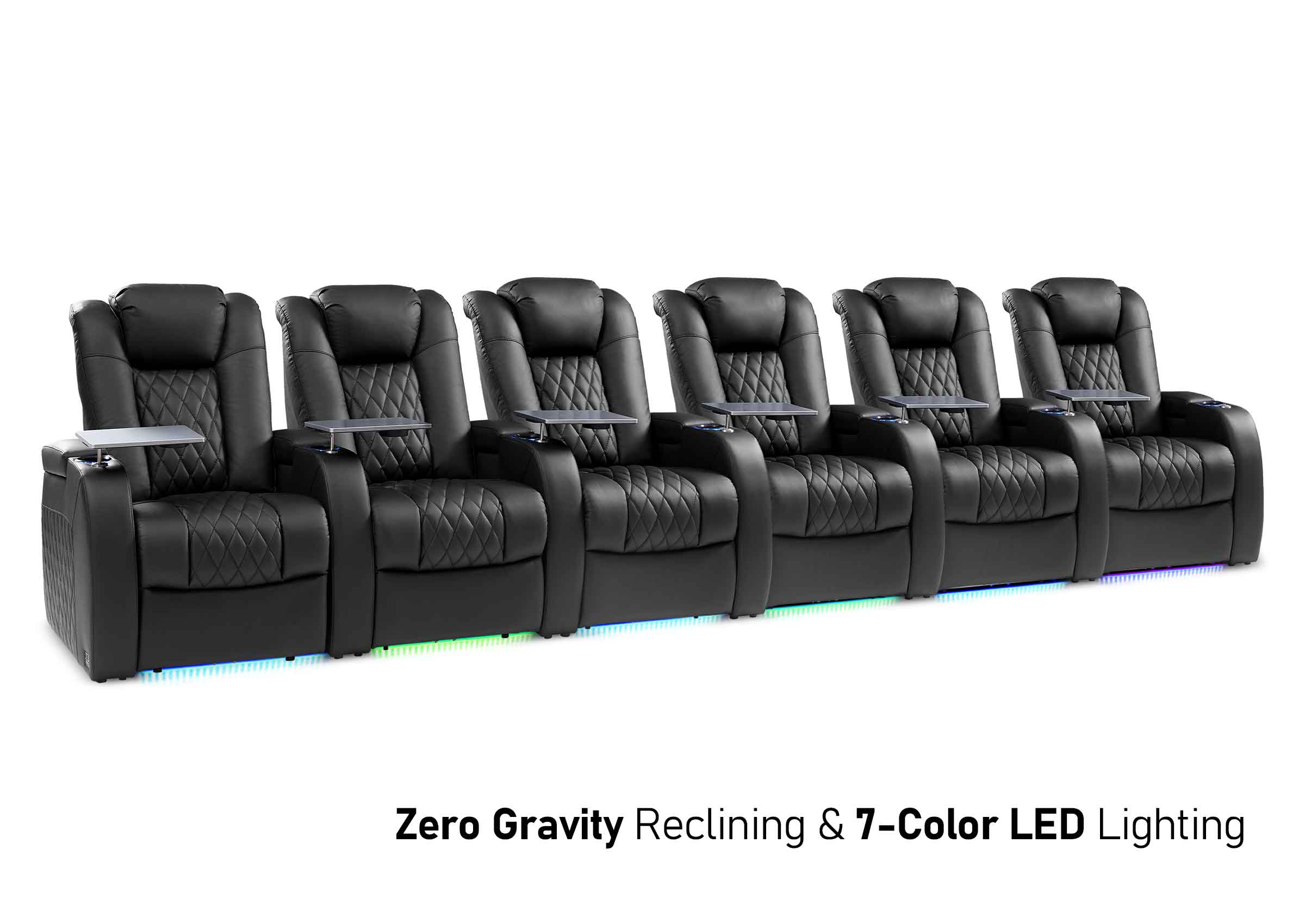
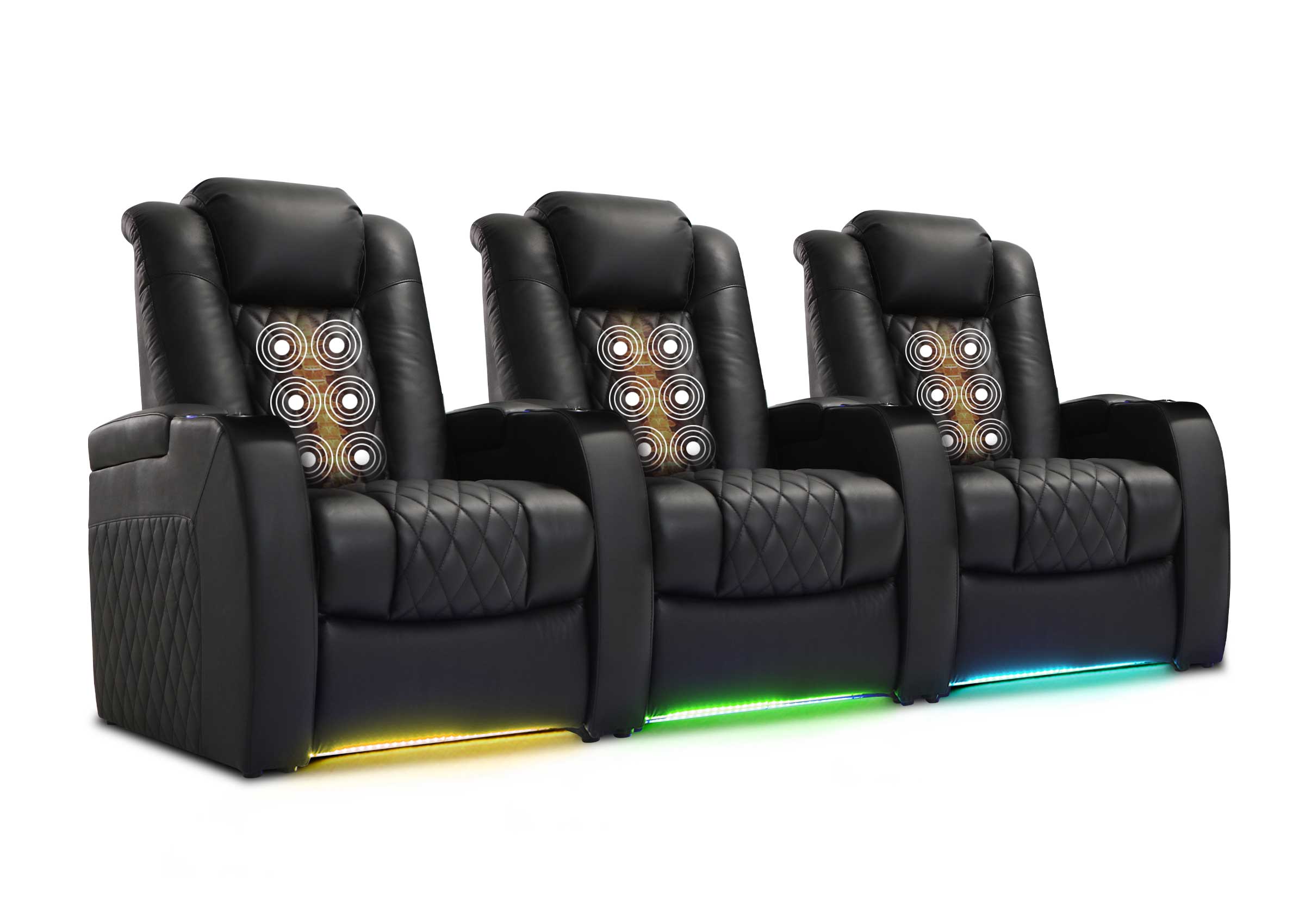
Your riser does not need to do everything, but it does need to work with the seats that will actually sit on it. Before the deck, carpet, outlets, or access points become difficult to change, confirm the seat footprint, full reclined clearance, power path, and any tactile or acoustic features that need to share the platform.
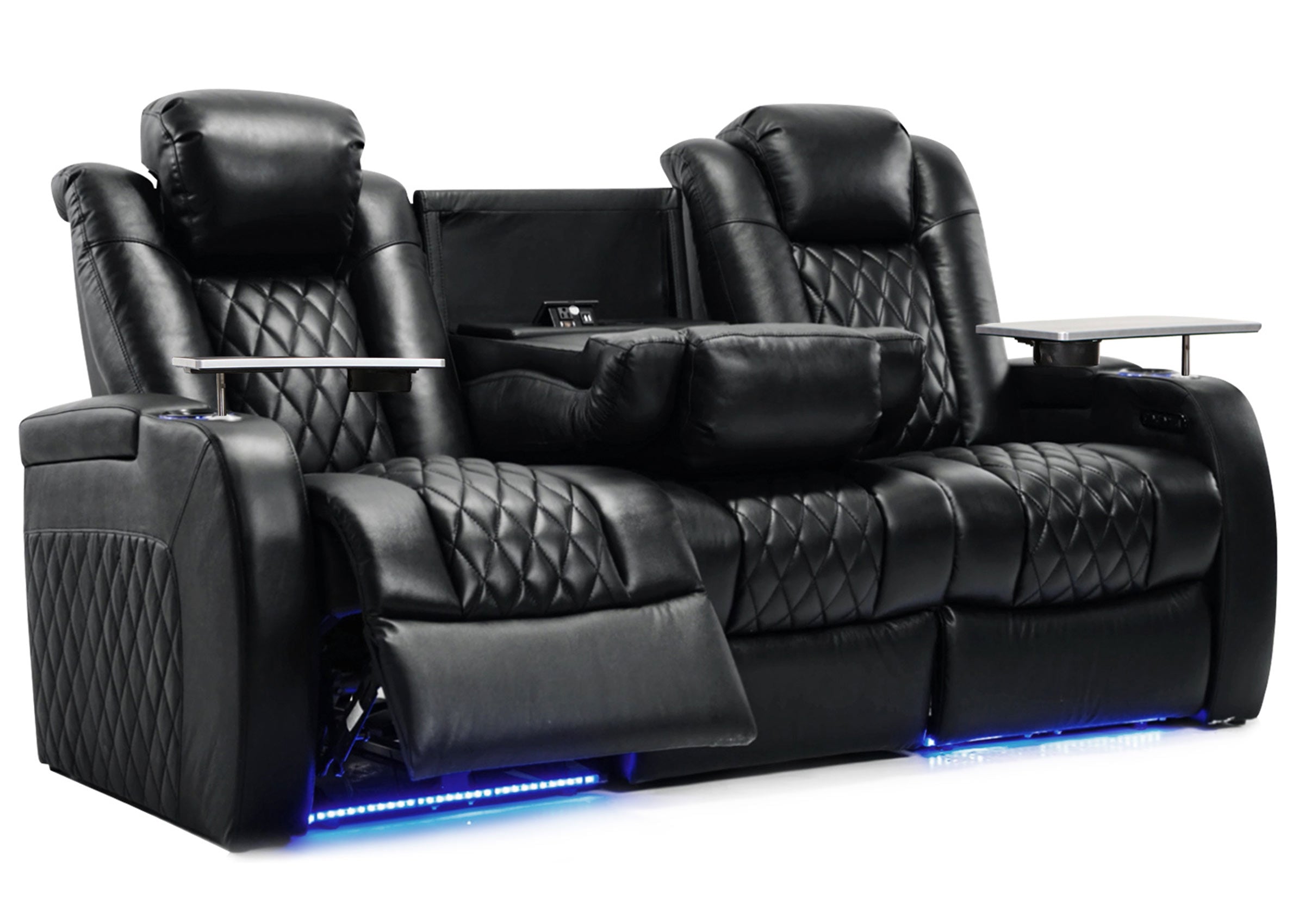
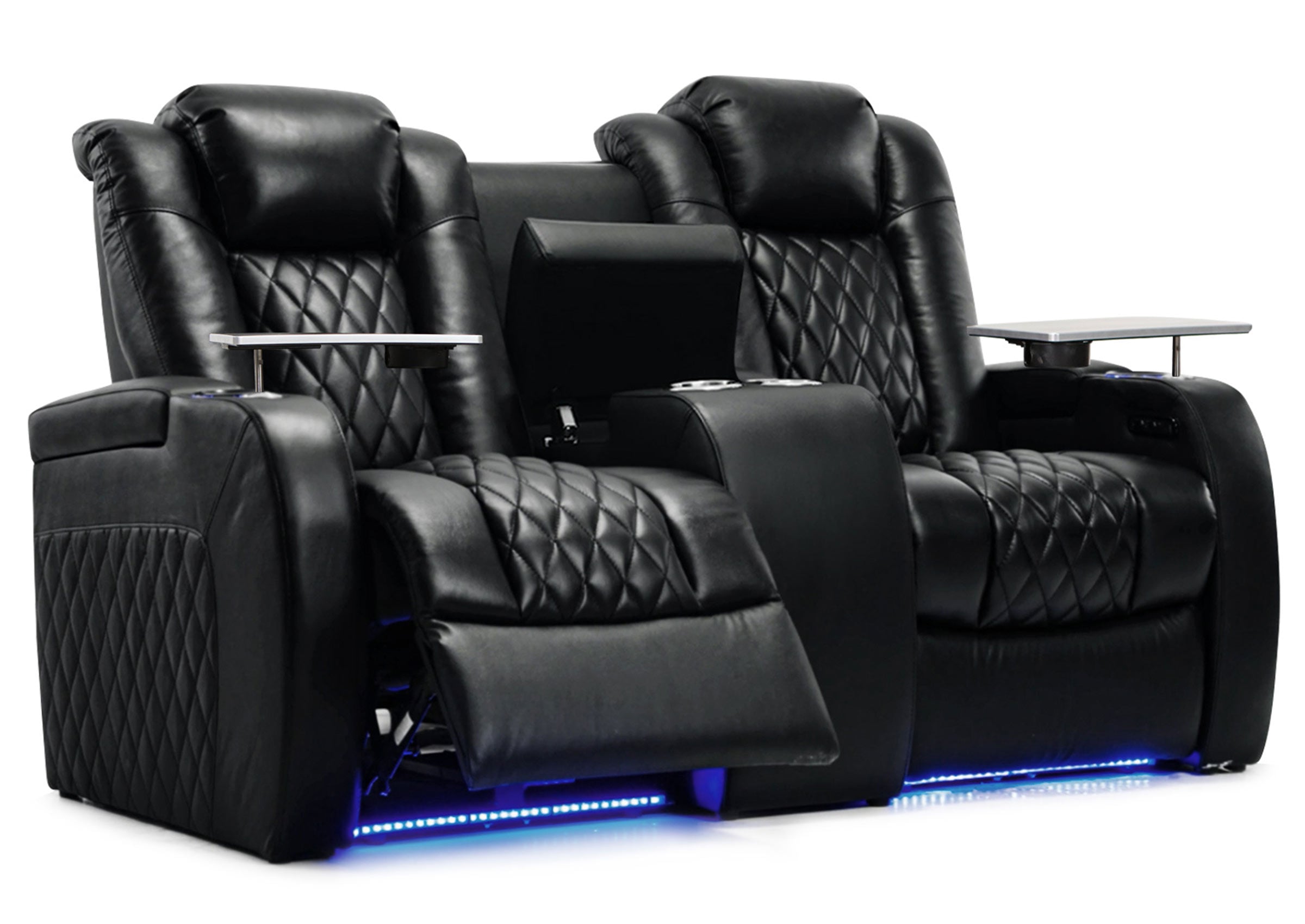
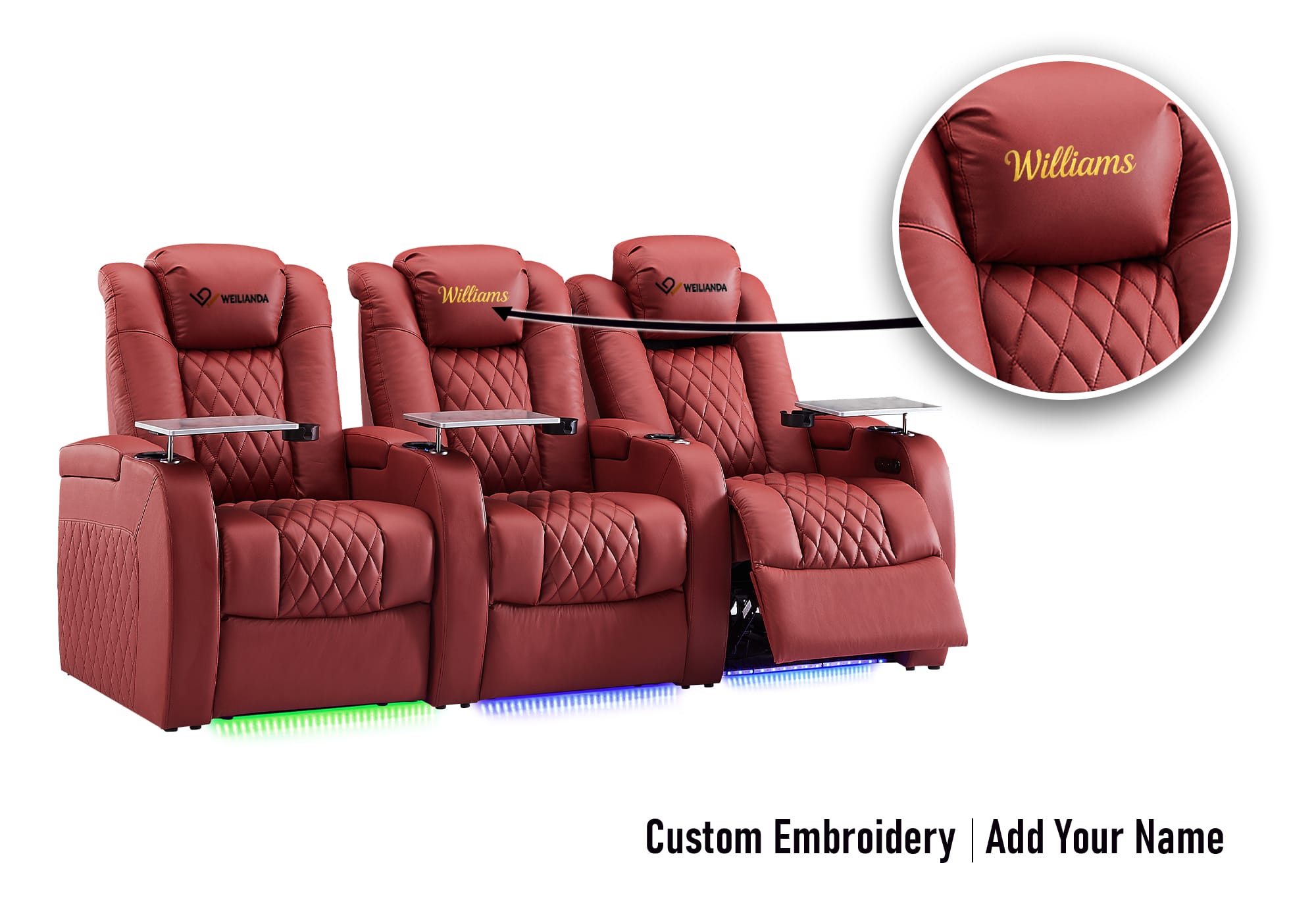
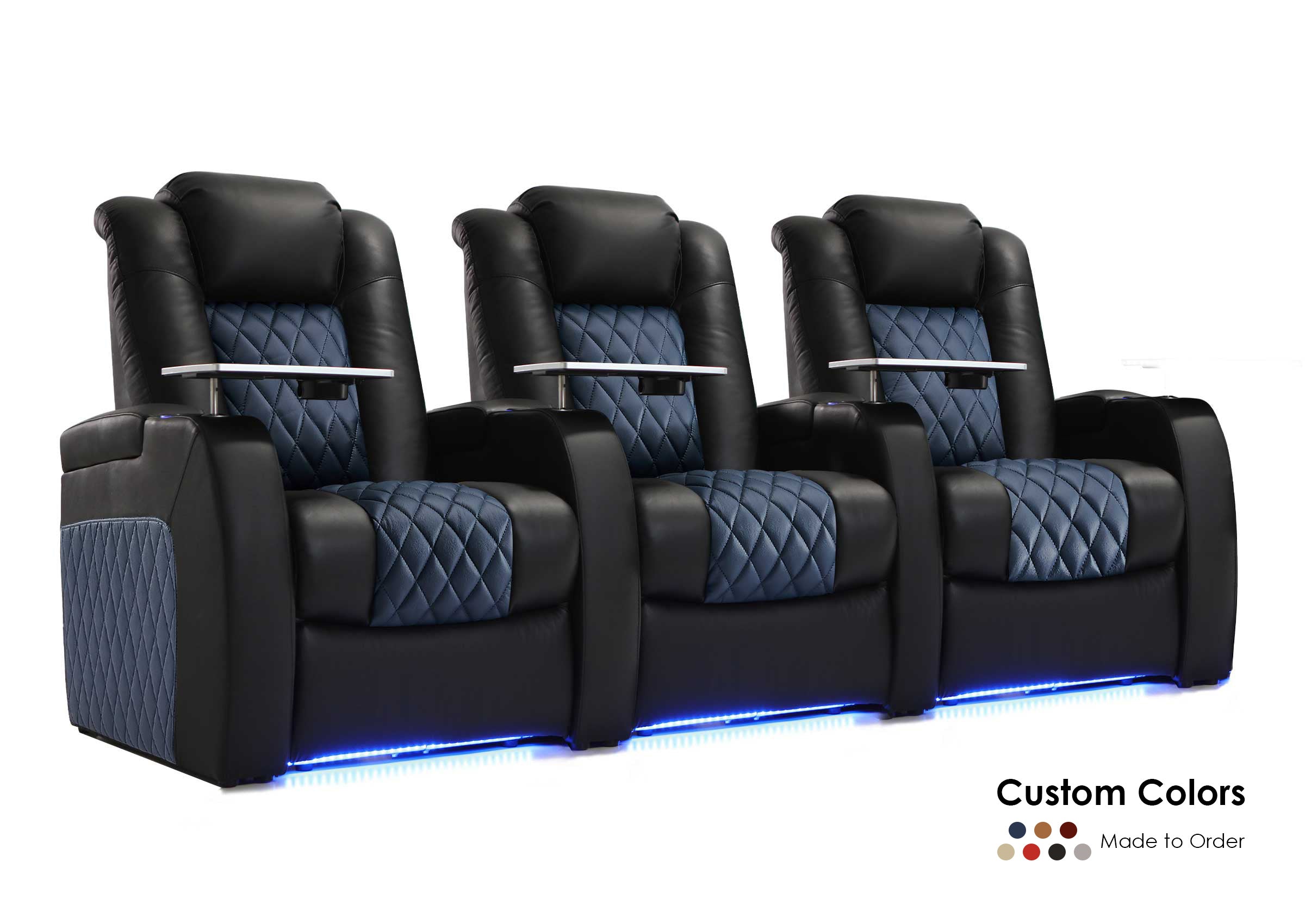
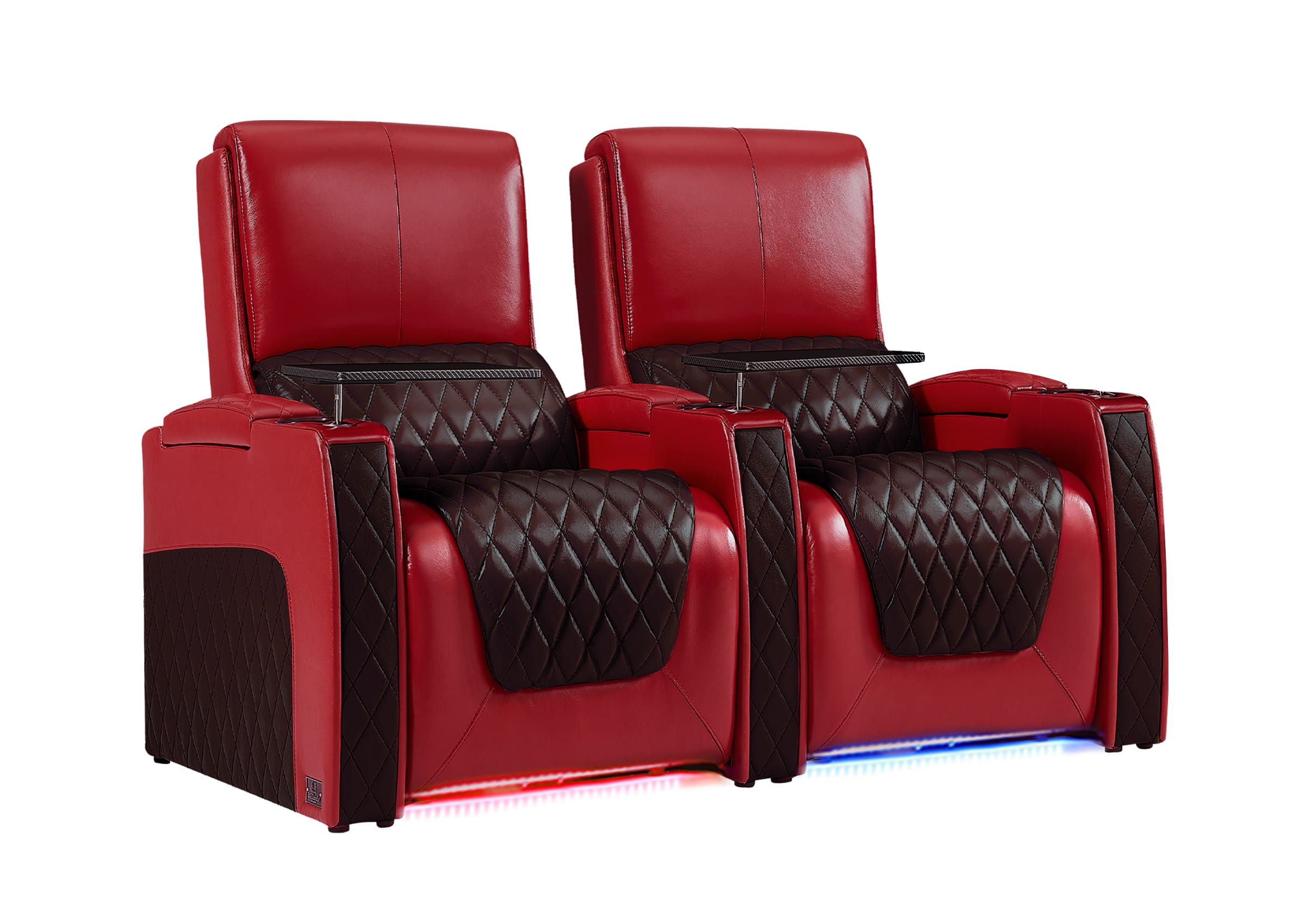
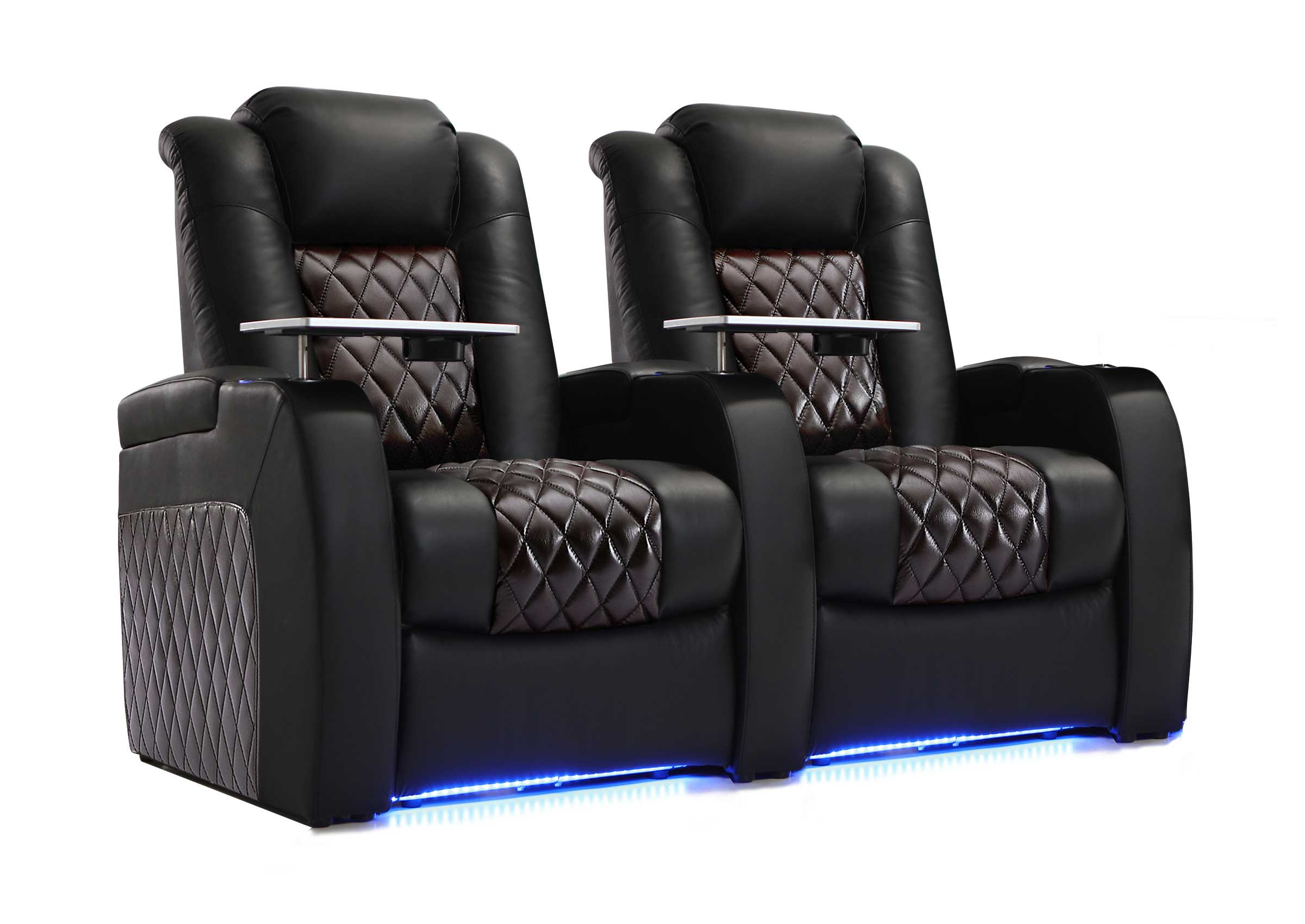
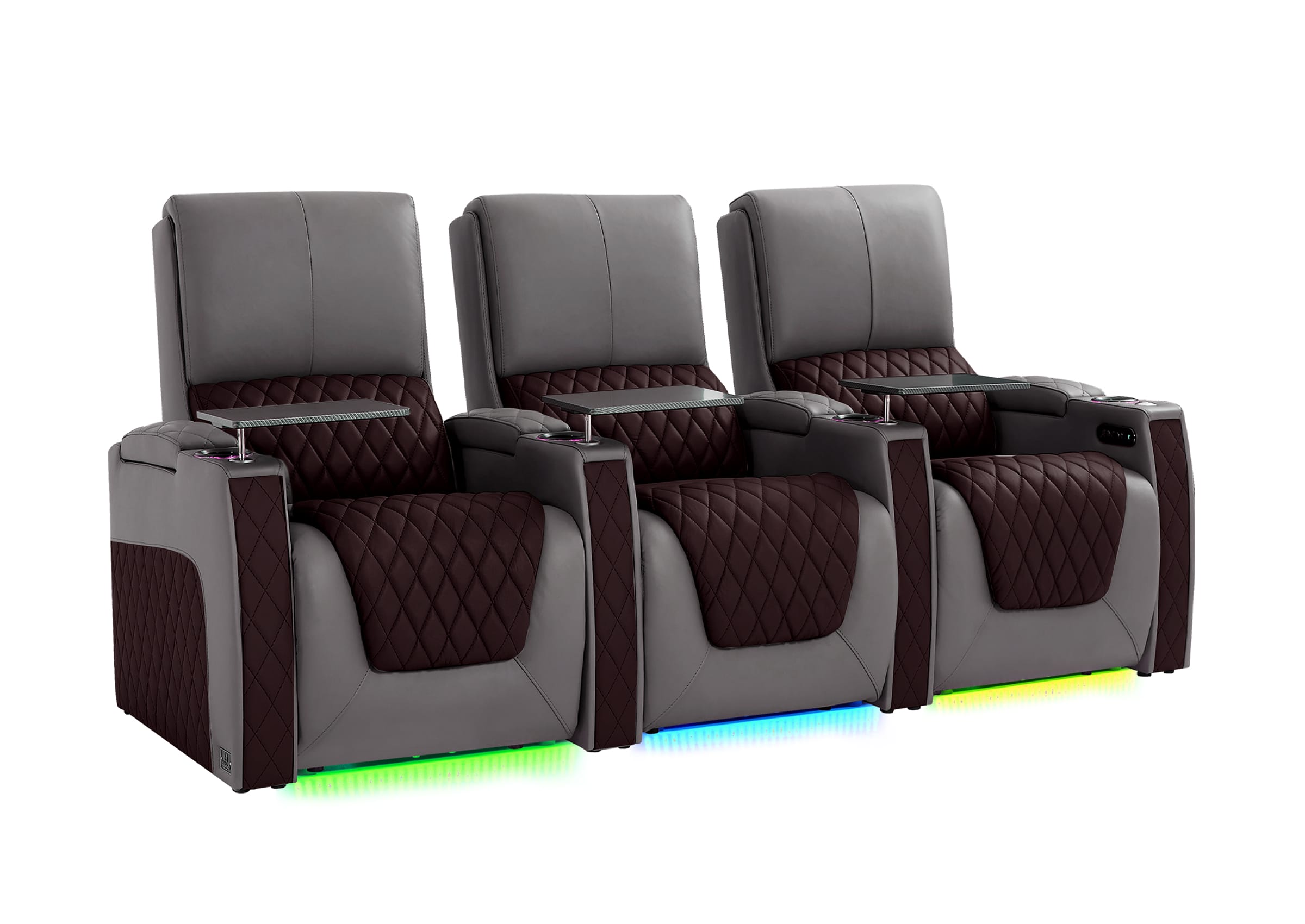
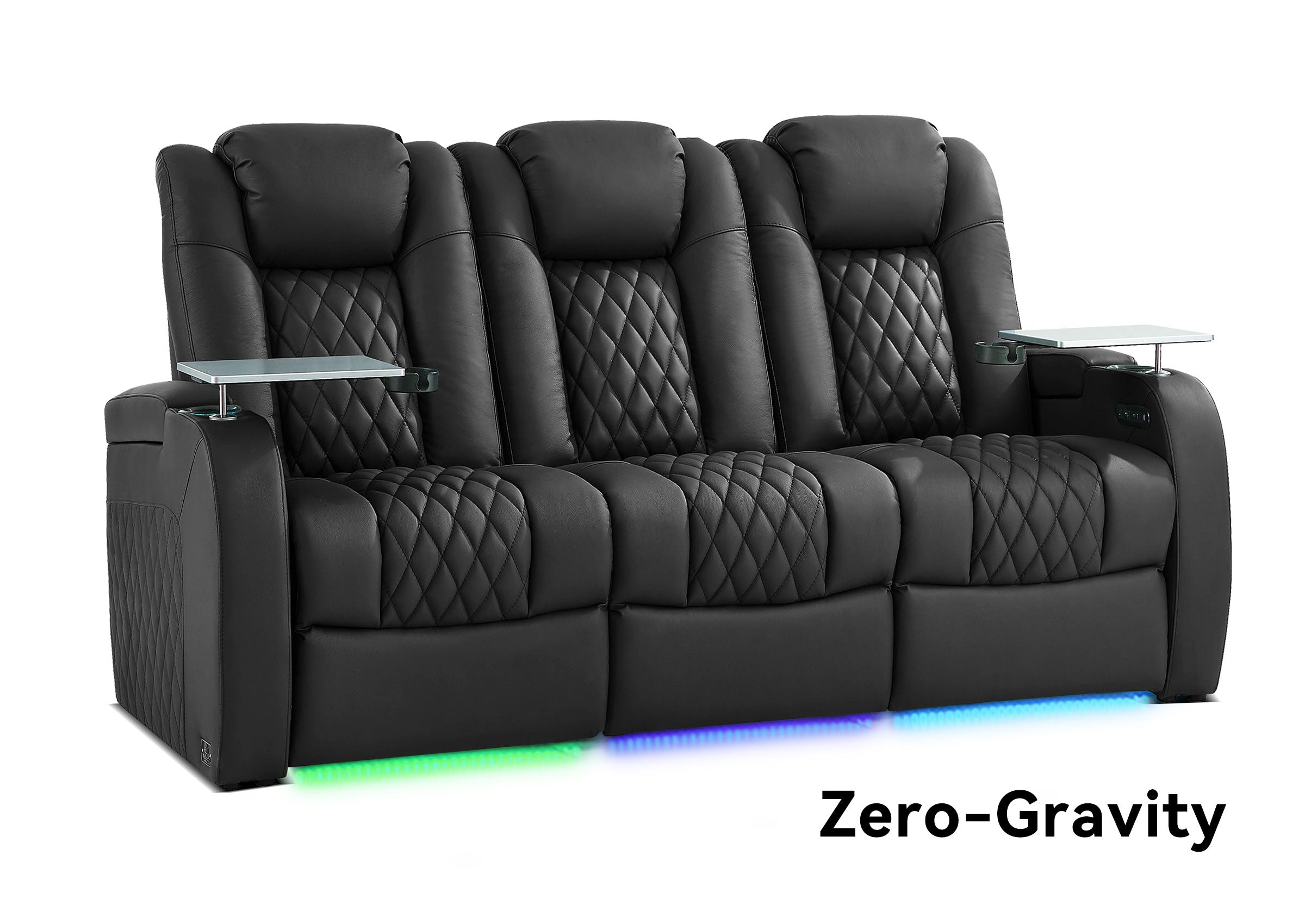
If you are planning the riser around Weilianda seating and need to confirm product-specific dimensions, recline clearance, or how a seating configuration may fit your room, contact Weilianda Support about your seating plan or email leon@weiliandahome.com.
It is easier to adjust the plan before the riser is finished than to redesign the platform around the seating afterward.