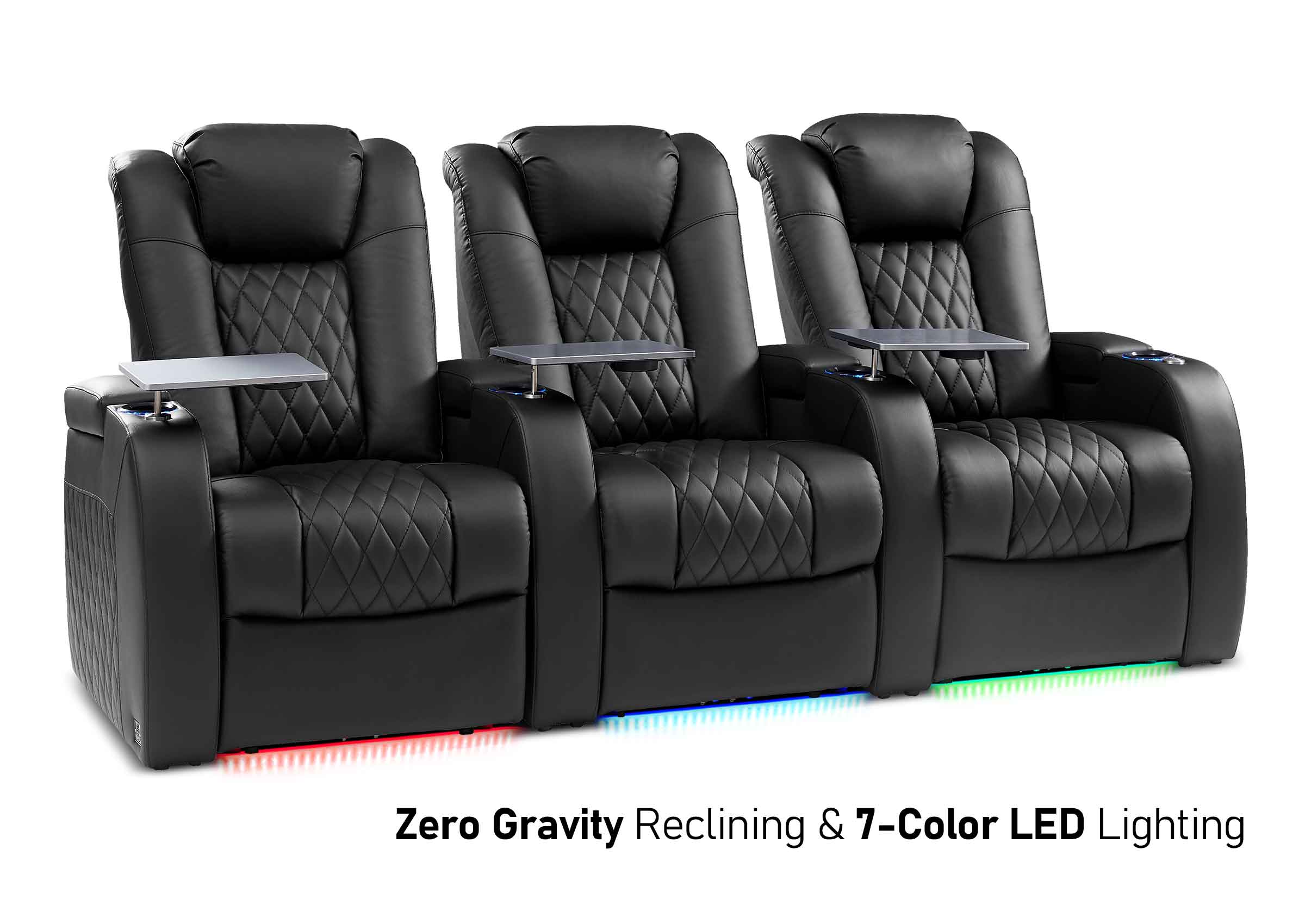
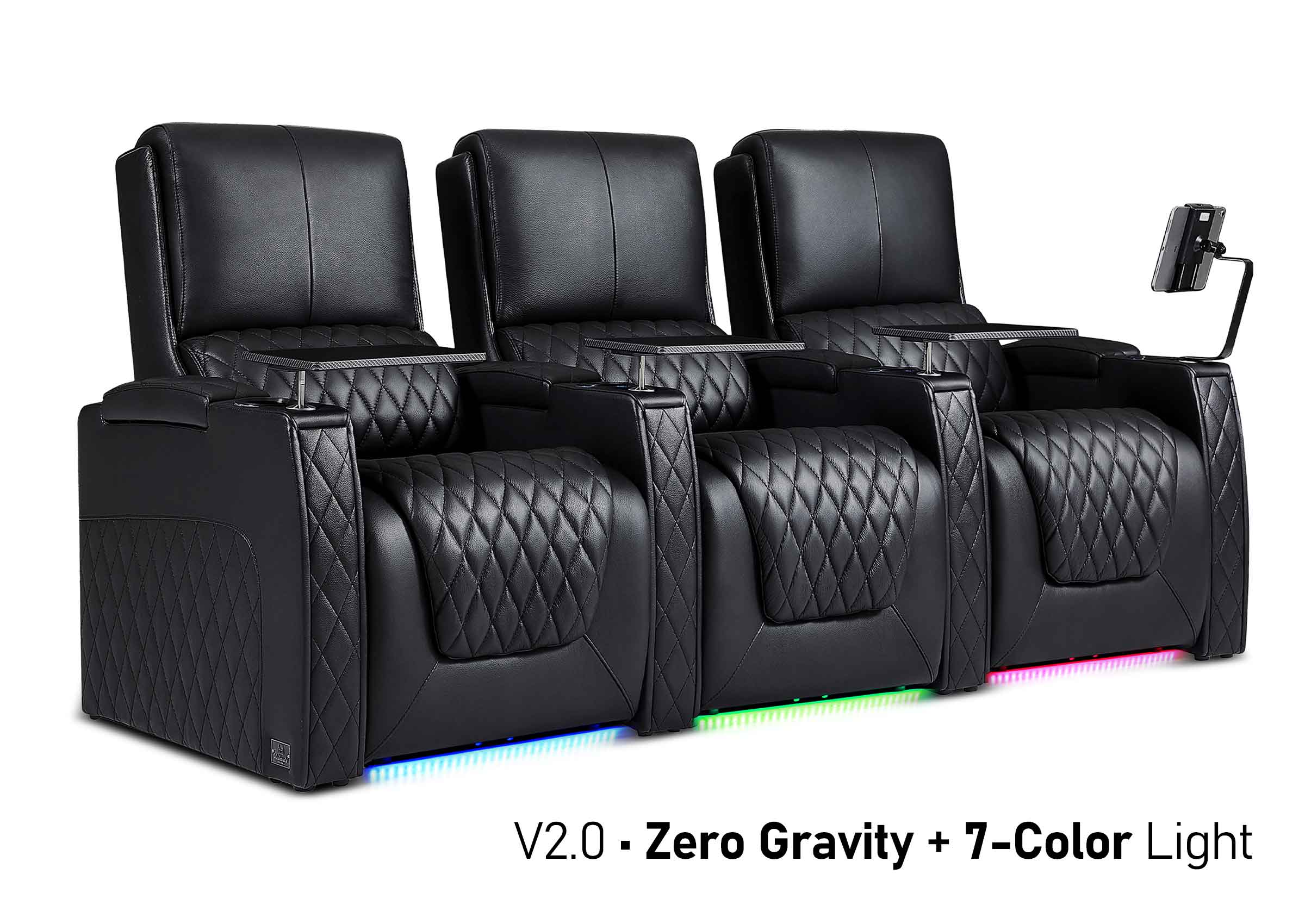
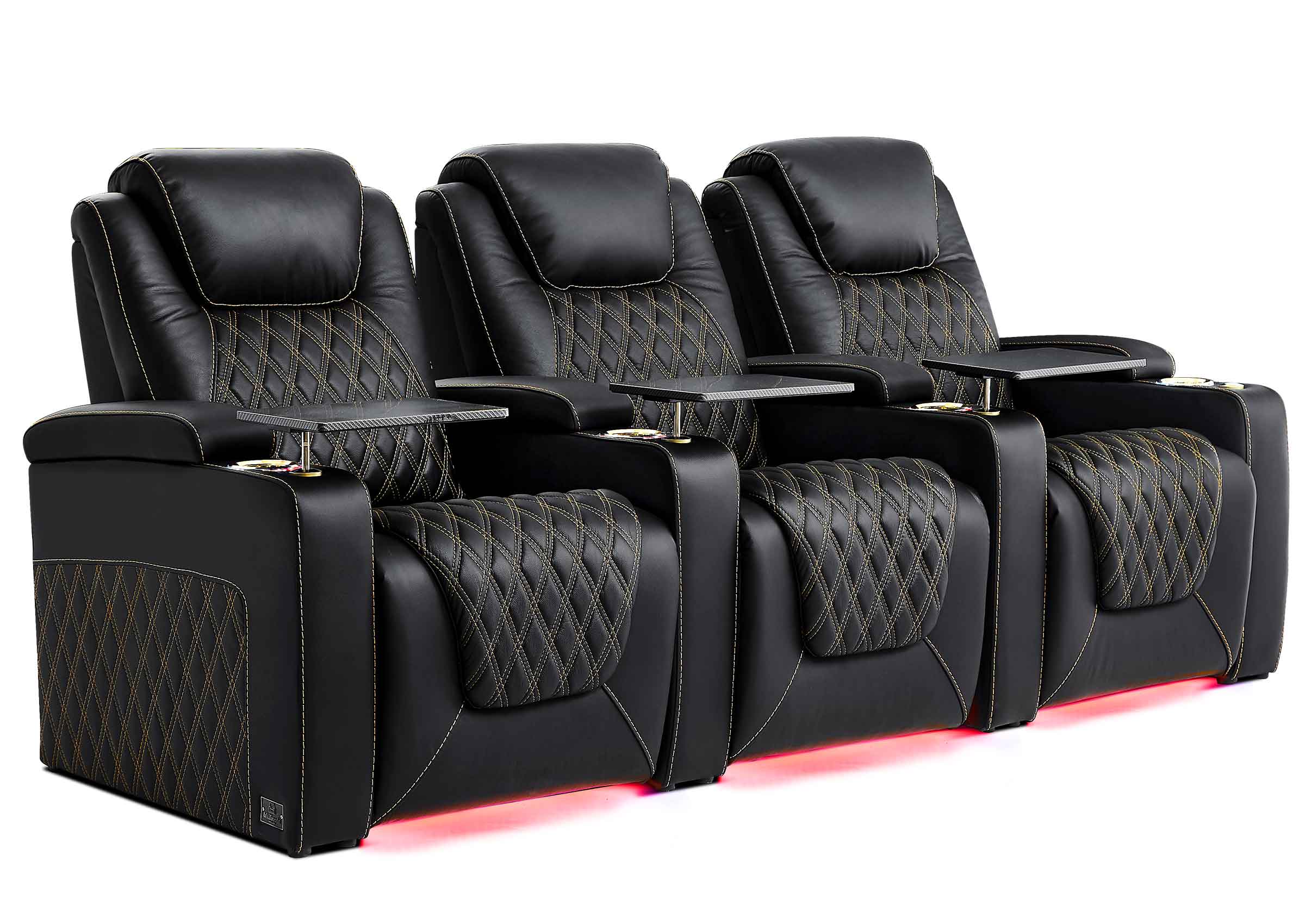
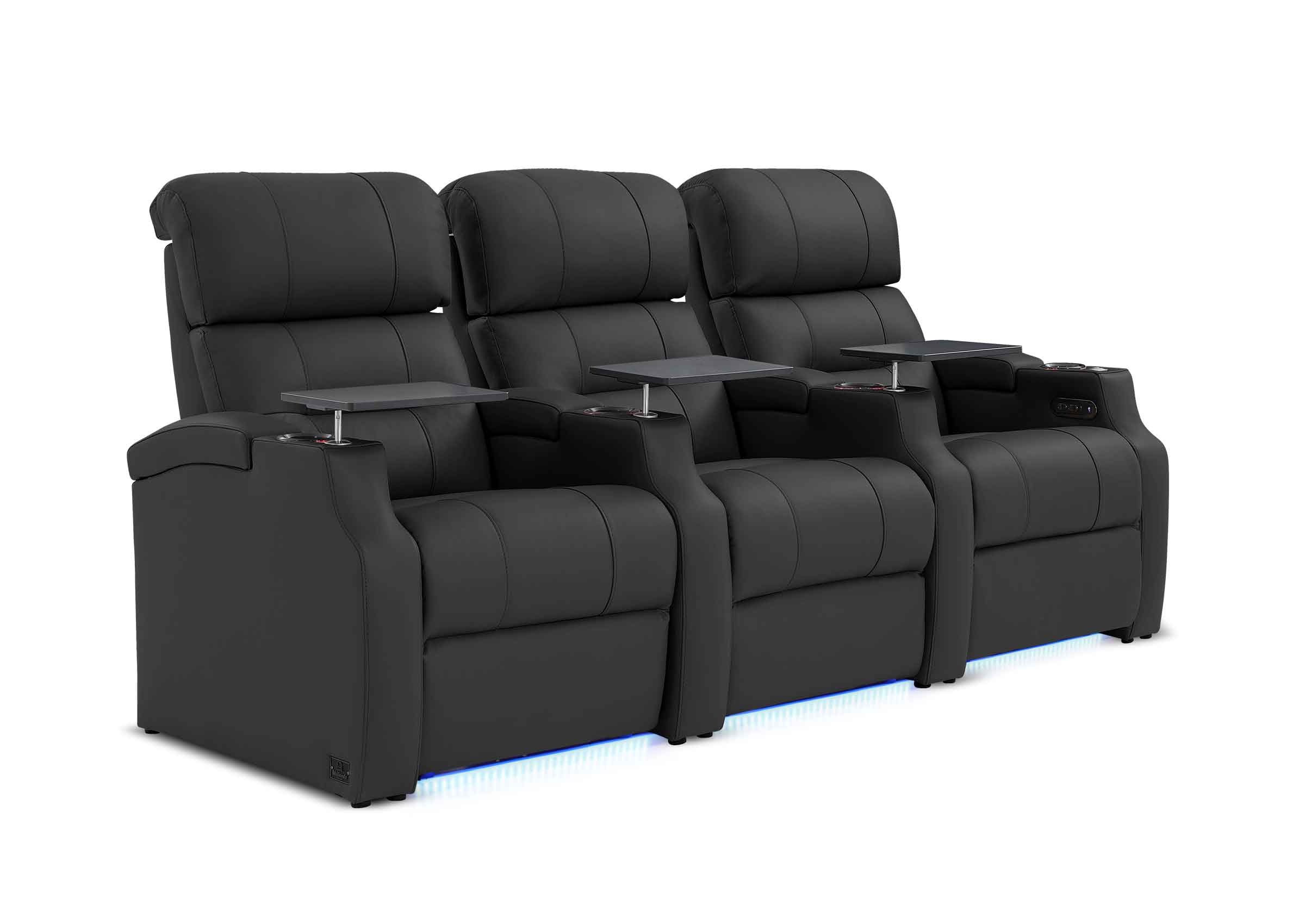
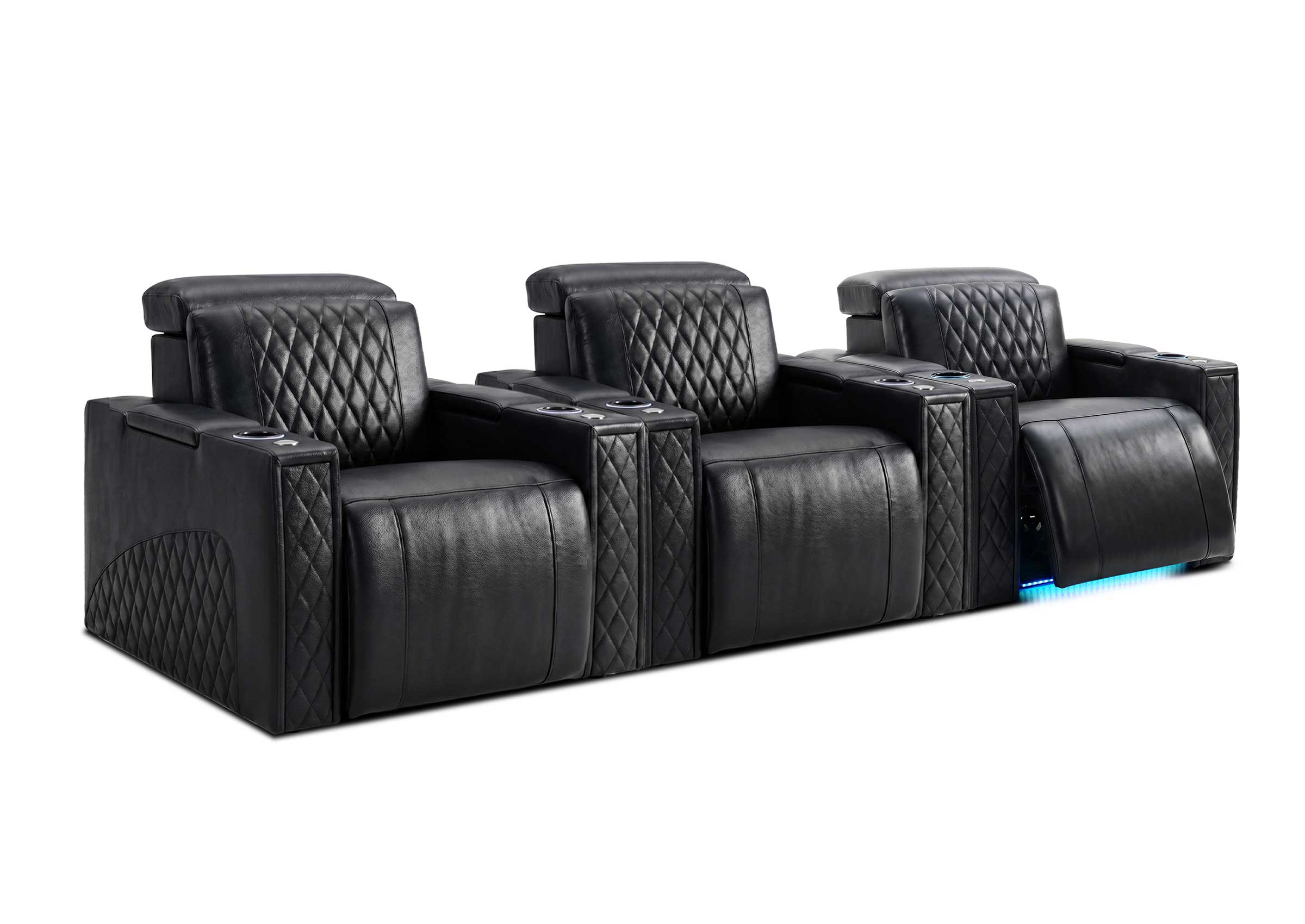

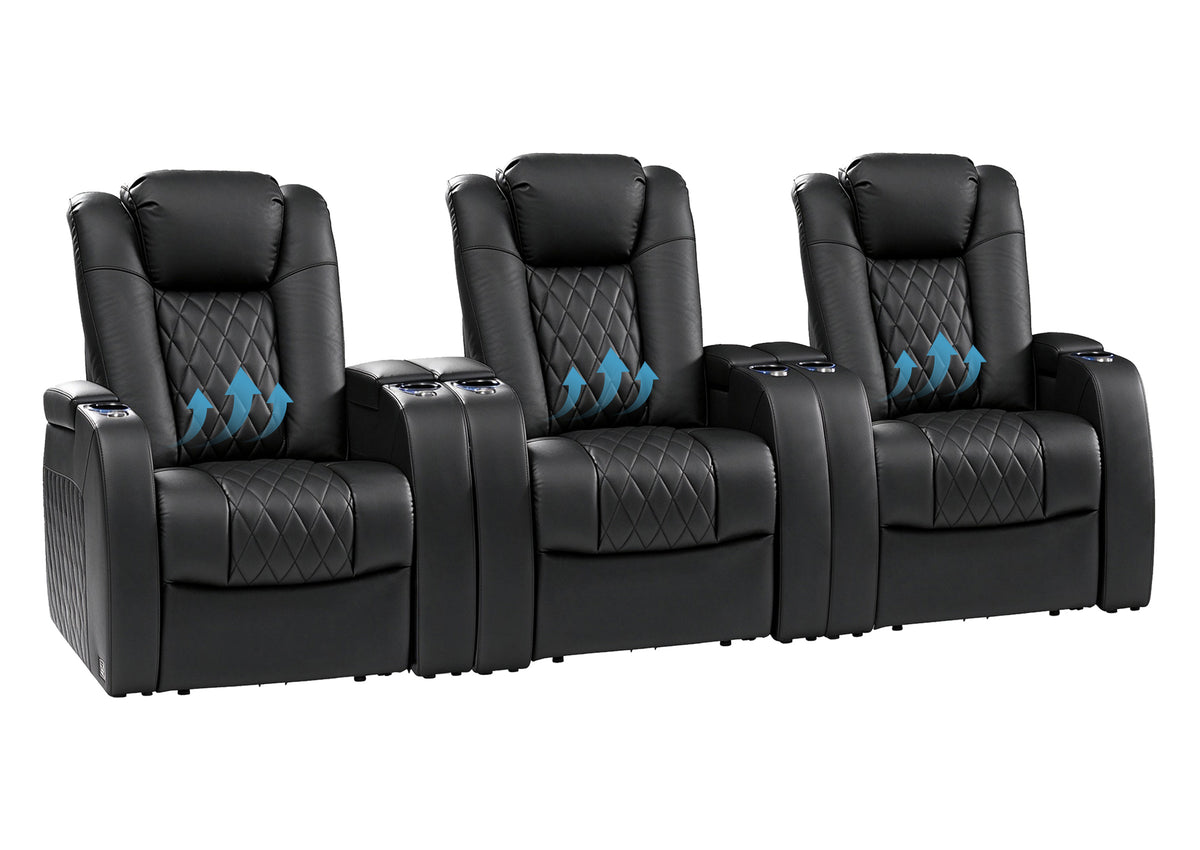
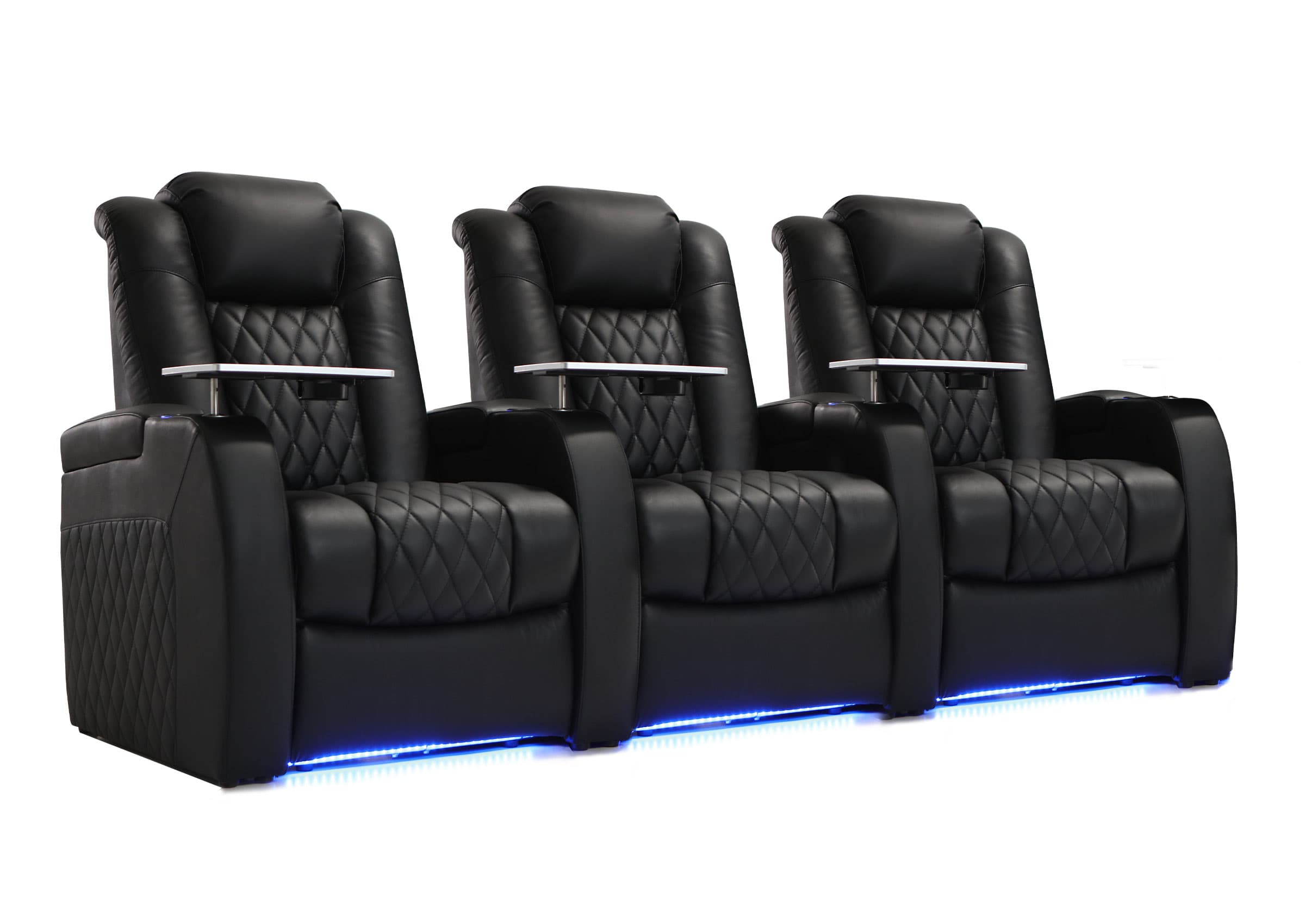
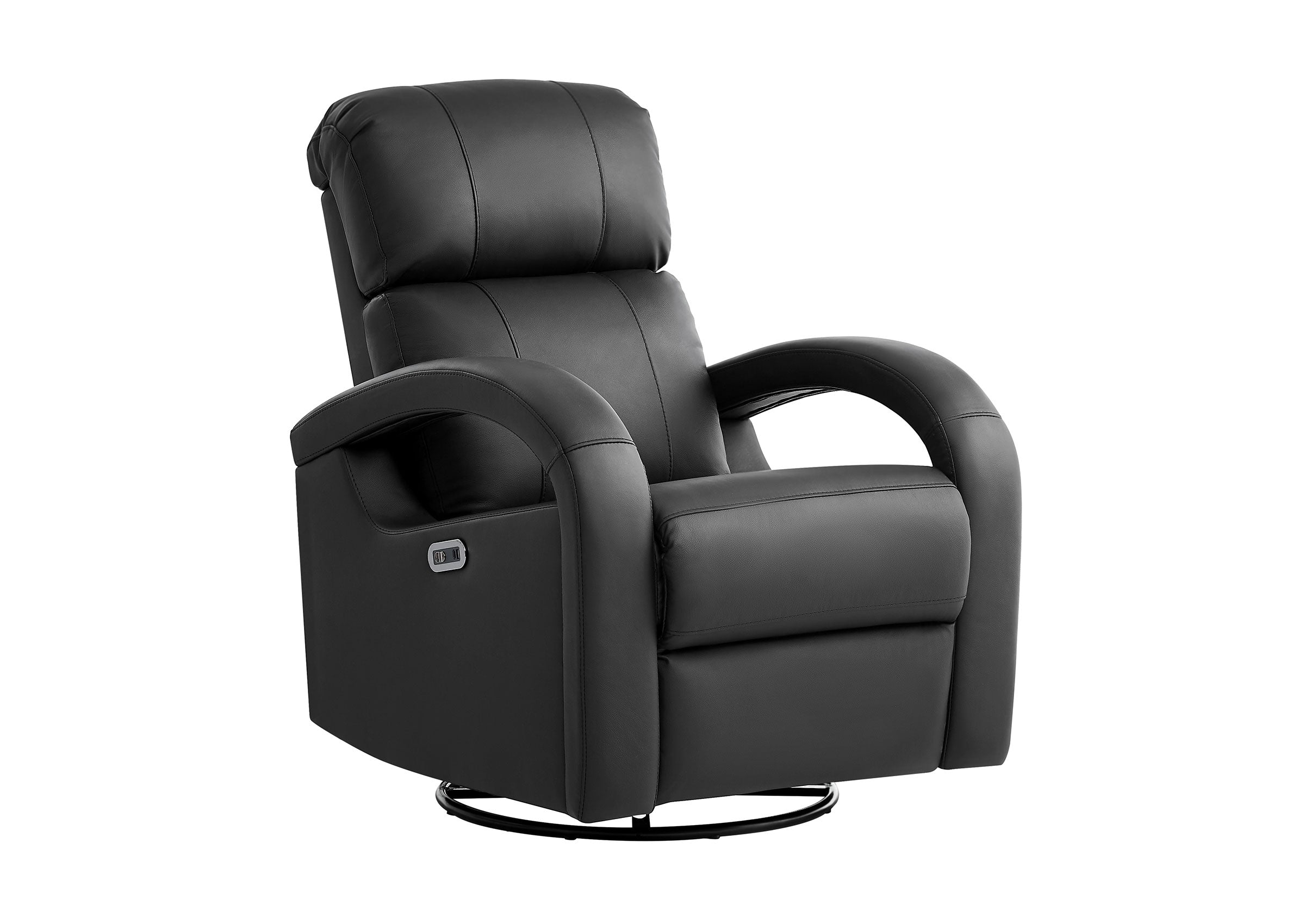
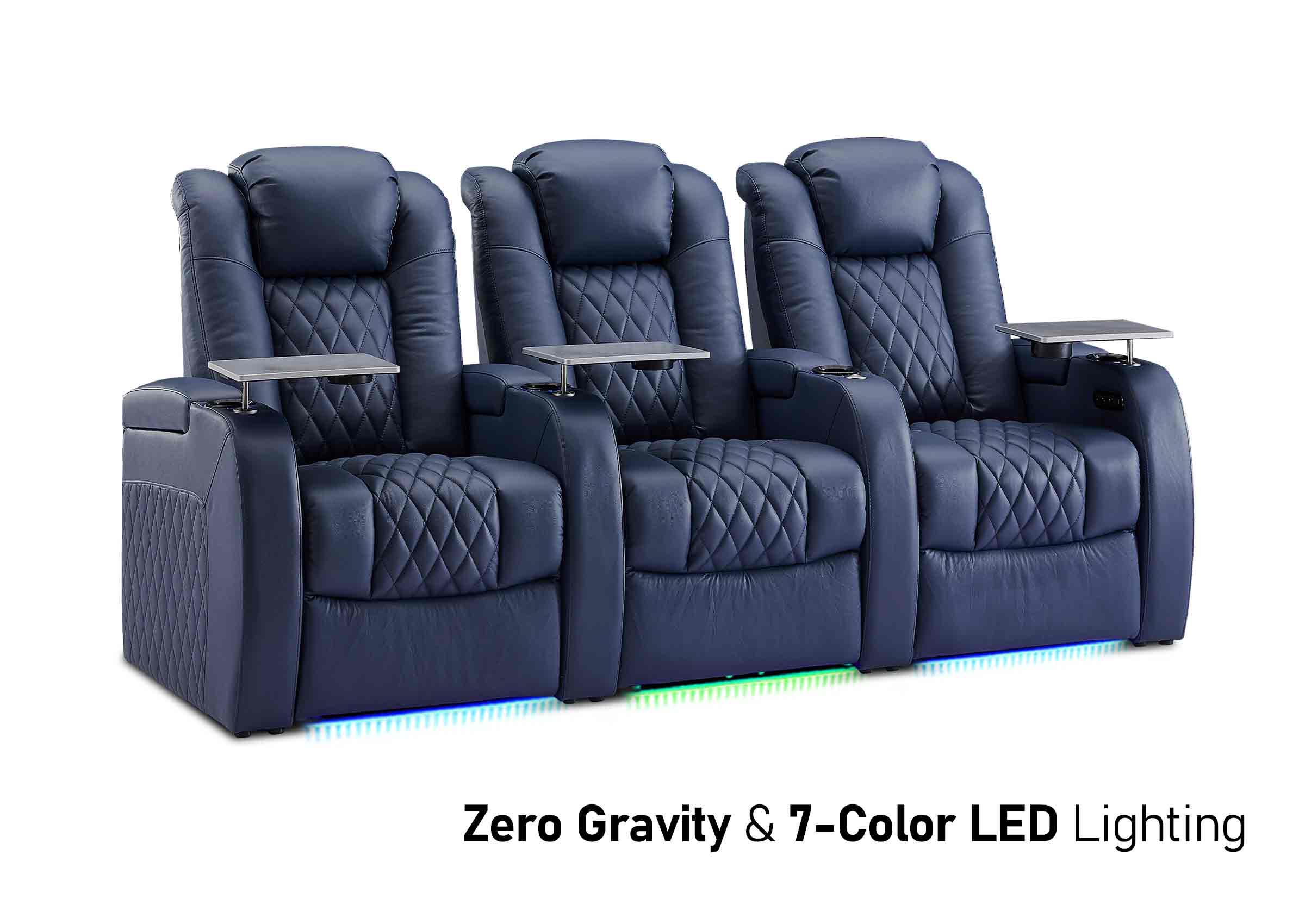
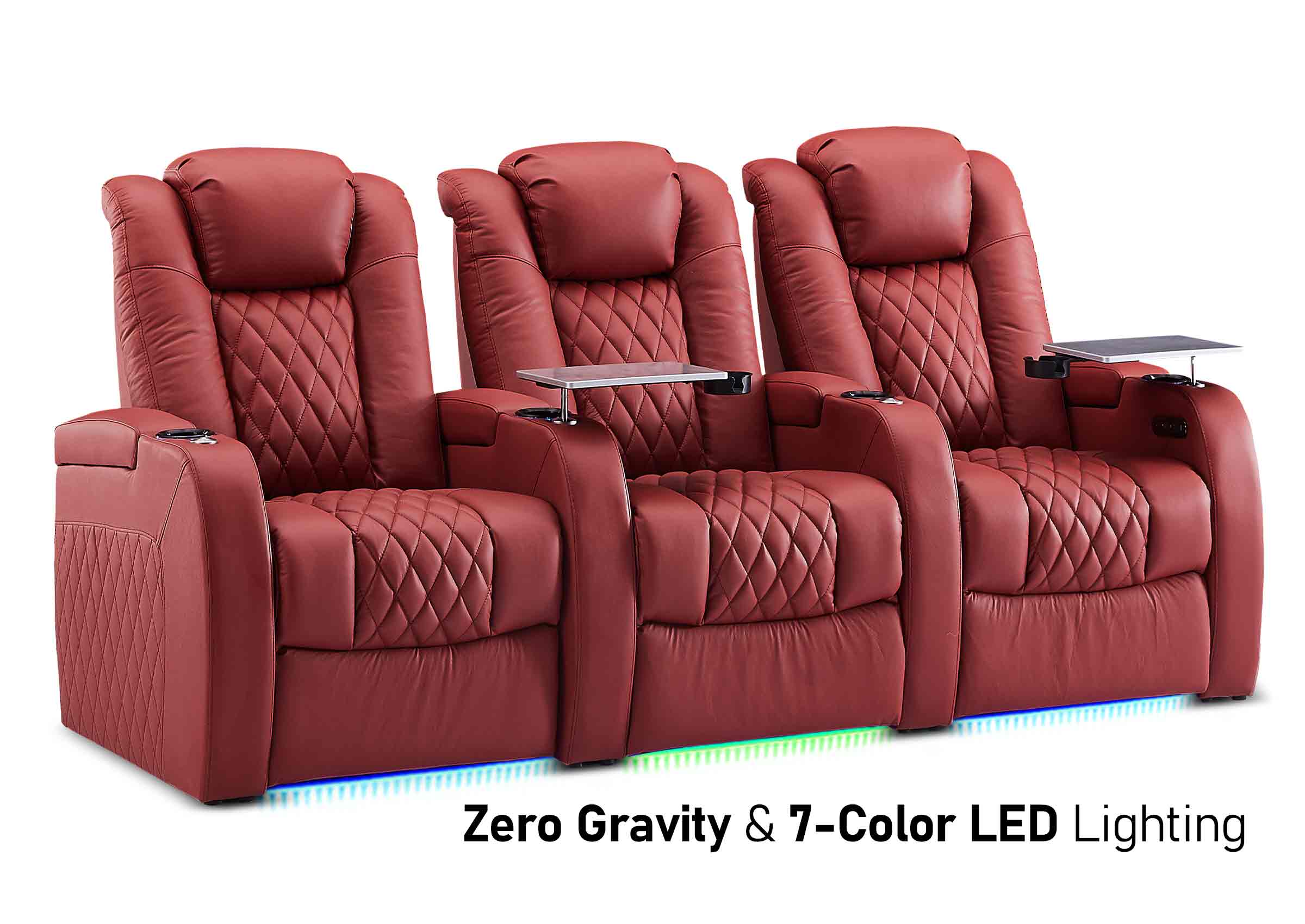
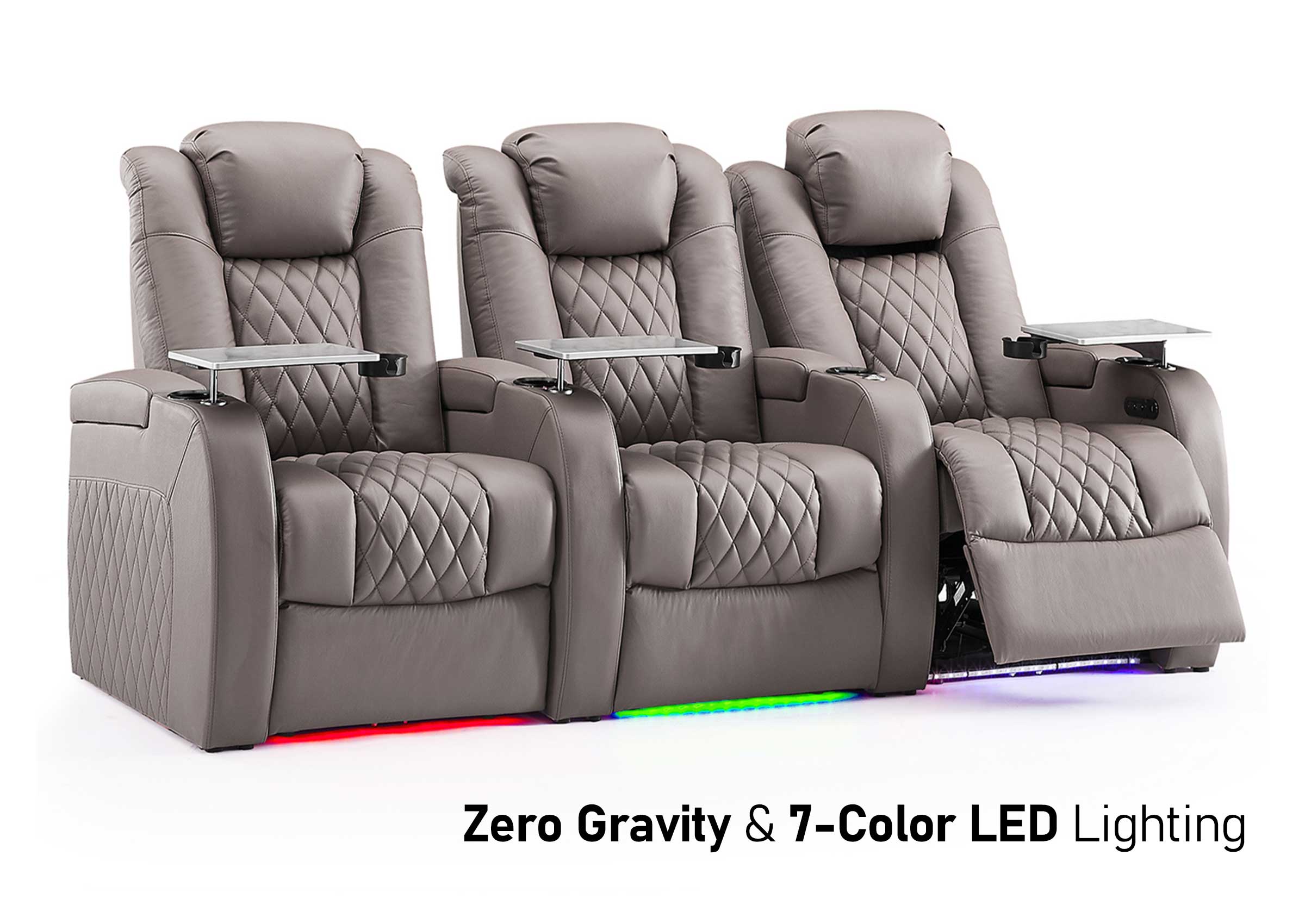
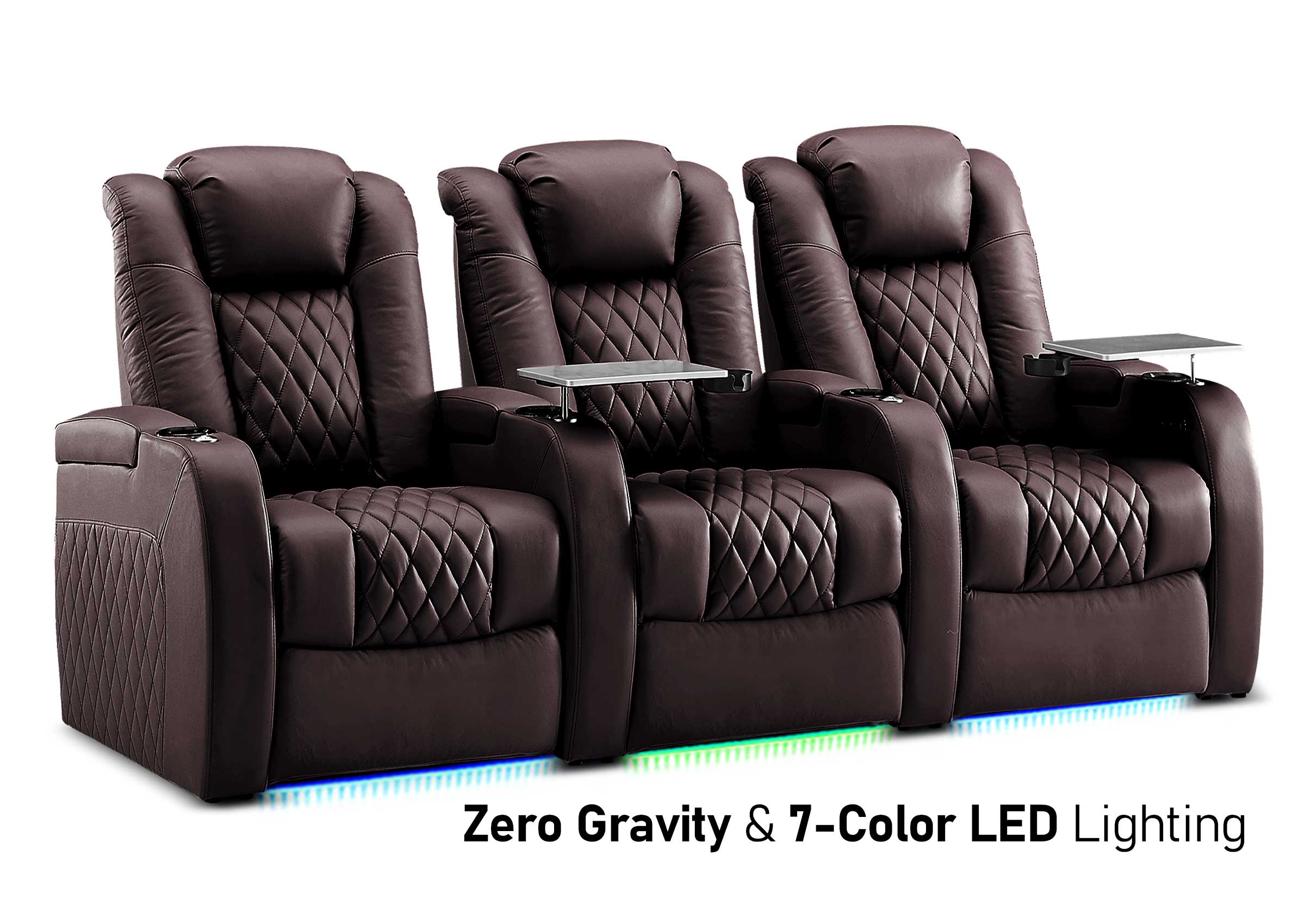

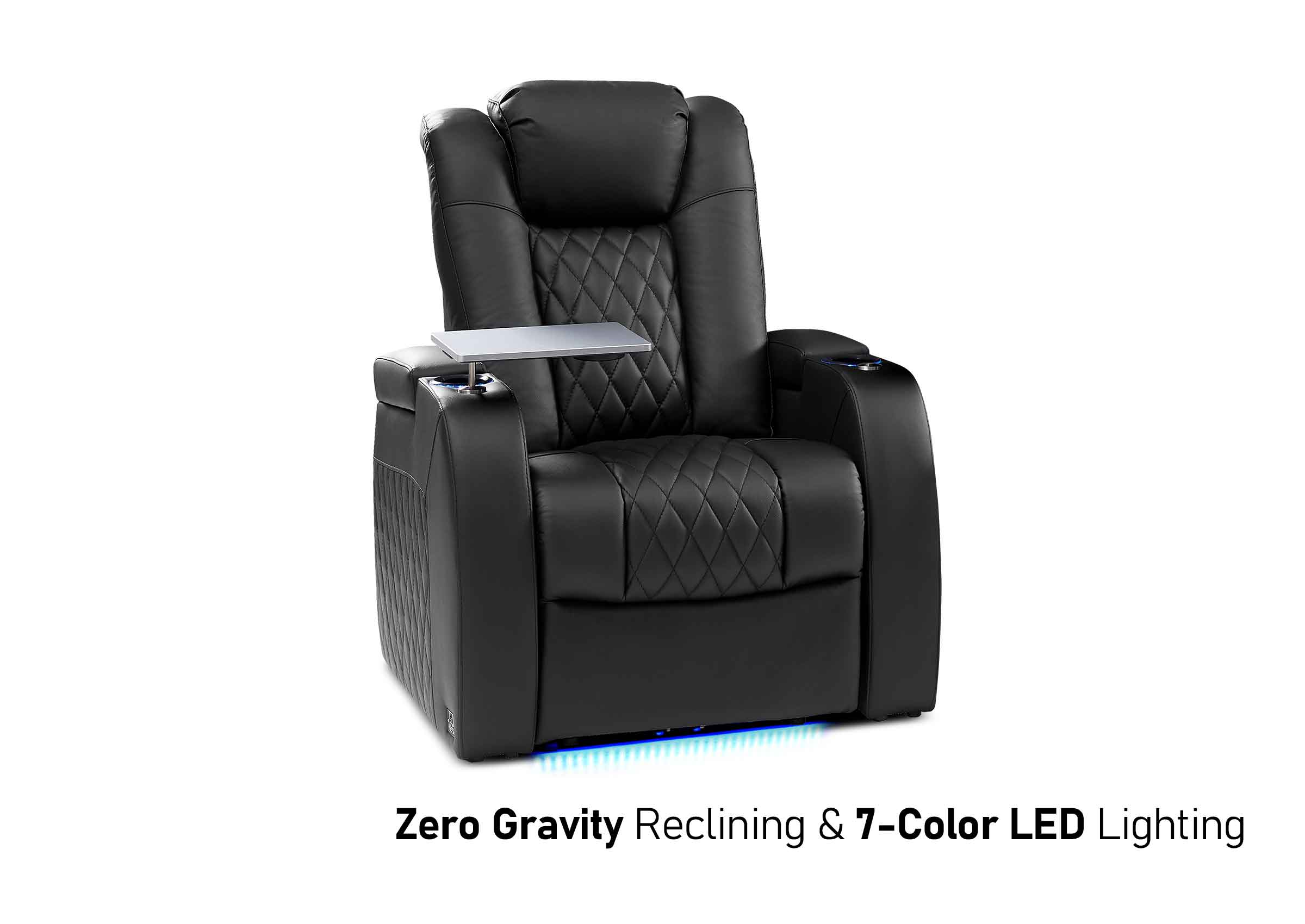
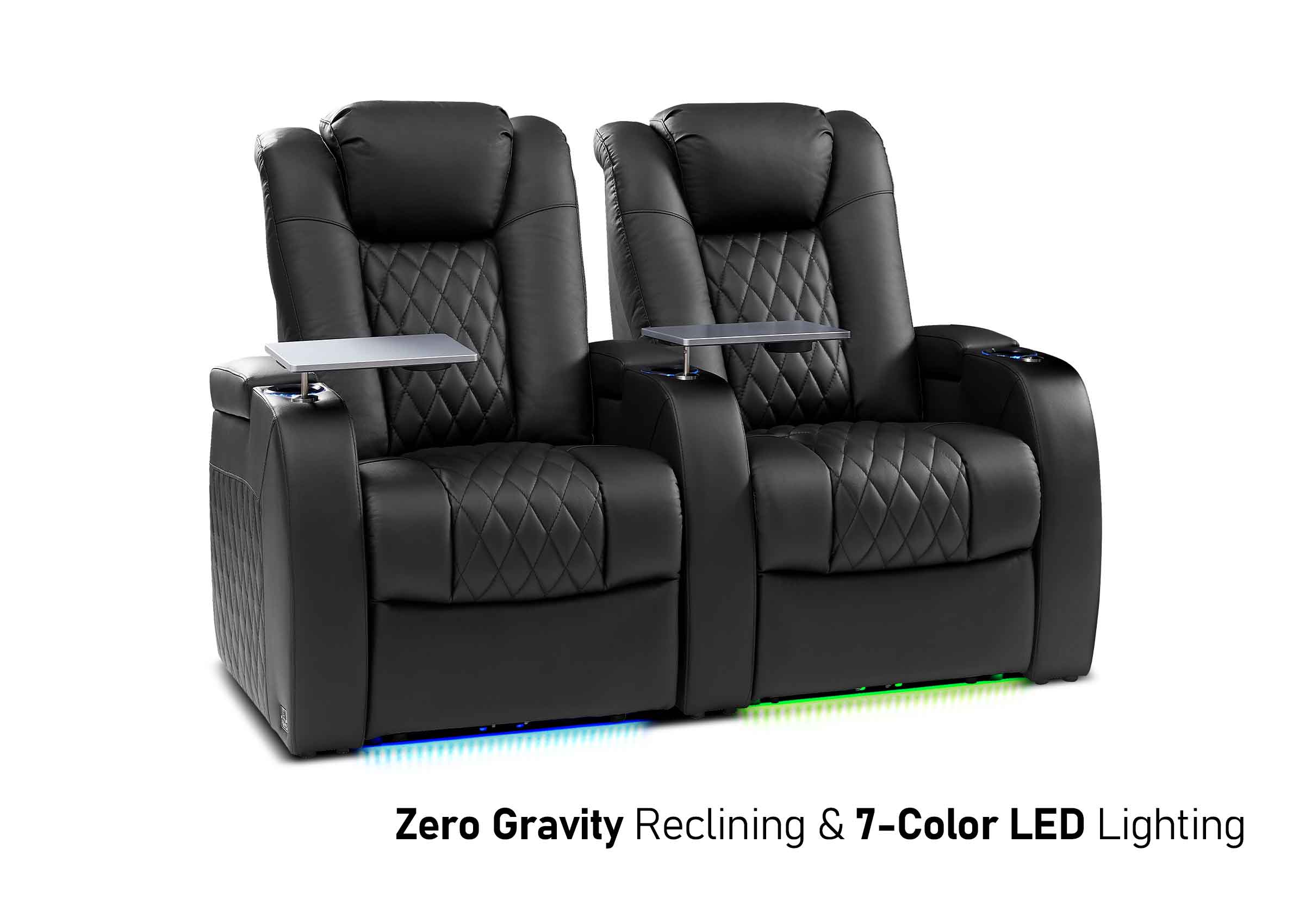
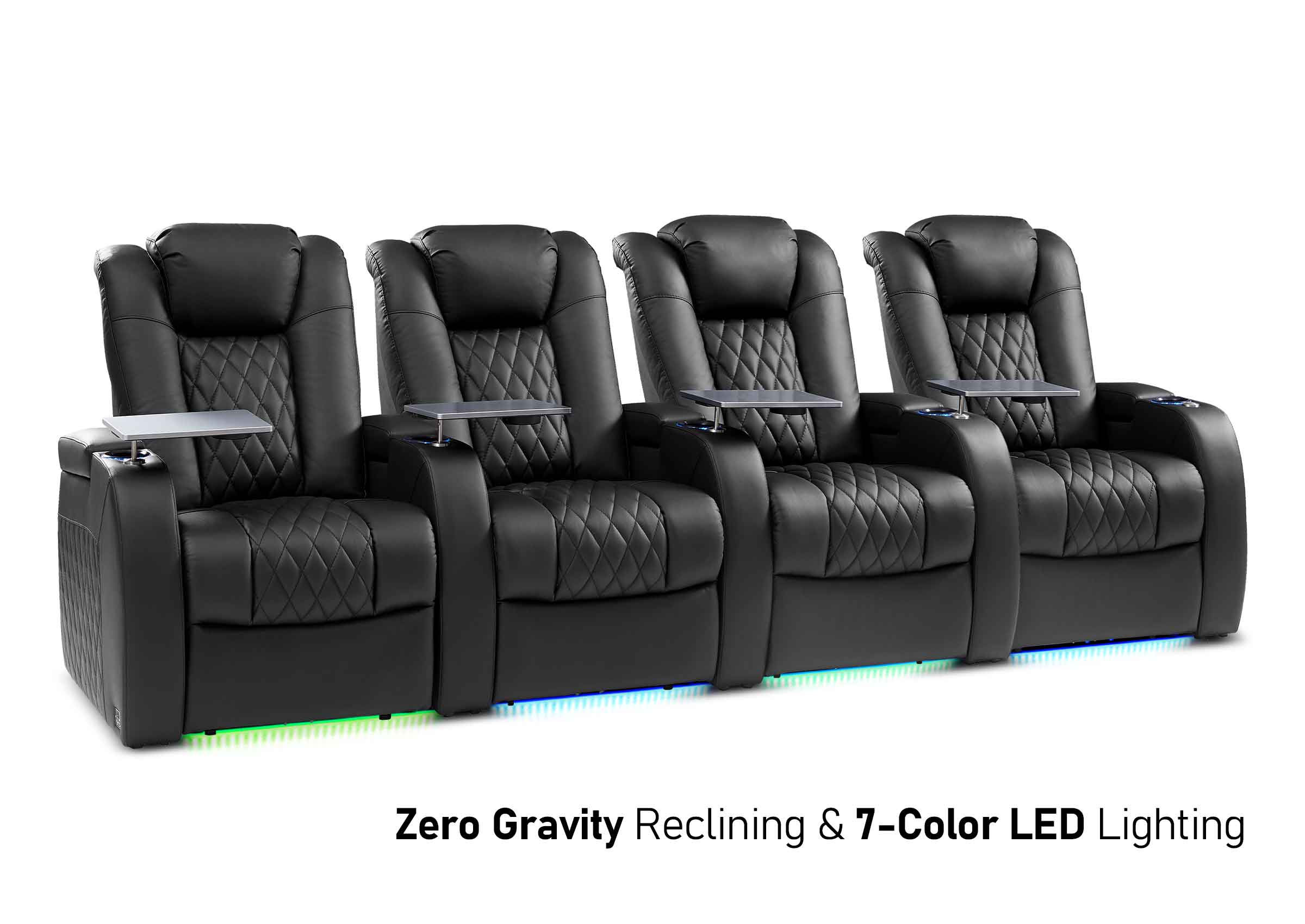
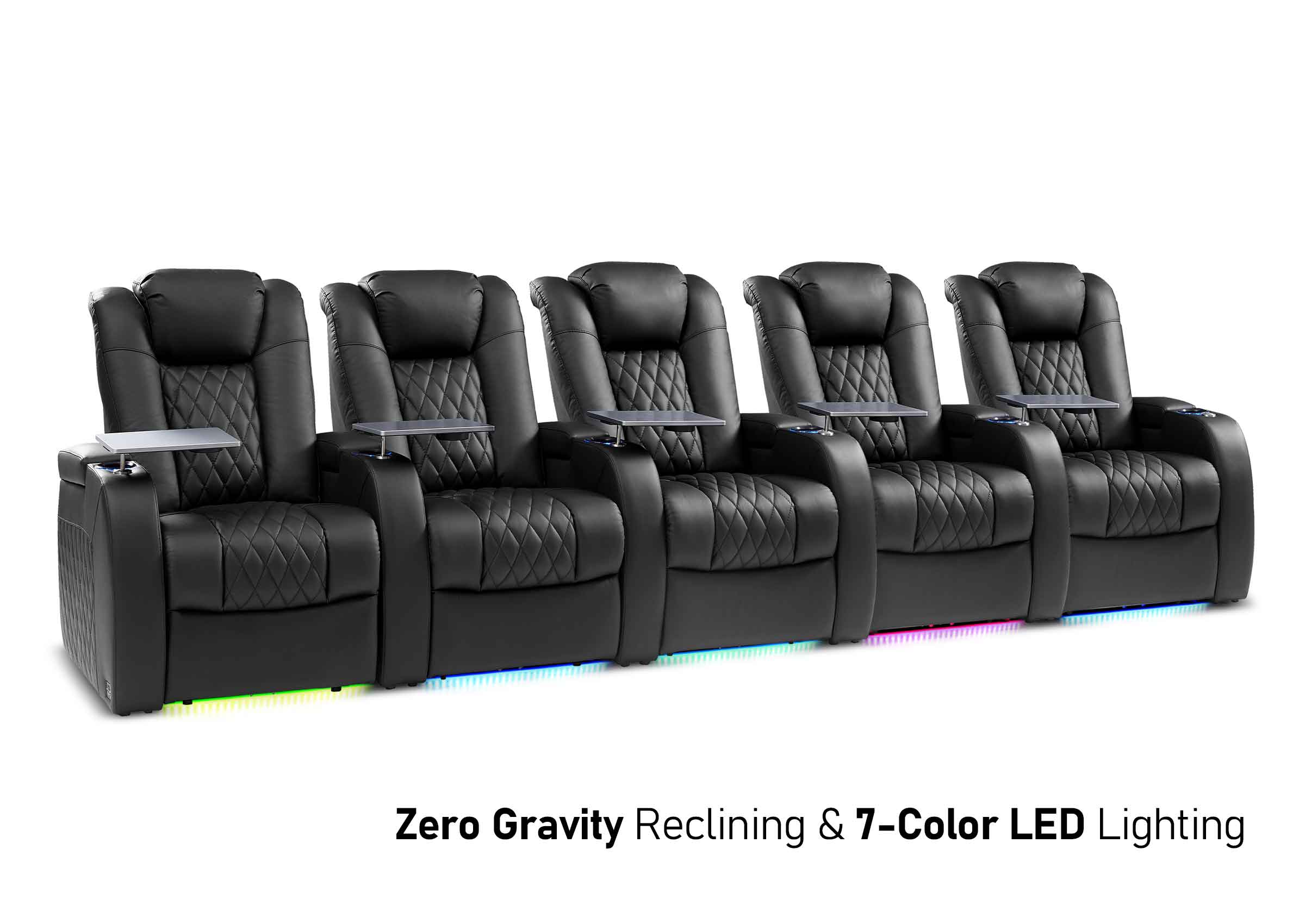
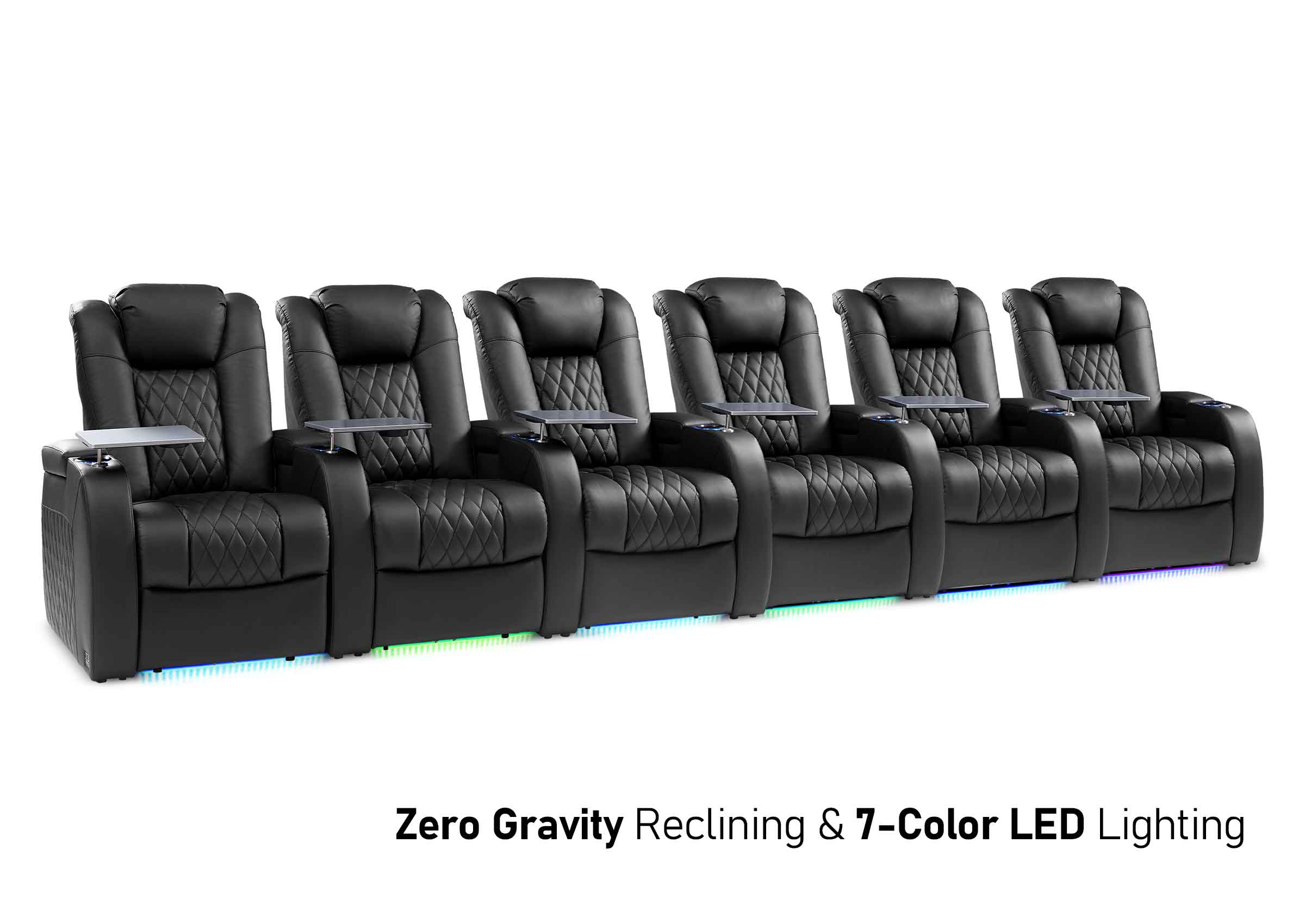
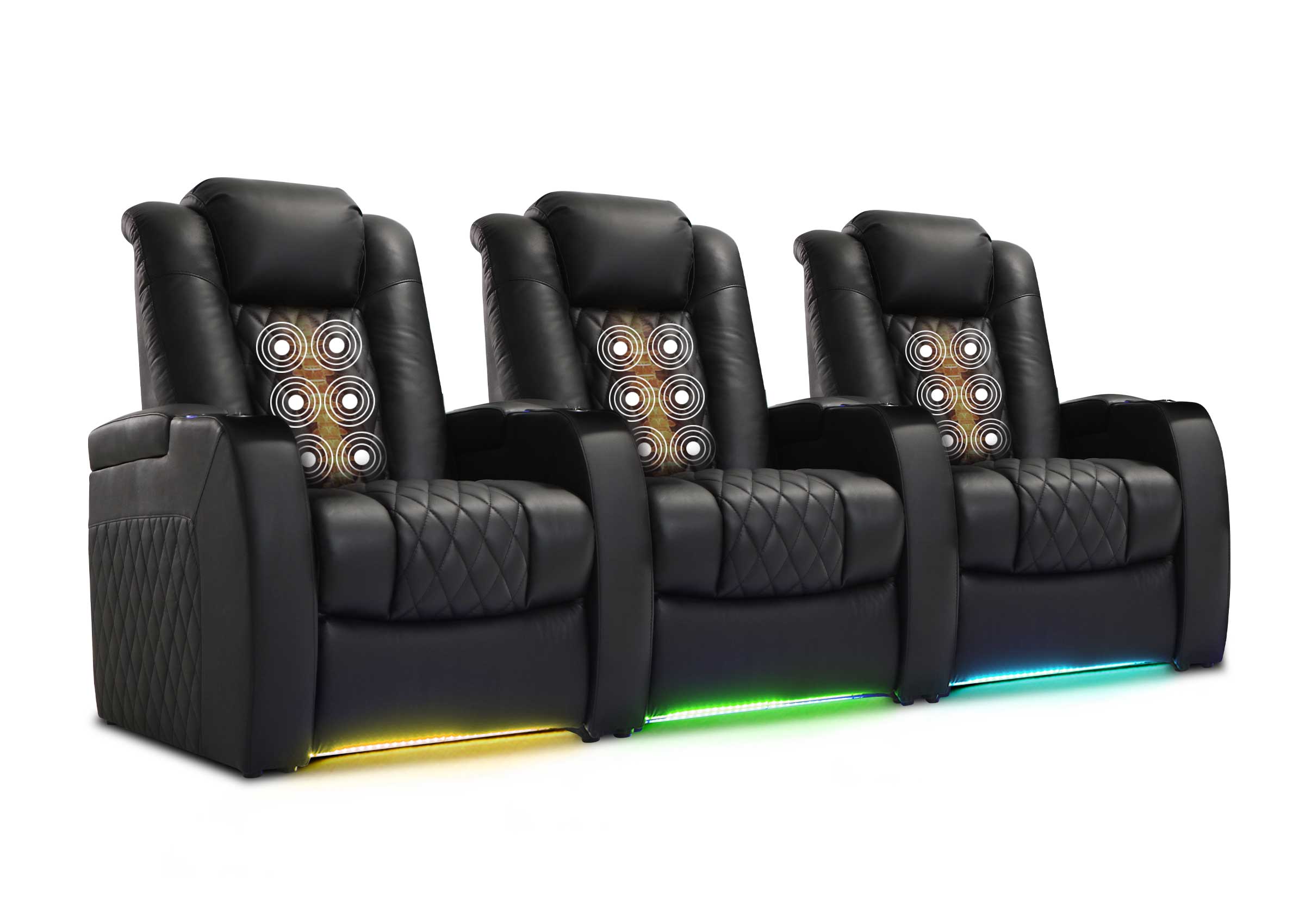

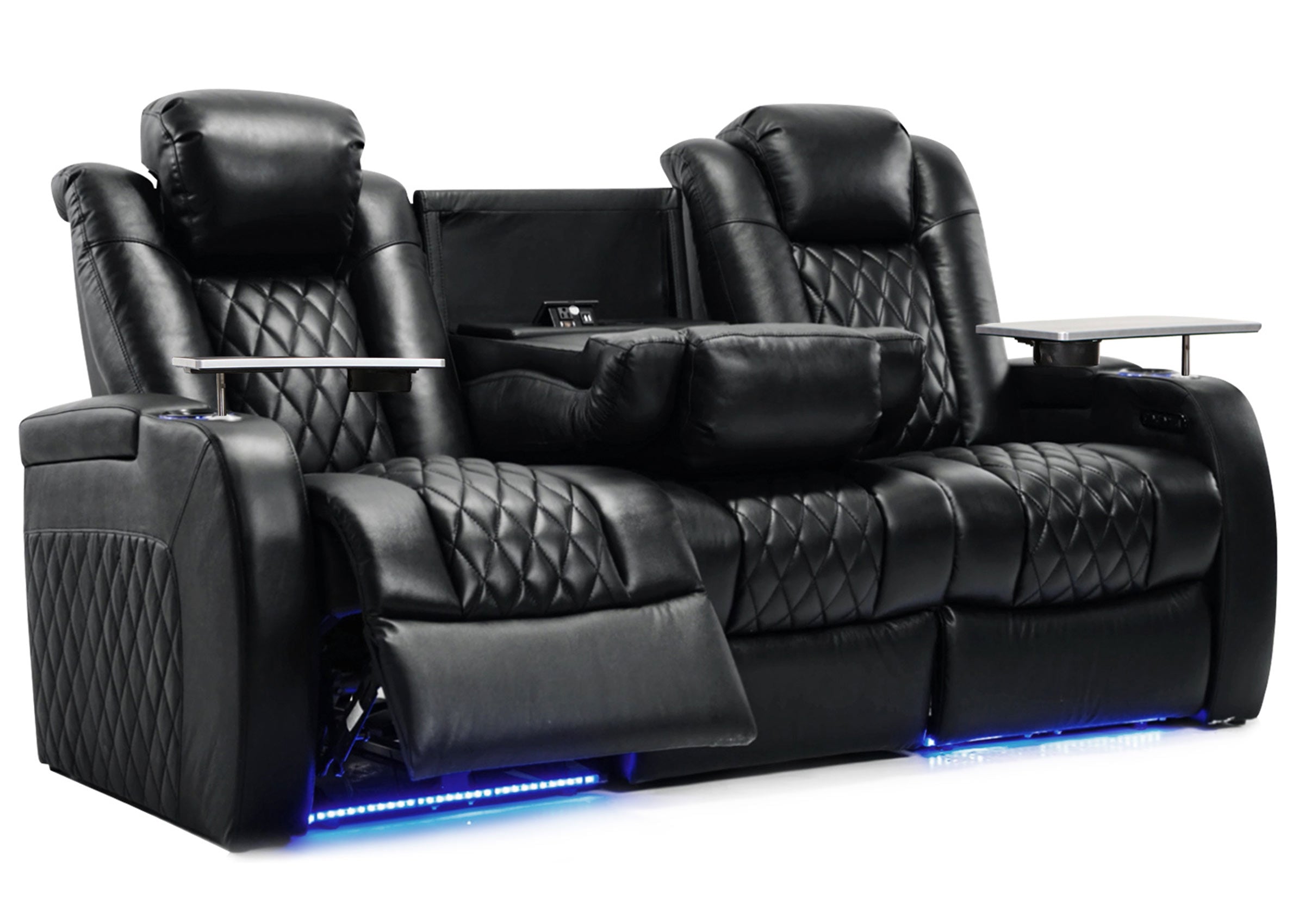
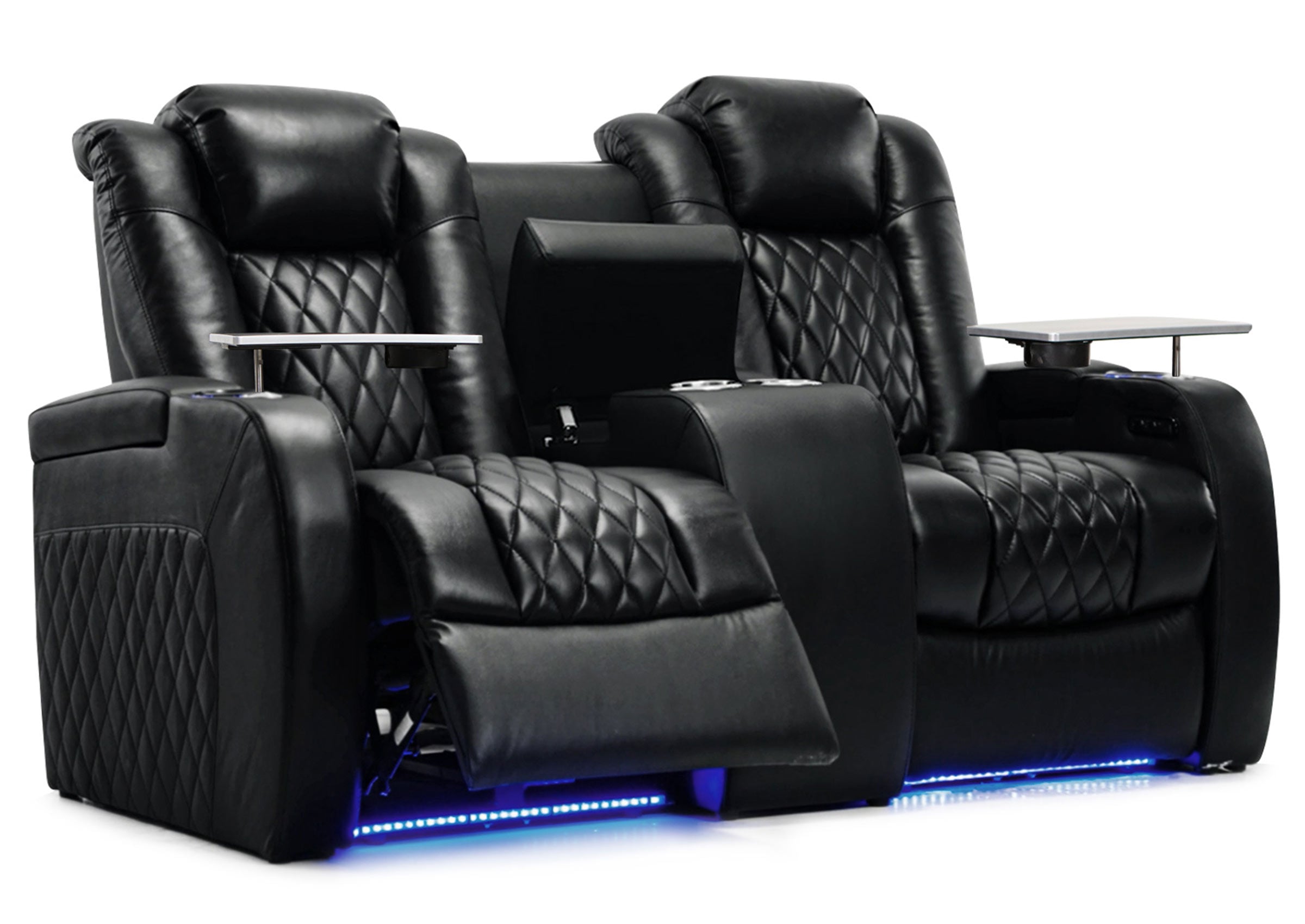



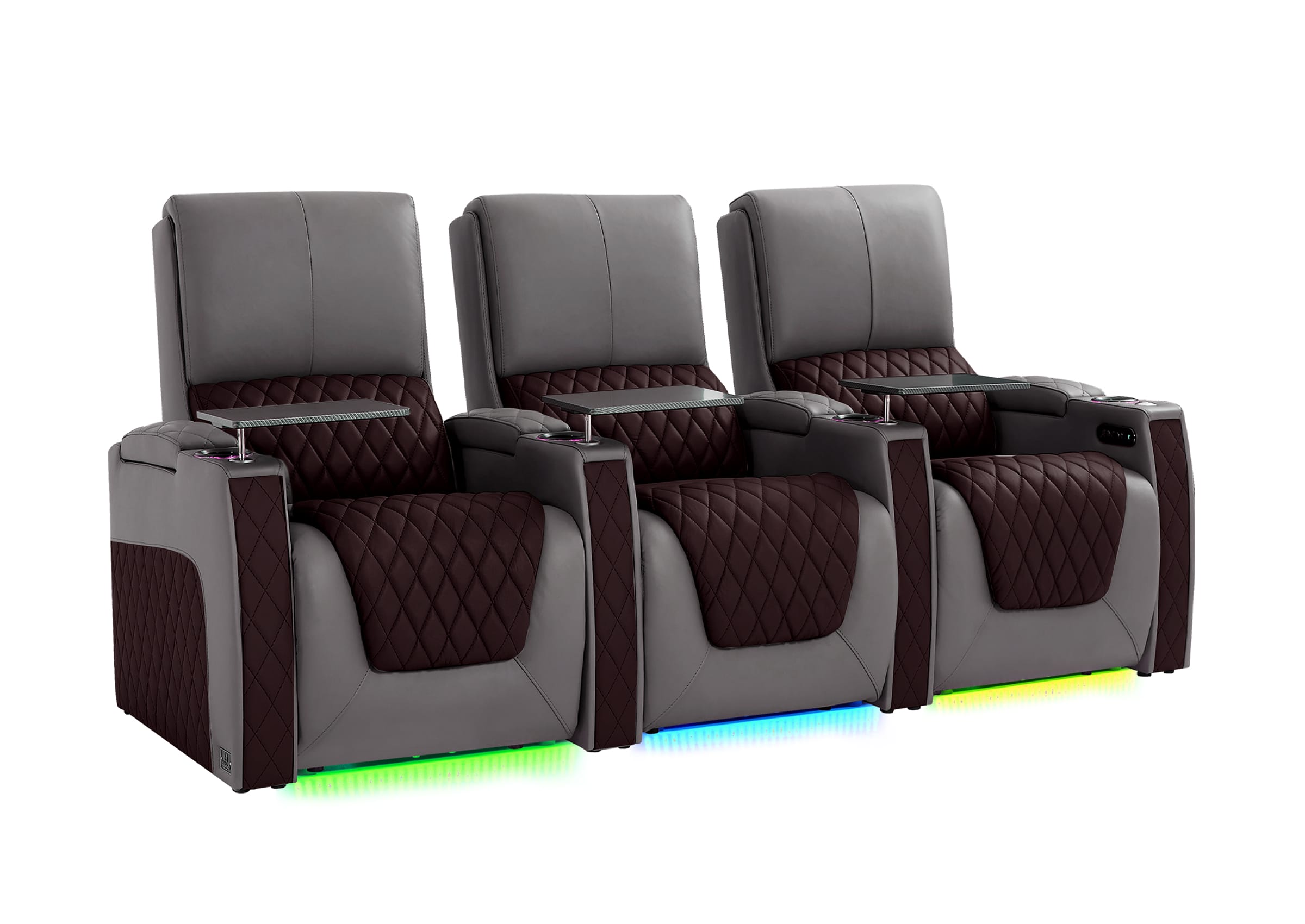
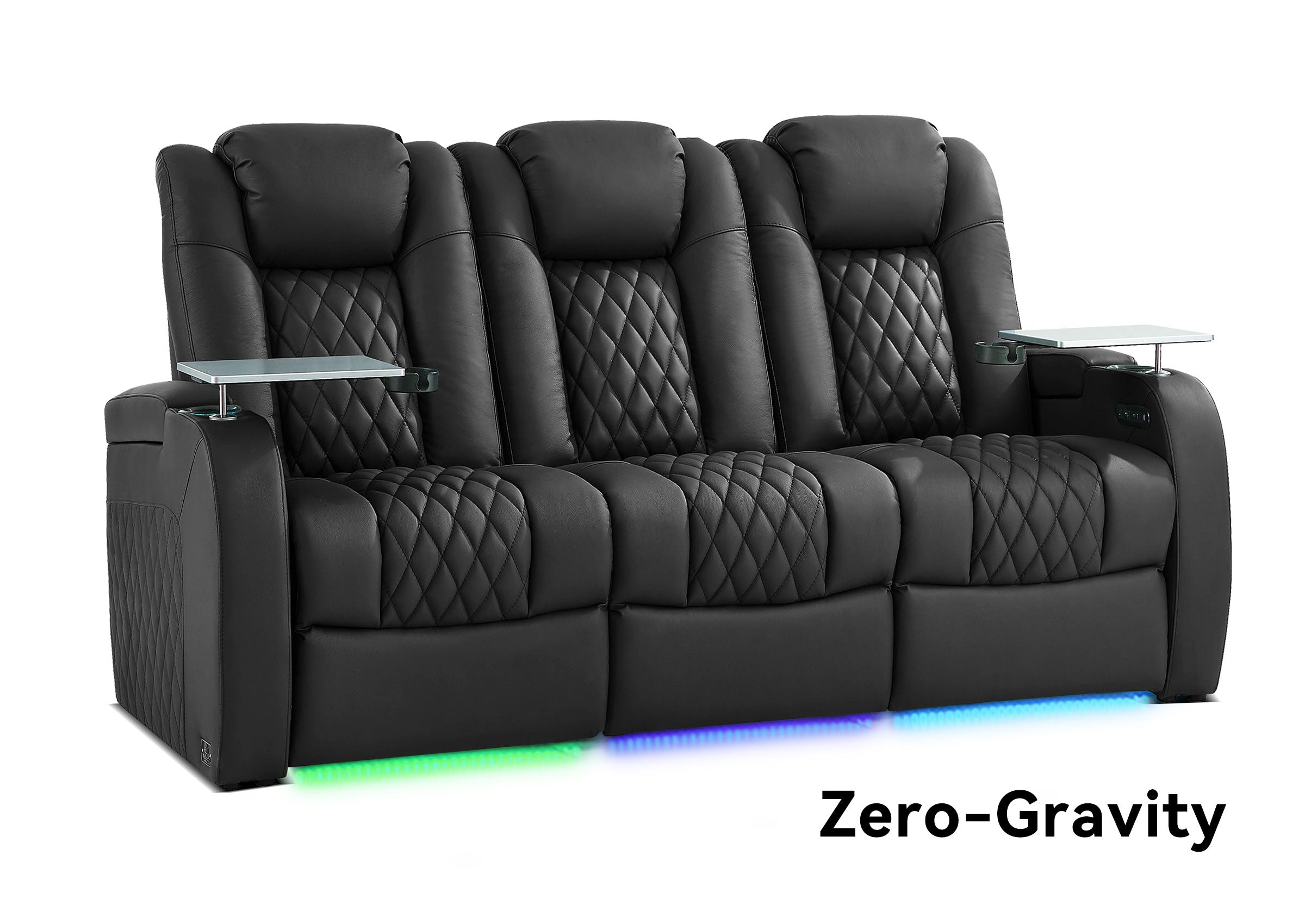


Getting the right home theater dimensions is what separates a “nice room with a TV” from a truly comfortable movie and entertainment space. The biggest difference comes from how screen size, seating distance, and recliner space work together.
This guide breaks down practical home theater dimensions for real homes—covering viewing distance, seat spacing, recliner clearance, and layout mistakes that often lead to discomfort. The goal is simple: help you design a room that feels balanced, immersive, and comfortable for long movie nights, gaming, and family use.
What “Home Theater Dimensions” Actually Mean
Home theater dimensions are not just about room size. They include how every element in the space interacts:
-
Seating layout and spacing between rows
-
Recliner depth when fully extended
-
Walkways and clearance behind seats
-
Speaker and screen alignment with seating height
A well-designed home theater is less about room size and more about proportional balance between screen, seats, and movement space.
Even a small room can feel premium if these proportions are planned correctly.
Screen Size and Viewing Distance Guidelines
One of the most important parts of home theater dimensions is how far you sit from the screen. Sitting too close causes eye strain; too far reduces immersion.
Here are practical viewing distance ranges:
-
55-inch screen: 6.5–9 feet
-
65-inch screen: 8–10.5 feet
-
75-inch screen: 9.5–12.5 feet
-
85-inch screen: 10.5–14 feet
-
100-inch projection screen: 10–15 feet
-
120-inch projection screen: 12–18 feet
A good rule is to prioritize comfort over maximum screen size. If the room forces you too close or too far, adjust the screen—not the seating comfort.
Also consider that recliners naturally shift your head position backward, which slightly increases the effective viewing distance.
Seating Layout and Space Per Seat
Seating dimensions are just as important as screen size. Recliners and theater seating require more planning than standard sofas.
Key seating space guidelines:
-
Seat width: typically 24–26 inches per person for comfortable planning
-
Premium comfort setups: wider seats recommended for long sessions
-
Aisle space: 30–36 inches for easy movement in media rooms
-
Between seats: allow enough space for cup holders, armrests, and recline motion
The most common mistake is underestimating how much space recliners need when fully extended.
When planning home theater dimensions, always measure the seat in its reclined position, not just upright.
Recliner Clearance and Wall Distance
Recliners need extra space behind them to fully extend. This is a critical part of home theater dimensions that many people overlook.
General clearance guidelines:
-
Standard recliners: 8–12 inches behind the backrest
-
Wall-hugger recliners: 2–6 inches behind the wall
-
Fully reclined depth varies depending on model and features
If your seating cannot fully recline, you lose a major part of the home theater experience—especially for long movie or gaming sessions.
This is why wall-hugger recliners are often better for smaller rooms or apartments.

Row Spacing for Multi-Row Home Theaters
If your room has multiple seating rows, spacing becomes even more important.
Recommended row spacing:
-
Standard multi-row layout: 60–70 inches between rows
-
Premium comfort rooms: more spacing for easier movement and better legroom
Things to consider:
-
Reclined position of front row
-
Sightline over the front seats
-
Walking path for back rows
-
Access to cup holders and storage consoles
Poor row spacing is one of the main reasons home theaters feel cramped even in large rooms.
Screen Height, Seat Height, and Viewing Angle
Home theater dimensions are not only horizontal—they are vertical too.
Important vertical considerations:
-
Screen should align with natural eye level in seated position
-
Reclined seating lowers eye angle, so screen height should compensate
-
Avoid placing screen too high (neck strain) or too low (awkward viewing angle)
-
Speaker height should match seated ear level for balanced sound
A well-planned setup keeps your head in a neutral position even during long viewing sessions.

Common Home Theater Dimension Mistakes
Many home theater setups feel “off” not because of size, but because of planning errors.
Here are the most common mistakes:
1. Measuring only upright furniture size
Recliners must be measured in fully extended position, not upright.
2. Ignoring walking space
Rooms feel cramped when aisles are too narrow or blocked by recline paths.
3. Overloading the room with seats
More seats are not always better. Comfort and spacing matter more.
4. Wrong screen-to-seat ratio
A screen that is too large for the distance reduces comfort.
5. Not planning for real usage
Snacks, blankets, kids, guests, and movement all require space.
Good home theater design prioritizes real daily use—not just visual symmetry.
Best Use Case Layouts by Room Size
Different room sizes require different approaches to home theater dimensions.
Small rooms (apartments, dens, compact media rooms)
-
1-row layout
-
Wall-hugger recliners
-
Smaller screen sizes (55–75 inches or compact projection)
-
Minimal aisle spacing with efficient layout
Medium rooms (standard living rooms, basements)
-
1–2 seating rows
-
Balanced recliner spacing
-
75–100 inch screen or projection setup
-
Dedicated walkway space
Large rooms (dedicated theaters)
-
2+ rows possible
-
Tiered or riser seating
-
Large projection screens (100–120 inches+)
-
Full lighting and acoustic planning
Buying Checklist for Home Theater Dimensions
Before finalizing your layout, check:
-
Can all seats fully recline without hitting walls or furniture?
-
Is viewing distance matched to screen size?
-
Is there enough aisle space for daily movement?
-
Do all seats have a clear screen view?
-
Are speakers aligned with seating positions?
-
Is the room still comfortable when fully occupied?
If even one of these fails, the room will feel less comfortable in real use—even if it looks good in photos.
FAQ: Home Theater Dimensions
What is the ideal room size for a home theater?
There is no fixed size, but most comfortable home theaters start from medium-sized rooms that allow proper viewing distance and recliner spacing. The key is not total square footage, but whether seating, screen, and walkways are properly balanced.
How far should I sit from my TV or projector screen?
It depends on screen size. For example, a 65-inch screen works best around 8–10.5 feet, while a 100-inch projection screen needs about 10–15 feet. The goal is to avoid eye strain while maintaining immersion.
How much space do recliners need behind them?
Standard recliners usually need 8–12 inches behind them to fully recline. Wall-hugger recliners can work with as little as 2–6 inches, making them ideal for smaller rooms.
How much space should be between seating rows?
A good range is 60–70 inches between rows. This allows enough legroom and ensures the front row does not block the view when reclined.
Can I fit a home theater in a small room?
Yes. Small rooms can work very well with the right planning. Using wall-hugger recliners, smaller seating layouts, and properly scaled screens can create a very comfortable setup even in limited space.
What is the most common home theater planning mistake?
The most common mistake is ignoring recliner clearance and only measuring upright furniture size. This often leads to blocked walkways and uncomfortable seating when fully reclined.
Do larger rooms automatically mean better home theaters?
Not necessarily. Without proper layout planning, large rooms can still feel awkward or poorly balanced. Good design matters more than room size alone.
Bringing Your Home Theater Layout Together
Home theater dimensions are about balance—not just size. Screen distance, recliner clearance, seating width, and row spacing all work together to create comfort and immersion.
The best home theater is one where every seat feels natural, every view is clear, and every movement in the room feels easy and unconfined.
If you are planning a media room or home theater, start with dimensions first—then choose seating and equipment around that foundation.
If you are exploring home theater seating options or planning a custom layout, choosing furniture that fits your real room dimensions can make a significant difference in long-term comfort. If you have more ideas or personal needs, feel free to reach out and share them with us so we can help you think through the best setup for your space.