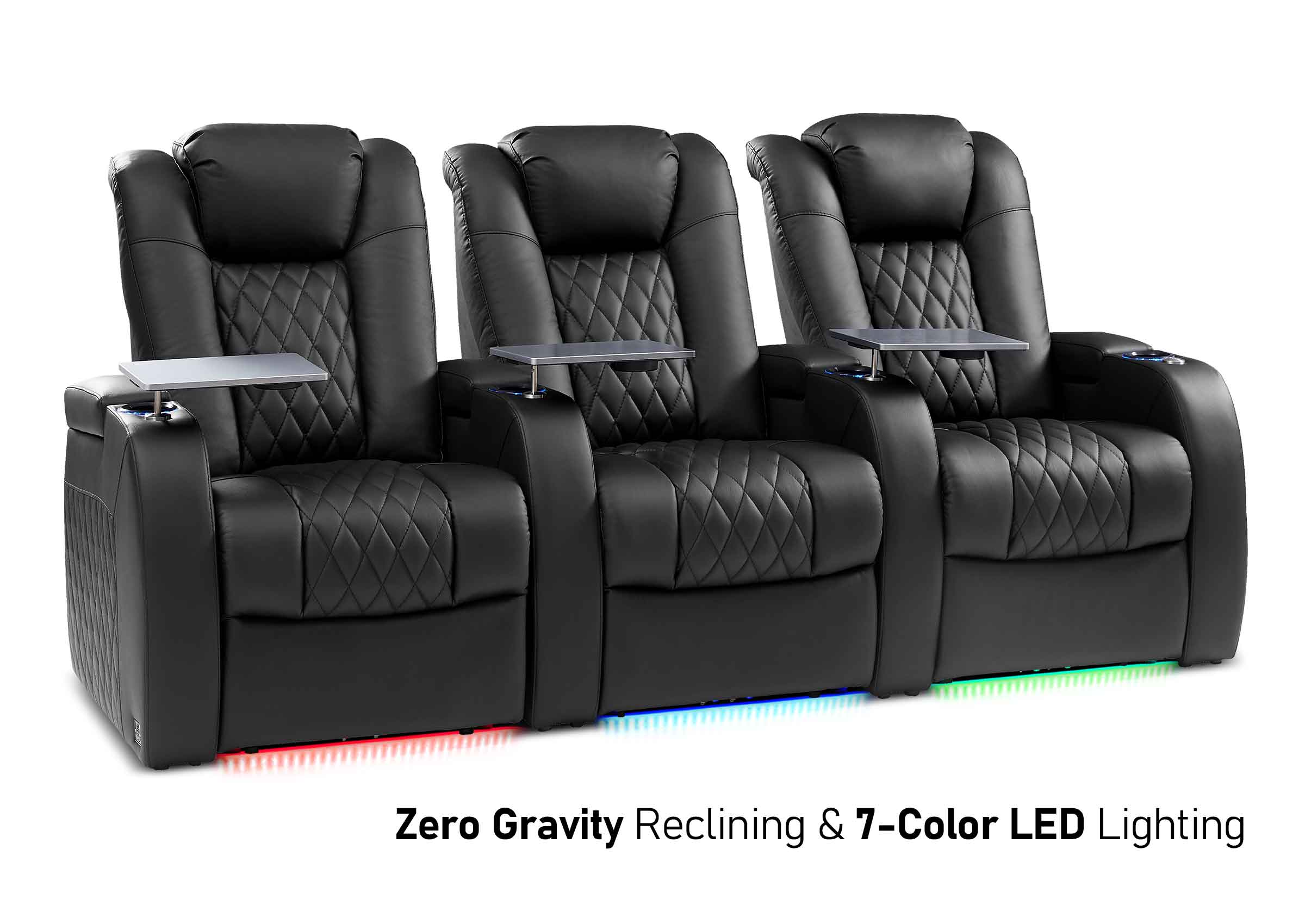

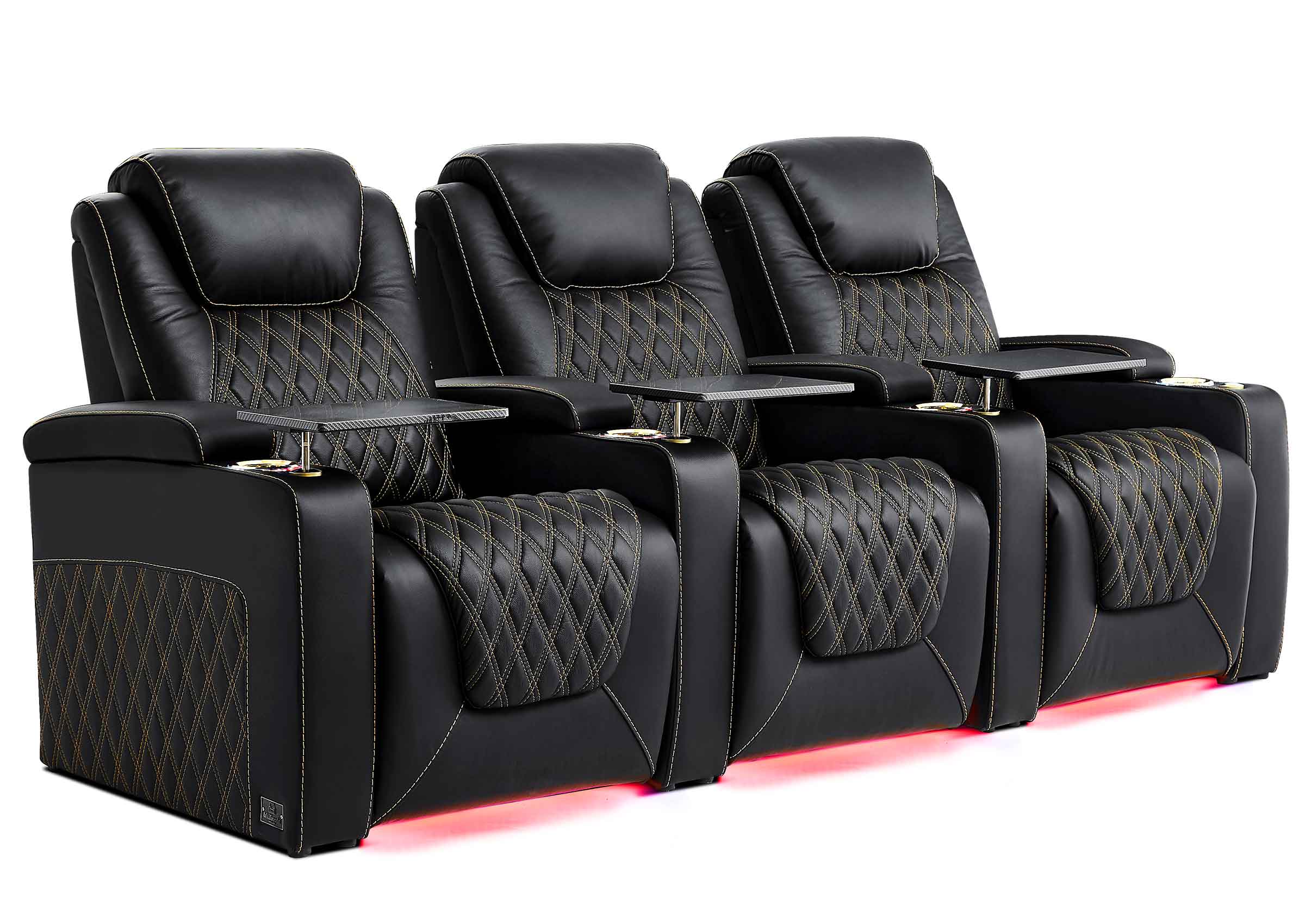
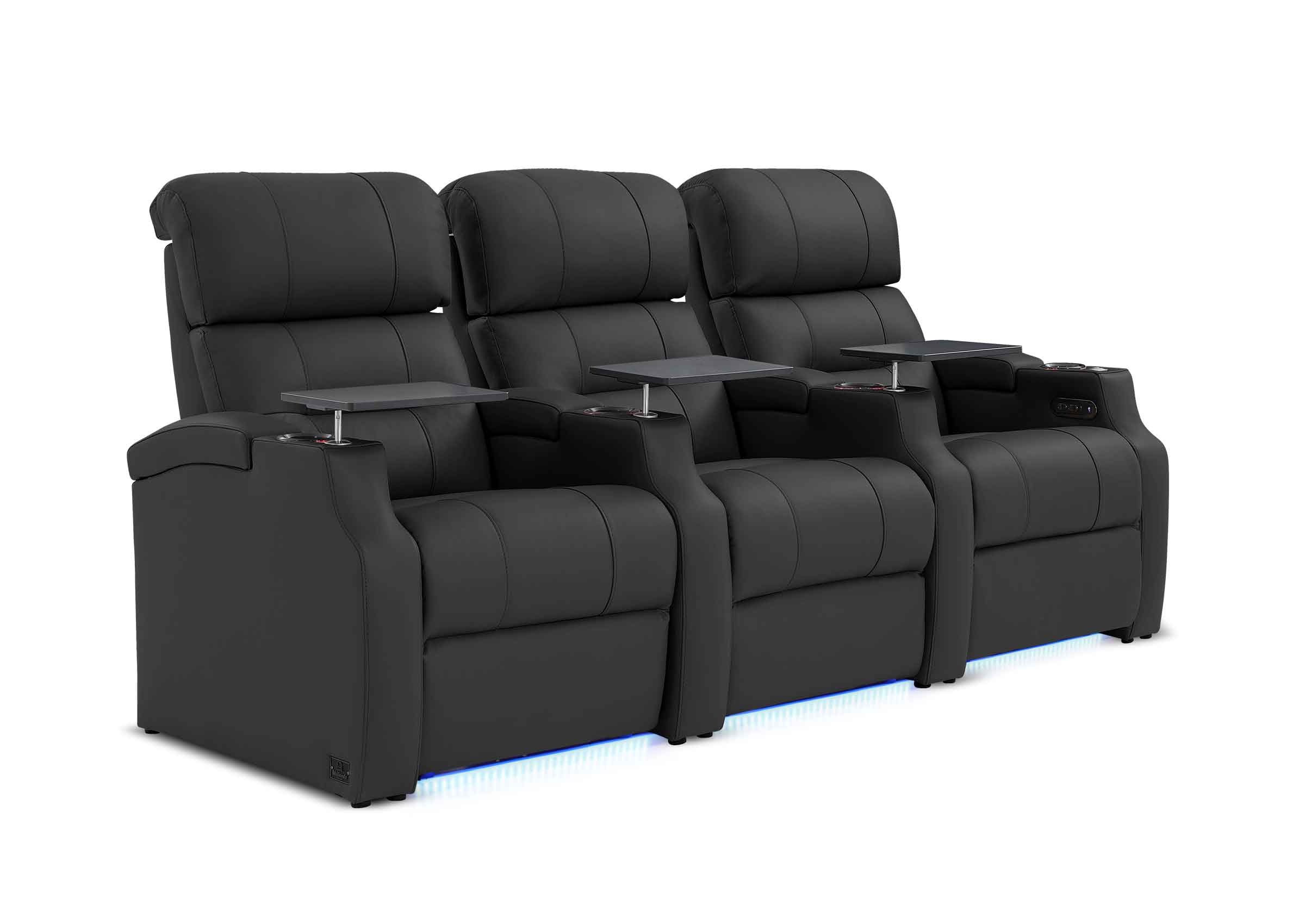
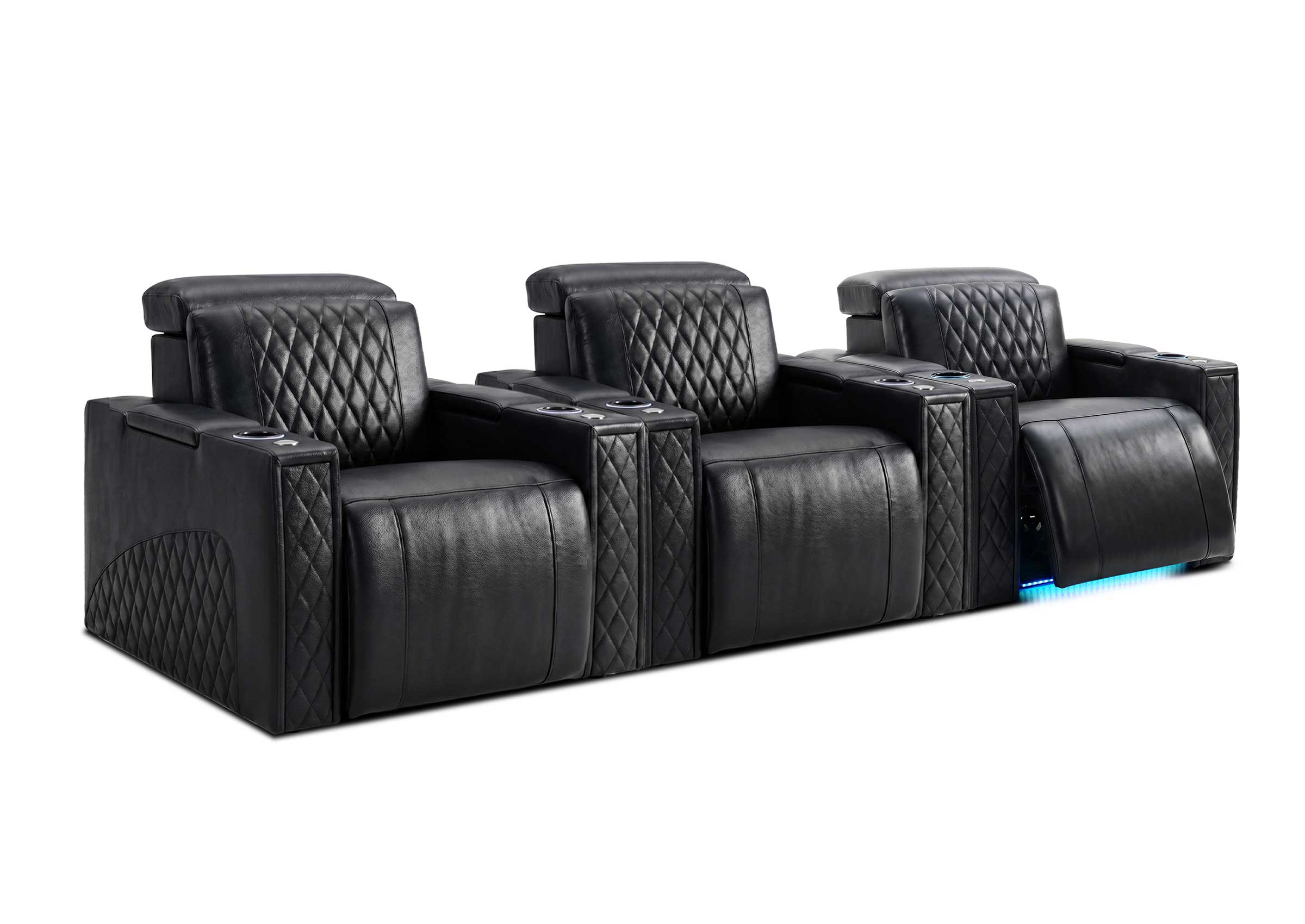








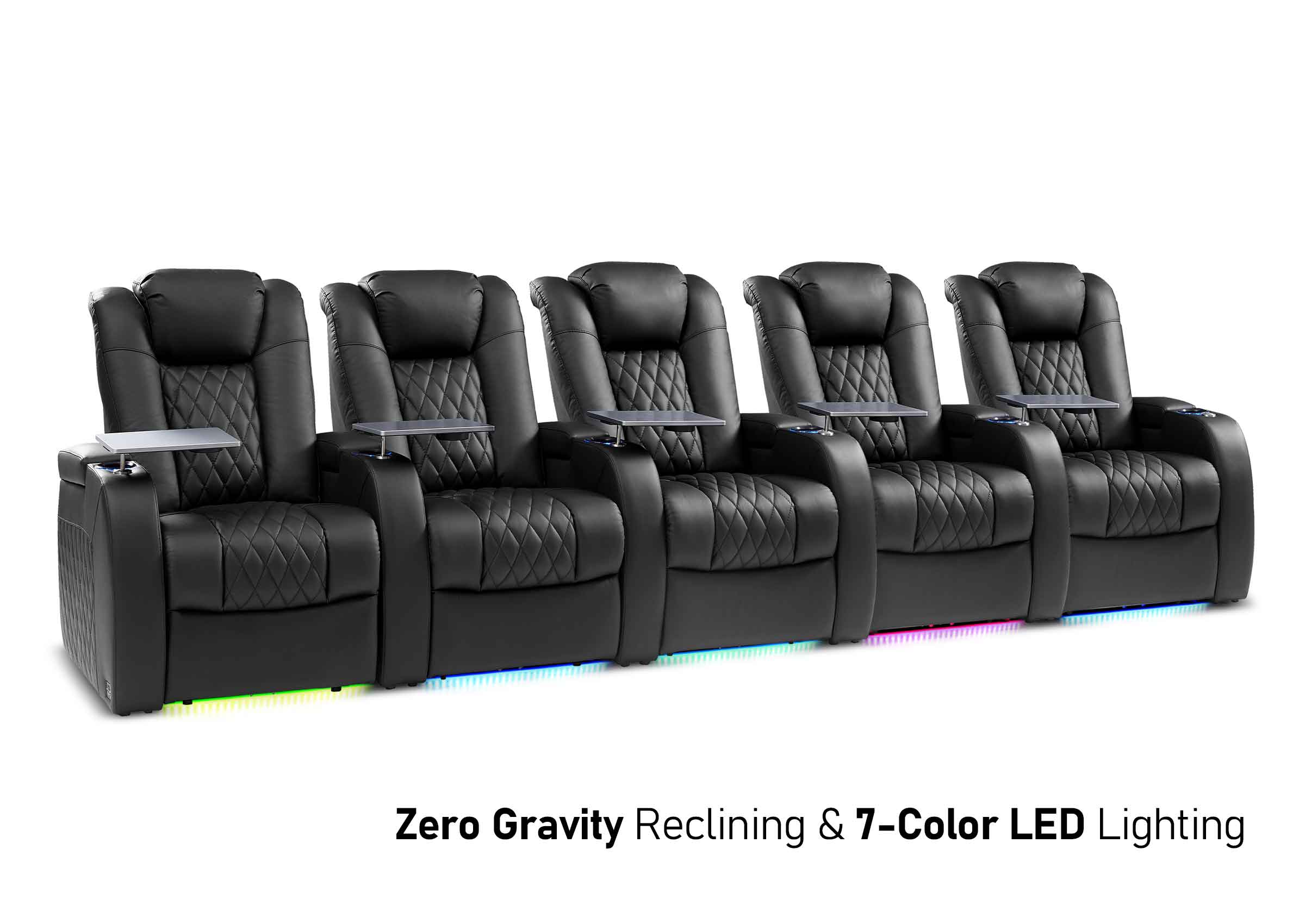
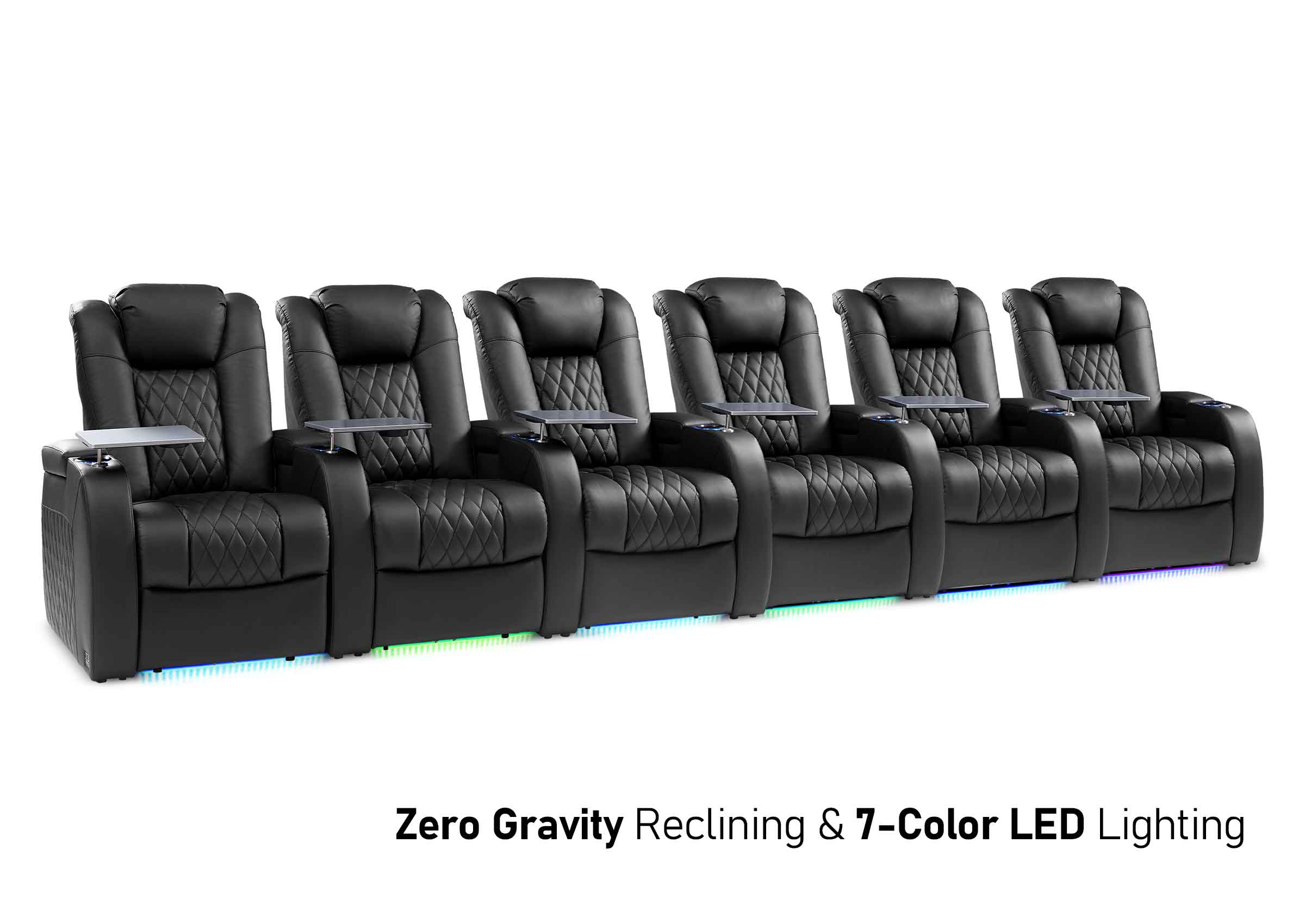
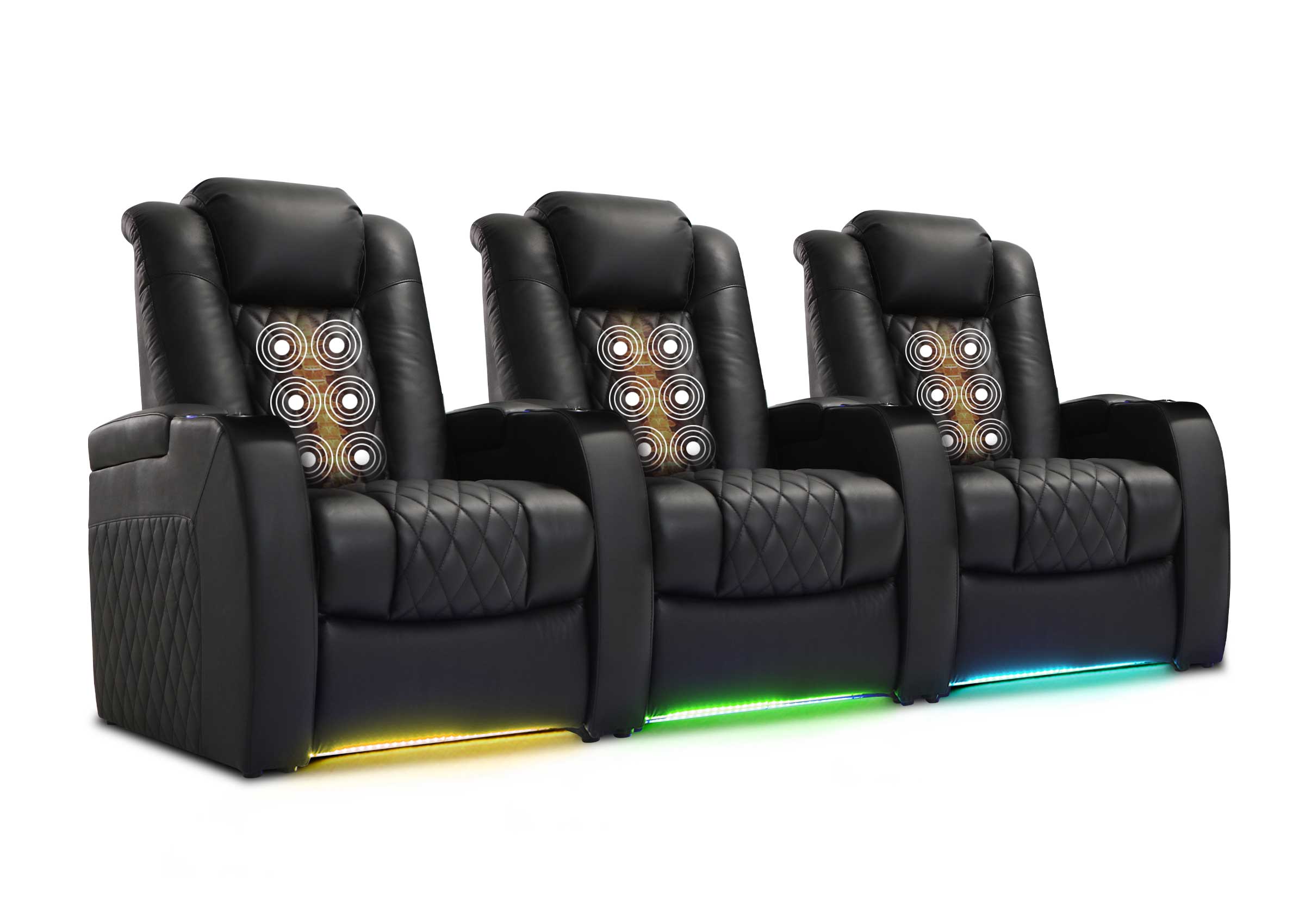

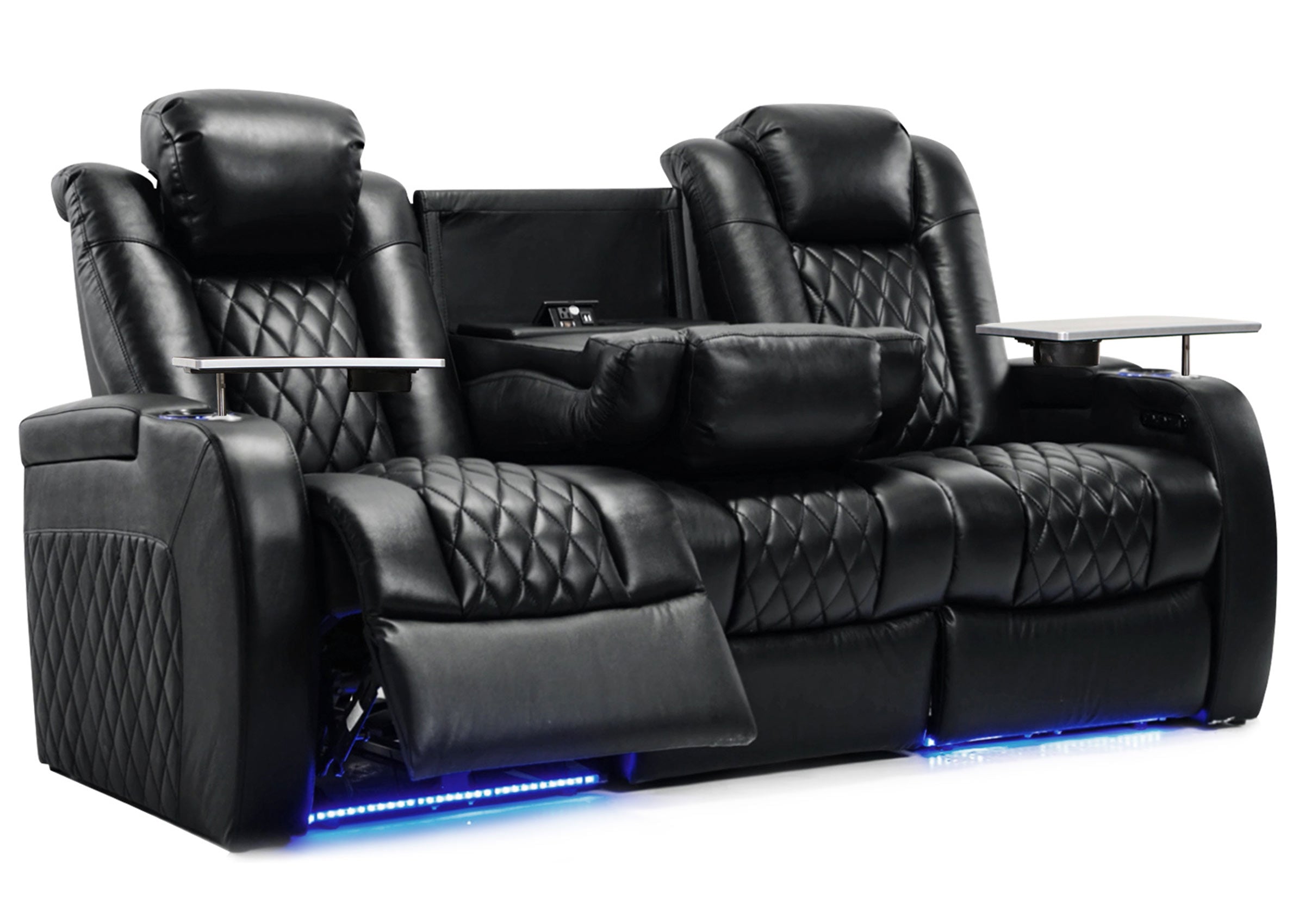



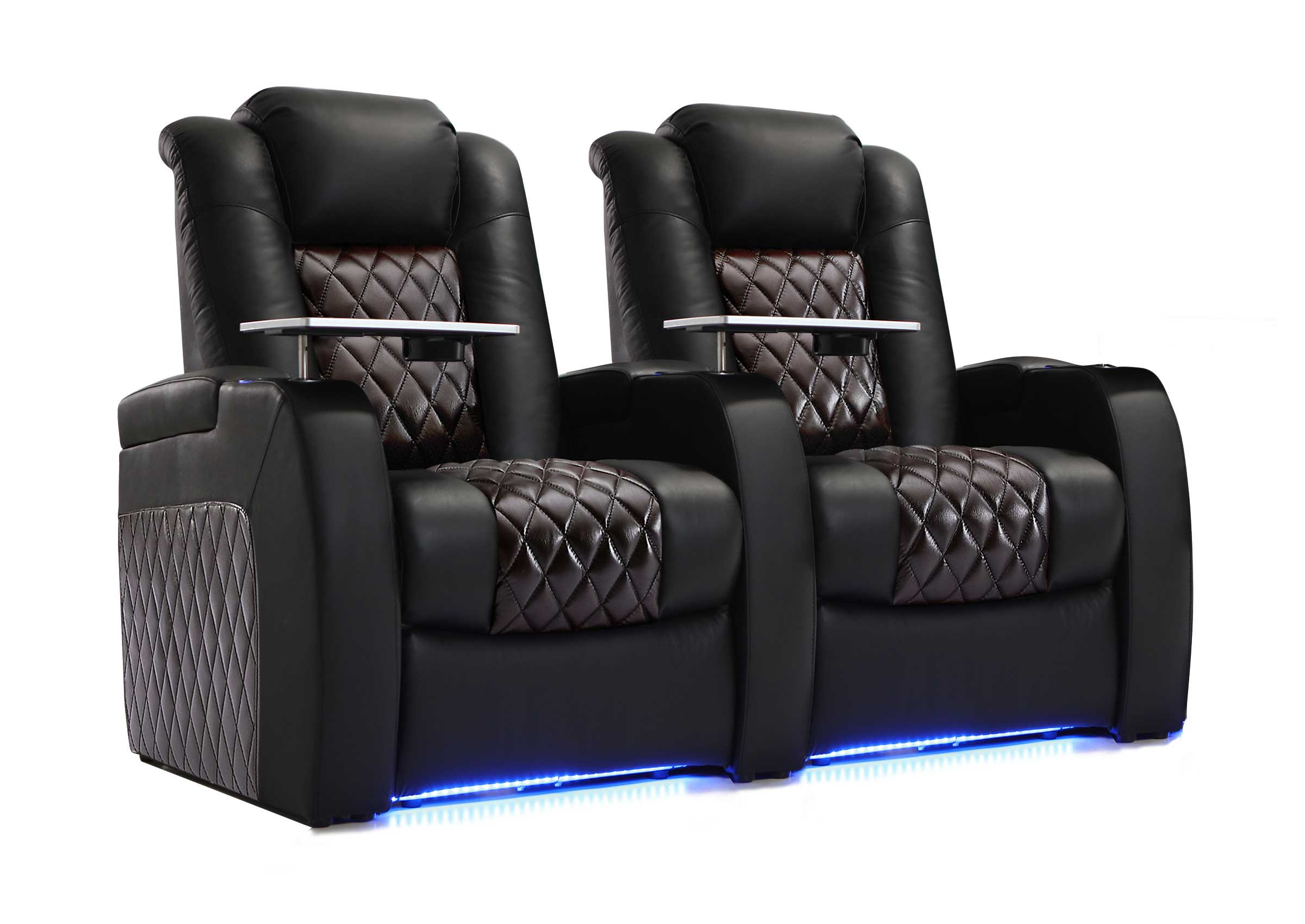
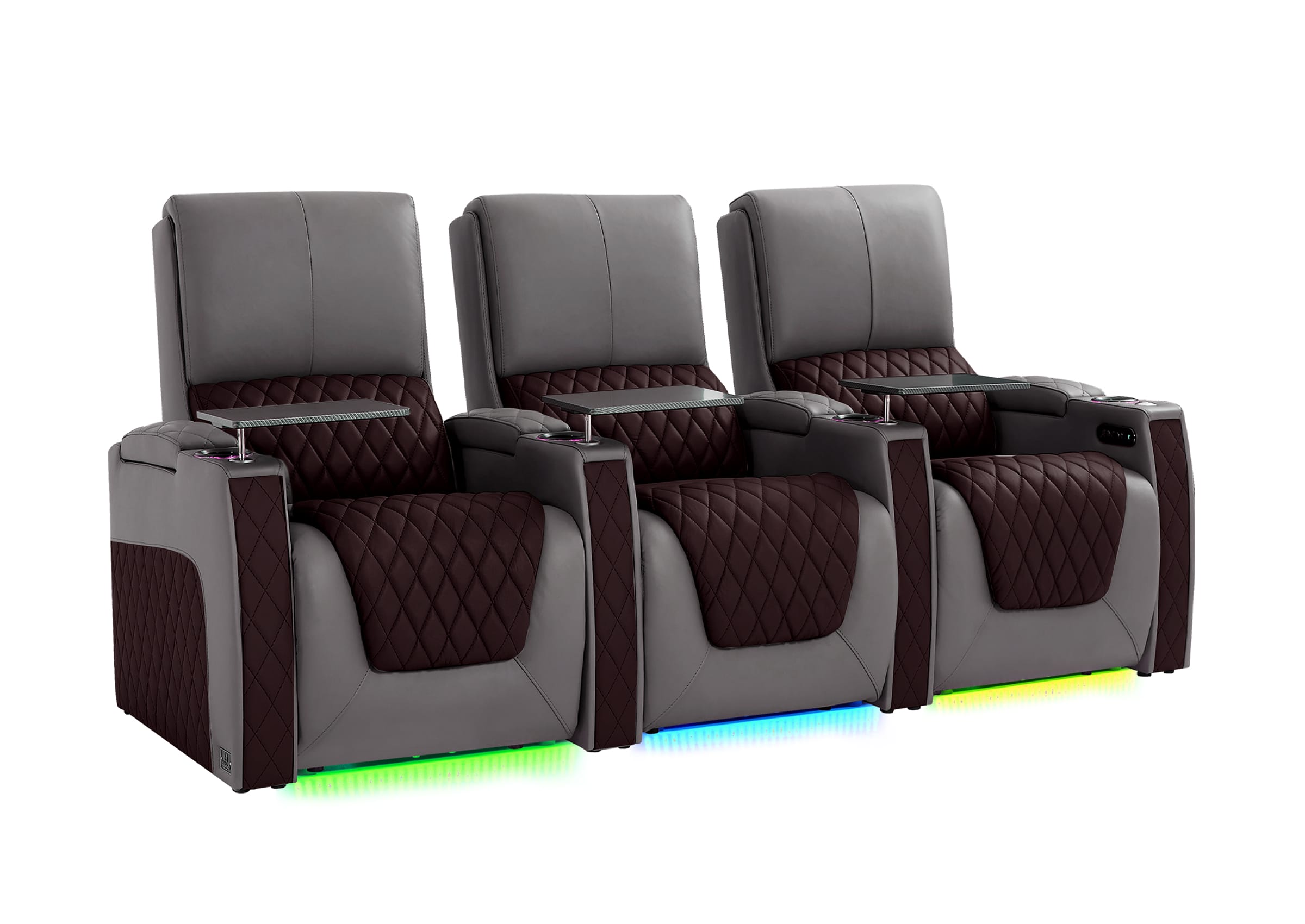
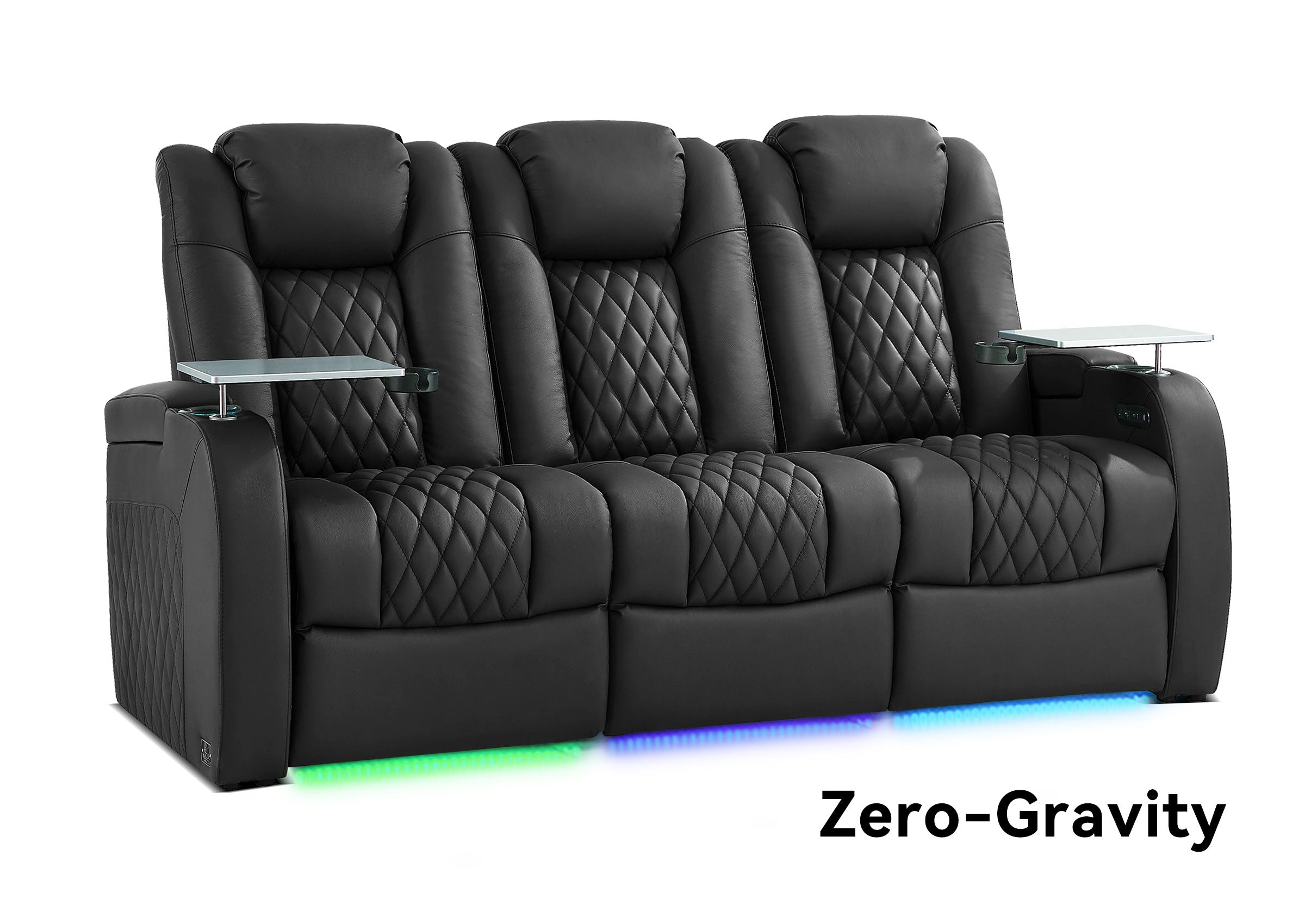


COM usually means Customer’s Own Material, while COL means Customer’s Own Leather. In upholstery specifications, these terms indicate that the covering material is being sourced outside the furniture manufacturer’s standard upholstery program.
That sounds simple, but the abbreviation is only the beginning of the decision.
Writing “COM” or “COL” on a specification does not automatically mean the material is suitable for the furniture, that the required quantity has been confirmed, or that the manufacturer has approved it for production.
A material can be visually selected long before it is actually ready to specify.
What Does COM Mean in Upholstery?
The Association for Contract Textiles defines Customer’s Own Material as material selected by a designer or specifier from outside the furniture manufacturer’s standard fabric offering. In everyday furniture specifications, COM most often refers to an outside upholstery textile rather than one of the manufacturer’s graded-in or standard options. See the Association for Contract Textiles guidance on COM.
For example, a designer may select a patterned textile from an independent fabric supplier for a lounge chair whose manufacturer normally offers a different collection of upholstery choices.
The specification might eventually identify that textile as COM.
But COM describes the source of the upholstery; it does not describe its approval status.
The manufacturer may still need to determine whether the material can be applied successfully to the selected furniture.
What Does COL Mean in Upholstery?
COL means Customer’s Own Leather.
The basic idea is similar to COM: the leather comes from outside the furniture manufacturer’s standard leather program.
However, COL should not be treated simply as “COM, but in leather.”
Fabric is generally supplied as roll goods and commonly planned by width and linear yardage. Leather arrives as hides, and the usable area of those hides matters.
Indiana Furniture, for example, bases its own COL calculations on usable leather footage and notes that hide shape and the amount of clean usable leather can affect the quantity ultimately required. Those numbers are manufacturer-specific, but the underlying lesson applies more broadly: leather quantity cannot always be inferred from fabric yardage alone. Review an example of manufacturer-specific COM and COL requirements.
COM and COL Are Sourcing Terms, Not Approval Terms
This is probably the most important distinction to remember.
Suppose an interior designer finds the ideal blue textile for a media-room chair.
The color works.
The pattern works.
The client likes it.
The fabric is selected.
It may still not be approved.
Before production, questions may remain:
- Does the furniture manufacturer accept COM on this particular model?
- Is this textile suitable for the way the chair is upholstered?
- Is additional backing or treatment required?
- How much material is actually needed?
- Does the pattern need matching?
- Which direction should the textile run?
- Has the manufacturer reviewed a sample?
- Who is ordering and shipping the material?
- Has the final application been documented clearly?

The image above shows the broader project principle behind this distinction: information appearing in project documentation does not necessarily mean that information has reached final approval. A material can move through selection, review, approval, ordering, and delivery as separate states.
Manufacturers that accept COM or COL commonly maintain their own approval procedures. Geiger, for example, documents material review and approval requirements and reserves the right to reject customer-supplied materials considered unsuitable for an application. Review Geiger's textile and customer-supplied material guidance.
So the useful project sequence is not:
Choose fabric → write COM → order furniture
It is closer to:
Choose material → confirm furniture acceptance → review suitability → confirm application → confirm quantity → document approval → order
That extra coordination is the real difference created by COM or COL.
What Should You Confirm Before Specifying COM or COL?
1. Does the Manufacturer Accept It on the Selected Product?
Start with the furniture, not the fabric order.
A company may accept COM or COL generally without accepting every material on every frame, cushion construction, or upholstered component.
A textile that works well on a broad, flat panel may behave differently around:
- tight curves;
- tailored seams;
- tufting;
- narrow arms;
- piping;
- complex cushions;
- mechanisms or moving upholstered parts.
This is why “the manufacturer accepts COM” is not quite specific enough.
The better question is:
Has this material been accepted for this product and this application?
If the answer is not yet clear, buying the full material quantity is premature.
2. Is the Material Appropriate for the Intended Use?
Appearance is only one part of upholstery selection.
Depending on the project, relevant considerations can include:
- abrasion and physical performance;
- seam behavior;
- pilling;
- colorfastness;
- cleanability;
- backing;
- stretch;
- intended environment;
- applicable project or code requirements.
There is no single performance number that proves a fabric will succeed in every application.
ACT's textile guidance uses multiple performance criteria rather than treating abrasion alone as a universal measure of durability. ACT also cautions that laboratory abrasion results do not directly predict how long a textile will last in actual use. Review ACT textile performance guidelines.
This creates an important division of responsibilities.
The textile supplier can provide information about the material and relevant test results. The furniture manufacturer is better positioned to determine whether that material is suitable for application on a particular piece of furniture.
That is why a specification should not turn a textile test result into an automatic furniture approval.
3. Has the Required Quantity Actually Been Confirmed?
Published COM yardage can be extremely useful.
It can also be misunderstood.
A manufacturer may calculate its standard COM requirement assuming a particular fabric width, non-directional material, or no pattern matching.
Change those assumptions, and the required quantity can change.
Important variables include:
- usable fabric width;
- vertical repeat;
- horizontal repeat;
- pattern matching;
- stripe or plaid alignment;
- nap;
- directional motifs;
- whether the fabric can be railroaded;
- furniture geometry;
- number of pieces being upholstered.
Indiana Furniture, for example, publishes COM requirements based on specific assumptions about fabric width and direction and requires additional material for certain repeating patterns. That does not mean its yardage method should be copied to another manufacturer. It shows why the assumptions behind a published yardage number matter.
Treat published COM yardage as a starting requirement until the actual material and application have been reviewed.
Avoid using a generic rule such as “always order 10% extra” or “always add 20% for pattern matching.” The correct allowance depends on the textile, repeat, furniture, and manufacturer's cutting requirements.
How Can Pattern Direction Change COM Yardage?
Pattern direction sounds like a decorative decision, but it can affect both appearance and material consumption.
ACT defines railroading as turning a fabric so it is applied horizontally rather than in its normal up-the-roll direction. Whether that is appropriate depends on the textile and furniture application. See the ACT contract textile glossary.
Consider a wide striped fabric on a sofa.
The designer may want the stripes to run vertically on the back and continue in a particular direction across the seat. That design intent affects how pieces can be cut from the roll.
A large floral repeat creates a similar issue. Matching prominent motifs from cushion to cushion may consume considerably more fabric than cutting a plain, non-directional textile.
The specification therefore should not simply say:
COM — Patterned Fabric
It may need to record:
- pattern name;
- colorway;
- fabric width;
- vertical and horizontal repeat;
- application direction;
- pattern-placement instructions;
- whether matching is required.
The manufacturer can then evaluate that information against the actual furniture.
Why Does COL Need Its Own Quantity Check?
Leather introduces another planning problem: nominal hide area is not the same as usable cutting area.
Natural leather can contain variations, markings, edges, and irregular shapes that affect how much of each hide can be used for visible upholstery components.
A large rectangular fabric panel can often be planned efficiently from a roll. A leather panel must instead fit within suitable sections of a hide.
That means COL planning may need to consider:
- average hide size;
- usable square footage;
- hide shape;
- natural markings;
- color and grain variation;
- size of the furniture components being cut;
- matching expectations between adjacent pieces.
This is why converting a COM yardage requirement directly into a leather order without manufacturer confirmation can be risky.
A manufacturer's COL calculation method can be useful, but it should be treated as that manufacturer's requirement, not as a universal upholstery conversion formula.
Who Should Confirm What?
COM and COL become much easier to manage when responsibilities are explicit.
| Project Role | Information That May Need Confirmation |
|---|---|
| Designer / Specifier | Material, colorway, pattern, intended direction, and visual application |
| Textile or Leather Supplier | Material identification, width or hide information, repeat, technical and performance documentation |
| Furniture Manufacturer | Material acceptance, application suitability, required quantity, and production requirements |
| Procurement / Project Team | Approval status, purchasing, shipment identification, delivery timing, and documentation |
Actual responsibilities vary by contract and project.
The point is not that every project must follow exactly this division. The point is to avoid the dangerous assumption that someone else must already have checked it.
A material supplier knowing that a textile is intended for upholstery does not necessarily mean the furniture manufacturer has approved it for a specific chair.
Likewise, a furniture manufacturer approving the application does not necessarily mean the project team has completed every code, performance, or procurement requirement relevant to its project.
PROJECT MATERIALS
Ready to Confirm Your Seating Finish Direction?
If your theater seating project has a specific material, leather, color, or finish direction, share the selected seating, room finishes, and open specification questions. We can help identify the product, sample, and configuration details worth confirming before the project moves forward.
Prepare a Specification Package • Explore Custom Options
What Should a COM or COL Specification Record?
The exact format varies, but a useful specification should make it easy to identify the material without searching through old emails.
Depending on the project, that may include:
- COM or COL designation;
- manufacturer or textile supplier;
- material or pattern name;
- colorway;
- supplier reference or SKU;
- fabric width;
- horizontal and vertical repeat;
- direction or railroading instructions;
- required yardage or leather footage;
- application location;
- furniture model or item reference;
- sample or approval status;
- special application notes;
- purchasing or shipment reference.
Not every field belongs in every specification.
Record enough information that another person can identify the exact material, understand how it should be used, and see what is still unresolved.

In a larger project, material decisions may sit inside broader FF&E documentation alongside location, quantity, approval, and procurement information. If you are still defining that broader project vocabulary, the guide to what FF&E means in interior design explains where furniture, fixtures, and equipment fit into the overall design process.
When Is a Selected Fabric Actually Ready to Specify?
Imagine a designer selects a geometric blue textile for four upholstered theater seats.
Visually, the decision is made.
From a project standpoint, several questions are still open.
Selected
The designer records:
- textile supplier;
- pattern;
- colorway;
- intended seating model.
Manufacturer Review
The selected furniture and textile are reviewed together.
The team confirms whether the manufacturer accepts the material for that seating configuration.
Application Review
Because the pattern is directional, the team establishes how it should appear across the back, seat, and adjacent seating positions.
Quantity Confirmation
The manufacturer evaluates the actual width, repeat, direction, and number of seats before confirming required yardage.
Project Approval
The final material, application direction, and quantity are documented so that the approved decision is distinguishable from earlier design options.
Only now has the material moved from:
“This is the fabric we like.”
to:
“This is the material the project is ready to specify.”
That gap between selection and specification is where COM/COL coordination creates the most value.
What Are the Most Common COM and COL Mistakes?
Ordering Material Before Product Approval
A designer may be confident in the textile but discover later that the furniture manufacturer cannot use it as intended.
Confirm acceptance first.
Assuming Published Yardage Is Final
Standard yardage may be based on a plain, non-directional textile of a particular width. Pattern, nap, and direction can change the requirement.
Treating COL as a Simple Fabric Conversion
Leather is planned around usable hide area and component size, not just an abstract yard-to-square-foot conversion.
Confusing “Selected” With “Approved”
A material can appear on a mood board, FF&E schedule, or specification draft before the manufacturer has approved its application.
Use status language clearly.
Leaving Pattern Direction to Interpretation
“Use vertically” can mean different things when the pattern itself has a directional motif.
When appearance matters, record the intended orientation in a way that the upholsterer can actually follow.
What Do COM and COL Mean for a Theater Seating Project?
The same principles apply when a private theater or media-room project needs a particular upholstery direction.
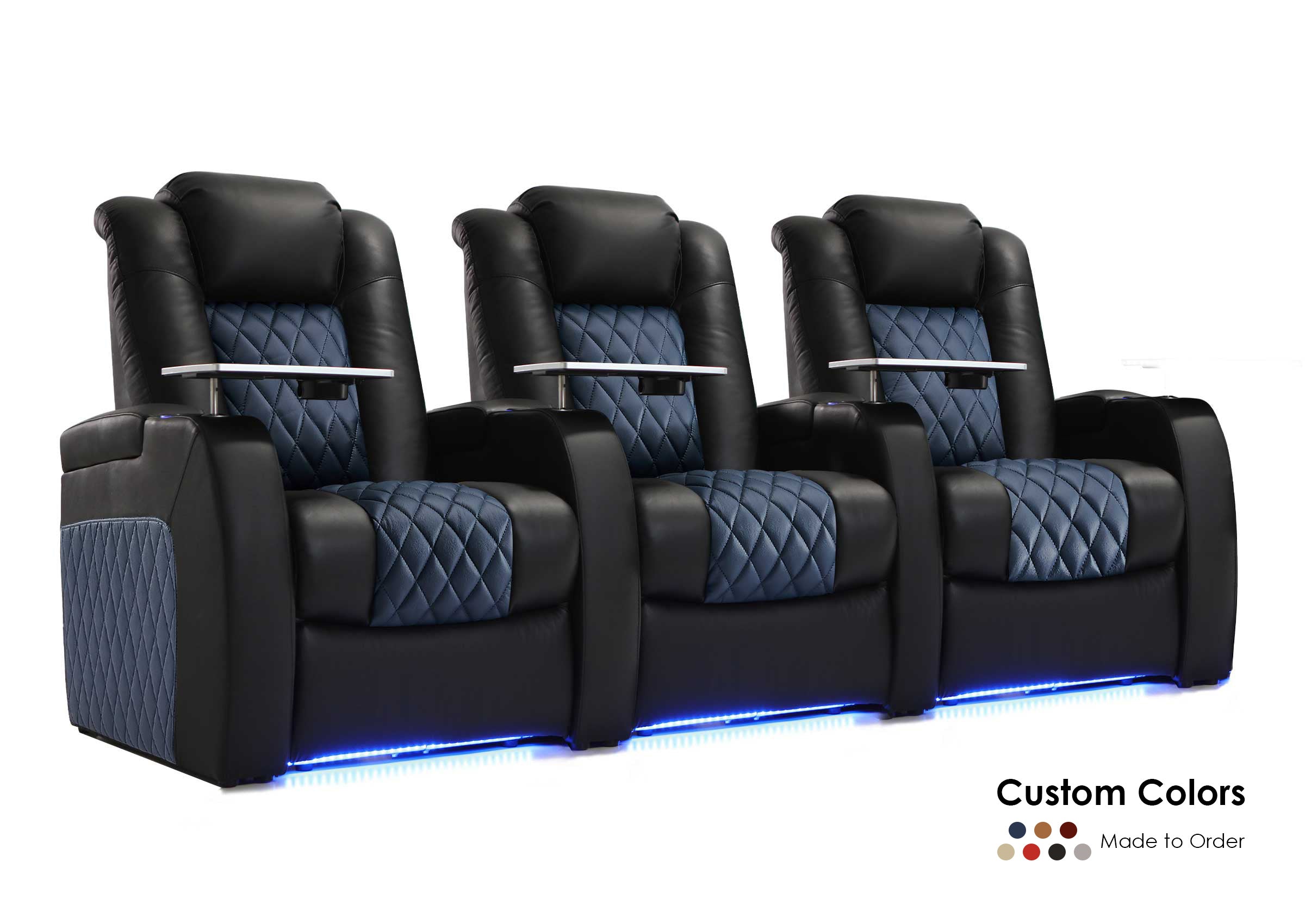
The project may begin with a desired color, leather character, or textile reference, but the final specification still depends on what is available and appropriate for the selected seating and configuration.

That can involve confirming:
- seating model and configuration;
- upholstery or finish direction;
- sample reference;
- material availability;
- application to specific seating components;
- project quantities;
- other configuration-specific requirements.
Importantly, general industry discussion of COM and COL does not mean every furniture manufacturer—or every product from a manufacturer—accepts customer-supplied upholstery.
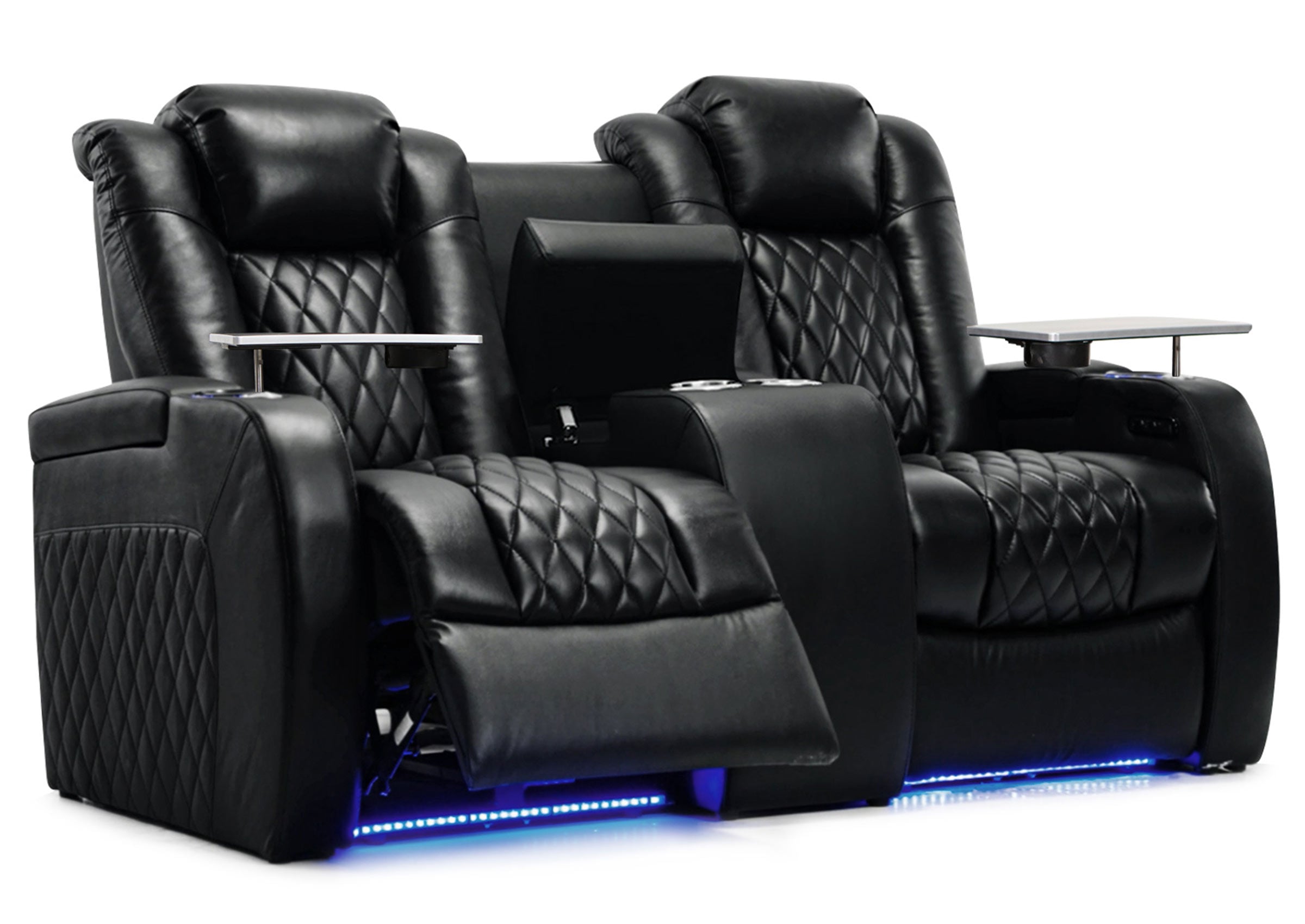
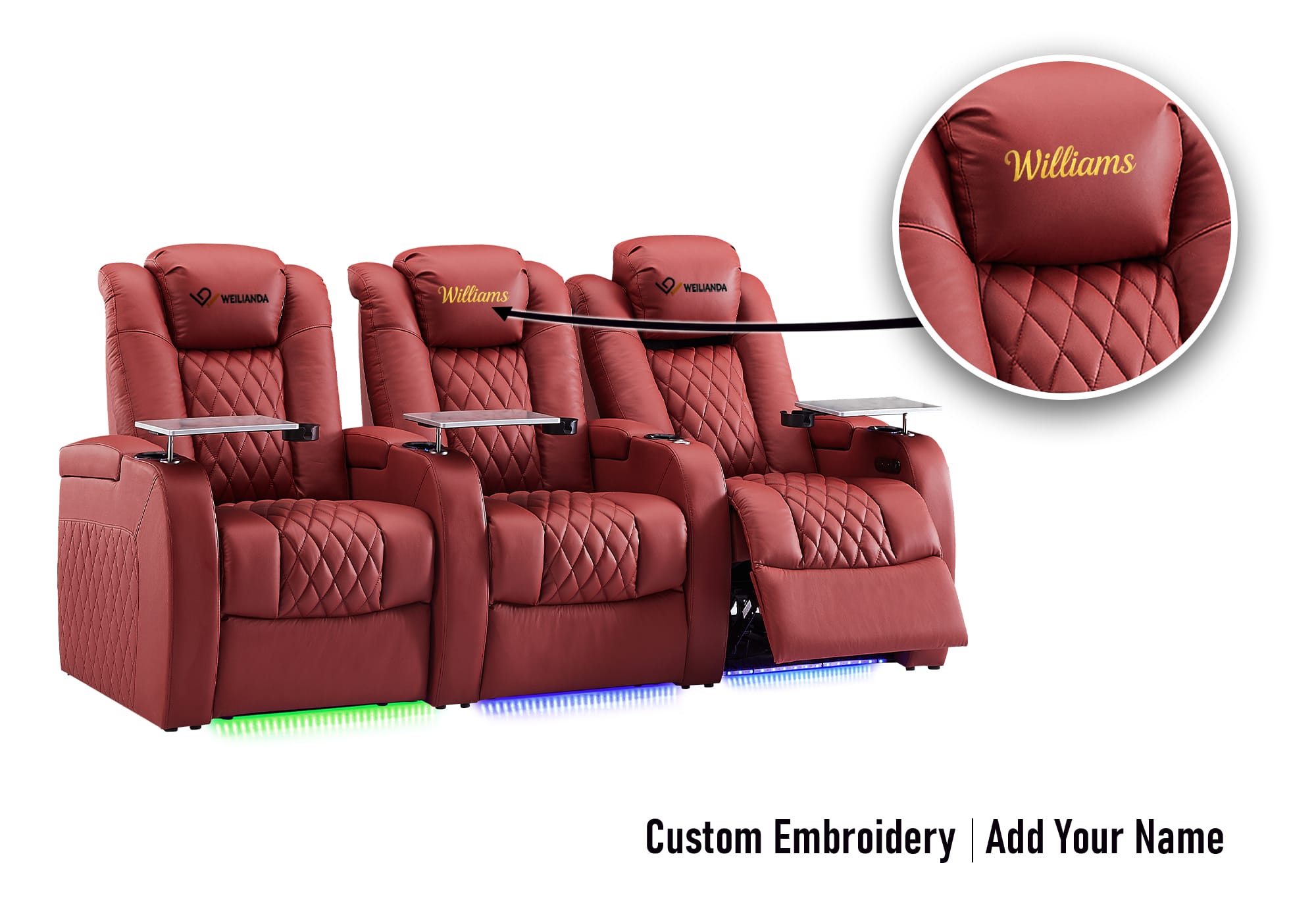
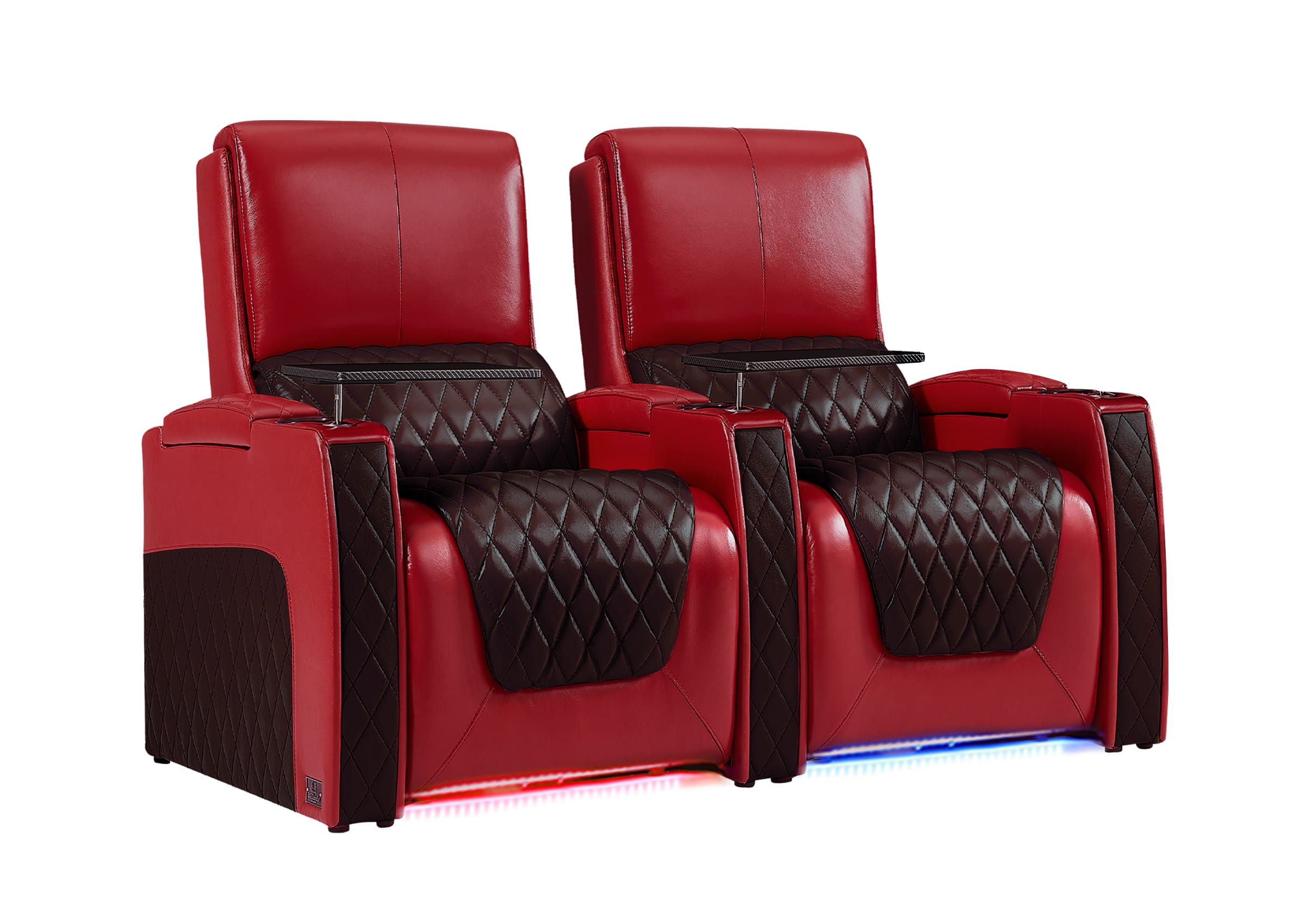
For a Weilianda project, available materials, finishes, configurations, and any project-specific upholstery request should be confirmed for the selected product before being treated as an approved specification.
If you are already comparing color, material, sample, and finish directions for a seating project, the guide to theater seating materials, colors, and finish approval covers that next decision in more detail.
The goal is not to force every project into COM or COL. It is to make sure the material decision and the furniture decision reach the same point before an order moves forward.
FAQ
What does COM stand for in upholstery?
COM stands for Customer's Own Material. In furniture specifications, it generally refers to upholstery sourced outside the furniture manufacturer's standard material program.
What does COL stand for?
COL means Customer's Own Leather. It refers specifically to leather supplied outside the manufacturer's standard leather offering.
Is COM always fabric?
COM is most commonly used for customer-selected upholstery fabric, although some manufacturers use the term more broadly for non-standard customer-supplied materials. Always check the terminology used by the specific manufacturer.
Can any upholstery fabric be used as COM?
No. A textile being marketed for upholstery does not automatically mean it is suitable for every furniture design. The selected manufacturer may need to review the textile, furniture application, backing, stretch, pattern direction, and other characteristics before approving it.
Why can patterned COM require more yardage?
Repeats, stripes, plaids, directional motifs, and nap can restrict where individual upholstery pieces are cut from the roll. Matching patterns across cushions or furniture components can also create additional material waste, increasing the amount required.
Is COL measured the same way as COM?
Not usually. Fabric requirements are commonly expressed in linear yardage, while leather is generally planned using usable square footage or hides. The manufacturer's own calculation method should be used for the selected furniture.
Does COM mean the manufacturer has already approved the fabric?
No. COM identifies the source of the material, not its approval status. Manufacturers may require samples, testing, or application review before accepting a customer-supplied textile.
From Material Selection to a Usable Specification
COM and COL give designers more freedom to coordinate furniture with a broader material palette, but that freedom introduces another layer of project coordination.
The most important question is not simply:
Which material do we want?
It is:
Has this material been accepted, quantified, documented, and approved for the way it will actually be used?
A strong specification makes that answer visible.
It distinguishes selected from approved, published yardage from confirmed quantity, and a beautiful sample from a material that is genuinely ready for production.
If the next step is preparing room, configuration, finish, and project information for a quote conversation, see how to prepare a theater seating specification package.
If you need to confirm available material, finish, or configuration details for a specific Weilianda theater seating project, contact Weilianda Support or email leon@weiliandahome.com.