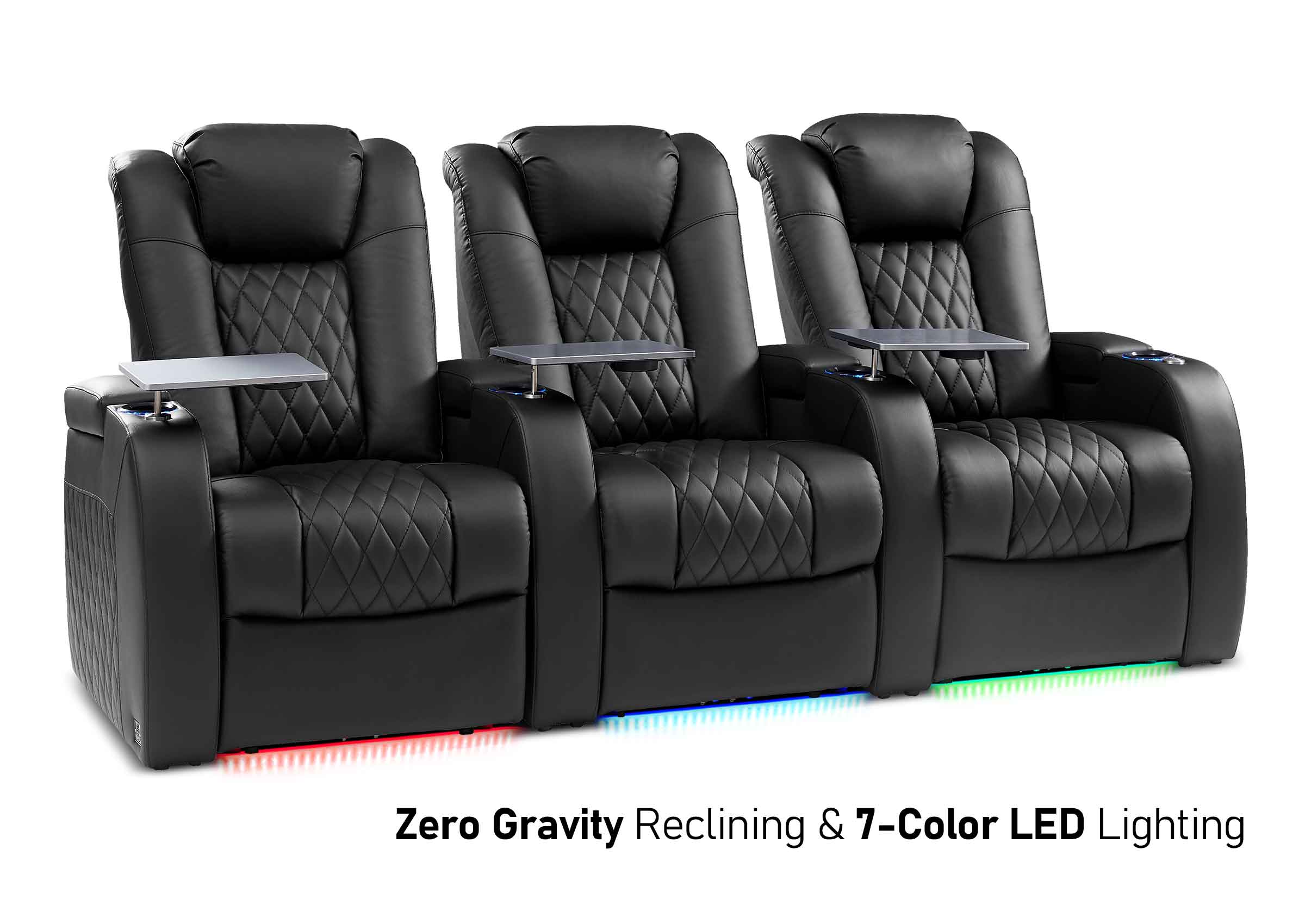
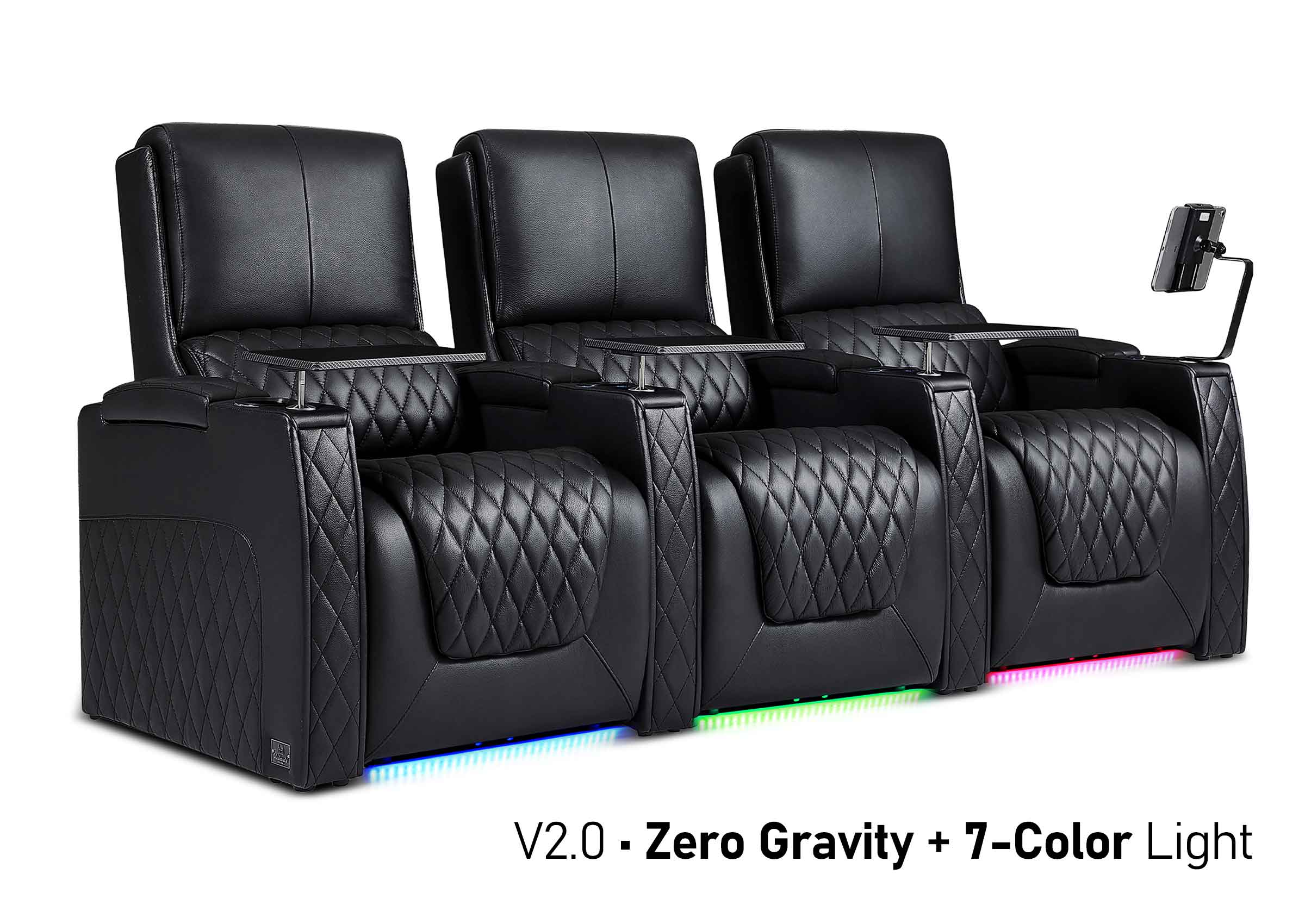
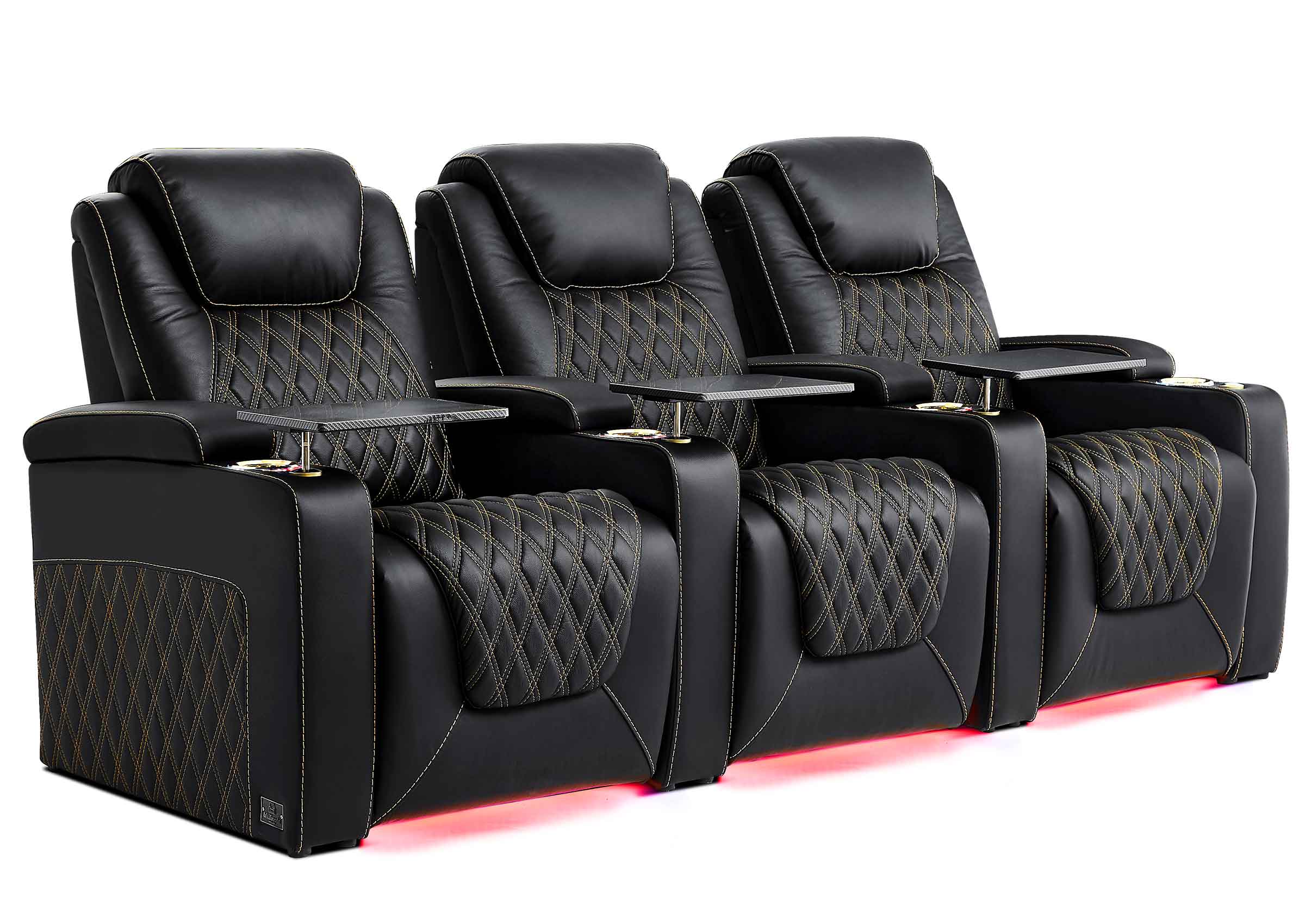
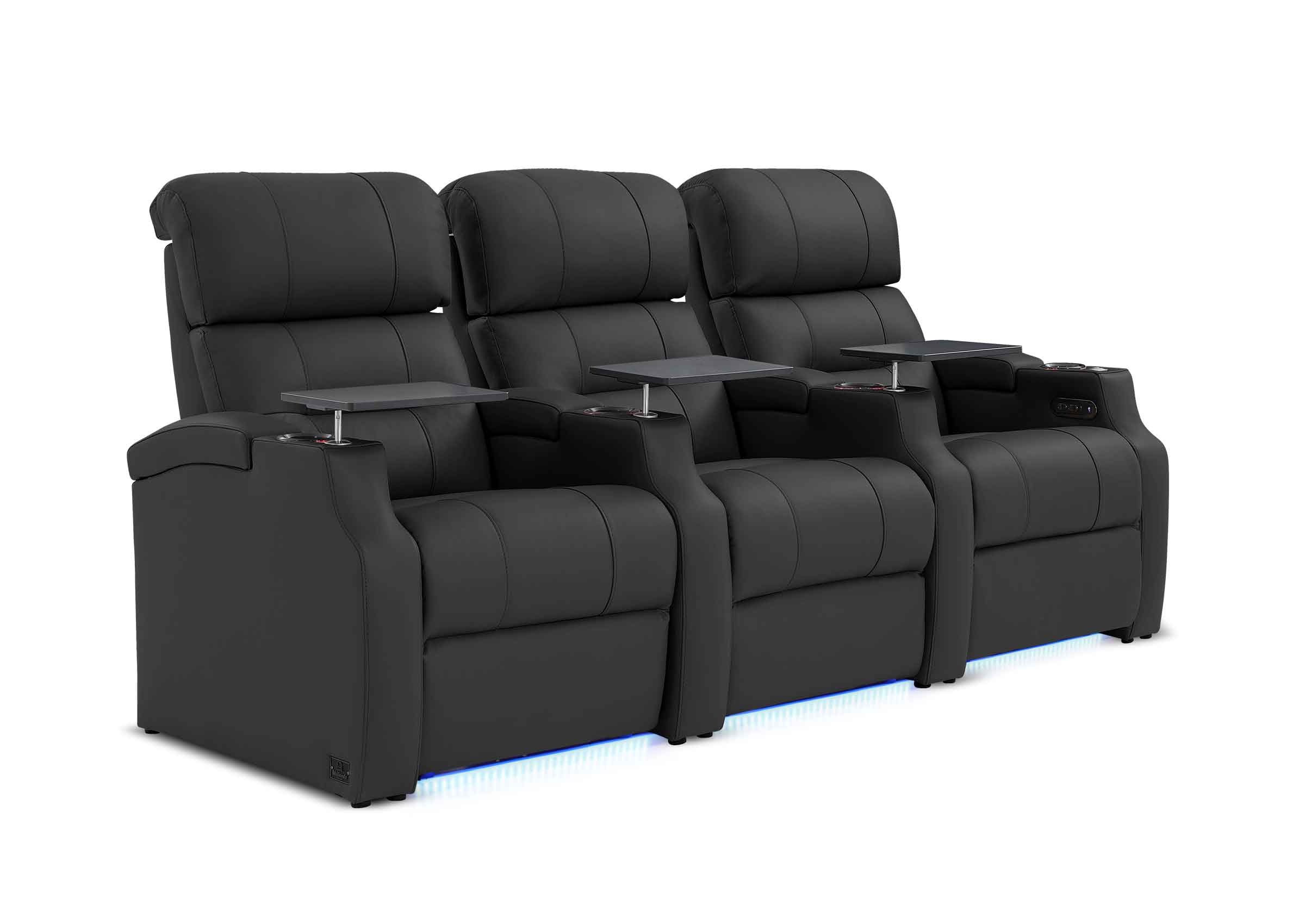
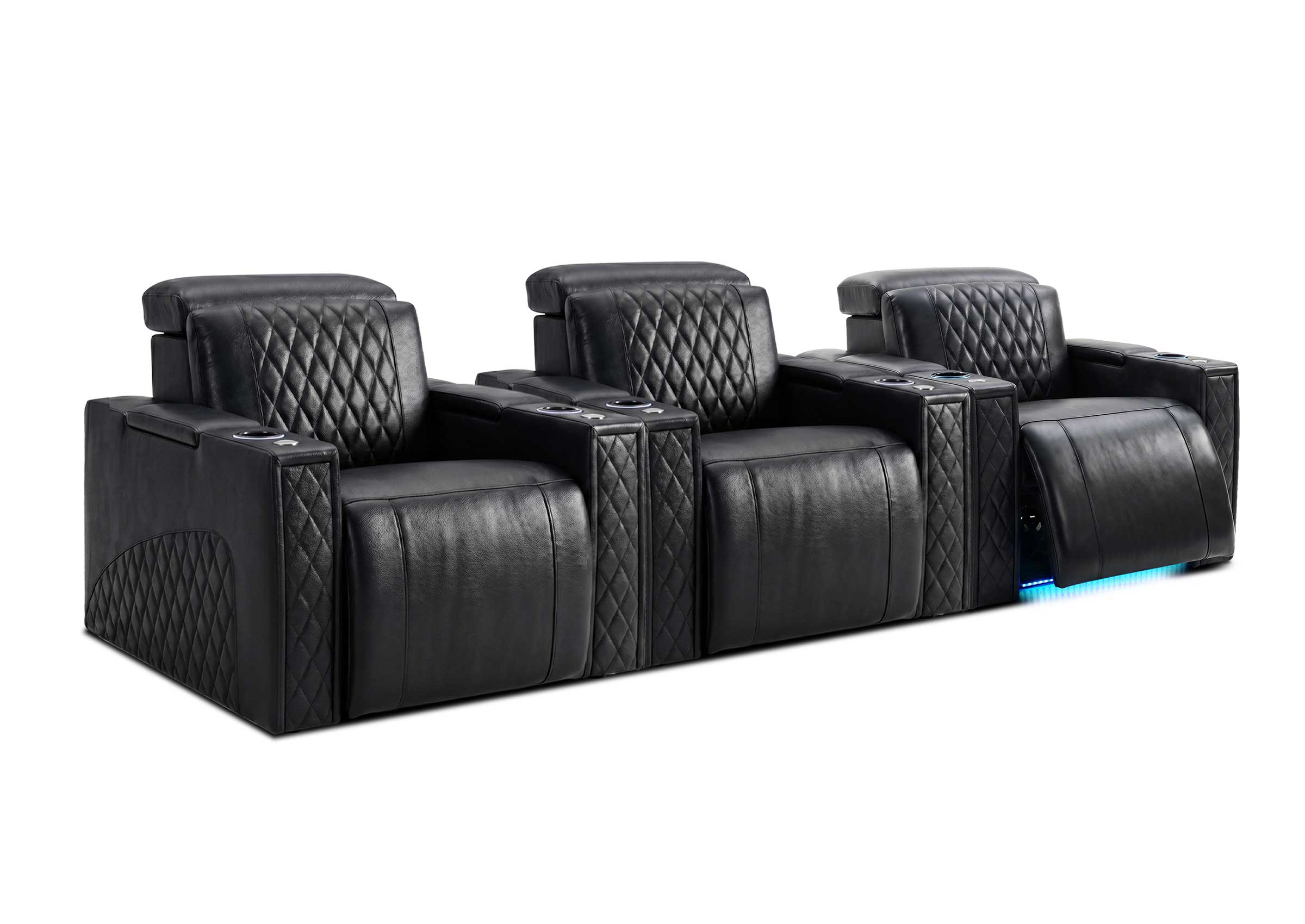

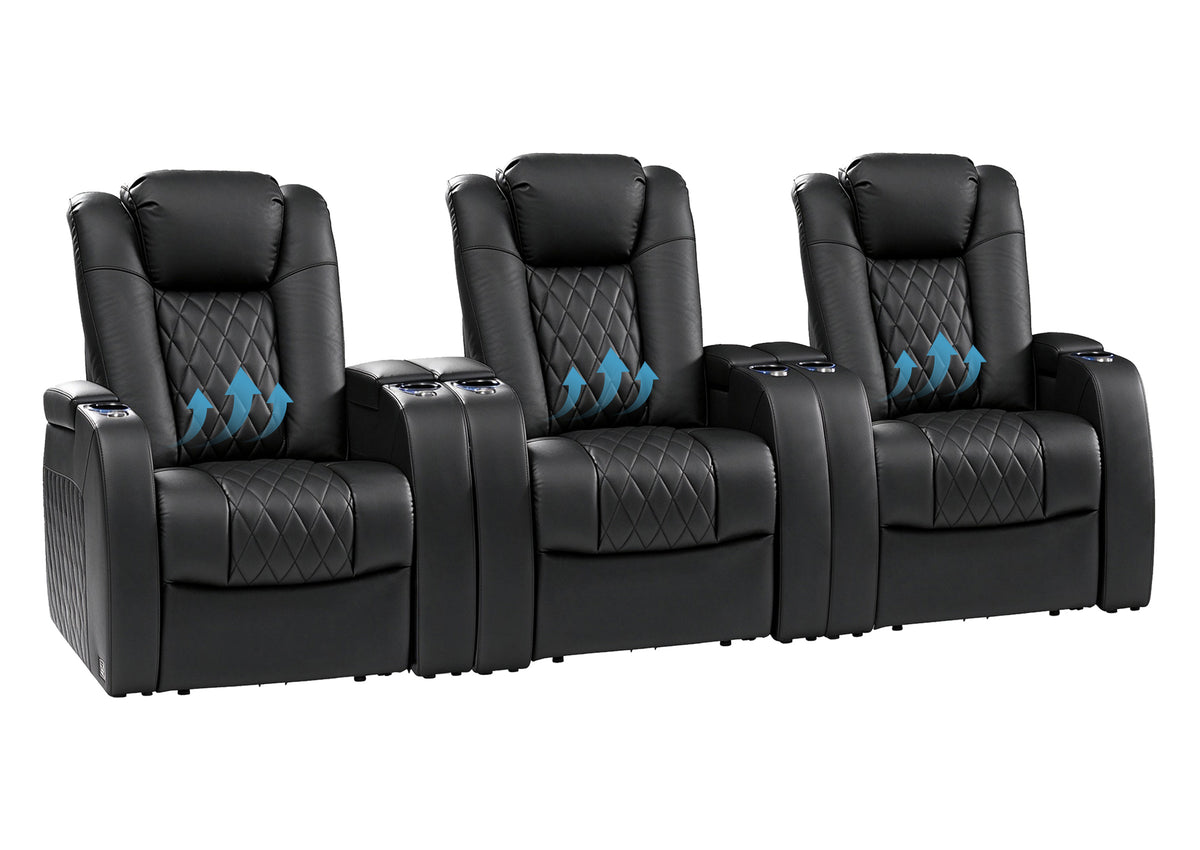
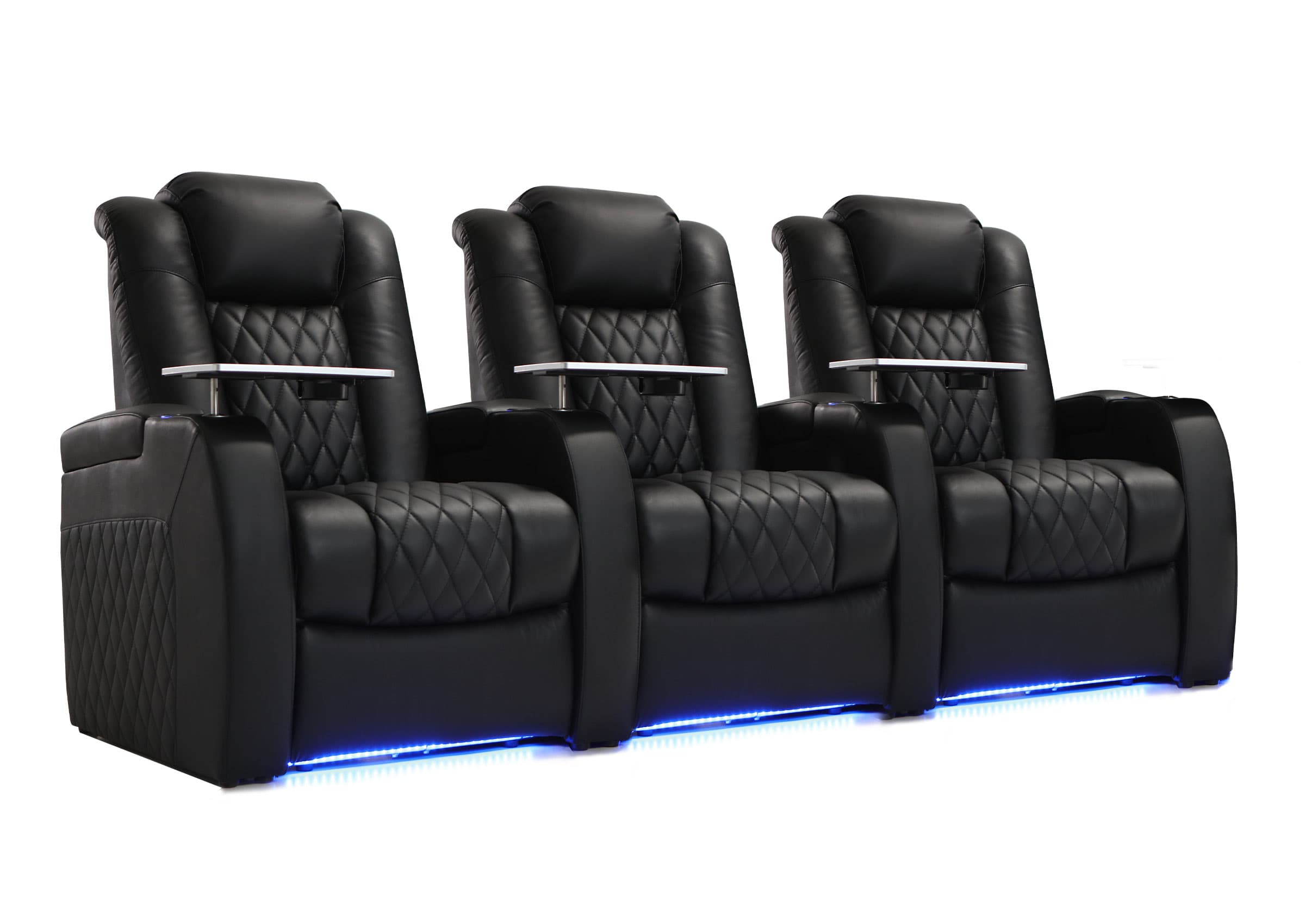
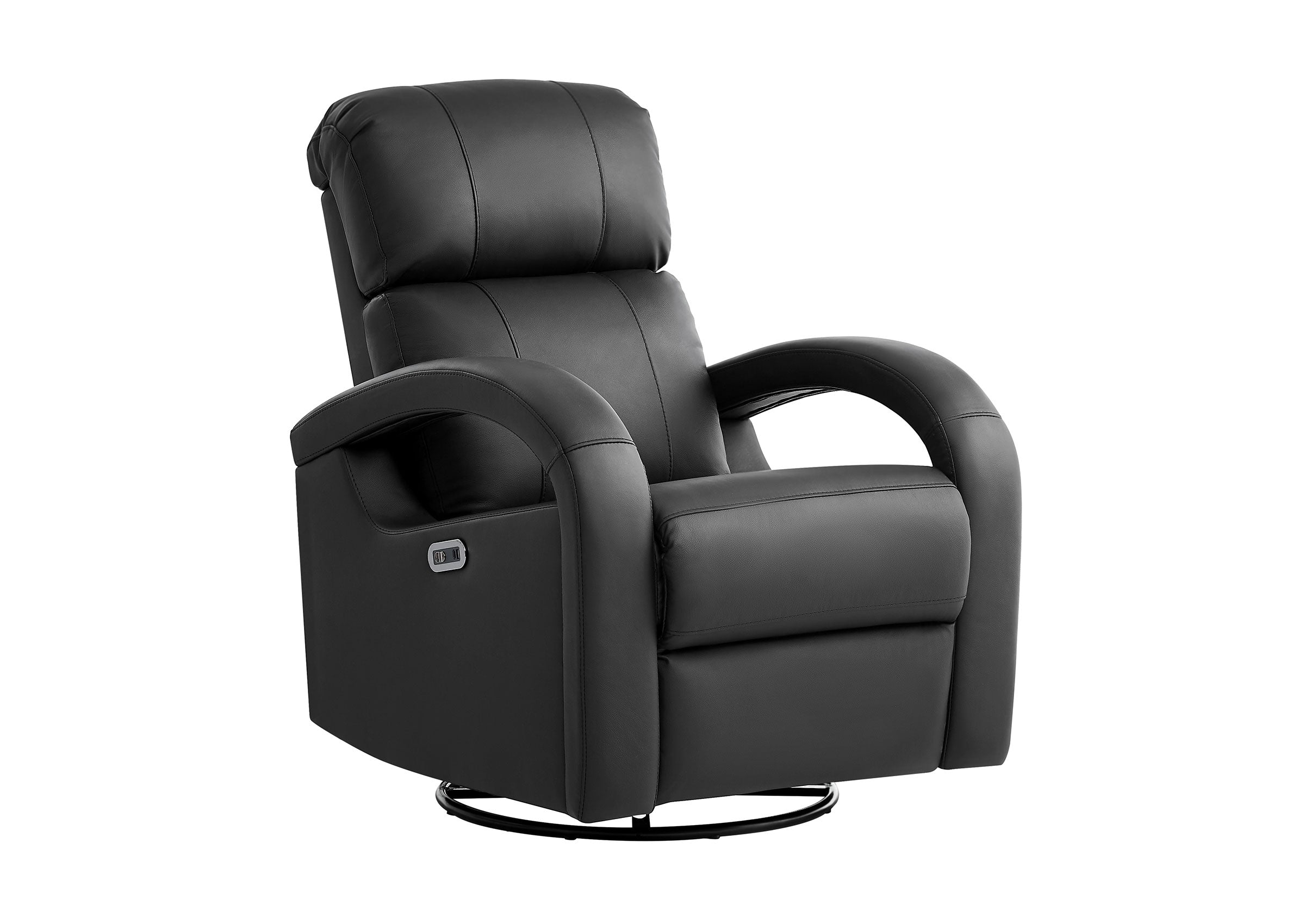
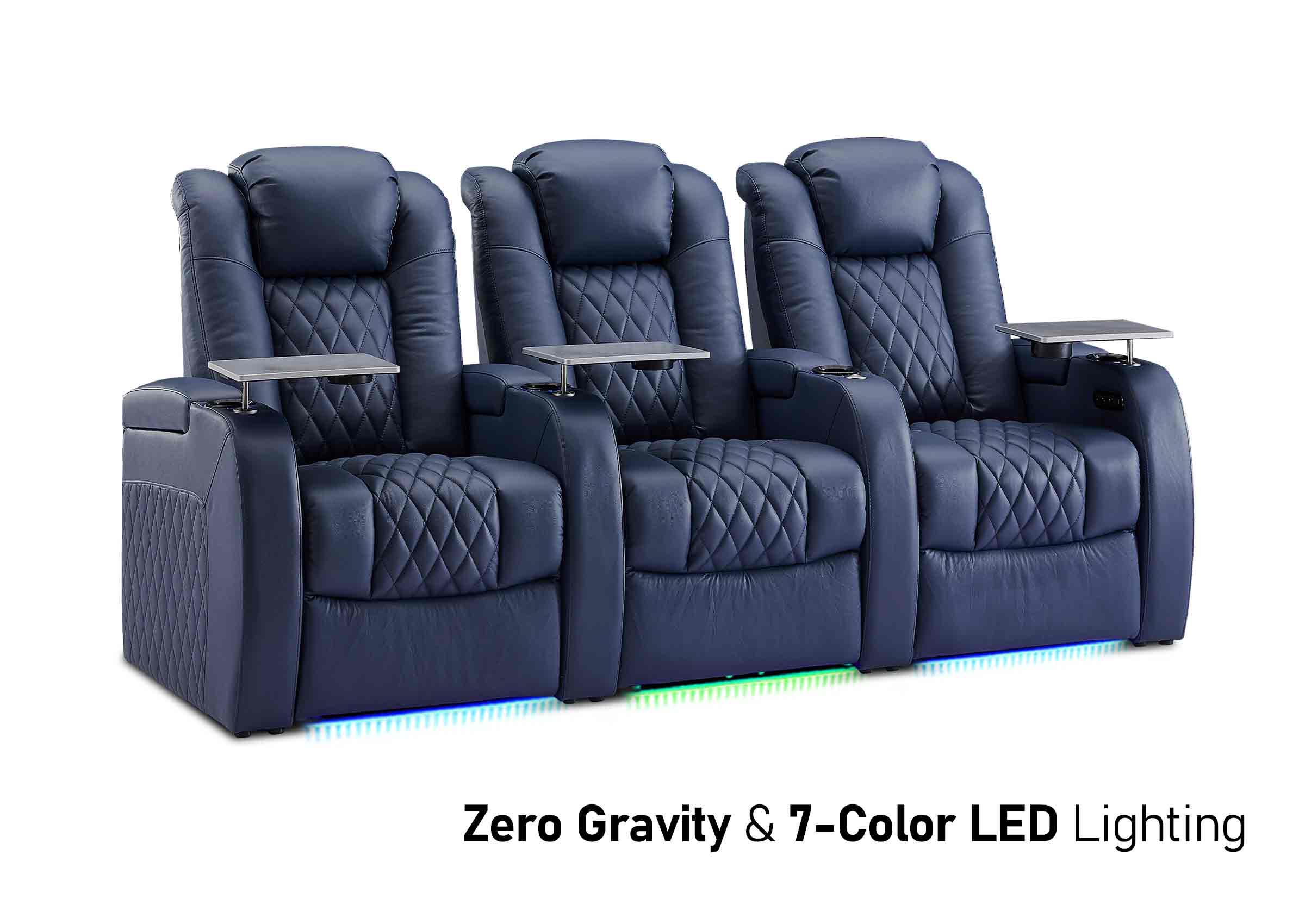
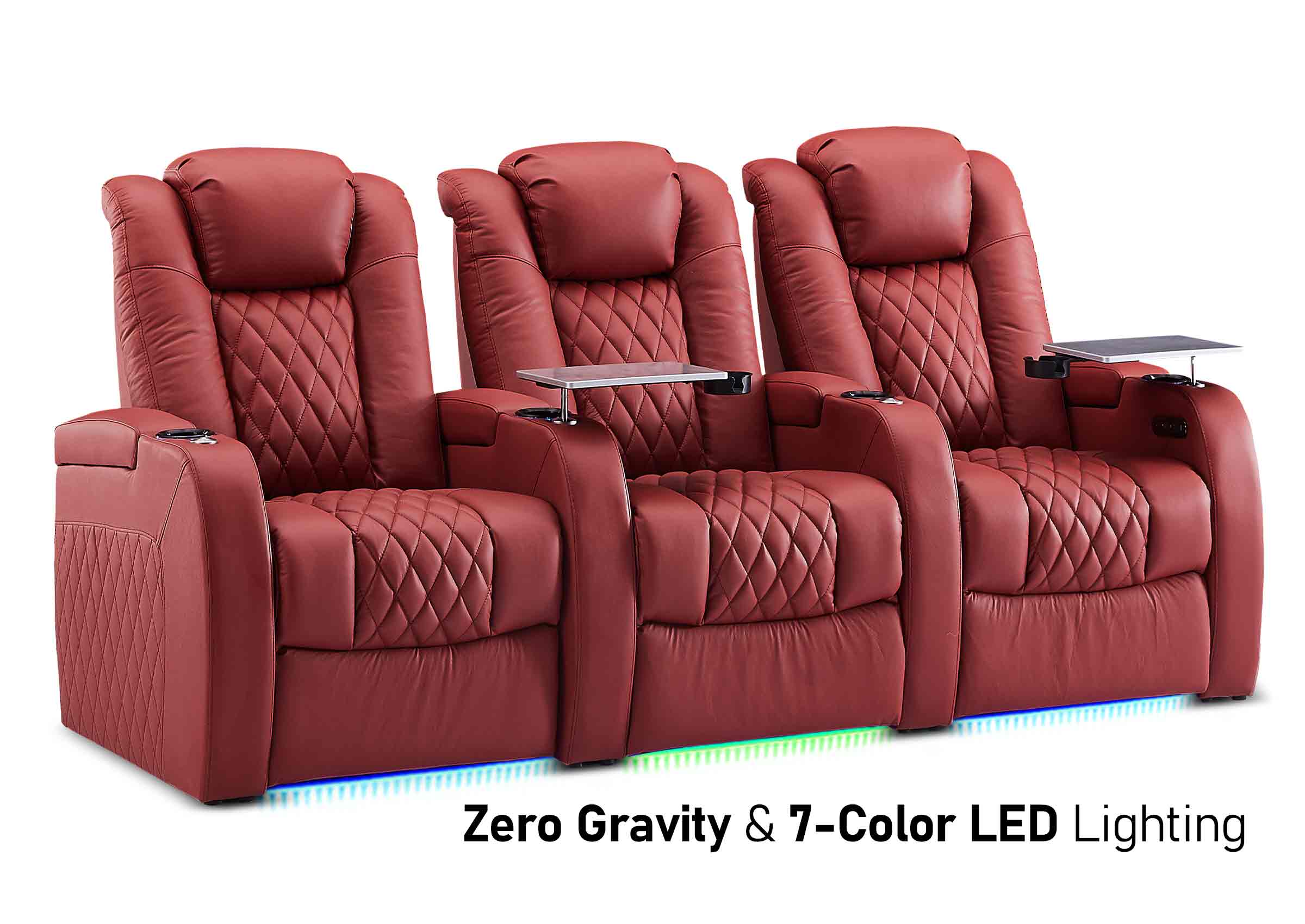
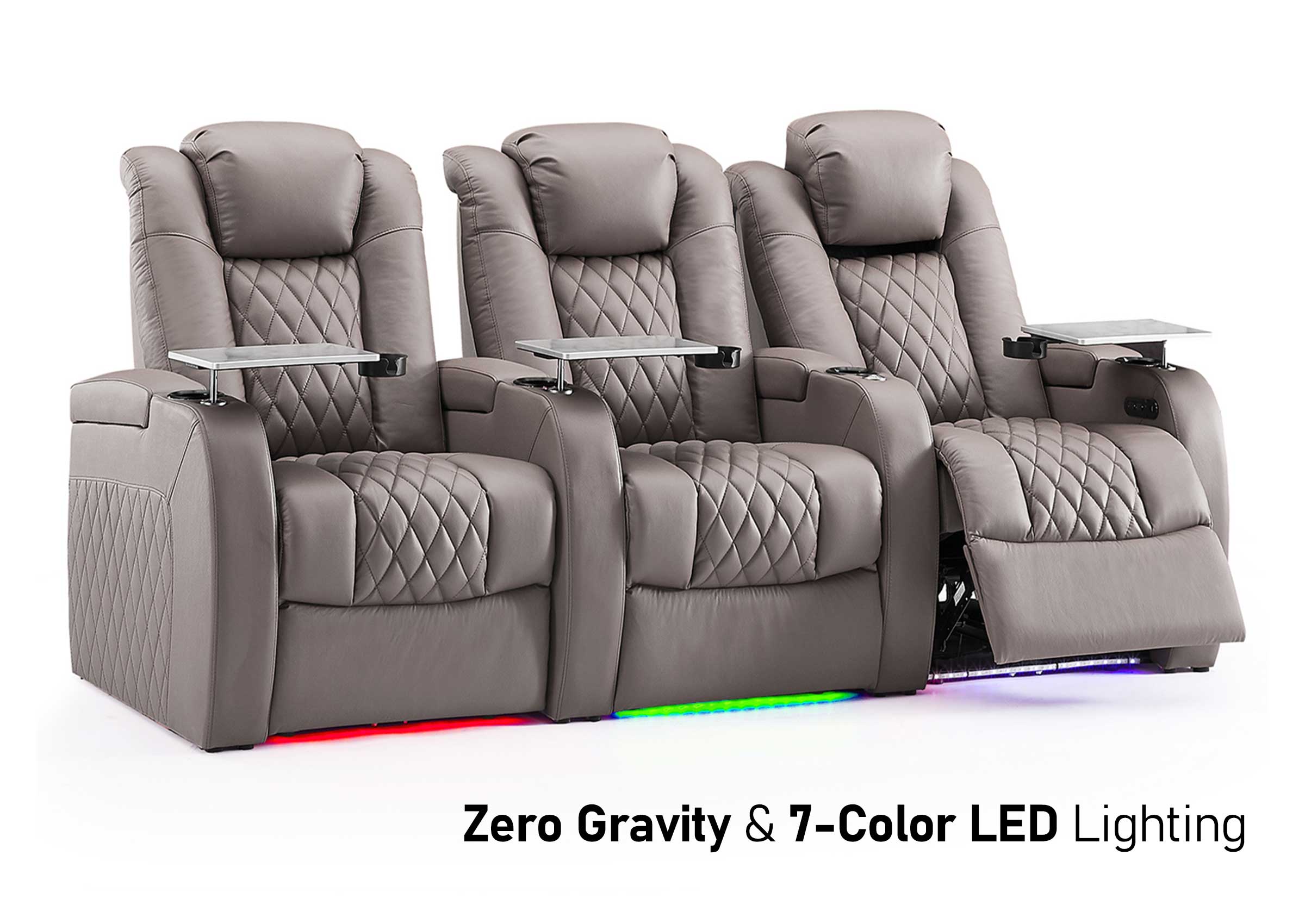
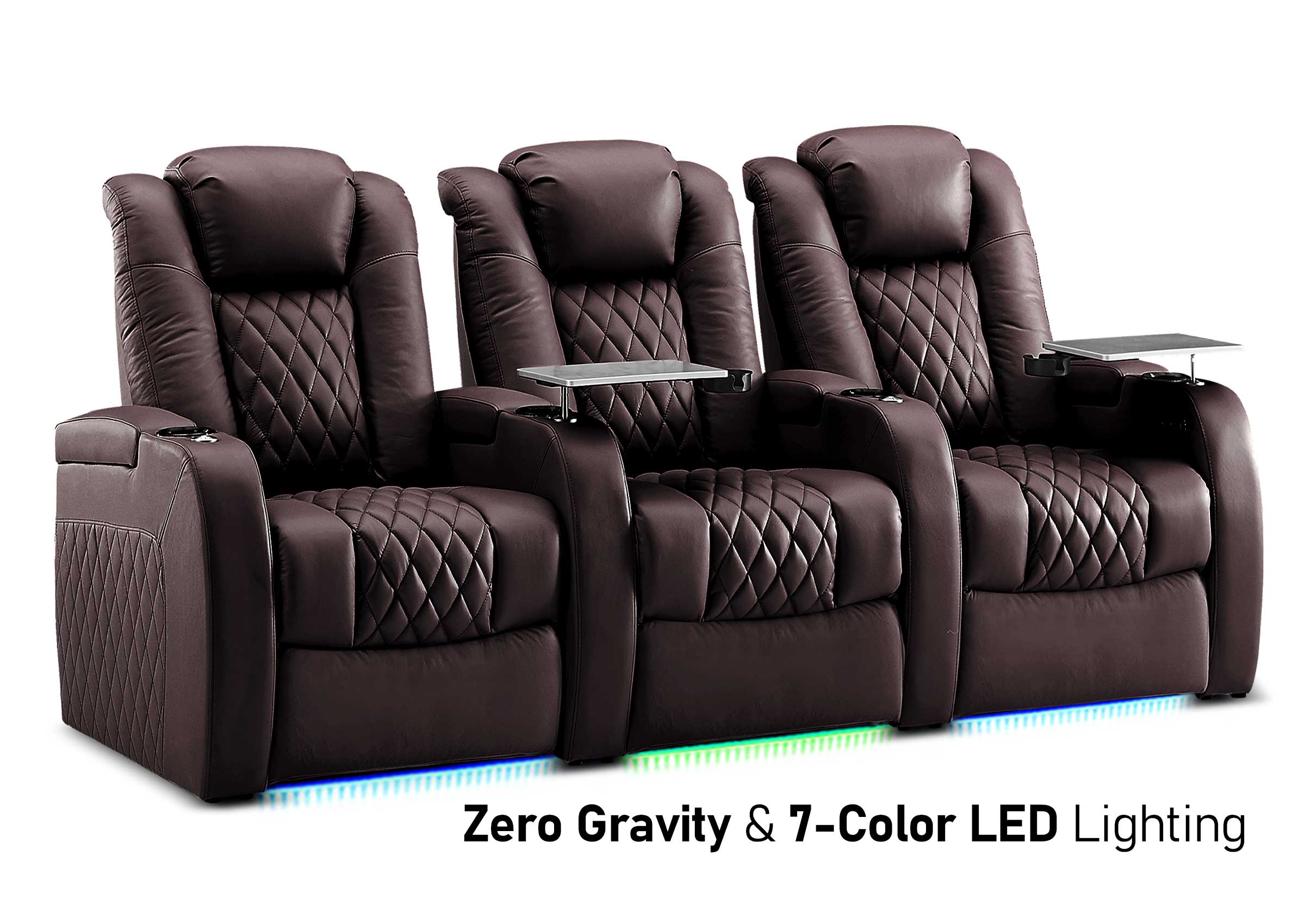

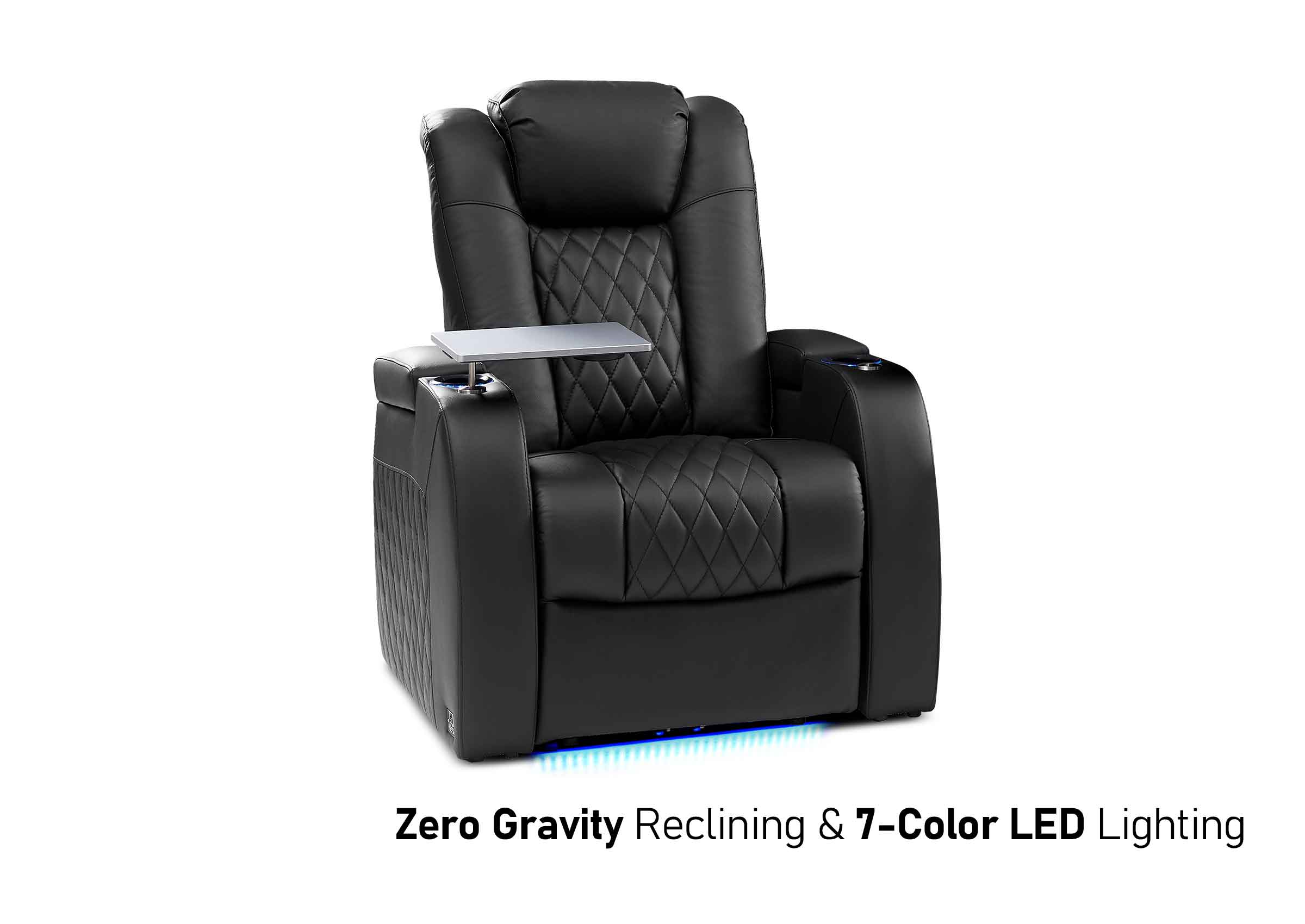
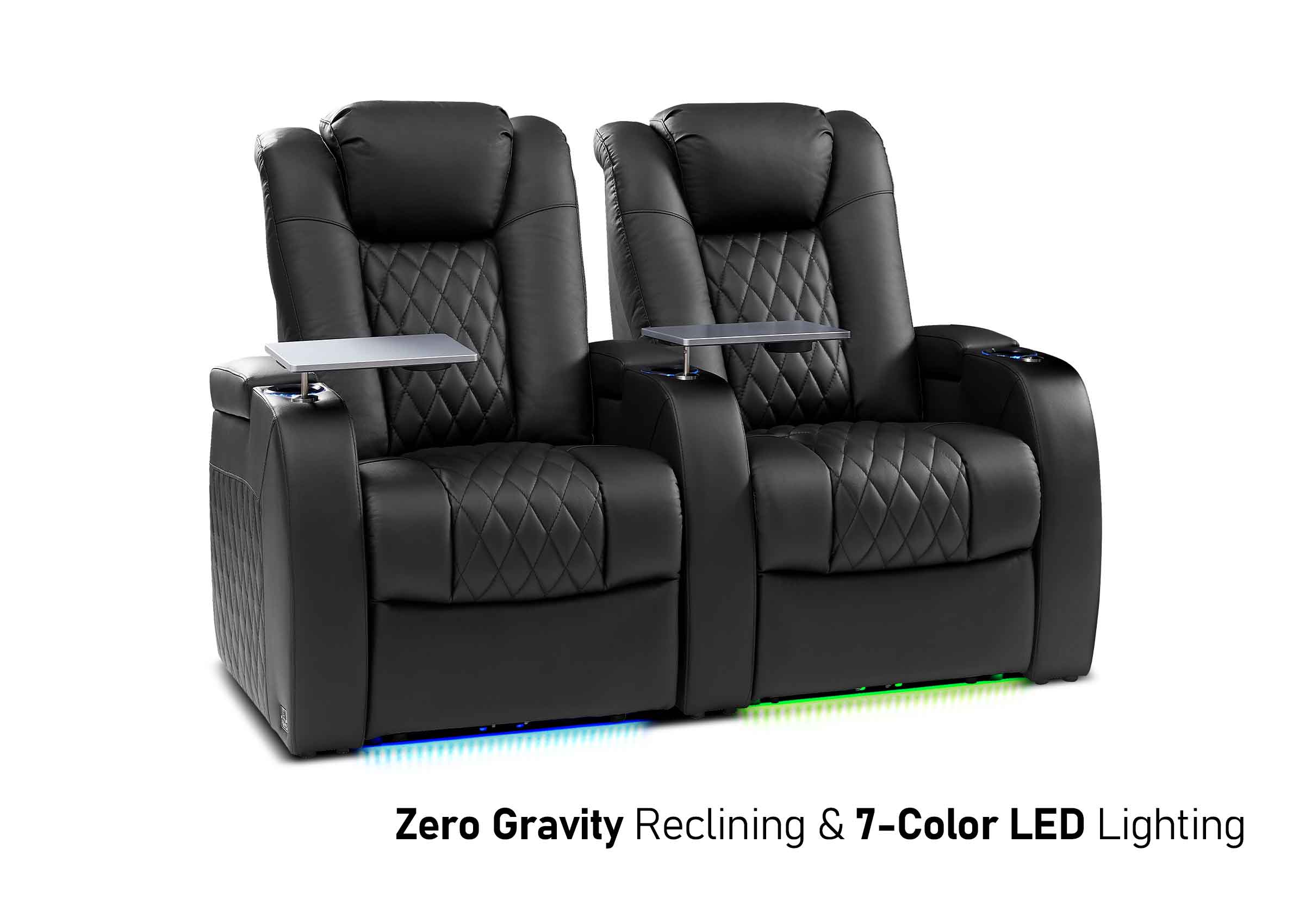
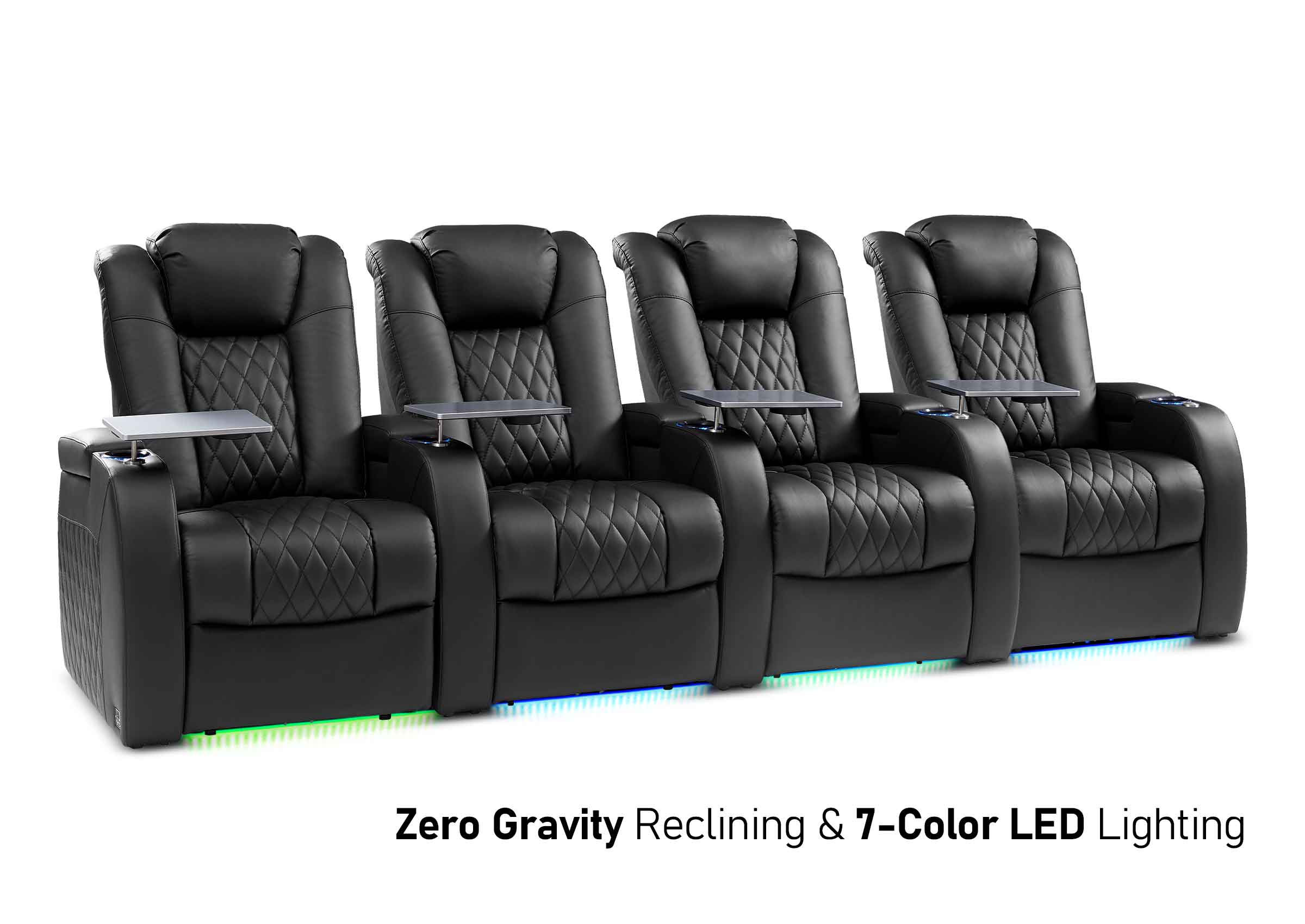
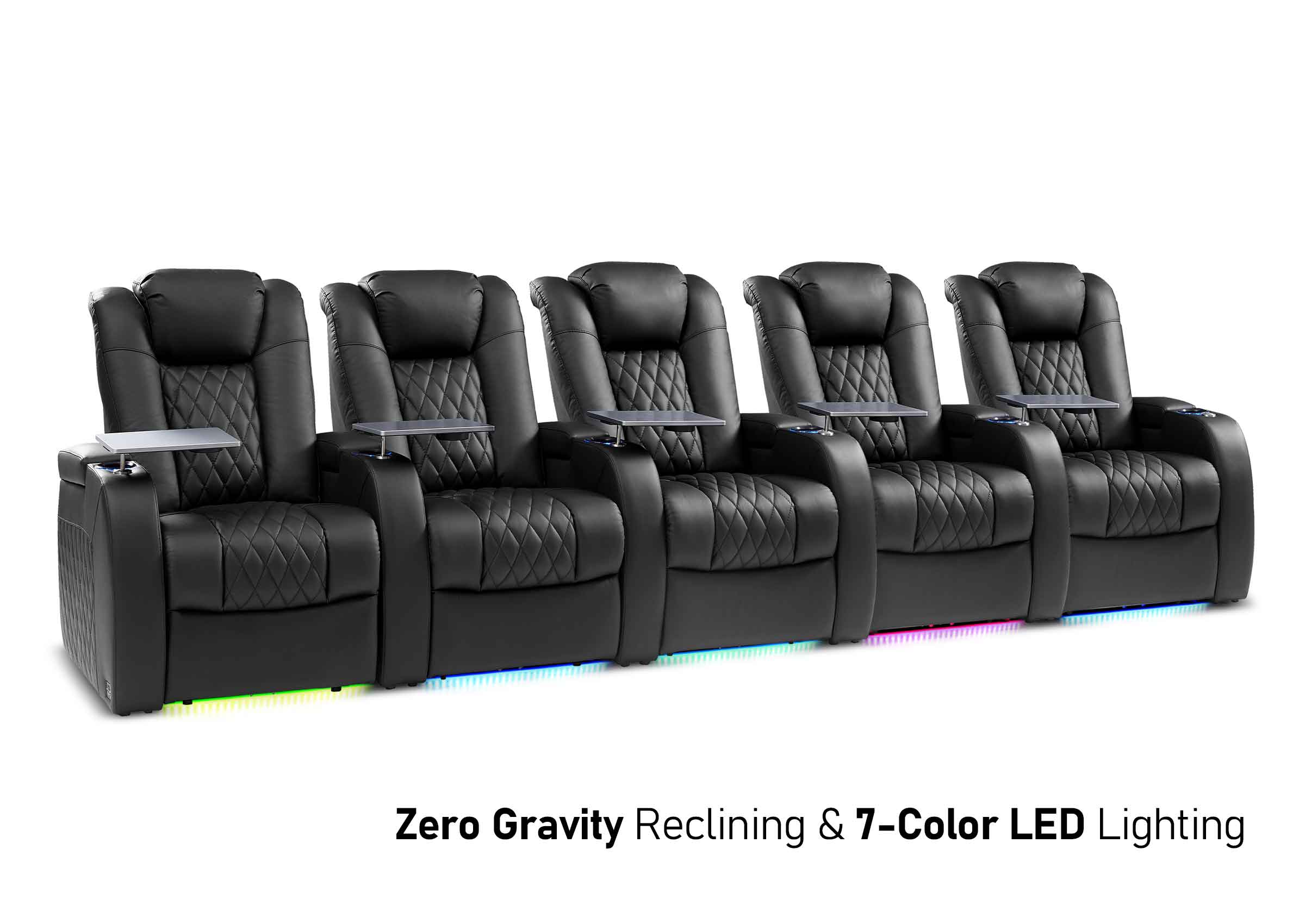






A great home theater in 2026 is no longer just a room with a large screen and surround sound. Modern homeowners are creating flexible entertainment spaces that combine cinema-style immersion, everyday comfort, smart design, and multi-purpose functionality.
Whether you are planning a dedicated theater room, upgrading a basement, or turning a living room into a media space, the best home theater ideas focus on how the room feels and functions every day. This guide explores current design trends, practical layouts, seating ideas, lighting choices, and small-space solutions to help you create a more enjoyable entertainment experience.
Design Your Home Theater Around How You Actually Use the Space
The biggest trend in home theater design is moving away from rooms used only for movies. Many homeowners now want spaces that support multiple activities:
-
Movie nights
-
Gaming sessions
-
Sports viewing
-
Family entertainment
-
Relaxing after work
-
Hosting friends
The best home theaters are designed around real-life use, not just impressive-looking equipment.
Before choosing a screen, projector, or furniture, start with the basics:
-
Room size and shape
-
Viewing distance
-
Seating arrangement
-
Speaker placement
-
Lighting control
-
Storage needs
-
Walking paths
A well-planned room will feel comfortable whether you are watching a three-hour movie, playing games, or spending time with family.
Create a Flexible Media Room Instead of a Single-Purpose Theater
One of the biggest home entertainment trends is the rise of multi-purpose media rooms.
Instead of building a traditional cinema room that is used occasionally, many homeowners are creating spaces that work throughout the week.
Popular approaches include:
Family Media Rooms
These spaces combine:
-
Comfortable seating
-
Large screens
-
Easy storage
-
Flexible lighting
-
Family-friendly materials
They are ideal for movie nights, streaming, and casual entertainment.
Gaming and Home Theater Combination Rooms
Gaming-focused theaters are becoming more popular because the same features that improve movies also improve gaming:
-
Comfortable long-session seating
-
Immersive sound
-
Adjustable lighting
-
Large displays
-
Easy device charging
Living Room Entertainment Spaces
Not every home needs a dedicated theater room.
A modern living room can become a premium entertainment space with:
-
A large TV or projector
-
Reclining seating
-
Smart lighting
-
Organized storage
-
A design that matches the rest of the home
Choose Seating That Improves the Entire Theater Experience
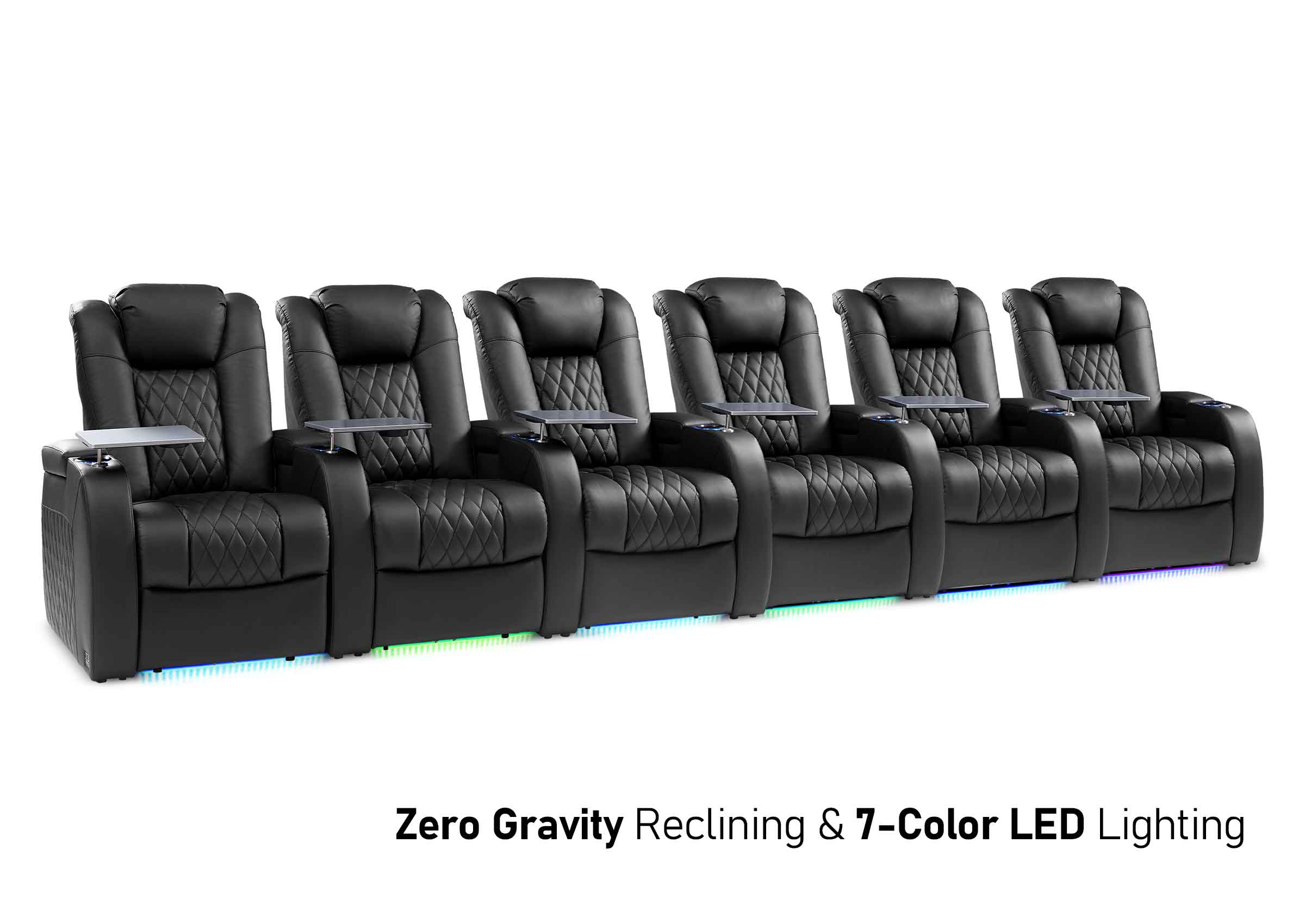
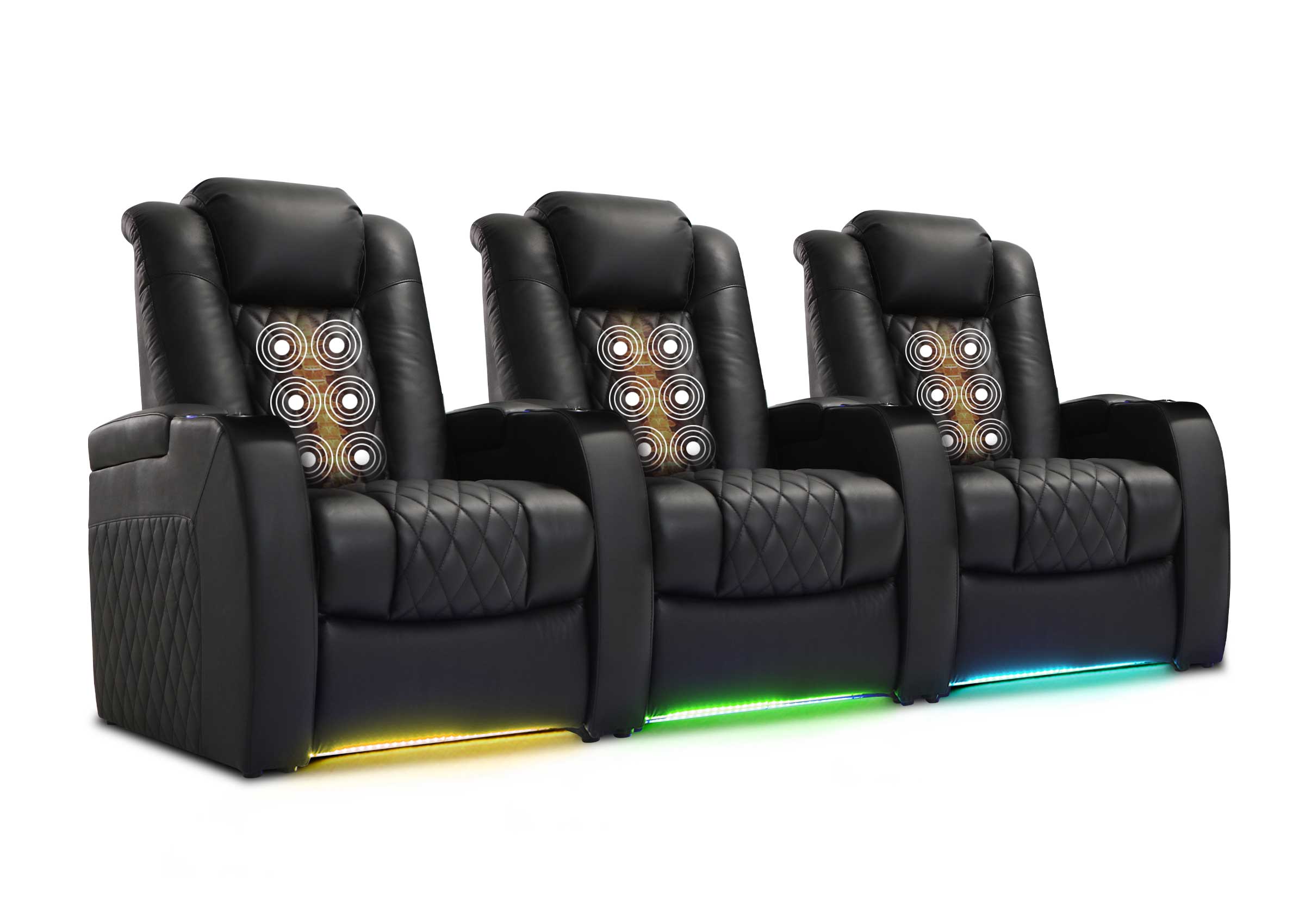
Many homeowners focus heavily on screens and audio equipment but underestimate the importance of seating.
A theater room is experienced from the seat. Comfort, support, and positioning directly affect how enjoyable the space feels.
A comfortable seat can make a good home theater feel great, while poor seating can limit the entire experience.
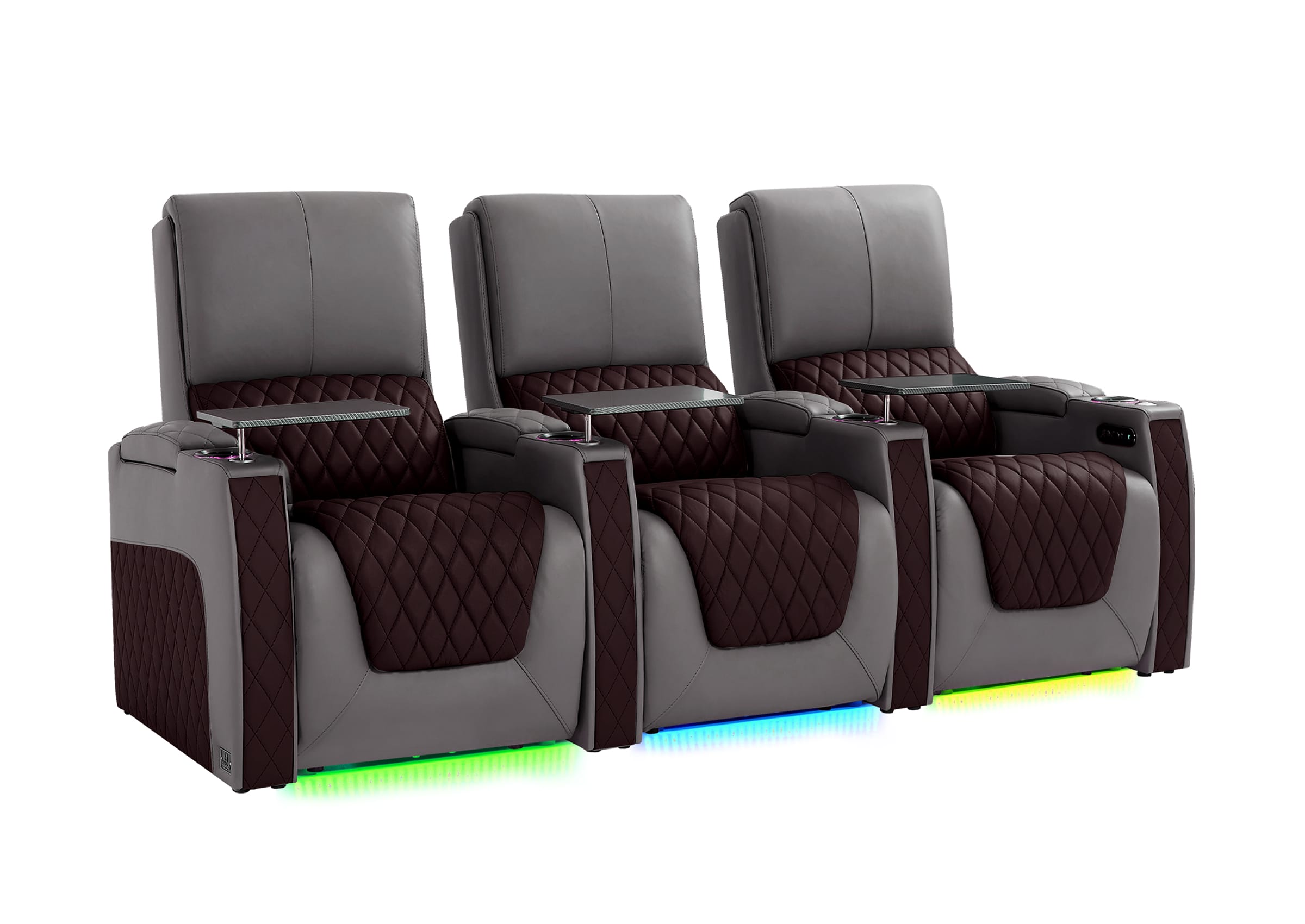
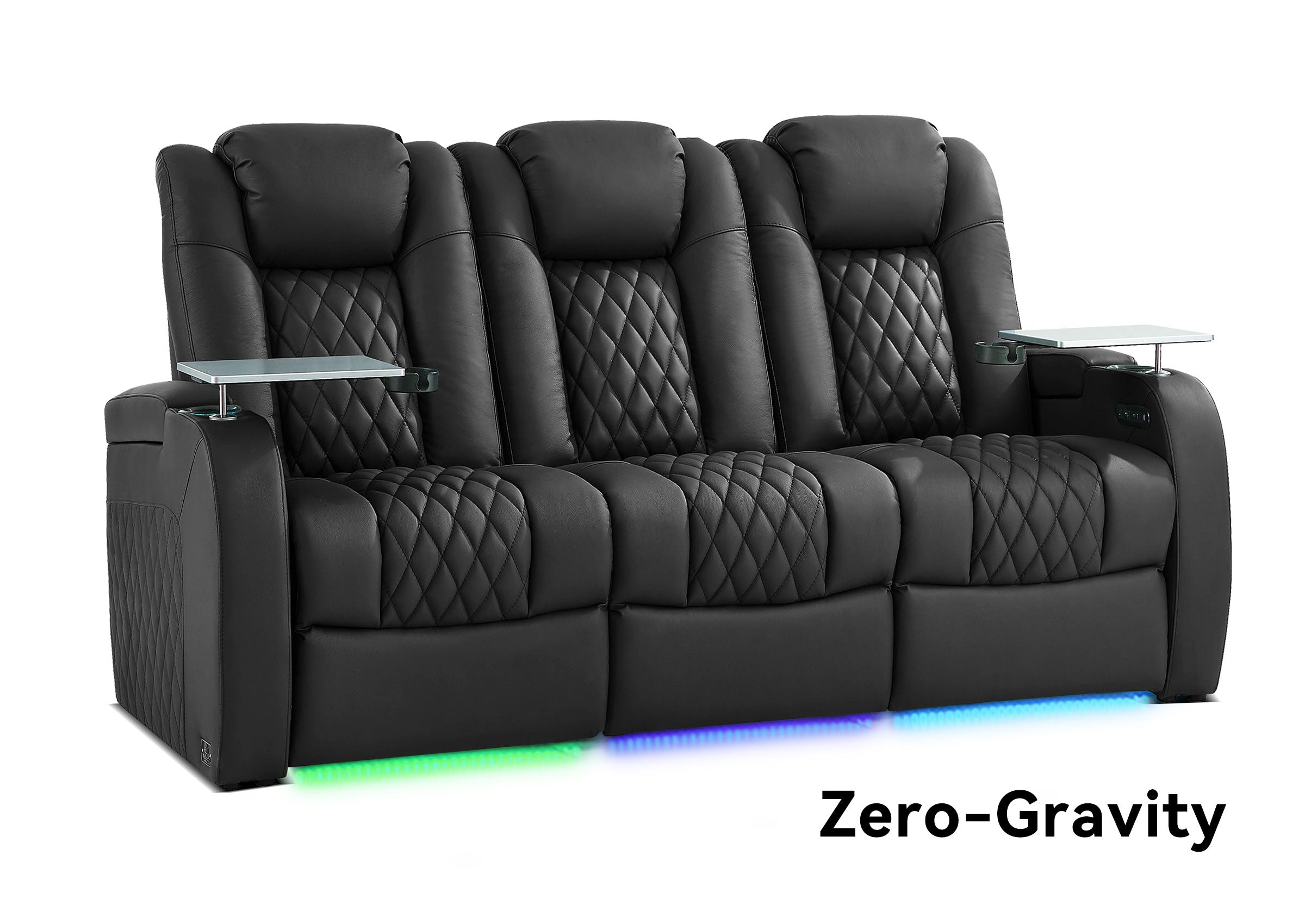
When choosing home theater seating, consider:
Comfort Features
Important features may include:
-
Power recline
-
Adjustable headrests
-
Lumbar support
-
Supportive cushions
-
Proper seat width
These details matter most during longer viewing sessions.
Convenience Features
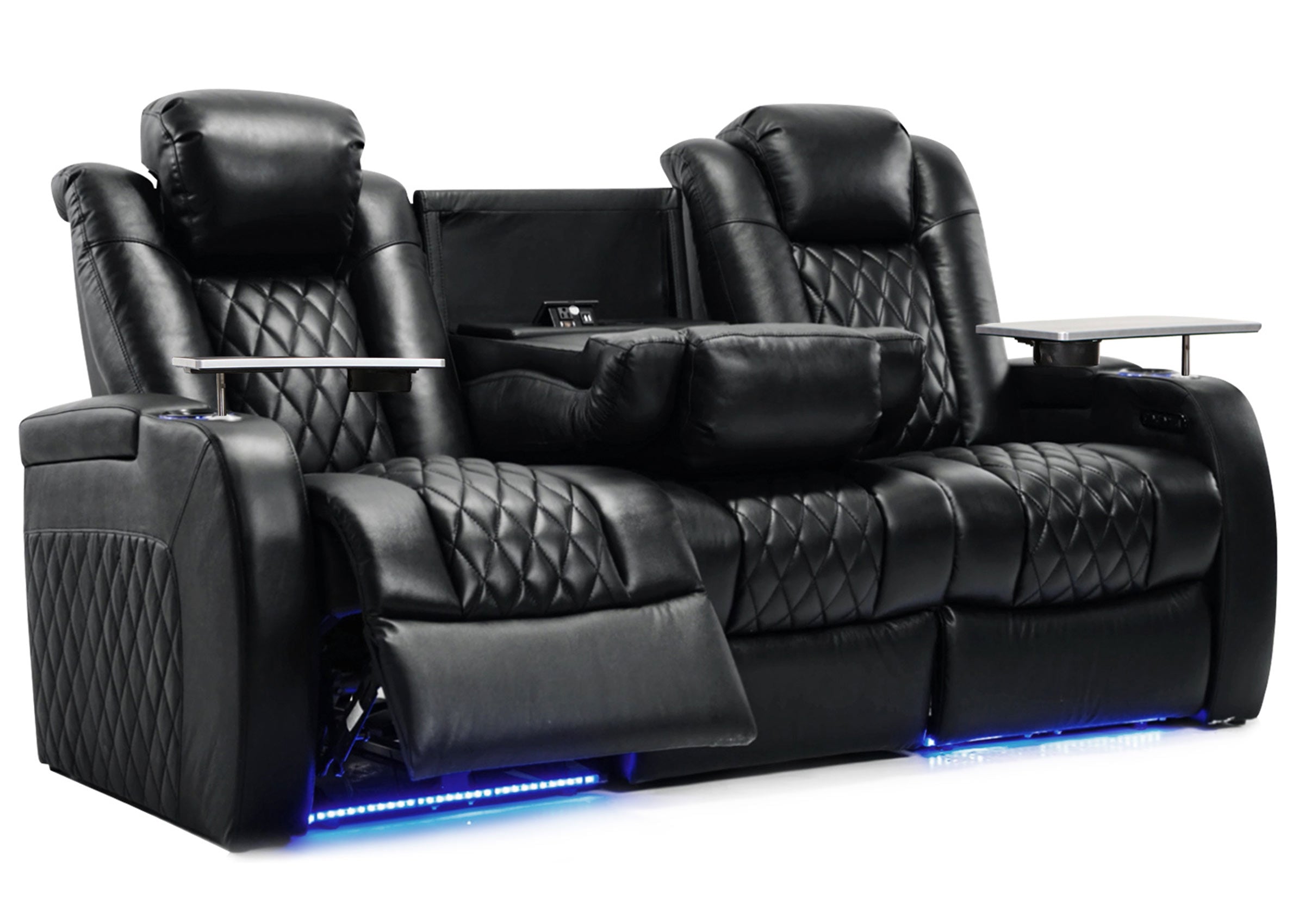
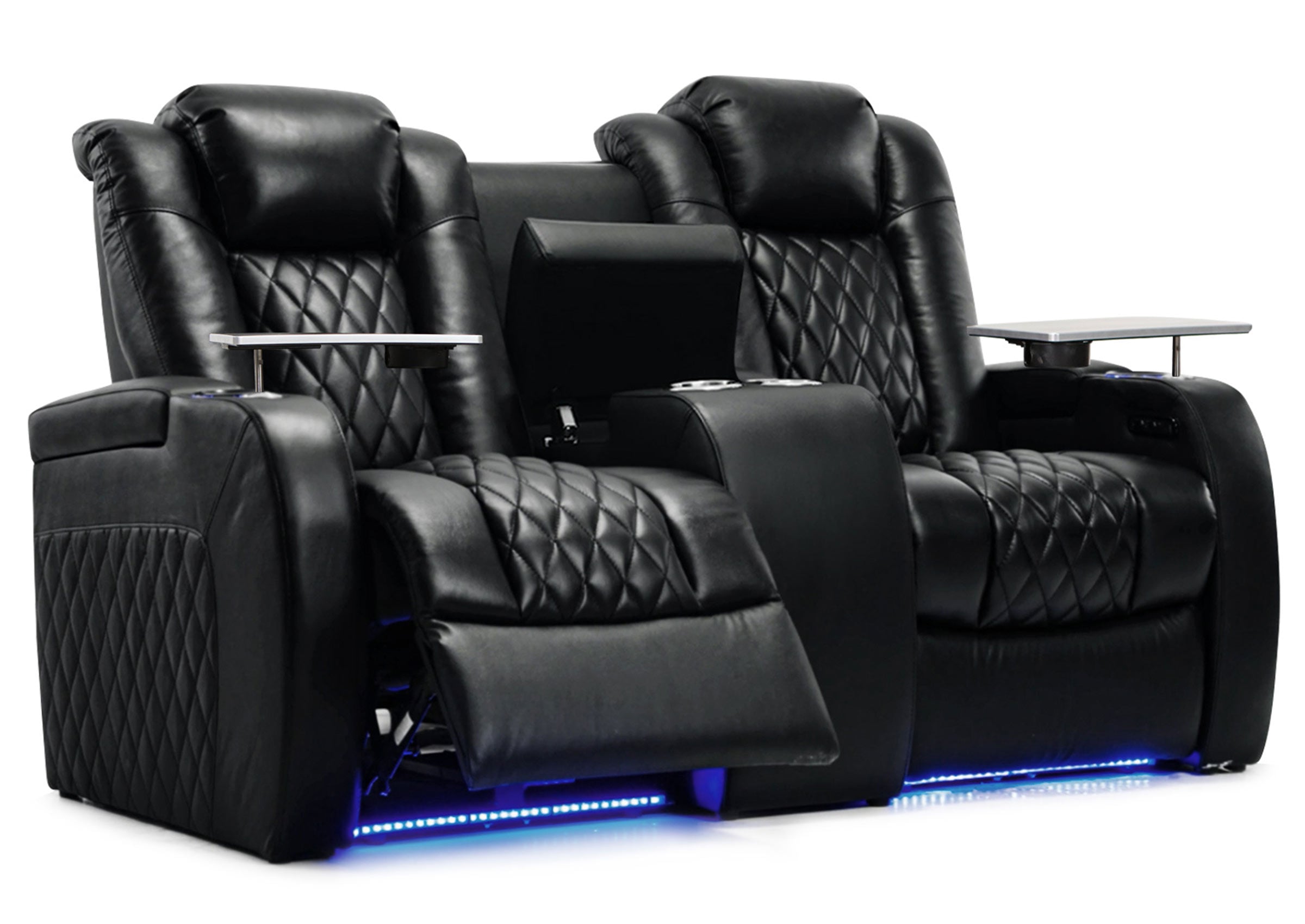
Modern theater seating is also becoming more functional with:
-
Cup holders
-
Built-in storage
-
USB charging
-
Wireless charging
-
Tray tables
-
Tablet holders
These features help keep everyday entertainment organized.
Seating Layout Trends
Popular layouts include:
-
Traditional theater rows
-
Modular seating arrangements
-
Reclining sofas
-
Compact seating for small rooms
-
Mixed layouts combining conversation and movie viewing
For smaller homes, wall-hugger recliners and space-efficient seating can provide comfort without overwhelming the room.
Add Layered Lighting for a More Immersive Atmosphere
Lighting continues to be one of the most important home theater design elements.
The goal is not simply making the room dark. A well-designed theater uses different lighting levels for different situations.
Ambient Lighting
Popular options include:
-
LED strip lighting
-
Wall sconces
-
Recessed lighting
-
Dimmable ceiling lights
-
Seat lighting
Low-level lighting makes it easier to move around without distracting from the screen.
Smart Lighting Integration
A growing trend is creating different lighting scenes:
-
Movie mode
-
Gaming mode
-
Cleaning mode
-
Entertaining mode
This allows the room to change atmosphere depending on how it is being used.
Star Ceiling Design
Star ceilings remain a popular feature for premium home theaters.
Using fiber optic lighting or subtle ceiling effects can create a more cinematic feeling, especially in dedicated theater rooms.
However, the best designs keep visual effects balanced.
Lighting should enhance the movie experience, not compete with the screen.

Plan Sound and Seating Together for Better Immersion
A powerful sound system alone does not guarantee a great theater experience.
The relationship between speakers and seating position is just as important.
Consider:
Speaker Placement
A balanced setup usually considers:
-
Front speakers
-
Center channel
-
Surround speakers
-
Subwoofer placement
Seating Position
Your seat affects:
-
Sound balance
-
Viewing angle
-
Surround effect
-
Listening distance
This becomes even more important with reclining seating because your head position changes when you lean back.
A professional-looking theater should plan seating, screen position, and sound placement together.

Small Home Theater Ideas for Limited Spaces
Small rooms are one of the biggest opportunities in modern home theater design.
A smaller space does not need to sacrifice comfort.
Instead of copying a large cinema layout, focus on smart choices.
Use Space-Saving Seating
Good options include:
-
Compact theater seats
-
Modular seating
-
Reclining sofas
Combine Entertainment Functions
A small room can work as:
-
A movie room
-
Gaming space
-
Sports lounge
-
Family room
-
Relaxation area
Keep the Room Open
Avoid filling every corner with furniture.
A comfortable layout with enough walking space often feels more premium than a crowded room.

Use Interior Design Elements to Make the Room Feel Premium
A great home theater should feel like part of the home, not an isolated equipment room.
In 2026, many homeowners are moving toward more balanced theater designs that combine cinematic atmosphere with comfortable residential style. Instead of filling the room with too many decorations or technology, designers are focusing on clean layouts, thoughtful materials, and details that improve everyday use.
Minimalist home theater design is becoming more popular because it creates a calm, organized space while keeping the focus on comfort and entertainment.
A minimalist theater does not mean an empty room. It usually focuses on:
- Simple furniture arrangements
- Hidden storage solutions
- Clean cable management
- Neutral color palettes
- Functional lighting
- Fewer but better-designed decorative elements
Popular design elements include:
Wall Design
Consider:
- Dark paint colors
- Acoustic panels
- Fabric wall treatments
- Decorative panels
For minimalist spaces, acoustic solutions and storage can be integrated into the design instead of becoming visual distractions.
Flooring
Carpet and rugs can improve:
- Comfort
- Sound absorption
- Visual warmth
Decorative Details
Many homeowners add:
- Movie posters
- Display shelves
- Collectibles
- Bookshelves
- Artwork
The key is balance. A well-designed home theater should reflect your personality without making the space feel crowded.
Create a Home Theater That Supports Everyday Convenience
Modern home theaters are becoming more practical.
Small details can make a significant difference during daily use.
Useful additions include:
Storage Solutions
Keep organized spaces for:
-
Remotes
-
Gaming controllers
-
Blankets
-
Snacks
-
Devices
Charging Features
USB ports and wireless charging help reduce cable clutter.
Comfortable Seating Accessories
Features like:
-
Cup holders
-
Tray tables
-
Storage consoles
make long entertainment sessions easier.
The best upgrades are often the ones you use every day.
Home Theater Ideas for Different Room Types
Basement Theater
Best for:
-
Dedicated movie rooms
-
Better light control
-
Larger setups
Consider:
-
Ceiling height
-
Moisture protection
-
Stair access
-
Seating arrangement
Bedroom or Bonus Room Theater
Best for:
-
Smaller entertainment spaces
-
Casual viewing
-
Gaming
Focus on:
-
Compact furniture
-
Flexible layouts
-
Comfortable seating
Luxury Dedicated Theater
Popular features include:
-
Tiered seating
-
Acoustic treatments
-
Star ceilings
-
Custom lighting
-
Premium materials
The goal is not simply adding more features, but creating a balanced experience.
Common Home Theater Design Mistakes to Avoid
Even beautiful theaters can have problems if planning starts too late.
Choosing Equipment Before Planning the Room
A large screen or oversized seating may not work well if the room dimensions are limited.
Ignoring Recline Space
Many homeowners only measure furniture when it is upright.
Always measure the fully reclined footprint before selecting theater seating.
Adding Too Many Seats
More seats do not always mean a better theater.
Too much furniture can reduce:
-
Comfort
-
Walking space
-
Sound quality
-
Visual balance
Overdoing Technology
A room with too many lights, screens, and devices can feel distracting.
Good design focuses on the features you will actually use.
Home Theater Design Trends to Watch in 2026
Several trends are shaping how homeowners approach entertainment spaces.
Multi-Purpose Entertainment Rooms
Homeowners increasingly want rooms that support movies, gaming, sports, and everyday relaxation.
Comfort-First Design
Instead of simply adding more technology, many designs prioritize:
-
Better seating
-
Better layouts
-
Longer viewing comfort
-
Practical features
Warm and Residential Theater Styles
Many modern theaters are moving away from a completely dark “commercial cinema” appearance.
Popular styles include:
-
Warm wood elements
-
Comfortable furniture
-
Soft lighting
-
Home-inspired decoration
Smarter Space Planning
Especially in smaller homes, homeowners are focusing on:
-
Modular furniture
-
Wall-saving solutions
-
Flexible layouts
-
Multi-use rooms
The future of home theaters is not just about creating a cinema at home. It is about creating a space people want to use every day.

Frequently Asked Questions
What are the best home theater ideas for 2026?
The best home theater ideas for 2026 focus on flexible entertainment spaces, comfortable seating, smart lighting, better sound planning, and designs that support multiple activities such as movies, gaming, and family gatherings.
How can I make a small room feel like a home theater?
A small room can feel cinematic by focusing on the essentials: comfortable seating, proper screen placement, controlled lighting, good sound, and space-saving furniture. Avoid overcrowding the room.
What seating is best for a home theater?
The best seating depends on your space and usage. Dedicated theaters often benefit from reclining theater seats, while family rooms may work better with reclining sofas or modular seating.
Are star ceilings worth adding to a home theater?
Star ceilings can add a unique cinematic atmosphere, especially in dedicated theaters. They work best when combined with good lighting control and a comfortable viewing environment.
Should I choose a TV or projector for my home theater?
A projector is ideal for creating a large cinema-style image, while a TV usually offers easier setup and better performance in brighter rooms. The right choice depends on your space and viewing habits.
How much space do I need for a home theater?
The required space depends on your screen size, seating type, and layout. Small rooms can work well with careful planning, while larger spaces allow for more advanced designs.
What features make a home theater more comfortable?
Comfort-focused features include supportive seating, power reclining, adjustable headrests, storage, charging options, and proper room temperature and lighting control.
How can I make my home theater look more luxurious?
Luxury does not always come from expensive equipment. A balanced combination of premium seating, thoughtful lighting, quality materials, acoustic improvements, and personalized decoration can create a more refined space.
Build a Home Theater That Fits Your Lifestyle
The best home theater ideas are not about creating the biggest or most expensive room. They are about designing a space that feels comfortable, immersive, and easy to enjoy.
From small media rooms to dedicated cinemas, the right combination of seating, sound, lighting, and interior design can transform everyday entertainment.
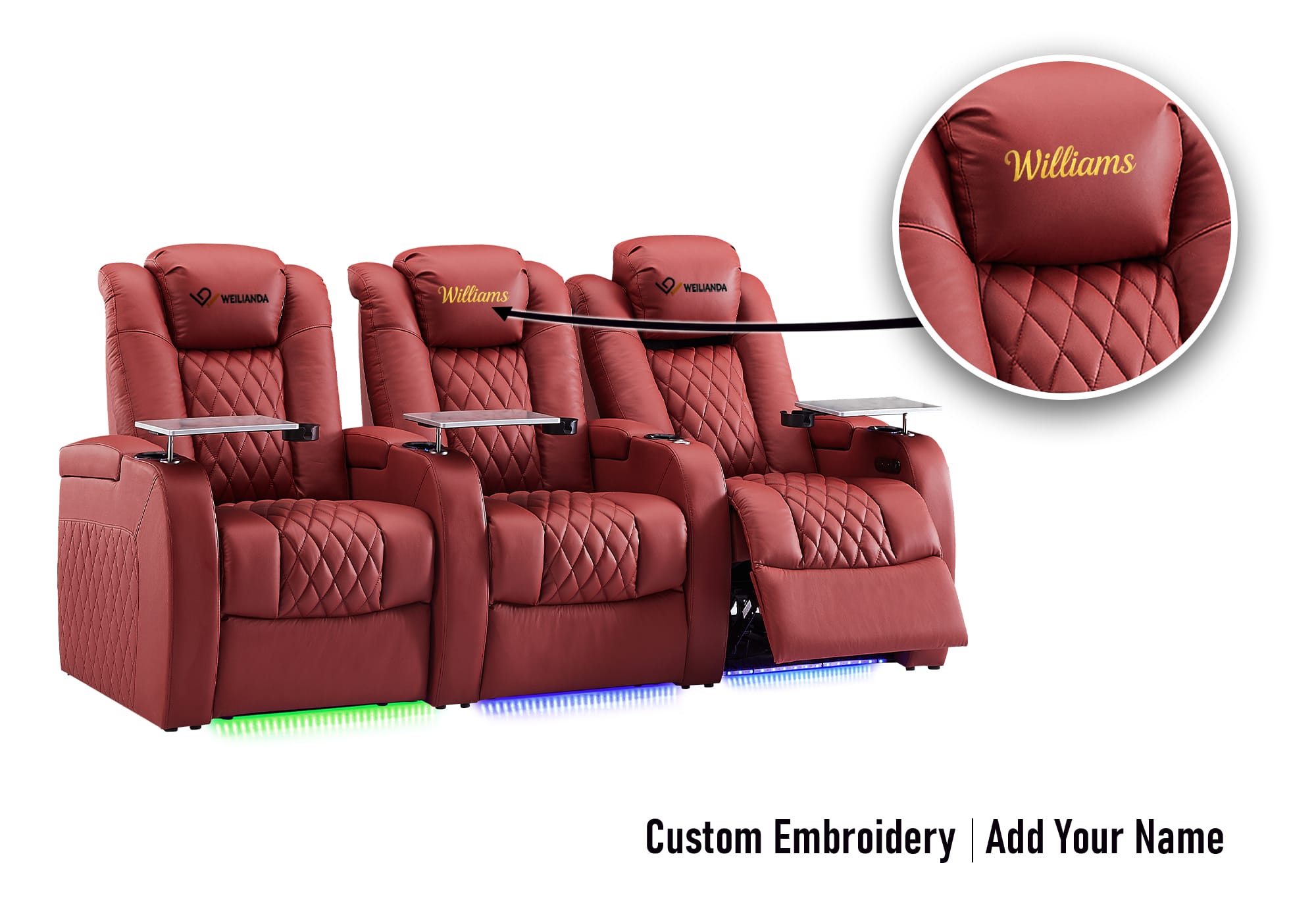
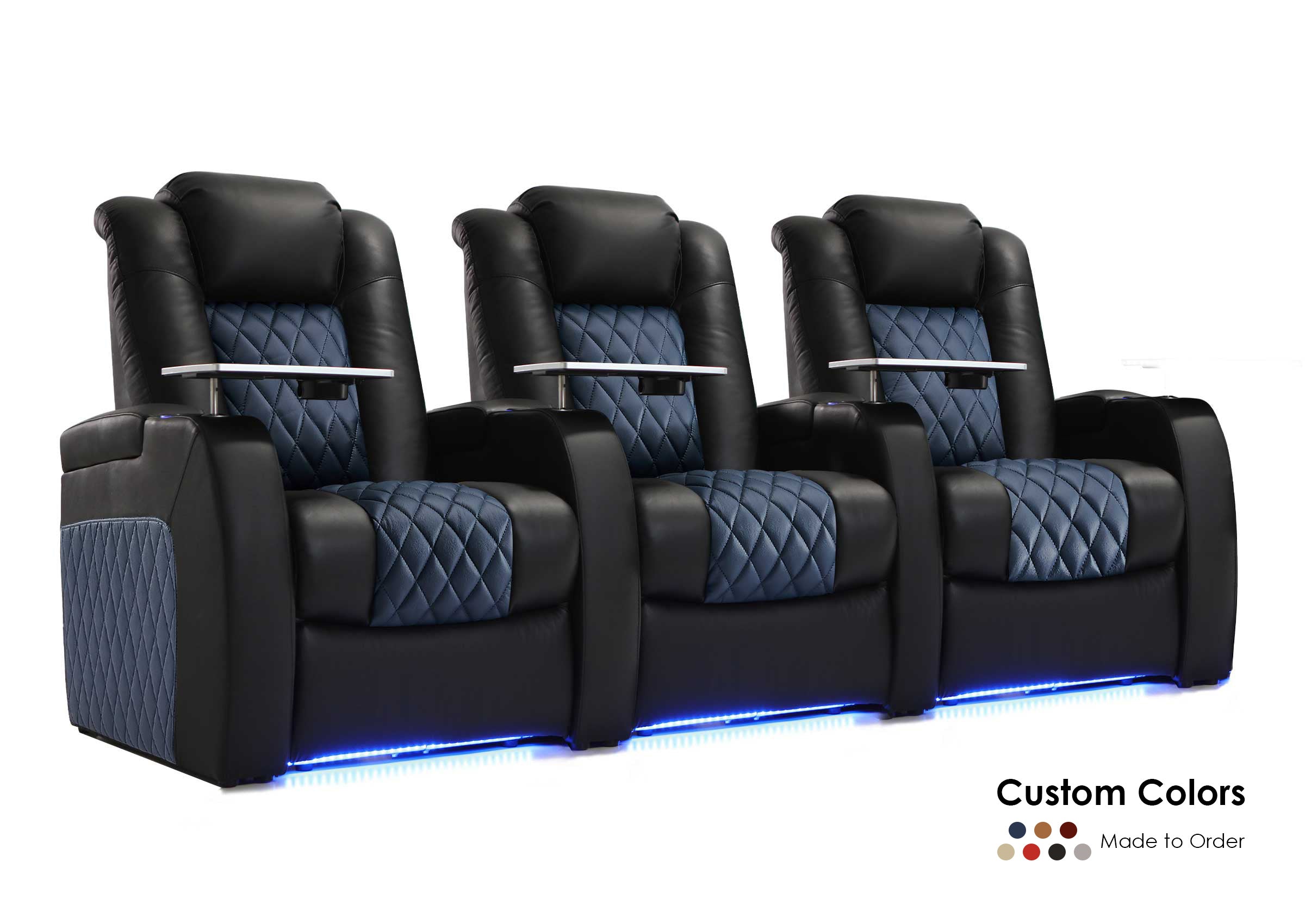
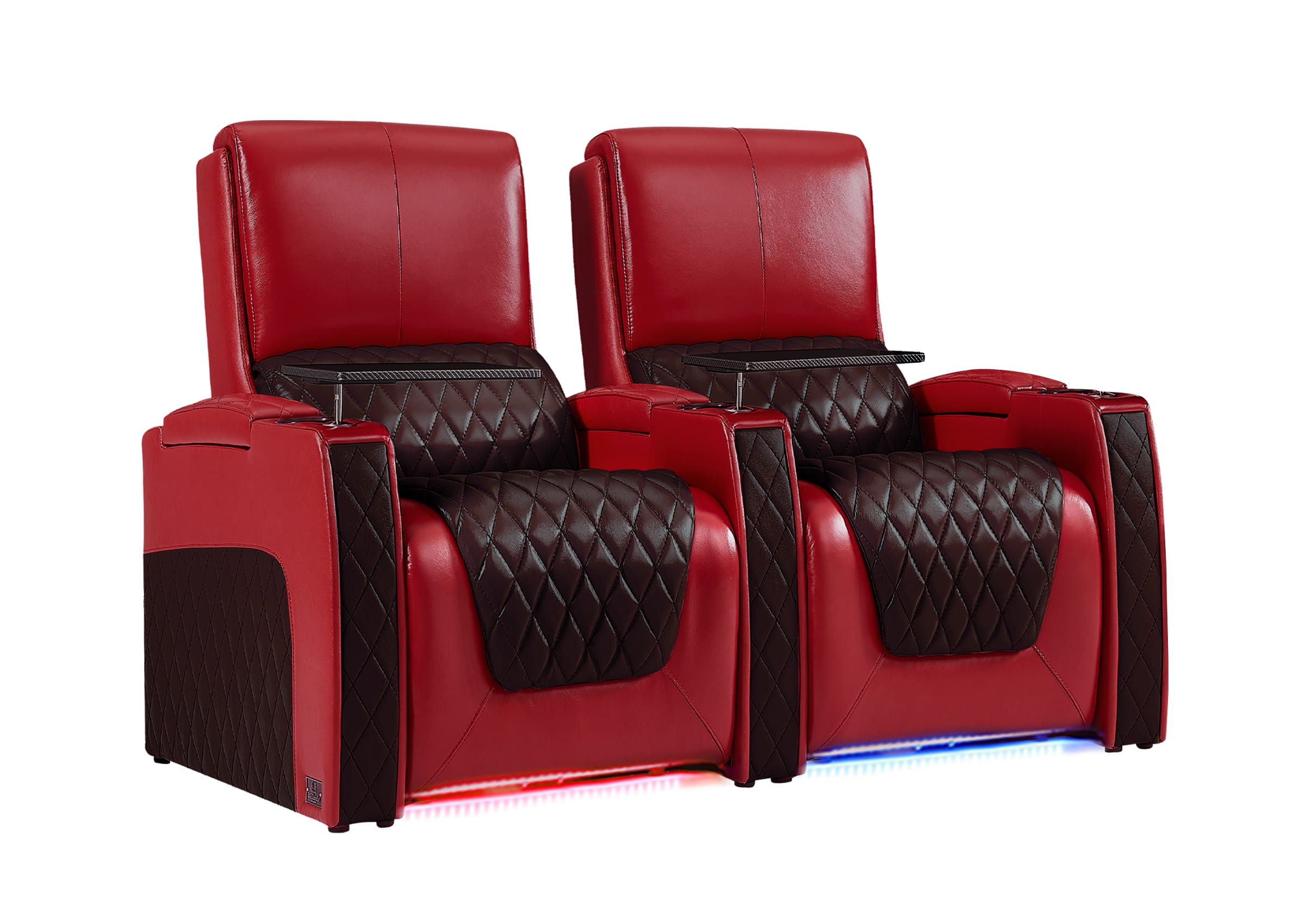
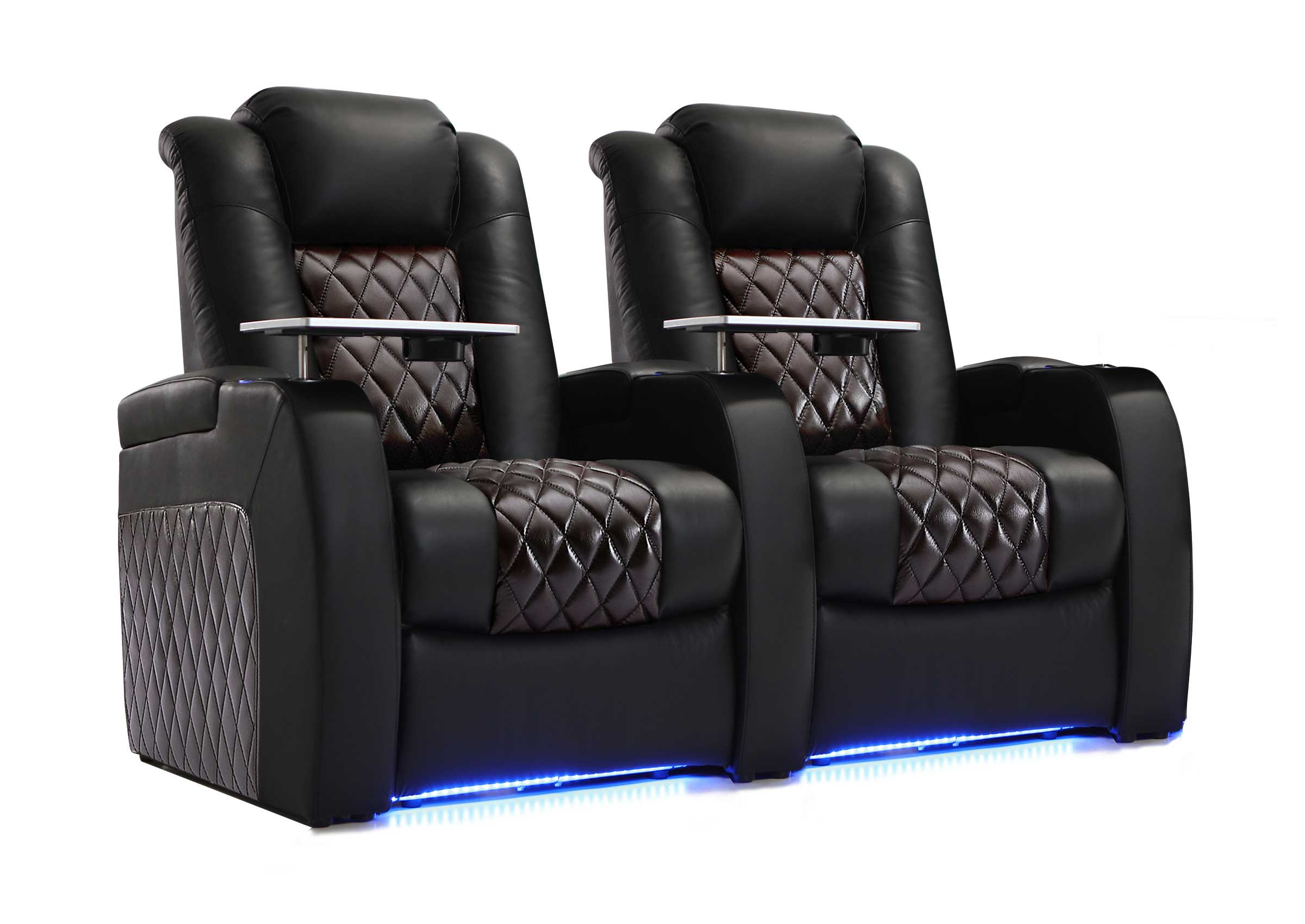
If you are planning a home theater or media room, Weilianda offers practical seating solutions designed for real homes, including power reclining options, adjustable headrests, storage features, LED ambient lighting, and leather choices. For help choosing seating based on your room layout and needs, contact our team at leon@weiliandahome.com.