











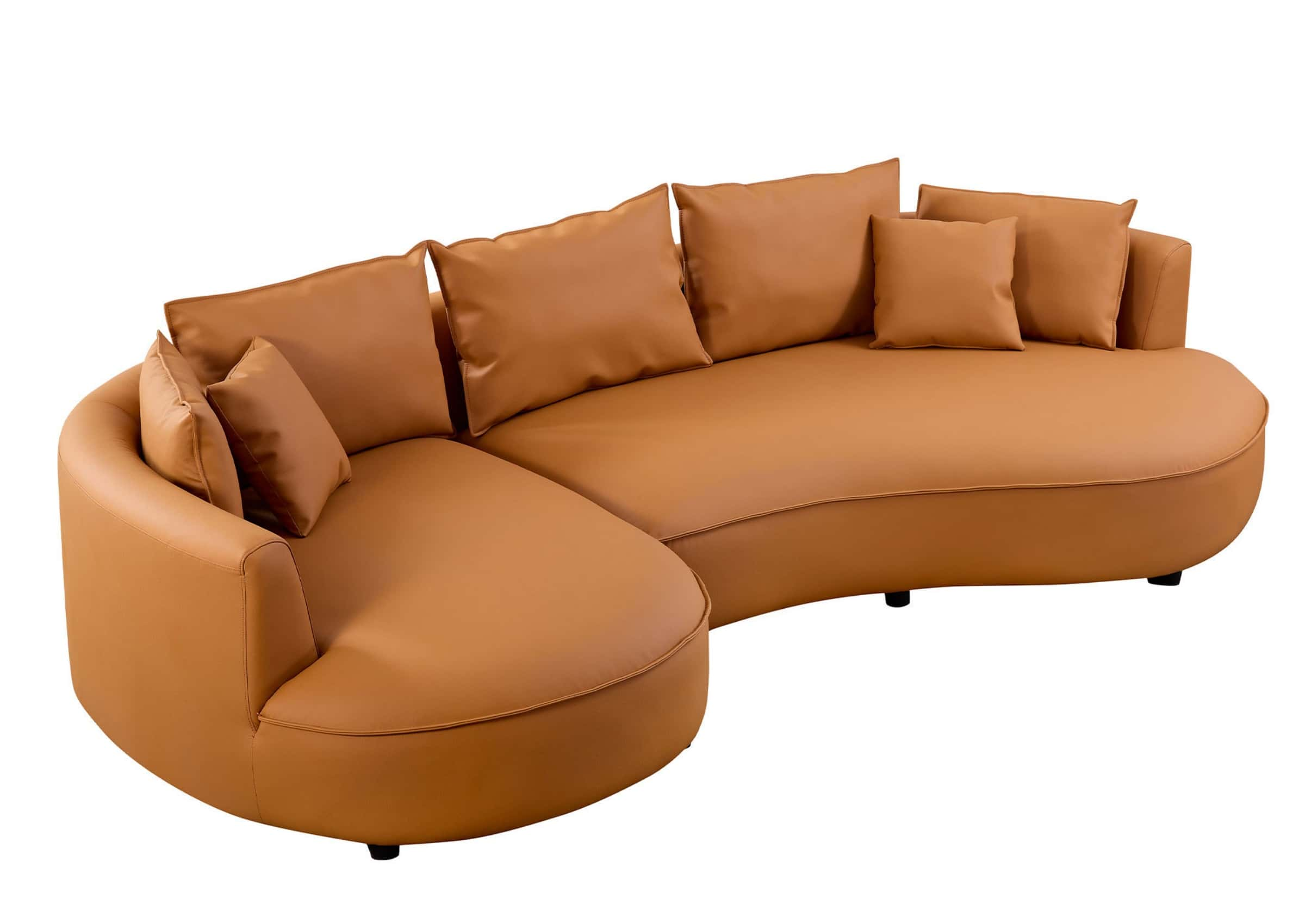


Start with one wall for the books and one good seat beside it, leaving room for someone else to browse. Give each regular reader a light of their own; if you usually read aloud together, a shared sofa and a low shelf make more sense. These six home library ideas work with rooms you may already have, from a living room book wall to a dining table that doubles as a place to read.
A Living Room Book Wall With a Seat at the Quiet End

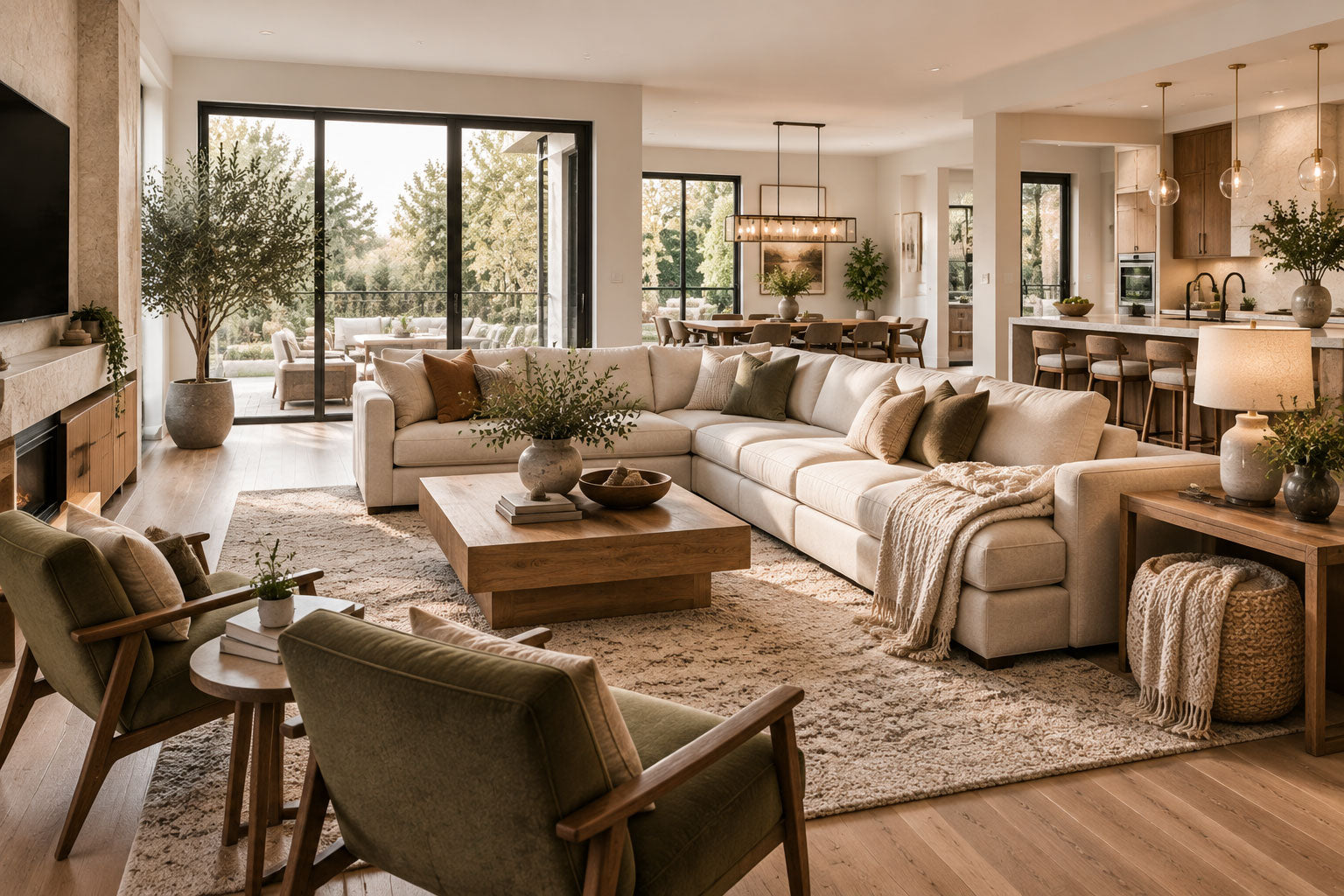
Make one long wall do the work. A row of cream bookcases with oak shelves gives an ordinary living room a library feel without enclosing the whole room. Keep the lower doors plain, leave a little space around the books you display face out, and bring the same oak into a small table beside an olive armchair.
Put the chair at the end away from the door people use most, turned slightly toward the sofa. It can still join a conversation, but it won’t be the place everyone has to pass to reach the shelves. Before you copy the arrangement, walk from the doorway to the sofa, then pull a book and open a cabinet door while someone is in the chair. If those routes overlap, move the chair farther down the wall or choose shelves that fit your books without sticking out as far. Measure your largest books before buying a shallow case.
Two Reading Chairs, Each With Its Own Light

In a spare room with room for two seats, angle a pair of chairs toward a low table, leaving the shelf fronts clear. A pair of lamps on the outside edges gives each reader their own light. Try a warm cream fabric on one chair and muted rust on the other, tied together by walnut shelves and a rug that picks up both colors.
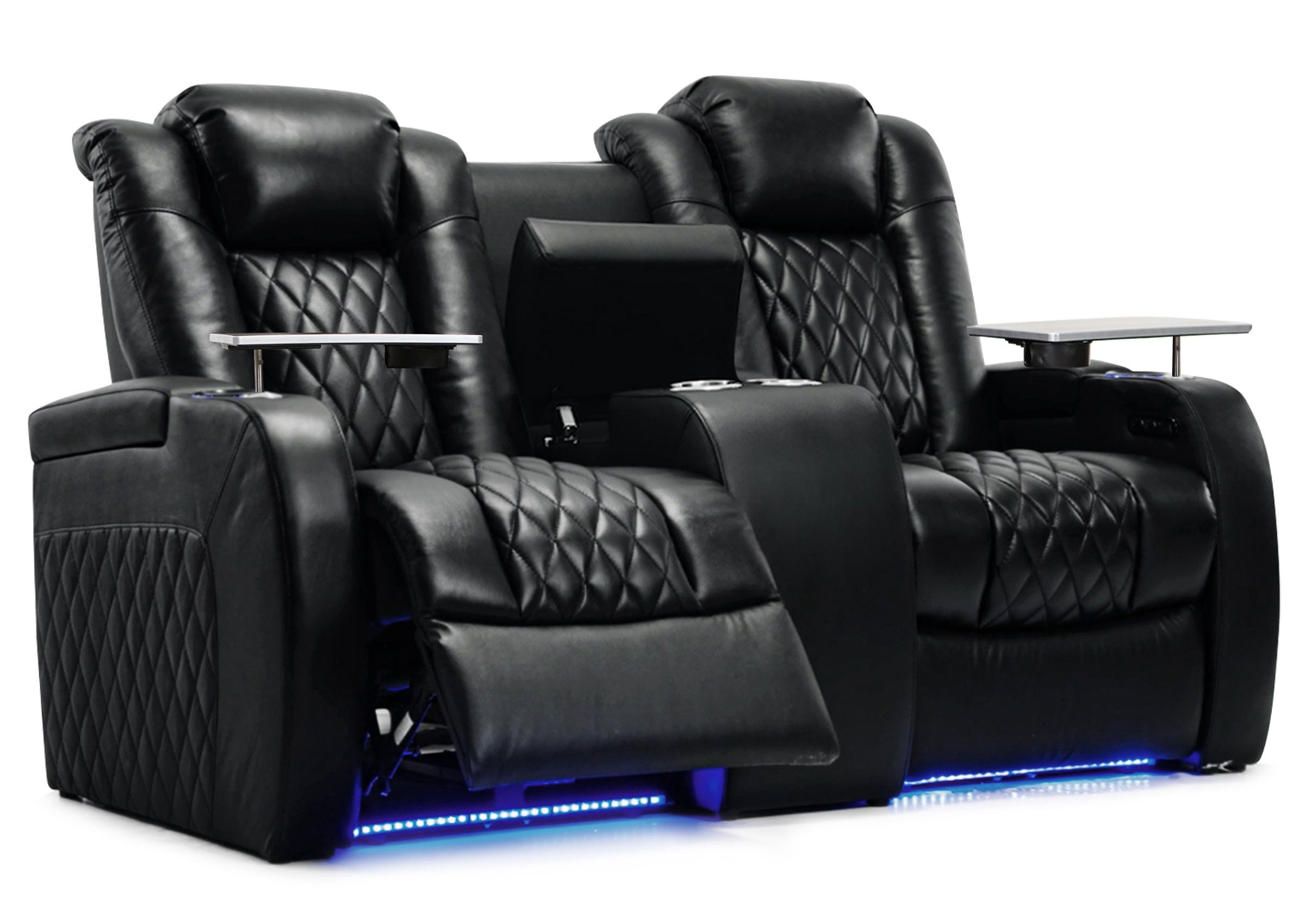
The arrangement works when one person can turn their lamp off without leaving the other in the dark. Leave room for each reader to get up without asking the other to move their feet. If the table between the chairs makes that difficult, replace it with two small tables at the outside edges. If a loveseat fits better than two chairs, give each end a light and a place to set down a book. A shared seat can be lovely for reading out loud; separate chairs make more sense if one person likes to stretch out while the other sits upright.
A Family Book Room With a Sofa for Reading Aloud

Give the sofa a clear view of a low shelf for books the family is reading now. Try a deep-blue sofa, warm white shelves, and a checked cushion that picks up both colors. Keep a return basket by the sofa. The child who pulls out three books can choose one to hear now and put the other two in the basket, without having to sort the whole shelf at bedtime.
Reserve the higher shelves for grown-up books and less-used collections, and keep especially appealing children's books within easy reach. A few covers facing out help a child spot a familiar book; shelve the rest spine out so the display doesn’t take over. Follow the furniture maker’s instructions and the Anchor It! guidance on securing bookcases, including freestanding units. Put the books children want where they can reach them without climbing.
Make room for both readers
Choose Seats That Leave the Books Within Reach
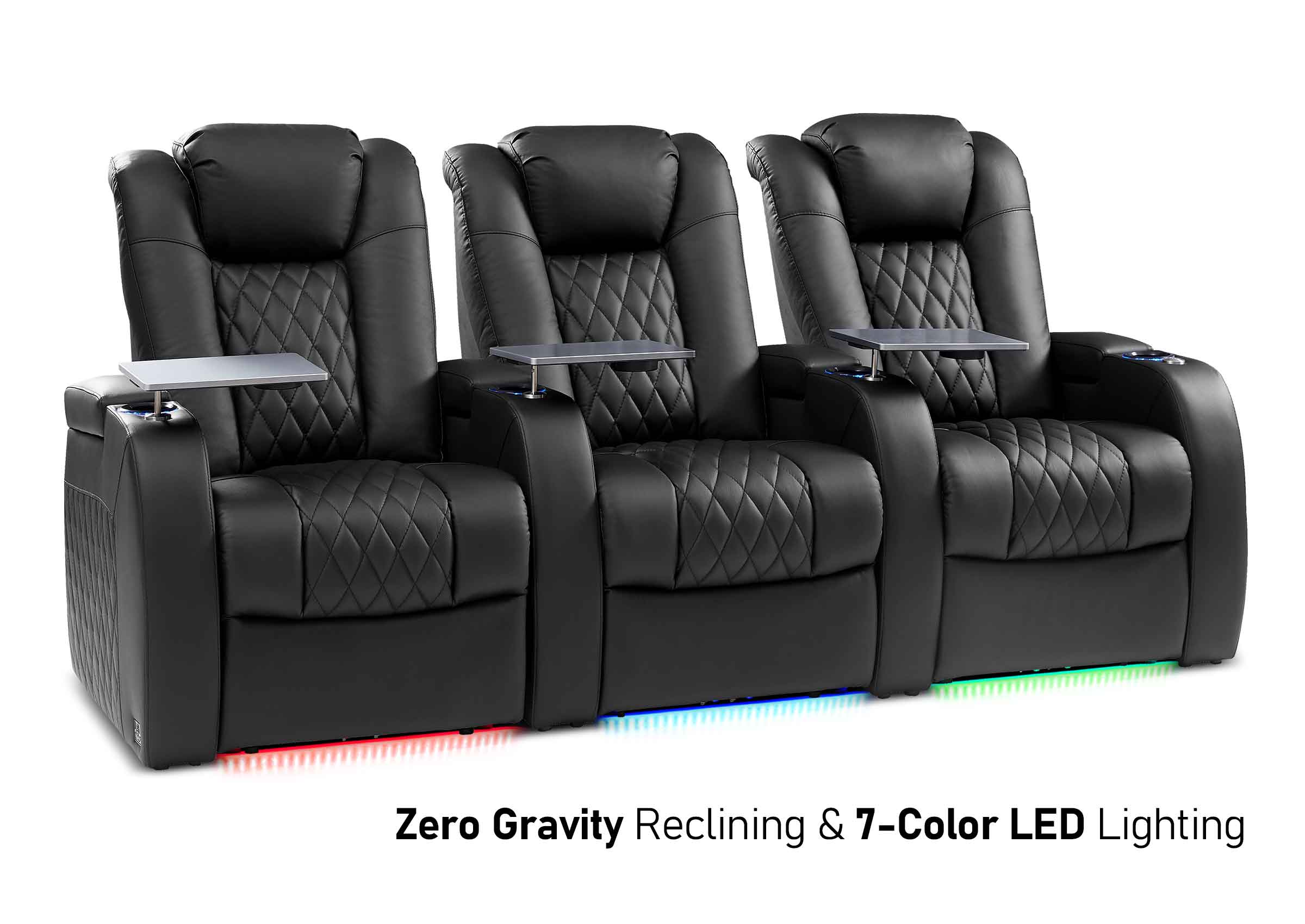
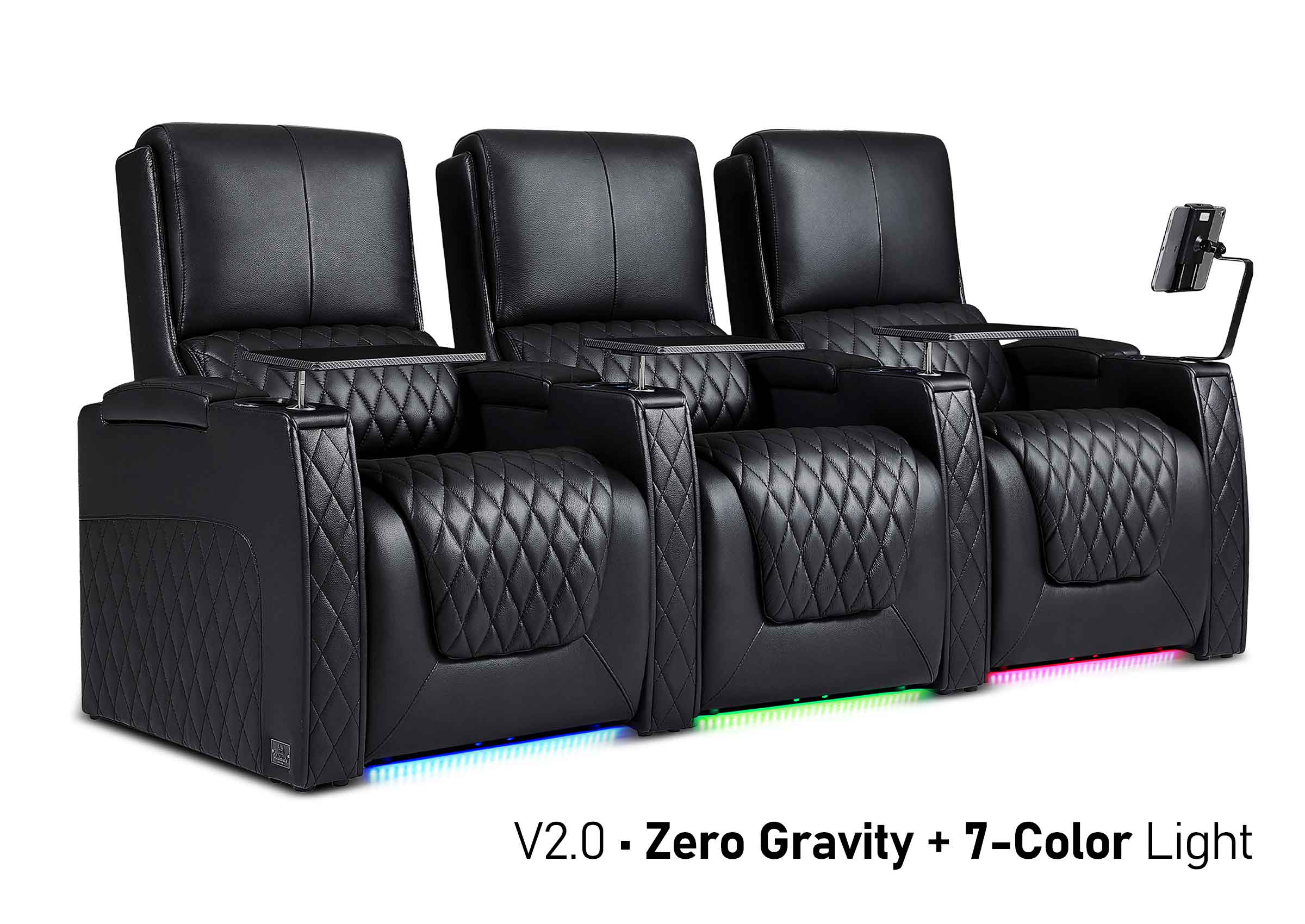
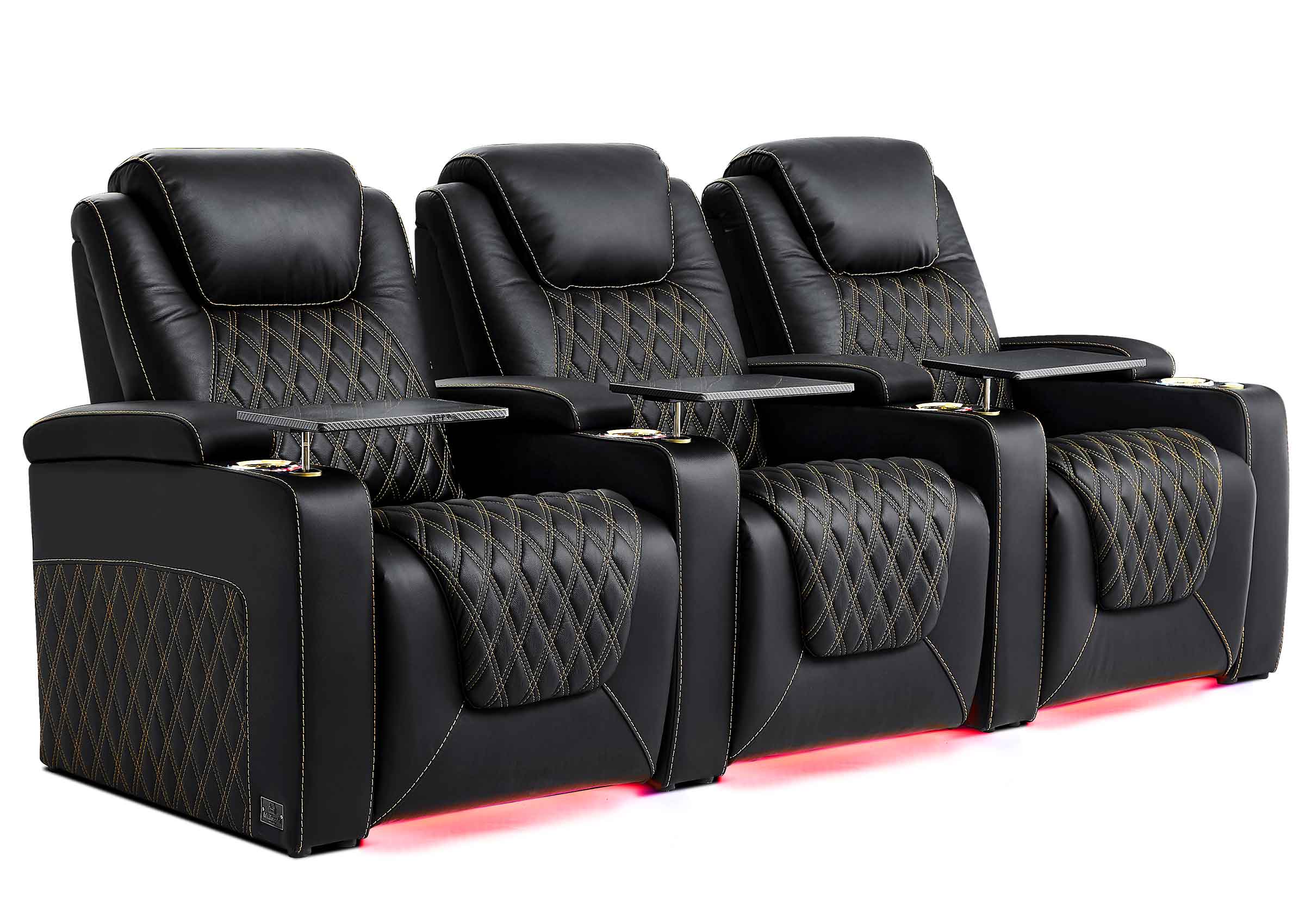
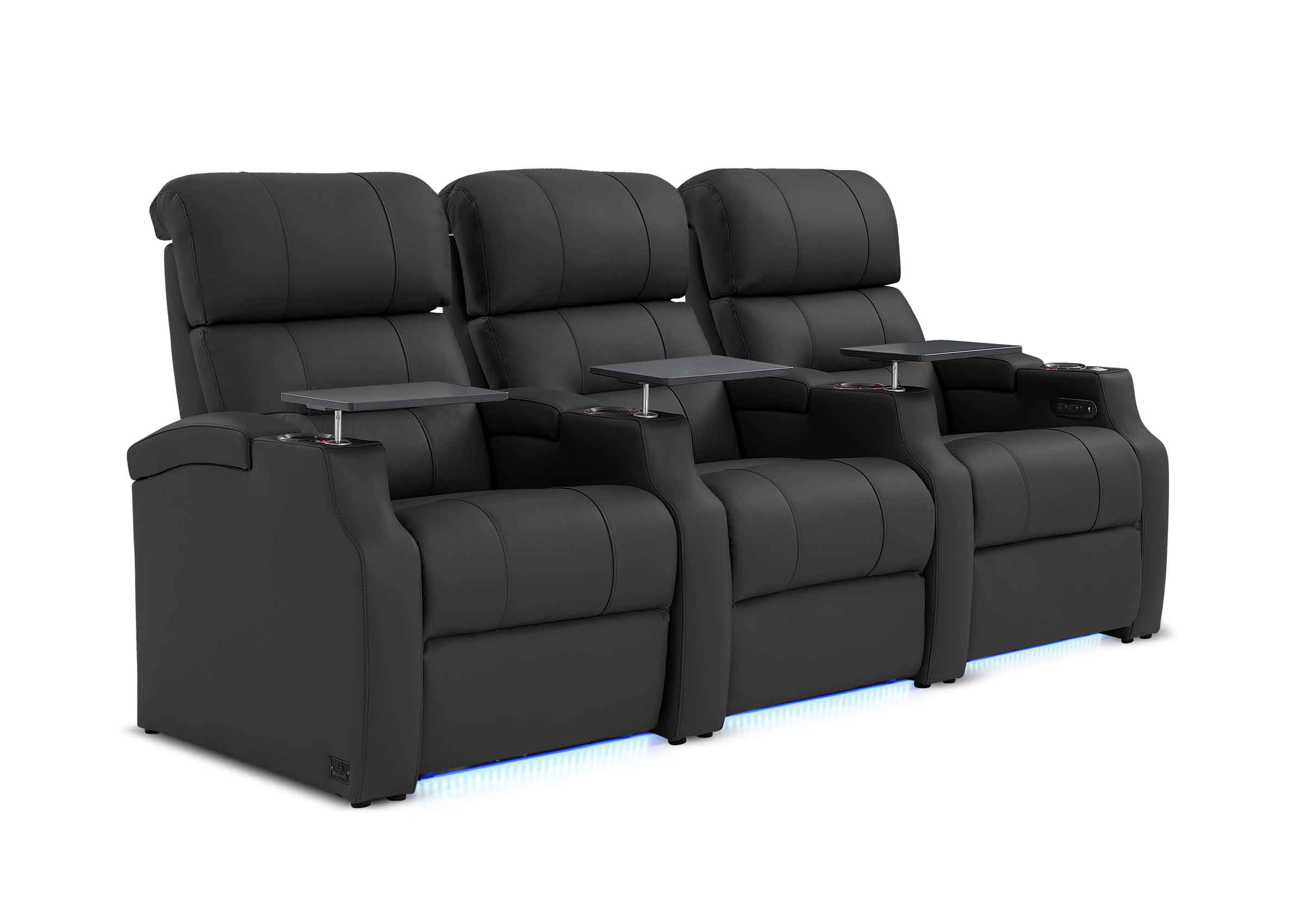
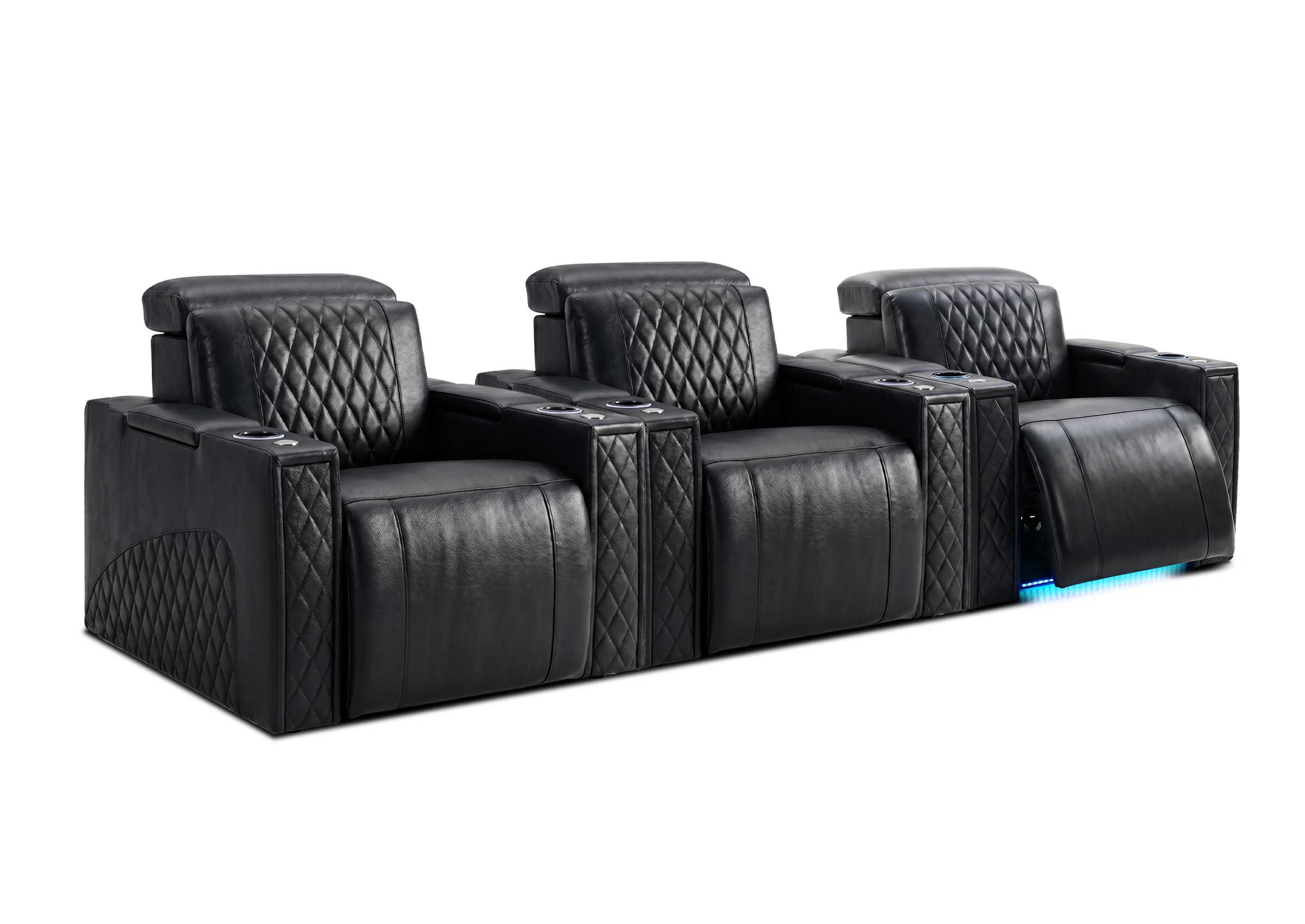
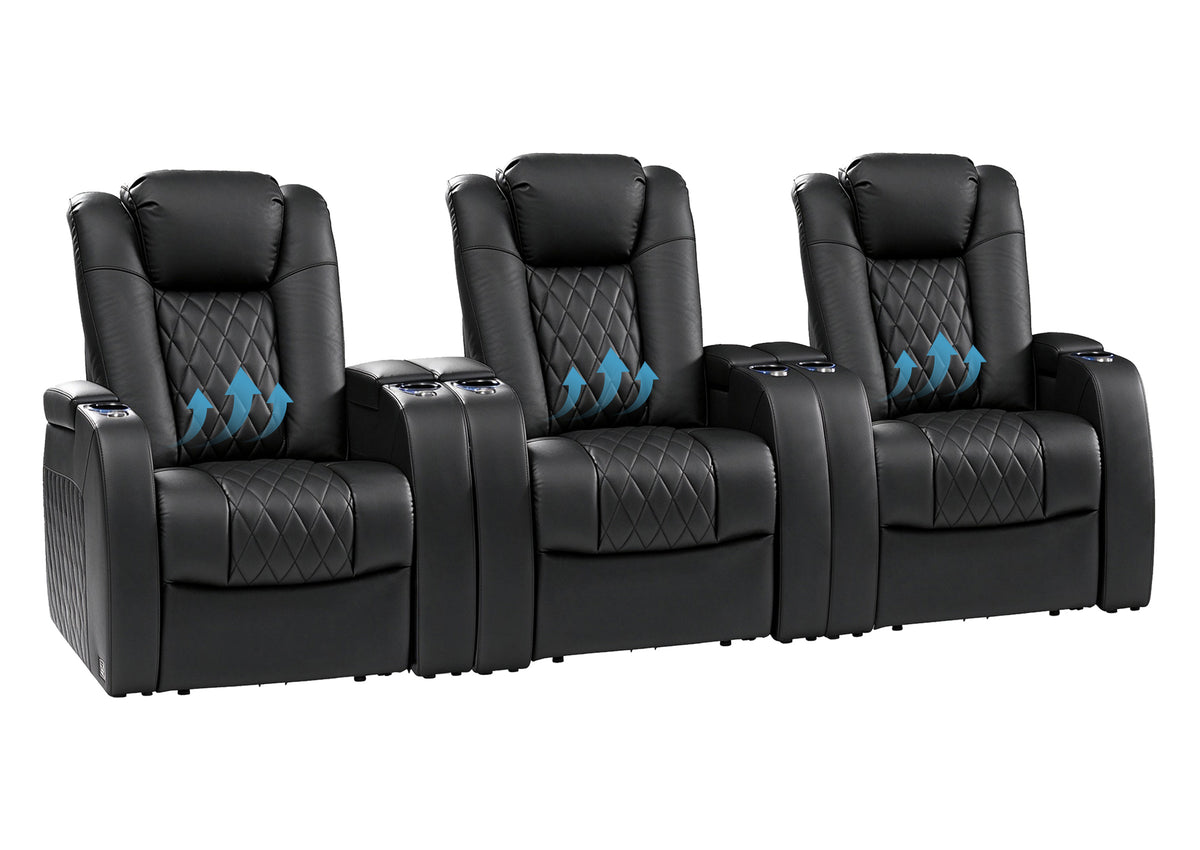
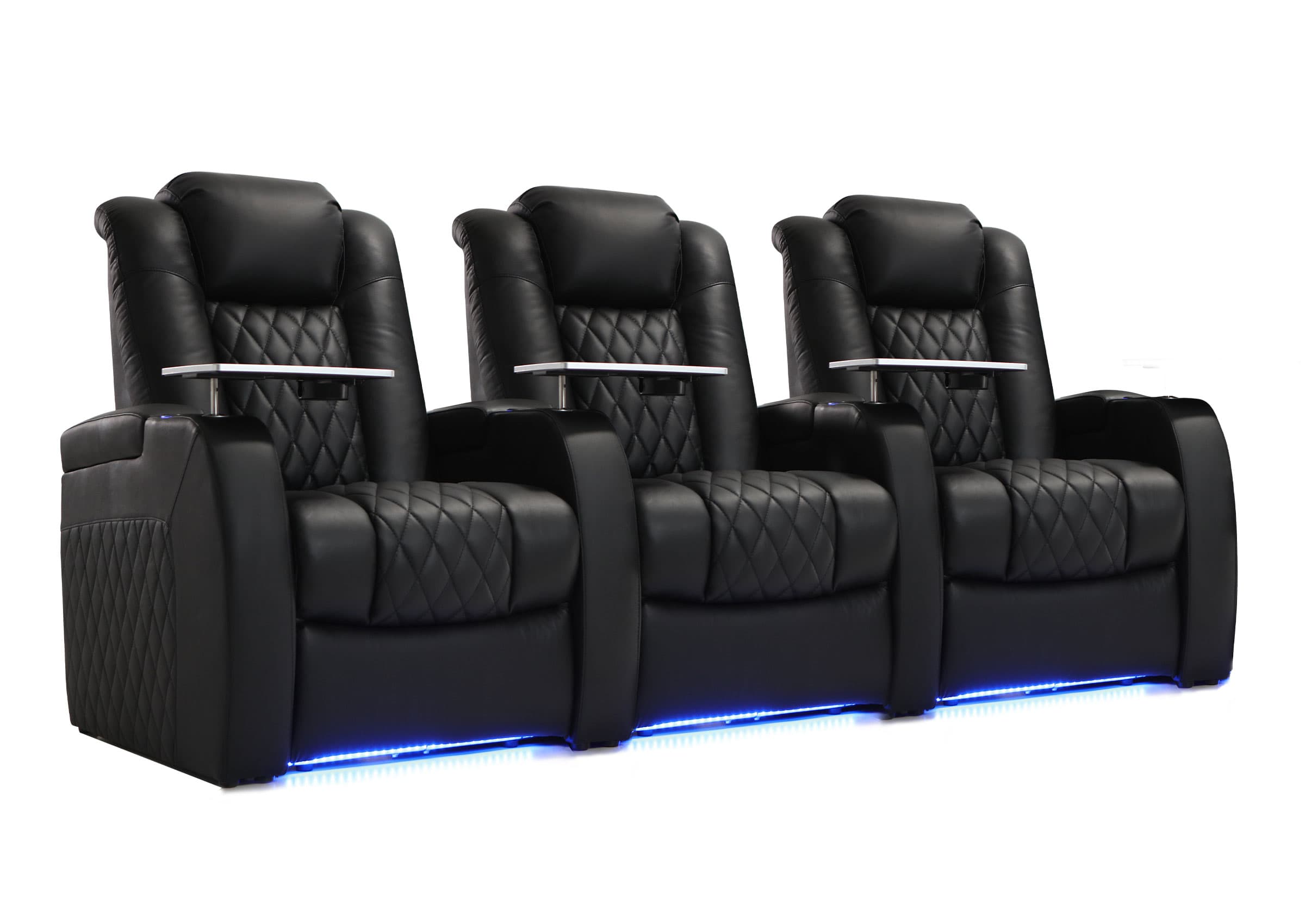
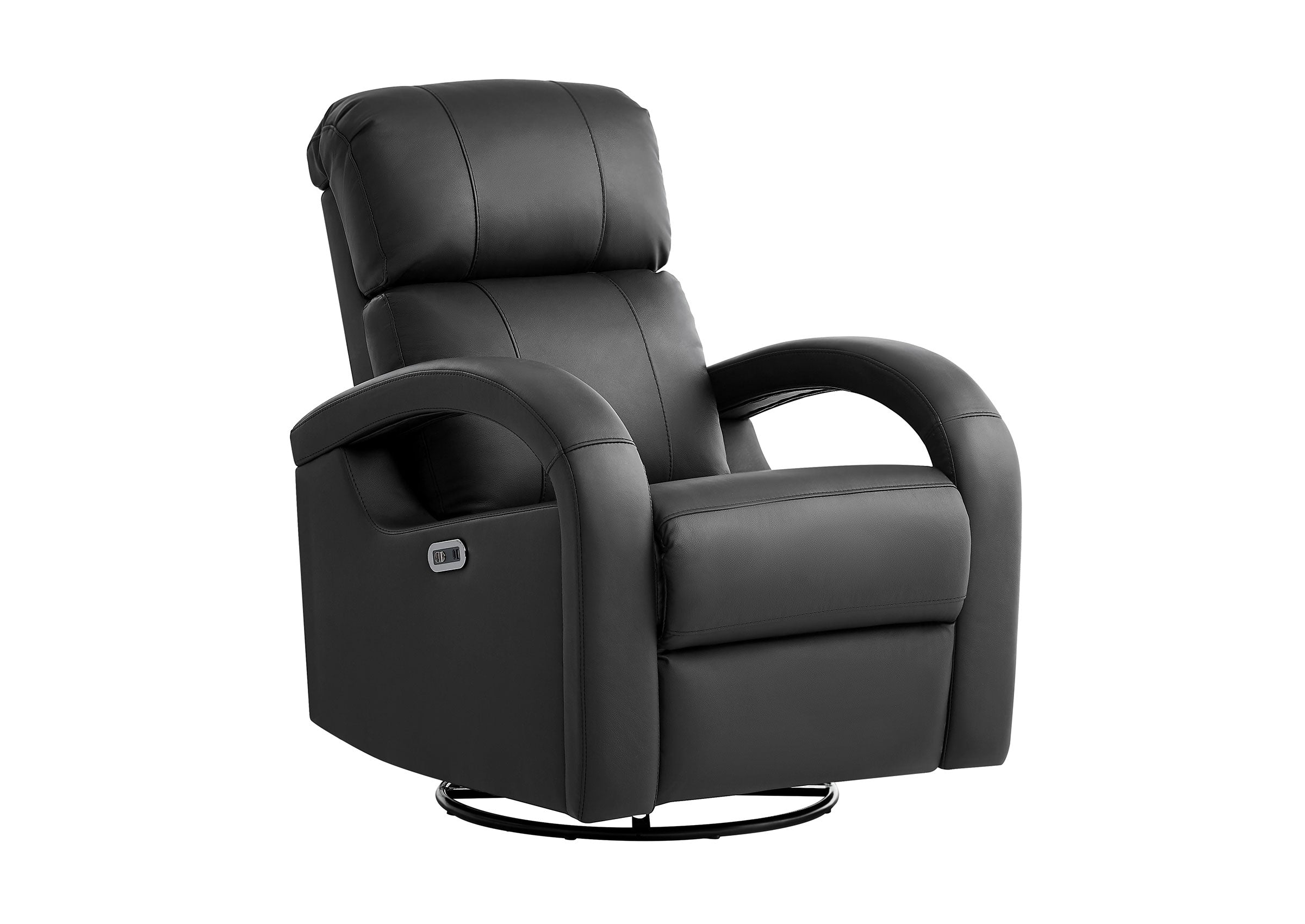
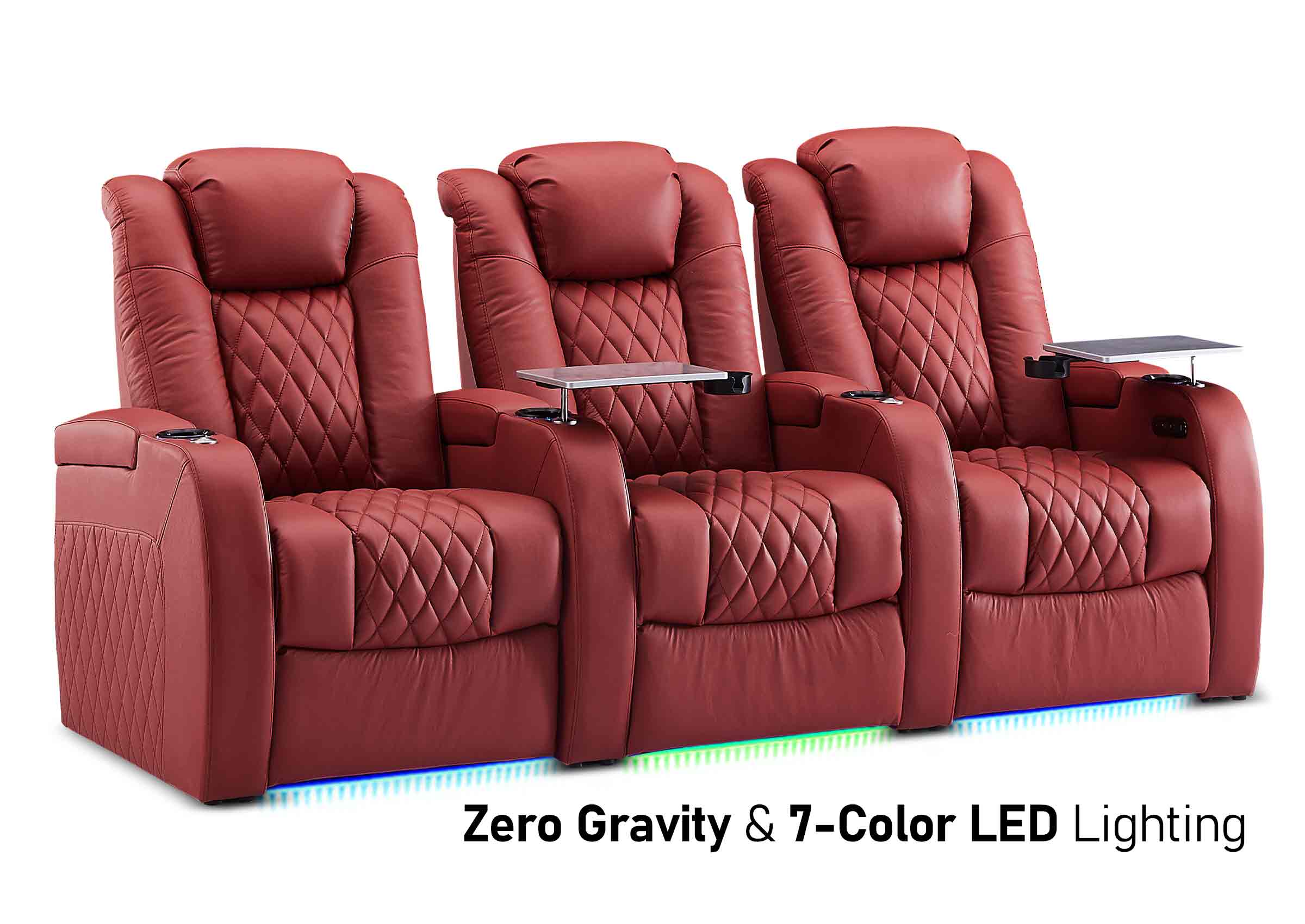
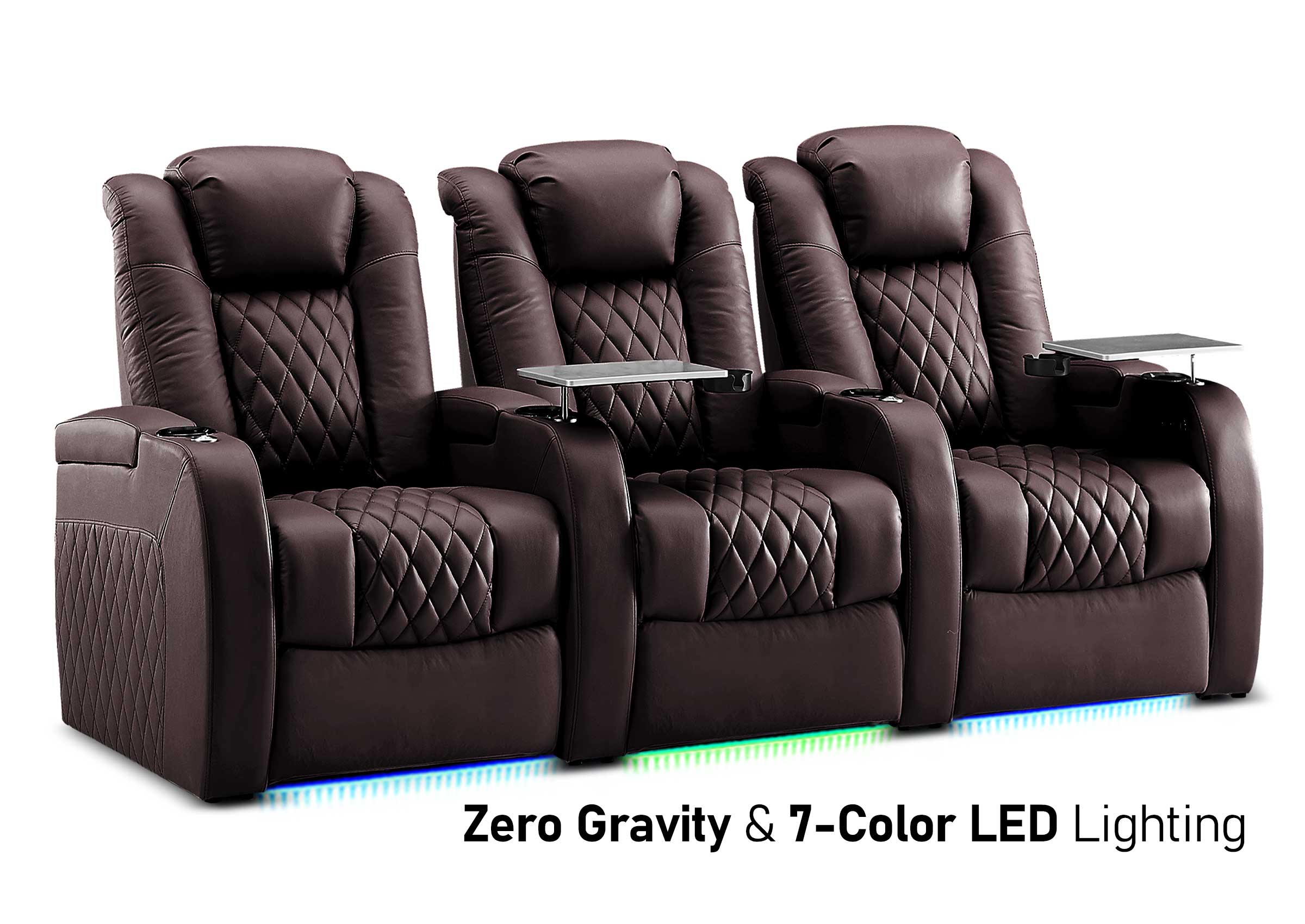
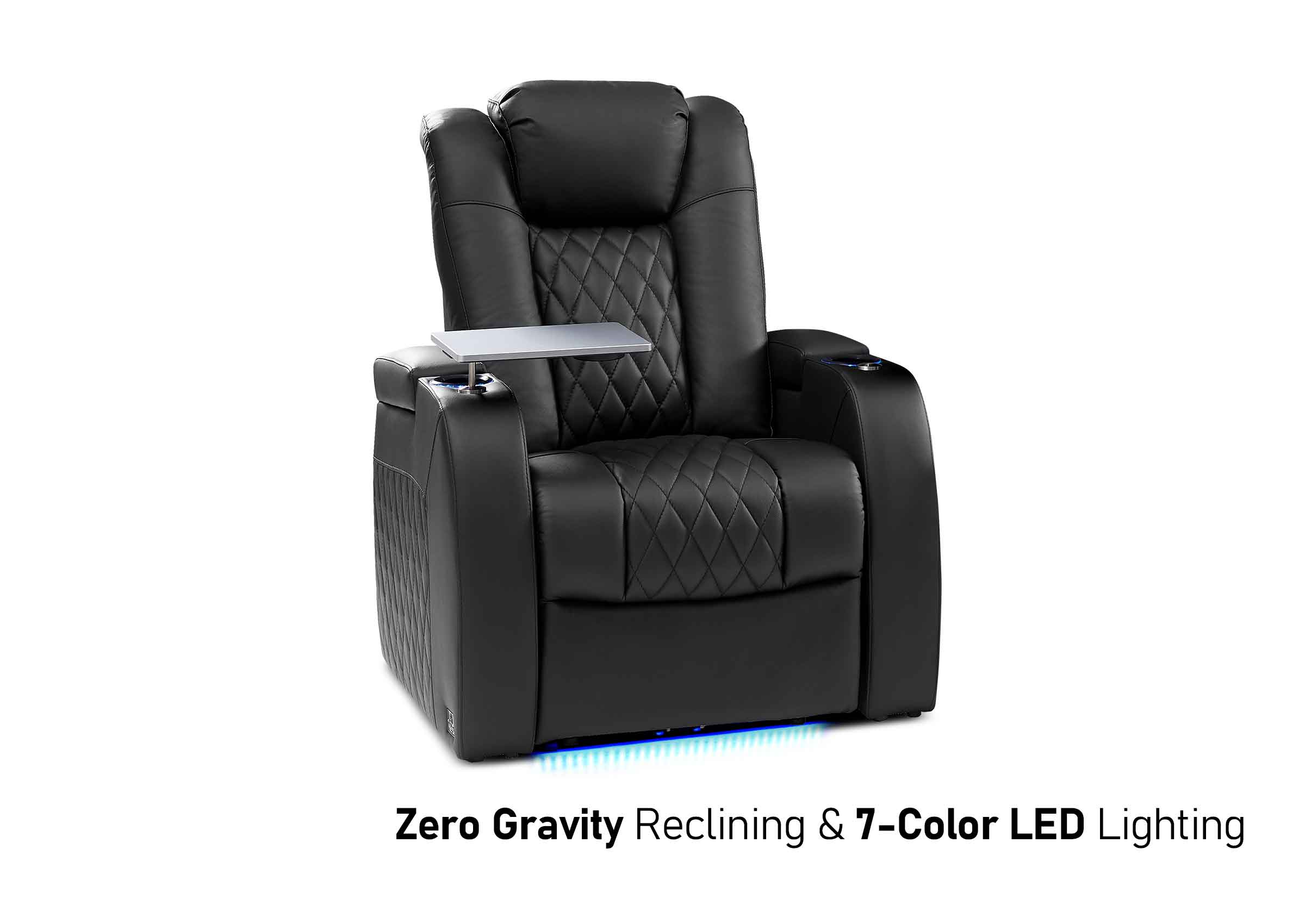
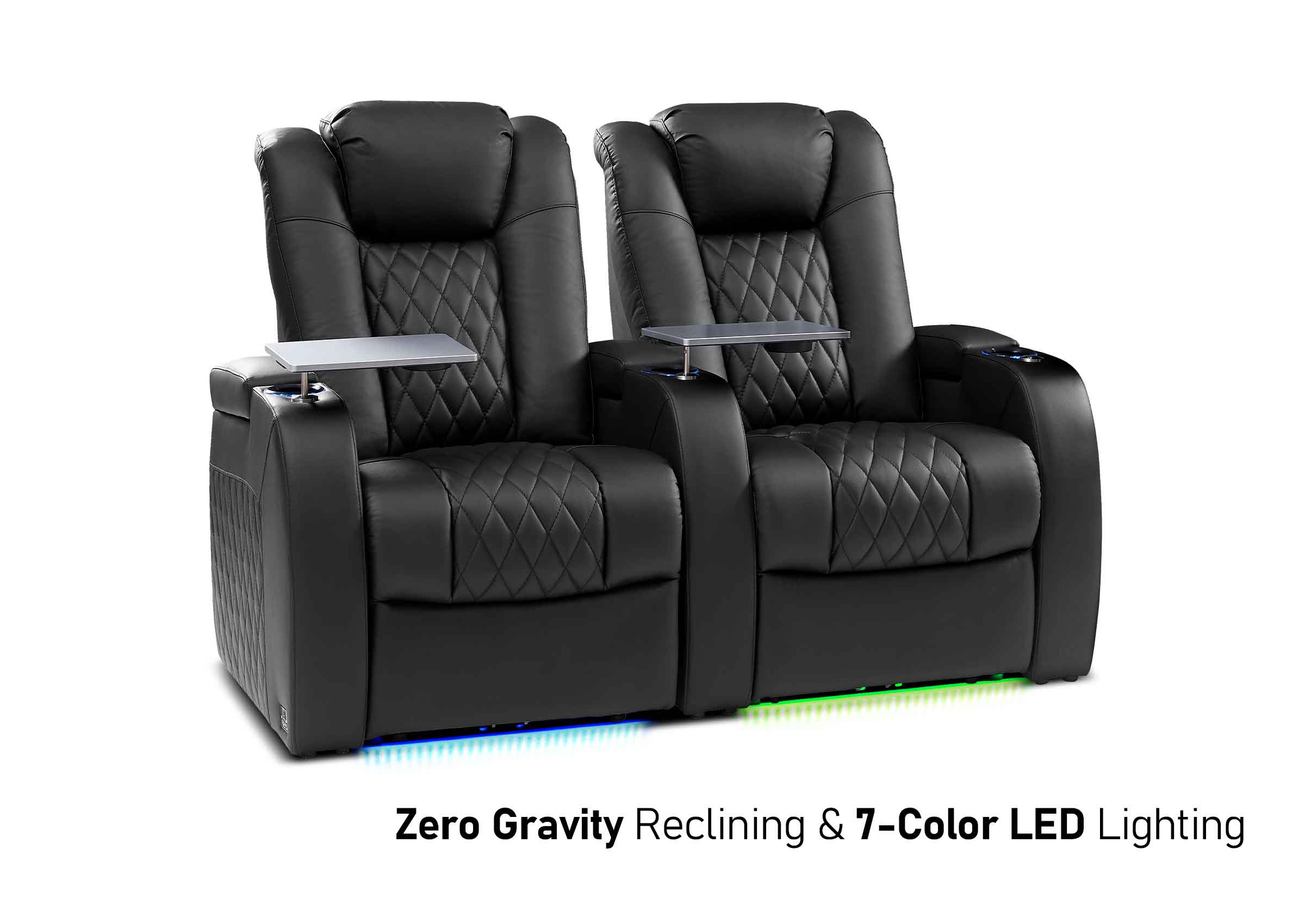
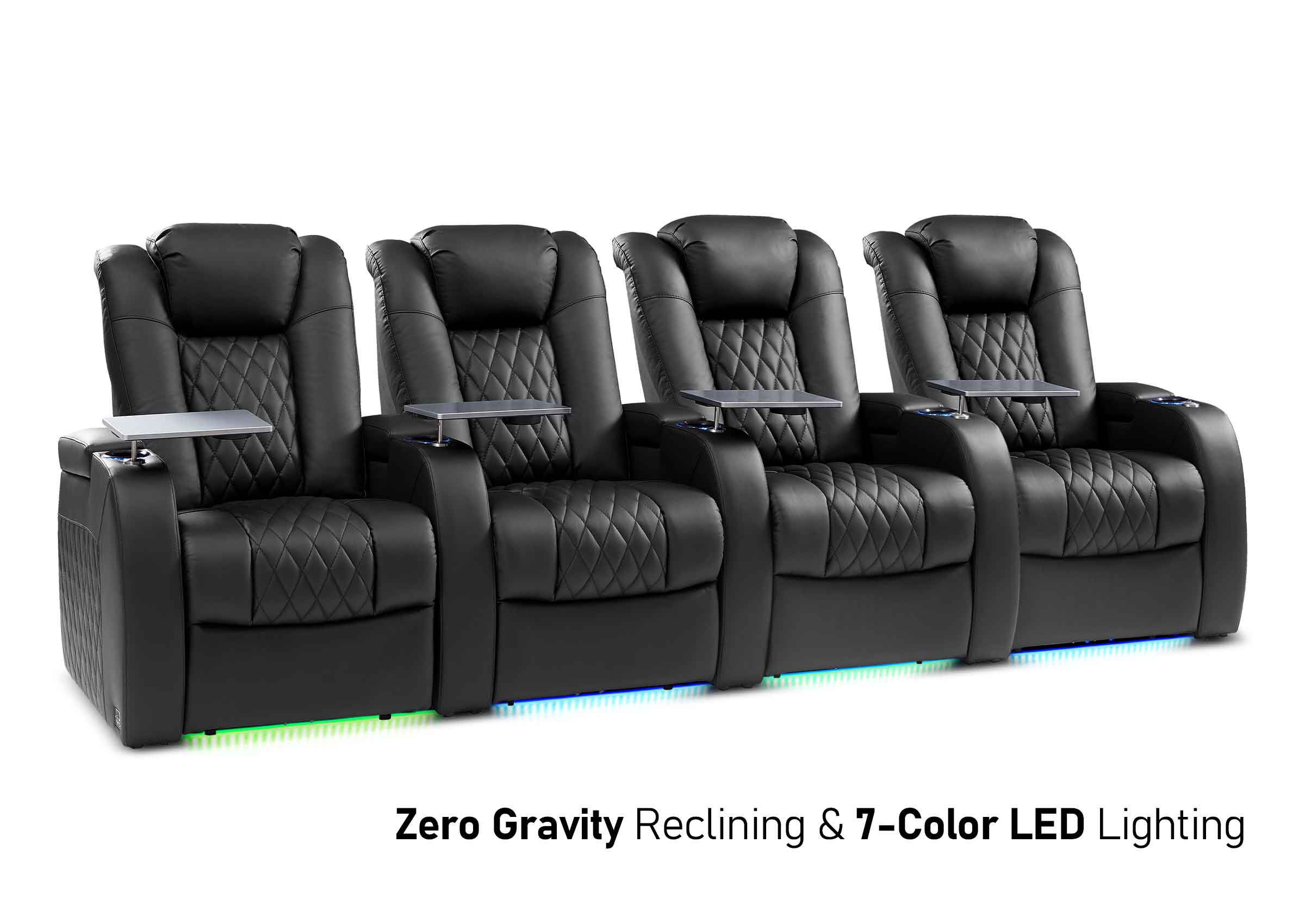
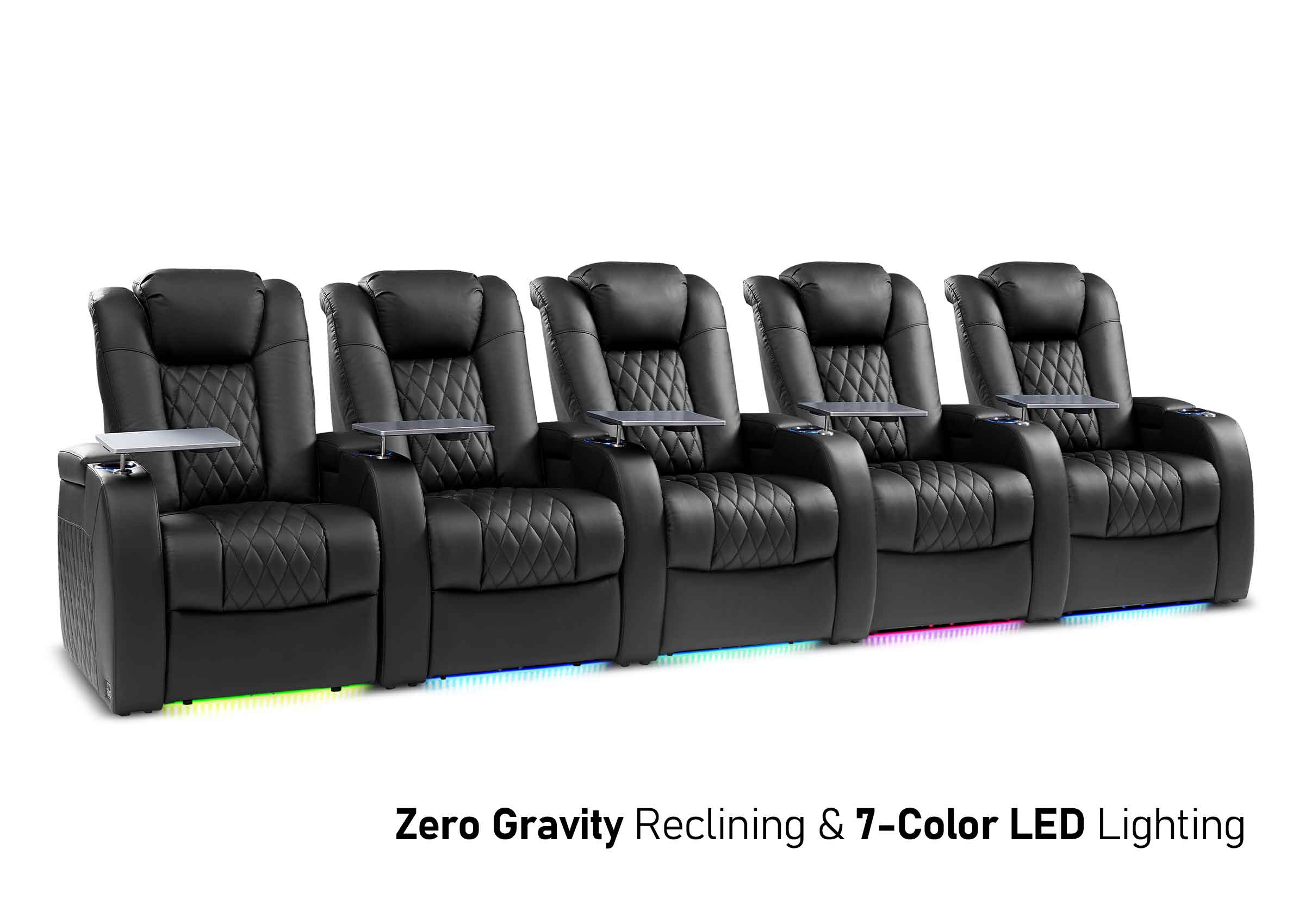
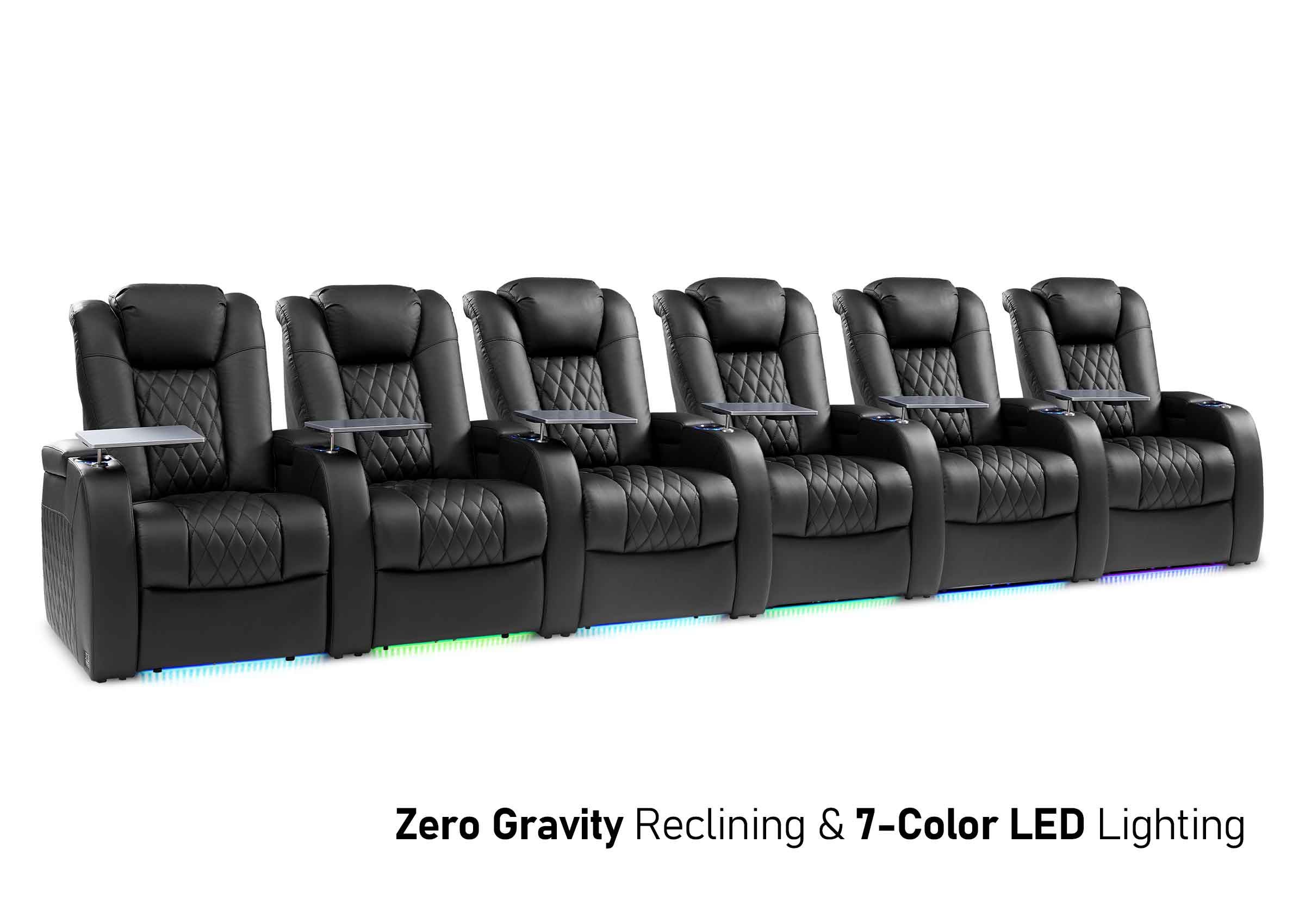
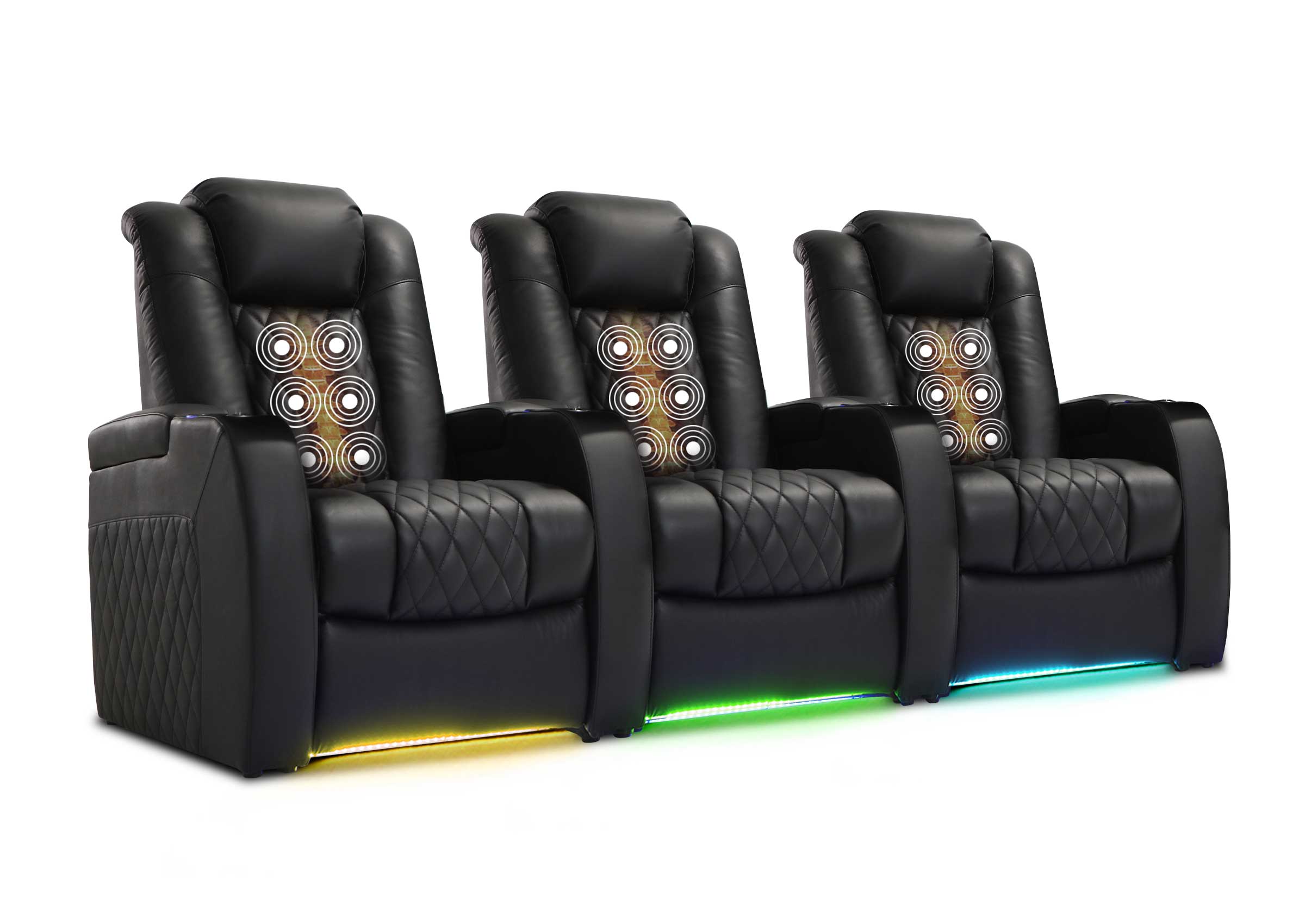
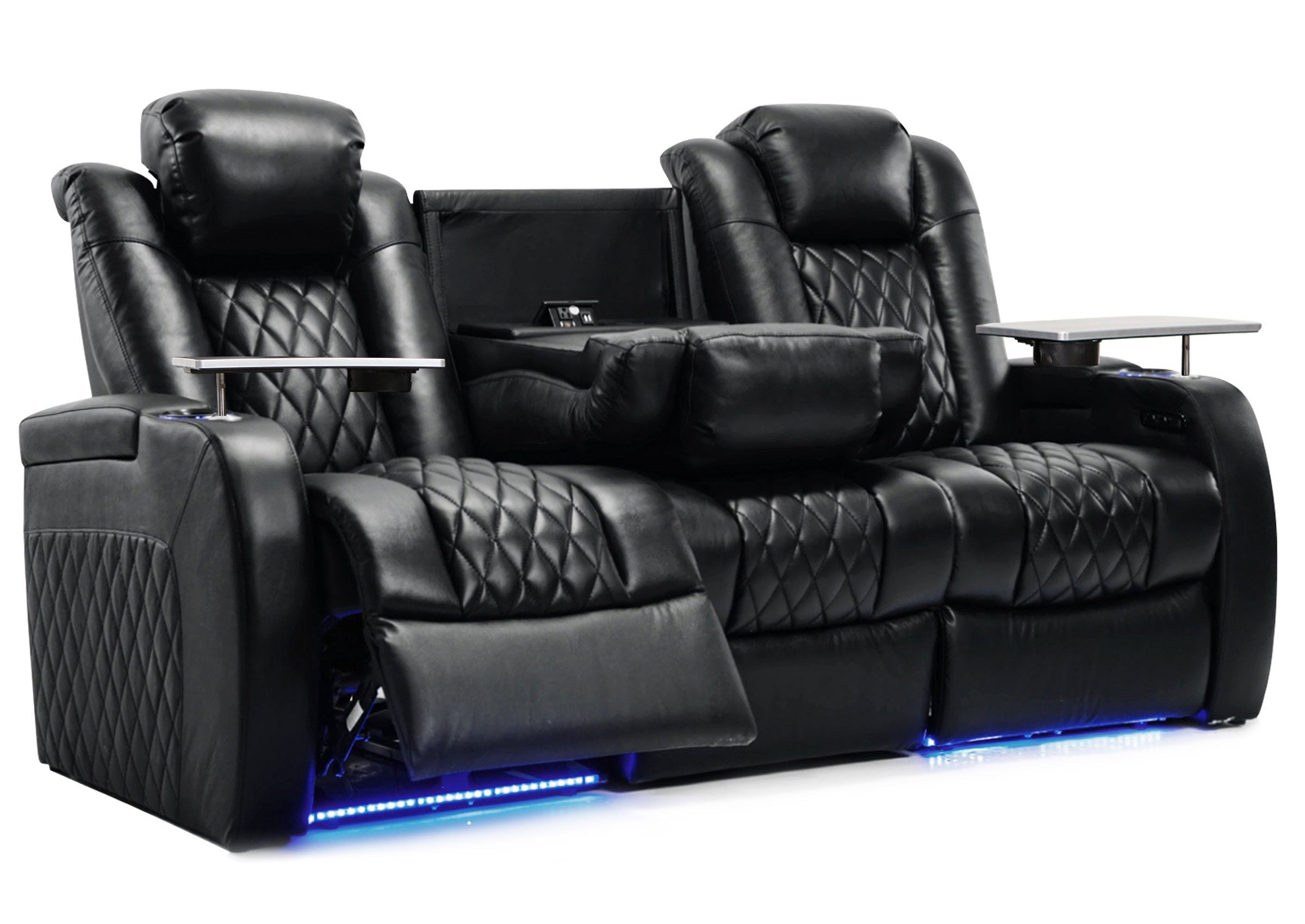
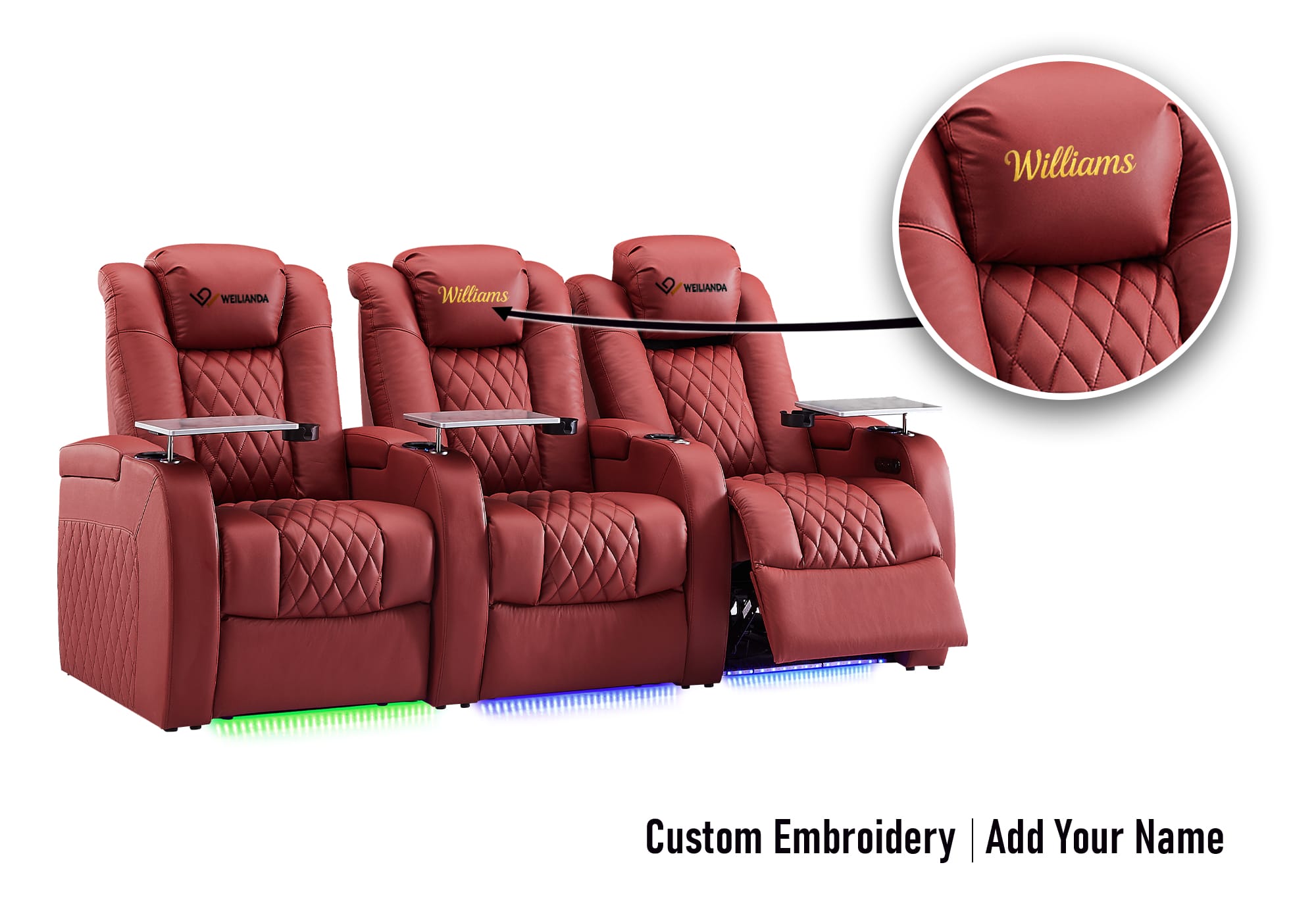
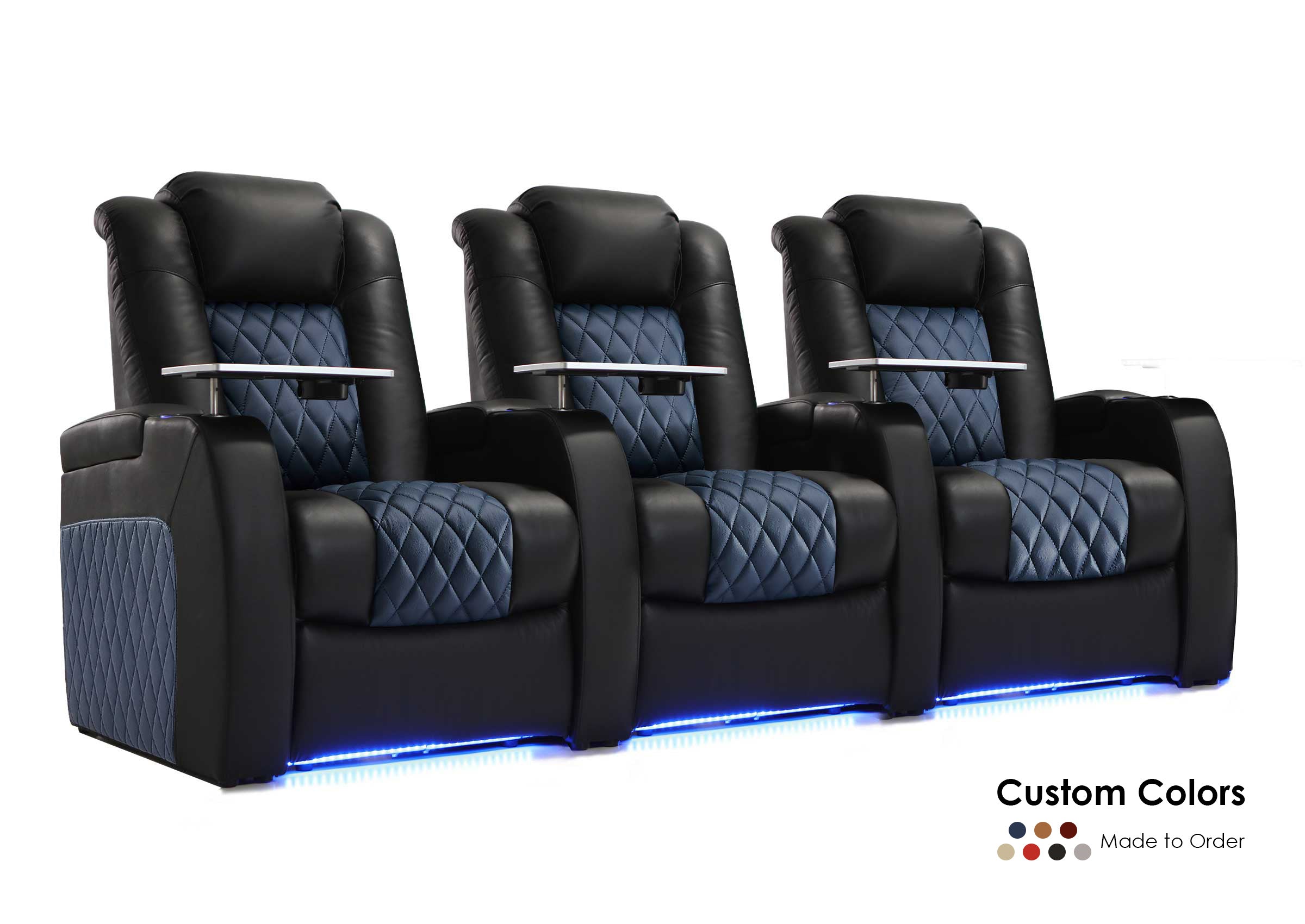
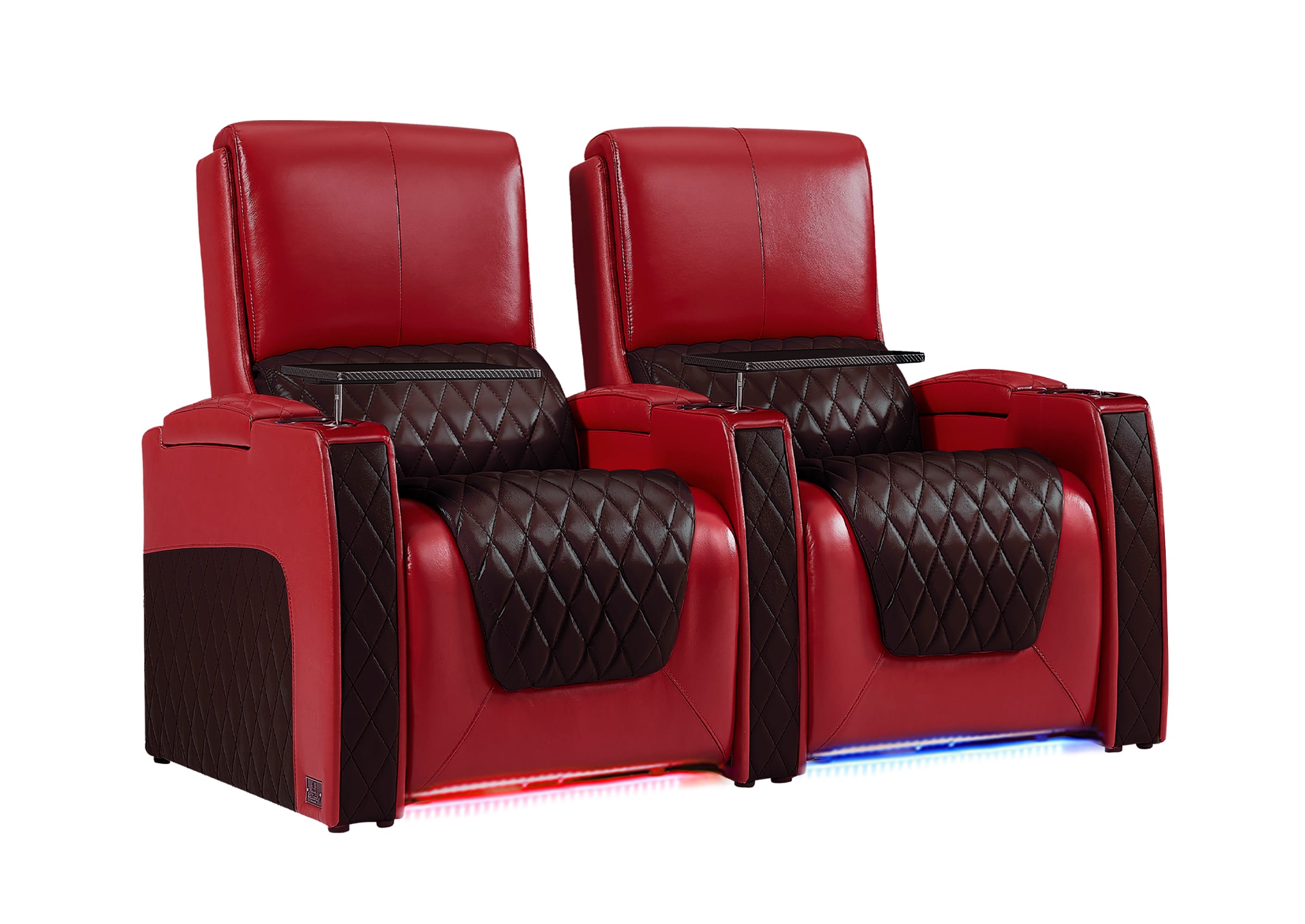
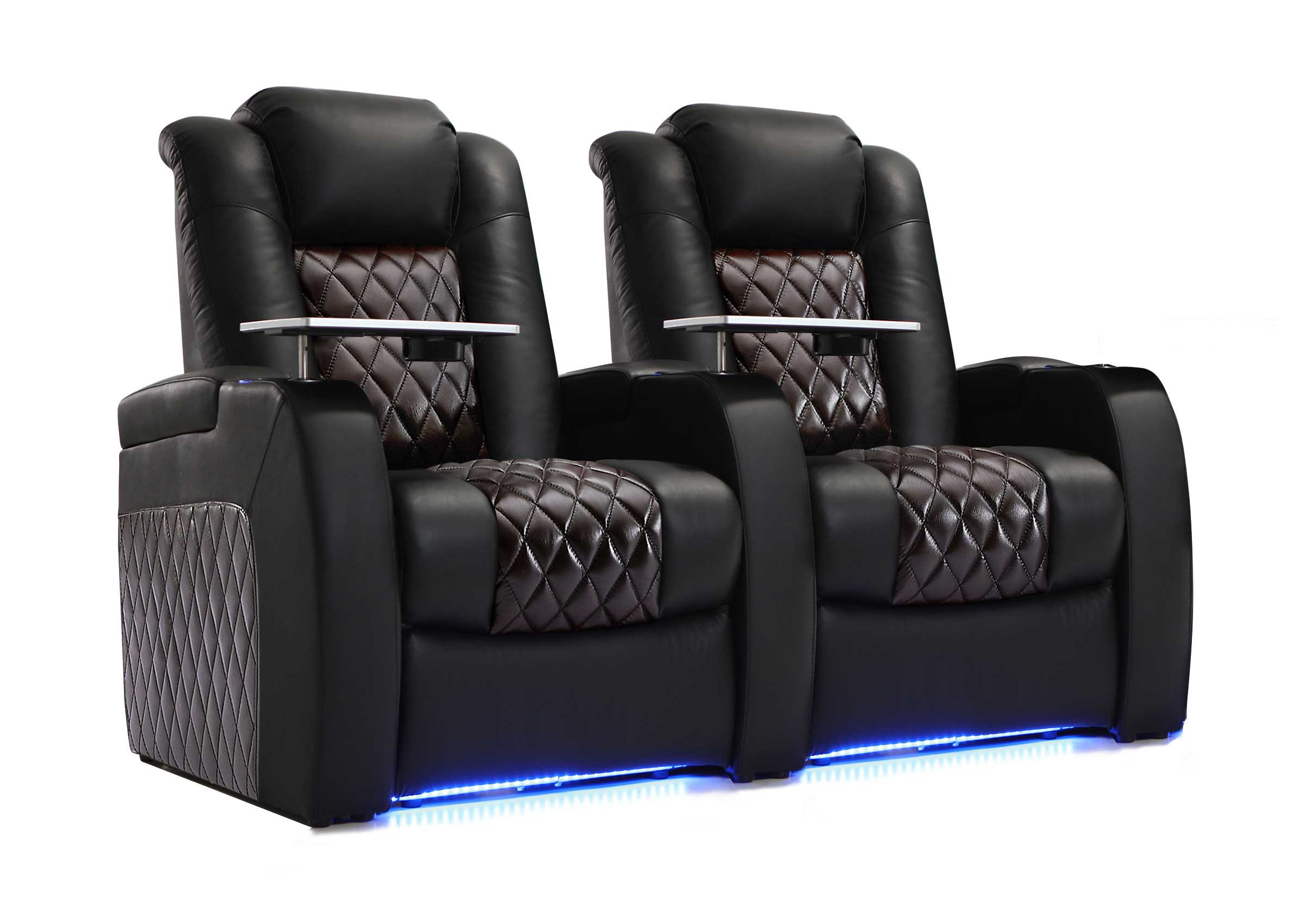
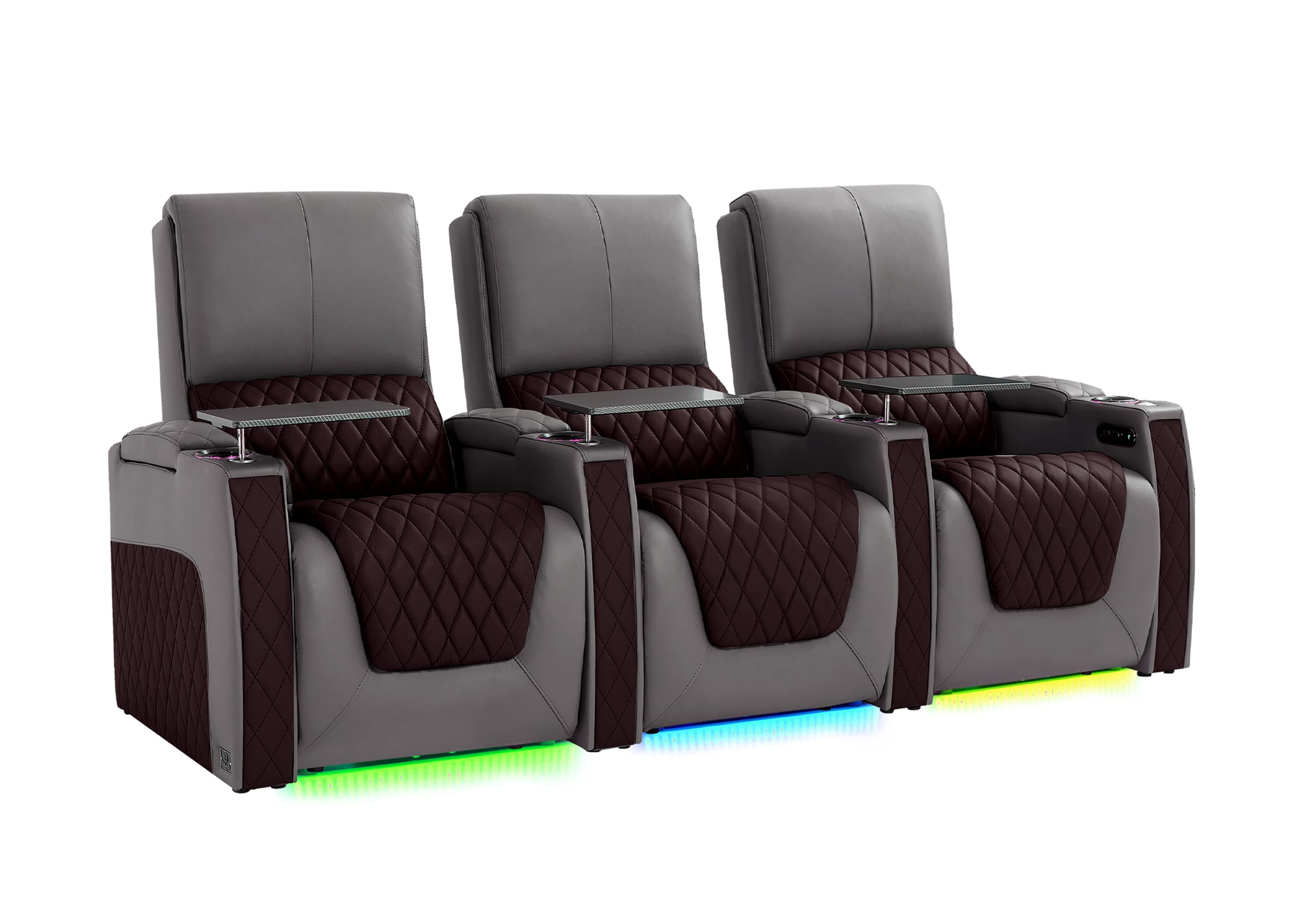
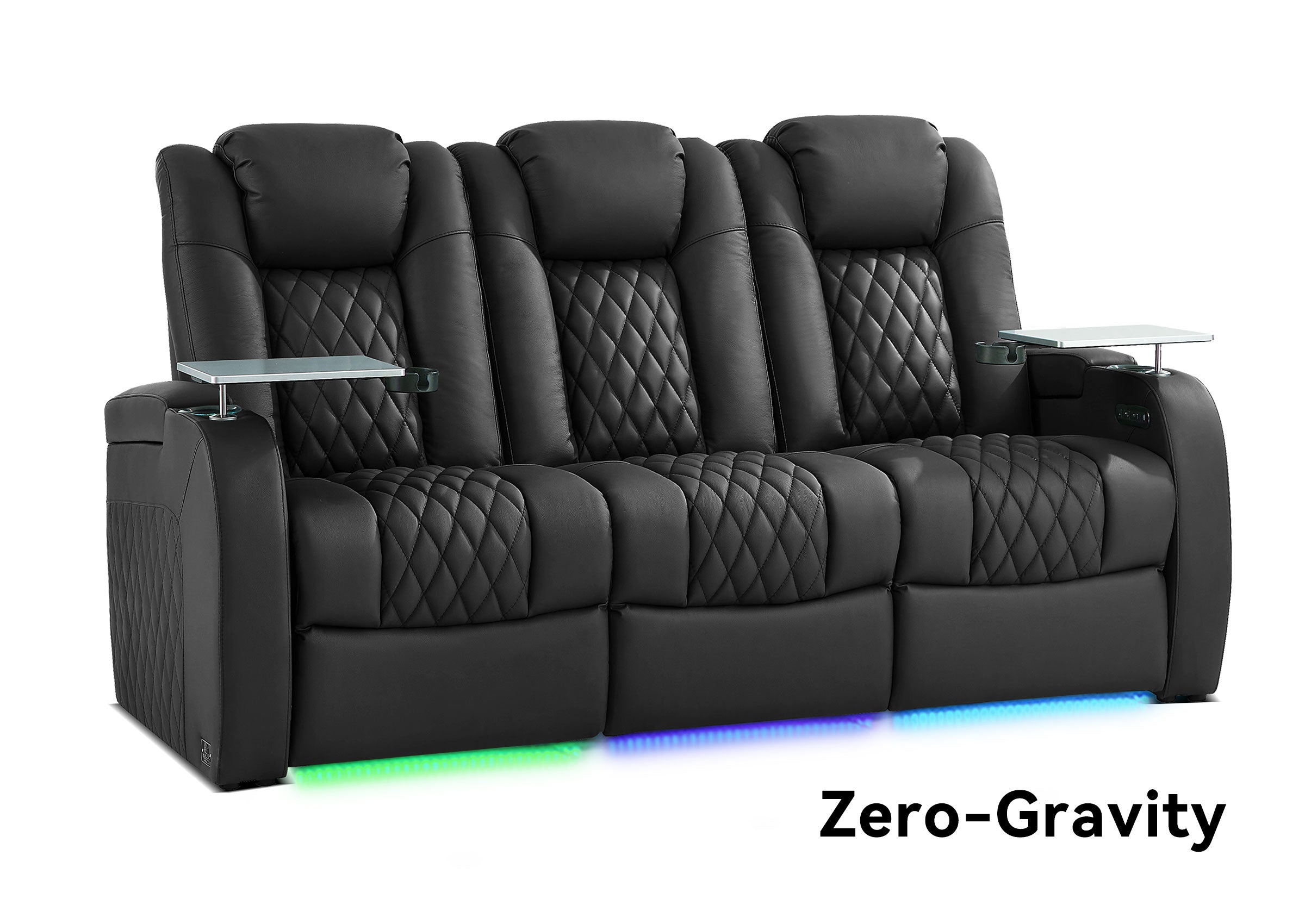
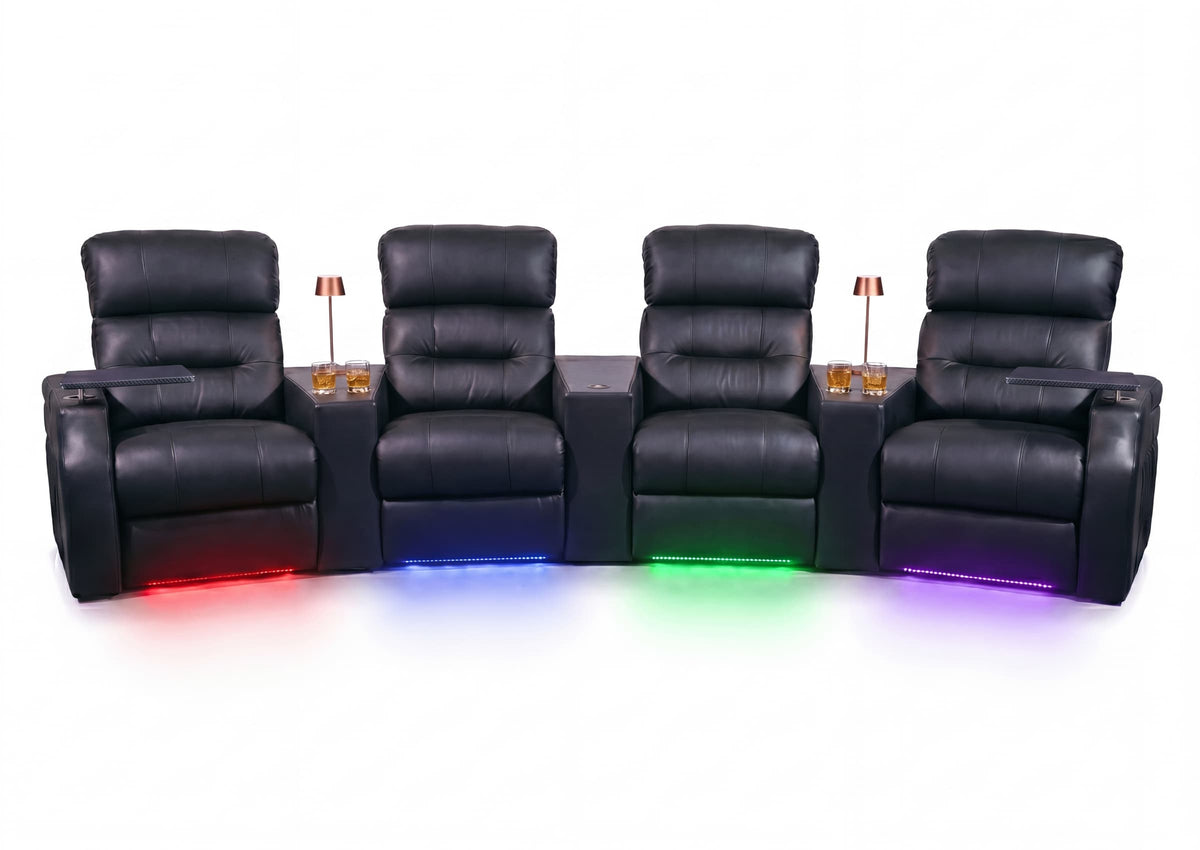
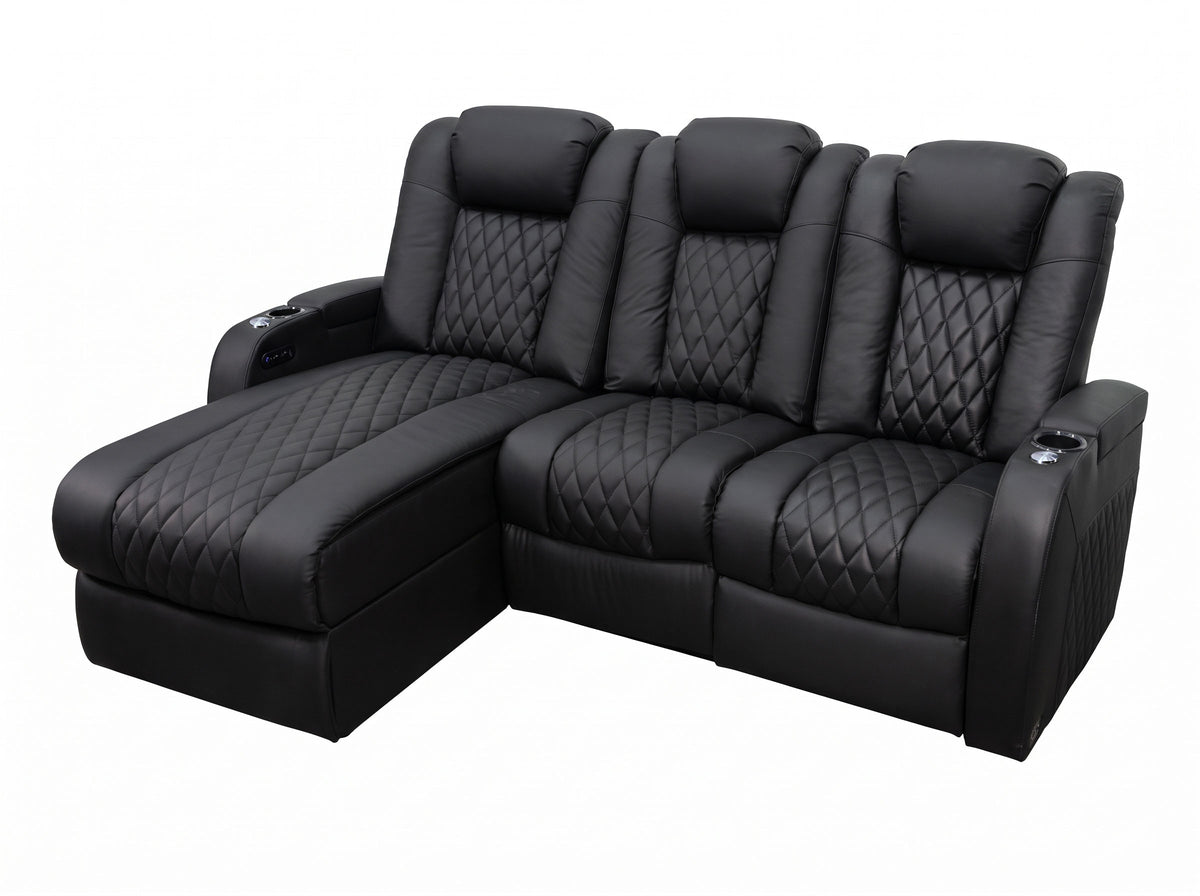
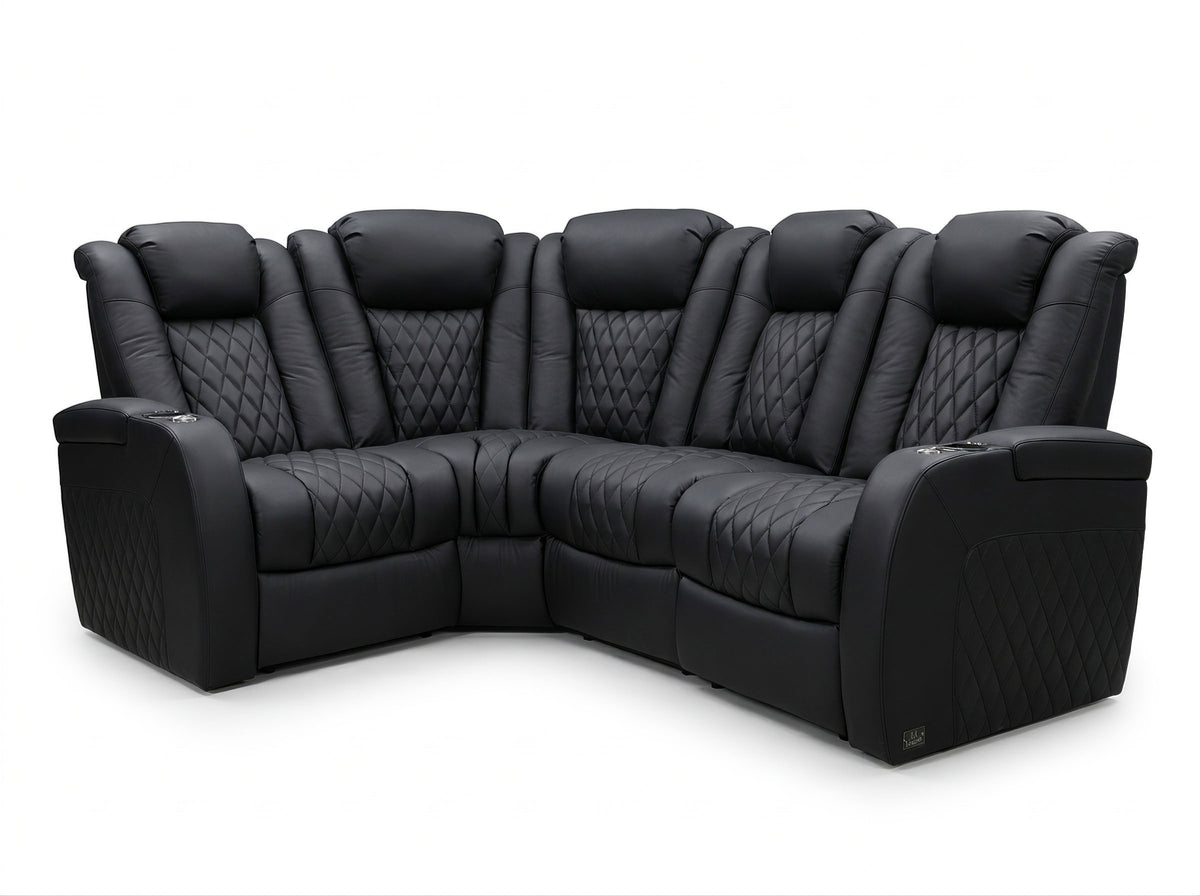
Decide whether a loveseat or separate chairs fits the way you read together. If you want a reclining seat, check how far it opens before setting it beside the shelves.
A Dining Table That Doubles as a Library Table

Line the wall behind a dining table with books in a soft, dark teal case. Pair it with a pale wood table and a broad shaded pendant. The table gives you something individual chairs can’t: space to open an atlas, work on a puzzle, or read from the same book without crowding together.
Keep a tray for in-progress books and notebooks. Give the tray a permanent landing spot on a sideboard so it leaves the table in one trip before dinner. Put spill-prone drinks on the other side of the table from open books, and keep special editions in the case when you’re eating. Before setting the shelf in place, pull a dining chair out as far as you normally do. If an open shelf door meets the chair, shift the case to a side wall or use open shelving where you need to browse most often.
A Library Office With the Reading Chair Turned Away From Work

Put the desk at one end of a wall of warm-gray shelves, with the reading chair turned toward the opposite end. A saddle-brown chair, a small ash table, and a green-shaded reading lamp make the reading side feel separate without a divider. Put working books near the desk and pleasure reading closer to the chair. A closed drawer for cables and loose papers keeps the shared shelf from becoming another desktop.
Sit in both spots at the time of day you expect to use them. Can one person read with their lamp on without seeing it reflected in the other’s screen? Can they reach the shelf without stepping behind a desk chair in use? Change the seat angle or swap sides before buying another lamp or cabinet. If someone takes calls during the other person’s quiet reading time, move calls elsewhere or agree on separate hours. Two lamps can solve a lighting conflict, but they won’t make a call inaudible.
A Window Seat With the Books on an Inside Wall

Let the window be the place to sit and the inside wall be the place to browse. A bench with a firm oatmeal cushion, a stripe in dusty blue, and wood shelves across the room can feel bright without putting your favorite books in the sun. Add a shade to manage glare while you read and a warm lamp for after dark. Try the seat for a full chapter: if you’re always hunting for something to lean against, put an armchair near the window instead.
Leave a place for someone to stand in front of the shelves while you’re sitting. A loose footstool can make a window-side chair more inviting, provided there’s somewhere to park it when someone needs to get past. If you prefer a recliner, check the fully open footprint with the recliner clearance guide. Test the library with the seat in use, not just with everything pushed back.
Frequently Asked Questions
How can I make a room feel like a library without built-in shelves?
Use a few freestanding cases in the same finish along one wall. Line up the tops where possible and gather the books there instead of scattering small stacks around the room. Leave a break for a chair or closed cabinet if you need it. Secure the cases as directed. A chair with a light and a spot to set down a book will do more for the feel of the room than filling every gap with shelving.
How do I leave room on the shelf for more books?
Sort the books you want nearby before choosing the furniture. Measure the length they occupy upright, group unusually tall or deep books separately, and allow a little shelf space for new arrivals. Give unread books a small section of their own so you can see what you have without double-stacking everything. Keep heavy volumes where you can lift them without reaching overhead, and use furniture rated for the load.
Where should the reading lamp go?
Start beside the chair and slightly behind your shoulder. With the book in your usual position, aim the light at the page and check whether your hand or head casts a shadow. Adjust it until you can read without seeing the bulb directly. In a shared room, test that light from the other seat, too; a tightly aimed lamp helps one person read while another relaxes.
Can a hallway be a home library?
It can hold part of the collection if shelves don’t narrow a route people depend on or block doors. Test it with the actual depth of the case, including trim and any handles, and see whether someone can get by while another person browses. If separate traffic and browsing can’t work, use a wall in an adjoining room and put the chair there.
Where should I put books that I want to keep in good condition?
Start with an interior wall away from direct sunlight and places that get damp. The Canadian Conservation Institute’s guide to caring for books explains how light and moisture damage bindings and paper. Watch how the sun moves across the room before placing the shelves, and save the brightest spot for sitting. If the room has a leak or visible moisture, deal with that before filling the shelves.
Set Up One Seat and Try the Route to the Books
Pick the layout that fits the room you already have. Mark the shelves and seating on the floor, bring in a lamp, and ask someone else to get a book while you’re sitting. Keep the spot that works for both of you. If you’re comparing Weilianda seating, send the room dimensions, the available depth in front of the shelves, and the number of readers to Weilianda Support or email leon@weiliandahome.com.