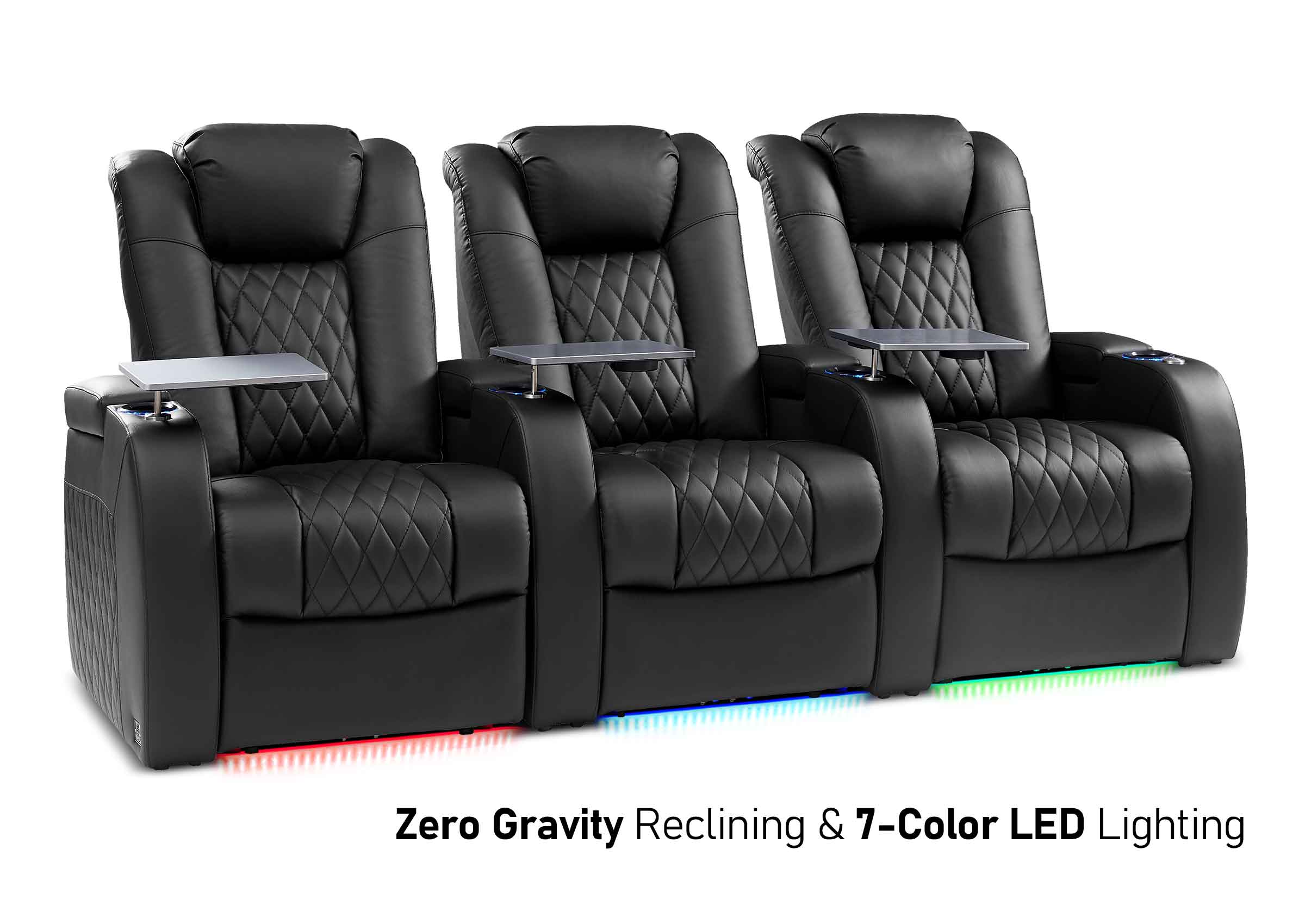
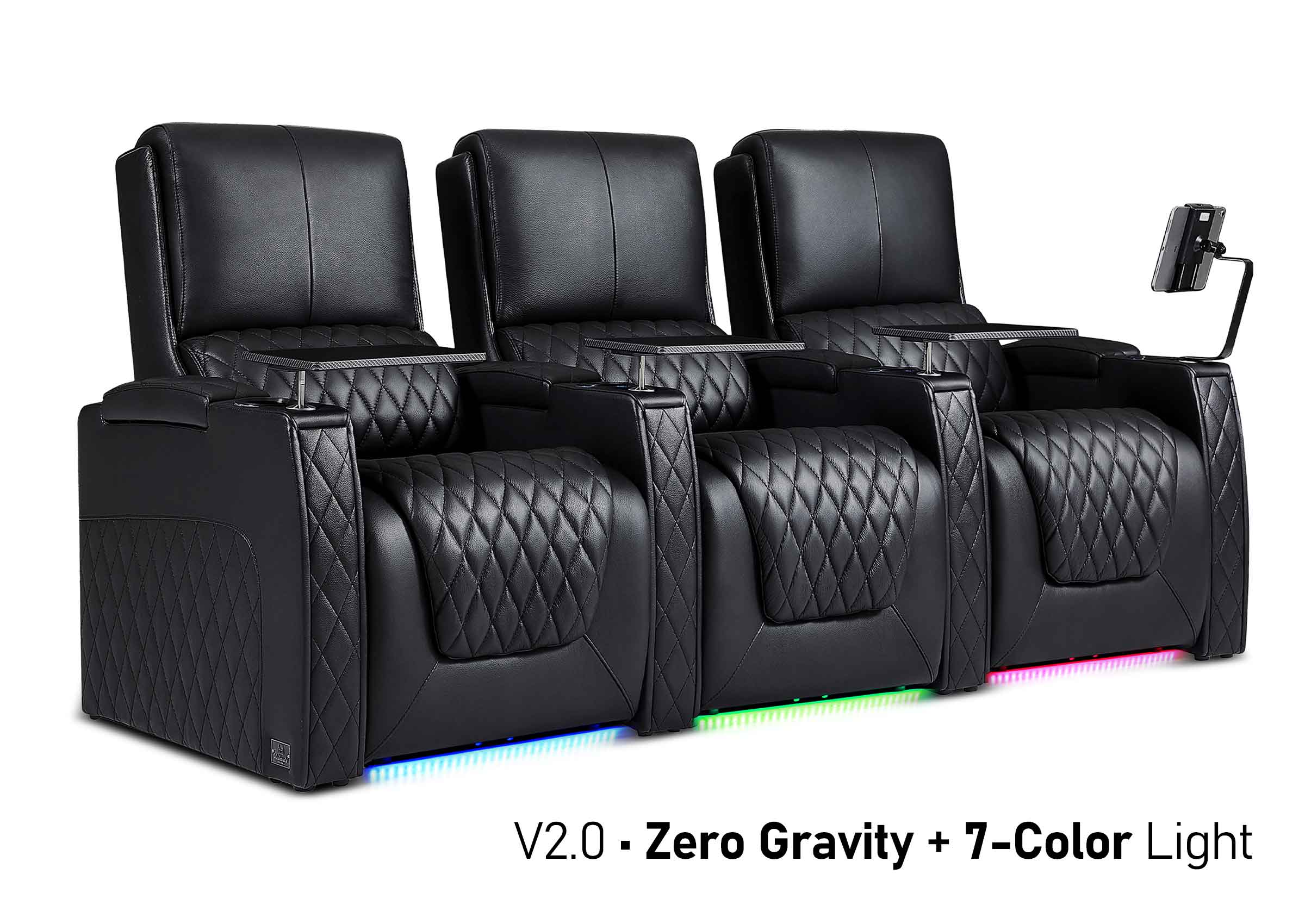
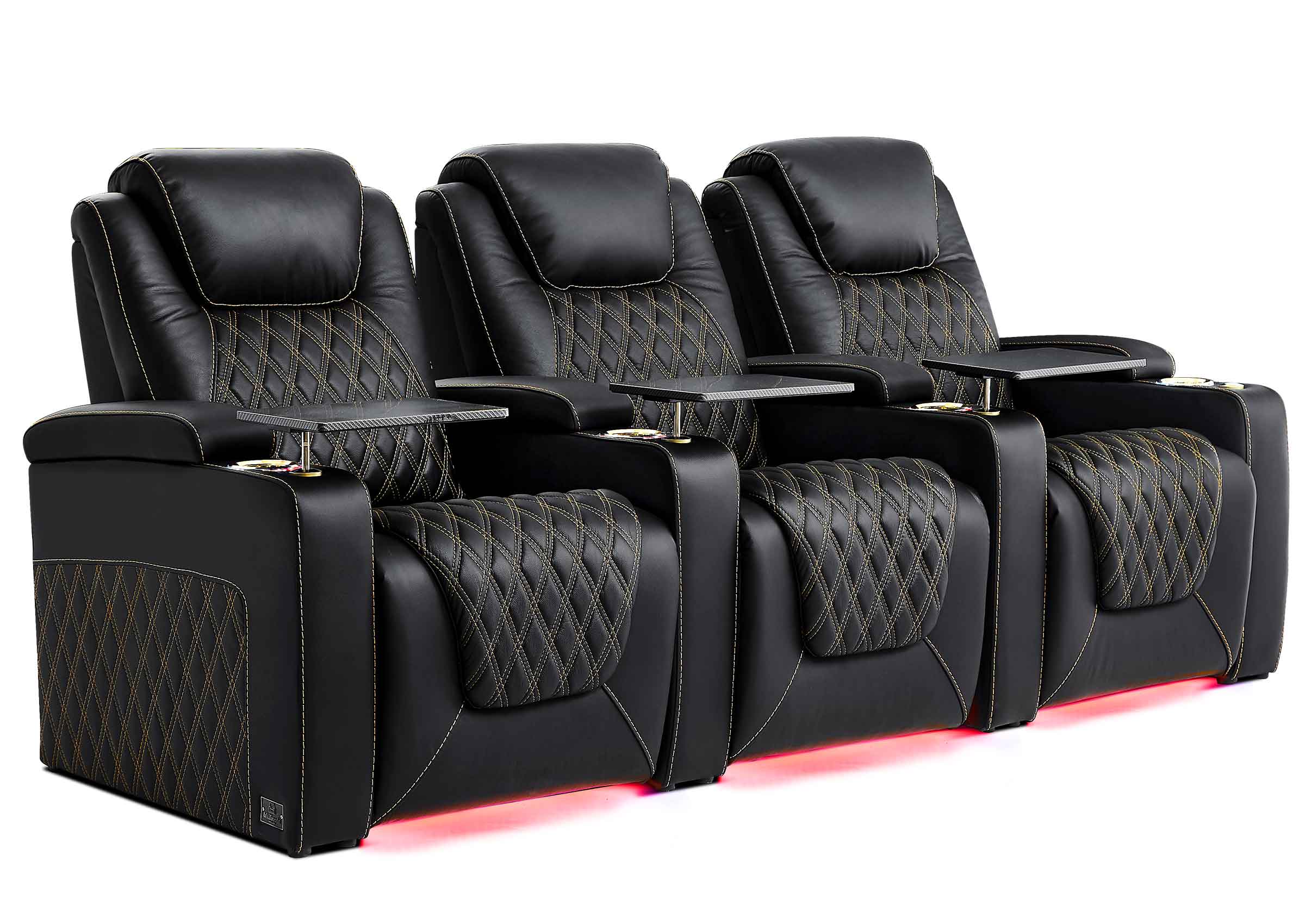
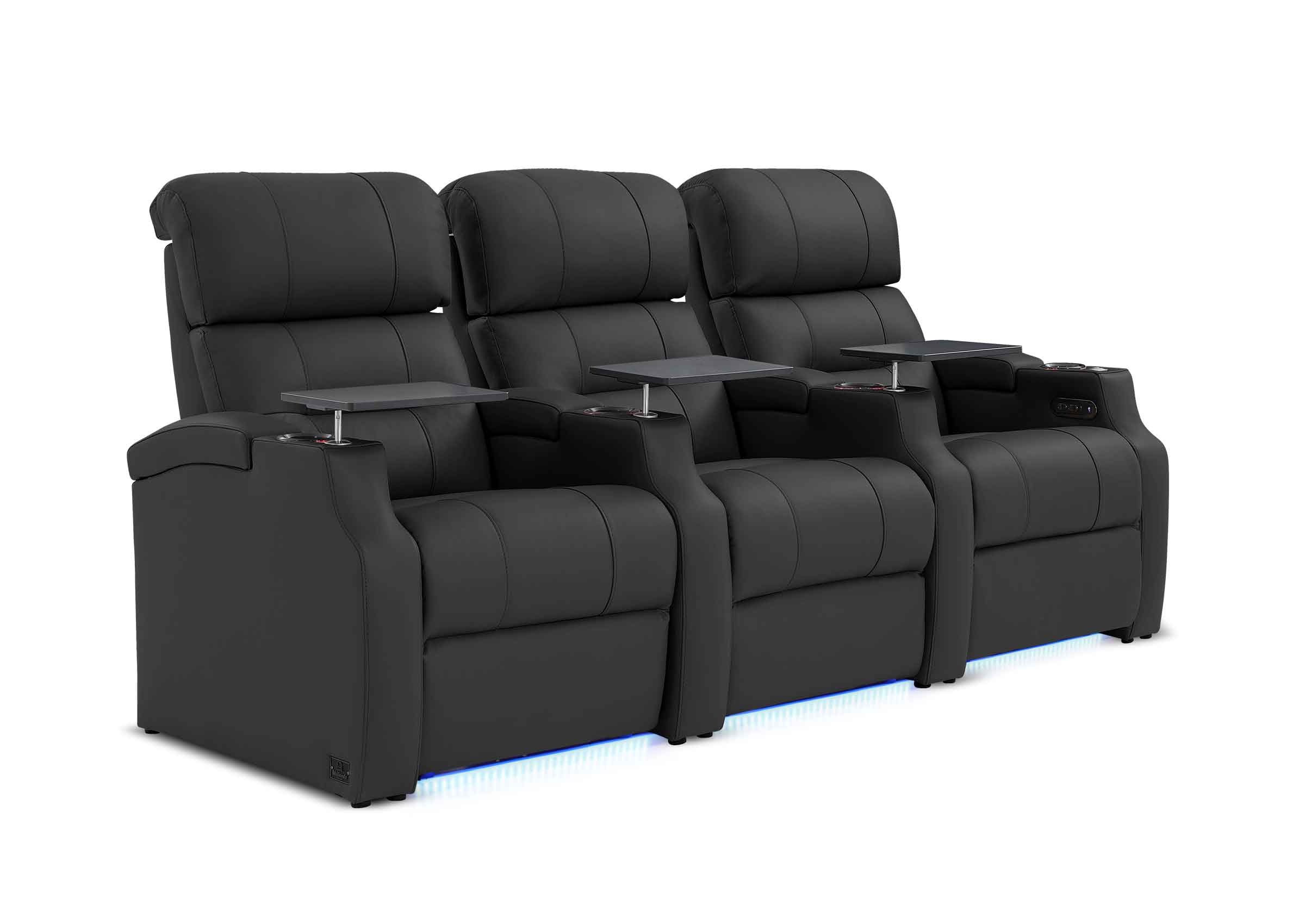
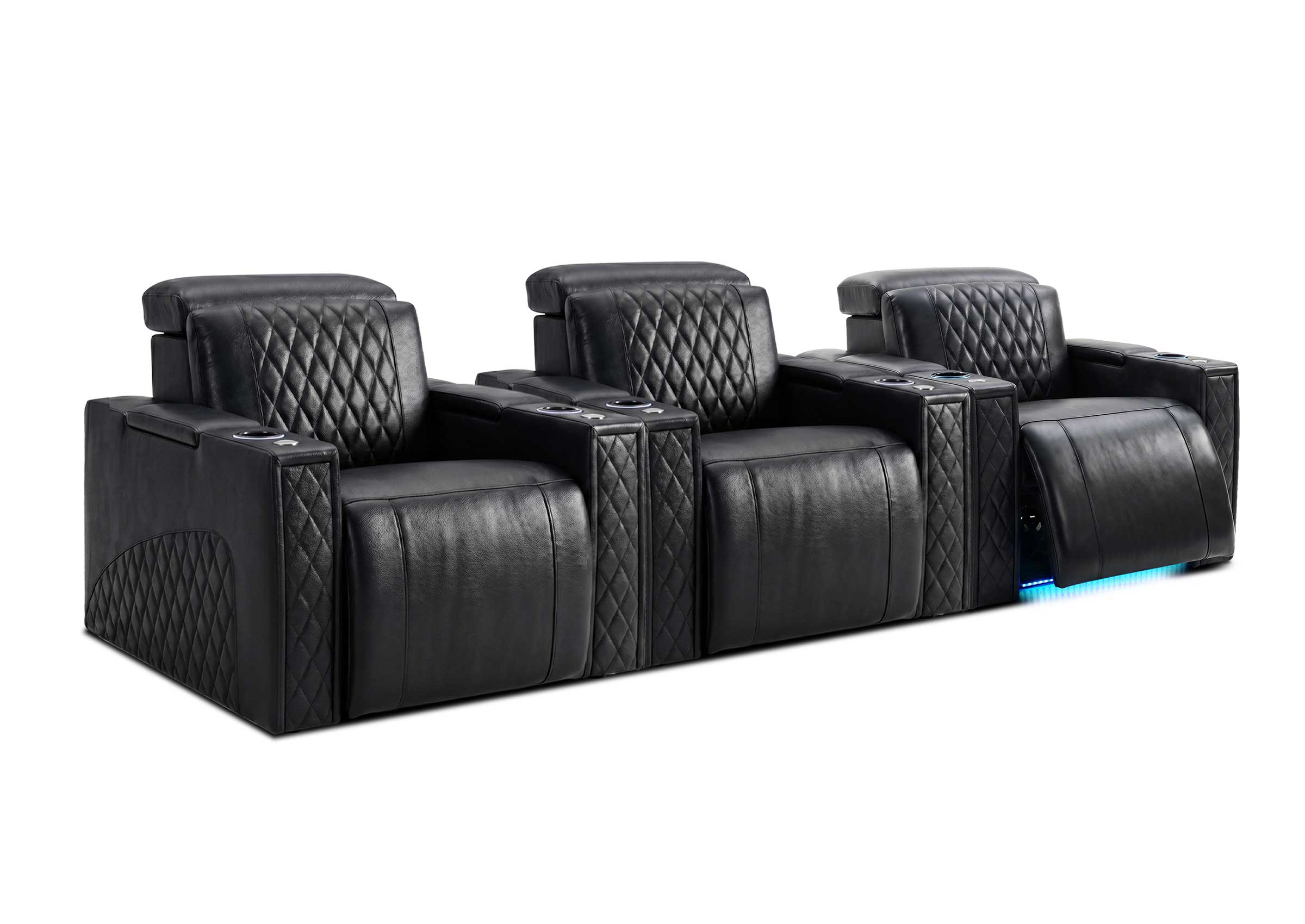

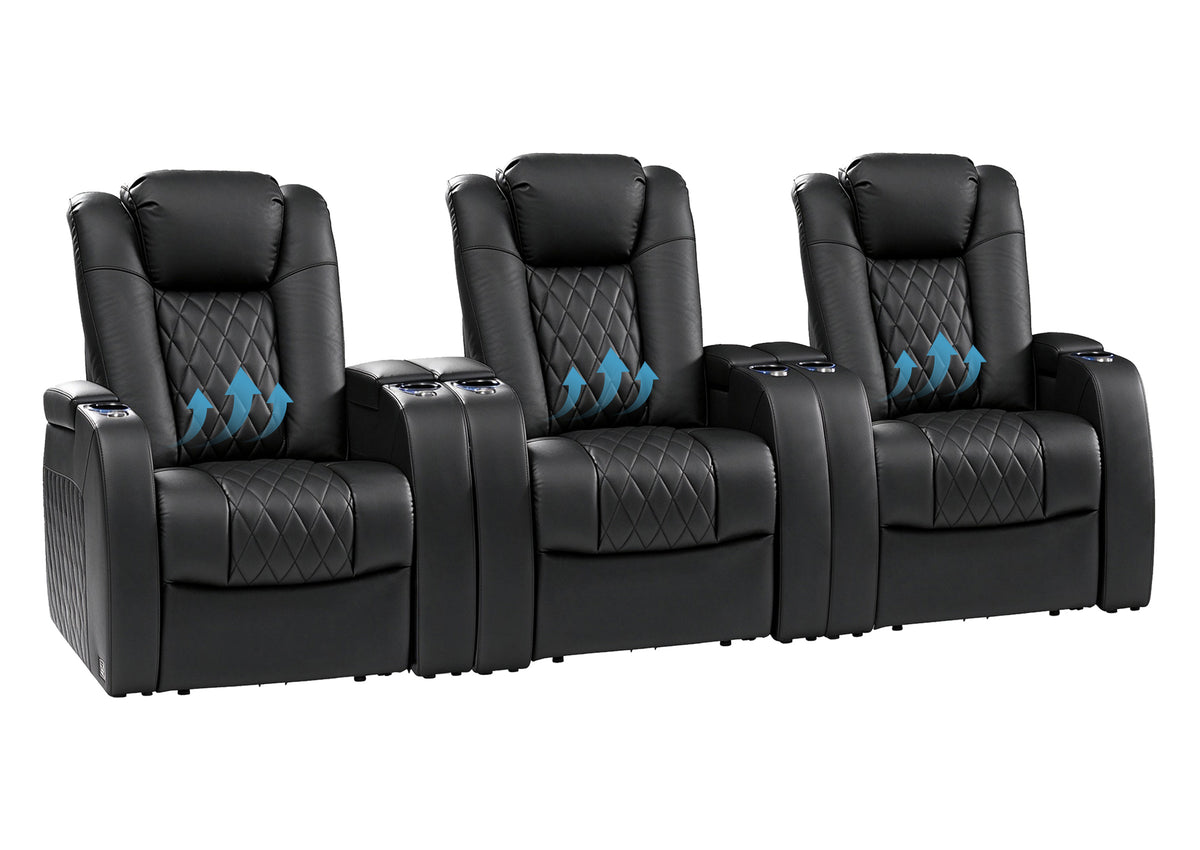
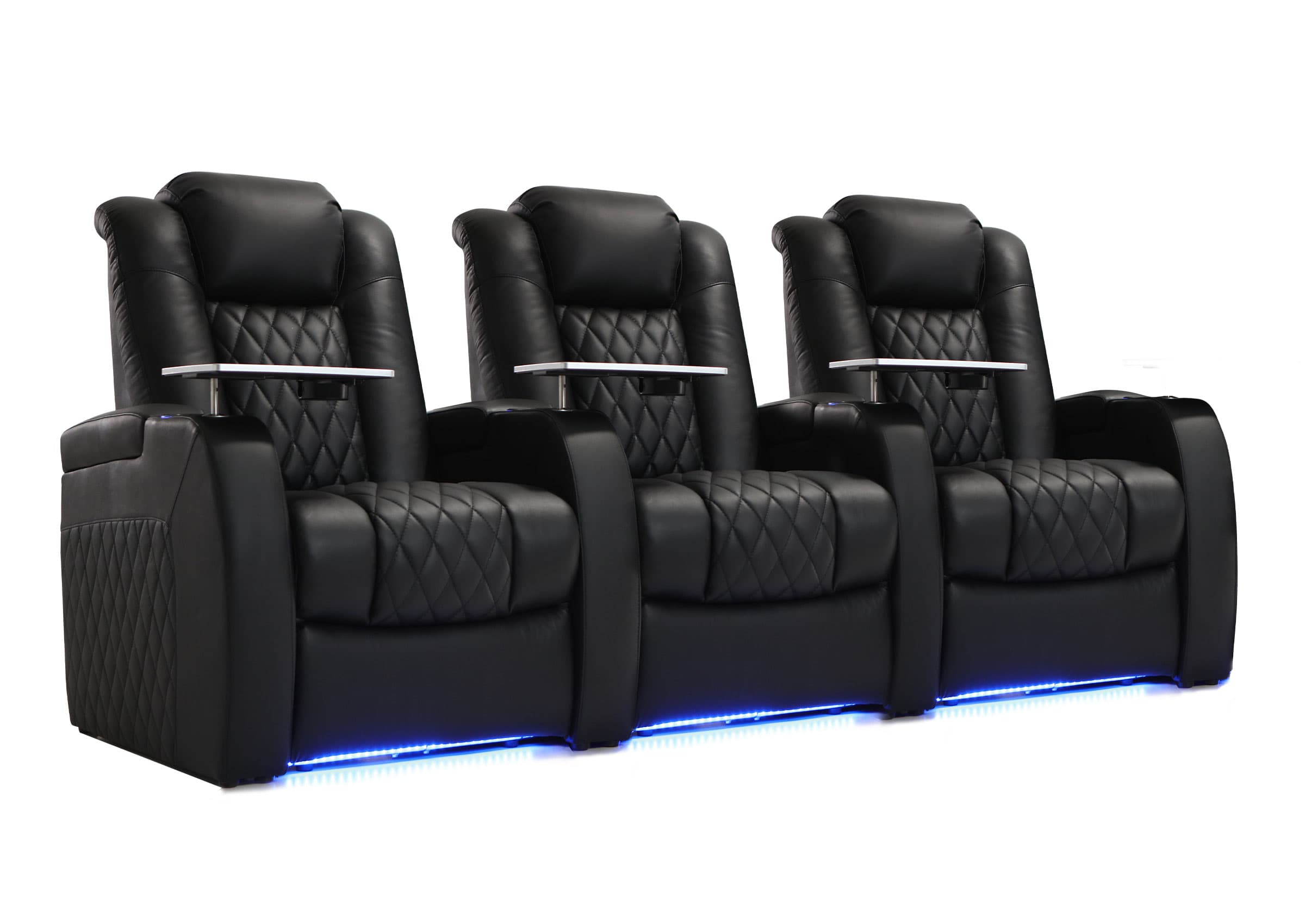
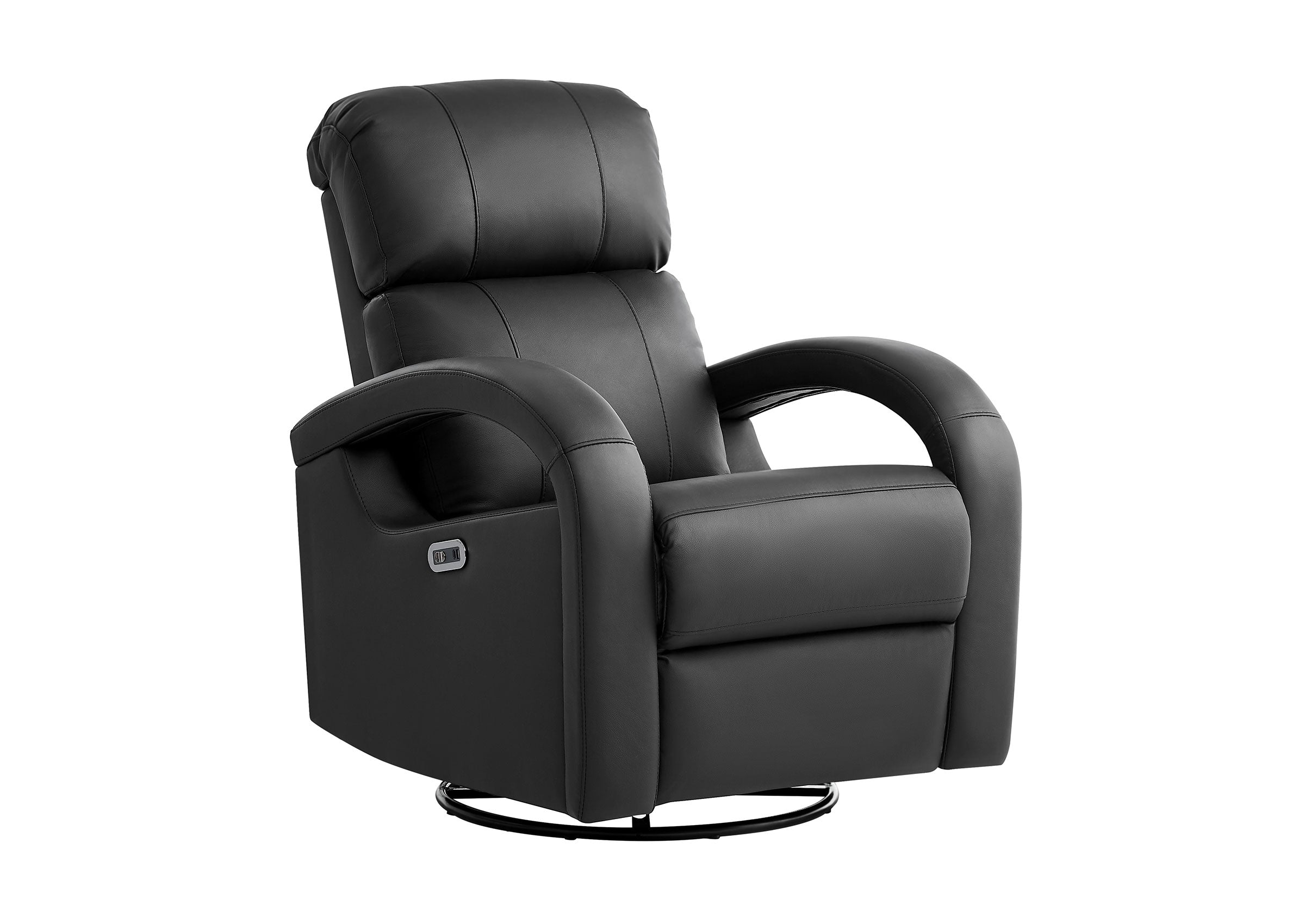
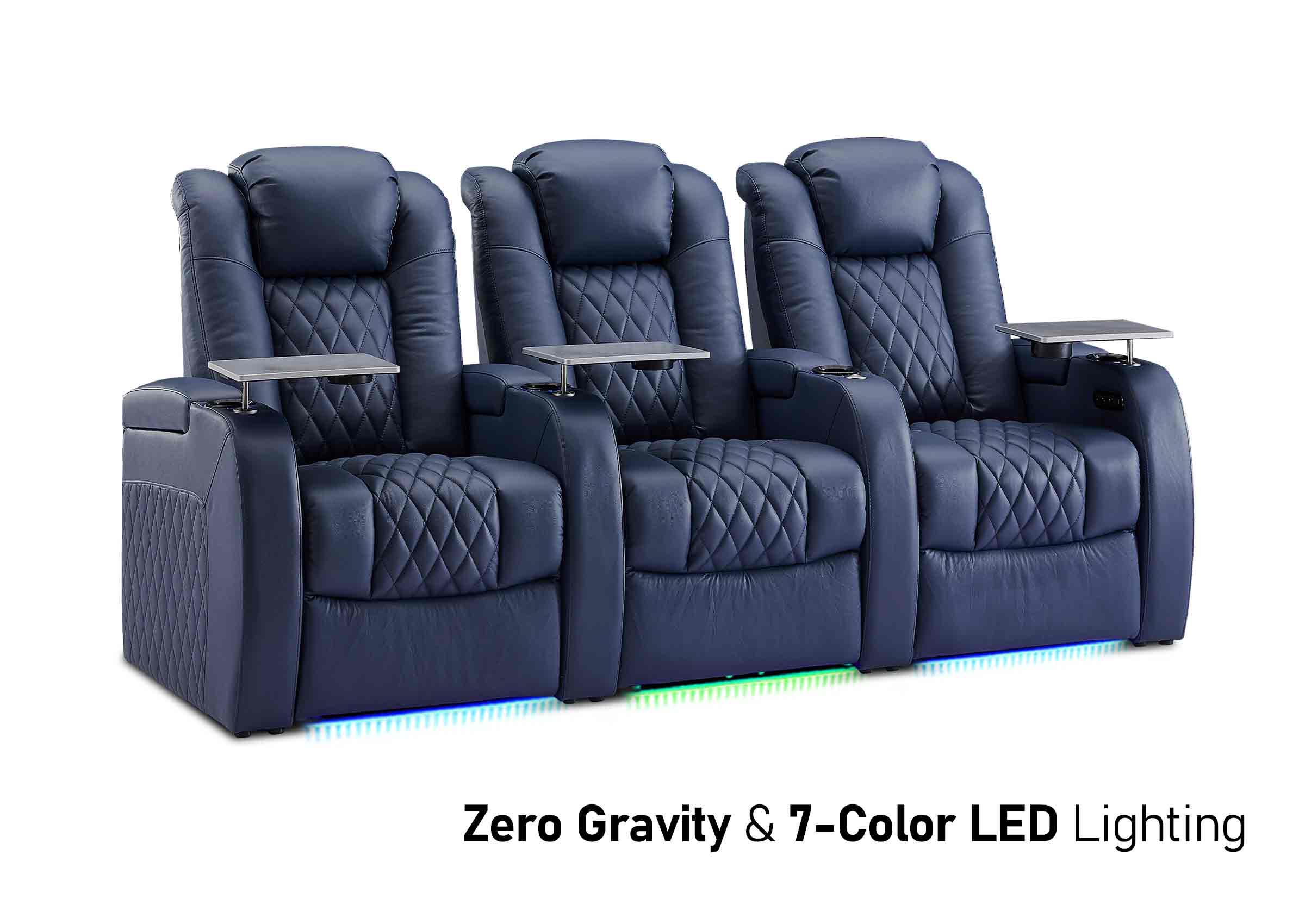
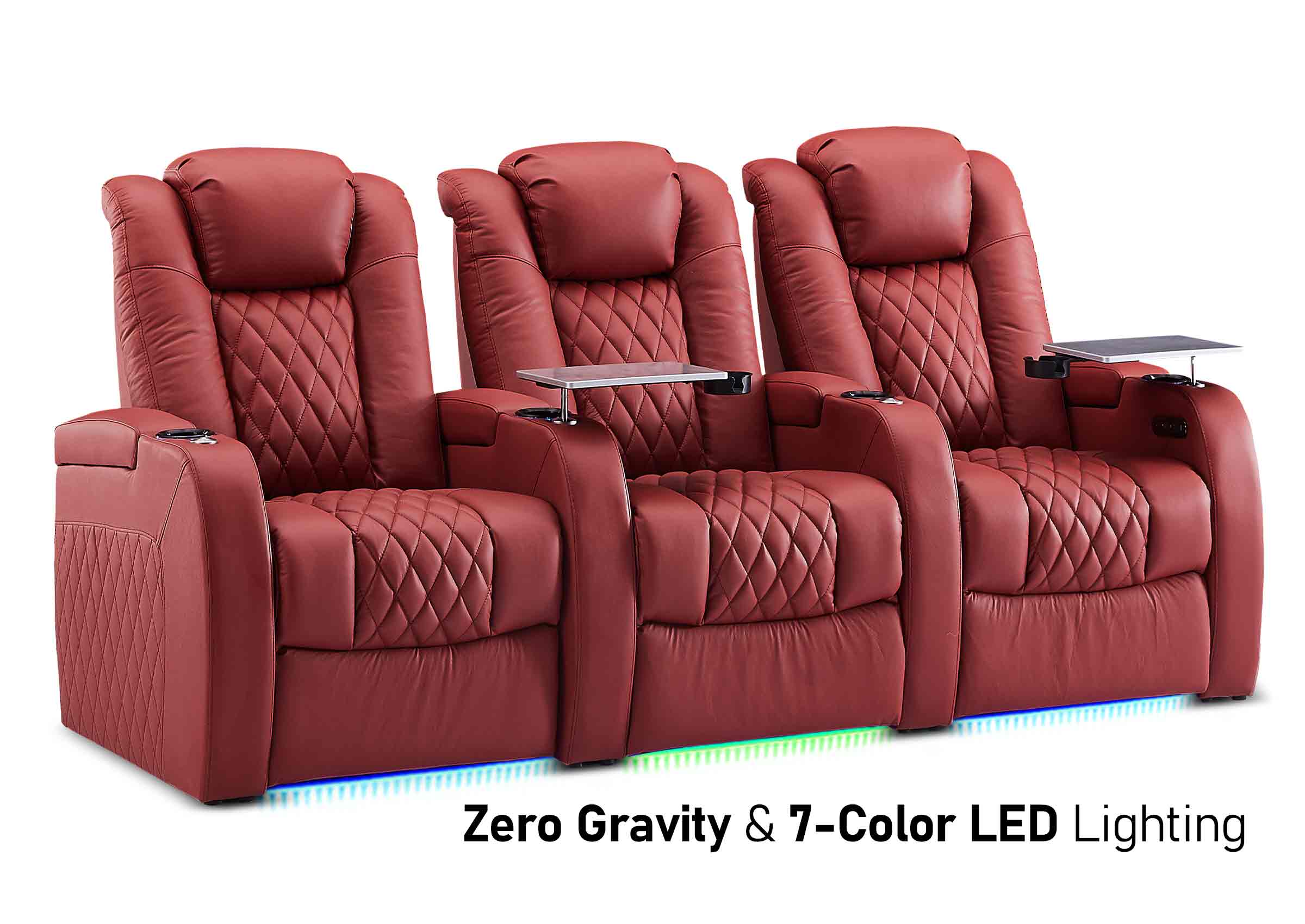
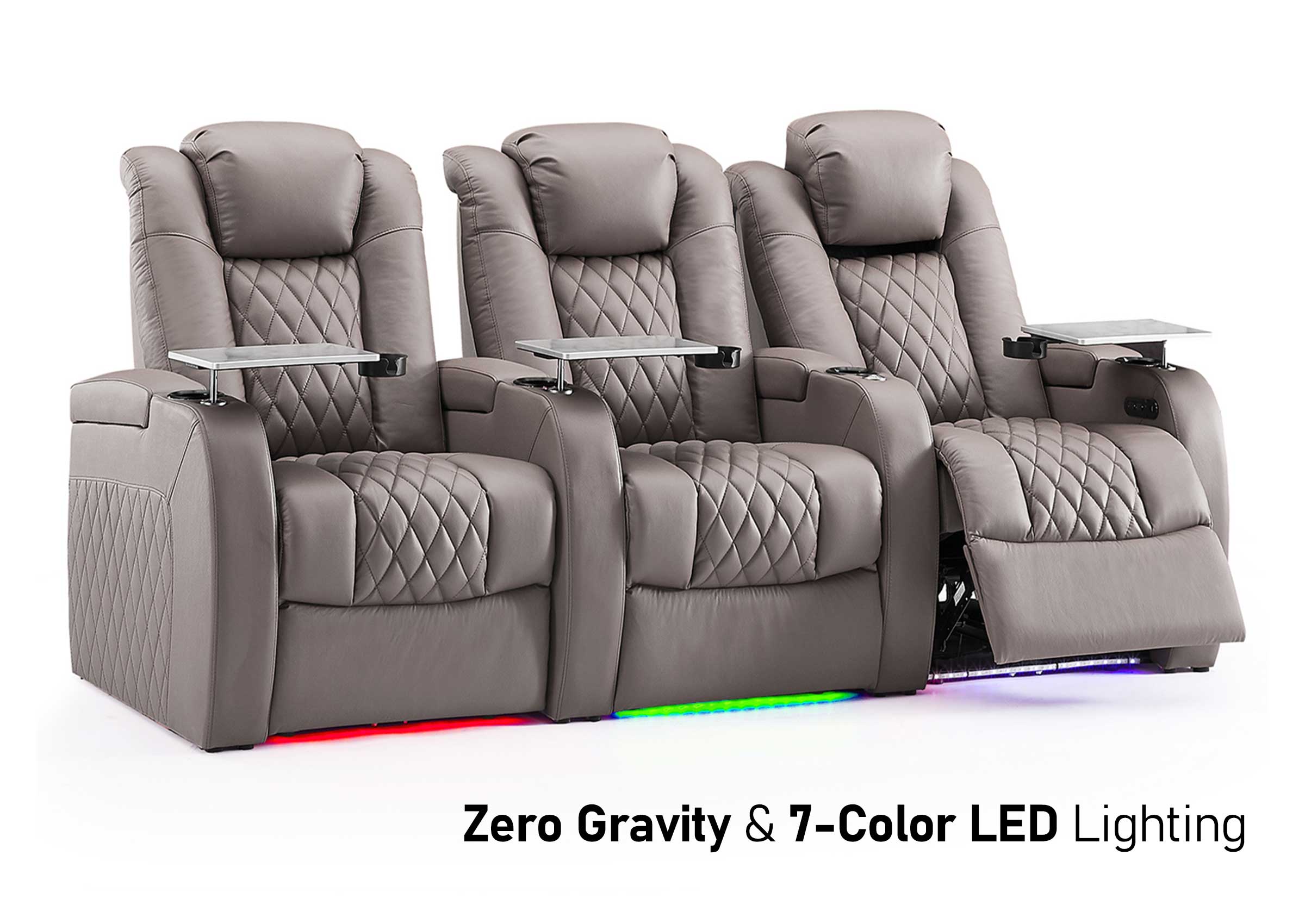
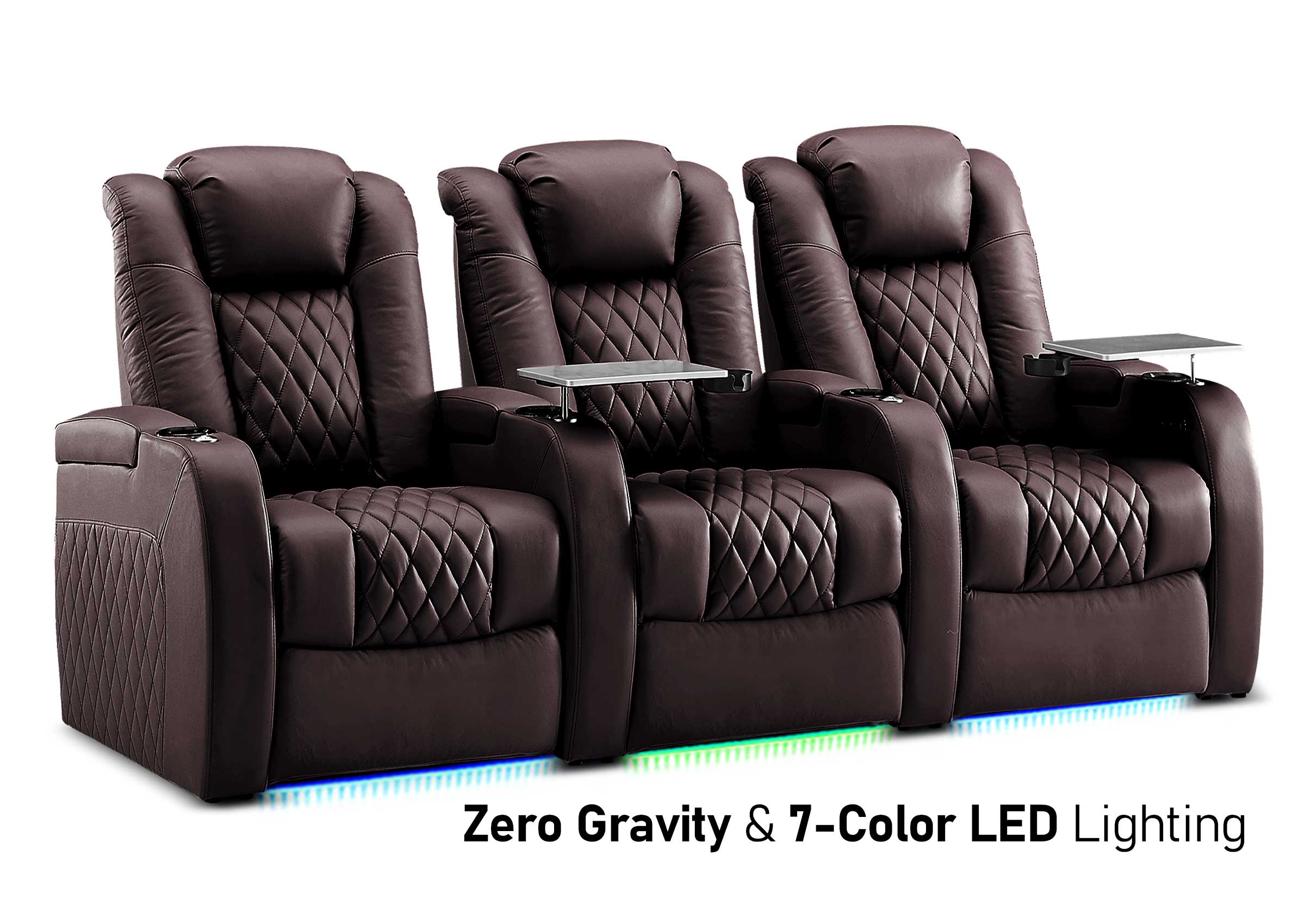

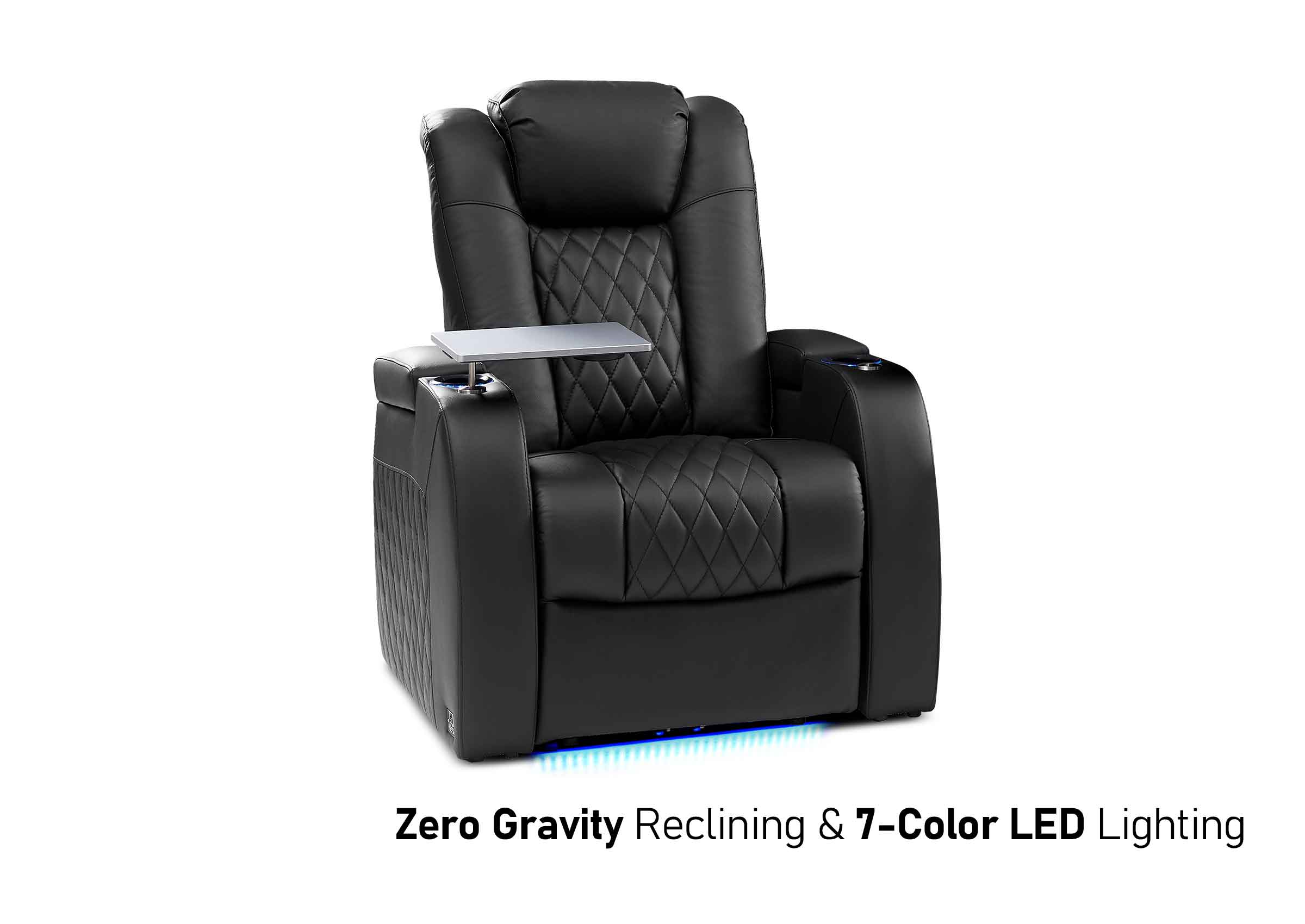
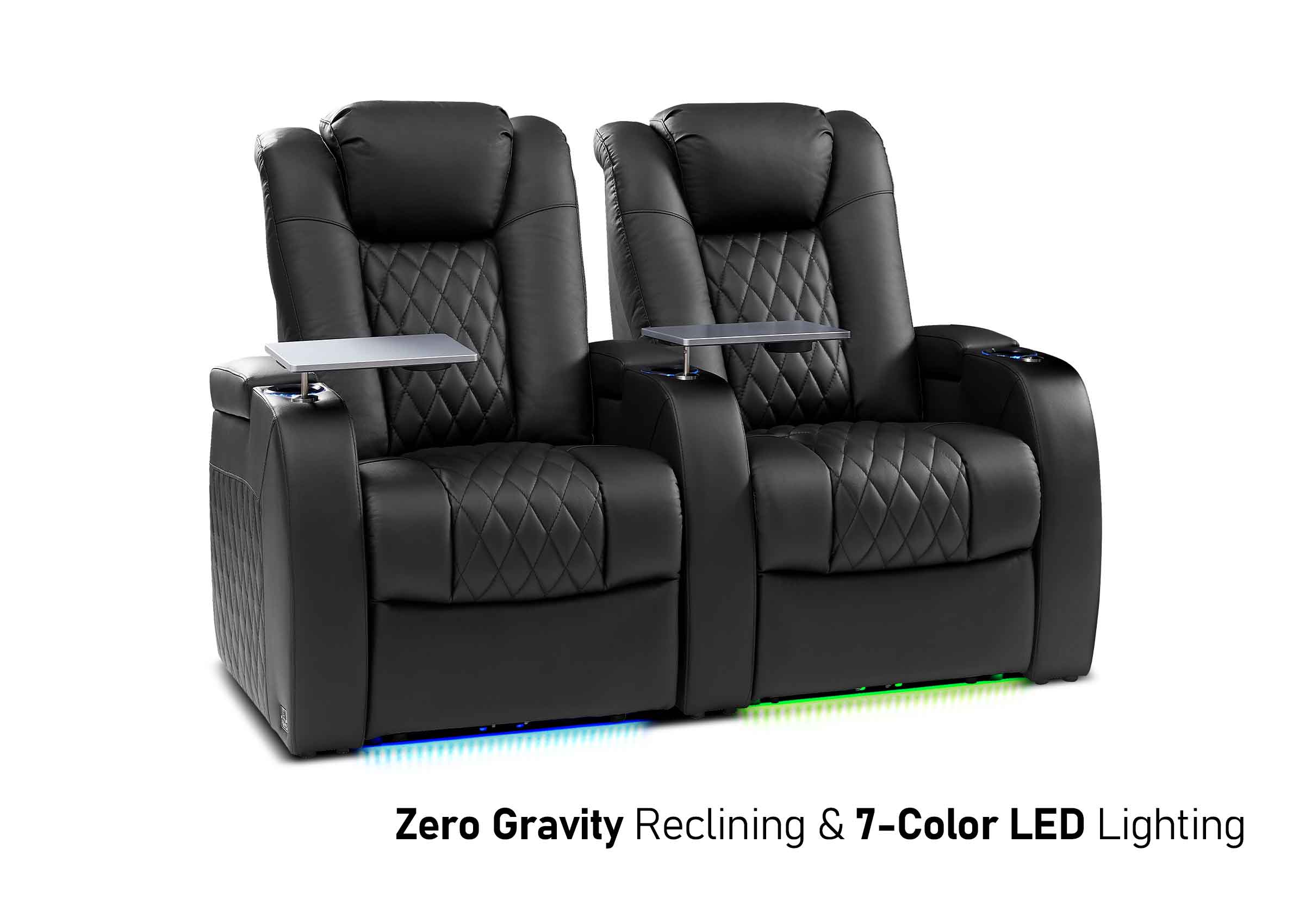
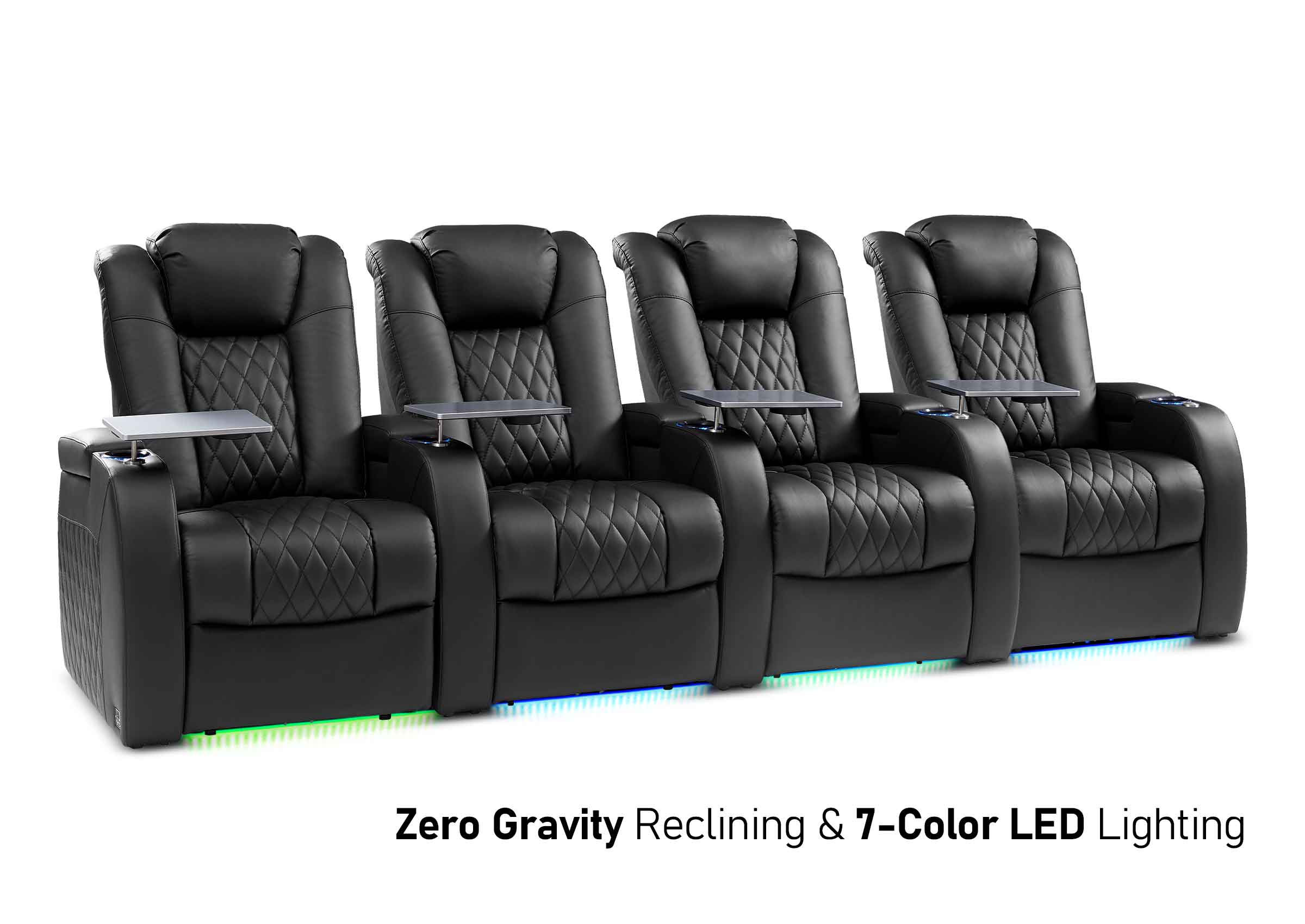
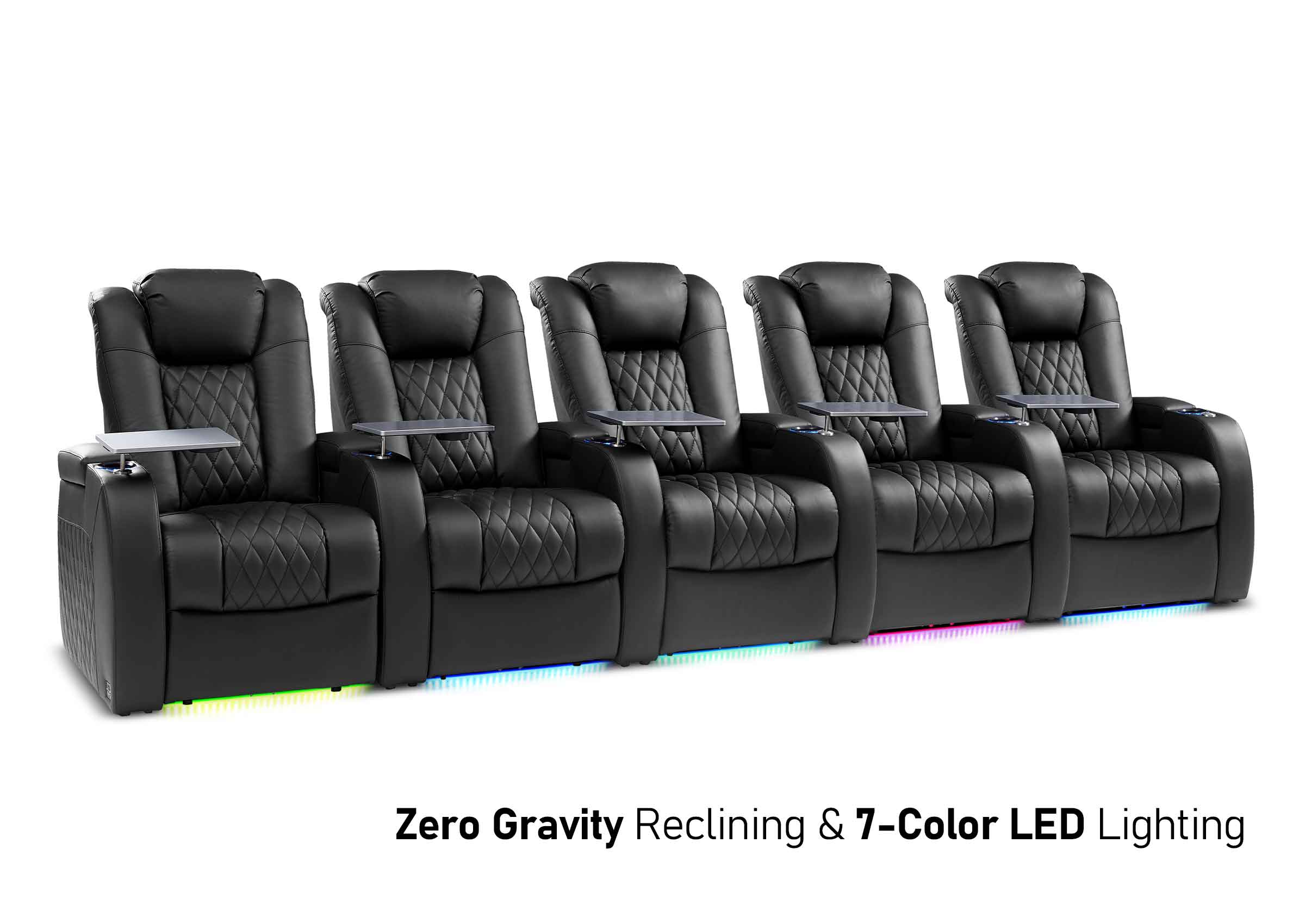
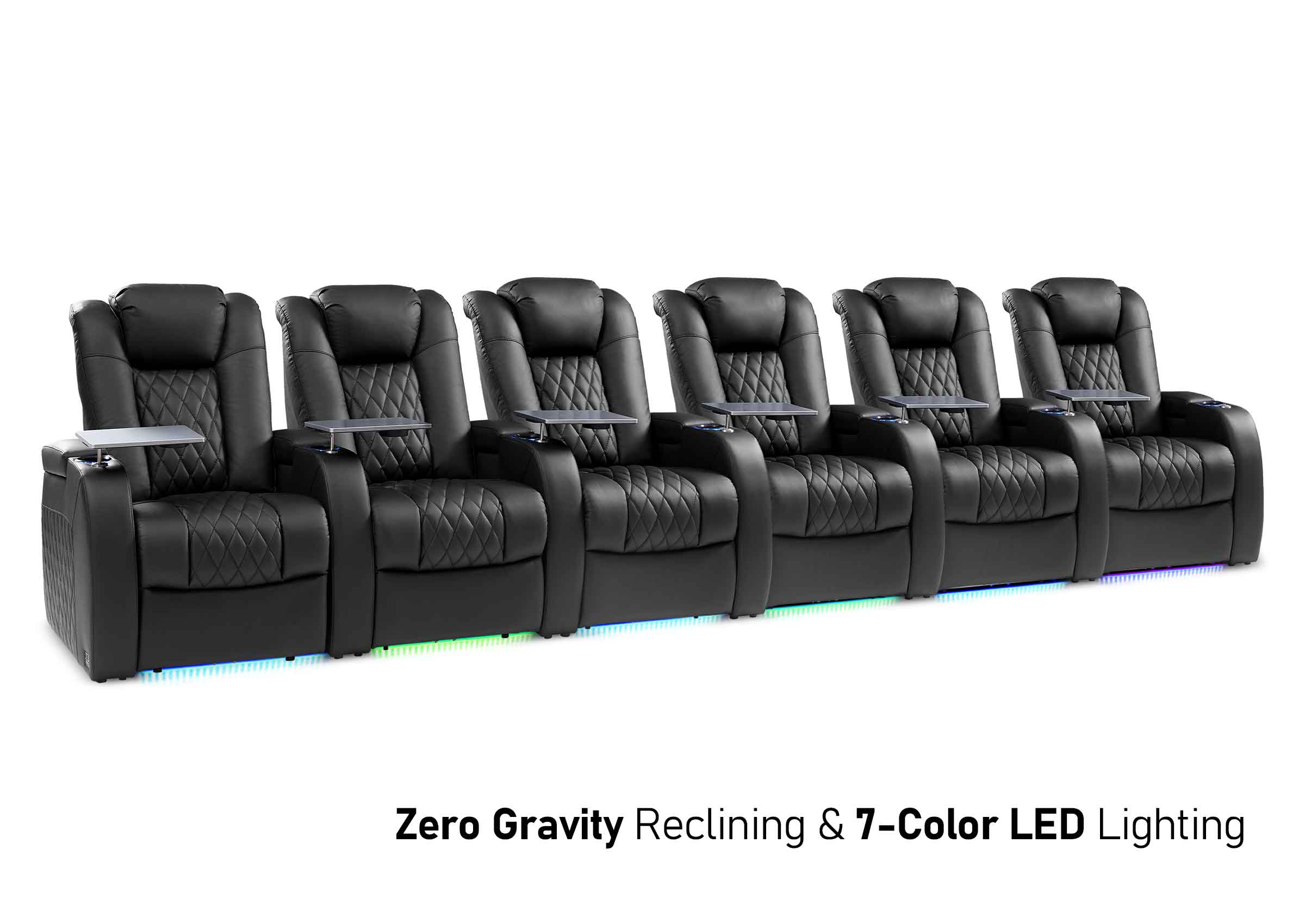
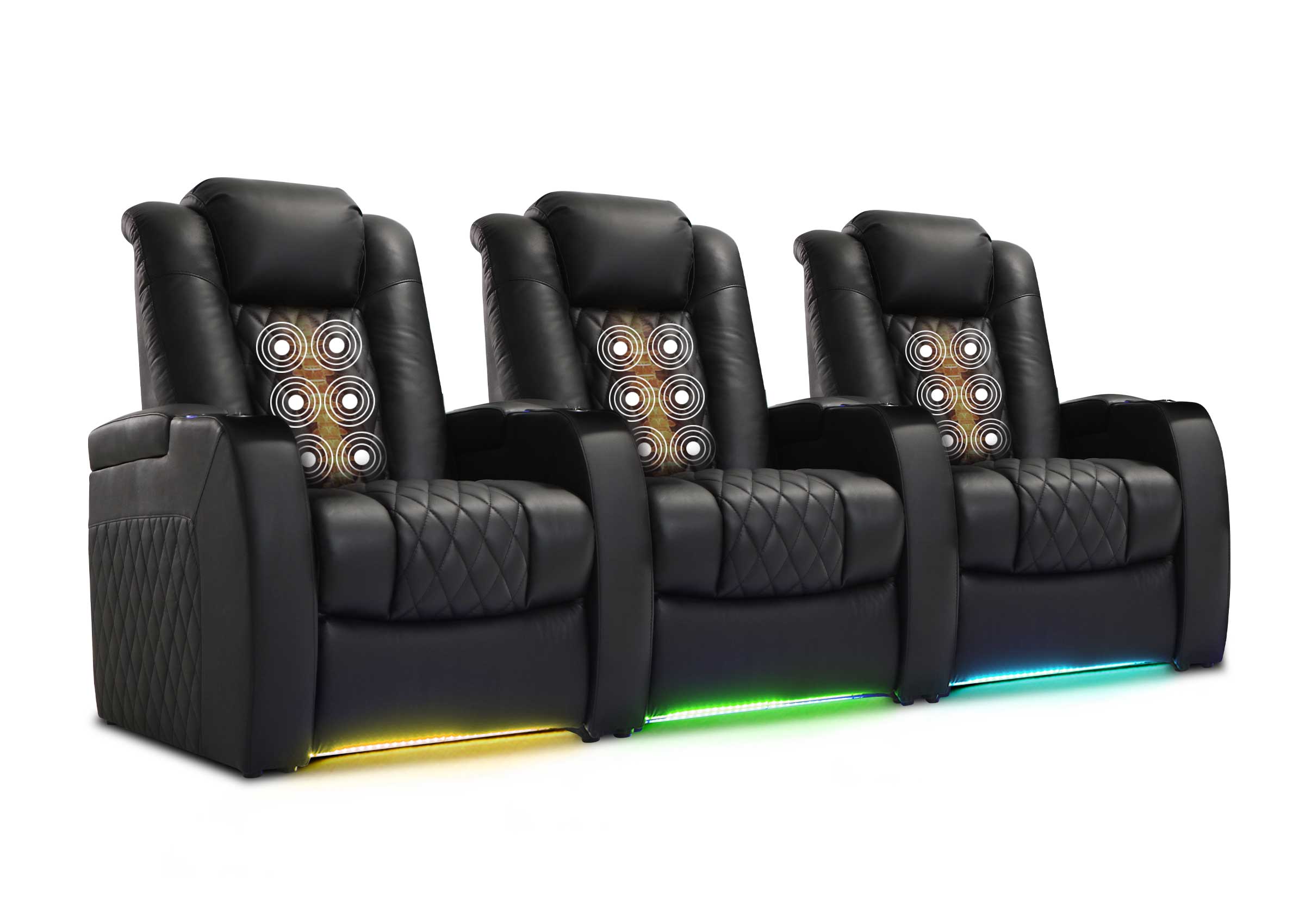

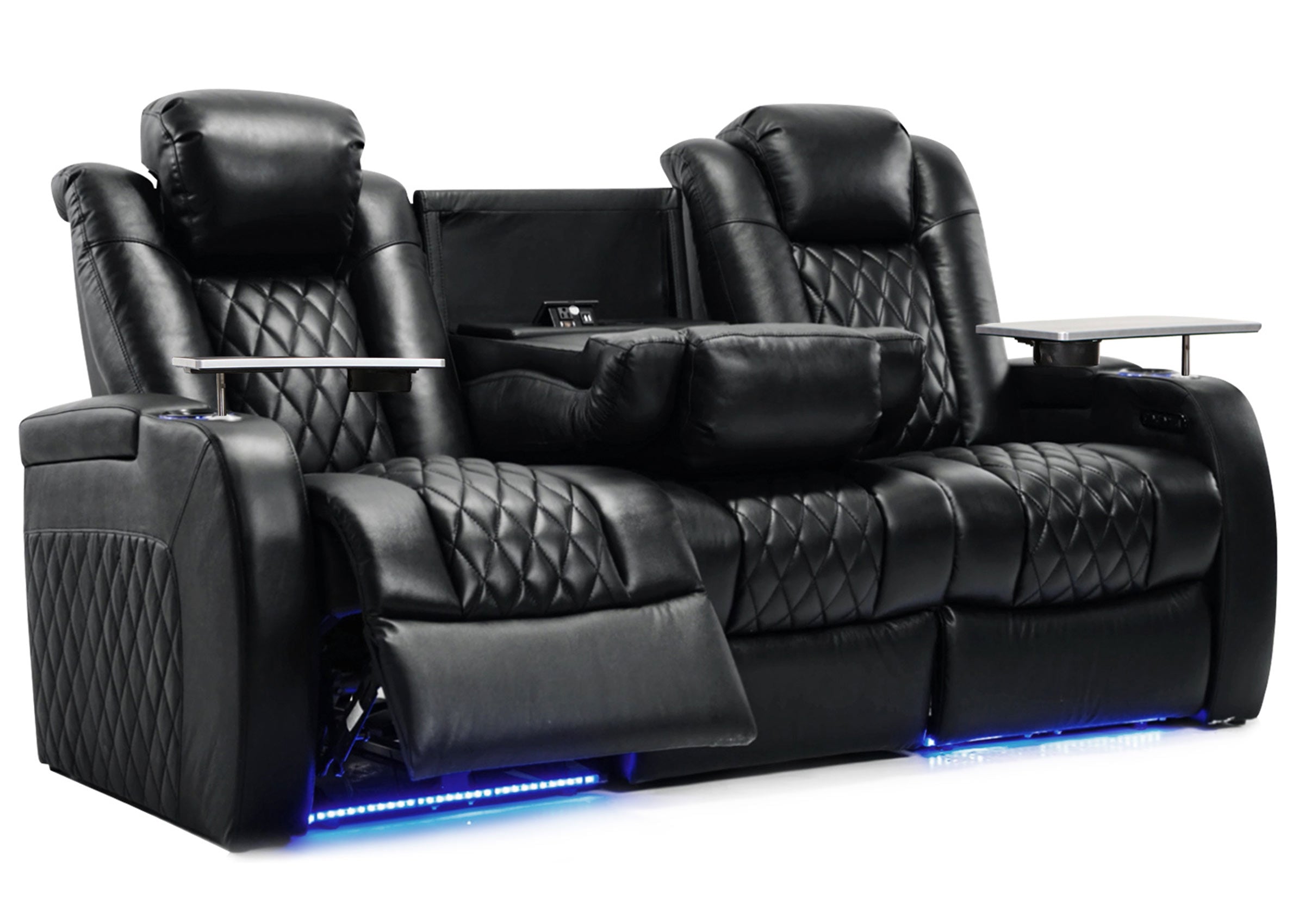
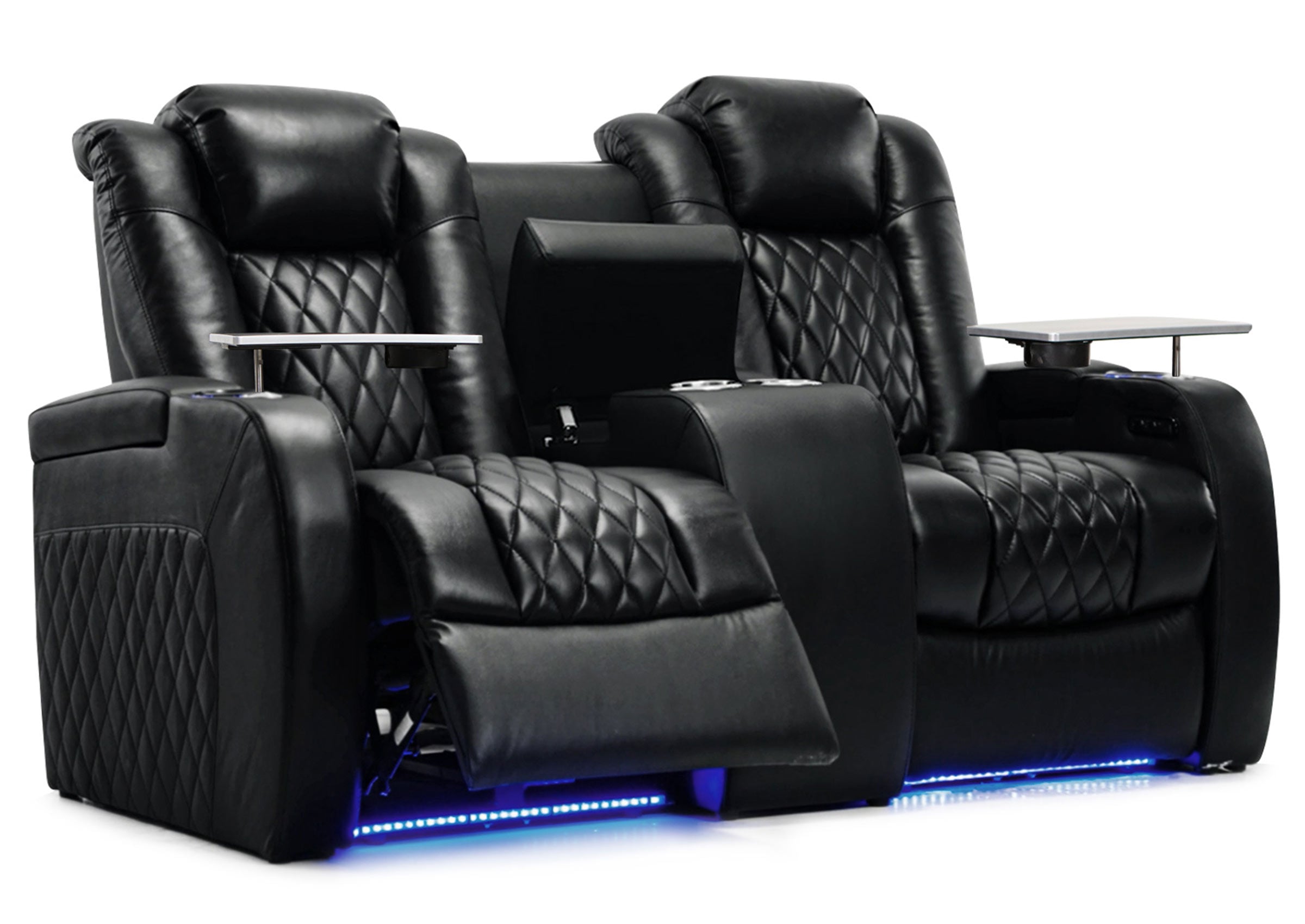

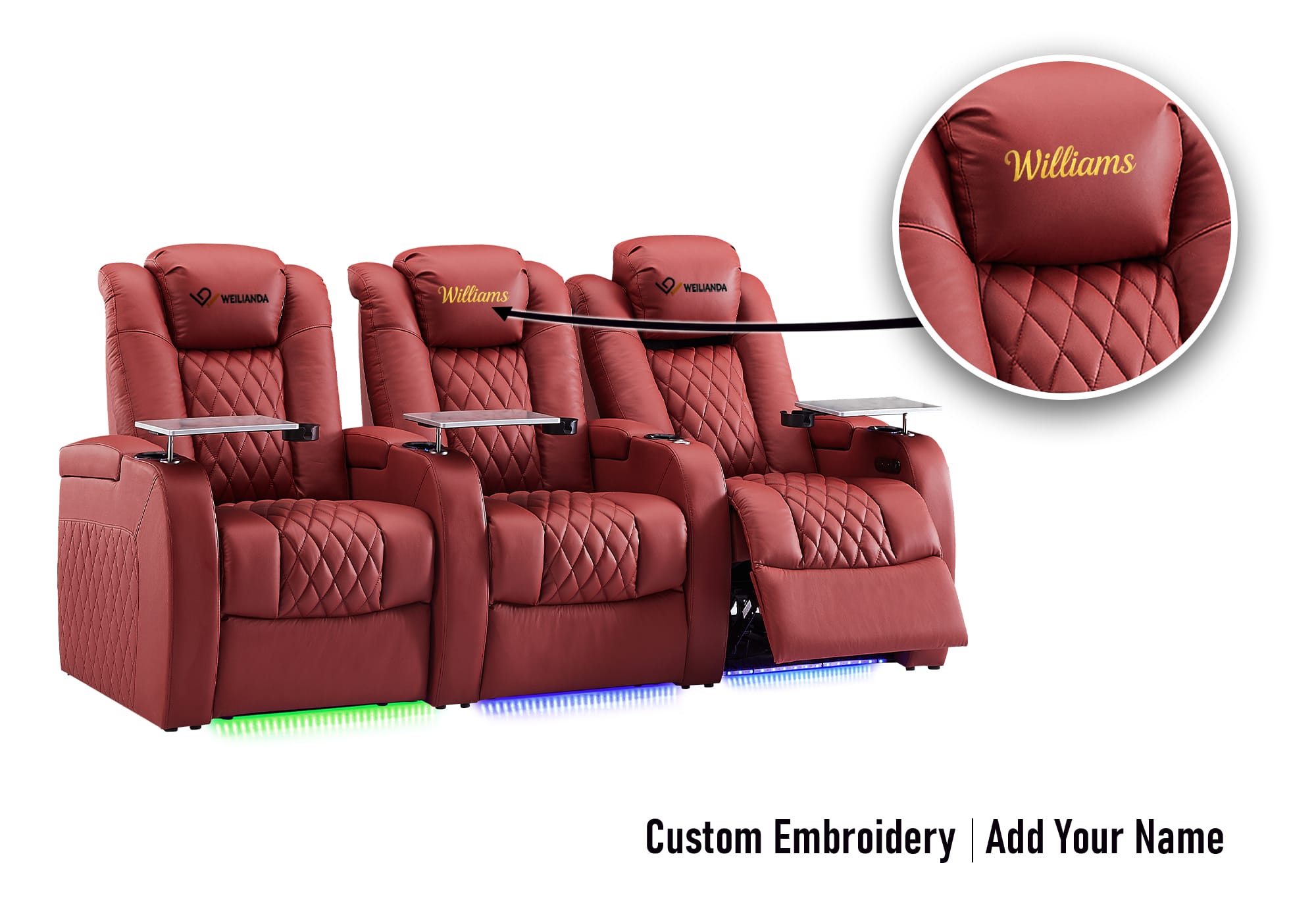

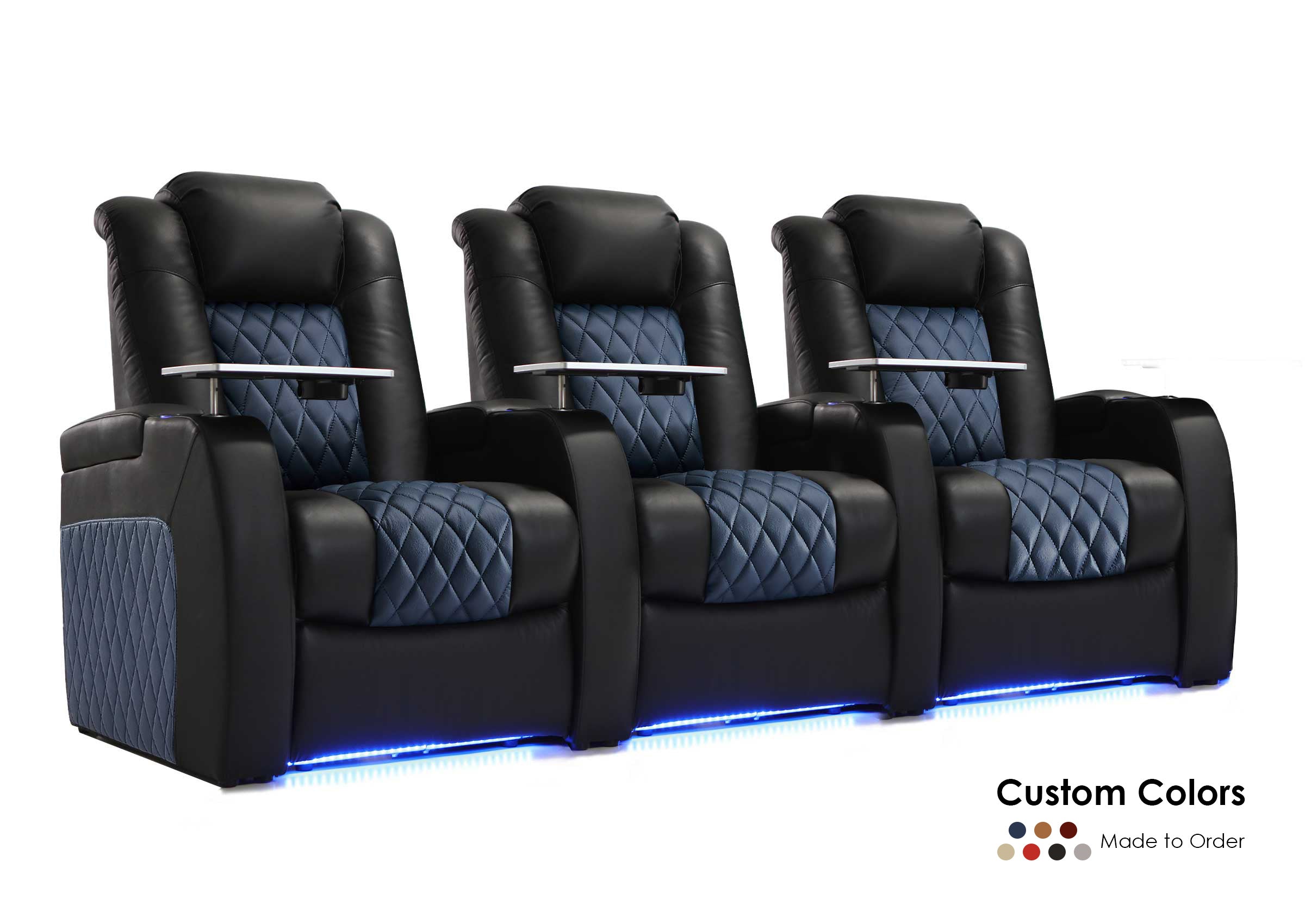

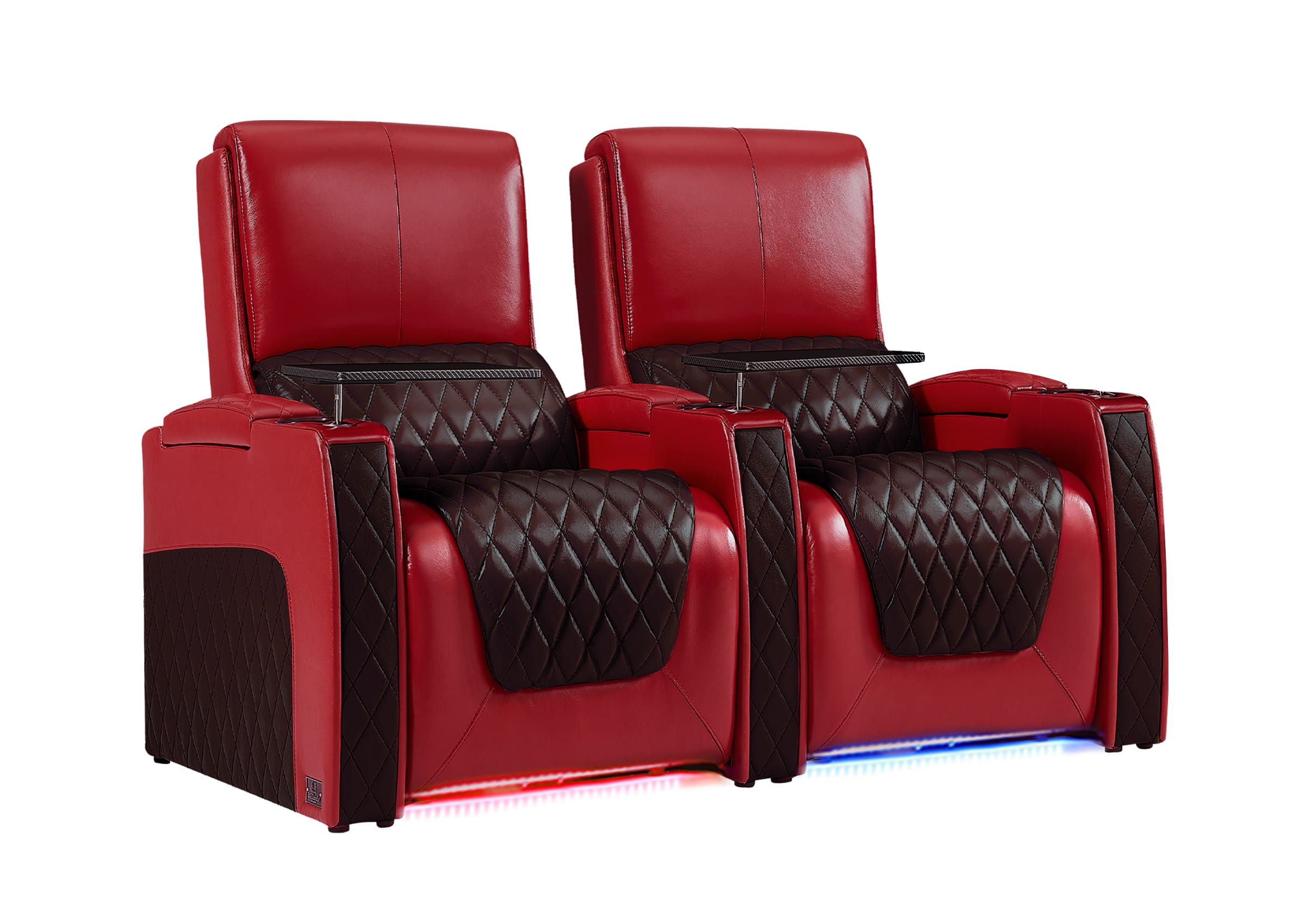
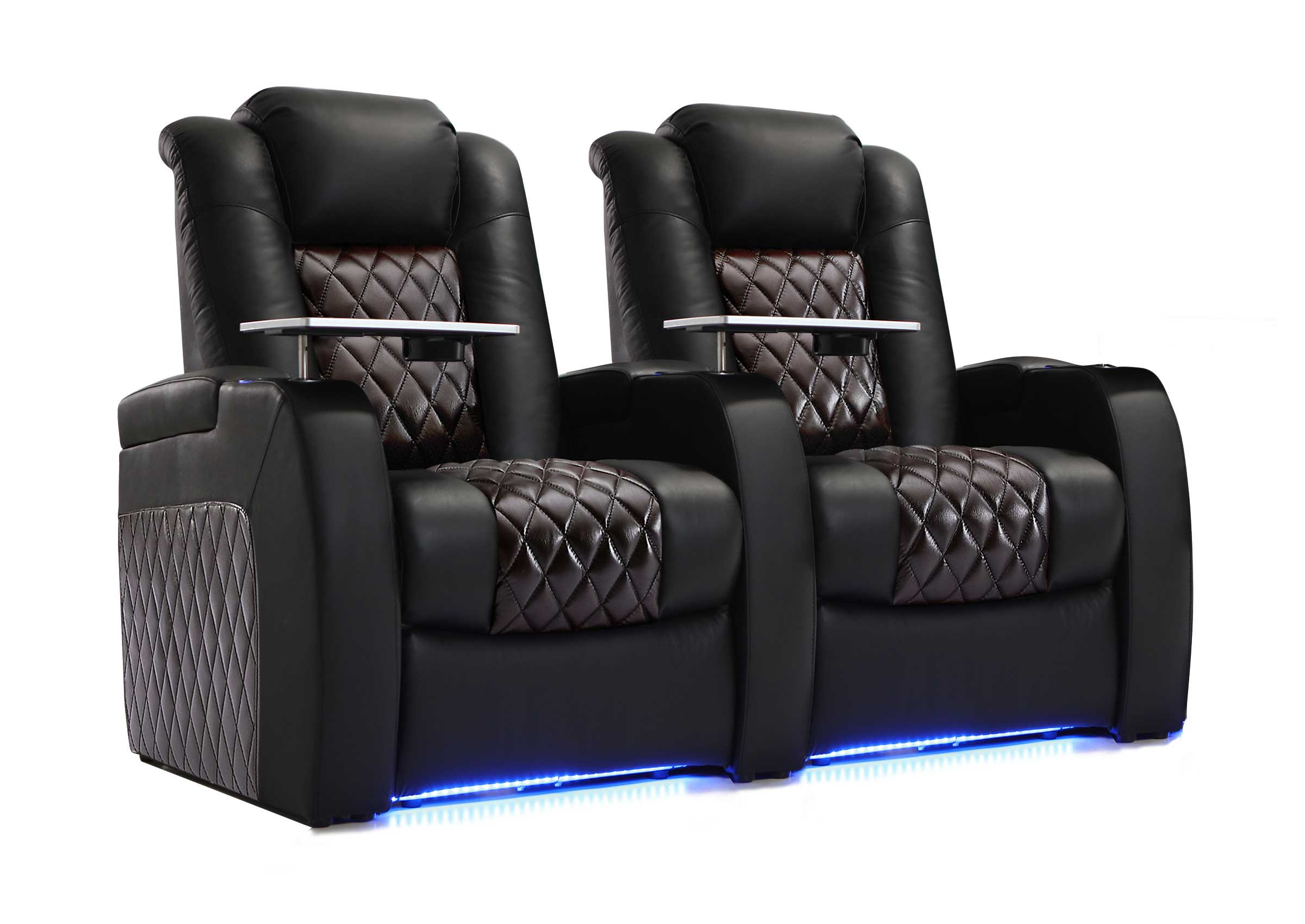
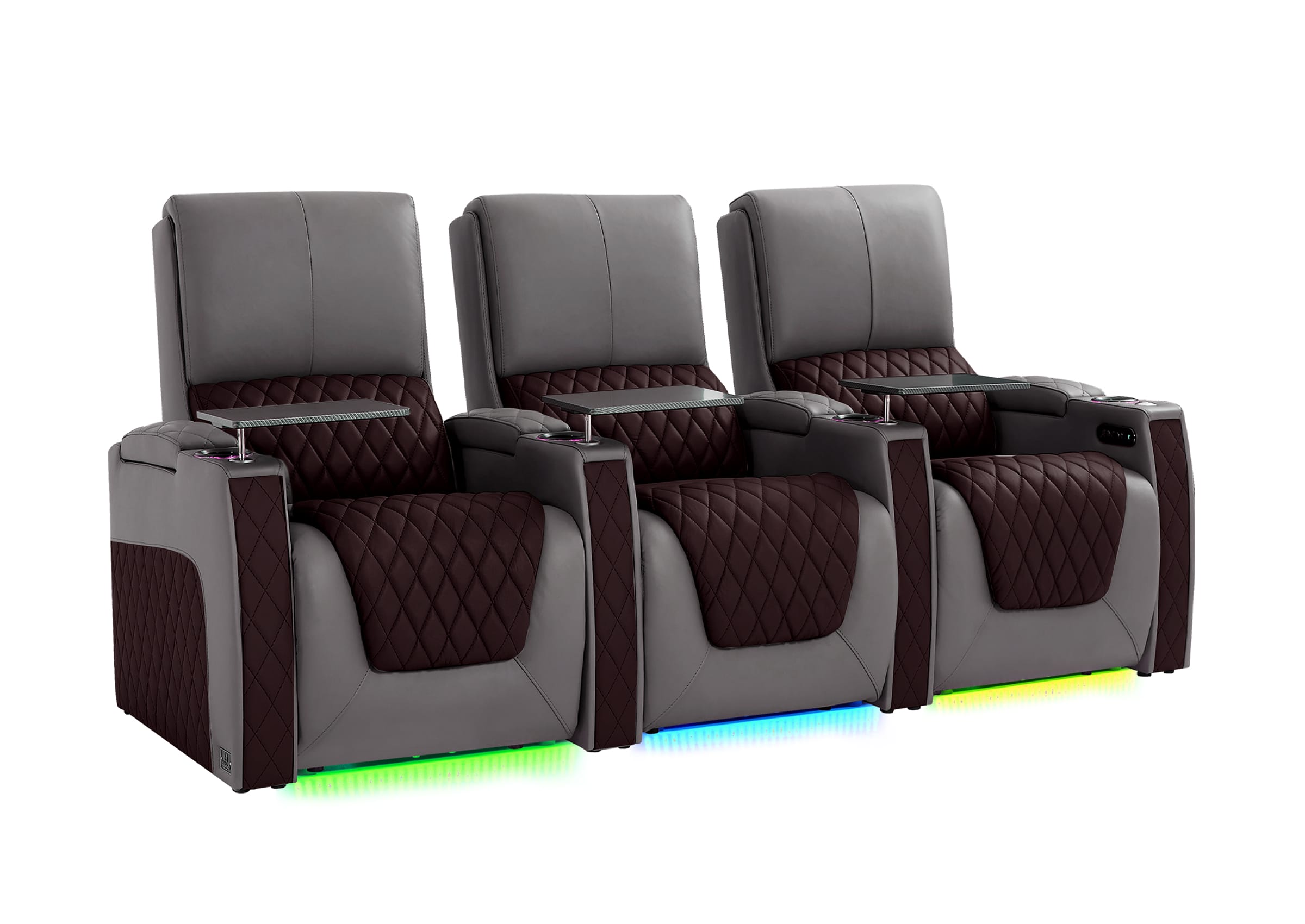
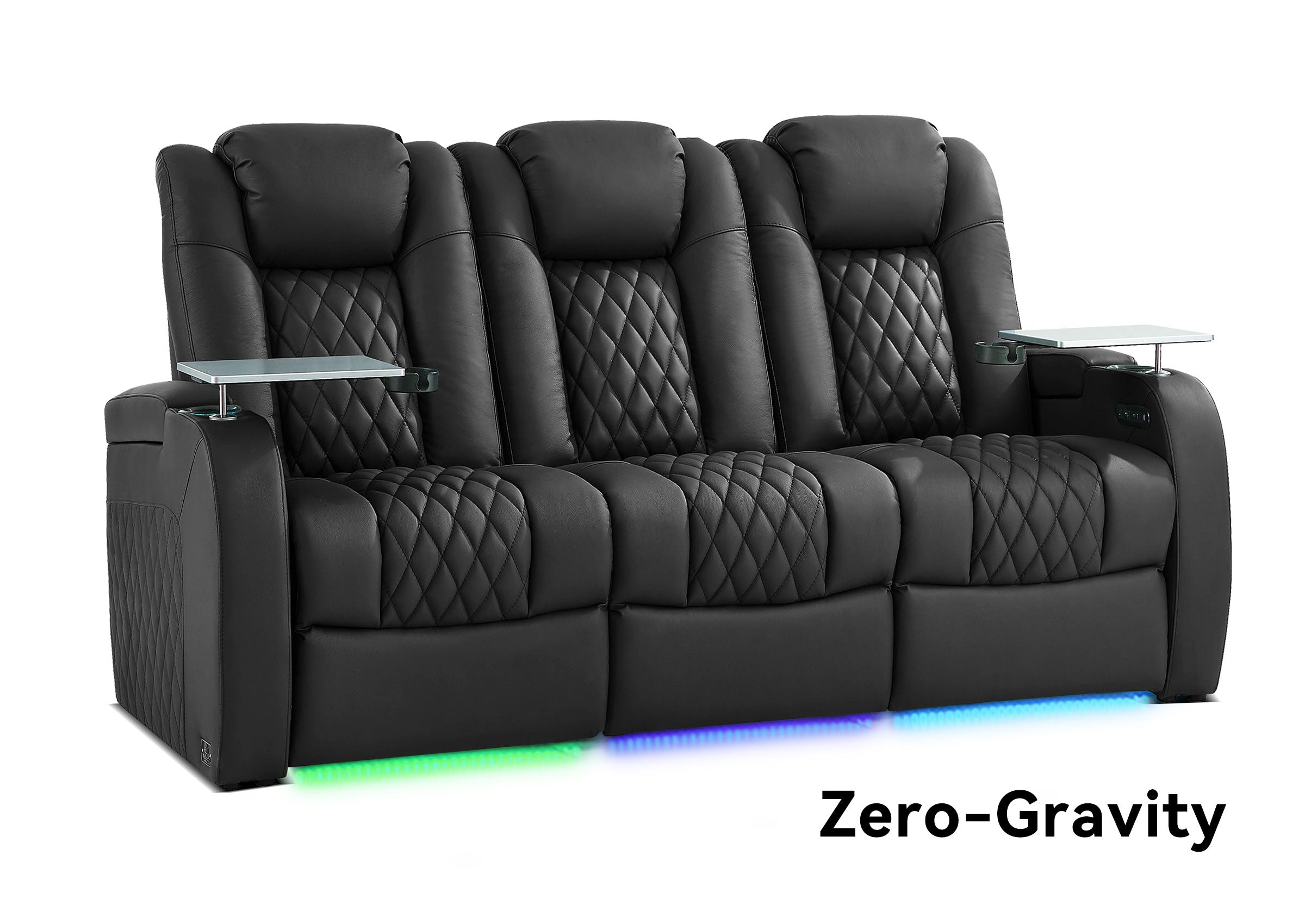


Choosing the right recliner for a home theater or media room is not just about comfort—it directly affects how your entire room is planned, from wall clearance to seating rows and screen distance. Two terms that often confuse buyers are wall-hugger recliners and zero-clearance wall-hugger recliners.
At first glance, they sound similar. But in real home theater planning, they belong to two different levels of space engineering.
The key difference is simple: wall-hugger recliners save space, while zero-clearance recliners eliminate space constraints almost entirely.
This guide breaks down how they actually work, when to use each one, and what most buyers overlook during planning.
What Is a Wall-Hugger Recliner?
A wall-hugger recliner is designed to recline by sliding the seat forward rather than pushing backward into the wall.
This allows it to be placed closer to a wall compared to traditional recliners, making it a popular choice for living rooms and smaller media spaces.
However, it still requires some rear clearance because the backrest follows a curved motion path.
In most real installations, a standard wall-hugger still needs around 3–6 inches (8–15 cm) of space behind it to recline safely without contact.
In short, wall-hugger recliners are space-efficient—but not space-free.
They work well in everyday living spaces where furniture flexibility matters more than precise theater-style layout optimization.
What Is a Zero-Clearance Wall-Hugger Recliner?
A zero-clearance recliner takes the wall-hugger concept further by optimizing the reclining mechanism to work almost flush against the wall.
Instead of just sliding forward slightly, the entire motion system is engineered to shift the seat forward more aggressively before reclining backward.
This allows the chair to fully recline with 0–2 inches (0–5 cm) of wall clearance in real-world use.
The goal of zero-clearance design is to remove spatial limitations entirely, not just reduce them.
This makes it especially useful in dedicated home theaters, basement cinemas, or compact rooms where every inch of depth matters.

Key Differences Between Wall-Hugger and Zero-Clearance Recliners
Although they look similar externally, their internal engineering and spatial behavior are very different.
| Feature | Wall-Hugger Recliner | Zero-Clearance Recliner |
|---|---|---|
| Wall Clearance Needed | 3–6 inches | 0–2 inches |
| Sliding Mechanism | Short forward slide | Extended linear rail system |
| Recline Motion | Moderate forward shift | High-efficiency forward shift |
| Structural Build | Standard frame | Reinforced heavy-duty frame |
| Stability in Full Recline | Good | Very high (engineered load balance) |
| Ideal Use | Living rooms, casual media rooms | Dedicated home theaters, compact cinemas |
The most important takeaway is not comfort—it’s layout freedom.
Zero-clearance design gives you far more flexibility when designing rows, walkways, and screen distance.

How These Differences Affect Home Theater Layout
In real home theater planning, seating is not just furniture—it defines the geometry of the entire room.
Wall-hugger recliners already improve space efficiency compared to traditional sofas, but they still introduce a rear buffer requirement. This means you cannot fully push seating against the back wall.
Zero-clearance recliners solve this limitation.
Because they do not extend backward during recline:
-
The last row can sit directly against the wall
-
You gain more usable depth for screen size or aisle spacing
-
Multi-row layouts become easier to calculate
-
Riser seating alignment is more predictable
This is especially important in small or medium-sized home theaters where layout mistakes are expensive to fix later.
Mechanical Structure and Stability Differences
The difference between the two is not only spatial—it is mechanical engineering.
Wall-hugger recliners typically use shorter sliding tracks or simplified linkage systems. These systems are cost-effective and reliable for everyday use, but they are not optimized for extreme forward motion.
Zero-clearance recliners, on the other hand, use extended linear rail systems that often reach 7–8 inches of travel distance. This forward motion is what allows the chair to recline fully without requiring rear clearance.
To support this movement, zero-clearance models usually include:
-
Heavier steel base frames
-
Multi-motor systems (headrest, footrest, recline separation)
-
Reinforced load distribution design
This structural difference is what makes zero-clearance seating more stable in fully extended positions.
Which One Is Better for Small Rooms?
If your priority is fitting seating into a limited space, both options help—but in different ways.
Wall-hugger recliners are already a strong upgrade over traditional sofas, especially in living rooms or hybrid entertainment spaces.
However, if the room is extremely tight or multi-purpose, zero-clearance recliners provide a critical advantage because they eliminate the need for rear buffer space.
For compact rooms where every inch of depth matters, zero-clearance is usually the more efficient long-term solution.
Which One Works Better for Dedicated Home Theaters?
In dedicated media rooms or basement theaters, layout precision becomes more important than casual flexibility.
Zero-clearance recliners are often preferred because they allow:
-
Clean wall-to-wall seating alignment
-
More accurate riser row planning
-
Better screen-to-seat distance optimization
-
Higher seating capacity in the same footprint
Wall-hugger recliners can still work, but they require more careful spacing calculations to avoid wasted depth behind rows.
Common Layout Mistakes (And How to Avoid Them)
In our years of designing premium home theaters, we’ve found that most layout failures happen before the seating even arrives.
Here are the top 3 pitfalls our installation teams encounter in the field:
-
The "Upright" Trap: Buyers often measure room depth based only on the chair’s upright position. When fully extended, the headrests slam into acoustic panels or block the rear row walkway.
-
Wasted Space: Many assume standard wall-huggers can sit flush against drywall. In reality, you must pull them 3–6 inches forward, destroying your screen-to-seat viewing distance.
-
Riser Row Collisions: In multi-row basement cinemas, failing to account for backward extension means the front row will directly hit the knees of the guests sitting behind them.
The Fix: If your room is tight, bypass standard wall-huggers and invest in true zero-clearance engineering to eliminate the rear buffer entirely.

Buying Checklist Before You Choose
Before selecting between the two, consider the following:
-
How much rear wall clearance is actually available
-
Whether the room is multi-purpose or dedicated theater use
-
How many seating rows you plan to install
-
Whether you need strict alignment with screen distance
-
How often the room layout may change in the future
-
Whether you prioritize flexibility or maximum space efficiency
If your layout is fixed and optimized for cinema use, zero-clearance is usually the safer long-term choice.
FAQ
Are wall-hugger and zero-clearance recliners the same?
No. Wall-hugger recliners reduce space requirements, while zero-clearance recliners are engineered to operate almost flush against the wall.
How much space does a wall-hugger recliner need?
Most wall-hugger recliners require around 3–6 inches of clearance behind the seat to recline safely.
Can zero-clearance recliners really sit against the wall?
Yes. Most models only need 0–2 inches of space, mainly for baseboards or power cables.
Which is better for a small home theater?
Zero-clearance recliners are generally better for very tight spaces because they maximize usable room depth.
Do zero-clearance recliners feel different when sitting?
No. The comfort experience is similar, but the mechanism underneath is more advanced and forward-shifting.
Can I use wall-hugger seating for multiple rows?
Yes, but spacing must be planned carefully. Zero-clearance is usually more efficient for multi-row layouts.
Plan Your Home Theater Seating with the Right Layout
Planning a home theater or media room is really about matching seating with your real space and viewing habits.
If you’re comparing wall-hugger and zero-clearance recliners for your setup, choosing the right layout early can make a big difference in long-term comfort.
If you have questions or want help planning your seating layout, you can contact us at leon@weiliandahome.com.