


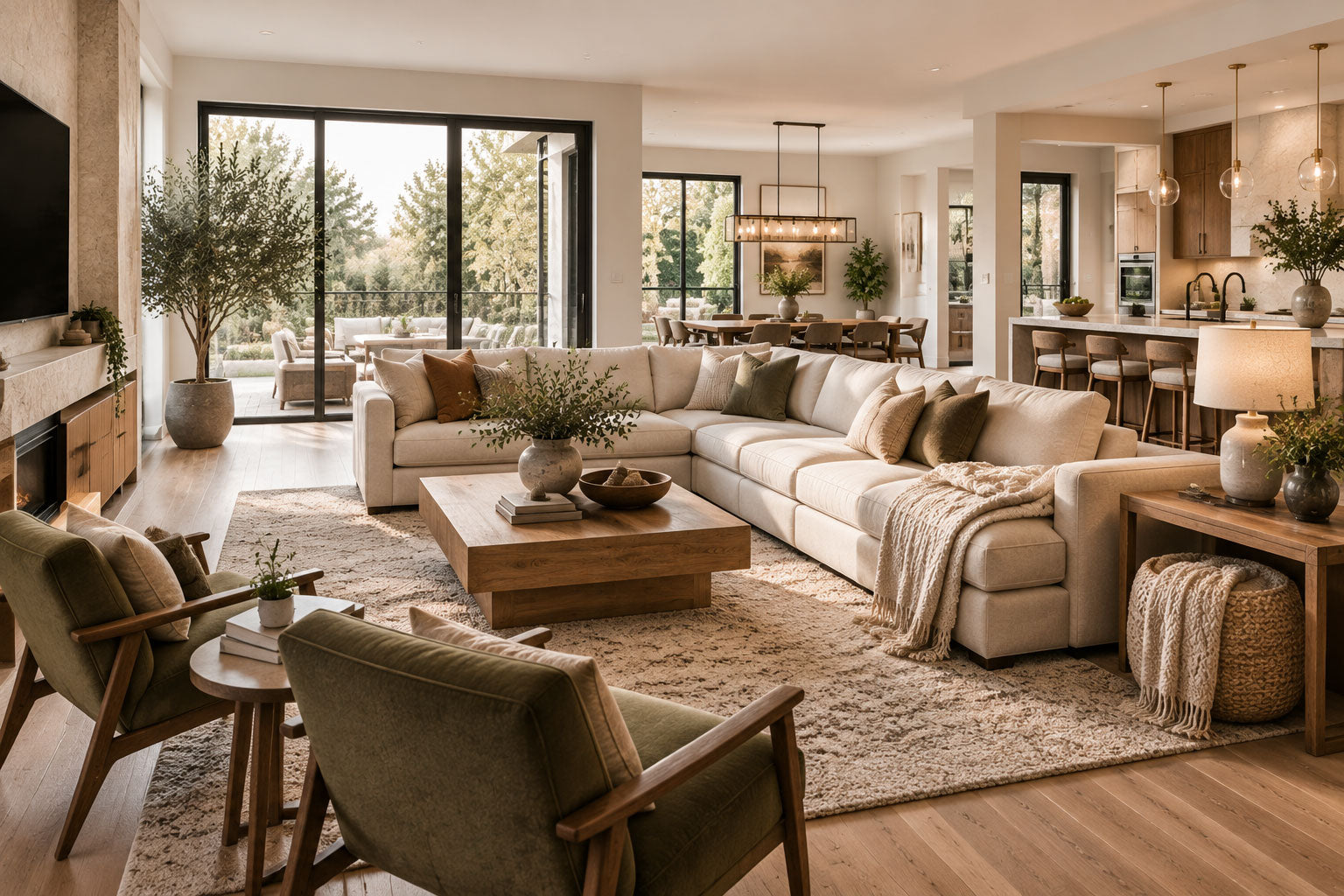








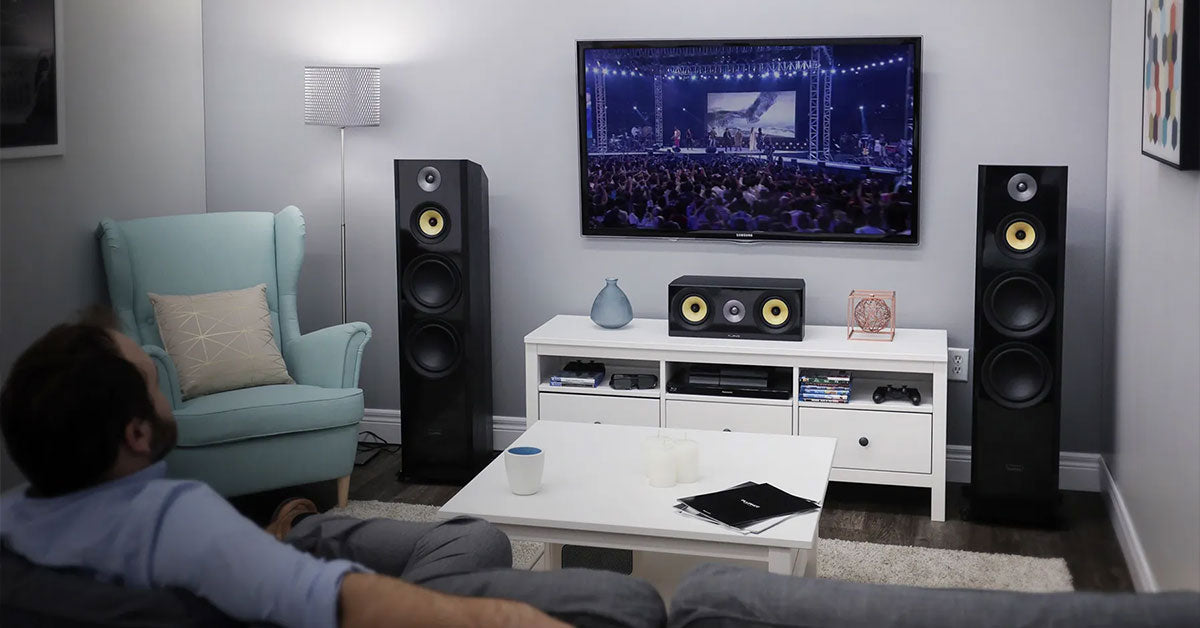
A home theater system is a setup that recreates a cinema-like audio and visual experience inside your home. It combines display technology, surround sound, and seating design to make movies, sports, and gaming feel more immersive than a regular TV setup.
Unlike a standard living room TV, a true home theater system is designed around sound direction, screen placement, and seating comfort working together as one experience, not as separate pieces.
This guide explains what a home theater system actually includes, how it works, and what matters most when building one in a real home—not just a showroom setup.
What Is a Home Theater System?
A home theater system is an integrated entertainment setup that combines a large display, multi-channel audio, and optimized room layout to simulate a cinema environment.
At its core, it usually includes:
-
A large-screen TV or projector
-
An audio system (often surround sound)
-
A media source (streaming device, Blu-ray, or gaming console)
-
A room layout designed for viewing and listening comfort
But in real-world use, a home theater system is not just about equipment. It is about how the room feels when you sit down for a 2-hour movie or a full game night.
A well-designed setup reduces distraction, improves immersion, and makes long viewing sessions more comfortable for the entire family.

Core Components of a Home Theater System
A complete home theater system is built from several key components that work together.
Display (TV or Projector)
The display is the visual center of the system.
-
TVs are more common for living rooms and media rooms
-
Projectors are often used in dedicated theater rooms for larger screens
Screen size should match viewing distance to avoid eye strain or loss of detail.
Audio System (The Most Important Upgrade Most People Underestimate)
Sound is what separates a “big TV setup” from a real home theater experience.
Common configurations include:
-
2.1 system (basic stereo + subwoofer)
-
5.1 surround sound (standard cinema setup)
-
7.1 or Dolby Atmos (more immersive, directional sound)
The goal is simple: sound should feel like it comes from around you, not just from the TV in front of you.
Media Sources
This includes:
-
Streaming devices (Netflix, Disney+, etc.)
-
Gaming consoles (PS5, Xbox)
-
Blu-ray players
-
Smart TV platforms
A modern home theater system is usually built around streaming and gaming flexibility.
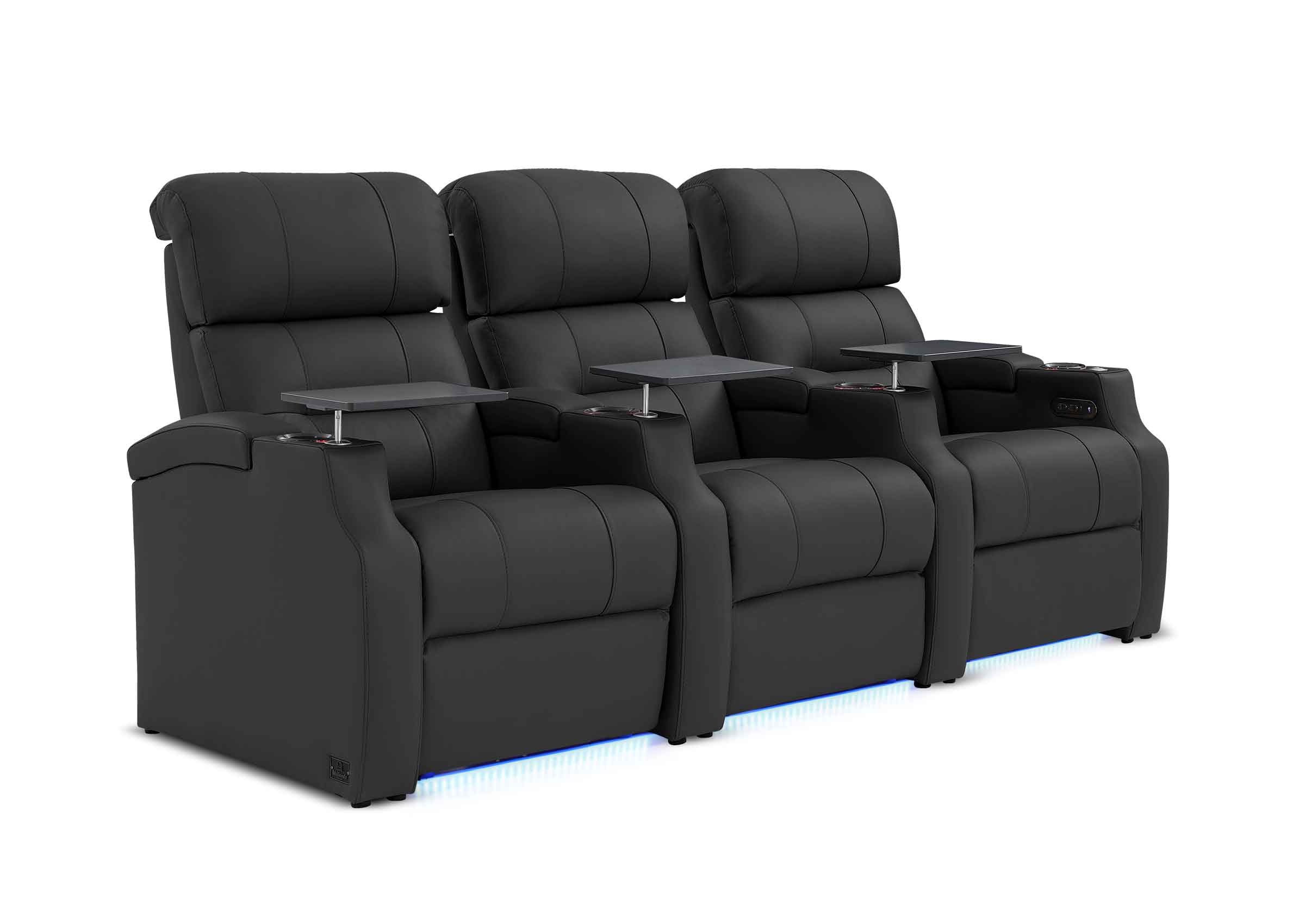
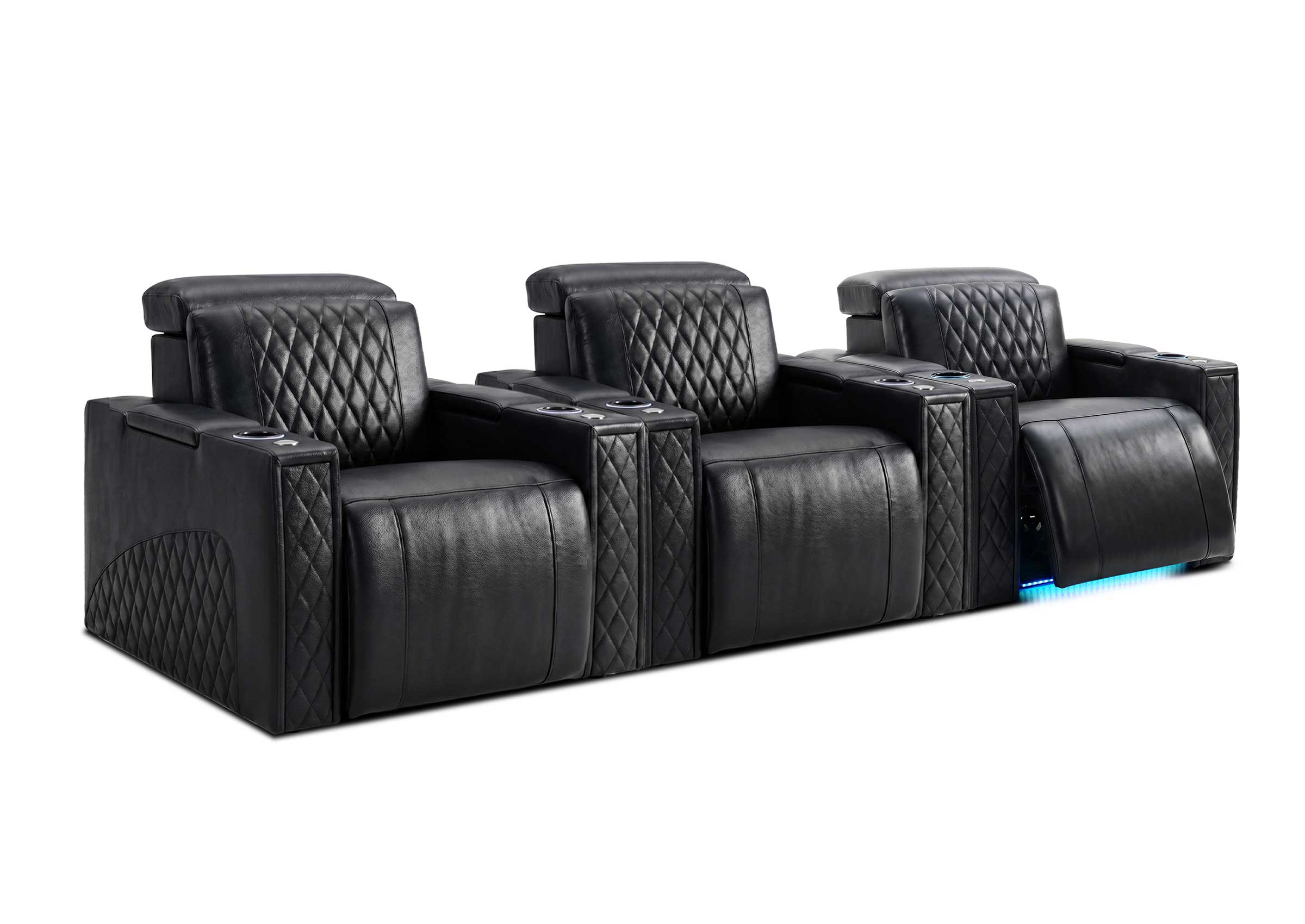
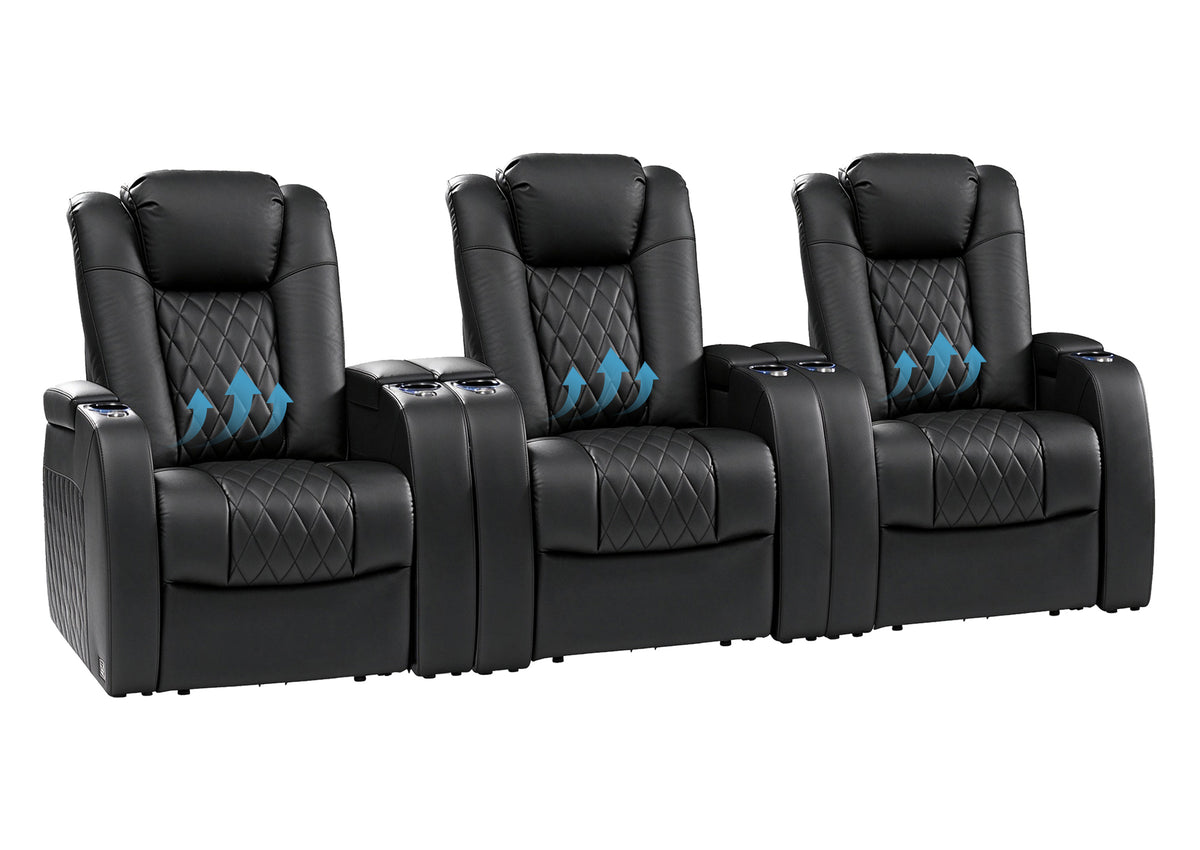
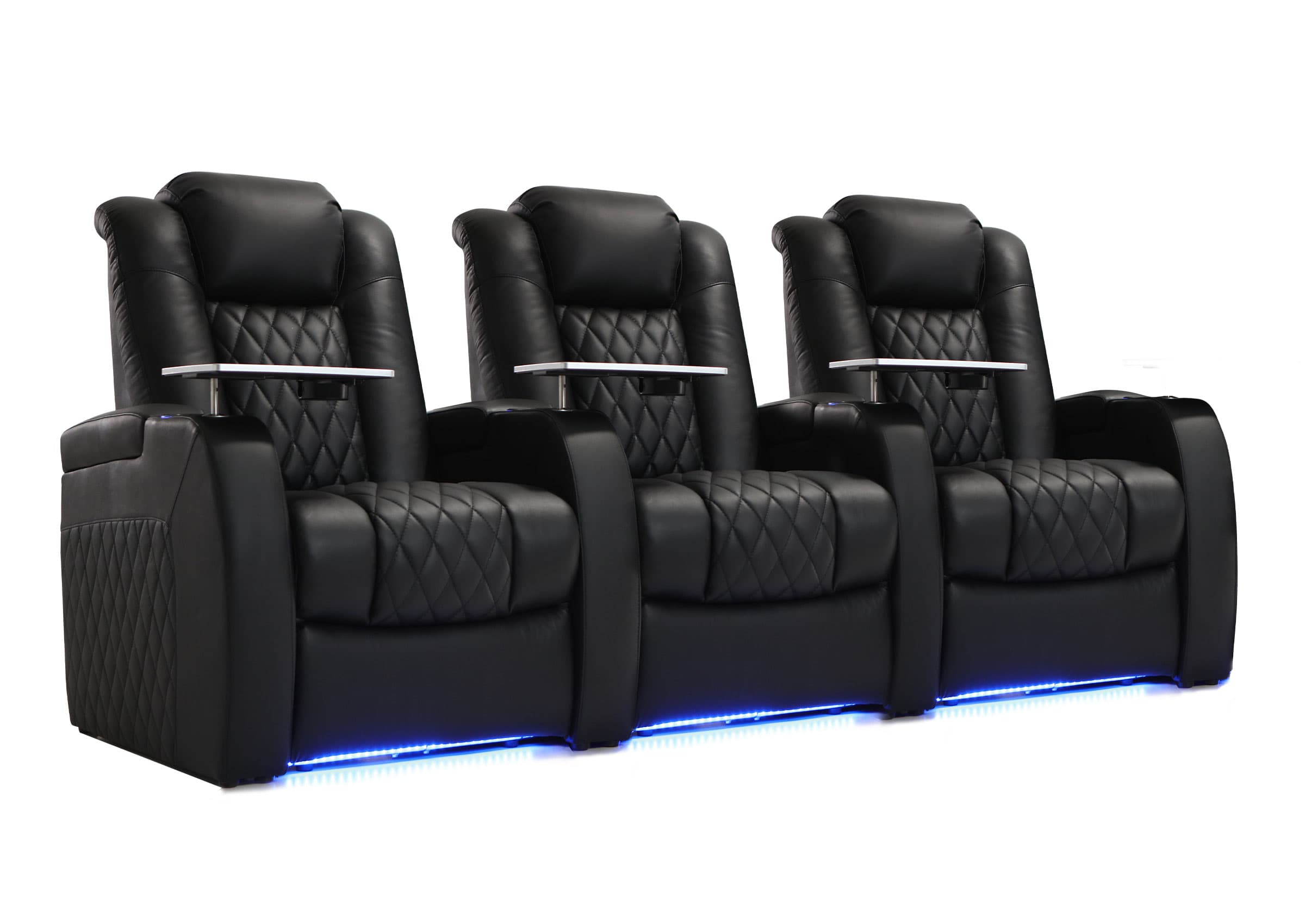
Seating (The Most Overlooked Part of the System)
Seating is not just furniture—it directly affects viewing angle, sound perception, and comfort during long sessions.
This is where many setups fail in real homes.
A good home theater seating layout ensures:
-
Proper screen alignment
-
Comfortable recline during long movies
-
Clear audio positioning
-
Enough space for movement and family use
In real home environments, seating often becomes the difference between “nice setup” and “we actually use this room every day.”

How a Home Theater System Actually Works
A home theater system works by synchronizing three sensory layers:
1. Visual Layer (Screen Experience)
The screen delivers image clarity, brightness, and scale.
2. Audio Layer (Directional Sound)
Speakers are placed around the room so sound moves naturally—like footsteps behind you or dialogue centered in front.
3. Physical Layer (Seating & Space)
Seating position affects how you perceive both sound and visuals.
For example:
-
Sitting too close can cause eye fatigue
-
Sitting too far reduces immersion
-
Poor seating angles distort surround sound experience
When all three layers are aligned, the room feels like a mini cinema instead of just a TV corner.
Types of Home Theater Systems
Not all home theater systems are the same. Most fall into three categories:
Basic Living Room Setup
-
Standard TV + soundbar
-
Minimal installation changes
-
Good for casual viewing
Mid-Level Media Room System
-
Larger screen or TV
-
Surround sound system
-
Defined seating area
-
Better layout planning
Dedicated Home Theater Room
-
Projector or very large screen
-
Full surround sound or Dolby Atmos
-
Theater-style seating rows
-
Controlled lighting and acoustic design
Each level improves immersion—but also increases the importance of room planning.
What Makes a Good Home Theater System?
A high-quality home theater system is not defined by expensive equipment alone.
It depends on how well these elements work together:
Screen Position + Viewing Distance
Too large or too close can reduce comfort. Too far reduces immersion.
Sound Calibration
Speaker placement matters more than speaker price in many real homes.
Room Layout
Furniture placement affects both sound reflection and viewing angles.
Seating Comfort
Long movie nights or sports events require real ergonomic support, not just visual style.
A properly designed system prioritizes comfort over complexity.

Common Mistakes People Make
Many home theater setups fail for predictable reasons:
-
Buying a screen that is too large for the room
-
Ignoring speaker placement and room acoustics
-
Using uncomfortable seating for long sessions
-
Blocking walkways with oversized furniture
-
Not planning for real usage (gaming, snacks, family time)
One of the most common regrets is focusing on equipment first and ignoring the room experience.
Is a Home Theater System Worth It?
A home theater system is worth it if you regularly:
-
Watch movies as a family
-
Play immersive games
-
Watch sports events
-
Spend long periods in one seating position
It becomes especially valuable in modern homes where entertainment, relaxation, and social time happen in the same space.
The key is not building a “perfect cinema,” but building a system that fits your daily lifestyle.
Where Seating Design Becomes a Game-Changer
In real homes, seating often determines whether the system feels premium or uncomfortable.
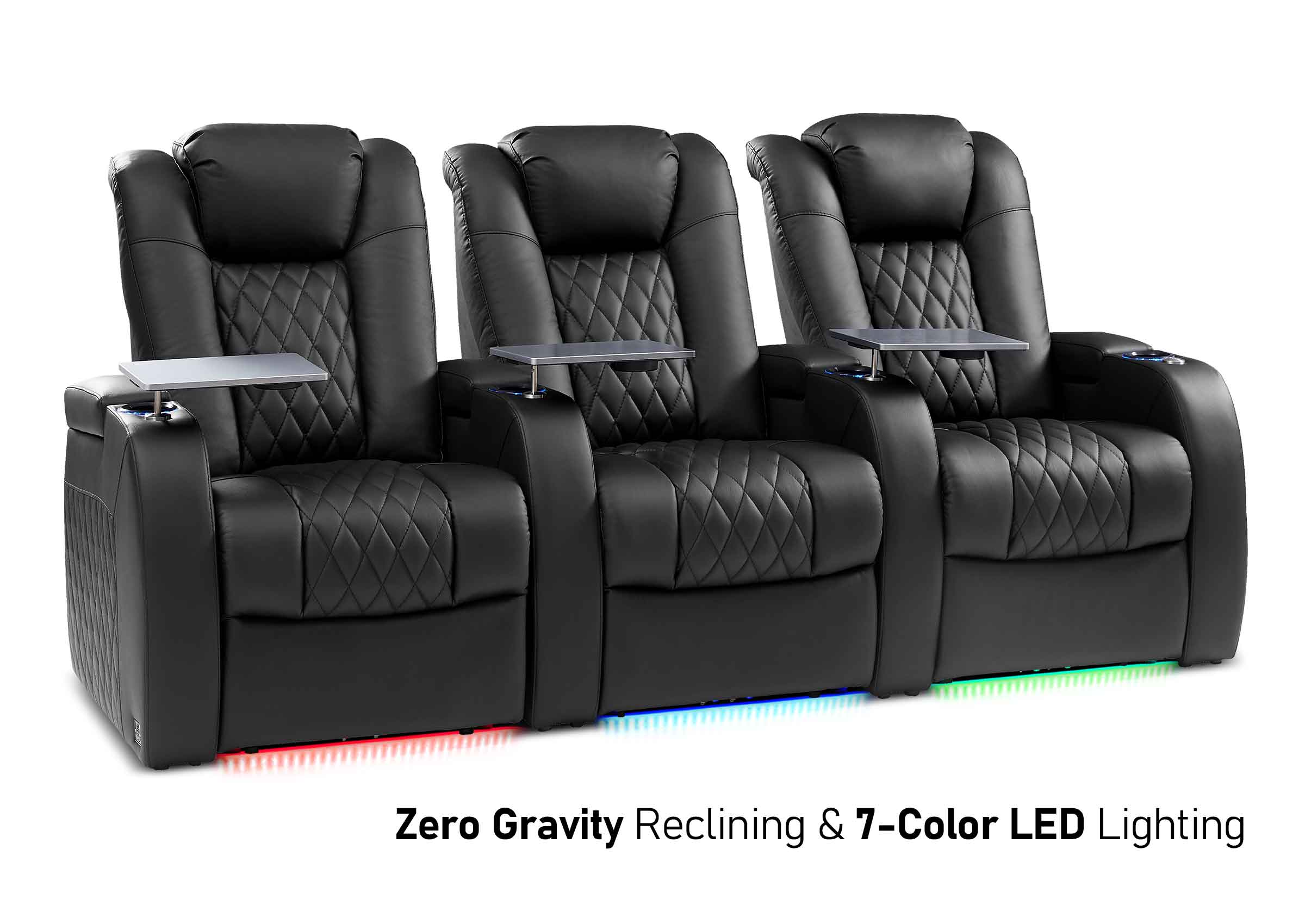
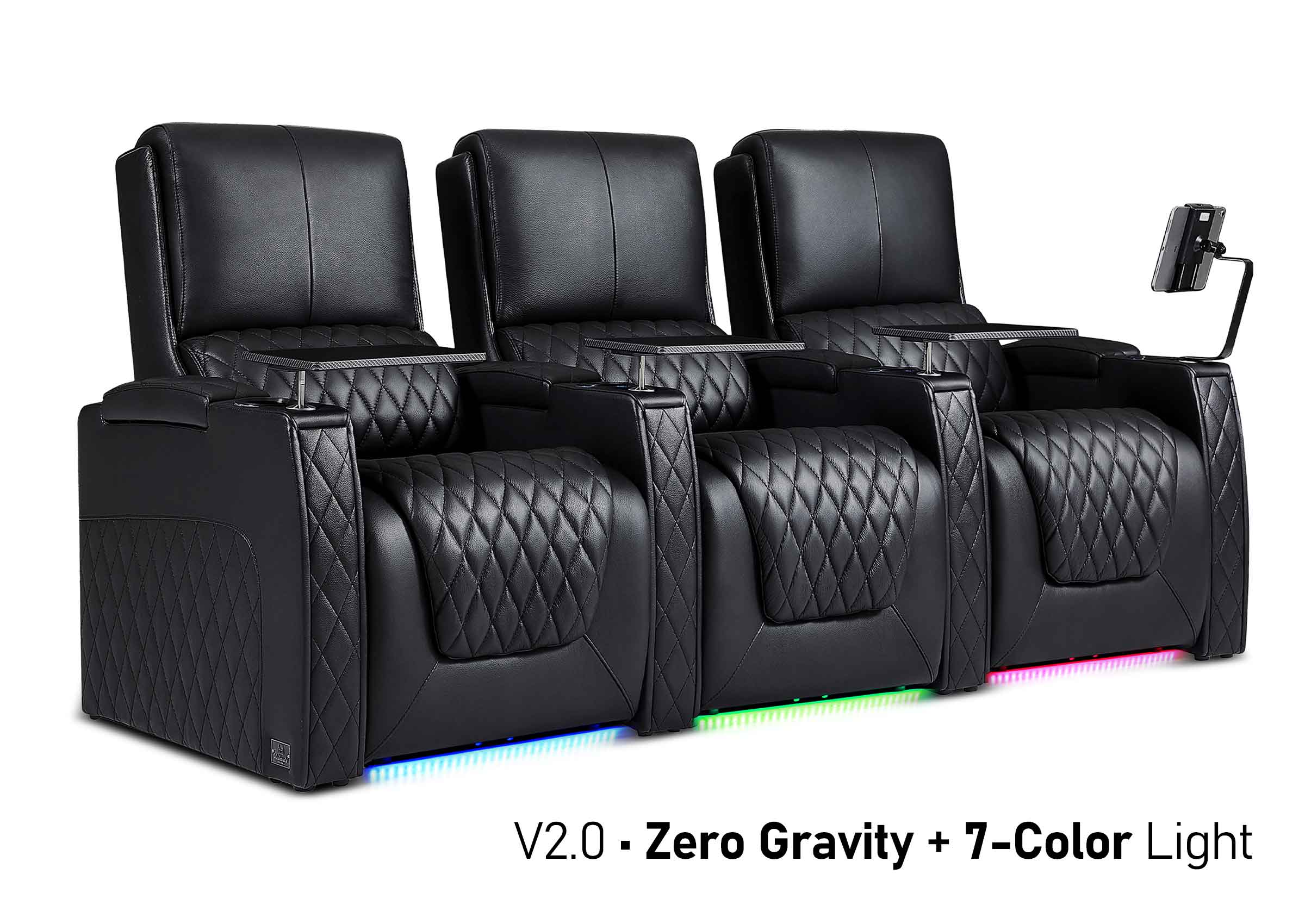
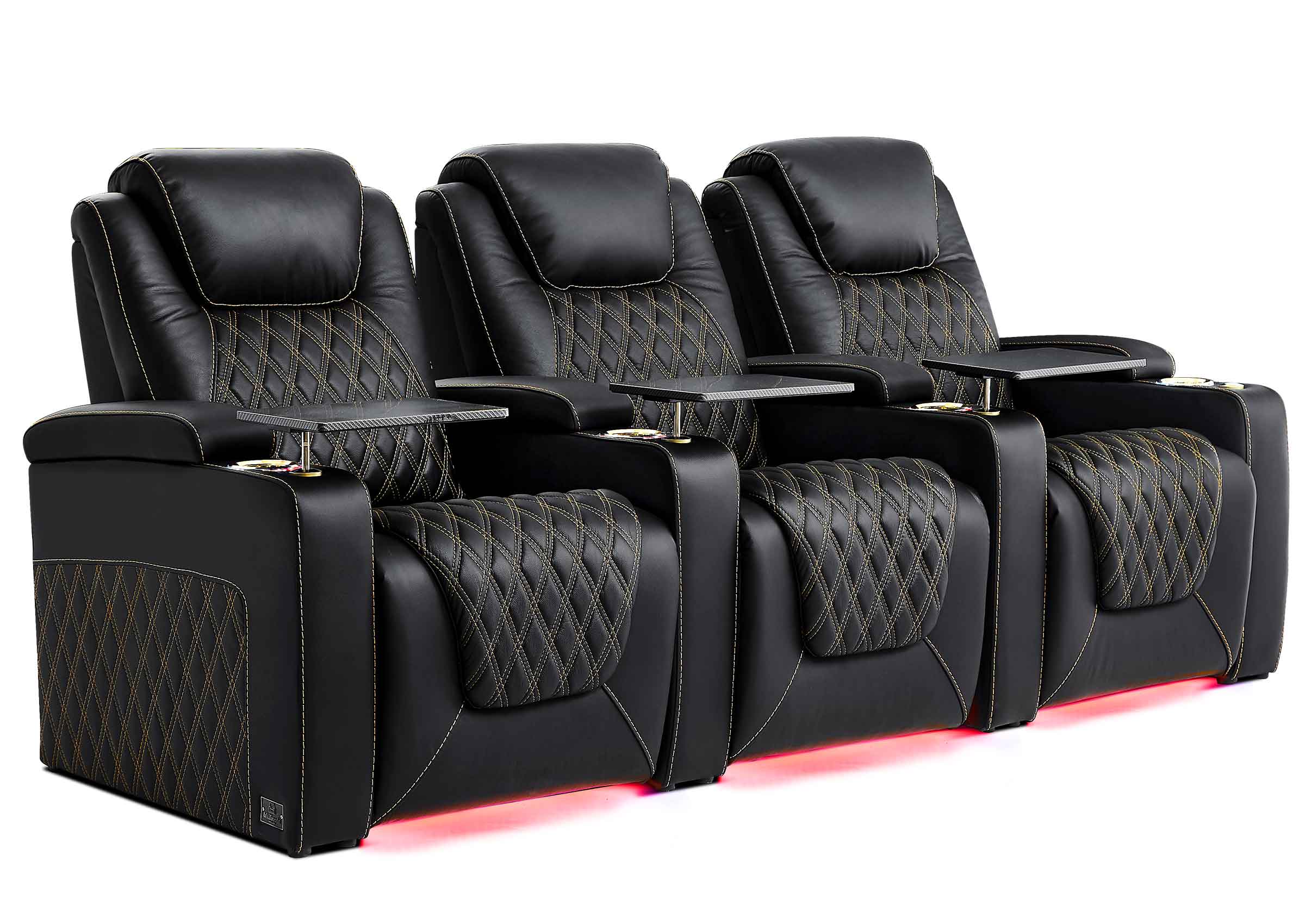
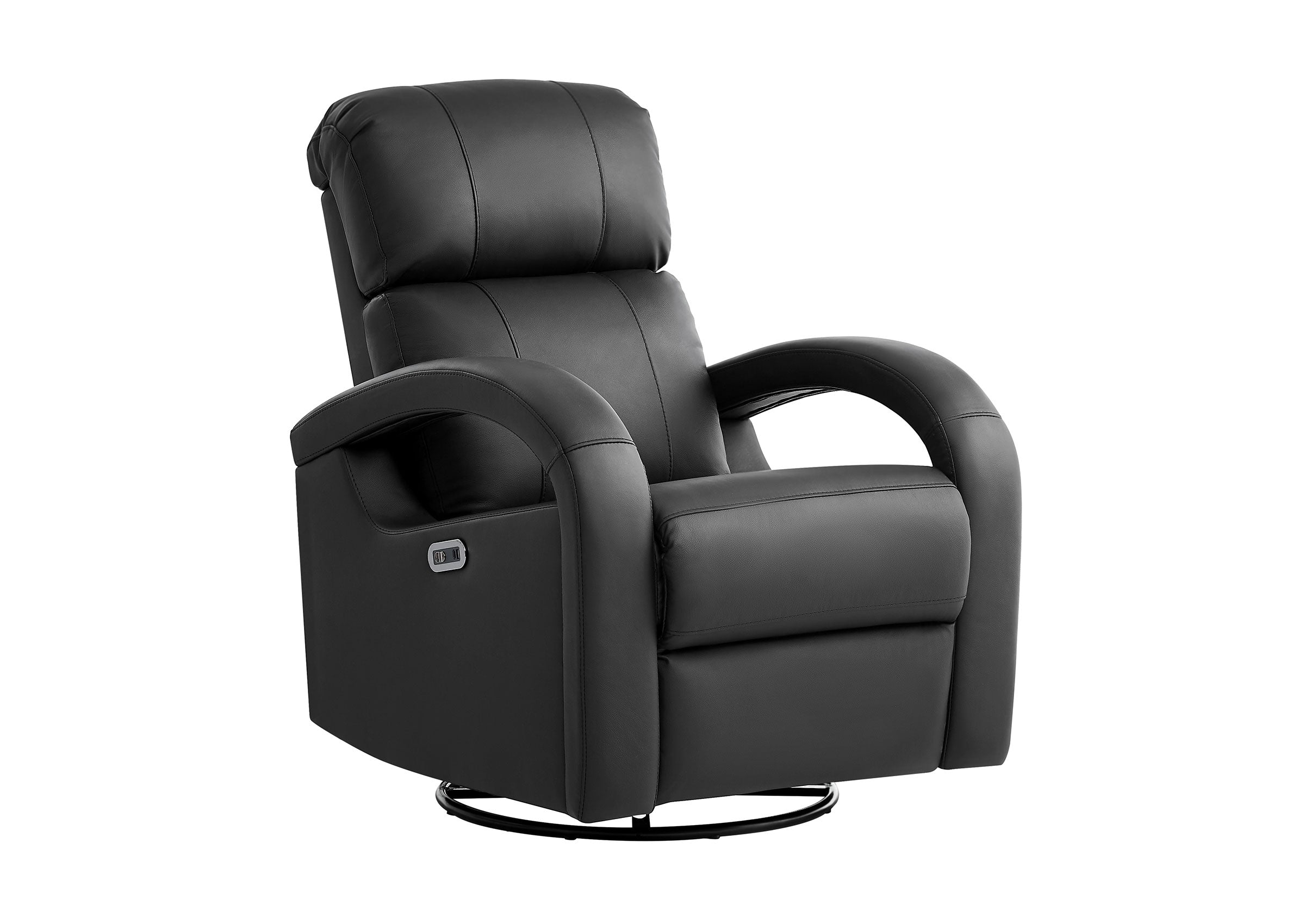
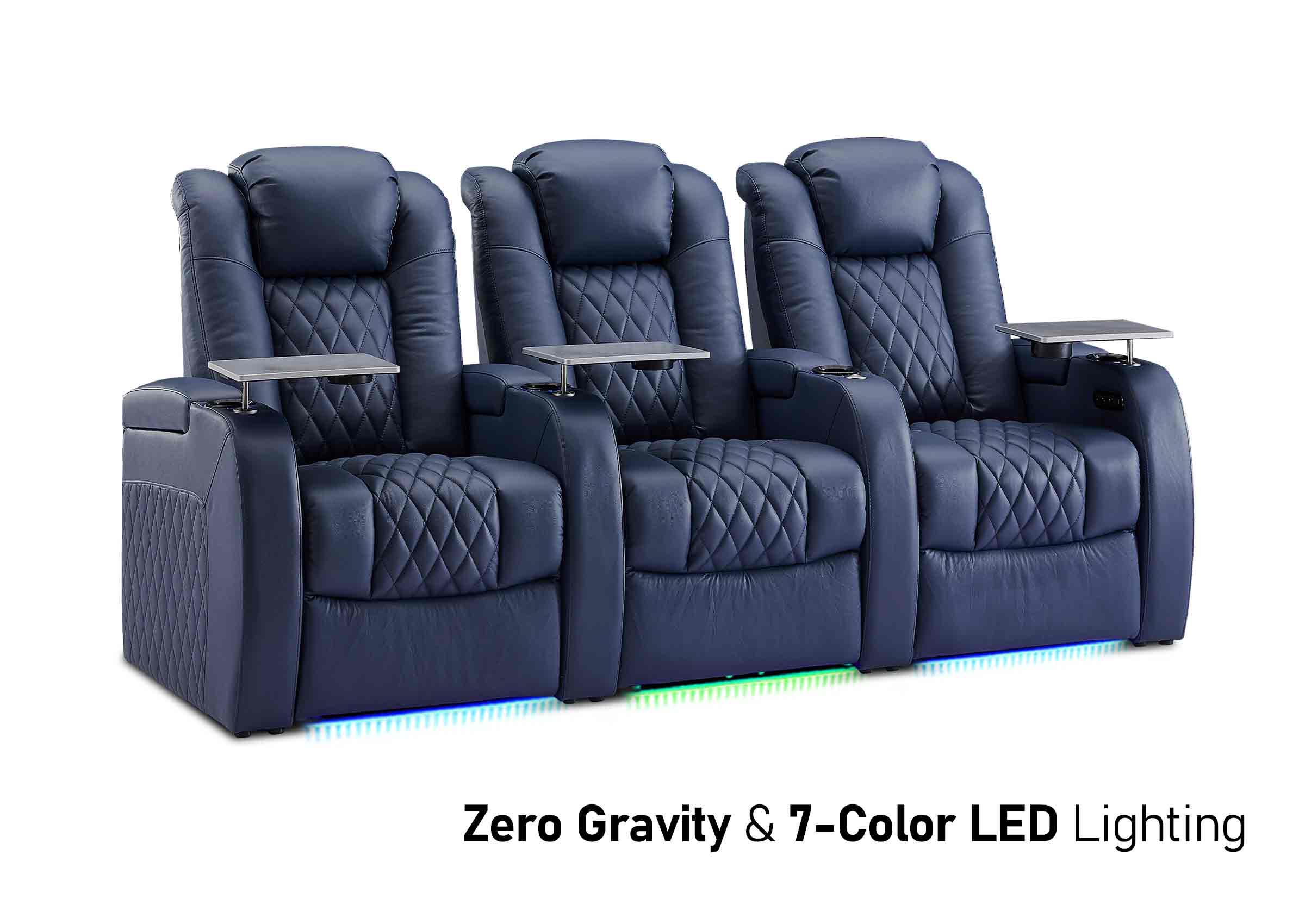
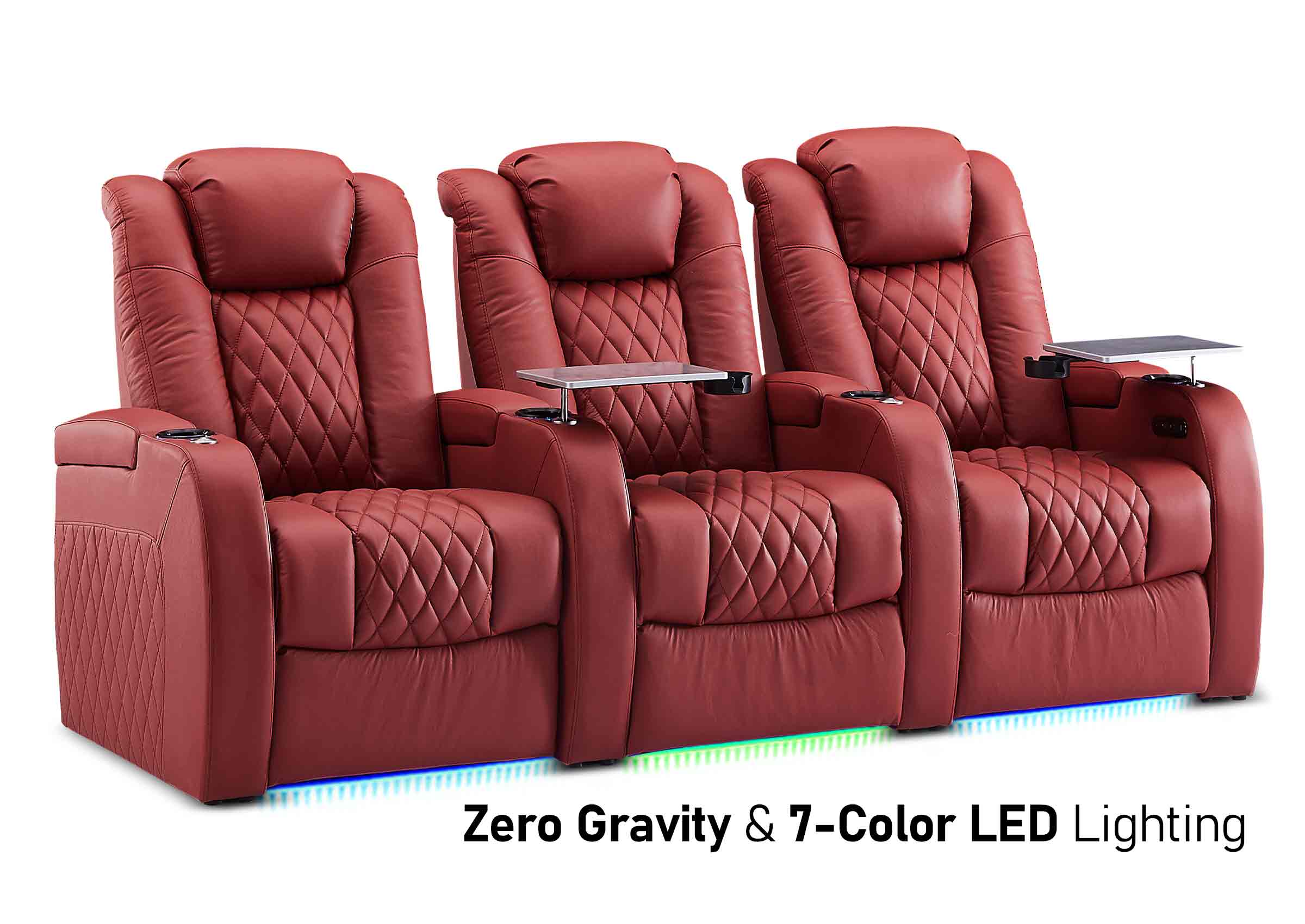
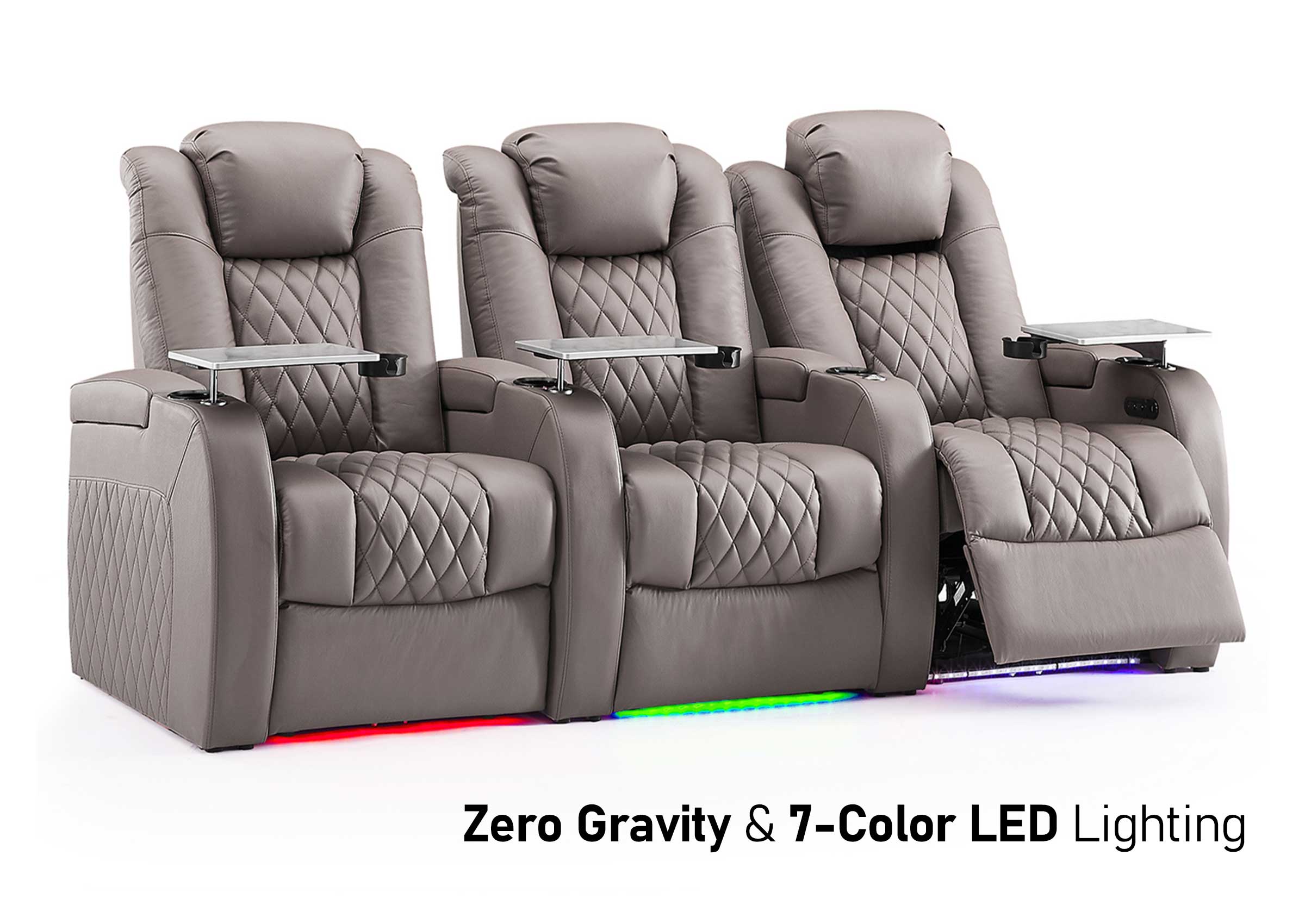
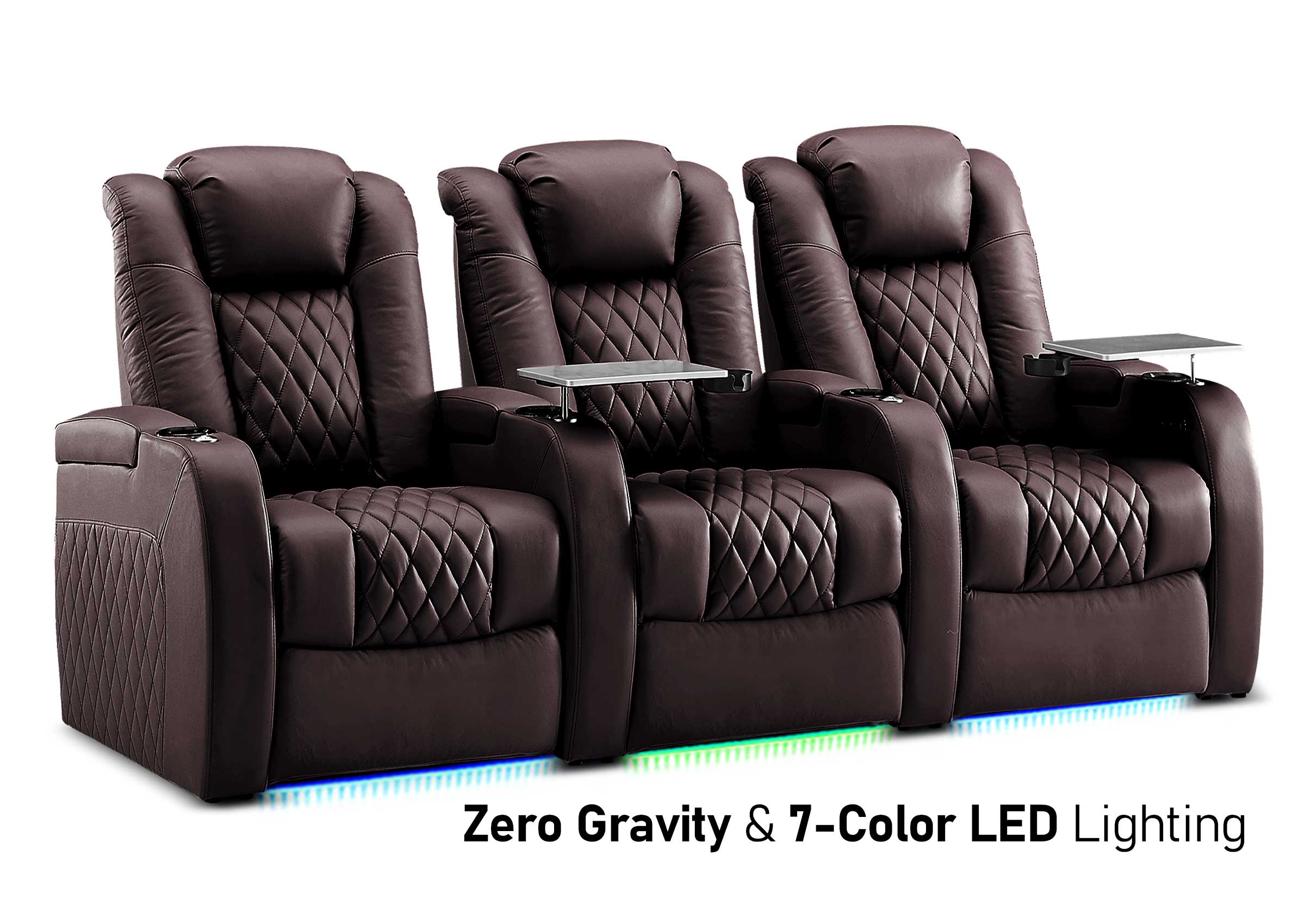
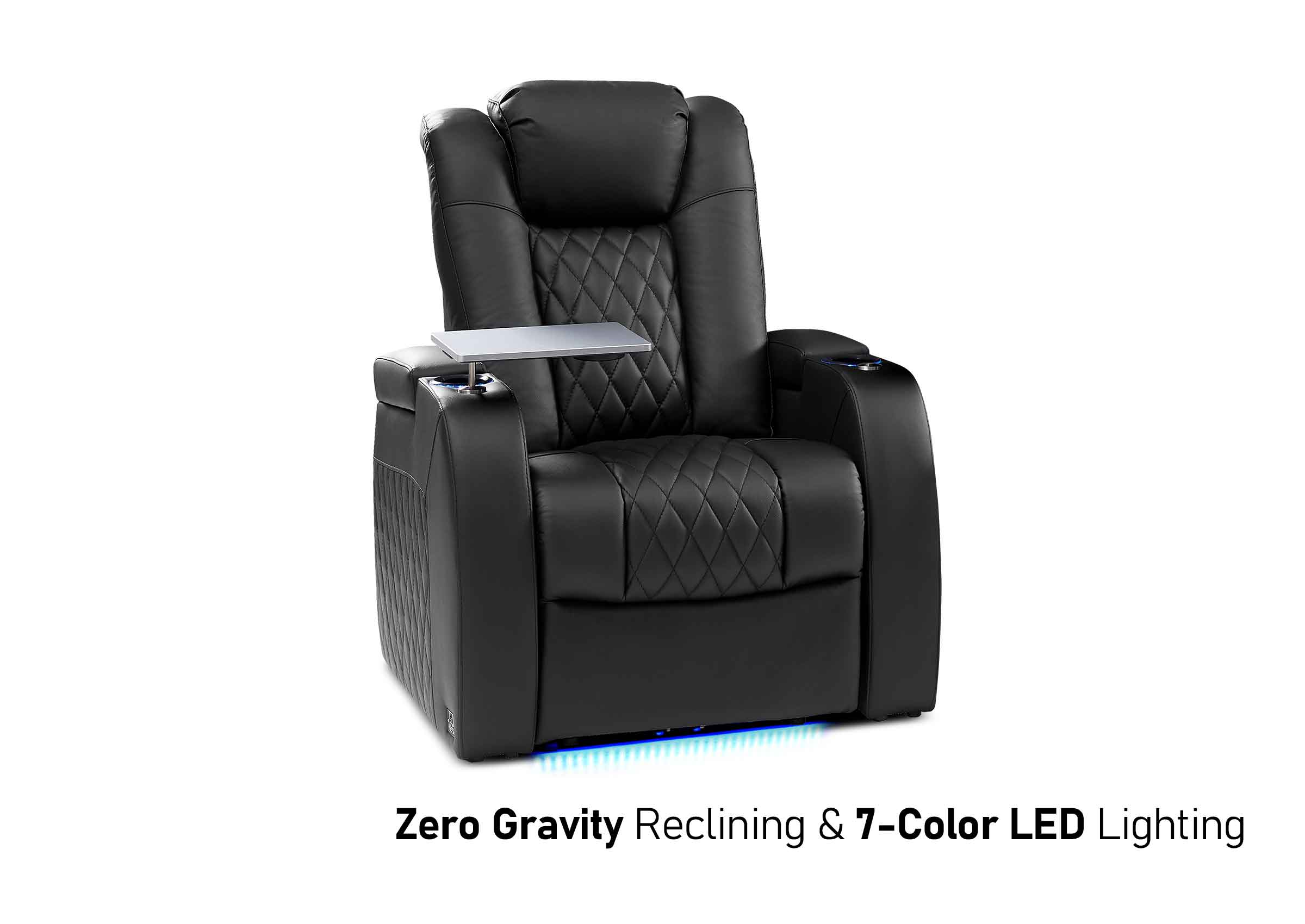
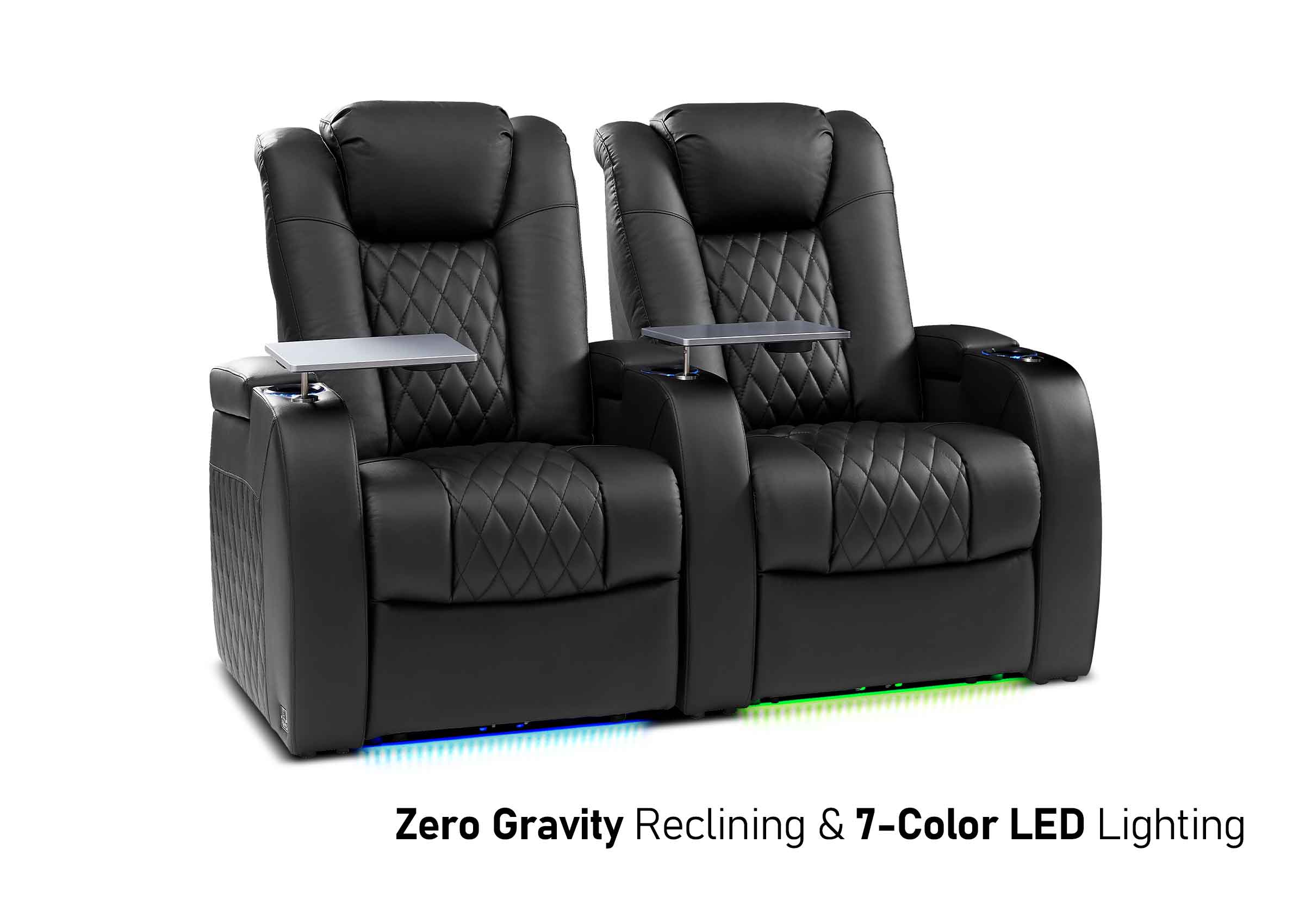
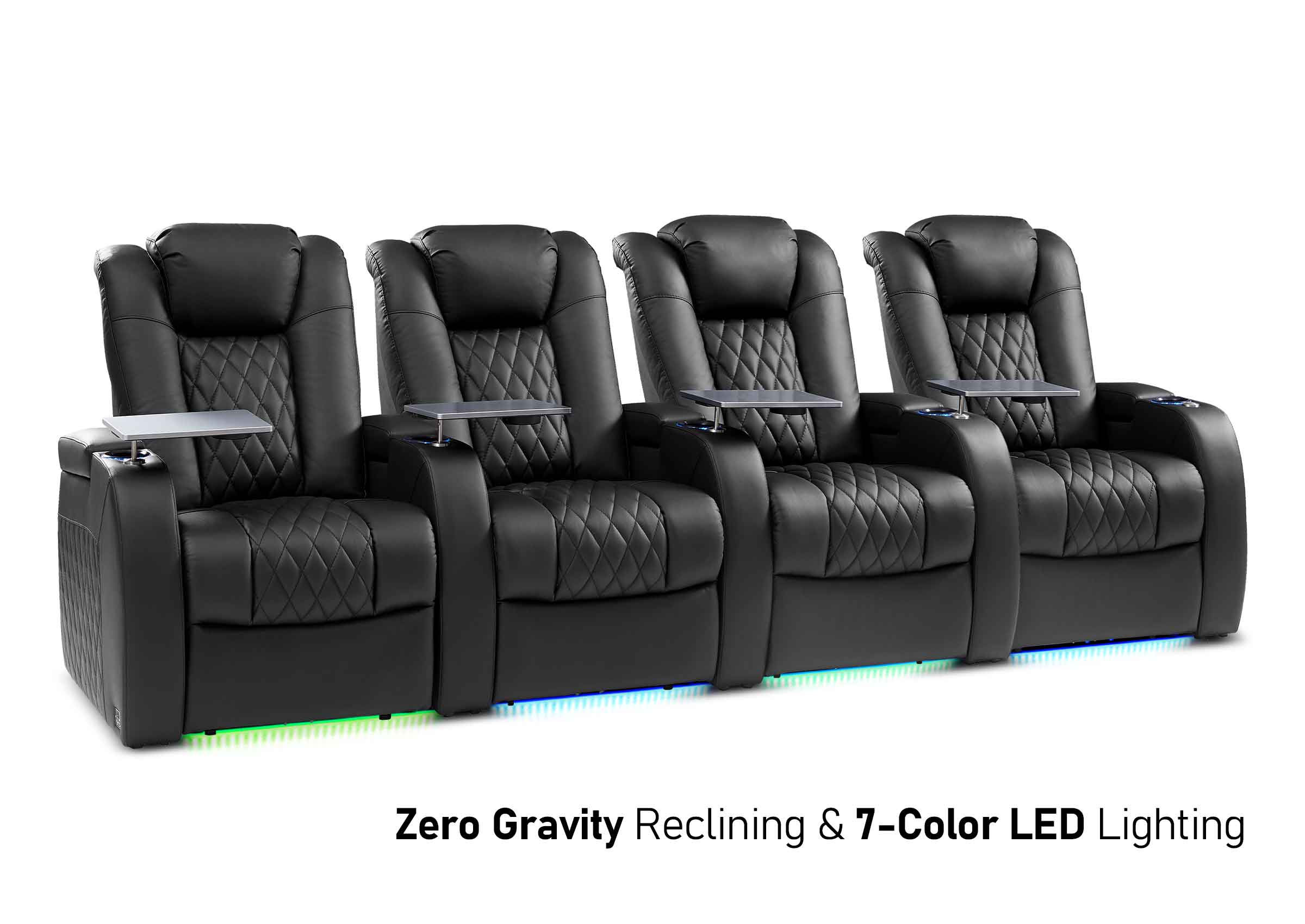
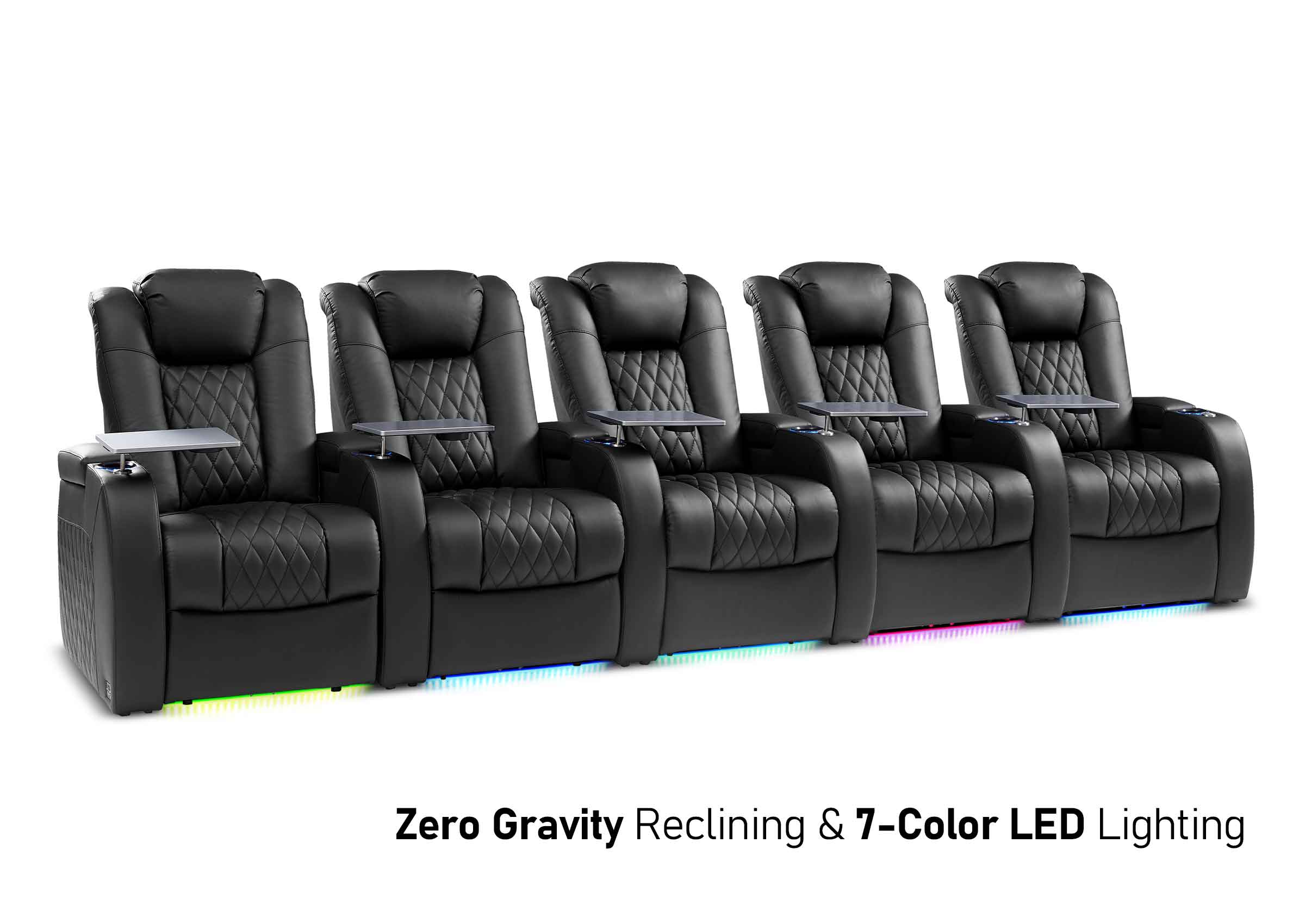
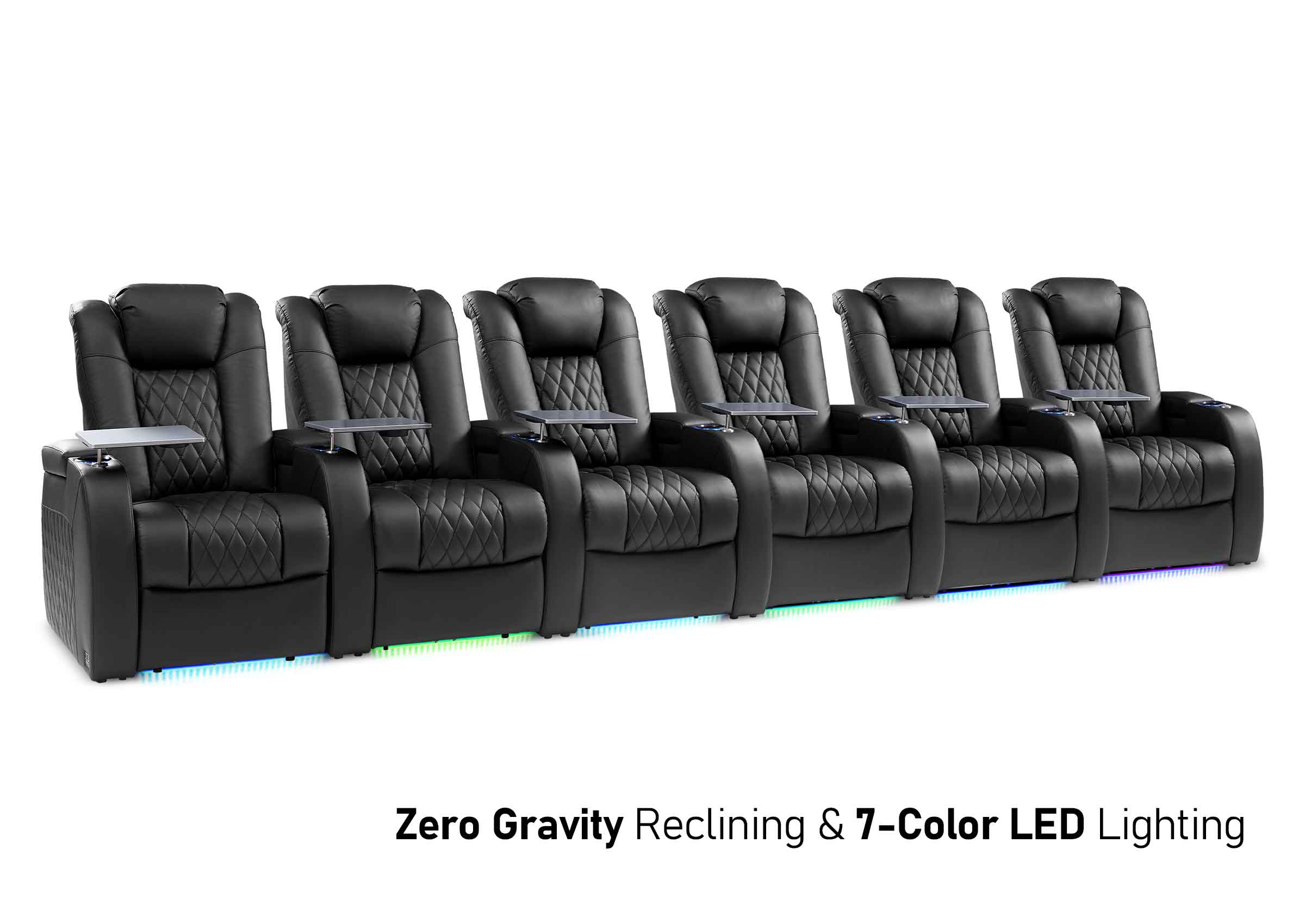
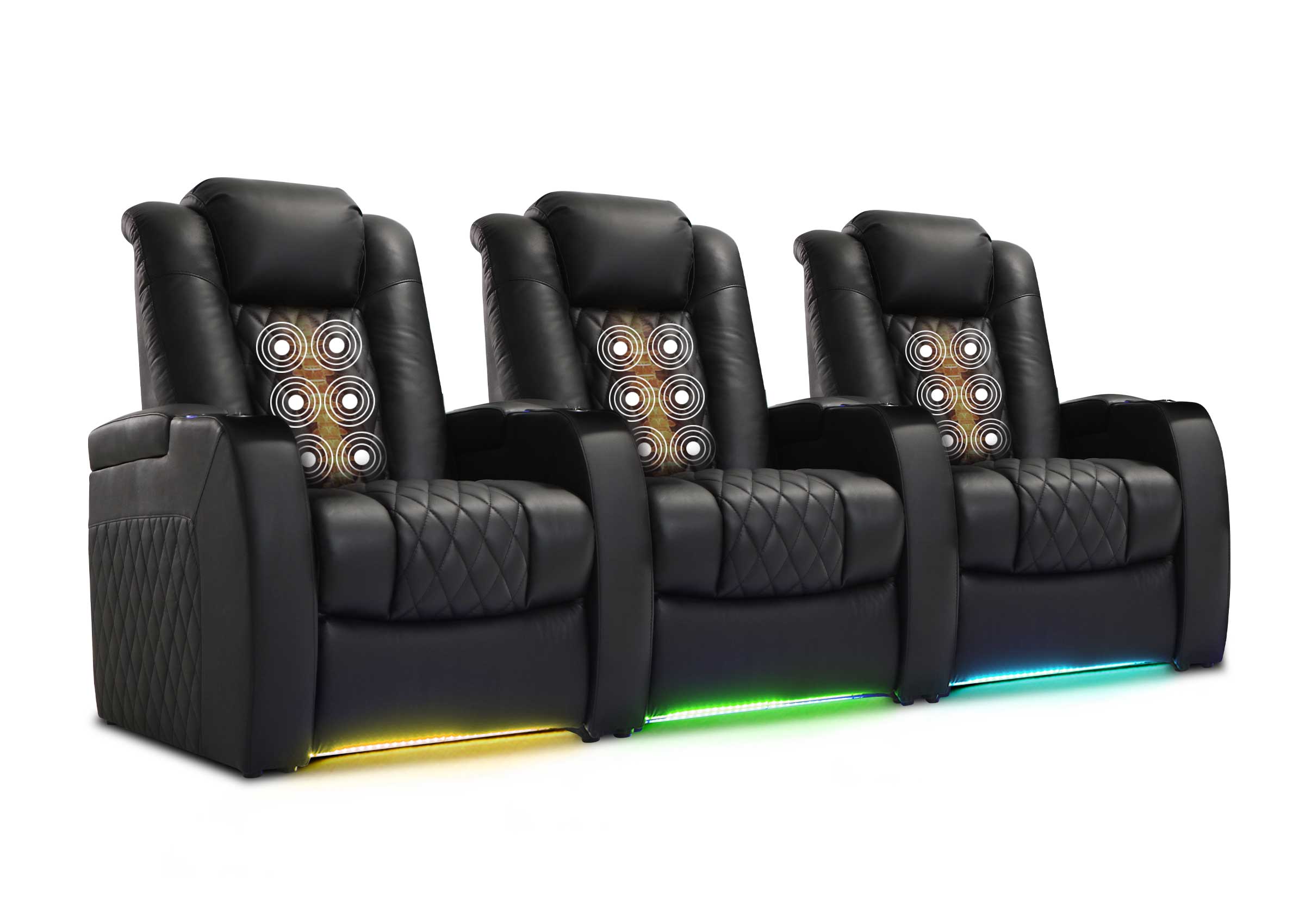
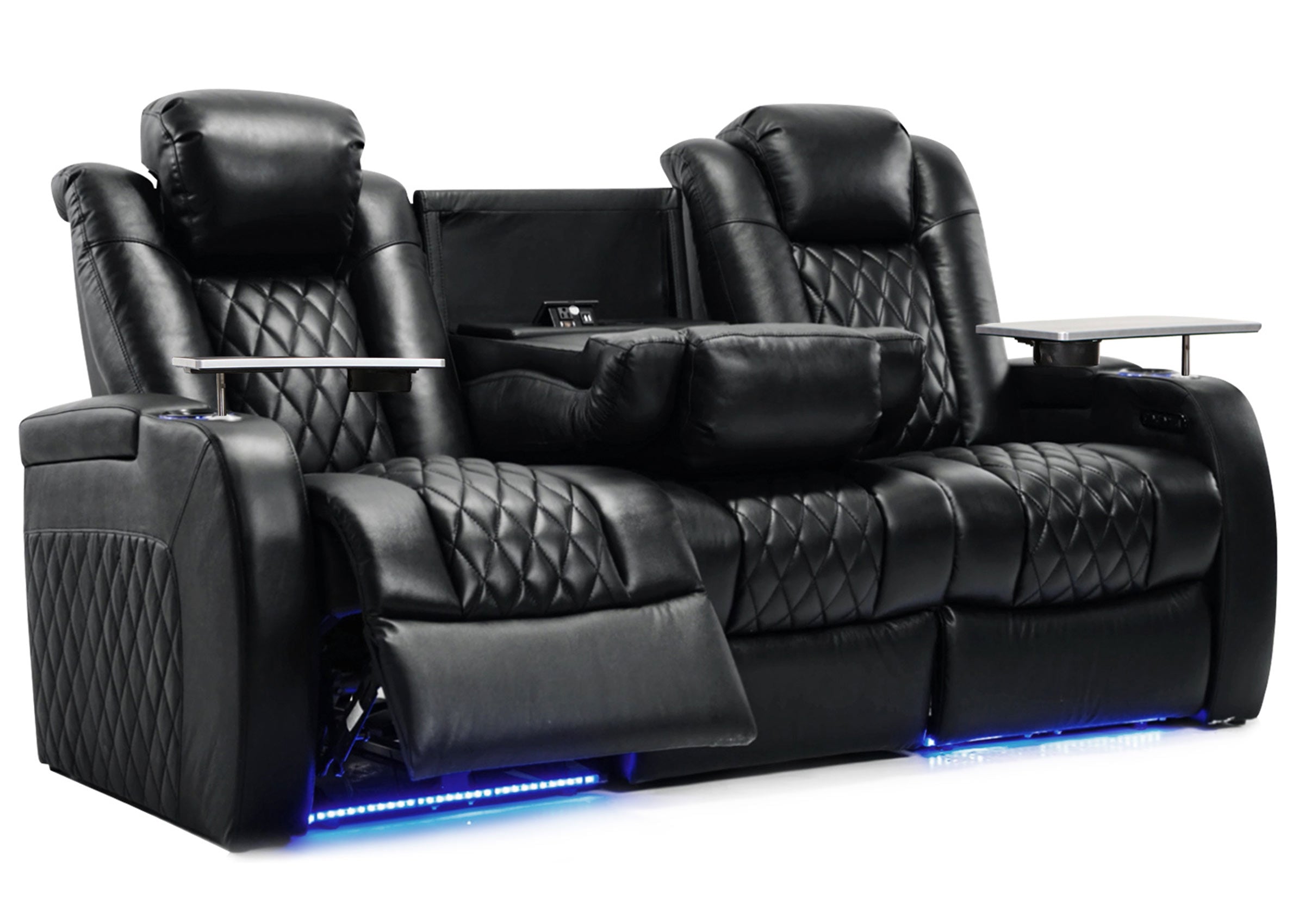
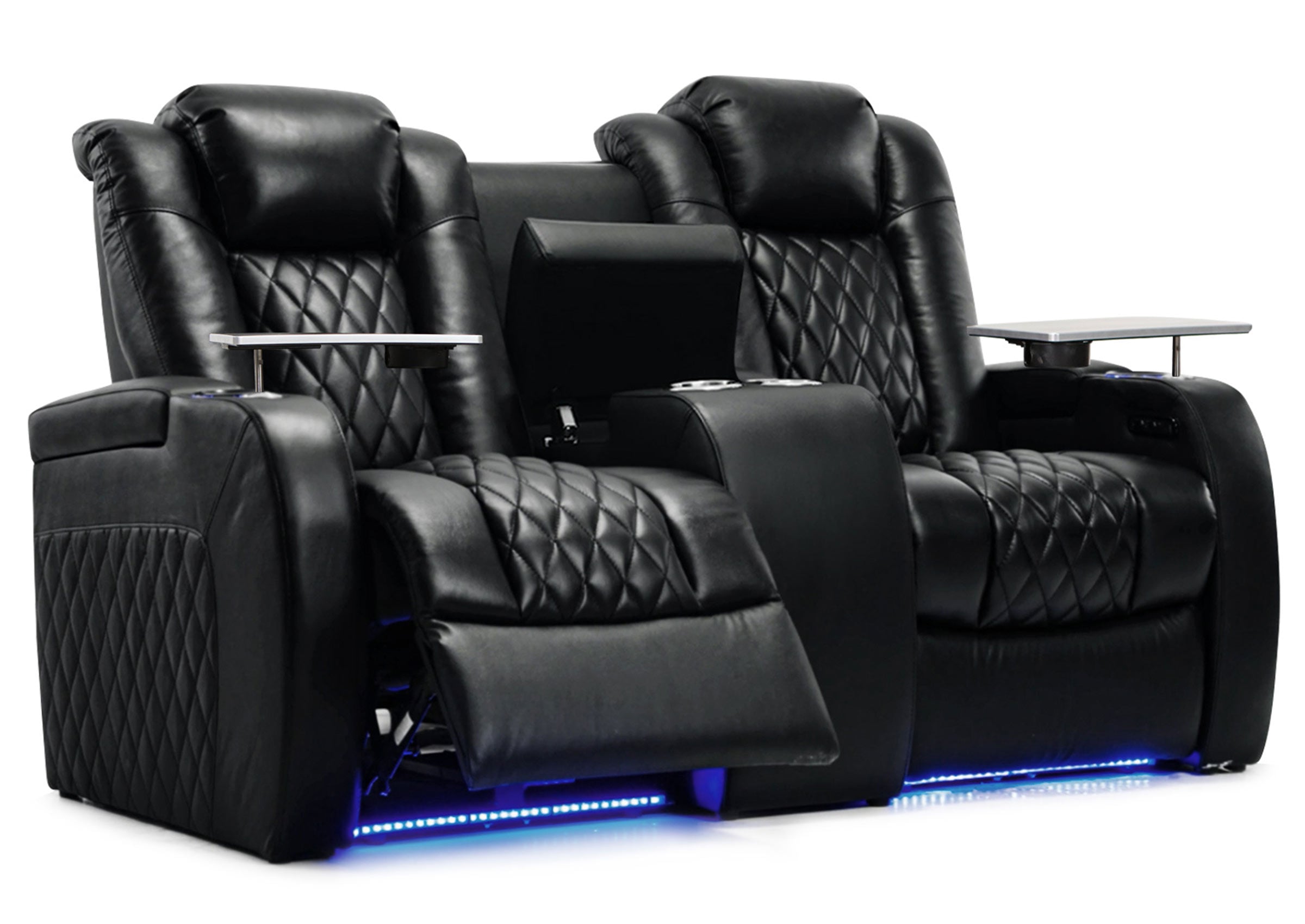
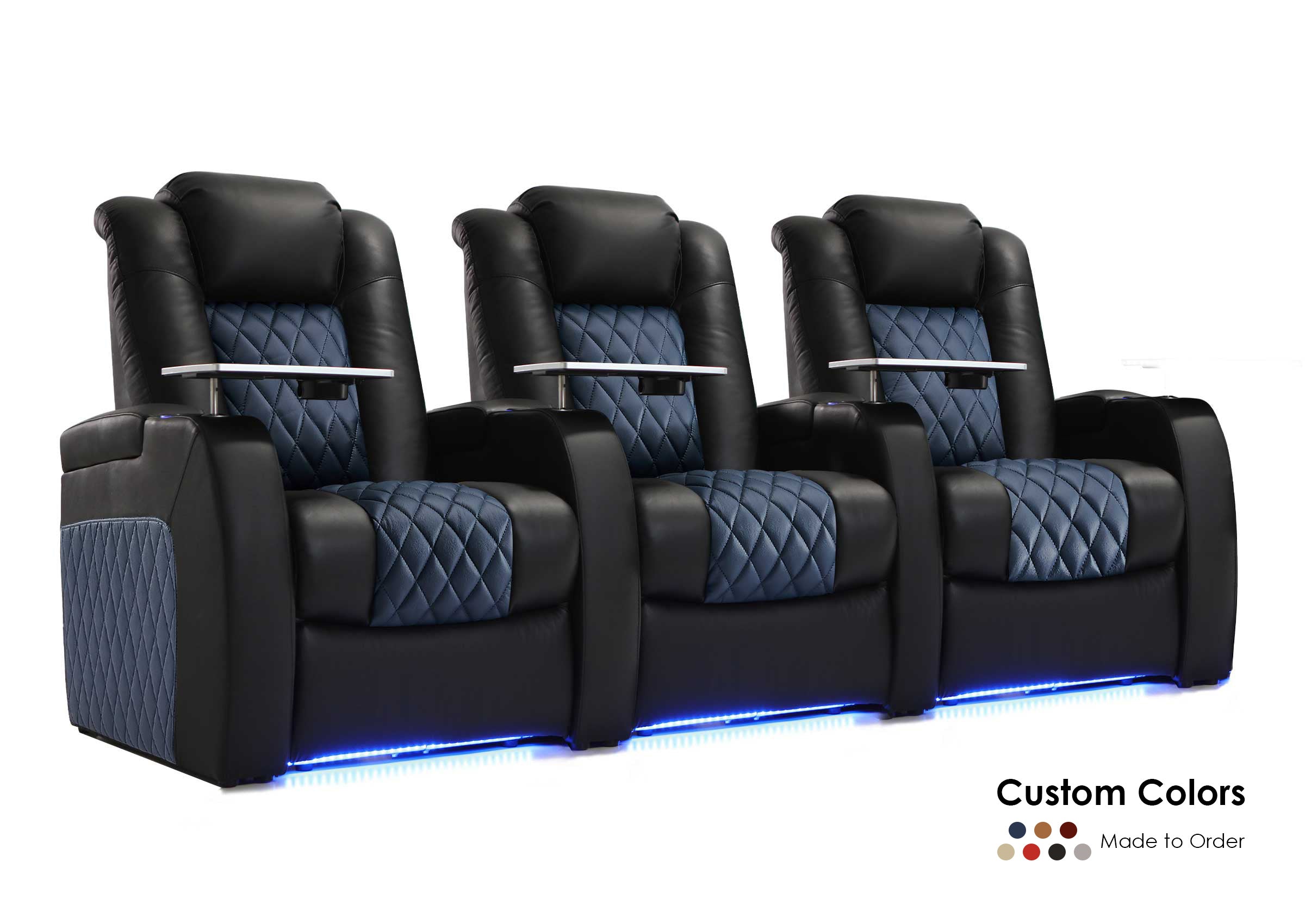
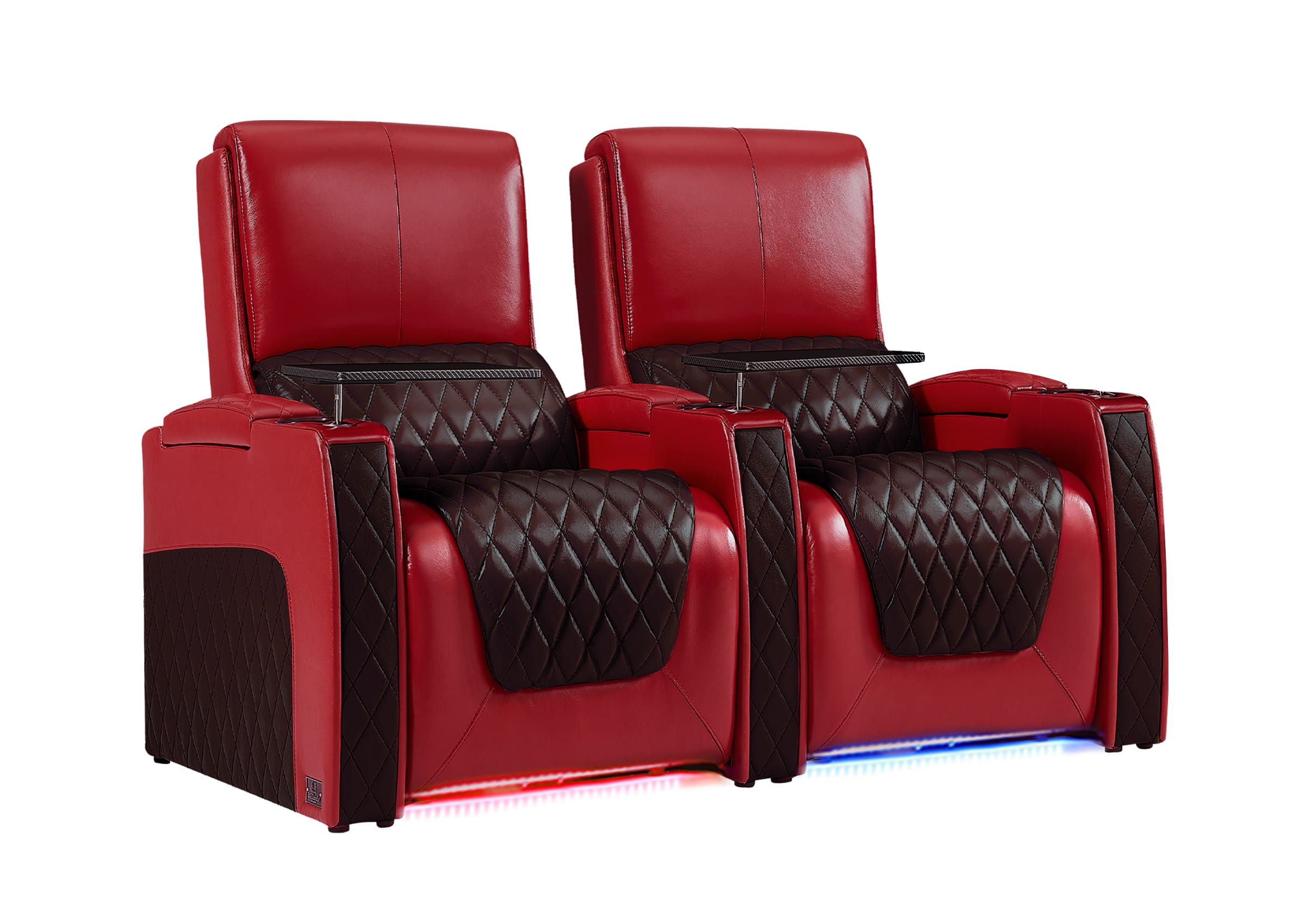
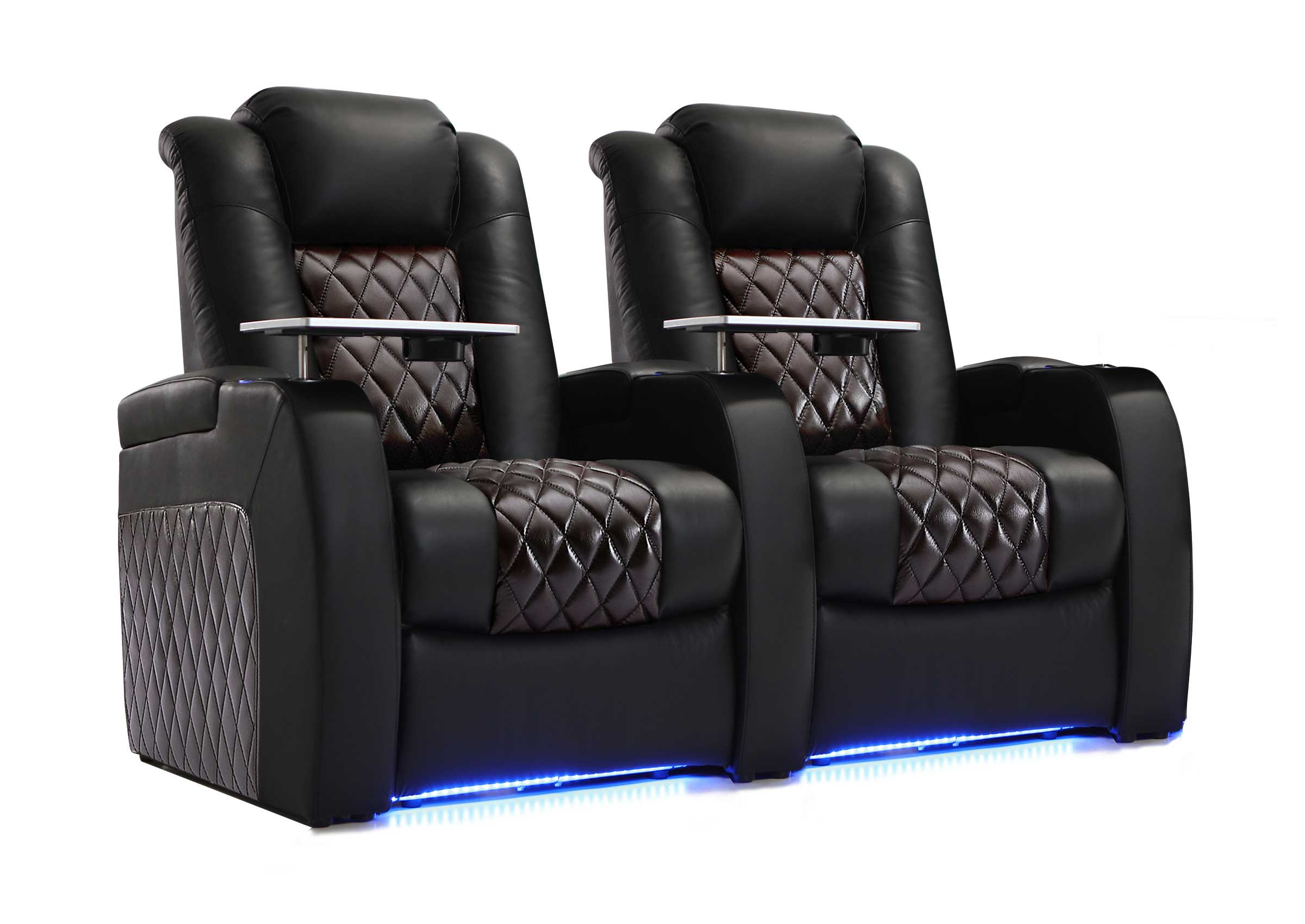
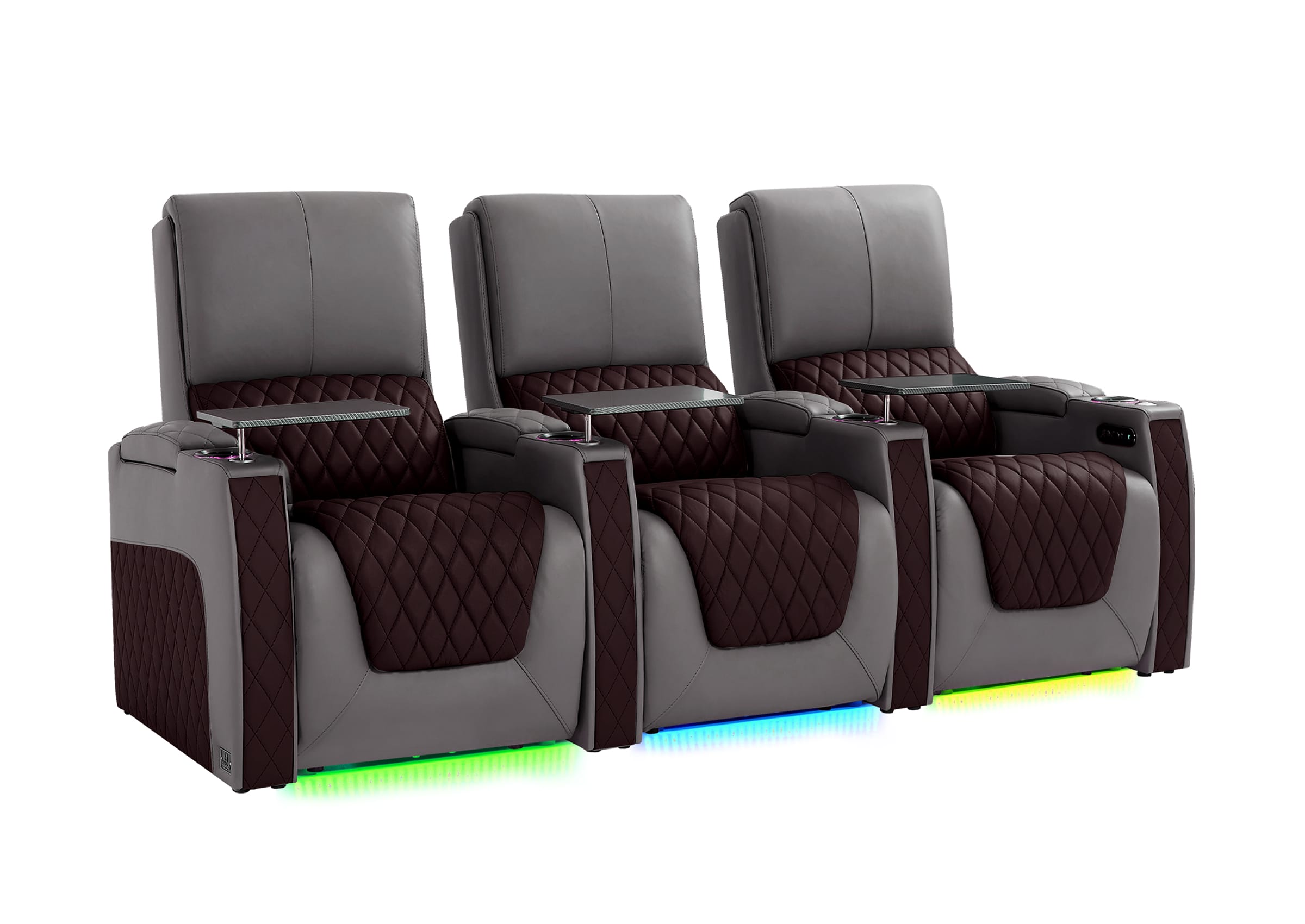
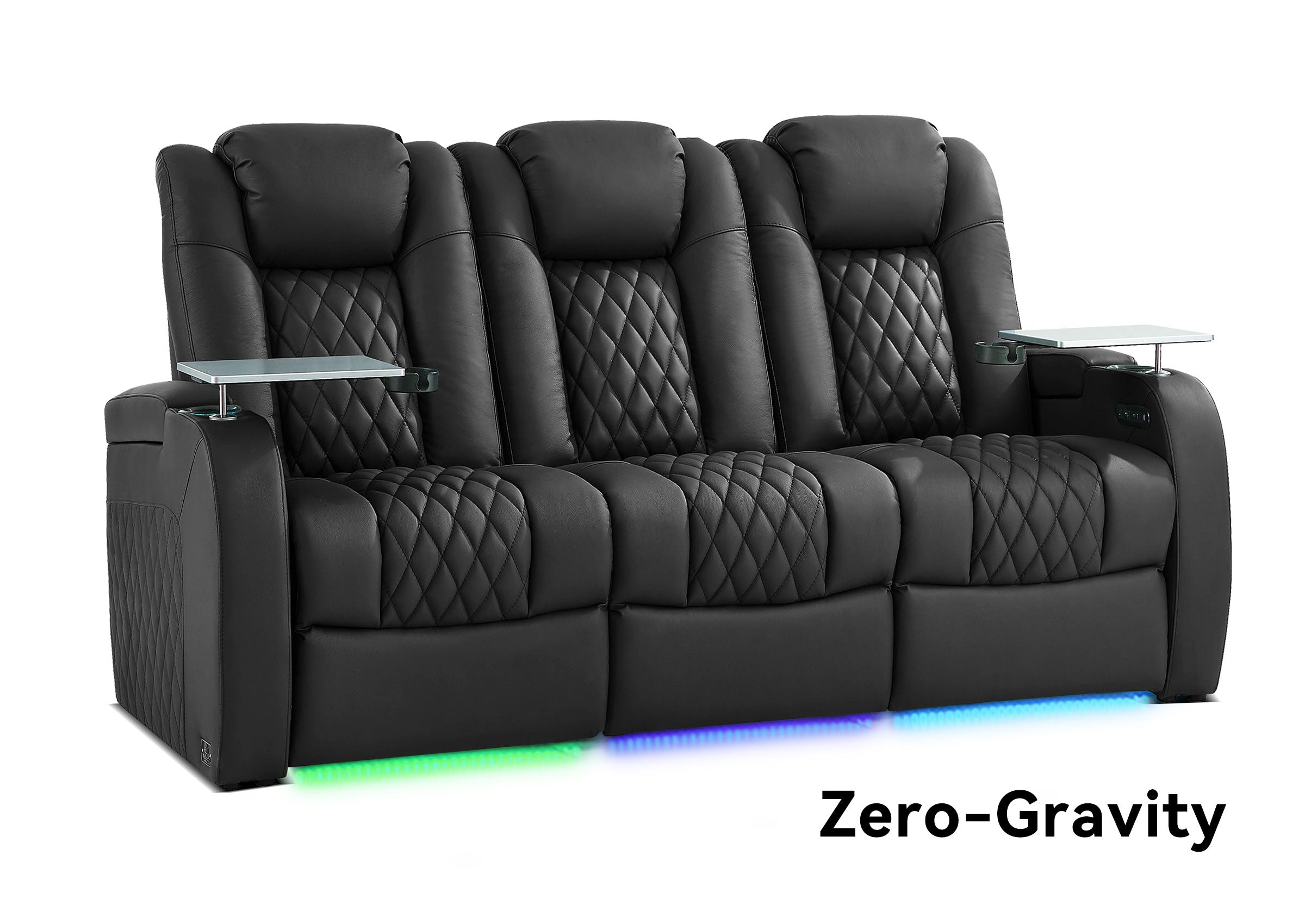
Modern home theater seating can include features like:
-
Power recline for flexible positioning
-
USB charging for devices
-
Storage for remotes and accessories
-
Cup holders for long viewing sessions
-
LED ambient lighting for atmosphere
These details matter most when the room is used frequently, not just occasionally.
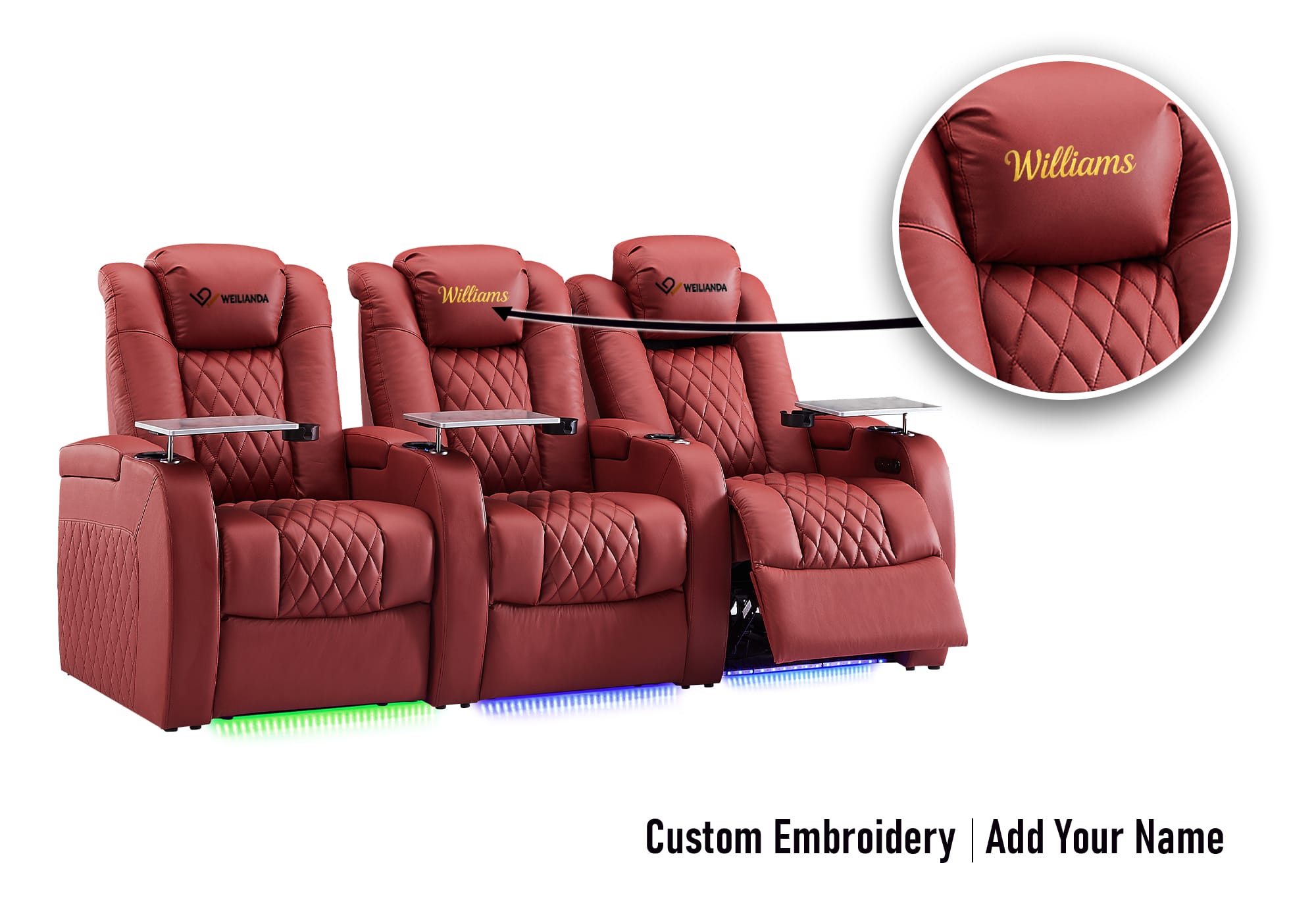
Brands like Weilianda focus on practical home theater seating designed for real home layouts, combining comfort, storage, and usability with factory-direct production value.
FAQ: Home Theater System Explained
What is included in a home theater system?
A home theater system usually includes a display (TV or projector), a surround sound system, a media source, and seating designed for immersive viewing.
Do I need a dedicated room for a home theater system?
No. Many systems are built in living rooms or media rooms. A dedicated room improves performance but is not required.
What is the most important part of a home theater system?
Audio and seating are often more important than screen size alone, because they directly affect immersion and comfort.
How big should my screen be for a home theater?
It depends on viewing distance. For example, a 65-inch TV typically works well at about 8–10.5 feet away.
Can I build a home theater system in a small room?
Yes. Small rooms often benefit from compact seating, wall-mounted screens, and carefully placed speakers.
Is surround sound necessary?
Not required, but it significantly improves immersion by creating directional audio.
What type of seating is best for home theater systems?
Seating that supports long sessions, proper viewing angles, and room layout efficiency works best—especially recliners or theater-style seating.
Designing a Home Theater System That Fits Your Space and Lifestyle
A home theater system is not just technology—it is a full environment built around how you watch, listen, and relax.
The best setups are not the most expensive ones, but the ones that match real-life behavior: family movie nights, gaming sessions, sports weekends, and everyday streaming.
A truly effective home theater system is one where everything—screen, sound, and seating—feels natural once you sit down.
If you are planning a media room or home theater space, choosing the right seating and layout early will make every other component work better together. For tailored seating solutions or layout guidance, you can explore options designed specifically for real home entertainment spaces and contact: leon@weiliandahome.com