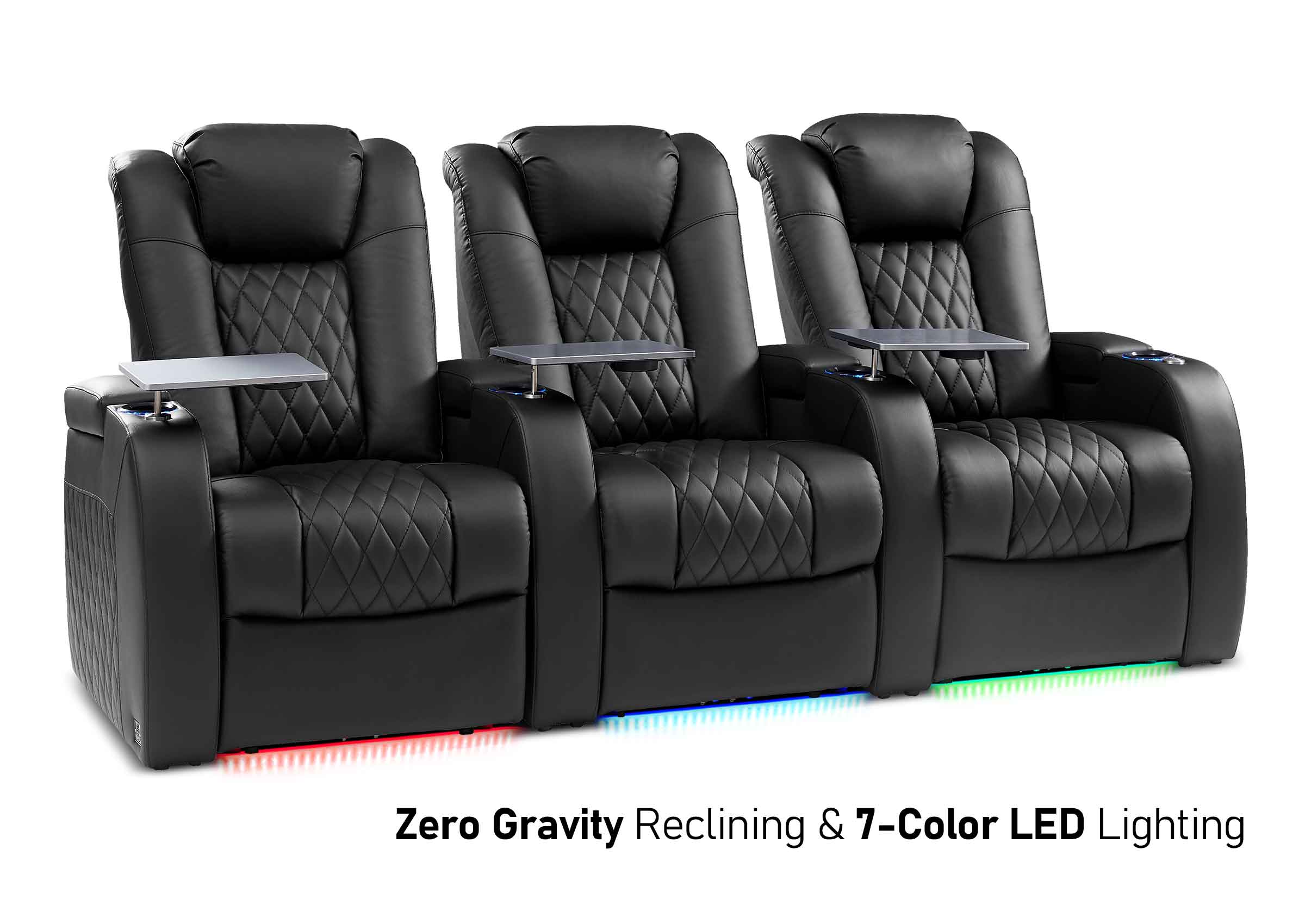
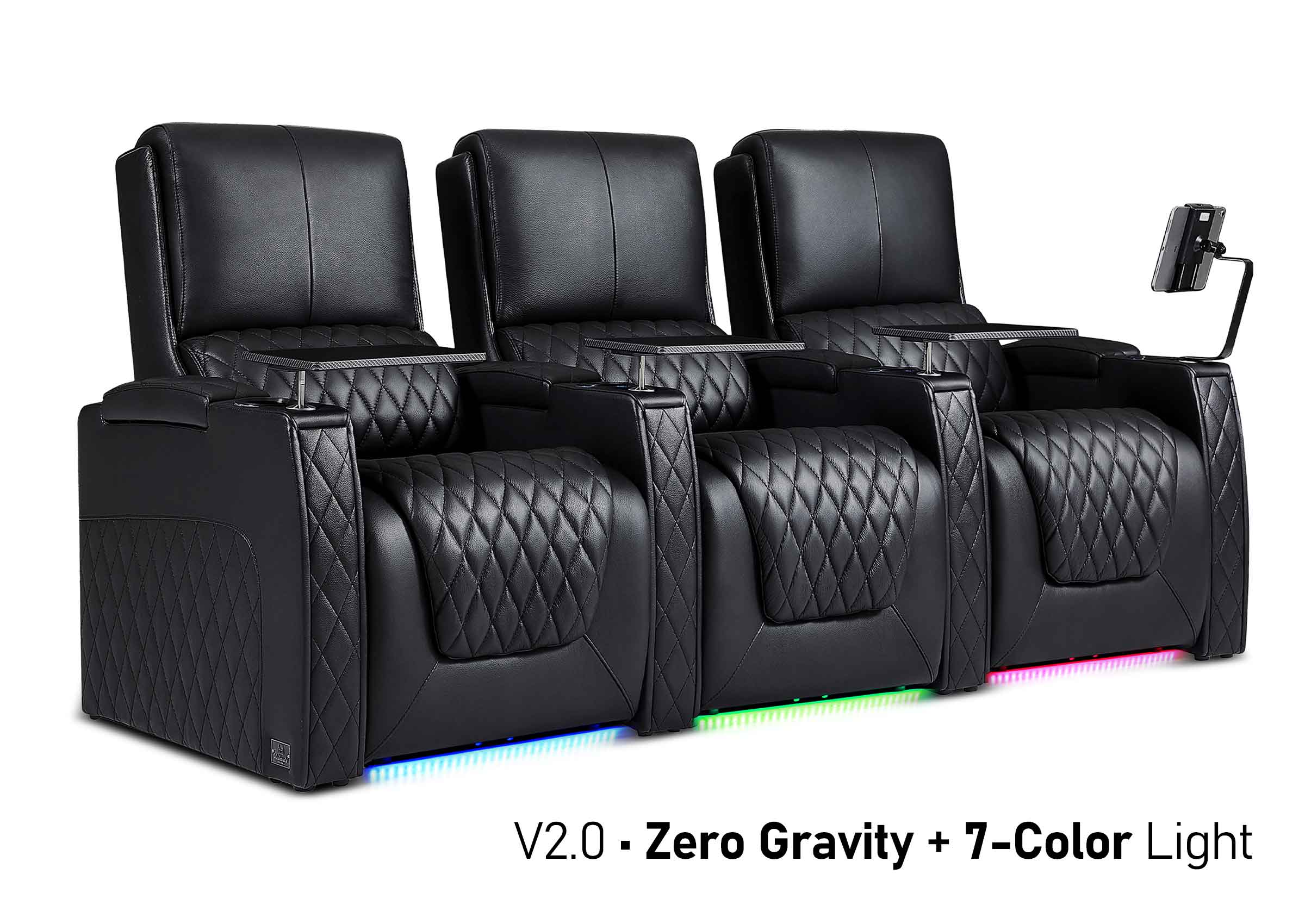
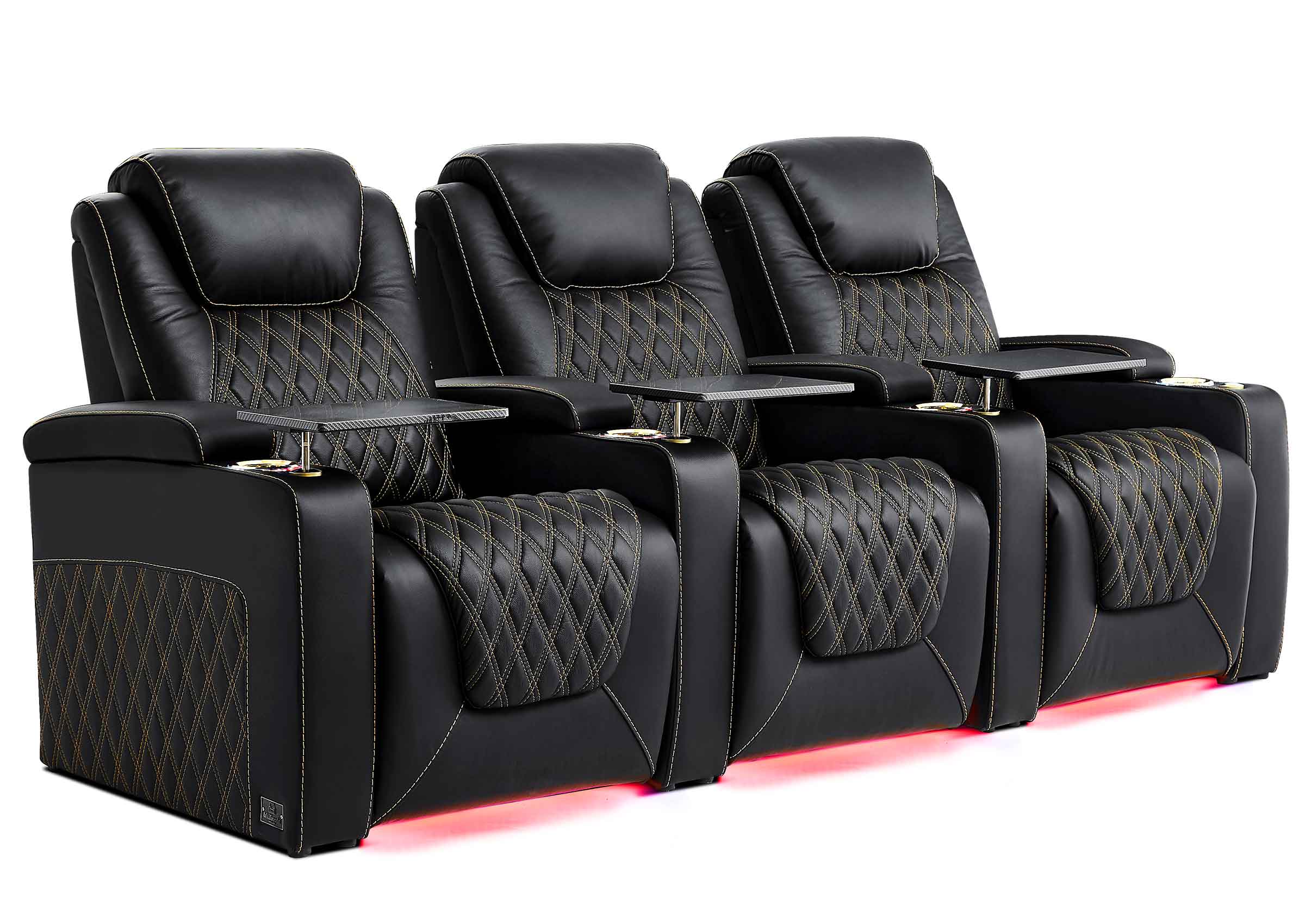
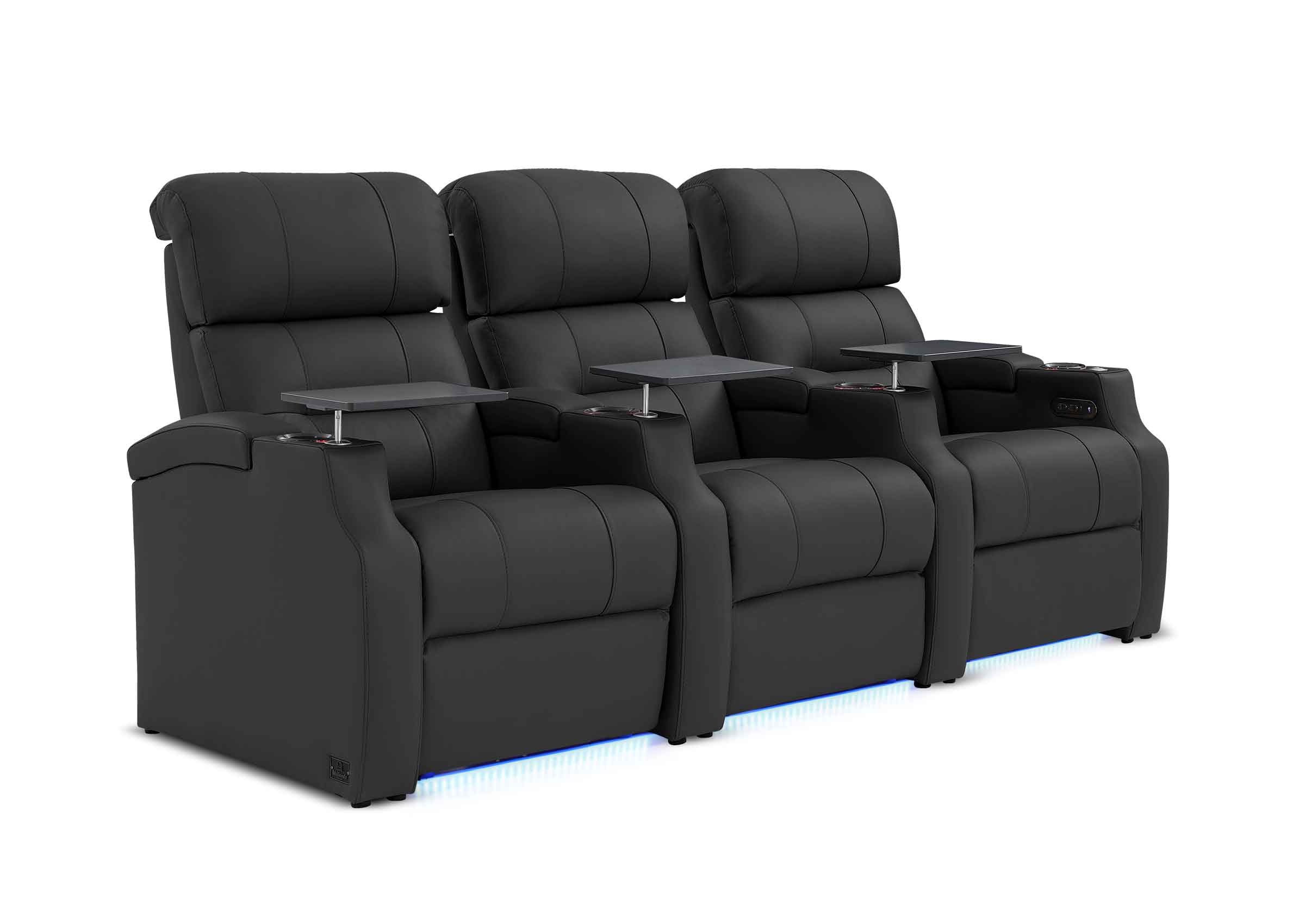







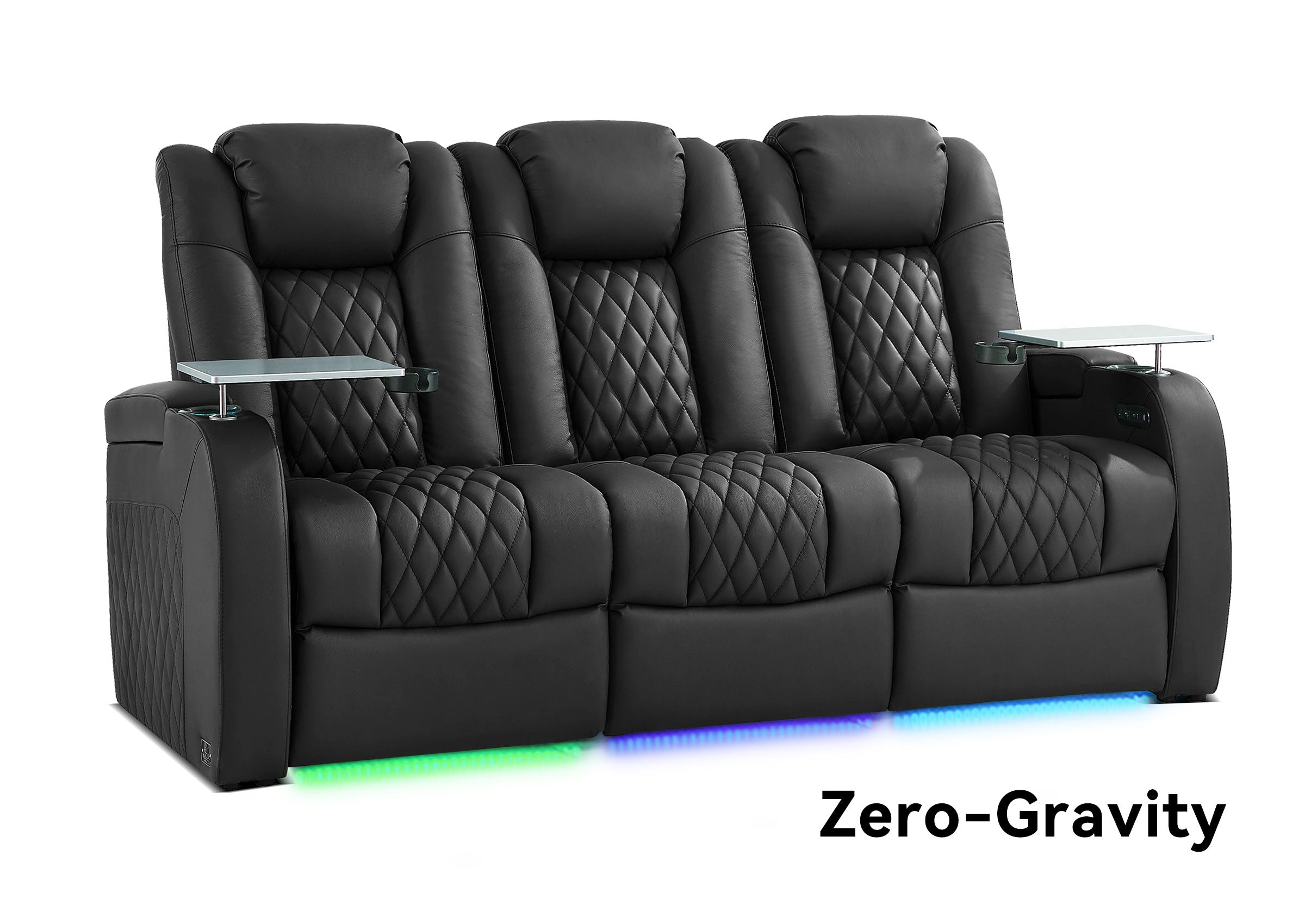


FF&E stands for Furniture, Fixtures, and Equipment. In interior design, the term generally describes the furniture, furnishings, equipment, and related items that help turn a finished space into a usable one without becoming part of the building’s primary structure.
Sofas, chairs, tables, decorative lighting, artwork, televisions, and other equipment can all fall within an FF&E package. But there is an important qualification: FF&E is not defined by a single “movable versus fixed” rule in every project. The exact scope can change according to the project documents, the designer’s responsibilities, and who is purchasing or installing a particular item.
The most useful way to understand FF&E, therefore, is not simply as a category of objects. It is also the layer that turns a design idea into identifiable, specifiable, and coordinated project items.
What Does FF&E Mean in Interior Design?
In U.S. interior design and construction terminology, FF&E usually means:
Furniture
These are the items people sit on, work at, store things in, or otherwise use within a space.
- Sofas and lounge seating
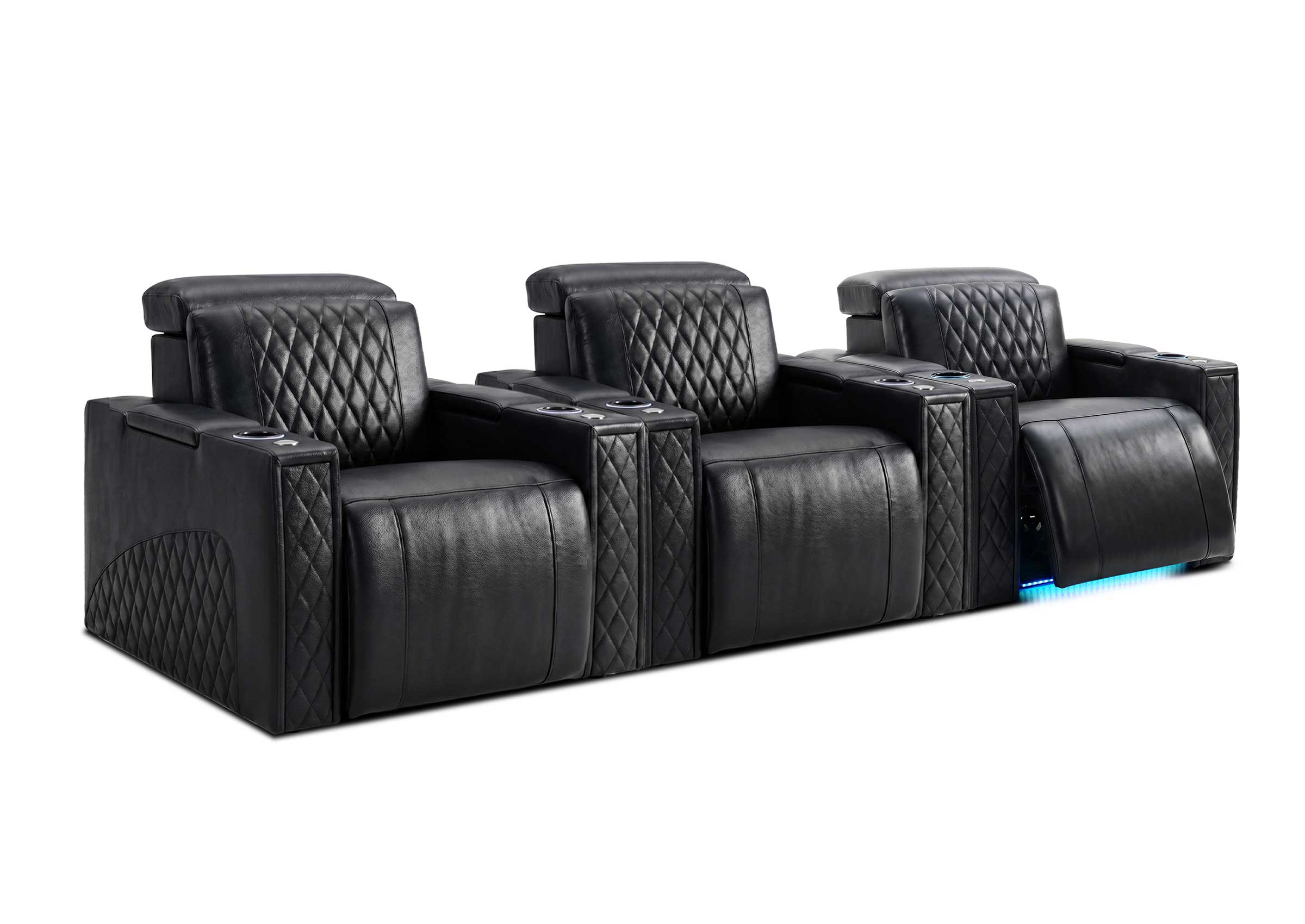
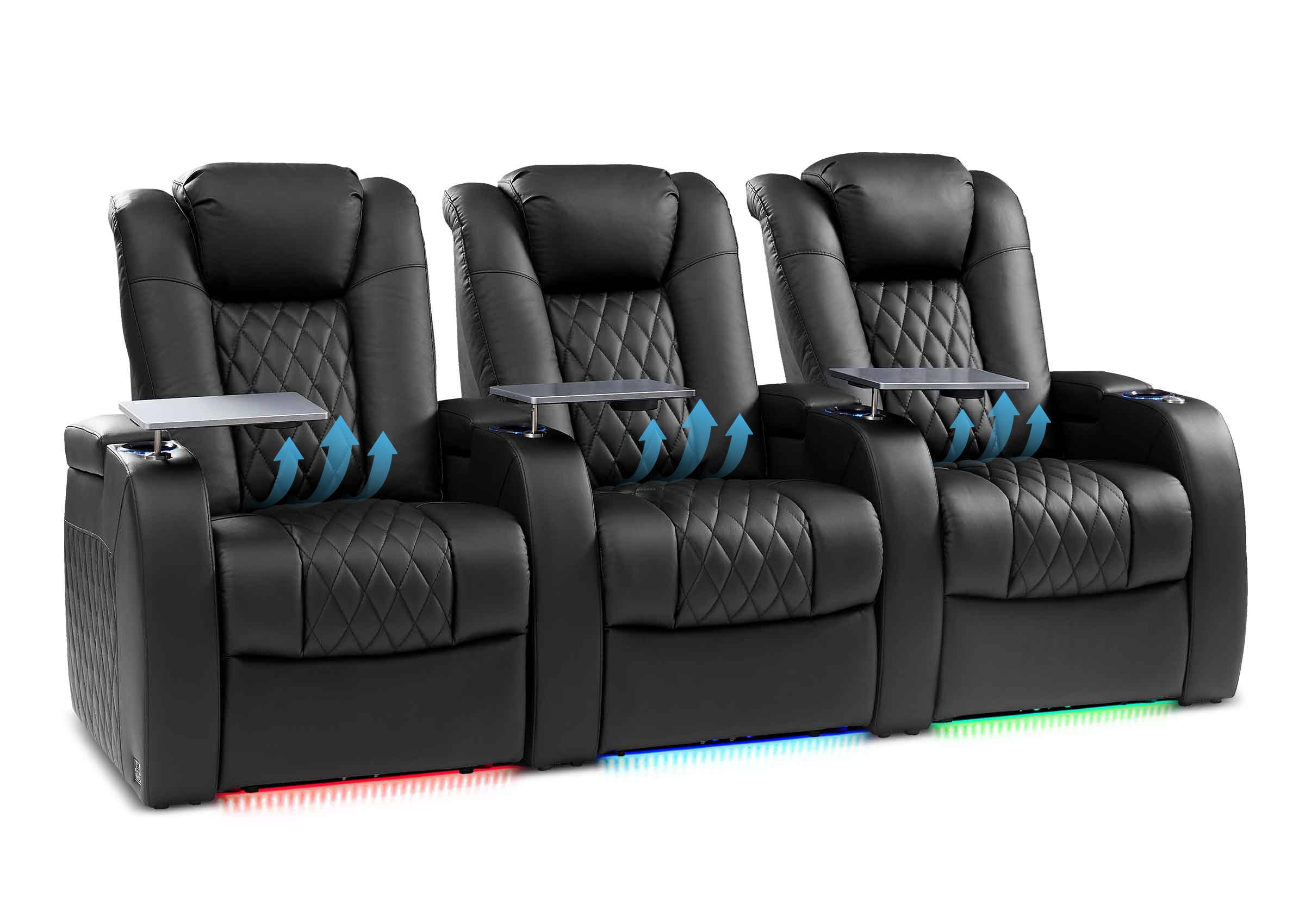
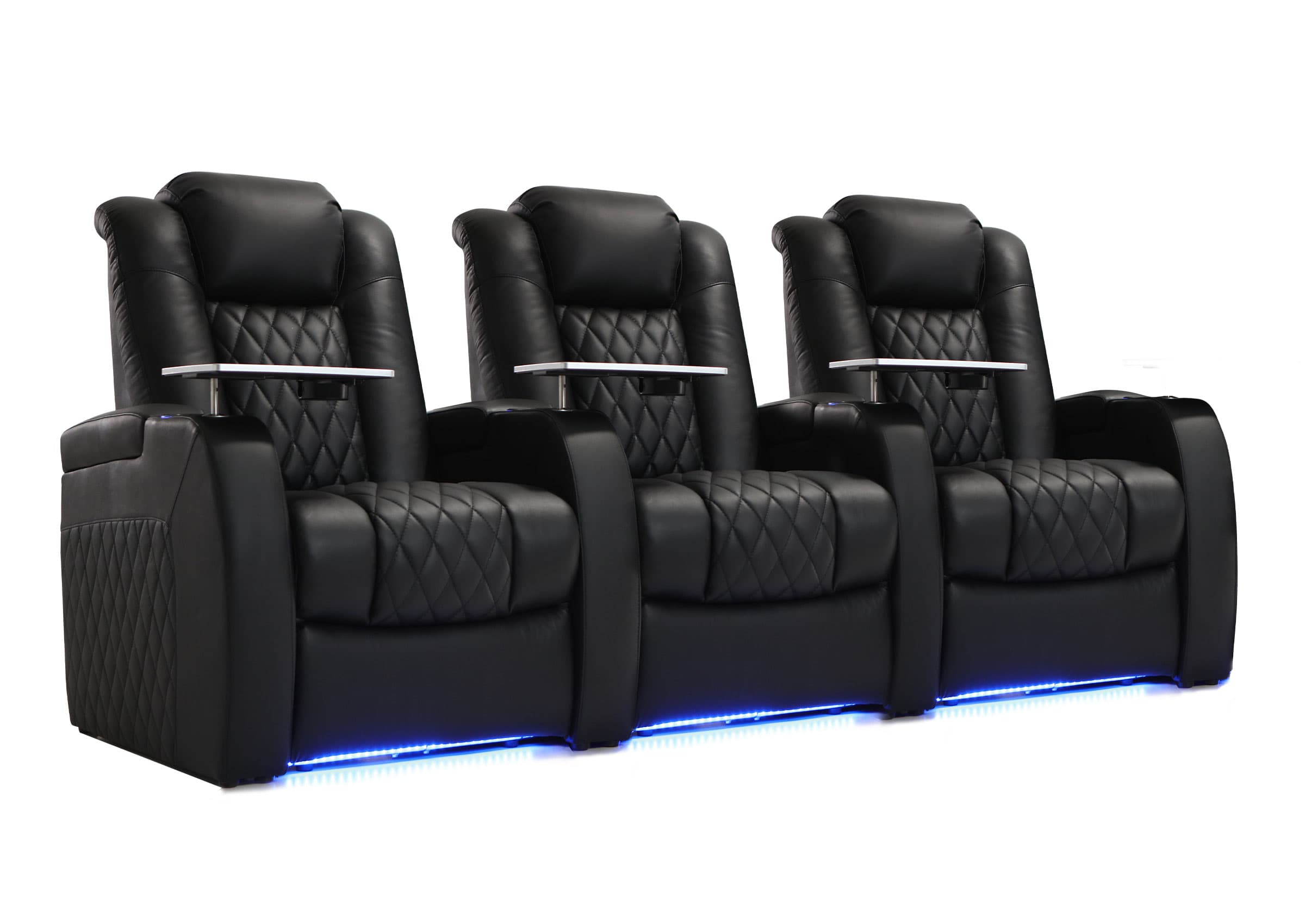
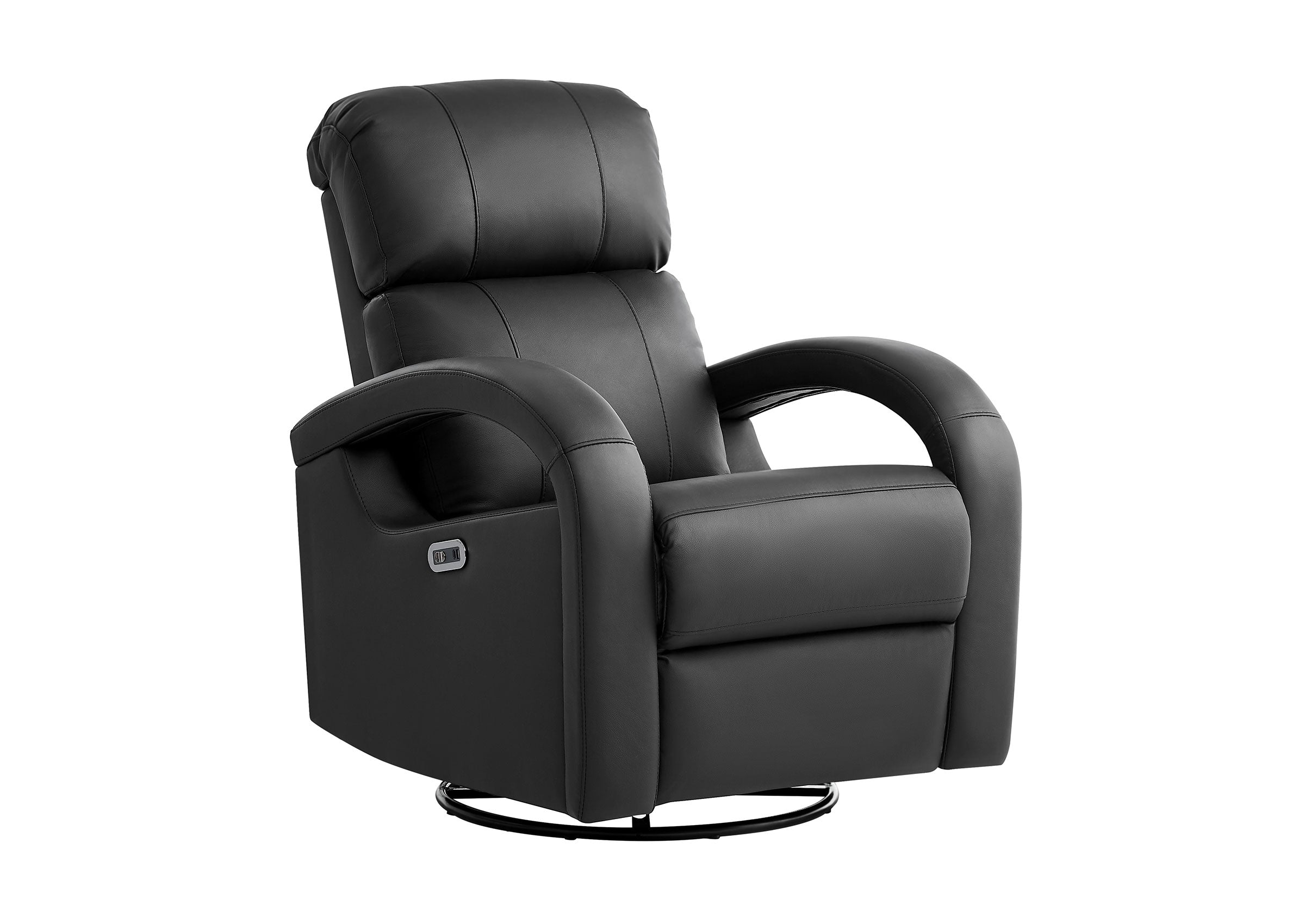
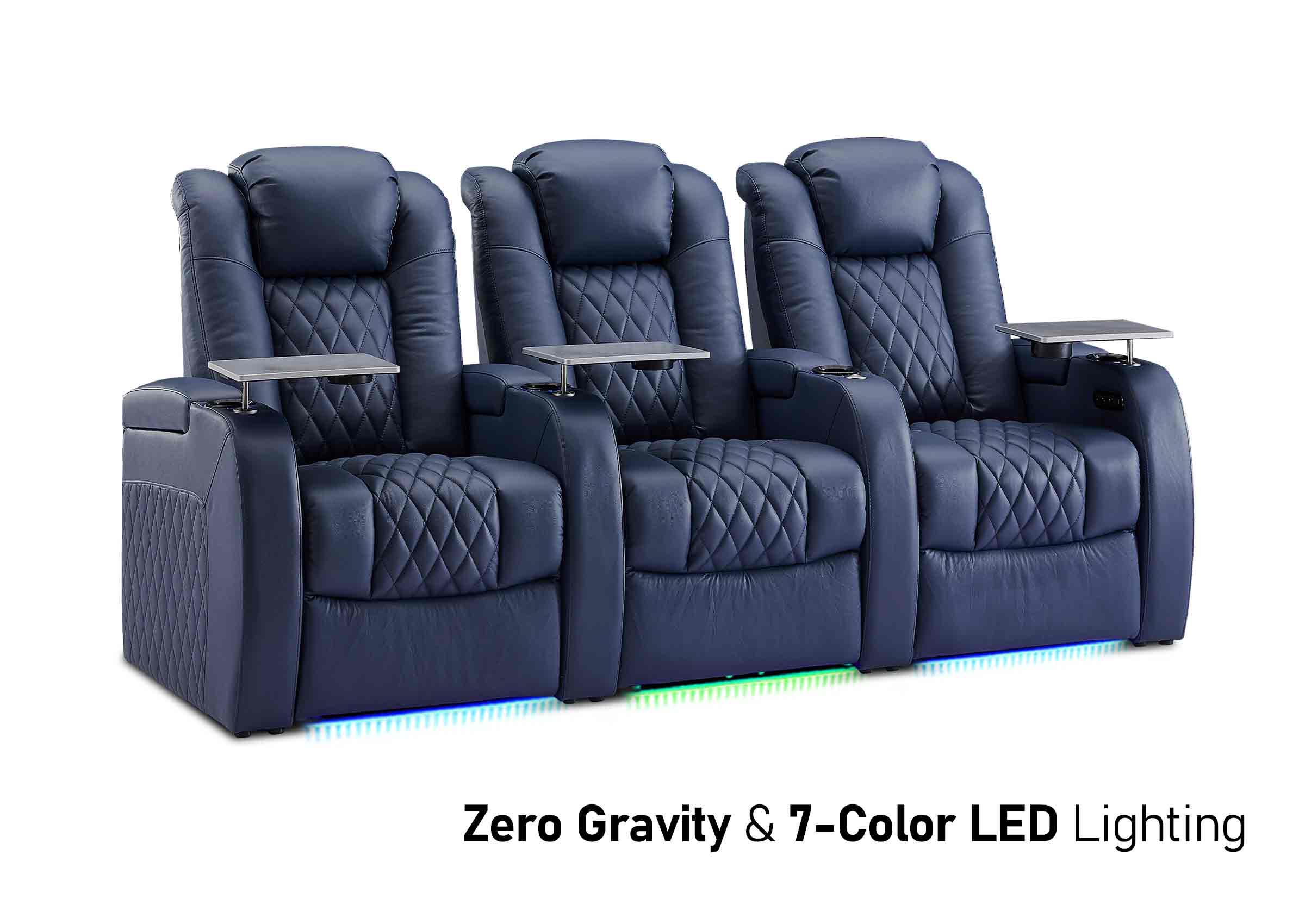
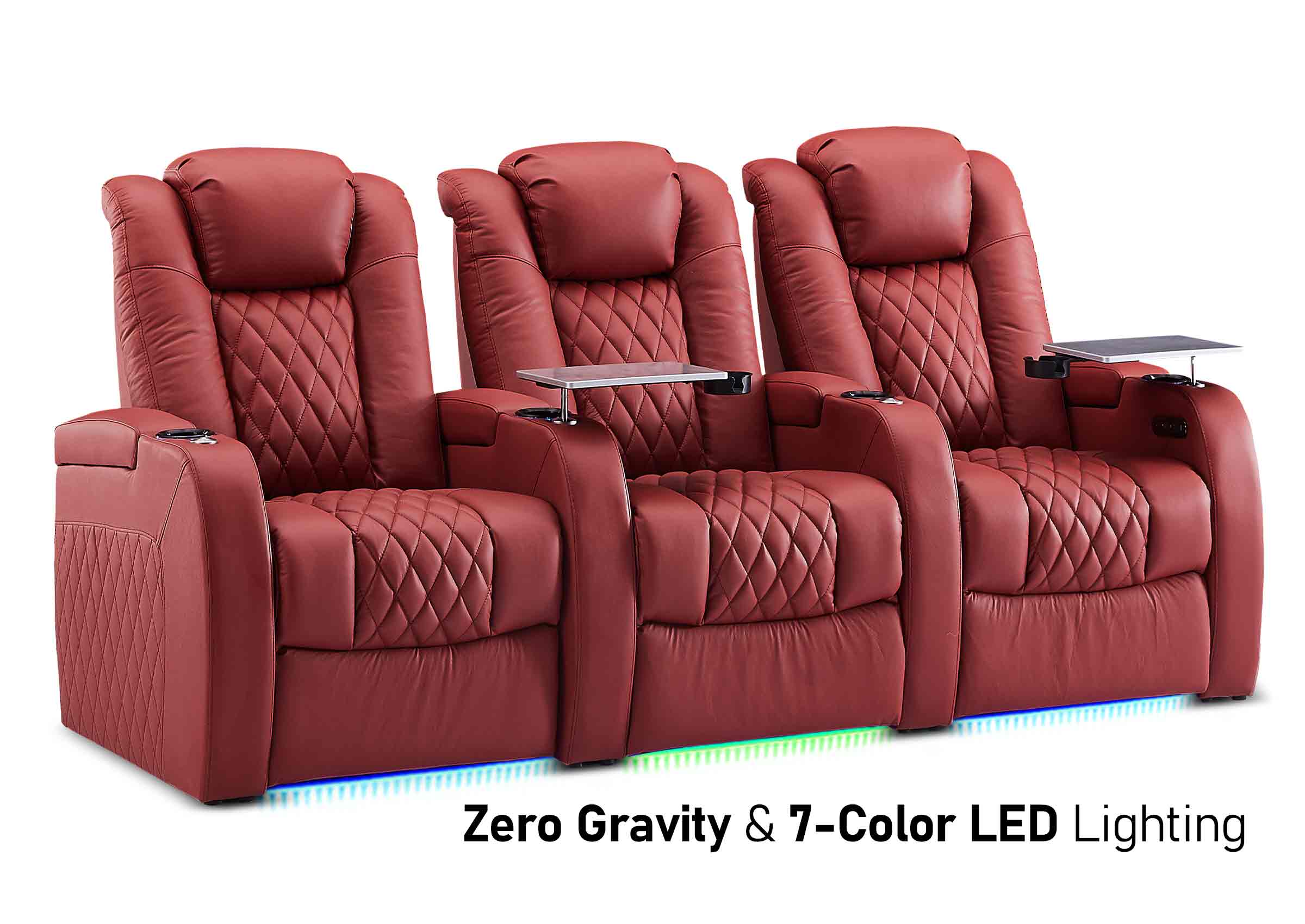
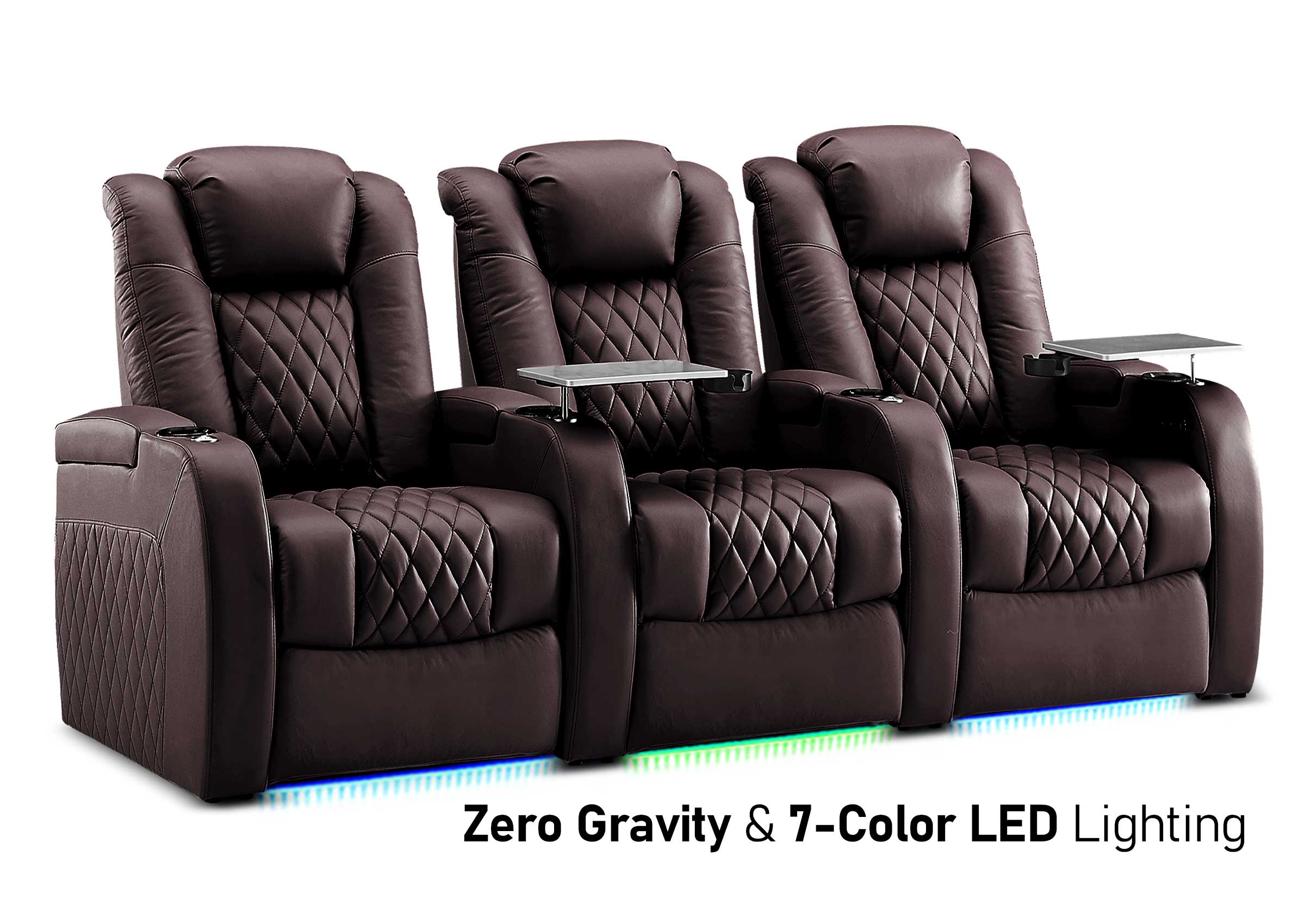
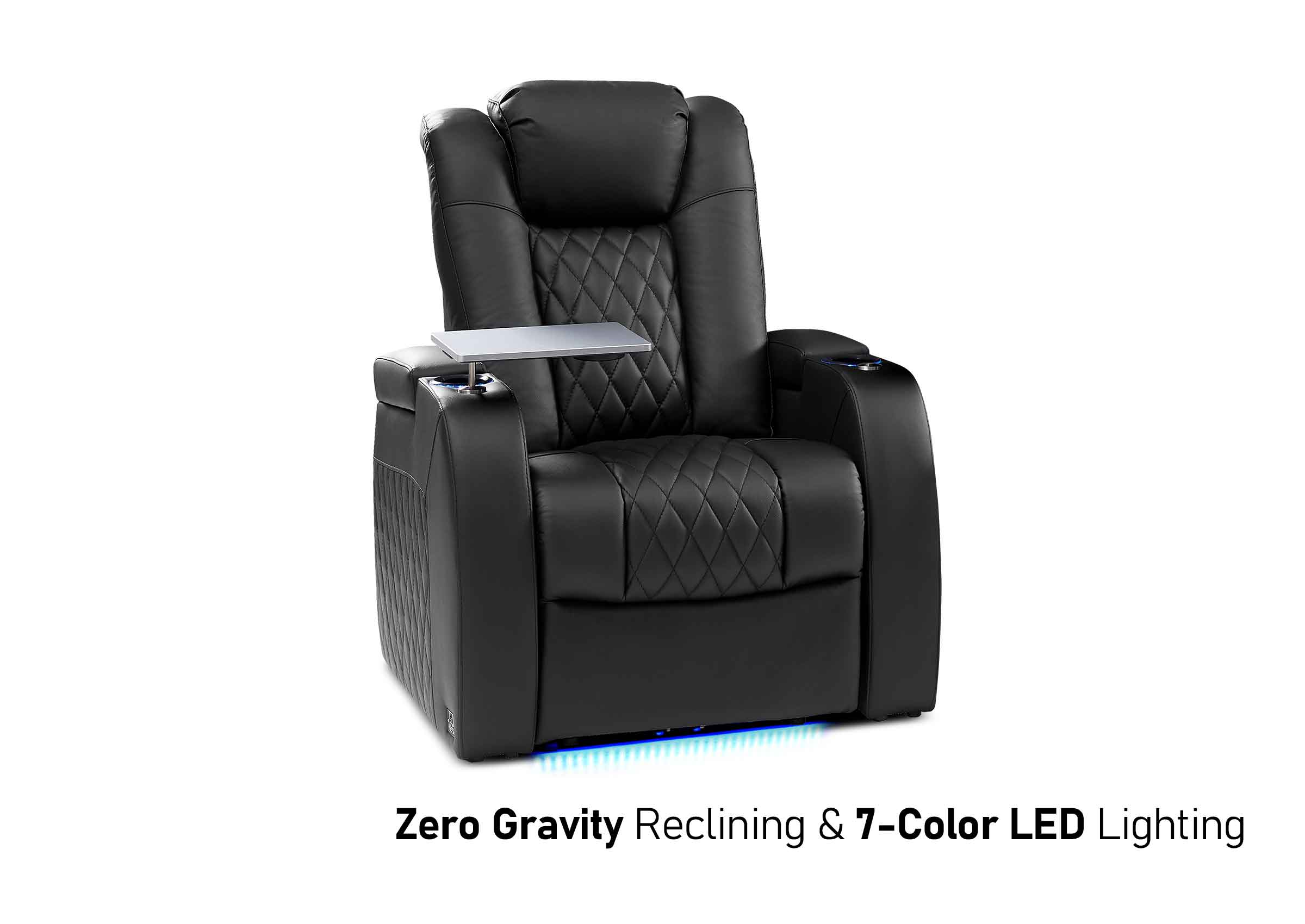
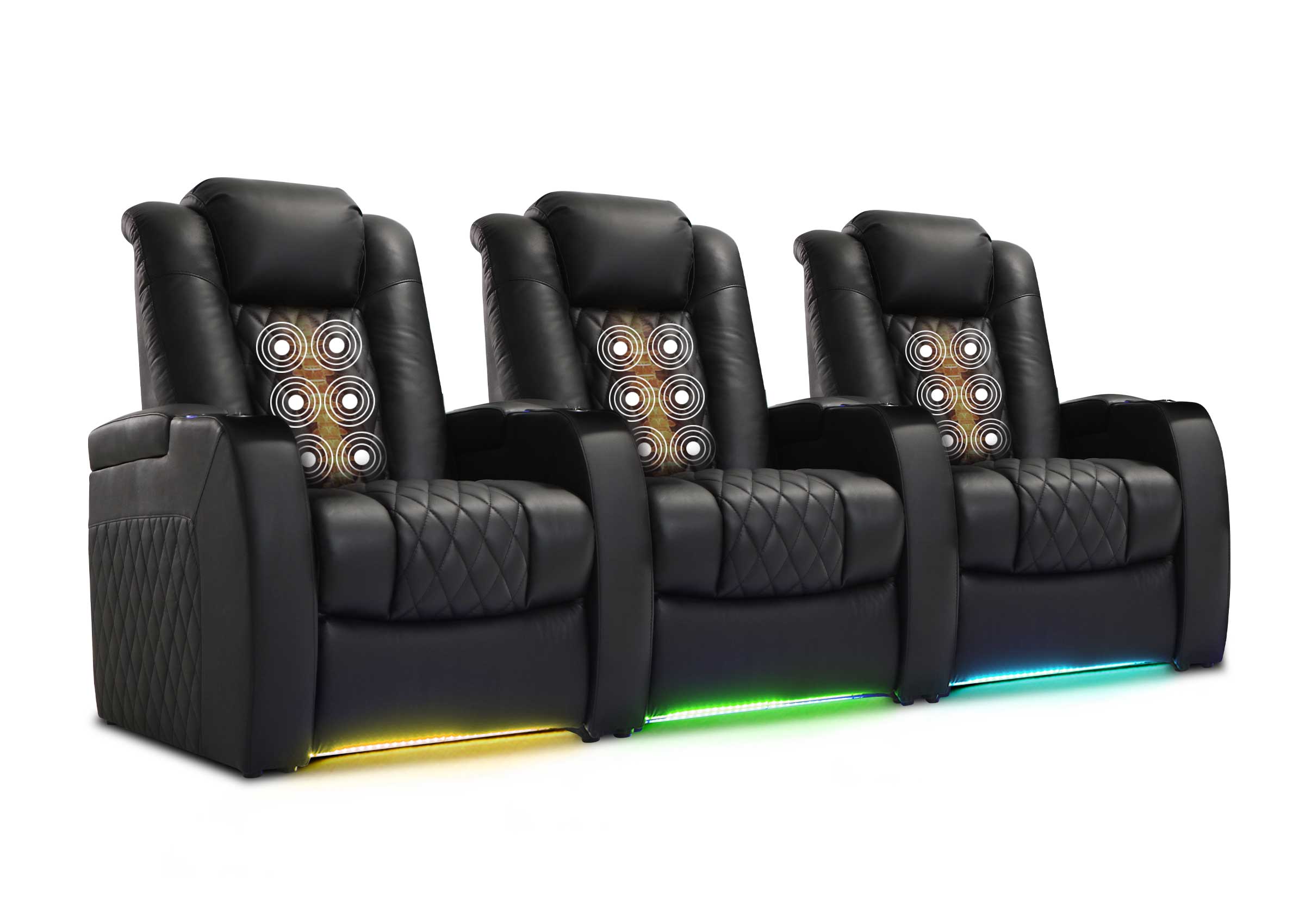
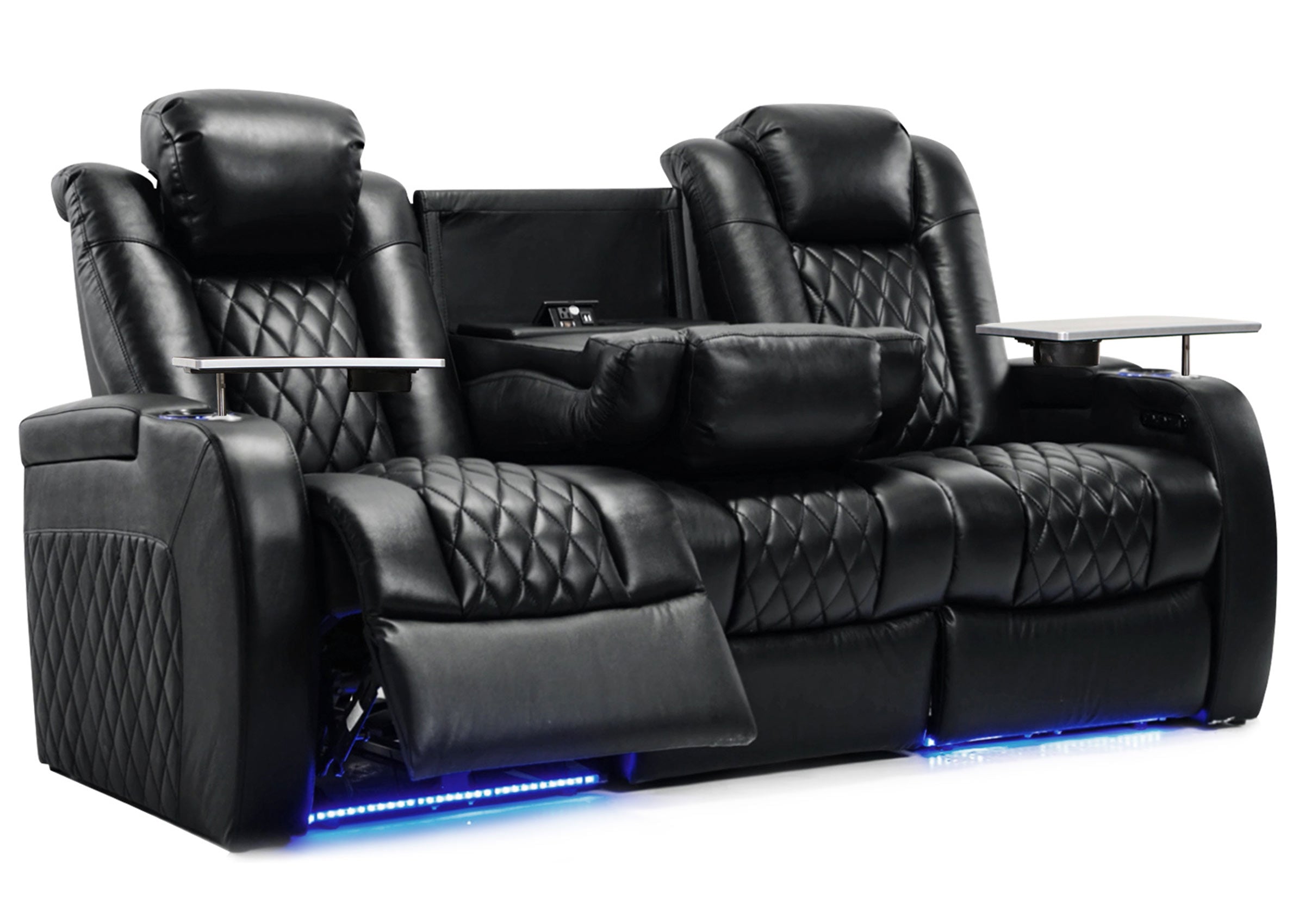
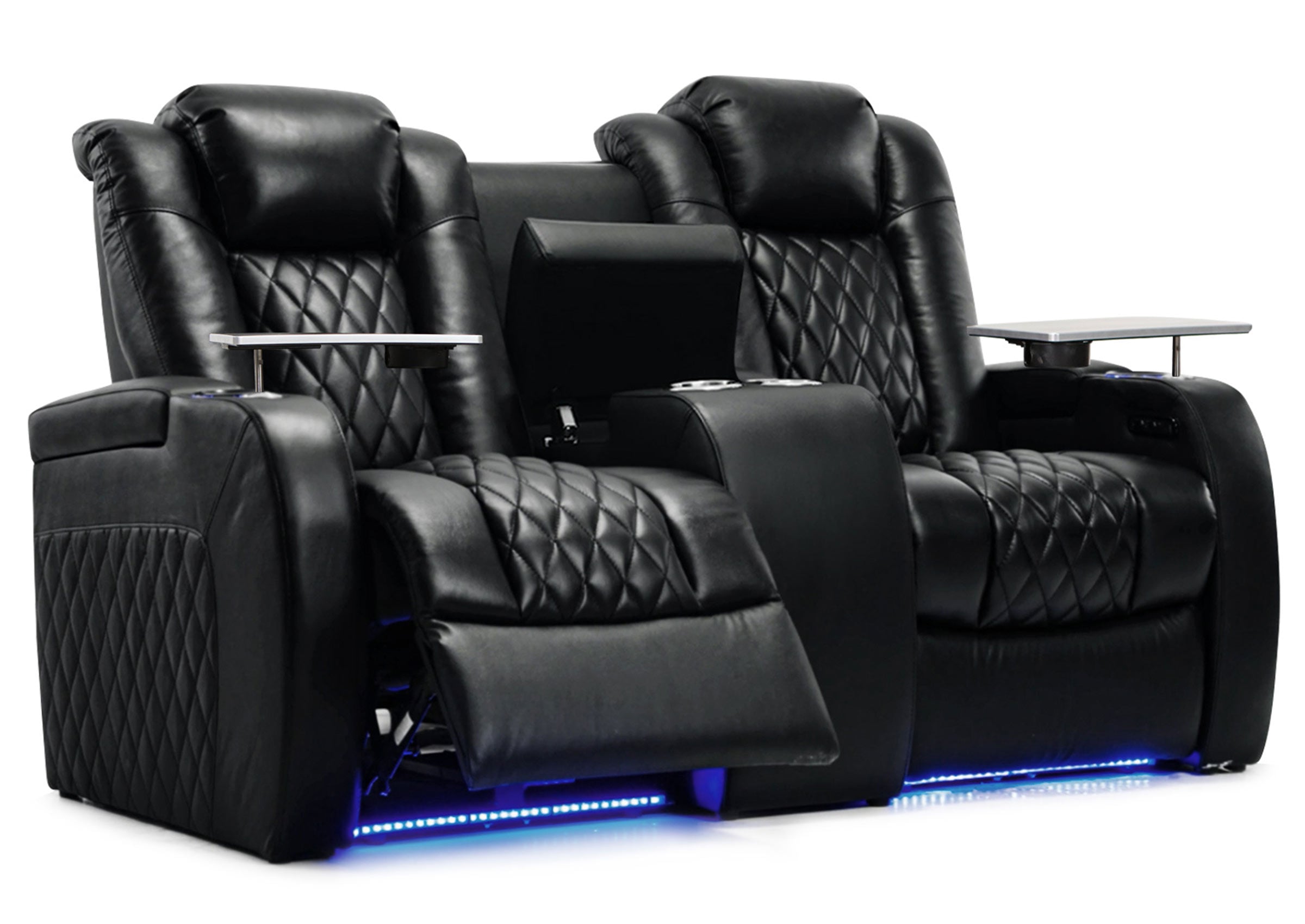
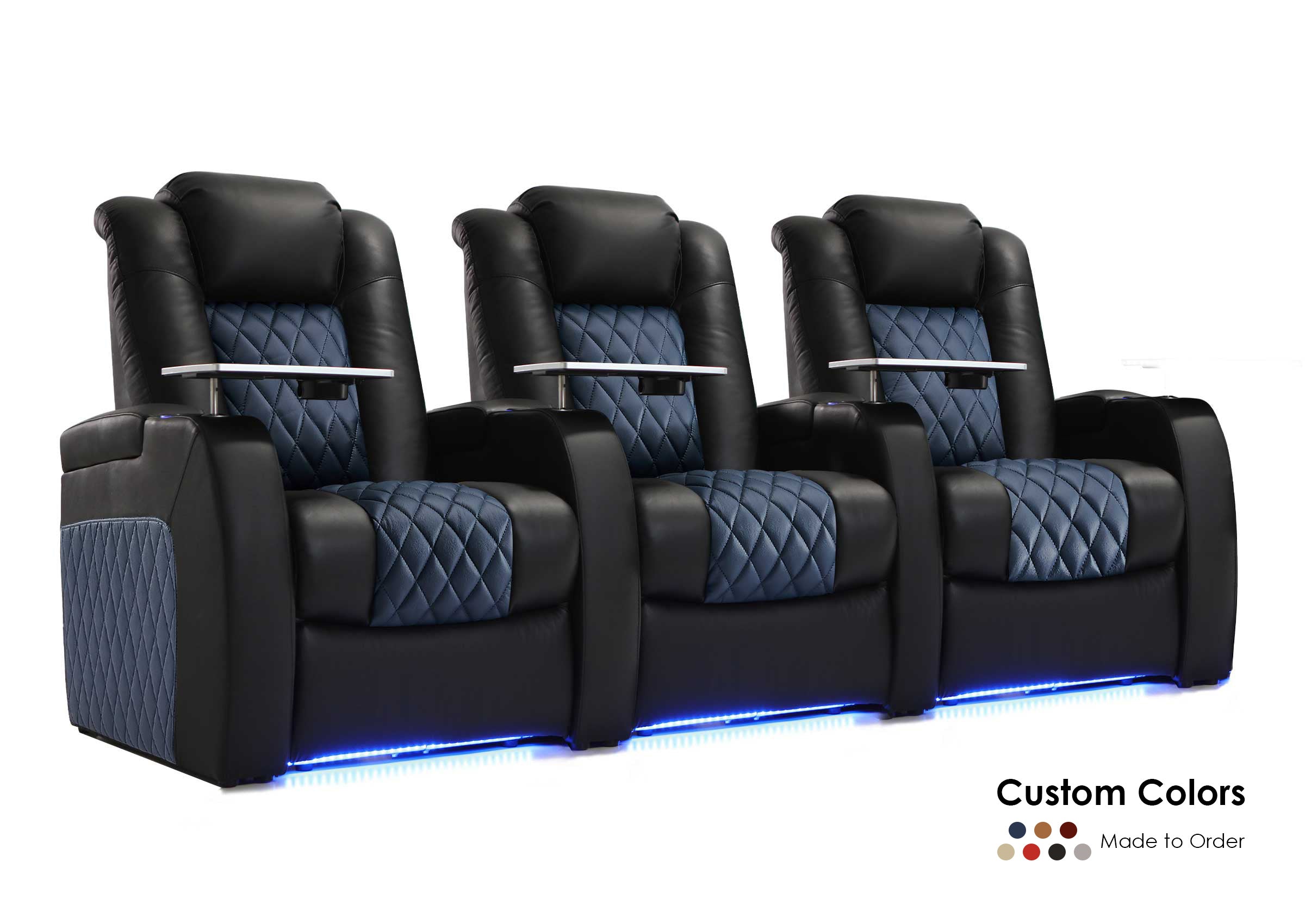
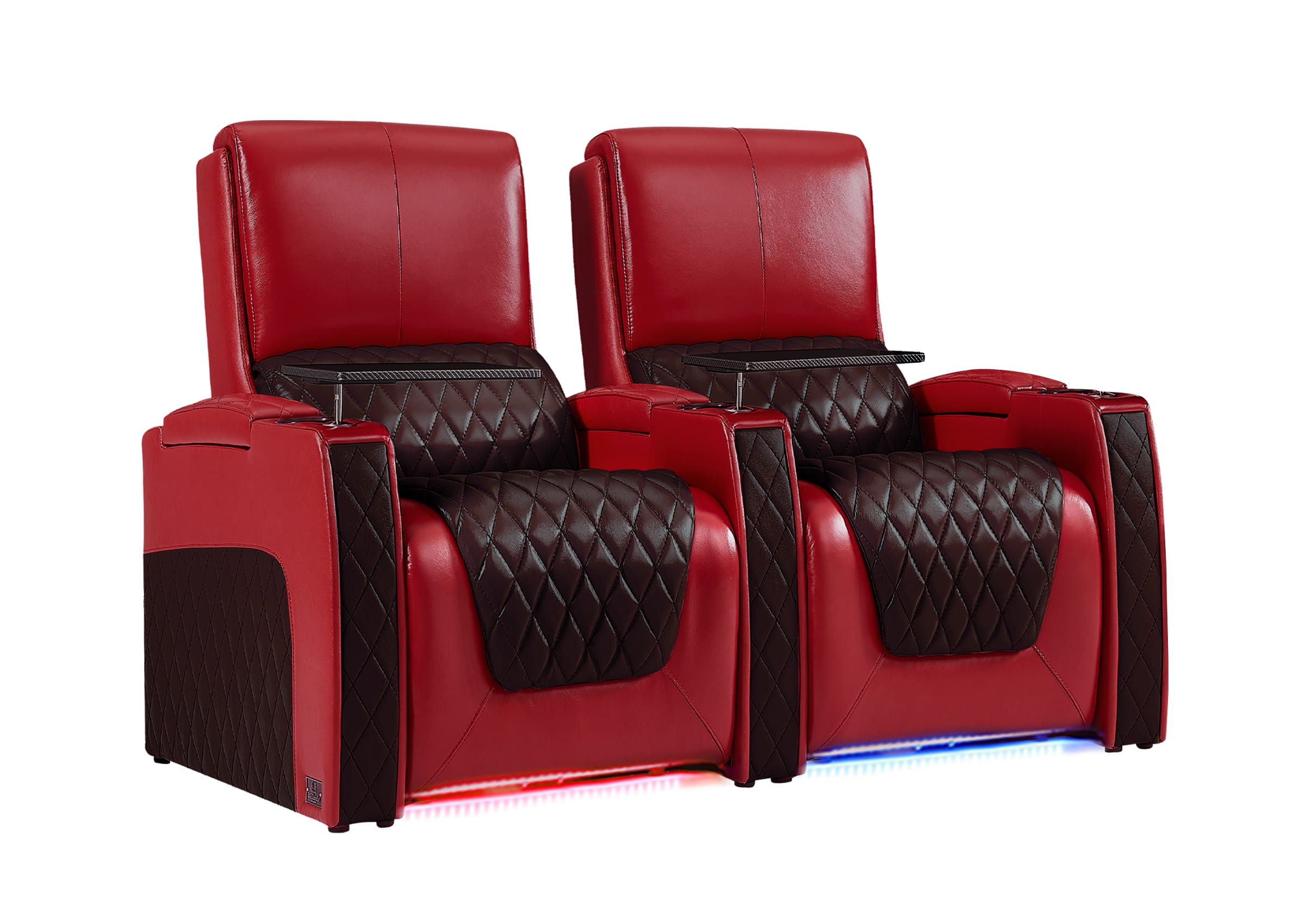
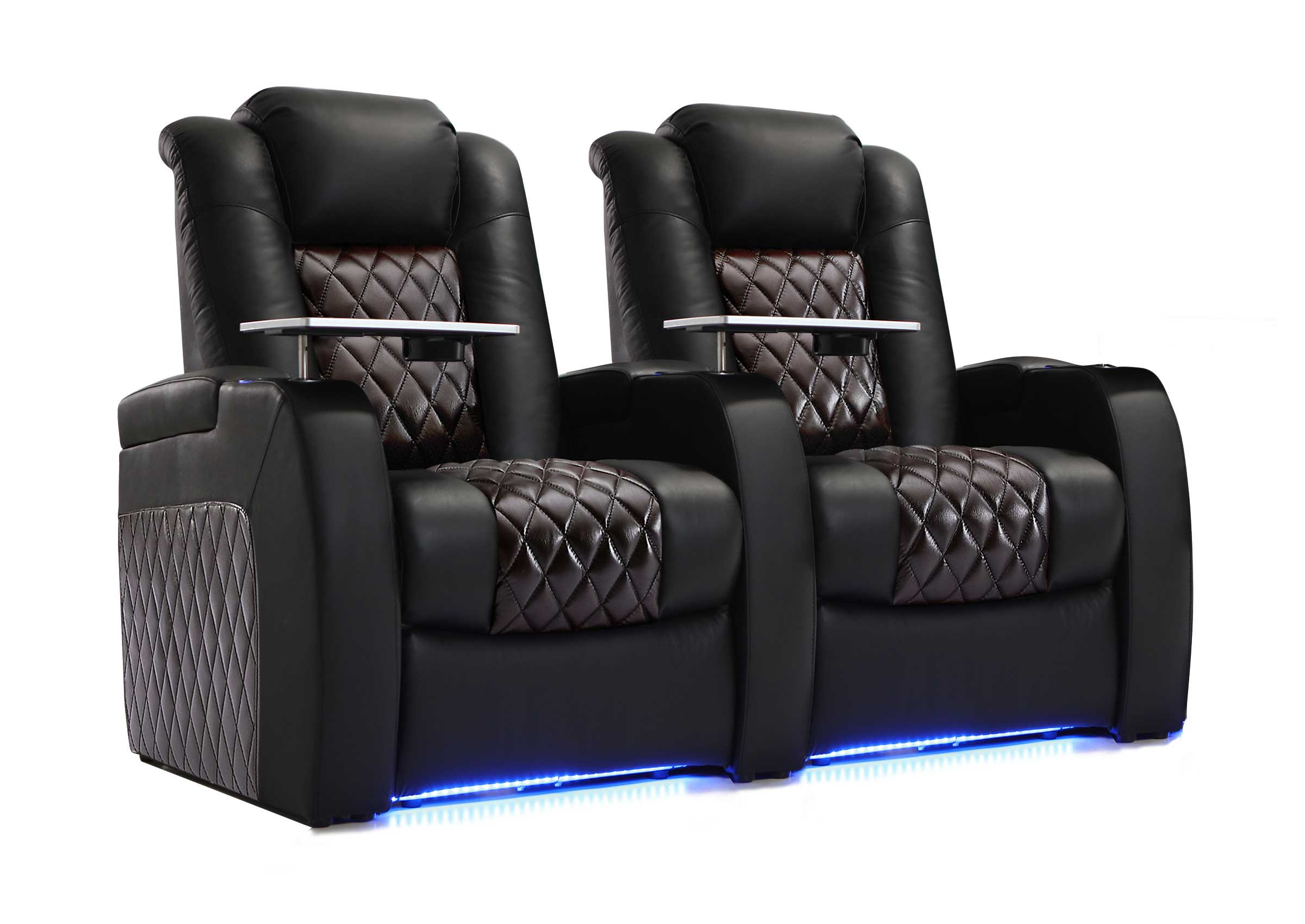
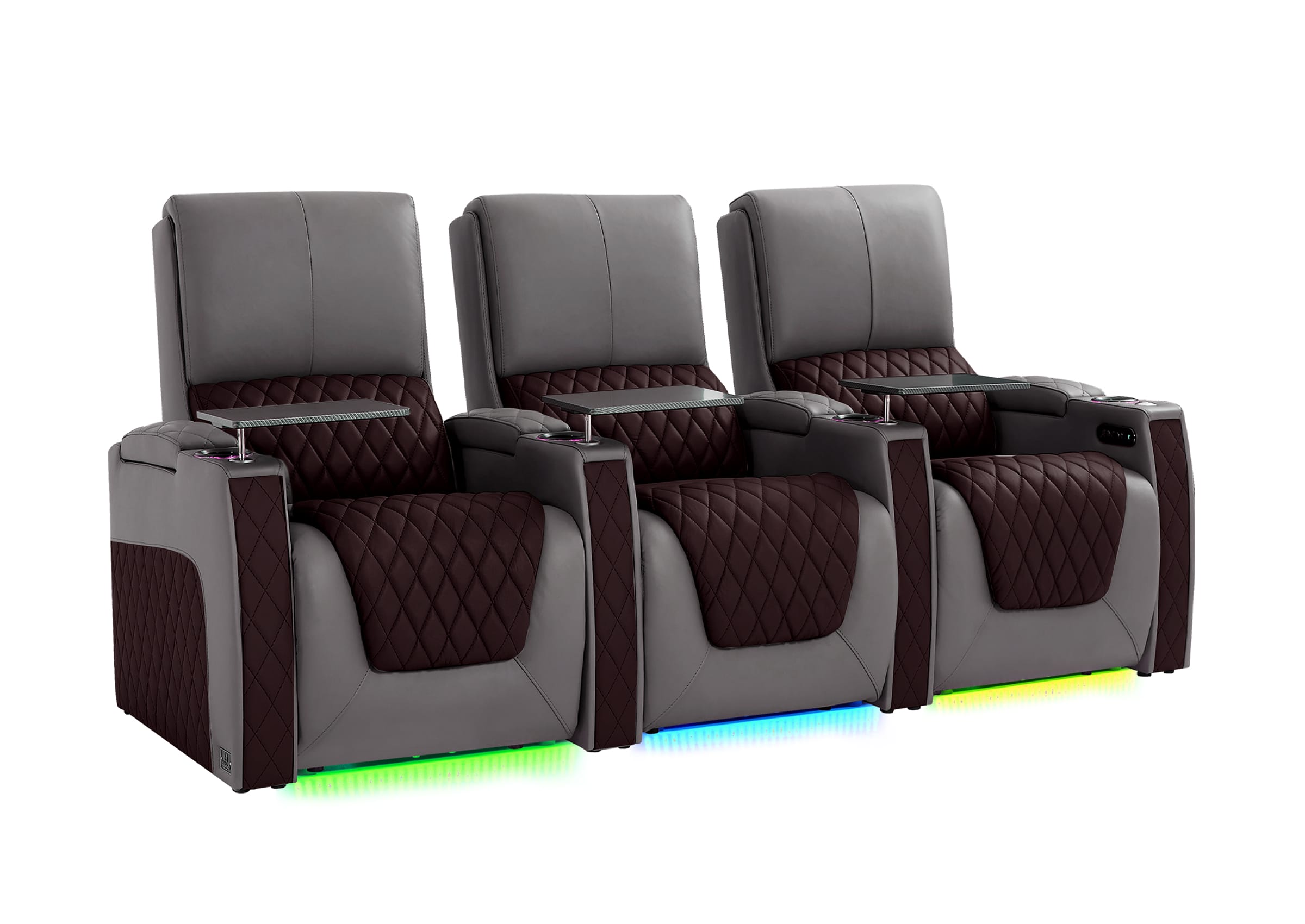
- Recliners and theater seating
- Dining and occasional tables
- Desks and workstations
- Freestanding shelving and storage
- Beds and nightstands
Fixtures
This is often the least intuitive part of the acronym because the boundary between a “fixture” and a permanent building element is not always obvious.
Depending on the project, this category may include items such as:
- Decorative lighting
- Certain window treatments
- Mirrors
- Artwork or decorative elements
- Other interior items coordinated with the furnishings package
Some of these items can move between FF&E and the construction or interior-finish scope depending on how the project is organized.
Equipment
Equipment covers items needed for the way the room or facility operates.
Examples may include:
- Televisions and displays
- AV equipment
- Appliances
- Office equipment
- Specialized equipment required by the space
Again, equipment is especially dependent on project scope.
The U.S. Department of Defense’s current UFC 3-120-10 Interior Design guidance illustrates this well. Its FF&E section includes selection, specification, finish coordination, and procurement documentation, while also noting that some items can be assigned differently from one project to another.
What Is Included in FF&E—and What Usually Is Not?
A simple FF&E definition often says: “If you can remove it from the building, it is FF&E.”
That is useful for learning the concept. It is not reliable enough for making every project decision.
A better starting point looks like this:
| Usually FF&E | Usually Part of the Building or Fixed Interior Work | May Depend on Project Scope |
|---|---|---|
| Sofas and seating | Structural walls | Decorative lighting |
| Tables and desks | Permanent building systems | Window treatments |
| Freestanding storage | Plumbing infrastructure | AV equipment |
| Area rugs | HVAC systems | Presentation screens |
| Artwork and accessories | Permanent electrical infrastructure | Certain built-ins |
| Some appliances and equipment | Structural construction | Specialized equipment |

The third column is important.
For example, current UFC guidance notes that presentation screens and certain window treatments can be assigned differently depending on the project, while some equipment may or may not be included in the FF&E package.
The British Institute of Interior Design makes a similar point from the professional-practice side: the designer’s FF&E responsibilities depend on the project and should be defined within the scope of work.
So when an item seems ambiguous, asking only “Can it be moved?” is often not enough.
The better question is:
Where does this item sit within this project’s scope, documentation, purchasing responsibility, and installation plan?
That distinction matters much more once a project moves beyond an early concept.
Why FF&E Matters Before Procurement Begins
A room can look finished in a rendering while still being far from ready to execute.
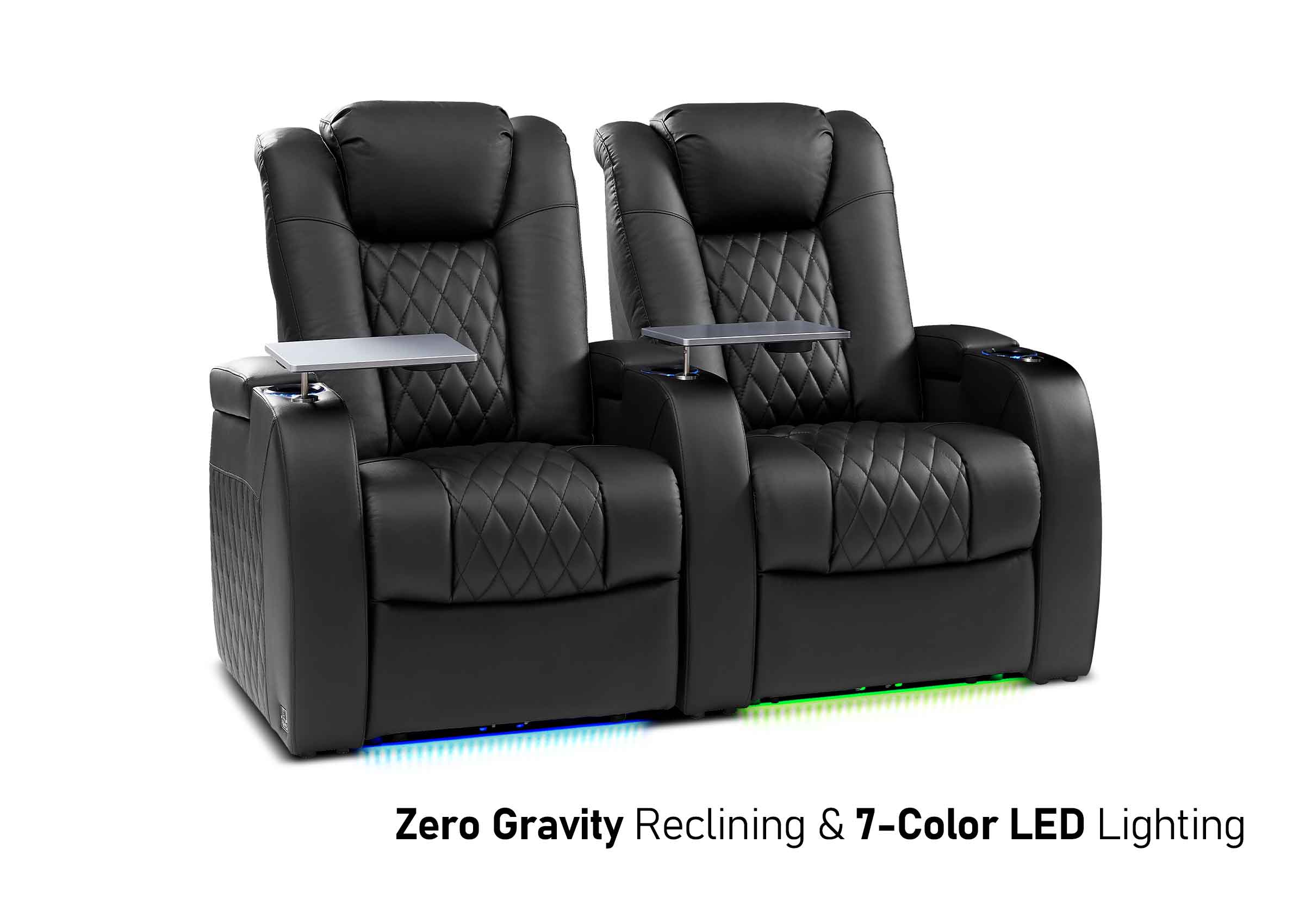
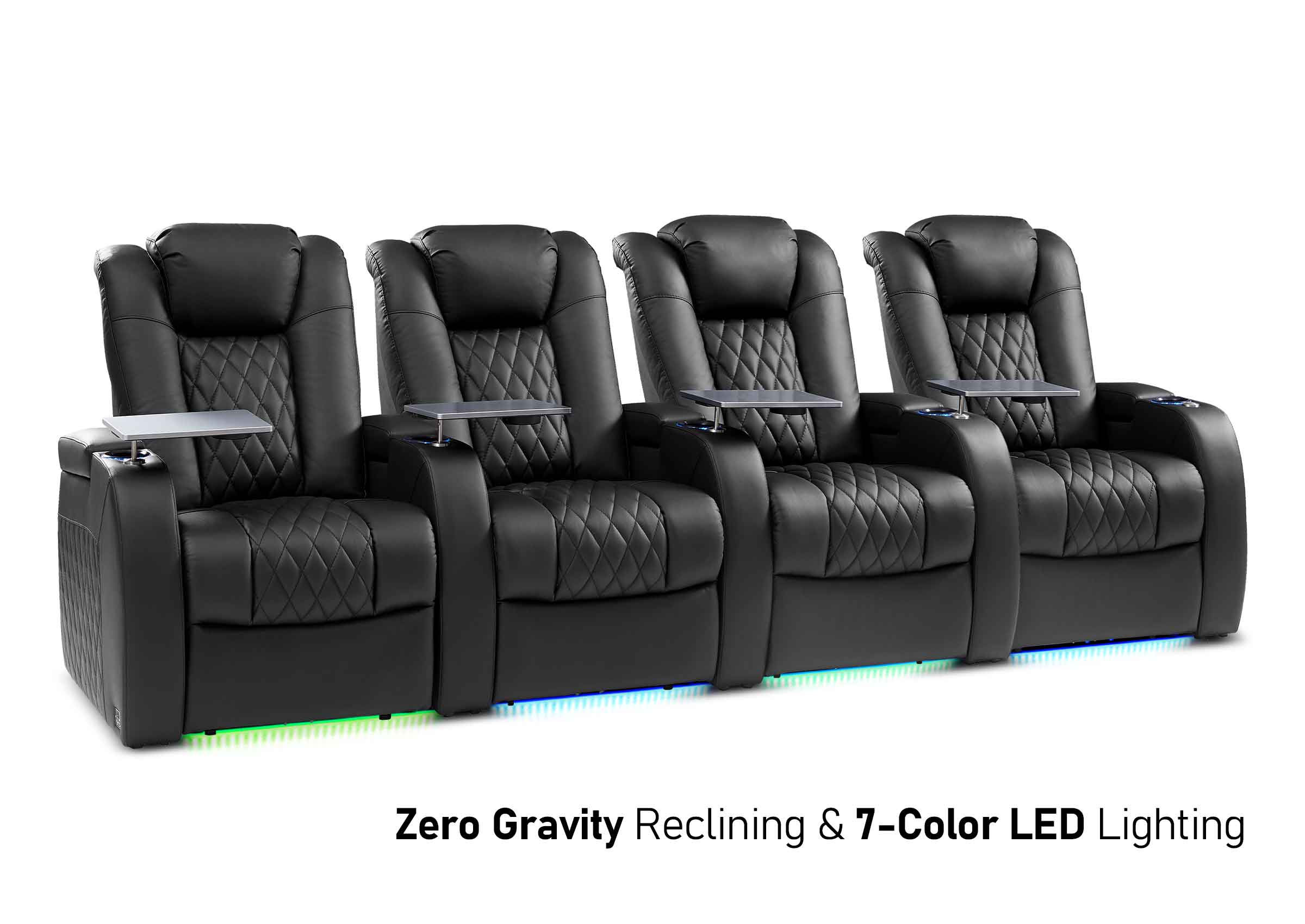
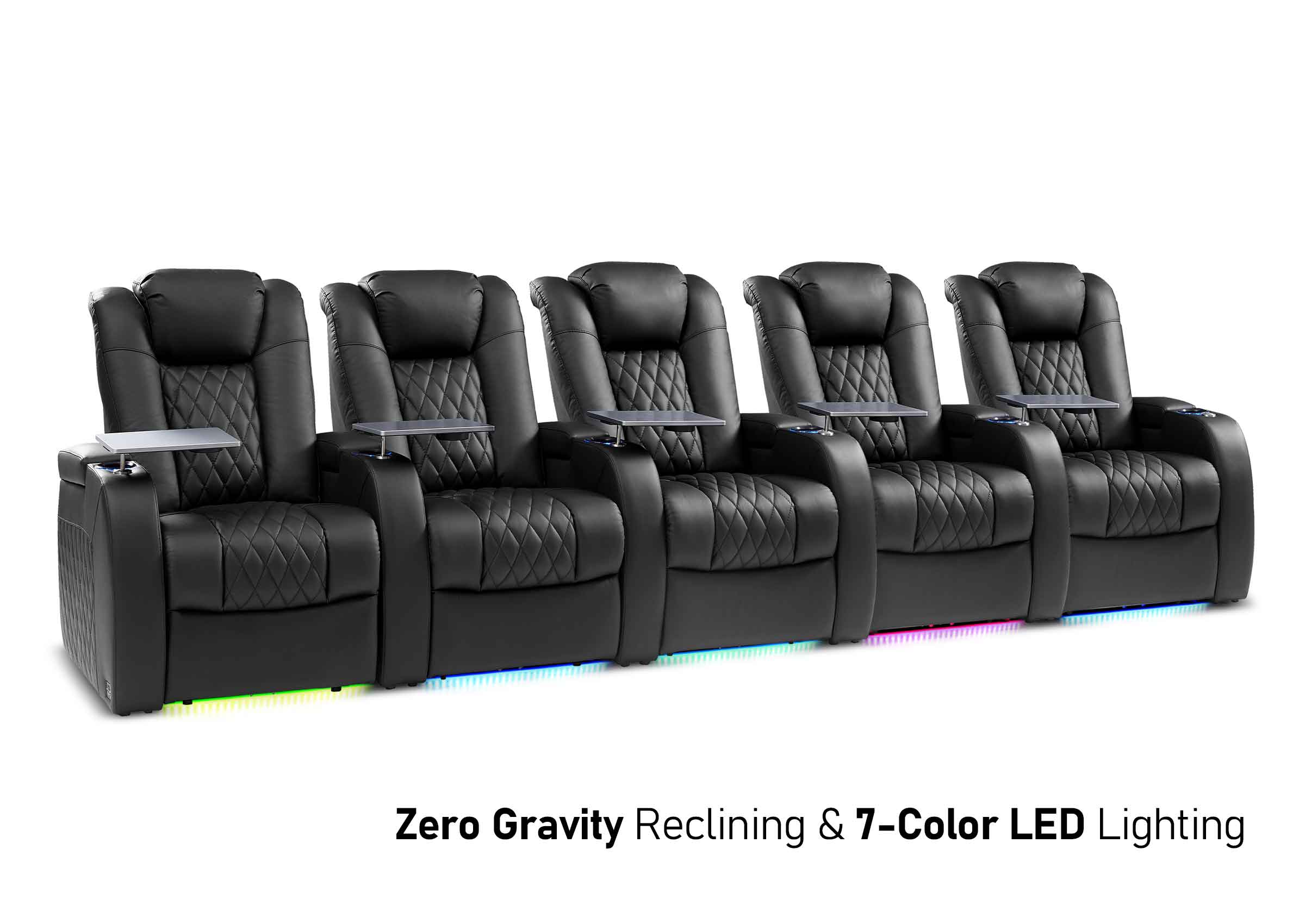
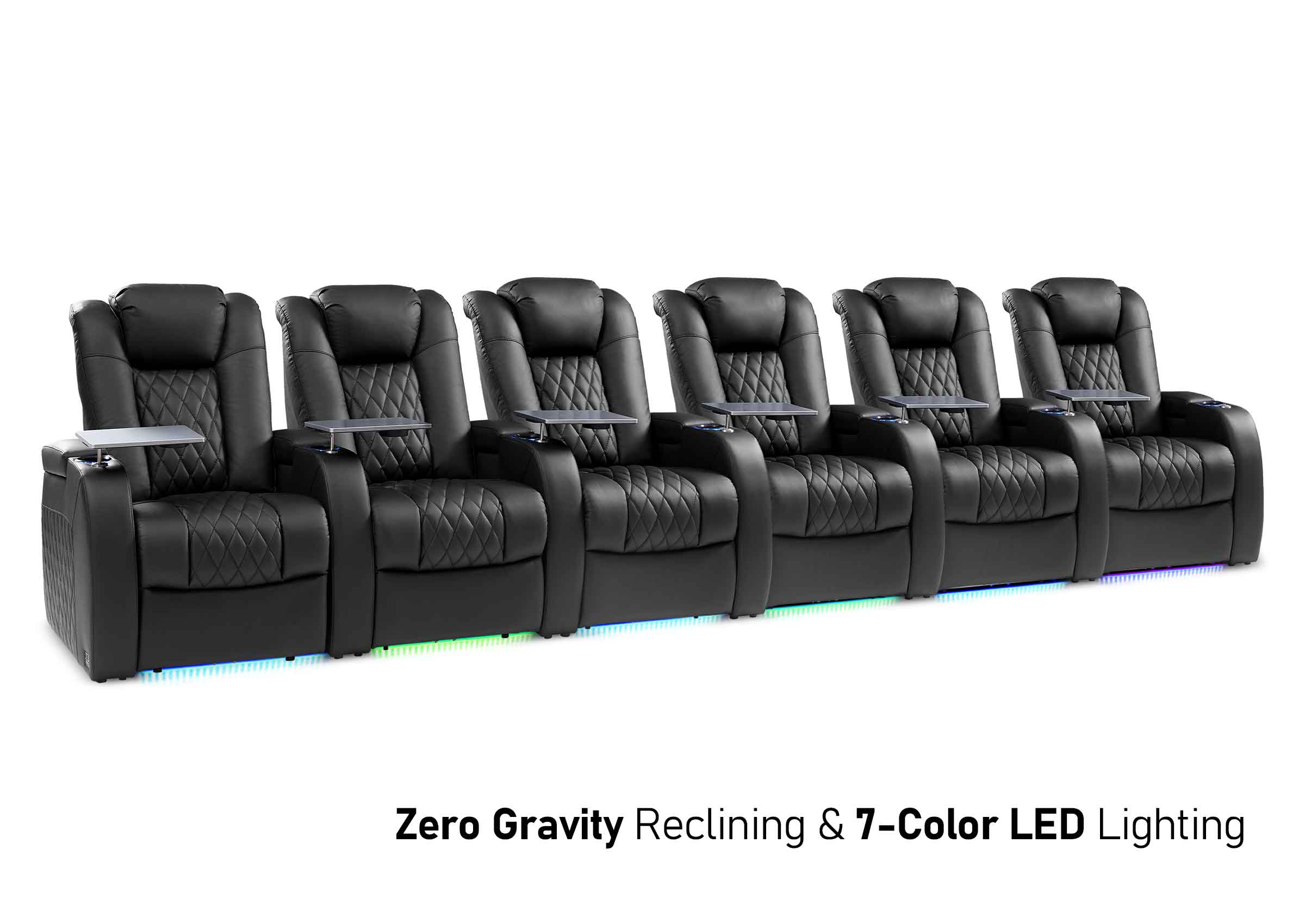
Imagine a media room rendering that shows four black leather power recliners.
Visually, the decision may seem complete.
But the project may still not know:
- Which seating configuration is actually being used
- The true overall dimensions
- How much room the seats require while reclining
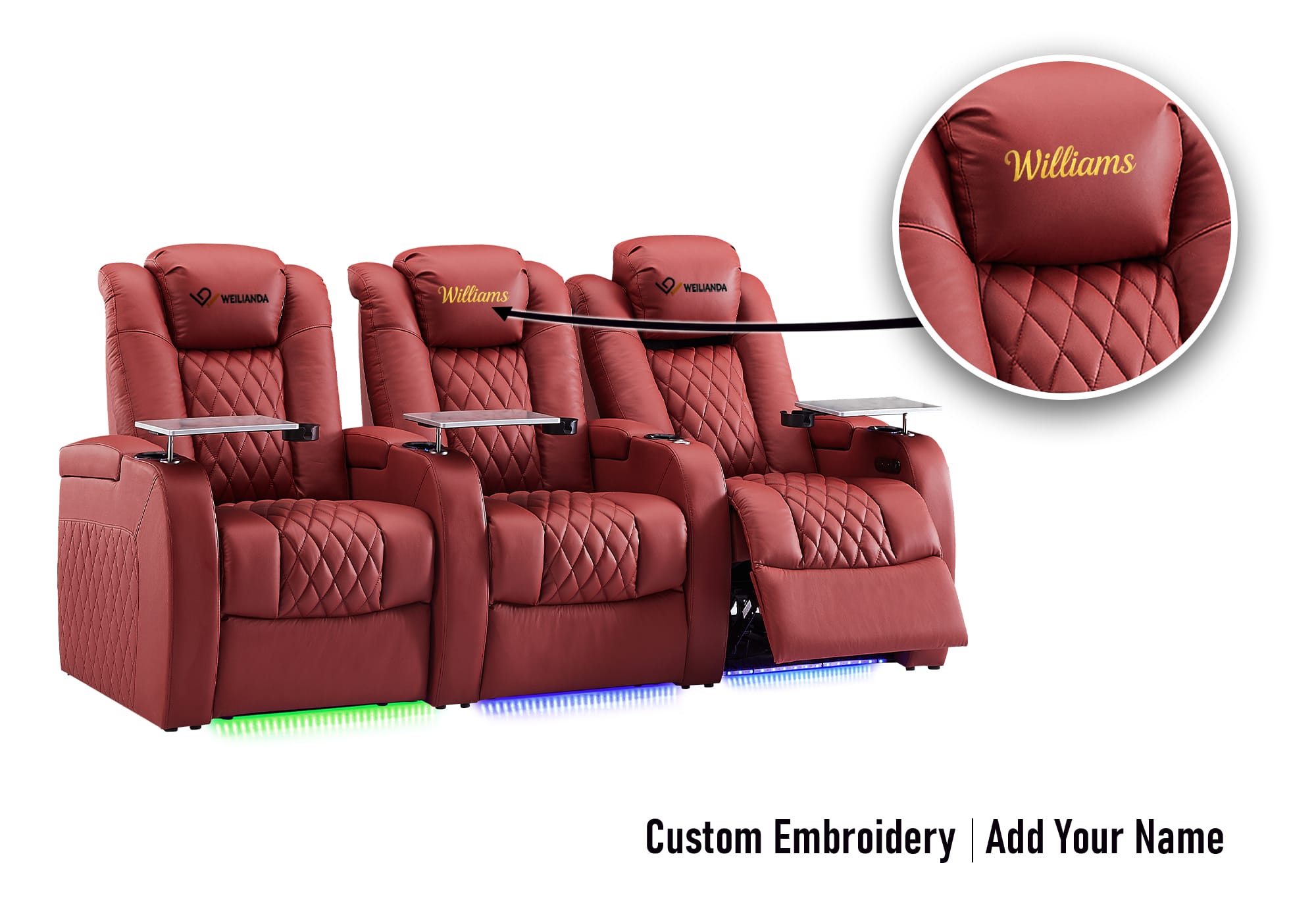
- Which upholstery or finish has been approved
- What powered functions the selected model includes
- Where electrical access needs to be coordinated
- Whether circulation still works when the chairs are in use
- Whether the seating can physically reach the finished room
This is where FF&E becomes more than decorating.
The current UFC guidance describes FF&E work as including not only product selection but also specification, finish coordination, purchasing information, and coordination with the building design.
BIID also recommends identifying FF&E products early enough to define responsibilities and the designer’s scope rather than leaving them as an undefined group of items at the end of a project.
That does not mean every sofa or lamp needs to be finalized on day one.
It means items that affect other decisions should become specific before those dependent decisions become difficult to change.
Selection vs. Specification: When a Design Idea Becomes Project Information
One of the most useful distinctions in an FF&E project is the difference between selecting something and specifying it.
Selection answers:
What do we want?
Specification moves toward:
What exactly are we planning to use?
Those questions may sound similar, but they produce very different levels of information.
| Stage | Example | What Is Still Missing? |
|---|---|---|
| Design intent | “We want comfortable black theater seating.” | Almost everything needed for execution |
| Selection | A seating style or product direction is chosen | Exact configuration, dimensions, finish, options |
| Specification | Product and project details are documented | Remaining approvals or site coordination |
| Coordination | Product information is checked against the room | Open dependencies are resolved |
| Procurement | Approved information moves into purchasing | Order, delivery, and installation follow-up |

This is why a mood board is not a specification.
A product image can communicate aesthetic intent extremely well. It usually cannot tell a builder where power belongs, confirm whether a four-seat configuration fits between two walls, or show whether the delivery route can accommodate the product.
The closer a project gets to construction, ordering, or installation, the more expensive assumptions can become.
Example: How Theater Seating Moves Through an FF&E Project
Home theater seating provides a good example because one furniture decision can interact with several other parts of the room.
An early concept might simply say:
Four black leather reclining theater seats.
That is a valid design direction. It is not yet a complete project description.
As the project develops, the same idea needs to become more specific:
| Early Design Idea | Information the Project Eventually Needs |
|---|---|
| “Four theater seats” | Exact seat count and configuration |
| “Black leather” | Actual upholstery and finish direction |
| “They fit on this wall” | Configuration width and product dimensions |
| “They recline” | Operating footprint and required clearances |
| “Power seats” | Product-specific power requirements and room coordination |
| “Two rows” | Row placement, circulation, sightline, and riser considerations |
| “This looks right in the rendering” | Confirmation that the shown configuration actually corresponds to an available product arrangement |
| “Ready to order” | Required product, finish, site, access, and approval information resolved |

The important point is not that theater seating requires an unusually complicated FF&E process.
It is that a furniture choice can create dependencies elsewhere in the room.
For powered theater seating, for example, outlet planning should not be based on a generic assumption about where a seat receives power. Layout decisions should be checked using the dimensions and operating requirements of the actual configuration being considered.
A floor plan that works with every chair upright may also behave differently when footrests are extended, people are walking behind the row, or a door needs to remain usable.
That is why it is useful to separate the early design decision from the later specification decision.
For projects that have already reached this stage, what to consider before specifying home theater seating goes deeper into configuration, room dependencies, access, and the decisions that should be checked before a seating direction is locked in.
EXPLORE YOUR OPTIONS
See How Seating Choices Work in the Real Room
If you are applying FF&E thinking to a media room, compare the seating direction with the actual layout, clearances, and configuration before the room design is finalized.
Compare Seating Series • Power Seating Project Checklist
What Is the Difference Between an FF&E Specification, Schedule, and Procurement?
These terms frequently appear together, but they do different jobs.
FF&E Specification
A specification describes what an item is supposed to be.
Depending on the project, it may identify information such as:
- Item or reference number
- Product description
- Dimensions
- Material or finish
- Quantity
- Configuration
- Location
- Product requirements
- Notes or approval status
The exact format varies. The purpose is more important than the template: another person should be able to understand what has actually been selected.
FF&E Schedule
A schedule organizes multiple project items so they can be reviewed and tracked together.
It may include fields such as:
- Item code
- Room or location
- Quantity
- Finish
- Approval status
- Supplier information
- Pricing or budget information
- Lead time
- Order or delivery status
A schedule is therefore more than a shopping list. It connects items to the larger project.
FF&E Procurement
Procurement is what happens when approved selections move toward purchasing and delivery.
Depending on the project’s scope and procurement arrangement, that can include:
sourcing → pricing → approval → ordering → tracking → receiving → delivery → installation
Not every designer, client, contractor, or supplier handles every stage. BIID specifically distinguishes the design role from different possible procurement roles and stresses that responsibilities should be made clear within the project scope.
For a home theater seating project that is approaching a quote rather than simply exploring ideas, a separate home theater seating specification package becomes more useful than continuing to expand the general FF&E definition. That package can bring together the room plan, configuration, finish direction, site conditions, and unresolved questions without turning the FF&E overview into a procurement manual.
A Better Way to Handle FF&E Items That Fall Into a Gray Area
Instead of trying to memorize one universal list, use three questions.
1. Where is the item defined in the project documents?
Check the drawings, specifications, FF&E schedule, finish information, responsibility matrix, or other applicable project documents.
If one document describes a television as equipment while another assumes it is contractor-supplied, that conflict is more important than a generic online definition.
2. Who is responsible for specifying, approving, purchasing, and installing it?
These may be different people.
A designer may select the visual direction. A client may approve it. A supplier may provide product-specific information. A contractor or installer may handle related site work.
If responsibility is unclear, the item is not truly coordinated just because everyone agrees they want it.
3. What other project decisions depend on it?
This is often the most practical question of all.
Does the item affect:
- Electrical access?
- Wall blocking?
- Floor outlets?
- Millwork?
- Clear circulation?
- Door swings?
- Installation access?
- Lighting?
- Finish coordination?
The more dependencies an FF&E item creates, the earlier its critical information should be confirmed.
This is a more useful project test than simply asking whether the object would fall out if the building were turned upside down.
Common FF&E Misunderstandings
“FF&E is just another word for furniture.”
Furniture is only one part of FF&E.
Equipment, decorative items, lighting, window treatments, and other project elements may also be included depending on the scope.
“If it moves, it is definitely FF&E.”
Mobility is a useful shortcut, not an absolute rule.
Contract scope, purchasing responsibility, installation, and project documentation can change how borderline items are classified.
“Once the product is selected, the FF&E work is finished.”
Selection identifies a direction.
A project may still need dimensions, finishes, quantities, location, approval status, product requirements, and coordination with the room before that selection is truly usable.
“An FF&E schedule is basically a shopping list.”
A shopping list tells you what to buy.
A useful schedule helps a project team understand what the item is, where it belongs, how many are needed, and what still needs to happen.
“FF&E can wait until construction is almost finished.”
Some decorative decisions can remain flexible for a long time. Others cannot.
If an item affects electrical planning, circulation, built-ins, access, or other room conditions, confirming it too late can force unnecessary changes.
The right timing depends less on whether something is “furniture” and more on what other decisions depend on it.
Frequently Asked Questions About FF&E
What does FF&E stand for?
FF&E most commonly stands for Furniture, Fixtures, and Equipment in U.S. interior-design usage. The term covers furnishings and equipment used to complete and operate an interior space, although the exact project scope can vary.
Is lighting considered FF&E?
Some lighting can be FF&E, particularly decorative or furnishing-related lighting, while permanently integrated lighting may belong to the construction or interior-design scope. Check the project documents rather than classifying every light the same way.
Is a TV considered FF&E?
A television may be treated as equipment within an FF&E package, but AV equipment is a good example of a category that can shift depending on the project, purchasing responsibility, and installation arrangement.
Is built-in cabinetry FF&E?
Freestanding storage is commonly treated as FF&E. Permanently built-in cabinetry or millwork is more often part of the fixed interior or construction scope, although the project’s documents should make the final responsibility clear.
Is FF&E only used for commercial projects?
No. FF&E terminology is common in commercial, hospitality, workplace, and institutional design, but the same concept can also be useful in residential and designer-led projects.
A private media room, for example, may include seating, tables, lighting, rugs, artwork, displays, and other equipment that need to be considered together rather than purchased as unrelated objects.
When should FF&E planning begin?
There is no single date that applies to every item.
A better rule is to identify FF&E early, then prioritize decisions according to dependency. Items that affect dimensions, power, construction, access, or other design work should generally be resolved earlier than accessories that can be selected without changing the room.
From an FF&E Idea to a Clearer Project Decision
FF&E becomes much easier to understand once you stop treating it as a list of furniture categories.
The real progression is:
idea → selection → specification → coordination → procurement
Not every item requires the same amount of documentation, and not every project assigns FF&E responsibilities in the same way. The goal is simply to make sure the people working on the project understand what has been selected, what has been confirmed, what still depends on something else, and who is responsible for the next decision.
For home theater seating, that usually means moving beyond “which seats look right?” and checking the actual configuration, room fit, operating space, finish direction, power considerations, and access conditions before those details become difficult to change.
If a project has reached that point, organizing the room plan, intended configuration, finish direction, access information, and open questions into a home theater seating specification package is a practical next step before requesting a project quote or confirming a seating configuration.
If your FF&E planning has moved into a specific theater seating project and you need help clarifying room, configuration, finish, access, or other project information, you can discuss a custom theater seating project, visit Weilianda Support, or email leon@weiliandahome.com.