













Turn an unused room into a multipurpose space by choosing a main everyday activity, adding uses that fit around it, and planning where furniture and belongings go when the room changes roles. Start with the way your household already lives, then test an arrangement before buying pieces to fill it.
A spare room can support work, hobbies, reading, games, or occasional guests. The useful question is which of those activities can comfortably share your particular room—and what happens when two people need it at once.
Give the Room a Main Job Worth Making Space For
Think about an activity that is already happening somewhere inconvenient. Perhaps work papers cover the dining table, sewing supplies travel between cupboards, or there is nowhere quiet to read while someone watches television. Moving that activity into the spare room gives it a reason to be used.
Write a short room brief in ordinary language: “I need a permanent place to work on weekdays, a surface for weekend drawing, and somewhere for an occasional guest to sleep.” Include who uses it, when they use it, and what they need to leave in place. A computer with two monitors asks something different of the room than a laptop used for an hour.
Then ask why the room is unused now. A cold, dim room may remain unappealing after you add a desk. A guest room may be avoided because everyone treats it as permanently reserved. A storage room may have no usable floor because other parts of the home lack a place for those belongings. Identify that obstacle before choosing a new furniture arrangement. If the room feels comfortable only in the afternoon but you need to work there in the morning, test that morning condition before committing to an office.
Protect the main use from the start. If work happens there five days a week, it should not require rebuilding the desk every morning. If quiet reading is the purpose, do not arrange the room around a television that will rarely be used. A secondary function should earn its place without making the main one frustrating.
Choose Uses That Can Share Space, Time, or Both
Some activities can happen together. Others work better in the same room at different times. Making that distinction early can save you from buying a divider to solve a scheduling problem.
| Combination | What can work | Decide before arranging furniture |
|---|---|---|
| Work and a quiet hobby | They may share a surface at different times, or use separate work areas | Can an unfinished project stay out without taking over the next work session? |
| Reading and family games | Seating and book or game storage can serve both | Does the game need a suitable table, and where will it go afterward? |
| Home office and occasional guests | The room changes roles during a visit | Where will work happen while the guest needs privacy? |
| Exercise and lounging | Open floor and seating can take turns | Can equipment be stored and retrieved without moving the main seating? |
Look beyond whether the furniture fits. Video calls, music, a sewing machine, and a television may interrupt another person's concentration. A rug or open bookcase can define an area visually, but it does not create a separate quiet room. If the sound or privacy conflict remains, agree on different hours or move one activity elsewhere.
Guest use needs a similar conversation. Folding a bed away each morning does not mean the room stops being the guest's private space. If your work cannot relocate during a visit, an office-and-guest arrangement may need a different plan. Our media room and guest room guide explores that availability issue alongside the physical conversion.
You can also drop a proposed use. Keeping work and reading comfortable may serve your household better than squeezing in exercise equipment that blocks both. Multipurpose does not mean every possible purpose.
Clear What You Need, Then Draw the Room You Actually Have
Start by making enough space to assess the room. Separate things used regularly, items that belong elsewhere, and belongings you are ready to sell, donate, or discard. Give the things you keep an actual destination. Moving all the boxes into the hallway may reveal the floor, but it has not solved the storage problem.
Do not buy cabinets until you know what must stay. Bedding, board games, paper files, and a partly assembled model have different storage needs. Measure the awkward items, including anything that cannot be stacked or turned on its side. Set aside a reachable place for an unfinished project before assigning the remaining shelf space to spare supplies. Otherwise, the item most likely to occupy your worktable still has nowhere to go.
Next, sketch the room with doors and their swings, windows, outlets, fixed features, and storage you need to open. Add the furniture you want to keep. Check the delivery route before assuming a replacement sofa or cabinet can reach the room.
Draw furniture in use, too: a chair pulled back from a desk, a cupboard open, an exercise mat laid out, or a guest bed unfolded. Floor tape can help you compare outlines. Walk the proposed route from the door to each activity area, carrying something you would normally bring in.
If the arrangement only works when every chair is pushed in and every door is closed, revise it. You may need a smaller table, a different orientation, or fewer permanent pieces. Use the room's actual features to guide the layout rather than treating a photograph as a floor plan.

Choose Furniture for the Activities You Will Actually Do
Start with the piece that supports the main use. For regular desk work, test the desk and chair together in your normal working position. A lounge chair may be inviting for reading but a poor substitute for a suitable work chair. A tiny folding table may be easy to store yet too inconvenient for the equipment you use every day.
Then look for furniture that supports another activity without a large penalty. A firm, stable table might suit paperwork and board games. A small sofa can provide a reading seat and a place to talk while someone works on a hobby. A separate footstool can let you stretch out, provided it has a parking place when the center of the room is needed.
Convertible furniture deserves an actual demonstration. Check the mechanism, the complete open footprint, the effort involved, and where loose parts go. A storage ottoman is less helpful if you must remove a heavy tray every time you need the supplies inside. A foldaway work surface is less convenient if you cannot close it with your usual equipment stored nearby.
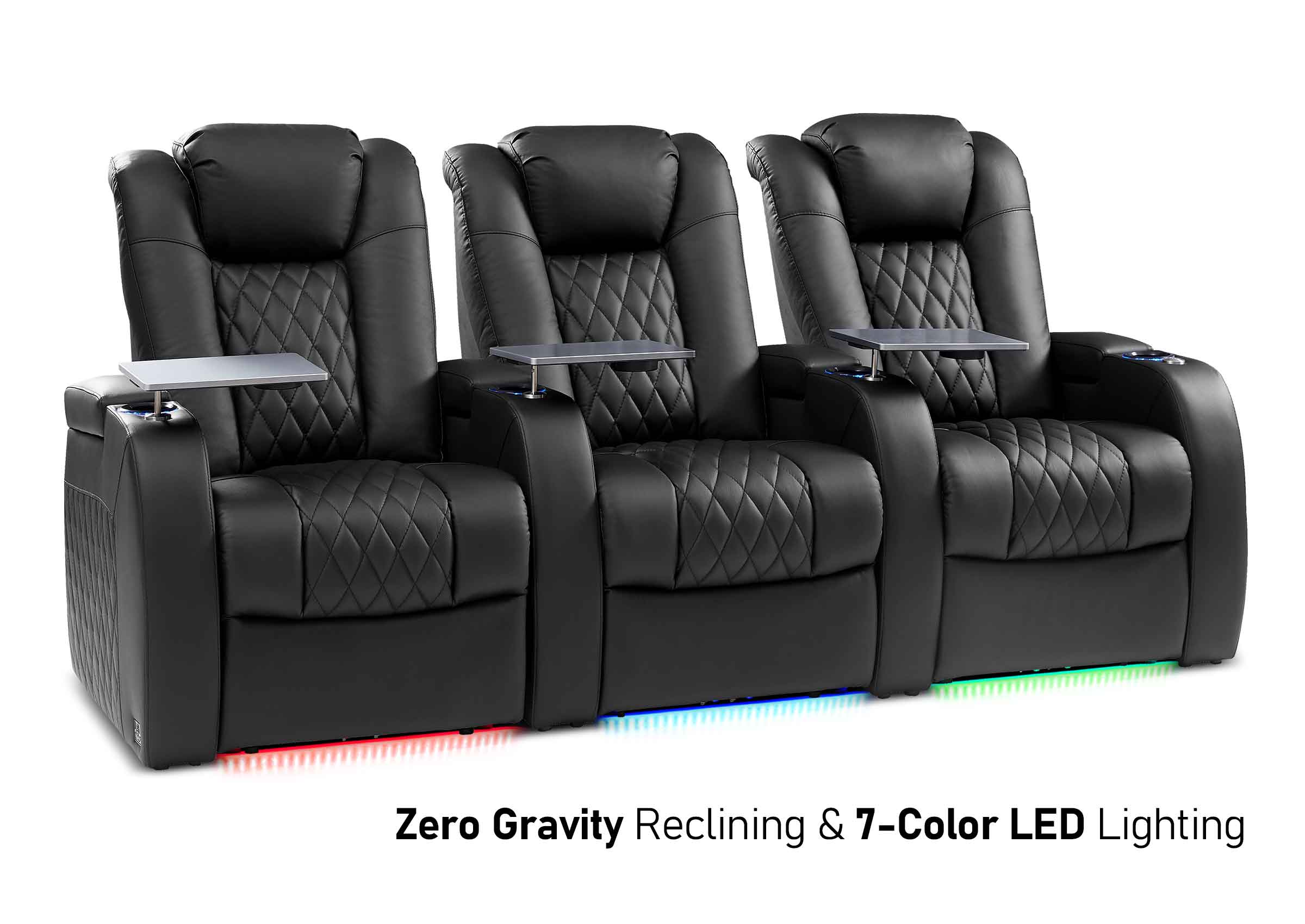
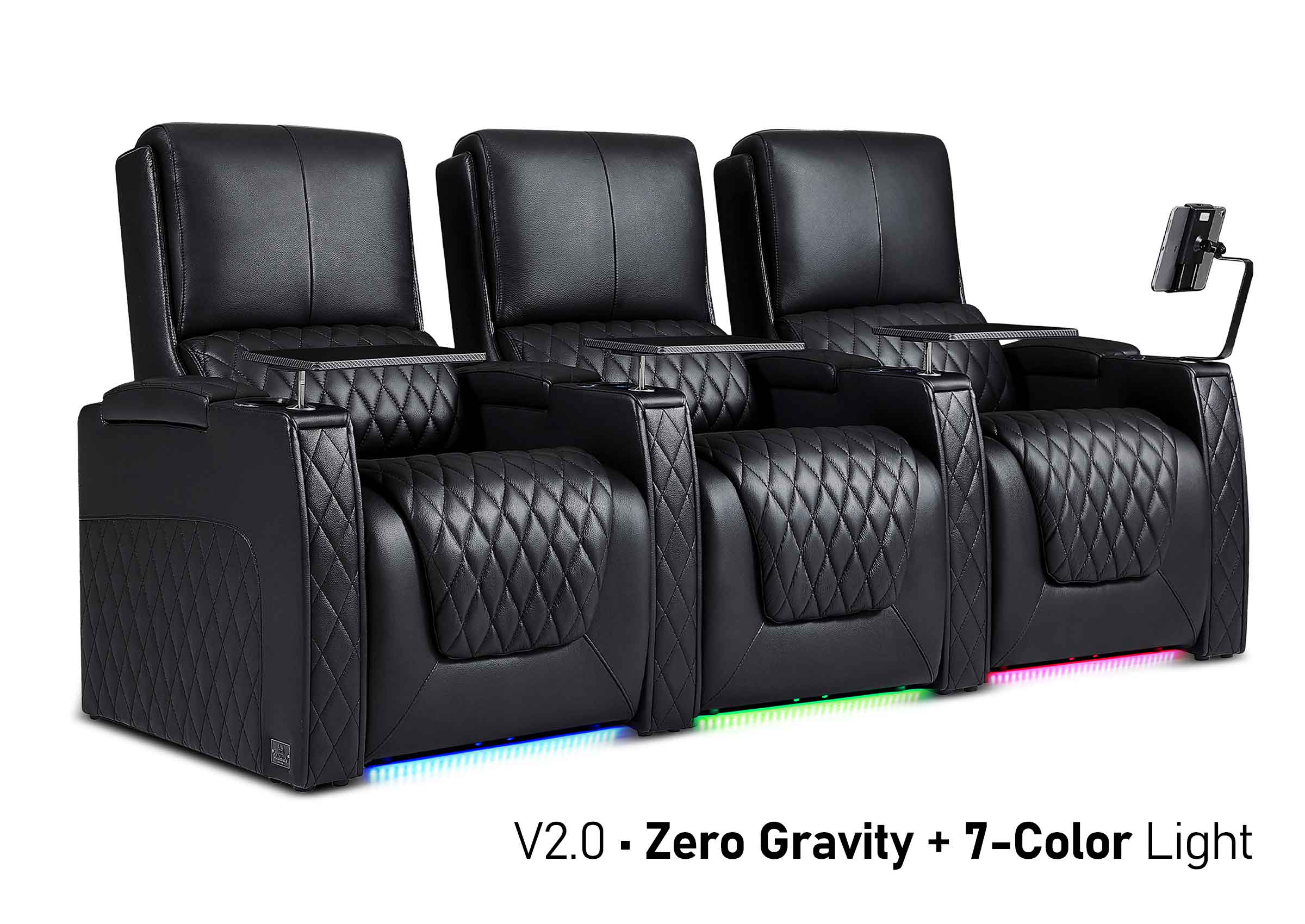
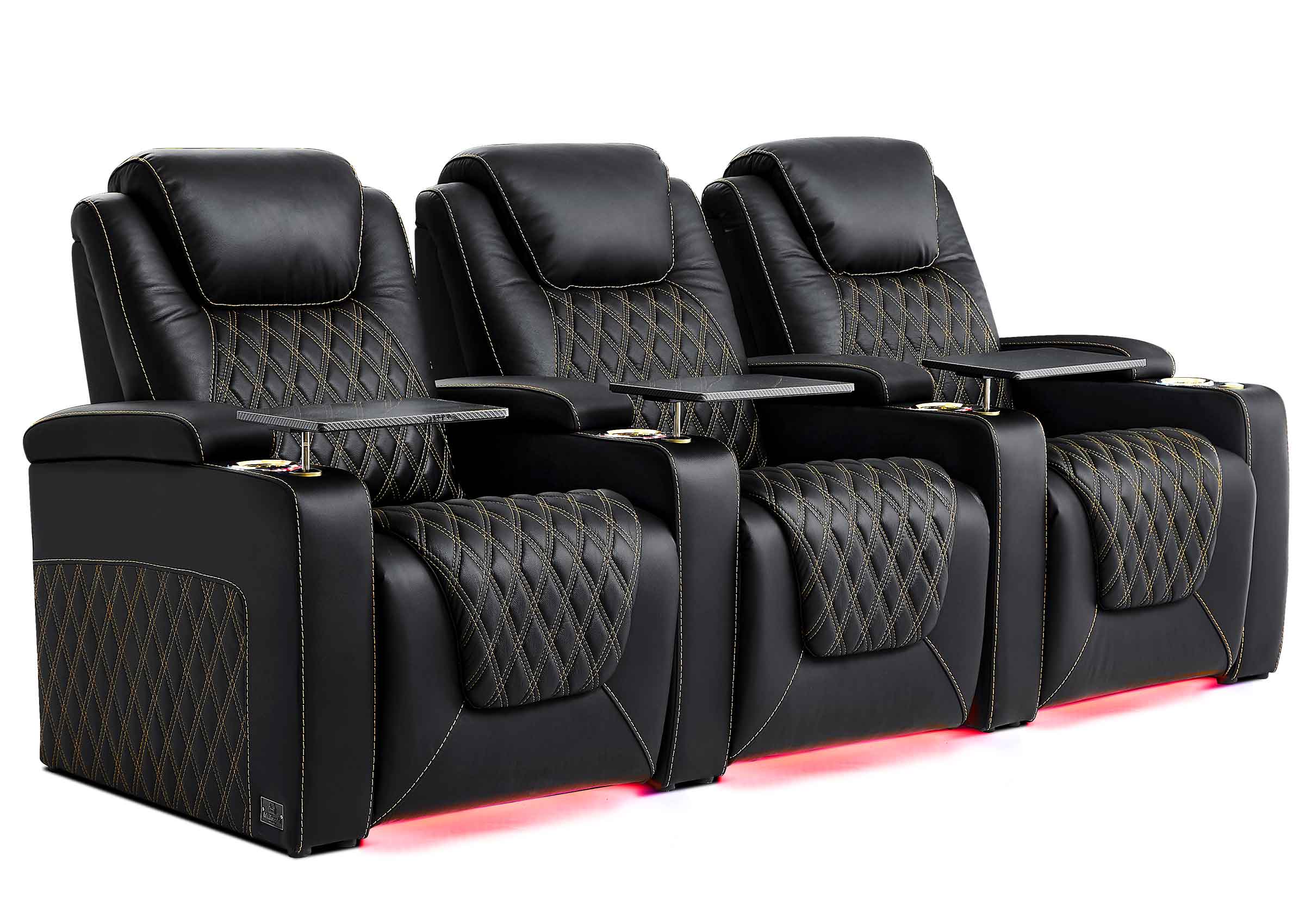
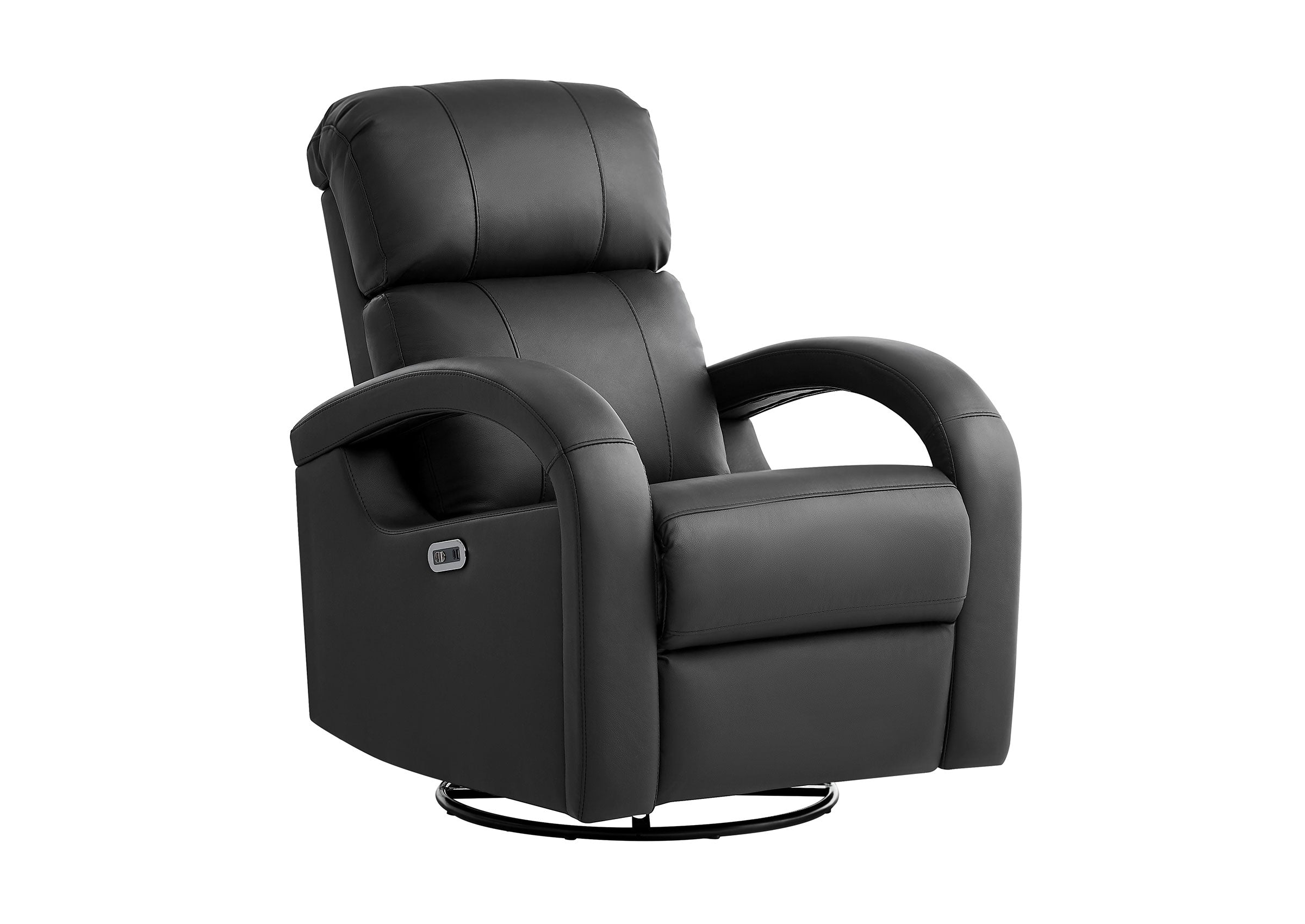
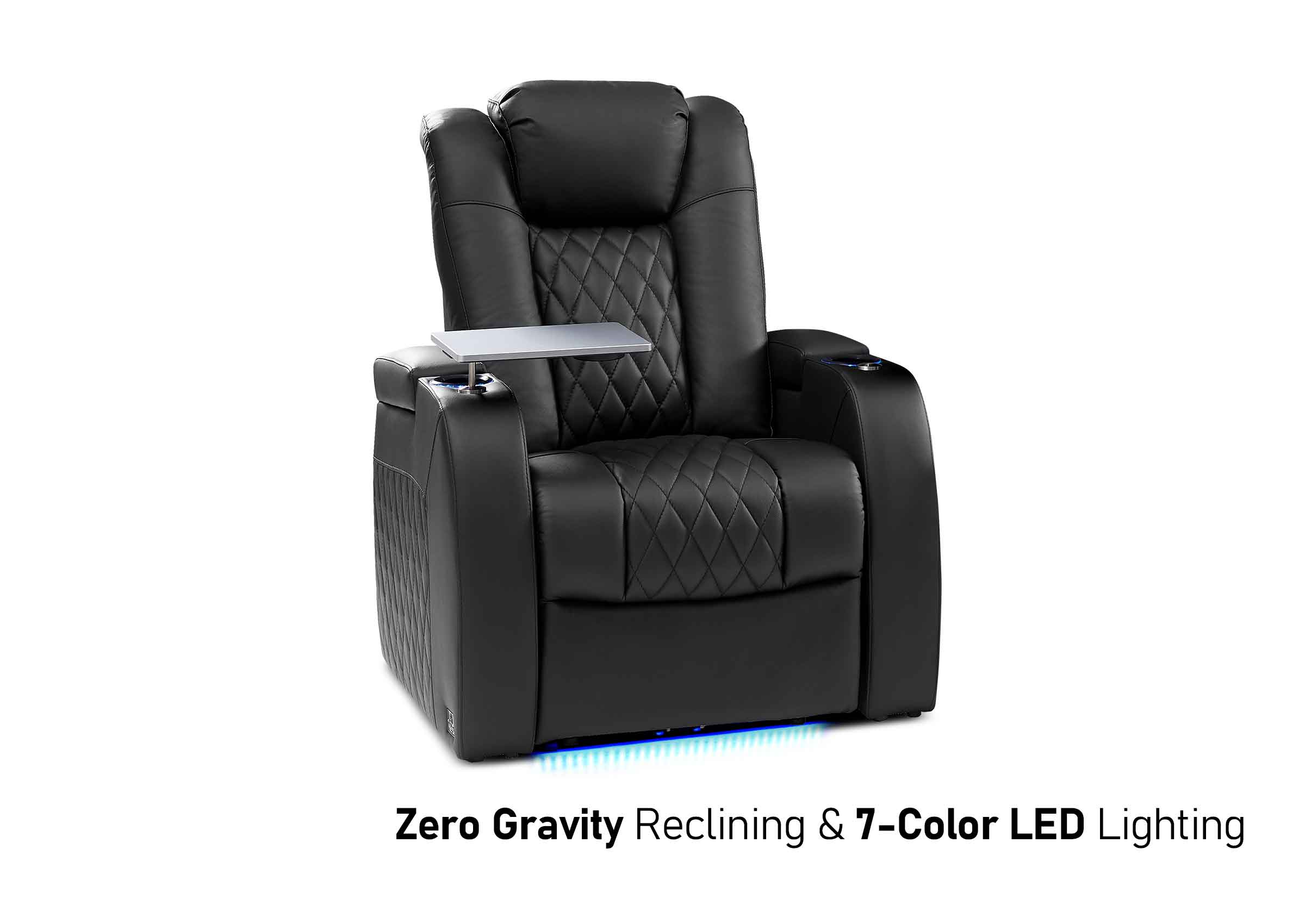
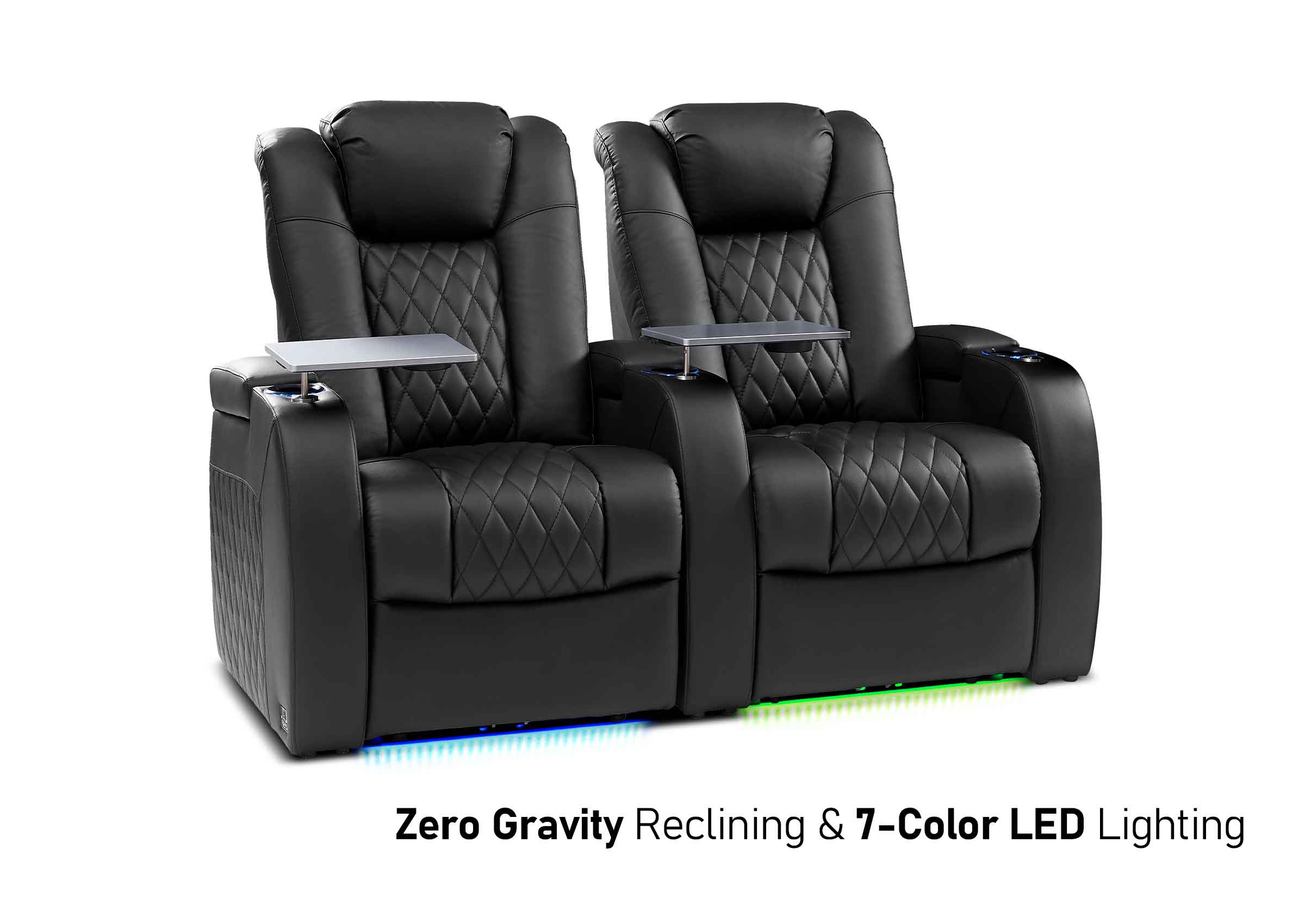
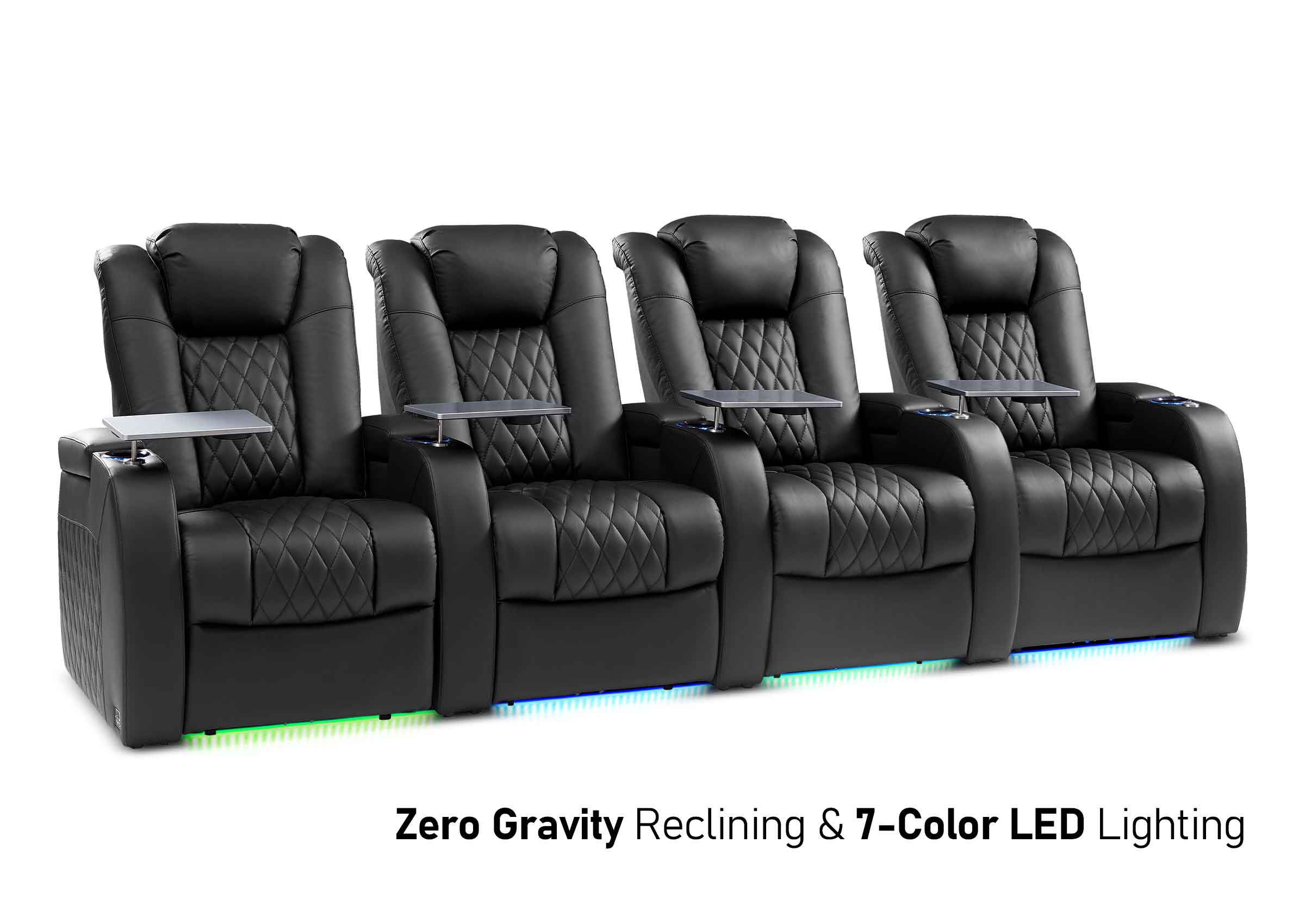
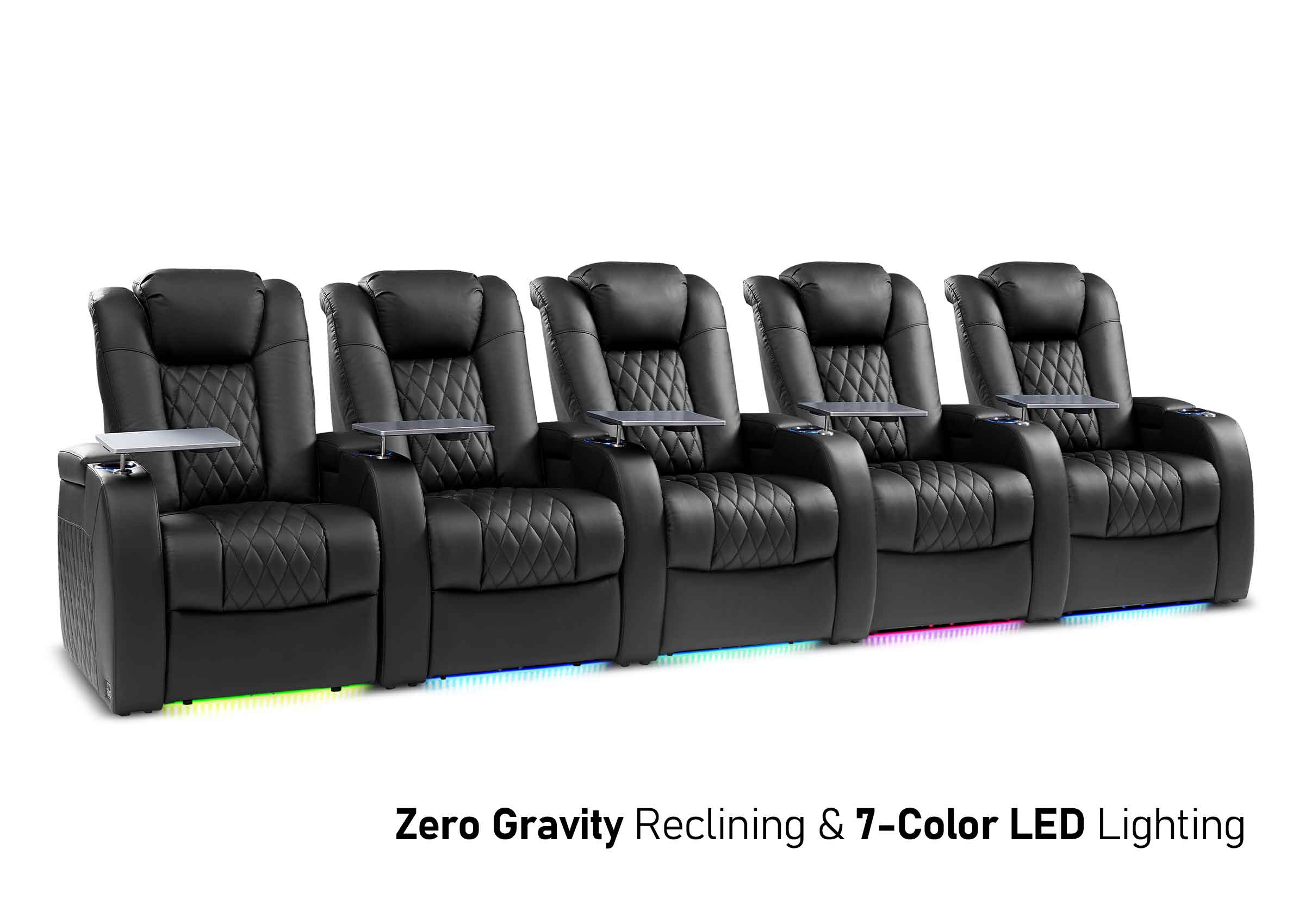
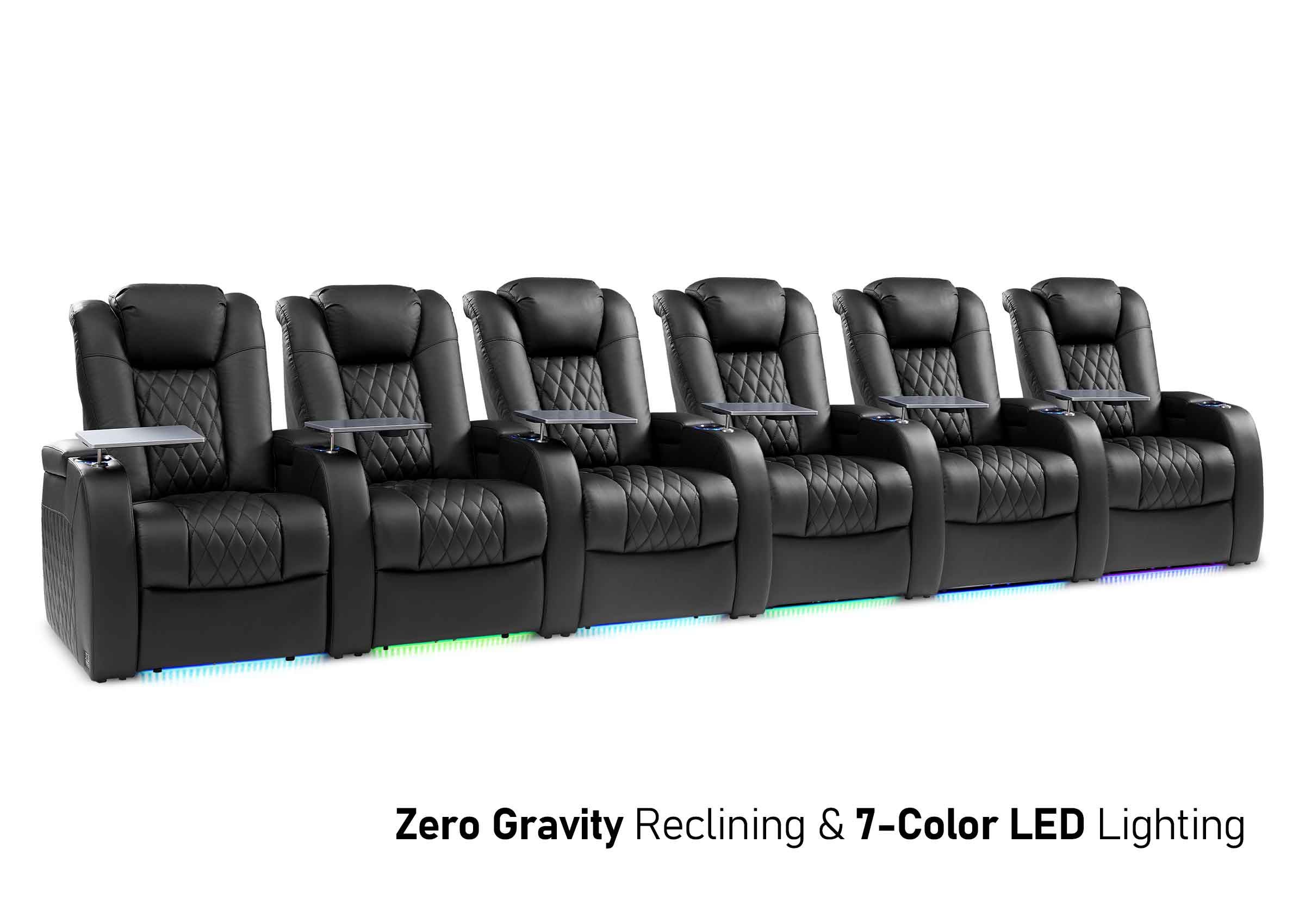
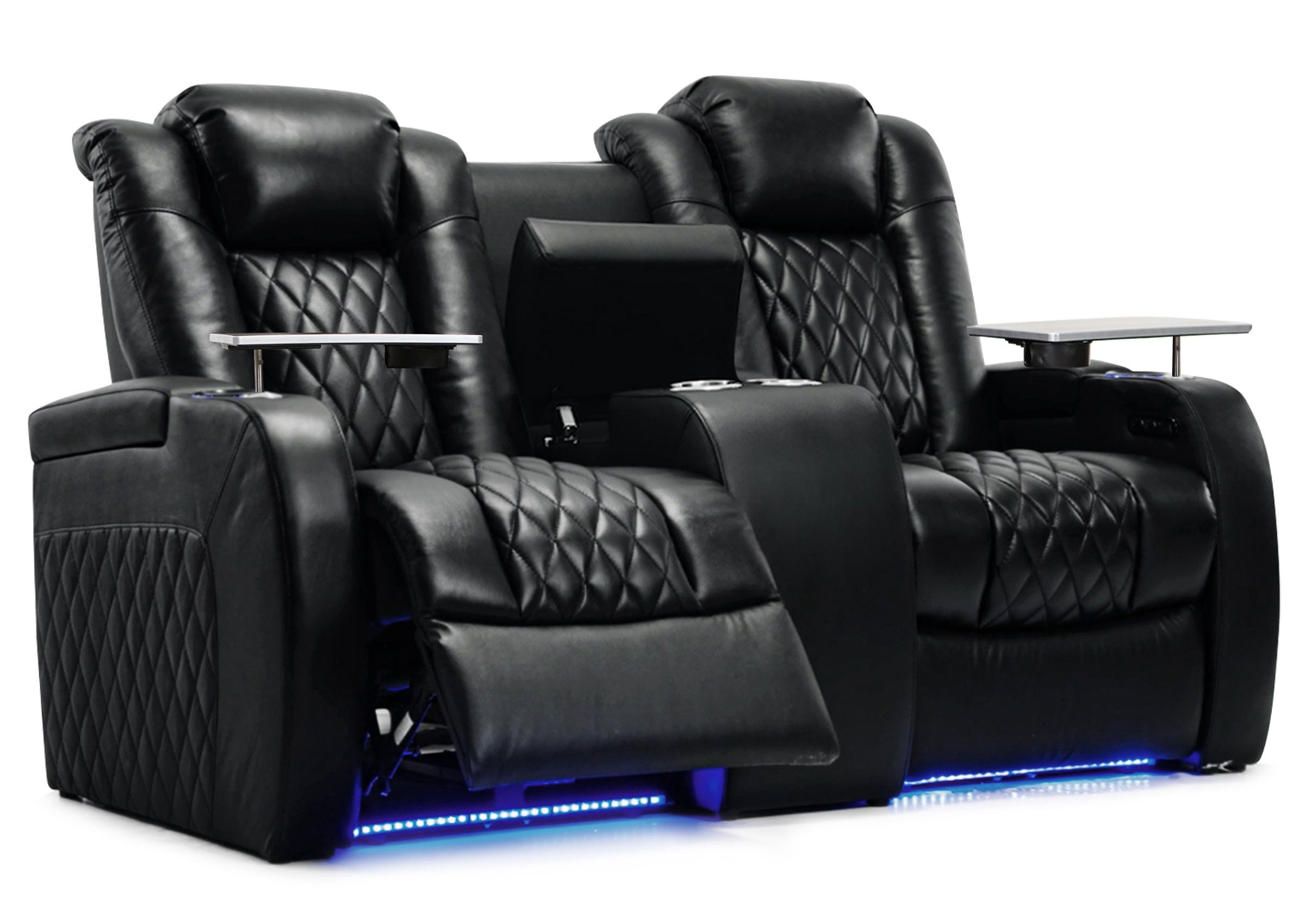
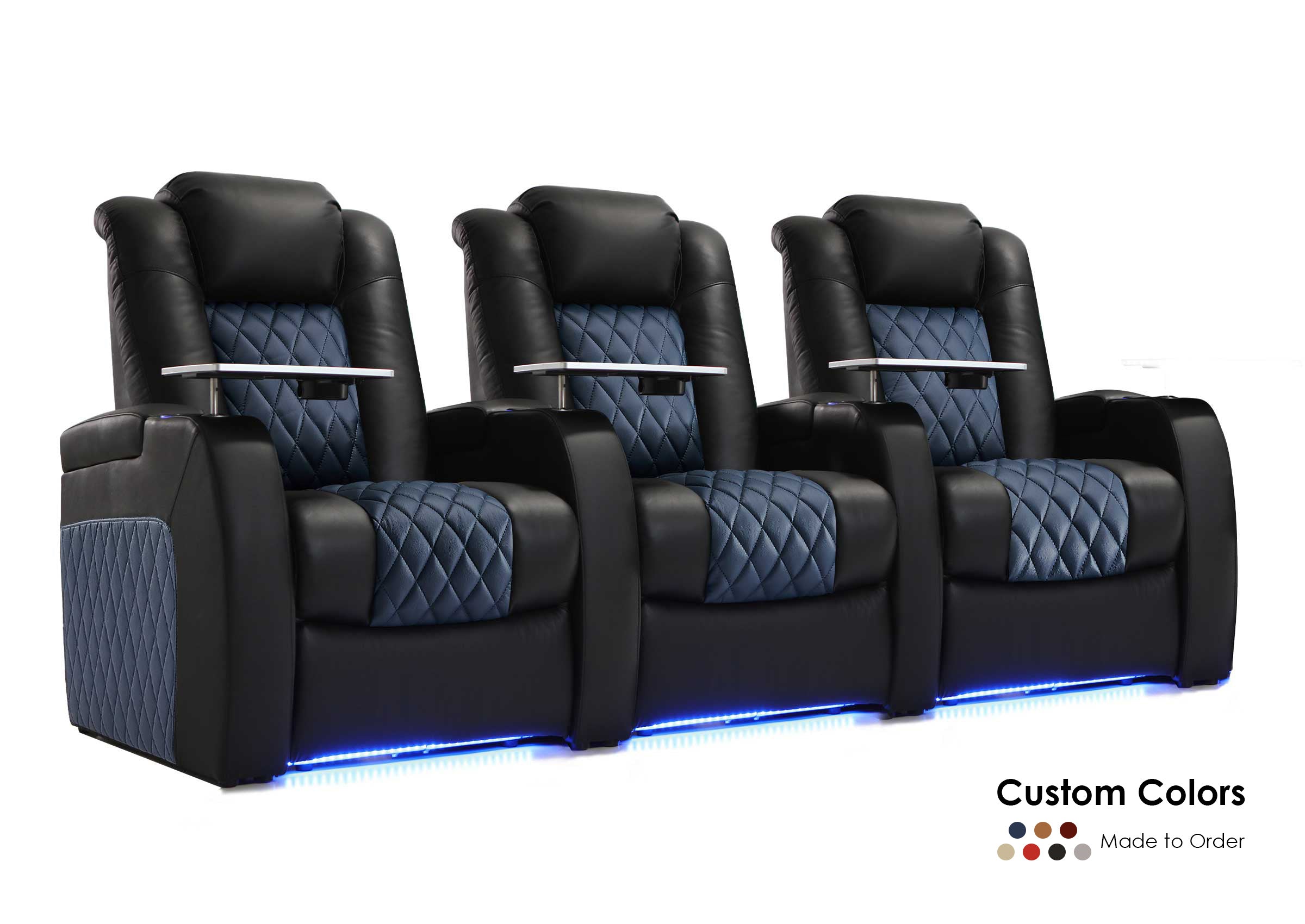
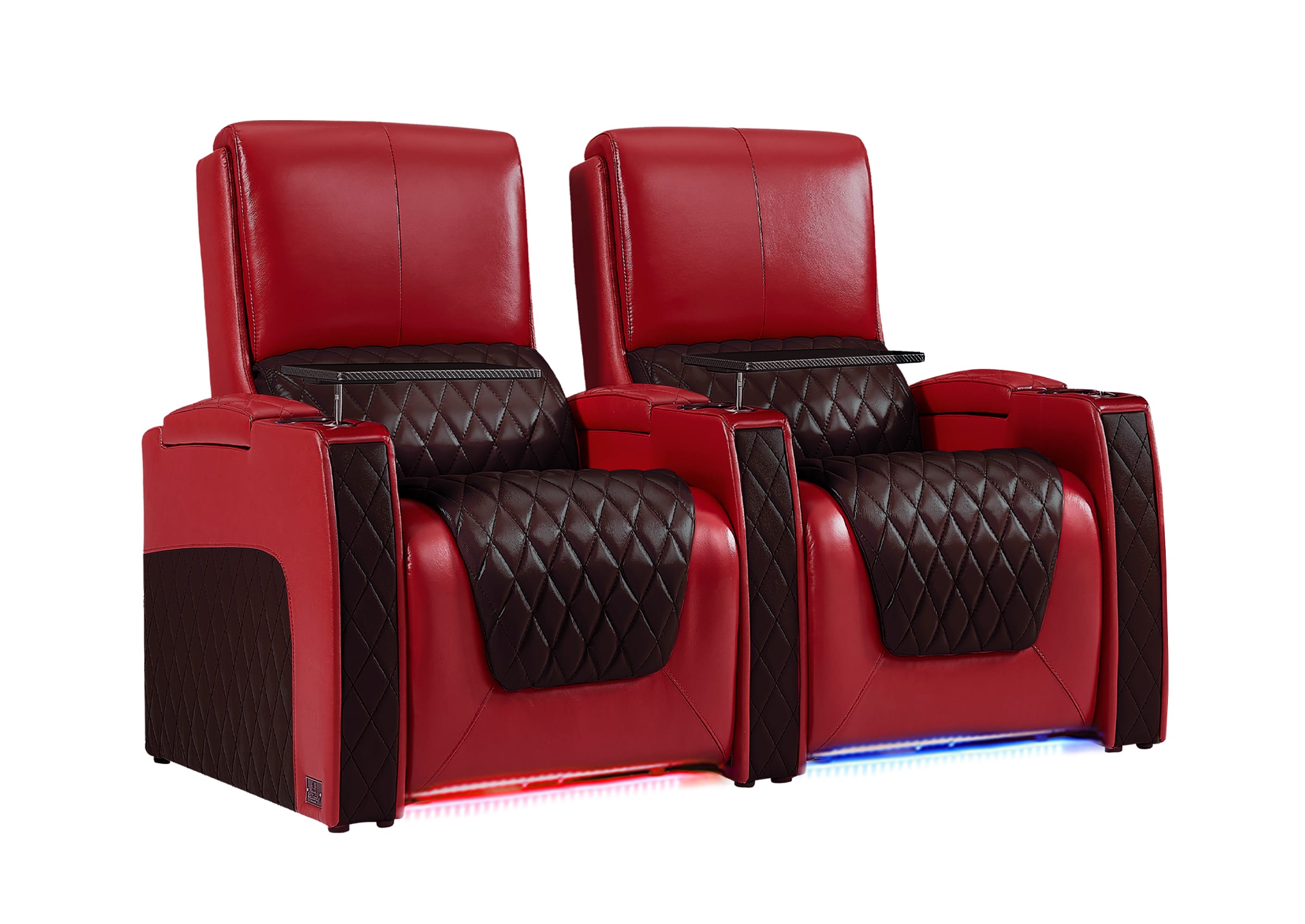
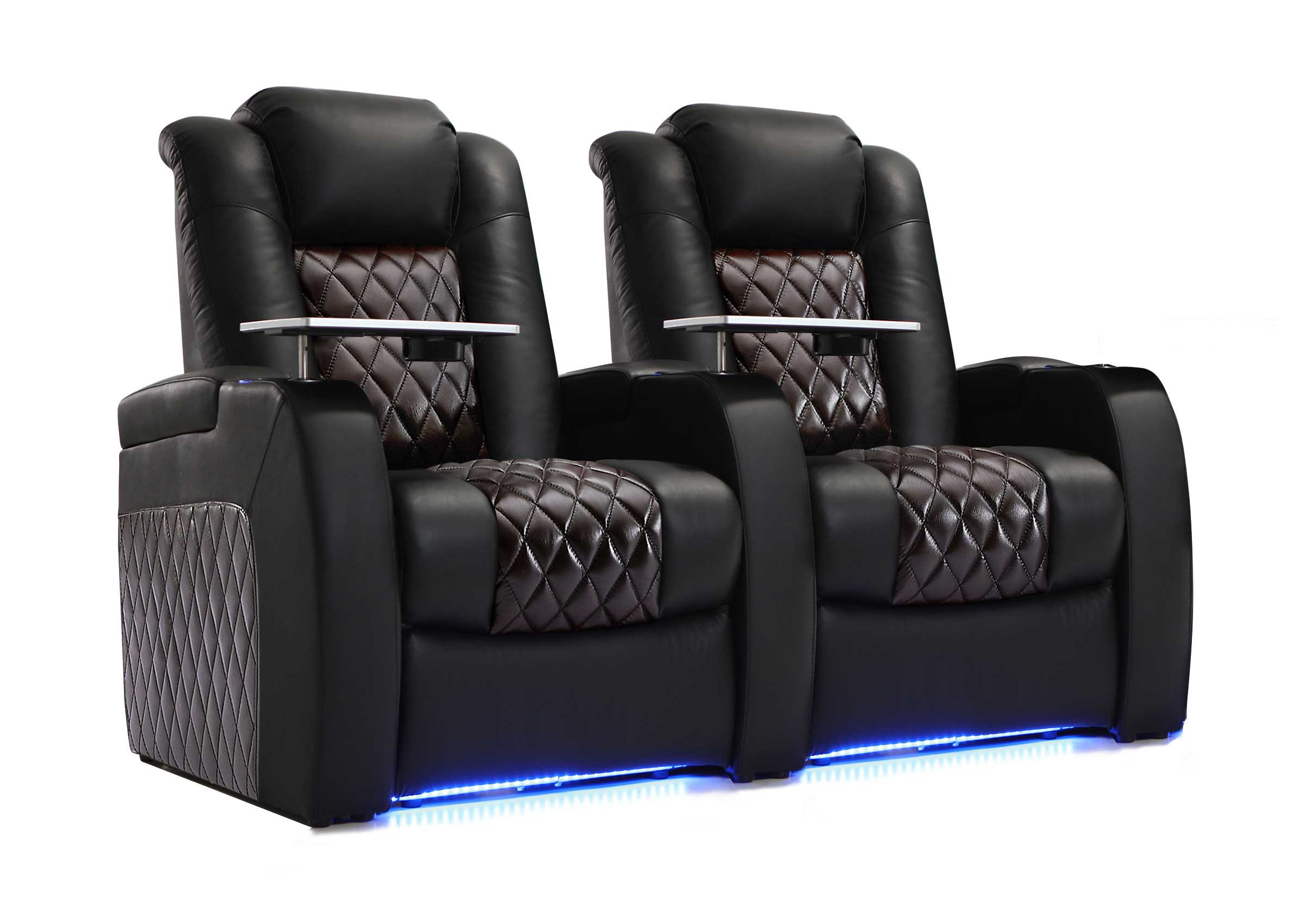
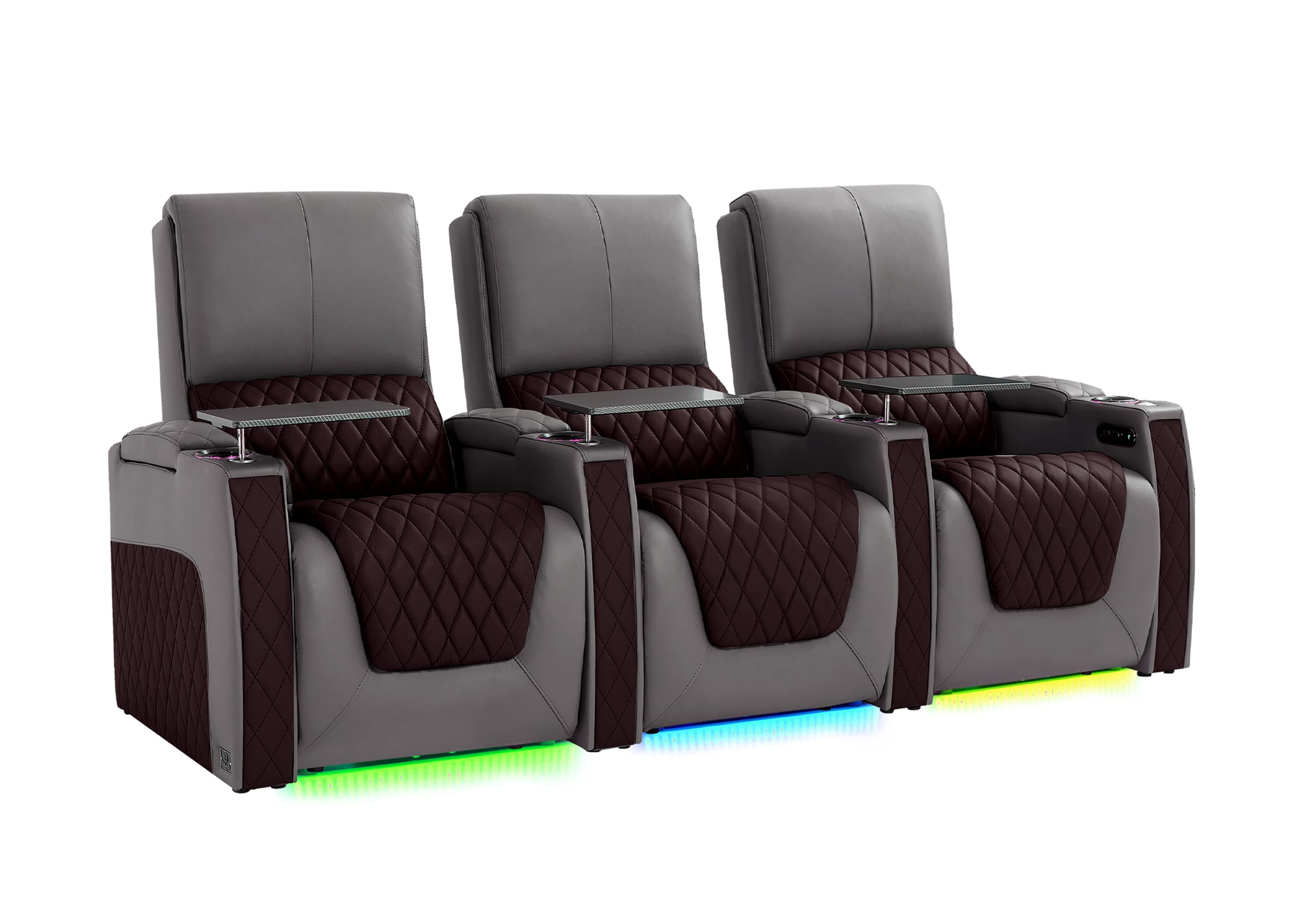
For a recliner, check the backrest and footrest in use, with tables and nearby furniture in place. The recliner clearance guide can help with that comparison. A chair's closed dimensions do not show the space it needs for an evening of lounging.
If overnight accommodation is part of the plan, choose furniture intended for that sleeping use and test its seated and sleeping arrangements. A reclining chair is not automatically a guest bed. Keep the everyday seating decision separate from the sleeping requirement until a selected product has demonstrated both.
Keep the other uses in the picture
Choose Seating That Leaves the Room Useful
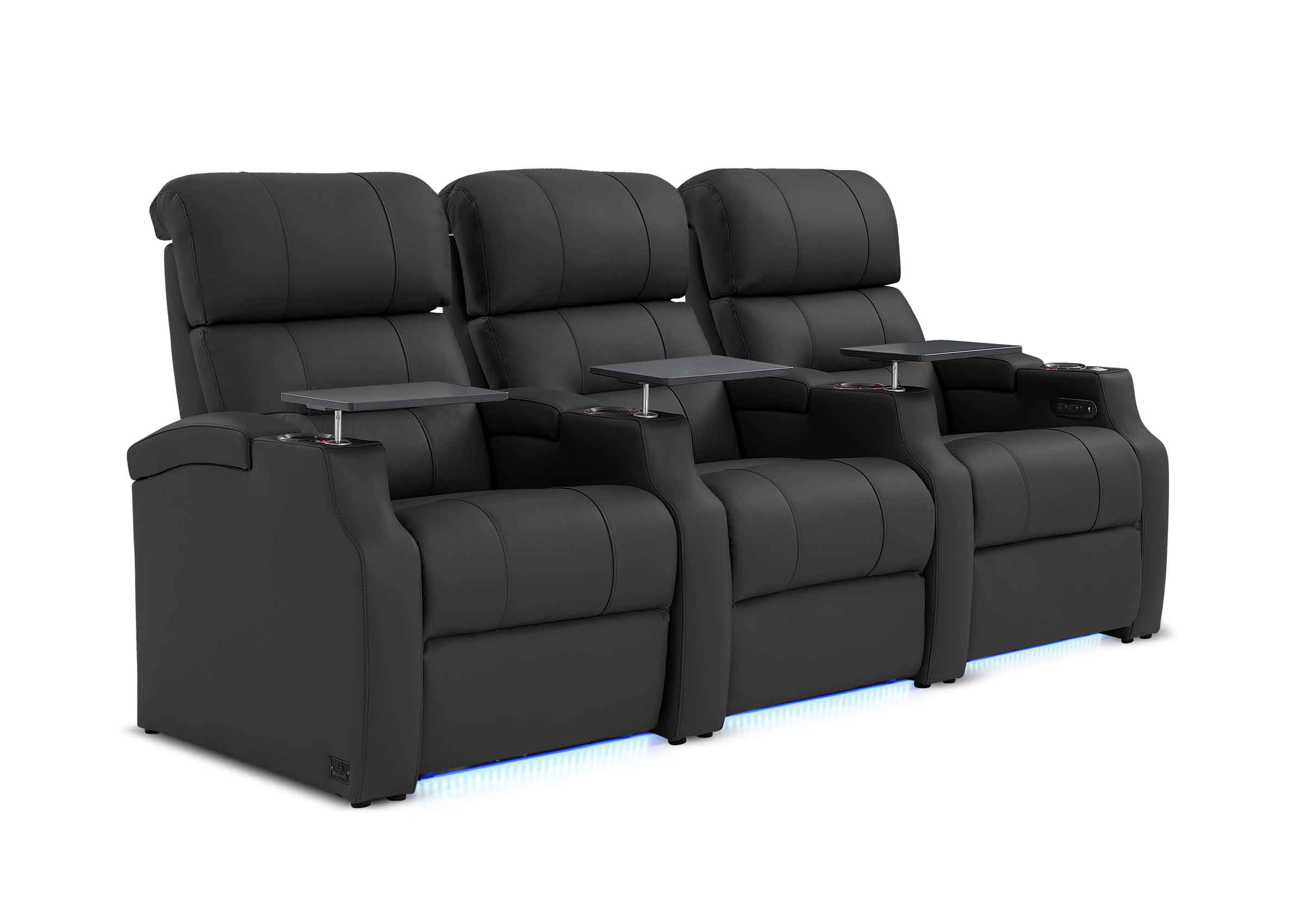
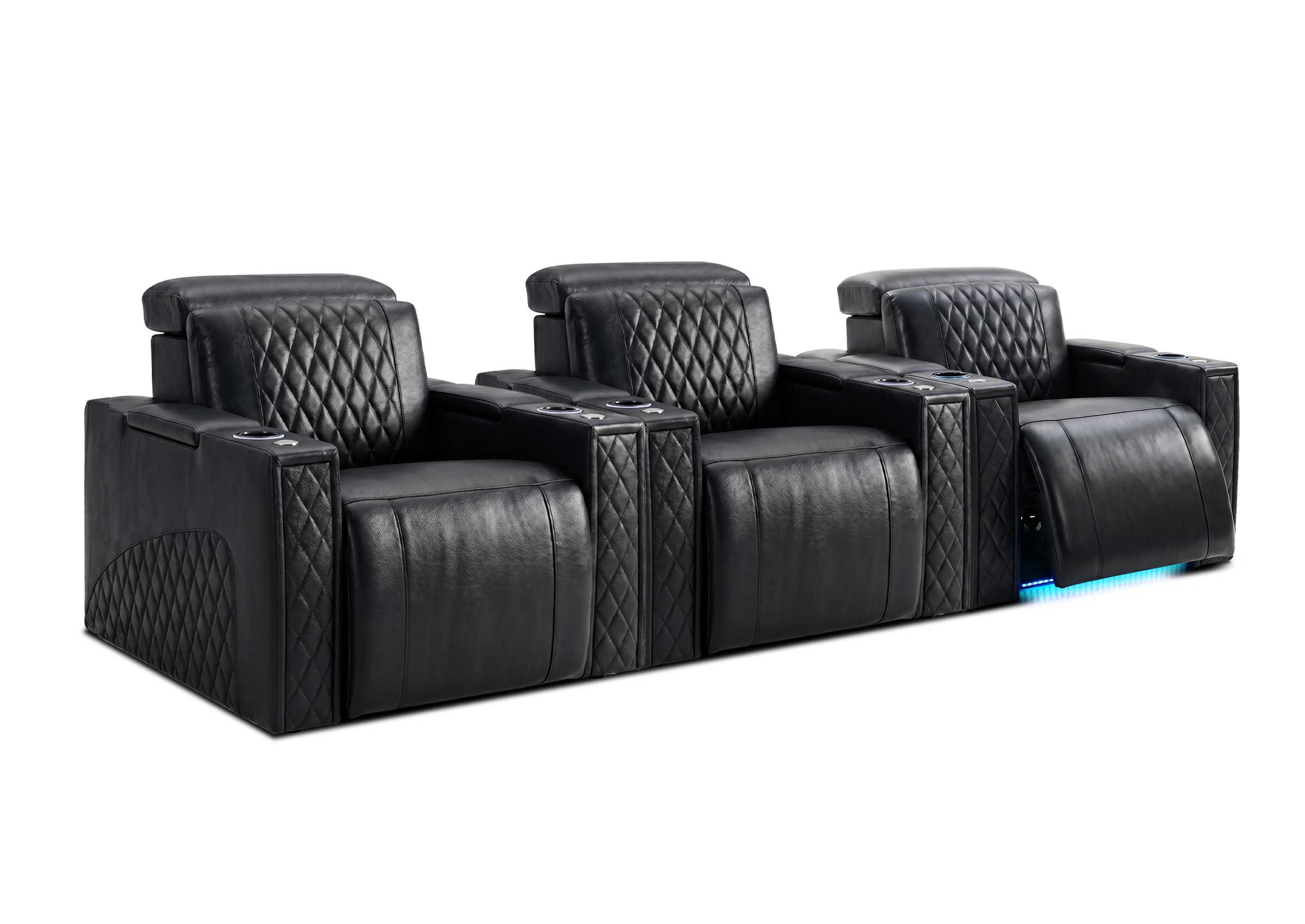
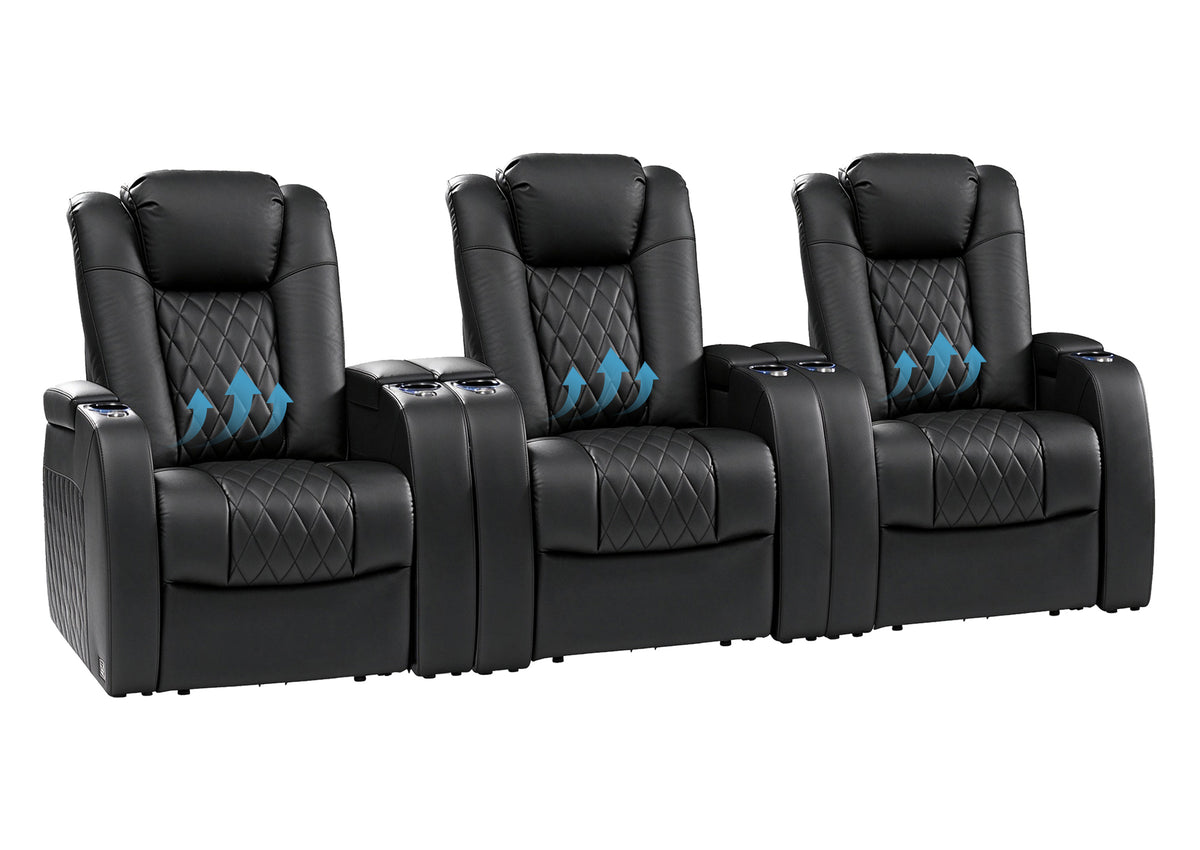
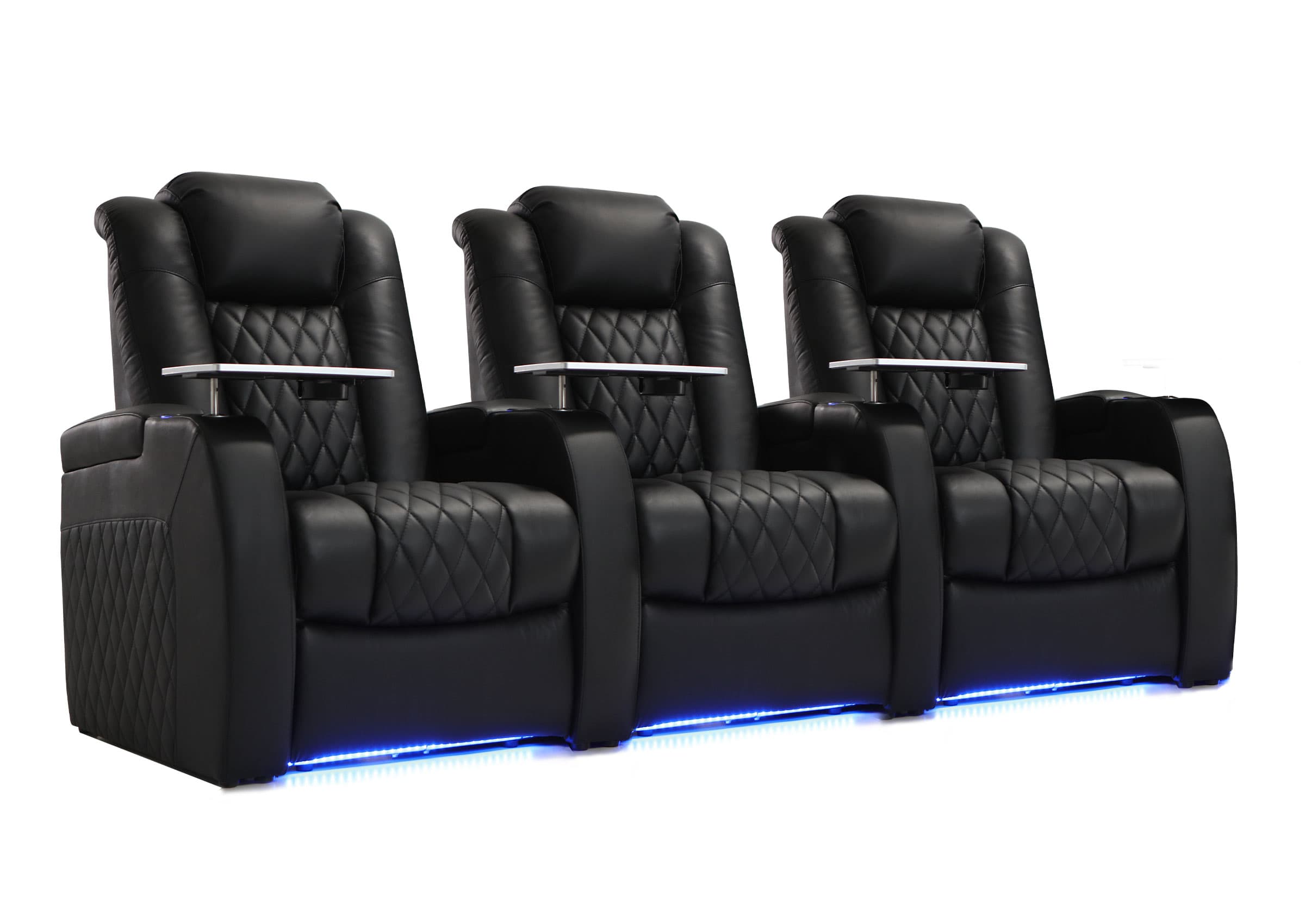
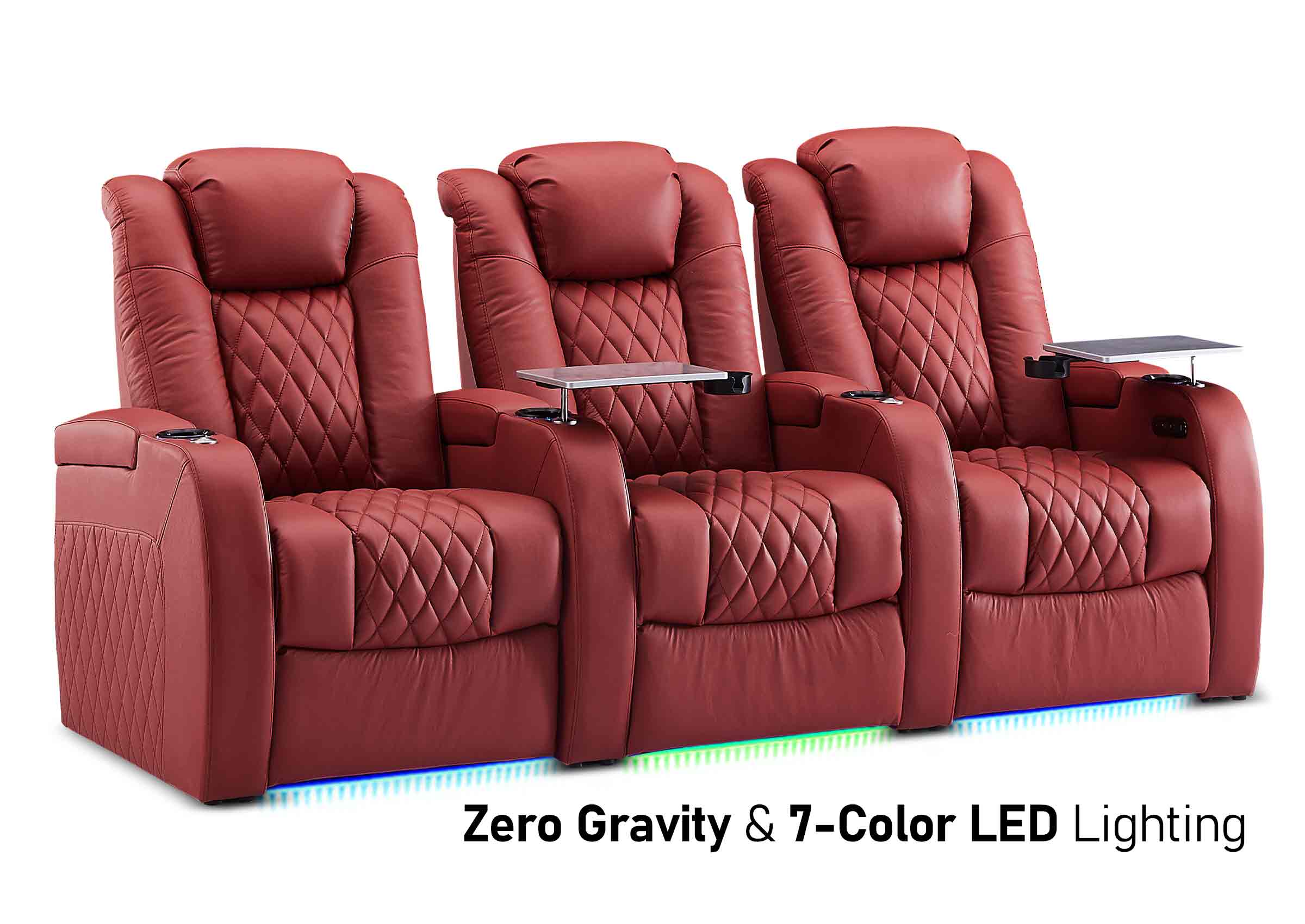
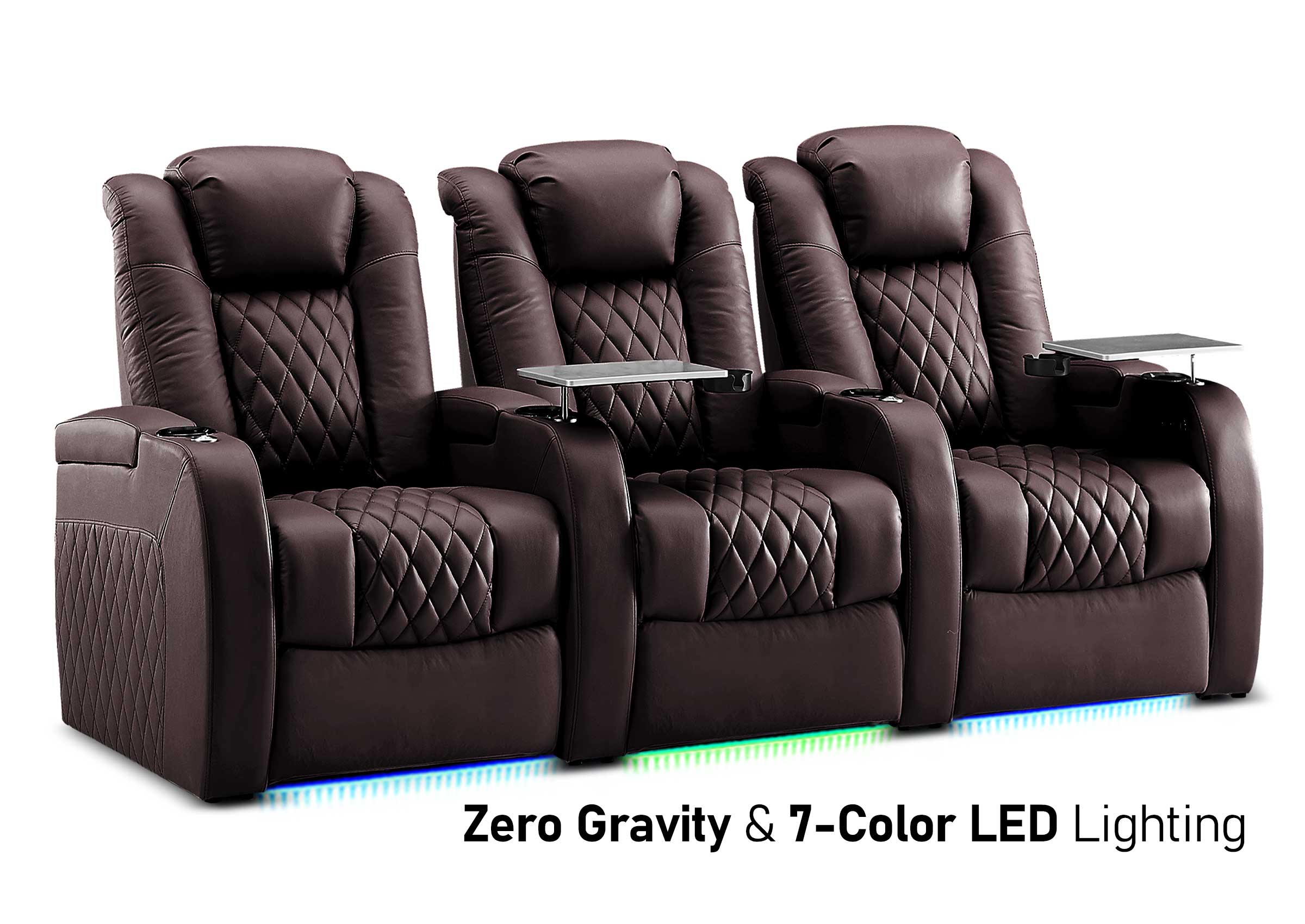
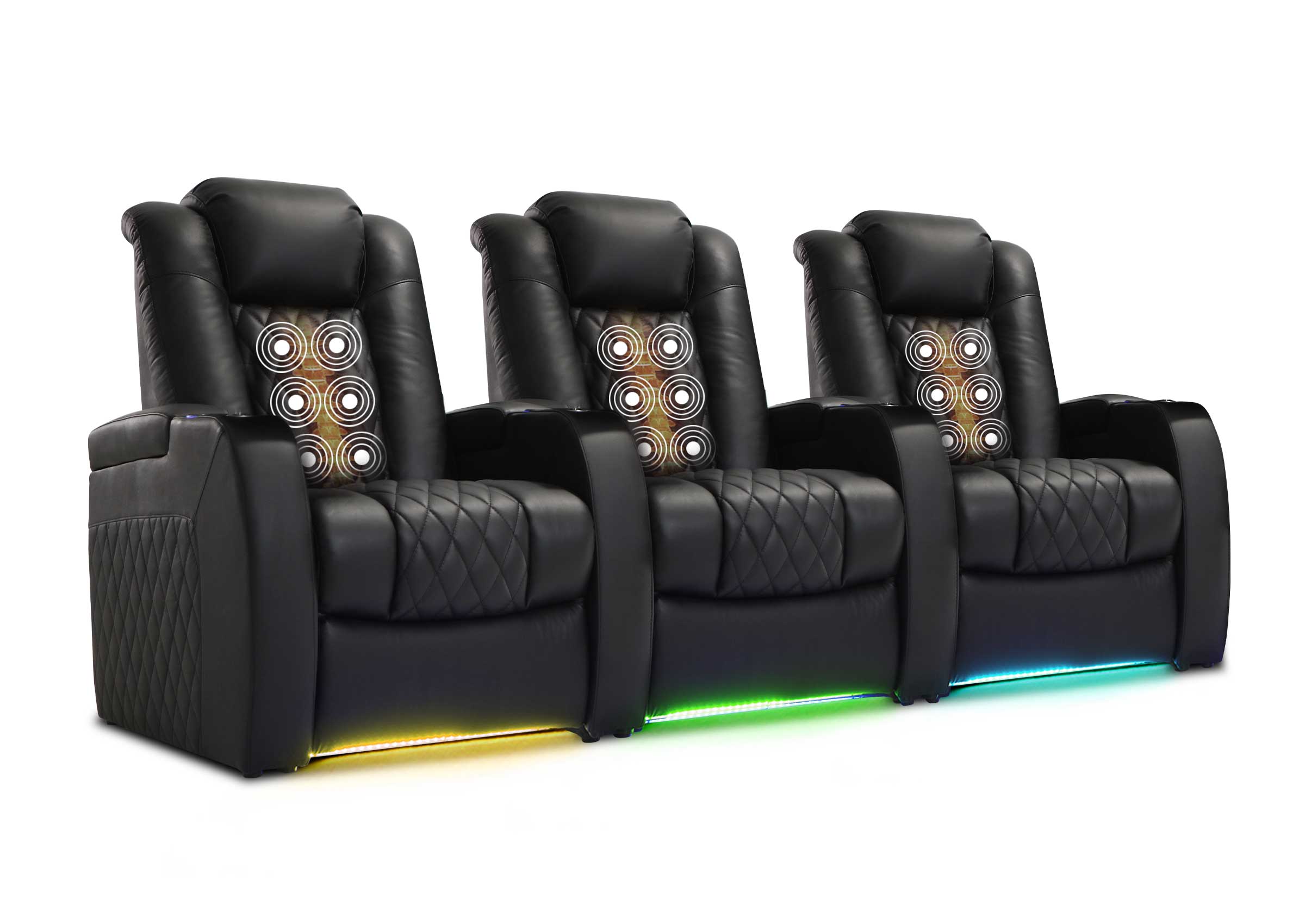
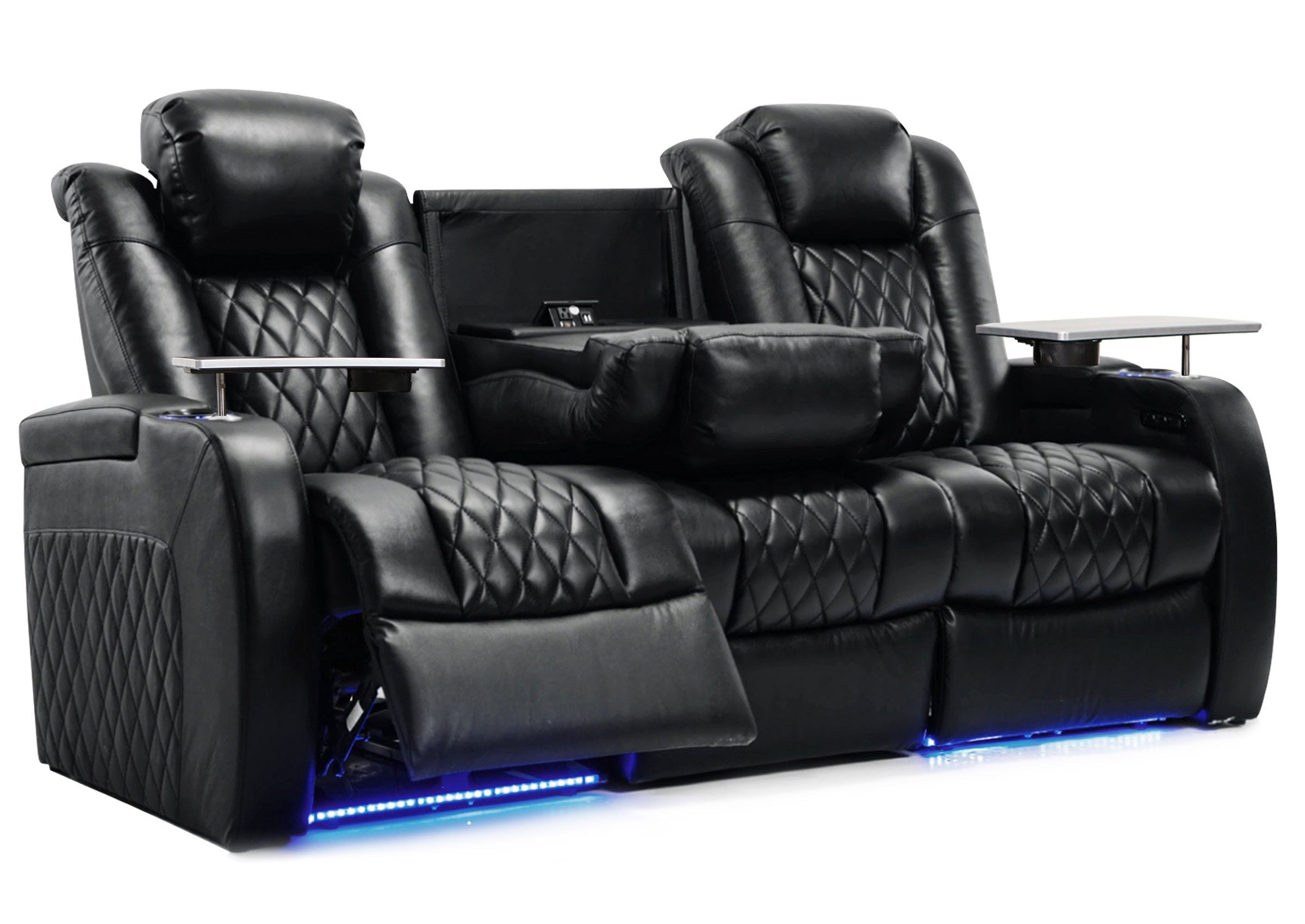
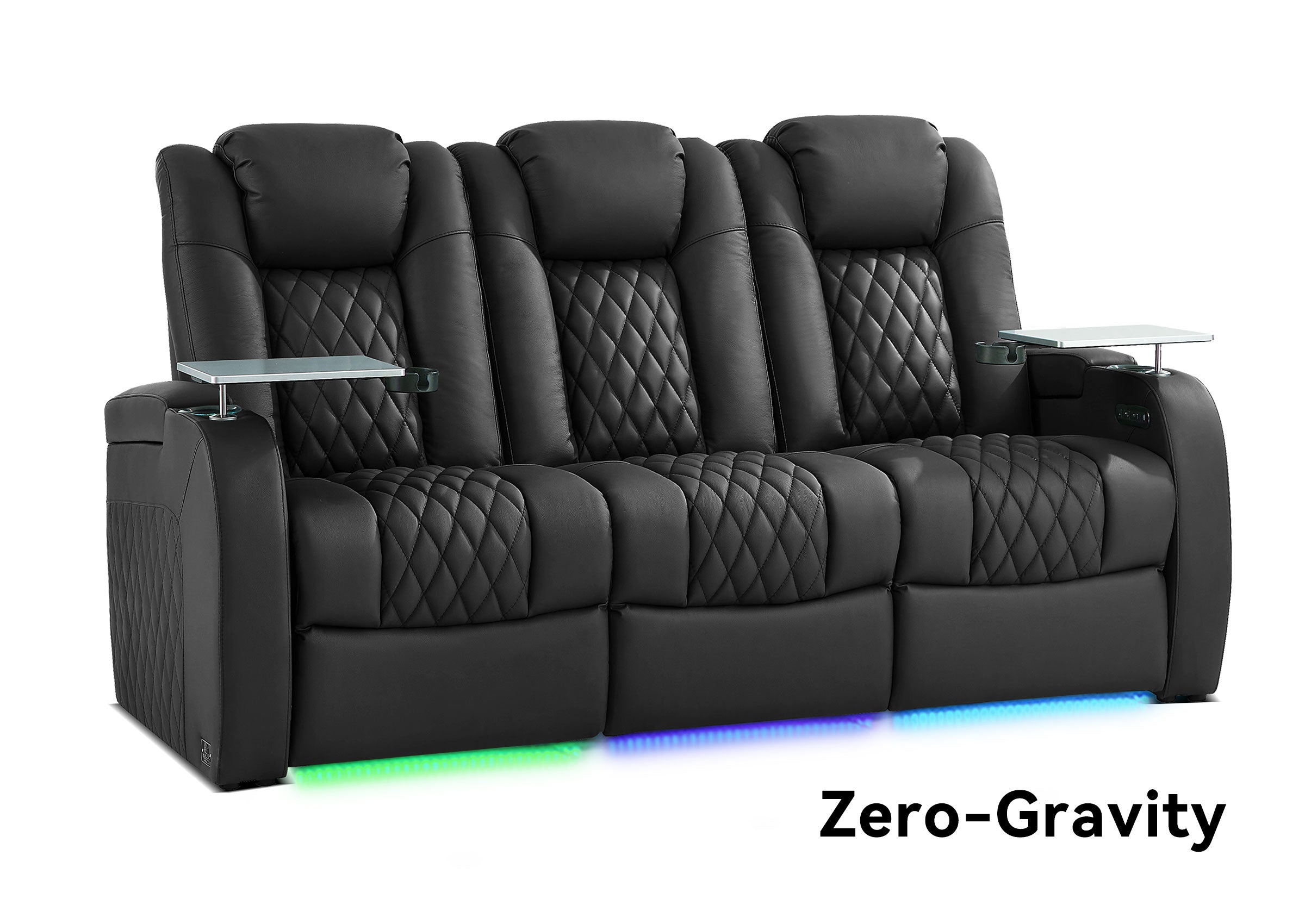
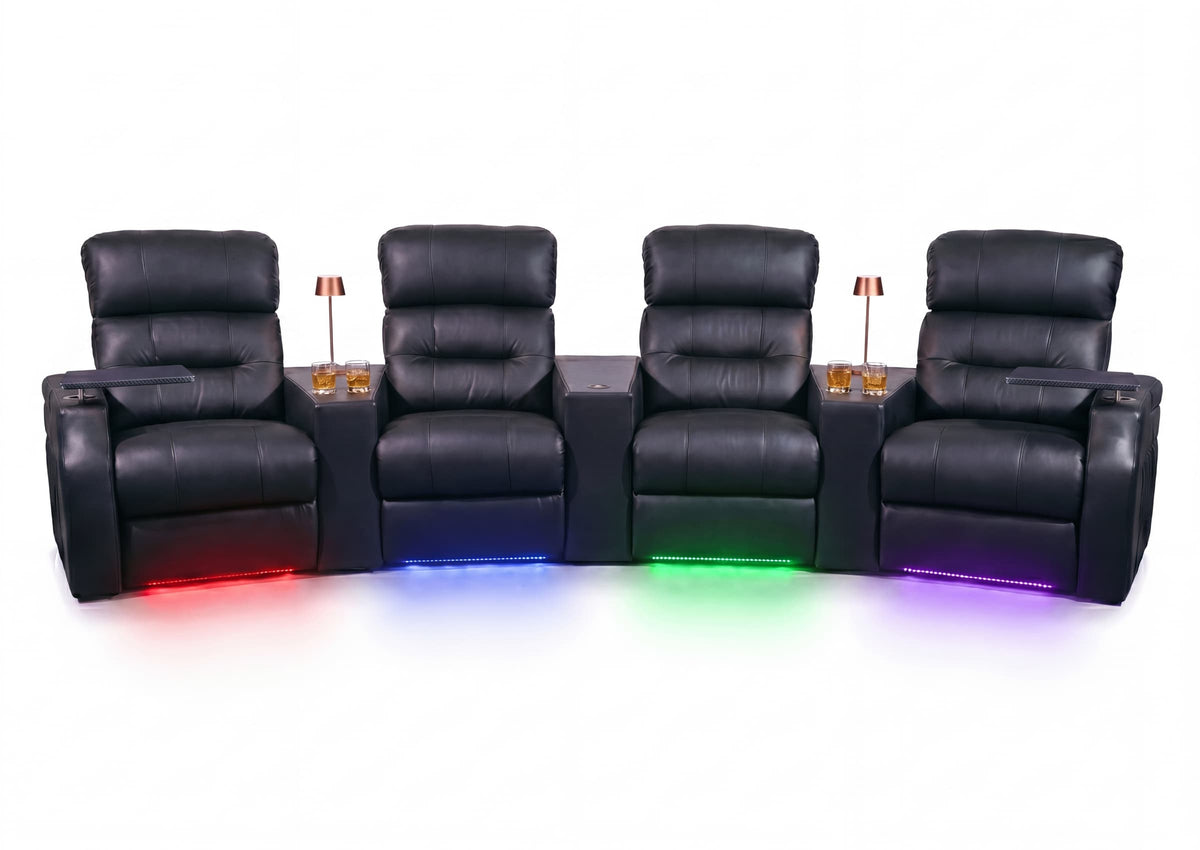
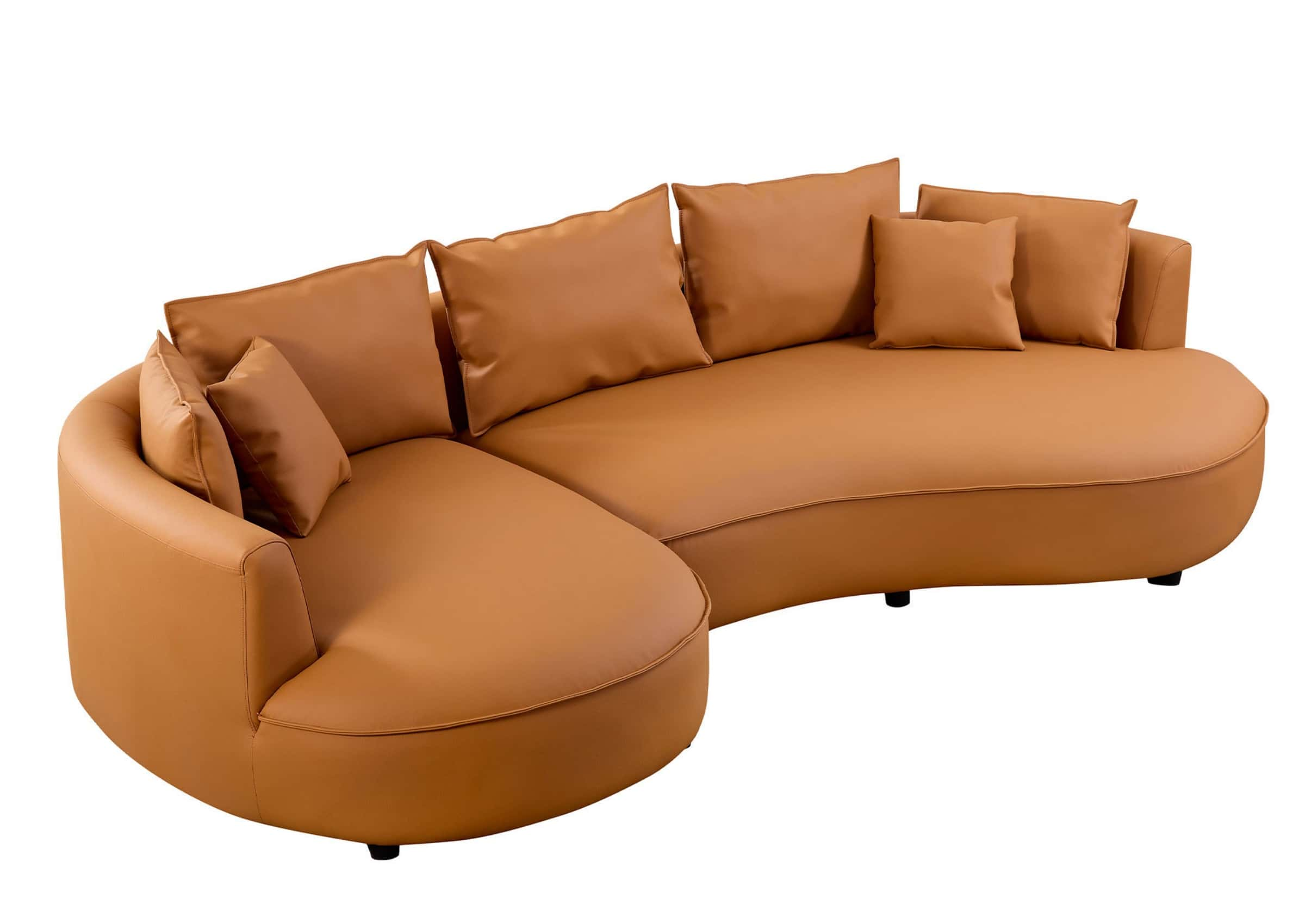
Compare a personal reclining seat with shared sofa seating, then check the size against the activities and furniture you want to keep. Both the way you sit and the space you use matter in a multipurpose room.
Make Storage and Lighting Follow the Change of Activity
Give each activity a place for its supplies and a way to stop without losing its progress. Work items might live in a nearby drawer; drawing materials in a removable box; a puzzle on a suitable board that can be stored flat. Check the complete size of a project when choosing its resting place, not just the size of its unopened box.
Put frequently used items near the activity they support. A shelf across the room may be fine for spare bedding, but daily materials need an easier home. Leave some storage available when the room changes roles: a cabinet blocked by an open bed will not be useful for a guest's morning routine.
Work through a short reset with the objects you already own:
- Return small tools and papers to their assigned box or drawer.
- Put an unfinished project in its protected resting place.
- Move a table, chair, or footstool to the position it will occupy next.
- Set the light for the next activity and check that necessary storage remains reachable.
Every moved item needs a destination that also works. A chair parked in front of the closet simply transfers the problem. If resetting the room depends on moving furniture into another busy room, include that household inconvenience in the decision.
Lighting can change without changing the whole room. Use a directed light where you read or work and a separate shaded lamp for relaxing. Test them at the time you will use the space, including reflections on a monitor or television. Include the cable route in the layout so it stays clear of walking routes and moving furniture. Have any required electrical alterations assessed by a qualified professional before finalizing the arrangement.
Work Through Two Realistic Room Combinations
The following are planning examples, not completed projects. Borrow the relationships that suit your room rather than copying an unmeasured layout.
A weekday office, weekend hobby room, and occasional guest space
Keep the desk and work chair at one side, with the equipment needed for the normal workday. A sofa bed on another wall provides a place to sit between tasks and a sleeping option when guests visit. A nearby cabinet holds removable hobby supplies, bedding, and the items that must leave the sofa during conversion.
The hobby uses the desk outside work hours. A drawing project can move onto a board and into a suitable shelf space, leaving the work surface ready for Monday. If the hobby cannot be moved without damage, it needs a separate surface or becomes the priority use; a shared desktop will not solve that conflict.
Before guest mode, put work materials away, retrieve bedding, move the small side table into its planned position, and open the bed. Check the route to the door and the storage the guest needs. Keep a reachable light and a place for personal belongings. During the visit, work moves to an agreed alternative location. If that is impossible, reconsider the guest arrangement before buying the bed.

A reading lounge that becomes a family game room
Keep a comfortable chair or small sofa, a reading light, and books along one side. A stable table with suitable chairs gives games a proper surface; it can also support an occasional hobby or homework session. If that table makes the room too crowded, try a smaller game format or a folding table with a genuine storage location.
Game boxes can live in an accessible cabinet. Choose a few regular games to keep nearby rather than moving every household collection into the room. When the game ends, the table clears and the reading light becomes the focus again.
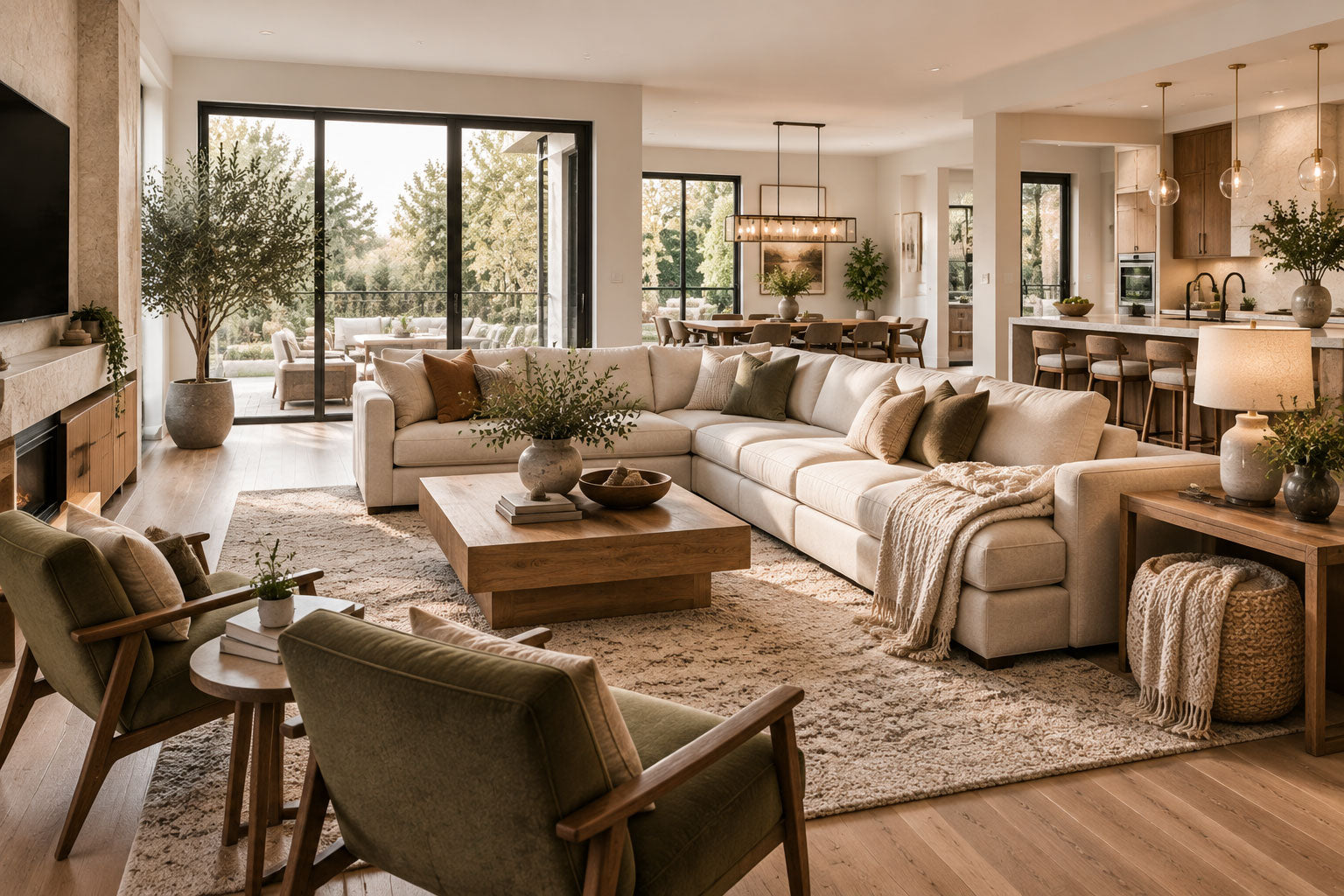
Warm off-white walls, one wood finish repeated in the shelves and table, and a rug that relates to the seating can make the functions look connected. Use decor to bring a working arrangement together. A large rug or new paint cannot compensate for a table that prevents you from reaching the books.
Try the Room Before Spending on the Finish
Use the first arrangement through a normal week if you can. Work there for a regular session, take out the hobby materials, read in the evening, and rehearse any occasional mode such as a guest stay. A short visit from the doorway will not reveal the same problems.
Notice what makes you leave or avoid using it. Are you searching for supplies, clearing the same surface repeatedly, sitting somewhere uncomfortable, or waiting for another person to finish? Is the room physically unpleasant at the times you need it? Address that particular obstacle rather than adding another general-purpose piece of furniture.
Buy in the order the problems become clear. Essential seating or a usable work surface may come first. Next might be storage for items you have actually measured, a reading lamp, or window coverings that make the room comfortable at the right time. Decorative finishing touches can follow once the arrangement works.
The aim is a room you can return to without a major setup. Keep the main activity ready, give secondary uses a manageable transition, and remove the function that repeatedly makes the others worse. That is a more useful result than fitting the longest list of activities into the floor plan.
Frequently Asked Questions
How big does a multipurpose room need to be?
There is no single room size that guarantees the arrangement will work. A quiet reading seat and a hobby box need a different footprint from a desk, guest bed, and exercise area. Draw the furniture in each operating position, including room to use it and reach doors and storage. If a small room needs too much conversion, reduce the number of permanent pieces or let compatible activities share one surface at different times.
Can I keep the bed that is already in the room?
Yes, if it still supports a genuine need and leaves enough space for the new main activity. A permanent bed can reduce preparation for frequent guests, but it also occupies the same floor area every day. Try the remaining space before replacing the bed with a sofa bed or another mechanism. Keeping a useful existing piece can be sensible; preserving an unused bed solely because the room has always been a bedroom may undermine the new plan.
Can two people work and relax in the room at the same time?
They may be able to when the activities are quiet, each person has a suitable place, and neither blocks the other's equipment or storage. Calls, television, and a noisy hobby can make sharing difficult even with separate furniture zones. Test the actual combination. If one person needs concentration or privacy, different hours or another room may be more effective than a decorative divider.
What can I do on a small budget or in a rental?
Start with the furniture you have and removable storage for the activities you want. Test a layout before buying, then spend on the specific item that prevents you from using the room comfortably. Freestanding lamps, a suitable table, and a coordinated textile can make the space feel considered. Check your lease and installation requirements before fixing furniture, shelves, or lighting to walls; being freestanding does not automatically remove a product's securing requirements.
Do I need a partition between the uses?
Not necessarily. Furniture orientation, lighting, or a rug may define areas without taking up more floor space. A screen can provide visual separation when there is room to use and store it, but it should not block access or be expected to create sound isolation. Decide what you need to separate—views, activity clutter, sound, or private time—before choosing the divider.
How do I stop it from becoming a storage room again?
Limit the room's storage to the activities and belongings you have deliberately assigned to it. When an unrelated box arrives, decide where it belongs instead of accepting it by default. If a basket or shelf is full, review its contents before adding another container. Keeping the main activity ready to use gives you a practical test: new storage should not take away the seat, surface, or route that makes the room worthwhile.
Choose Seating That Fits the Room's Everyday Role
Write down the main activity, the secondary uses, the pieces you want to keep, and what has to move between arrangements. Use that brief to decide whether the room needs shared sofa seating, a personal reclining seat, or a different furniture mix altogether.
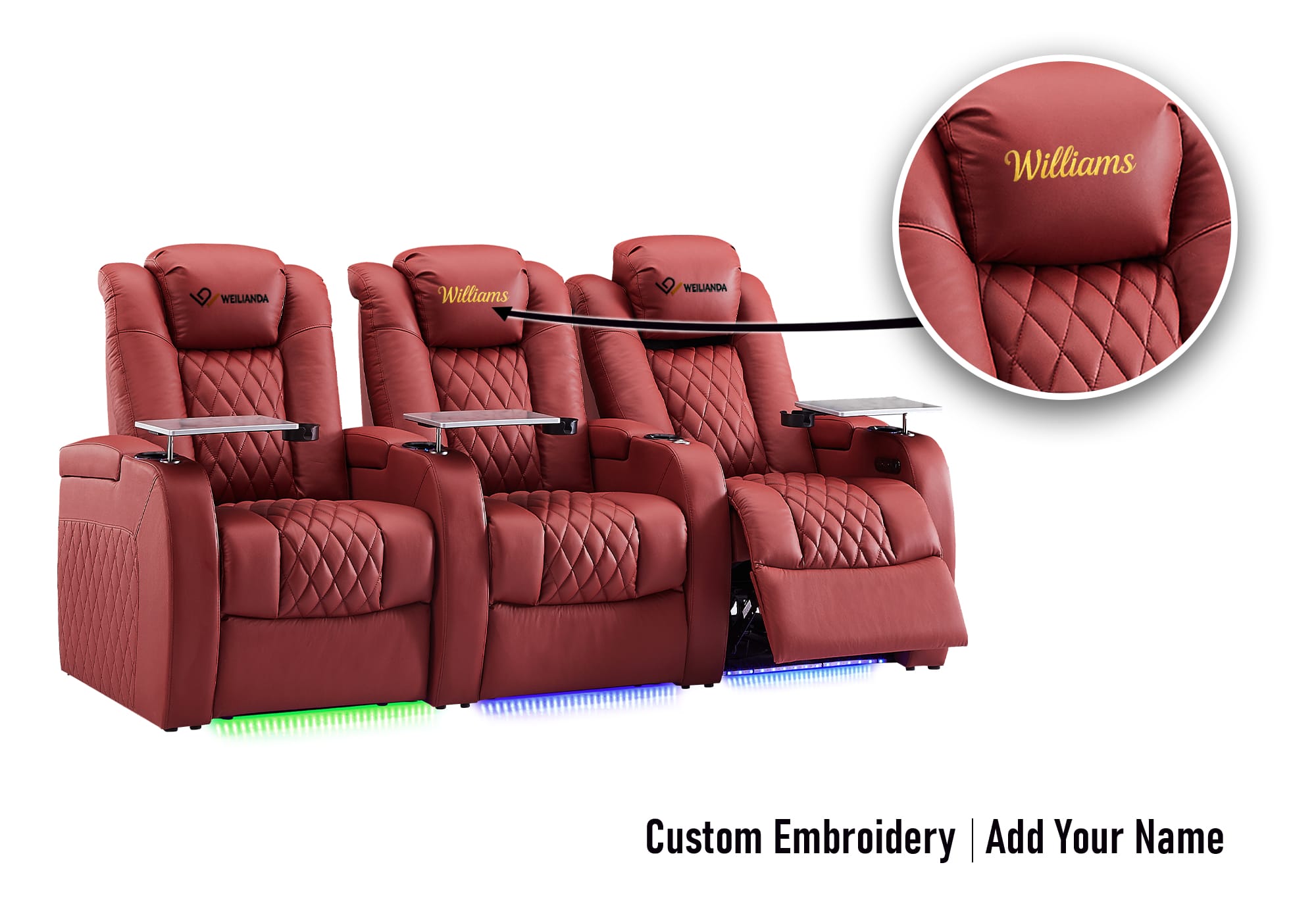
If you are considering Weilianda seating, send your room dimensions, photos of existing furniture, and sketches of the proposed arrangements to Weilianda Support or leon@weiliandahome.com. Ask about the exact configuration's dimensions, reclining footprint, and available upholstery so you can check how it fits the room's other uses.