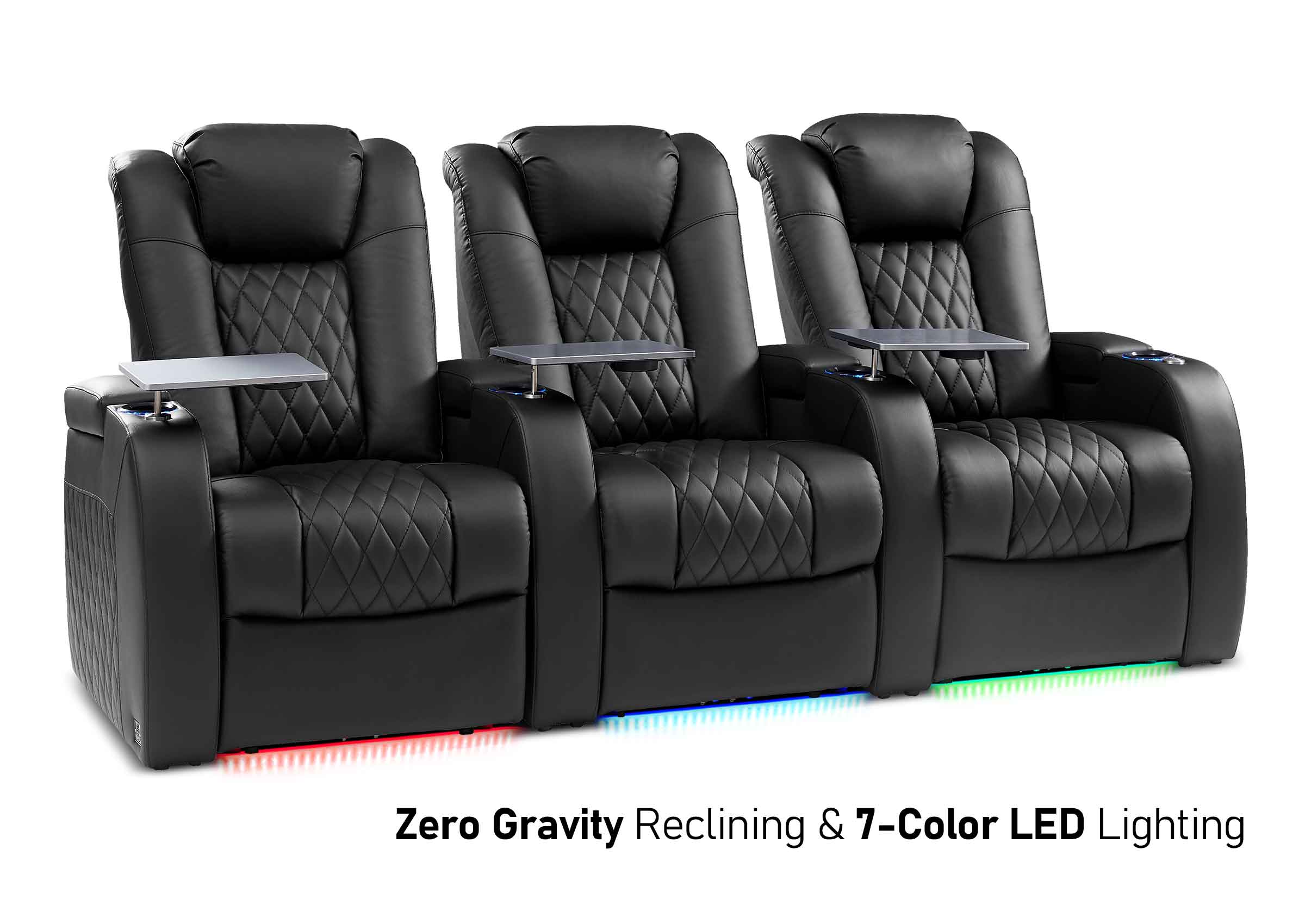
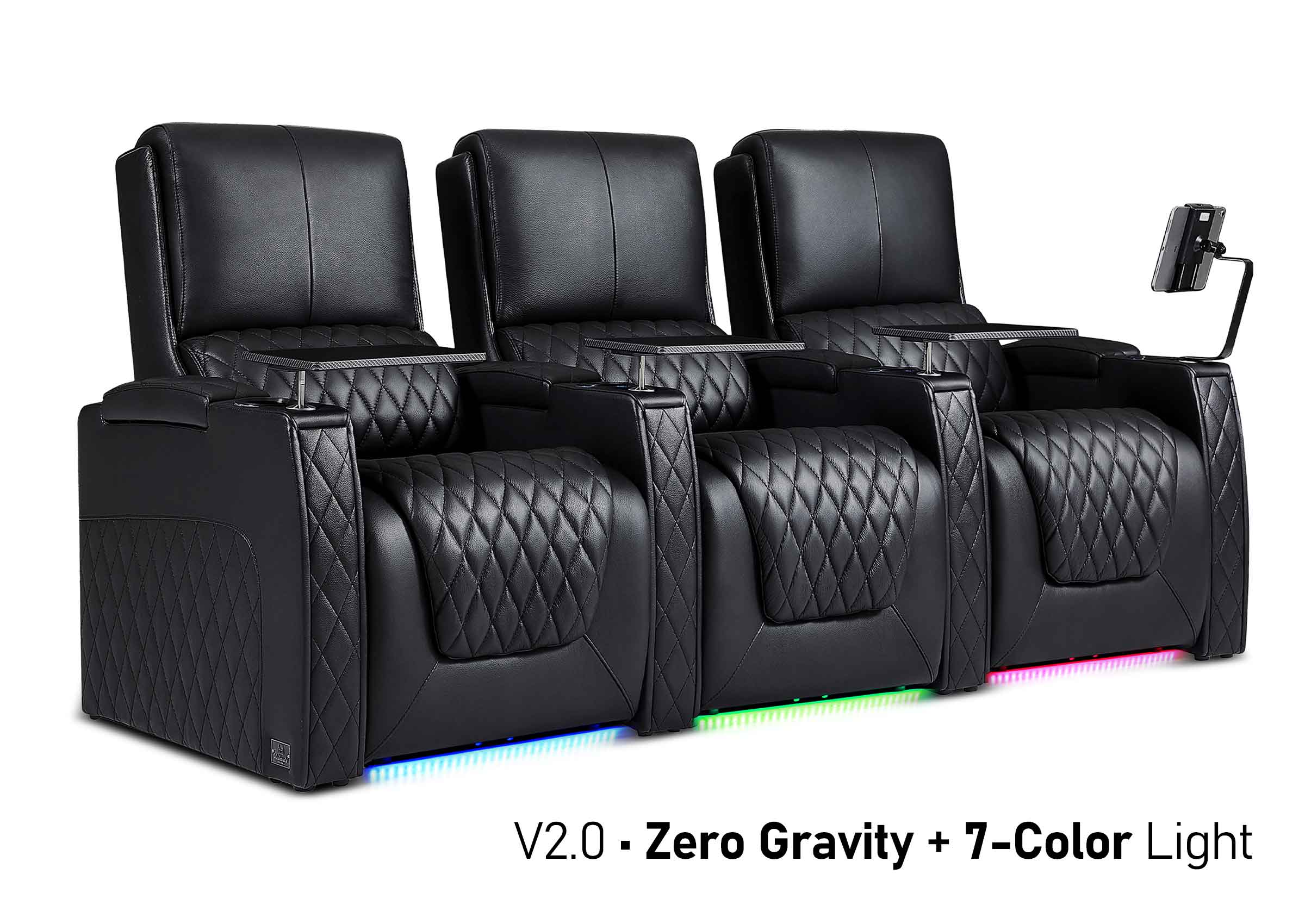
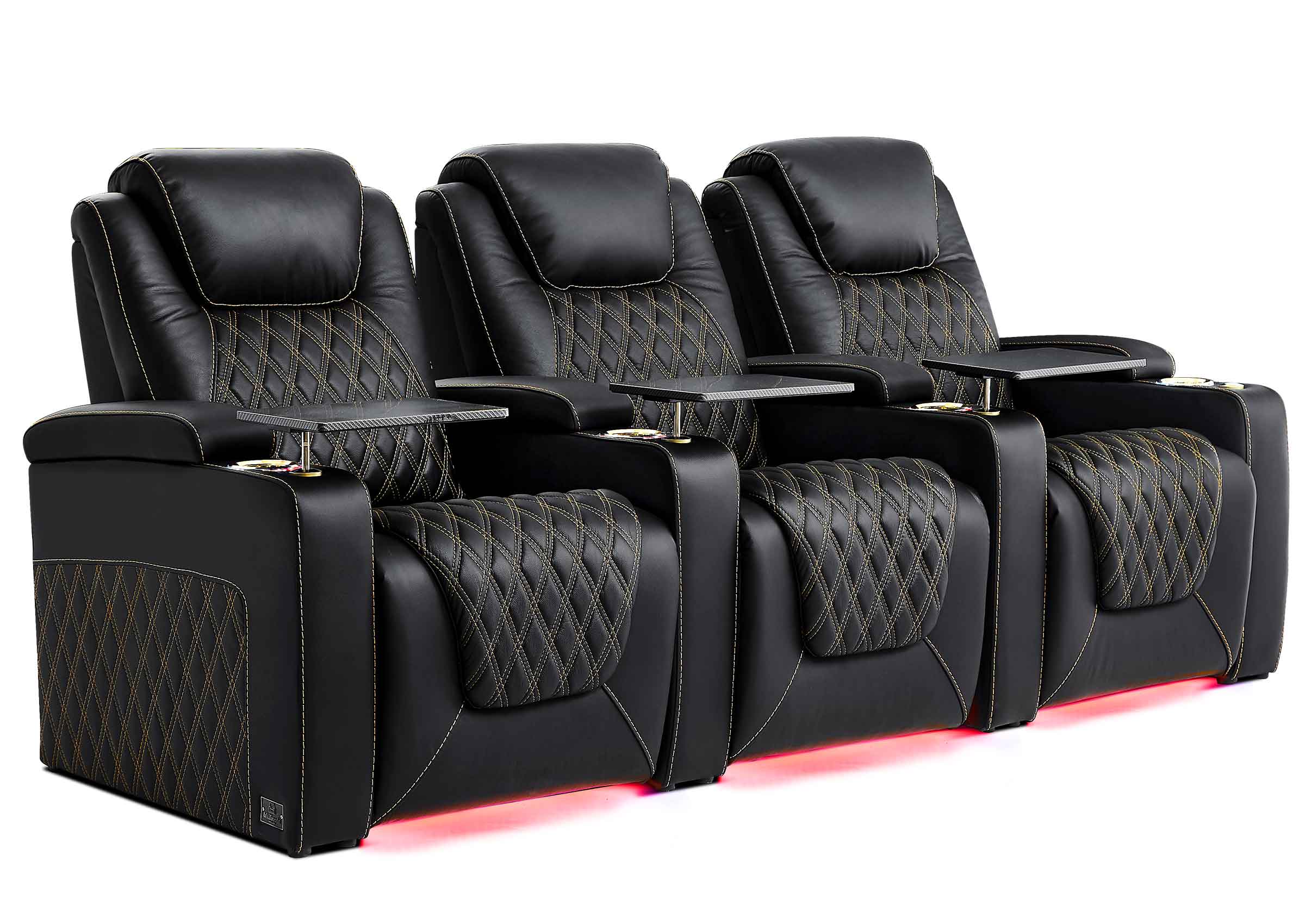
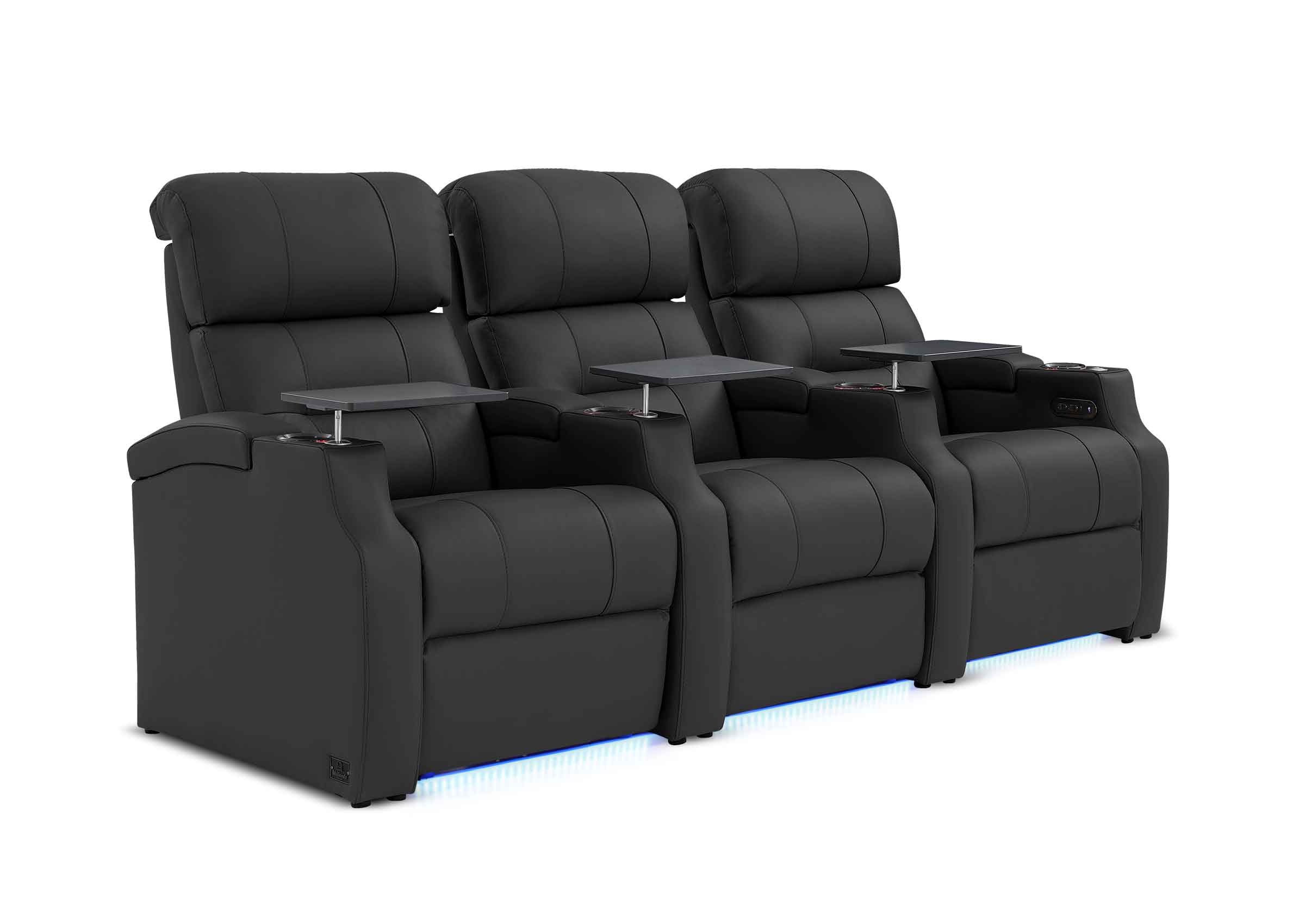
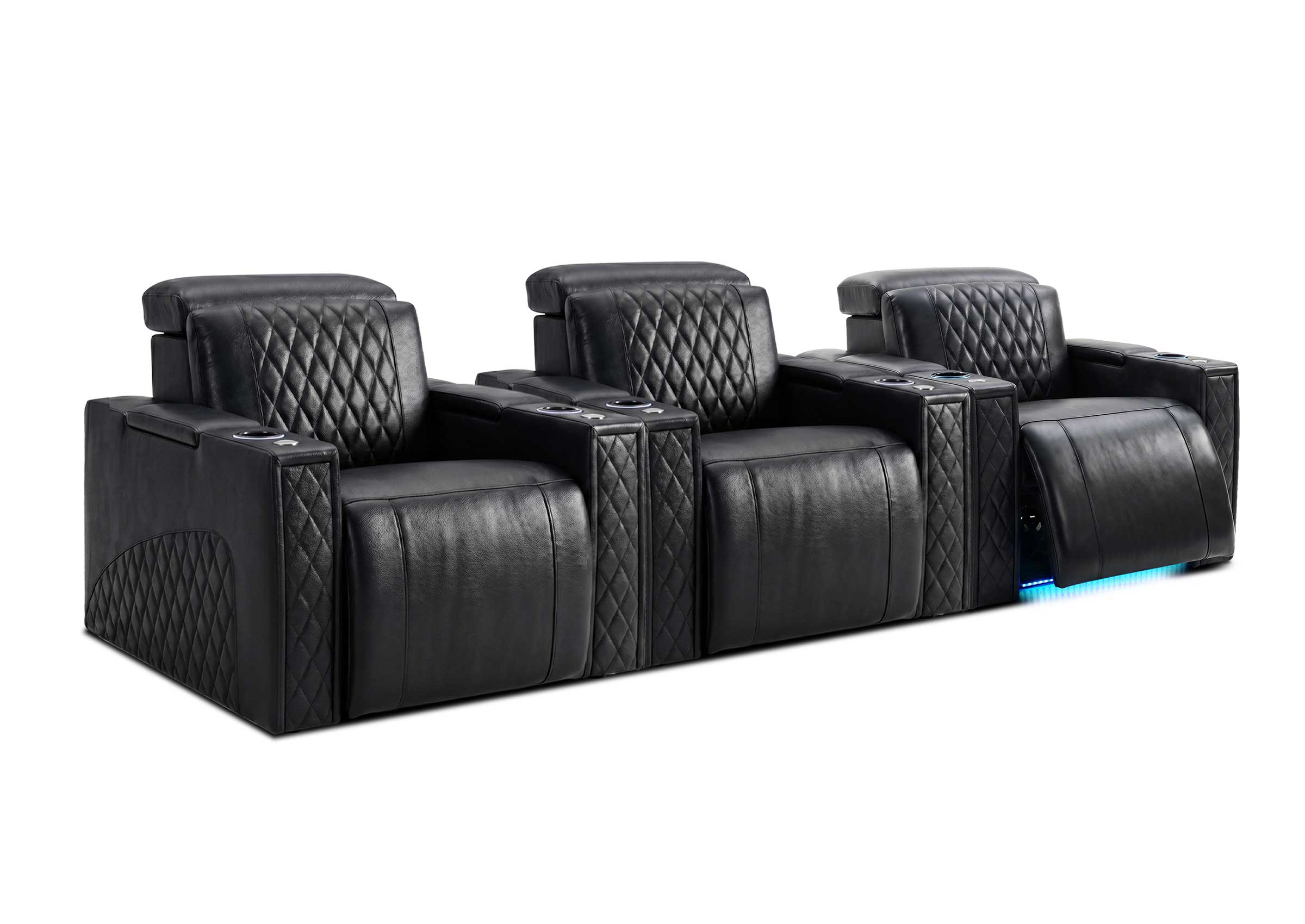

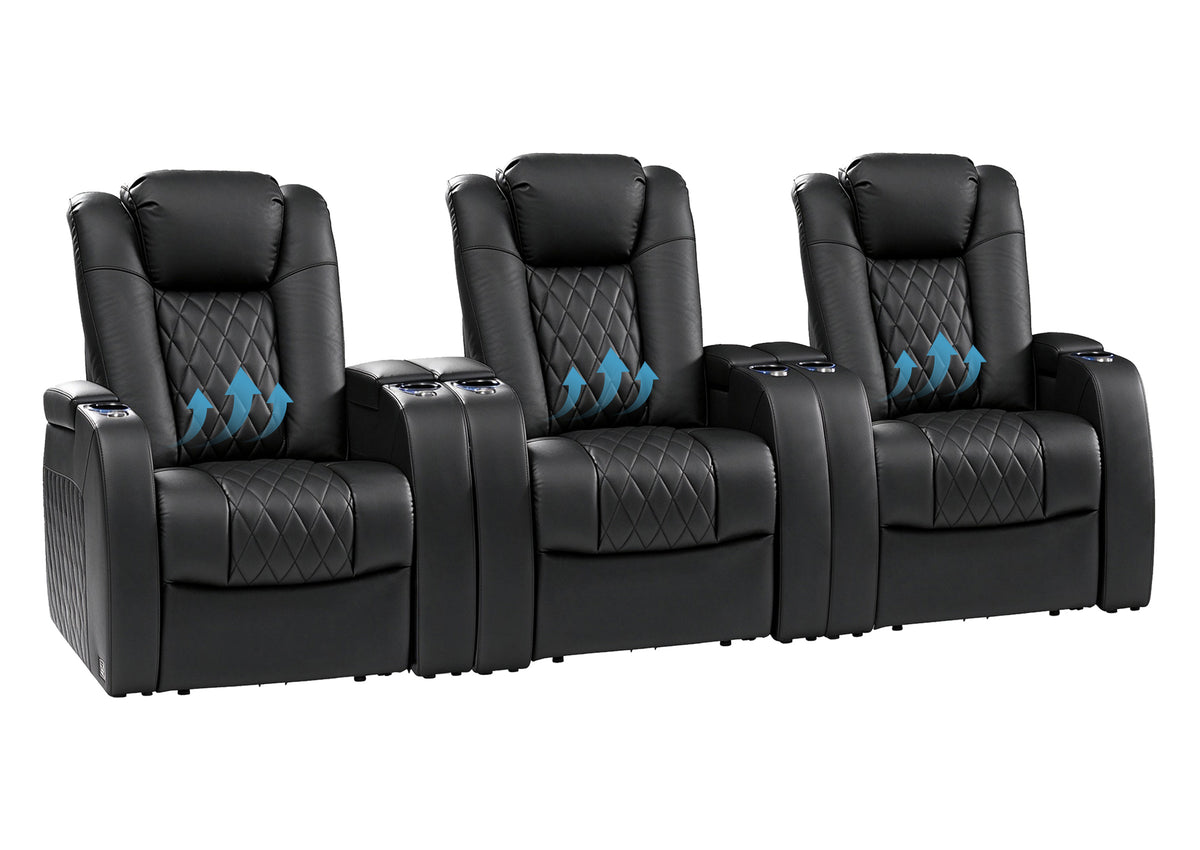
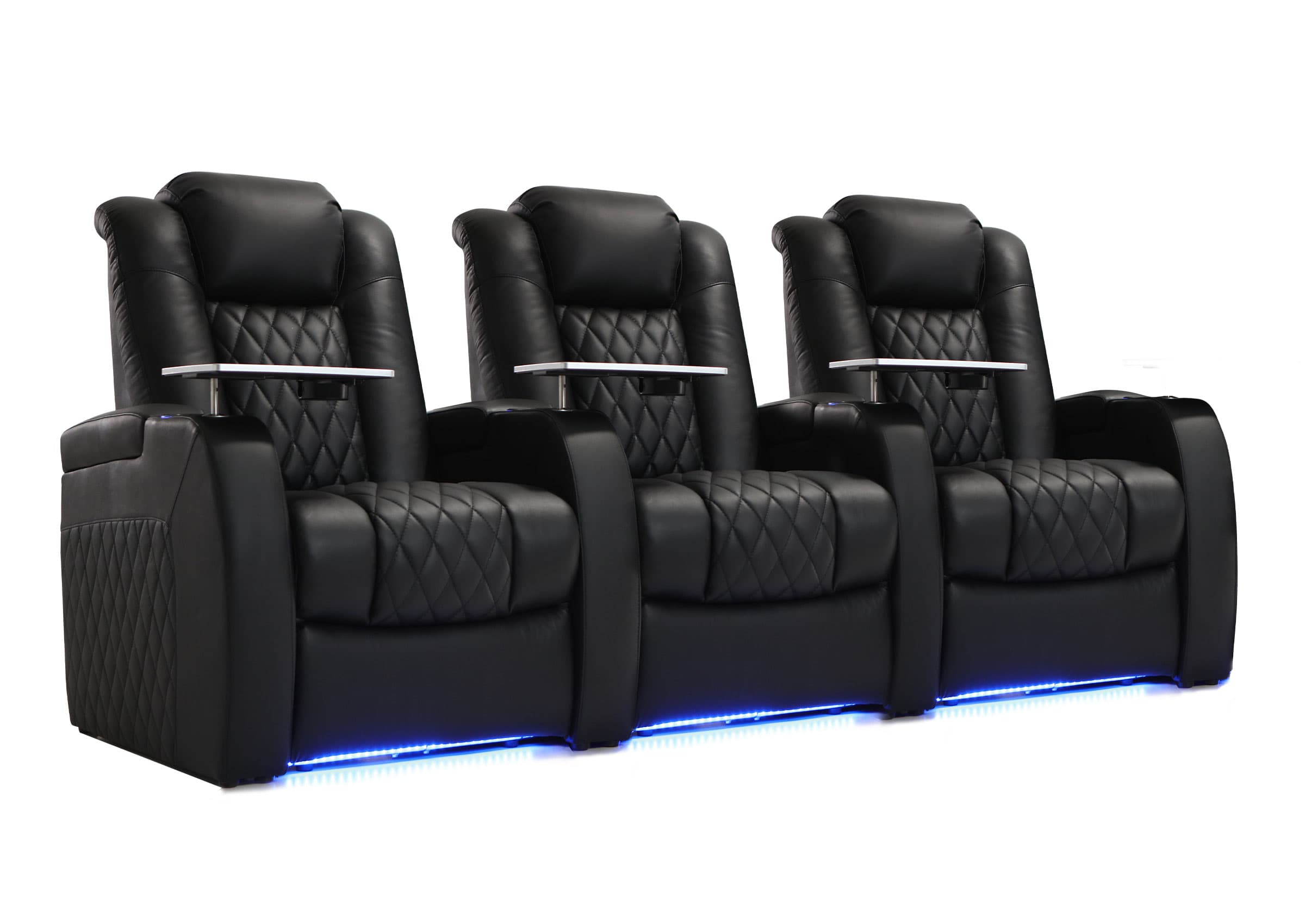
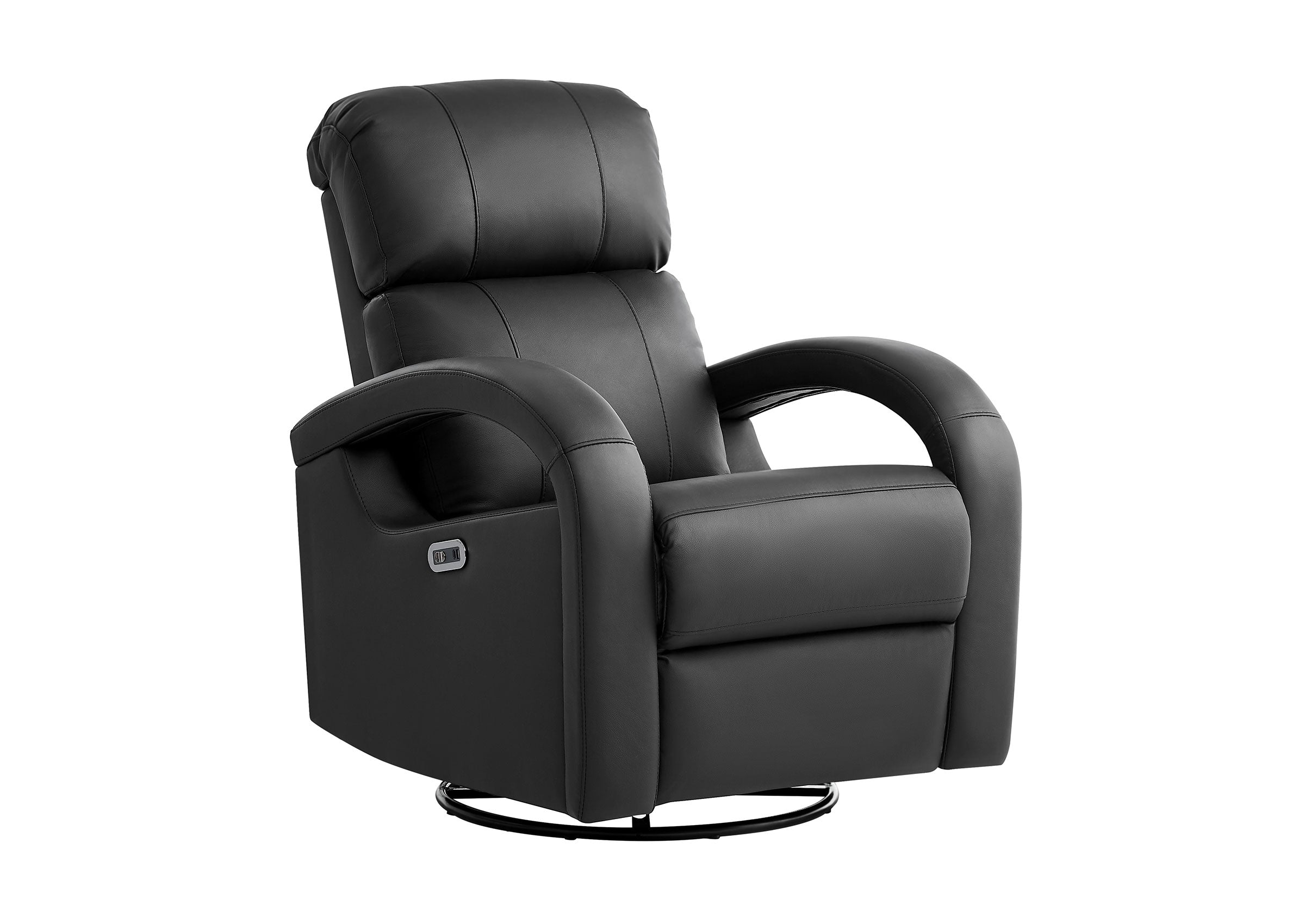
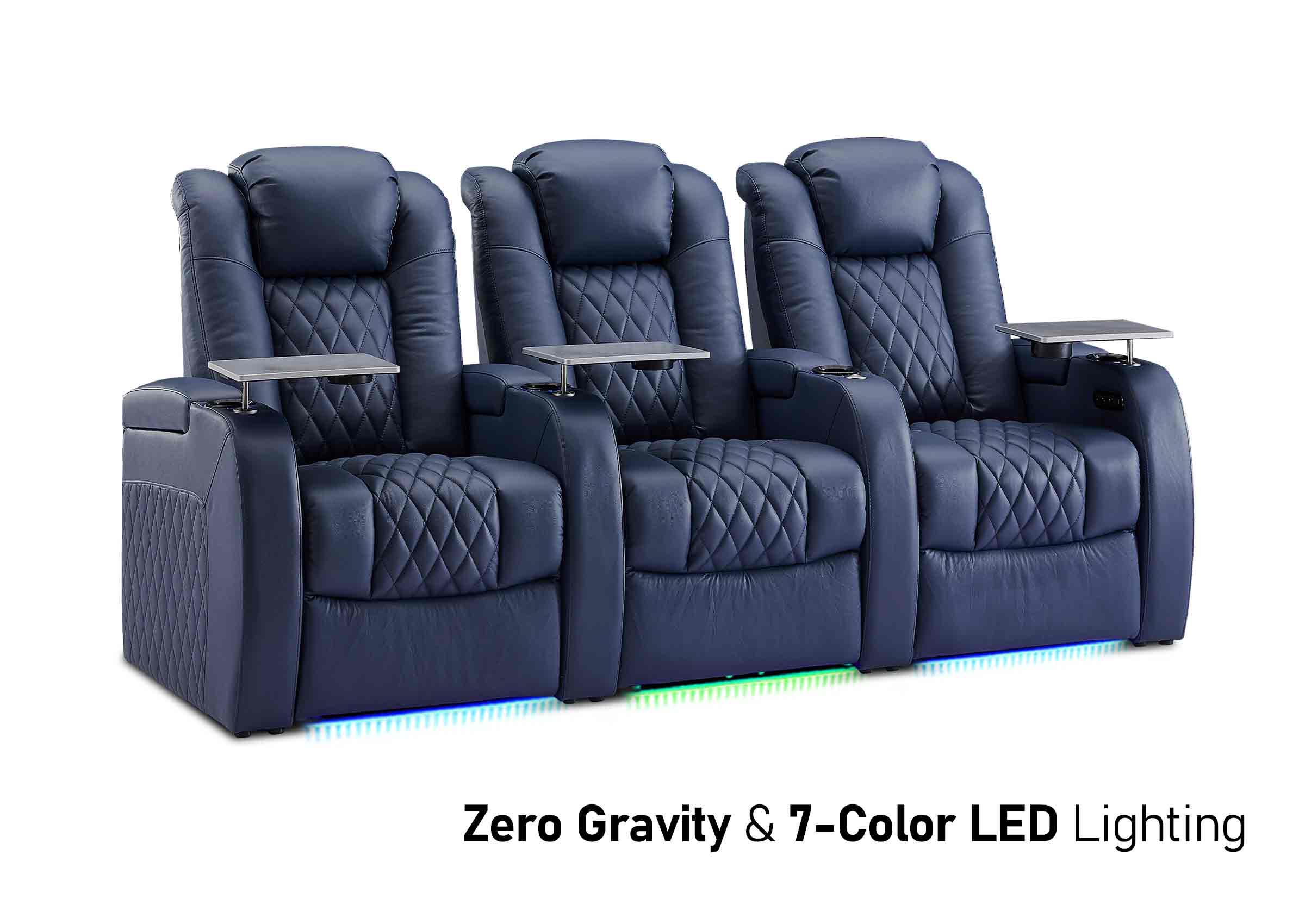
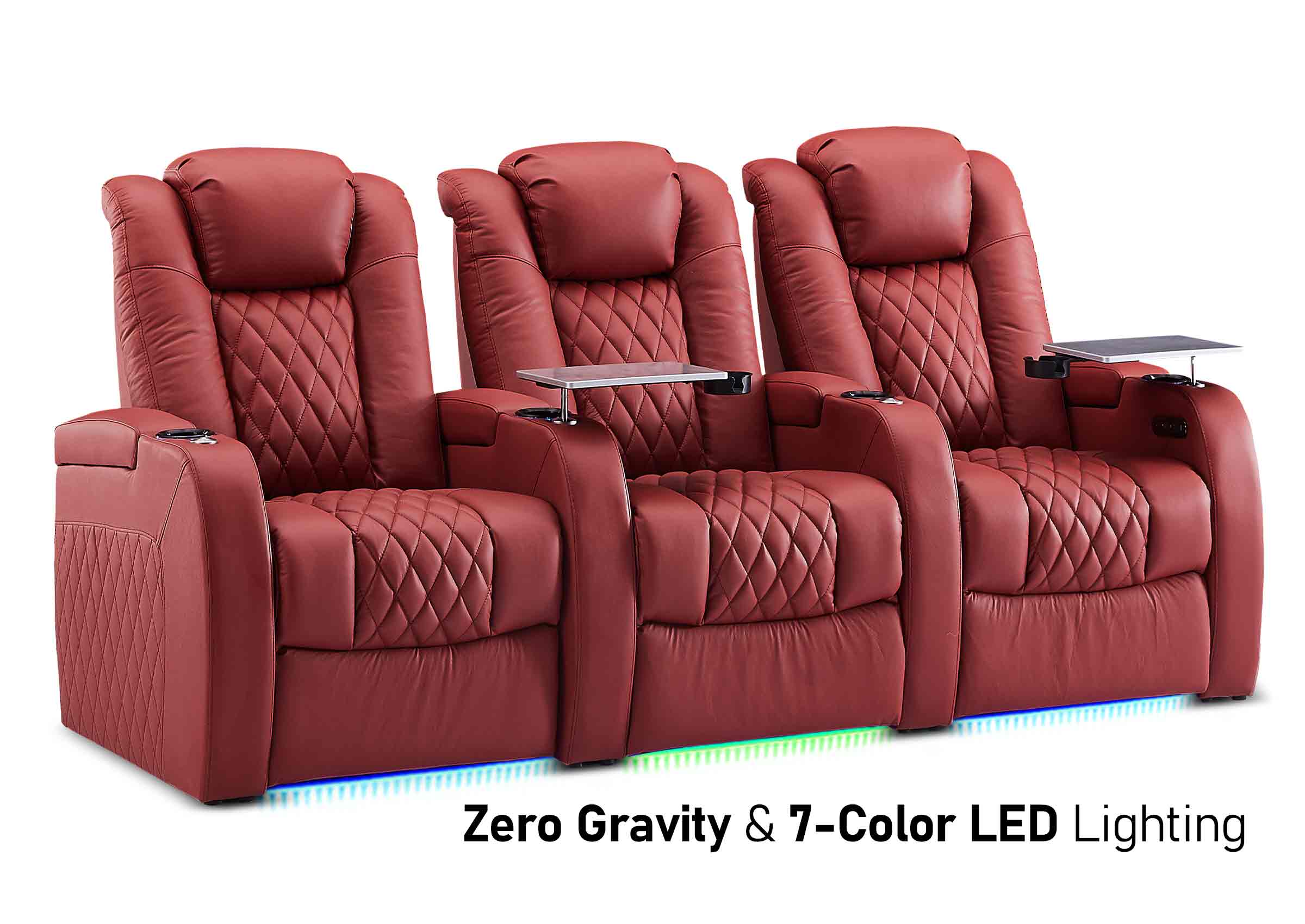

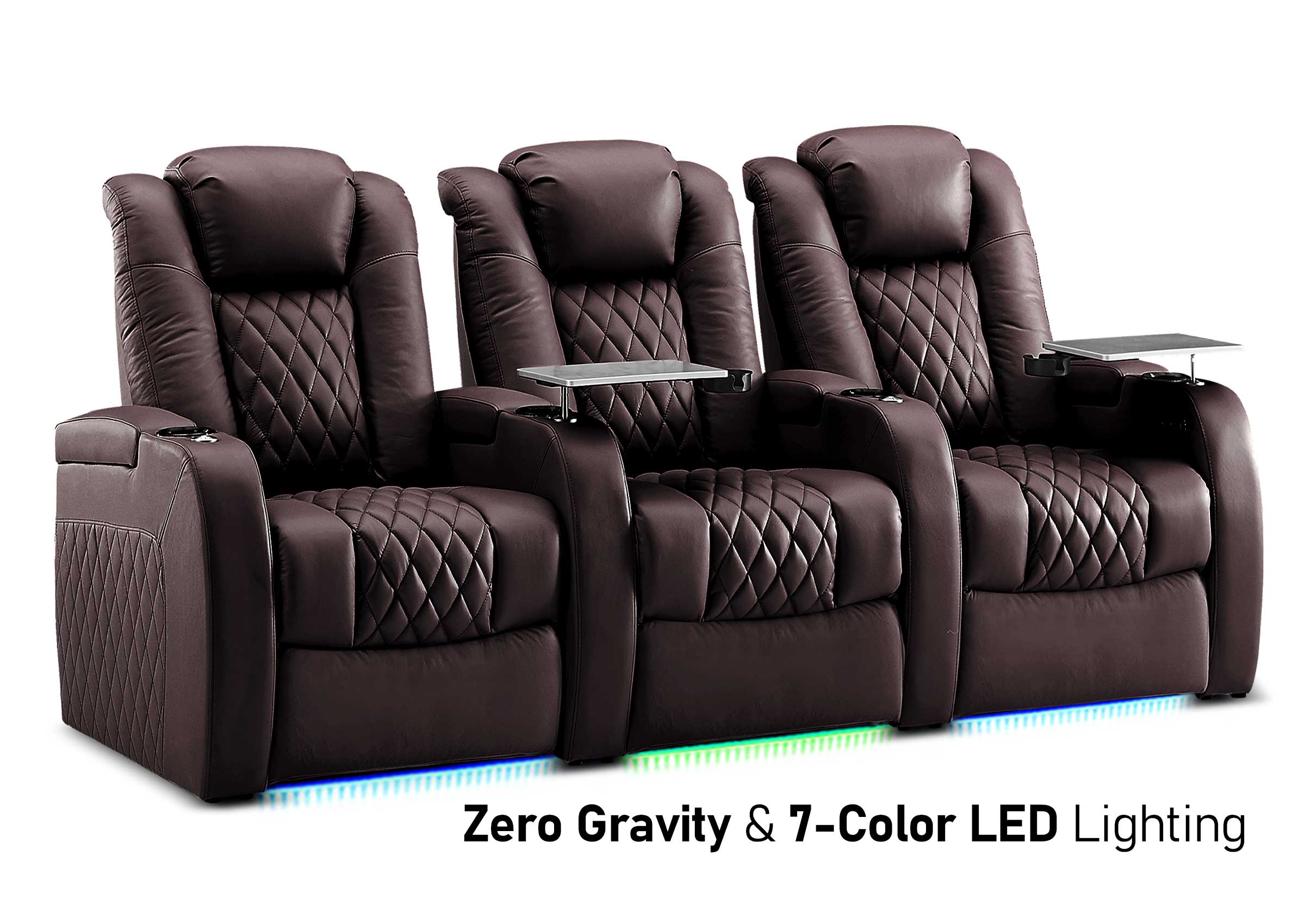

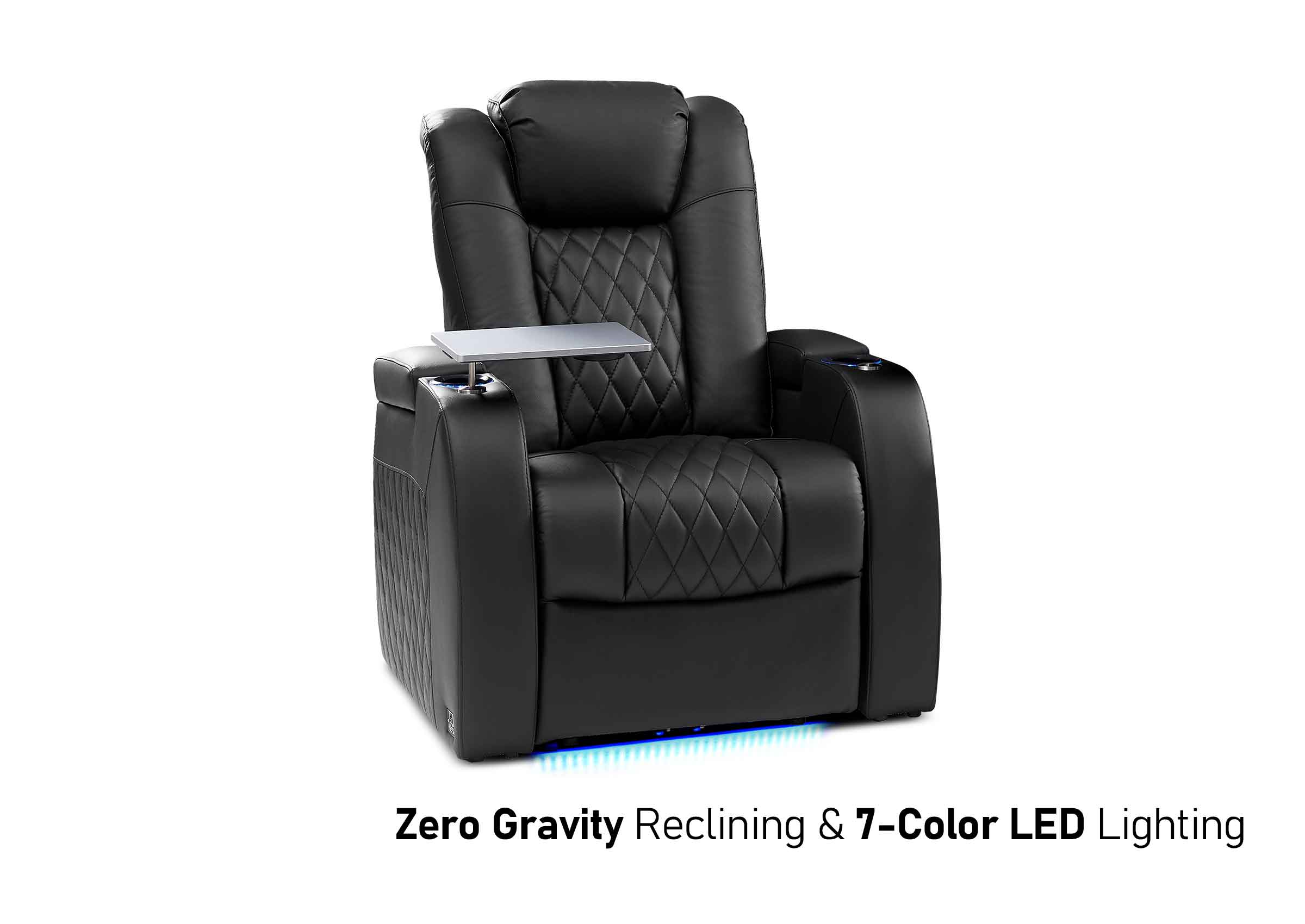
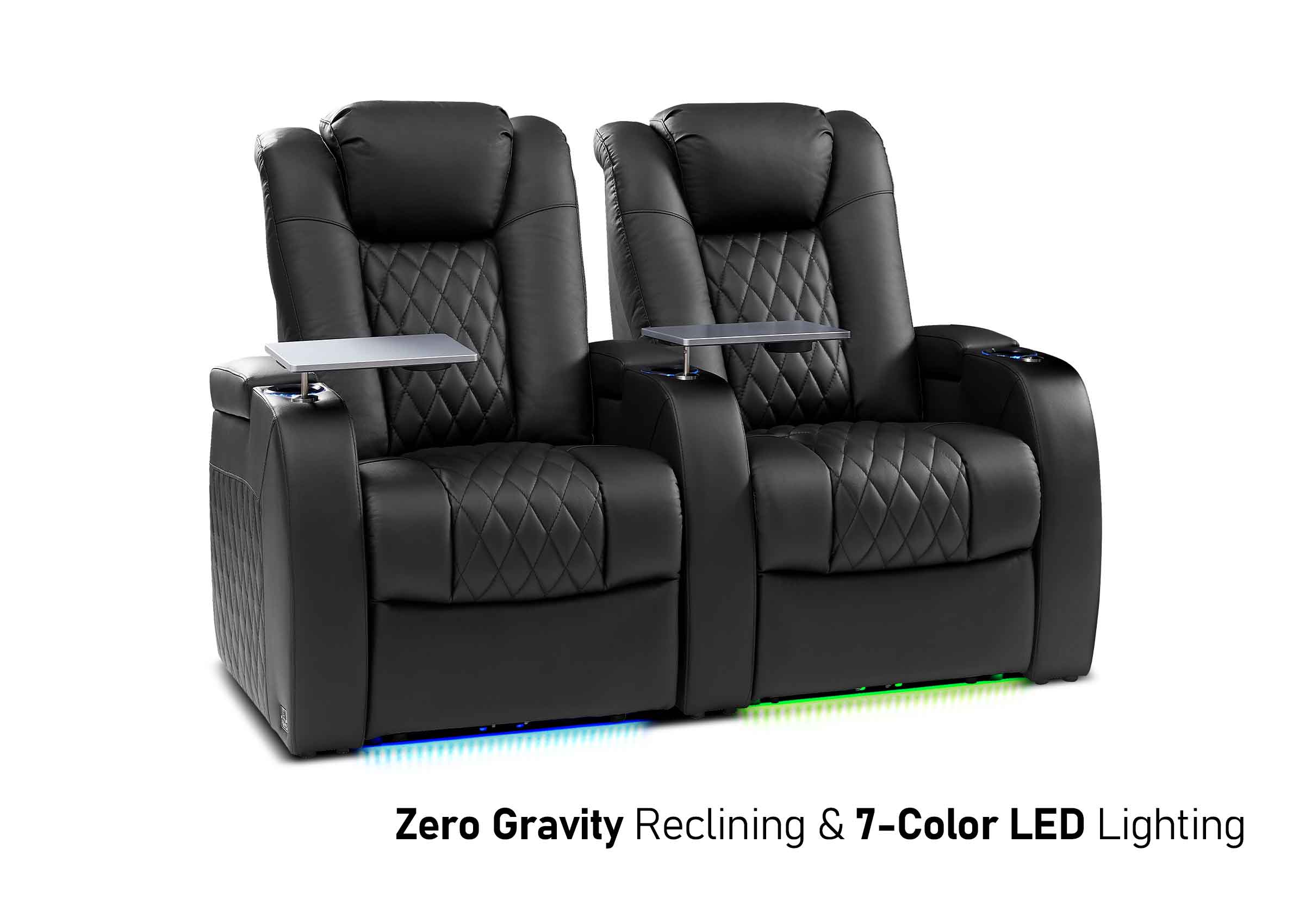
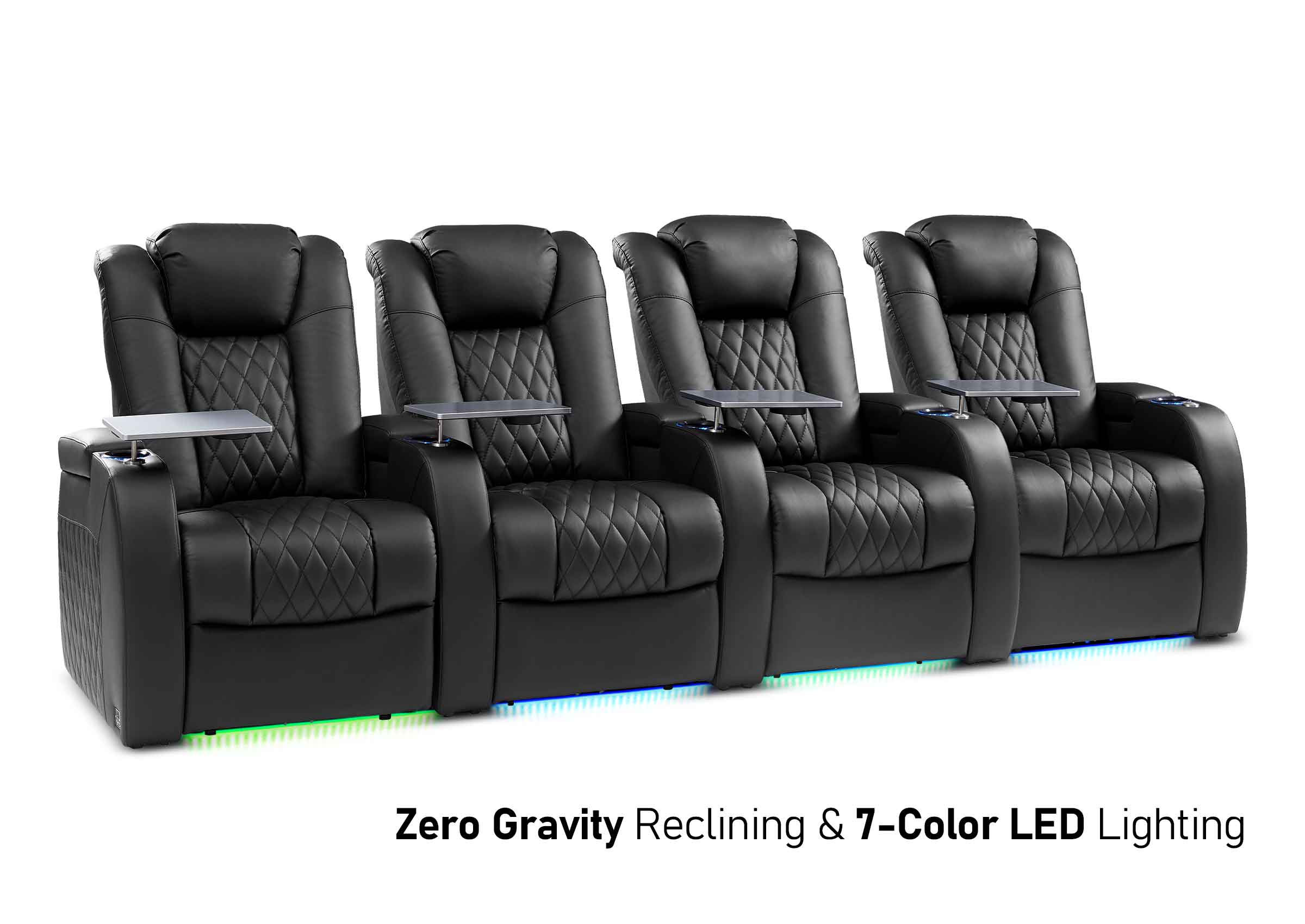
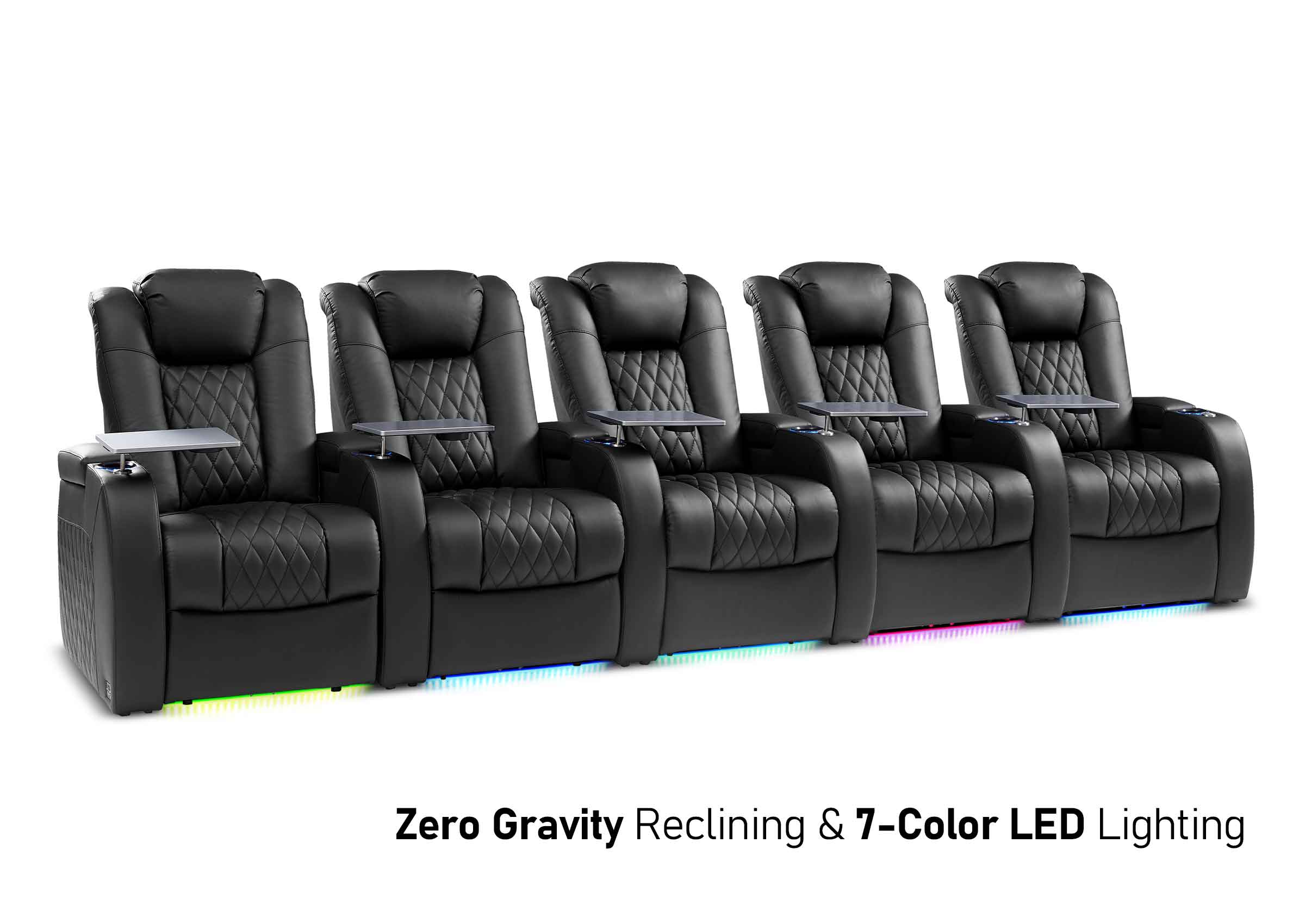
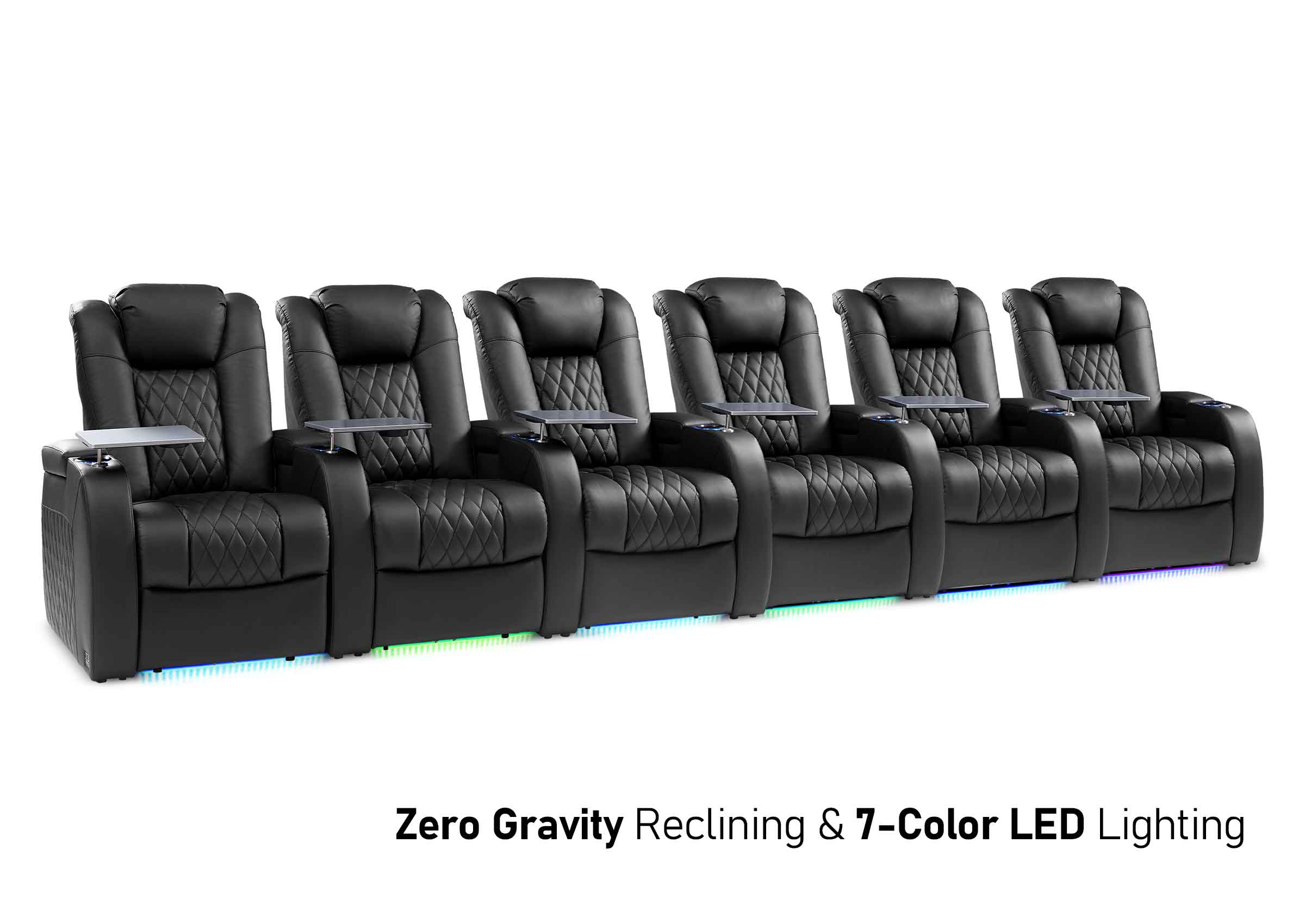
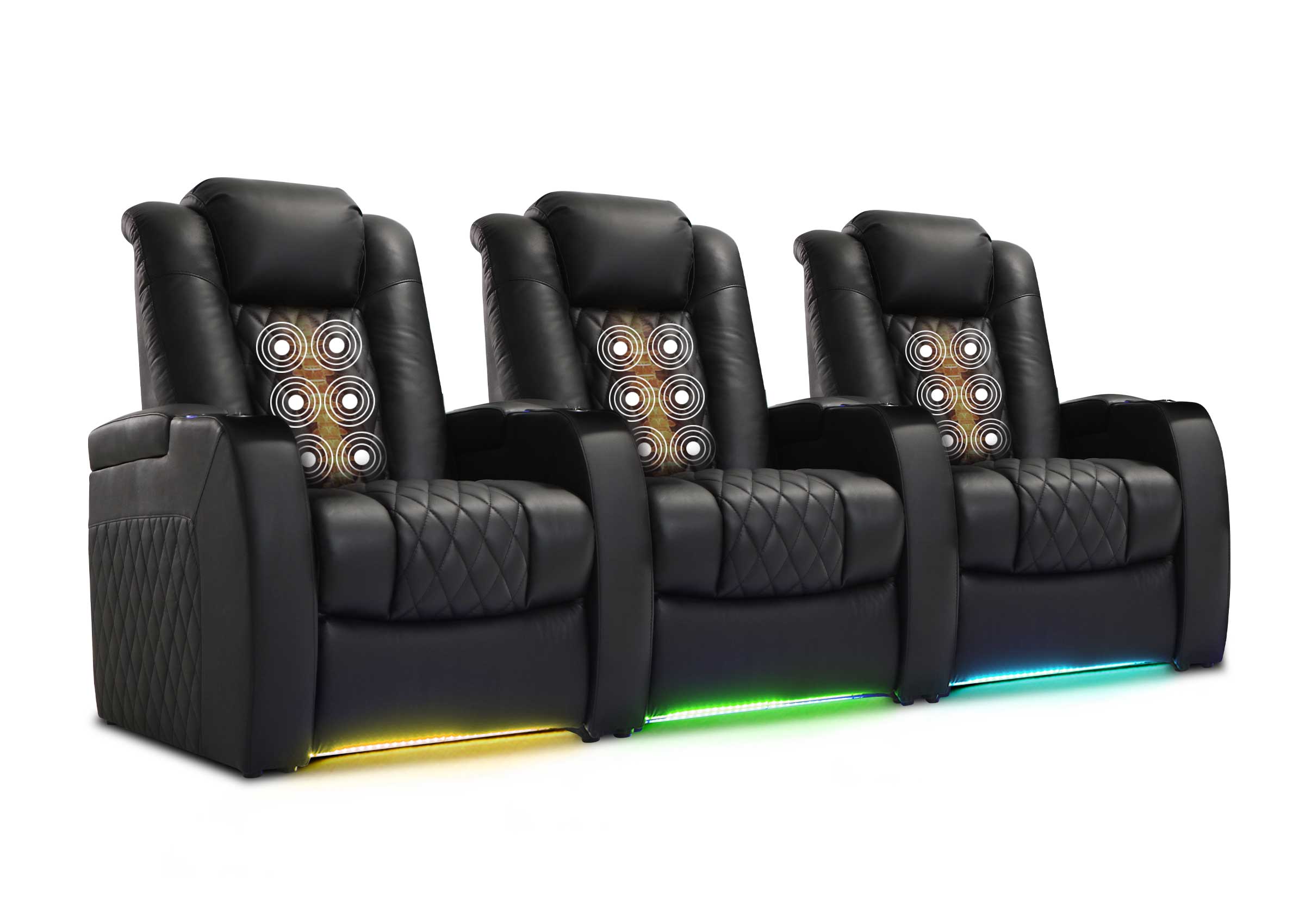

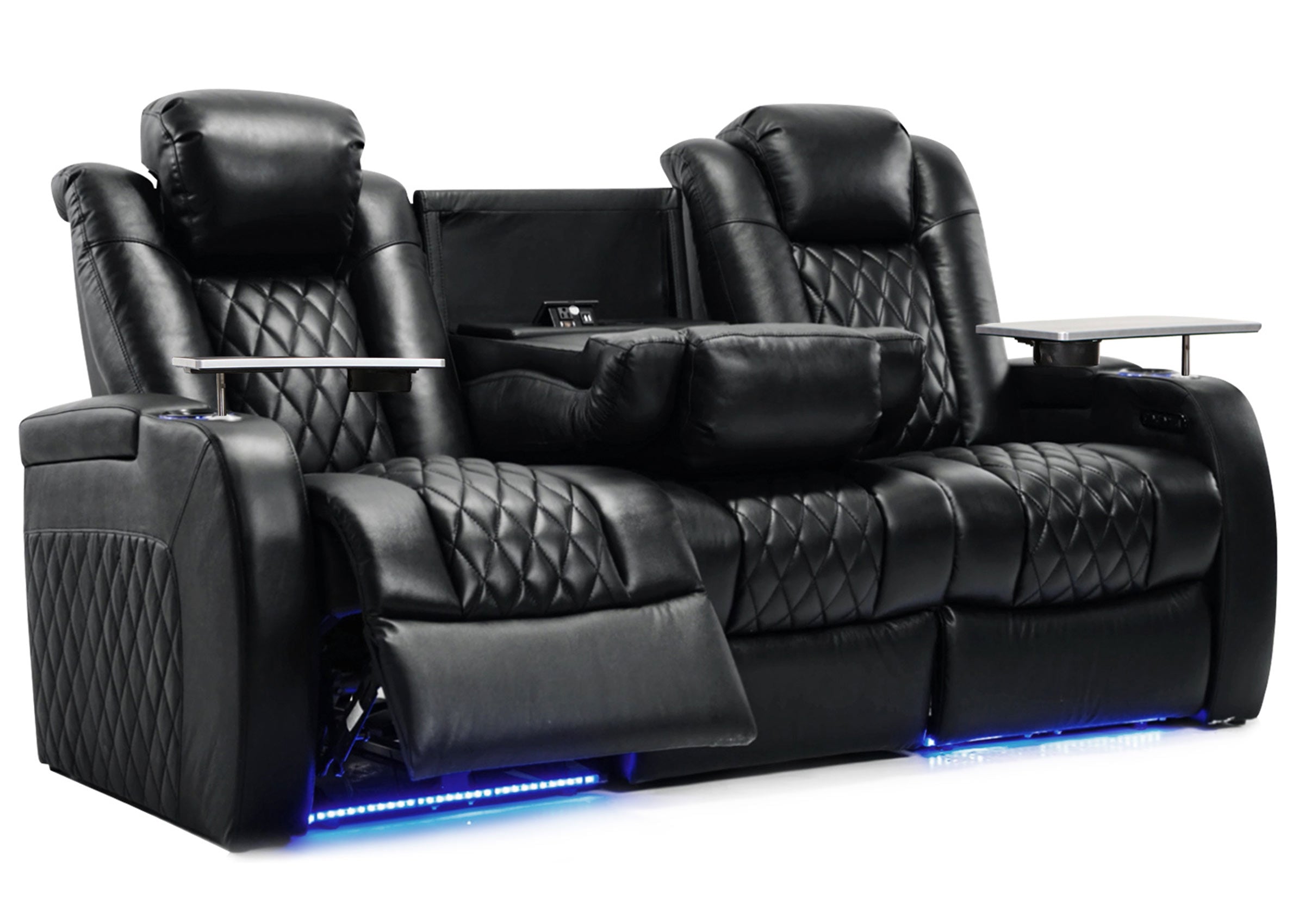
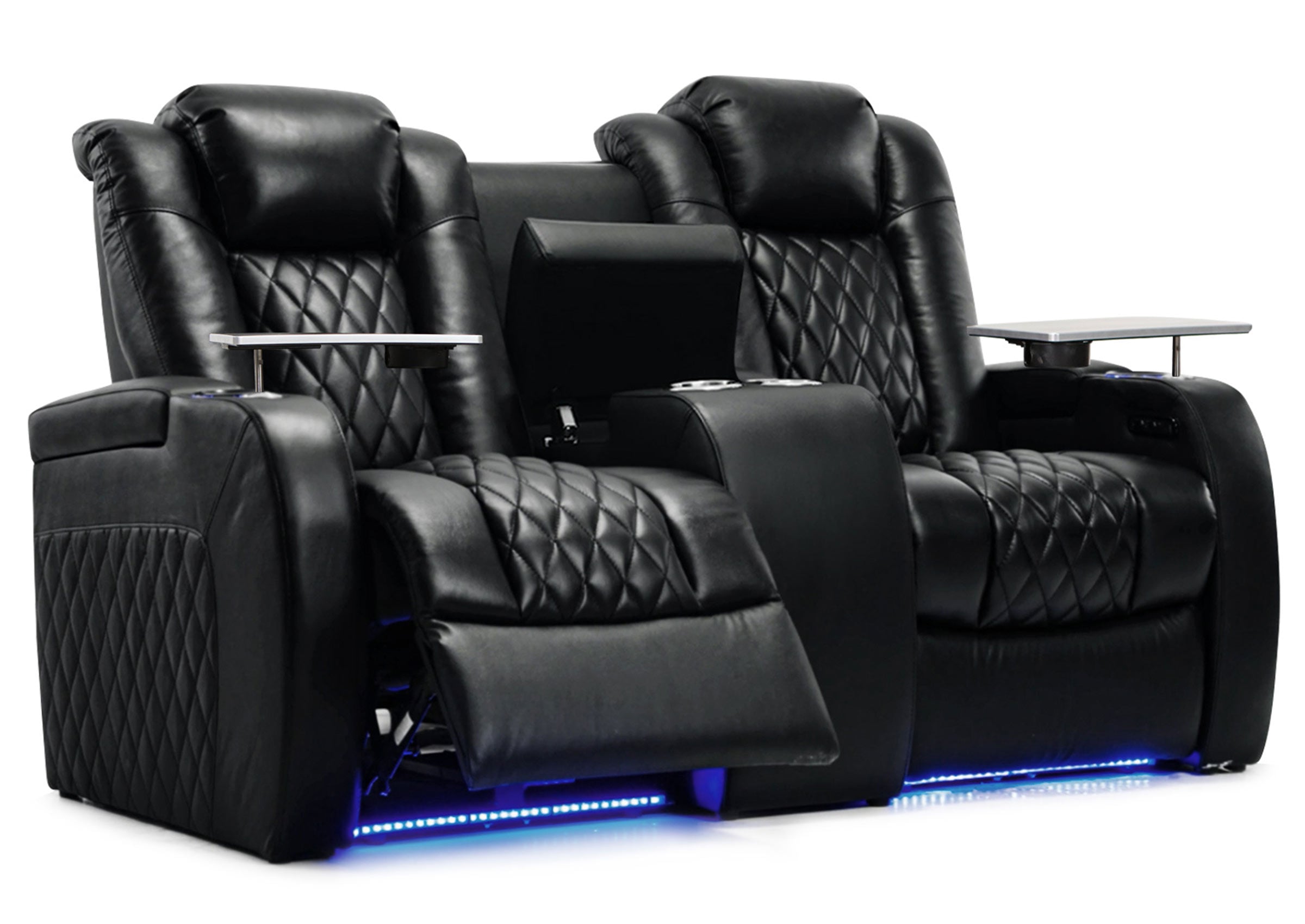


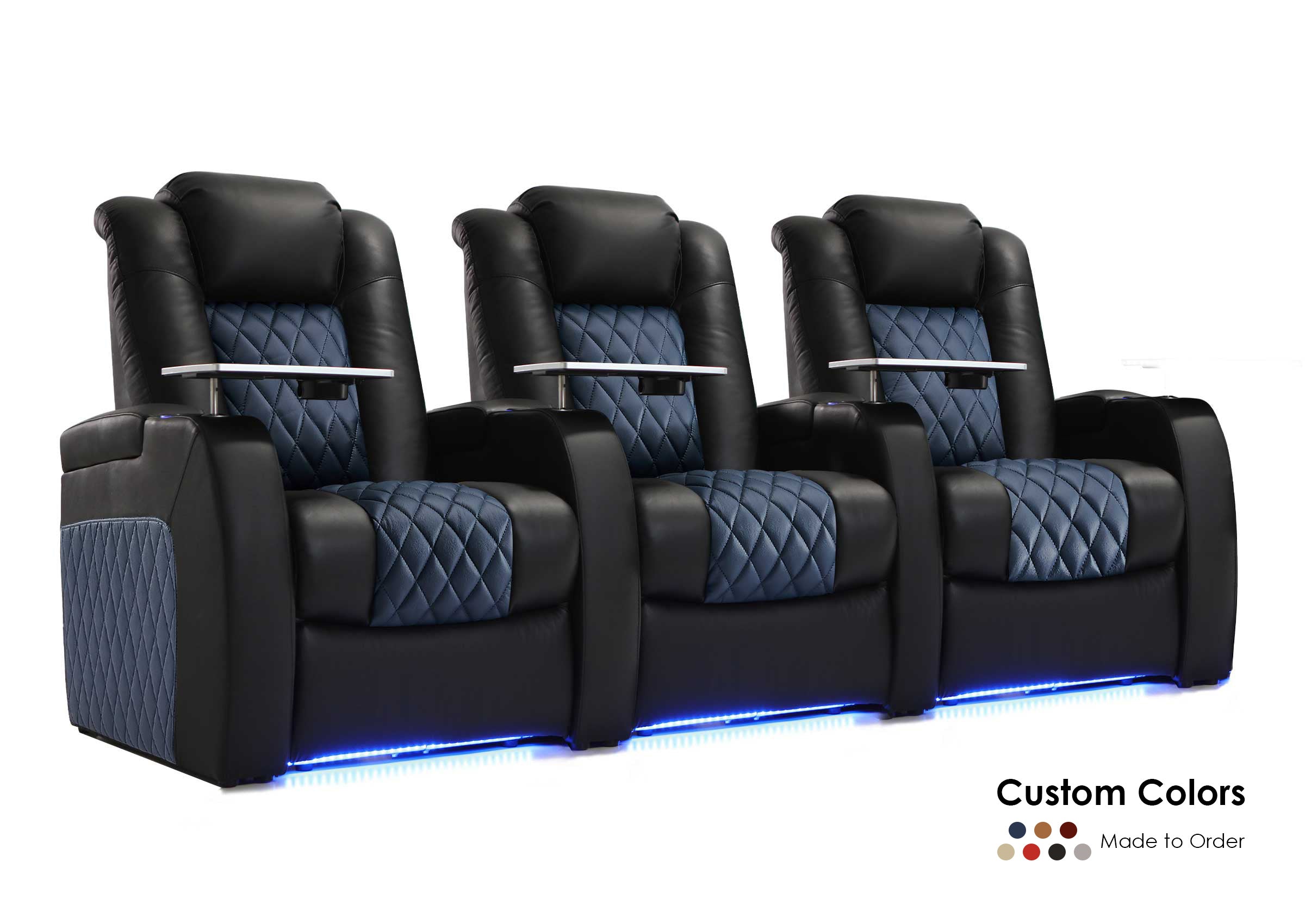

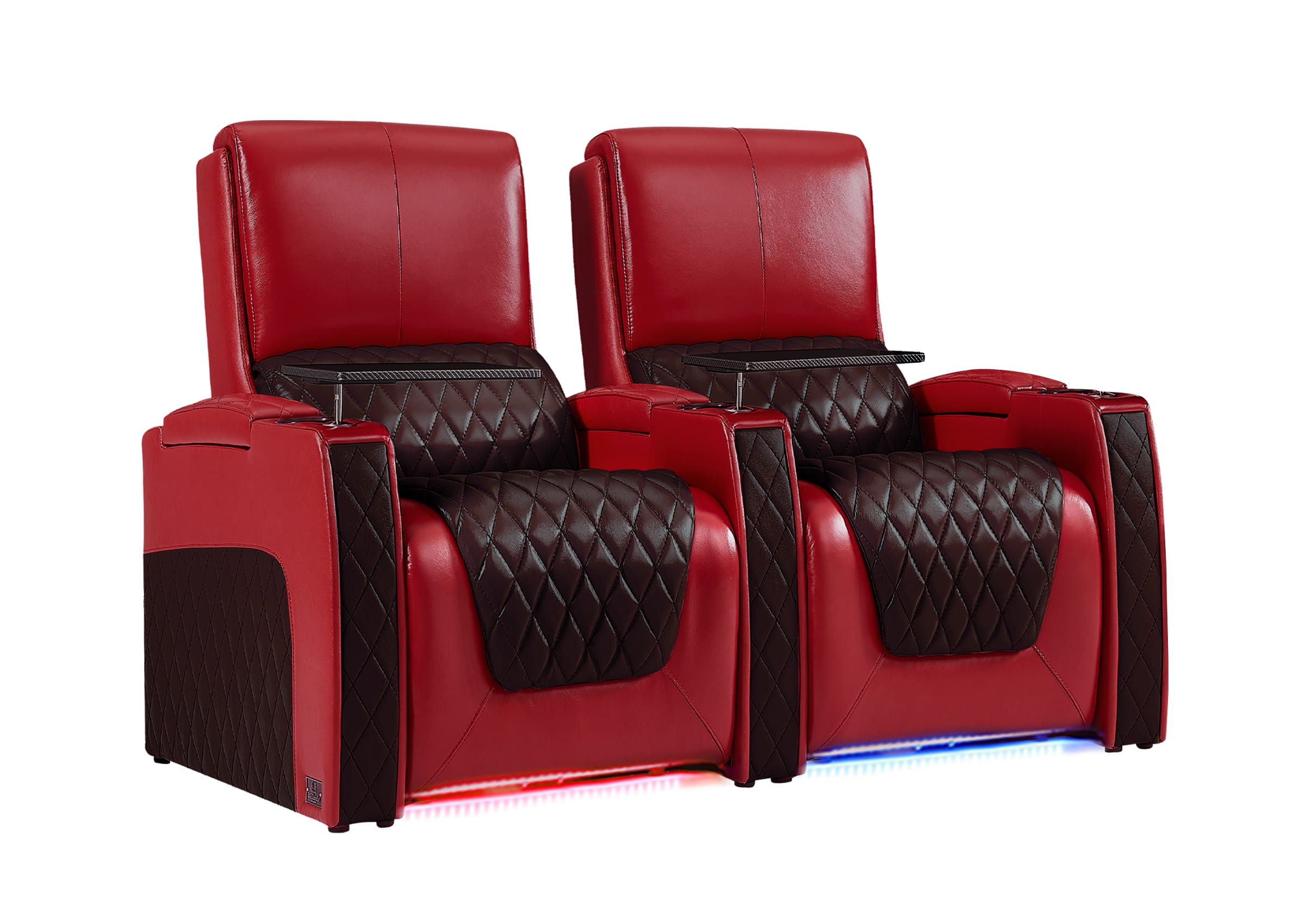
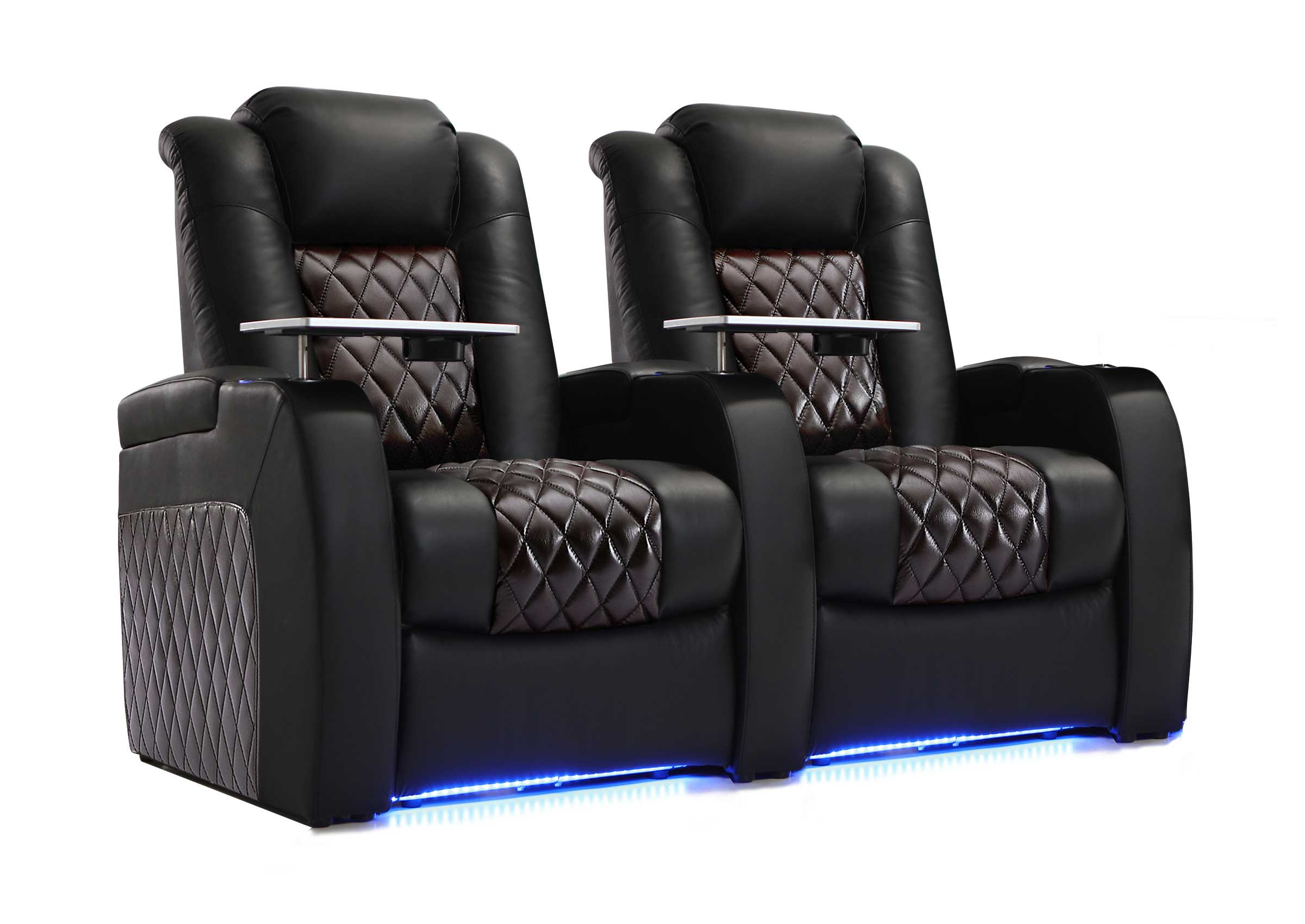
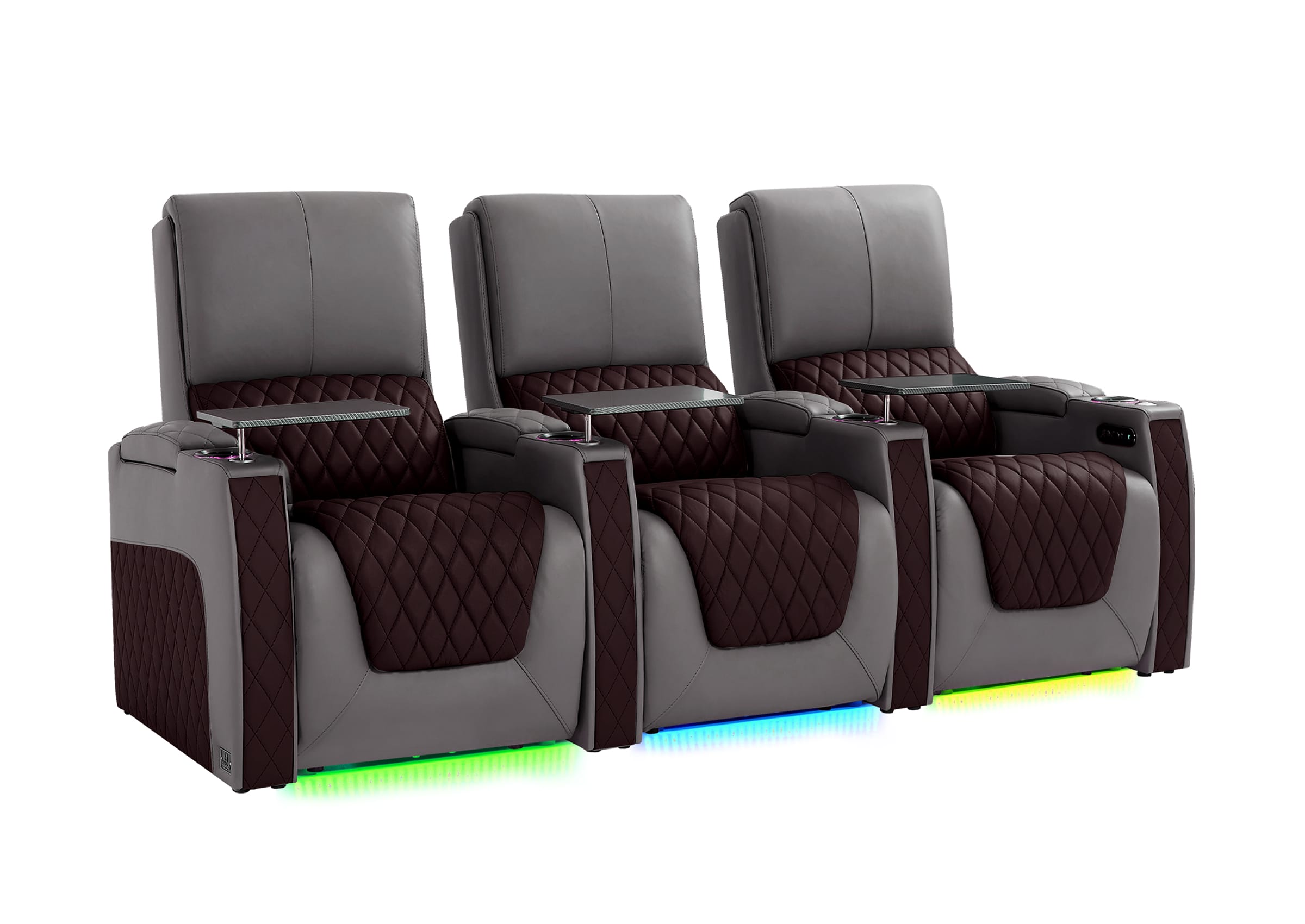
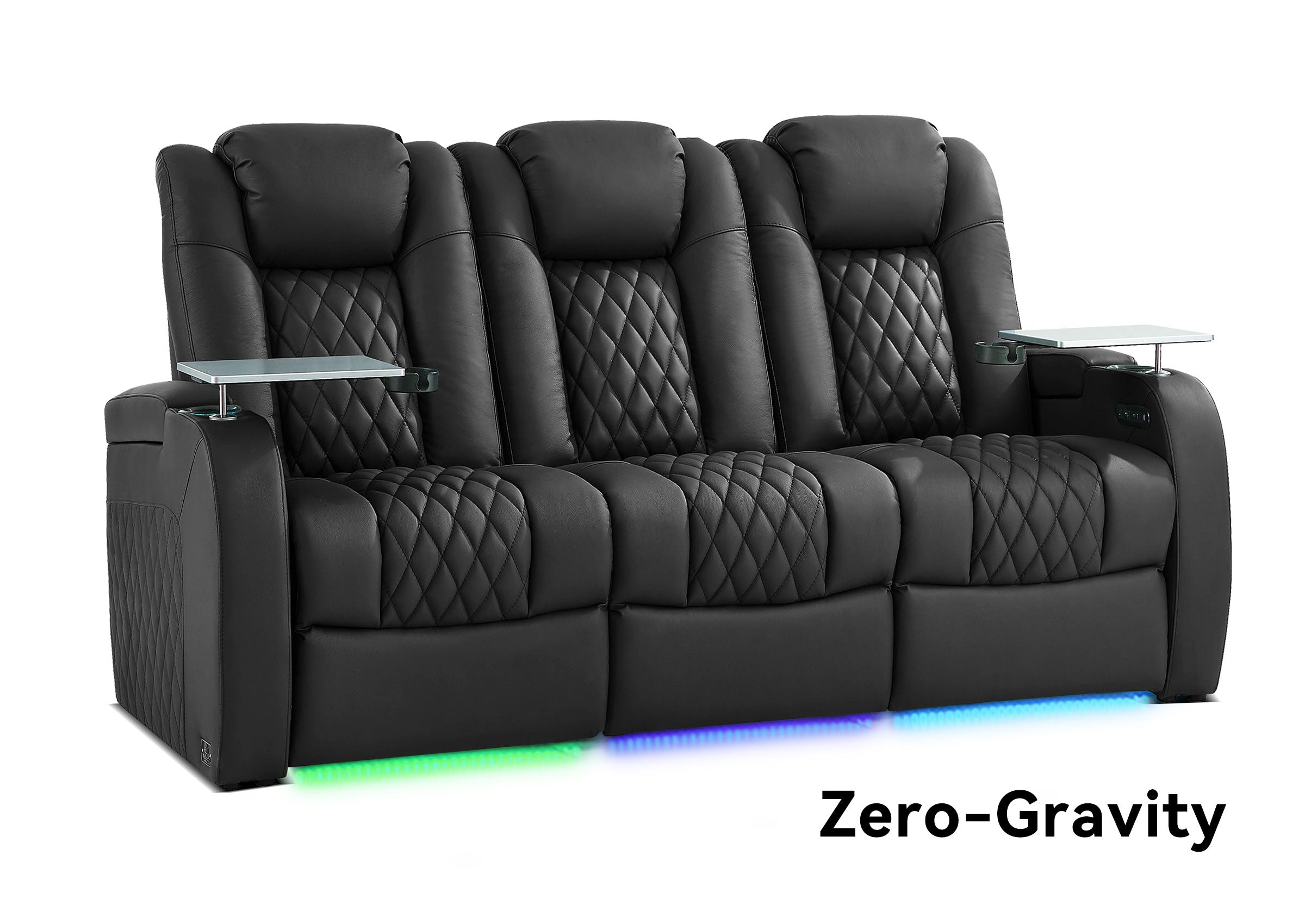


Choosing theater seating for a private project is not only a product decision. It is also a coordination decision. The seating needs to fit the room, match the intended use, move through the delivery route, and be confirmed clearly enough that the designer, homeowner, builder, and supplier are working from the same plan.
For that reason, a useful supplier conversation starts before a quote. The goal is not to ask which supplier is “best” in the abstract. It is to find out whether a proposed seating configuration can be evaluated against the information that matters for your specific room and project.
Start With the Project, Not the Supplier List
A supplier cannot give a meaningful answer if the project itself is still undefined. Before comparing products or requesting a custom configuration, document the room, the intended seating arrangement, and the decisions that are already fixed.
Prepare a room plan with finished dimensions, screen location, doors, fixed elements, and the intended seating area. Add the expected number of seats and rows, the preferred style direction, and any constraints that could affect access or placement. The home theater seating layout guide can help define the early questions before a configuration is discussed with a supplier.
A strong project brief makes it easier to compare relevant answers instead of comparing generic promises.
Ask for Product-Specific Information
One of the most important questions is whether the information applies to the exact seating model and configuration you are considering. A feature, material, dimension, or option shown on one product should not be assumed to apply to another.
Ask for the current information that is relevant to the proposed configuration, including the model or series, seat count, module arrangement, available finish direction, and the functions being considered. Depending on the product, functions may include power recline, adjustable headrests or footrests, lumbar support, charging, storage, tray tables, cup holders, or ambient lighting. Availability varies by model and configuration.
The Weilianda seating series comparison can help a project team narrow its initial options. Use the exact product information to make the final decision.
Verify Fit in the Room Before You Compare Finishes
A configuration can look right in a product image and still be wrong for the room. Review the overall width, upright depth, reclined footprint, wall clearance, walkways, door swings, screen relationship, and access to every seat. If the project has more than one row, also consider sightlines, riser planning, and how people enter and leave the room.
Use the selected product’s current dimensions for final planning. The home theater dimensions guide is a helpful planning reference, but it does not replace checking the actual product data for the configuration being ordered.

Clarify What “Custom” Means for This Project
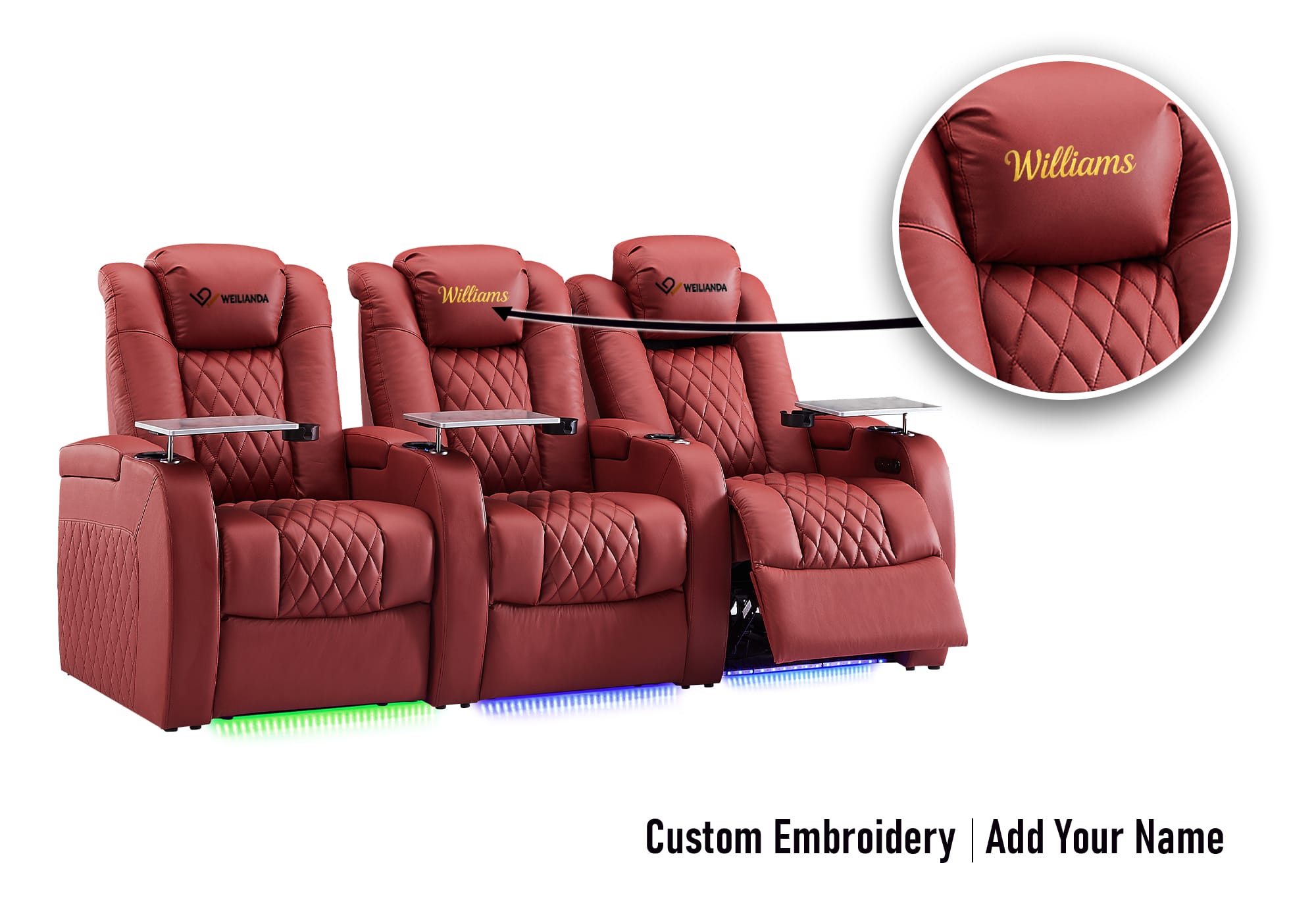
Custom can mean different things. It may refer to a color choice, a seating layout, a combination of available modules, or a feature option. It should not be treated as a promise that every dimension, material, or function can be changed without confirmation.
For a custom inquiry, explain what you want to change and why it matters to the room. Include the room plan, preferred layout, color or material direction, feature priorities, and any fixed constraints. Then ask which parts of the request can be considered for the specific product or configuration.
The custom home theater seating page is a useful starting point for understanding the type of product discussion involved. Exact specifications and applicable order details should be confirmed before payment or production decisions are made.
Include Power and Delivery Access in the Evaluation
Power and delivery access are easy to overlook because they are not always visible in a room rendering. For powered seating, confirm how the selected product receives power, where accessible power will be available in the room, and who is coordinating any electrical work required by the project. Follow the product instructions for the final model rather than planning around assumptions.
Also measure the full delivery route: entry door, interior doors, hallways, turns, stairs, elevators, and the final route into the room. Compare those measurements with the available product and packaging information. Resolving an access question before an order is finalized is easier than changing a finished room or trying to solve a delivery problem later.
Use a Consistent Pre-RFQ Checklist
Before contacting a supplier or requesting a project quote, make sure the project team can provide and confirm the following:
- Room plan and usable dimensions
- Screen wall, doors, fixed elements, and intended walkways
- Preferred seat count, rows, and configuration
- Selected model or style direction, if known
- Product-specific dimensions and recline requirements to be verified
- Finish, color, and feature priorities
- Power access questions and responsible project contact
- Delivery-route measurements and installation-access notes
- Order, inspection, return, and warranty questions that need confirmation for the purchase
This checklist does not replace product terms or technical documentation. It helps the project team ask better questions and gives the supplier a clearer basis for responding.
Look for Clear Answers, Not Broad Claims
When evaluating a seating supplier, the most useful answers are specific to the proposed project. Clear product information, careful confirmation of the configuration, and transparent discussion of questions are more valuable than broad claims about capability.
For example, ask what should be confirmed for the exact model, which specifications are current, how an available configuration relates to the room plan, and which applicable terms should be reviewed before the order is placed. Avoid treating general marketing language as a substitute for project-specific confirmation.
| Question to Ask | What a Useful Answer Should Clarify |
|---|---|
| Which model and configuration are you evaluating? | The exact product, seat count, modules, and any configuration-dependent options. |
| Which dimensions should we use for the final room plan? | Current product-specific width, depth, recline requirements, and any relevant clearance information. |
| Which functions are available on this configuration? | What is included, what is optional, and what still needs confirmation for the selected product. |
| What should we verify before ordering? | Room fit, power planning, delivery access, configuration details, and the order terms that apply. |
| What information do you need from our project team? | A clear request for room plans, access measurements, configuration preferences, and outstanding questions. |
The best supplier conversation leaves the project team with a documented next step, not an unresolved list of assumptions.

Frequently Asked Questions
What should I send before requesting a theater seating quote?
Send the room plan, finished dimensions, screen location, intended seat count and rows, preferred style or product direction, feature priorities, and delivery-access notes. If you already have a selected model, include it as well.
Should I choose a supplier before the room plan is complete?
You can begin a conversation early, but final product and configuration decisions should be checked against the finished room plan, actual product information, and the delivery route.
Can a project team rely on general dimensions shown in a guide?
General guides are useful for early planning. Final fit, clearance, and configuration decisions should use the current dimensions and instructions for the exact product under consideration.
What should be confirmed for a custom configuration?
Confirm the exact product, available configuration, finish direction, functions, current dimensions, delivery-access requirements, and the order terms that apply to the project. Do not assume that a custom request changes every product specification.
Start With a Complete Project Snapshot
For a Weilianda private theater seating project, share your room plan, measurements, intended configuration, preferred style, and questions with the support team. This gives the conversation a clearer starting point and helps identify the product details that should be confirmed before you move forward.