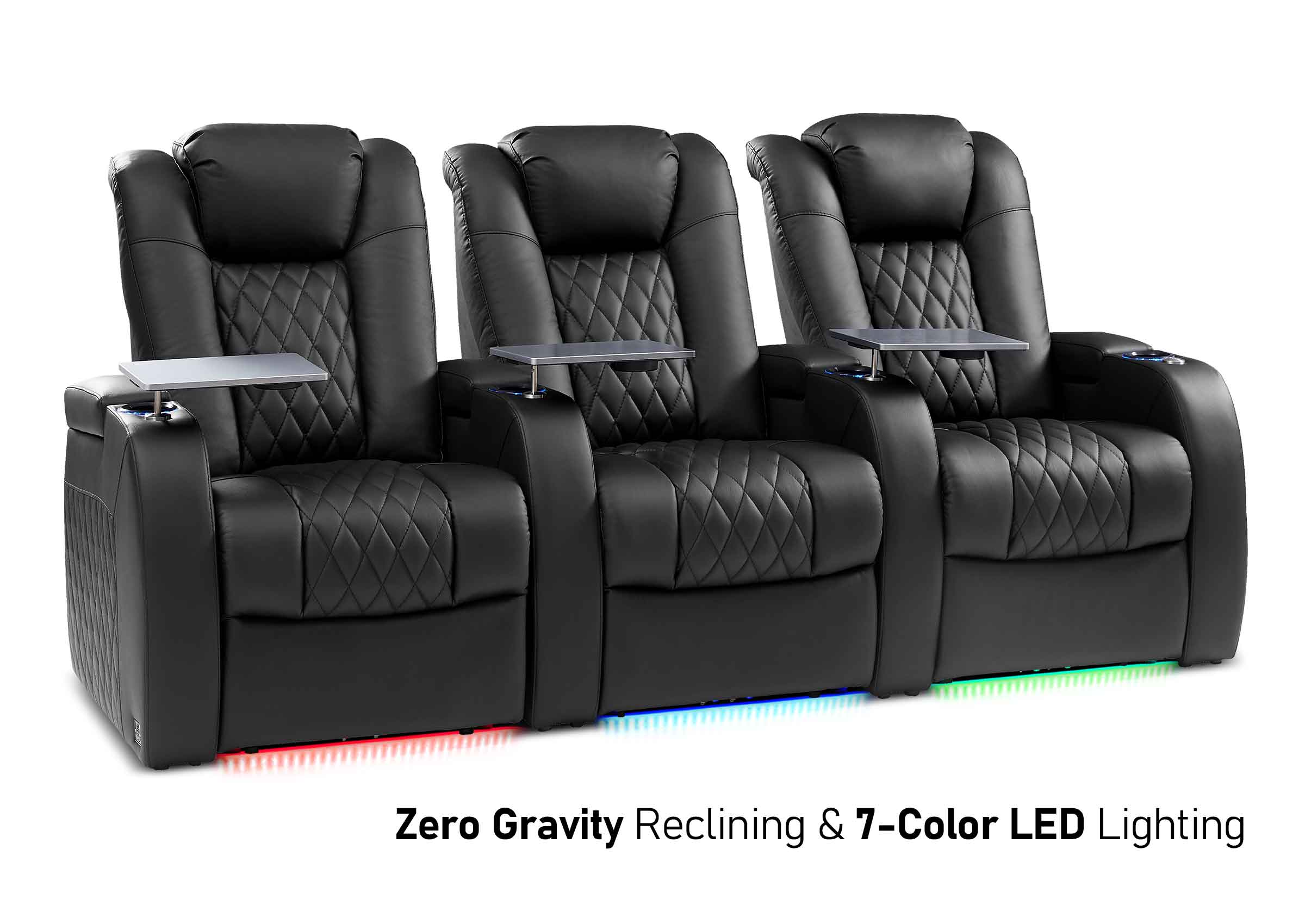

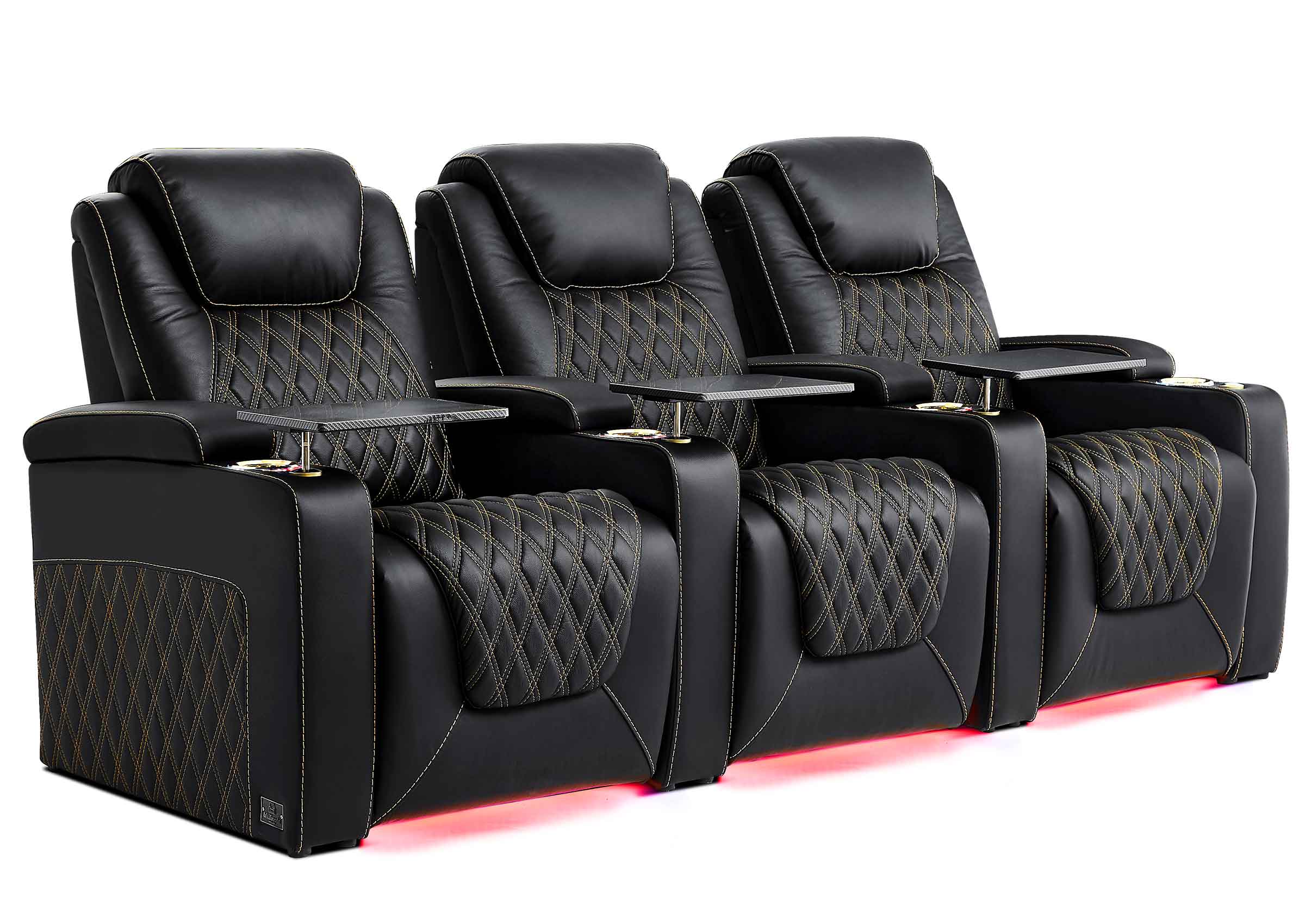
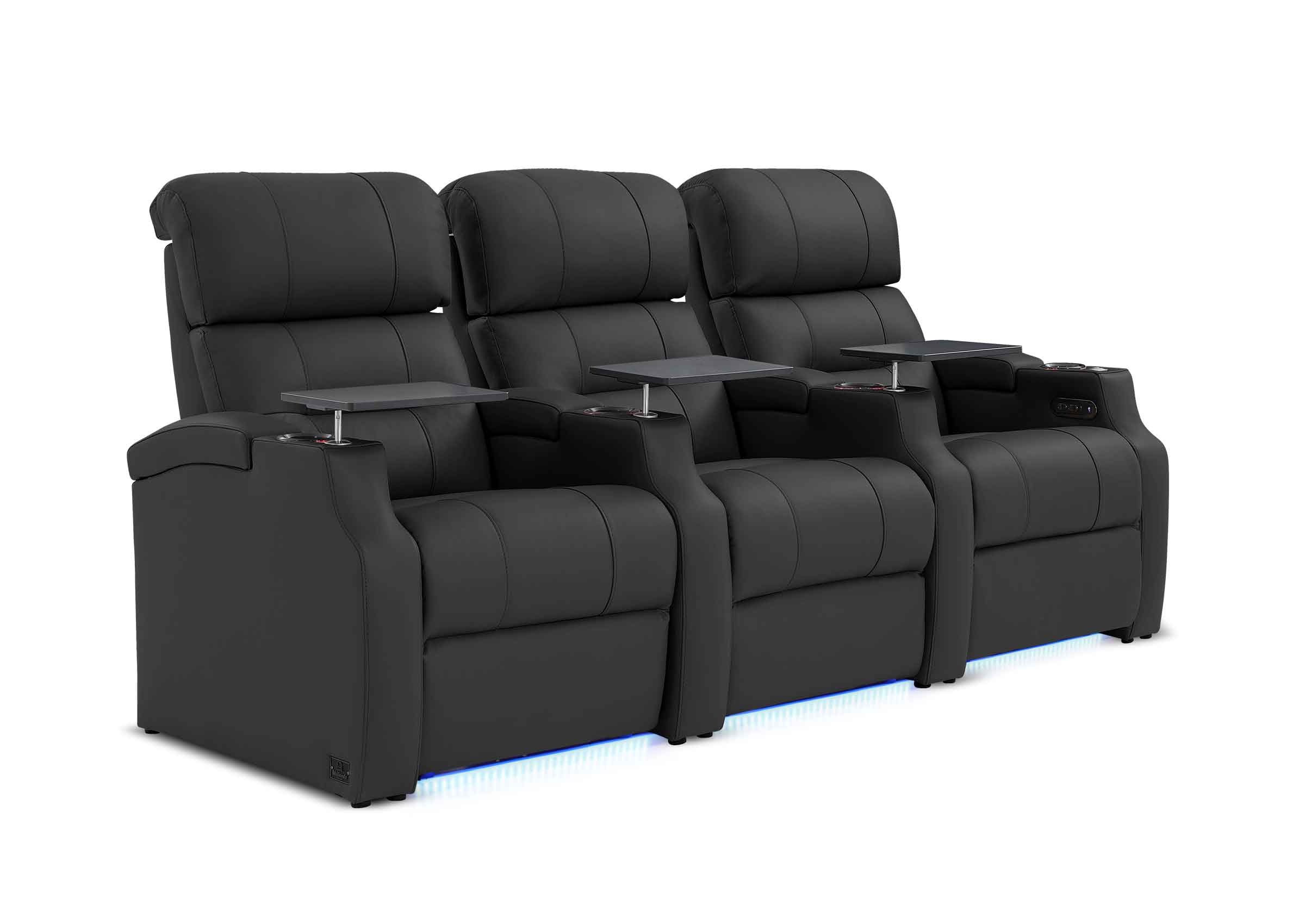



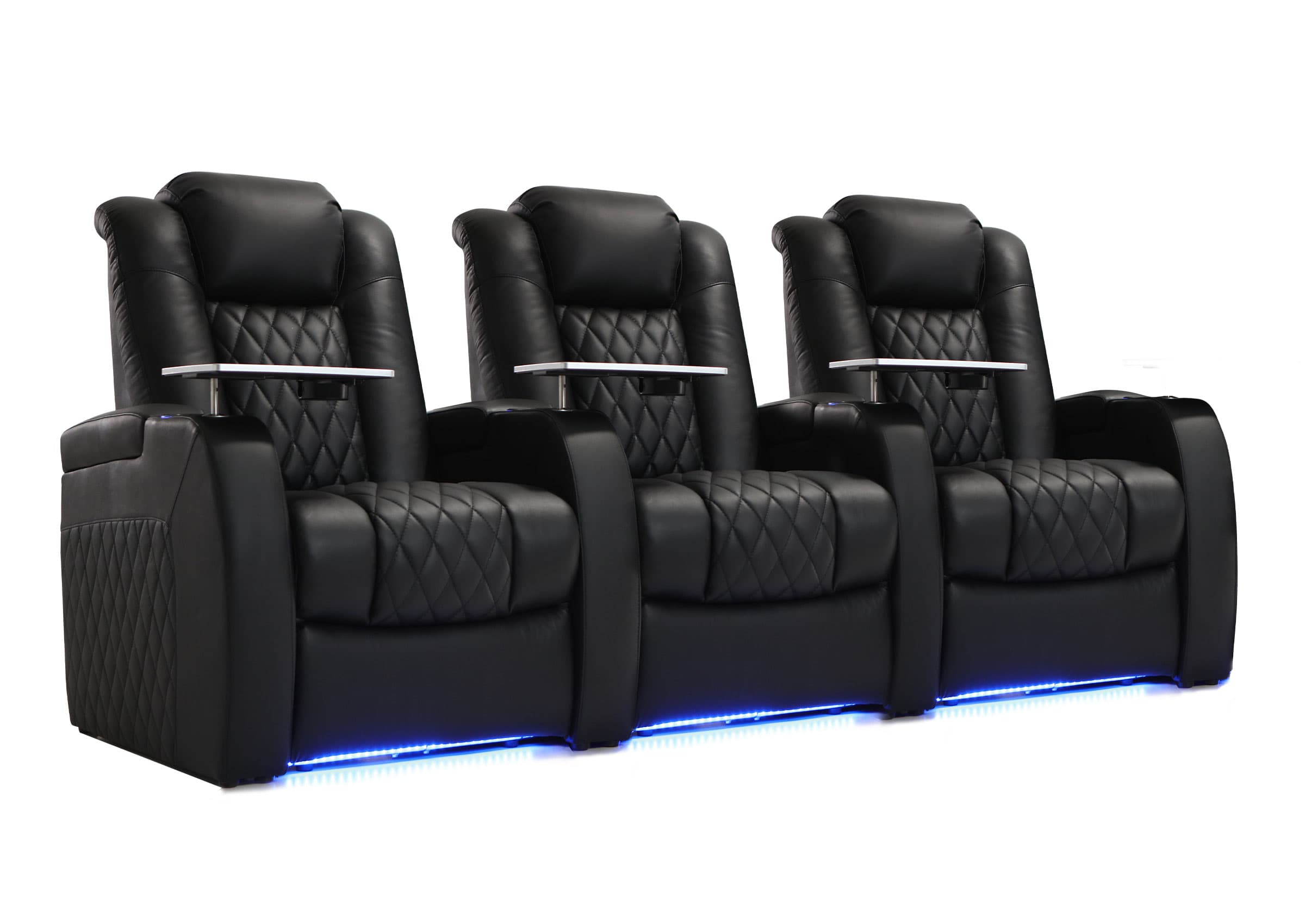
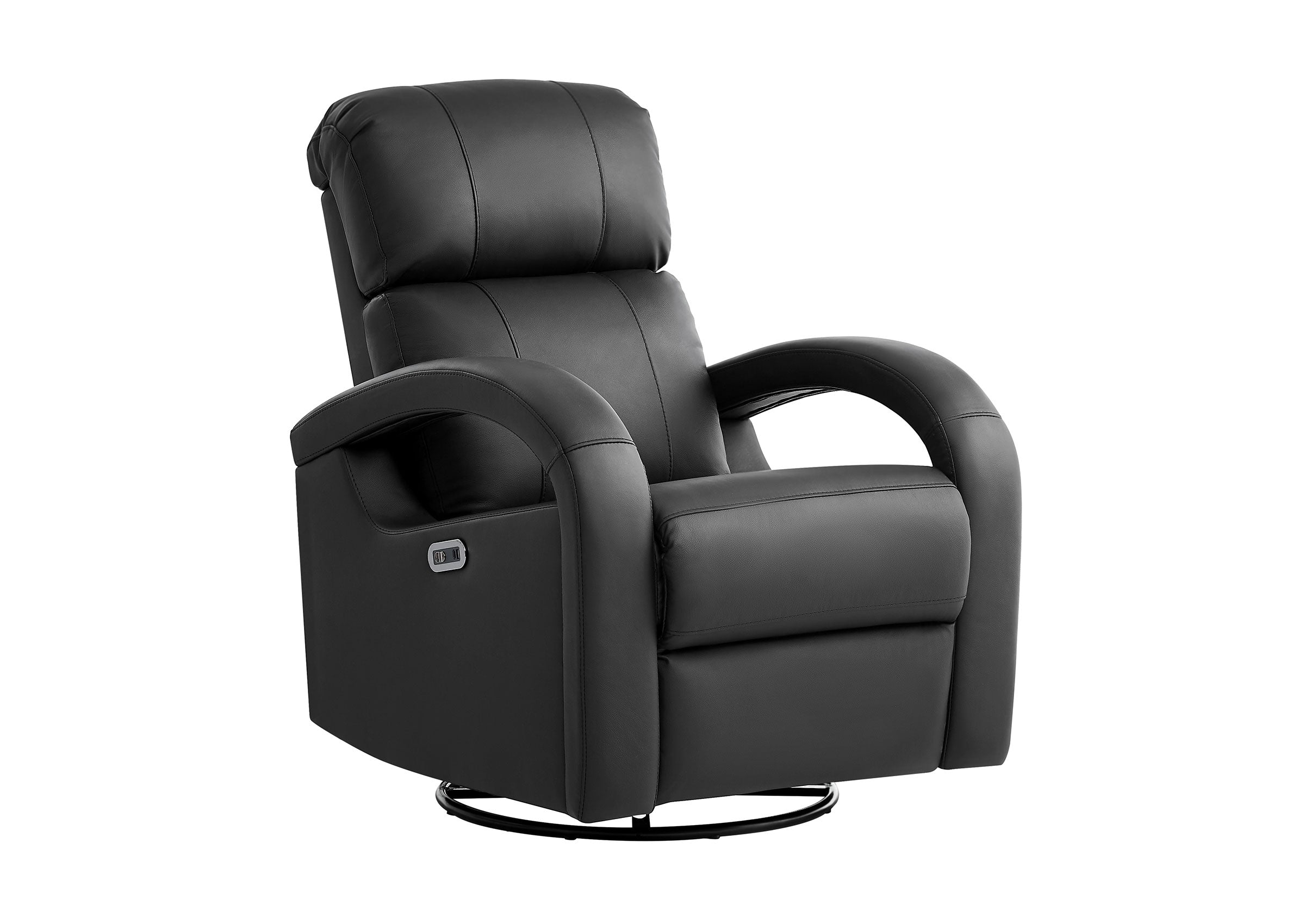





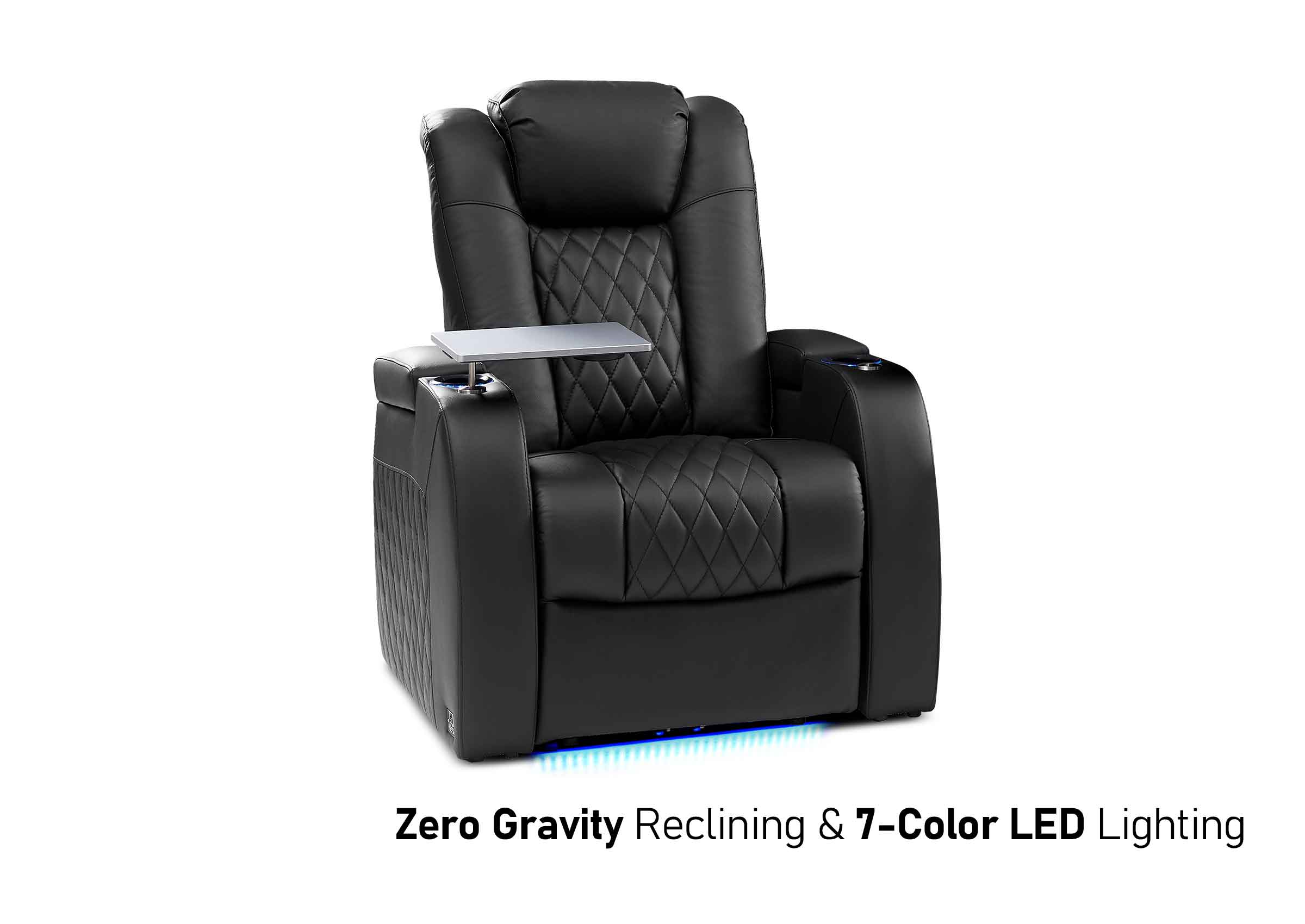

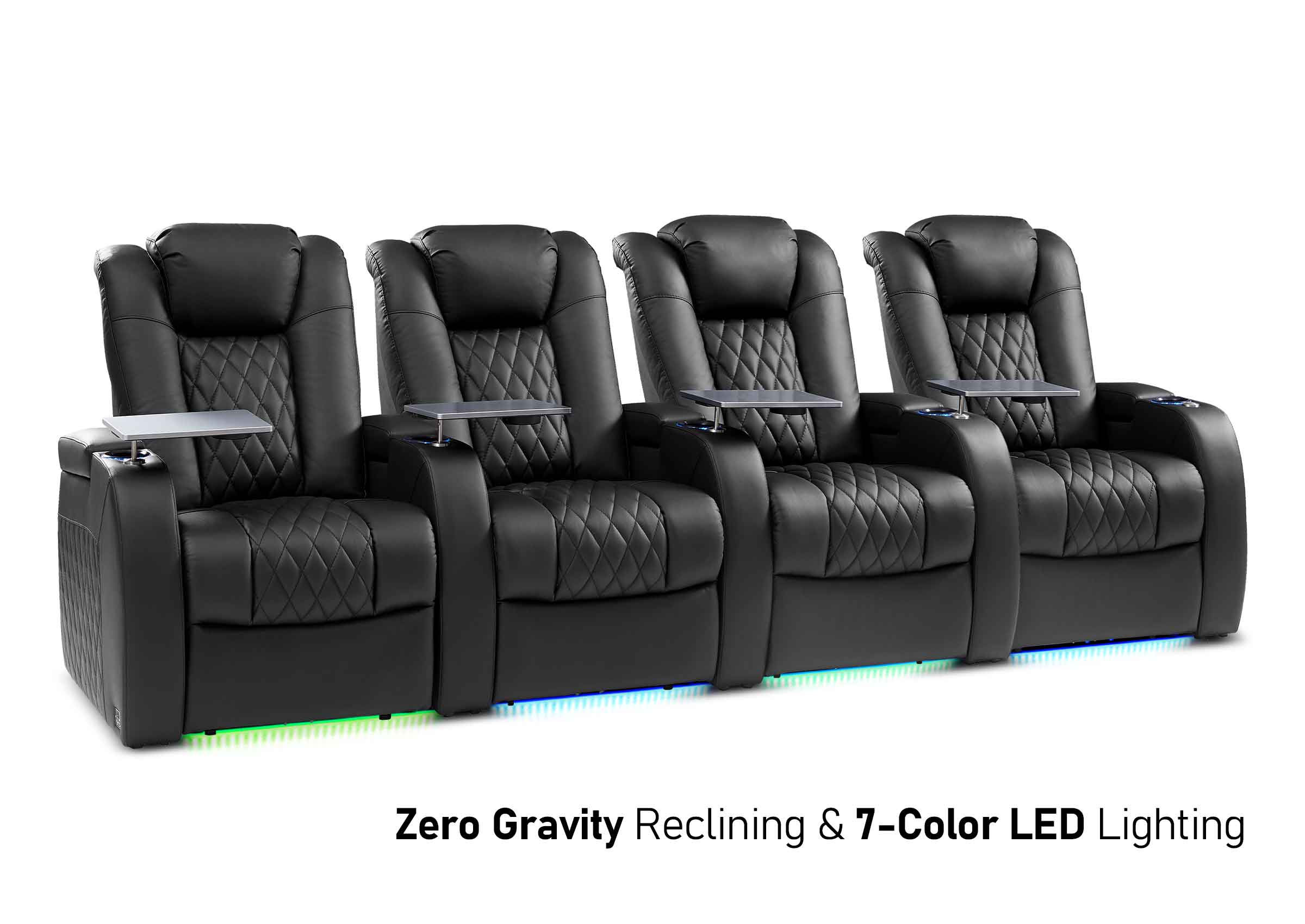
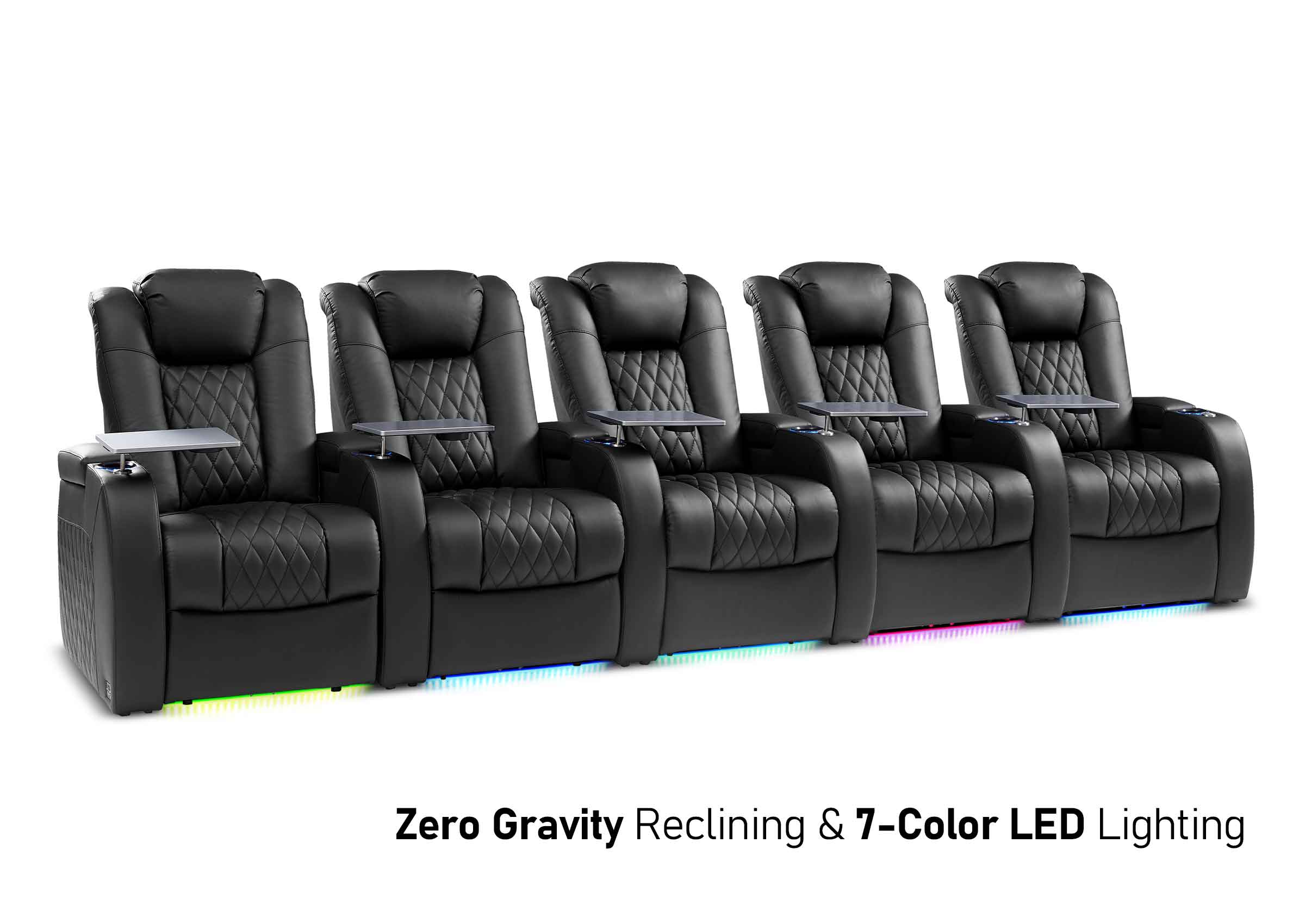
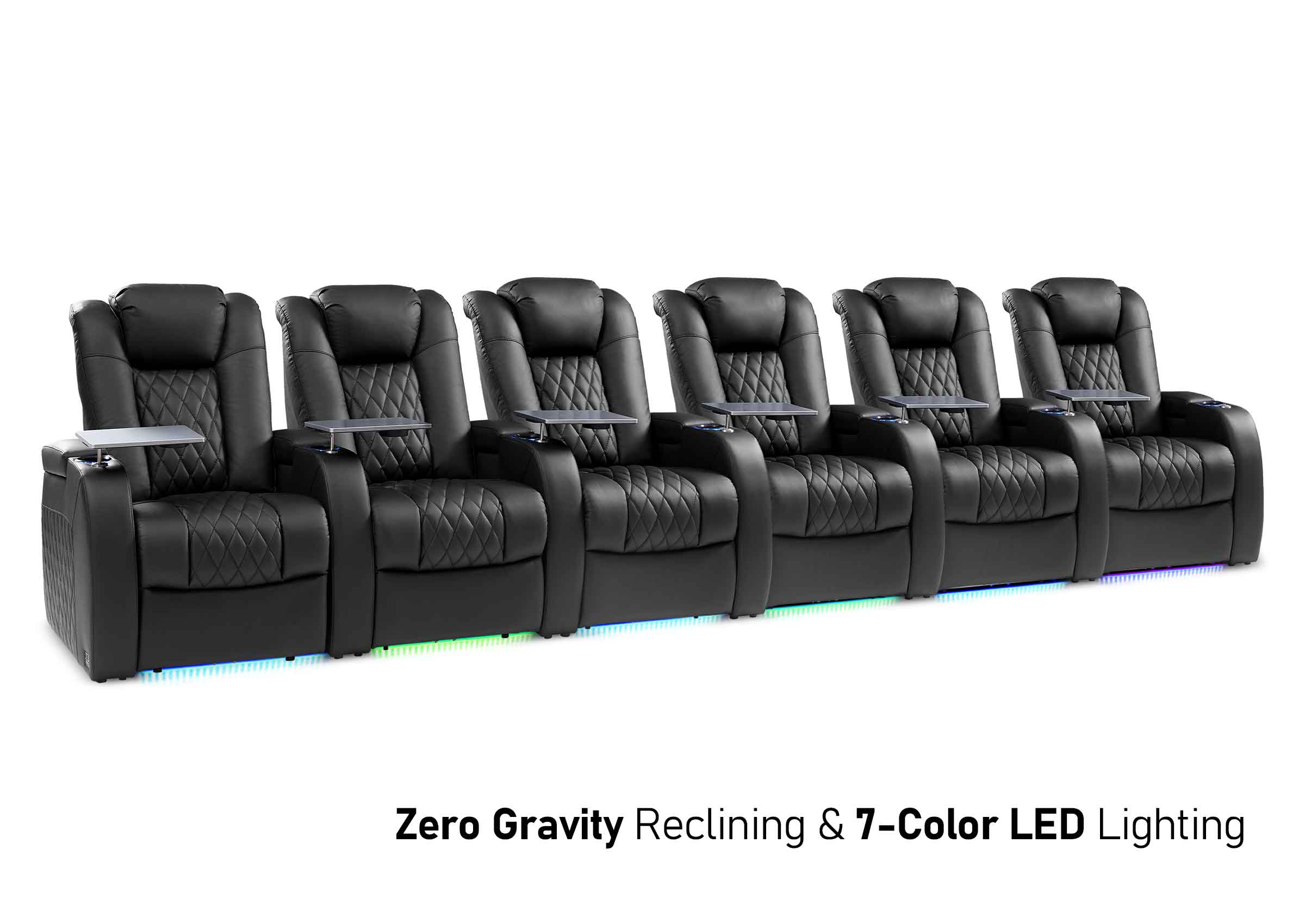
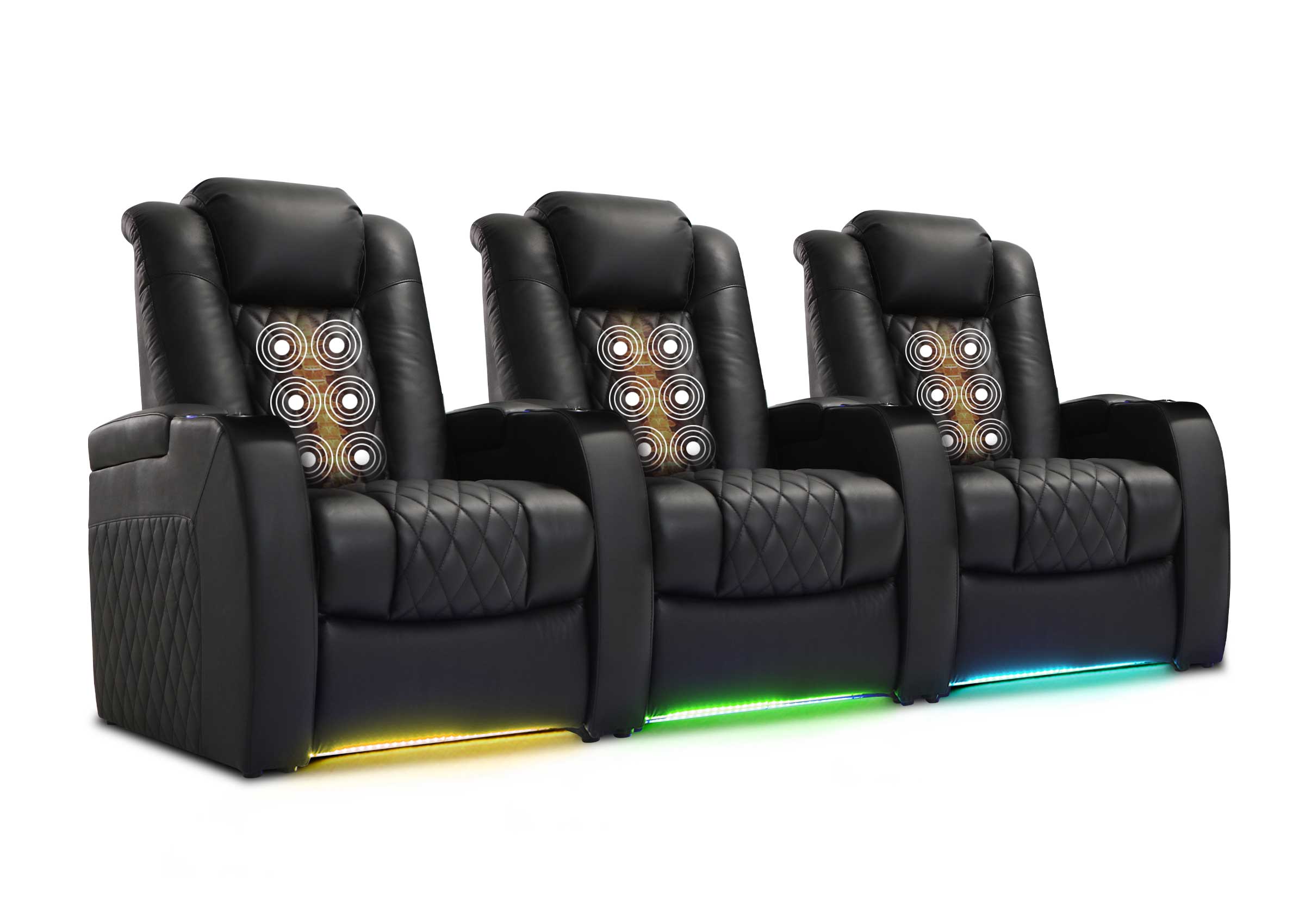

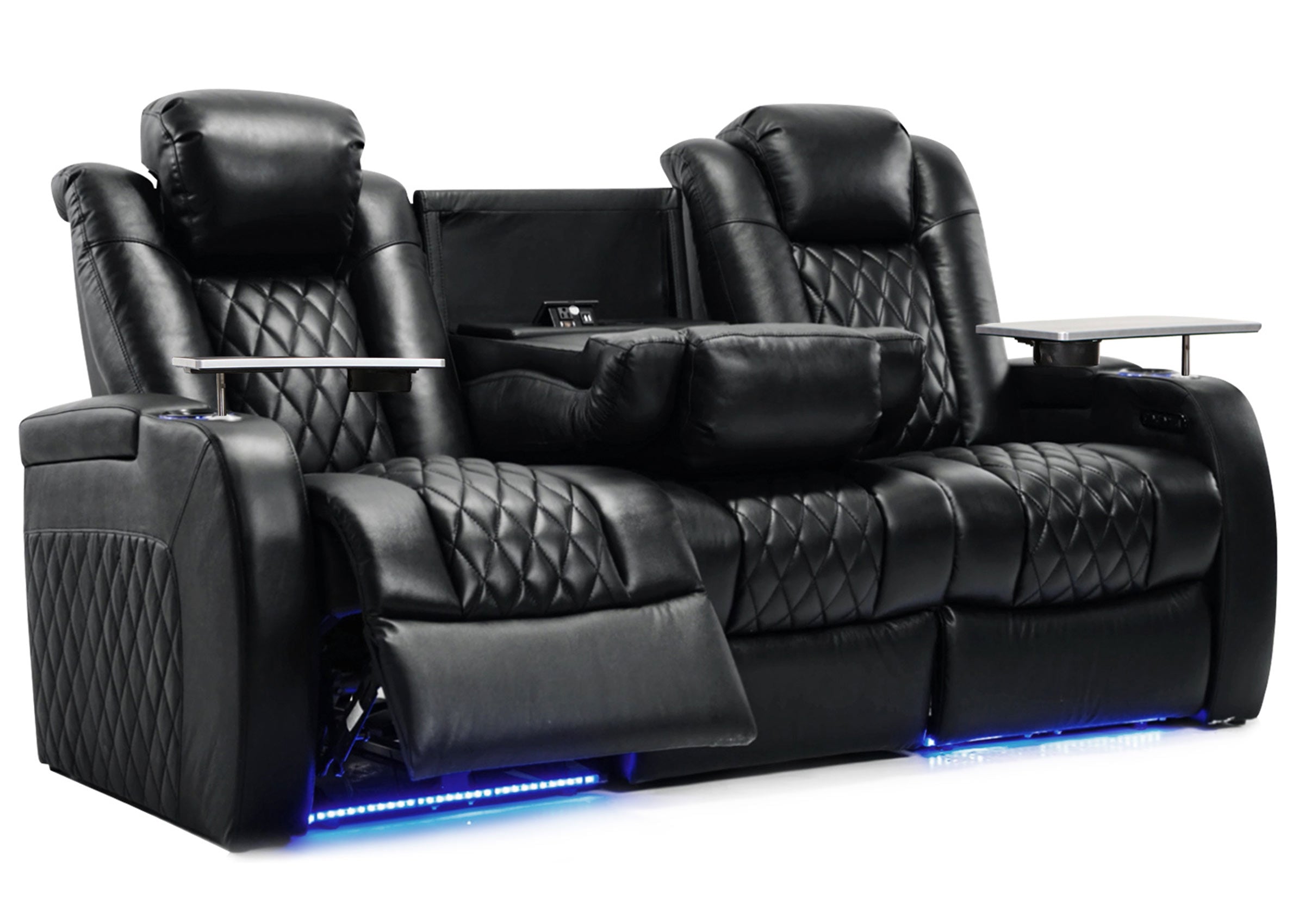
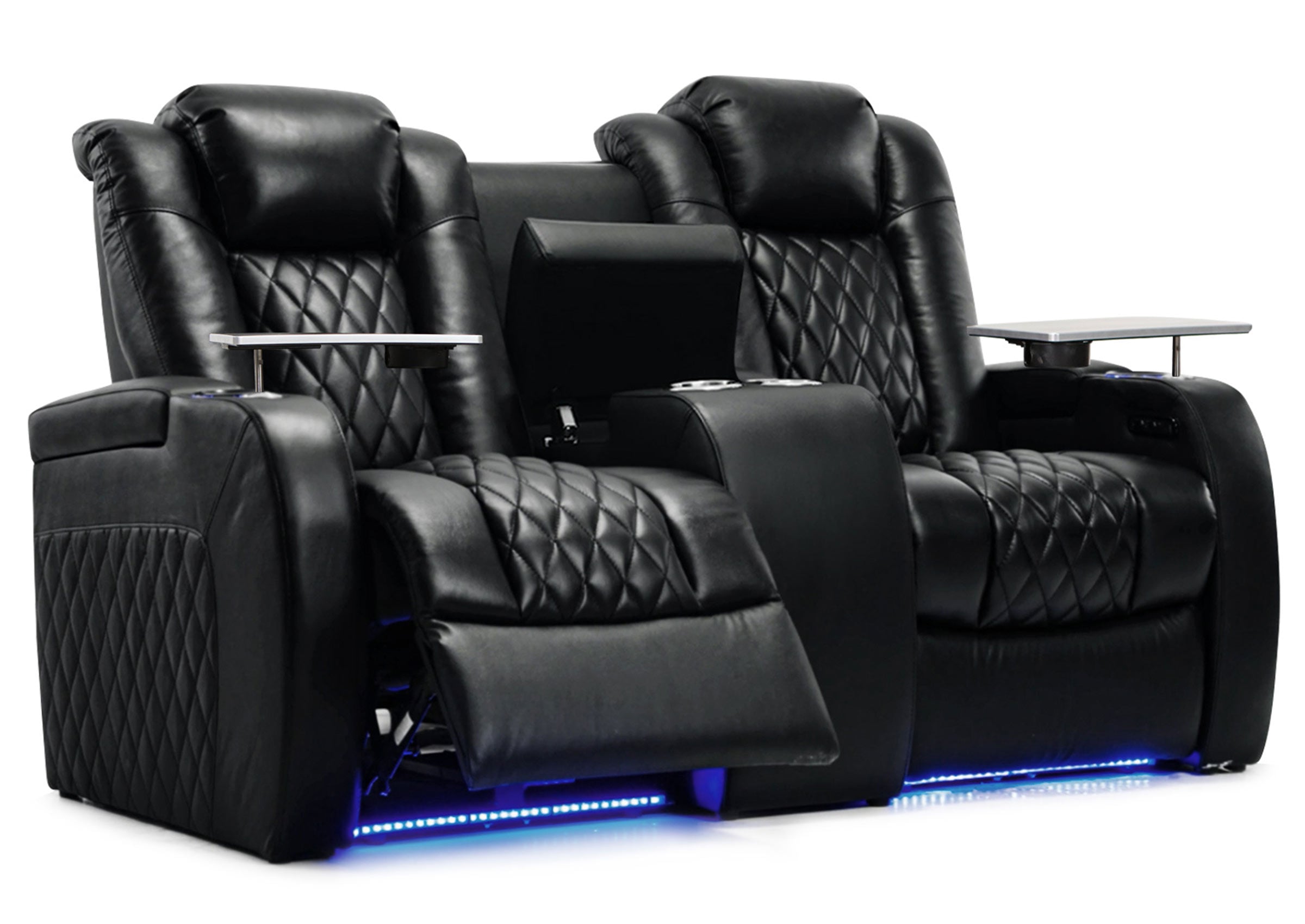



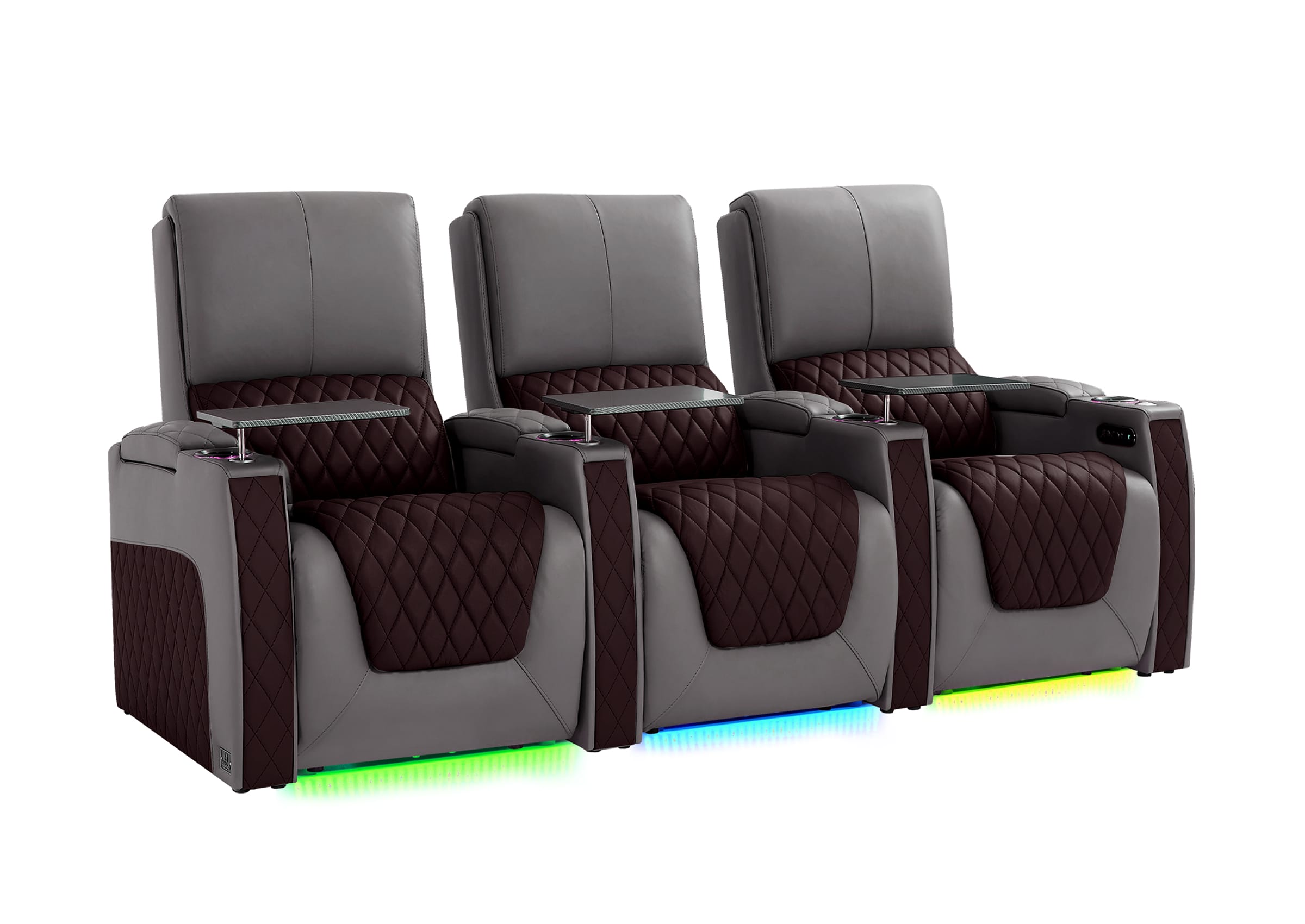
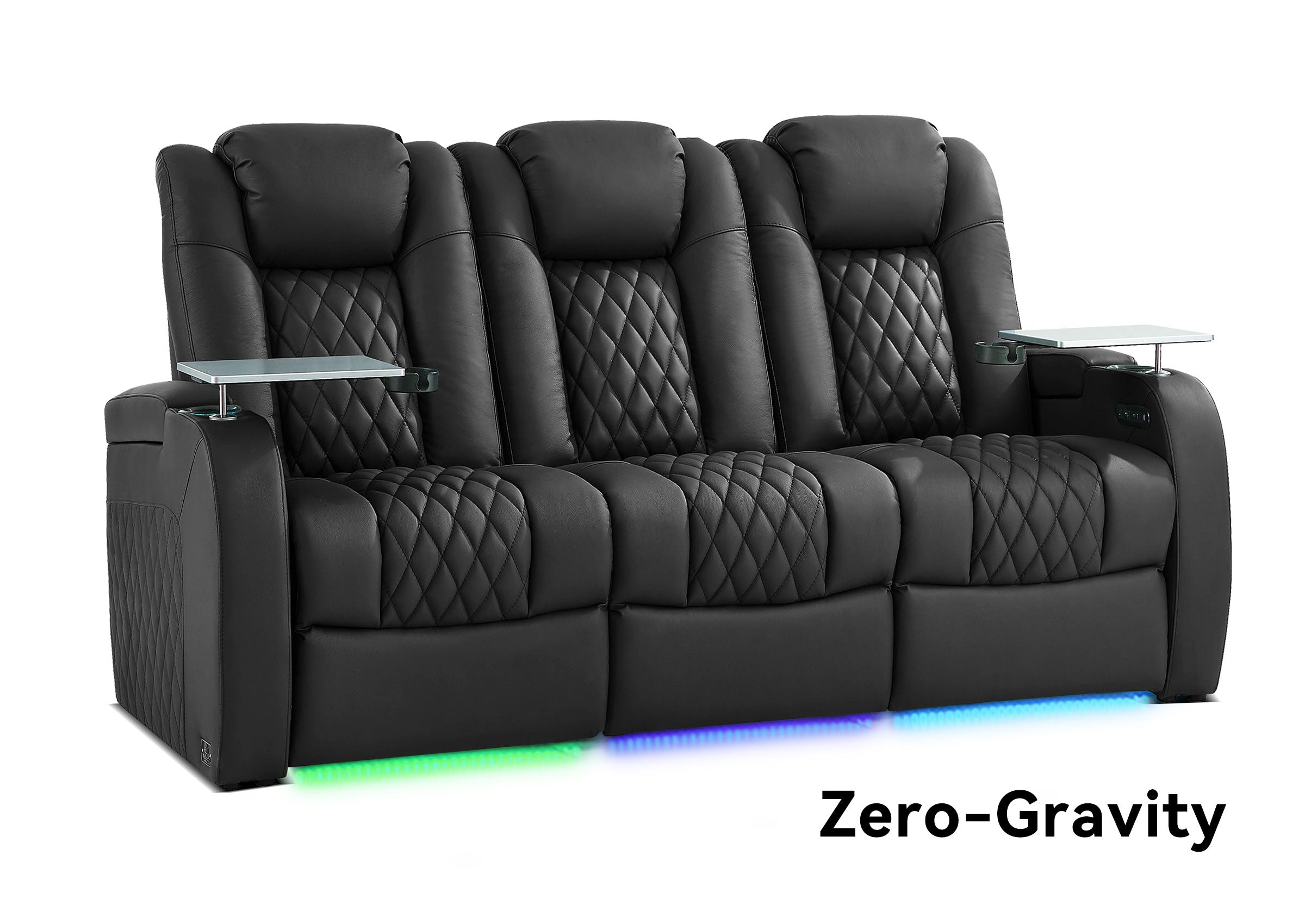


In a private home theater project, seating finishes should be approved as part of the room design, not as a last-minute color choice. The upholstery, color direction, contrast level, and visible details affect how the seating works with the screen wall, lighting, flooring, millwork, and the way the room will be used every day.
The goal is not to identify one universally “best” material or color. It is to make a documented choice that fits the exact seating configuration and the specific room, then confirm that choice before an order is finalized.
Start With the Room and the Seating Configuration
Finish approval is more reliable when the room plan and seating layout are already taking shape. A dark theater with controlled lighting, a bright multi-use media room, and a basement entertainment space may need different visual priorities. The number of seats, consoles, rows, and visible arm surfaces also changes how much impact the upholstery has in the room.
Before reviewing a color or material direction, identify the intended seating configuration and its location in the room. The home theater seating layout guide can help establish the room context that a finish decision should support.
Approve the room and configuration first; then approve the finish for the exact seating plan.
Separate Material Decisions From Color Decisions
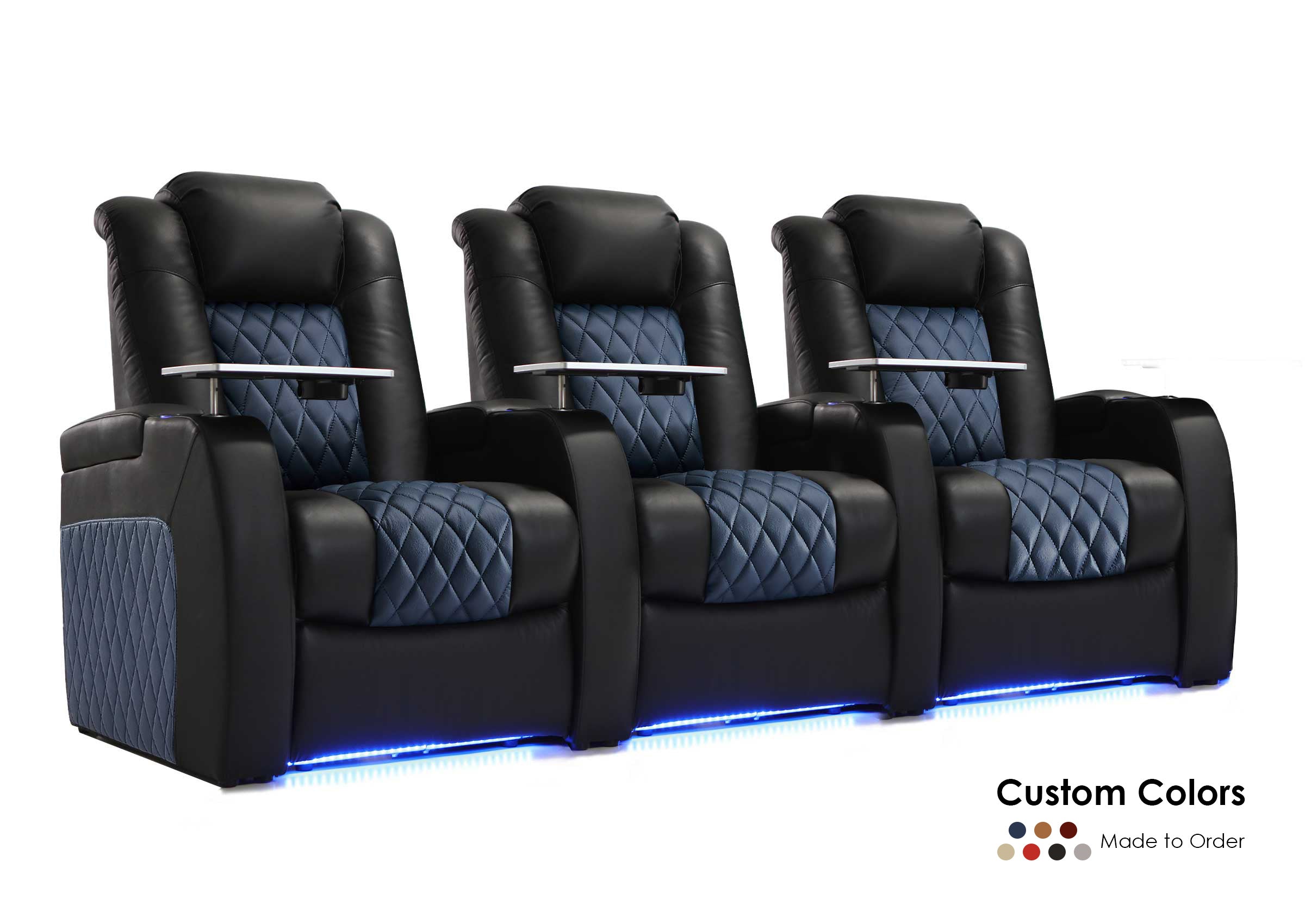
Material and color are related, but they answer different questions. Material affects the surface feel, care needs, visual texture, and how the upholstery may suit the intended use. Color affects contrast, mood, visual weight, and how the seating relates to walls, flooring, cabinetry, and lighting.
A useful project review treats these as separate decisions. First, determine which available upholstery direction is appropriate for the selected product and the way the room will be used. Then compare available colors or color combinations in the room context instead of selecting from a screen image alone.
| Approval Area | Question to Resolve | What to Record |
|---|---|---|
| Exact product | Which model and configuration are being approved? | Product or series name, seat count, row layout, and selected modules |
| Material direction | Which available upholstery option suits the room and intended use? | Approved material direction and any questions requiring confirmation |
| Color direction | How should the seating relate to the screen wall, flooring, and millwork? | Primary color, accent direction, and approved sample reference |
| Lighting review | Does the finish still work under the room’s likely lighting conditions? | Where and when the sample was reviewed |
| Final confirmation | Does the approved finish apply to the exact product and order? | Final configuration record and outstanding confirmation items |
Use a Five-Step Approval Order
- Confirm the intended seating model, configuration, and room location.
- Review available material and color directions for that exact product.
- Compare samples or finish references with the room’s key materials and lighting.
- Record the approved direction, remaining questions, and responsible project contact.
- Confirm that the final product, configuration, finish, and applicable order details match the approval record before ordering.
This order reduces a common project mistake: approving a finish for an early concept, then assuming the same choice applies automatically after the seating configuration changes.
Review a Sample in the Right Context
Digital images are useful for narrowing options, but they should not be the only basis for a final finish decision. Screens, photography, ambient light, and surrounding materials can change how a color appears. A finish that feels balanced next to a product image may look warmer, cooler, lighter, or darker once it is placed near the actual wall, floor, rug, or cabinetry material.
When samples are available for the selected product, review them near the proposed seating location or beside the project’s key finish materials. Look at the sample in the lighting conditions that matter to the room, including daytime light where relevant and the intended evening lighting. For eligible top-grain leather products, Weilianda can provide leather samples and testing reports; confirm availability for the exact product rather than assuming it applies to every option.

Choose a Color Direction That Supports Viewing
In a dedicated theater, seating color is part of the viewing environment. The goal is usually to support the screen rather than compete with it. Consider how visible the seating will be during movies, how reflective surrounding surfaces are, and whether the room is intended to feel calm, dramatic, warm, or more social.
In a multi-use media room, the seating may need to work equally well when the screen is off. That can make the relationship between upholstery, wall color, natural light, and adjacent living areas more important. The right direction is the one that fits the room’s use and existing finishes, not simply the darkest or most dramatic option.
Confirm Features and Visible Details at the Same Time
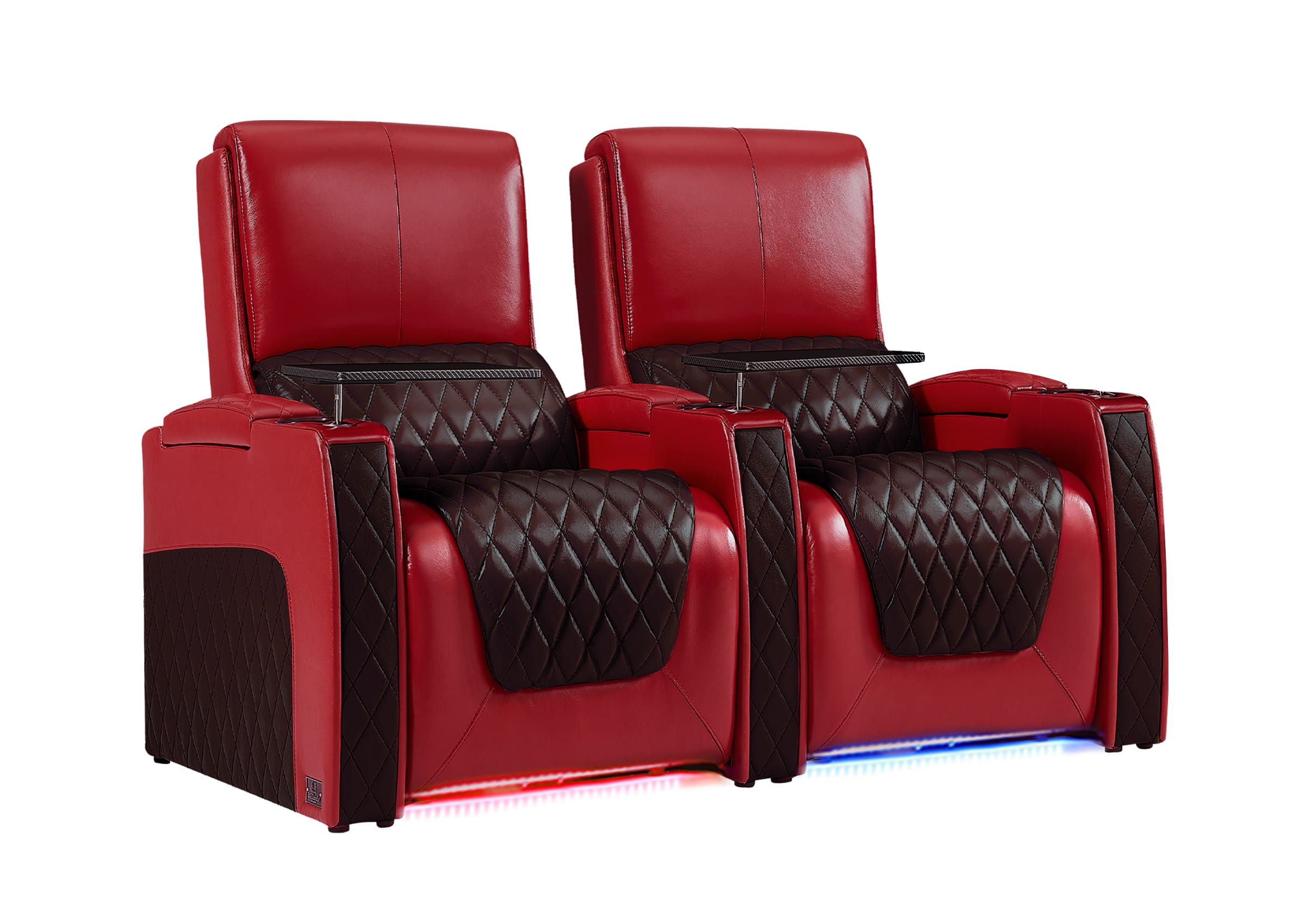
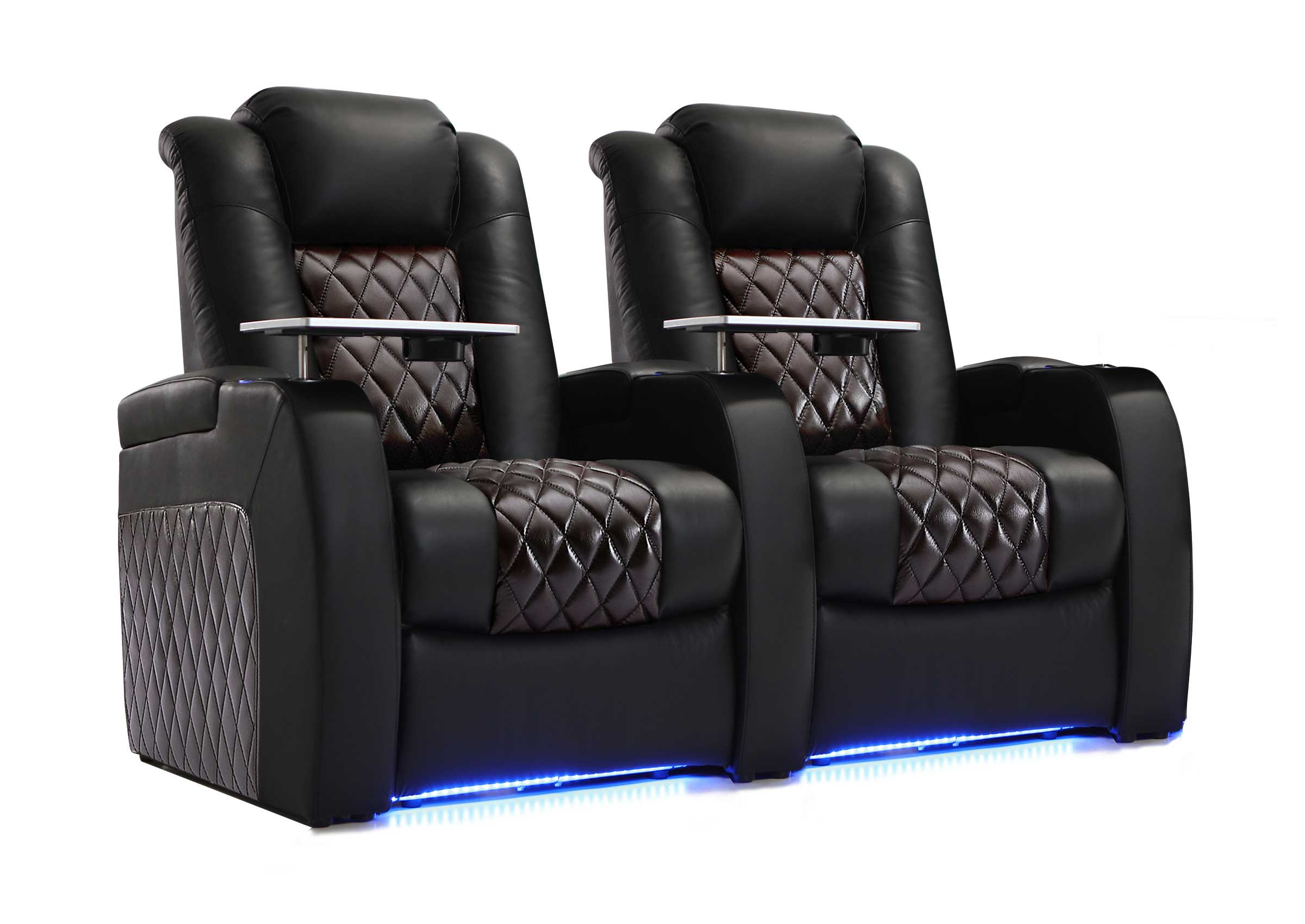
Seating finishes are not isolated from the rest of the configuration. Arm style, consoles, tray tables, cup holders, lighting, storage, stitching, and other visible elements can affect whether a finish feels coordinated. Available features vary by product, so the finish review should happen alongside a check of the selected model and configuration.
The Weilianda seating series comparison can help a project team understand the different style and feature directions. It is a starting point for comparison, not final confirmation of a specific configuration.
Create a Finish Approval Record
A simple finish approval record prevents a project team from relying on memory or informal messages. It does not need to be complicated. The purpose is to give the homeowner, designer, builder, and supplier one reference point for the chosen direction.
Include the room name, the selected product or series, seating configuration, color or material reference, relevant sample notes, visible feature choices, date of review, and any remaining questions. If a choice is still provisional, label it as provisional rather than treating it as approved.
The final record should describe the exact configuration being discussed, not a general idea of the room.

Confirm Custom Requests Carefully
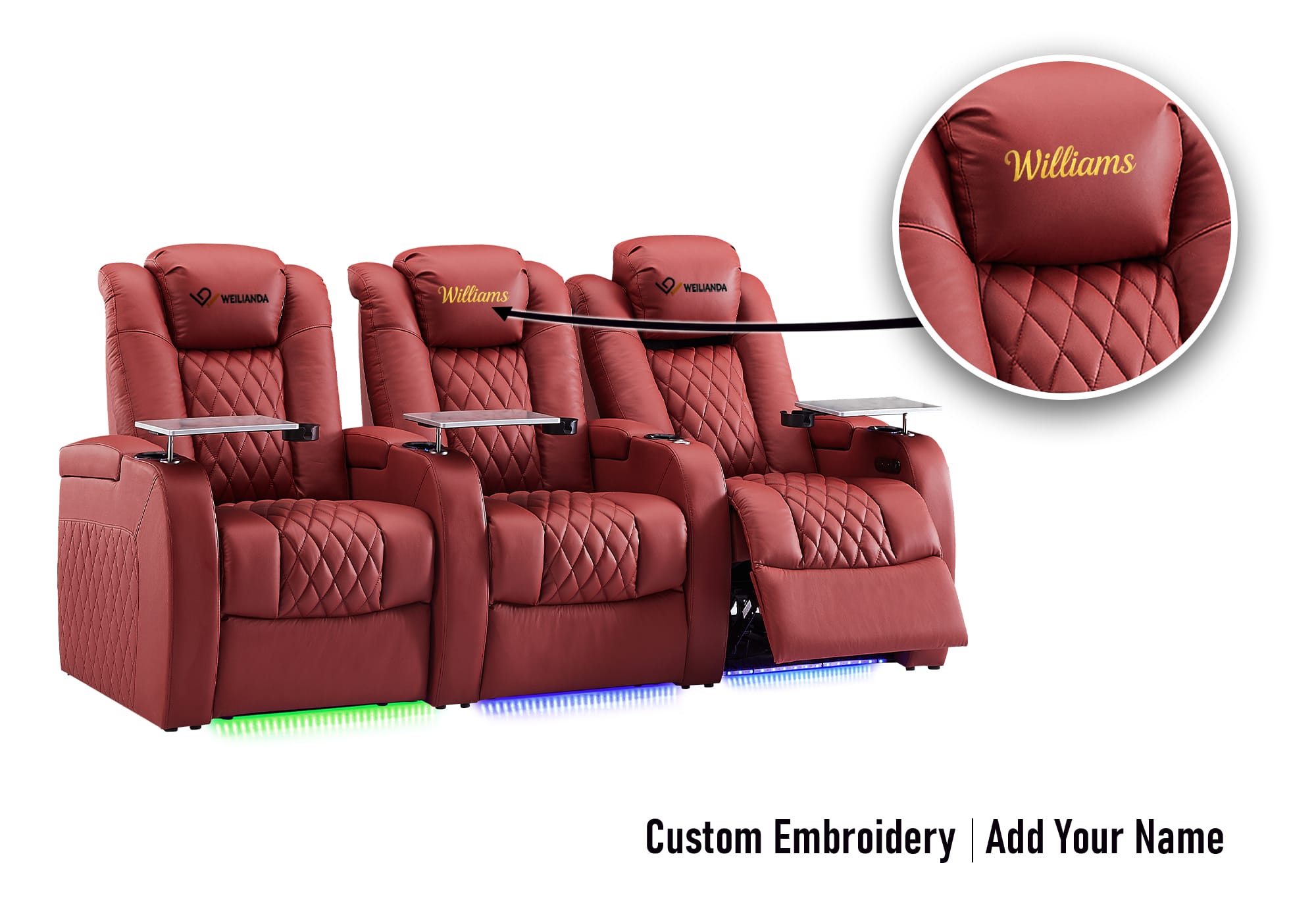
For a custom color, layout, or configuration inquiry, make the requested change specific. Share the room plan, intended seating layout, preferred material or color direction, and the reason the request matters to the project. This gives the support team a clearer basis for confirming what can be considered for the selected product.
The custom home theater seating page is a useful starting point for these discussions. Do not assume that a custom inquiry changes every product specification; confirm the exact available options, dimensions, and applicable order terms before moving forward.
Frequently Asked Questions
Should a theater seating color be chosen before the room is complete?
A color direction can be selected early, but final approval is stronger when it is reviewed with the room’s key materials and likely lighting conditions. If the room is still changing, record the finish as provisional until the relevant elements are confirmed.
Can I approve a finish from an online image?
Online images are helpful for inspiration and narrowing choices, but they can display colors differently from a real sample. When possible, review an available sample with the project’s surrounding materials and confirm the exact product information before finalizing the order.
Do all seating models have the same color and material options?
No. Options can vary by product and configuration. Confirm the current choices for the exact model under consideration.
What should a designer send for a finish review?
Send the room plan, selected or preferred seating configuration, key finish references, color direction, project lighting notes, and any questions about the exact product or custom request.
Bring the Room Plan and Finish Direction Together
For a Weilianda private theater seating project, share your room plan, preferred configuration, color or material direction, and any sample questions with the support team. A clear project snapshot makes it easier to confirm the information that applies to the seating you are actually considering.